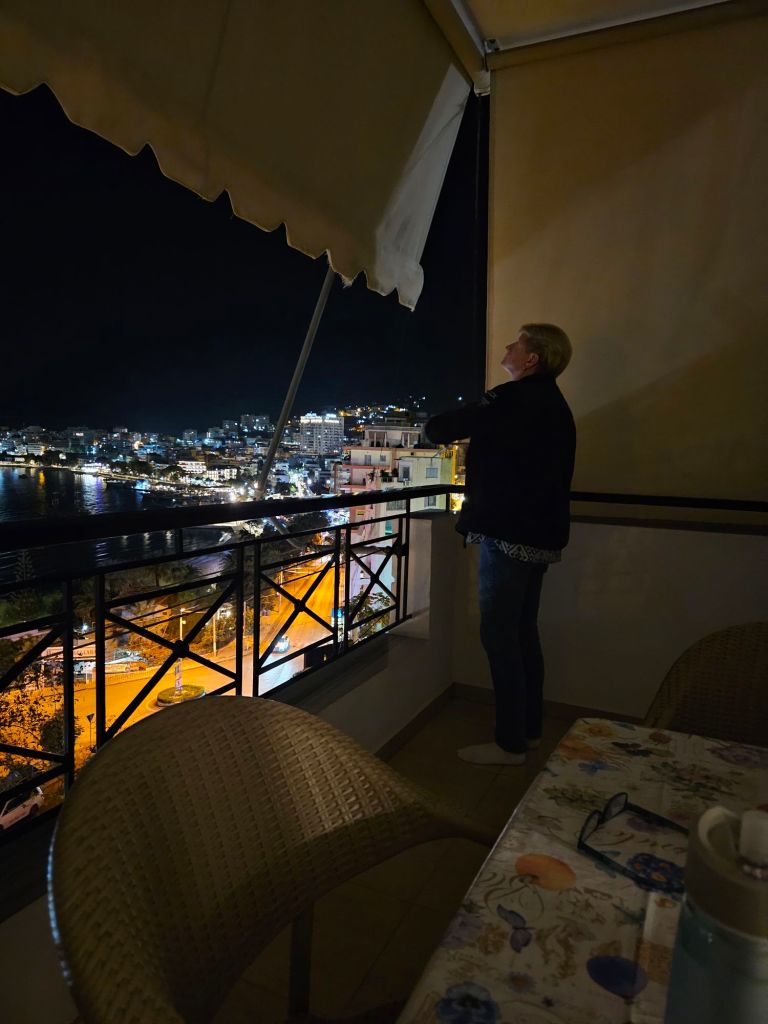
I had a bit of a fuzzy head in the morning due to the wine and raki consumption the night before.
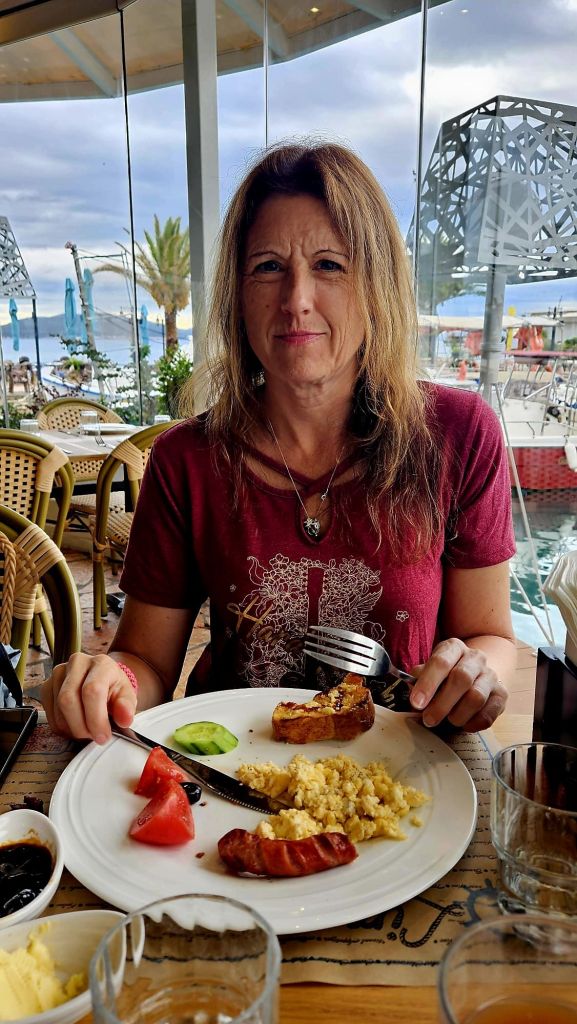
We decided to have breakfast out and walked down to Limani restaurant where we had eaten a couple of nights ago. They did a very tasty cooked breakfast.

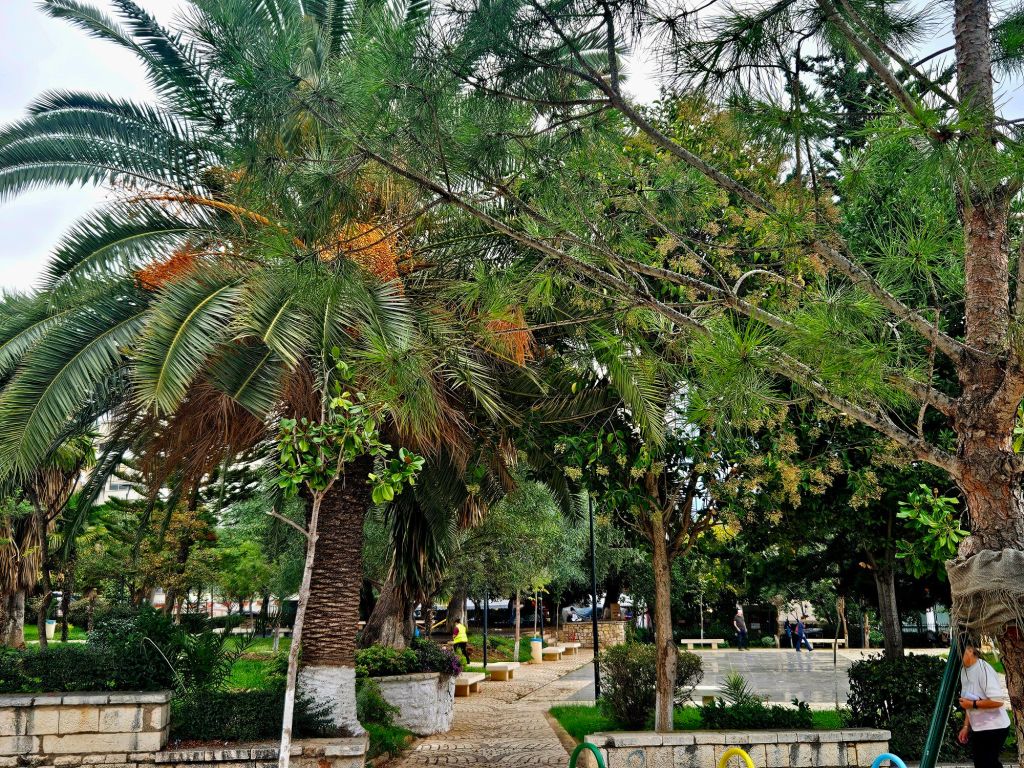
From here we wandered over to the Friendship Park. This is a fairly small park in the middle of the town centre and provides a bit of shade away from the busy streets.


Right next to the park are the ruins of the Ancient Synagogue of Onchesmos. The ruins are part of a religious complex used between the 4th and 6th centuries. Onchesmos was the ancient town that once occupied the site of modern Sarandë, and much of it now lies beneath the streets and buildings of the present city. The synagogue is one of the few places where a substantial part of this buried settlement has been exposed.
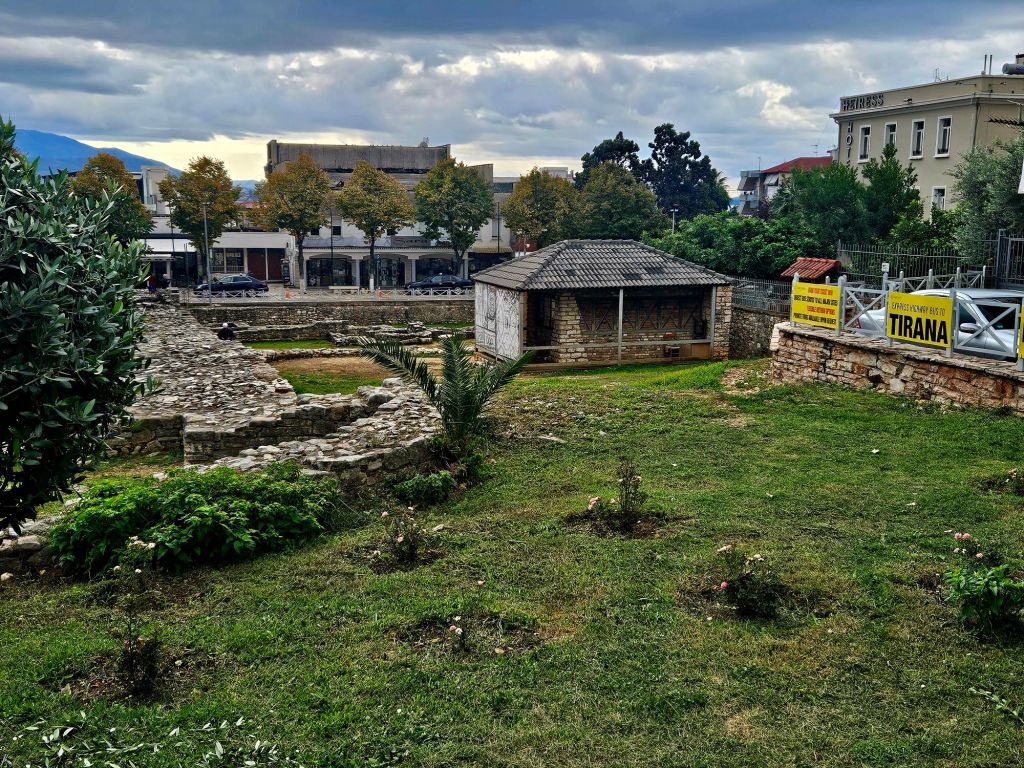
The site developed from Roman buildings dating to the 2nd and 3rd centuries, probably including a villa. These were later adapted for use by a Jewish community, first with a prayer hall and then as a larger synagogue arranged in the form of a basilica. During the final phase of the complex, the synagogue was converted into a Christian church. It appears to have remained in use until the late 6th or early 7th century, when much of ancient Onchesmos was abandoned.

And close to the ruins is the mosque of Sarande. This was built in 1935 and is one of the few buildings in the area that survived from the period before the communist rule.

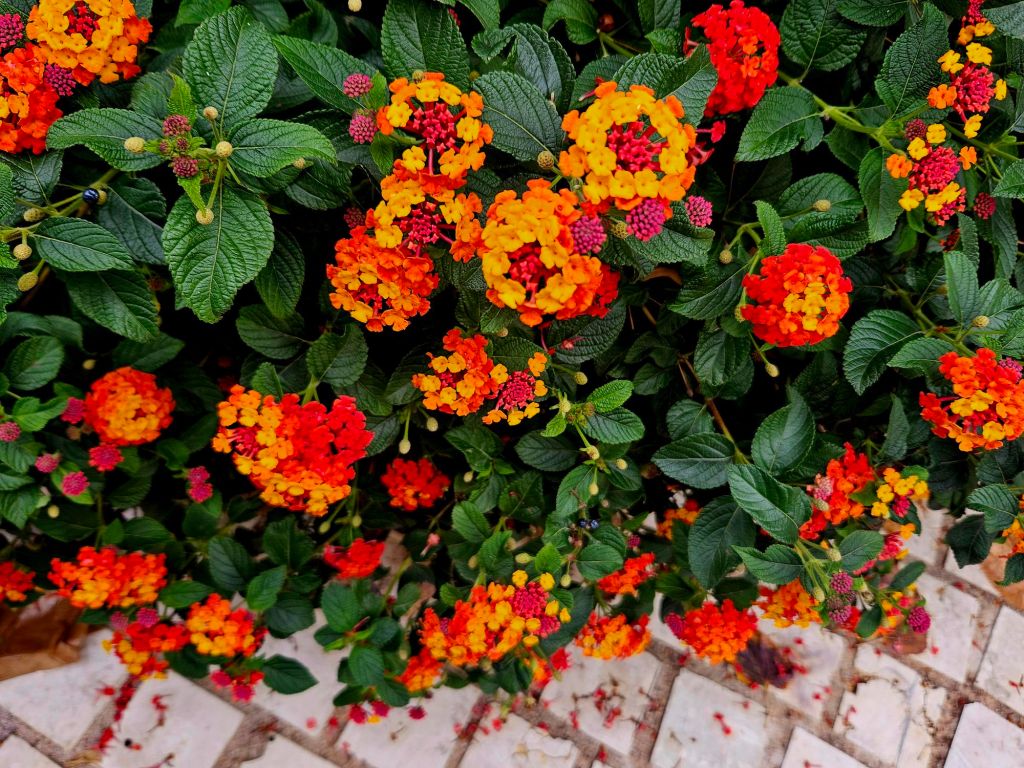
After visiting the mosque we walked back to the apartment along the beach.
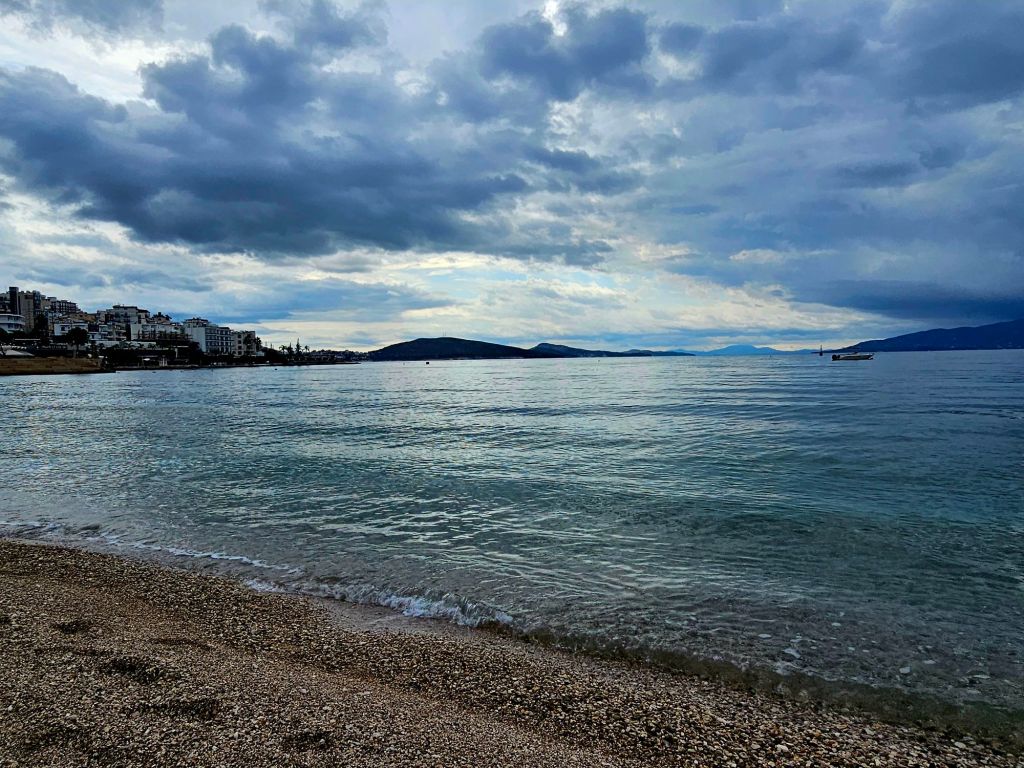
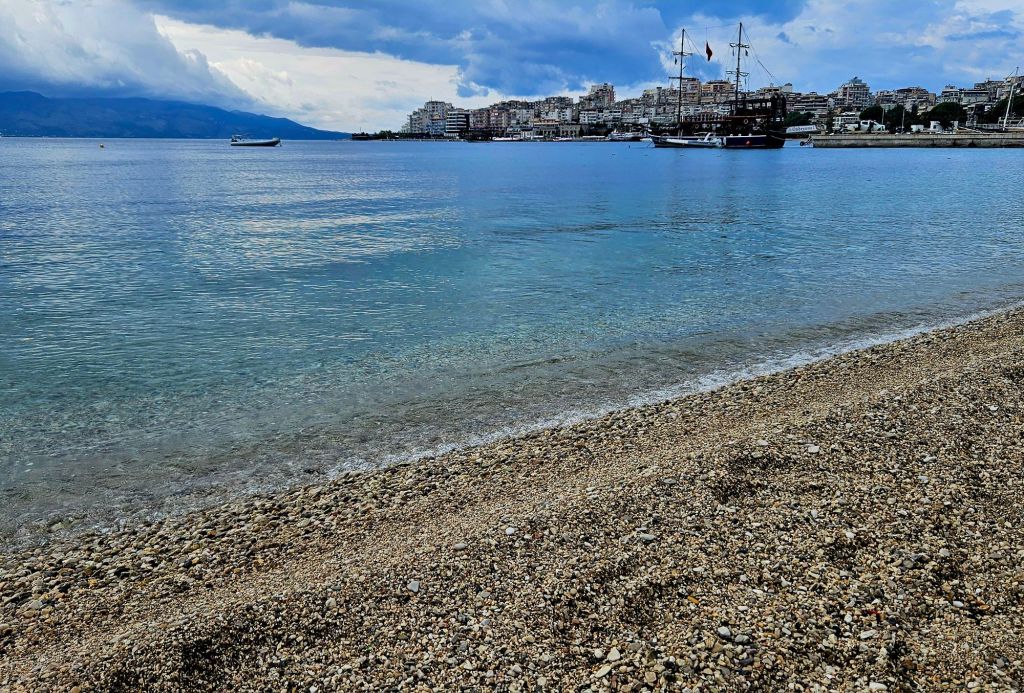
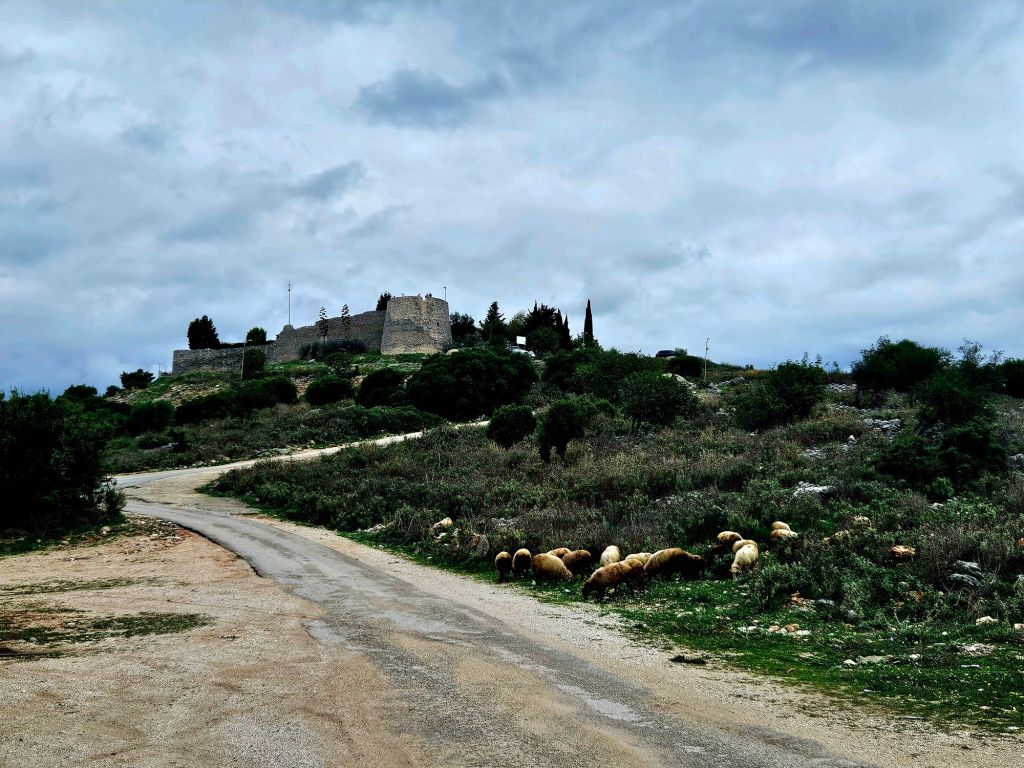
After a few of snacks we headed out to Lekuresi castle, which is situated 4km above the town. It was quite a climb up to the castle but the views were worth it.

On the way up to the castle we passed the Sarande lighthouse which was built in the early 20th century. It overlooks the Ionian sea and serves as a vital navigational aid for vessels. It is also an iconic symbol of the region’s maritime heritage.

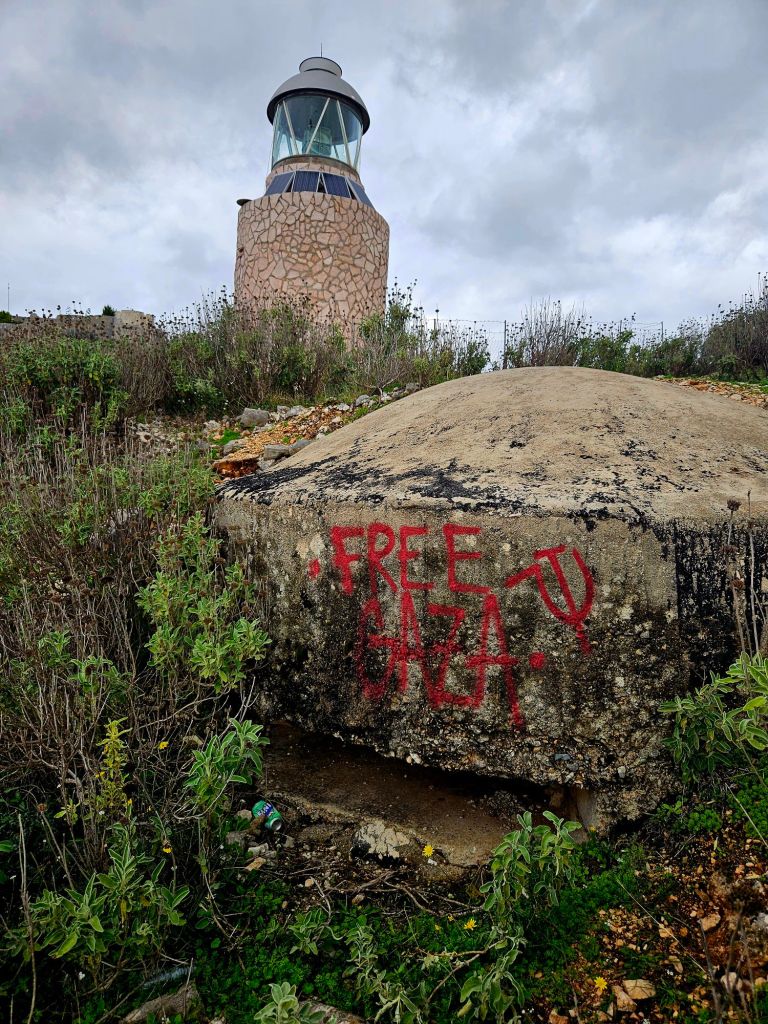
There were also a number of bunkers in the area surrounding the castle.
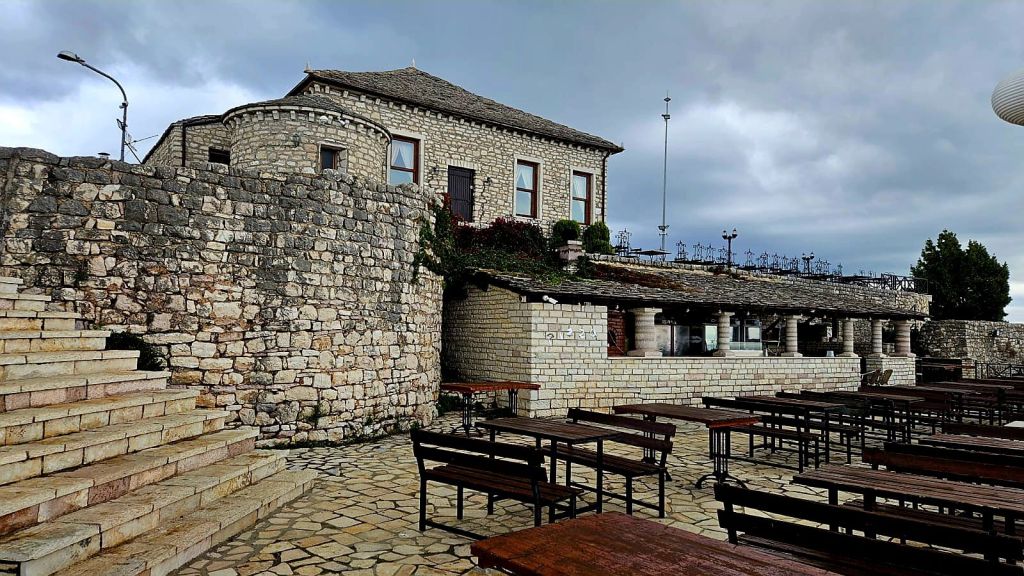
Lekursi Castle was built in 1537 by the Ottoman emperor Sultan Suleiman the Magnificent, when he attacked Corfu and needed control over the harbor and the Saranda-Butrint road. With its strategic location, the castle offered protection against the Venetians and held a garrison of 220 soldiers. The castle, which used to inhabit the village of Lëkurës, was raided under the attack by Ali Pasha of Tepelena in the 18th century and has been abandoned ever since 1878. The castle is almost square in shape, and has two round towers at opposite corners.

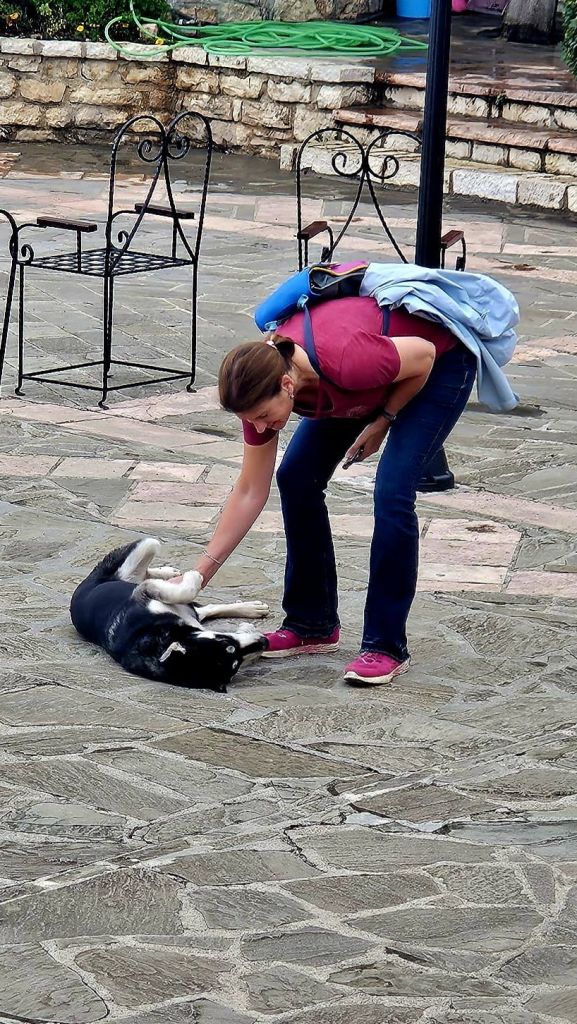
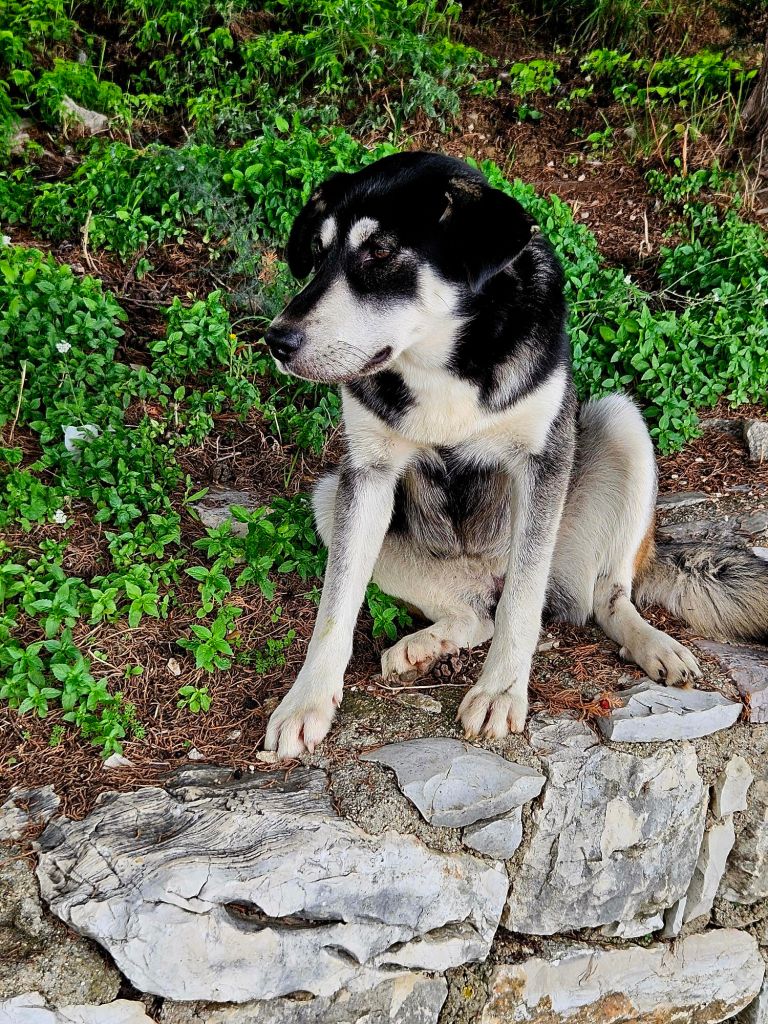
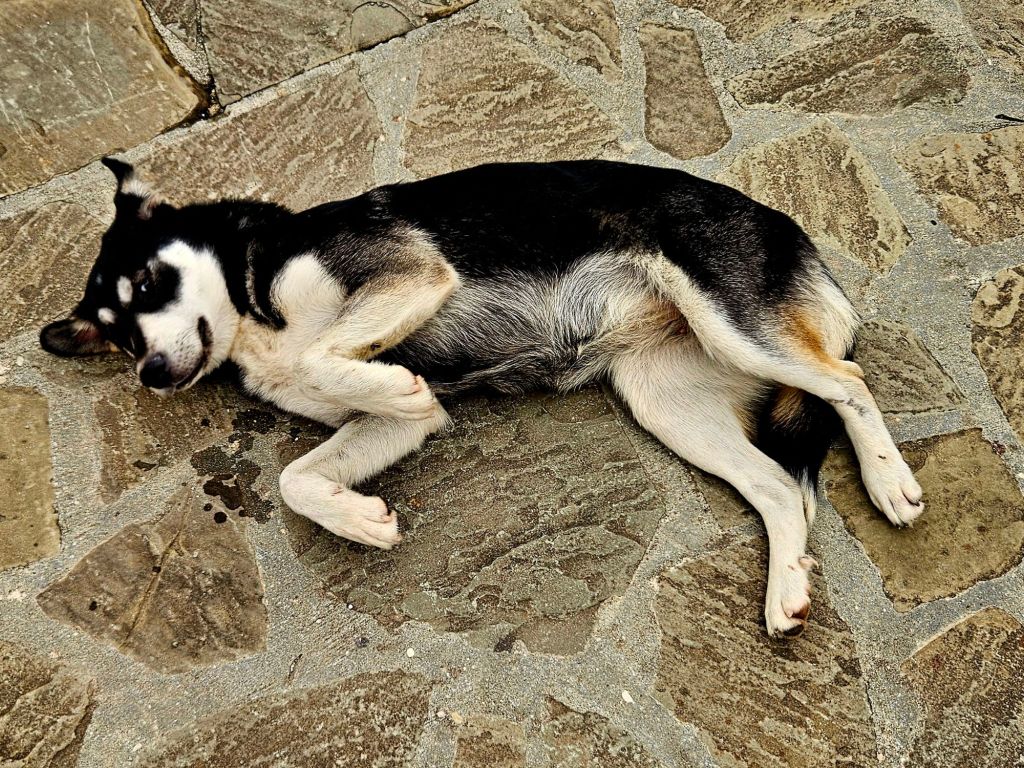
There was a very friendly dog in the castle grounds.
Although it was a bit cloudy, there were some great views from the castle.
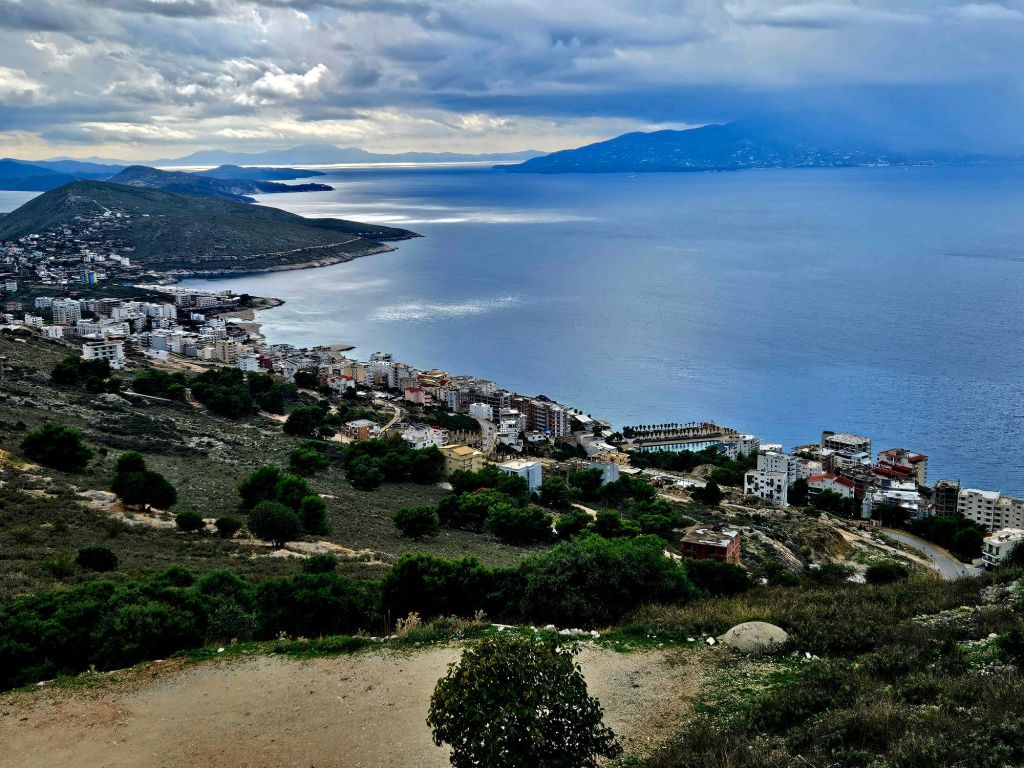
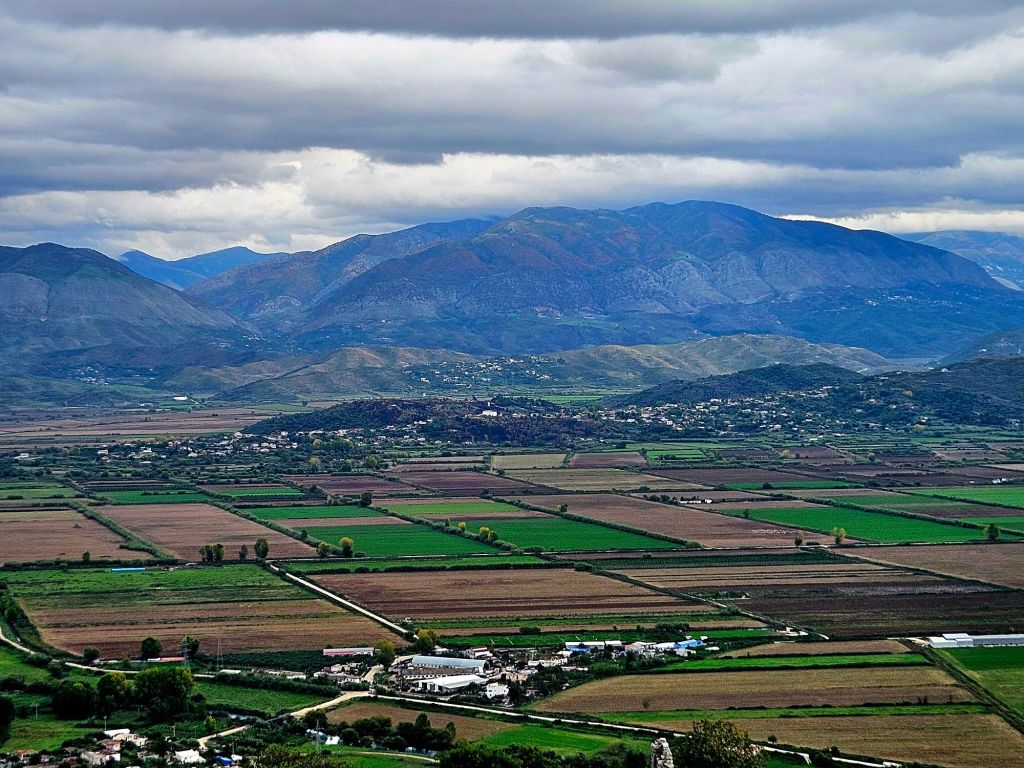

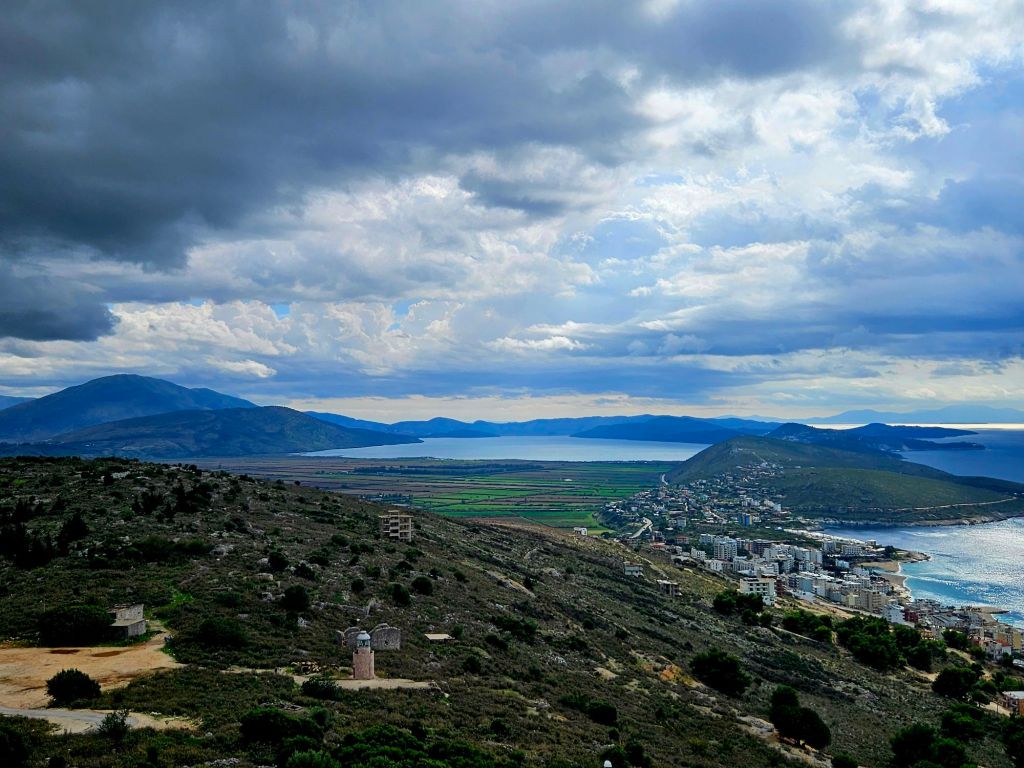

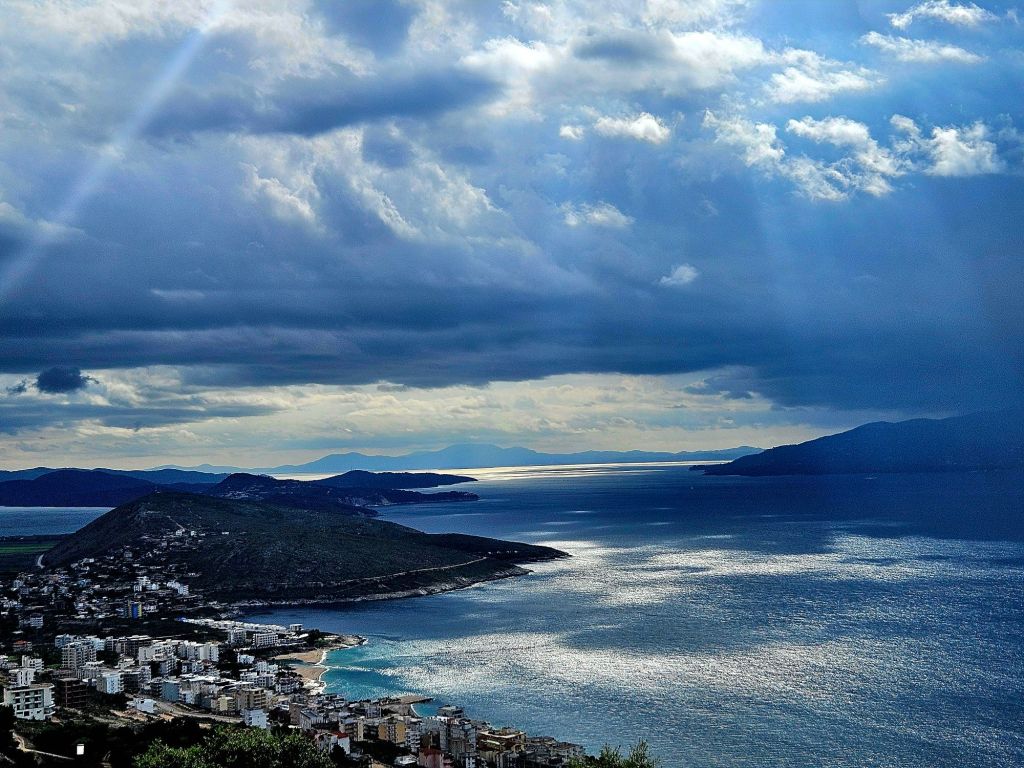

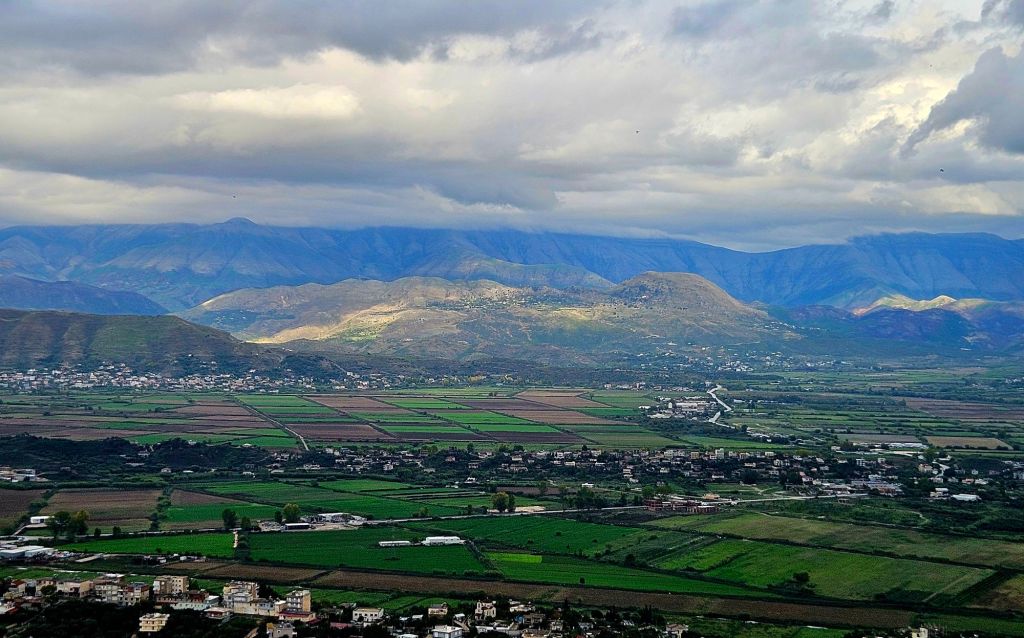
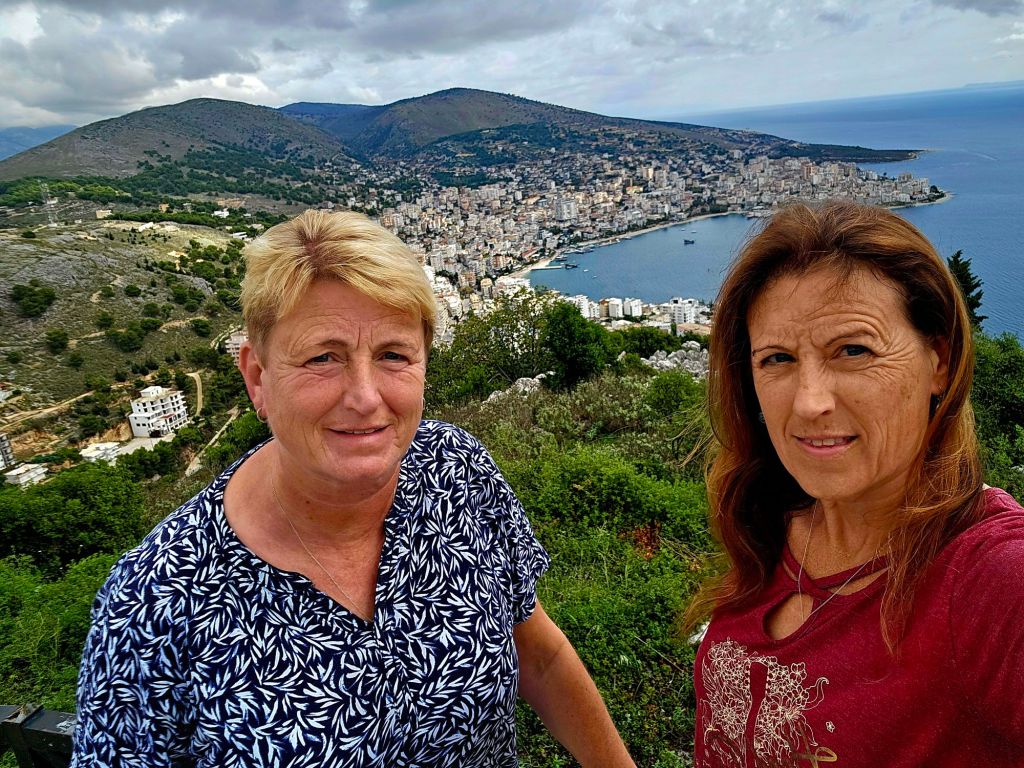
And we had some fun playing with panoramic photos.
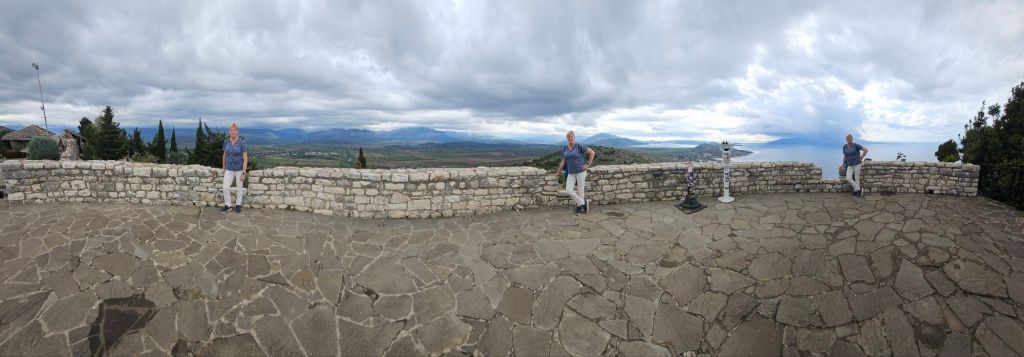
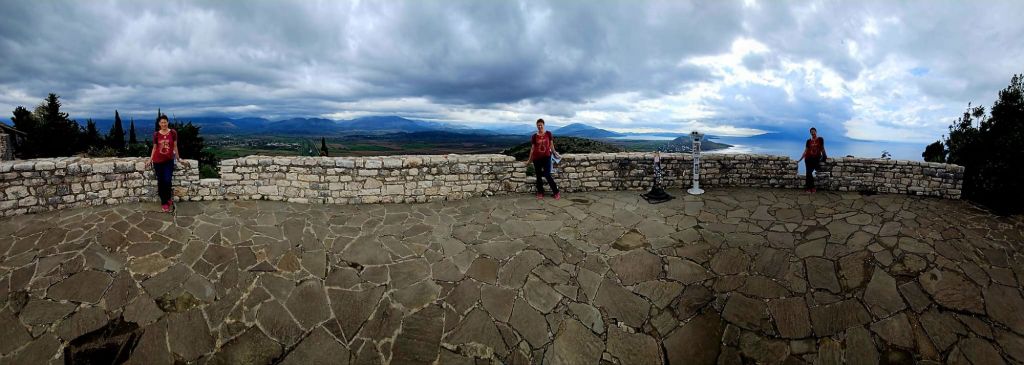
After walking around for a bit and taking in the views, we had a little rest outside the restaurant.
We decided to go back into town using a different, less established route. I found a path through the hills using maps.me. As we set off it was raining a little bit.
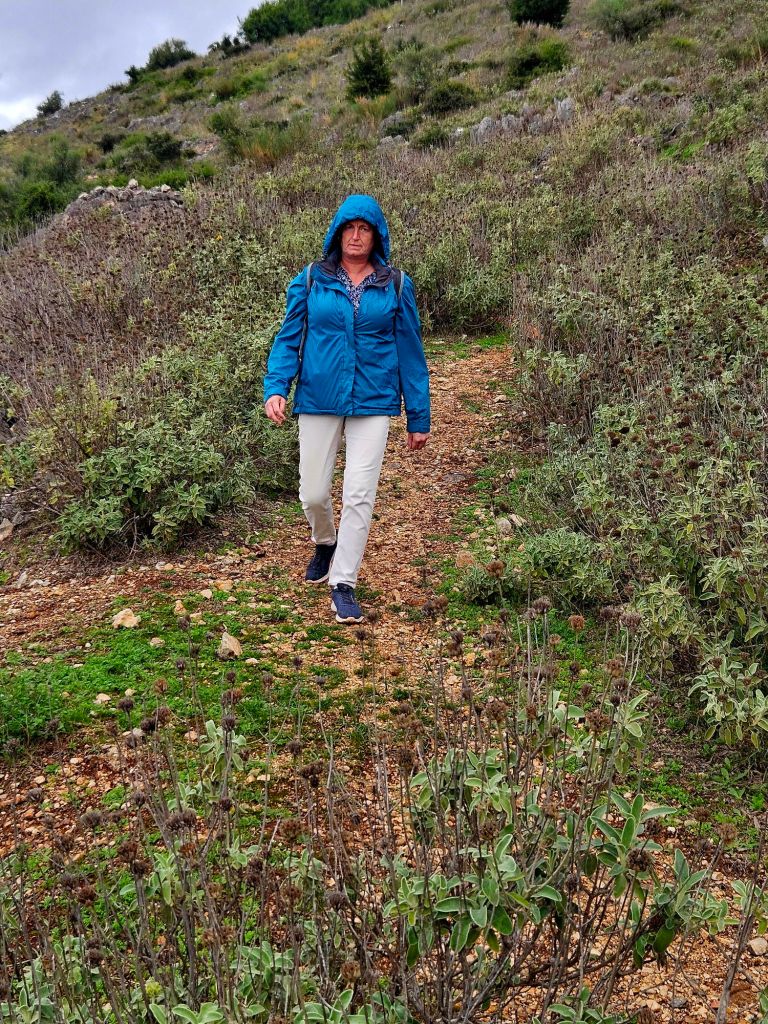
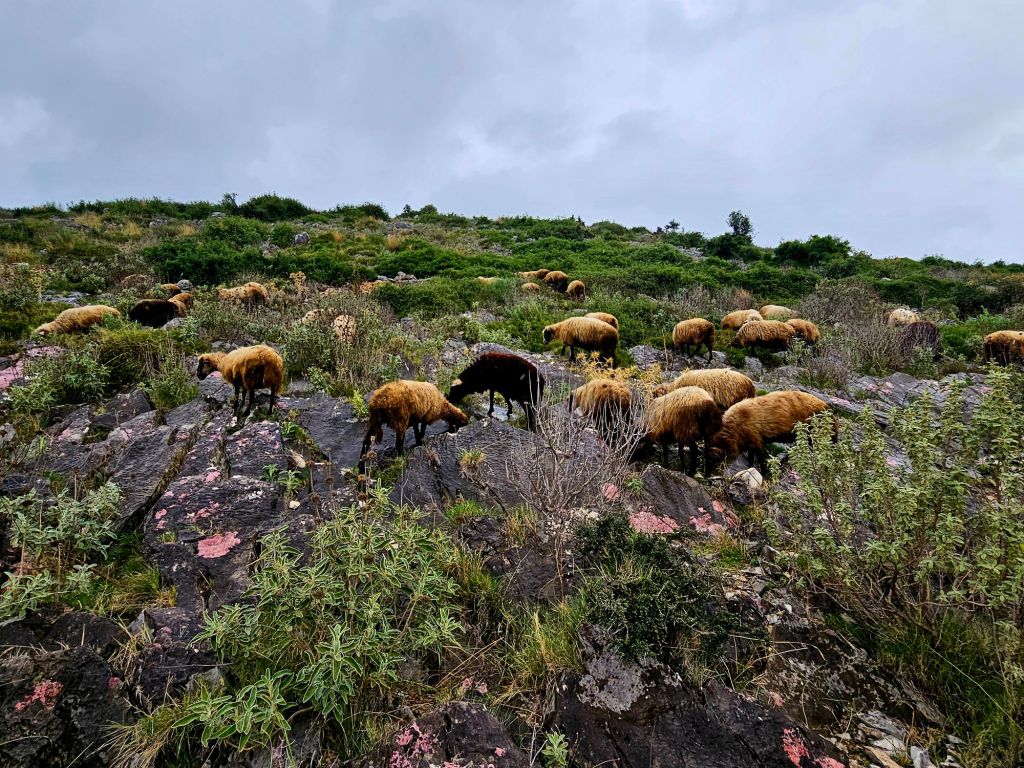

Unfortunately someone had started to build a house along the path, so we had to take an unplanned detour.


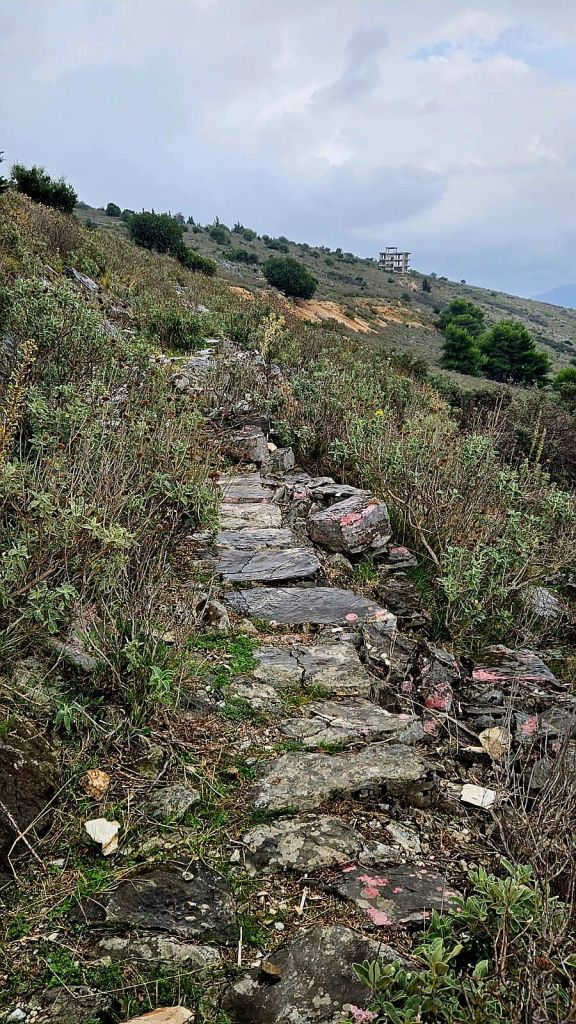
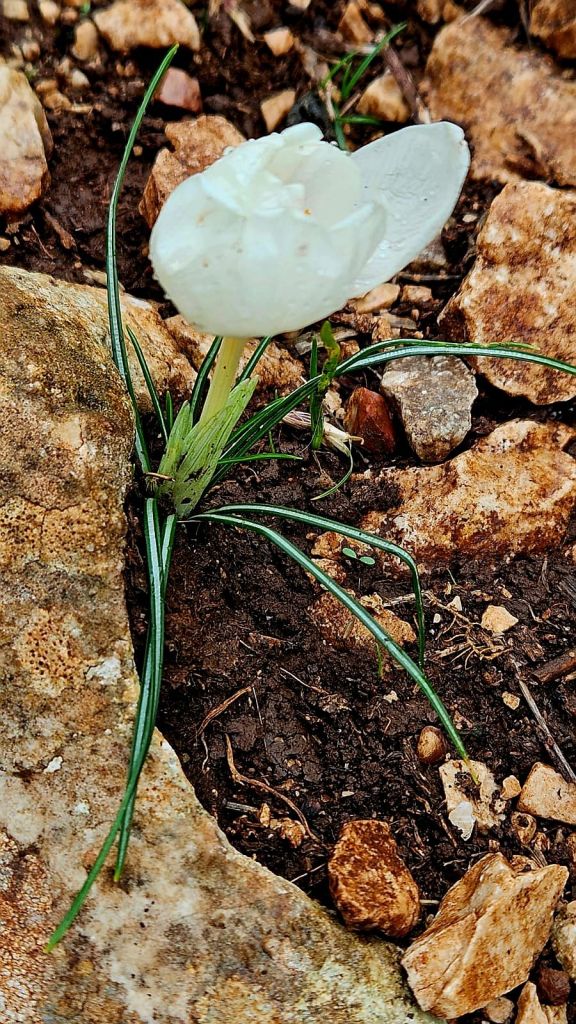
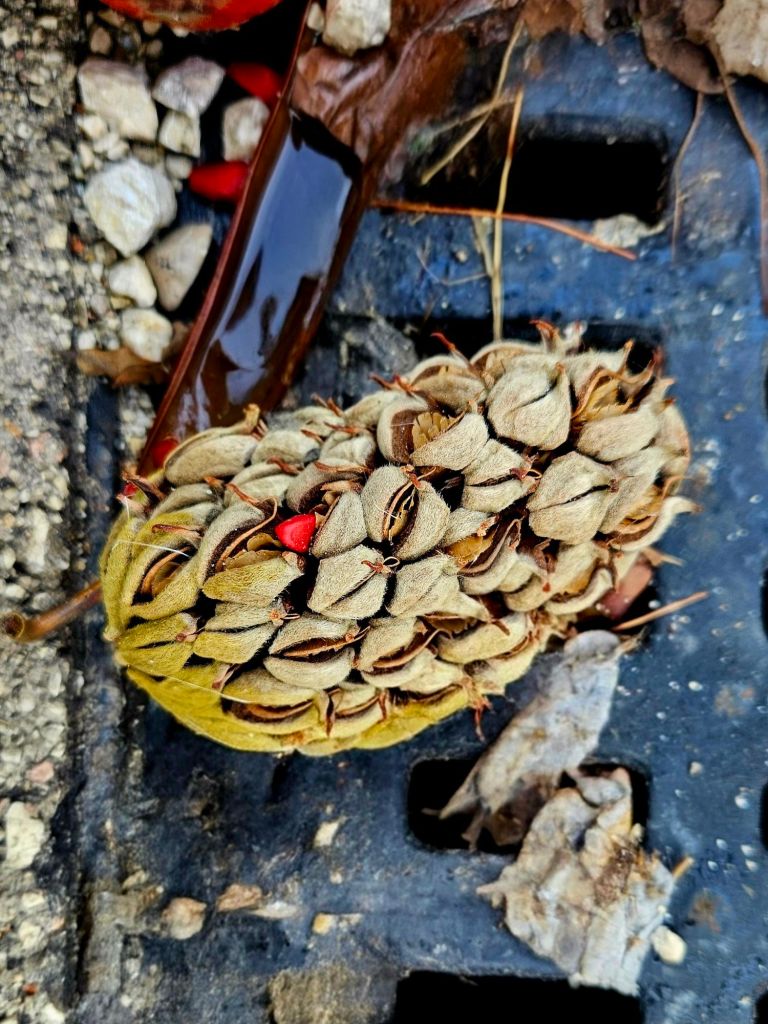
At the end of the path was a hotel but with wire fencing all around. So we had to wiggle through the fencing to get back out onto the main road. Along the side of the road there were loads of magnolia seed pods.
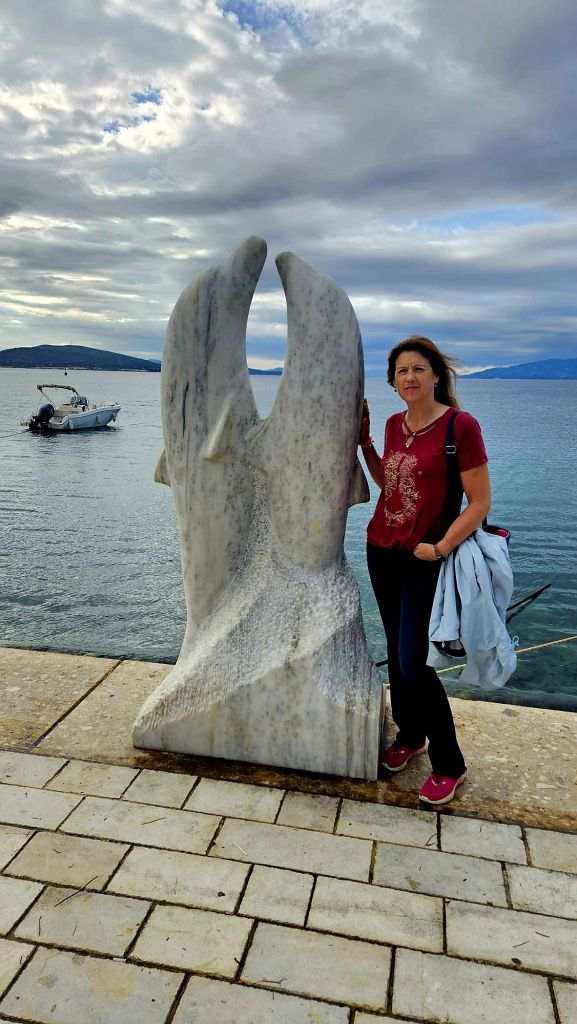
On the way back to the apartment we passed the dolphin statue. This is a fairly modern sculpture and represents the coastal city’s deep connection to the Ionian Sea and the local marine life frequently spotted off the Albanian Riviera.
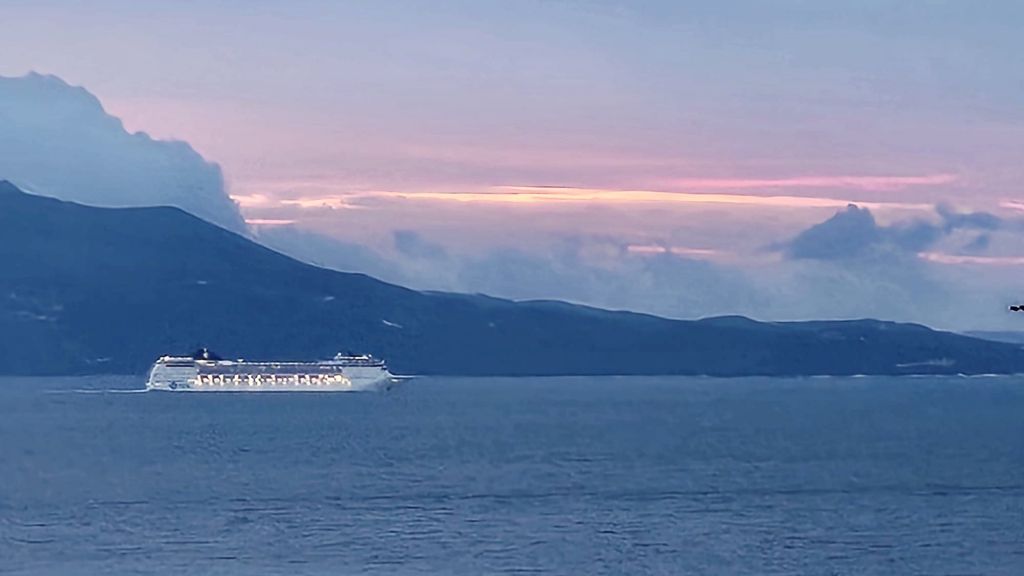
We had a little aperitif on our balcony before heading out for dinner.
For dinner we headed down one of the main streets and ate at Te Bequa which served traditional Albanian food. I had baked meatballs with a tomato salad and local beer. It all tasted delicious.

We still had some raki left, so once we were home we had a little nightcap.