For once, it wasn’t an early start as our flight was at 5pm from Heathrow. I’d travelled down to Mandys on Thursday evening after work and had a really nice run with only a couple of traffic jams.
I worked from Mandys on Friday morning, and the taxi came about 1pm to pick us up. It took about an hour to get to the airport as the traffic on the M25 was awful. Luckily, we had left loads of time.
We met up with Karen and Zoe at the airport, dropped our bags at check-in, and did a little bit of shopping. It was then time to relax.
We boarded the flight on time, and it was a pretty full flight.
On the flight, I watched a couple of films – The Reverend and Mrs Simpson and Reality – before trying to get some sleep. The flight was around 7 hours.
We landed in Doha around midnight for a short stopover. Karen took some great photos out of the window.
Doha was an interesting airport, but we didn’t have much time to look around as we had to board our next flight
The next flight was less busy so we were able to have 3 seats between two of us.
This flight was around 5 hours and I watched The Royal Hotel film. The sun was rising as we flew towards Sri Lanka.
I managed to have about an hours sleep before we landed.
At the airport, there were no queues for security, and the bags arrived pretty quickly.
We were met at the airport by our driver, Alam. It was then a 3 hour drive to our hotel in Kalpitiya.
We stopped on the way for an ice coffee and some juice and water.
The road seemed to be just one long road, with no real rules. If you were overtaking and something was coming towards you, the vehicle you were overtaking had to slow down to let you get in front.
As we headed out of the main town, we saw a lot of greenery, especially coconut trees, and a lot of water.
We had a toilet stop along the way, too.
Eventually, we arrived at pur hotel, Villa Sethi Wadi, and it was beautiful. This is the view from our room.
After a quick change, we headed to the pool.
I walked down to see what the sea was like.
It was really warm but the sea bed was like sludge. And it was really shallow. When I got to the end of the pier, the water was still only up to my knees.
The area is well known for kite surfing.
And I obviously made friends with the dogs.
Back at the pool, we had some snacks, and we tried the local beer.
The water in the pool was a little bit colder than the sea but still quite warm.
We all wandered down the pier and Mandy and I went for a little swim, but it wasn’t particularly pleasant.
It was then time for a shower before sunset and dinner. The bathrooms are semi outside, and they’re really nice.
We went back down to the pier to watch the sunset.
We ordered some gin and tonics, but unfortunately, the tonic water had a really funny taste to it, so we actually struggled to drink them and ended up throwing some away.
It was the time for dinner. We had all ordered sea bass, and it was delicious.
It was hard to stay awake at this point, so I headed to bed around 830pm.
Today is our last full day in Krakow. Faye and I got up slightly later than the others as they were heading off to have breakfast in a cafe in a tower and then on to the castle, which we had already seen.
We had booked a tour at Schindlers factory, and on the way, we stopped off at a little bespoke cafe called Emigrant Cafe. The coffee was really lovely.
To get to the factory, we had to cross one of the three bridges crossing the Vistula River. The bridge we used was the third of the 3 to be built. It was approved for railway traffic in May 2023 and also has a bicycle path and a pedestrian walkway. The first bridge is a single track bridge, and the second bridge is a 2 track bridge for long distance trains. The bridges enable trains to cross at 100km/hr.
We arrived at the factory a little bit early and it started to rain, so we just sheltered around the corner.
Once the guide arrived, we were all issued with headphones so we would be able to hear his narrative. He explained that as well as talking about Schindler himself, he would also be talking about what it was like for the Jews in Krakow over this time.
Poland regained their independence from Austria/Hungary in 1918, and Krakow continued as the cultural capital of Poland. Krakow used to be a lot smaller, with around 240,000 inhabitants. There are now 800,000 inhabitants. Polish Jews made up around 25% of the population, which was very multicultural.
One of the first exhibits is an old stereoscope, which allows images to be viewed in 3d. The pictures we could see were the originals and showed life before WWII.
Oscar Schindler was born in Austria – Hungary (later known as Czechoslovakia). He was expelled from school for fabricating a diploma. He started working for his father, selling farming equipment, and fell in love with Emilie Pelzl, one of his clients’ daughters. He and Emilie moved to Prague as there were better opportunities for work. Schindler worked for a bank in insurance and became acquainted with the political party, the SdP.
Schindler was a Czech citizen and not a member of the Third Reich. He joined the counterintelligence of the third reich around 1936-37 and collected and shared information on the movement of the army with the German government. He was arrested by the Czech government in 1938 for espionage but released shortly afterwards as when Czechoslovakia was occupied, all political prisoners were released. Schindler was accepted into the Naxi Party early in 1939.
Schindler often travelled to Poland and collected information on polish military activities before the planned invasion by Germany.
The Germans invaded Poland in the early hours of 1 September 1939, and this was the start of the Second World War. The first bombs were launched at 430 am and destroyed the railways.
The reason behind the invasion was that 10 german soldiers, dressed as Polish guards, took over the radio stations, and the germans then blamed the poles which led to the invasion of poland and started a full-scale war. It is thought that Schindler, as a spy, had a part in sourcing the uniforms.
Germany occupied Poland in a very short space of time. On 6 September 1939, the army invaded Krakow, and Schindler also came at this time as part of the intelligence unit. Krakow had a German city governor by 27 September. Poland was also invaded by Russia on 17 September 1939. They didn’t stand much of a chance as Germany had 2,600 tanks, Russia had 4-5000, and poland only had around 450 tanks.
Poland had small reconnaissance tanks called tankettes. These held 2 people, were armoured, and had a machine gun. These tankettes took part in the fight against Germany but sustained severe damage.
There was a huge amount of information to take in as you walked through the factory. The Polish people were used to being occupied and thought that the German occupation would be similar to that of the Austria-Hungary occupation, where they could still carry out all their traditions. This was not to be the case.
Across 3 phases of segregation, concentration camps, and extermination, around 68,500 Jews were removed and eliminated from Krakow. In October 1939, when Krakow was the capital of southern Poland, all Jews had to wear an armband and were not allowed to use public transport. Jews also were made to shave their beards, and sometimes the barber cut off a bit of an ear, too. A curfew was also imposed, and the Germans comandeered Jewish apartments and offices. The death penalty was the sentence for being in possession of a gun.
In November 1939, a Jewish lecture was arranged at the university, and professors and others were invited to attend. At this lecture, 184 Jews were arrested and taken to labour camps.
Lots of places, such as buildings, became restricted for German use only, even park benches.
Schindler arrived in krakow in 1939 and was looking for business opportunities. The enamel factory was first built in 1935 and was taken over by three Jewish men in 1937. They announced bankruptcy in the summer of 1939. When Schindler arrived, he contacted his nephew Abraham, who had shares in the factory. Abraham put him in touch with Itzhk Stern, an accountant, who advised Schindler to buy or lease the business. Schindler signed a formal lease agreement in January 1940 and changed the name of the factory to Deutsche Emailwarenfabrik. The factory produced enamel cookware for the military. The workers in the factory had to stand for hours on end and worked with harsh chemicals.
Hans Frank became the leader in Krakow, and he moved into the castle on Wawel Hill on 7 November 1939. The urban spaces in krakow became germanised, including the demolition of many polish monuments. Polish street names were also changed.
In October of 1939, all Poles between the ages of 18-60 had to undertake obligatory work, and the wages were poor. For Jews, this was applied between the ages of 12-60 and included Saturdays and other Jewish festivals. Speaking Yiddish or Hebrew in public was prohibited.
From November 1939, coupons were introduced for all basic foodstuff, and you could only get coupons if you had proof of employment. The calorific food value of the rations for Poles and Jews was too low to maintain normal health. All Polish secondary schools were closed, and textbooks were replaced with german controlled literature.
Schindler eventually moved to a residence close to the castle. He hired a Jewish lady to do his interior decorating. Her son became one of Schindler’s contacts for Black Market trading.
Hans was also friends with Joseph Gobel, who led on the german propoganda. By 1943, every fifth resident of Krakow was a german.
Despite everything that was going on, some normal activities still took place, like trips to the theatre.
Parts of the factory floor were swastika tiles. The swastika originally symbolised well-being, good luck, and peace in various religions. The German Nazi Party adopted the swastika as their official symbol in 1920.
We saw some photos of young boys who joined the Hitler Youth and also a photo of 3 women who were getting married to men who were away, fighting at the front.
In April 1940, Hans Frank ordered the displacement of Jews from Krakow. This was followed in May by an order from Otto Waechter, the governor of Krakow, that only 15,000 Jews could remain. This was from around 70,000 Jews that were present at the time. The remaining 55,000 had to be gone by August of the same year. They were told they could take their belongings with them, but as they couldn’t use transportation, this wasn’t very practical. The Jews had to be issued with a special displacement certificate to allow them to travel on the trains and get out of the city
Helping Jews was punishable by death, and those awaiting execution were posted on a public ‘death list’. This introduced terror and intimidation.
At one point, there was an execution of 10 Jewish men. A german police officer had been found dead, and the jews were blamed. Ten men were selected at random and publicly hung. Jewish men alo had to do the hanging. It later transpired that the police officer had been killed by another German due to the fact he was having an affair with that man’s wife.
Oscar Schindler was arrested on 2 occasions for suspicion of black market activity and once for his interactions with jews, which was banned during the German occupation. He kissed a Jewish girl on the cheek at his birthday party in April 1942. His influential Bazi contacts helped obtain his release on all occasions, although he had to wait around 5 days before he was released.
In March 1941, Otto Waechter ordered all jews living legally in the city to move to the ‘Jewish Residential Quarter’ in Podgorze – this was the Jewish Ghetto. They were given 17 days to move, and they had to leave most of their belongings behind. Whatever was left behind became the property of the Third Reich. The marches to the Ghetto were known as the ‘silent marches’ as nobody spoke to each other.
The original residents of the Jewish Quarter were Christians, and they had to leave their businesses and houses behind – many of them moved into the apartments vacated by the Jews. The original number of inhabitants in the Podgorze area was around 3,000 people, and now around 17,000 Jews were being forced into this area. It was calculated that each jew only required 2m² of living space in the Ghetto. Three Polish establishments remained in the Ghetto, one of them being the Eagle Pharmacy. There were several local Jewish stores in the Ghetto selling the legal rations of food. For Jews this was calculated at around 250-300 calories a day.
In order to be classified as a jew, just one of your grandparents had to be Jewish.
After 21 March 1941, crossing the Ghetto border without a special pass resulted in severe punishment.
In April 1941, bricklayers began to build a wall around the Ghetto. Any windows facing the Aryan side were blocked in.
And from October 1941, any Jews leaving the Ghetto without a pass were killed, and the same fate awaited any Poles who helped them.
In May to June of 1942, an ID check took place in the Ghetto. Anyone who had proof of employment, plus their relatives, had a new stamp put in their pass. The others had to leave the Ghetto. From this time, only those with Blauschein (blue card) could stay in the Ghetto. At this point, around 7,000 Jews were removed from the camp and killed in the gas chambers at Belzec. Only 3,000 Jews from Krakow survived the war.
Another displacement was held in October of 1942. Those who qualified as unfit for work had to gather in the main square. Hospital patients who were unable to walk were shot on the spot. The children from the orphanage were bought to the square by their teachers. The teachers voluntarily stayed with the children, even though they knew they were going to their death. Around 4,500 Jews were transported and killed at Belzec, and around 600 were killed in the square.
Oscar Schindler initially only employed 7 jews. However, Abraham asked him to employ more. Schindler saw this as a way of saving money as hired jews were cheaper than Poles, 5zl compared to 25zl per day. The wages were set by the Nazi regime. Eventually, Schindler employed around 1,000 jews.
The staircase in the photo below was used in the film when a woman comes to ask Schindler for help. Schindler was known to be a drunkard and a womaniser and often drank with the members of the SS. Although Schindler was married, he had affairs and even had 2 children with an old schoolfriend. His son, Oscar Schleger, is still alive today. Schabandoned his wife in 1956.
We also saw the office that was set up for the film – this was not Schindlers actual office, as we visited that too.
Schindler did look after his jewish employees. He fed them 3 meals a day and looked the other way when they snuck food back to their families in the Ghetto. He also had to bribe Nazi officials to keep his workers safe. He often socialised with his employees, too.
Schindler’s employees had to walk to and from the factory every day, which wasn’t too bad. However, in 1943, the Ghetto was liquidated, and those who were still fit for work were sent to the concentration camp at Plaszow. Schindler knew what was going to happen and had his workers stay at the factory overnight so they wouldn’t come to any harm.
The Plaszow concentration camp was built on the site of 2 former Jewish cemeteries.
Amon Goth was the camp commandant. He was a psychopath and took pleasure in randomly shooting inmates, driving into inmates or setting his dogs on them, who had been trained to rip out people’s throats. It is estimated he killed around 400 people himself and was also responsible for another 7,000 deaths. He was known to drink with Schindler. In 1944, Goth was himself arrested for appropriating post-jewish property and violating regulations regarding the treatment of inmates in a concentration camp.
In the summer of 1944, the Germans started to liquidate the camp. The initial aim of the Nazi regime had been to gain land, but as this was slowly being taken away from them, they focused on their second aim of eliminating jews. Around 6-700 inmates were kept at the camp to cover up any traces of crime. Corpses were dug up from mass graves and burnt, their ashes then scattered on nearby fields. In January 1945, the last inmates left the camp and were marched to Auschwitz. Only 440 were left at the end of the march. Three days later, the Red Army reached the camp.
When Plaszow was set up, Goth wanted all factories to relocate inside the camp. However, Schindler managed to bribe the right people and was allowed to build a subcamp at his factory to house his employees, plus another 450 Jews from other nearby factories. These Jews were safe from the threat of random execution, well fed and housed, and were allowed to practice religious rituals.
As Germany started to be defeated and the Red Army drew closer, Germany started to close down its factories, especially those not directly involved in the war effort. Schindler switched his production from enamelware to grenades and ammunition. He persuaded the high-ranking officials to allow him to move his camp to Bruennlitz. He also said that he needed his skilled workers to move with the factory,saving them from certain death in the concentration camps. A list of 1,200 Jews was complied, 1000 of Schindlers employees and 200 employees of a textile factory. They were bound for Bruennlitz, the youngest of these was a 5 year old boy.
The men and women were separated. The men went via a concentration camp Gross-Rosen and arrived within a week. The women went via Auschwitz and spent several harrowing weeks there before they too arrived safely in Bruennlitz.
After the war, Schindler was wanted by the Czech government, but he escaped to Argentina and then later moved to Germany. He died in 1974.
The last room you come to is the room of choices. Good decisions are written on the walls and bad decisions on the pillars.
You come out of the factory still not really understanding Schindler. He was a complex person, originally motivated to employ Jews due to monetary gain, but he then went to great lengths to save their lives.
After the factory, we decided to walk to Zgody Square, now known as Ghetto Hero’s Square. It is here that the Nazis gathered Jewish people before sending them to their deaths in concentration camps. Many people were killed here, too. The lives of all the people whose fate was sealed at this Square is commented by an art instillation of empty chairs.
We also wanted to visit the Eagle Pharmacy at the Square, but it was shut. This was the only pharmacy in the Ghetto and was run by Tadeusz Pankiewicz, who was not a jew. He decided to stay in the Ghetto and help the Jewish people. He would frequently supply free medicines to the Jews and also let them use the pharmacy as a meeting place. He provided old people with hair dye to make them look younger and avoid selection for transportation to the camps. He also provided sedatives for the children to keep them quiet when they were hiding.
We were both ow pretty hungry, so we found a cafe – Green Up – and had a healthy lunch.
We then walked to where the remains of the Ghetto walls can be seen. On the way, we passed a memorial to the children in the Ghetto. This was close to where the original orphanage had been sited and where, in 1942, the children were taken away and sent to Belzec concentration camp to die.
The walls of the old Ghetto look like tombstones.
From here, we decided to head back over the bridge and explore a bit more of the Jewish Quarter.
On the way we passed a funny and strange statue.
We passed by the Old Synagogue again.
And we walked on to the ‘High’ synagouge or Wysoka. This synagogue was built in the 26th century, and its prayer Hall is unusually on the first floor as there used to be shops on the ground floor. Today, it is a bookshop.
Our next stop was Tempel Synagouge. This was built in the 1860s as a progressive synagogue. It is very colourful inside. During the Nazi occupation, the synagouge was used as a horse stable. Unfortunately, when we visited their was significant restoration work going on.
We then passed another synagogue, Kupa Synagogue, but it was shut too. This was the last synagogue built in this area and is now mainly used as a space for conferences, concerts, and exhibits.
We were in touch with the rest of the girls, and they were also in the Jewish Quarter, so we met up with them. They also wanted to see a synagogue, so we made our way to Remuh Synagouge. This is the only synagogue in Krakow where religious services are still held regularly.
On the walls walking down to the synagogue are many plaques commemorating the anniversaries of the death of members of the congregation. There is a light bulb attached to each inscription, and these are lit on the anniversary of the persons death.
The inside of the synagogue was beautiful, very colourful, and ornate.
Outside the synagogue is a graveyard that contains some of the oldest tombs in Poland. It was closed to burials in 1800. After WWII, a row of shallowly buried tombstones were discovered and were then erected to separate the cemetery from the surrounding area and are now known as the ‘Wailing Wall’.
Just close to the graveyard is a statue of Jan Karski. He was a Polish soldier and part of the underground as a resistance fighter. He acted as a courier during WWII and risked his lie to expose the horrors of the Holocaust to the rest of the world.
We walked back through the Jewish Quarter to the Singer cafe/pub.
This time, I tried a hot honey vodka. It was quite tasty, but I preferred the mulled wine. Louise and Gemma joined us too and had a hot chocolate.
And then we decided to head home. On the way, we passed one of the kiosks with geese. These have absolutely no association with krakow or poland, and nobody really knows why they are here.
On the way back to the apartment, we passed a waxwork museum – I met Mr Bean! He didn’t look that good.
In the evening, we headed back to the cocktail bar for a pre-dinner drink. Paul,Louise’s fiance, kindly paid for a round of cocktails for us all. I had a zombie. We played Mr and Mrs with Louise. She did really well as most of her answers were the same as Paul’s
And for dinner, we went back to Morskie Oko. This time, I had the beef goulash with potato cakes, and it was delicious.
We had live entertainment with a traditional band, which created a nice atmosphere.
On the way home, we stopped off at Magnateria again. This time, I had a smoked dictator old fashioned, which was a 12 year rum, and it was served in its own little box, and the waiter set it alight and created smoke. It tasted really good.
And then it was back home to bed.
In the morning, Faye and I got up fairly early, finished packing, and headed off to the airport. I bought some chocolate vodka at the duty free, and it wasn’t long before we arrived back at Heathrow.
It was a fairly early start to the day as we had to meet the tour bus just before 9am. We were going to be heading off to Zapakone and the Tatras mountains as we’d booked some snowmobiling.
After an hour or so of driving, we stopped for a rest break at a little roadside cafe.
After some more driving, we arrived in Chochołow, a highlander Polish village. The whole village seems to be made up of traditional wooden houses and reflects on how Poland used to be.
The first building we came across was the village church – saint hyacinth, which is beautiful. The church was built between 1853 and 1873, and the foundations are 17m deep as it is built on an area of swamp. It is said that the church was funded via some gold found in a barrel of homemade plum spirit. This is a local speciality and is around 65-75% proof. The locals also make homemade wine.
From the church, we headed to one of the local houses. On the way we learnt about some of the village ‘rules’. These are only applicable to the individual village rather than the whole area. One of the rules is that only traditional style houses are allowed to be built. These are known as góralskie chaty. Another rule is that the houses are not allowed to be painted, but twice a year, Christmas and Easter, they use salt water and brush it into the wood. Chopped wood and sawdust are used to plug the gaps in between the logs in the buildings.
Outside one of the houses was a storks nest. Alongside storks, the local wildlife consists of wolves and brown bears. As the winters are becoming warmer, the bears are not hibernating as deeply and sometimes wake up in the winter. They are hungry and come close to the houses to find food. There are 4 types of snakes in the area, but only 1 of them is poisonous. There is also a small type of bison, the European bison, in the Zakapone area, although not in this village.
Most of the houses in the village are built from spruce and are over 200 years old. Most of the houses are passed down through a family. The prices of these houses are 5 to 6 more times higher than houses in other parts of the country. If you do want to buy a house or land in the area, you have to sign a document explaining the purpose of purchase. This is to stop any developers owning land or property in the area.
We were invited to look around one of the local woodworkers’ home and workshop. The house itself is quite small, and the bed seems really tiny. The baby’s cot over the bed is a really practical solution. In the side room was a fireman’s helmet. In Chochołow anyone can be a firefighter. Every third house has a firefighter as you receive free training and equipment.
The room is heated by a large oven at the side of the room. The apartments we stayed in had these ovens, too.
There is a date of when the house was built inscribed in a piece of wood over a door. Another one of the rules is that this piece of wood can never be replaced.
The wooden lock to the door was really thick and sturdy.
We then entered into the workshop. The woodworker made some amazing pieces, mainly related to religious events. He carved a sculpture of Jesus every year, which reflected on the events of the previous year.
In 1846, Chocholow started an uprising. This was actually by accident. Poland, at the time, was occupied by Austria, and the uprising was planned. However, there was a change at the last minute, and messages were sent out across the country. The messages didn’t get to the highlands, so around 30 farmers started an uprising on 20th February. They were soon quashed by the Austrian army. The woodworkers’ grandad was shot in the knee and was transferred out of the army.
On the way back to the minibus, I took another picture of the church, and you can see the mountains in the background.
Shortly after the stop in Chochołow we arrived at the snowmobiling venue. But there wasn’t any snow, so we had to go quad biking instead. After going through a safety briefing and signing our lives away, we were kitted up and ready to go.
We were then allocated our bikes. I was with Faye.
I set off first after the instructor. It was really muddy and narrow, and I was rubbish at steering. A few minutes in, the instructor asked how we were doing, and I ended up going on the back of his bike and another instructor took Faye on the back of his quad bike. I felt a lot more relaxed after that.
Once we had been going for about 30 minutes, we stopped for a quick break and to take in the beautiful scenery.
We crossed several rivers and streams and lots of different terrain.
It was a great experience, and we were all buzzing afterwards. Everyone else did brilliantly a driving and controlling the quad bikes.
After the bikes, we drove for literally a minute for a cheese and wine stop at Bacowka. The cheese is smoked in sheds for around 2 hours. Chopped wooden logs are laid at the bottom of the shed, and wet wooden chips are laid on top to create the smoke.
Here, we got to try the local smoked cheese made up of a mixture of goats and sheep cheese, oscypek. The percentage of goats and sheep’s cheese varies depending on the season. They also have various levels of saltiness.
Along with the smoked cheese, we had a cup or two of delicious mulled wine.
The scenery was stunning, and I found a furry friend too.
Our last stop was the thermal spas at Chocholow with their healing minerals. The waters are rich in micronutrients that invigorate and regenerate the body. Across the pools is 3,000m² of water in a variety of indoor and outdoor pools.
One of the outdoor pools has a swim up bar, so we bought some cocktails.
This outdoor pool also had a lazy river with a current generator in the middle – so we had a go at that. And all the waterfalls and outdoor jacuzzi’s too.
We then wandered inside and found a lovely warm pool in the adult only area.
We also explored the saunas and the saltroom before having another cocktail from the bar.
After a good couple of hours relaxing and rejuvenation, it was time to head home.
We arrived back in Krakow around 8:00 pm. and decided to get some dinner before heading back to the apartment. We went to The Spaghetti, and I had a lovely prawn spaghetti.
The main square looked beautiful, too.
Before we went home, a few of us made a detour to the Wodka bar.
After a bit of a lie in, we headed back to the Camelot Cafe for brunch. This time I had an omelette, and it was as equally delicious.
From here, we headed to the meeting point for the trip to the salt mines. It was the same place as where we met for the Auschwitz trip, so at least we knew where we were going.
It took around 30 mins for the coach to arrive at the salt mines. We disembarked and waited for our guide to sort out the tickets.
Mining began as early as the 11th century, and the oldest known shafts dates back to the 13th century. Commercial mining stopped in 1996, and the mines are now just for tourism.
As you enter the mine, you have a descent of 378 steps. They are tightly wound, so you feel a bit dizzy at the end of it.
The rock is mixed but generally made up of around 90% salt. The shafts and supporting structures are made from wood rather than metal, as the salt preserves the wood,whereas metal would rust.
The salt mines consist of around 2000 chambers. They vary in size, but the largest one is 33,000 cubic meters. Overall, there are 9 levels of mines and 350km of tunnels. The lowest level is at a depth of 330m.
The first level is around 64m deep. People living in the area at the time discovered salty springs. They would boil the salty water in clay vessels, a very early method of saline production.
Eventually, the salty springs started to dry up, so they started to dig down and create wells. The salt water was brought to the surface and again bolied and evaporated to find the salt. The salt was used as a preservative for meat and fish
In the 13th century, while one of the saline wells was being dug, the first lumps of rock salt were accidentally found. This then led to the first shafts being dug. There are no natural caves in this mine. Initially, they were all dug out by hand and later by the use of explosives.
King Kasmir III is the only Polish king to be given the label of ‘Great’. He supported the extraction of salt from the mines and issued the Saltworks Statute in 1368, ordering the mining laws and traditions.
Until the end of the 15th century, there were only four mining shafts and one underground level in the mine. Around 300-500 people worked in the mine, but work was seasonal as the mine was only open in the months when there was no agricultural work that needed doing. They were producing 7,000 – 8,000 tonnes of salt a year.
One of the methods of getting the salt to the surface was to winch it up. Four men used to push the winch to lift 300kg of salt at a time.
The first tourist known to have visited the mines was Nicolaus Copernicus. He probably visited the mine in 1493, and in remembrance of this event, a monumental salt figure of the brilliant astronomer was set up in a chamber named after him.
Between the 16th – 18th centuries, the mine became a full -time working mine. In the 16th century, the second level was introduced, and in the 17th century, the mine reached the third level. The upper second level is 90m deep, and the lower second level is 110 deep. The third level is at a depth of 130m.
Horses were used in the mining of salt as they helped to pull the carts with the salt. They also helped transport the salt to the surface by rotating the pinch that lifted 2 tonnes of salt at a time. This was powered by 8 horses. Unfortunately, it was not a good life for the horses as they were kept underground as it was difficult for them to adjust to the sunlight once they had been working in the mines.
At the second level, the corridors are straight to allow for the transportation of the salt, initially via horse-drawn carts, and later via trains.
One of the areas showed the story of Queen Kinga, who is the patron Saint of salt. The story goes that when she was betrothed to the Duke of Poland, her father, the King of Hungary,asked what she wanted as a dowry. She knew her future husband already had significant wealth, so she asked for salt. She had no idea, though, how to get the salt from Hungary to Poland. Allegedly, she threw her engagement ring into the mine shaft at the salt mines in Hungary. When she next travelled to Poland, she took some miners with her, and on her way, at a particular point in the journey, she asked the miners to dig. One of them gave Kinga a white piece of rock that she recognised as salt, and when she broke it open, her engagement ring was inside. This started the salt mine in Poland. Kinga has since been beautified and canonised.
Once they started to use explosives to create chambers, they had to remove the methane gas to reduce the risk of fires. So some workers would have to crawl through the mines to find the methane deposits and deliberately set them off with a burning flame at the end of a long pole they pushed in front of them.
The most amazing chamber was the great chamber or ballroom. This chamber is 25m long and 9,000 cubic meters. It can hold 400 people, and an early morning mass is held here for members of the public every Sunday morning. It is also used for weddings and other events. The chandeliers are made from salt crystals and look amazing. The hall took 70 years to construct and was finished in the 1960s.
There was also a statue of Pope John Paul II, which was created 25 years ago.
There are many chapels throughout the mine. Mining was dangerous work, so the miners often prayed for their safety. We stopped at the Holy Cross Chapel, which was created in the 17th century. Here, the salt figurines in front of the crucifix had started to dissolve due to the humidity that was originally in the chamber, but the wooden figures have survived intact.
There are some artificial lakes in the mines, too. The Weimer chamber was created in the early 20th century after a block of green salt was excavated. In the 1960s, the bottom of the chamber was flooded with brine, and a lake was created. The lake is around 9m deep, and you could easily float in it due to 36% salt levels. The surrounding chamber is around 30m high, and concerts are often held here.
One of the lakes has a ghost story associated with it. The ghost of the treasurer is a friendly ghost and appears to miners to warn them of imminent danger such as a cave-in, flooding, or fire. The treasurer guards the underground treasure, the salt.
We also visited Jozef Pilsudski grotto. This is another artificial lake filled with brine and contains the statue of St. John Nepomucene. He is a protector against floods and drowning and is the patron saint of the Czech Republic. He was drowned in the Vitava river on the wishes of the King at the time for not telling what the Queen confessed to him in secret.
The first electrical lights in the mines were introduced in 1911, and the first electrical machines started to be used in the 1920s.
Mines were connected via special concrete boards. The first tpur routes were opened up in the 19th century, and boat rides on the saline lakes were organised.
Although the mine is now just a tourist attraction,several miners still work here every day. They are slowly filling up some of the lower levels to make the higher levels more stable for visitors, and new attractions are always being prepared. There is currently a souvenir shop on the tourist route where we stopped and bought some salty chocolate.
Just some other random photos of the mines.
After the tour, we waited to get the lift back up to the top.
Once we were back in the fresh air we walked back to the coach, stopping off for a delicious mulled wine on the way. And then it was time to head back to Krakow.
In Krakow, we had to walk from the drop-off point back to the apartment, so we decided to stop off for some food. Monika recommended the polish sausage – it was huge and very tasty.
We also bought some food to take with us for the trip tomorrow.
In the evening we were all a bit tired so we stayed in and chatted before heading to bed.
Seeming as we had a late night/ early morning, we actually woke up quite early. We packed everything together and headed over to our new accommodation, which was only a 3 minute walk away and in a great location right near to St Florians Gate.
Once we had settled into the new apartment and put up some hen party decorations, we popped to the cafe next door for some lunch.
We had just ordered our food when we heard the rest of the group had arrived. Louise, Gemma, and Eleanor came to join us for some food.
I had the meat wrapped in cabbage in tomato sauce. It was huge, and I only managed to eat one of them.
After lunch, we met up with everyone and headed to the supermarket for supplies. On the way, we passed the Slowacki Theatre. This theatre was built in the 1890s and can seat up to 900 people. It is modelled on the grand Paris Opera.
On the way back from the shops, we passed one of the many doughnut stands. There are a huge variety of flavours of these Paczki (polish doughnuts). I chose rhubarb and strawberry, and Gemma chose cherry, so we shared half each. They were delicious.
We spent a lovely afternoon chatting, some people had a nap, and then we all got ready to go out.
We had booked a table at Morskie Oko, a traditional polish food restaurant. The restaurant has been made to look like a traditional polish highland restaurant with rough-hewn stone and exposed beams.
I had the wild boar with hot beets, and it was really tasty. I shared a bottle of wine with Faye and tried a vodka and apple cocktail that tasted like apple crumble.
After dinner, I wandered downstairs where there is an old water wheel.
After dinner, we walked across the main square to a cocktail bar, Magnateria. The singer was just packing up as we arrived, but Monika managed to persuade them to sing a couple more songs.
The cocktails were delicious, and we all had a couple each.
After cocktails, it was time to do some dancing, so we headed to a nightclub called Frantic. We stayed and danced the night away.
This morning, we found a lovely quirky cafe close to our apartment called Camelot Cafe.
We had a delicious meal of Shakshuka – eggs baked in a tomato sauce with onion and peppers – along with a cup of tasty coffee.
We decided to explore outside of the main square and headed towards Wawel area.
On the way, we passed some churches. The first one we came across was St Peter and Paul. This is a Roman Catholic Church that was built by the Jesuits in 1619. The railings outside the church carry the twelve apostles.
Inside, like many of the churches here, there is a lot of baroque work. In 1906, the parents of Pope John Paul II were married in this church.
Opposite St Peter and Paul’s is a statue of Piotr Skarga who is buried in the crypt. Piotr was a polish Jesuit and an early advocate of reforms to the Polish Lithuanian policy. He advocated strengthening the monarch’s power at the expense of parliament and the nobility. His book ‘The lives of saints’ was one of the most popular books in poland for many centuries. The sculpture, however, is regarded as one of the worst in Krakow, mainly due to its aesthetics but also due to the fact that permission to erect the sculpture in St Mary Magdalene Square was never officially granted.
Next to St Peter and Paul’s is the church of St. Andrew’s. It is a romanesque church and dates from around the end of the 11th century and was one of the only churches not to be destroyed by the Tatar invasion of 1241. The baroque spires were added at a later date. It served both as a place of worship and as a fortress.
From here, we made our way to Wawel Hill. As the seat of bishops and kings, Wawel Hill was the centre of church and state in Poland from the 12th century until the capital was moved to Warsaw in the late 16th century.
On the way to the castle, we passed the Krzyz Katynski. This is a simple wooden cross that commemorates the massage in the forest in March 1940, where 22,000 polish officers, including many academics, doctors, and lawyers, were killed by Russian troops. They were acting under the orders of Stalin, whose aim was to eliminate Poland’s leaders and intelligentsia.
We walked up to the castle and looked out over the city of Krakow.
Wawel Cathedral is within the castle grounds, so we paid it a visit, too. The cathedral is where almost every royal has been crowned.
The cathedral was finished in 1346, but smaller churches were built on the hill from as early as the 9th century. The current structure is the result of over 800 years of additions and changes.
There was a modern art instillation outside the cathedral representing visage.
Inside the cathedral, you could walk up to the top of the Zygmunt bell tower. It was a steep and narrow climb up wooden stairs. I was told that if you touch the clapper of the Zygmunt bell with your left hand, you will be lucky in love. There were four bells on the way up, so I made sure to touch them all.
The actual Zygmunt bell was definitely the largest of all of them, weighing 12.6 tonnes. It was cast in 1520 and still rings today on religious and national holidays. It can be heard from 30km away and takes 12 strong men to ring it. Bell tollers are lifted from their feet, and one was flung to their death from the tower during the interwar period.
We walked back down the bell tower and explored the cathedral. The cathedral is amazing inside and is made up of a maze of shrines, tombstones, chapels, and altarpieces.
We also explored the crypt where the royal tombs are kept, along with the tombs of poets, composers, and musicians.
Just outside the cathedral is a statue of Pope John Paul II.
On the walk down, we passed through the coat of arms gate and saw the mounted statue of Tadeusz Kosciusko, a soilder and engineer and a polish freedom fighter. He declared in krakow the insurrection of 1794.
At the bottom of the hill below the castle, you can find Smok, the dragon. The dragon is a popular symbol of Krakow symbolising the fire in the belly of this intellectual city.
The legend is that long ago, when people first settled in this area, they built the castle on Wawel Hill, not realising a dragon slept underneath. After a while, the dragon awoke and started to feed on grazing sheep and cattle that the peasants had bought with them. Sometimes, it took young women, too. The king offered his daughter’s hand in marriage to anyone who could slay the dragon. Eventually, a young shoemaker offered to try, asking for sheepskins, mutton fat, and a great deal of sulphur. In the morning, he had built a fleecy ram, smeared with fat and stuffed with sulphur. The dragon gobbled up the bait, the sulphurous fire raged in its stomach, so it drank so much water it exploded. The shoemaker won the princess and the kingdom.
A spikey statue of the dragon still breathes fire today.
By now, we were starting to feel a little peckish, so we decided to visit the Chimney Cake bakery. Chimney cakes are made from a sweet yeast dough that is rolled into a long rope and wrapped around a cylinder. They are coated in sugar and can have many different ‘topping’ inside – we had one with Biscoff. They taste like donuts.
As the Jewish quarter was only a 10 minute walk away, and we still had plenty of time, we headed that way.
One of the first buildings we came across was actually the Corpus Christi Church. Although this started off as a small brick and wood parish church, it is now a huge gothic basillica with a rich baroque interior.
Next to the church is the old town hall, which is now used as a museum devoted to the traditional life and customs of local people. The Renaissance building was built in the 16th century but became redundant when Kazimierz (Jewish quarter) was subsumed into Krakow in 1800.
We made our way over to the oldest survivng synagogue in Poland, Stara synagogue. This is now a museum, but in WWII, it was used as a warehouse. I learned a bit about the Jewish culture, including about the Sabbath, Passover, and the Torah, through the exhibits on display. I did not know that the Torah scrolls are made from sheets of parchment manufactured from the skin of a ritually clean animal, for example.
Close by the synagogue we found the Singer pub. This pub has made good use of the old sewing machines used in Kazimiers lace history. We had a delicious mulled wine here.
We then briefly visited the market square, Plac Nowy. The round building in the centre of the square dates from around 1900 and was once used as a ritual slaughterhouse. Now, it is occupied by vendors of polish fast food.
It was then time to head home and get ready to go out.
We booked a table at Wierzynek Restaurant, which is the oldest restaurant in Krakow. Many royals from across the globe have banqueted here, including the Polish monarch in 1364.
Wierzynek was a banker and mayor of the salt-rich district of Wielickza. To celebrate the marriage of the granddaughter of King Kazimierz to Charles IV, the King of Bohemia, he provided a banquet at the restaurant. The king granted Wierzynek a permit to entertain future prominent visitors to the city.
We had a table by the window so we had a good view of the square.
The food was delicious and presented really well. We had an amuse bouche of smoked trout, and then I had a mushroom starter and a duck main.
Unfortunately, the waiter originally bought me a pork chop for my main, which I told him was incorrect. He then left the dish sitting there for several minutes while he spoke to the kitchen staff. He did take the dish back, and after around 10 minutes, he provided the correct main. Faye also asked him to take her dish away so it would be warm, but it wasn’t that hot when it came back. This did lead to us not leaving any service charge as we were told they would compensate for this mistake, which they did not do.
After arguing with the waiter we headed back to the Jewish Quarter and visited a cocktail bar calked Sababa. I had an amazing whisky sour.
Our next stop was the Propoganda bar, which has old communist knick-knacks on the walls and ceilings.
And then we went to Alchemia, which is a bohemian style bar and a club underground. The live band had finished by the time we got there, but we stayed for a couple of hours of dancing anyway. It was a very different experience.
After this, we walked home and retired for the night.
We were due to be picked up at 920am at one of the Kiss and Ride stops not far from our apartment. We had a bit of a panic as it was difficult to find the stop, and we thought we might miss the coach, but luckily, we found it in time. It was about an hour and a half drive to Auschwitz.
I won’t write down all the history of Auschwitz because it is well known, but I did learn some new things walking through the camps. Just being there and seeing the scale and size of the camps brings it home to you.
We walked towards the now infamous entrance to Auschwitz.
Just after you pass through this entrance is the camp kitchen. Many inmates tried to get jobs here as it was indoor work, and they also could sometimes steal extra food.
Auschwitz was originally a garrison with 22 brick buildings. Around 10,000 inmates were crammed into these buildings.
Auschwitz mainly contained Jewish inmates. During the time it was operational, 1940-1945, Jews from all countries were bought here, but other asocials were also imprisoned here. 1,100,000 Jews, 140-150,000 Poles, 23,000 Romas/Gypsies, 15,000 soviet prisoners of war, and 25,000 prisoners of other ethnic groups. Of these people, 1,000,000 died in Auschwitz, and approximately 90% of these were Jews.
We walked over to block 16, where the belongings of inmates were now stored. The most horrific area in here was the human hair. When Auschwitz was liberated, they found around 6 tonnes of human hair in massive sacks, and 2 tonnes of this is displayed. They know this was hair that was shaved from inmates’ heads as it has been slightly denatured by the gas they used.
There are also displays of glasses, artificial limbs, shoes and suitcases.
Originally, the blocks only had straw on the floor for inmates to sleep on, but after a while, they had straw mattresses. 2 or 3 inmates had to share one mattress as more people arrived at the camp.
There were some toilets and washing facilities but very limited in numbers. Many people were suffering from diseases such as dysentery, which then spread quickly throughout the camp.
Some inmates were selected for privileged positions within the camp, to help the SS guards keep control. They had slightly better living conditions than the other inmates who were crowded together.
We visited Block 10, which is where the experiments on the female inmates took place. The first female inmate in Auschwitz was registered in 1942.
Originally, photographs were taken of the inmates, and they were allocated a number. However, after a period of time, the inmates were tattooed with a number as this was faster and cheaper.
In the courtyard, between blocks 10 and 11 is the ‘Death Wall’. Between 1941-1943, the SS shot several thousand people here. Mainly.polish political prisoners, leaders, and members of the resistance died here. Women and children were also killed here. In the courtyard, the SS carried out punishments of flogging and ‘the post’ (hanging prisoners by their arms, which were twisted behind their backs). The Death Wall was dismantled in 1944, and prisoners were then mainly shot in Birkenau.
The windows of the blocks facing onto the courtyard were boarded over so inmates couldn’t see what happened, although they would’ve heard the shots.
We also walked through block 11. In this block, they had the punishment cells. Cell 20 was known as the dark cell, and it had very little oxygen in it, so if you were put in here, you often suffocated to death. Cell 18 was the starvation cell, and cell 22 was the standing bunker, where you literally only had room to stand. Most inmates were already weak as they were only given around 1,000 calories a day and were made to work too, often hard, physical labour.
On 14 September 1941, the first experimental mass killing with Zyklon B gas took place in the basement of block 11. 600 soviet producers of war and 250 sick polish inmates were killed then. It took 3 days for everyone to die and then a further 3 days to move the bodies to the crematorium. That is why, after that, they built the crematorium right next to the gas chamber.
Blocks 19-21 and 28 were designated as infirmaries for sick inmates. Inmates themselves often called it the waiting room for the crematorium. There was a lack of basic medicines and medical care, which resulted in a large number of deaths. From mid 1941, SS doctors undertook selections, and those inmates who were the weakest or slow to recover would be sentenced to death by lethal injection or sent to the gas chamber. SS doctors also conducted medical experiments within the infirmaries, often leading to death or severe disabilities. On a more positive note, the infirmaries were often where campmates from the camp resistance were more active trying to aid and save others.
Public executions also took place at the camp. The SS used to undertake morning and evening roll calls, ‘Appell’. If anyone was missing, all inmates had to continue to stand to attention in all weather conditions. The longest roll call in Auschwitz lasted 20 hours as punishment because an inmate escaped. The largest public execution took place on 19 July 1943 whete 12 Poles, accused of helping 3 other inmates to escape, were hung.
To the far end of the camp was the gas chamber and crematorium.
Behind the wire fence and before the crematorium was the Commadants’ house, just on the other side of a high wall. Rudolf Hoss was convicted and executed for war crimes at the end of the war. He was bought back to Auschwitz and hung here.
We walked through the gas chamber, from the wash room where inmates were told to strip, through the section where they were gassed, and then out via the crematorium.
From 1940 to July 1943, the building served as a crematorium. At the end of September 1941, the first gas chamber was created in the room that had formerly been used as a morgue. The SS used this gas chamber until 1942, after which they used the gas Chambers at Birkenau. 1000s of people were murdered here, and it was an eerie and disturbing feeling walking through it.
After a short break, we jumped back on the coach and drove the short distance to Birkenau, or Auschwitz II. This second camp was built as an extermination camp and originally had 5 gas chambers. The inmates from the original camp were used to build this second camp.
This camp felt a lot more desolate and grim. It had several zones to it. The brick blocks were the first blocks to be built, and later on, they built the wooden blocks. Only a couple of wooden blocks are left standing, as the other blocks were dismantled after the war as they needed the building materials.
In 1944, 500,000 Hungarian jews were brought to Birkenau over a period of 3 months, and the majority of them were killed.
Close to the railway track were the gypsy and family camps. In these camps, there were children and women whose heads were not shaved. New arrivals to the camp saw children playing in the playgrounds and believed that they were here to work at a labour camp.
People arrived at the camp crammed into cattle wagons, often with standing room only. Many of them died on the journey to the camp. One of the original cattle carts is at the camp.
Joseph Mengle worked at Auschwitz and often experimented on the children in the family camps.
As people got off the train, they underwent selections. Men were separated from women and children. Those who appeared able to work were marched in one direction whilst others were marched directly to one of the gas chambers.
In the summer of 1944, the SS started to evacuate Auschwitz as they knew the Red Army were getting closer. Those unable to walk and those who were frail were sent to the gas chambers.
Around 8,000 people were left in the camp with no food or water as the SS retreated. Around 7,000 people were liberated, approximately 5% of the total number of inmates.
When the SS knew they were being defeated, they destroyed the gas chambers in the killing zone of the camp. Today, you can see the remains of a crematorium and one of the gas chambers.
Zyklon B needs temperatures of around 25-30⁰C to be effective, so as the people in the gas chamber started to panic the temperature inside the chamber rose. It took around 10-20 minutes for people to die via suffocation. They were left in the gas chambers for 30 minutes, and the chambers were vented for a futher 30 minutes before the bodies were removed and taken to the crematorium. As each body produces around 2kg of ash, and around 2,000 people were burnt every day, this means around 4 tonnes of ash were produced. This used to sit in heaps outside the crematorium and was often blown around the camp. Every few days, the ash was put into containers and dumped in the river.
We went inside one of the brick blocks. The bunks were tightly packed together, and it was very dark. In the summer, as there was very little ventilation, it got extremely hot and suffocating. In the winter, it was freezing cold, and many people died during the night.
I’m glad I visited Auschwitz- Birkenau, but it is horrific to see and understand what went on here.
On the way home from the bus stop, we passed through a small square, Mary Rynek, which translates to small market square. Before the main square existed, this is where the market was held.
Before dinner, we popped into a pub that was literally next door to where we were staying for a quick beer.
We decided to try an Italian for dinner – San Franesco. We had oysters to start and pasta for mains.
When we were about to leave, the waitress bought us over 3 shots each – a baby guiness, a homemade orangecillo, and a plum vodka.
They were delicious, but after that, it was time to head home.
It was an extremely early start to the trip. I was on the bus to the airport at 320am!
Faye arrived at the airport shortly before me. We met up, purused the shops that were open, and had a coffee (and a panini for me) before boarding the flight.
We had booked an aisle and window seat, hoping we might get a ow of 3, but the flight was packed.
I took some pictures as we started to approach krakow.
We got a taxi from the airport to our apartment, it was around a 30-minute drive. Our apartment is very grand and right in the old part of the city.
Faye hadn’t had anything to eat, so having some lunch was our first priority. We found a little cafe called the Milk Bar and had some delicious Pierogi- a traditional polish dish of stuffed potato dumplings.
From here, it was just a short walk to the main square – Rynek Glowny. As we came up to the square, there was a huge church – St Mary’s Basillica – and just behind it, the smaller church of St Barbara.
This 14th century small gothic church used to be a cemetery chapel, and where the surrounding buildings are now standing, used to be a cemetery linked to St Mary’s Basillica. In the 18th century, it was the clinical hospital for the university, and the professor used dead bodies of poor people and executed prisoners to experiment on.
St Mary’s Basillica is huge. It was originally built in the 13th century but was destroyed and then rebuilt in the 14th century.
The two towers at the front of the Basillica are of different heights. The story goes that two brothers were engaged as architects (one on each tower), and, as one began overshadowing the other, jealousy set in. In a moment of dark inspiration, the jealous party murdered his brother but then promptly threw himself off the taller tower when he realised just what he had done.
Every hour, a man plays a bugle from the top of the tallest tower. This commemorates a polish guy who warned of a Mongol attack in the 13th century. The tune was cut short because the guy was shot in the neck by a Mongol archer, and it still stops abruptly to this day.
The inside of the church is beautiful, with a starry ceiling, amazing stained glass windows, and lots of golden decoration.
The Basillica sits on one corner of the main square . The main square is the largest in Europe, covering 40,000 square feet (around 12,000m²).
Not far from the basillica sits another small church. St Aldaberts Church is believed to be the oldest stone church in Poland. This church pre-dates the square, which explains its strange position. The floor of the church sits 2m below the surface of the main square. It has an amazing dome ceiling.
Our next stop was the cloth hall, which is in the middle of the main square. Traders have had stalls here for centuries as it dates back to the Renaissance. When Krakow received its city charter in the 13th century, the cloth hall was 2 rows of stone stalls forming a street in the middle of the square. The two gates were locked at either end at night to stop thieves. Today, the stalls mainly sell traditional polish crafts and souvenirs.
Right next to the Cloth Hall is the Town Hall Tower. There used to be a large town hall at this side of the square, which also housed a prison in its cellar, but now only the tower is left. The tower stands 70m tall and has a slight lean to it (around 50cm).
Just by the tower, there was some weird art installation of a severed head.
In the centre of the square is a large bronze statue of Adam Mickiewicz, who was a famous bard and poet. A lot of his work served as inspiration for uprisings against the influential powers at the time.
After all the walking around, it was time to rest and have a beer. We went to the sunny side of the square and sat outside, but in an enclosed area.
On the way home, I popped into the Hard Rock Cafe to get a t-shirt.
There are a lot of tourist horse and carts around the main square and the streets nearby.
We walked down to St Florians Gate. This gate was built in the 14th century from ‘wild stone’ as part of the city walls and fortifications against attacks. It stands around 34.5m tall and is the main gate of the 7 city gates. It’s also known as the Gate of Glory as it is the start of the Royal route to Wawel Castle. From 1901 – 1953 a tram used to pass through this gate.
Just down from the gate is the Barbican, a fortified outpost that used to be connected to the city gate.
We decided to walk around the ‘park’, which runs around the outer edge of the city. To be honest, it’s more of a strip of grass and trees than a park, although we may not have walked the best part of it. But there were some interesting statues and buildings to see.
We ended up back at the main square and decided to head to the Wodka Bar.
The Wodka bar is a tiny little place that sells a huge variety of different flavoured vodkas. We decided to taste 6 each. I had fig, plum, chocolate, ginger, honey and lemon. My favourite was the chocolate one.
We chatted to a few people in the bar as most of them were English.
After the vodkas, we headed to a restaurant, Czarna kacska, which translates as black duck. I had the beef goulash with potato cakes, and Faye had the duck, they were both delicious.
After dinner, we headed home as we were both really tired.
We had a leisurely start to the day with a great breakfast in the hotel. Their Eggs Benedict are delicious.
After breakfast, we walked to St Joseph’s Cathedral. This building is one of the first structures constructed by French colonists and still remains intact after 2 fierce wars. It is the oldest church in Hanoi.
It is said to be built on the site of an old Buddhist pagoda. Initially, the cathedral was temporarily built from wood. Between 1884 and 1888, the brick and concrete structure you see today was built. It looks like a small simulation of Notre Dame in Paris with multiple representative features of Gothic Revival architecture.
After the French colonists left North Vietnam in 1954, the cathedral was closed under the rule of the Democratic Republic of Vietnam. It only opened to the public again for Christmas in 1990.
There are a number of beautiful stained glass windows inside, as well as very high domed ceilings.
We lit some candles at one of the alters in memory of those who had passed.
The cathedral is 64.5m long, 20.5 m wide and the two bell towers are 31.5m high. It has a mixture of Vietnamese and gothic architecture, with many of the altars decorated with red and gold gilded wood.
In front of the cathedral is a statue of Mother Maria, made from copper.
Right next door to the cathedral is an ancient temple built in 1131 during the Ly Dynasty. The Temple is called Ly Quoc Su and was built to worship one of the Zen Masters. The addition of a Bhudda statue in 1932 meant that the temple became a pagoda.
In the pagoda, there are still many relics of historical and artistic value discovered during major restorations in 1674 and 1855.
From the temple/pagoda, we walked through the streets to the Imperial Citadel. The streets in Hanoi are definitely an experience. Even when there are traffic lights and a green man to let you cross, cars and mopeds keep driving. As a pedestrian, you just have to walk with confidence and not stop – the cars and mopeds go around you. There are around 6,500 deaths caused by traffic accidents a year in Vietnam. In the UK it is around 1,700 per year.
On the way to the Imperial Citadel we walked past Lenin Park. There is a 5.2m statue of Lenin, gifted to Vietnam by Russia in 1980. The legacy of Vladimir Lenin may have fallen in Russia, but his statue stands tall in communist Vietnam.
The statue symbolizes the influence of Leninism on Ho Chi Minh and Vietnamese politics in general. Ho Chi Minh visited Russian for the first time in 1922. He studied communism and acquired experience in developing strategies to gain independence. A bond was formed between Russia and Vietnam, and after he formed the Democratic Republic of Vietnam, Ho Chi Minh visited Russia many times.
A popular joke in Hanoi is that the statue was built with one hand in its pocket to symbolize that “the Russians are so cheap.”
We were hoping to go to the Military History Museum, but unfortunately, it was shut.
We passed the new National Assembly building. Construction started on October 12, 2009, and finished on October 20, 2014. Cobstruction was delayed as old ruins from the Citadel were found on the site. The building is used by the National Assembly of Vietnam for its sessions and other official functions. It is the largest and most complex office building in Vietnam, covering an area of 63,000m² and 39m high. The building can accommodate 80 separate meetings with more than 2,500 people at the same time.
In Vietnam, the basic shapes of circle and square symbolize heaven and earth. The building volume of the assembly chamber is based on the basic shape of the circle, which is surrounded by an additional square structure.
We then made our way to the Imperial Citadel of Thang Long. This is a complex of historical buildings that were built between 1010 and 1011. We entered through the old gate. This area has served as the royal, political and military centre of Vietnam for nearly 1,300 years
The first place we came to was the D67 bunker. This is the place where important meetings of the Vietnam’s Politburo and the Central Military Commission took place during the war against America. The house was built in 1967 and includes a roof made of 3 layers, with 2 of those layers being concrete and the middle one made of sand.
The stairs go down 9m to a basement meeting room. The walls are made from reinforced concrete and the door is made from 12cm of steel. There is also a system of rubber cushioning to prevent toxic water and gas.
We walked on to the Kinh Thien Palace, which was built in 1428 and used as a place to celebrate imperial ceremonies and major national affairs. Dragons are one of the four sacred animals in Vietnam. A dragon is also a representation of the higher power, the monarch. The steps of Kinh Thiên Palace are decorated with 15th-century stone dragons.
We walked through the grounds, to be honest, not really knowing what we were looking at as there was very little information about what was what.
We then came across the Princess Pagoda. It is built of brick and has a basement and 3 floors above. At the top of some very steep steps is a Buddhist shrine.
The views from the top of the pagoda were pretty impressive.
You could see the Hanoi flag tower, one of the most iconic symbols in Hanoi. It is 33.4m tall and was built in 1812. It was used as a military post during the French colonial era. The red and yellow flag was flown on the tower for the first time in 1945 after the successful revolution. It was flown again in 1954 and recognised as a historical monument in 1990. The flag is 24m² and is changed every 2 -3 weeks.
We left the main part of the Citadel via the south gate, Doan Mon. Only members of the Royal family were allowed to pass through this main gate.
The gardens of the Citadel are quite peaceful. There is a promenade of bonsai style trees to walk down.
On the way back to outline hotel, we walked past train street Spain, so we decided to stop and have a drink. It was just as busy as yesterday.
There were a few more people selling their wares, and we ended up buying some fans.
After a while the train arrived. I took a video, but it’s difficult to share on this blog.
I bought some coffee on the way back to the hotel, which they ground down for me.
Back at the hotel, we were both booked in for a full body scrub and a Vietnamese body massage. They were both amazing. The Vietnamese body massage was a bit like hot stones, but they used hot herbal compresses instead.
For dinner, we decided to go back to the Coffee Club rooftop bar.
We ordered prawns and chips for dinner, they were delicious but there were a lot of them.
It was a nice relaxing evening under the full moon.
Today, we got up early and skipped breakfast so we could get to Ho Chi Minh Mausoleum by 745am. We took a taxi over to the site as it was about a 30-minute walk. When we got there, it actually wasn’t too busy. We had to dress respectfully so we both put on our dresses to cover our shoulders.
After putting our water in to the locker- for some reason, we weren’t allowed to take it with us – we joined the queue to pay our respects to Ho Chi Minh. There were a complete mixture of ages of people in the queue, there were a lot of school children in their uniforms, a lot of families, and mainly Vietnamese. We didn’t realise at the time, but today was a public holiday for the whole of Vietnam. It felt more like a pilgrimage than a tourist attraction.
After around 30 minutes, we entered the Mausoleum. It was actually quite sobering and emotional seeing Ho Chi Minh’s body laid out. Obviously, you are not allowed to take photos, but there are some on the Internet.
It only takes a short while to walk around him, and then you are back outside in the open.
Ho Chi Minh was born in 1890 and died in 1969 before the end of the Vietnam War. He is revered and loved by many Vietnamese people, particularly in the North of Vietnam, as he was the person who gained independence for Vietnam.
Ho Chi Minh was prime minister of the Democratic Republic of Vietnam, basically north Vietnam, from 1945- 1955 and also as president from 1945 until he died. He was the Chairman and First Secretary of the Workers’ Party of Vietnam, the predecessor of the current Communist Party of Vietnam.
Ho Chi Minh travelled a lot during his years, visiting China and Russia and picking up communist ideology. In 1930, he founded the Communist Party of Vietnam and in 1941, he returned to Vietnam and founded the Việt Minh independence movement – fighting for independence of North Vietnam. Before independence, the farmers in Vietnam had to pay 70% of their revenue to the French and chinese dynasty. The communist party promised equality. Ho Chi Minh led the revolution against Japan in 1945, which resulted in independence for the Democratic Republic of Vietnam. However, the French came back in to power the month after, so Ho Chi Minh was forced to retreat, and he began guerilla warfare against the French. The English also came to Vietnam after the end of the Second World War in 1945 for around 3 months, but they handed it back to the French.
During the period 1941 to 1955, the French, Japanese, and the Chinese Winh dynasty controlled the country. The Japanese made a deal with the French and controlled North Vietnam. The japanese stopped rice planting across the area and focused on cotton instead. This meant that 2 million Vietnamese people died of hunger between 1942 to 1945. In 1945, Ho Chi Minh helped the Chinese General in the south of China. The general then supported Ho Chi Minh as the rightful leader of Vietnam.
Ho Chi Minh and his army defeated the French in 1955, and this was the end of the First Indochina War. It resulted in the division of Vietnam with the North being controlled by the communist Viet Minh and the South being anti- communist.
This division led to the Vietnam /American War in an attempt to stop the spread of communism. The war lasted from 1955 to 1975. Ho Chi Minh stepped down from power in 1965 due to health problems and died in 1969. He had no wife or children. North Vietnam were ultimately successful against South Vietnam and its allies. Vietnam was officially unified in 1976. Saigon, the former capital of South Vietnam, was renamed Ho Chi Minh City in his honour.
Between 1942 to 1945 America actually supported Ho Chi Minh in his fight against Japan and France.
During the Vietnam War, around 4 million people died, many of them civilians. Between 1964 and 1972, the Americans dropped many B52 bombs on Vietnam and Hanoi was often the target. It’s rumoured that the Americans did consider a nuclear bomb, but luckily, they decided against it. However, they did use chemical bombs, the main reason being to kill the leaves in the forest and expose the Viet Cong. But the chemicals were also absorbed by the soilders and others, and sometimes it killed them, but it has also been passed on to the younger generation, leading to many birth defects and issues.
In 1968, a truce for 3 days was agreed between North and South Vietnam, but the Viet Cong attacked in the south. Although they lost, their actions angered the Americans, who then retaliated by actively hunting the Viet Cong. They used to cut off the ears of the Viet Cong to show how many they had killed.
At the end of the war, anyone who worked for the American or Southern government were put in jail for three years and brain washed.
Vietnam is still a communist country,with the General Secretary of the Communist Party having ultimately power. But they seem more liberal and the Vietnamese people are very calm and welcoming.
After visiting the mausoleum, we then walked around the presidential grounds. This was where Ho Chi Minh lived and earned from 1954 to 1969. The first building you come across is the presidential palace. Like many government buildings, it is red and yellow in colour, red symbolising happiness and yellow symbolising good luck.
We walked around to the Politburo’s meeting room, where Ho Chi Minh used to chair meetings and receive guests.
The cars that were used whilst Ho Chi Minh was president were also on display.
We carried on walking to House No. 54 where Ho Chi Minh lived and worked. You could see various rooms through the glass and they demonstrated that he lived in a very simple fashion.
The area surrounding the Palace and House was really beautiful and serene, with a huge fishing lake in the centre.
We walked down the Mango Path, this is where Ho Chi Minh used to walk and do his morning exercises. At the end of the path is the flower trellis, where Ho Chi Minh used to receive guests. There is a statue of him here.
The next stop was the historical house on stilts. This house symbolises simple living and is where Ho Chi Minh spent a significant amount of his time.
All through the presidential complex are the military honour guard, dressed in white uniforms. These soldiers also guard the body of Ho Chi Minh 24 hours a day on 2 hourly rotas.
The One Pillar Pagoda is part of the presidential complex and is a historical Buddhist temple. It was originally built in 1049, and after some additions, it was completed in 1105. It has been built to represent a lotus flower, a Buddhist symbol of purity.
The temple is built of wood on a single stone pillar, 1.25 meters in diameter, and 4 meters in height. It is erected in a lotus pond as lotuses blossom in a muddy pond.
We walked past the museum and decided not to go in. And we also posed by the water feature.
And then we were back at the front of the mausoleum.
As we walked back into the main city area, we passed the National Assembly building and also the Presidential Palace from the roadside.
Not too far from the mausoleum is West Lake. This is the biggest freshwater lake in Hanoi and has a shoreline of 11 miles (17km). A small part of the lake is separated by a road to form Trúc Bạch Lake. We were quite thirsty by now, so we decided to stop for a coffee – and we tried another Vietnamese egg coffee in a roadside cafe. We had to take shelter under a tree as it started to rain a little bit.
On October 26, 1967, during the Vietnam War, US Navy aviator John McCain was shot down by an anti-aircraft missile on a mission against a Hanoi power plant and parachuted wounded into Trúc Bạch Lake. He was dragged out of the water, confronted by angry North Vietnamese and turned over to the military as a prisoner of war. A monument commemorating the capture is on the western shore of the lake. Its inscription reads: On 26 October 1967 near Trúc Bạch Lake, citizens and military of the capital Hanoi captured US Navy Air Forces pilot Major John Sidney McCain, who was flying an A-4 aircraft that crashed near Yên Phụ power station. This was one of ten aircraft shot down that day.
There was slso a very cute Buddha on a tiny island in the lake.
The main attraction at West Lake is the Trấn Quốc Pagoda, meaning protection. This is the oldest Buddhist pagoda in the city as it was originally constructed in 544 until 548.
The pagoda is part of the larger Trấn Quốc Temple area, and the ashes of a former monk and Zen Master are buried in the tower. At the Trấn Quốc Pagoda, there are many lotus flower statues. These symbolize purity of the mind, body and speech. The lotus flower also symbolizes enlightenment and achievement. The building has 11 stories and is 15m high.
In the grounds of Trấn Quốc is a Bodhi tree, which was taken as cutting of the original tree in Bodh Gaya in India. This is the tree where Gautama Buddha is said to have sat and attained enlightenment. The gift was made in 1959.
At the main shrine, many people burn incense. Incense is burned to send wishes to the gods and to receive good luck in return. It is presented in odd numbers because odd numbers are considered lucky in Chinese and Vietnamese culture.
In the Trấn Quốc Temple they also worship goddesses, known as the “Mẫu” (Mothers). Their shrines are in the front of the courtyard. The green mother has domain over the mountains and forests. The white mother has domain over the water. Lastly, the red mother has domain over the sky. These are some of the oldest gods or goddesses who have been worshipped in Vietnam and were around before Buddhism.
The room at the back of the temple is particularly stunning.
In one area of the courtyard, they had a number of displays illustrating the laws of Karma – some of them were quite amusing.
After all that walking around, we were a little bit peckish, so we got a taxi to a place that Tracey had recommended to us from her street food tour. It was a little place called Hidden Gem – and it really was hidden, down a small alleyway behind other bars and restaurants. In fact, the restaurant we went to for our celebration meal was right in front of it. It was definitely worth a visit as it was a very quirky place.
We each had a typical Vietnamese sandwich, known as Banh Mi. These originate from when the French occupied Vietnam and built bakeries to make baguettes. However, the Vietnamese bread is softer on the inside, crispy on the outside, and is only 30-40cm long. Our sandwich had a filling of chicken, pickles, salad, noodles, and sauce. It sounds weird but tasted delicious.
Not far from the Hidden Gem was a traditional Vietnamese house- Ma May House. The house was built at the end of the 19th century and the families of shopkeepers used to live there. In 1945 a family bought it to sell chinese medicine. In 1954, it was requisitioned by the government and five families used it until 1999. The families had various occupations such as grocers, tailors, state employees and martial arts teacher. The house is 5-6m wide and 28m long. Land is expensive in Vietnam, so the width of houses is often small, and they build upwards instead. This house, though, is referred to as a tube house as it has a sucession of building and courtyards all joined together.
At the front of the house was a shop. At the front, there was no wall, so it was open to the street so they could sell their goods. Inside is an open yard to get sunlight and fresh air. Behind that was the back room, the store and the kitchen.
The stairs are at a 70 -75% degree angle, so they’re pretty steep. Upstairs is the altar room and bedroom. Vietnamese people choose the most solemn place to worship their ancestors. The altar is seen as the bridge between living people and the spiritual world and is a token of gratitude to the forefathers. Vietnamese people believe that the body dies but that the soul lives on forever in another world. They believe that souls can intervene in lives in magical ways.
From Ma May House, we walked to the old city gate. O Quan Chuong is the only serving gate from the citadel of Thang Long. Built in the 18th century, it was open during the day and closed and guarded at night to prevent theft and fire. According to historical records, there used to be 21 gates surrounding the city. On the left of the main door is a stone stele inscribing a ban by the Governor Hoang Dieu in 1881, which prohibited the guards from harassing the funeral of the local people.
It was then time to go back to the hotel for a bit of relaxation. On the way back, we passed a really good art shop, and we both ended up buying a picture from there.
We had both booked a facial and also a free manicure. And in-between times, we had a foot pamper with some packs that Gill had left for us.
Although it had started raining again, we decided to go and visit train street in the early evening. This is a small street that runs through Hanoi and is lined with small cafes and bars.
Train Street was built in 1902 by the French and it has become an iconic tourist attraction. Trains pass through the street several times a day. The street was closed to tourists back in 2019, and many businesses along the street have had their licences revoked. I don’t know what the legal situation is today, but it was definitely open and full of people. Originally, we sat on some small stools by the side of the track, but after a few minutes, there were some places available in the cafe opposite, so we moved there. A lot of people were also selling their wares along the street.
After about 25 minutes, we were given a 5 minute warning that the train was coming. A group of about 20 people who were milling around were quickly ushered to the upstairs of our cafe. And then the train came and it got very close. It did blow its horn a lot, but it didn’t go that slowly.
And in a few moments, it was all over. We hung around for a little bit and took some more photos as the rain had stopped.
I had left my umbrella under the seat and someone else had picked it up, so I was glad it wasn’t raining at that point.
We decided to go to the Hanoi Social Club for a drink as it was pretty close by.
Whilst we were there it started raining again so we decided to eat there as well. One of the girls on the table next to us used to work there, and she recommended the burger, so we ordered that, and it was very tasty. We tried some weird gin cocktail as well.
And I made a new friend who got several bits of my burger.
As it was still raining when we finished dinner, we decided to go back to our hotel as it was only a couple of minutes away.
Back at the hotel, it was time for a nightcap. The hotel bar was downstairs and was very dungeonesque. Especially as they had all the Halloween decorations out.
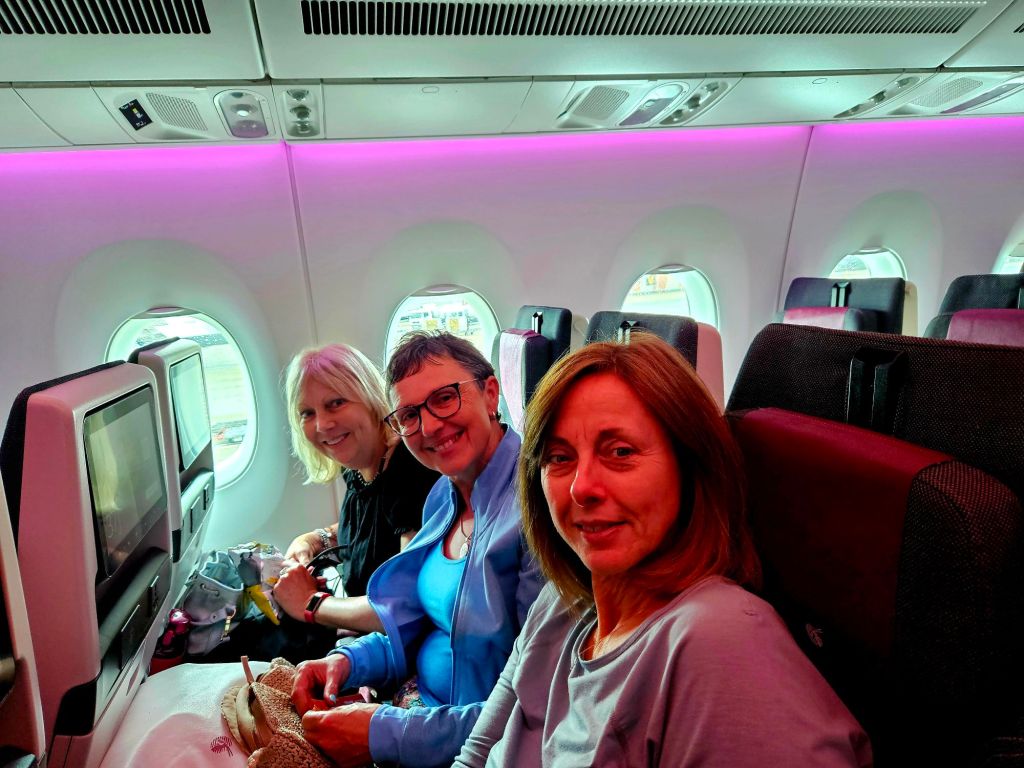
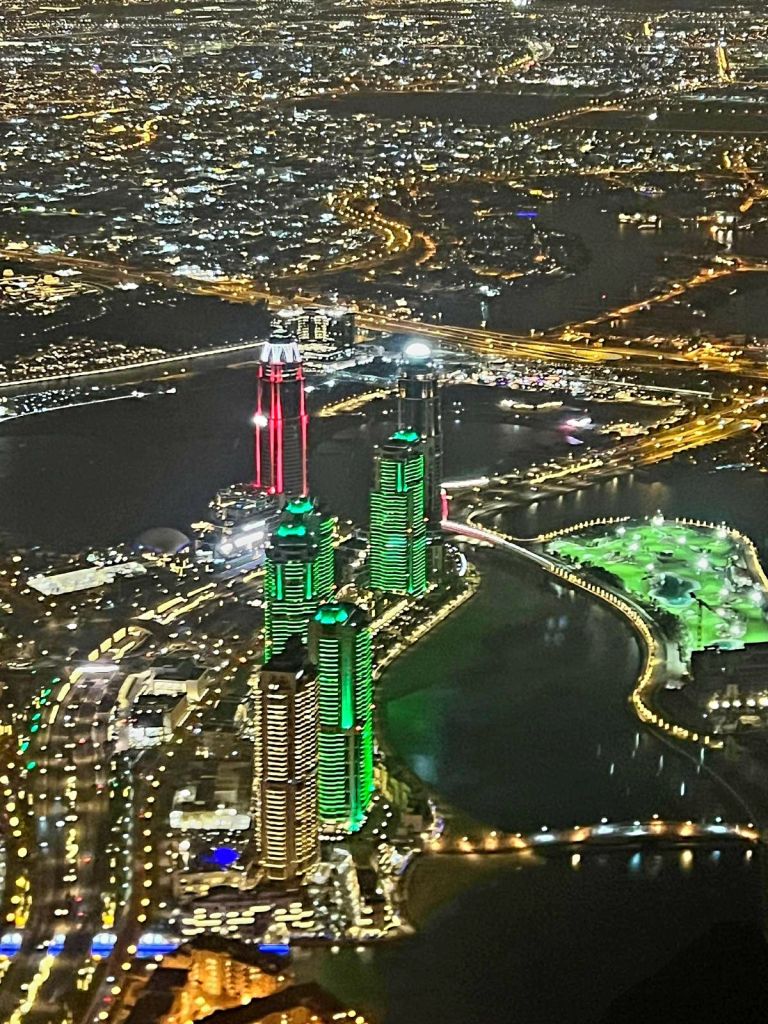
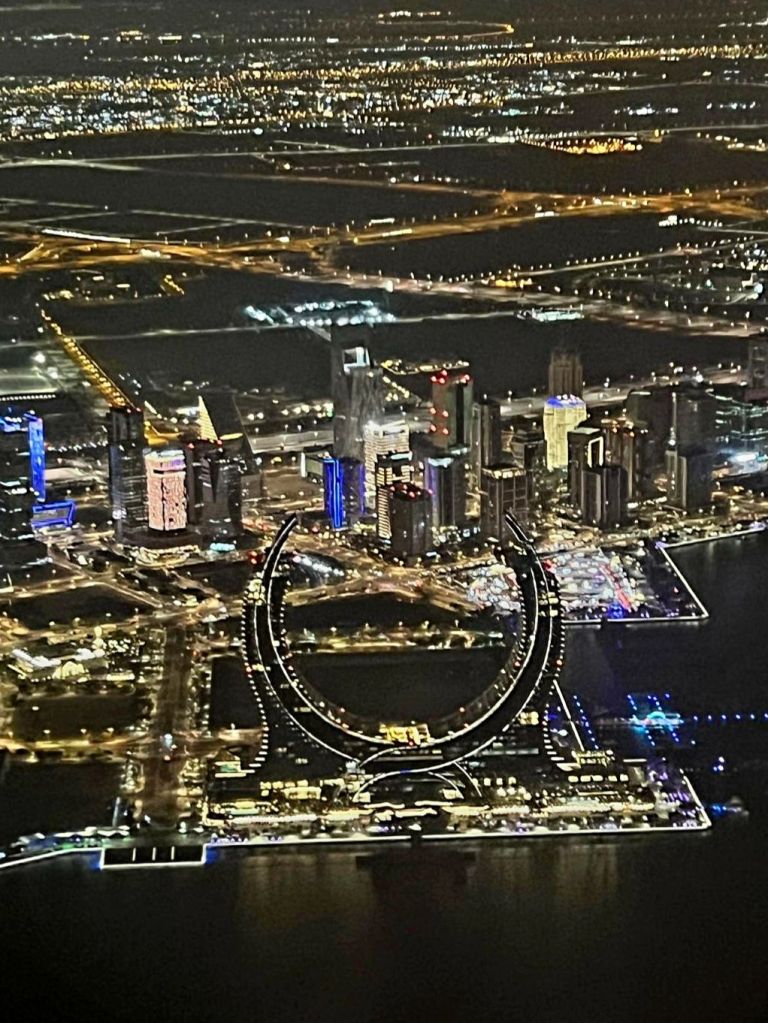
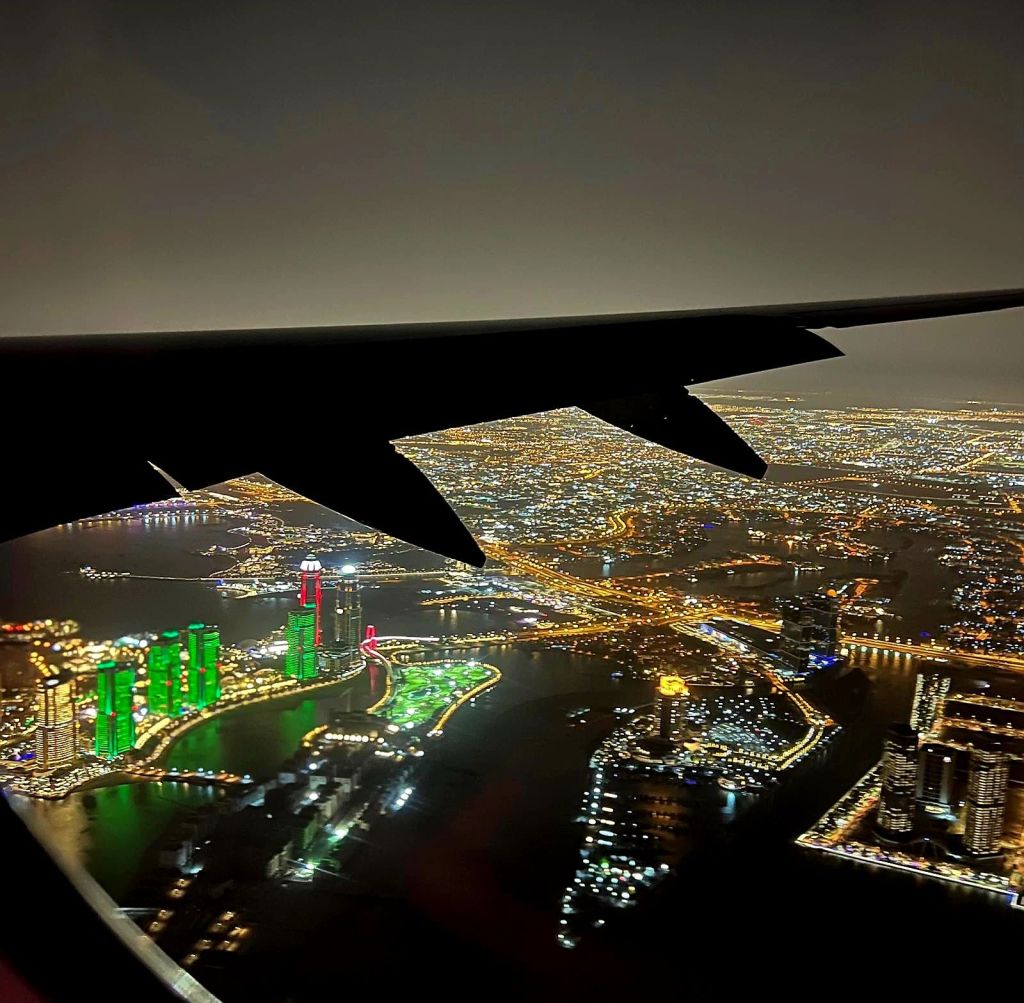
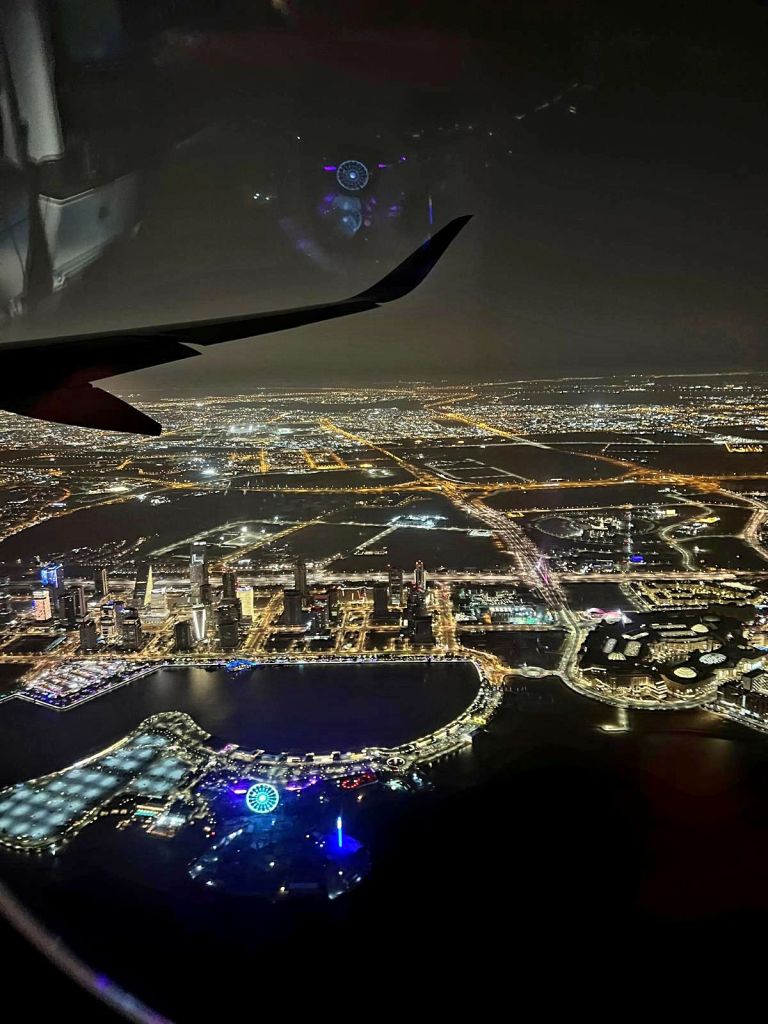
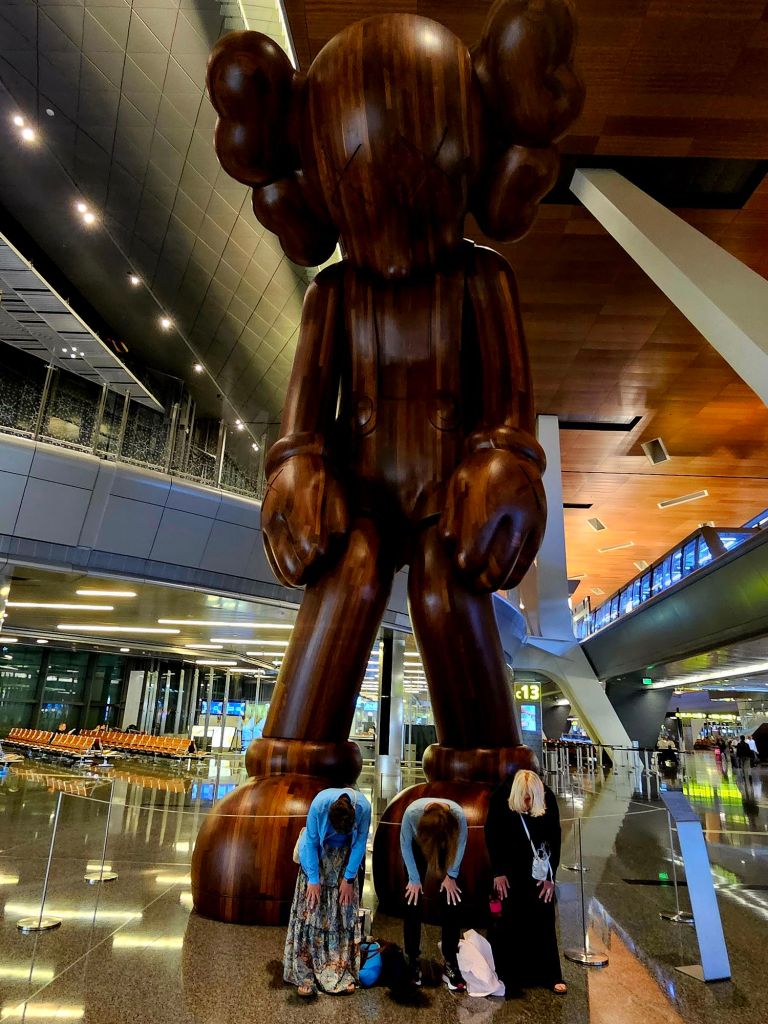

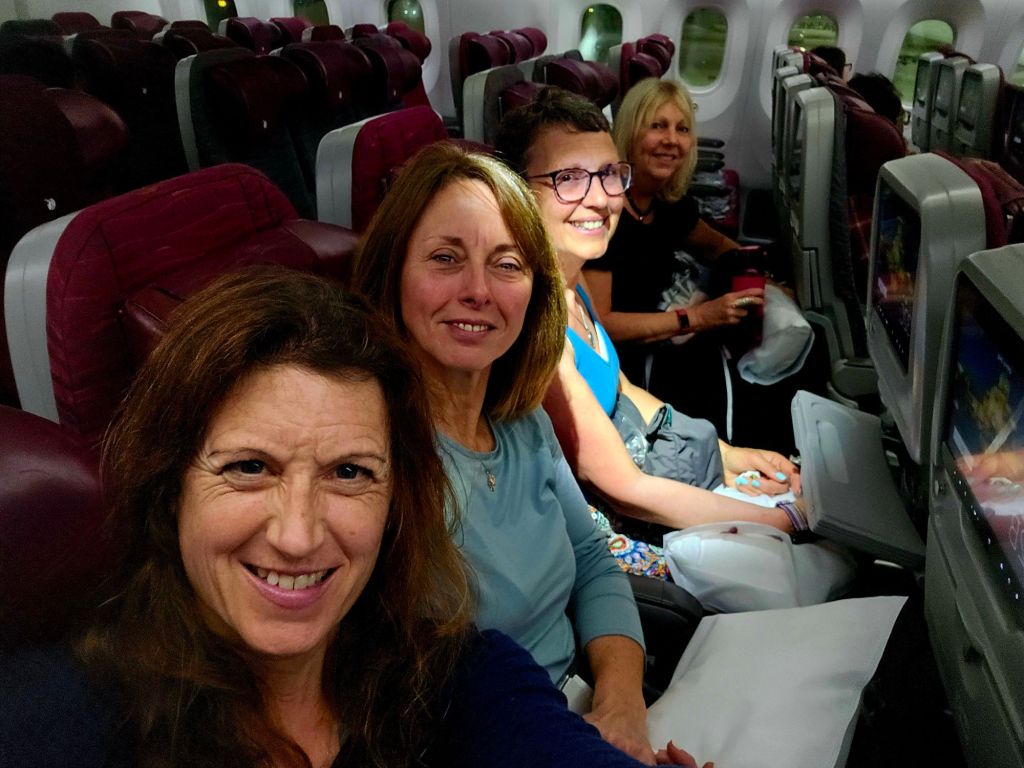
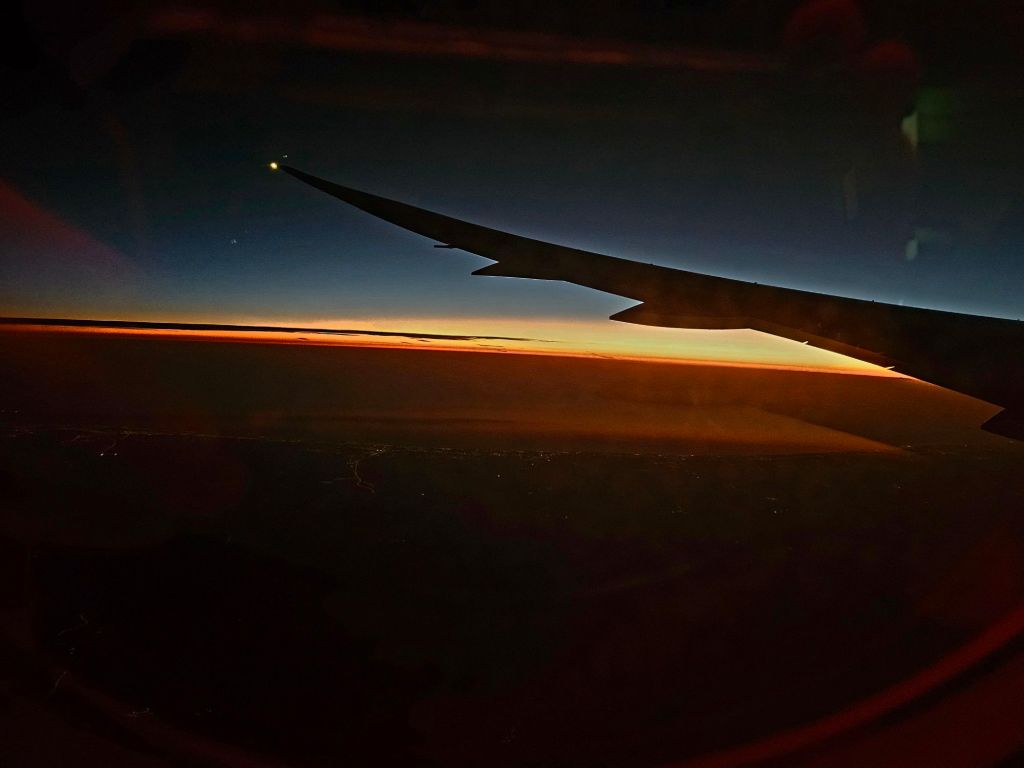
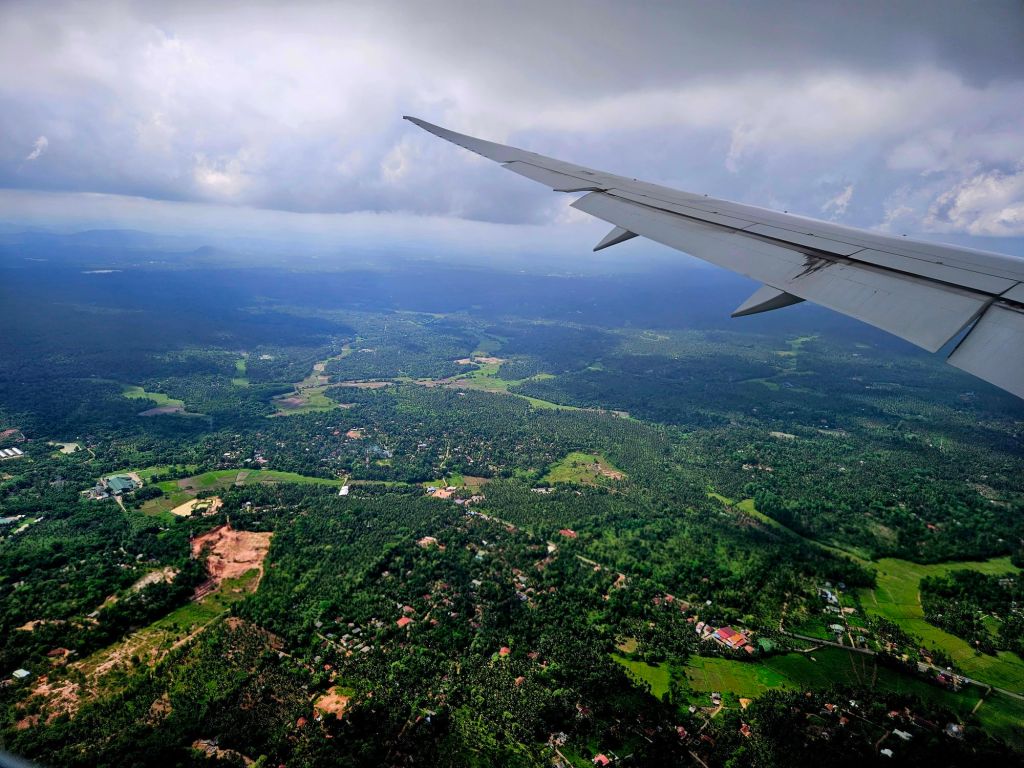
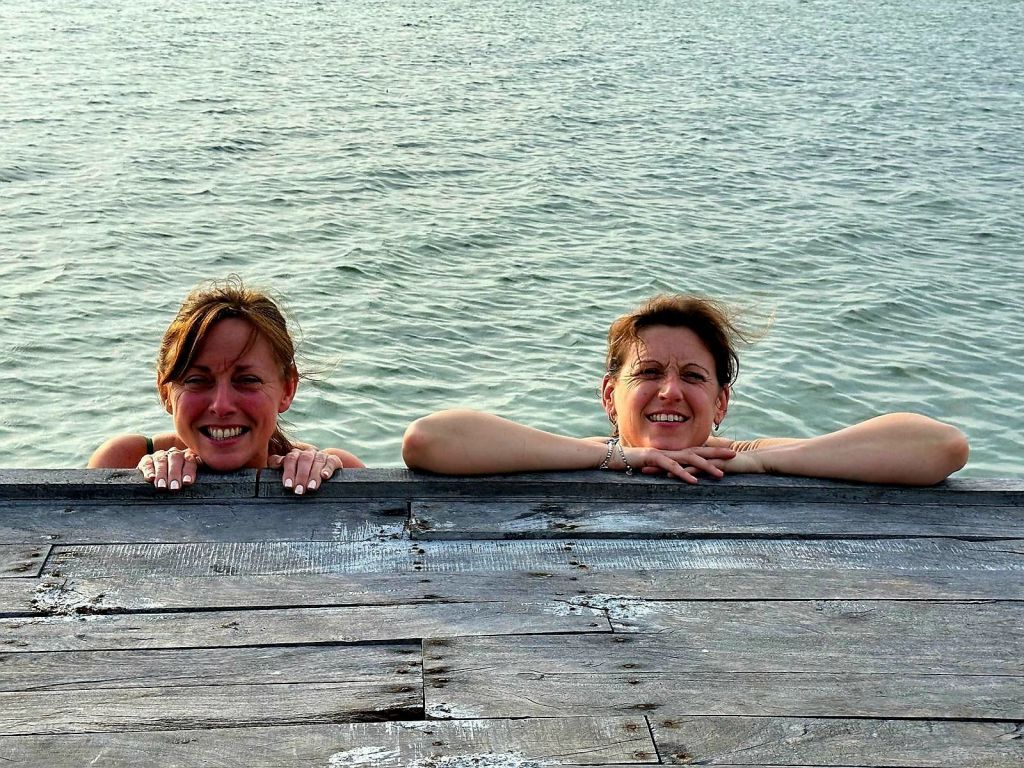

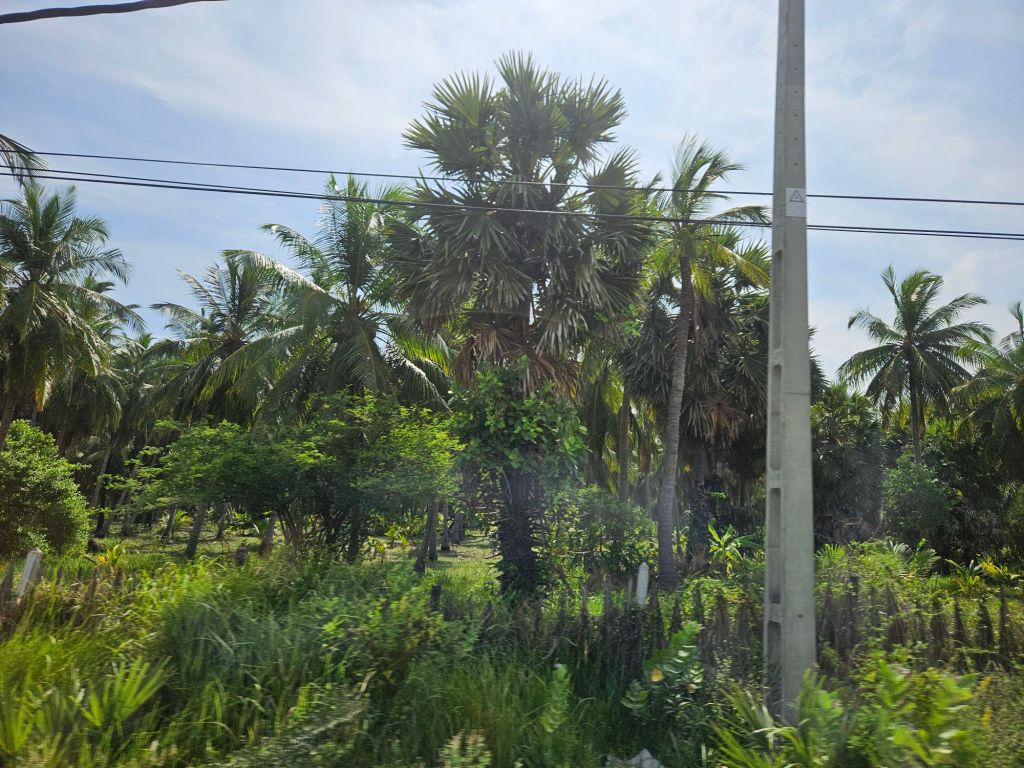
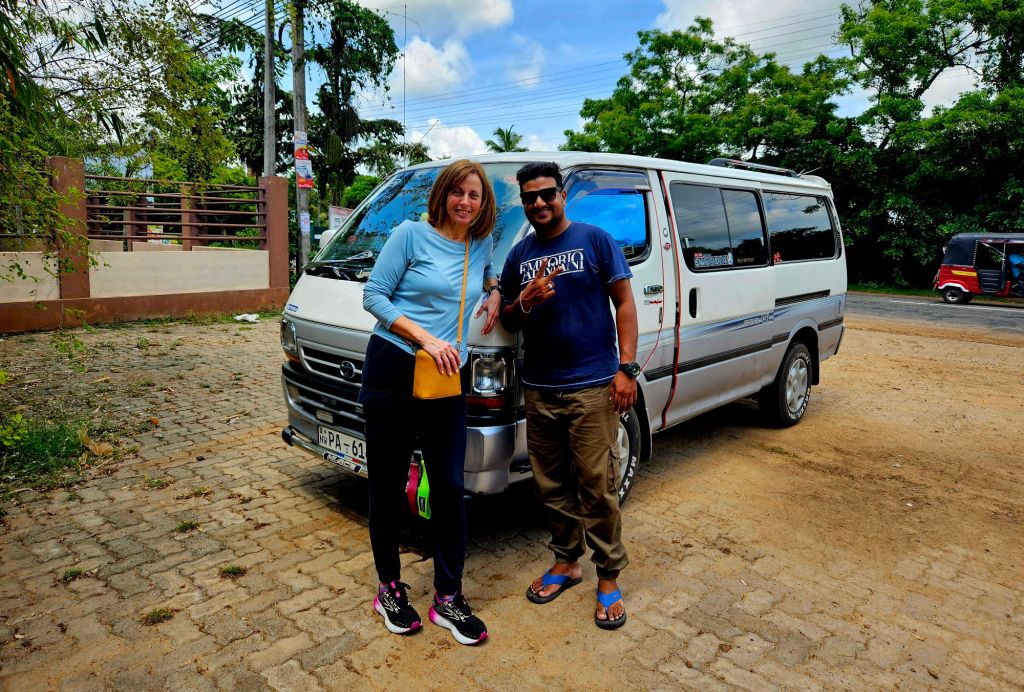
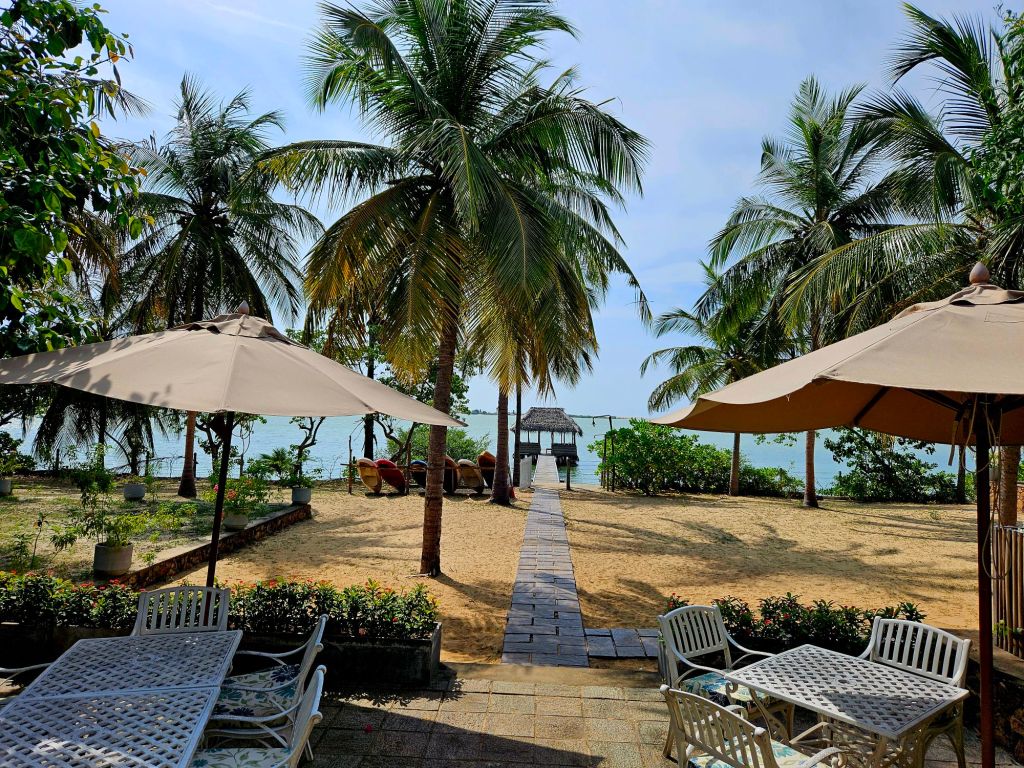
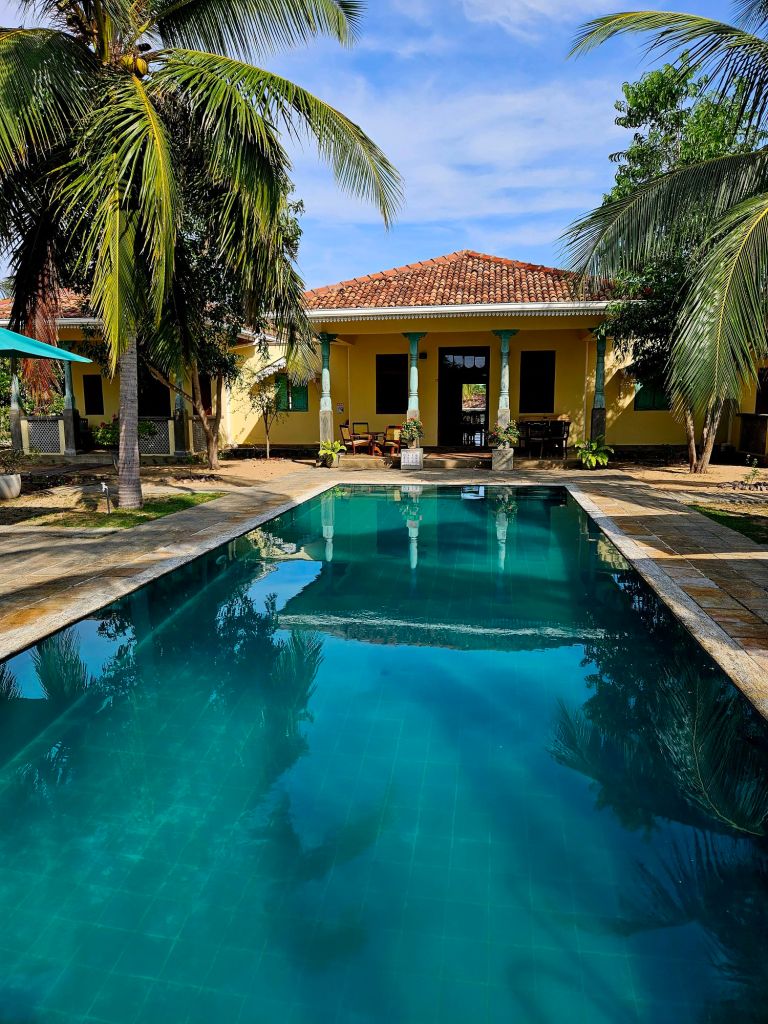
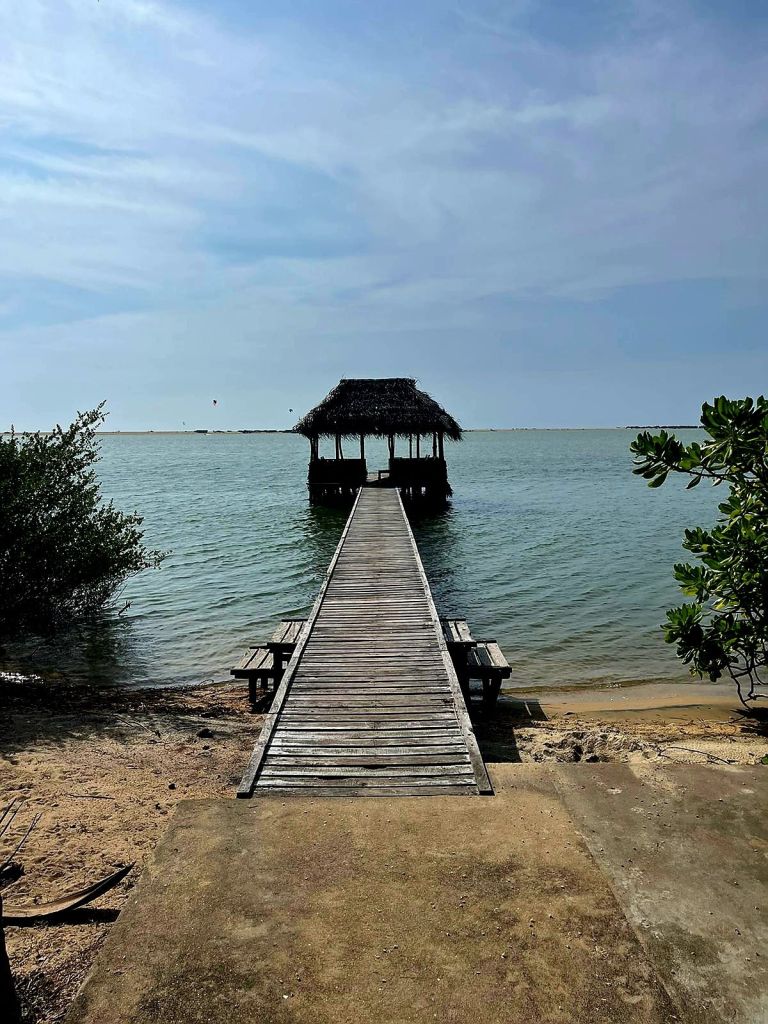
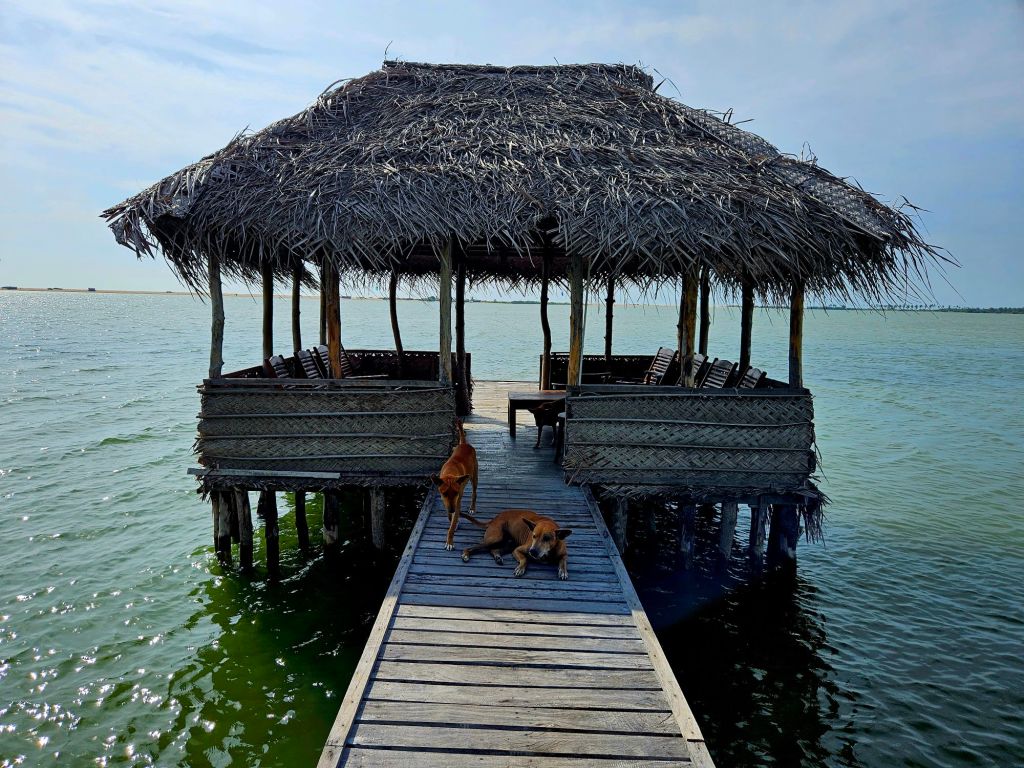

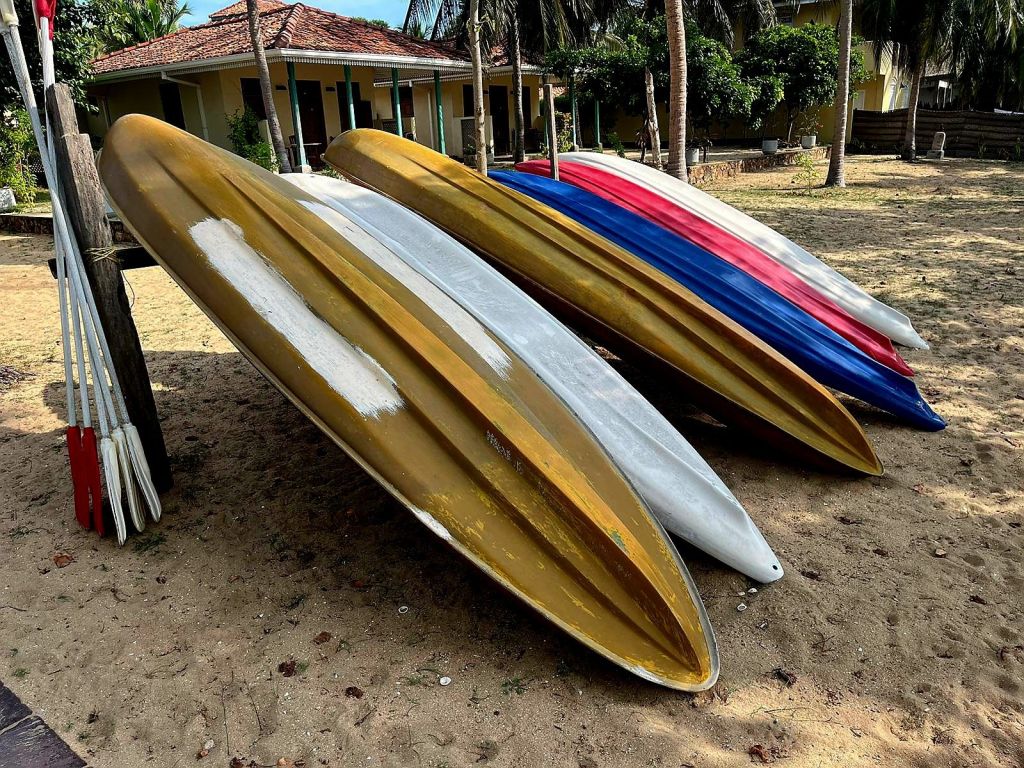

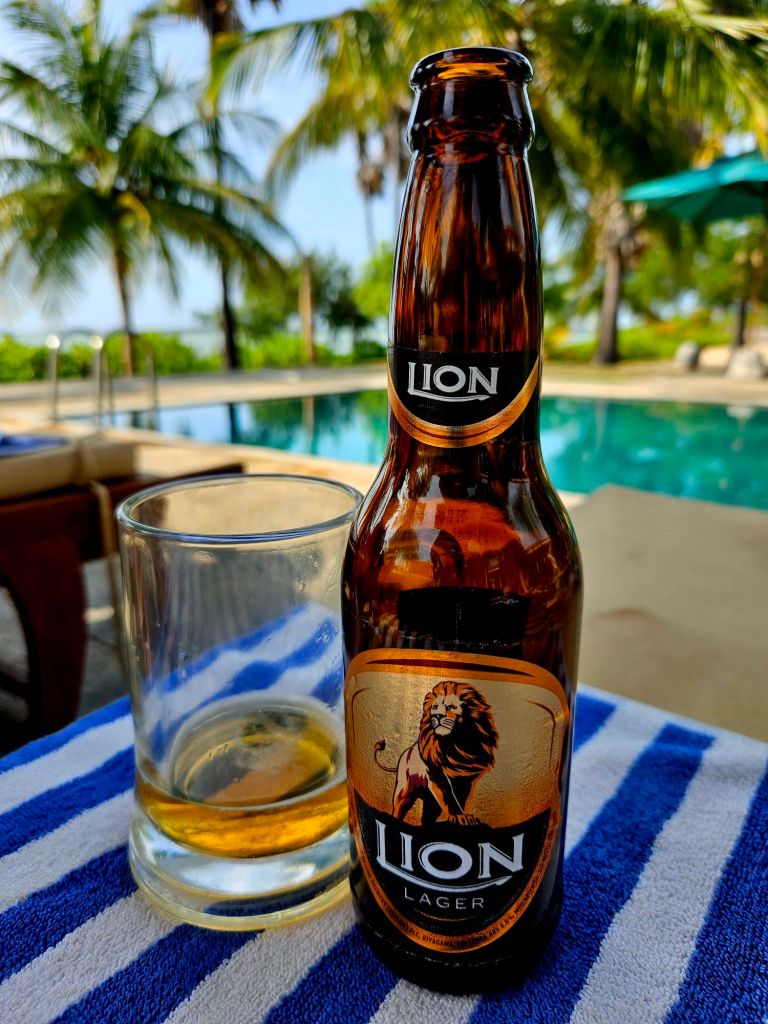
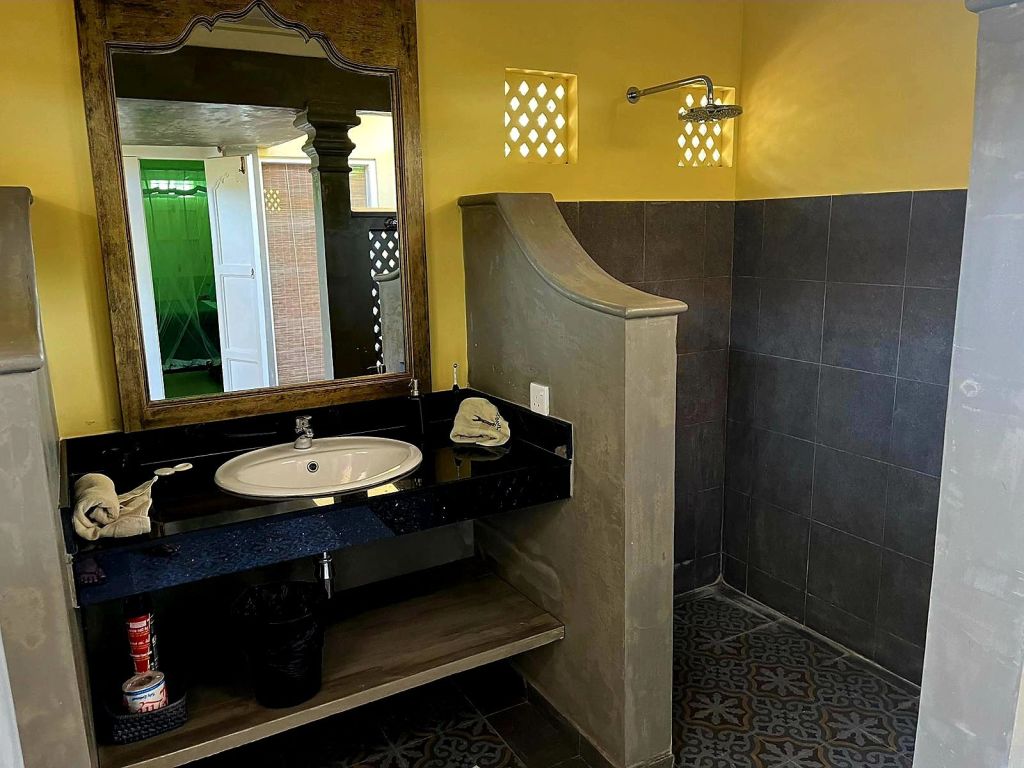
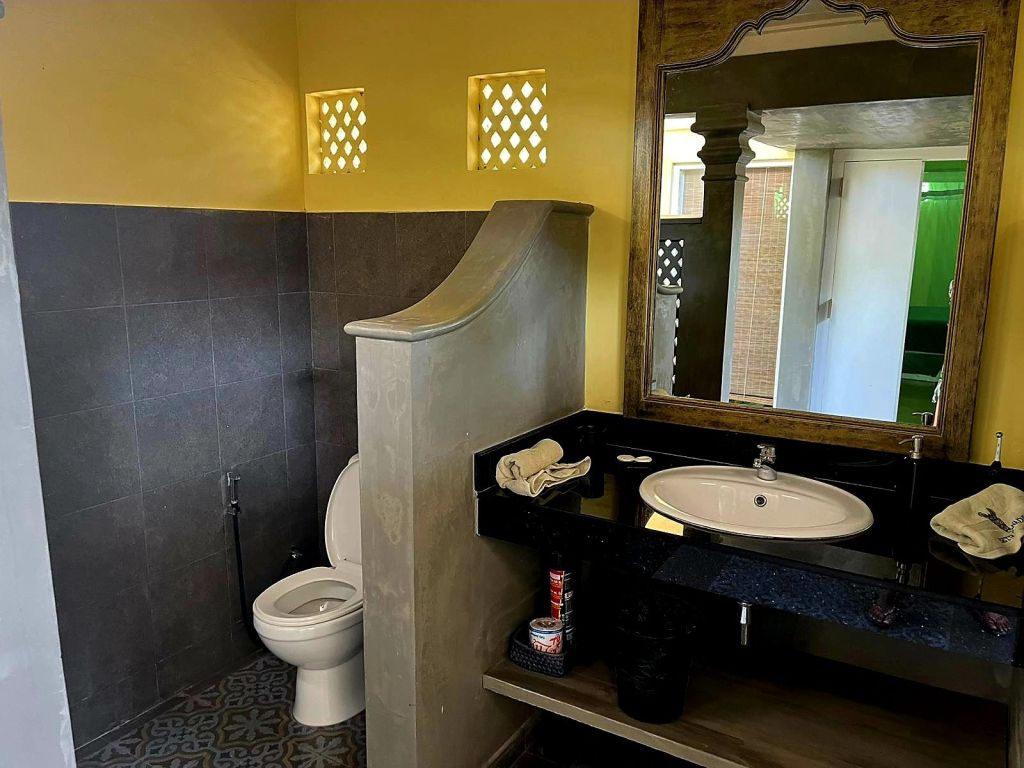

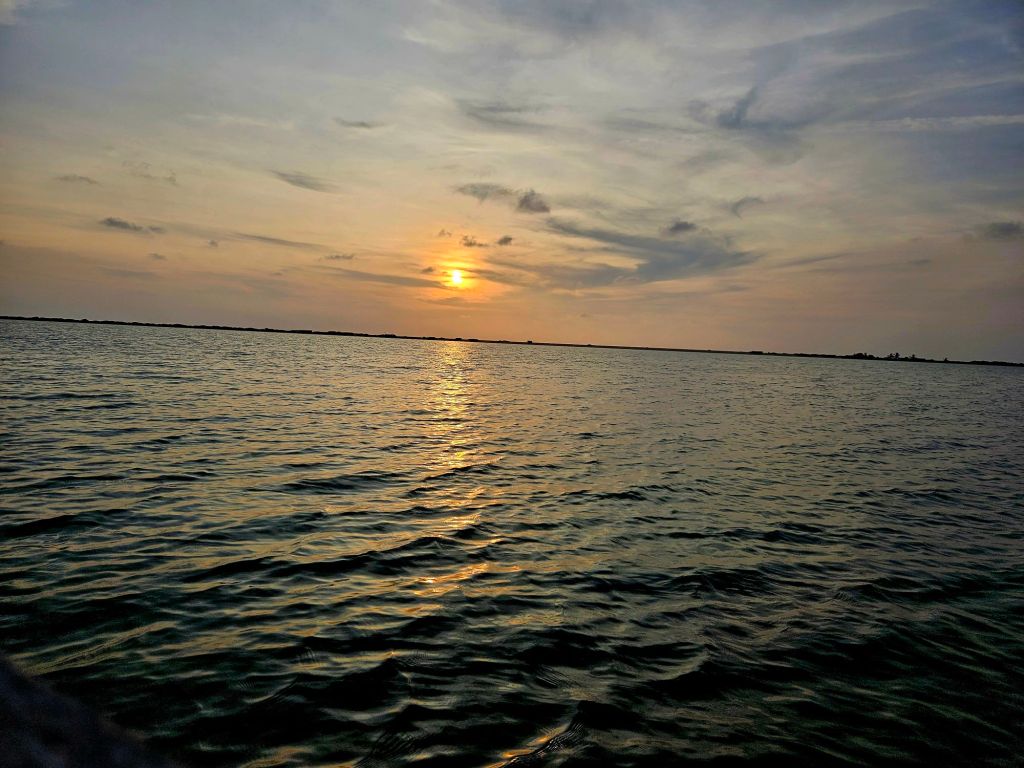
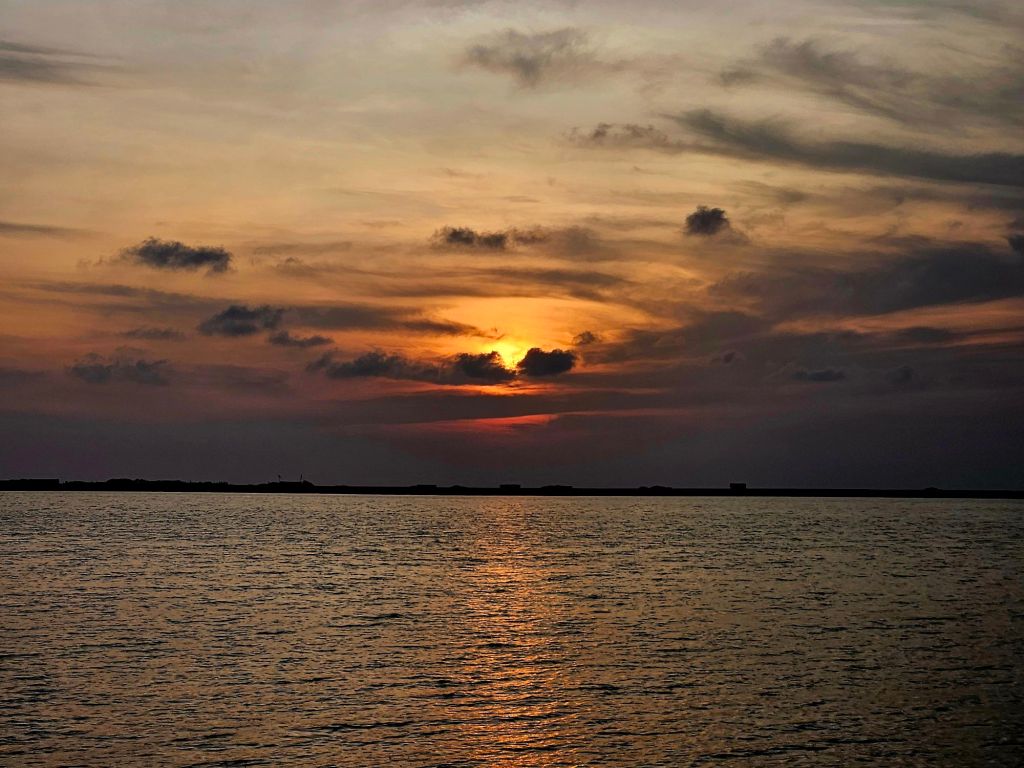
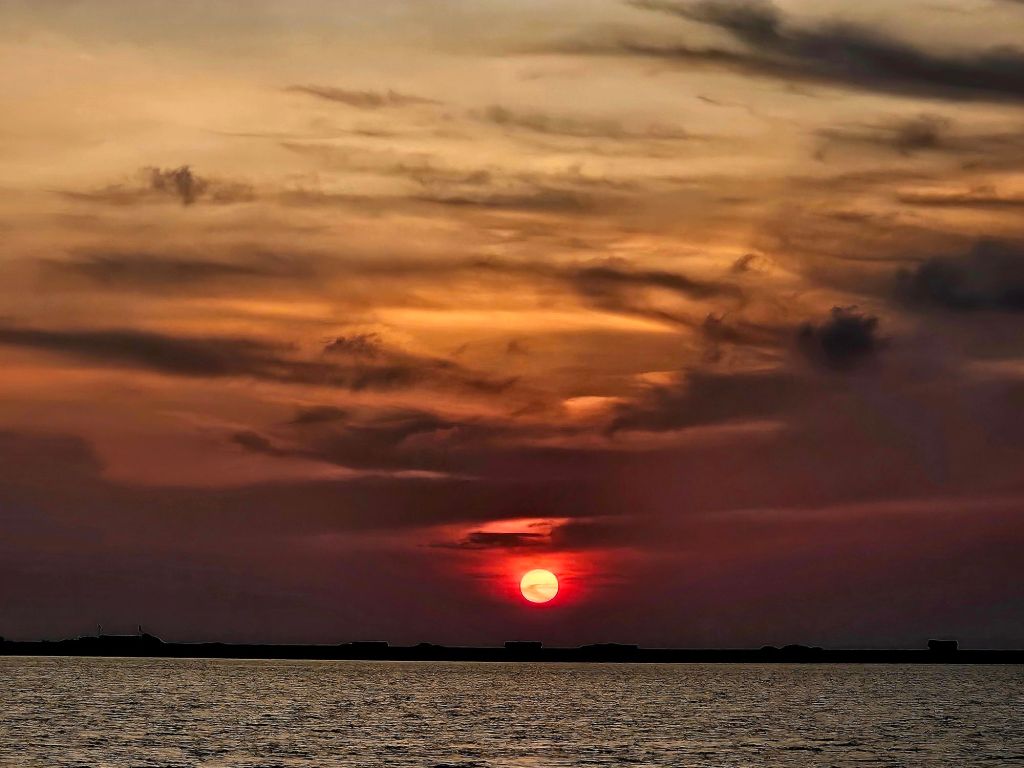
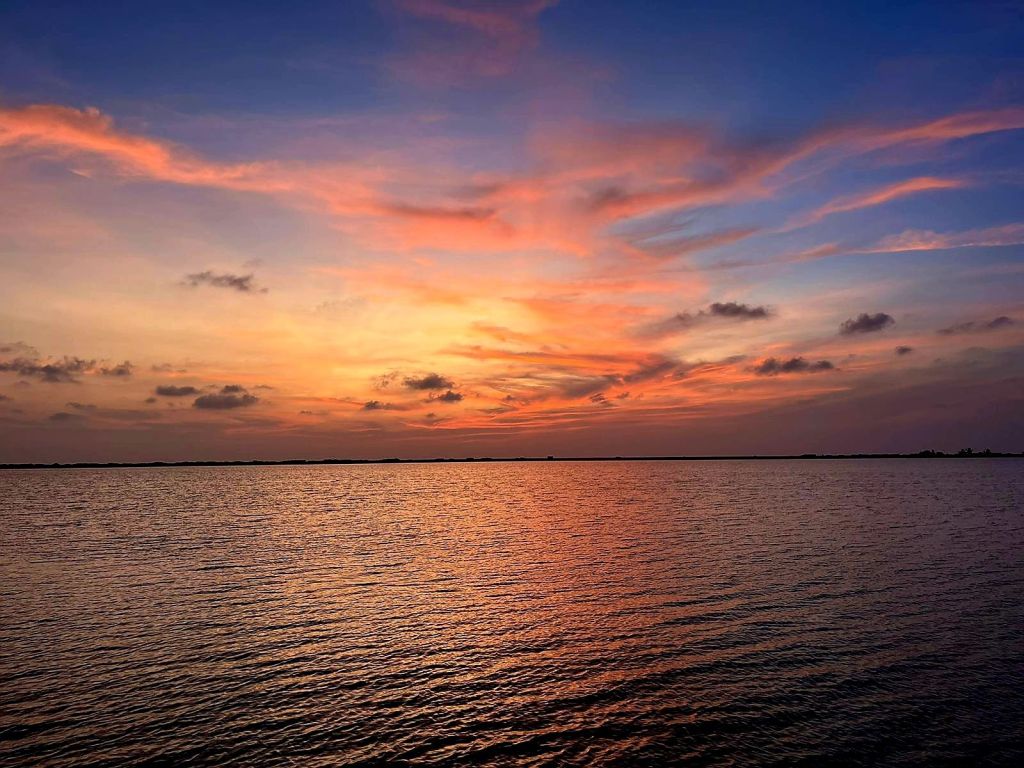
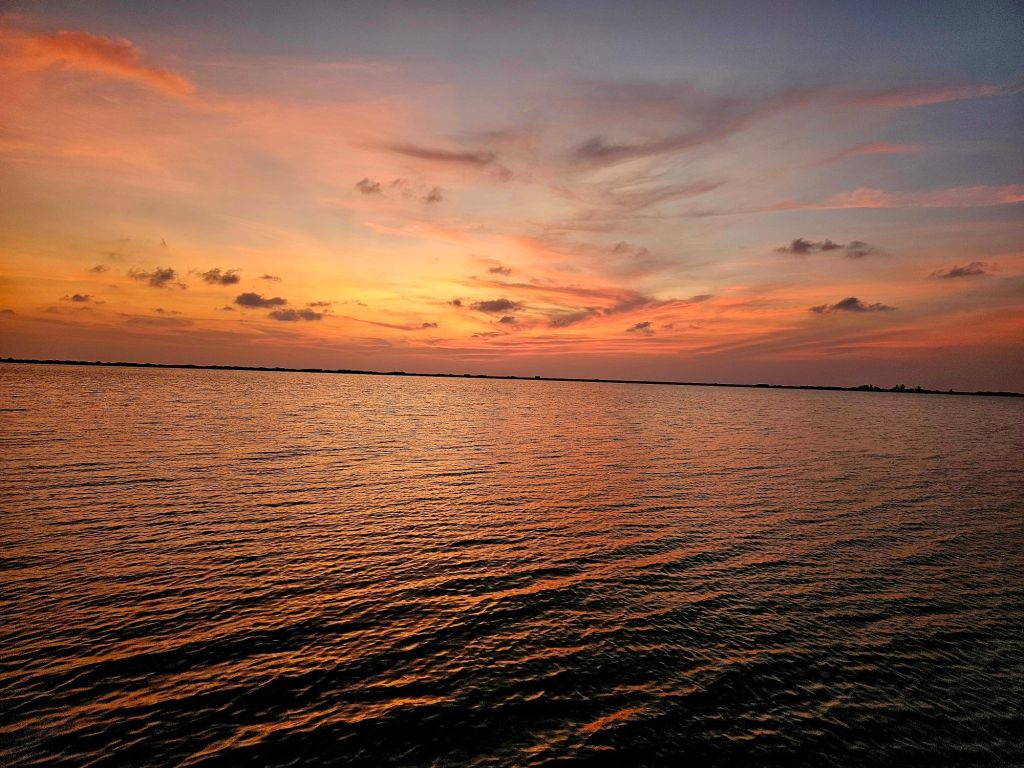
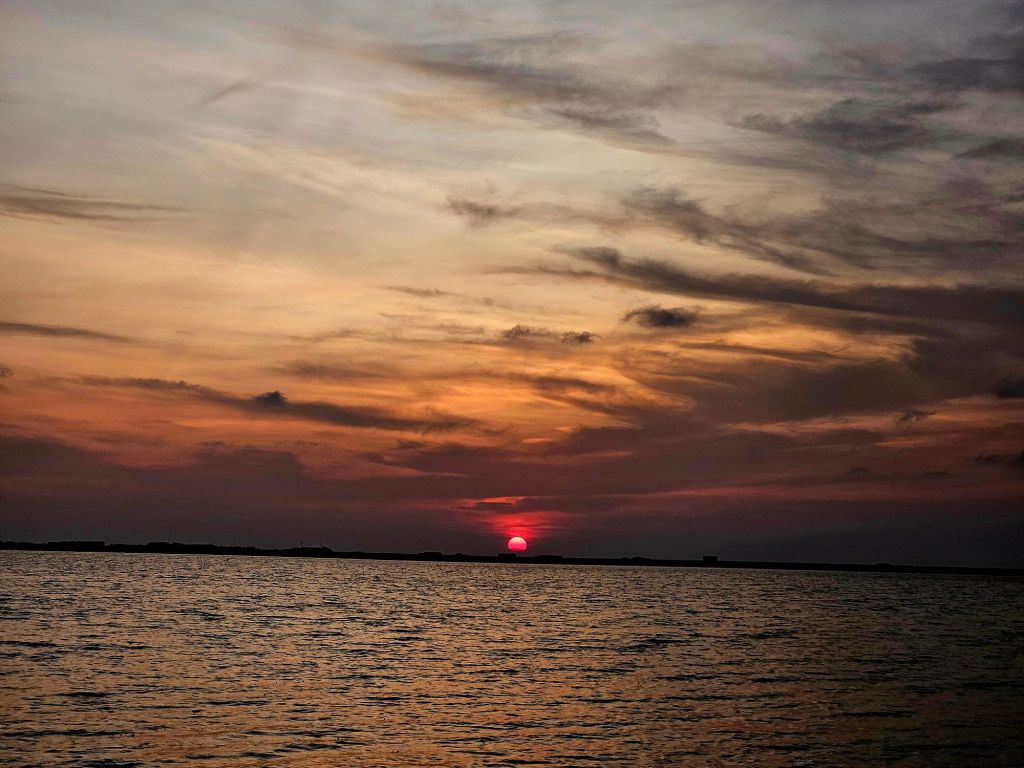
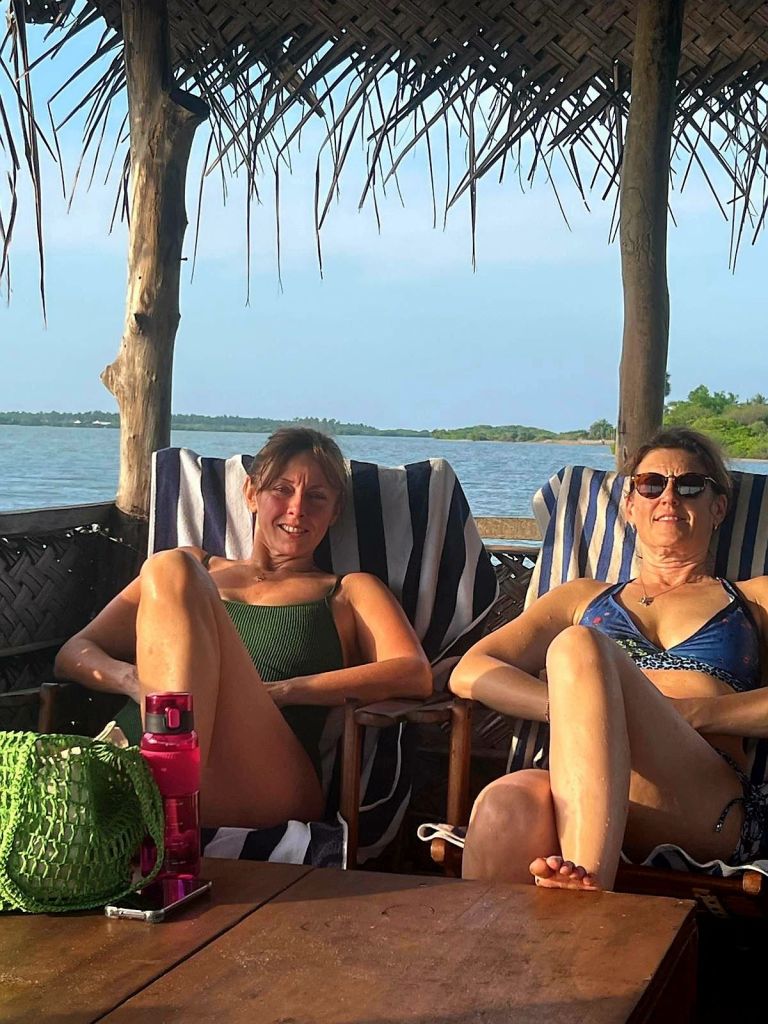
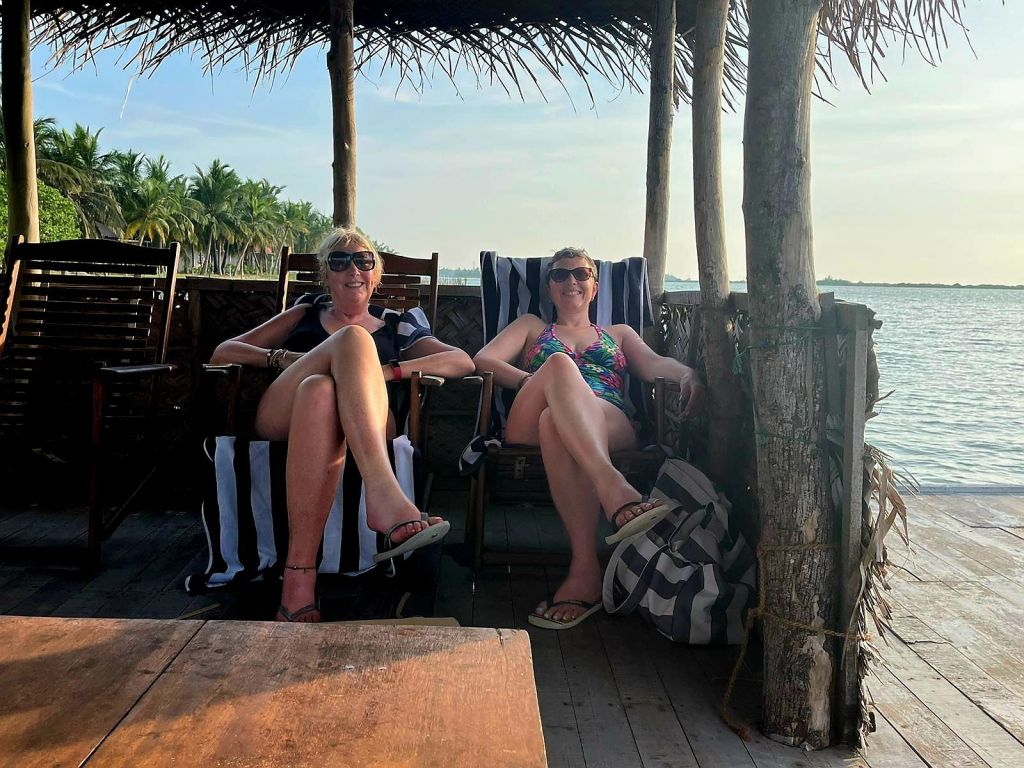
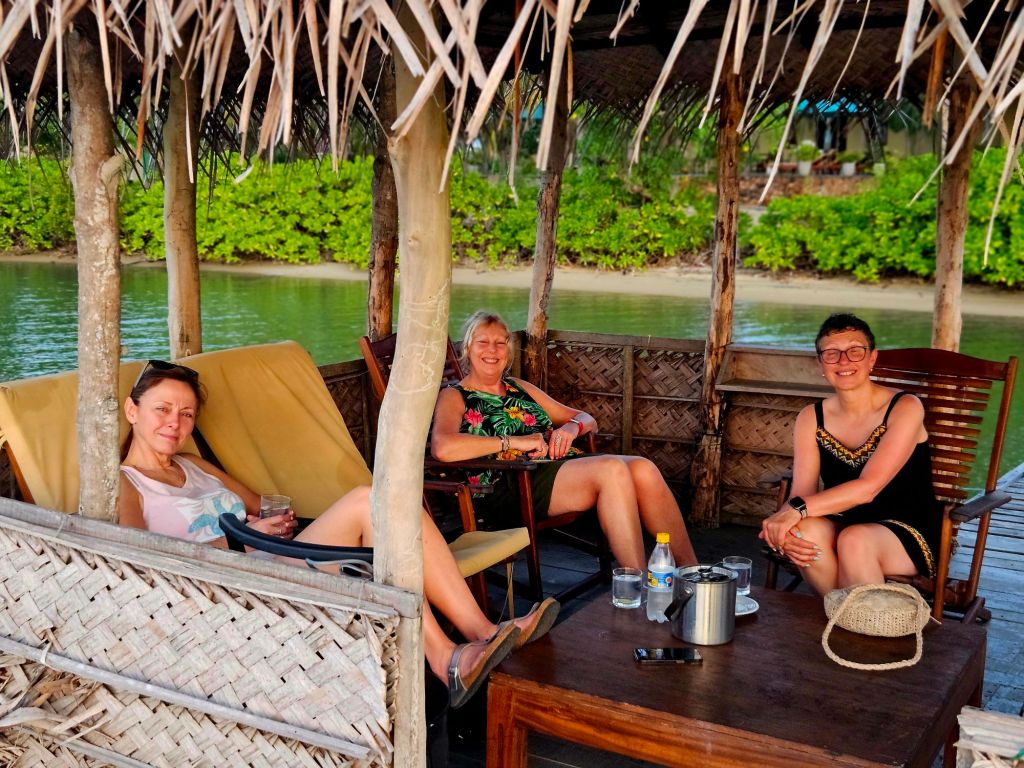
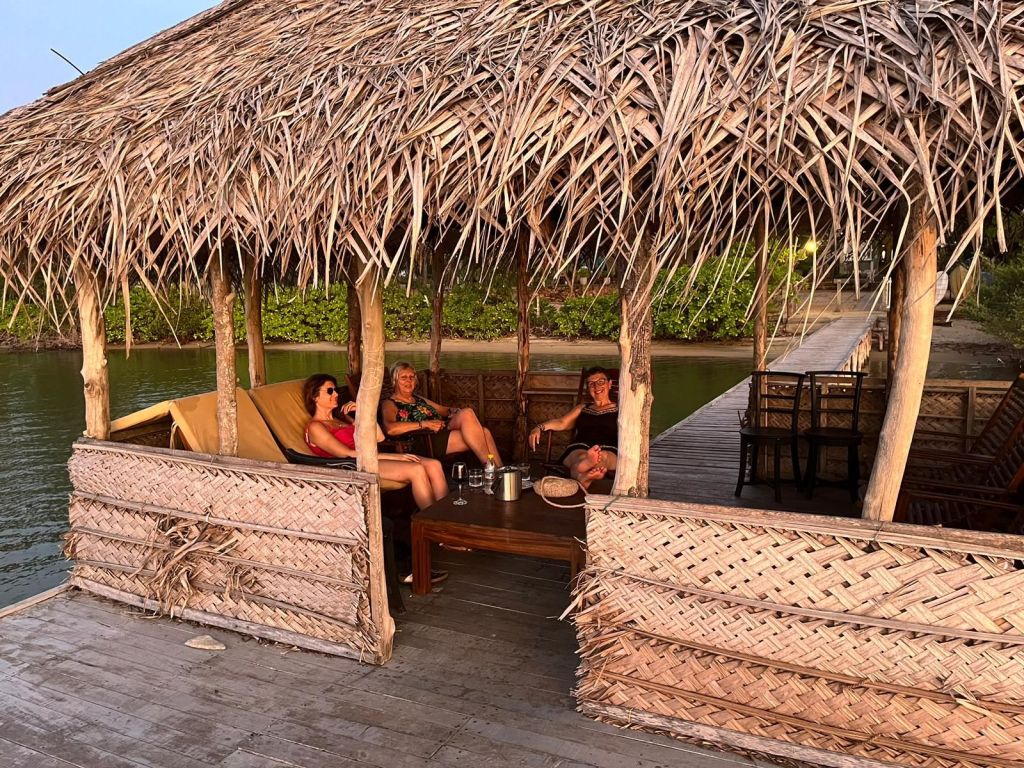
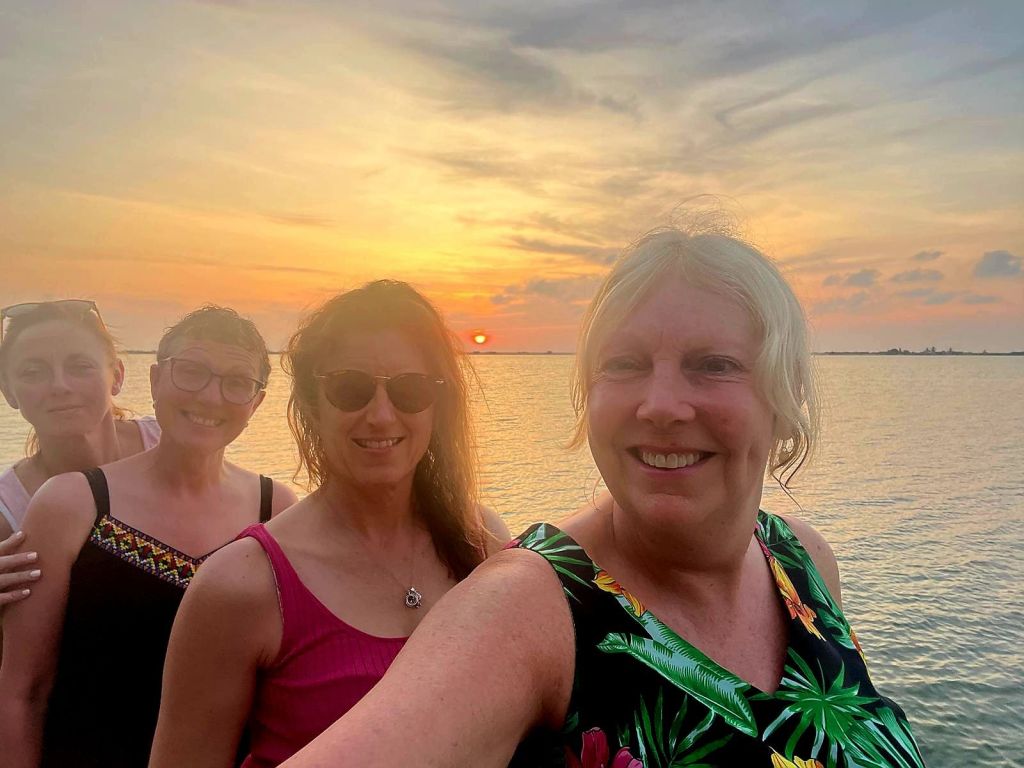
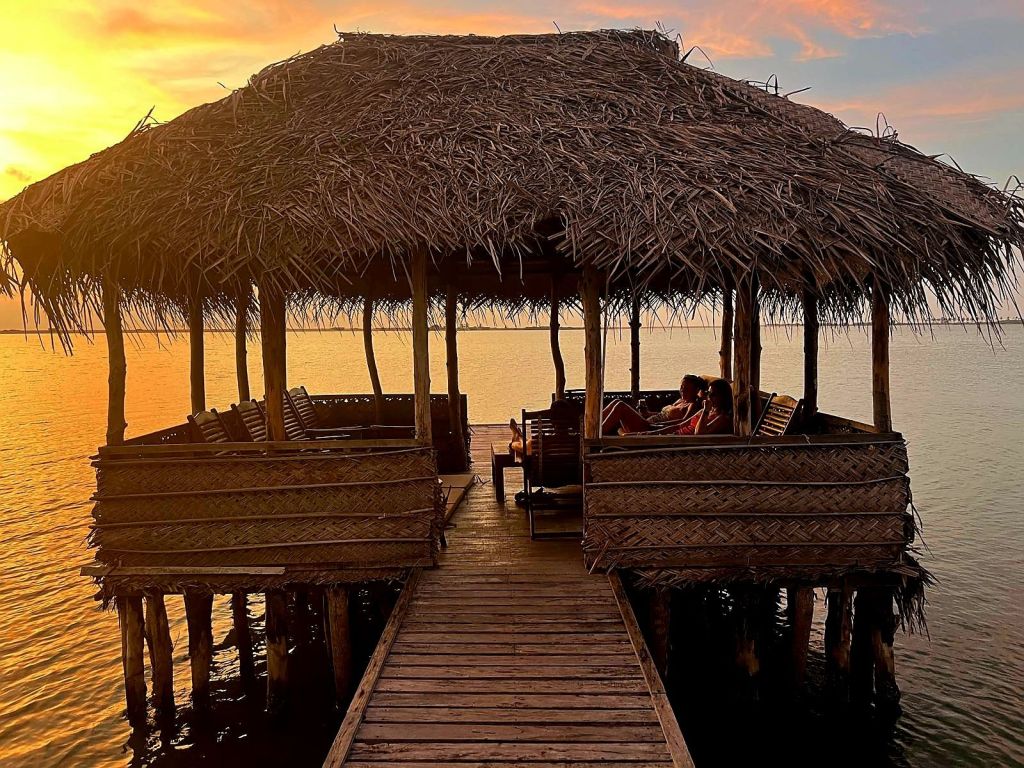
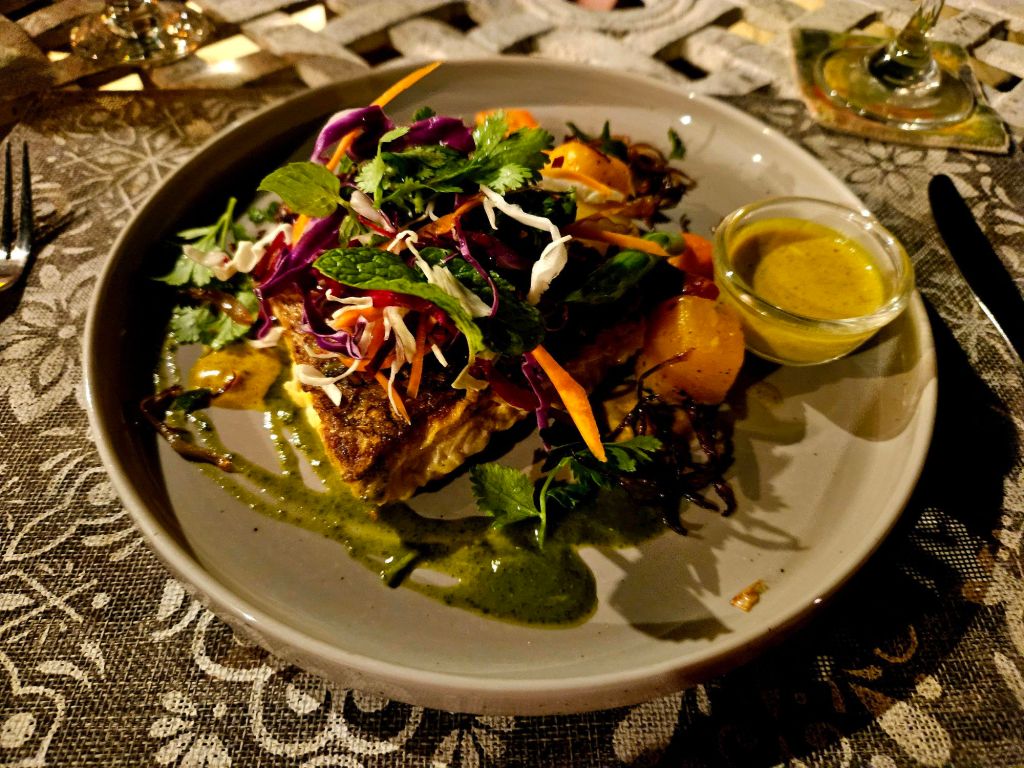
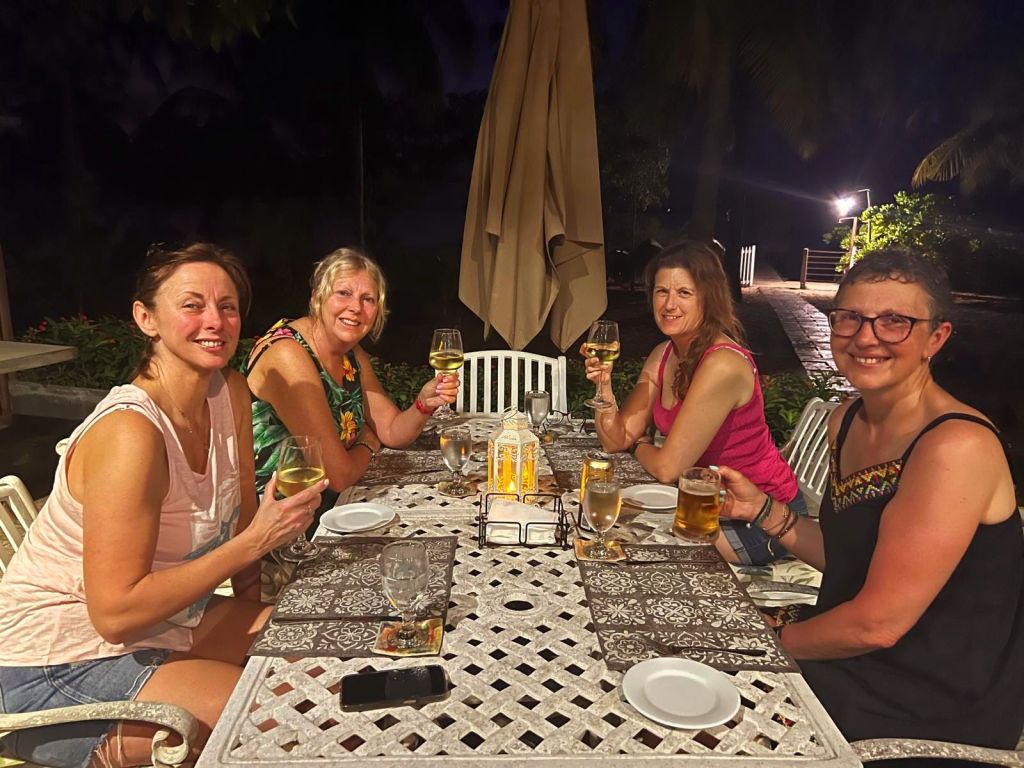

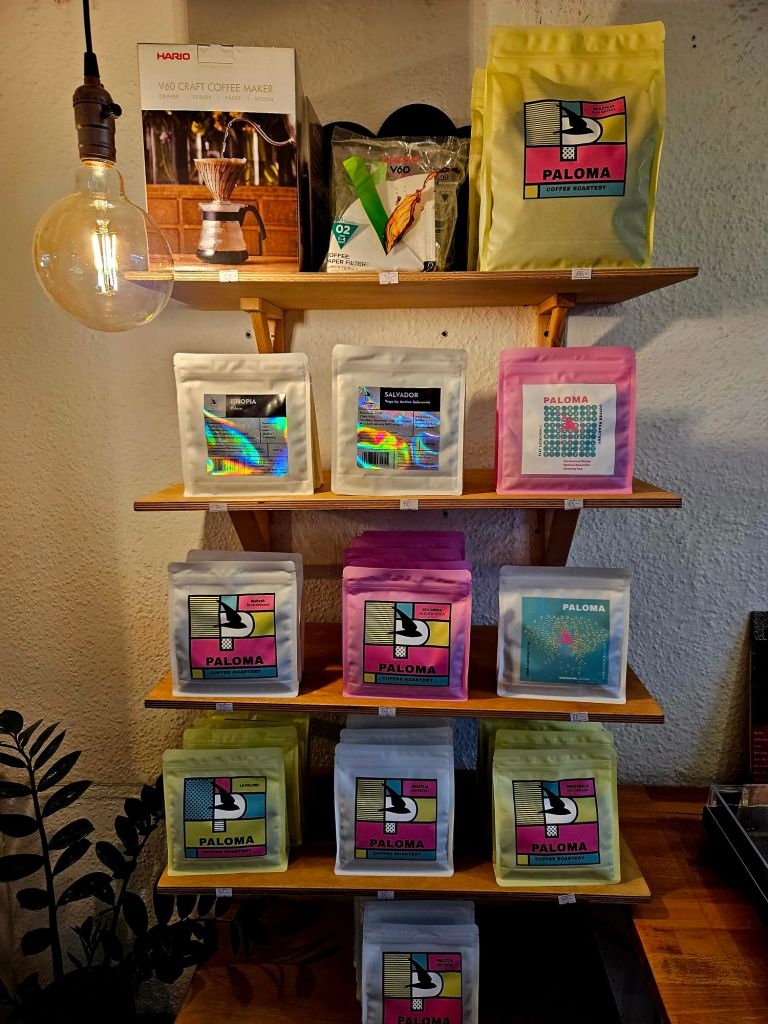

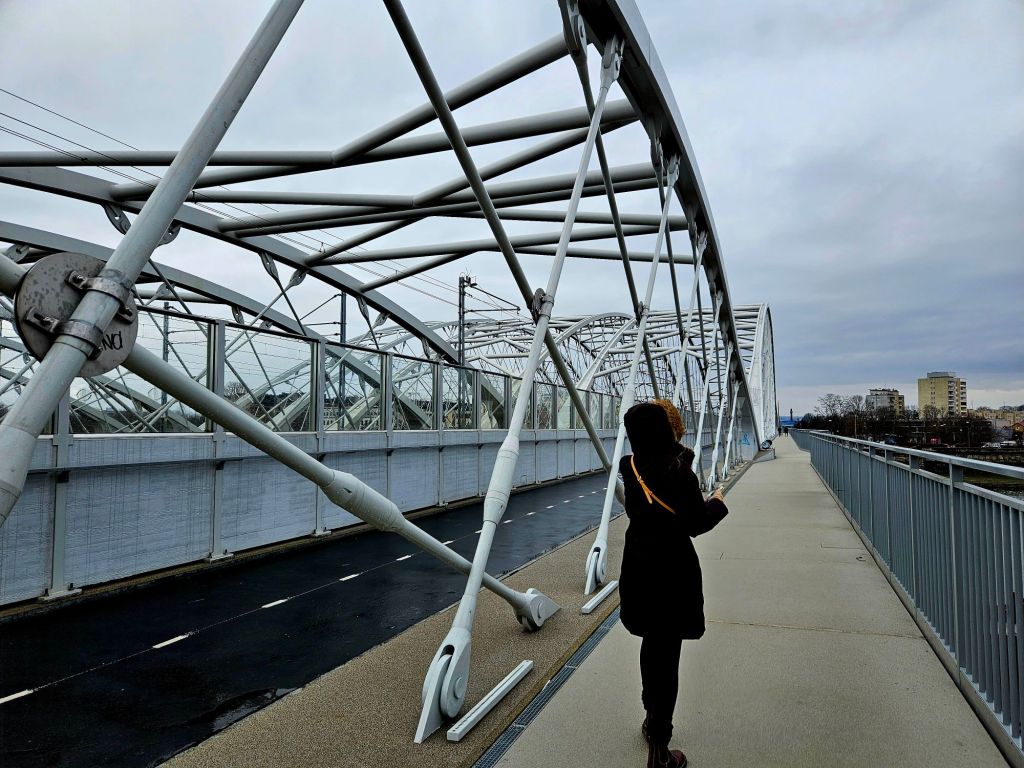

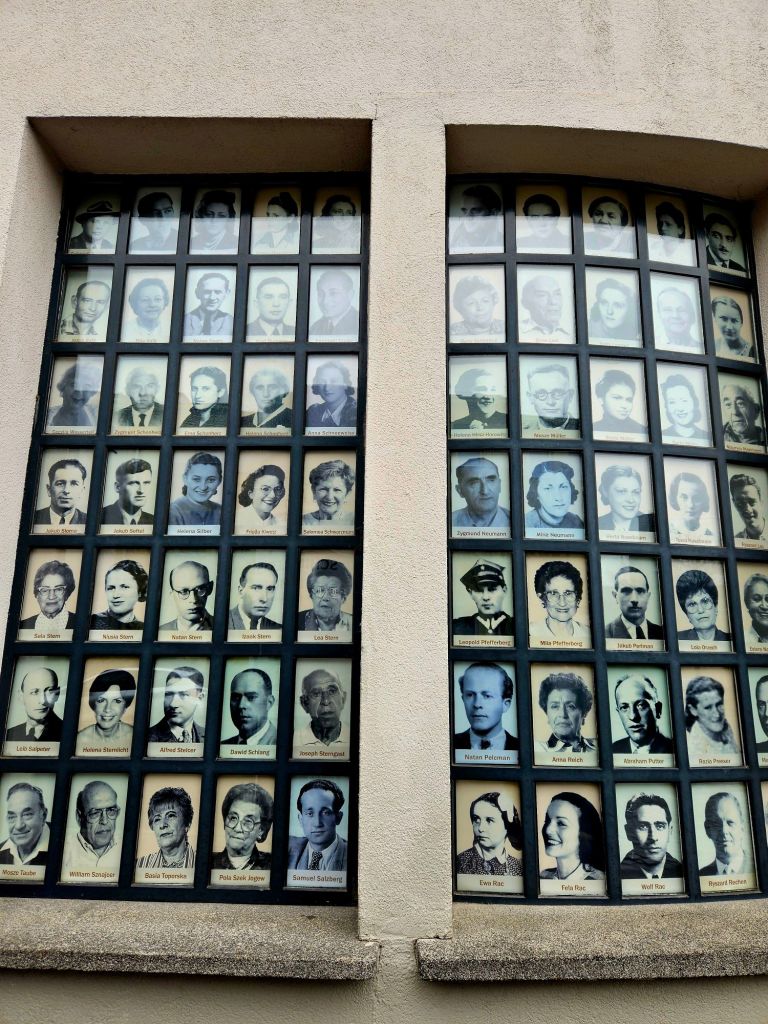
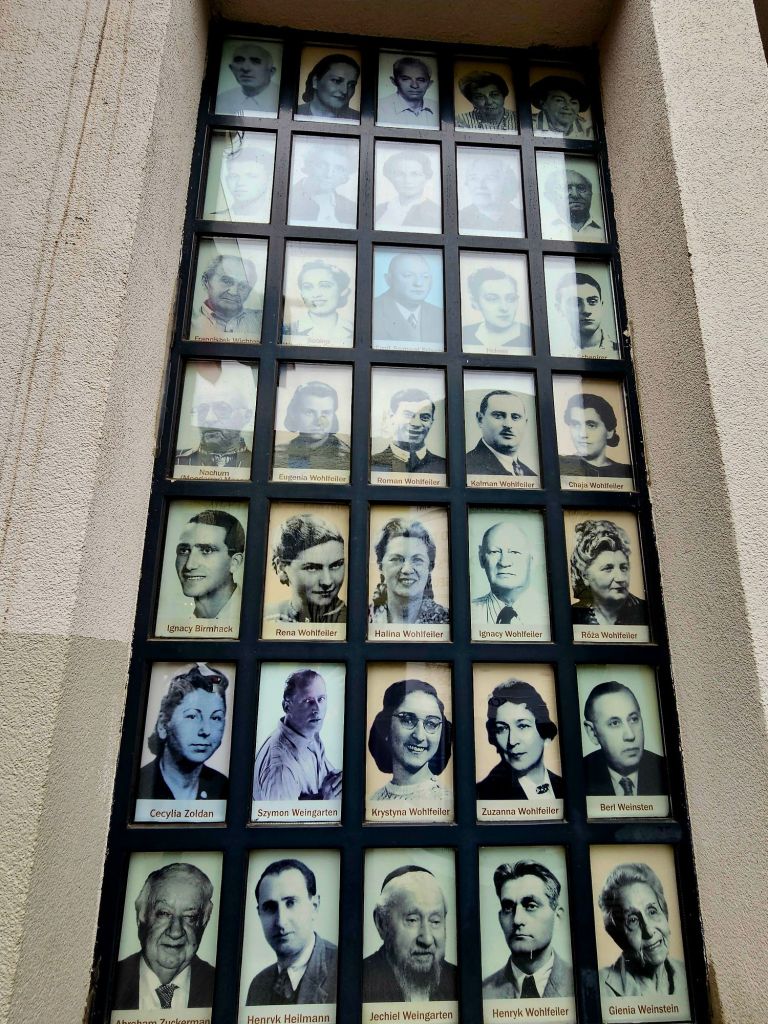
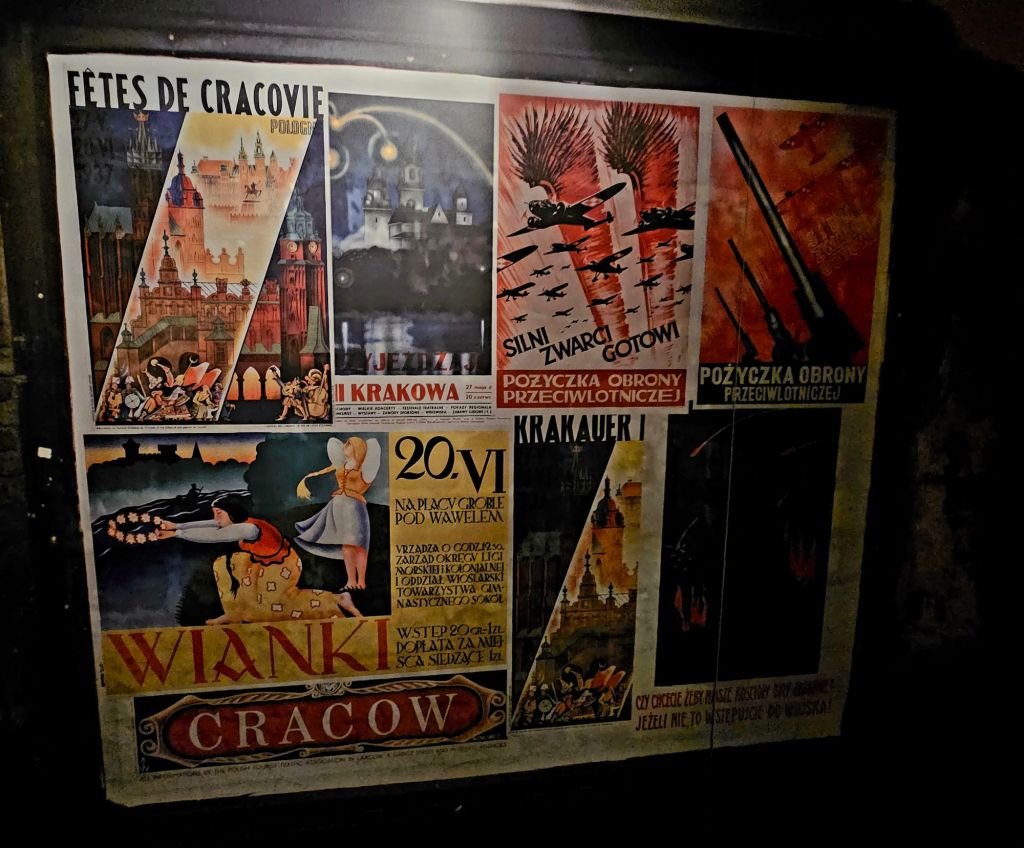
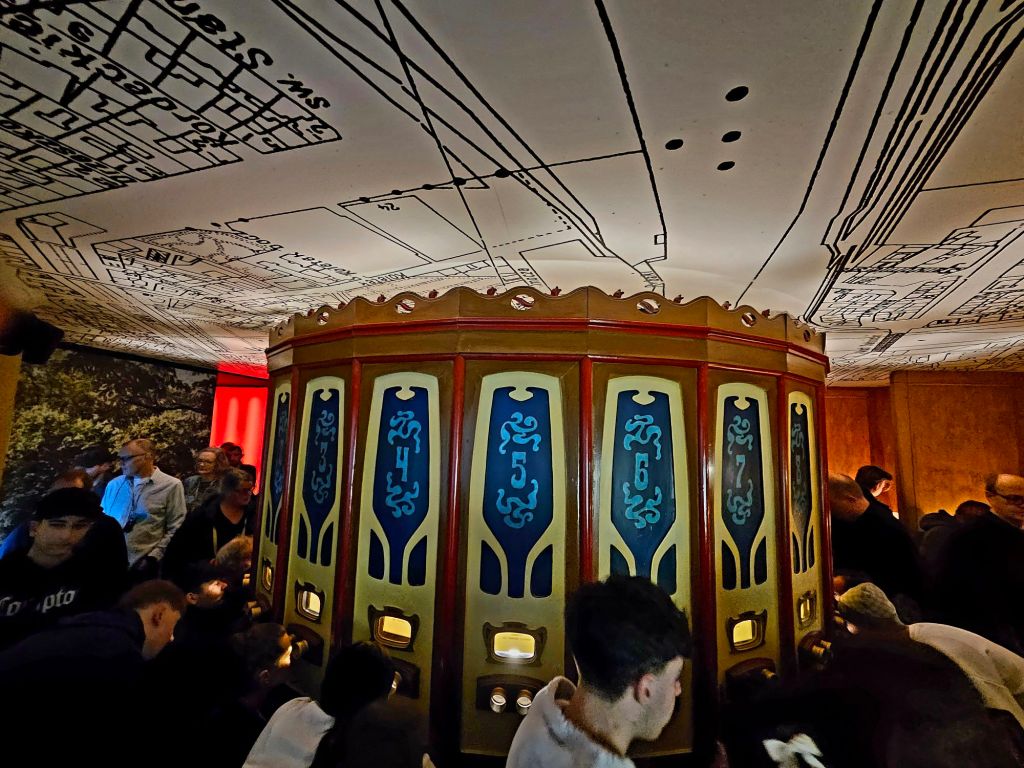
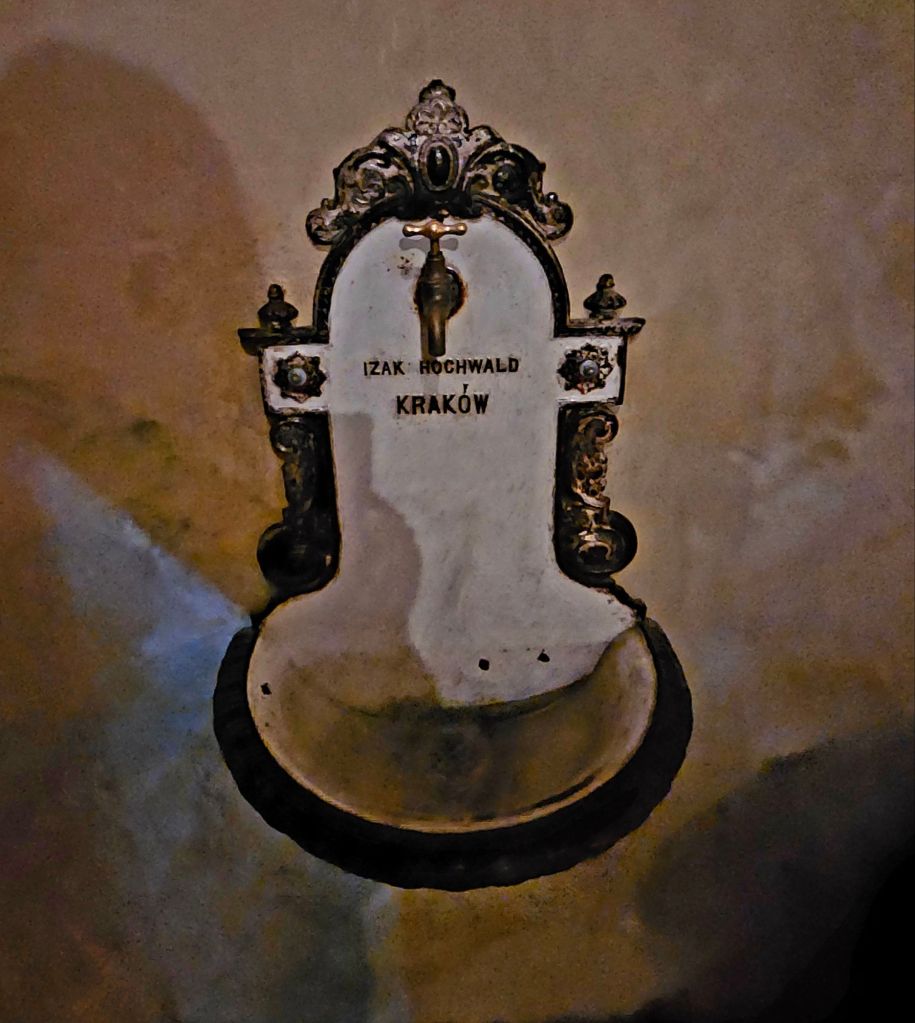


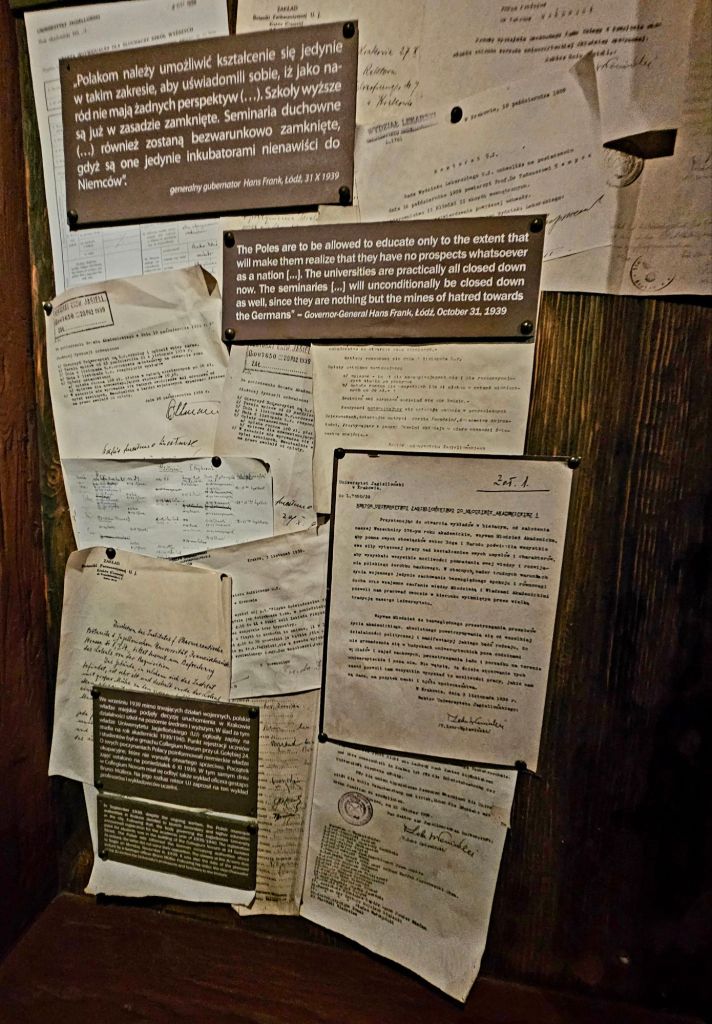

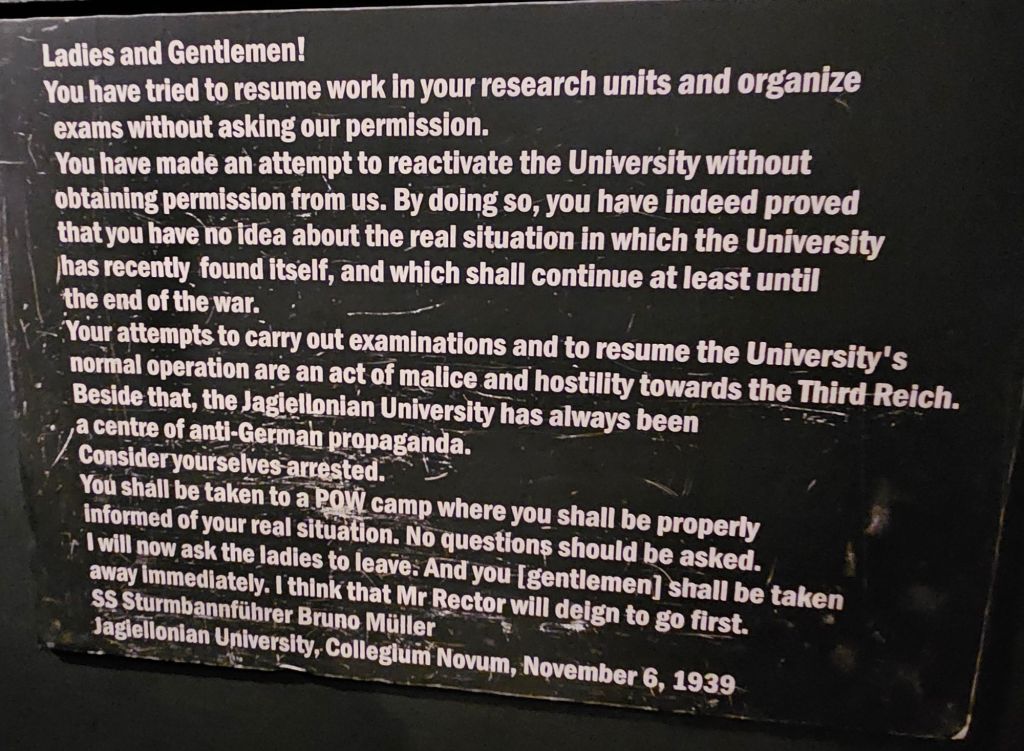

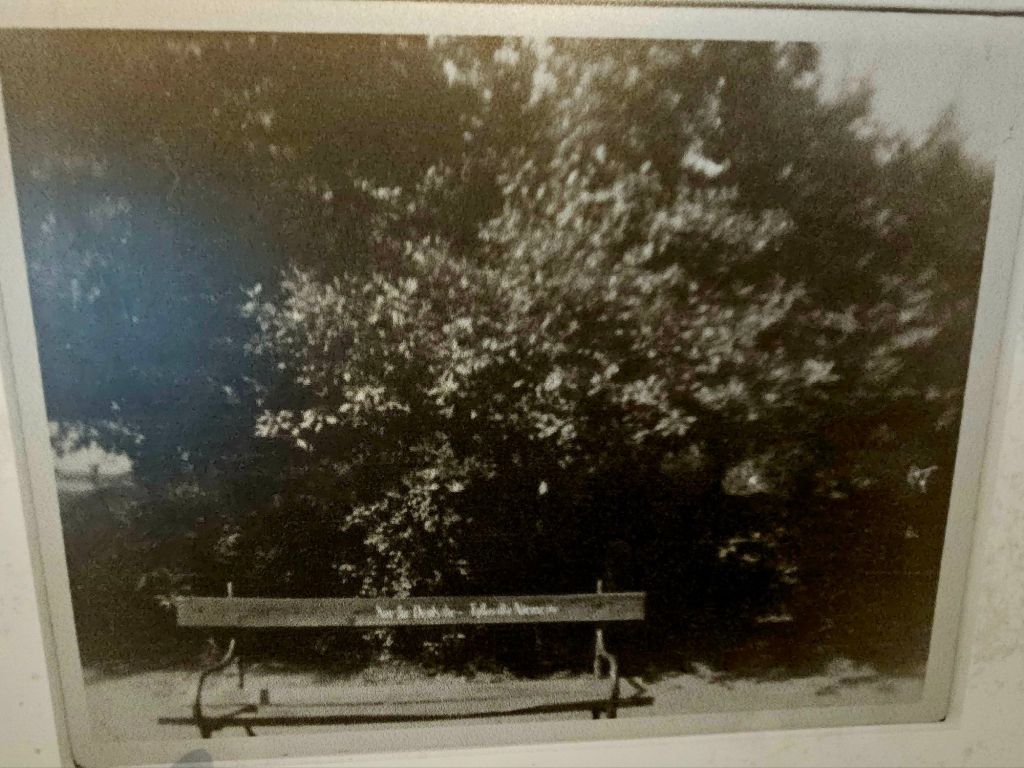
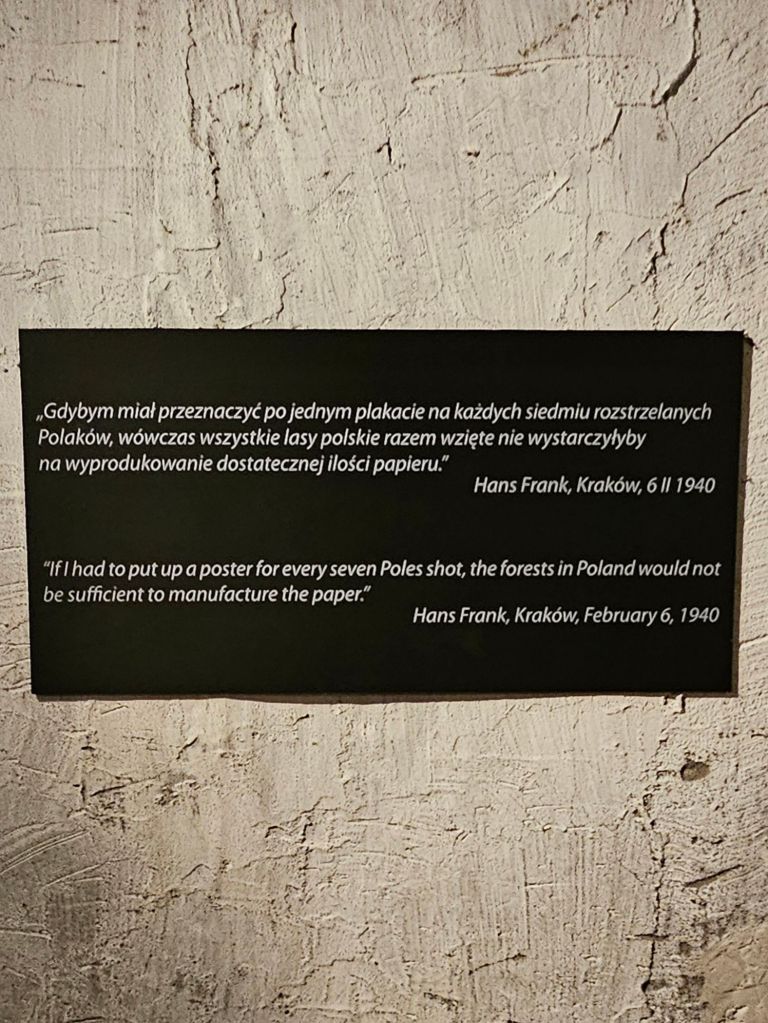

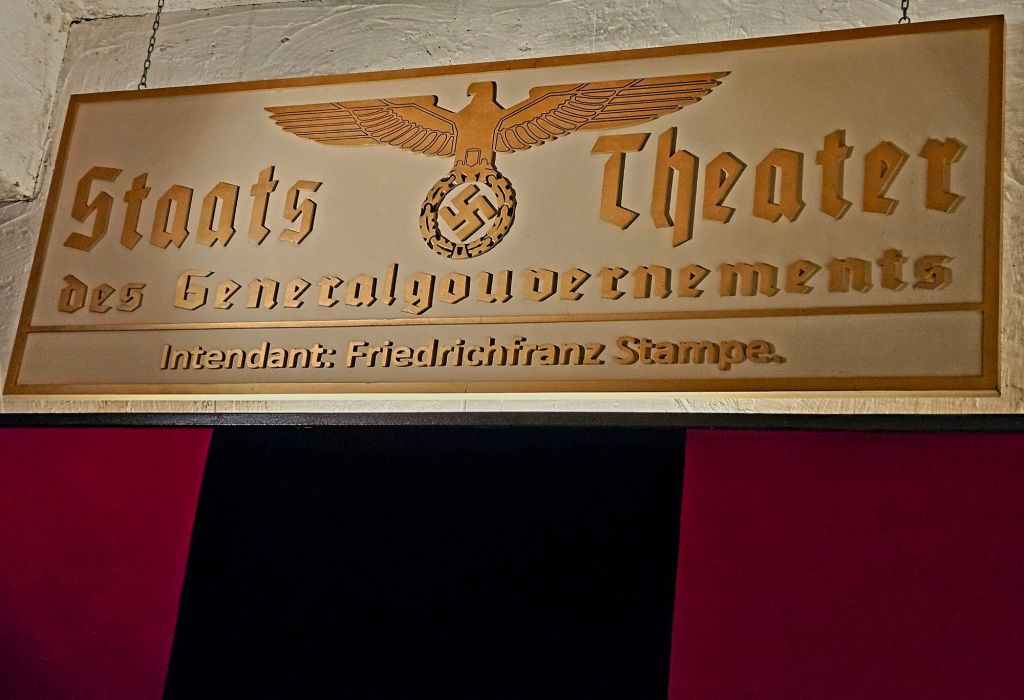

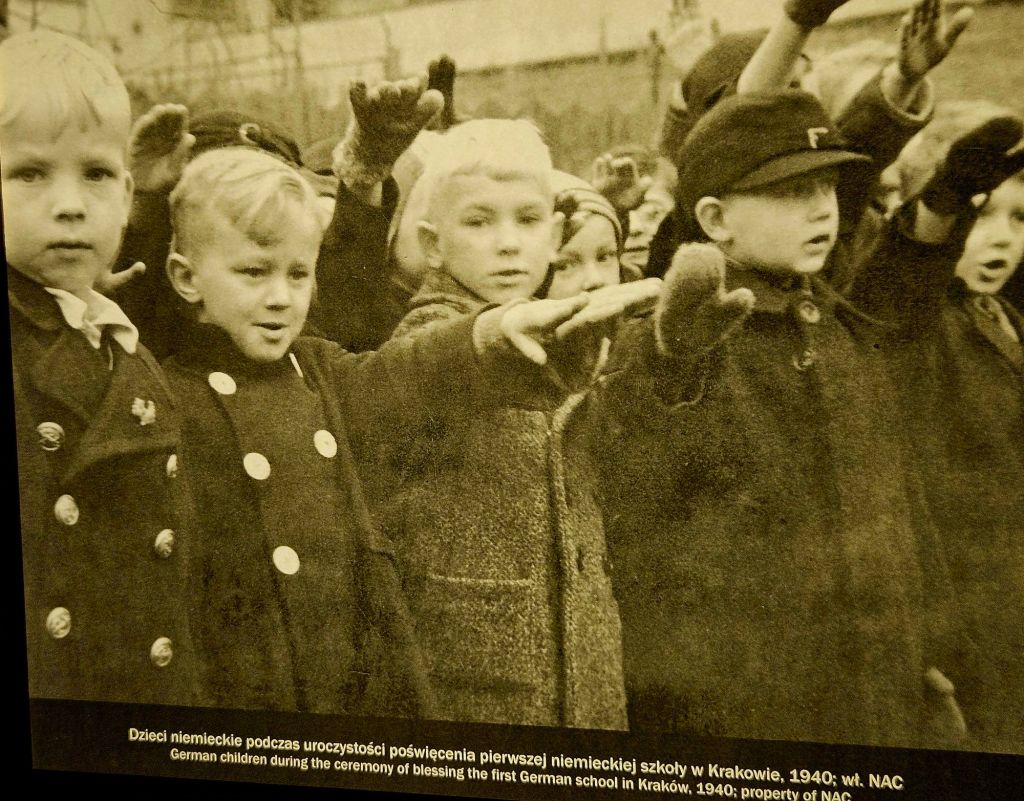
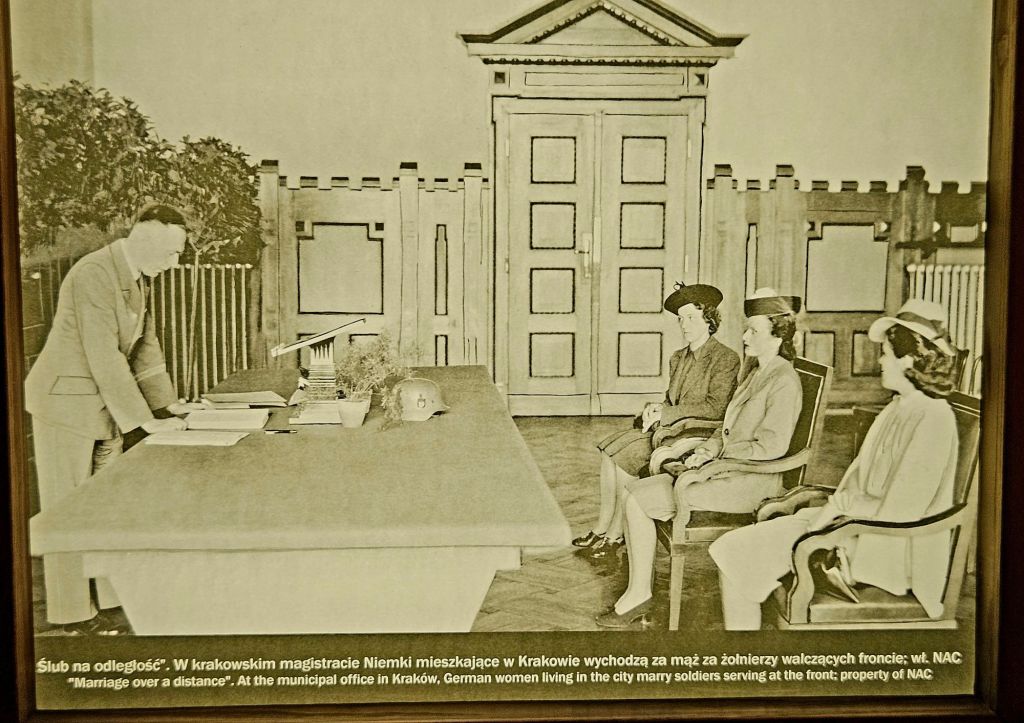


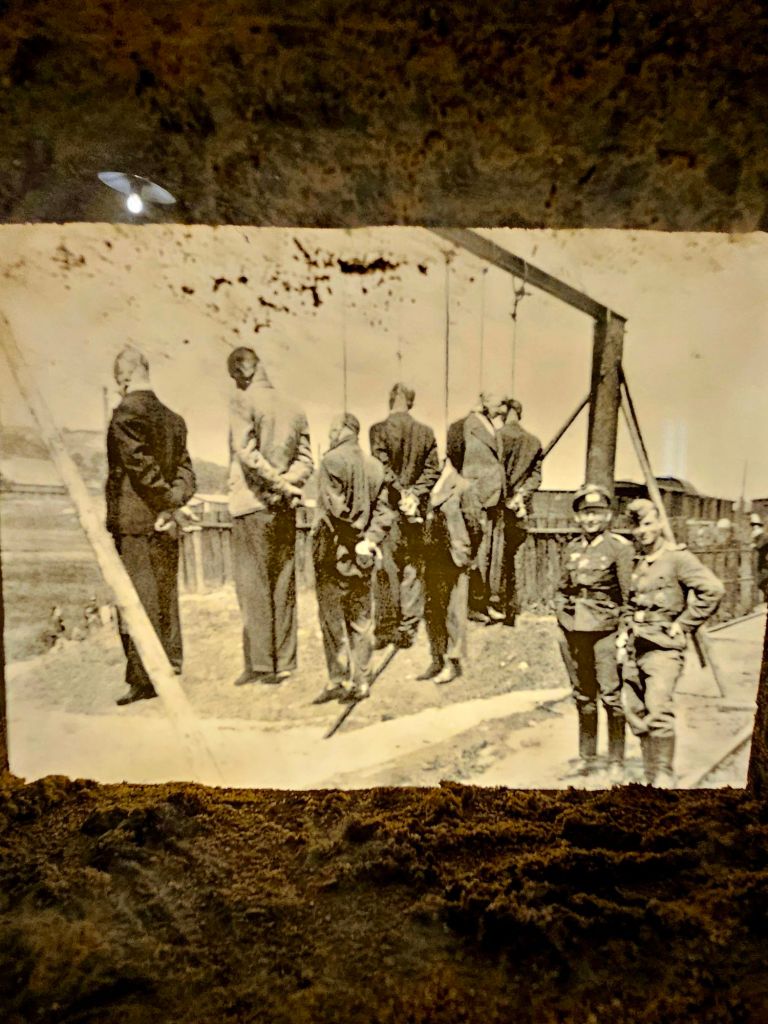

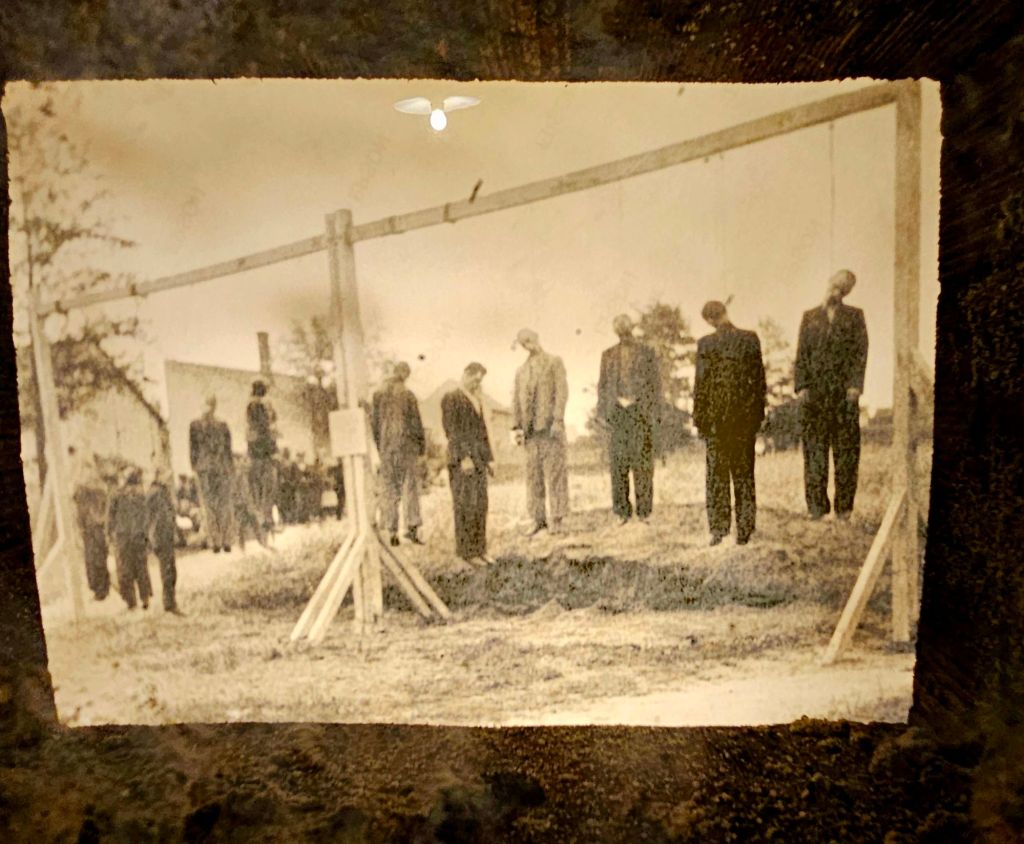
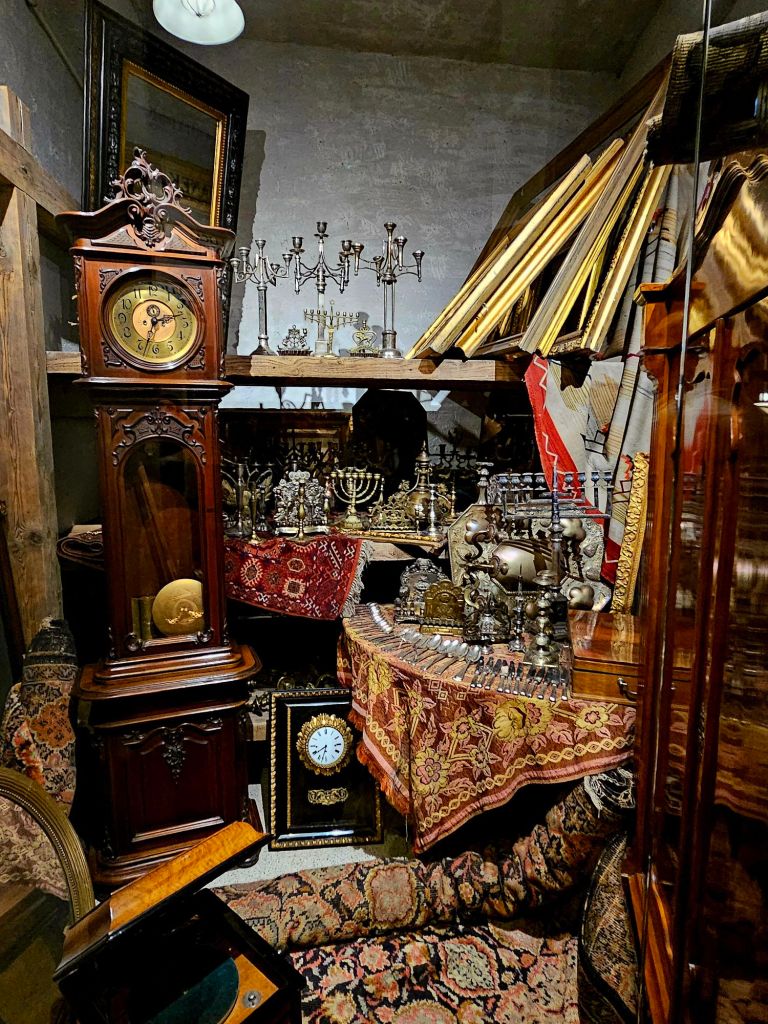
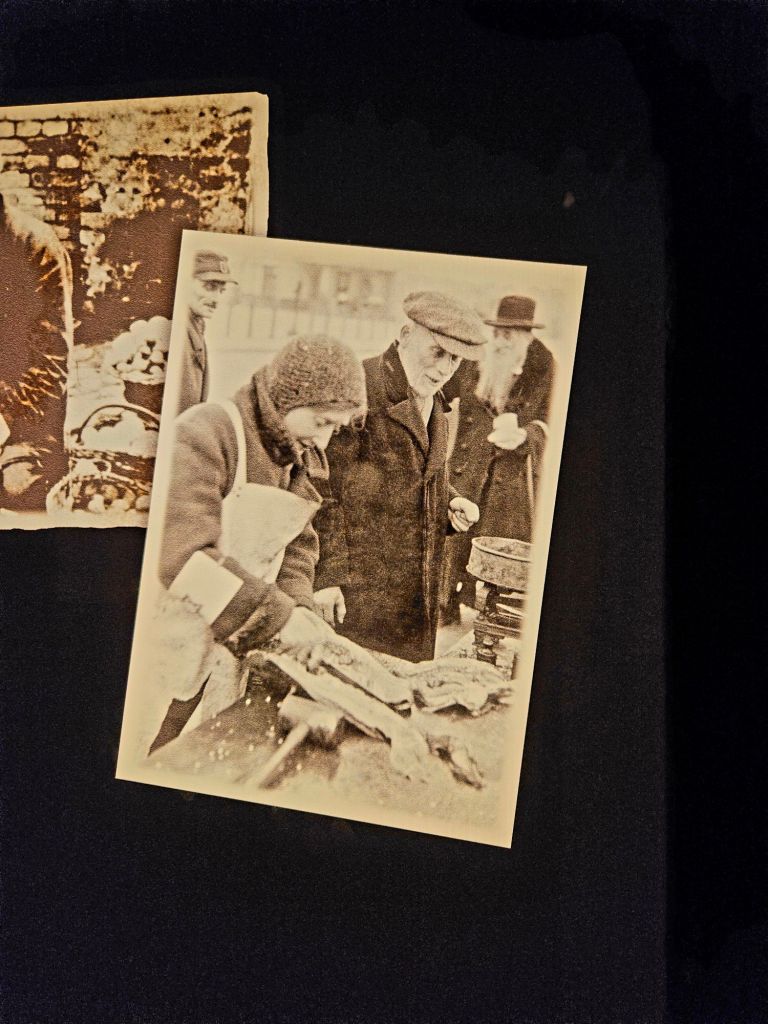
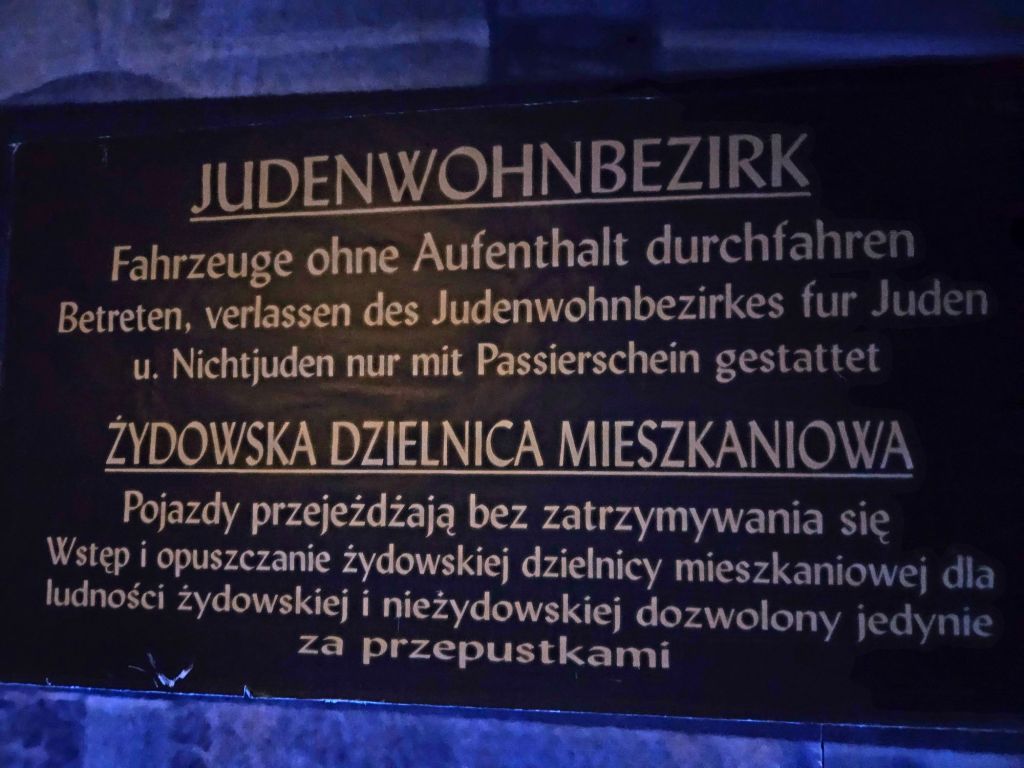
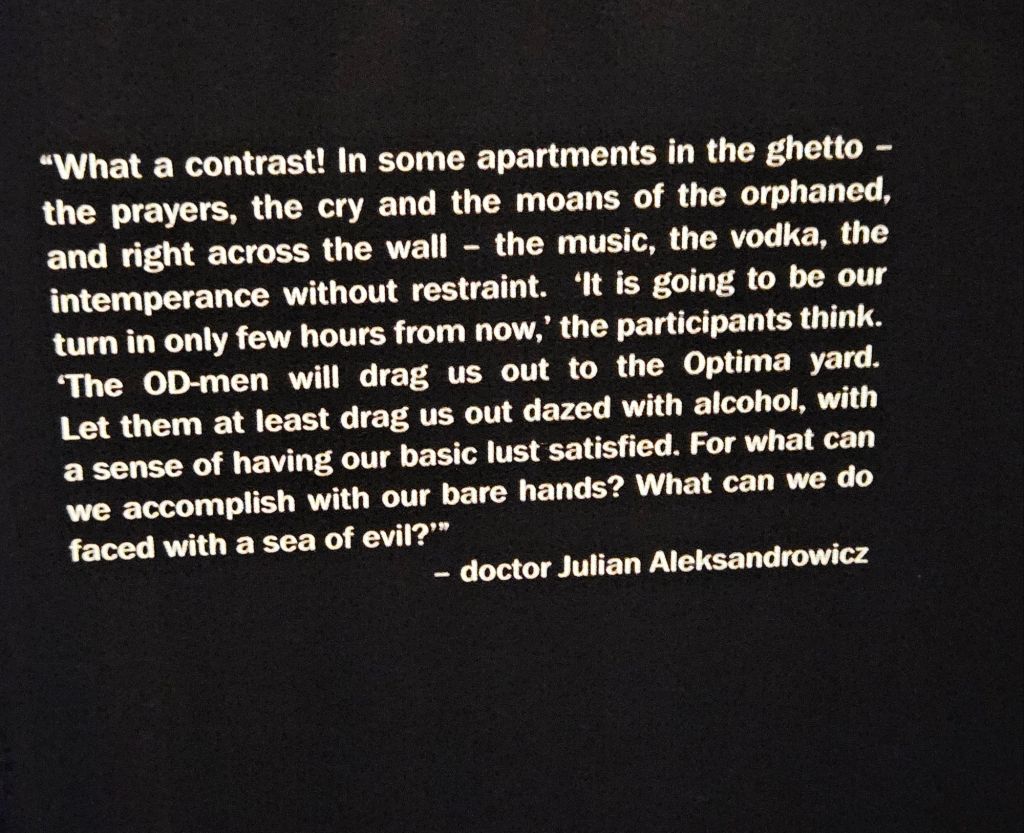

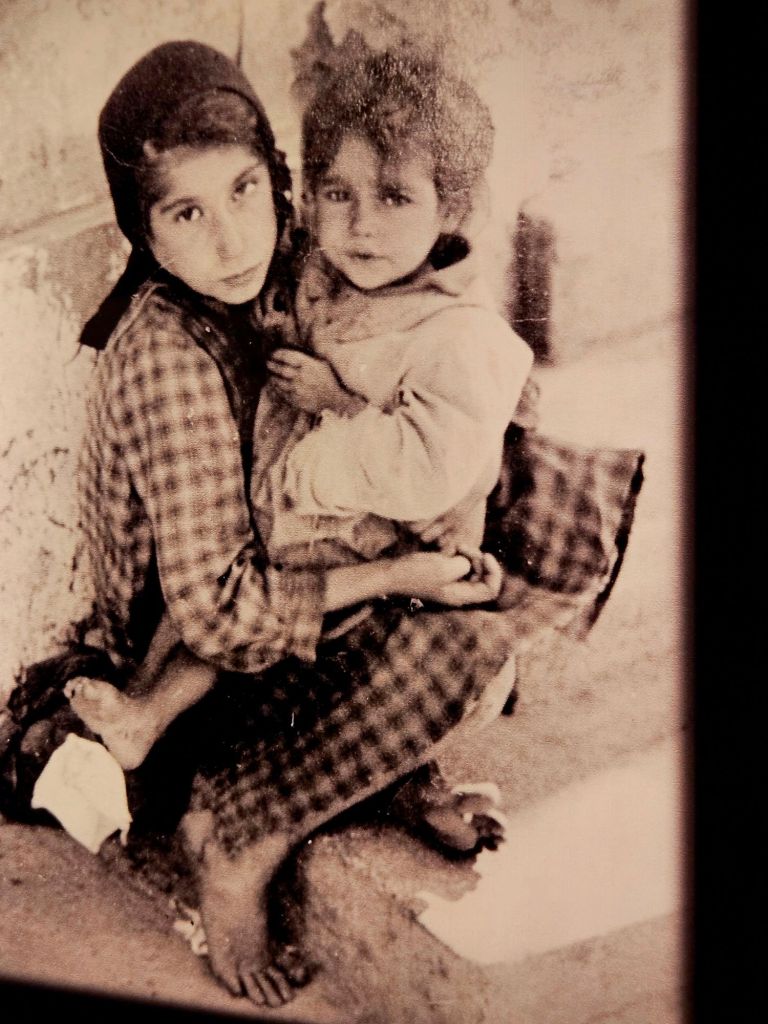
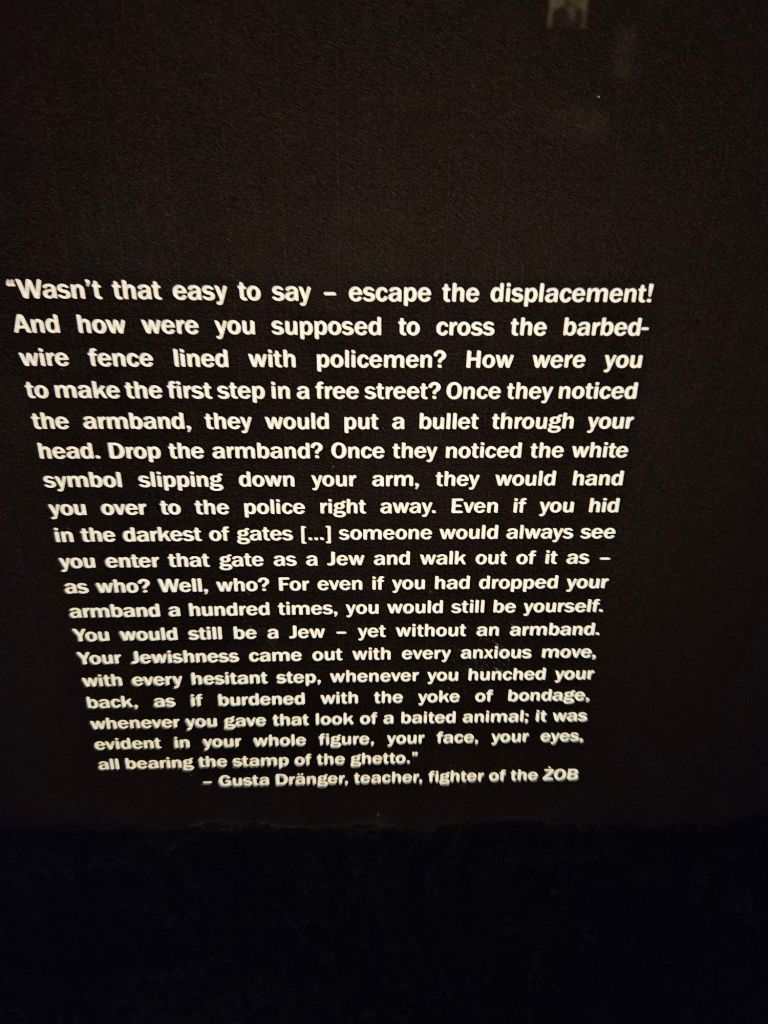

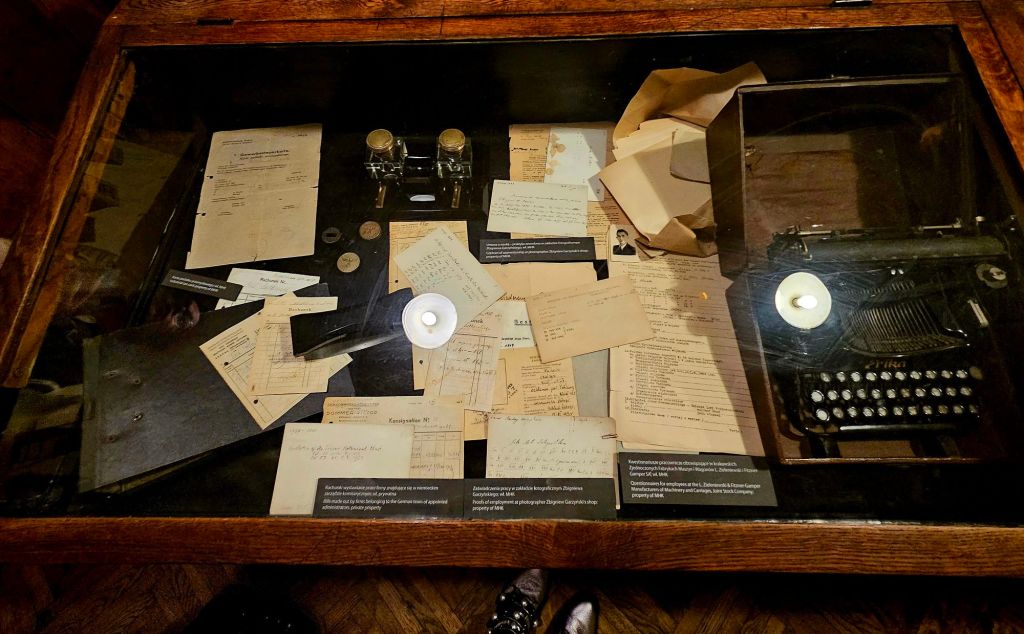
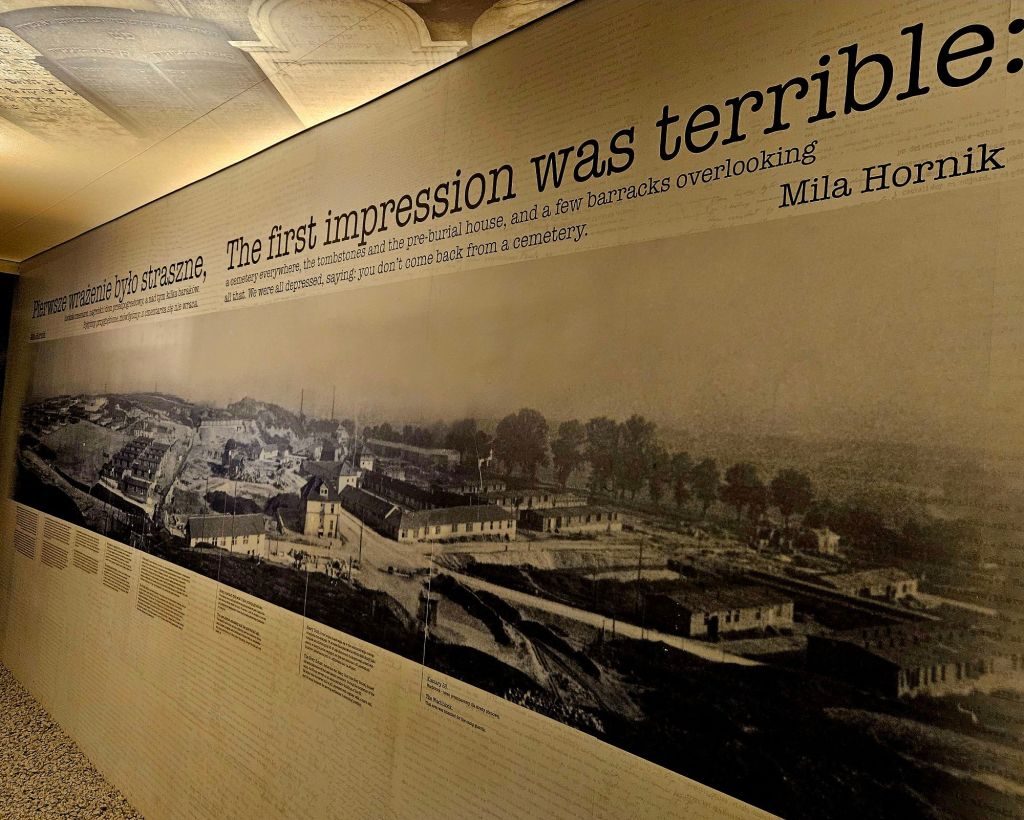
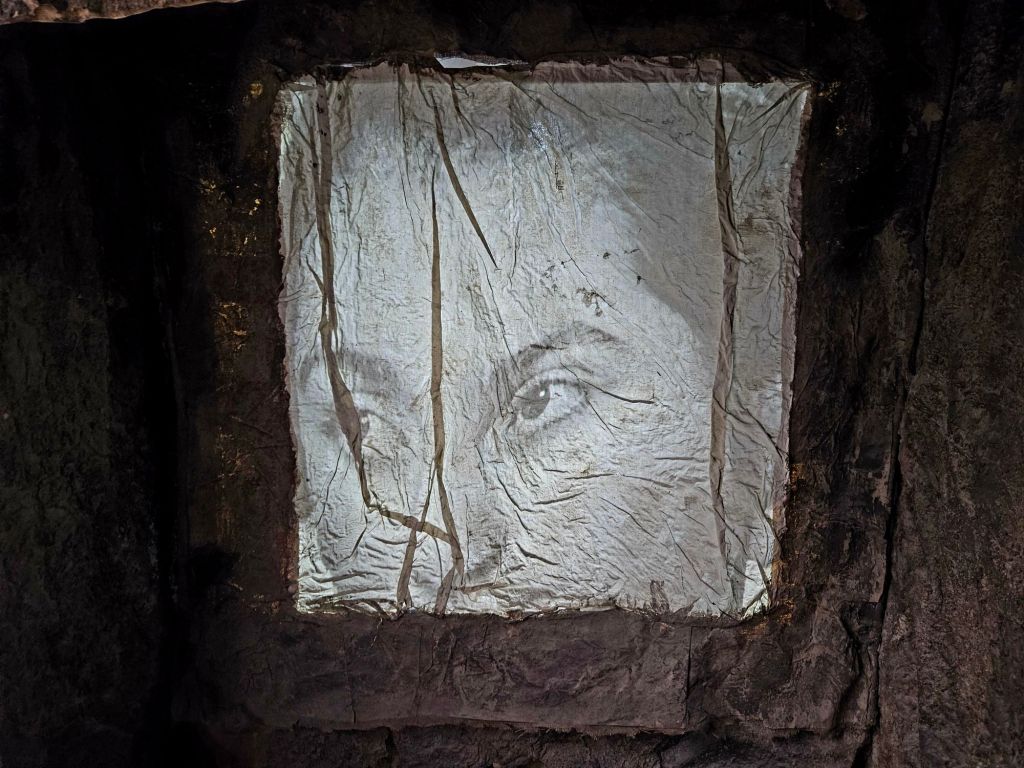
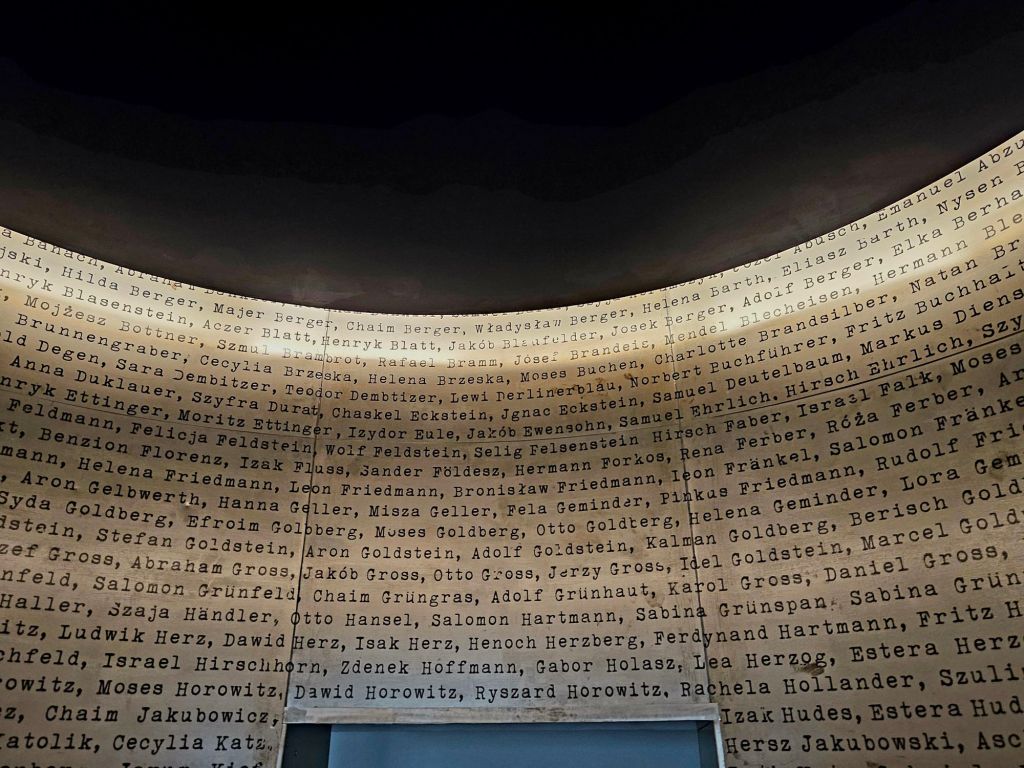
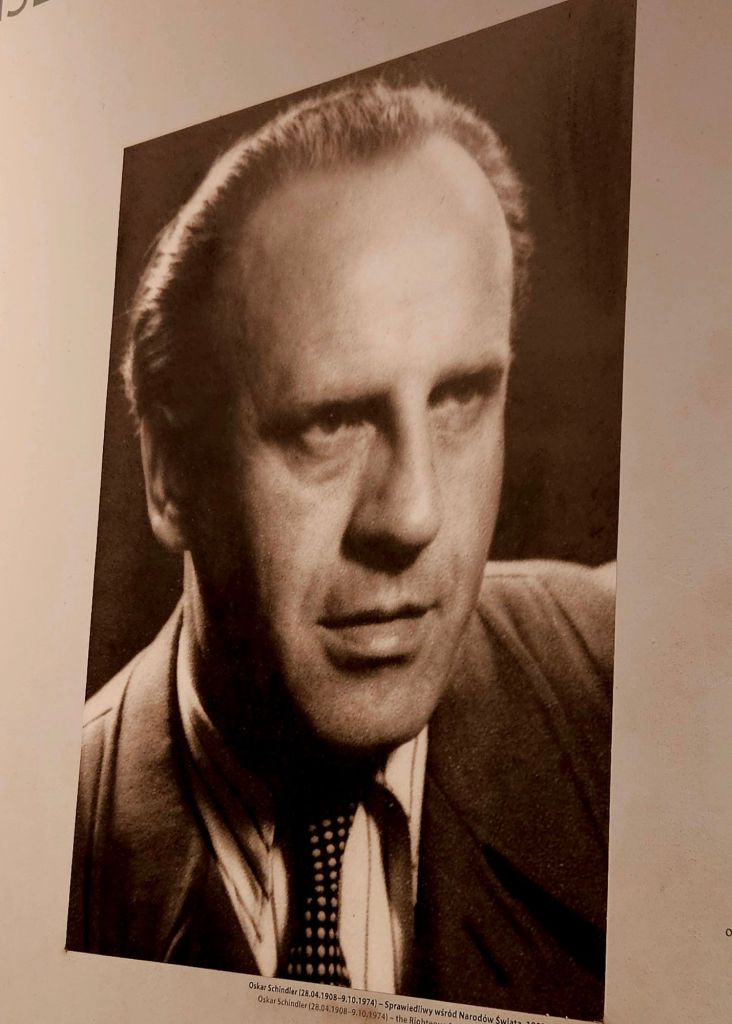
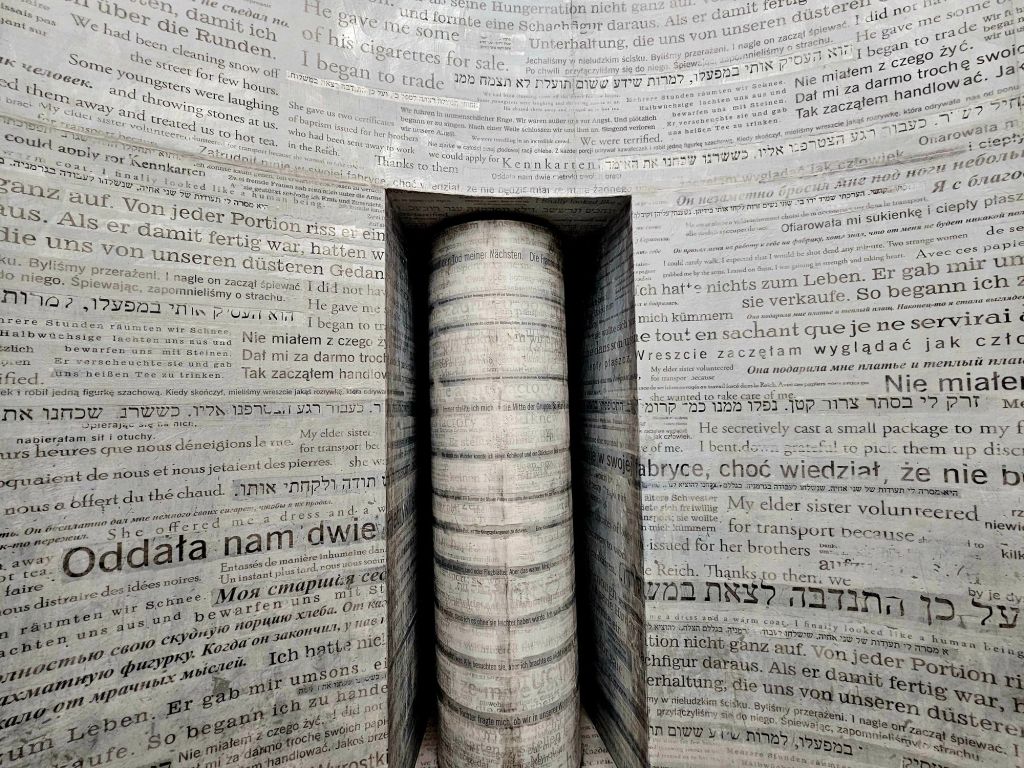
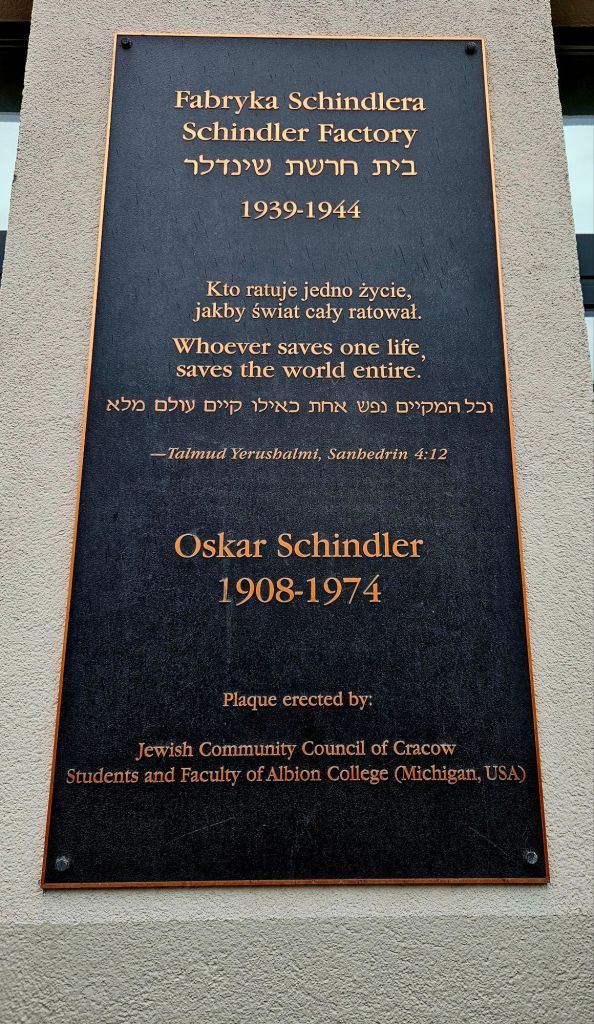


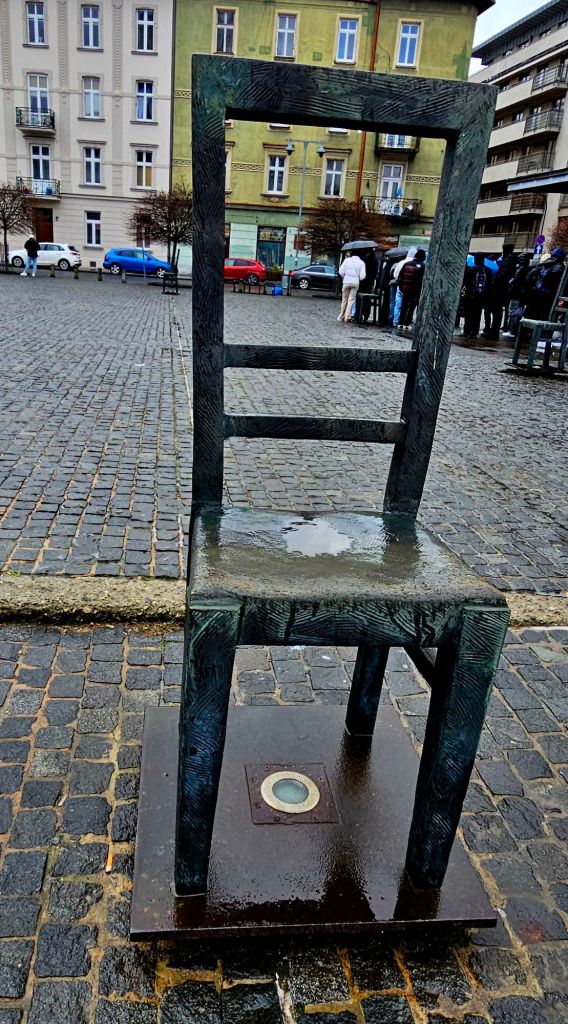


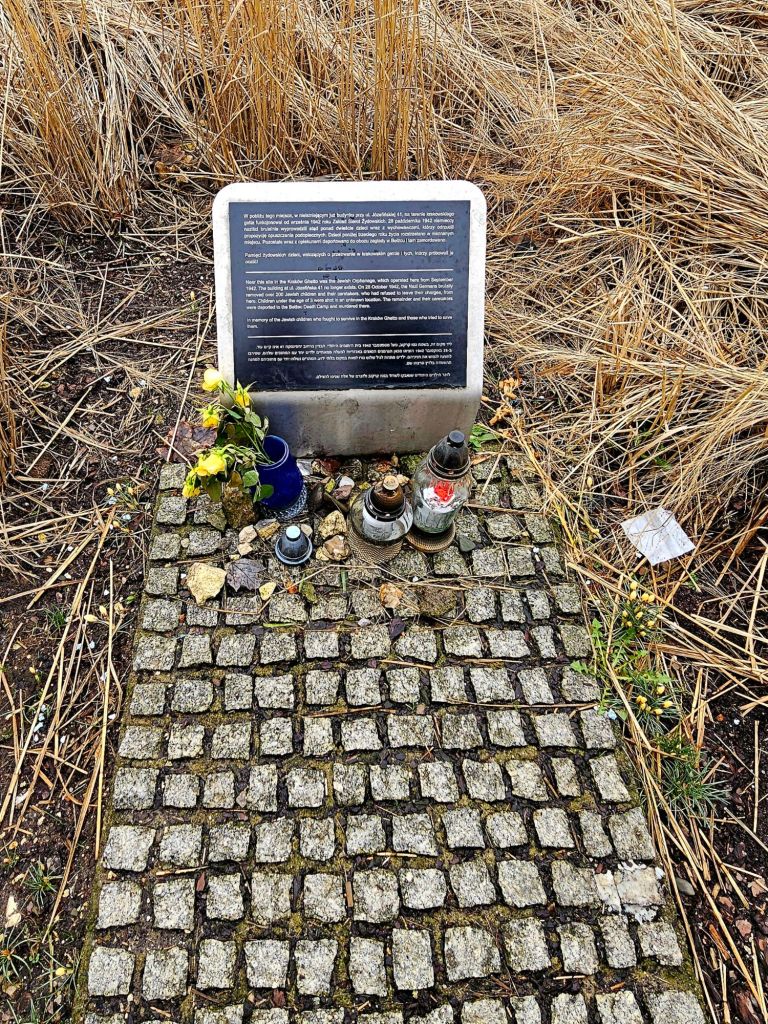
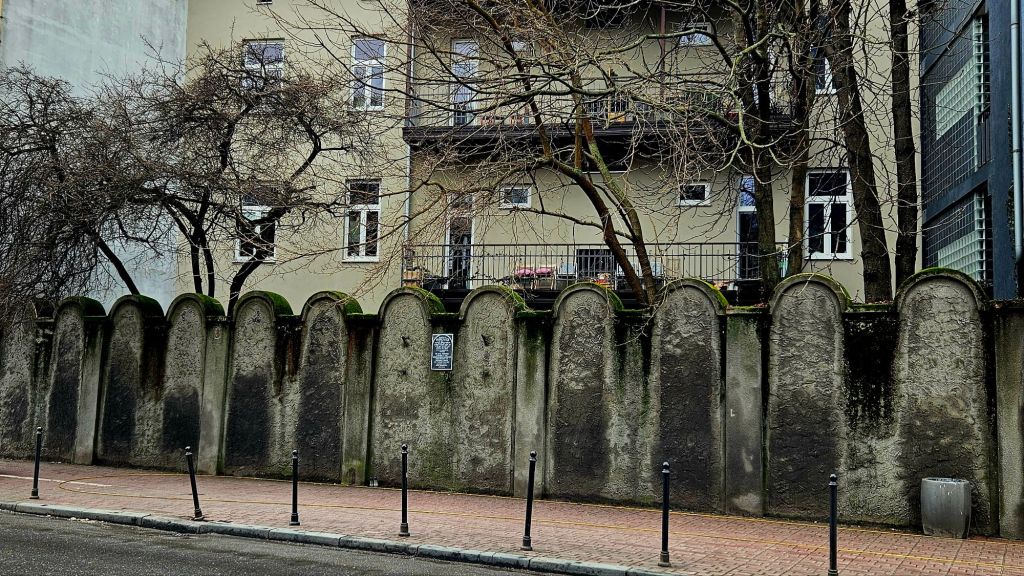

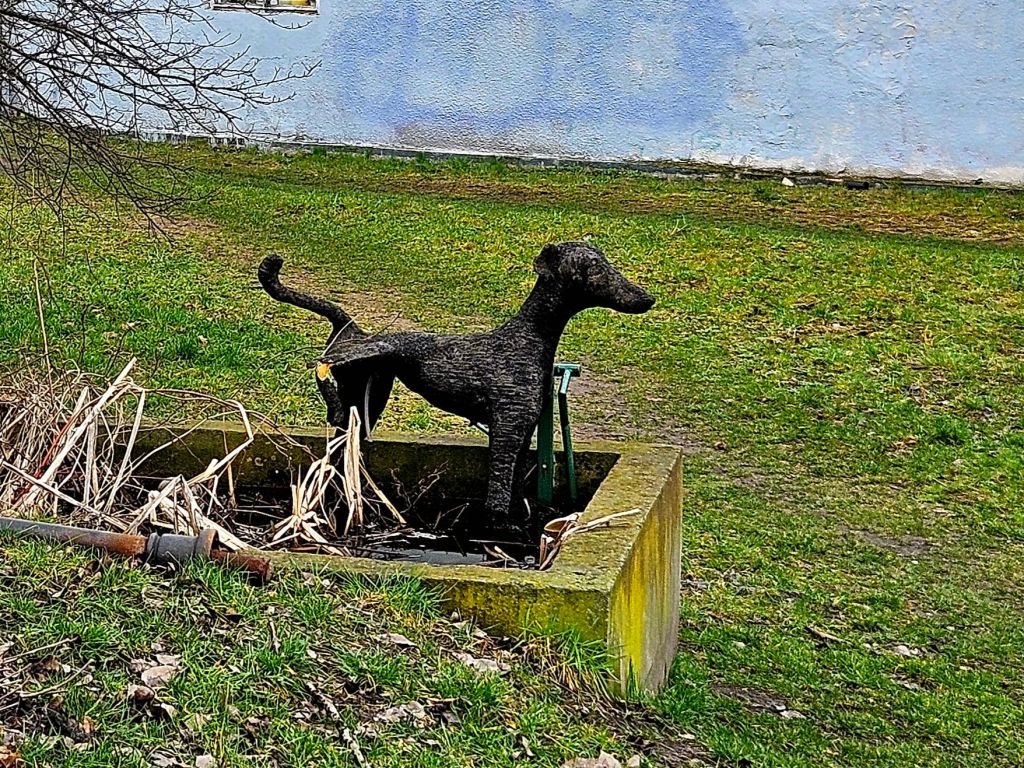
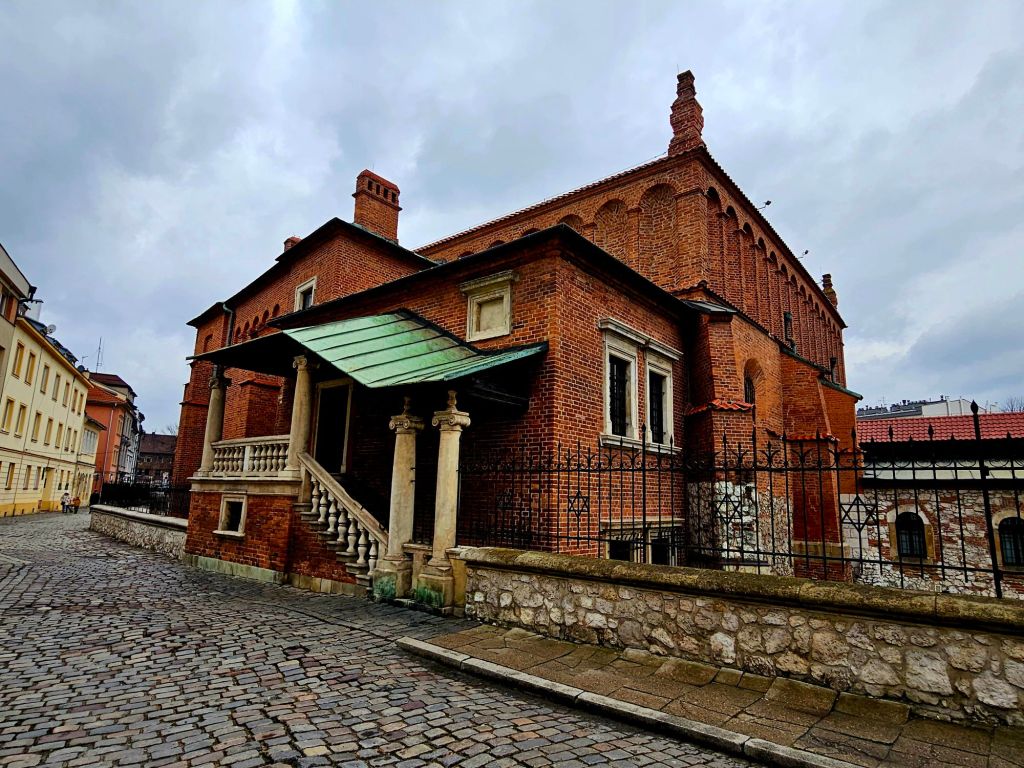

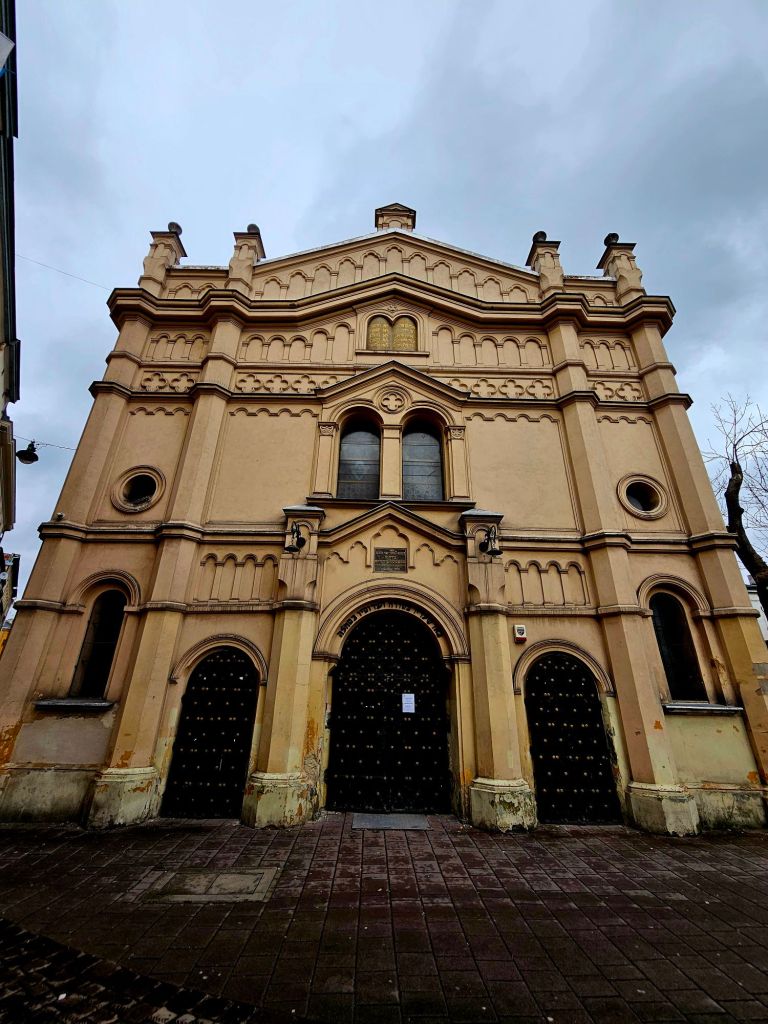
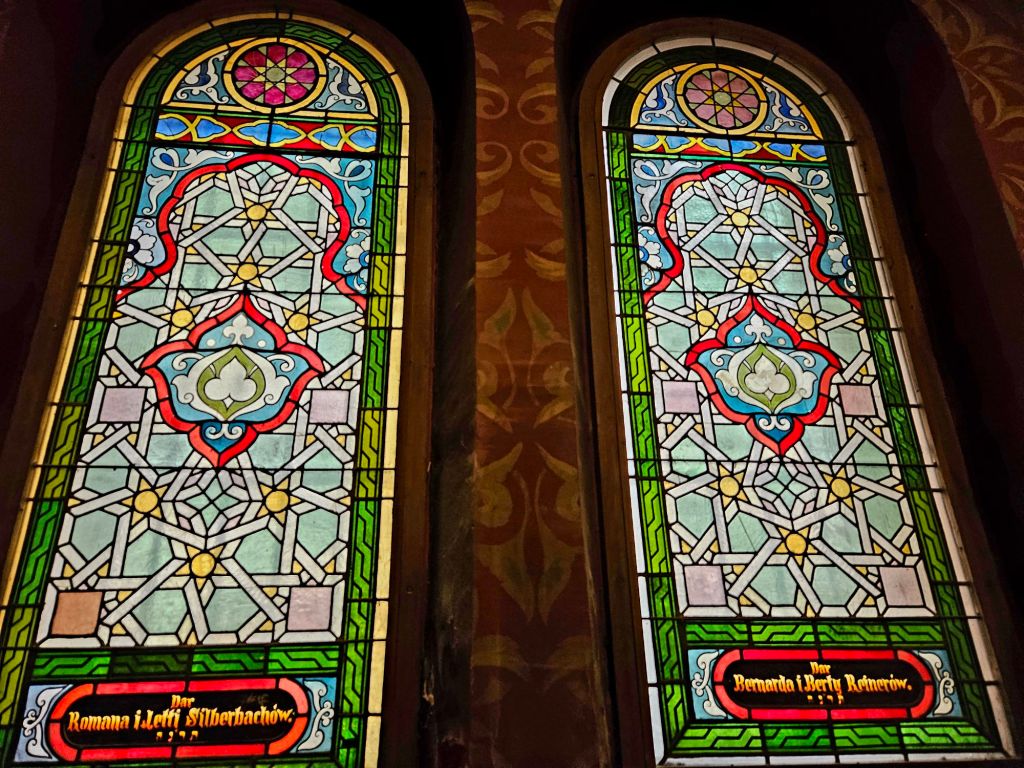

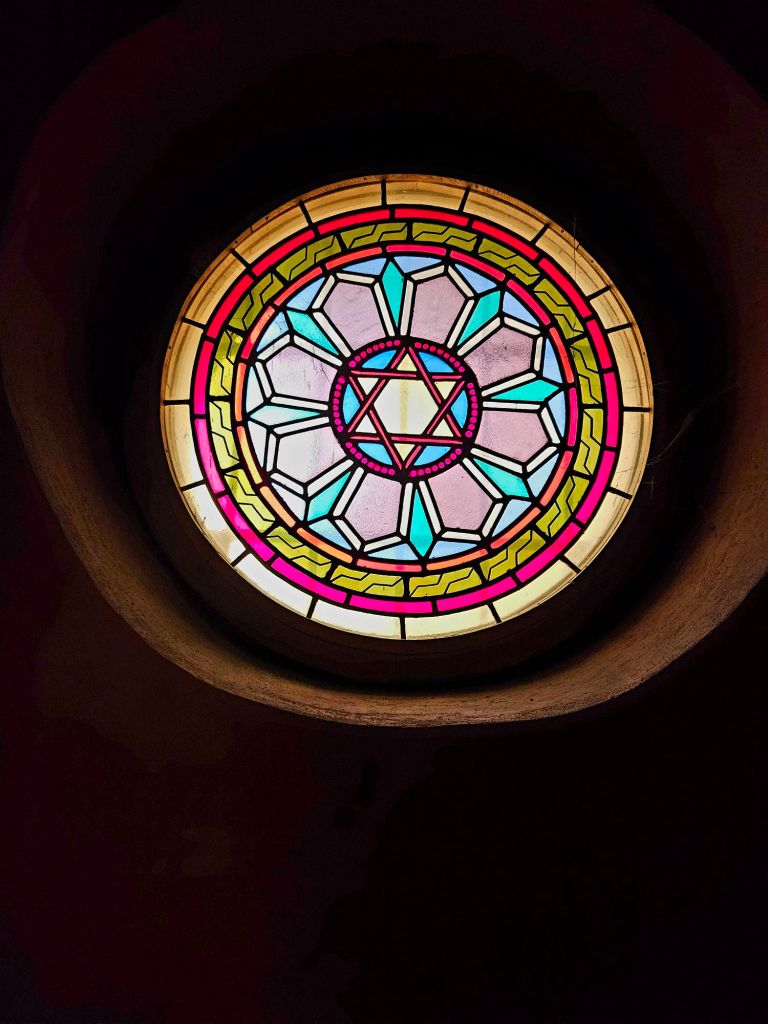
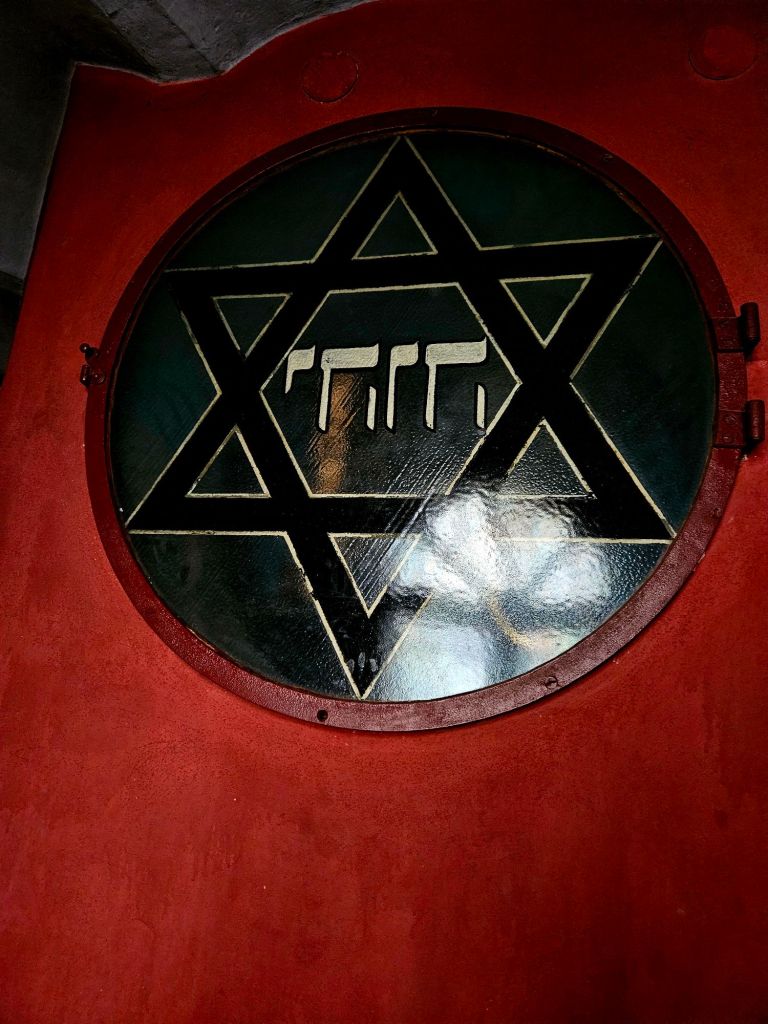
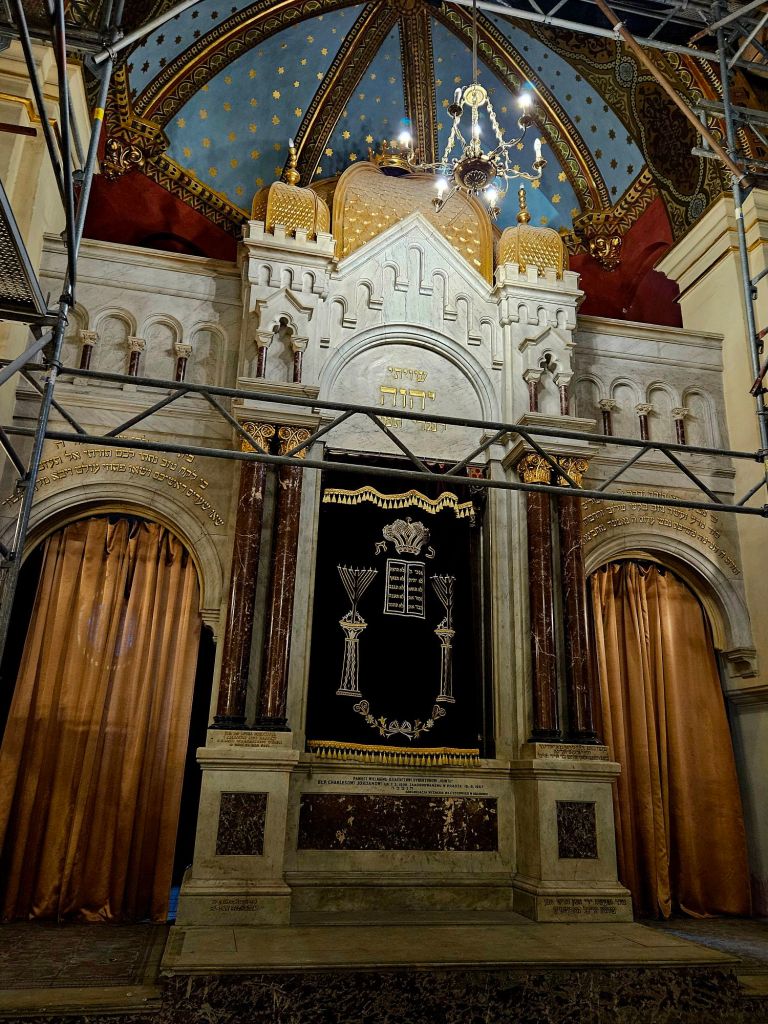
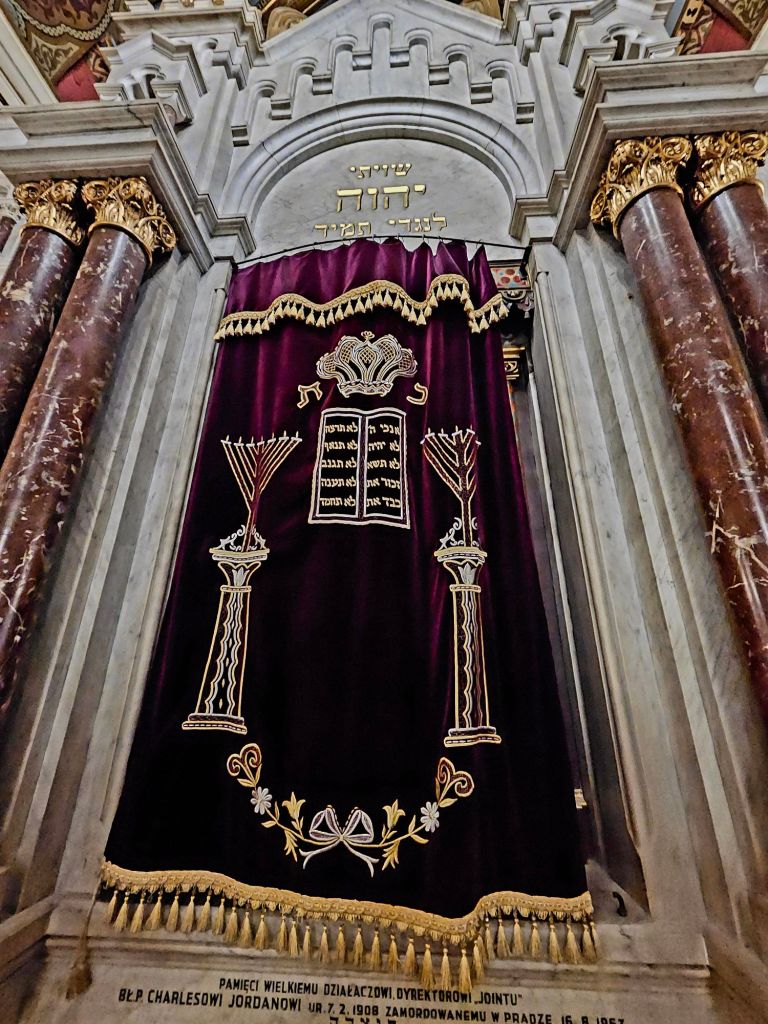
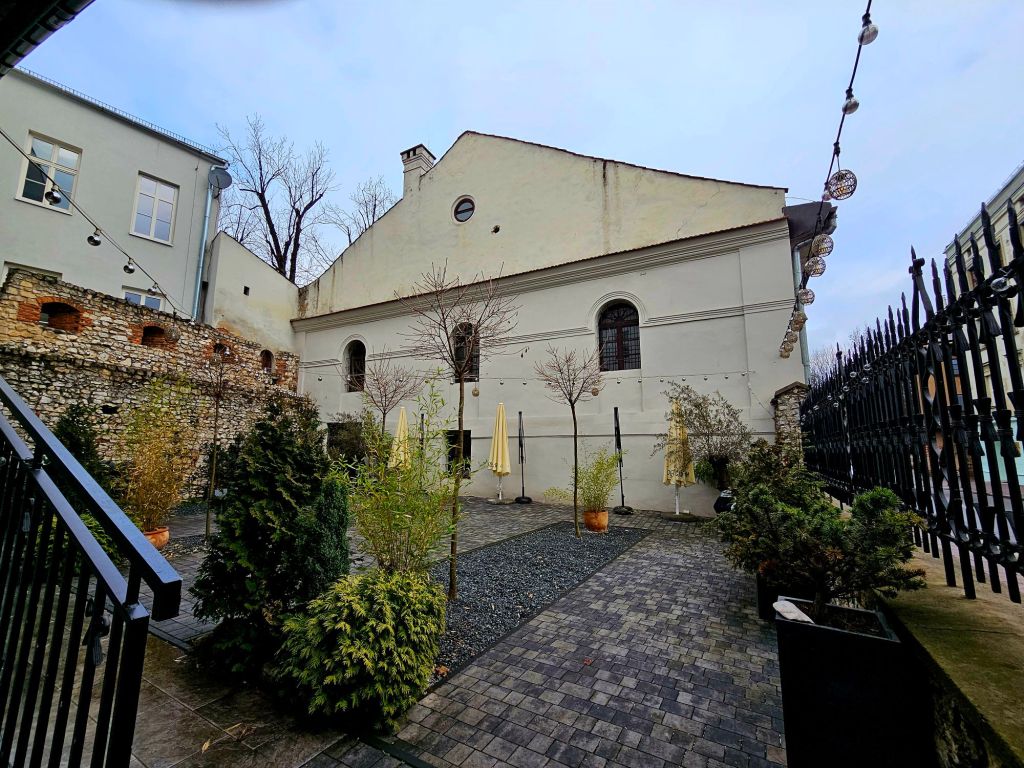
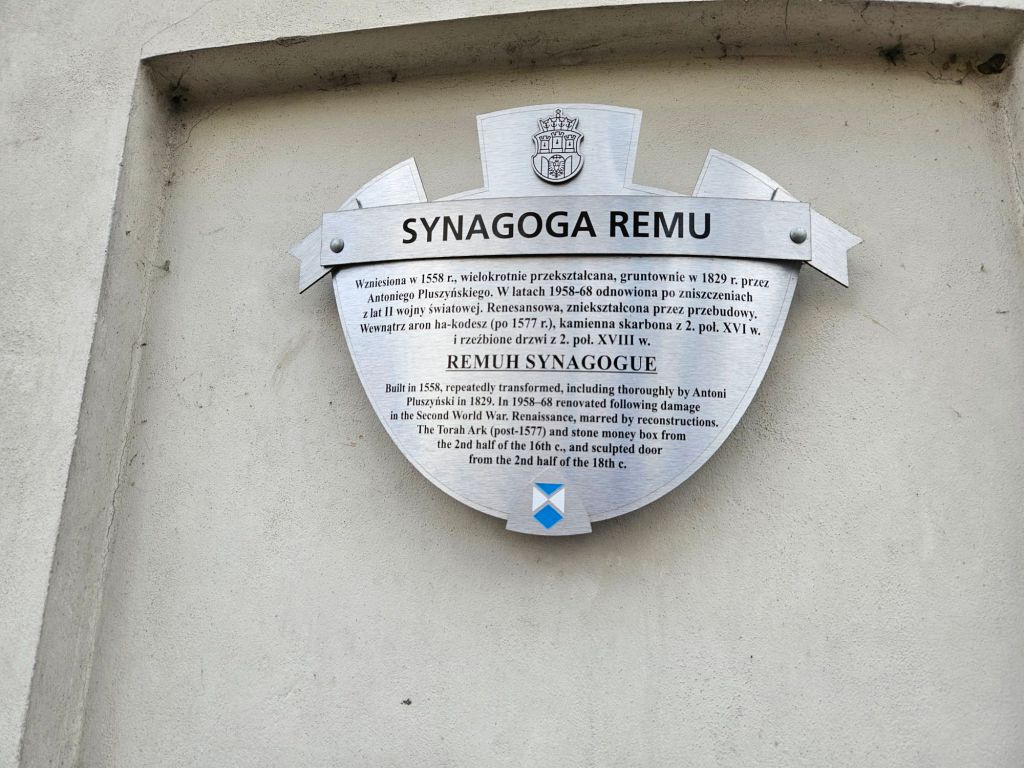
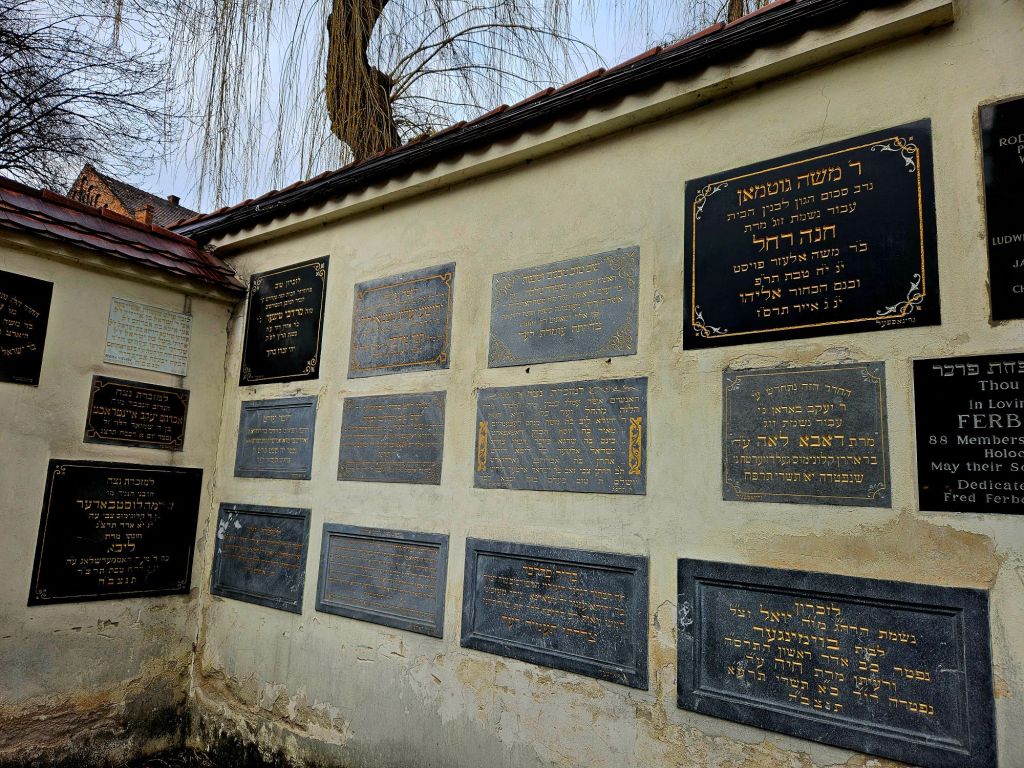
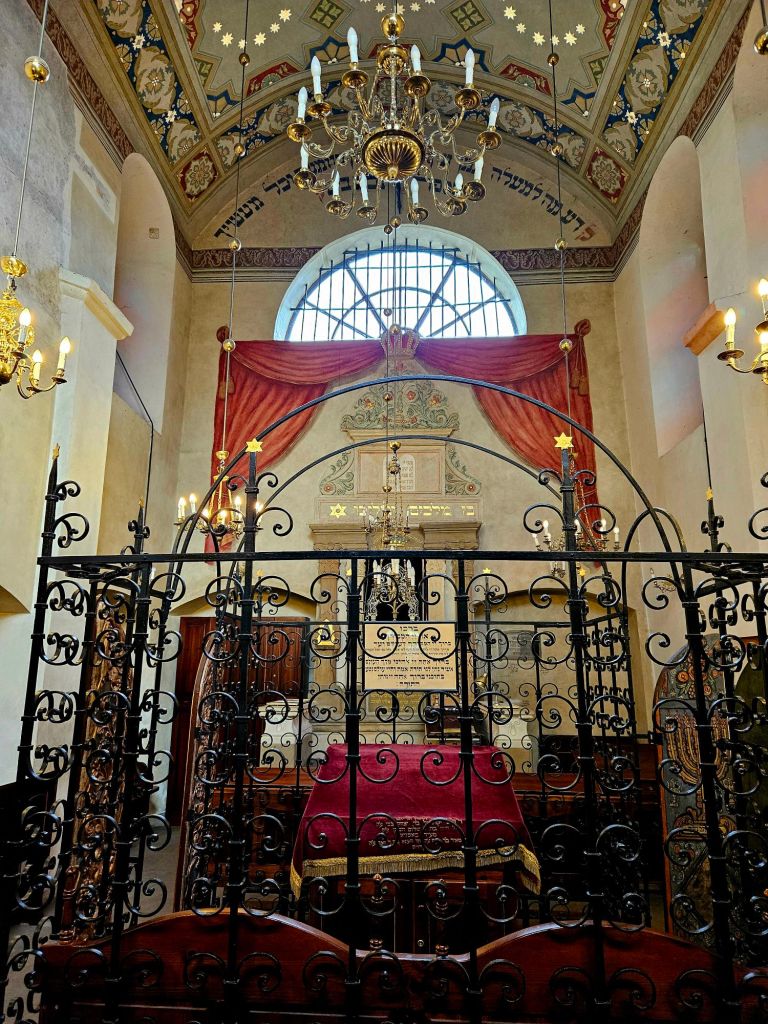
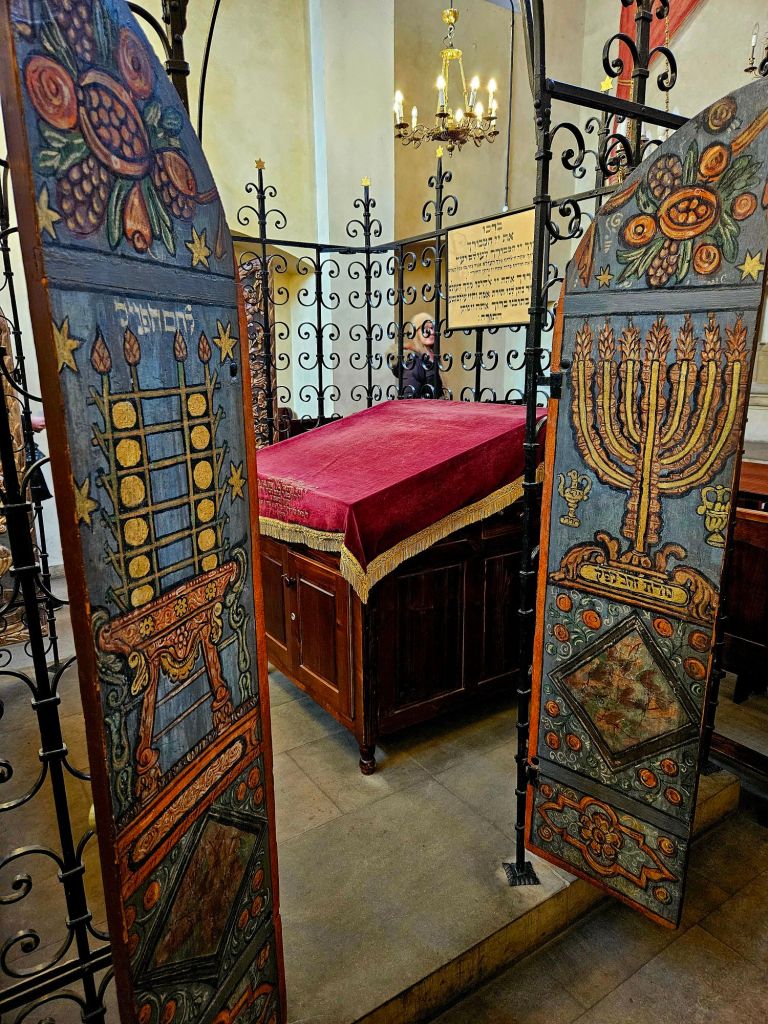
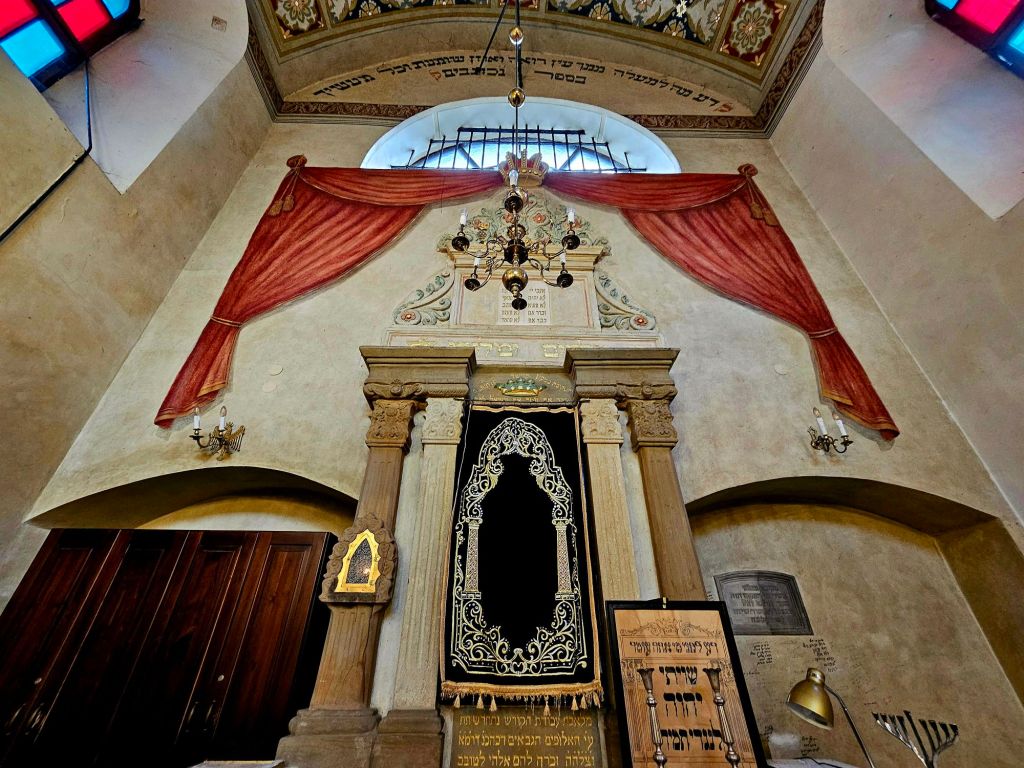
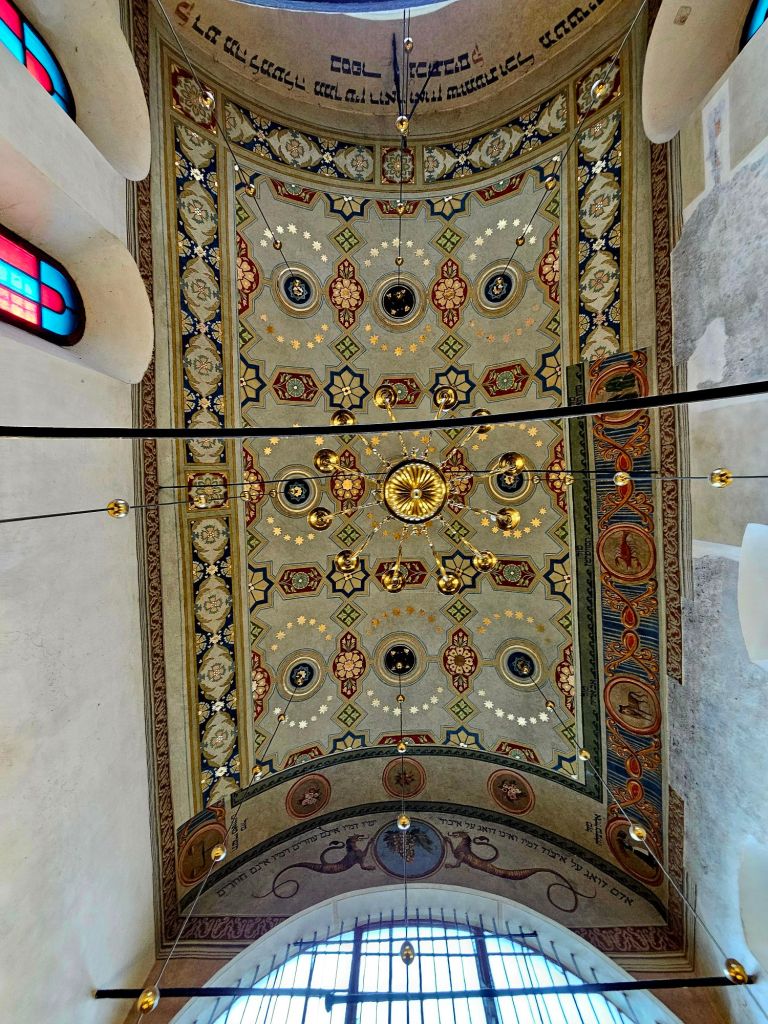
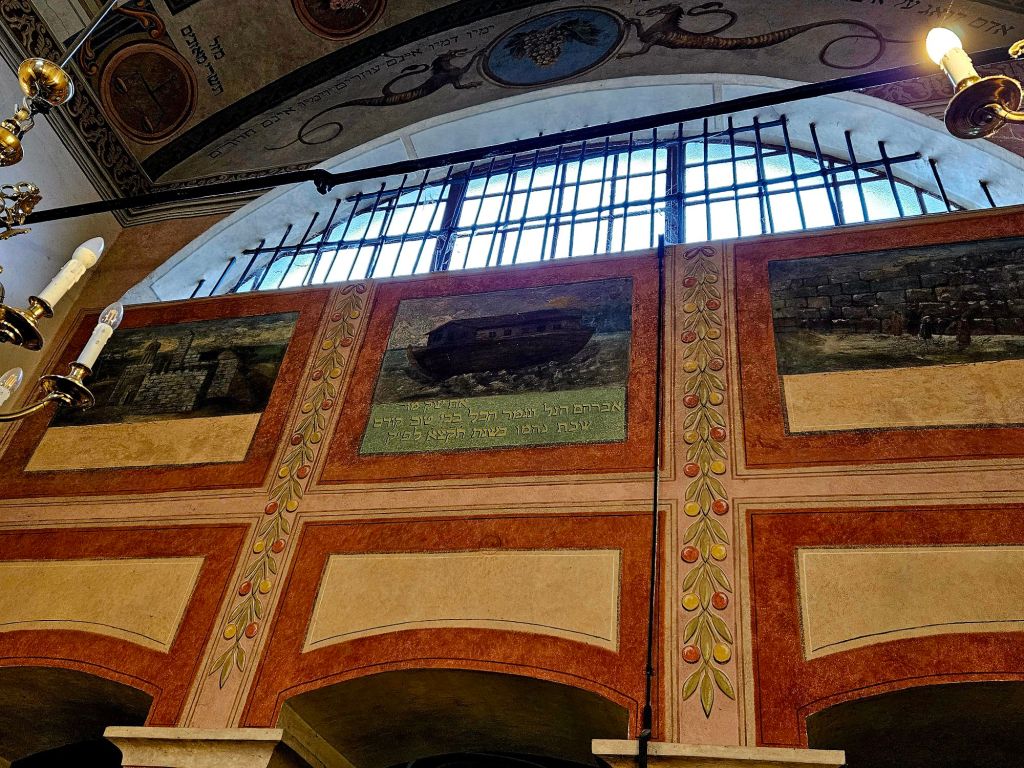
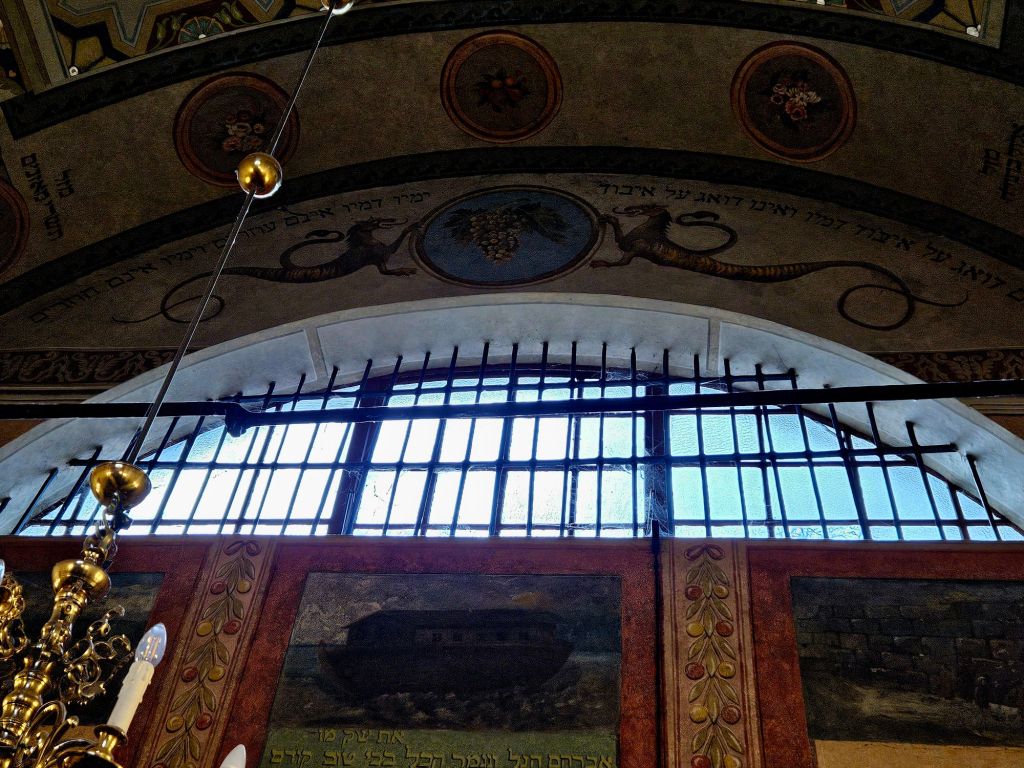
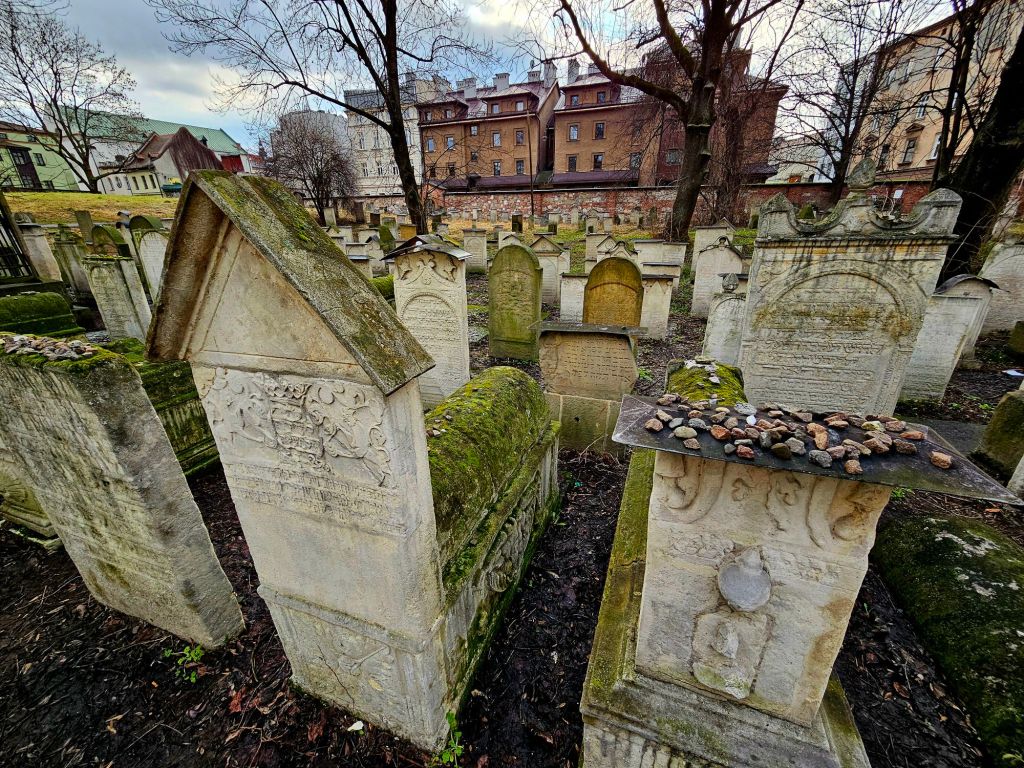
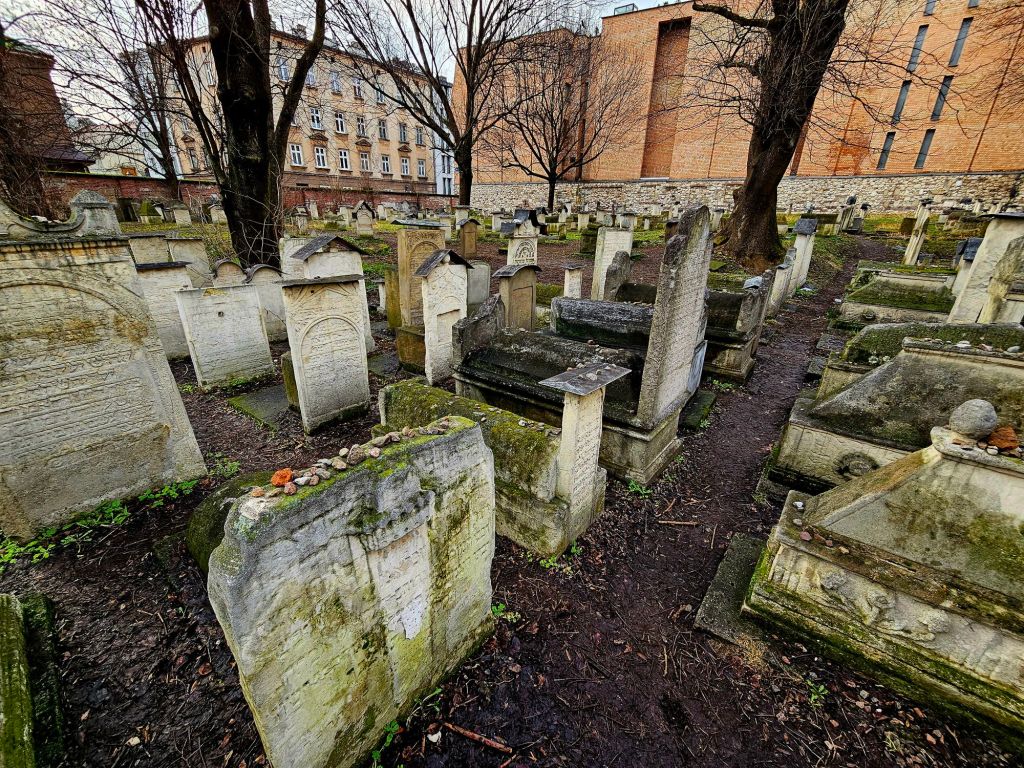
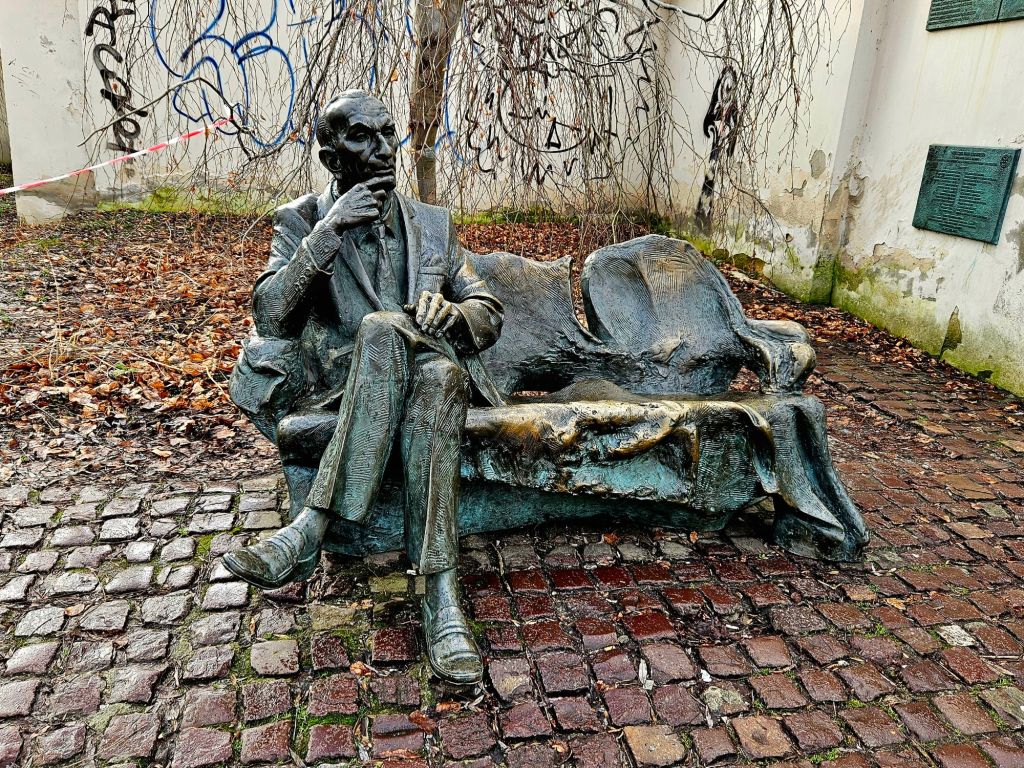
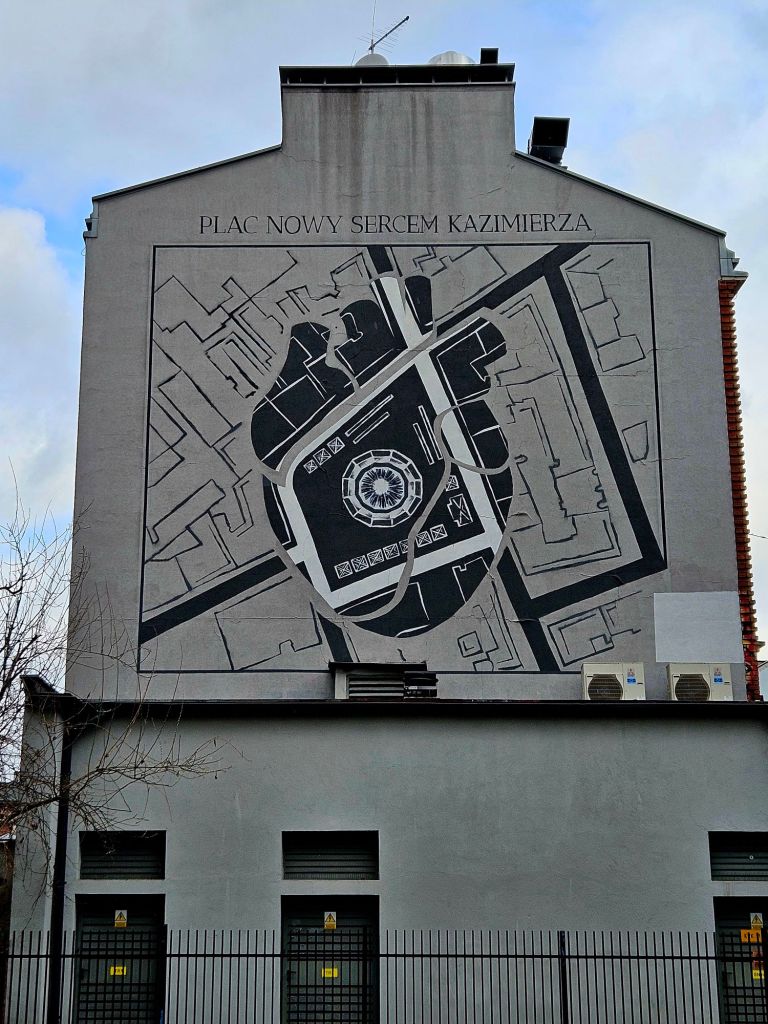
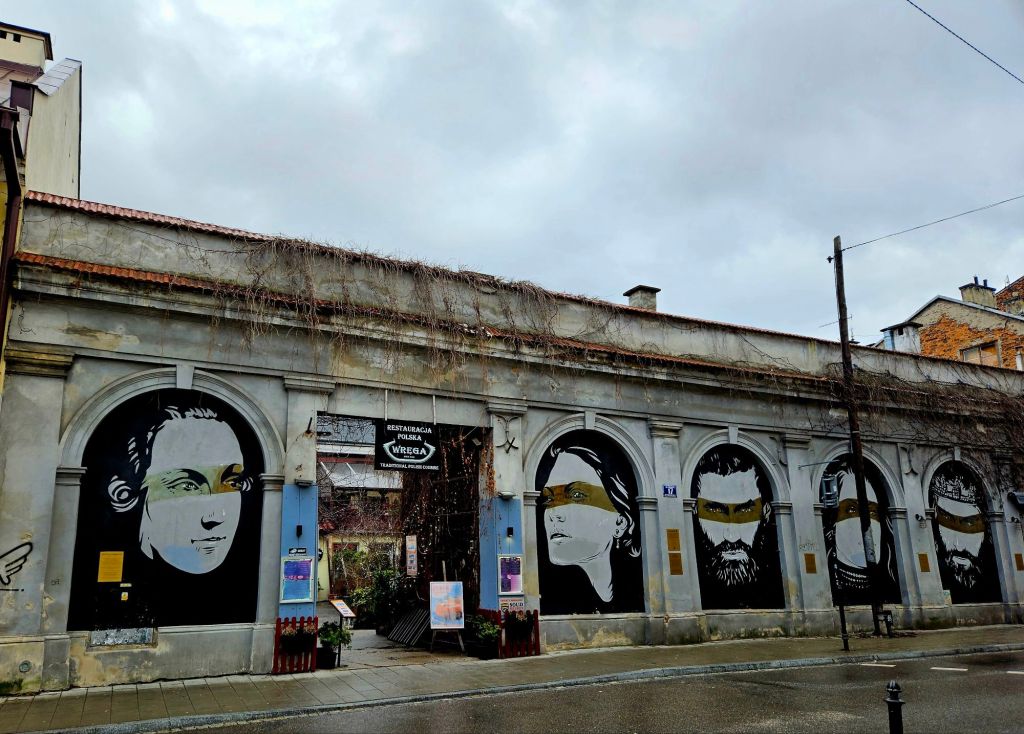
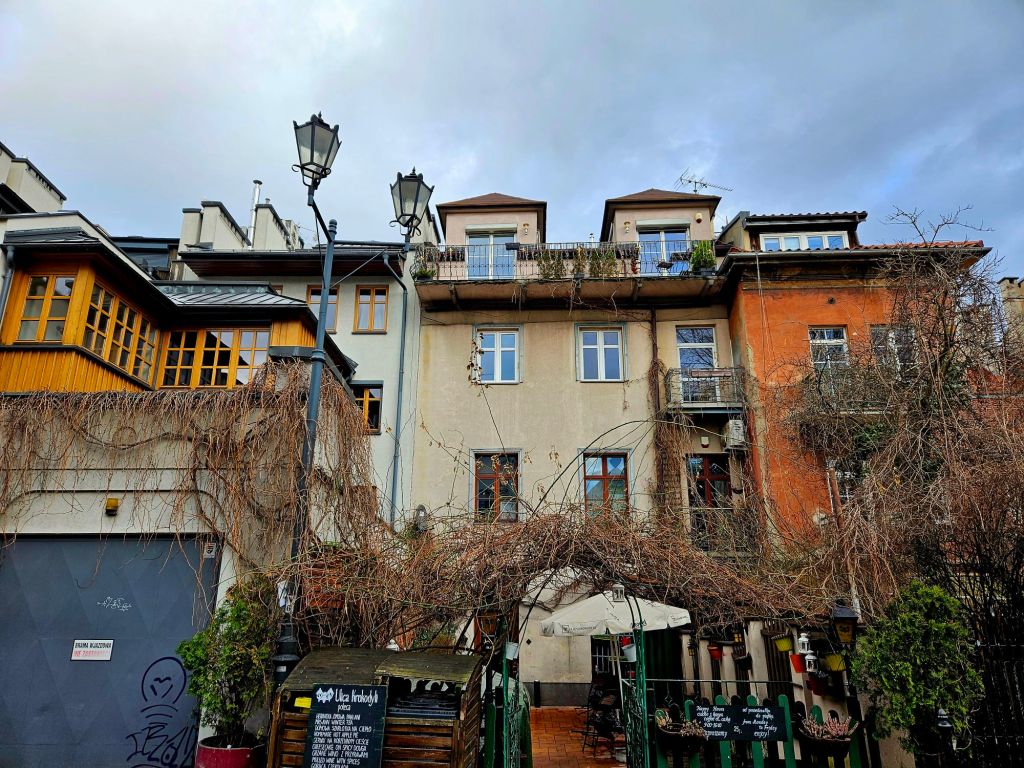
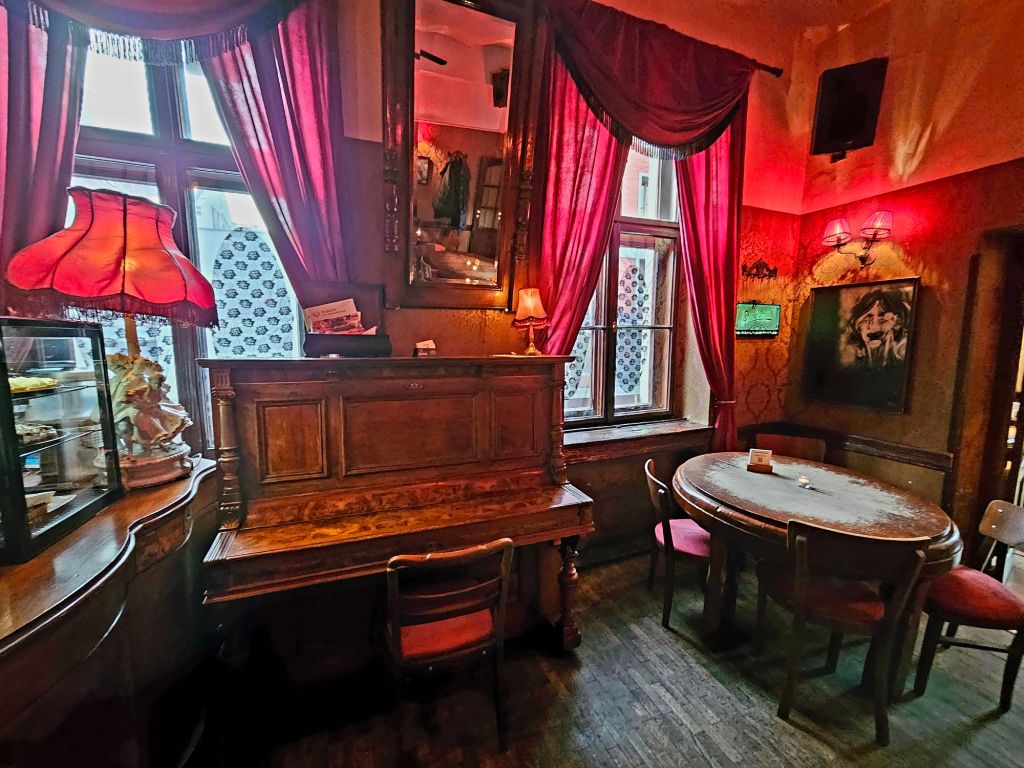
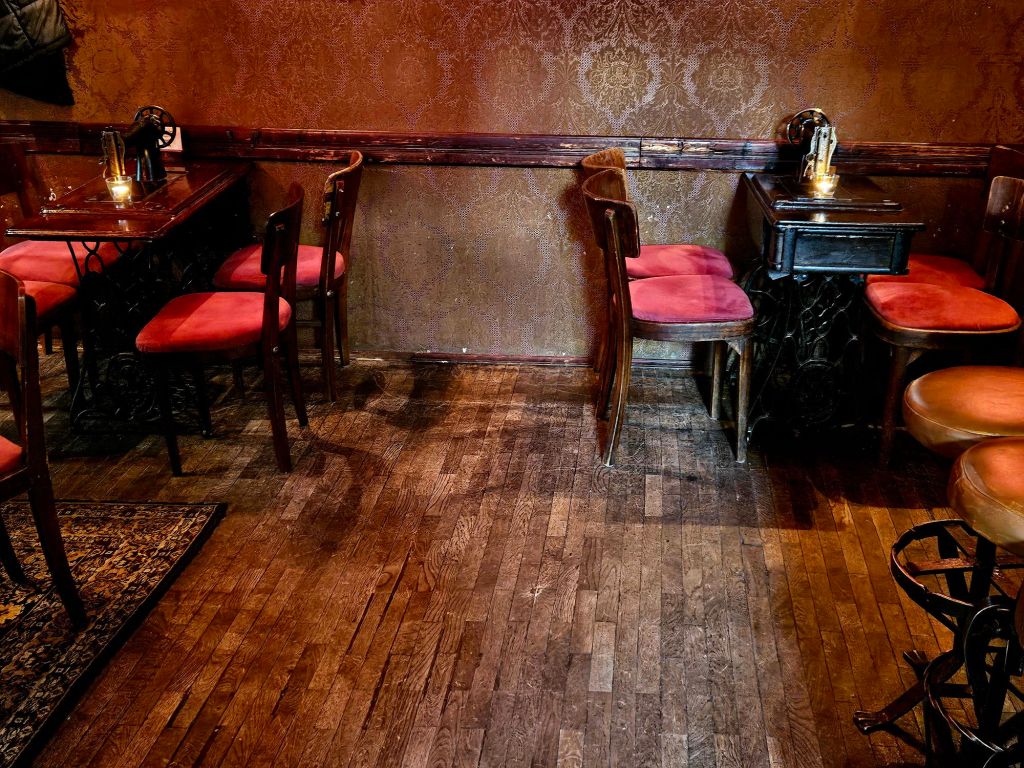
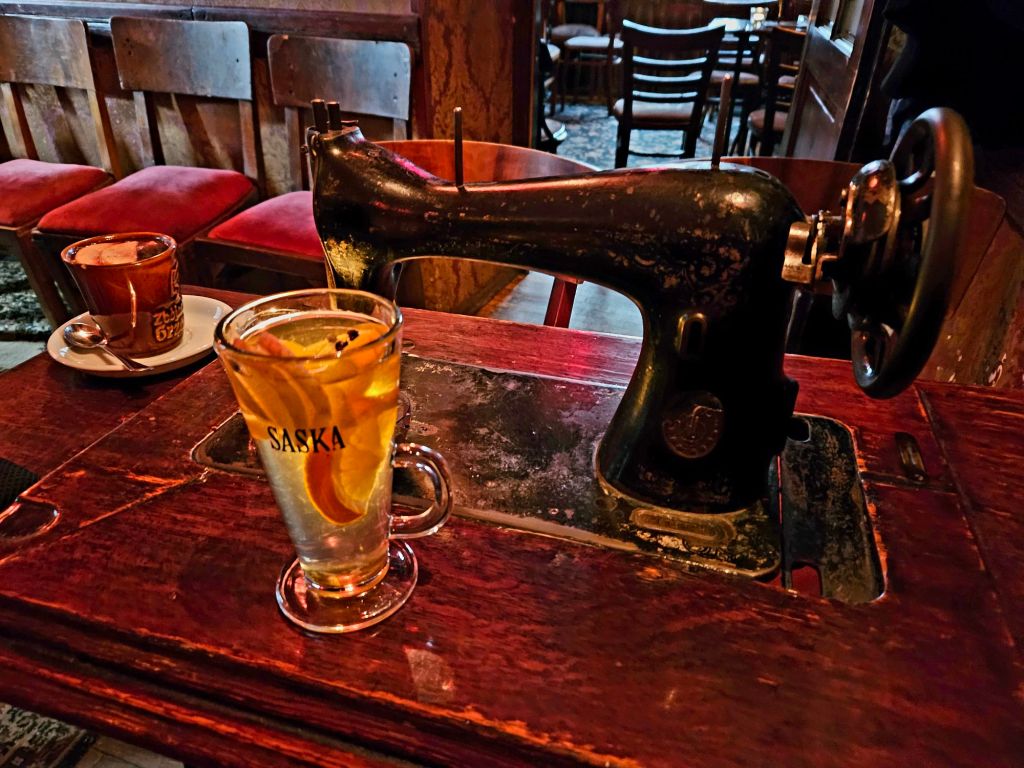
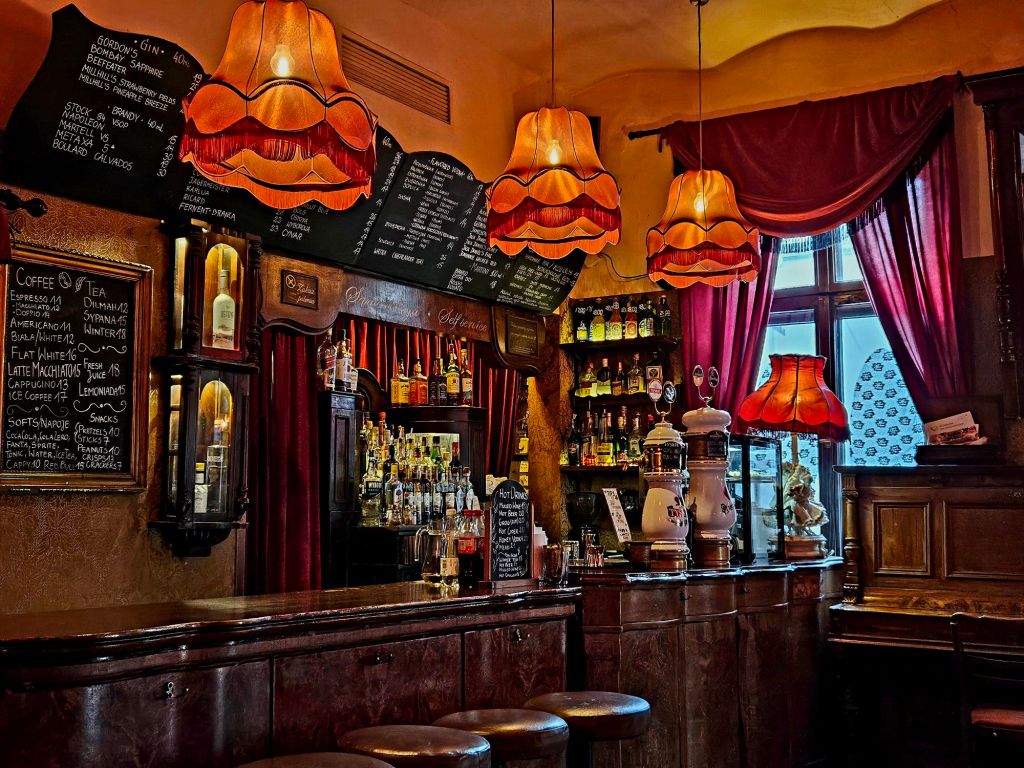
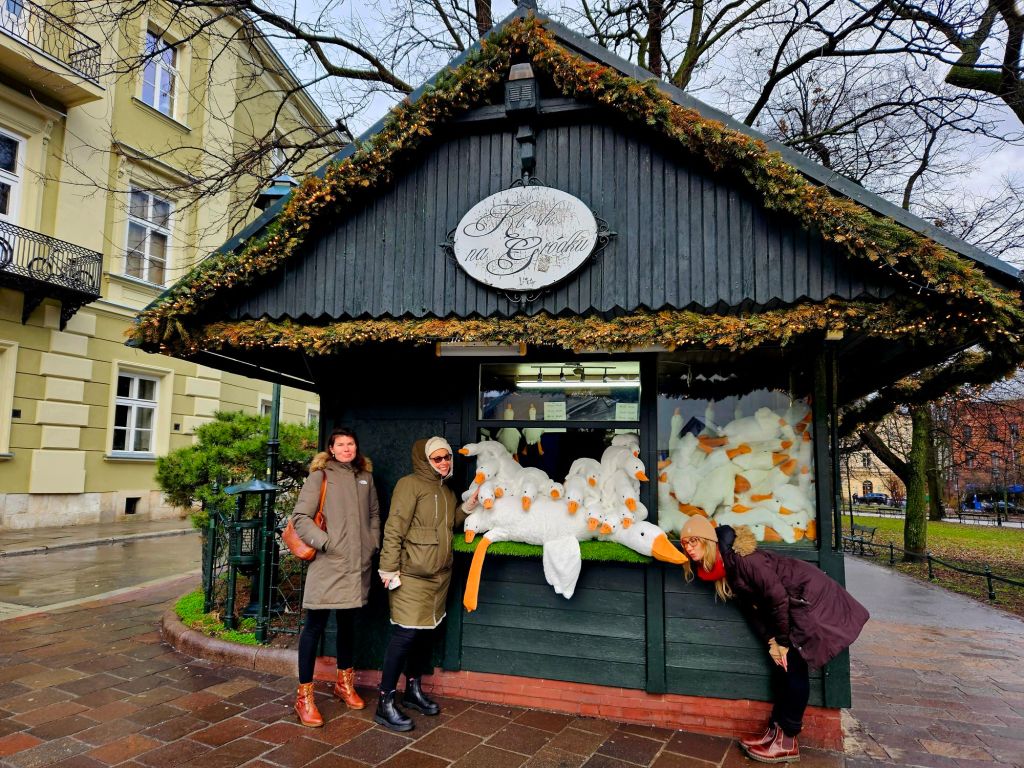
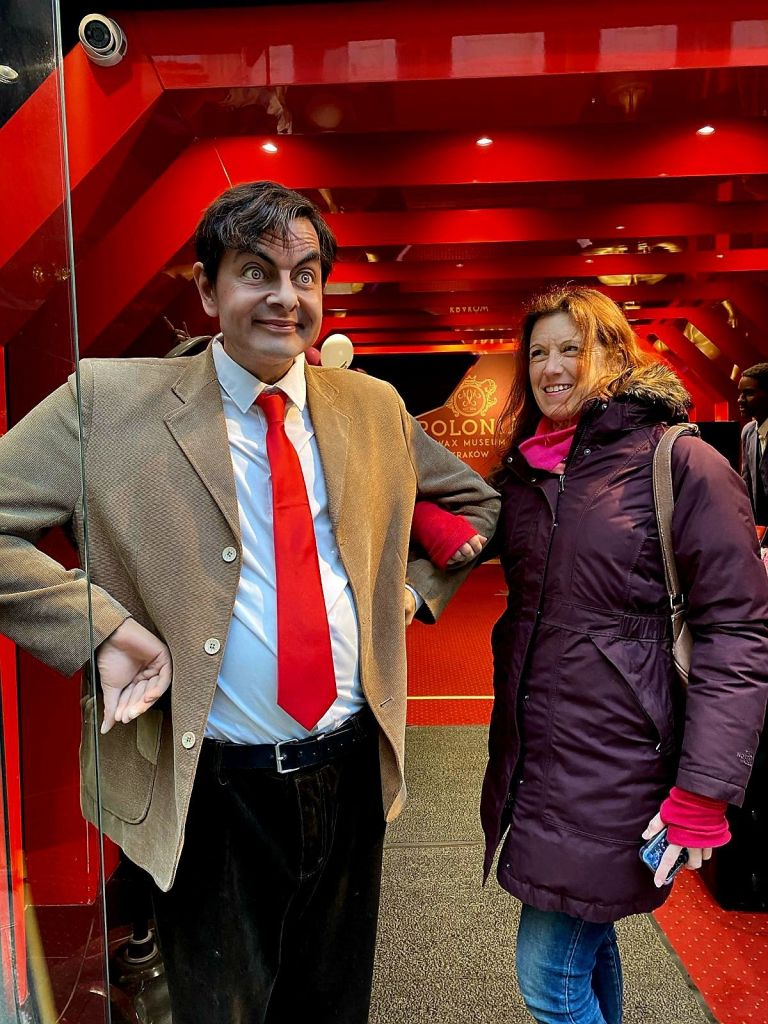
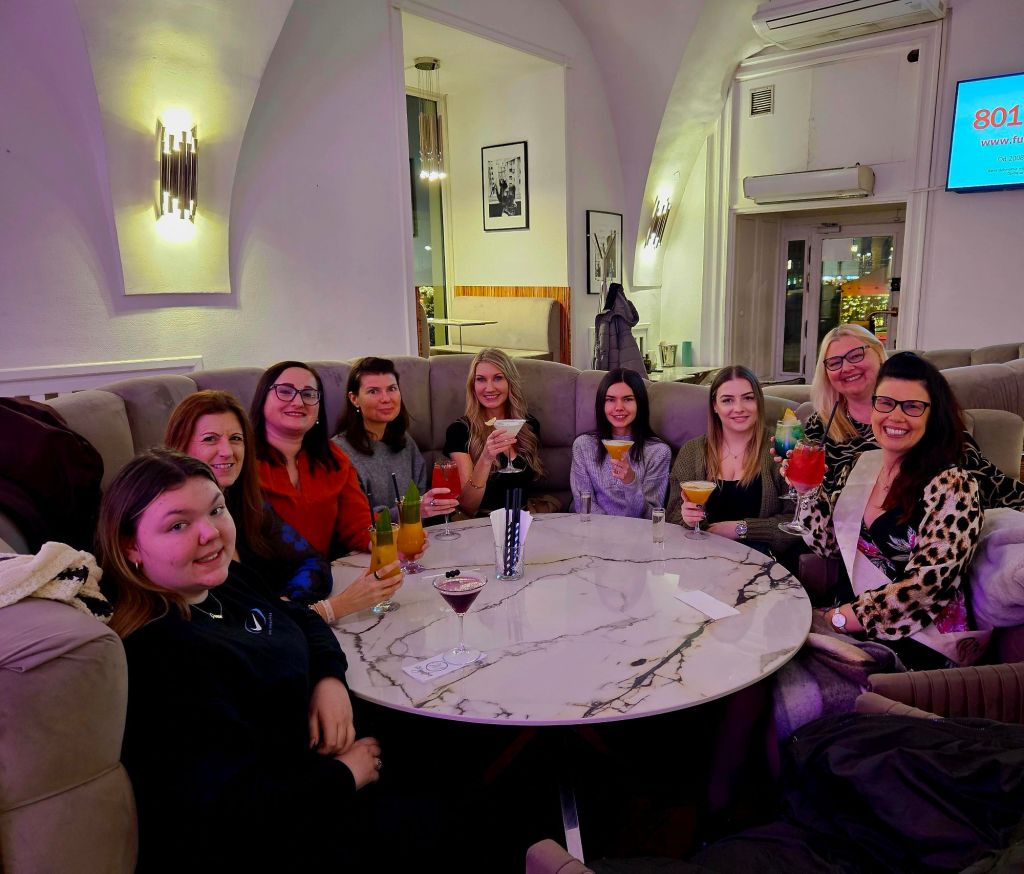

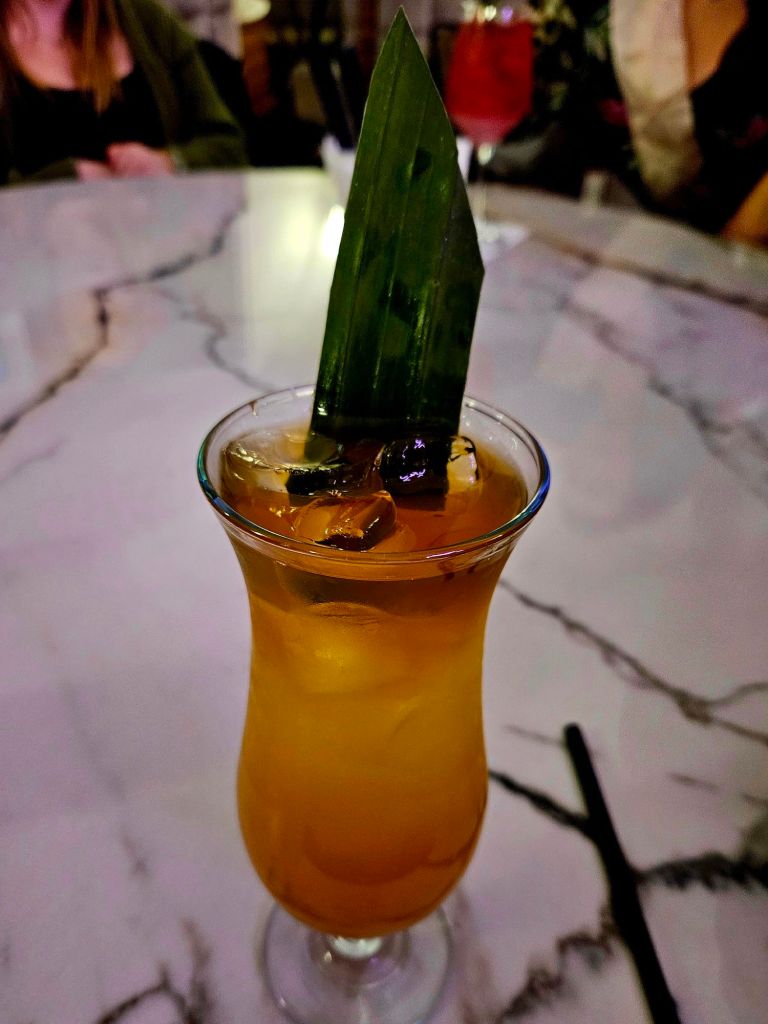
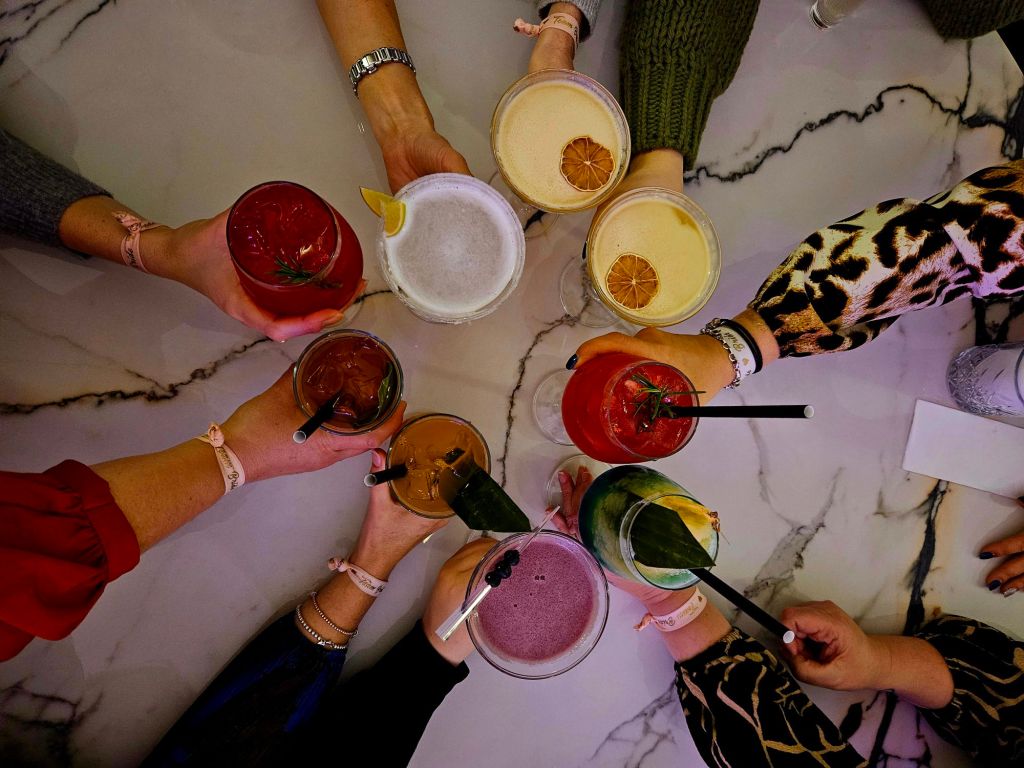


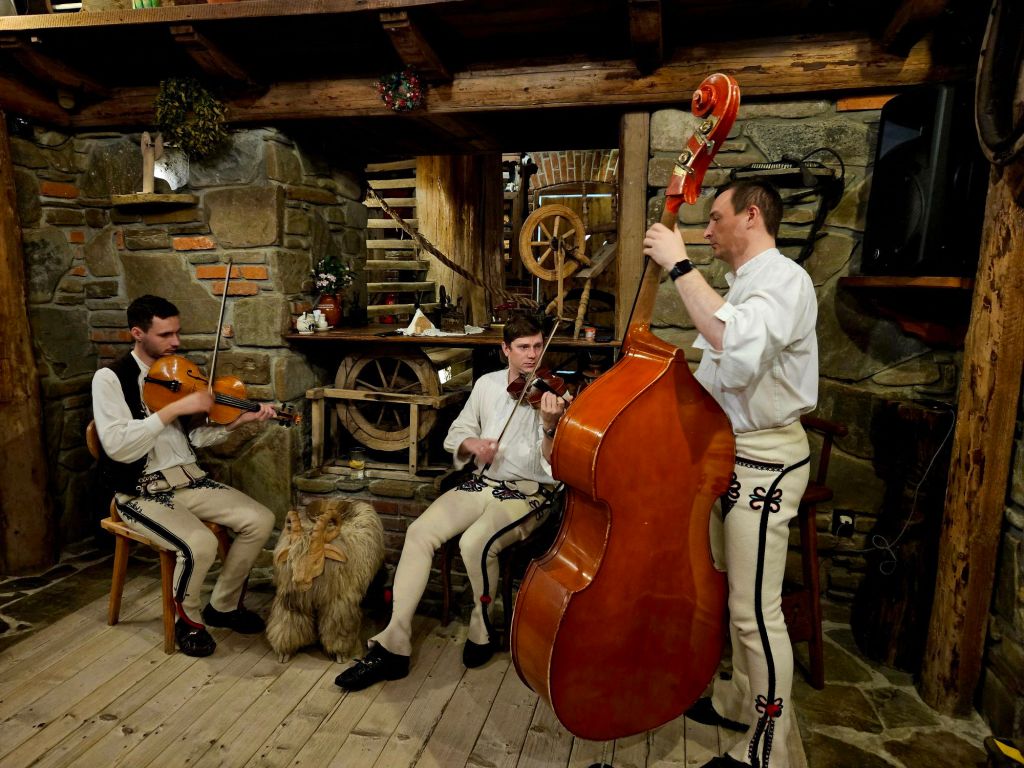
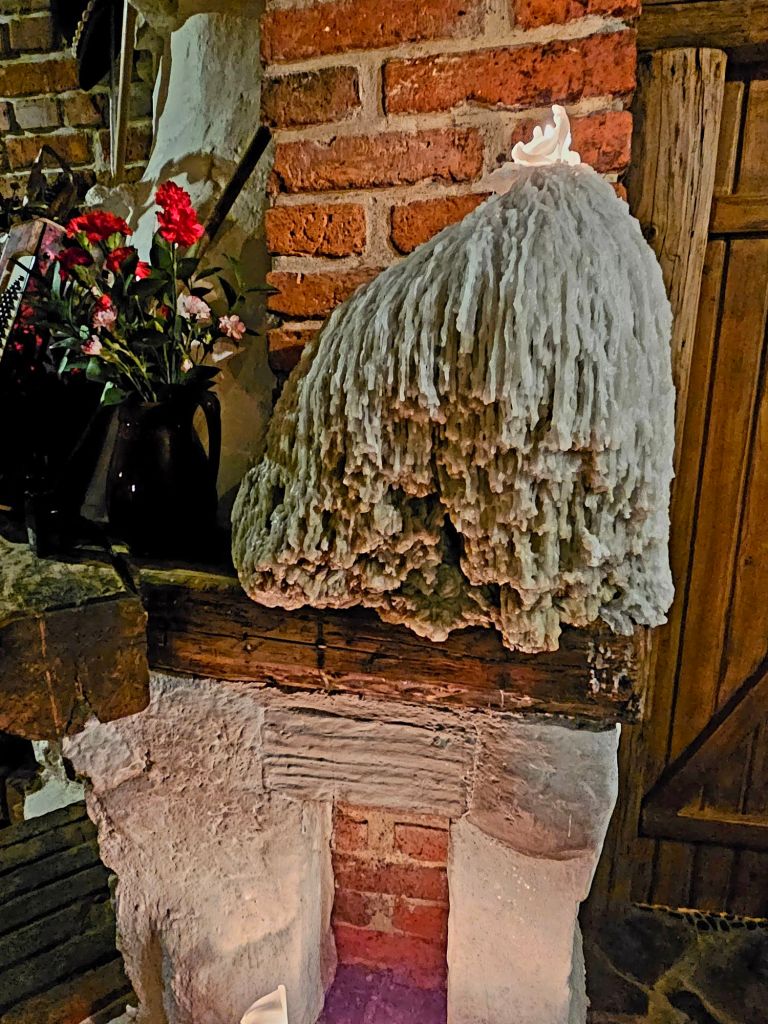
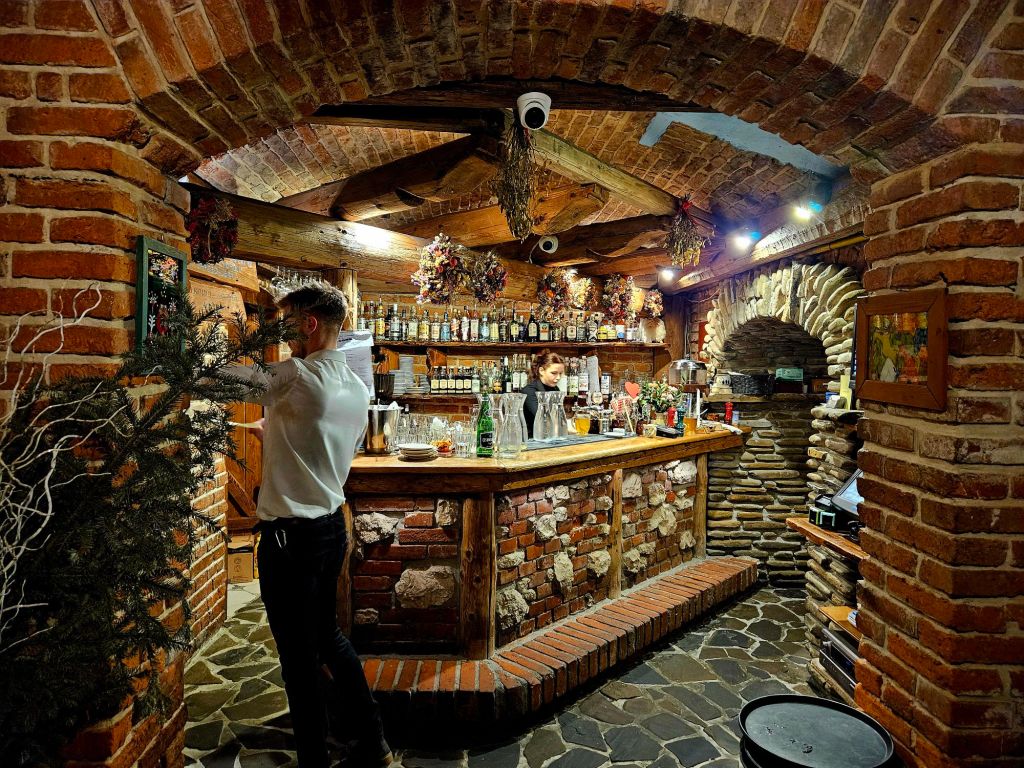

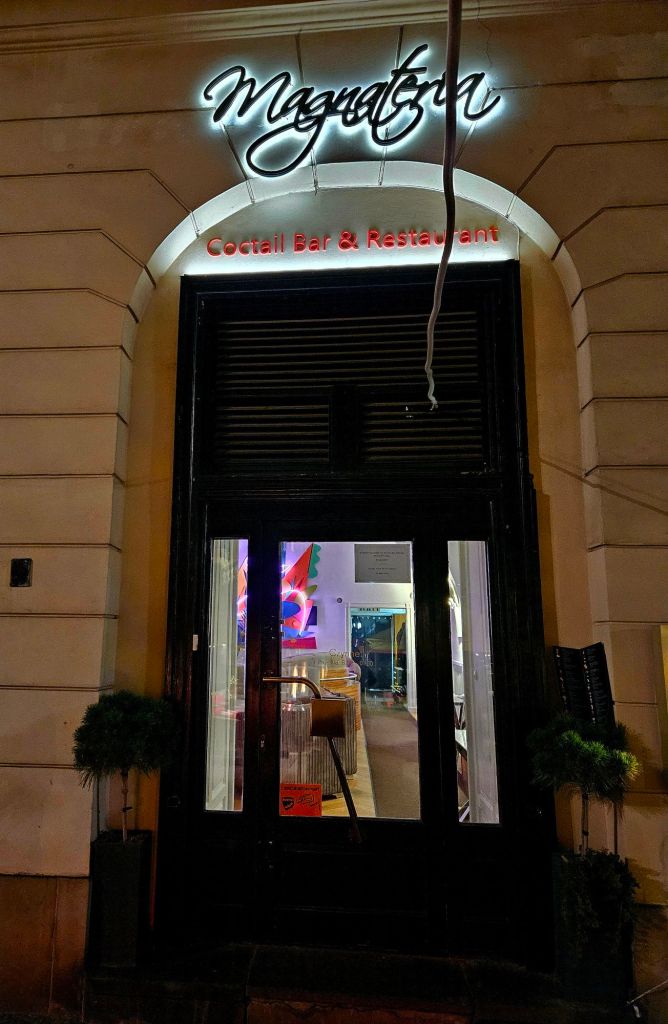
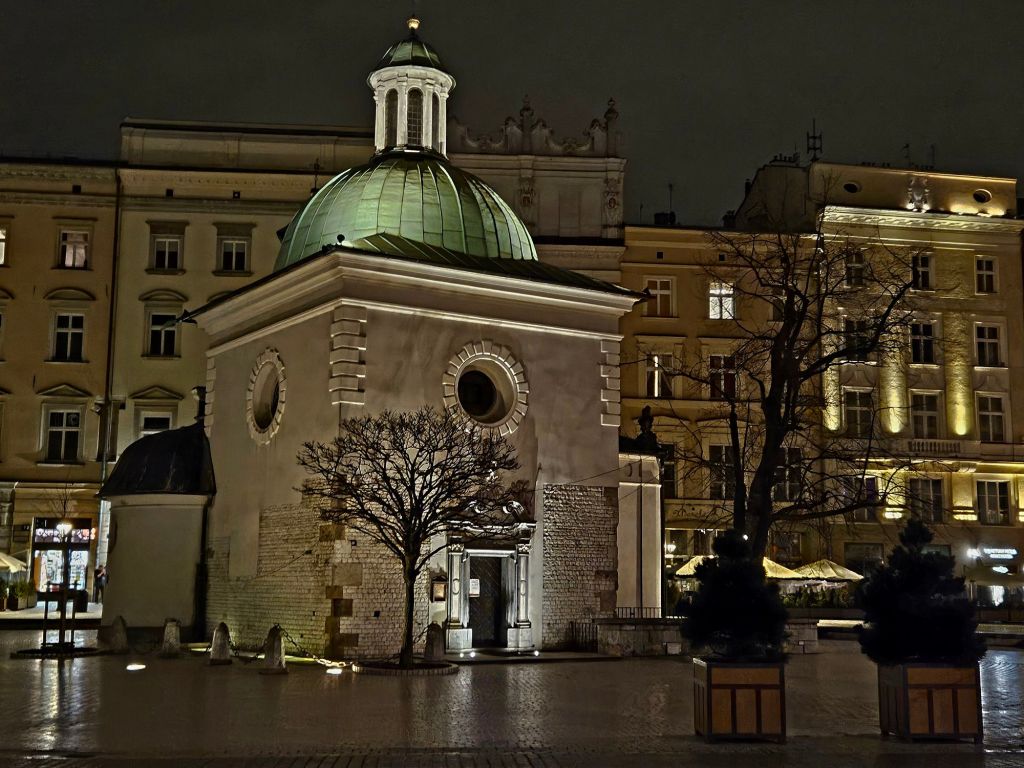
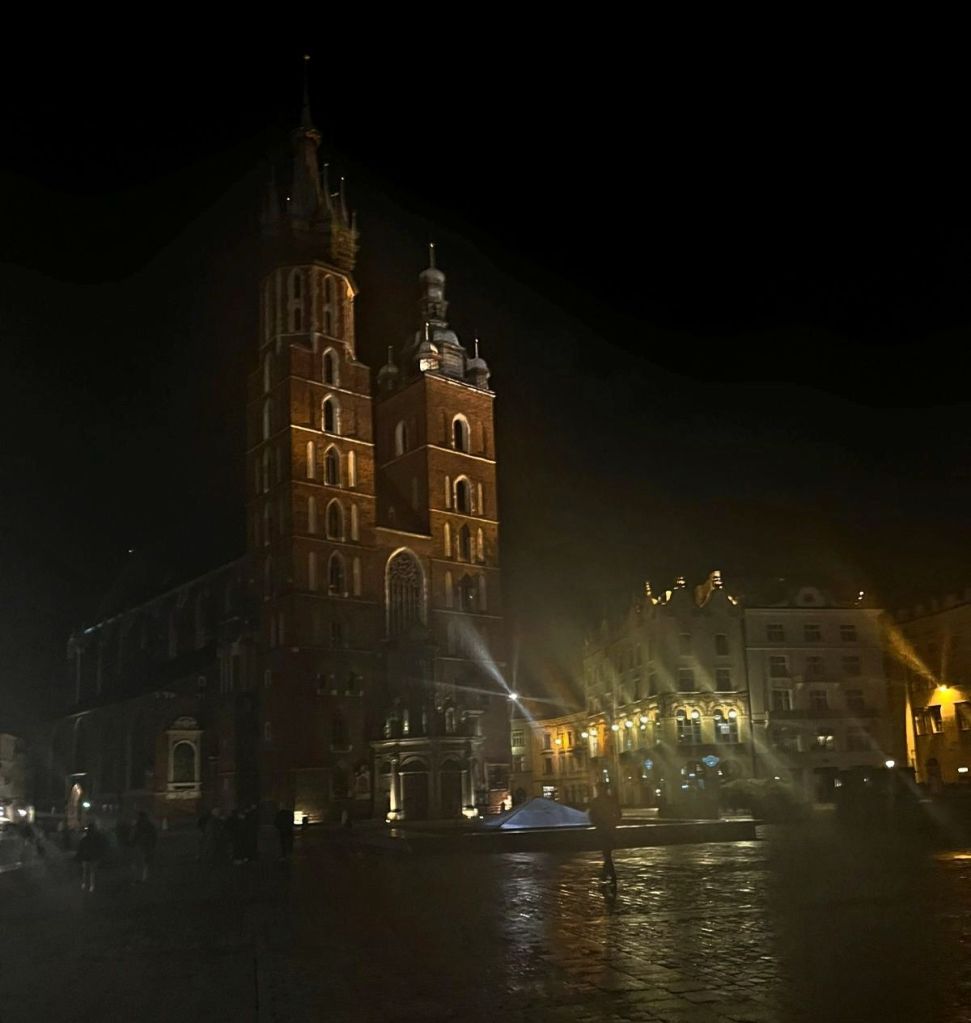
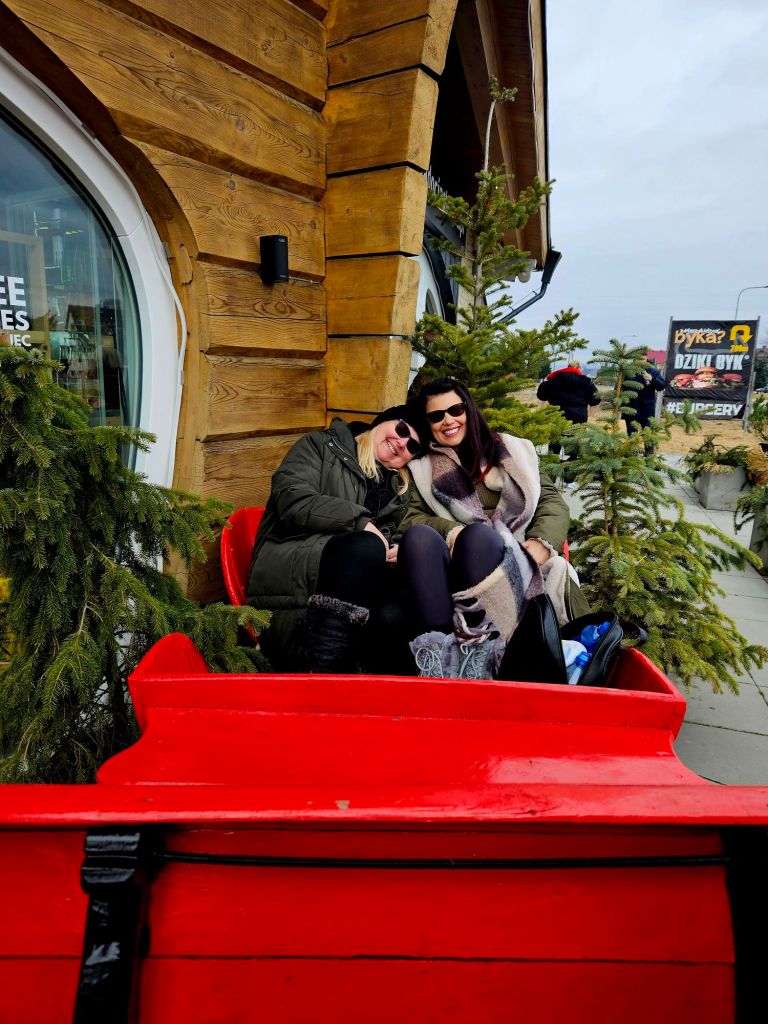

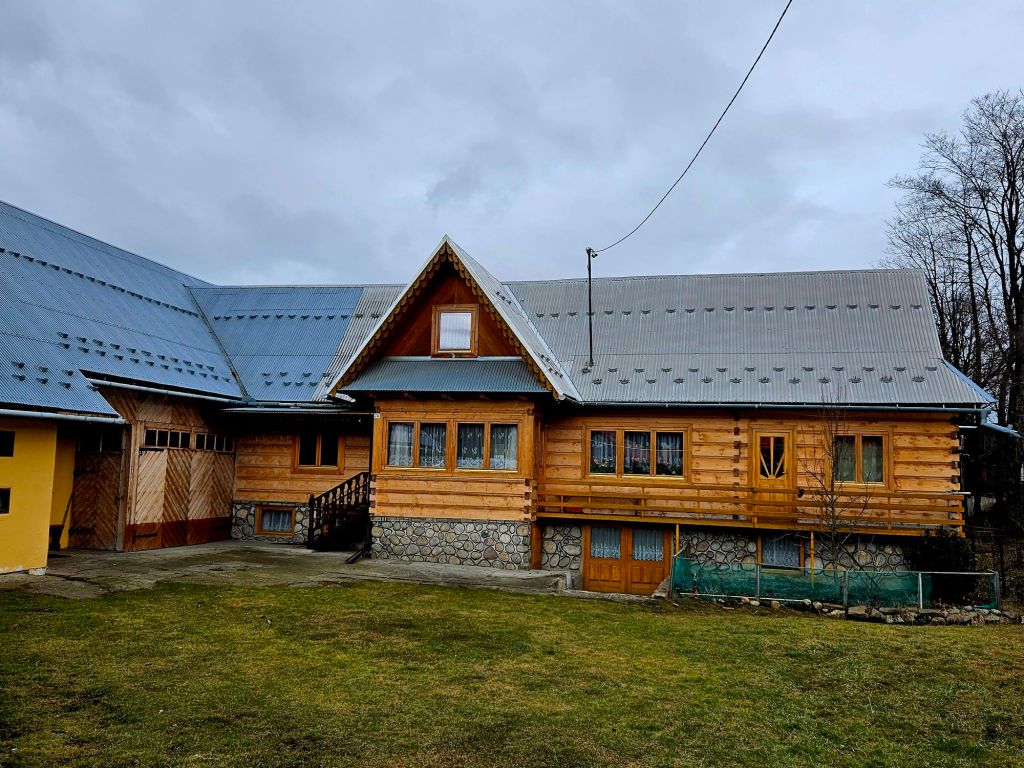
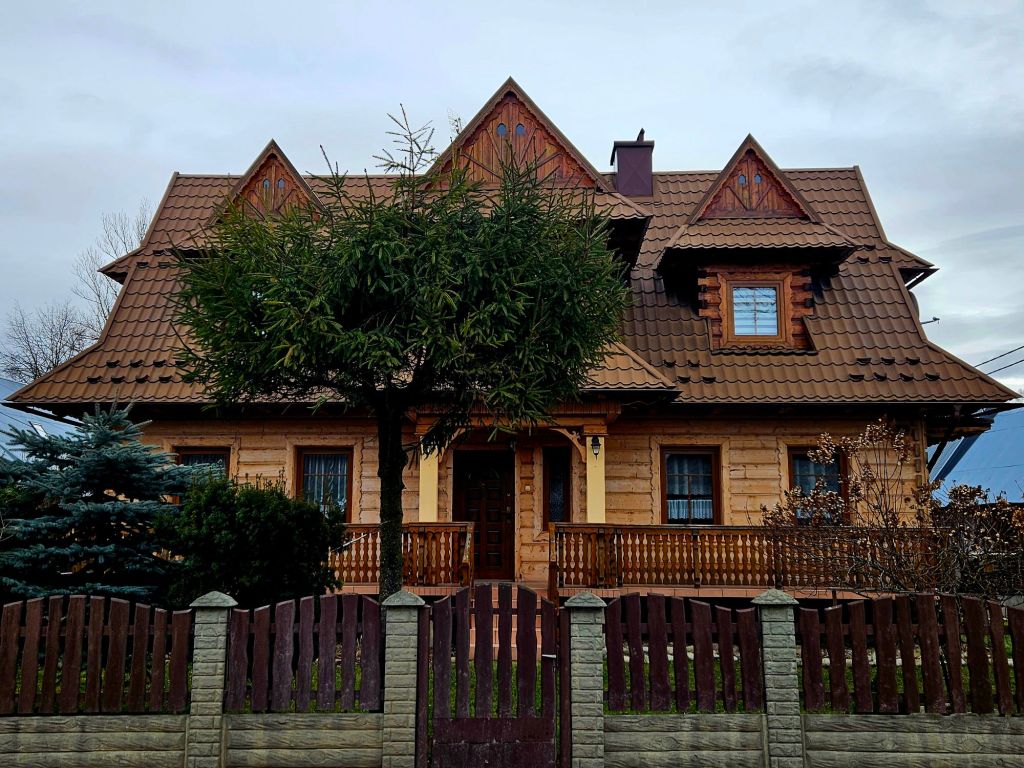
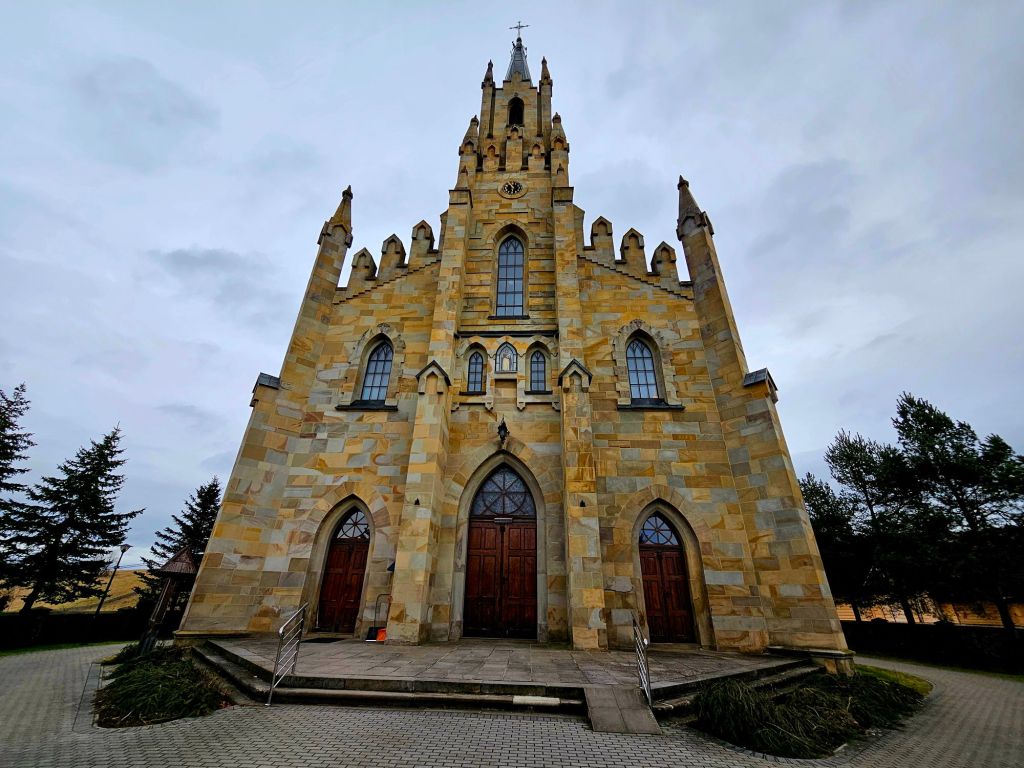
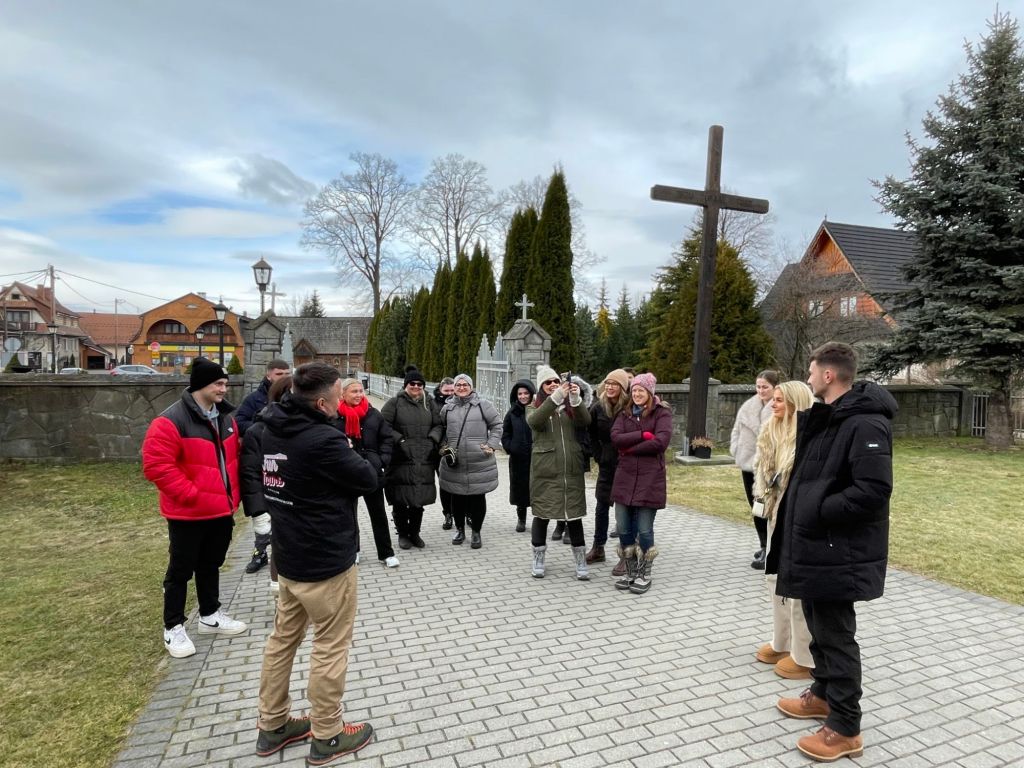
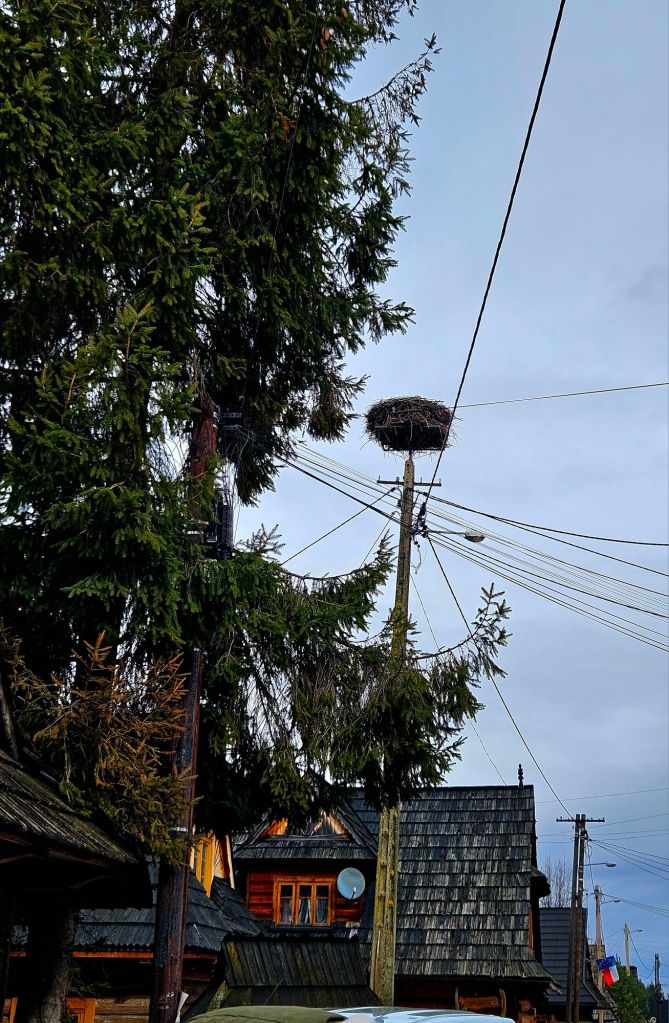
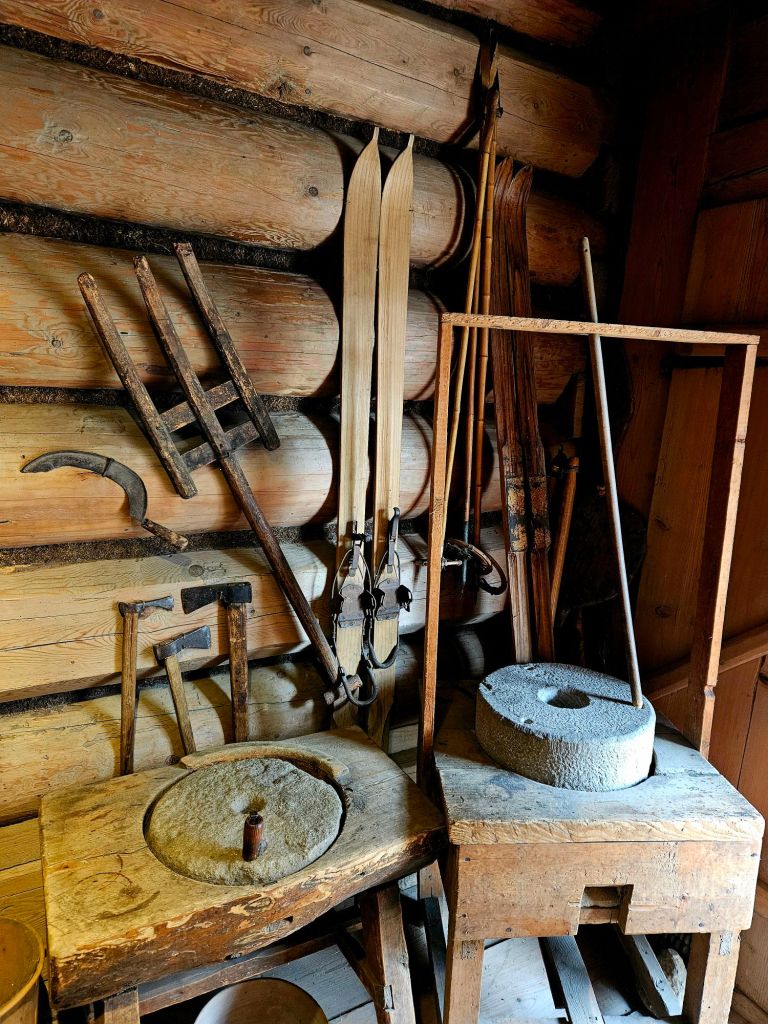
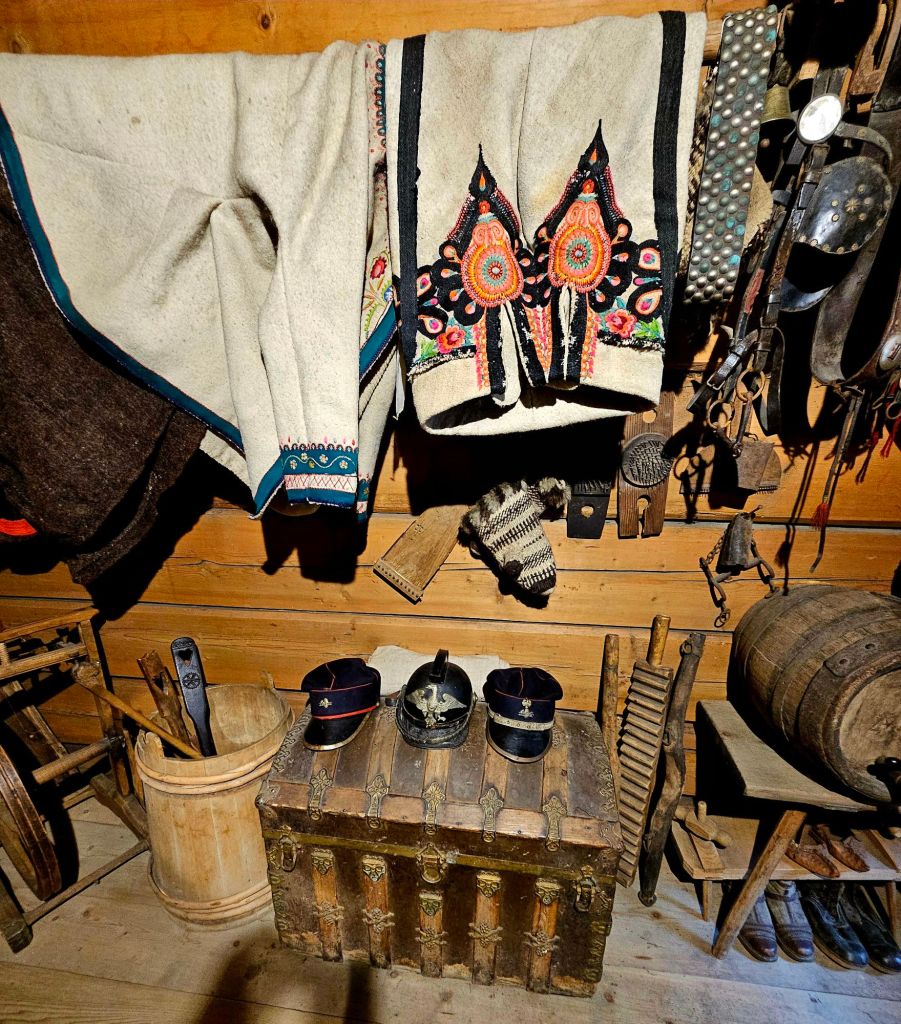

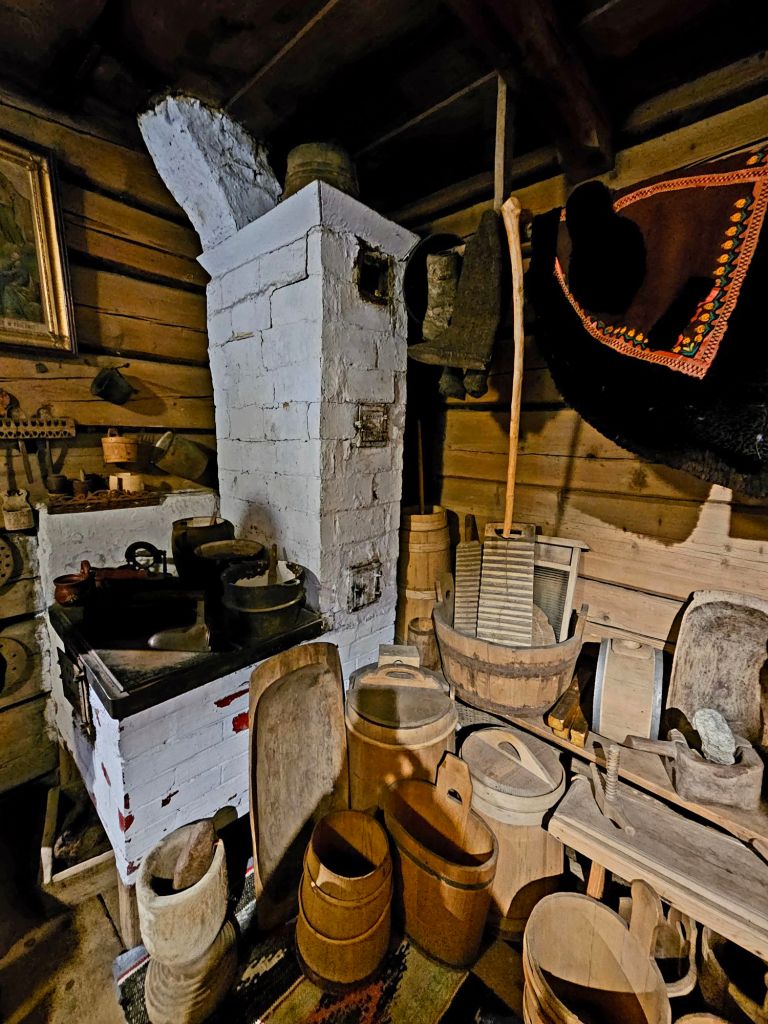
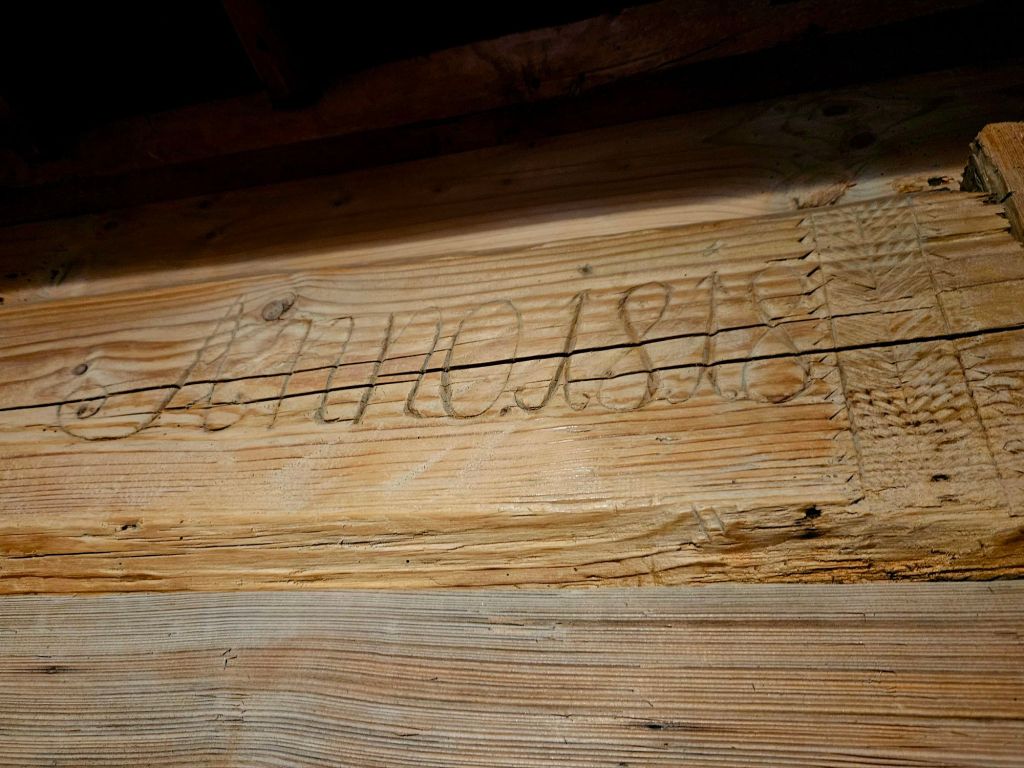
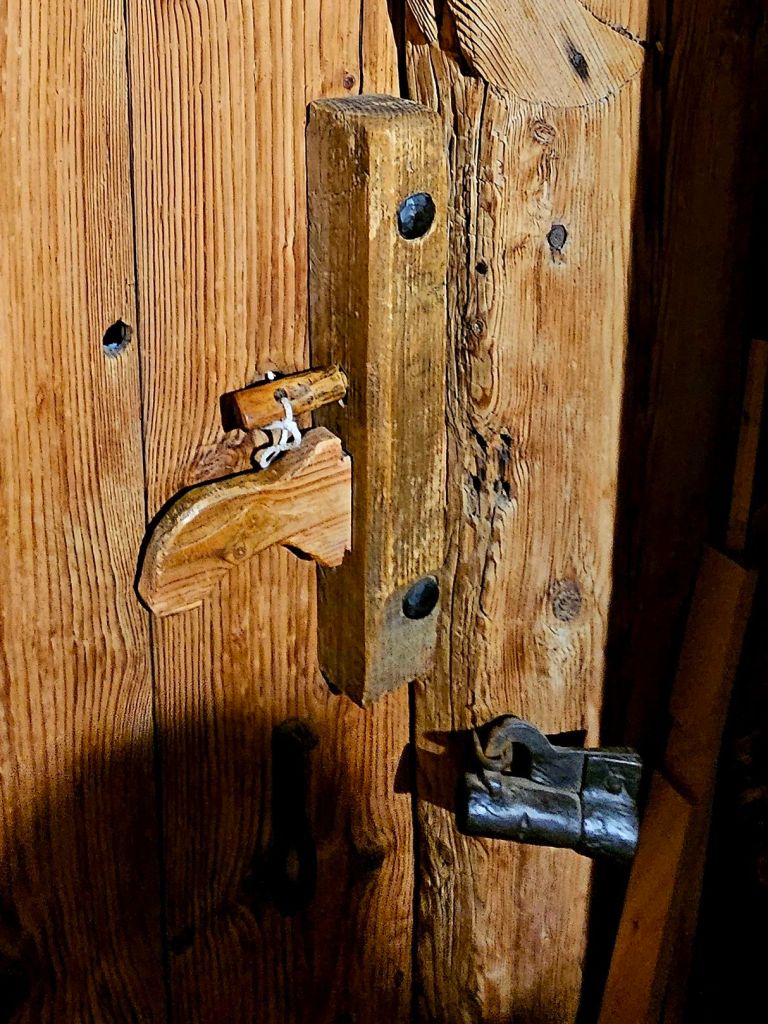
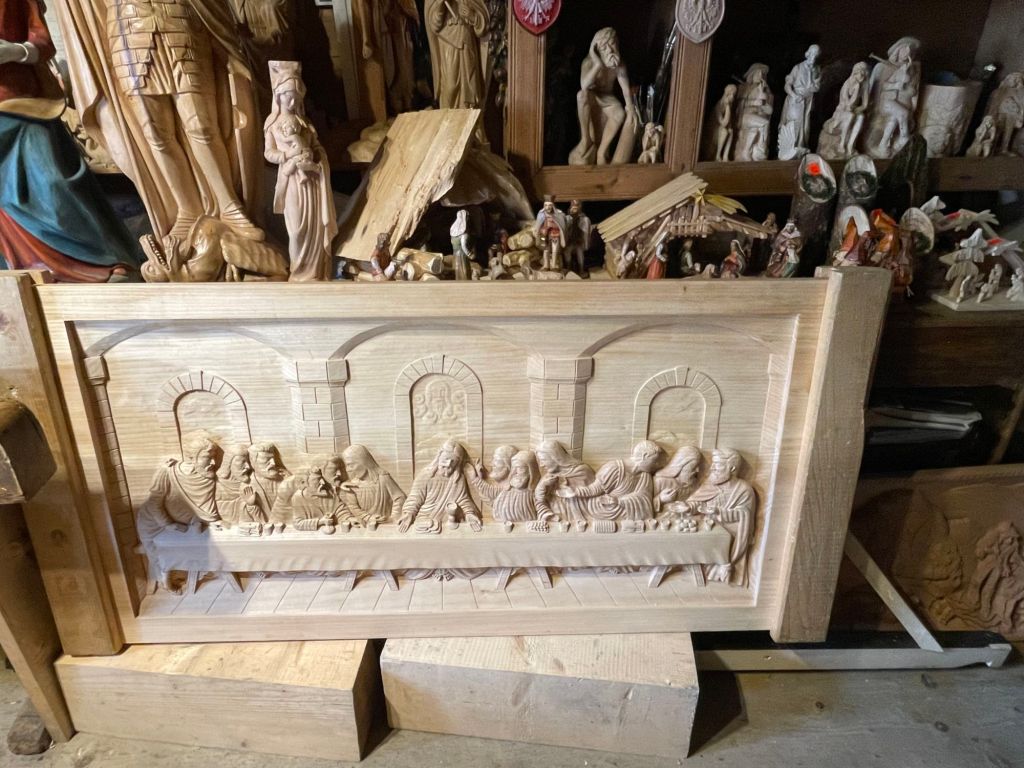
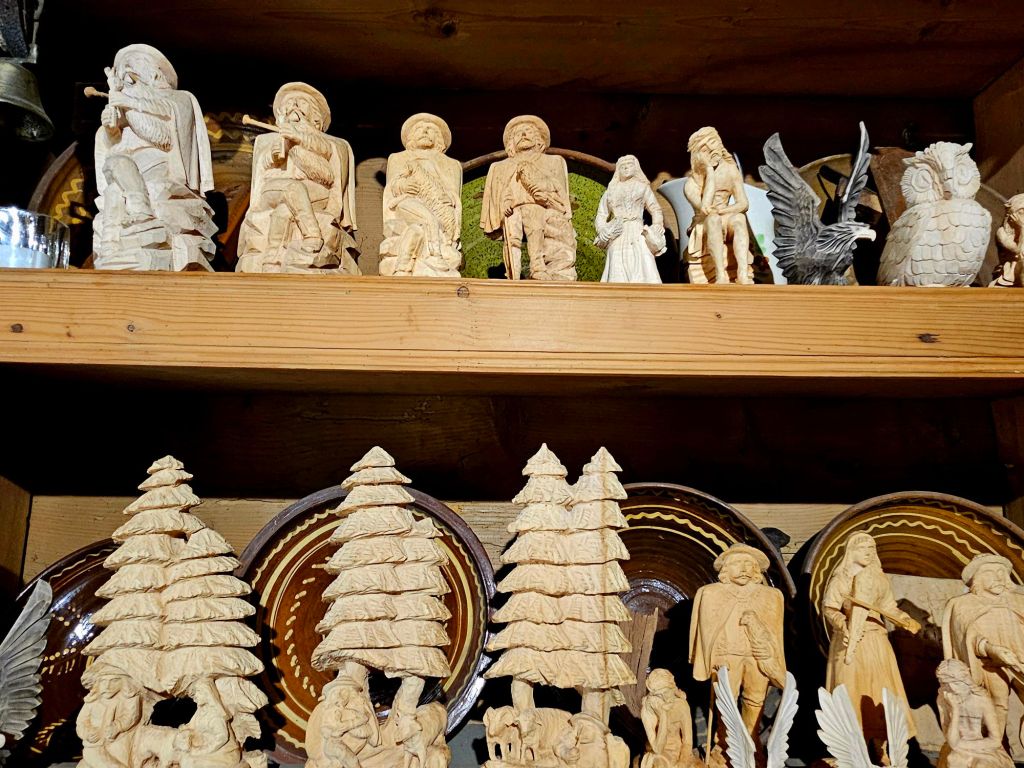
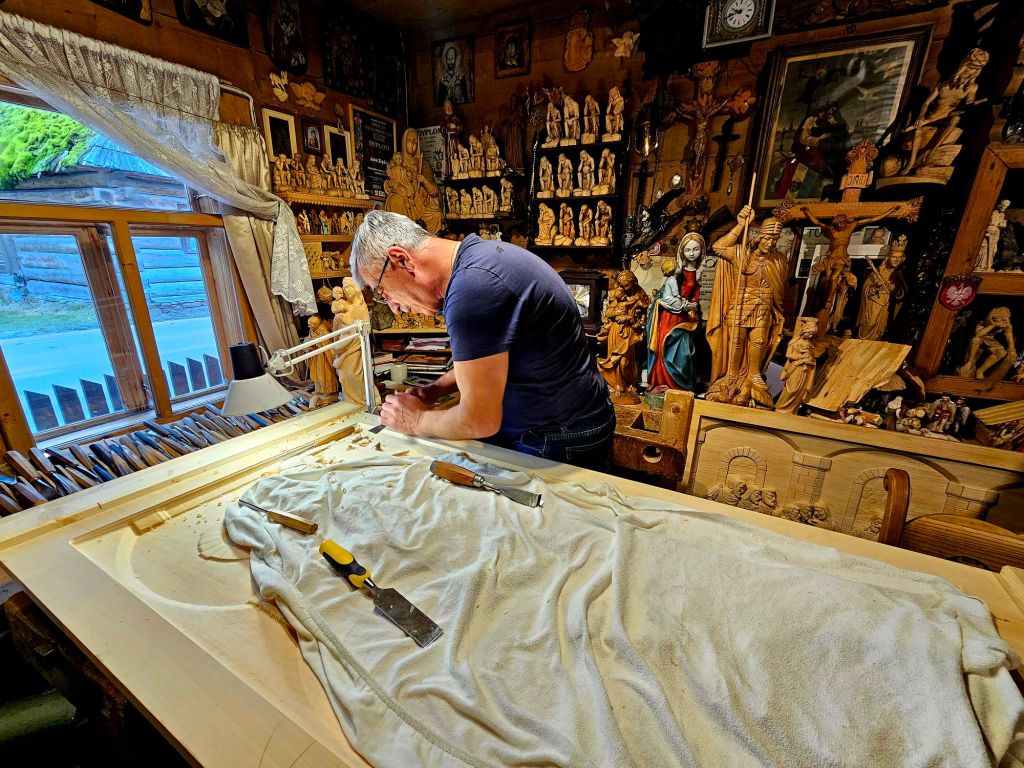
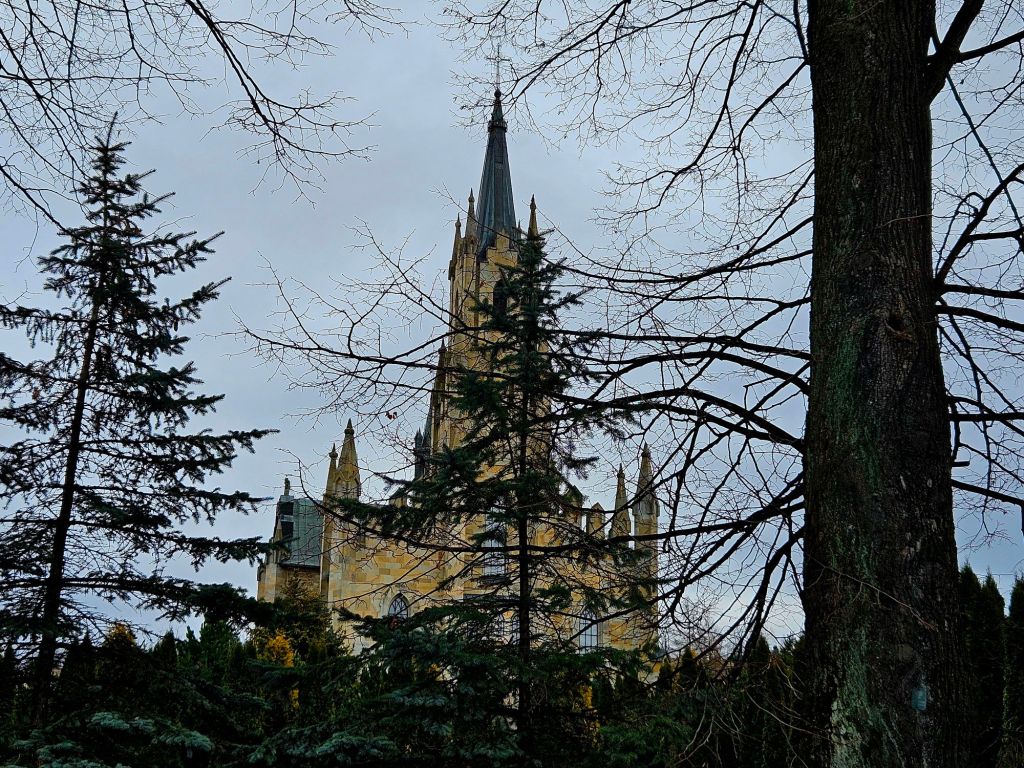
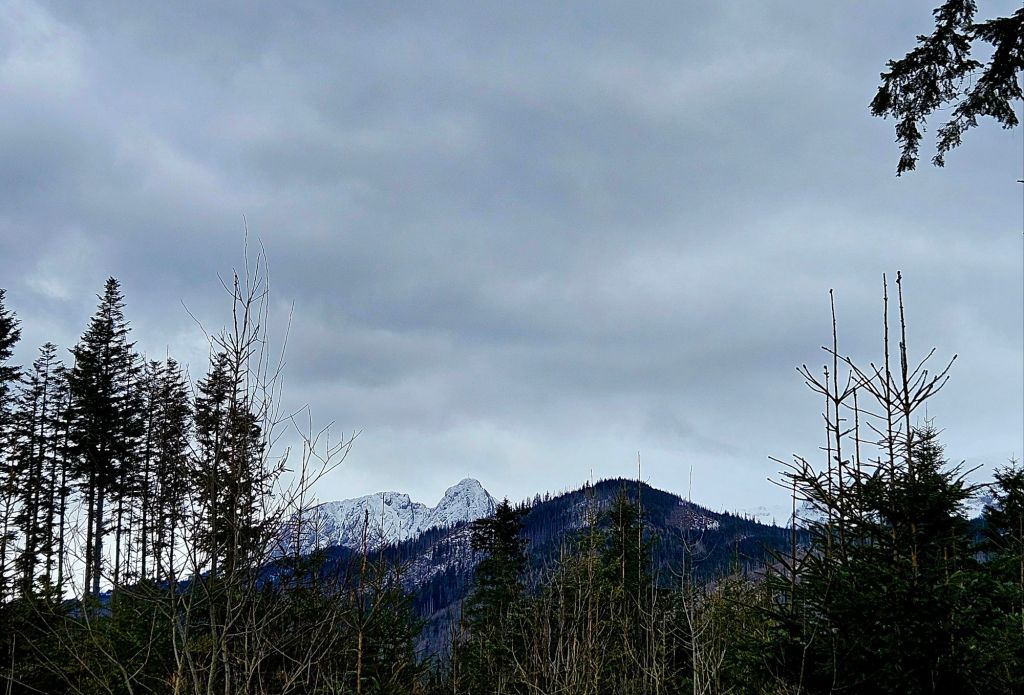
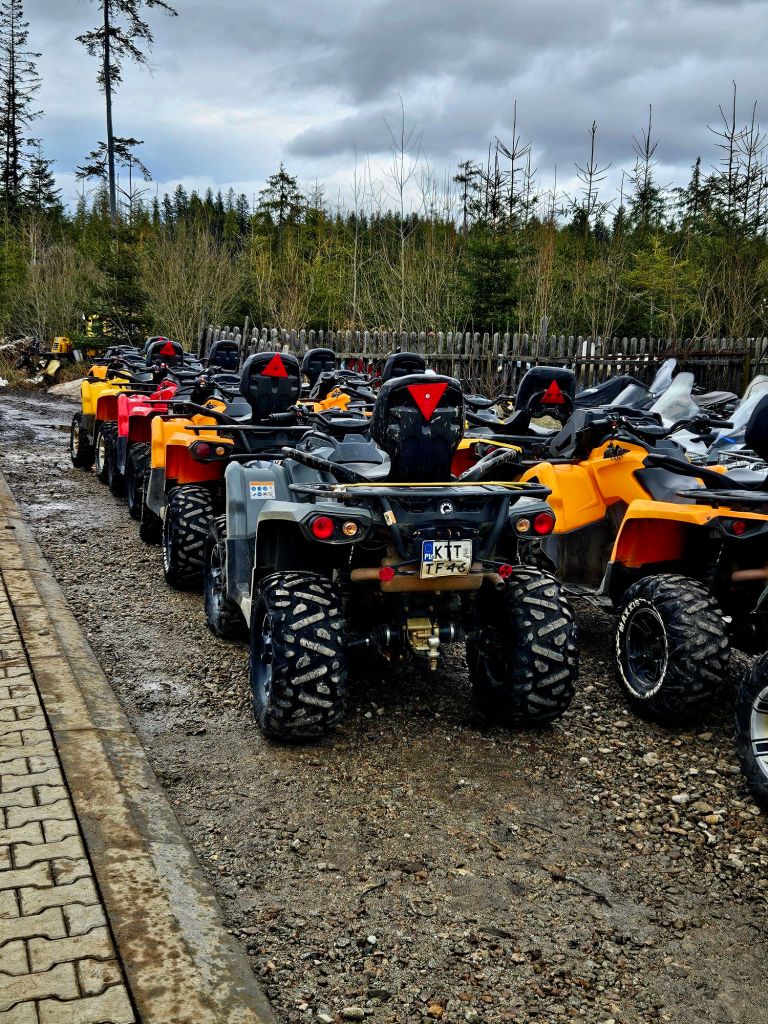
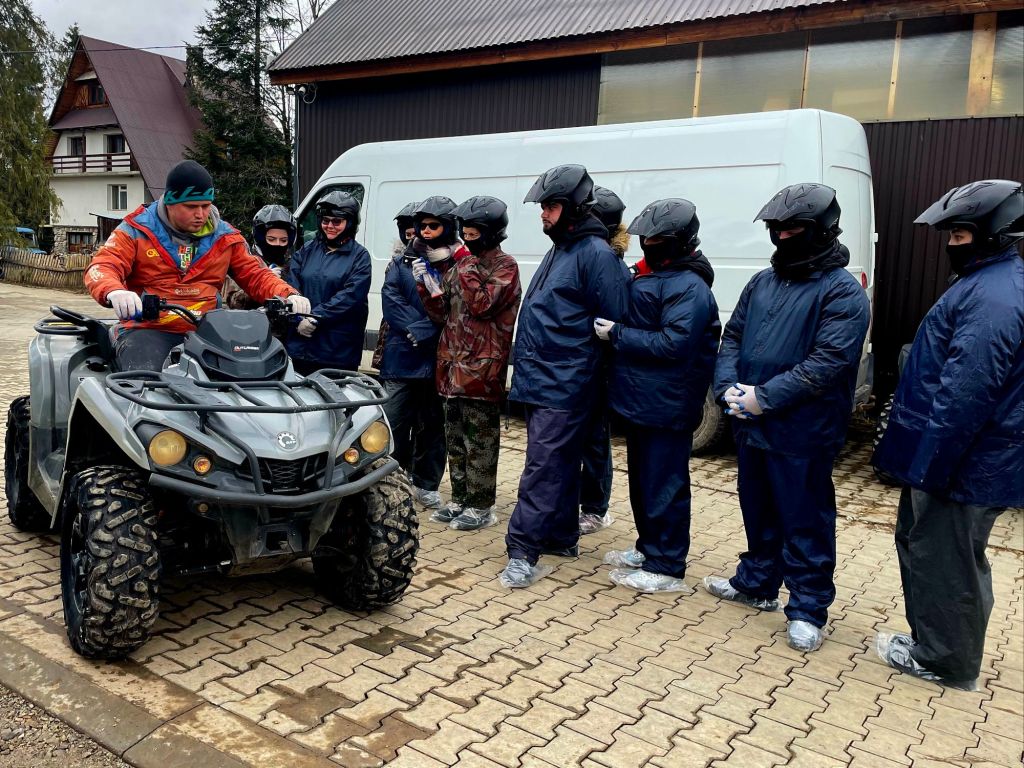
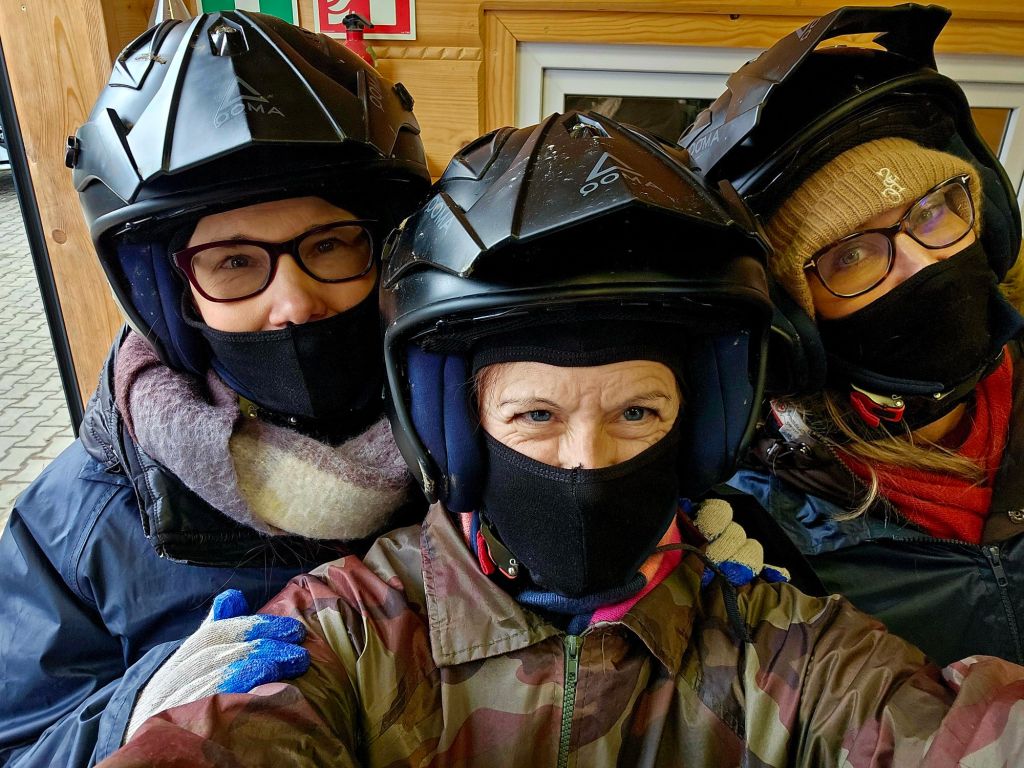
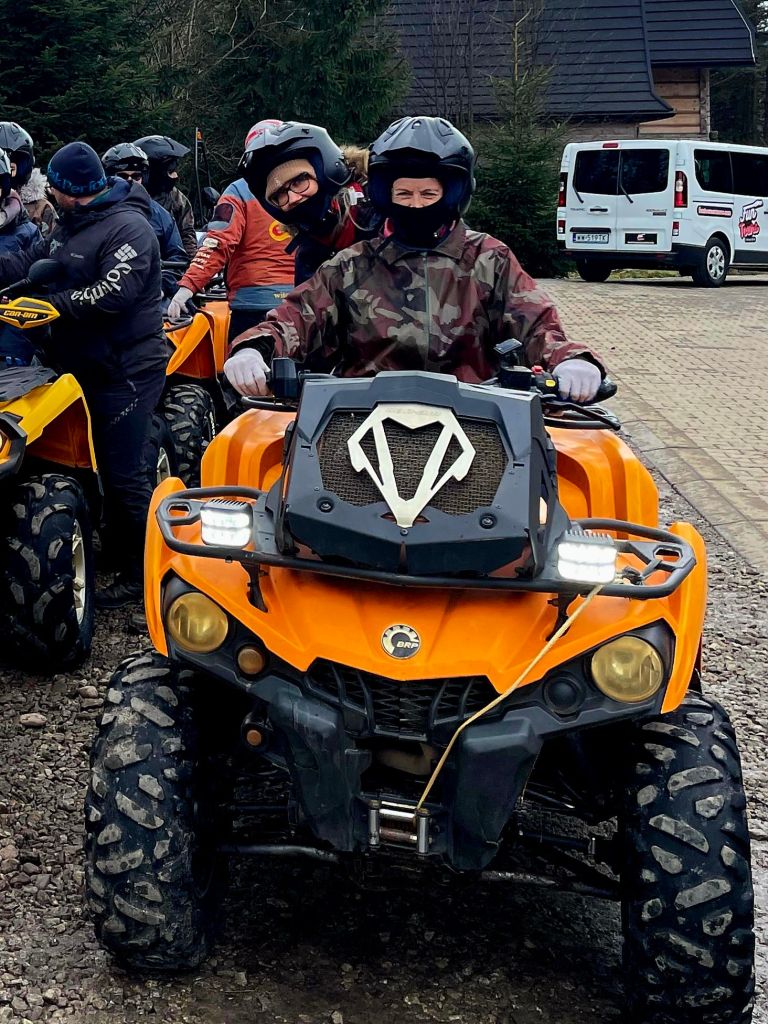
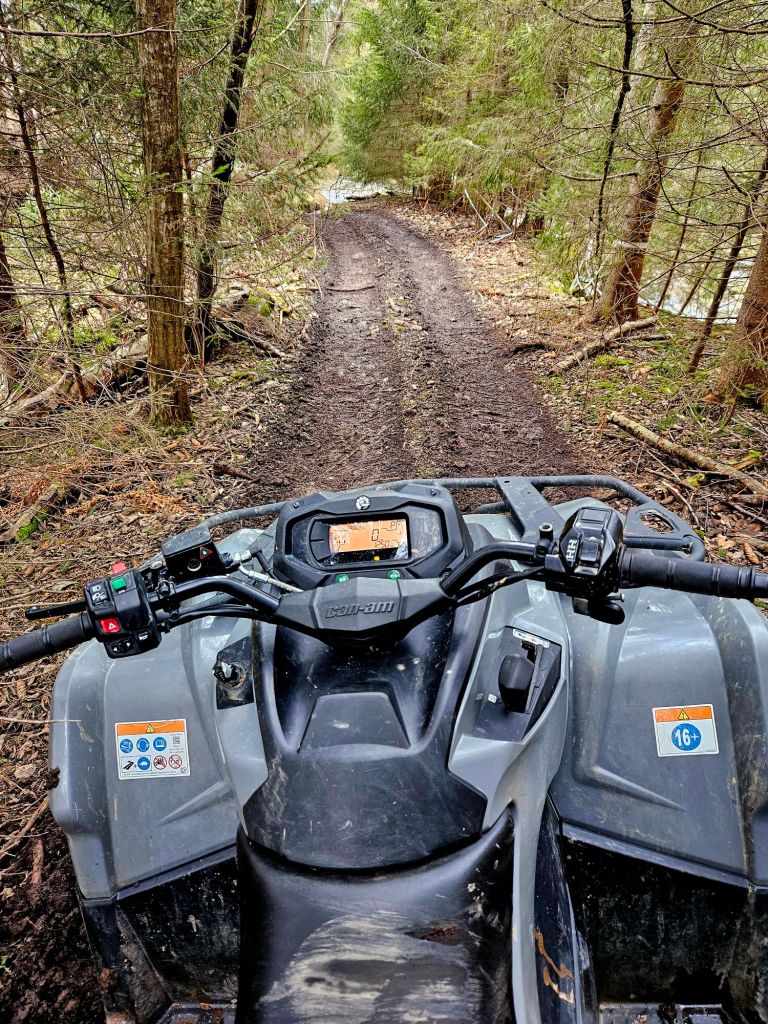

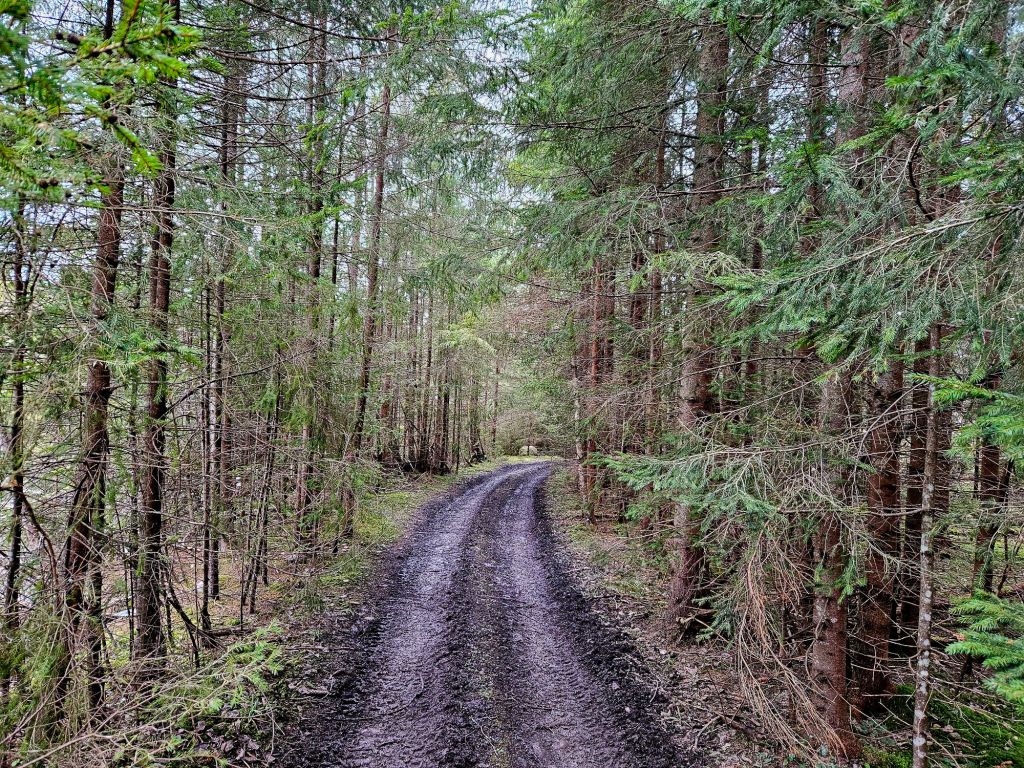

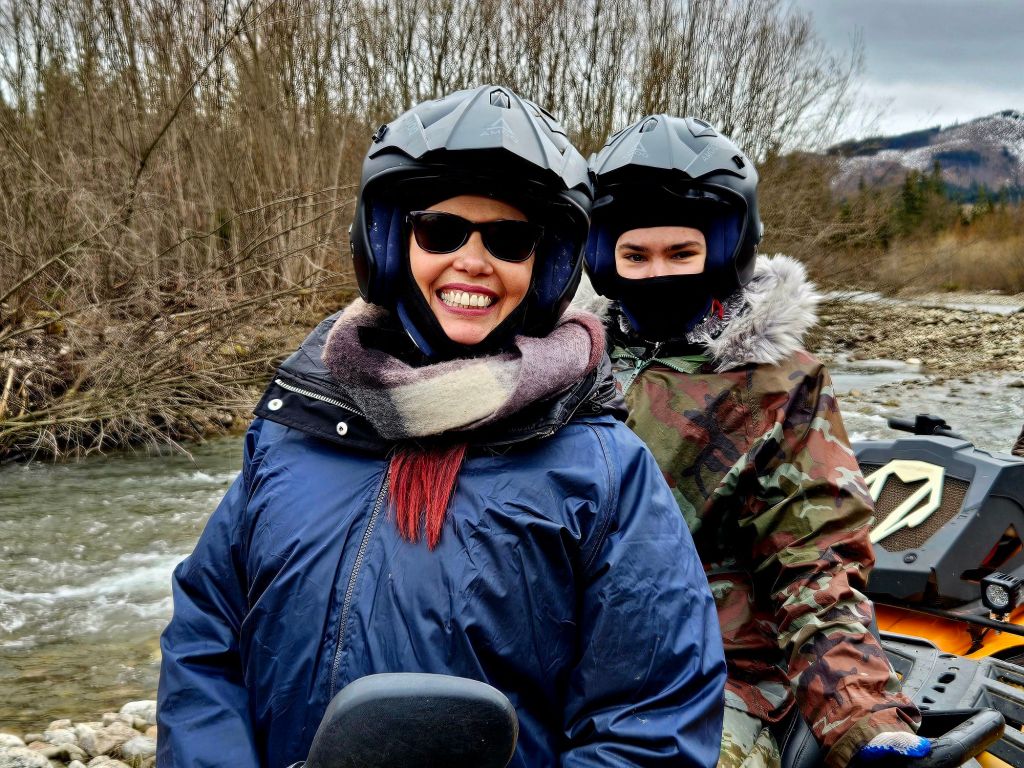
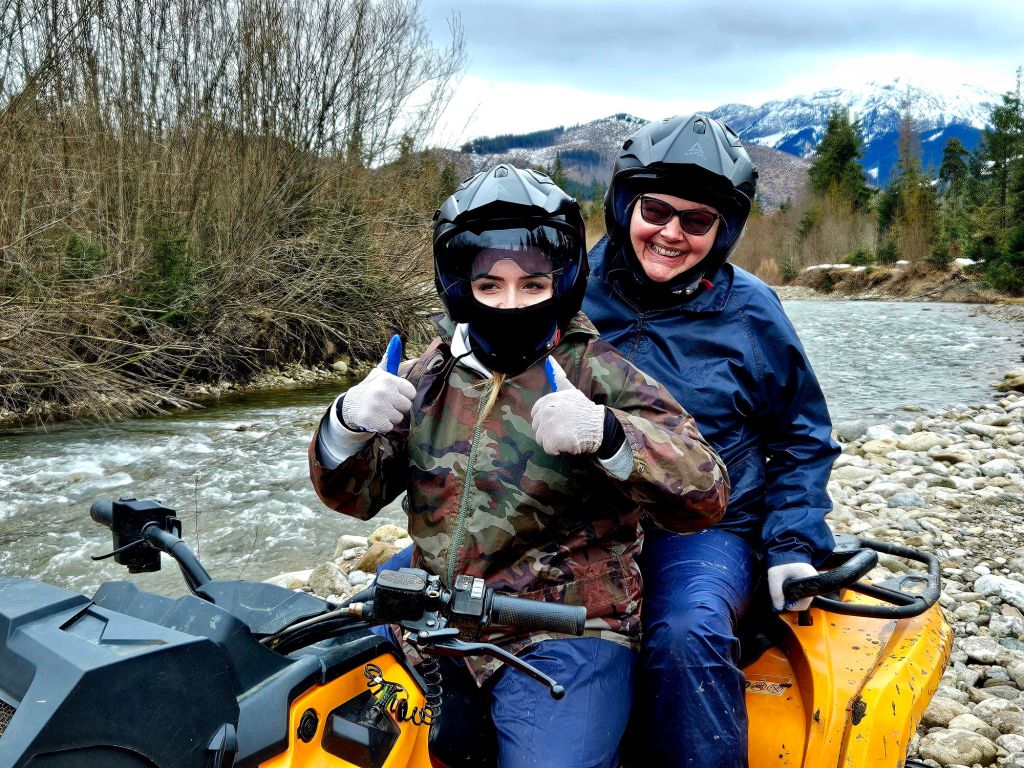
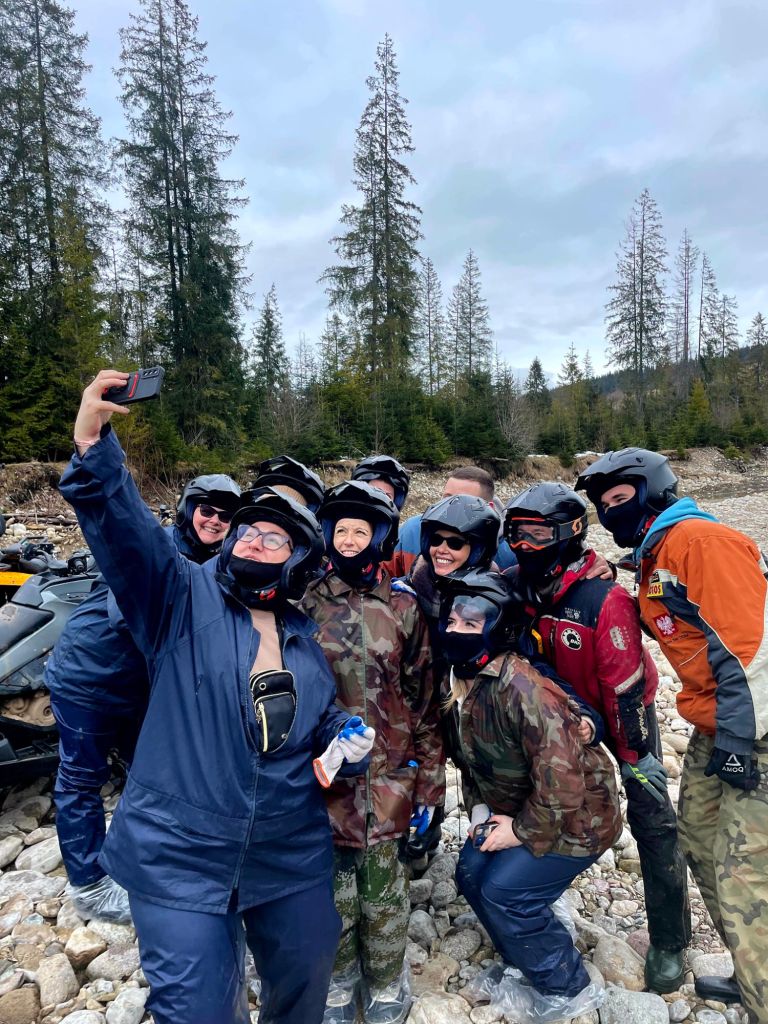
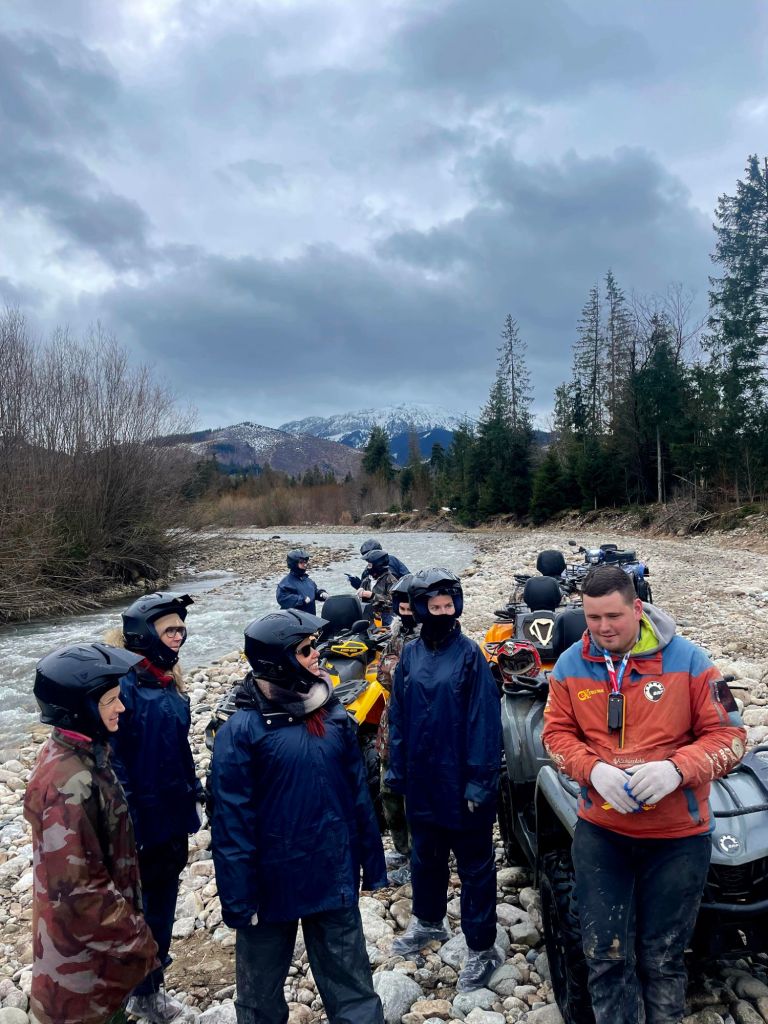

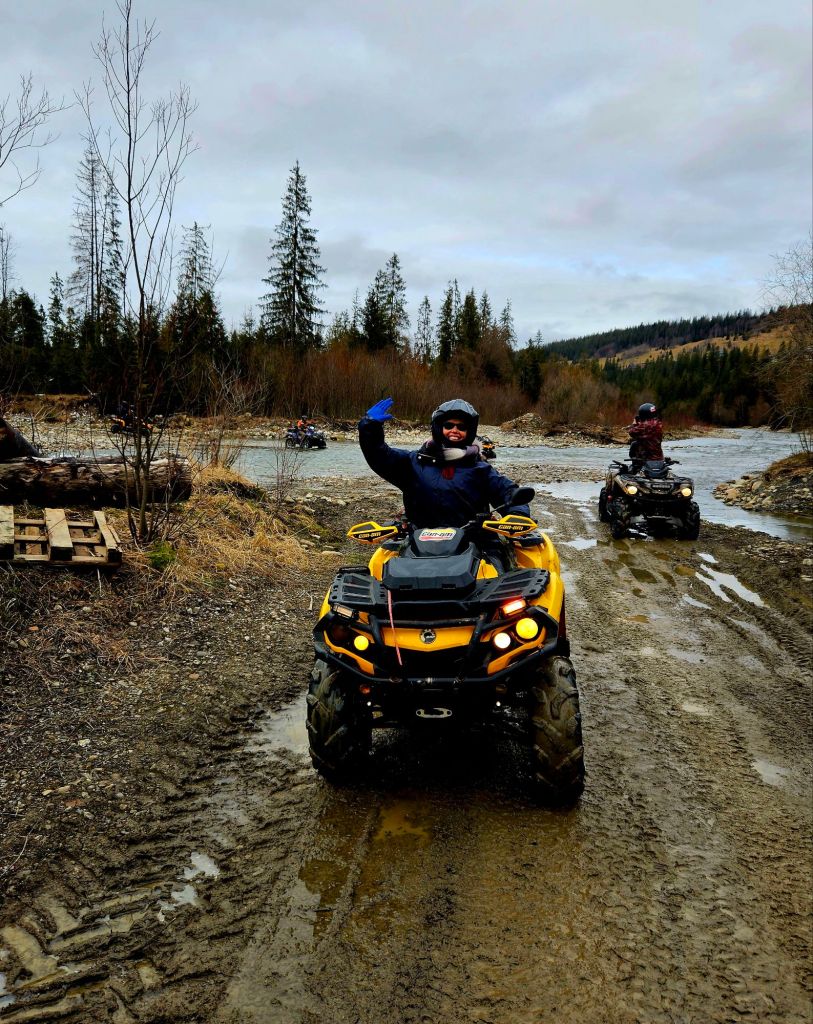
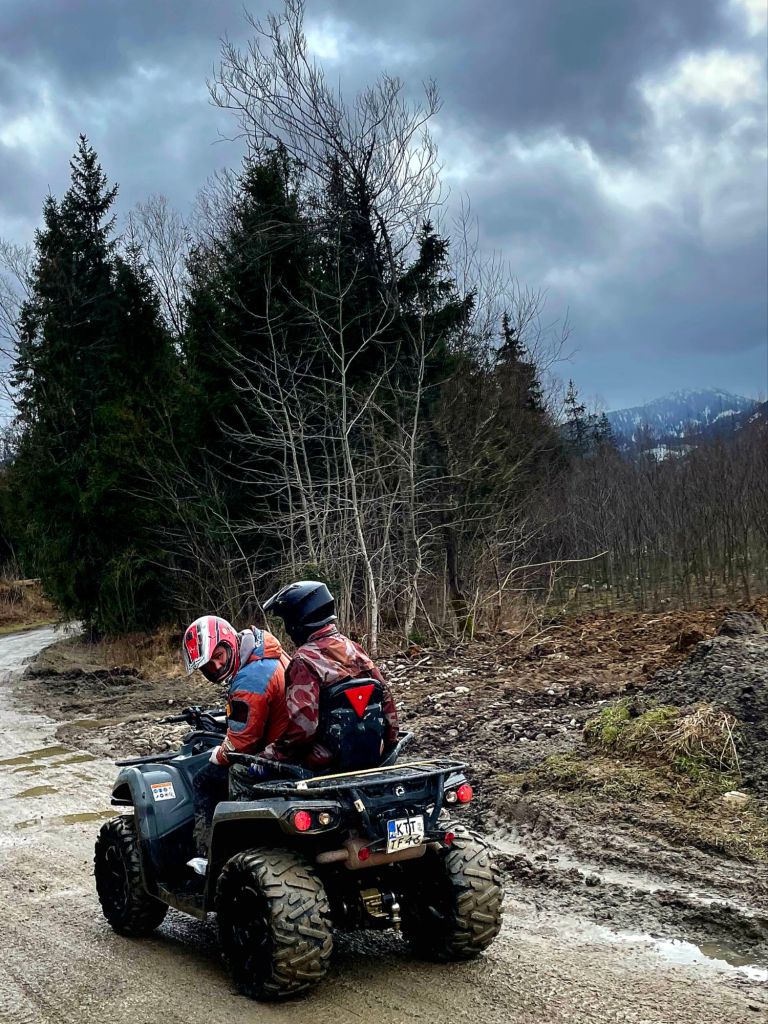
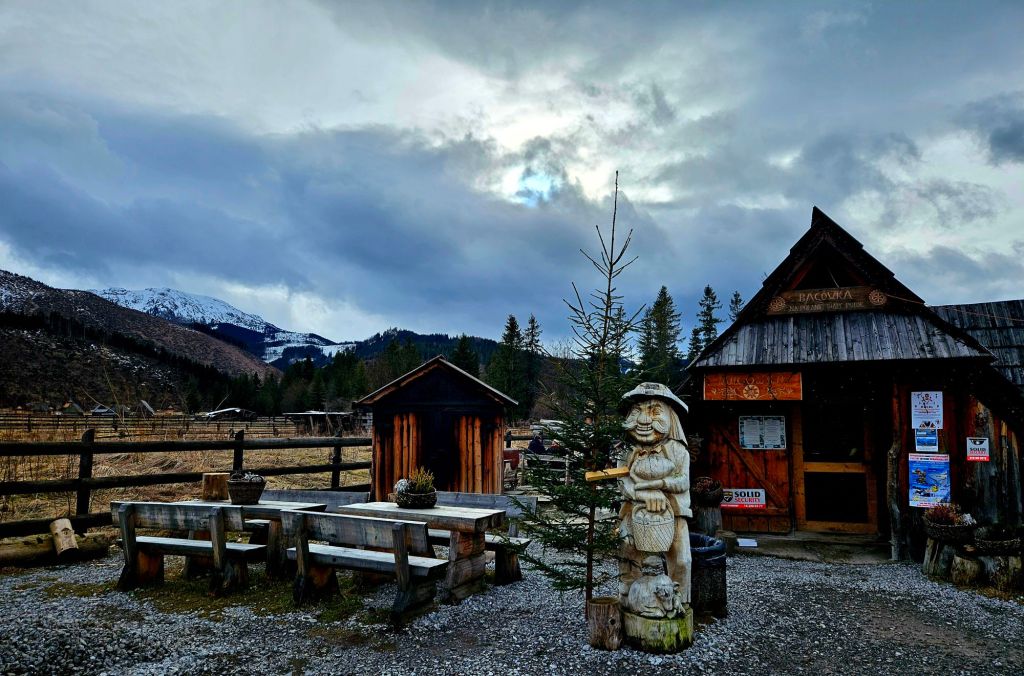
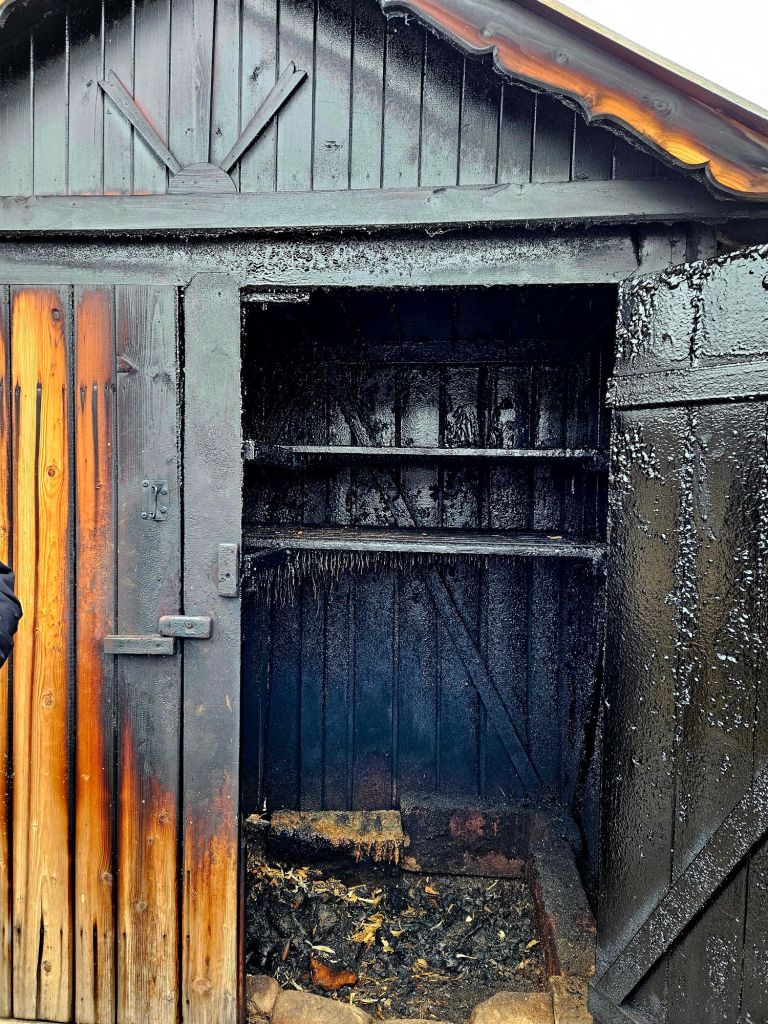

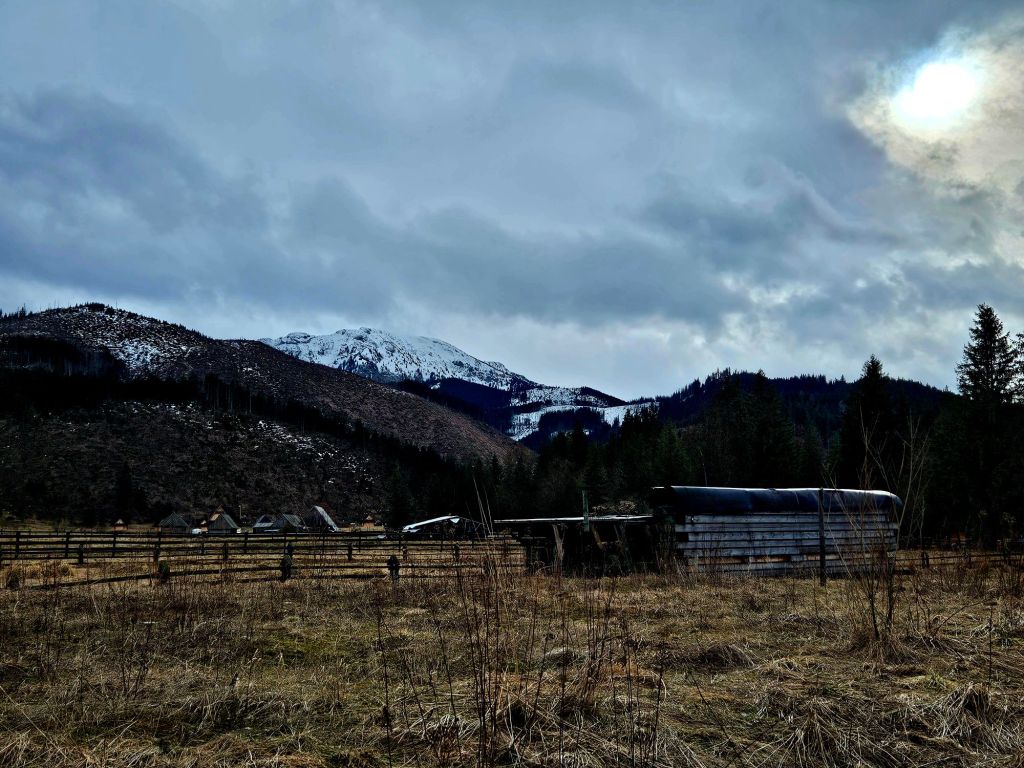
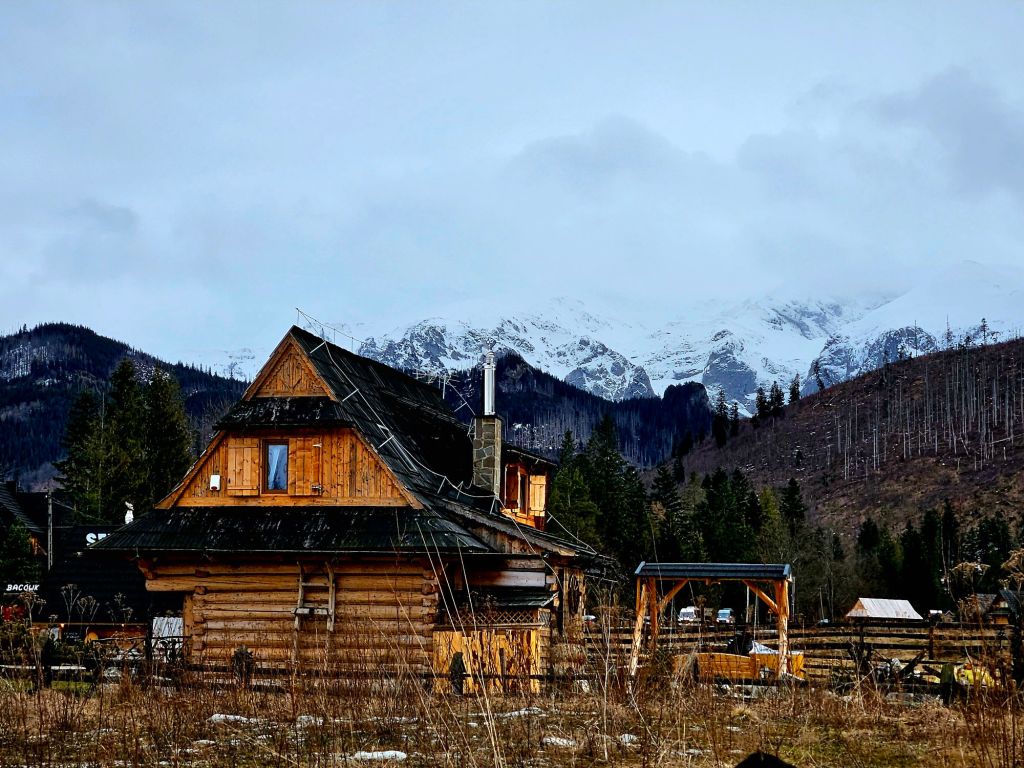
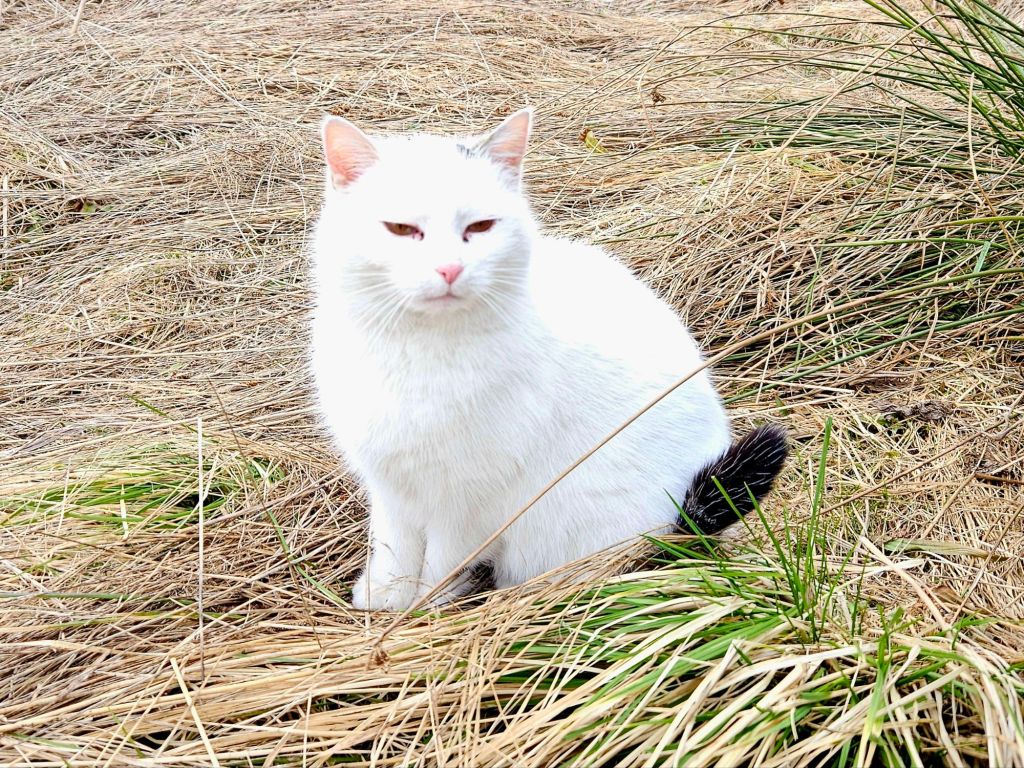
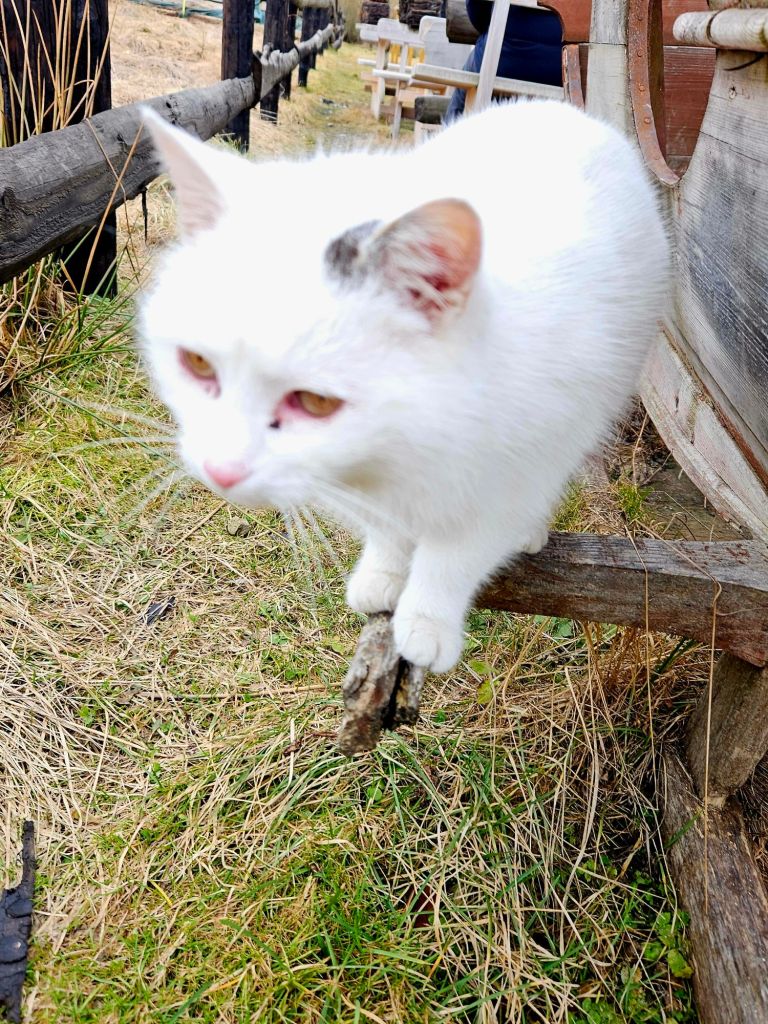
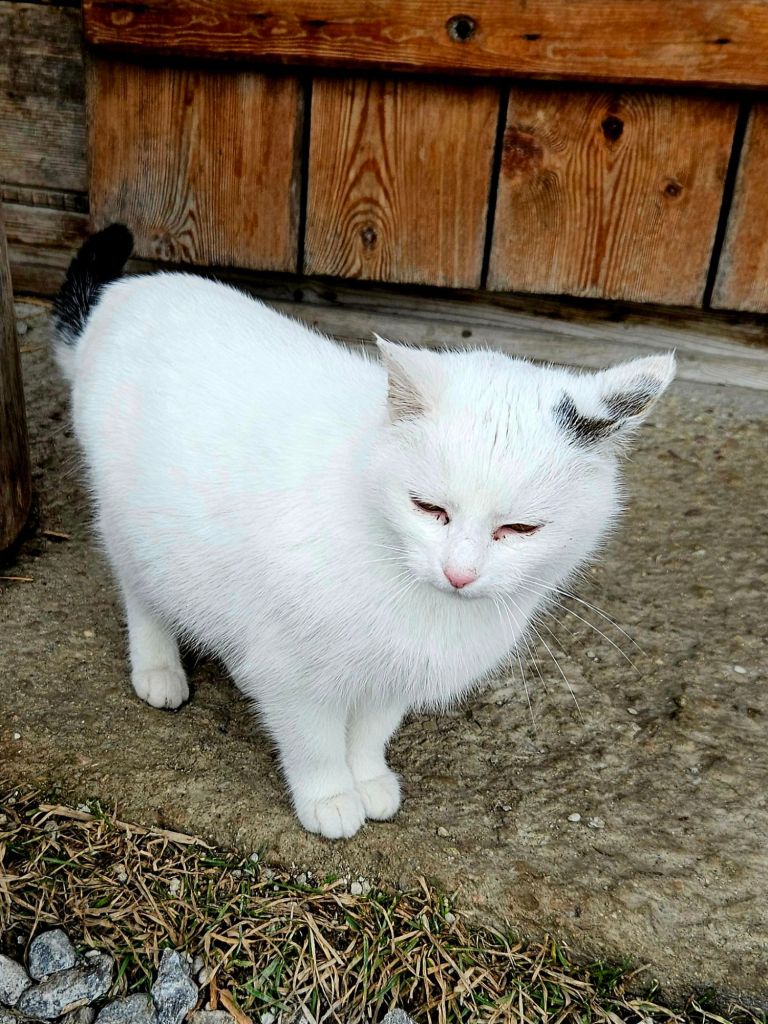
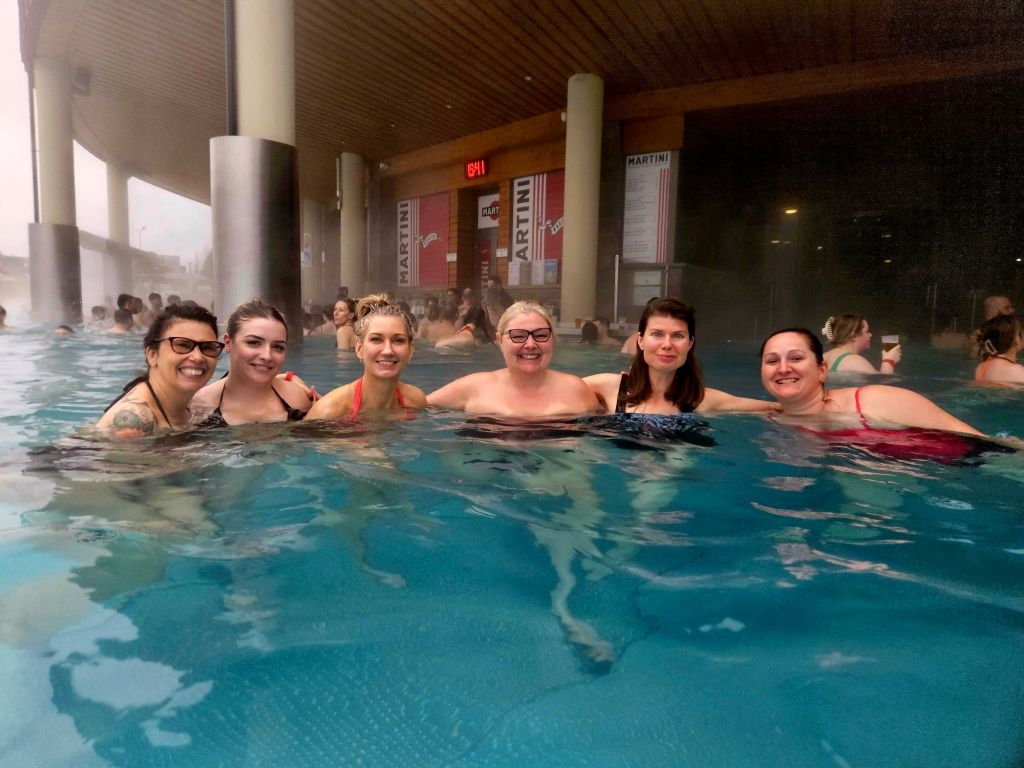
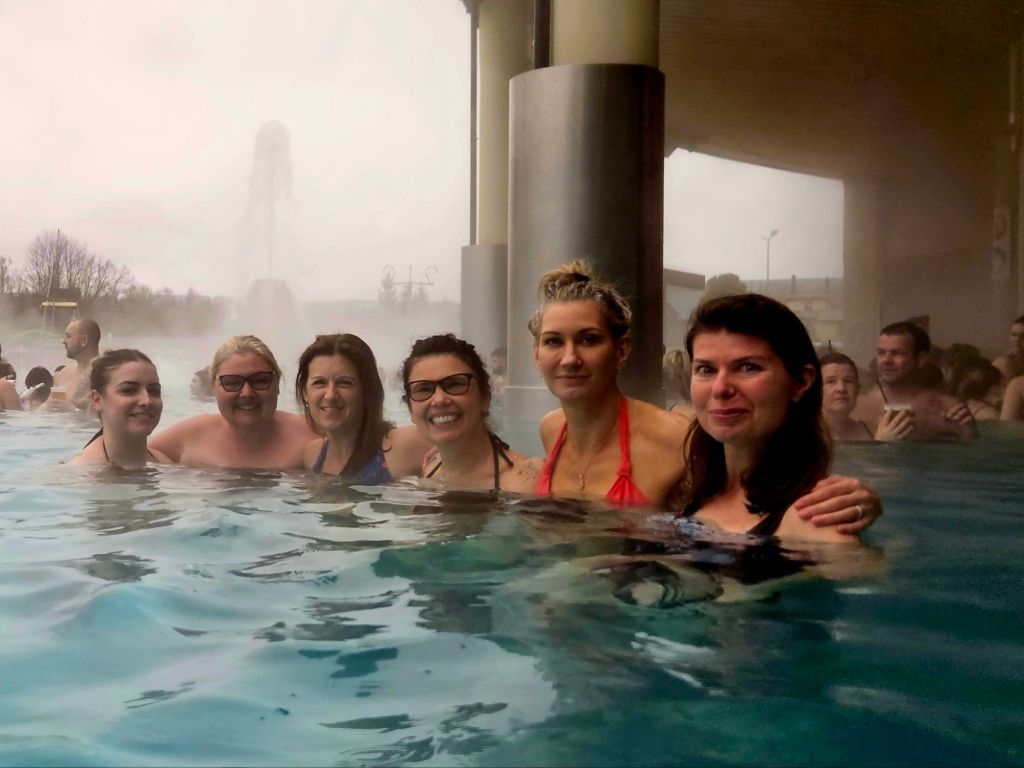
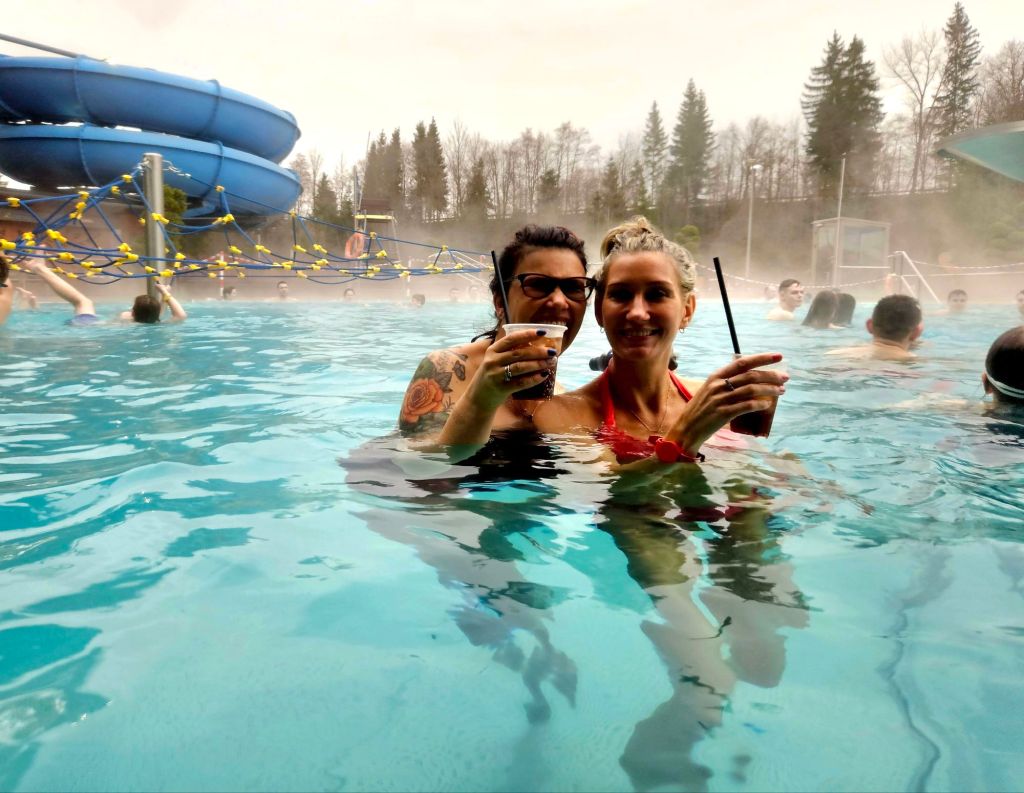
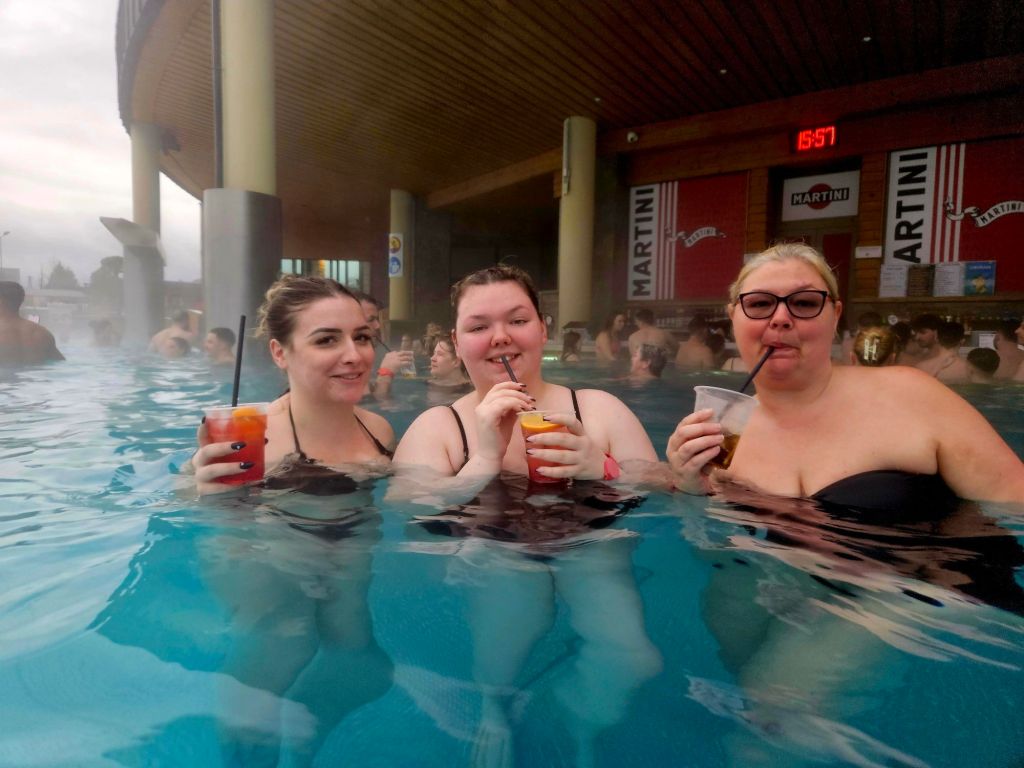
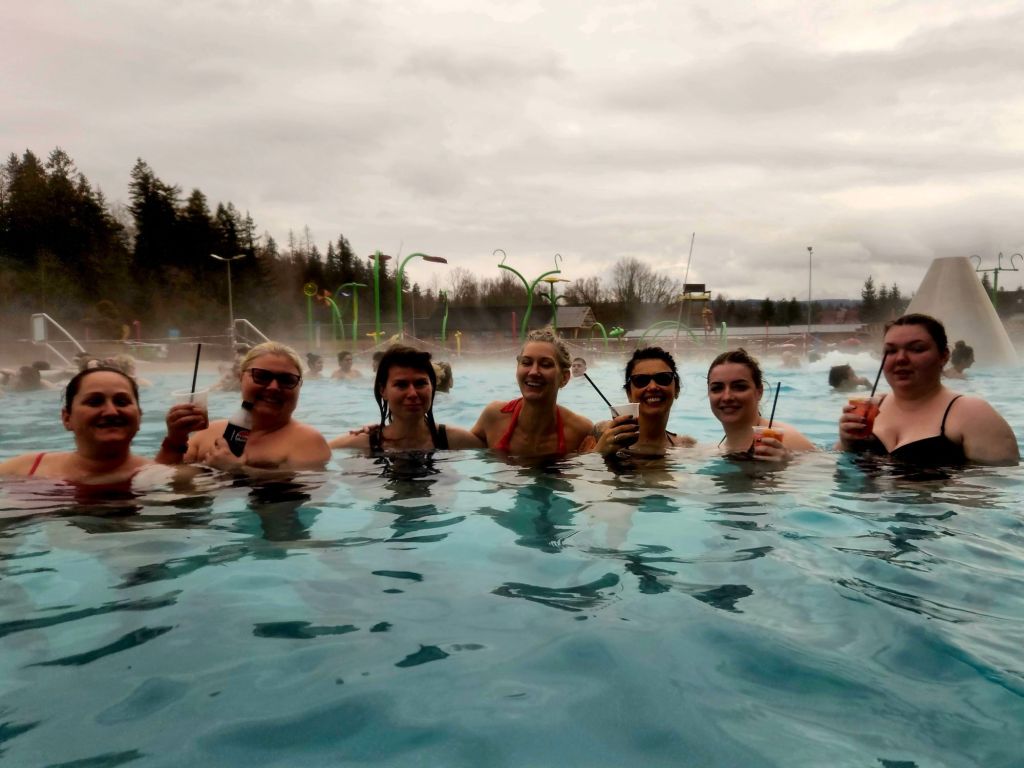
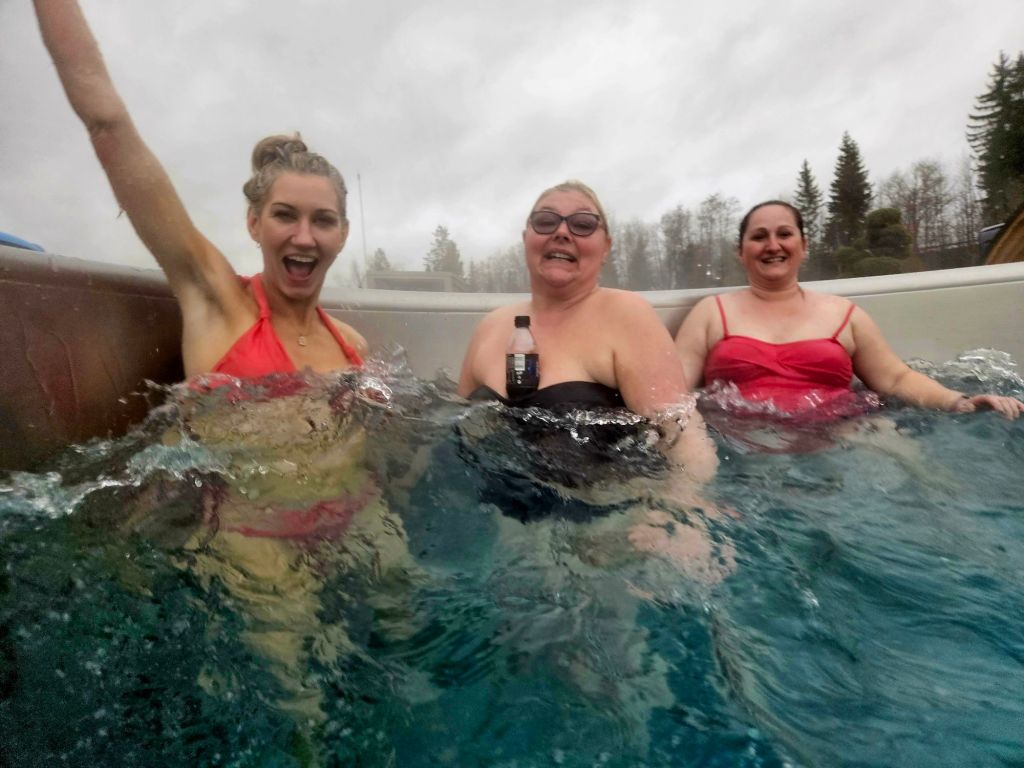
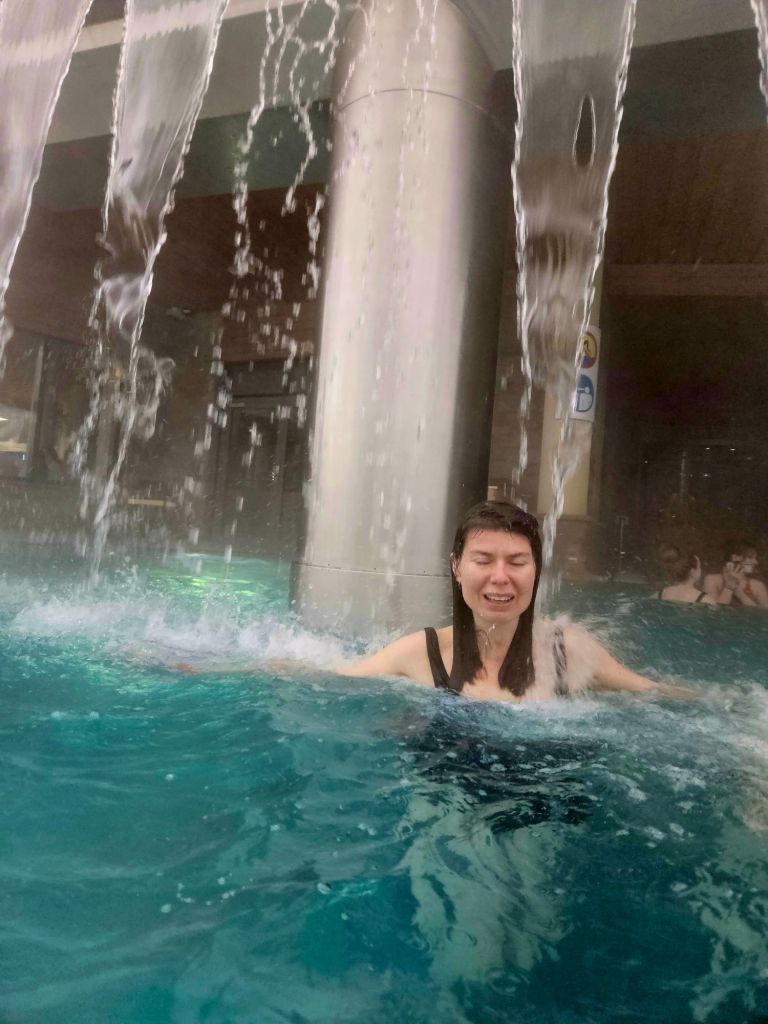


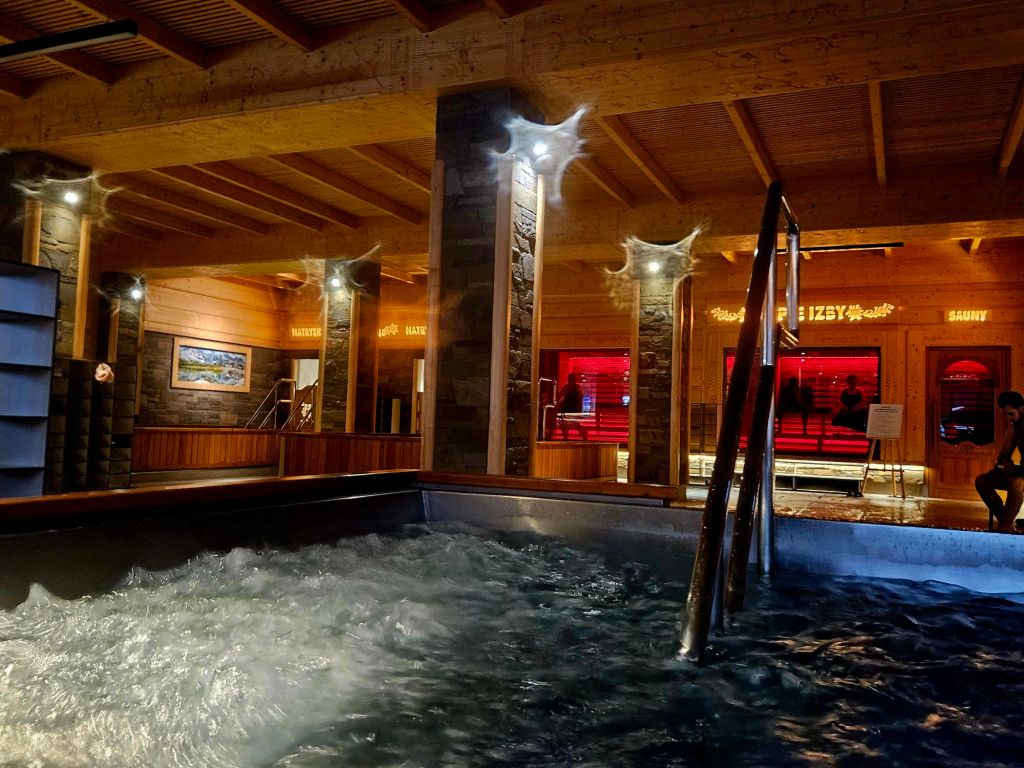
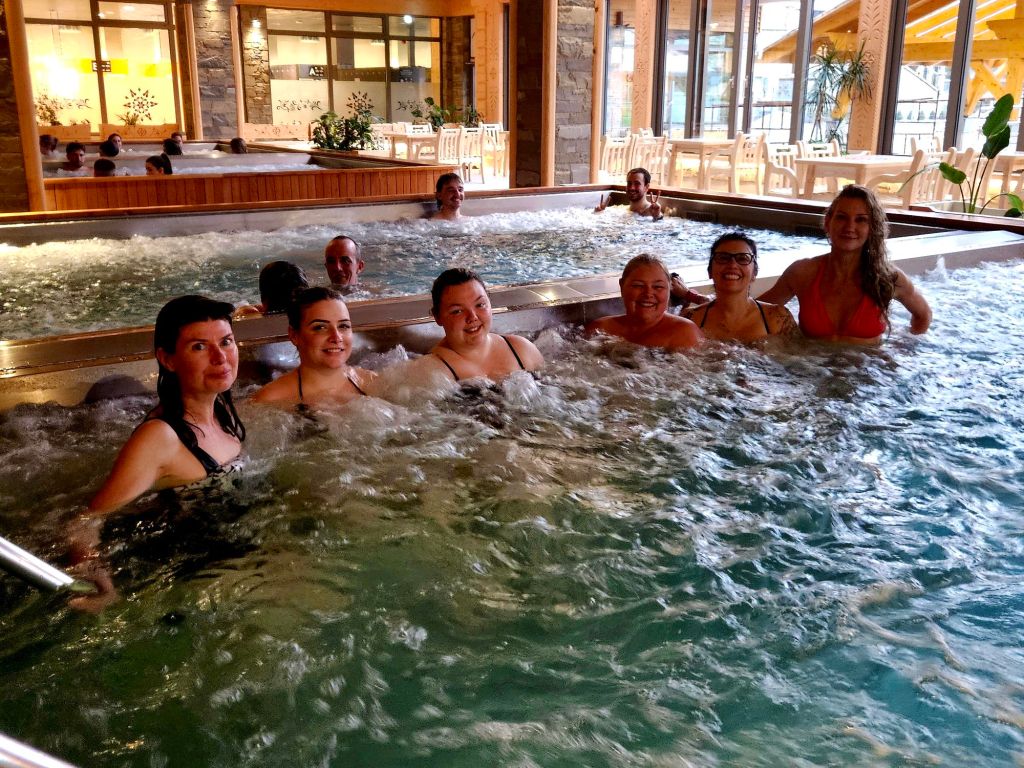
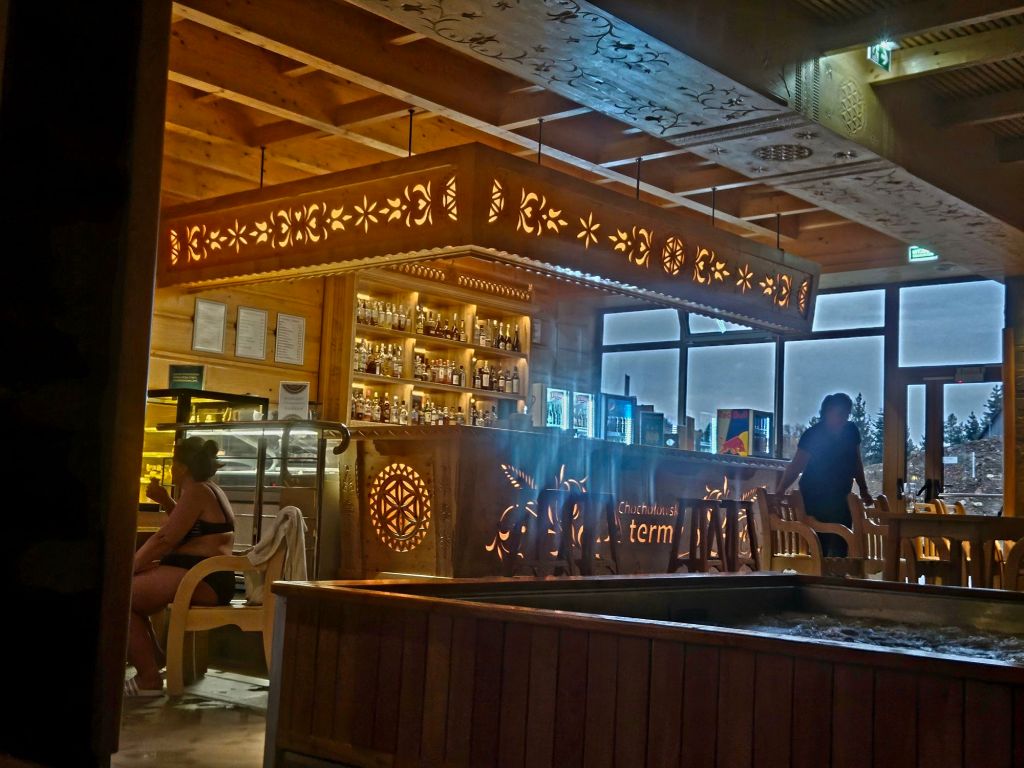

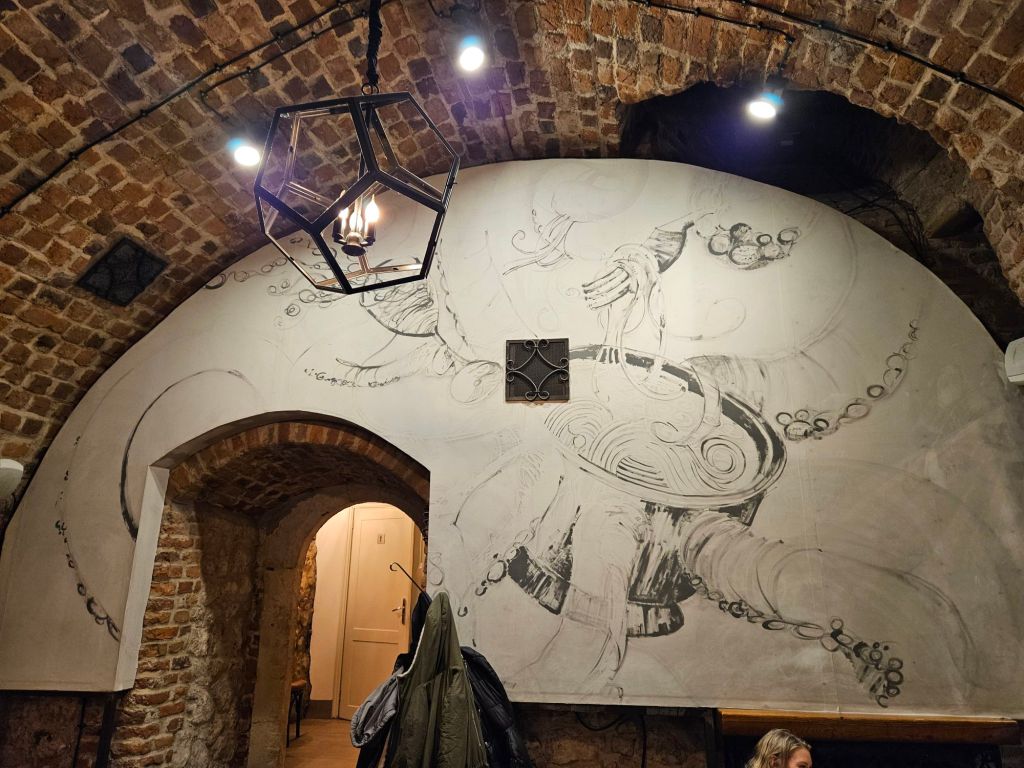
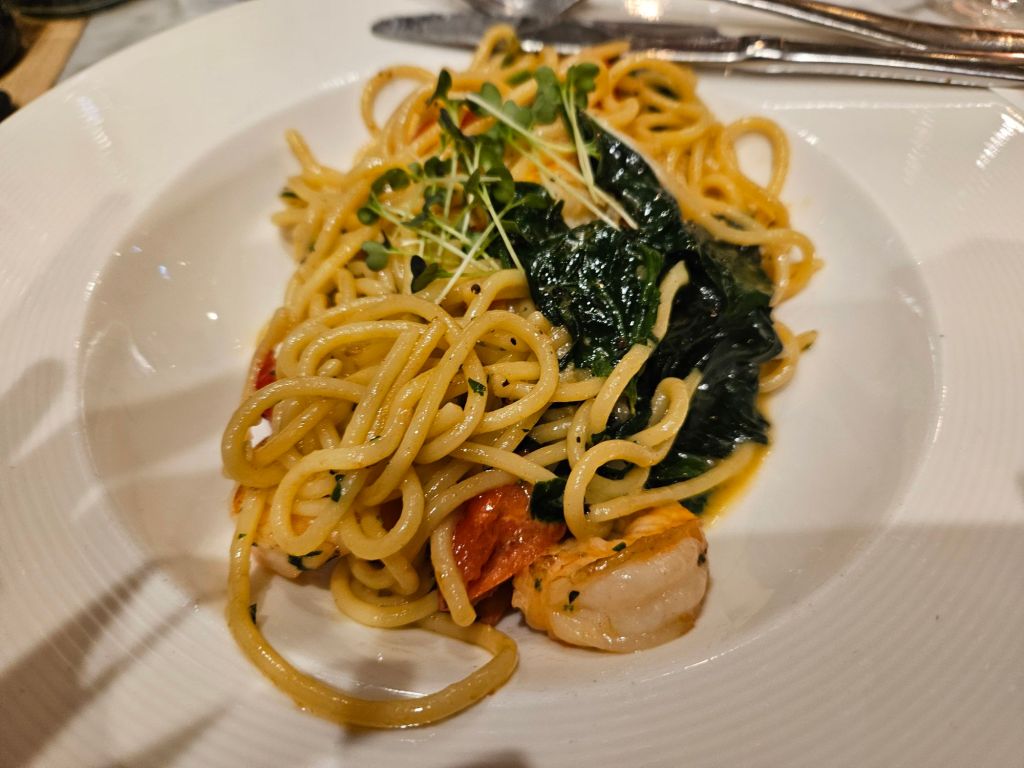
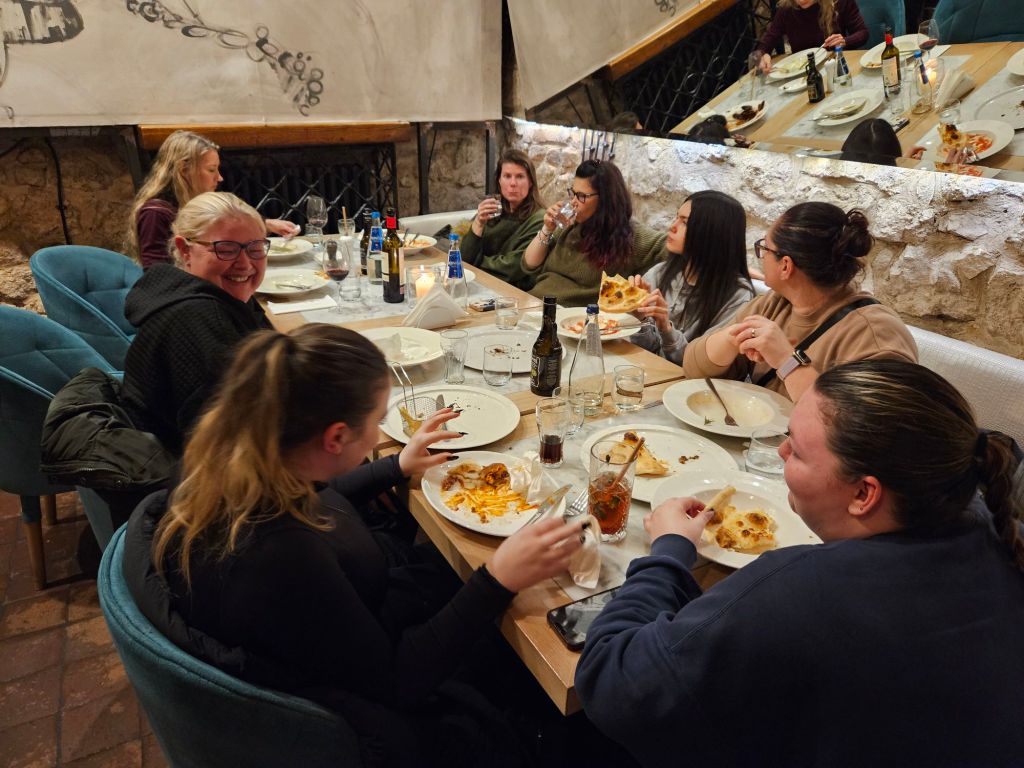


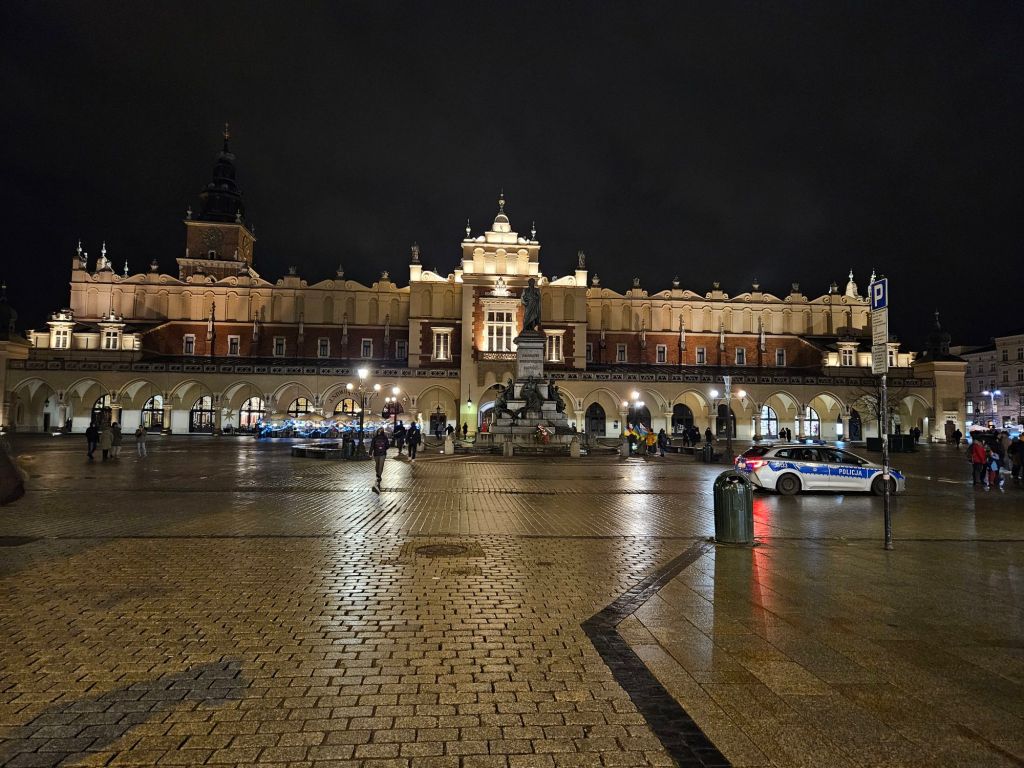

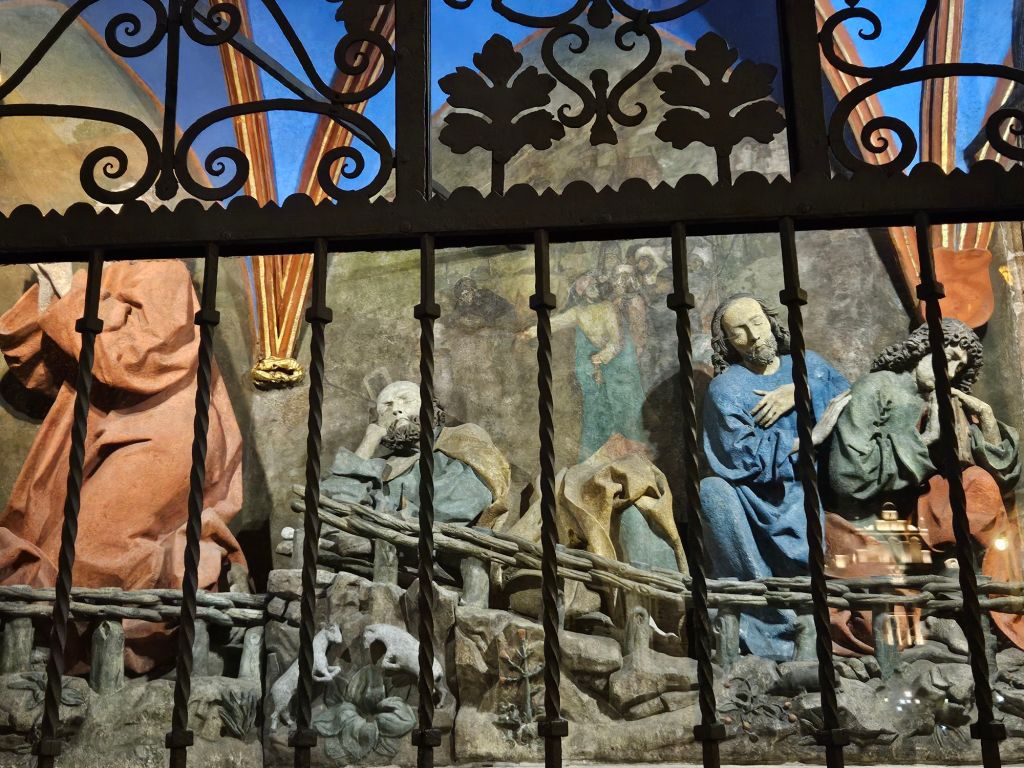

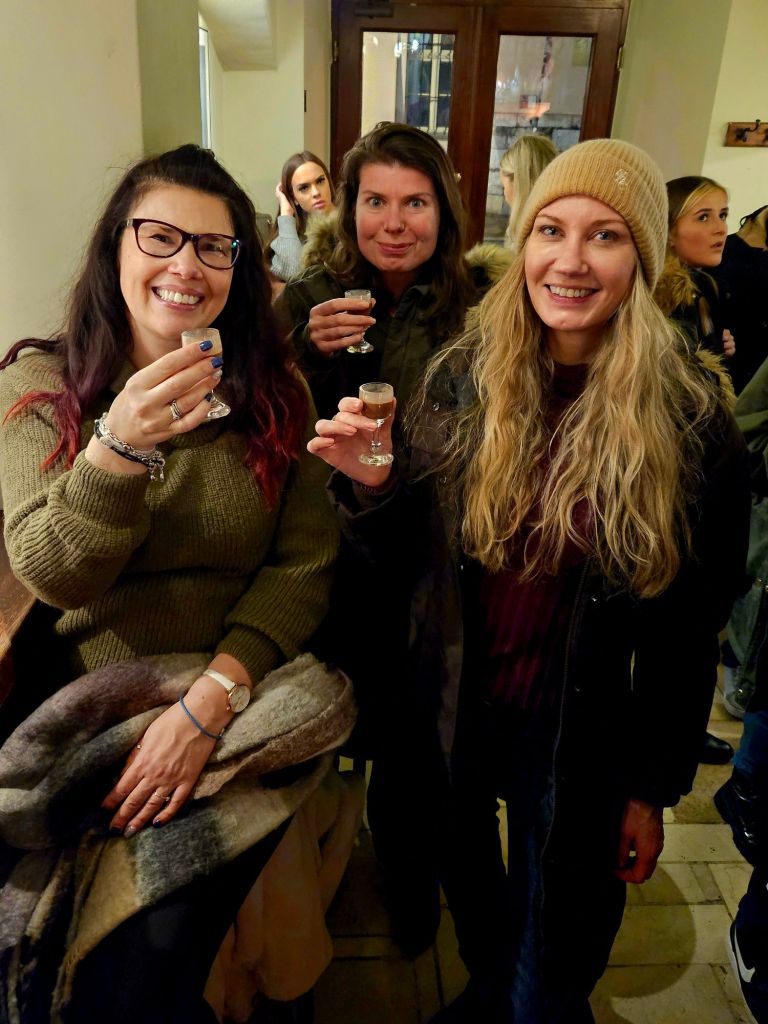
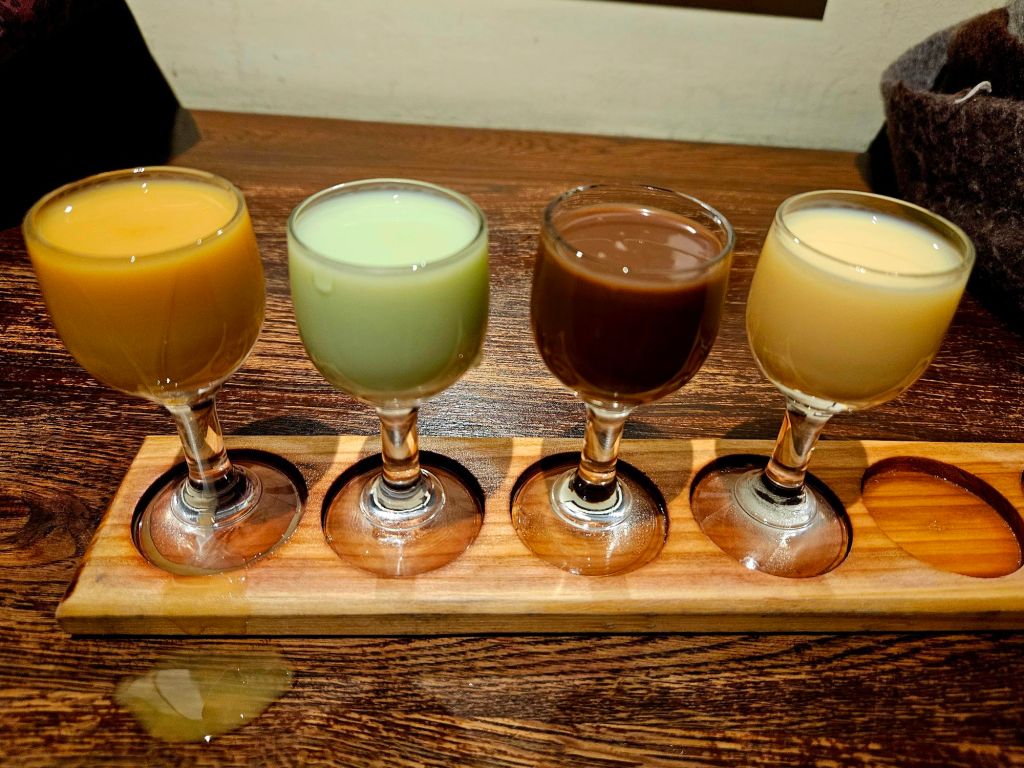
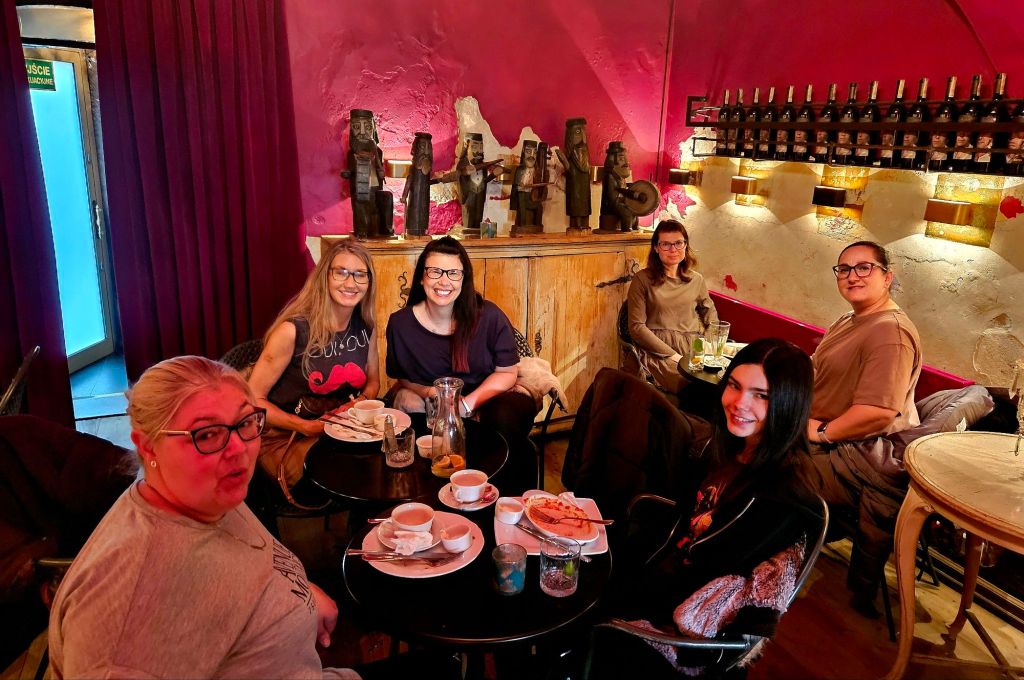
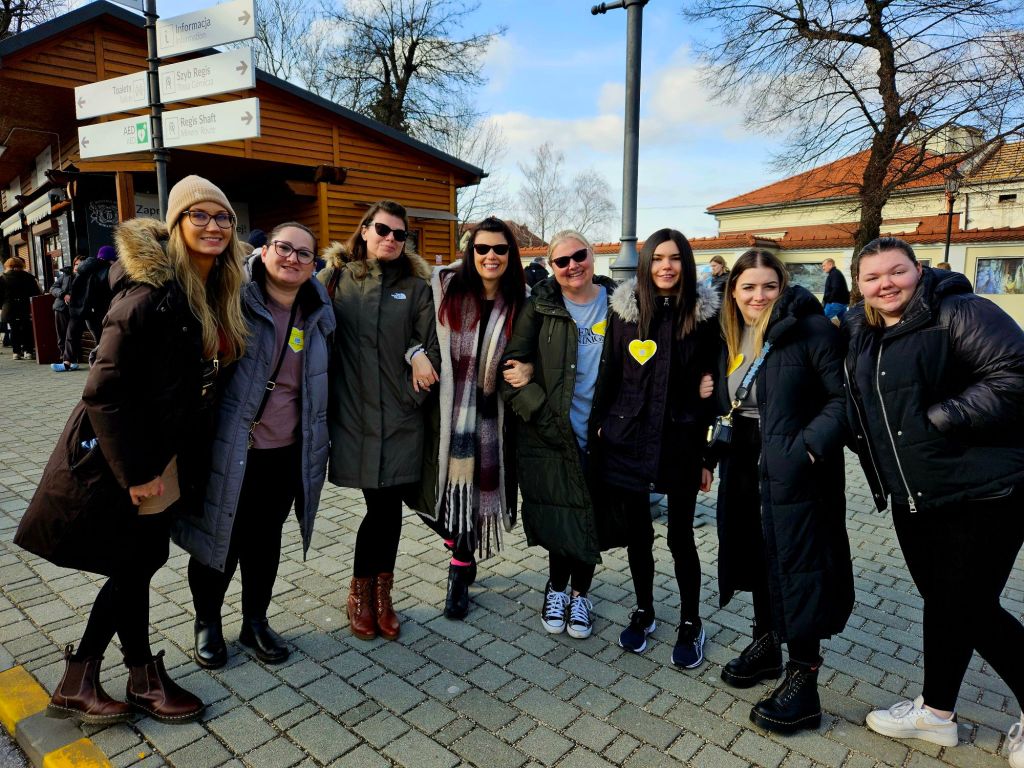

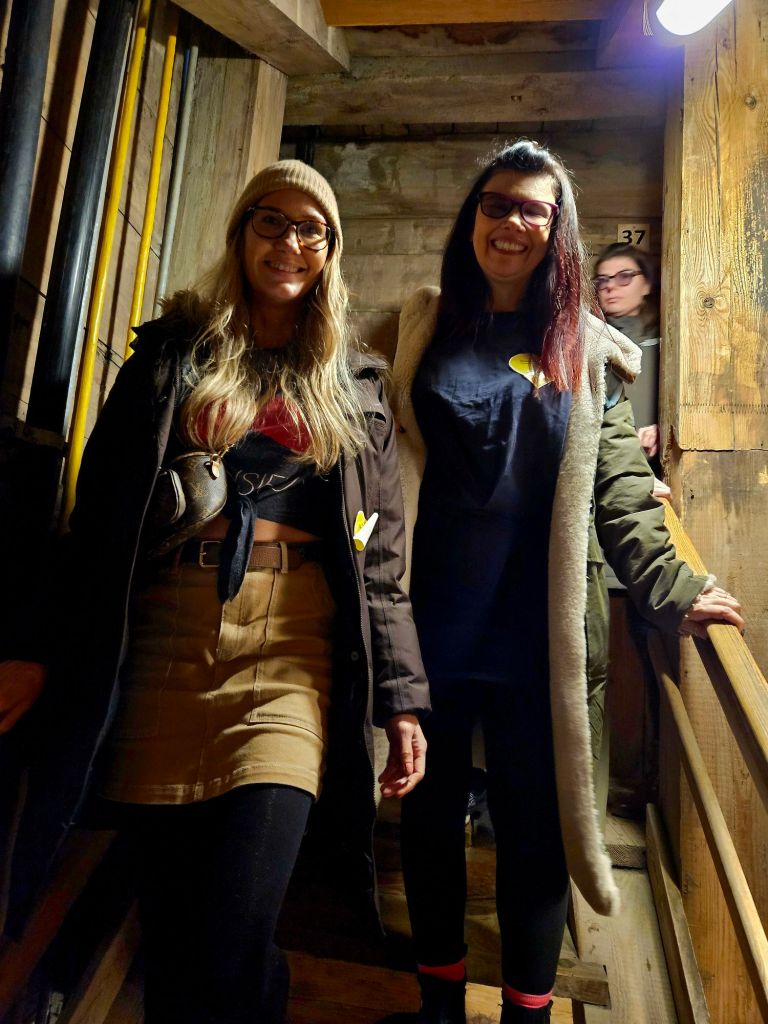
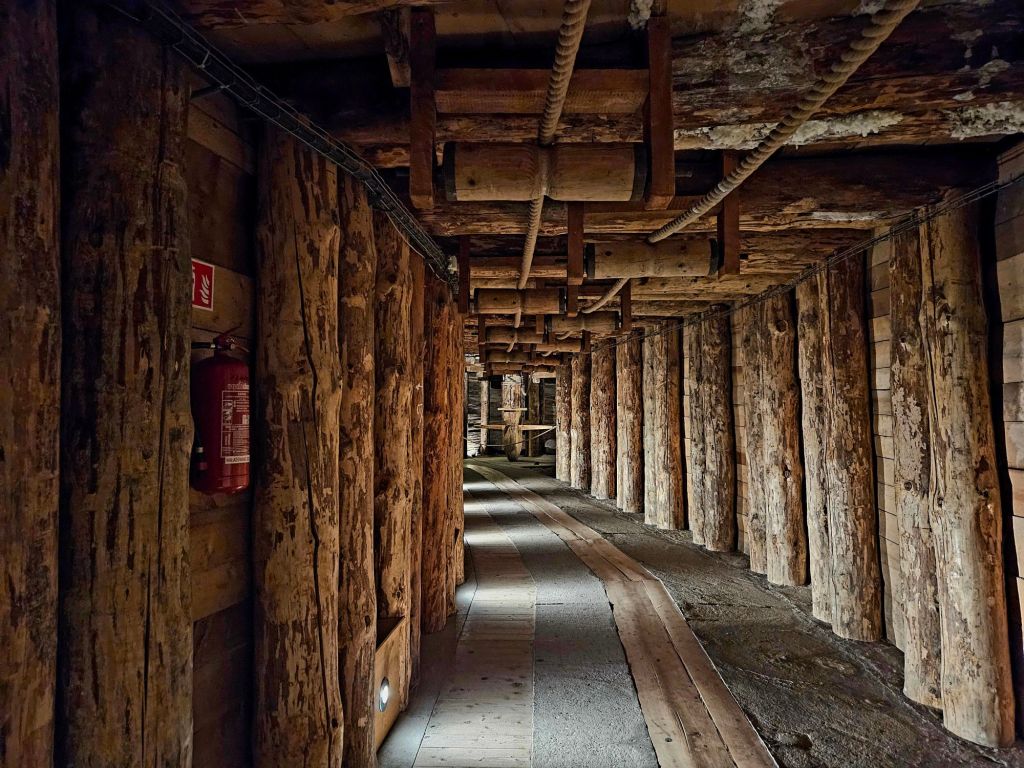
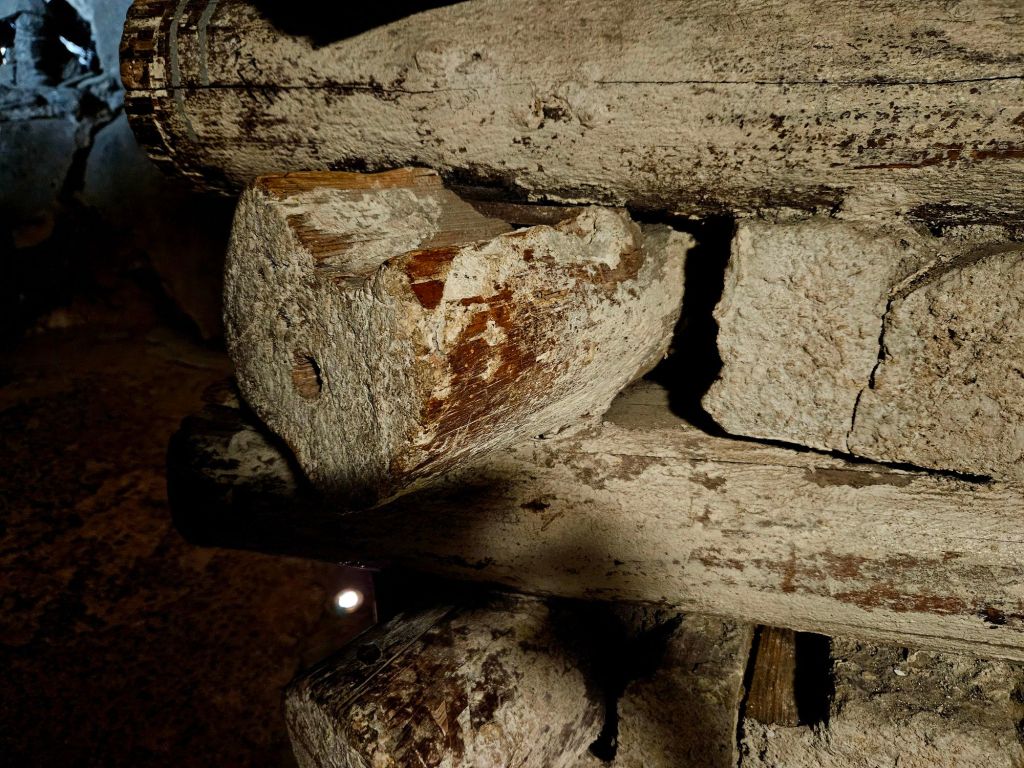
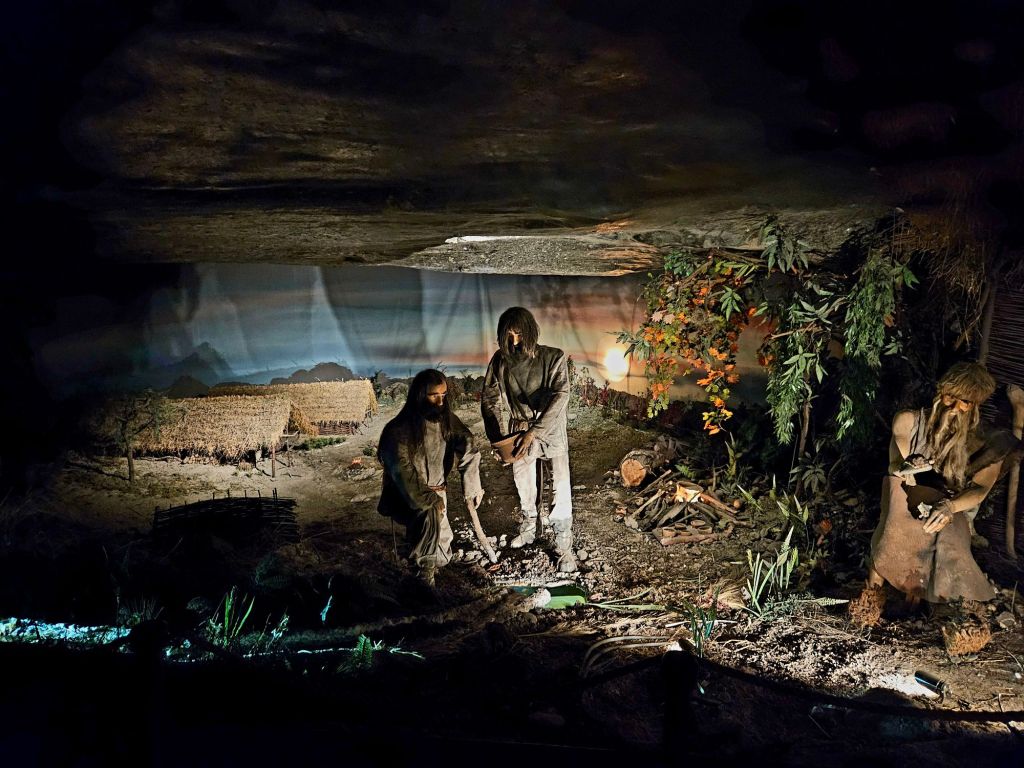
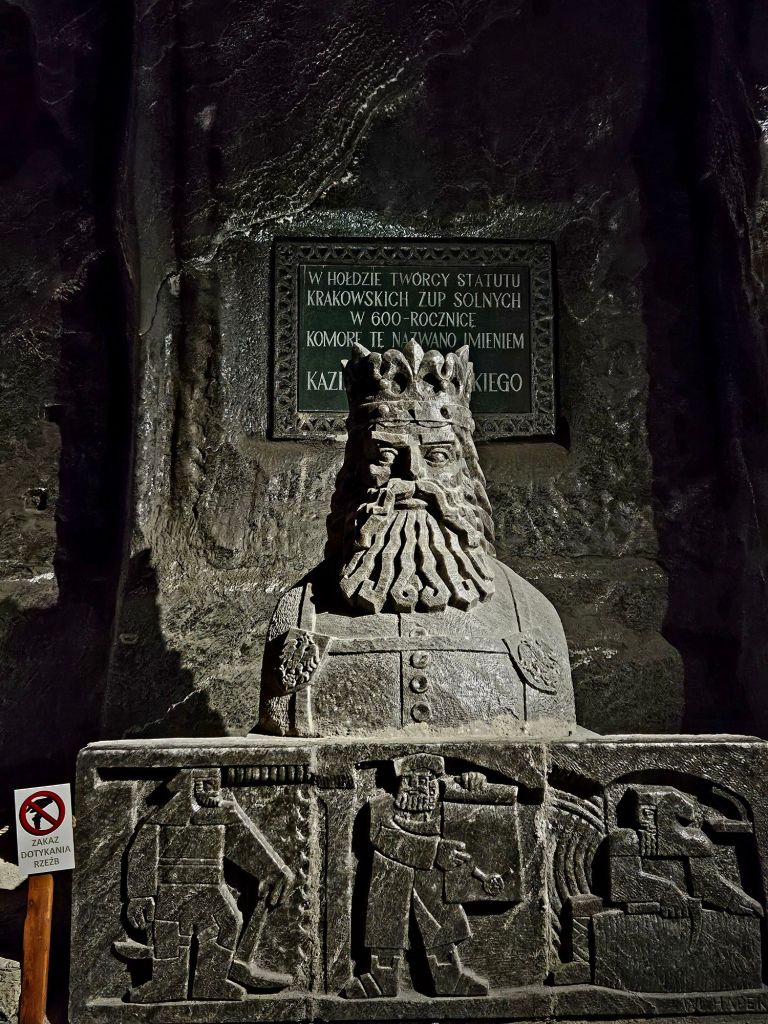
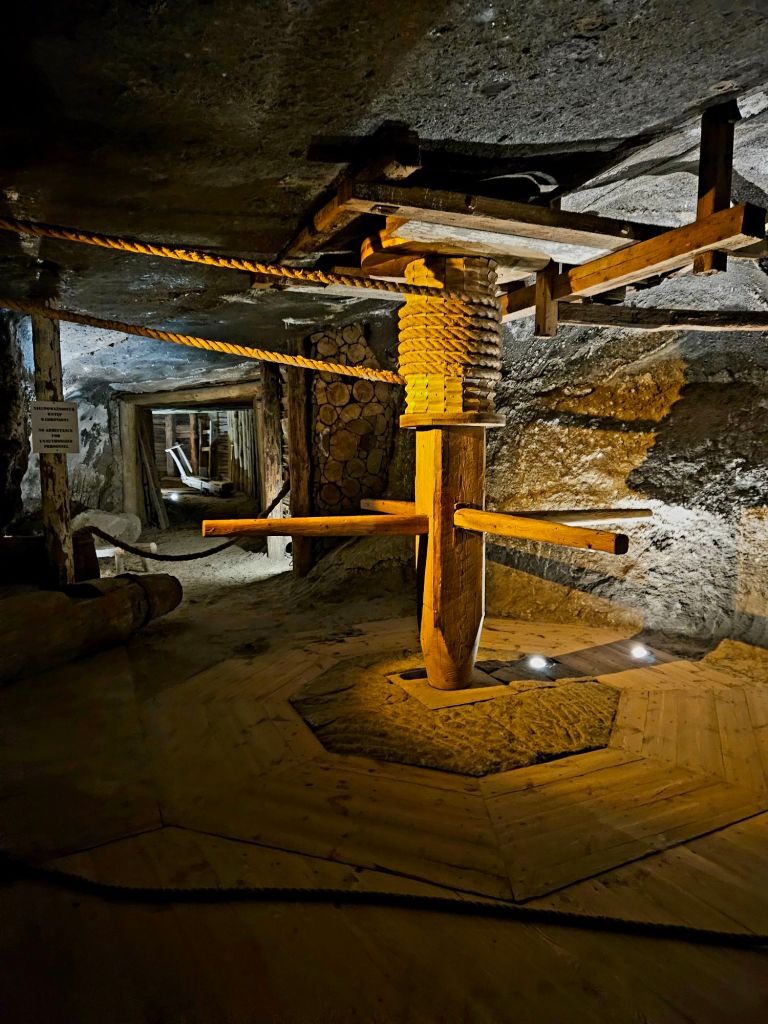
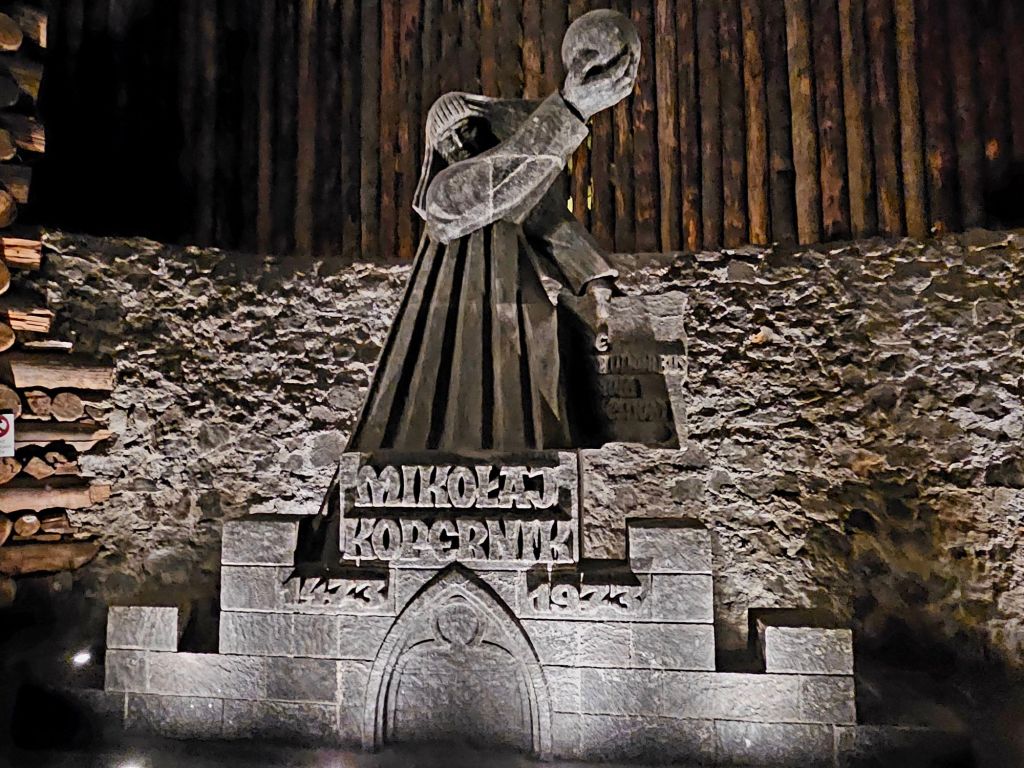
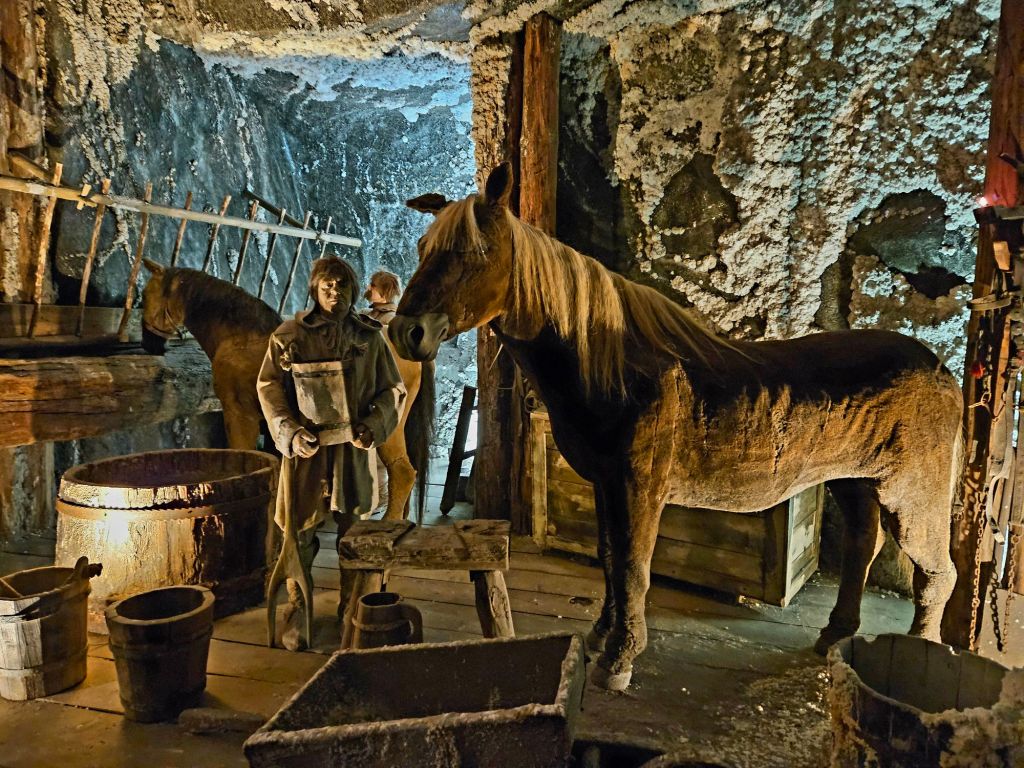
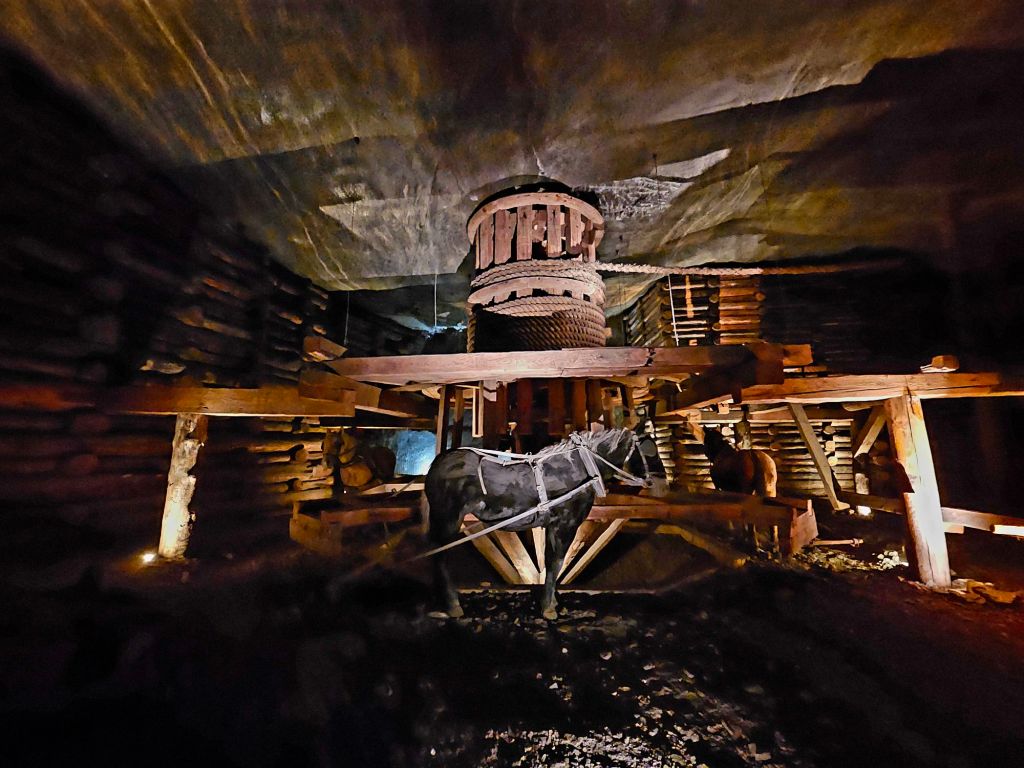
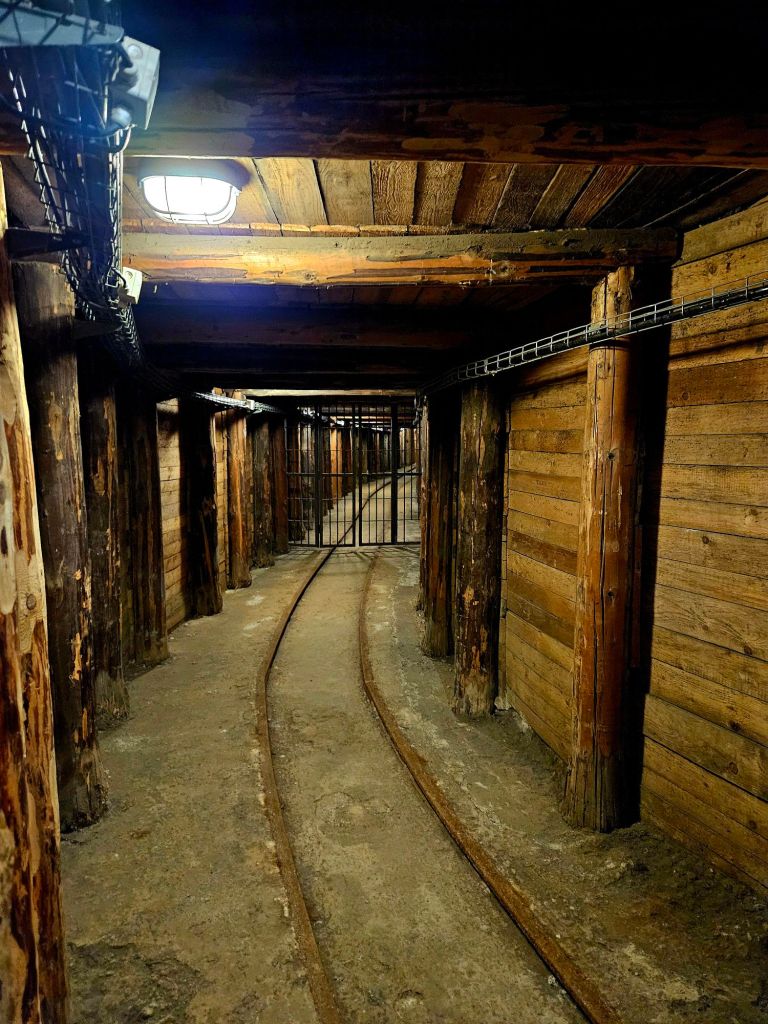
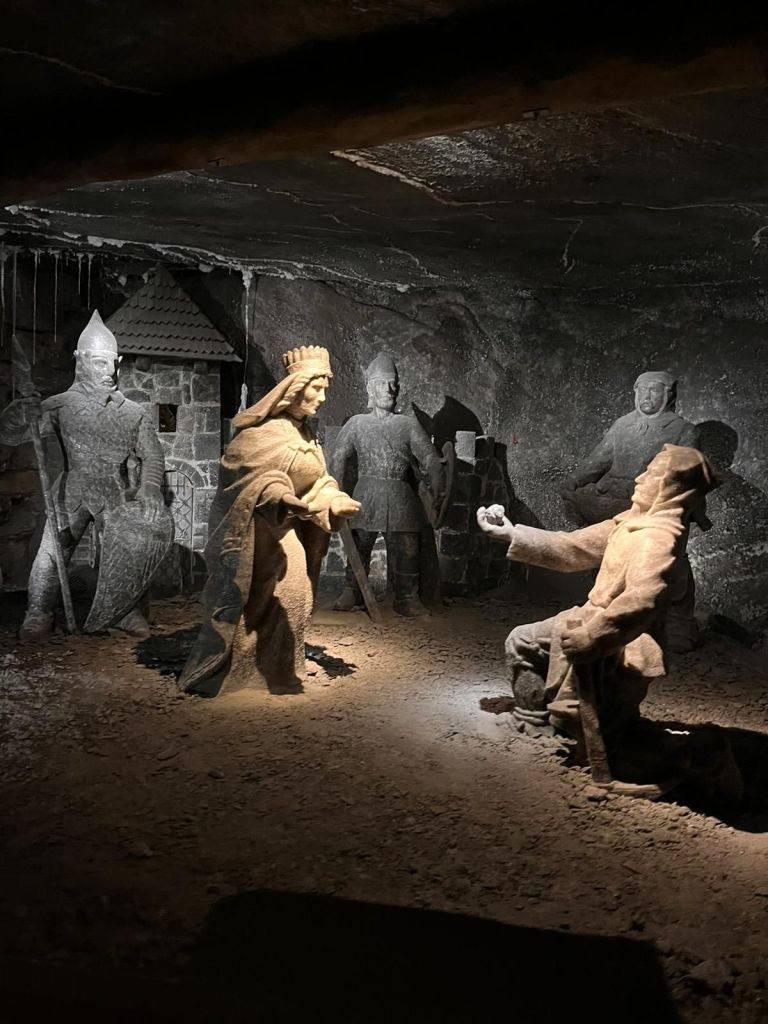

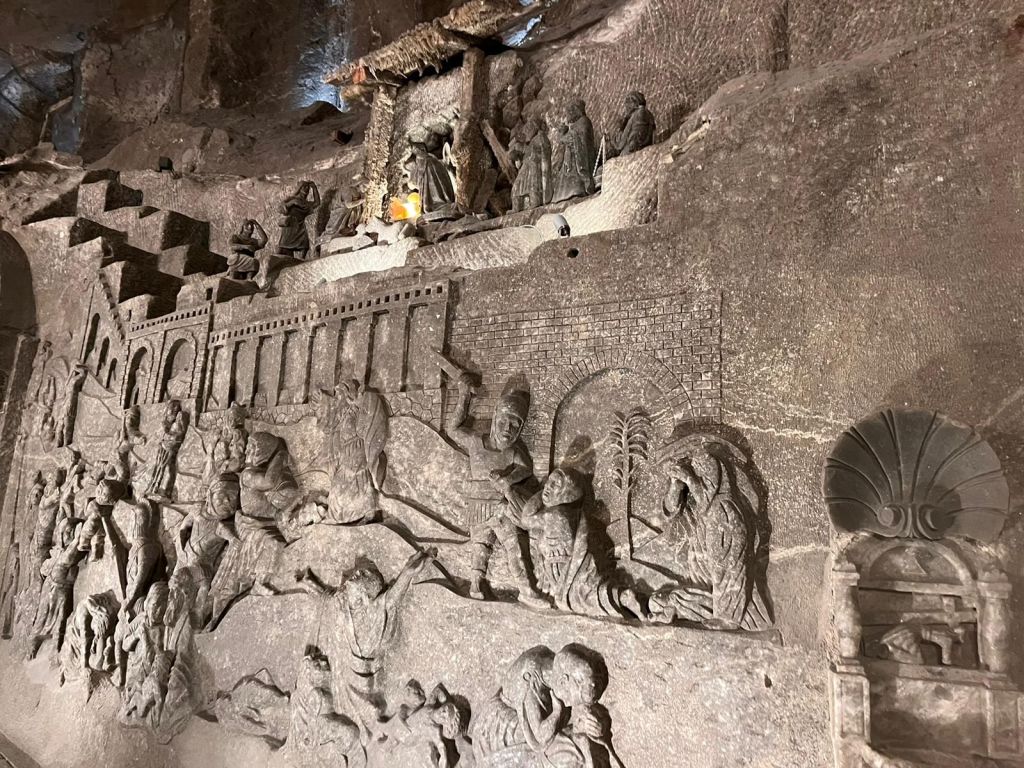
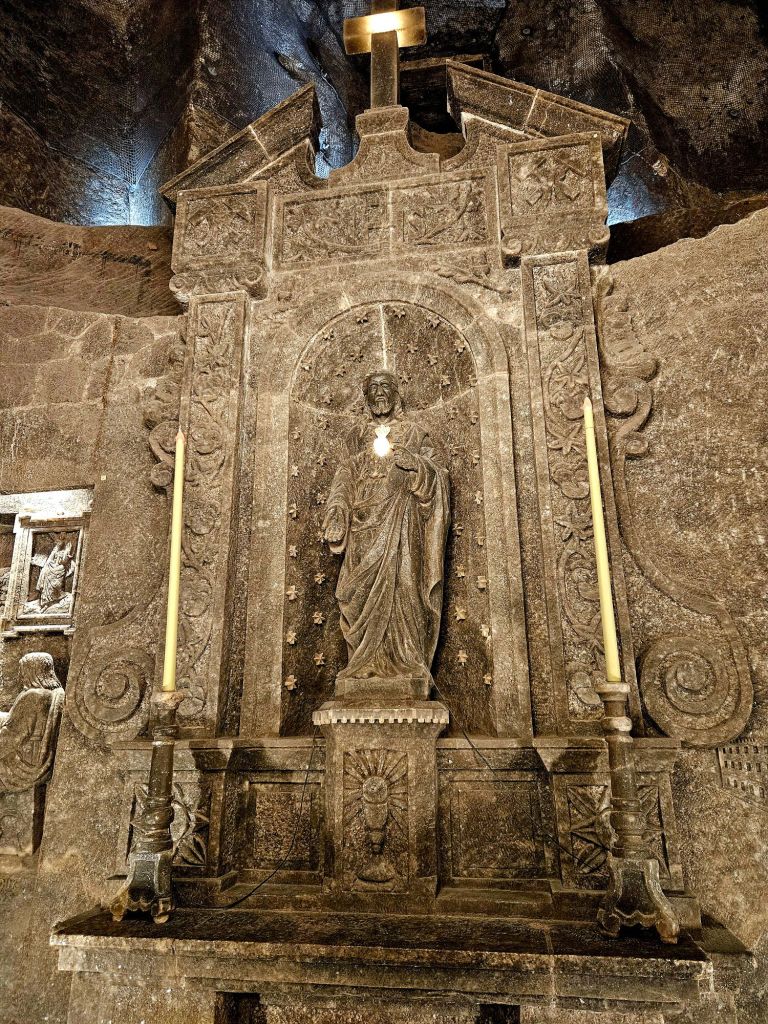
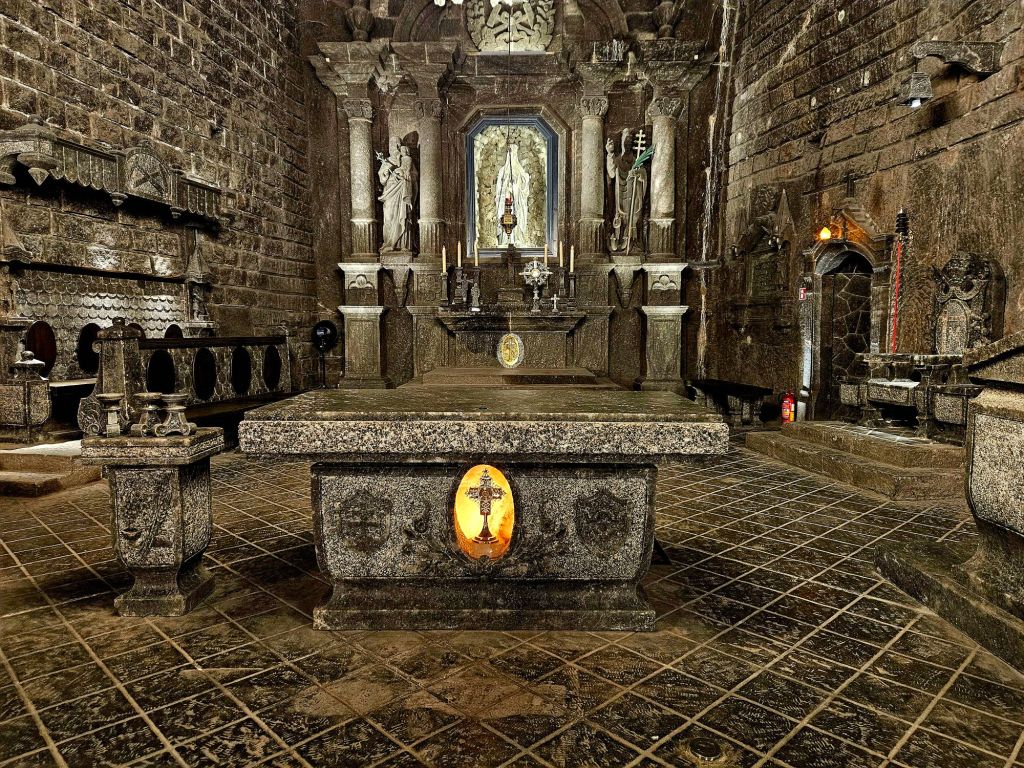
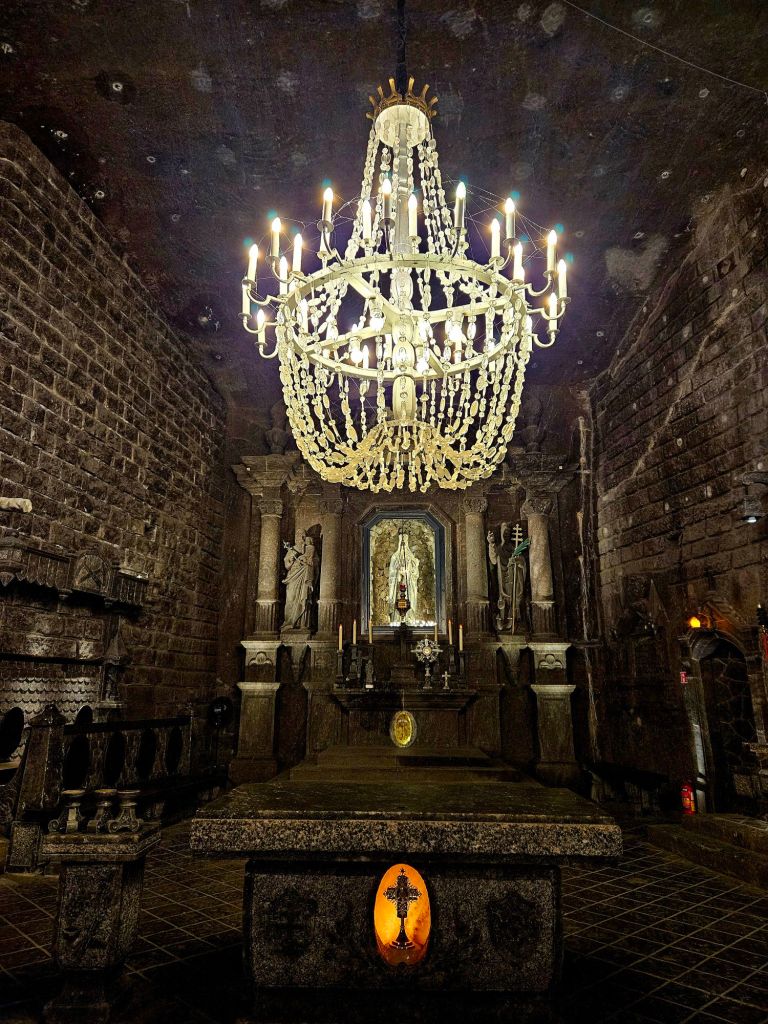
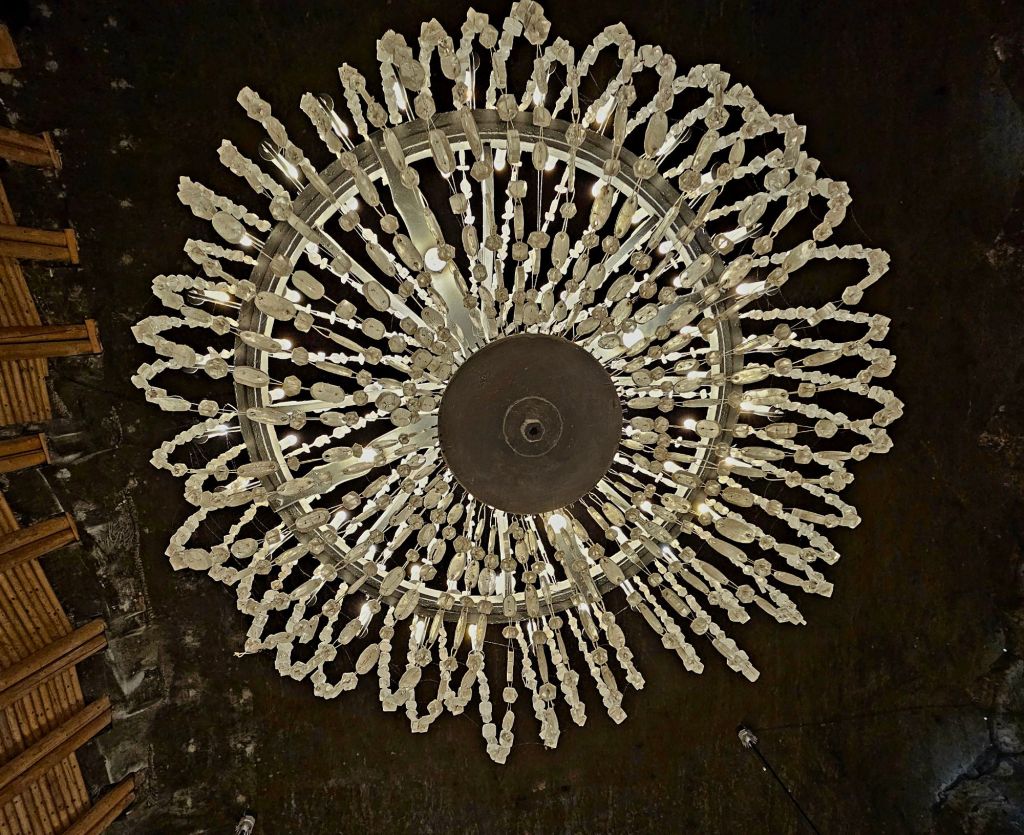

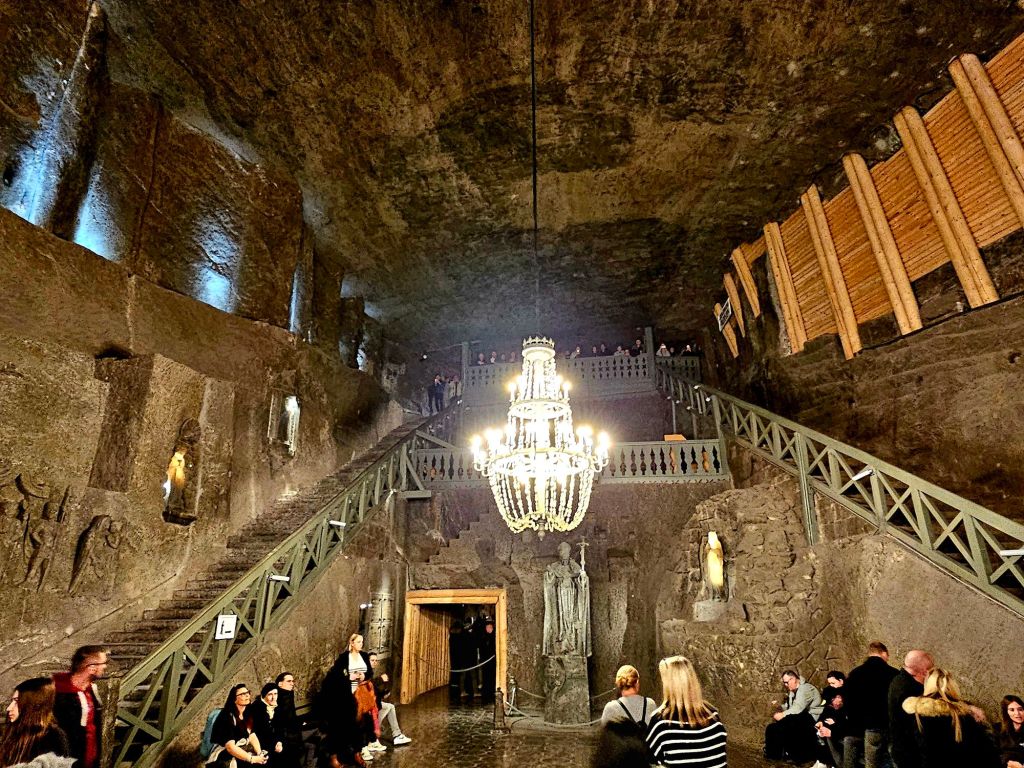
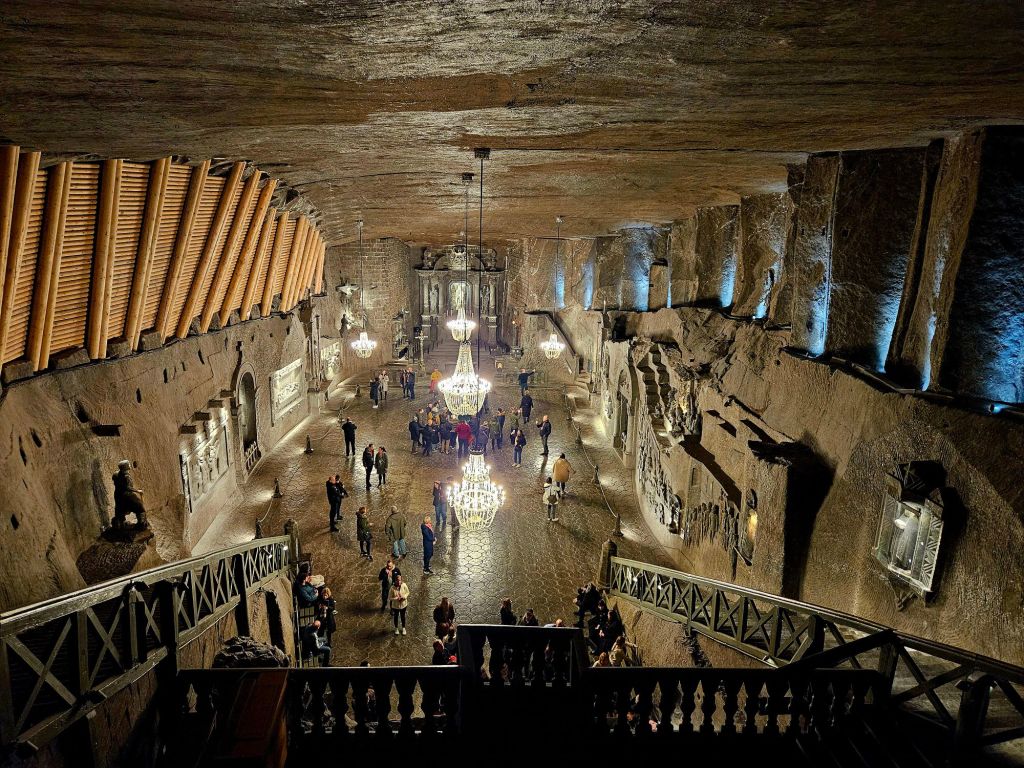
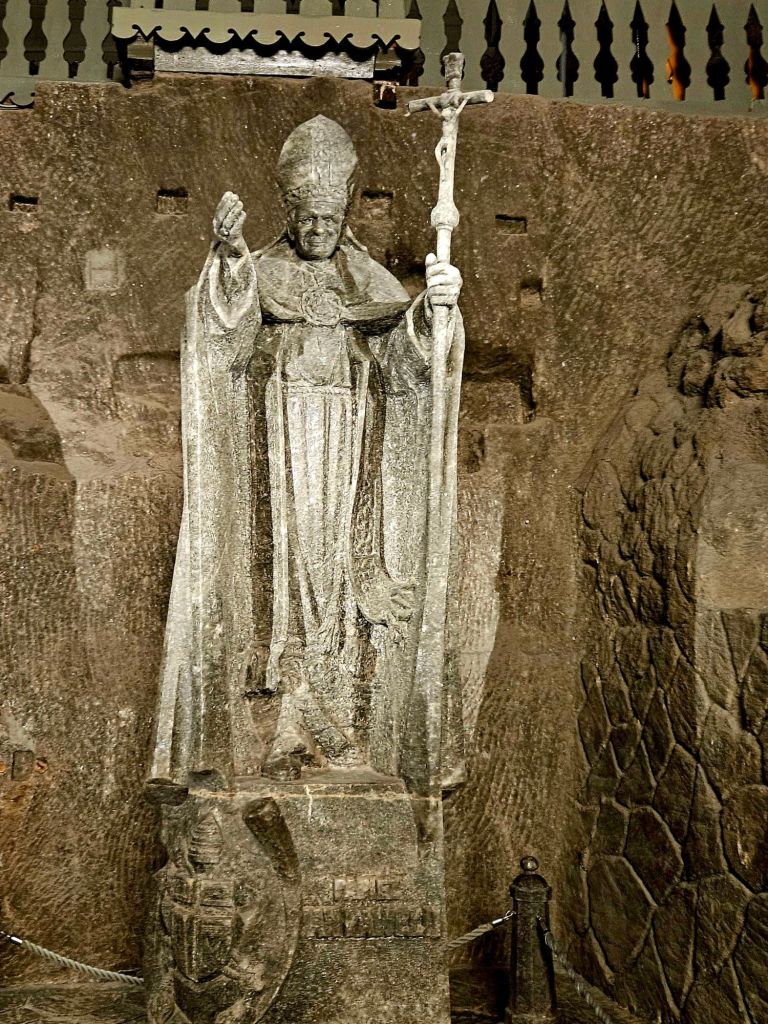
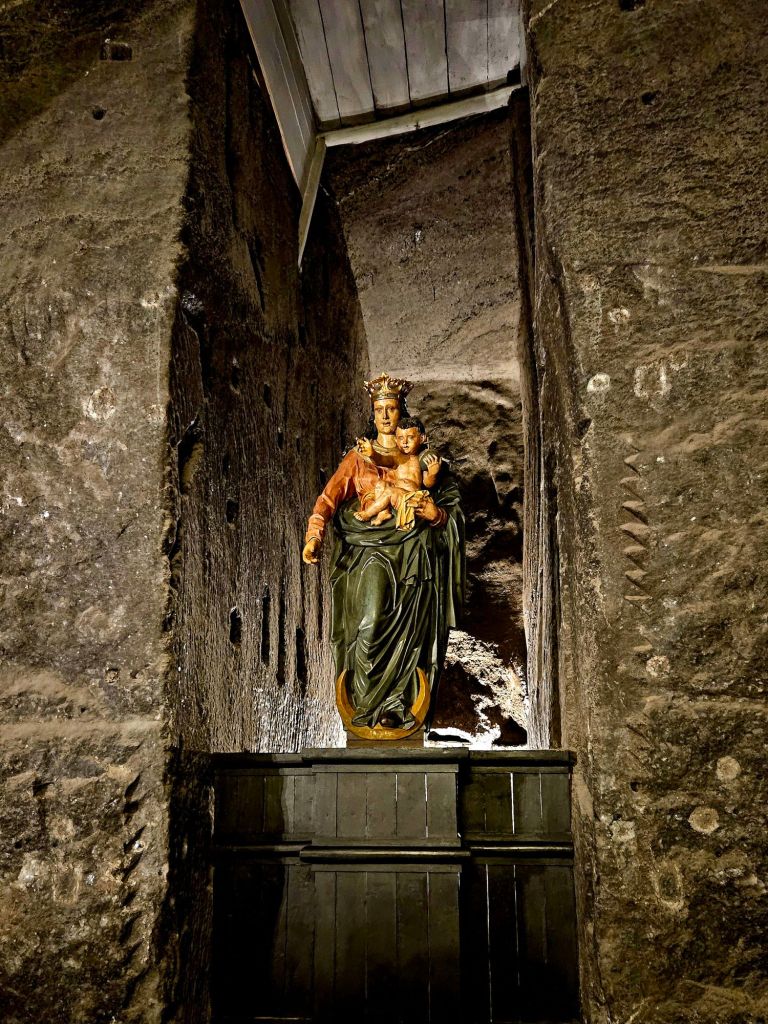
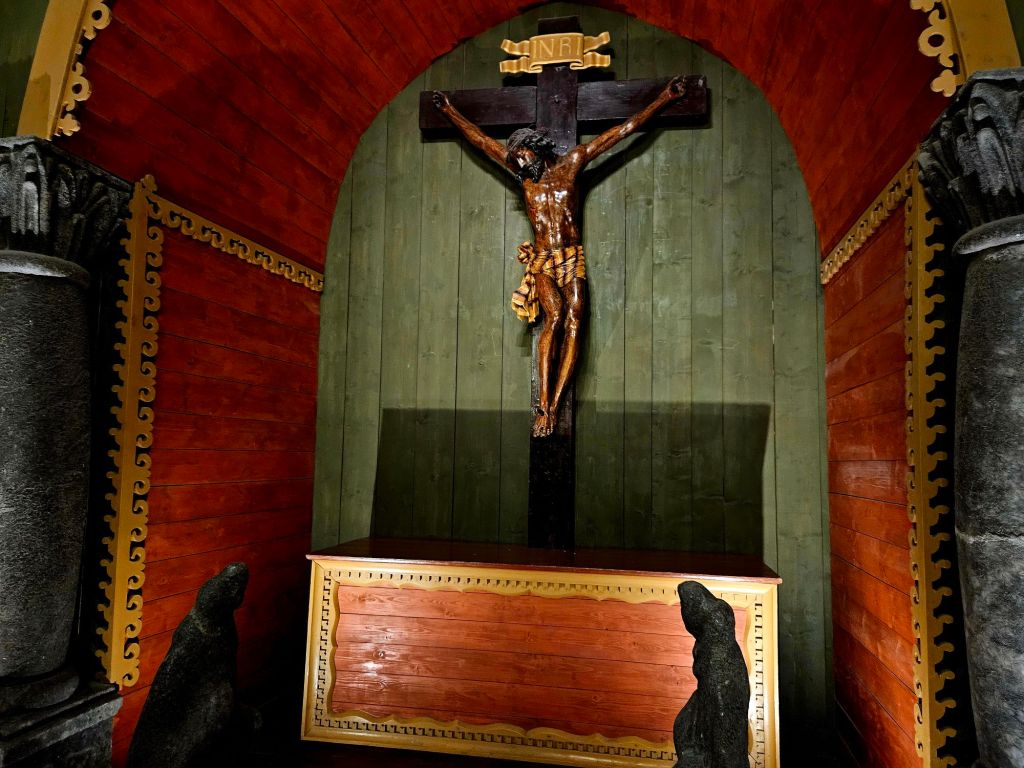
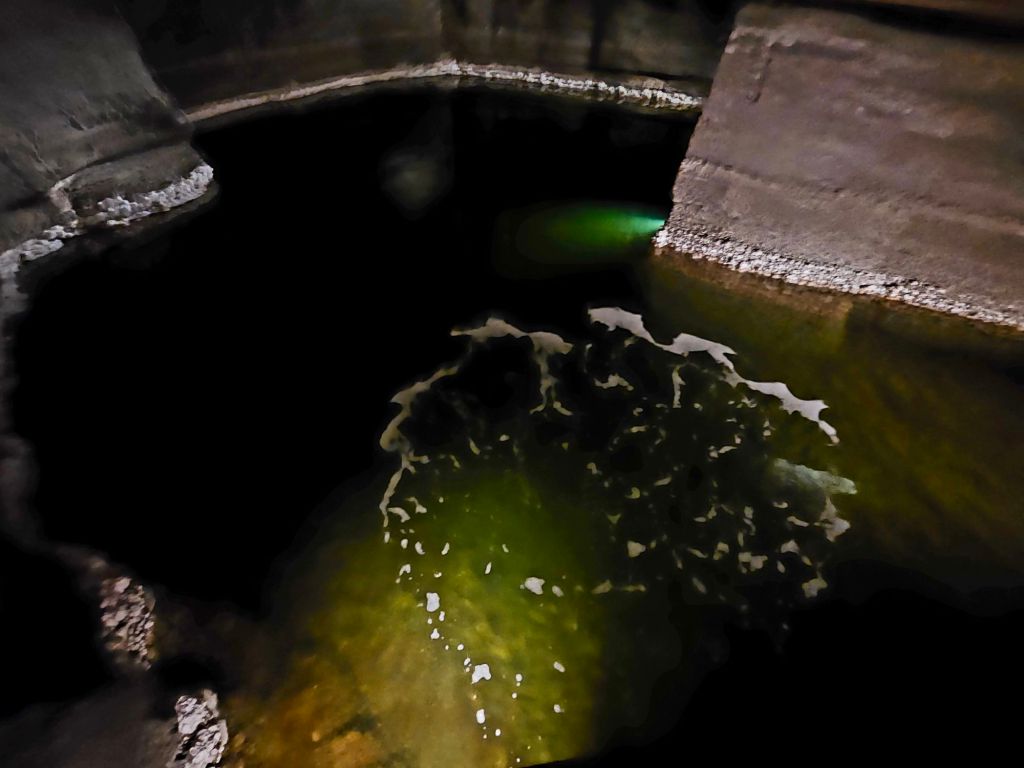
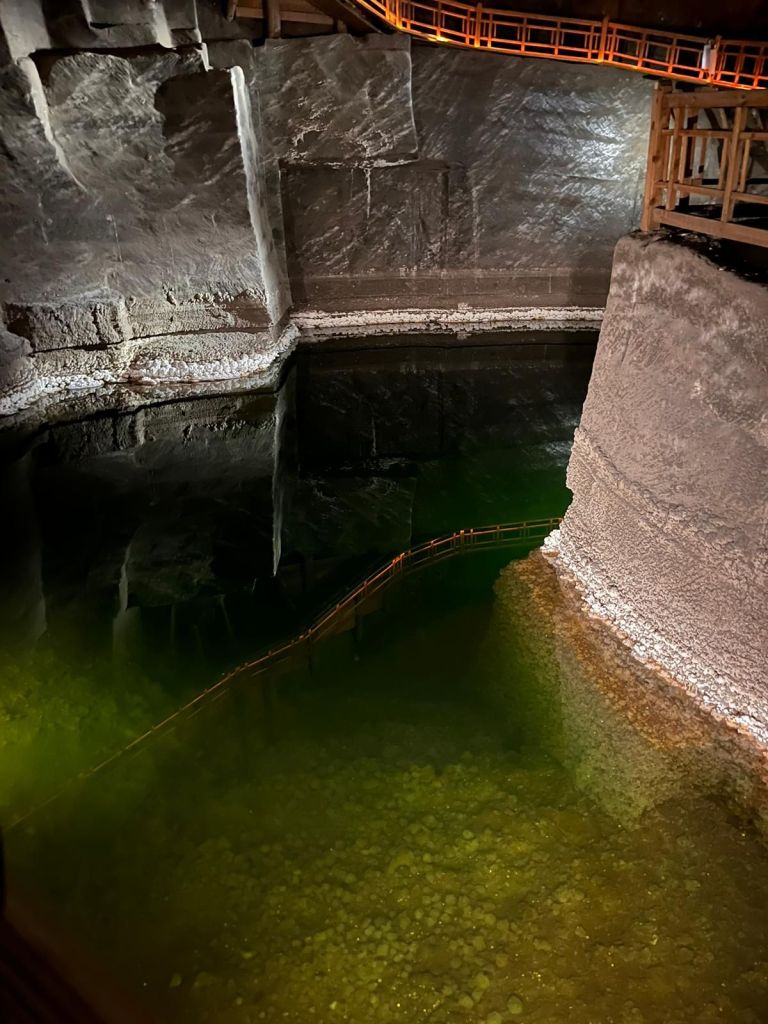

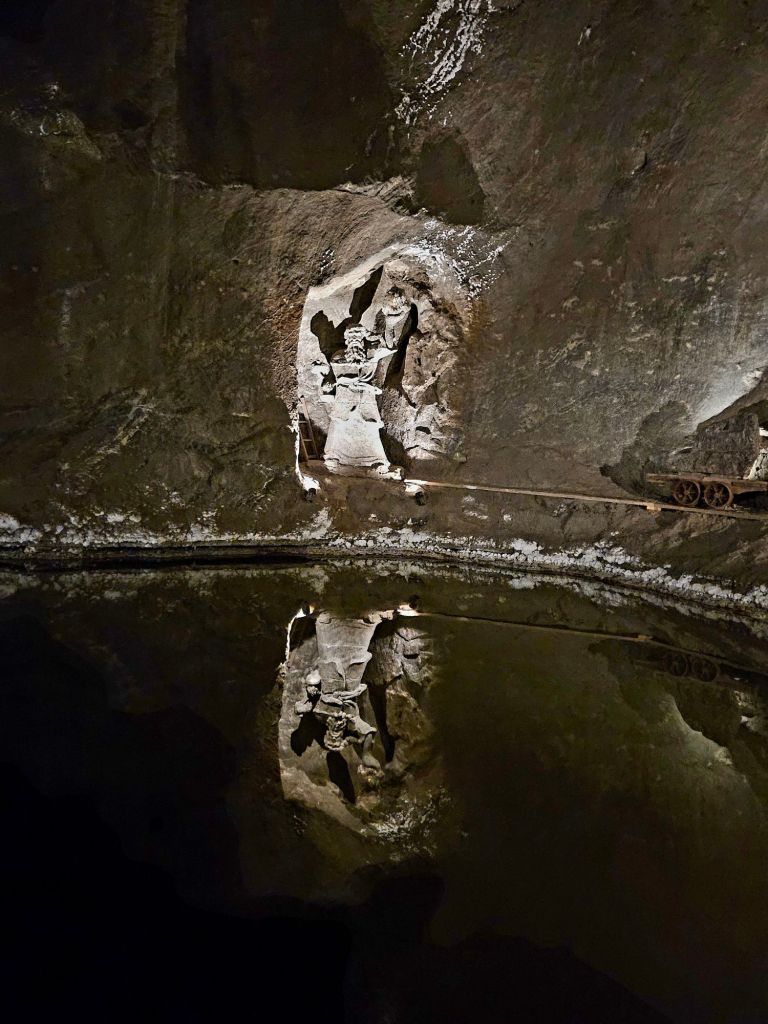
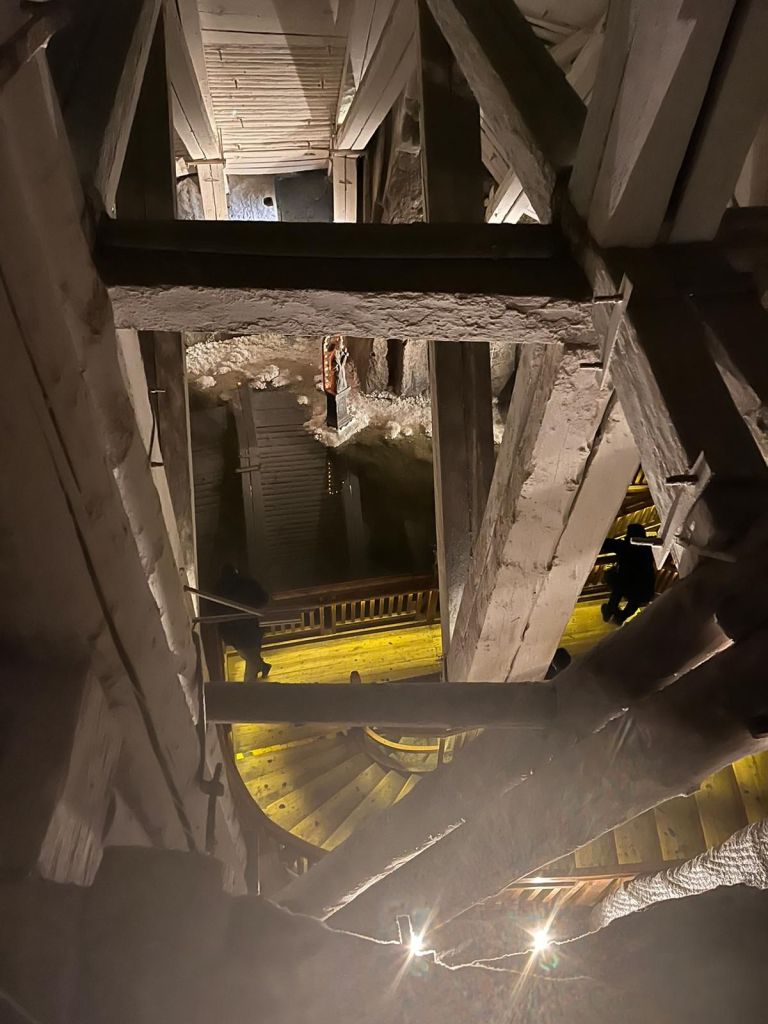
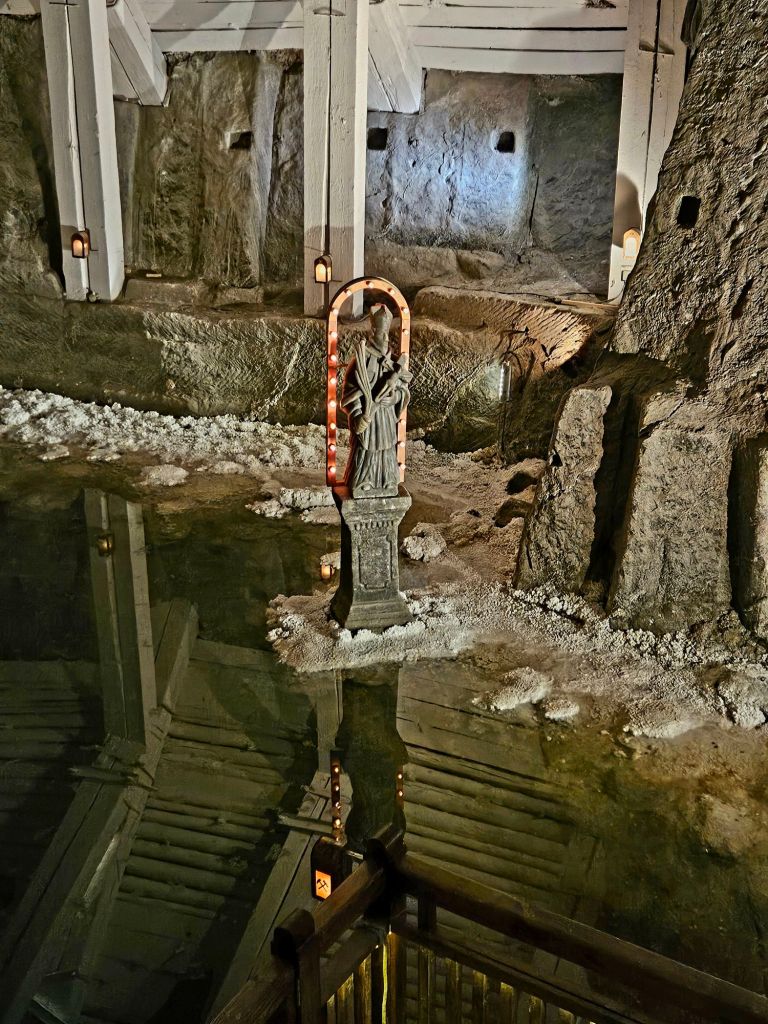
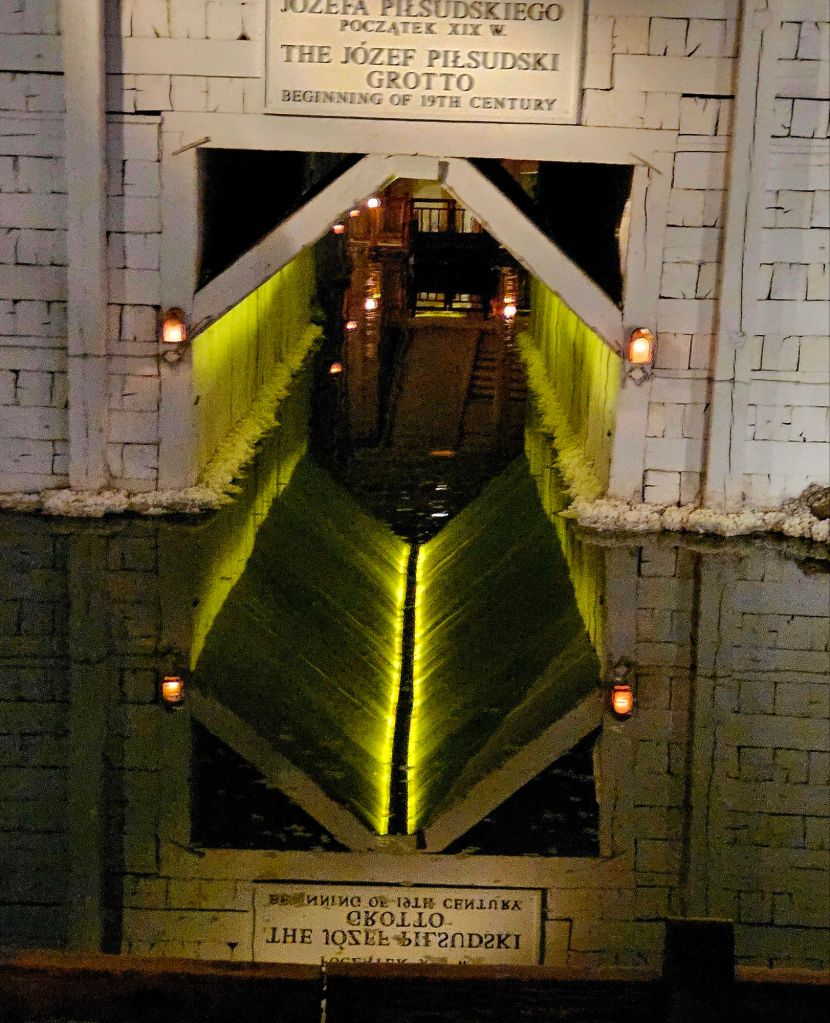


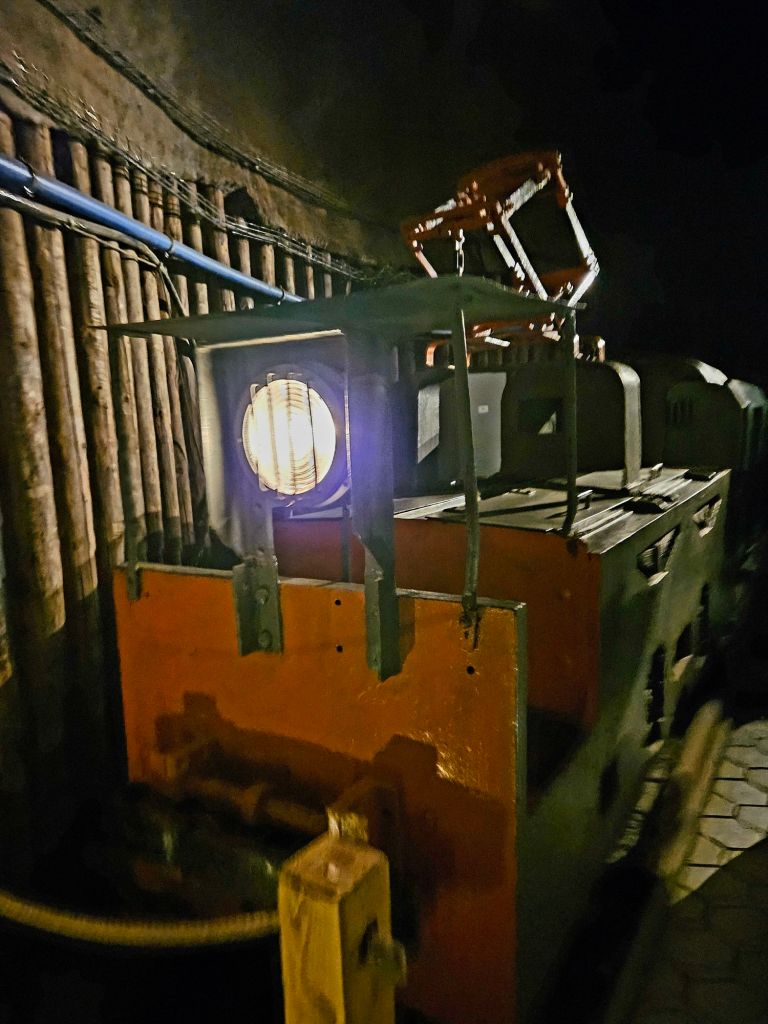
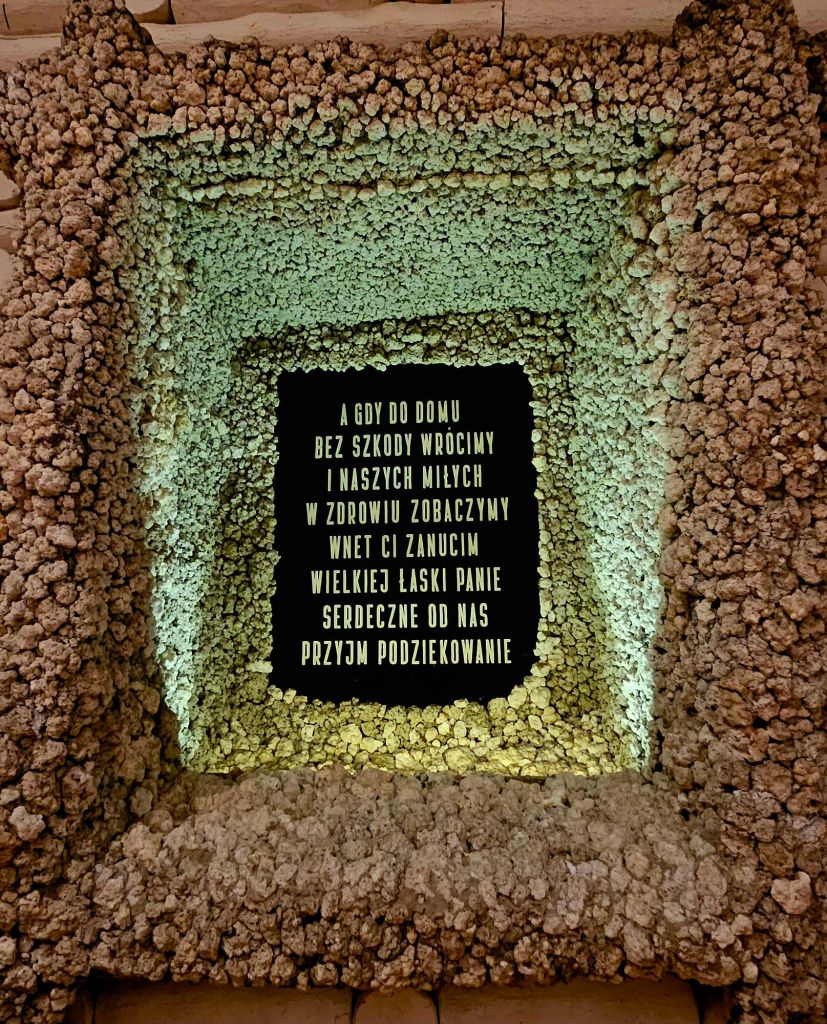
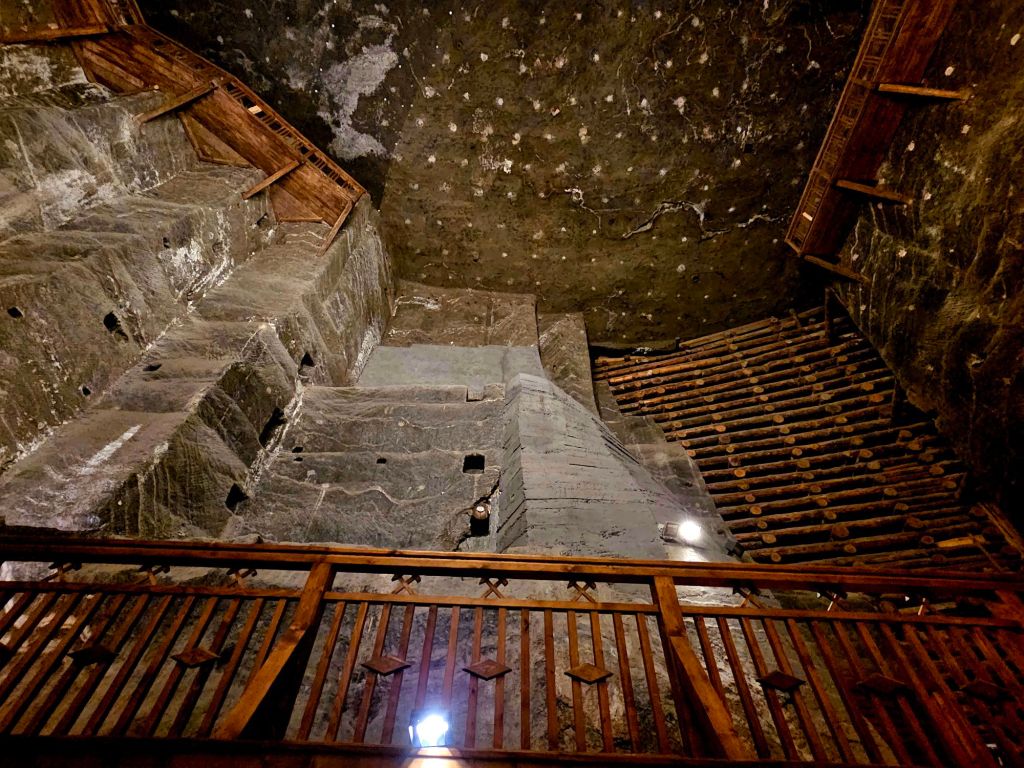
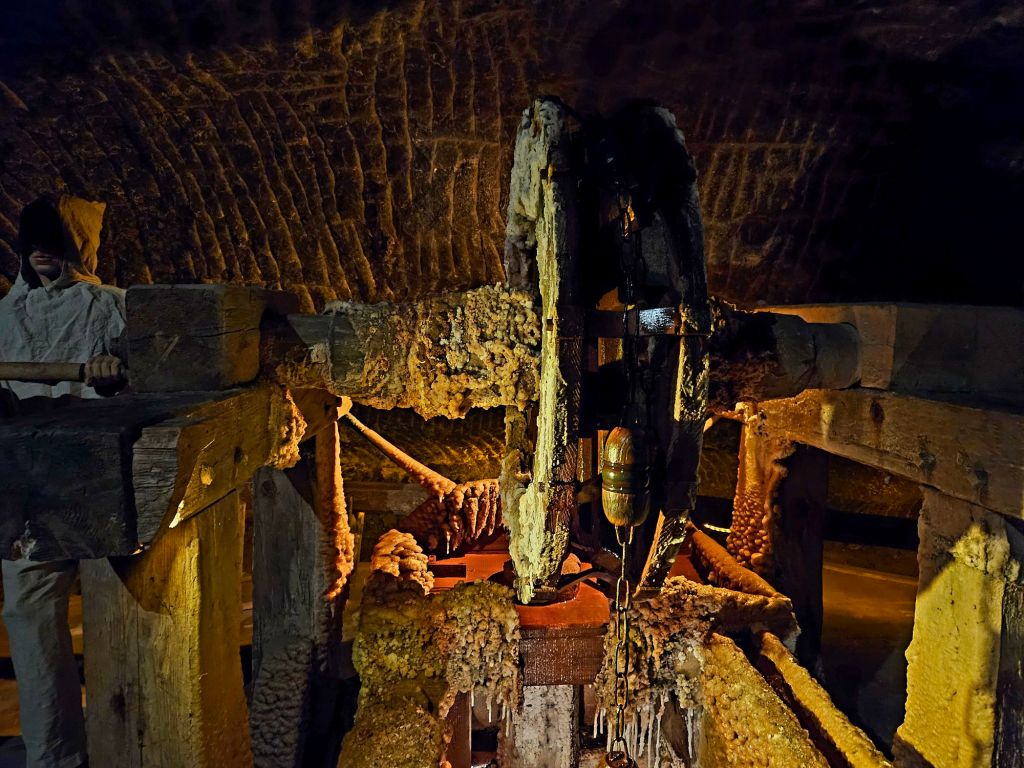

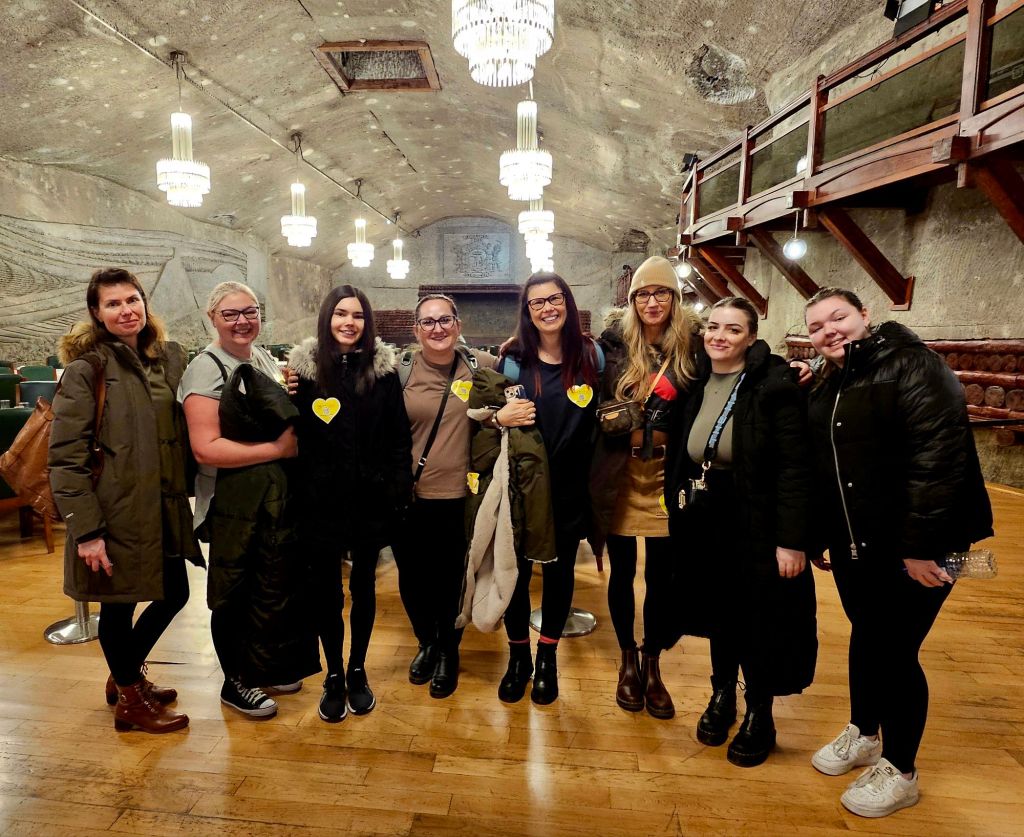
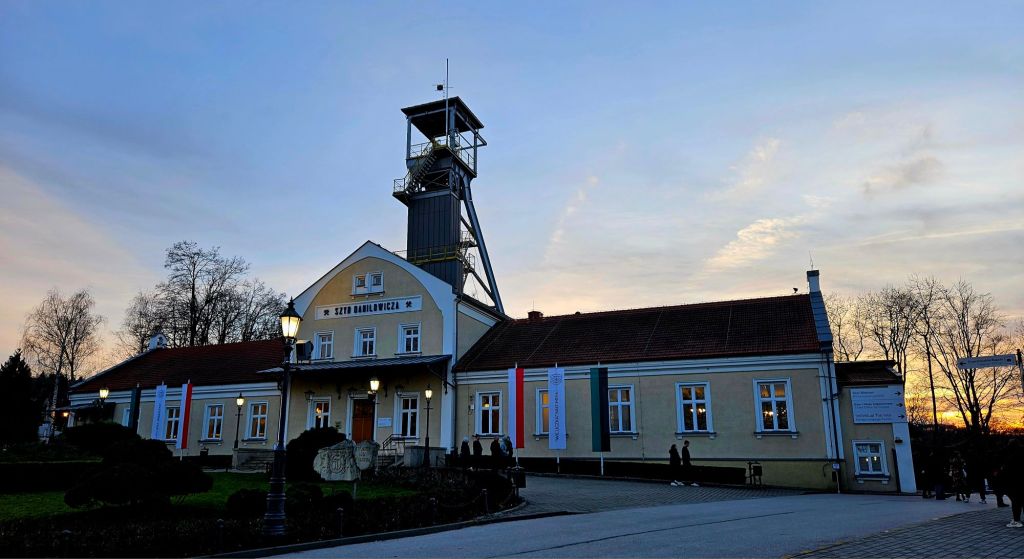

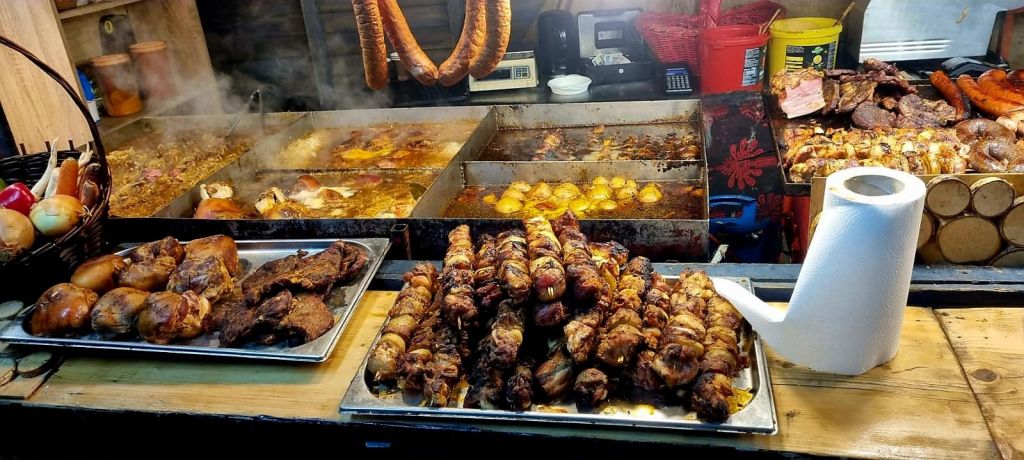
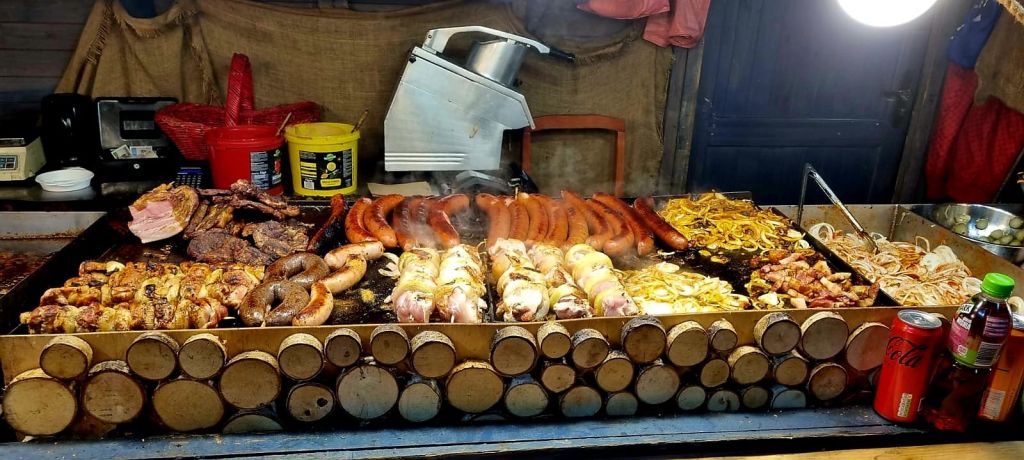
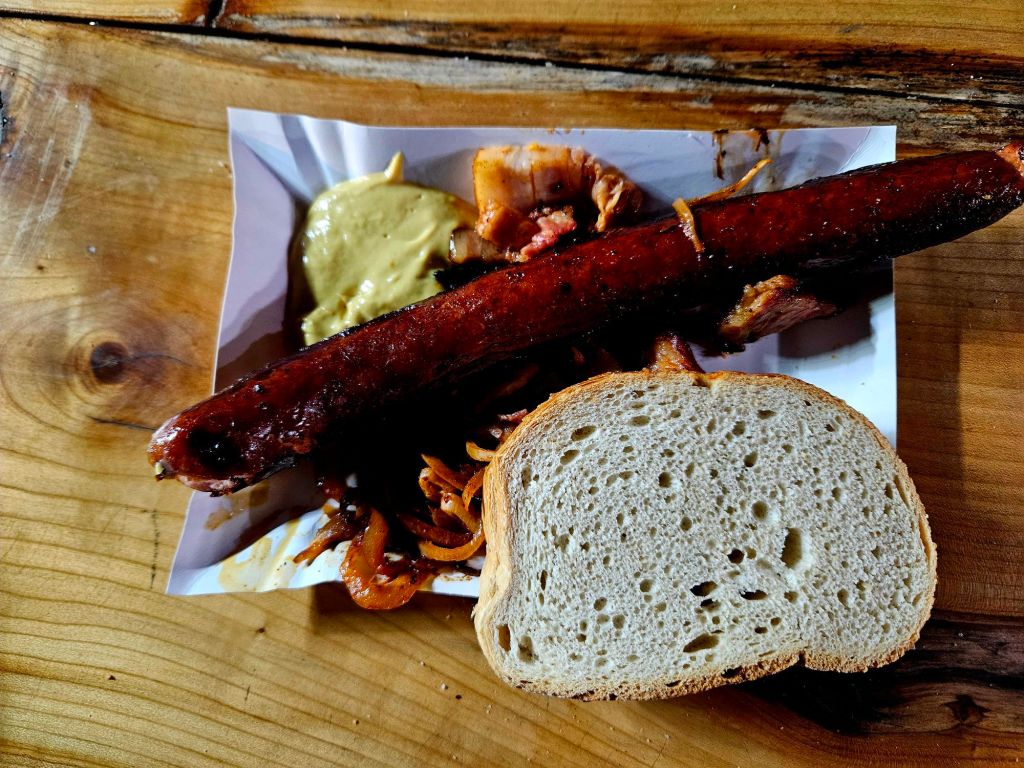
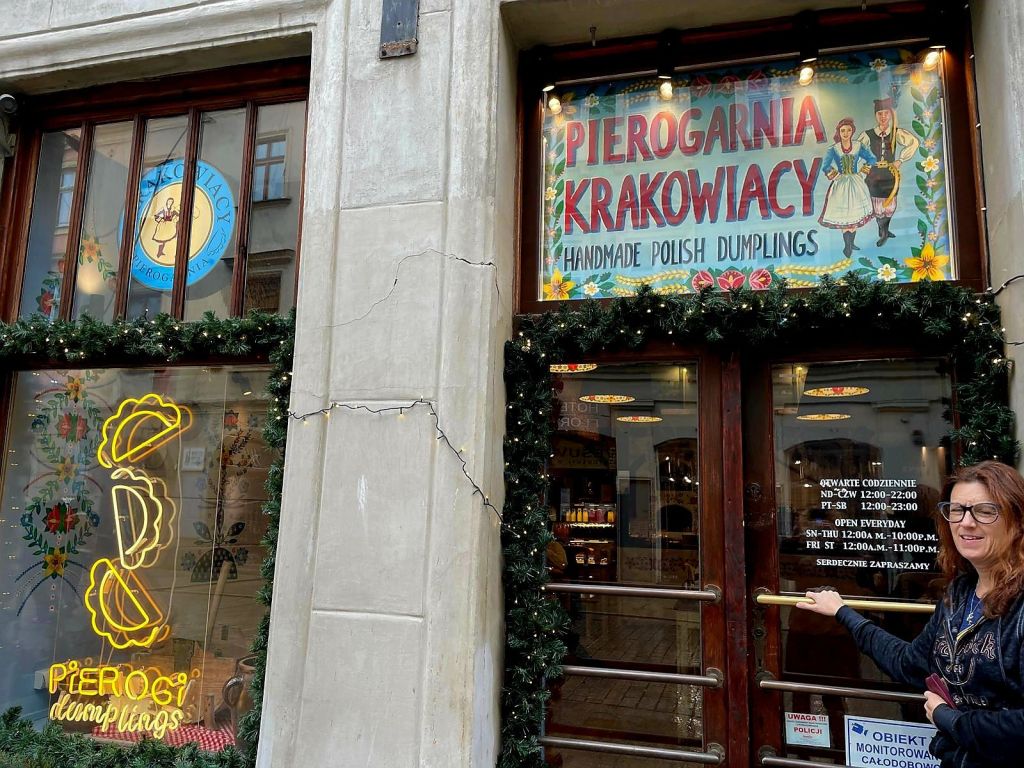
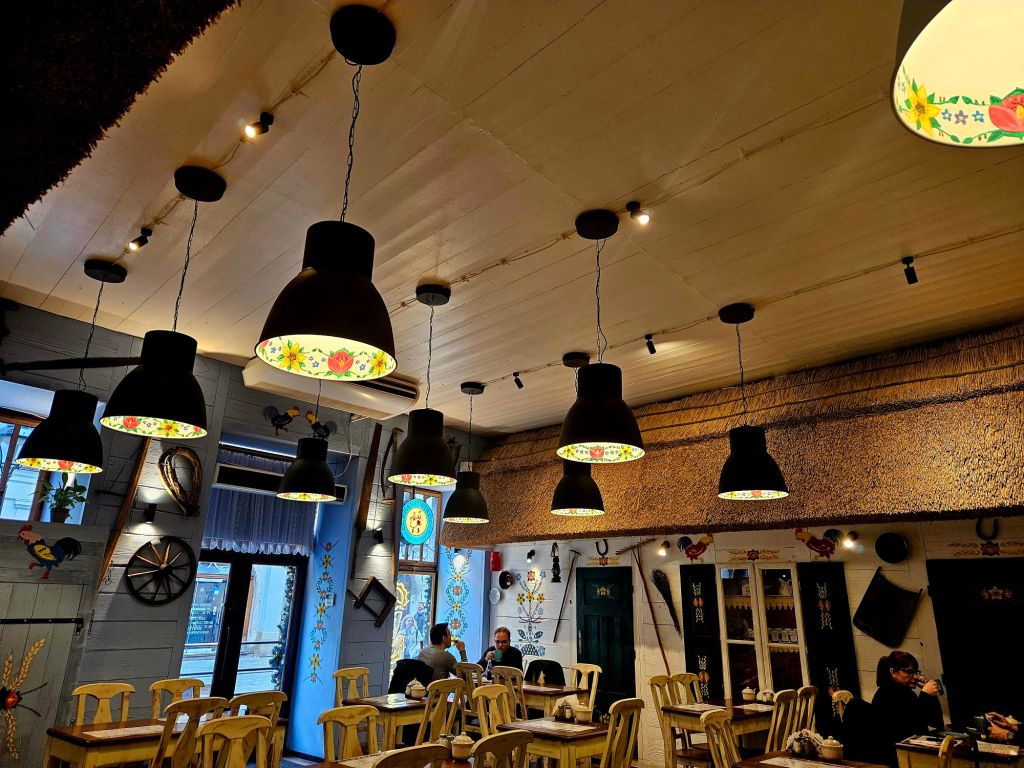
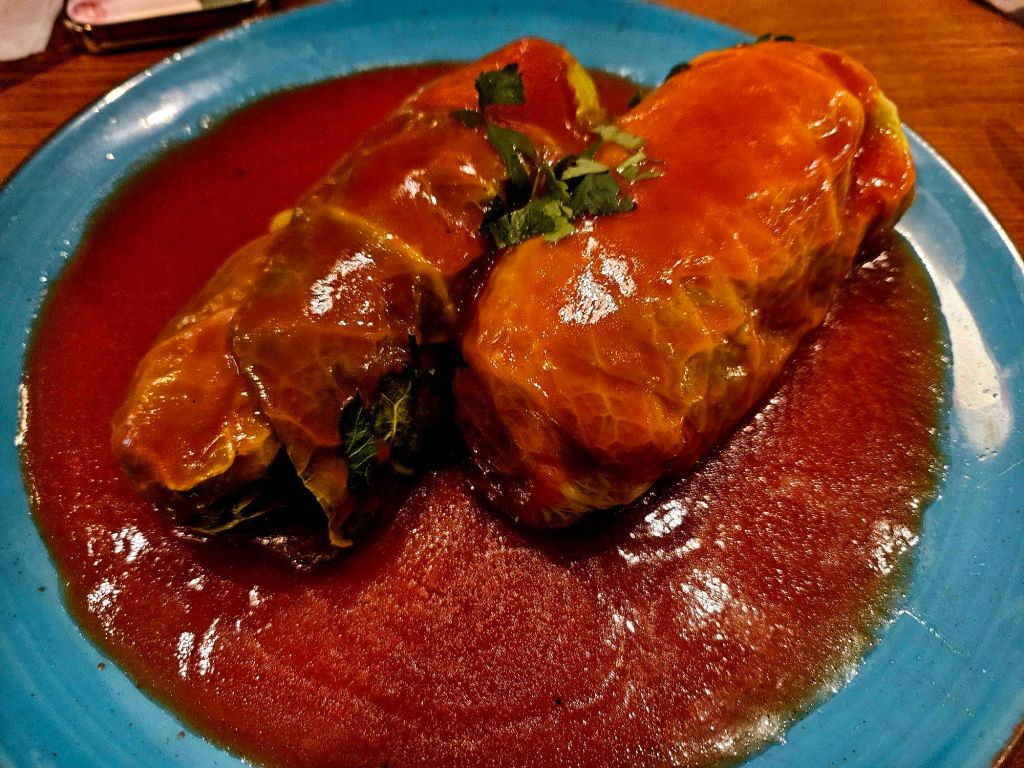
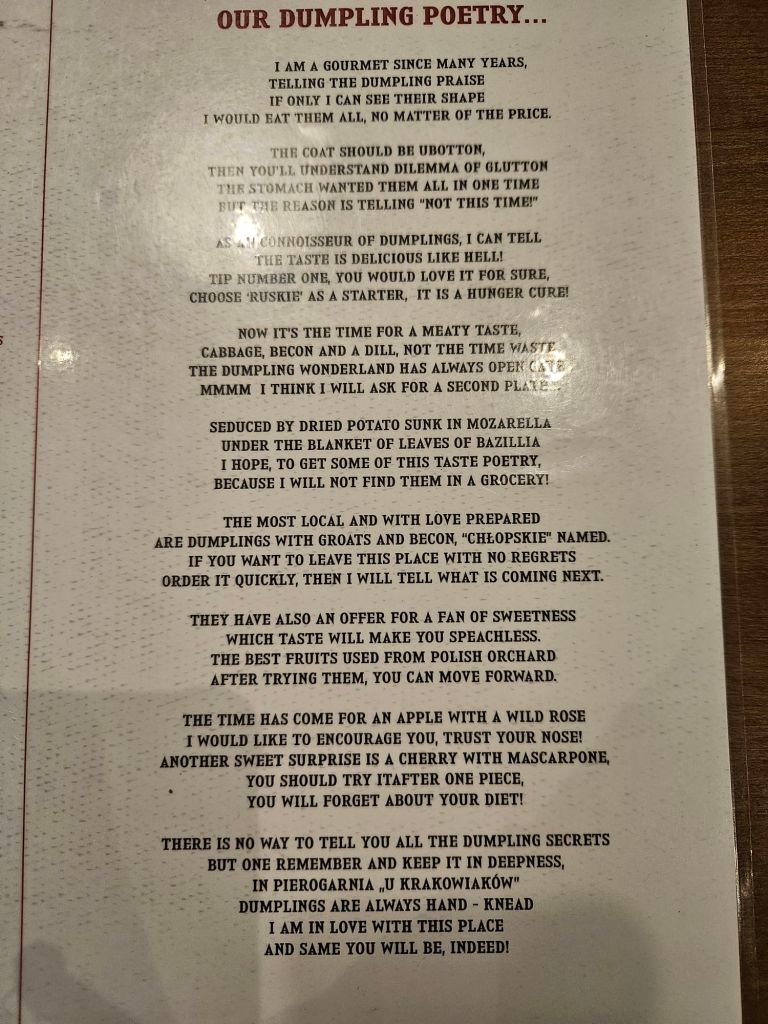
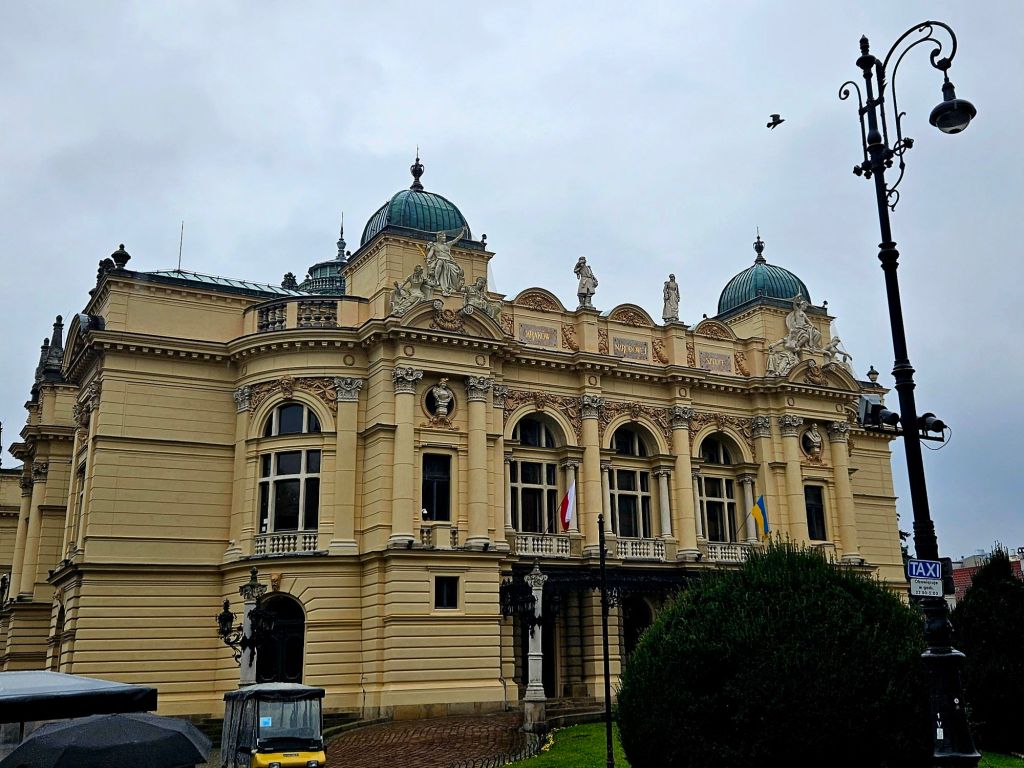

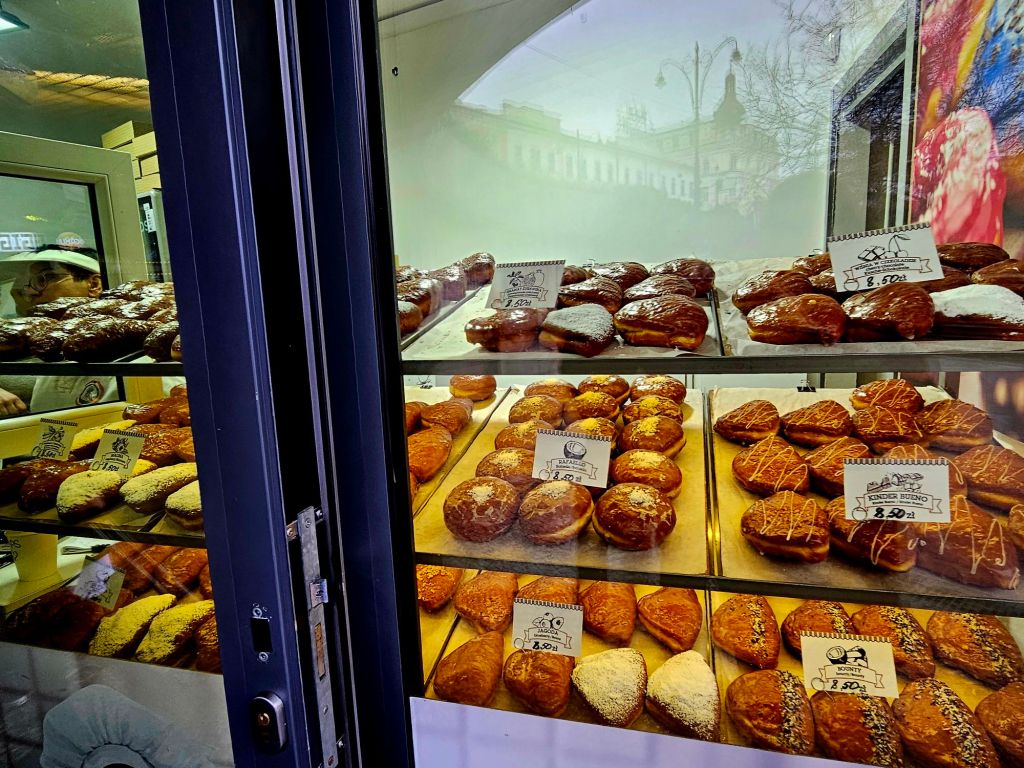
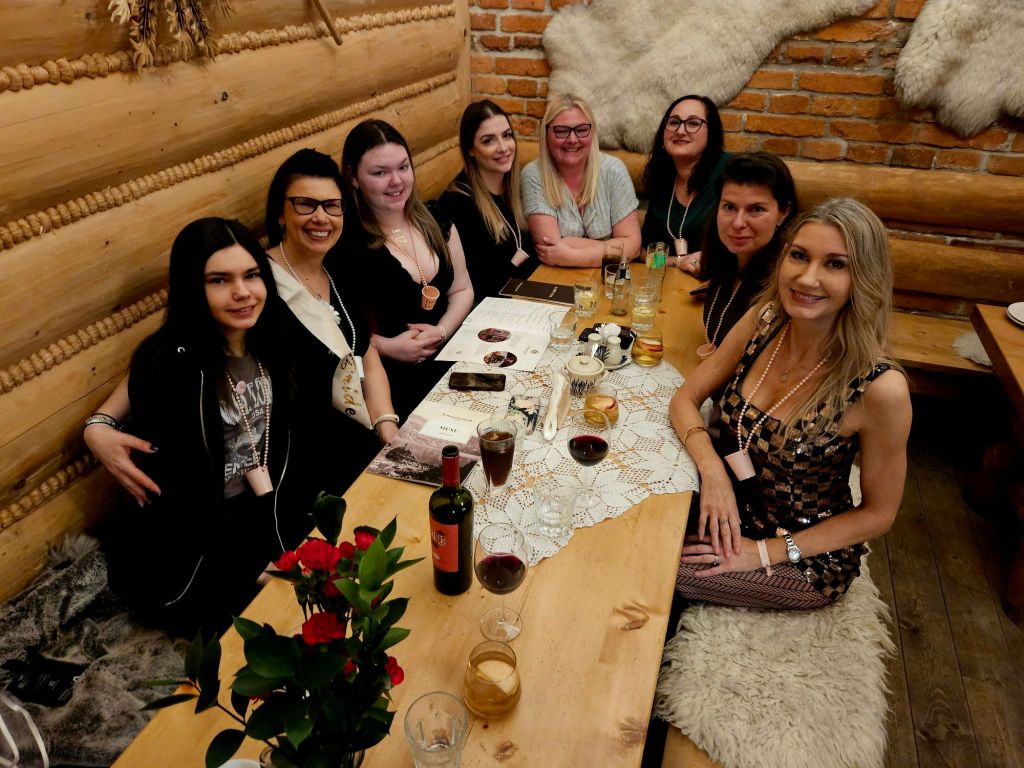
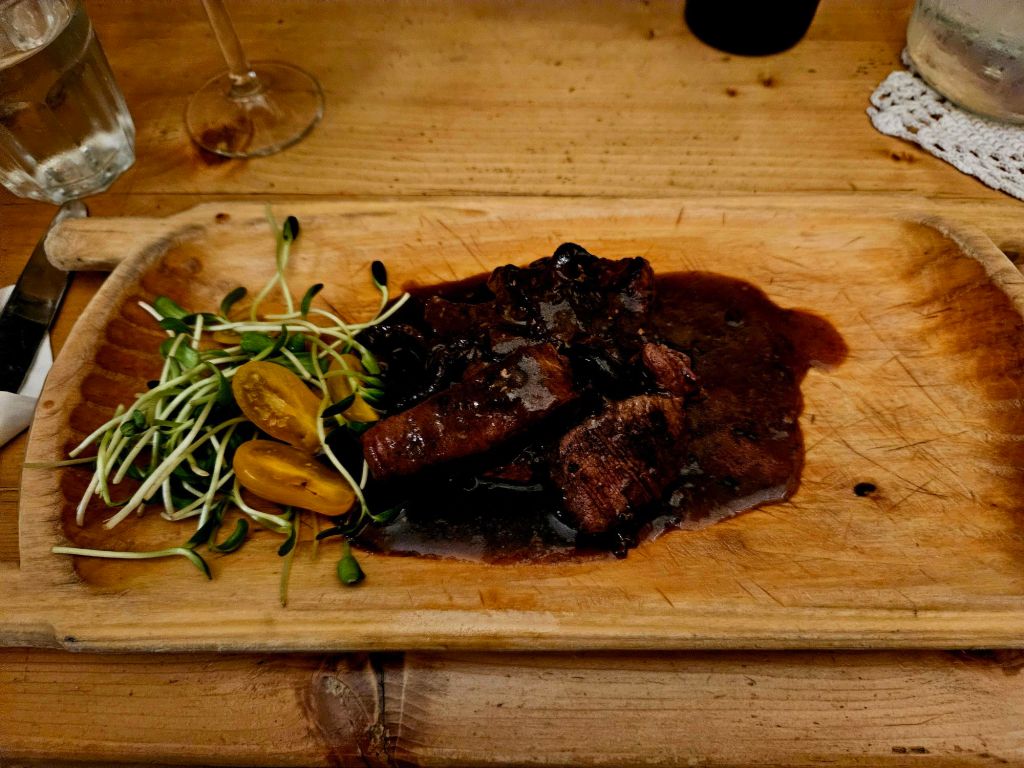
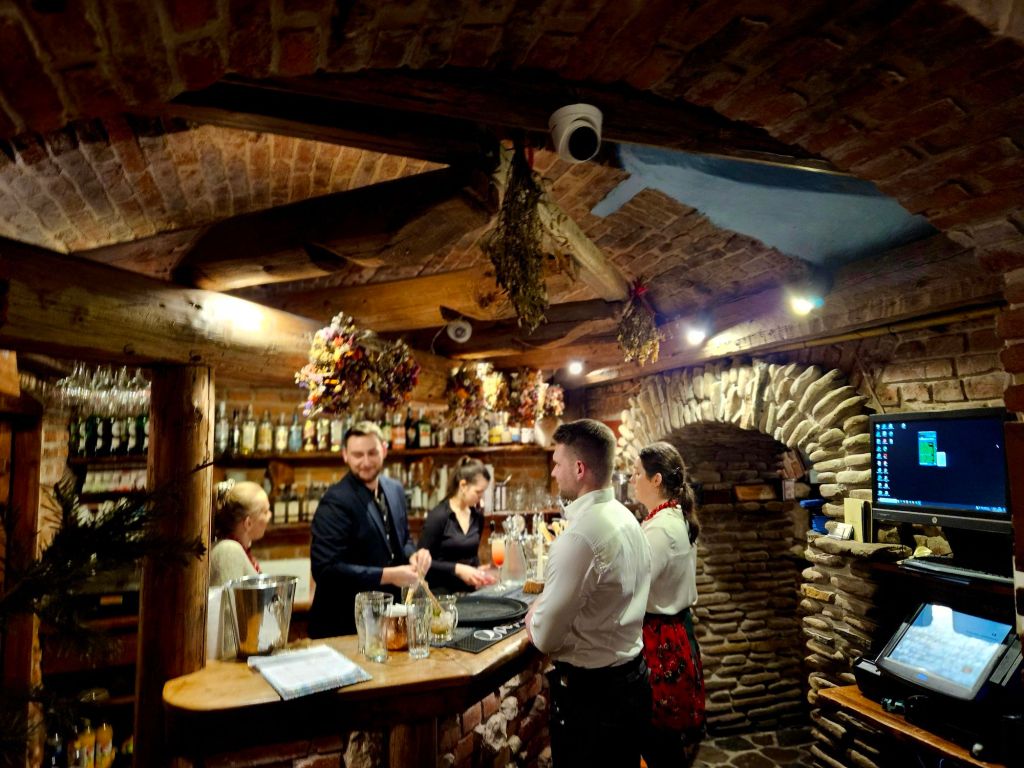
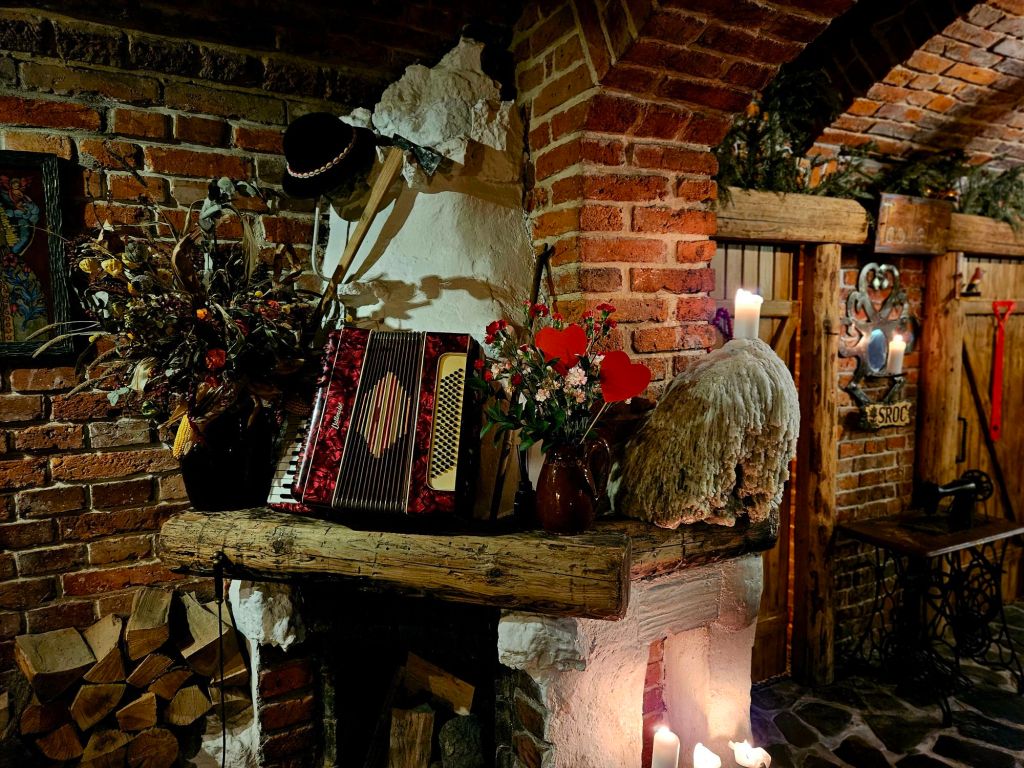

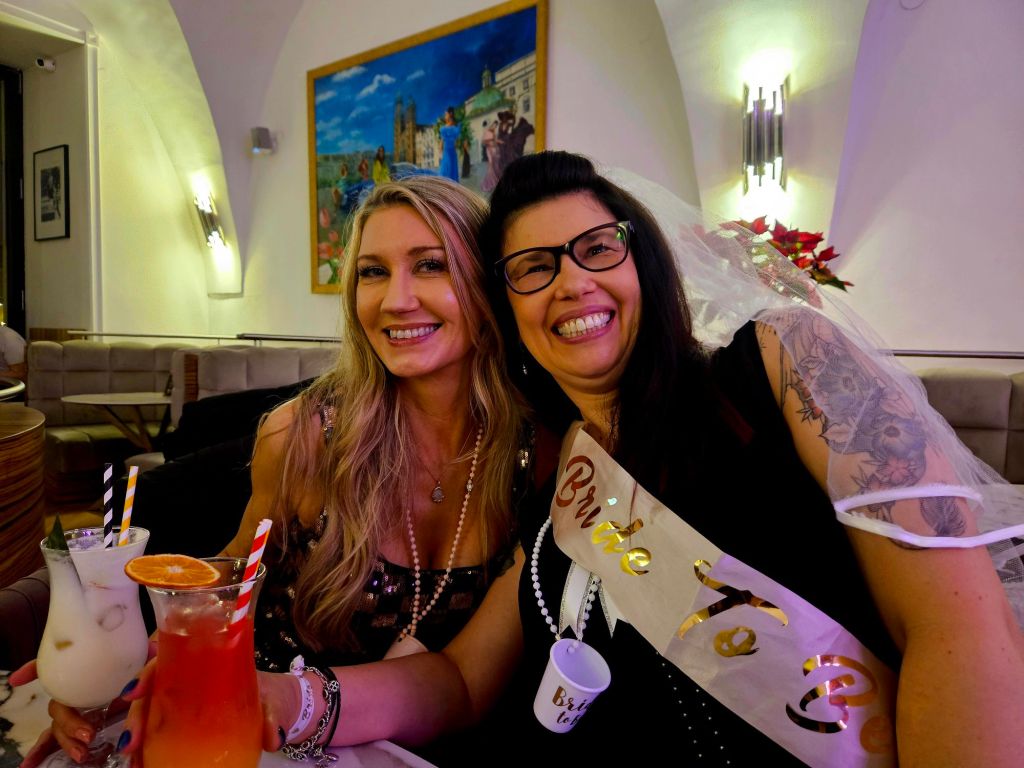
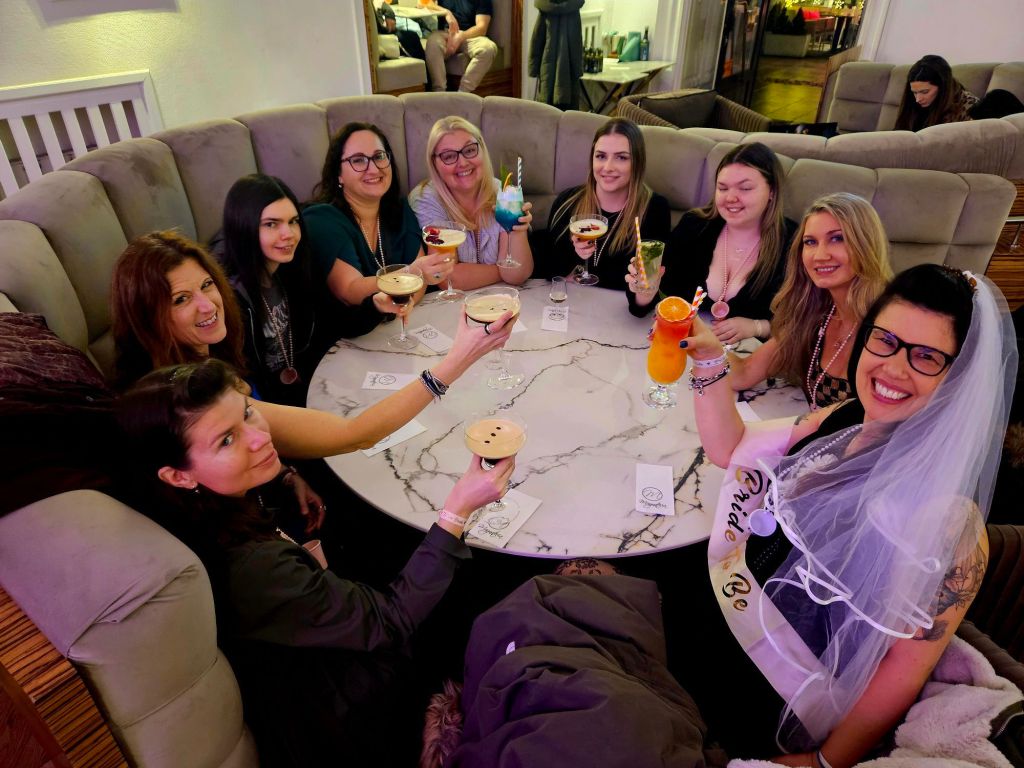
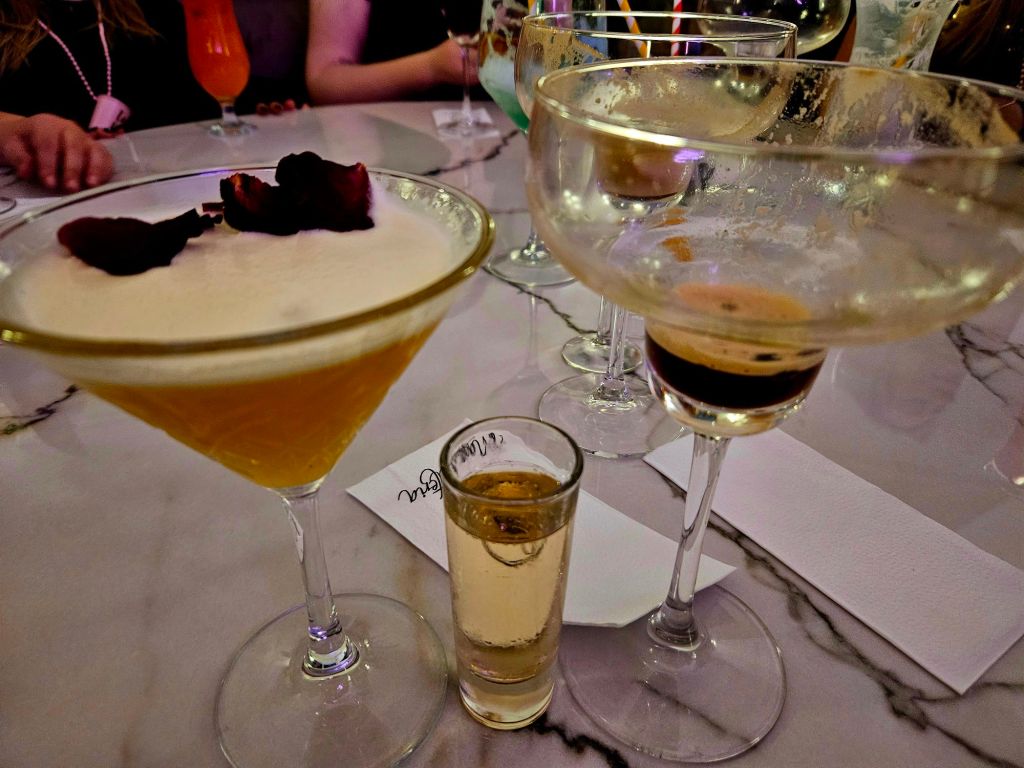
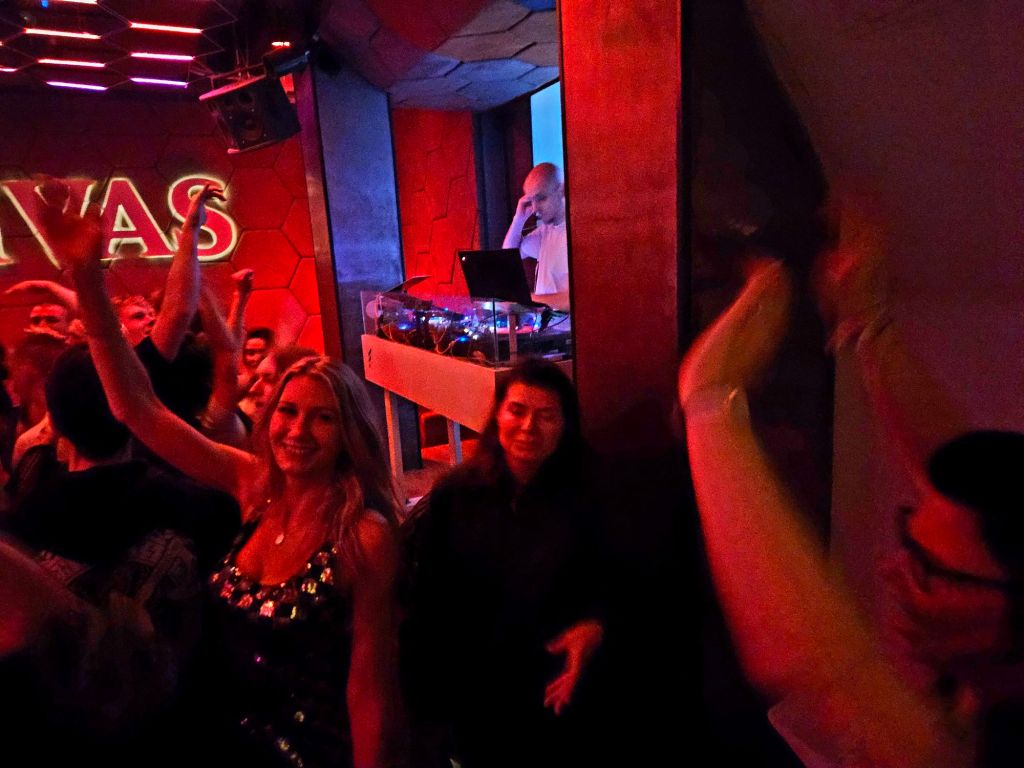

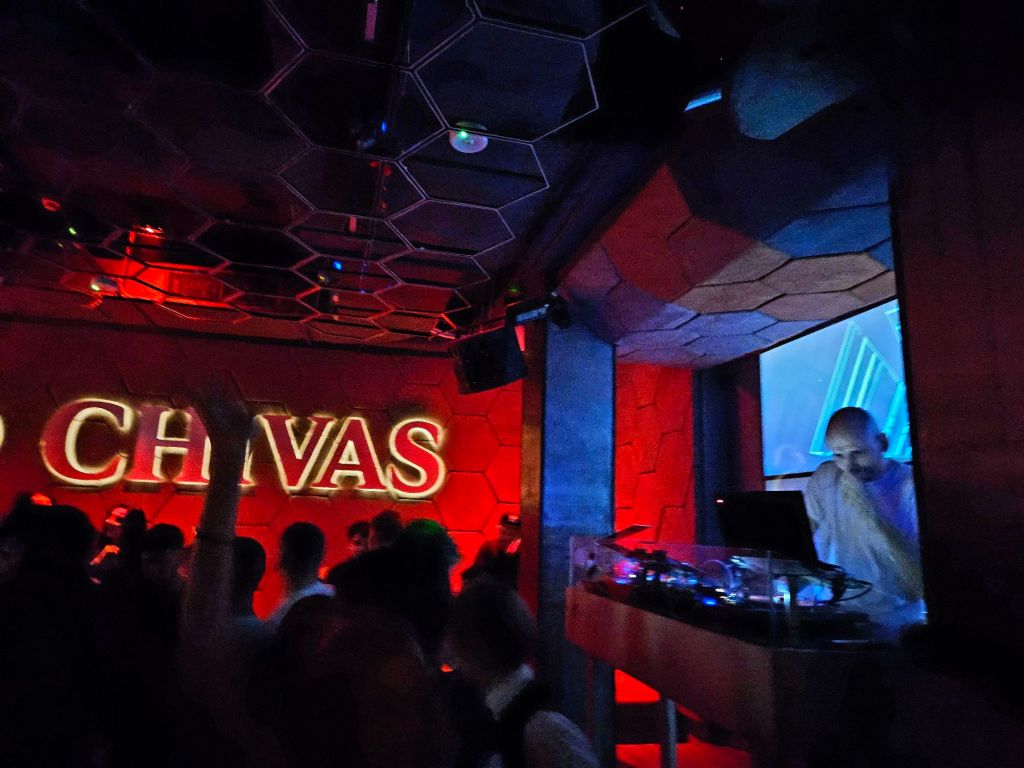
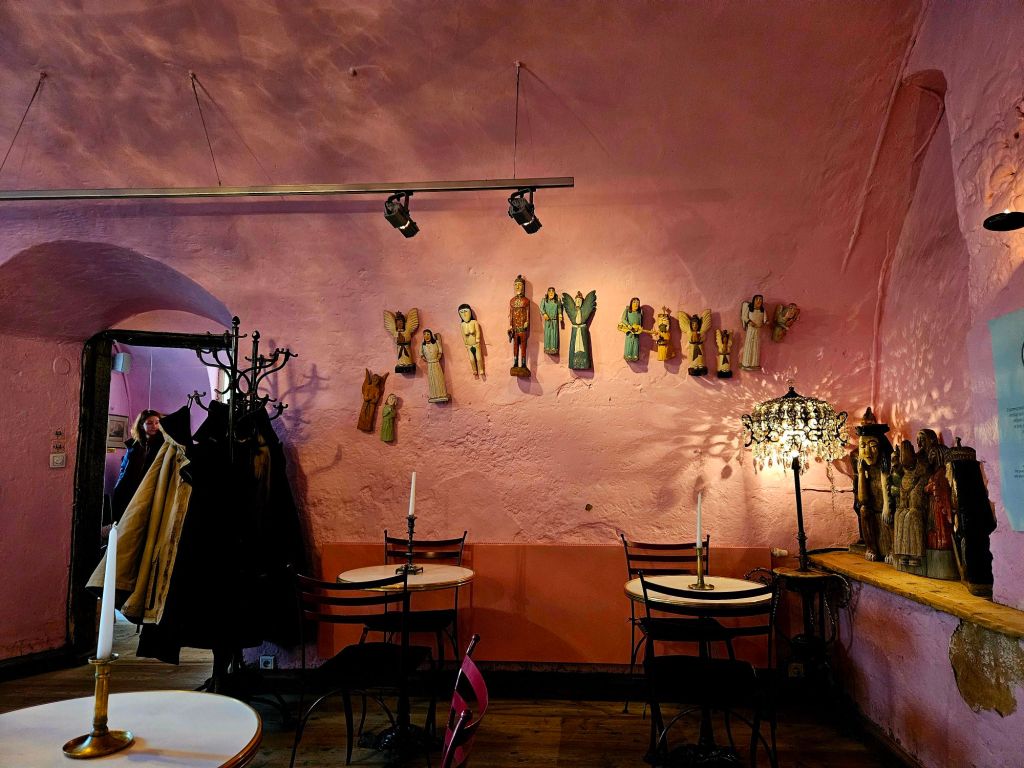
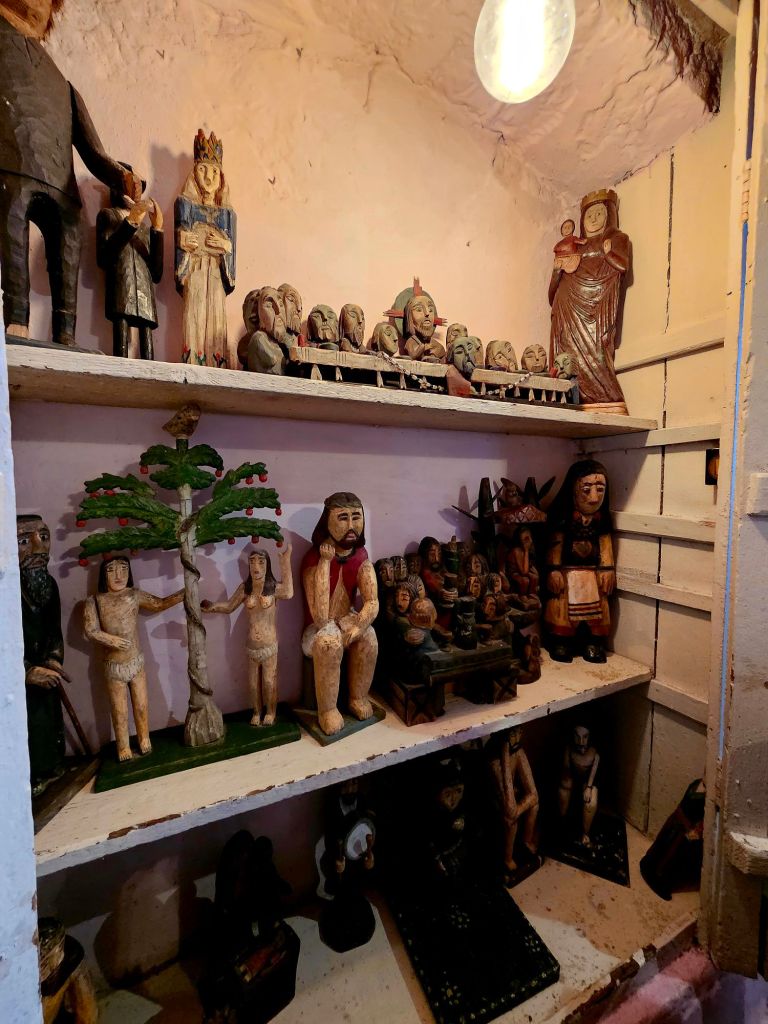
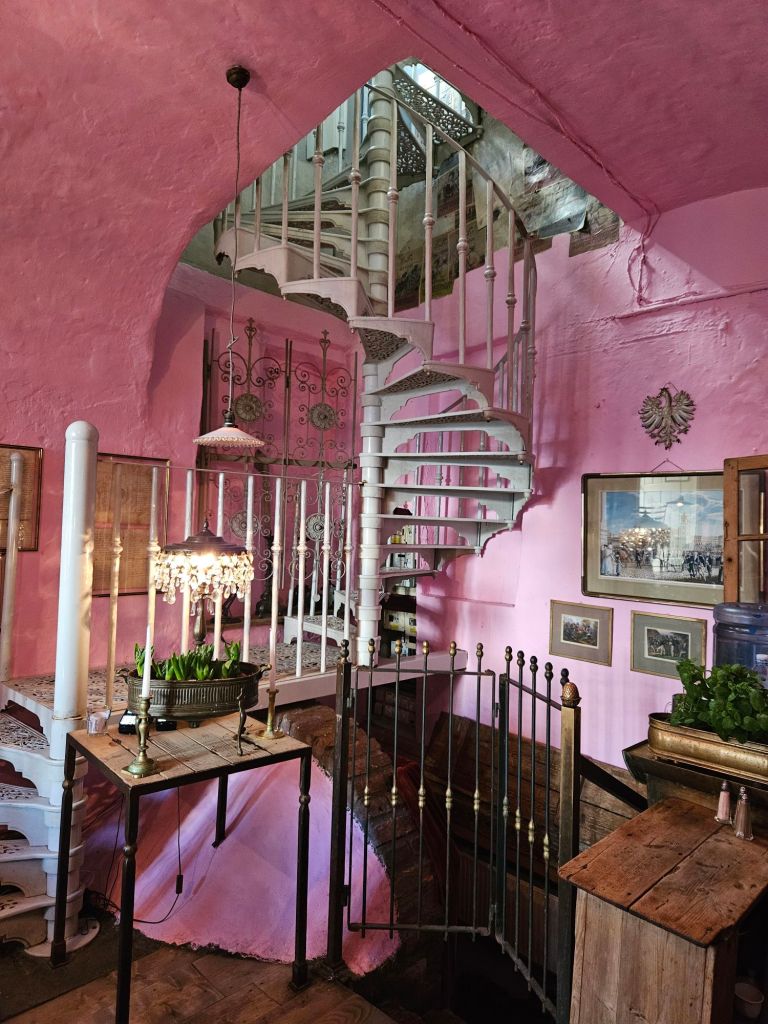
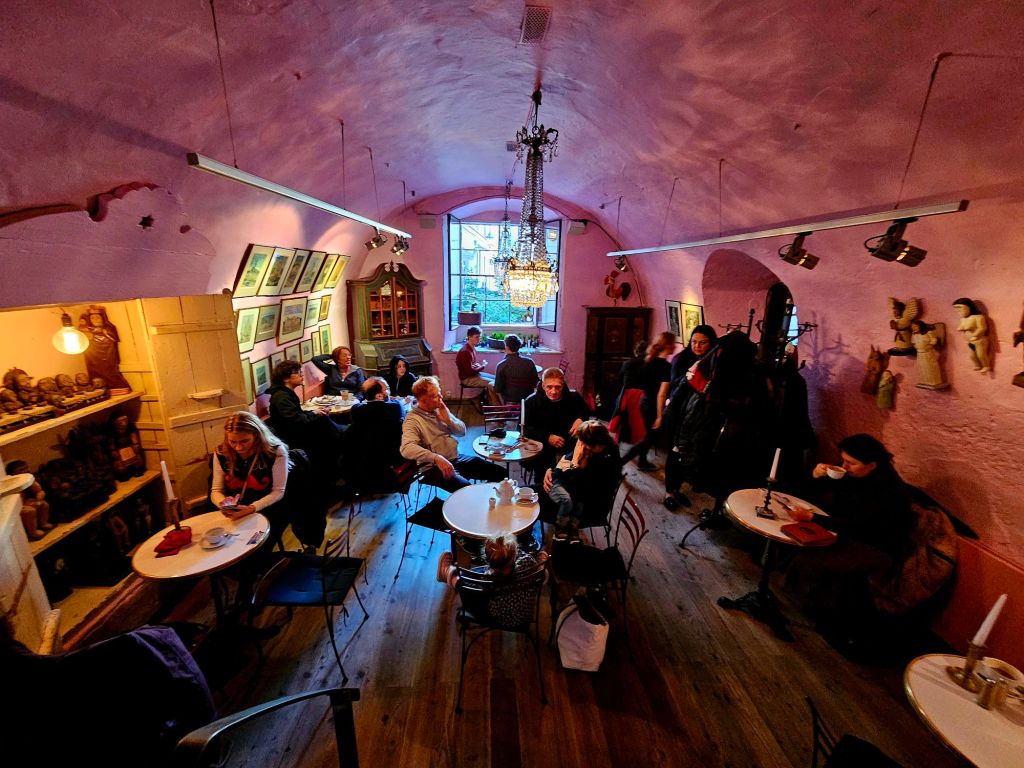


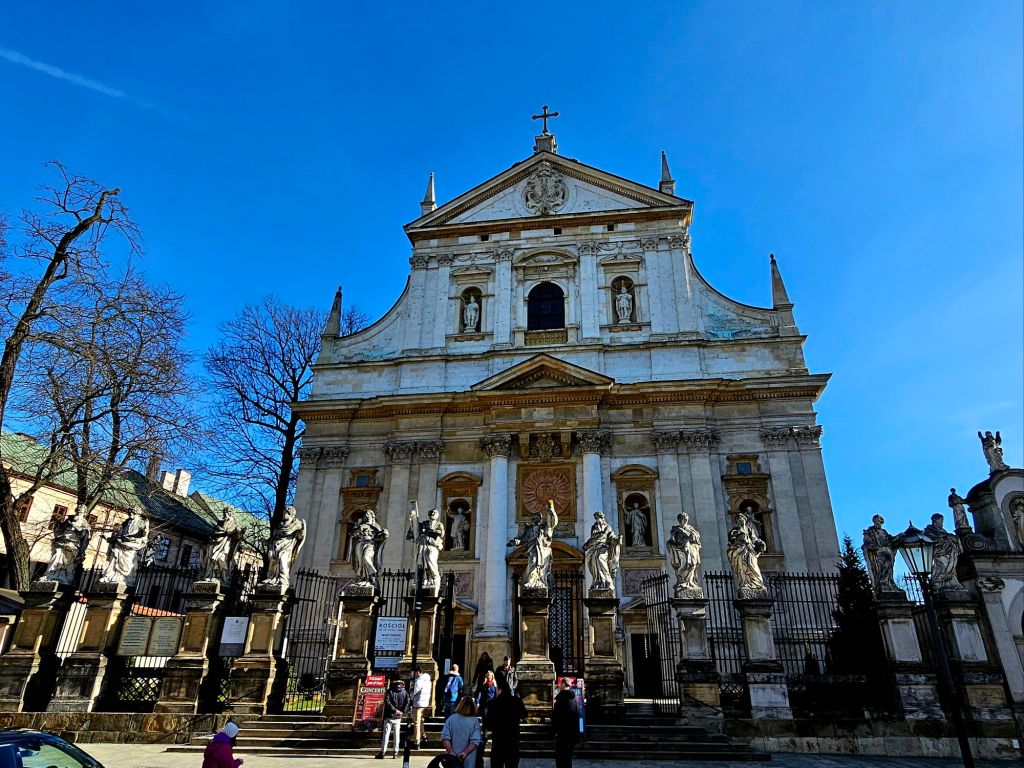

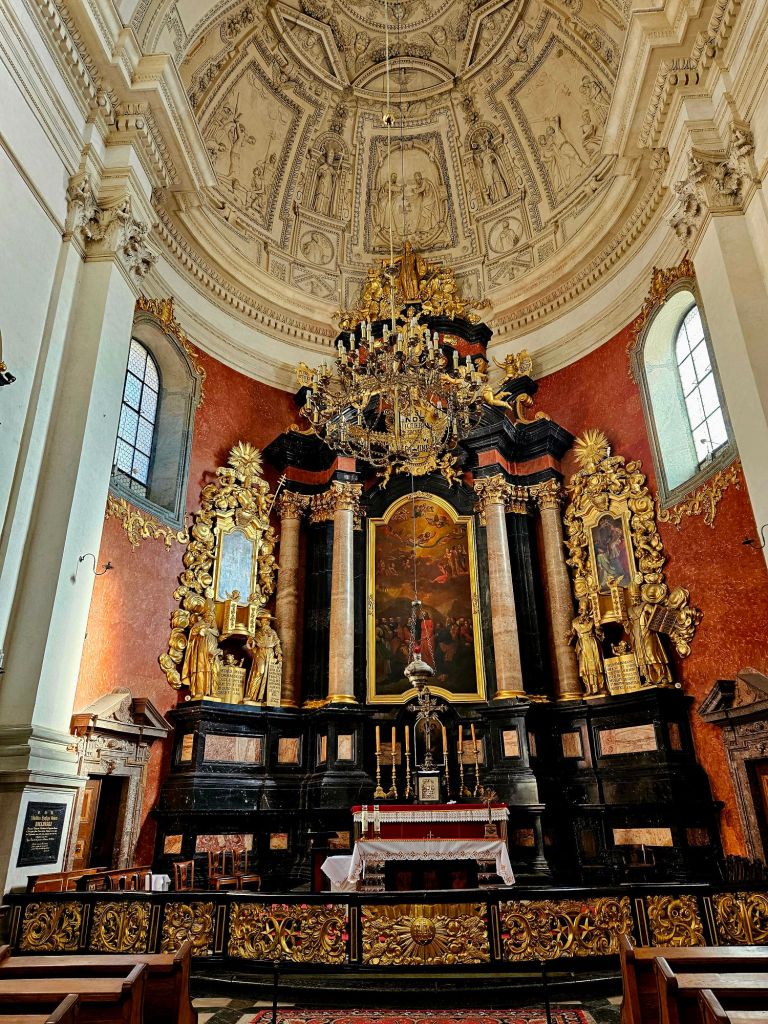

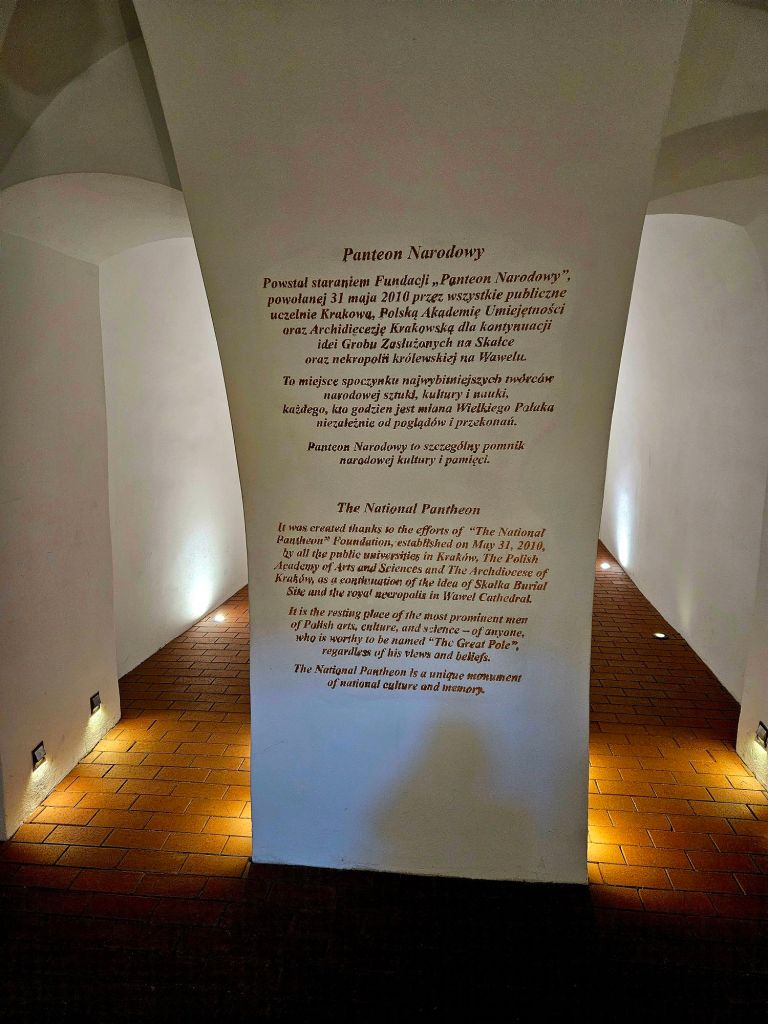

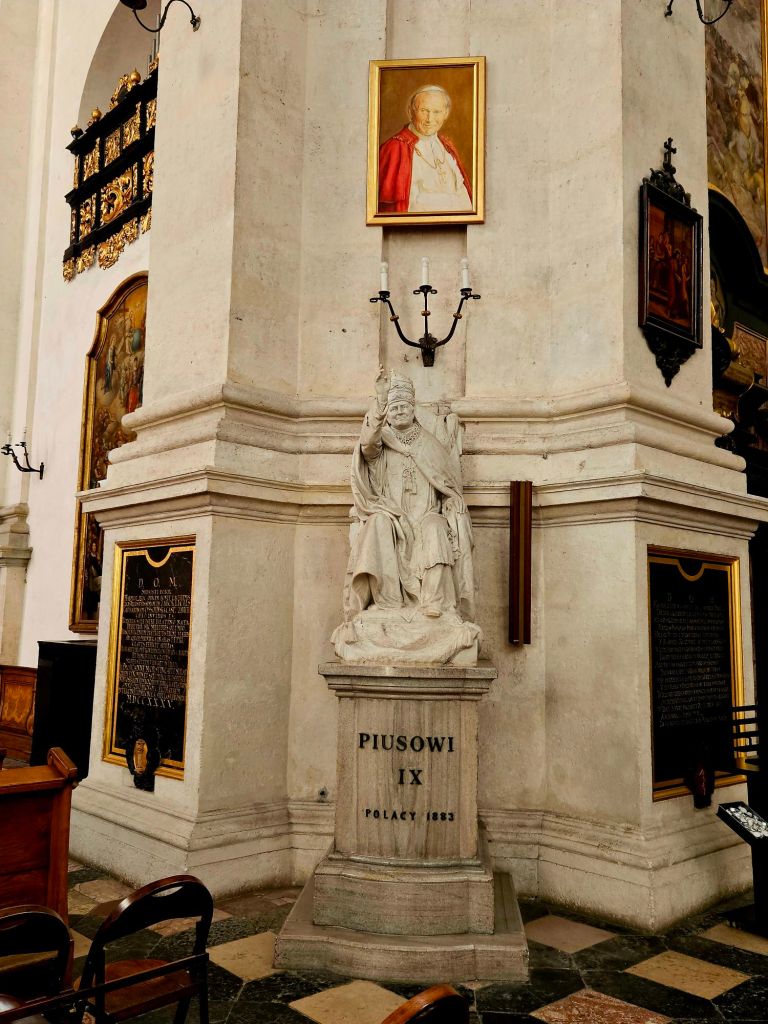

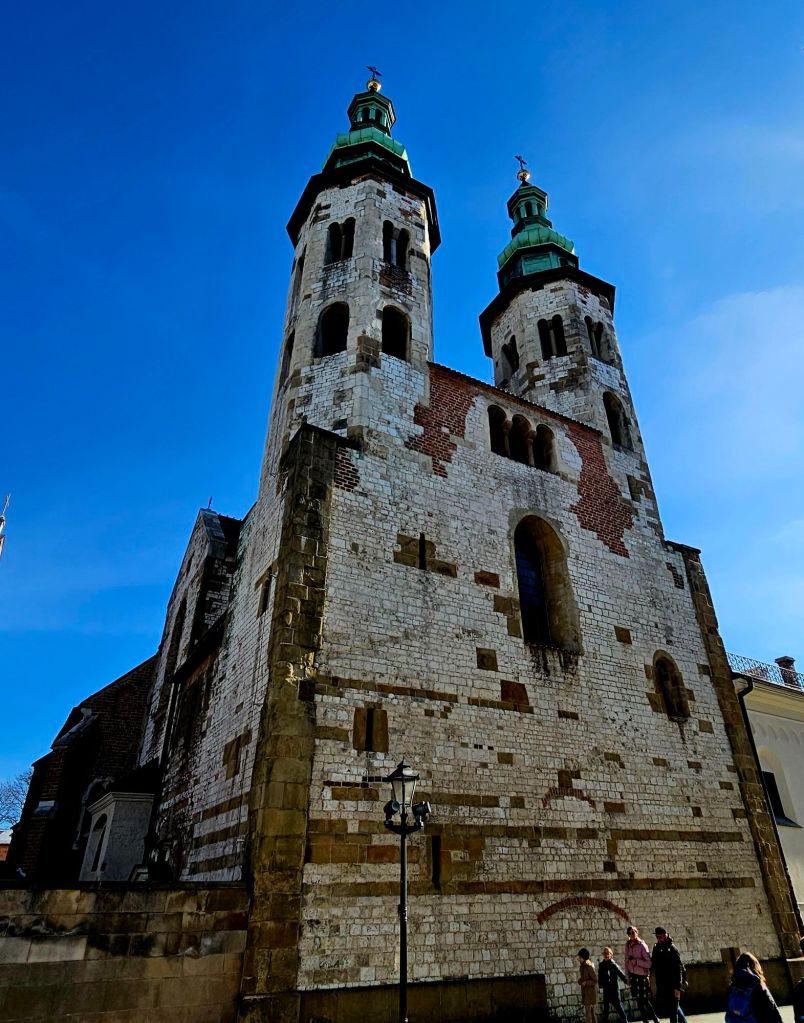
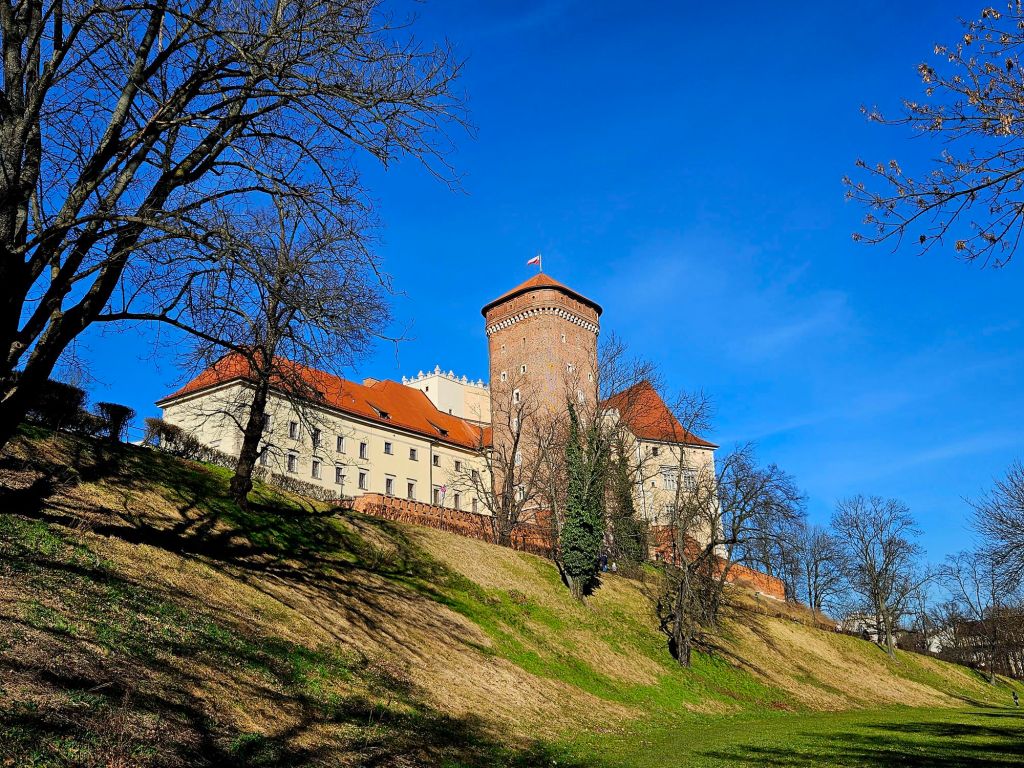


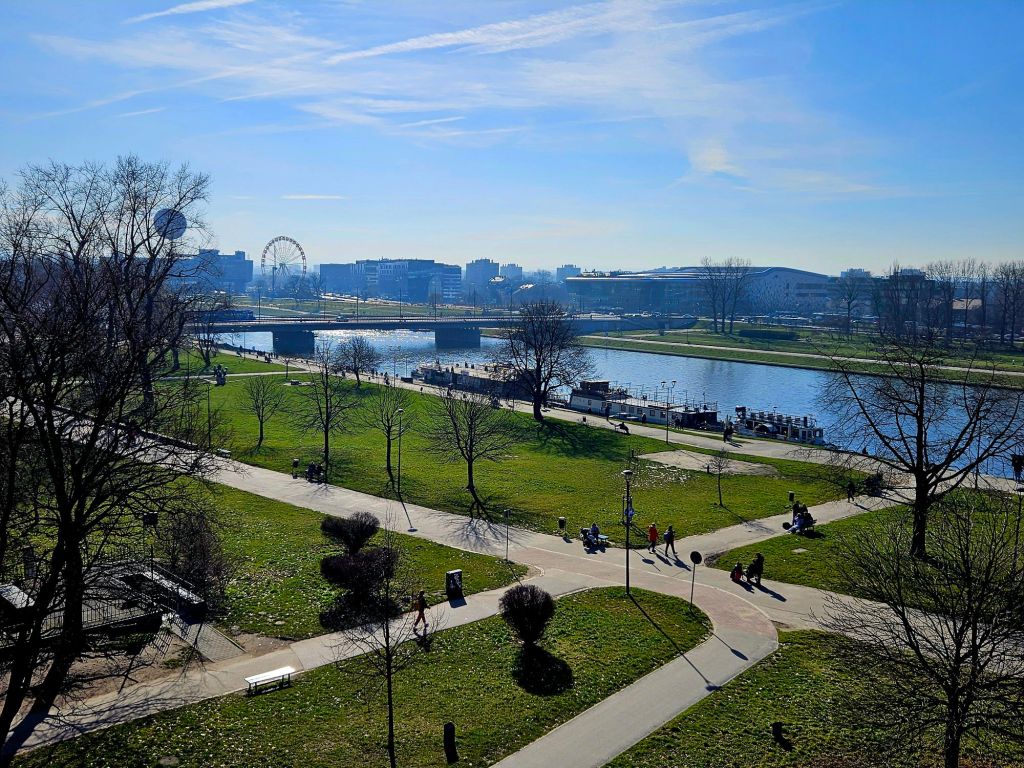


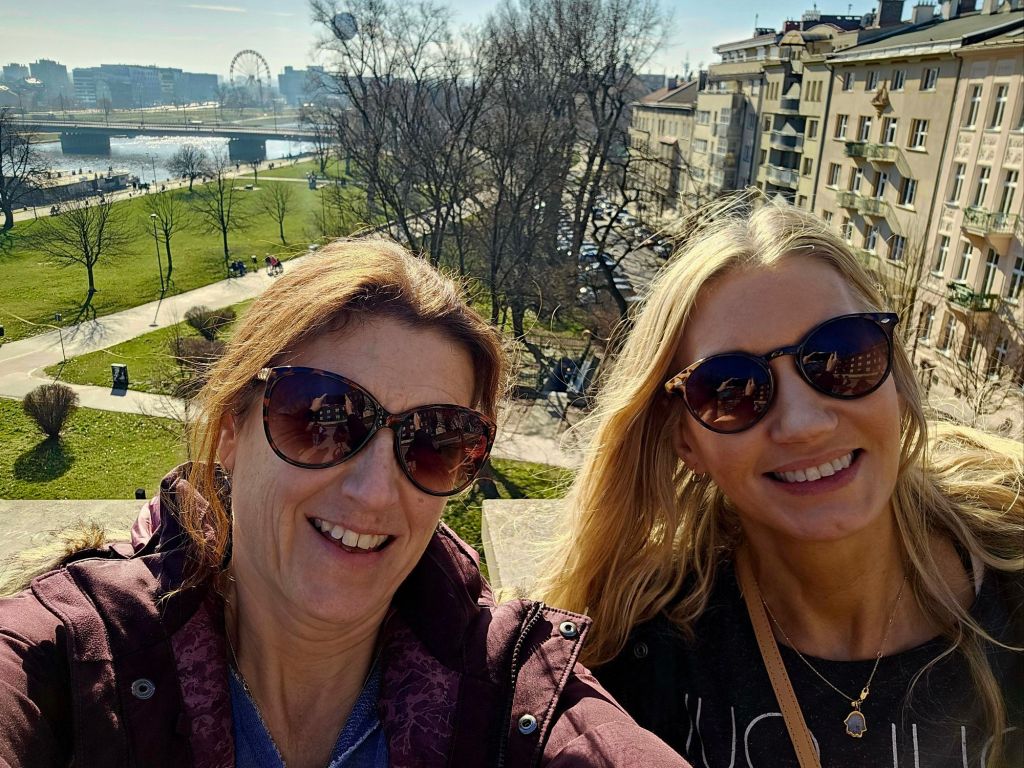
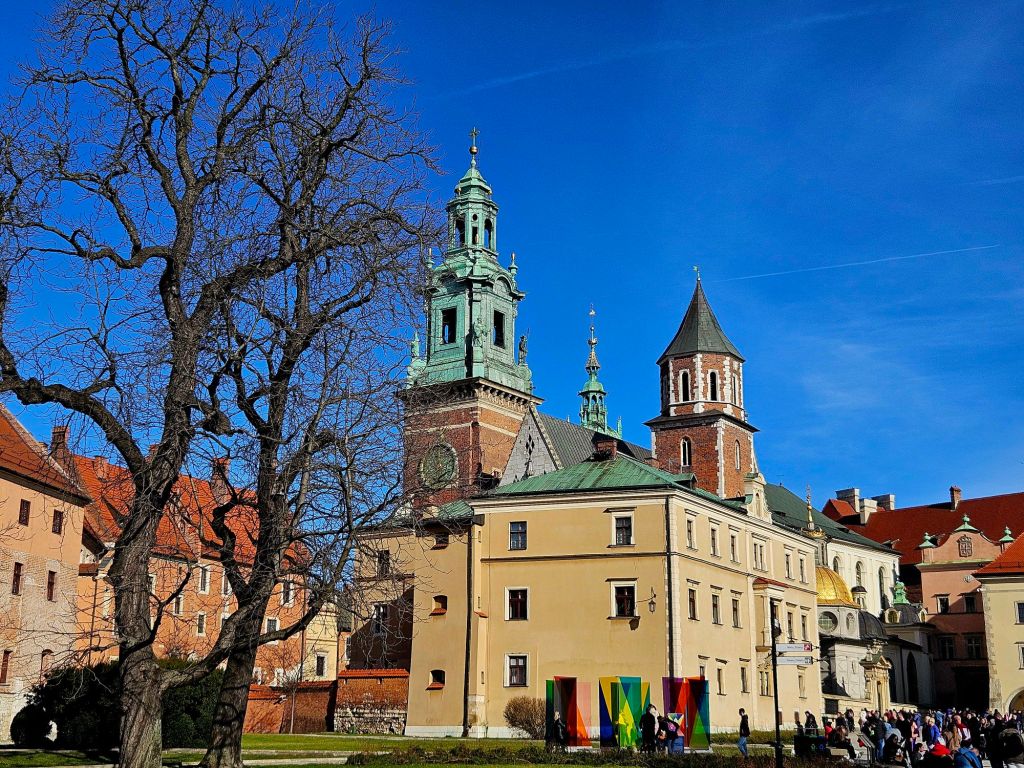
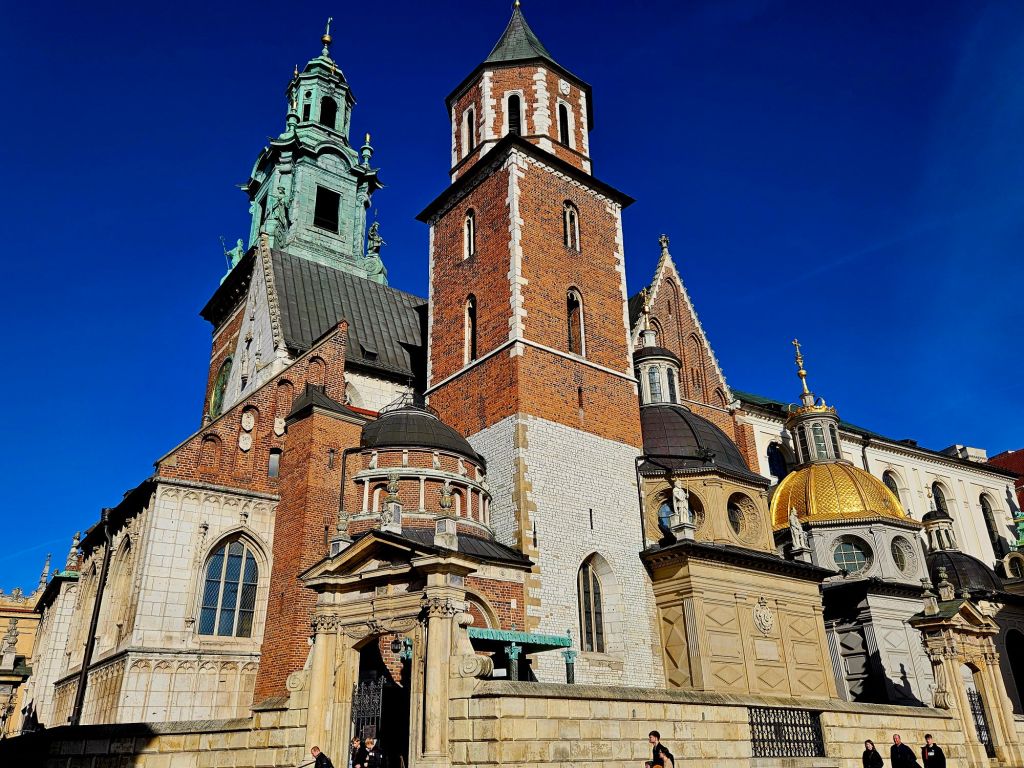
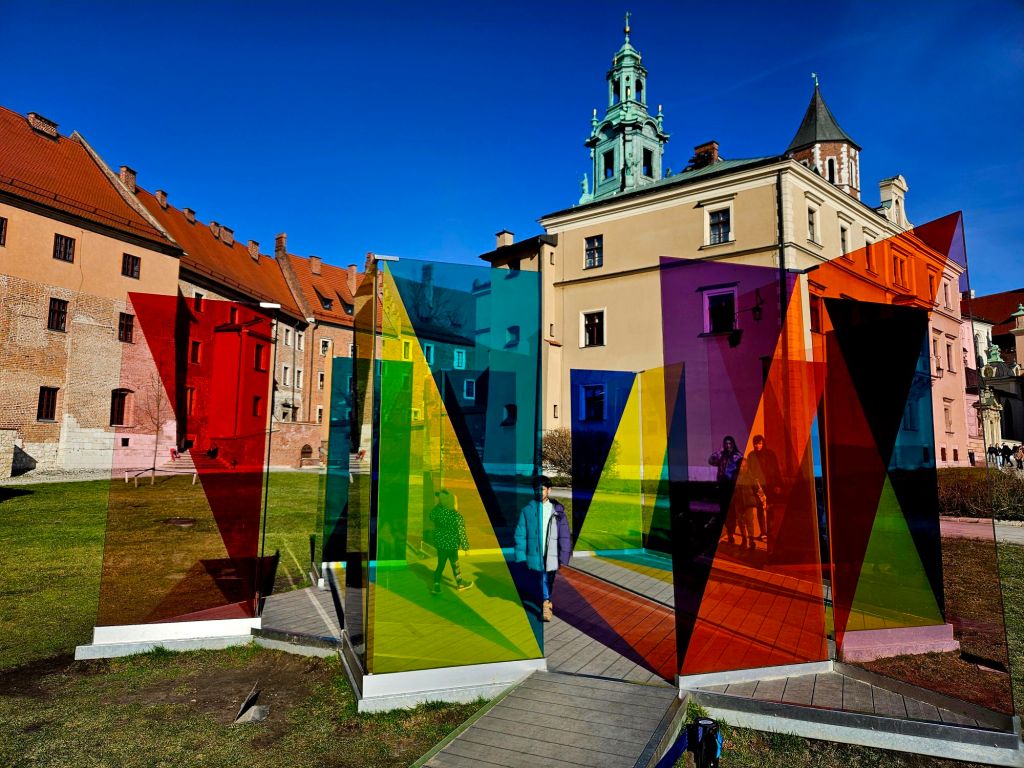
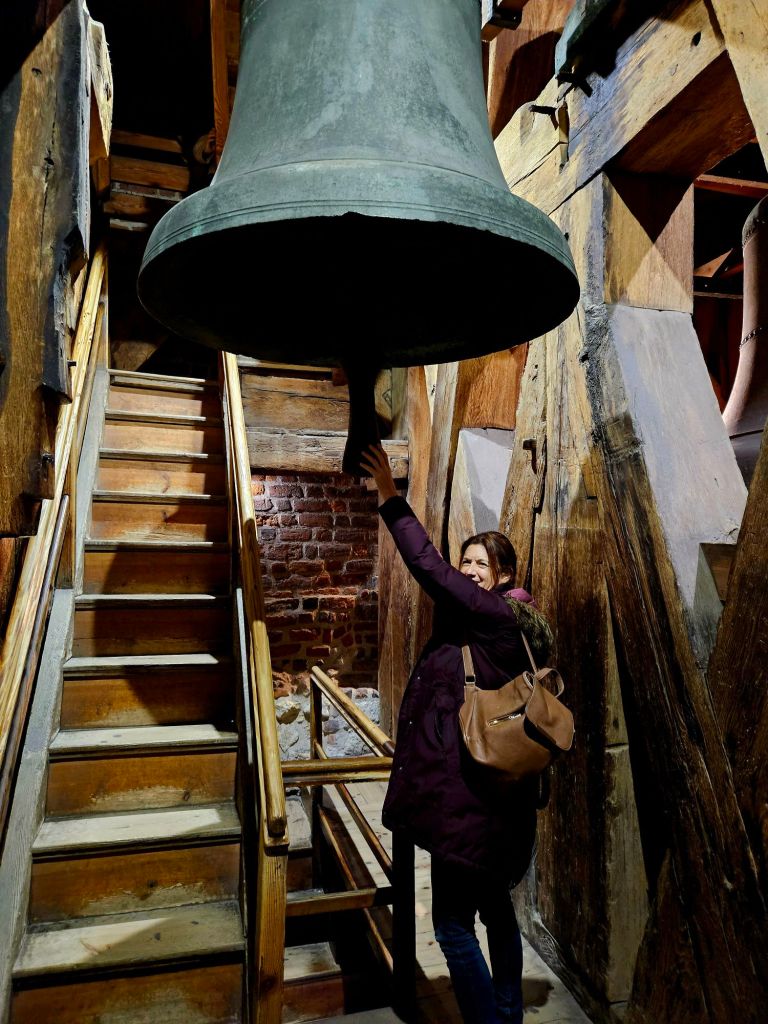

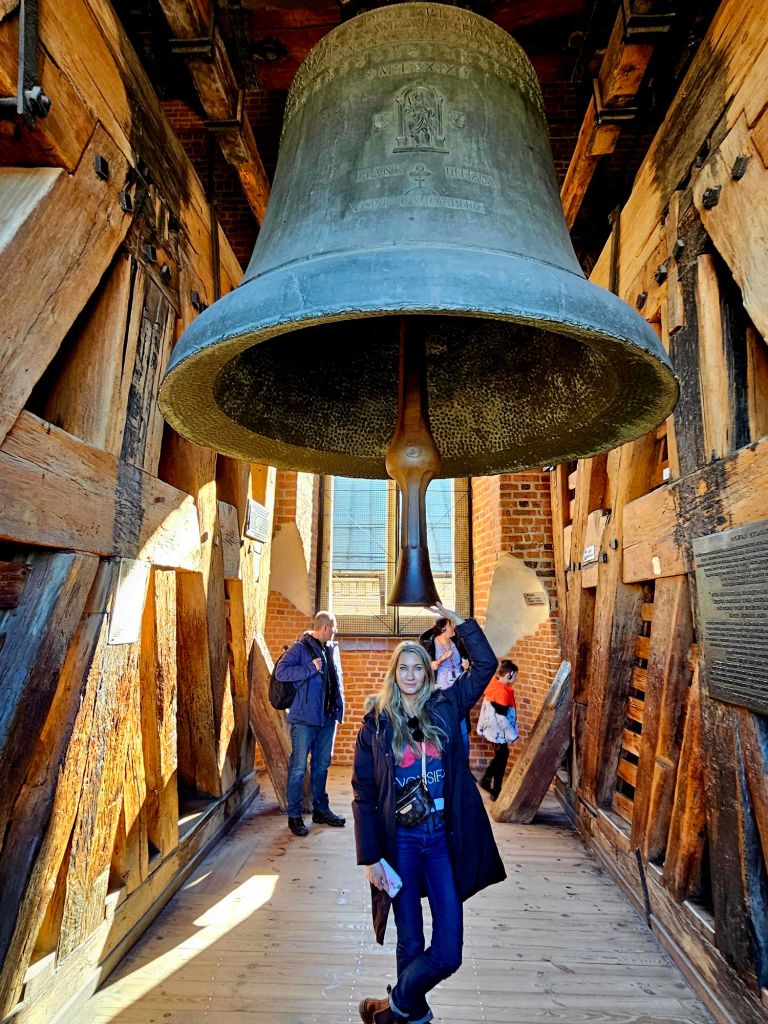

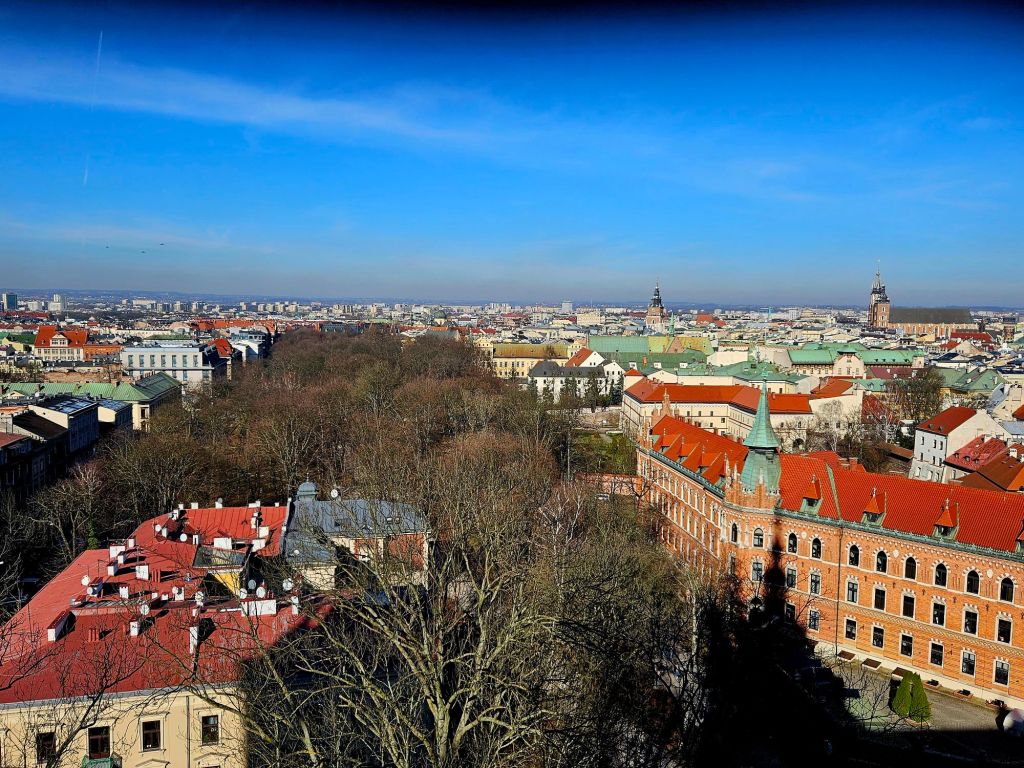
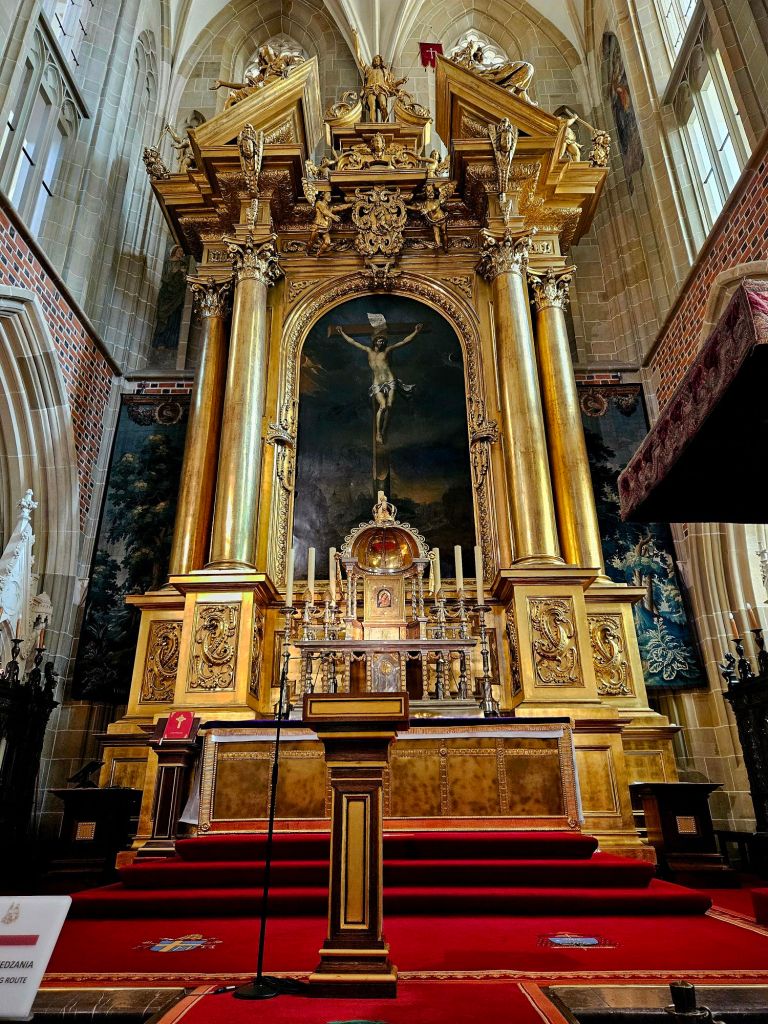
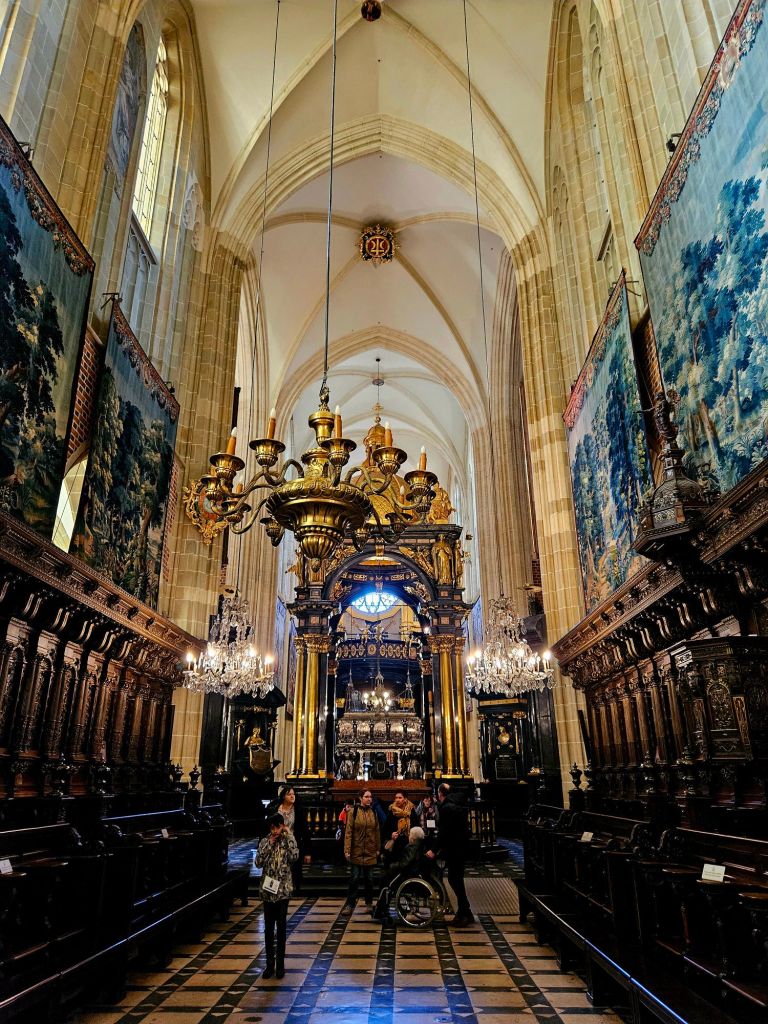


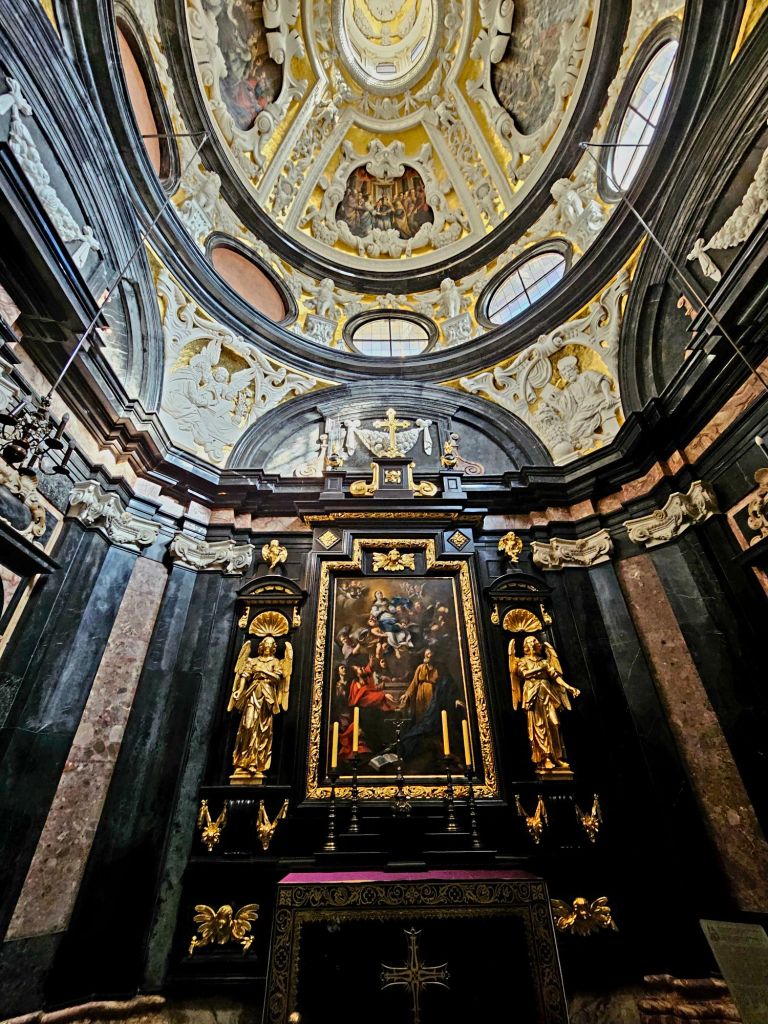
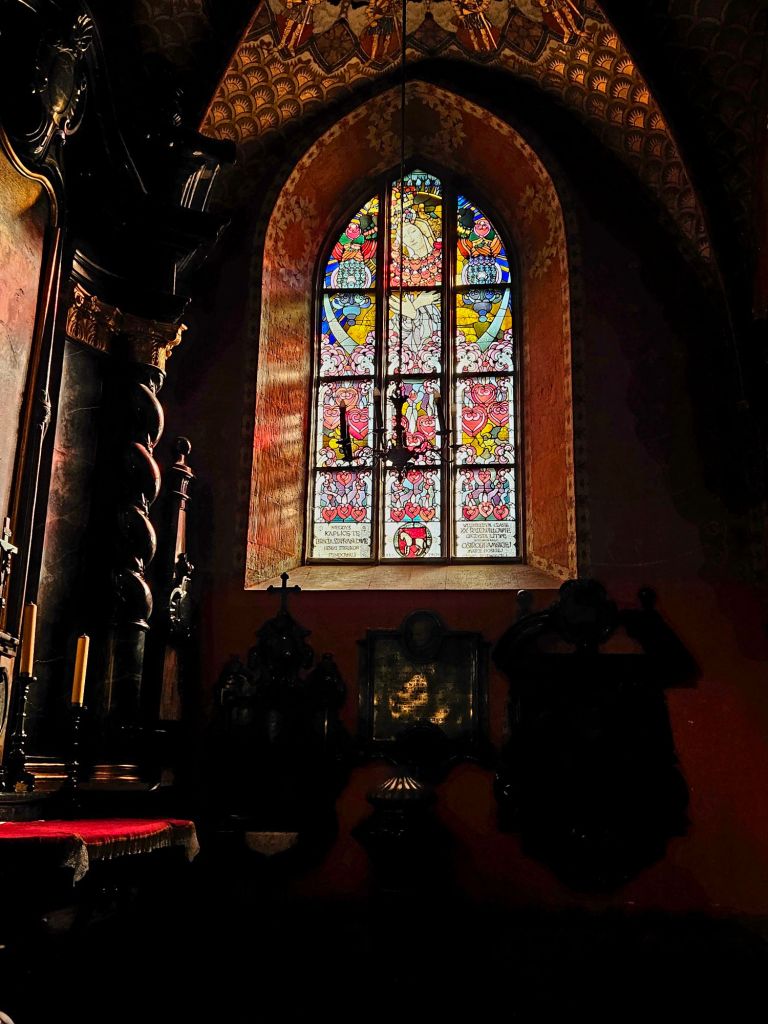
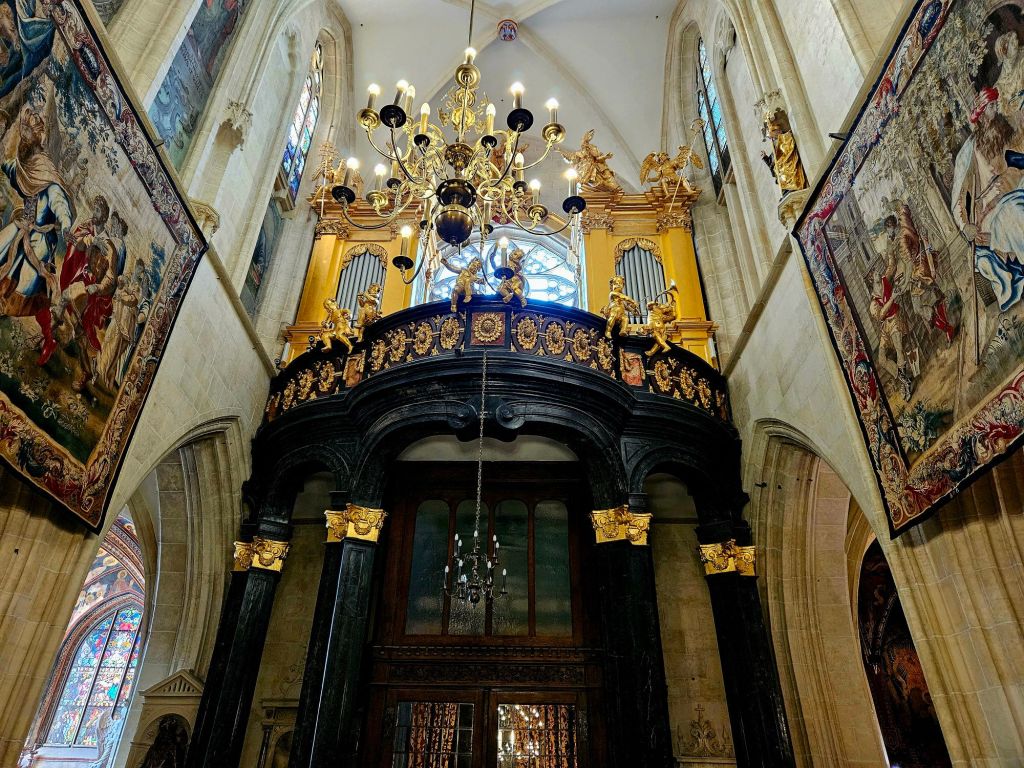
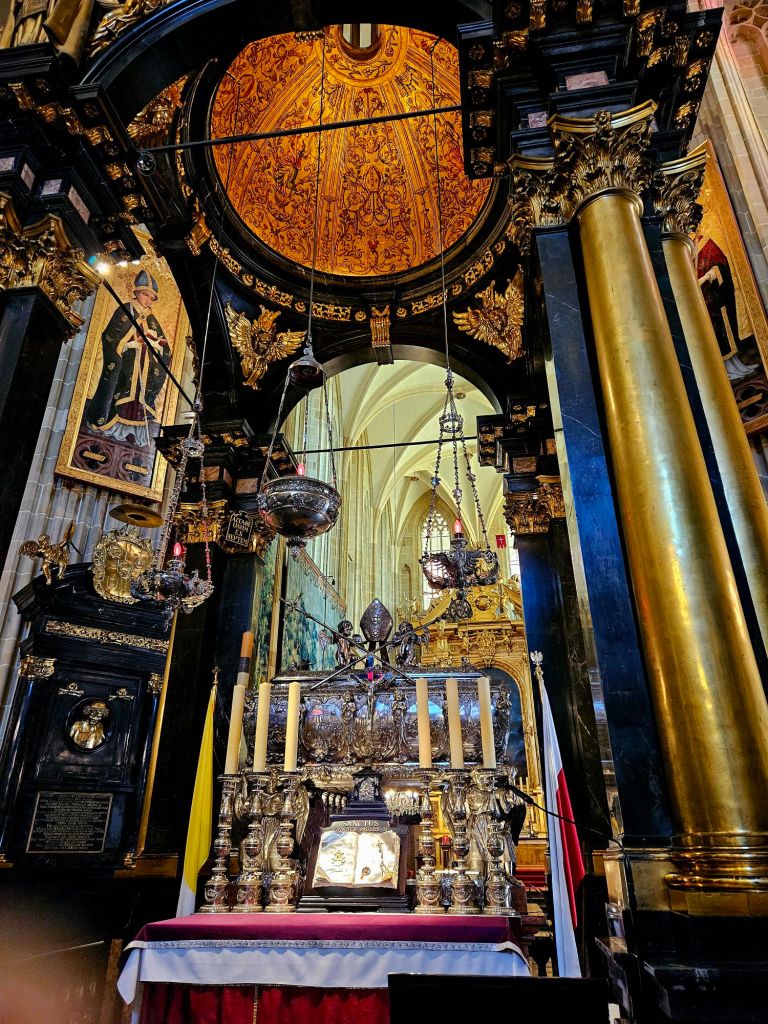
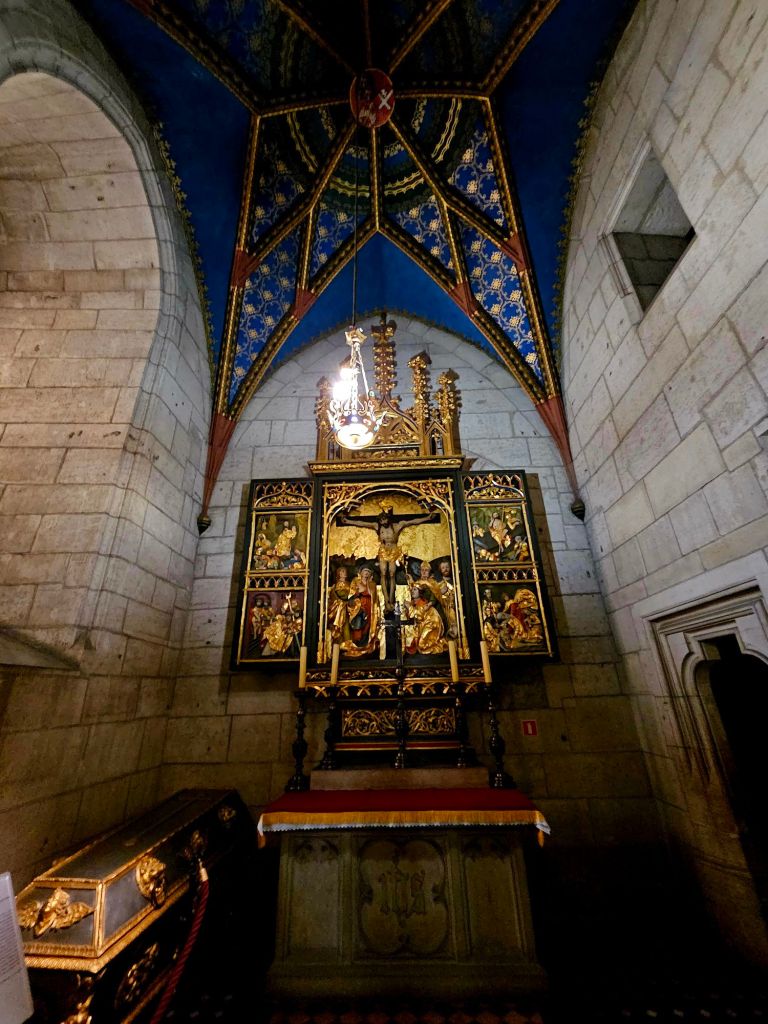

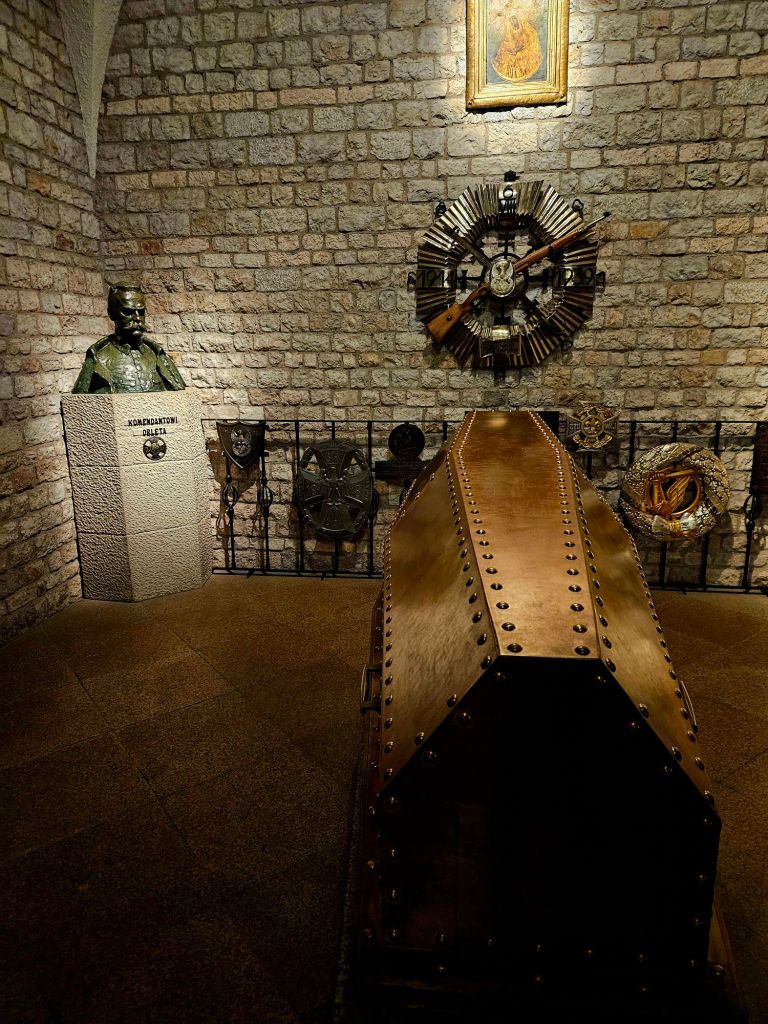
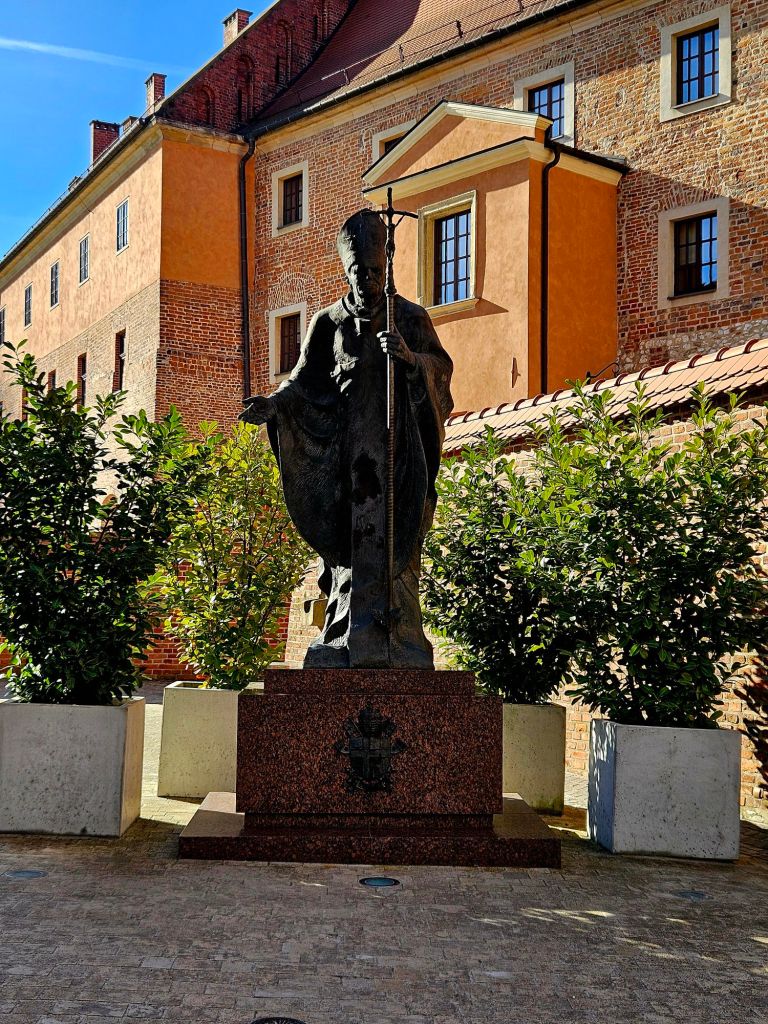

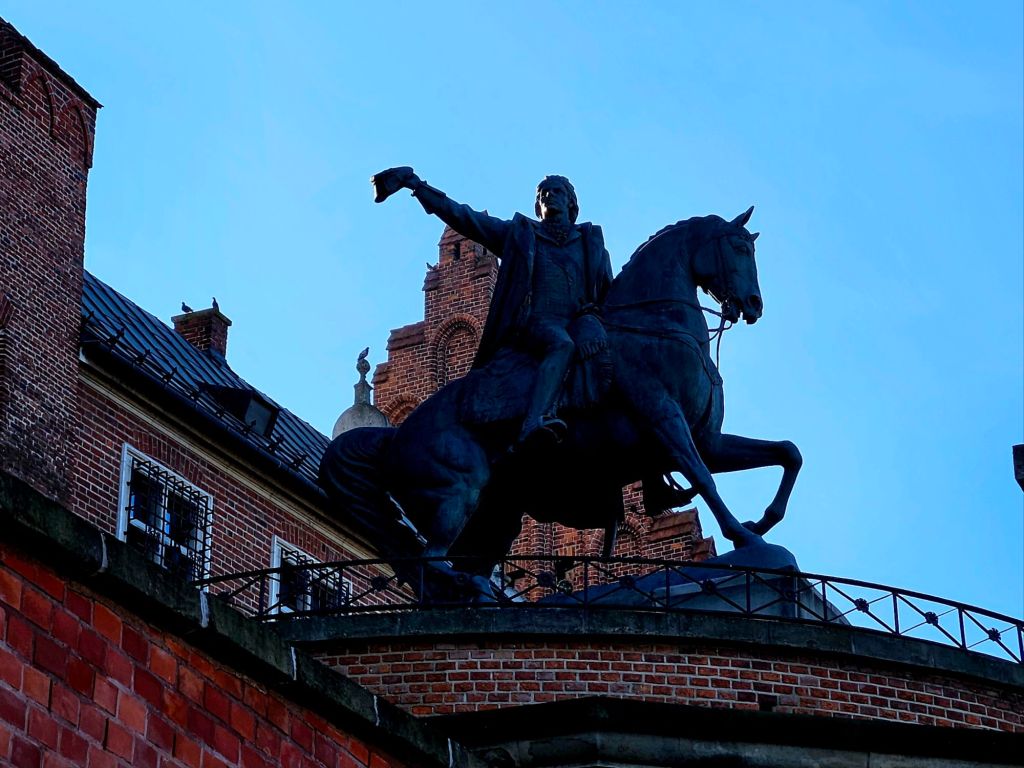

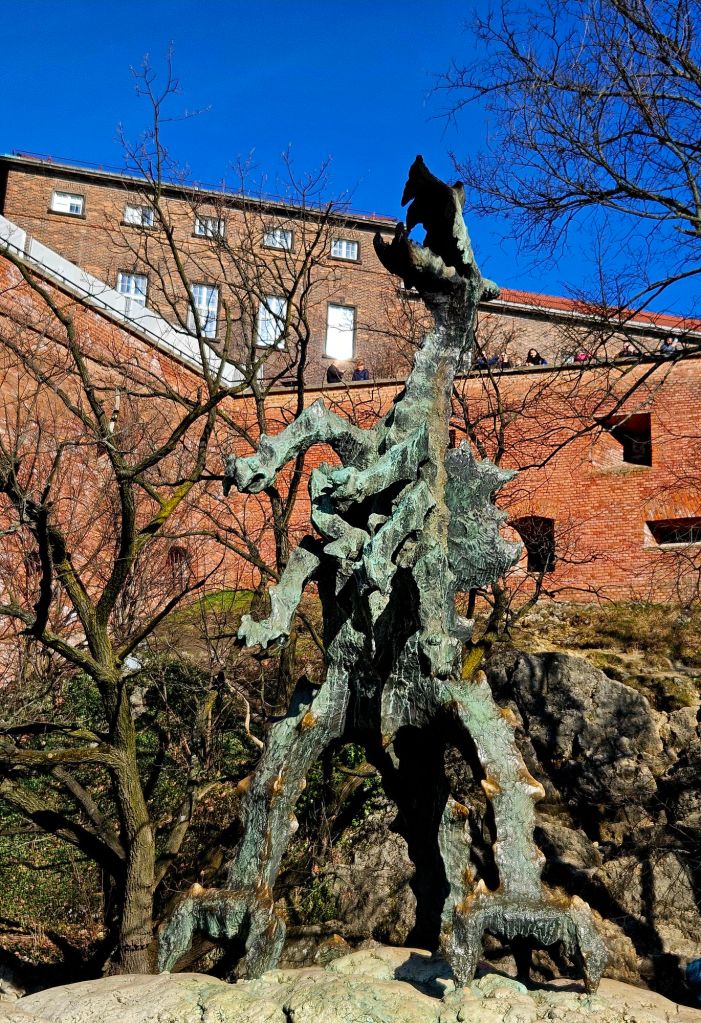
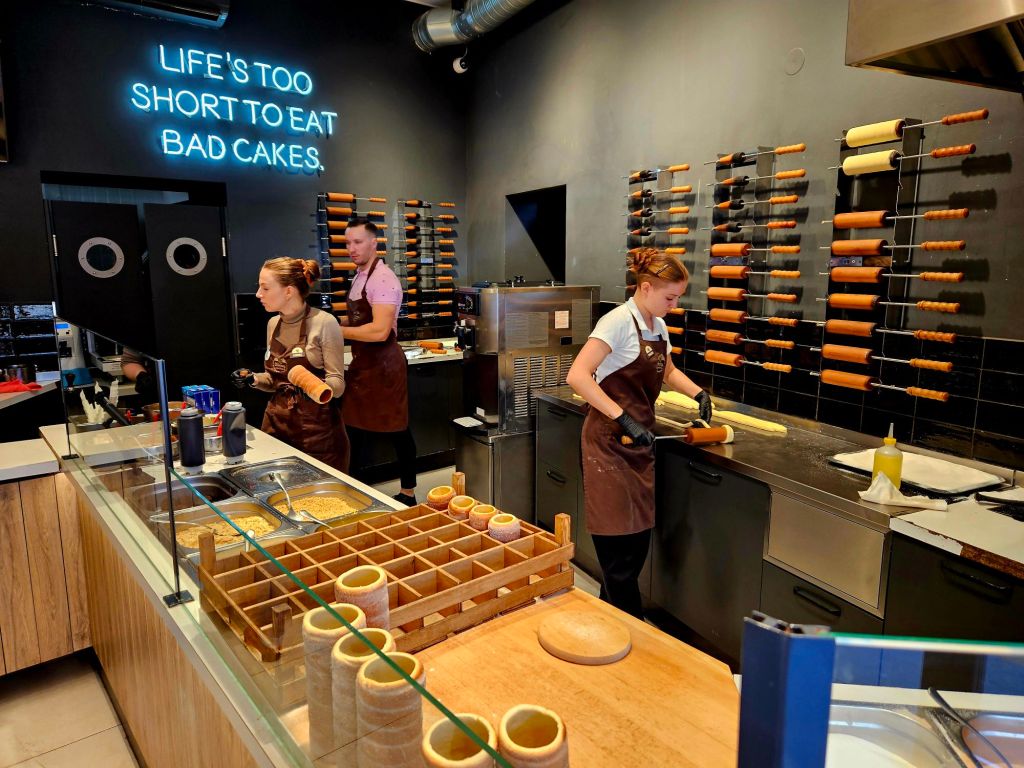
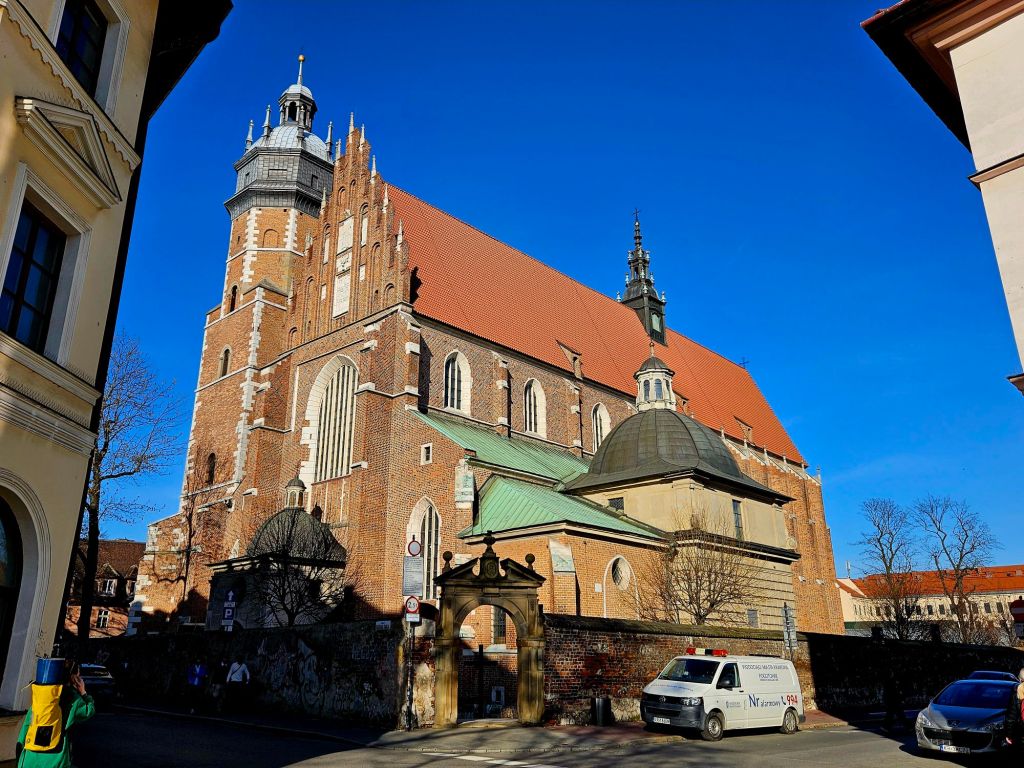
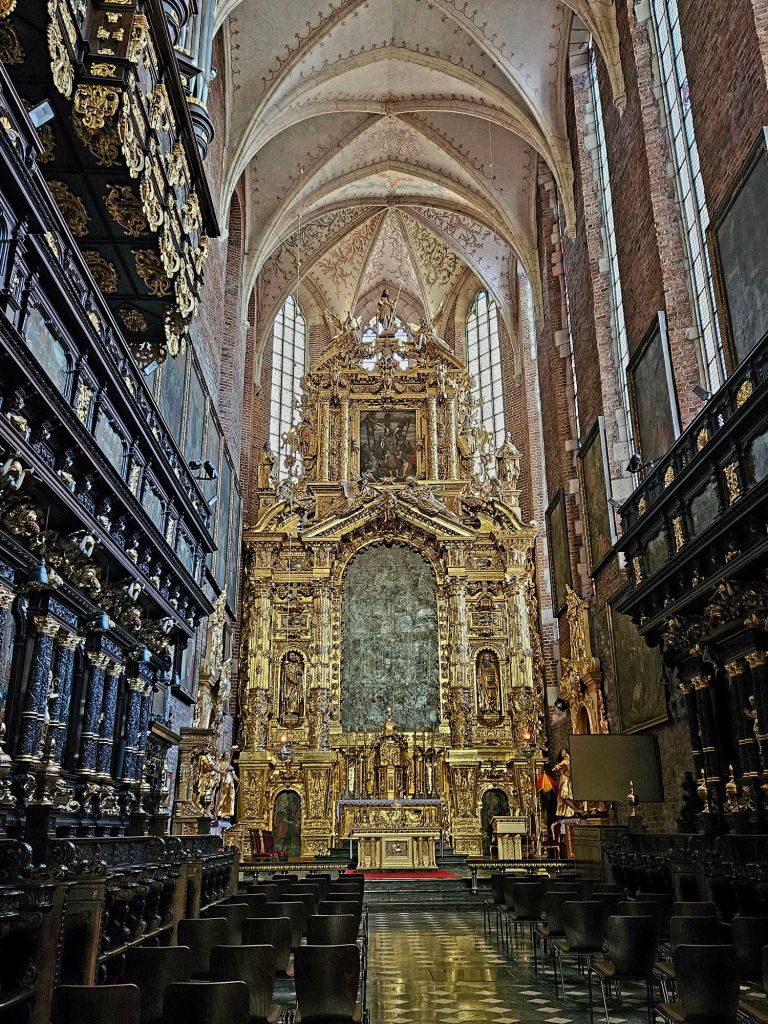

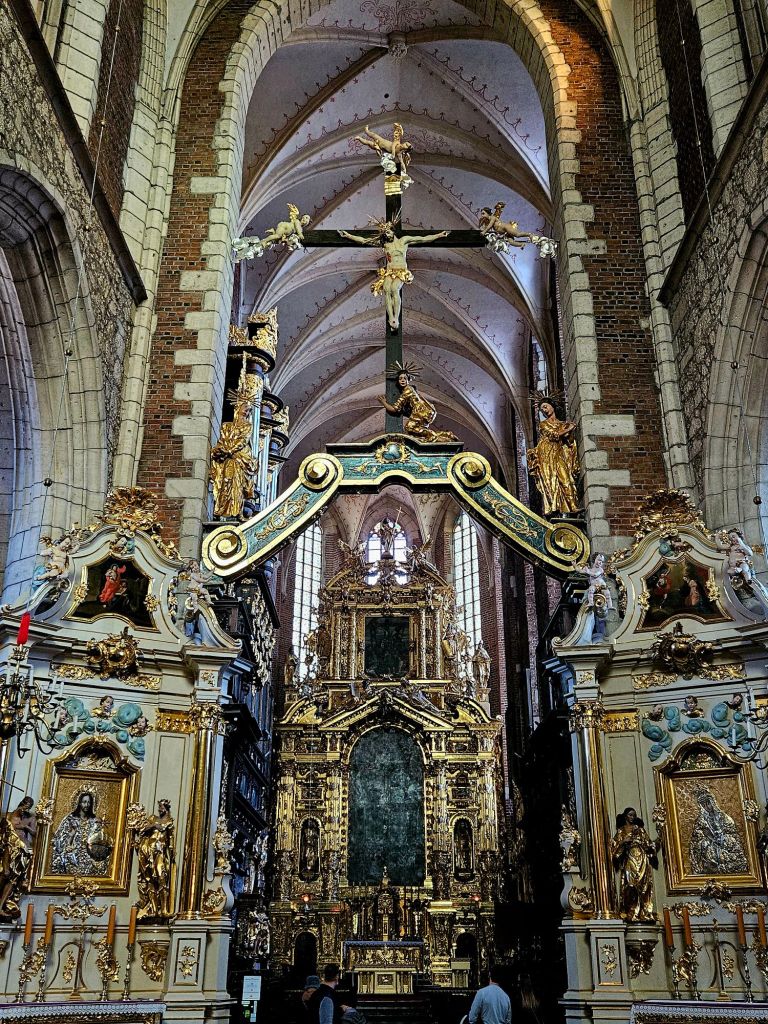

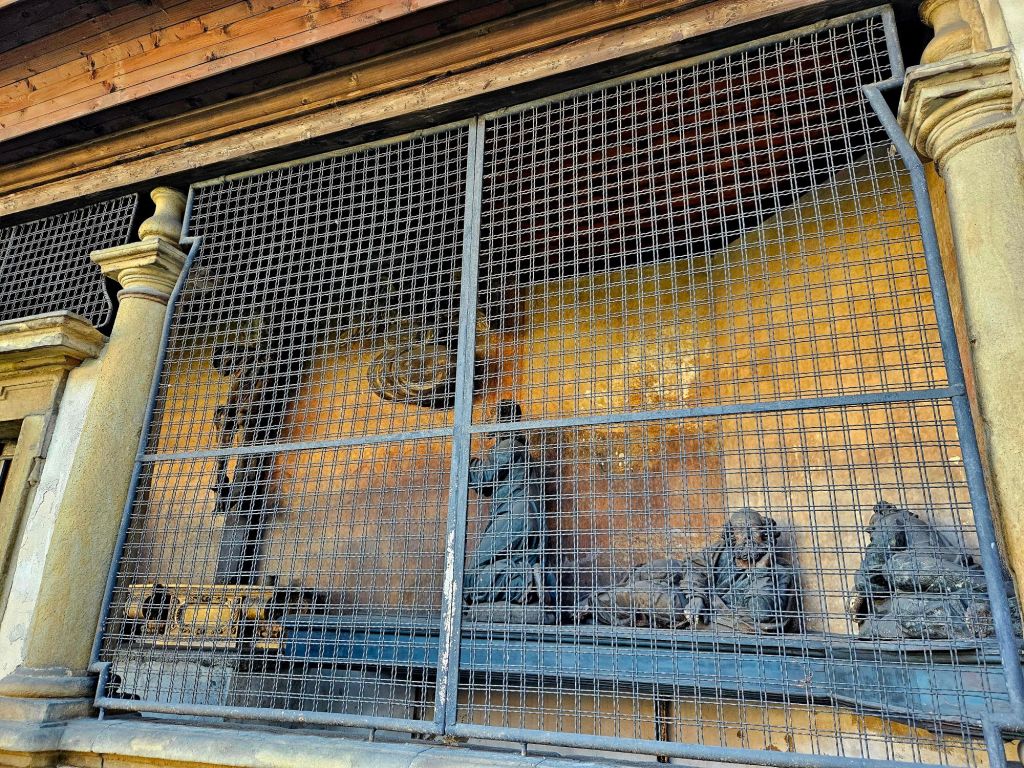
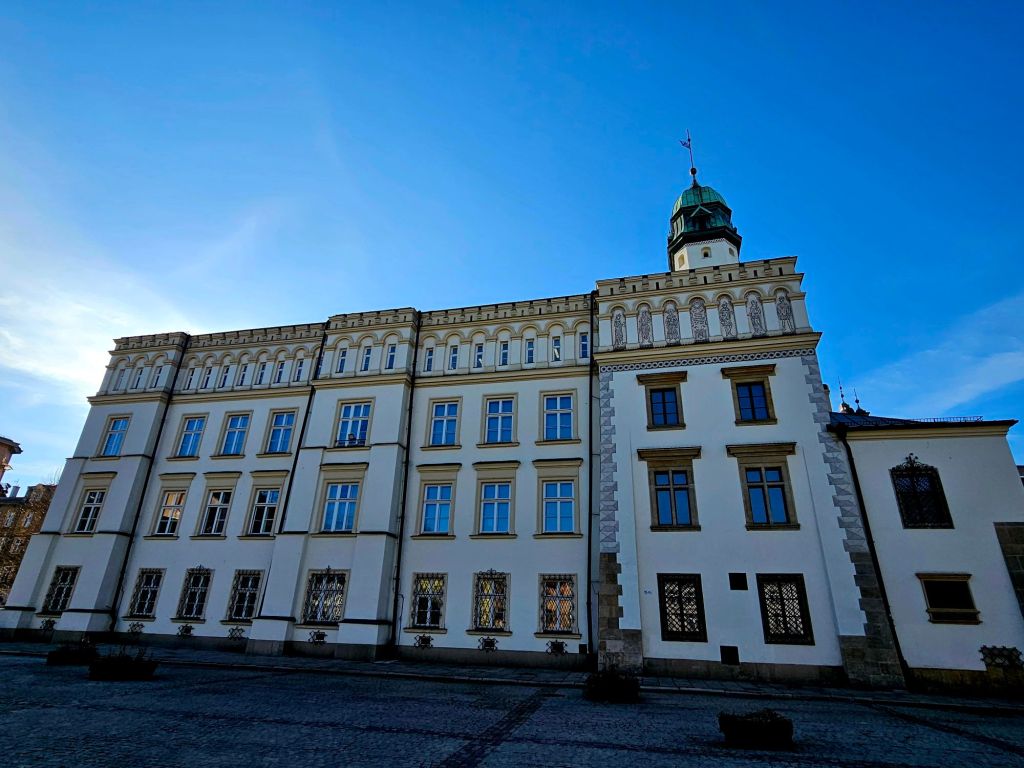
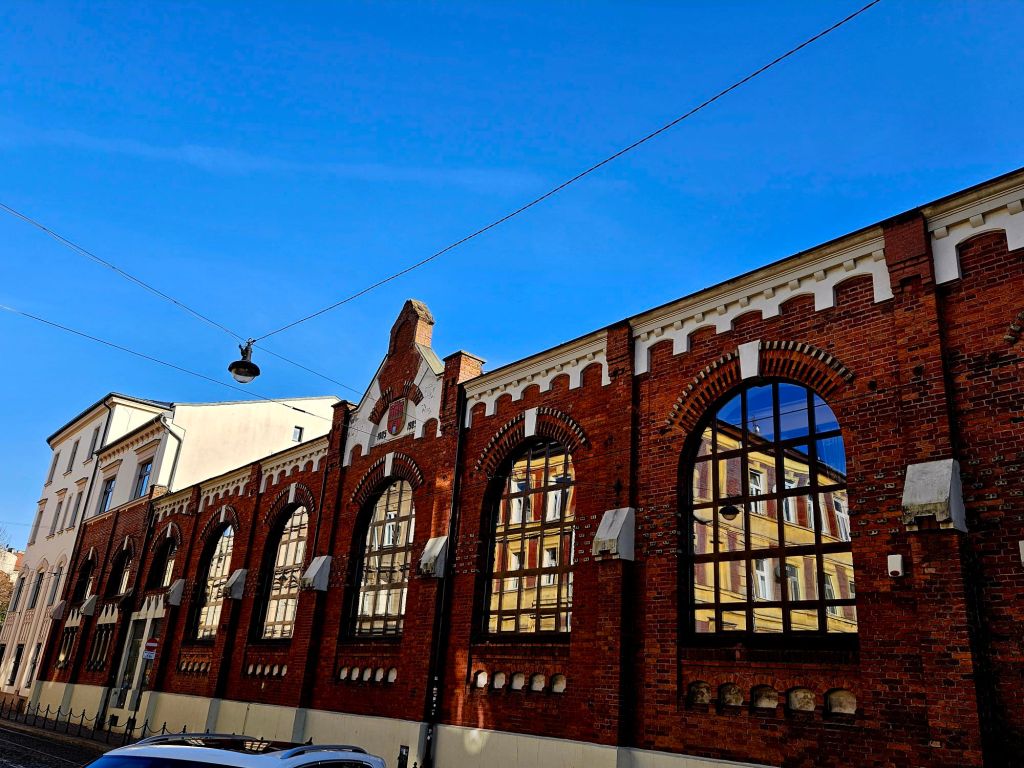
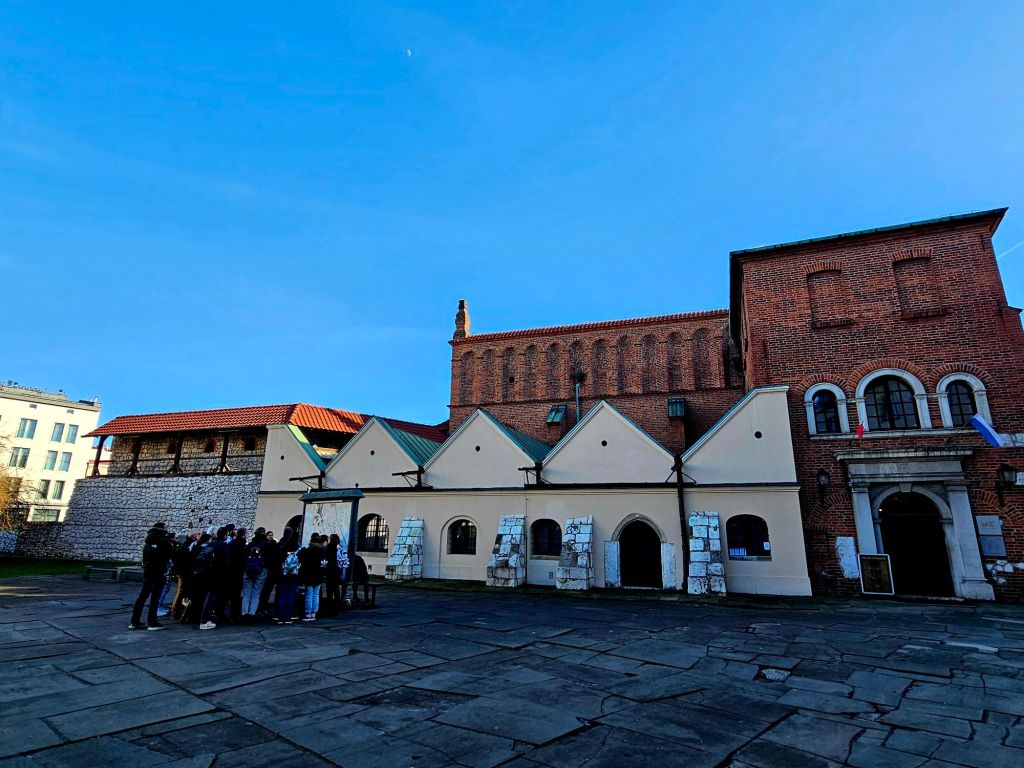
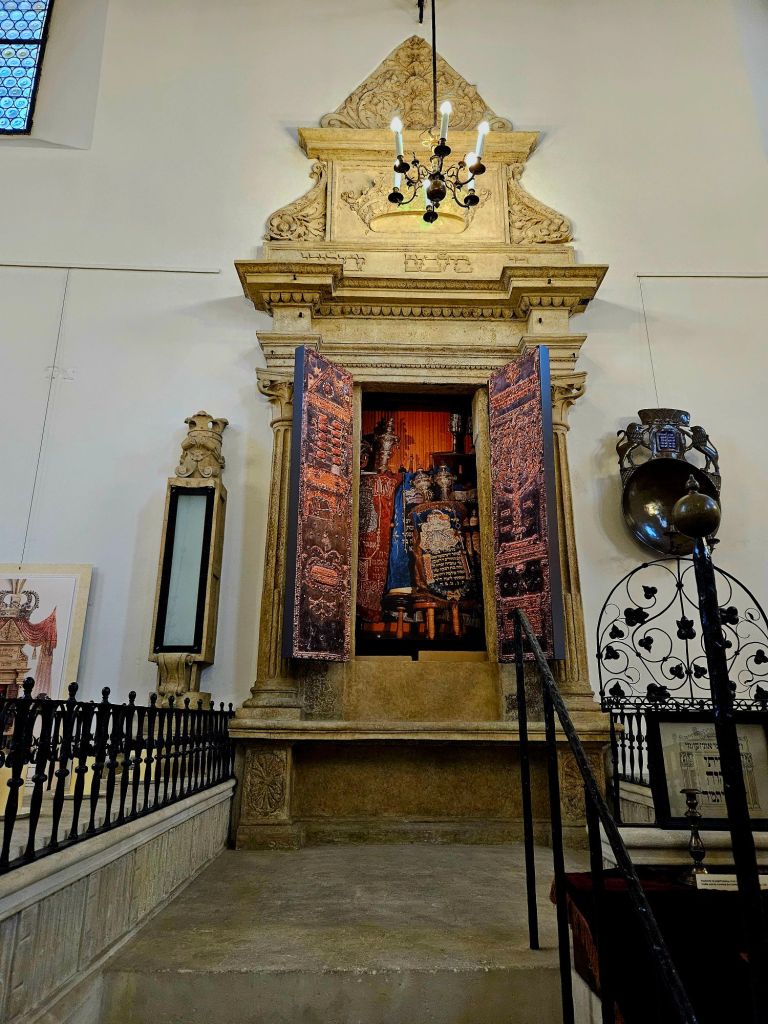


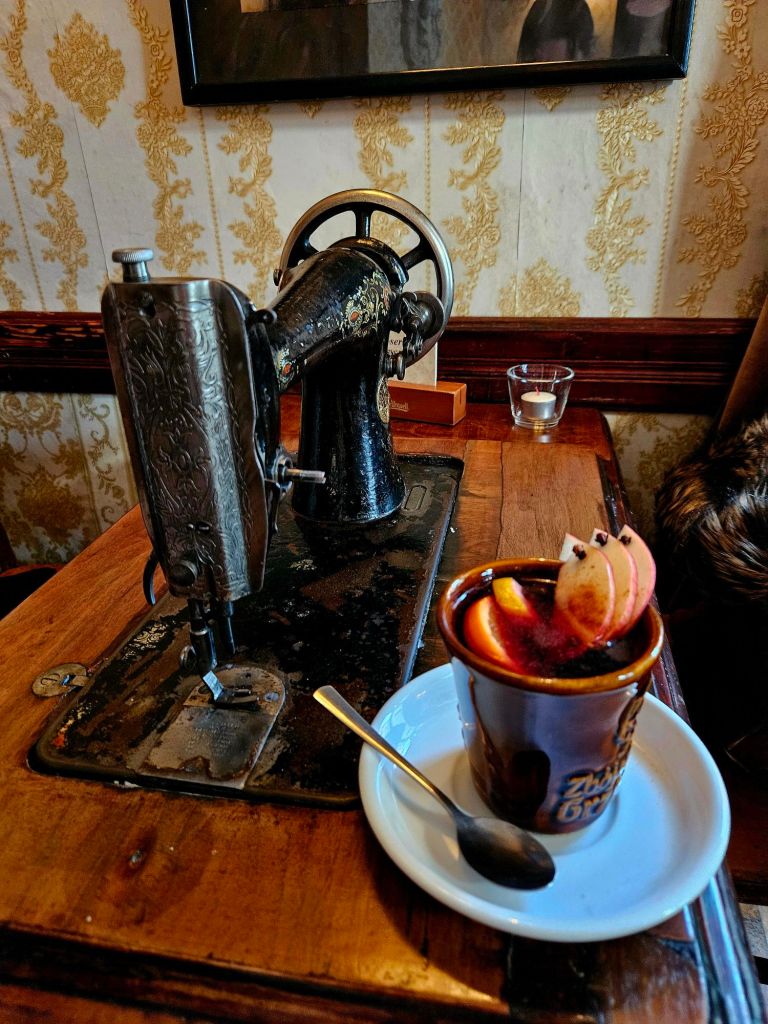
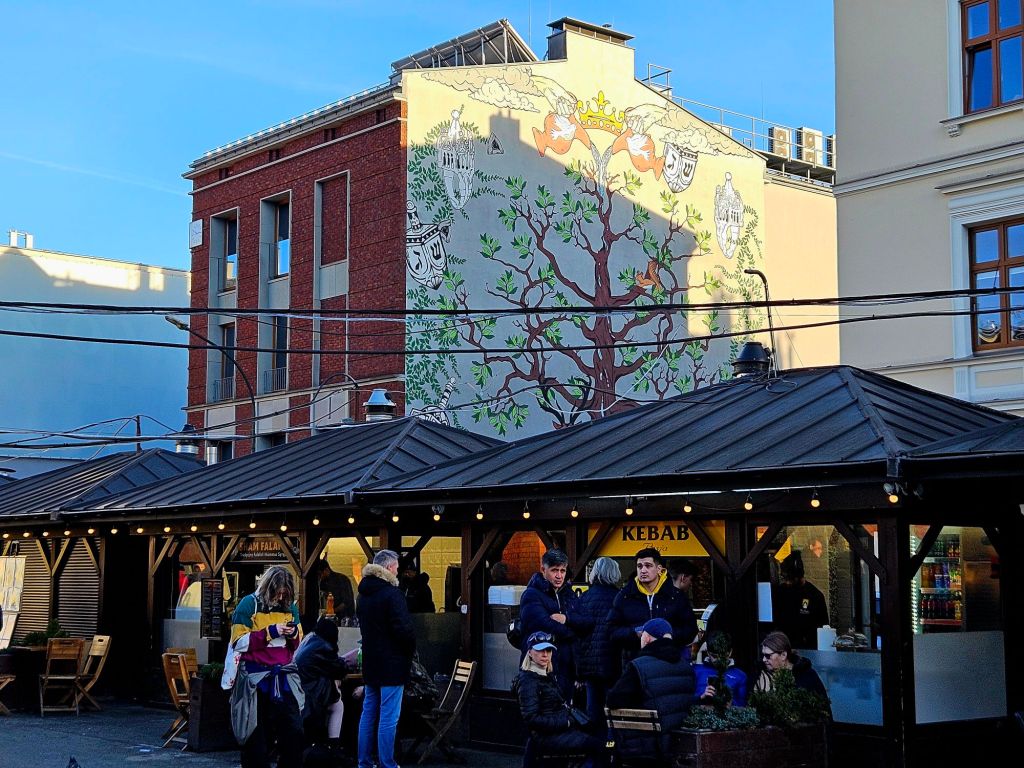

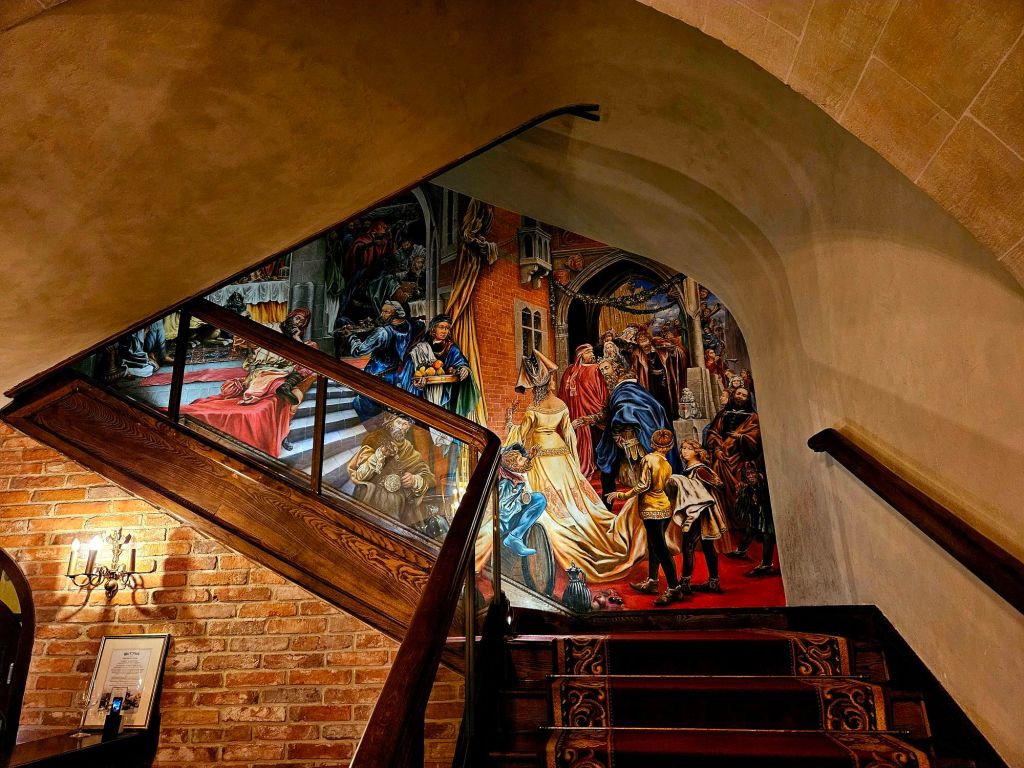
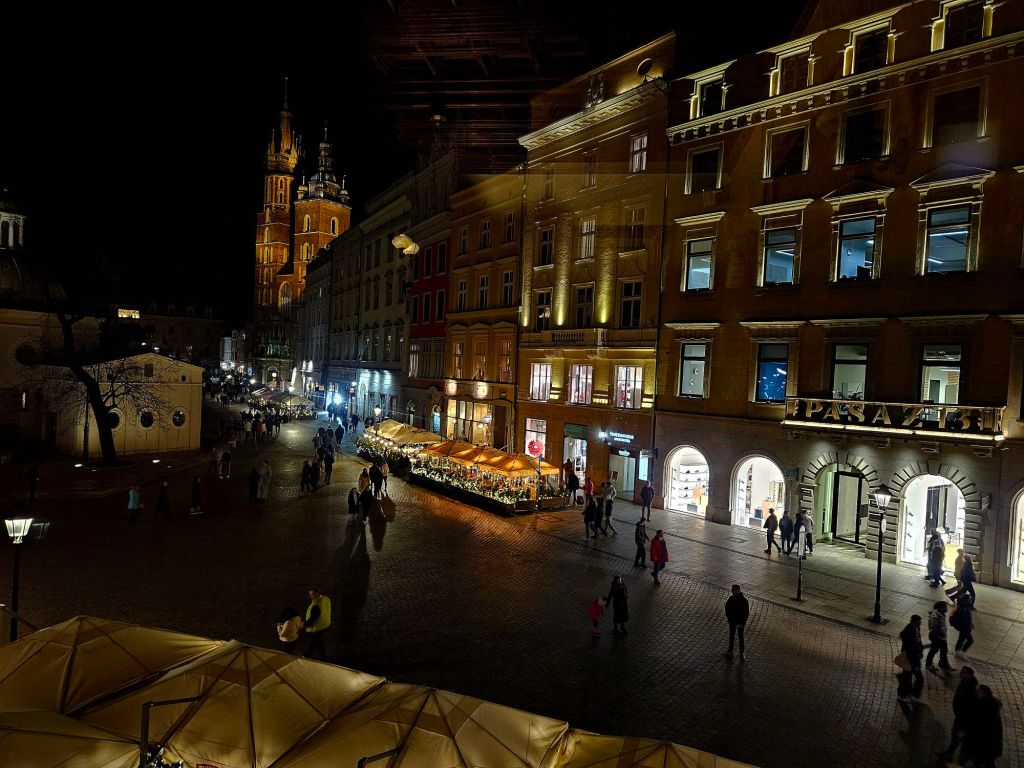
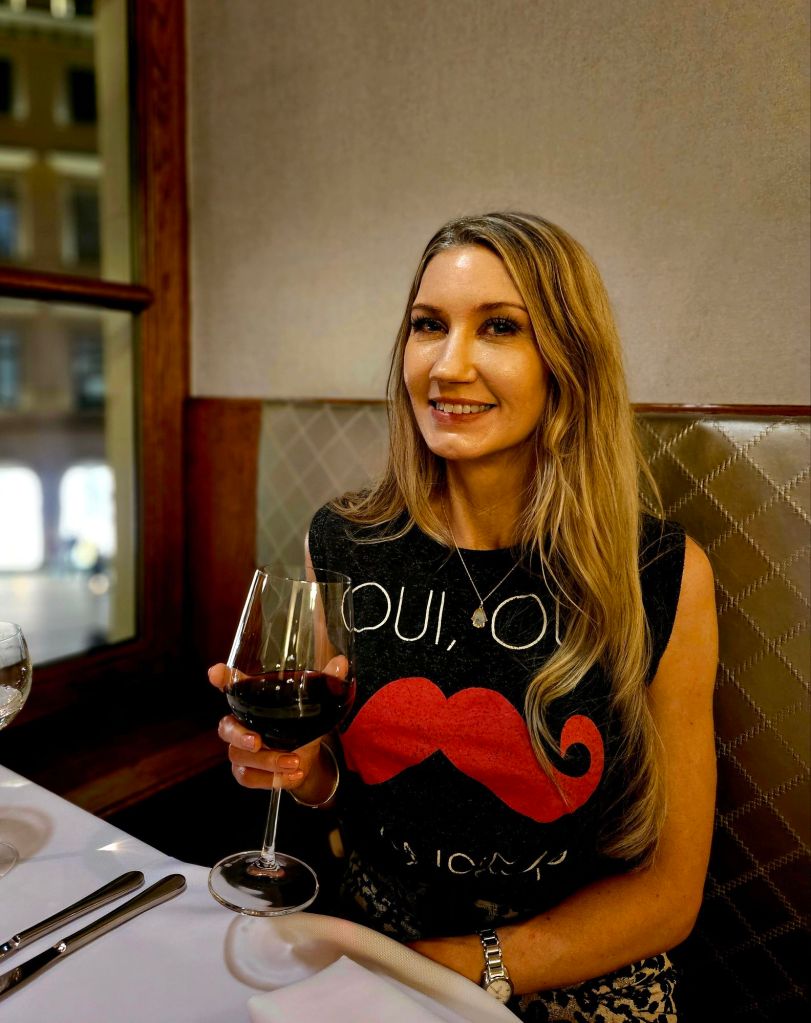
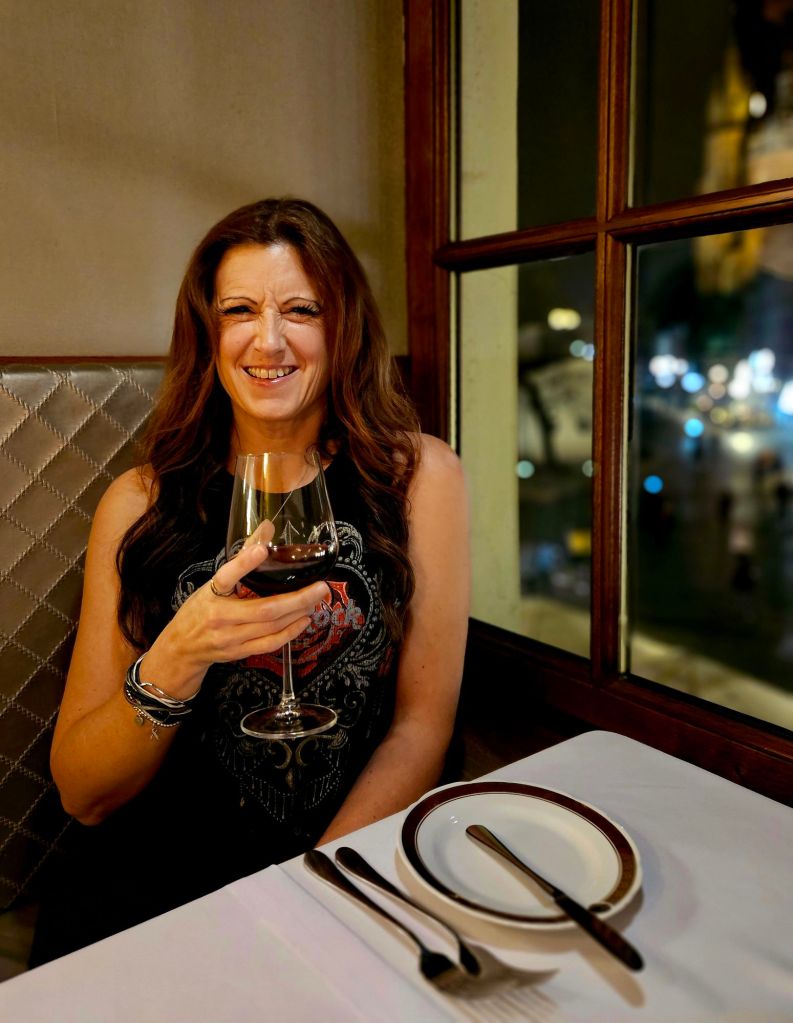
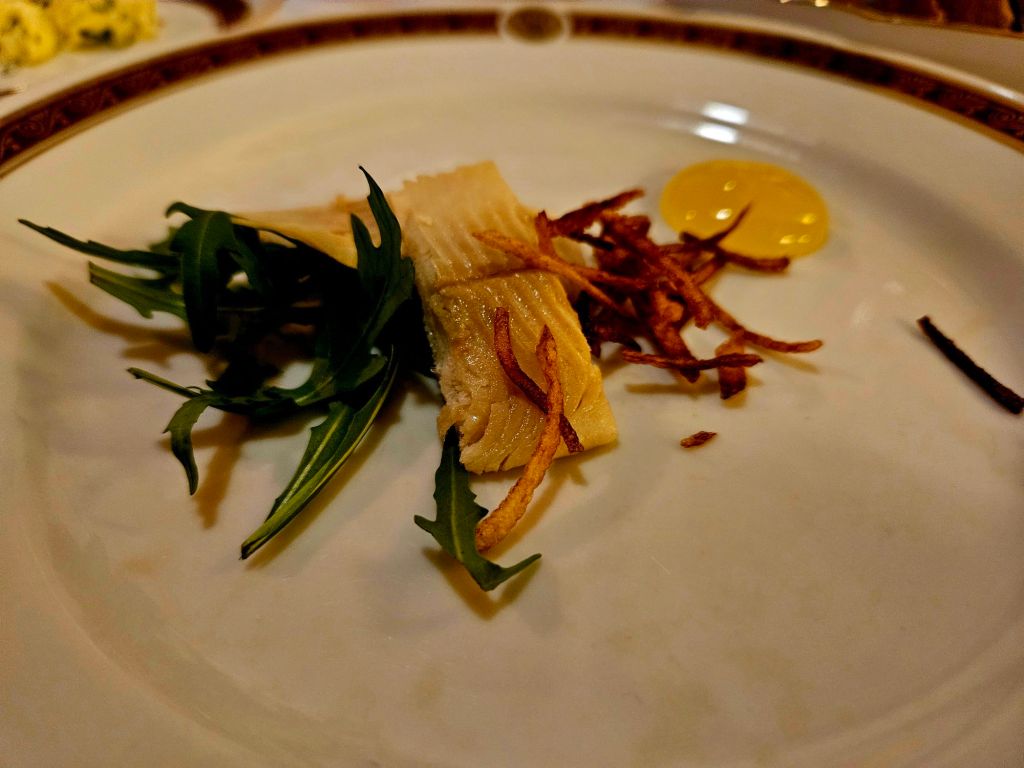
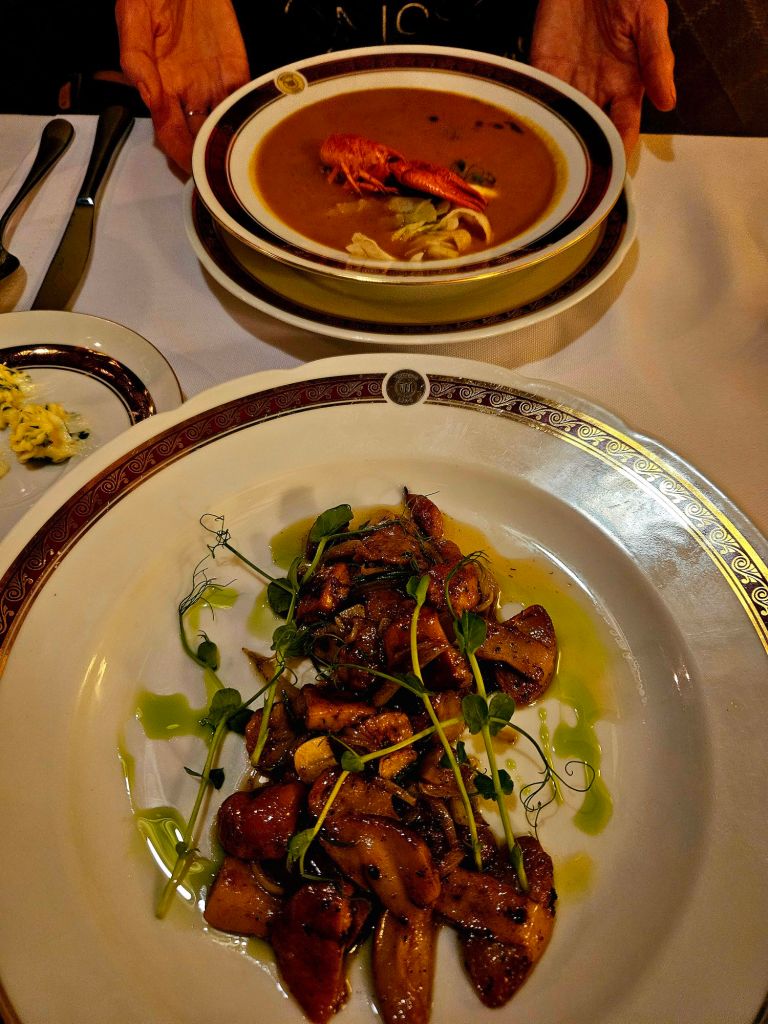

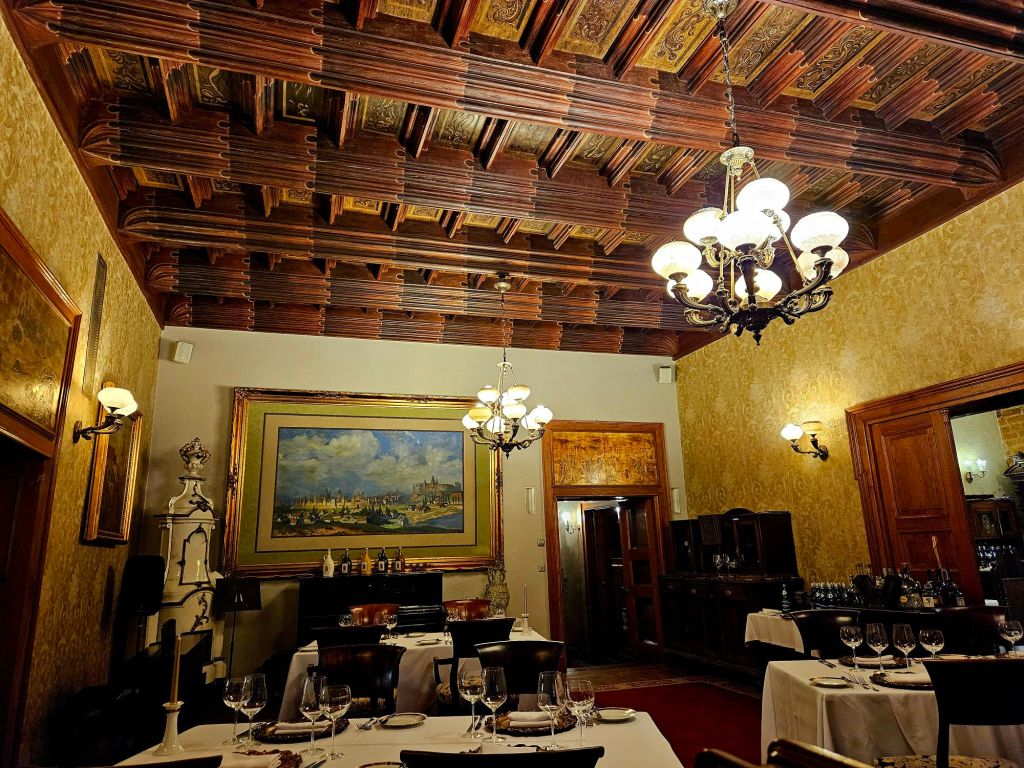
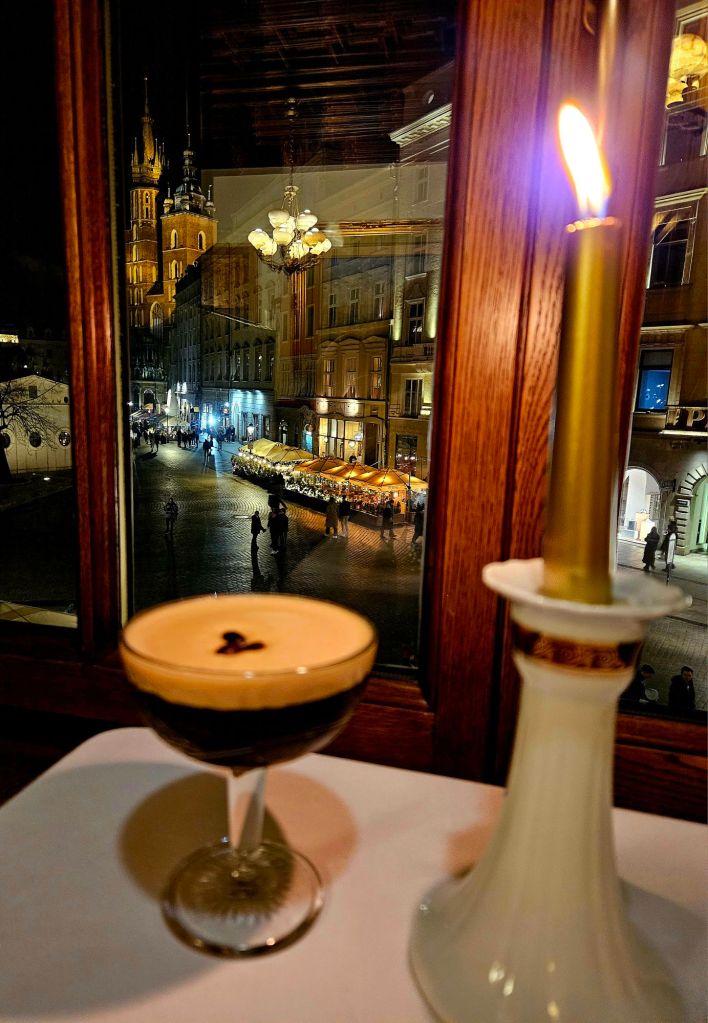

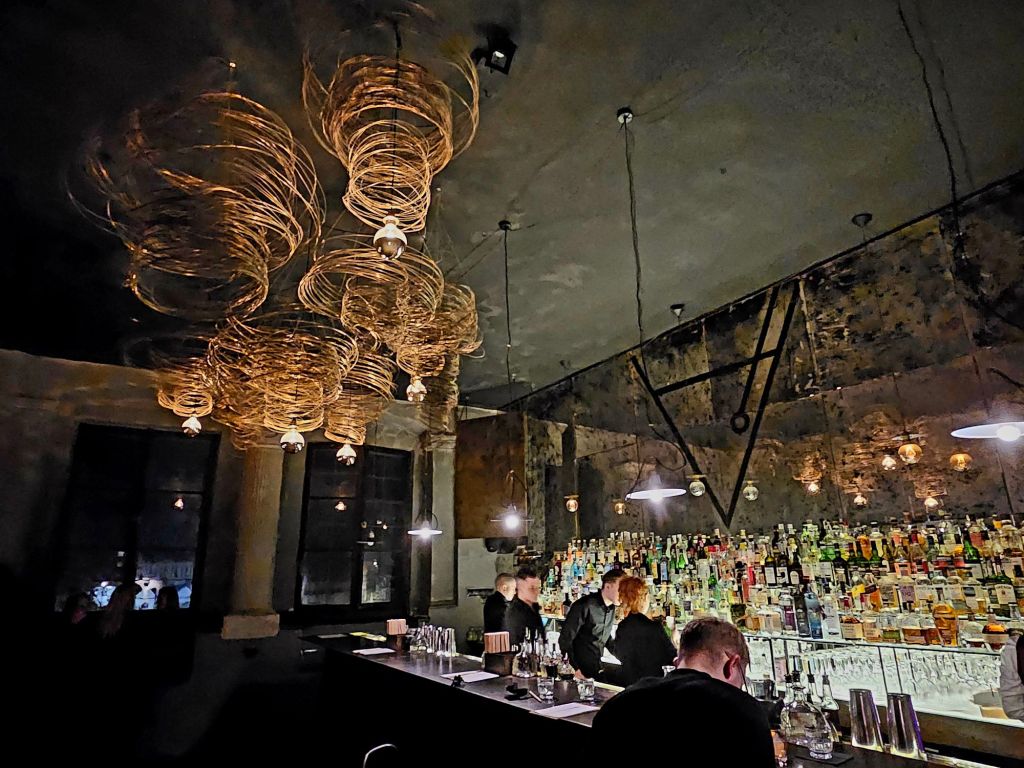
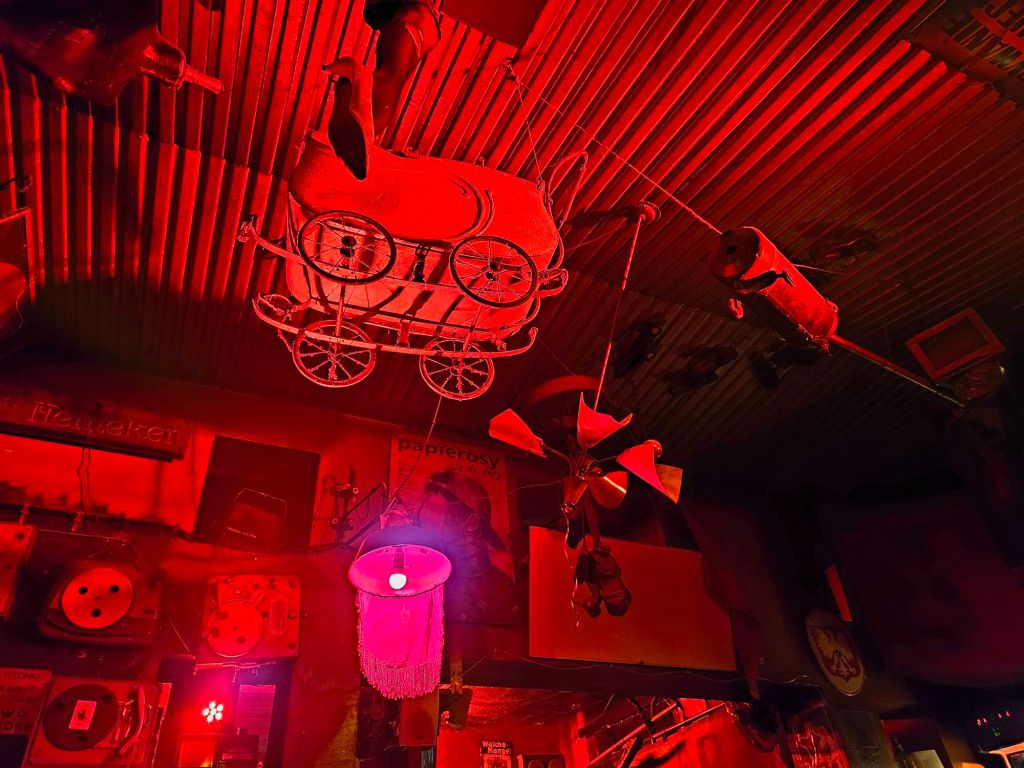
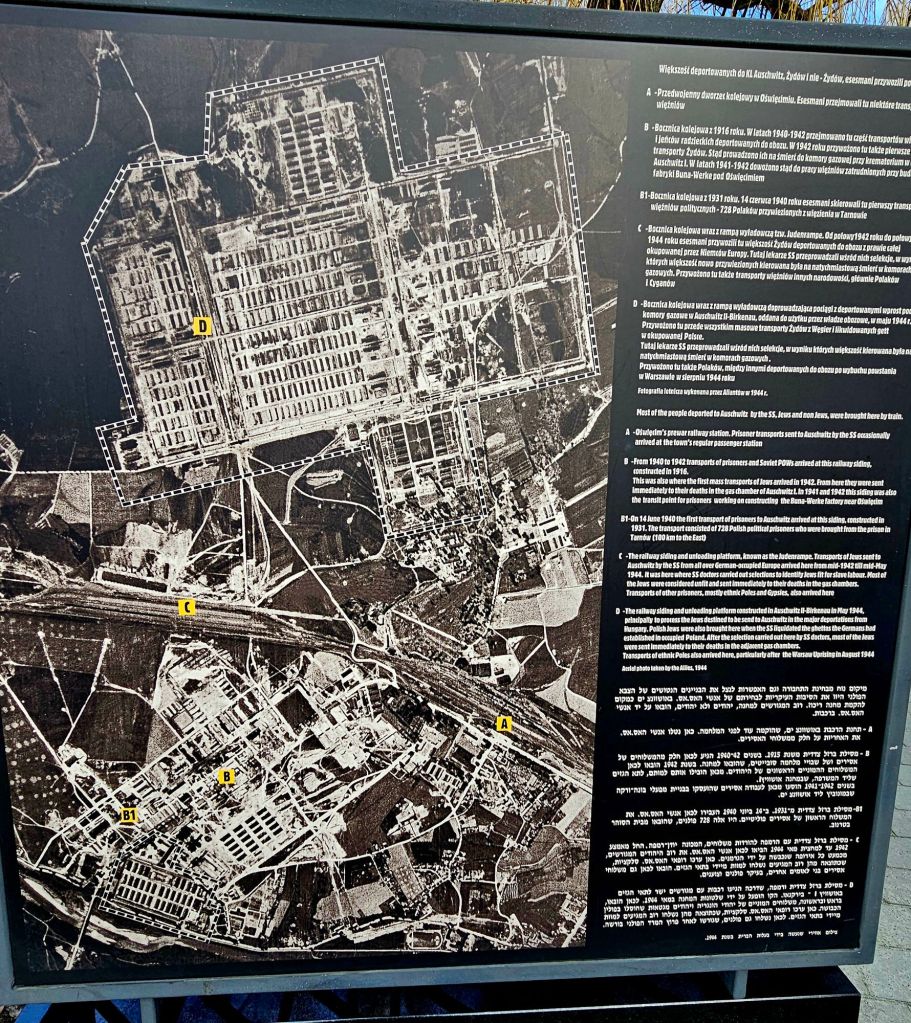
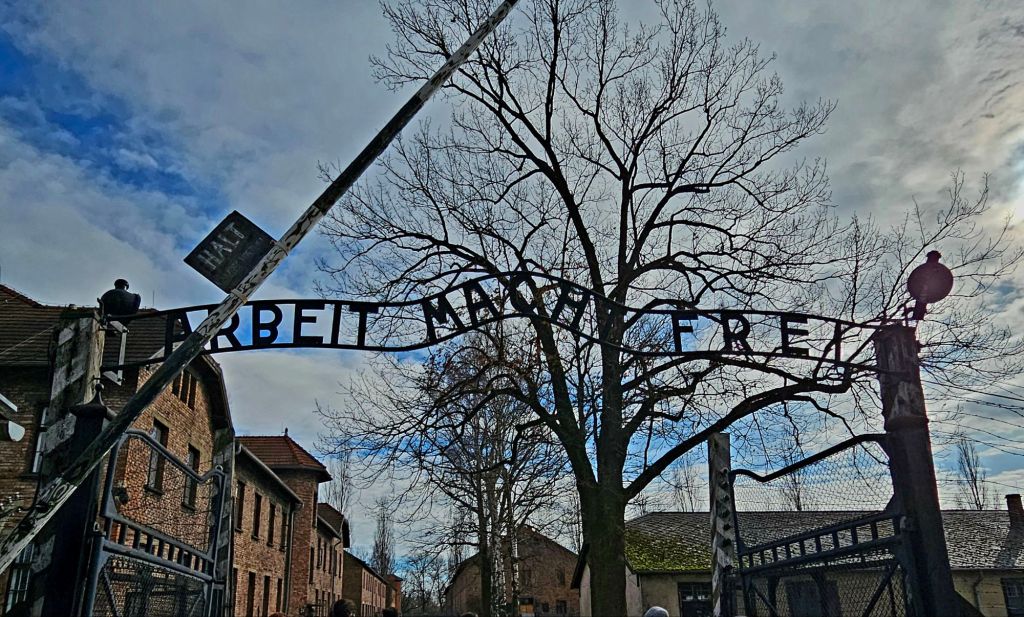
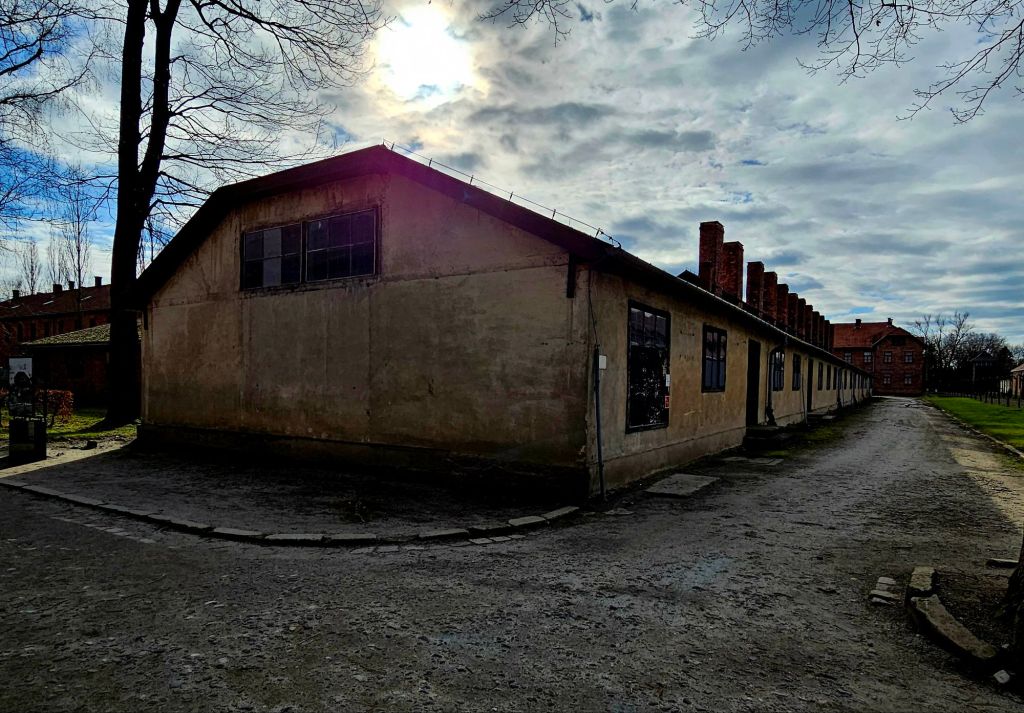
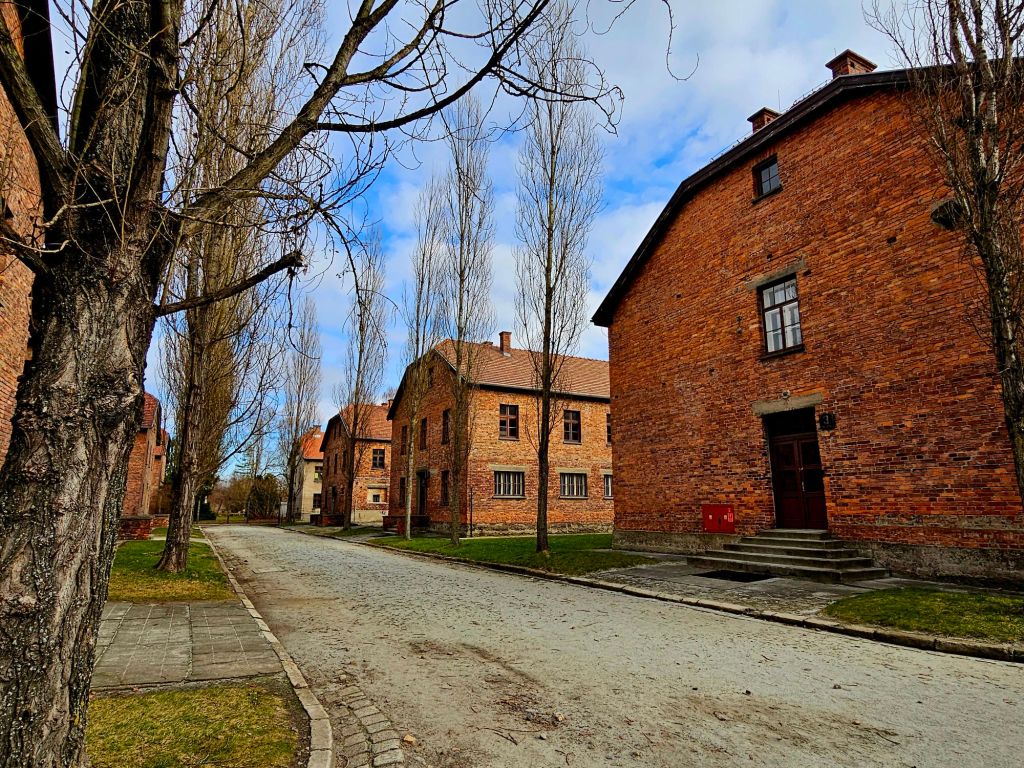

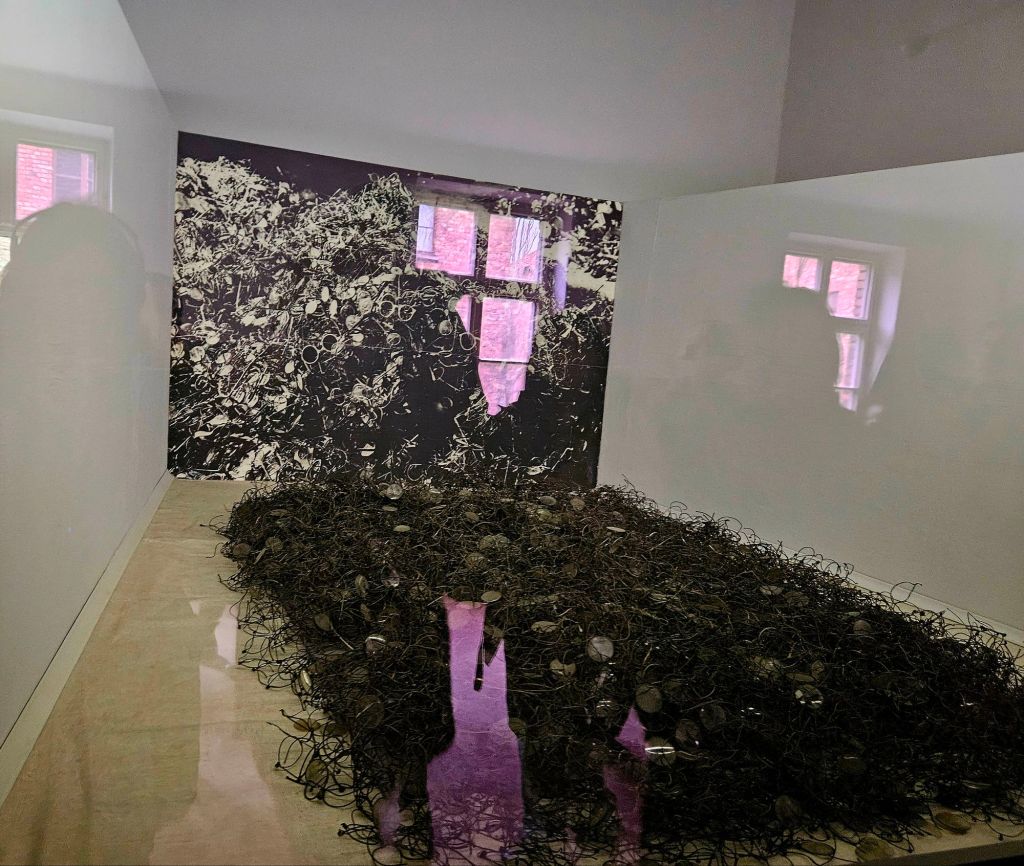
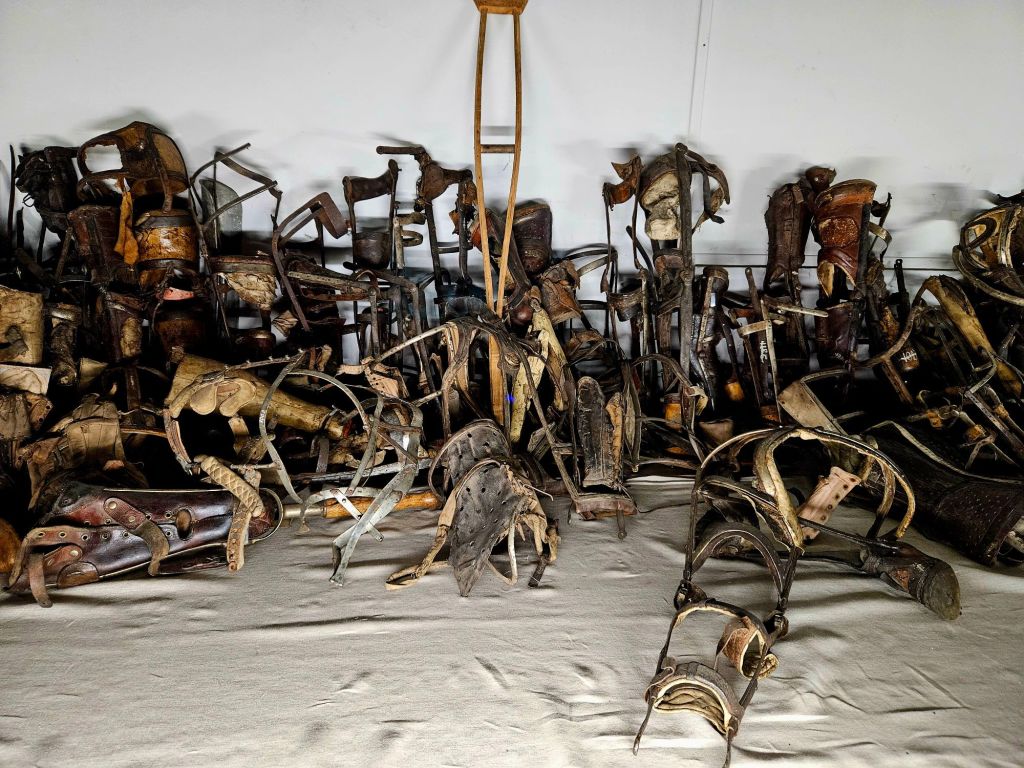


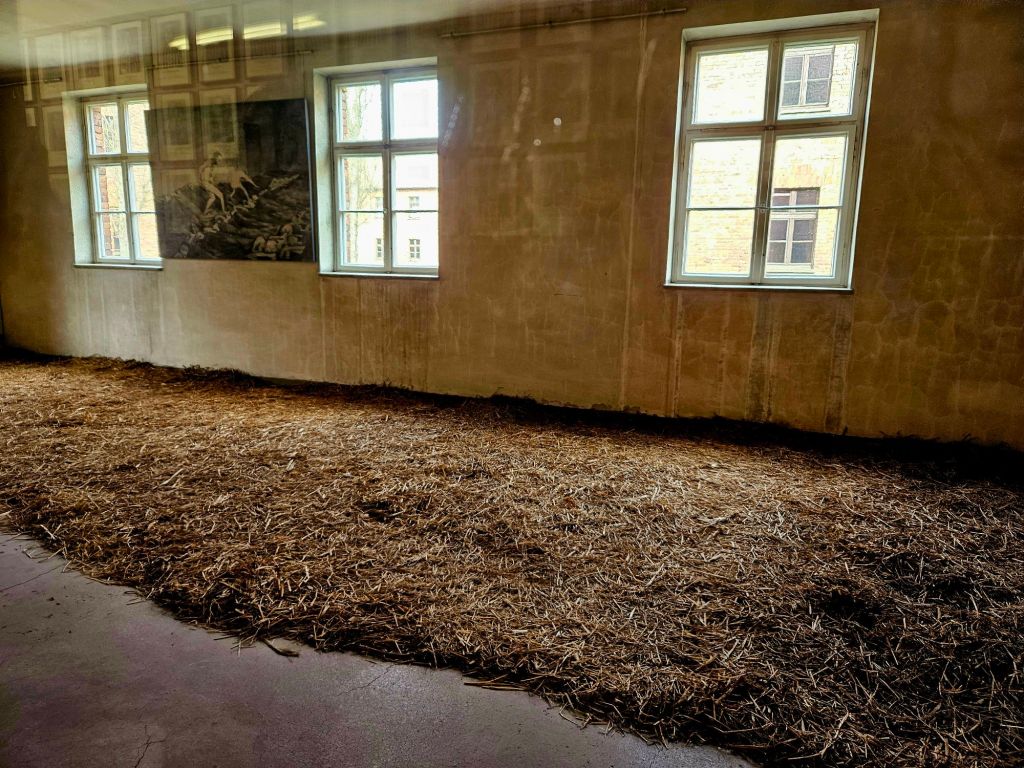

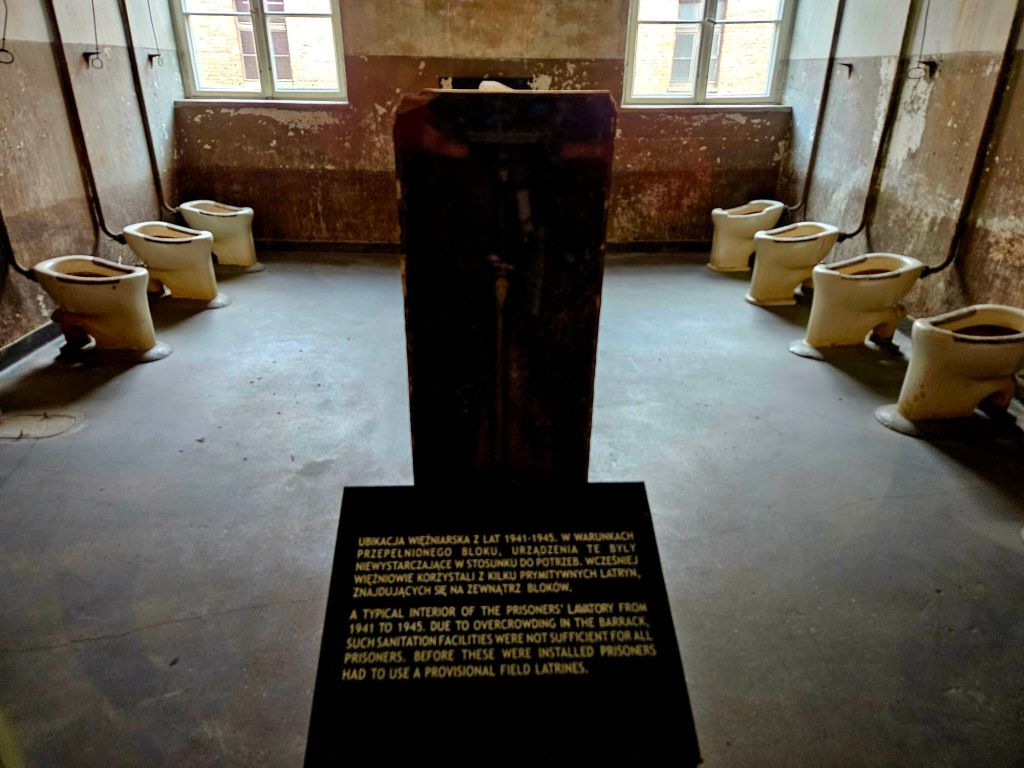
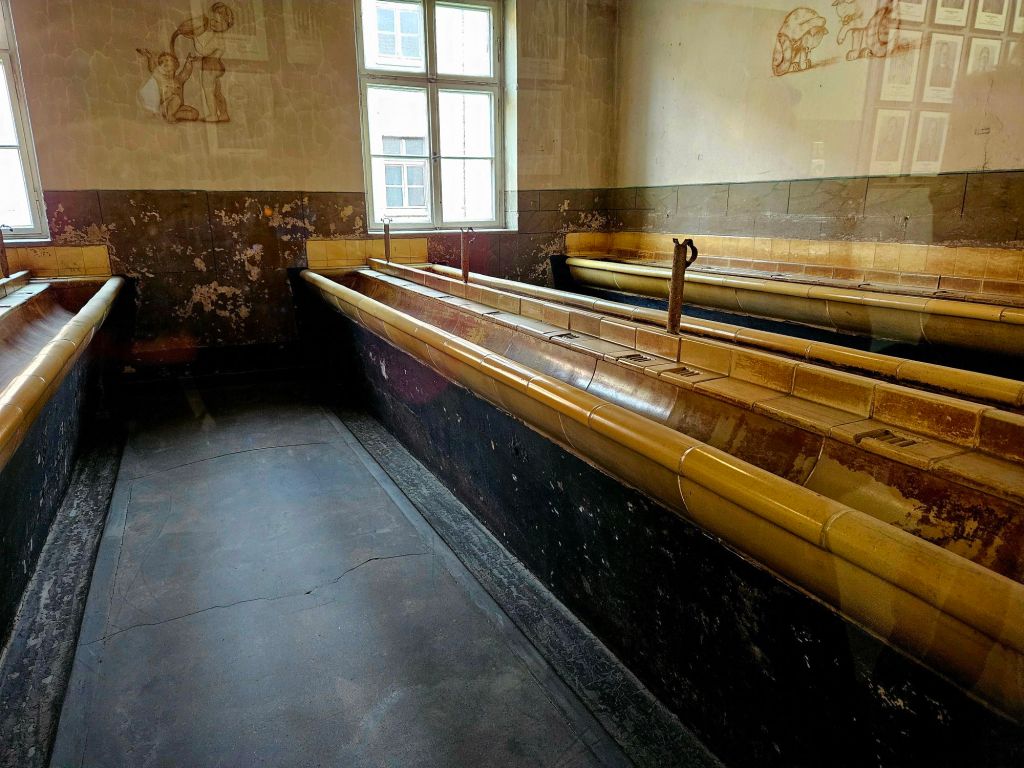
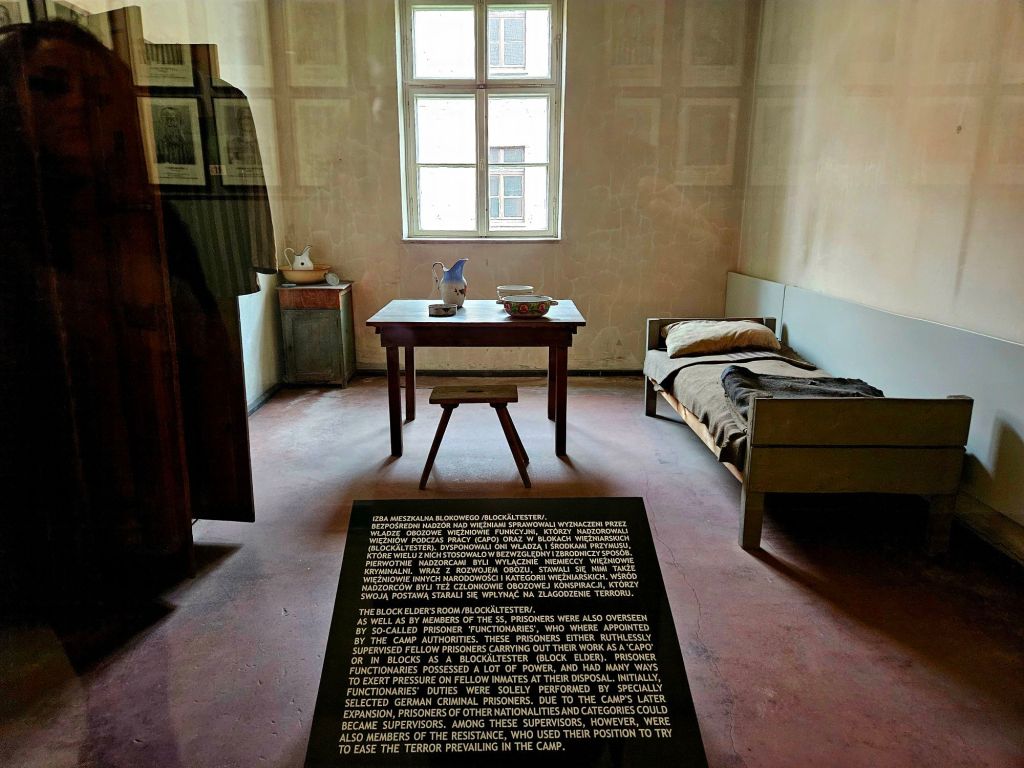
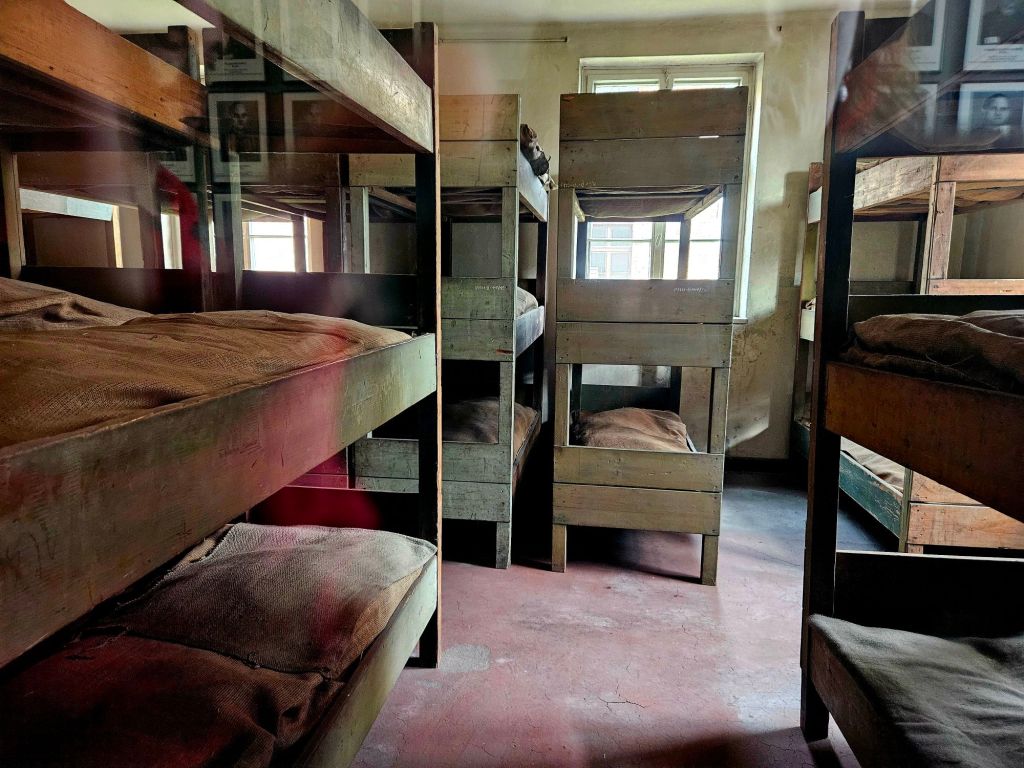

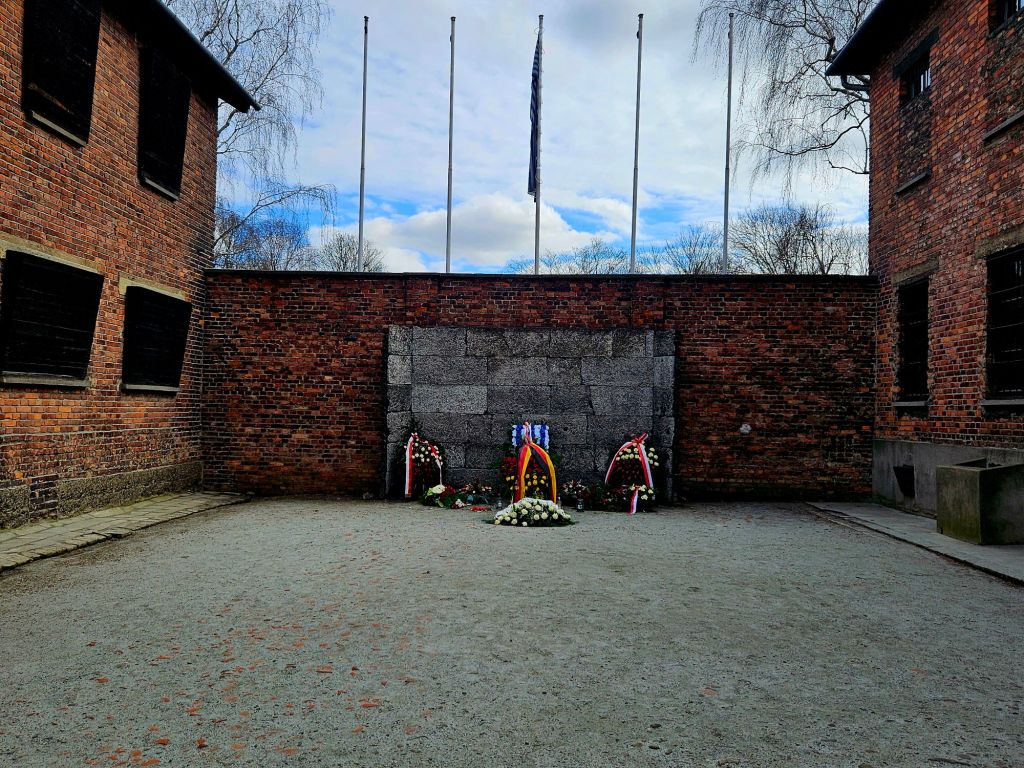
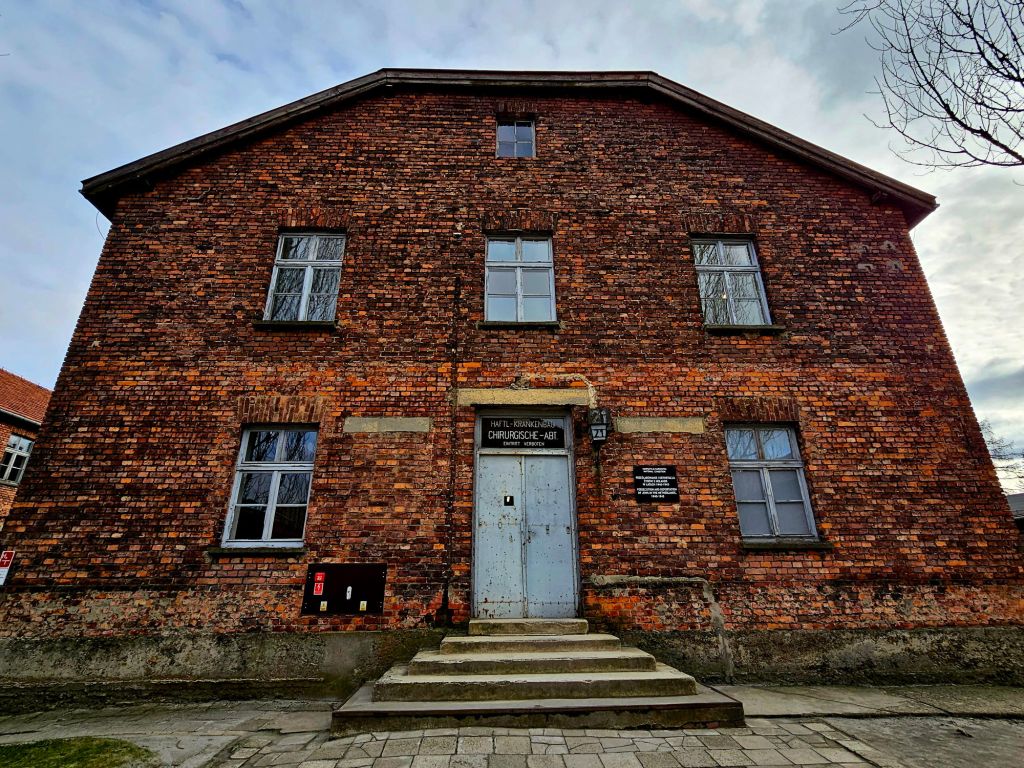

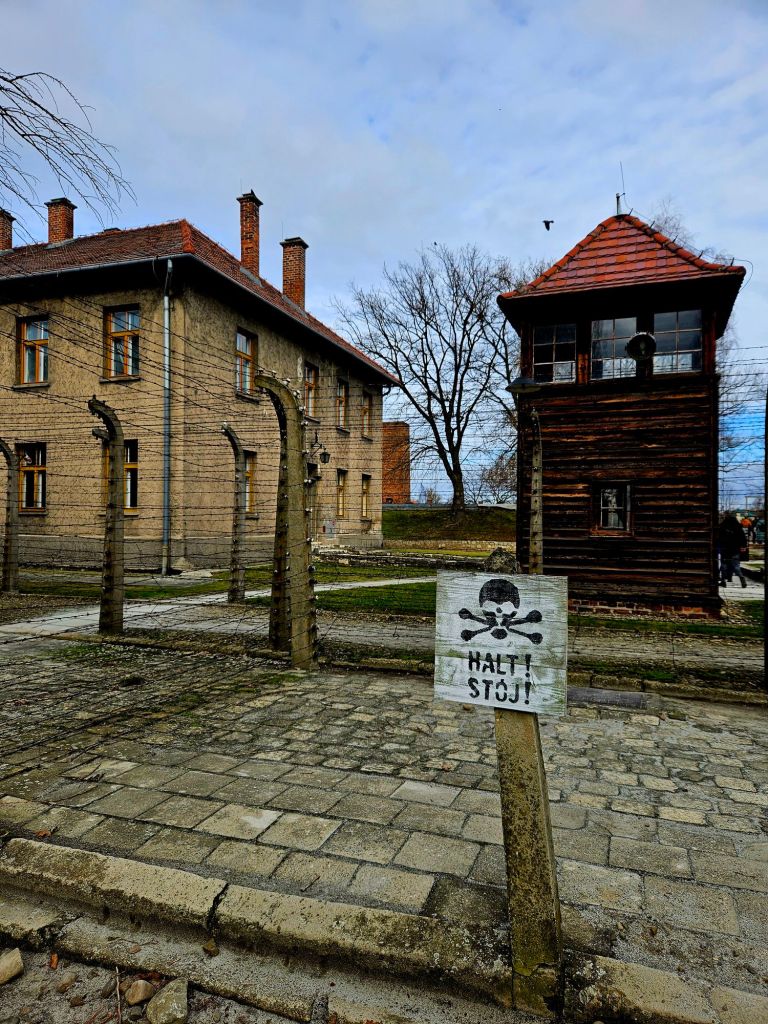
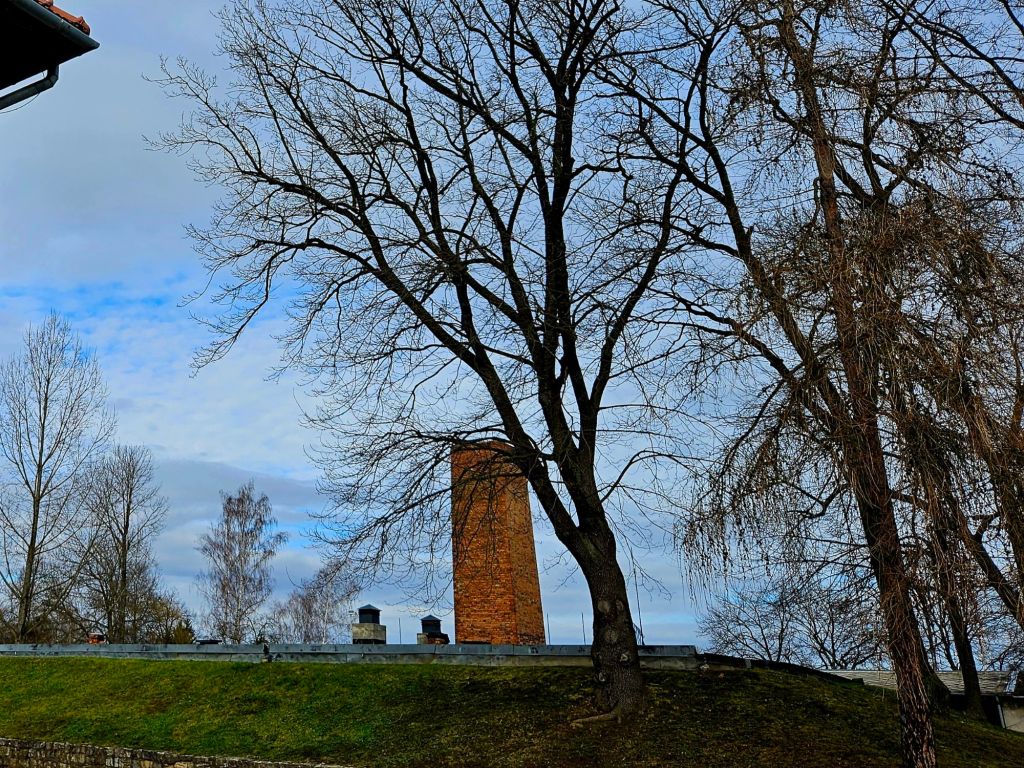
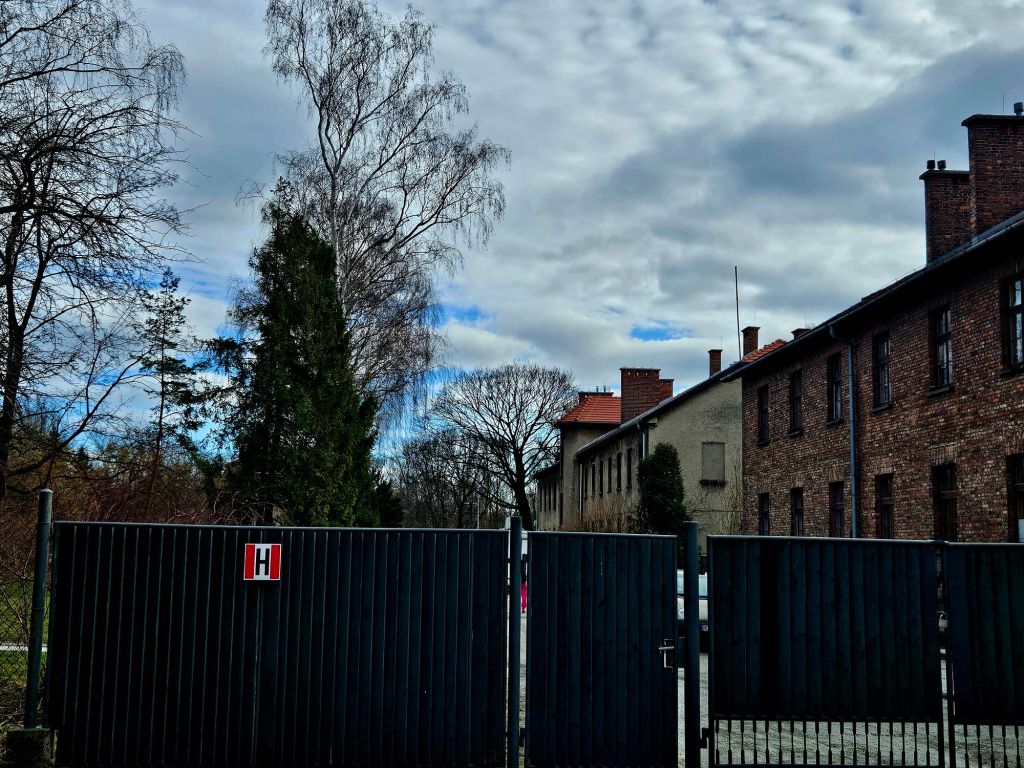
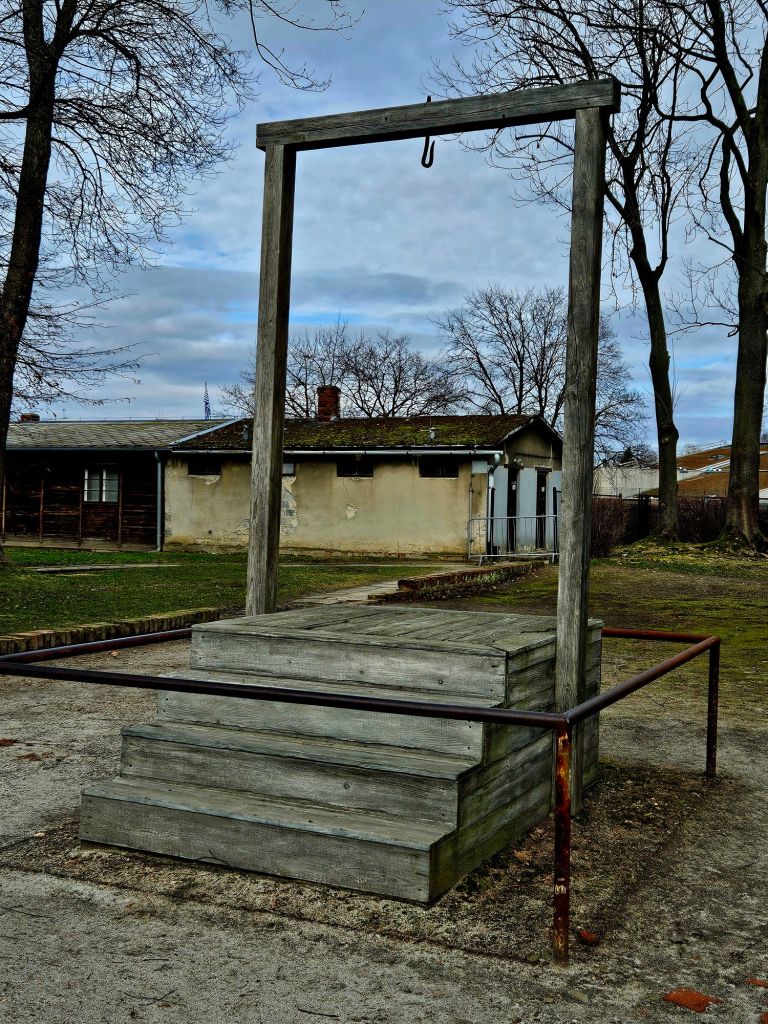
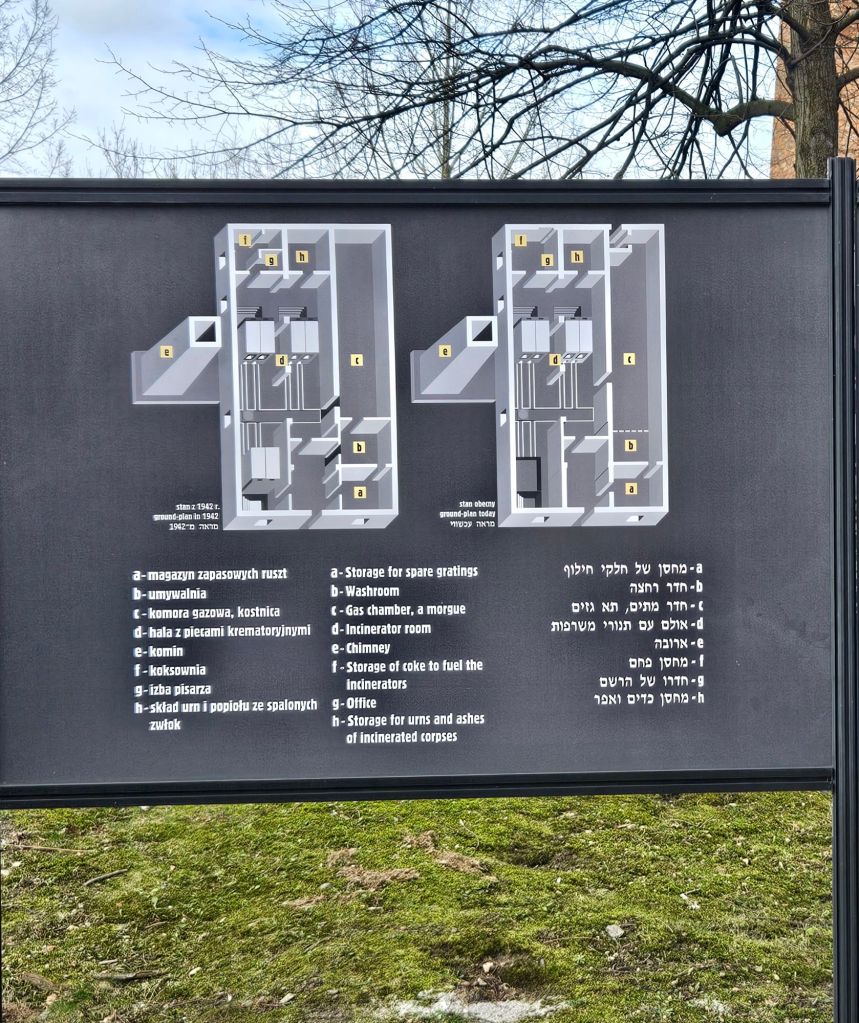
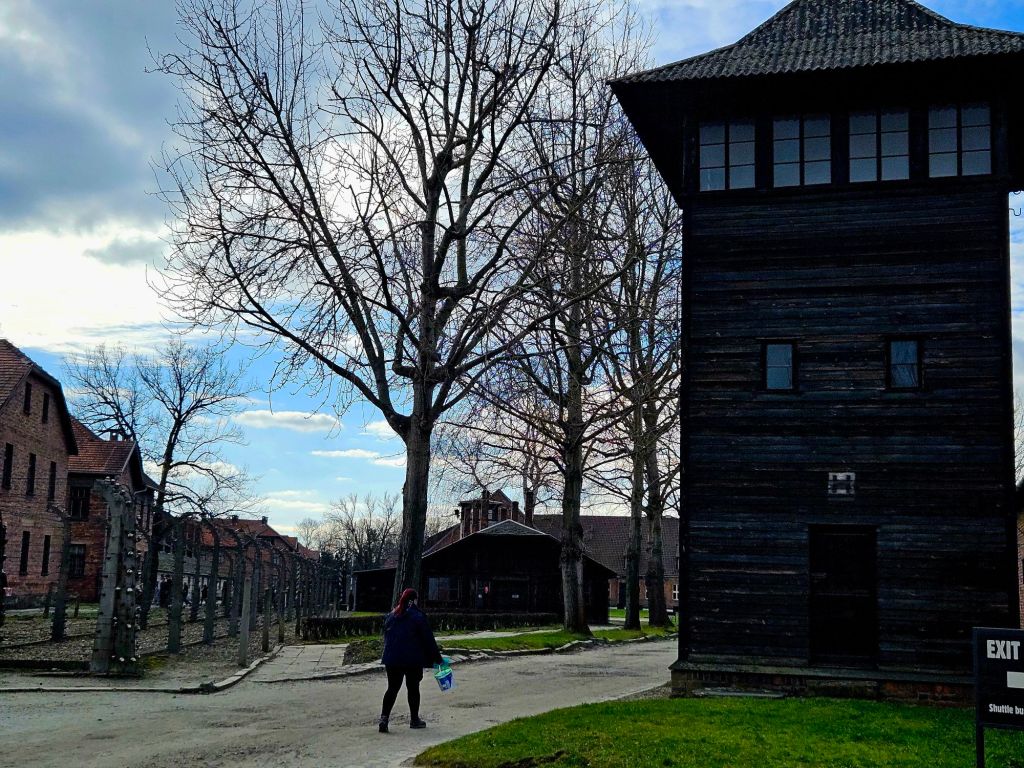
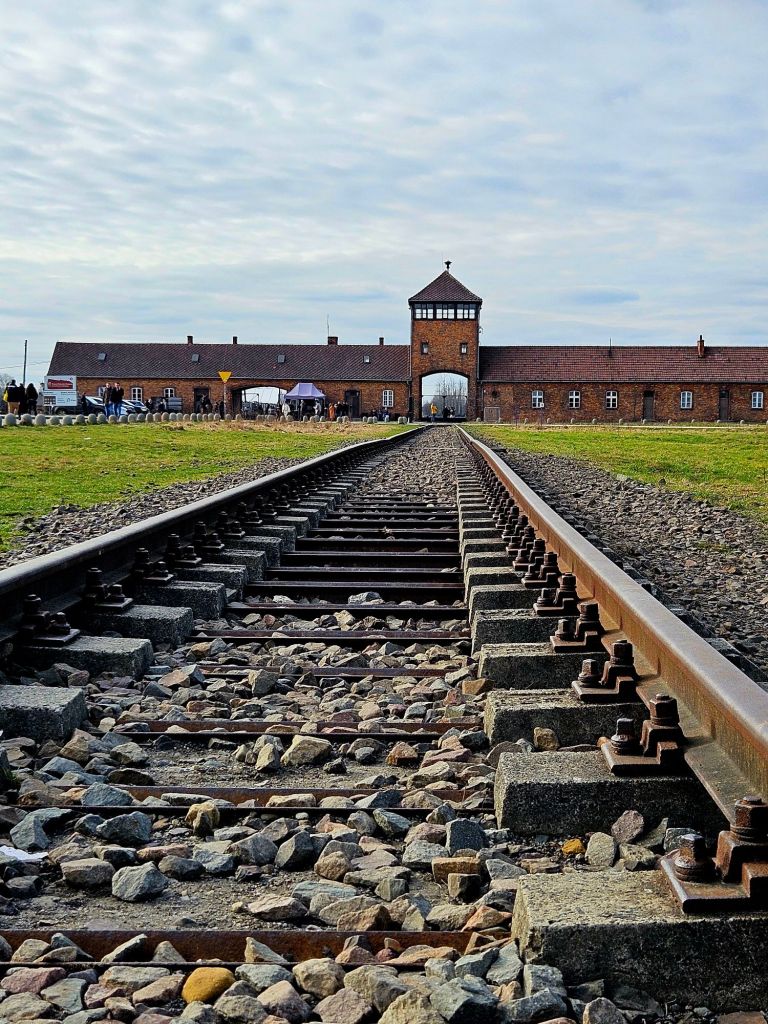
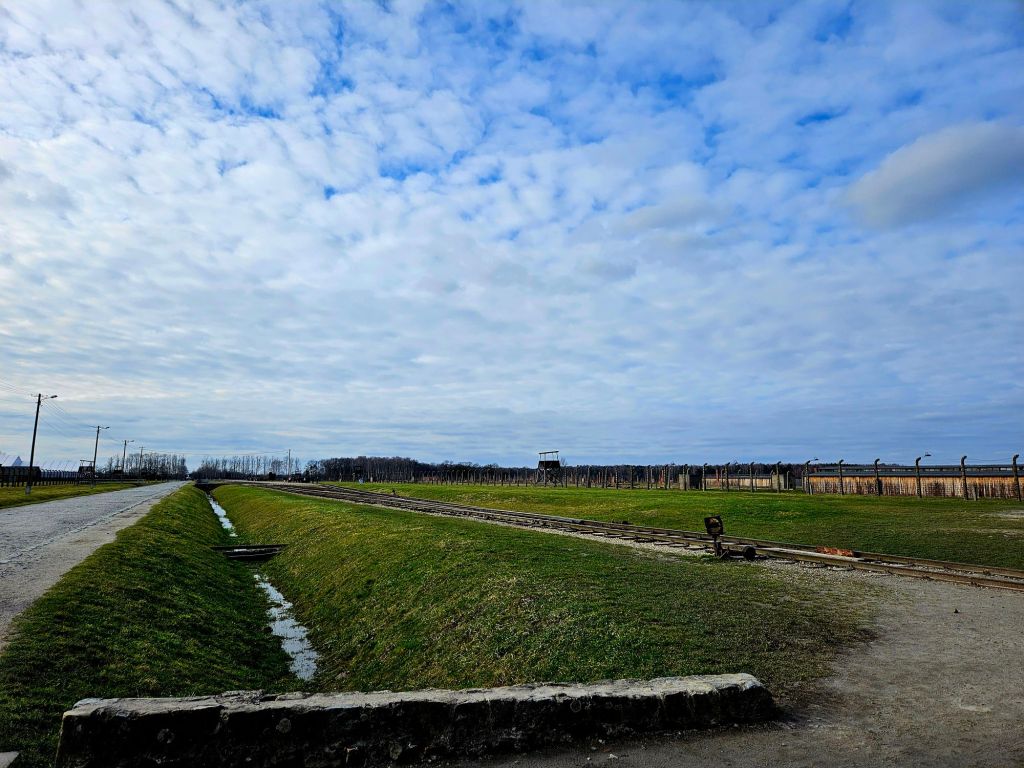
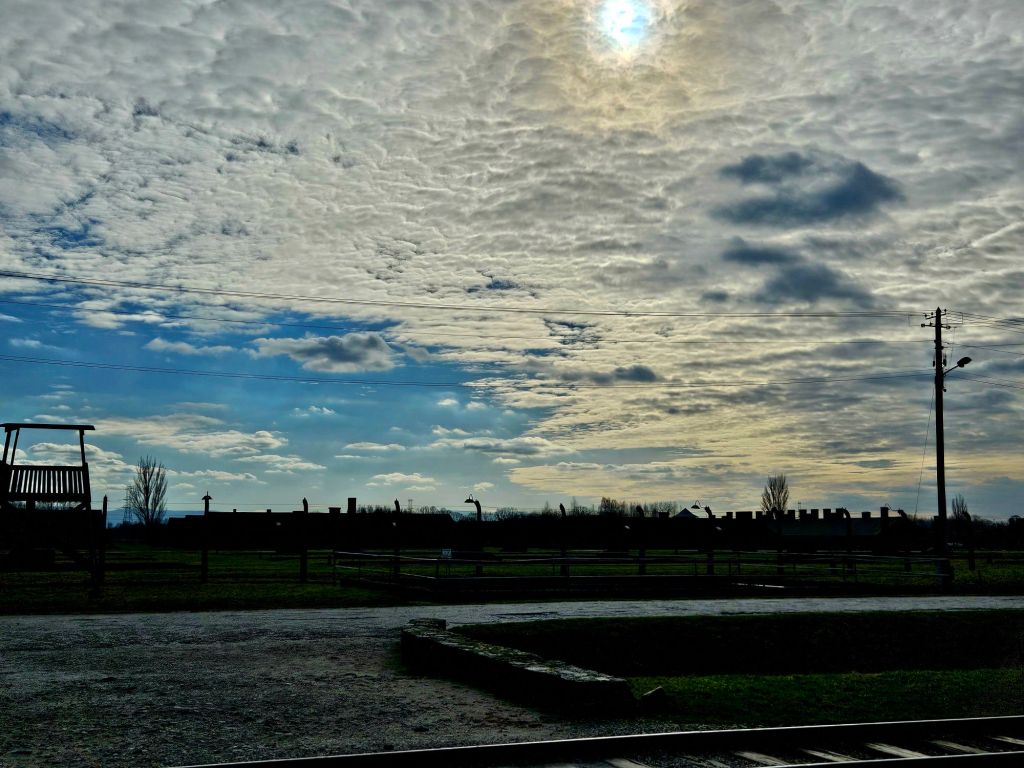
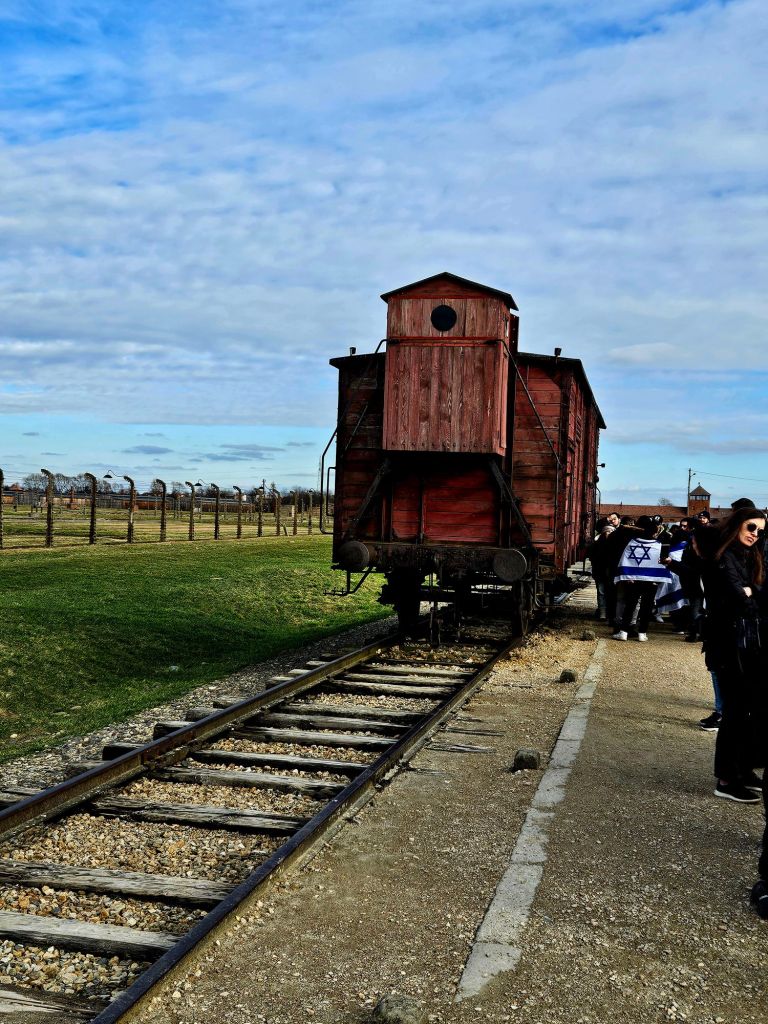
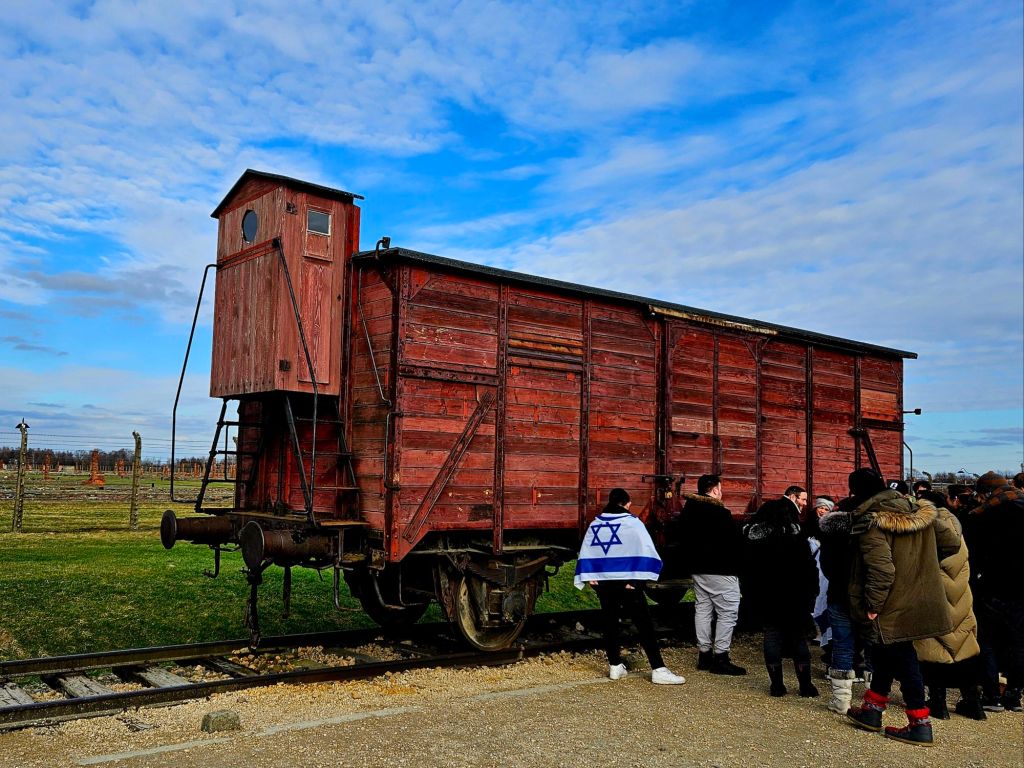
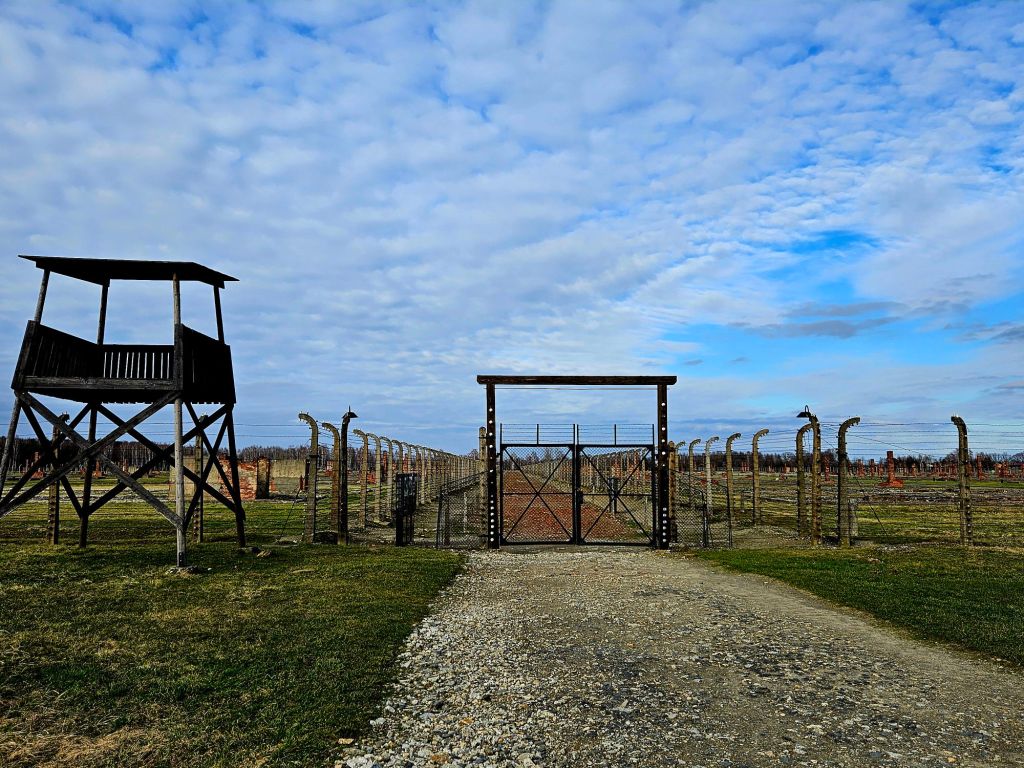
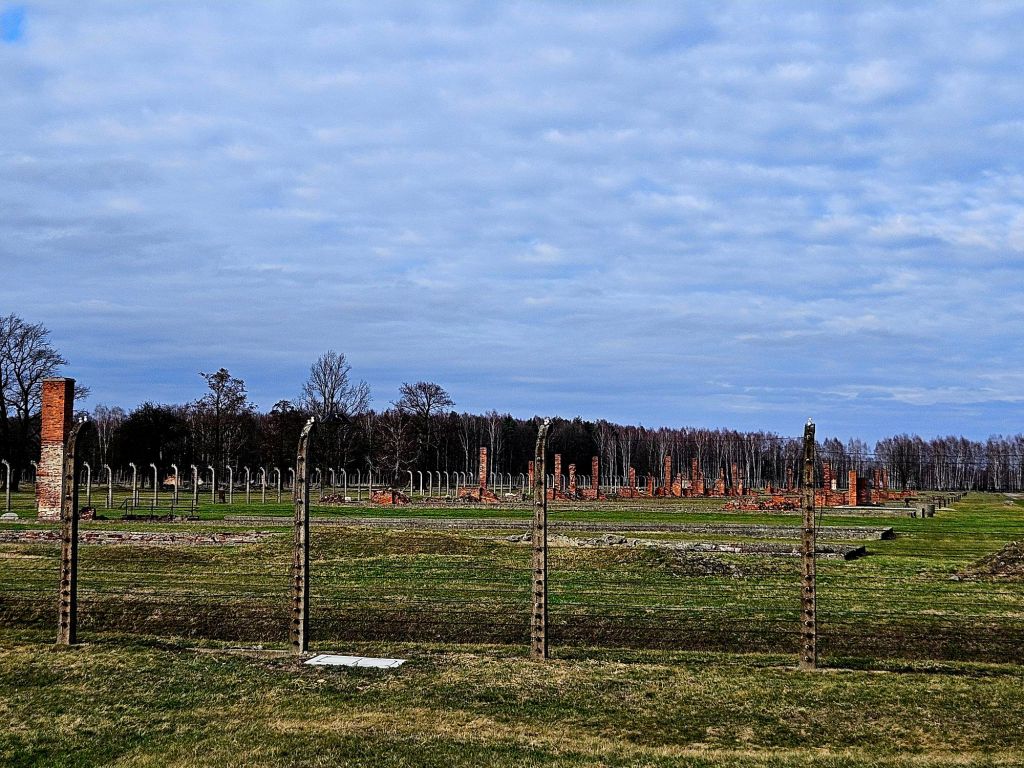
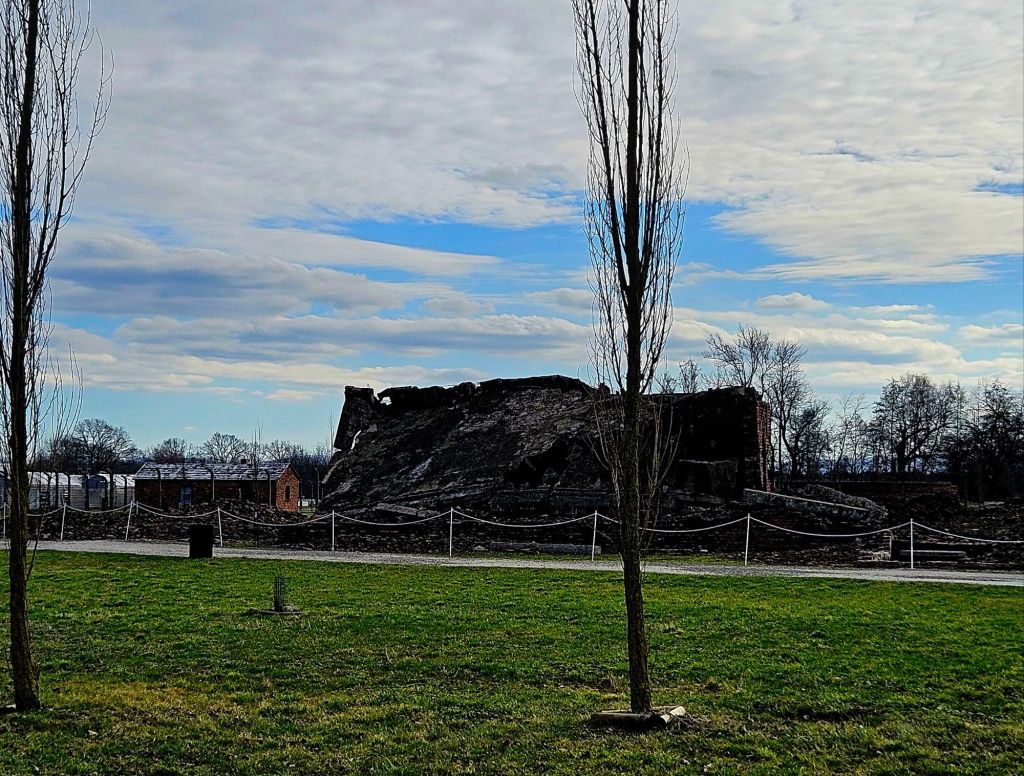
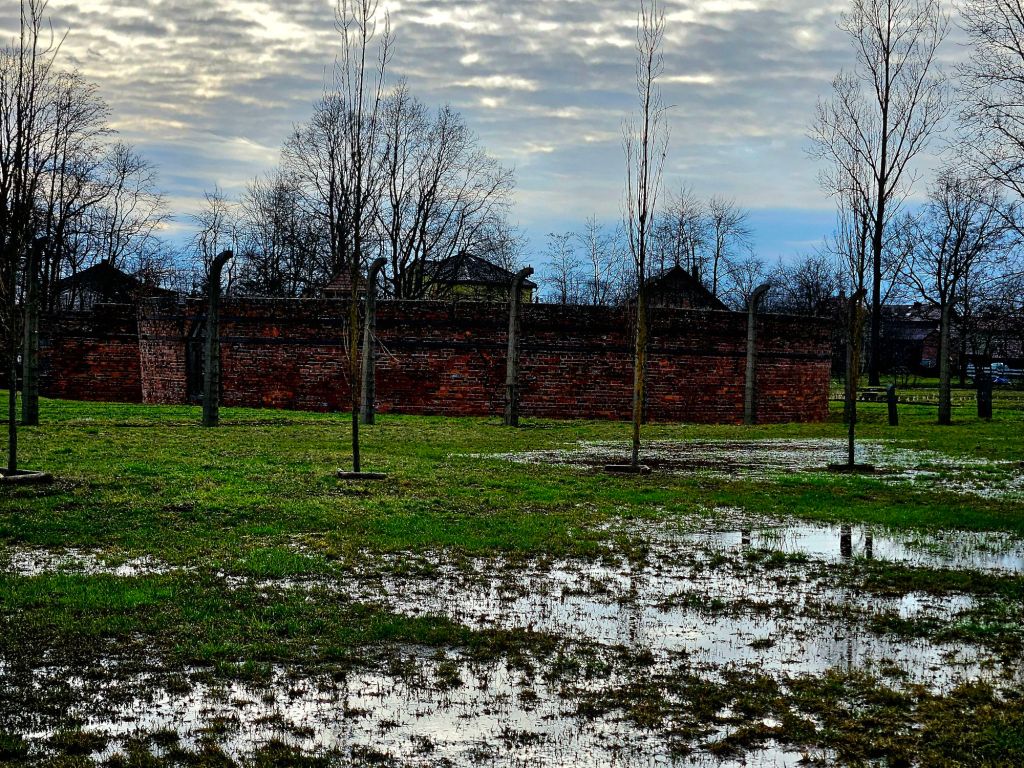


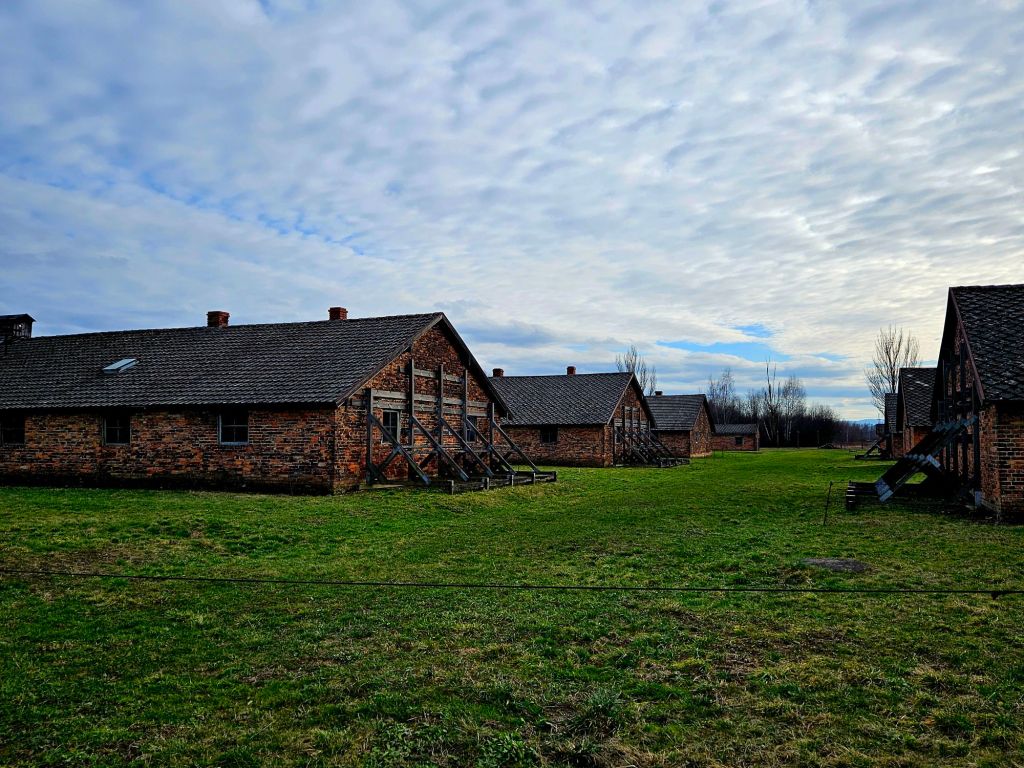
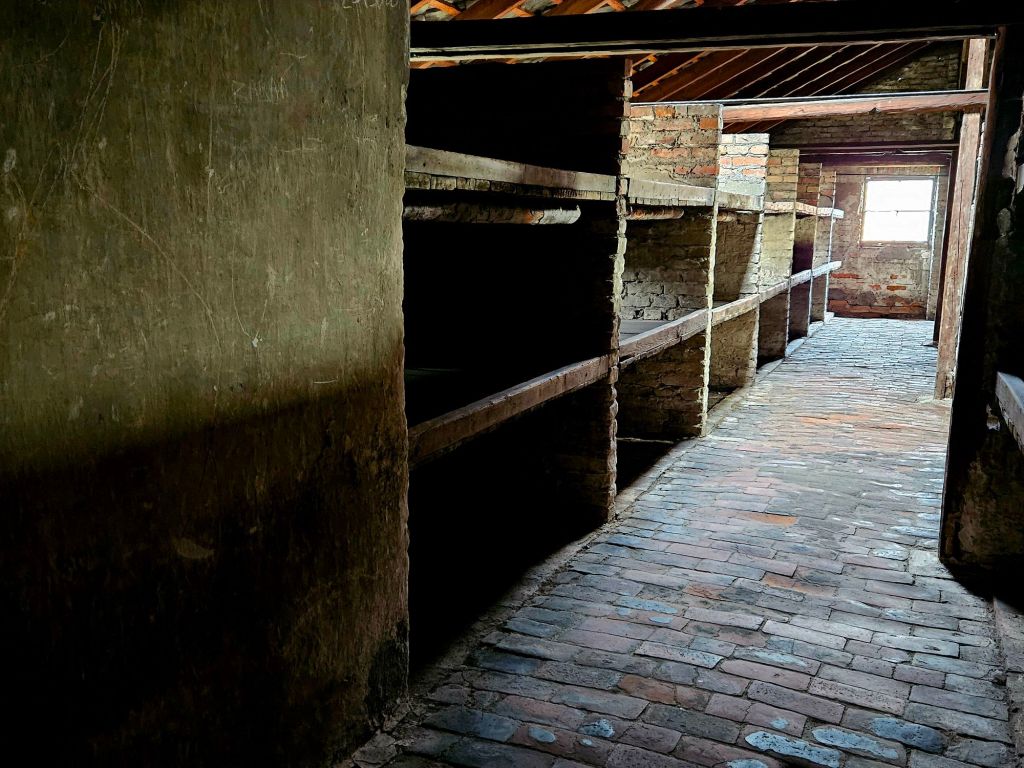
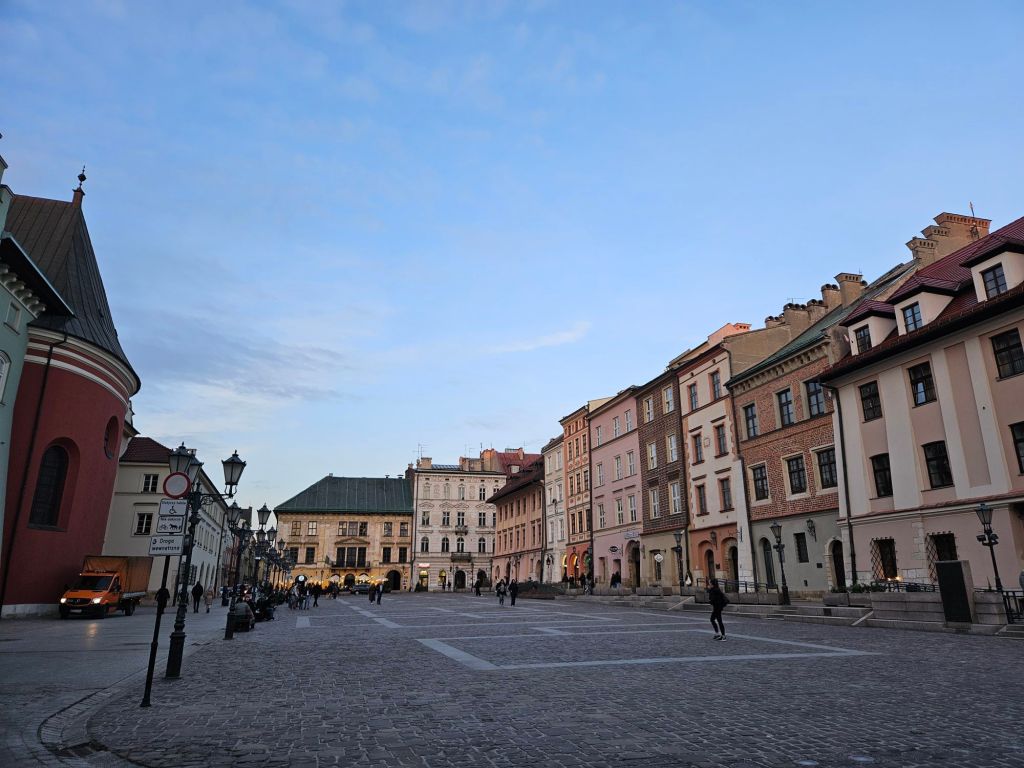
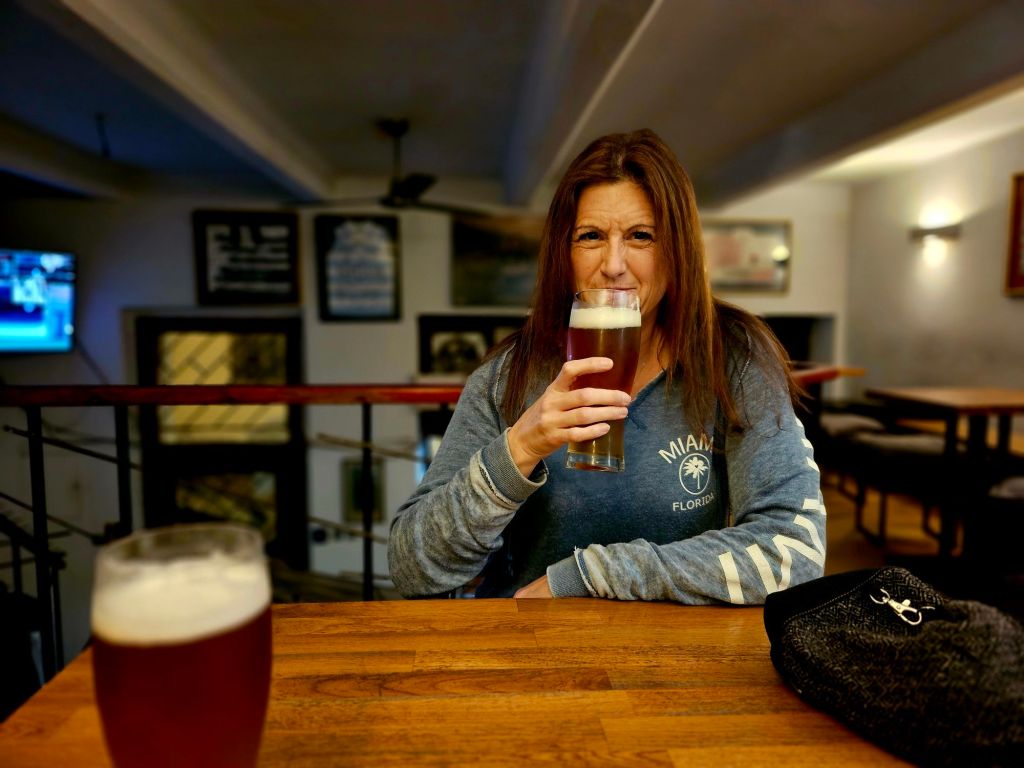
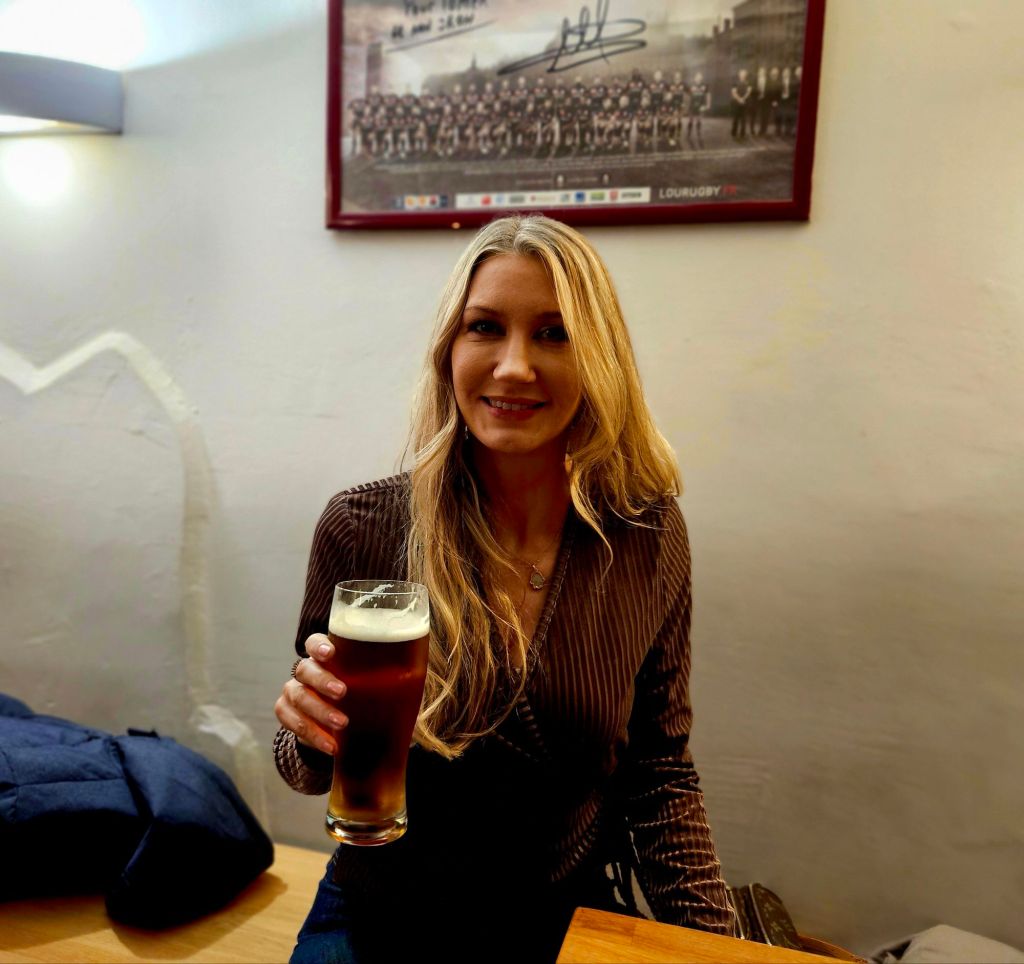
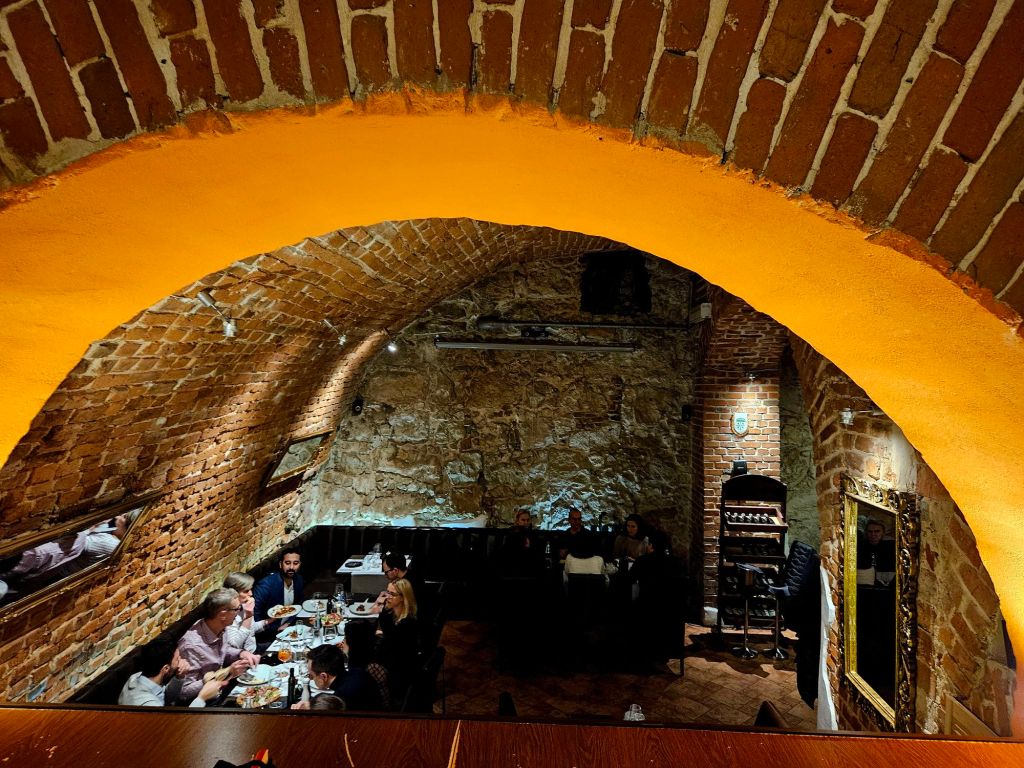
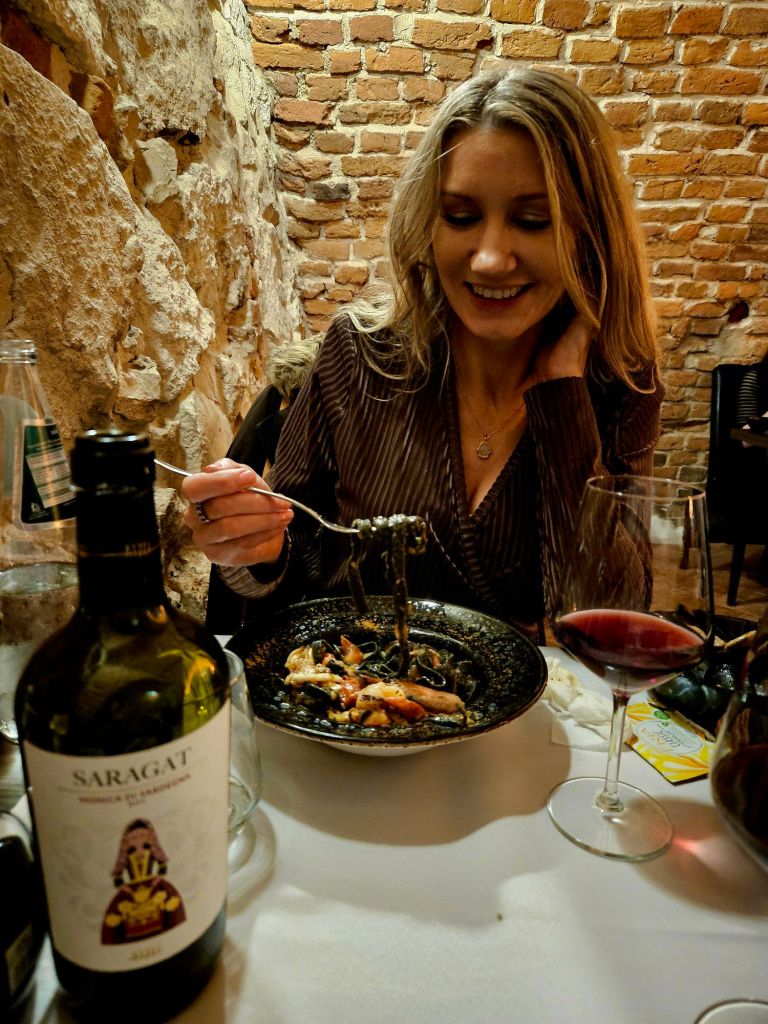
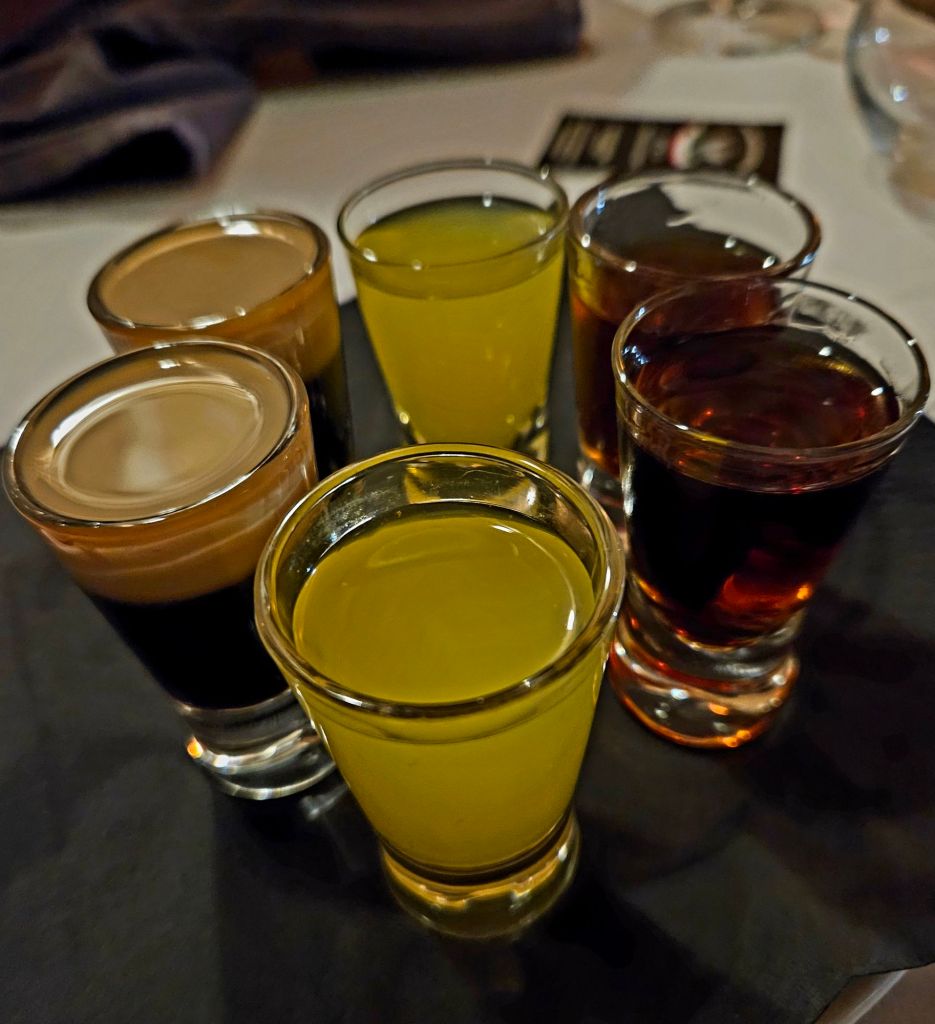
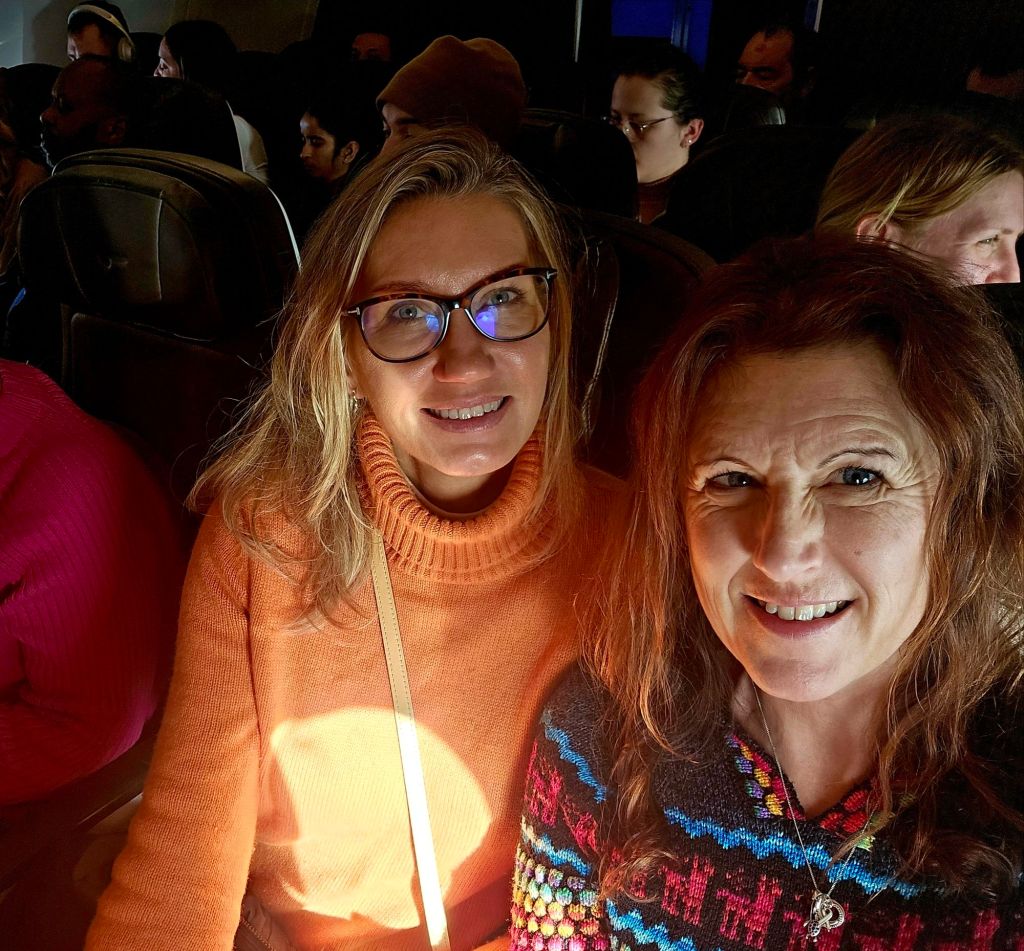
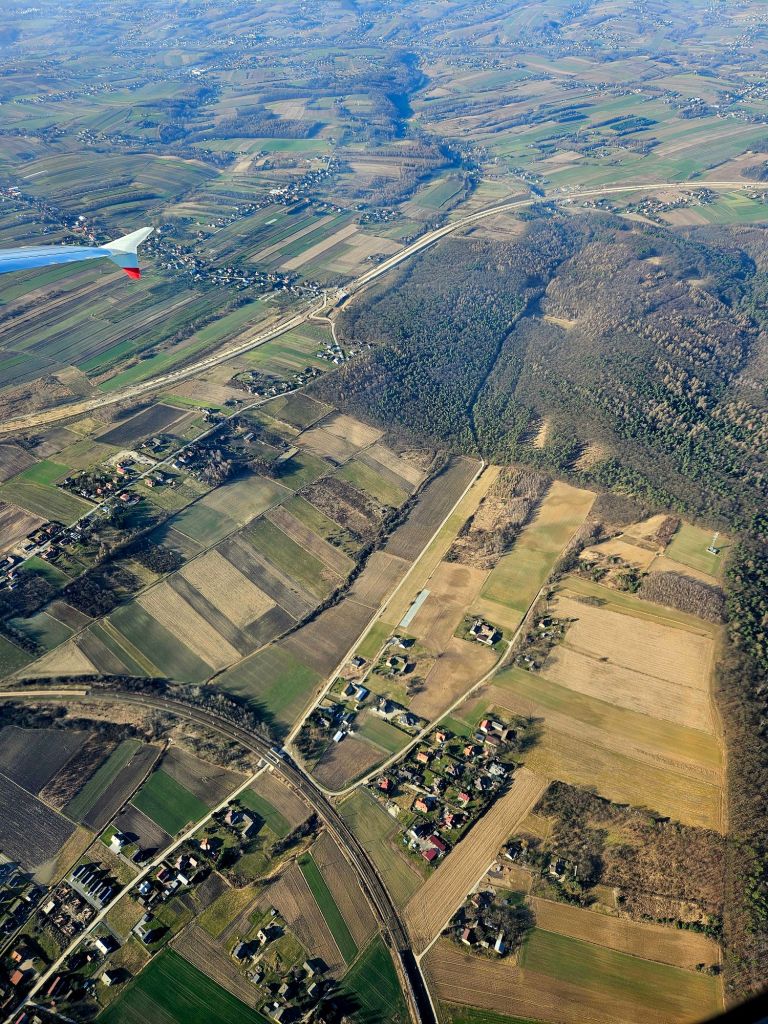
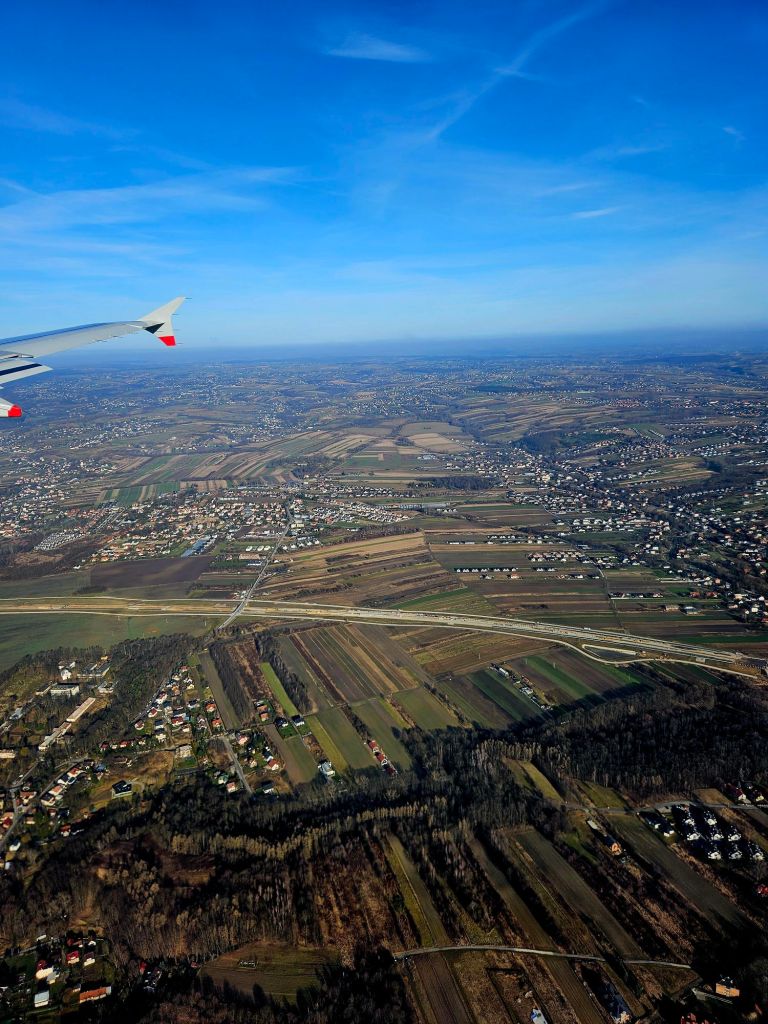

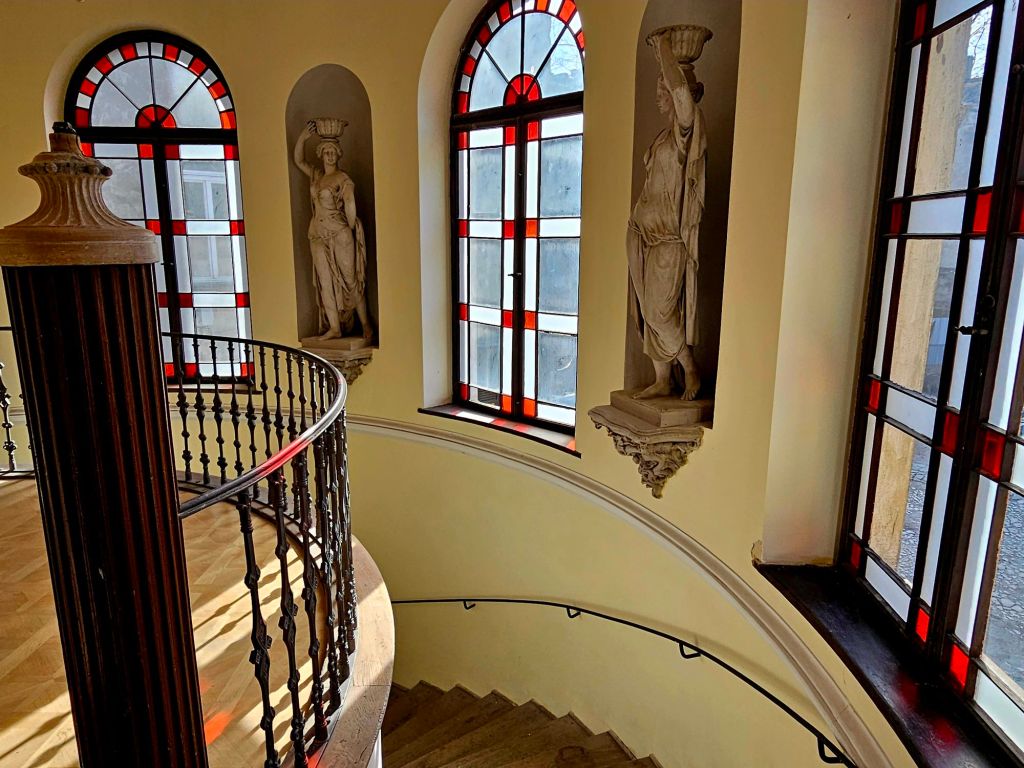
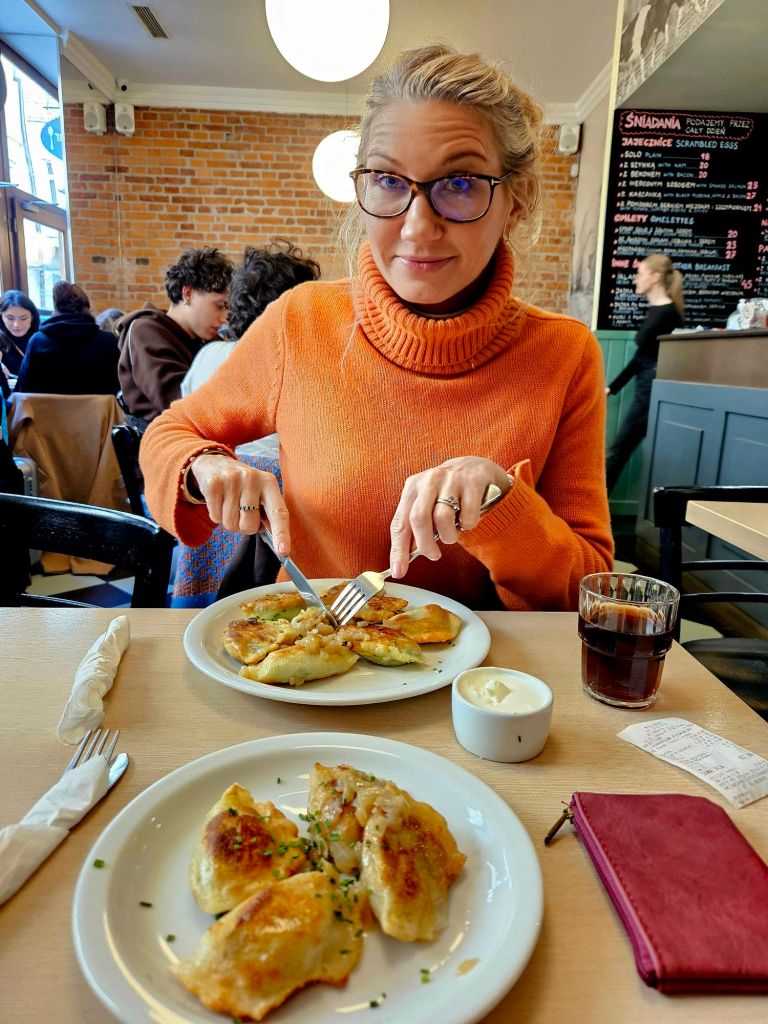
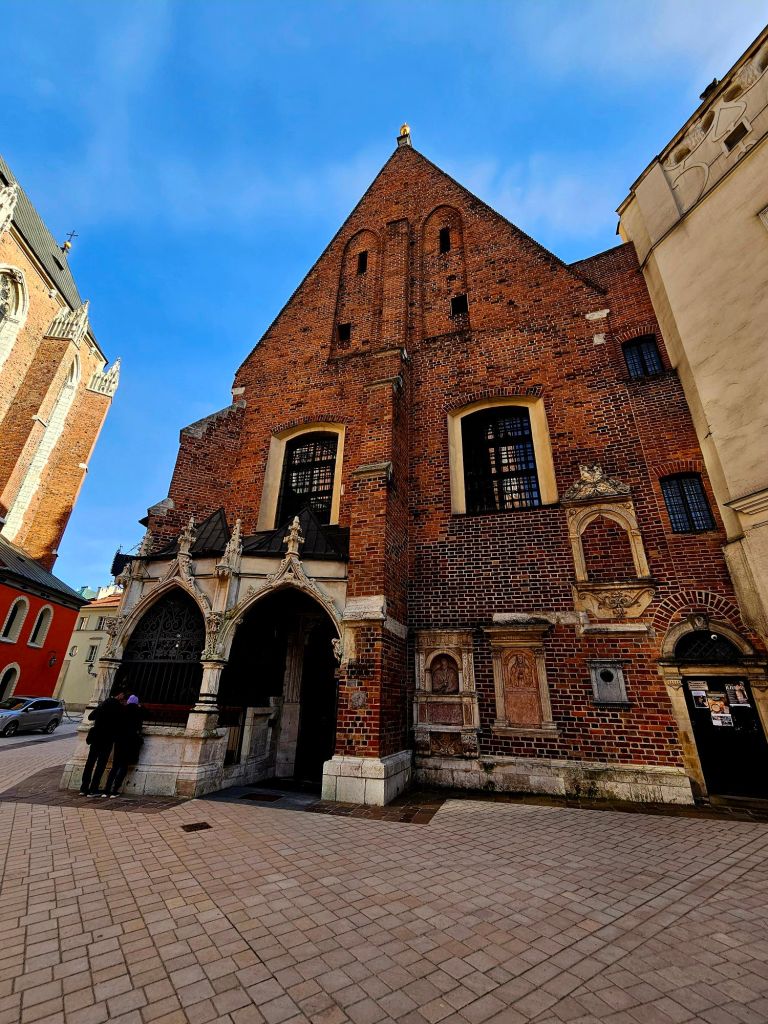
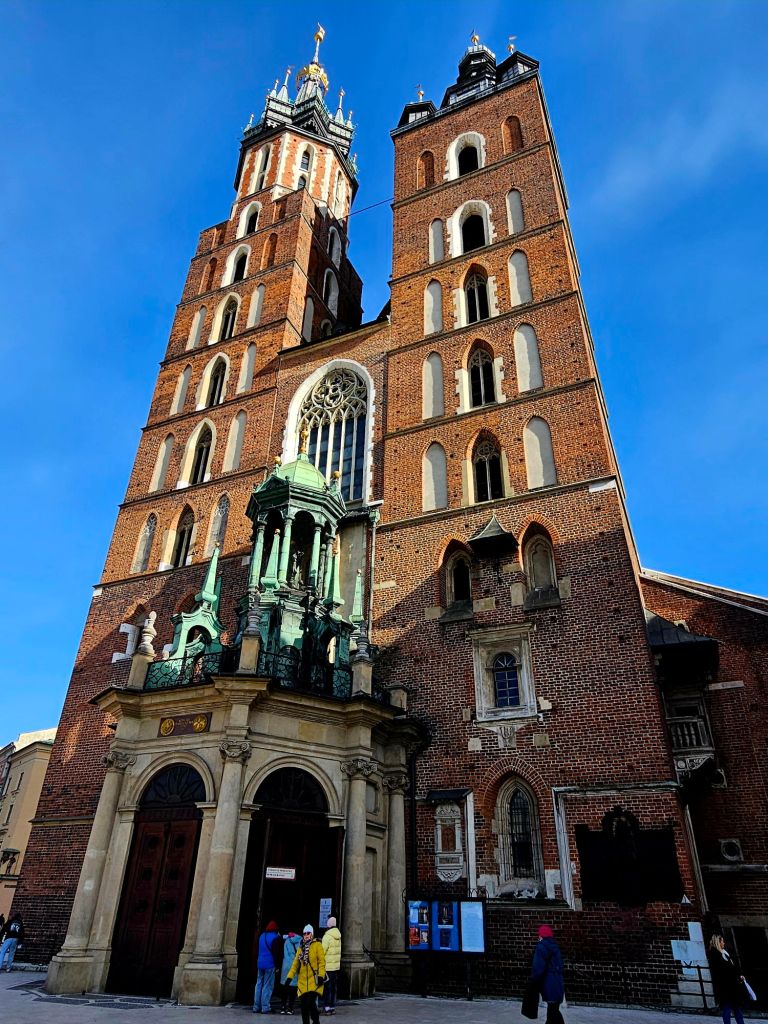
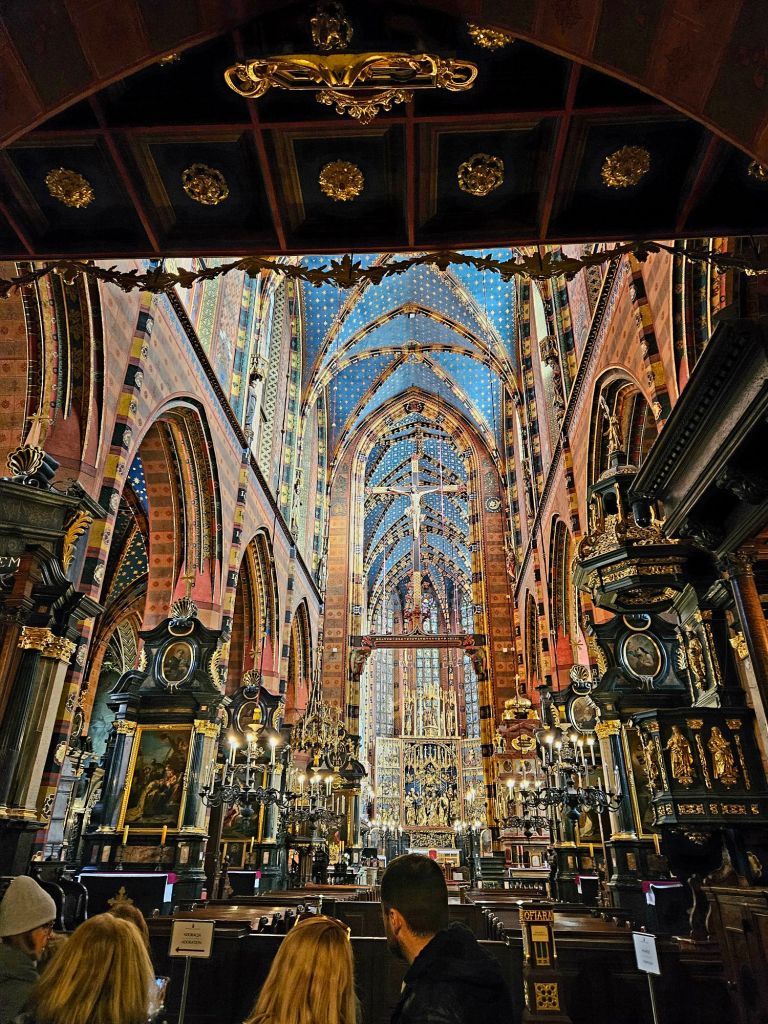
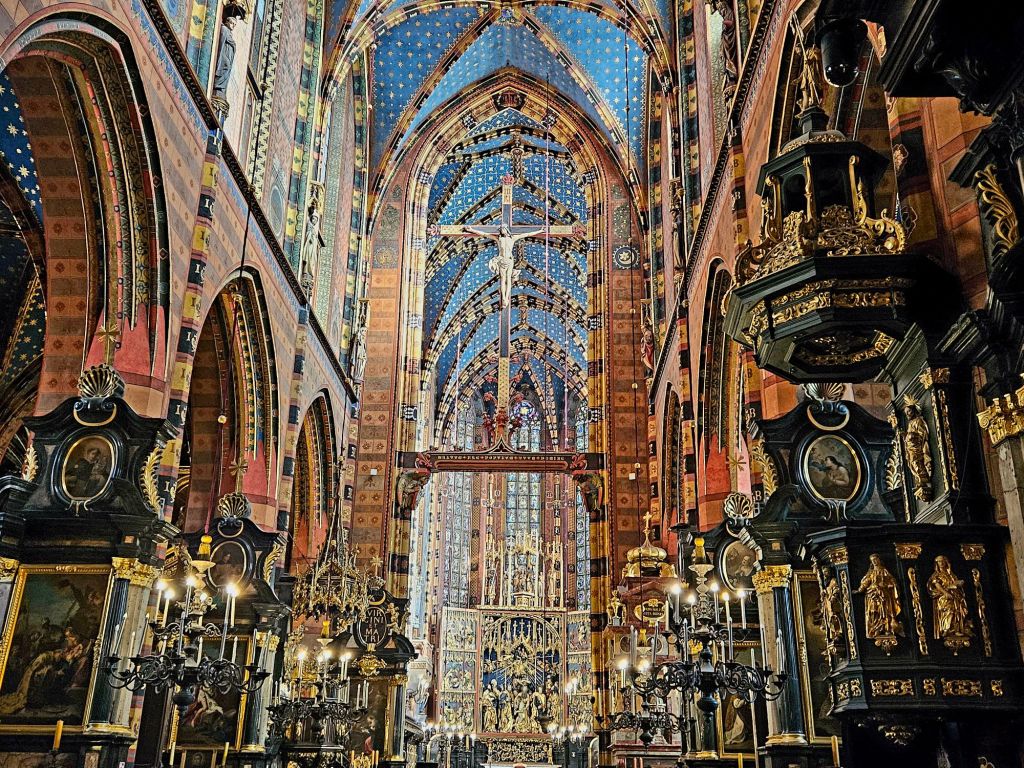

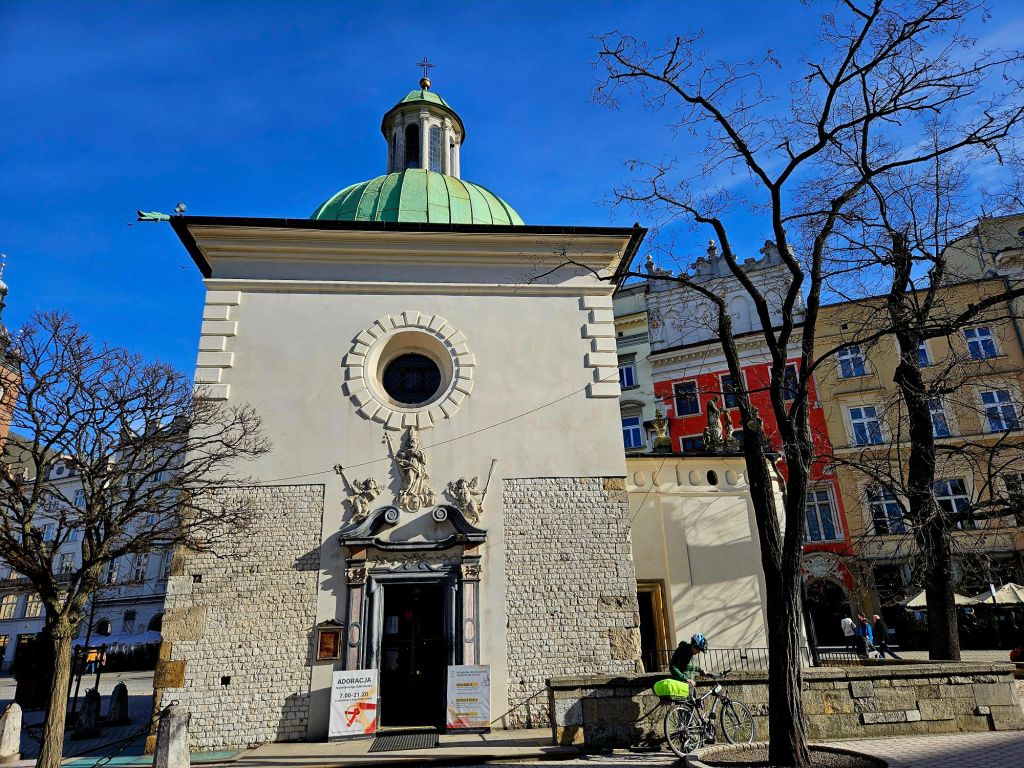
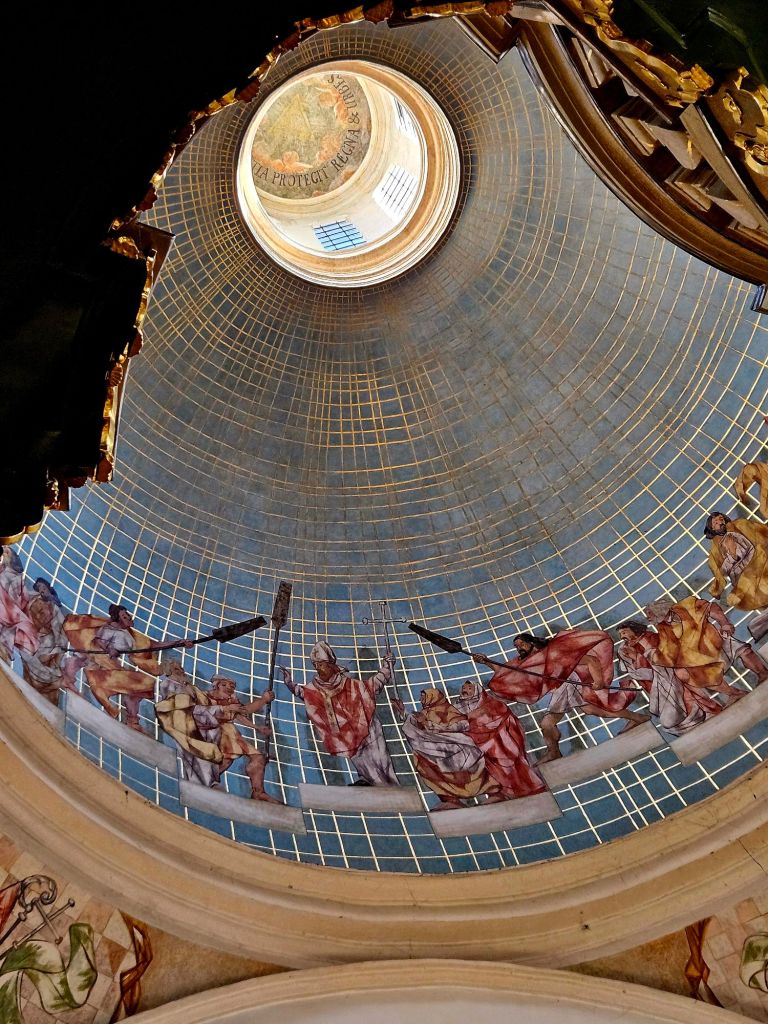
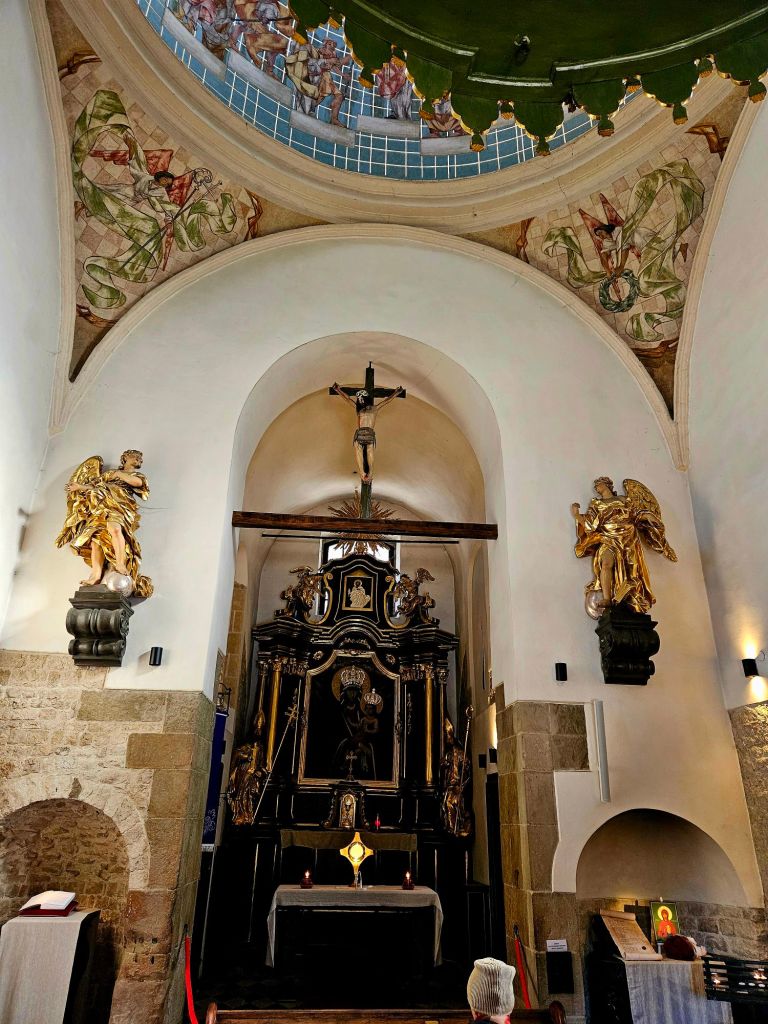
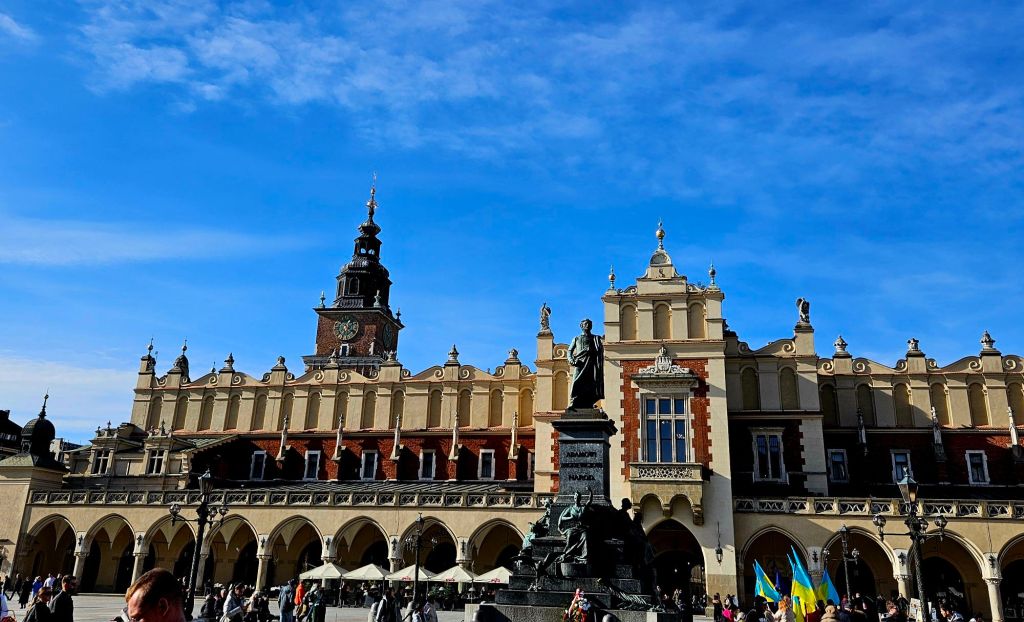
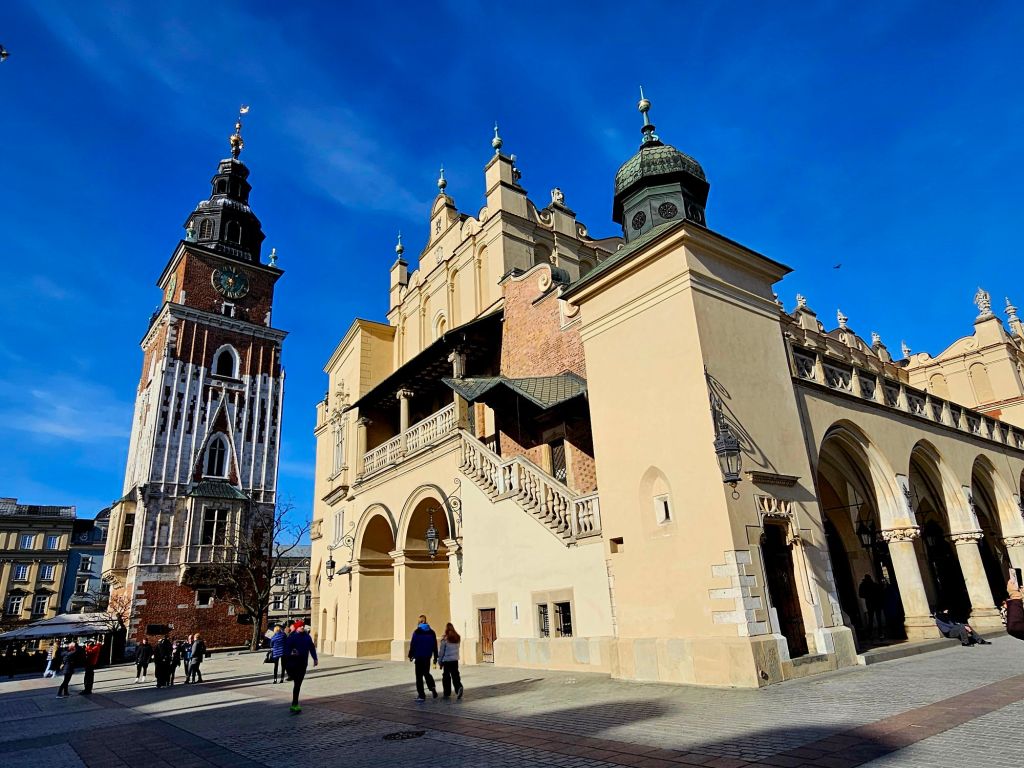
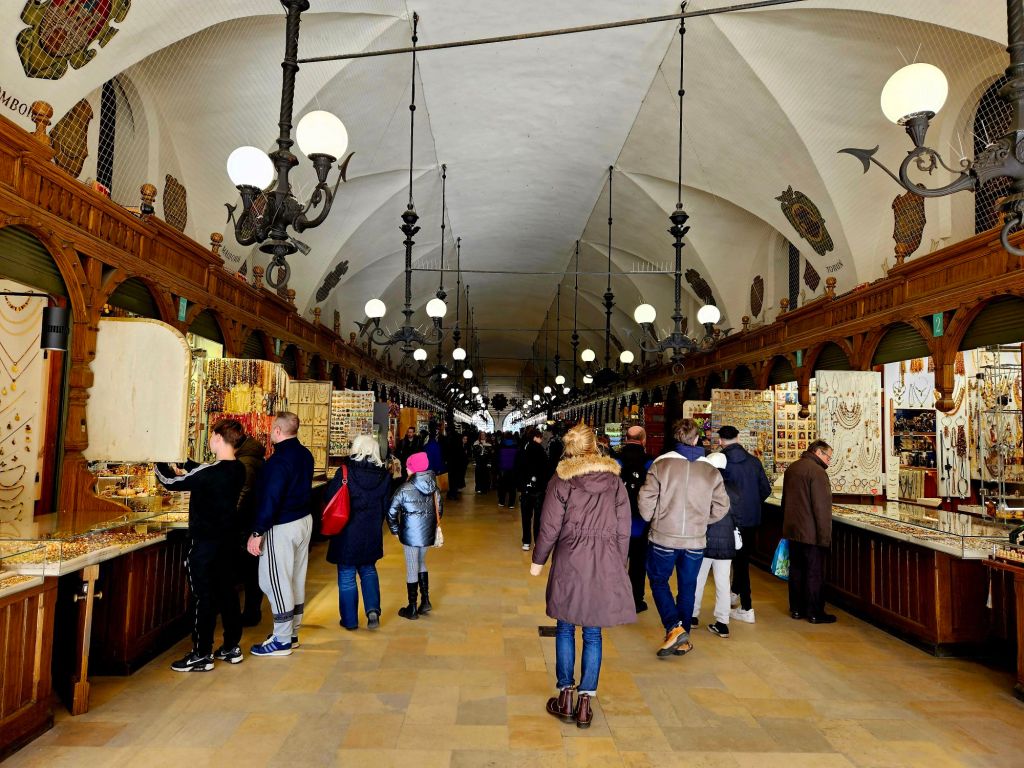
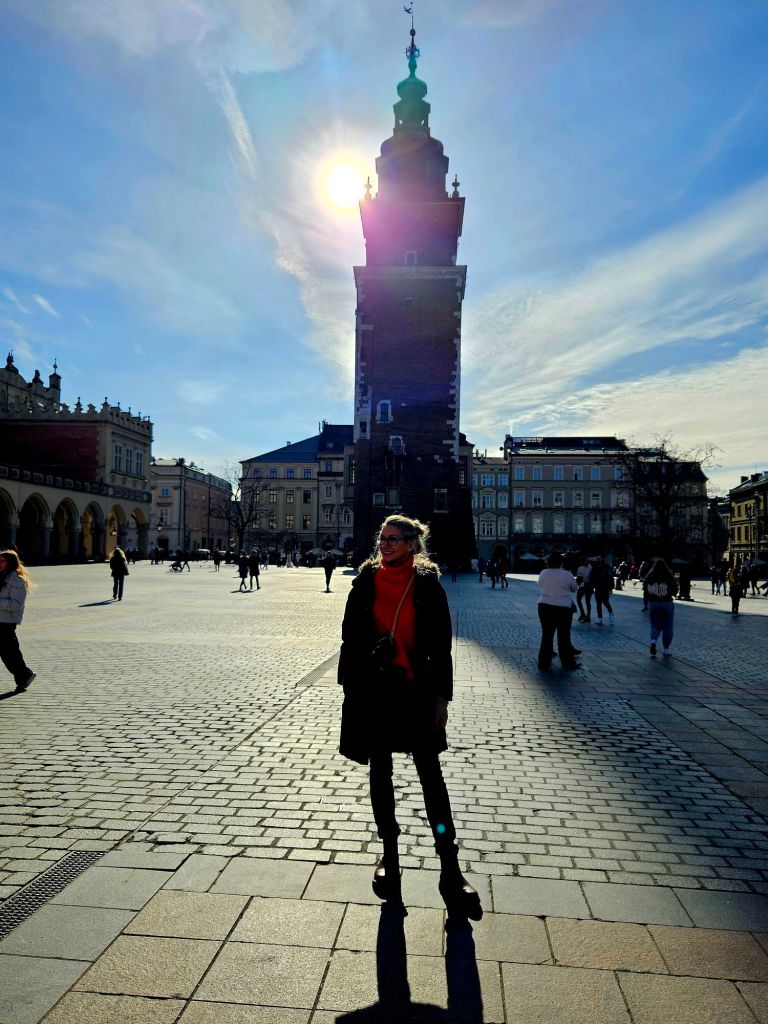
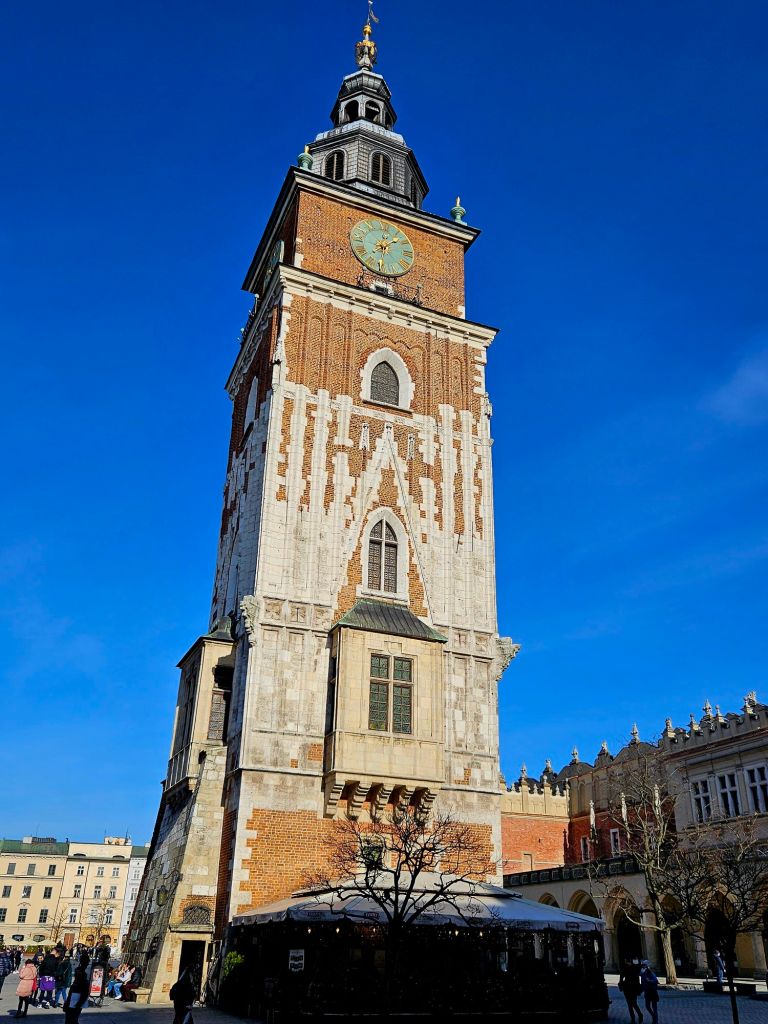

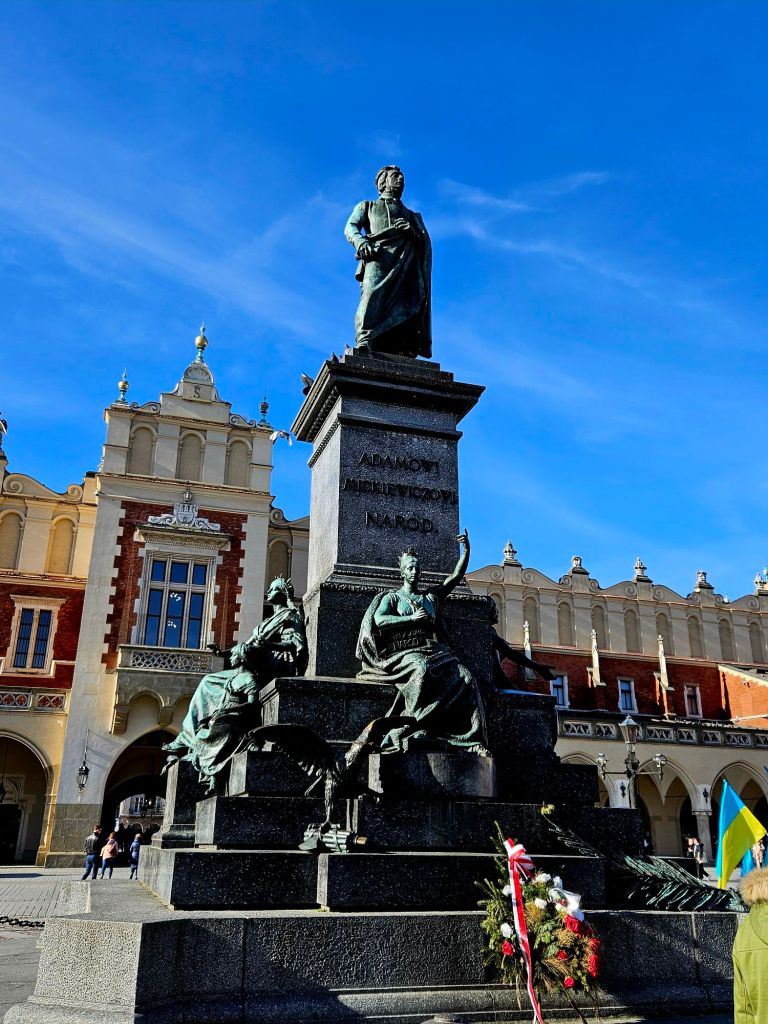
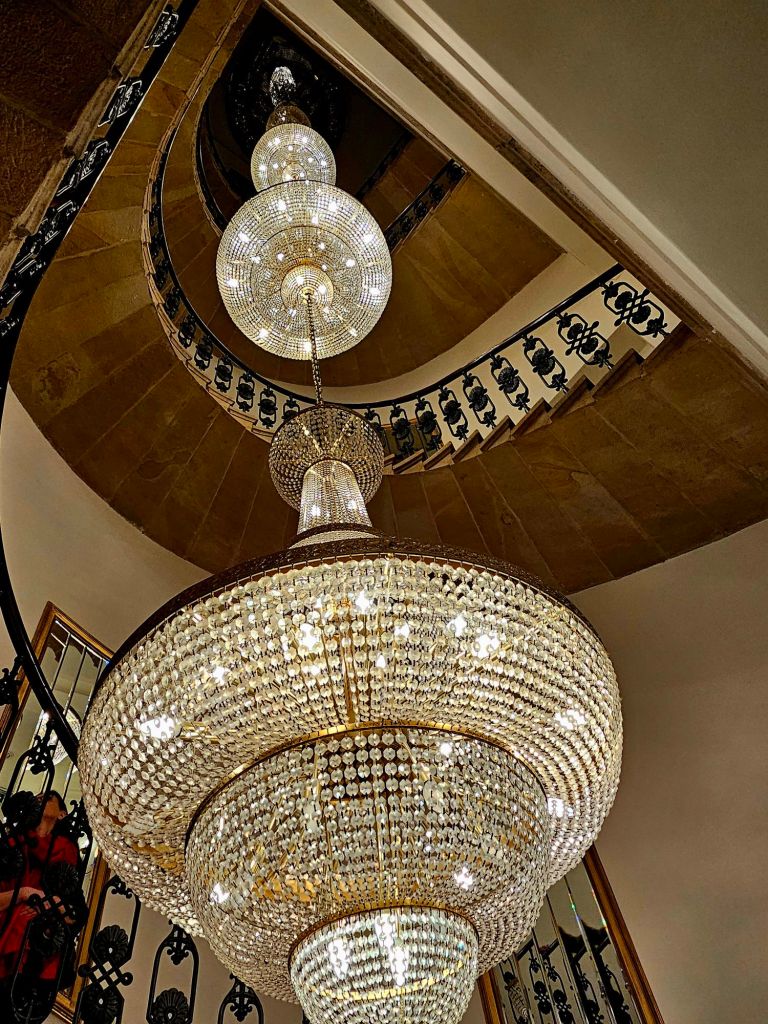
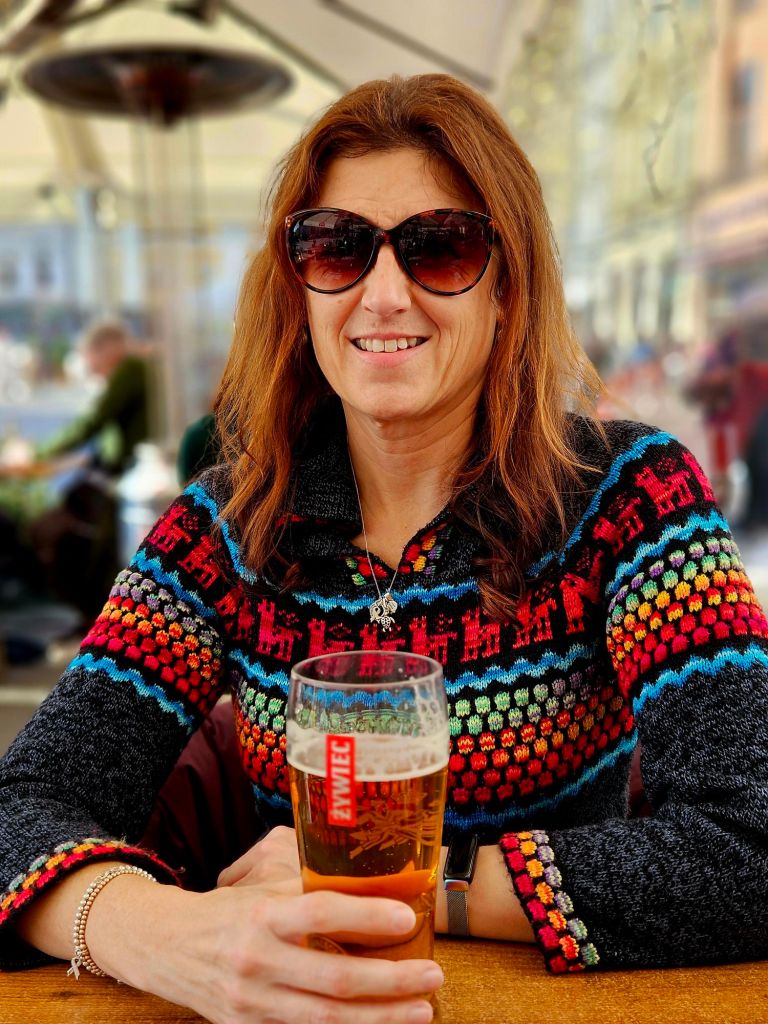
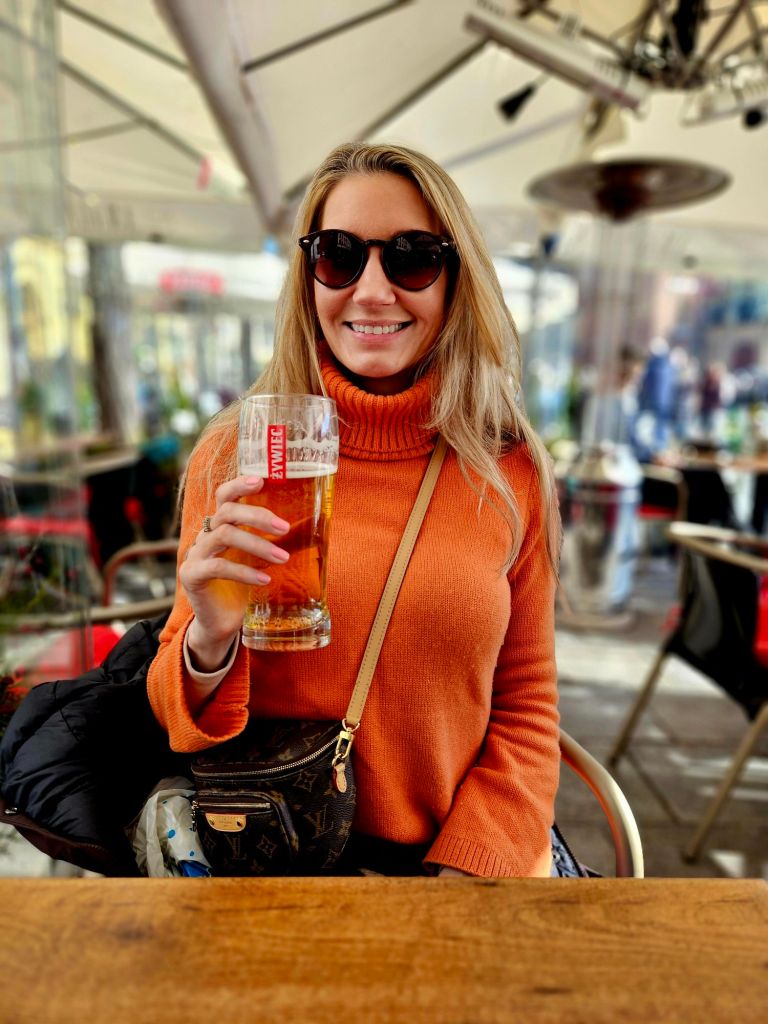
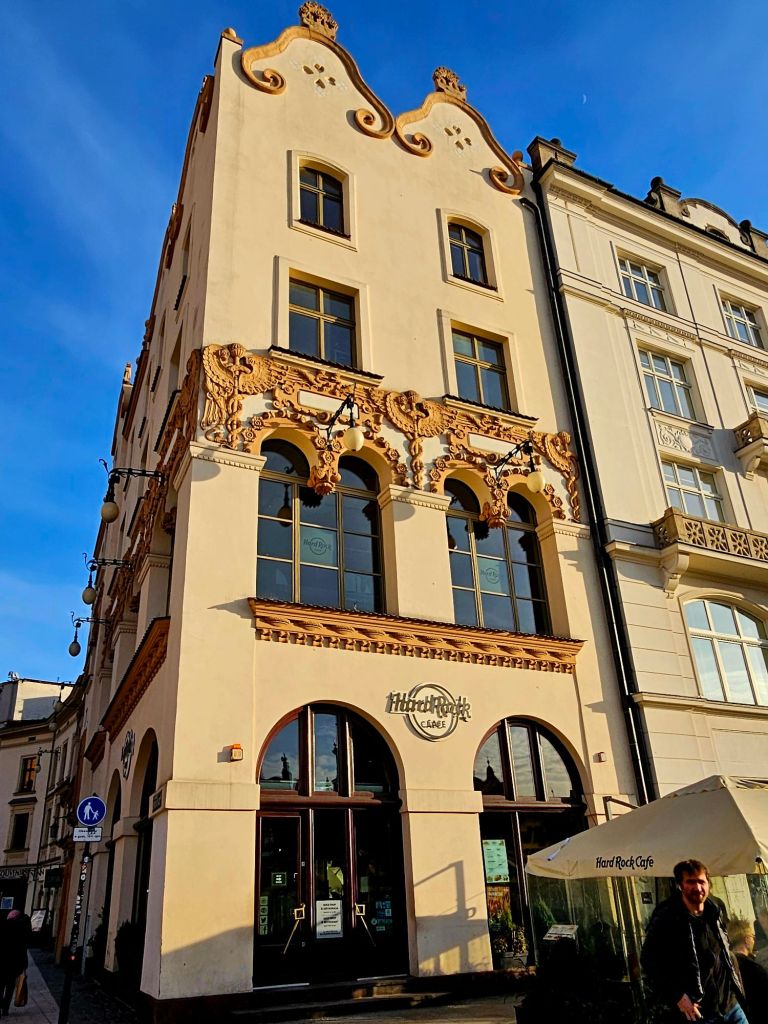
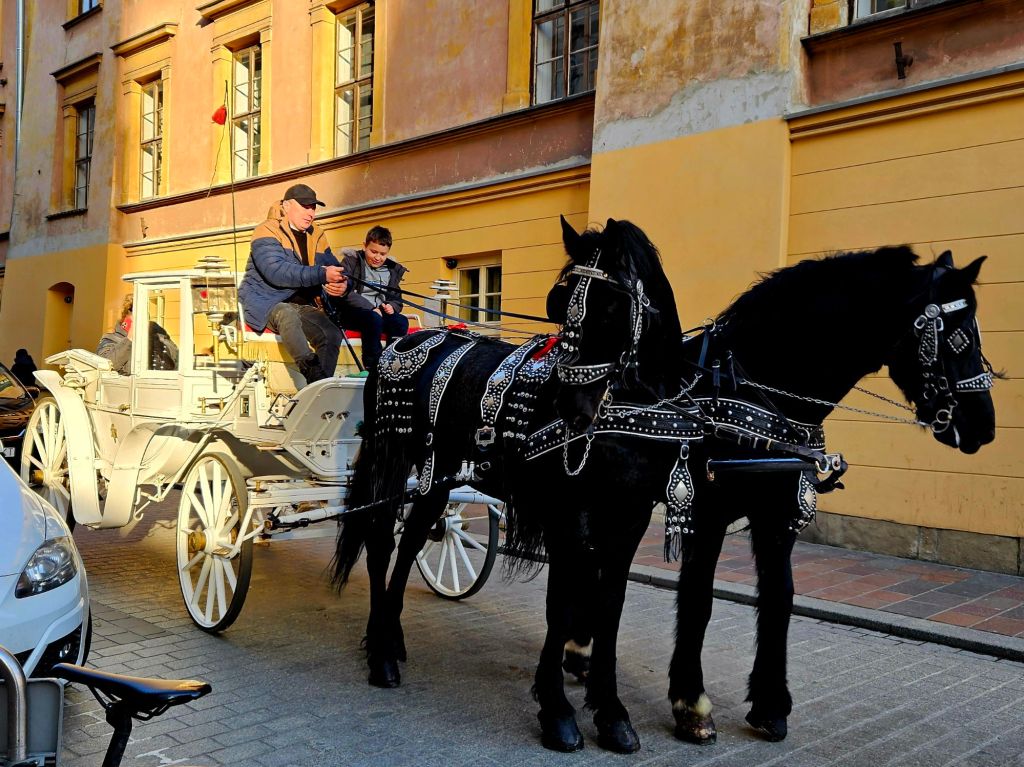
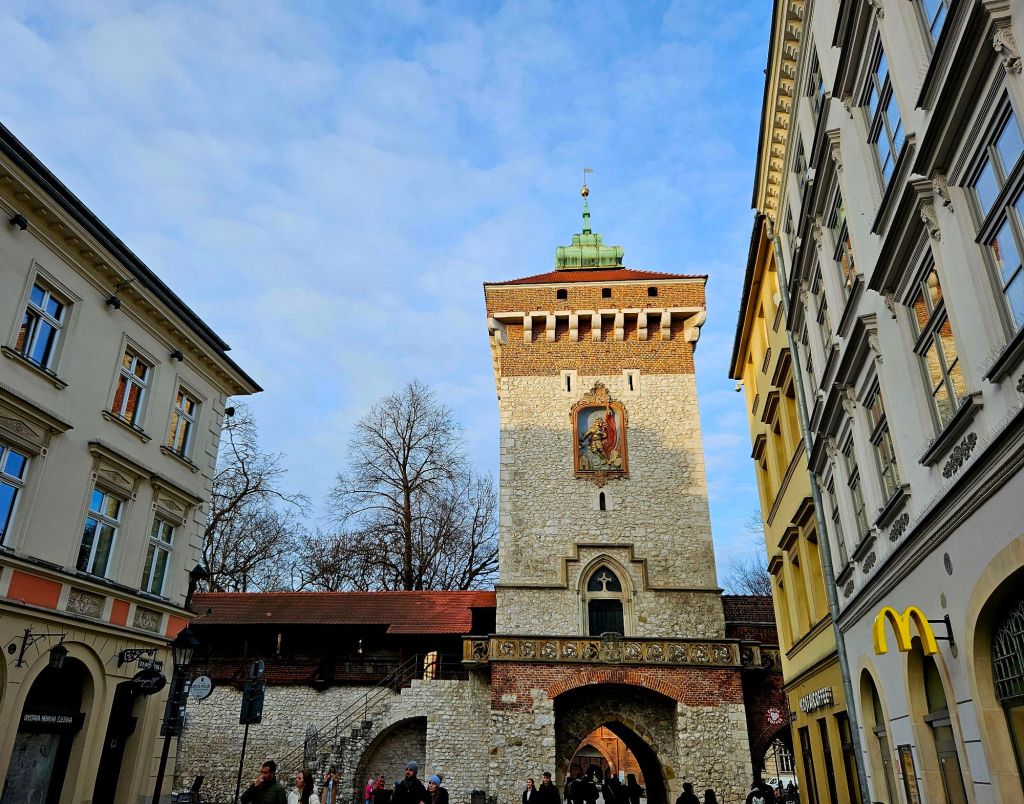
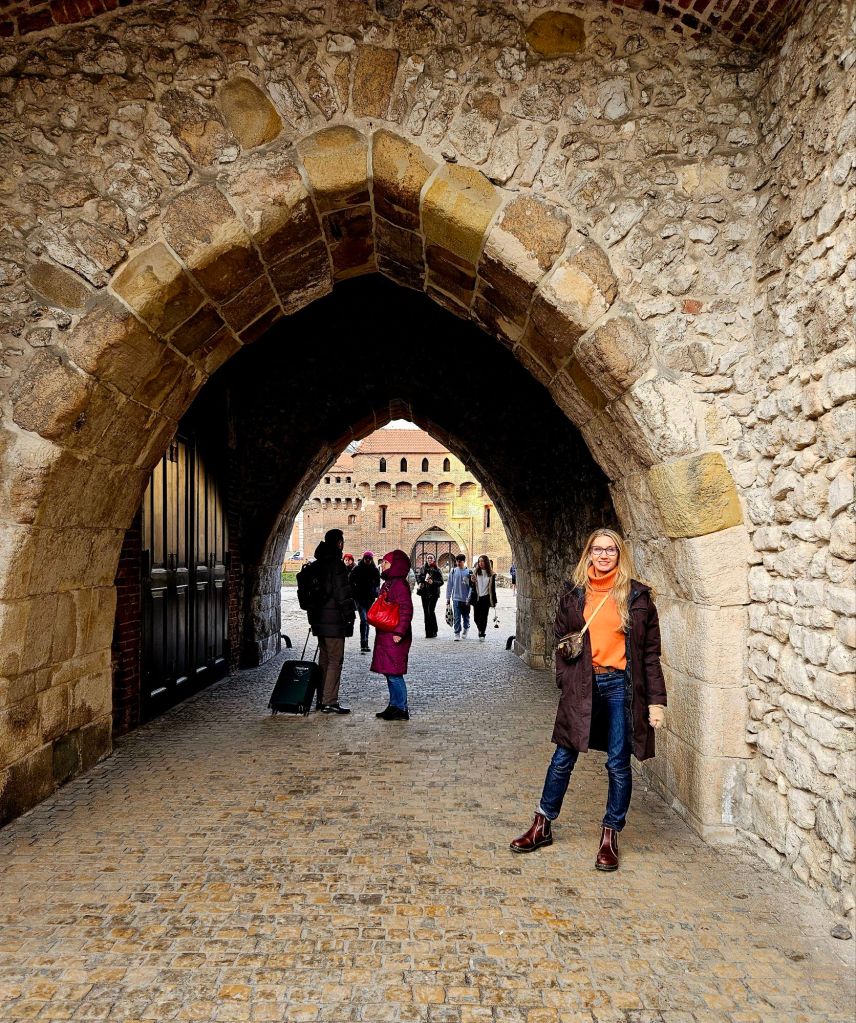
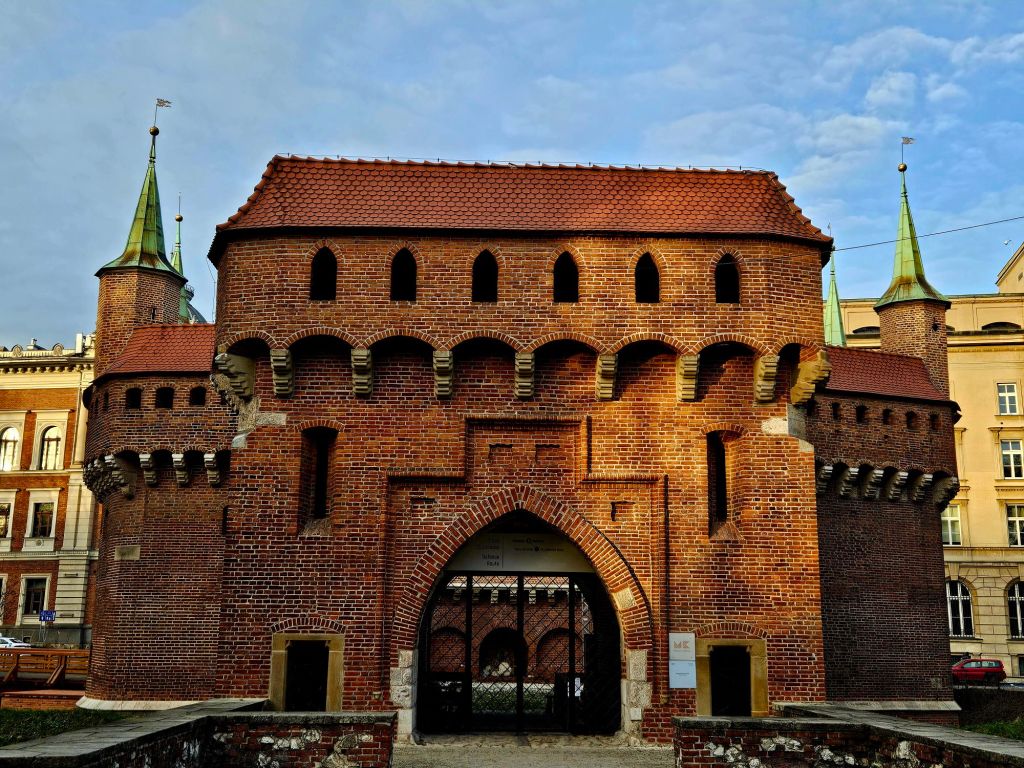
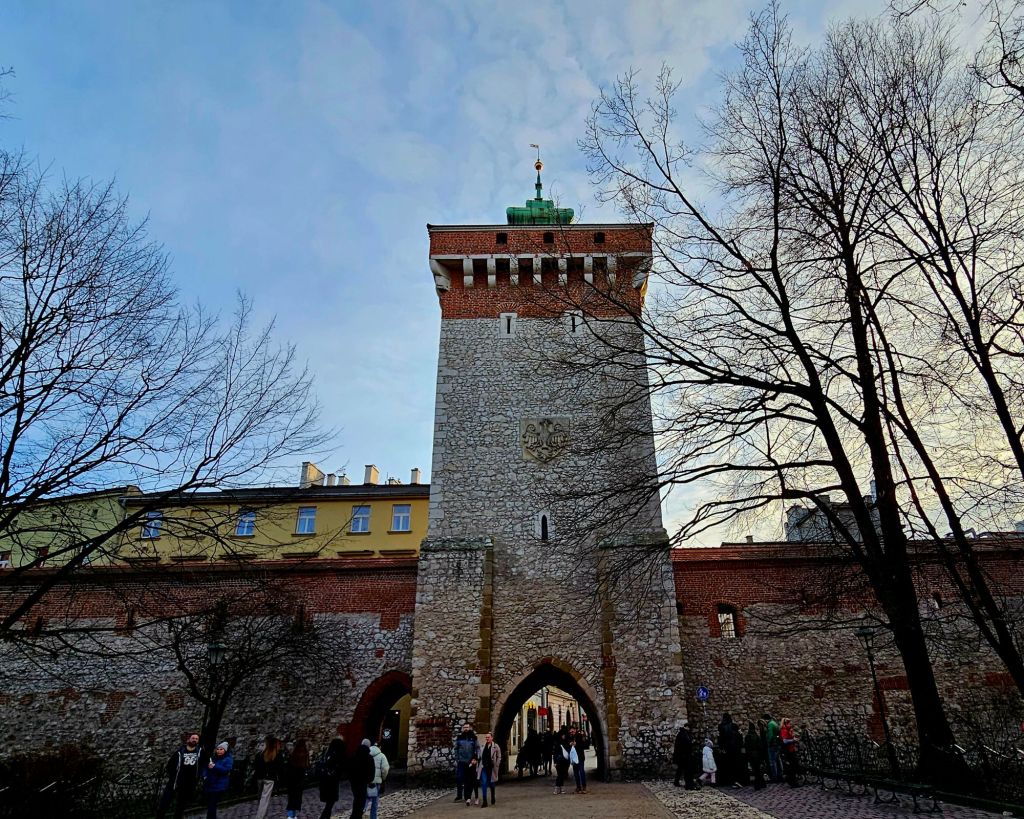
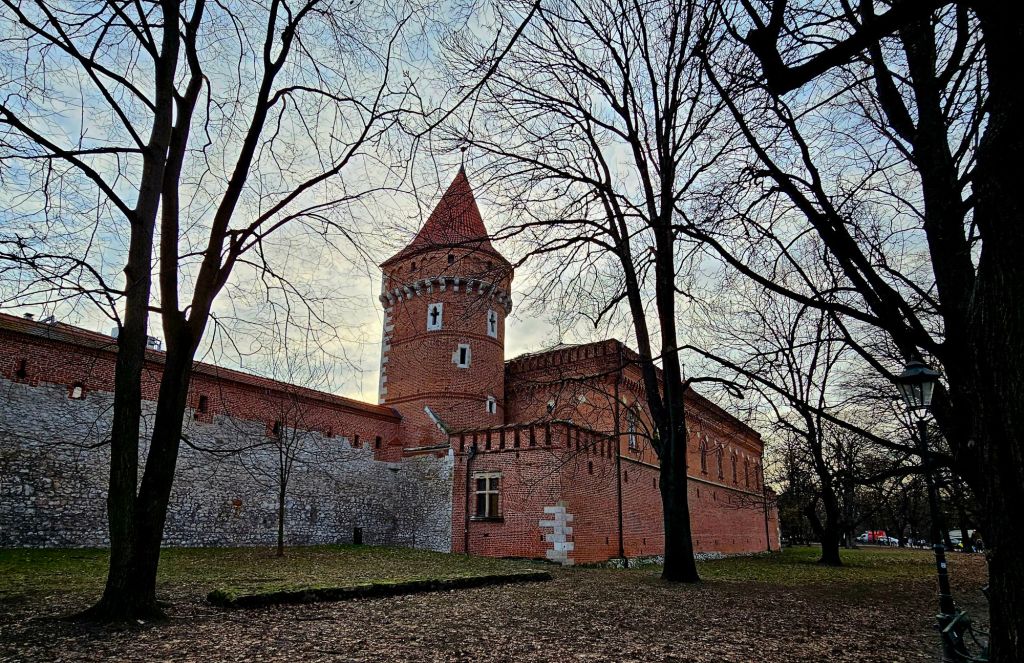
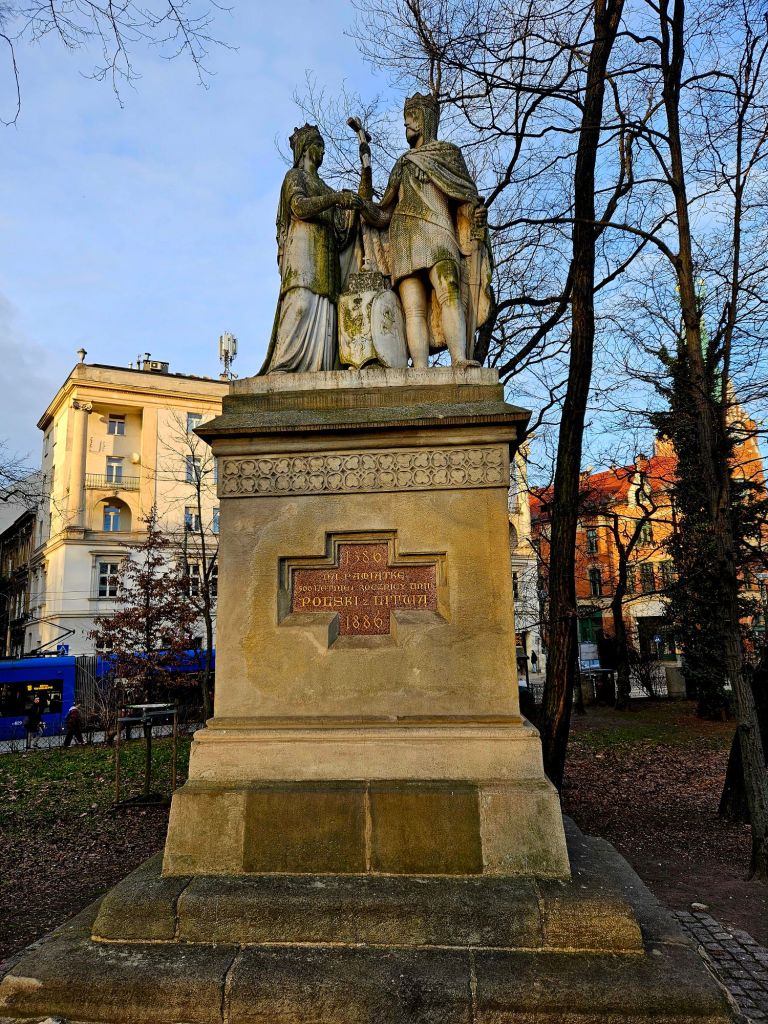
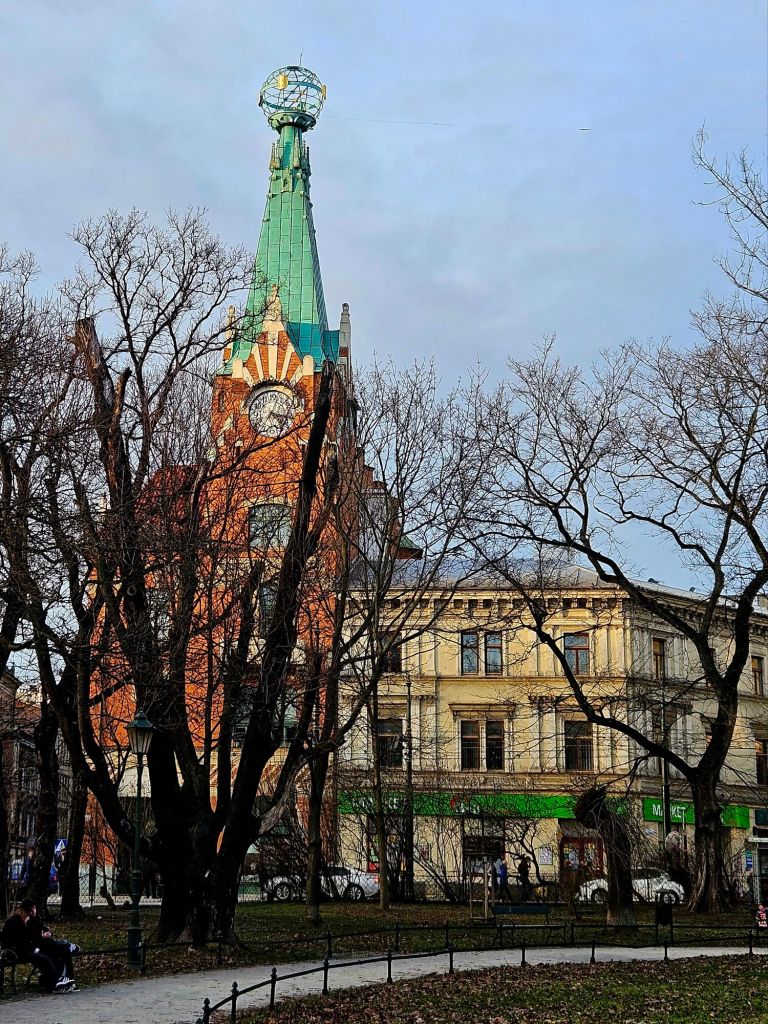
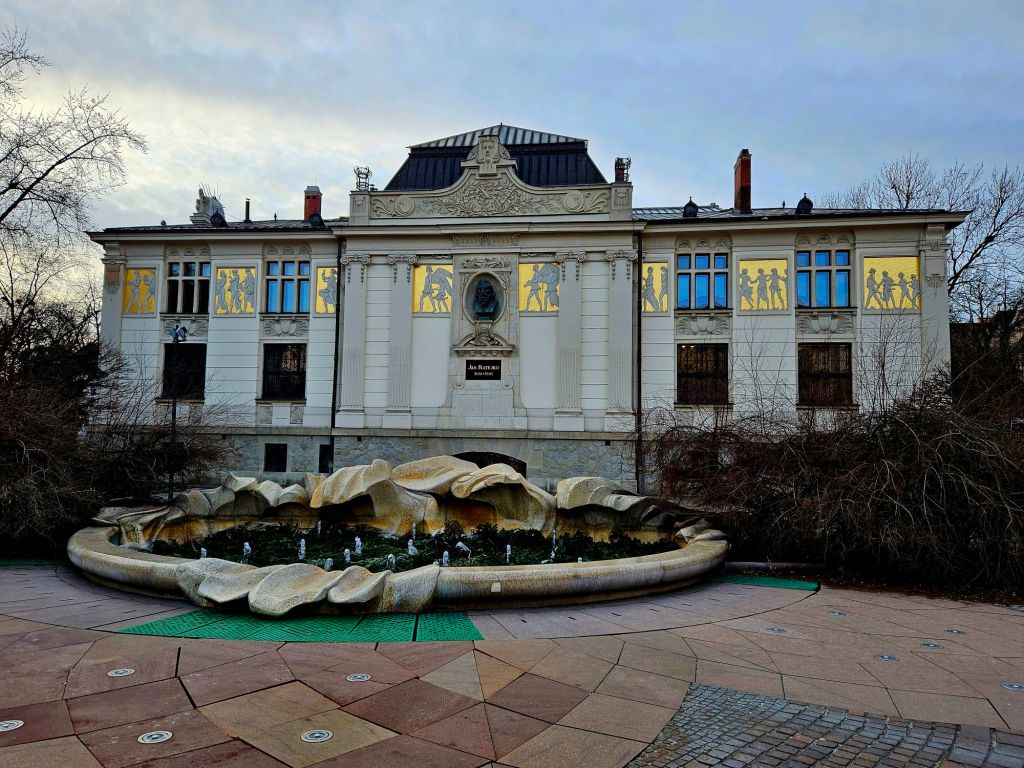
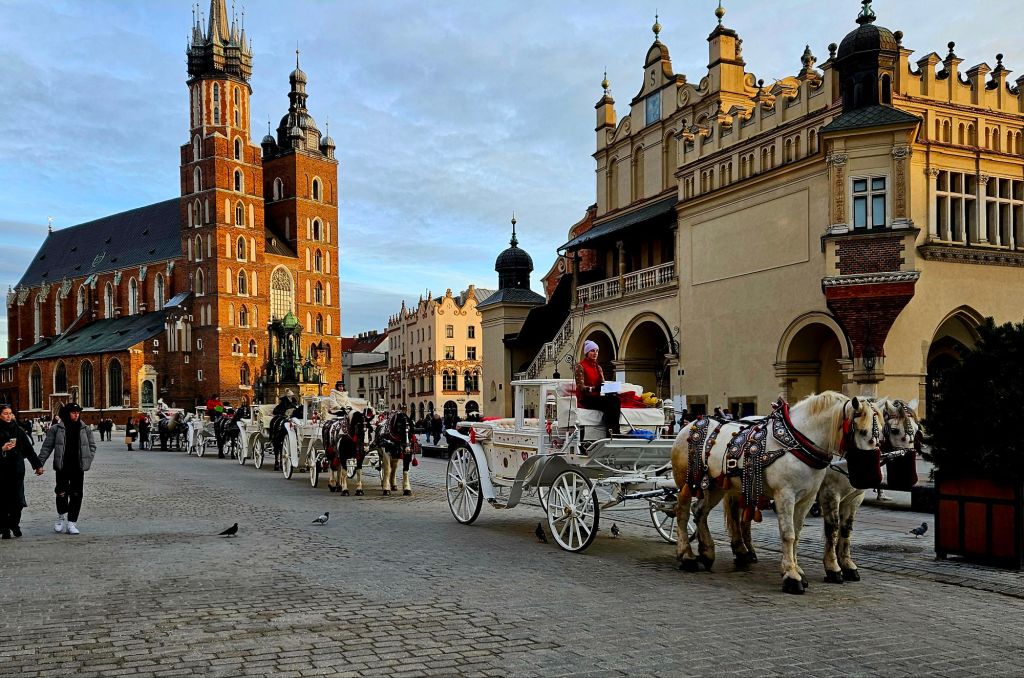
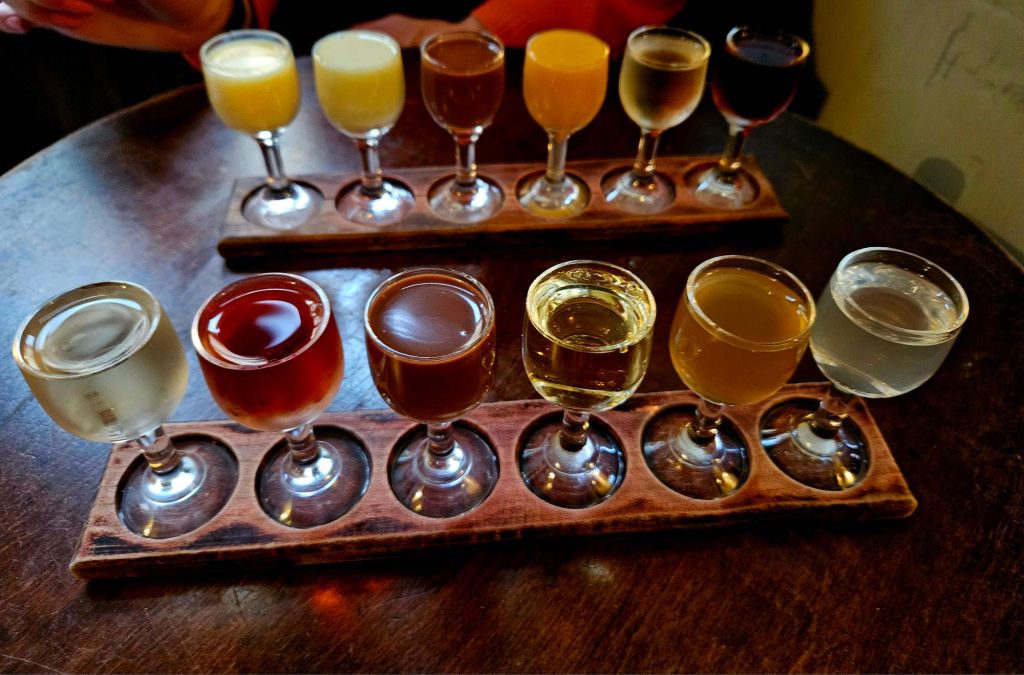
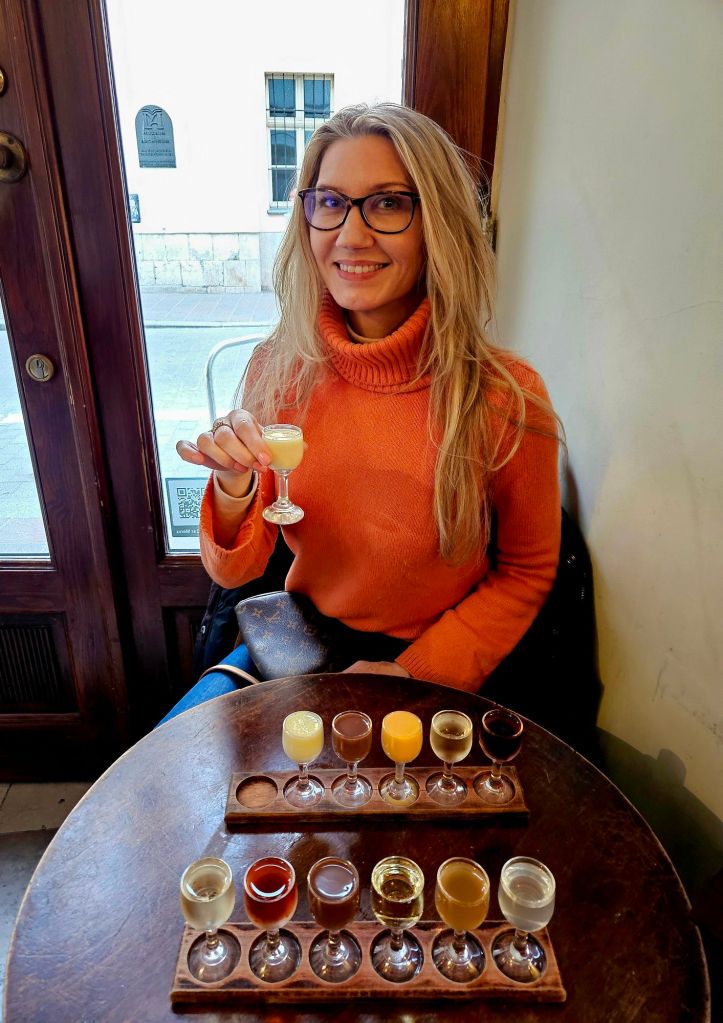
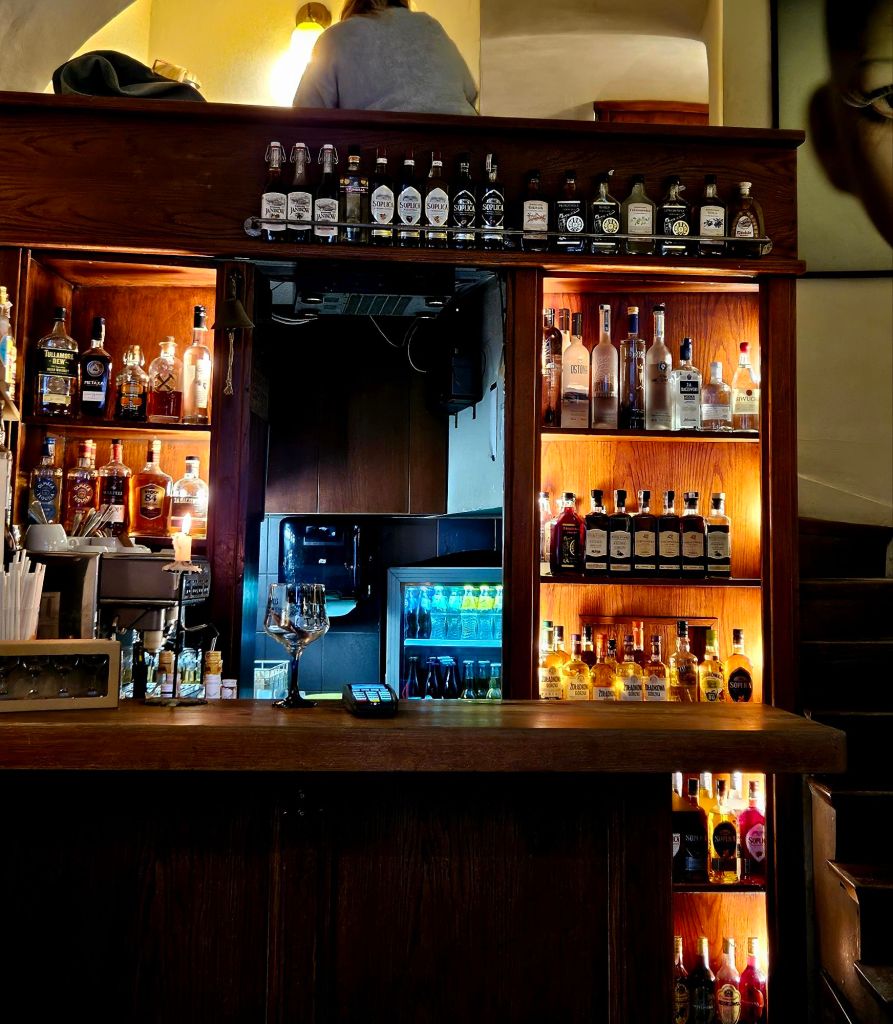
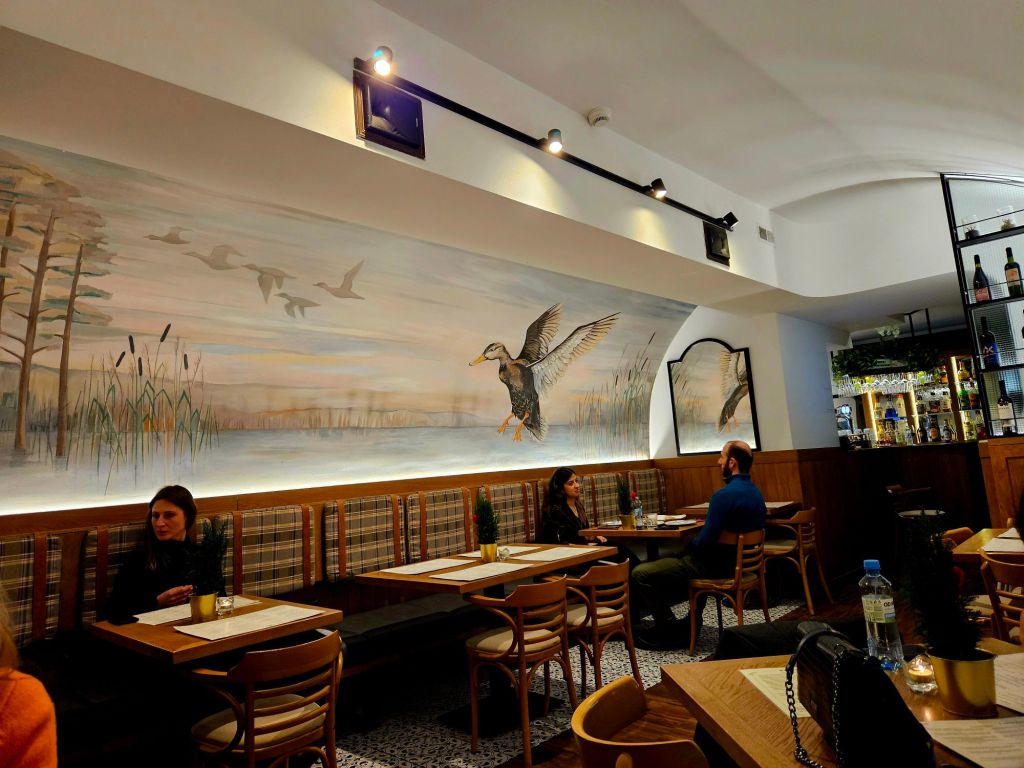
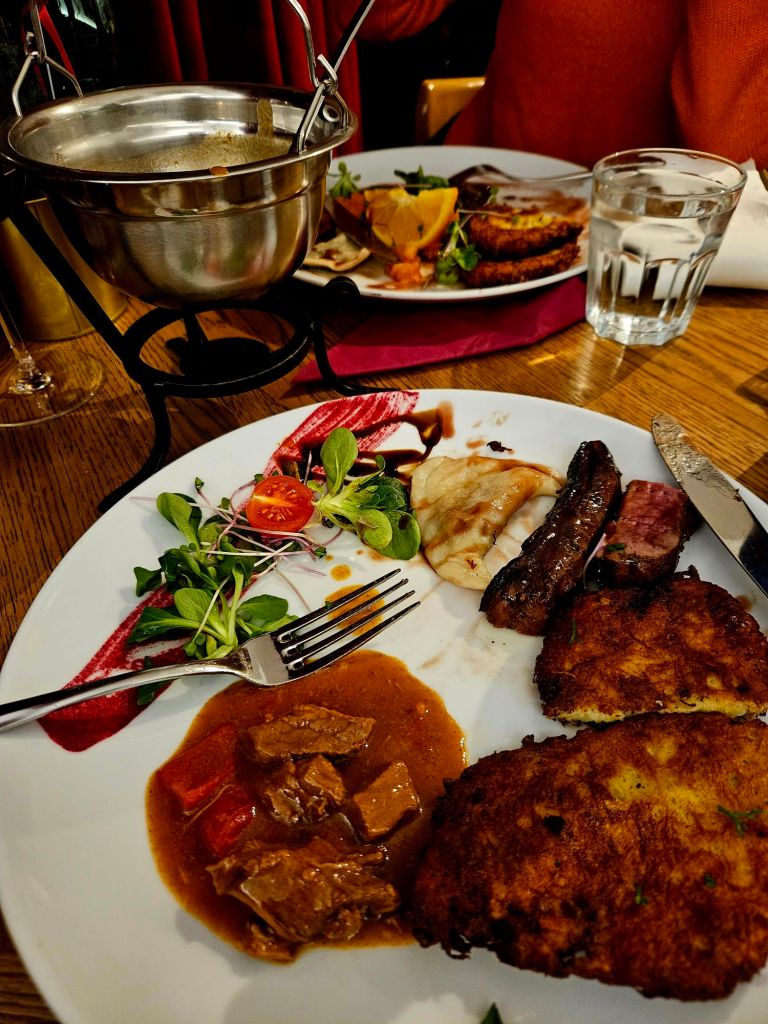
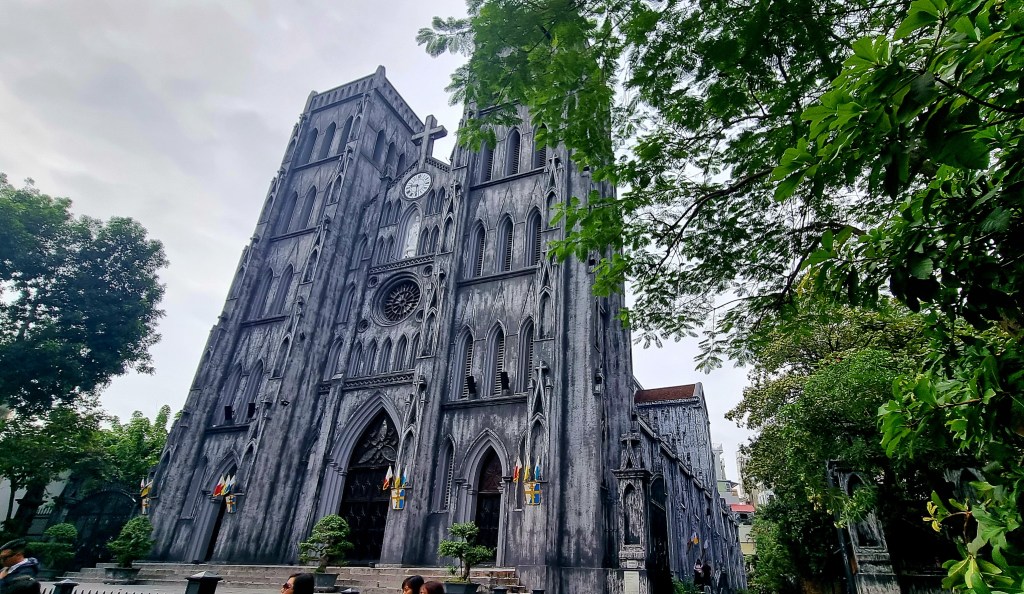

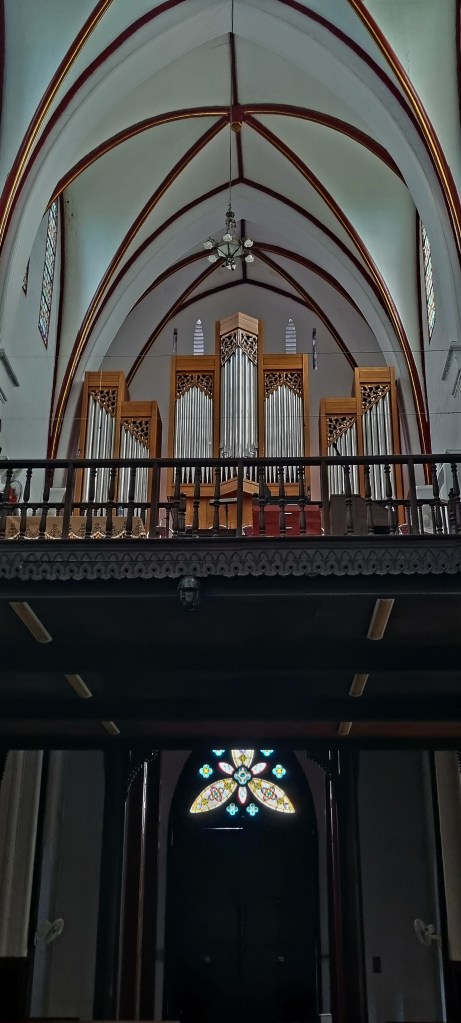
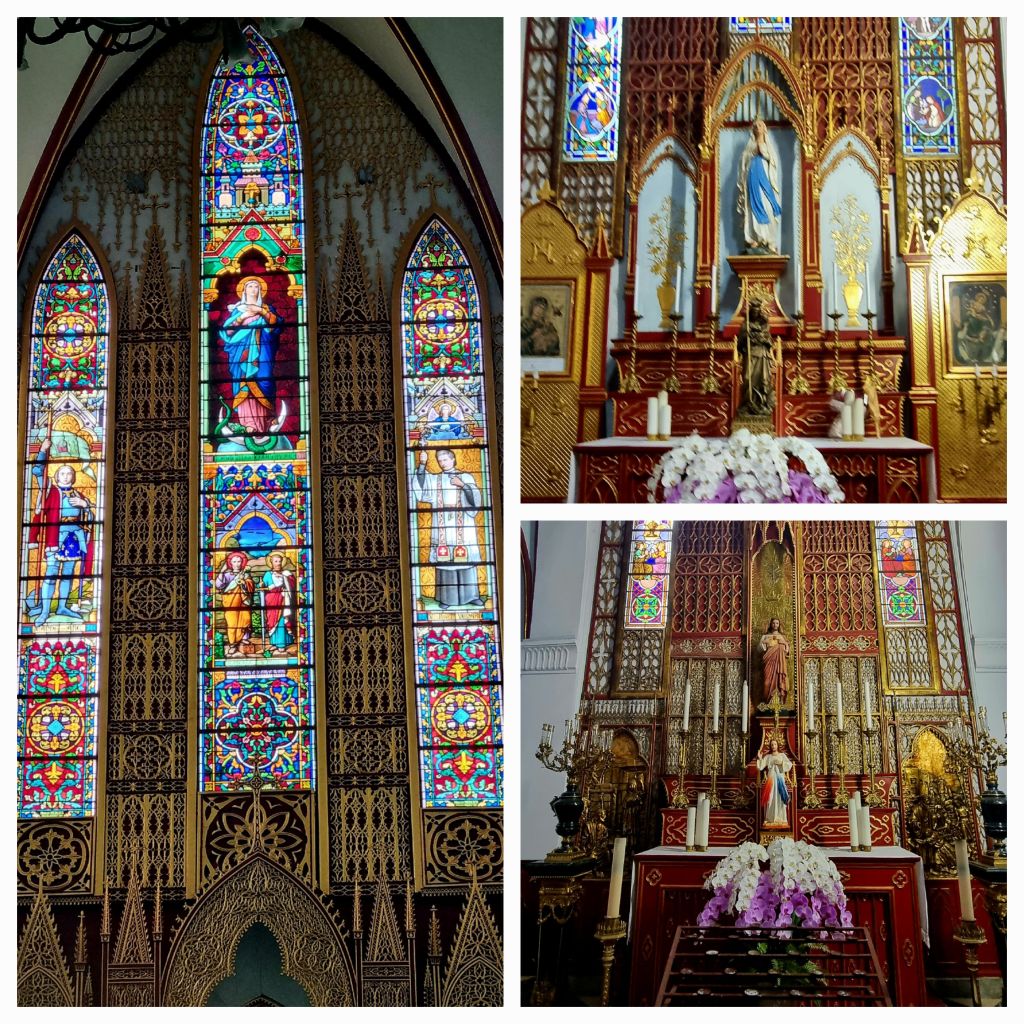
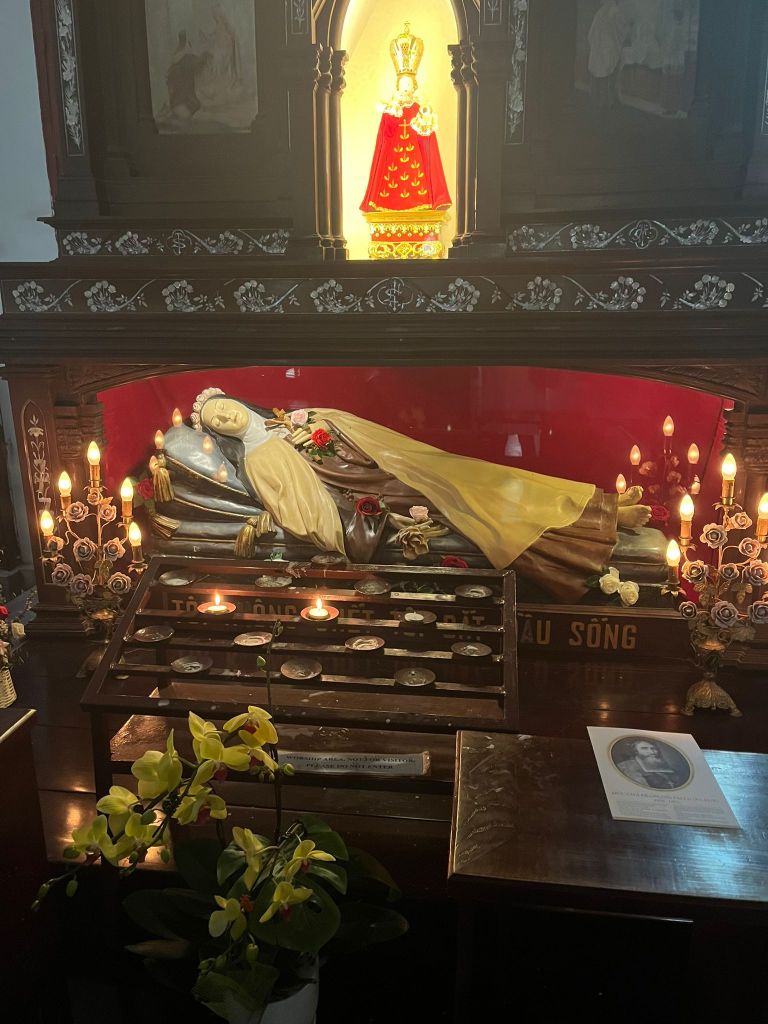
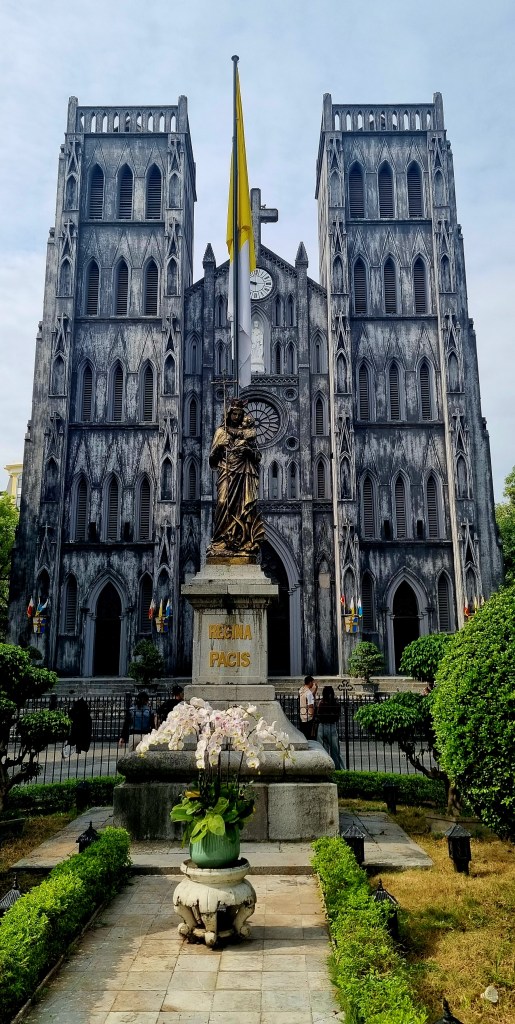

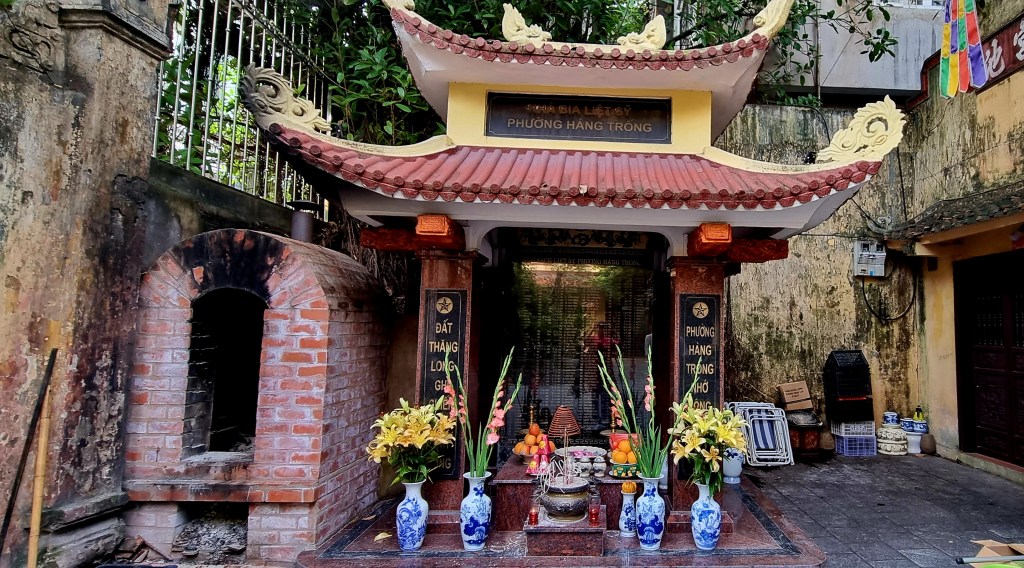

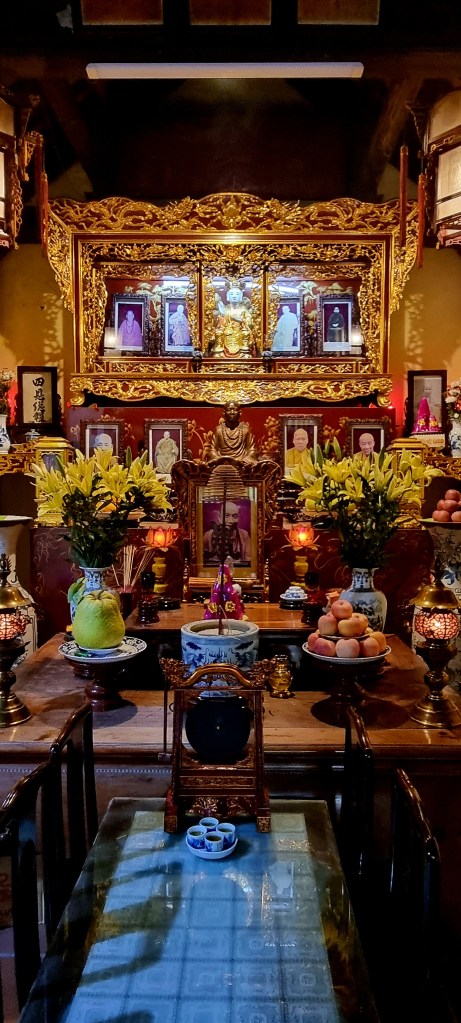
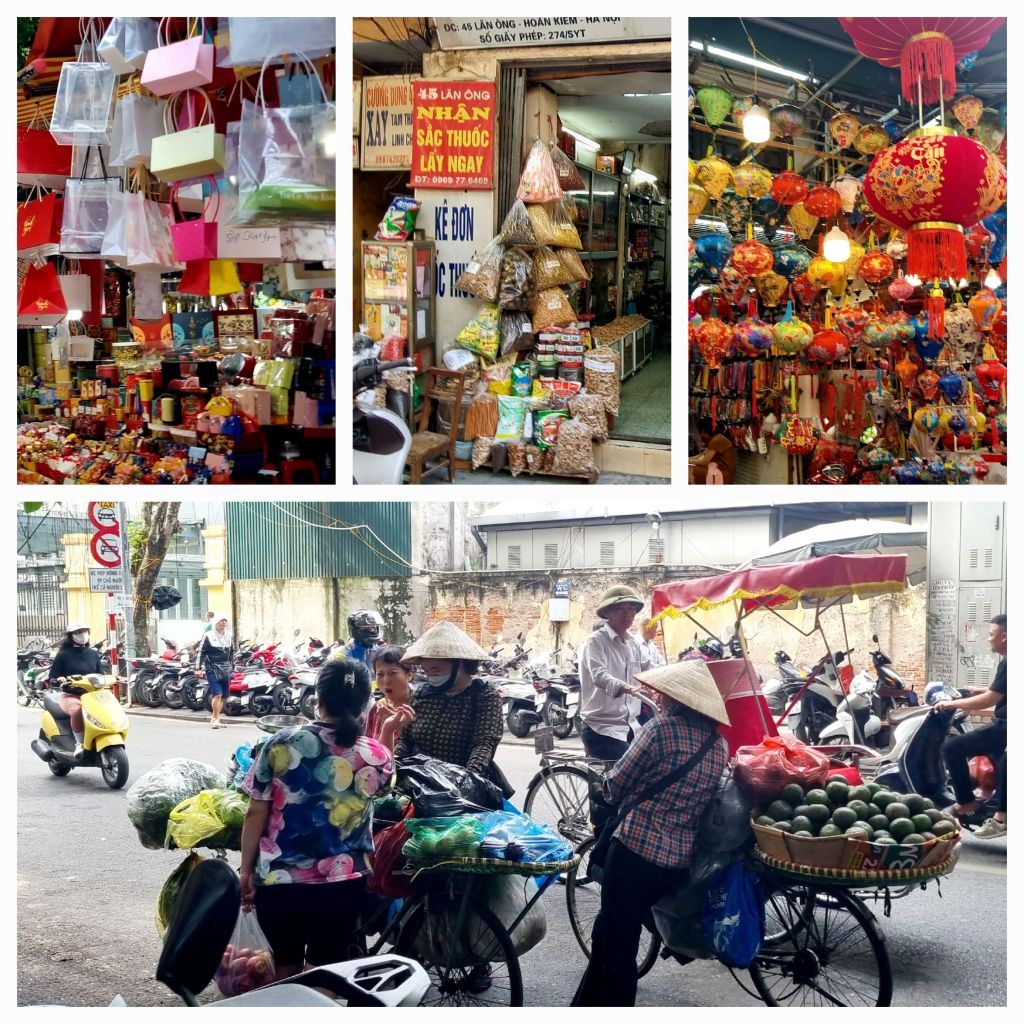
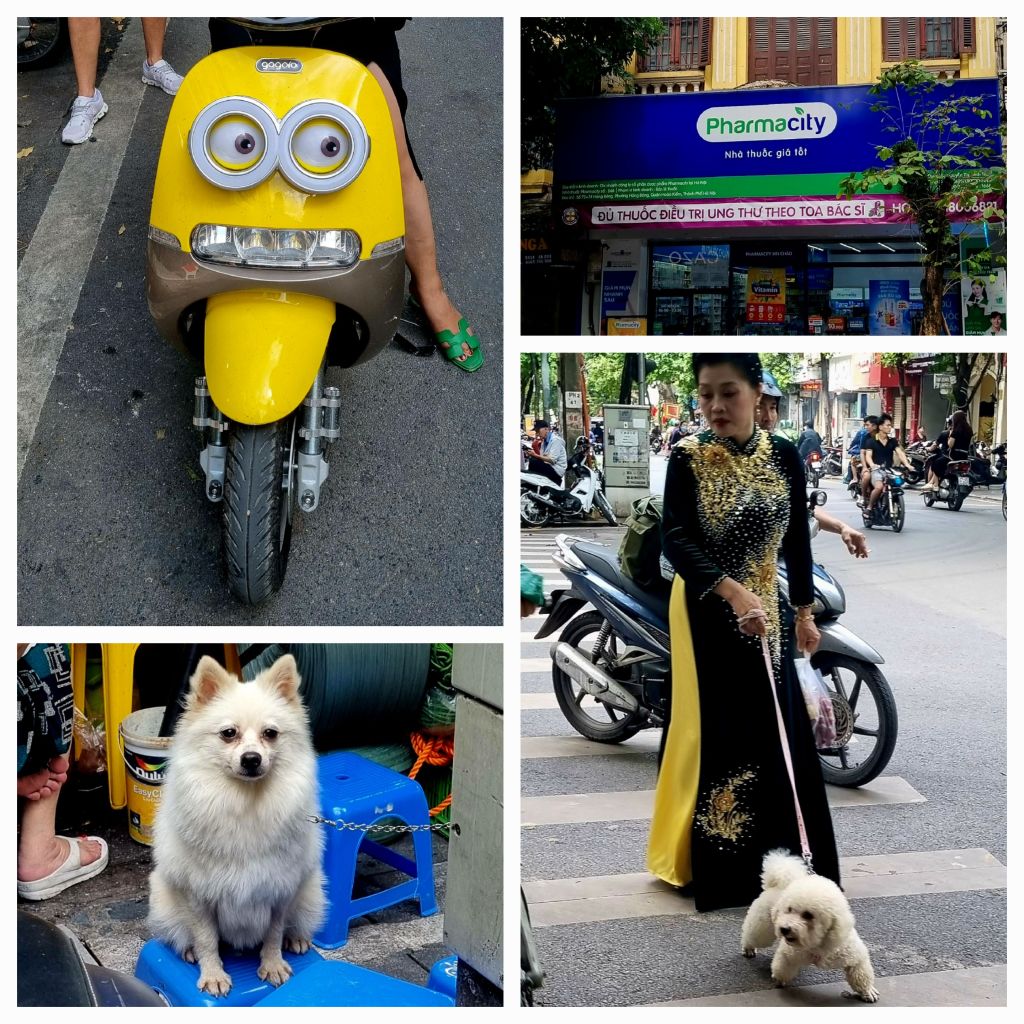
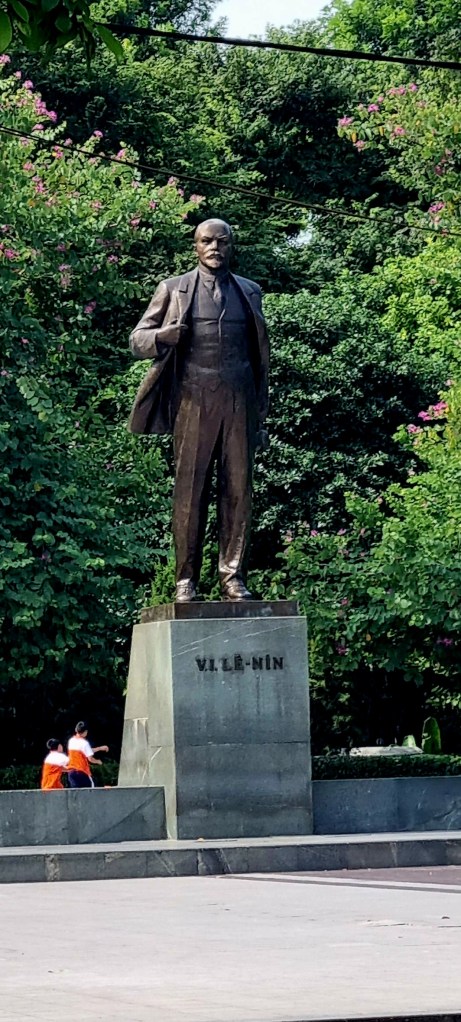
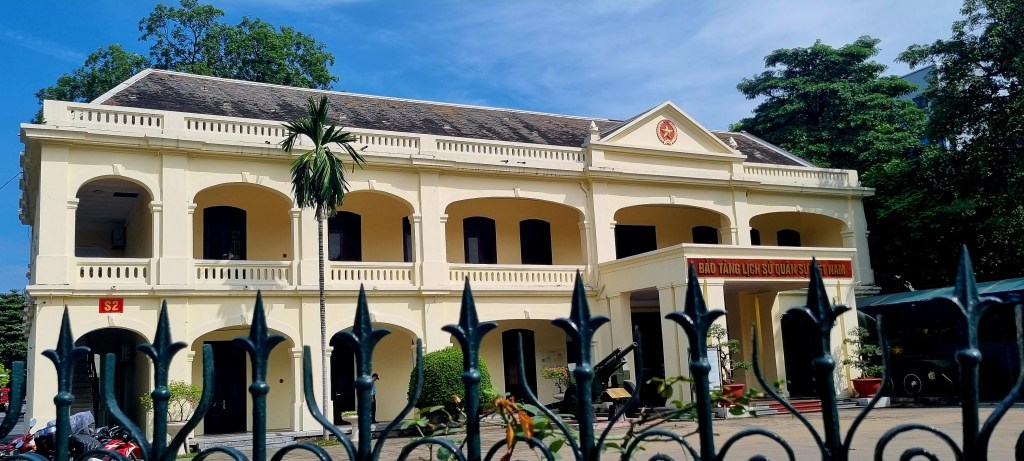
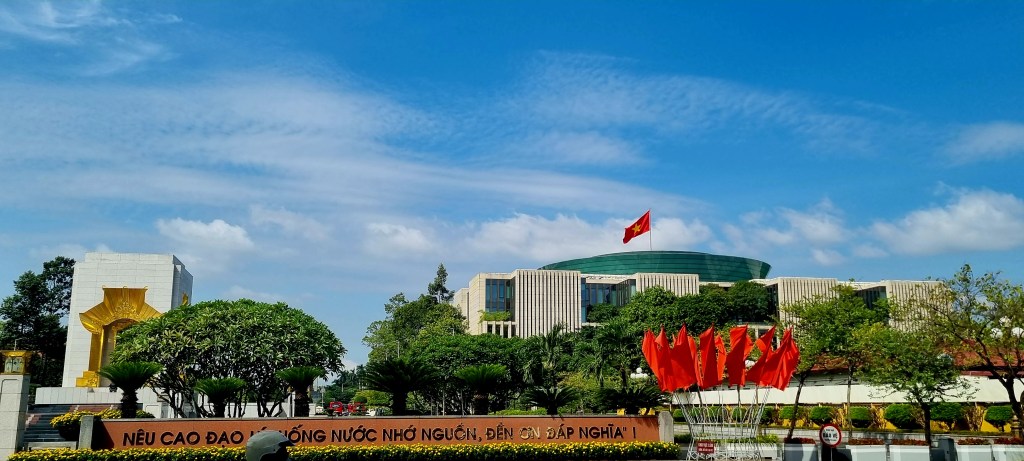
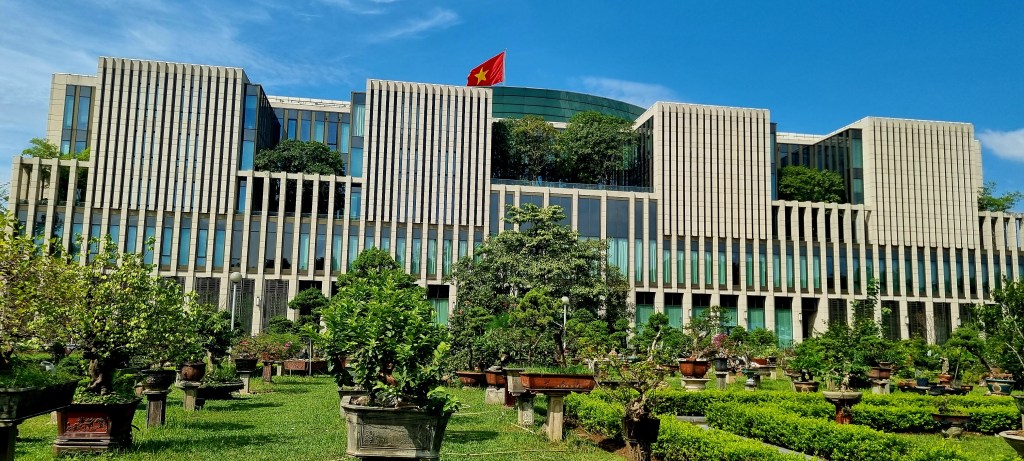

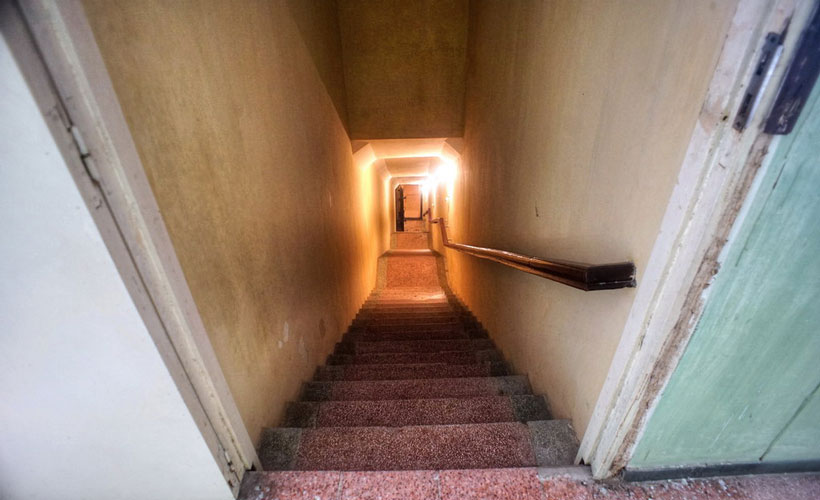
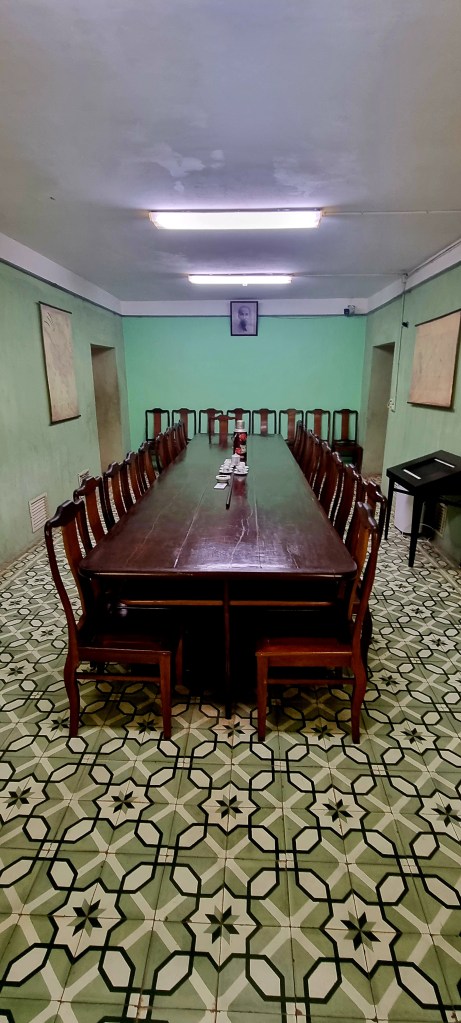
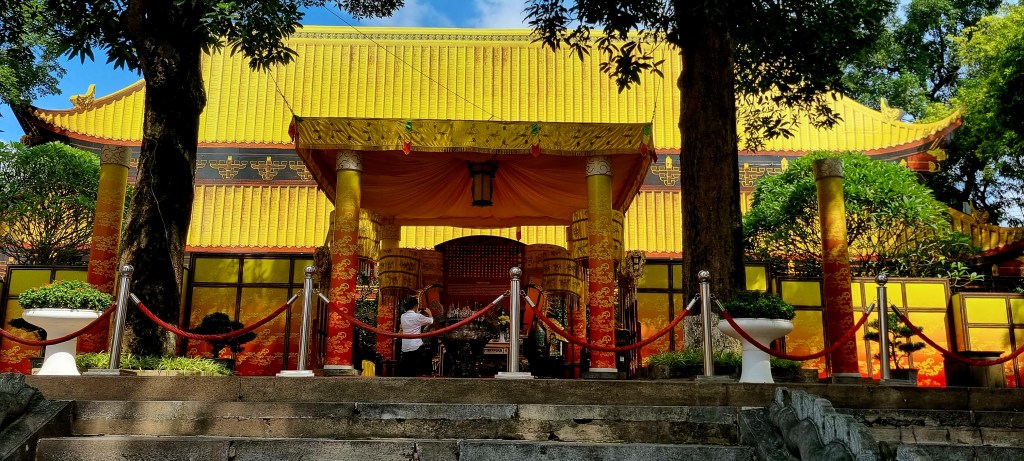
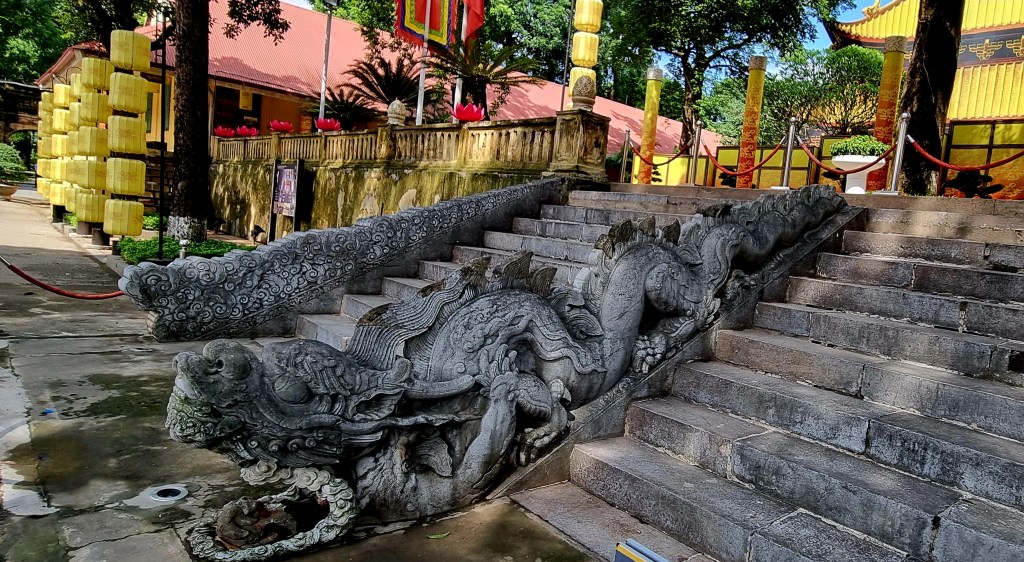
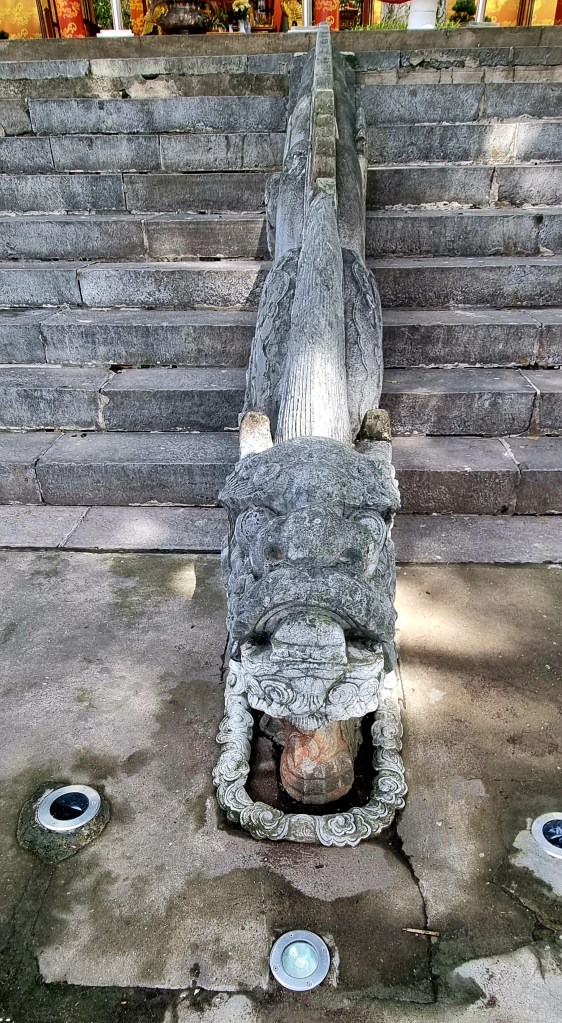
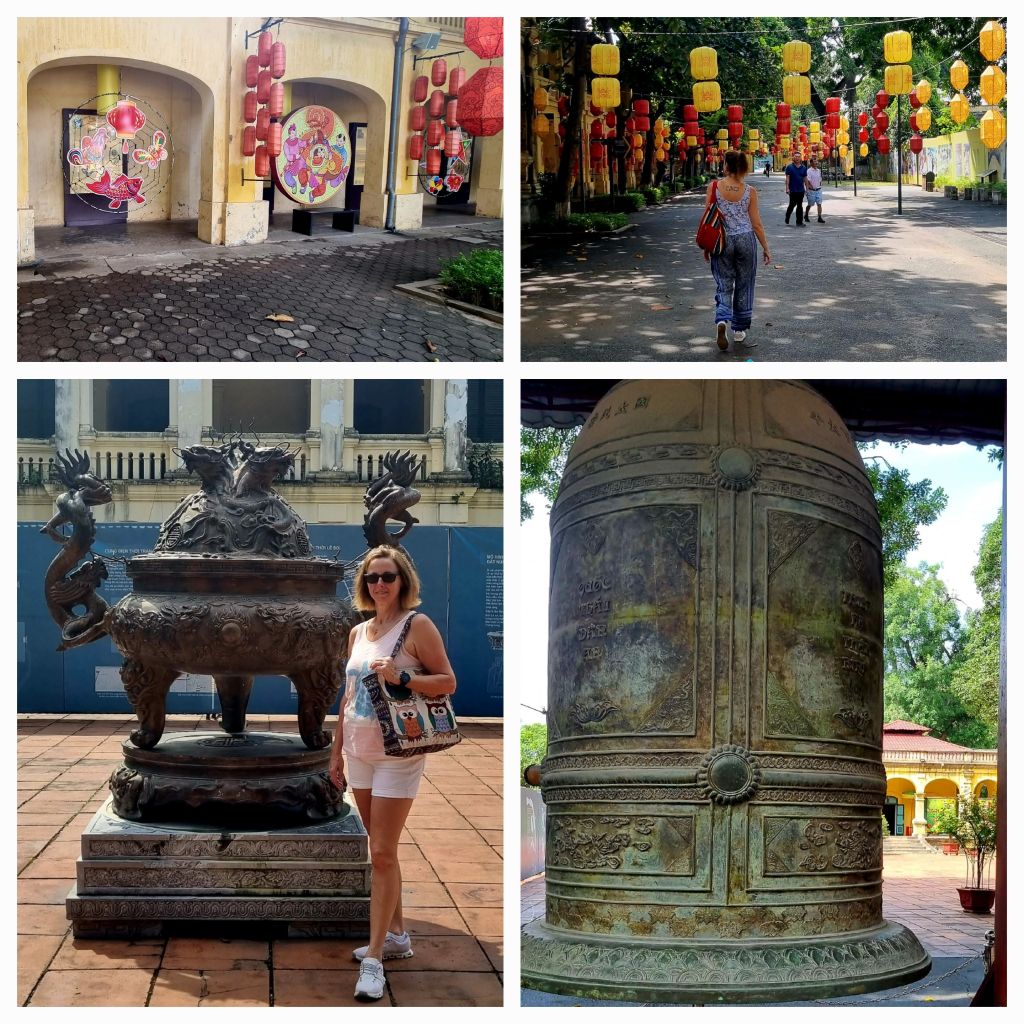
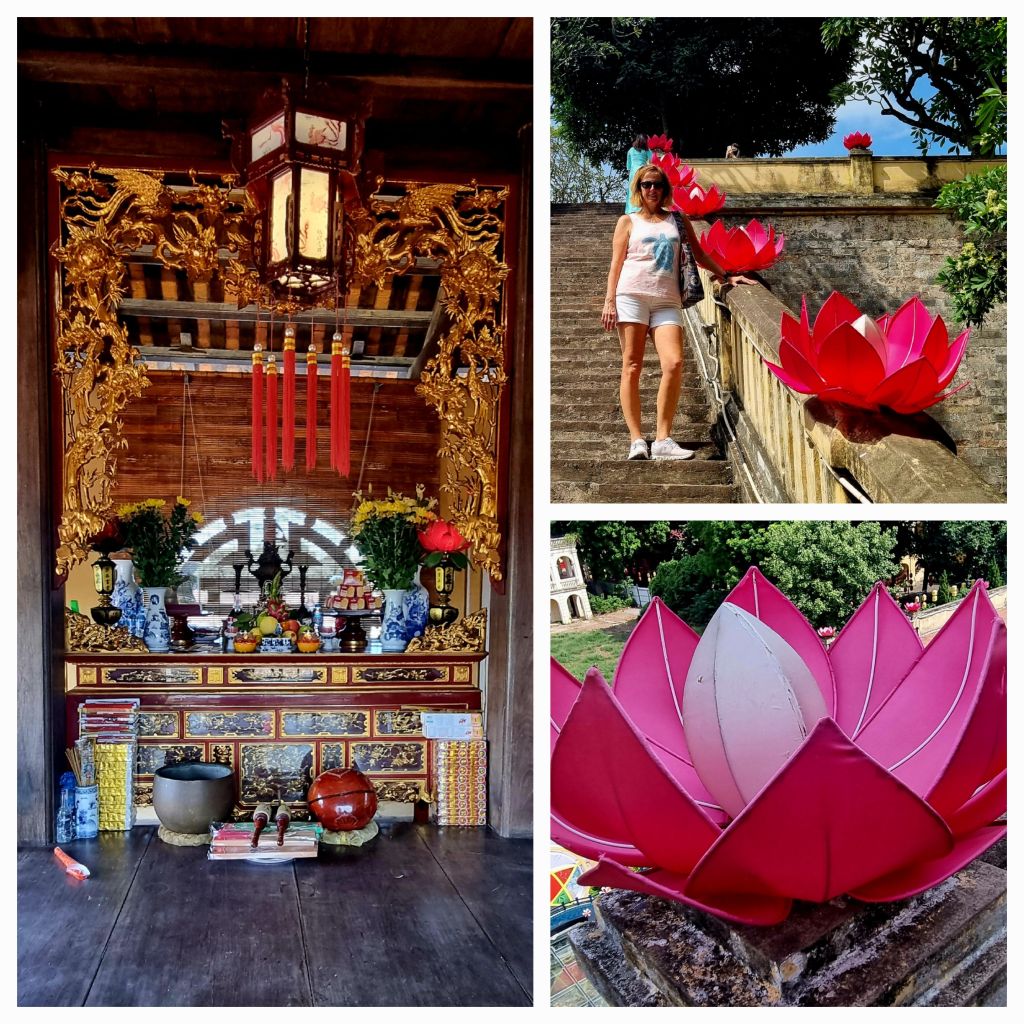
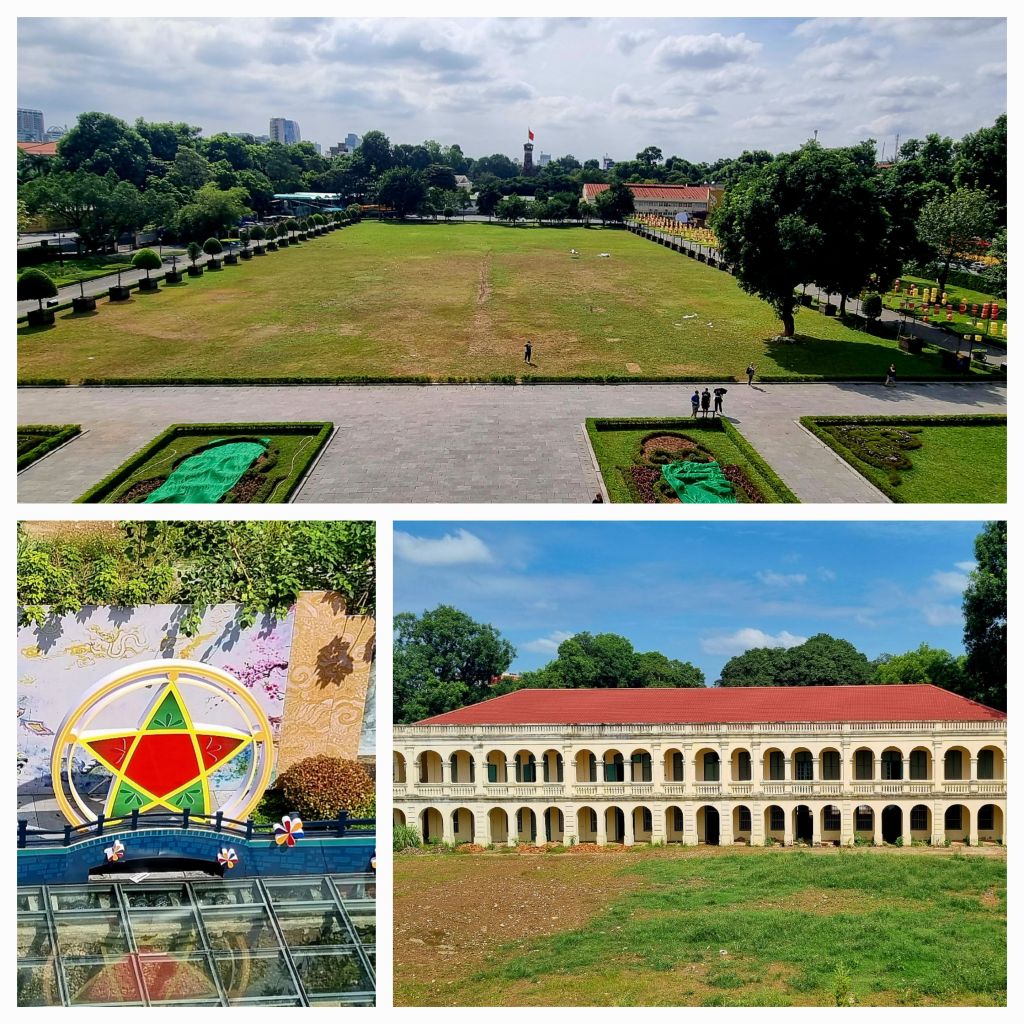
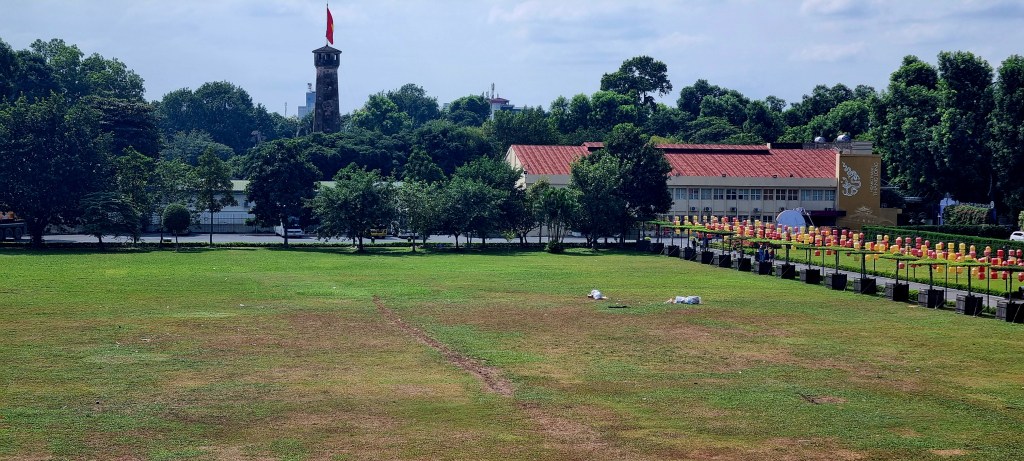
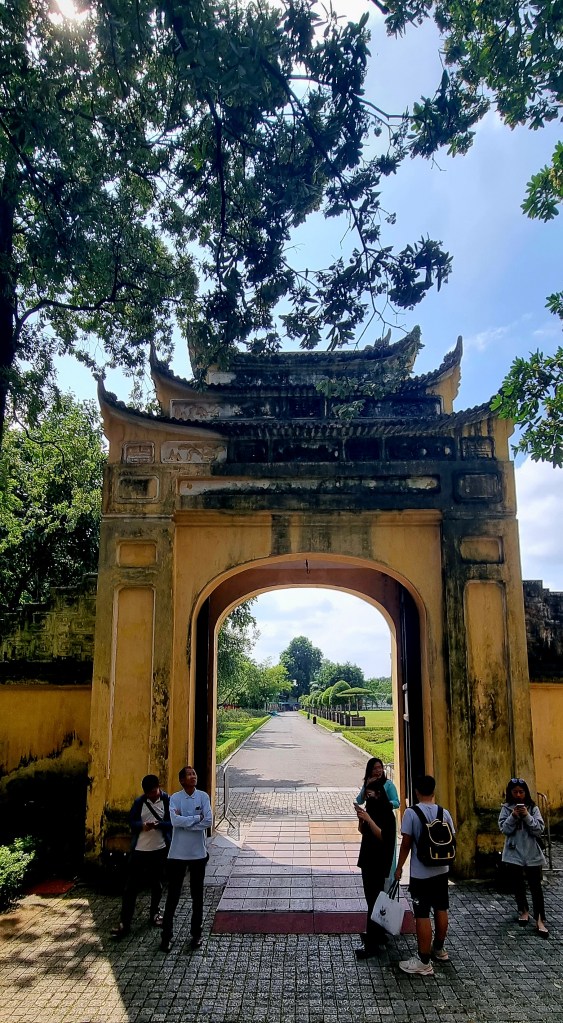
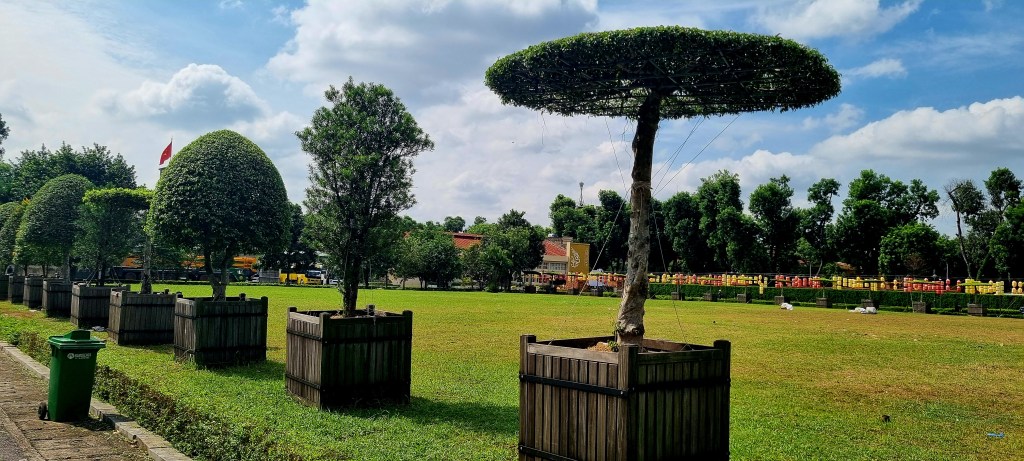
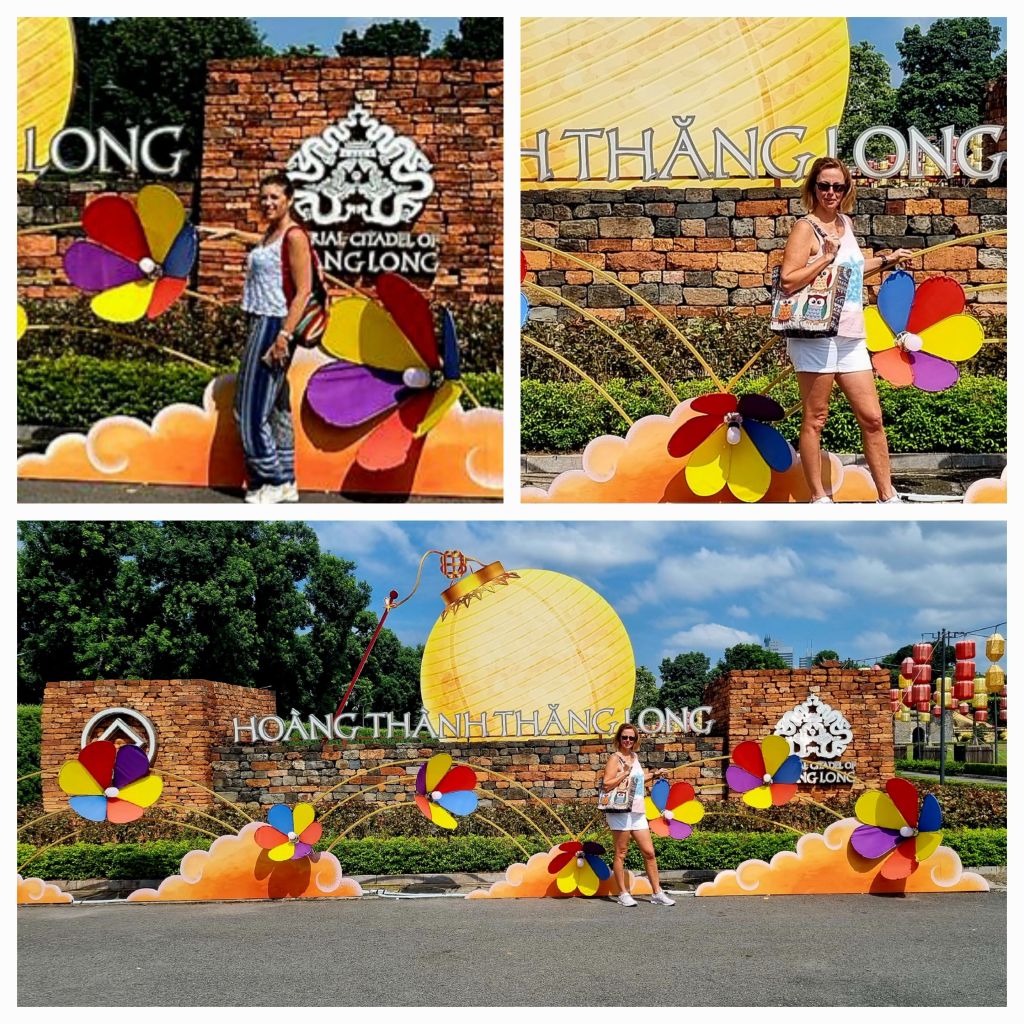
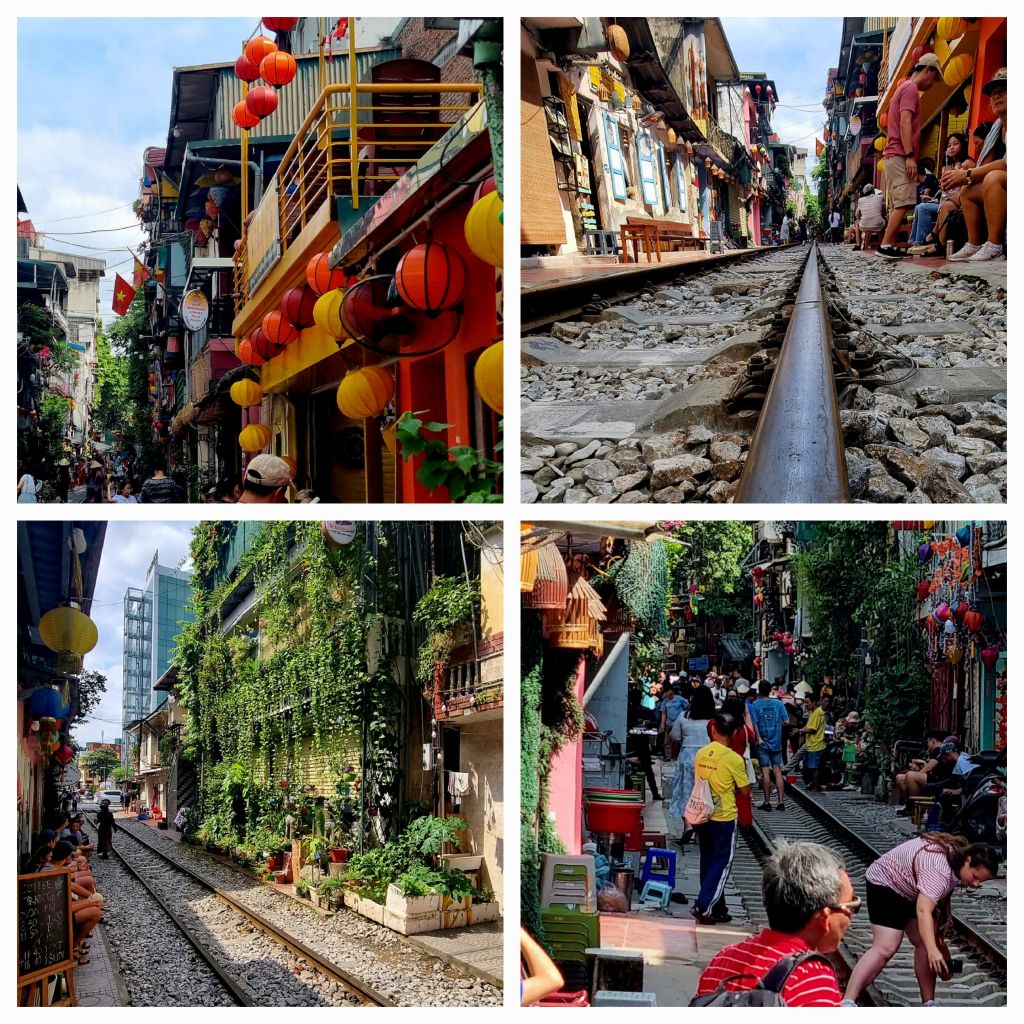
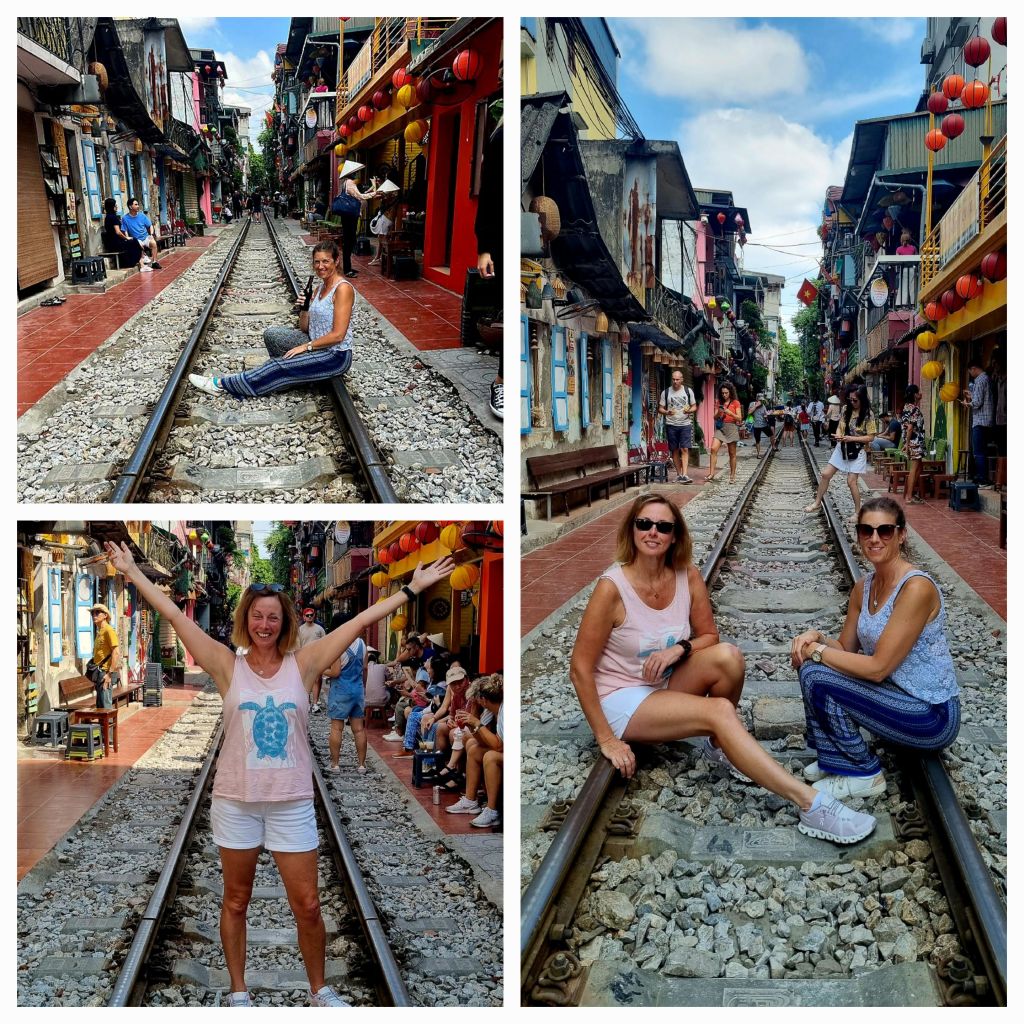

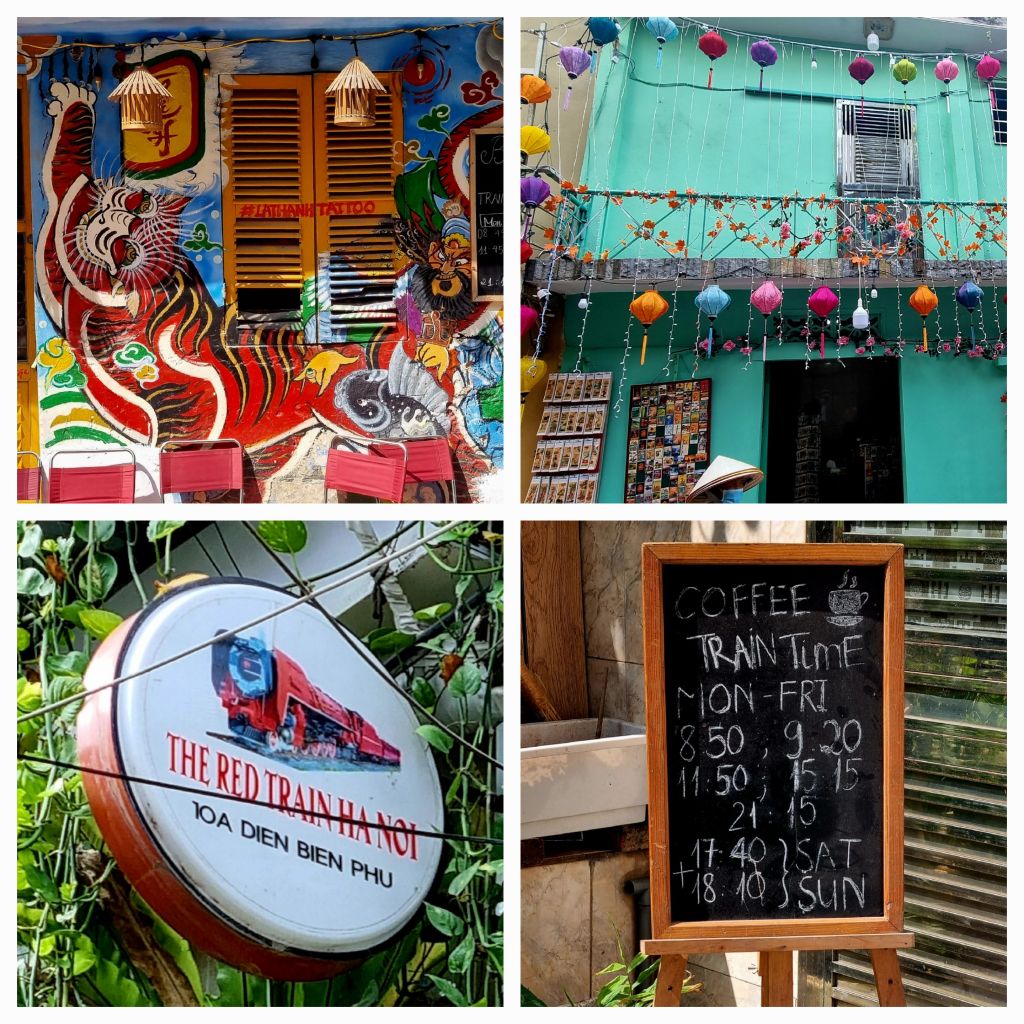

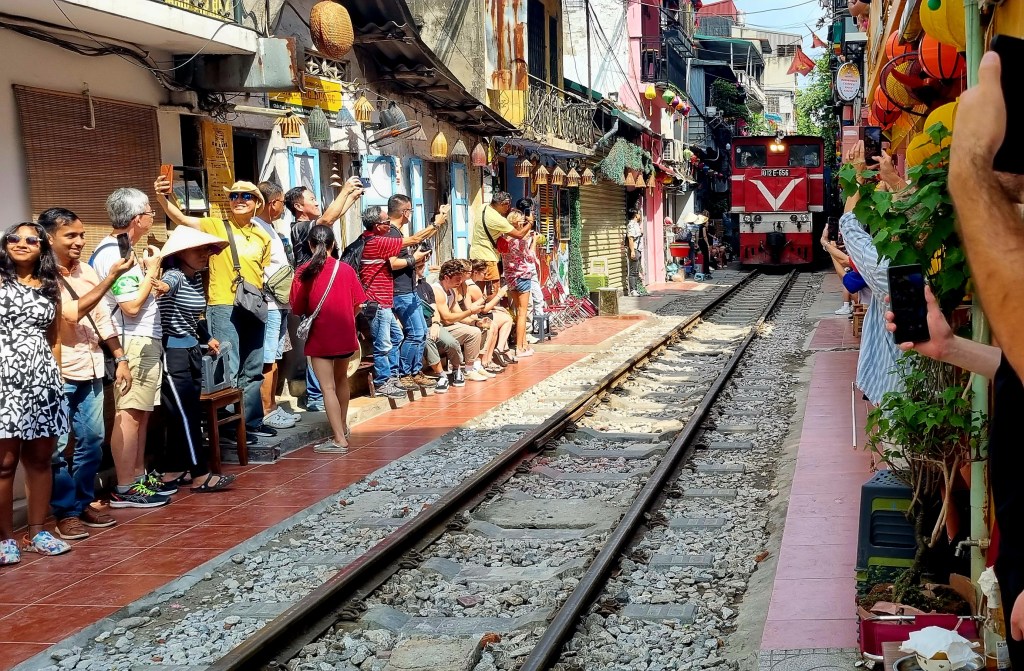
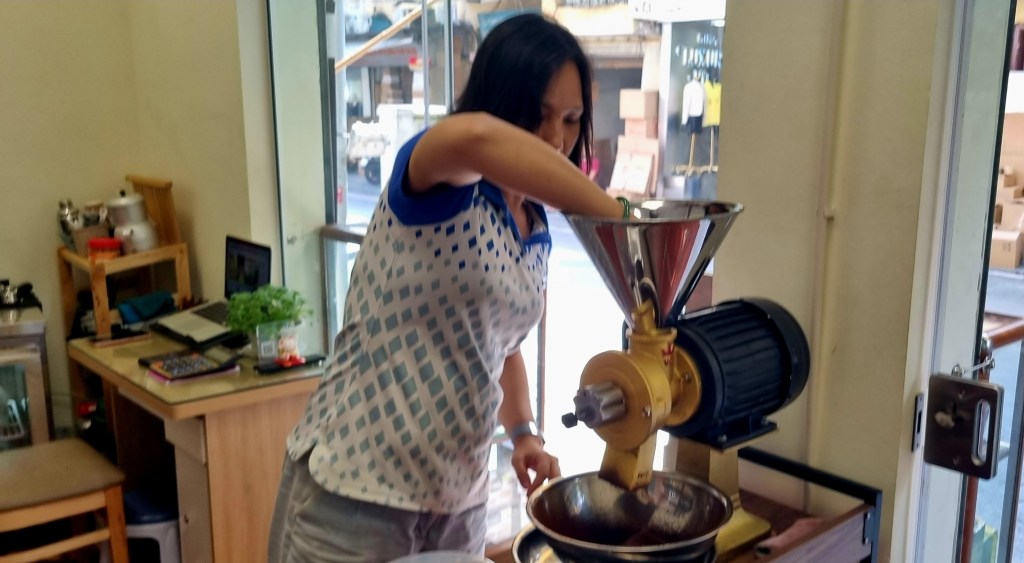
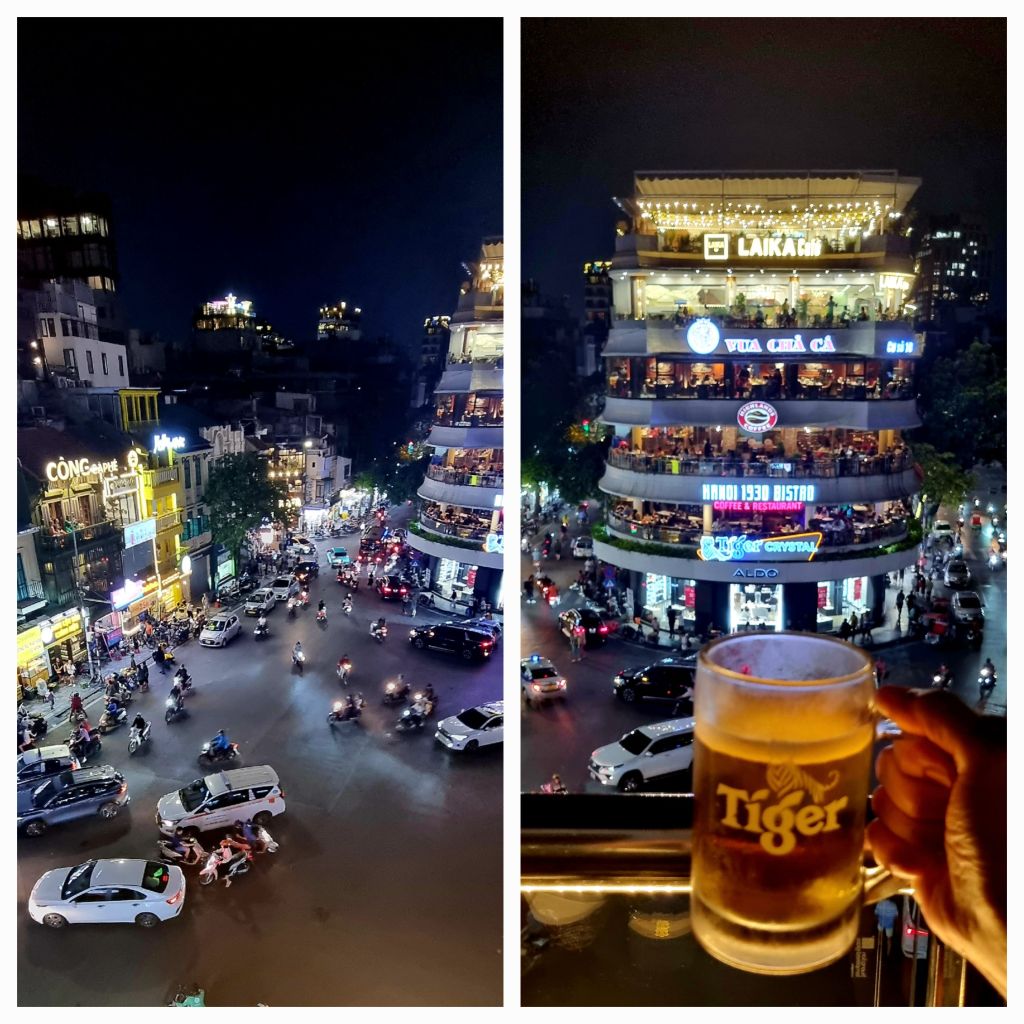
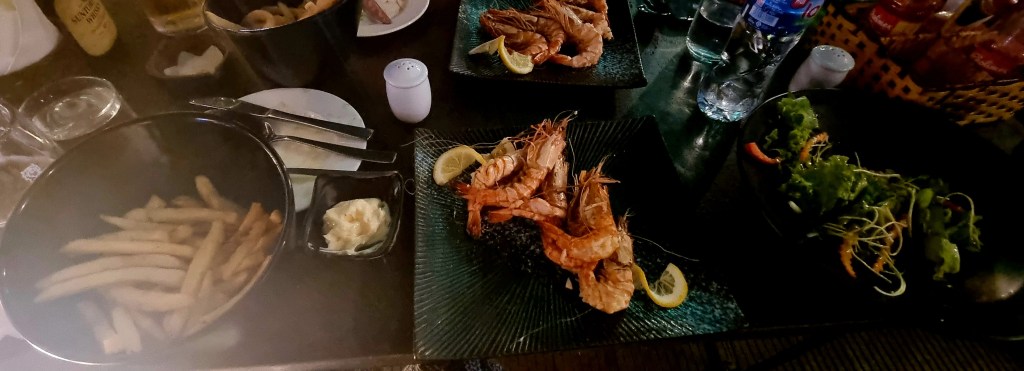
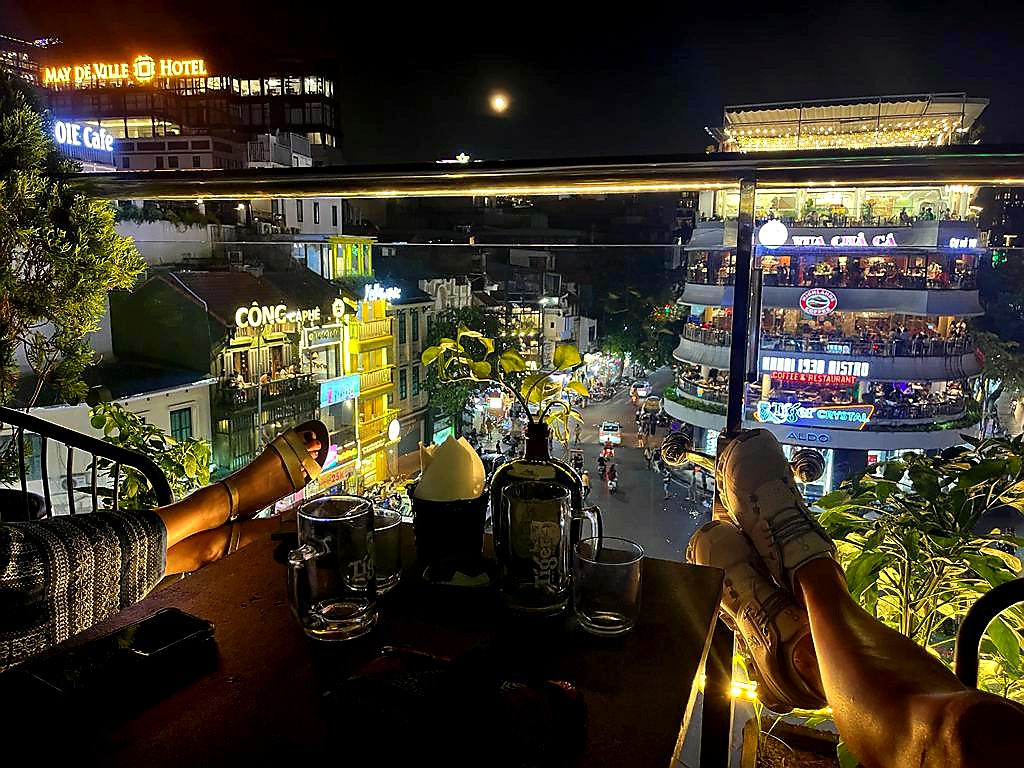

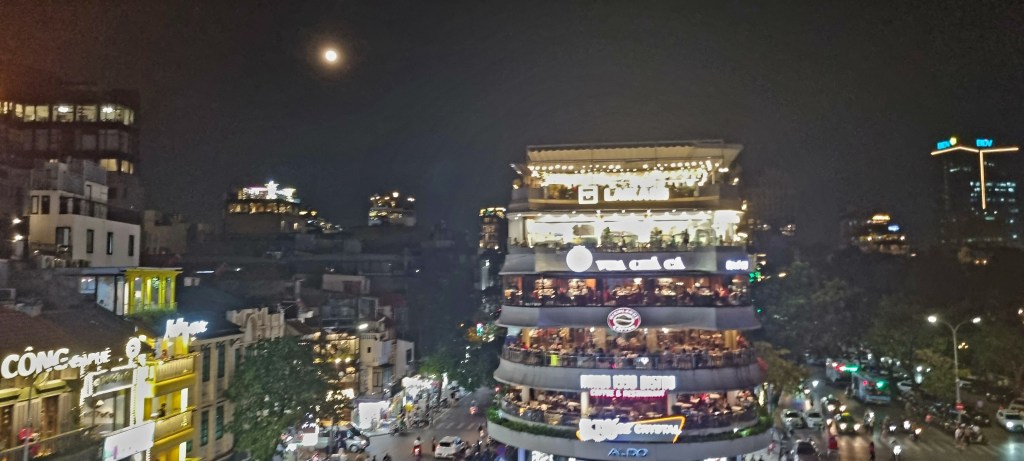
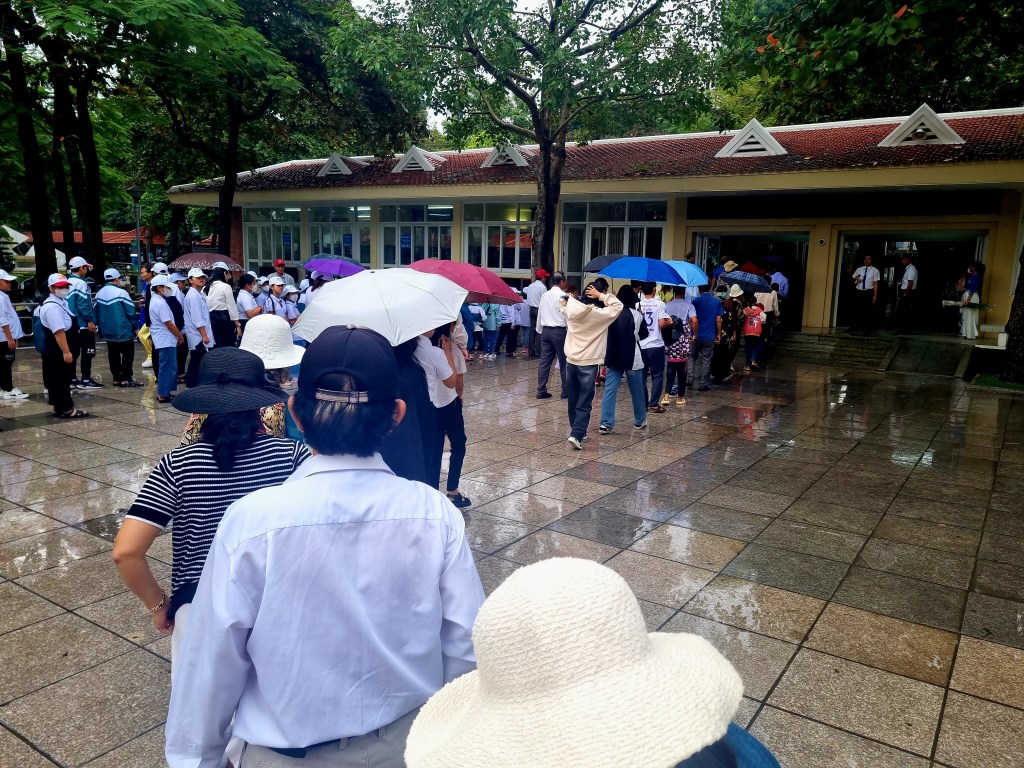
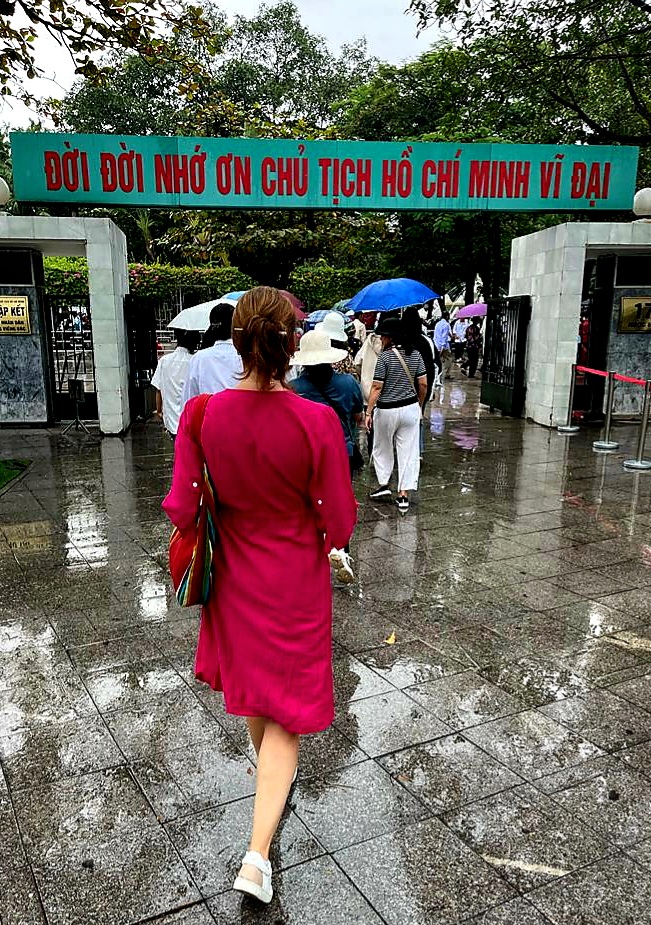
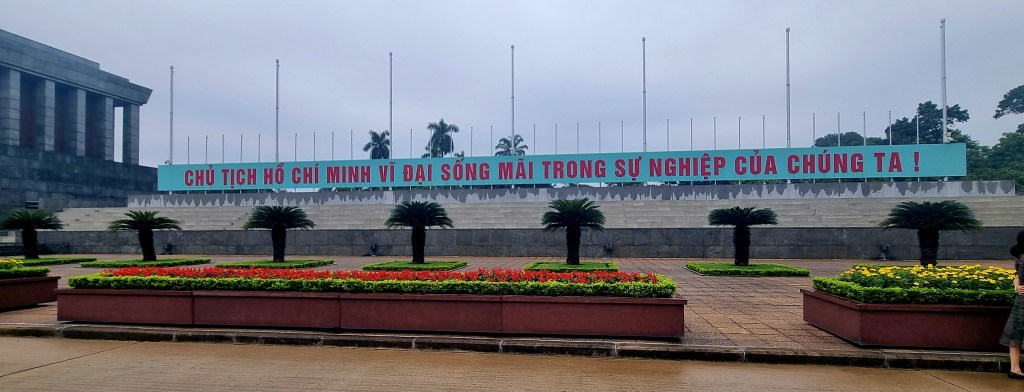
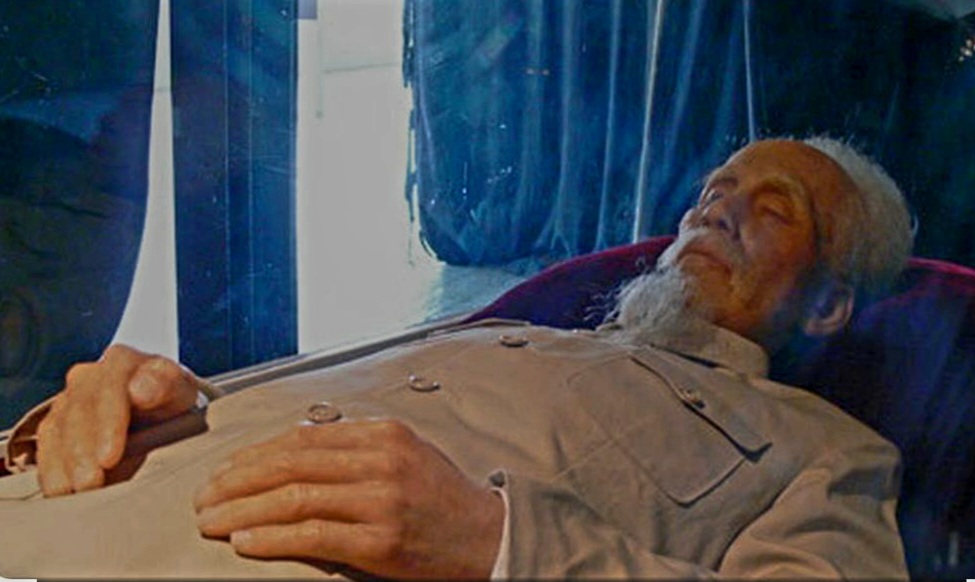
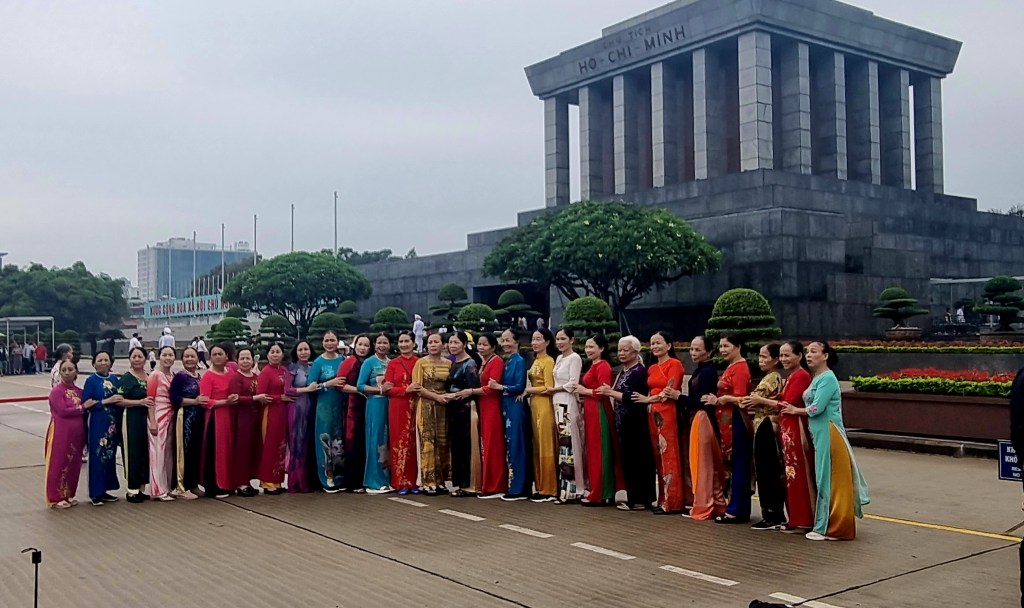
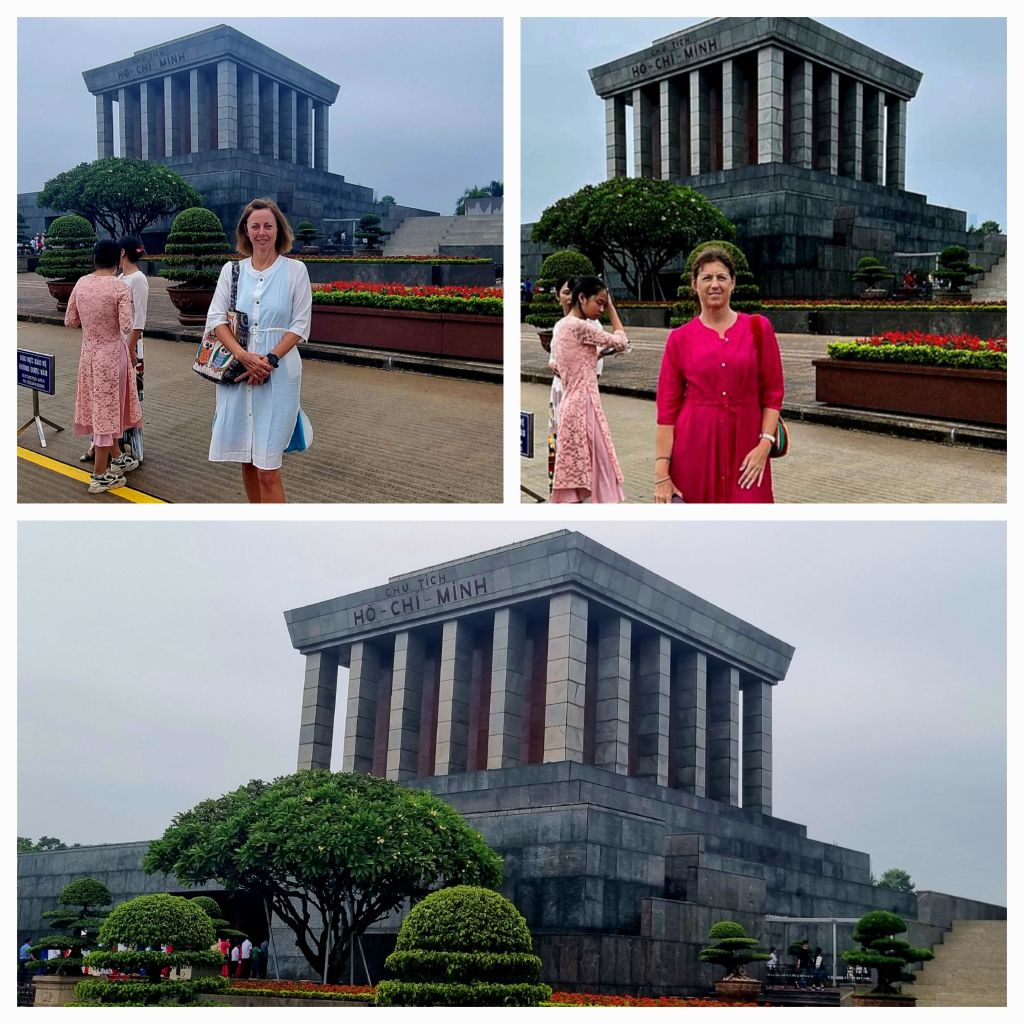
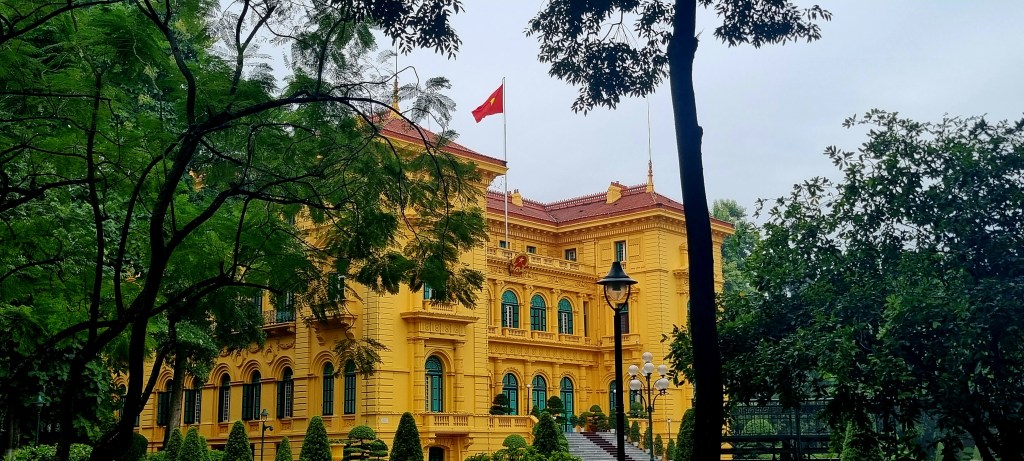
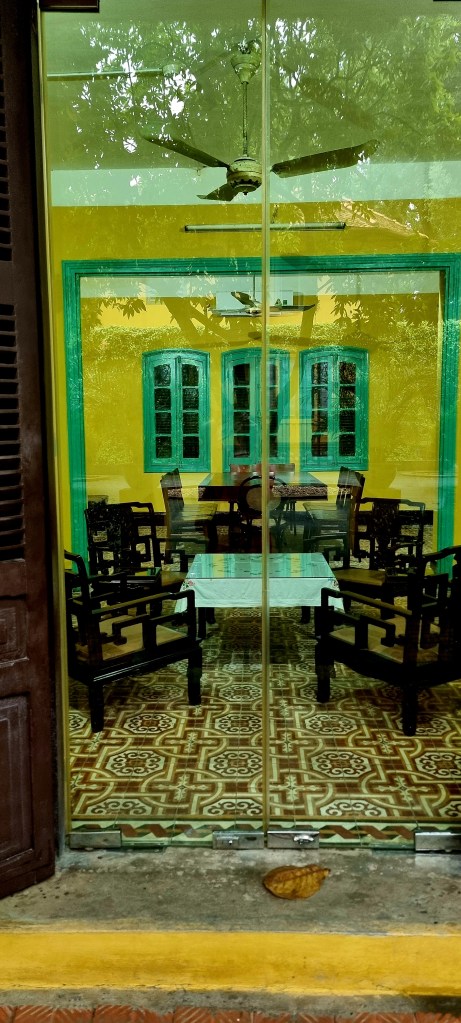
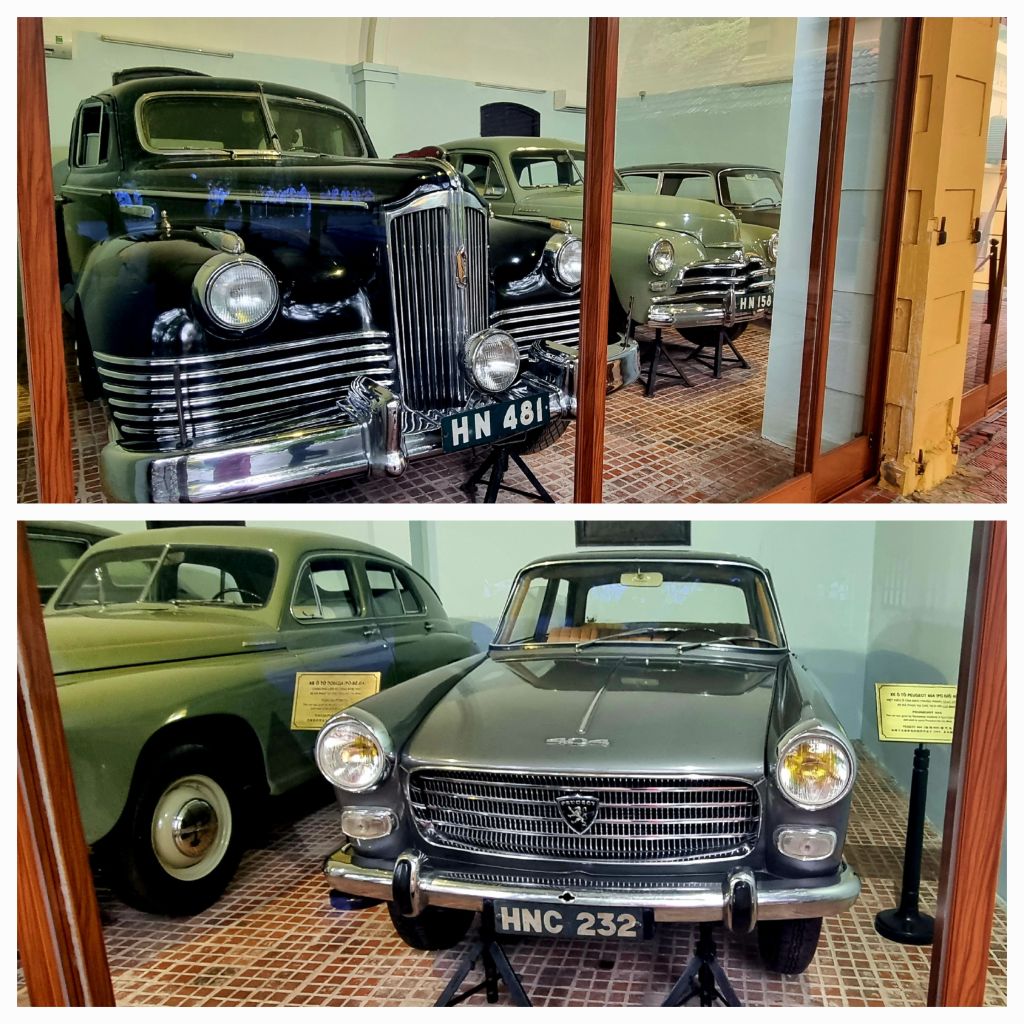
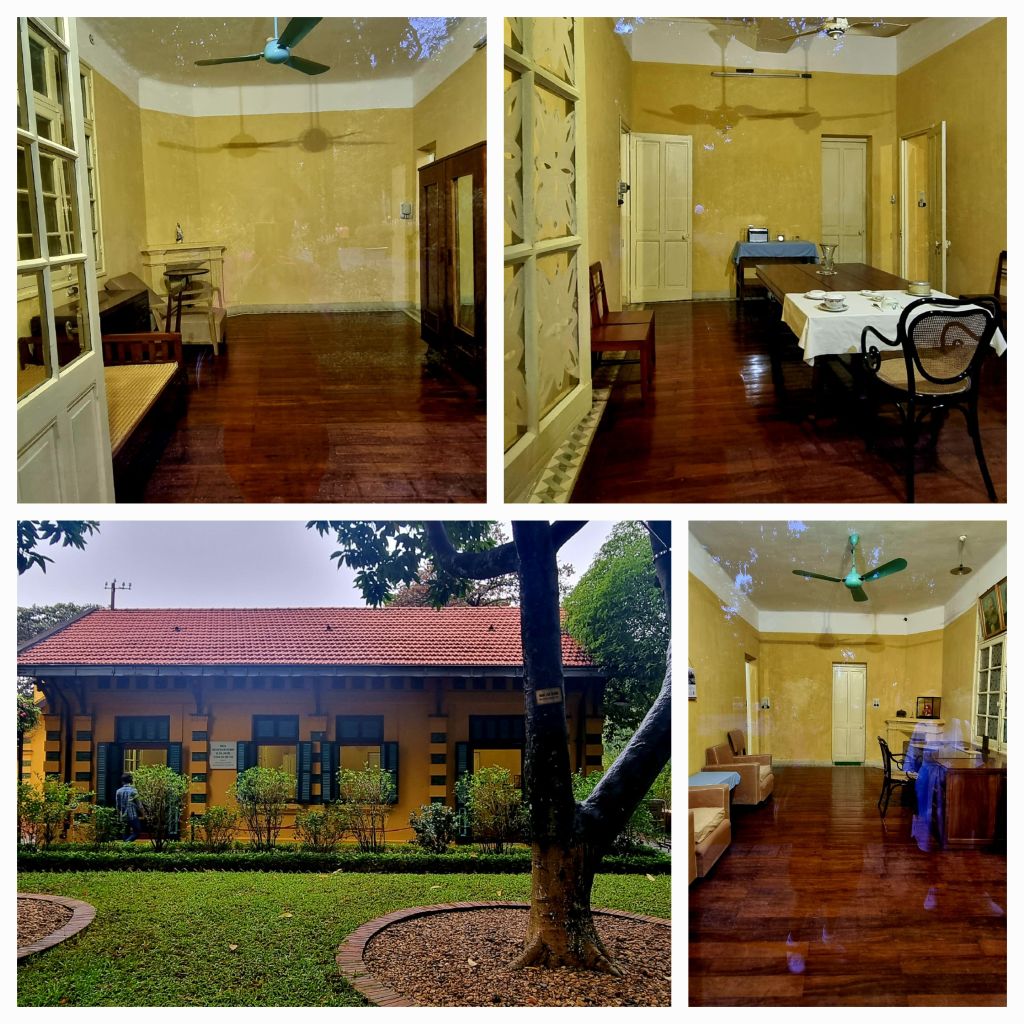
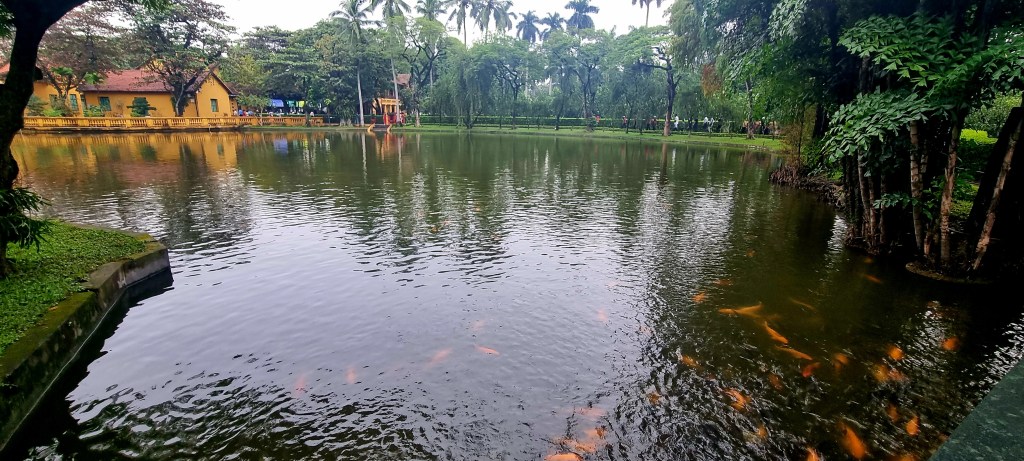
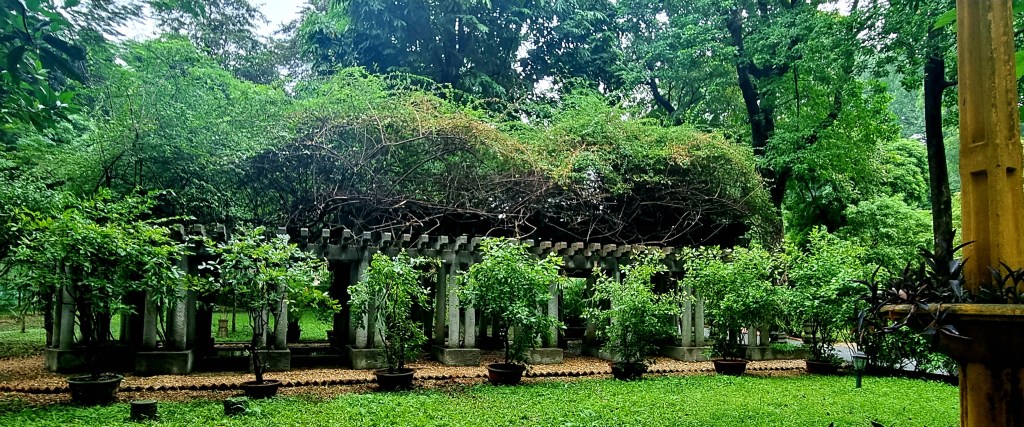
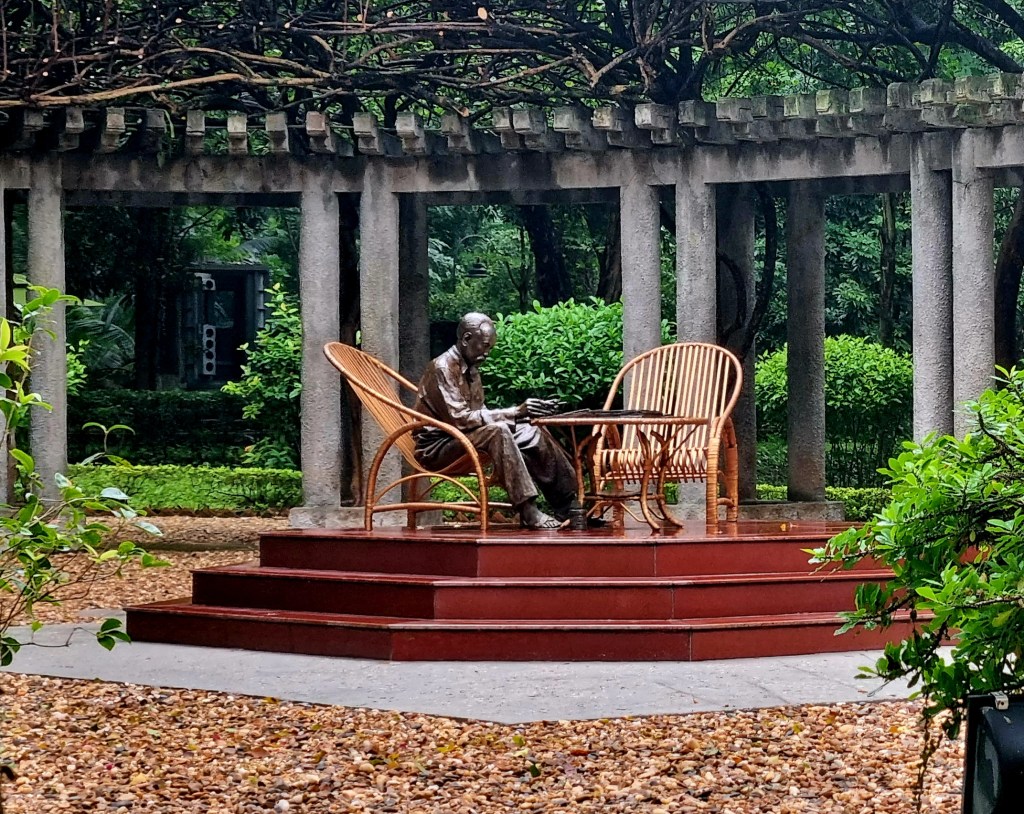
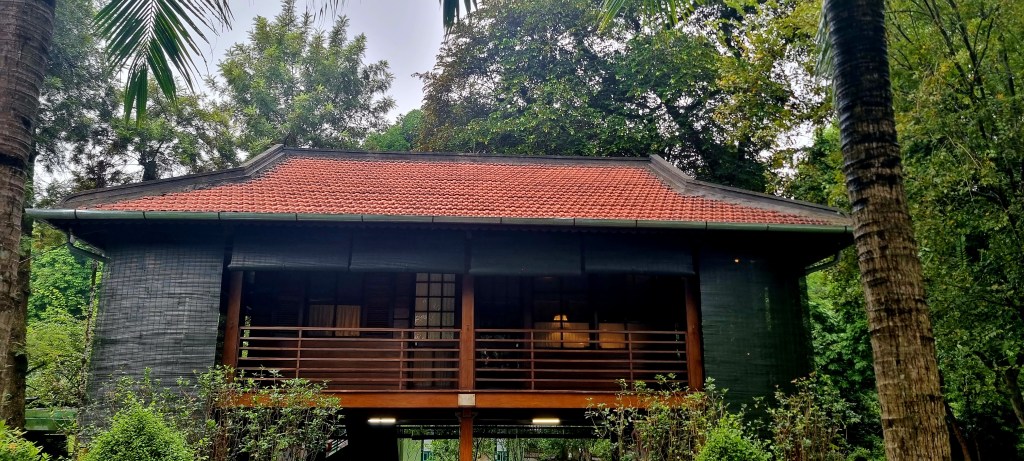
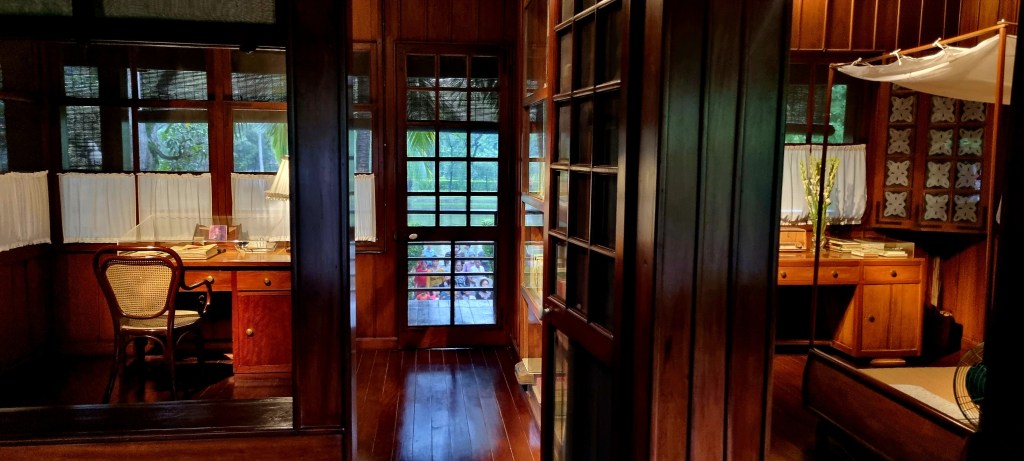
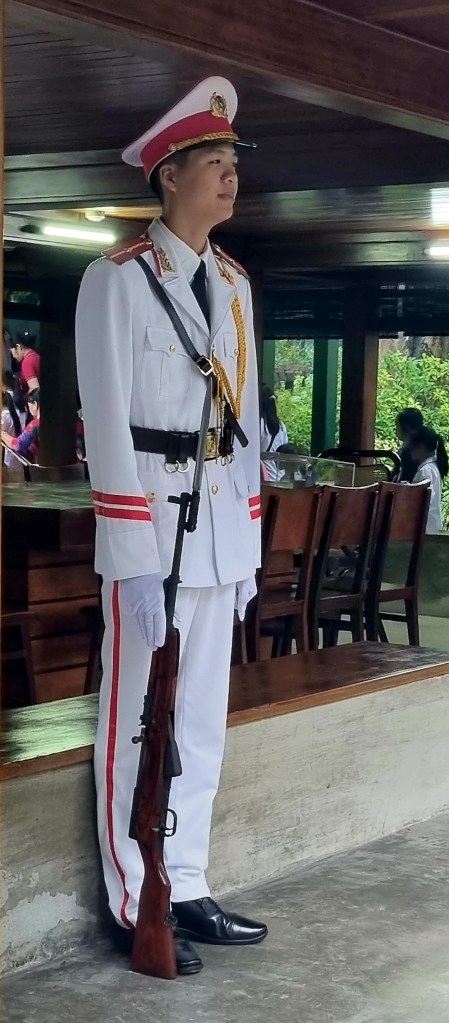
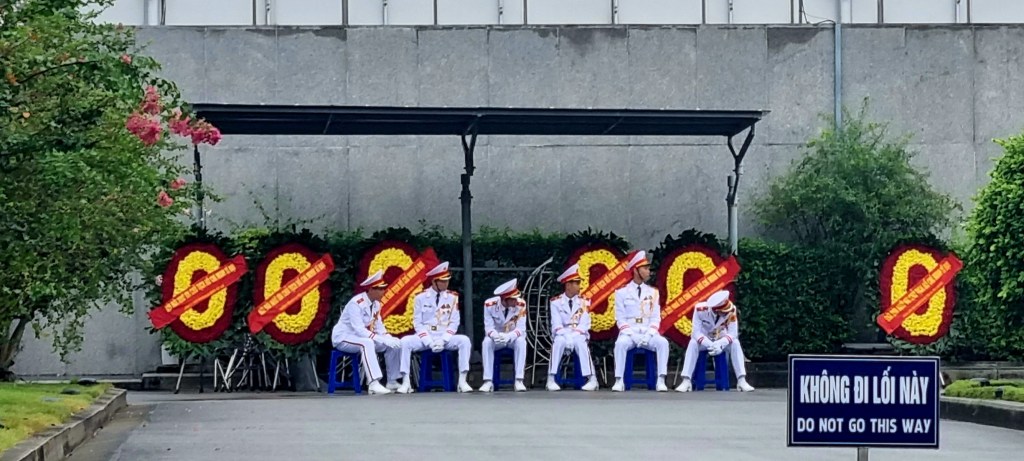

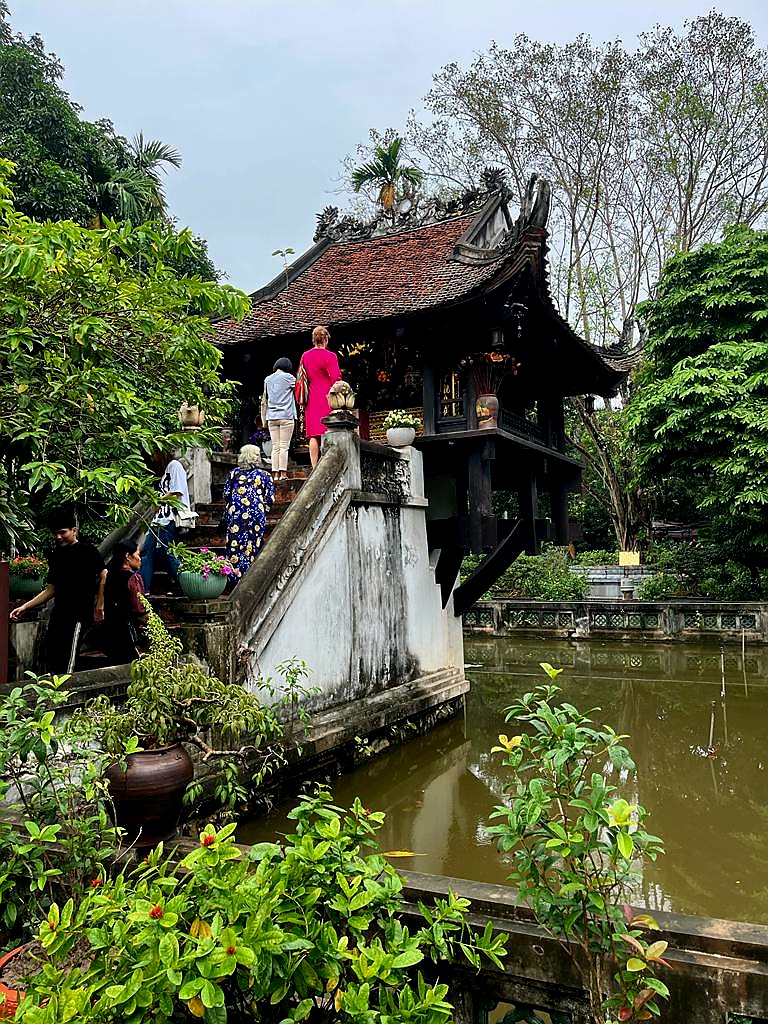


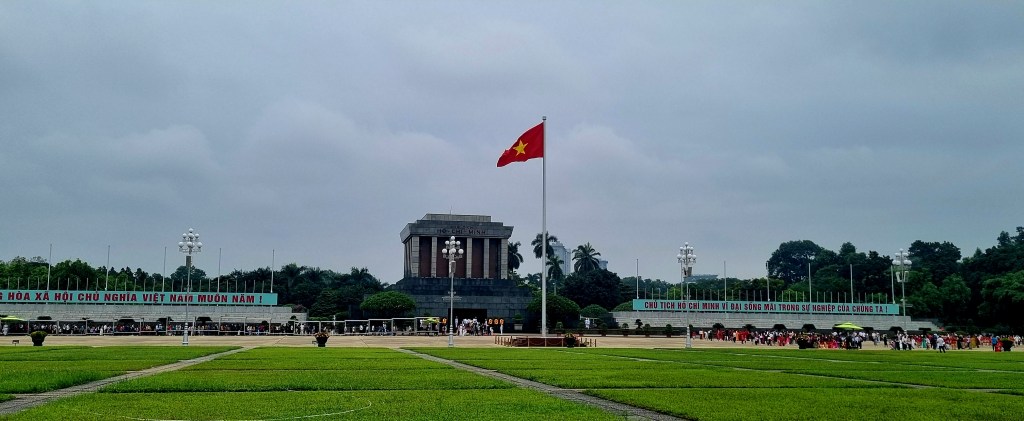
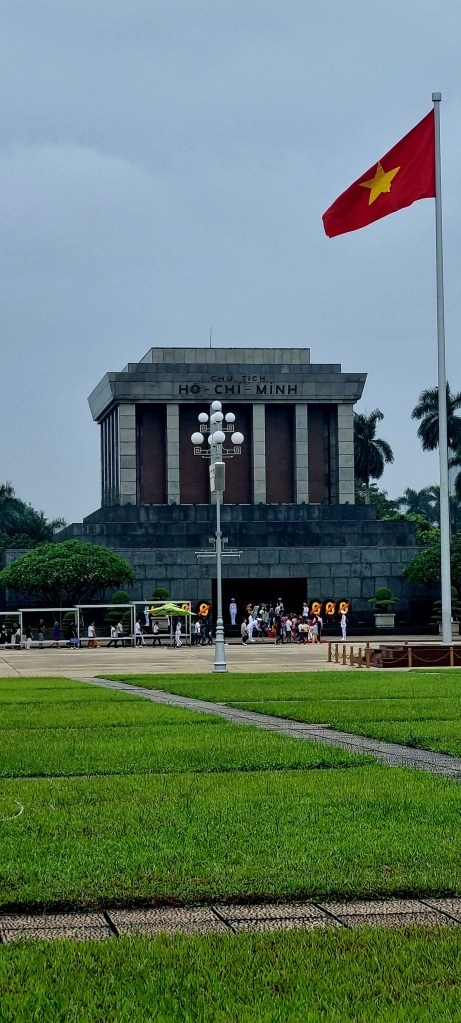
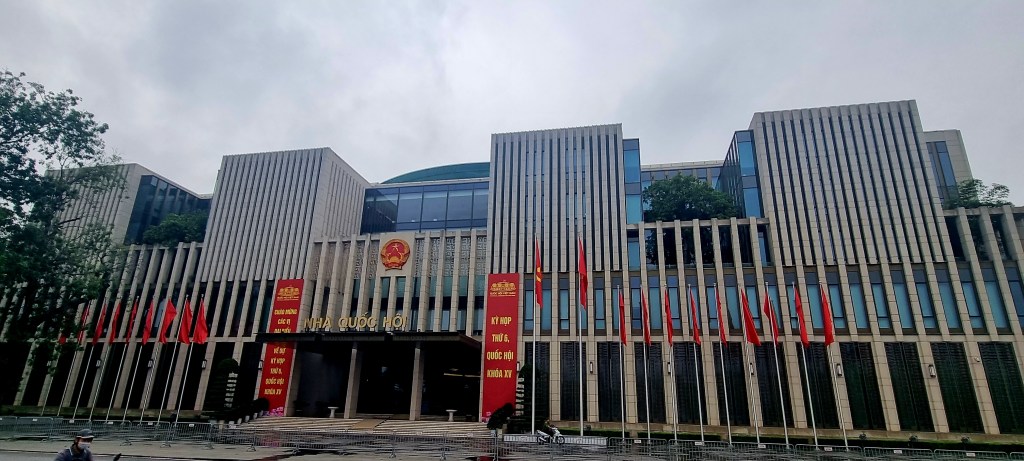
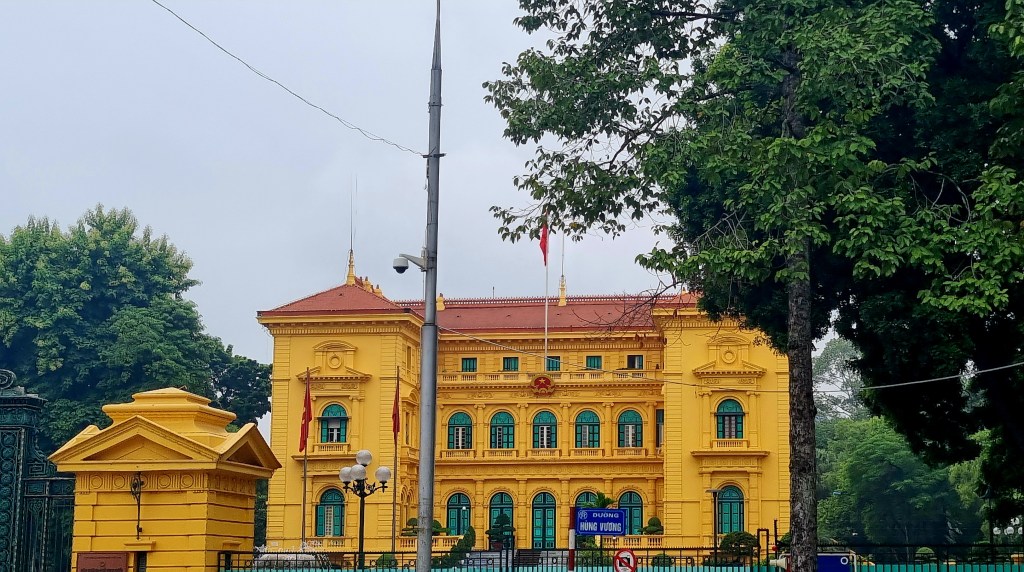


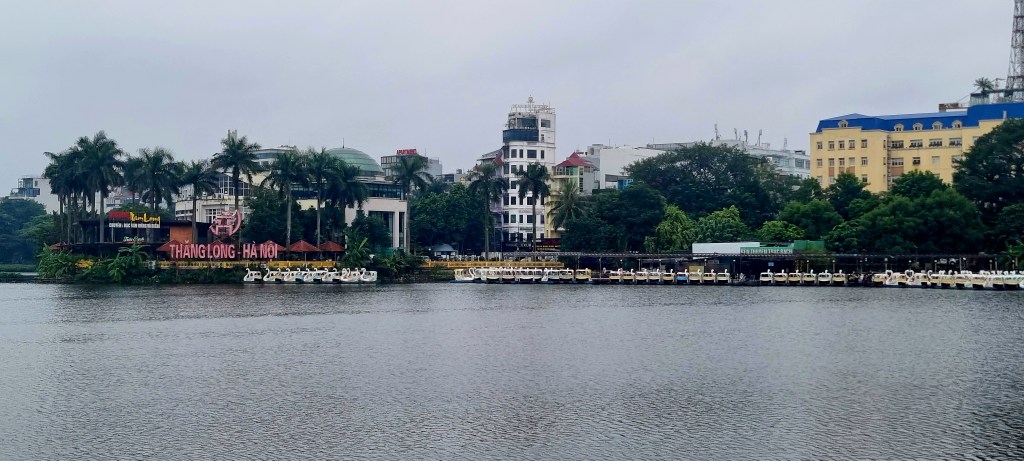
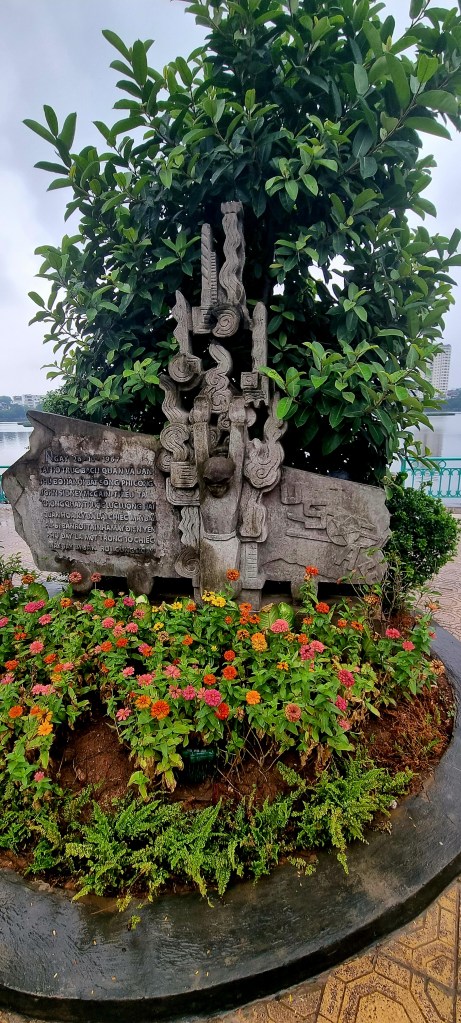
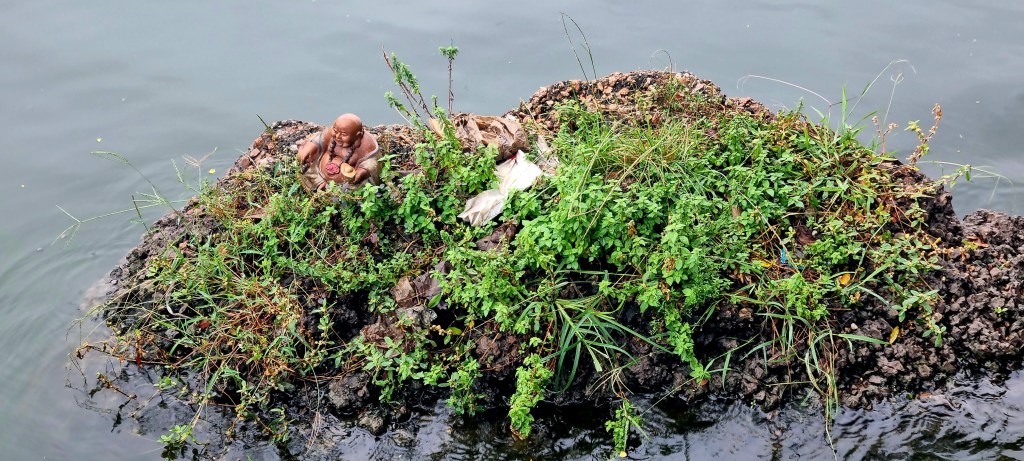
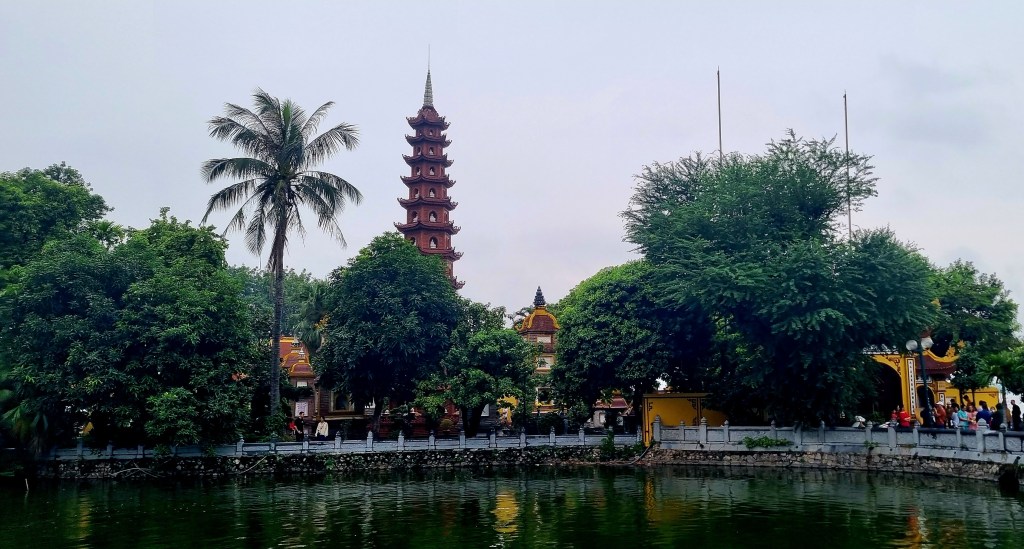
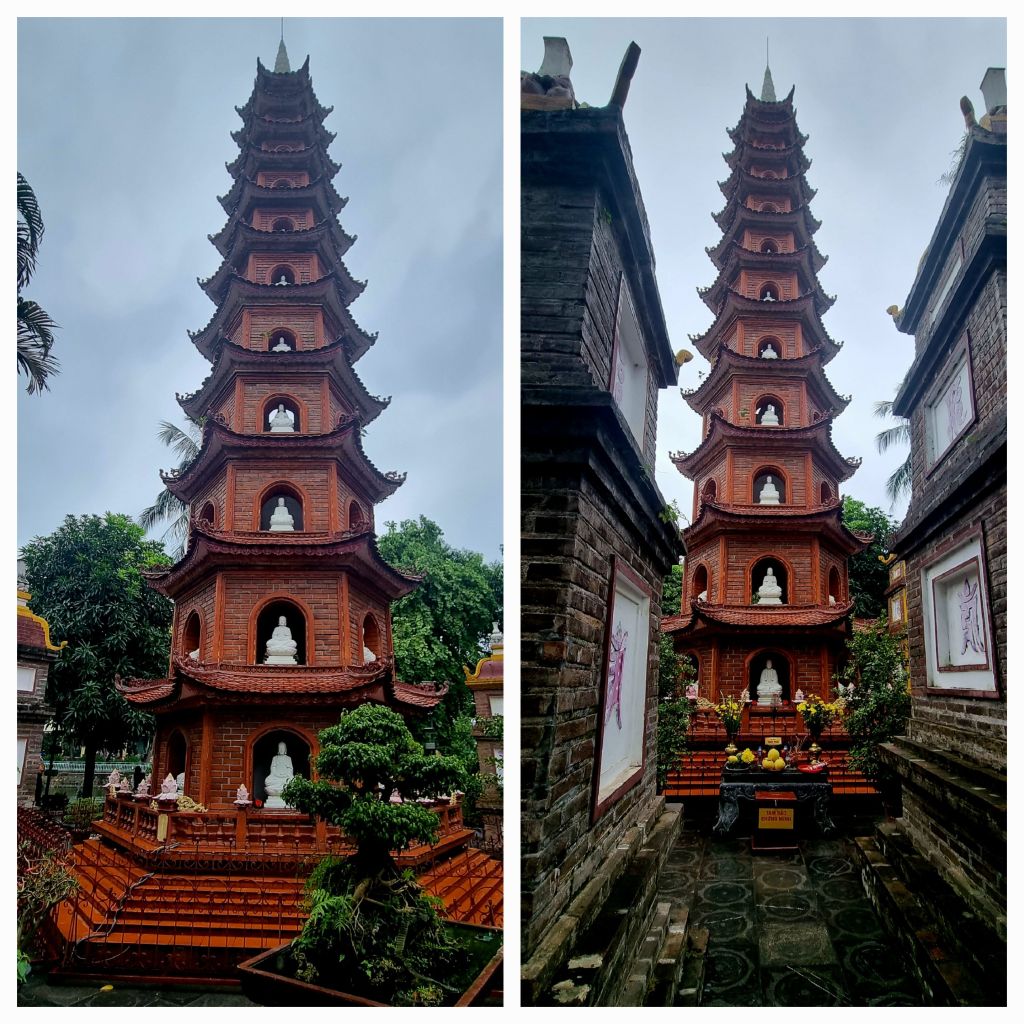
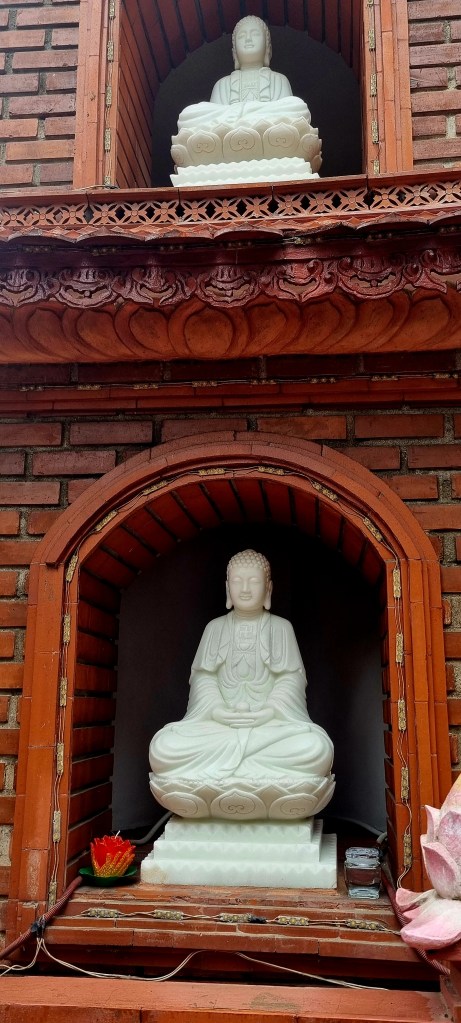
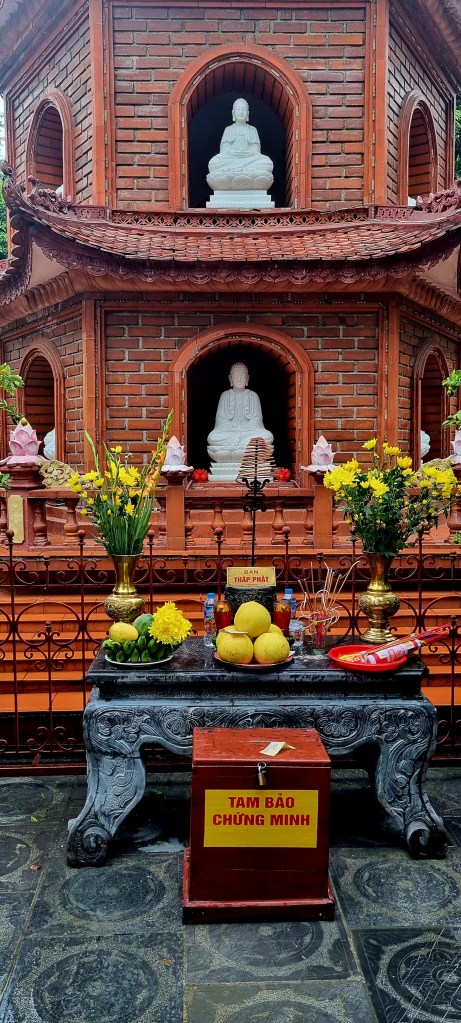
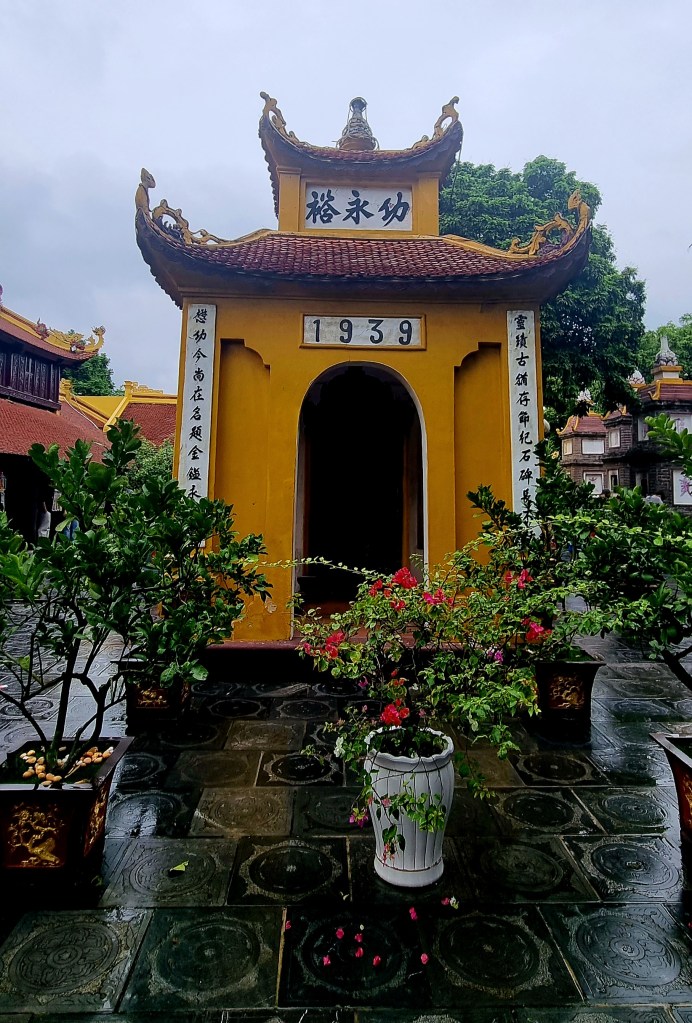

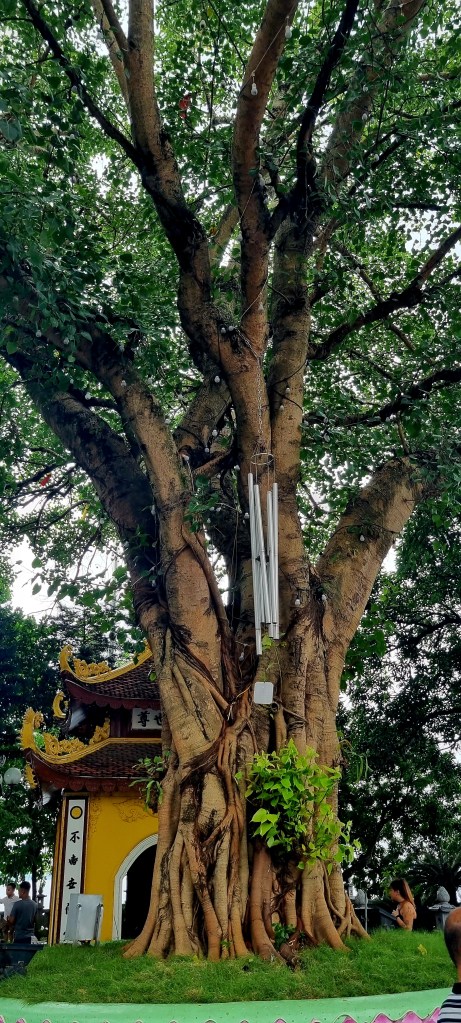
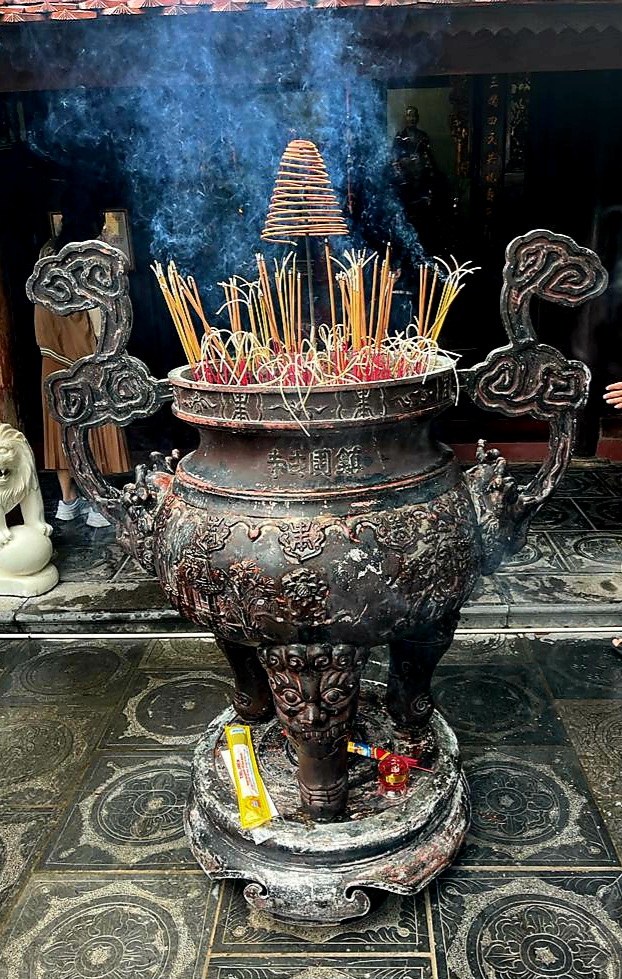
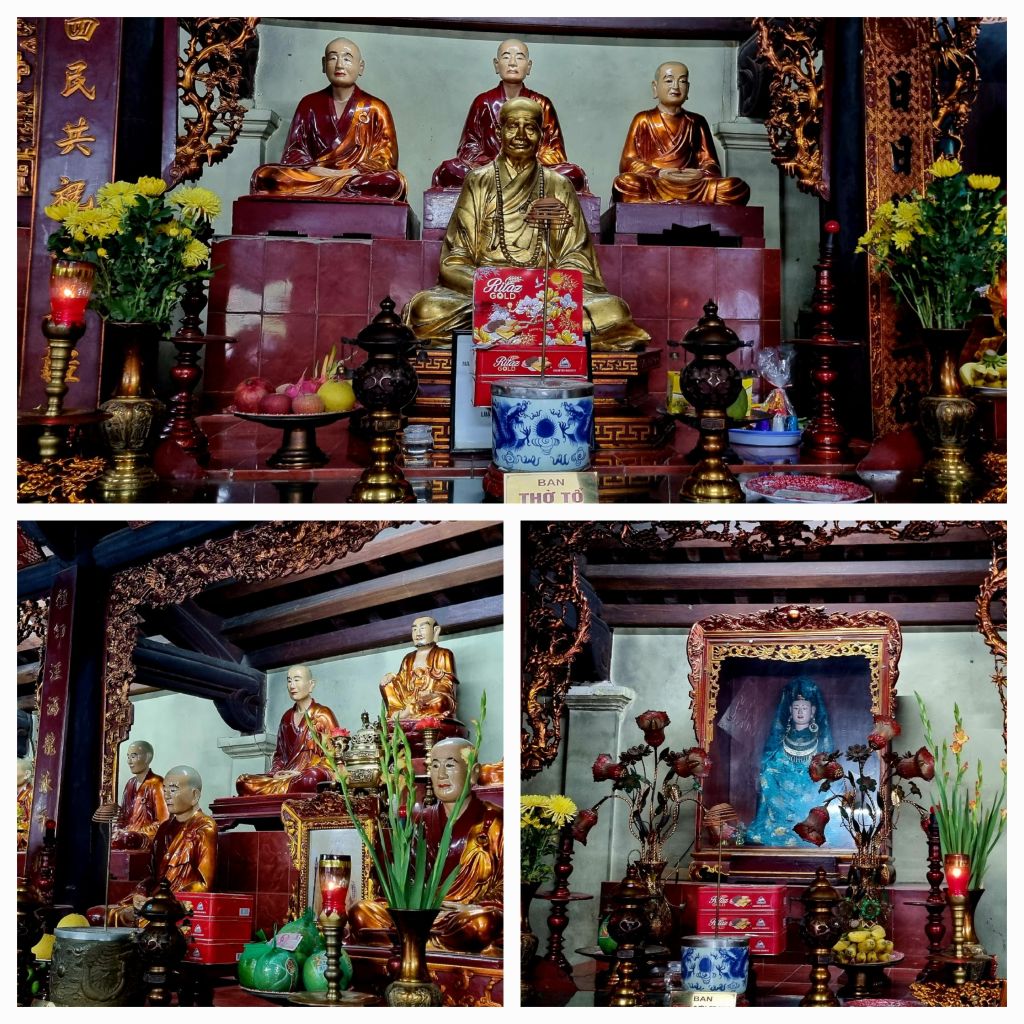
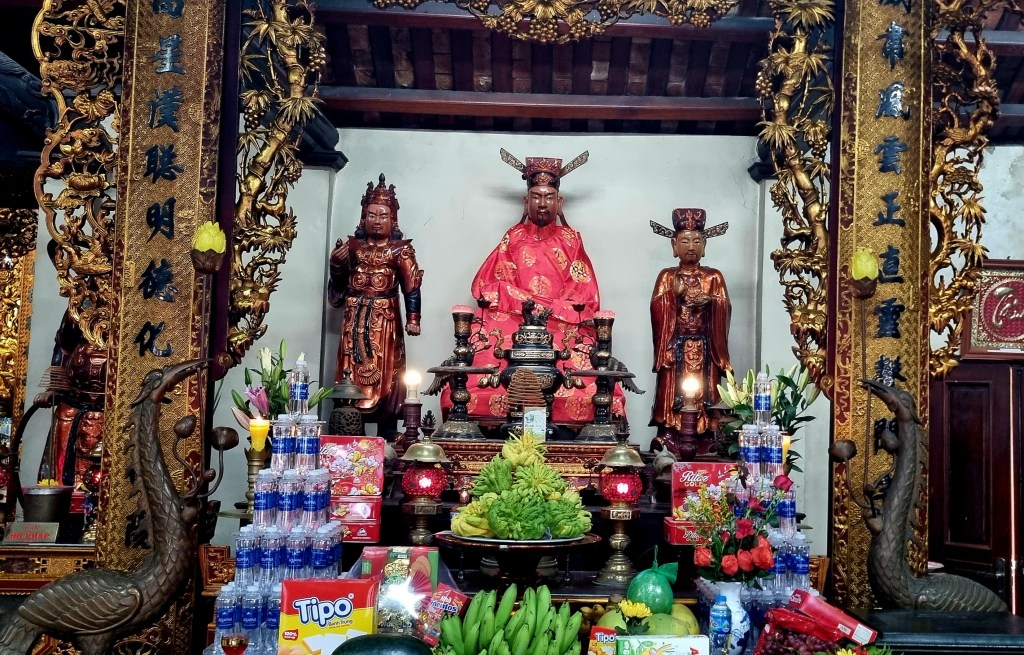
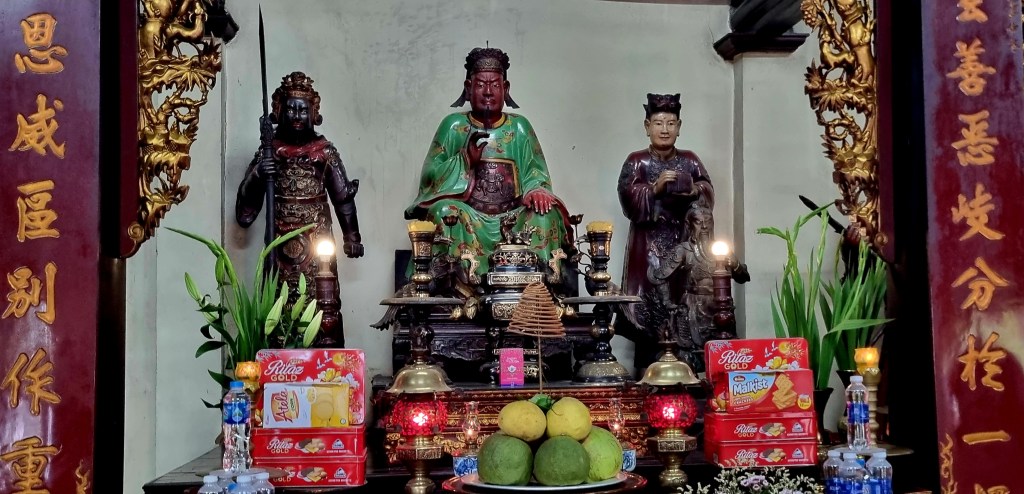

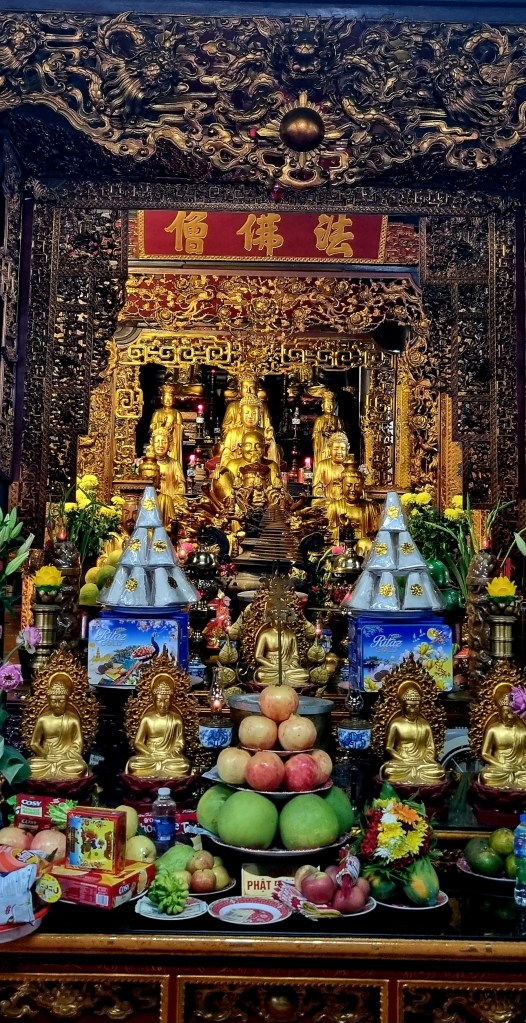

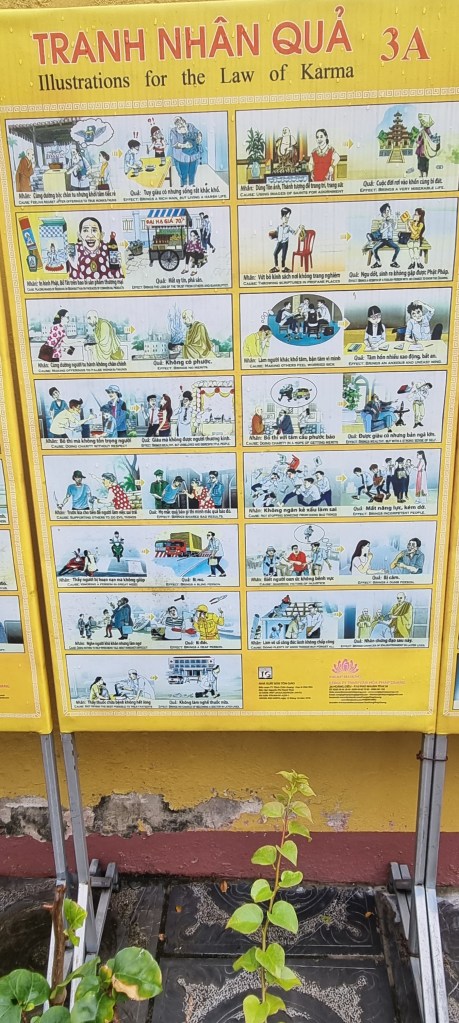
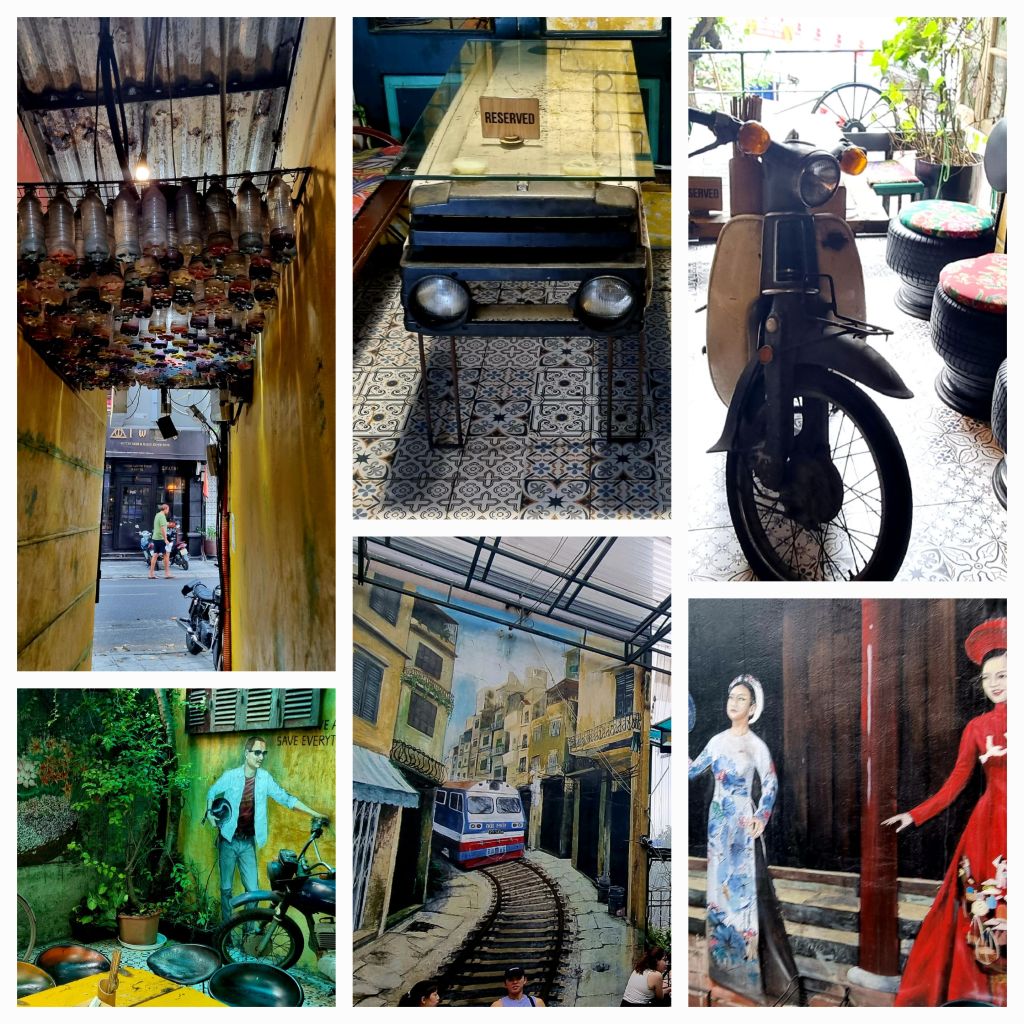
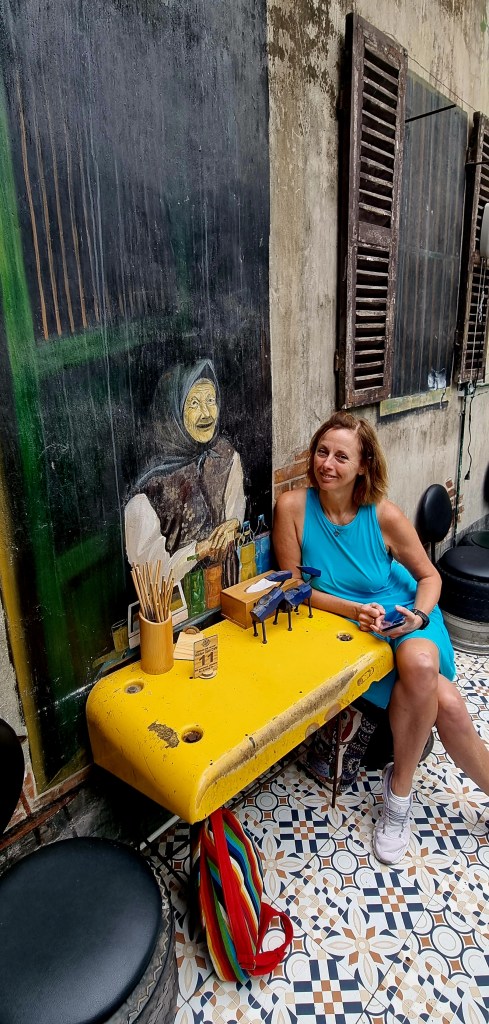

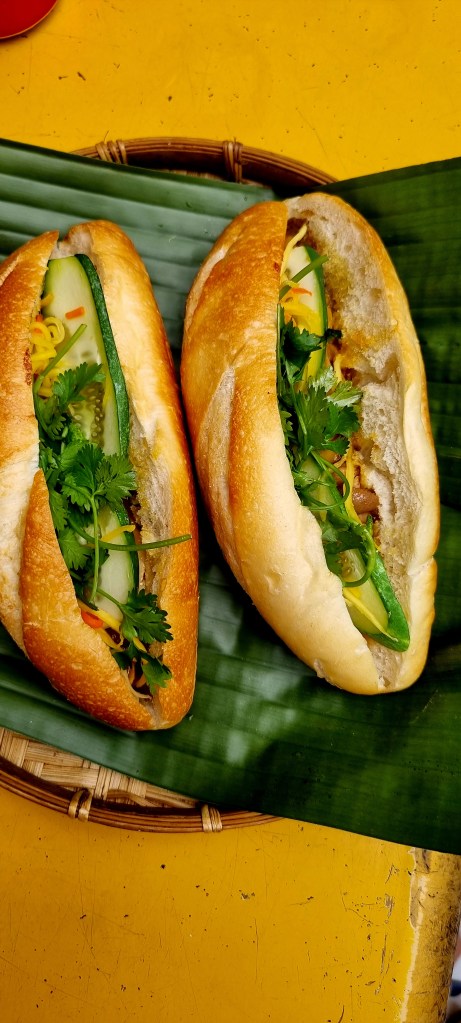
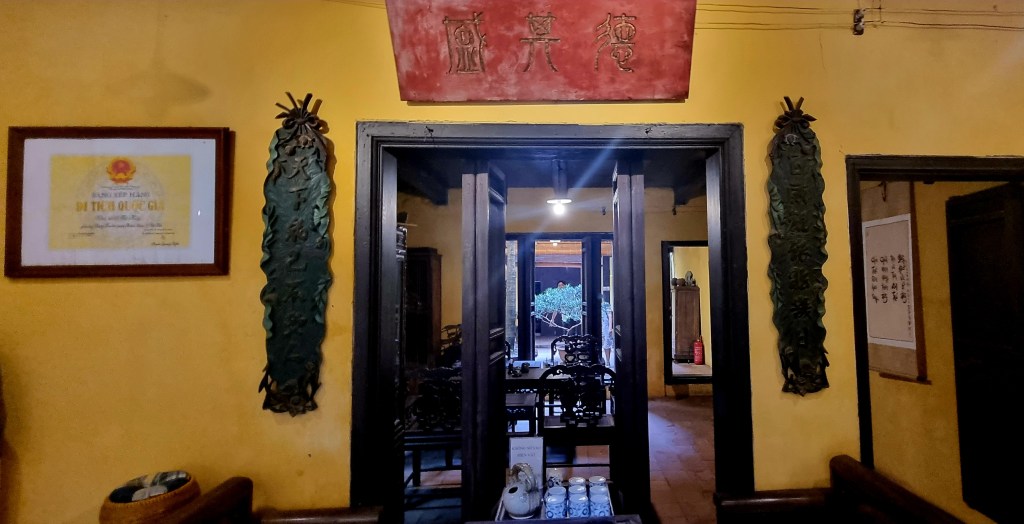
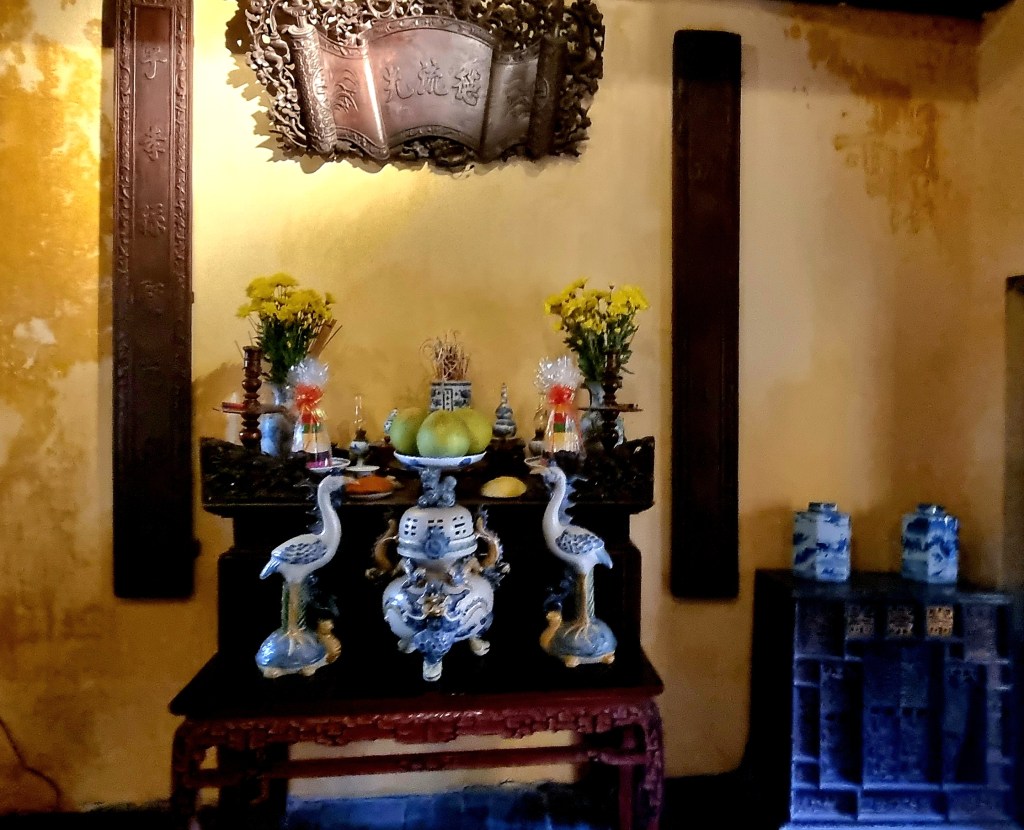
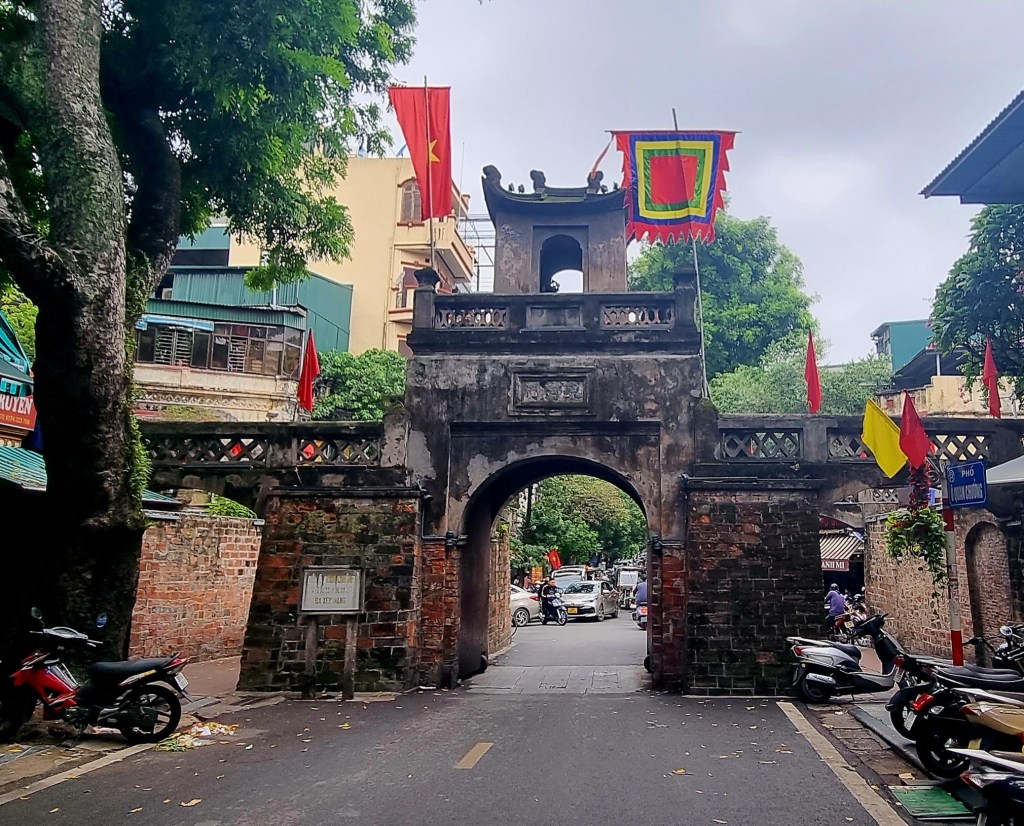
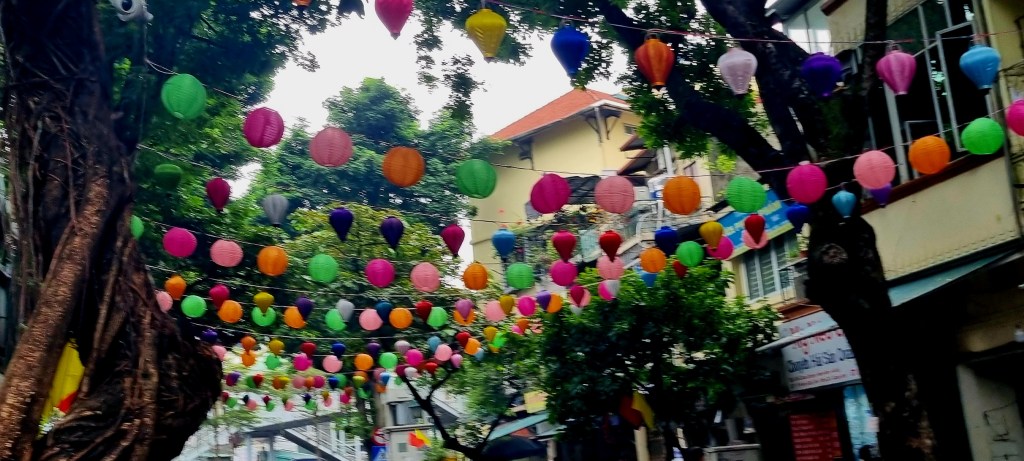
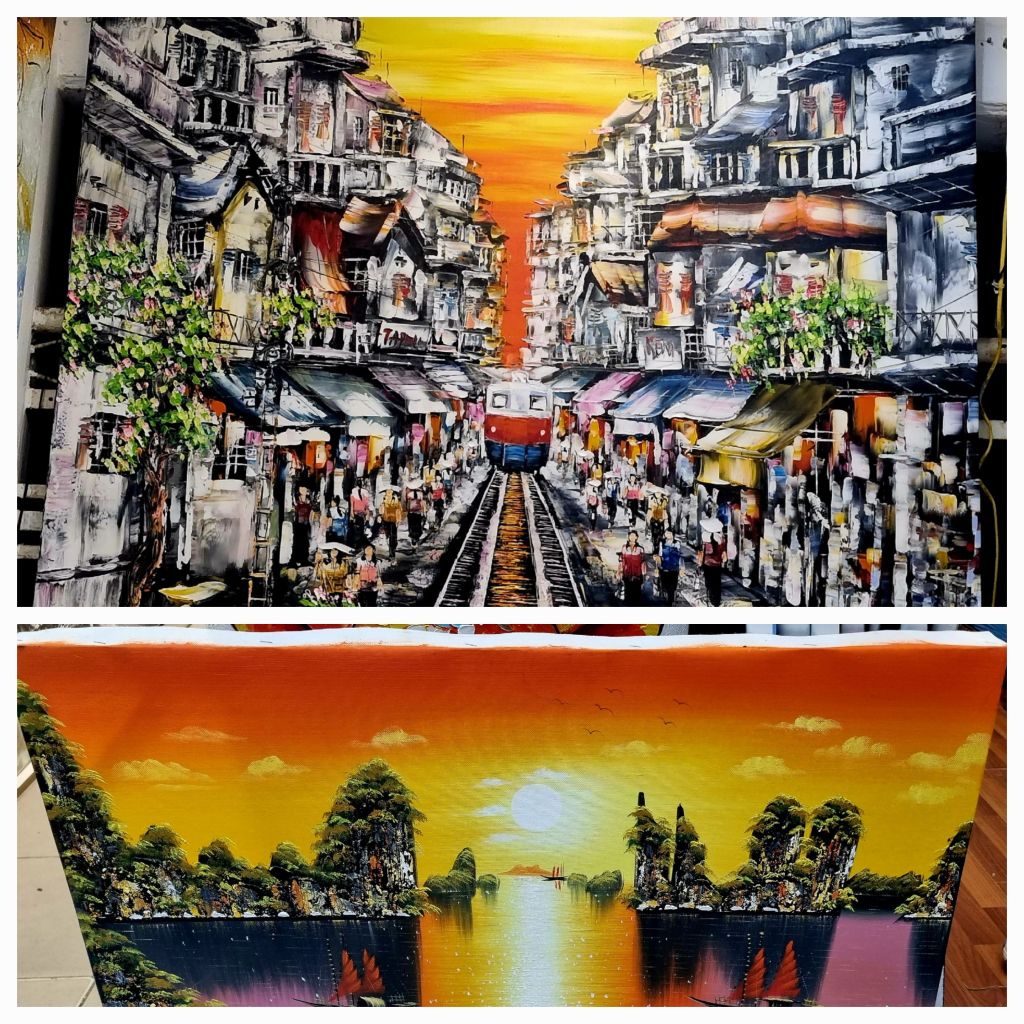
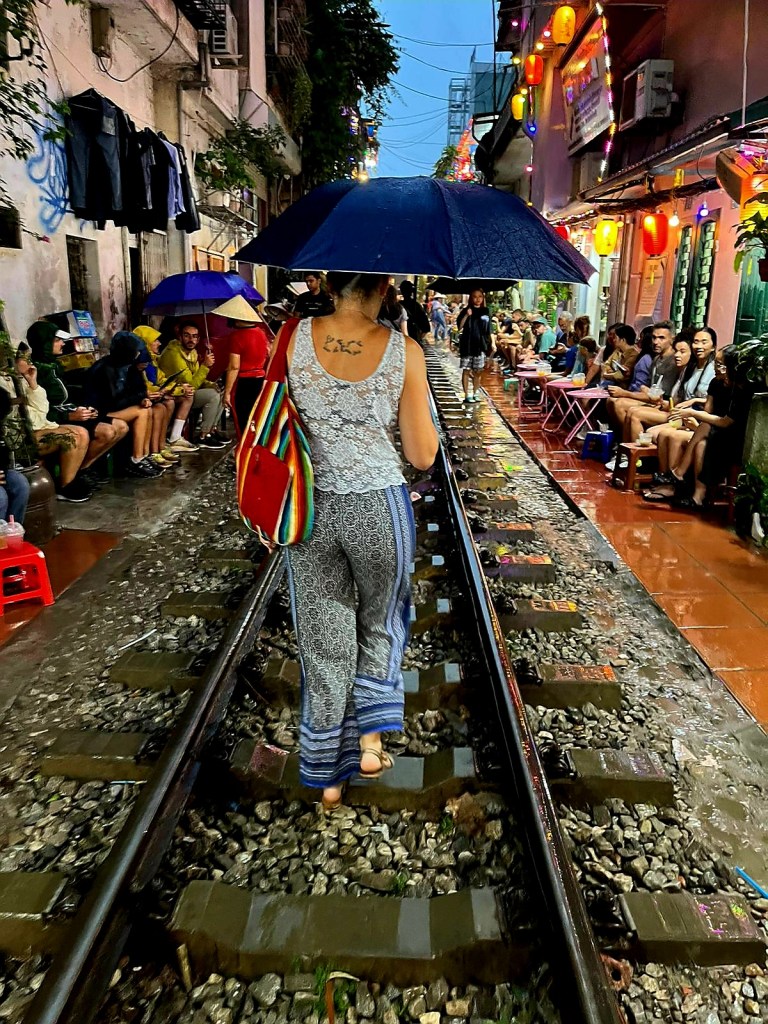
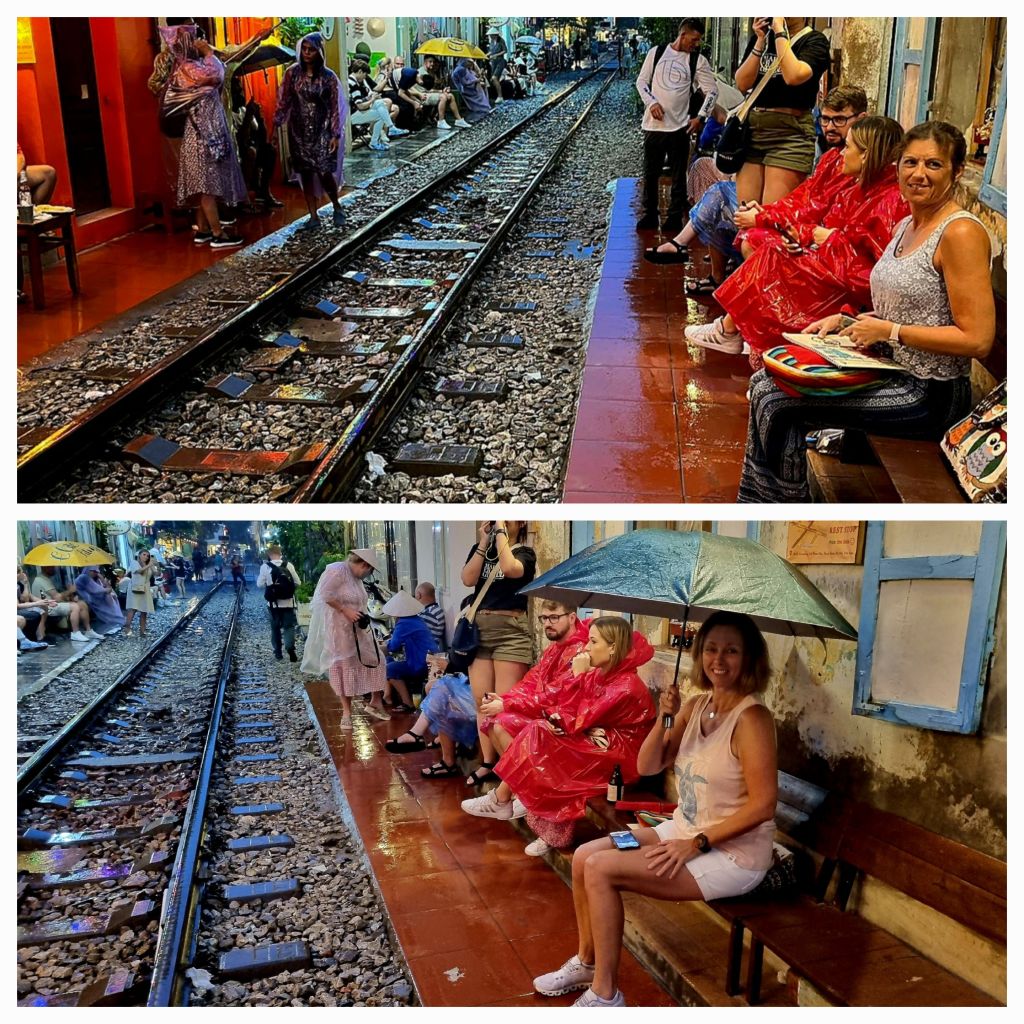
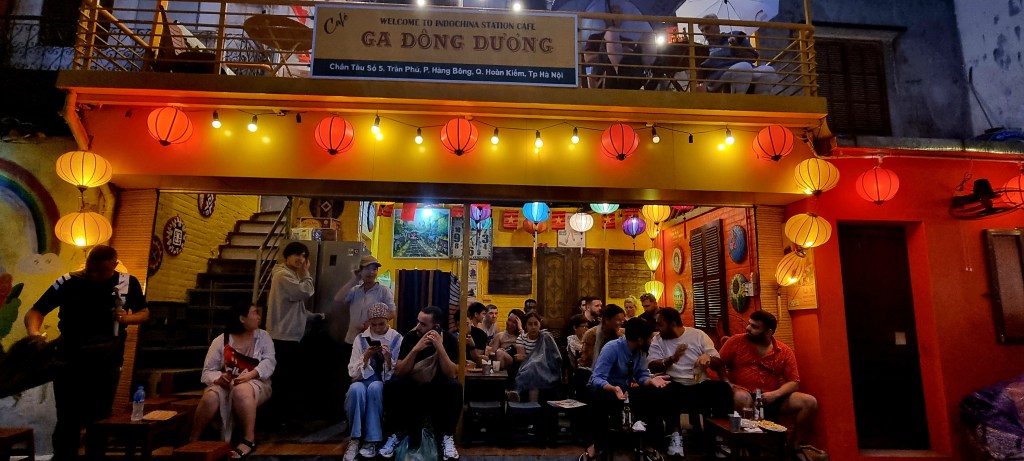
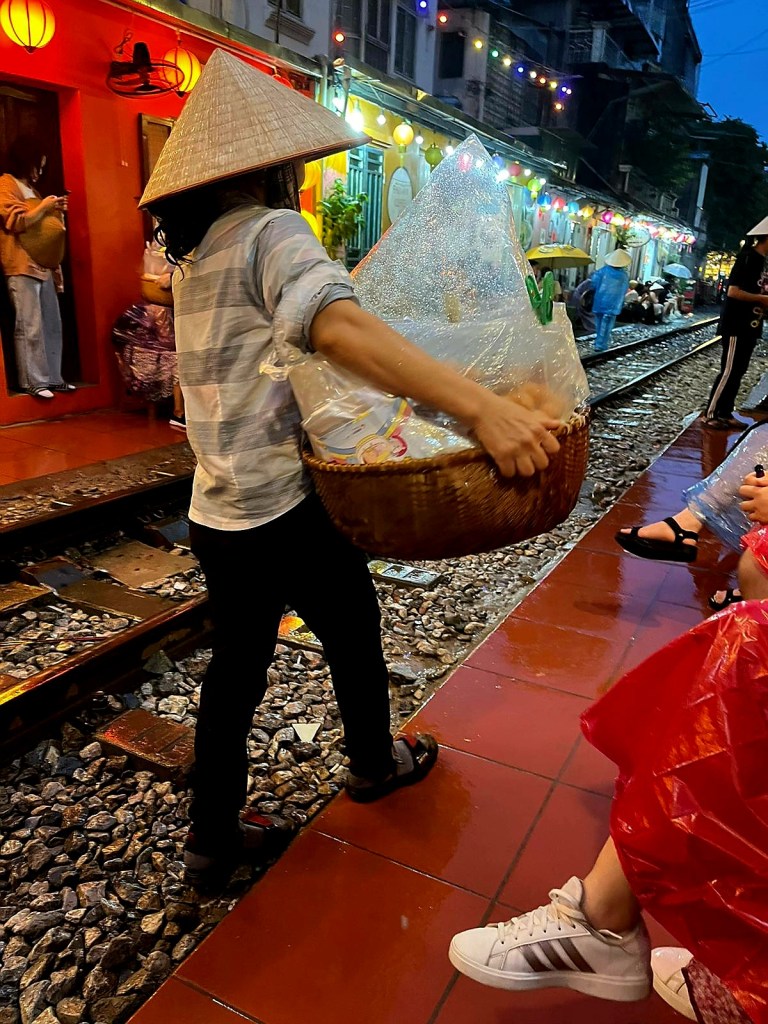
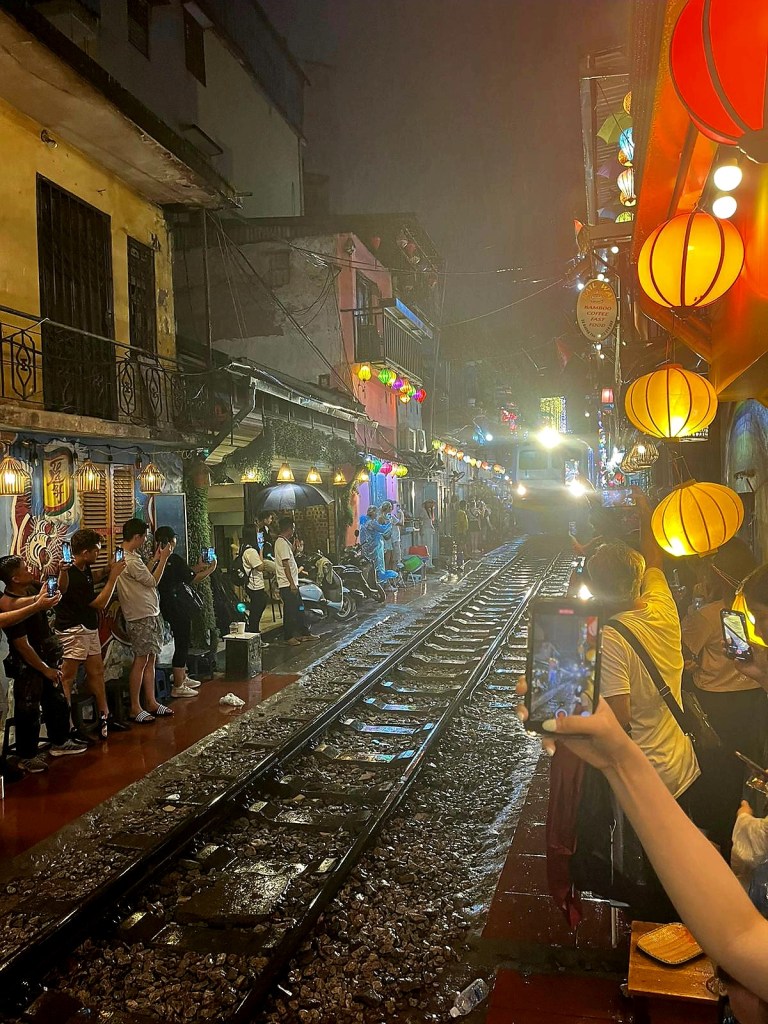
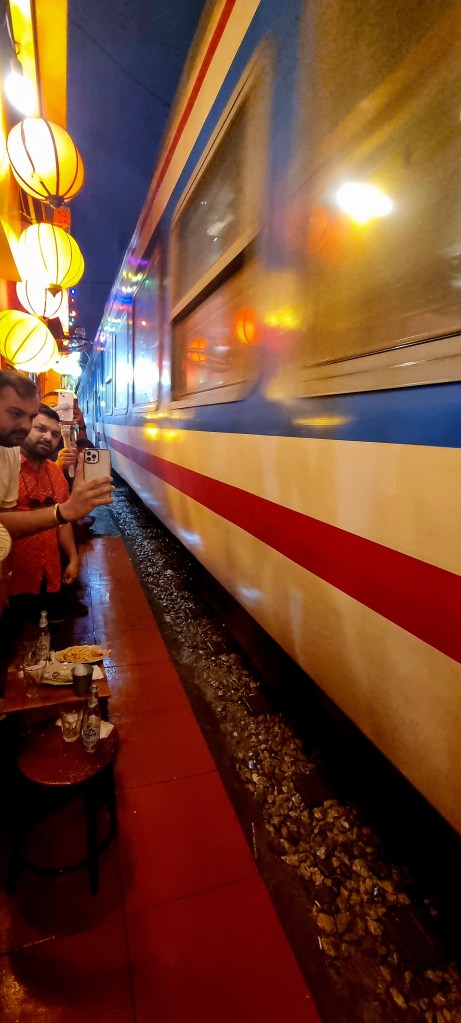

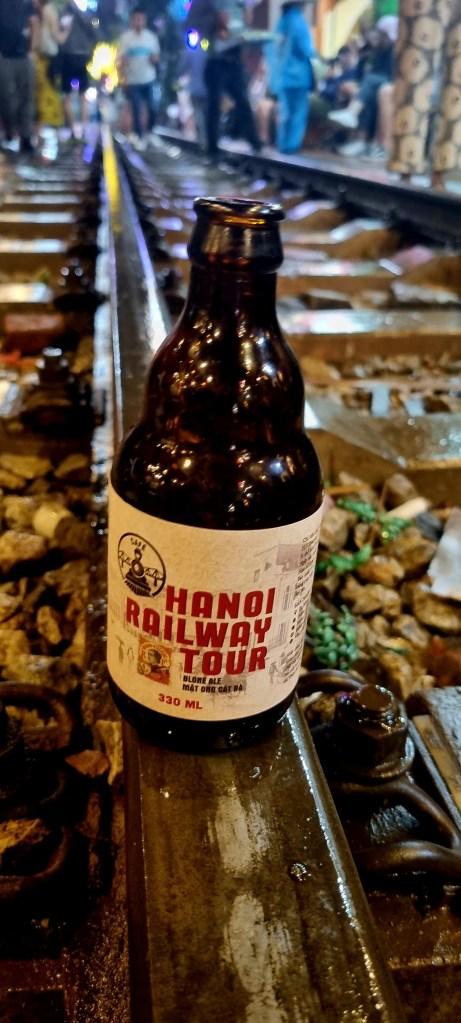
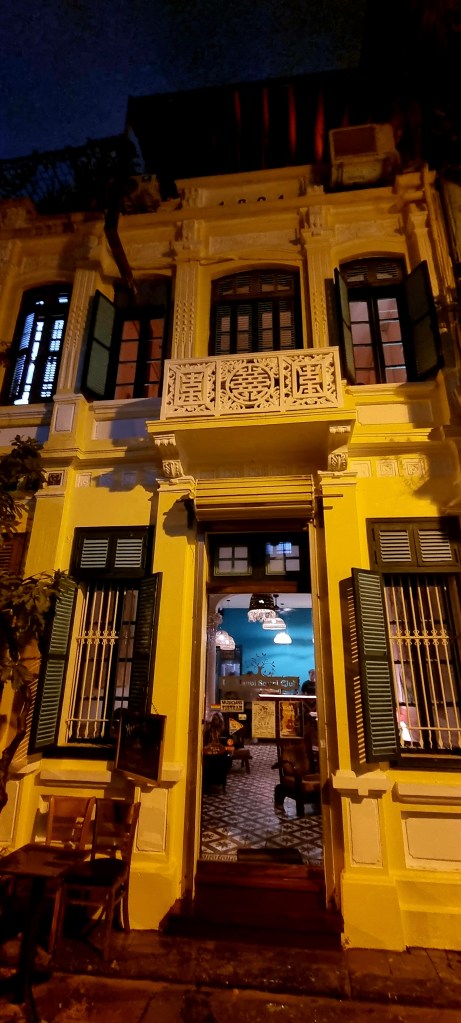
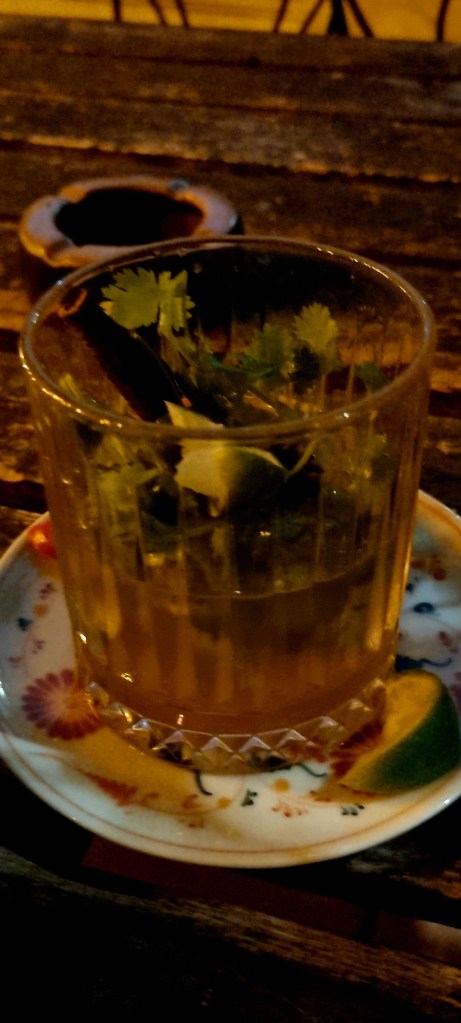

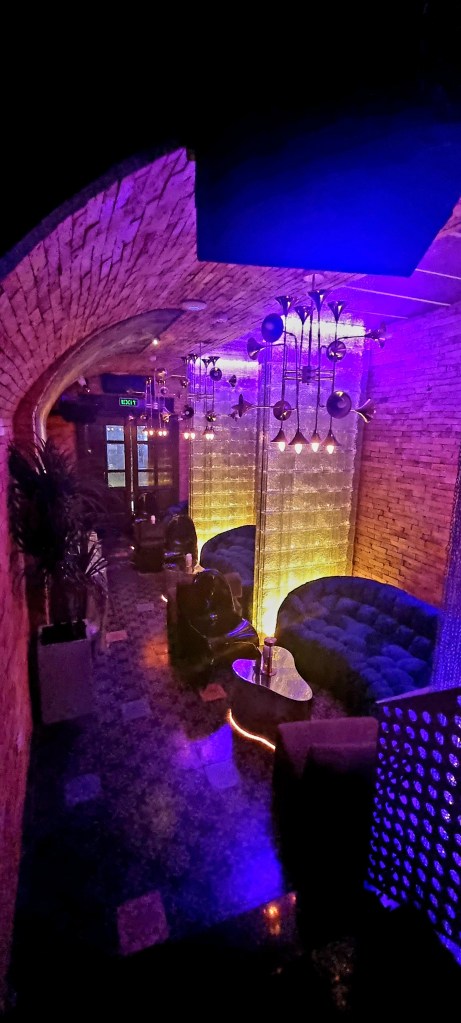
 Fun, Fitness and Fabulousness in your Fifties