I was up at 330am, showered, hair washed and dried and last minute items packed by 4am. Jamie and Ticket arrived at mine and then we were off to Gatwick. I didn’t realise the long stay car park was so far away from the airport but we made it in time for the flight. We all had a little snooze on the plane and then a g&t!After landing in Gibraltar we bought some very cheap alcohol in the tiny duty free shop before walking across to Spain. In Spain we picked up our hire car and Jamie drove us to the flat, it’s only about 25 minutes and along a coastal road.We quickly unpacked and headed to the swimming pool to catch some rays.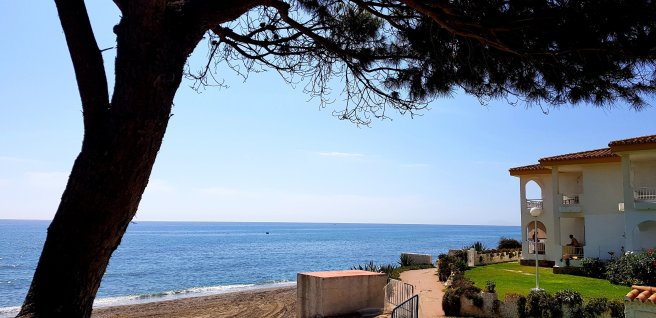
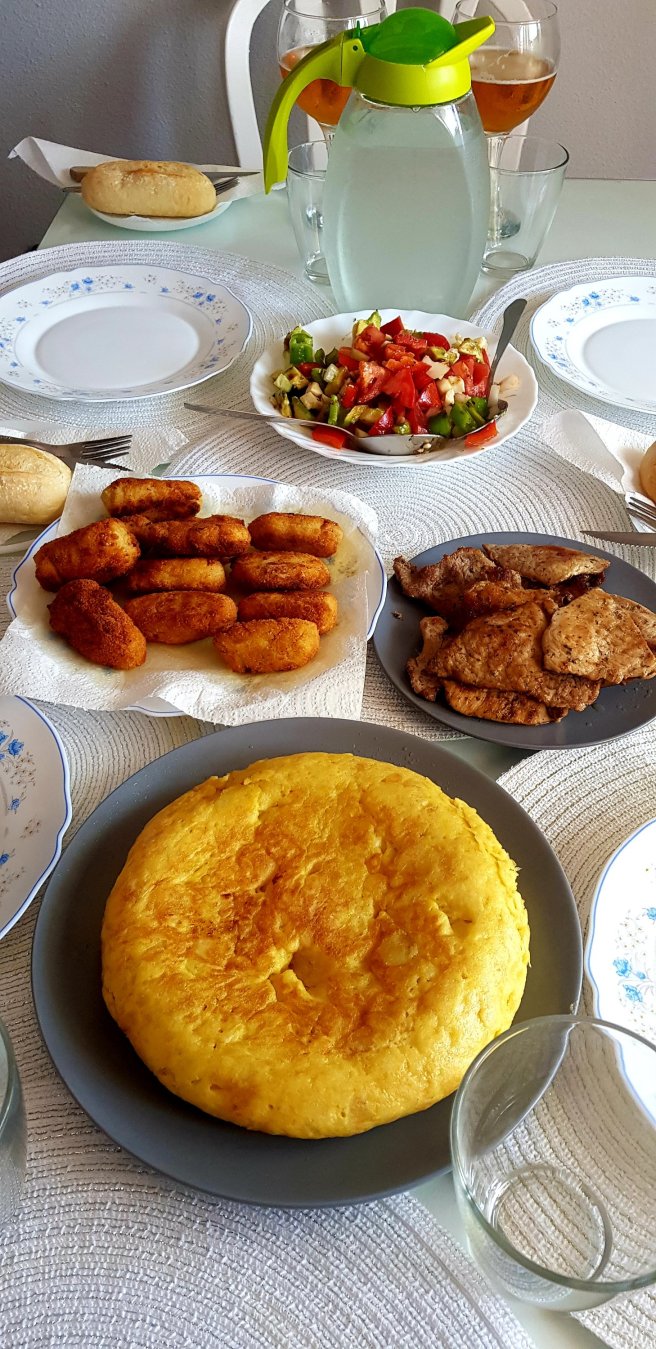
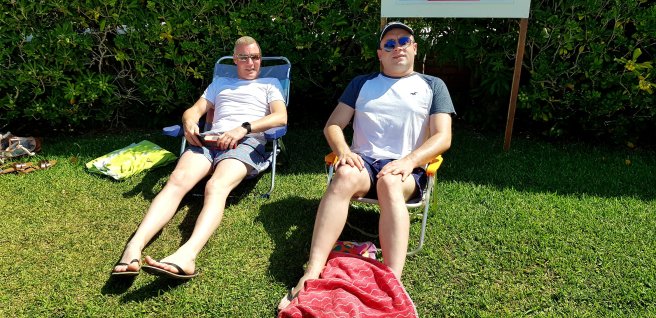 Whilst we were sunbathing Alicia prepared a delicious Spanish lunch.
 We decided it would be a good idea to walk off some of the food we’d eaten. So we set off, walking along the beach.
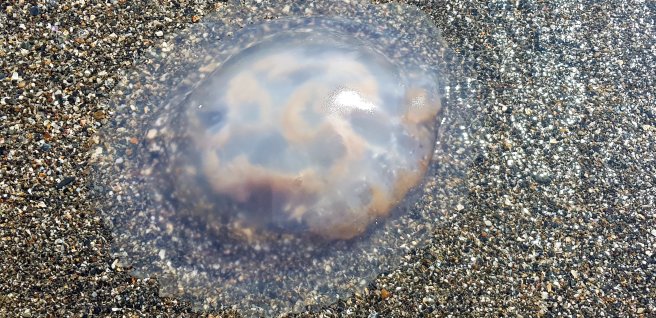
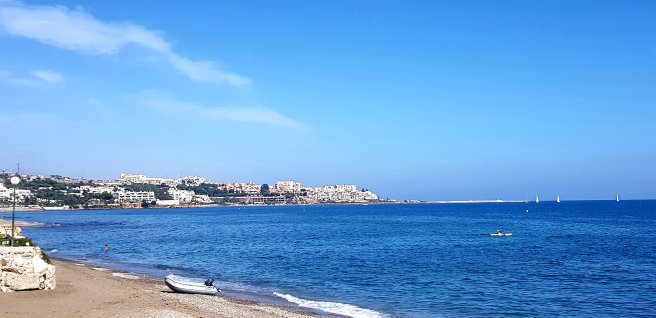 Just up from the apartment is a nudist beach which made for some interesting sights! We also came across a huge jellyfish.
 We walked up to some small rocks at the far end of the beach where we took a little rest.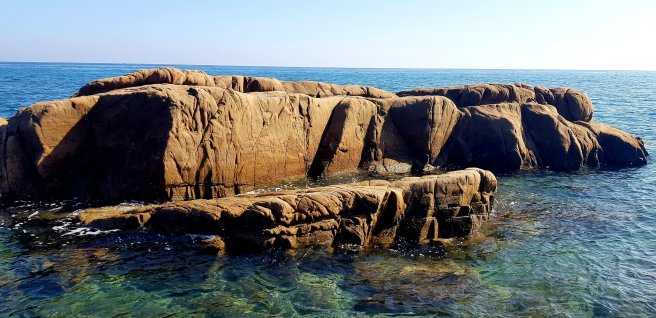
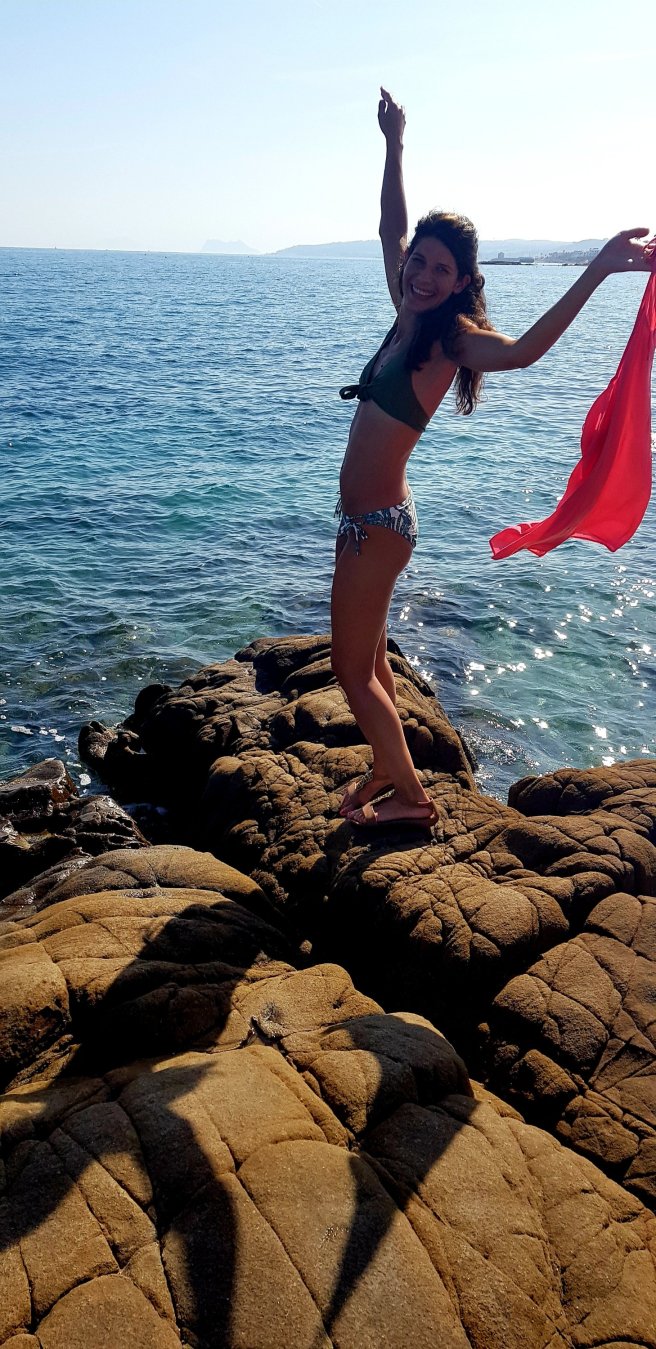 Alicia and Jamie decided to walk across to some larger rocks, but that wasn’t such a good idea as Jamie slipped and managed to get some sea uurchin spikes in his feet.
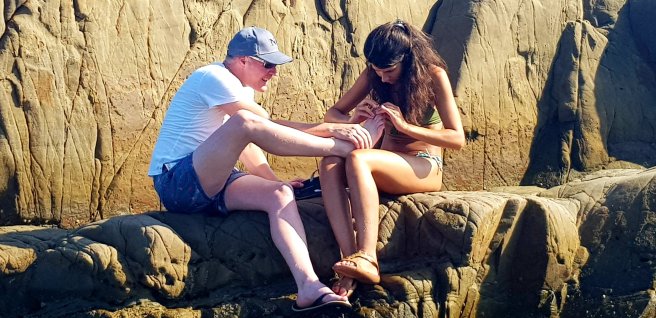 Alicia performed emergency surgery and managed to extract one of the spines but we couldn’t get to the others. So we walked back to the apartment and Jamie managed to get the rest of them out using needles and and tweezers.
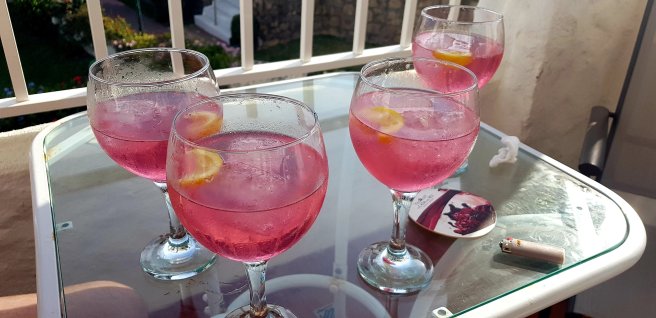
 After all that drama, alcohol was needed.
 And then it was time to get ready to go out!We got the bus into Estepona and walked through the town to a posh tapas place.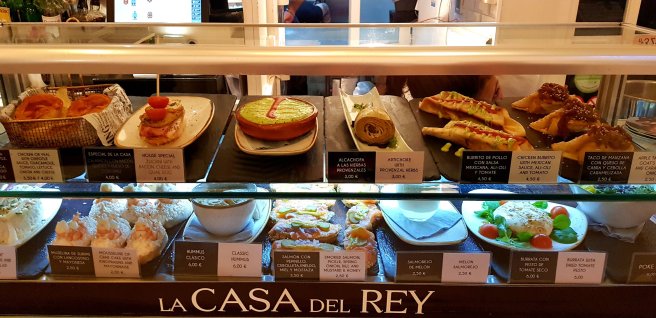
 The food was delicious! We had a beer here before heading off to another tapa place where we had more tasty fod and a beer or two!
 Alicia then took us to a small club where we played table football- I was not particularly good at this and let in quite a few goals.
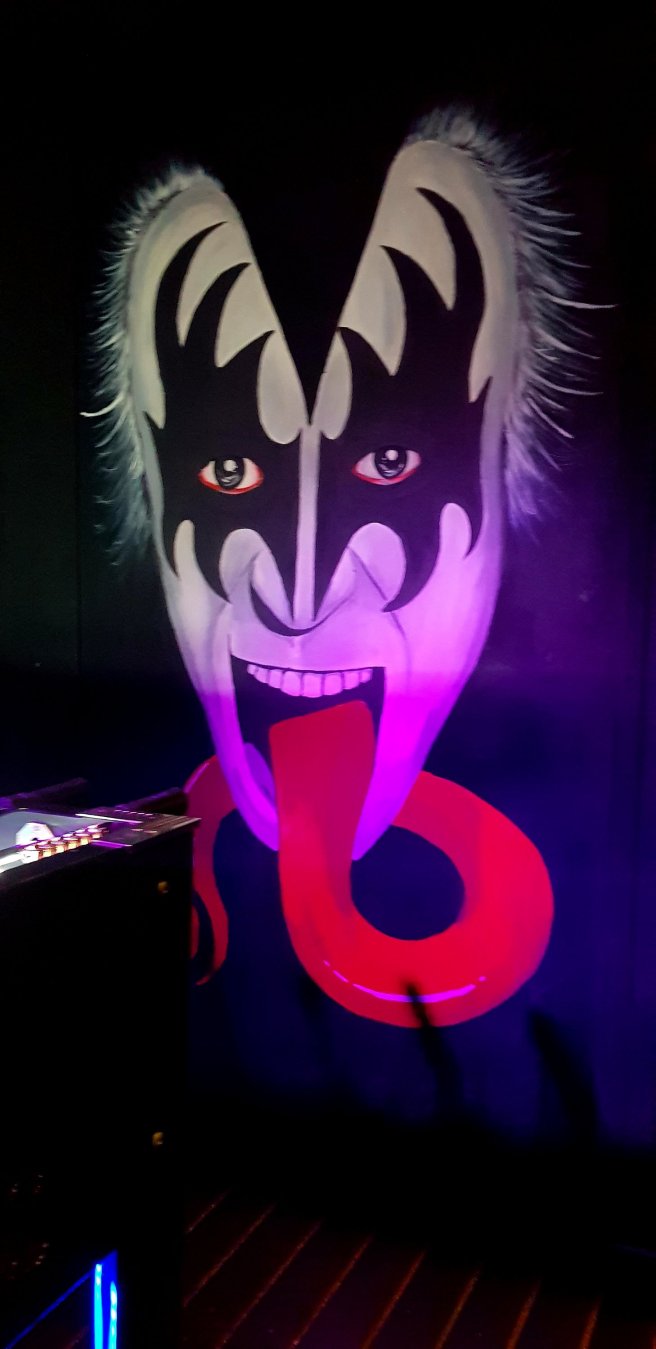 We then walked through town, the small streets are really beautiful.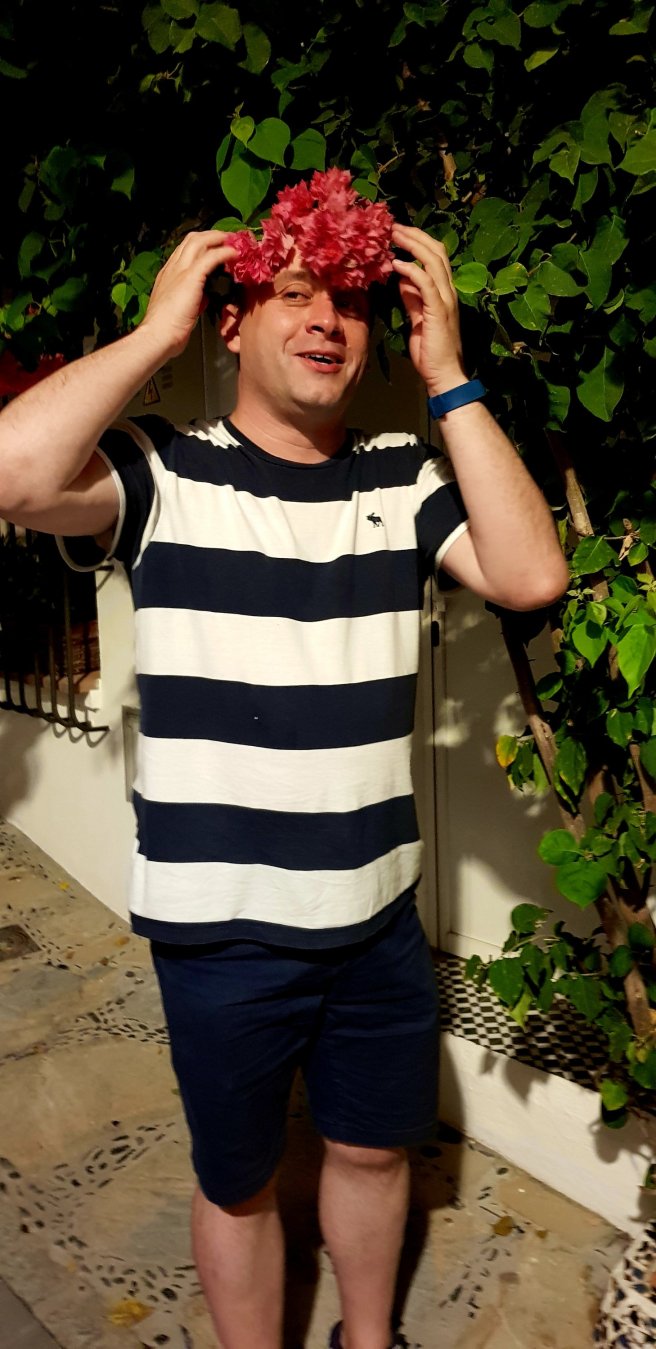

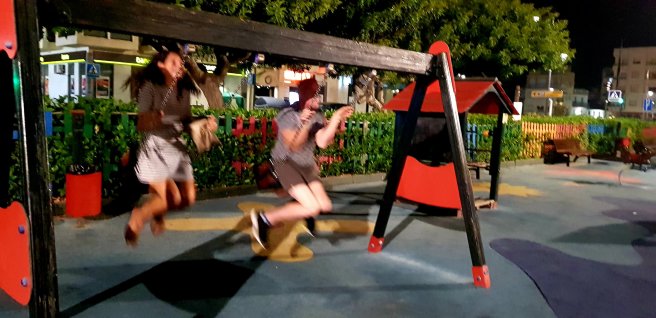
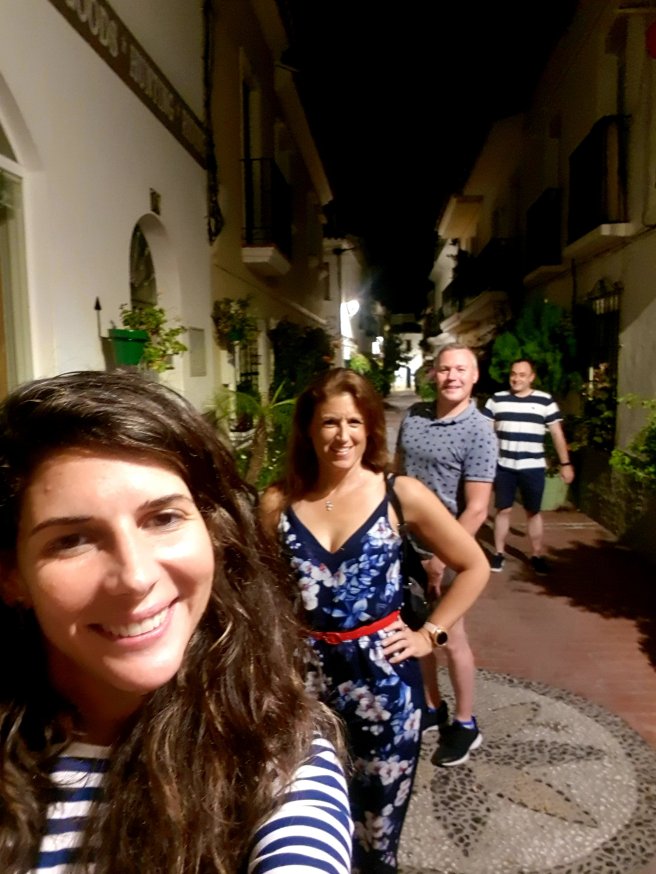 We decided to walk down to the port ewhich is where the nightlife is. On the way we had a little fun in the playground.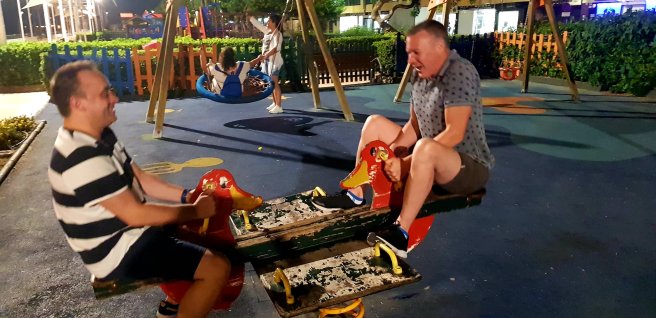
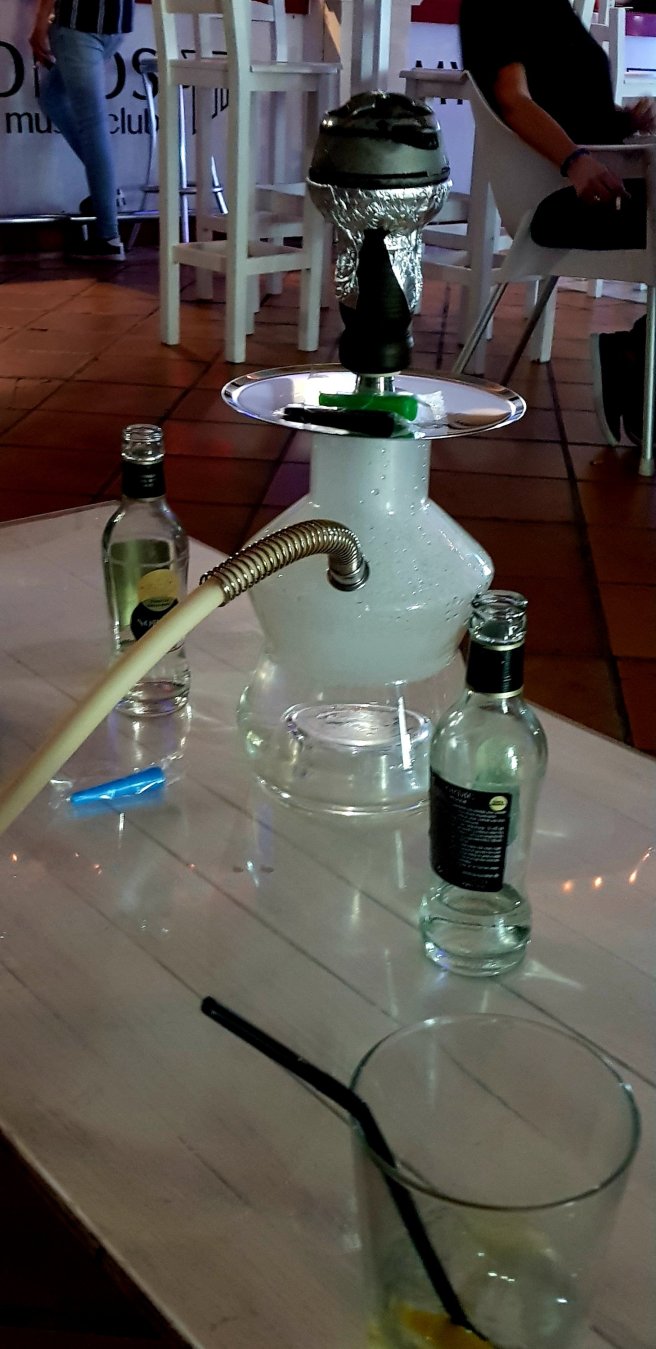
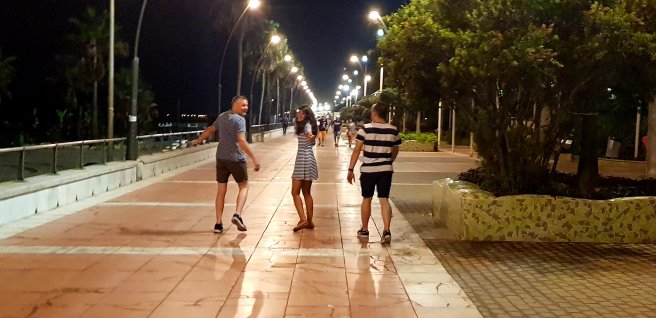 At the port we stopped at a bar where Alicia and Jamie had a shisha.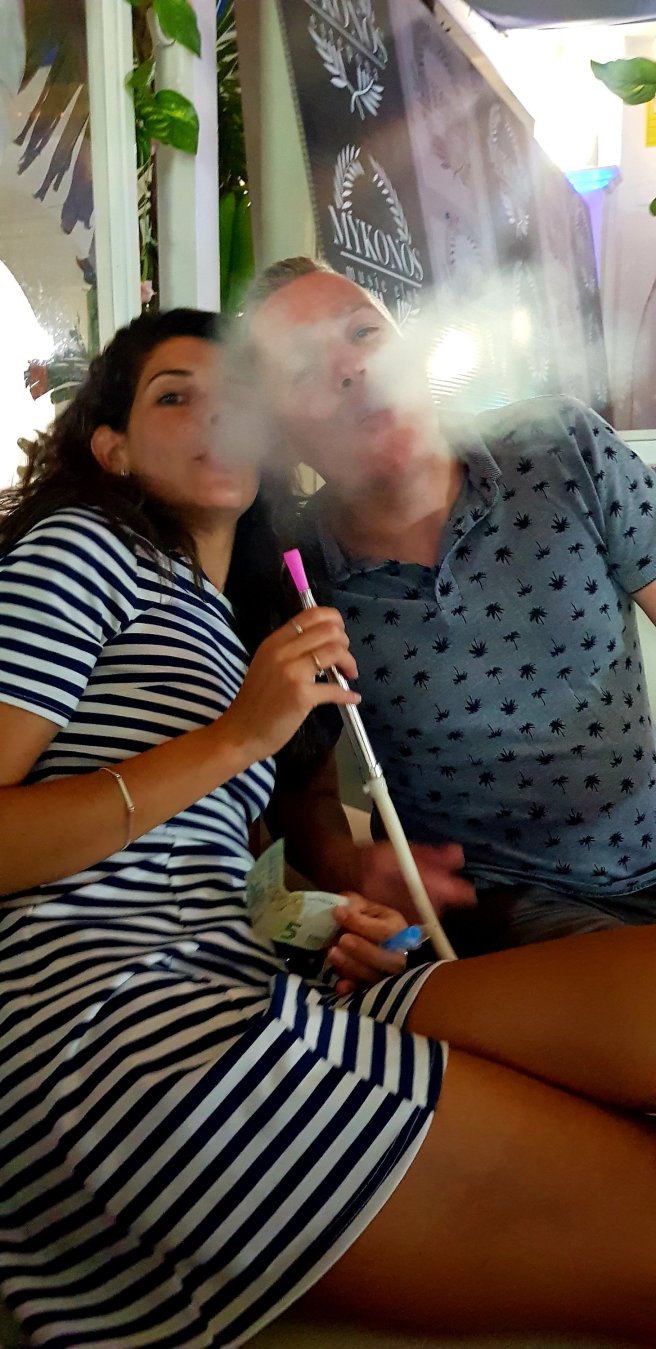
 We also had a little dance!On the way to get a taxi we stopped off at a salsa club and I had a little bachatta dance with a very good dancer!I think it was the early hours of the momorning when we got home.
Secret London Gin run
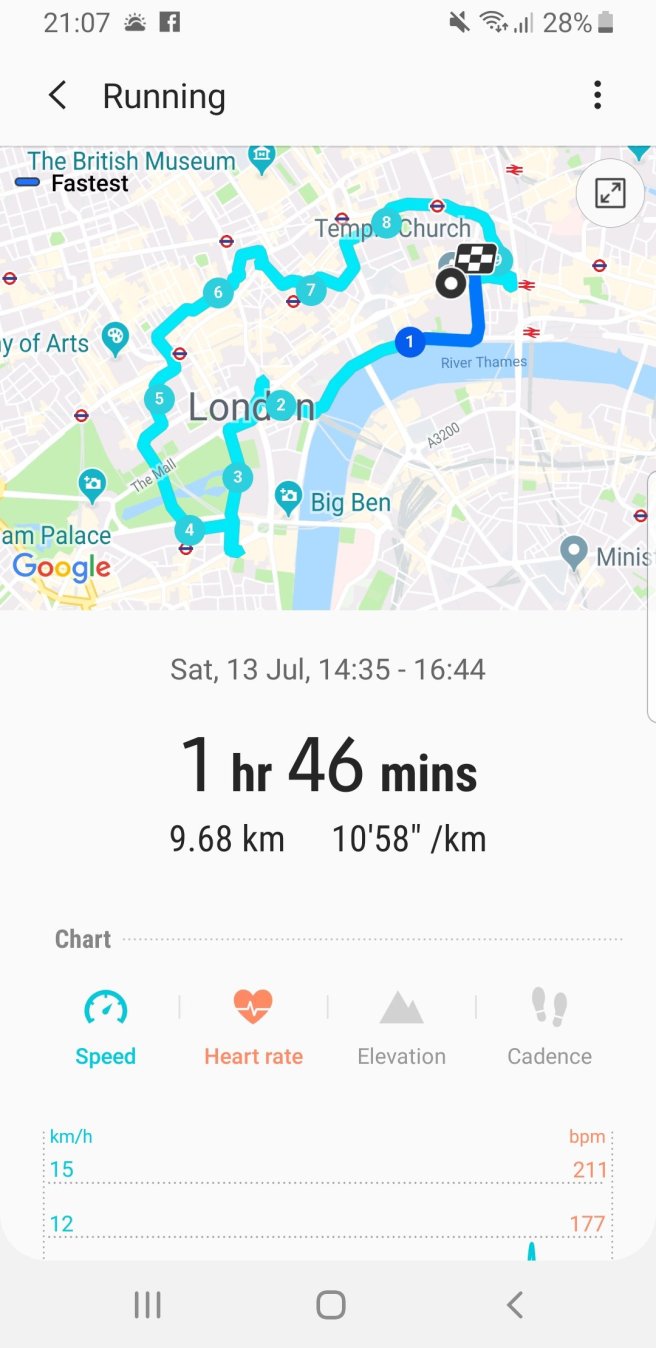
Today I ran a 10k route in London with Mandy, Helen and Lou. Along the way we learnt all about the history of gin.
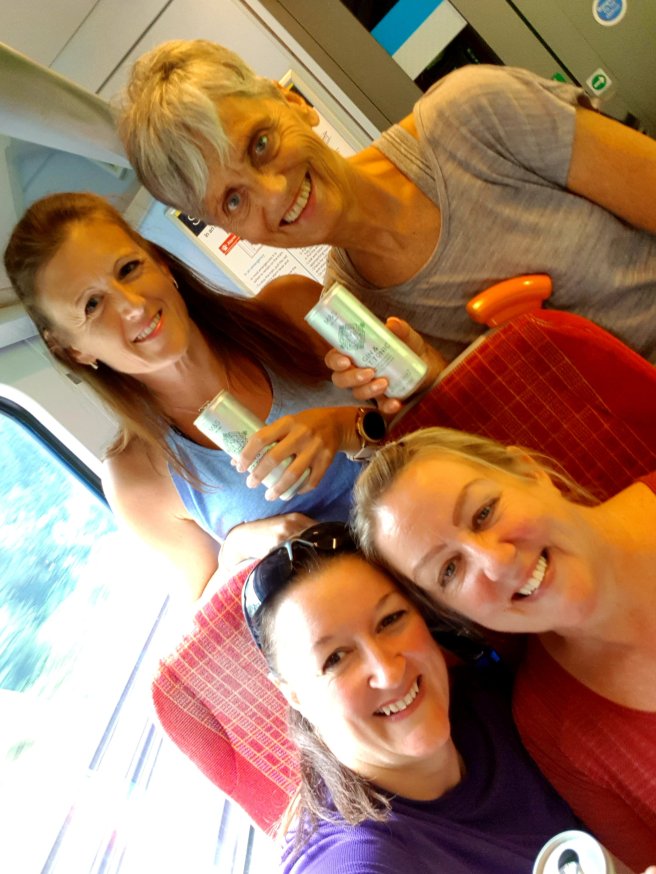
On the train to Waterloo we had a little traveller to help us on the way.
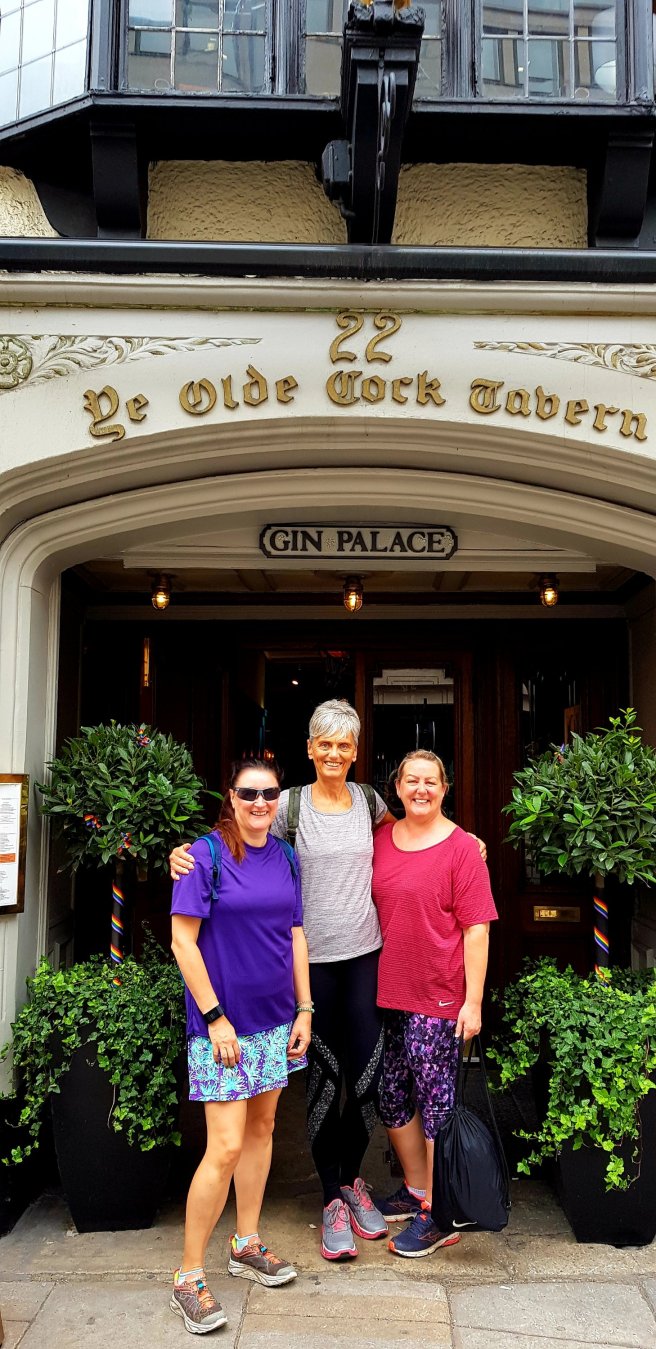
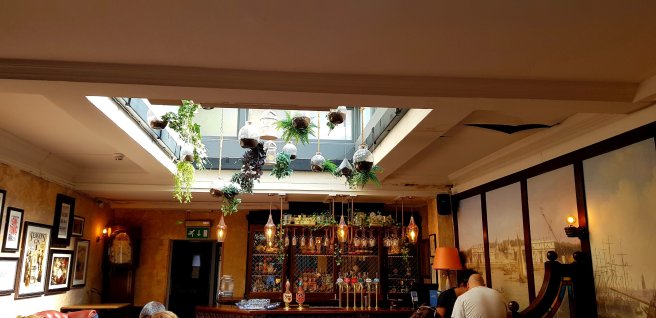
We met the other people on the run, and the tun leader Matt, at an old pub, Ye Olde Cock Tavern, where the upper floor is now a gin palace.
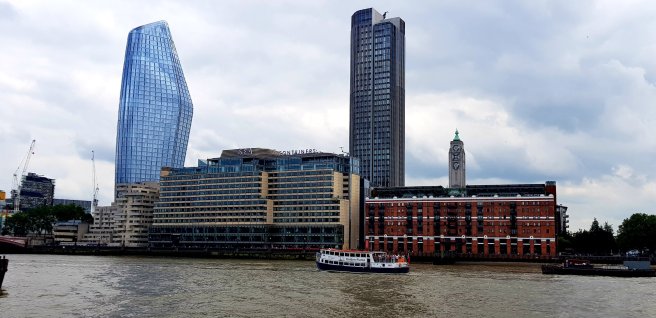
Our first stop was at the riverside where we learnt that the definition of a gin is neutral spirit with juniper. So basically gin is just vodka with juniper berries.
At some of the stops our run leader had hats or other props for people to wear to try and bring the story more to life!
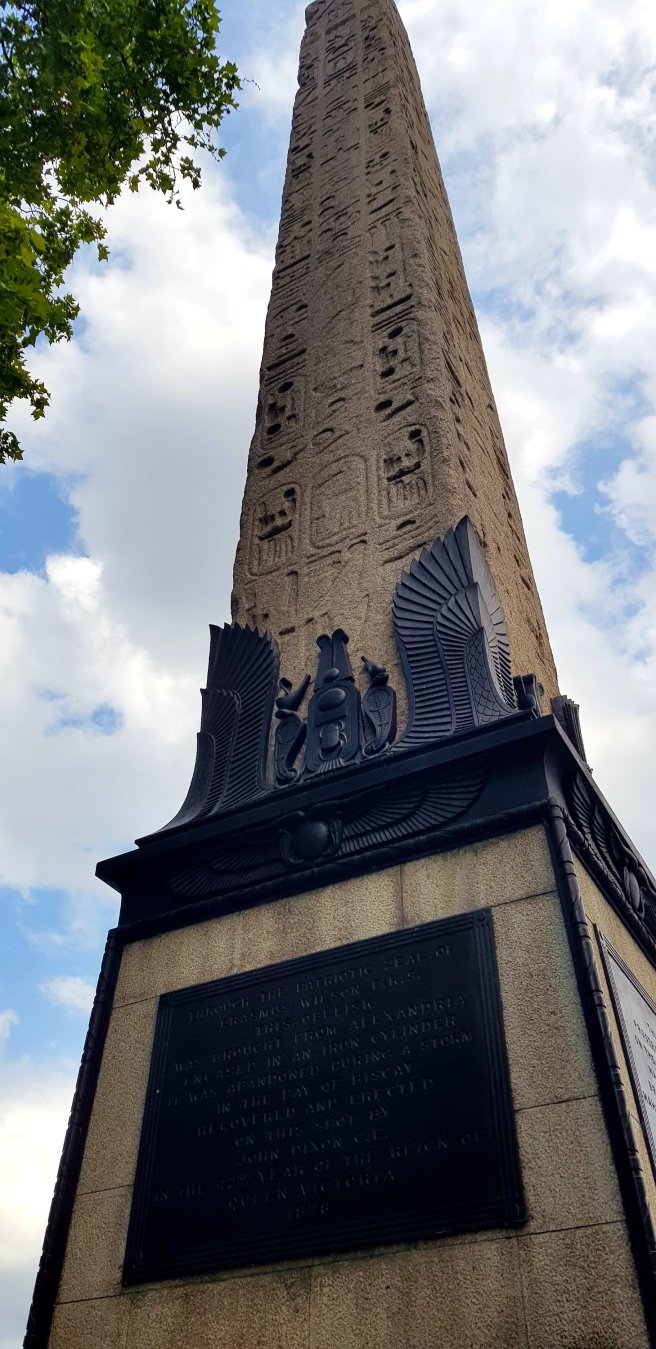
We then ran on to Cleopatra’s needle. Apparently the Egyptians used juniper for jaundice. It was later used by the Greeks for male enhancement purposes. And in the Roman times juniper was steeped in wine for chest infections. And although this was a combination of juniper and alcohol it wasn’t gin.
We carried on to St Martin’s in the field where we learnt that juniper was used by alchemists and in apothecaries. Alchemists believe that everything is related to four main elements- earth, wind, fire and water – and anything can be made from this. The apothecaries used juniper for many purposes including as a cure for the plague.
John Parkinson was an apothecarist and belonged to the worshipful company of apothecaries.

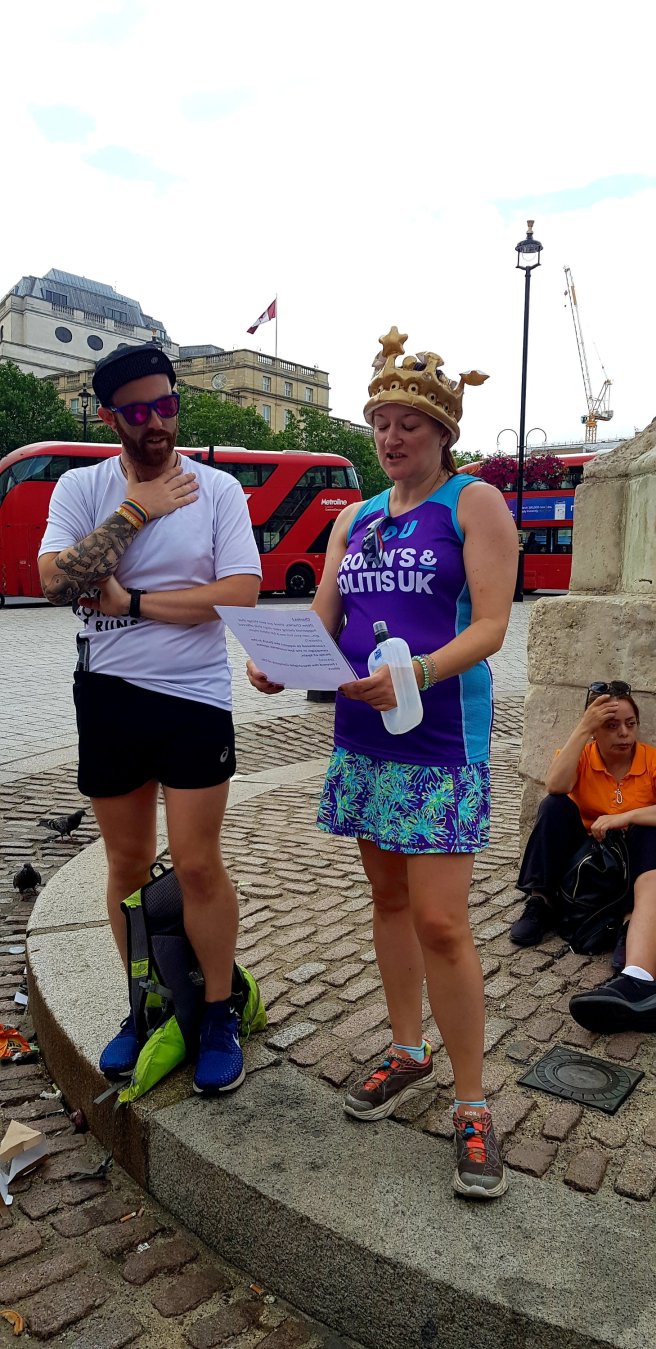
The next stop was by Trafalgar square at the statue of Charles I. Charles I supported the Dutch when they were at war against France. The Dutch were drinking gin and they drank this before going into battle and this is where the saying ‘dutch courage’ comes from. The Dutch and English won the war and to say thank you the Dutch itch gave a large quantity of gin to the British to take home with them.
So gin became a popular drink.

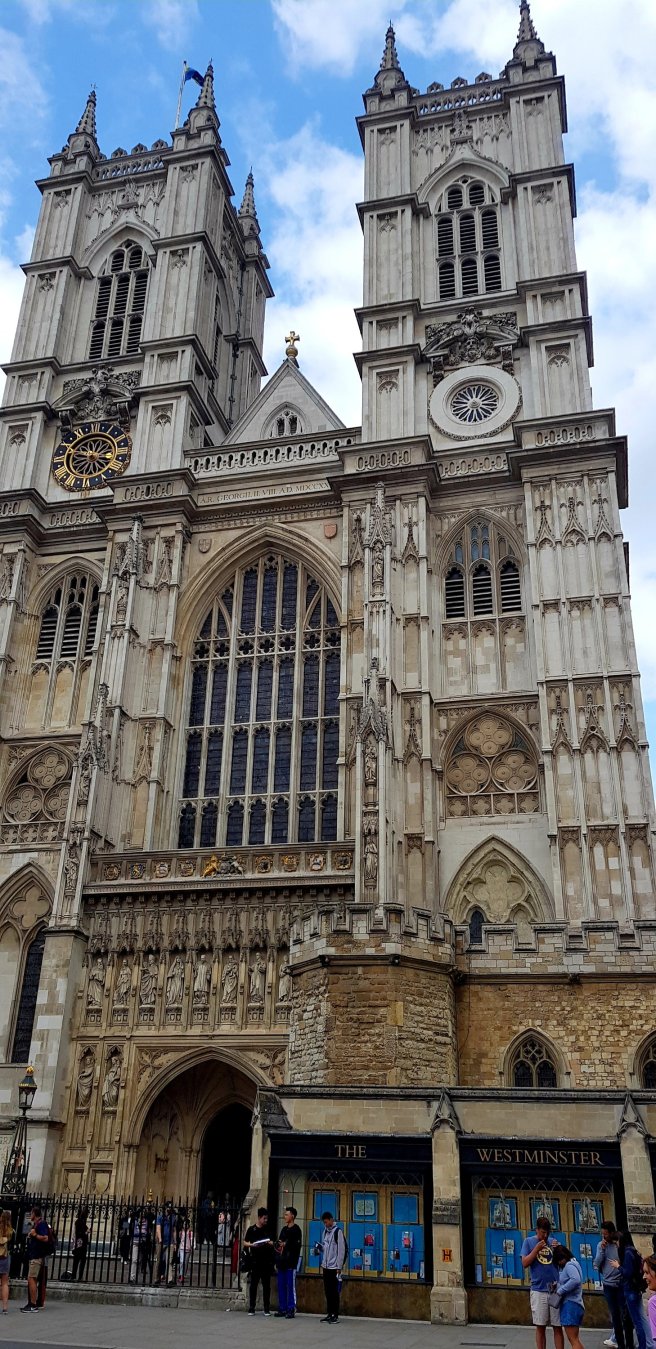
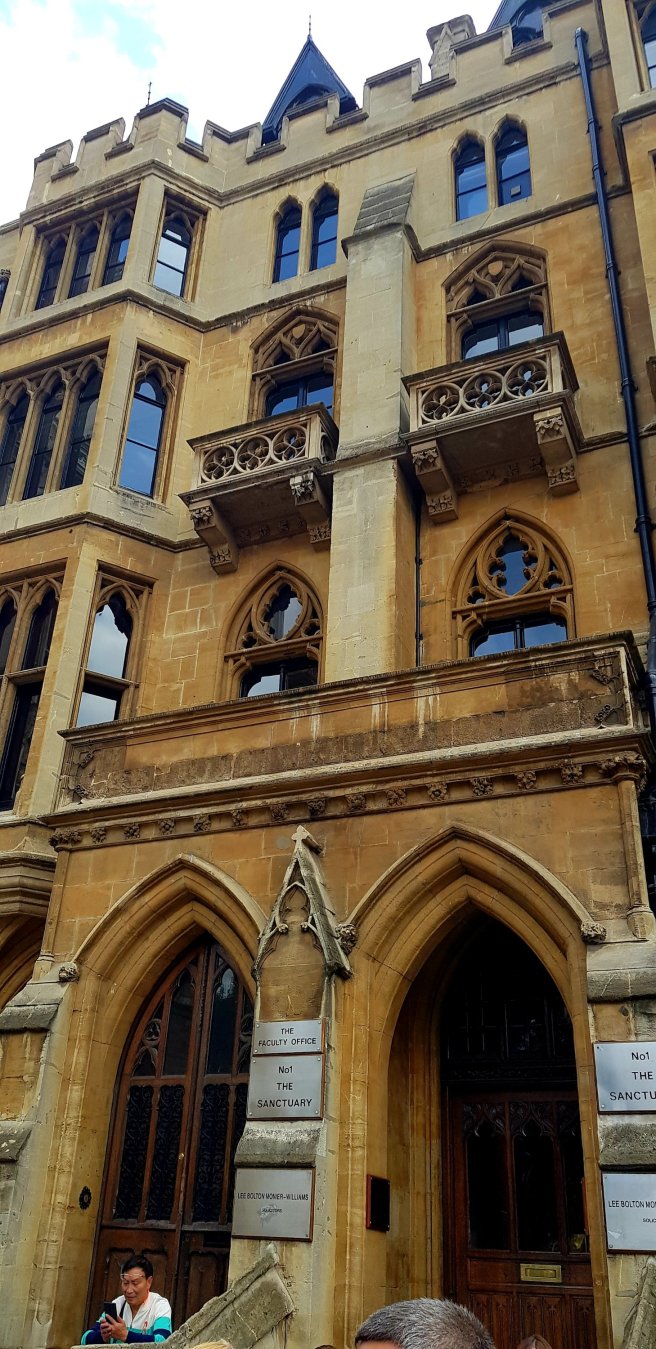
We ran on to Westminister Abbey and to No 1 the Sanctuary. This is the location of the Worshipful company of distillers and they made sure that the gin was of a certain quality. Around this time Samuel Peeps wrote in his diary that he had been suffering from constipation and that drinking gin, juniper water, had relieved this.
William of Orange came to power in 1688 and war there was a war with France. Beacause of this William banned all french products and this included french brandy. French brandy was the drink of noblemen who were slightly annoyed with this. They substituted the brandy with gin.
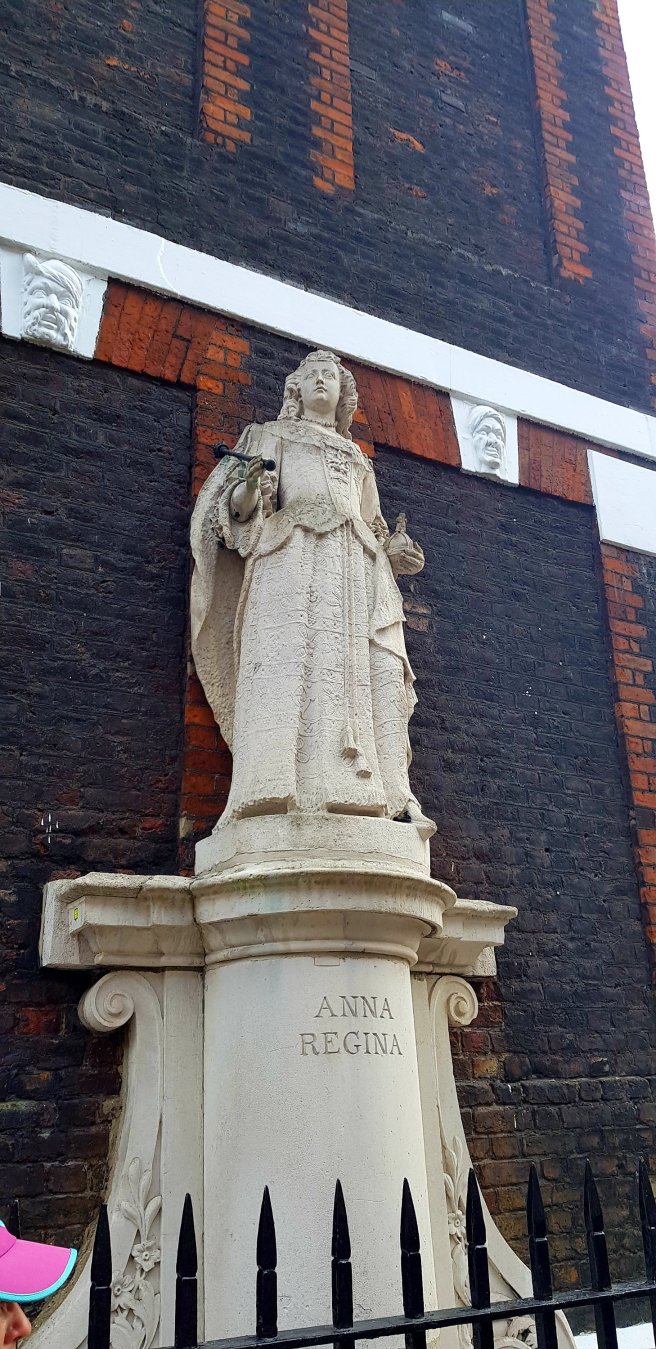
Our next stop was a statue of Anna, known as Brandy Anna, who came to power after William of Orange. She cancelled the charter of the worshipful company of distillers. Once this was cancelled, in order to produce gin, all you had to do was put a letter in your window to say you intended to distill gin and if this was not opposed in 10 days then you could start your production. This led to lots of gin houses where people produced gin in all sorts of ways, including in bathtubs.
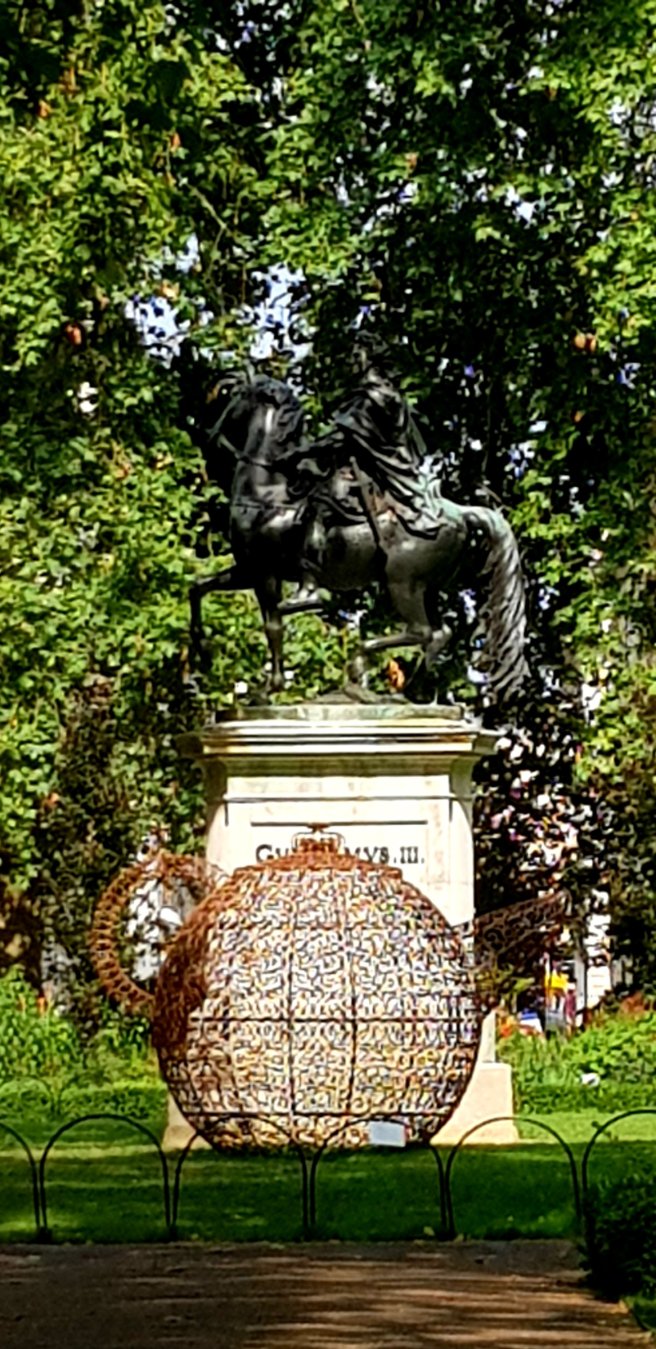
William of Orange was not a popular monarch and their is only one statue of him in a private garden in London. Before William became king the previous king was Charles II. Charles was a catholic but the people didn’t want a Catholic king. In order to avoid being beheaded, Charles II renounced the throne to Mary. It was felt that Mary needed support so she had to marry William of Orange. William had asthma so he lived in Kensington outside of the pollution and smog in london. He was said to be very ugly and apparently Mary cried when she knew she had to marry him. Despite this e had lots of sex with both sexes. William died falling off his own horse as the horse went over a small mole hill. The statue shows and mocks this.
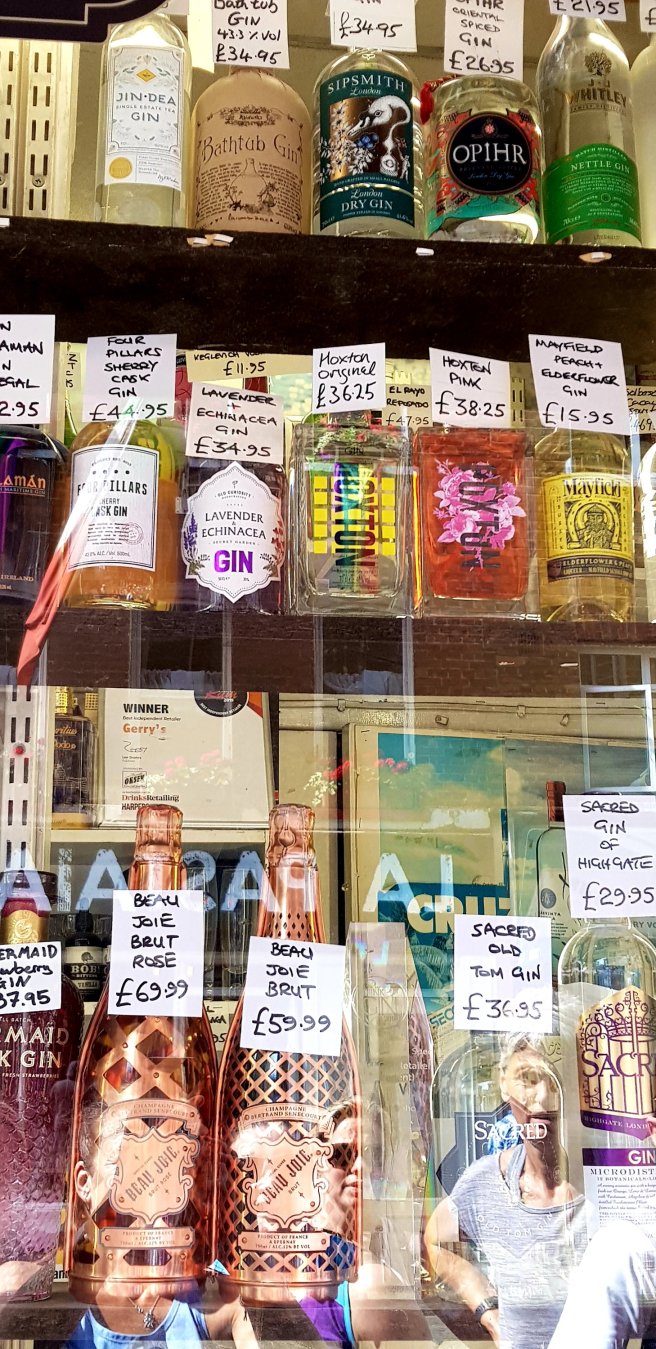
And then it was on to St Giles in the field past s very nice shop selling lots of gin.
St Giles used to be quite a poor part of London and gin was everywhere. Signs said ‘drunk for a penny, dead drunk for twopence, straw for nothing’. The straw was there for people to pass out on. Gin was extremely cheap – cheaper than ale, but the quality was really bad. The gin was toxic and made with turpentine and sulphur acid. People literally lost their sight from drinking it – blind drunk. Mothers drank gin and many babies were stillborn or deformed – mother’s ruin. Lots of children drank it too and many of them died before the age of 5.
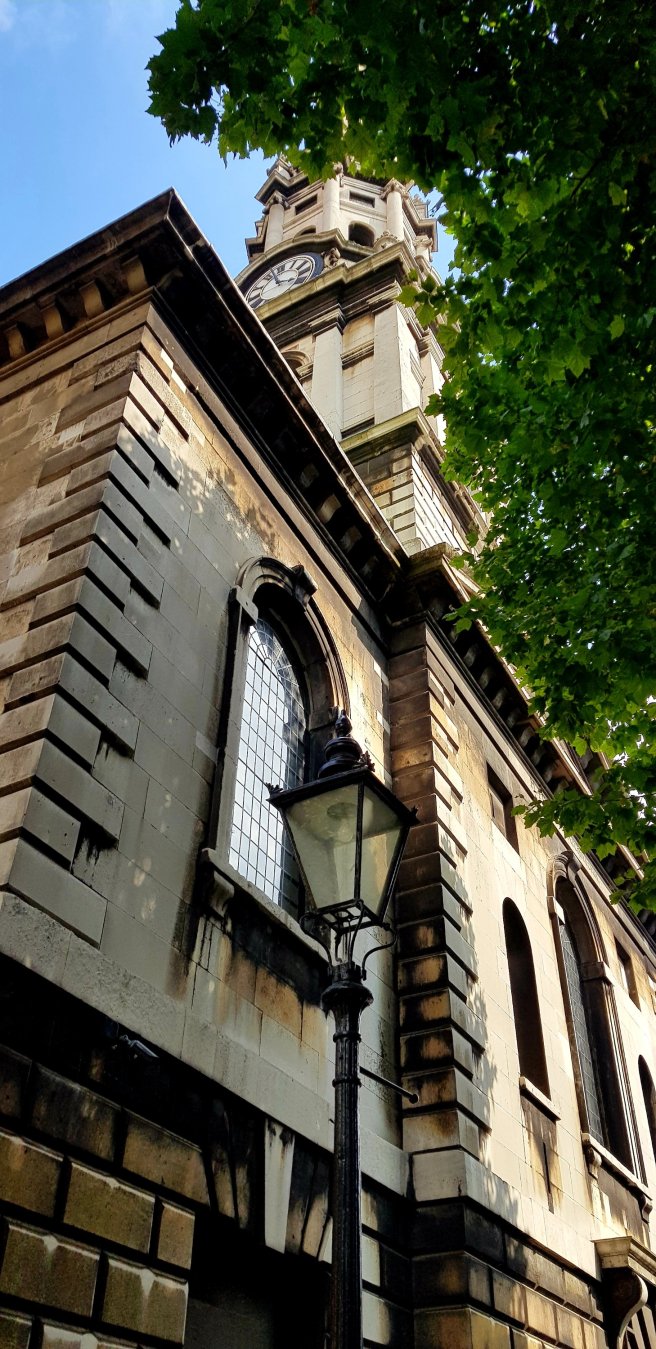
In 1732 there was a case heard at the old bailey. Judith Defur was tried for the murder of her child. Her child was 2 years old and she said she couldn’t afford to look after it so she took it to the workhouse. The child was clothed and fed. After 2 days Judith picked up her child from the workhouse. She strangled it and sold the clothes to buy gin. Judith was hung at the old bailey.
And then we carried on to Bow Street where there was a stone commemorating some notable men including Henry Fielding. Henry was a magistrate and had two pictures commissioned- gin alley and beer street. The beer street depicted a much nicer scene and the message was drink beer and you will have a better time than drinking gin.

So a number of gin acts were put in place. The acts were aimed at the gin sellers and basically anyone selling gin had to have a license. These cost £50 each and only two were ever sold.
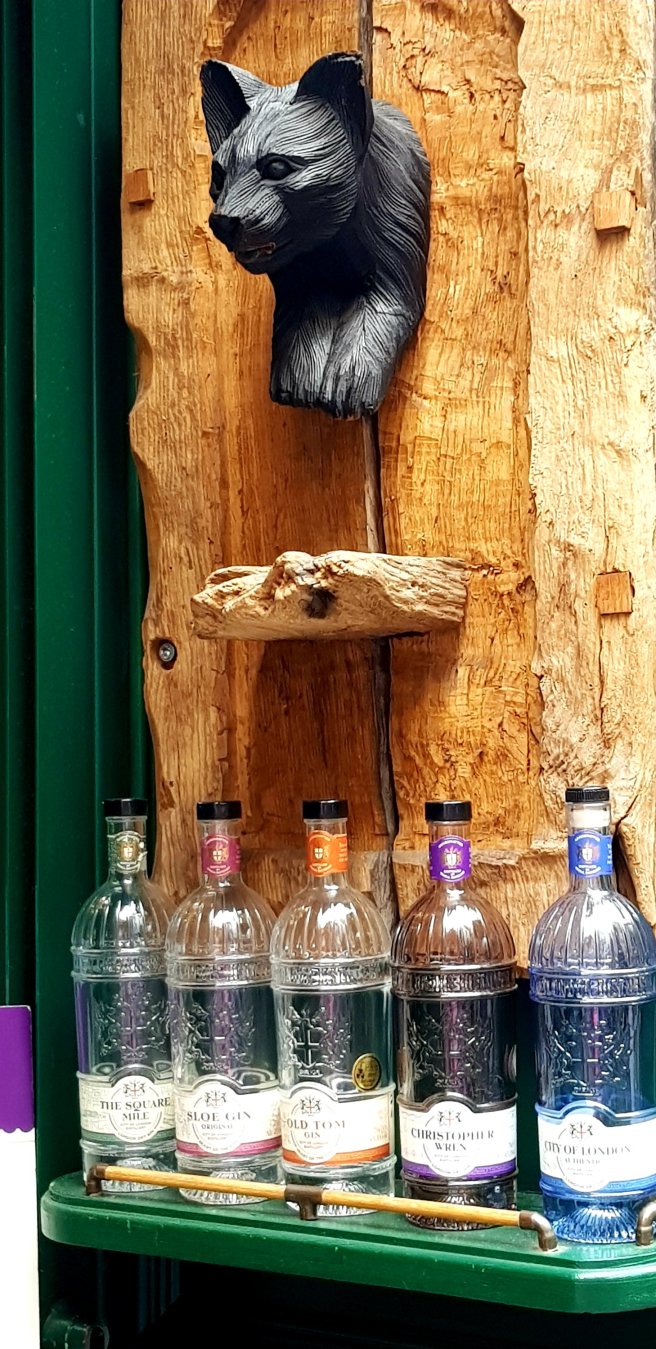
In 1738 they had 5 acts in place but people got round the acts in a number of ways. One of the most notable ones was the black cat in blue cap alley. People would put money in the mouth of the cat in the wall and gin would came out of its paw.
In 1751 the Tippling act came into force and this targeted the people making the gin. The act said that gin could only be distilled in 18 hectare vats and only be sold to taverns.
Also in 1757 there was a massive food shortage and the ingredients that went into gin were used for food instead and this also had an impact on gin production.
In 1761 the laws were elaxed a bit, but you continued to still need a license to make gin and be a licensed distillery.
In the 1800s there was the creation of public houses and many of these were in a sorry state. Gin Distillerys payed some pubs to be done up so they could then sell them their products.
This led to the creation of gin palaces, over 5000 in 5 years. Gin became a bohemian drink.
Lord Byron started to drink gin and water which is an early vesrion of a gin and tonic. People are still trying to recreate some of the oldecipes today.
The gin trade began disappating again in 1900s and vodka became more popular as it was easier to prepare and drink. Gin became the drink of the grannies.
The Tippling act inhibited innovation as 18 hectare vats meant that you couldn’t try new gins. In 2008-2010 both Sipsmith and Chase distillers managed to overturn the Tippling act. So more distilleries started to open and there are now 390 registered in this country to date. In the City of london there is only one distillary within the square mile.
£1 billion of gin was sold last year.
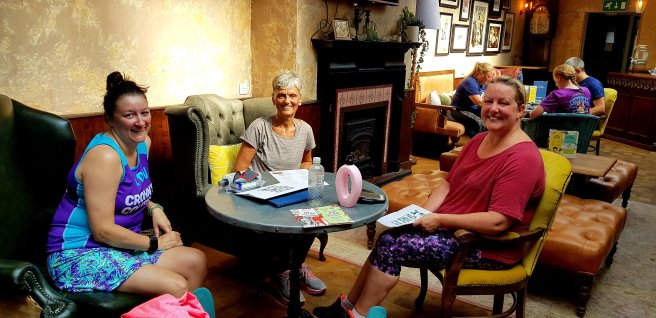
Back at the pub we were rewarded with a Sipsmith gin and tonic – it was very welcome.
Koh Rong to Siem Reap
We all woke up early as there was a massive thunderstorm this morning which started around 330am. I tried to capture the rain coming down and the lightening but not that successfully.
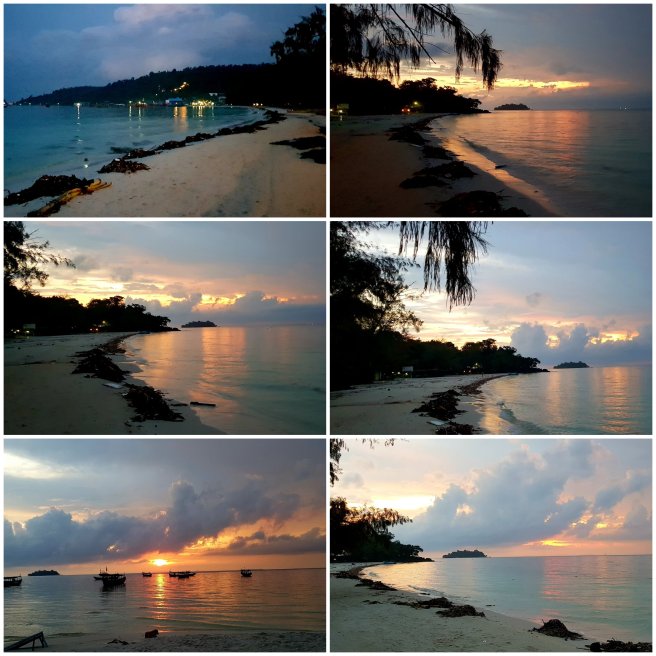
We had to leave early anyway this morning to catch the 630am ferry back to the mainland. So we stayed up, finished our packing and watched the sunrise. It’s such a beautiful time of day.
We said goodbye to our bungalow and set off for the walk along the beach to the pier, which was a bit of a struggle with our heavy bags.
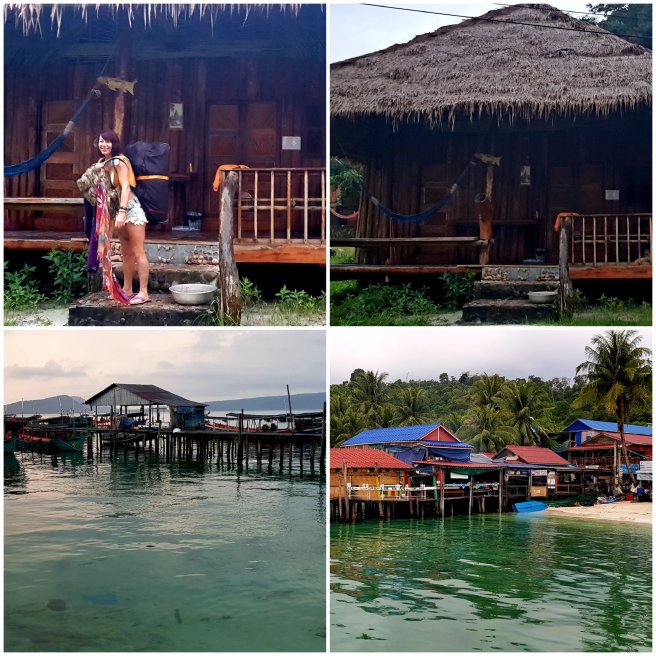
It was a bit worrying as when we got to the ferry terminal there was nobody there. At around 630am somebody did turn up but they said the ferry would arrive around 7am. Eventually we left about 730am. I slept the whole way on the ferry as I was really tired.
Once we got to Sihanoukville we had some breakfast and then got a taxi to the airport where we had time for a quick drink before boarding our flight.
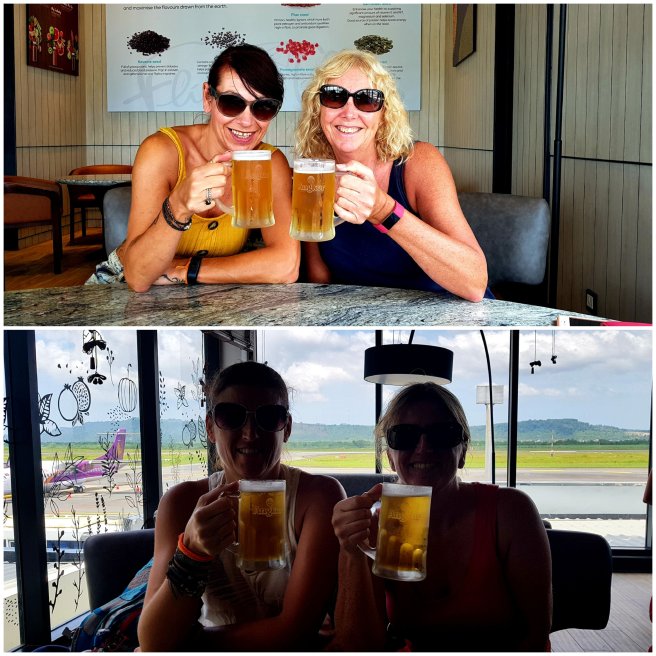
The flight was only 50 minutes but I slept for most of that too.
In Siem Reap we were met by a driver from the hotel. He was only expecting two of us for some reason so had only come in a tuk tuk. Somehow we managed to fit all four of us plus all our big and small bags into the tuk tuk and we set off for the hotel.
The hotel was down a little back street but actually looked really nice. The staff are lovely and can’t do enough for you.
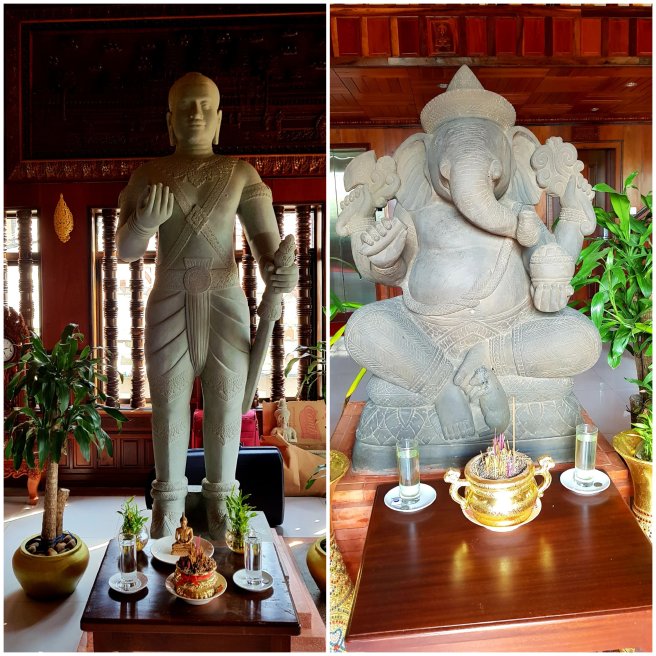
After a quick look around the room, which was very spacious and clean, we headed off to downtown Siem Reap to go shopping. The markets were fantastic, really colourful and a real mix of food, clothes and souviners.
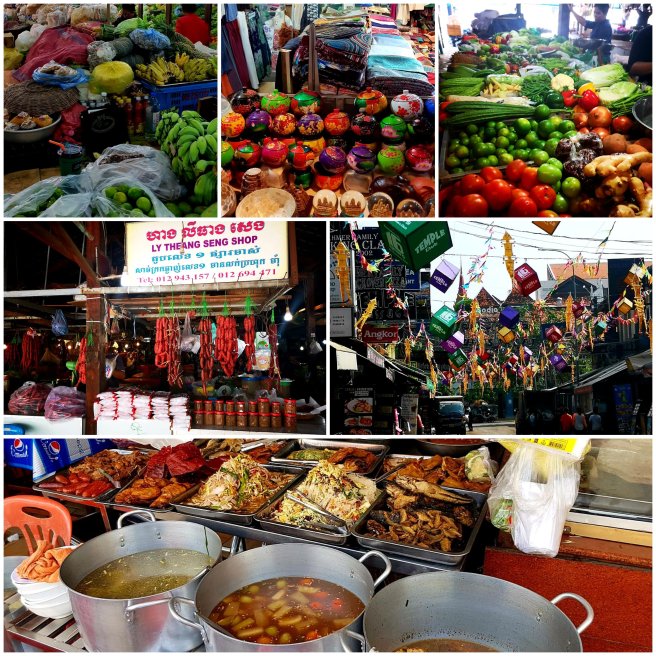
We all bought a few little bits to take home!
It was then time for a late lunch of pan fried fish with rice and sauces and the best spring rolls to date – they were so fresh.
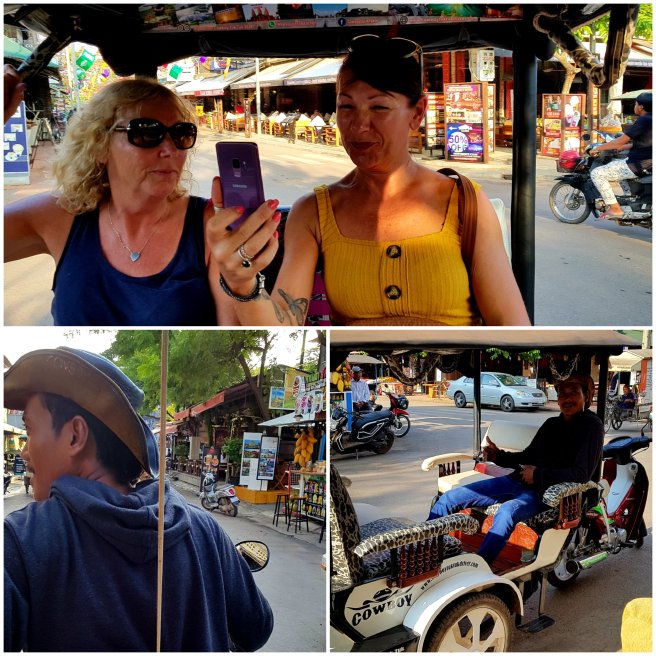
On the way back to the hotel we got a ride in the cowboy tuk tuk and sang along to a few classics such as sweet child of mine!
At the hotel we had a lovely shower and freshen up before heading out to the circus. This circus is very special as the performers are all former street children that have been educated in performing arts. Any money generated supports the free education and social programs of Phare Ponleu Selpak non-profit school.
The performance was amazing, very entertaining, lots of skill and talent and also really funny.
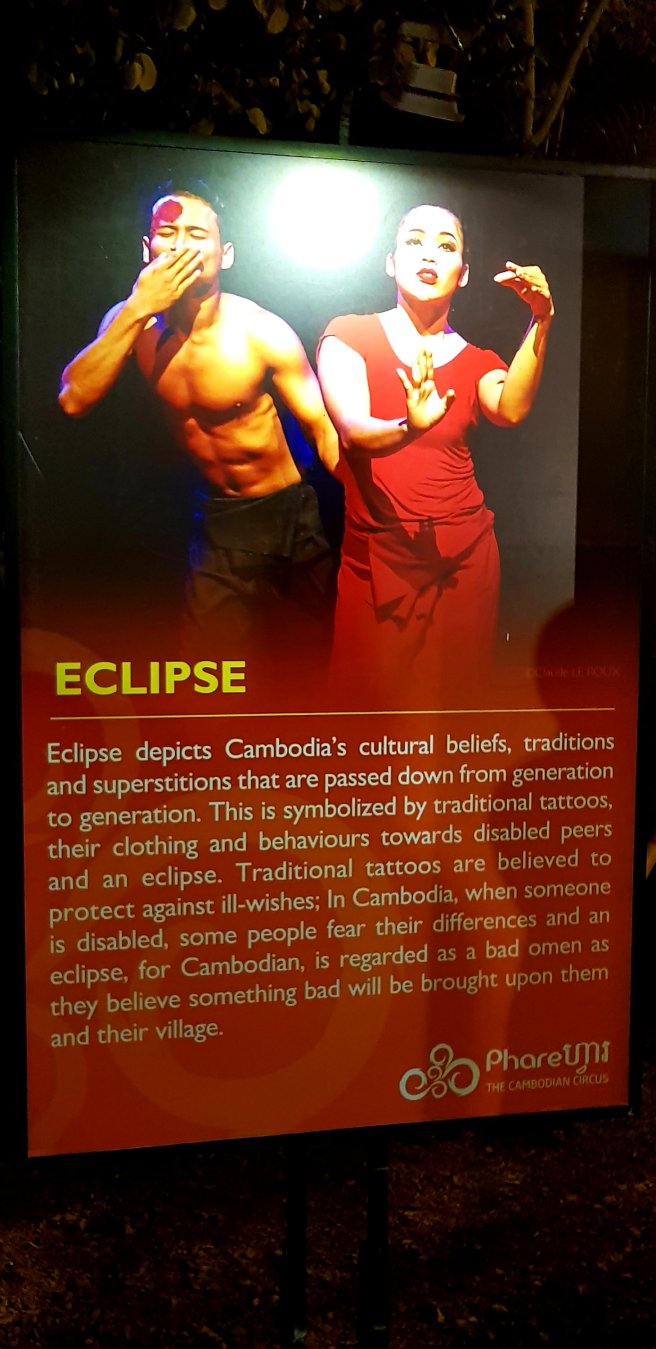
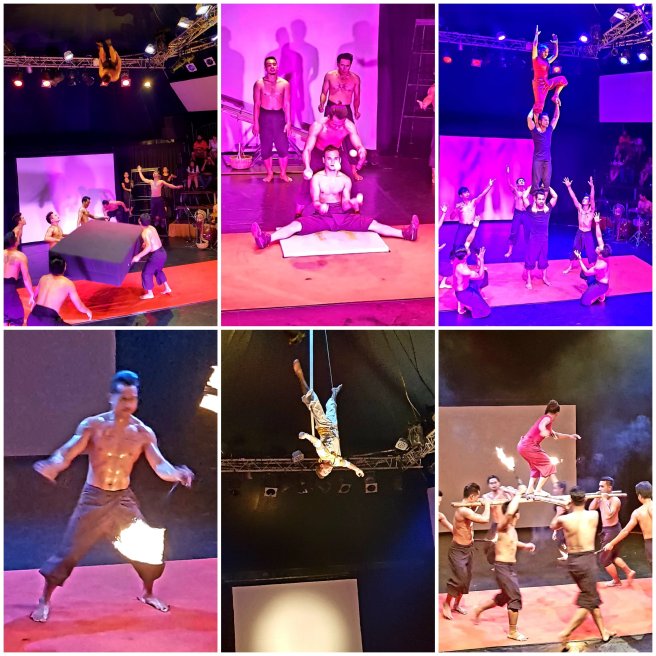
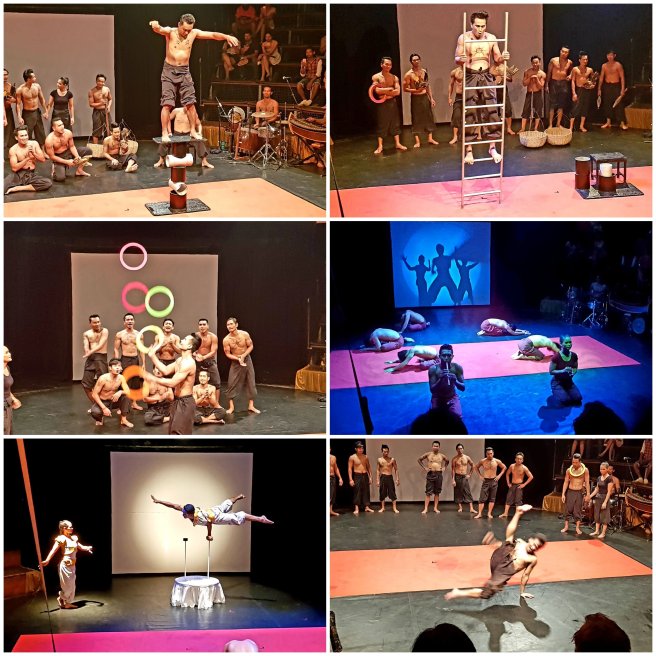
We were all really impressed with the show.
We were picked up by the hotel tuk tuk driver and headed to pub street. Our first stop was a sky bar which was beautiful but pretty quiet.
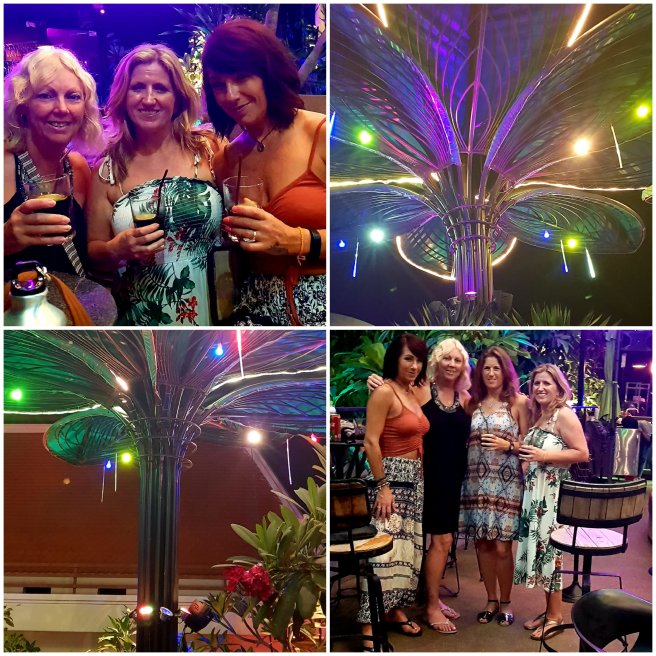
We then headed to the main street where we stopped for another th and coke. It was really noisy with loud music from all of the bars, it was difficult to know what to listen too.
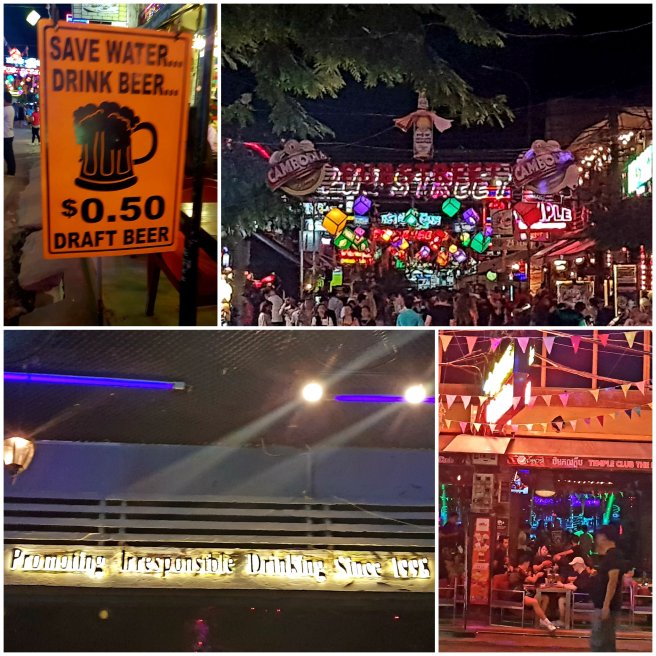
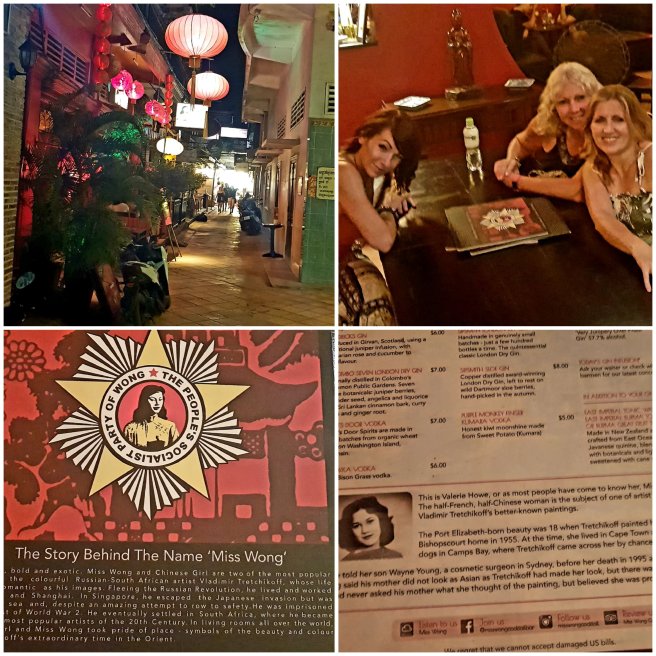
We went to another, slightly quite bar called miss Wong for a final drink before heading home.
Another day on Koh Rong island
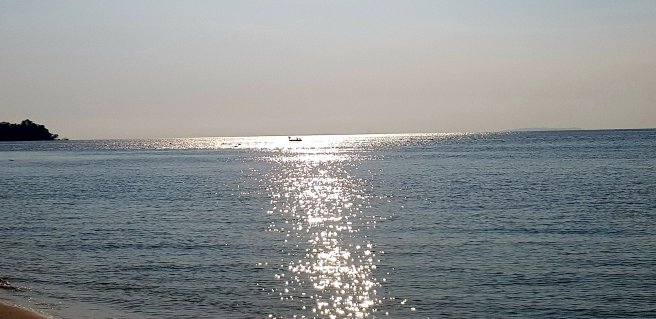
We were up fairly early again and I went for another lovely early morning swim in the sea before breakfast.
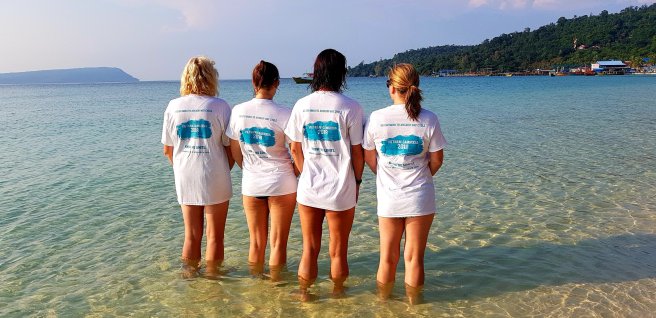
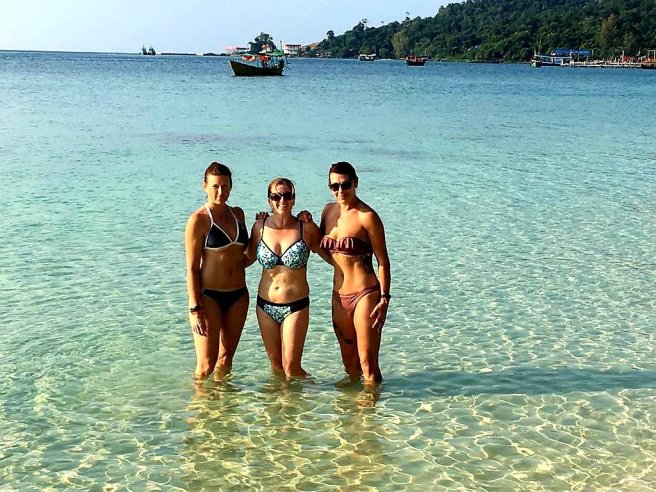
We chilled on the beach for a bit and had our photo taken with our challenge t-shirts on.

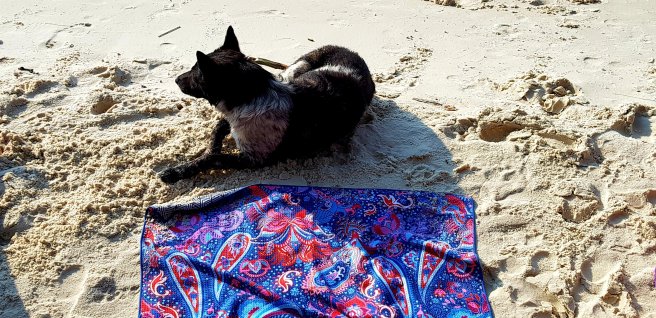
As we laid on the beach some of the local dogs came along and one of them befriended us and laid down with us.
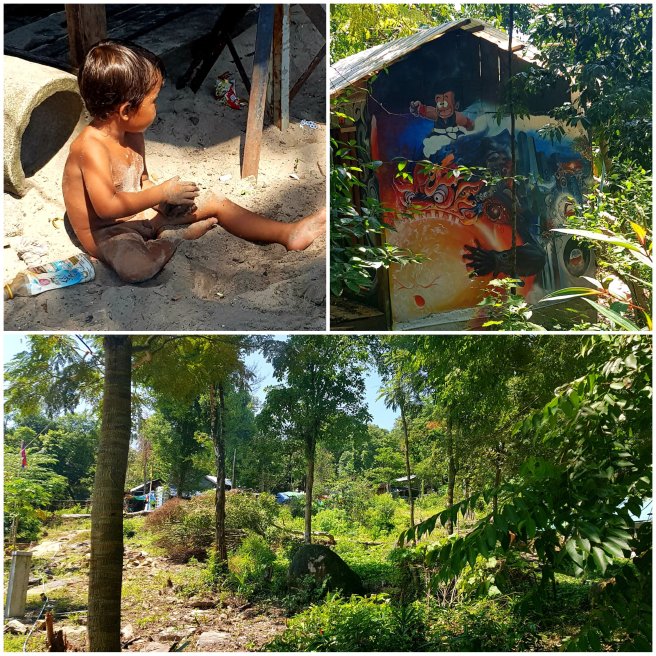
We went to out now local restaurant for a delicious breakfast of muesli and fresh fruits. After breakfast we decided to go exploring. We were looking for the local ‘zoo’ and we did find it but it was closed as we are still in low season. But we had a stroll through the jungle anyway.
We walked over to the next beach known as Police beach which is where they have a party most nights. It wasn’t as clean or as nice as the beach we were staying on.
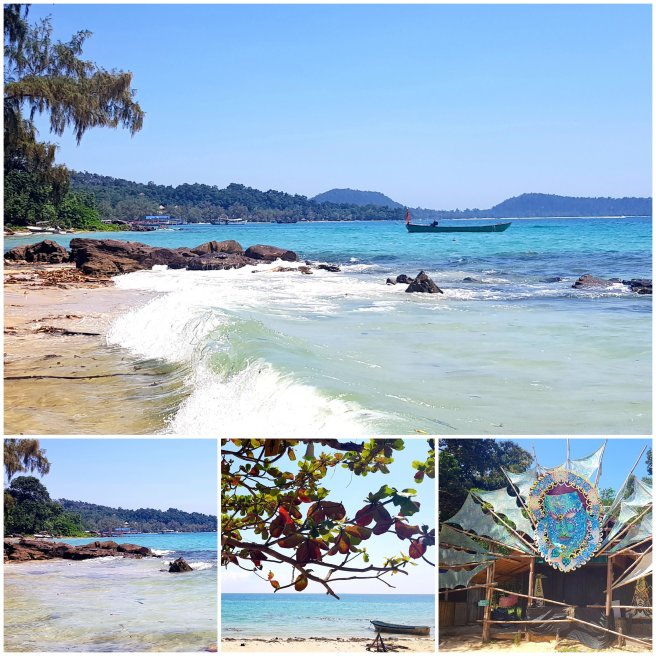
As we were walking along one of Ali’s flip flops broke so she had to walk bare foot. Then when we were on police beach one of mine got washed away by the sea! So I had one of Ali’s and one of mine to walk home in and they were both the left foot.
On the way back to ours we stopped at a little bar for a beer.
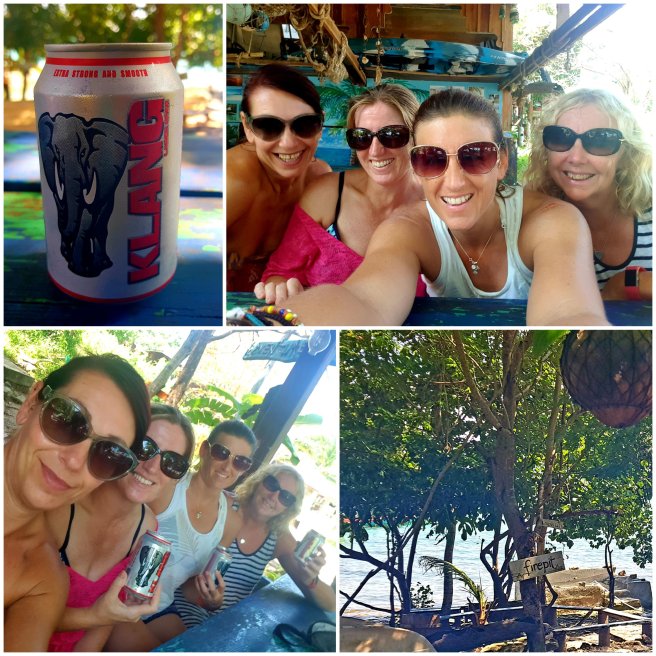
In the afternoon we chilled some more on the beach.
We had booked to swim with the plankton in the evening so at 7pm we got on the boat and went out to one of the other islands where there was no light pollution. The plankton light up when you splash in the water but it’s really hard to capture on a photo. If you used a snorkel it looked like loads of fairy lights under the water and they were all around you – it was pretty amazing. I spent a lot of time under the water just watching the plankton light up – they were mainly a green or yellow colour.
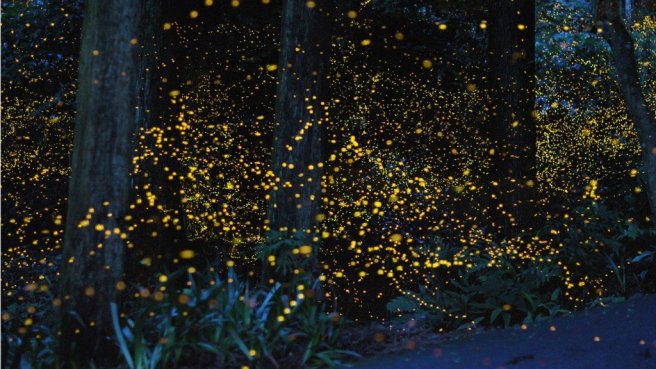
This isn’t my photo above but this is kind of what they looked like.
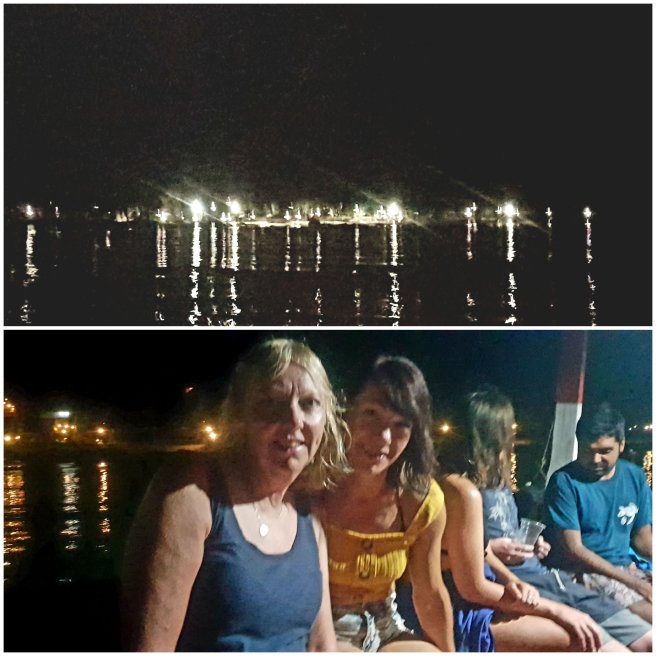
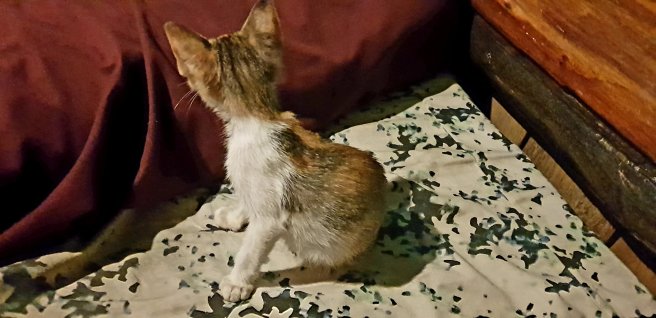
After our little boat trip we went back to our restaurant for dinner. My little friend was there too.
After a glass or two of wine it was off to bed.
Koh Rong island
This is a beautiful place with sandy white beaches and gorgeous warm sea. We were up early and just caught the end of the sunrise, around 620am. So much for a lie in!
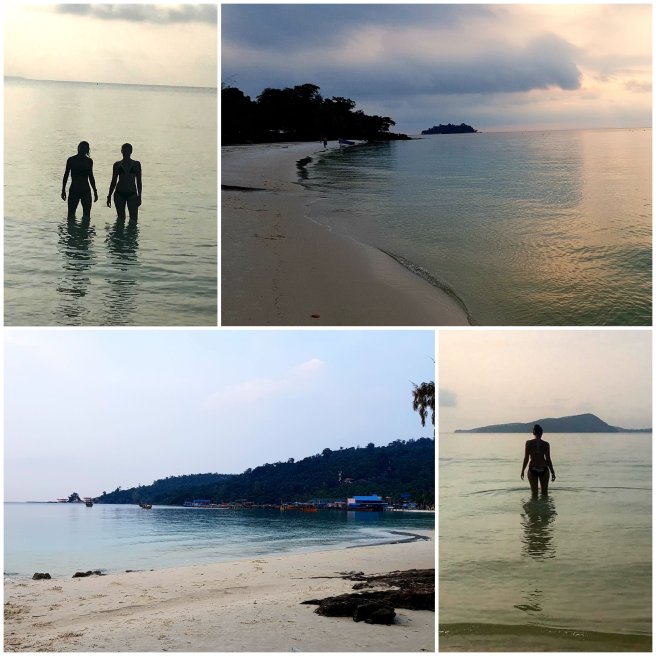
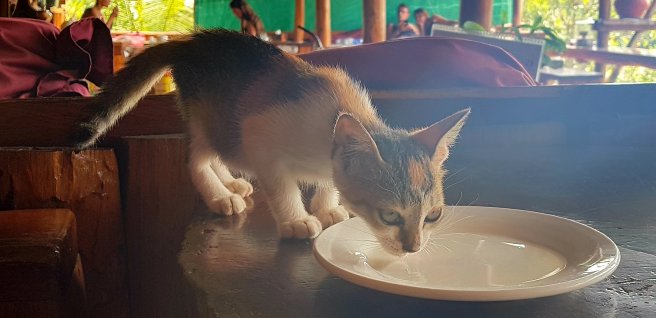
We spent a couple of hours on the beach before heading to the restaurant for breakfast. I’d made friends with the cutest cat last night and she was around for breakfast too.
After breakfast we had a short stroll down the beach to look at the shops and see what else was around.
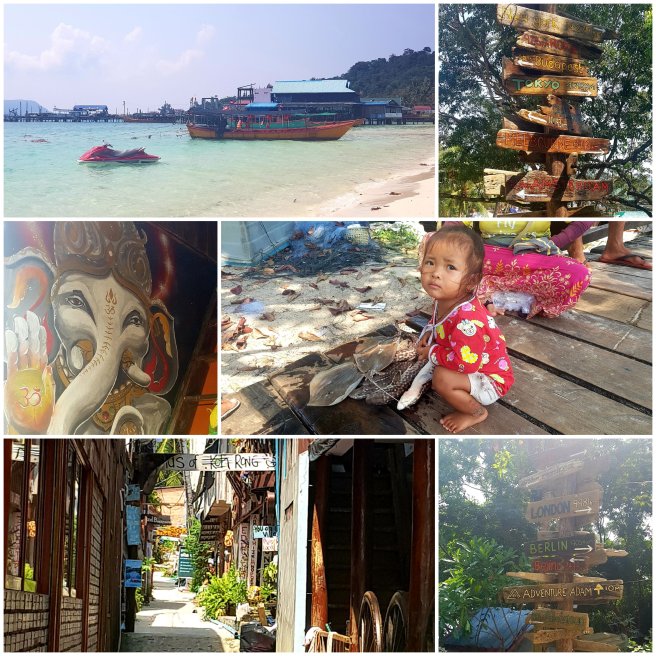
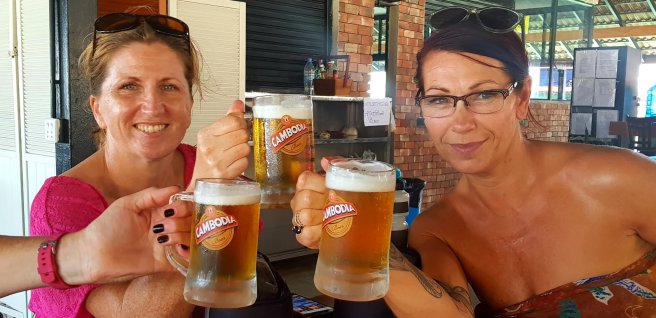
The locals here are so friendly and welcoming and also so beautiful. In ‘town we stopped for a beer. Everything feels like so much effort because of the heat.
We went back to our restaurant for lunch, which was so tasty. Most of the afternoon was spent lying on the beach or swimming in the warm waters of the Indian ocean. In the late afternoon we all went and had a massage. I had a Khmer massage which is a bit like a Thai massage but not so deep, it just relieves all the tension by working on the pressure points.
In the evening we had a couple of cocktails at the bar and then headed into town and ended up having pizza at a place called Coco.
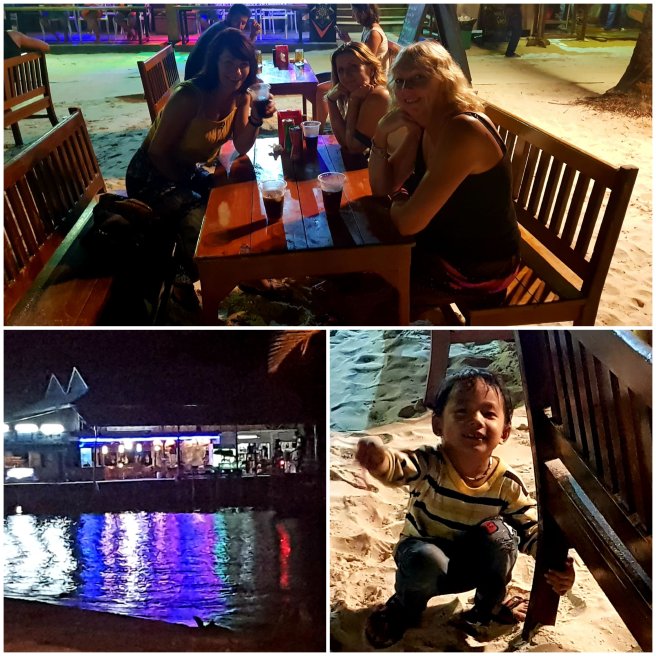
We went to a different bar for a final rum and coke before we headed off to bed.
Siem Reap to Koh Rong island
After our last night our with the group we were up at 7am to have breakfast and get out tuk-tuk to the airport. A few other people in the group were up so we said goodbye again. It was quite emotional leaving everyone.
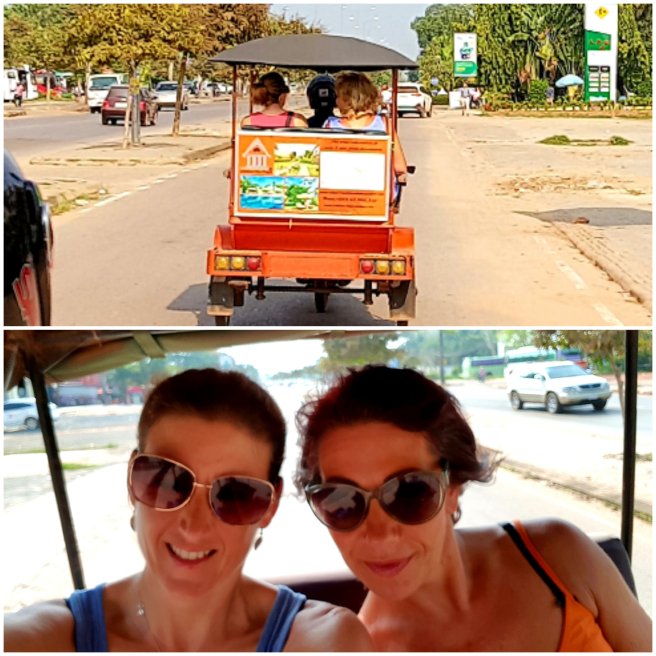
The tuk tuk to the airport took around 15 minutes and was pretty uneventful.
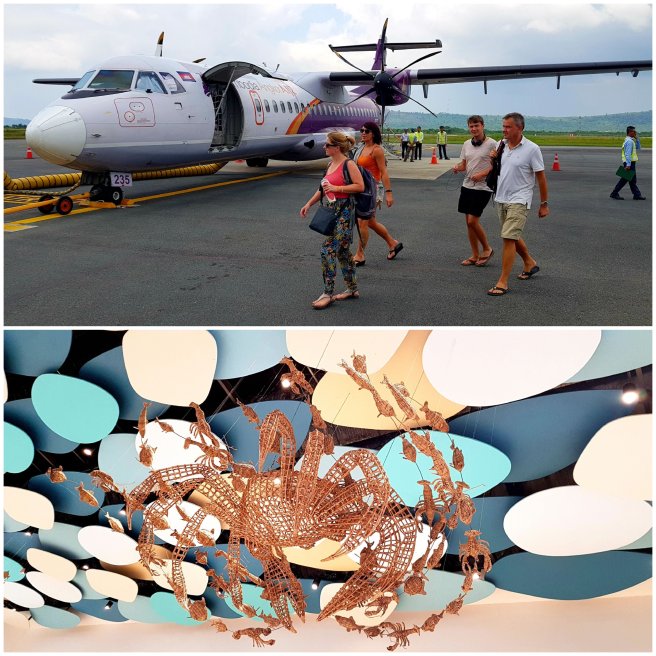
It was then a short wait at the airport until we boarded our flight for Sihanoukville. The flight was also quite short, around 1 hour.
At the airport we were met by someone from the bungalows we will be staying at on the island. He dropped us at the dive shop where we paid for the accomodation and the ferry ticket. We had a while to wait for the ferry so we sat and had a quick beer.
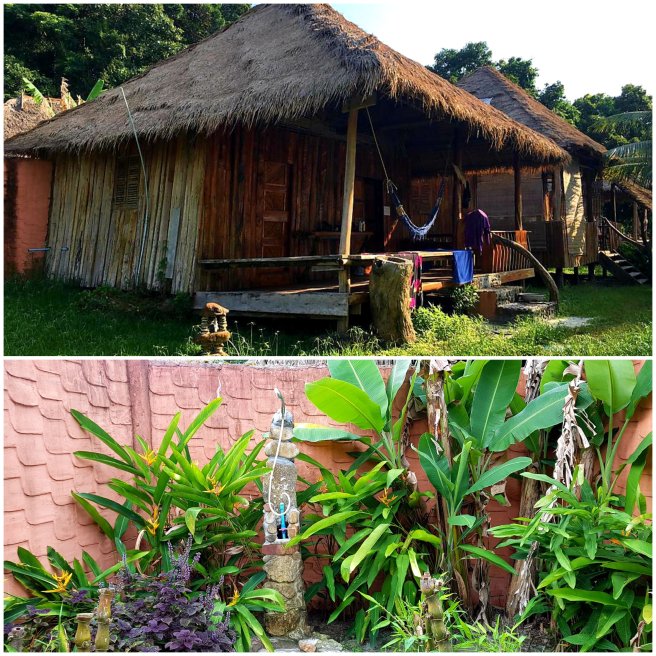
We had a very short tuk tuk ride to the ferry. We got on one ferry that was due to leave at 130pm and were then asked to change to another ferry leaving at 2pm. The ferry trip across to Koh Rong took around 45 minutes. Once we arrived on the island we walked down the beach for around 15 minutes to our accommodation. That was a hard walk through the sand with our heavy bags. But the chalet we are staying in is lovely with a jungle shower.
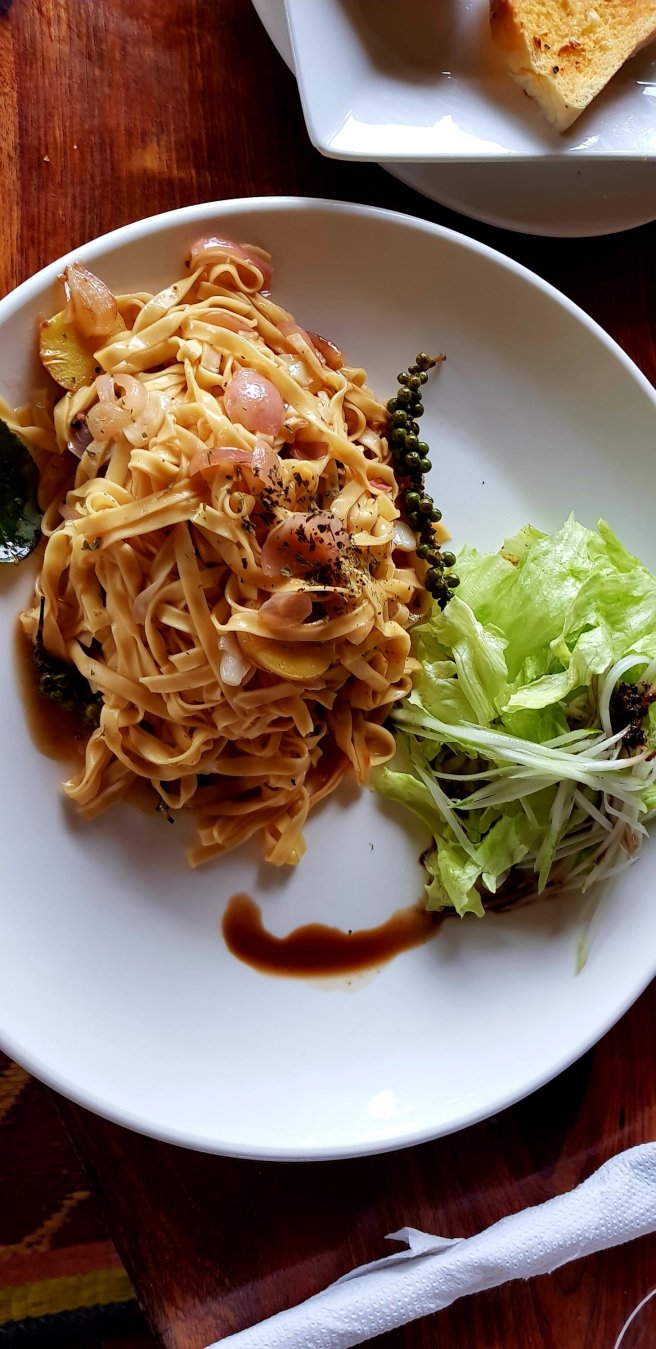
After dumping our bags we went to the restaurant and had lunch. I had some barracuda and noodles which was delicious.
It was a lovely view from the restaurant and we just stayed here most of the evening drinking wine and nibbling on spring rolls.
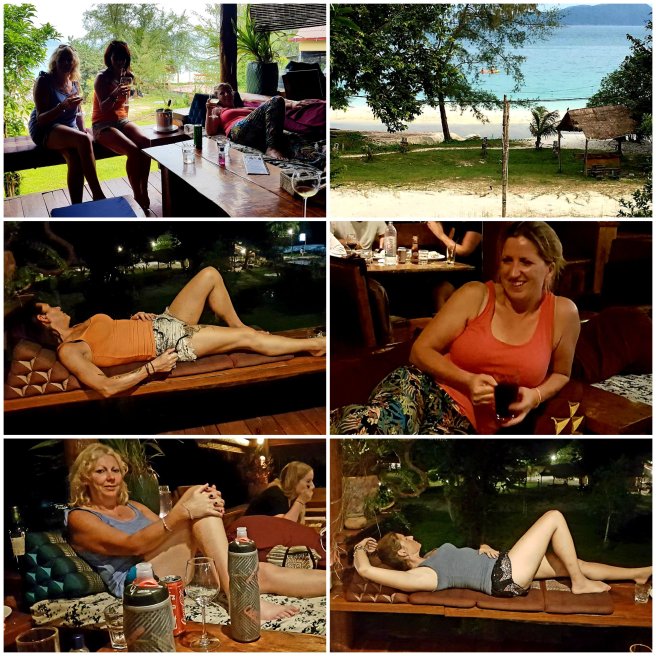
From here we just strolled back to our chalet / bungalow and went to sleep. Well, we tried to but there was a party going on in the chalet behind us so none of us slept that well.
Siem Reap and Angkor Wat
This was our last full day of the trip. We had a bit of a later start with breakfast at 6:45am. Breakfast was more western and I had a really nice omelette.
We started off on our bikes and cycled through the jungle along sandy and muddy paths to the ticket centre for the Angkor Thom complex. We all had to have our photo taken which was then printed onto the ticket, so this took a little while.
From here we cycled to the first temple of the day. It was a narrow path through the jungle and occasionally a vine would grab you was you cycled past. A few of the group had little tumbles, I just about managed to stay on.
The first temple we visited was Ta Prohm which is one of the most well known of the temples. It is overgrown by trees and looks like the temples in the Tomb Raider film.
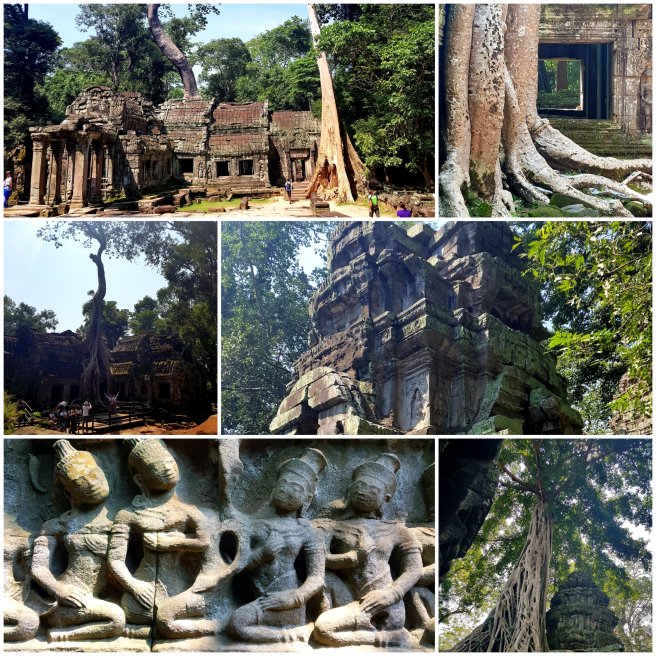
This temple was mainly built in the late 12th and early 13th century and was originally called Rajavihara.
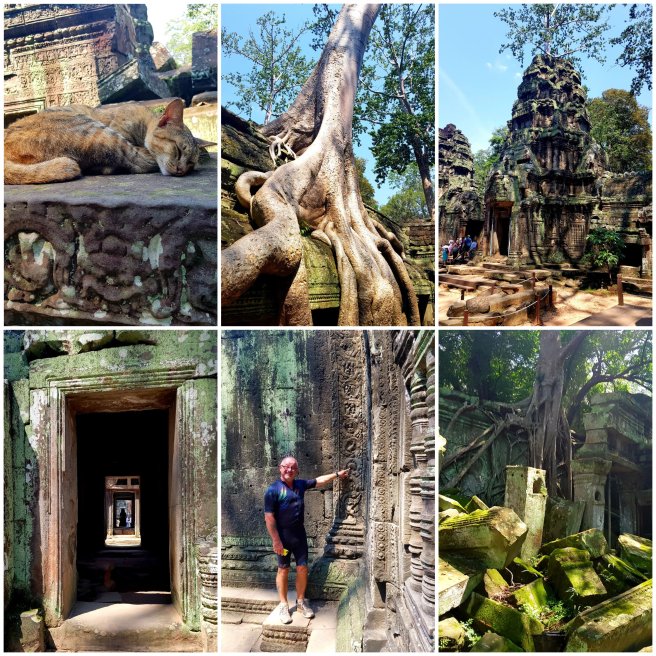
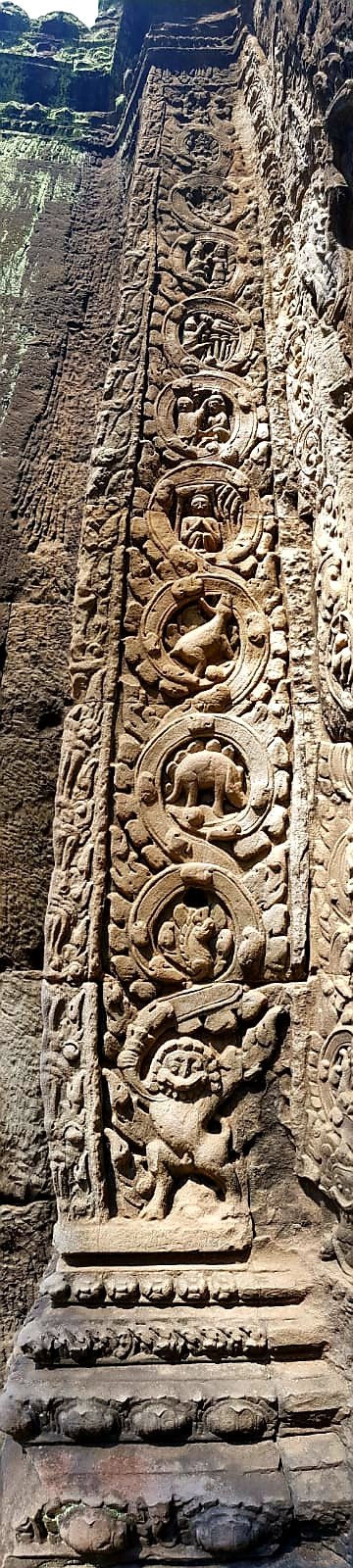
One of the carvings on the wall was of a dinasour. Its the third one up from the bottom.
After a walk around this temple we were back on the bikes for another cycle through the forest to Bayon temple. This was also built in the late 12th and early 13th century and is very highly decorated. It was the official state temple of the Mahayana Buddhist king Jayavarman VII. It is commonly known as the temple of many heads.

Just by the temple there was a large shrine to Buddha. I bought a braclet here which the women tied on and said a prayer as they did this.
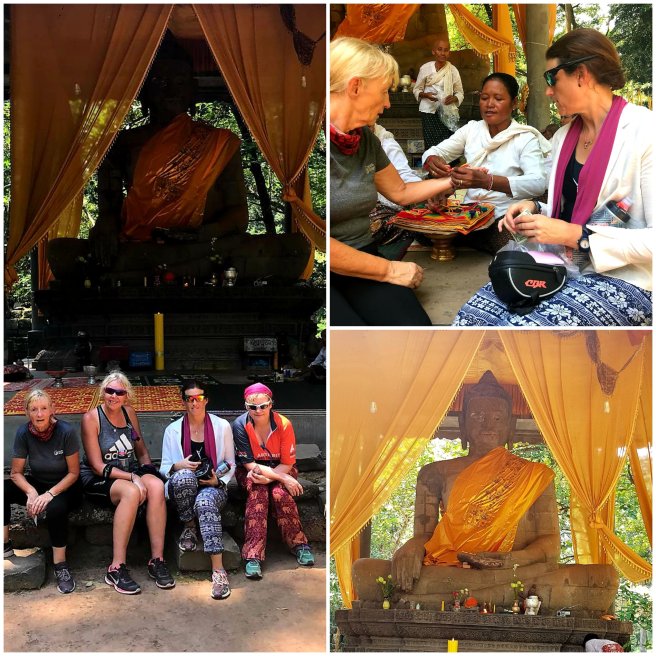
It was then back on the bikes to cycle to Angkor Wat itself. Each time we got to a temple we had to cover our shoulders and knees so had to keep taking clothes on and off.
Once we got to Angkor Wat we took a group photo. It was quite emotional finally reaching our destination.
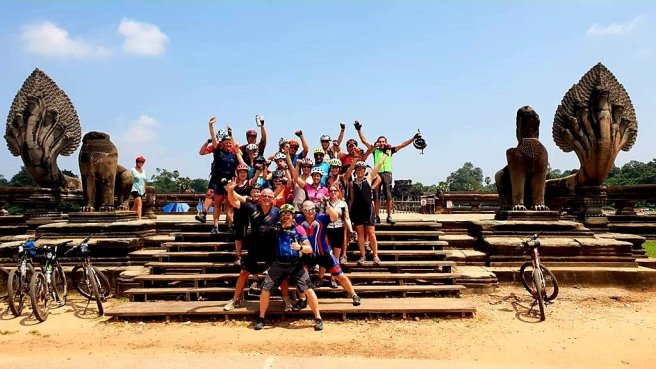
Angkor was the capital city of the Khmer Empire which flourished from the 9th to 15th century. Angkor was a legality which supported around 0.1% of the global population between 1010 and 1220.
This temple is huge and absolutely amazing. The details in the carvings are beautiful. We had about an hour to walk around the temple. We walked up the steep steps to the top so you could get a great view of the surrounding area.
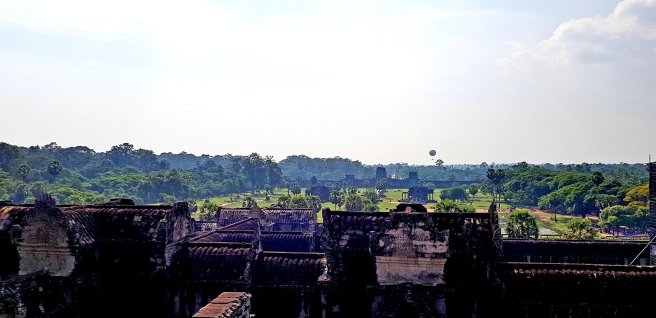


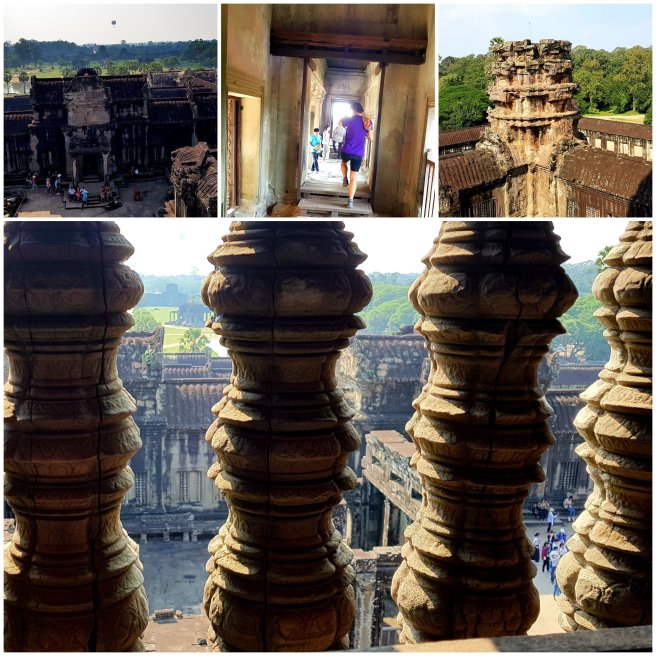
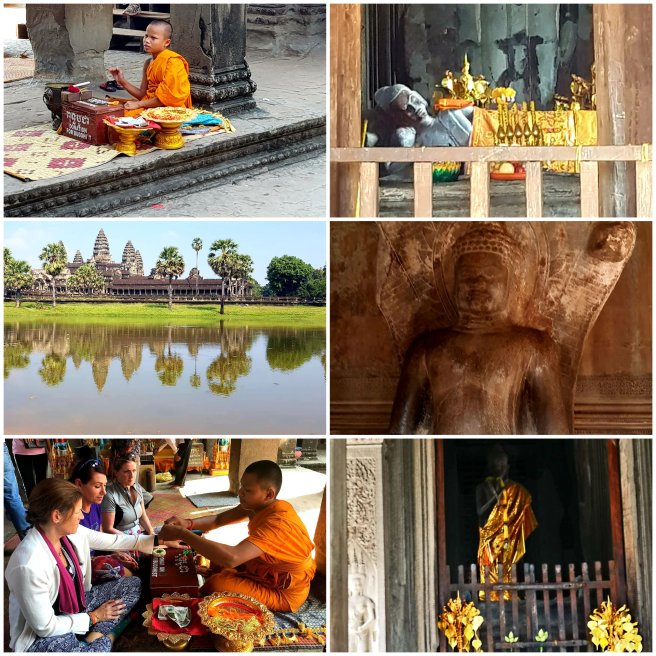
We also had a blessing from one of the monks within the temple to reset our karma.
After the temple trip it was just a short 5km cycle back to the hotel and then say goodbye to our bikes. I felt really emotional arriving back at the hotel. It was hugs all round.


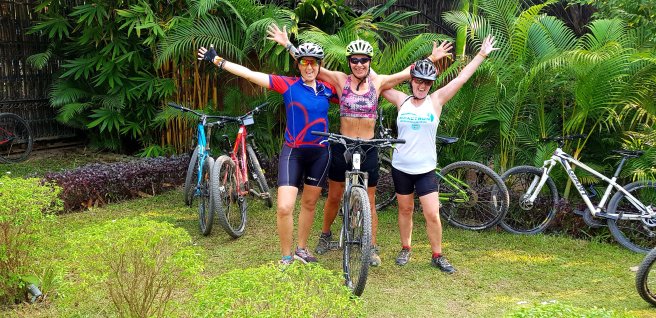
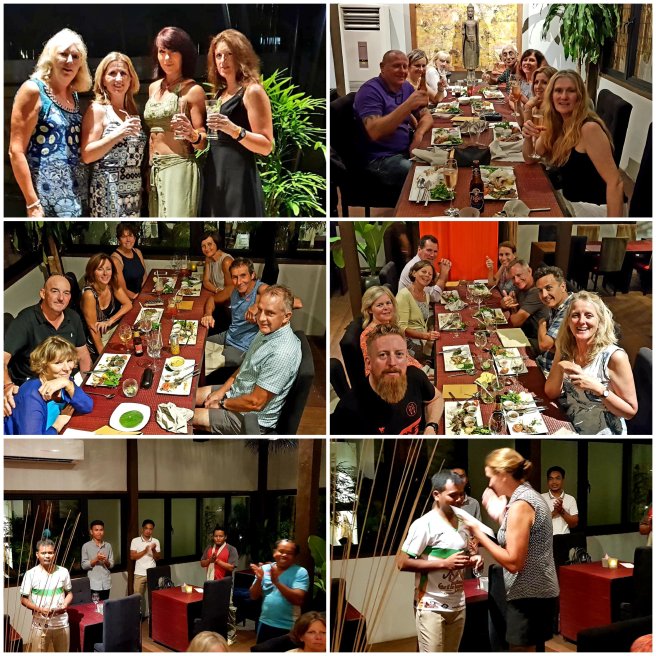
We had a little while at the hotel before we had to get ready for dinner. We had a little swim in the pool and then a quick shower. We went to a local restaurant in town for food, which, like always, was amazing and plentiful. There were a few heartfelt speeches and a round if awards – I won most glamerrous cycling outfits which was a bit of a surprise.
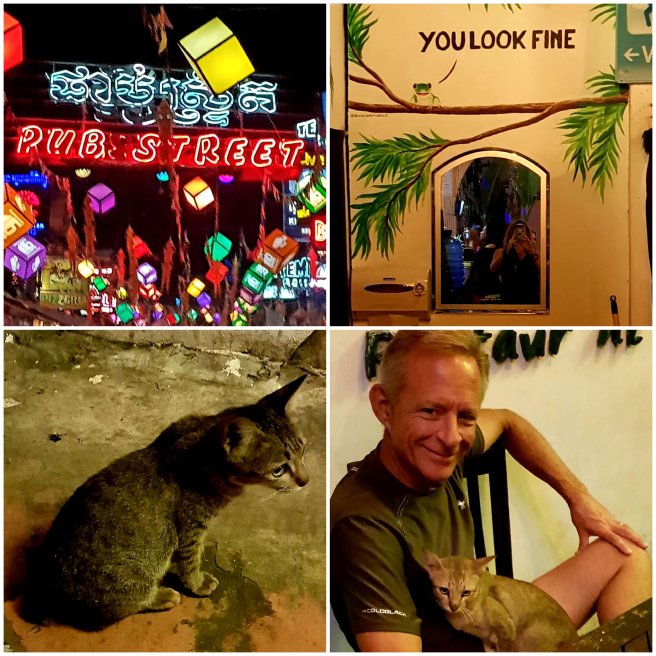
After our celebration meal we headed to pub street for a couple more drinks before heading home. I befriended a little street cat.
Kampong Chhang to Siem Reap
Another early start this morning which wasn’t ideal after a night on the beer. I am so looking forward to a lie in.
We went to have breakfast at the same place we ate last night – it was breakfast Cambodian style and it was delicious.
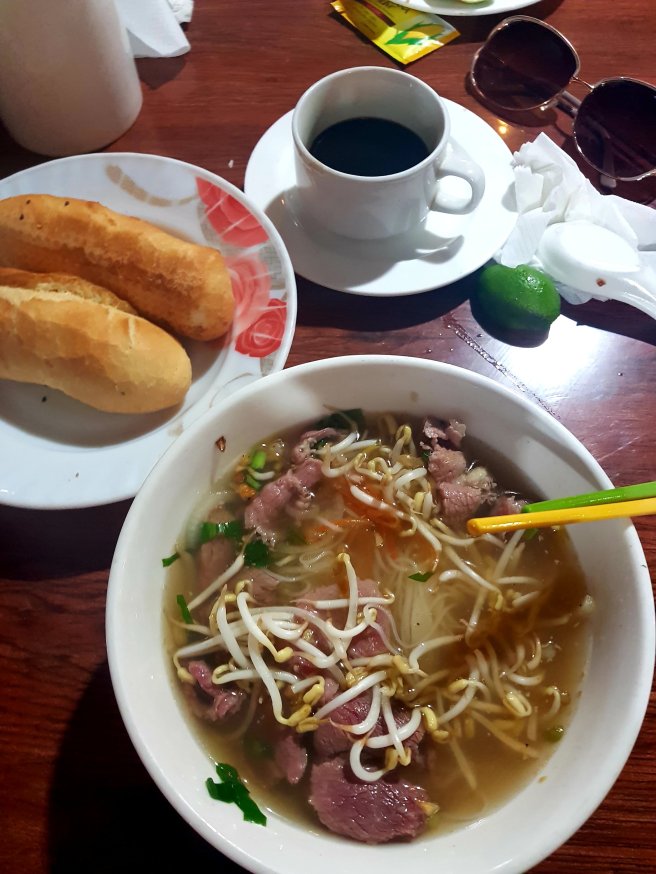
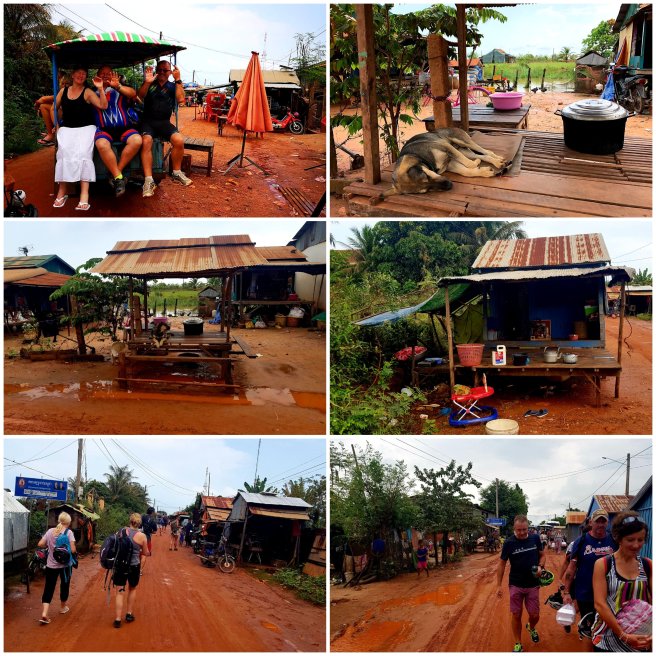
After breakfast we hopped back on the coach for what should have been a 20 minute journey to Tonle Sap but ended up being an hour and a half. This was because plans changed, the water in the lake wasn’t high enough for the boat to come in where we were originally going to get it from. The coach couldn’t actually get down the road to the boat as the road was flooded so we had to walk the last little bit with all the provisions.
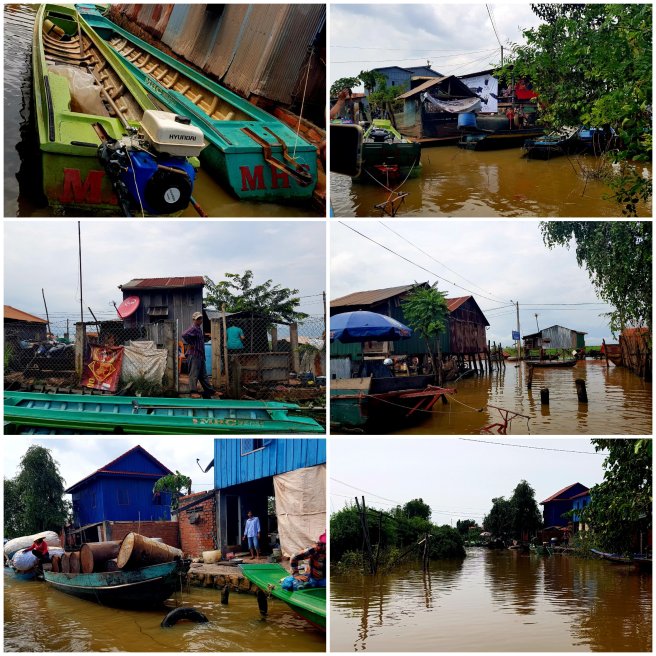
The boat wasn’t quite as expected but we all got on and off we went. Tonle Sap is the largest lake in South East Asia and has UNESCO biosphere status.
These were some of the views as we headed out into the lake.
The journey across the lake took around 5 hours and we weren’t travelling particularly slowly! I managed to sleep a couple of times for around half an hour each time.
Shortly after we started out on the lake we stopped to pick up some ice.
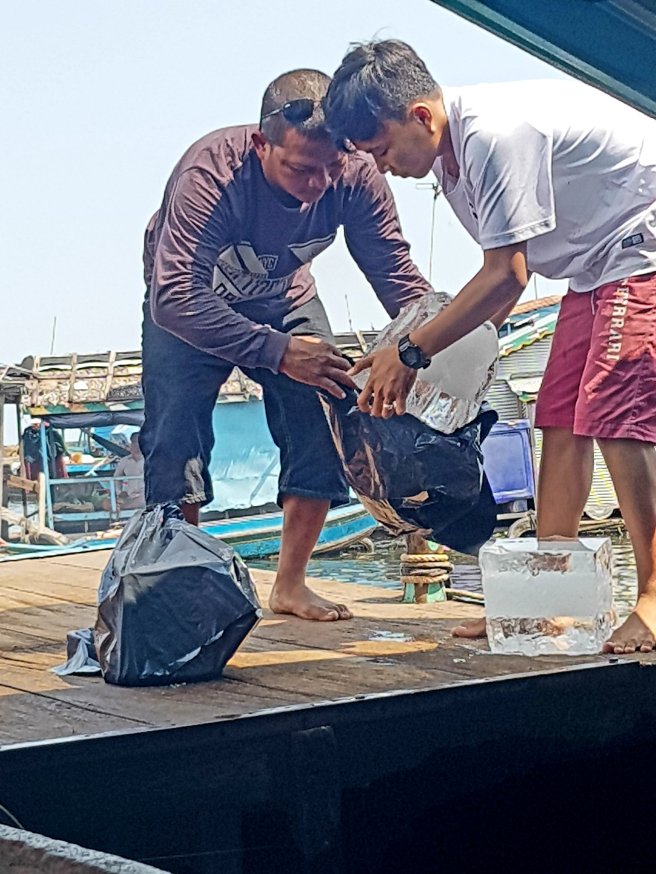
The guys had ordered some beers for the boat trip (around 96) but I couldn’t really face it. About two thirds into the journey the beer ran out – so further supplies miraculously appeared, organised by Heng, our local guide. It was wierd, we were right in the middle of the lake and suddenly a boat pulls up alongside us and offloads some crates of beer. I think between the group we drank 146 beers.
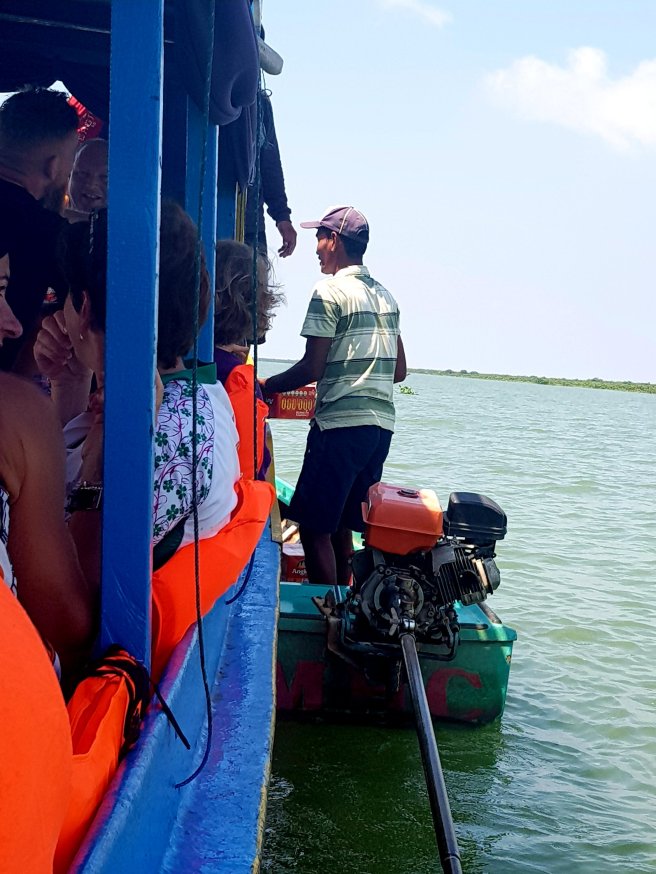
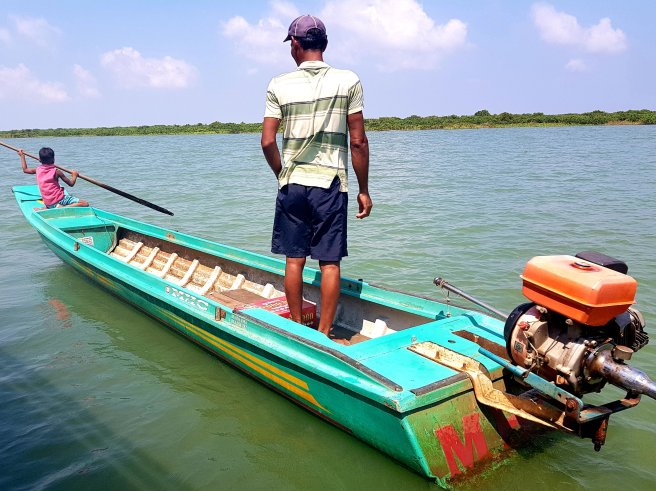
The lake was huge but we all had a good time sailing across it and occasionally you would pass other boats or small bunches of houses.
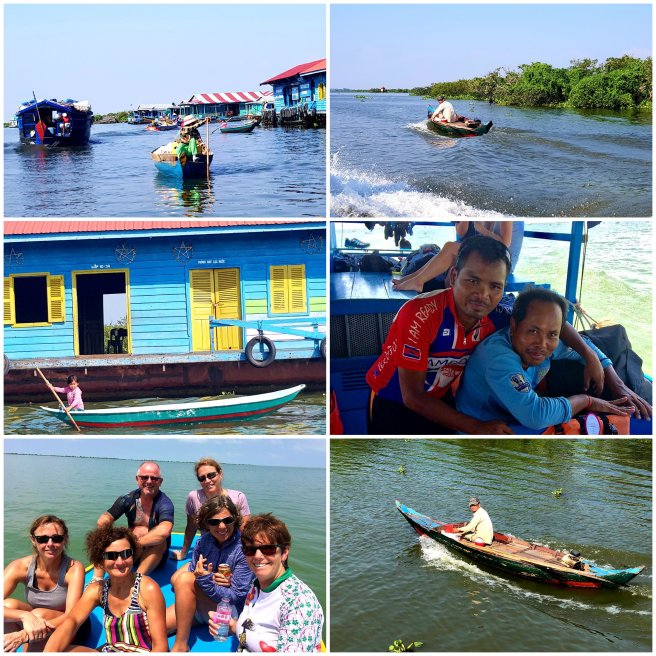
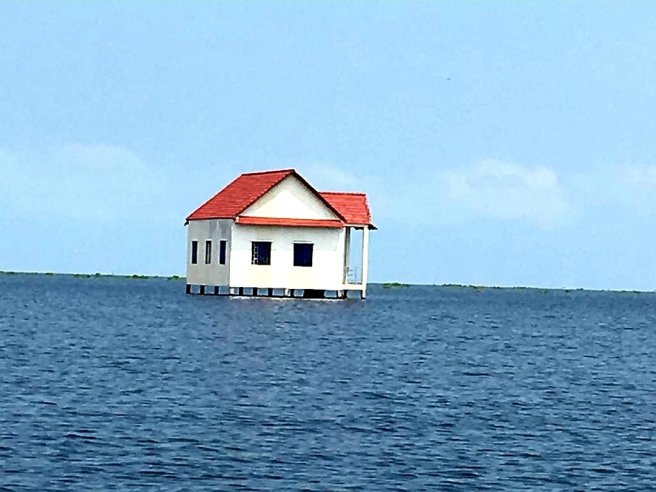
We were due to dock at Kampong Khlaeng but as the route had changed we docked at Kampong Dhong instead.
When we got out of the boat it was a little walk to pick up the bikes, in the heat though it felt really long. Some of the group managed to get a lift in a truck.
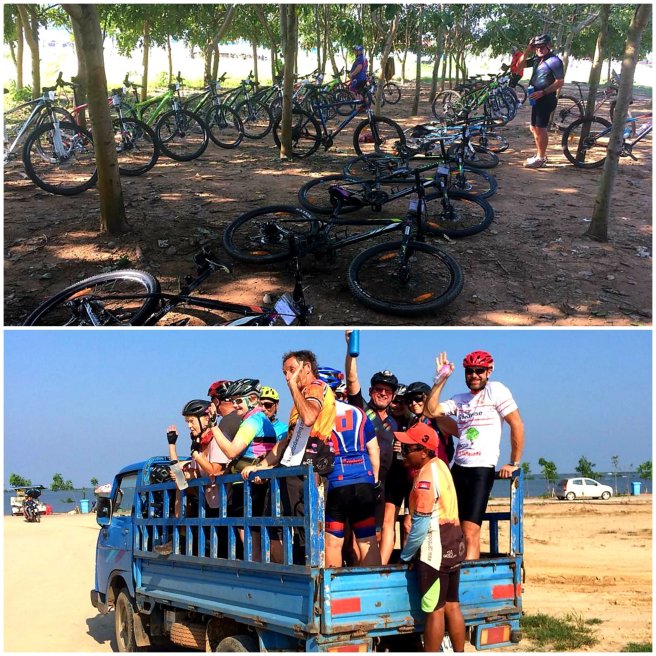
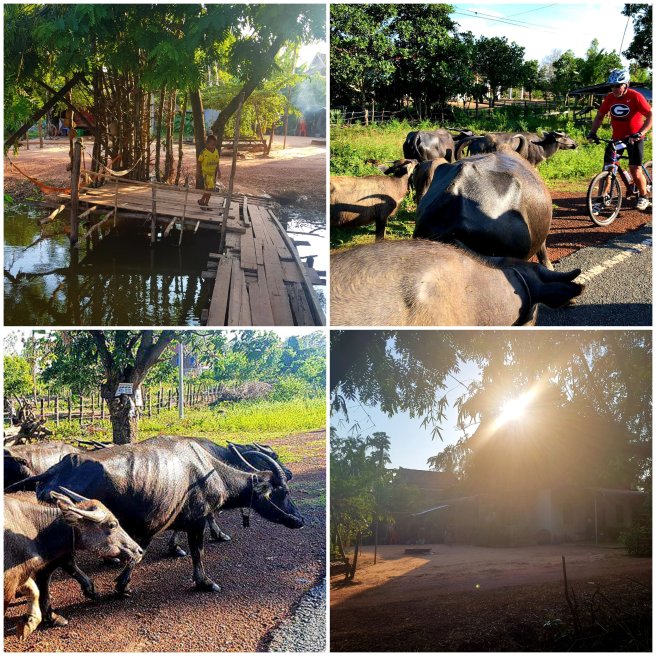
We cycled then from the lake to Siem Reap- only around 30km. For a lot of the group it felt longer as beer consumption had been quite high. As we cycled down the roads we had to avoid cows, water buffalo, chickens, digs, people, mopeds and other cyclists!
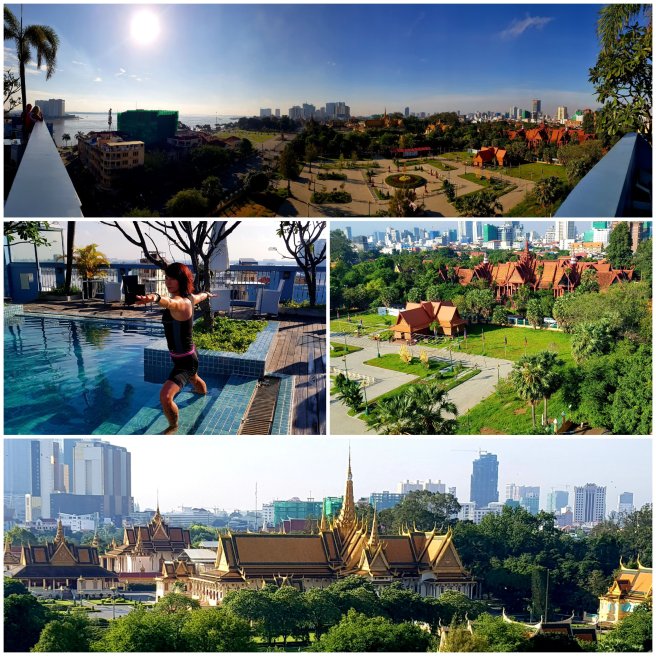
The hotel in Siem Reap was really nice again. This time we had 3 people to a room so Sherrien joined Ali and I.

We had time to have a shower and get changed before we headed downstairs for dinner. Dinner was more delicious Cambodian food, although the pudding was a little strange.
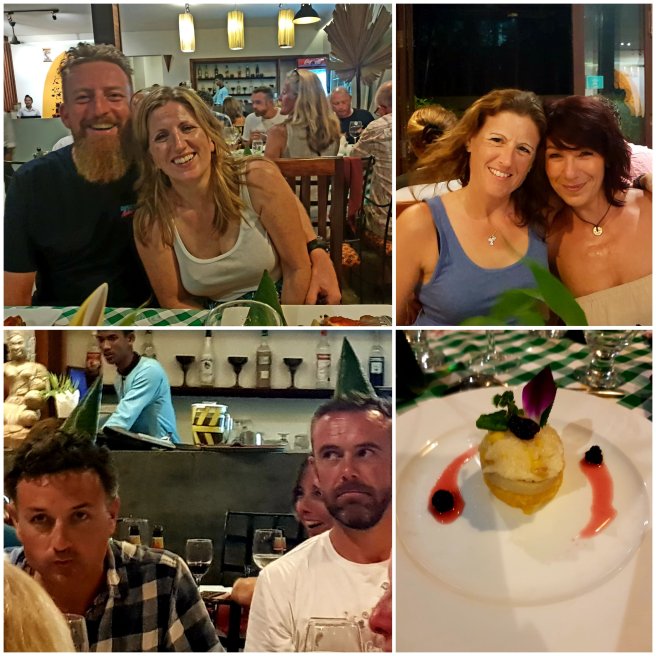
Most of us had an earlyish night but Adam and Jeremy decided to go out and hit the town, something they probably regretted the next morning!
Phnom Penh to Kampong Chhang
After another early breakfast, served on the rooftop of the hotel, we set off by bus to Tuol Sleung, otherwise known as S21.
This used to be a school but during the Pol Pot regime it became an interrogation camp. Prisoners were bought to the camp, measured and photographed before being put in a cell. As you were being photographed the interrogation would start and there was a drill at the back of the chair that moved towards your head, so as it came closer you would answer the questions.
If you were an important person, a person of power, you would be placed in block A. Prisoners would be chained to the metal bed and interrogated and tortured for around 10 hours every day; 4 hours in the morning, 4 in the afternoon and 2 in the evening. The Khmer Rouge soldiers used various methods of torture. You could be electrocuted, lashed and then salt rubbed into the wounds, have your fingernails pulled out with pliers and alcohol poured over the wounds or waterboarding. If at any point you lost consciousness, water would be poured over you to wake you up. The prisoners would be tortured for 6-7 months before being sent off to be killed at the killing fields
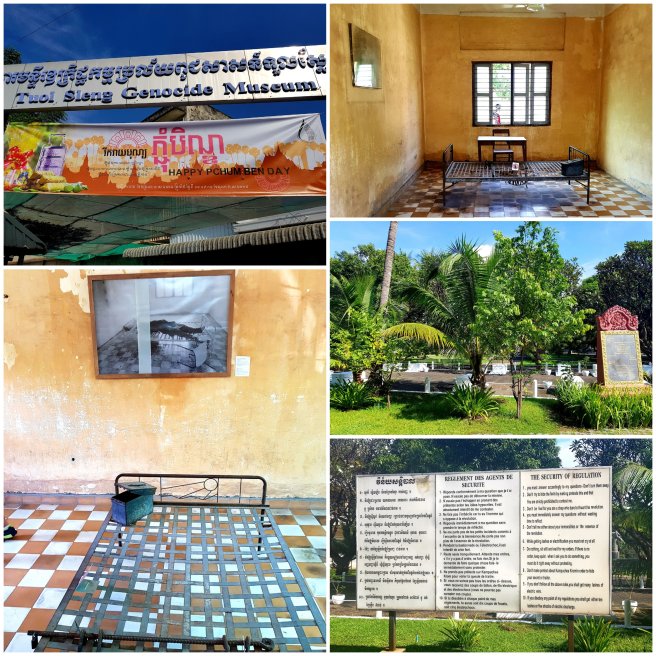
The photos on the walls are pictures of the bodies that were found in the cells when the interrogation camp was liberated in 1979.
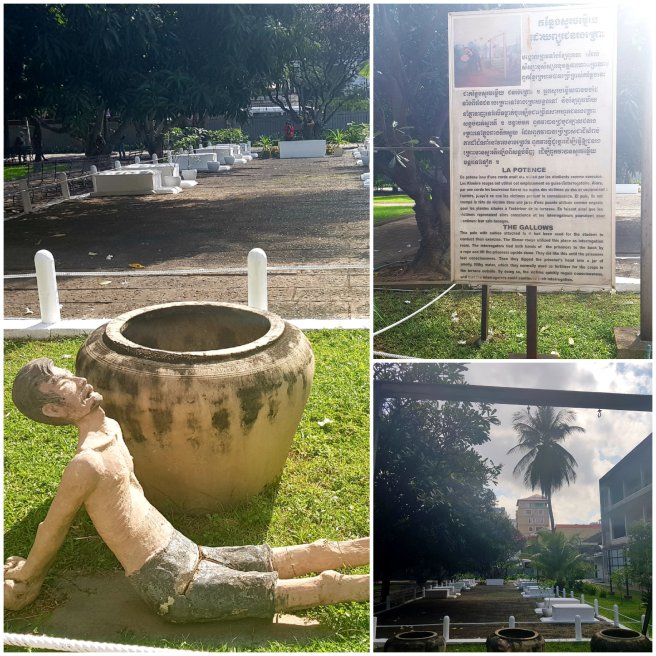
One method of torture was to tie the prisoners hands behind their back, pull them up with a rope over wooden gallows and then dunk them head first in barrels of water and other substances.
We then moved onto block B which had photos of the soilders and the prisoners and some other pictures of the conditions at the time.
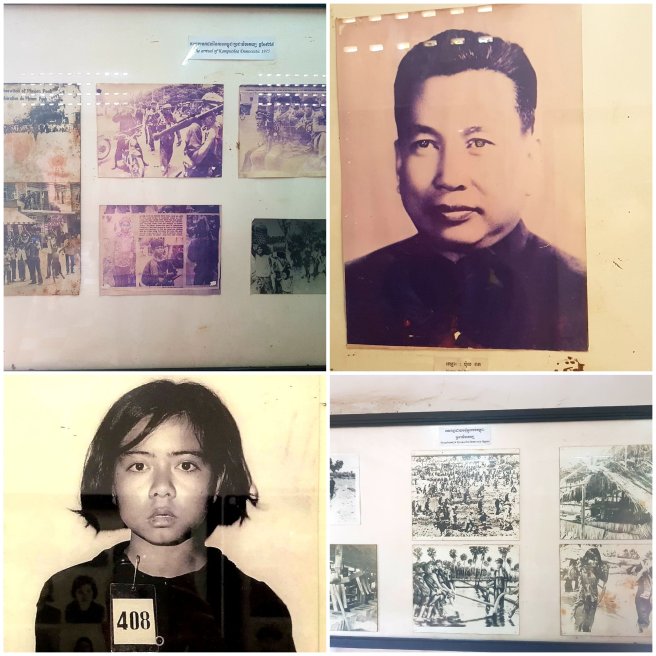
When the Khmer Rouge soldiers (Kampuchea Democratic) first came back into Cambodia from the jungle the people welcomed them as they thought they were the king’s soldiers. But things didn’t turn out the way they expected and Pol Pot started the red revolution, arrested intellectuals and people of power, tortured and killed them. Other people were forced to work in the fields as farmers.
We then moved to block C which was for ordinary people and Dharim told us it was mainly students who were kept here. These single cells had no doors but prisoners were chained by their ankles so couldn’t move and they were not allowed to talk to each other. Like other prisoners they were also tortured daily to get information about other members of their family who would then be captured and killed.
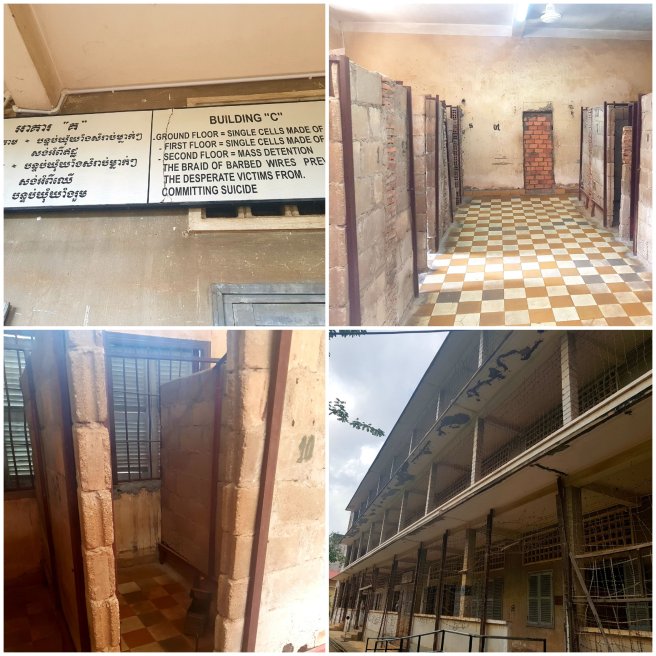
As you walked past the cells you could still see patches of blood on the floor.
We asked what happened to the children. Apparently any babies would be thrown up in the air and soldiers would catch them on their bayonets. Children would be taken to the killing fields and killed. The children were blinfmdfolded and put in a truck and some of the skills on display still have the blindfold on them.
The last section had some stories of survivors. At any one time the prison held 300- 600 prisoners and over the 3 – 4 years around 200,000 people passed through the doors. Of these 7 adults and 4 children survived.

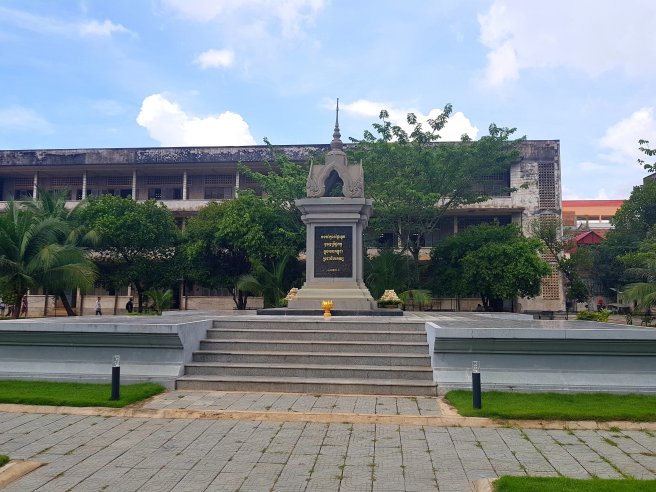
You just can’t imagine this happening, bit it’s still going on in the world today.
Pol Pot was in power until 7 January 1979 when Cambodia was ‘liberated’. Basically the Khmer Rouge split into two factions, one who stayed with Pol Pot and one who went to Vietnam and joined up with the Viet Com. It was the Vietnamese who invaded Cambodia in 1979 and took over control. They continued to occupy Cambodia until 1989. Pol Pot fled to the jungle by the Thai / Cambodia border and set up a guerrilla group that continued fighting until he died in 1988. The current government, the Cambodia People Party are still the Khmer Rouge regime, but the faction that went to Vietnam. However, they don’t want to bring their fellow party colleagues to justice for the war crimes they committed which is why many of them continue to live freely in the country.
It was an emotional morning.
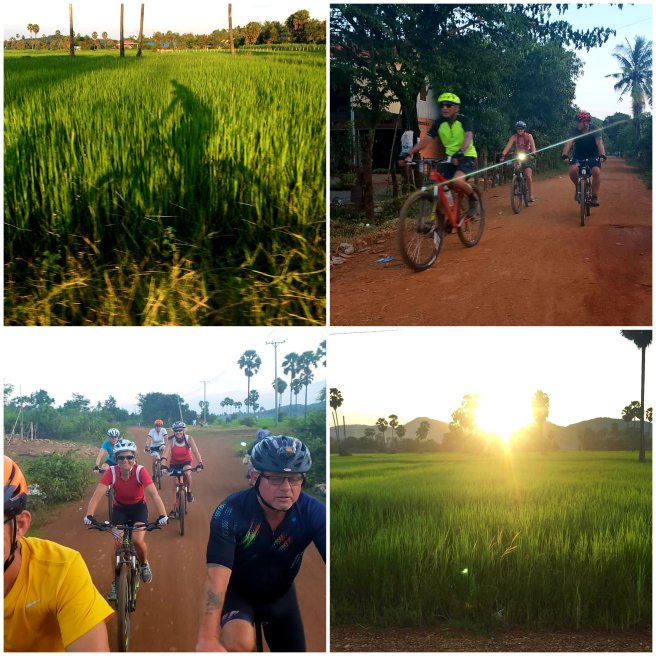
After the prison we got back on the bus for a short distance and then picked up our bikes. The cycle ride was lovely, over gravel, tarmac and clay roads.
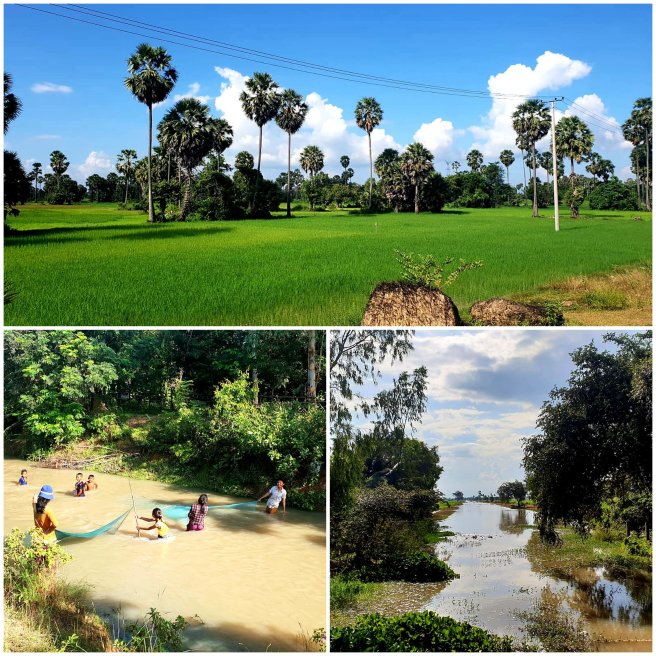
I am really liking Cambodia, it seems somehow nicer than Vietnam.
For lunch we stopped and ate at a temple, it was really calm and peaceful. We had a delicious packed lunch and we chatted to the children as a couple of them could speak quite good English.

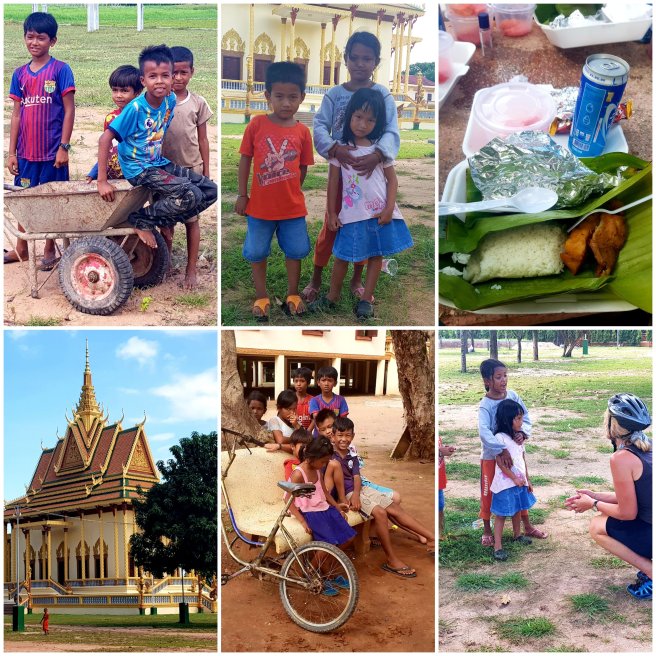
After lunch we continued cycling along similar terrain to Kampong Chhang. It was a really good cycle ride and didn’t seem like 75km.
The last couple of km in the town were a bit hairy, especially as my bike lights had lost their charge.
The hotel was perhaps not as good as the others we stayed in. Ali and I found some bed bugs so we were given a new room.
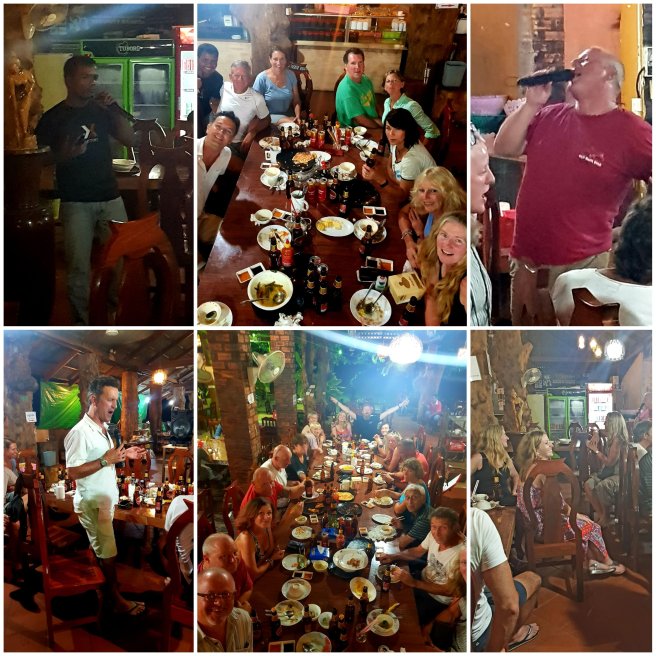
In the evening we went to a local restaurant and ended up singing karaoke and dancing until around 11pm. We then continued the party, initially in the hotel lobby but then outside in front of the hotel. The beer certainly was flowing tonight. We also tried some local wine / spirit type mix which tasted a bit like Jagermeister / cough mixture.
Jeremy we found out is an amazing singer and made up a song about the trip on the spot! Jim and our guide Heng, also sung a song and then we just all sang along to whatever was playing.
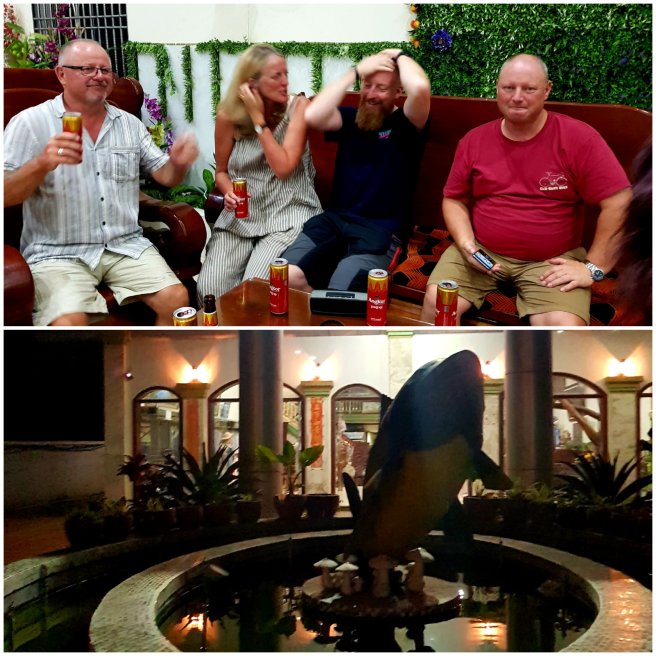
I think we went to bed around 1230am which wasn’t good as we needed to be up by 5:454am.
Chau Doc to Phnom Penh
After another early breakfast we headed to the Vietnam / Cambodia border by bus. The guides had taken all our passports there earlier that morning and got them all stamped. It still took a while though as we each had to fill in an immigration form and have our fingerprints and iris’ scanned.
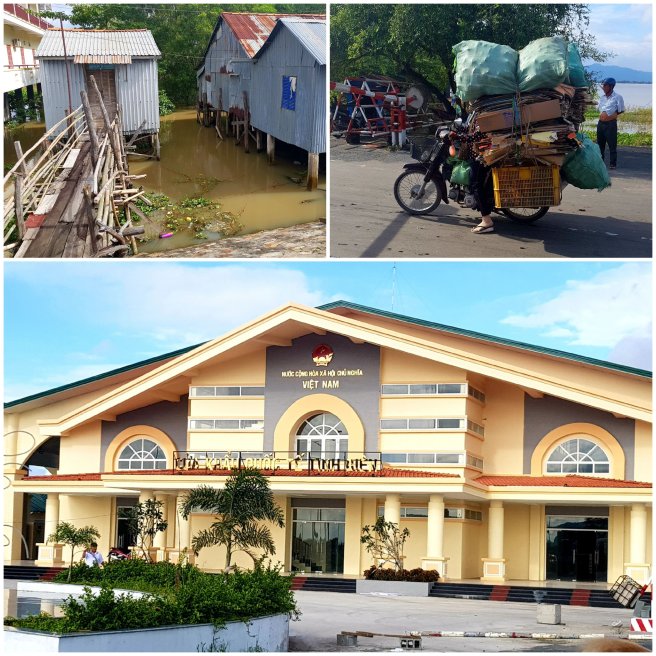
Straight after the border we picked up our new bikes and spent a bit of time sorting them out.
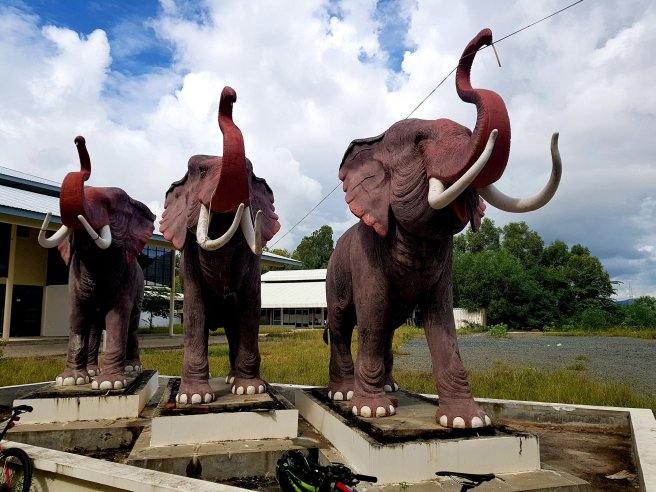
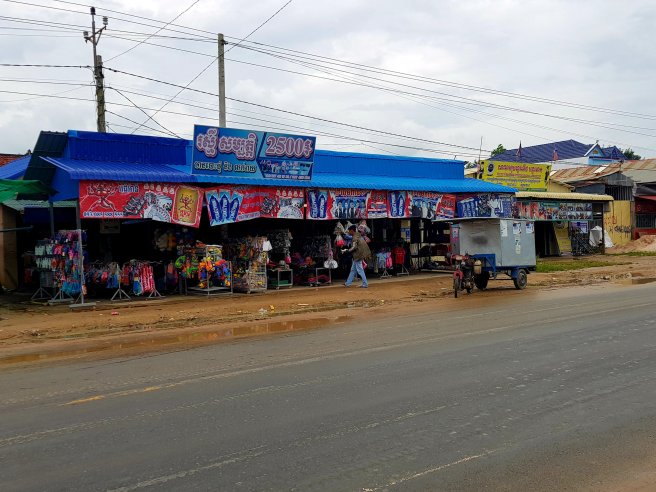
The ride to lunch was 50km and it was all along a proper road which actually made it a little bit boring. I think we were all really tired too so not feeling that energetic.
As we passed through the small towns by the side of the road the kids still came running out to shout hello and wave. Some of the waving progressed to high fives- and a couple of the kids were slapping your hands really hard. I think I’m going to stick to waving from now on as my hand was stinging!
Lunch was delicious with more of a Thai influence, and we also had a beer.
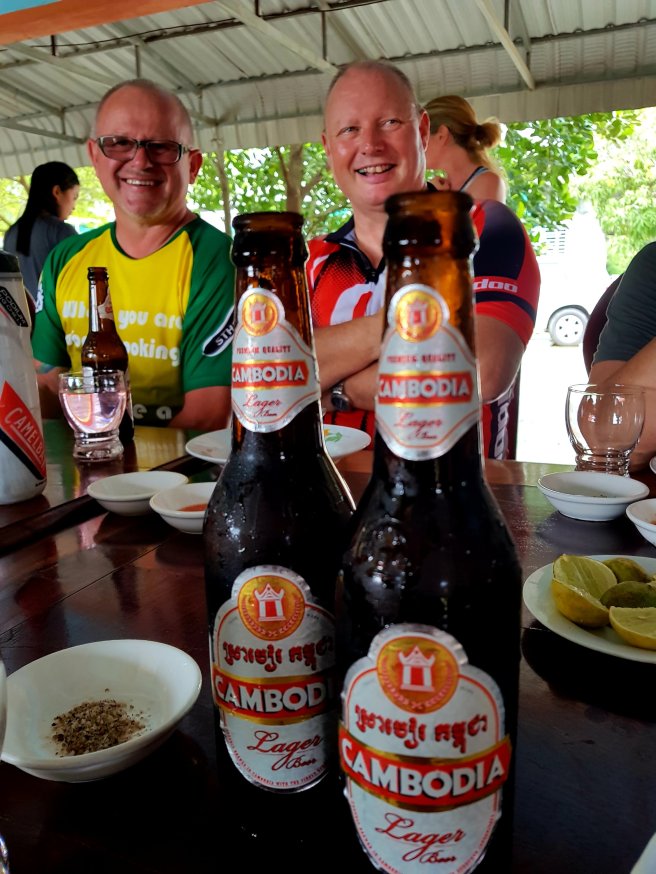
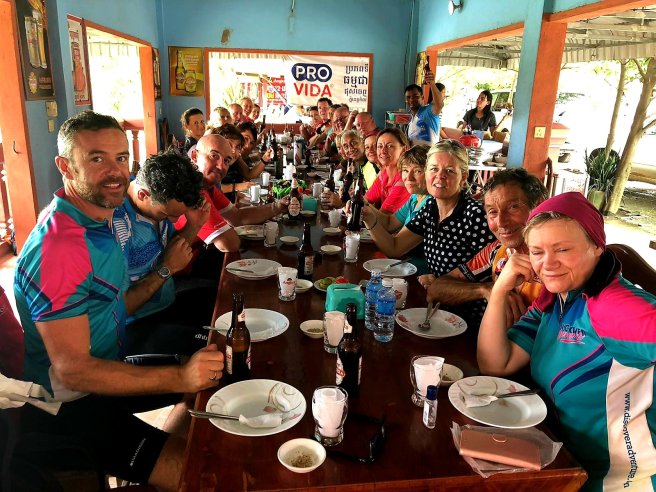
After lunch there was no more cycling and we got the bus to the killing fields. There we met our guide, Dharim, who told us a harrowing story about his family which I’ll get to a bit later.
The killing fields we visited were just one of many across Cambodia, I think they said there were 194,000 of them around the country and over the Khmer Rouge time around 3 million Cambodian people were killed in them – and that was from 1975 to 1979.
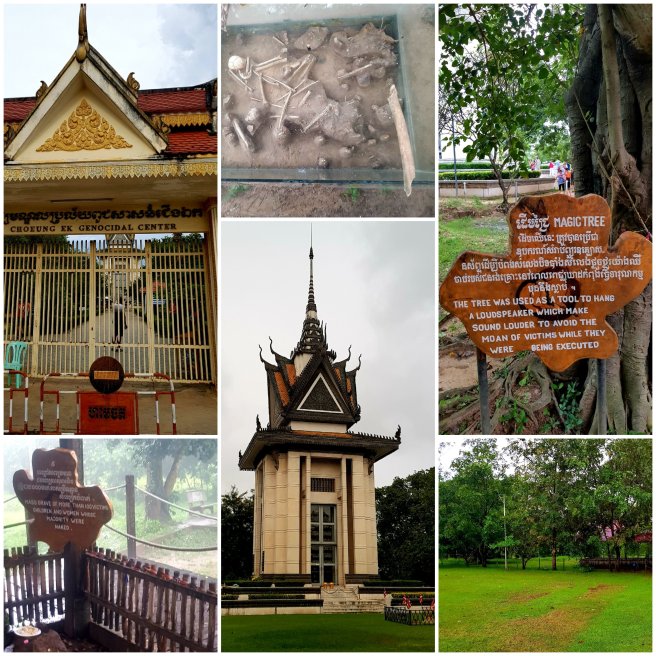
Dharim told us a bit of the history. The Cambodian king at the time tried to keep the country neutral and he visited both America and China. He was treated better in China so started to align with them and with communism. There ended up being a north/south split in the country with the USA governing the south and the king still governing the north although he was living in Russia at the time. The king called out to the people of Cambodia, asking them to leave their homes and go into the jungle. Here they became Khmer Rouge soldiers. As many of the people still loved their king they fled to the jungle, despite the Americans telling them it was not a good idea. The problem was though that the king by now was a prisoner of the communists and they put their leader, Pol Pot in charge. Over a period of time, after the Vietnam war, Pol Pot decided to start a revolution based on what had happened in China previously. The chinese tried to dissuafe hom from.dpung this but he didn’t listen. He took over Phnom Penh and basically killed all the intellectuals as he wanted everyone to work the land and be farmers and not question the regime. Families were separated, intellectuals were sent to prison, tortured and then killed.
At the killing fields they killed people in various ways, using bayonets, bashing the backs of their heads with an axe or pulling their heads back and slitting their throats. They used to play music so the people working and living nearby didn’t hear the screams of the people being killed. The bodies were then thrown into mass graves, around 300 – 600 per grave. As in the Vietnamese killing fields some of the bones and skulls have been put in the memorial.
Dharim lived through this and 5 of his close family were killed by the Khmer Rouge. He has met the man who killed his mother. He told us she was raped repeatedly, her flesh cut with a knife before she was given an injection to kill her. She was buried in one of the mass graves. 3 of his siblings were also killed as was his father- only he and his sister survived.
He was forced to work on the land where people were not given breakfast and lunch and dinner was basically rice porridge, made with water, and with very little rice actually in it. You were forced to work from sunrise to sunset and if you became ill there was no medical help so you were left to die. So starvation and sickness killed many people too.
Dharim told us that when he was still a child, around 9 years old, he was riding a cart with oxen to take the corn back from the field and in the field he saw Khmer Rouge soldiers raping some girls, then cutting them open and taking the livers from the bodies. They would later cook and eat the livers. This apparently made their eyes red so these were the soldiers to avoid.
If one member of the family was caught, they were tortured to get the details of the rest of the family members, who were then also captured and killed.
It was really hard to listen to all of this, especially from someone who had experienced it first hand.
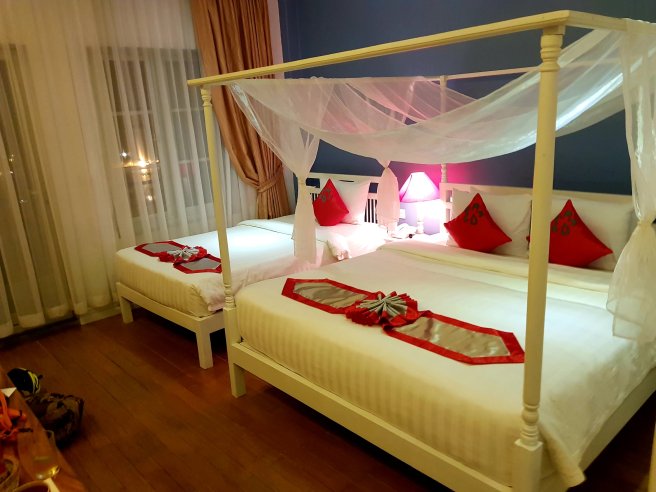
After this we went to the hotel via bus and this hotel was really lovely.
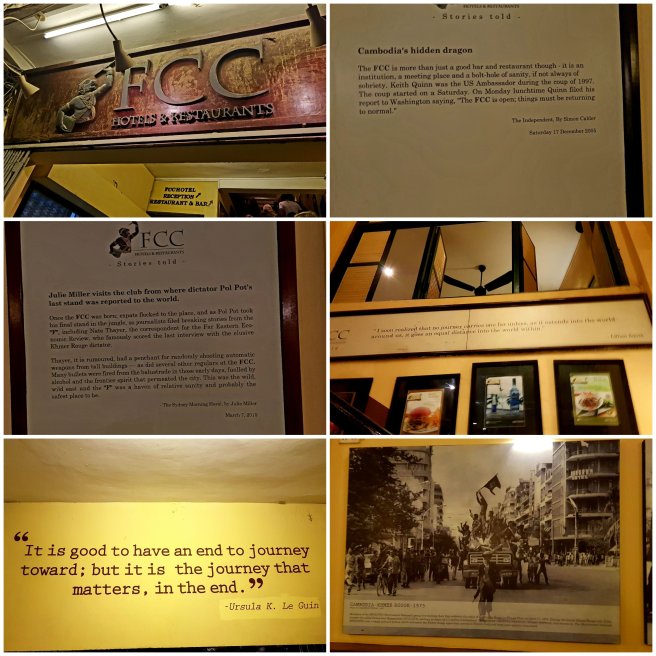
In the evening we went to the Foreign Correspondence Club (FCC) and this has a lot of photos on the wall taken from the killing fields and the prisons once they had been uncovered by the journalist.
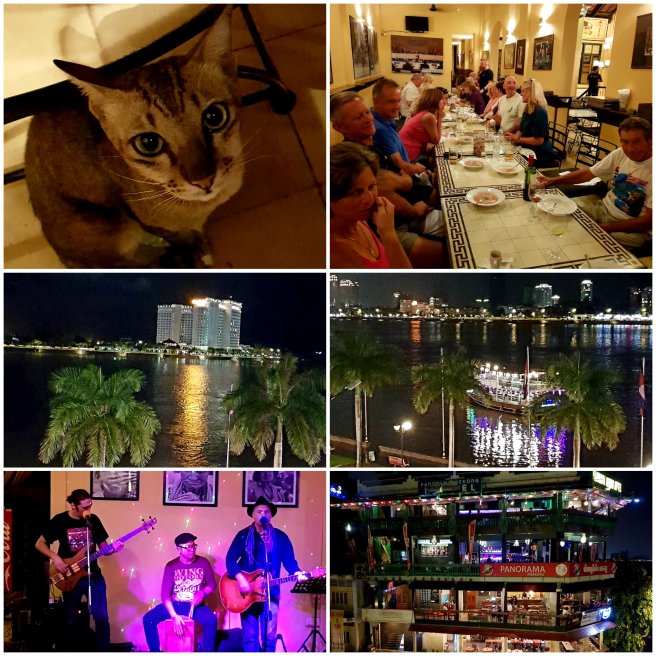
The food was probably the best to date. A little cat came and joined us and I couldn’t resist feeding him some bits and pieces. After dinner we went up to the rooftop bar where there was a band playing. The views were lovely too.
It was then back to the hotel for a good night’s sleep.
 Fun, Fitness and Fabulousness in your Fifties