After our wine tasting, we decided to explore the ‘old town’ or Zona Velha, as it’s known.
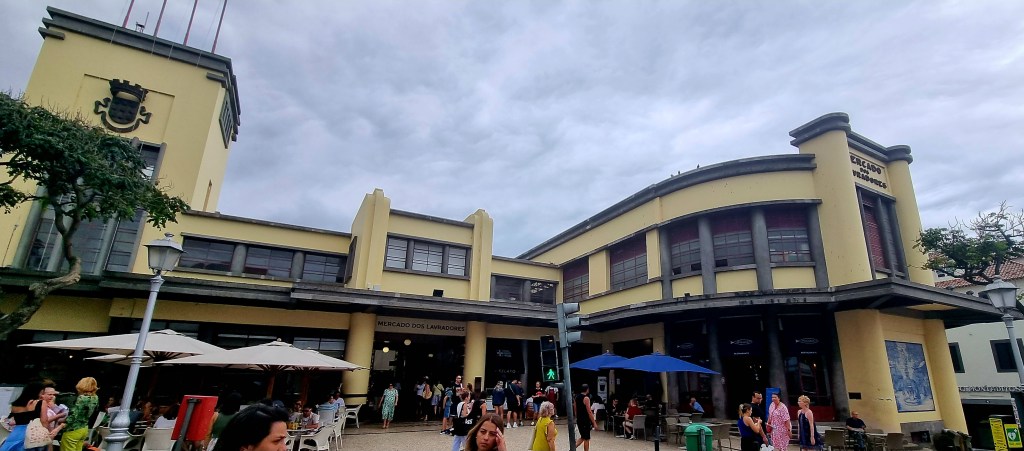
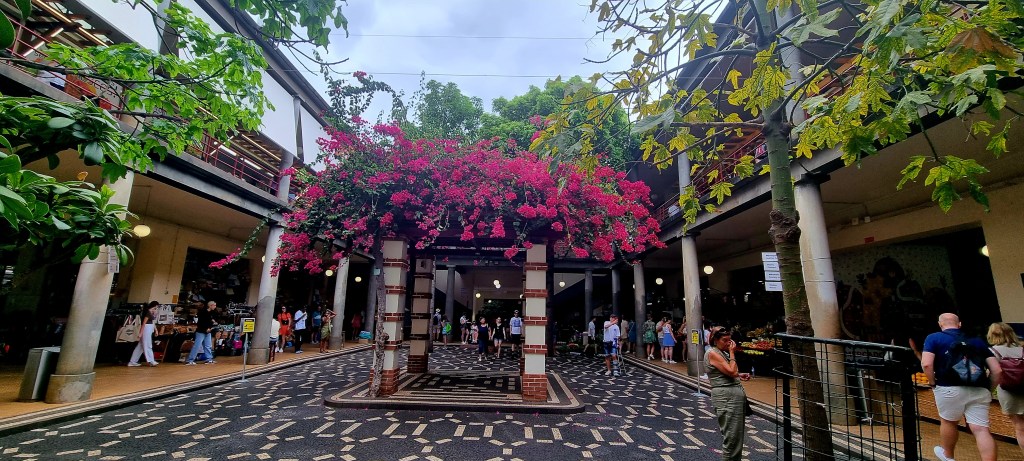
We started at the Mercado dos Lavradores. This art deco hall was originally designed in 1937, and its colours blend in with the traditional Maderian architecture.
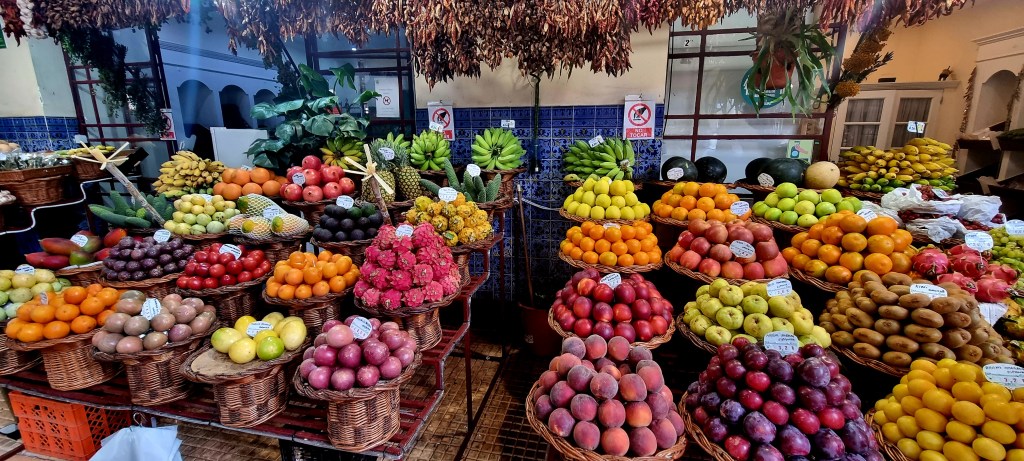
We were amazed at the number of different types of passion fruit, and we tried a few different ones, including lemon and pineapple. And we bought some too!
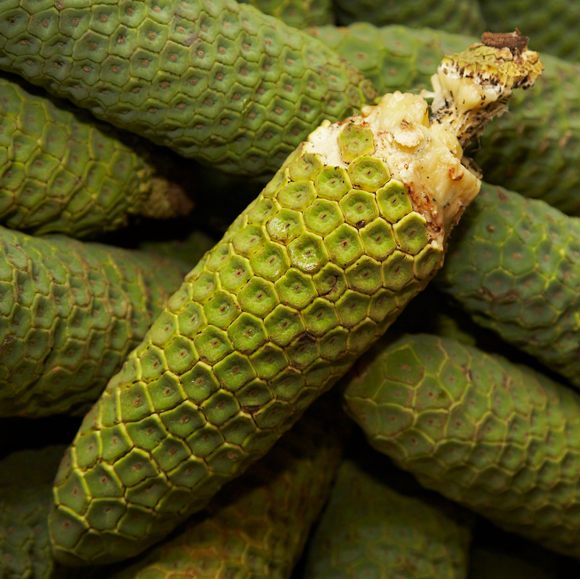
We also tried and bought something known as delicious fruit, which tastes like a mixture of banana, pineapple and anona. It’s really tasty when ripe but can be toxic when it’s still green.
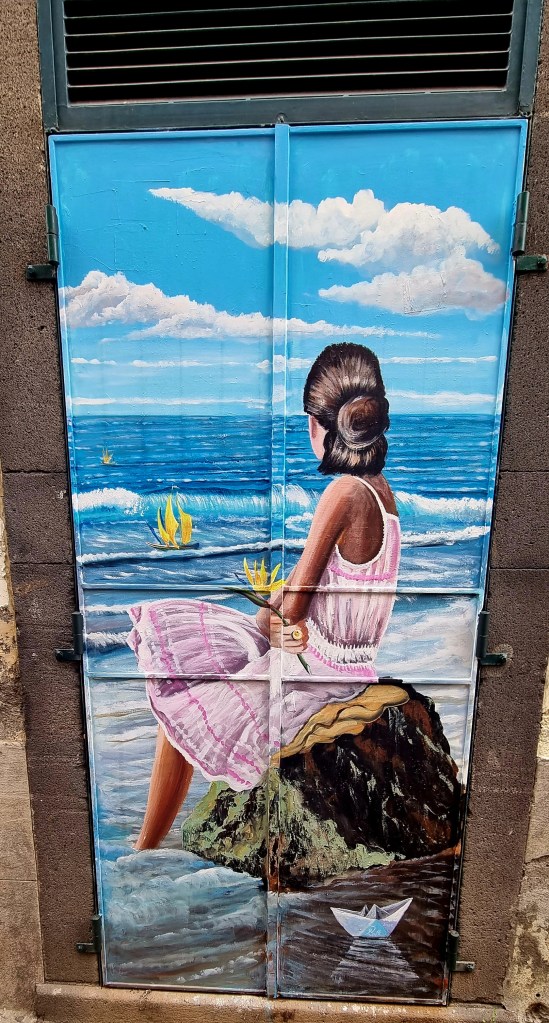
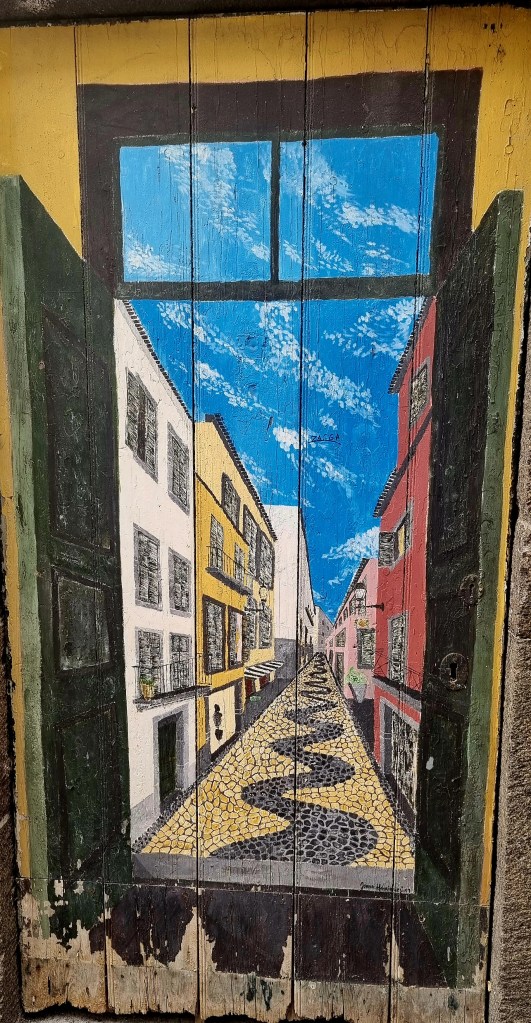
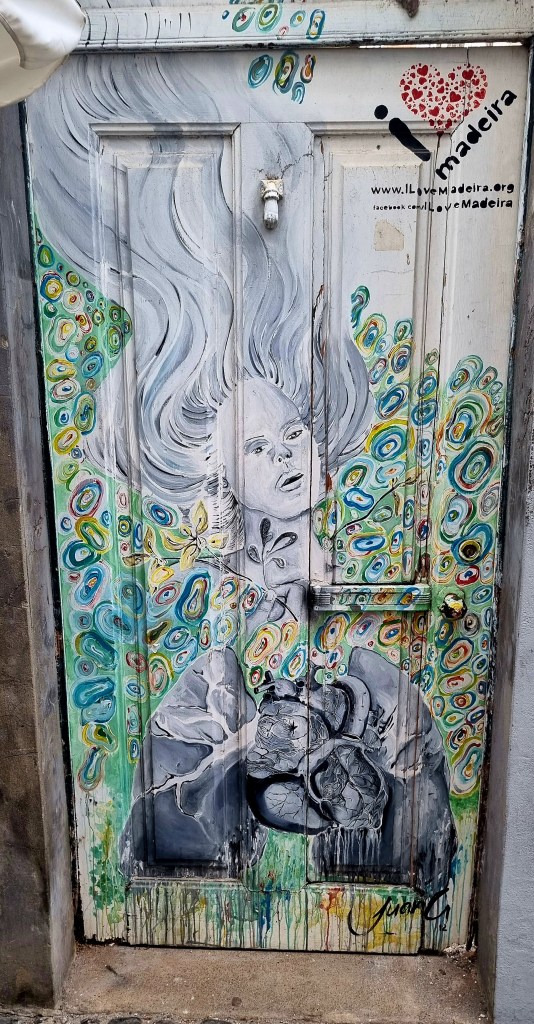
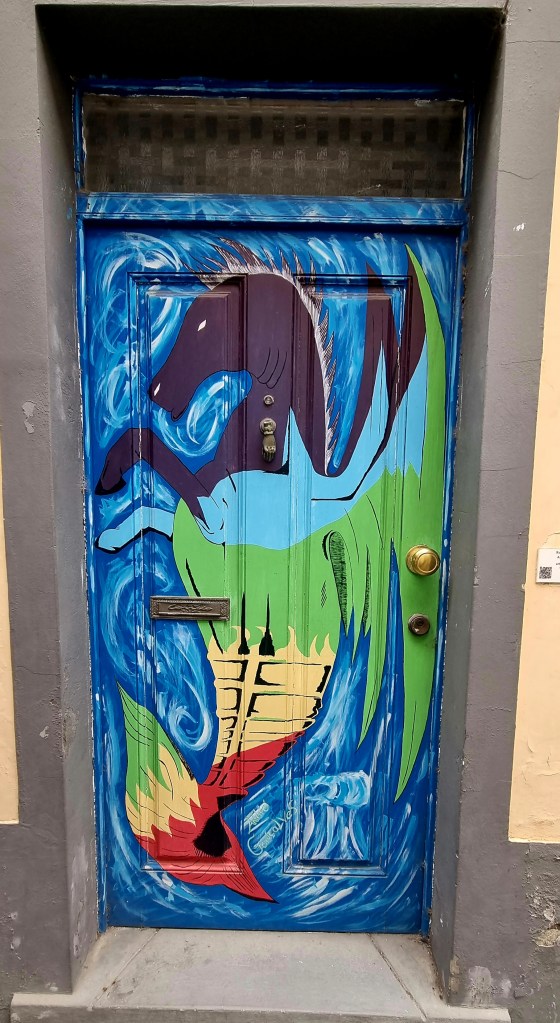
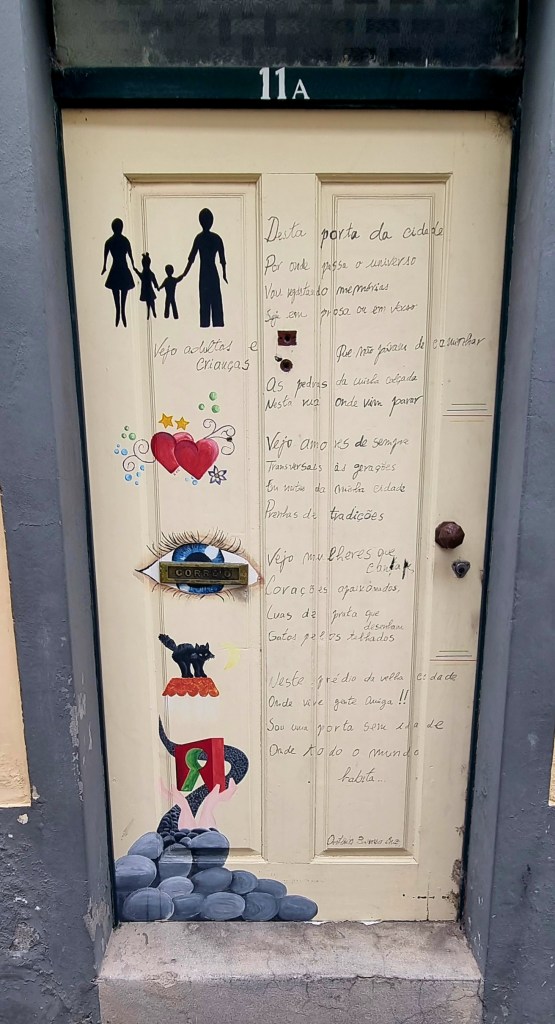
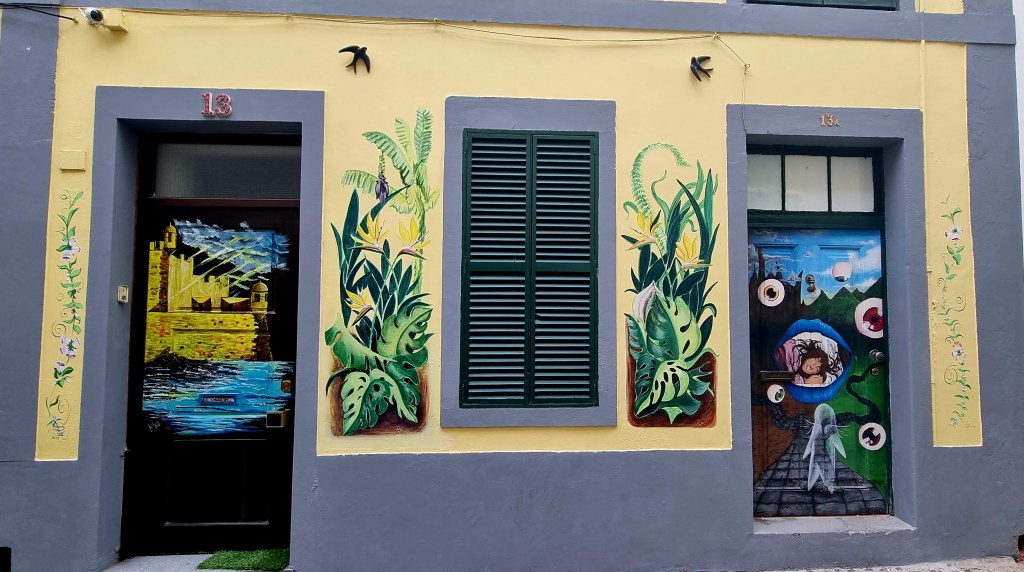
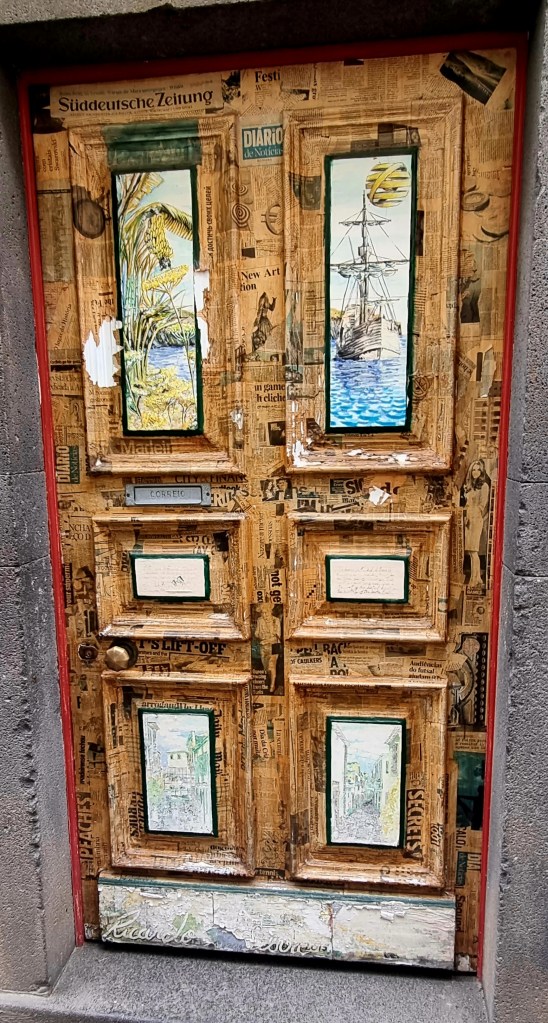
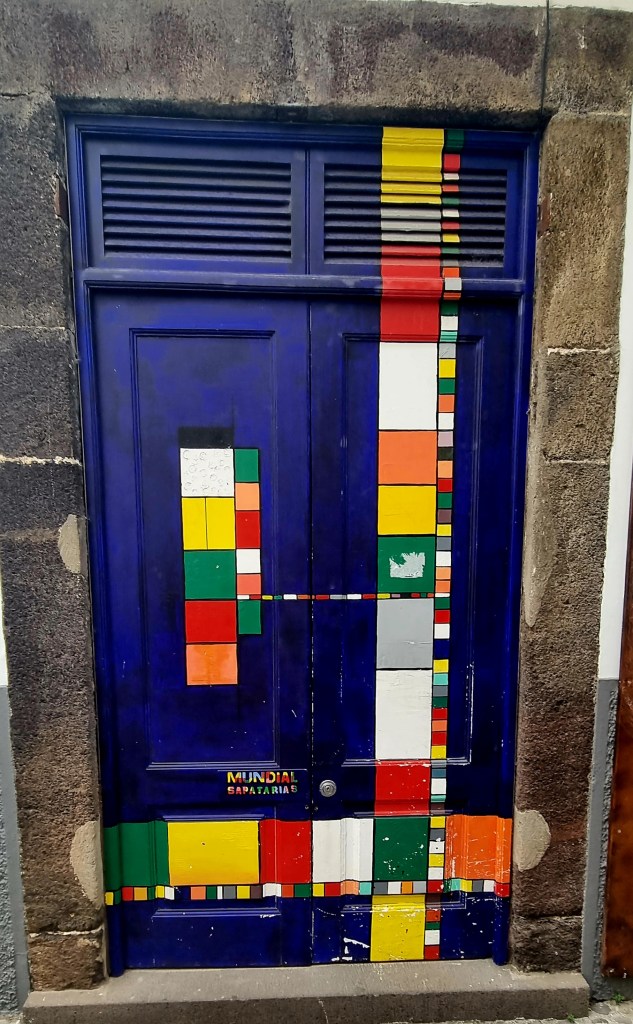
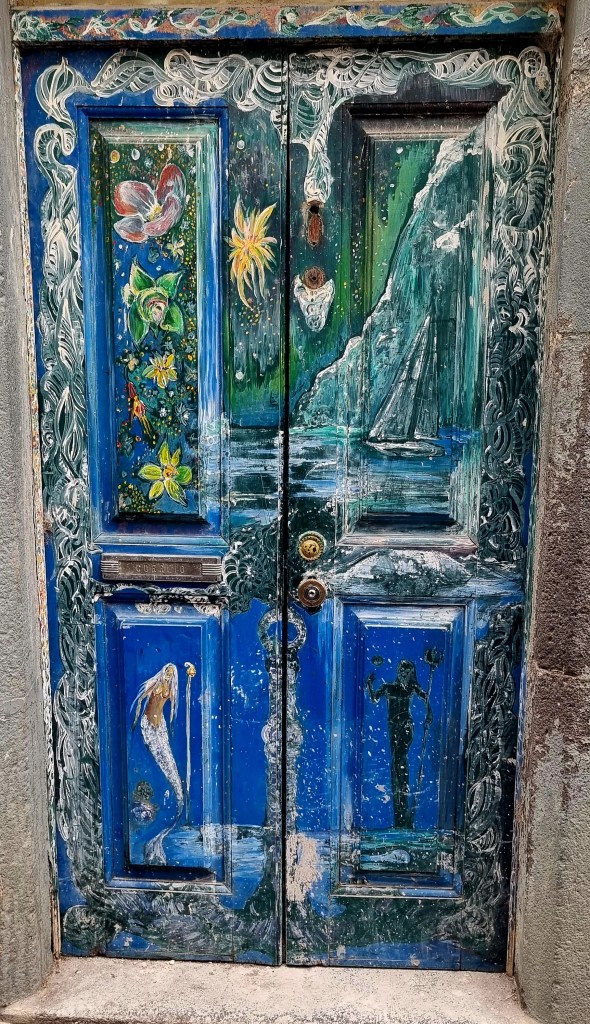
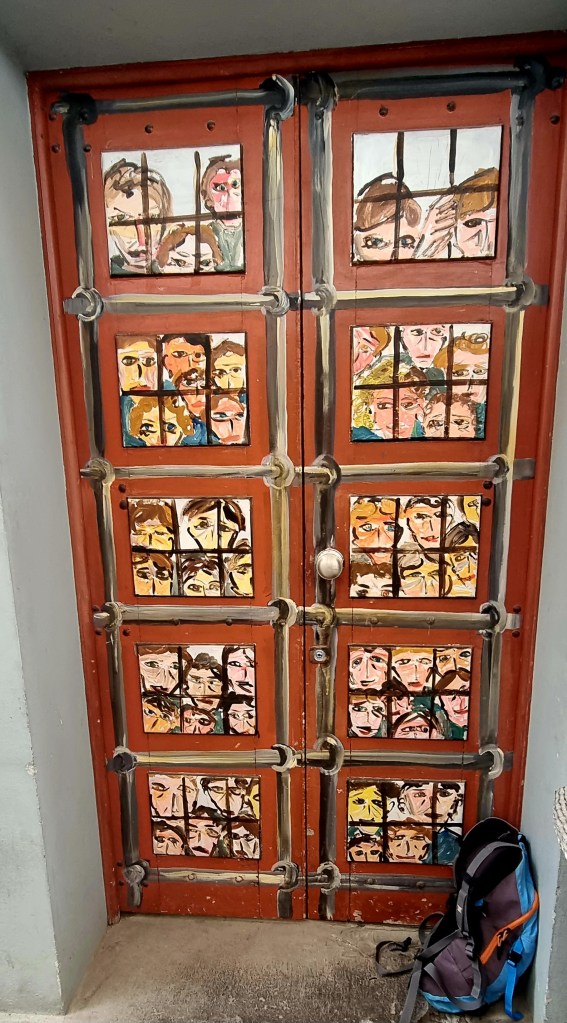
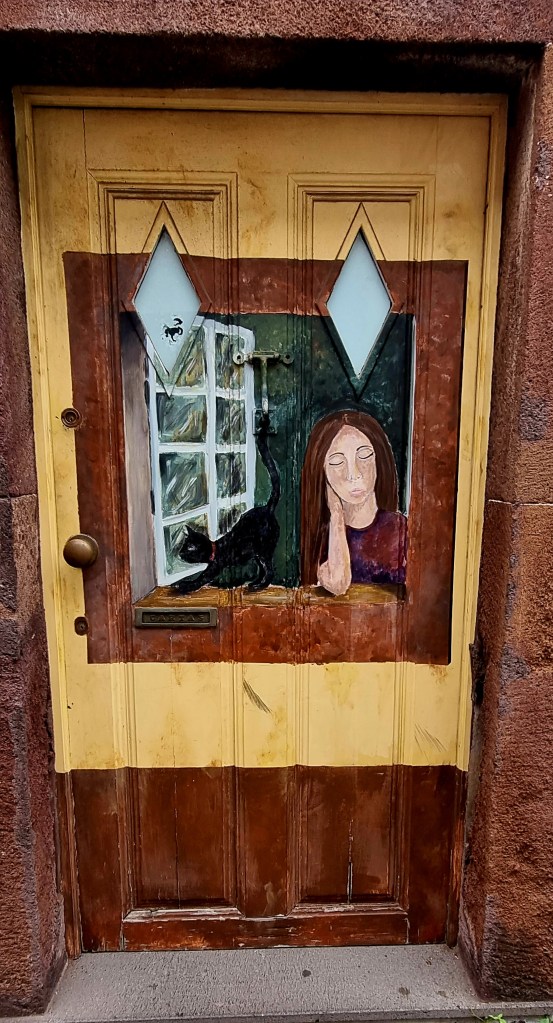
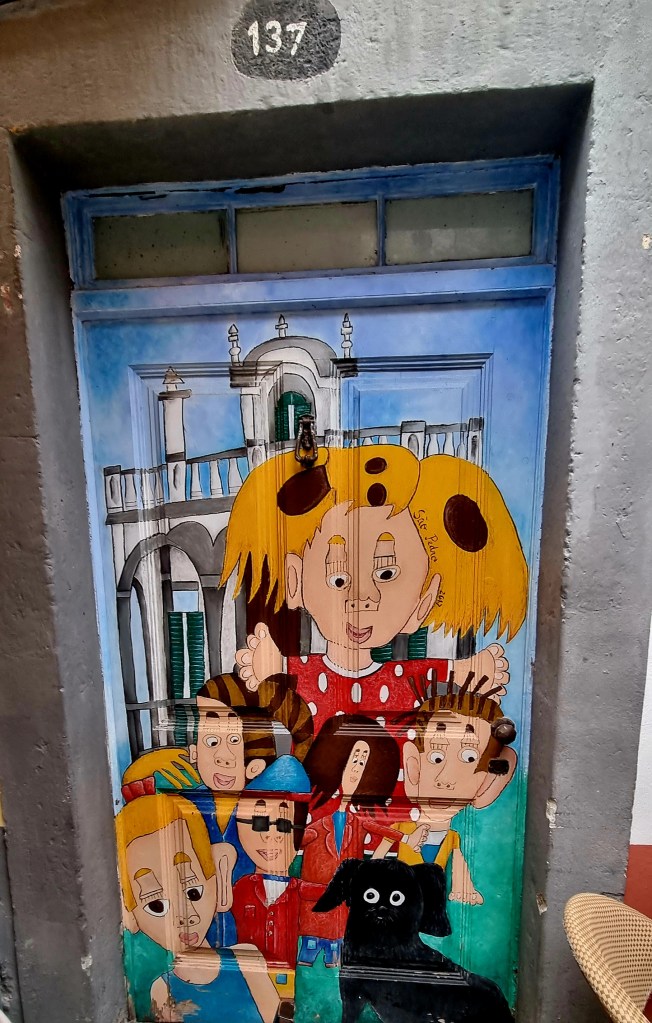
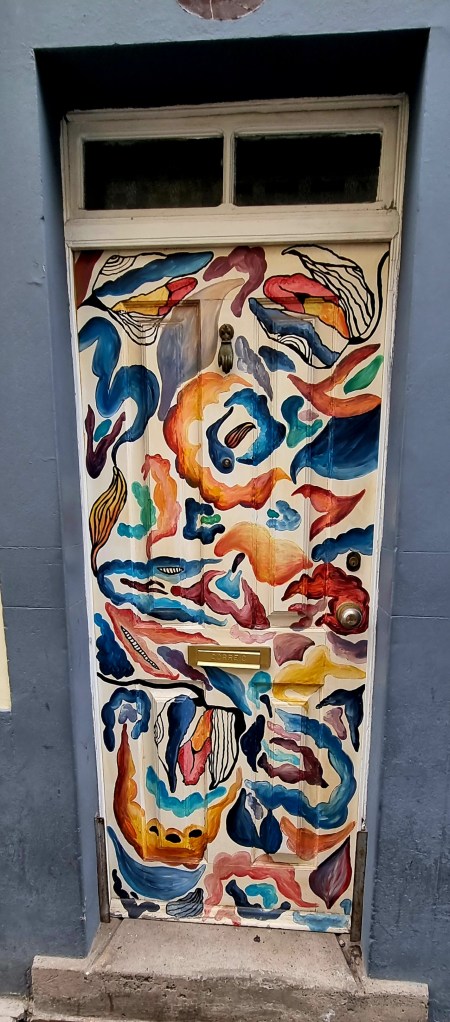
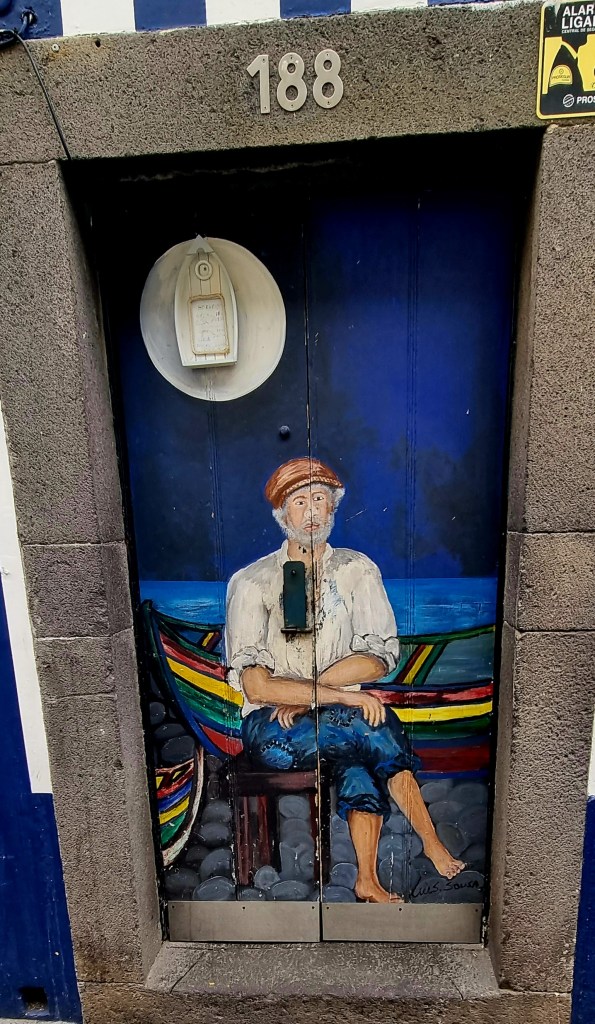
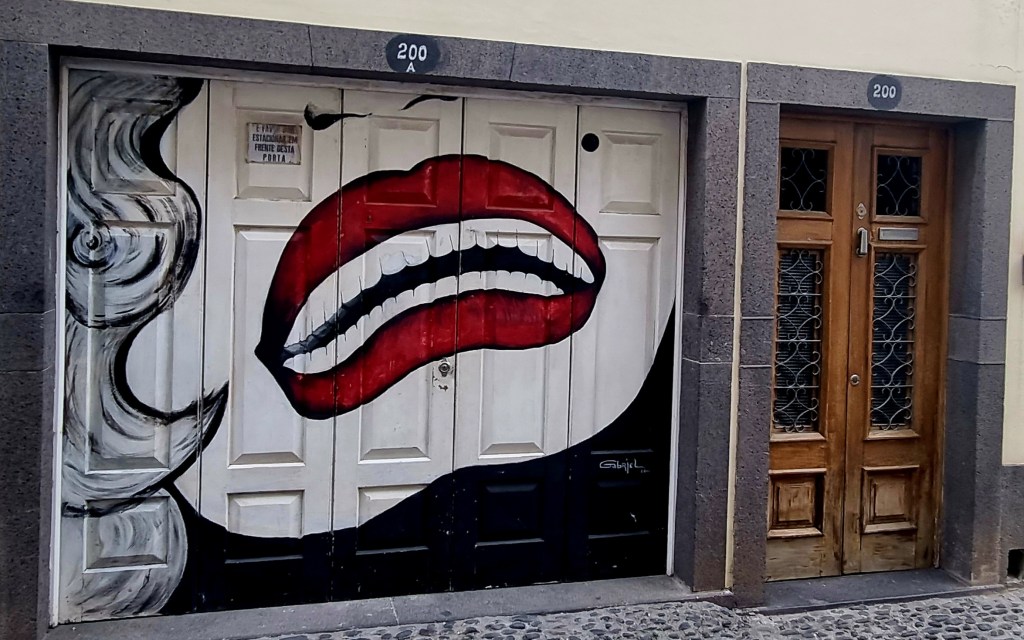
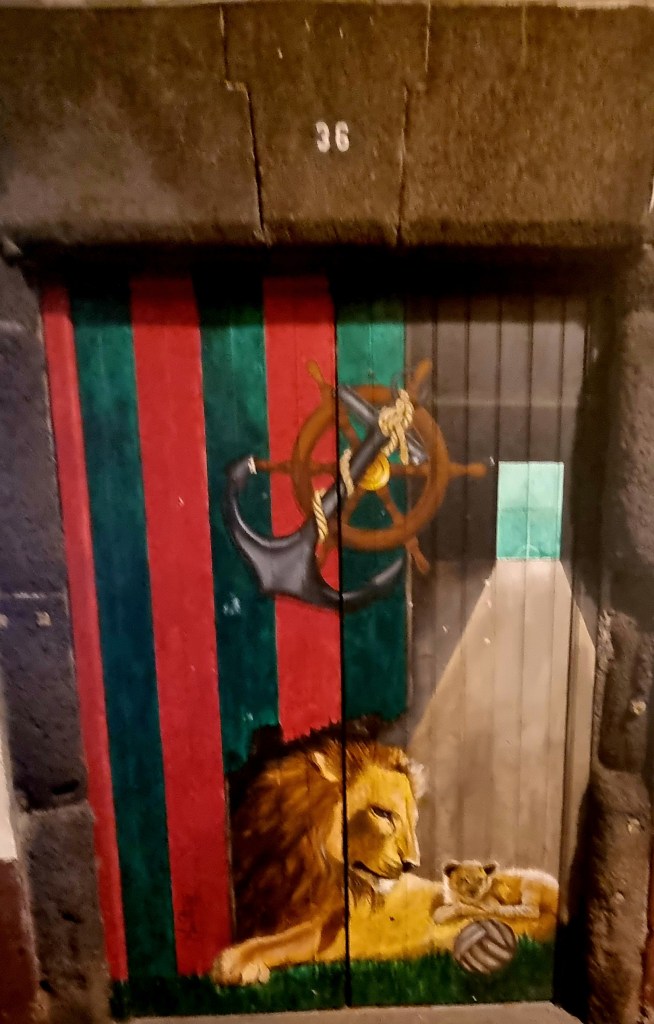
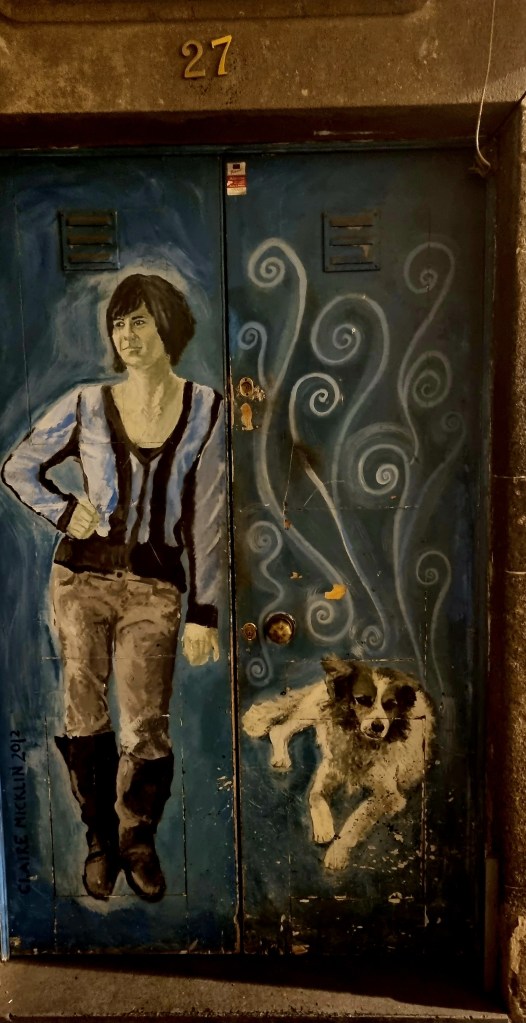
The street of Santa Maria is full of amazing street art where local artists have painted on most of the doors.
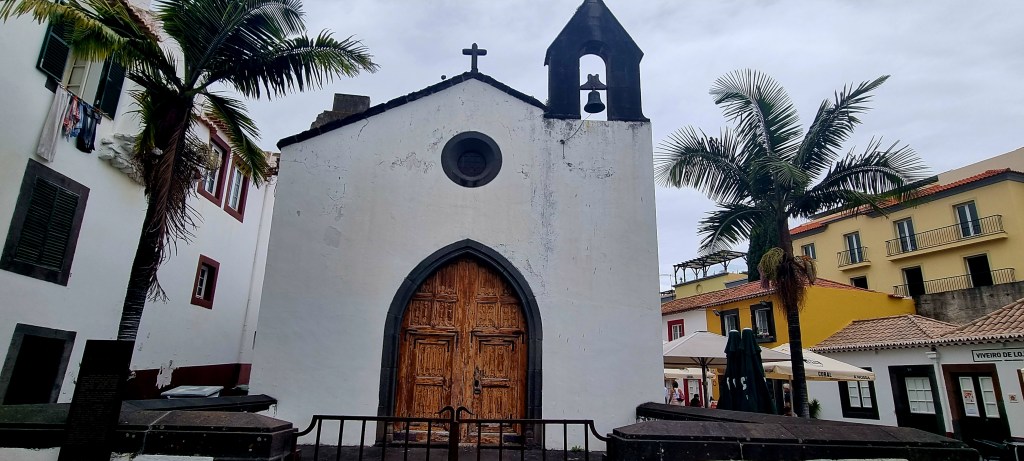
At the end of the street is the Chapel of Corpo Santo. This was built at the end of the 15th century and marked the original end of the old village. The Chapel is dedicated to Corpo Santo (Saint Pedro Gonclaves Telmo), the patron Saint of fishermen and sailors.
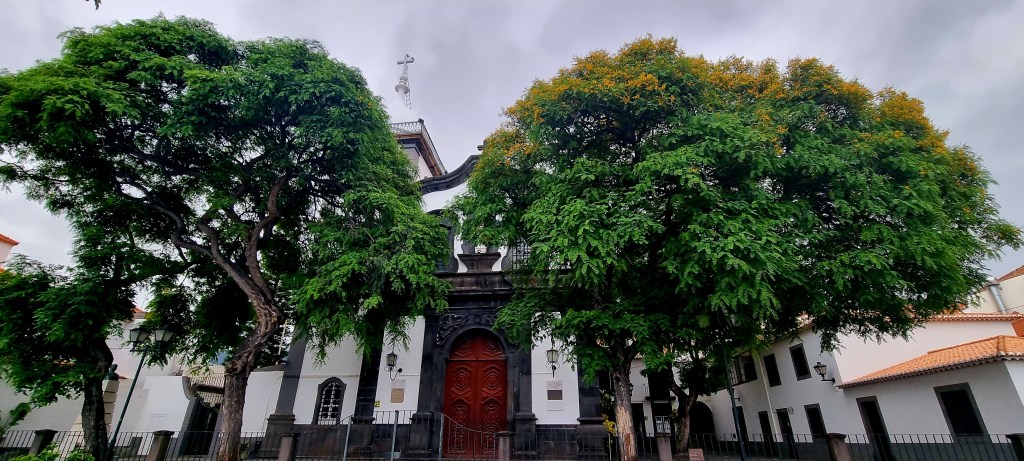
We walked past another church, Igreja de Santiago Menor. We wanted to go inside but it was shut. The church was originally built in 1530 but was destroyed by the earthquake in 1748 and then rebuilt in 1750.
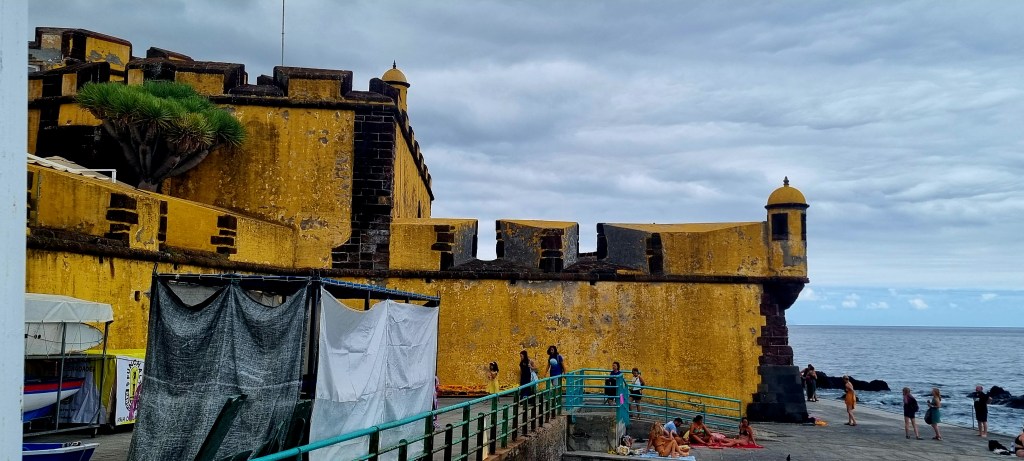
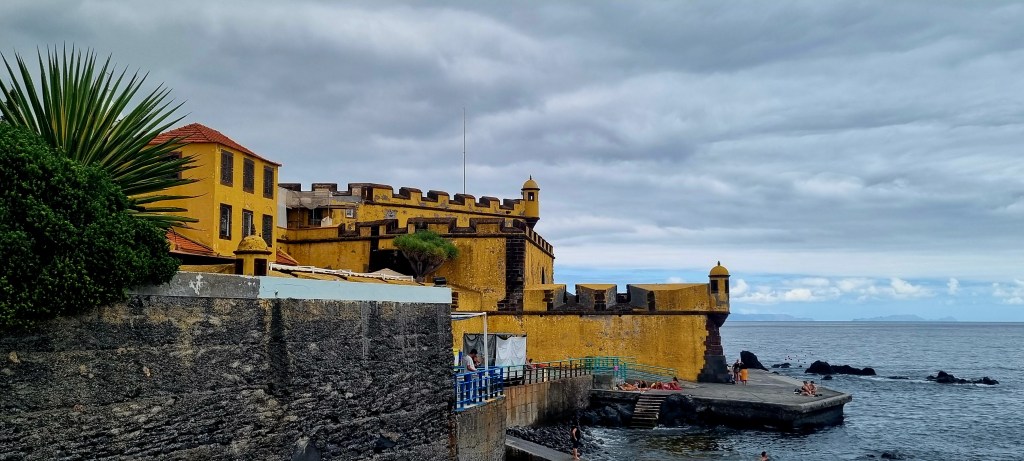
At the end of the Zona Velha is the Fort of Saó Tiago. This was built in the early 17th century and was built to defend the port from pirate attacks.
We stopped here for a toasted tuna sandwich, which was very dry, and a poncha. The poncha is a traditional Maderian drink made from rum, honey or sugar and lemon or orange juice, very tasty.
On our walk back to the city centre, we could see the white chimney, which is part of the Savoy Residence I Insular Project. This chimney is apparently an iconic element of Funchal.
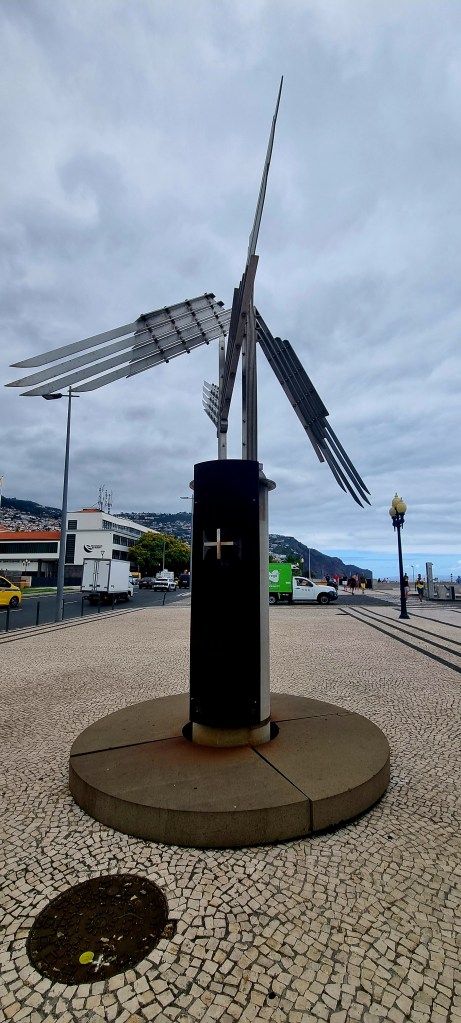
Along the waterfront are a number of different sculptures.
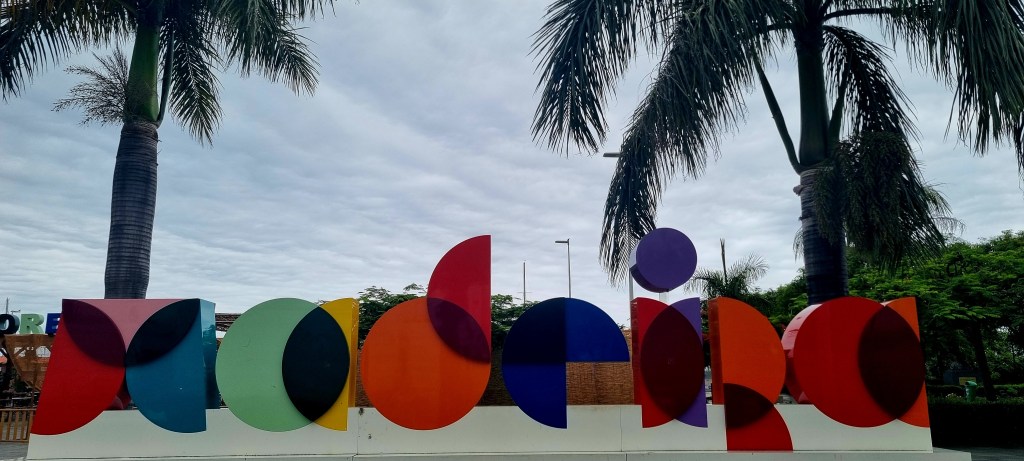
Obviously, we had to pose by the Madeira sign.
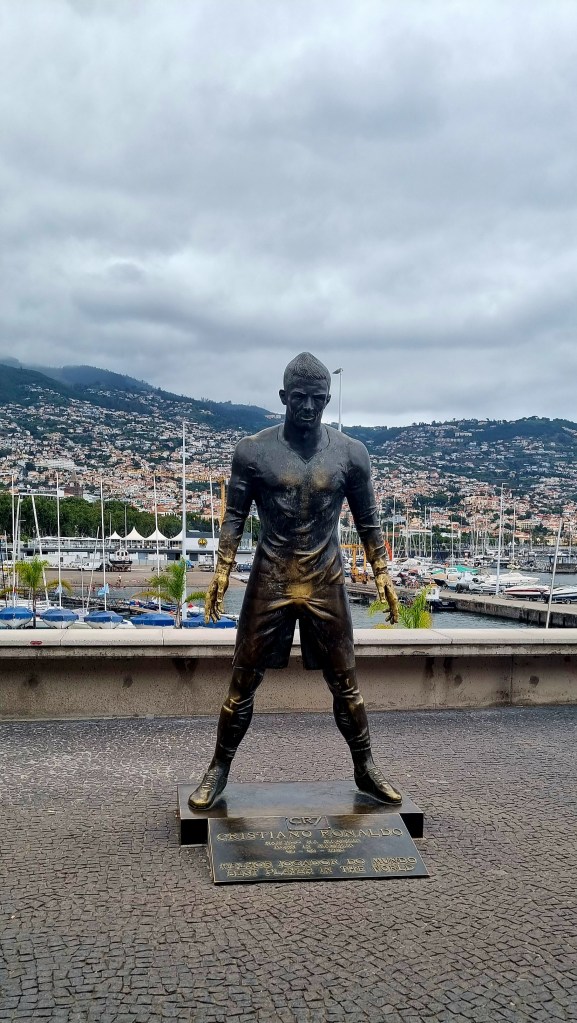
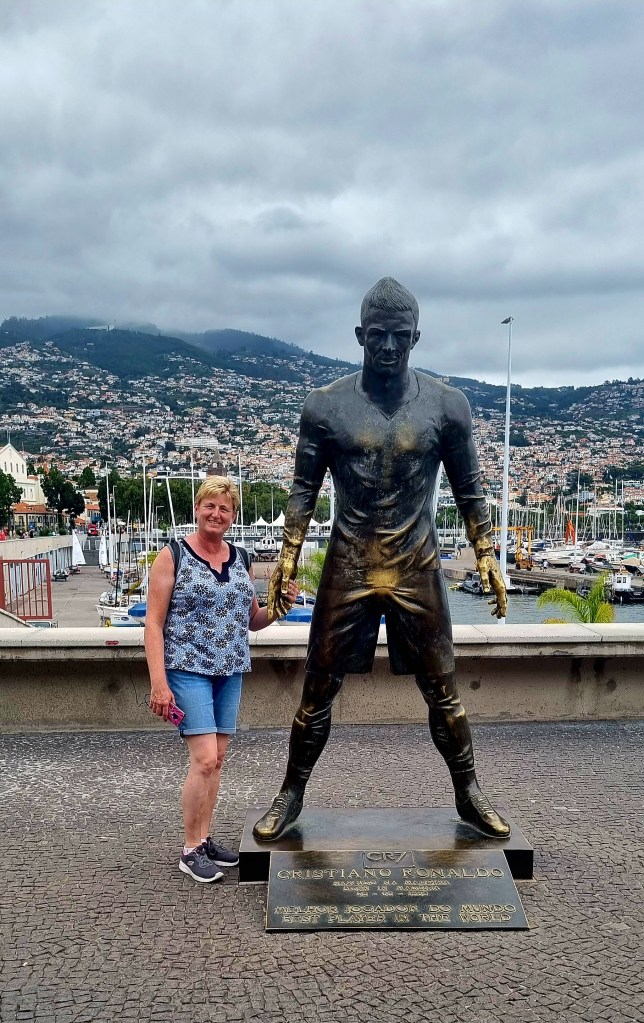
And then it was a walk down to see Christian Ronaldo!
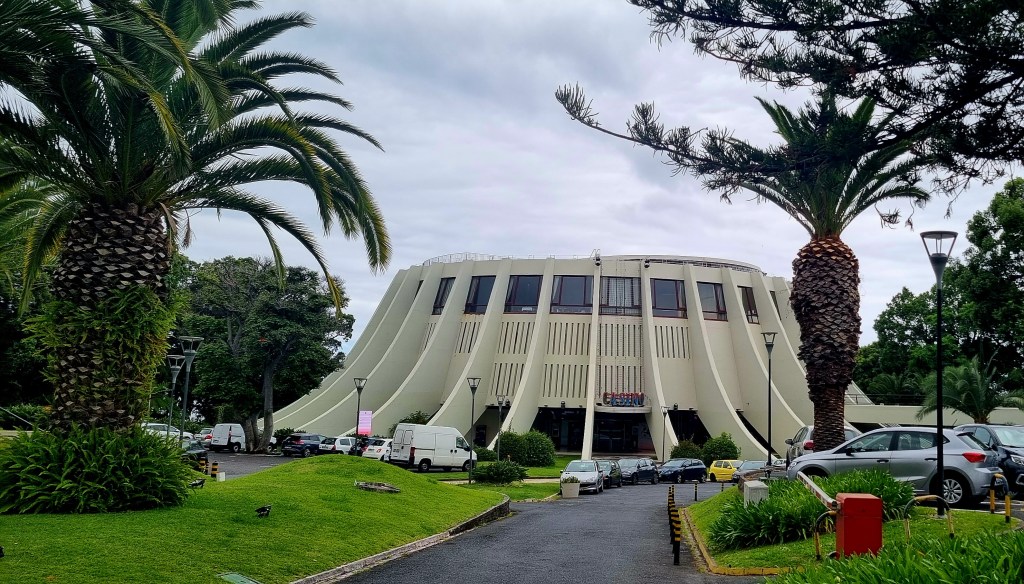
We continued walking down the street to the casino. This is an amazing building built in the round and designed by Oscar Niemeyer.
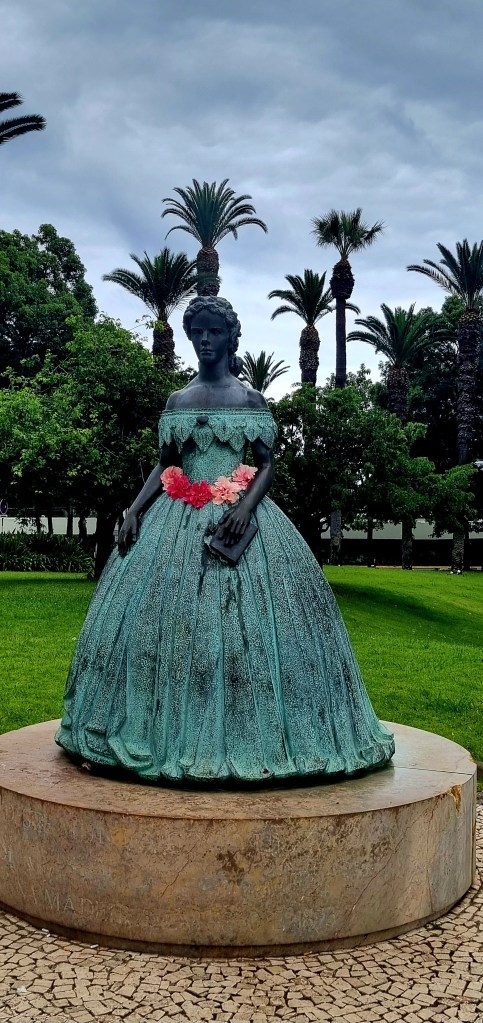
Just round the corner from the casino is the statue of Sissi. This is a life-size bronze statue of the Austrian Empress Elizabeth of Bavaria, known as Sissi, who spent part of her life in Madeira. On 24 December 1893, precisely on her 56 birthday, the empress arrived at Funchal, Madeira, aboard the steamer Greif. British Navy ships in the bay of Funchal greeted her with an imperial salute and would continue doing so every morning for the full duration of her stay. After Sissi lost her son, it was believed he committed suicide, she decided to travel as much as possible. She was considered a free spirit who defied conventional court protocol.
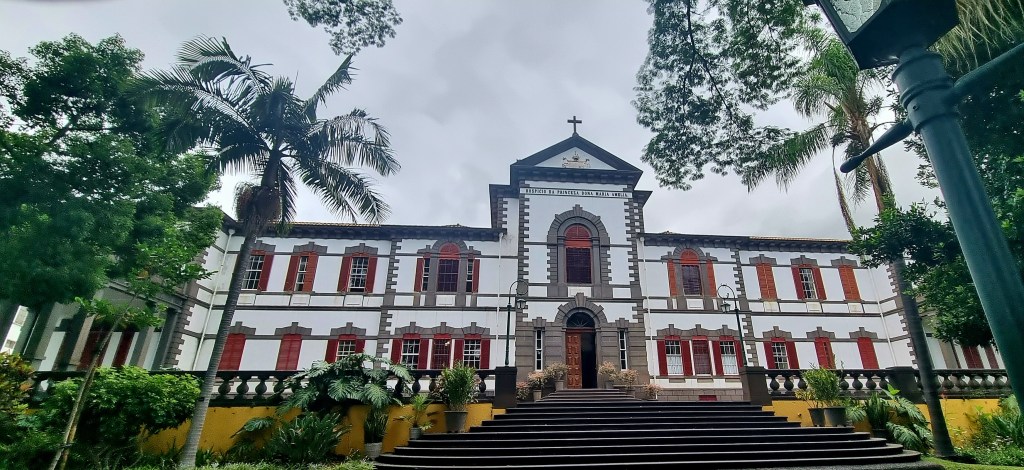
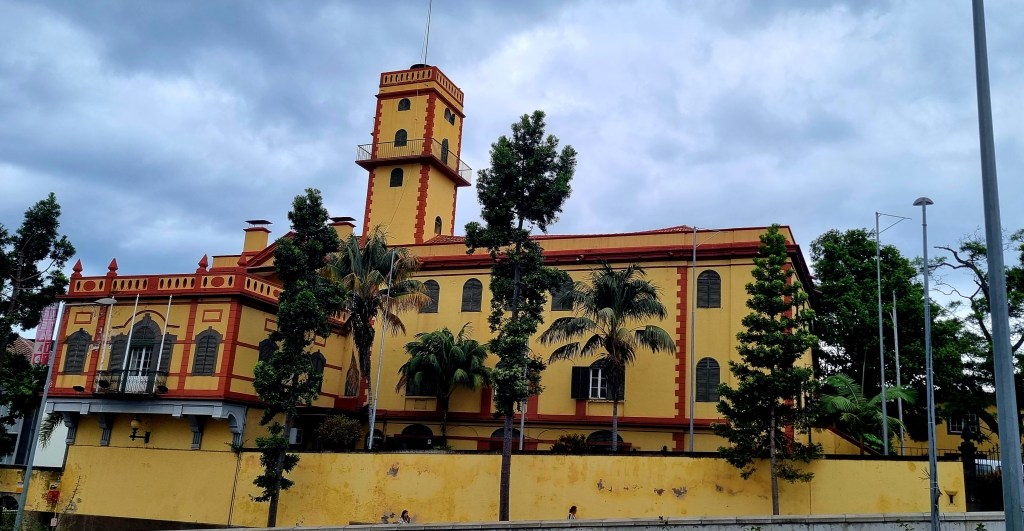
After this, we went back to the city garden, where the friary which was once a hospital, is now government offices.
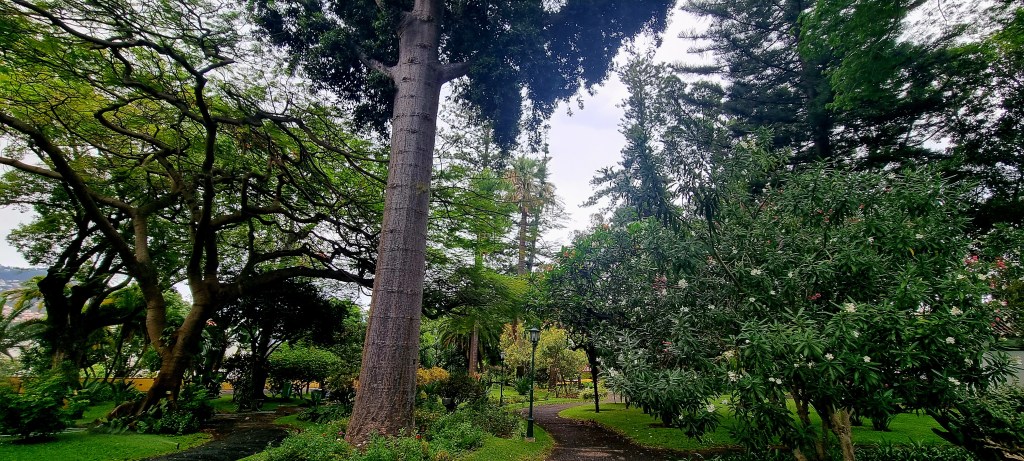
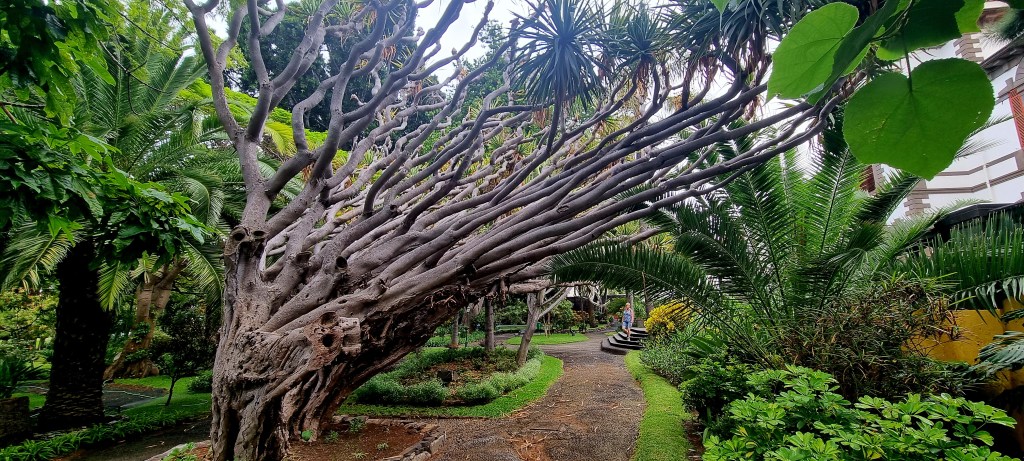
In the garden, we saw one of the infamous dragon trees. The sap from these trees is used as a dye, commonly known as dragon’s blood.
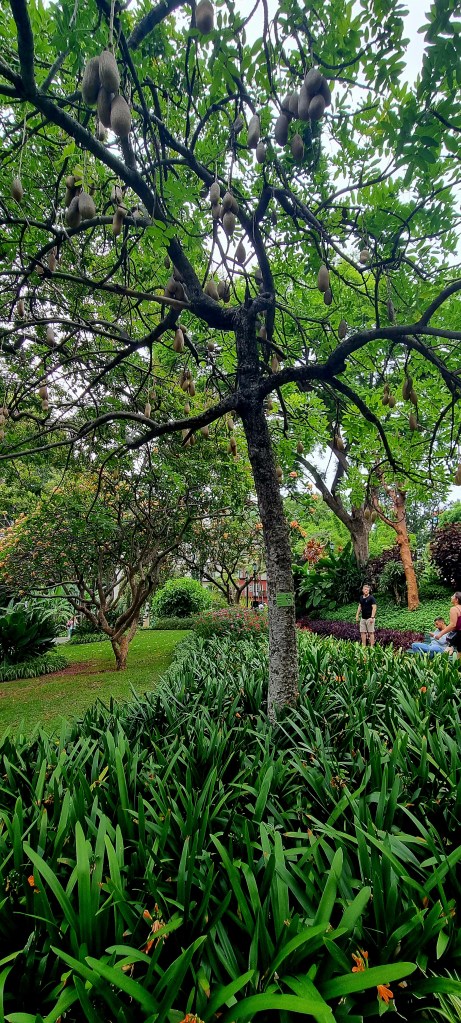
We also saw a ‘Sausage Tree’. The fruit from this tree is poisonous when raw but can be eaten if cooked. Apparently, it tastes quite earthy, like a potato. The tree can grow 6-12m tall, and the fruit can grow 30-60cm long and can weigh about 7kg.
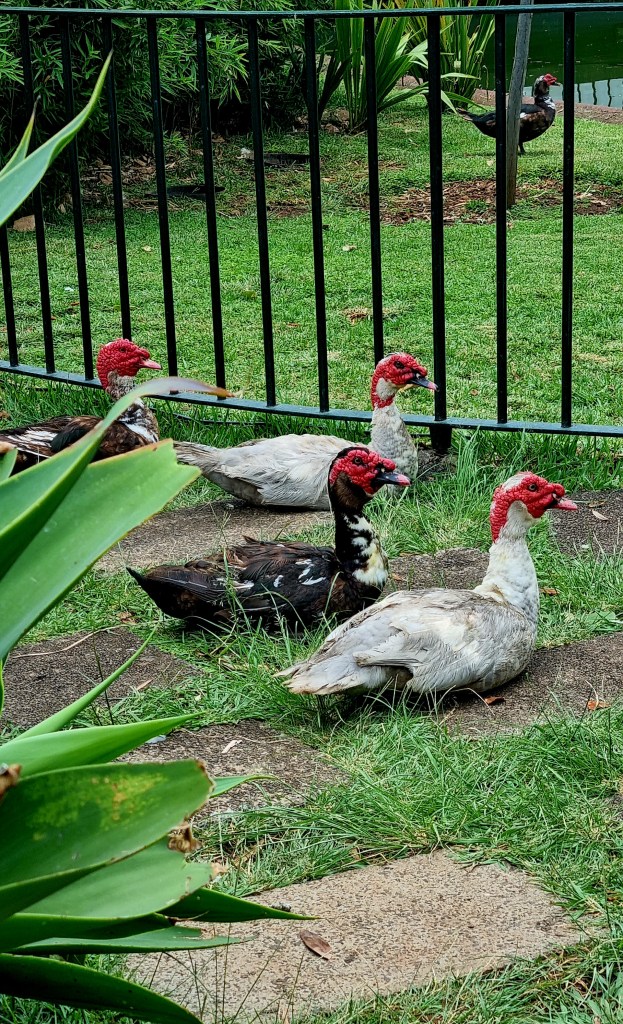
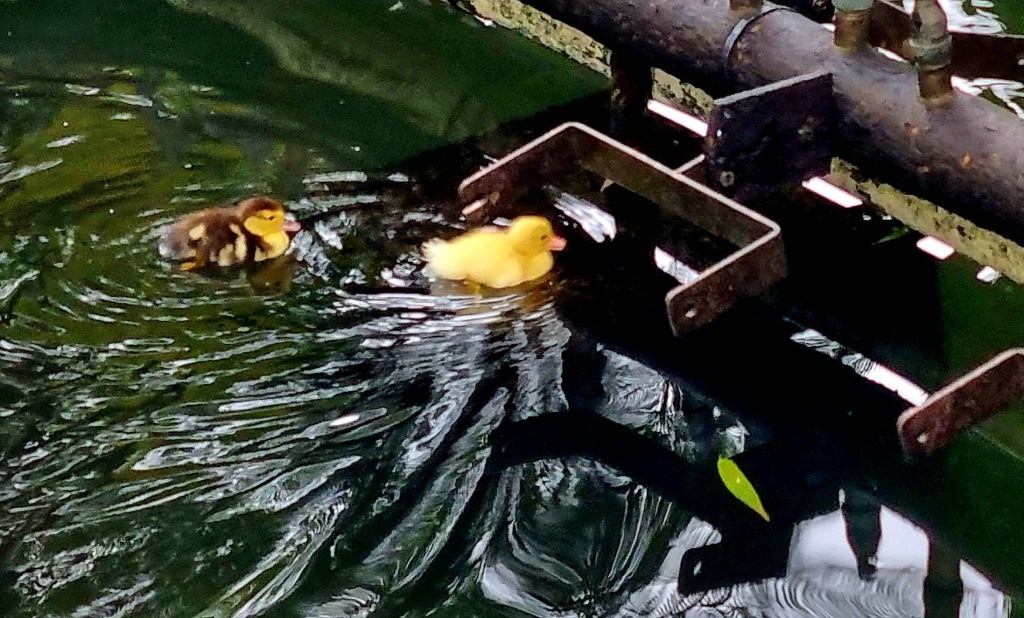
There were some very strange birds in and around the park, kind of a mixture between a duck and a turkey. The babies were very cute, though.
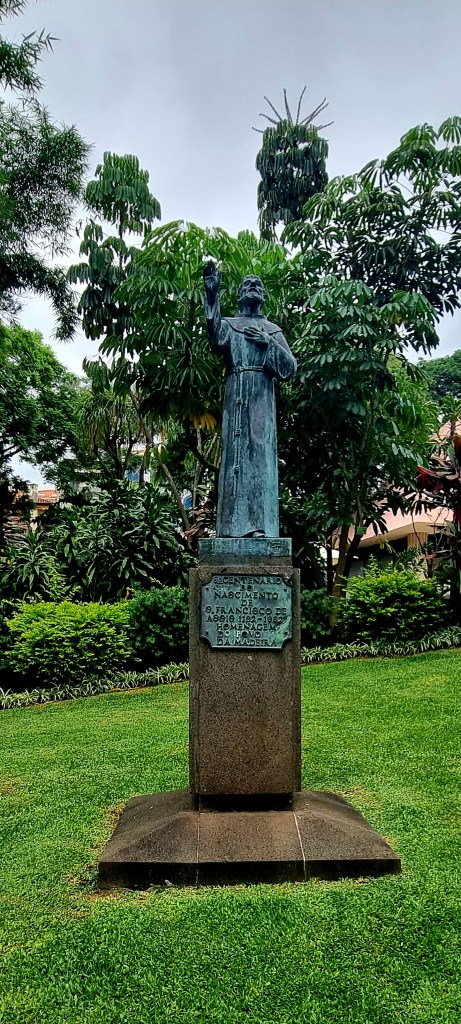
In the garden is a statue of St Francis.
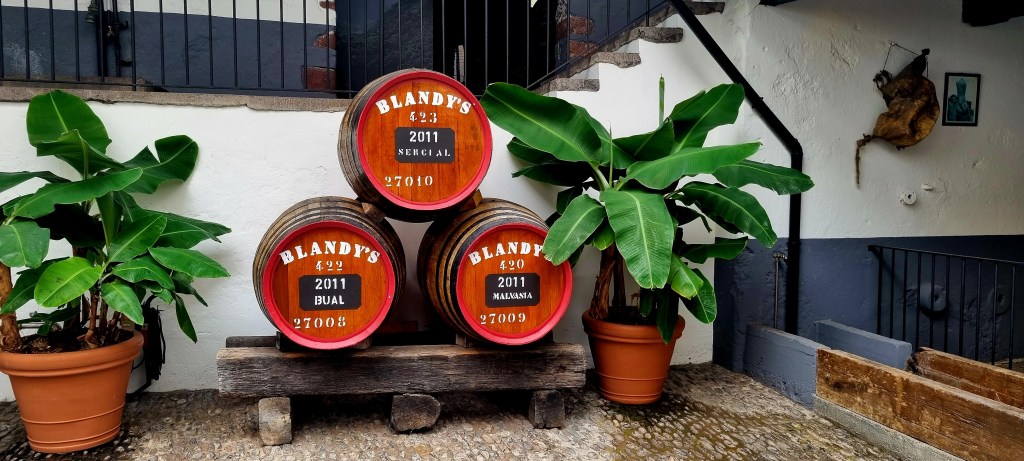
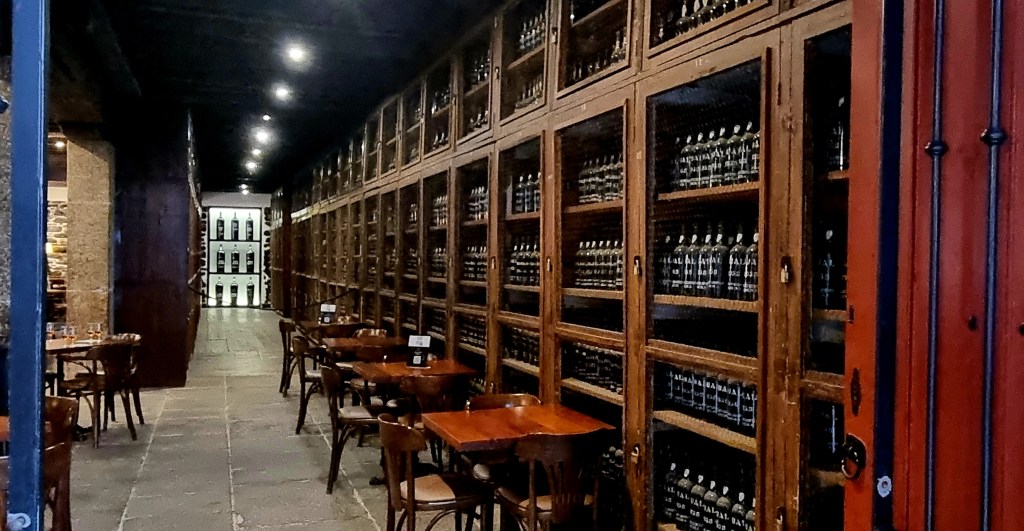
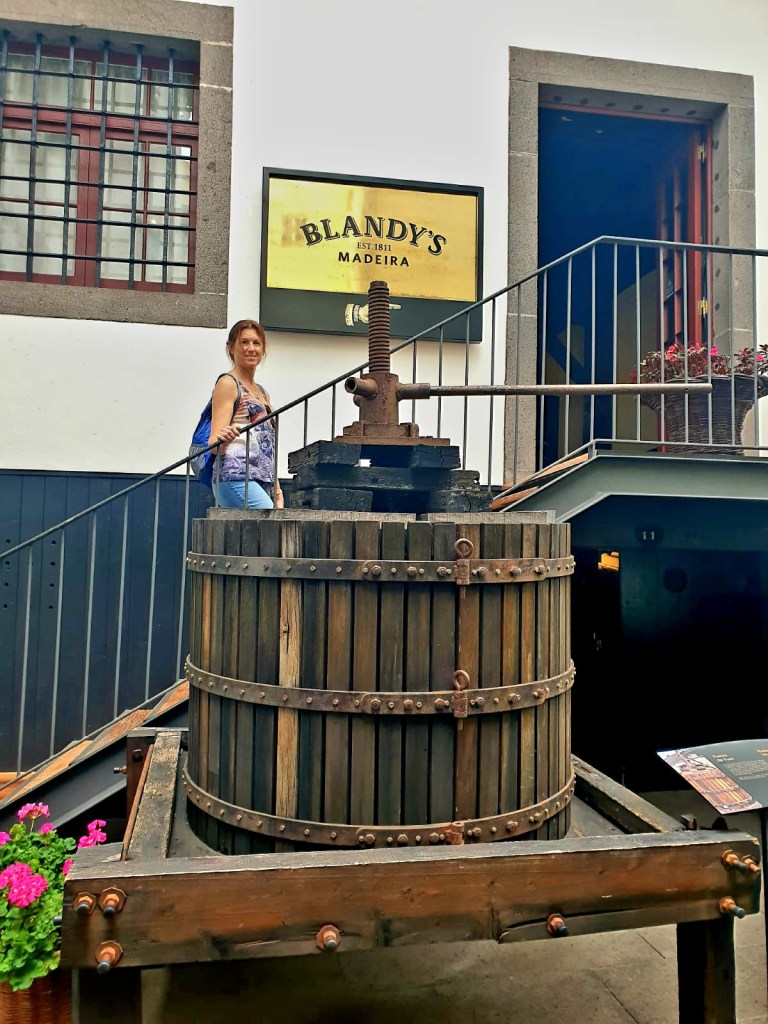
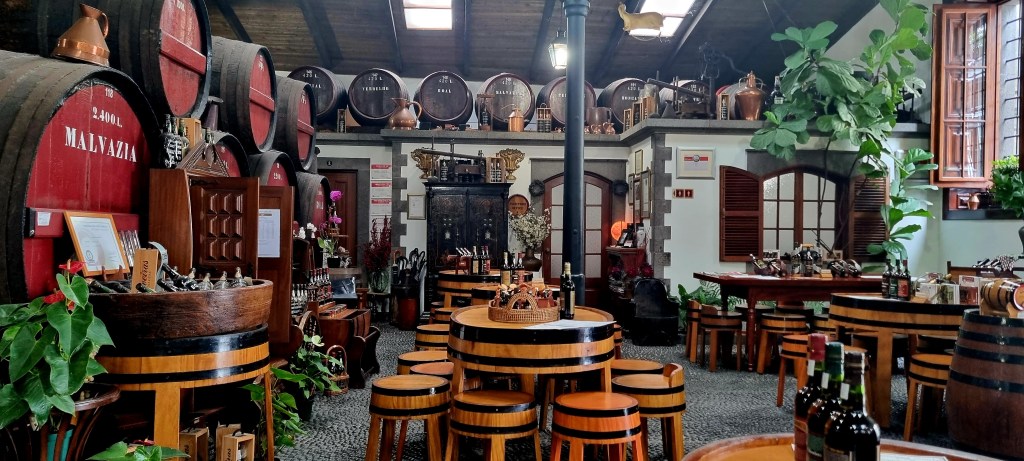
On the way home, we stopped off at Blandys Wine Lodge. The lodge is set in the surviving parts of a 17th-century Franciscan friary. Most of the friary was demolished when Portugal passed a law banning religious orders in 1834. The Blandy family has owned the premises since 1840, since which it has been used to make Madeira wine.
Madeira wine is fortified by adding brandy at the final stage of the fermentation process. It is also heated as it ages in the casks in a hothouse.
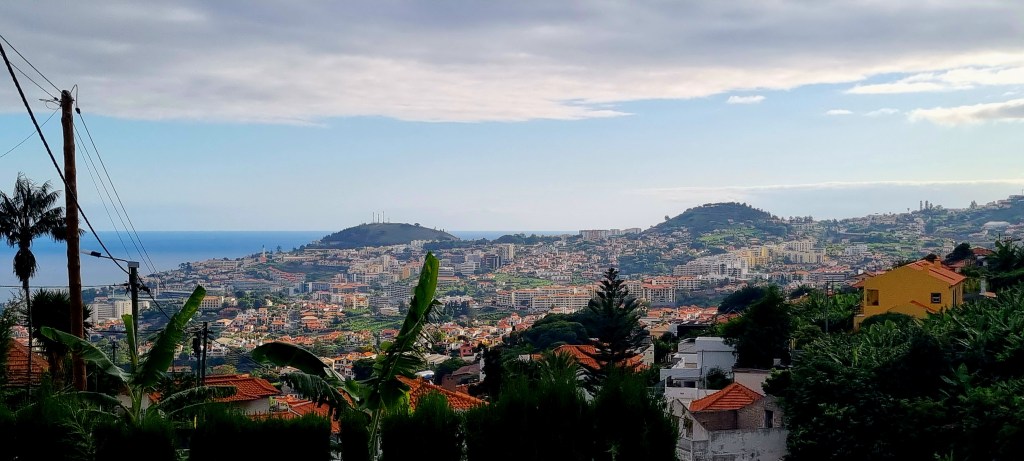
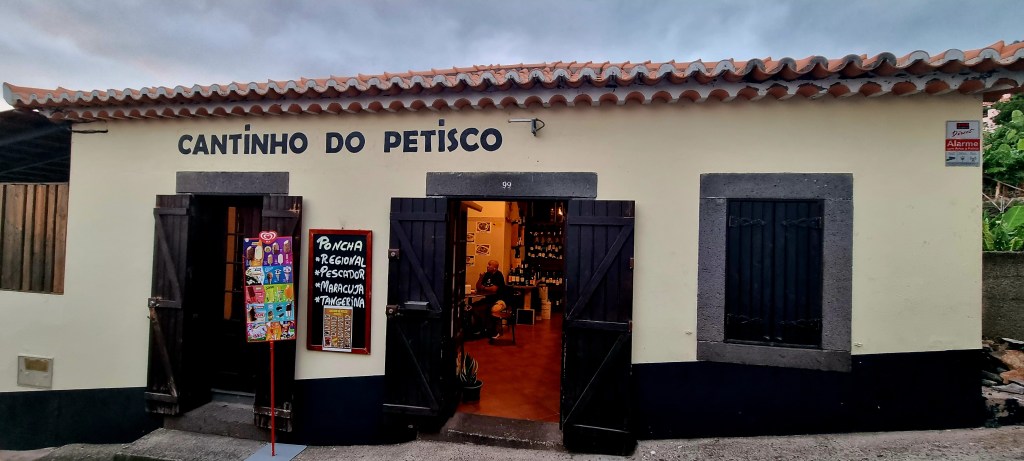
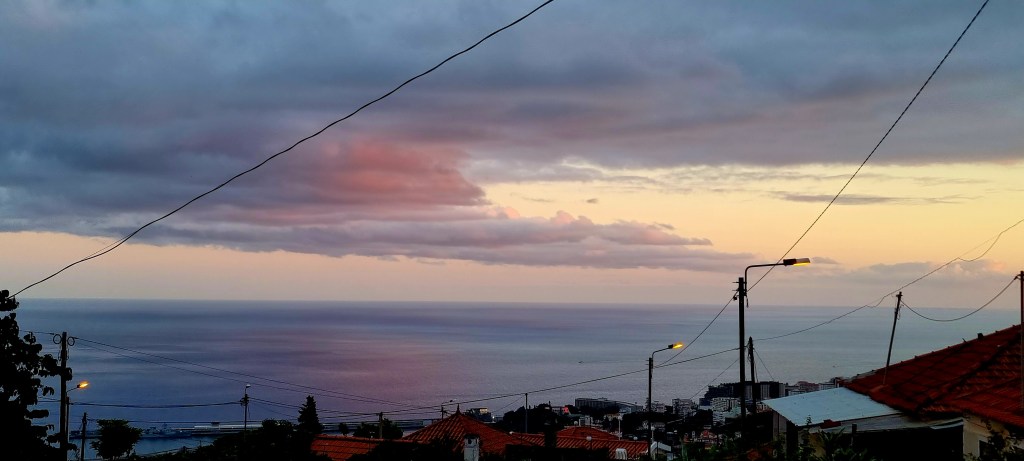
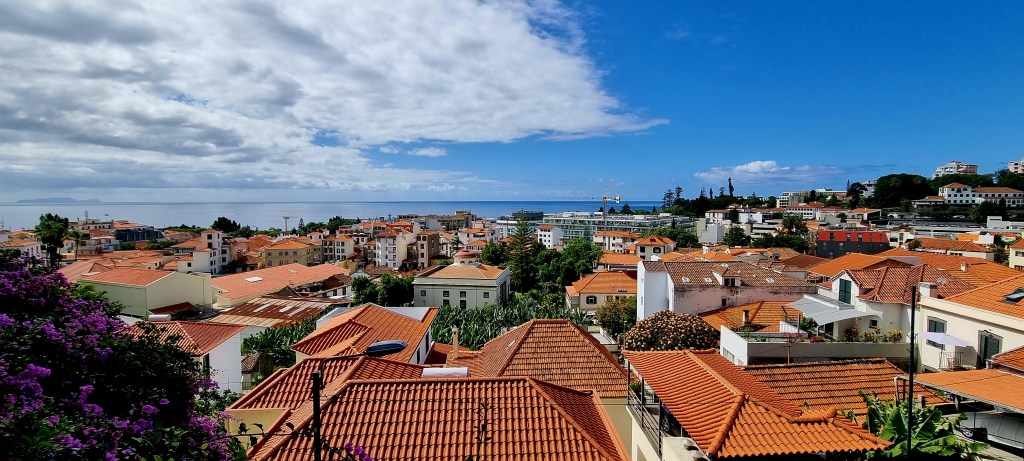
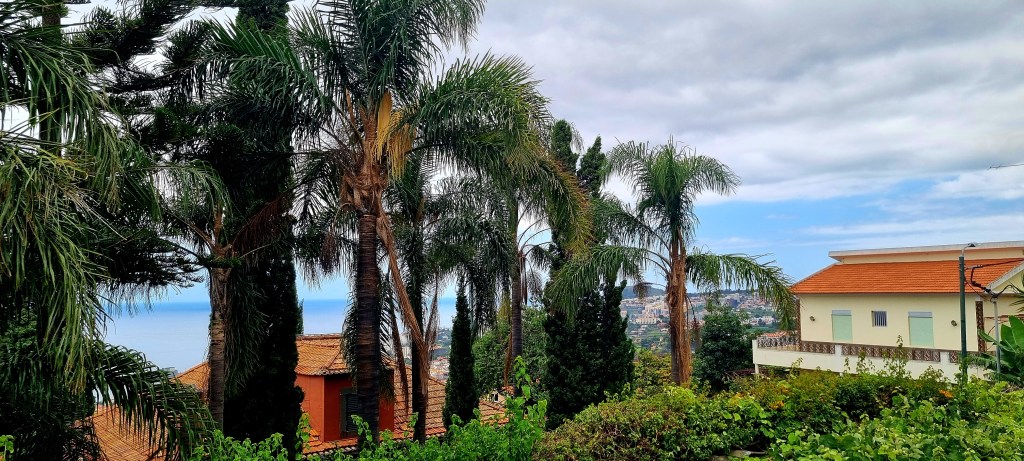
After all this walking, we headed home and decided to go somewhere local for dinner – Cantino do Pestico. There were some nice views on the way.
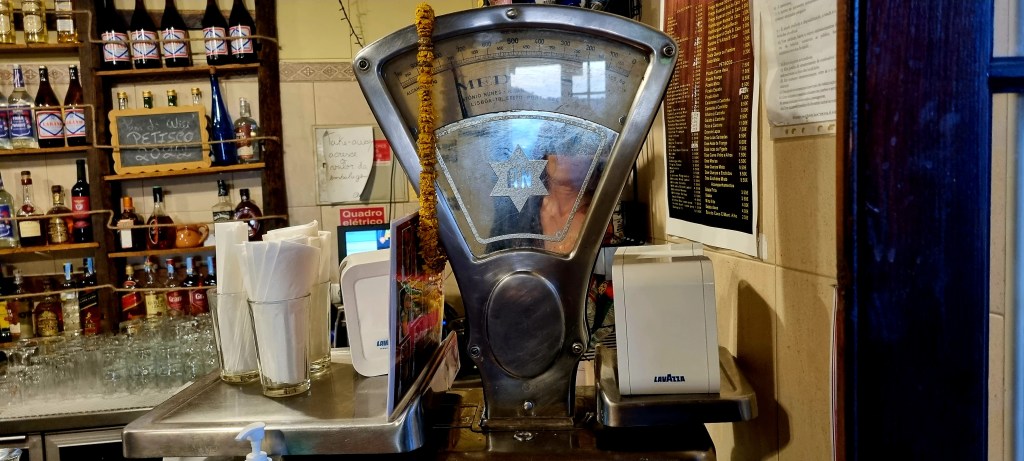
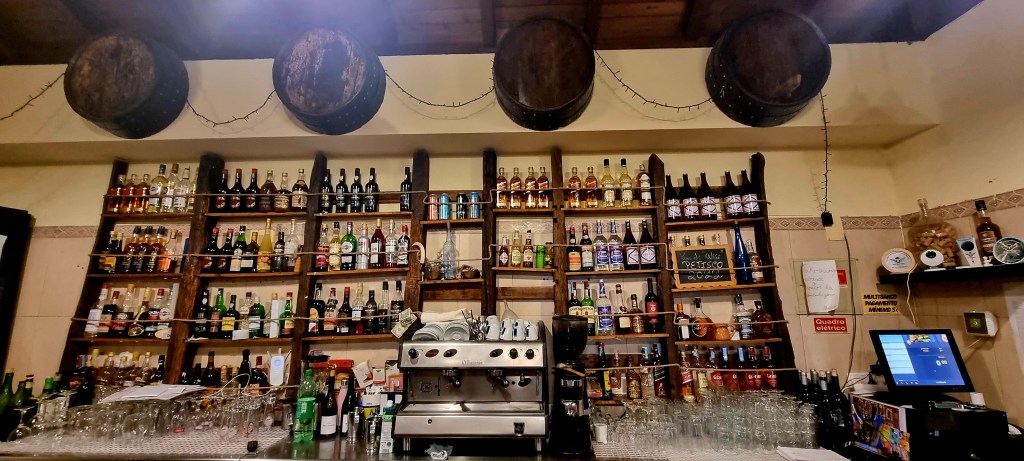
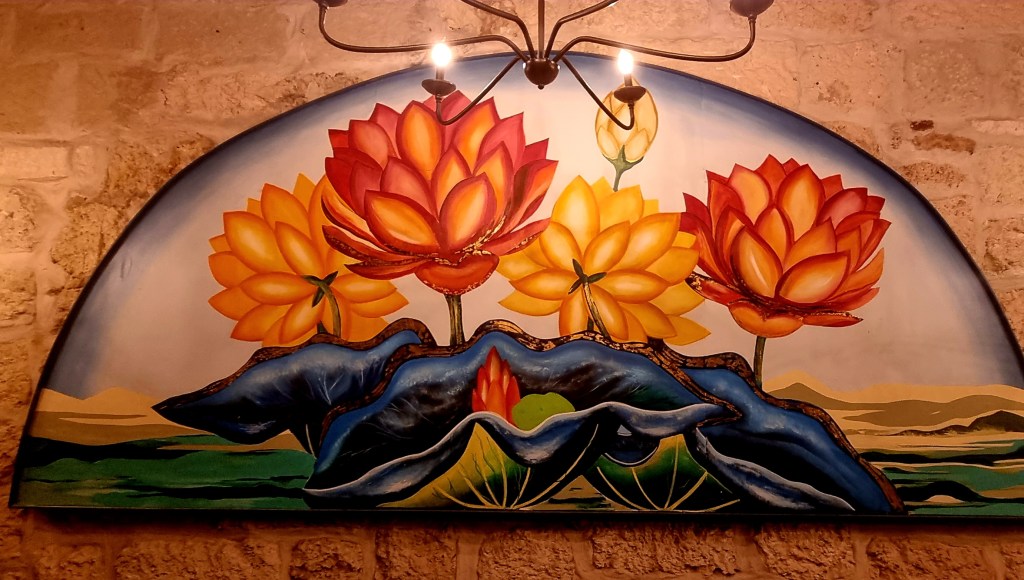
The restaurant was like a small cafe and had some interesting objects inside.
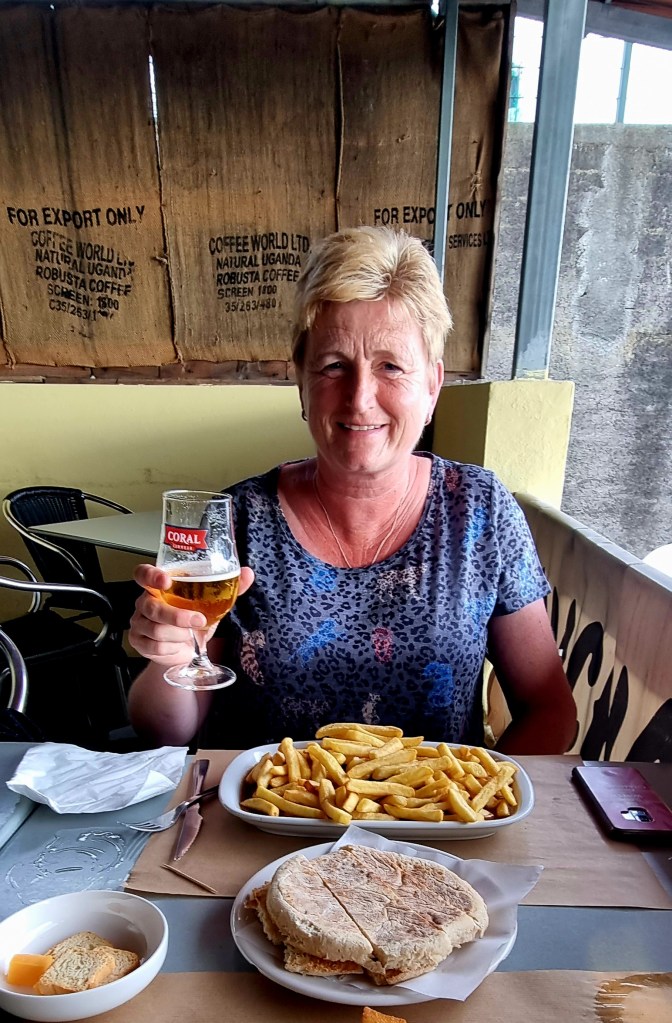
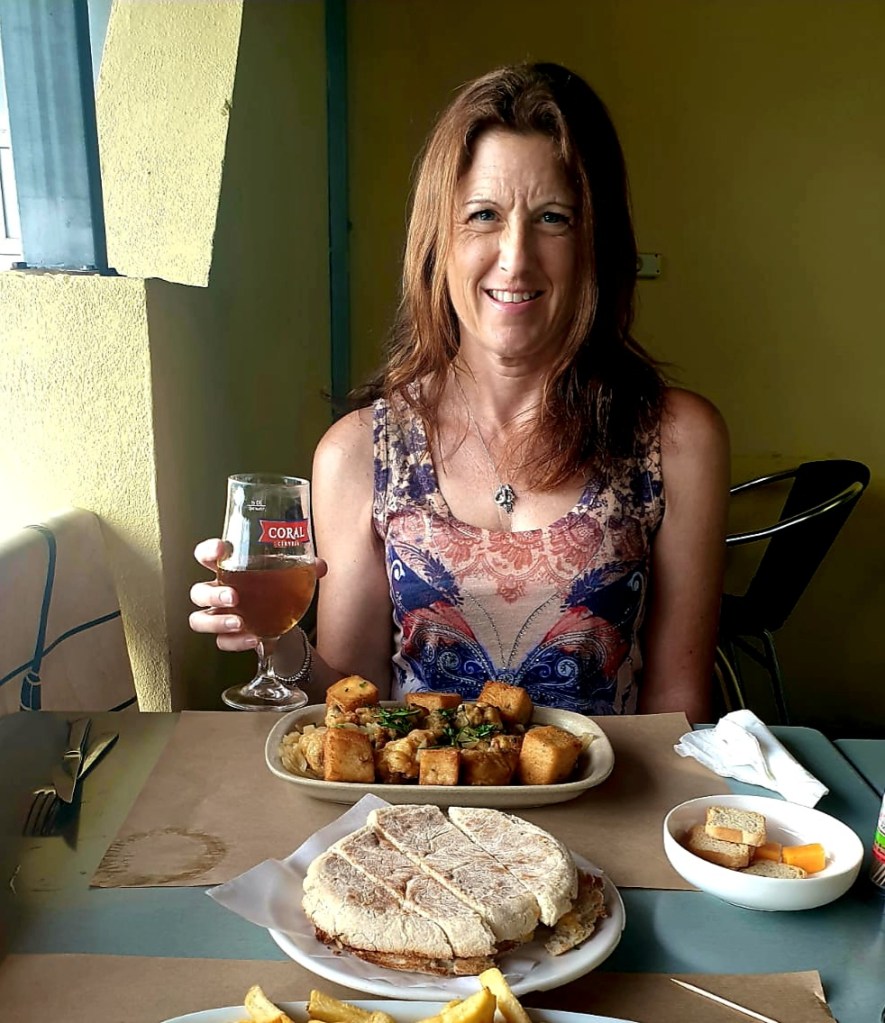
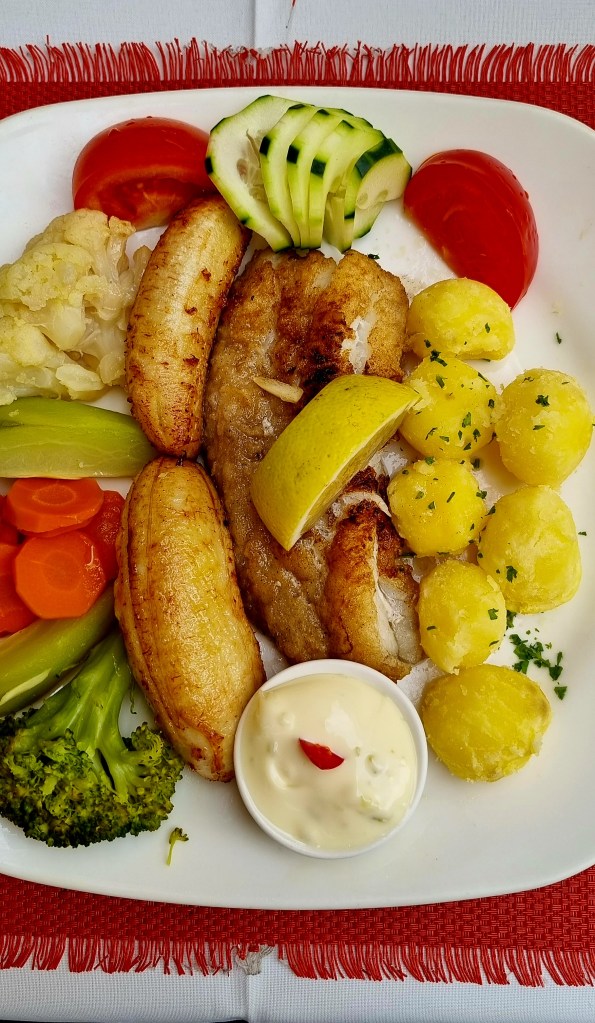
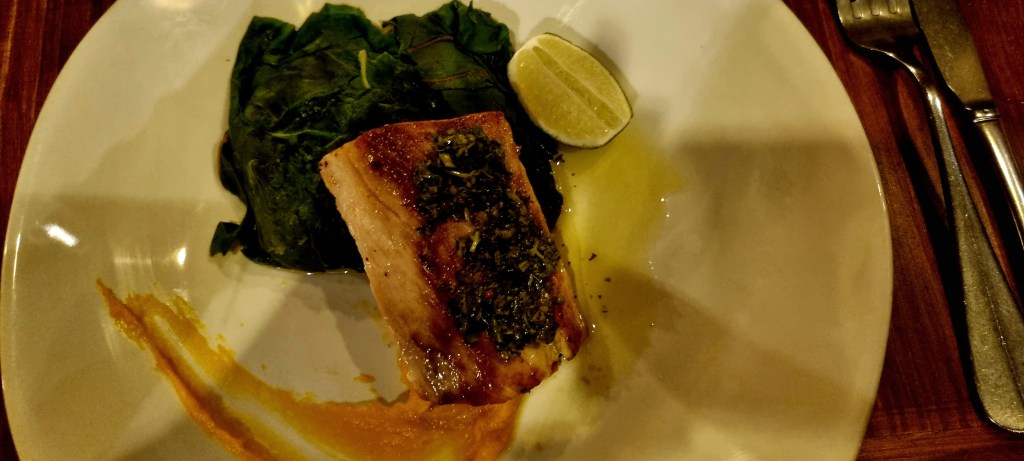
I decided to go for the scabbard fish again, although this time it was deep fried. Nicola had beef in gravy with chips.
We washed it all down with the local beer, which was really nice.
As we walked home, the sun was starting to set.
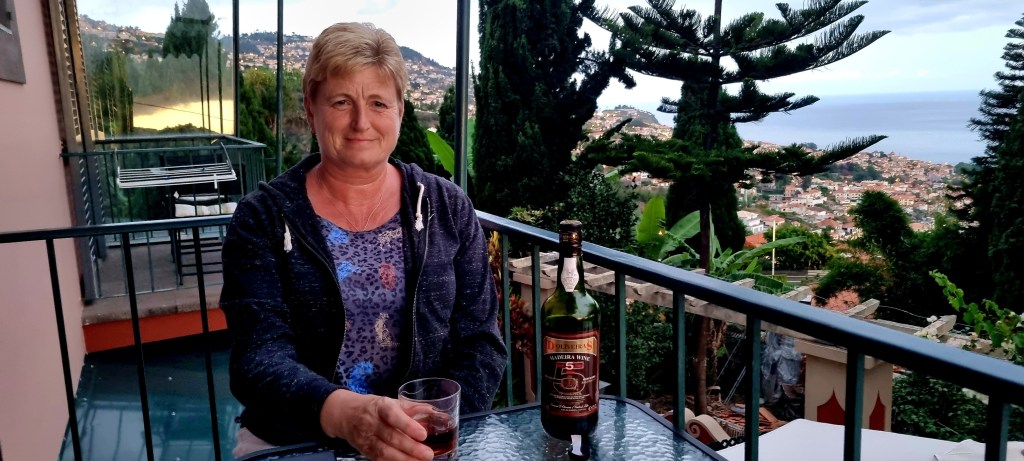
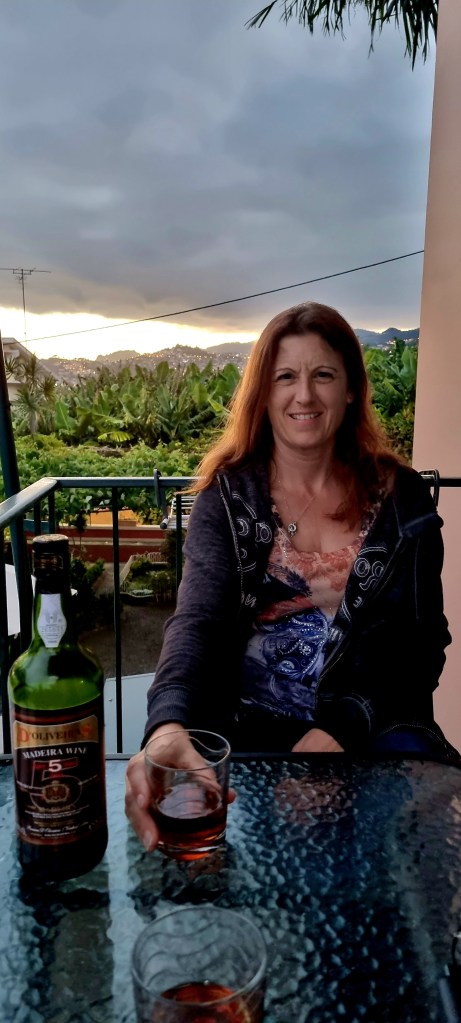
We finished the evening off with a glass of the Madeira wine we bought.
We both slept really well last night and woke up refreshed and ready for a day of history and exploration.
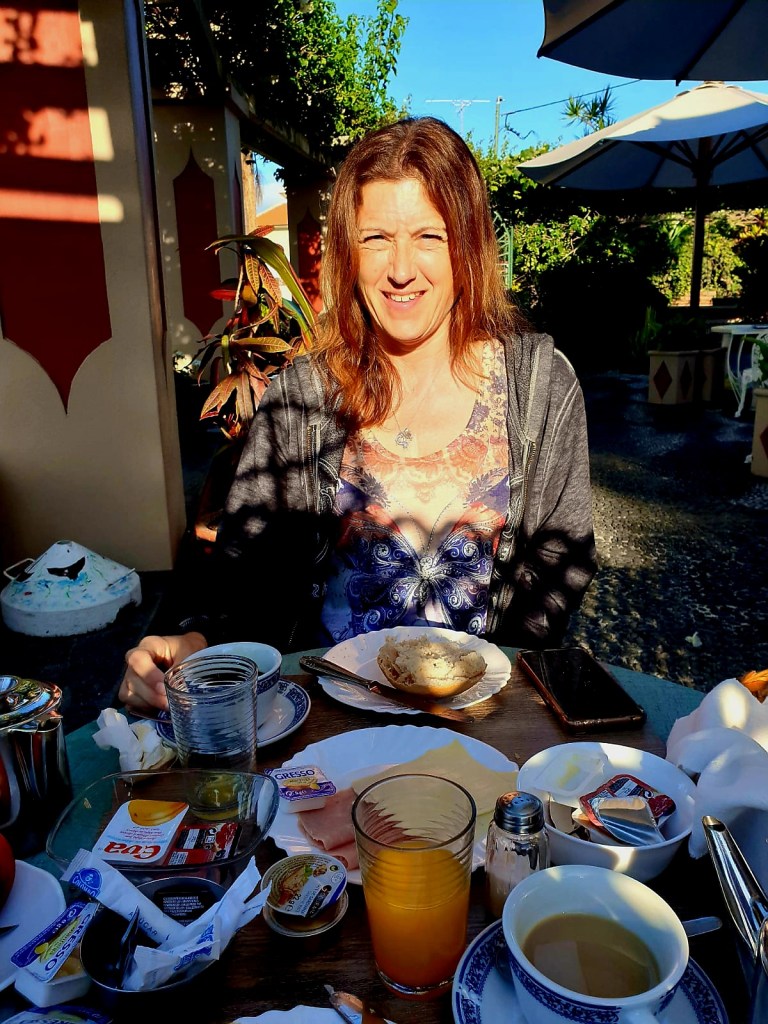
The day started well with a delicious breakfast at our hotel, sitting outside in the sunshine.
We had booked a walking tour around the city, so after breakfast, we walked down into Funchal.
It was the same long, steep hill as yesterday, about 20 minutes of just walking down. As we made our way to the meeting point, we passed the Ritz. This is one of the oldest grand cafes in Funchal.
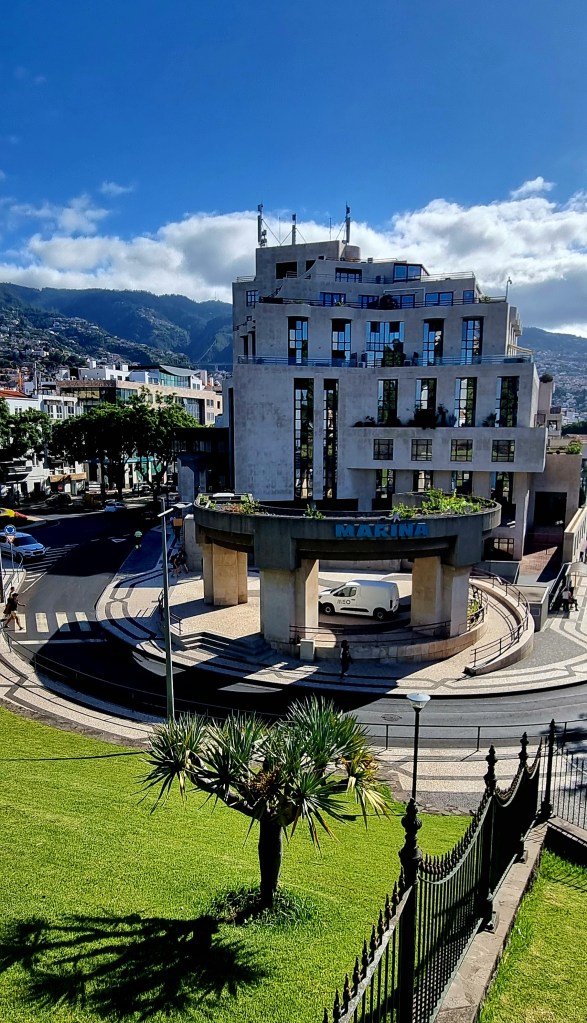
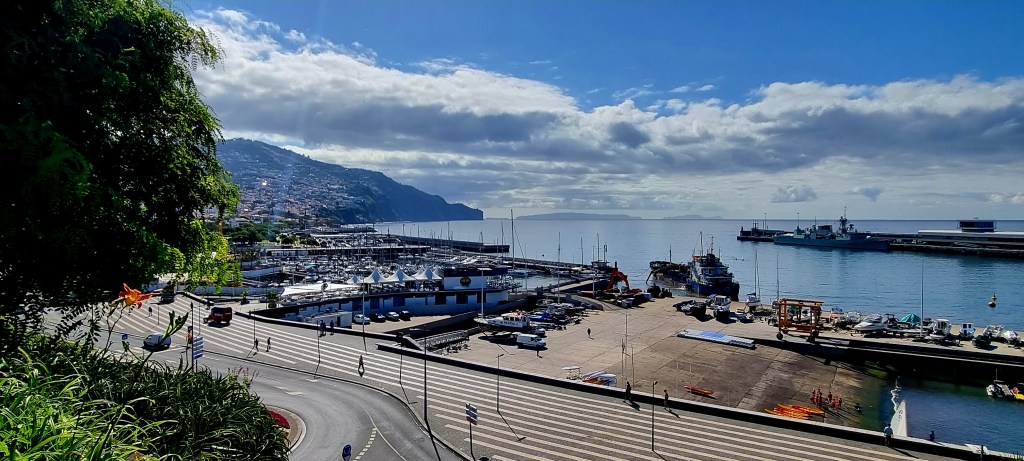
We passed an old Marina building that did have a story behind it, but I can’t remember what it was.
We met up with our guide, Hugo, and another couple, from Singapore, who joined us on the city tour.
Hugo told us how when the first people from Portugal came to Madeira, it was just dense forest, hence the name Madeira, which means wood.
The first people came to the island in 1419, but the official date of settlement is 1420, when 100 people came to live on the island. For around 7 years there were fires as the settlers burnt the forest and got rid of the trees.
The island of Porto Santo was discovered a year before Madeira, and the name means Blessed Harbour. The reason is that this island saved the Portugese who were stranded in a storm.
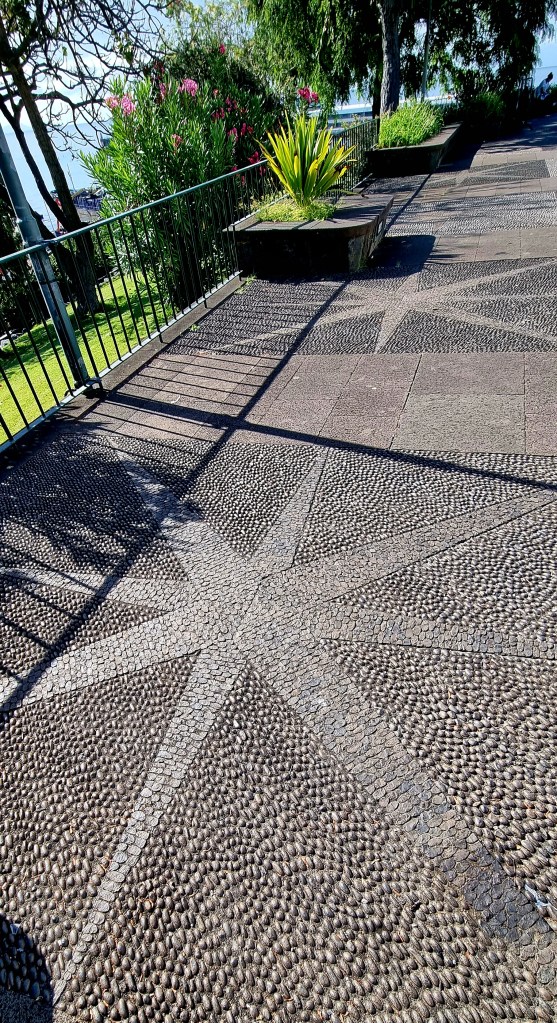
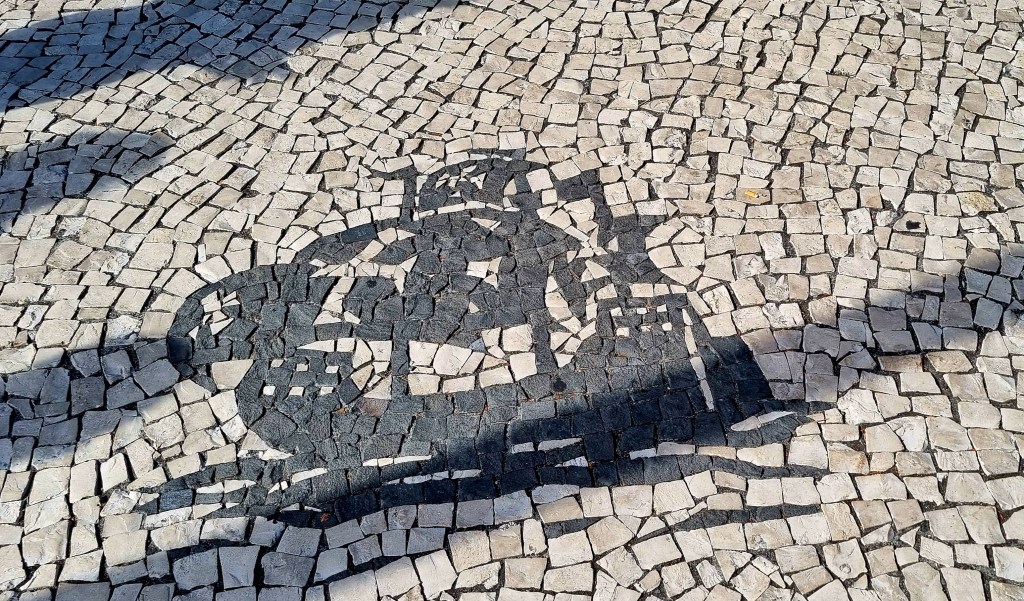
Many of the pavements in Madeira have patterns and shapes. One of the ones below is of a discovery boat, which were the ships used to transport goods.
Madeira became autonomous in 1974. It currently has around 250,000 inhabitants. The north and south of the island are very different, and it took a while for the settlers to make their way to the north.
Madeira used to have a lot more sugar cane plantations and they had the first sugar cane plantations in the Atlantic in the mid-15th century. They imported the sugar, white gold, to the Netherlands and Portugal. Madeira was Europe’s biggest sugar producer for 150 years. To meet the demands, more enslaved people were bought to work in the cane fields from the Canary Islands and West Africa. Slavery remained in Madeira until around 1773.
Madeira also made commercial links with India.
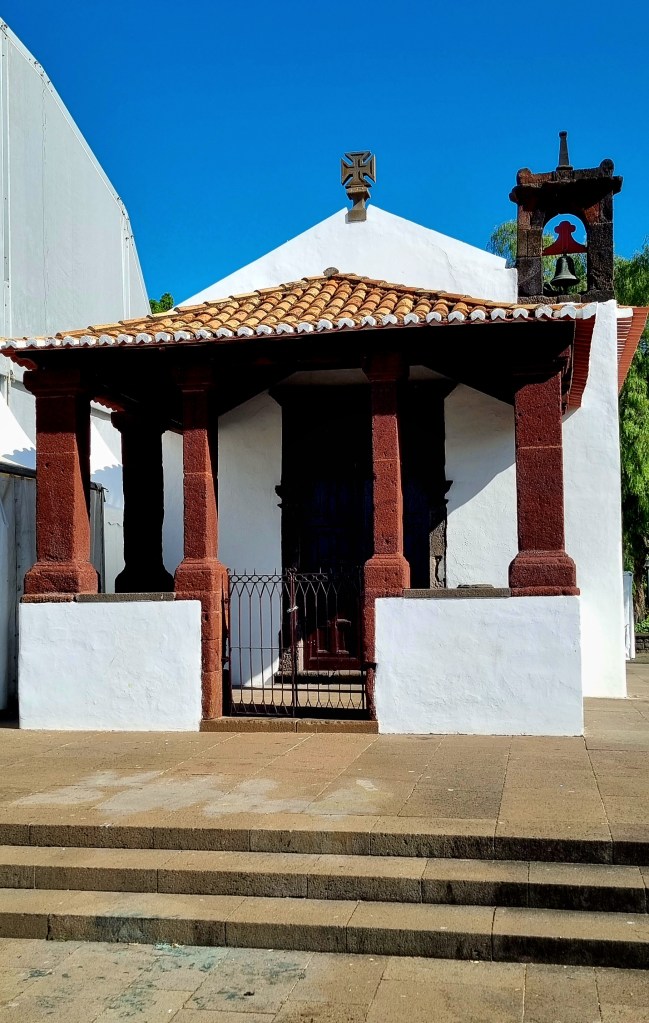
Close to our meeting point was the first Chapel to be built in Madeira, originally made from wood. The red stone is quite soft and is from the island. The Chapel has a Templar cross on it. The templar order was abolished by the pope, but it became a Christian order instead. It was very influential in Madeira and ruled the island until the first king was crowned. It also ruled and owned all of the other islands nearby. The order also went to Africa to try and convert the African people to their faith.
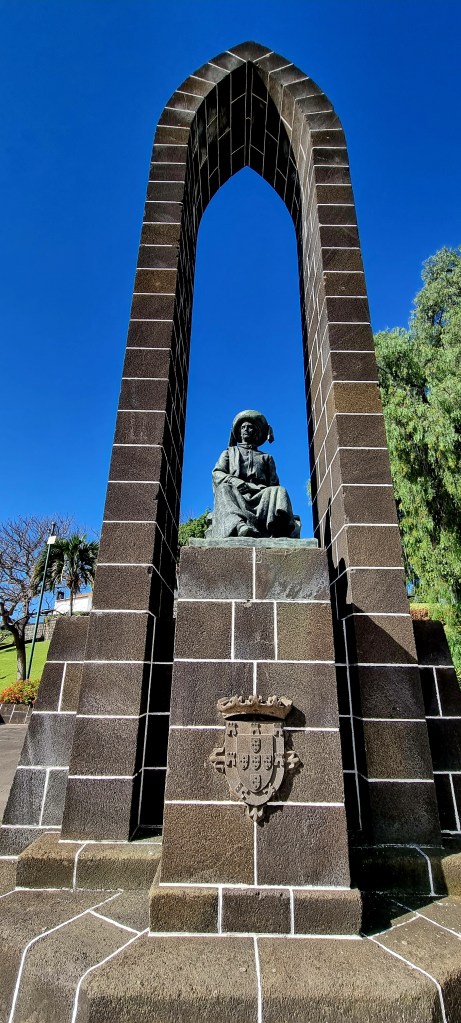
We passed by a Monument of the first King’s son, who was also the Head of the Order of Christ.
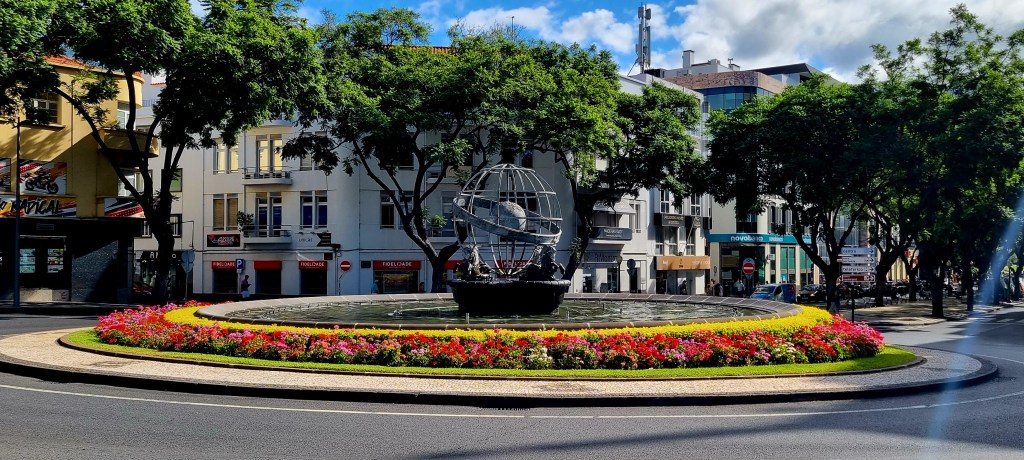
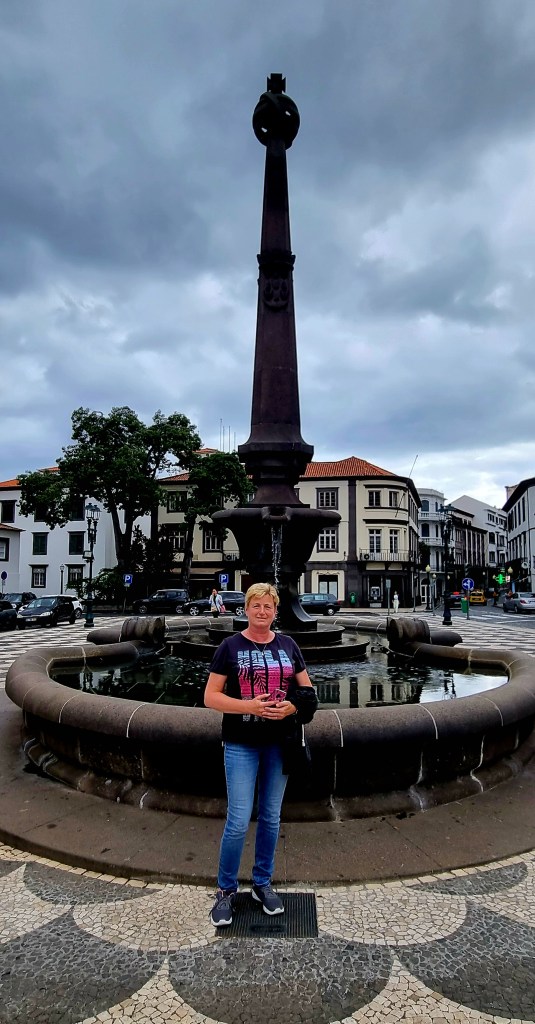
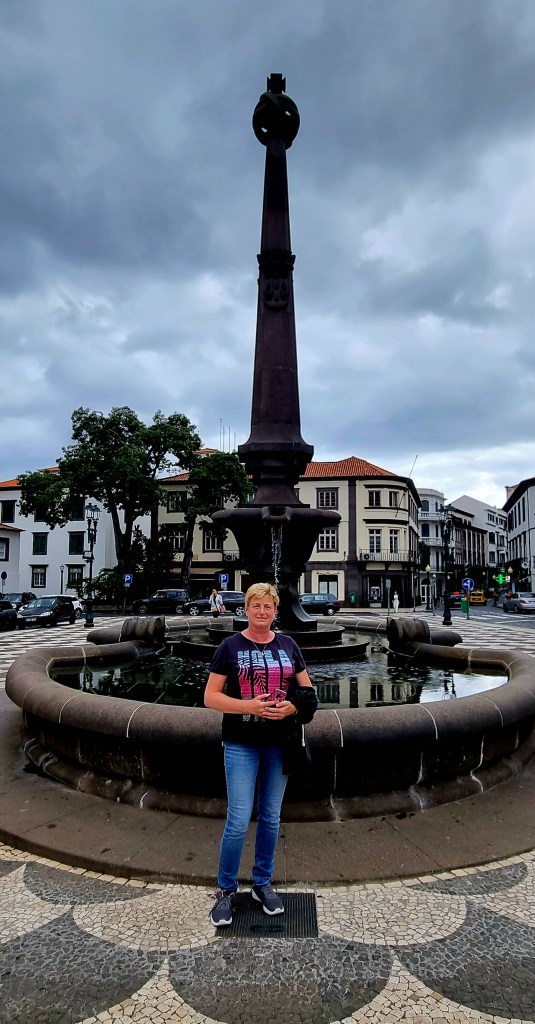
We passed by a fountain that has the world inside it.
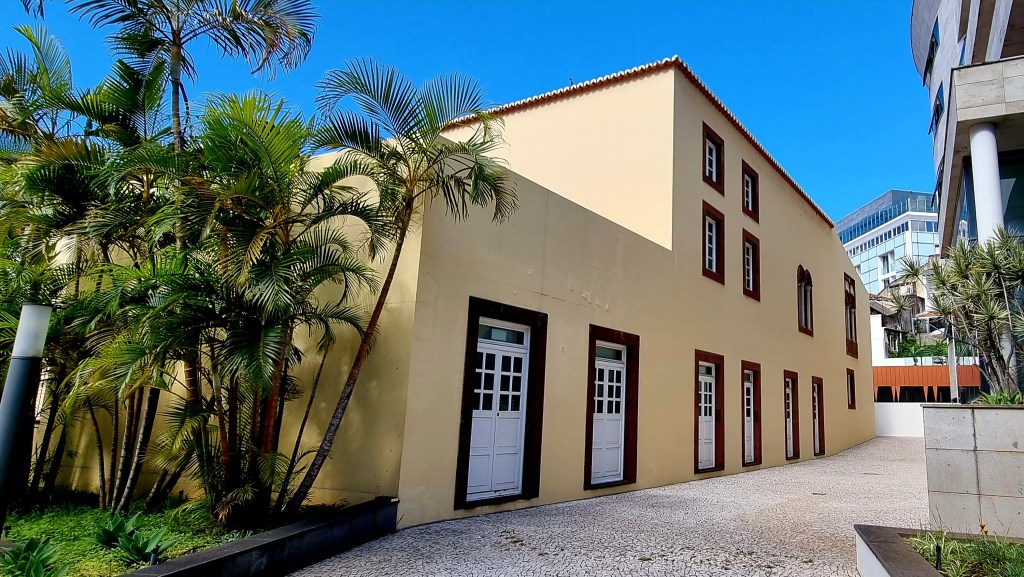
Our next stop was a 16th-century preserved noble house, which is a mixture of gothic and renaissance architecture.
We passed by a German Lutherian church, which was also built in the 16th century and was quite pretty.
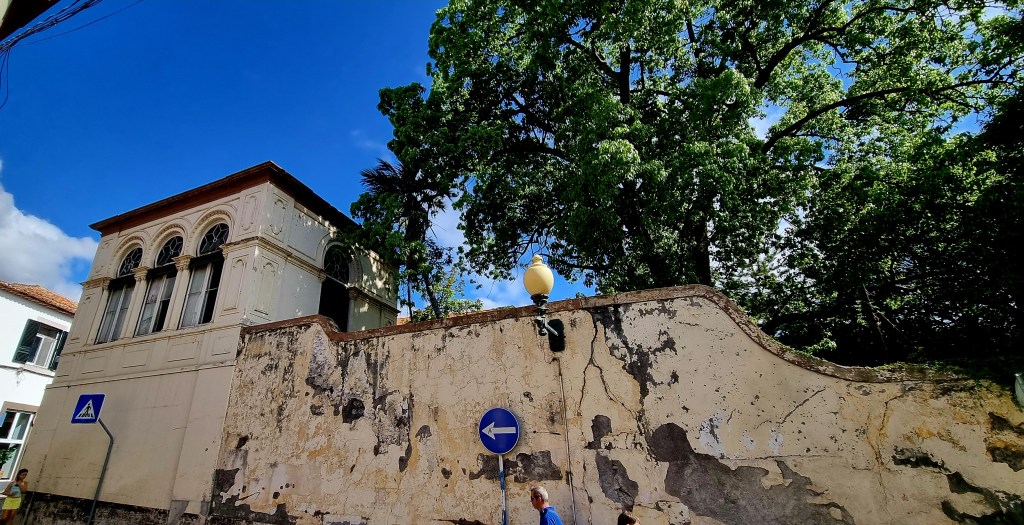
Whilst many of the streets had some lovely buildings, there were also quite a few that were derelict. The cost of purchasing and repairing these houses is too expensive, so they are left to rot.
We walked past the Jewish synagogue. This was built as many Jews came to Madeira from Gibraltar.
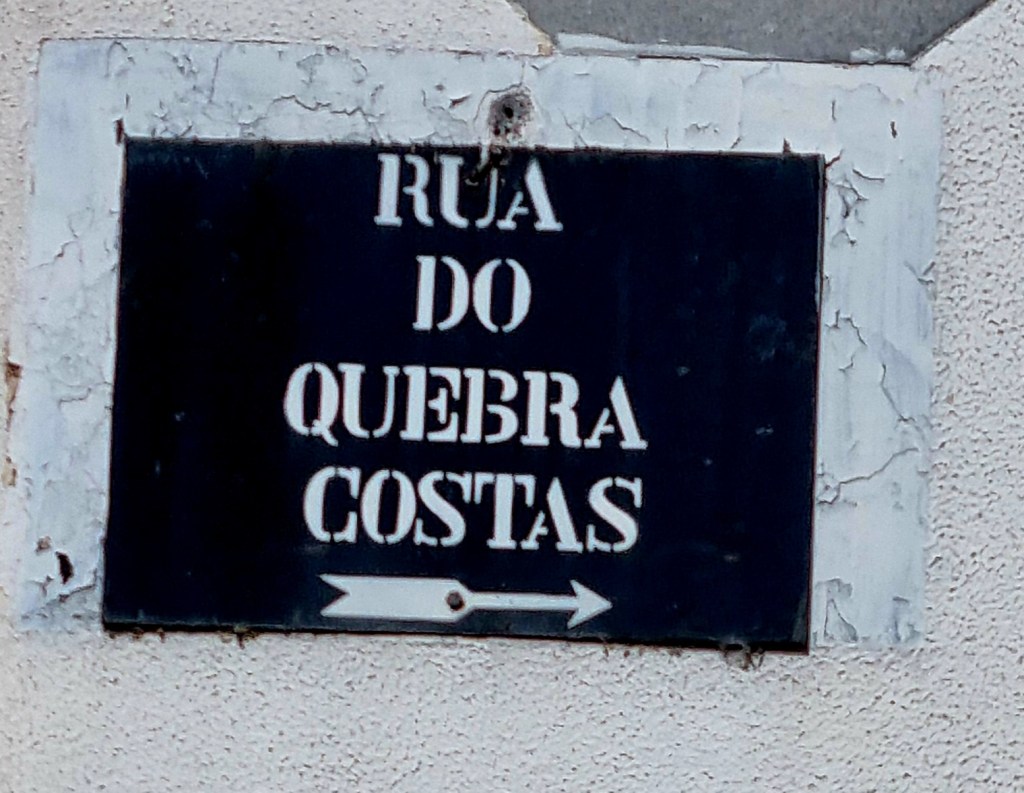
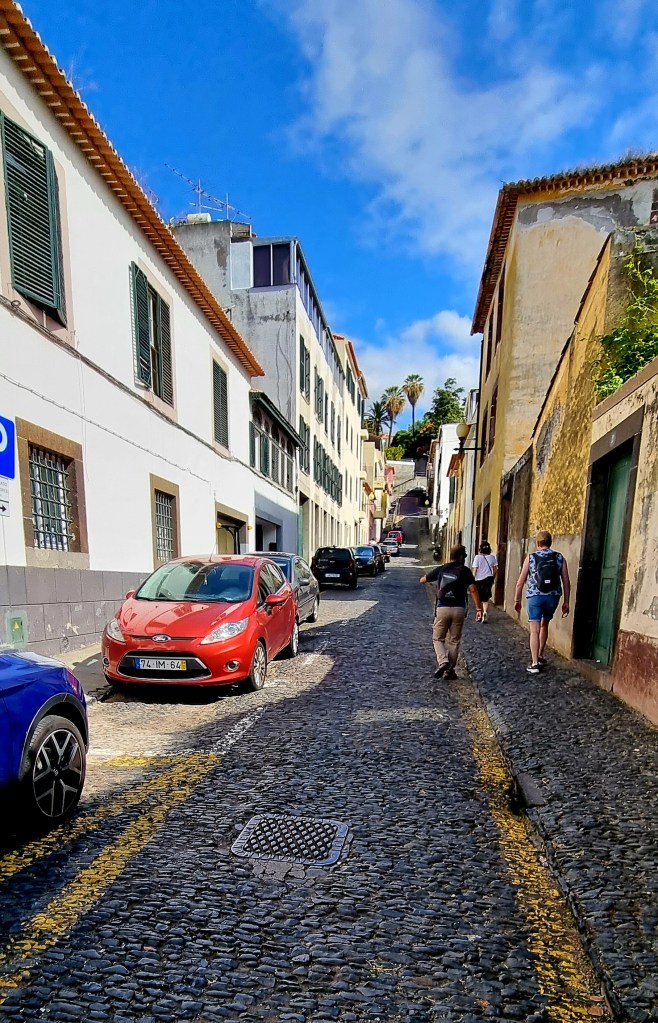
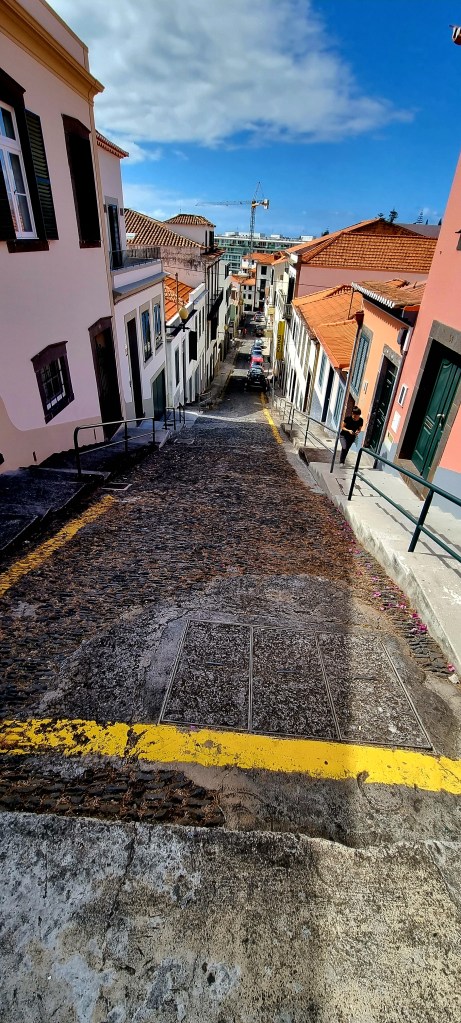
We then had a steep climb up Rua do Quebra Costas, which literally means “the street that breaks your back”. It was a pretty steep hill.
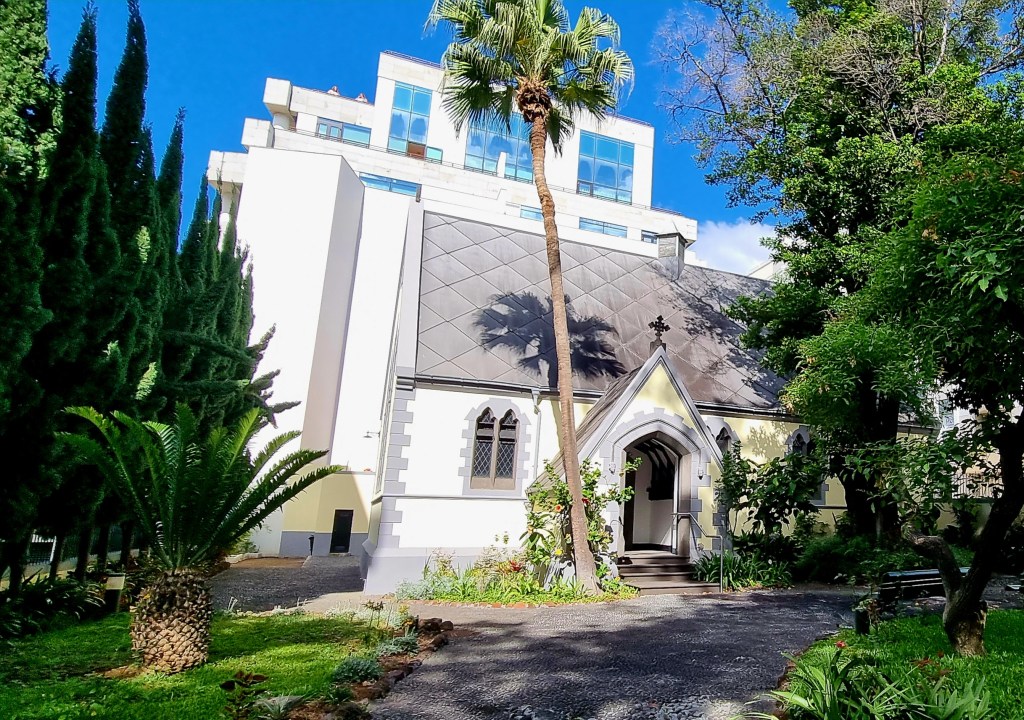
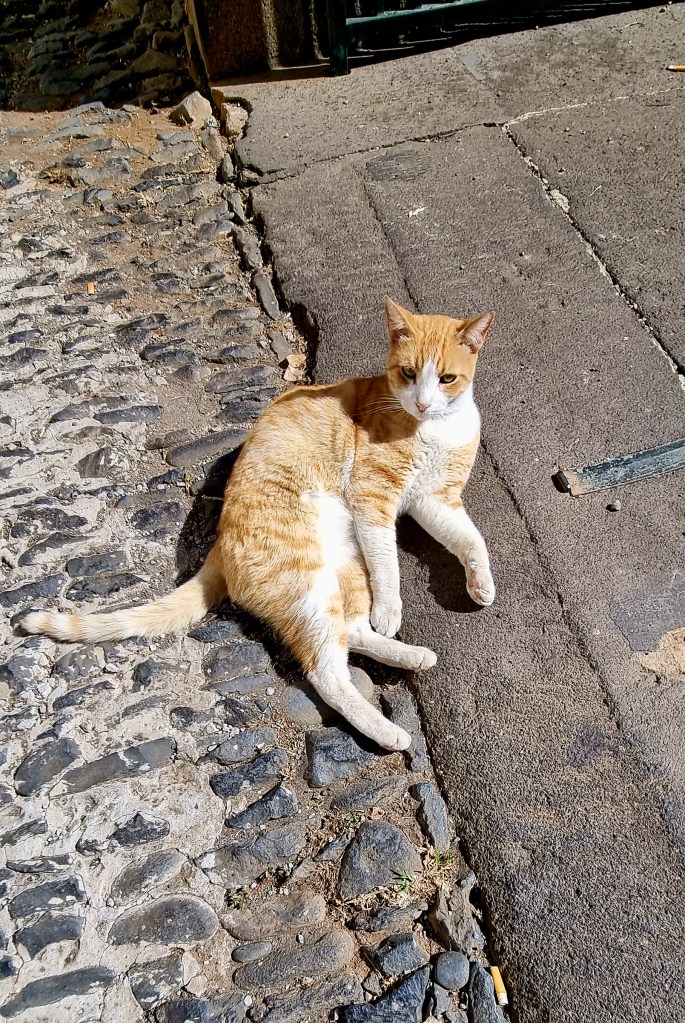
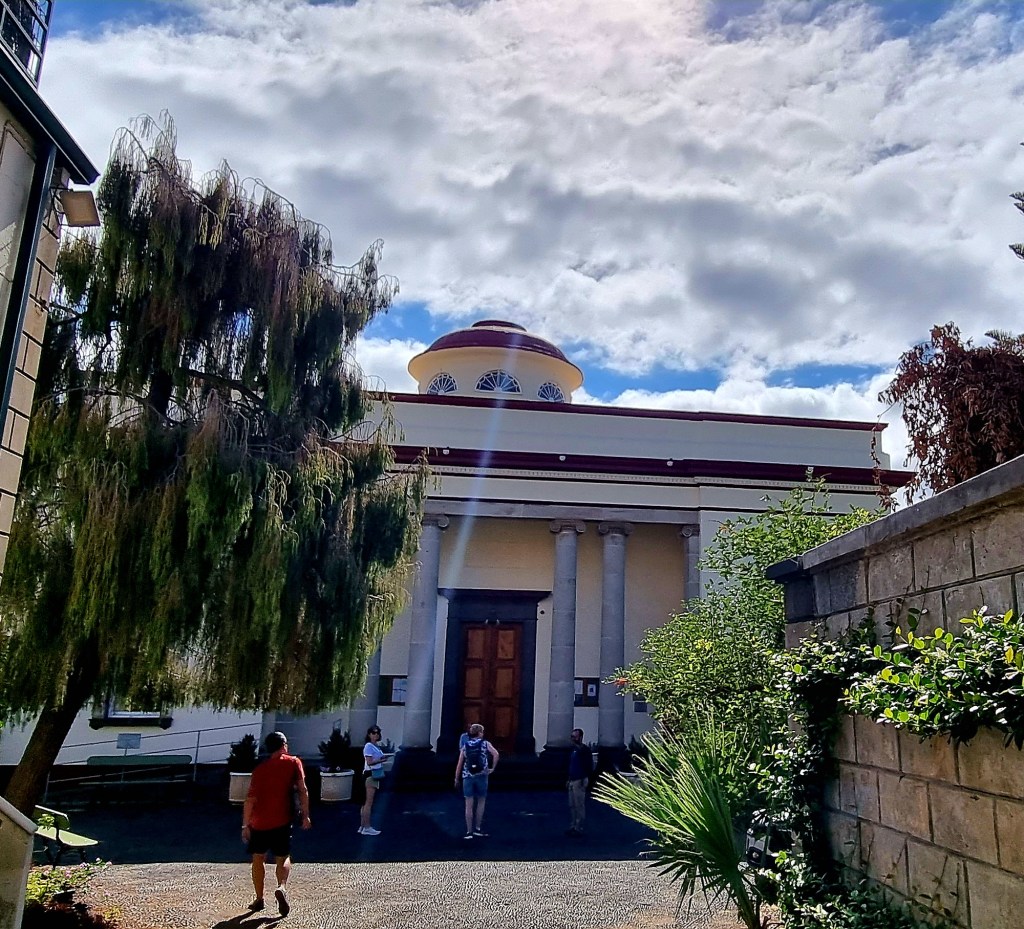
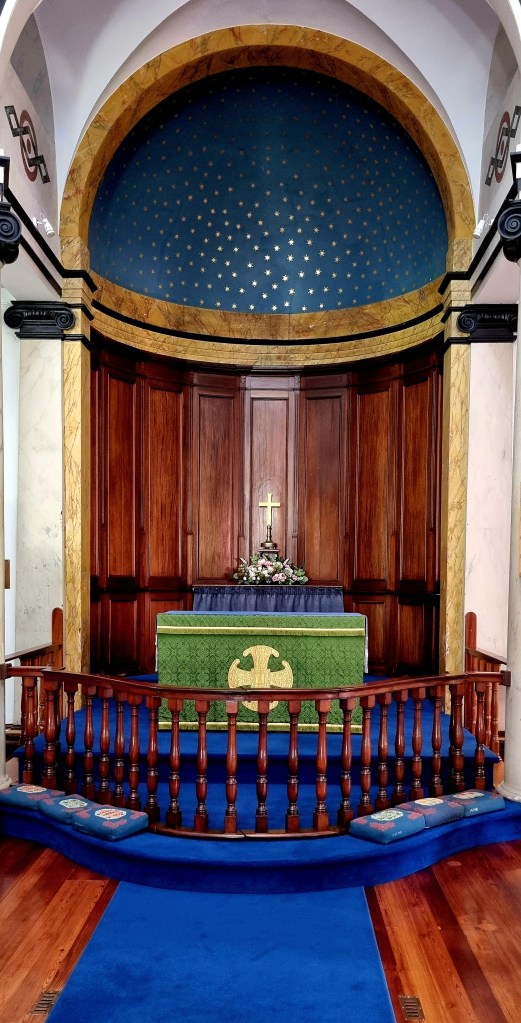
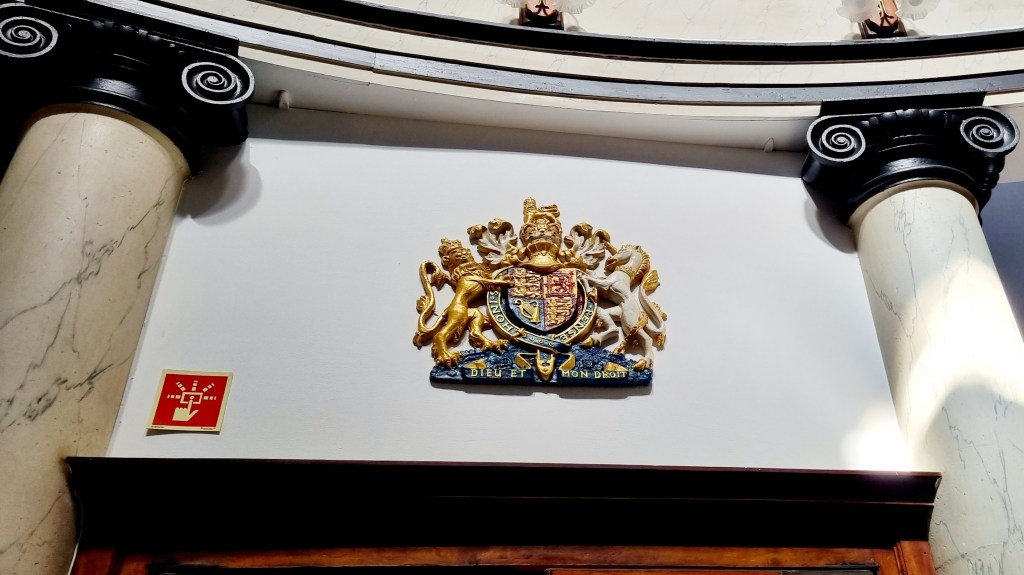
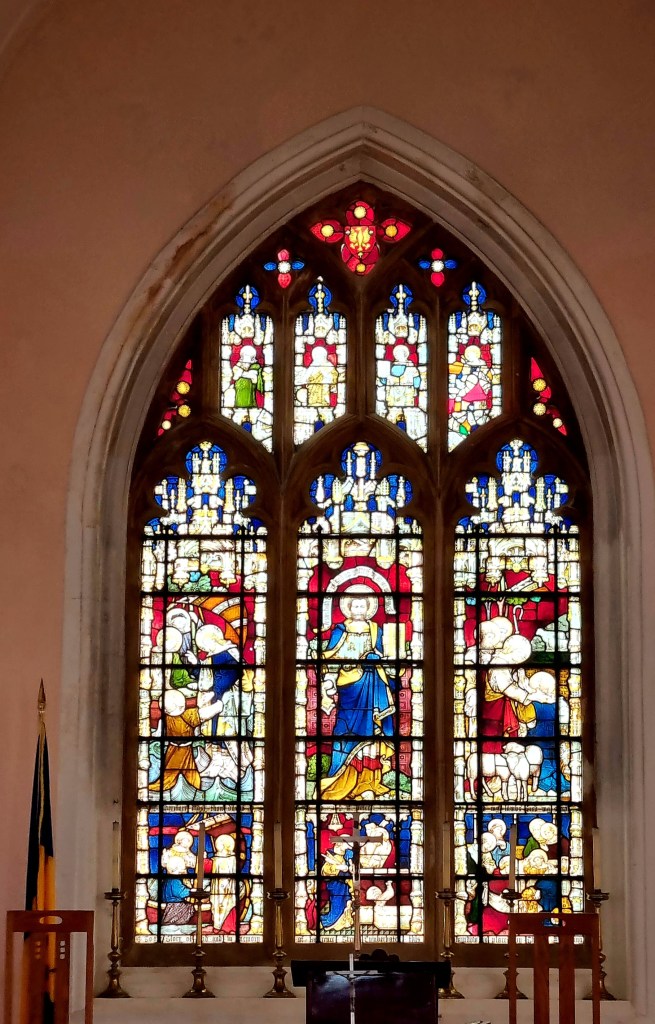
We then visited an English Anglican church called the Holy Trinity, which was guarded by a cat. The church was built in 1822, and its construction was funded by public appeal, contributions came from George II, Nelson and the Duke of Wellington.
Inside the church there was a beautiful dome, with the ‘all-seeing’ eye of God, or alternatively a link to the Free Masons.
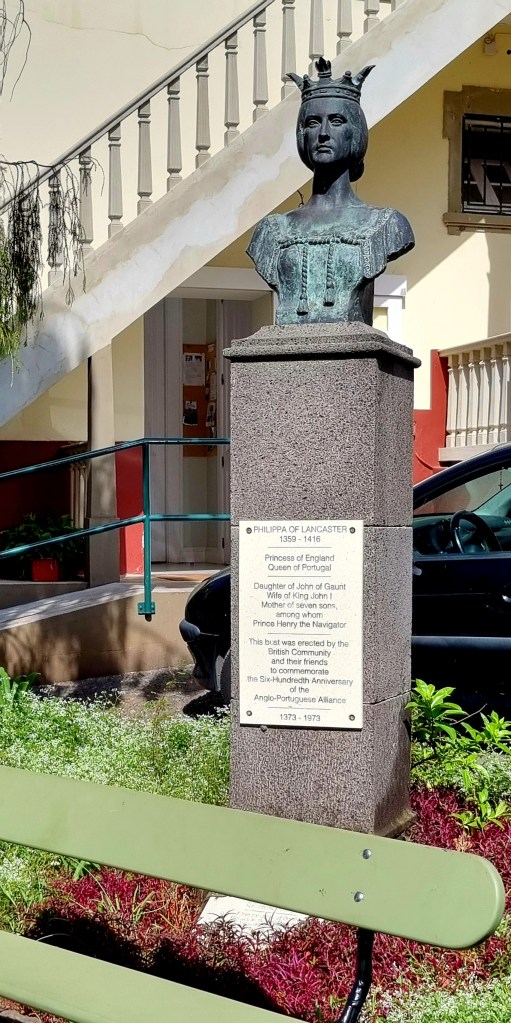
England has had an Alliance with Portugal since 1373, the Wundsor Treaty. To celebrate 600 years of the Alliance a statue of Queen of Portugal/ Princes of England was placed in the church grounds.
British merchants dominated the wine trade after King Charles II married the Portuguese princess Catherine of Braganza in 1662. Britain also sent armed forces to defend Madeira in 1801 to prevent Napoleon from capturing it.
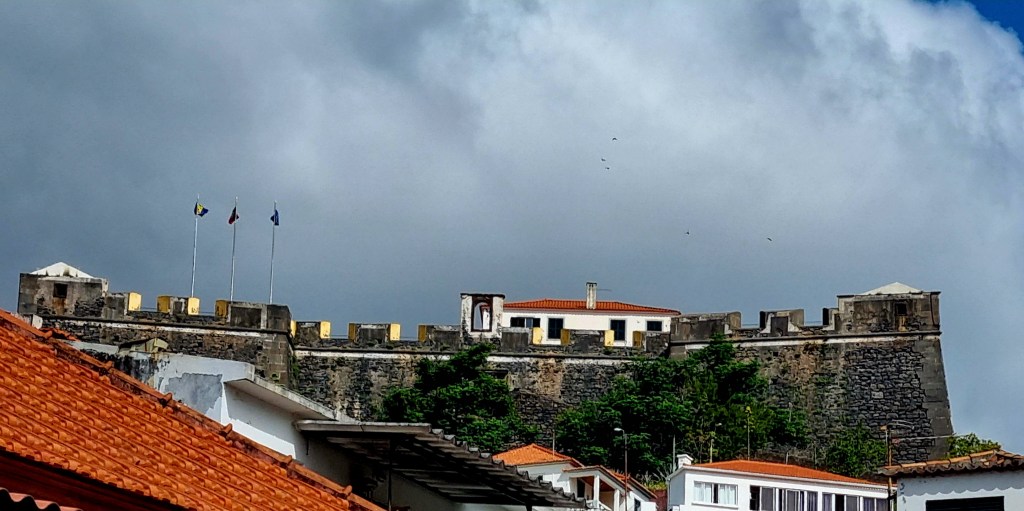
From the city you could look up to Fortaleza do Pico. This is owned and partly used by the Portuguese military, which is why the flag of Portugal flies between the flags for Madeira and Europe. At the end of the 16th century, Portugal was ruled by Spain, and it was the Spanish who originally built the fort.
Many of the houses in Madeira have watch towers. Residents used the towers to look out for pirate boats. Over time, the towers became a sign of wealth, as was having a large fir tree by your house.
Zarco’s son, the first founding father of Madeira, founded Santa Clara Covent in 1476. His house was built close by.
In 1566, when the French attacked, the nuns from the convent escaped to what is known as ‘Nun’s Valley’ with all the treasure from the church. It was after this attack, when Spain ruled Portugal, that many of the forts and City walls were built.
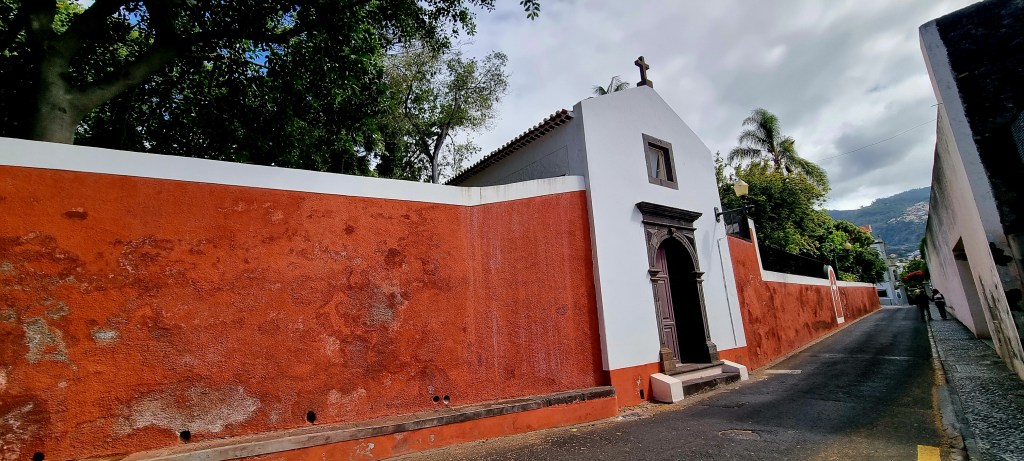
Santa Clara Covent is surrounded by high walls to shield the nuns from prying eyes.
The next place we visited was Sáo Pedro Church. This was the main church in Madeira until the Cathedral was built.
The street leading away from the church translates to ‘Street of black women’. During the time of slavery and paid servants, many black women used this street to get to and from the market.
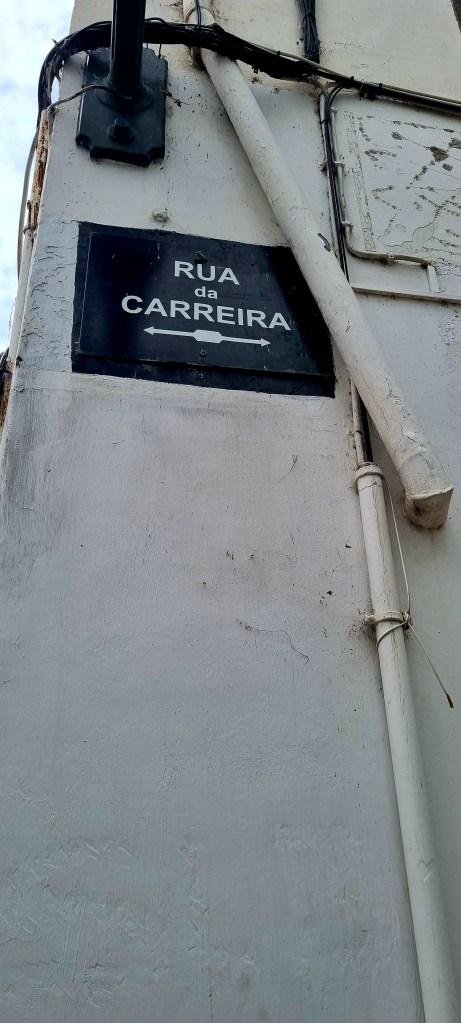
Rua da Carreira is the longest street in Funchal and was originally used for horse racing.
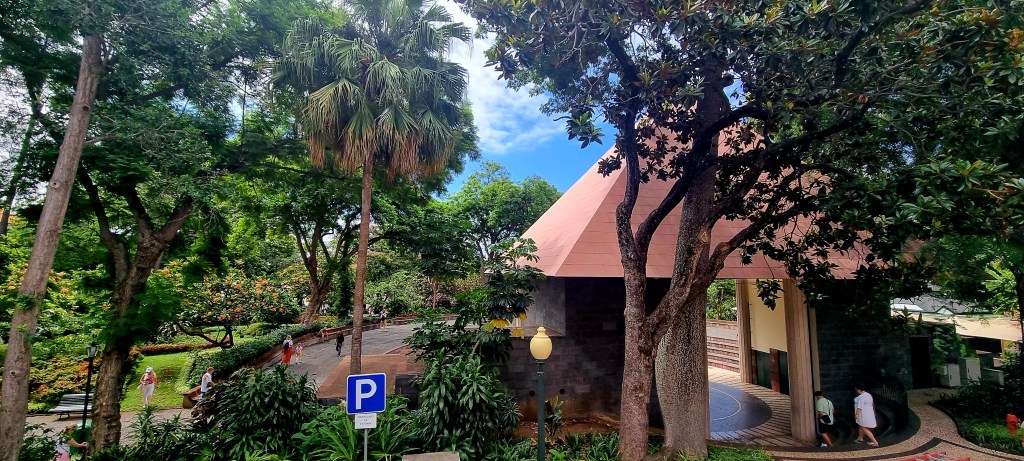
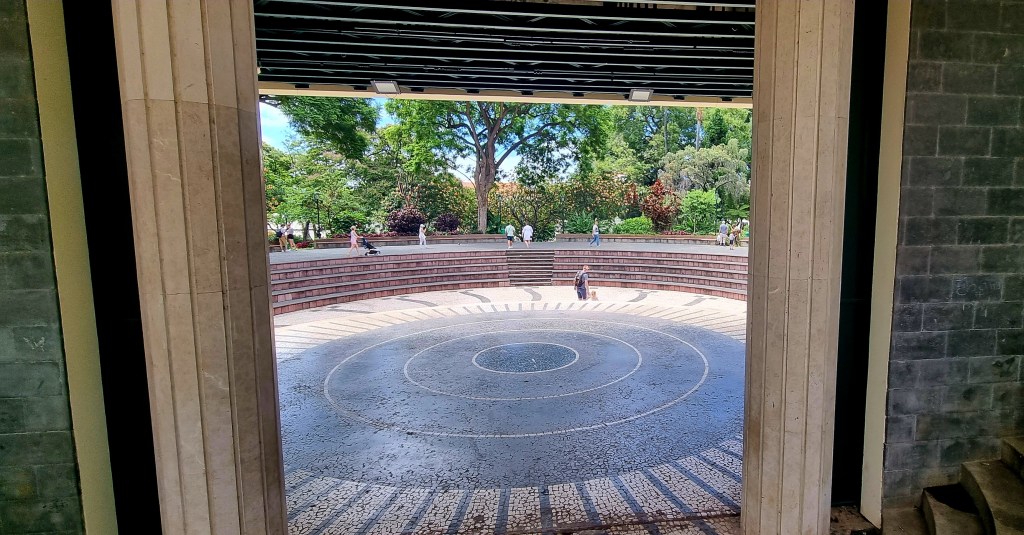
We walked down to the outdoor municipal theatre where they have a lot of live music and shows. This theatre was built in the 19th century.
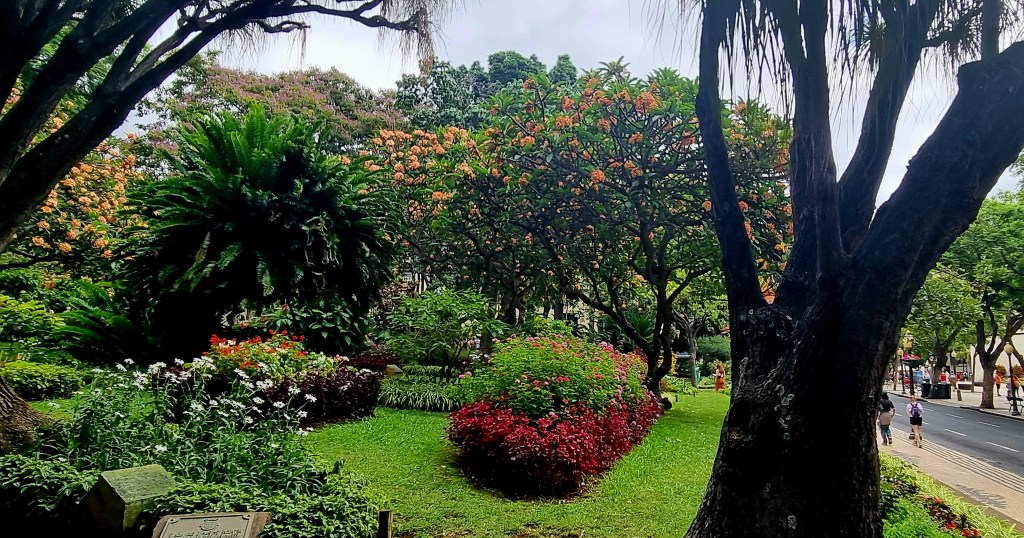
Close to here are the gardens of Sáo Francisco. St Francis, the patron Saint of the environment, oversees this city centre garden, which is built on the site of a Franciscan friary.
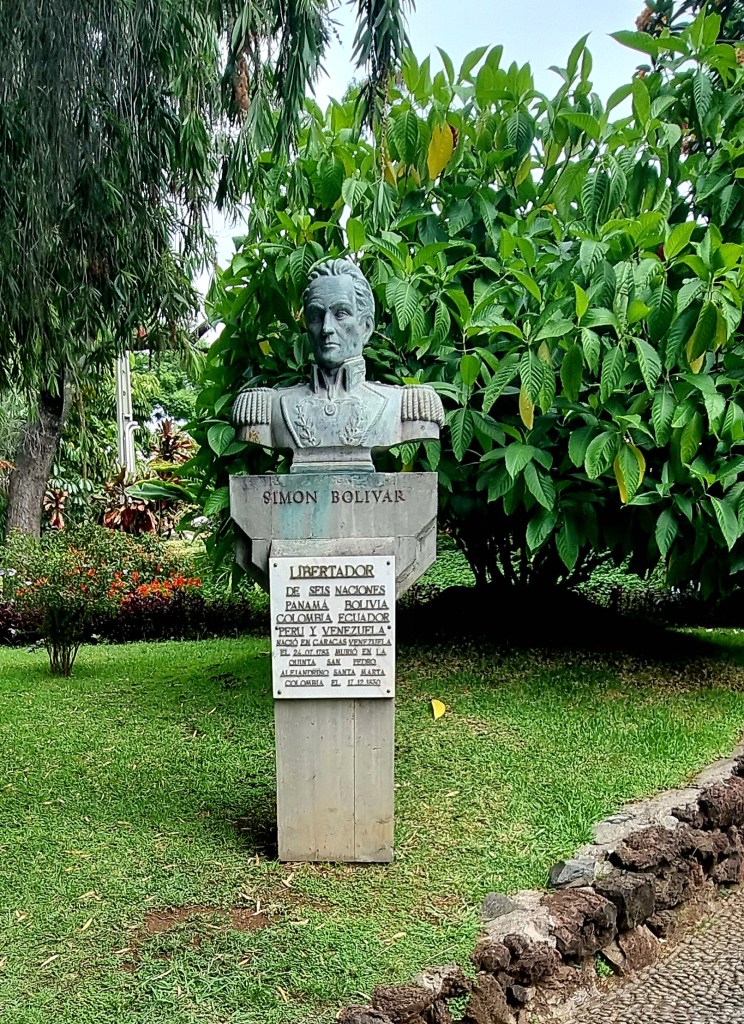
In the garden is a statue of Simon Bolivar. He helped liberate a lot of South America from Spain.
The next statue was of Zarco, the founding father of Madeira. Prince Henry, third son of King John I of Portugal, sent Zarco to the islands. He planted the Portuguese flag on Porto Santo in 1419 and on Madeira in 1420. His real name was Joáo Goncalves but he was nicknamed Zarco, “squinter”, after he lost an eye in battle in 1415.
His statue has farmers, scientists, religious leaders and noblemen around it.
Close to this statue is the ‘corner of the word’. This is named as such because all the people coming in from the boats used to turn this corner to conduct their business in town and then go back the same way. The Golden Gate Cafe is now on this corner.
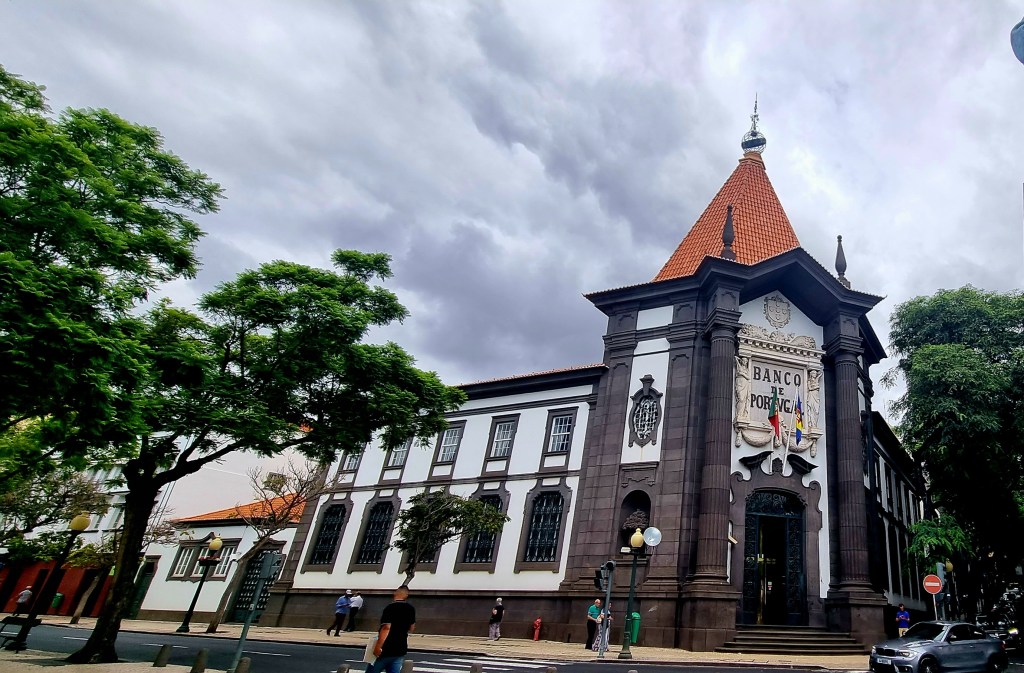
We passed by the bank of Portugal. This is one of the most outstanding buildings in Funchal.
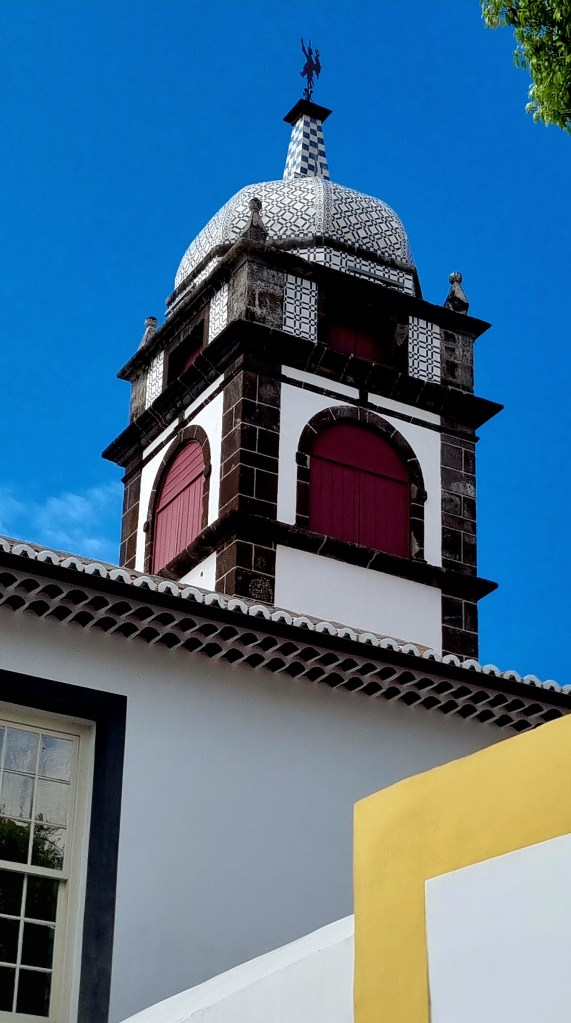
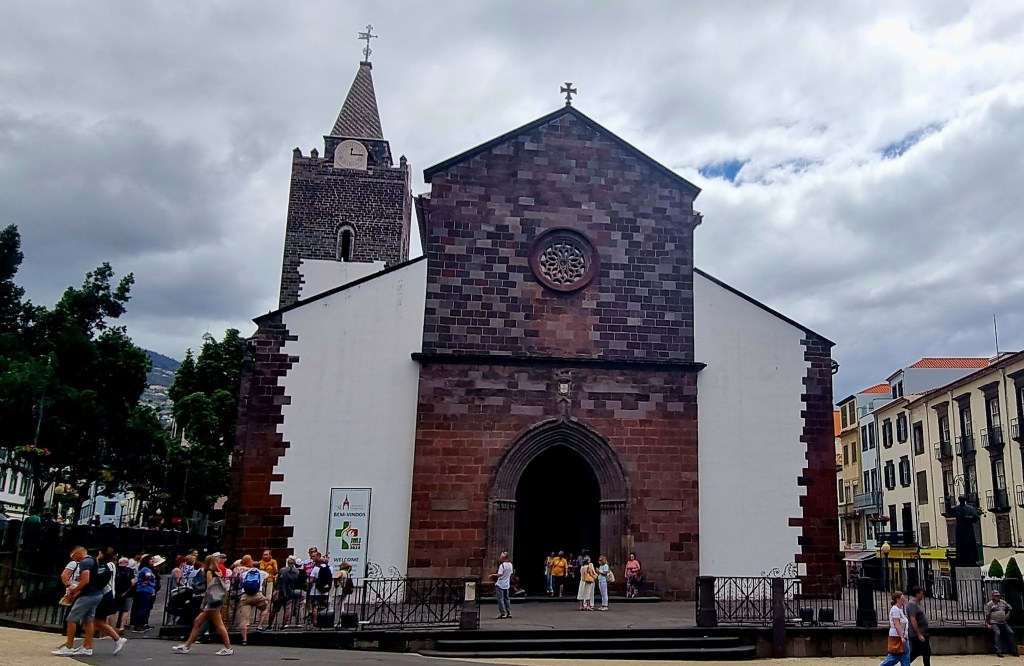
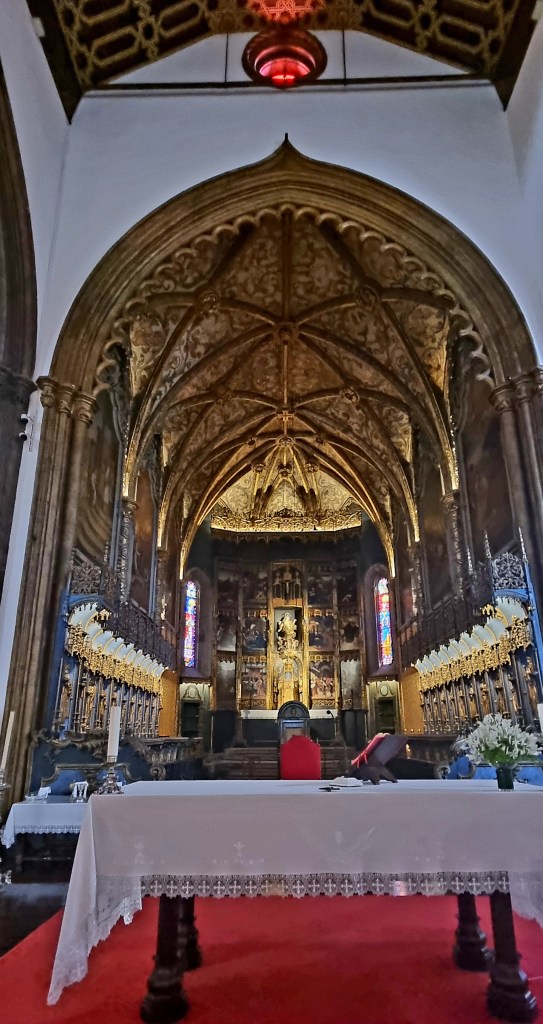
The next stop was the cathedral. The tower on the cathedral is the same height as the length of the church. The coat of arms over the doorway of the cathedral is from King Manuel I of Portugal, who helped to fund its construction. The cathedral was begun in 1493 and was finally completed in 1517.
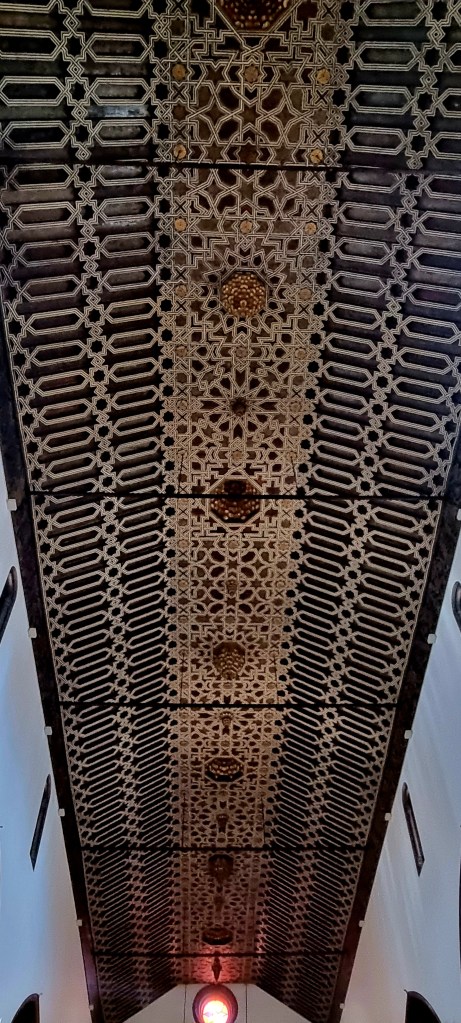
The ceiling inside the cathedral is stunning and made from cedarwood from Madeira. It is 1500m² and is the largest ceiling of its kind in Portugal. The patterns of knots and lozenges, with projections similar to stalactites, is based on the geometric art of medieval Islam.
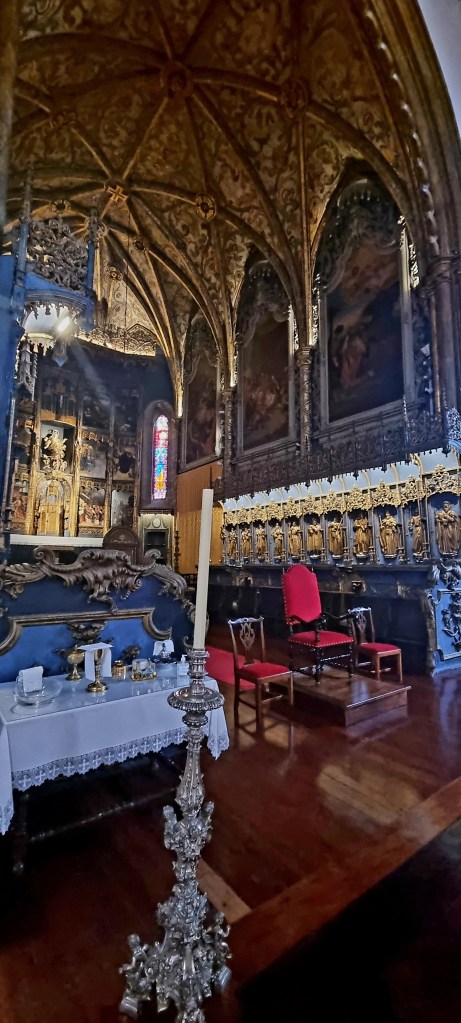
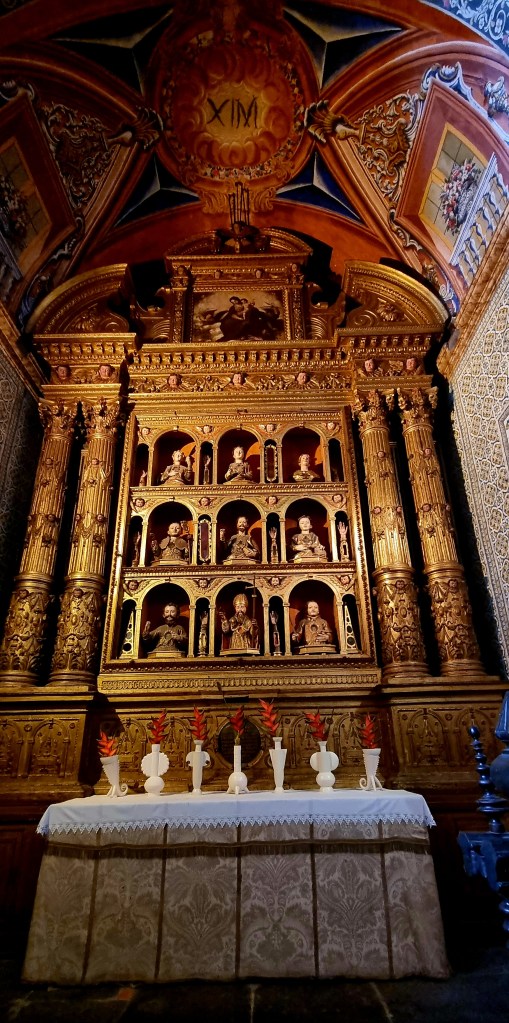
The inside of the cathedral was stunning. The altarpiece was made in 16th century and includes 12 scenes from the lives of Christ and his mother Mary.
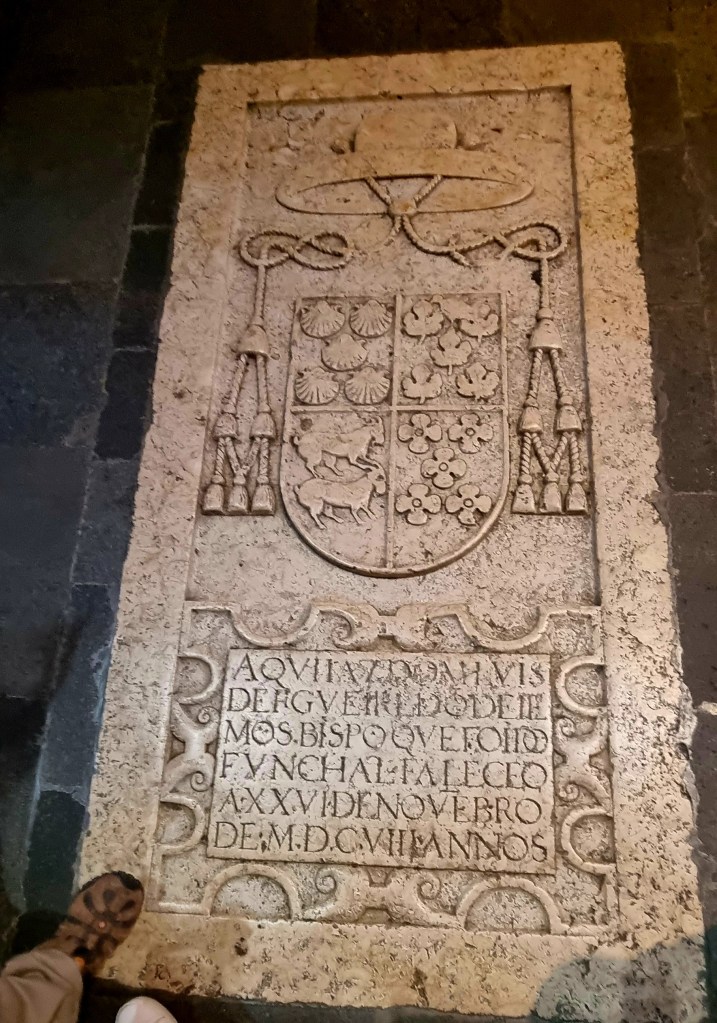
The cathedral was often invaded by pirates. The churchgoers used to hide any valuables in the tombs of people who had been recently buried.
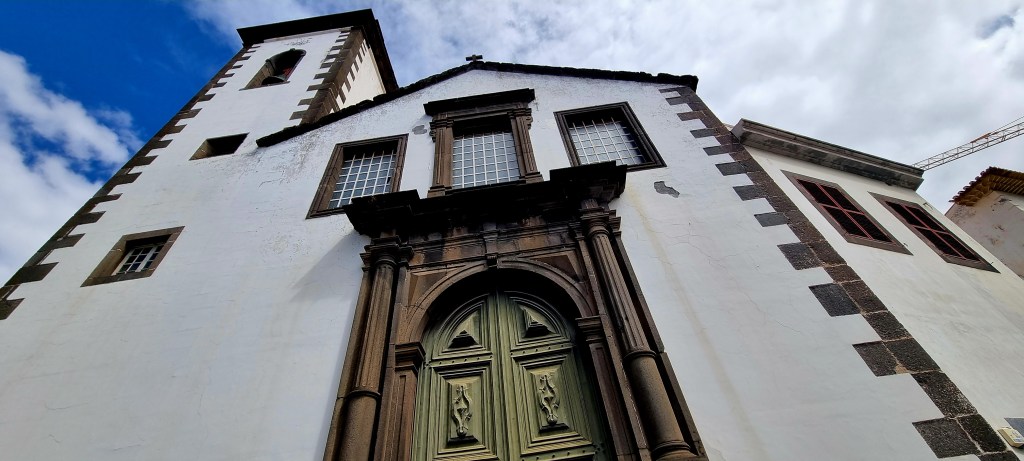
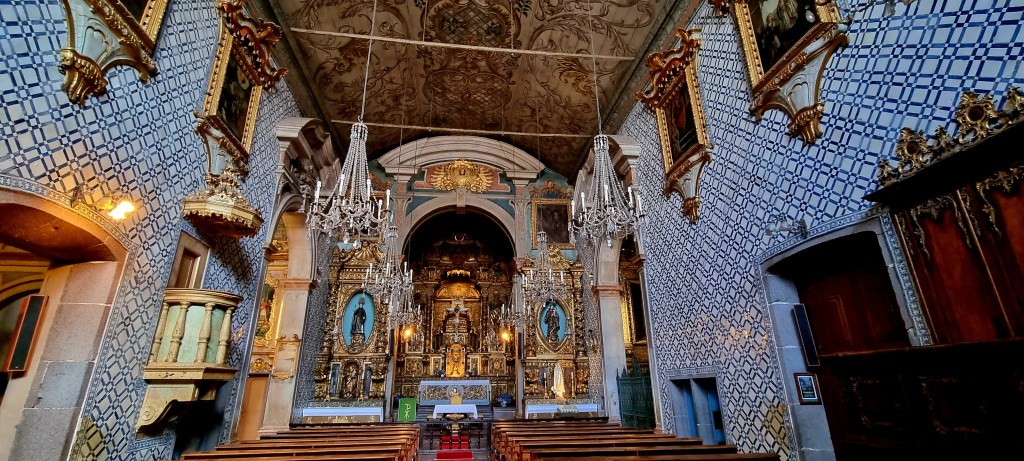
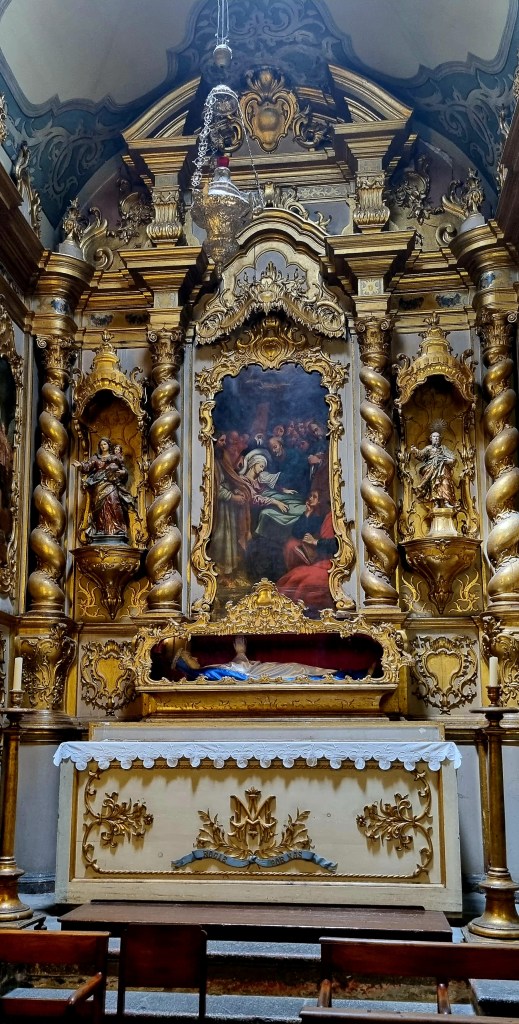
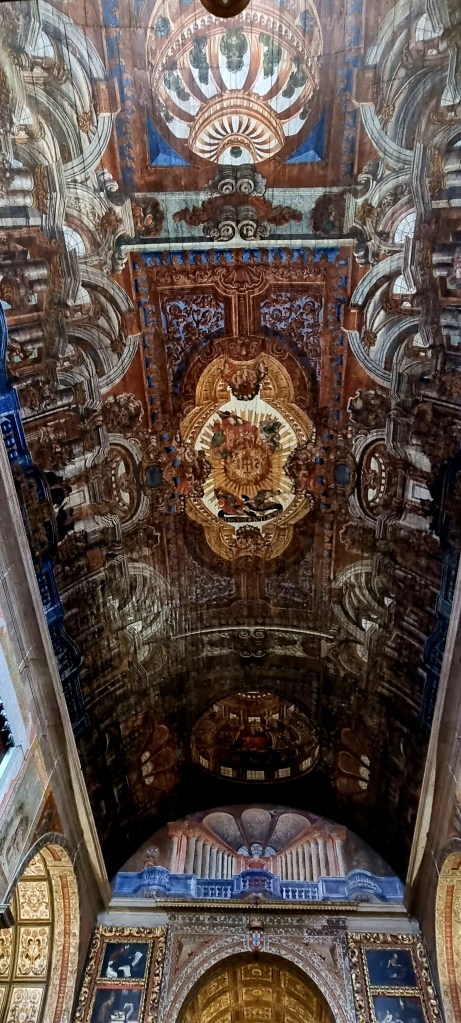
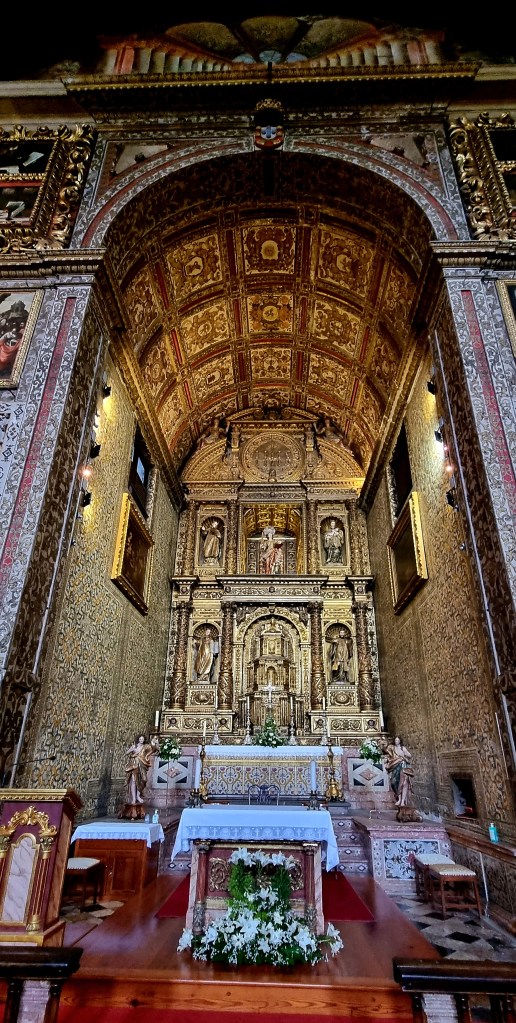
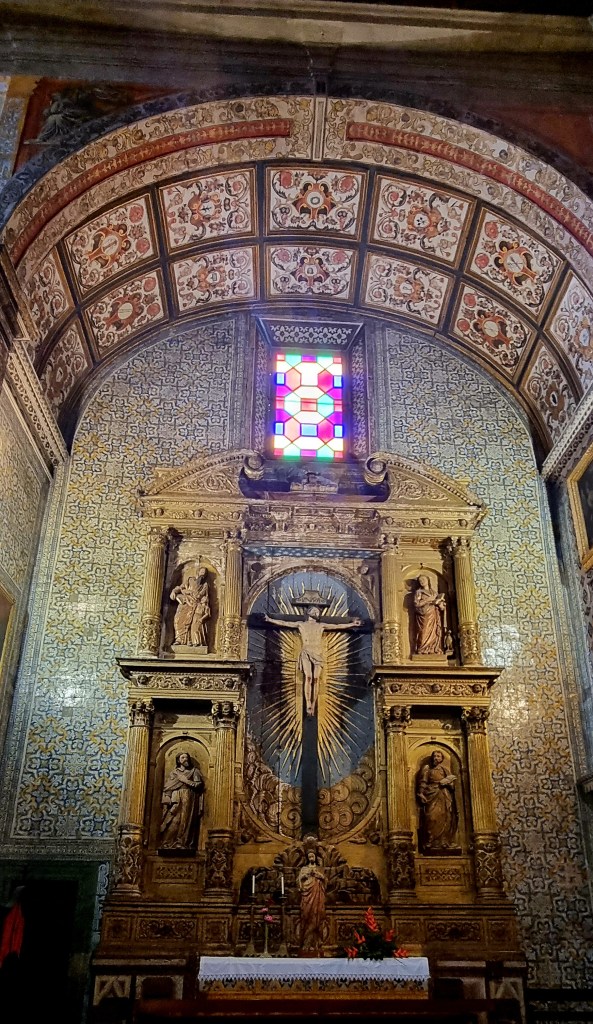
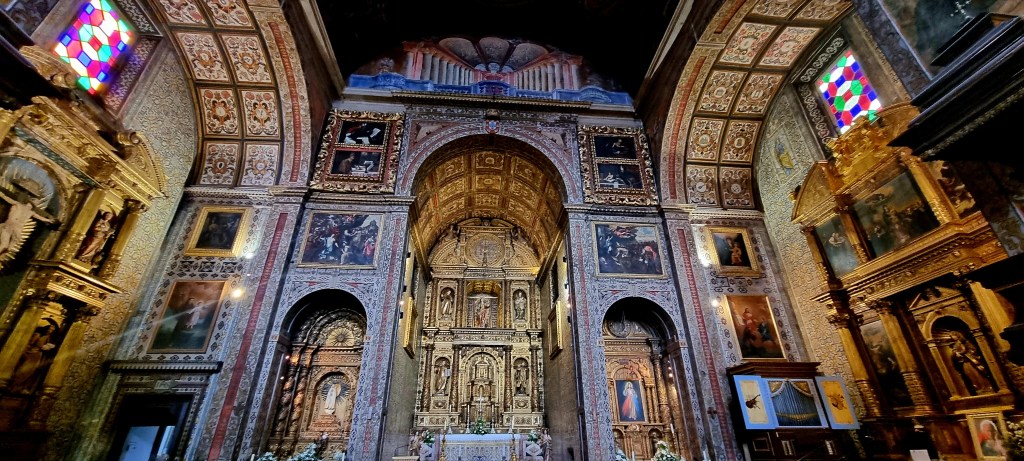
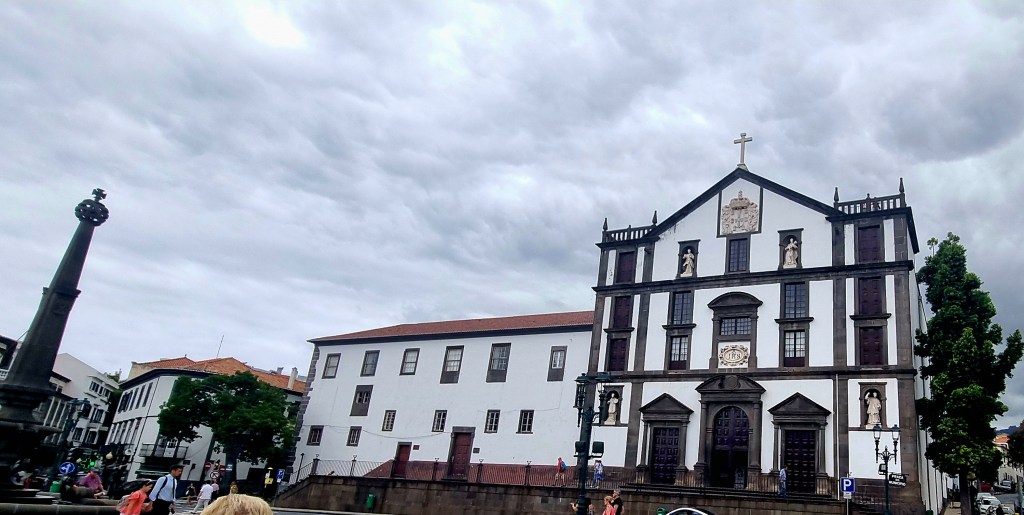
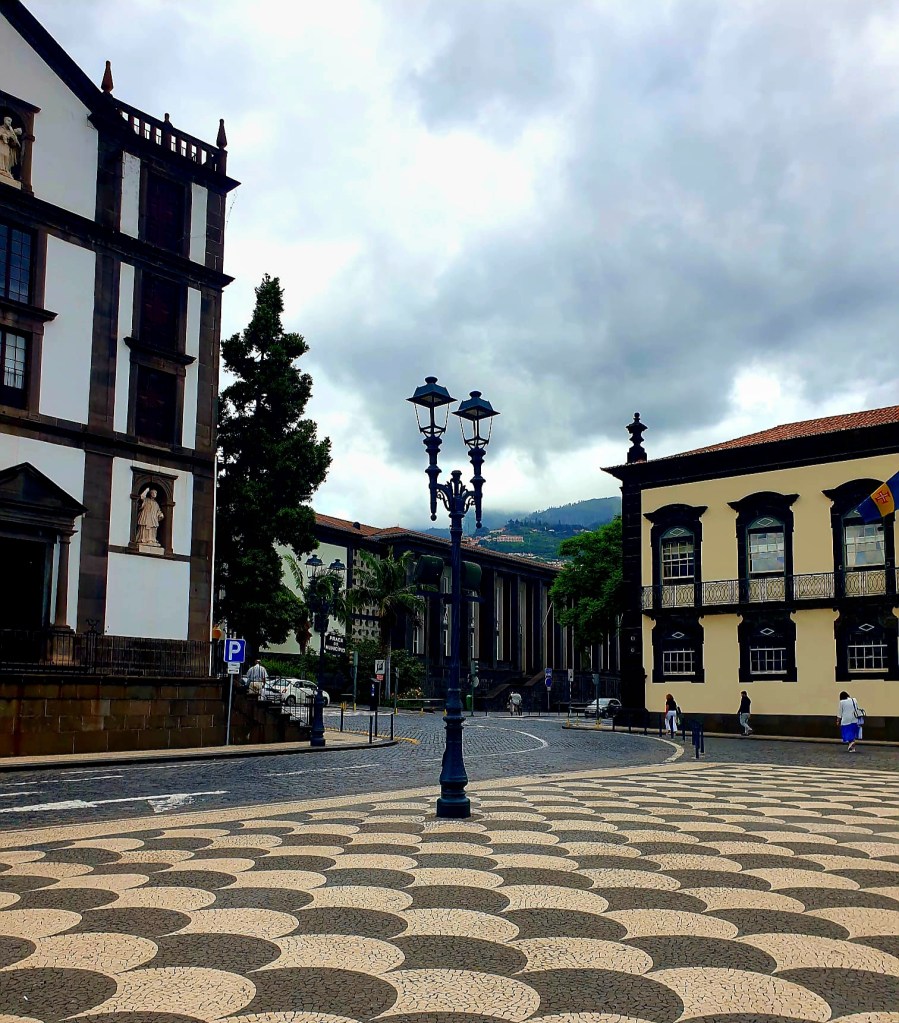
The almost final stop was another church, Igreja do Colégio, a large Jesuit Church. The Jesuits were a large brotherhood of missionary priests who owned huge wine estates on Madeira. They used some of their wealth on the church. They built a hall alongside the church, which is now part of the University of Madeira. The church started to be built in 1629 and was completed in the first half of the 18th century.
The church was modelled on a Jesuit Church in Rome, and it has two pulpits facing each other, which were built as such to encourage debate. This church was a major part of the Inquisition.
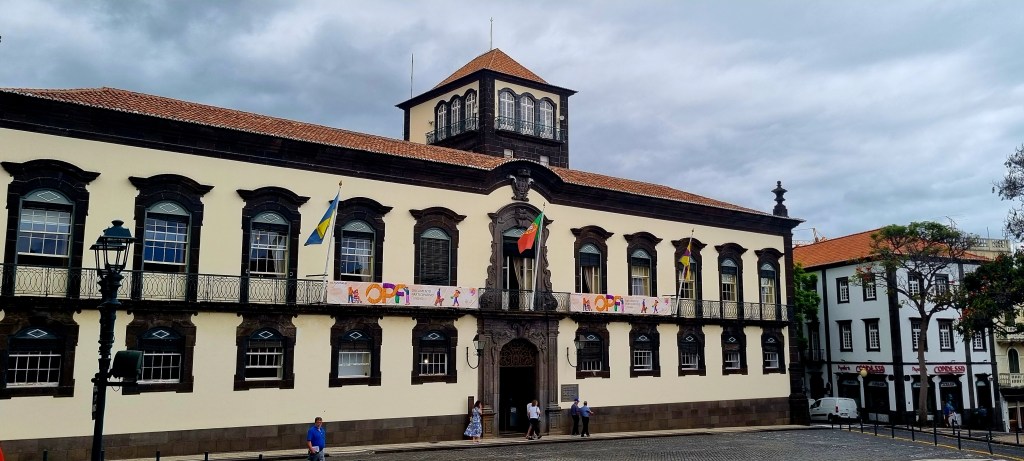
To the left of the church is the town hall. Opposite is now a museum, but it used to be the residence of the bishop. The bishop was responsible for bringing the inquisition to Madeira. Funchal was the biggest diosce in the world for 22 years as the bishop was also the bishop of Goa, Brazil and South Africa.
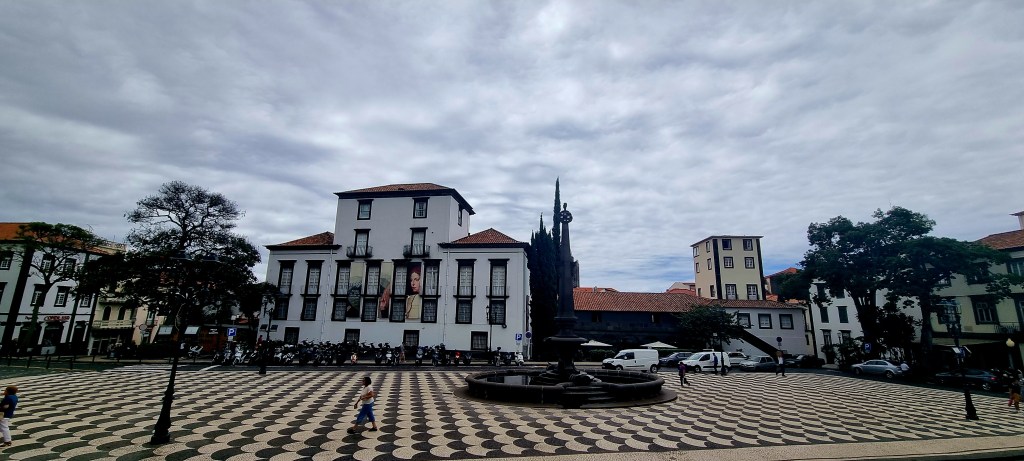
The monument in the middle of the square is the coat of arms of Madeira, depicting sugar cane and grapes, which represent the most important economic aspects of the city – wine and sugar.
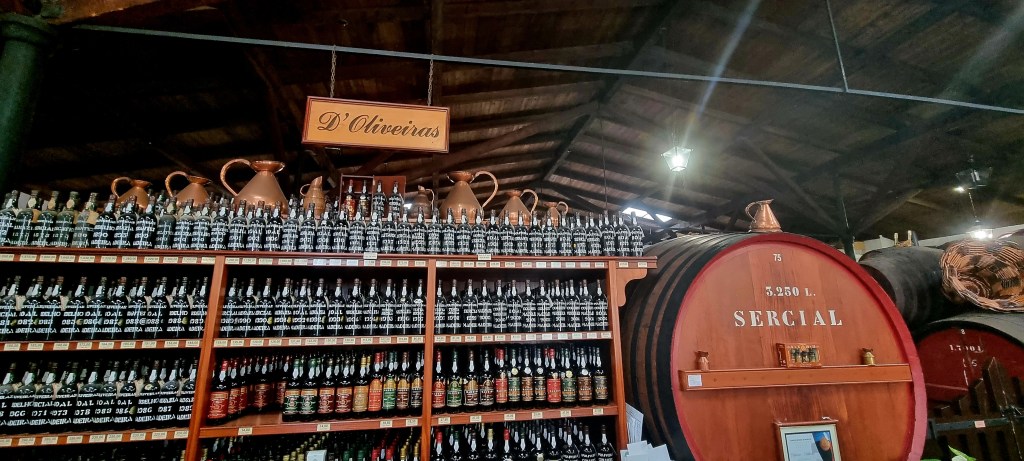
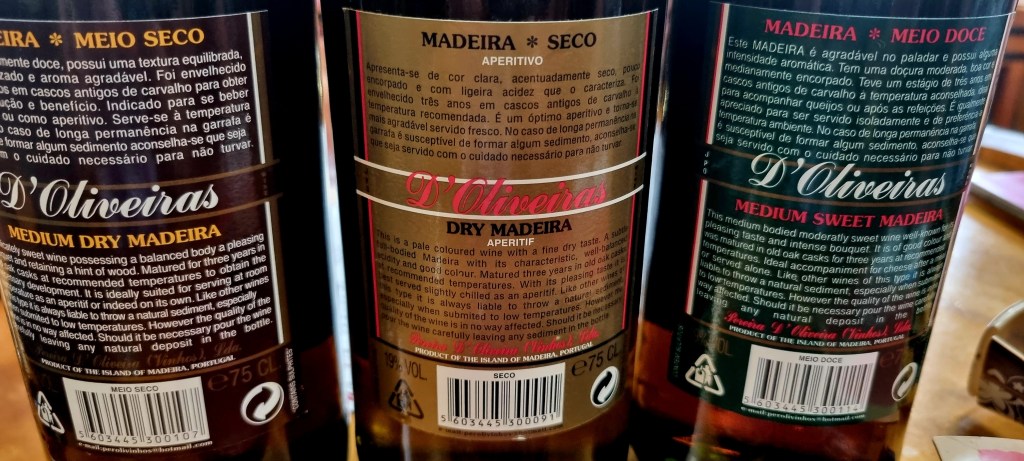
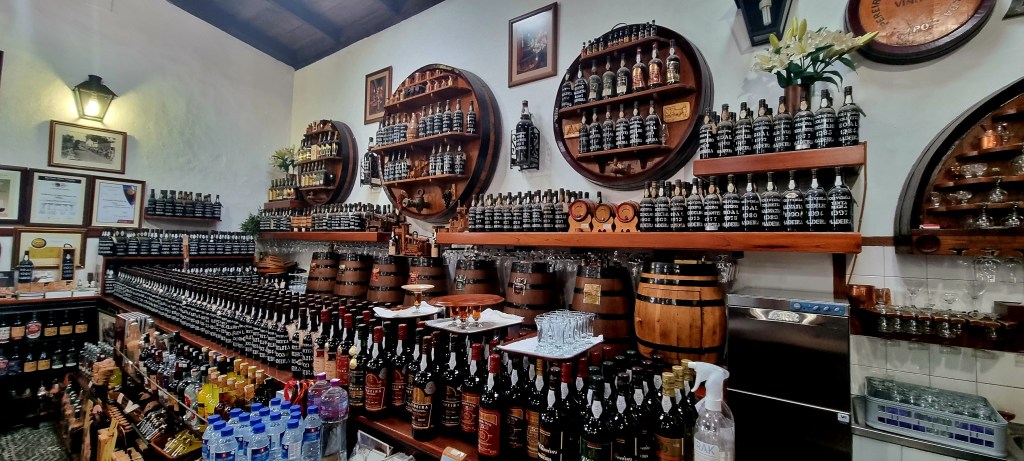
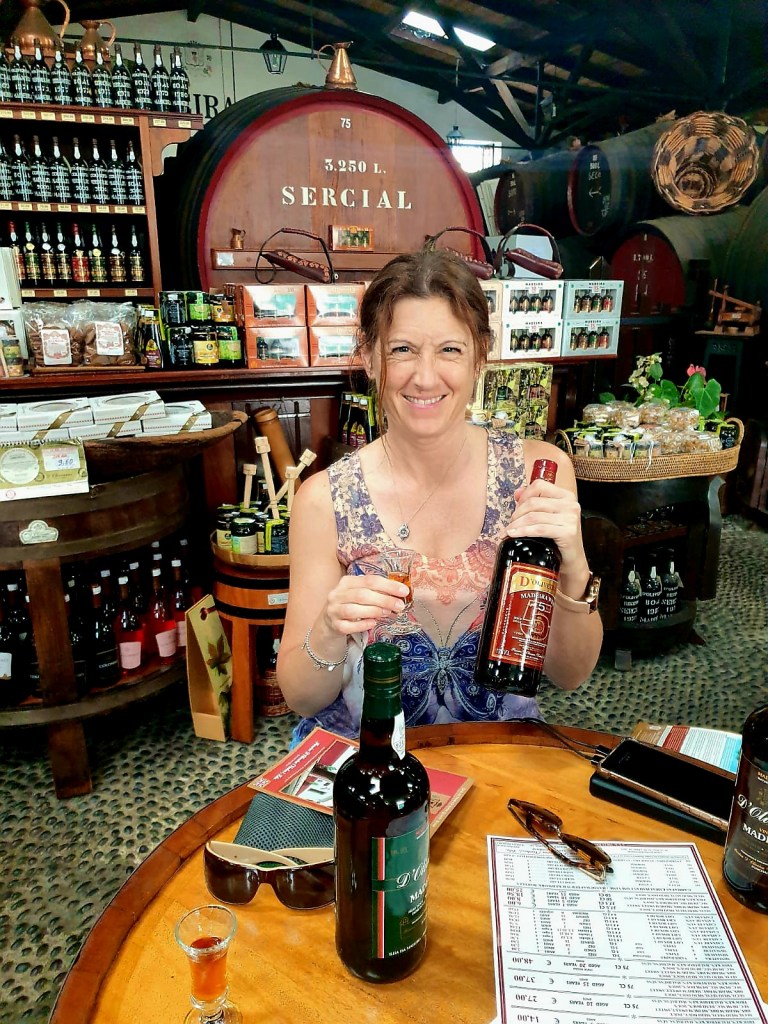
And to finish off the walking tour, we went to try some Madeira wine at D’Oliveiras. The dry wine was cheaper than the sweet version. We both agreed that the medium dry was the best option, so we bought a bottle to drink during the rest of our holiday.
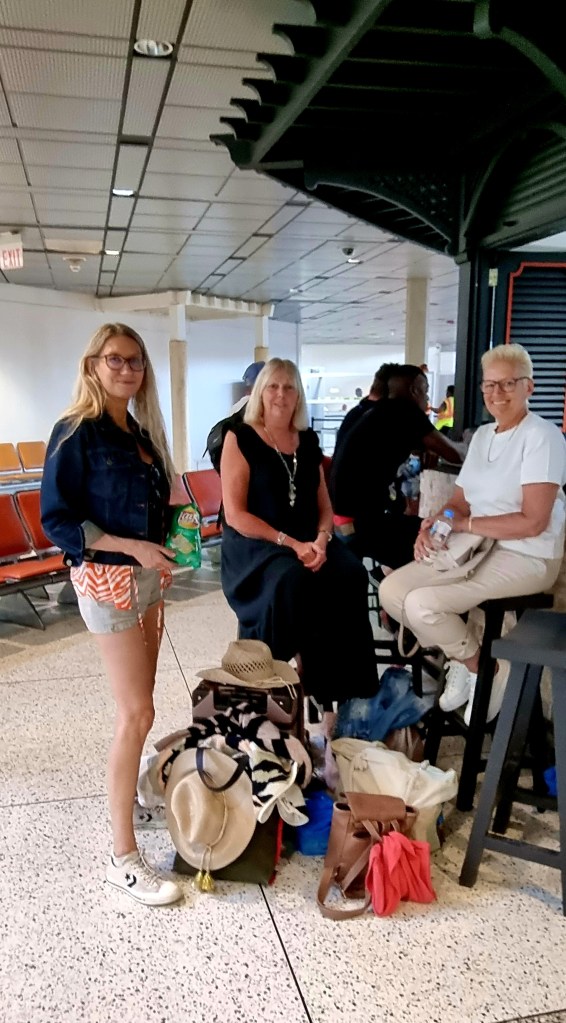
It was an early start, I was at Gatwick Airport by 6am. I parked the car at a local hotel and they drove me to the terminal.
At the airport, I wandered around the shops, and our flight was delayed by about 30 minutes. The flight was completely full, and I was sitting between a Portuguese man and an English man. Towards the end of the flight, we got chatting, and the Portuguese guy, Santos, is originally from Madeira and was coming home to visit his family. The English guy and his wife have bought a house in Madeira and stay there for a few months every year. So I managed to get a few tips from them both.
I got a photo of Porto Santo, an island just off Madeira, as we came in to land.
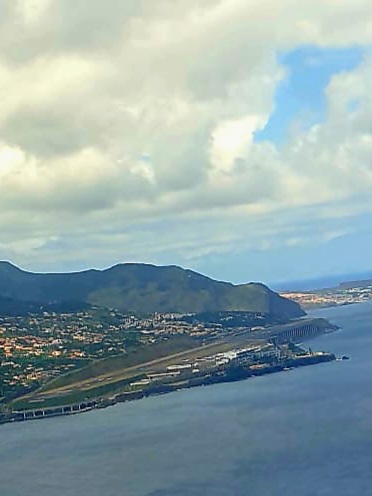
Nicola managed to get a photo of Madeira which shows the very short landing strip!
I was one of the first off the plane, and as I only had hand luggage, I went through customs really quickly. The airport itself was pretty quiet.
At Funchal airport, I was met by a prearranged driver, although he was a bit late, so I had to message the accommodation to chase him.
The hotel we are staying in is around a 25-minute drive from the airport, and even in that short drive, you could see how hilly Madeira is.
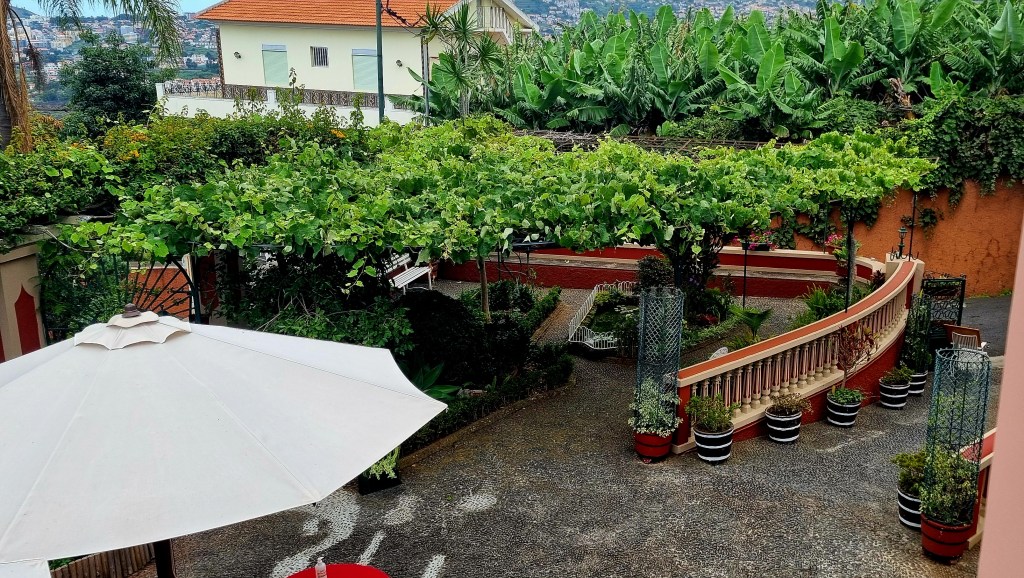
We are staying at Caso do Caseiro, it’s a really lovely hotel with just 8 rooms. It’s about midway up a very steep, long hill and has a pool and gardens. The owner is really nice and welcoming, too.
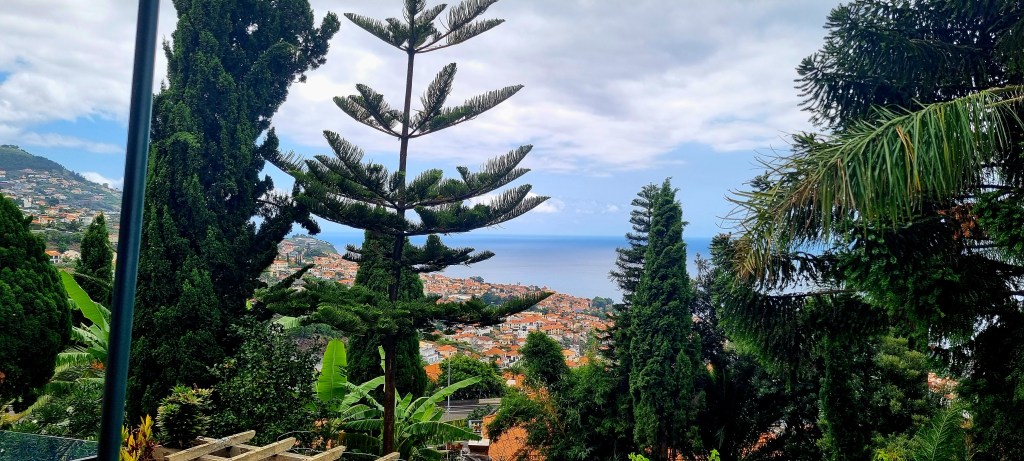
Some views from the room we are staying in.
After I had unpacked and eaten something, I decided to walk up the hill to the nearest supermarket, around 10 minutes away – these hills are steep!
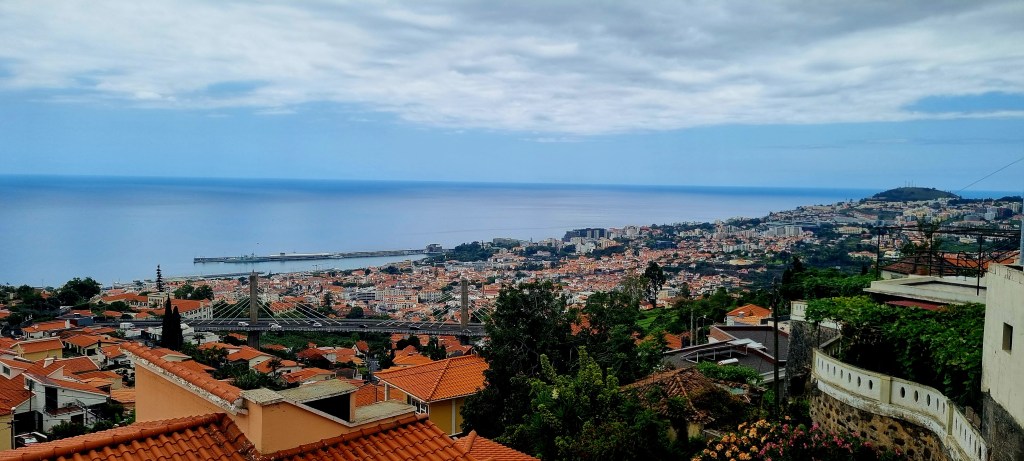
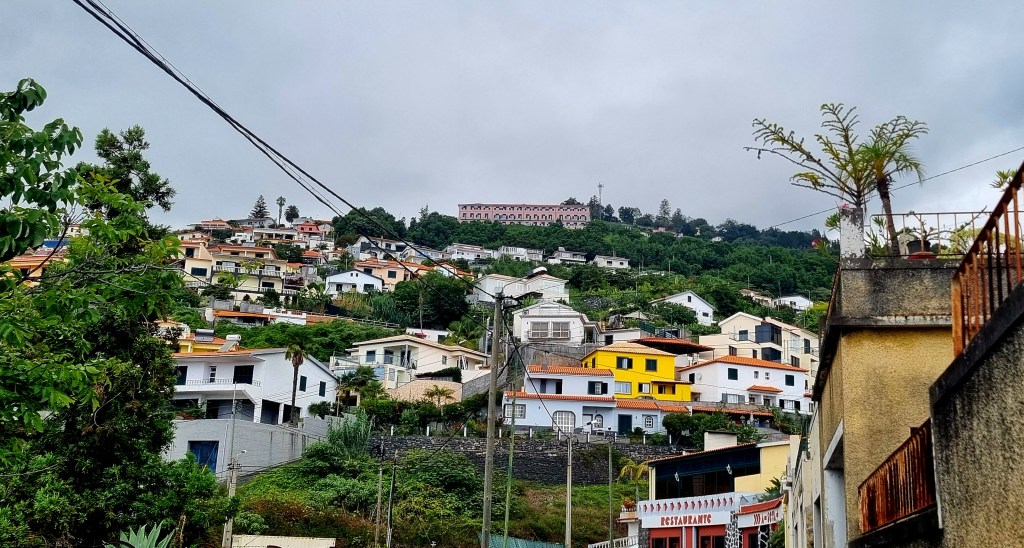
I took some photos of the views, looking down into Funchal and up to the top of the hill.
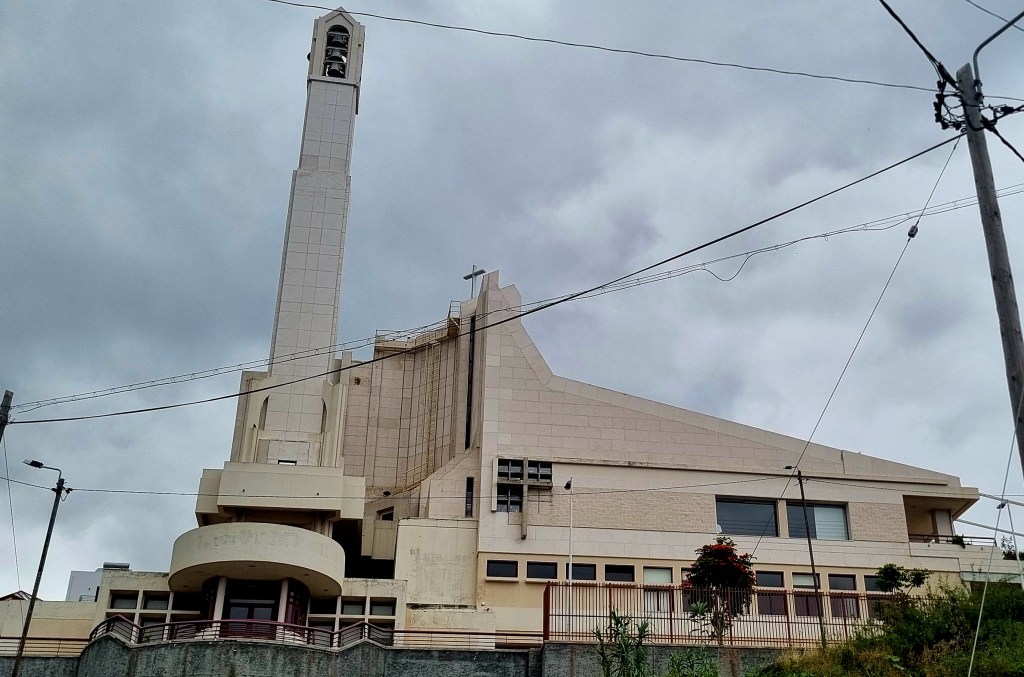
I passed the church of Livramento (deliverance). It’s quite ugly but has a very tall tower.
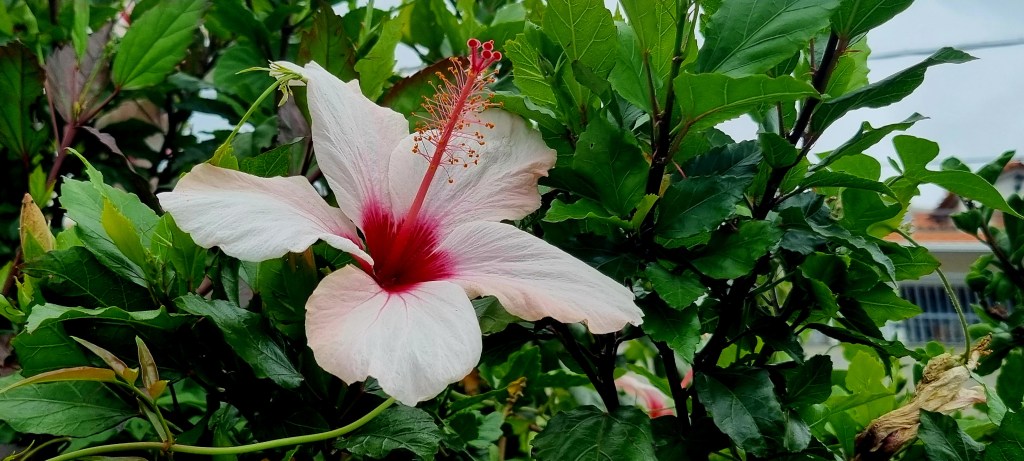
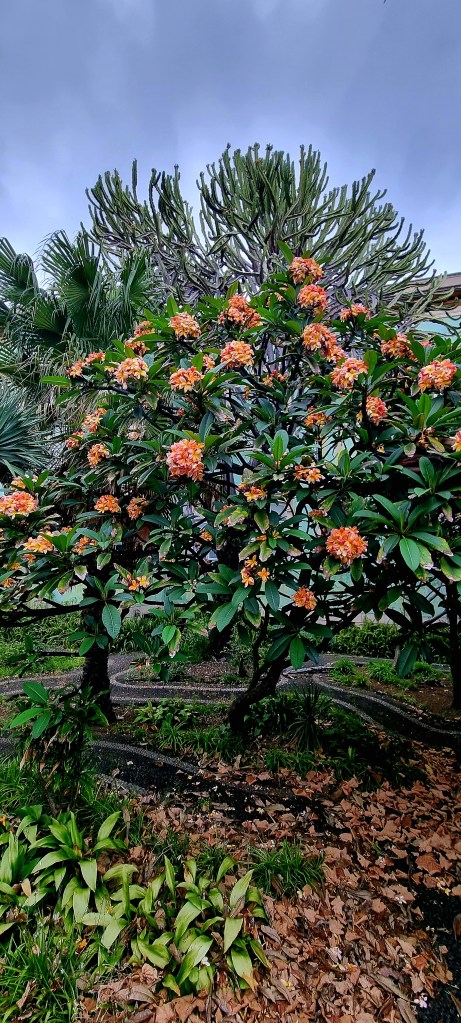
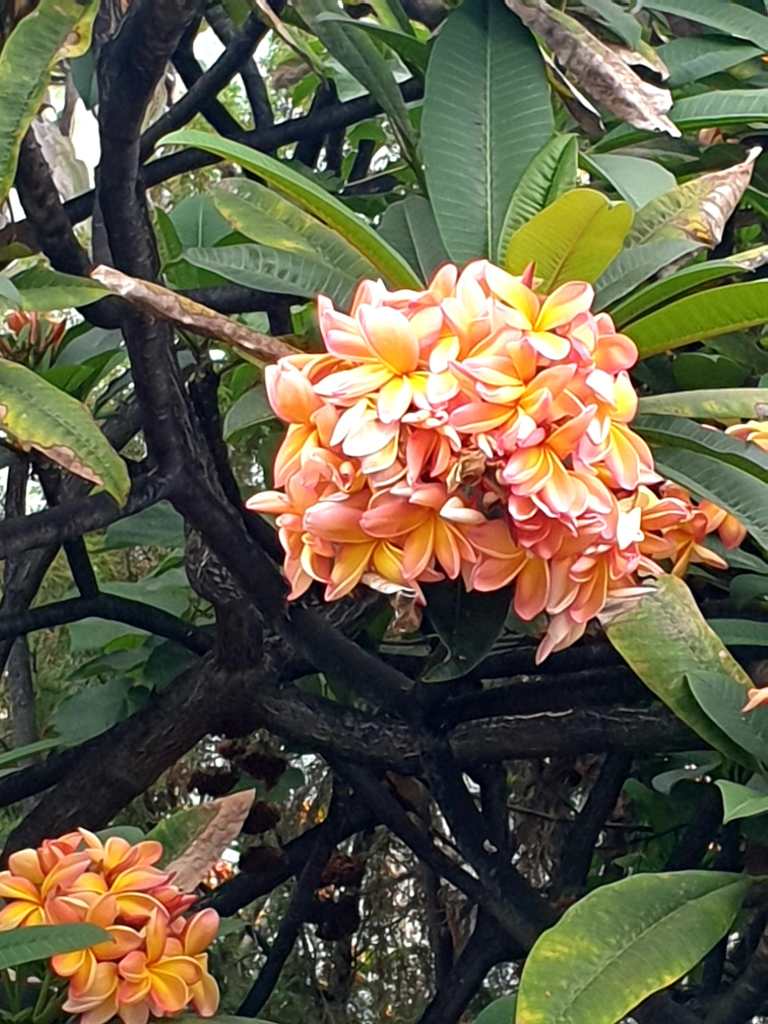
There were some really pretty flowers on the walk there, too.
Nicola arrived about 3 hours after me, so once she gad arrived and unpacked we sat on our little balcony and caught up over a bottle of wine.
We then decided to walk down to Funchal – it’s around a 30-minute walk and pretty much all downhill. We walked past lots of pretty trees, which we later found out were called tooth trees. When they break, the branches release a white latex that can irritate the skin and mucous membranes.
As we came into Funchal, we walked past HMBorges, one of the famous madeira wineries.
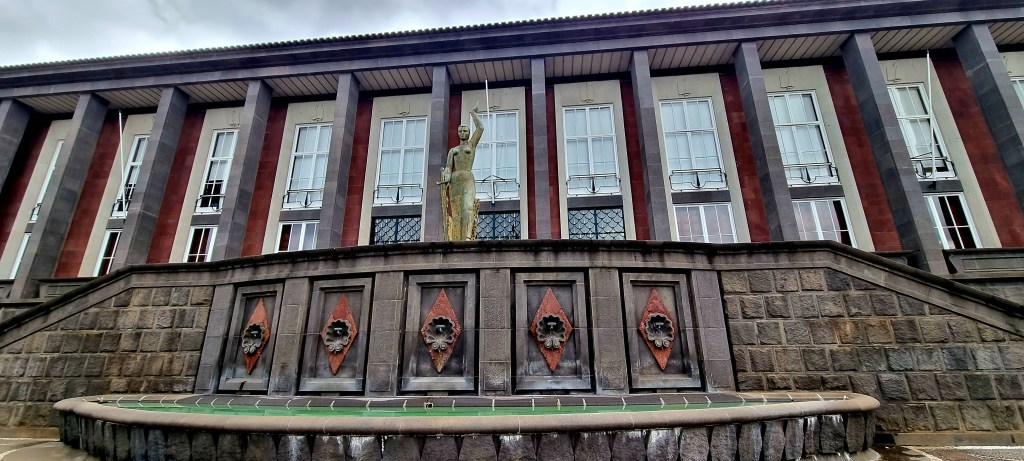
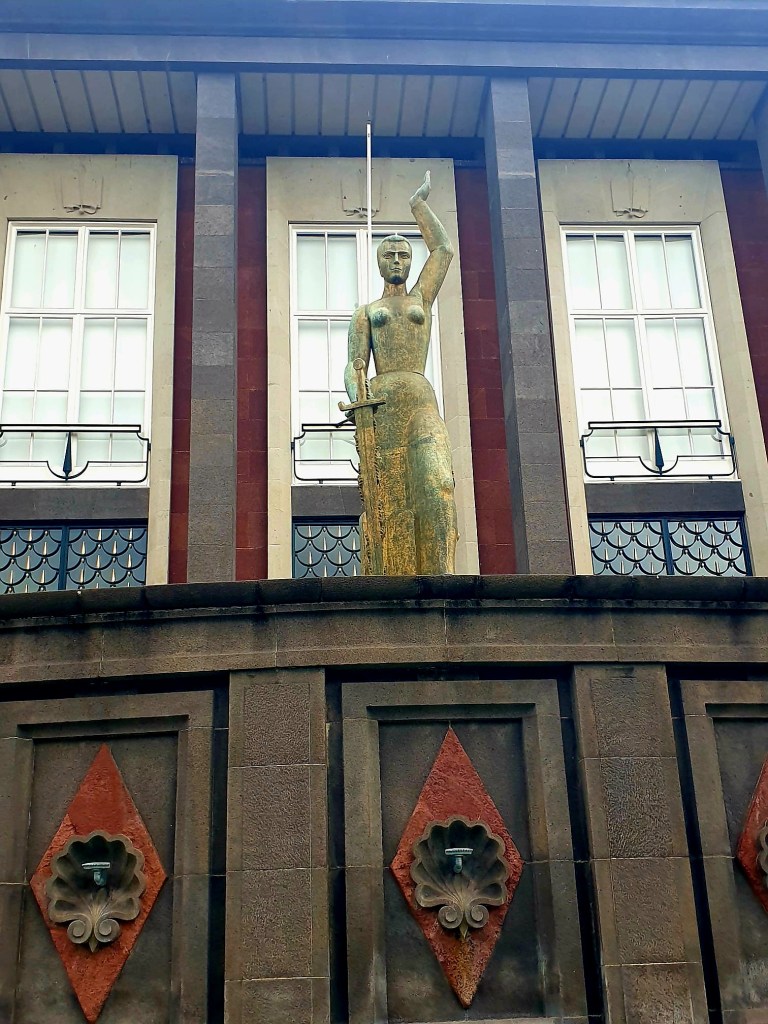
As we walked into the city centre, we passed the courts of justice.
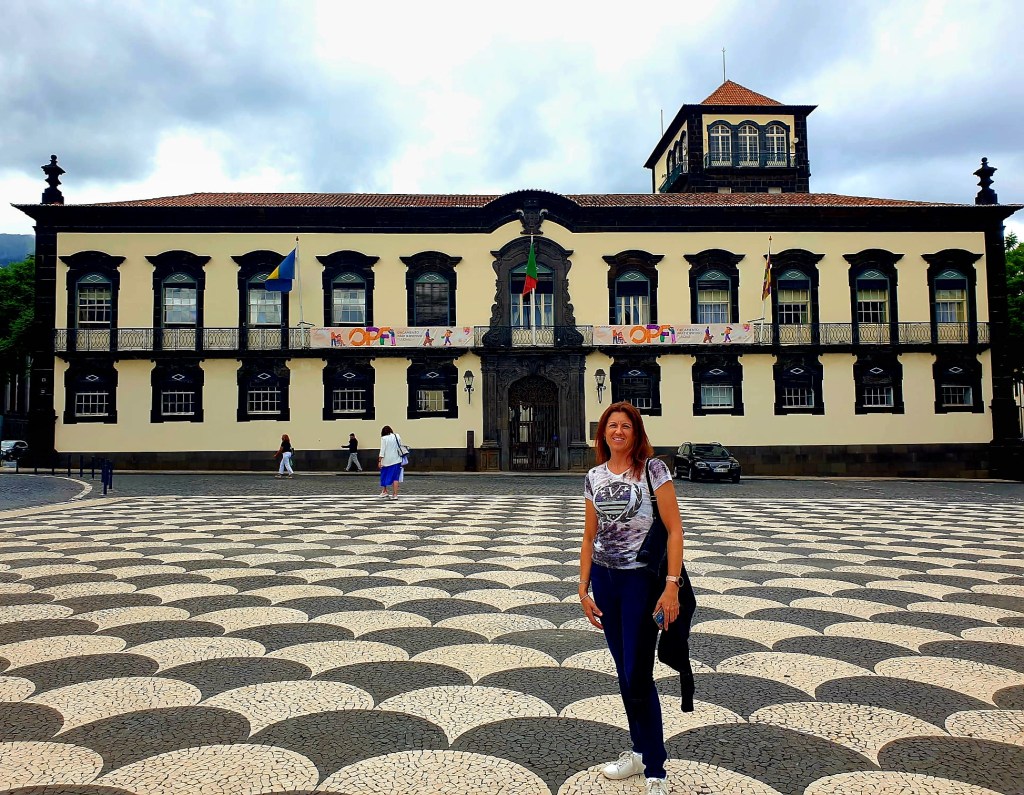
We carried on to Municipal Square, which is paved with dark and light Batistini tiles in a wave pattern.
We wandered around for a bit before deciding on somewhere to eat. There was a lot of choice, but we decided on a place because the waitress was very friendly. We had the local garlic bread (Bolo) to start and scabbard fish and bananas as the main.
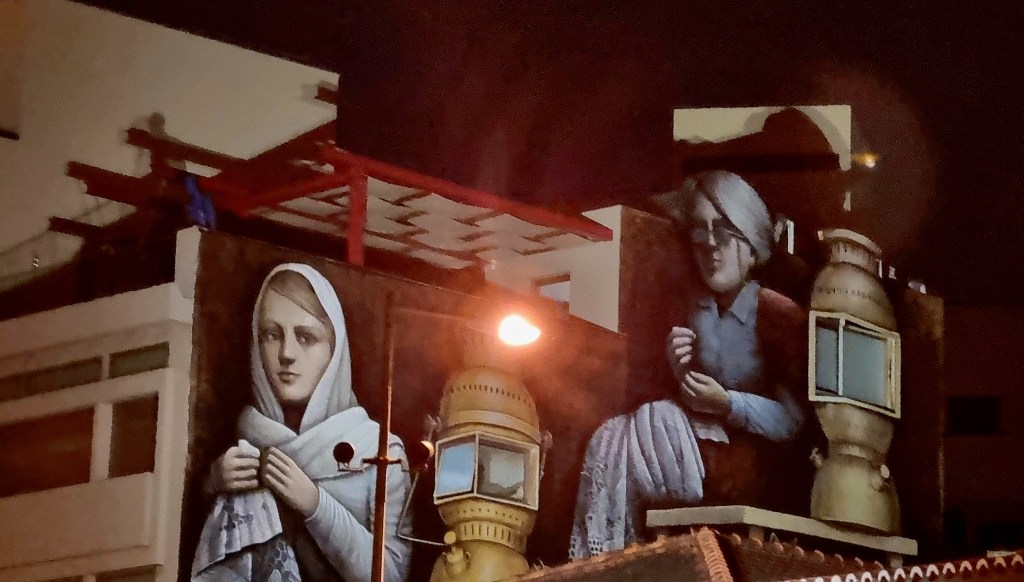
As it was a very long steep hill back home, we decided to get the bus back. There was a nice piece of street art just opposite the bus stop.
The bus stop we got off at meant we had to walk down the hill where the toboggans go – you could see the road was very shiny!
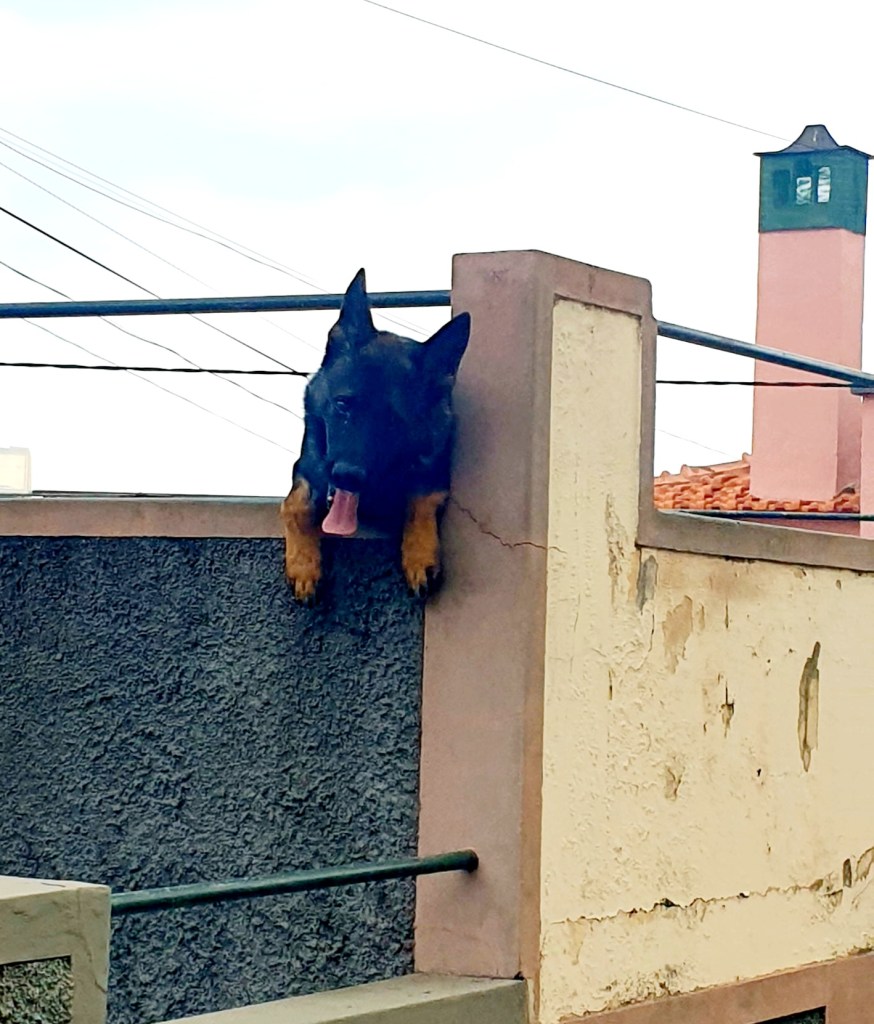
On the way back to the hotel, we were greeted by a very chilled dog.
We were both fairly tired, so we were in bed around 11pm.
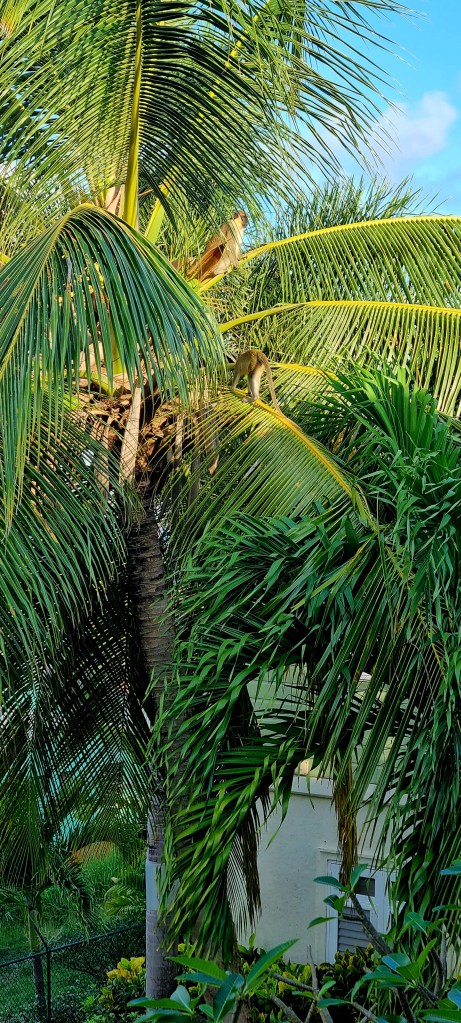
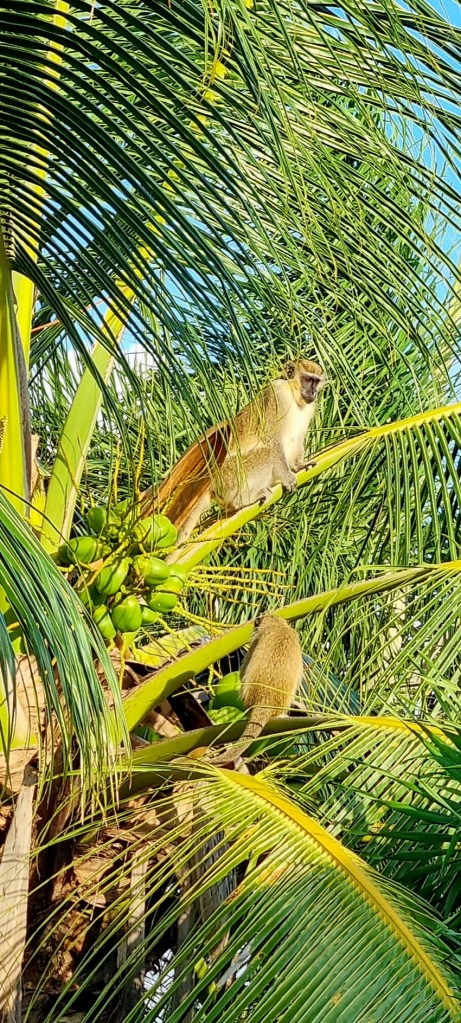
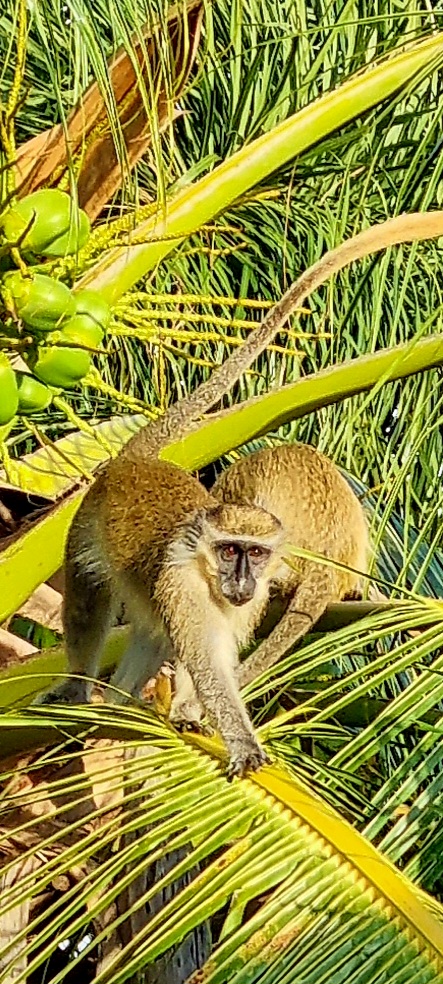
This morning, we were visited by the green monkeys. They were literally in the tree by the balcony.
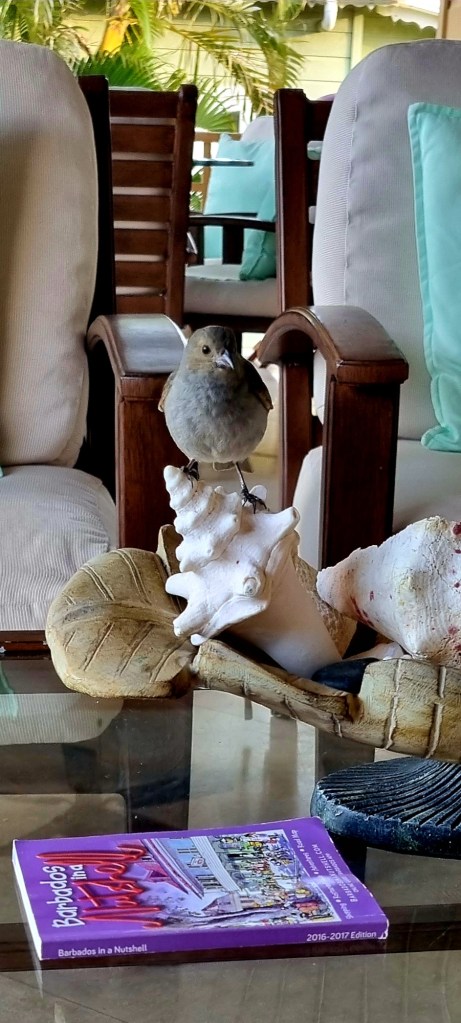
The little sparrow came to visit too.
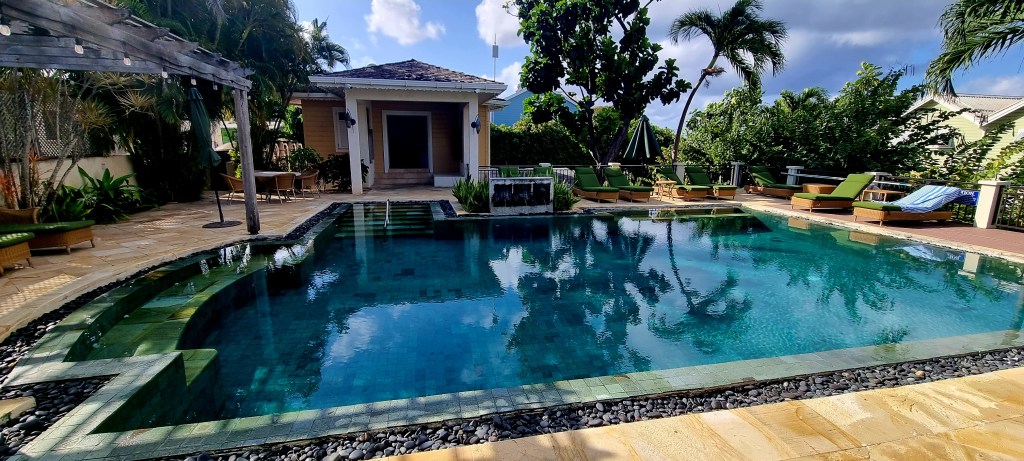
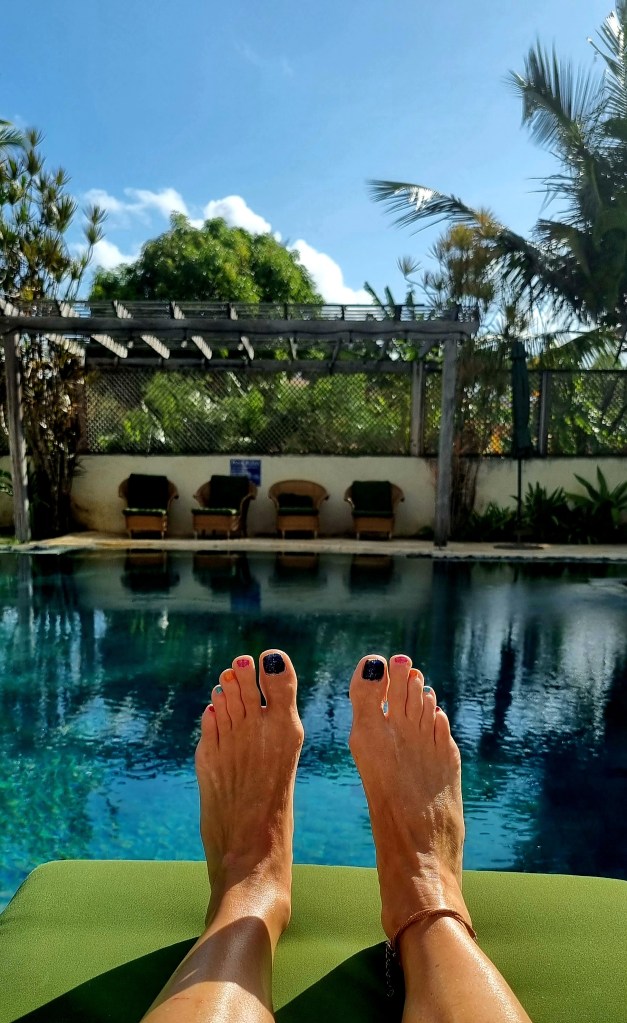
After a coffee, I went to the swimming pool to make the last of the sunshine.
When I got back, everyone else was up and we were all packing.
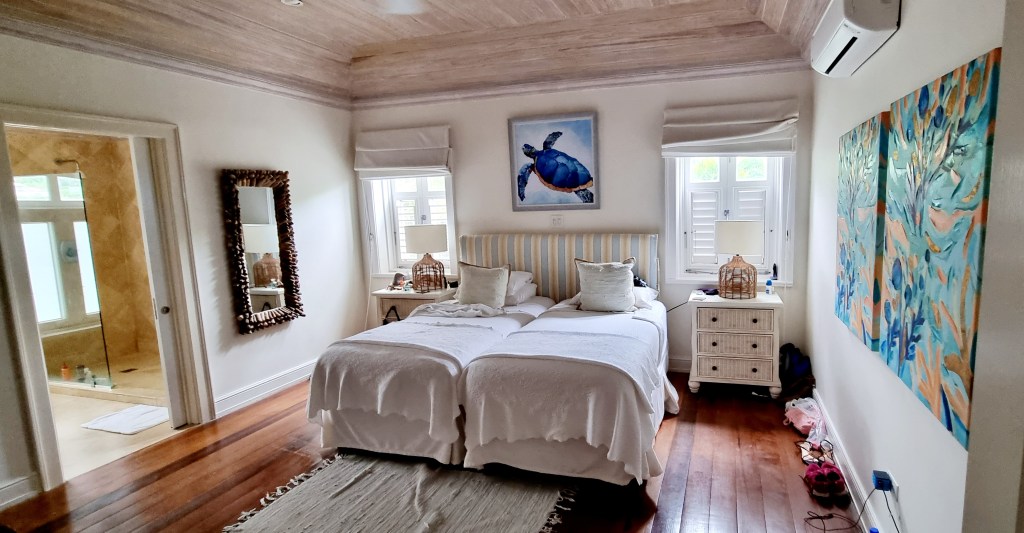
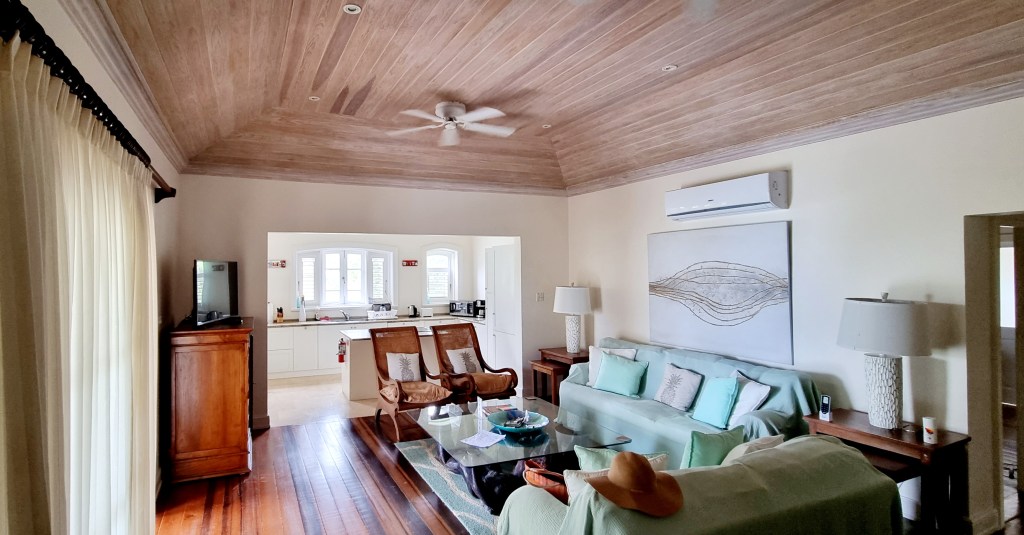
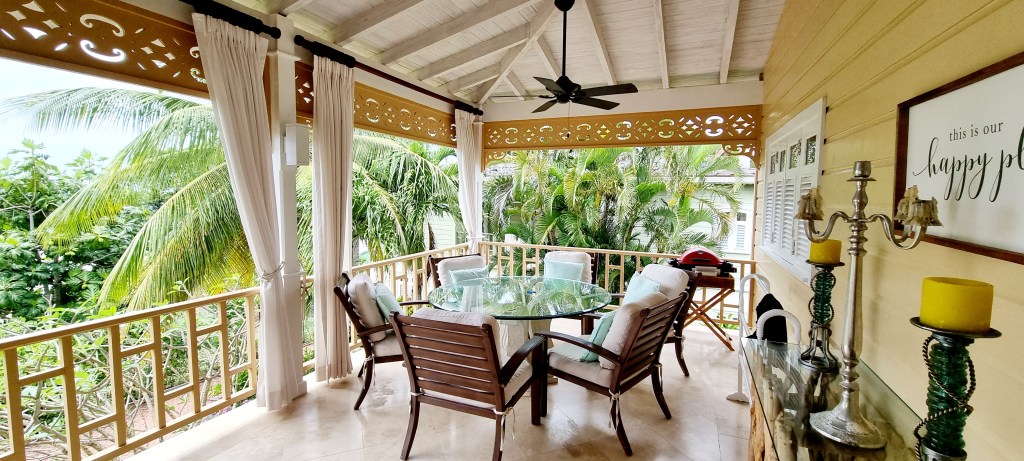
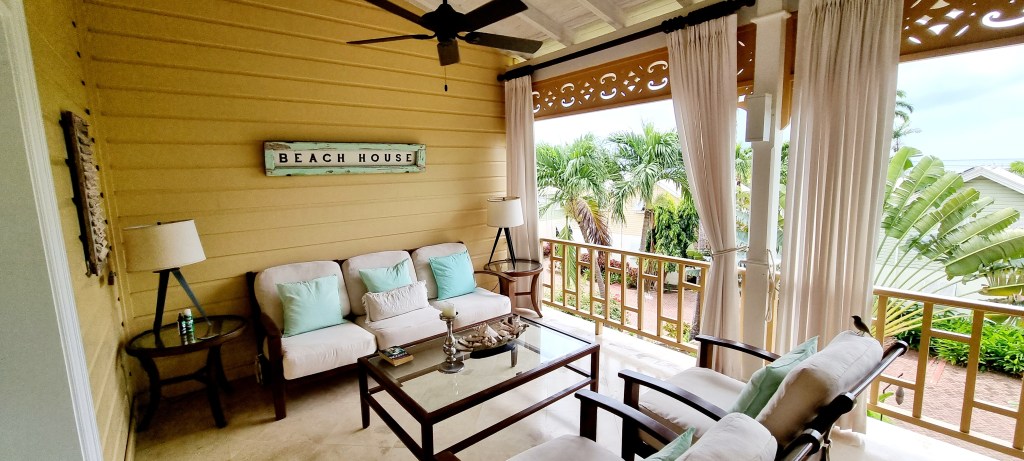
The apartment we stayed in was beautiful and it was sad to leave.
We left our suitcases in the office before heading off for one final lunch at the Fishpot.
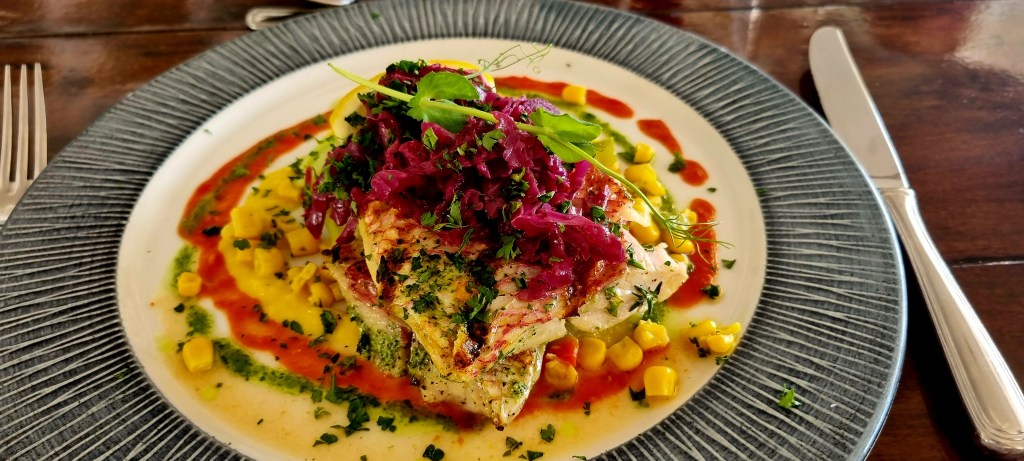
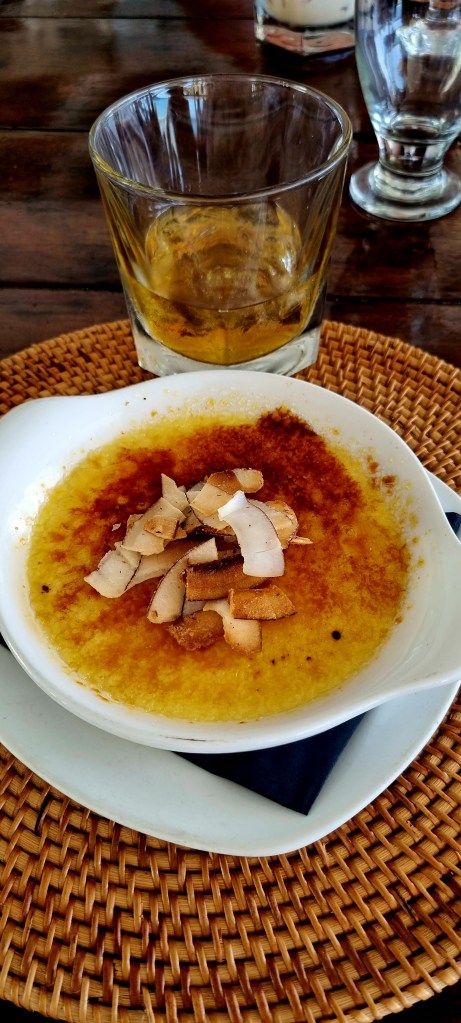
I had red snapper and tropical creme brulee, both were delicious.
Unfortunately, it was then time to head to the airport. My suitcase was overweight, so I had to do some repacking before I could check in. At the airport I bought some more rum.
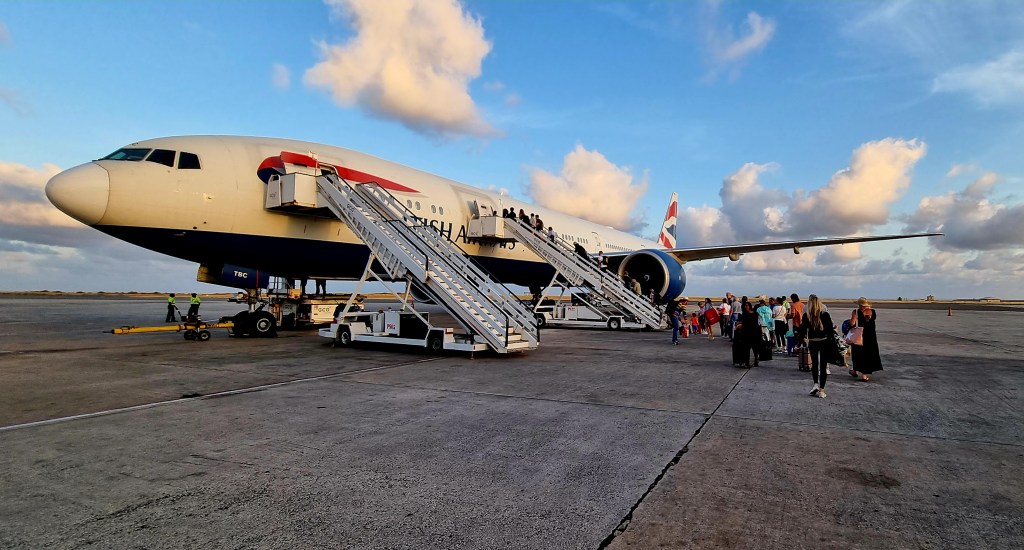
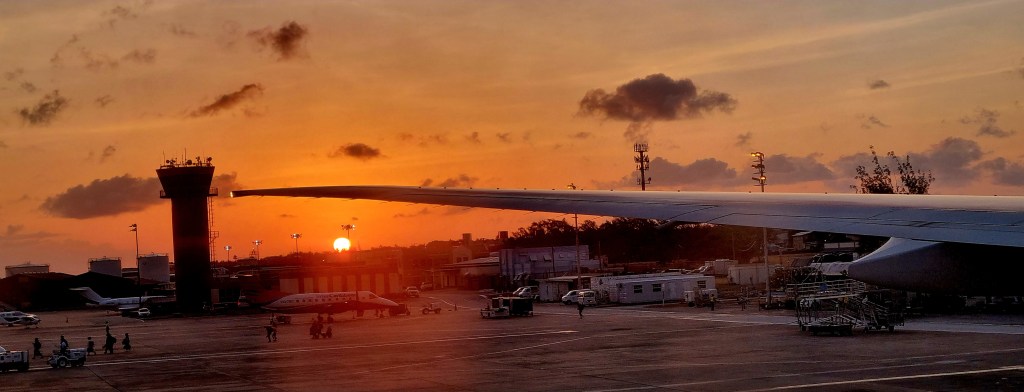
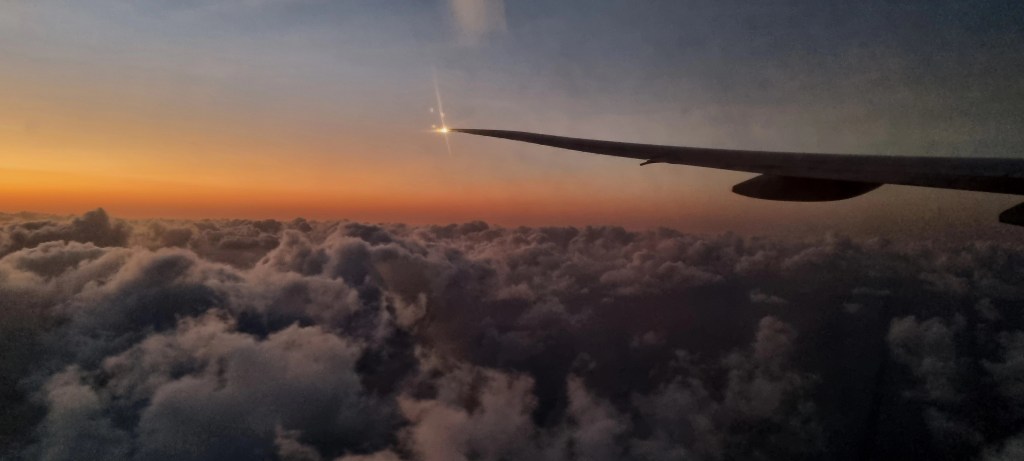
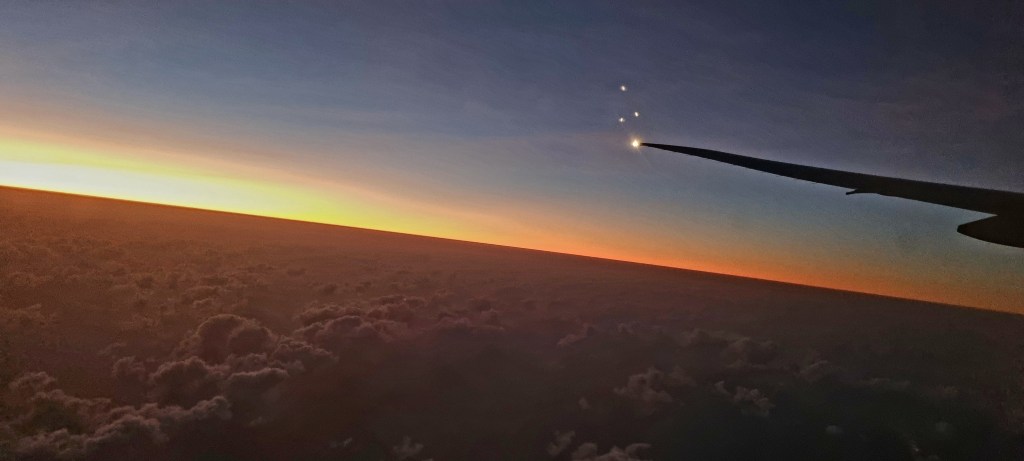
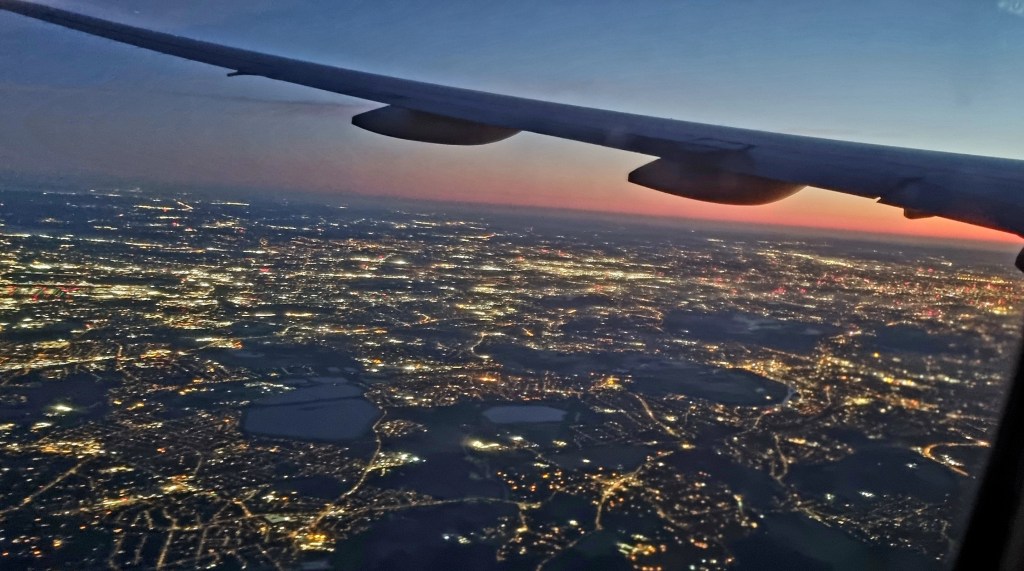
The flight was delayed by around 30 minutes, and we left just as the sun was setting.
I took some photos of the sun as we took off.
We ate, slept and watched a movie on the flight. I probably only really slept for an hour.
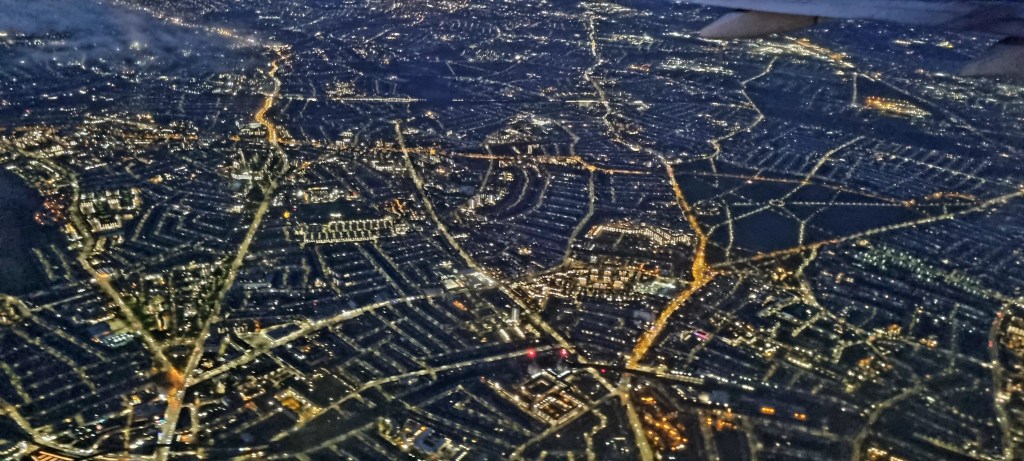
As we arrived back into London, the sun was rising.
We were up fairly early as we had a taxi booked for 10:30am to take us to St Nicholas Abbey. It was only a short 10 minute drive away.
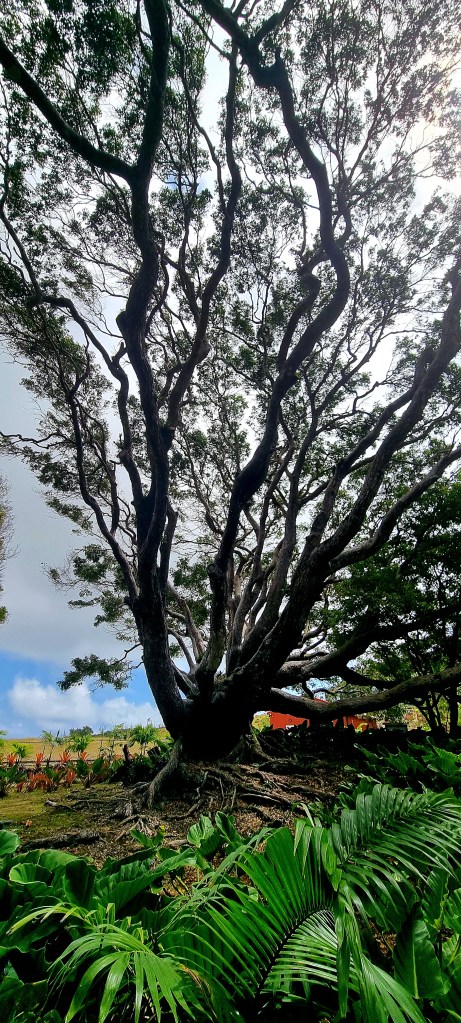
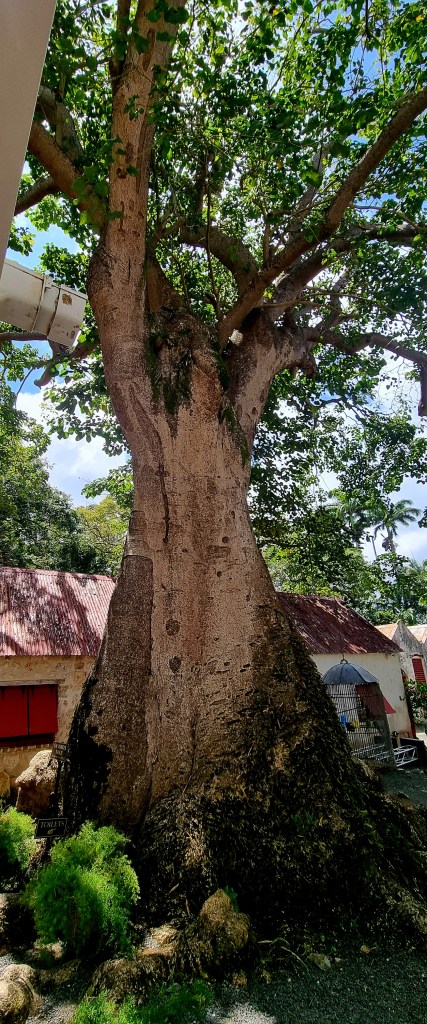
The taxi driver dropped us at the entrance and we went for a short walk. The first thing we saw were the massive mahogany trees. They are over 250 years old.
We had a train ride booked, so we perused the gift shop whilst we waited for the train.
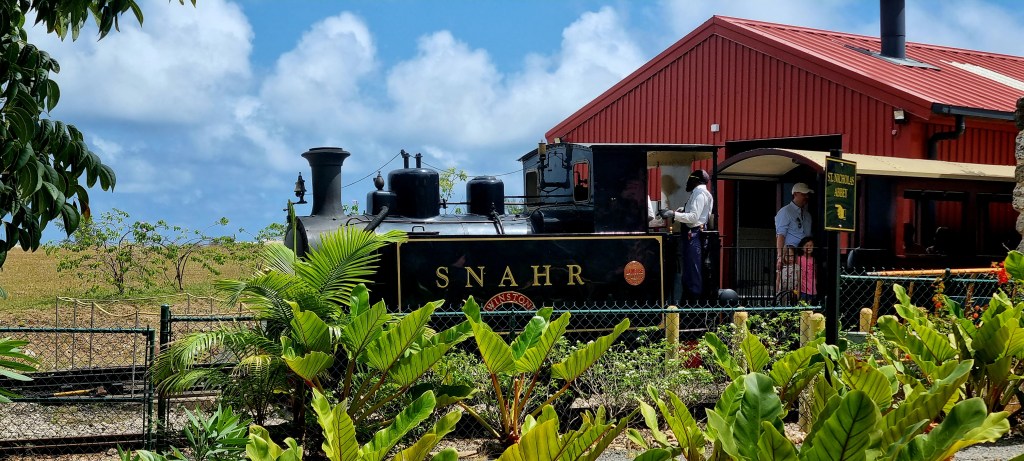
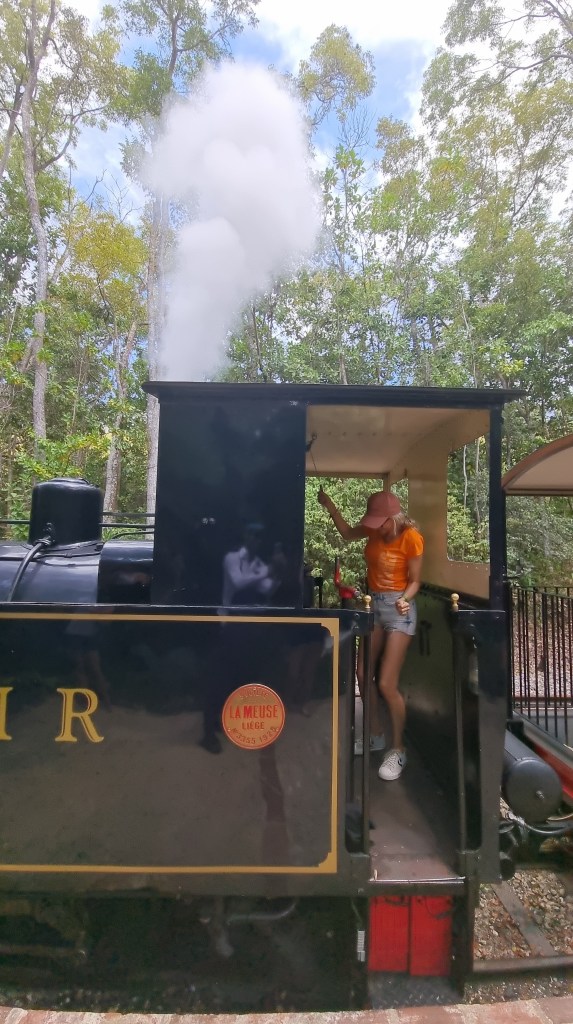
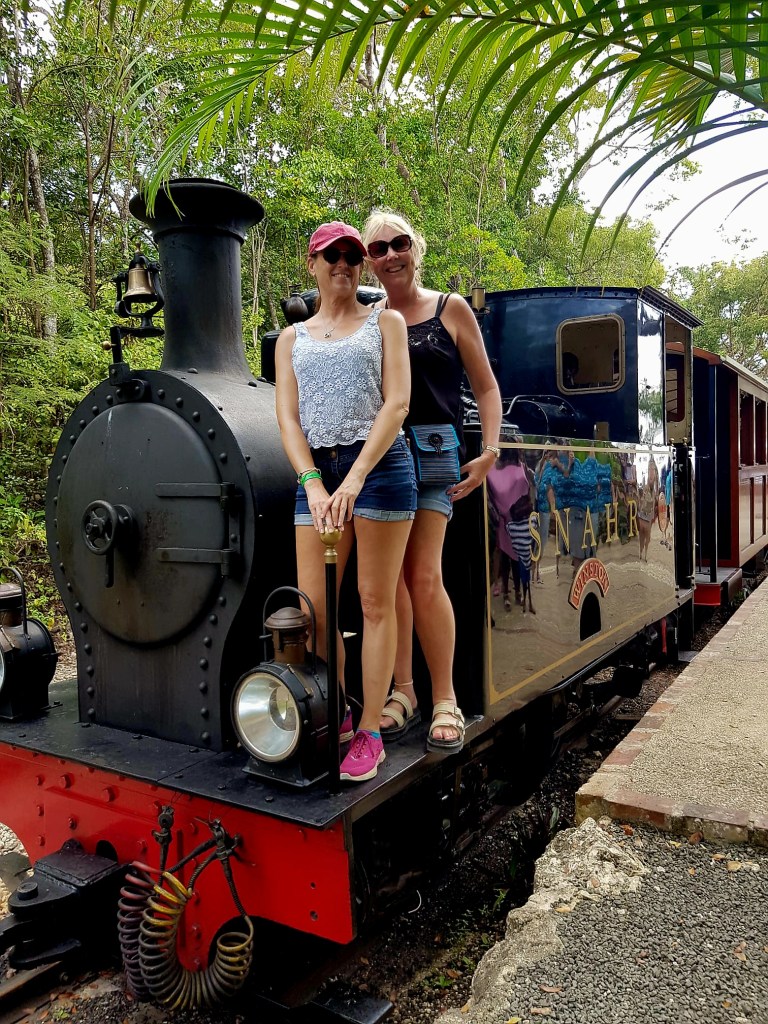
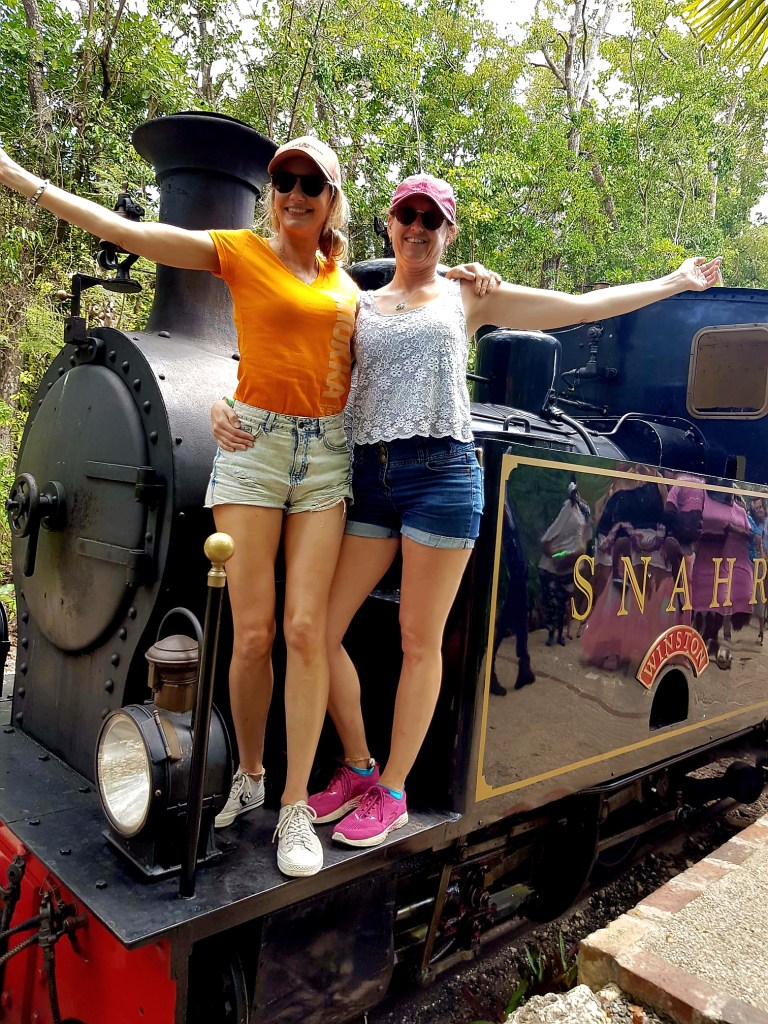
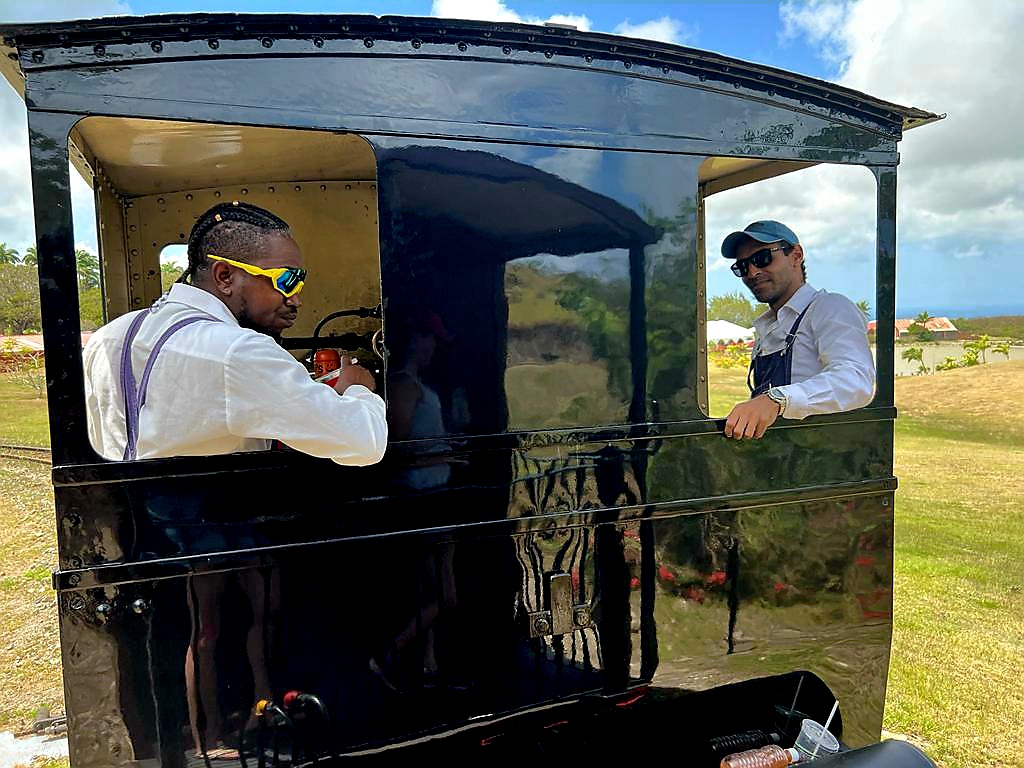
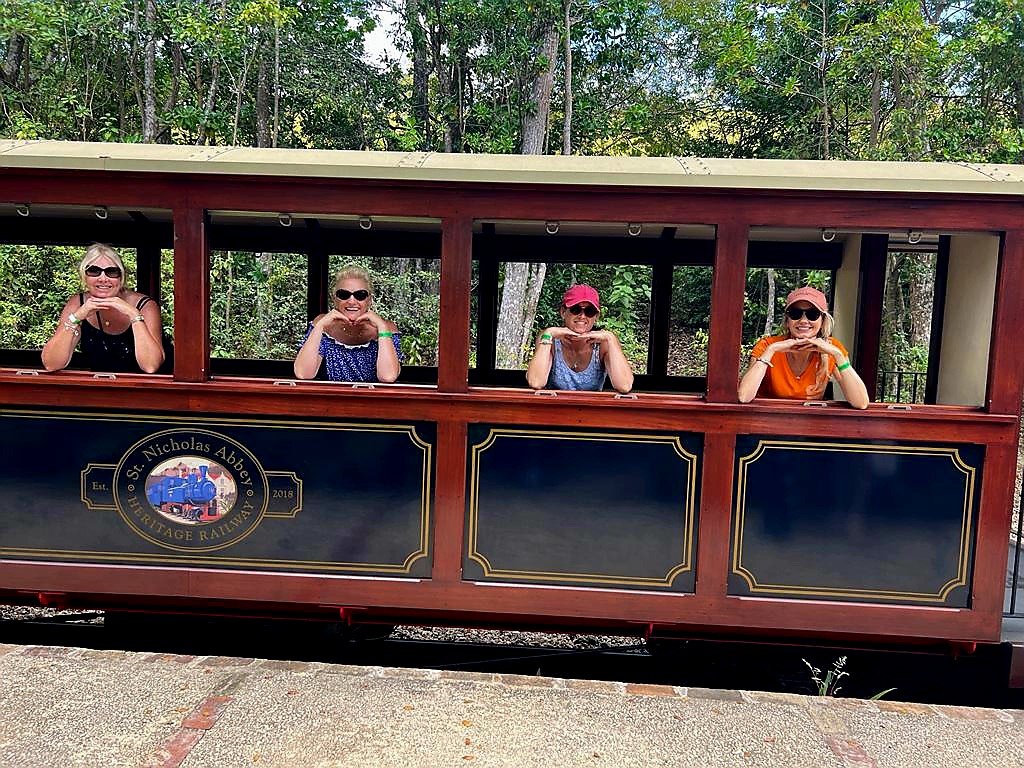
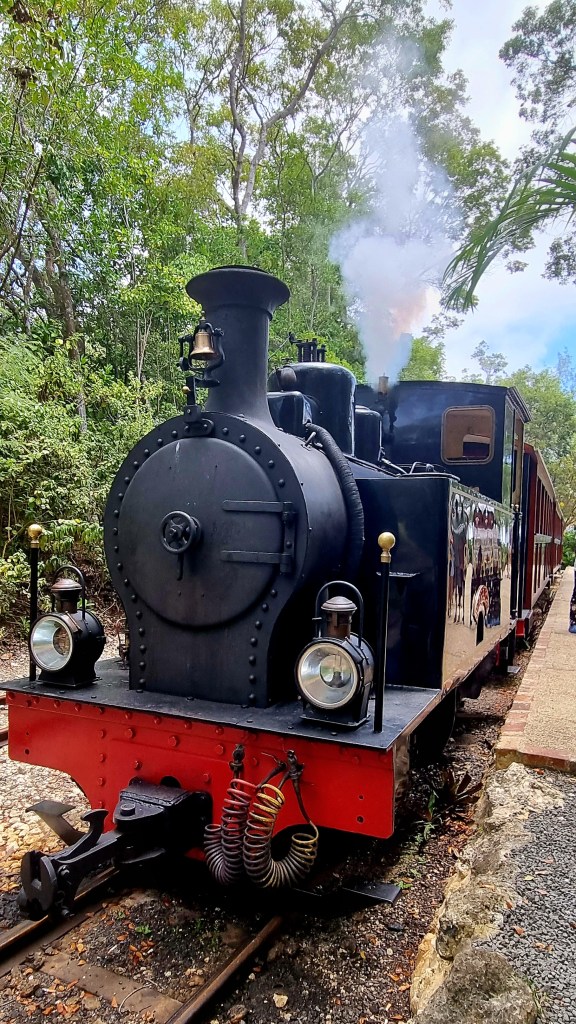
The train is an old steam locomotive.
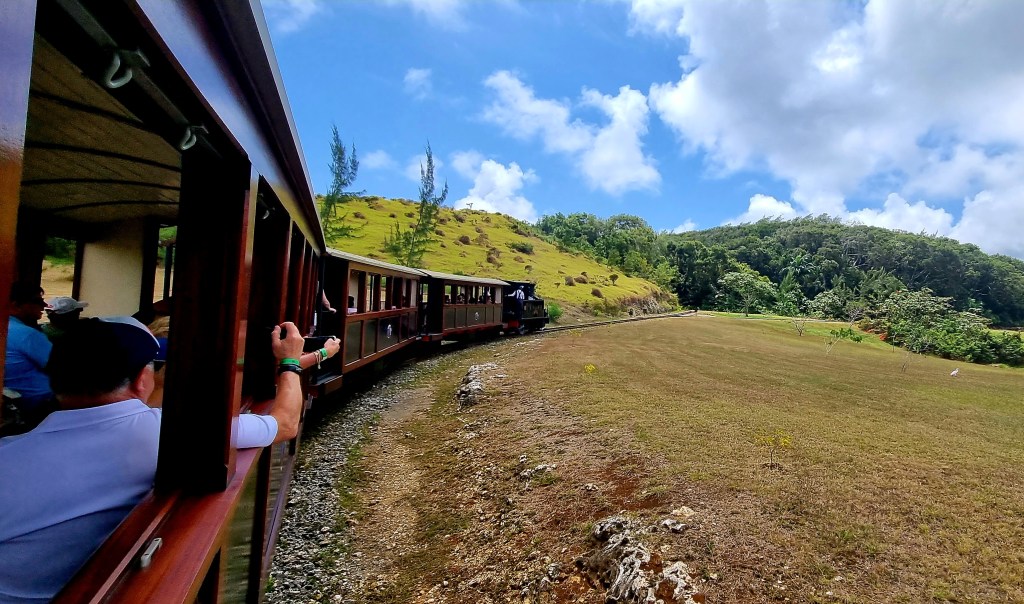
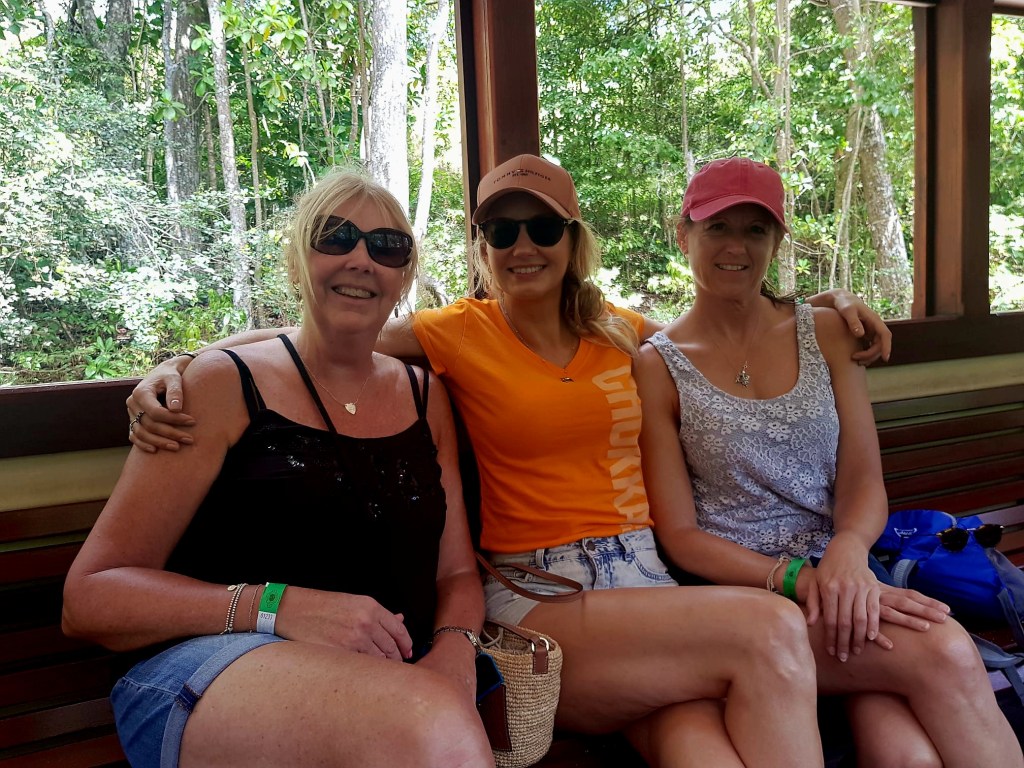
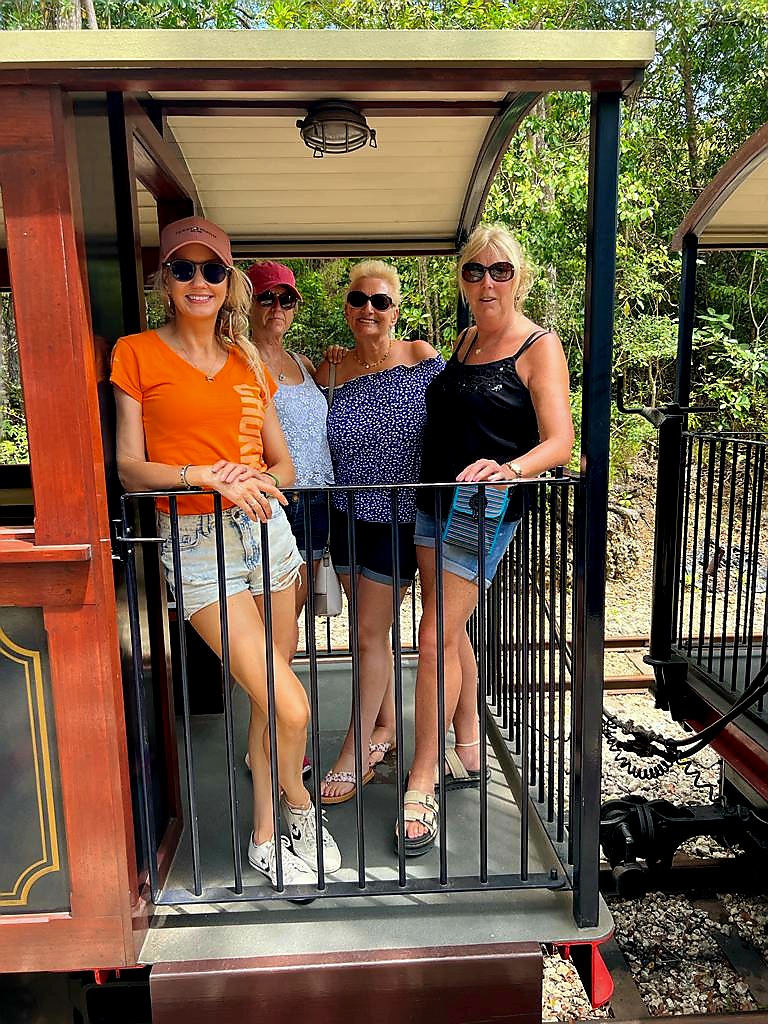
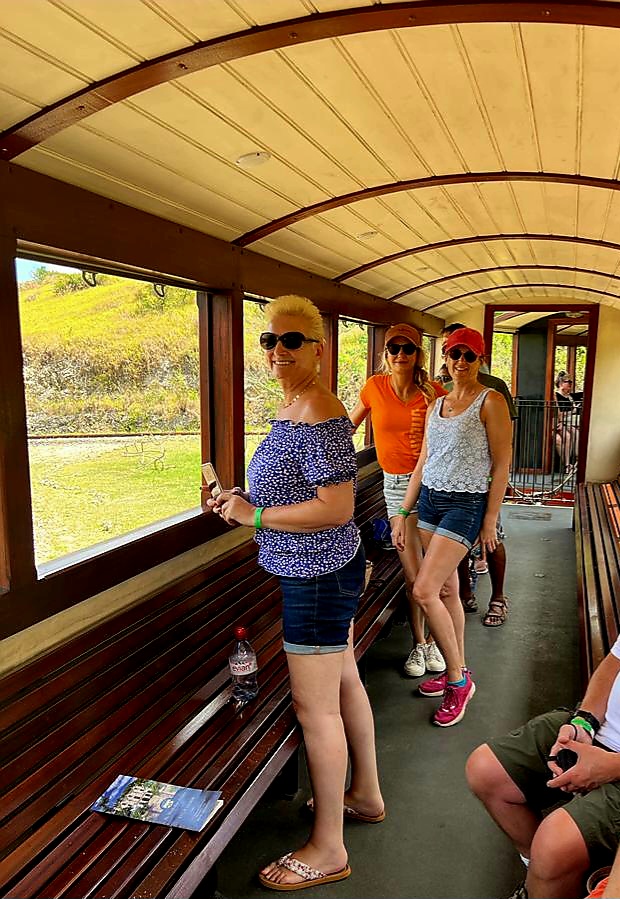
The train was called Winston, and a lovely lady provided a commentary as we rode through the 400-acre plantation.
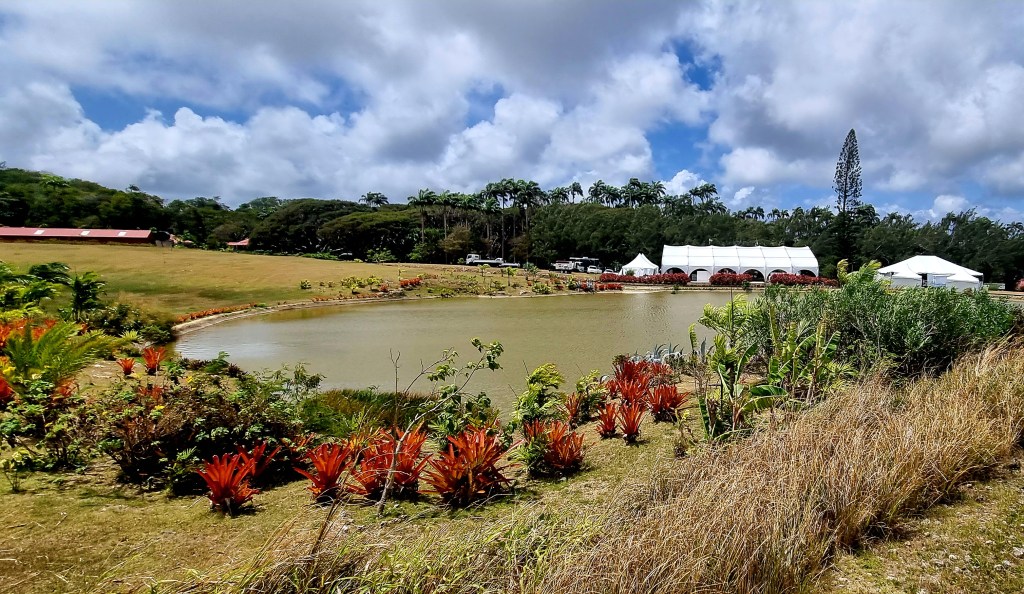
At the start of the train ride we passed a huge lake. This lake supplies the water for the plantation.
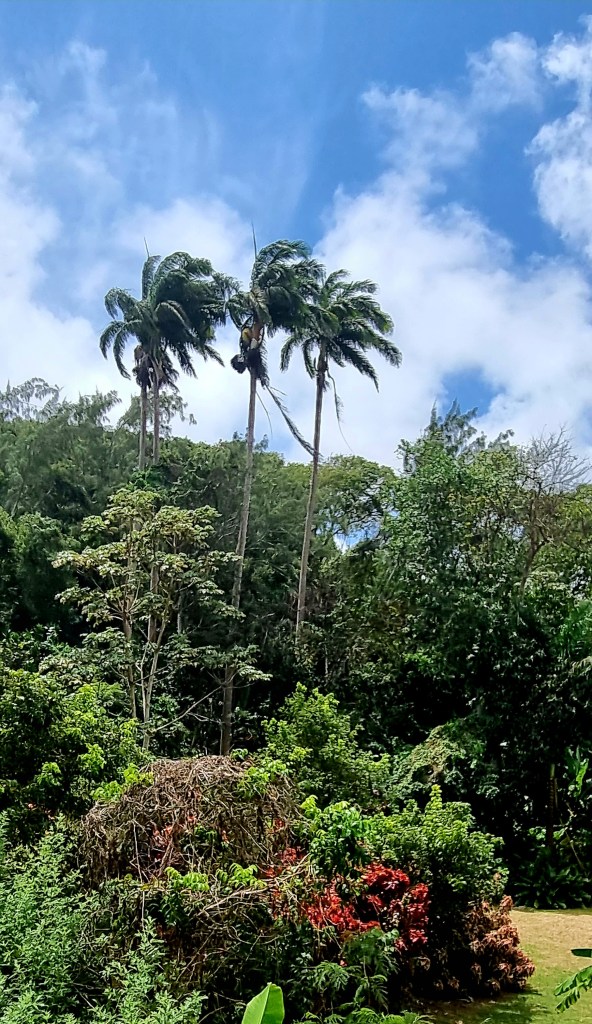
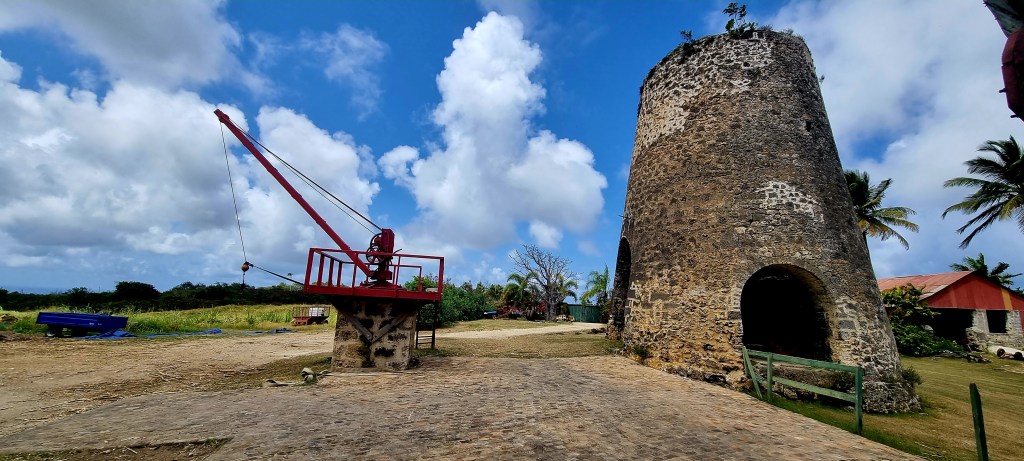
We passed some very tall palm trees. Apparently, these very tall trees signal that there is a plantation nearby.
We passed the original entrance to the train track, where the cane was bought from the fields to be transported by the train.
We also saw a quarry, which was where the stone used to build the house came from.
The track was quite steep in places. In the old days, if the train couldn’t get up the track, all those in third class had to get out and push it. They were generally rewarded with rum for doing so.
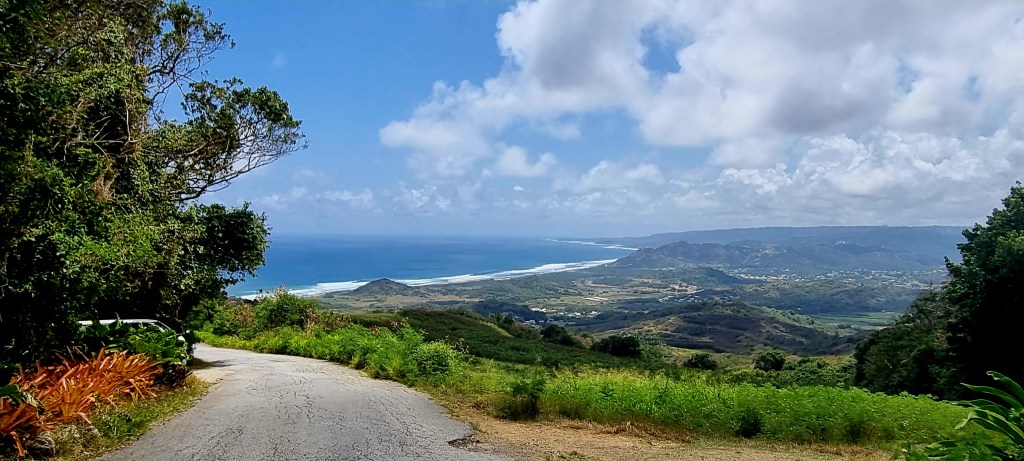
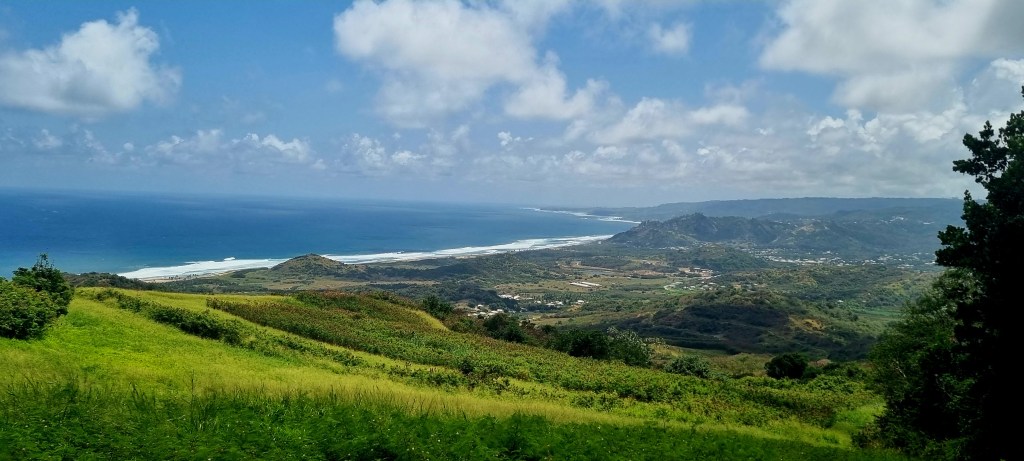
At the end of the track, we came to Cherry Tree Hill, and the views from here were stunning.
The path up to the hill used to be lined with cherry trees, but they have been replaced with mahogany trees now, which were planted in the 18th century. Cherry Tree Hill is an ancient natural paasagewau connecting the east and west coasts of the island.
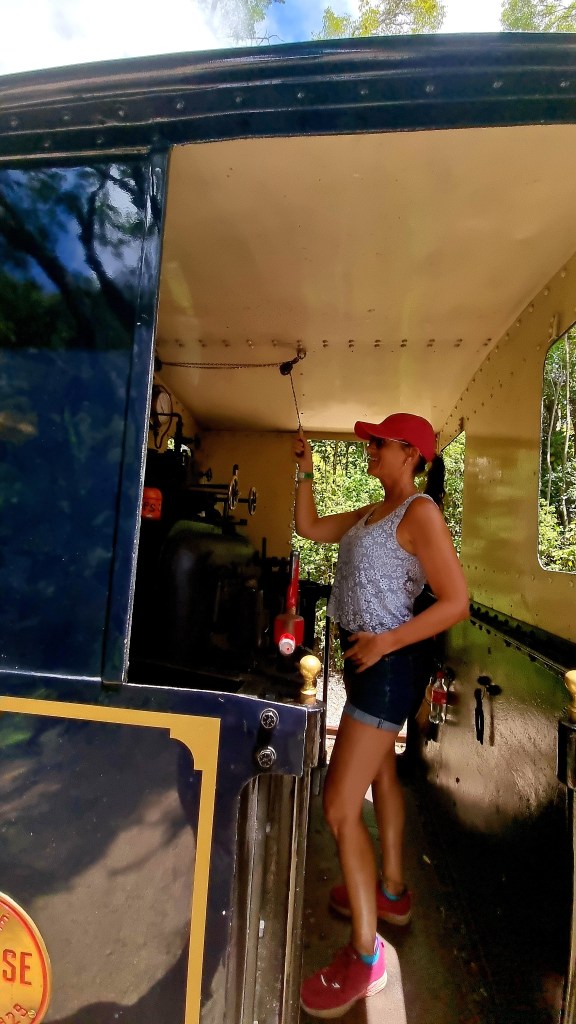
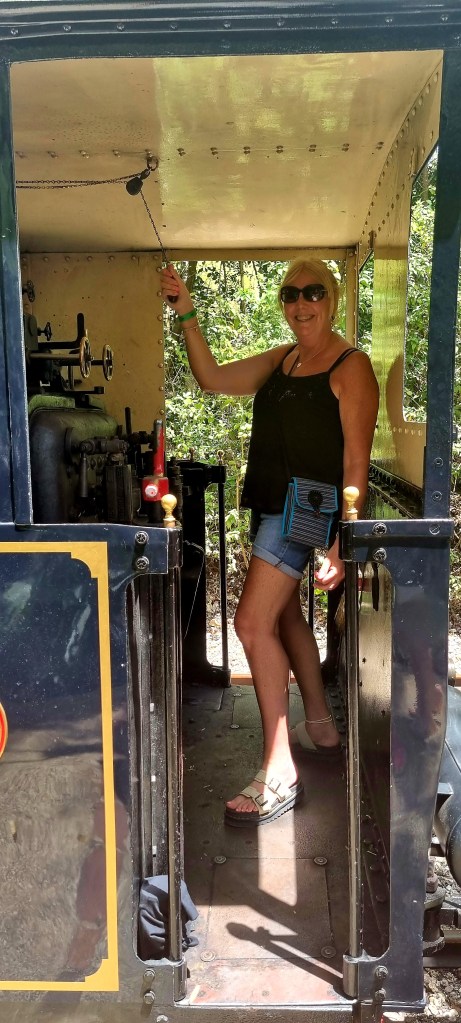
The locomotive was uncoupled from the train and turned on an old turning point before going to the other end of the train to be reattached. At this point we all got a chance to blow the whistle.
The St Nicholas Abbey Heritage railway was only completed in 2018 and is 1.5km long.
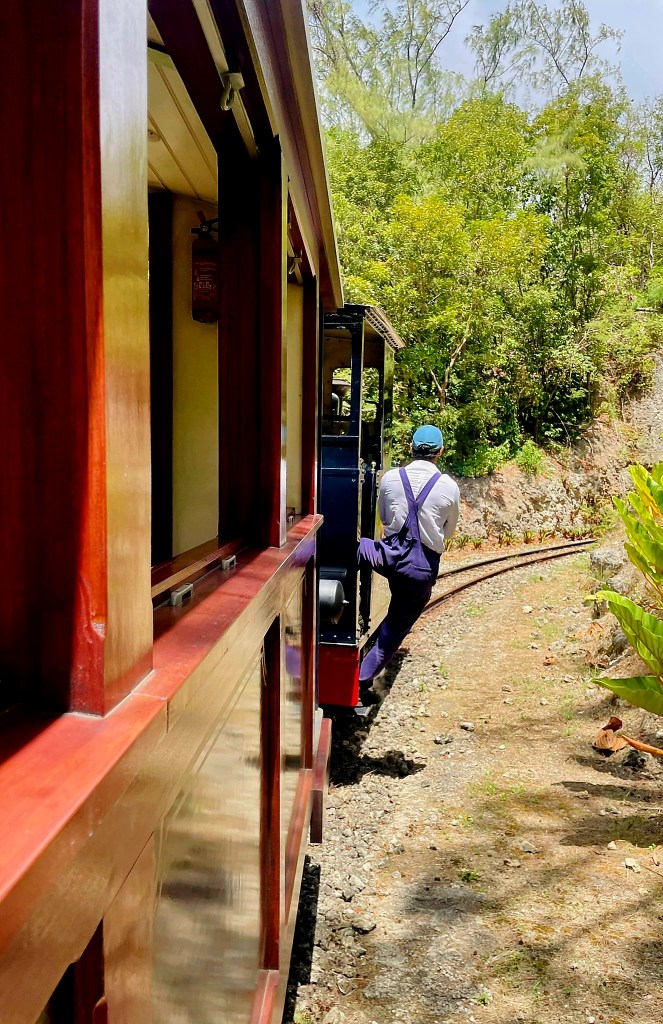
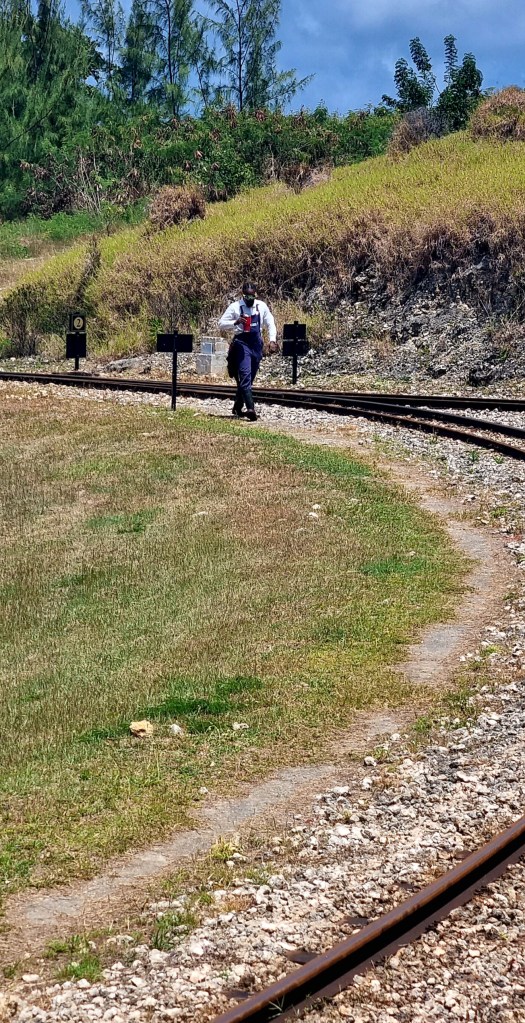
From Cherry Tree Hill, we headed back down the track to the station. At one point, the driver had to get off and manually change the point, so the train went down the right path of track.
Winston was originally built for light industrial shunting on the internal rail network in Antwerp, Belgium. It was relocated to Barbados in 2020.
People used to literally ‘catch the train’ in Barbados. They would wait at the side of the track and jump onto the train.
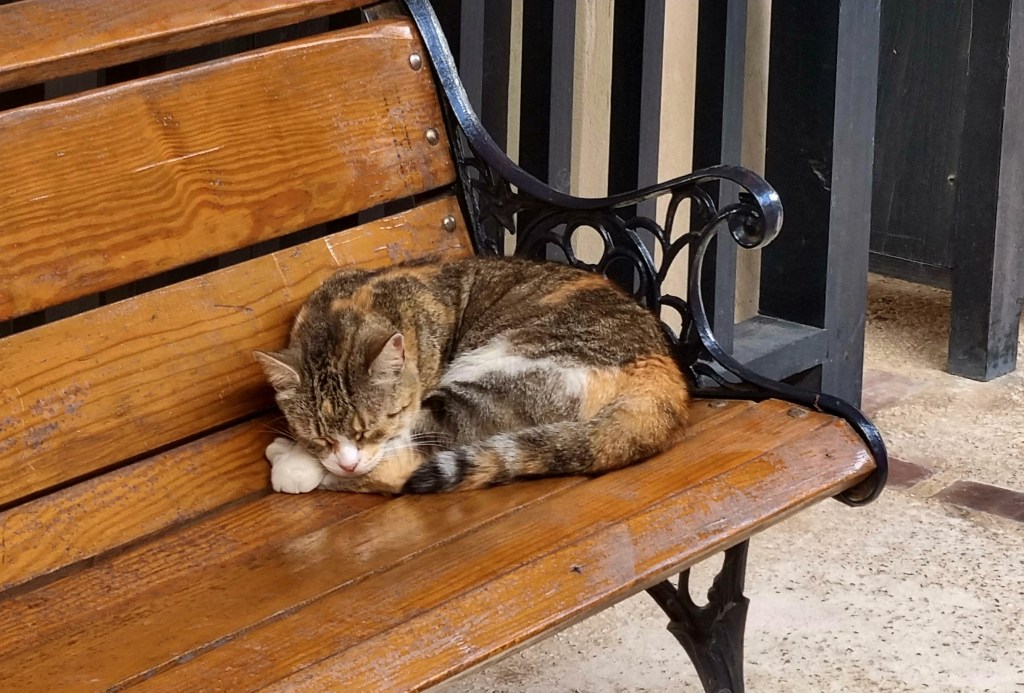
At the station we saw the little station cat.
Some guests departed here, but we stayed on the train, which took us down to the Great House.
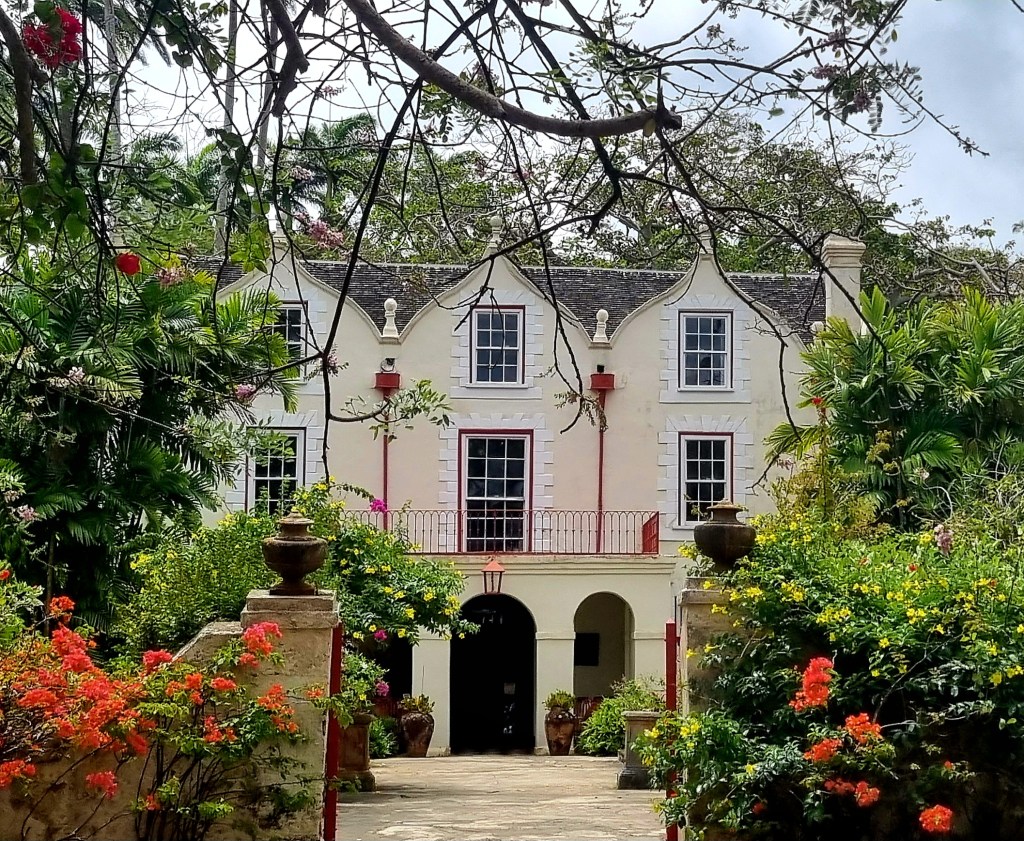
The Great House is one of three remaining Jacobean mansions in the Western Hemisphere. It was built in 1658 and is one of the oldest surviving plantations. The plantation itself is over 400 acres.
The house has 7 bedrooms, four on the first floor and 3 on the second floor. Two of the bedrooms have fireplaces, but they have never been lit.
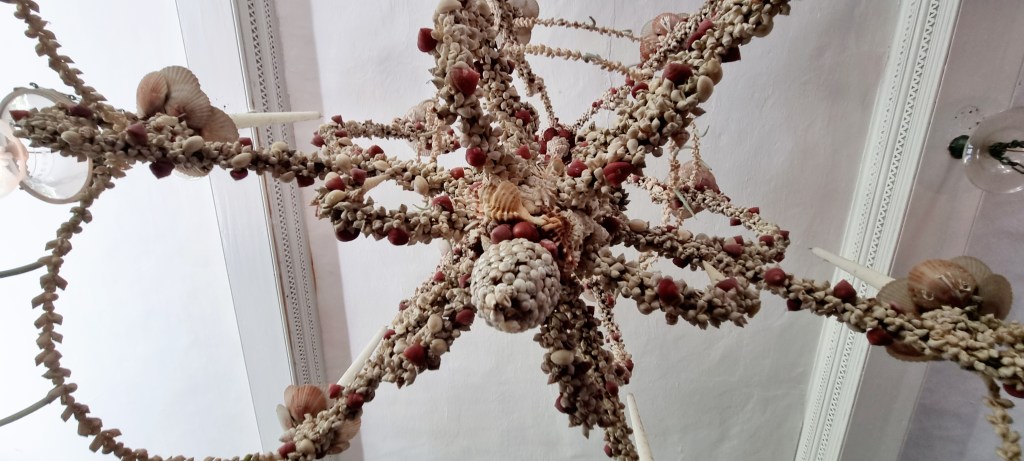
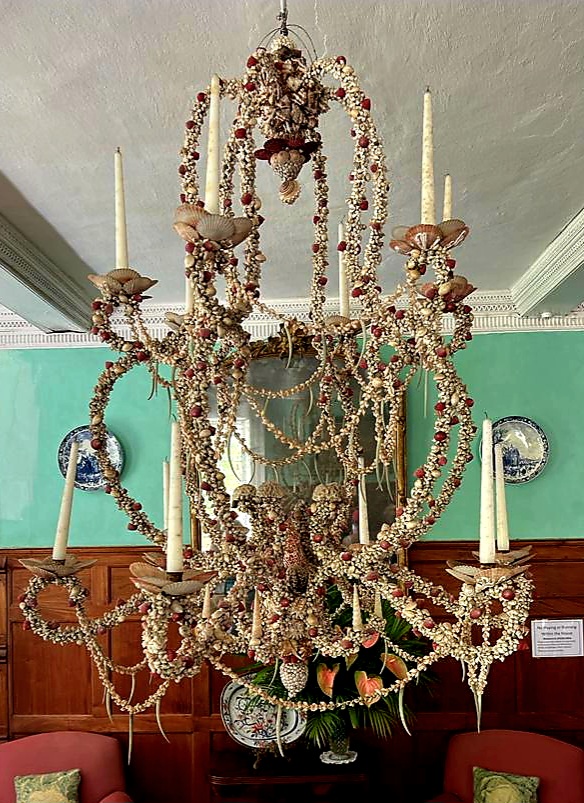
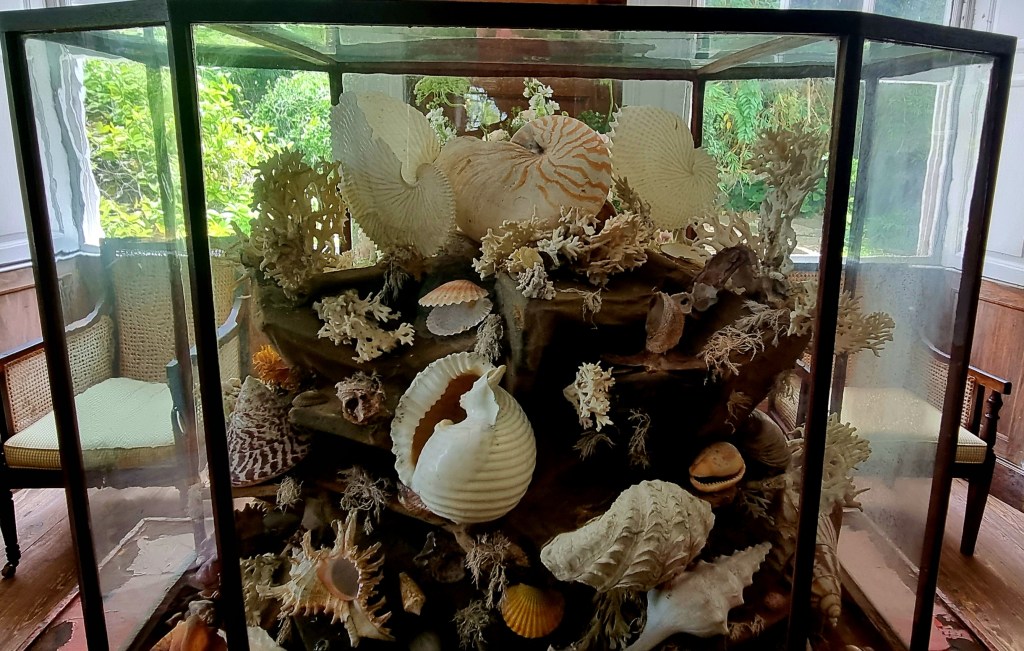
The first room we came to was the drawing room. Here, they have an amazing french chandelier from the 1800s,made out of shells and coral.
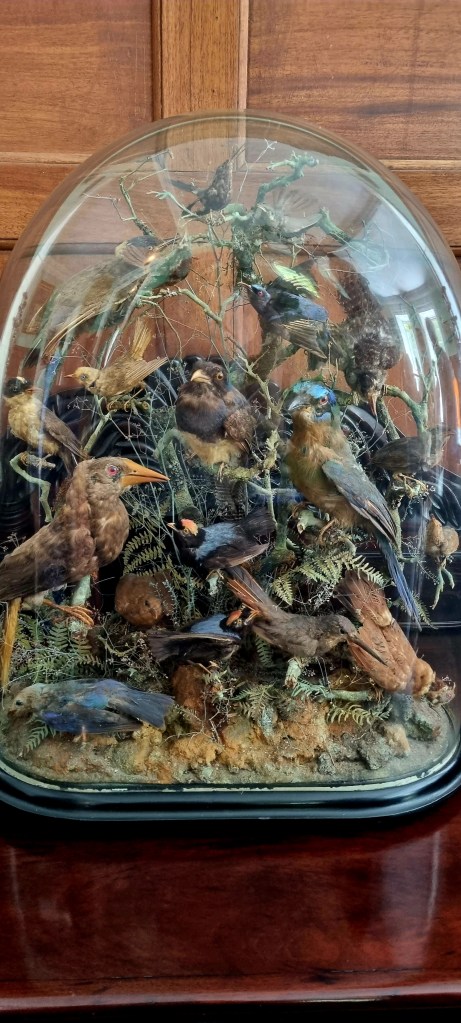
They also have taxidermy of some birds. Some of these birds are now believed to be extinct.
In the study we saw the ‘Gentleman’s Chair’. In 1936, this was considered the ultimate in relaxation as it has adjustable tables, book holder, reading lamp, backrest and footrest. It can also be wheeledfrim one room to another. This particular chair was made in England in the 1830s.
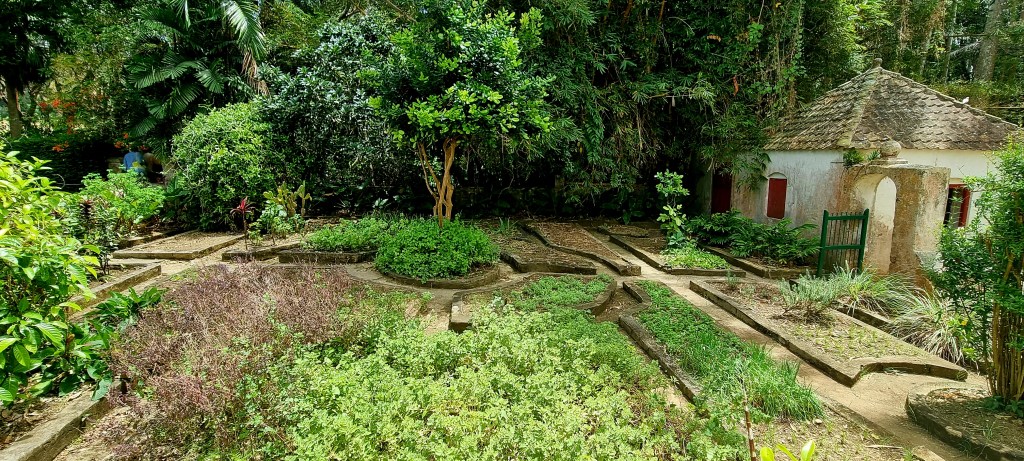
Looking through the window, you could see the herb garden, which is set out in a traditional English pattern. It contains an assortment of peppers used to make the plantations own pepper jelly.
The internal bathrooms were added in 1939. Prior to that, you had to use the outhouses that were fitted with a four seat privy, each seat having a different sized hole.
Electricity came in 1920, and the wiring is still visible as it is on the outside rather than inset into the walks.
In the courtyard, there is a Sandbox Tree, which is over 400 years old. This is an evergreen that is indigenous to the Caribbean, and it has tiny thorns all over its bark – it has the nickname of ‘monkey no-climb’.
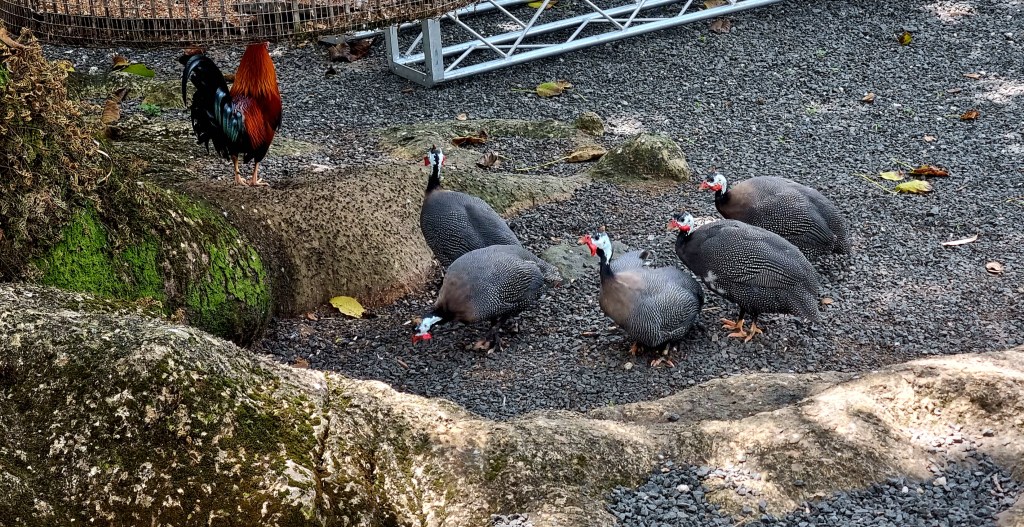
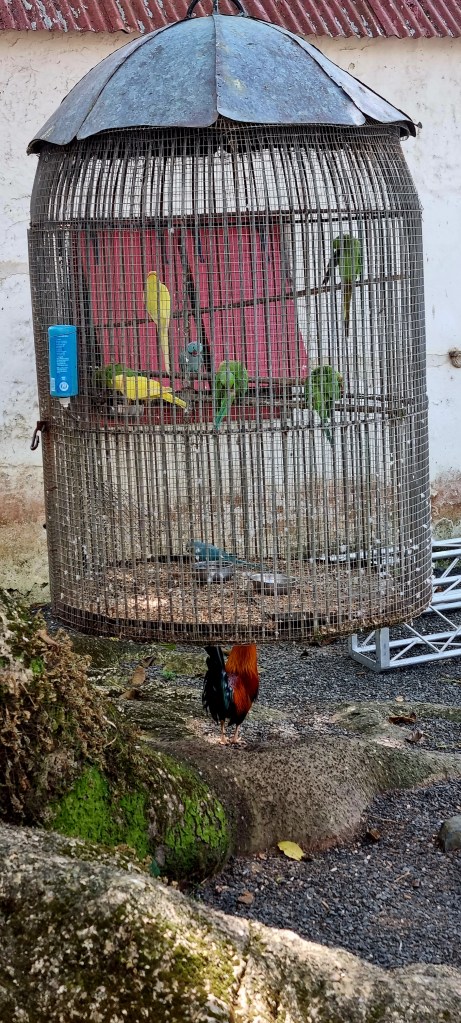
In the courtyard there were also guinea fowl and other birds. Animals were generally kept behind the house so that any bad smells were blown away from, and not towards, the house.
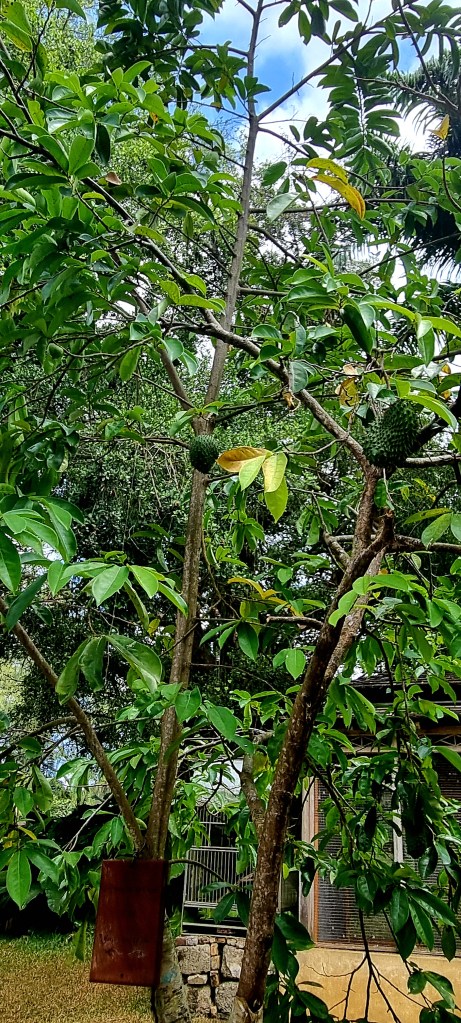
On the short walk down to the distillery, we passed a Soursop tree. The fruit of the tree is said to taste like a combination of strawberry and apple with sour citrus notes and has a banana like texture.
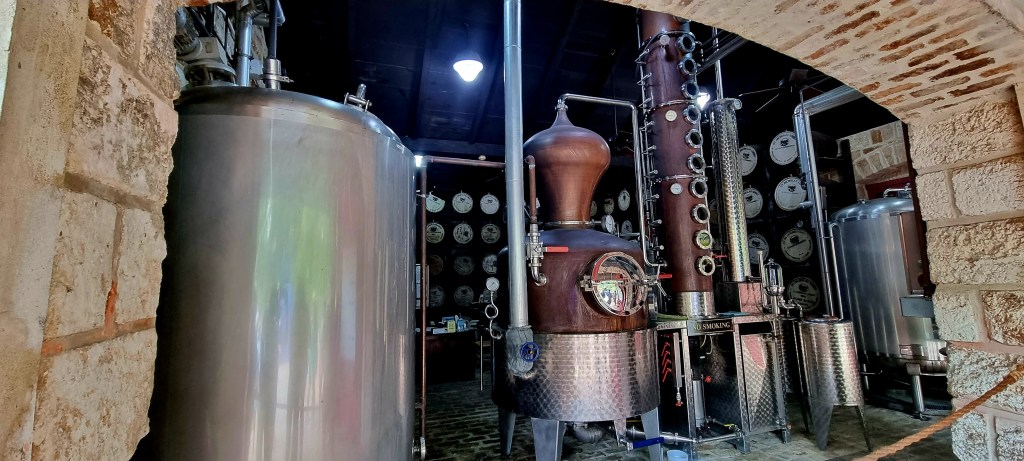
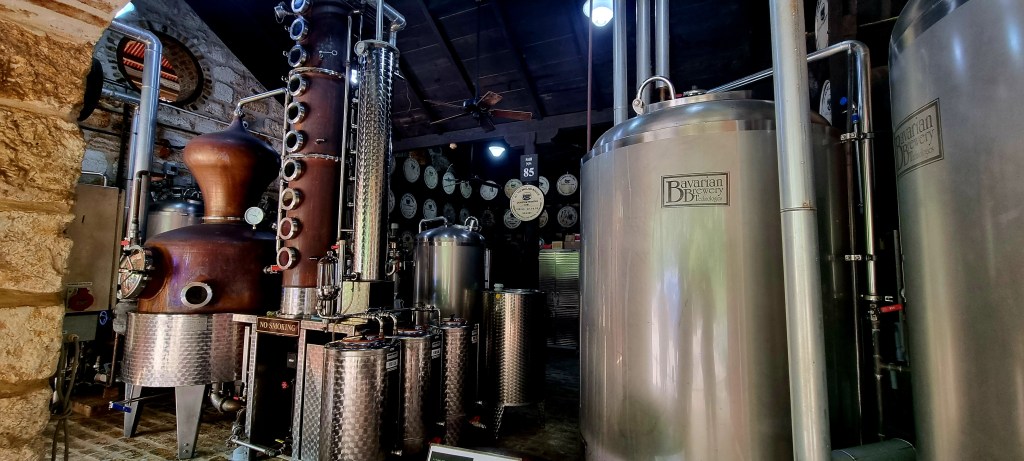
Our next stop was the distillery, which has been specially designed to enable the handcrafted of rum on a small scale.
The big pot is called ‘Annabelle’ and is a traditional pot still as well as a rectifying column.
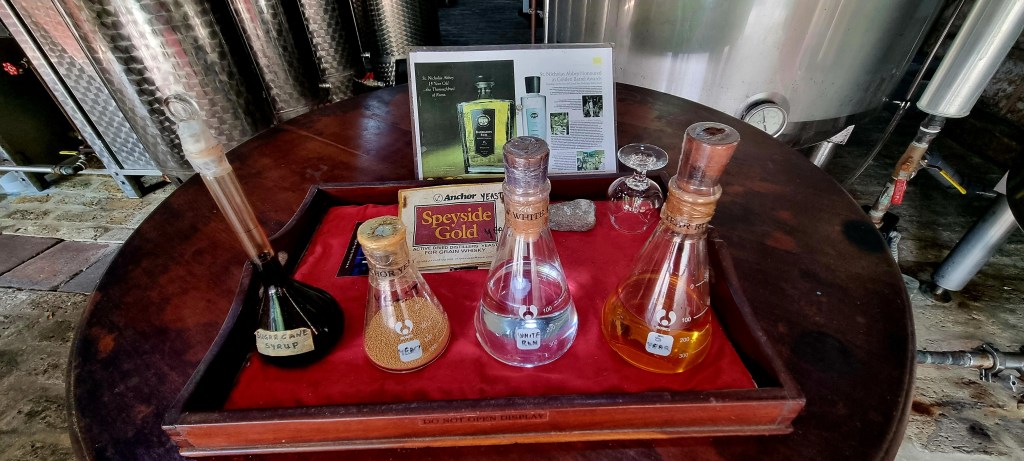
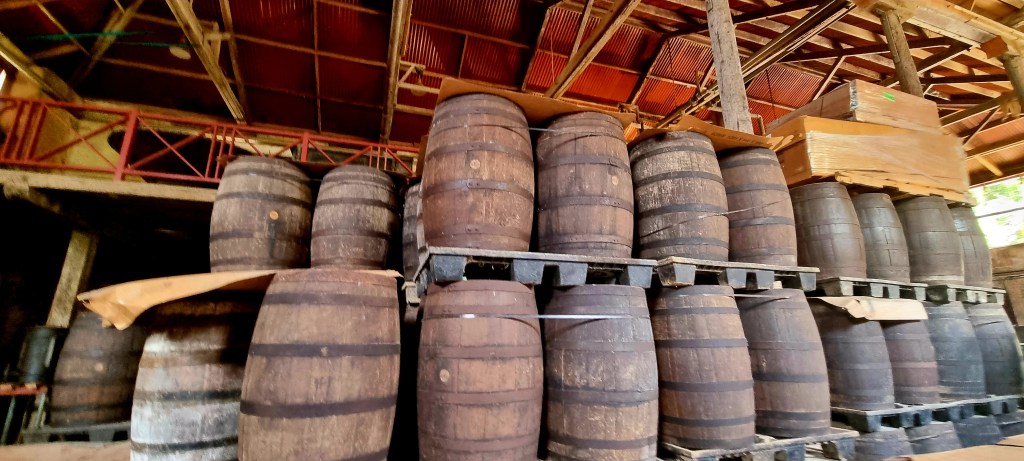
The rum comes out of the distillery at 92% (184 proof), which is then diluted to 60% or 40% for ageing in barrels. They use old Bourbon oak barrels from Kentucky for ageing the rum. These barrels are only used once for Bourbon before being shipped to the Abbey. The darker the rum, the longer it has been left in the barrel, and the smoother it is. The white rum, which is only used for mixing, is not barrelled at all.
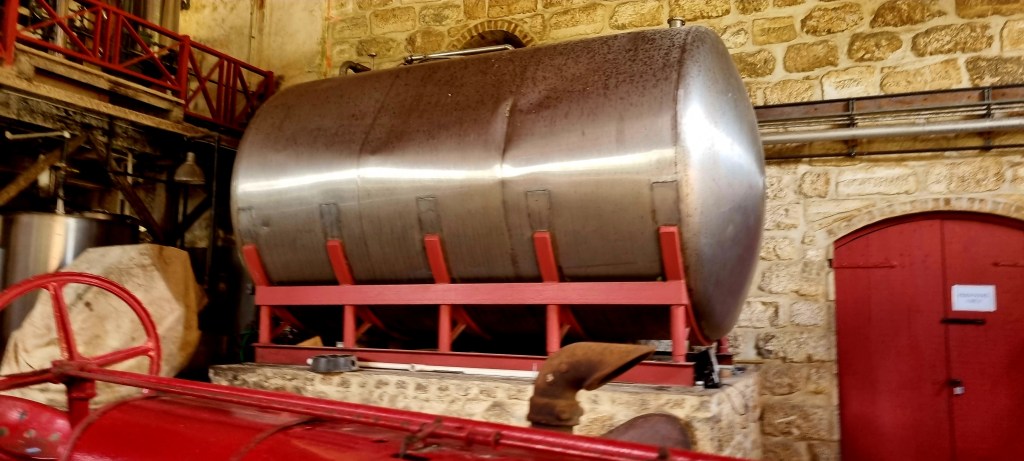
We then moved on to the syrup plant, which basically converts raw cane juice into a very sweet syrup, which is around 70% sugar. The large steel tank holds 1,900 litres of syrup which enables rum to be produced throughout the year.
The distillery makes around 40-45 barrels of rum a year. The rum is not blended, and each barrel will produce around 300 bottles of rum, depending on how long it has been aged for.
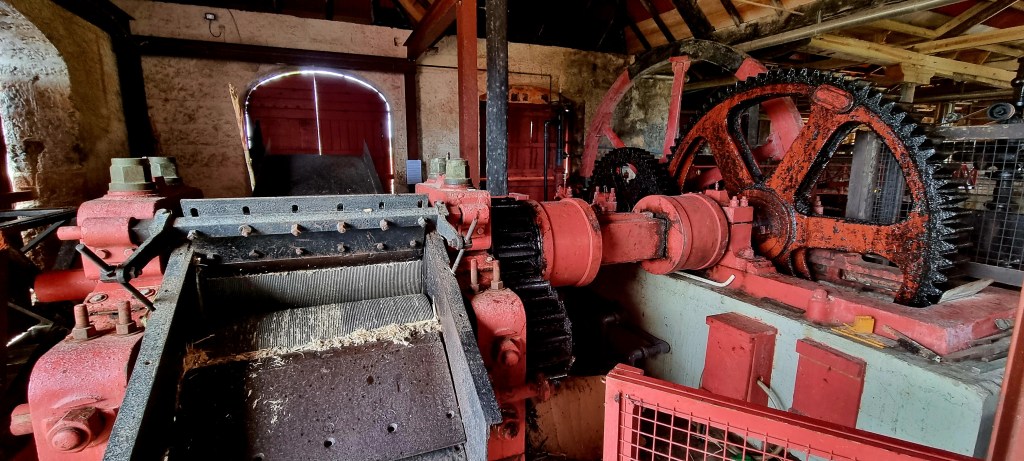
At the start of the process is the steam mill, which crushes around 350 tonnes of came between January to June (the annual crop season time).
There were a few bats flying around in the roof of the steam mill and syrup plant.
The original steam mill was installed in 1890 and increased production by 10-15% over the original windmill. But the plantation stopped production in 1947 due to lack of viability. In 2006, the plantation started grinding cane again and producing rum. It is the only rum on the island made from cane syrup, and the sugar cane has to be cut by hand rather than by machine. All of the sugar cane on the plantation is used for the production of rum as it is no longer viable to produce sugar itself.
The history of the ownership of the Abbey is also interesting, with lots of cousins marrying each other etc. When slavery was abolished, the owners gave the firmer slaves a piece of land, which is how small villages have grown.
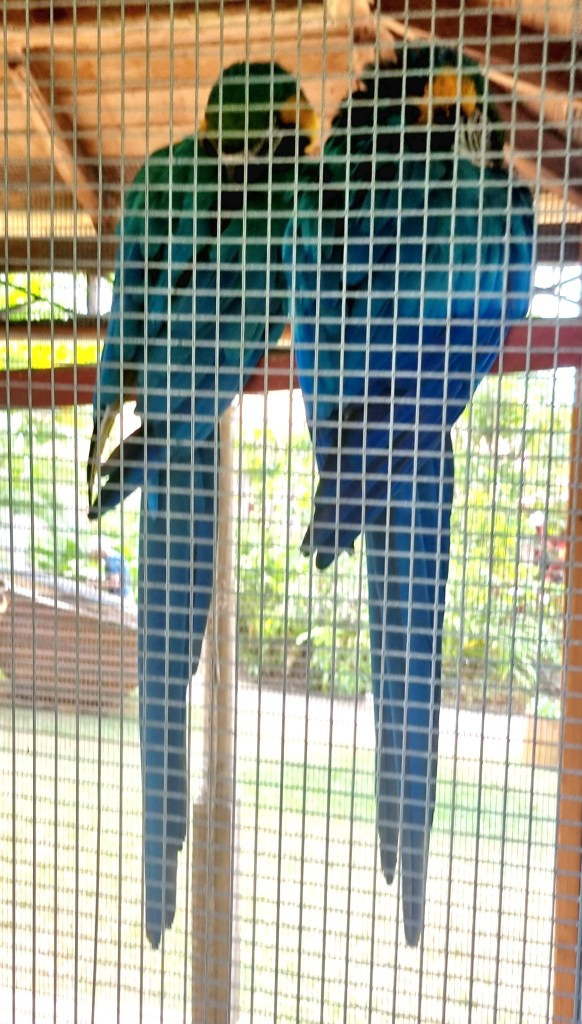
On the way to taste some rum, we passed the cotton plants and also some macaws.
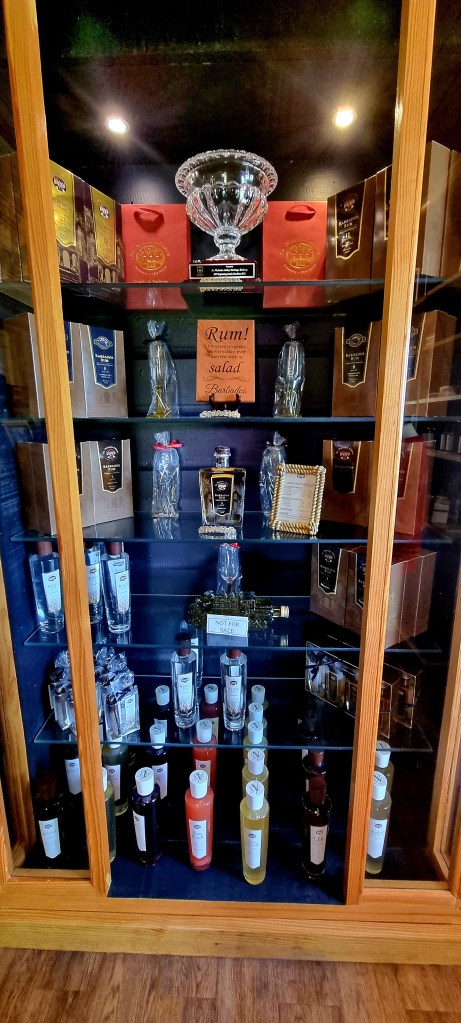
And them it was time to taste some rum. Simon Worral, the son of the current owner, talked us through the rum and liquers, he was a funny guy. We tasted a 5 year old rum,an amaretto liquer, and a coffee liquer. I ended up buying the coffee liquer.
After a quick detour to the cafe to grab some lunch, we headed home by taxi.
We ate our lunch on the balcony before heading to the pool for some sunbathing.
We had some pre-drinks on the balcony before getting a taxi into Speightstown.
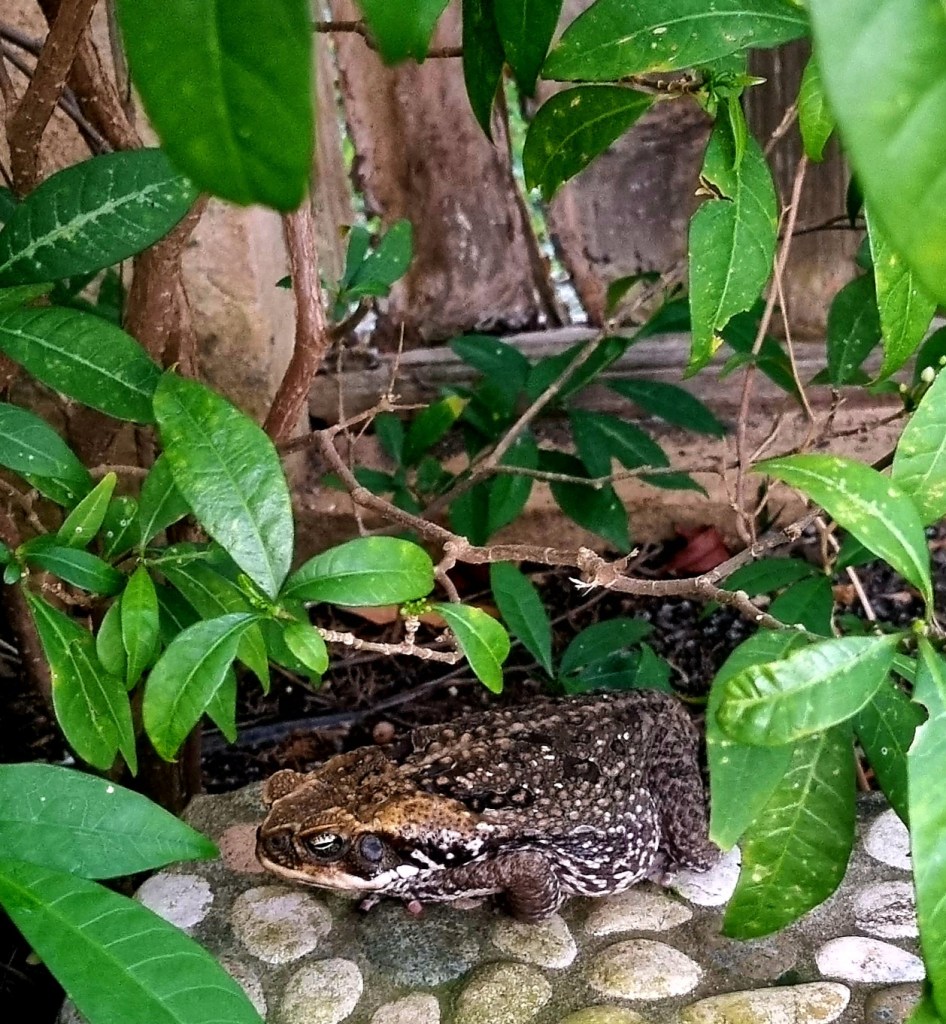
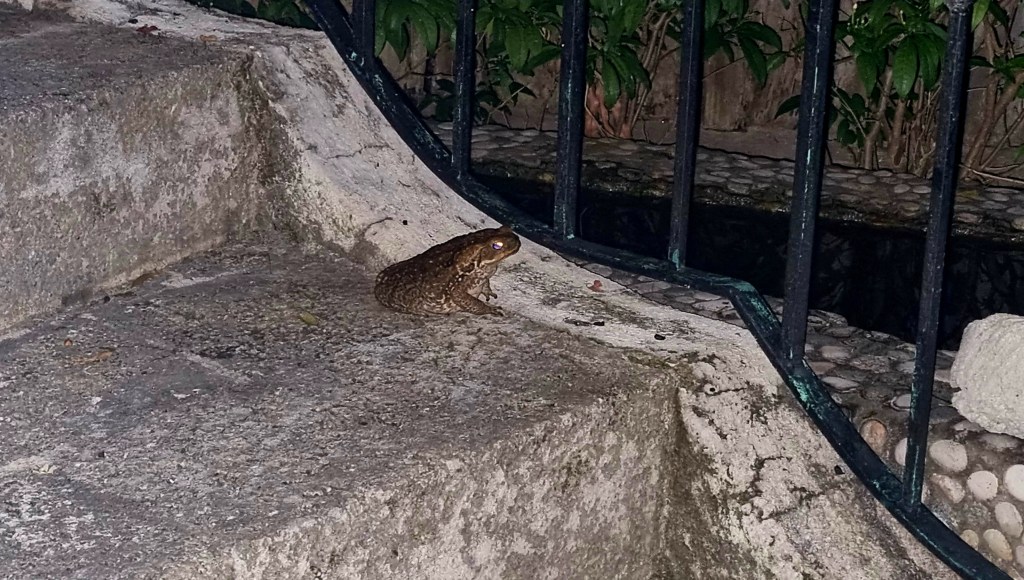
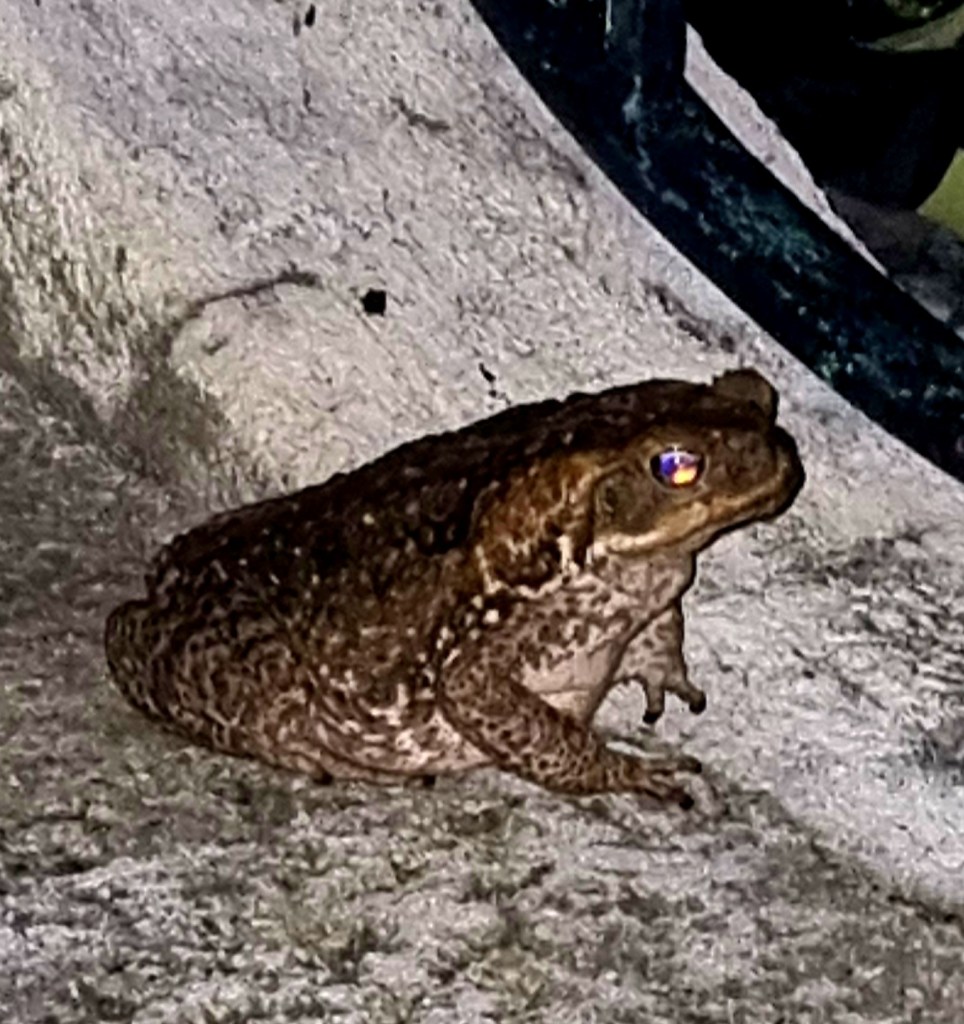
On the way out, we saw the huge toad again.
The sun was starting to set as we came into Speightstown, so we asked the taxi driver to stop so we could take some photos.
We had booked a table at Local and Co as it had been recommended to us. It didn’t disappoint. The location was perfect and the food was delicious.
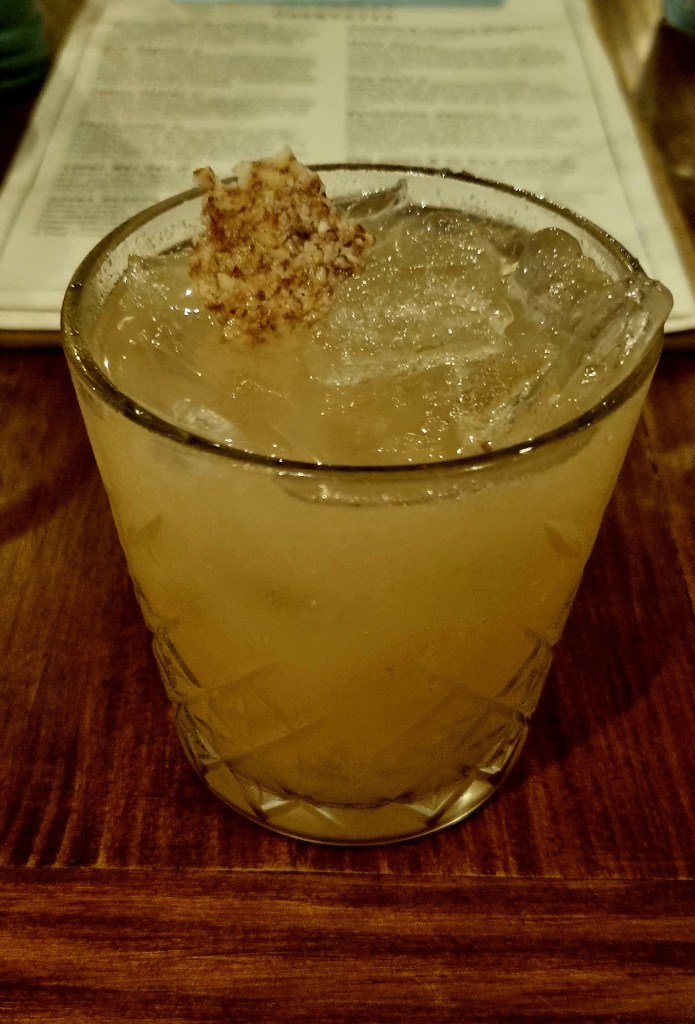
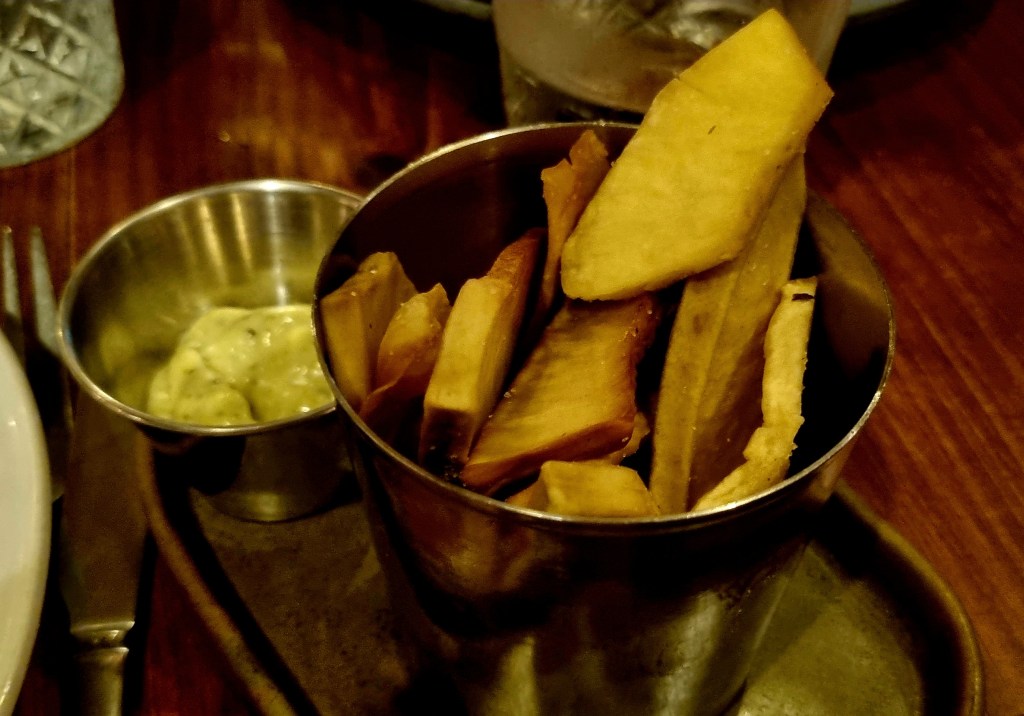
I had an amazing rum sour, and catch of the day with breadfruit chips.
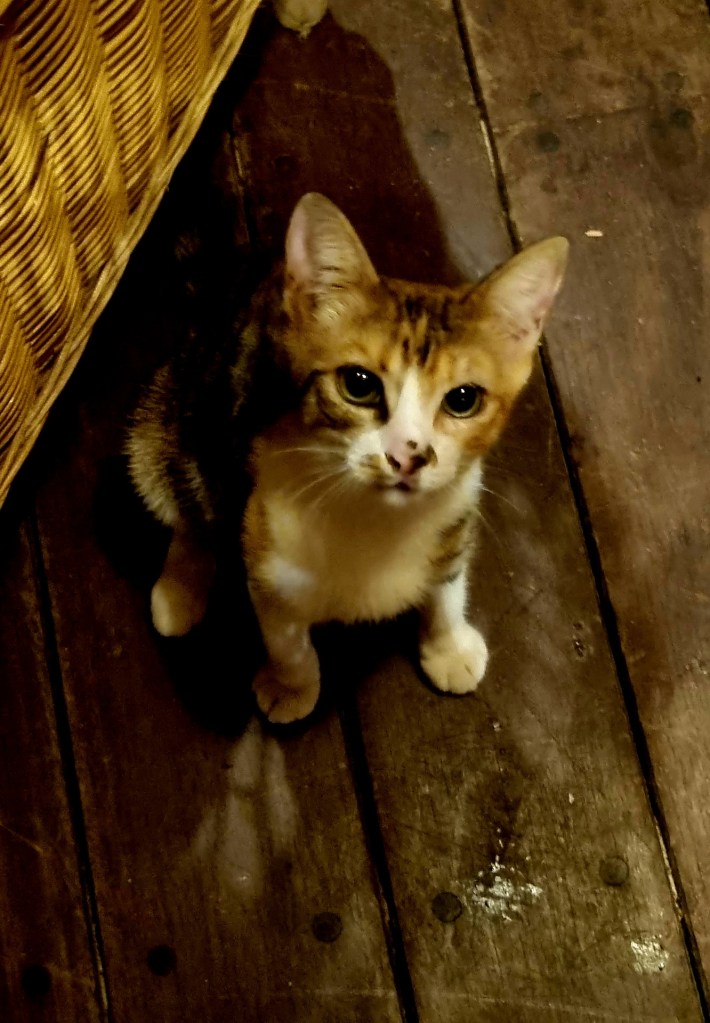
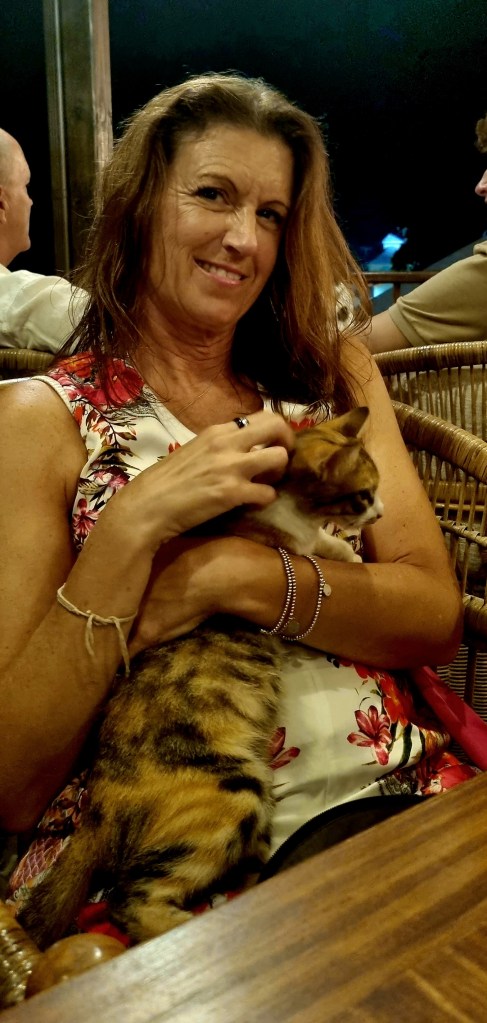
I also made a new feline friend.
We headed to Little Bristol Bar after dinner and had a few dances to the band that were playing.
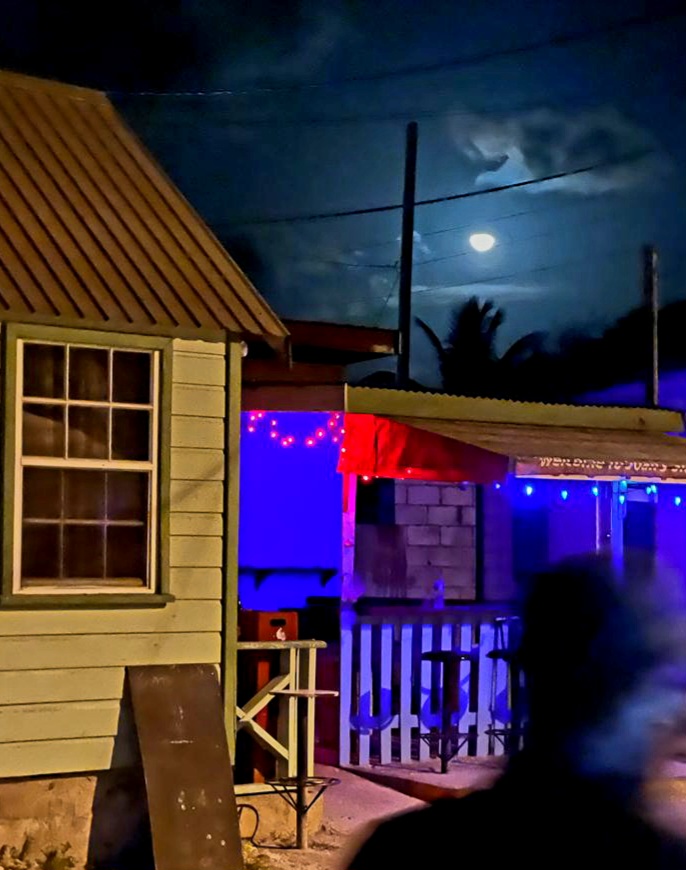
Our plan was to continue the night at Just Chilling, but it was dead when we got there. So we decided to get a taxi home and we stopped off at Sip and Lick on the way.
We chattec to some of the locals and had a few dances before heading home
One of the local gentleman escorted us back to the apartment.
I was up early again, so I made some pancakes for everyone. After we had all had breakfast, we headed down to Pier One. It was another beautiful morning.
There were actually quite a few people at the pier, but we managed to find four sunbeds together.
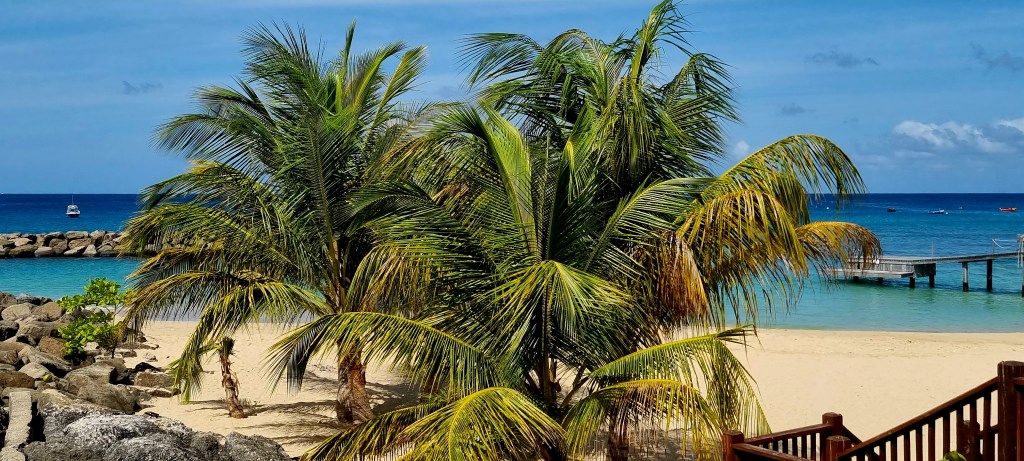
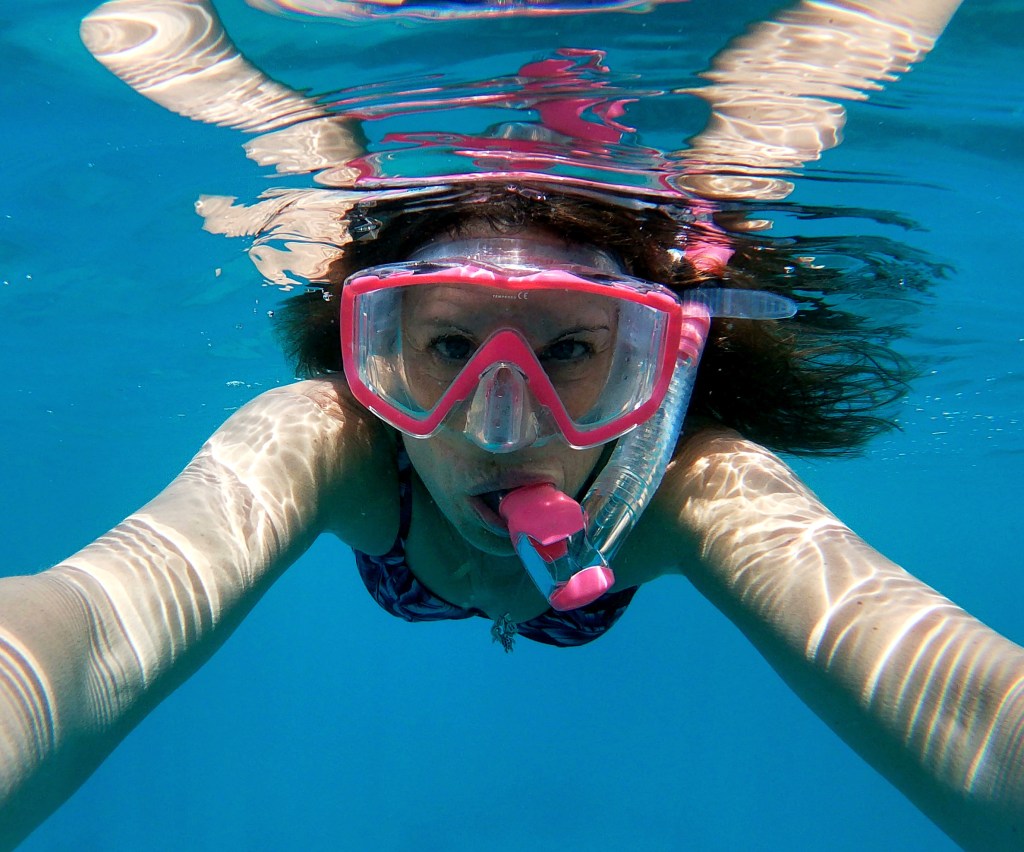
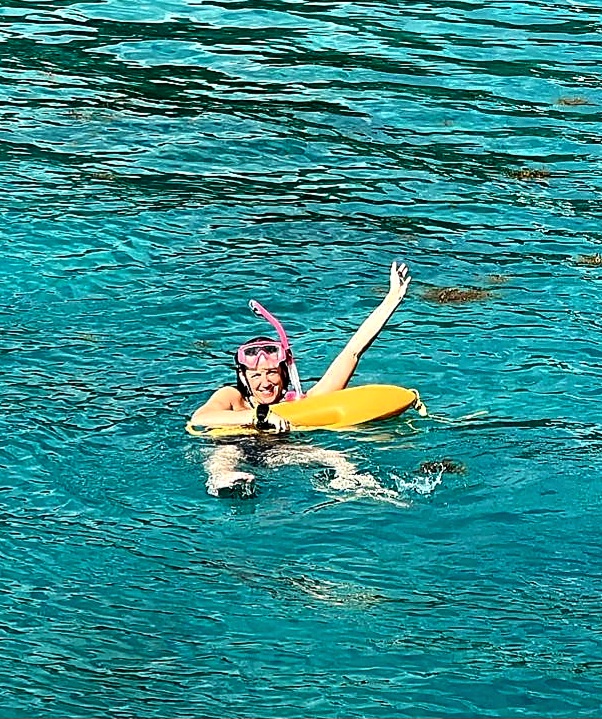
After a bit of sunbathing, I got into the water and did some snorkelling.
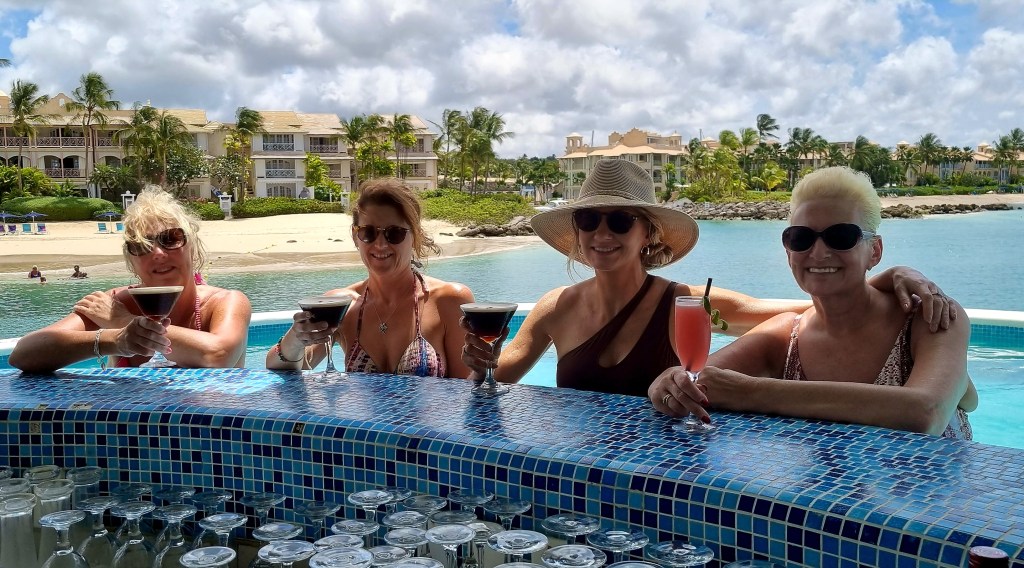
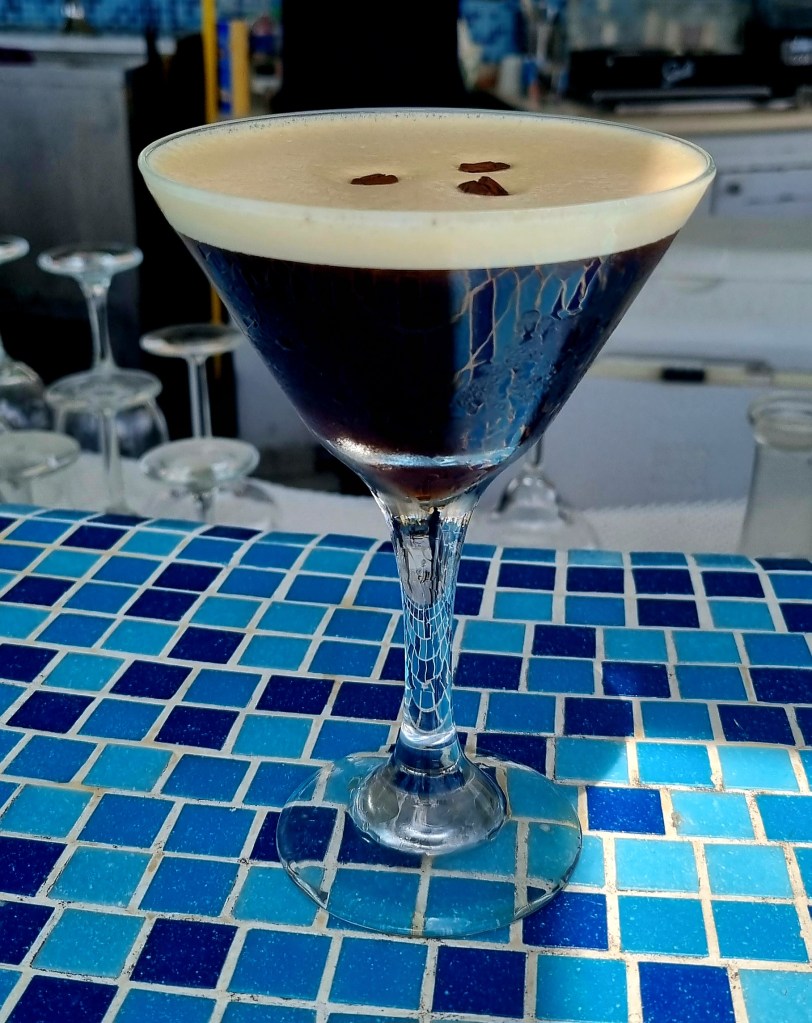
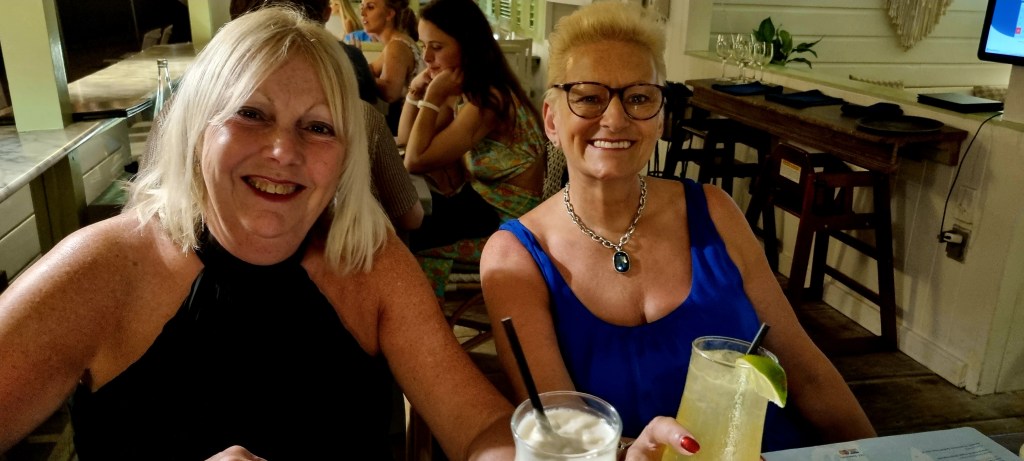
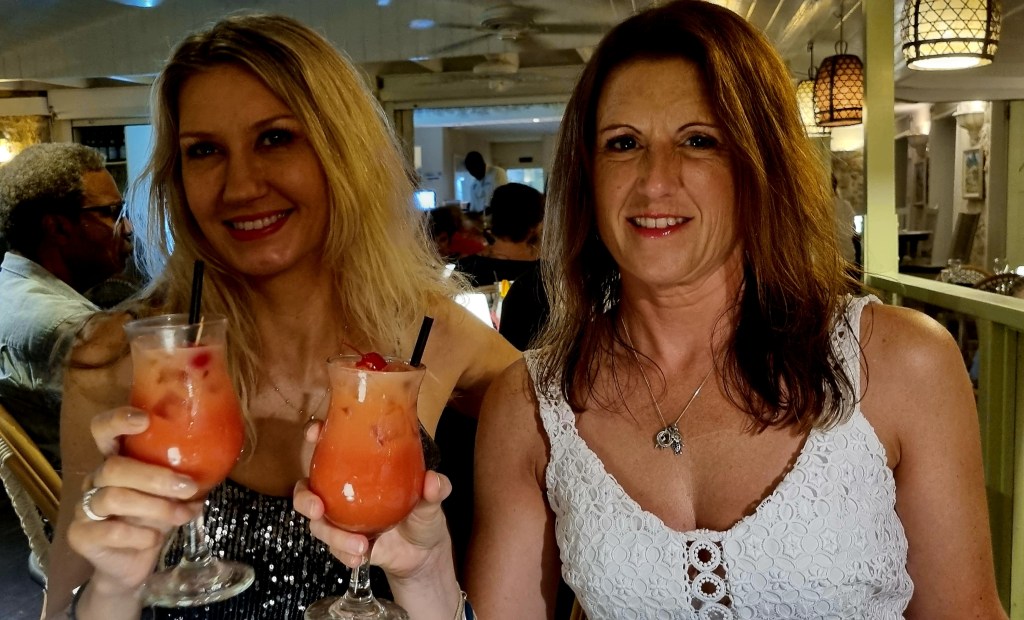
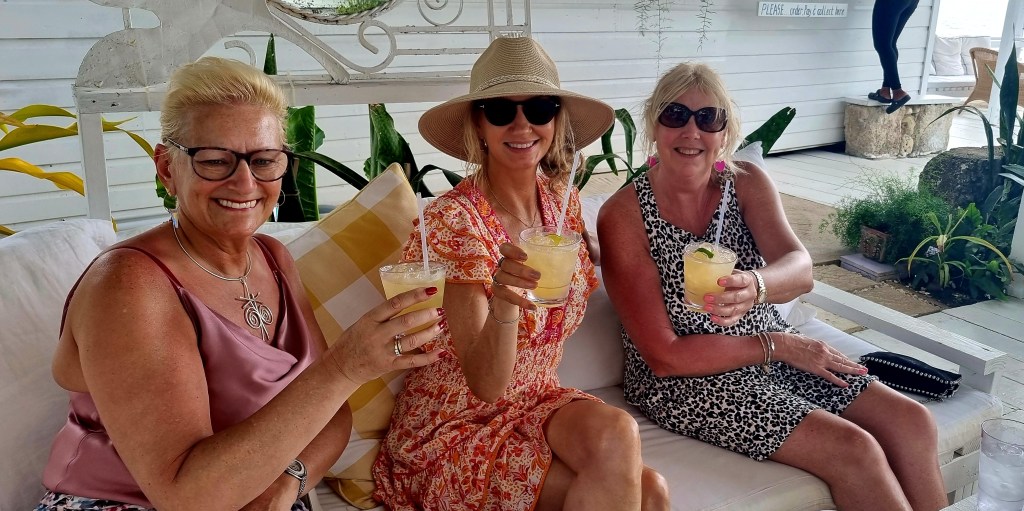
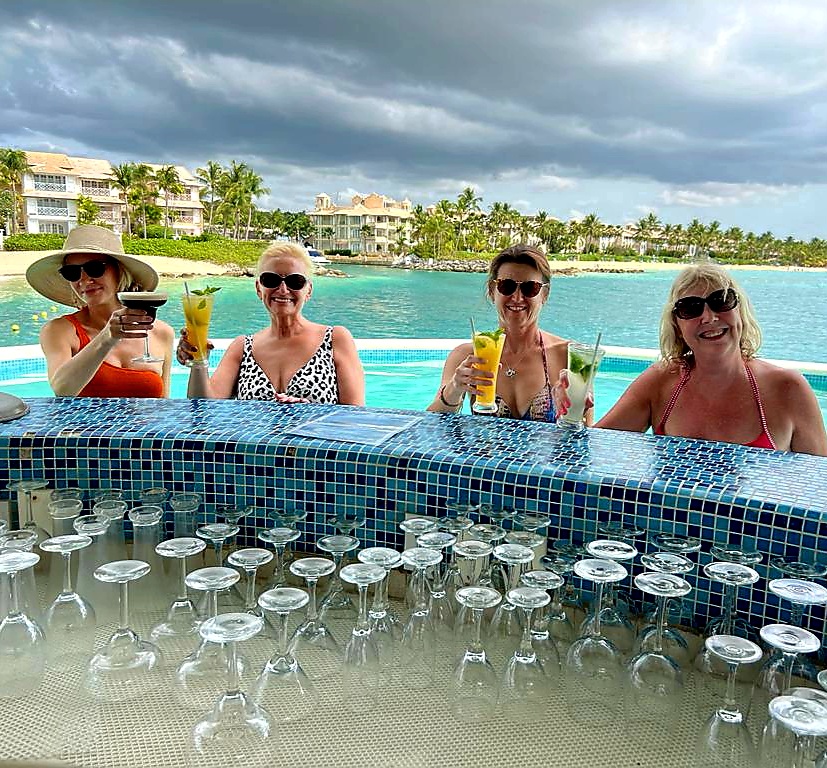
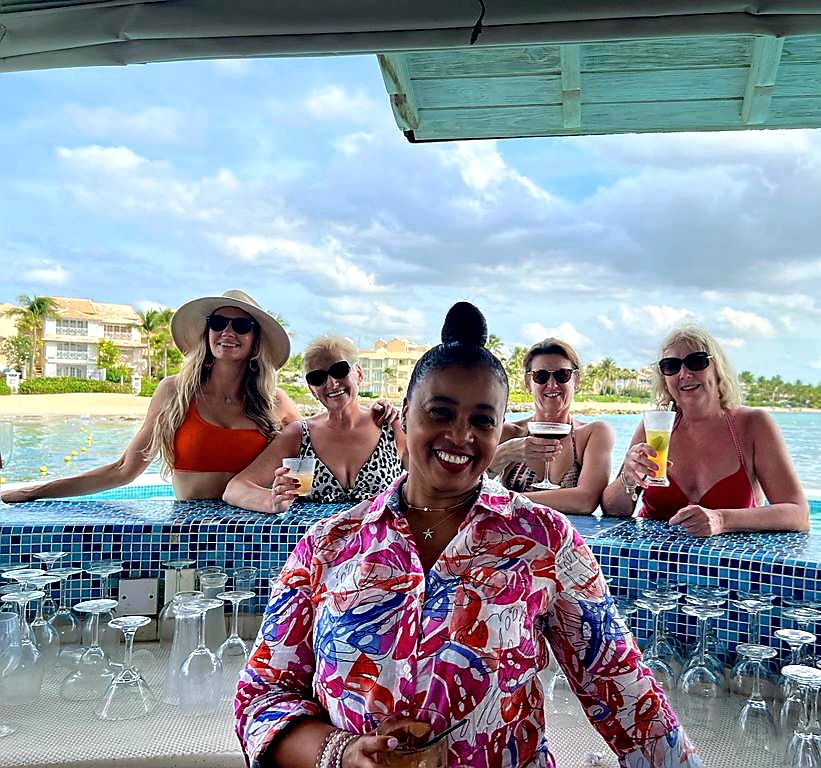
We decided it was time for a cocktail or two before lunch.
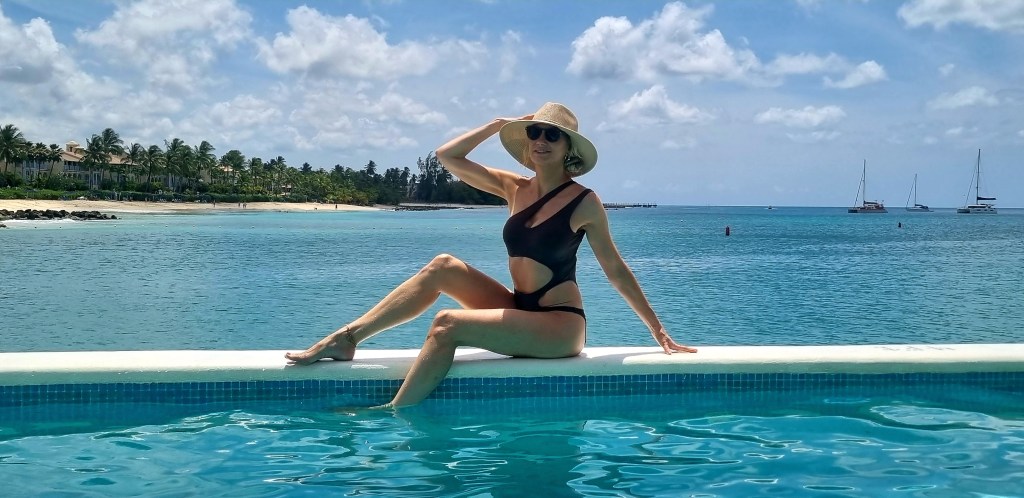
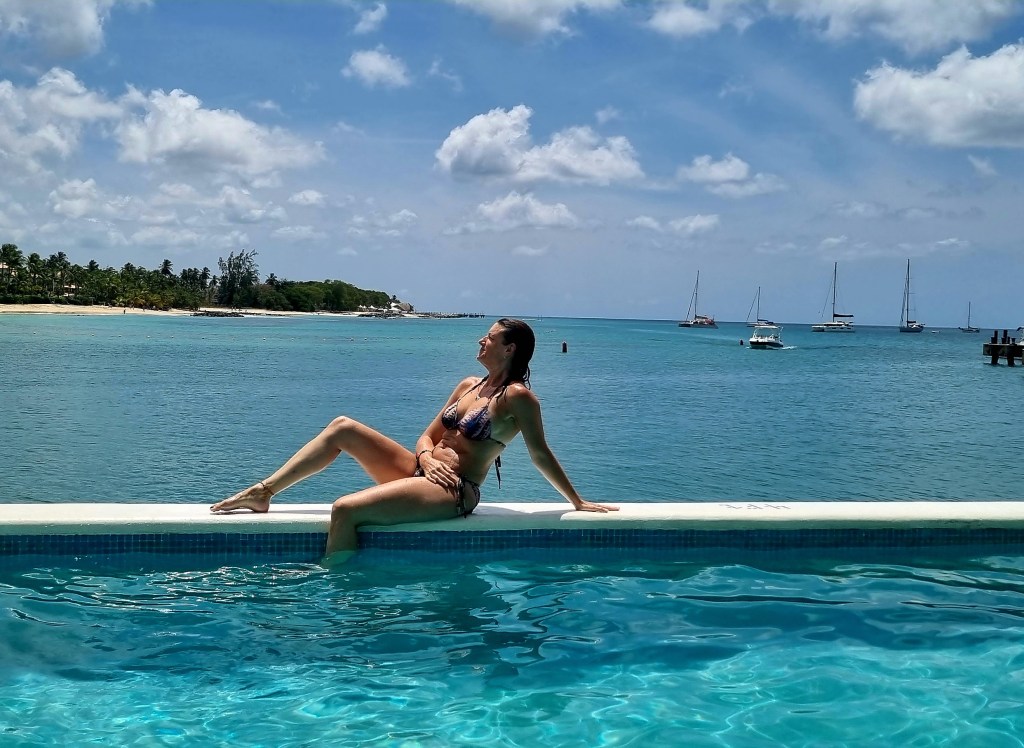
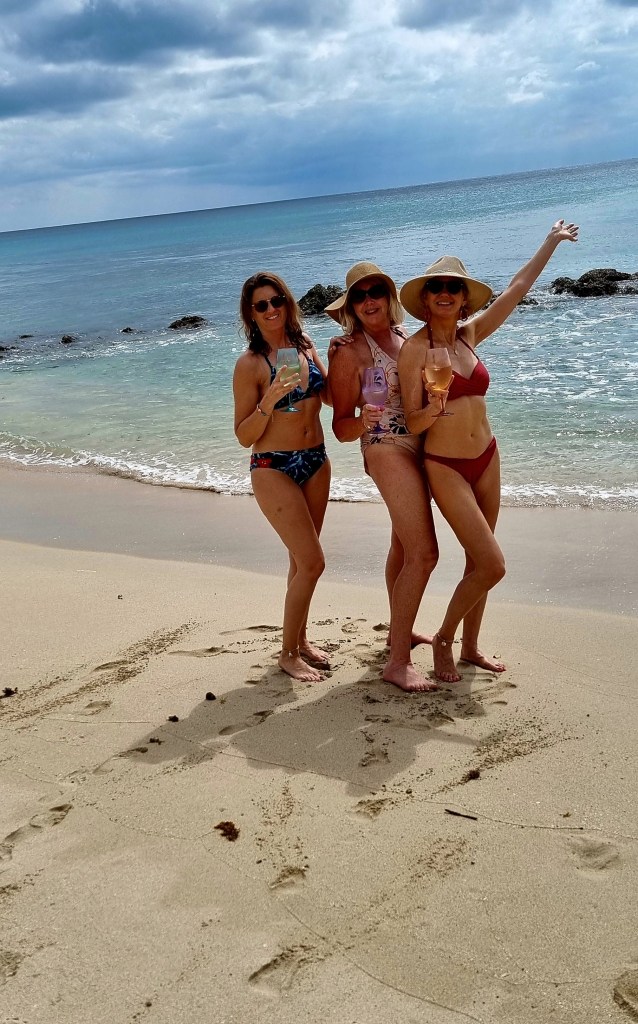
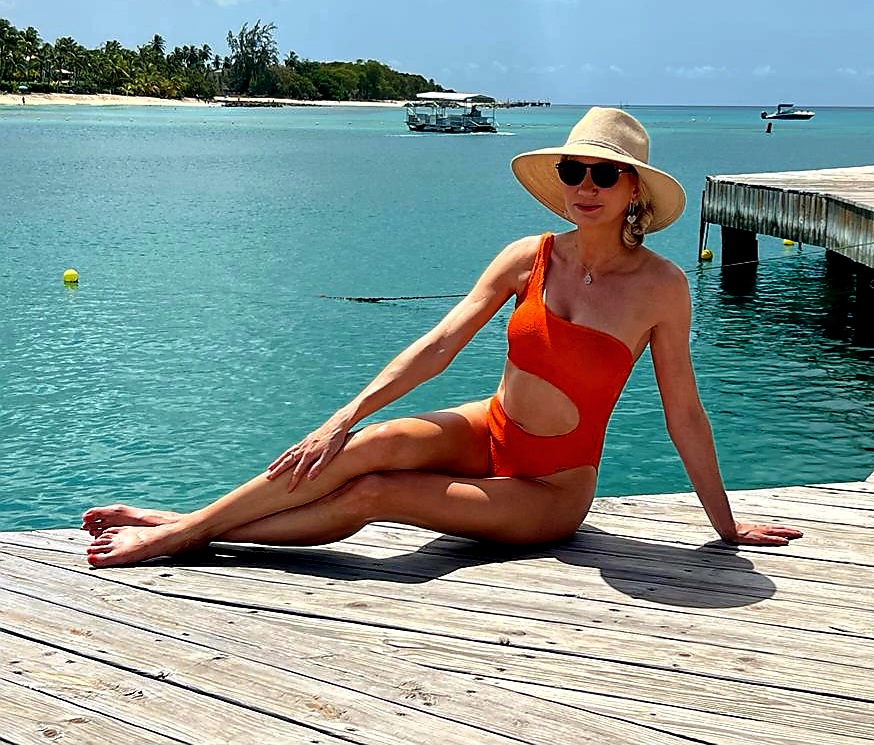
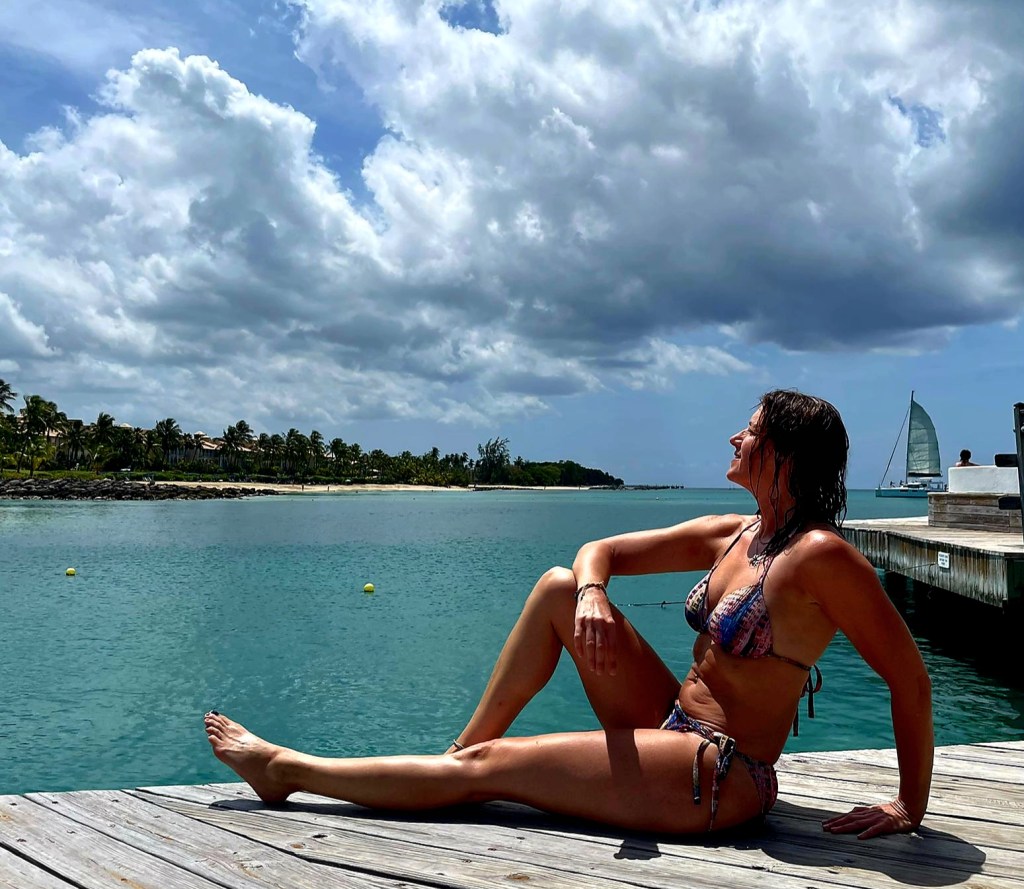
And obviously, some posey photos, too.
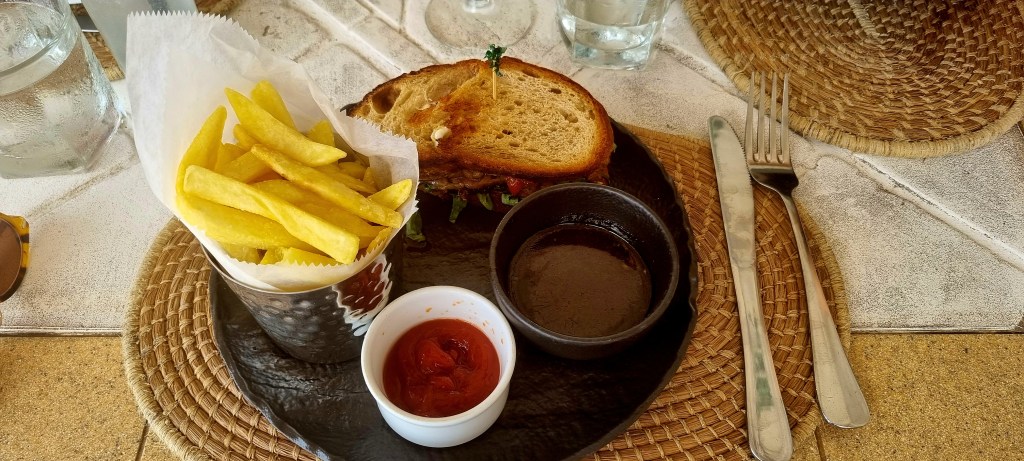
It was soon time for lunch. I had a delicious steak sandwich with blue cheese.
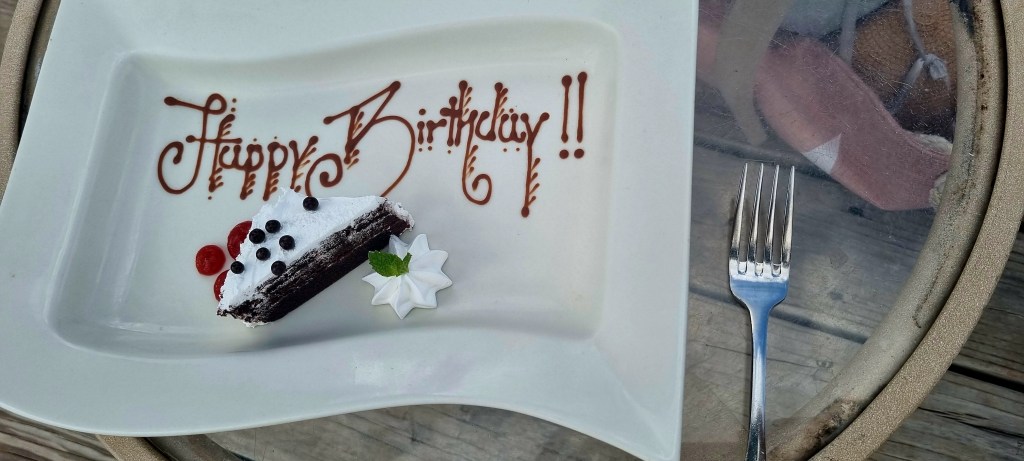
After lunch we did some more swimming and sunbathing and Karen and Mags each got some birthday cake.
Late afternoon, we headed home, although none of us really wanted to go.
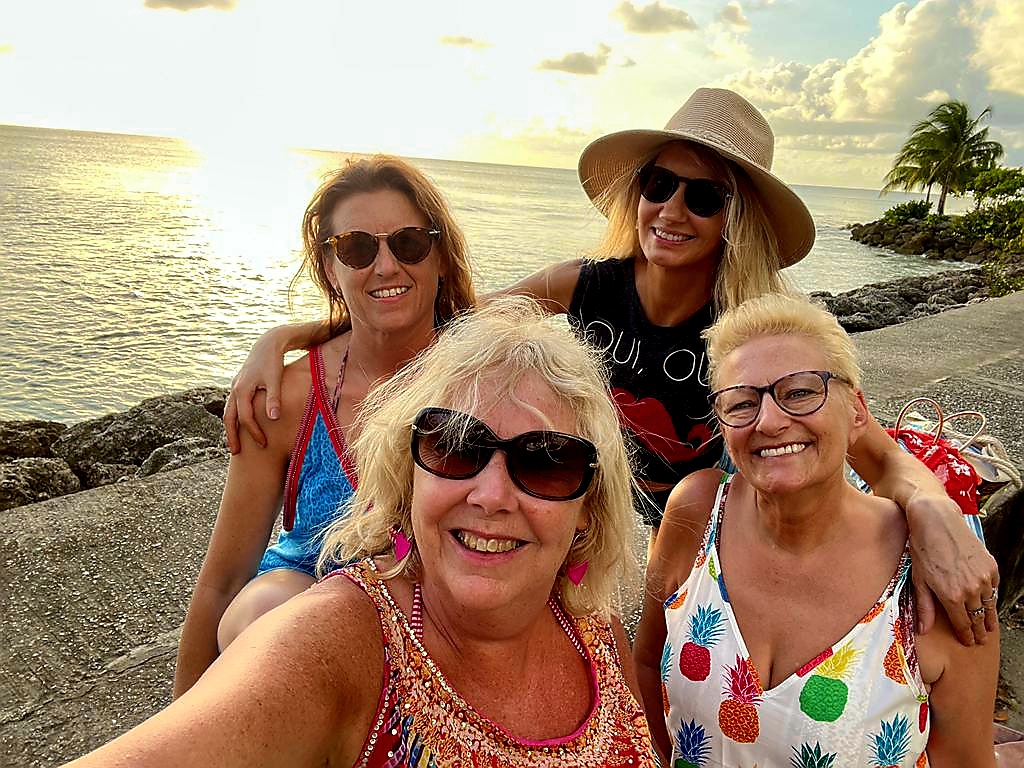
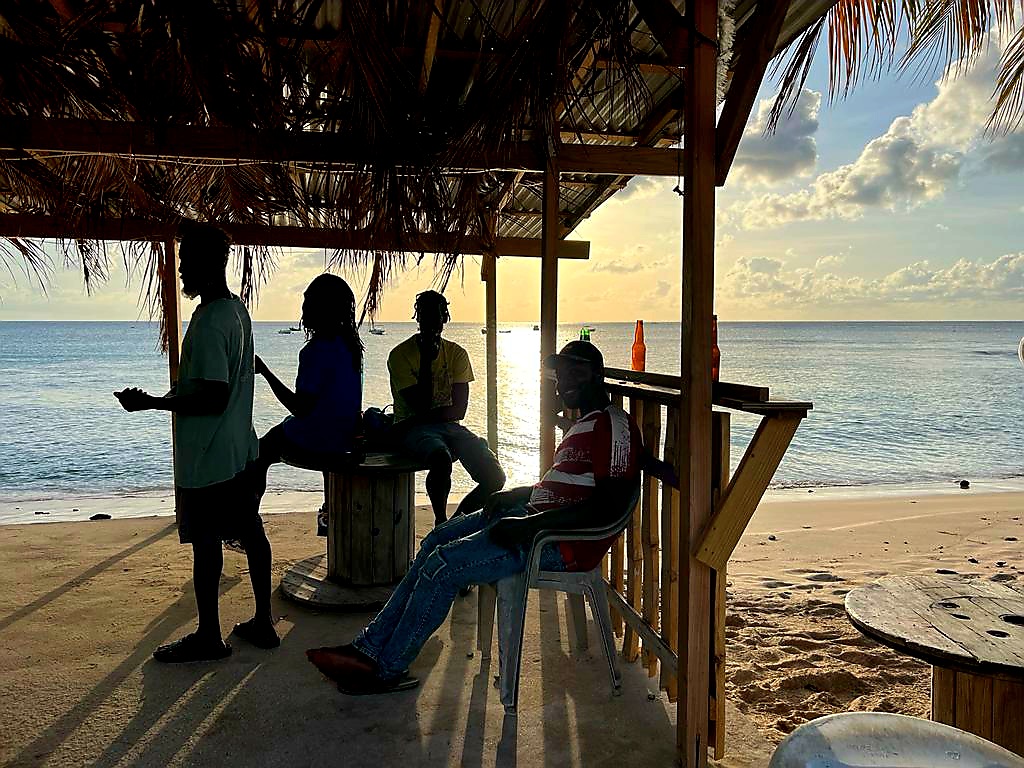
As we left, the sun was starting to go down, so of course, we took some photos.
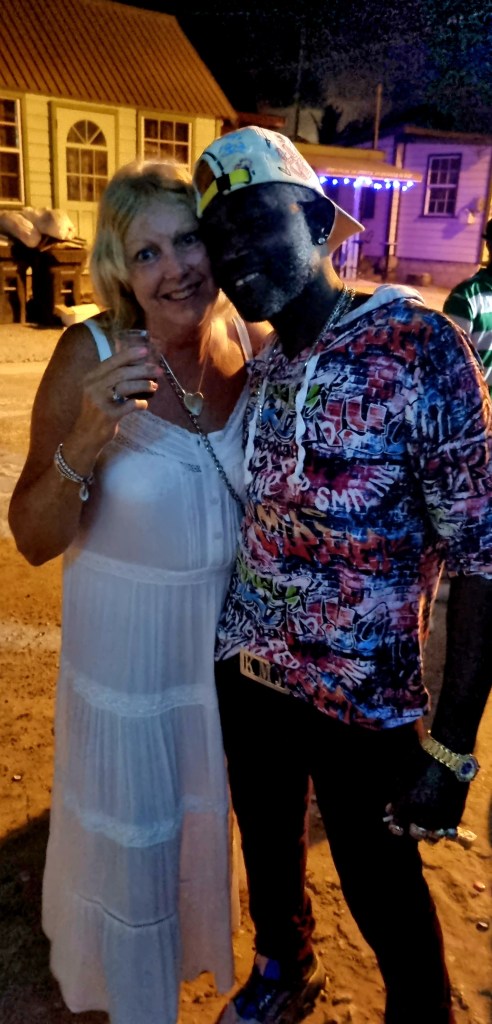
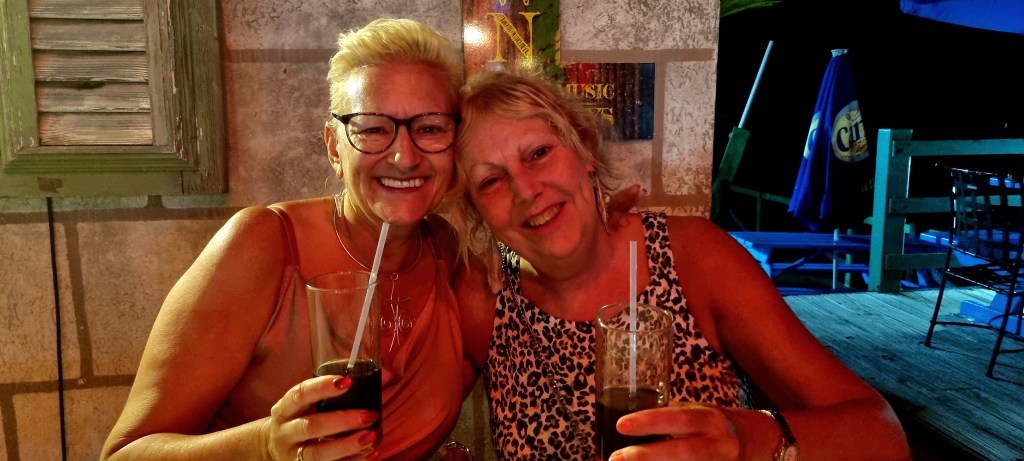
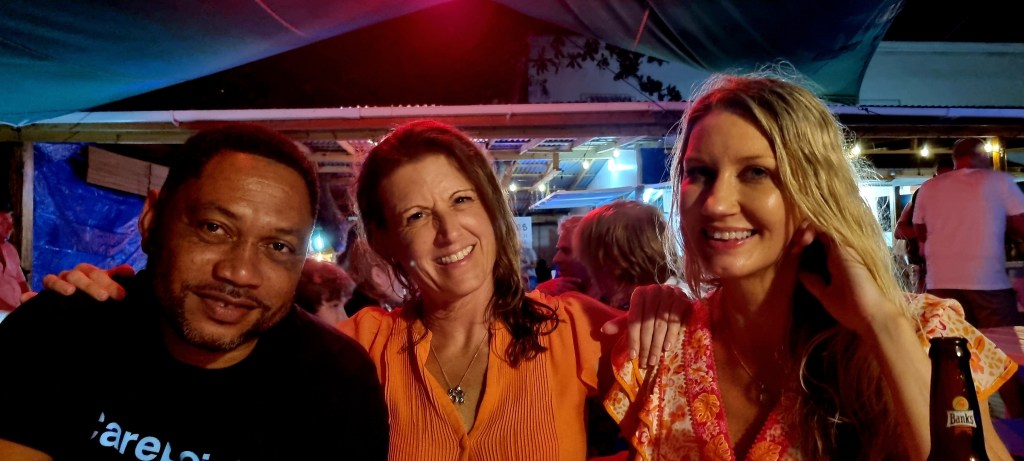
We also took some pictures with the locals who we had been chatting to over the last couple of weeks.
After a quick shower, we headed back out to our favourite place for dinner – Joan’s. We sat and chatted with the local guys.
We had quite a few rum and cokes, and we had a few dances too. It was sad saying goodbye as we knew we wouldn’t be seeing everyone again.
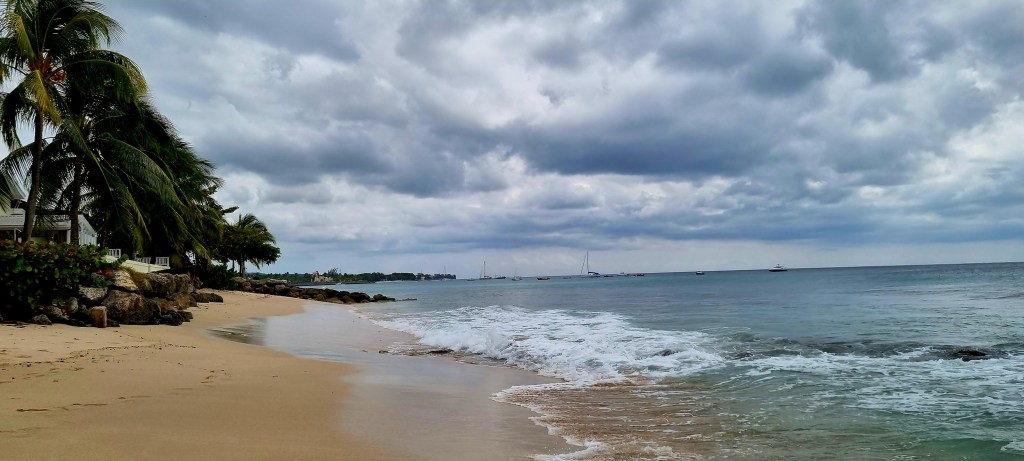
It was quite cloudy when I woke up, but we decided a nice relaxing beach day was in order.
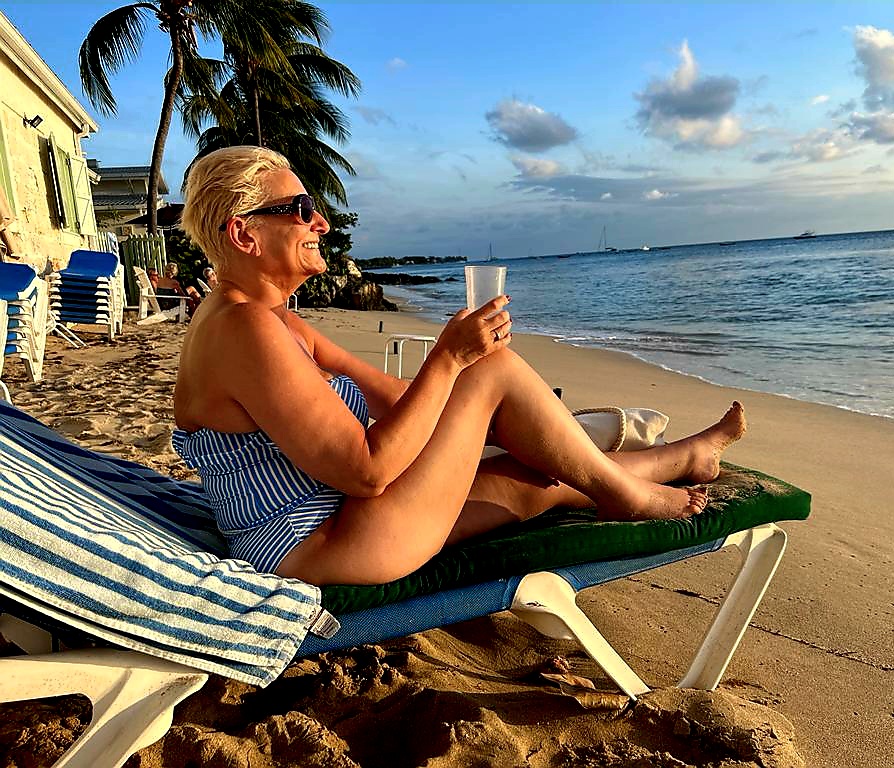
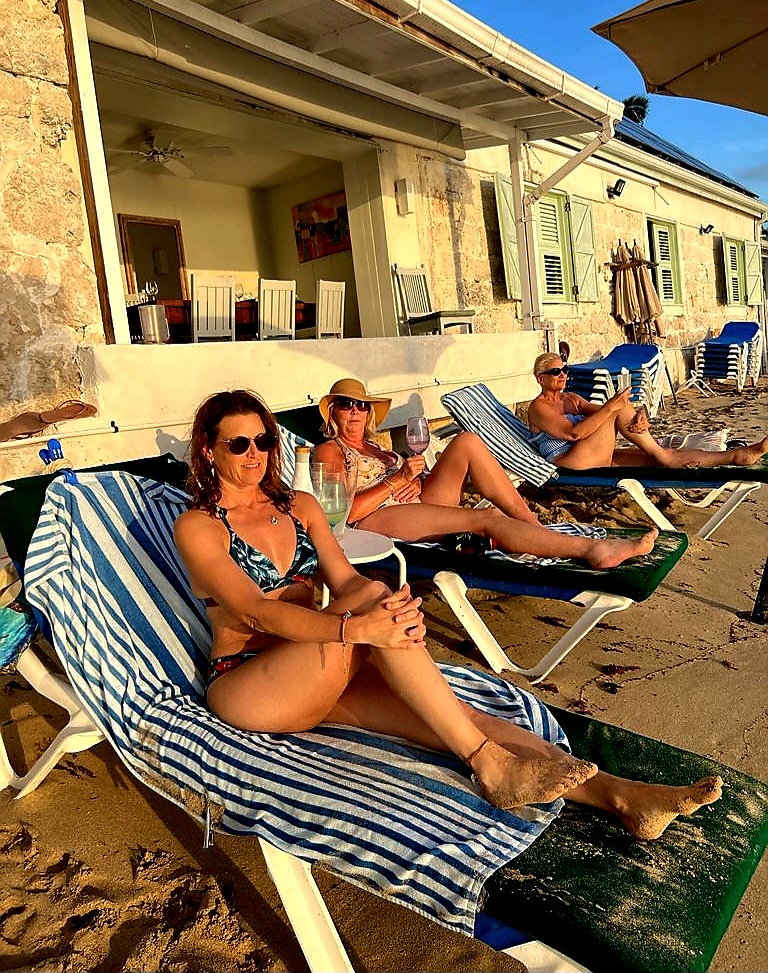
It was actually really nice lying on the sunbeds with a breeze and clouds.
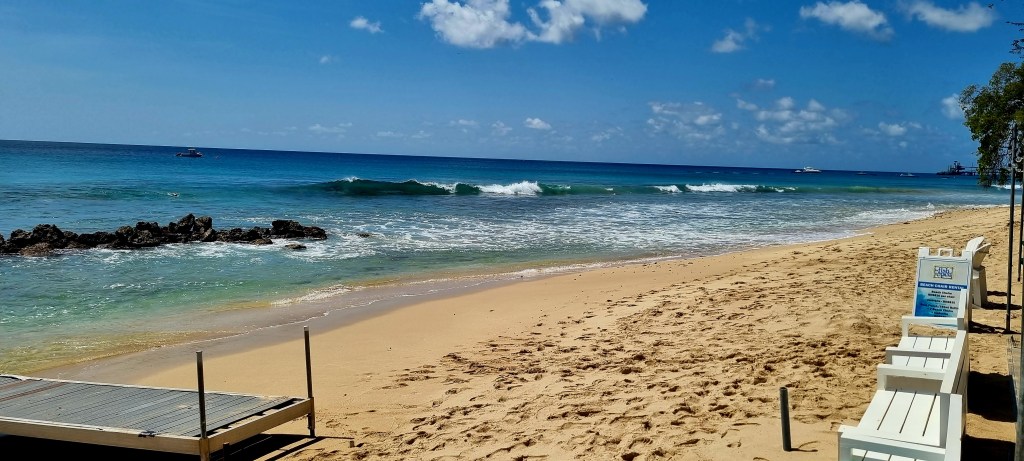
We just went to the beach opposite us for some swimming and sunbathing.
At lunchtime, we came back up to the apartment and made ourselves a cheese omelette. Our bird friends joined us, too.
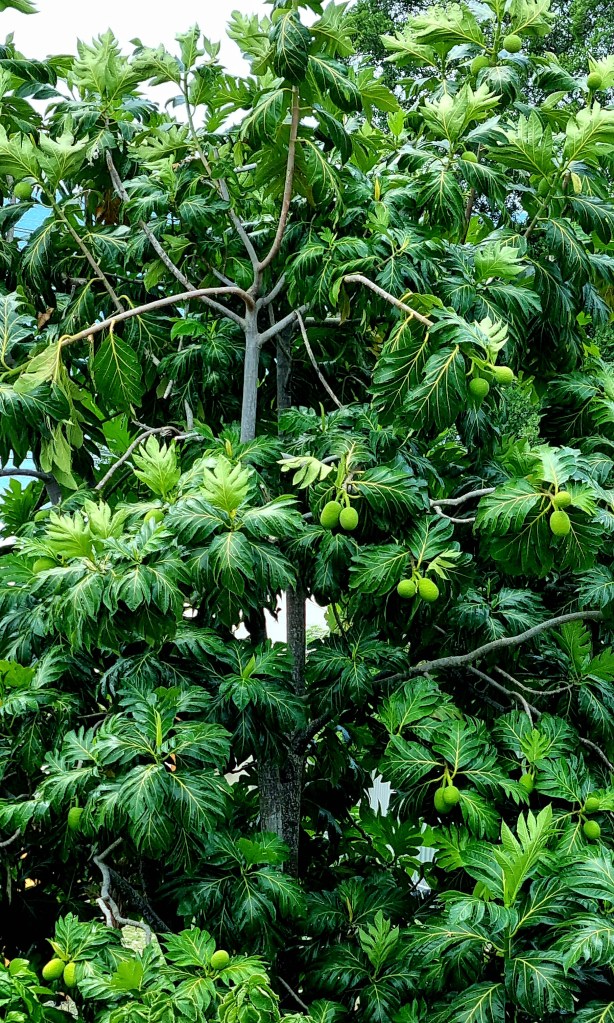
The tree opposite our apartment is a breadfruit tree. Breadfruit was discovered by the Europeans in the late 1500s. It is a starchy fruit, and when it is roasted, it resembles bread in both texture and aroma.
After lunch, we headed back to the beach with our wine.
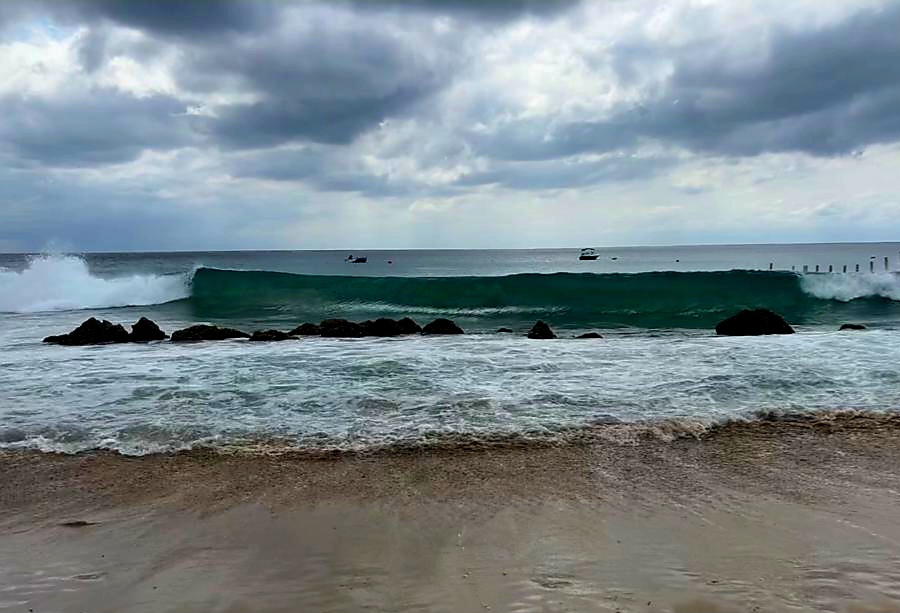
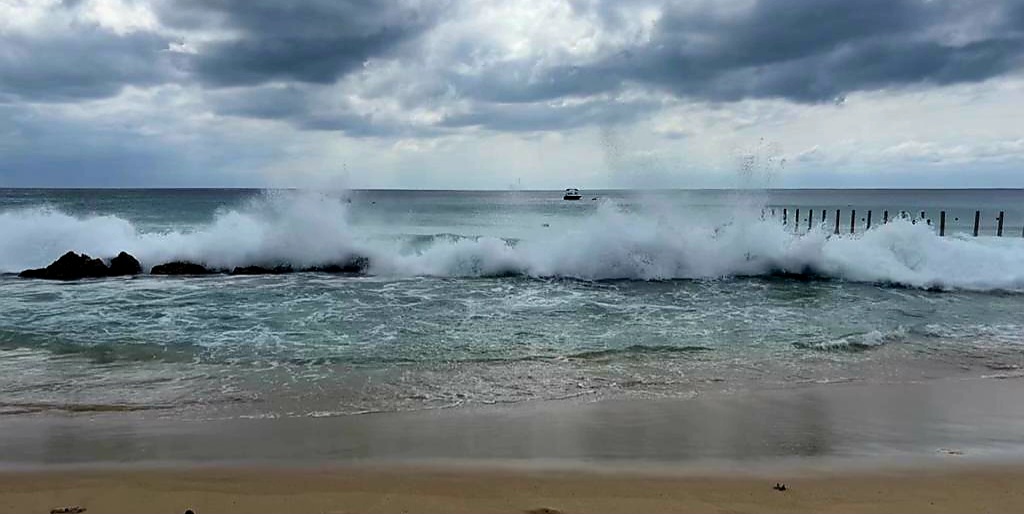
The water was quite rough, and the waves were crashing on the rocks. I went swimming, and you could feel the current pulling you back out.
We were all playing with the slo-motion mode on our cameras.
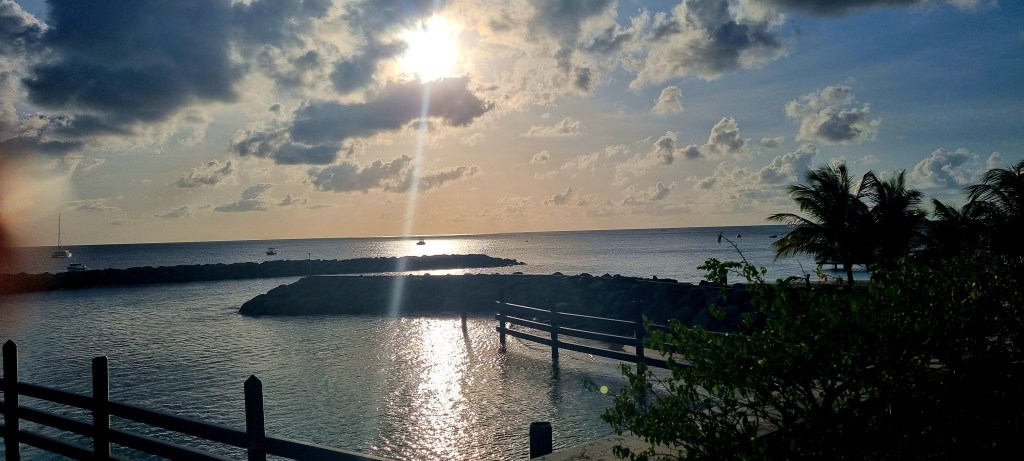
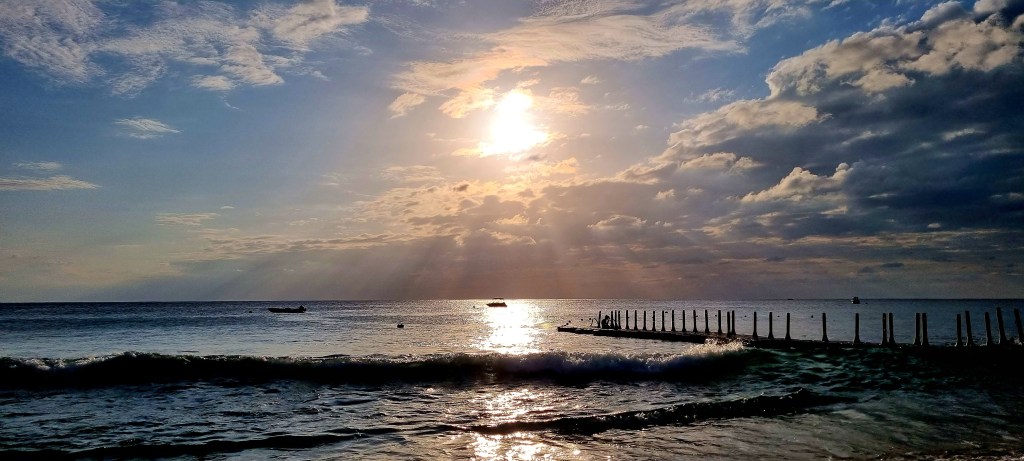
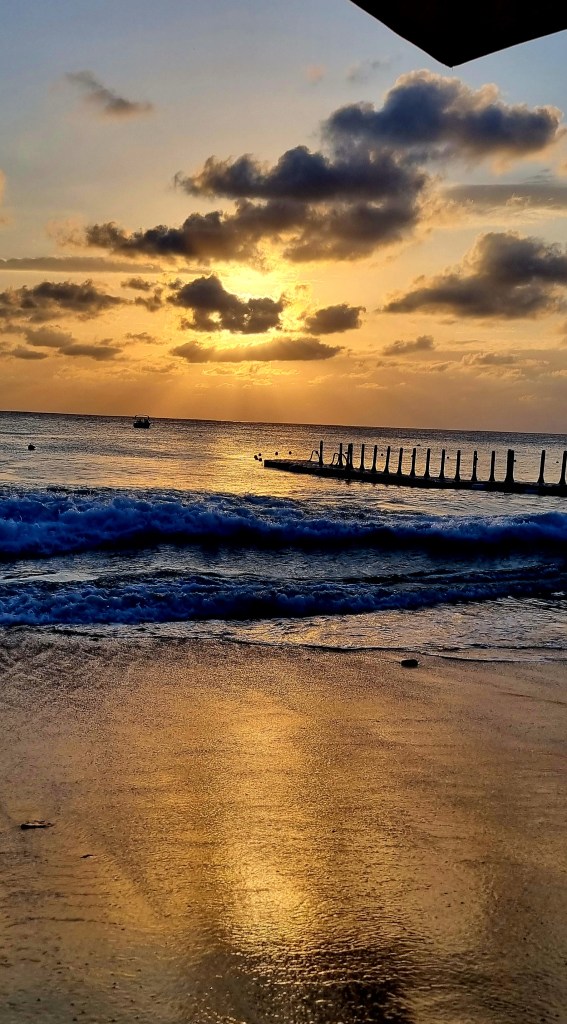
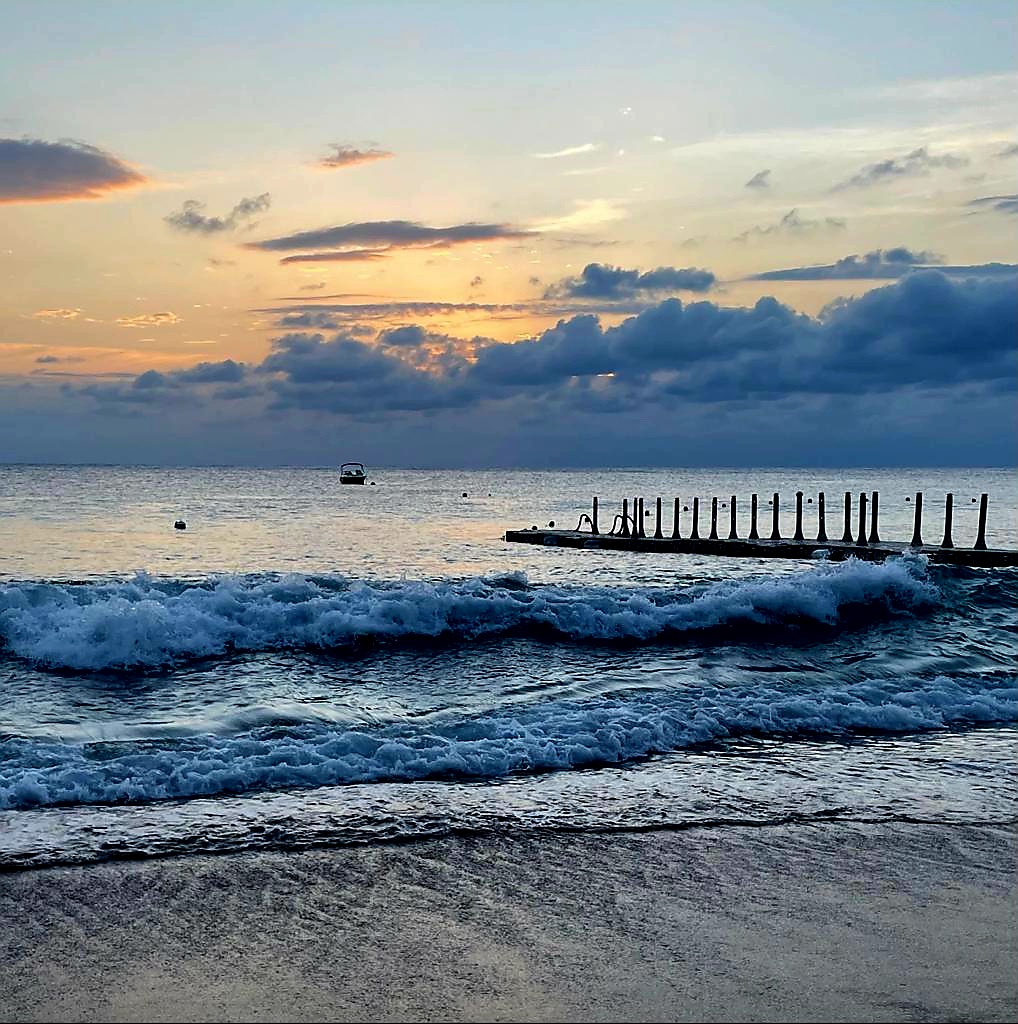
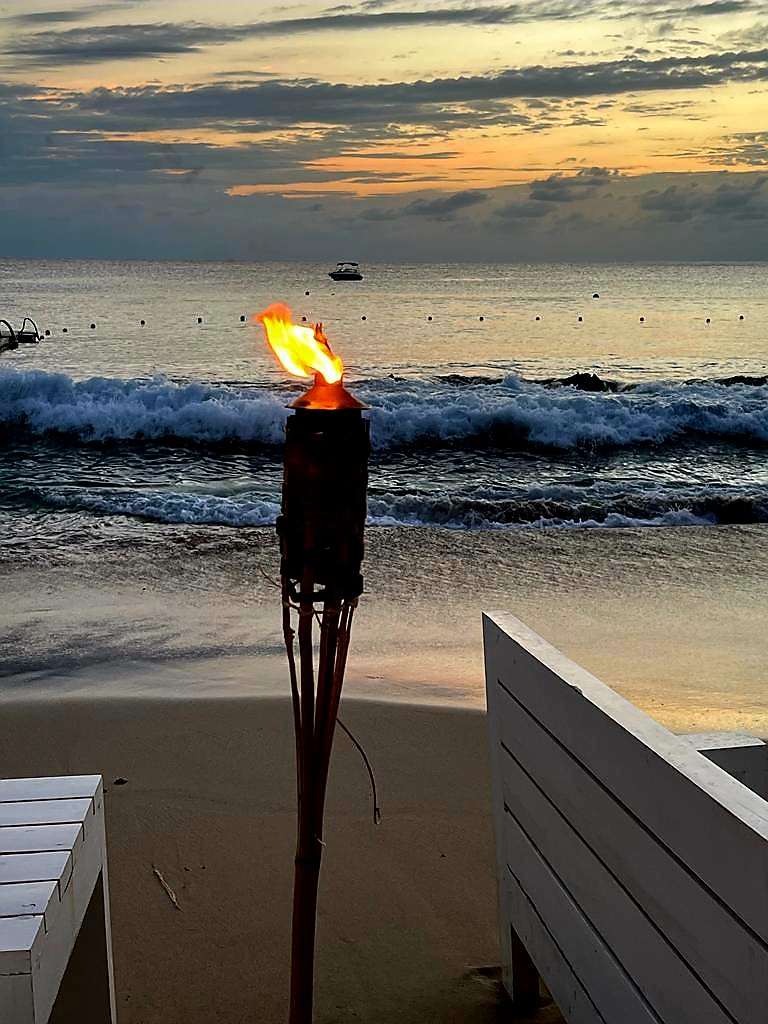
As the sun began to set, we took some more photos as the light was so good.
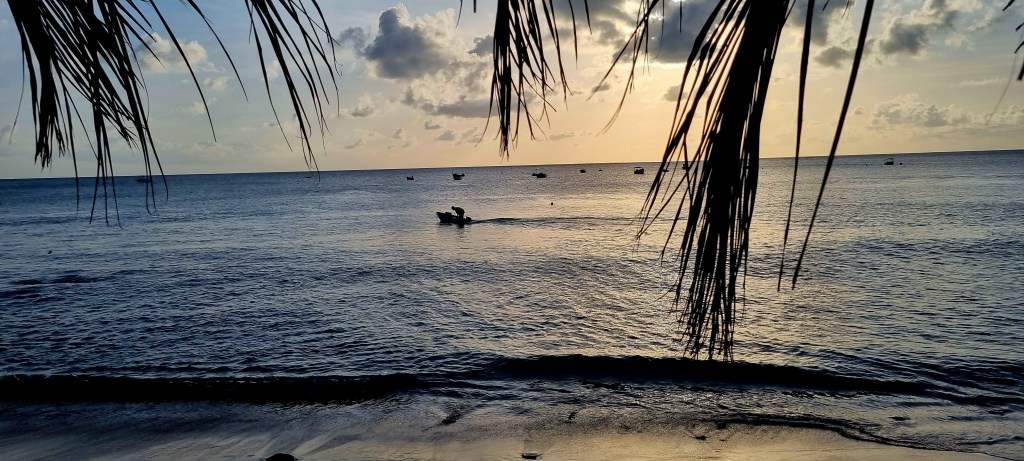
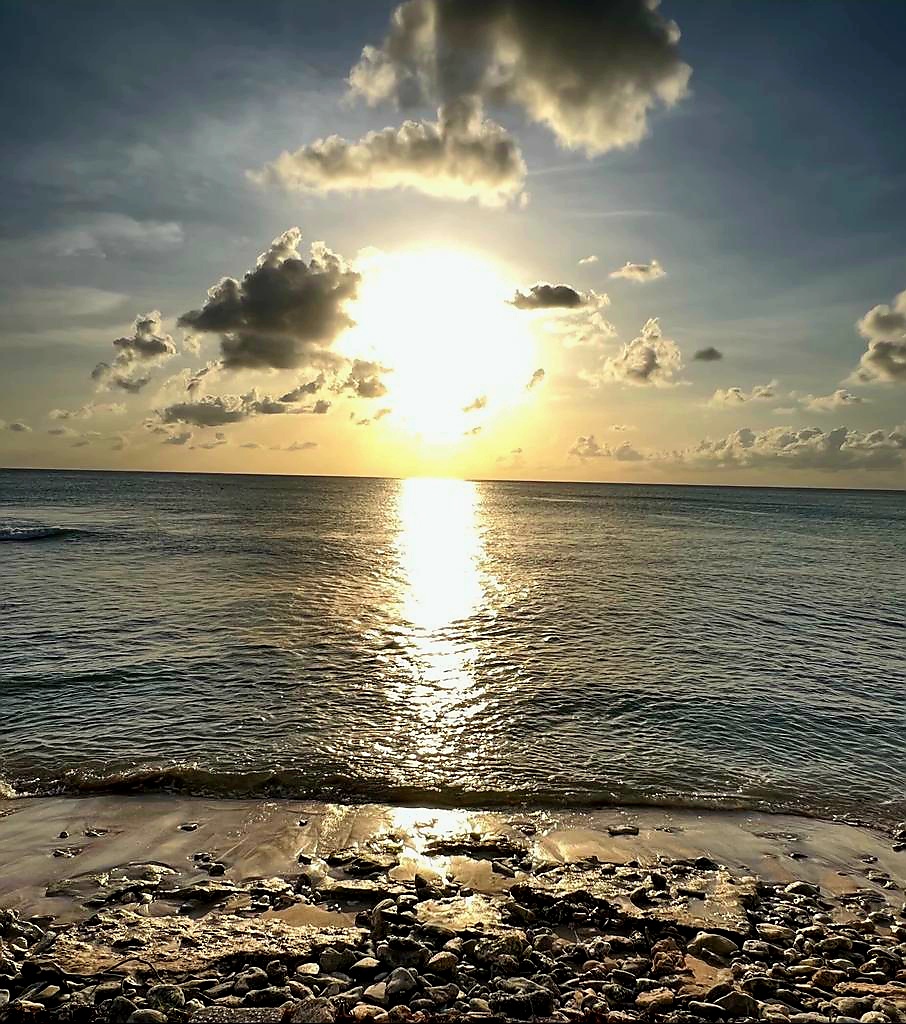
We also took some nice photos as the sun went down.
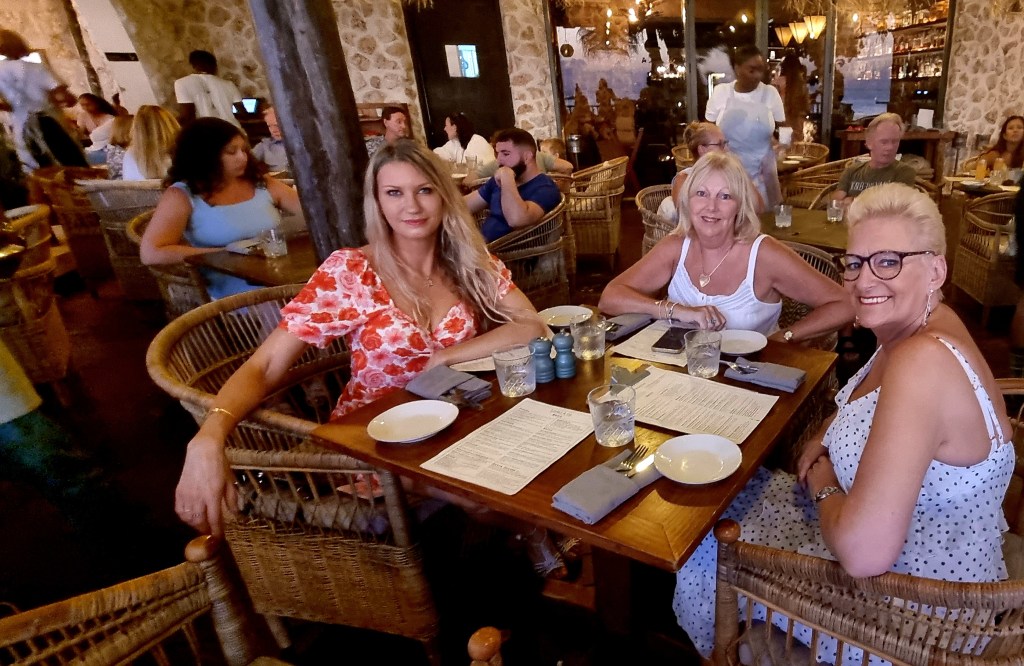
We had a reservation at the Fishpot restaurant, which is part of the hotel complex we are staying at. So I decided to go back to the apartment and have a shower – we can only shower 1 at a time as it affects the water pressure. Karen, Mags and Faye stayed to have a cocktail, but it took ages for them to be served, so they gave up.
We all decided to go glam for the night and spent some time getting ourselves ready.
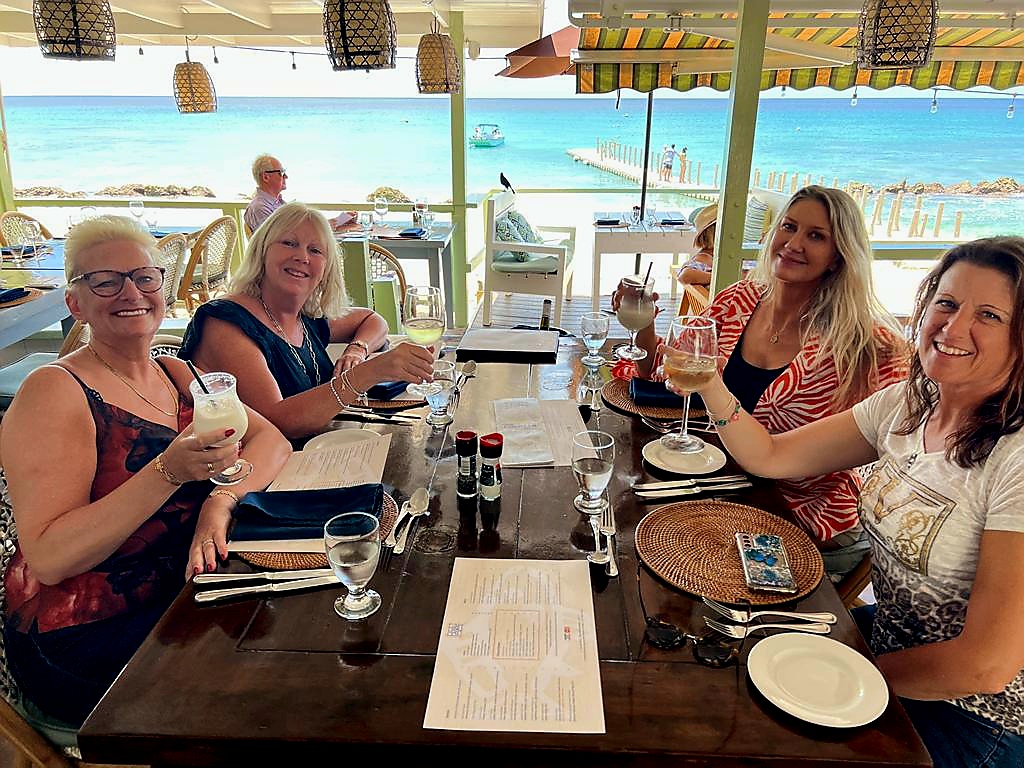
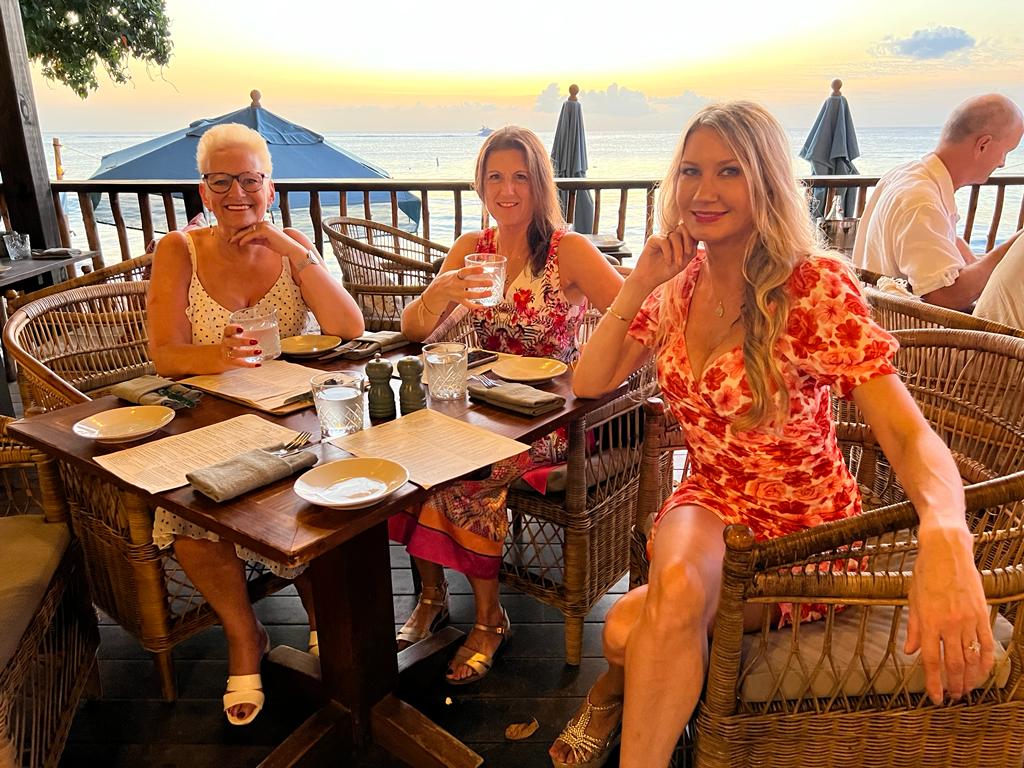
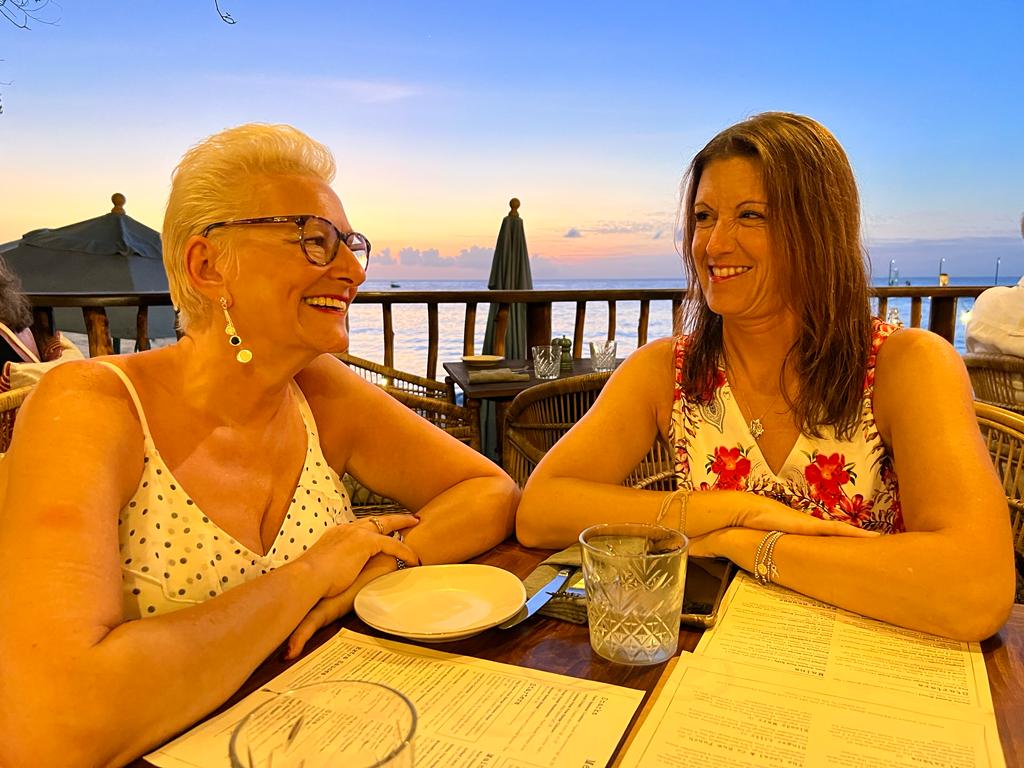
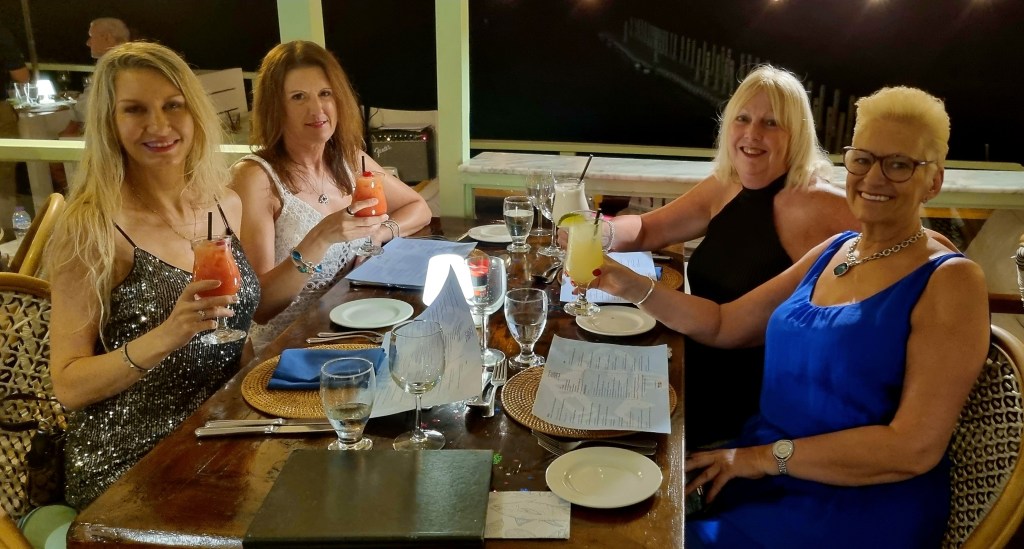
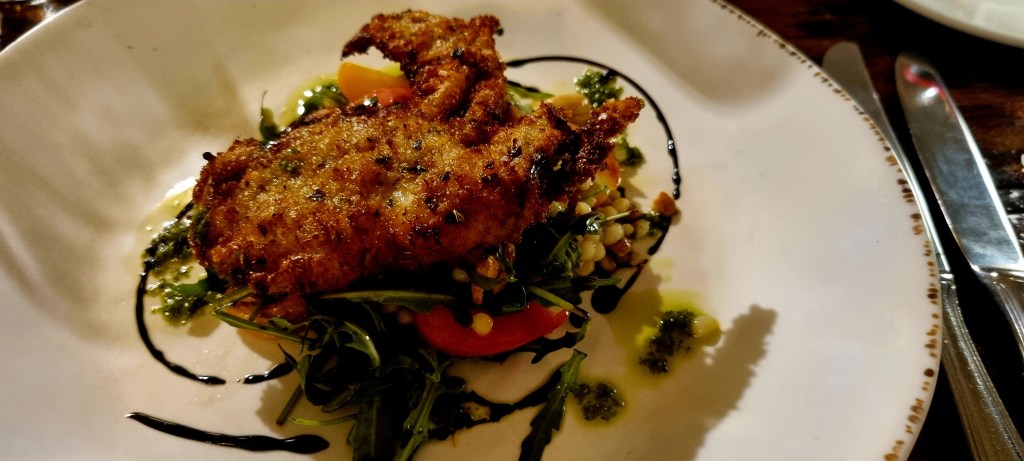
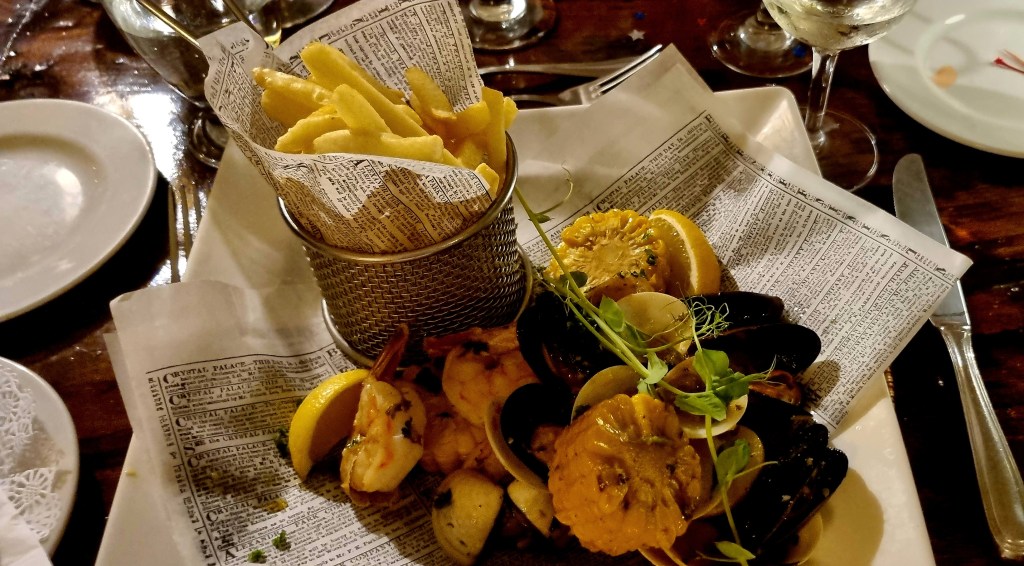
The fishpot restaurant is part of a 17th-century converted fort that sits directly on the beach. It is quite an informal restaurant and the food is delicious. I had crab to start with, followed by seafood broil.
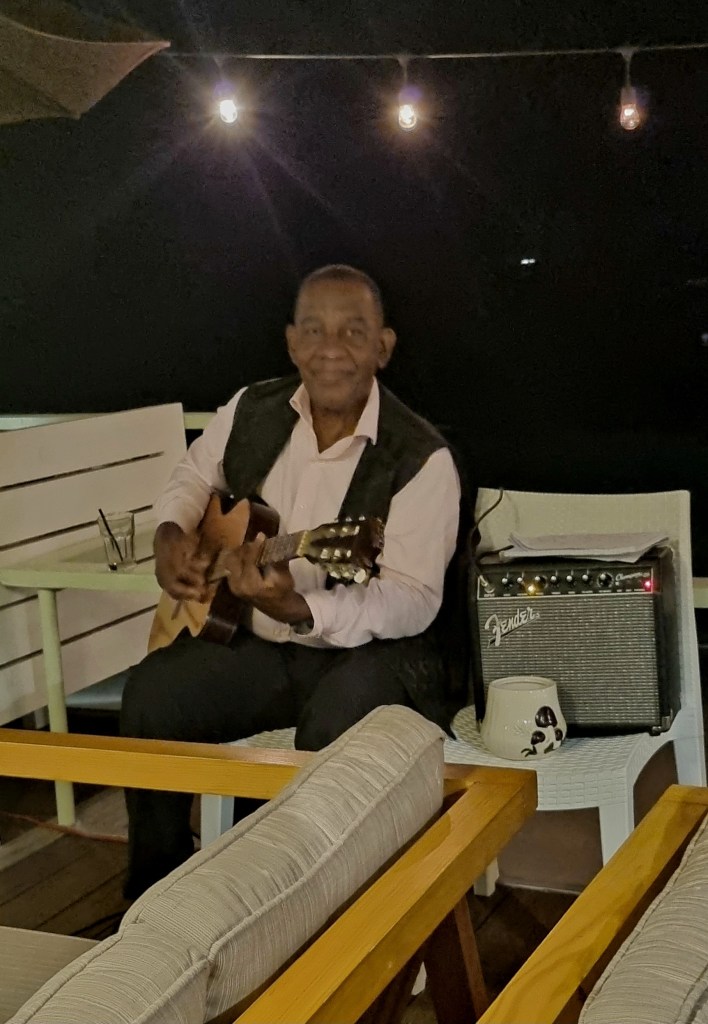
Throughout the evening, we were entertained by a gentleman playing lots of well-known tunes on his guitar.
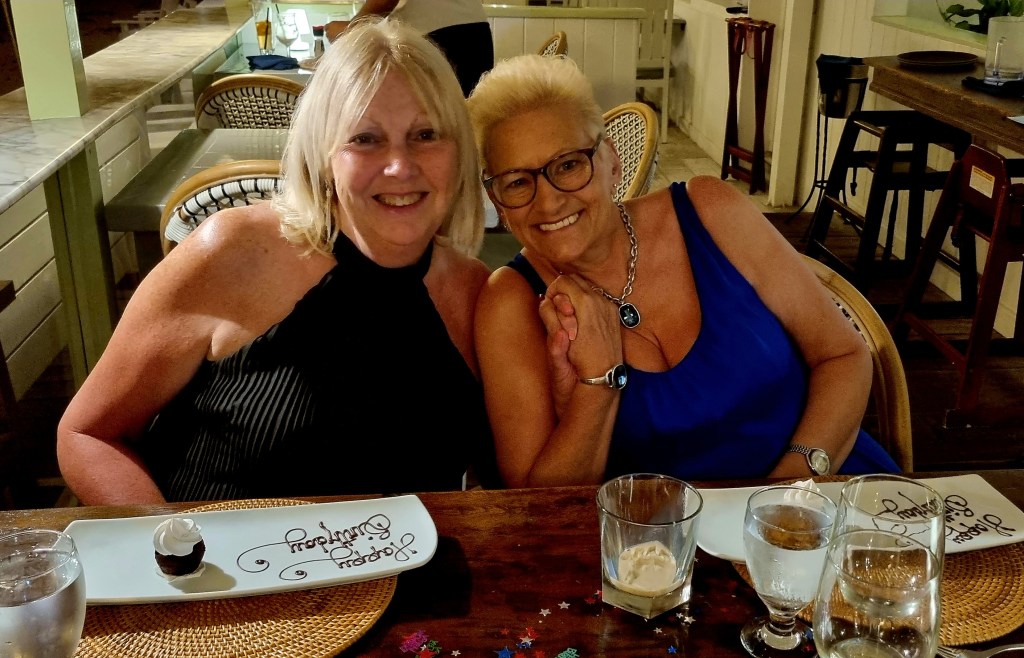
We had told the manager that we were celebrating Karen and Mags 60th birthdays, so they bought over a little dessert and sang happy birthday.
After dinner, it was back to the balcony for a little nightcap before bed.
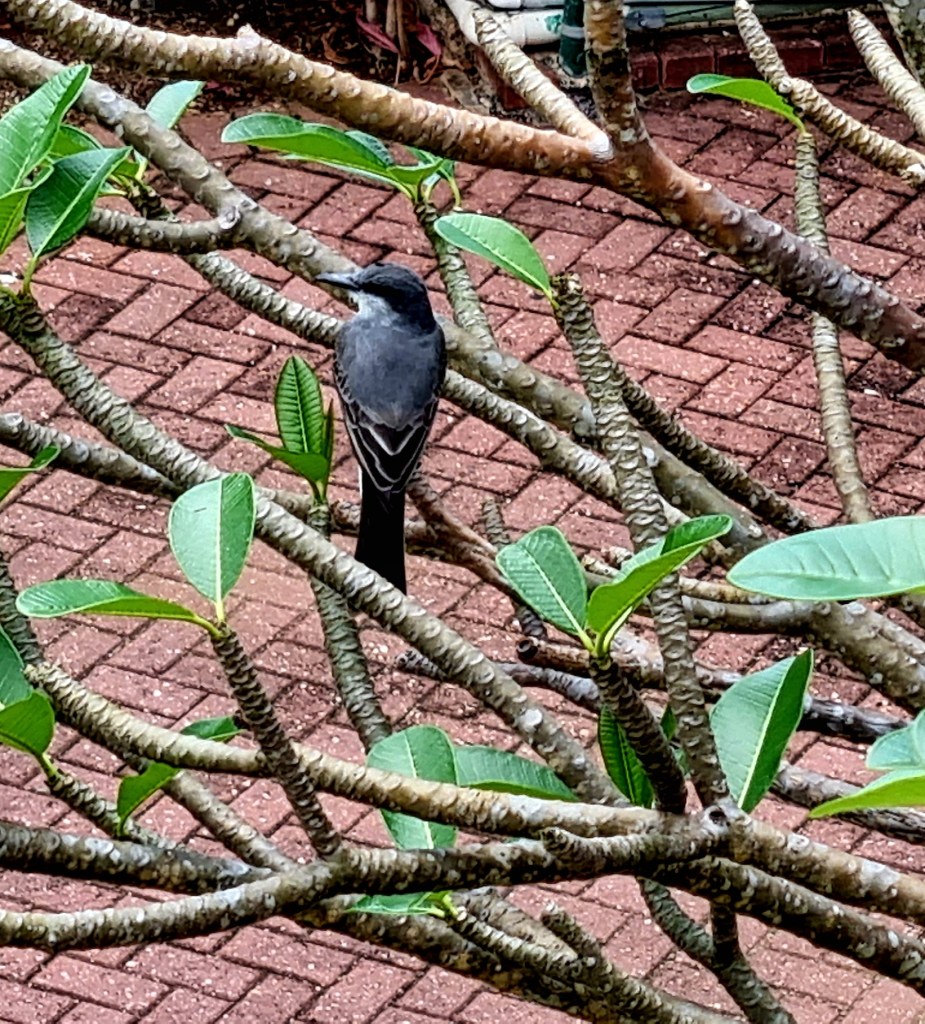
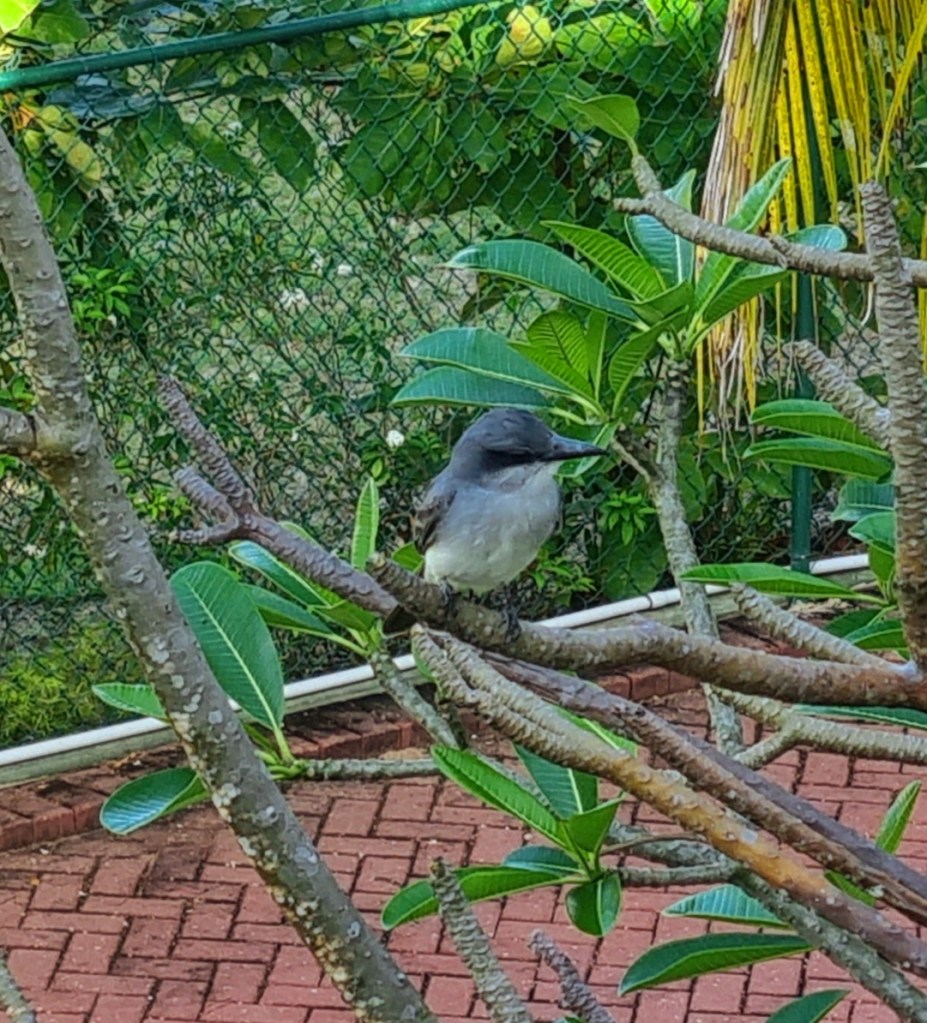
I was up early and fed the birds some bread. Apart from the sparrows and blackbirds, there was another type of bird that was in the tree by the balcony, but I don’t know what it was.
I had my leftover fish and chips for breakfast, warmed up in the oven, and it was delicious.
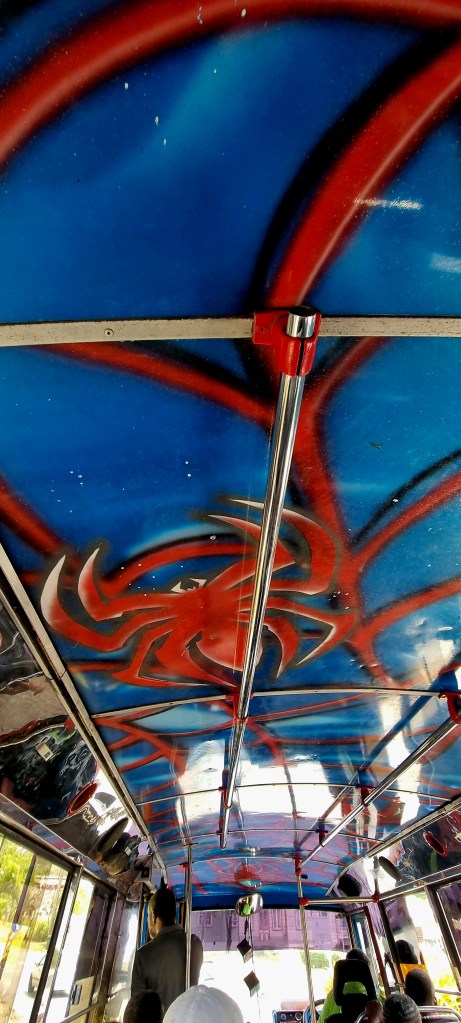
Around midday, we caught the Reggae bus into Speightstown.
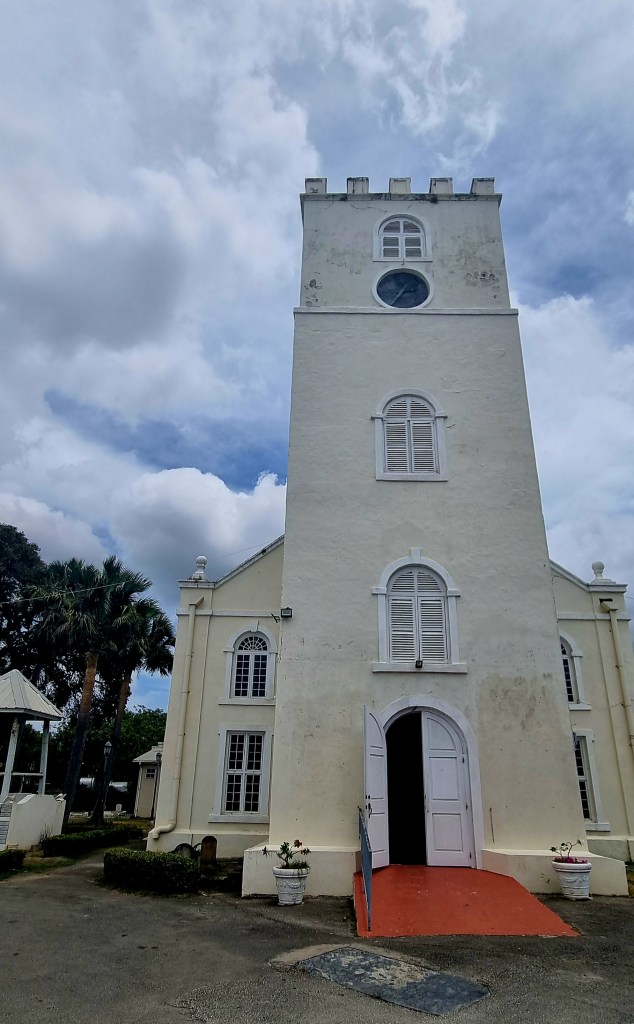
Faye was our tour guide, and the first place we visited was St Peters Church. This is an Anglican Church and is one of the oldest churches in Barbados.
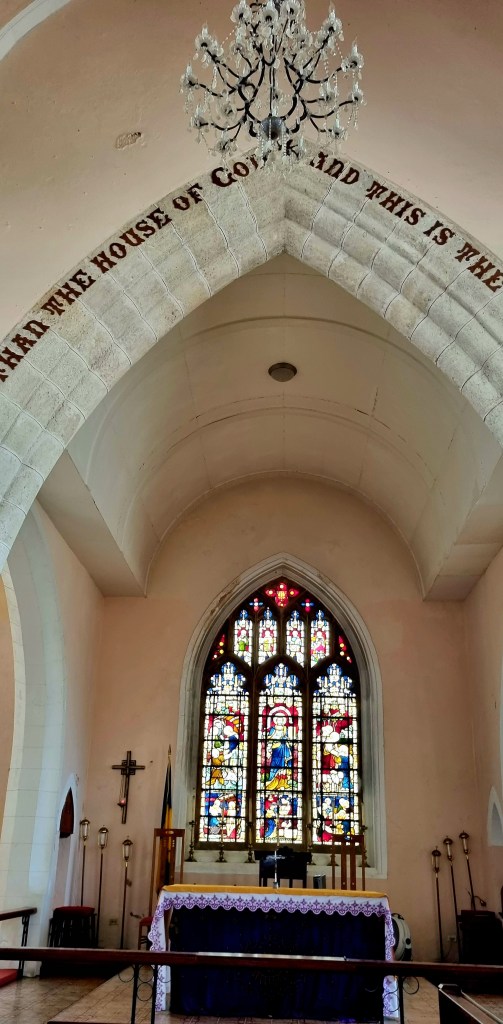
The church was first built as a wooden structure in 1629 but gradually rotted away. In 1665, a more permanent structure was built. The church was one of only 3 churches that survived the hurricane in 1780, but the 1831 hurricane did destroy it. But in 1837, a new church was built out of stone. However, on April 21st 1980, the church was largely destroyed by fire, with most of the damage being to the interior of the building. But once again, it was refurbished.
The large bell that was previously part of the clock tower couldn’t be returned to its former location, so it sits outside the church as a reminder of life’s affinity to change.
We wandered down the main street in Speightstown, stopping off to explore the many shops and boutiques.
Speightstown is the namesake of the 1639 parliamentarian William Speights. Once known as ‘Little Bristol’, this town used to be the centre of commercial trade between the town of Bristol in England and the island of Barbados.
In 1654, the town was captured by the invading forces of Oliver Cromwell, who had come to control the royalist supporters of King Charles I.
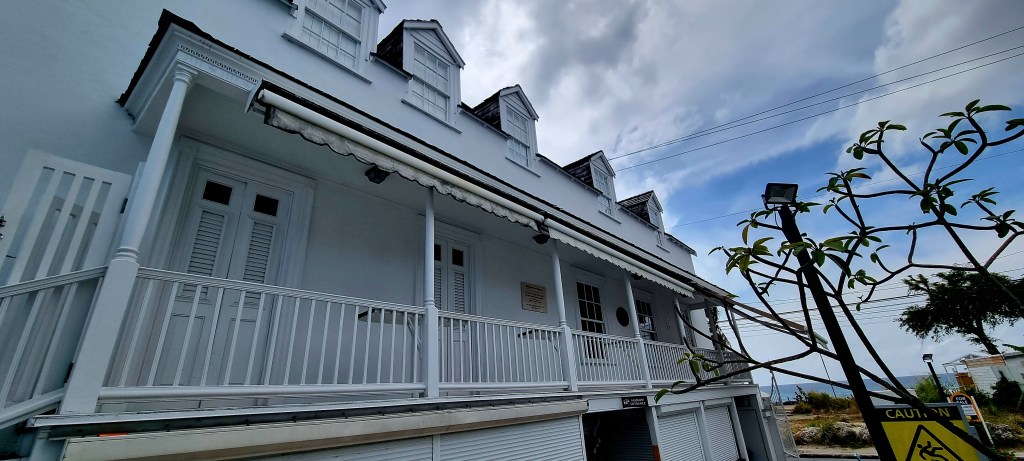
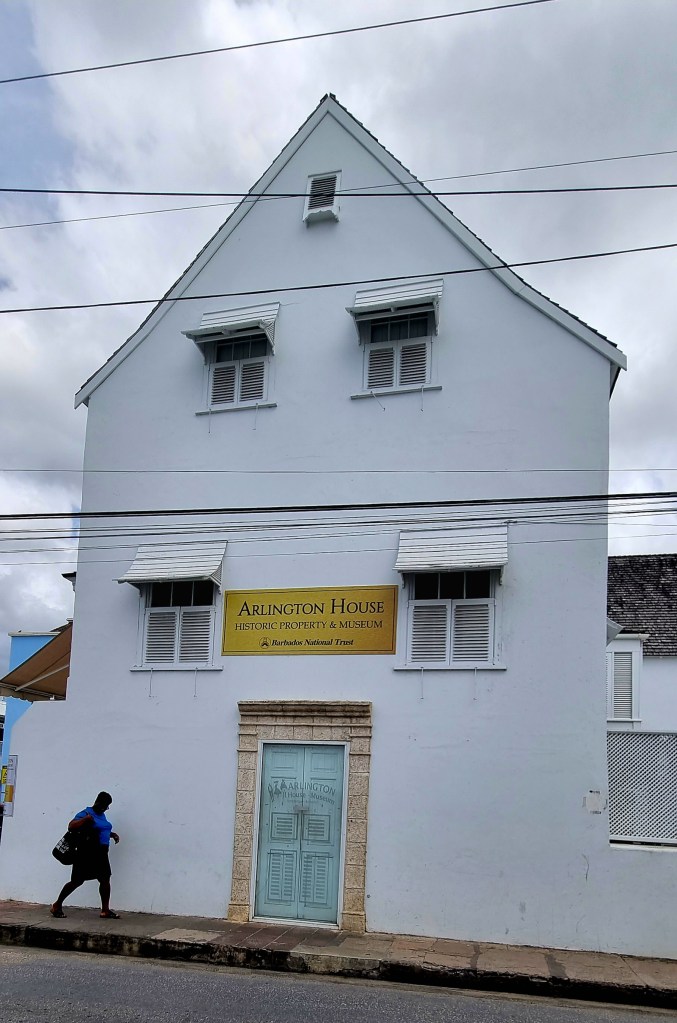
We walked past Arlington House. This is an interactive museum about some of the history of the island, but we didn’t fancy looking around it all. The house itself was home to a wealthy merchant and was built in the 18th century. It was the first public health centre in Barbados.
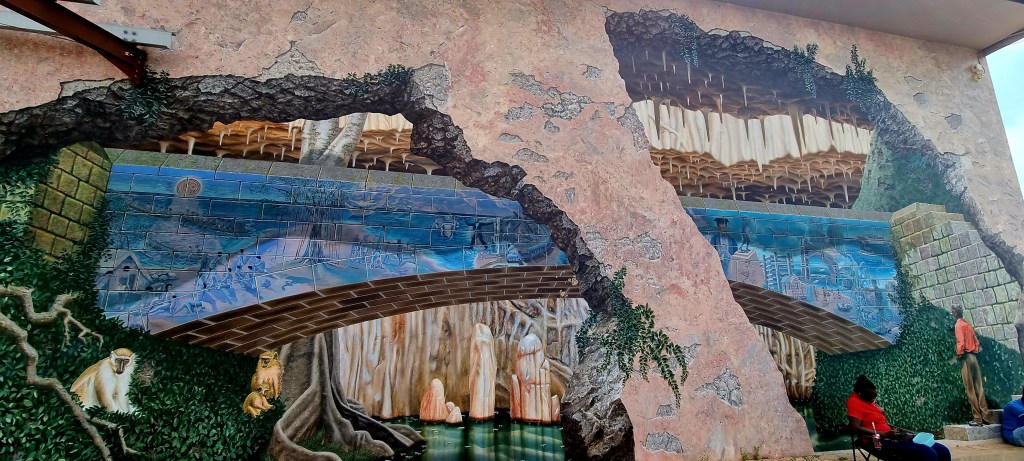
Our next stop was the Speightstown mural. This mural is 80ft long by 20ft wide. It paints a picture of the history and natural beauty of Barbados and includes scenes of Harrisons cave and the raiding of the Barbados flag on independence Day, as well green monkeys. The bridge represents travel through thousands of years of history.
Speightstown used to be a whaling centre from 1886 until the early 20th century. The town is still a busy fishing port.
We stopped in Archers Hall, which is now a beautiful design shop, and I bought a glass turtle to take home.
We then wandered down to Town Square and stopped by a beautiful jewellery shop -Tiyi by design. Tiyi herself was there, and we talked to her about her jewellery and how she created it. Mags bought herself a gorgeous necklace.
After all the walking around, we decided it was time for a drink, so we stopped at one eleven east for a cocktail – rum sour.
It was a really nice spot and I made a new friend – Charlie.
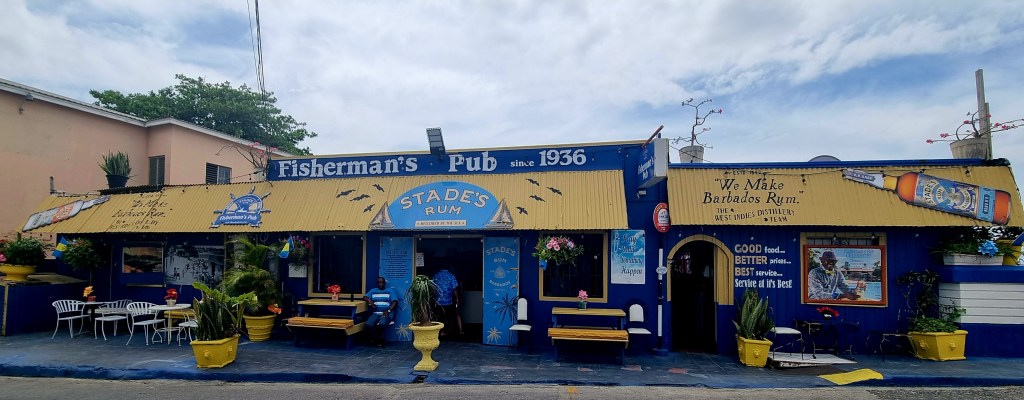
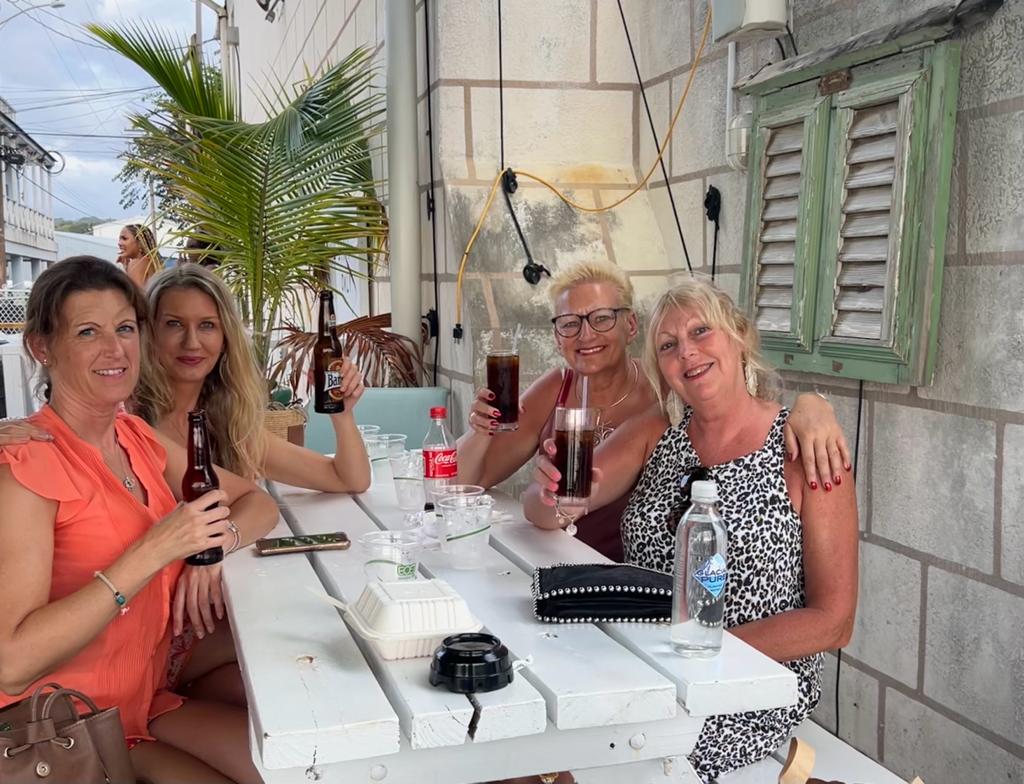
As it was getting towards late afternoon, and we had all had successful purchases, we thought it would be a good idea to go to the Little Bristol Bar for food, and to get a table before it got too busy.
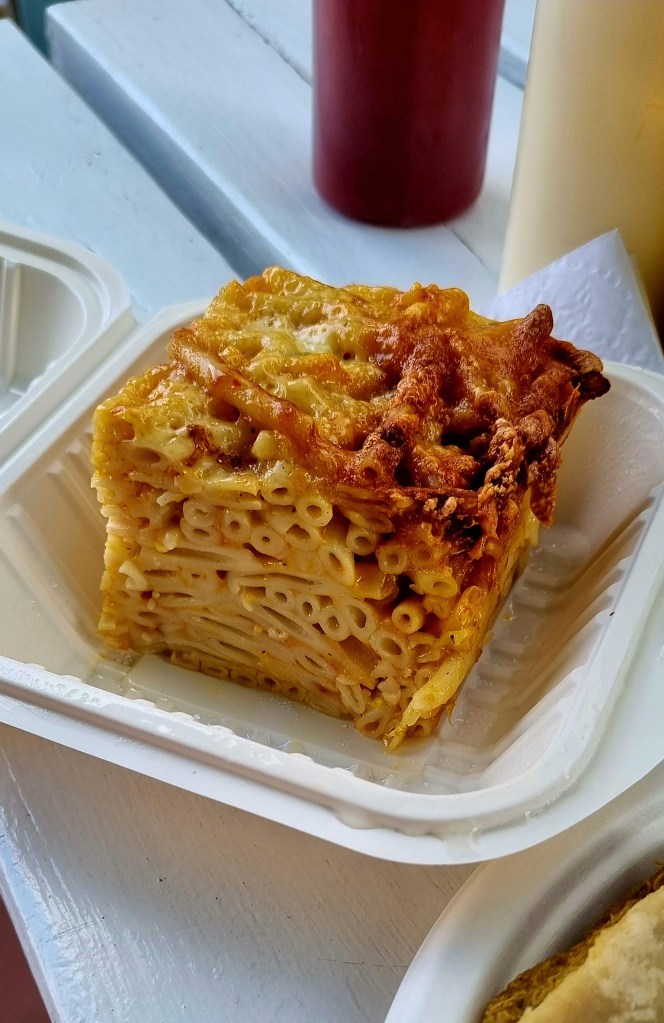
We had chicken and potato rotis with various sides, including the famous macaroni pie.
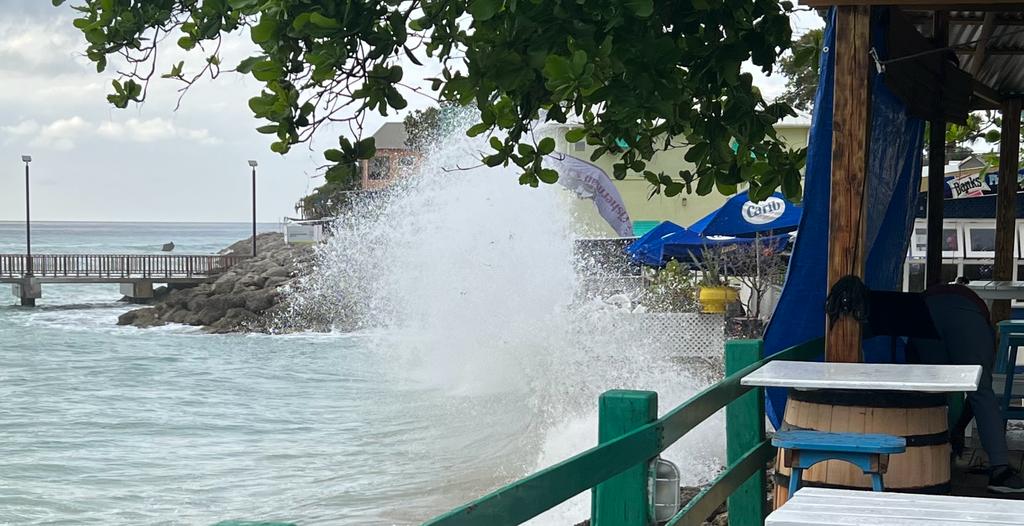
Initially, we sat down on the benches closest to the sea, but the waitress told us that the waves were quite high and we were likely to get wet, so we sat on a table a bit further back, and we were glad we did.
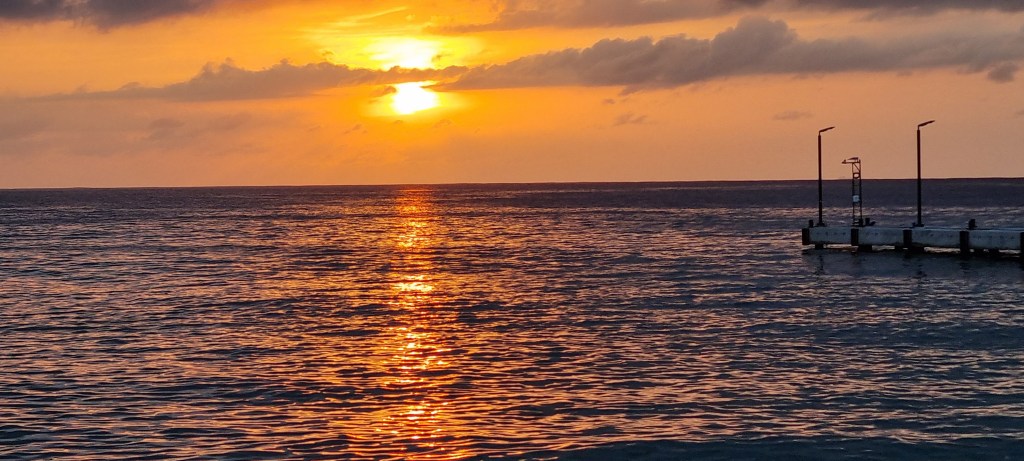
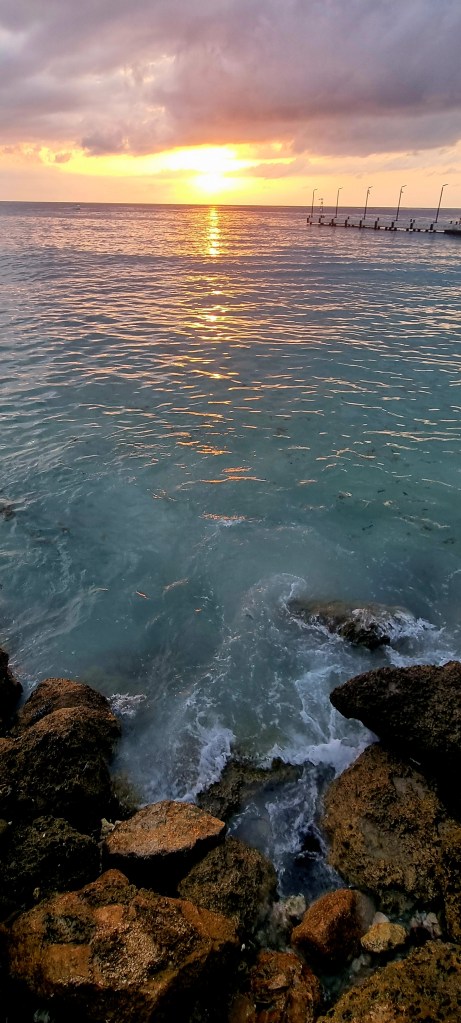
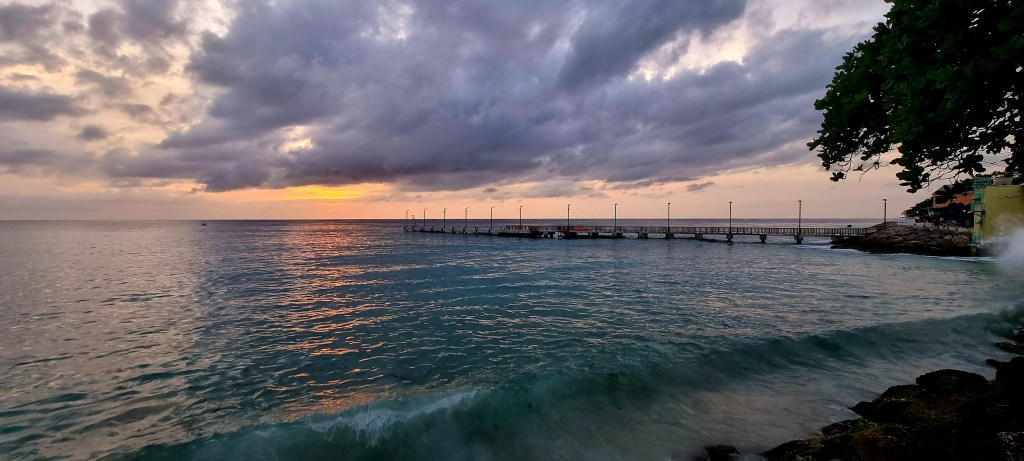
We watched the sunset, which was another gorgeous sunset.
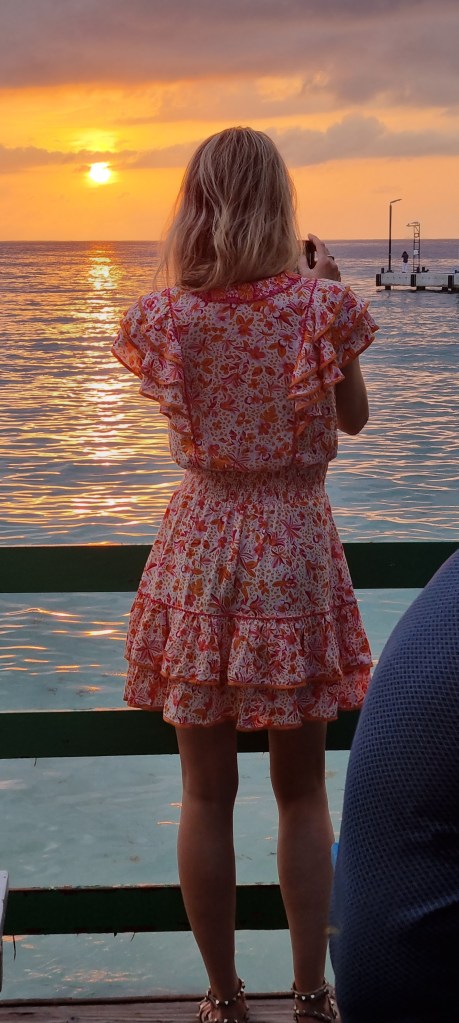
The light from the sunset was really good for taking pictures.
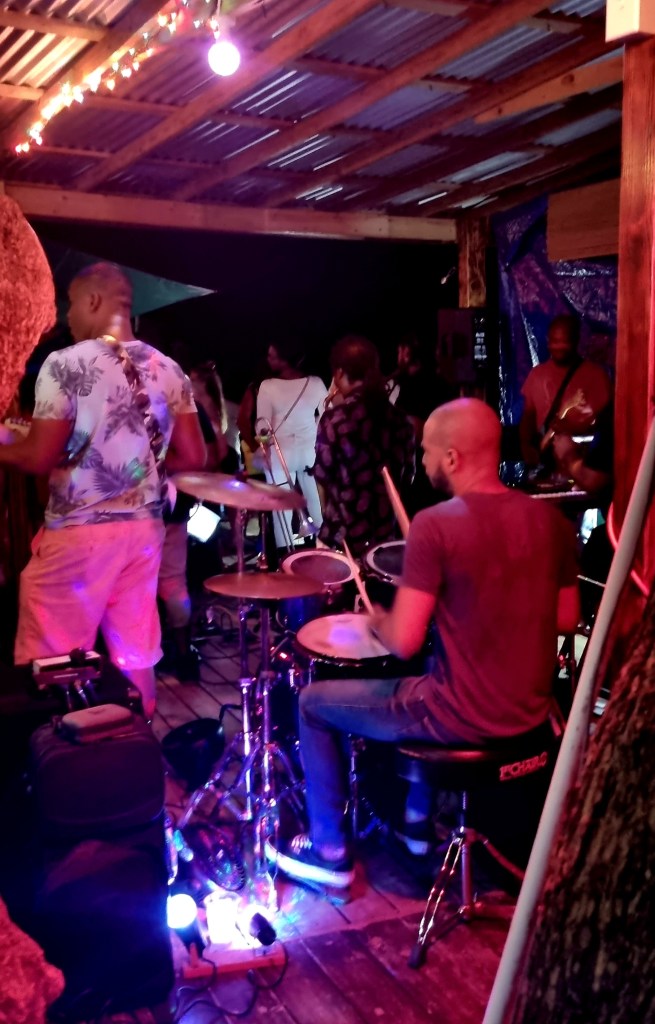
The band started playing around 6pm, and they were brilliant. They played a mixture of reggae music and tunes that everybody knew.
The bar was really busy, mainly with tourists, but it was a great atmosphere and everyone was up dancing.
The band finishes around 830pm and by 10pm everything had quietened down so we decided to head home. Greg kindly gave us a lift as he was going home before heading out again for a night in Holetown.
We had a nightcap on the balcony before going to bed.
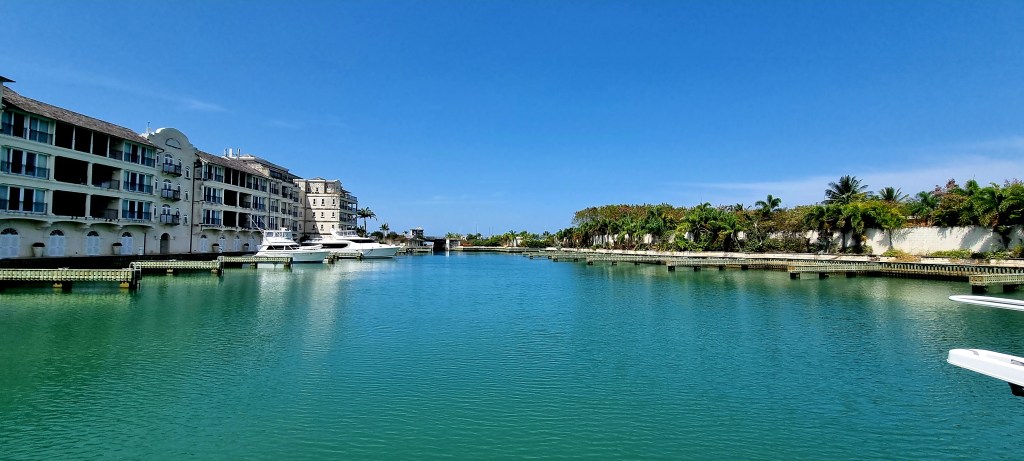
After a coffee and a slice of toast, we headed down to the reception area. Here, we were picked up by a taxi that drove us to Port Ferdinando. To be honest, we could’ve walked there but the transport was all arranged as part of the trip.
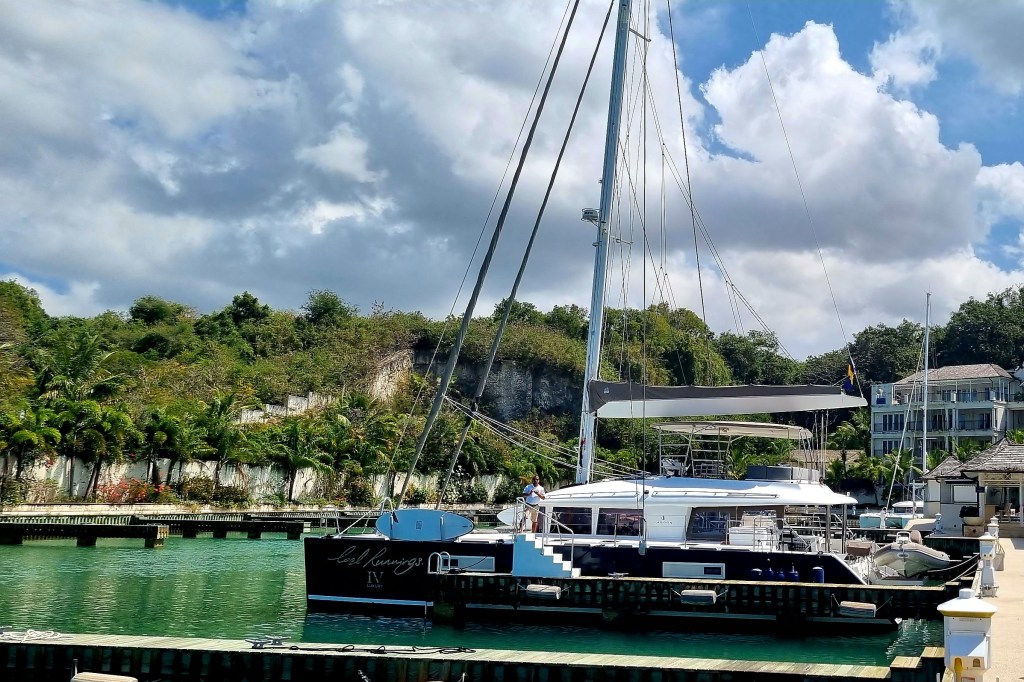
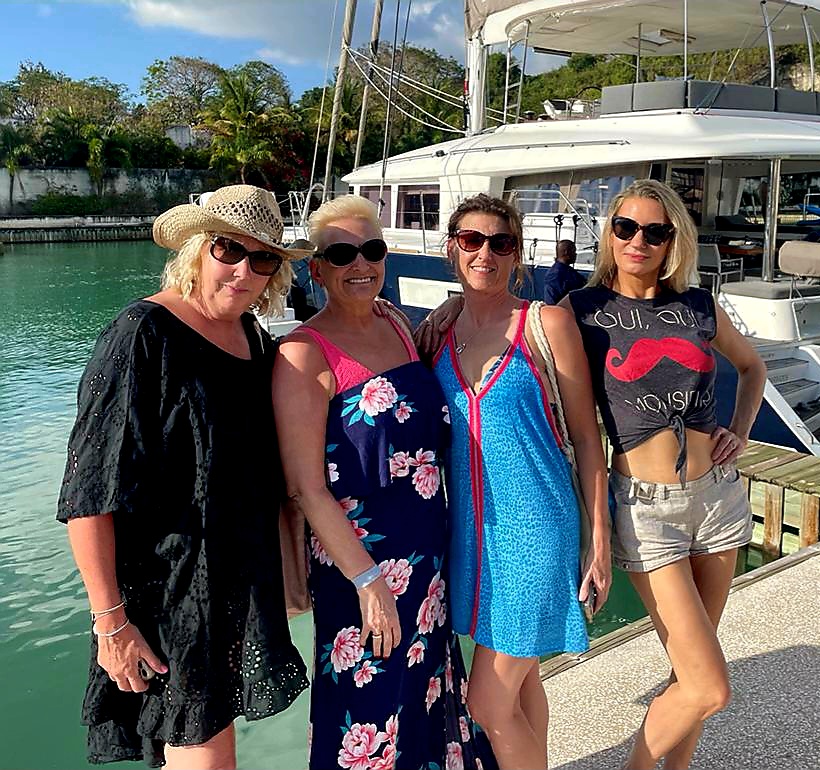
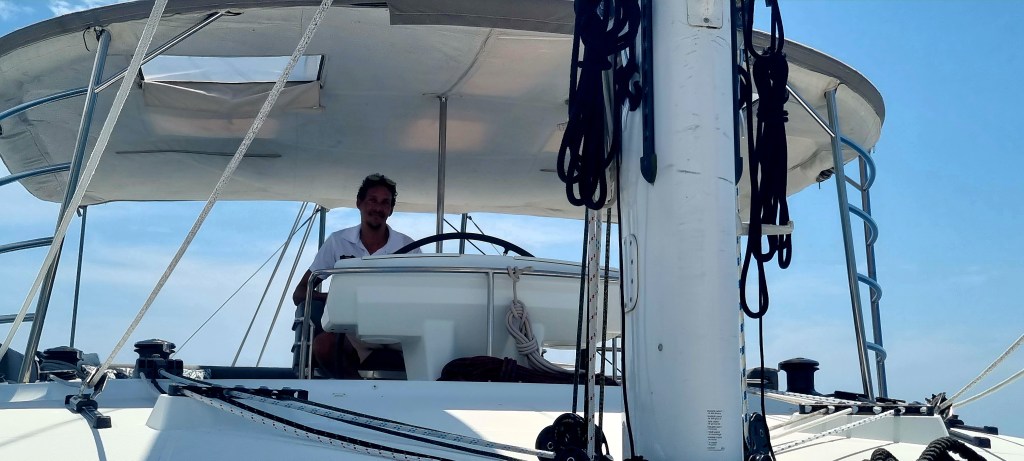
At the port, we met our captain for the day, Dougie, as well as the other people on our trip. Once we were all there we walked down to the ‘Cool Runnings’ catamaran.
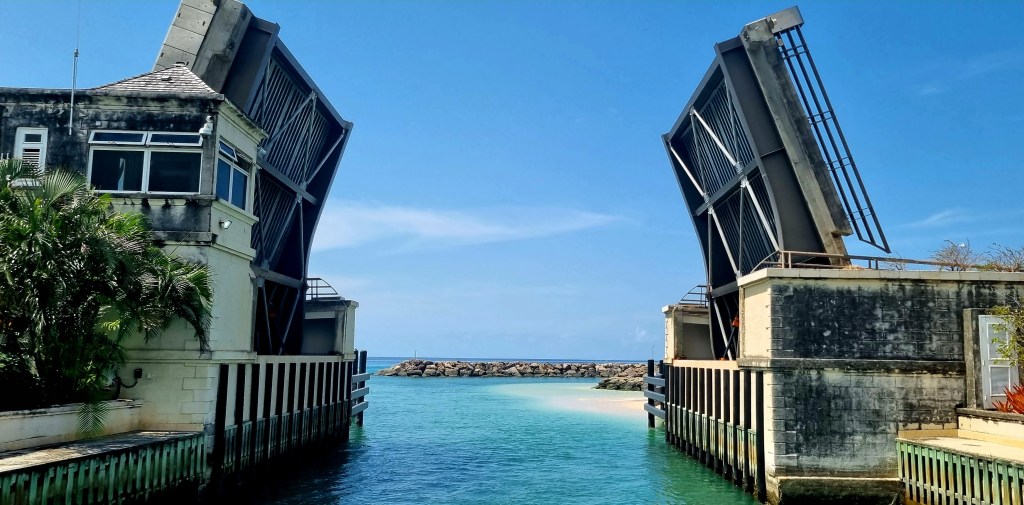
Dougie gave us all a safety briefing before we left the port and introduced us to the crew; Kevin, Jayden and the chef. As we left, the bridge opened up – a bit like tower bridge in London but a lot smaller.
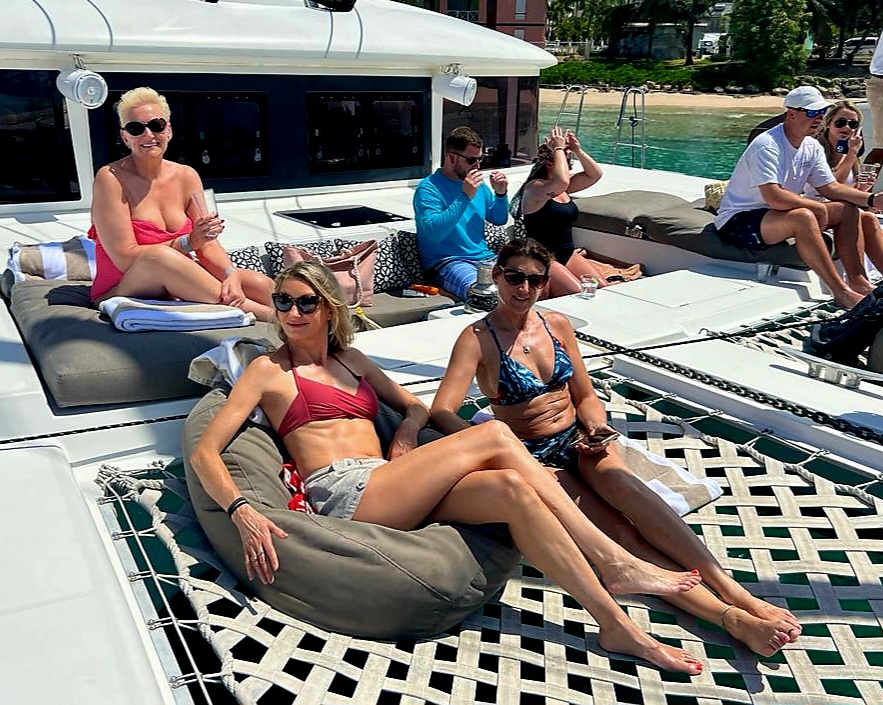
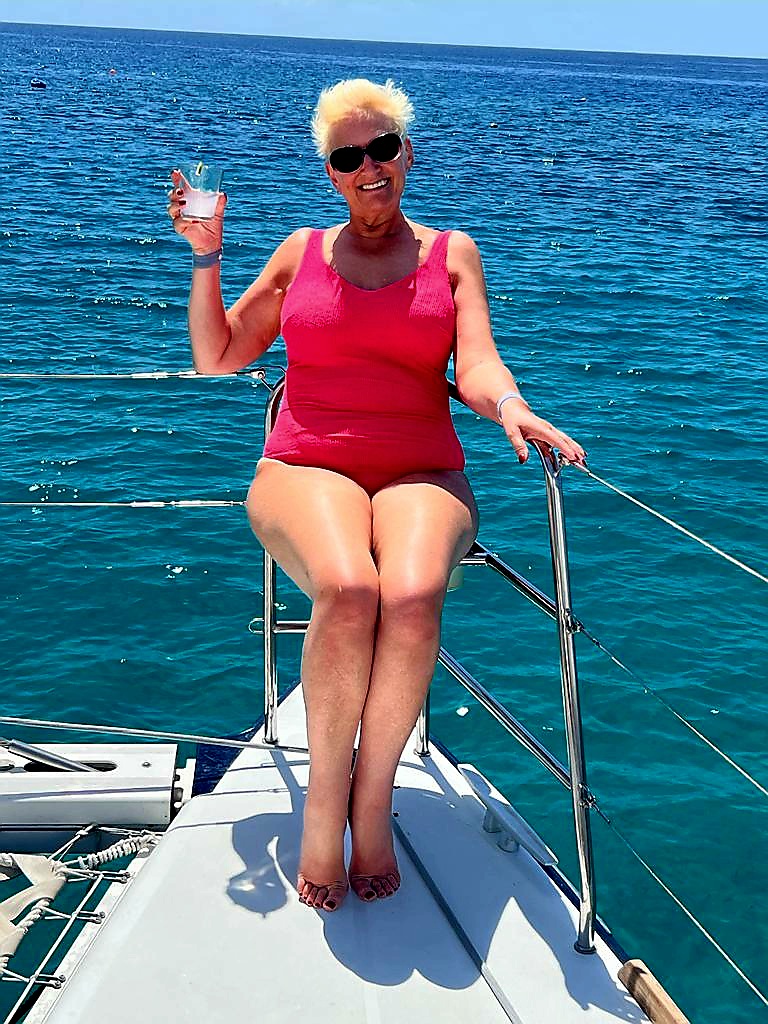
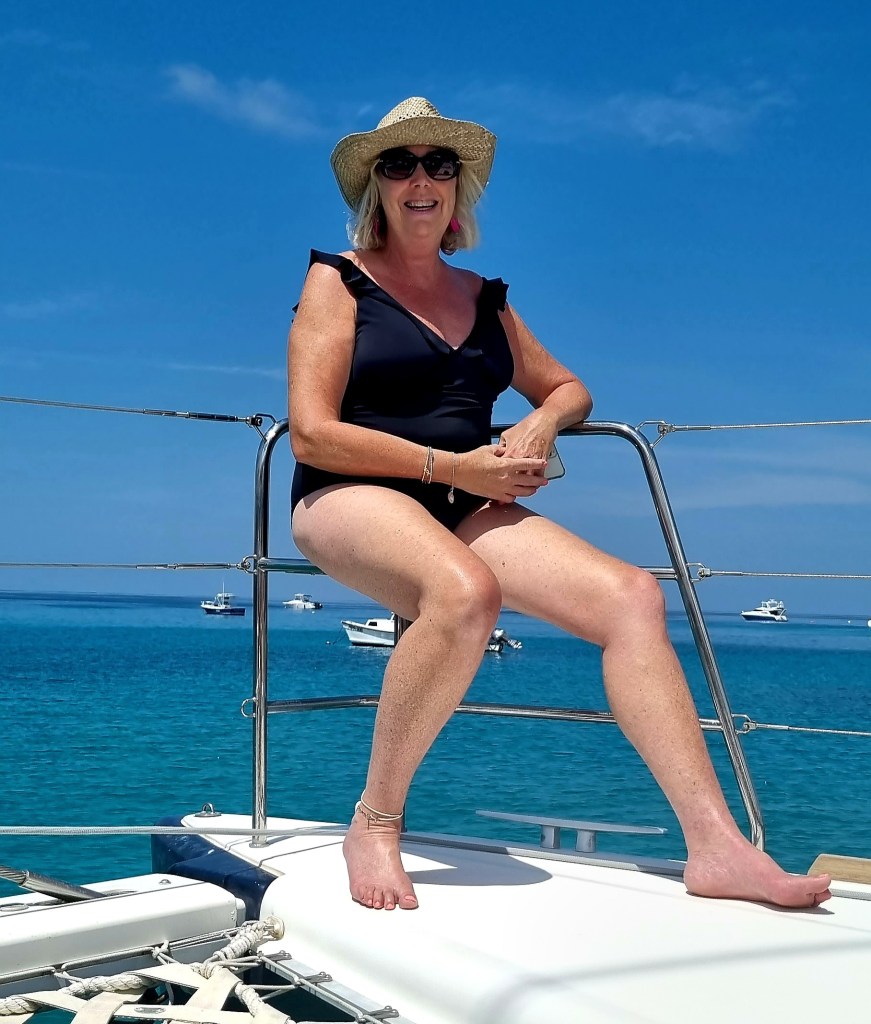
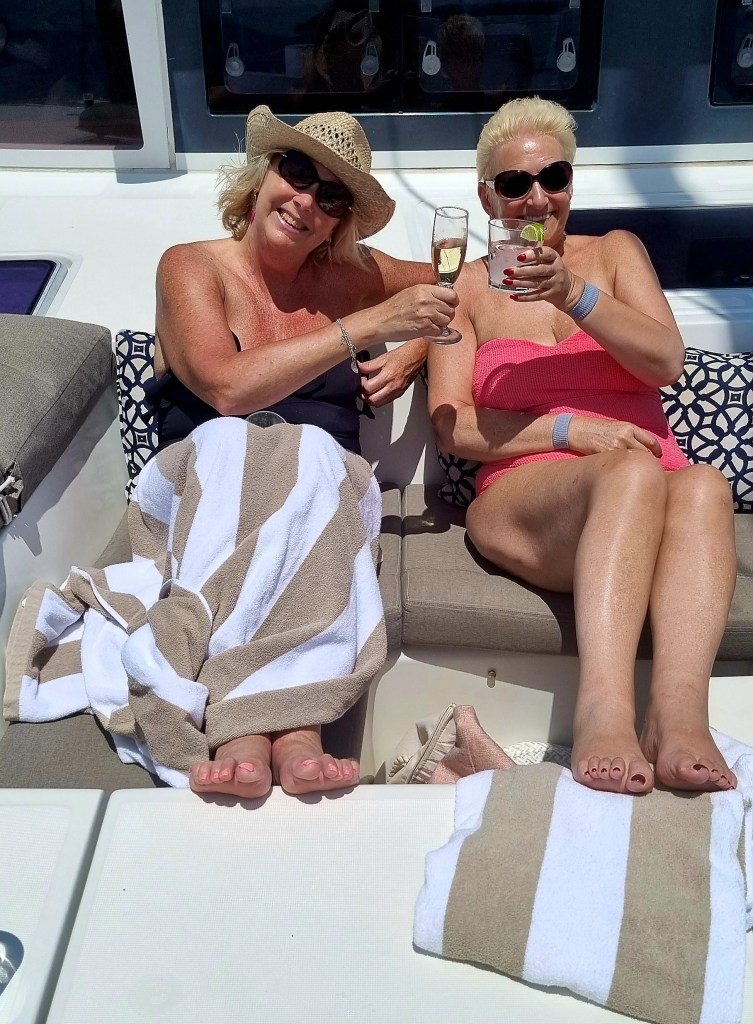
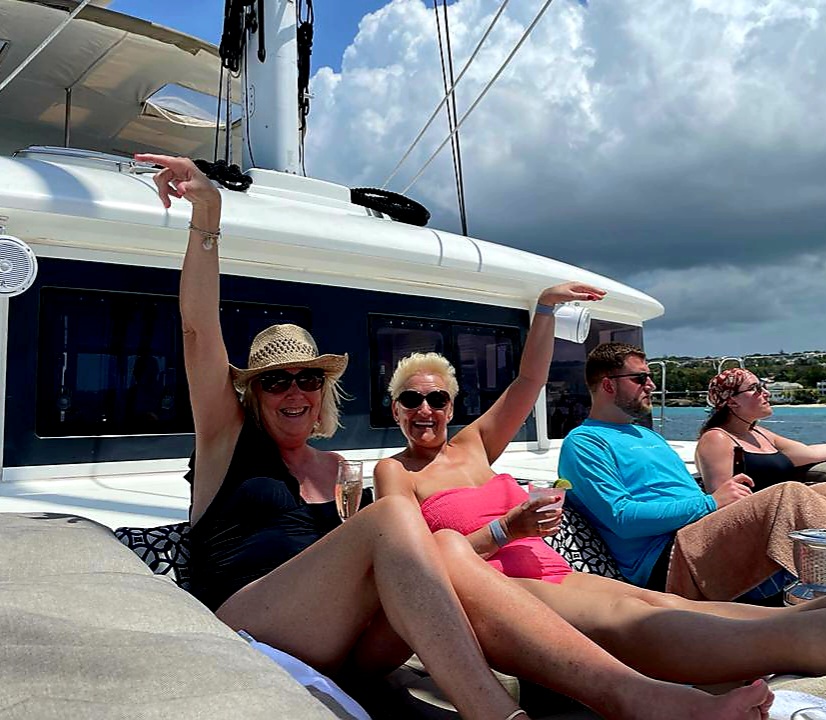
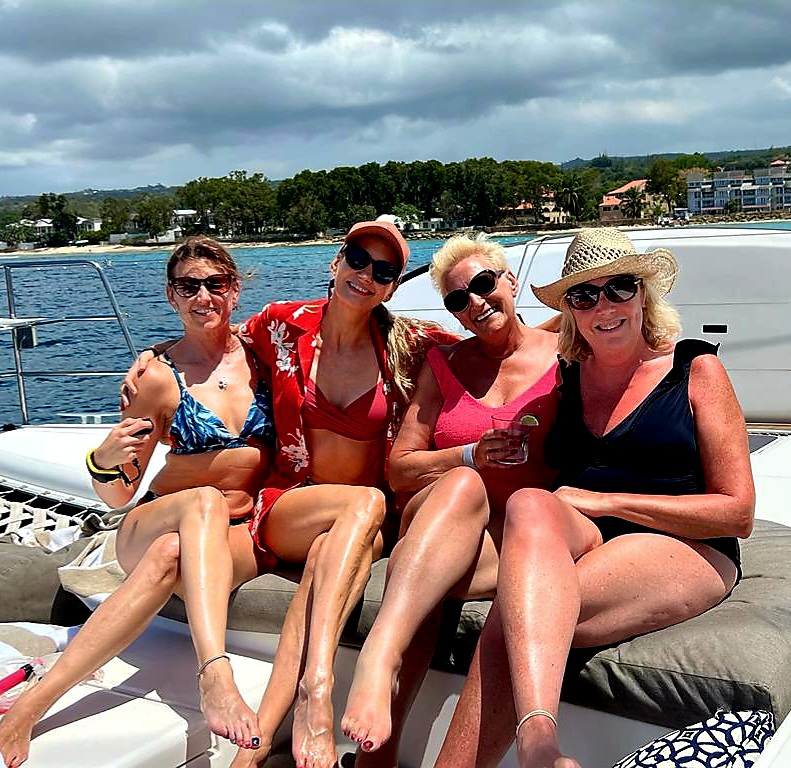
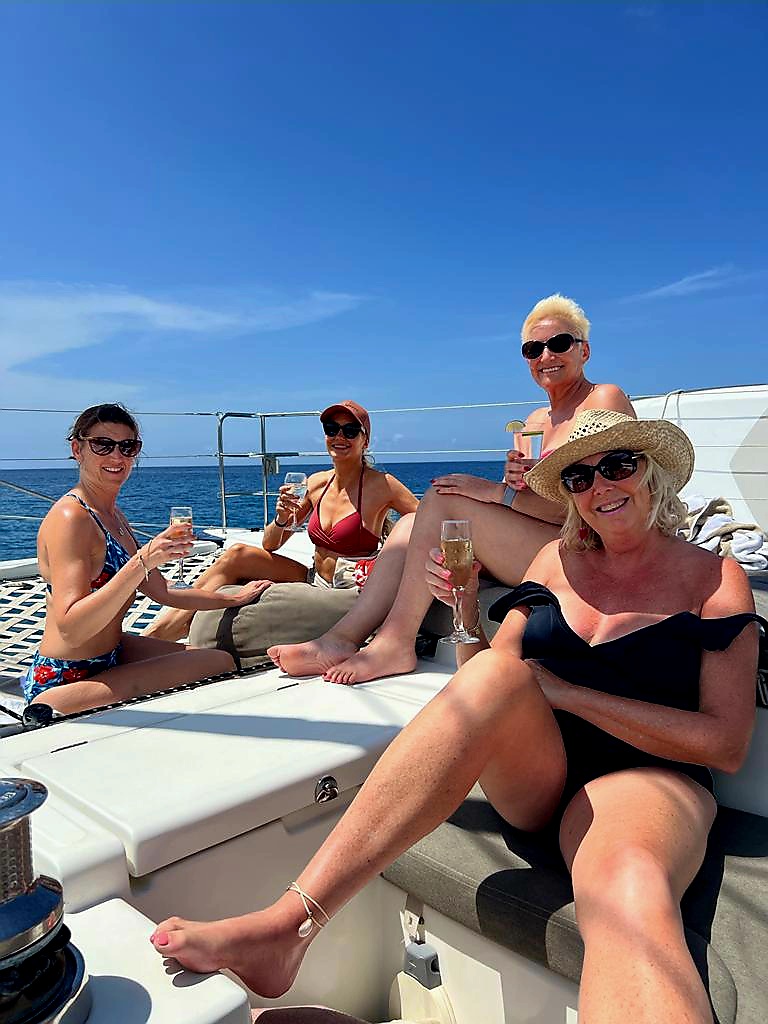
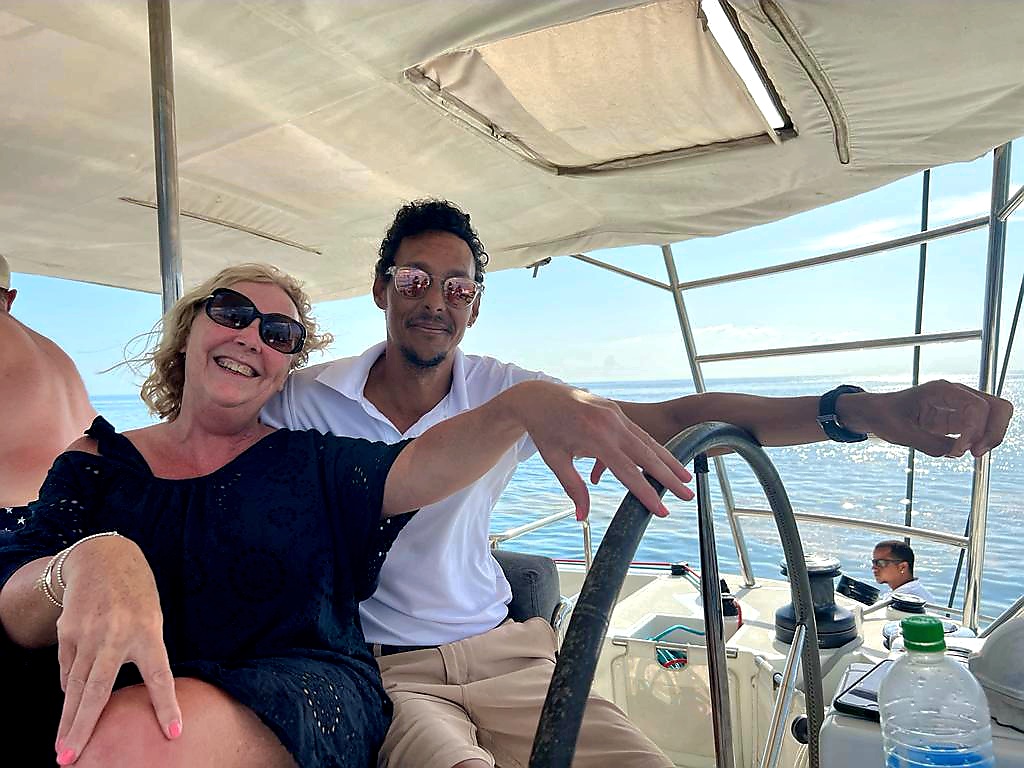
It was a beautiful sunny day, and there was a lovely breeze whilst the boat was moving. We made ourselves comfortable at the front of the boat.
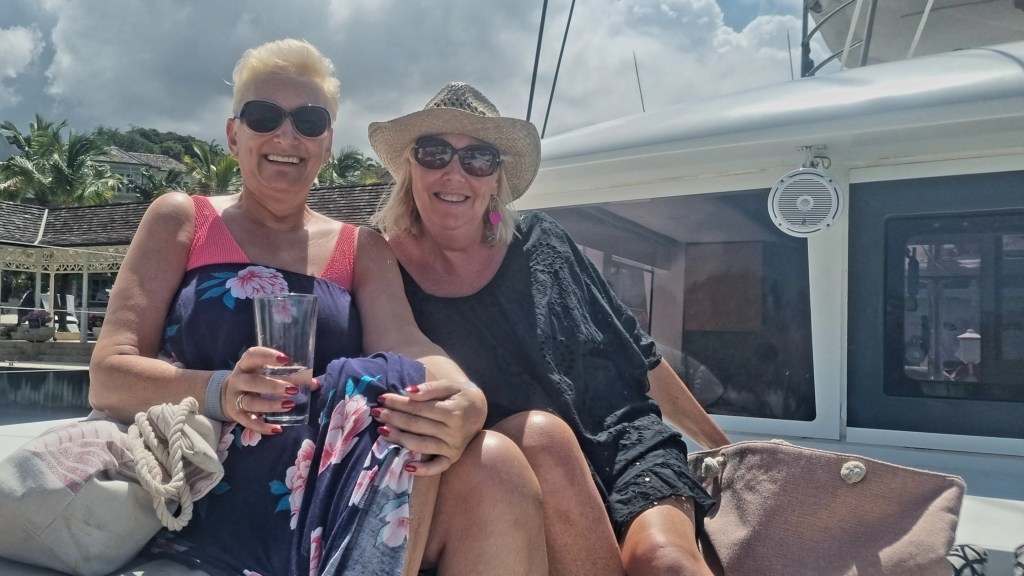
It wasn’t long before they came round with some drinks, so we started drinking quite early on in the day!
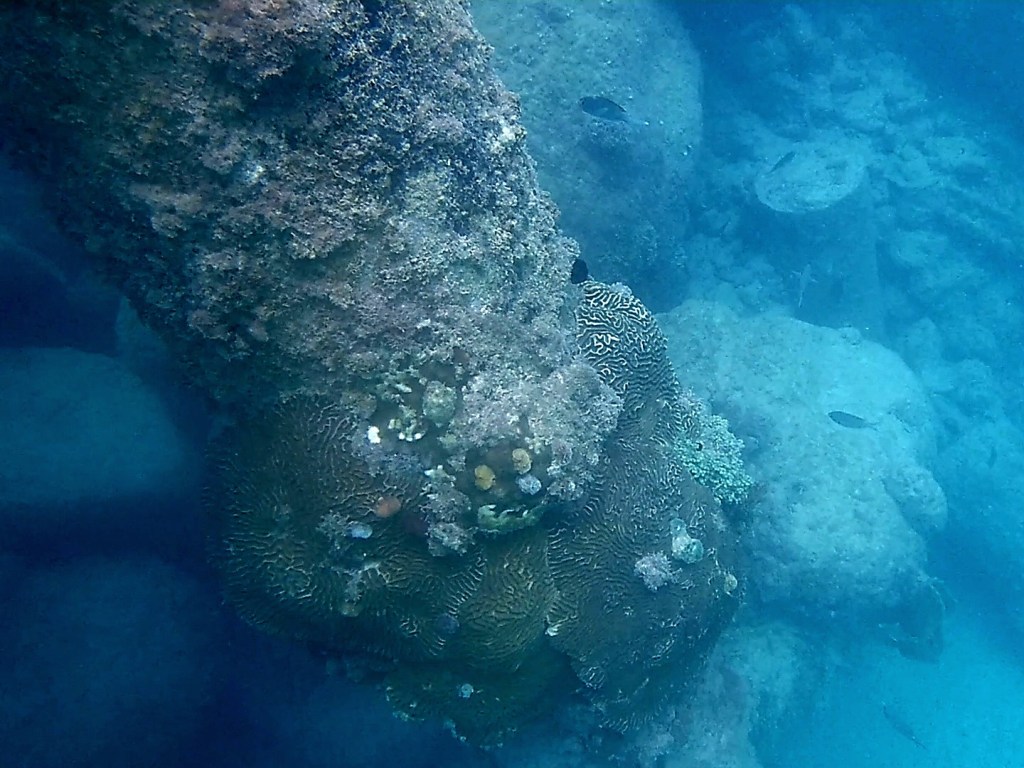
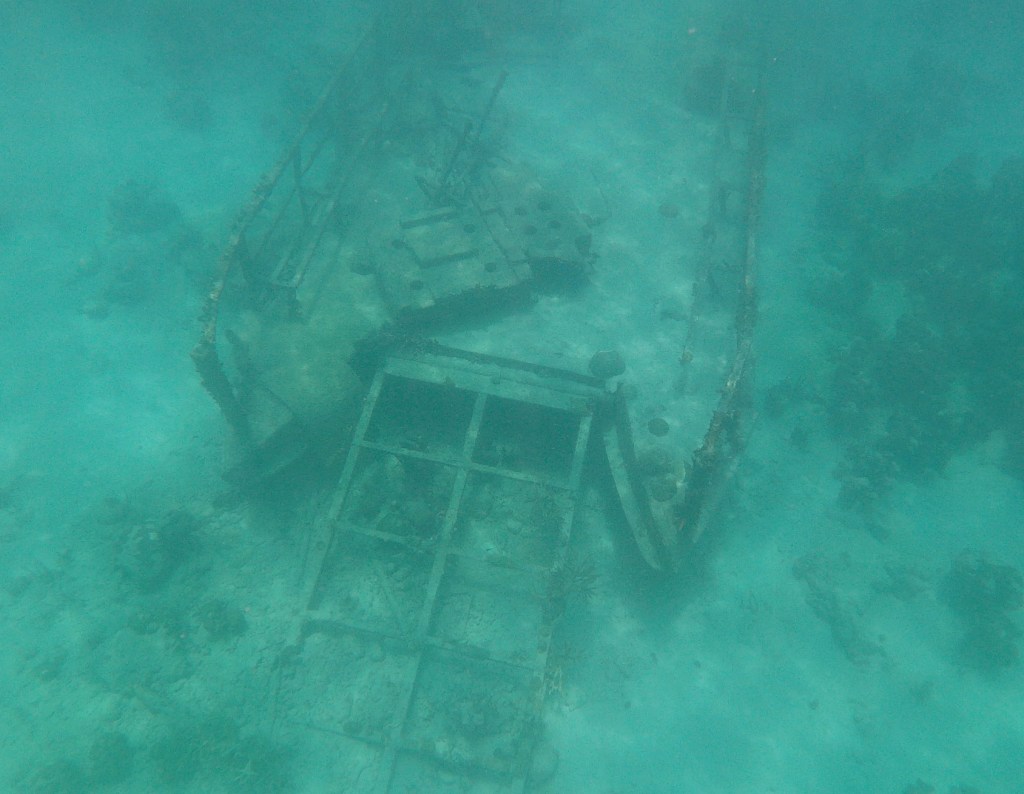
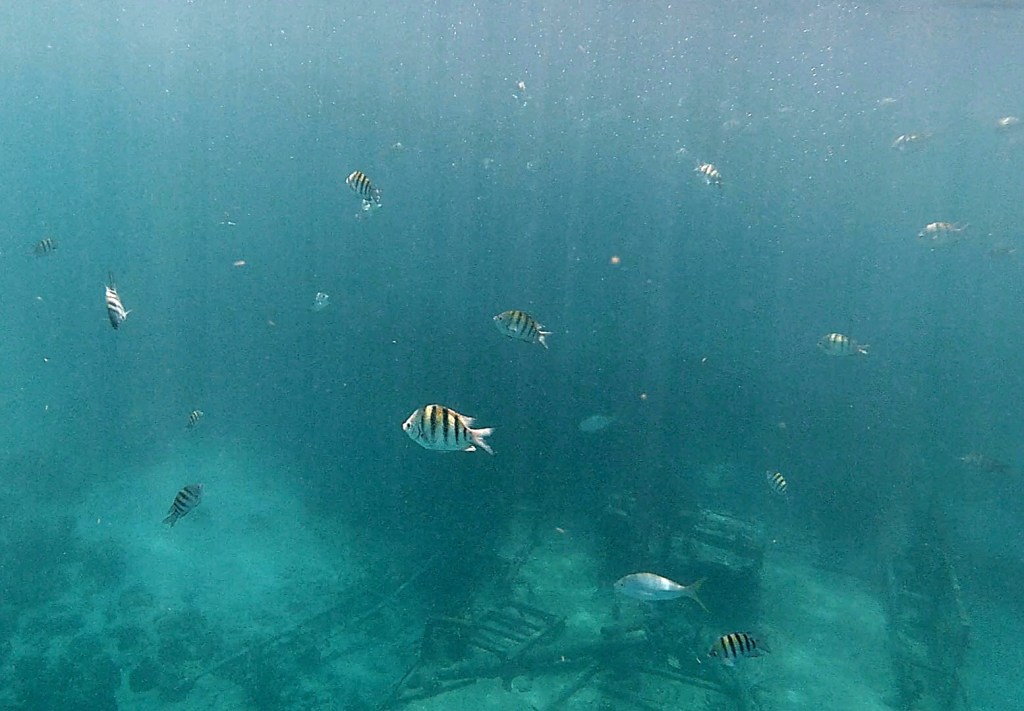
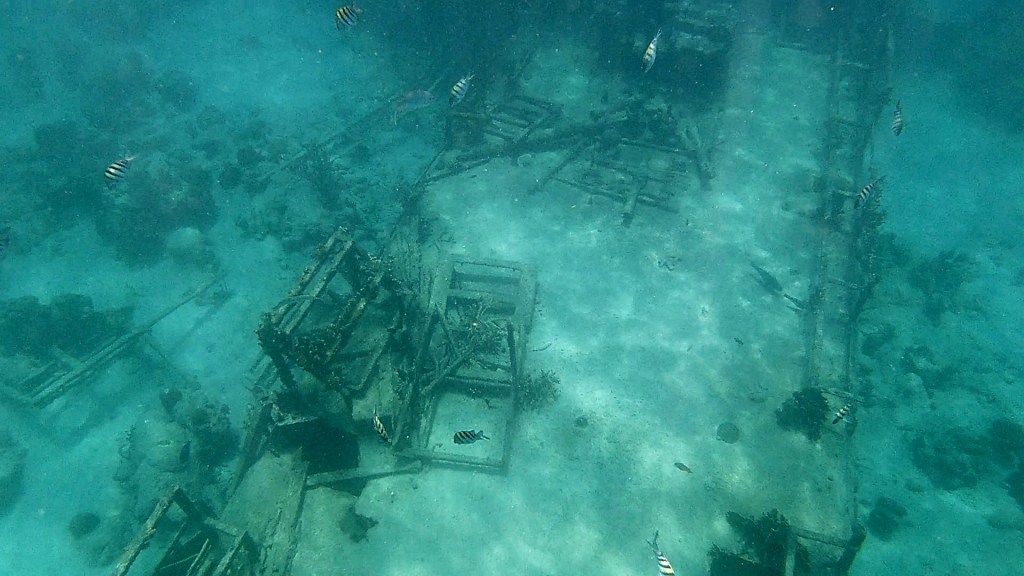
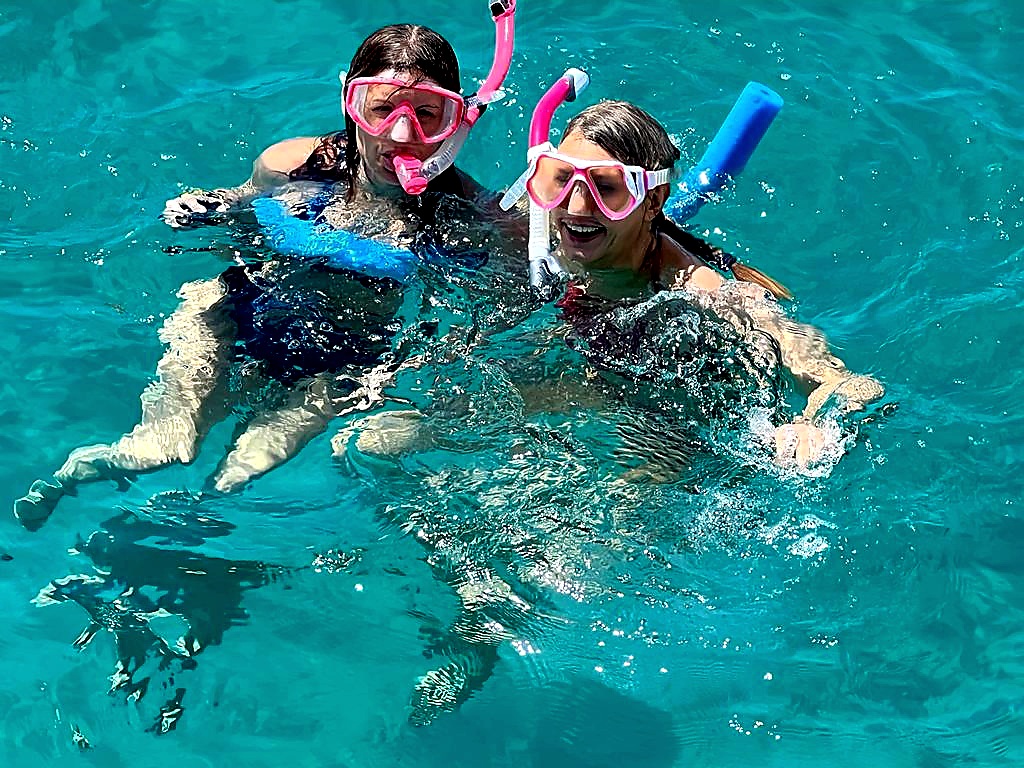
Our first stop was a shipwreck off the west coast of the island. The shipwrecks are part of a marine park, and they purposely sink the ships to encourage coral growth and an underwater ecosystem. There are six shipwrecks to explore in the marine park, and we saw one of the smaller ones – the Bajan Queen, which was sunk in 2002.
Over 200 ships have been wrecked off the coast of Barbados since 1666. The majority of ships are wrecked during hurricanes or other storms. In 1694 a hurricane sunk 26 merchant ships in Carlisle Bay.
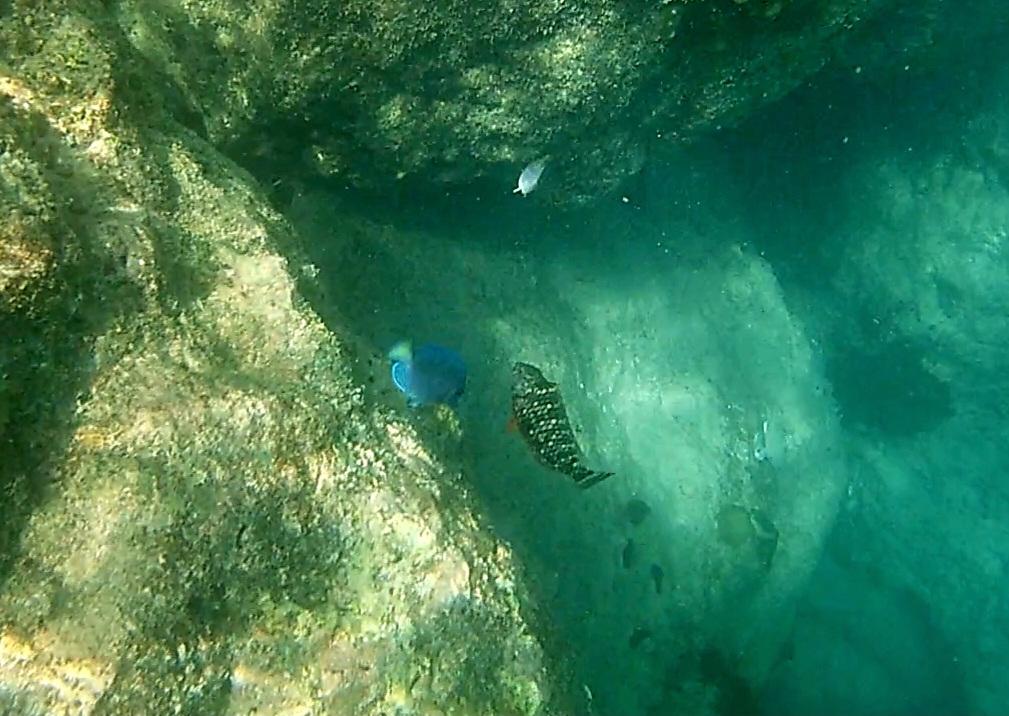
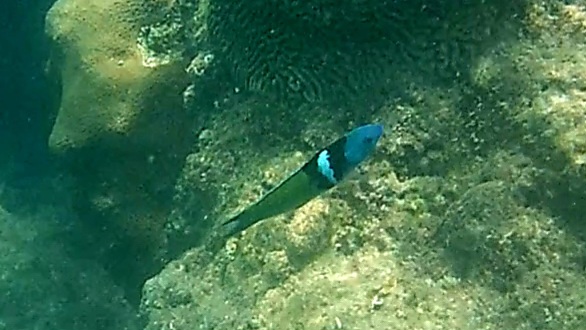
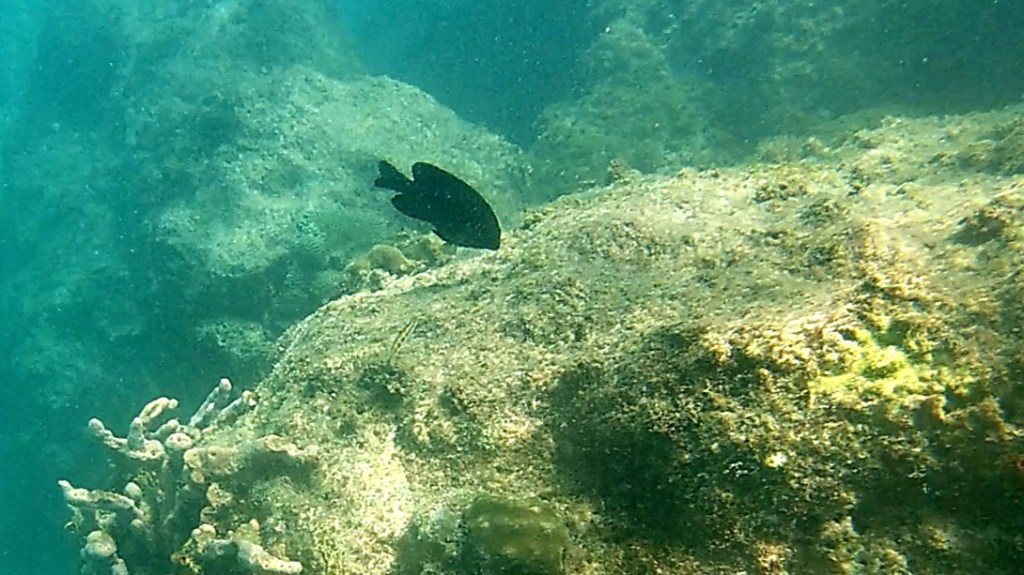
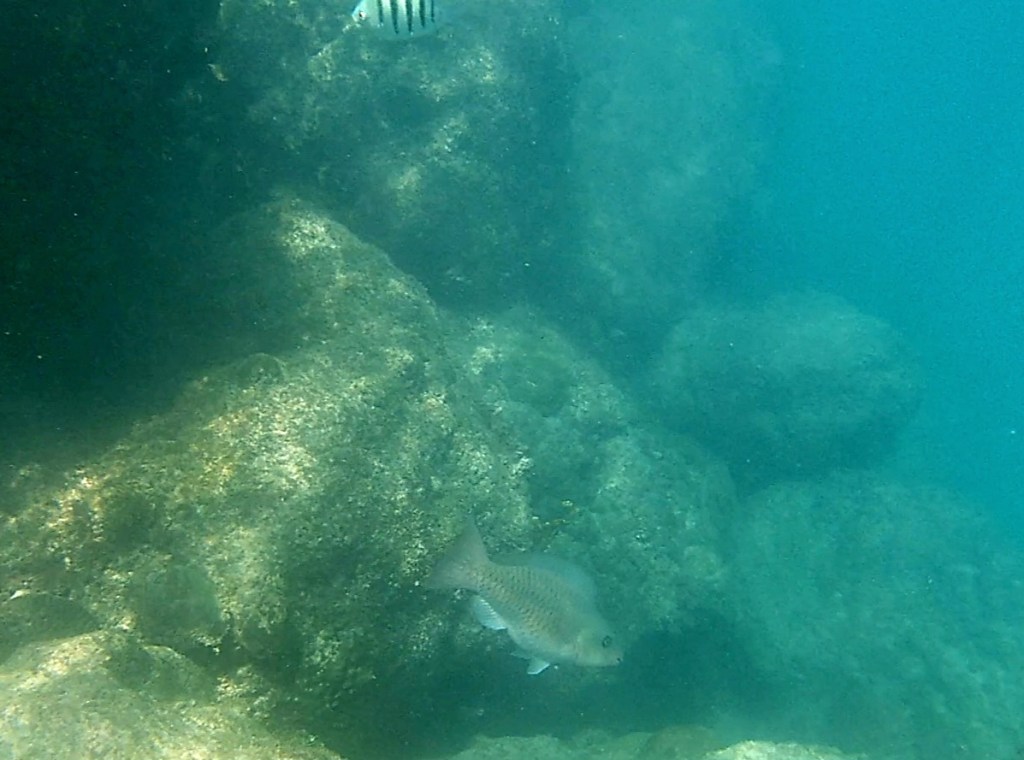
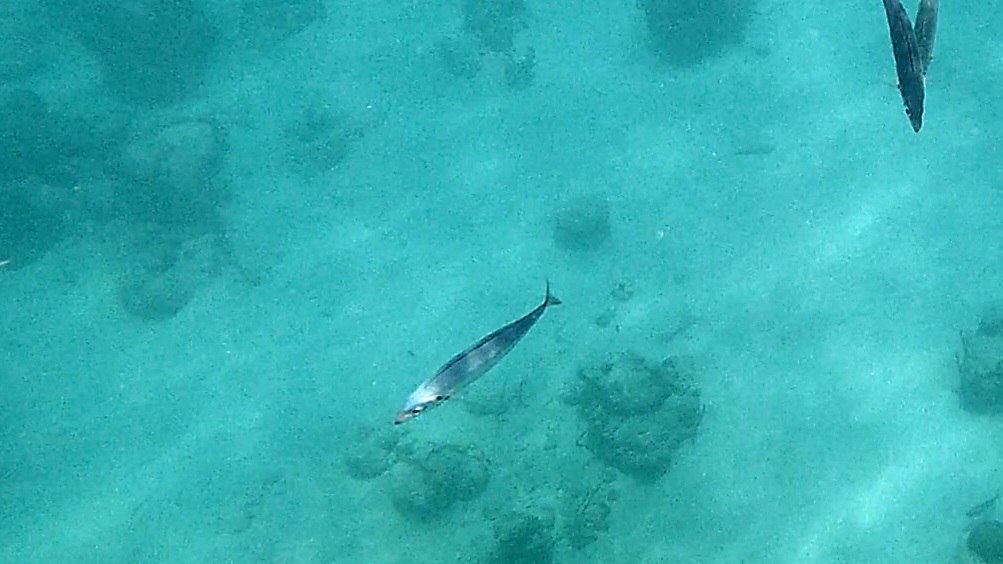
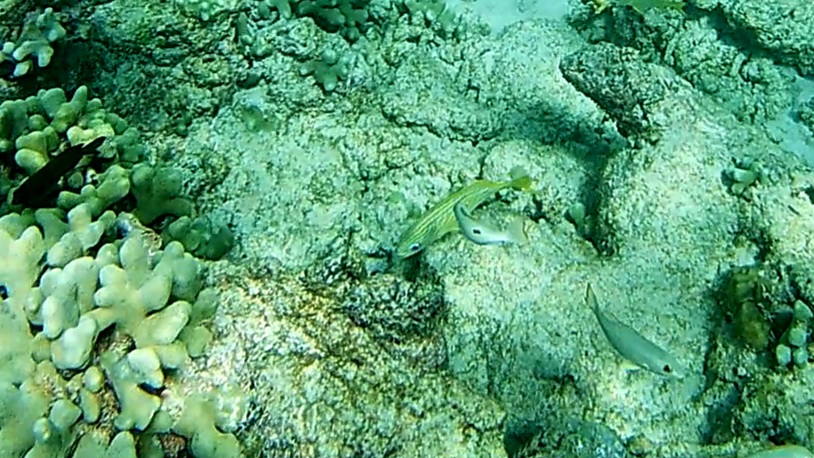
The most common fish swimming around the wrecked was the sergeant major and the Bermuda chub.
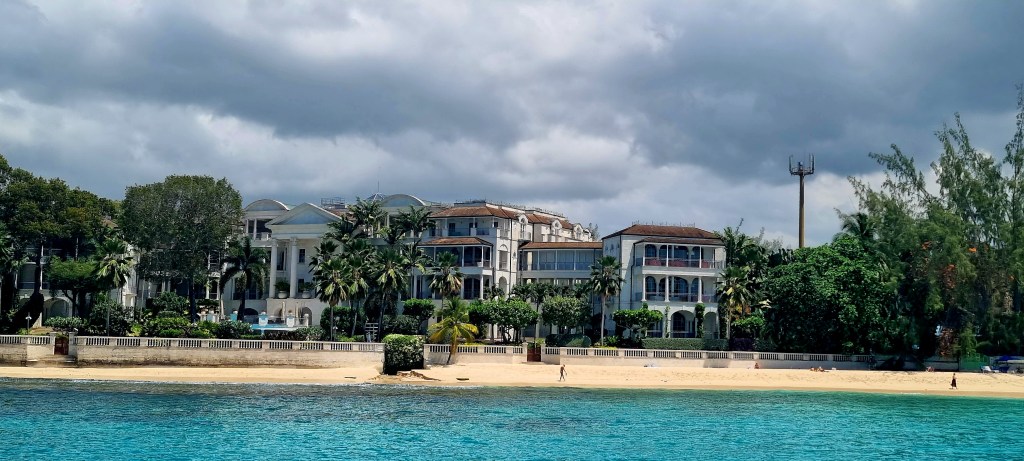
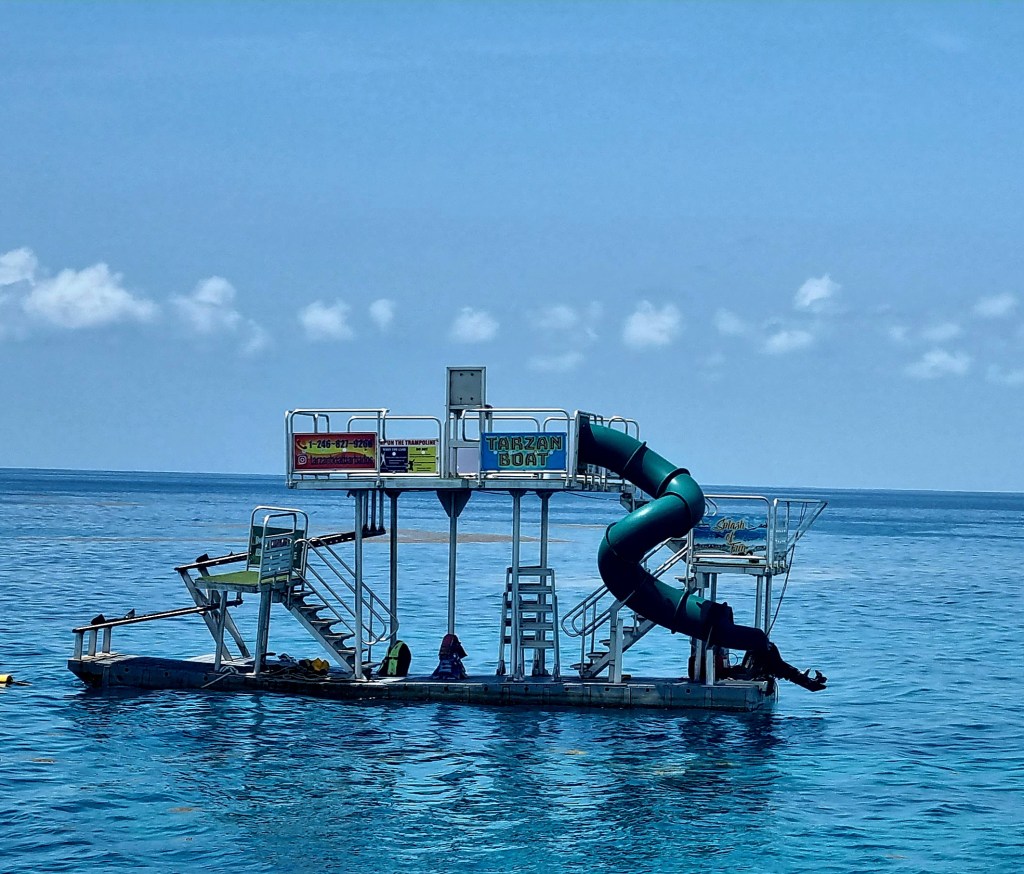
After around 20 minutes in the water, we headed back to the boat to dry off. We passed the famous Sandy Lane Hotel and some play contraption in the middle of the sea.
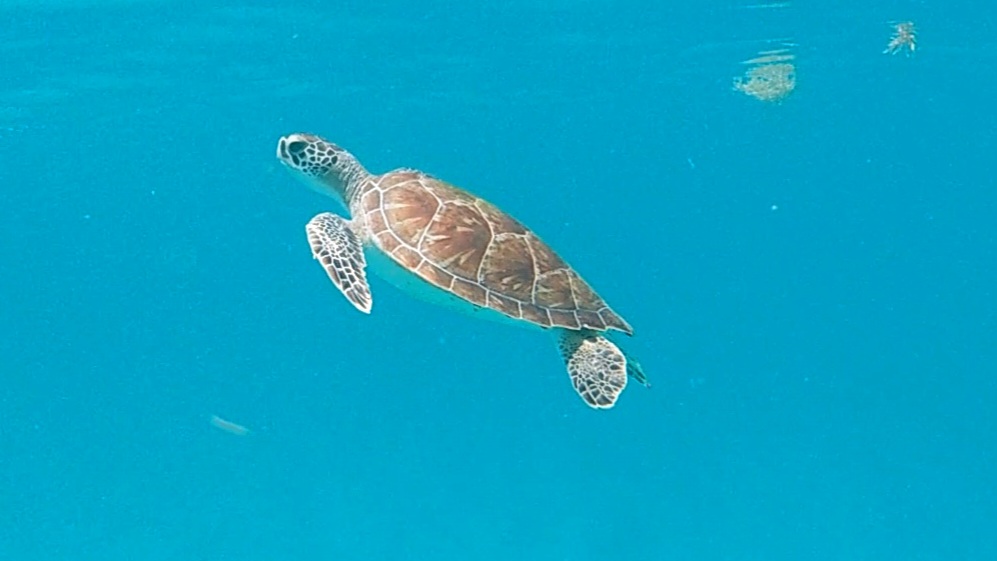
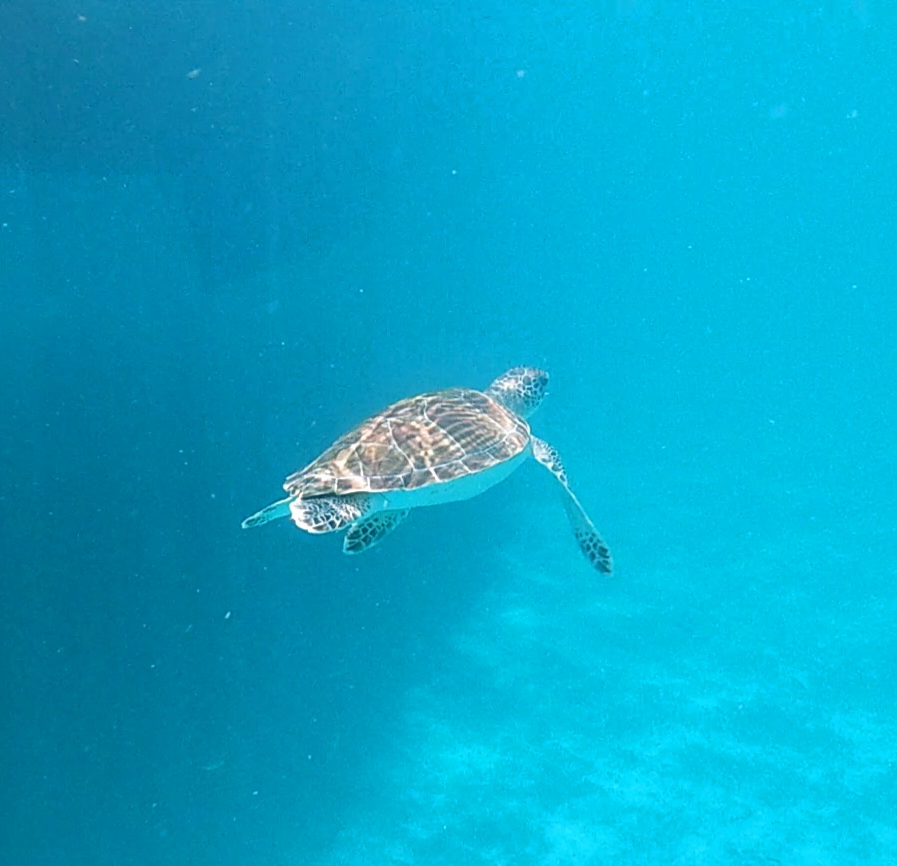
We were only on the boat for around 10 minutes before our next snorkelling stop – turtles.
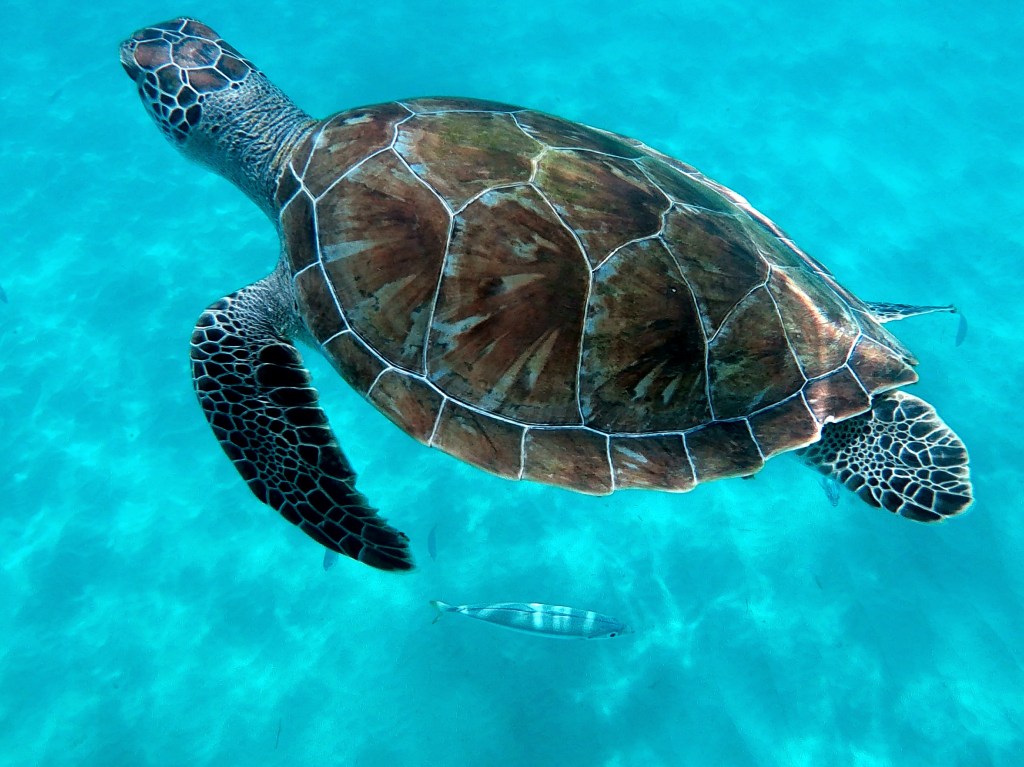
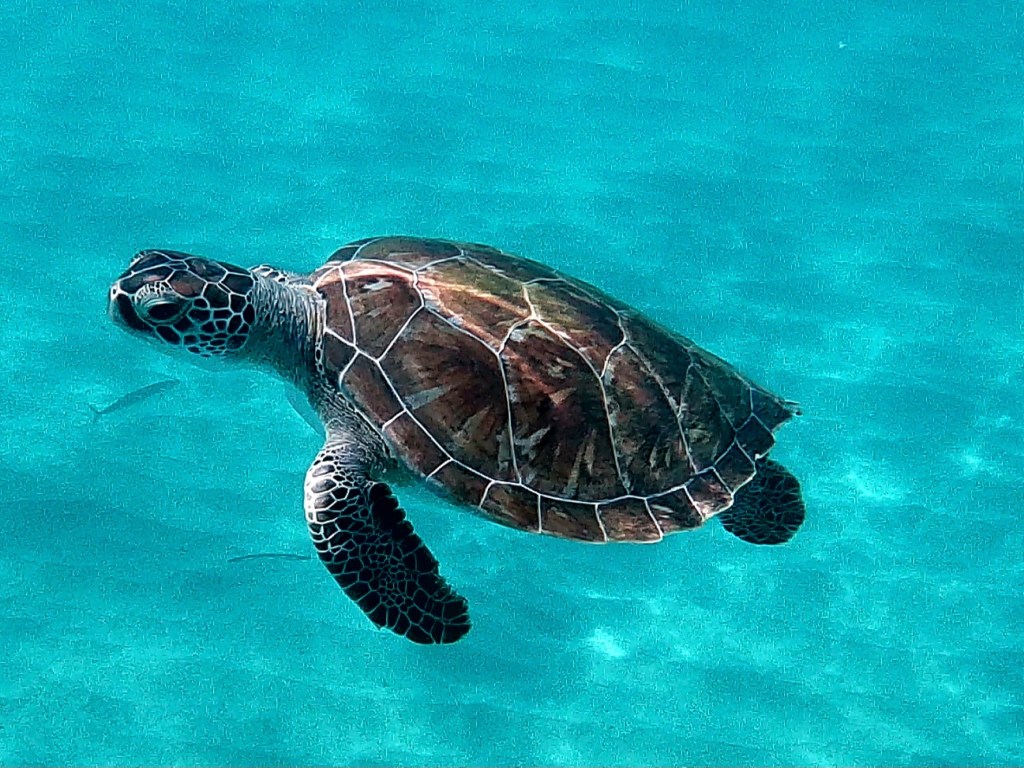
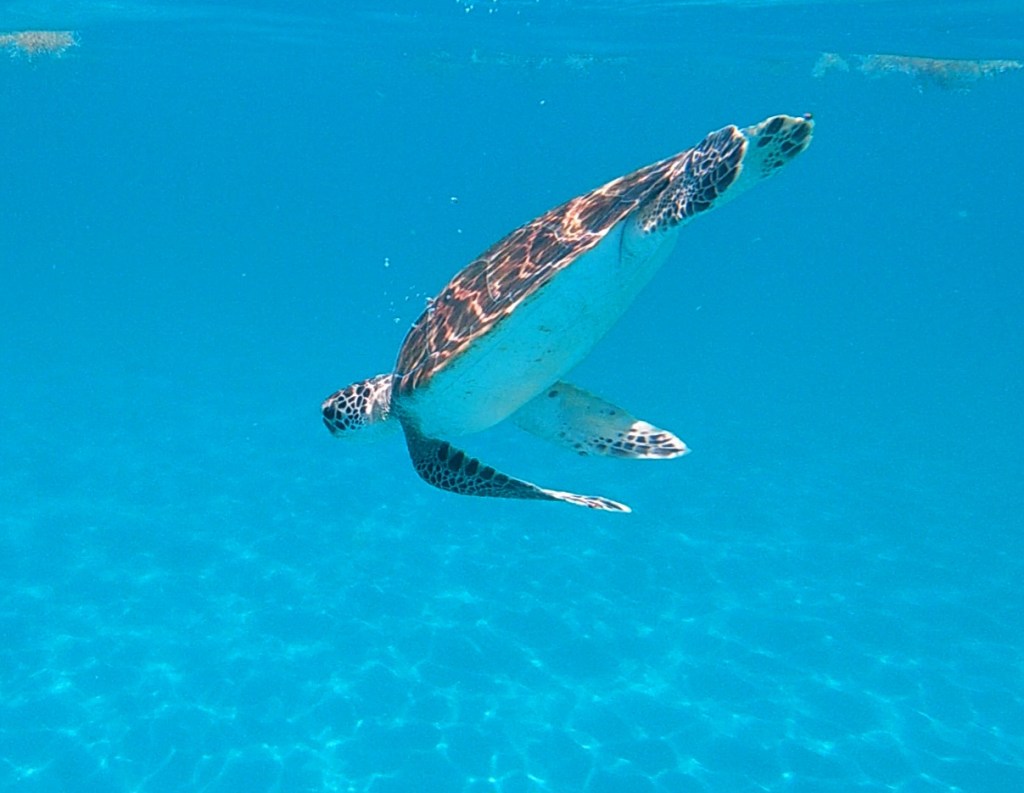
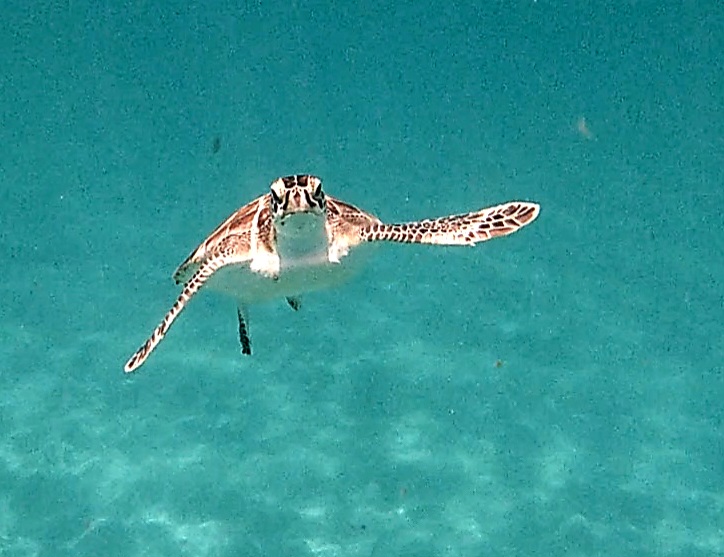
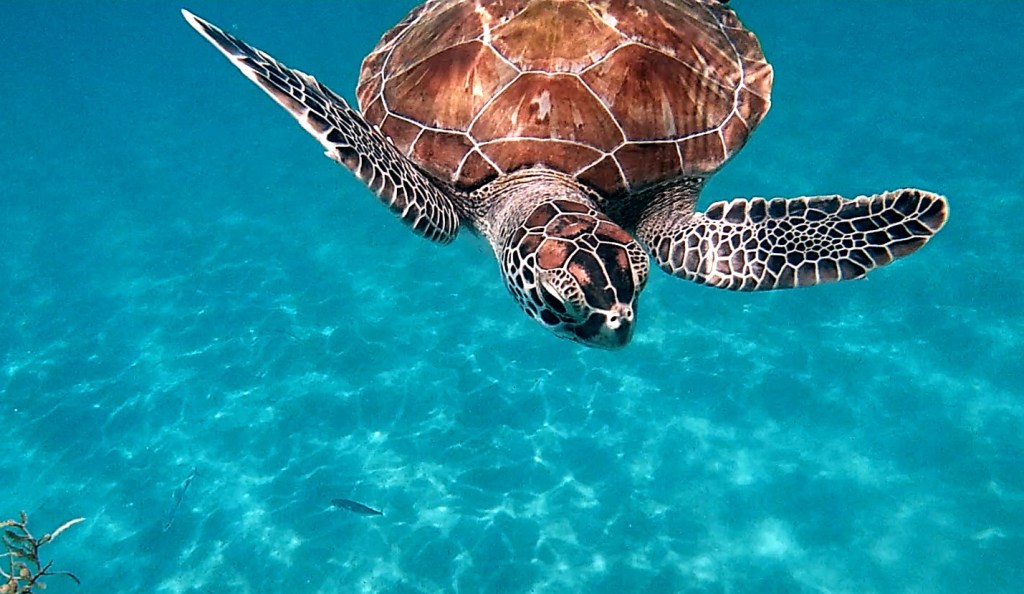
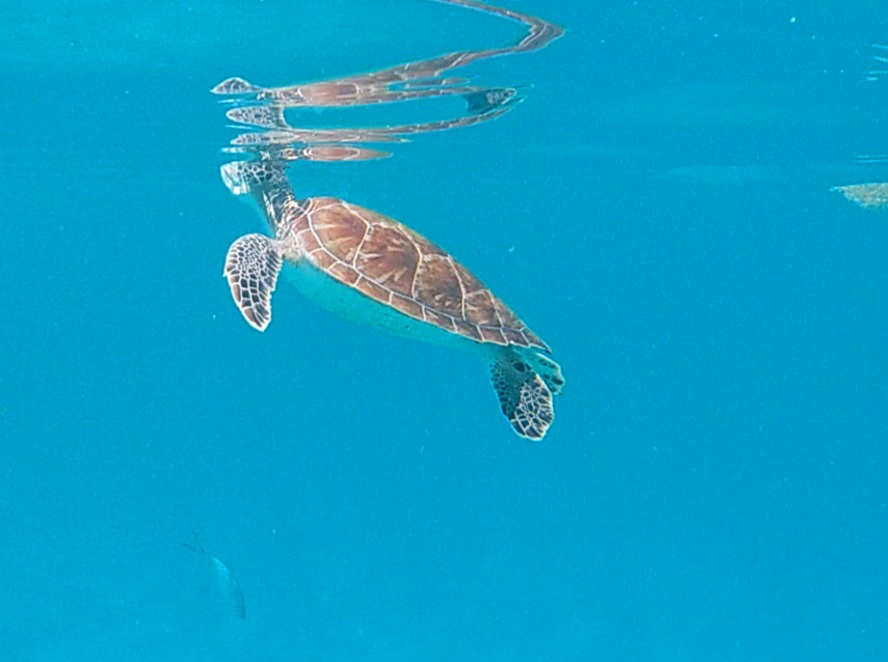
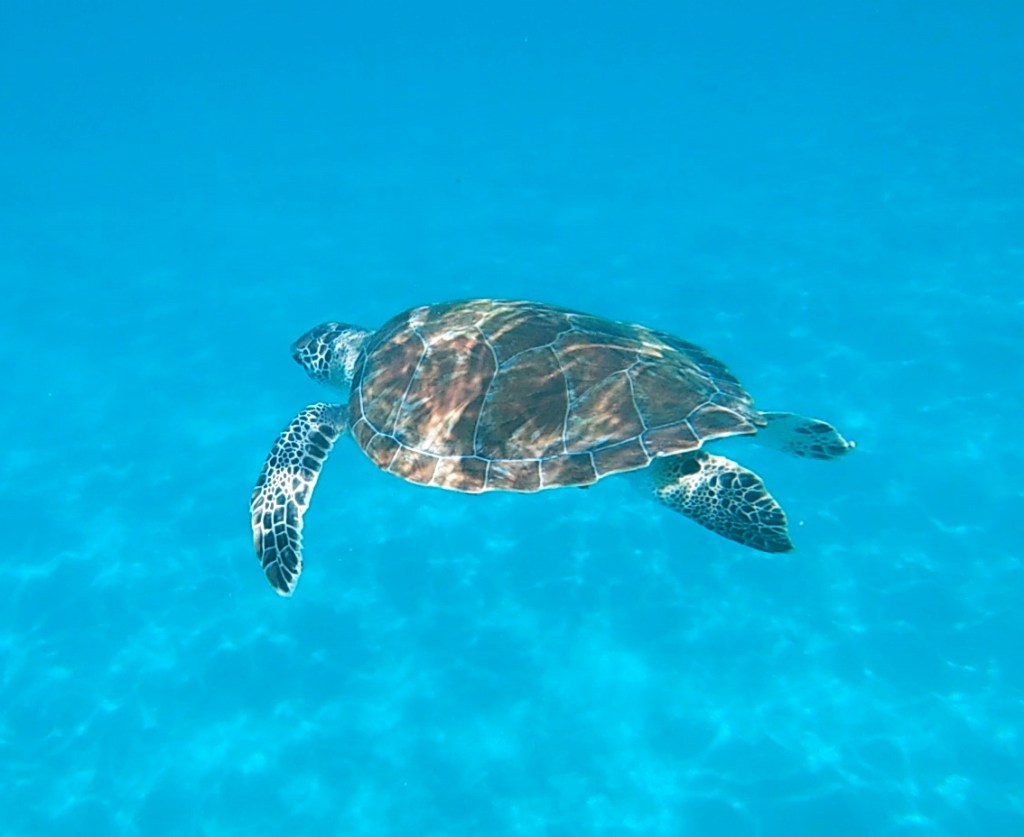
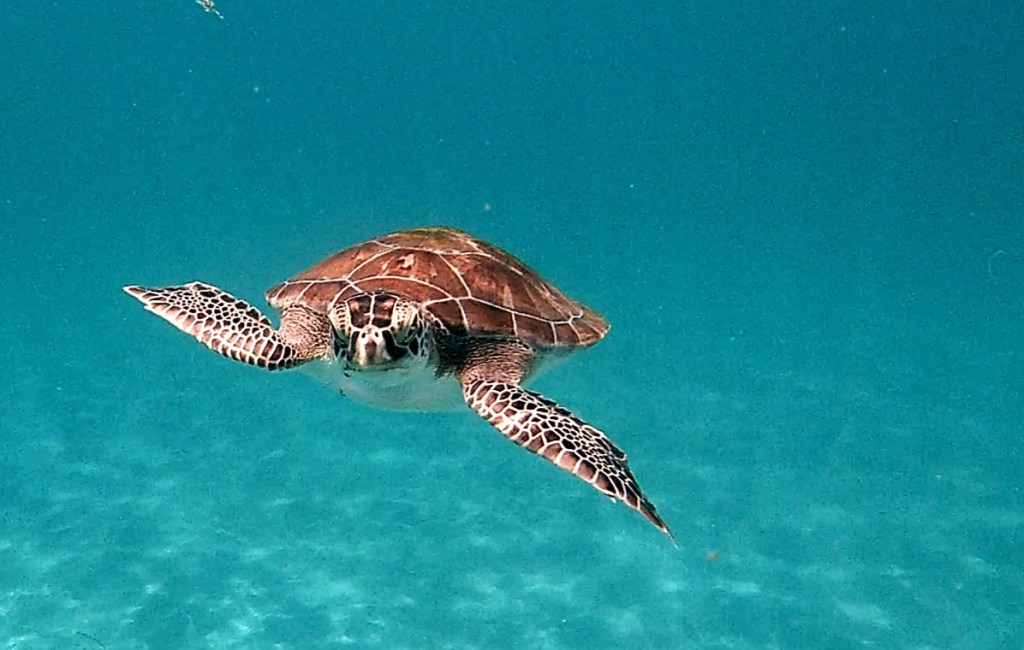
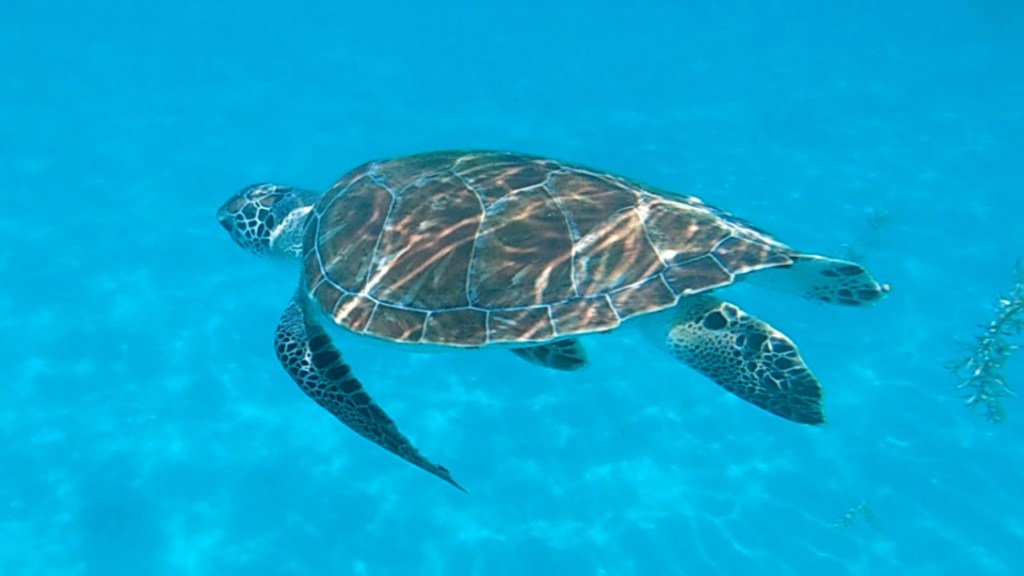
We saw quite a few turtles swimming quite close to the boat. The turtles we saw were green turtles, but other turtles live around the coast of Barbados too.
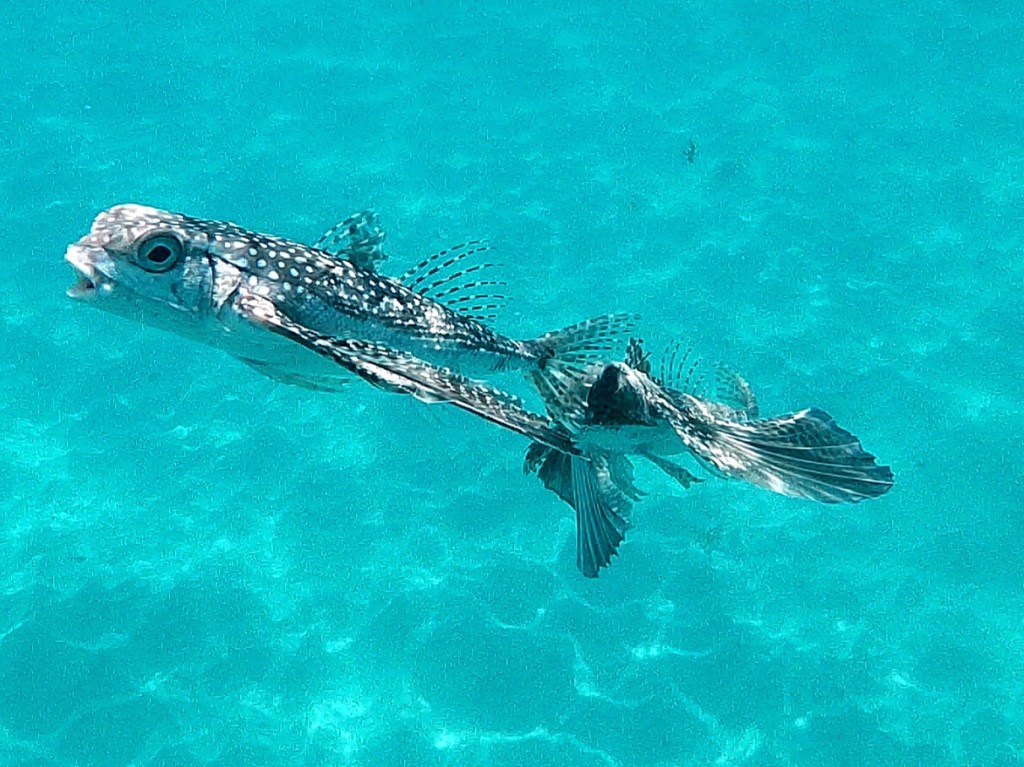
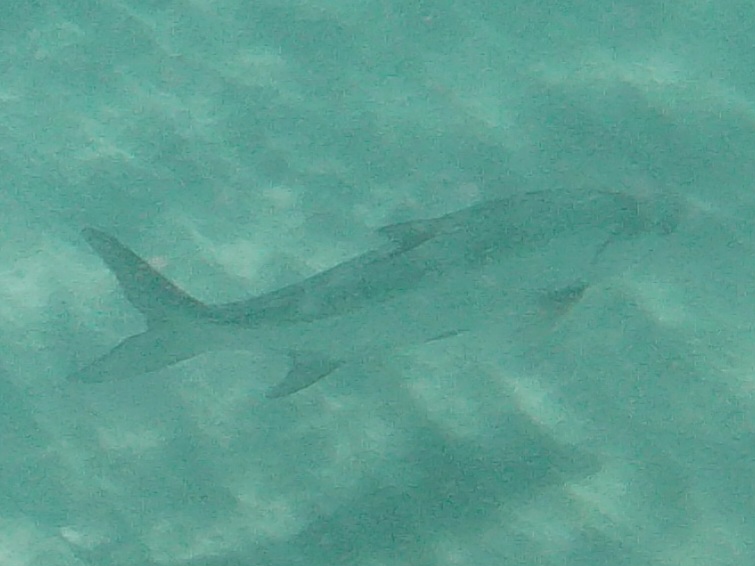
We also saw some batwing fish. This is their local name, but I can’t remember what their proper name is. We also saw a Tarpon
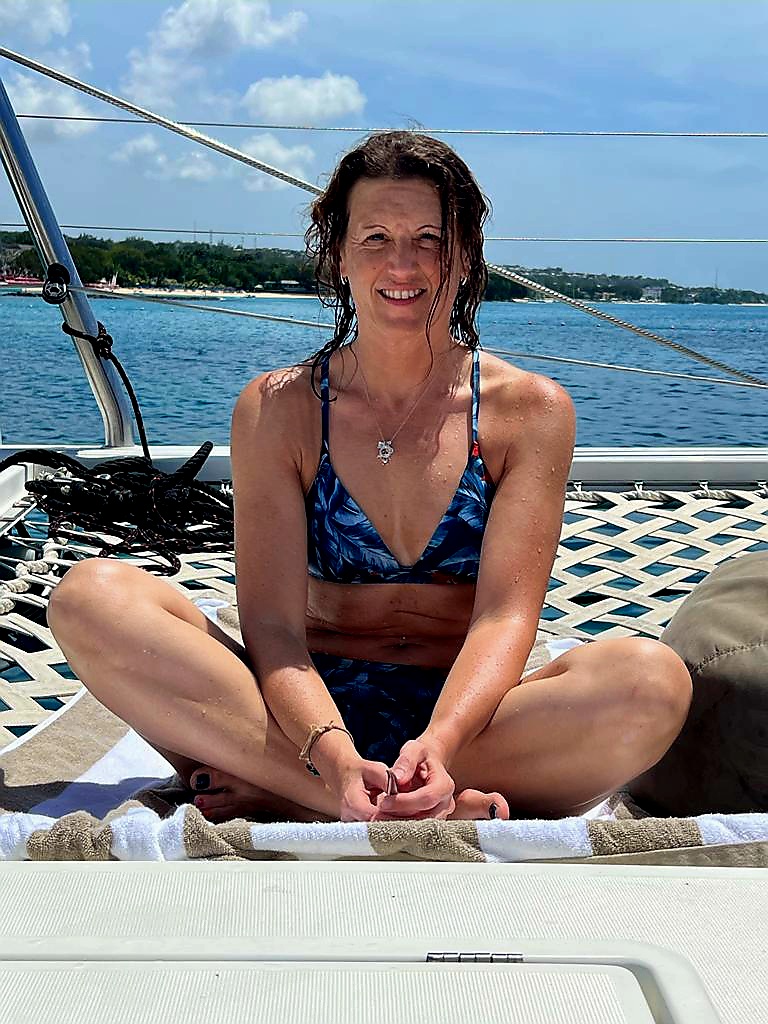
Obviously we took some photos of ourselves too.
When we got back on the boat, we were showered down to remove the salt water.
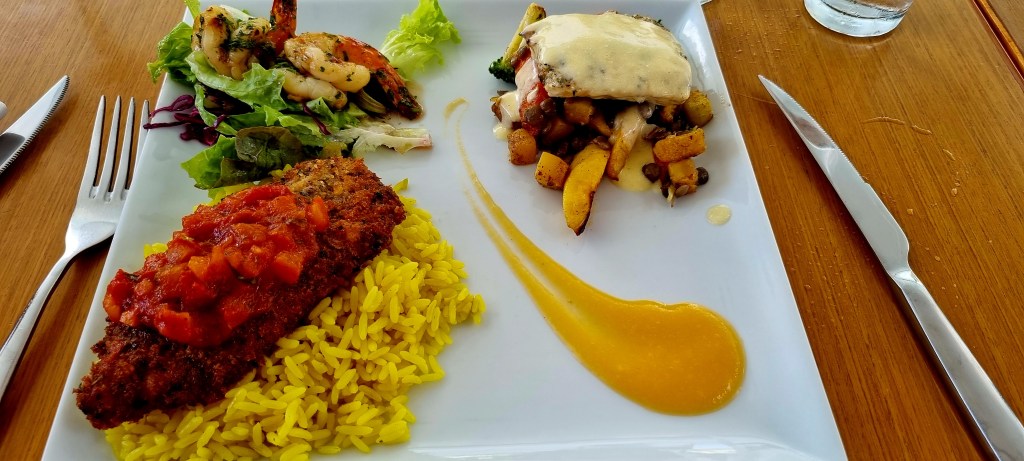
After the turtles stop, we sailed up the coast for a while before stopping for lunch. The lunch was delicious.
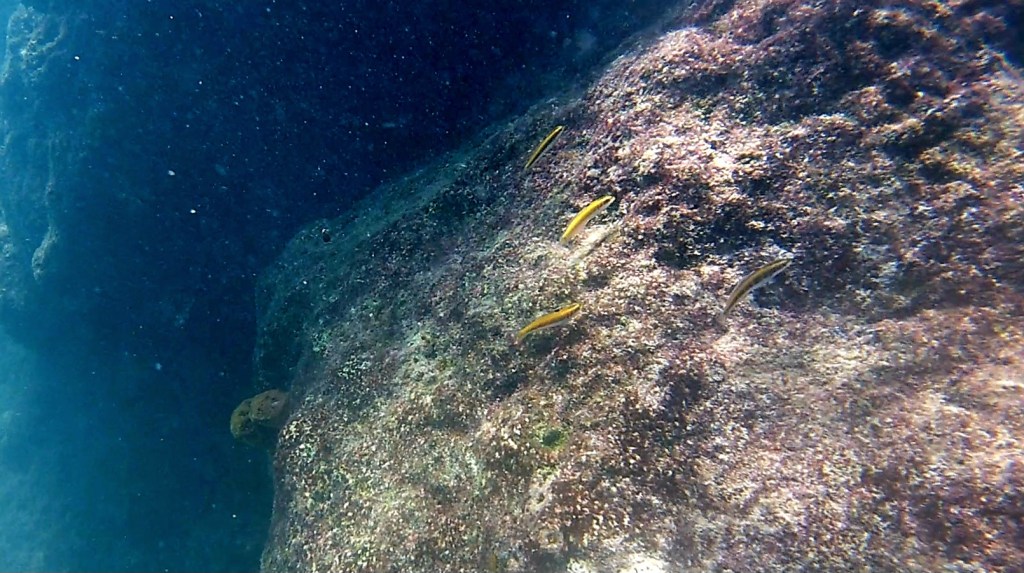
I went back in the water to do some more exploring. I saw loads more fish swimming over the reefs.
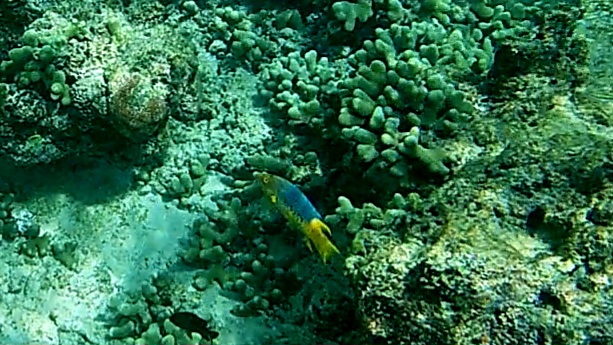
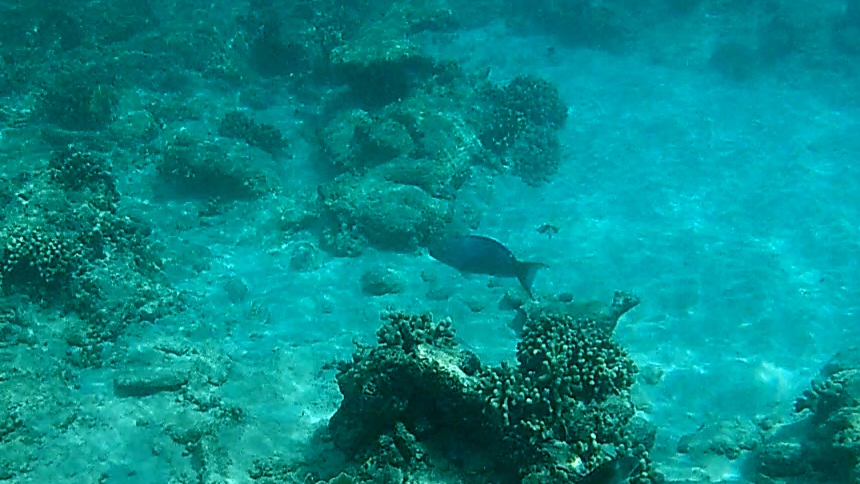
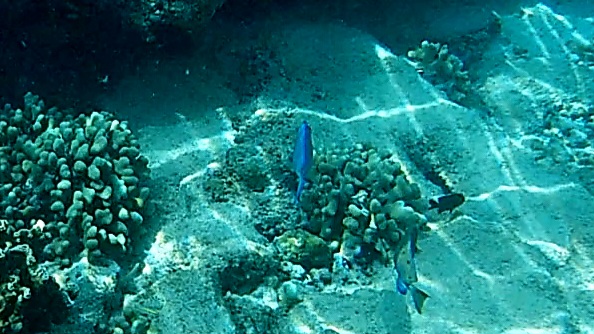
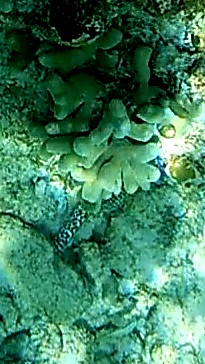
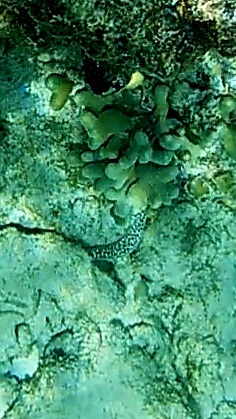
I think most of them were types of parrot fish, although there were some that I hadn’t seen before. I was also lucky enough to see a spotted morray eel.
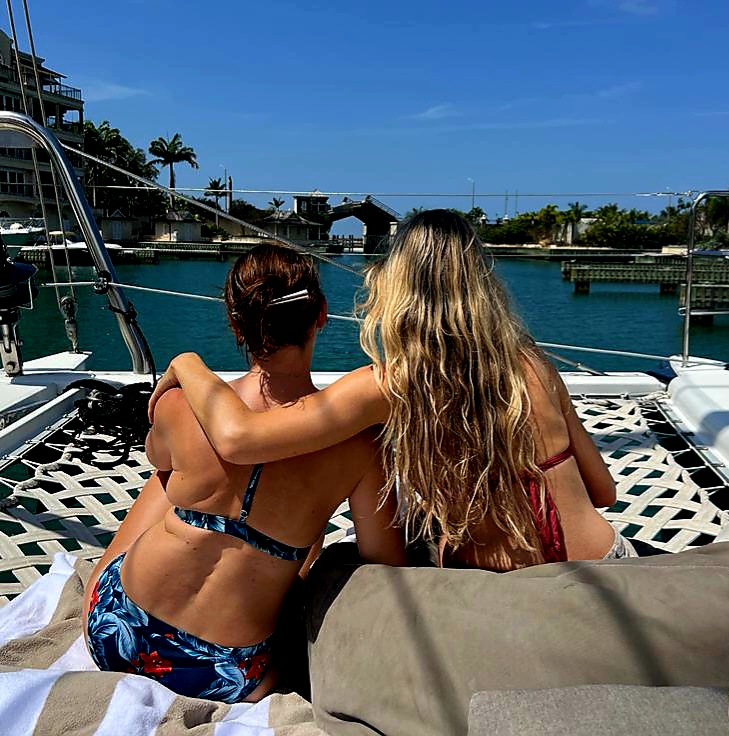
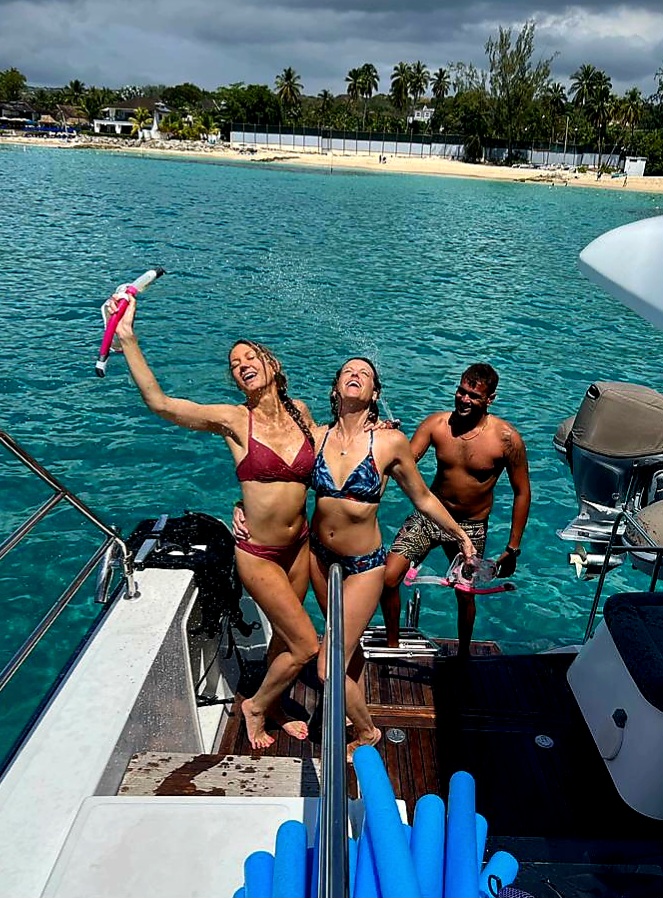
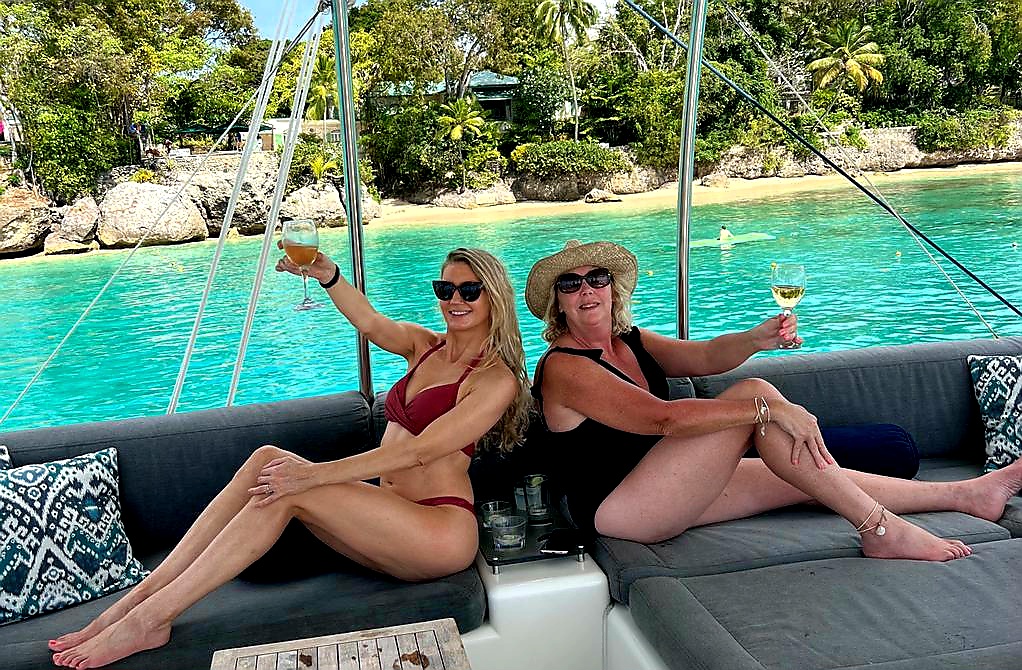
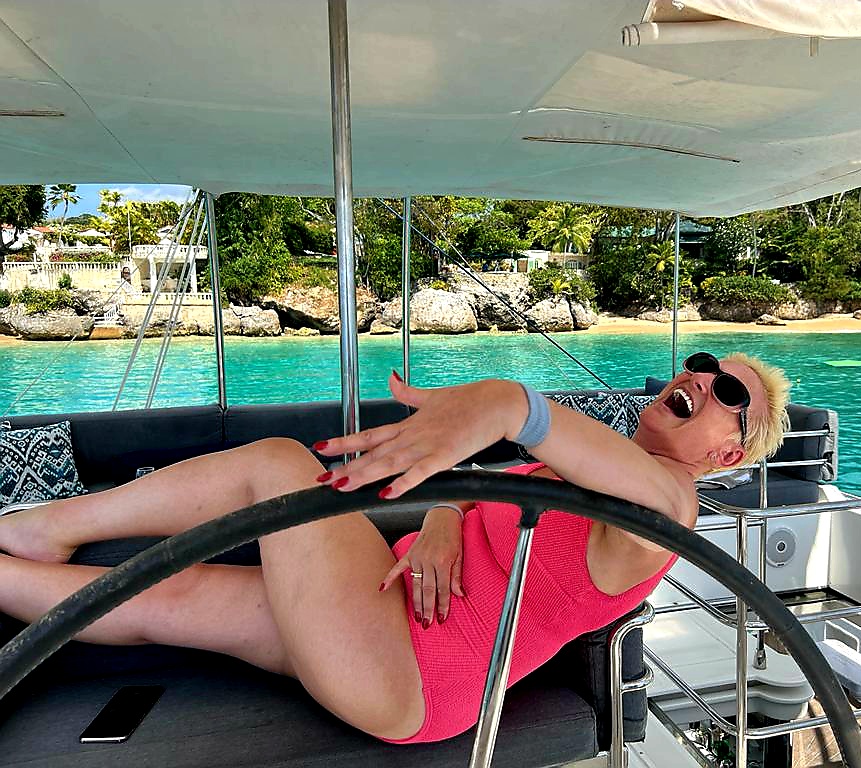
Whilst I was out snorkelling, the ladies had a bit of a photo shoot.
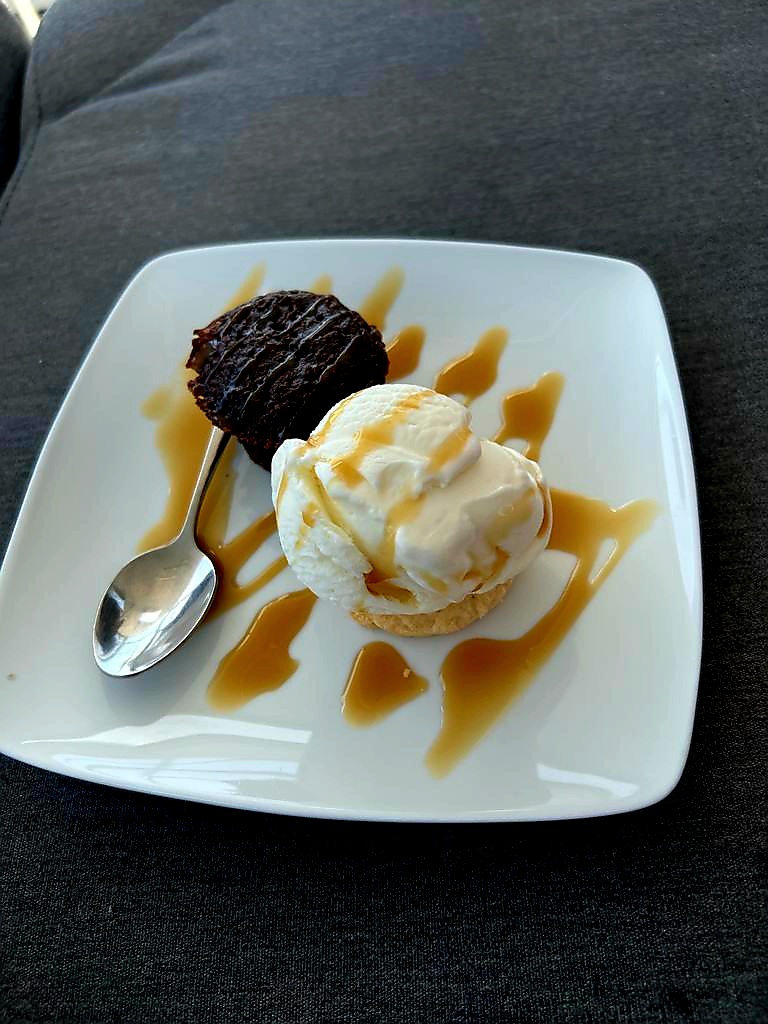
When I got back on board, it was time for dessert, which was also delicious.
We soon arrived back at the port. The trip was so good. The captain and the rest of the crew were lovely and kept the drinks topped up!
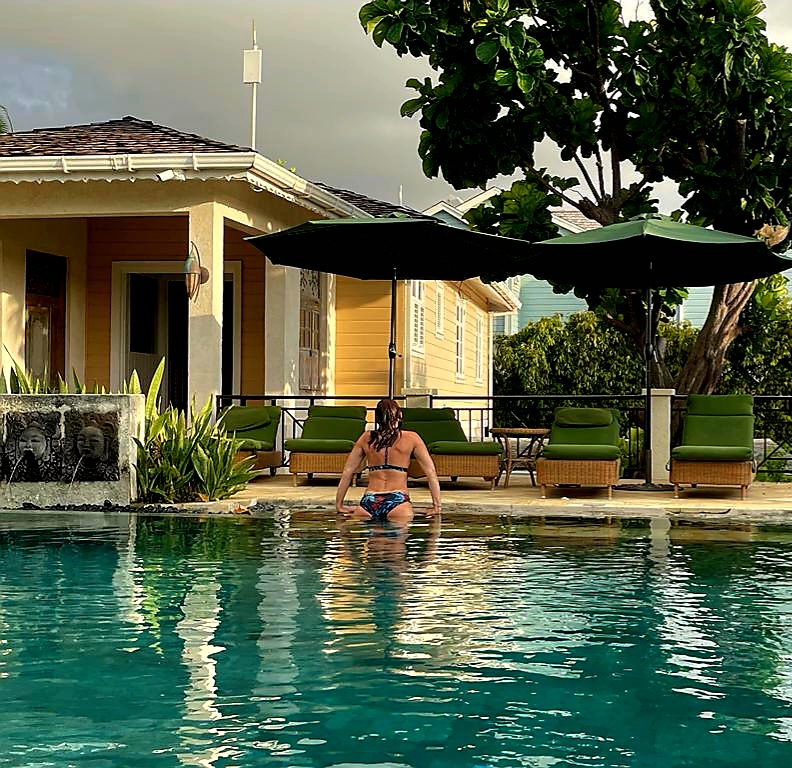
Back at our apartment, we had a swim in the pool.
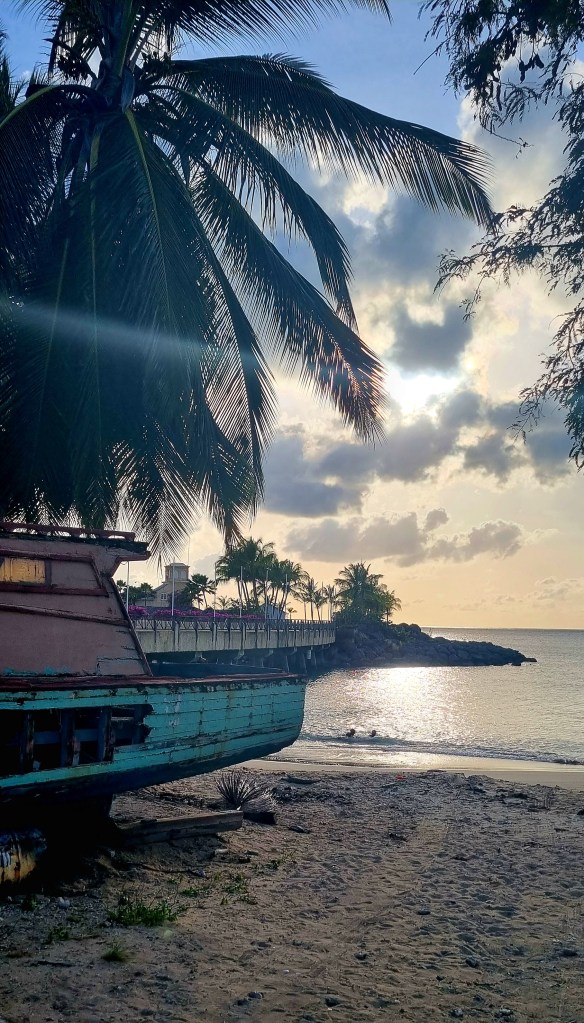
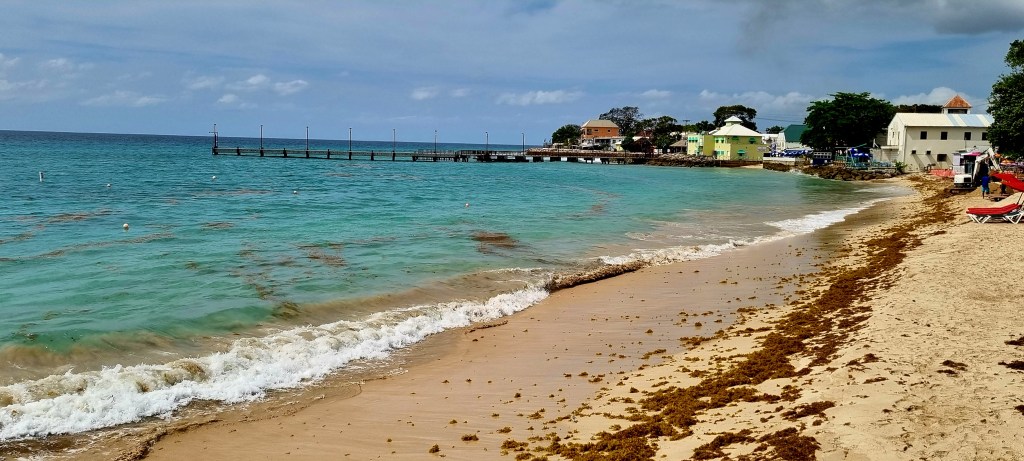
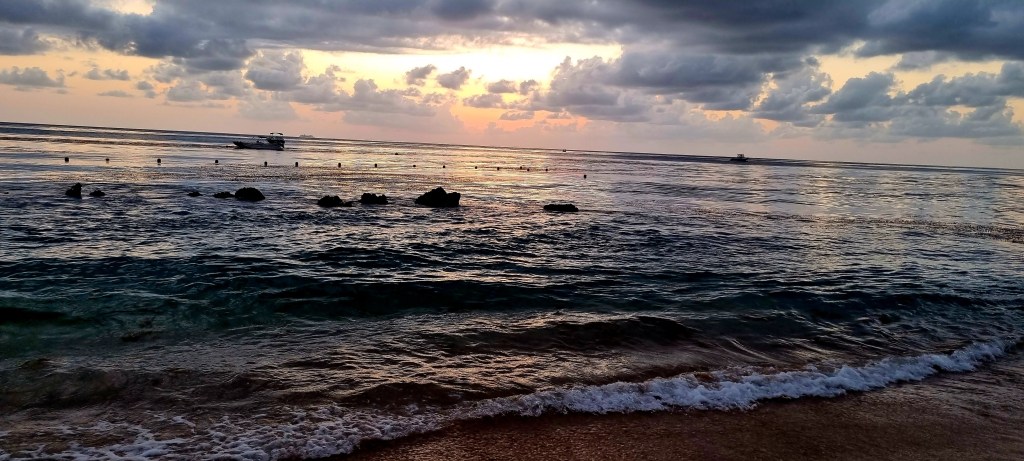
At sunset, we went down to the beach. There was loads of seaweed on the beach, which is very unusual for the Caribbean beaches. But apparently, the wind is blowing in a different direction to normal.
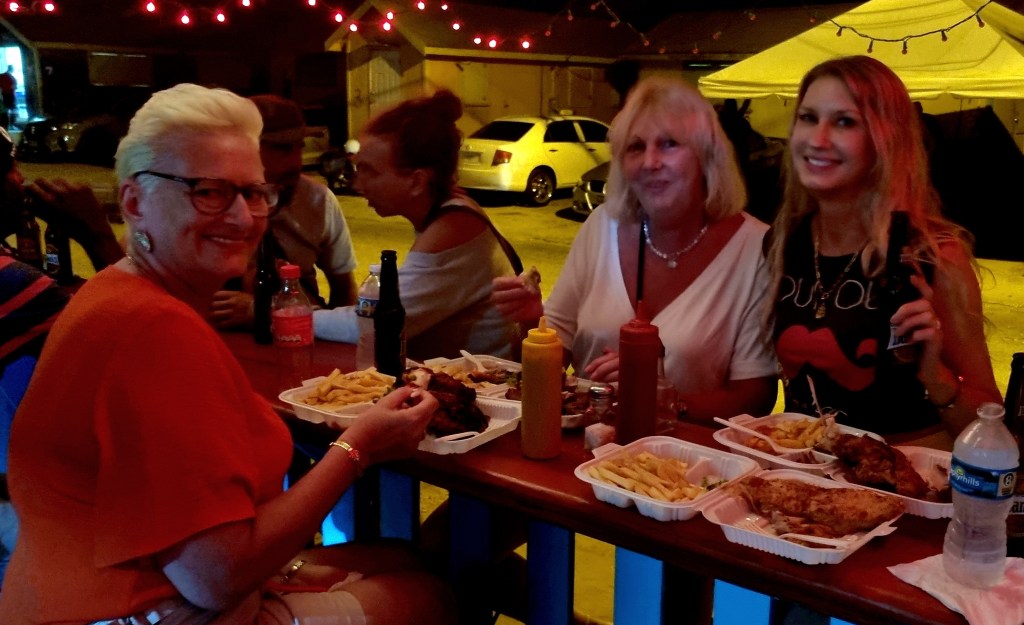
In the evening we headed to our favourite place, Joan’s, for what we thought would be a light dinner. It was way too much food, and we ended up bringing half of it home!
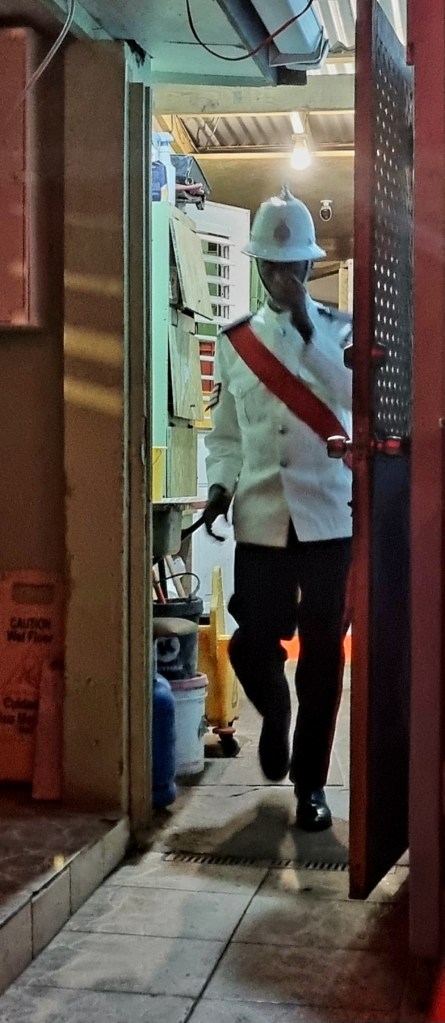
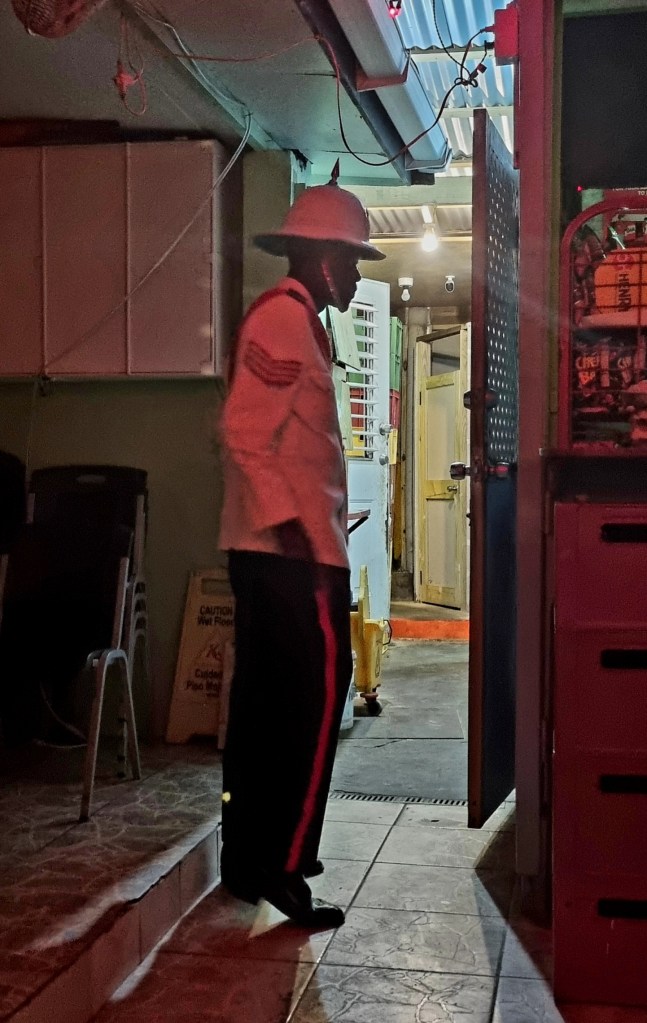
Whilst we were sitting at Joan’s, one of the local buses stopped outside, and a gentleman in uniform came in, used the toilet, and ordered a shot of rum, which he took back on the bus. The uniform was that of the police guard band.
On the steps just putside the apartment, we saw a massive frog/toad.
I woke up and returned our car to reception so it could be collected by the car rental company.
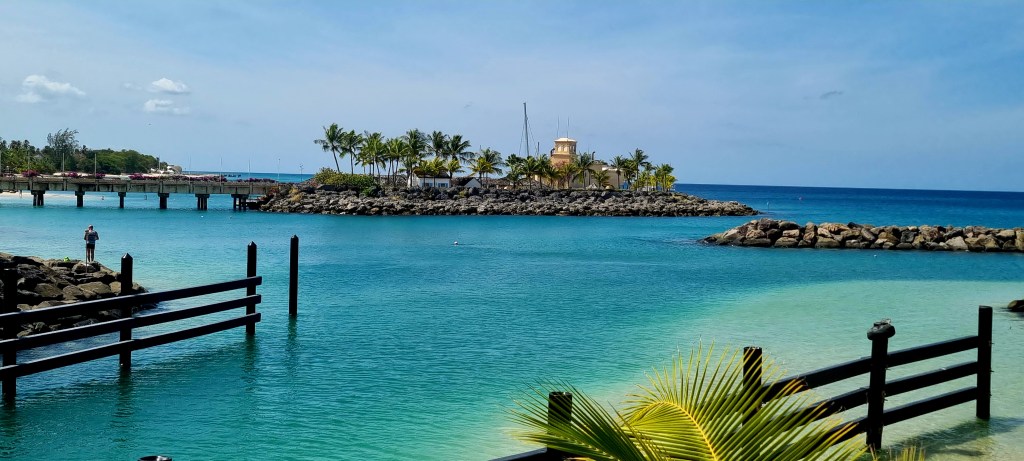
We were all up fairly early, so after some coffee and a freshen up, we headed to Pier One in Port St Charles.
I did a bit of snorkelling, and I saw lots of fish and a sting ray. He had buried himself in the sand so you could only really see the top of him.
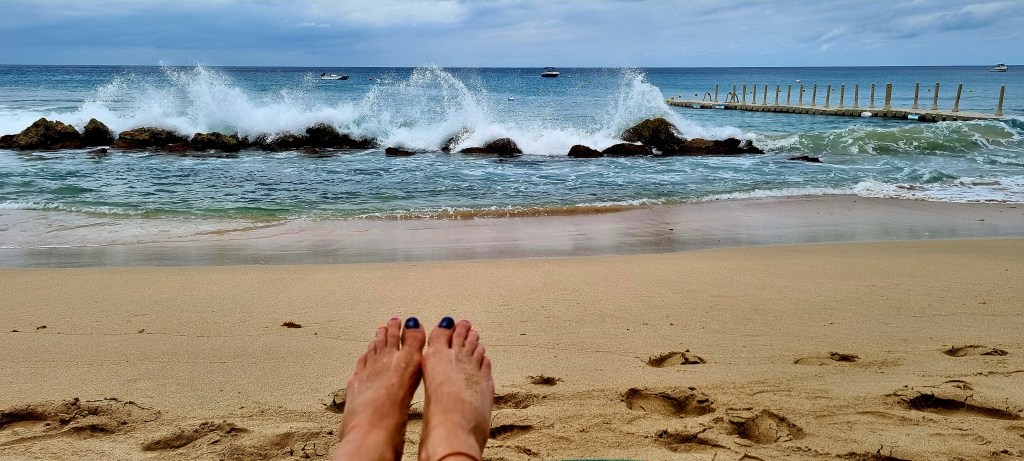
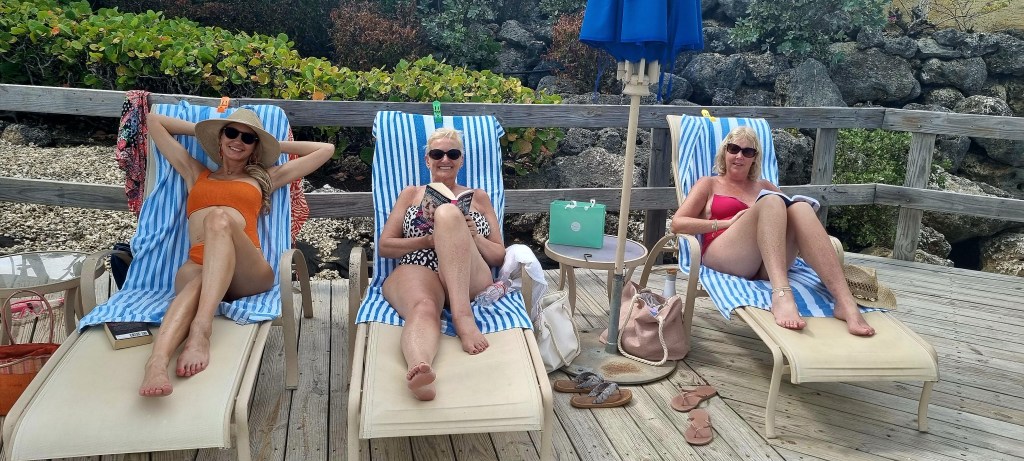
We just relaxed on the decking by the sea.
As we hadn’t eaten breakfast, we booked brunch for 1130am in the outdoor restaurant.
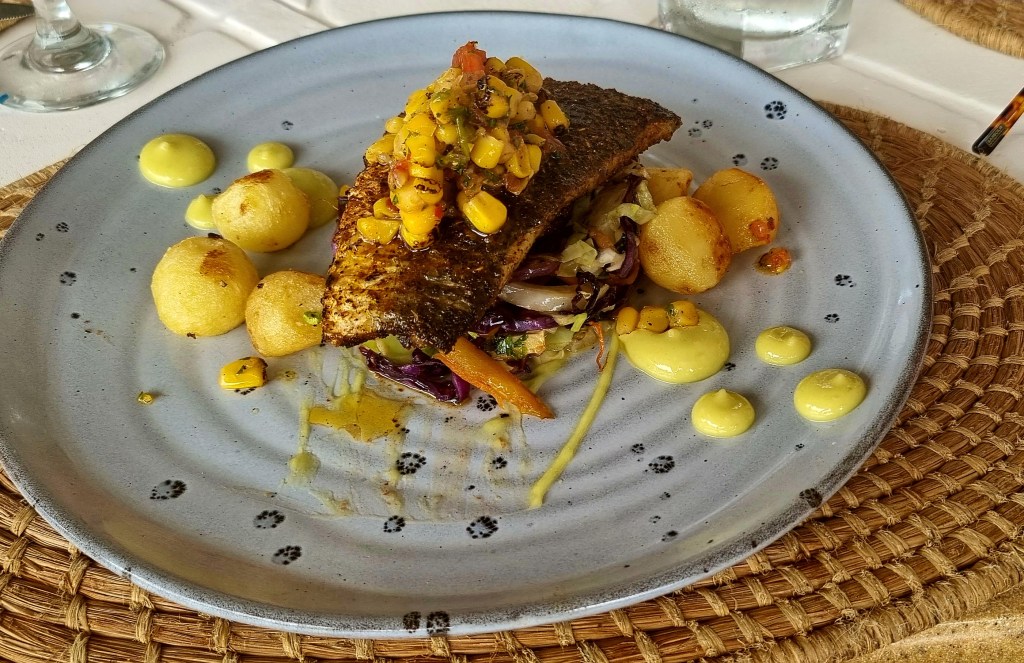
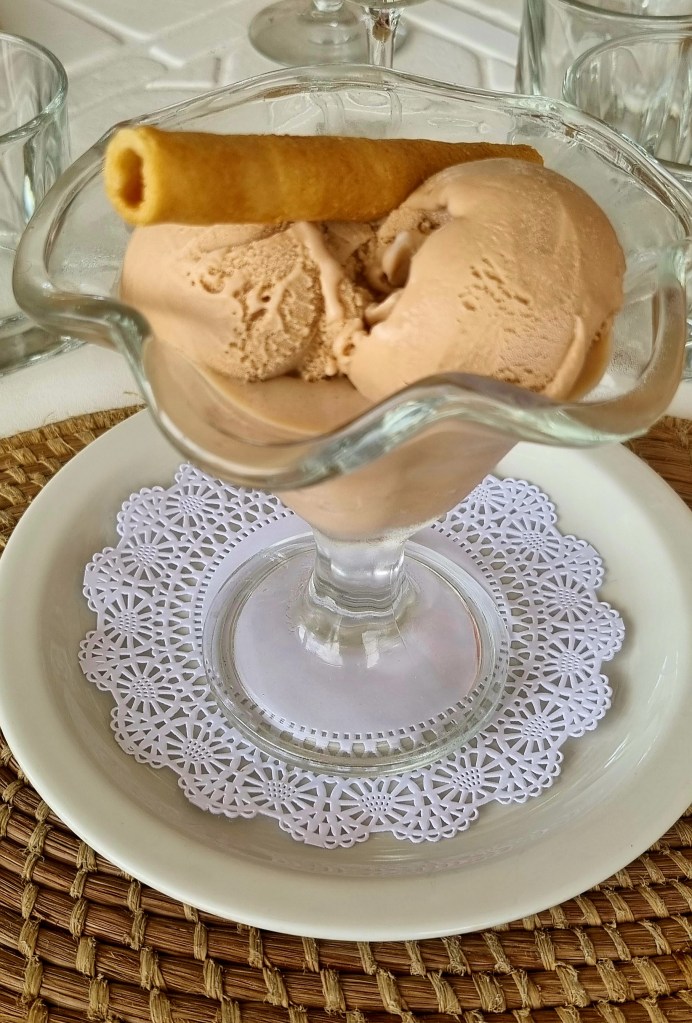
The food was amazing. I had blackened barracuda, followed by amaretto ice cream. On the table near us was an older lady. We got chatting to her, and she said she was 91 and had lived in Barbados now for 25 years. She apparently comes to the restaurant every day for lunch.
After lunch we visited the little gift shop, Whispers. Here we met Deliah, who owns the shop. She is a real character and a lovely person. We all ended up buying something.
We then laid down again in the sun.
After a while it started to get a bit cloudy, so we headed to the pool for a drink.
As we ordering our second cocktail, Deliah came to join us at the bar.
We moved over to the other side of the decking to catch the last of the afternoon sun.
As we were sunbathing, we saw some frigates flying above us.
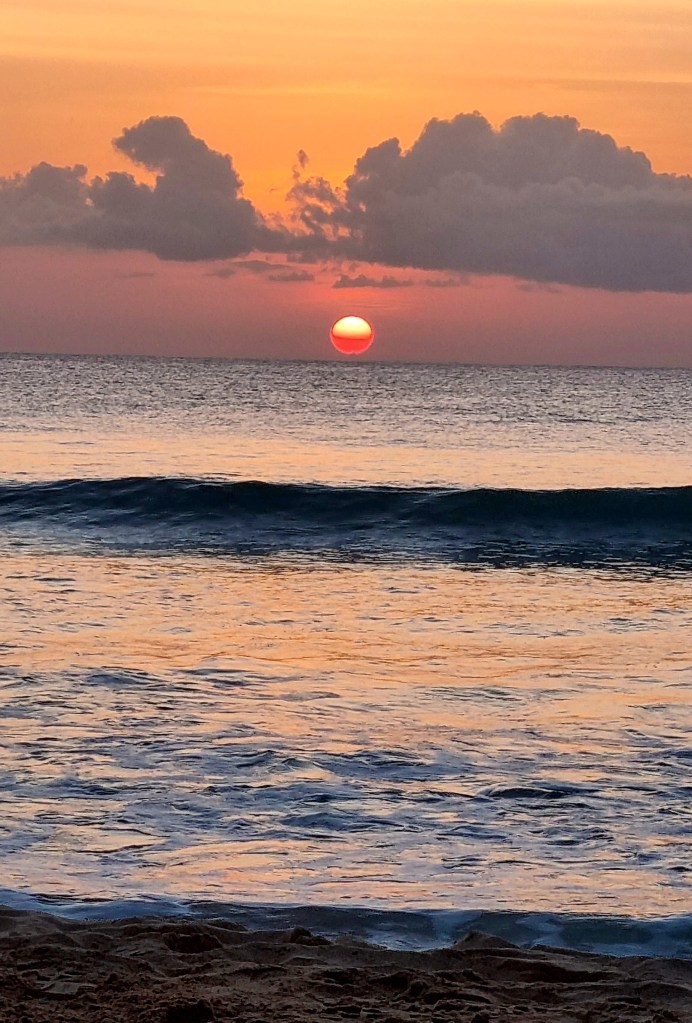
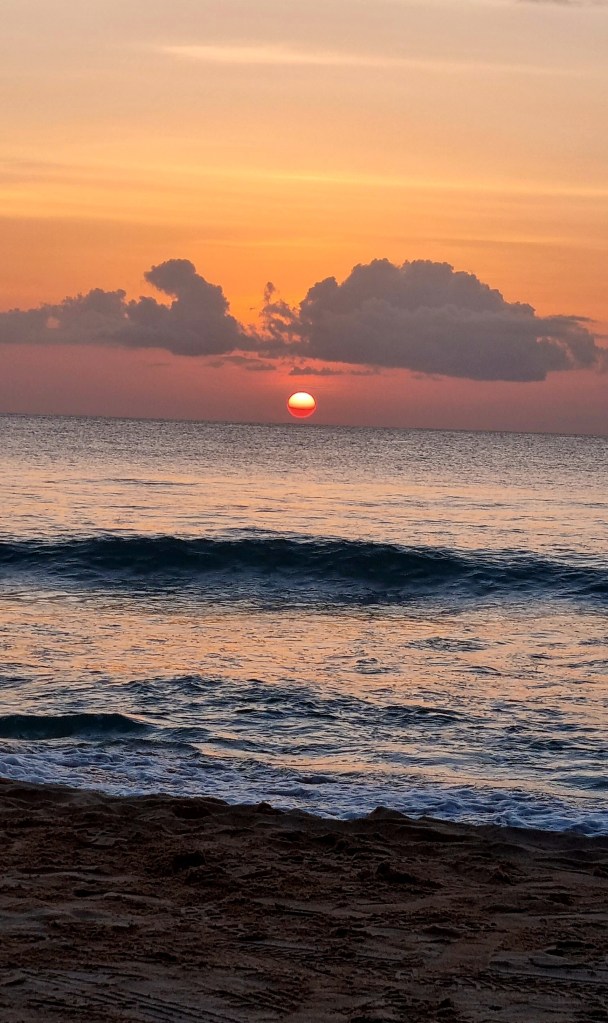
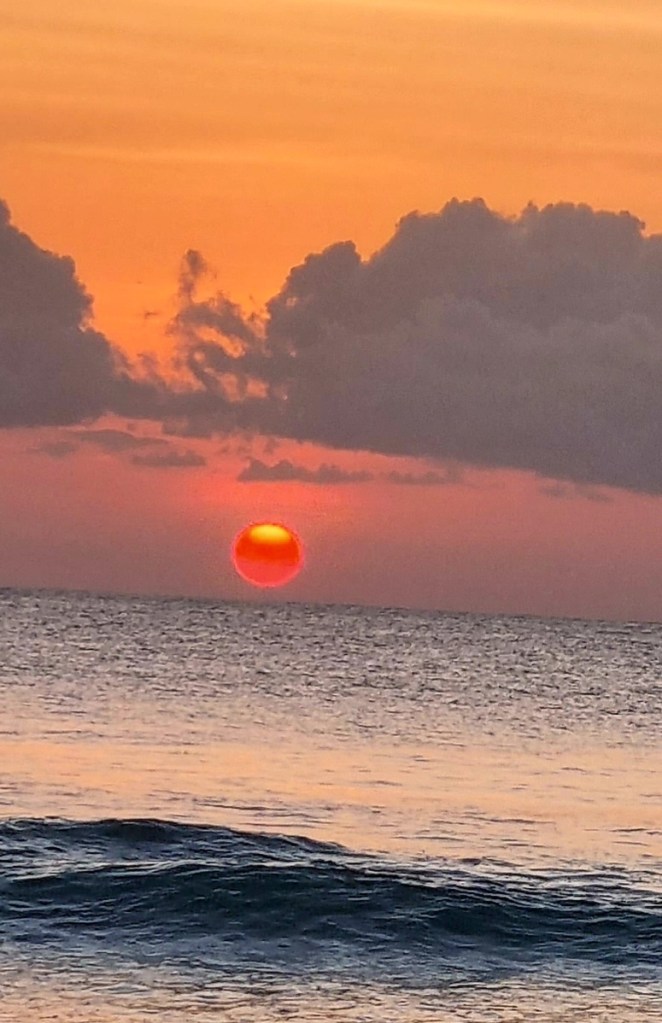
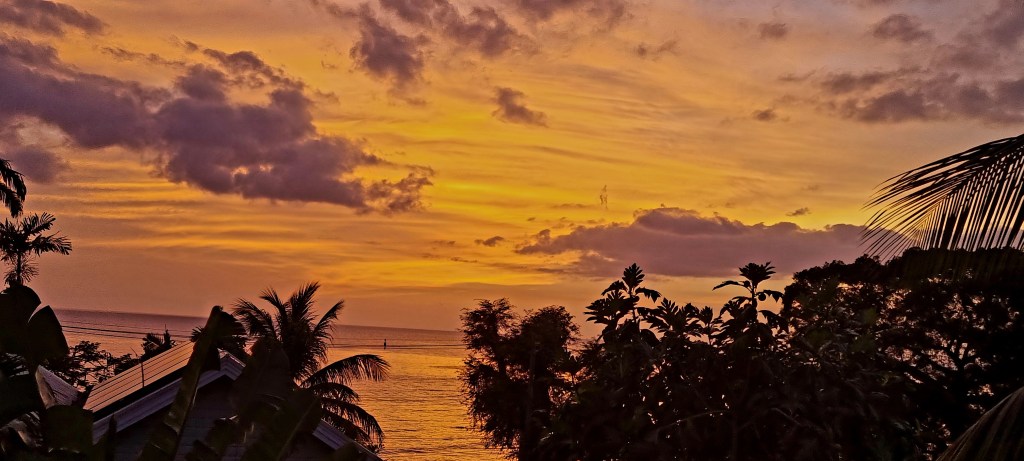
Late afternoon we headed back to the apartment and watched the sunset from the balcony.
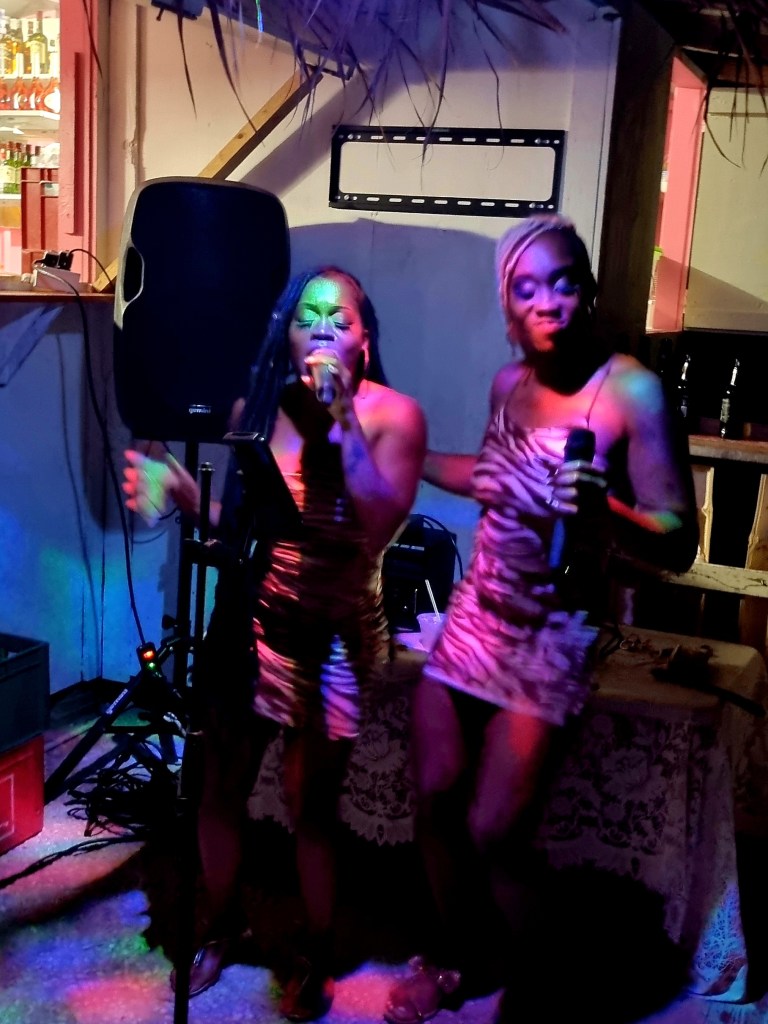
After some cheese on toast, it was time to head out again. We stopped at ‘Sip and Lick’ as they had two amazing singers, we thought it was music playing until we saw them. They had great voices, and their harmonies were spot on.
We had a little boogie on the sand, which was actually really hard to dance on! I also saw a sting ray in the water right close to us.
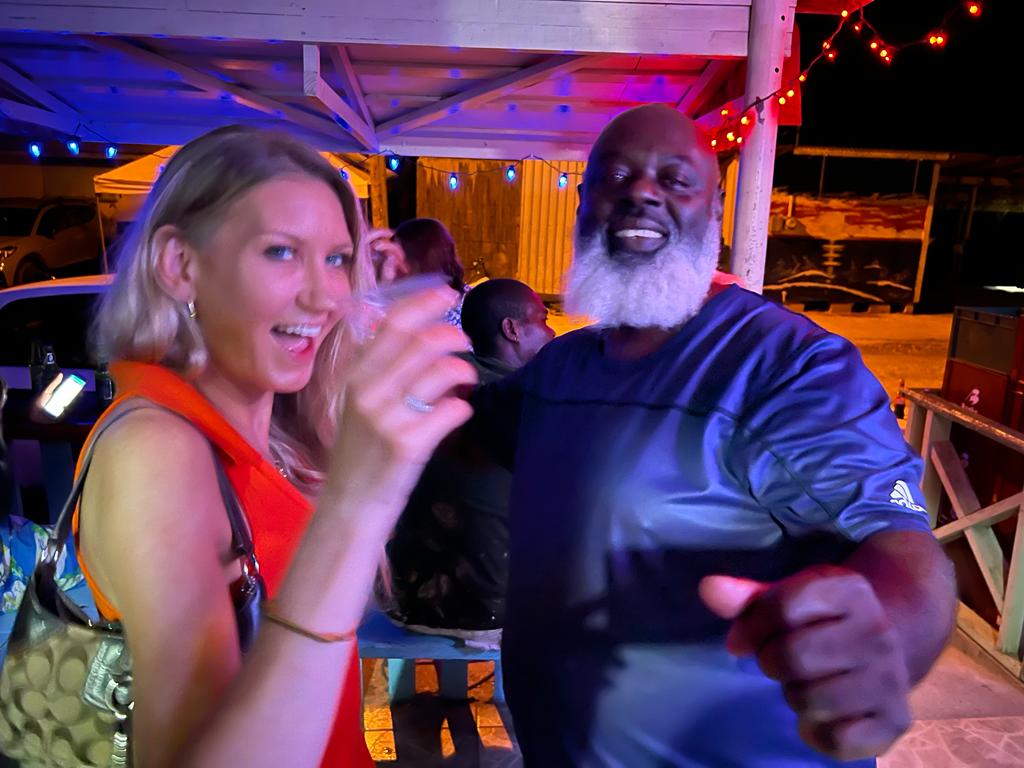
Once the singers had finished, we headed over the road to Joan’s as the steel drummer was playing again.
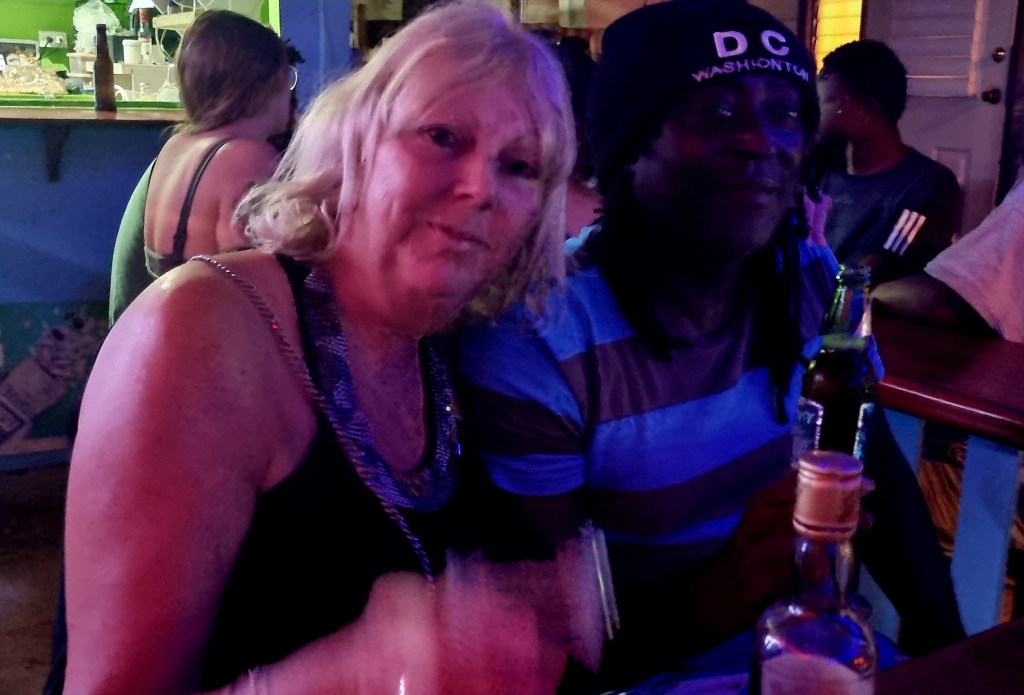
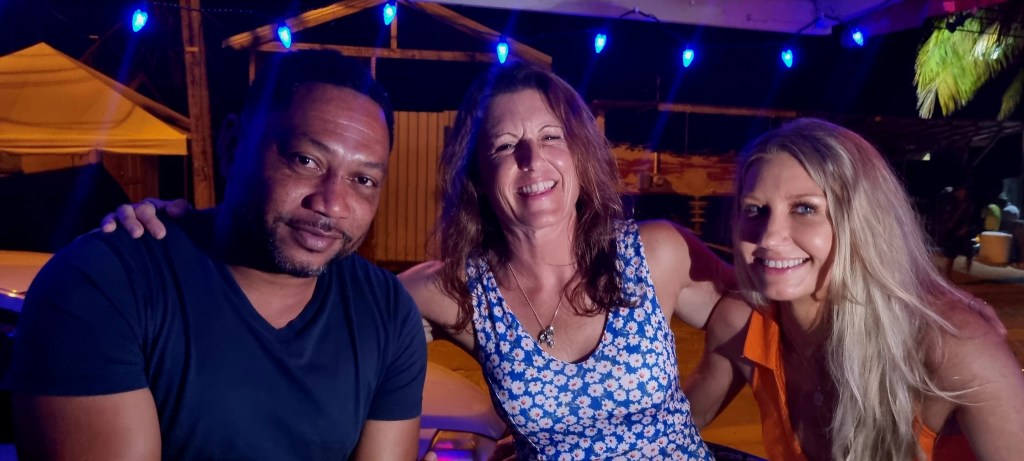
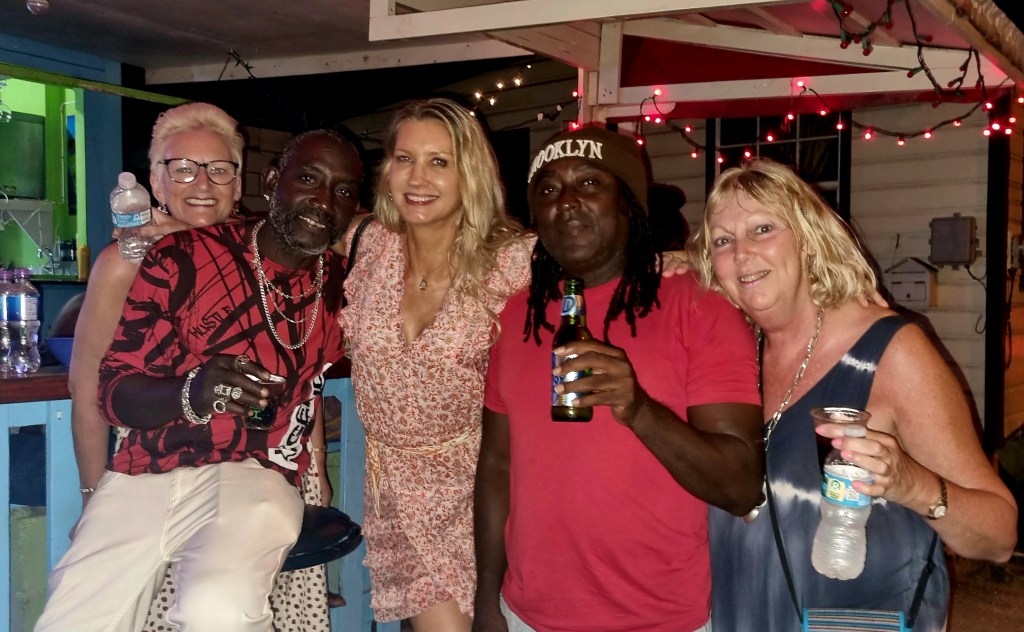
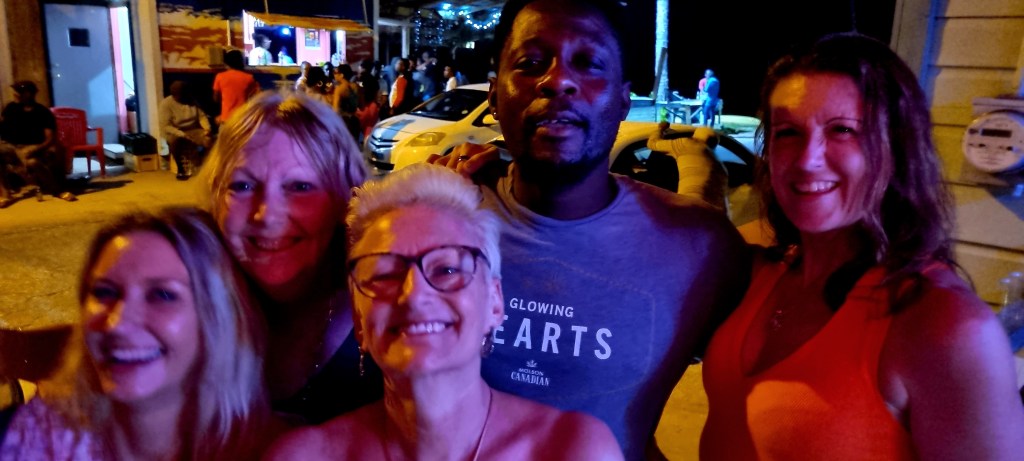
We met up with some of our friends from previous visits to Joan’s.


















































 Fun, Fitness and Fabulousness in your Fifties