Wine via bike tour – Lujan de Cuyo

I was up and ready to leave for 815am and a lovely guy, Fernando, from Martin’s Bike tours came and picked me up and drove myself and another couple (Clari and Thomas) over to the start of the tour. At the start another couple also joined us (Pablo and Eileen) and we met Julia who founded the tours. Luckily Julia, who was originally from England, was there and she translated for me during the day.

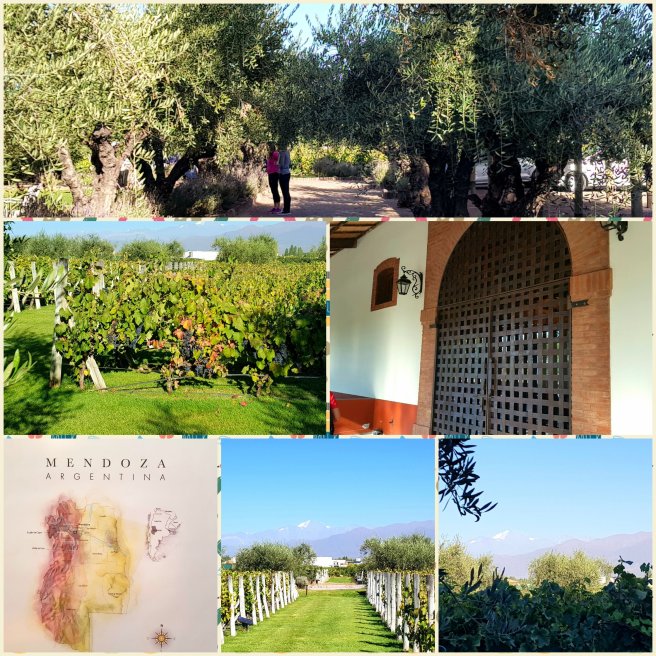
So after a quick safety check and talk we cycled to the first vineyard – Alta Vista. It was only a 10 minute bike ride so nothing too strenuous.

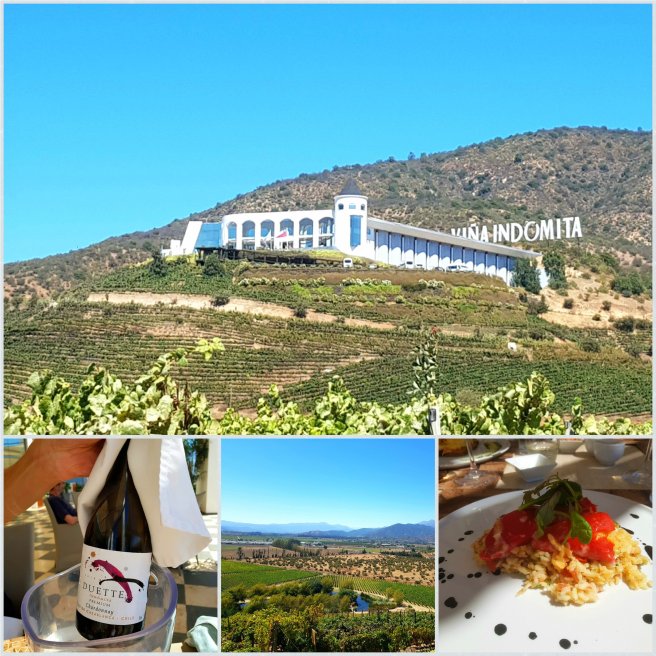
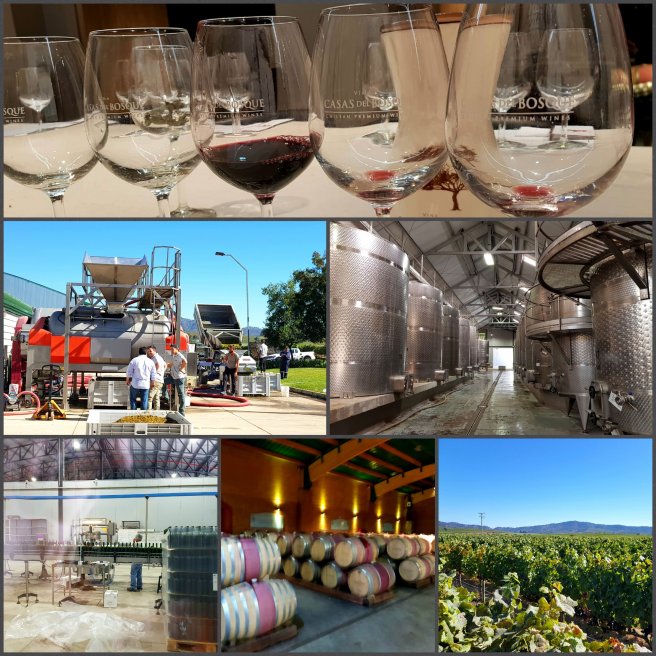
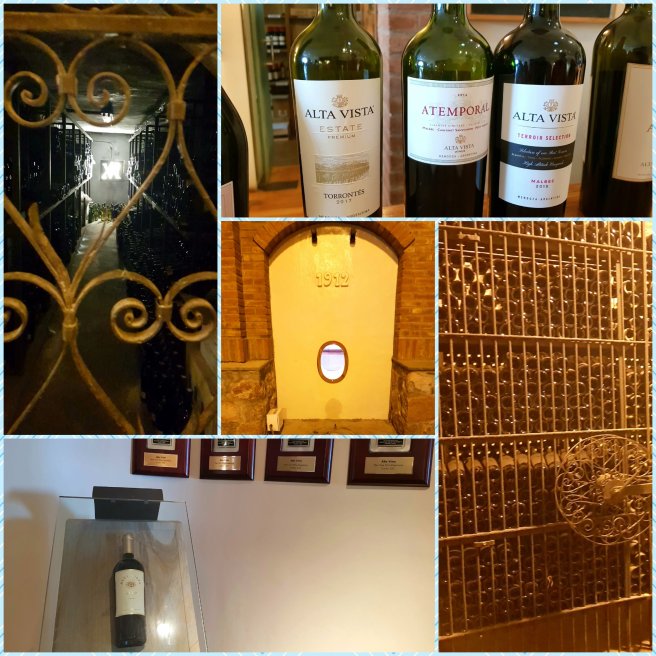
This is quite a large vineyard and run by a corporate organisation. They were running two tours just as we arrived- one in English and one in Spanish. They took us all round the vineyard to show us how the different wines are produced. Their young wines are fermented and stored in the steel tanks before being bottled, some others are aged in barrels before being bottled – sometimes for a number of years, and some are processed in the concrete tanks.

After the tour we went to taste three of their wines. Their most expensive wine was the Alto 2011 which was around £100 a bottle. This wine is kept in the barrel for 7 years before being bottled and released to market.

The photo bottom right is of the private collection of the owner – he keeps several bottles each year of the Alto.

I liked all of the 3 wines we tried but my favourite was the 100% malbec which was made from the grapes from across all 5 of their different vineyards.

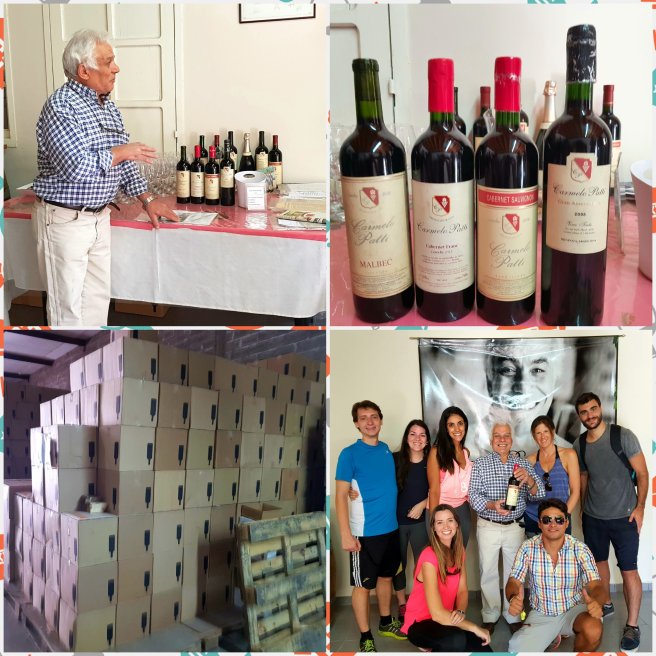
We then cycled onto the next place which was completely different. It was a family owned winery – Carmelo Patti – and they buy their grapes from other vineyards rather than grow them there. The gentleman who owns it was the one who provided the tour (in Spanish but Julie translated for me). He is the winemaker and blends the grapes to get the perfect taste.

Carmelo gave us some great tips about red wine:

1. If the cork is really stuck never push it back into the bottle. Heat up the outside of the bottle around the cork to make the glass expand and liquid the paraffin around the cork.

2. Store red wine bottles so that the cork is constantly in contact with the wine. Any air bubbles should be at the bottom of the bottle.

3. Take the metal / plastic lining off around the neck of the bottle as soon as you buy it as it is easier then to see any damage to the cork which could lead to the wine going ‘off.

4. A red wine should always be decanted from the bottle and allowed to breathe at least 1 hour before serving.

He was a great guy and his wine was really delicious. Again I preferred the malbec. Carmelo stores his wine in the bottle and ages it for at least 7 years in the bottle before releasing it to market. He stores the bottles upside down for a while and all the checking of the corks and labelling of the bottles is done by hand.

The next vineyard we went to was around 15km away which was a really nice cycle ride through some lovely streets.

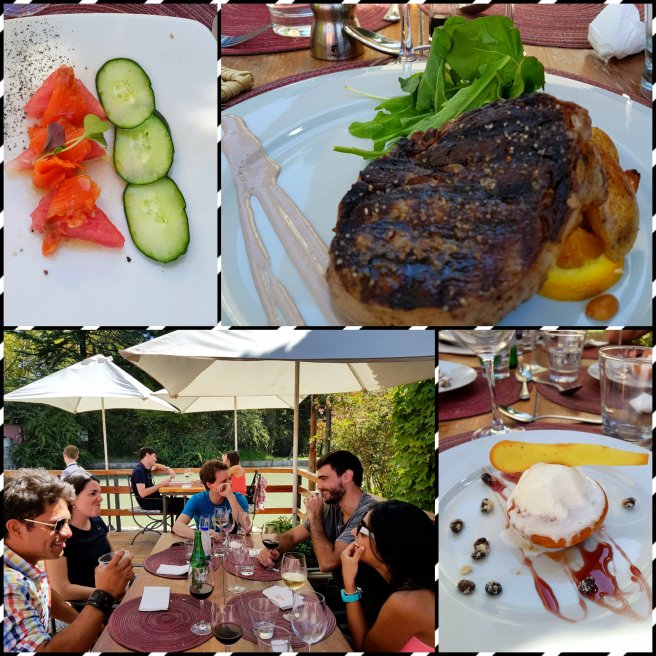
At this vineyard, Clos de Chacras, we also had dinner which was so nice. They paired each of the dishes with a specific wine.

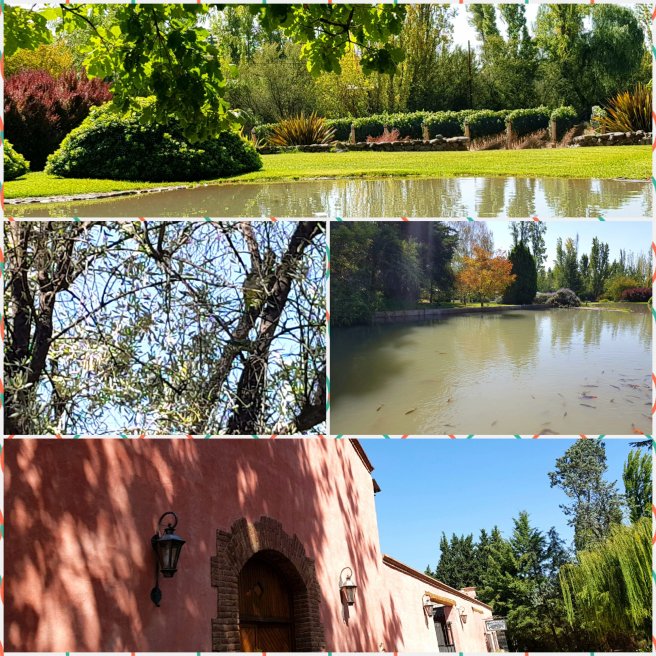
The dining area and surroundings around the vineyard were also really beautiful. This vineyard had some grapes but it also has other vineyards in the region and all the grapes are transported to where we were and then made into wine.

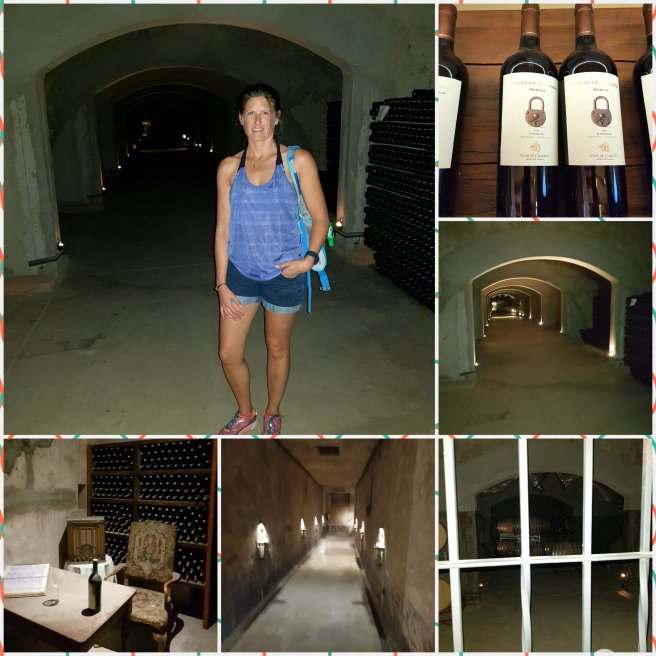
The cellars at the vineyard are really old and what were massive tanks for wine have also been converted into cellars for storage. This vineyard also ages it’s wines in the barrel. My favourite this time was the Merlot.

I did feel a little drunk after all that wine but luckily the cycle back to the starting point was only around 15 mins.

When I got back to the hostel I had a shower and then a little sleep in the hammock on the rooftop terrace.

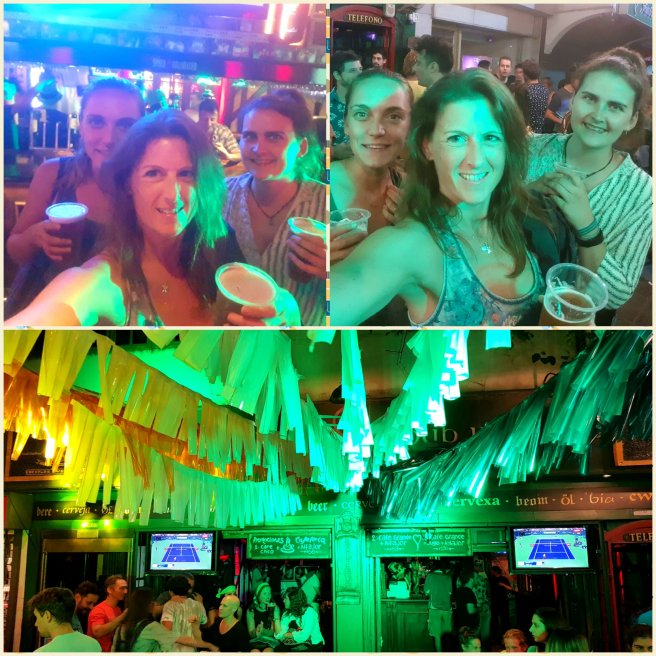
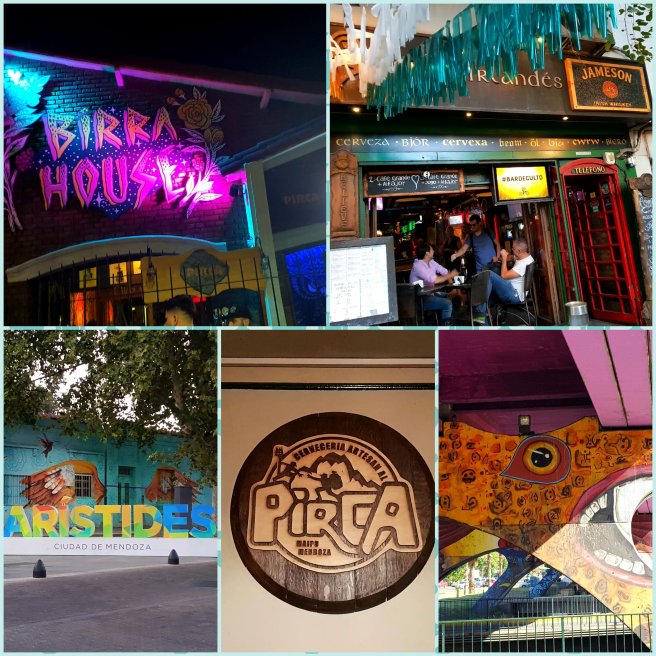
In the evening Petra, Anna and I decided to go to a couple of Irish bars as it was St Patrick’s day. The first one was pretty busy but the second one was a little quieter. It was busy out on the streets though ad everyone seemed to be celebrating Irish style!

Mendoza

Yesterday I got the overnight bus from Bariloche to Mendoza- an 18 hour journey. The bus was not as good as the one from Iguazu to BA as the seats did not fully recline but the food was better. And I watched all of the first series of breaking bad!

This is the sunrise from the bus.

I arrived into Mendoza around 8am and walked to my hostel as it was only a few blocks from the bus terminal.

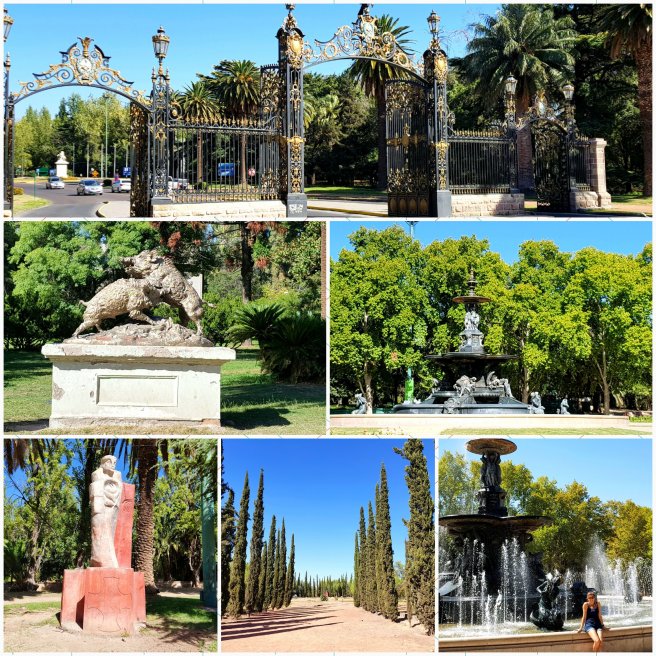
Almost as soon as I got there I met a lovely girl, Petra from Switzerland, and we decided to go to General San Martin Parque which is the other side of town. The park is huge – it’s kind of a mixture of Regents park and Hyde park in London.

We walked all through the park, the weather was gorgeous and around 30 degrees.

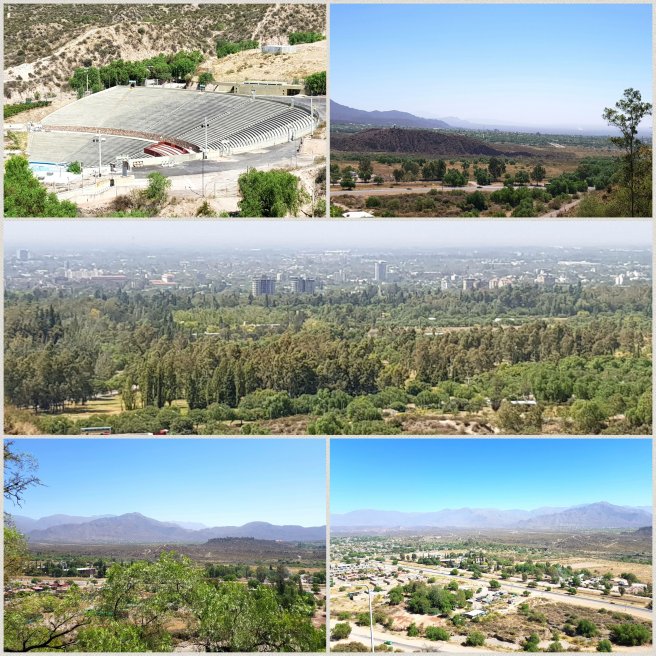
We climbed up Cerro de la Gloria to see the monumento al ejercito de los andes. As we relaxed with a coffee a group of guys on Harley Davidson’s showed up and posed for some photos.

The views from the top were ok but there was a bit of a haze or fog/smog over the city so they weren’t amazing.

We walked back a different way and stopped off for some salad and chips for lunch.

When I got back to the hostel I checked in and met another girl Anna from France. The three of us went for a few drinks and we tried a variety of different craft beers which seem to be all the rage here at the moment. Anna and I headed home and I went to bed to catch up on some sleep.

It’s nice to be back in the sunshine for a few days!

Colonia Suiza and Cervecersia Patagonia

I had a lovely lie in this morning and didn’t get up until around 9am. I chilled a bit at the hostel after having a leisurely breakfast.
Caro and I spent the day together. We were going to get the number 10 bus to the Patagonia brewery but it was full when it got to our bus stop so it drove straight past. We got on the next bus that took us some of the way but we were still around 5km away so we started to walk. On the way we went past a hotel that had been burnt and was now abandoned. Its such a shame as the views from the hotel were gorgeous.

As we were walking along the road a bus came so we flagged it down – luckily it stopped even though we weren’t at an official bus stop.

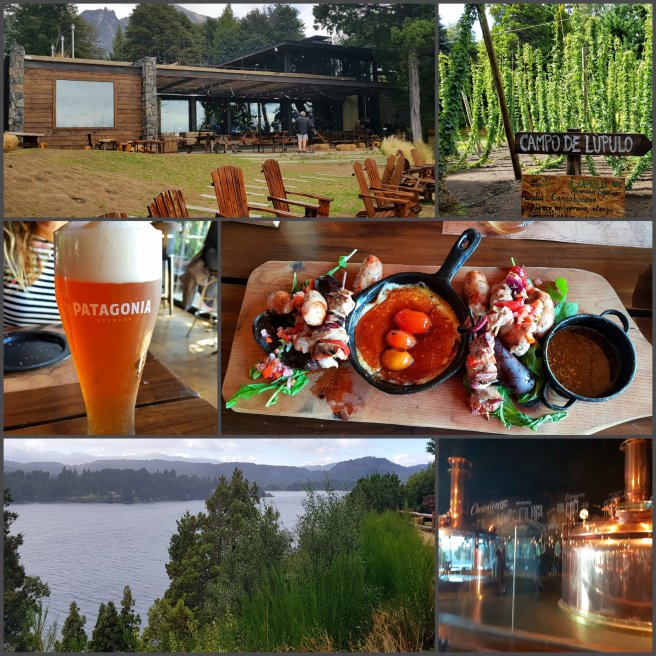
We got off at the brewery and again the views were stunning. It was a bit of a sunshine and showers day so some of the photos don’t show how beautiful it looks in the sun. We ate lunch at the brewery, a typical picada dish of cheese and meat (lamb, chorizo and blood sausage) with homemade fresh bread. The beer is brewed on site and we had the original craft beer which was delicious.

After lunch we started to walk towards Colonia Suiza which is a small Swiss village with market stalls. As we walked we tried to hitchhike and a guy stopped to pick us up and dropped us a short distance from the village.

It was a really cute area and mainly sold arts and crafts and food. I bought a mate tea mug with a straw.

We wandered around for a bit and then made our way to another brewery – Berlina where we tried a couple of variety each of their craft beers. Again, it was all very tasty.

Tonight I just chatted with some of the people at the hostel and had an earlyish night.

Parque Nacional Nahuel Huapi

Yesterday was a travelling day from Ushuaia to Bariloche. This is Ushuaia from the plane.

The plane flew to El Calafate where half the passengers got off and those flying on to Bariloche on Bueonas Aires were told to stay on the plane. In the end though we had to also disembark for 20 minutes before getting back on the plane and flying to Bariloche.

The hostel I’m staying in is really lovely – they have a communal dinner every night and last night was risotto and tonight was tacos.

The people staying here are really friendly too and my roommate, Belen, invited me to join some of them on their trek to Frey. It sounded like a good plan.

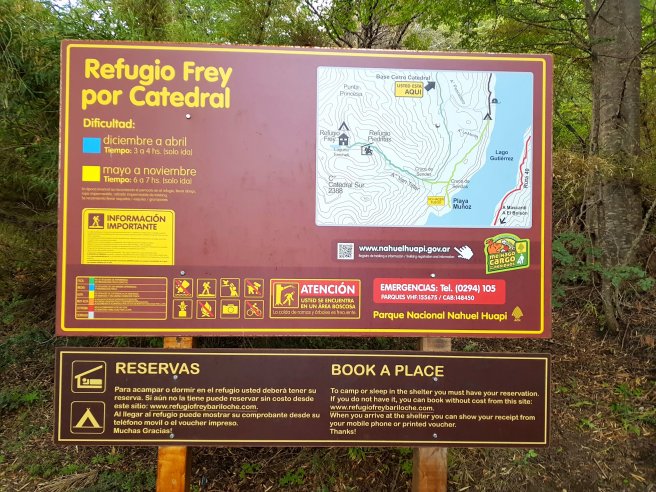
Frey is one of the peaks of Catedral which is part of Nahuel Huapi national park. Its a 1700m climb and around 26km. It took us (Julian, Caro, Belen and I) around 4 hours to walk up. The trek was through a beautiful forest and the views were amazing.

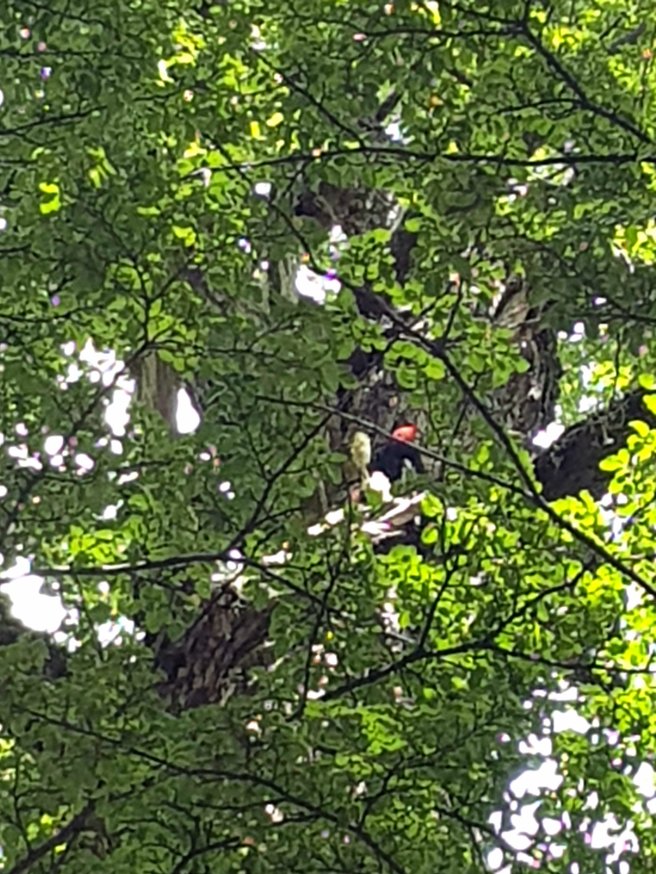
We were lucky with the weather as it was pretty sunny, although a bit cold when you stopped walking. When we stopped for lunch I noticed that several bits were falling out of a tree in front of me – it was three woodpeckers. You can just see the red head of one of them in this photo.

At the top we had a hot chocolate and left Julian behind as he was camping overnight and then trekking to another area tomorrow.

It took us around 3 hours to walk down and when we got to the entrance the next bus back to the town wasn’t for another 25 minutes. Luckily a very kind truck driver offered us a lift which we accepted.

It was a really good day but I think my legs may be a bit sore tomorrow. This evening I had some more Mate tea with Caro – delicious.

Bariloche developed from a shop established by Carlos Wiederhold. The German immigrant had first settled in the area of lake llanquihue in Chile but crossed the Andes and established a little shop called la alemana. A small settlement developed around the shop, and its former site is the city center.

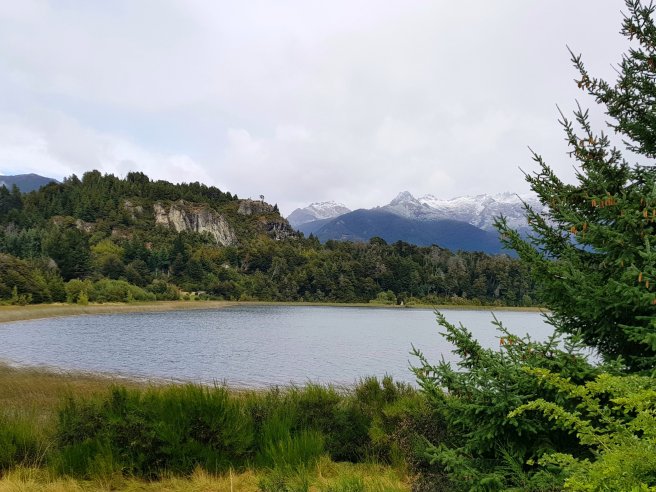
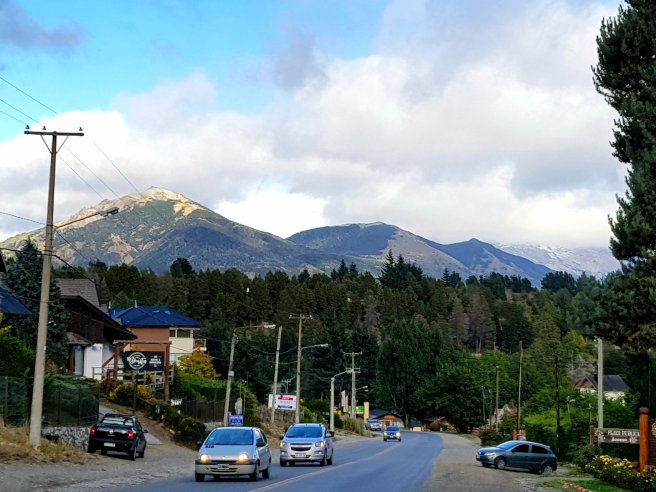
These photos are from right by my hostel which is by the beach – Playa Bonita. Unfortunately it’s a little bit too cold to go sunbathing.

Tierra del Fuego national park

The park is part of the Tierra del Fuego region. The name Tierra del Fuego comes from the Portuguese Ferdinand Magellan who was the first European to come to this area. He saw the many fires (fuego in Spanish) of the Yaghan natives, which were visible from the sea.

The park itself is 63,000 hectares and belongs to both Argentina and Chile. It became a national park in 1960.

I met a girl, Ainhoa from Madrid but living in Canada, on the bus from Ushuaia to the park. We chatted and found out that we were both intending to do the same hikes so we decided to hike together.

Initially we went to the very end of route 3 which goes all the way from Alaska to the park.

We then did a small hike around Lapataia lake through a beech forest. The lake was really calm and you could see the reflections of the mountains and sky in the lake.

We then hiked up to the visitor centre past Laguna Negro which is a peat bog and also passed Laguna Verde.

At the visitor centre we stopped for a coffee and a sandwich before setting out on the Hito trail. This trail was a great hike through the forest around the perimeter of Laguna Acigami, to the border between Argentina and Chile. On the way we met another girl, Yana from New York but living in Santiago, who I met yesterday on the penguin trip.

It was around a 4km hike to the border and when we got to the border there was just a little sign.

You could actually pick up the sign and we did think of moving it a bit further up or down the path but thought it was probably best not to!

It was a beautiful sunny day so we decided to take a little rest in the sunshine on the shore of the lake before heading back to the visitor centre. On the trek back we heard a woodpecker but we couldn’t actually see it.

During the hike we saw a couple of chimangos, which are from the falcon family, and what looked like a wild goose.

We also saw a herd of wild mustang on the drive back out of the park.

As we were leaving the weather started to get windier and colder.

When I got back home, the couple I was staying with (Laura and Dani) had some friends over so we all sat around chatting and I tried some mate tea. It’s really bitter but I actually quite liked it.

A little later the girl staying in the apartment came home. She had just been on a 10 day trip to Antartica and the photos were amazing – another trip to add to my list.

Laura and Dani have a gorgeous dog, Morita, who is really friendly and so well-behaved.

Ushuaia and Penguins

This morning I woke up and everything was frosty, it felt like being back home as it was only around 5 degrees.

Yesterday I travelled from Punta Arenas to Ushuaia which took around 12 hours, mainly in a bus but also a quick ferry ride and two stops at borders to exit Chilli and enter Argentina again. I sat next to a girl called Laura from Switzerland and we chatted quite a bit inbetween snoozing.

Today I went to see the penguins as part of an organised tour with PiraTour. We left the port at 8am and went by bus to Harberton Ranch. On the way we stopped to see the famous flag trees which have been bent into the flag shape by the strong winds.

It was then just a short drive to the ranch where we took a motorboat over to Isla Martillo.

This island is a nature reserve so only groups of a max of 25 people can visit at any one time. The island has a colony of around 12,000 Mallagenic penguins and a small colony of 80-100 Gentoo penguins. The Mallagenic penguins come to the island every year between the end of September for around 6 months to mate, raise their young and then malt before heading back to warmer climates. The young mature quickly – only taking 2 months to become independent and all the chicks have already left the island. The adults are monogamous and they dig a hole in the earth as their nest which they line with feathers and grass etc and they return to the same nest each year. You could get really close to the penguins – obviously you weren’t allowed to touch them, but they seemed perfectly happy to have people around.

We also saw the Gentoo penguins and these are slightly larger with orange beaks and feet. They seemed slightly more wary of people. These penguins stay on the island the whole time and make nests out of rocks. We were also really lucky as we got to see a pair of king penguins – these were much bigger with the distinctive colours on their chests and heads.

The island is quite large and everywhere you looked there were penguins. There were also quite a few Cormorants which are easily mistaken for penguins but can fly. We also saw albotros from the boat.

When we got back to land we went to visit the museum at the ranch which had numerous bones from a variety of marine life – it was really interesting to see the size of some of the animals and also to discover that killer whales actually have more in common with dolphins than whales.

The skull below is from a sperm whale. Up until the 1980s these whales were hunted for the oil they had in the top of their heads that enables echo location. This is now banned.

We then caught a larger boat to navigate through the beagle channel named after the HMS Beagle captained by Robert Fitzroy with Charles Darwin on board.

We stopped to have a look at the ‘end of the world’s” lighthouse on the way through. The photo on the bottom left shows were the two oceans come together.

We also stopped at a sea lion colony – the majority of the sealions were the south American variety but there were some fur sealions too.

A couple of the males had a bit of a fight over terroritory – the males have a mane, a bit like a lion.

It was an amazing trip and I’m so lucky to get so close to these animals in their natural habitat.

On the way home I wandered around Ushuaia- it’s a pretty town.

This evening I met up with Laura and we went for dinner, some delicious grilled trout, and a couple of drinks in the local Irish pub.

Punta Arena

Today I didn’t have to get up quite so early – around 7am! I got the bus from Puerto Natales to Punta Arenas which was around 4 hours.

After checking in at the hostel I decided to go and explore the town as I’m only here one day.

I walked to the town square passing several churches (Maria Auxiliadora Don Bosco, Catedral de Punta Arena) and some lovely buildings, mainly old palaces, private clubs and military buildings.

I then went to have a look at the historical clock.This is a meteorological clock that is equipped with a barometer and hygrometer (an instrument used to measure moisture content in the atmosphere) to provide meteorological information, as well as to tell the time.

I then decided to take a walk along the coast as it was nice weather- pretty windy though as seems to be the norm in Patagonia.

It was quite nice walking along the beach as there was hardly anyone else around.

I walked around 4km to the shipwreck of the Lord Lonsdale (and back again. This was an English frigate and nobody knows quite how it ended up here in Punta Arena. There is a plaque in Spanish that says: A tribute to seafarers of all nationalities who crossed the Magellanic sea and made possible the best knowledge and settlement of this region.

I walked back along the beach into town and all the way up Independence Avenue taking pictures of the monuments on the way.

In order to get a good view of the town I went to the Mirador at Cerro de la Cruz which provided a great outlook over the whole town.

I did then walk to another viewpoint but the outlook wasn’t quite so good.

I then walked back to the main square. This is a photo of another monument honoring Hernando Magellan. Apparently if you rub the bronze foot hanging down from the monument you are destined to one day return to Punta Arenas, have good luck and safe voyages!

After all that walking around I decided it was time for afternoon tea – well hot chocolate and lemon pie! It was delicious.

I chatted to a few people in the hostel, a lot of people here are from Germany so I practised a bit of German too.

In the evening I went to a lovely restaurant called La Marmita.

They had guanaco on the menu and although they are really cute I had to try it as I might never get the opportunity again. I’ve got to say it was delicious. I had a berry pisco to accompany it made with calfate berries.

Torres del Paine

Another early start but when I was picked up from the hotel the sun was shining – although it was very very windy.

Our first stop of the day was at the Cueva del Milodon at Benitez Hill. Back in 1895 a German explorer – Herman Eberhard- found some animal remains inside the cave. It was the remains of a Milodon which was a giant sloth like animal which is now extinct. They think it was around 2m tall, weighed around a ton, moved on all fours, was a herbivore and was covered in long thick fur. It also had tiny bones embedded in its skin which were the remains of an outer protective shell like an armadillo.

They have a life size replica at the cave and the original remains are at the Natural History Museum.

The cave itself is also really interesting as it was originally formed by a glacier and is now really dry and almost like concrete.

Following the cave stop we headed towards the National park of Torres del Paine. Our first sight of the ‘tower’s’ was at Largo de Toro. This is a huge lake close to the entrance of the park. By the way the National park is immense and covers over 448000 acres of land. It was deemed a protected area in the 1960s. Some of the land is still privately owned and used for sheep and cattle farming.

Paine means “blue” in the native Tehuelche and Torres del Paine is named after the three granite towers which rise 2500m above sea level.

We were going to go to Lago grey to wall around the lake and see the glacier but due to all the rain yesterday the lake was at a dangerously high level and the path was flooded and because of the strong winds too the path had been closed. So we walked around 5km up and down along the River Paine. The route itself wasn’t that challenging but the strong winds made it quite difficult as you almost got blown off your feet.

The River Paine is around 23km long and is served by 5 of the glacier lakes.

You can see how windy it was in this video.

After the walking we’d built up quite an appetite so we stopped at Lago Pehoe for some lunch.

This was a beautiful lake with a really good view of the mountains.

We then moved onto what is called the grand waterfall but it was actually pretty small.

We then visited both Lago Nordernskjold which is known as the winter lake and Lago Samiento which is actually a spring water lake rather than formed from melting glaciers.

All the time we could see the amazing mountains, some with glaciers at the top. These mountains had been formed by volcanoes that never erupted due to the pressure of the glaciers on top of them. The different colours of the rock are due to granite being uplifted over the sediment and also because certain parts of the rock used to be covered in ice. This can be seen most in the middle tower.

As we neared the end of the tour we stopped at another waterfall to catch a view of the three tower’s again and then at Lago Armaga.

You can see that it was starting to cloud over as we left the park.

As we travelled around the park we saw some guanacos – these are wild llama and are very cute animals.

We also saw a bird that looks like an ostrich known as a Rhea. You can just about see them in this photo.

We did see a gaucho herding his sheep but I didn’t take a photo of that.

A great day and we saw so much. We were really lucky with the weather too.

Boat trip to Balmaceda and Serrano glaciers

Another early start and I was able to watch the sun rise over Puerto Bories.

Unfortunately the weather was pretty awful today – basically it poured down with rain all day. But despite that the boat set sail and if you stayed inside you kept dry. But this meant you couldn’t see anything so every now and then you had to brave the weather to see the sights.

We sailed down the Senoret Canal to the mouth of the Fjord Eberhard and then into Fjord Ultima Esperanza. You can see the mouth of the Fjord in the photo below. You can also see how rainy and cloudy it was.

After about another 30 minutes or so we walked past the Cormorant colony. These birds look a bit like penguins but they can fly. The boat stopped for a bit whilst we all took photos.

And then we carried on for another 30 minutes or so until we came to the Condor Cliff – but there were no condors to be seen as it was too wet and windy for them. But luckily there were some pretty impressive waterfalls instead.

After another while we saw Monte Balmsceda and the glacier on its eastern slope.

Eventually we docked at Puerto Toro where you could see the Serrano glacier.

We walked for around 20 minutes to get to the base of the glacier where we posed for photos and then walked back to the boat. The walk was through a lovely forest.

Everybody was soaking wet but it was worth it to see the amazing scenery. On the way back we stopped at a cattle ranch – Estancia Perales for a late lunch.

The food was amazing- barbecued lamb with red wine. Just what I needed.

Then it was back to the boat for the final leg back to the port – and just as we were coming in to dock the weather dried up.

All of this was part of the National Bernardo O’Higgins park which is part of the Andean mountain range.

Puerto Natales

It was another early start today. I was picked up from the hostel and taken to the bus station to catch the bus to Puerto Natales in Chile.

I sat next to a girl called Monika from Munich and we chatted a lot about travelling, she is travelling on her own too.

The bus journey was around 6 hours. We had to get off the bus at the Argentinian border to get our passports stamped.

And then at the Chilean border we had to pick up our bags and have them scanned as well as getting our passports stamped. They are very strict about what you can bring into Chile and a few people had items such as fruit and salami taken off them. This all took quite a while.

The landscape during the journey was amazing- a few people said it looked like New Zealand. We did see some wild llama type animals, some emus or ostriches and some wild horses.

We arrived in Puerto Natales in the early afternoon and I was picked up from the bus station and taken to my hotel which is basic but clean.

I decided to go for a walk along the harbour and nearly got blown away – the winds here are really strong. The views of the snow capped mountains behind the harbour are beautiful. The sea was pretty rough too.

All along the harbour they have statues and monuments – and a nice church in the town centre too.

I bought myself a scarf as I think I might need it on the treks I’m going to be doing.

In the evening I met up with Monika and a guy she will be trekking with, Jeff. We went to a restaurant for dinner and tried some craft beer which was pretty good.