This morning my alarm was set for 230am but I was awake from around 130am anyway. I got up, got dressed and waited for the pick up bus to come. It arrived around 330am and we set off to the Colca Canyon. There were around 12 of us on the bus but two couples were doing different tours. The rest of us were all doing the 2 day trek into and out of the canyon.
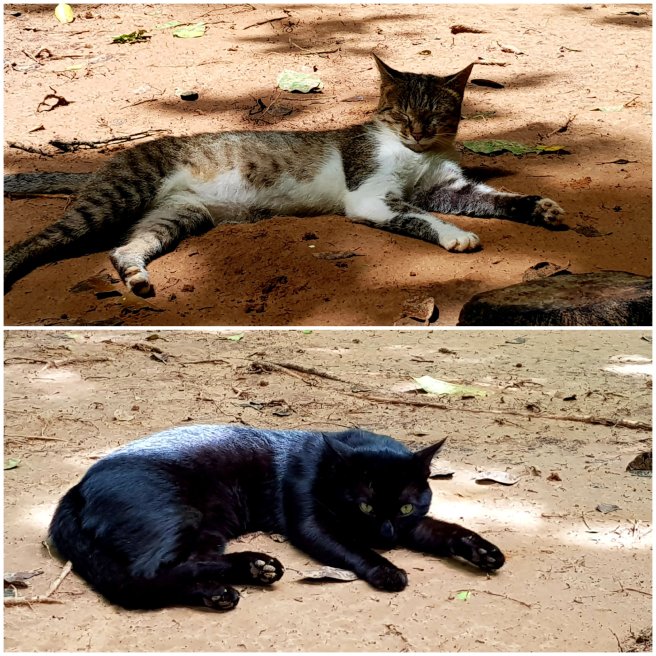
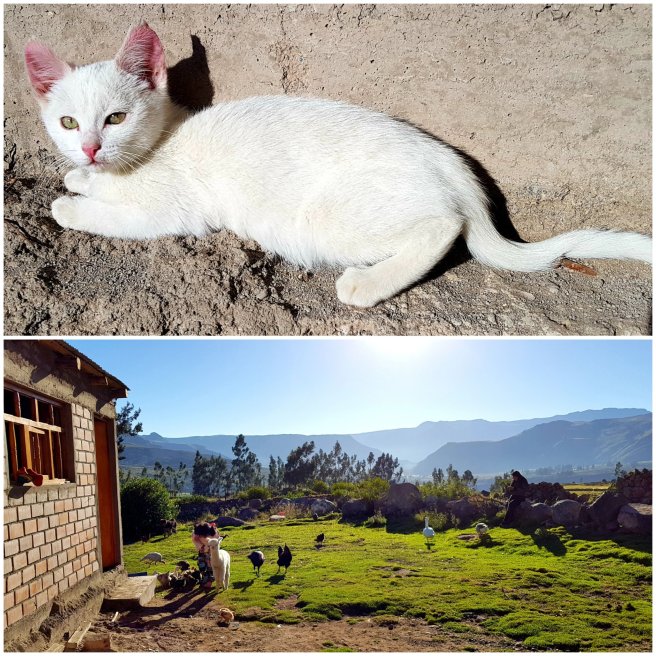
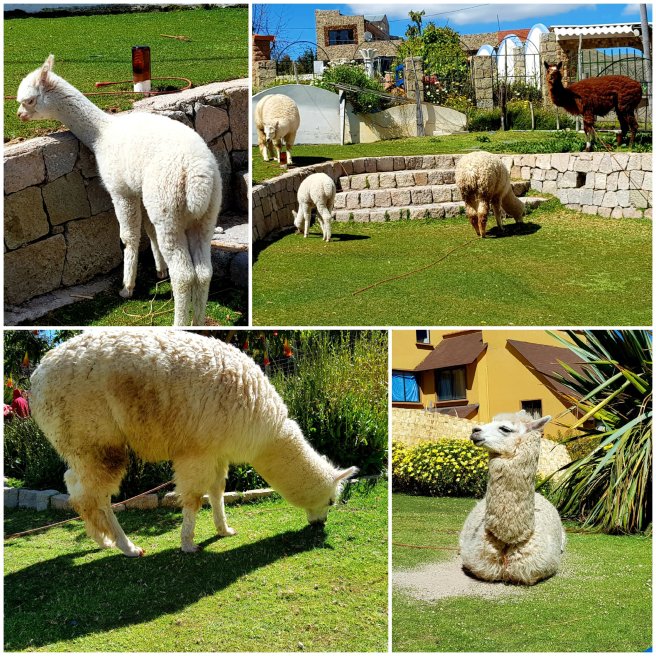
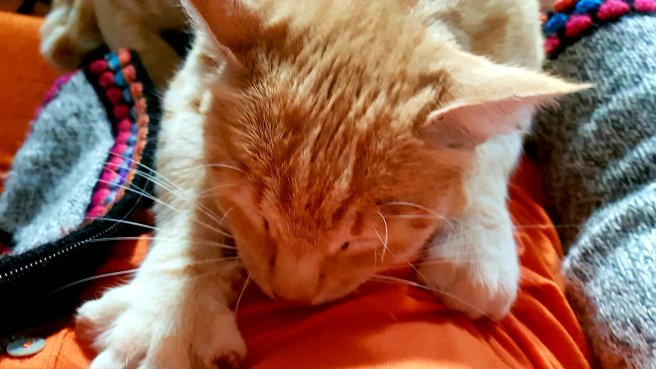
We drove for around 3 hours, during which everyone tried to sleep but the minibus wasn’t that comfy, to a place called Chivay where we had to pay our entrance fee to the park. We then drove a little bit further to a place just outside of Achoma where we stopped for breakfast. It was a nice place with a baby pet llama and a cute white kitten.
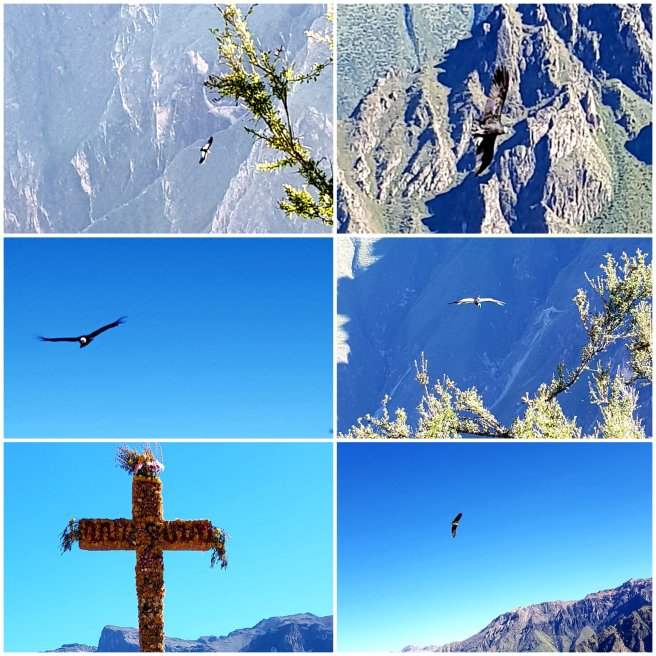
After breakfast we drove a short distance to the Cruz del Condor, basically the lookout point to see the famous condor birds which can have a wingspan of around 3m. We were not disappointed and we saw quite a few of the condors flying around including the younger brown ones as well as the black and white adults. We were really lucky as a couple of them actually flew over our heads so you could see them up close. They are very majestic birds. I have quite a few photos of them, mainly at a distance, but here are just a few.
It was then back on the bus for a short trip to the start of the hike. Here I rented some bamboo walking sticks as recommended by our guide, Raquel. There were 7 of us doing the trek; Karsten and Jahn from Germany, Mara from Holland, Alex from USA, Marlene from Peru, Mina from Swizterland originally but now living in Indonesia and me.
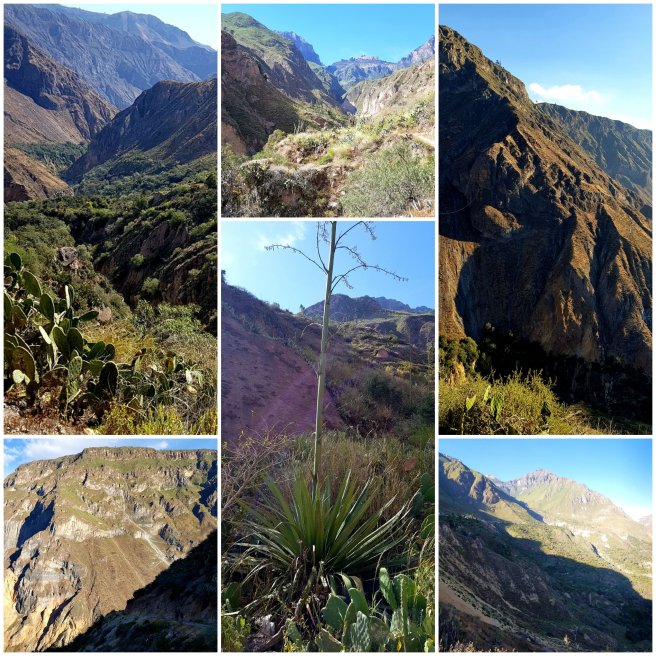
This was our first view of the part of the canyon we would be trekking.
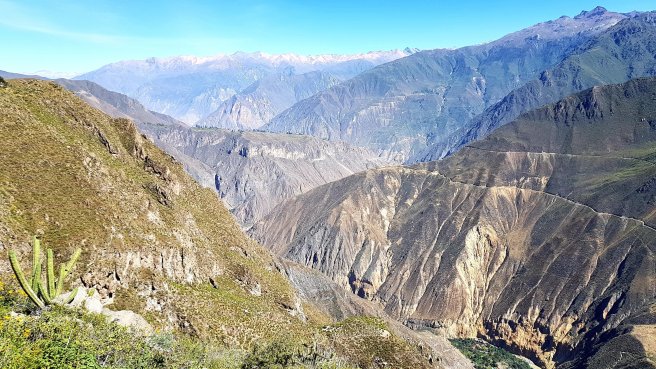
The Colca Canyon is the deepest canyon in the world, it has a depth of 4,160m. It is not as long or wide as the Grand Canyon. But it is impressive all the same and the views are beautiful.
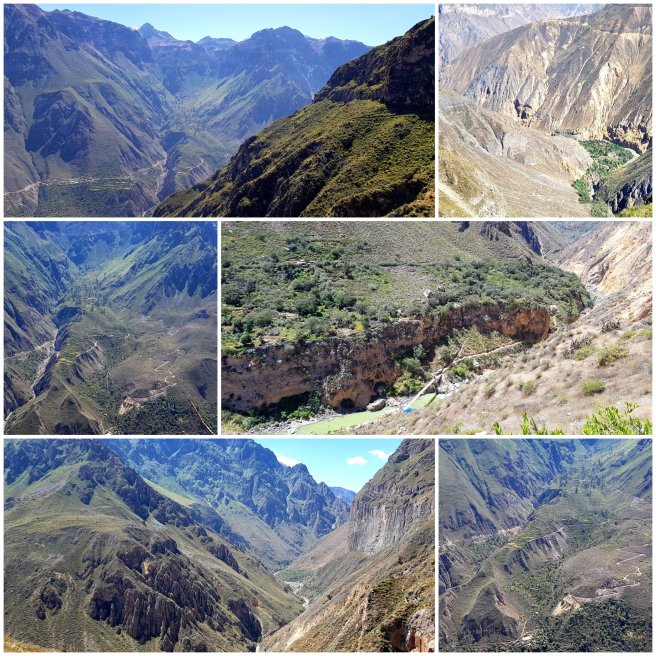
So we started trekking. The trek was mainly downhill but there were some uphill bits and occasionally a nice flat bit too. The terrain was mainly rocky, stoney and sandy which actually made it quite easy to slip. We trekked down from 3,300m to around 2,100m to a small place called San Juan de Chuccho where we stopped for lunch.
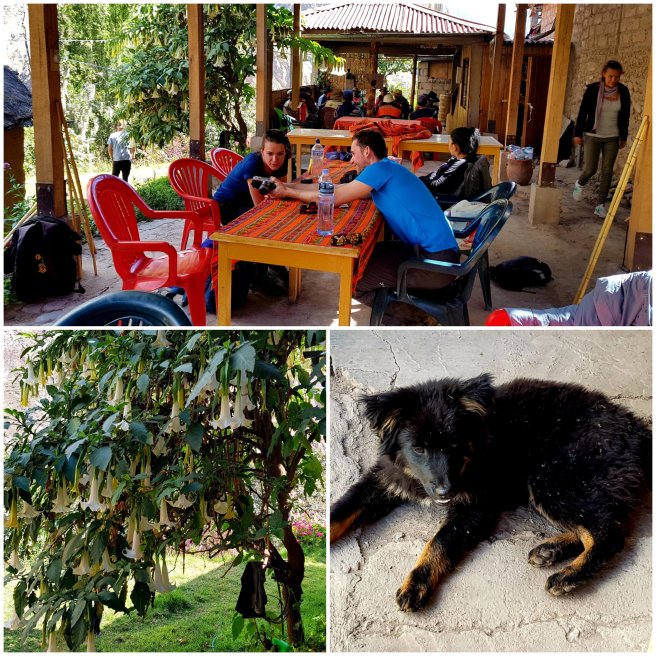
The lunch was good home made food. The tree in the picture is very poisonous and some people have taken it as a drug but it makes people do crazy things like kill themselves or kill other people. The puppy was at the lunch venue and he was so cute. He had grass burs all over his fur so I spent some time trying to pull them out.
After lunch we had been told it was downhill all the way but that wasn’t quite true. We walked uphill for about an hour before we started the trek downhill to Sangalle where we would be spending the night.
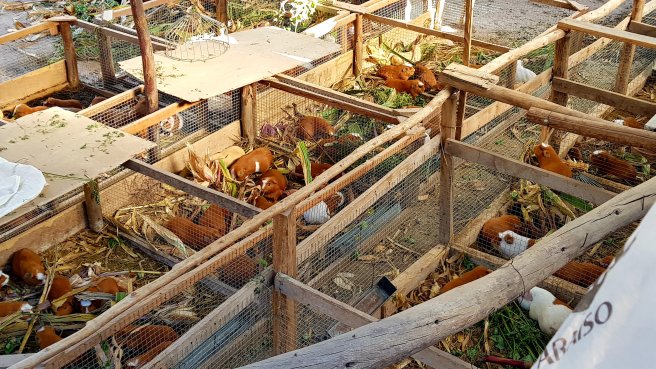
On the way down we stopped off at a guinea pig farm to buy some extra water. It was quite sad to see all the guinea pigs, but as I’ve eaten one before I can’t really say anything.
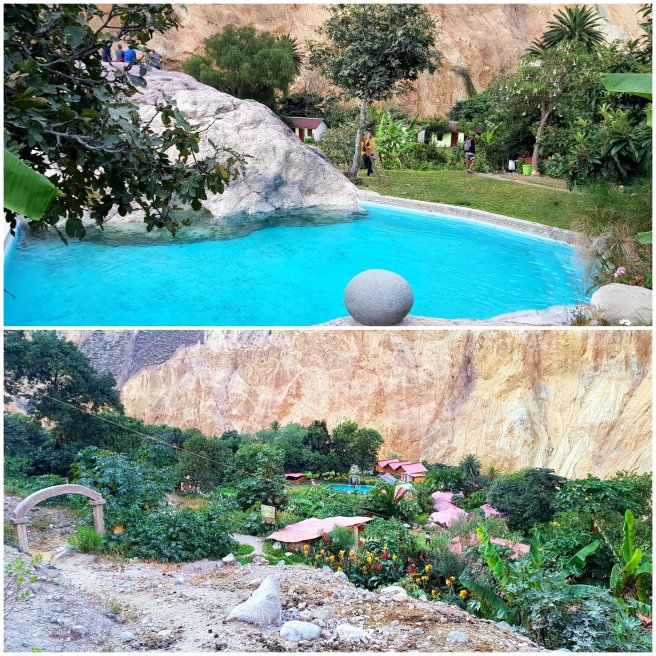
Sangalle Oasis is at around 1,900m and has a range of rooms and swimming pools. We did try the pool and although it wasn’t freezing it was pretty cold. But as the shower was roughly the same temperature it was ok.
After the sun went down it got pretty cold. All us girls just stayed in the room chatting and chilling until it was time for dinner which was soup and spaghetti bolognese. It was filling as there was plenty of it. After dinner we were so tired and after buying water for the next day, we all went to bed. The rooms were very basic but at least the beds were warm and pretty comfortable.
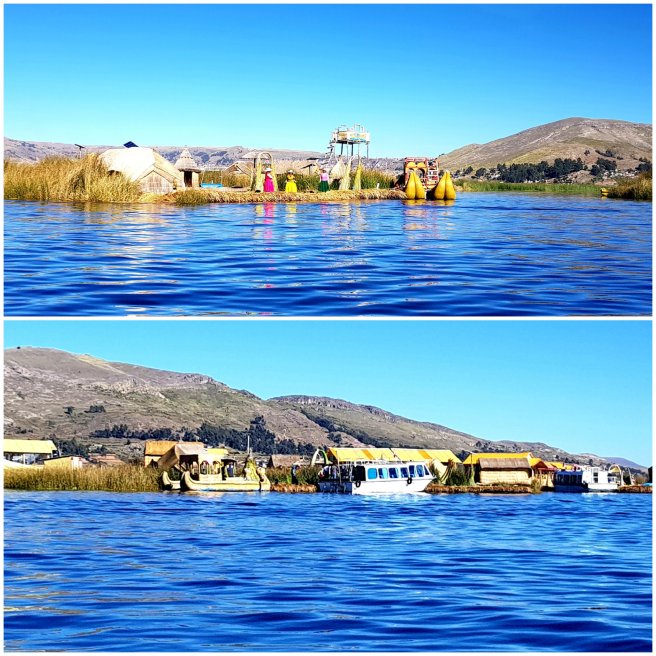
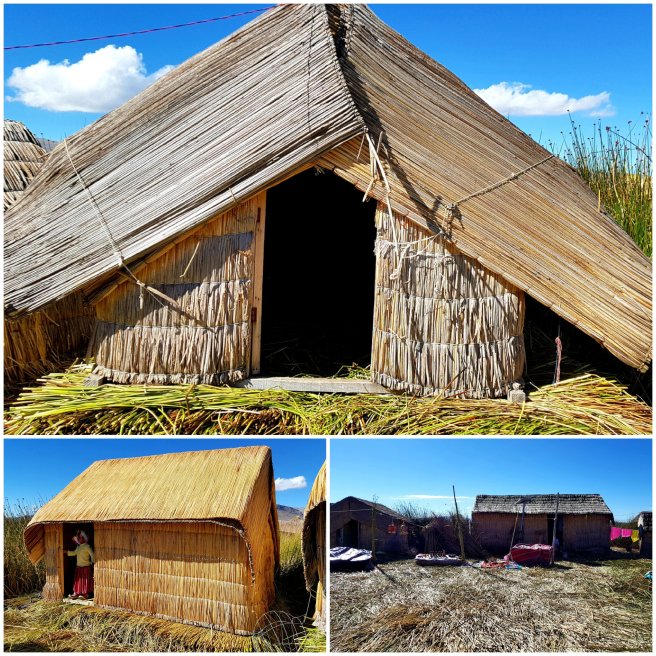
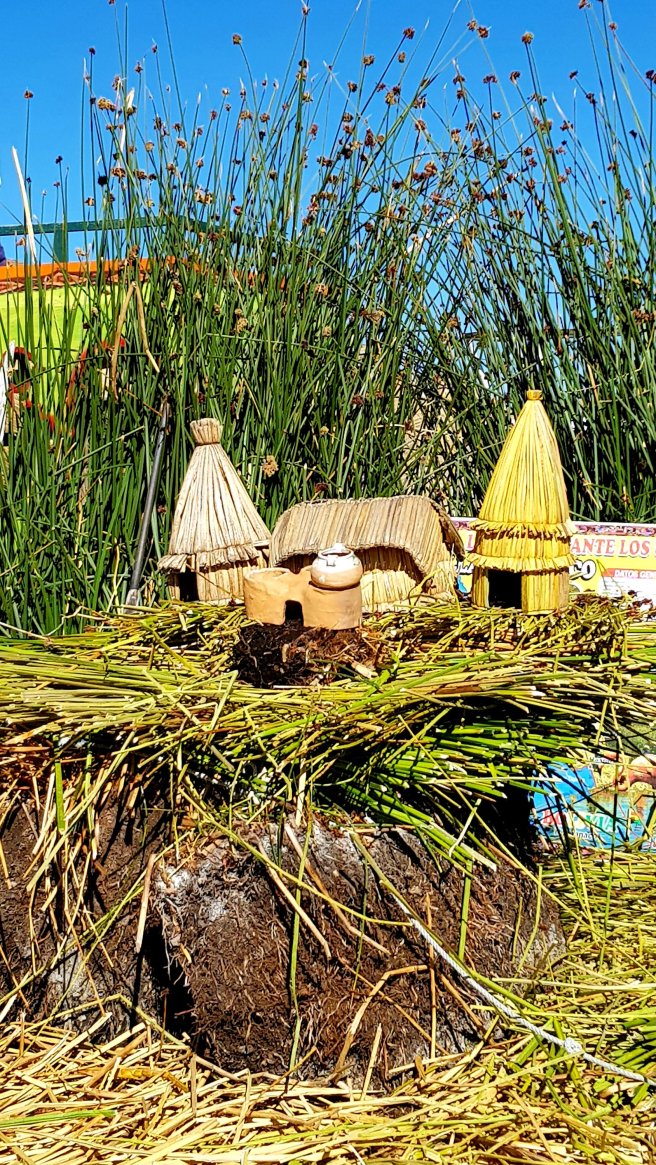
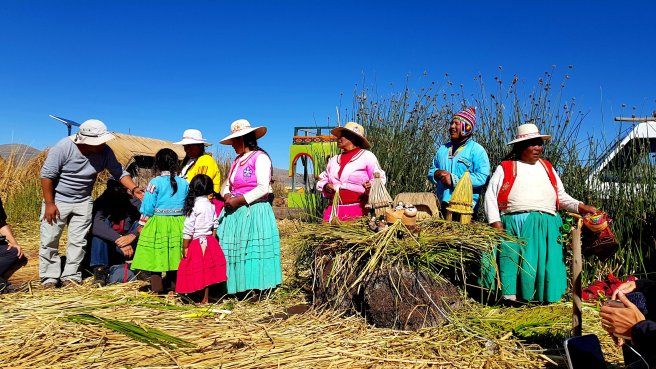
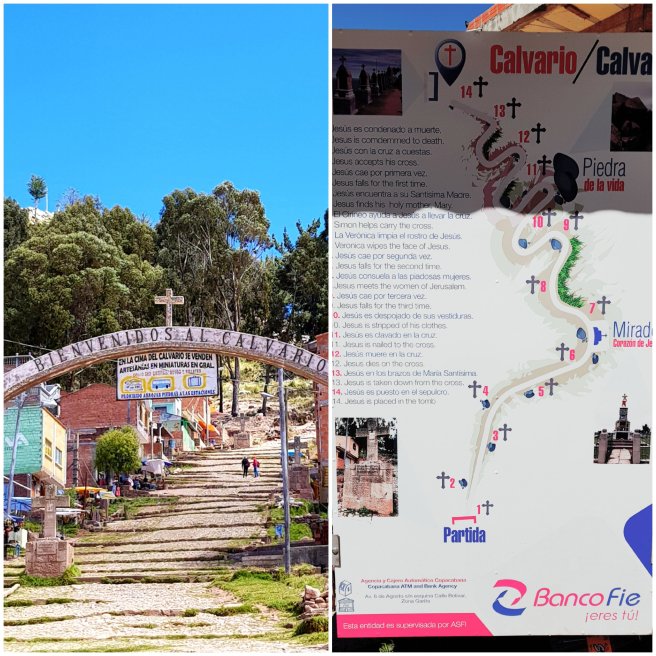
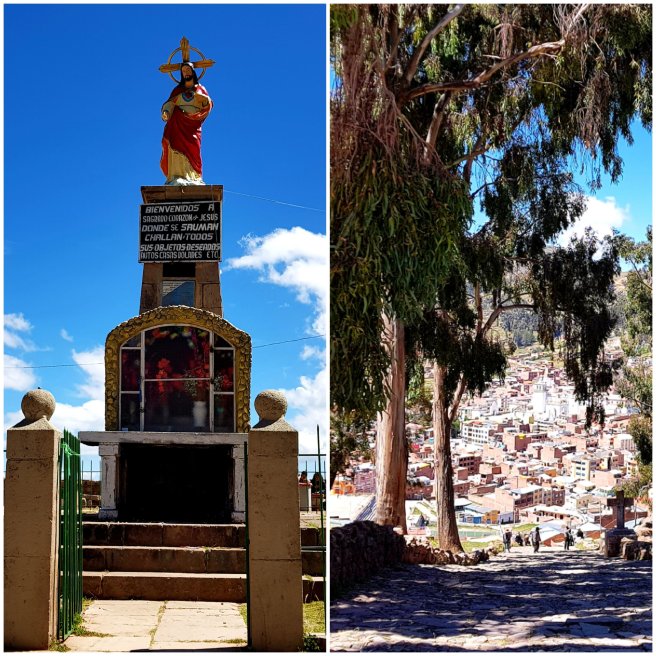
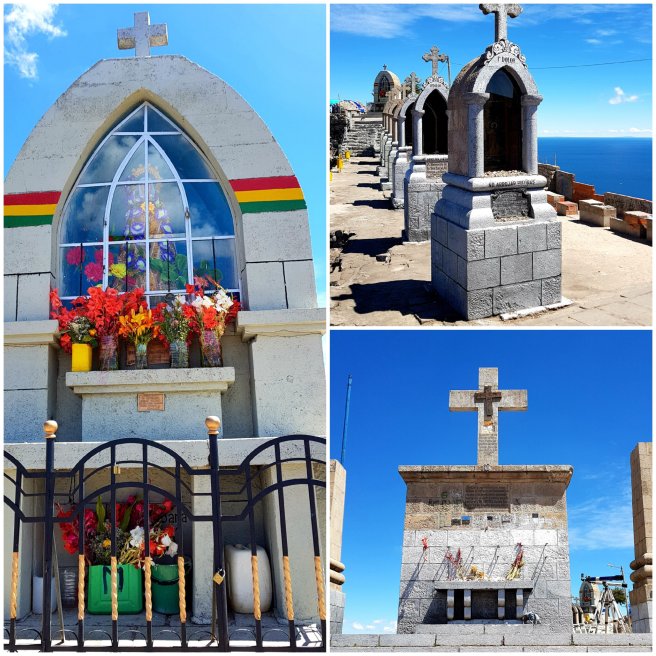
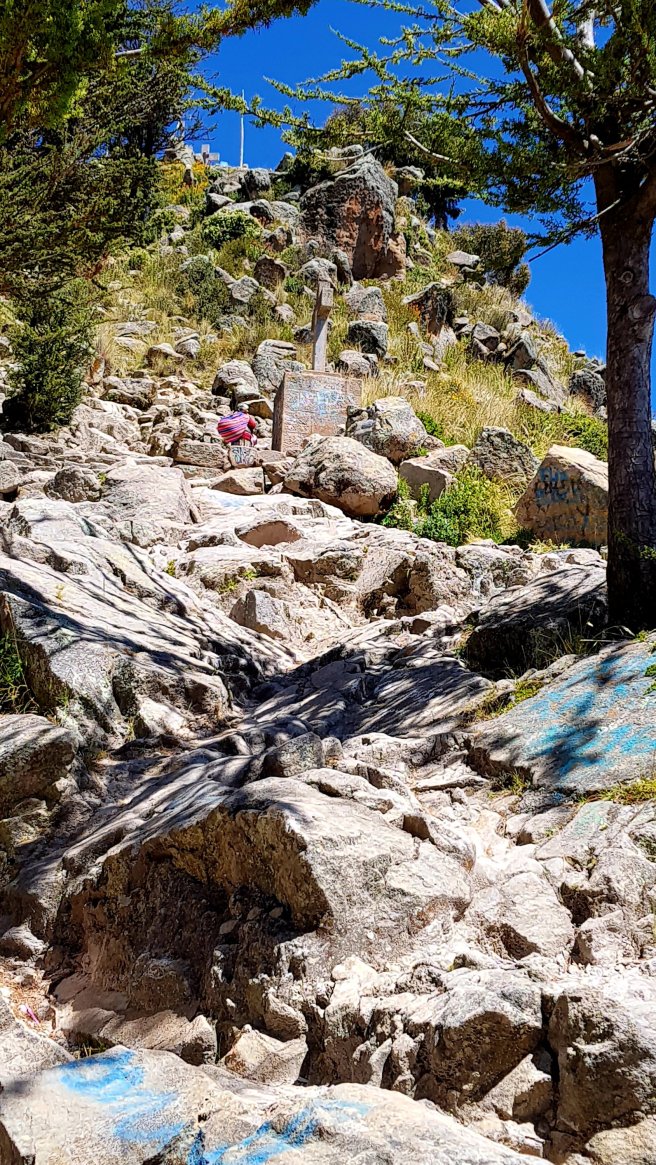


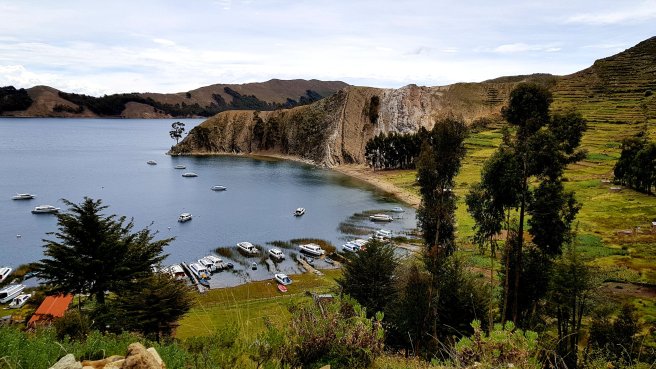
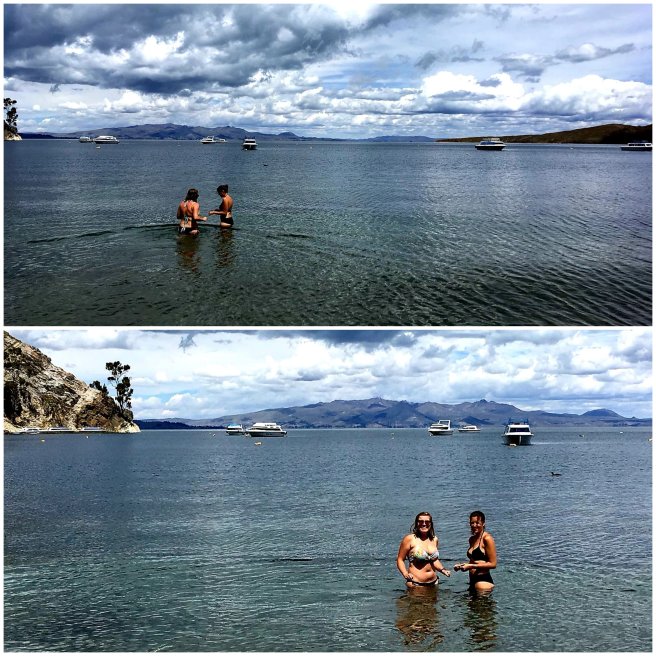
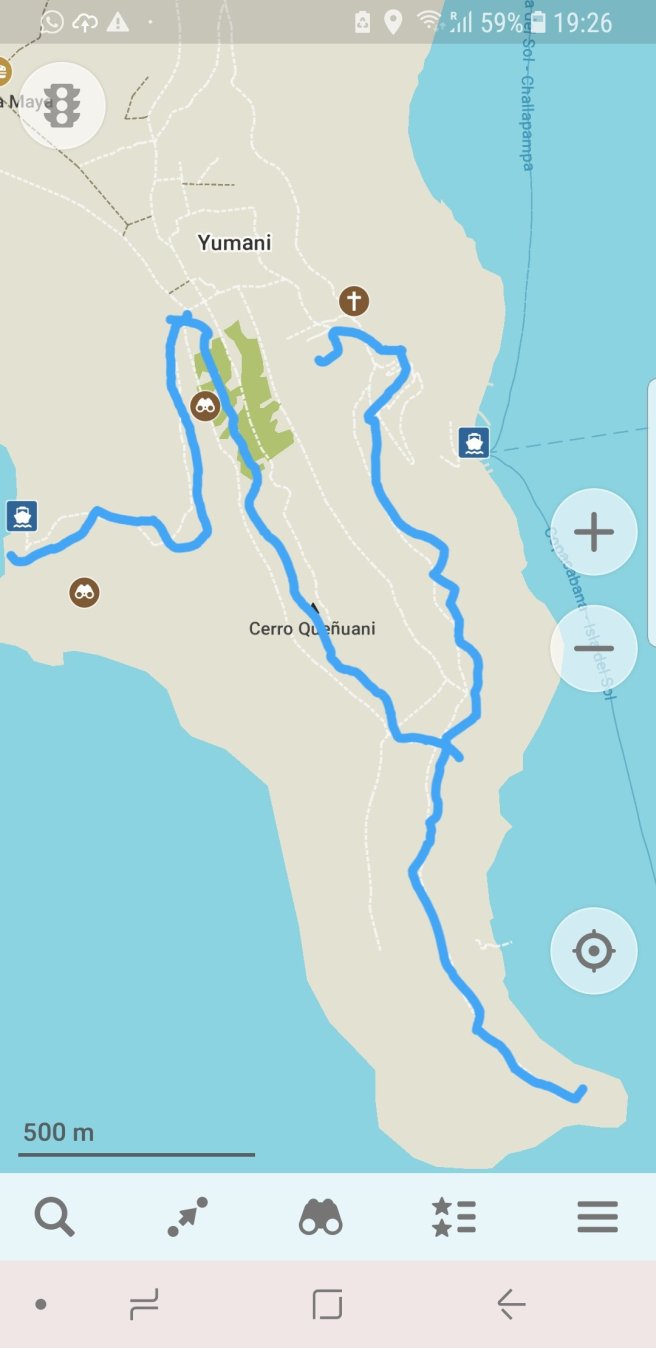


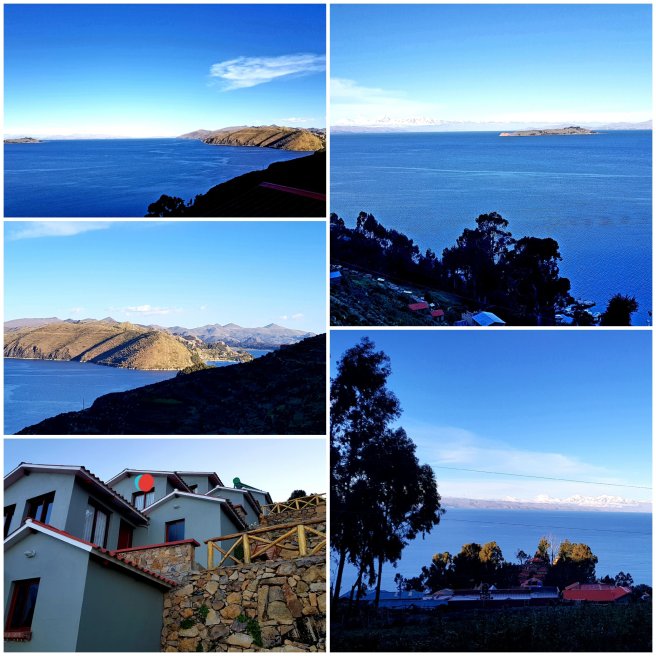
 I got to the Amazonas airline office for 720am and then took their shuttle bus to the airport. It’s only a 20 minute journey. Check in was an experience. The airport is so small so they literally take your luggage, weigh it and tag it and then dump it on a cart which drives 5 minutes down the runway and it’s loaded onto the plane. Once you’ve checked in and been allocated a seat you then pay your airport tax and sit and wait in the waiting room which is basically a small shack!Our flight was supposed to leave at 855am but due to fog in La Paz the flight hadn’t even taken off at 9am. At 10am we were told the plane was due to take off around 1015am so would arrive around 1055am.Luckily the information was correct and all passengers and luggage were on board the plane really quickly and we took off around 11:15am. I’m glad it wasn’t delayed any further as I had a bus to catch in La Paz at 130pm.At the airport I got chatting to a girl called Mary from Belgium and found out she was planning to get the same bus as me to Copacabana.Once we arrived in La Paz, Mary and I shared a taxi to the bus station. The drop in temperature and rise in altitude was really noticeable!We had a quick lunch at the bus station where we bumped into Adam and Louisa who were also getting the same bus to Copacabana. It’s a small world when you’re travelling.The bus from La Paz to Copacabana has to stop at San Pablo de Tiquina to cross the Titicaca straits. Passengers get across on one ferry and the bus is transported across on another kind of ferry.
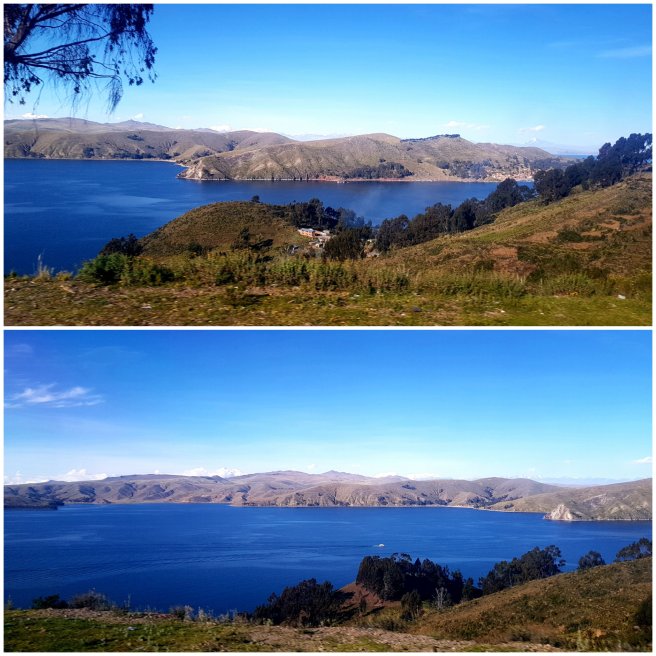
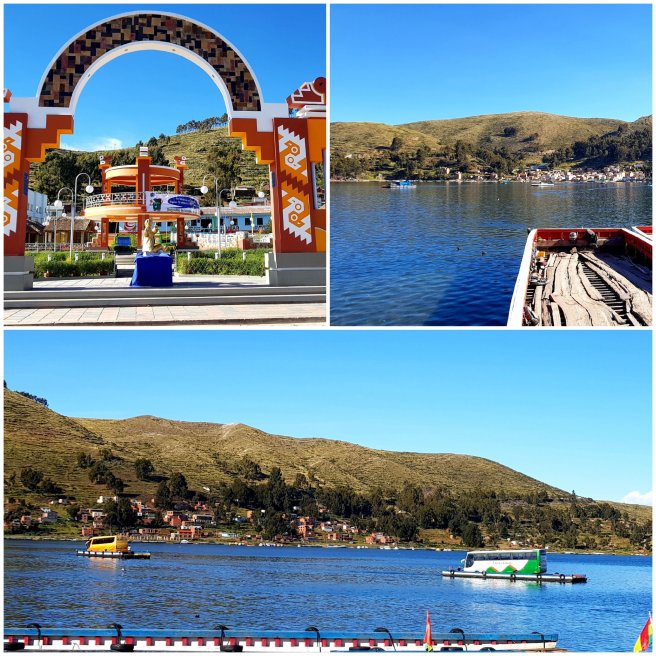 Once on the other side in San Pedro de Tiquina we all got back on the bus and drove the last 45mins to Copacabana. Some of the views from the bus were spectacular.
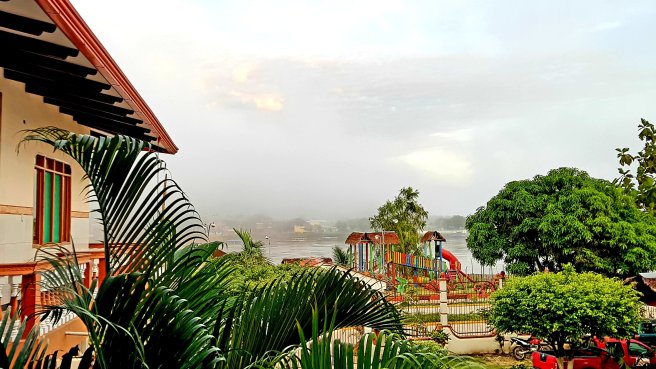
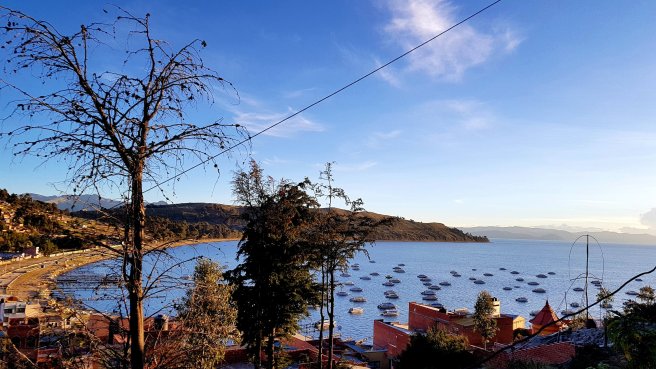
 On arrival in Copacabana we all went our separate ways to check into our various hostels, but agreed to meet up later for drinks at sunset. This is the view from my room in the hostel.
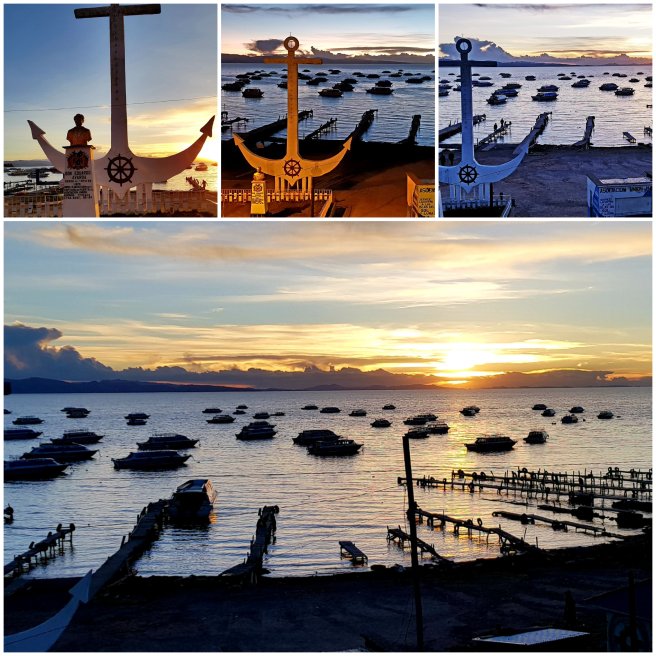
 Around 615pm I wandered down to the white anchor to meet Adam and Louisa. As I was taking some photos I met another girl, Barbara from Austria, who then joined us for drinks and dinner too.We went to a rooftop bar to watch the sunset whilst sipping on a caiprainha.
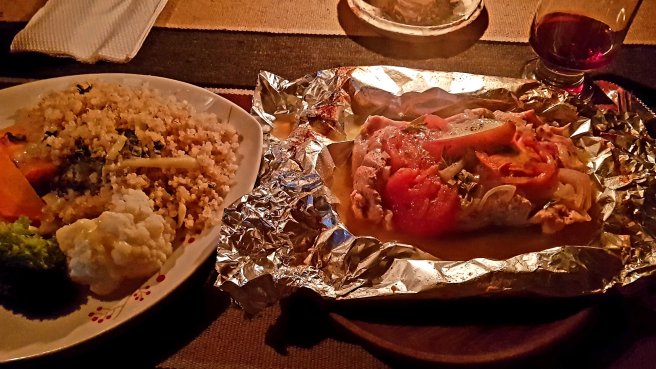
 One of the traditional local dishes is trout, so we had some stuffed trout for dinner at a lovely maritime restaurant called La Orilla. The food was delicious.