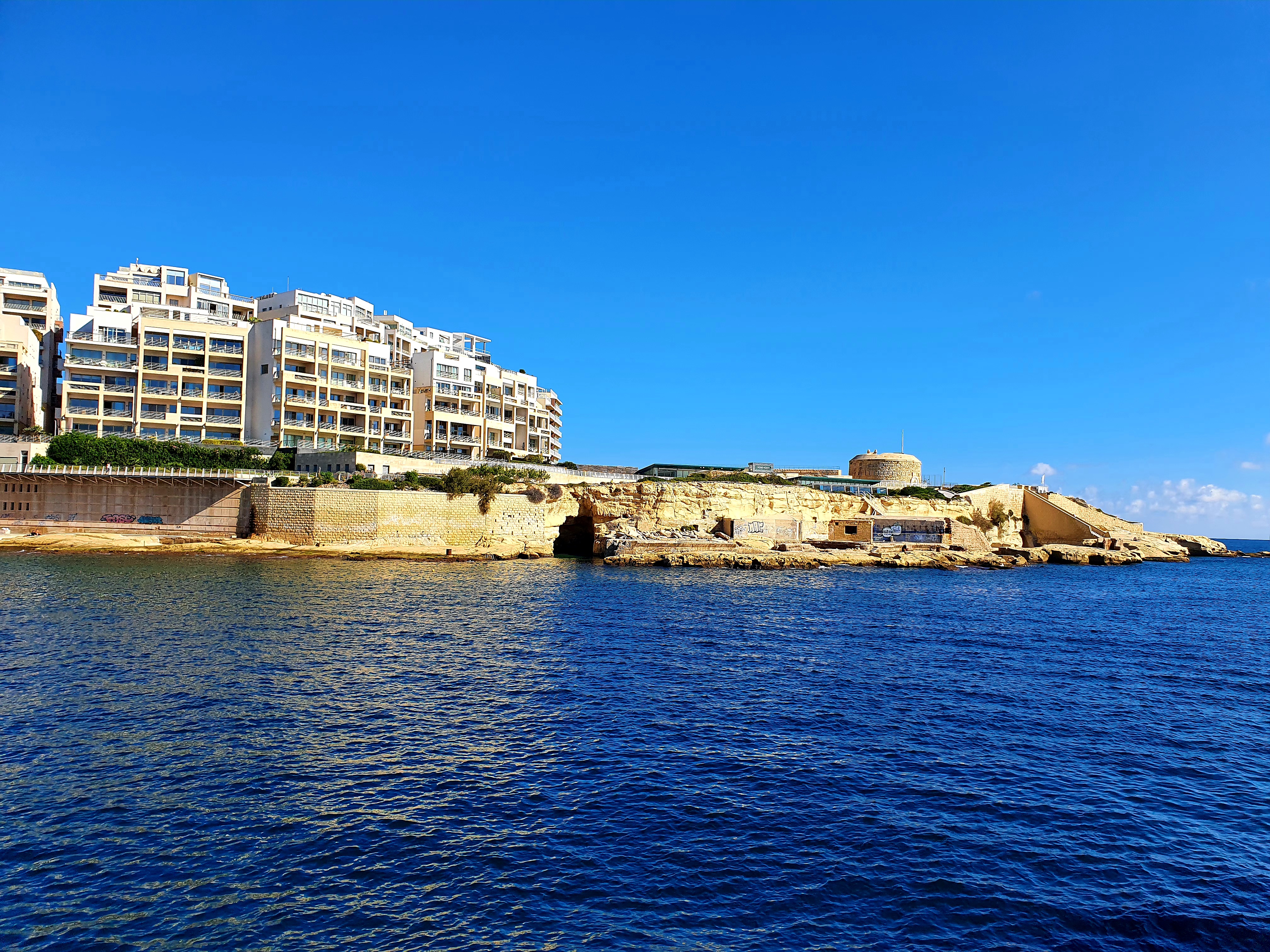
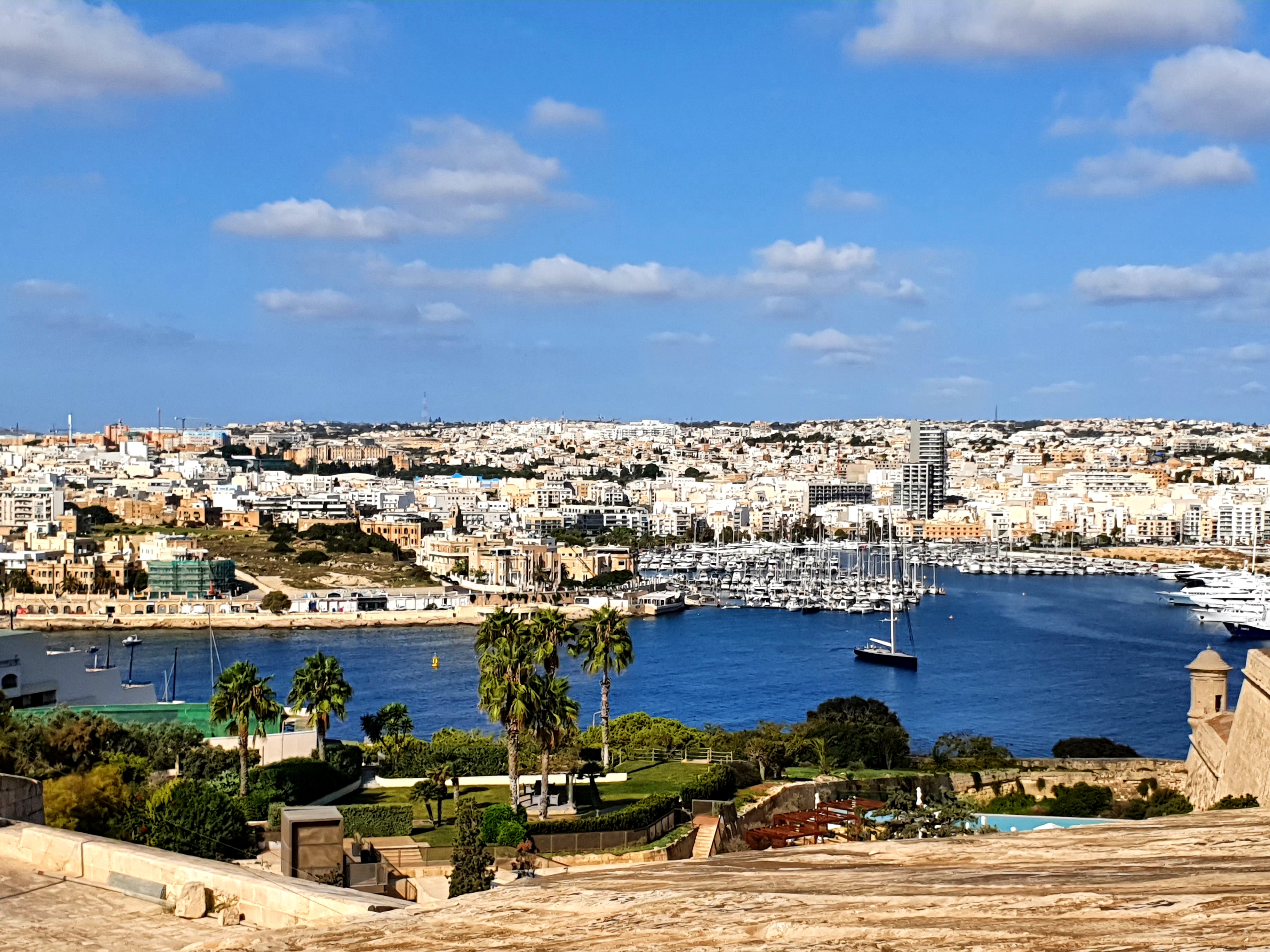
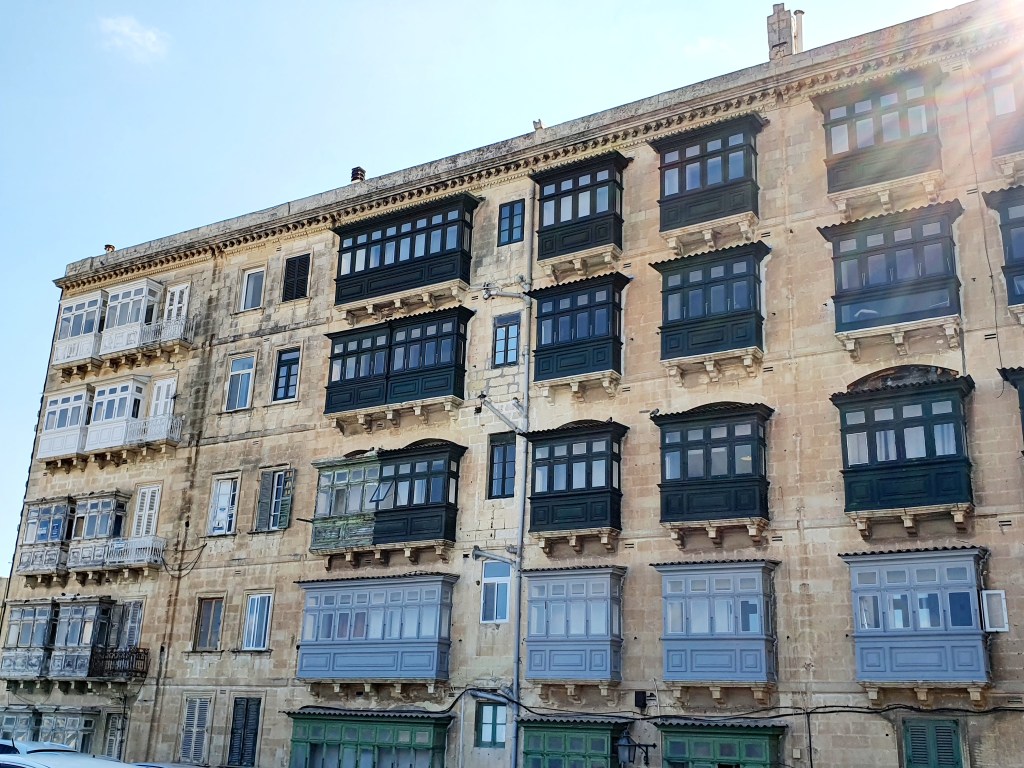
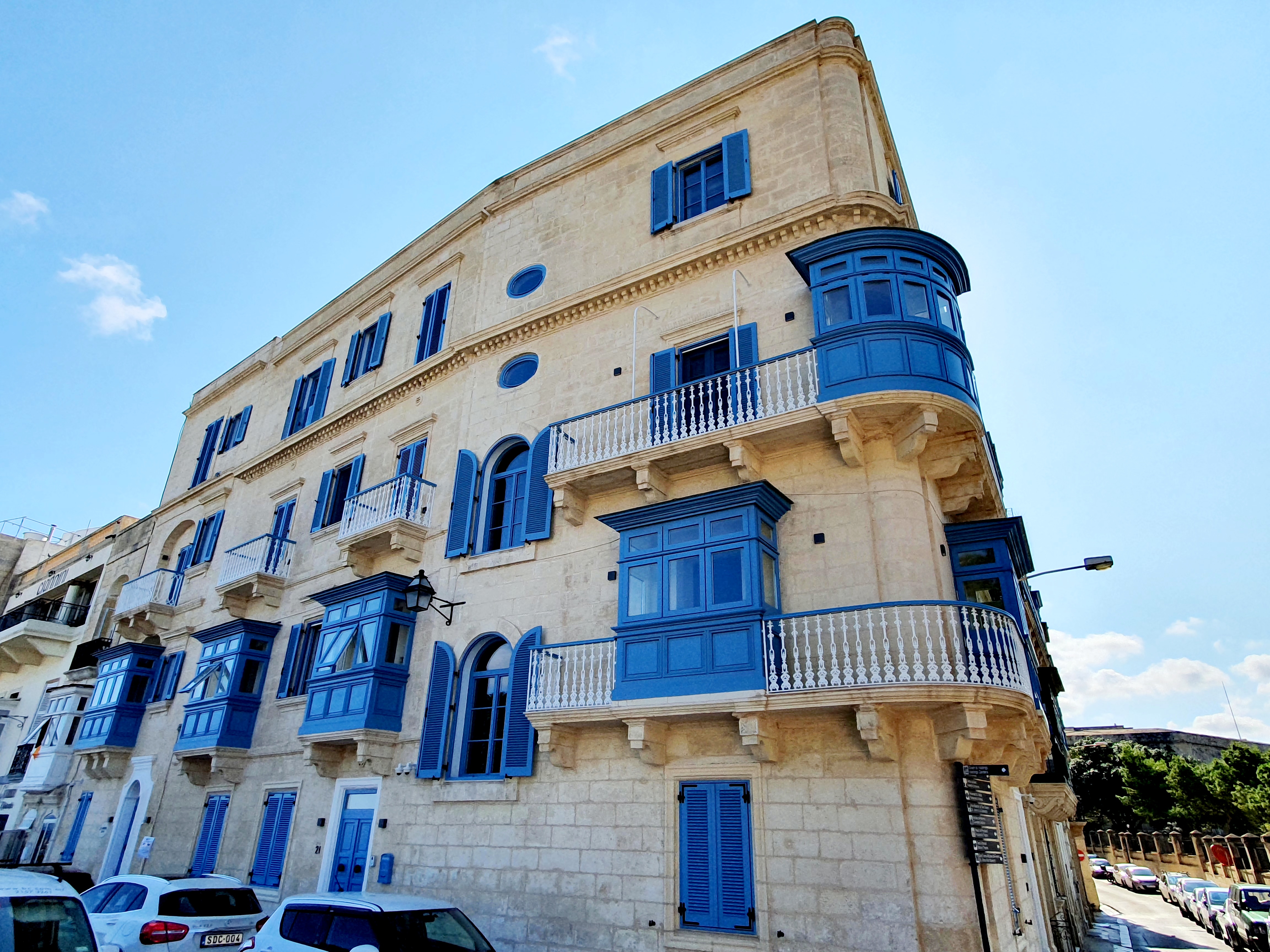
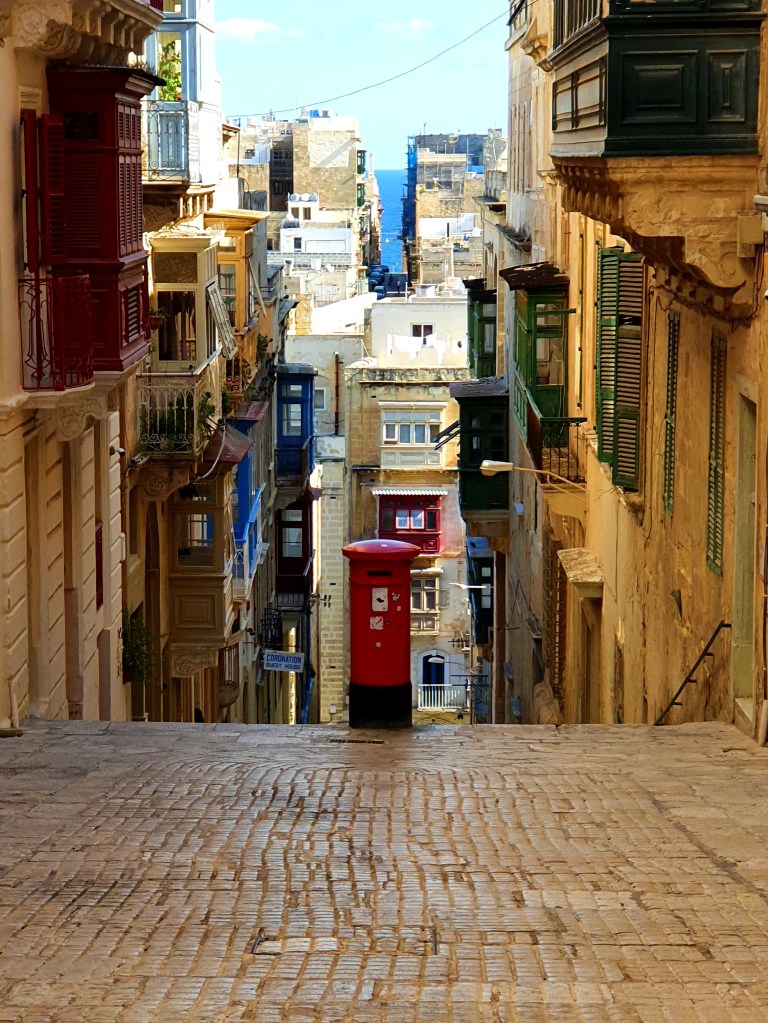
Malta – day four

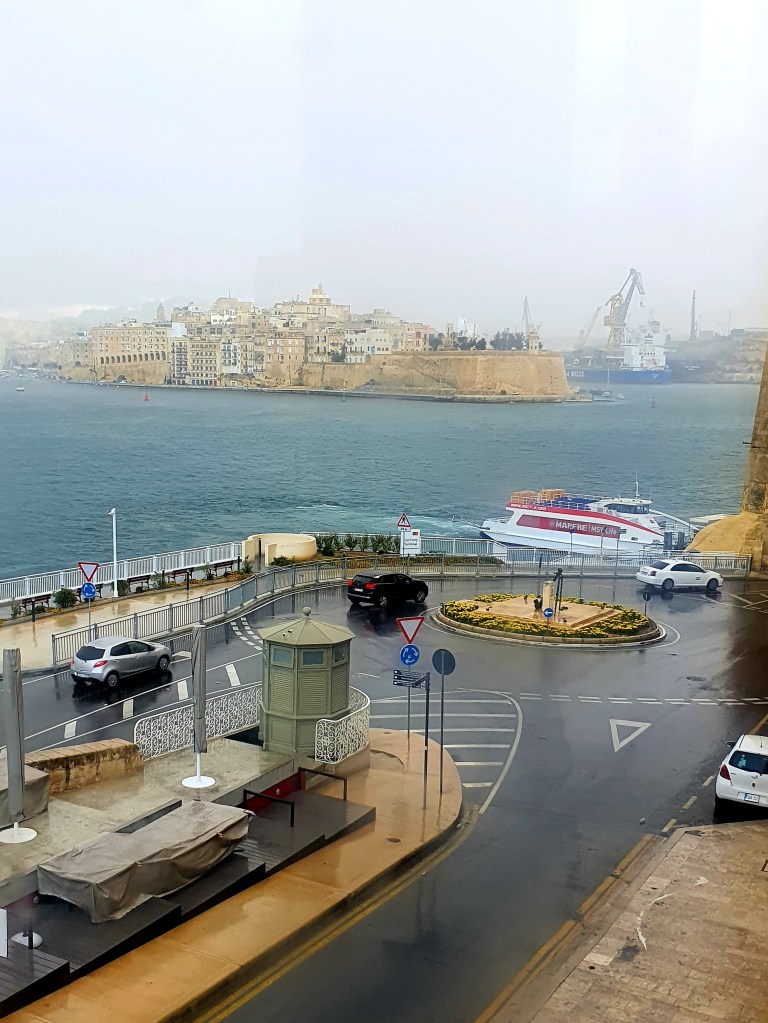
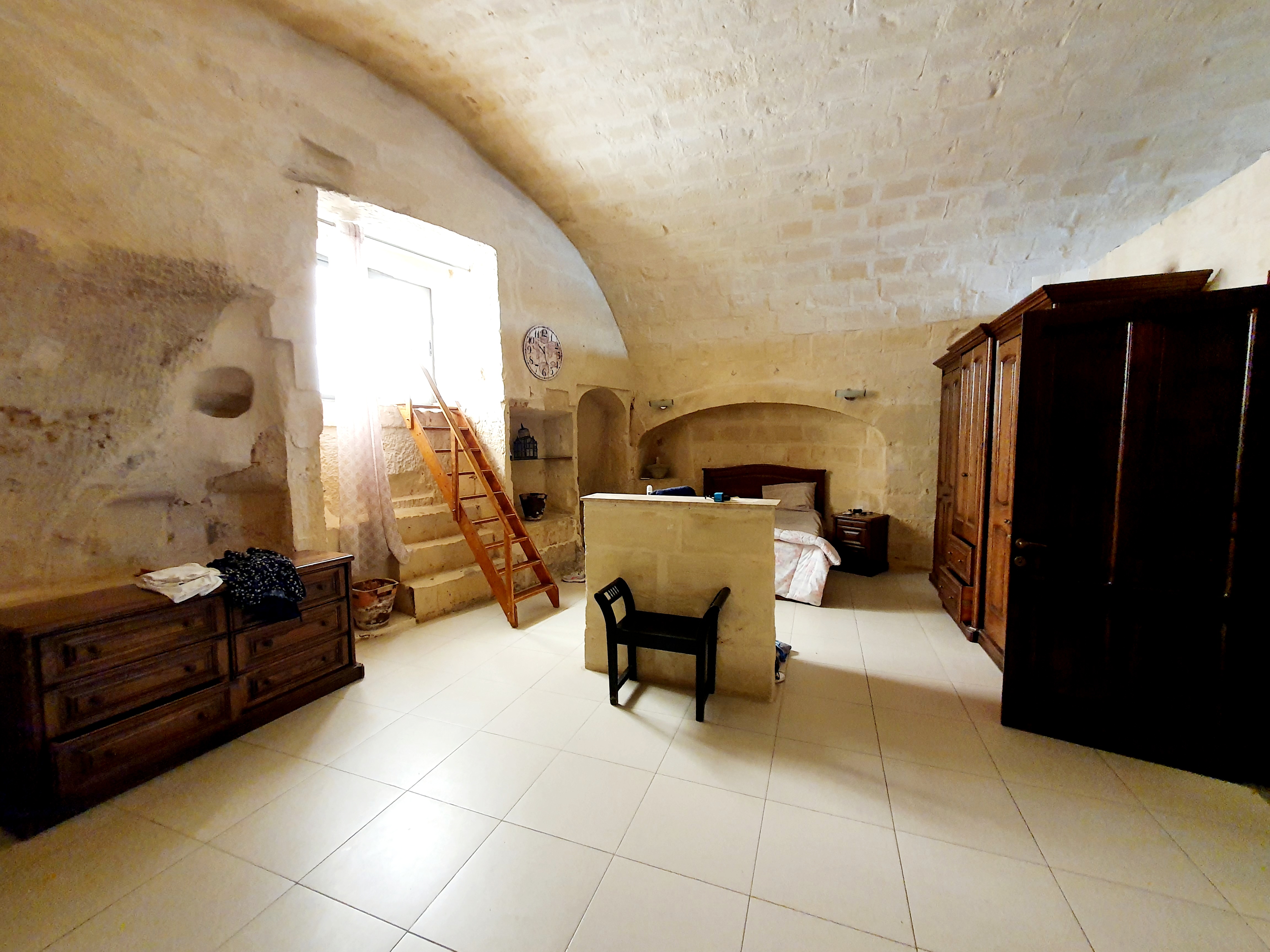
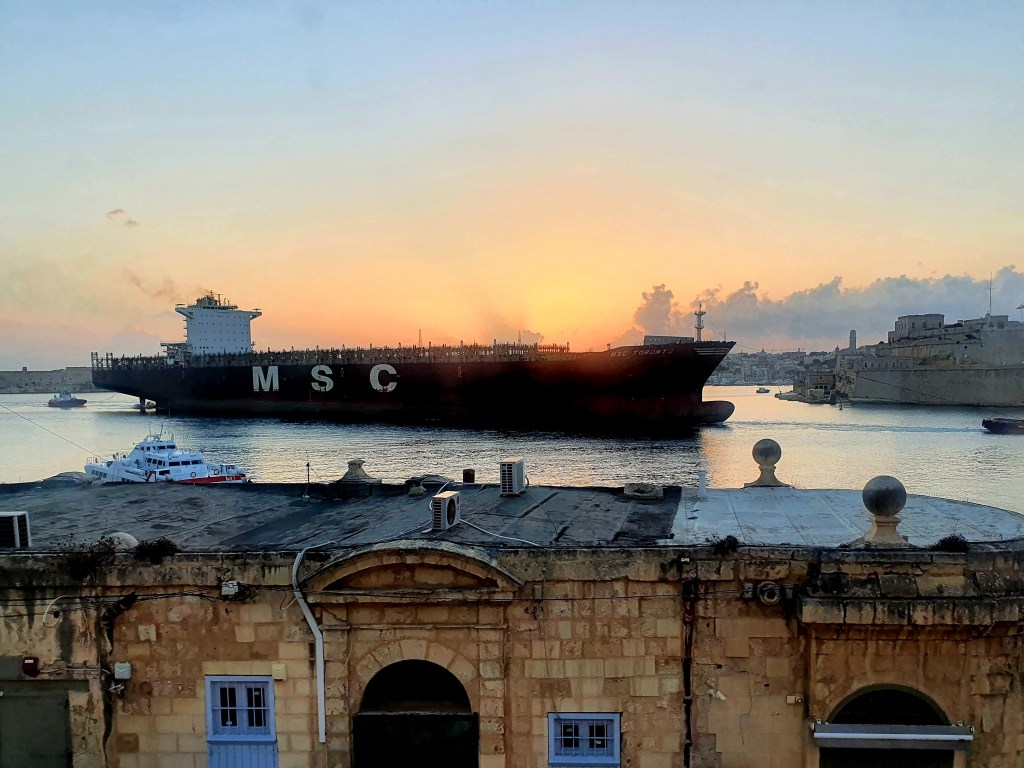
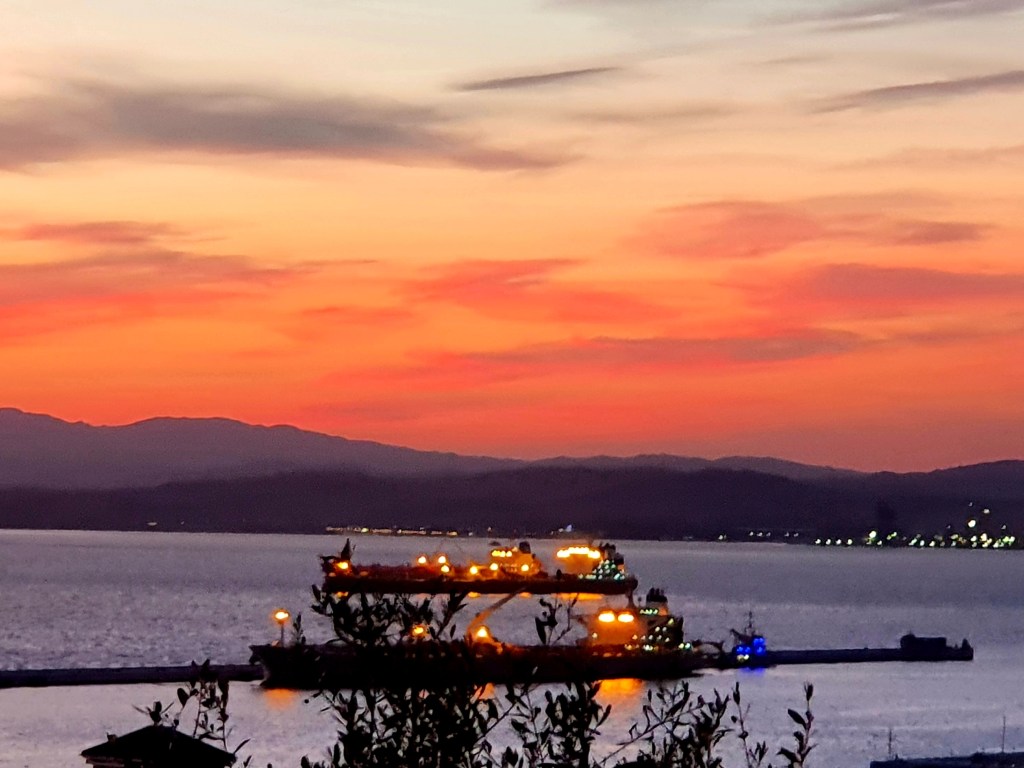
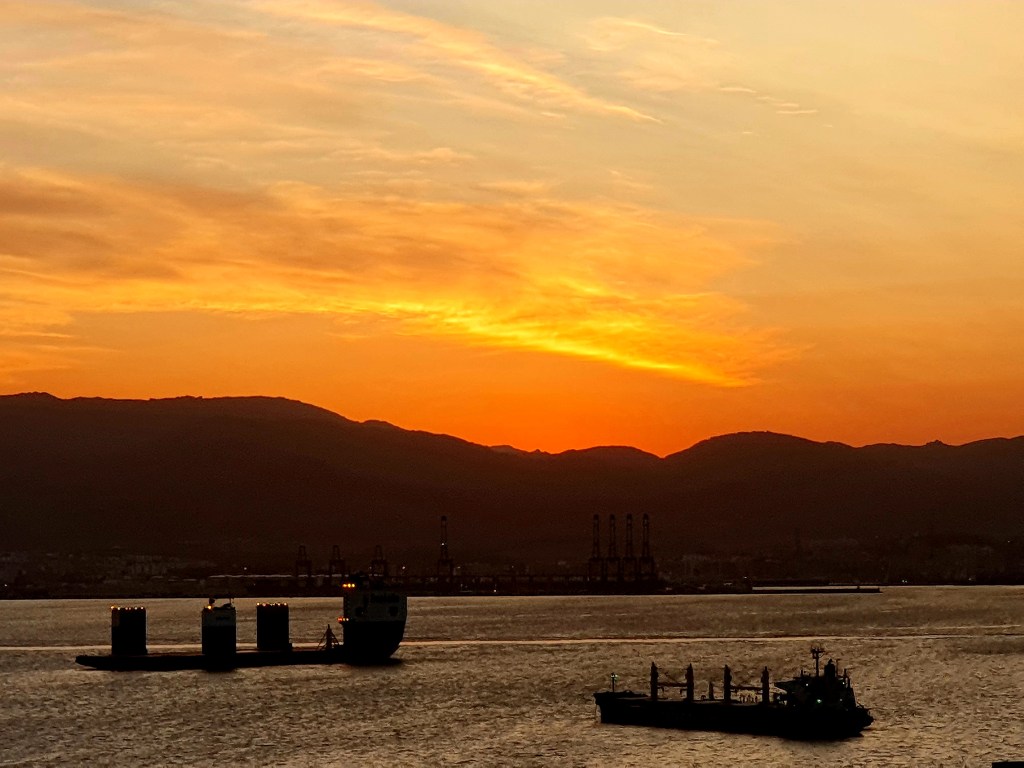
It was another early start as I had booked tickets to go to the Hypogeum prior to the holiday. They only let 80 people in every day so its quite hard to get a spot and when I booked, the only slots available were the early morning ones. Just as were having a coffee and tea a huge tanker went past, through the Grand Harbour outside our window.

As we walked up to Valletta bus terminal we passed through Victoria Gate. This gate was built by the British in 1885 and named after Queen Victoria. This gate is the only surviving gate within the walls of Valletta as all of the other fortified gates have been demolished. The two arches have the coat of arms from Malta and Valletta and the British coat of arms is at the top.

We had to be at the Hypogeum for 9am and luckily it was only around 20 minutes by bus. At the bus terminal in Valletta we bought a 7 day bus pass which we certainly got good value from throught the holiday.

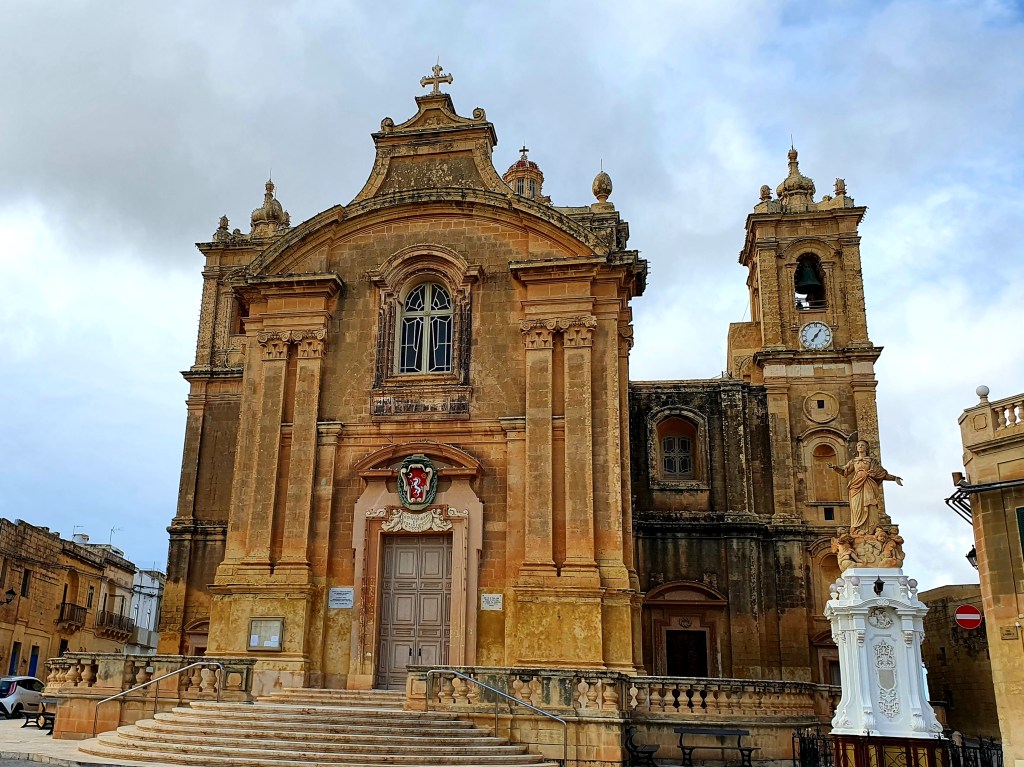
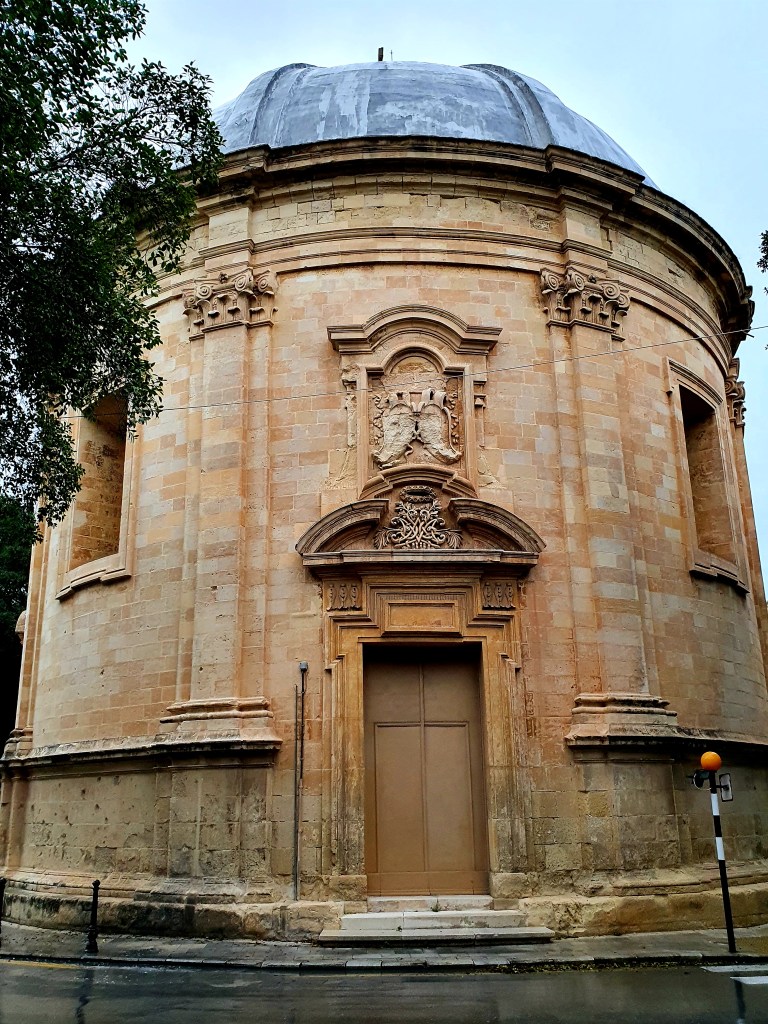
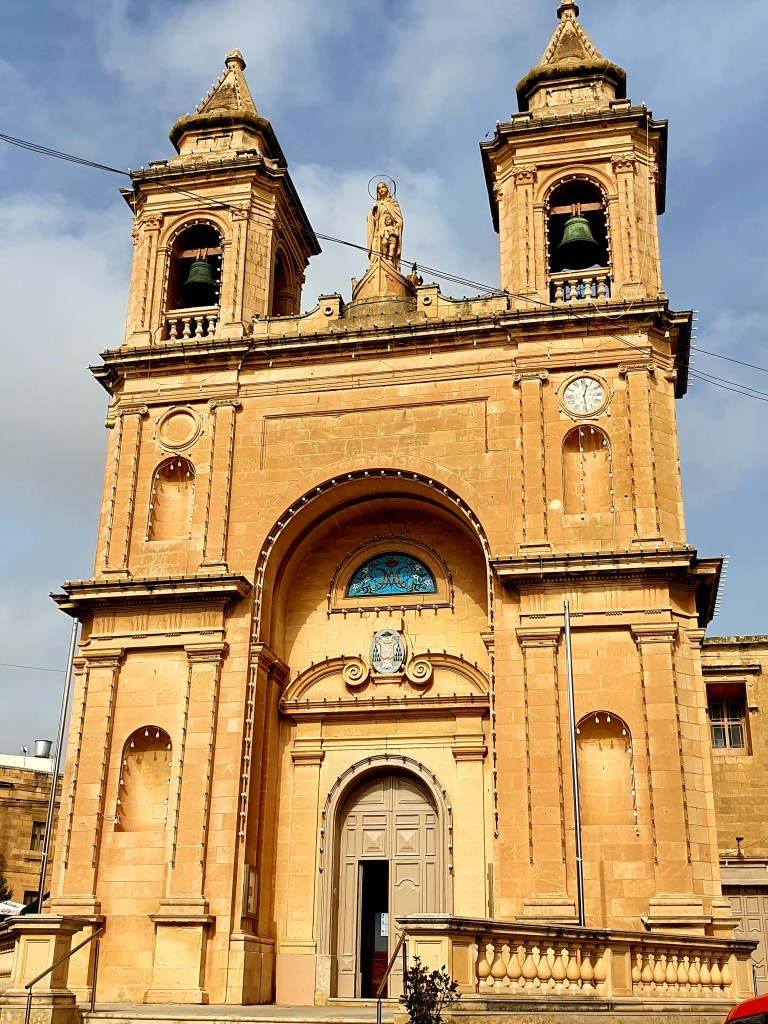
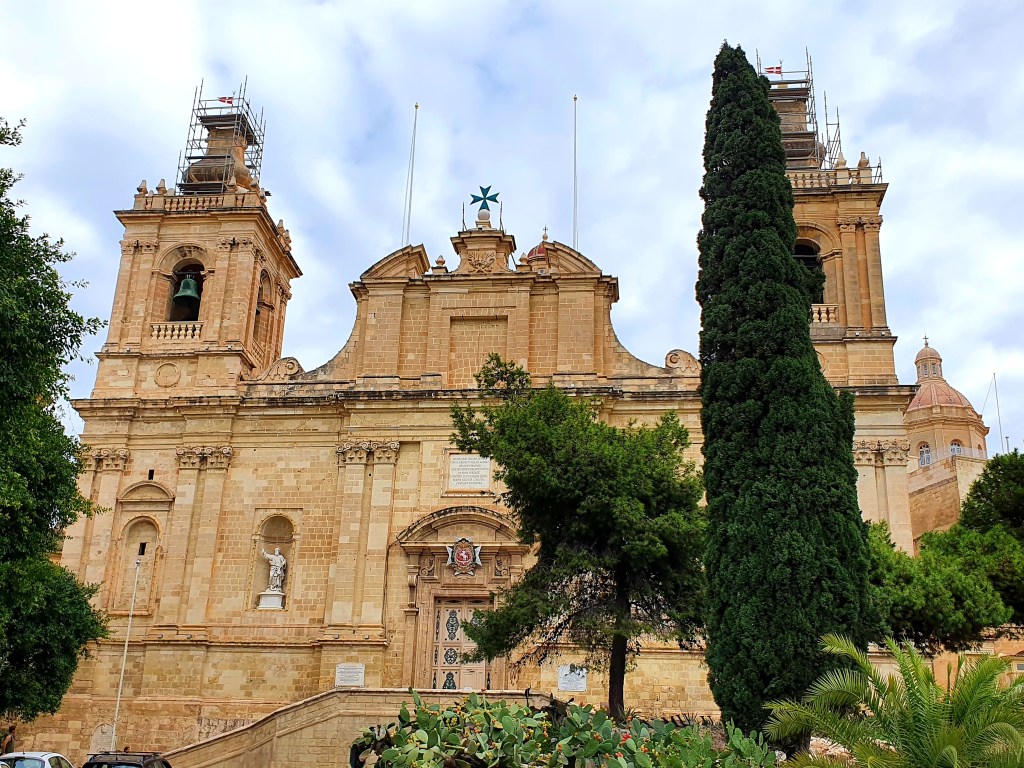
We arrived in Paola a little bit early so had a quick look at the parish church – Basillica of Christ the King. Unfortunately we didn’t have time to go inside and explore.

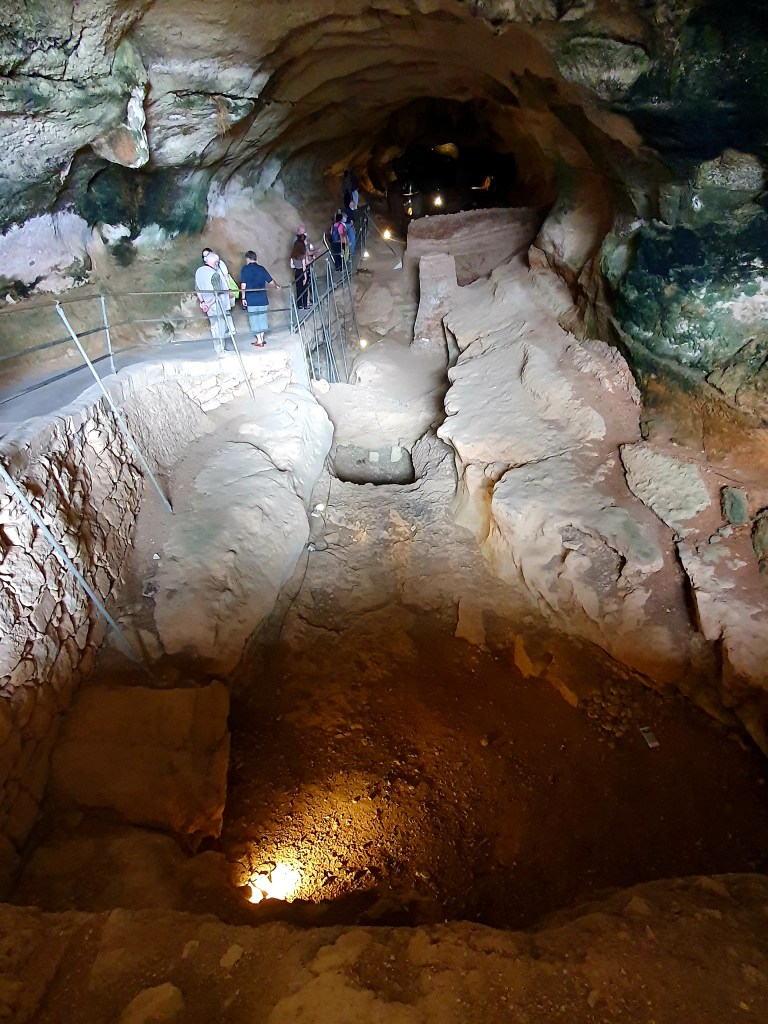
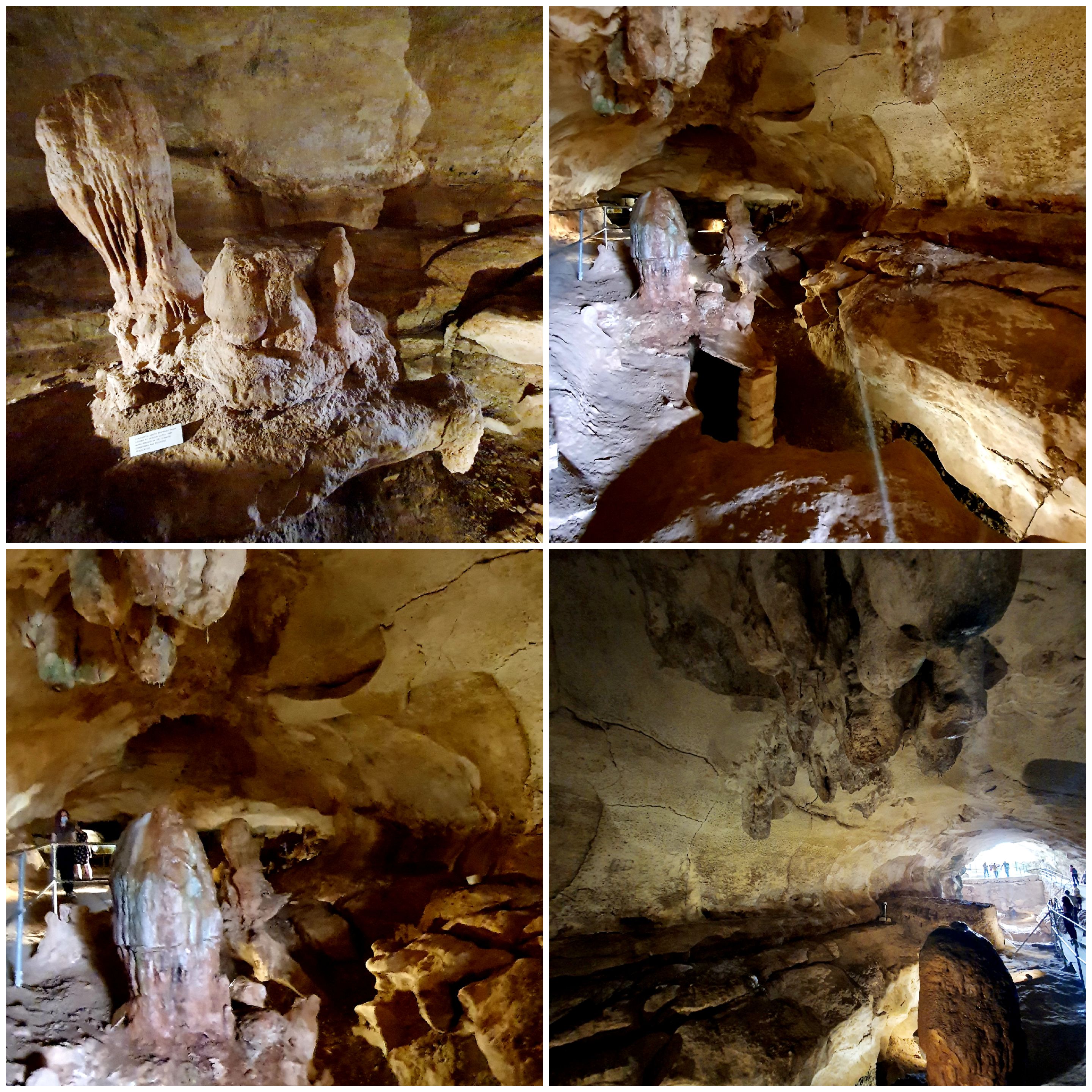
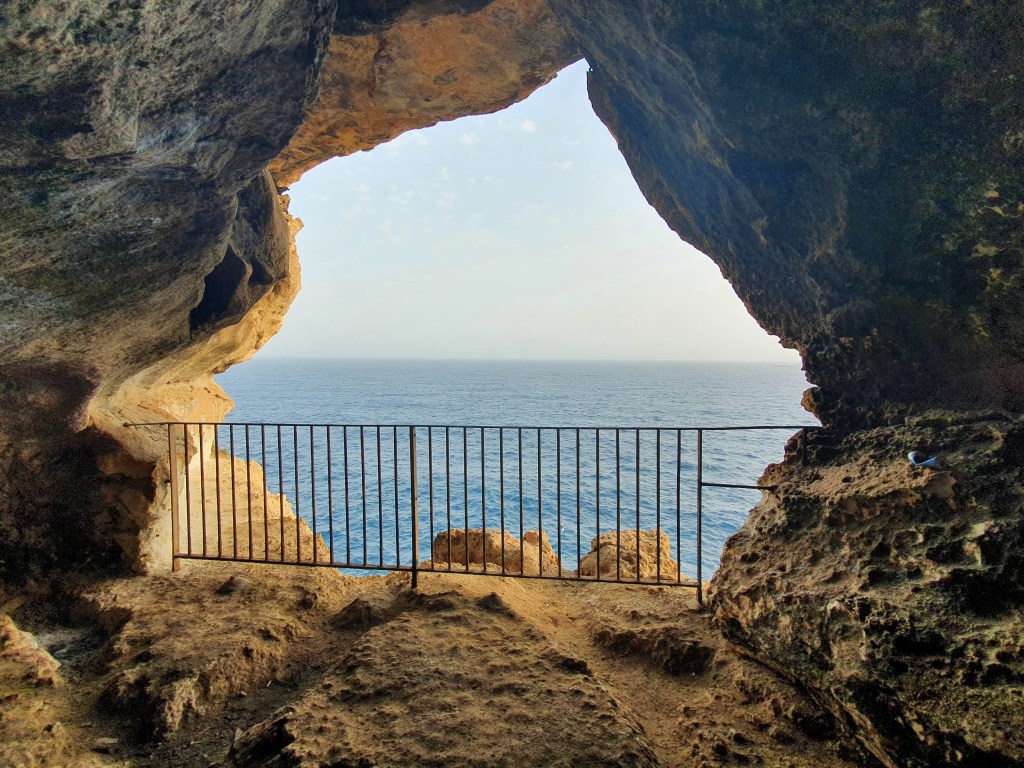
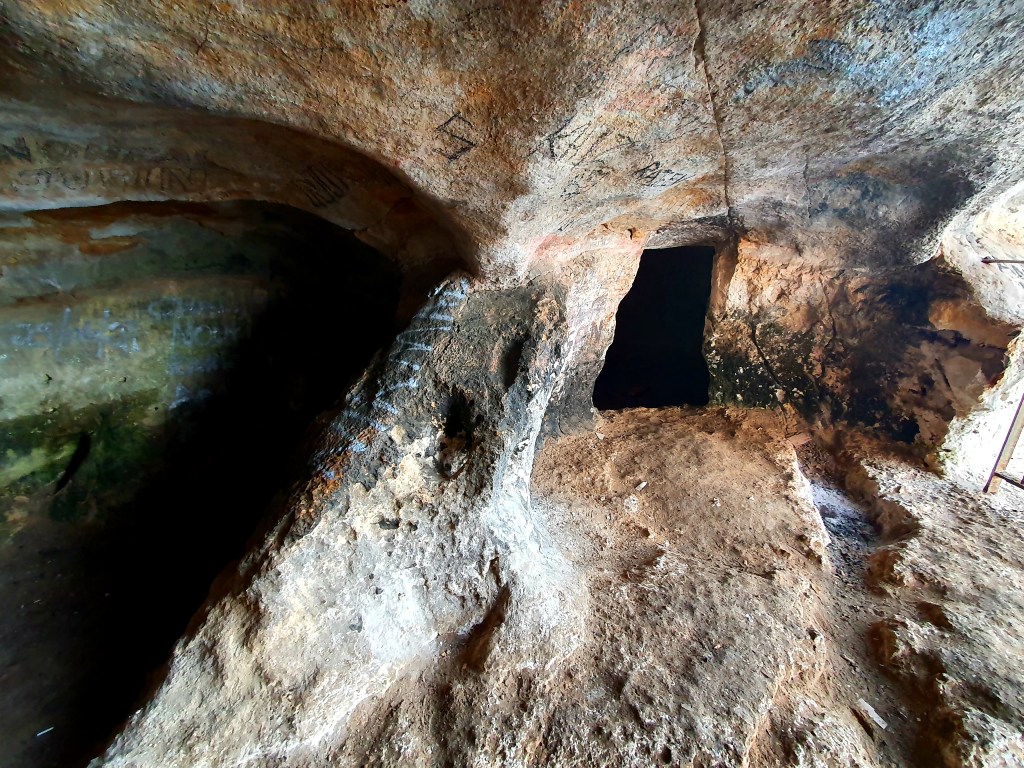
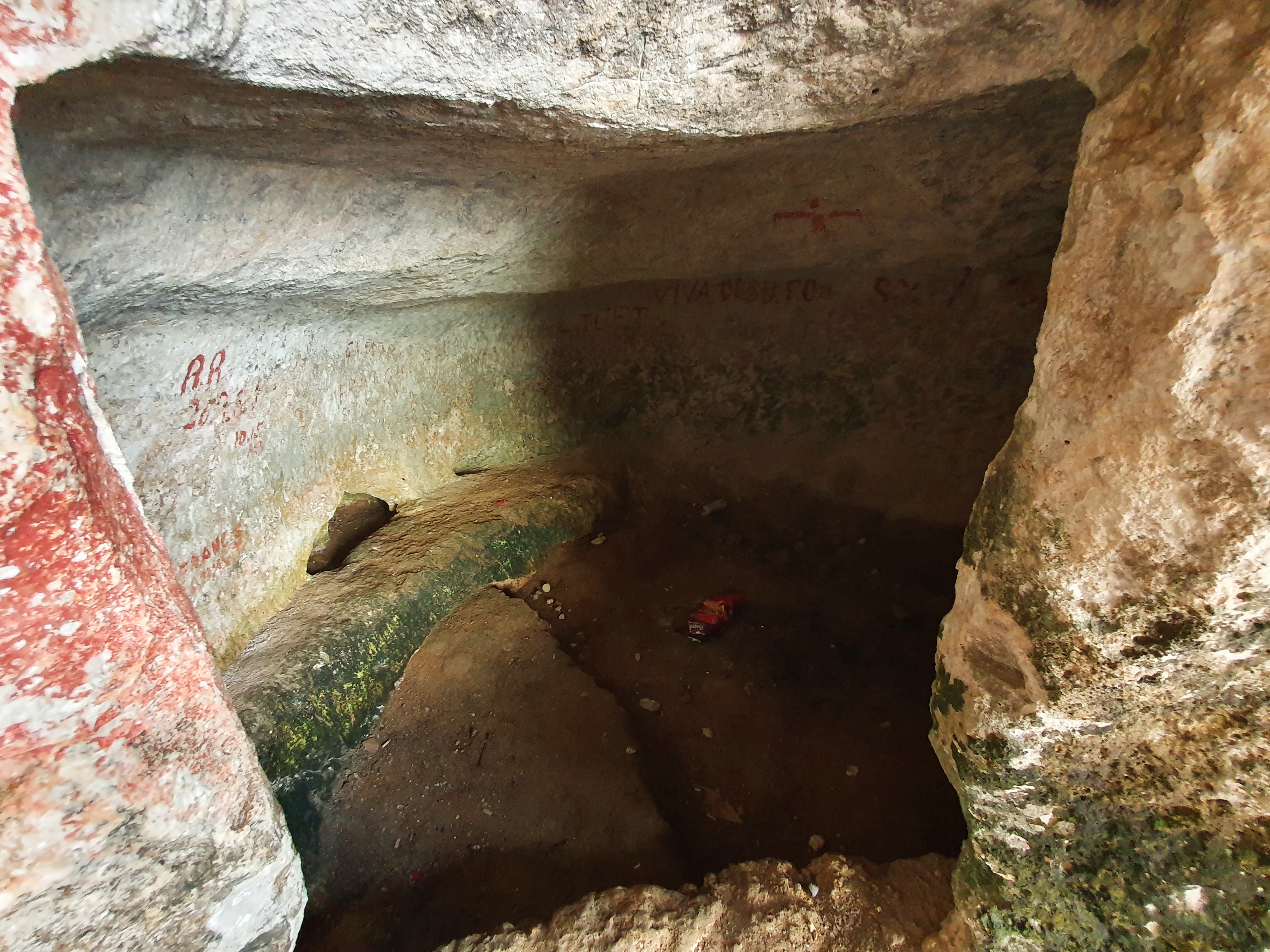
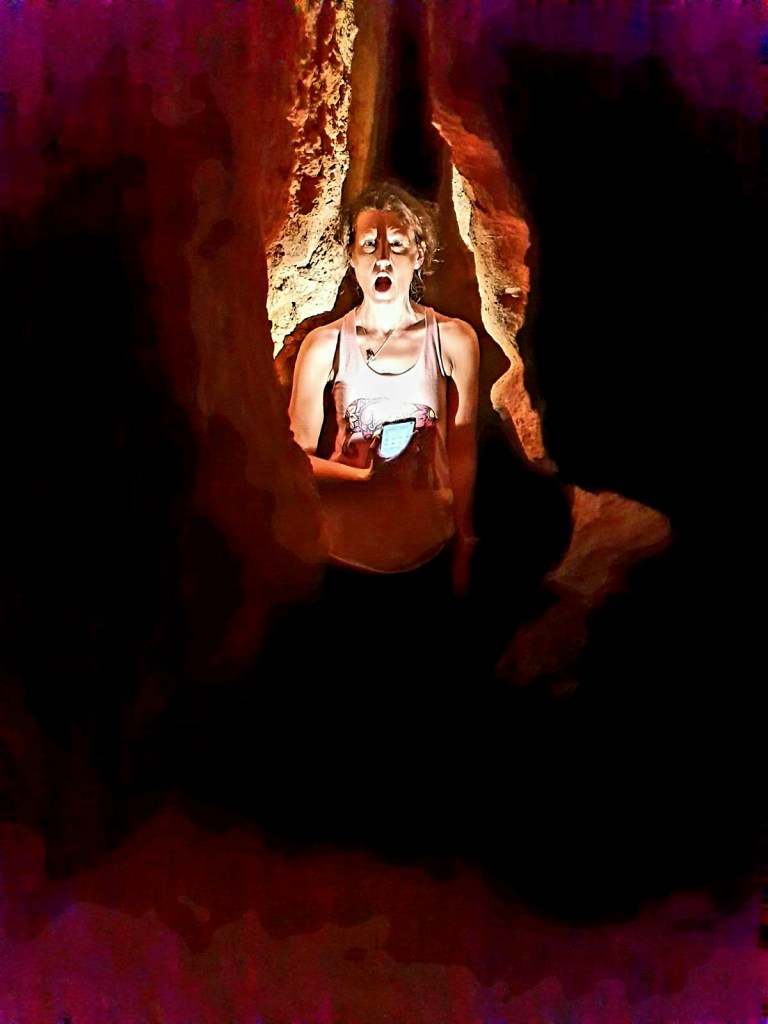
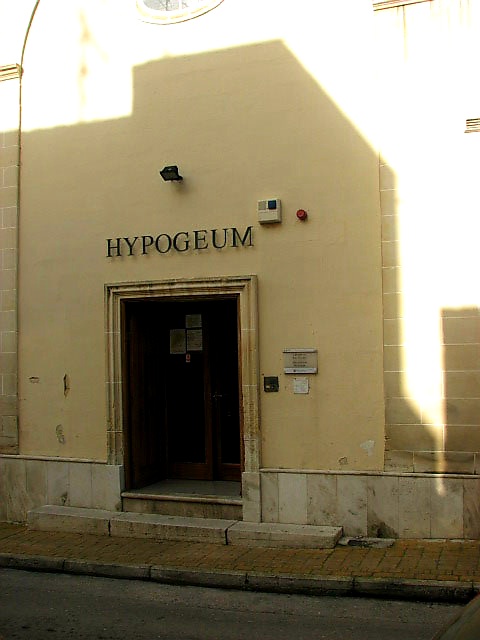
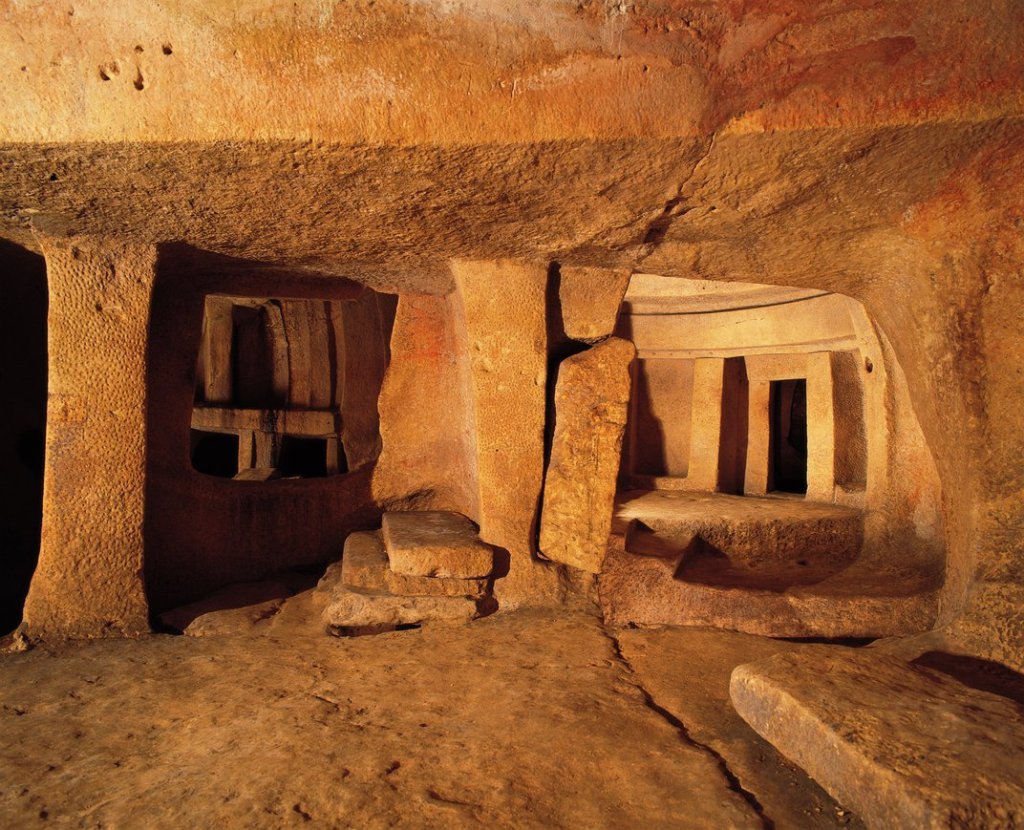
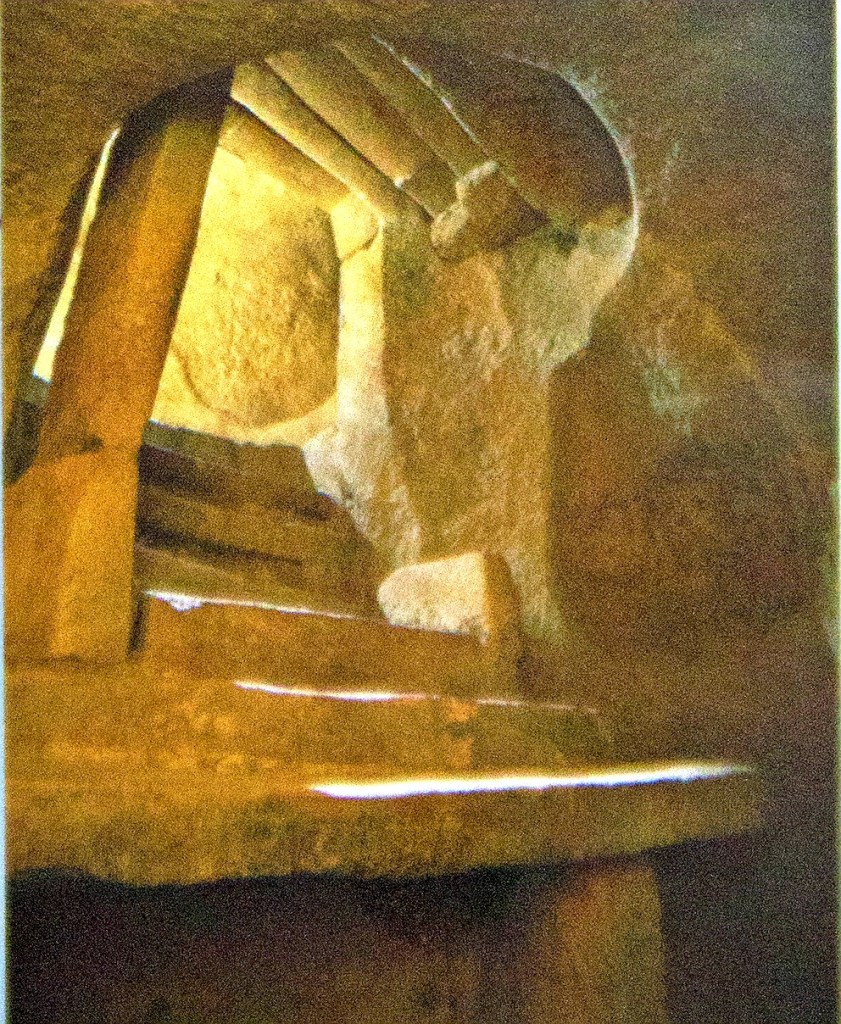
At 9am a few of us were gathered outside a very unassuming building down a small side street, it didn’t look like it housed anything spectacular. You were not allowed to take any photos inside the Hypogeum (I’ve borrowed some from the internet) but it was pretty amazing. To think that it had been built over 5000 years ago.

The Hypogeum has three levels and lots of halls, chambers and passages carved out of the living limestone. It covers an area of around 500 square metres.

The upper level dates back to 3600 BC and was mainly a large open space with burial chambers off to the side. It was the first level that was constructed and was originally made by enlarging a natural cave. The entrance triathlon can be found on this level.

More burial chambers with examples of stone carving and decoration can be found in the middle level. One of the most impressive chambers on this level is called the Holy of Holies. The rock has been carved to give the impression of built masonry. No bones were found in this area and it appears to be positioned so that the light from the winter solstice would have illuminated it from the original opening above.

Also in the middle level is the Oracle room. There is a little niche at the far end of the chamber and if you make a deep sound into it, the sound resonates all over the chamber. The ceiling of the chamber is decorated with ochre swirls which would have looked amazing in fire light.

The lower level, which is 10.6m below street level, is reached via uneven steps. The steps lead to chambers which were probably used for storage.

The Hypogeum was accidentally discovered in 1902 by a stone mason who was laying the foundations for a number of houses on the site. He was building the cisterns for the houses when he dug through a roof of a chamber.

Remains of around 7000 individuals and artifacts were discovered at the site. It is thought that the upper level was built for burials and as the cave filled up new chambers were cut deeper into the rocks.

The microclimate of the Hypogeum is strictly controlled and only 10 people can visit at any one time. This necropolis was definitely worth a visit, travelling back in time and it was amazing to see.

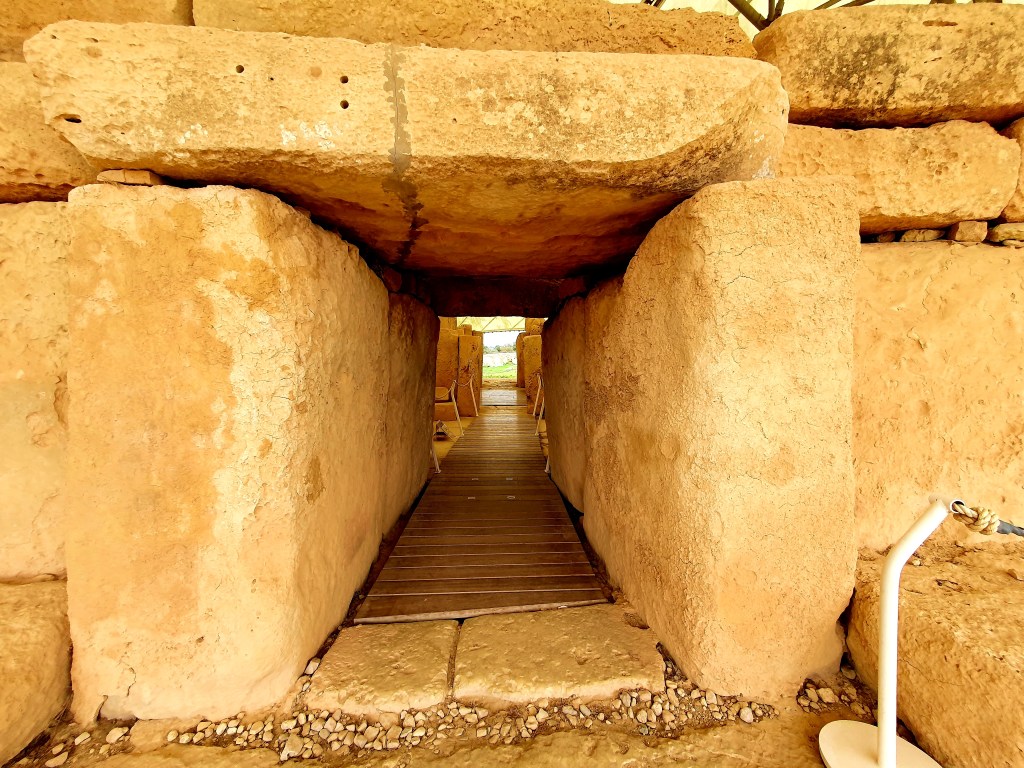
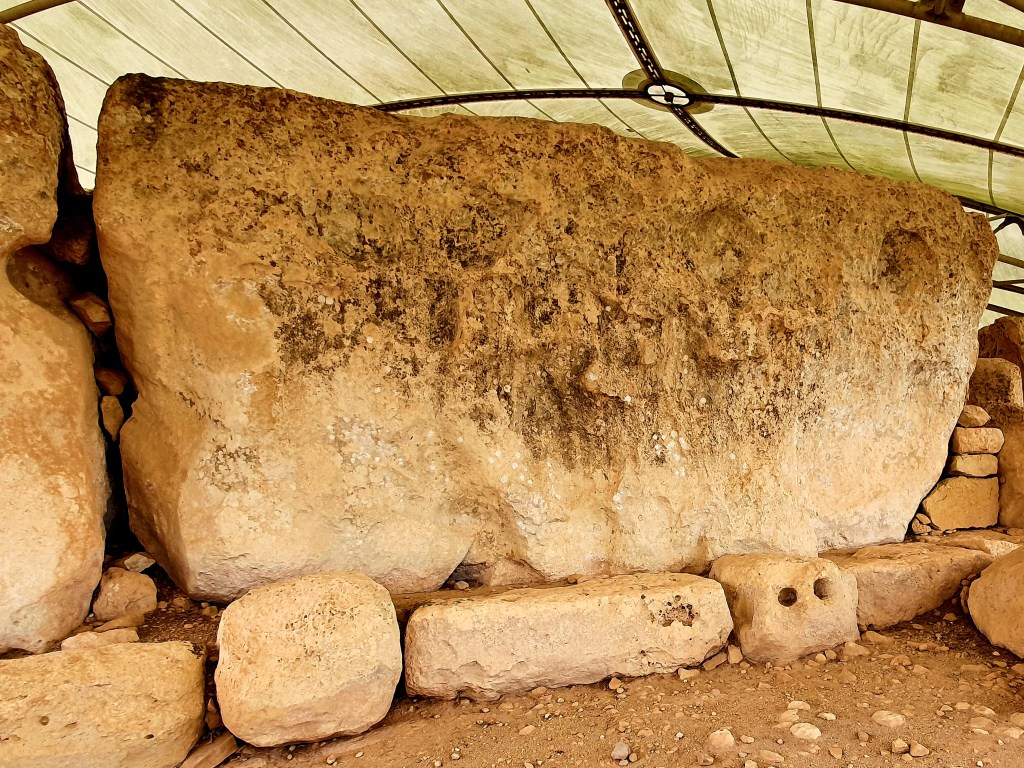
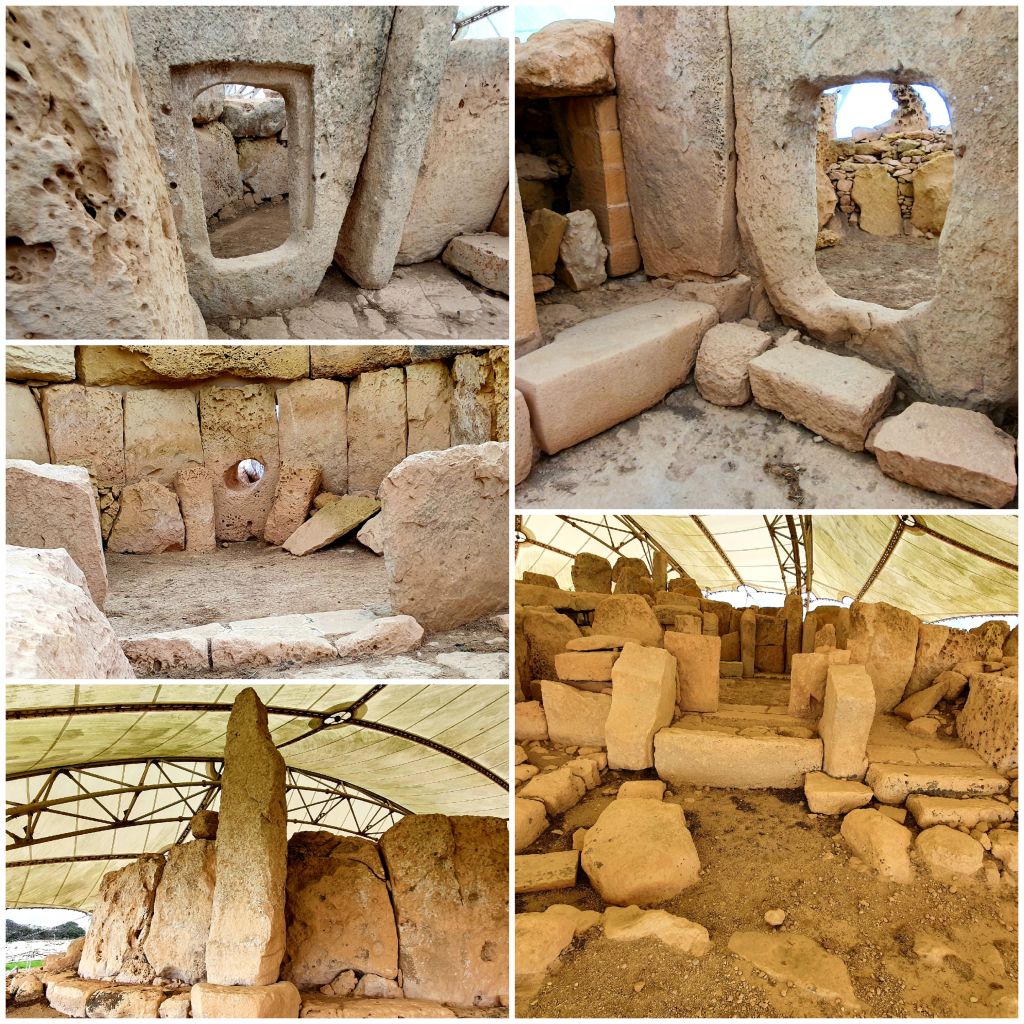
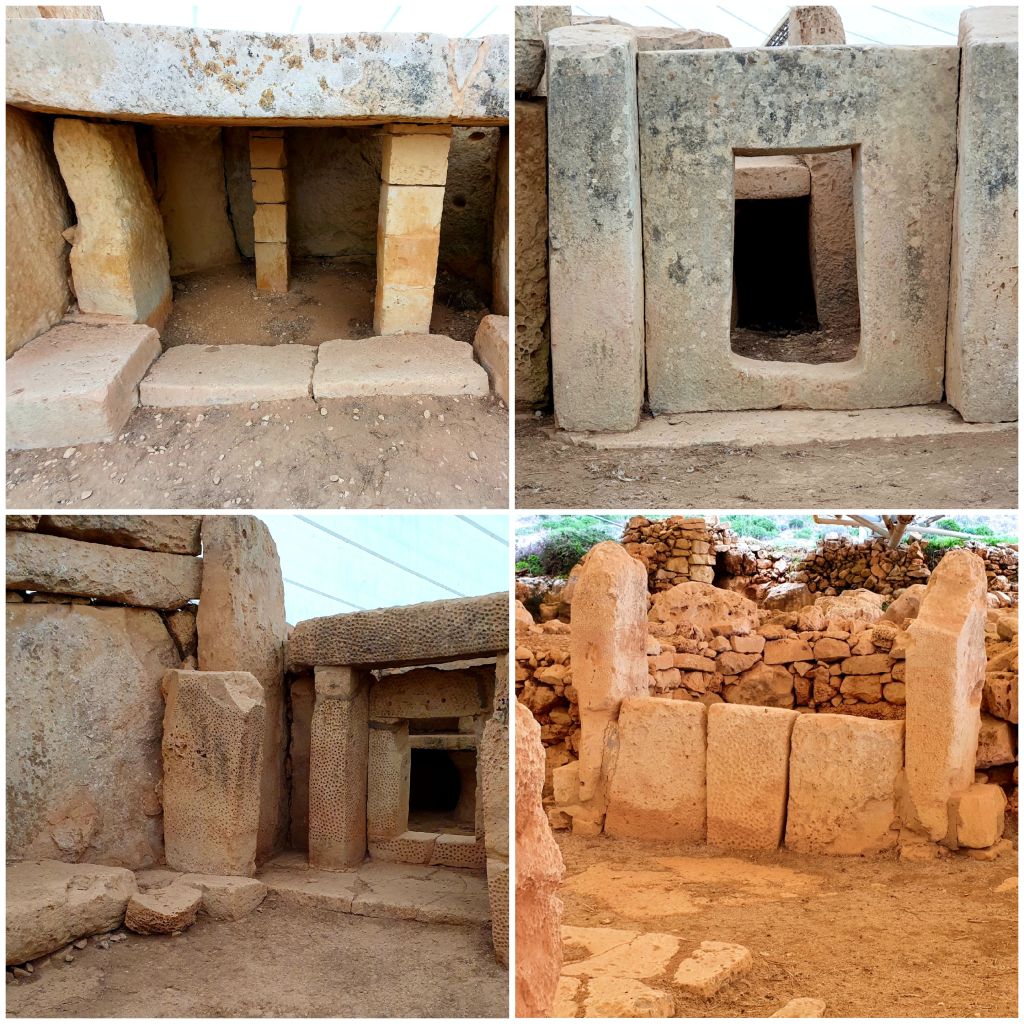
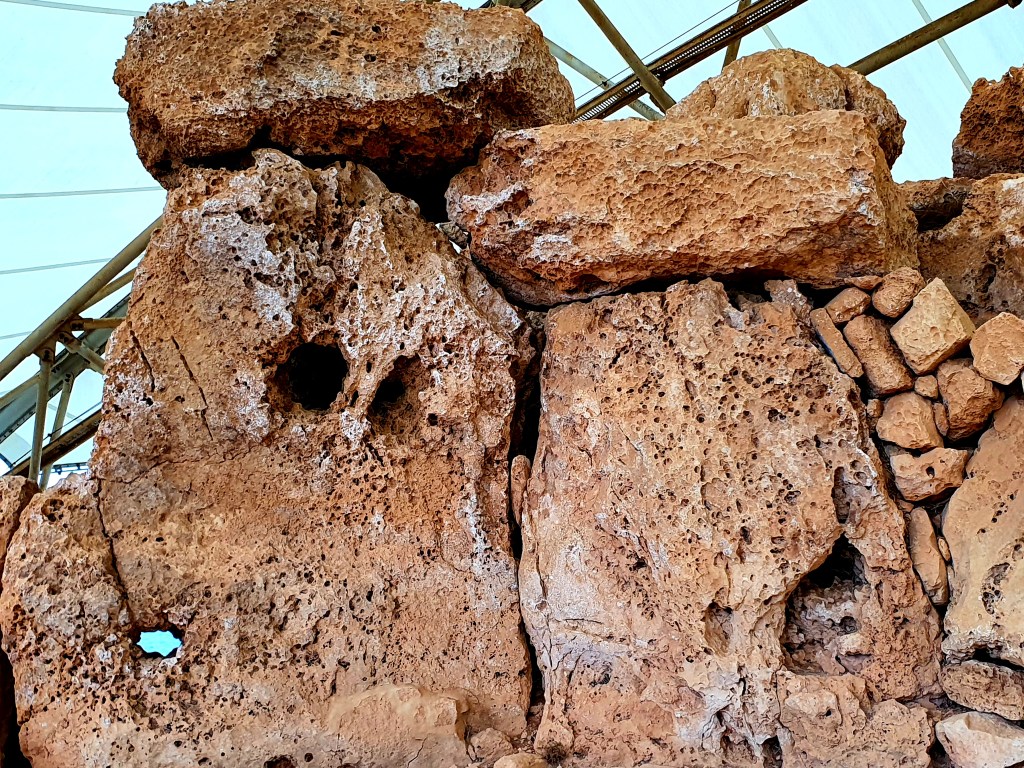
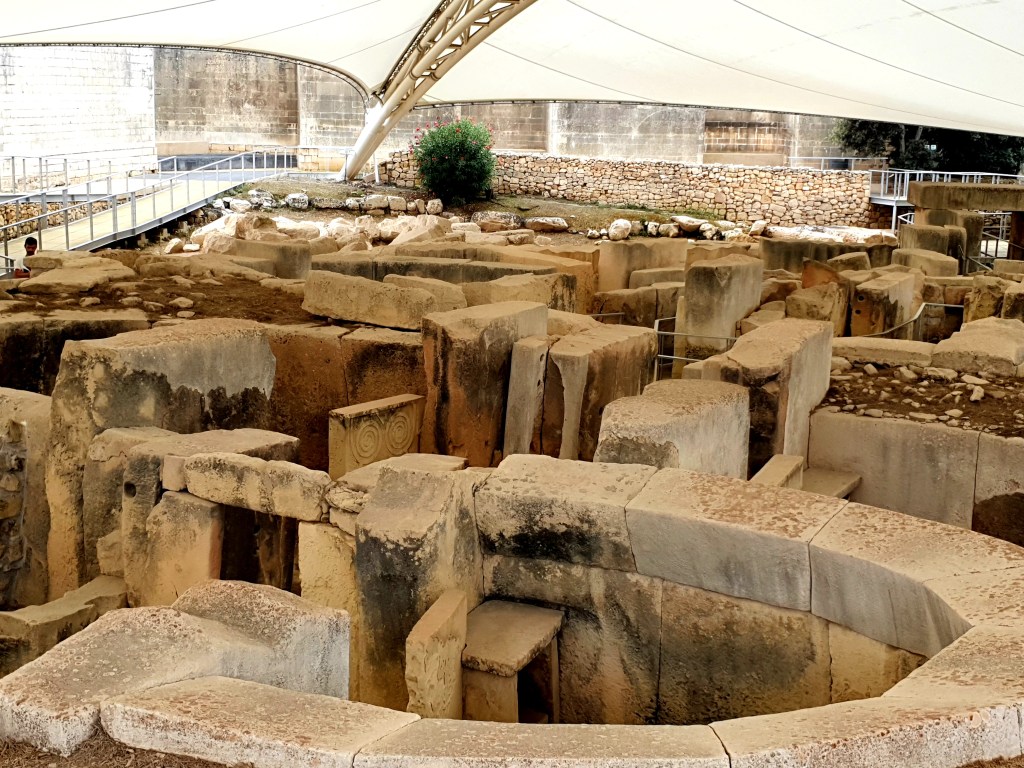
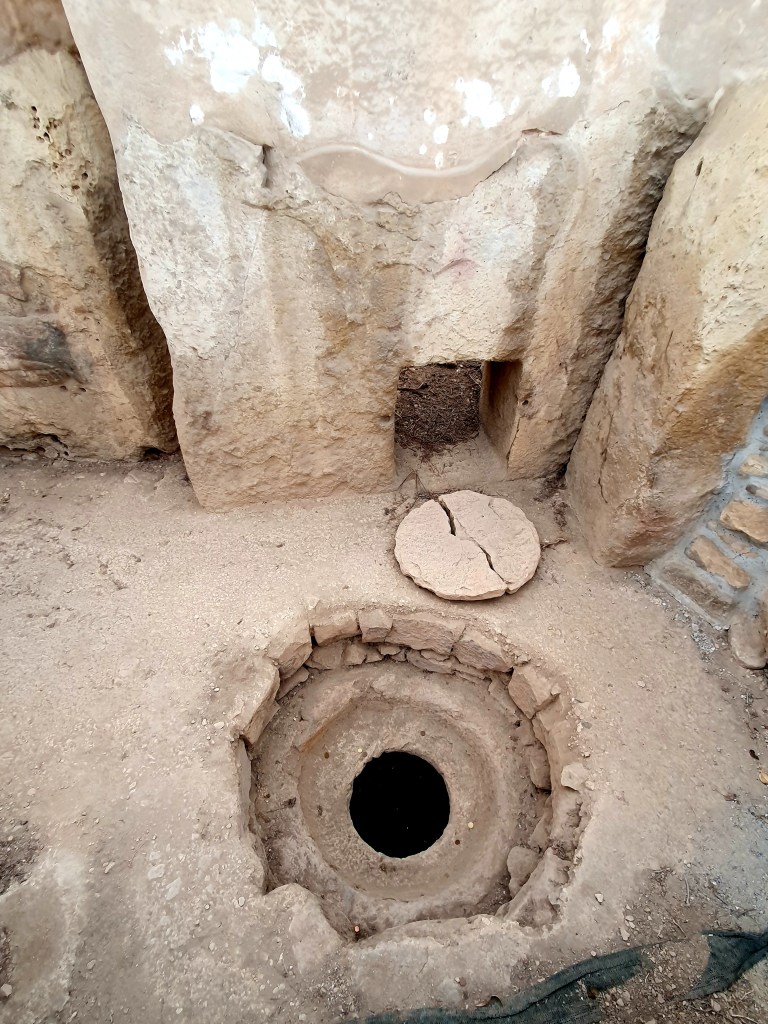
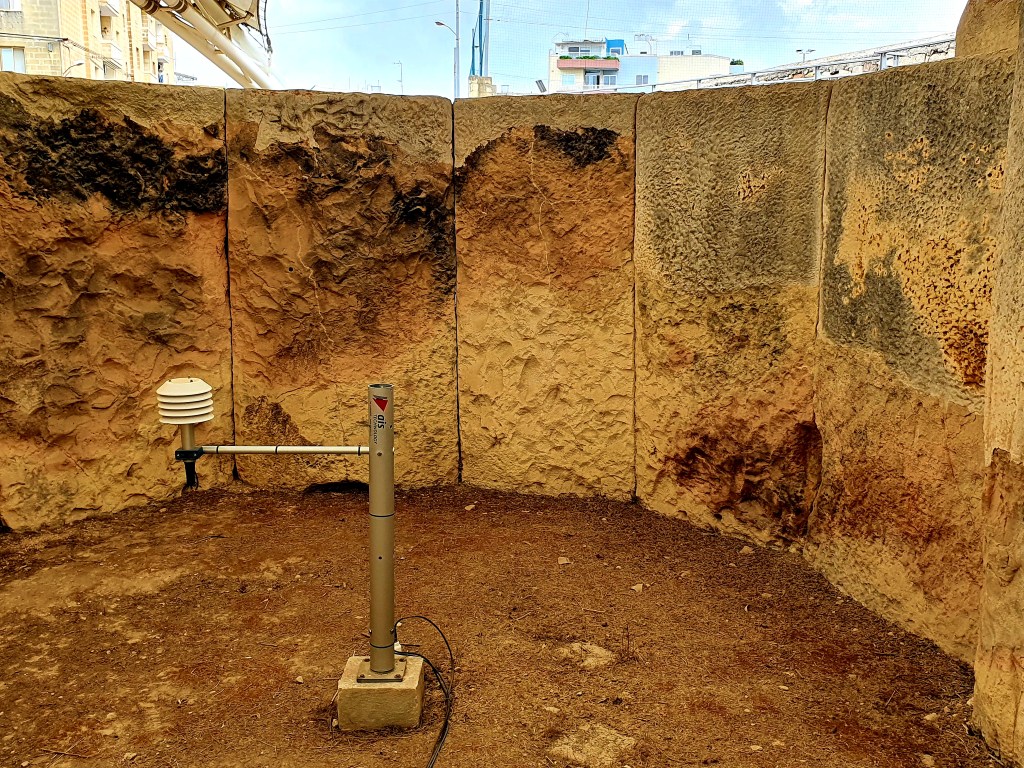
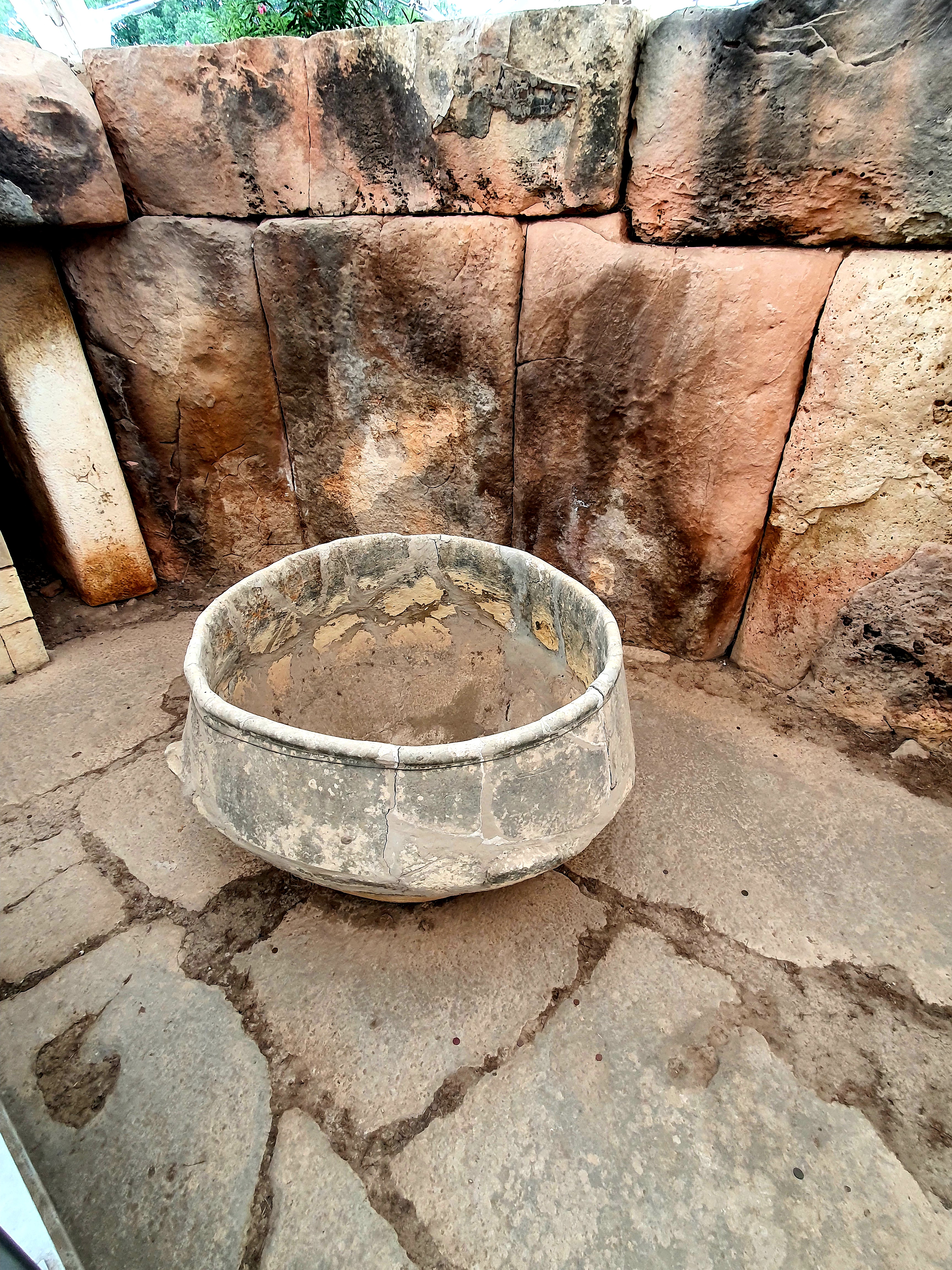
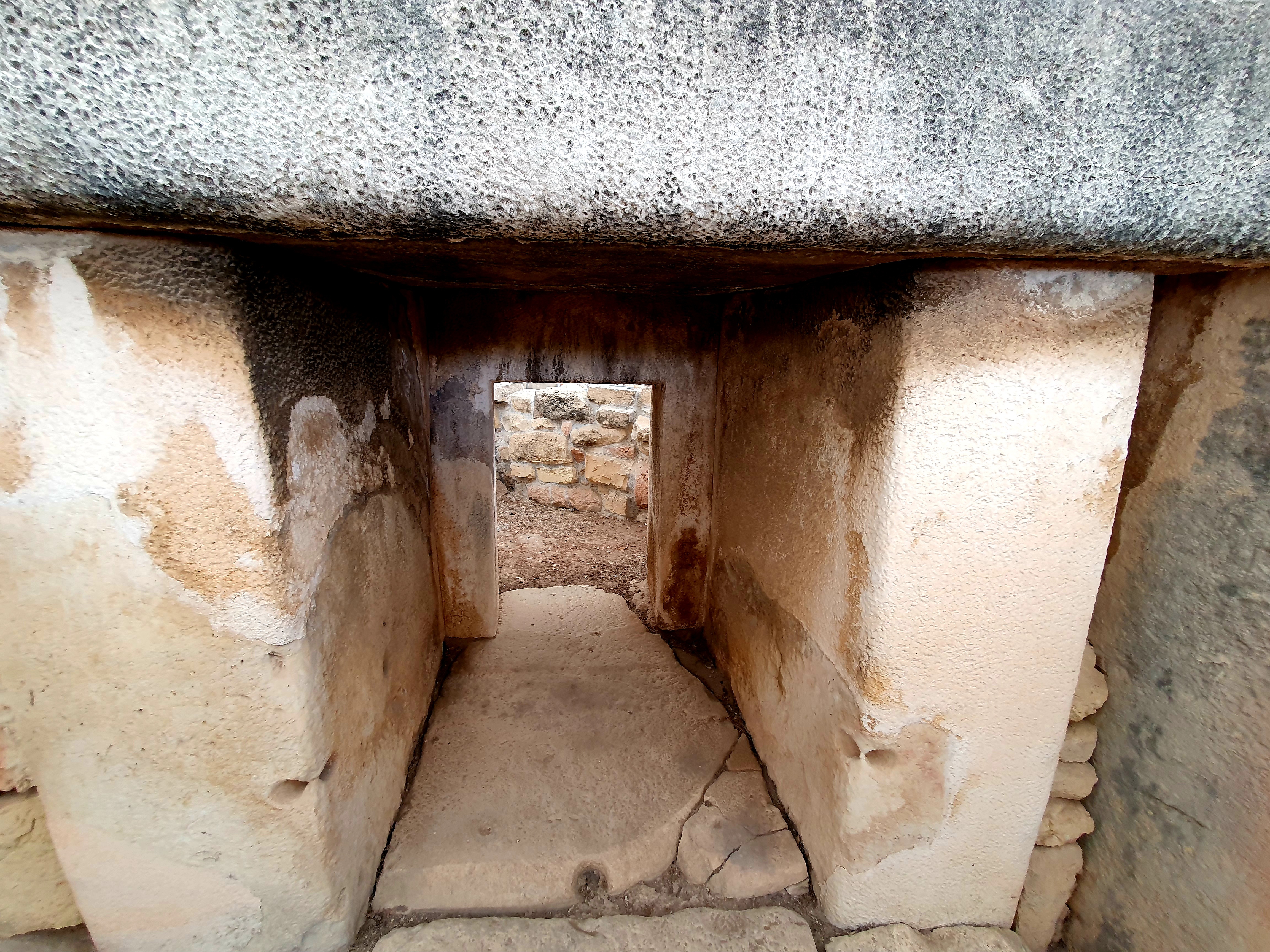
After the Hypogeum we decided to go and visit the Tarxien Temples as this was only a 10 minute walk away. These temples are the most complex of the temples found in Malta.

The eastern side of the temple has mainly been destroyed and only the lower part of the walls have survived.

There are three other structures and many of them have a central area with a number of apses coming off this central area. Little is known about what took place within the buildings  but it is thought they were an important communal centre for social, religious,  political and economic activities.

One of the stones had a bull carved onto it and a number of animal bones were found in the temples which indicates that animals probably played an important role in the rituals that took place here.

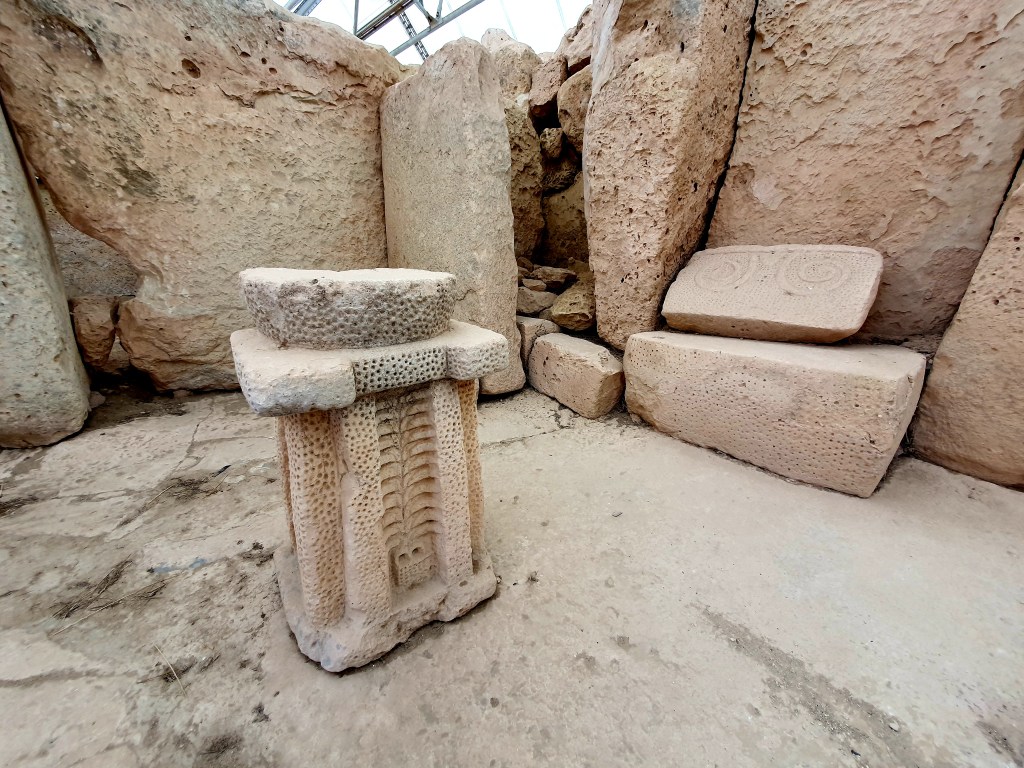
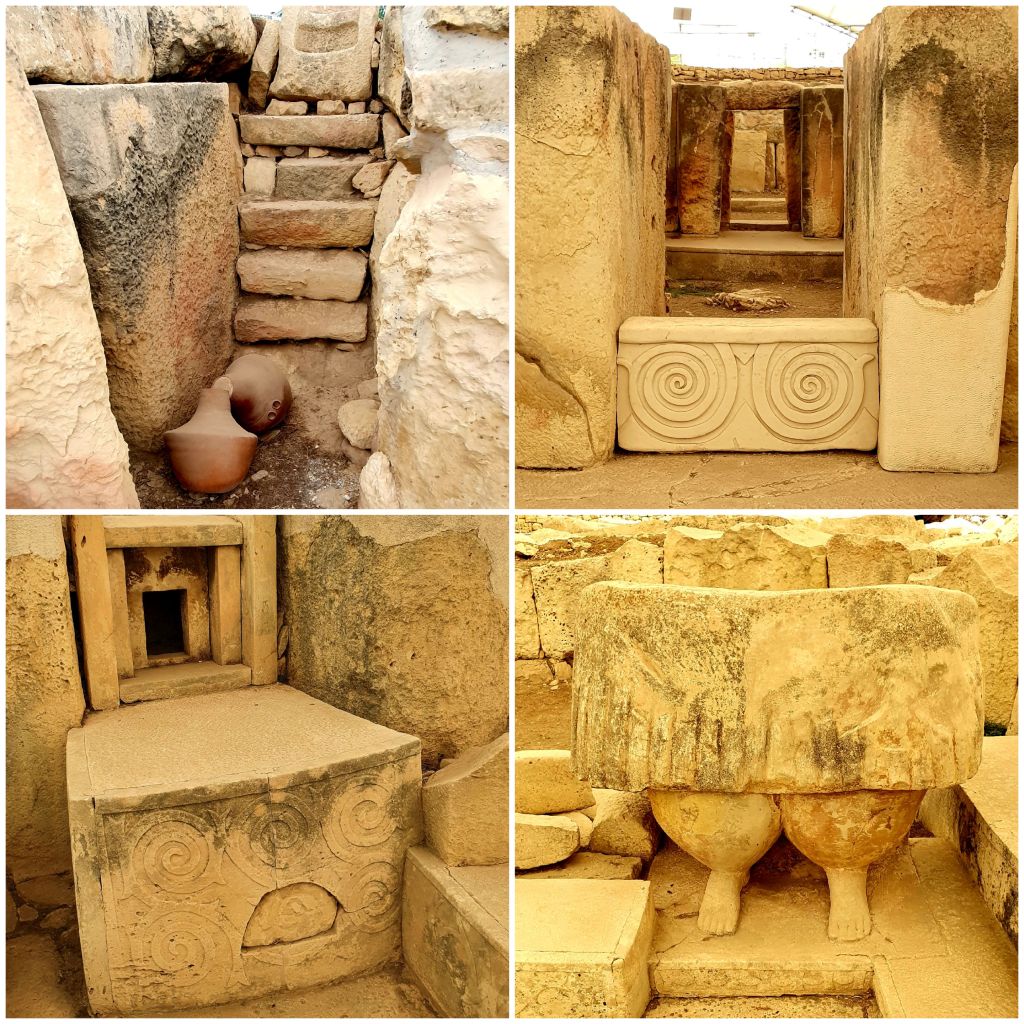
Many of the alters and rocks had spirals or other decorations carved into them. Most of the artifacts found here are now displayed in various museums.

It is thought that in the Bronze Age the temple was used as a crematorium as in some areas the walls of the temple have been blackened.

It was a really interesting site to walk around and hear all about the history from so many thousands of years ago. When we were walking around the temples we got bitten quite a lot by some sort of gnat or mosquito and both of us came away with a number of itchy bites.

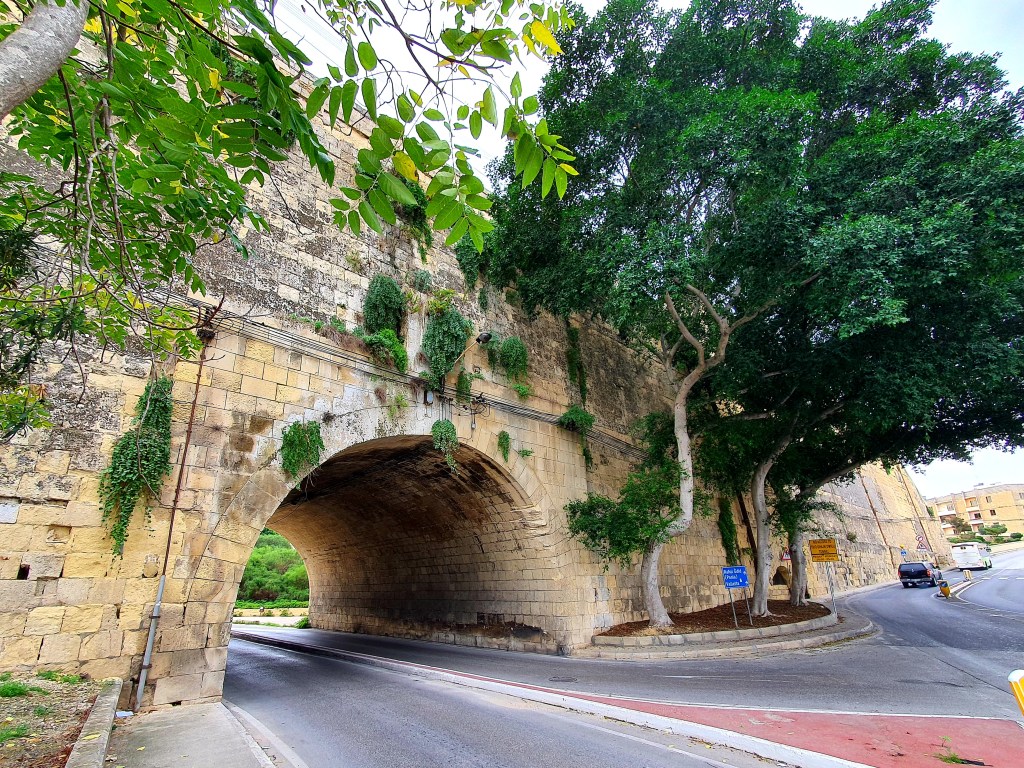
After the temples we decided to walk to Birgu, one of the 3 cities, the other two being Cospicua and Senglea. It was around a 45 minute walk, but the weather was sunny so it was really nice. As we got towards the 3 cities we passed through the old city walls.

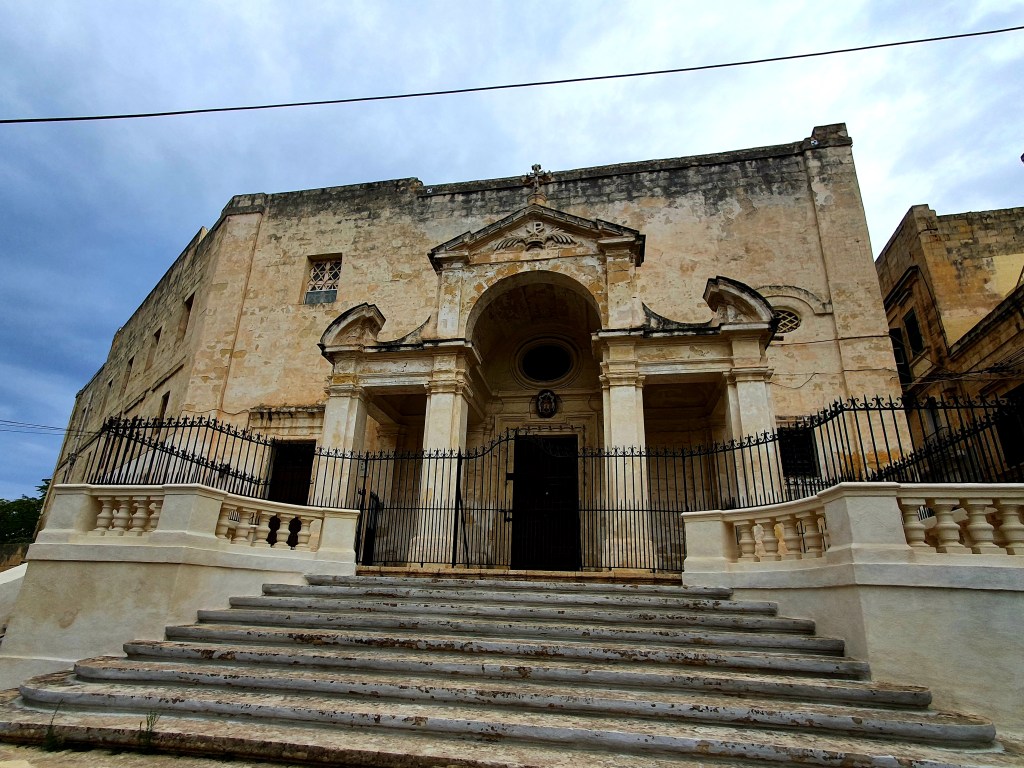
We also passed by the church and monastery of St Margaret. This church was built for the carmalite sisters and was built on old medieval chapel. It was initially a home for destitute girls.

Birgu was the Knight’s first base in Malta. The old entrance into the city has been replaced by a very impressive main gate.

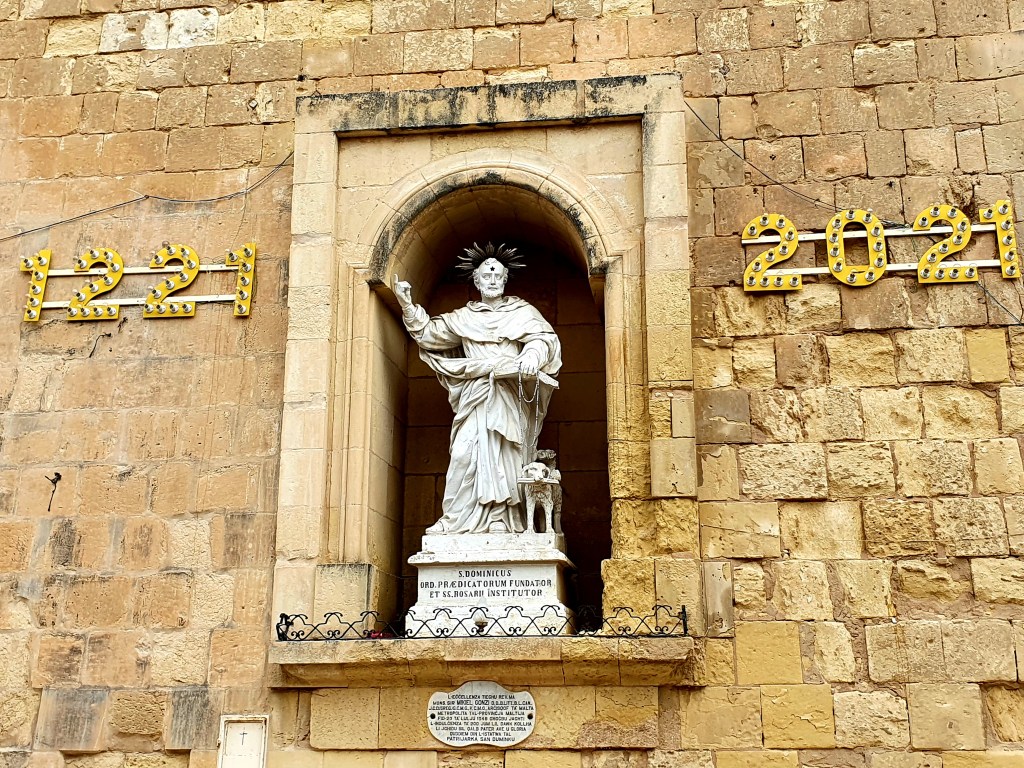
Just inside the city gate is a statue of St Dominic.

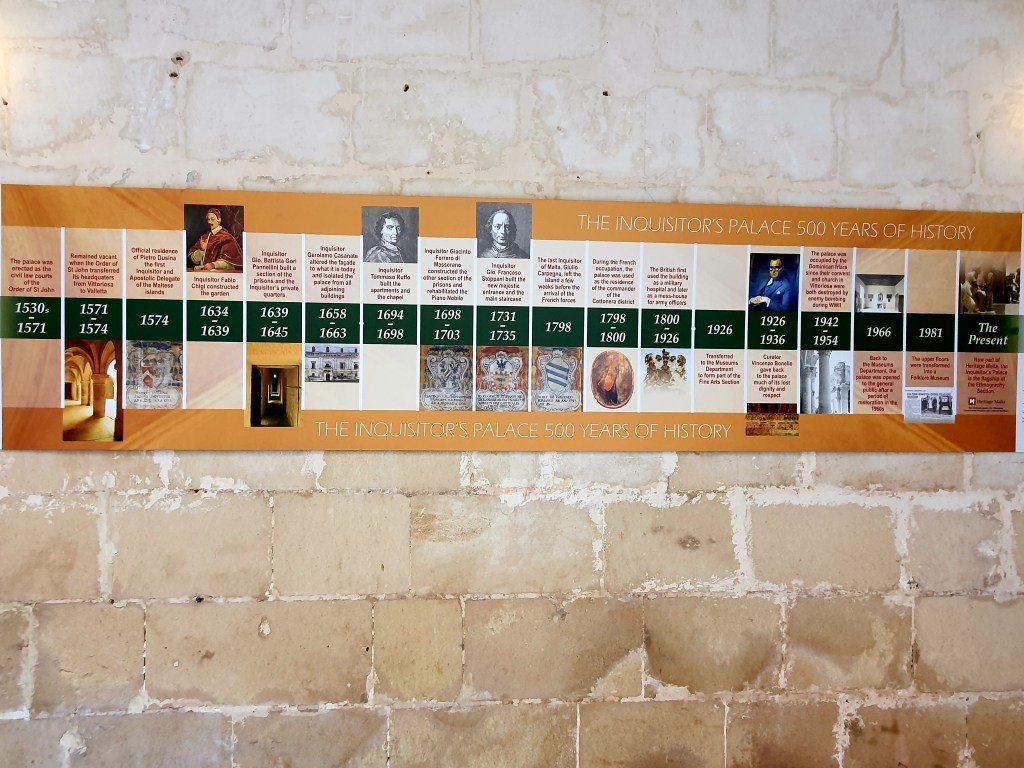
We walked down the main street to the Inquisitors Palace. This is one of the very few surviving palaces of its kind and is also known as the Sacred Palace. It has a long and varied history starting from the 1530s.

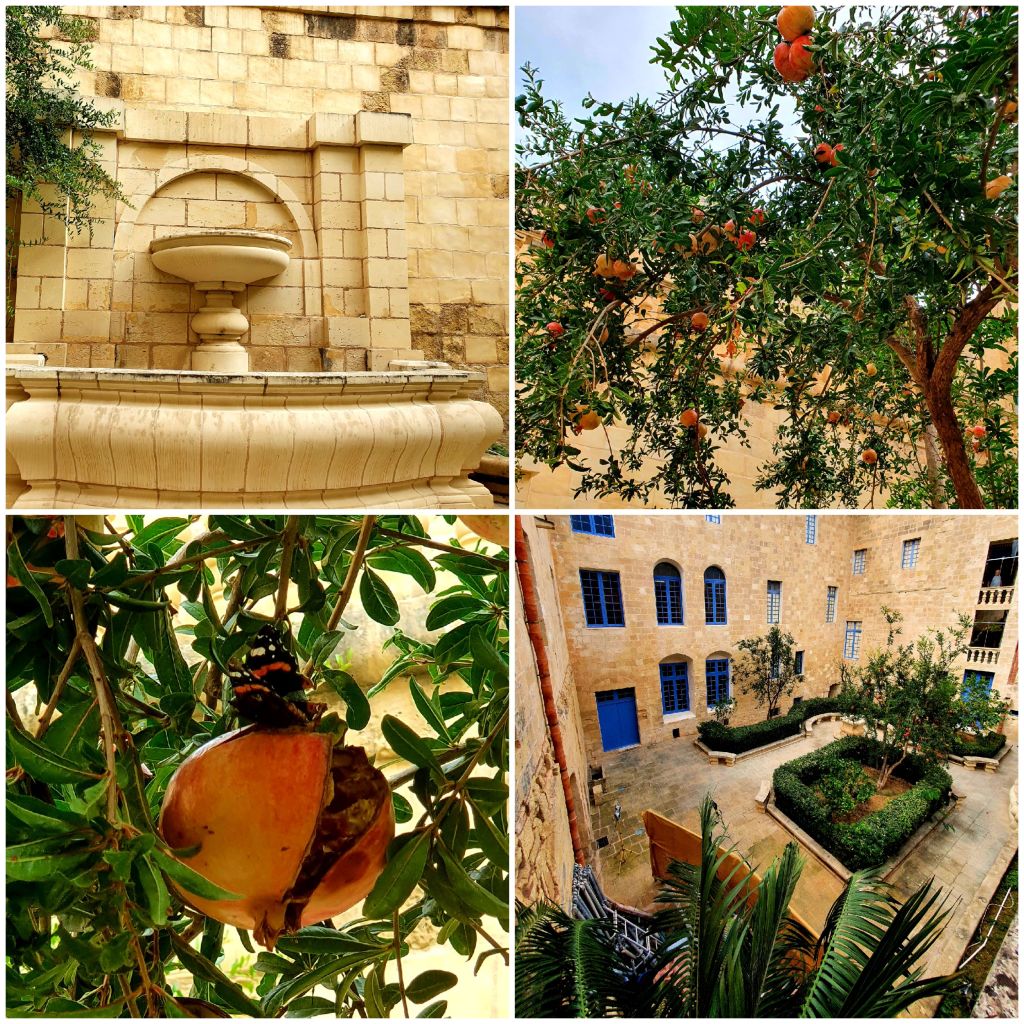
On entering the building you find yourself in a beautiful courtyard. There was a pomegranate tree in the courtyard. I tried to get some fruit off it but all the low hanging fruit was rotten and I couldn’t reach the higher branches.

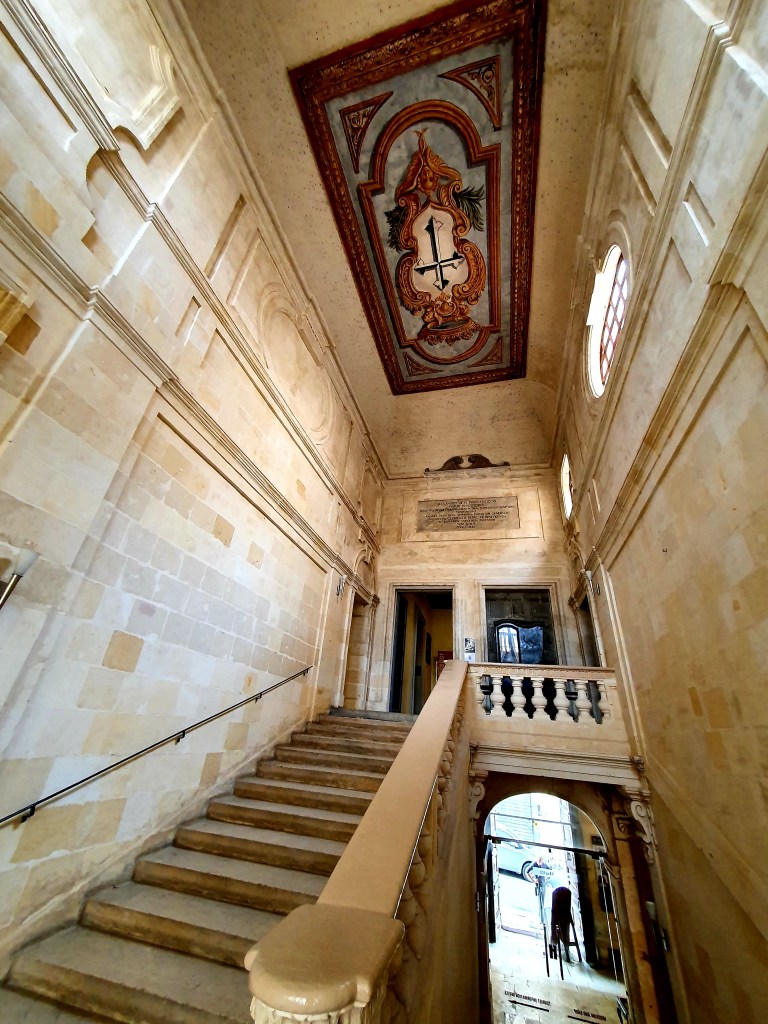
The main staircase is really impressive. It was purposely constructed to present a powerful image of the inquisitors and the place where they lived.

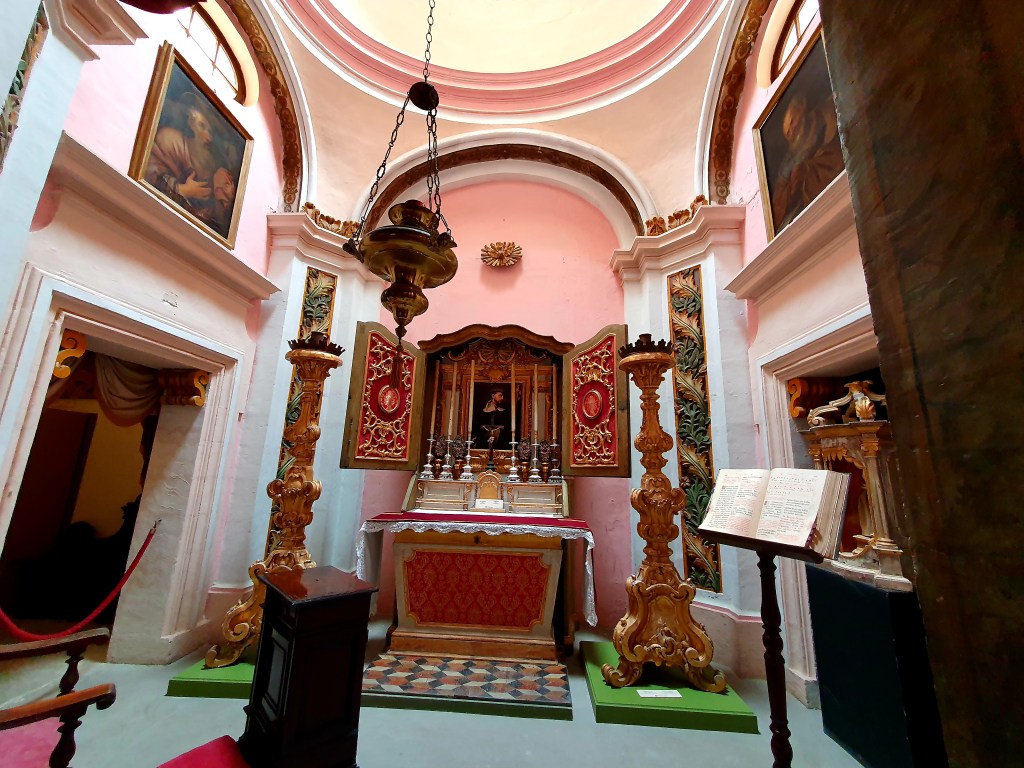
The inquisitor also had his own private chapel.

But the most interesting part of the building was obviously the area where prisoners were kept and where the inquisitions were carried out.

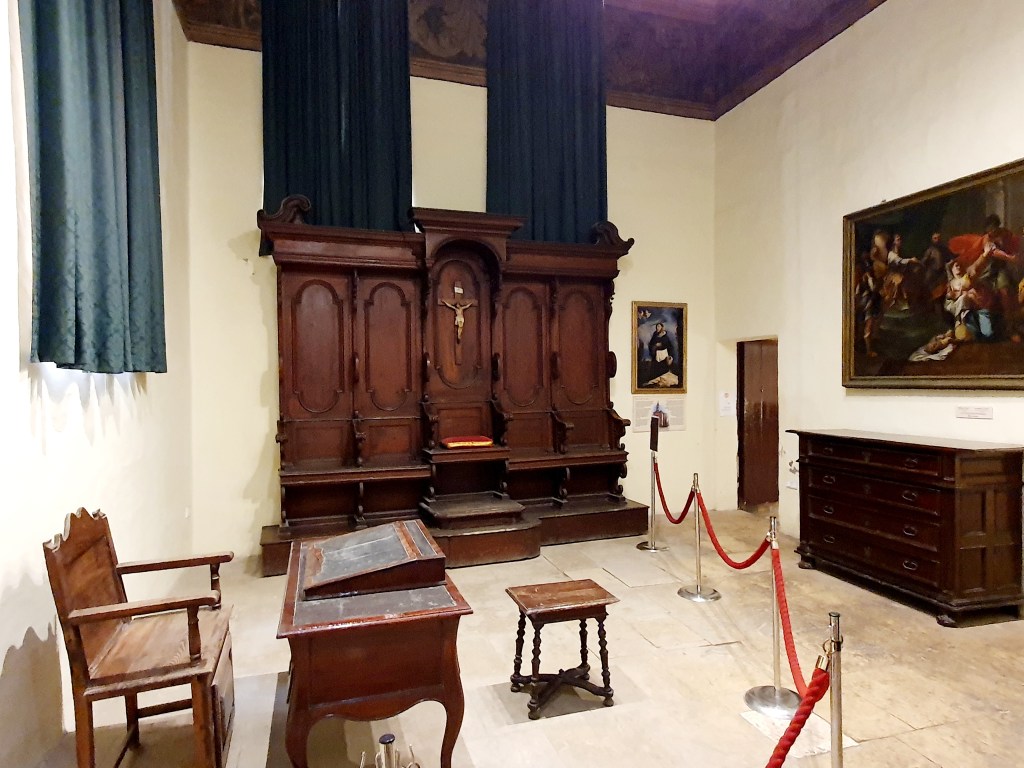
The tribunal area was where prisoners or witnesses were bought for trial and where sentences were given.

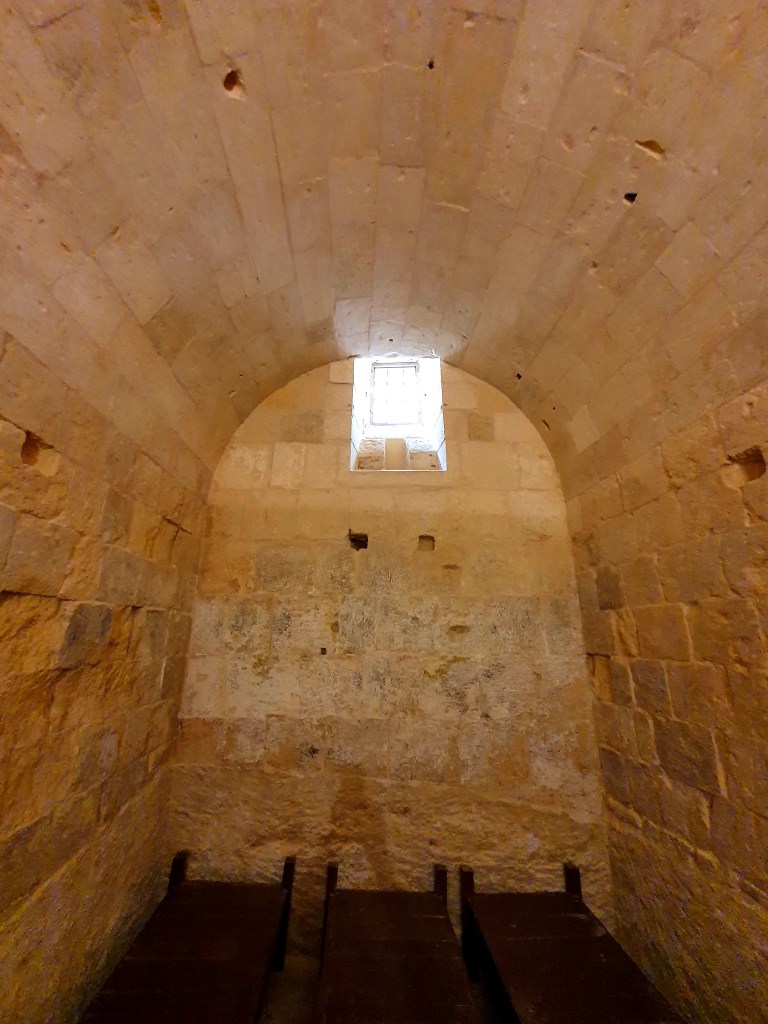
The prison itself was divided into communal cells, mainly for those awaiting trial, and penitentiary cells for those who had been sentenced to imprisonment. Prison sentences were normally quite short, months and not years, and quite often prisoners escaped.

There was also a communal toilet for the prisoners which was basically a massive hole in the ground. It can be seen at the left of the photo below. I can’t imagine how bad that must have smelt.

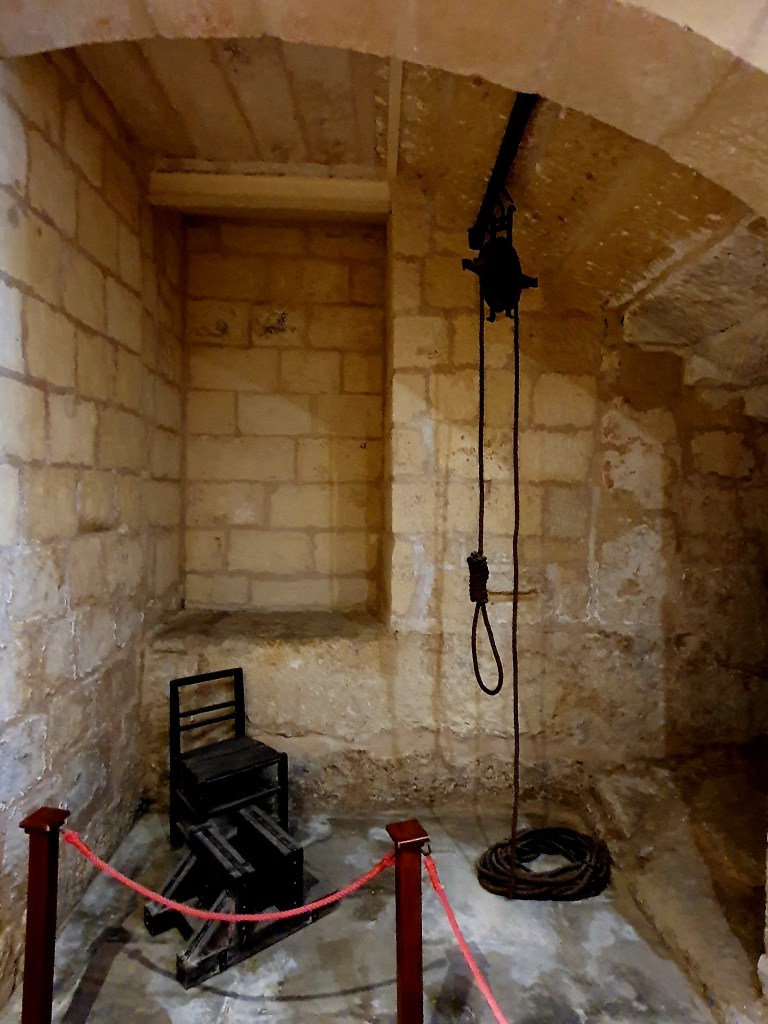
In terms of torture, there were three main types of torture carried out. The most common one used was that the person would have their hands tied behind their back and then pulled up and let down a number of times. Another method was to squeeze a person’s foot between two blocks of wood, or to stretch the body using weights.

Crimes that could lead to punishment included blasphemy, apostasy to Islam, bigamy, solicitation during confession and magical beliefs. Most sentences were of a spiritual nature and included fasting and prayer. Physical punishments included public flogging or rowing on the galleys.

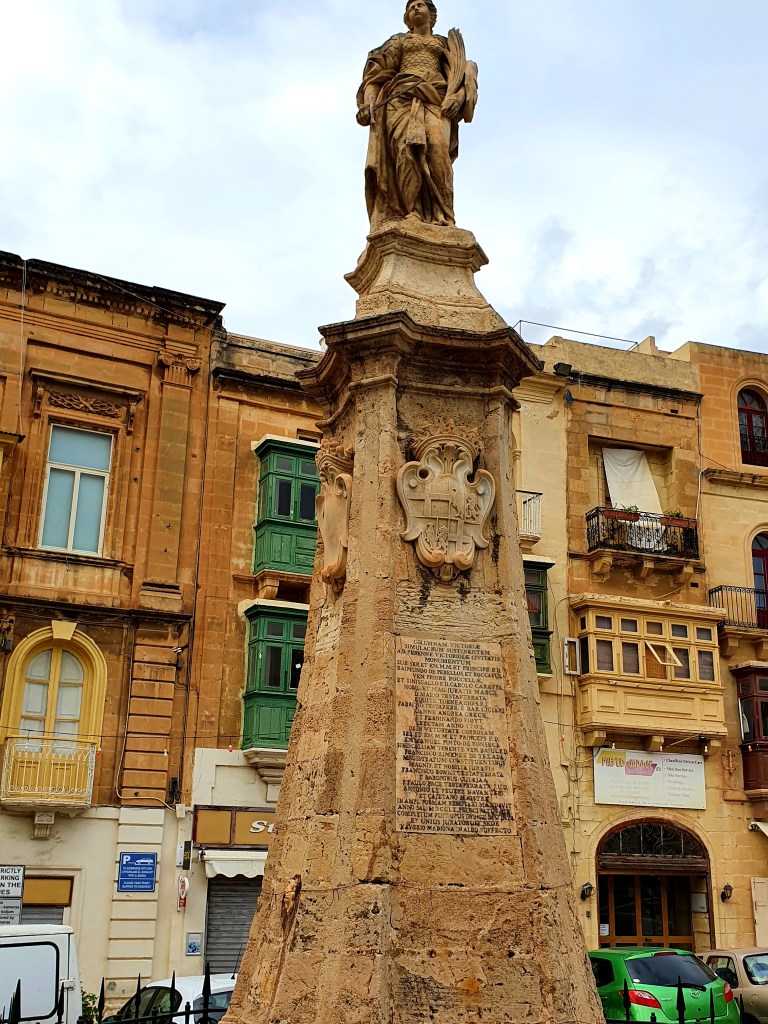
From the Inquisitors Palace we walked down to the waterfront past the Victory Monument in Vittoriosa square. This statue commemorates the Great Seige of 1565.

We also passed St Lawrence Church and the Freedom Memorial. This memorial represents when the British left Malta on 31 March 1979, even though they had gained independence in 1964. The mound the memorial sits on is made from stone that comes from the Dingli Cliffs and shows a British sailor saying farewell to a Maltese worker with a handshake. There is also another Maltese worker and a bugler.

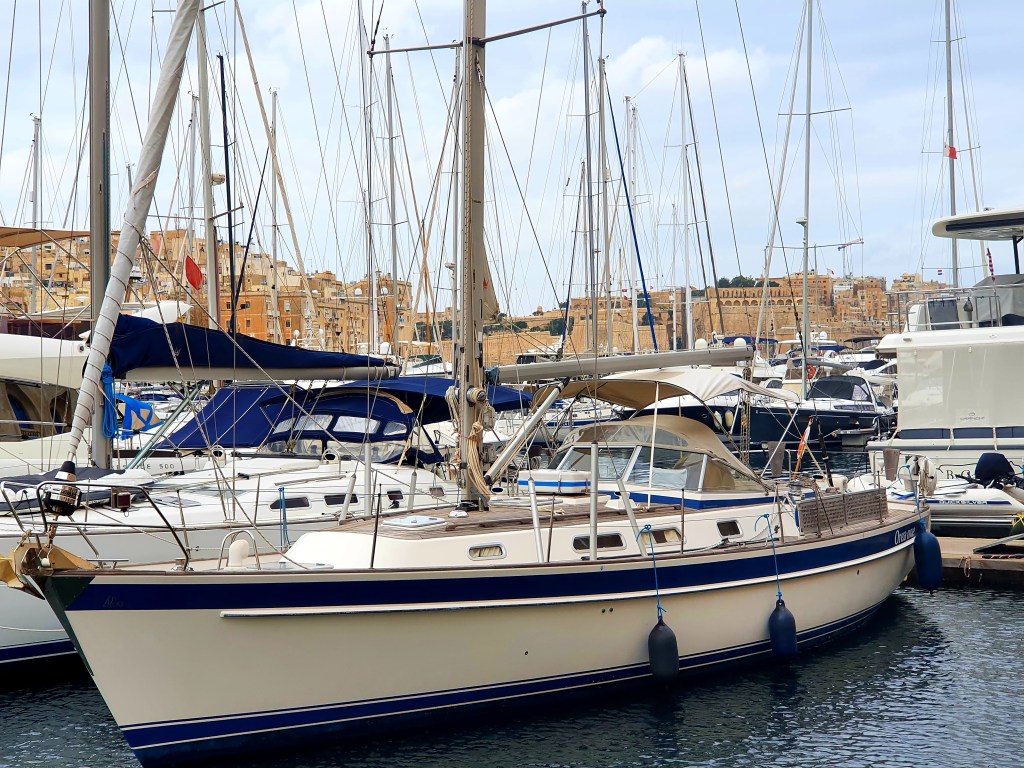
The waterfront at Birgu is really nice, it reminded me a bit of the South of France.

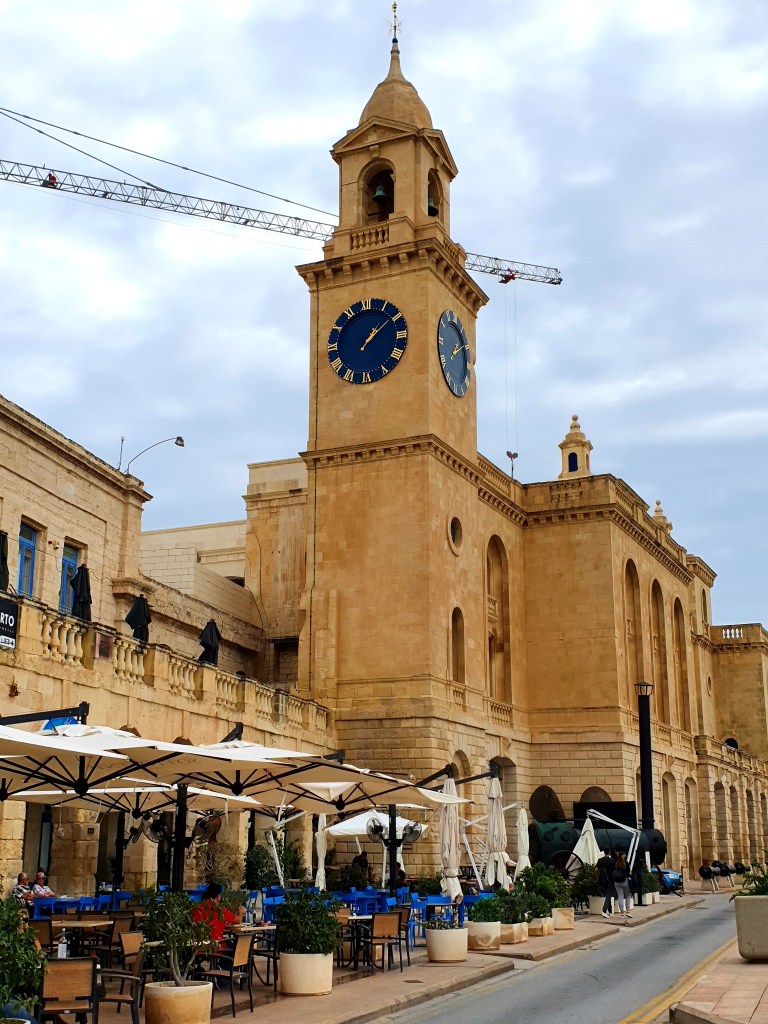
We walked past the Maratime Museum which is housed in the former Royal Navy Bakery and is an impressive building. Apparently its facade was inspired by Windsor Castle.

By now were pretty hungry so we stopped off at one of the waterside cafes to have some pizza and wine. The pizzas were huge so we ended up taking the remains with us in a doggy bag.

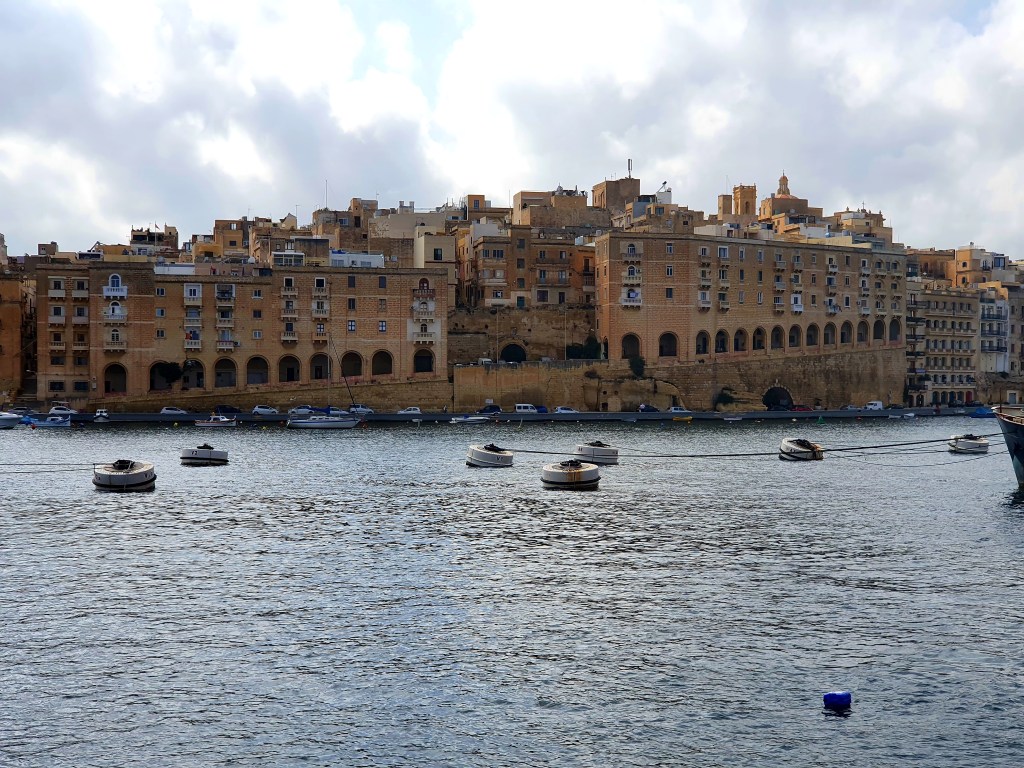
We had a lovely view across to Senglea, you could just about see the top of the basillica dedicated to Our Lady of Victories. The church was destroyed by an air raid during the second world war but was rebuilt in 1956.

After lunch we walked down to Fort St Angelo which is at the peninsula of the city.  The only resident knight on the island lives in this fort and only the upper area of the fort is open to the public.

The vocation of the fort is to guard the Grand Harbour and it has done this successfully over many years and many sieges.  It has been used by the French army as their headquarters, followed by the British Army and the British Navy. It has undergone restoration works over the past years and since 2018 it has been open to the public. You get some great views from the upper part of the fort.

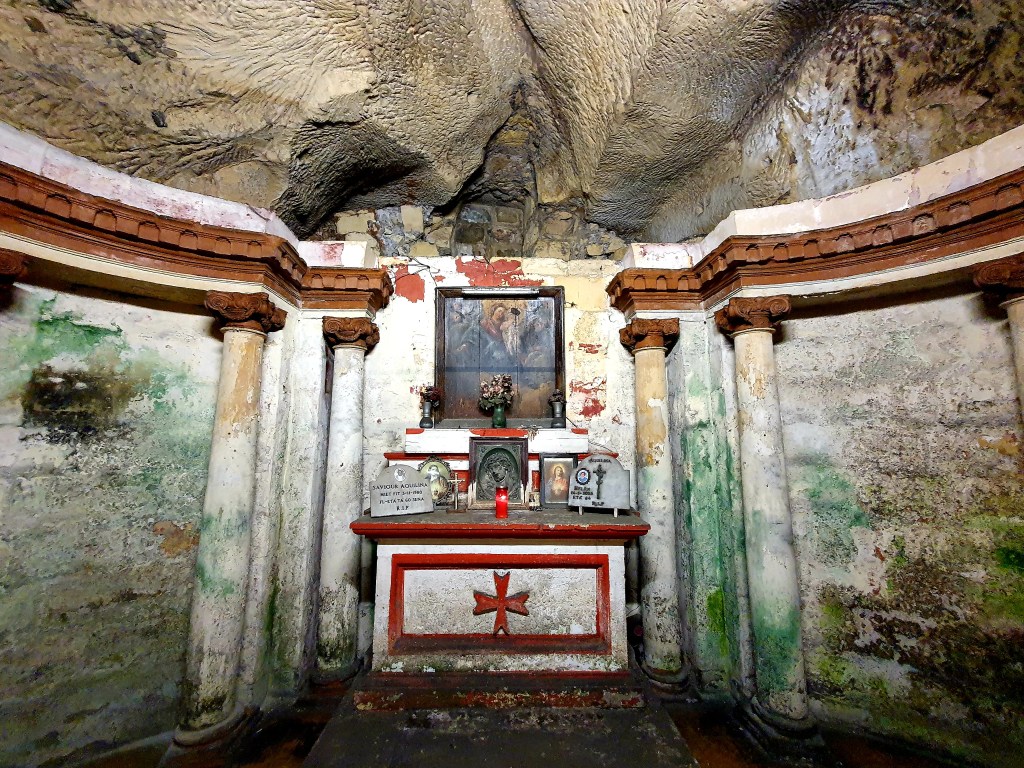
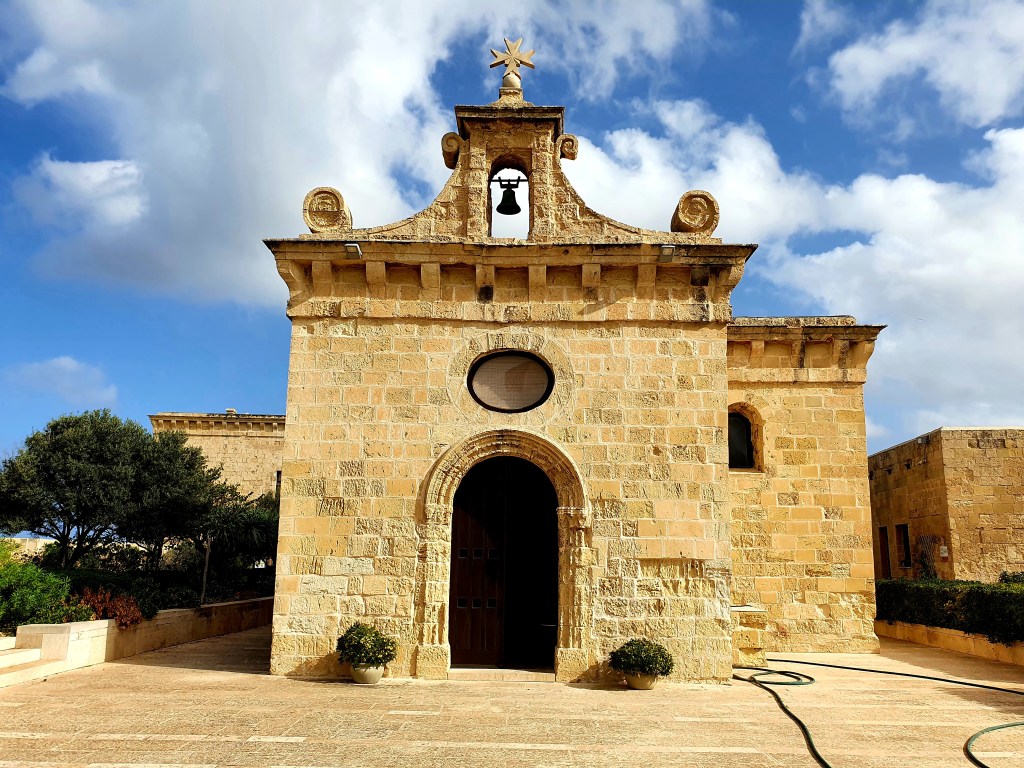
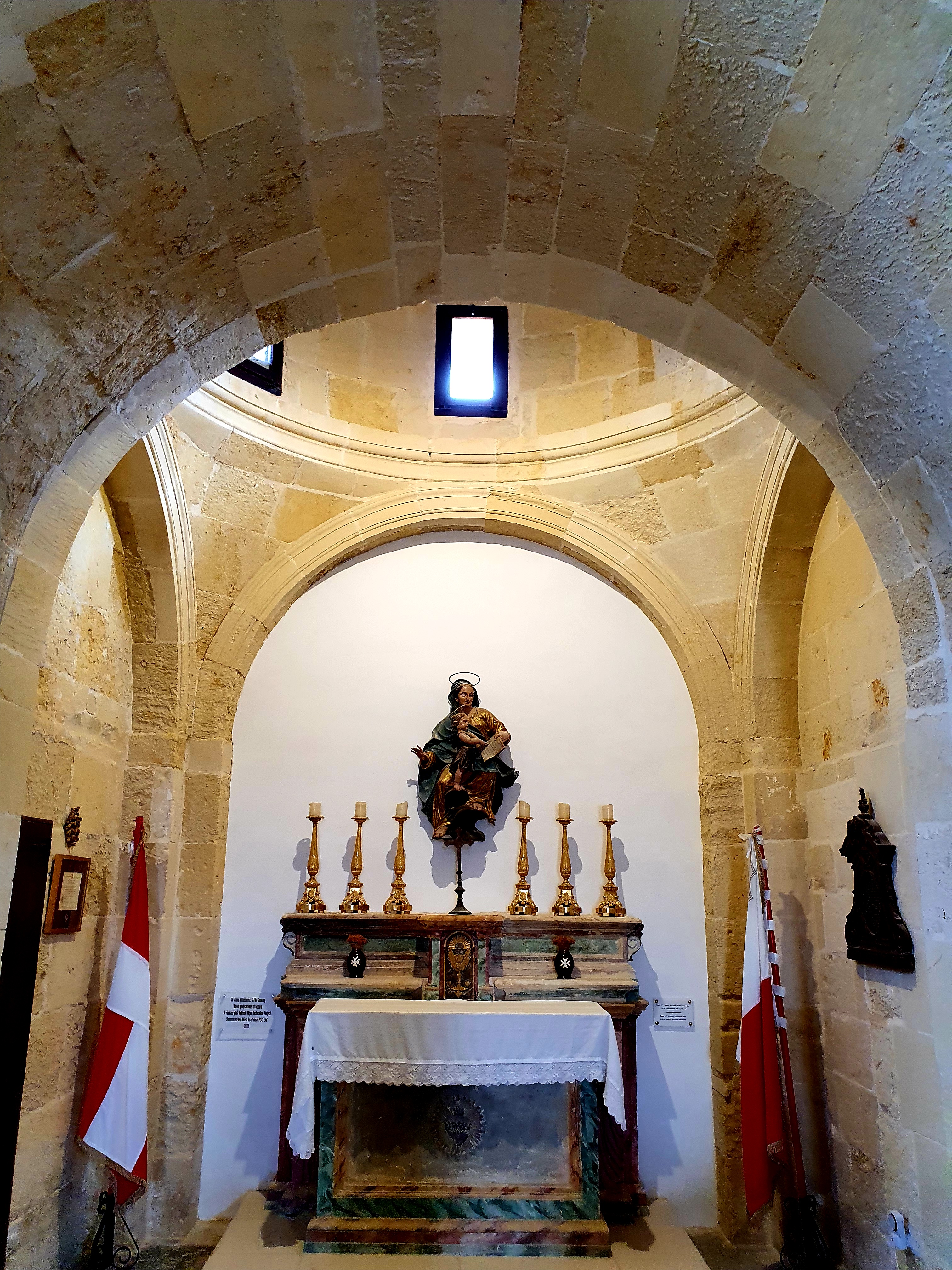
On the upper part of the fort we found the chapel of St Anne, a small chapel that has also been previously used as a store room for arms and ammunition and a school.  The chapel also has a crypt and some Grandmasters used to be buried there.

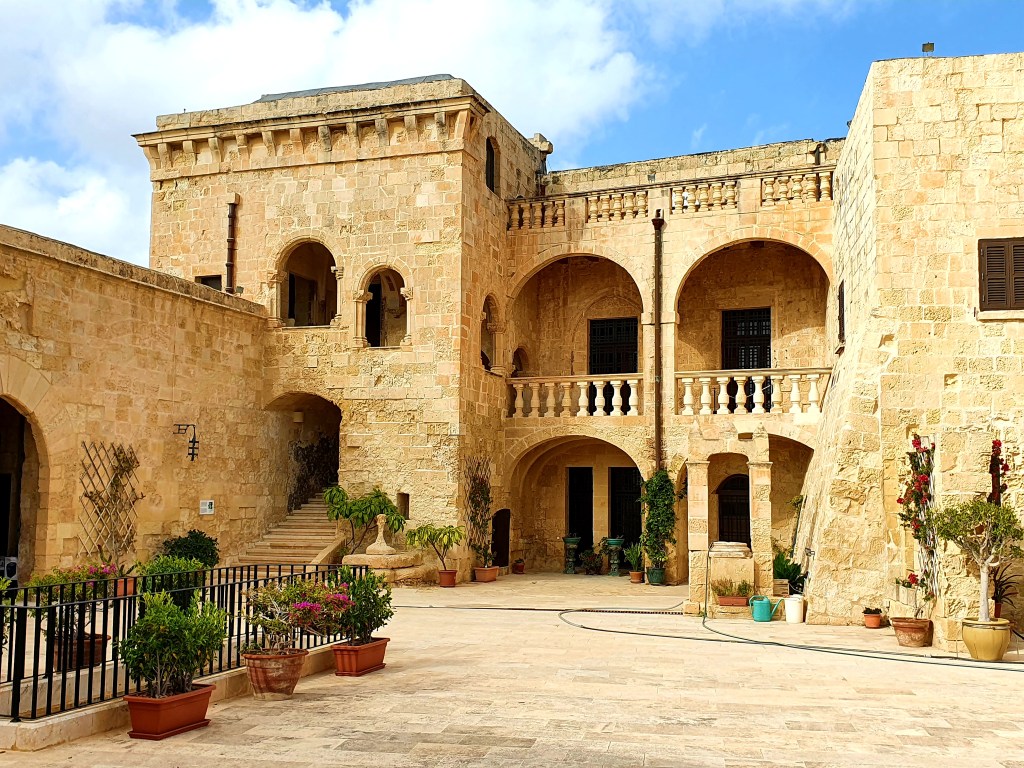
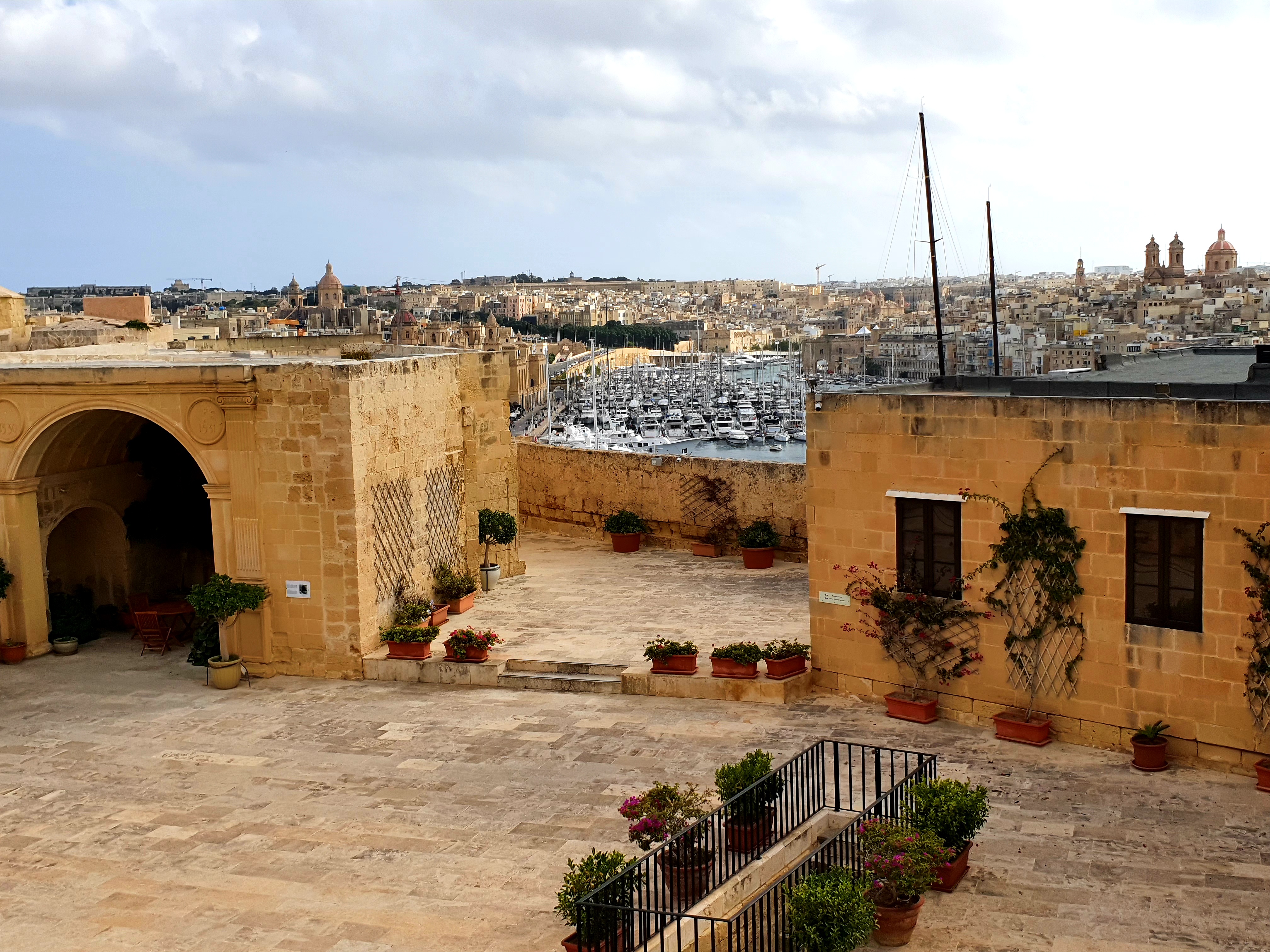
Some more views of, and from the fort.

After looking round the fort we headed back to the church of St Lawrence. We tried getting in via the front door but unfortunately it was shut. However, just as we were walking around the side, someone opened the side door and we went inside.

This church was used as the first conventual church of the Order of St John in Malta. This was because when the Order first settled in Malta all of the langues were based in Birgu. Like many of the churches in Malta, the inside is baroque in style and looks amazing.

We then headed into the older, medieval part of Birgu, known as the collachio, where all the auberges of the knights were first established. Unfortunately both of our phone batteries had died by then so we couldn’t take any photos. But here is a picture of the Auberge de Angleterre, the only English auberge in Malta as when the knights moved from Birgu to Valletta the Reformation put an end to the English role in the order.

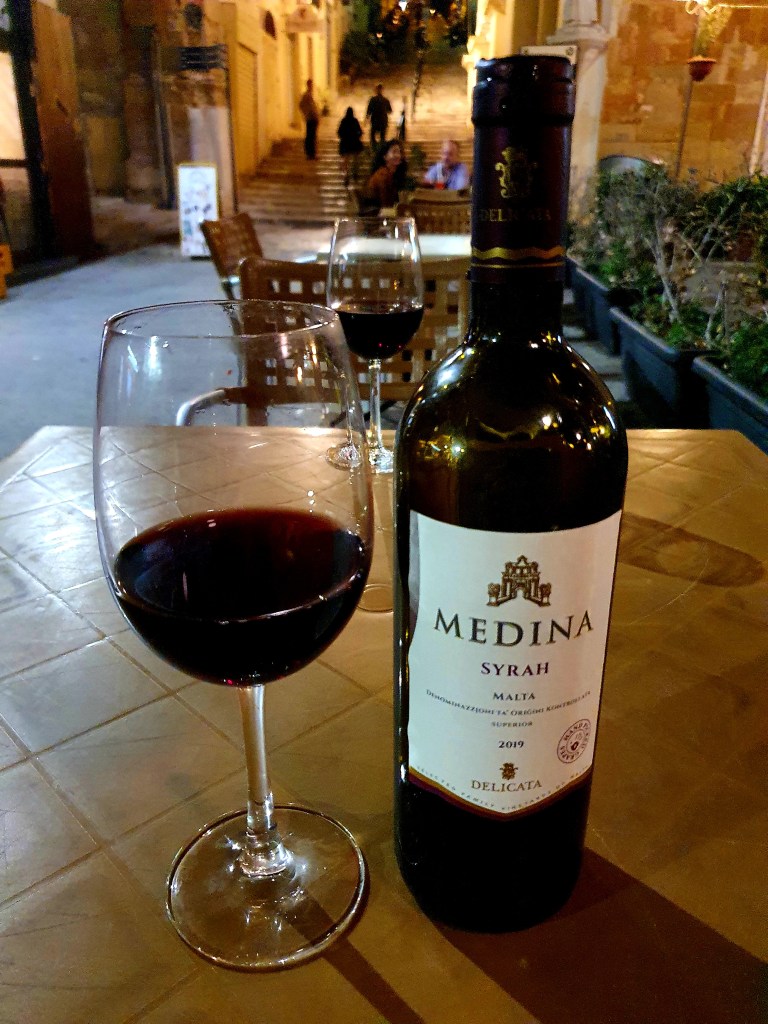
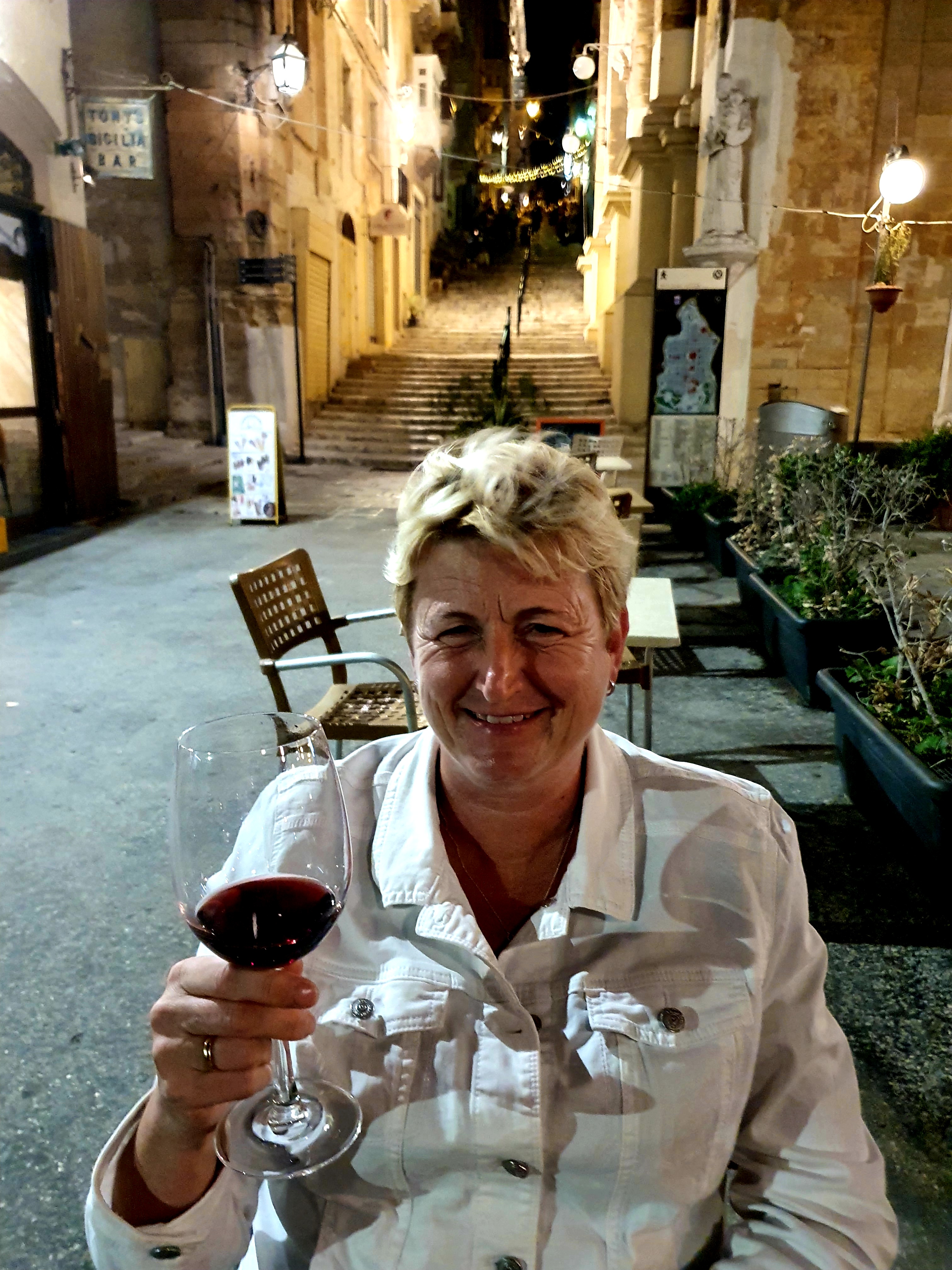
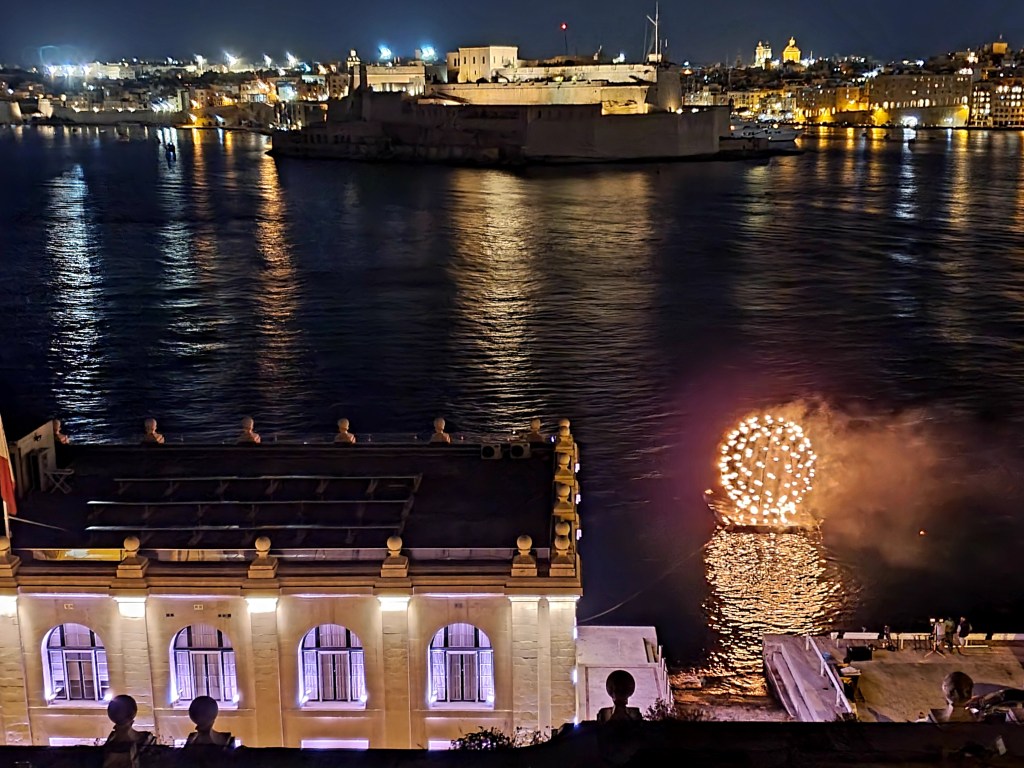
For dinner we had leftover pizza and then headed out to the Bridge bar, literally a minute away from our apartment, as they were having a live jazz night. Unfortunately all the steps and tables were full so we sat upstairs at the italian cafe where we could still hear all the music.

It was a very windy evening but we had ordered a bottle of wine so we stayed out until we finished it.

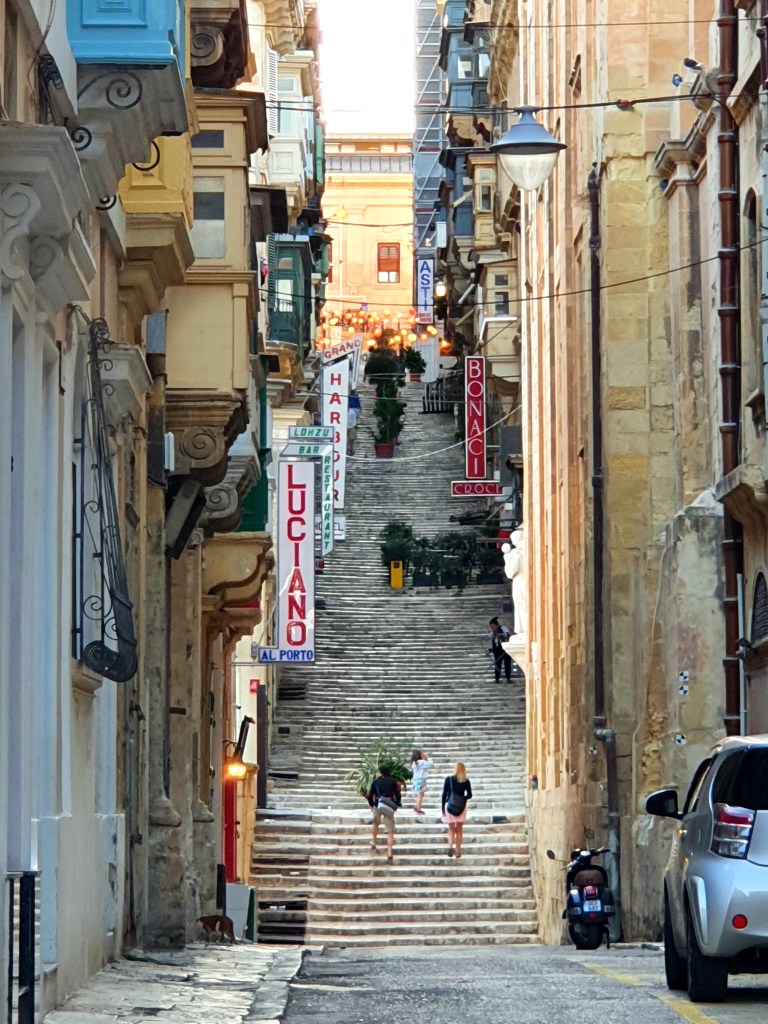
A lot of the steps in Malta are very shallow. We learnt that this was done on purpose to help the knights who were walking up and down them in full armour.

Malta – day three

Last night we booked a trip to Comino and the Blue Lagoon. So we were up fairly early and following a light breakfast of croissant and coffee for me, and toast and tea for Nicola, we headed over to the Phoenica Hotel where the bus was picking us up.

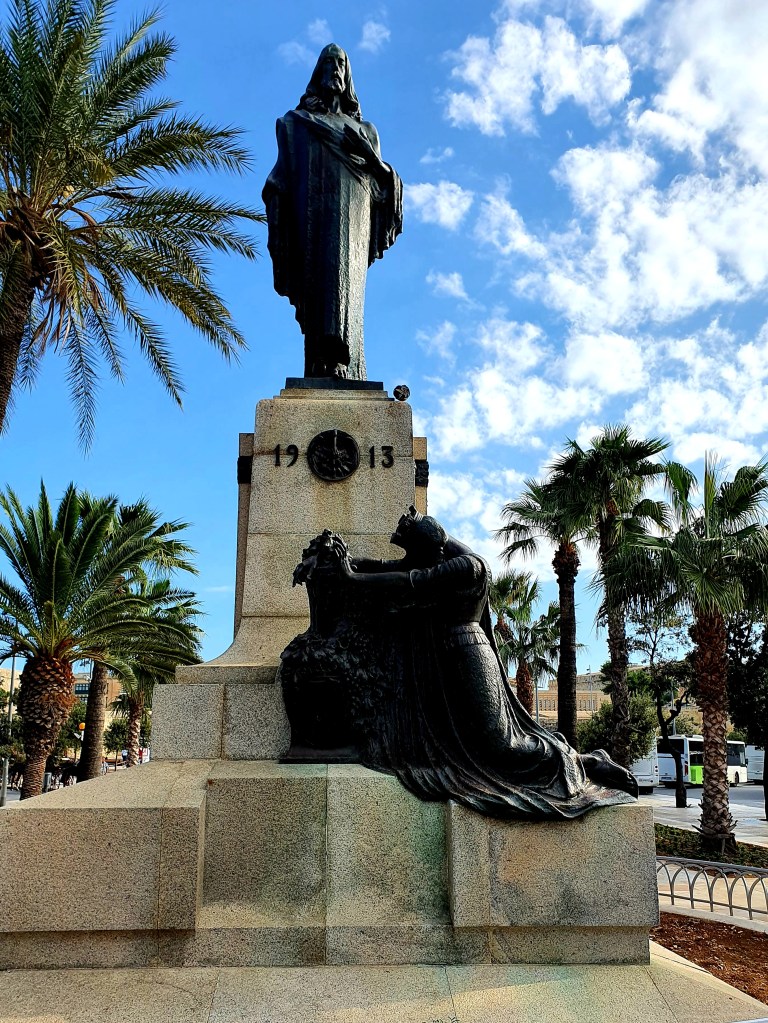
On the way we walked past the statue of Christ the King. This statue commemorates the 24th International Eucharistic Congress where Roman Catholic cardinals, archbishops, clergy and lay people from around the world gather together for a series of ceremonies. This was held in Malta in 1913.

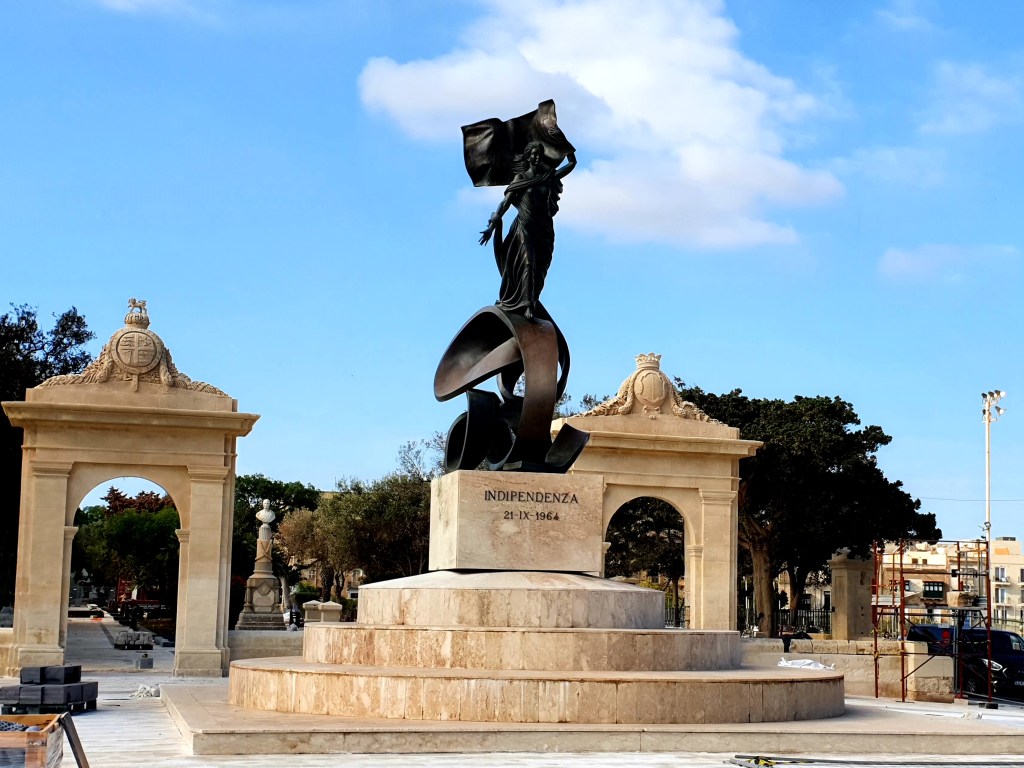
A little bit further down is the statue of Independence. The statue shows a lady stepping forward to freedom and holding the Maltese national flag.

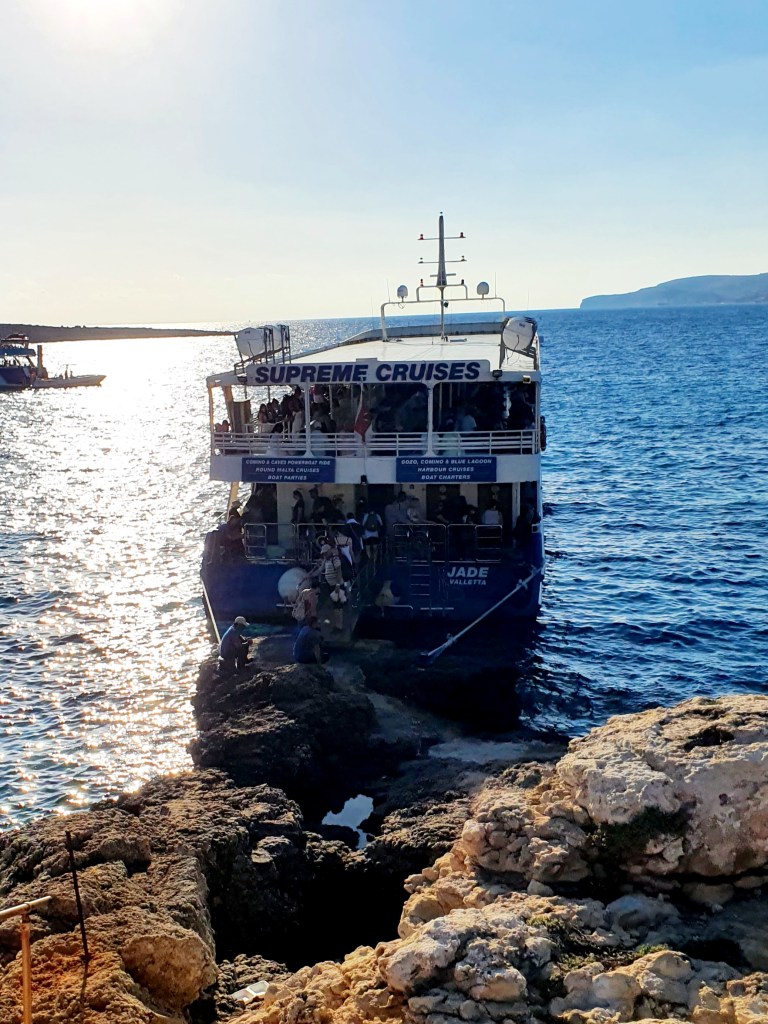
Eventually our tour bus came to pick us up and drove us to the harbour in Sliema where we then boarded our cruise boat that would take us over to Camino.

I thought we had booked on a Catameran but that was a different trip so the boat we were on was bigger than expected and with quite a few people on board.

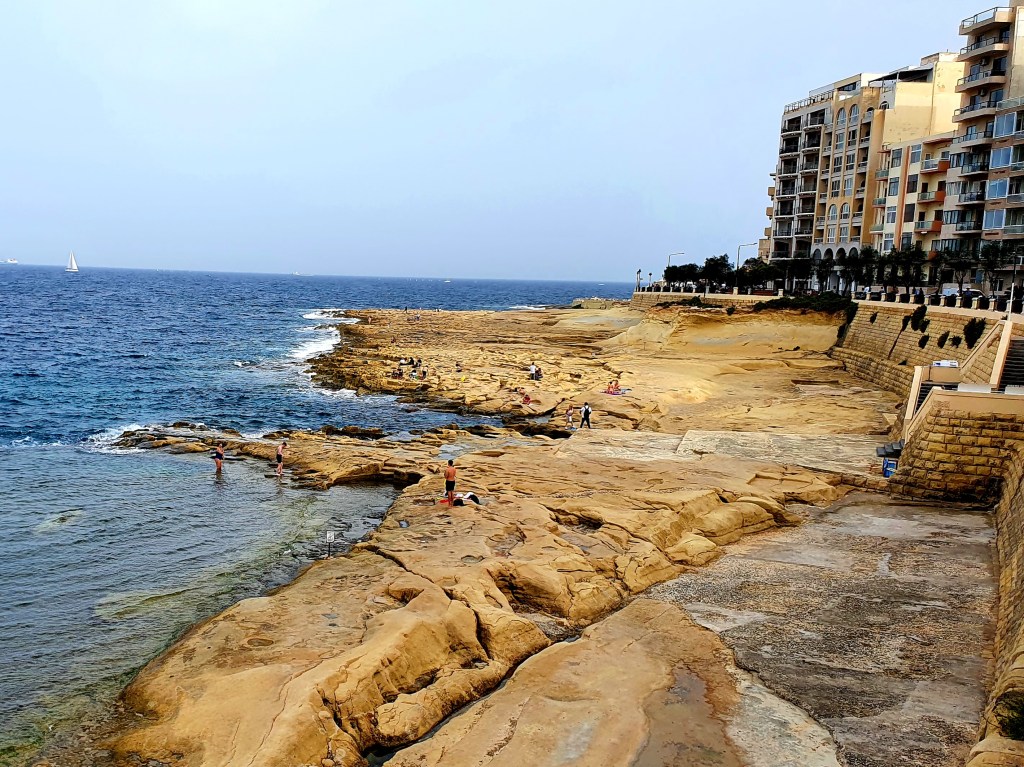
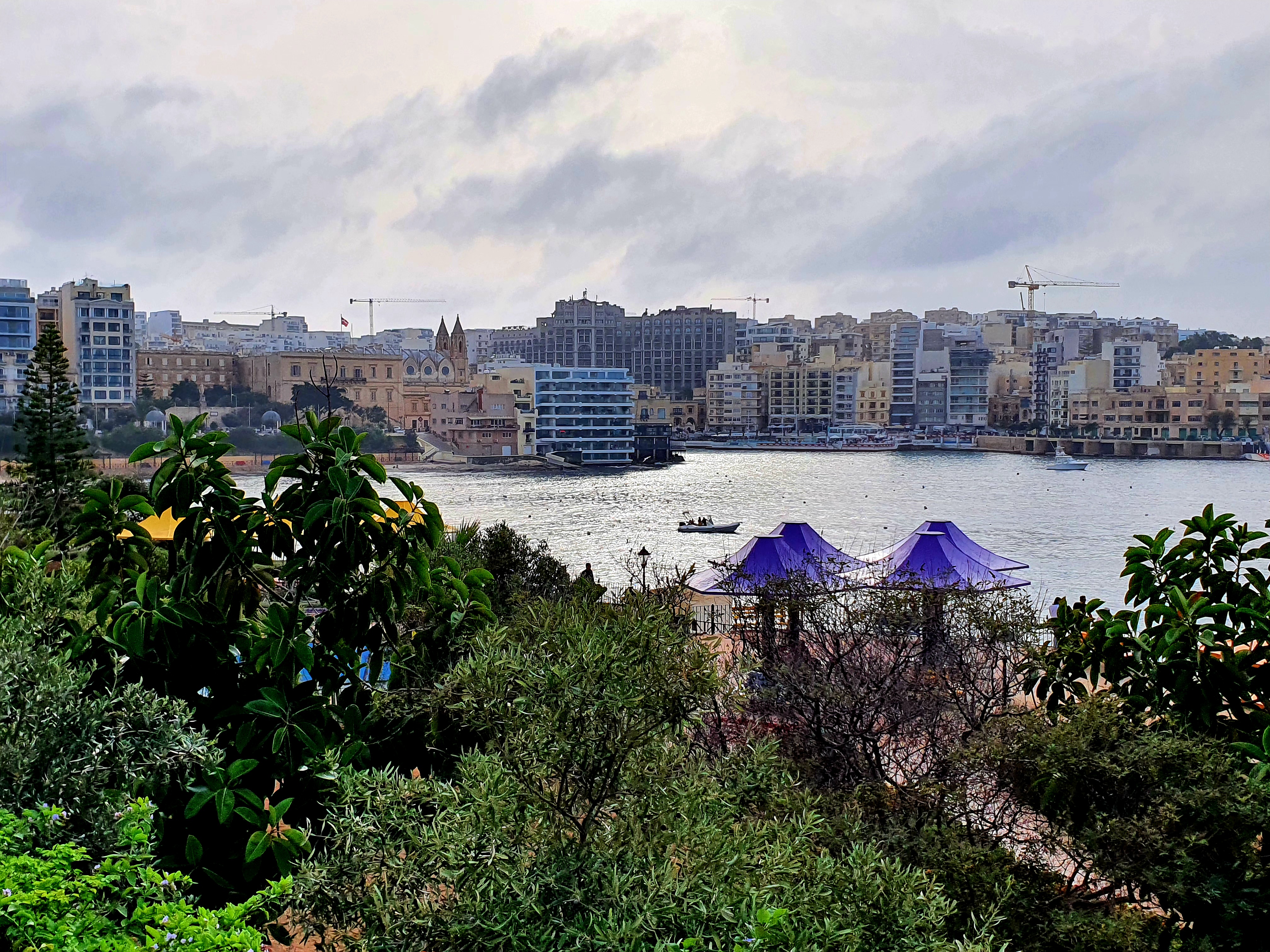
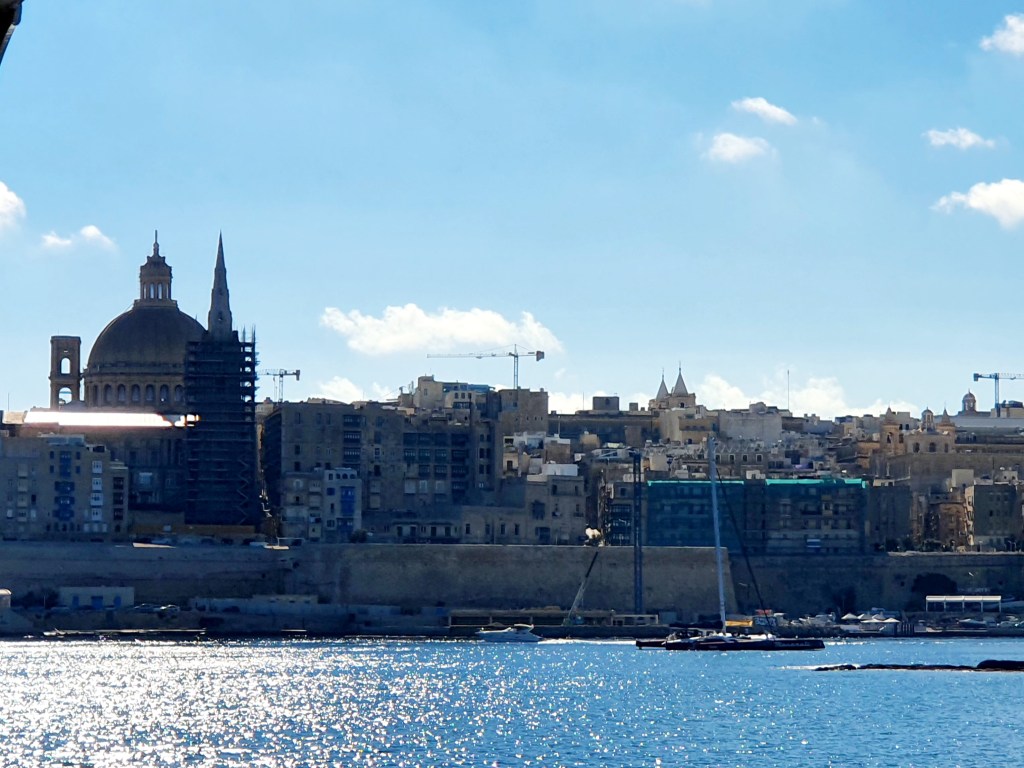
At Sliema you could look back to get a view of Valletta and also across to St Juliens which is the party area in Malta.

The boat stopped at Bugibba to pick up more passengers so we got to see the statue of St Paul on St Paul’s (Selmunett) island, from a distance. This island has been uninhabited since WWII. It is believed that St Paul was shipwrecked here on his way to face charges in Rome.

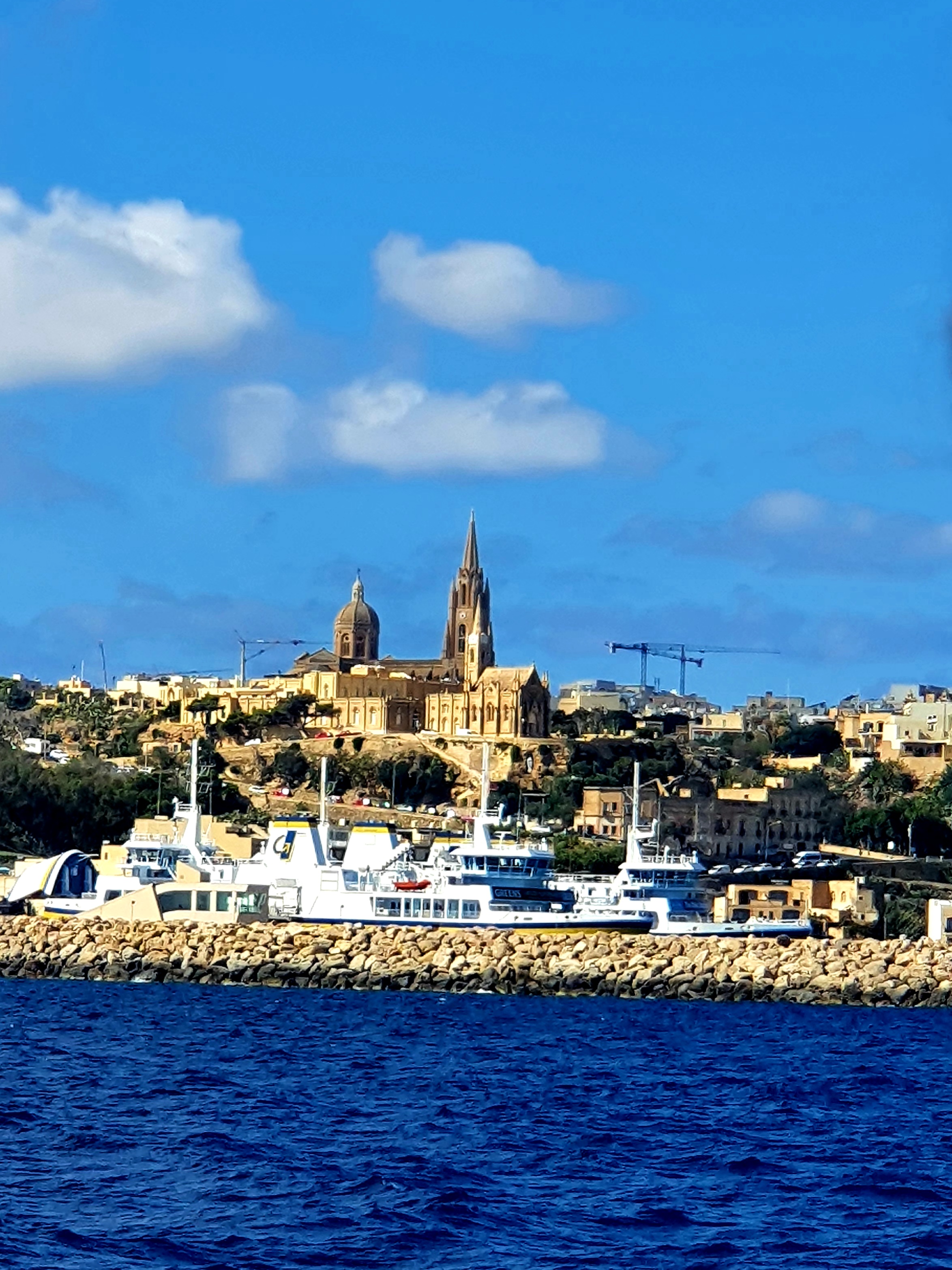
We passed by Comino as we went on to Gozo – which we weren’t expecting. Apparently some passengers were getting off at Gozo to do a bus tour around the island. We had a baguette for lunch on the boat and some soft drinks.

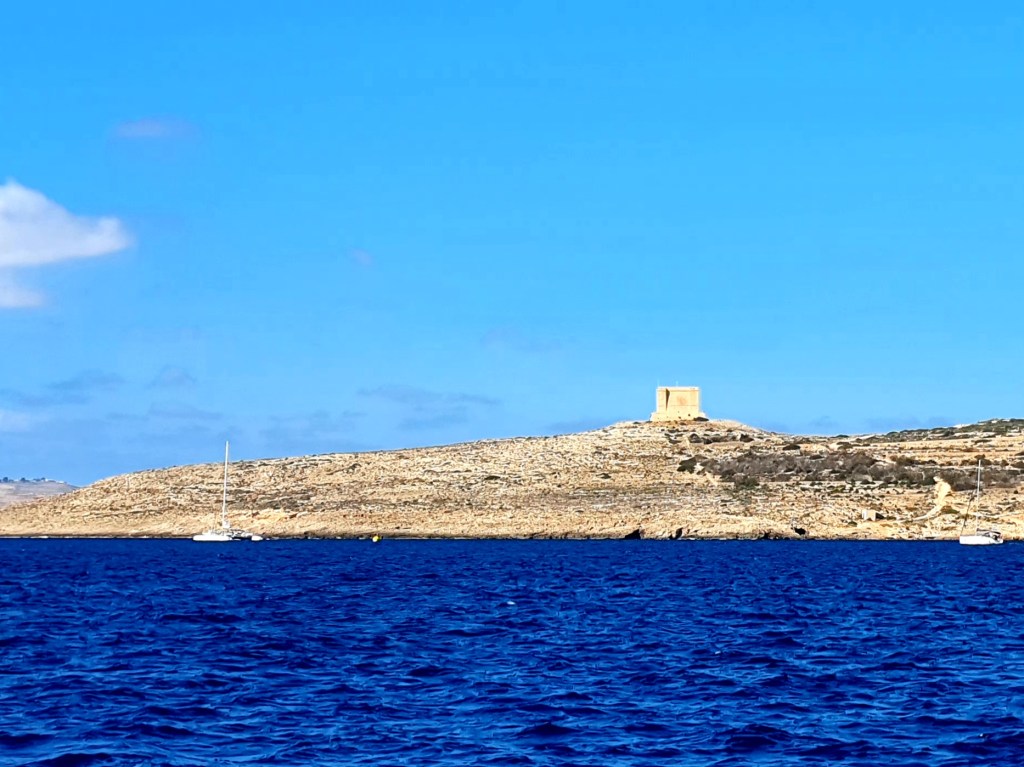
You could see the Comino tower on the island which is also known as St Mary’s tower and was used to protect the island from pirates. Now it is used used as a lookout to protect migratory birds.

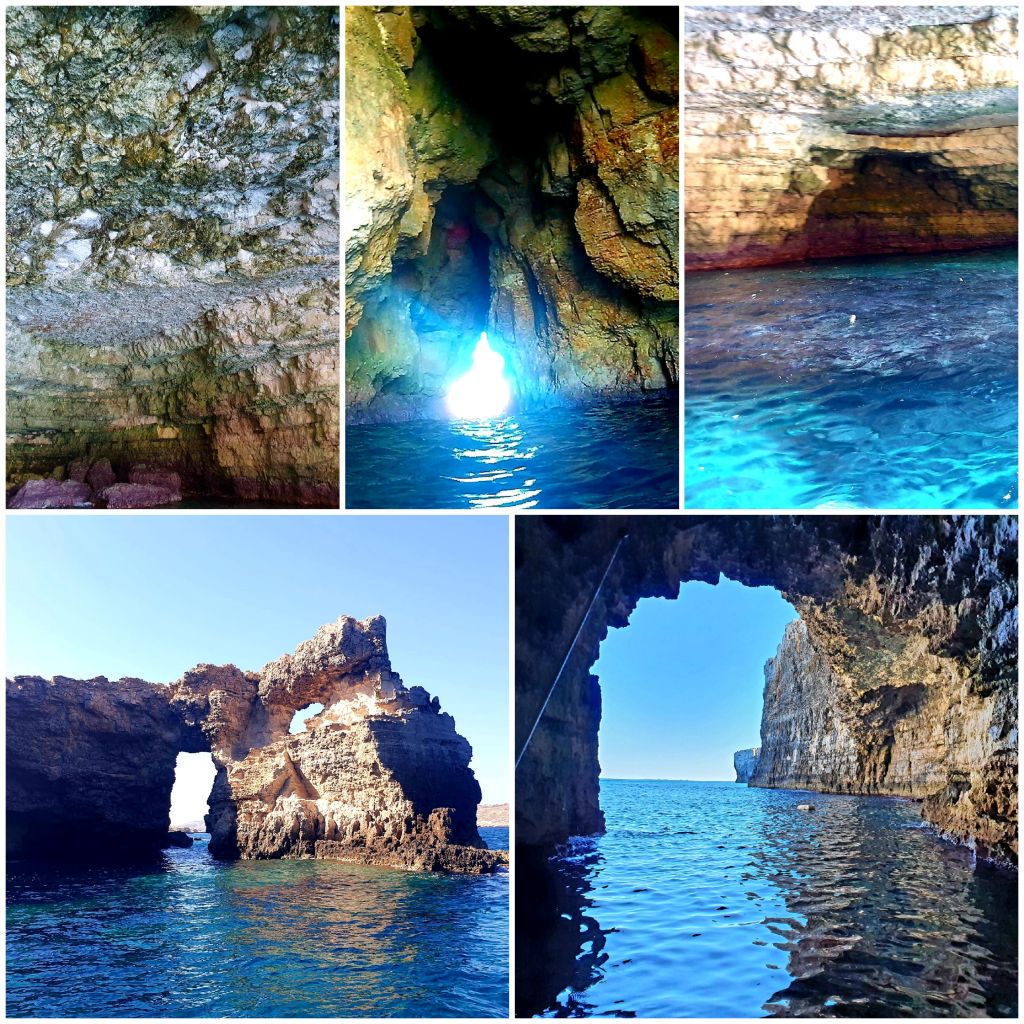
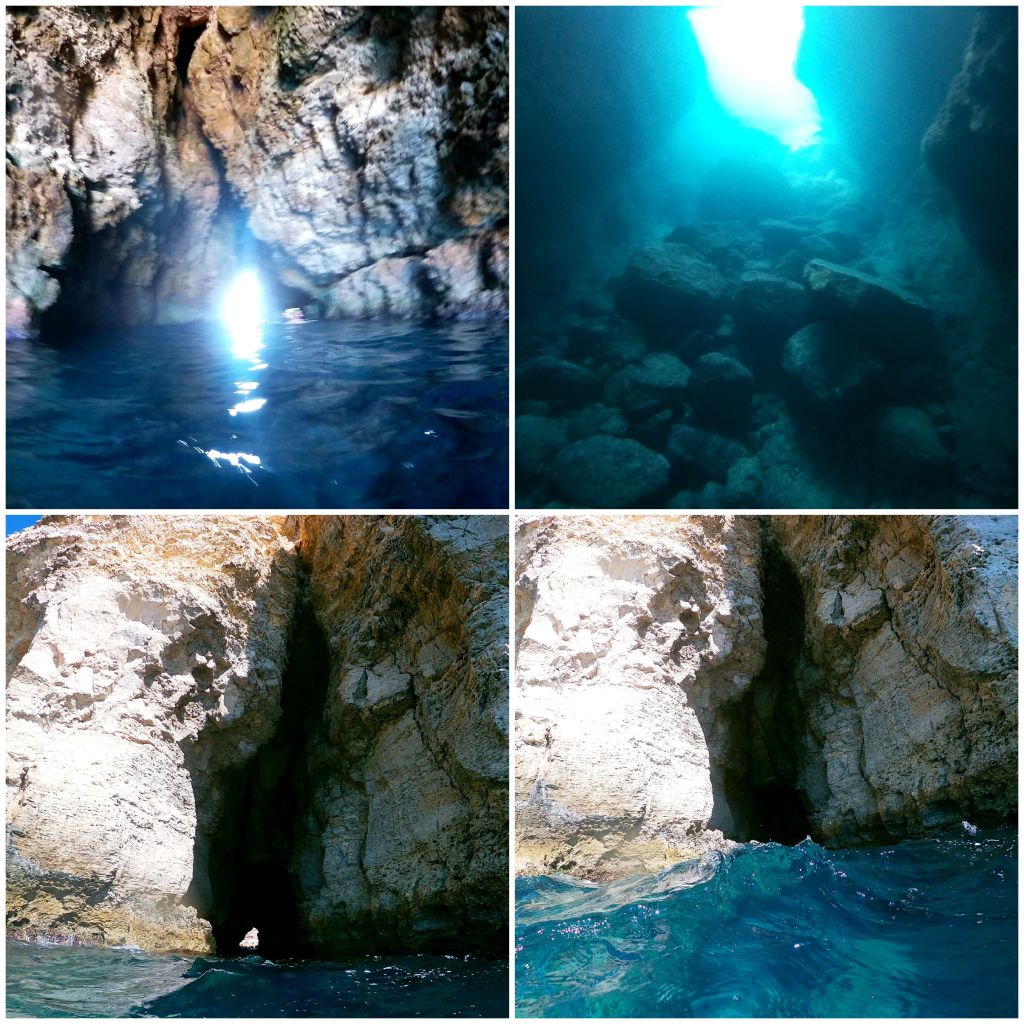
We eventually ended up at the Blue Lagoon in Comino. Here we jumped on a speed boat that took us on a little journey around the caves of Santa Marija.

These shallow caves are a complex consisting of more than 10 caves and are a popular dive spot in Malta.

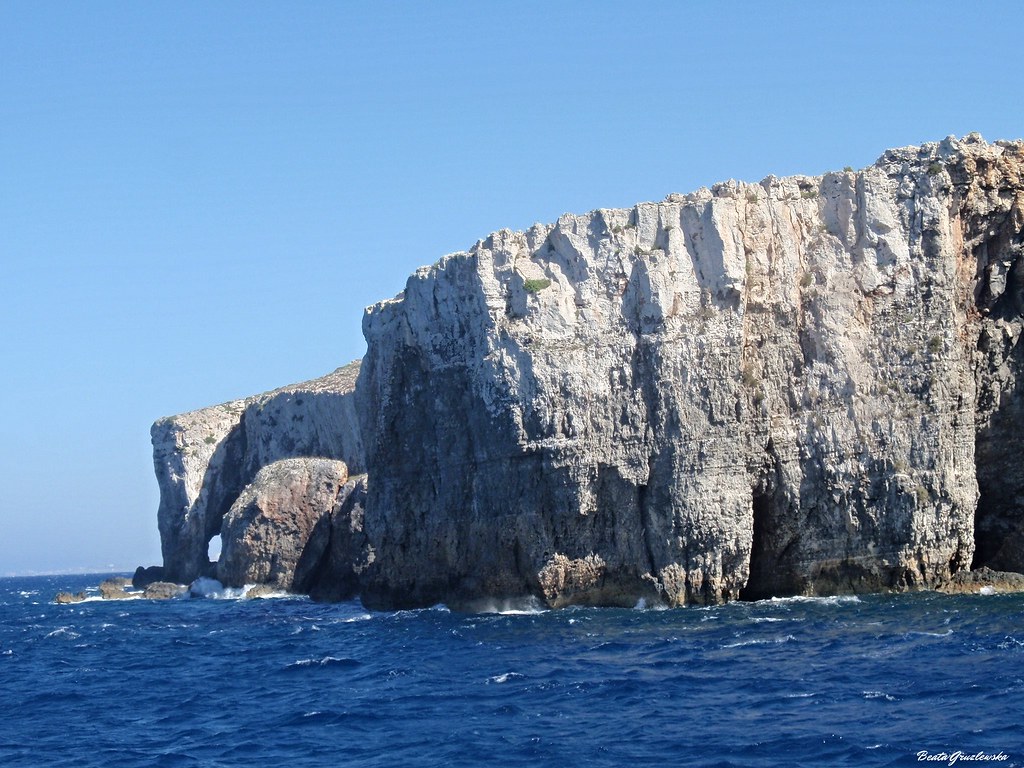
The speed boat tour took around 30 minutes and was exhilarating and fun. As we made our way back to the blue lagoon you could just see the elephant rock which is a natural formation of the rock.

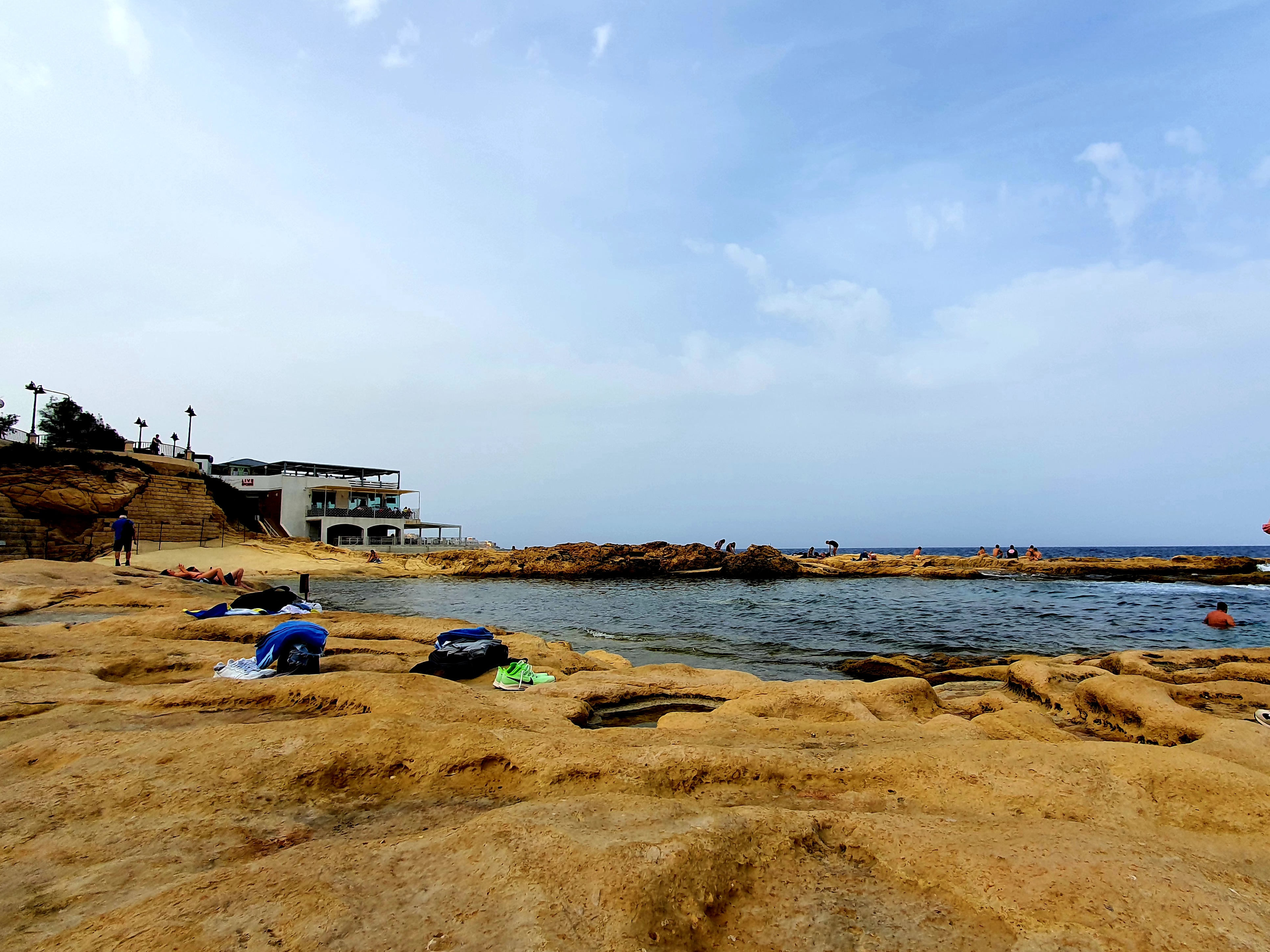
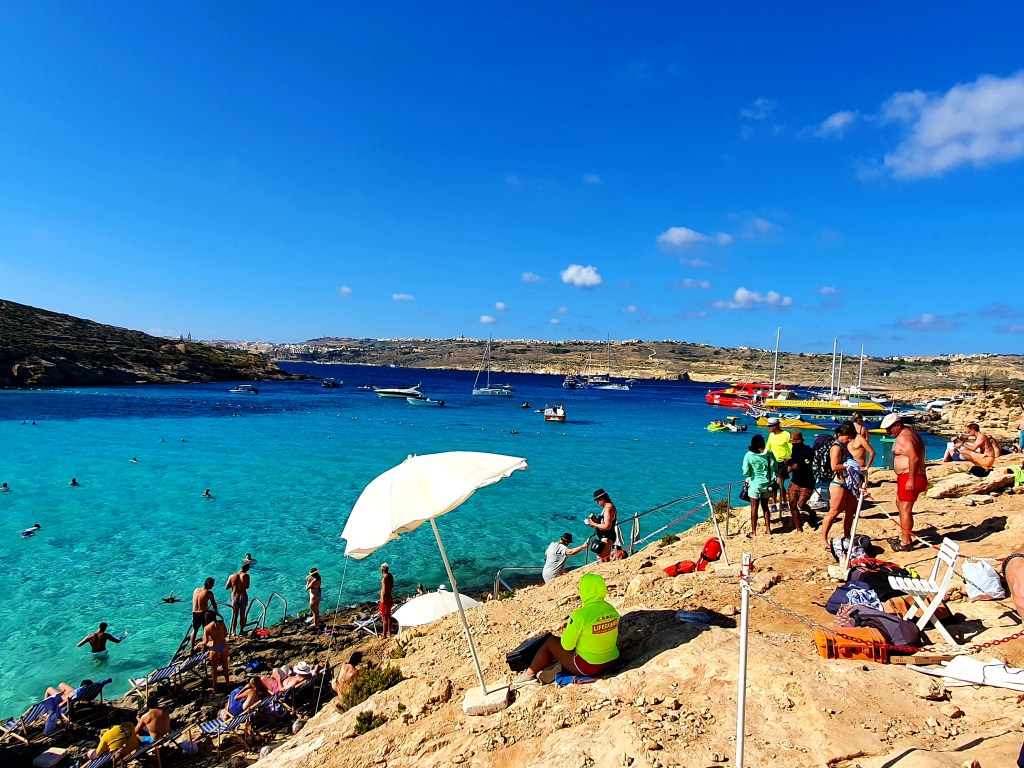
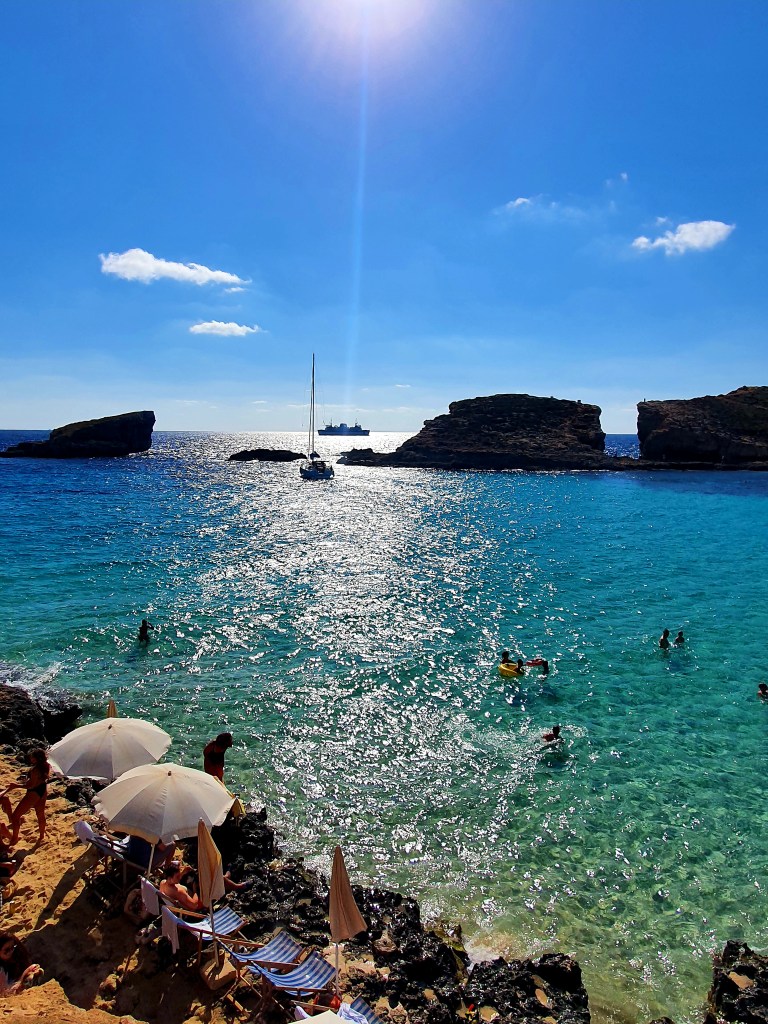
It was quite busy when we got back to the blue lagoon but we managed to find a little area to sit down and where we could leave our things.

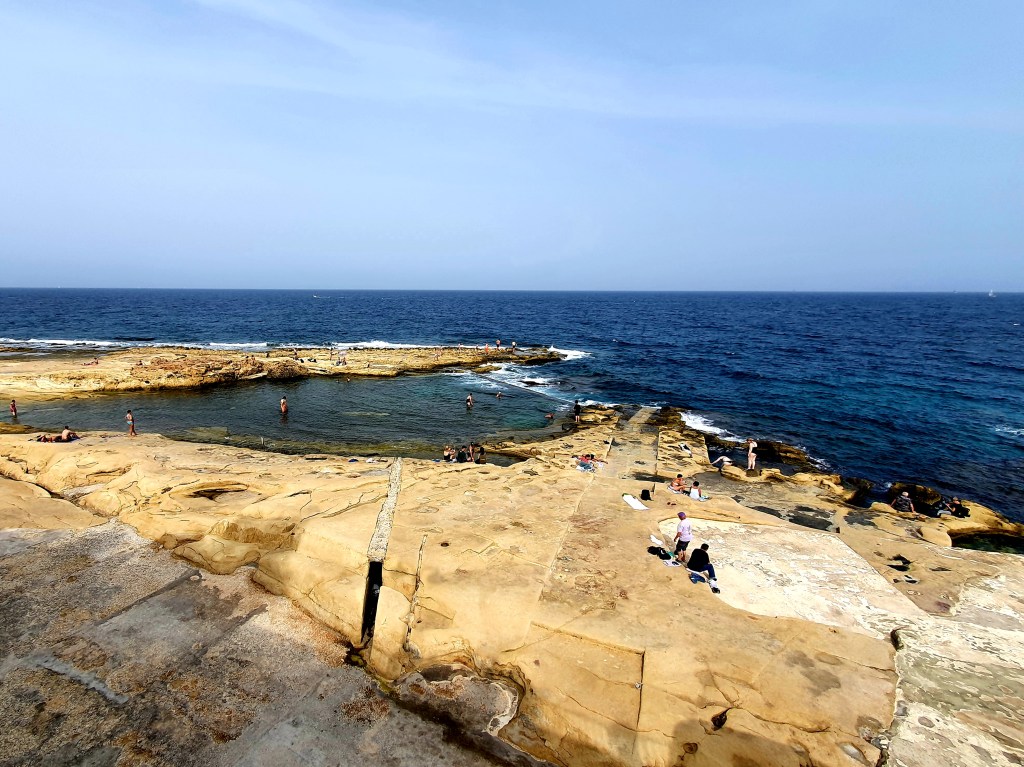
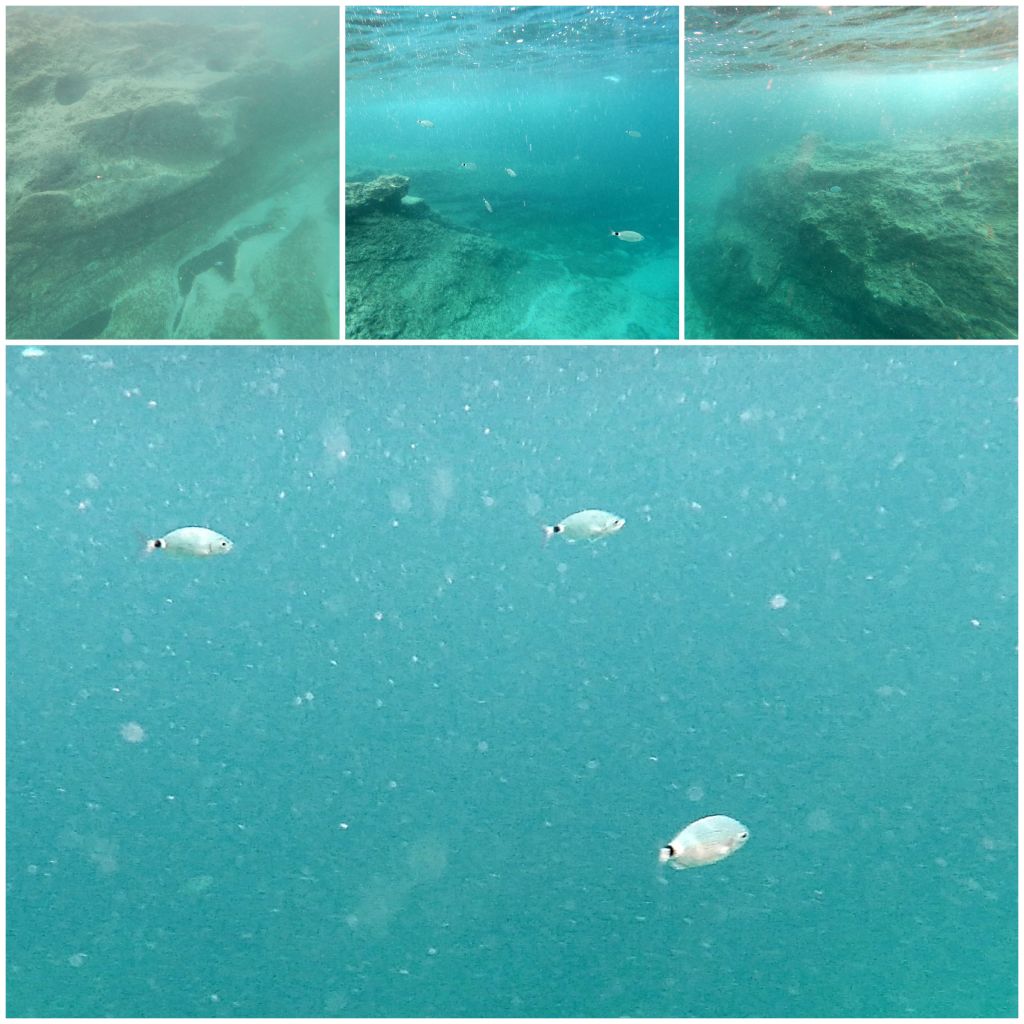
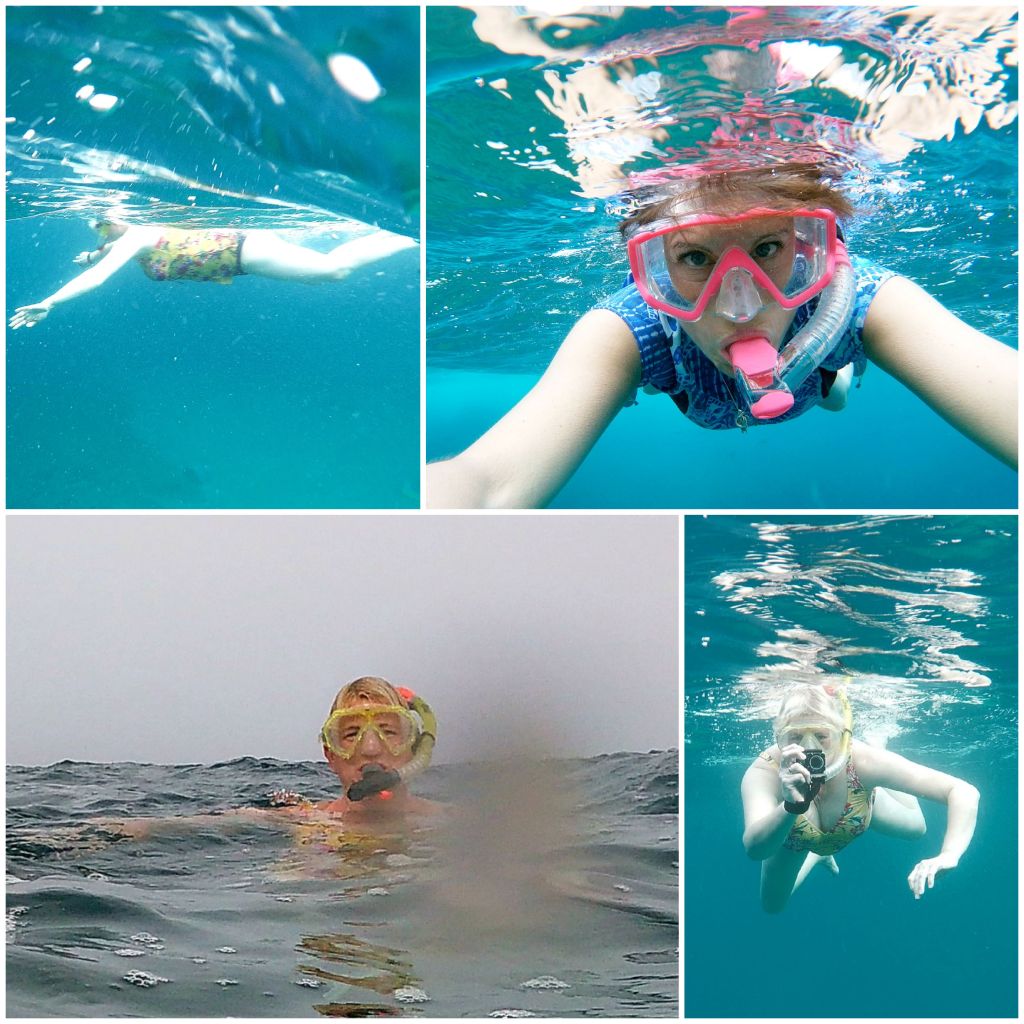
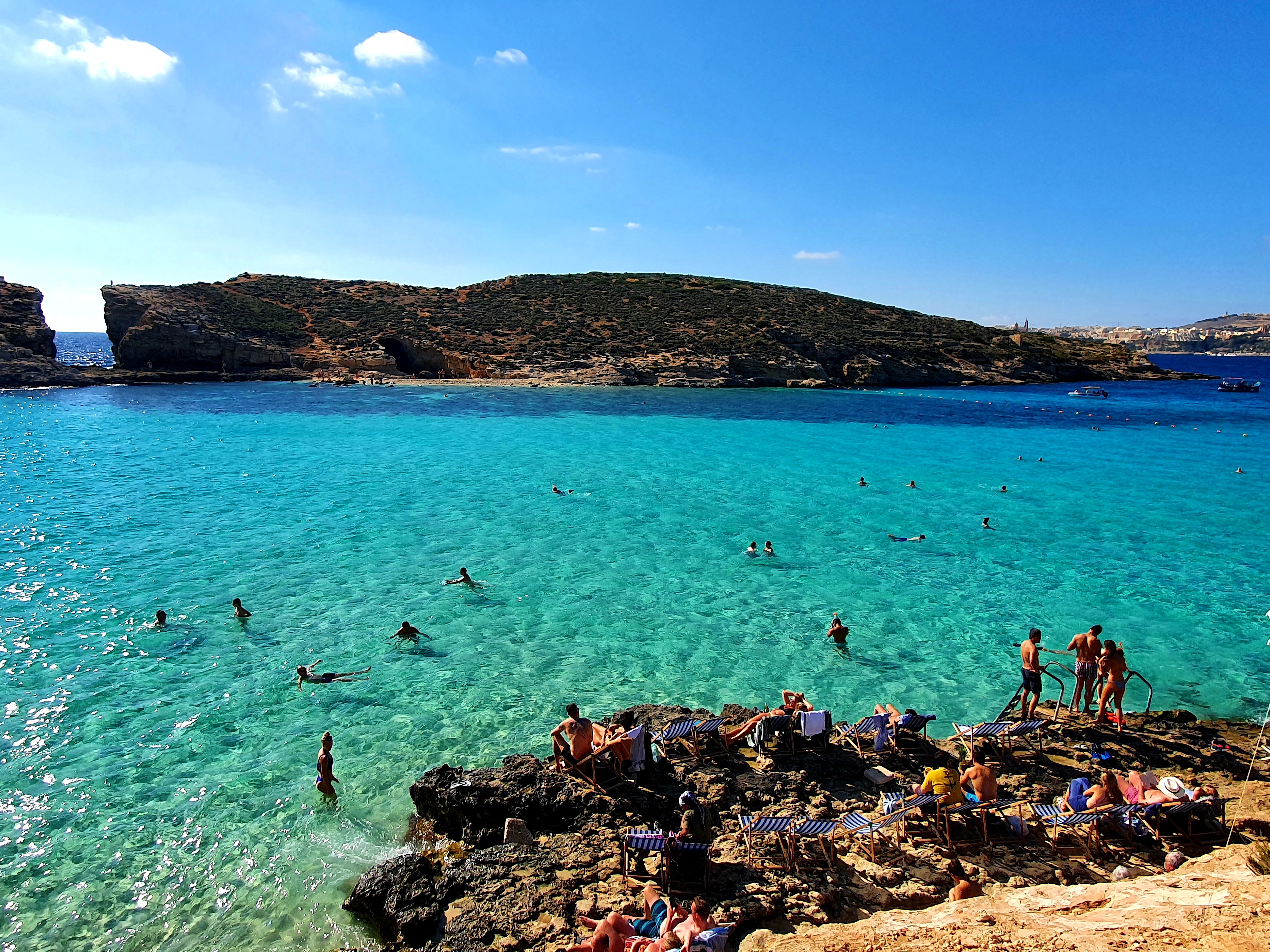
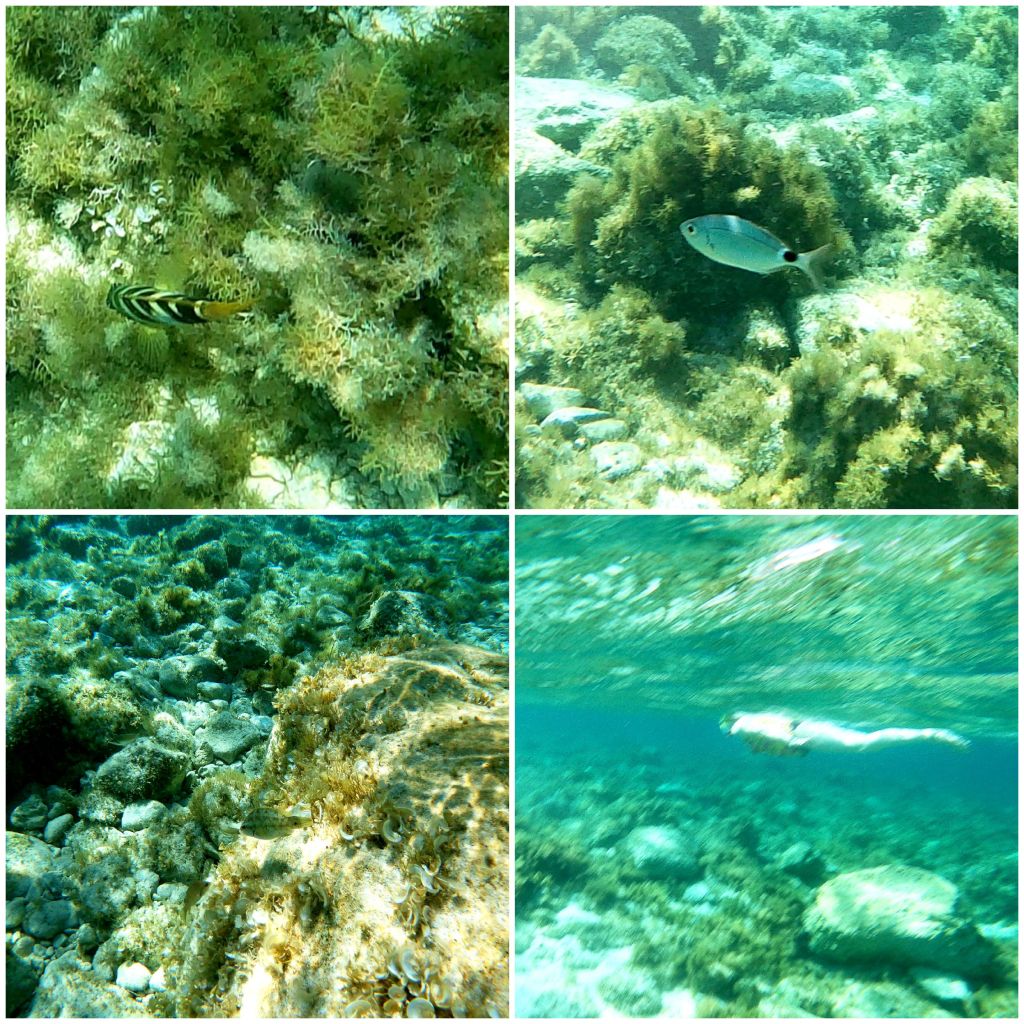
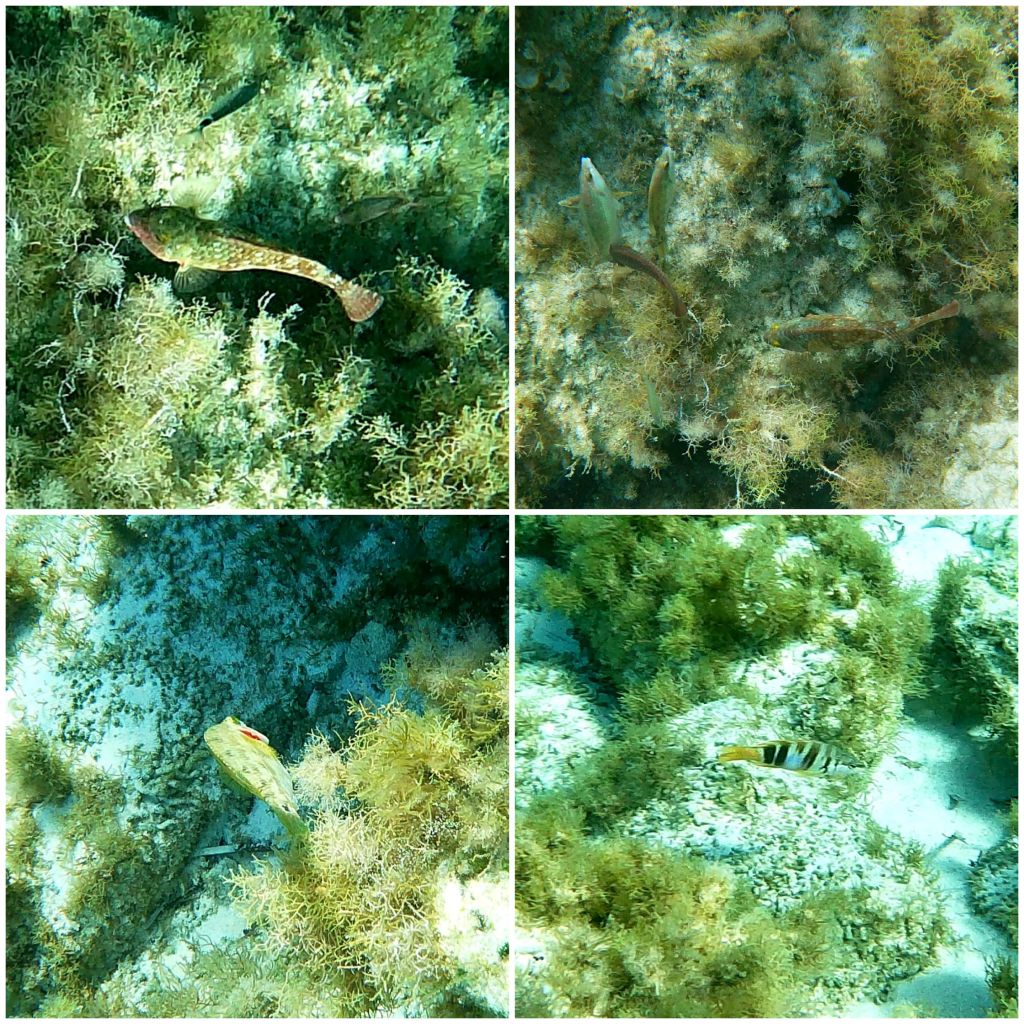
We decided to go for a swim and snorkel in the lovely crystal clear turquoise water. It was pretty chilly and as you headed out to the rocky areas you could see some fish.

We swam over to the smaller island of Cominotto. There was a small cave / tunnel that you can swim through to get to the other side of the small island. The water was really rough do we didn’t swim too far out.

I was getting a bit cold so swam back to Comino whilst Nicola did a bit more snorkelling. I saw some more fish swimming back

The Blue Lagoon is advertised as one of the must see places in Malta, but to be honest, whilst the waters were lovely and clear, I found it a bit underwhelming.

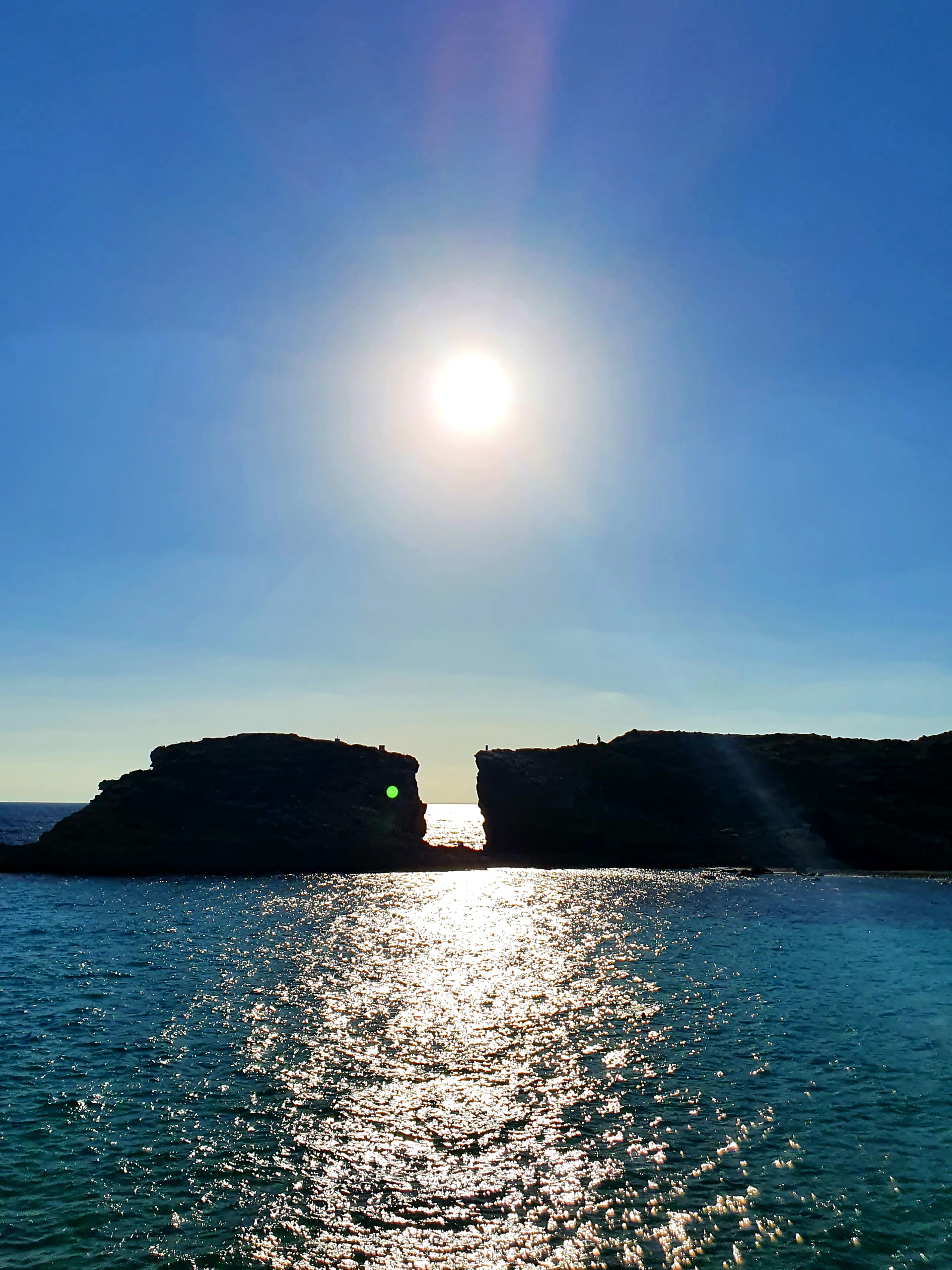
I took a couple of more photos looking out to Cominotto before we left.

We then headed back to the boat which was moored the other side of the lagoon and on the way we bought a cocktail.

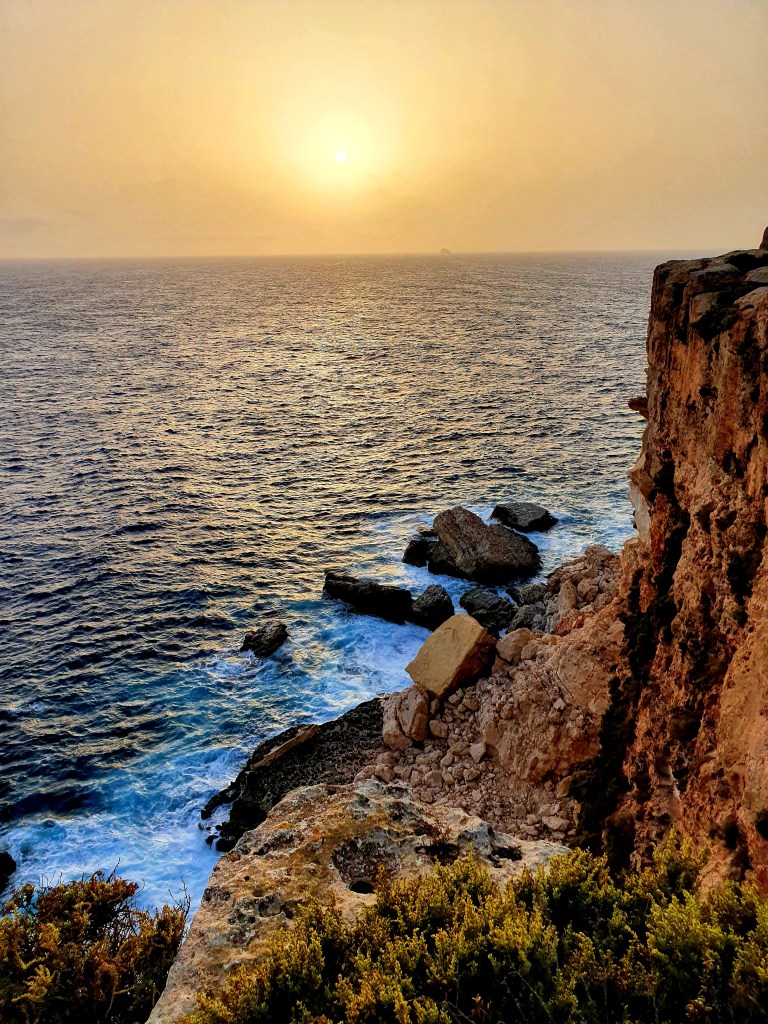
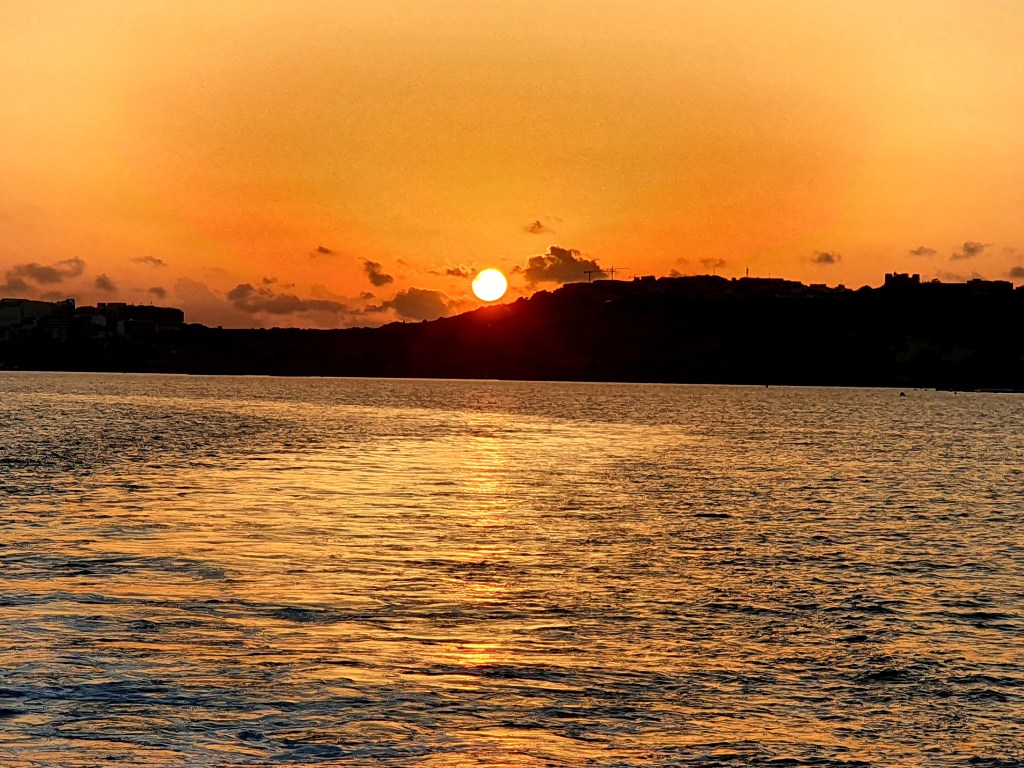
As we headed back to Valletta the sun was setting behind us over the water which looked amazing.

It was also lovely to see Valletta all lit up at night.

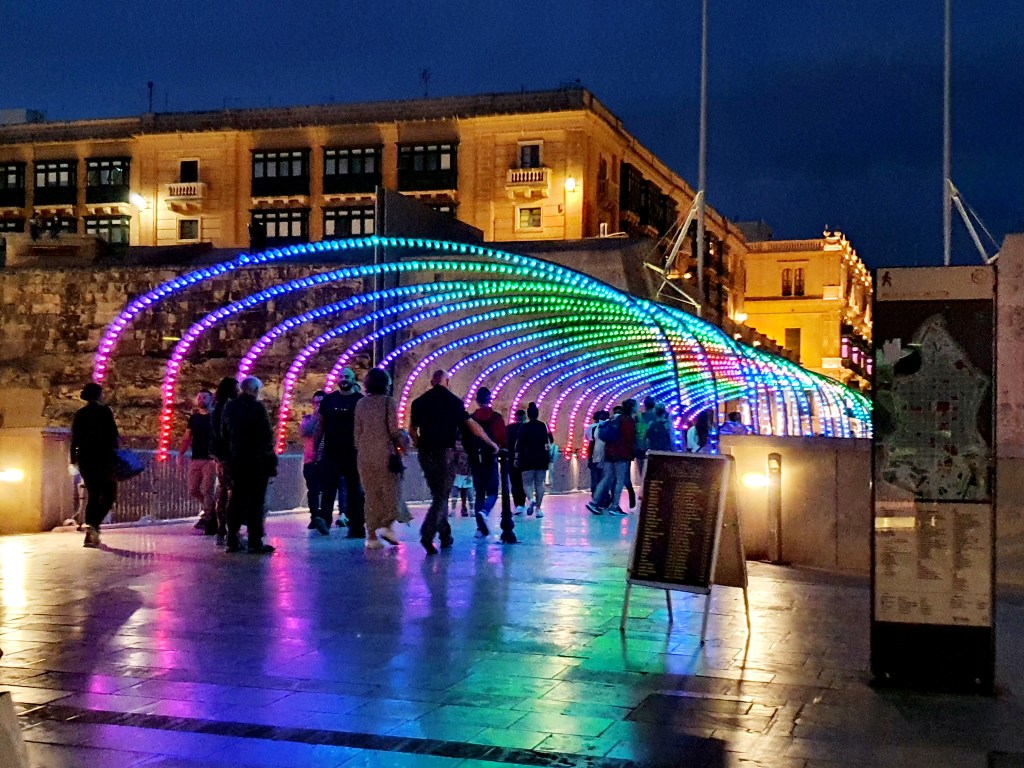
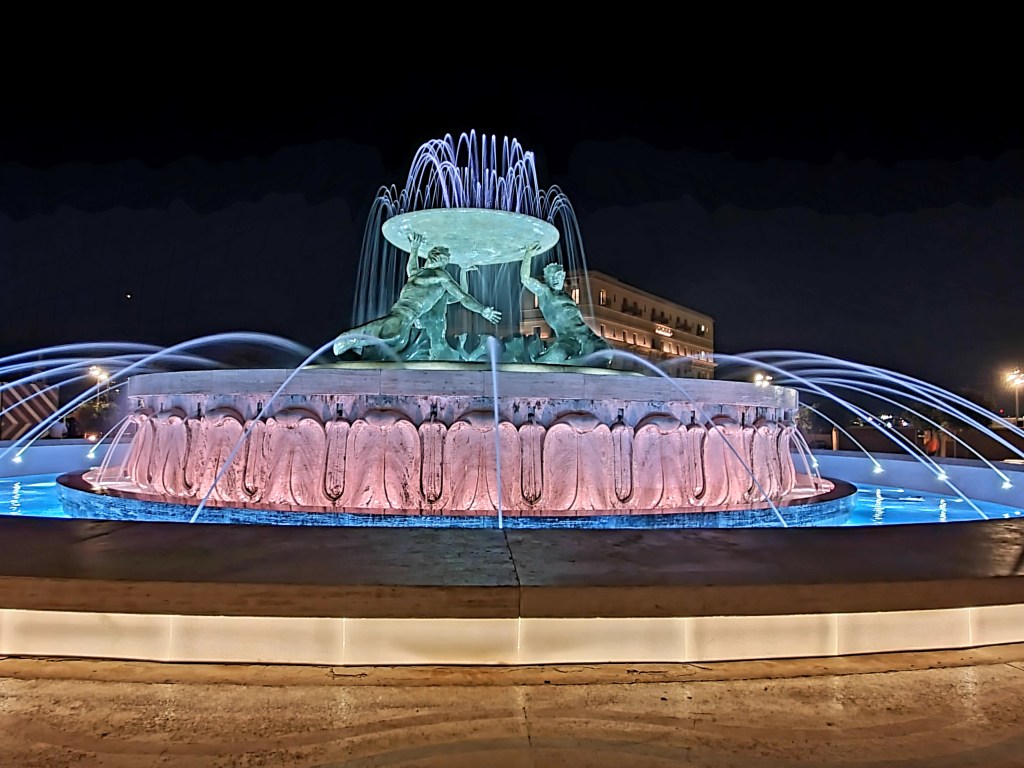
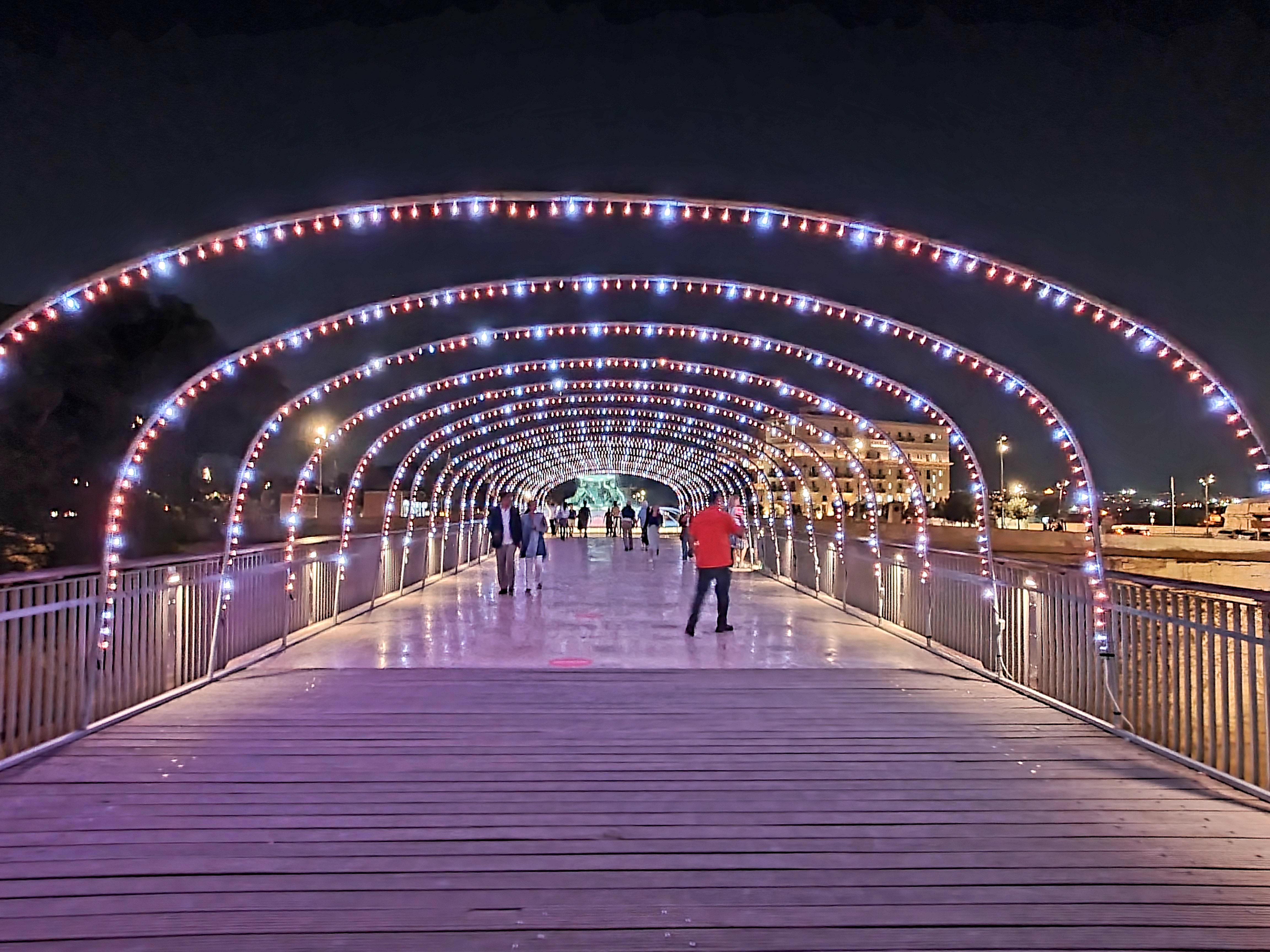
When we arrived back in Valletta the Triton fountain was all lit up too, as was the bridge through the main city gates.

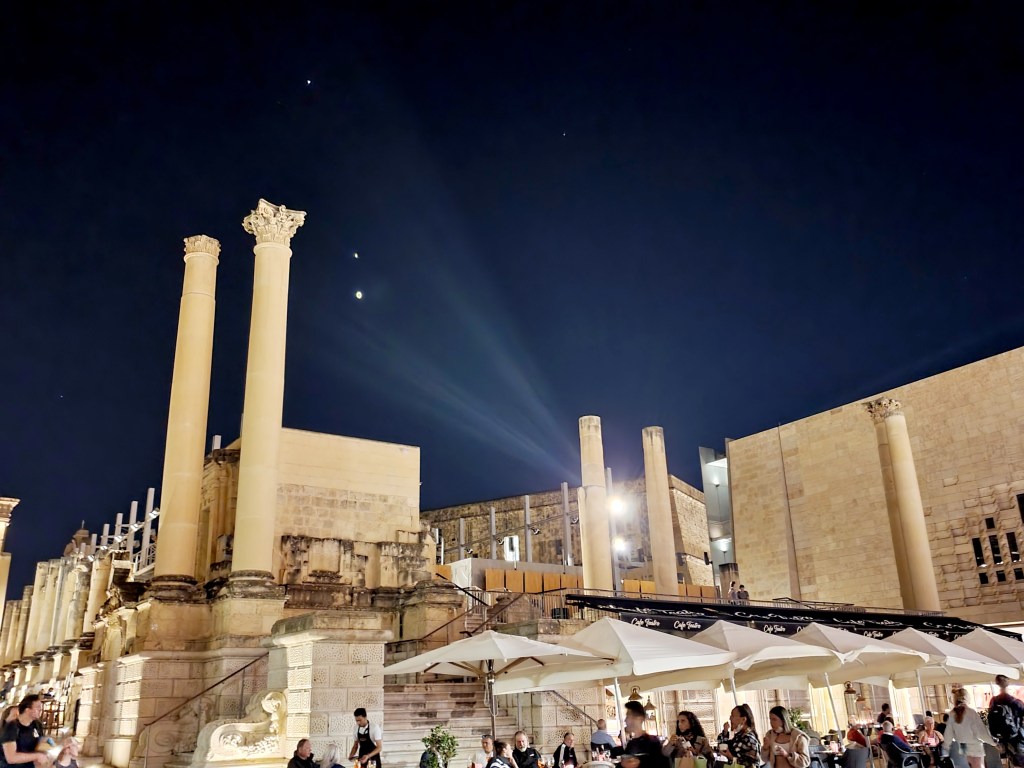
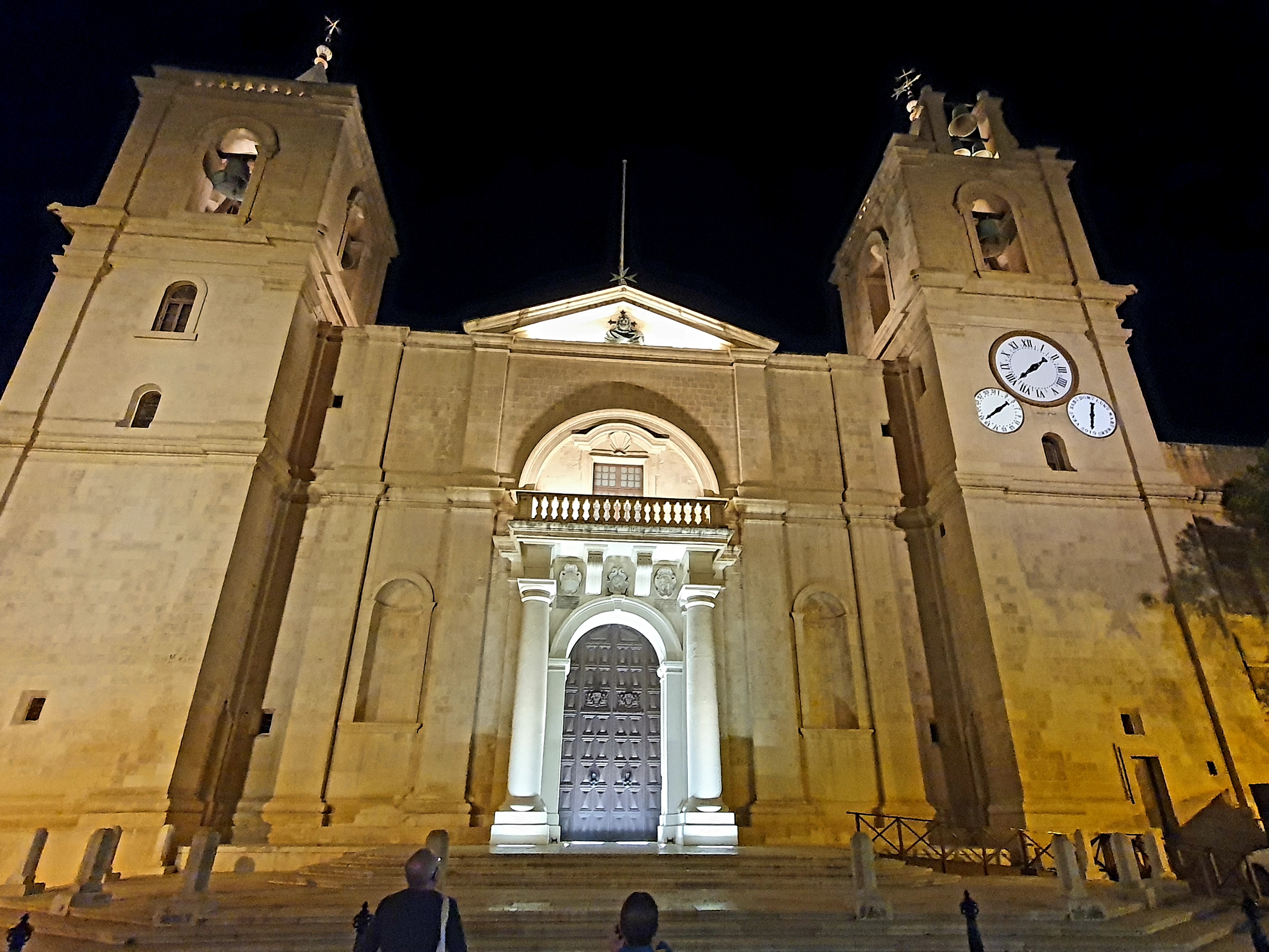
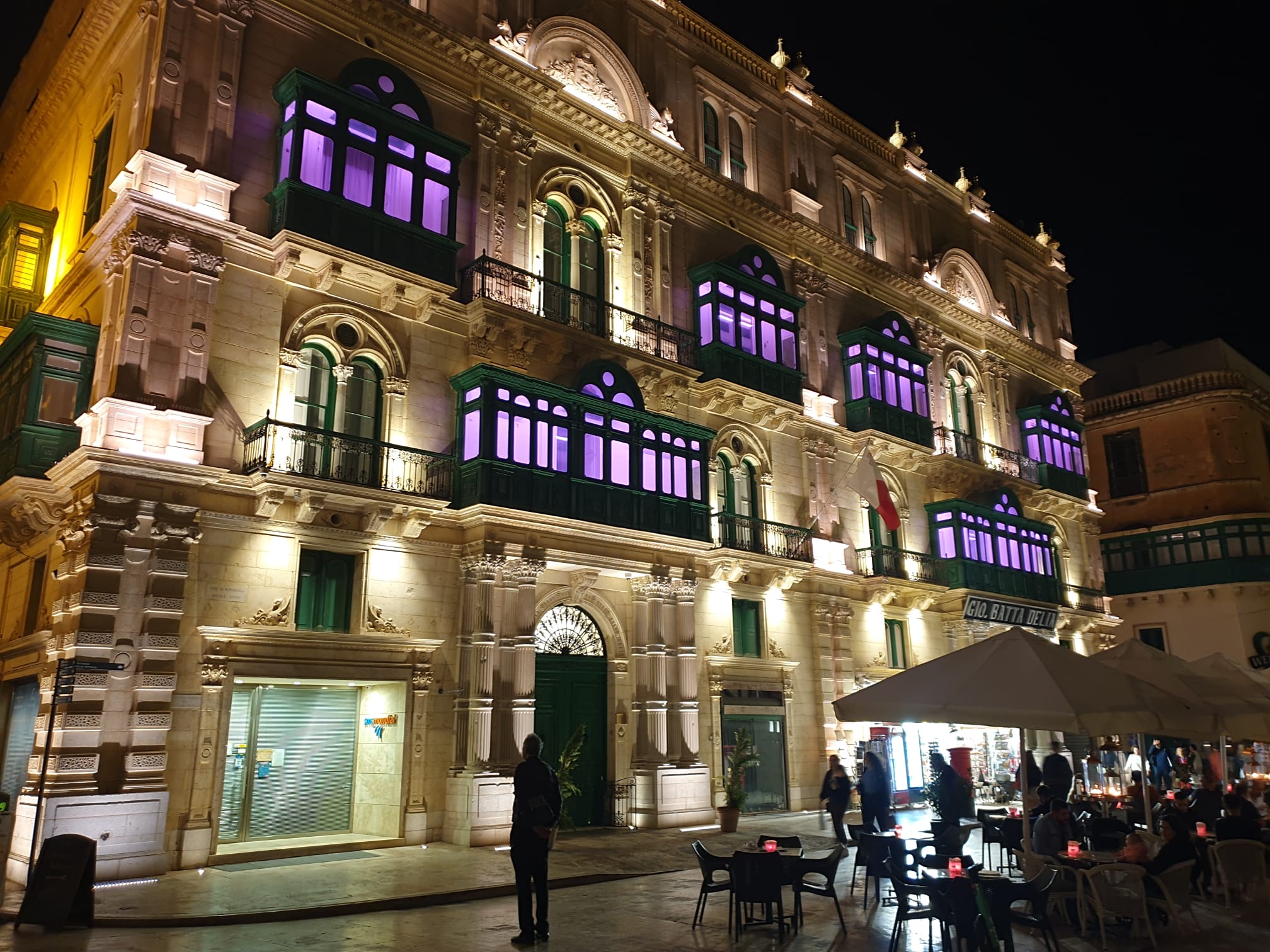
The opera house and cathedral were looking great too so I just had to take a photo of them as well. And Nicola took a great photo of one of the other buildings.

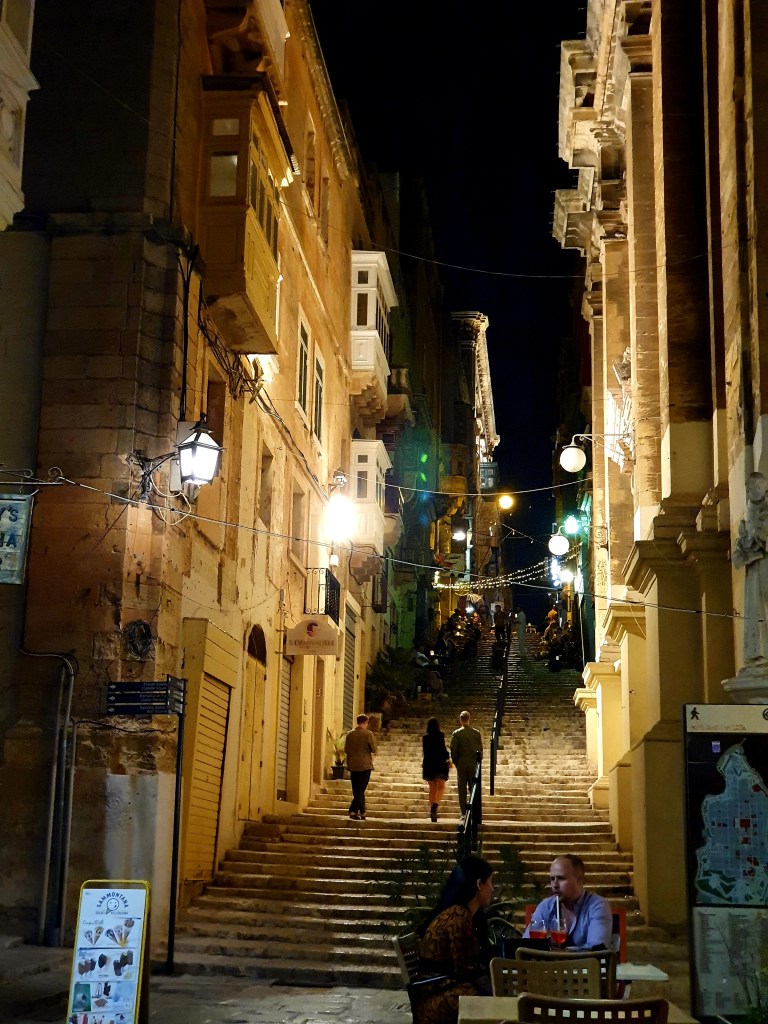
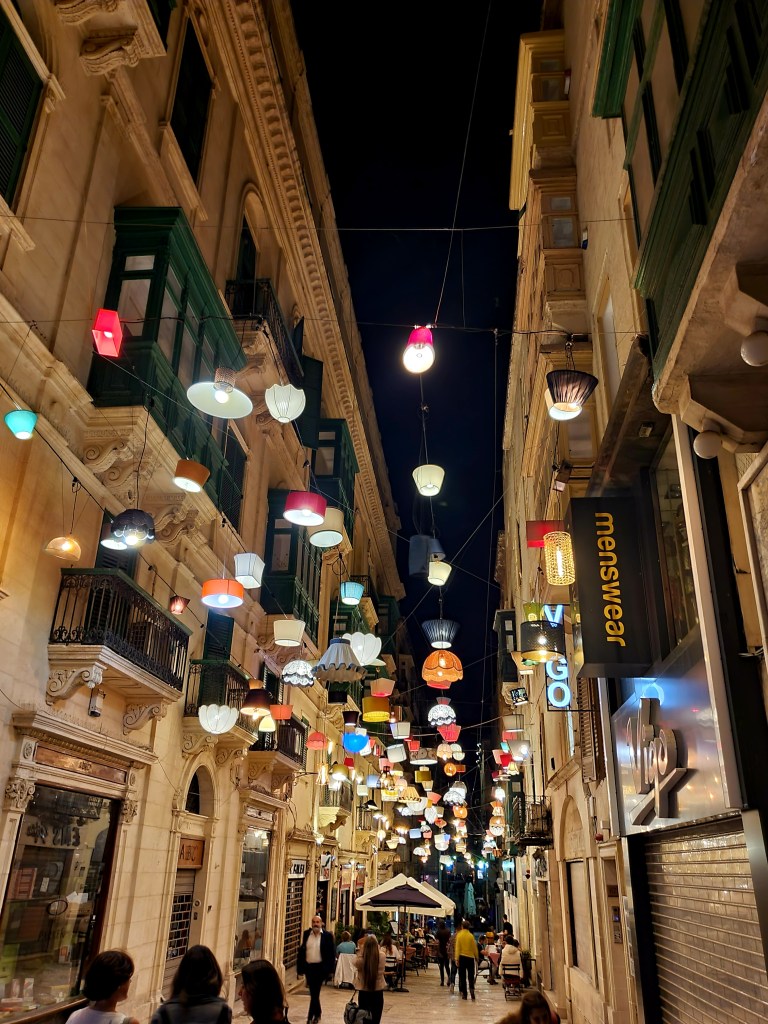
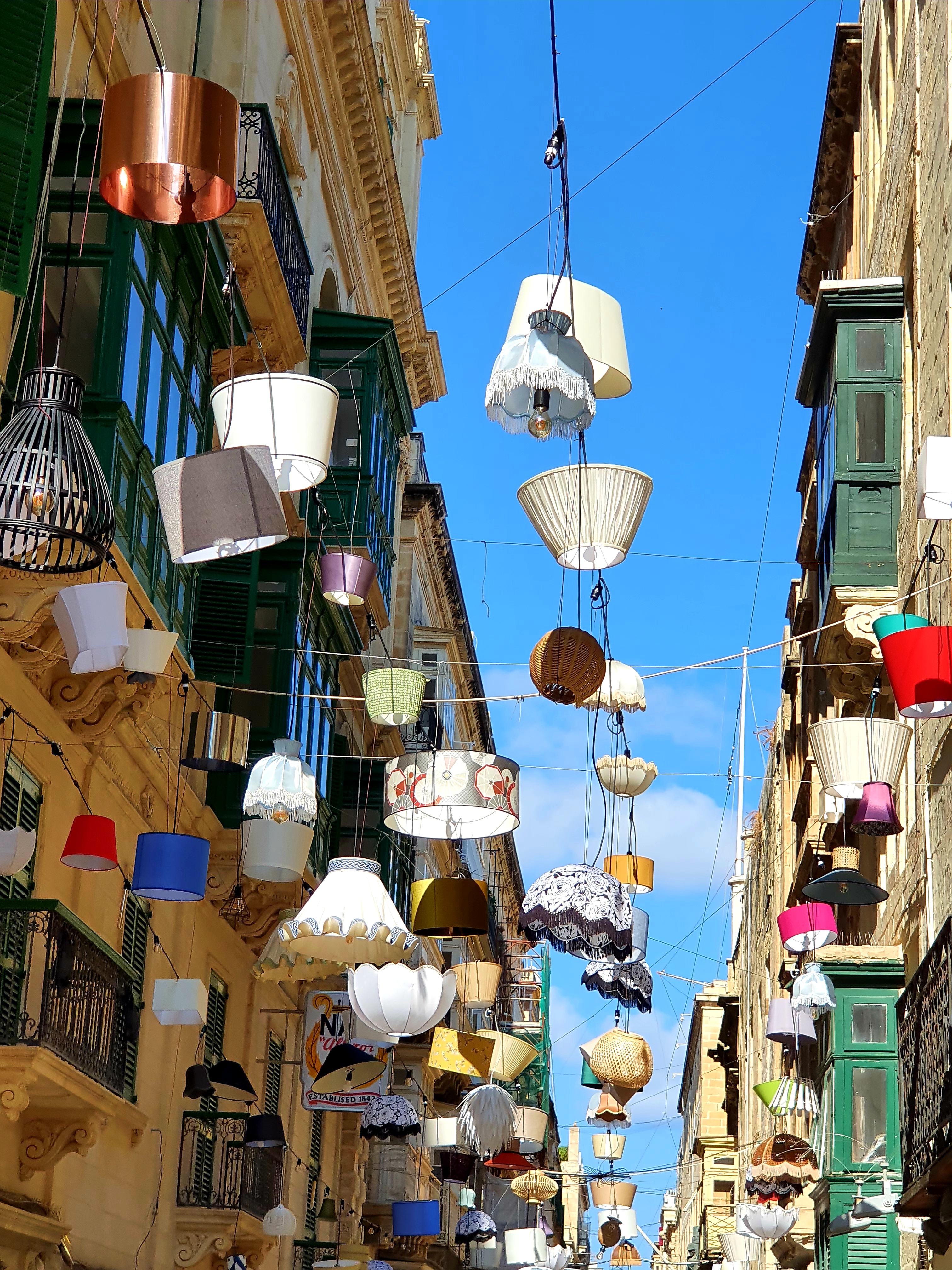
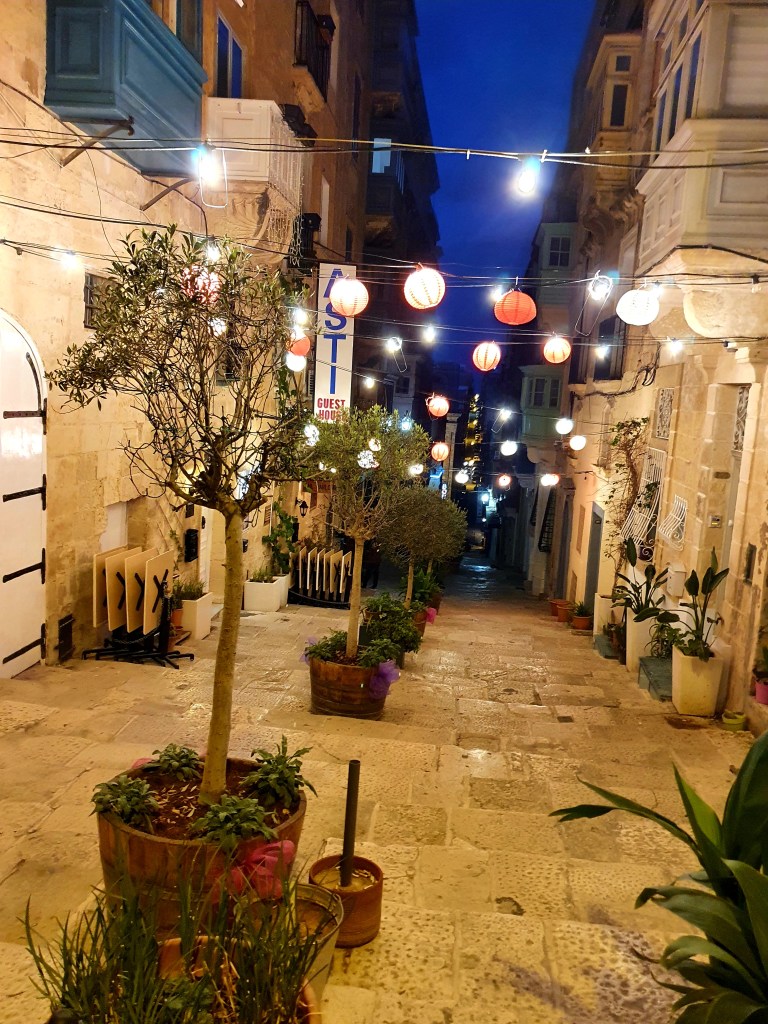
And lastly the lanterns were all alight down the side street.

We bought a large sausage roll by the bus station to eat on the way home.

Malta-day two

This was a very busy day. We had booked a city walking tour in the morning so we could find out about the city but also to help us find our bearings.

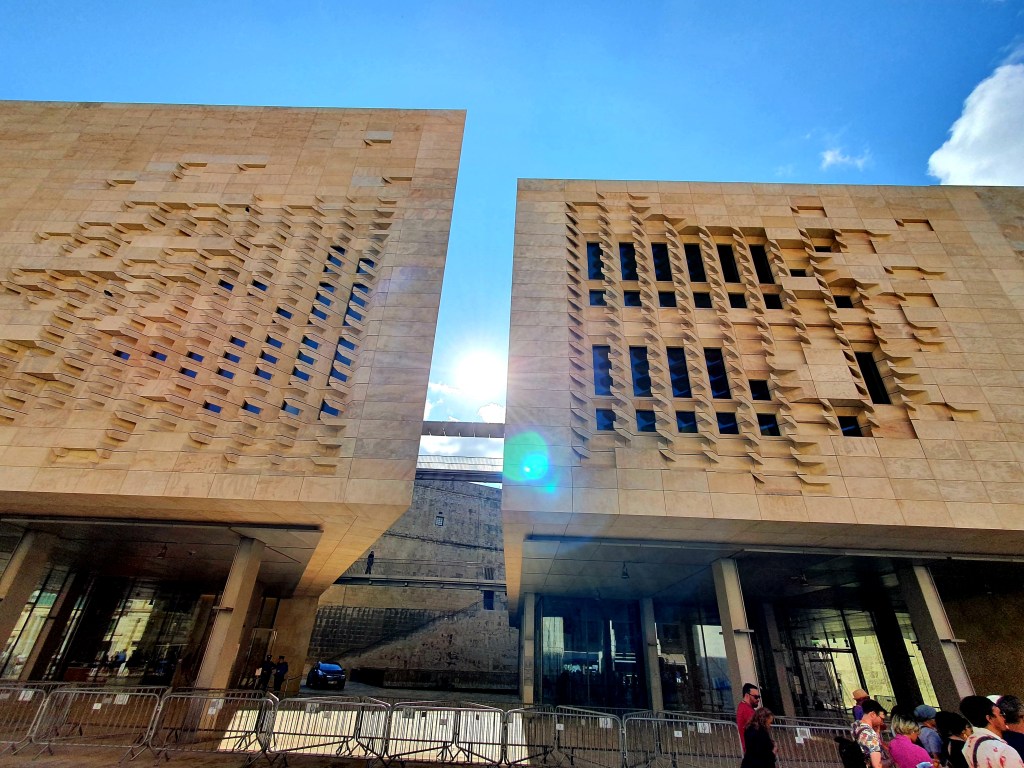
The tour started just outside the new Parliament building. Whilst quite a modern building it has been made to fit in with its surroundings. Parliament met for the first time in the building in 2015. The glass at the bottom of the buildings is supposed to represent the transparency of parliament. This building was designed by the same architect as the Shard in London.

Our tour guide gave us some facts and figures about Malta: It has 365 churches, there are 14 bank holidays per year and despite being a small country they are 5th in the world in terms of owning cars per head of population. The name Malta comes from Mahler which means honey.

Valletta itself is a very small city, only 1km by 600m. It has no garages so it is often difficult for people to park their cars near where they live, and it appears the Maltese drive everywhere.

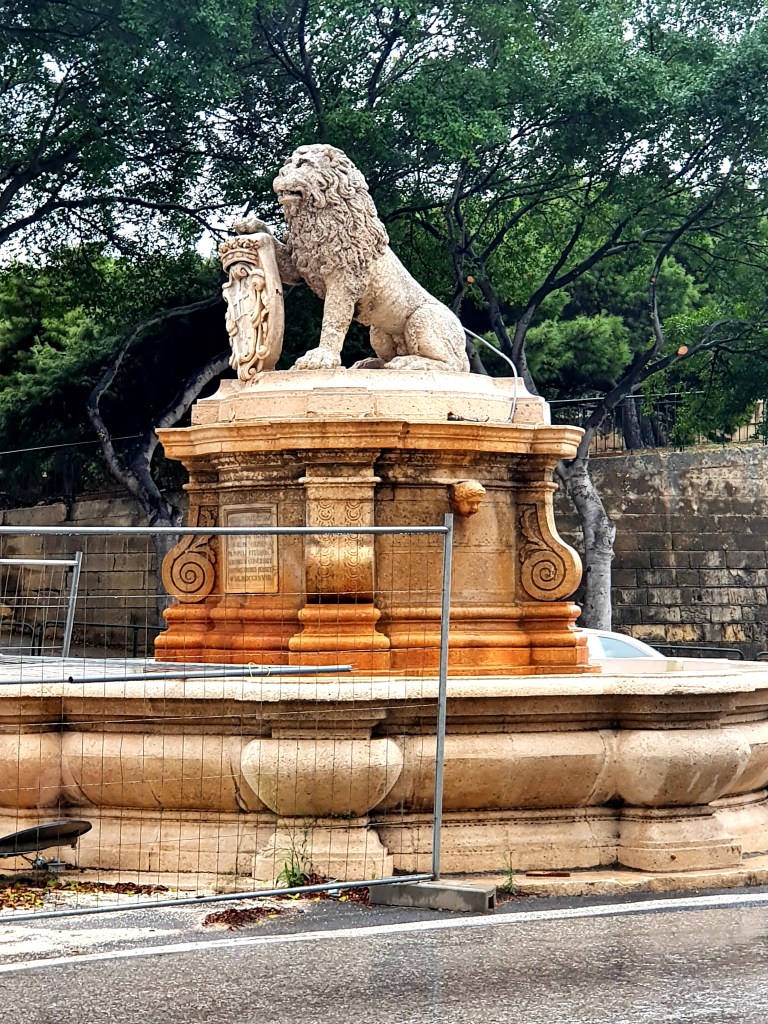
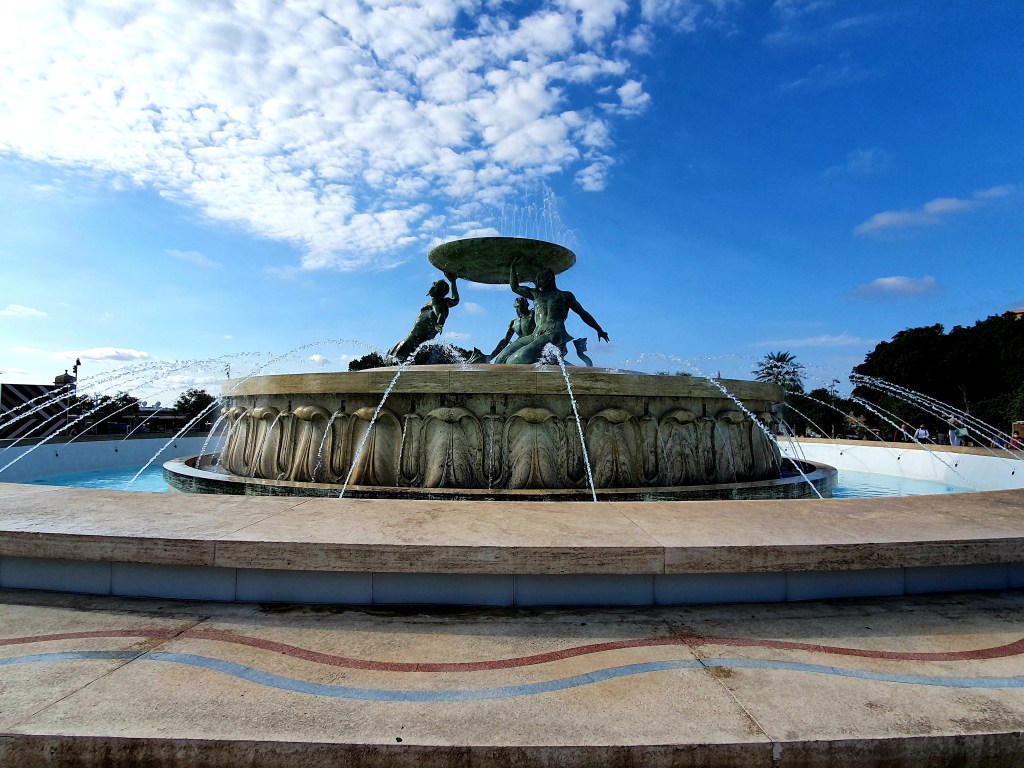
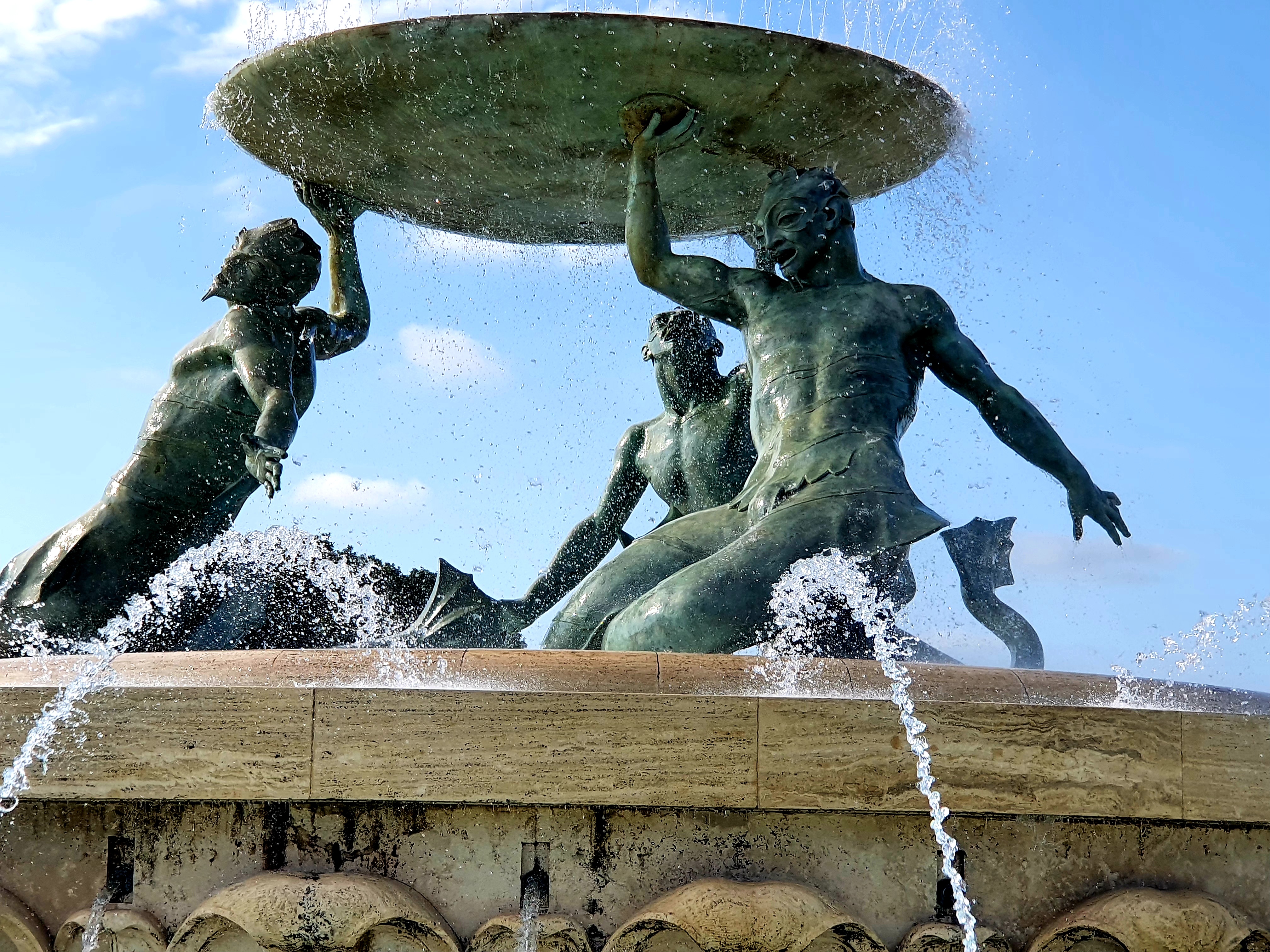
We passed through the city gates,over a little bridge to the Triton fountain. Tritons are half man / half fish figures and there are three of them rising up from the seaweed as part of this fountain.

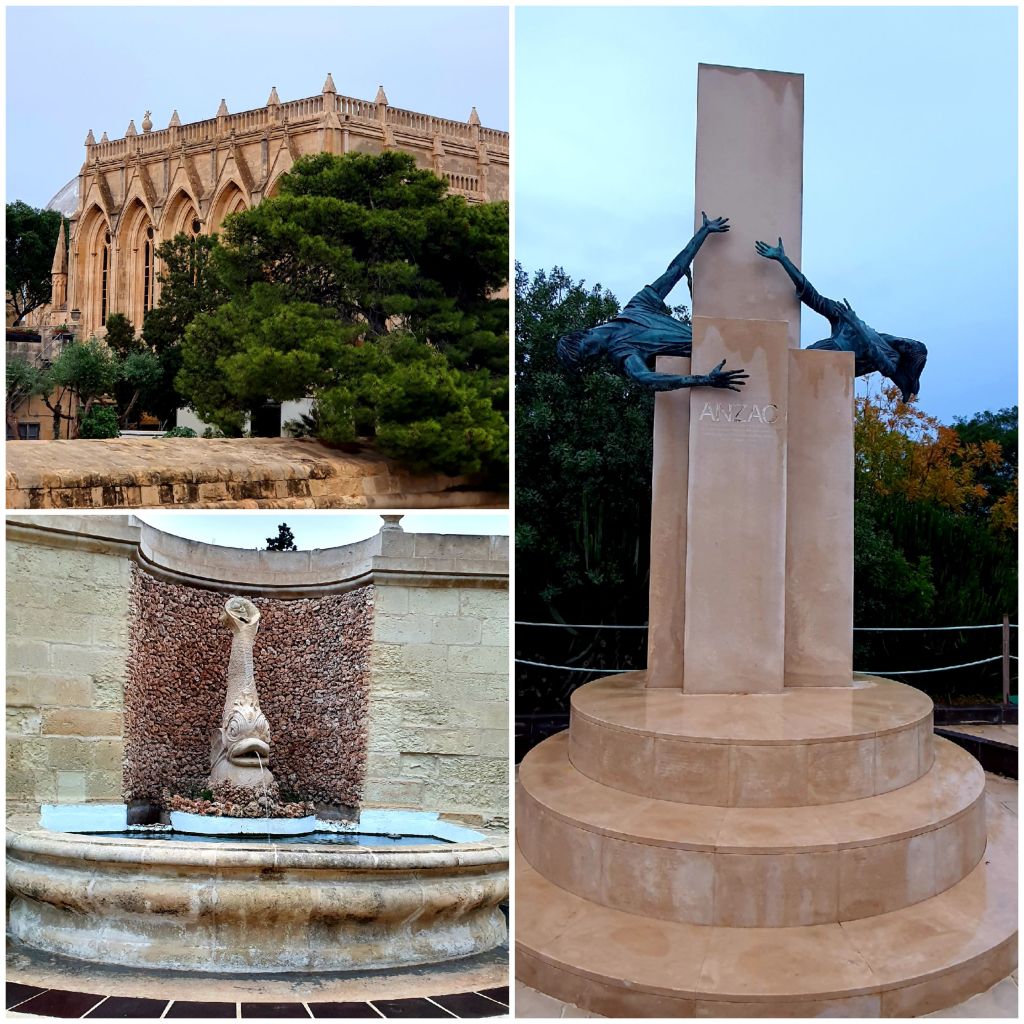
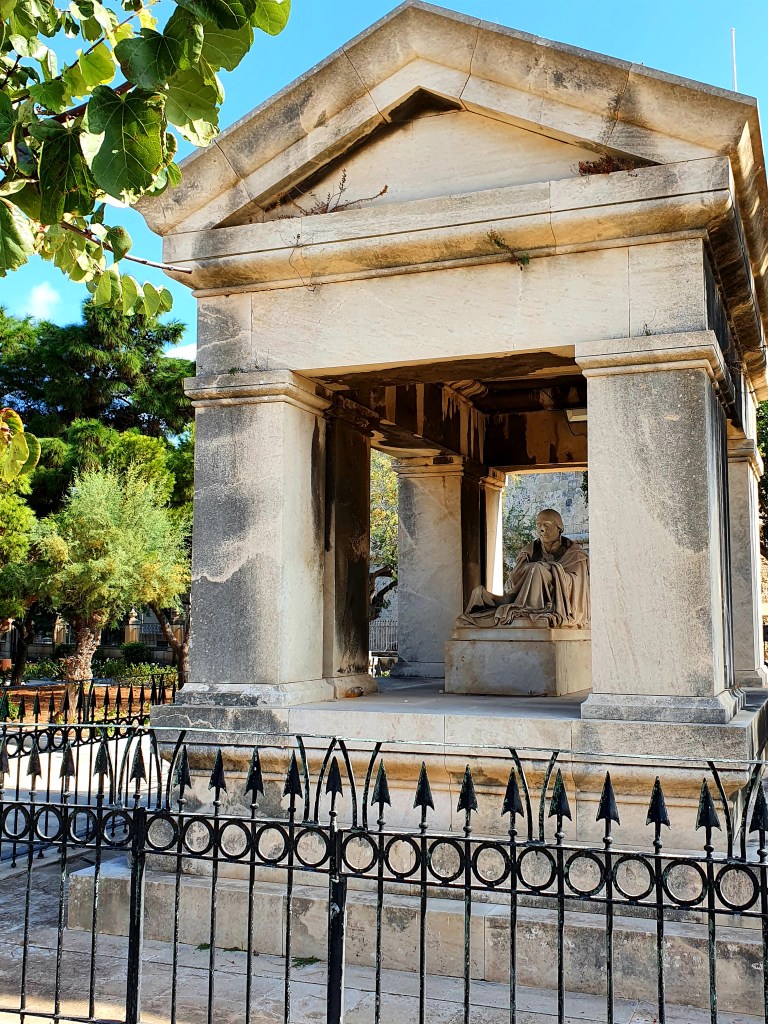
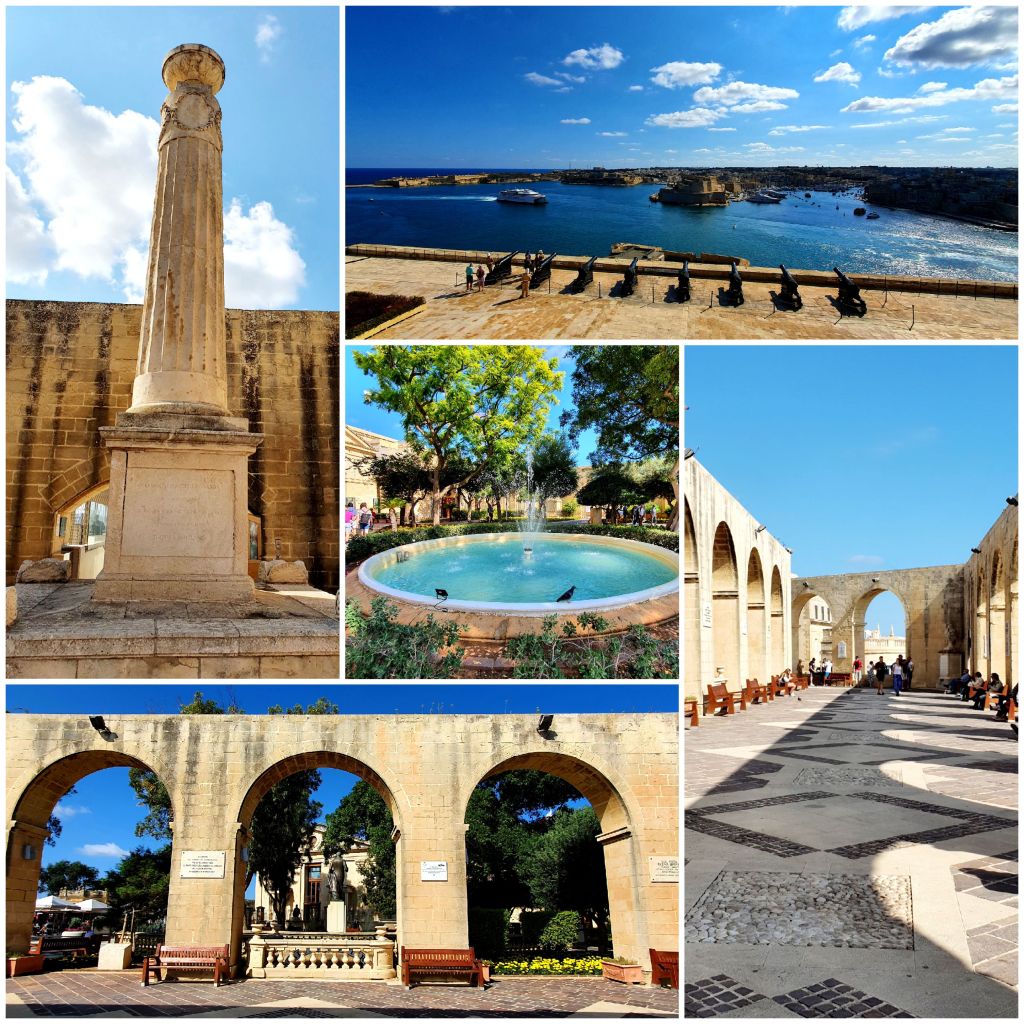
From here we headed up to Hasting Gardens, located on top of St John’s bastion, where you get a good view over the harbour to Sliema. There is a monument in the gardens to Francis, Marquis of Hastings, who was a governor in Malta.

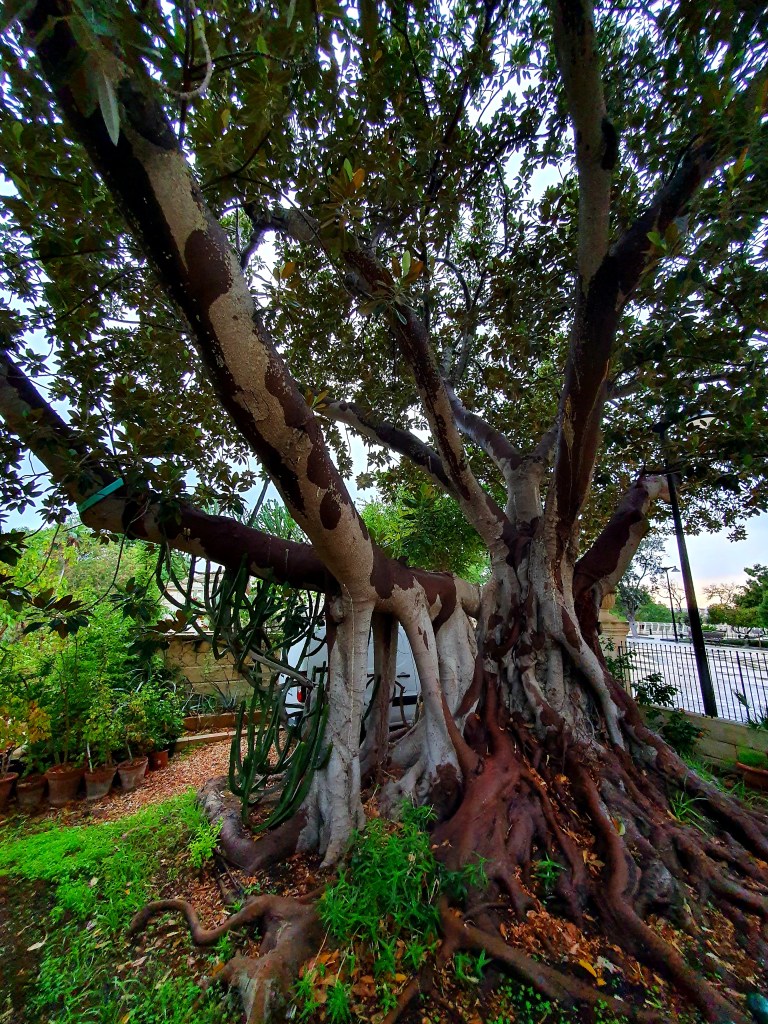
We came across a Carob tree in the gardens where I learnt that because every carob seed weighs exactly the same, the seeds were used to determine the weight of diamonds, and that’s why we now have carats in terms of diamonds.

Malta gained its independence in 1964, became a republic in 1974, joined the EU in 2004 and Valletta was the European capital of culture in 2018.

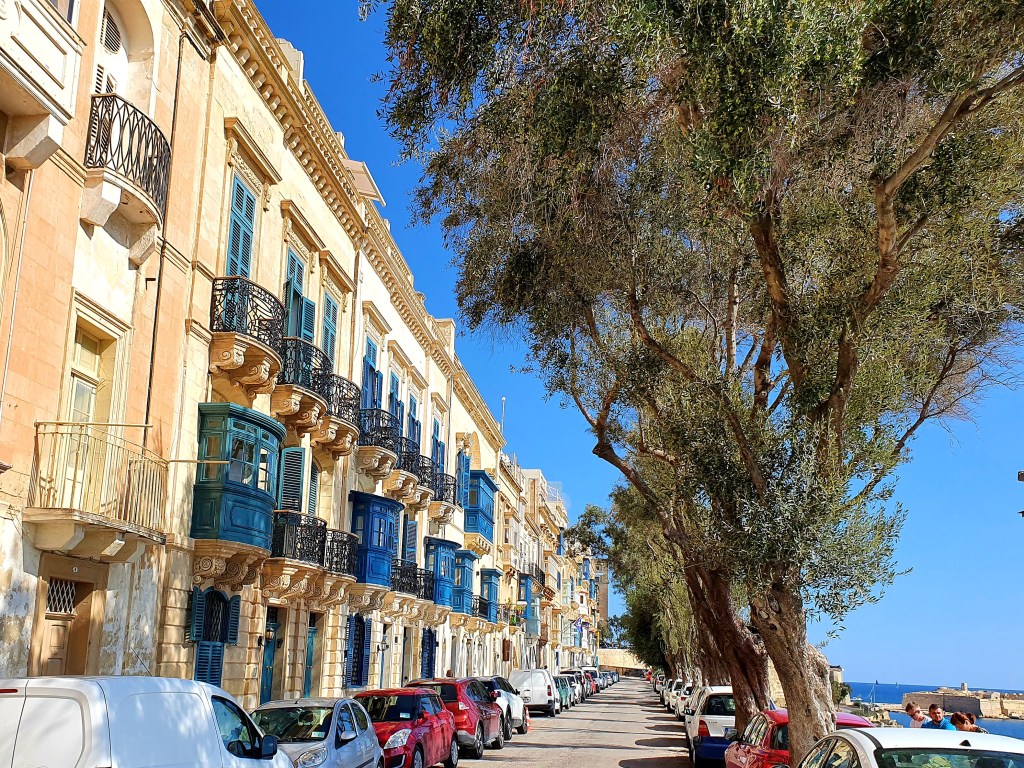
As we walked along we heard about how parts of the city were being restored. You could see quite clearly the buildings that had undergone restoration and those that still needed some work. A lot of the buildings in Valletta, and in other parts of Malta, had blue shutters and doors which looks really nice against the limestone. In Valletta you are only allowed to paint your doors and shutters certain colours.

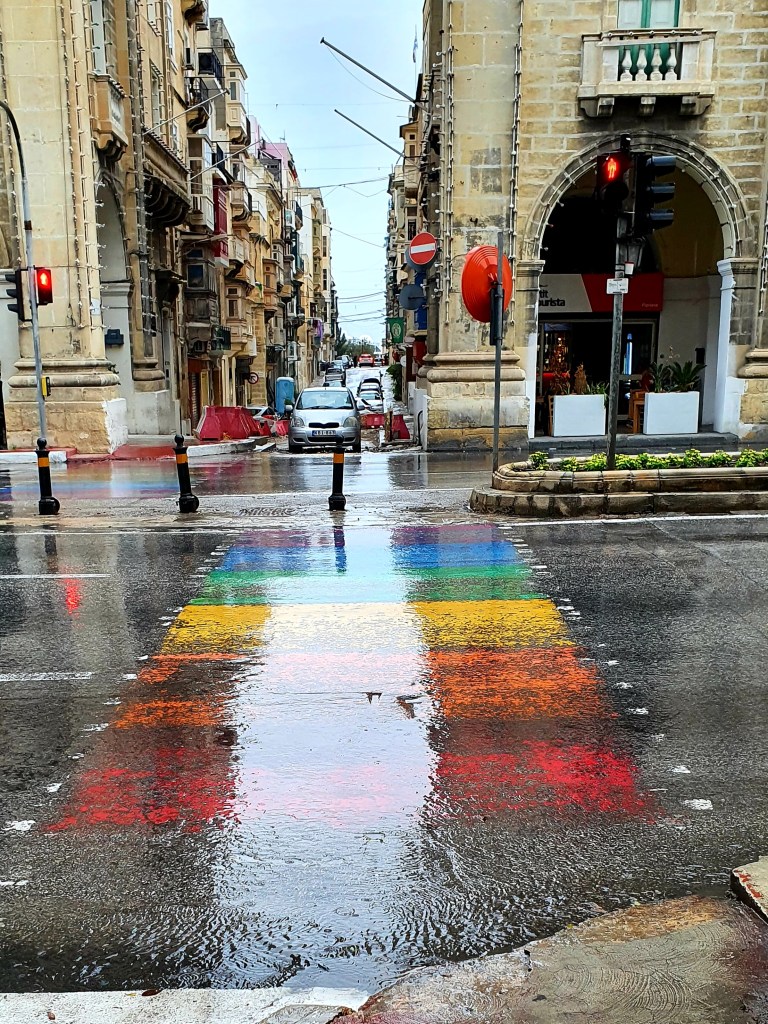
We walked back into the city centre via some little side streets. The post boxes and telephone boxes are in the old british style and one of the streets was decorated with lanterns.

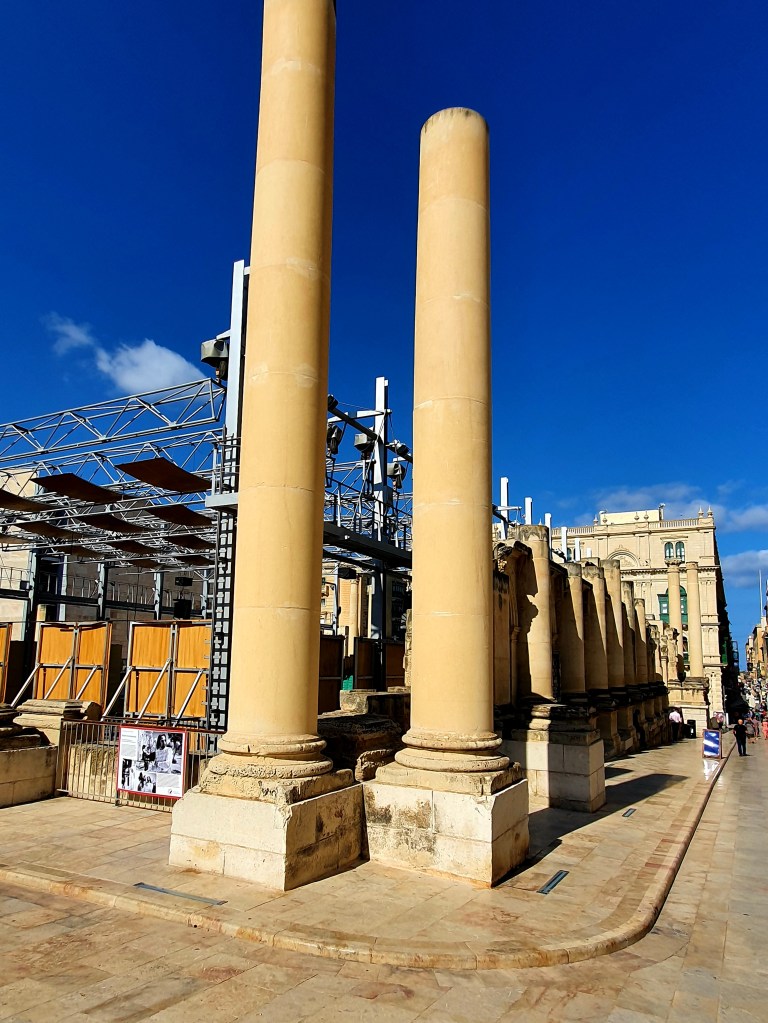
We made our way back to the old royal opera house. This was hit by a bomb in 1942 and never fully restored. It is now used as an outdoor performing venue and called Pjazza Teatru Rjal. The architect of the original opera house was the same person who designed Covent Garden Theatre in London.

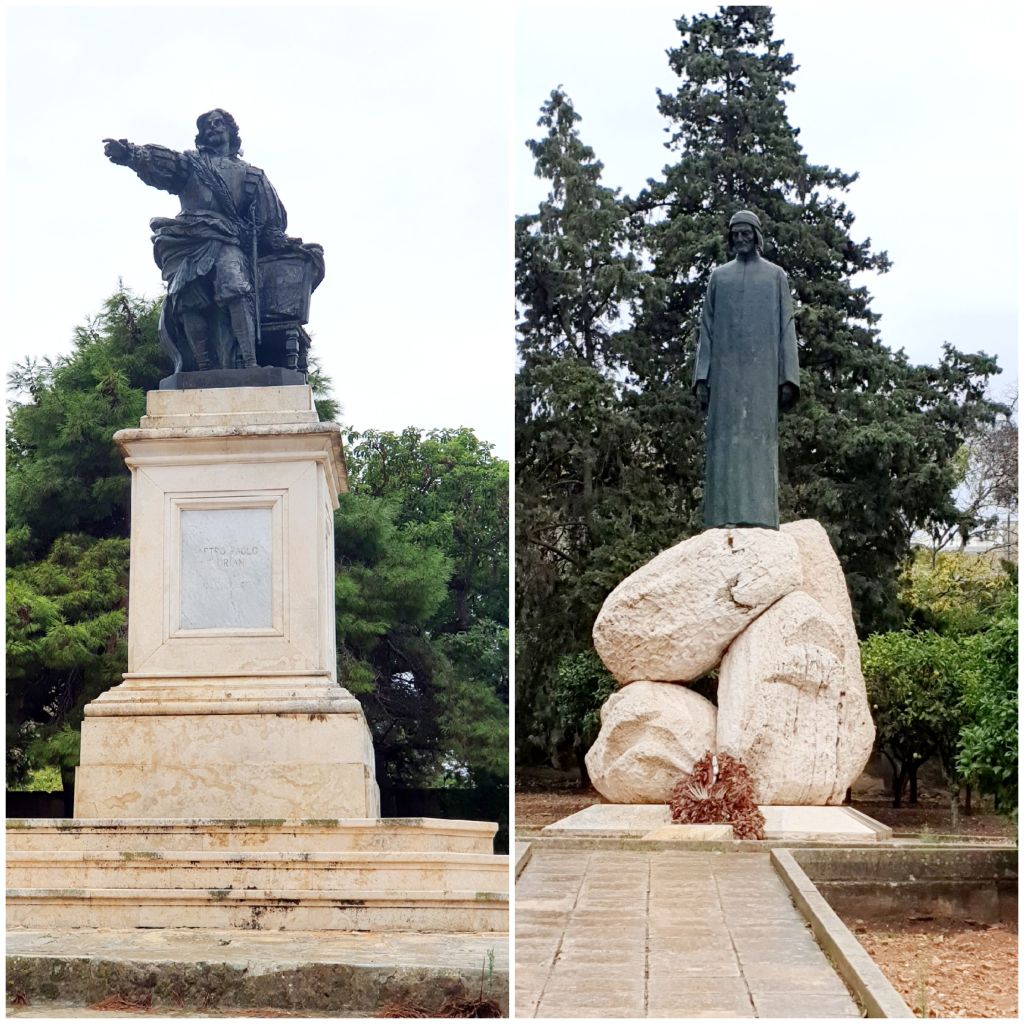
We then walked past the statue of Grandmaster Jean de Valetta. He was the head of the Province Auberge, one of the eight orders of the knights of St John, and became Grandmaster in 1557. After the Great Siege of Malta, he ordered the construction of the new city of Valletta  in 1566 , laying the first stone with his own hands

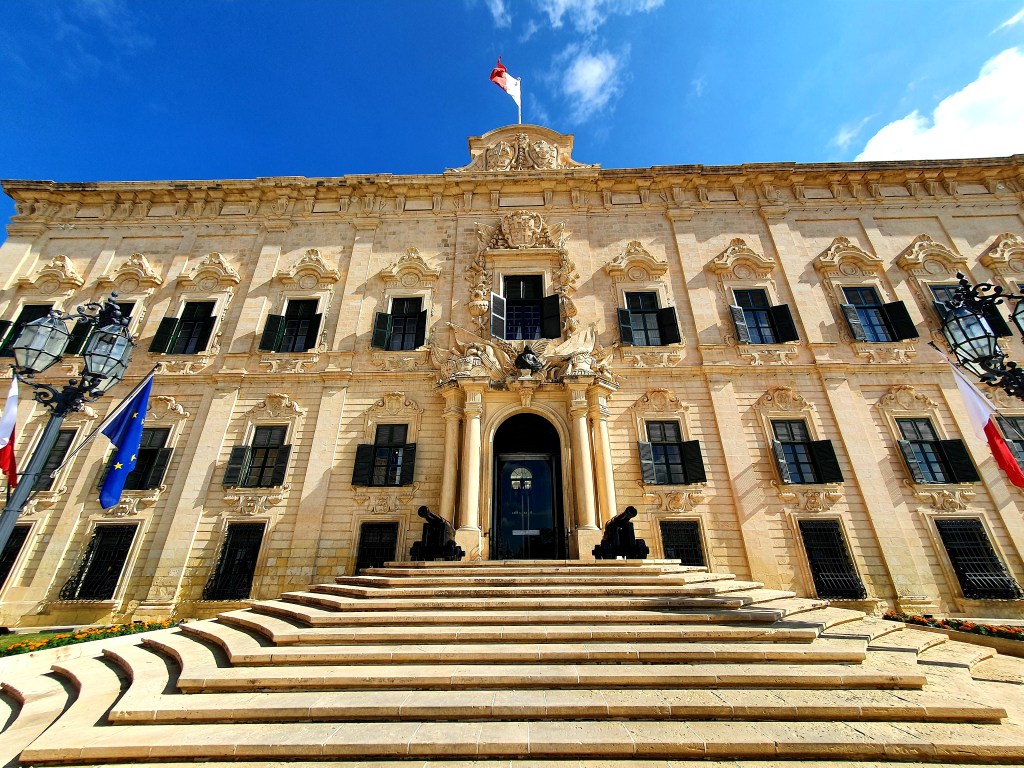
Our next stop was the Auberge de Castille. This used to be one of the knight’s houses but now houses the offices of the prime minister of Malta. There were eight Langues (national branches) of the order of St John and each one had it’s own inn, or auberge, in the 16th century.

It is the building that is at the highest point of Valletta and overlooks Floriana and the Grand Harbour area. Floriana is a town that grew outside of the huge city walks that protect Valletta. It too has city walls but they are not as thick as those of Valletta.

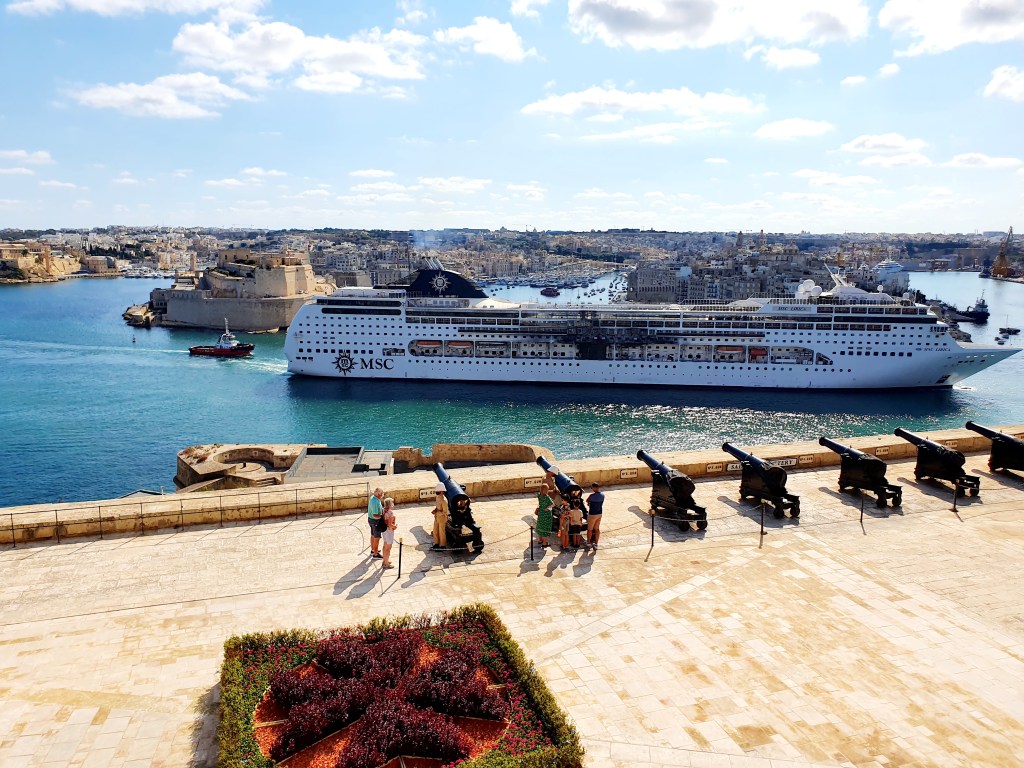
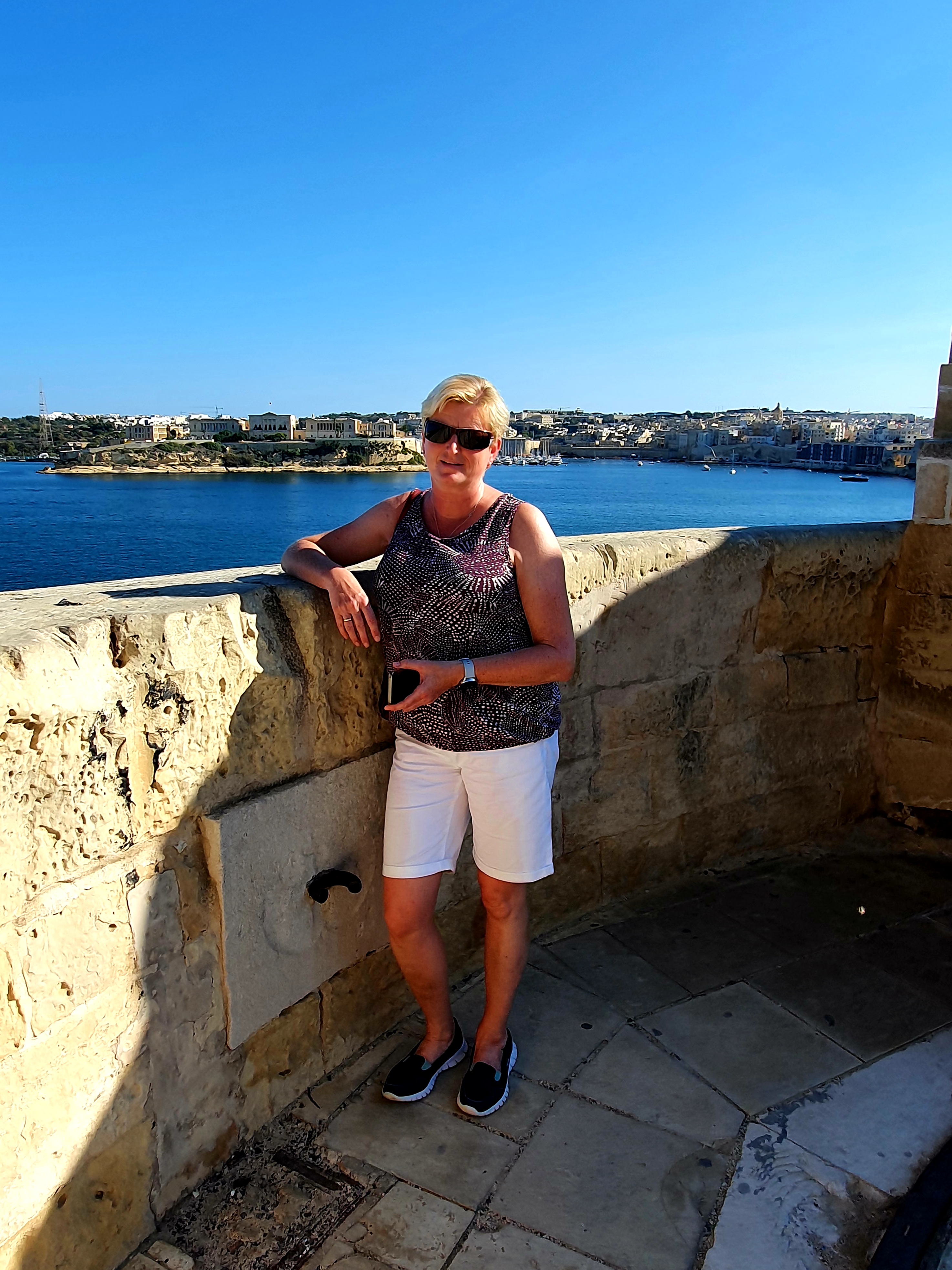
We walked on to the Upper Barrakka Gardens. From here you can look down on the Saluting Battery which was mainly used for firing ceremonial gun salutes and signals. Canons are formed here every day at 12pm and sometimes at 4pm and this is what we heard yesterday when sitting on our roof terrace. You could see our roof terrace from the gardens.

As we looked over the Saluting Battery a huge cruise ship was just passing through the Grand Harbour.

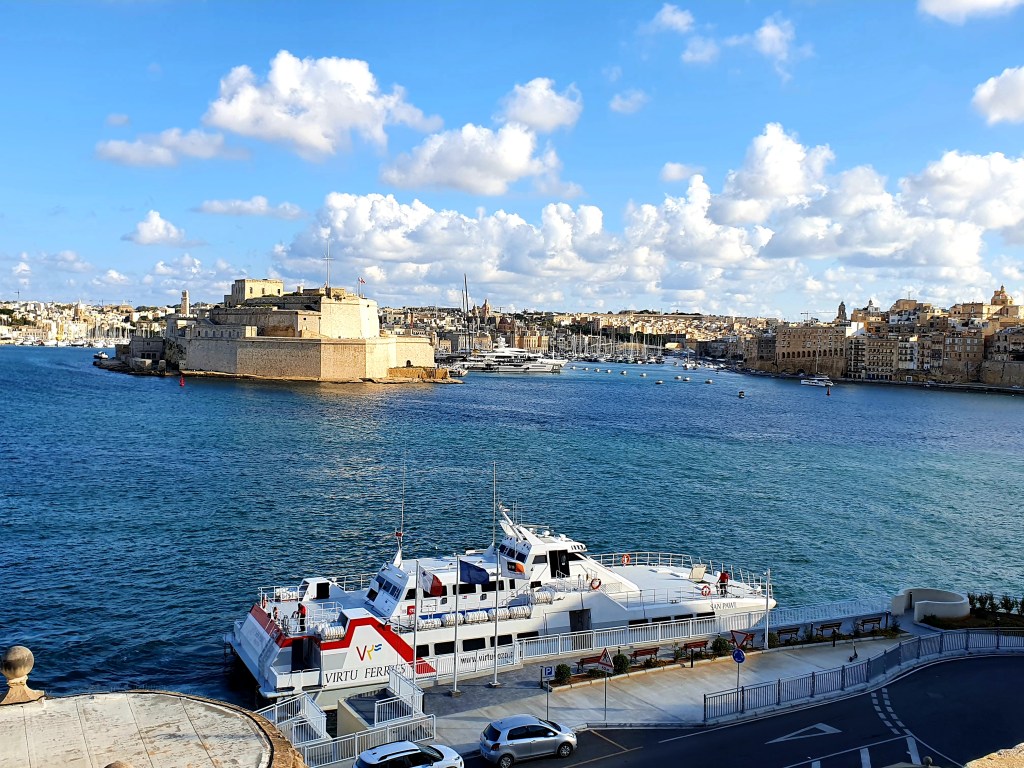
From the gardens you could look out to the three cities and Fort St Angelo. Currently only one knight from the order of St John lives at the Fort. Knights were originally from noble families only and would be the 3rd or 4th son of the family. They had vows of chastity, poverty and obedience.

From the edge of the gardens you could look directly down to the ground where the lift is. It was quite disorienting.

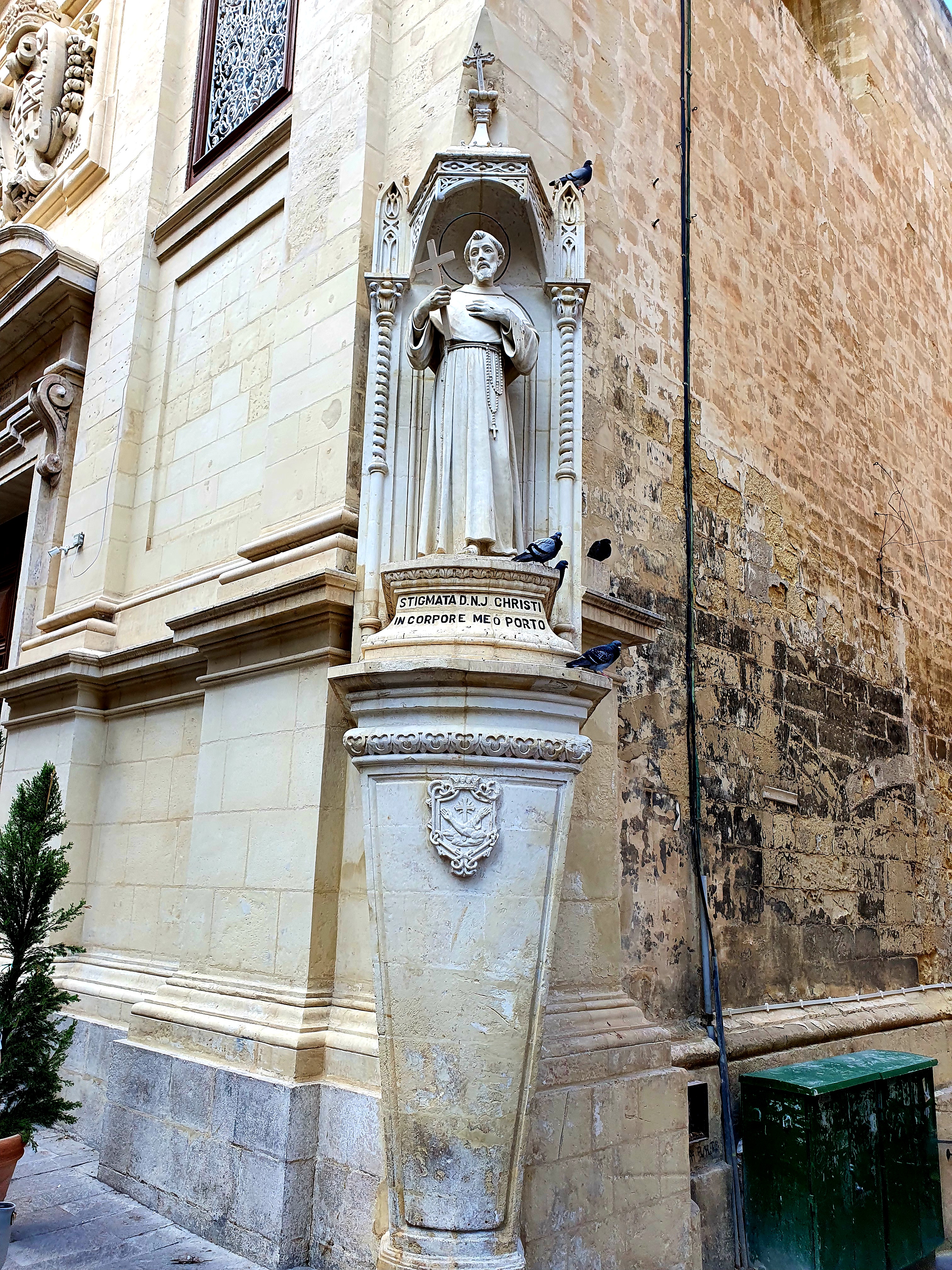
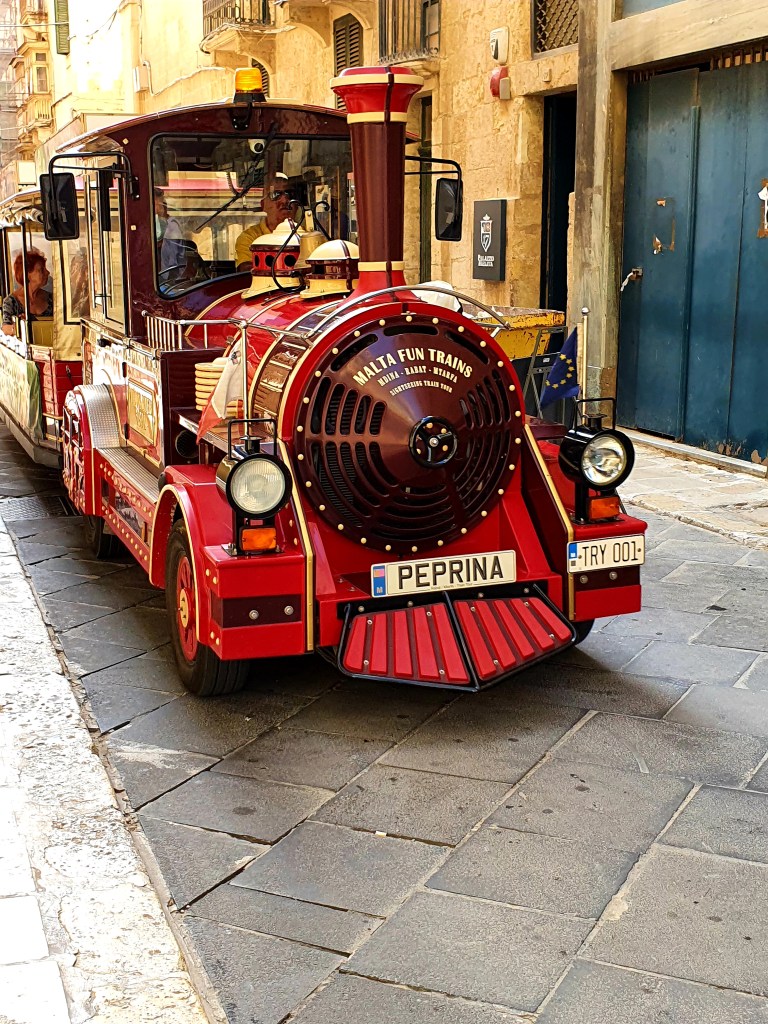
From the upper gardens we headed down to the lower Barrakka gardens, past a trackless train and a number of statues that appear on a lot of the street corners.

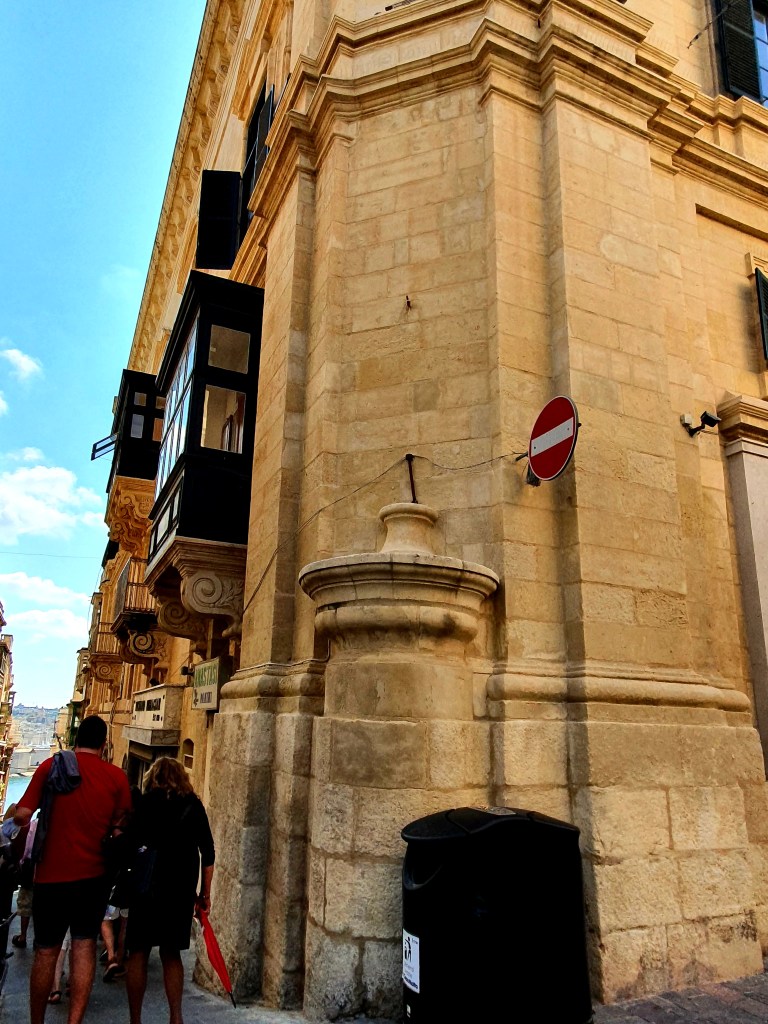
One of the street corners had a large hook on the wall. Apparently they used to tie criminals hands behind their backs and then hang them from the hook. This meant that their shoulders would often dislocate and it would be really painful for them.

Most of the houses and apartments in Valletta have balconies. Apparently up until 1970 married women were not allowed to work so they used to sit on the balconies and chat to each other. Also, to save people who are a little bit older walking up and down the stairs all the time, when the bread van comes round in the morning, they lower baskets down from the balcony and the bread is placed in the basket and hoisted up via the balcony.

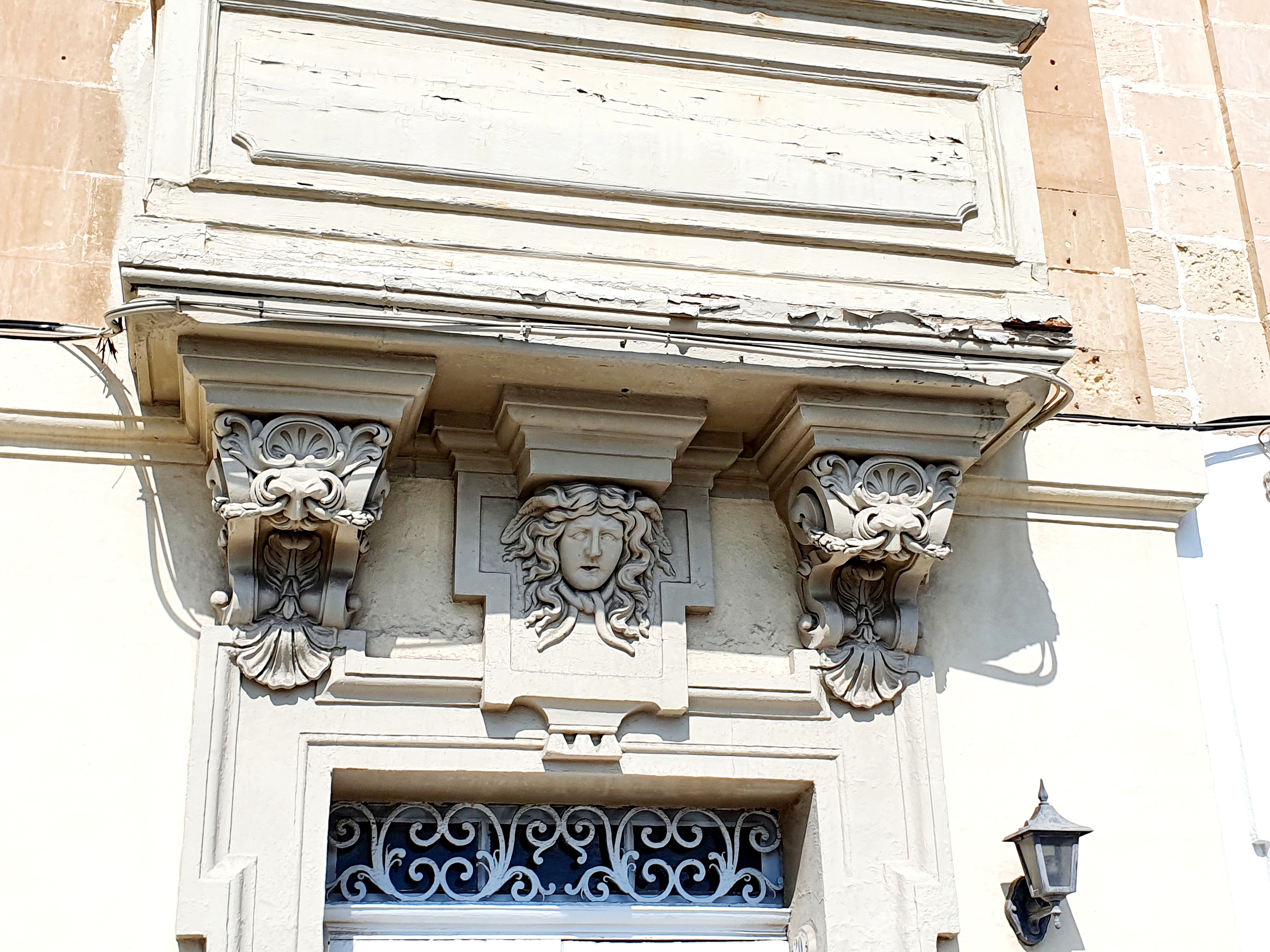
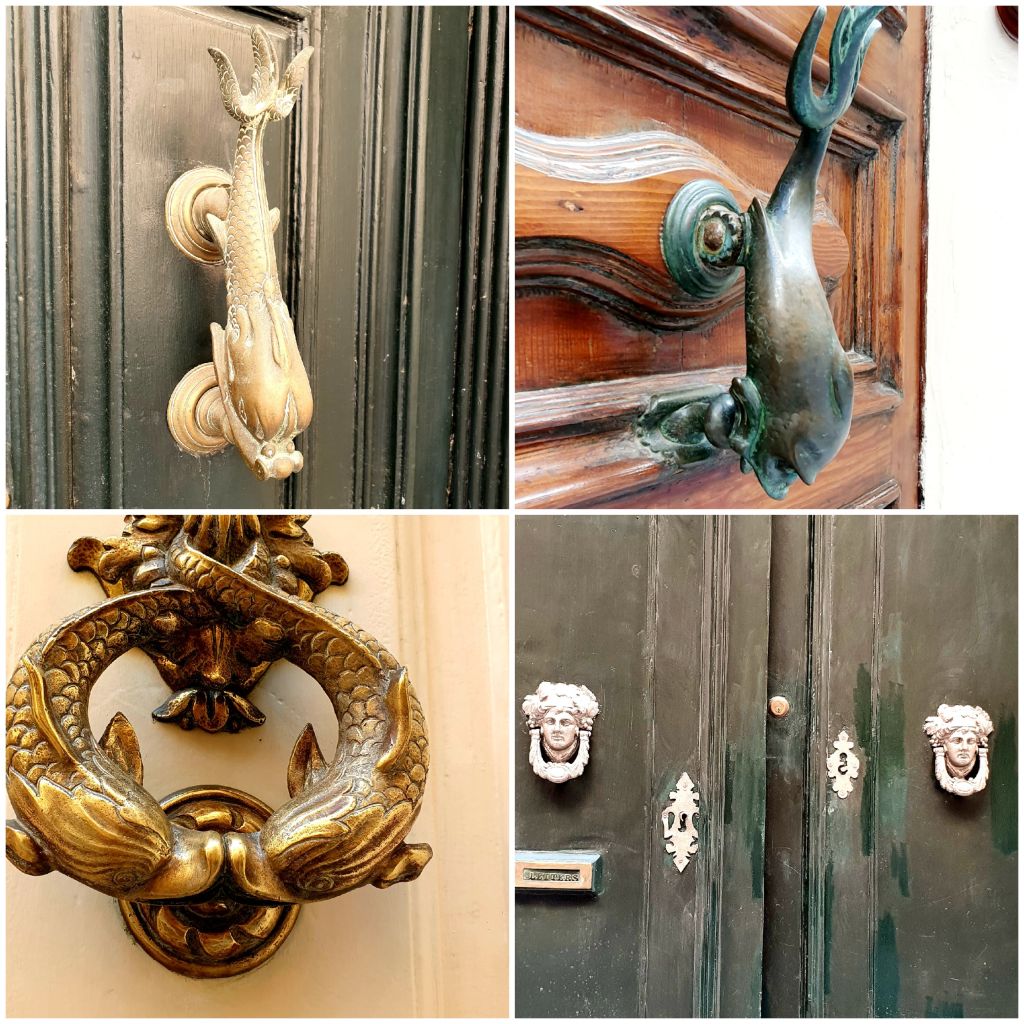
Walking to the lower gardens we walked down a pretty street where all the houses had been restored. A number of the houses had carvings of gargoyles around the doors, or even a medusa. These are around the door to make people look away to maintain the privacy for the people within.

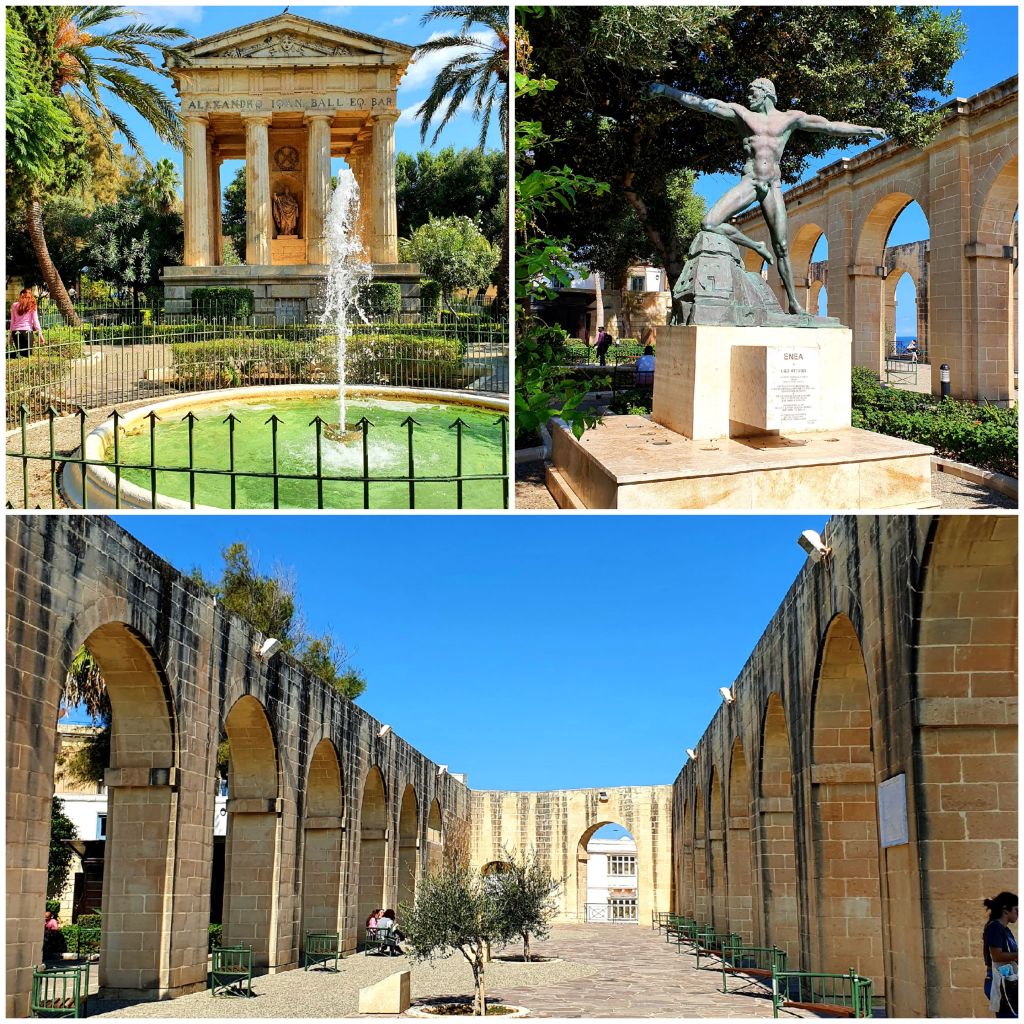
From the lower gardens you can look back to the upper gardens and the saluting battery.

Personally I think the lower gardens are nicer than the upper gardens as they are smaller and prettier.

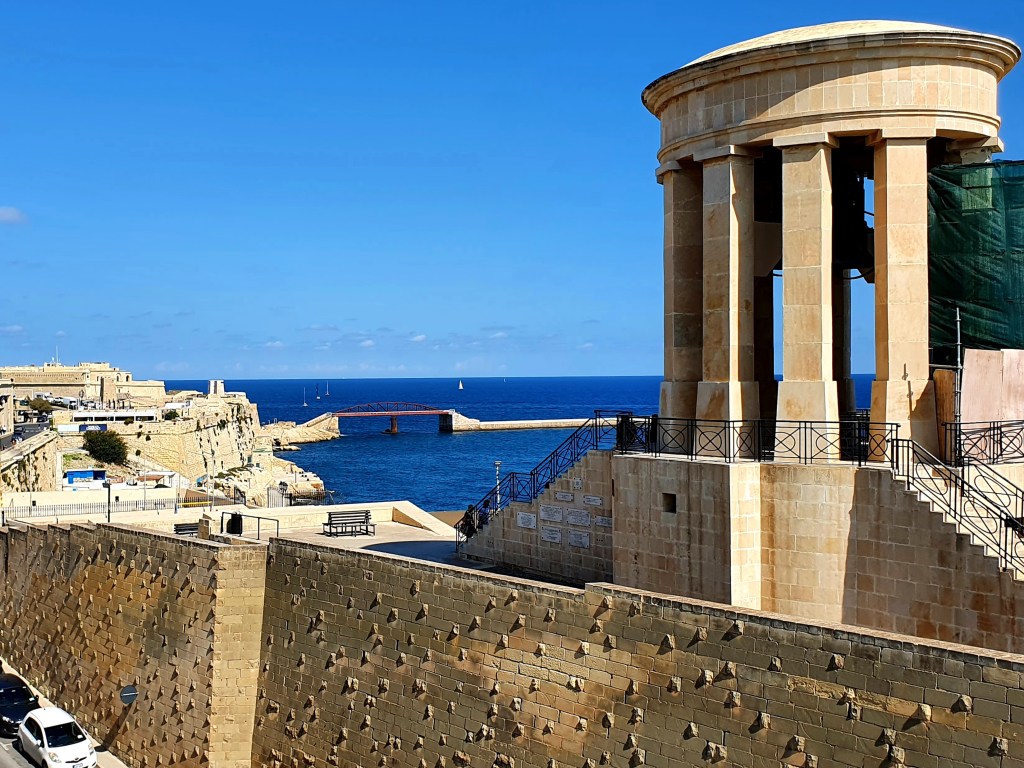
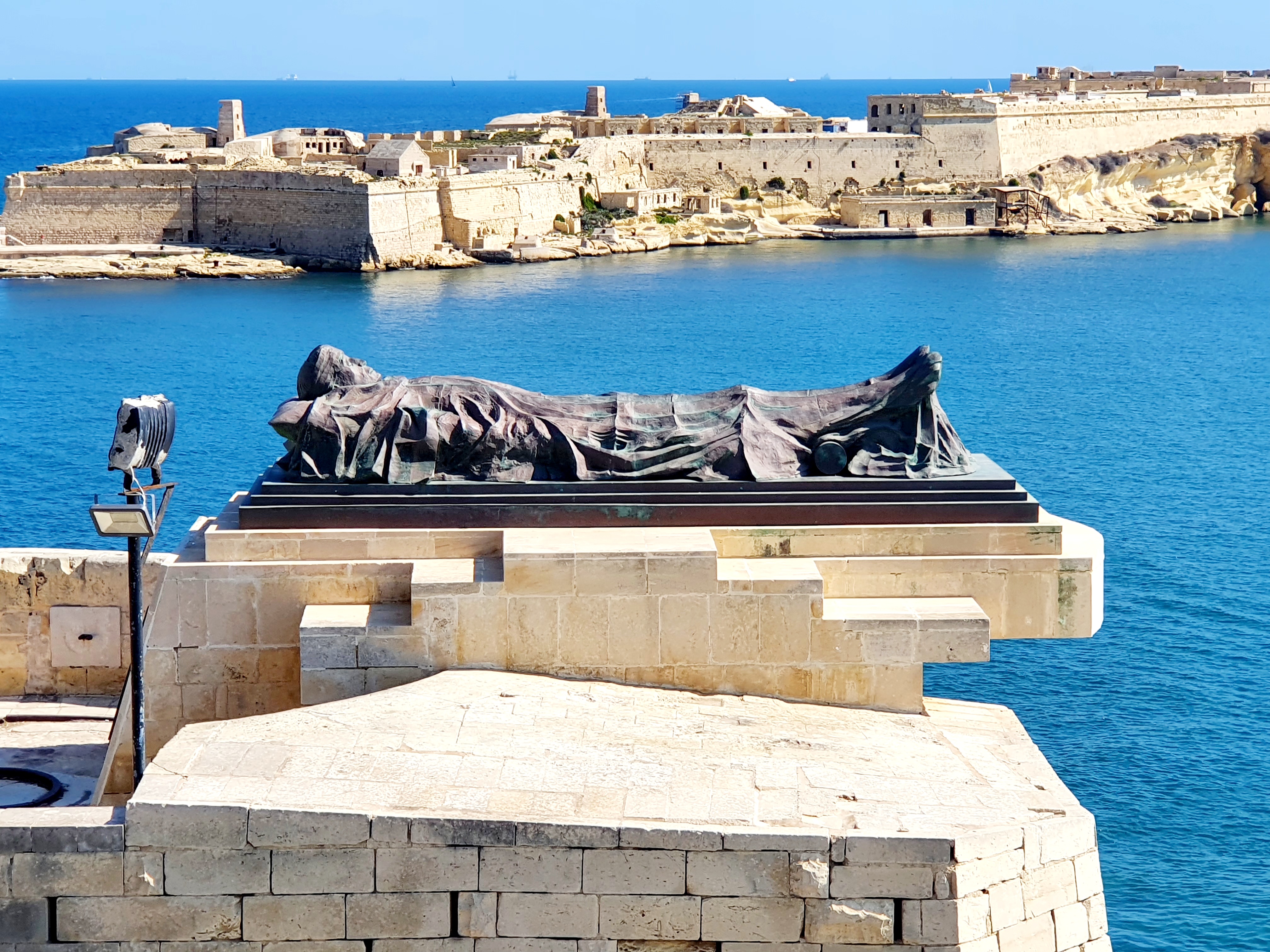
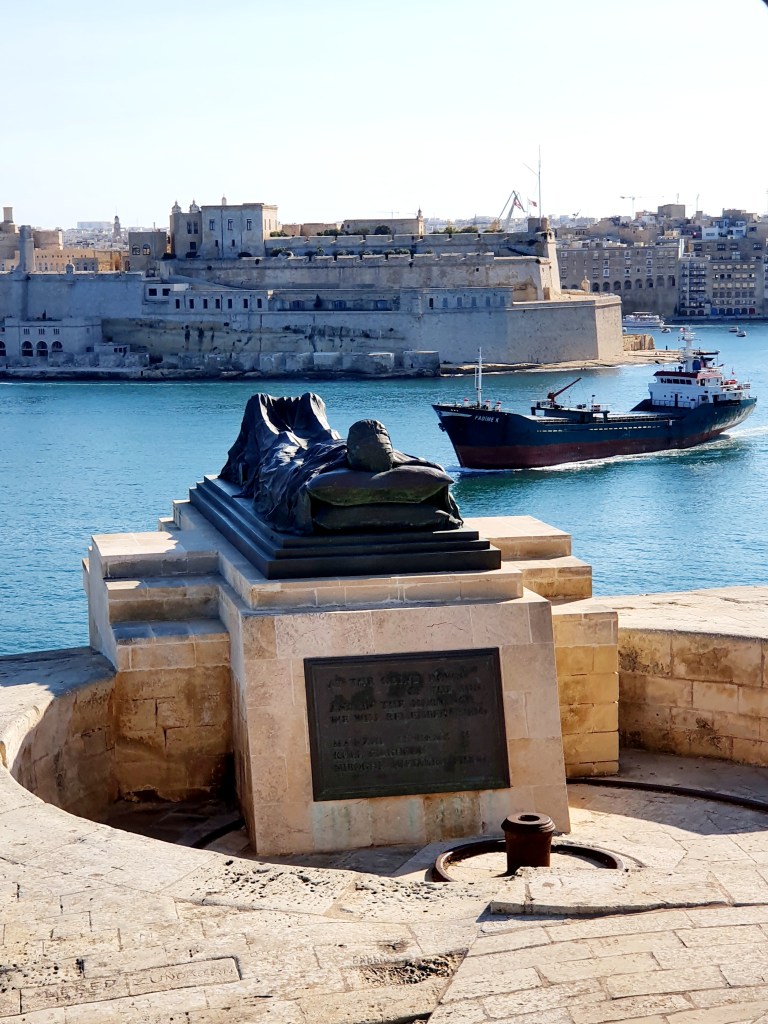
Across from the gardens is a tribute to everyone who fought and died for Malta in the second world war in terms of the Seige Bell and the Unknown Solider monument.

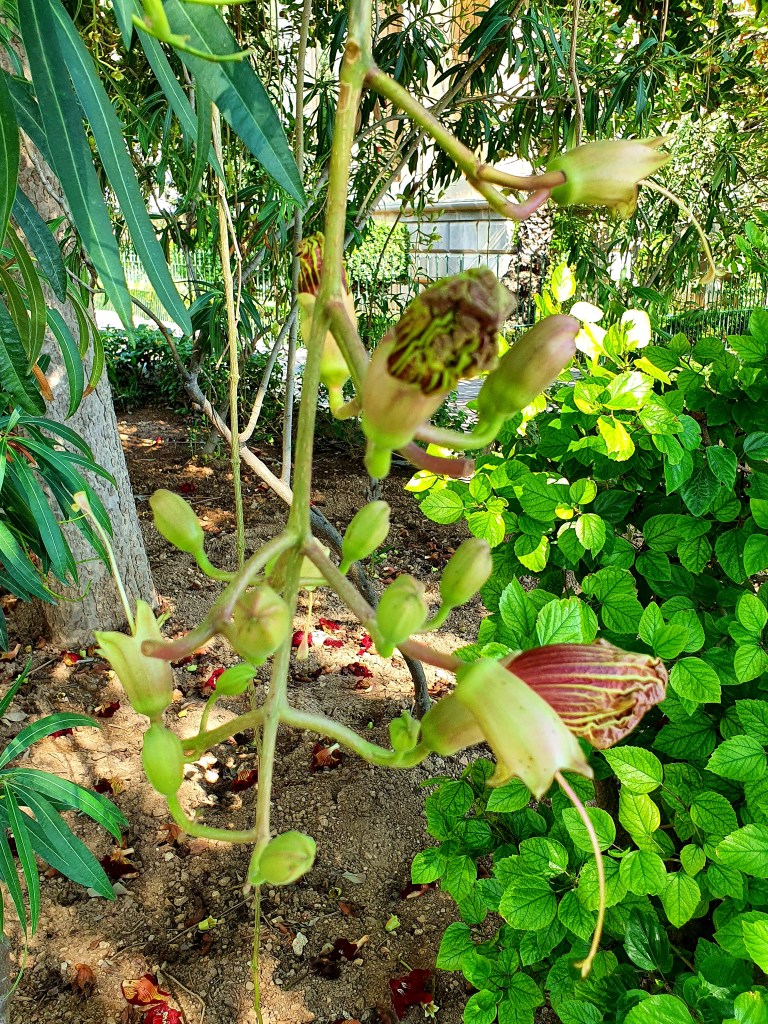
Sausage trees can be found in the lower gardens. You can eat the fruit from the trees and many people use it as a vegetable. The flesh of the fruit is sweet and subtle and tastes a bit like cucumber.

From the lower gardens we walked back through some of the side streets to the Grandmasters Palace. On the way I noticed lots of interesting door knockers.

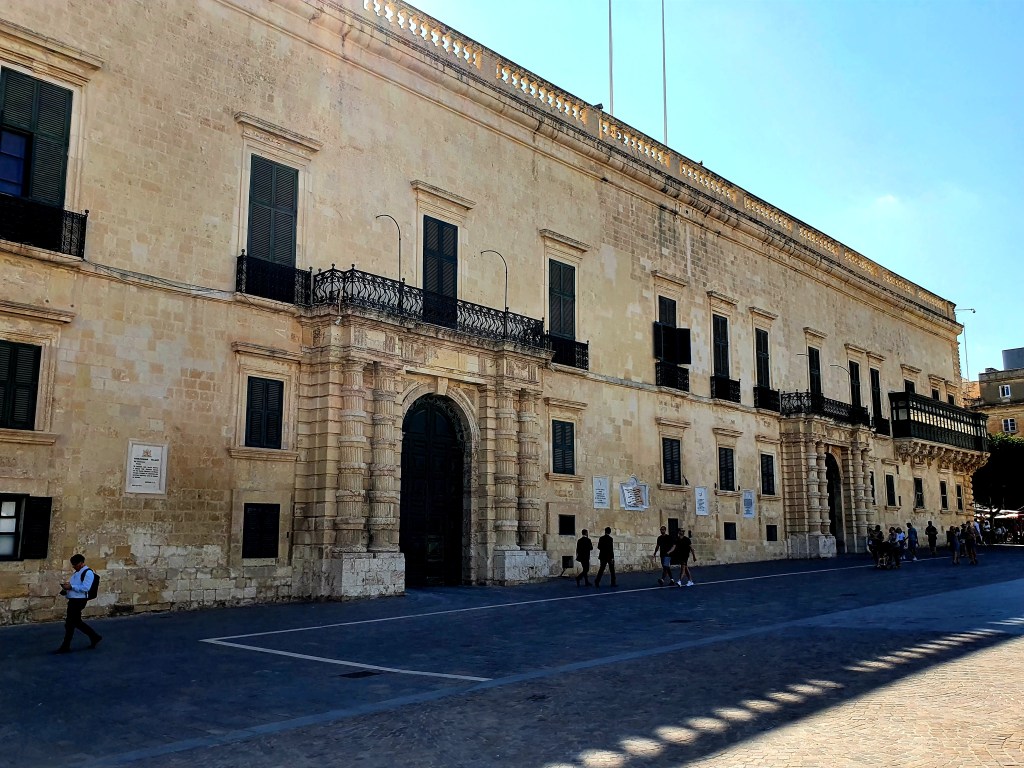
The Grandmasters Palace was originally built for the Grand Master of the Order of St John. The Palace occupies a city block and is the largest palace in Valletta and is supposed to be haunted by a number of ghosts.

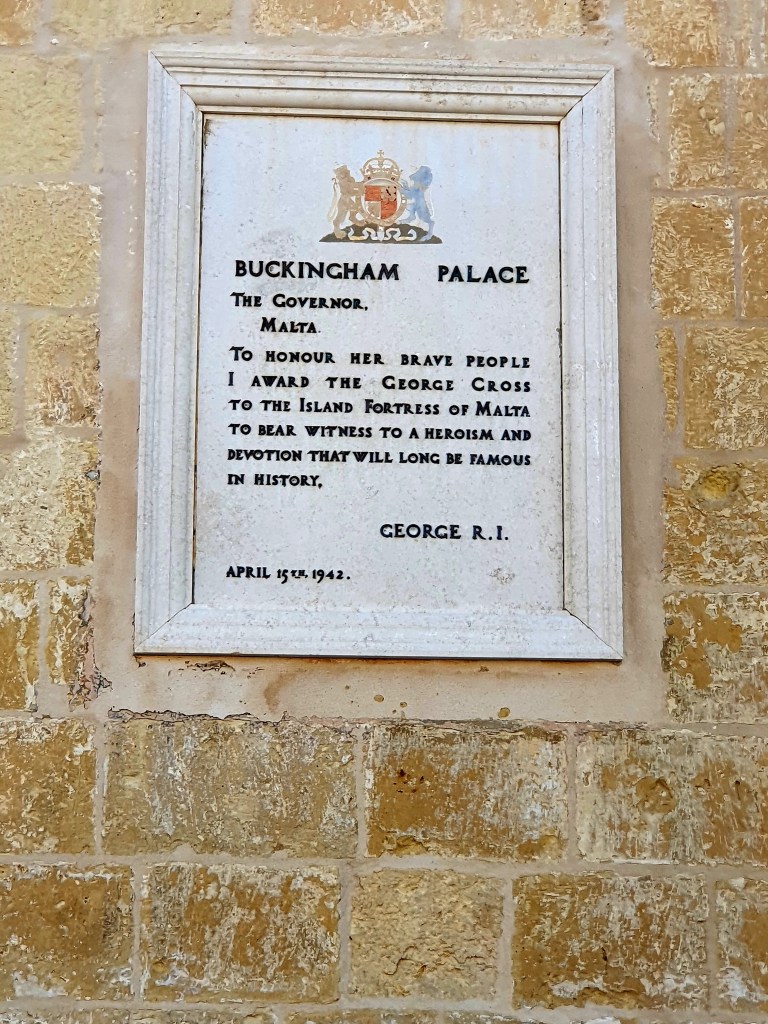
There is a plaque from Buckingham Palace which commemorates the awarding of the George Cross to the Maltese people by King George VI for their courage, bravery and heroism at the start of WWII. The cross was incorporated into the Maltese flag and remains part of the flag today.

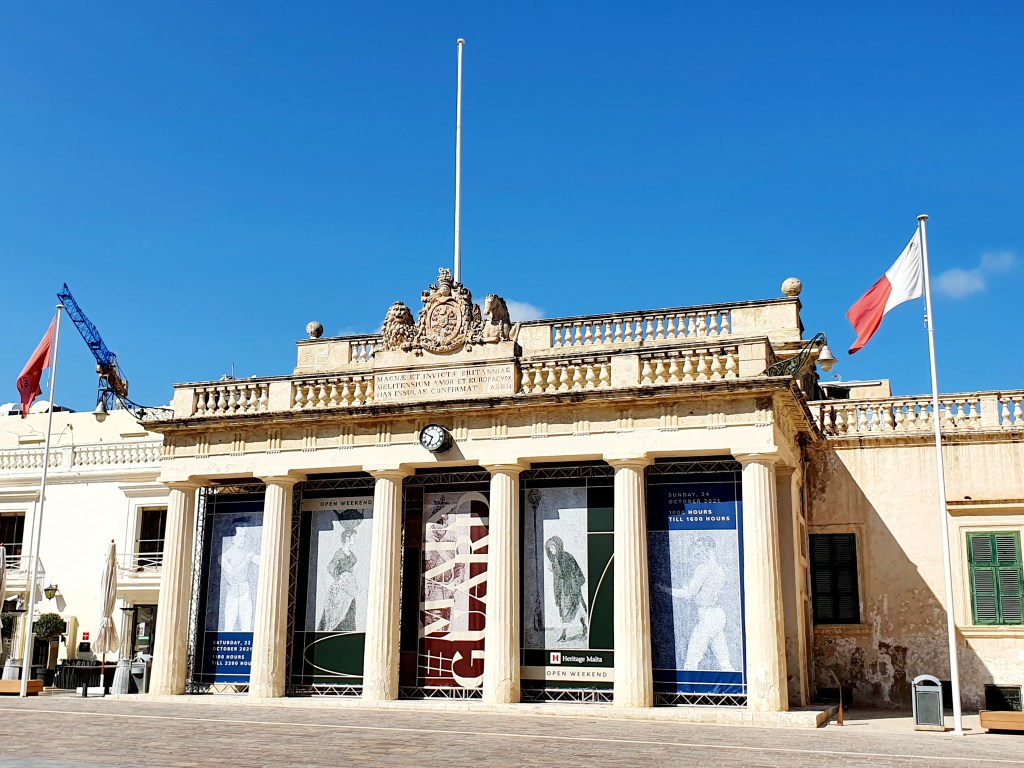
Opposite the Palace is the Main Guard and this was originally built as a guard house by the Order of St John. It is now one of the main symbols of British rule in Malta.

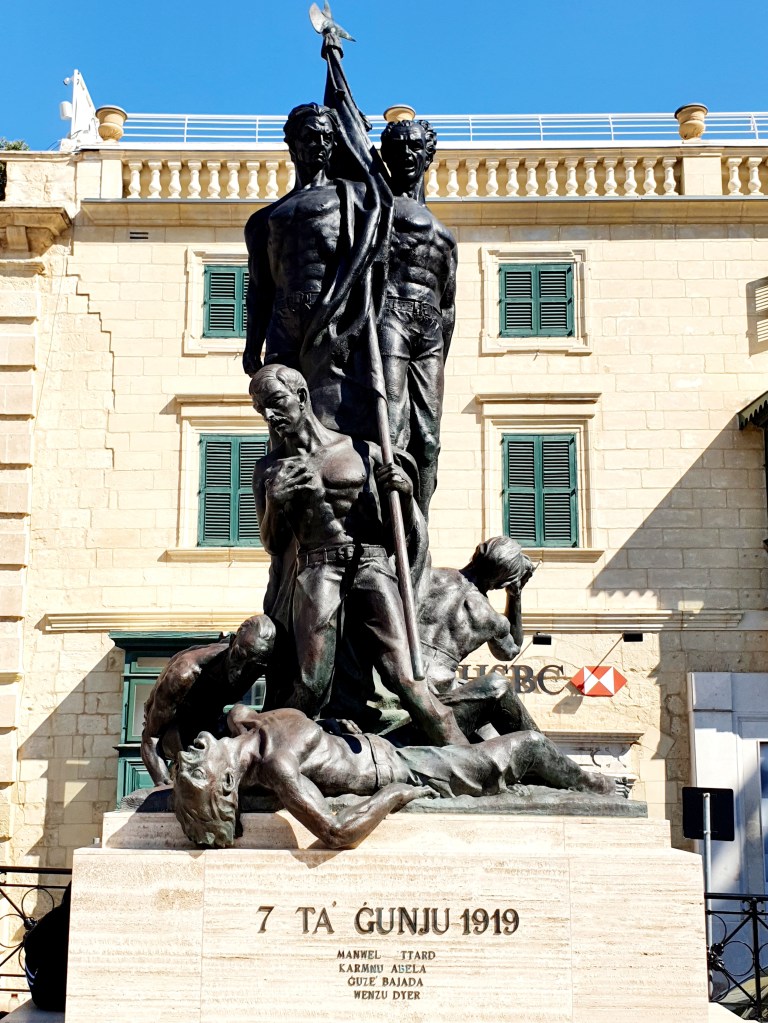
Within St George’s Square where the Palace and Main Guard are is a statue commemorating 7 June 1919 known as Sette Giugno. This commemorates a day when the Maltese people rebeled and rioted against the British rule due to the poverty they were all suffering because of the increased price of wheat and bread. The British fired into the crowds killing 4 people. 2 more people died from their wounds a few days later which is why there are 6 people as part of the statue.

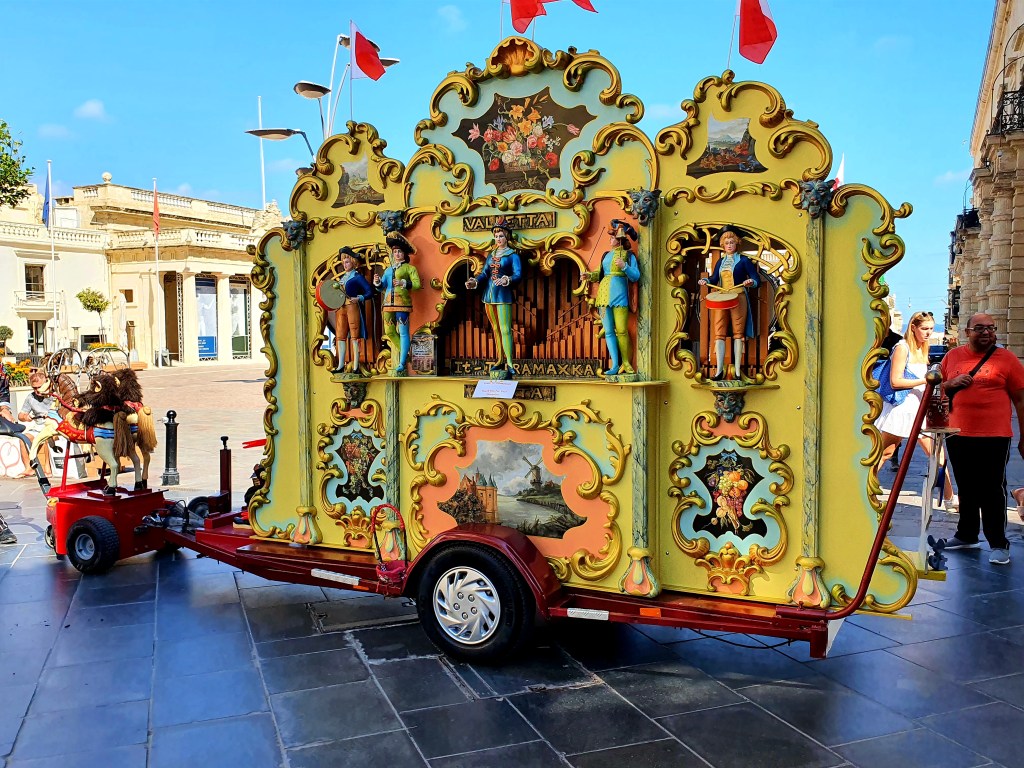
This was the end of the walking tour. As we hung around by St George’s square a very elaborate organ grinder came by. It was really nice at first but the music was so loud that it became annoying after a while.

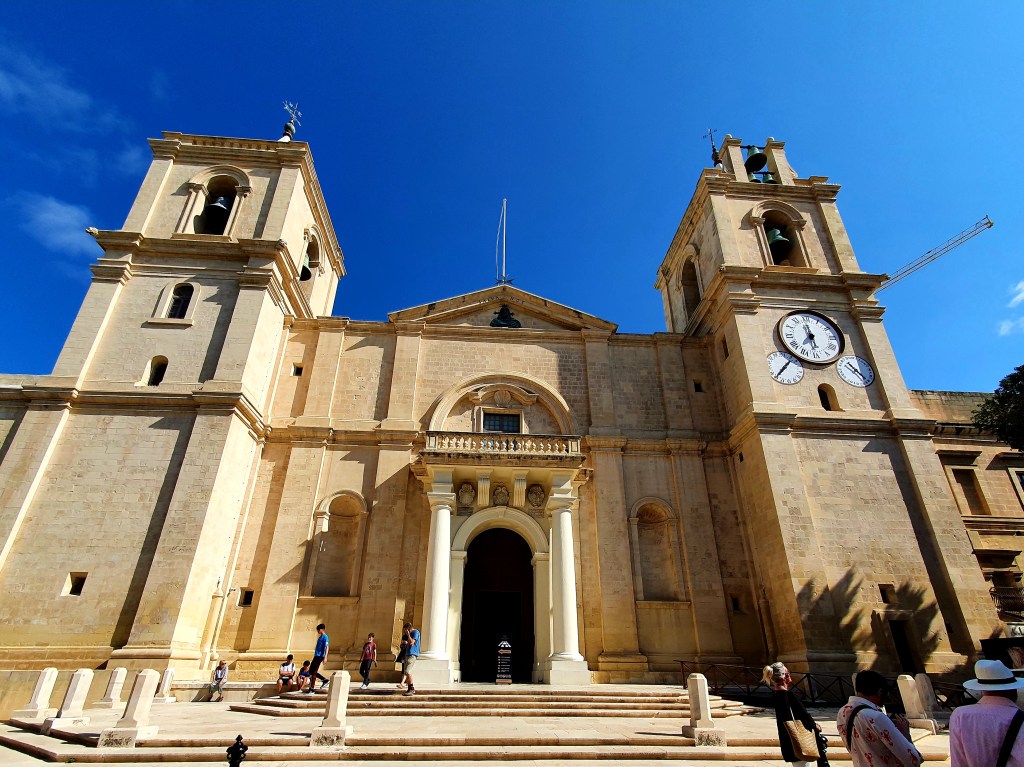
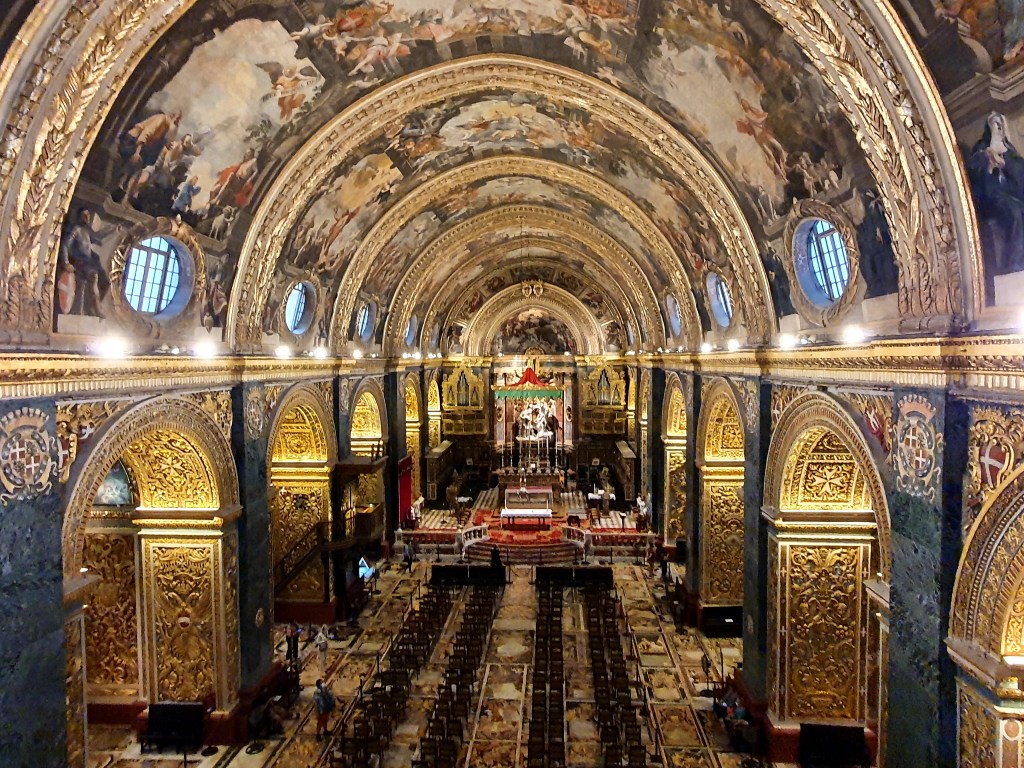
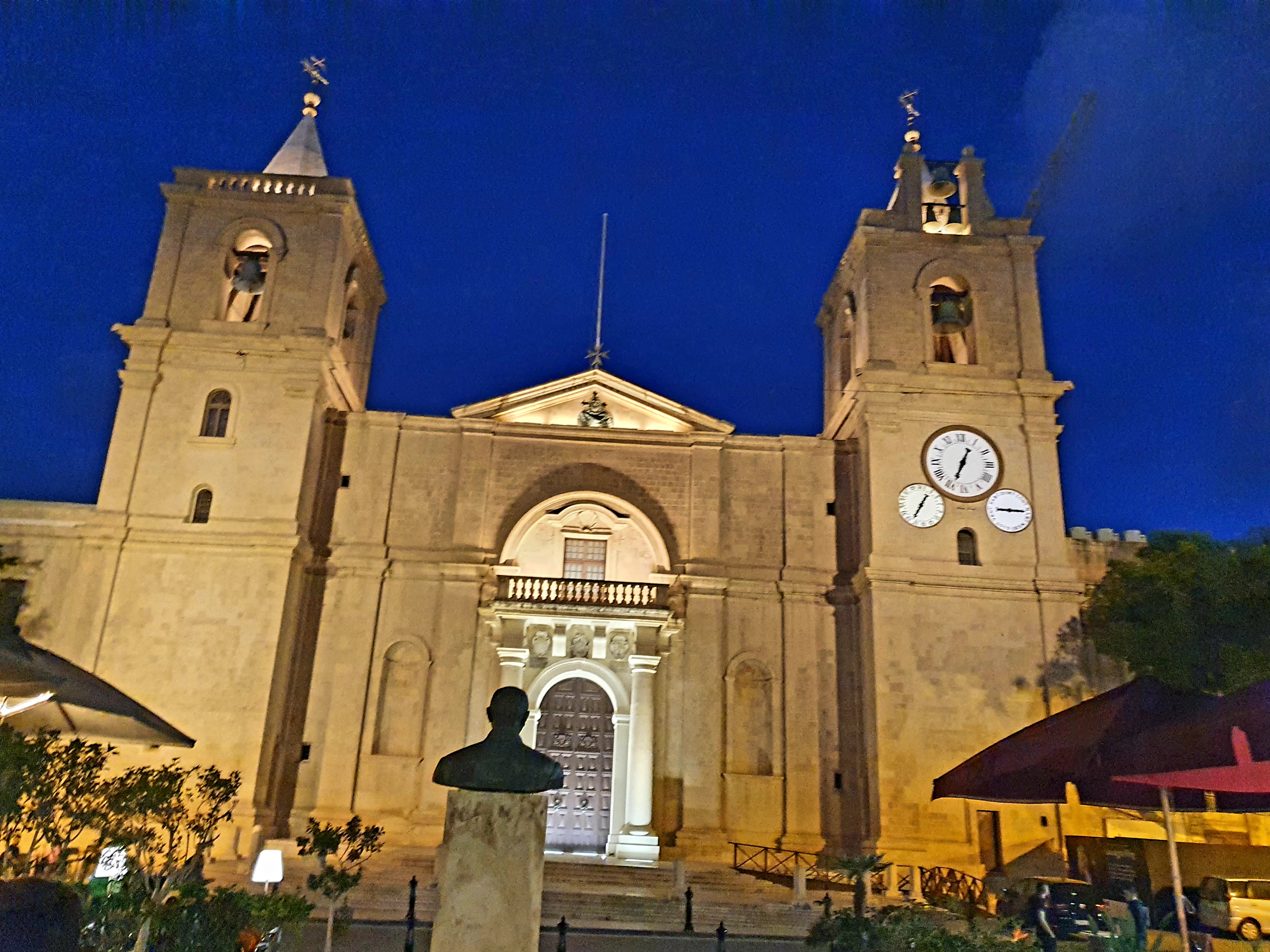
After a spot of lunch in a cafe down one of the side streets we decided to visit St John’s Co-Cathedral. This is the main cathedral in Valletta and looks like a giant fortress from the outside.

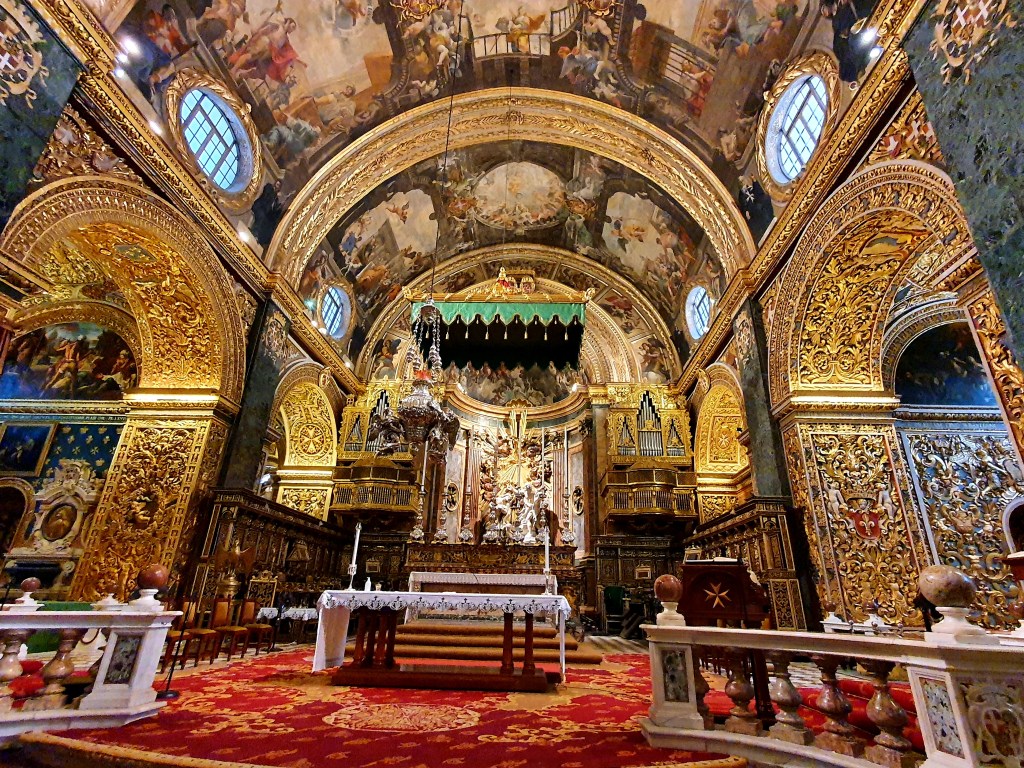
But inside it is amazing with marble floors, lots of gold, intricate carvings and loads of paintings and frescoes.

The floor of the cathedral is covered in marble tombstones. 400 knights are buried here and a lot of the symbols on the tombstones remind us of the inevitability of death.

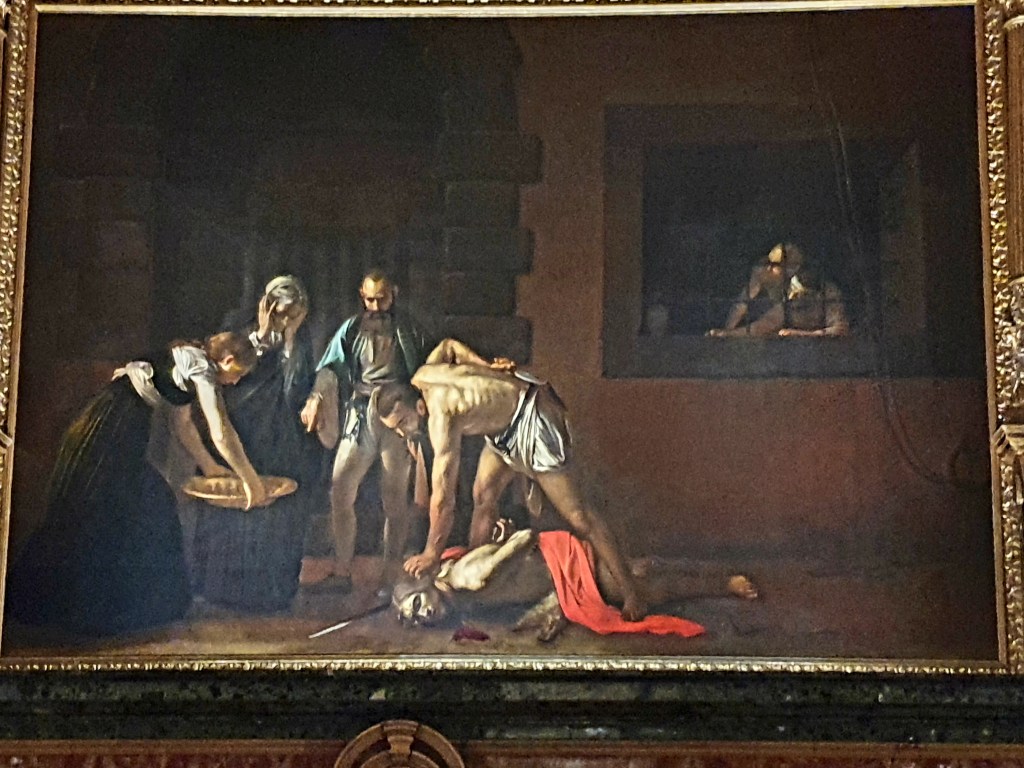
The cathedral also houses the famous painting of The Beheading of St John the Baptist by Caravaggio – it is very rare as it is the only painting he actually signed. Caravaggio was himself a knight but was stripped of his knighthood, apparently in the same room in the cathedral where his painting hung.

Each of the houses, or Langues, has it’s own chapel within the cathedral. These are all extremely lavish and highly decorated as they competed with each other to be the best chapel.

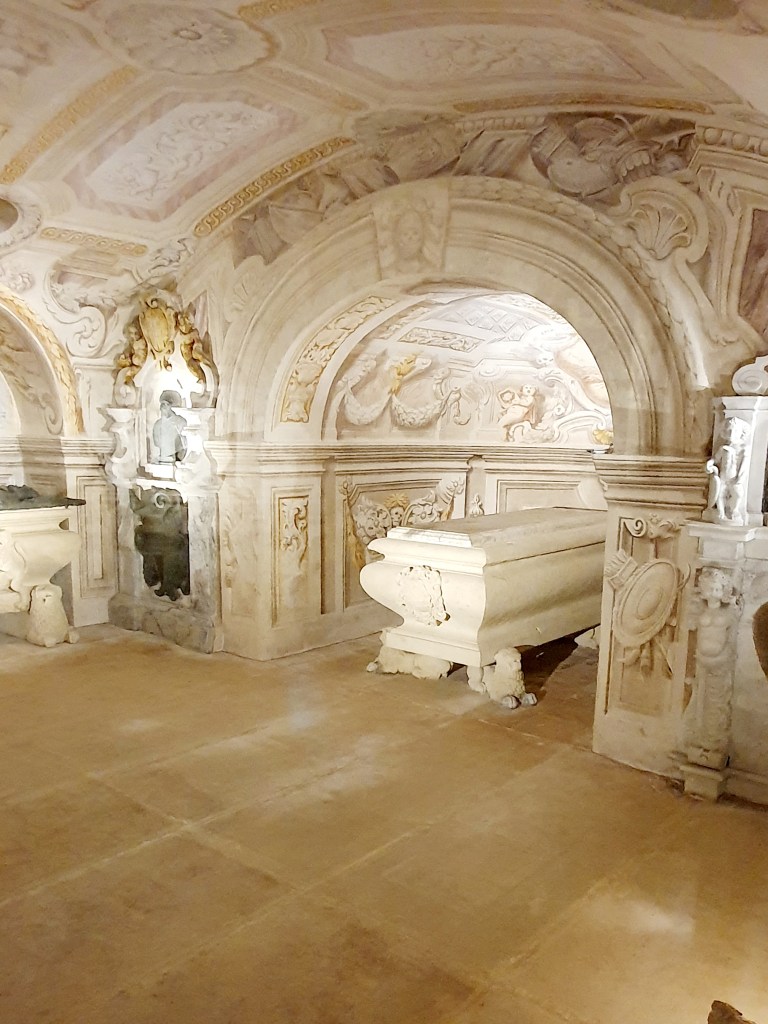
The cathedral also has a crypt where the Grandmasters are buried.

The gate to the Blessed Sacrament was originally silver bit was painted black to foil Napoleon’s troops as they were taking everything that was made of silver.

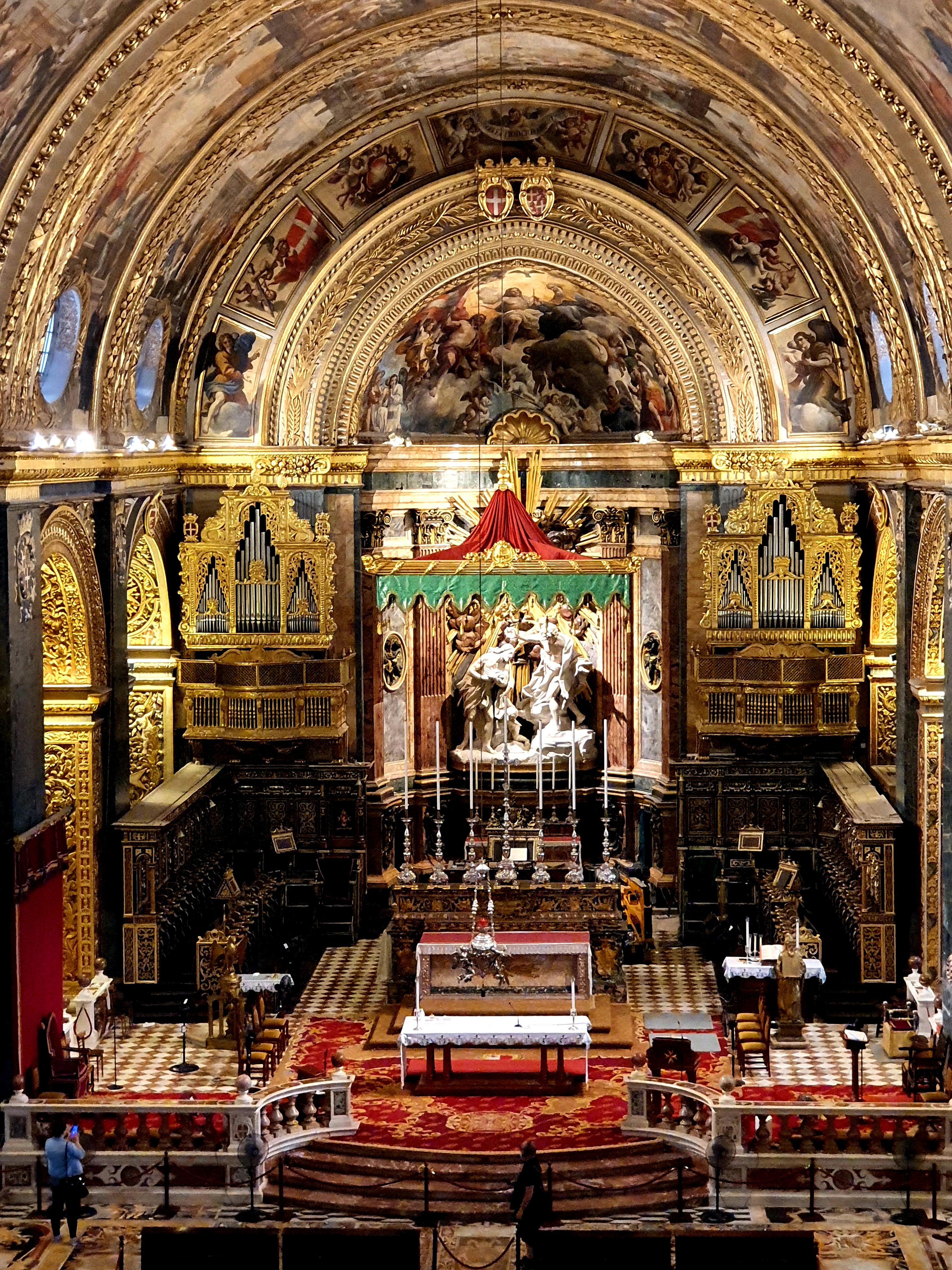
We climbed up the stairs to get a better view of the cathedral, and particularly the high altar. At the centre of the high altar there is a relief in bronze which shows the Last Supper.

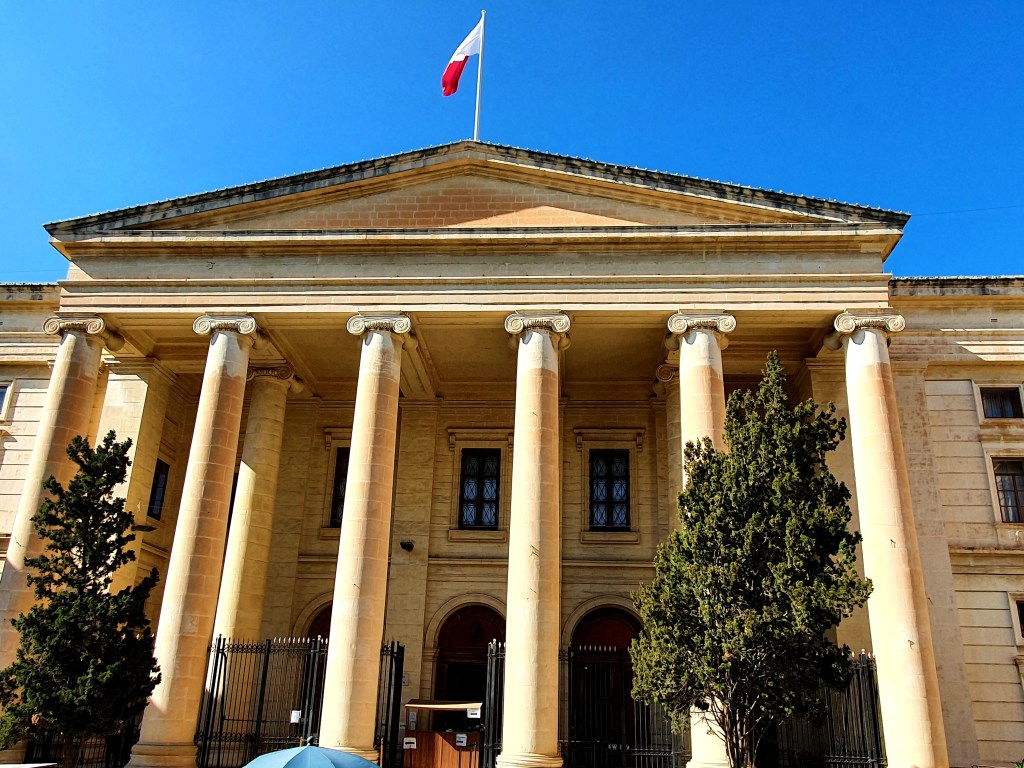
From the cathedral we walked to the courts of justice courthouse. This is built on the original site of the Auberge de Auvergne.

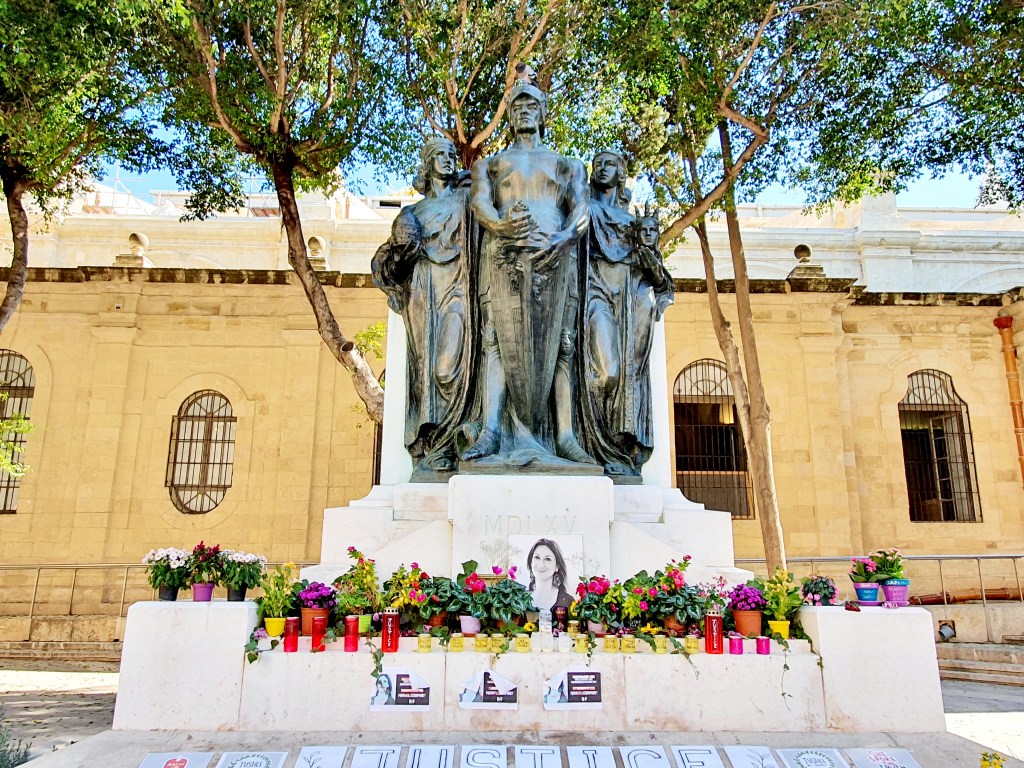
Opposite the courthouse is a shrine to the Maltese journalist Daphne Caruana Galizia. She was assassinated in 2017 and the state has recently been found to be responsible for her death. She died in a car bomb attack and was responsible for exposing corruption in the country and abroad.

We still had some energy left so decided to walk down to the Seige Bell and WWII monument of the Unknown Solider.

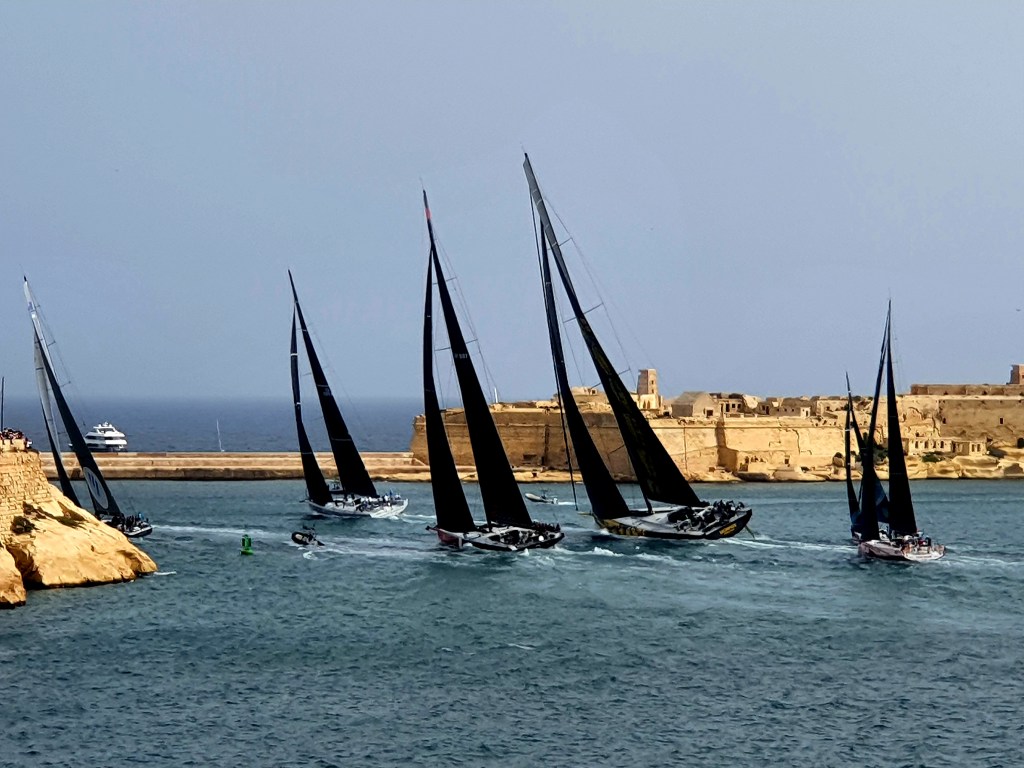
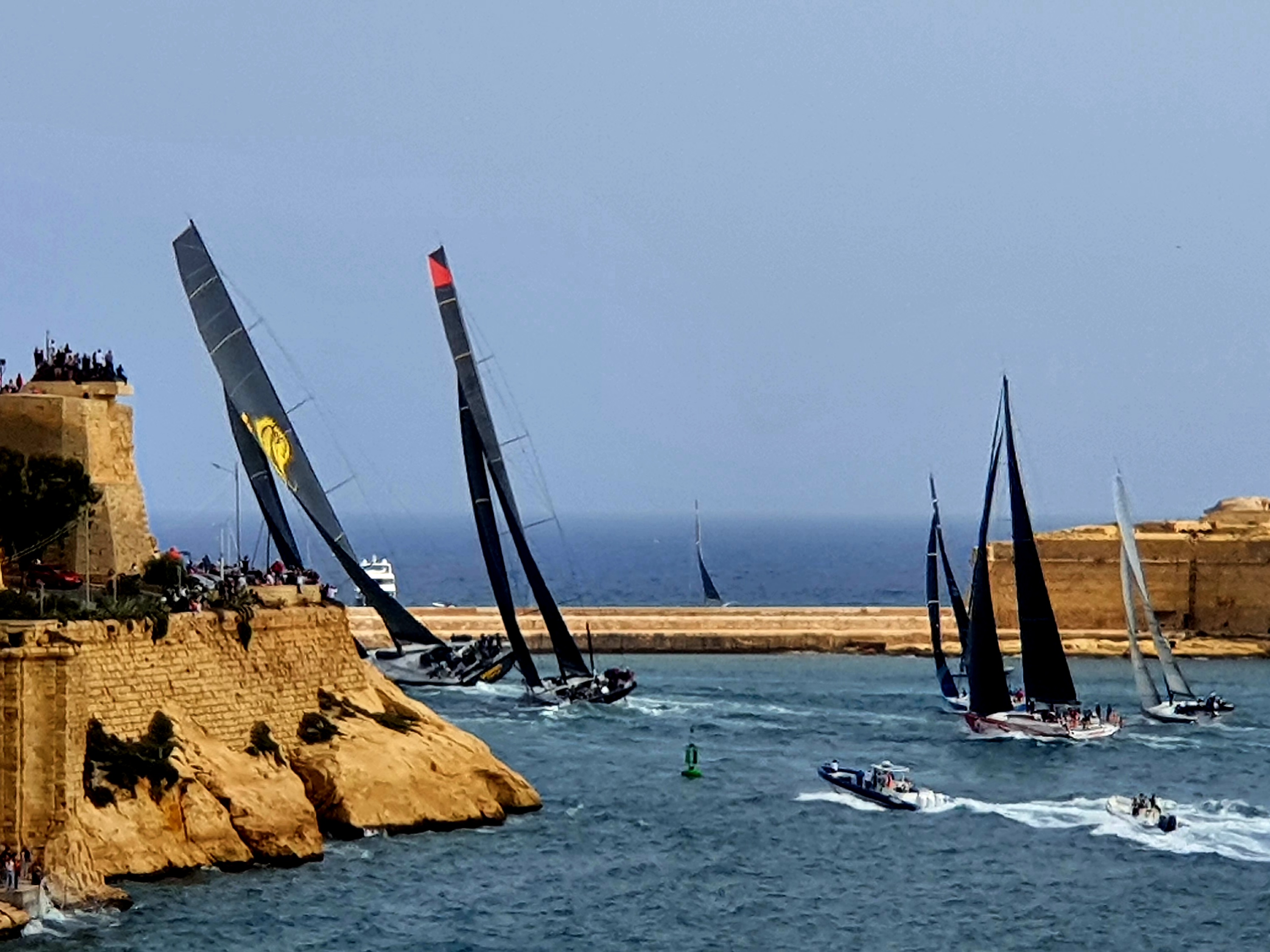
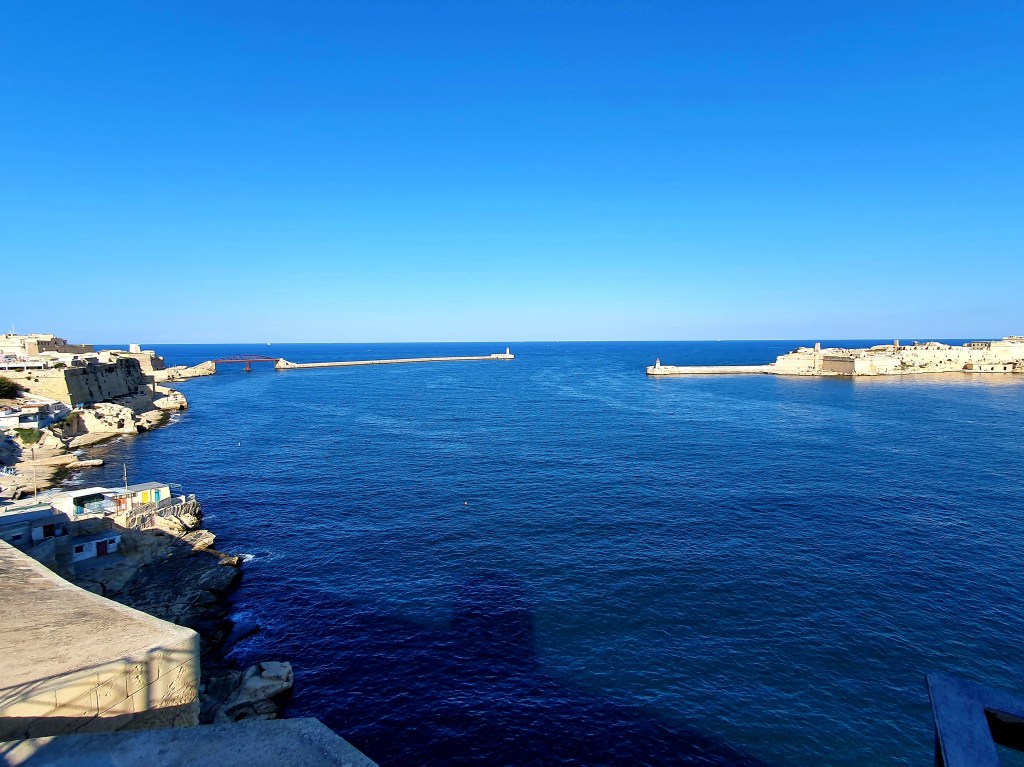
From the memorial you could look out to the opening of the Grand Harbour which is flanked by two lighthouses – St Elmo lighthouse on Valletta side and Ricasoli on the other side.

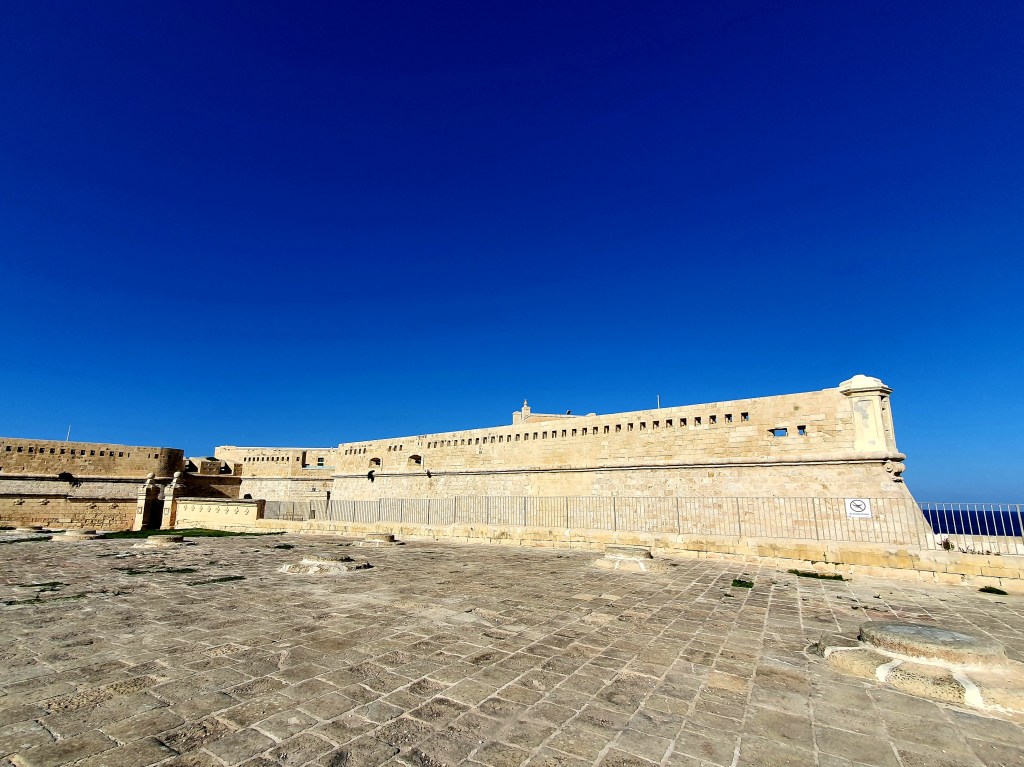
On the way back into town we walked past St Elmo Fort. This is a star fort right at the peninsula of Valletta and now houses the National War Museum.

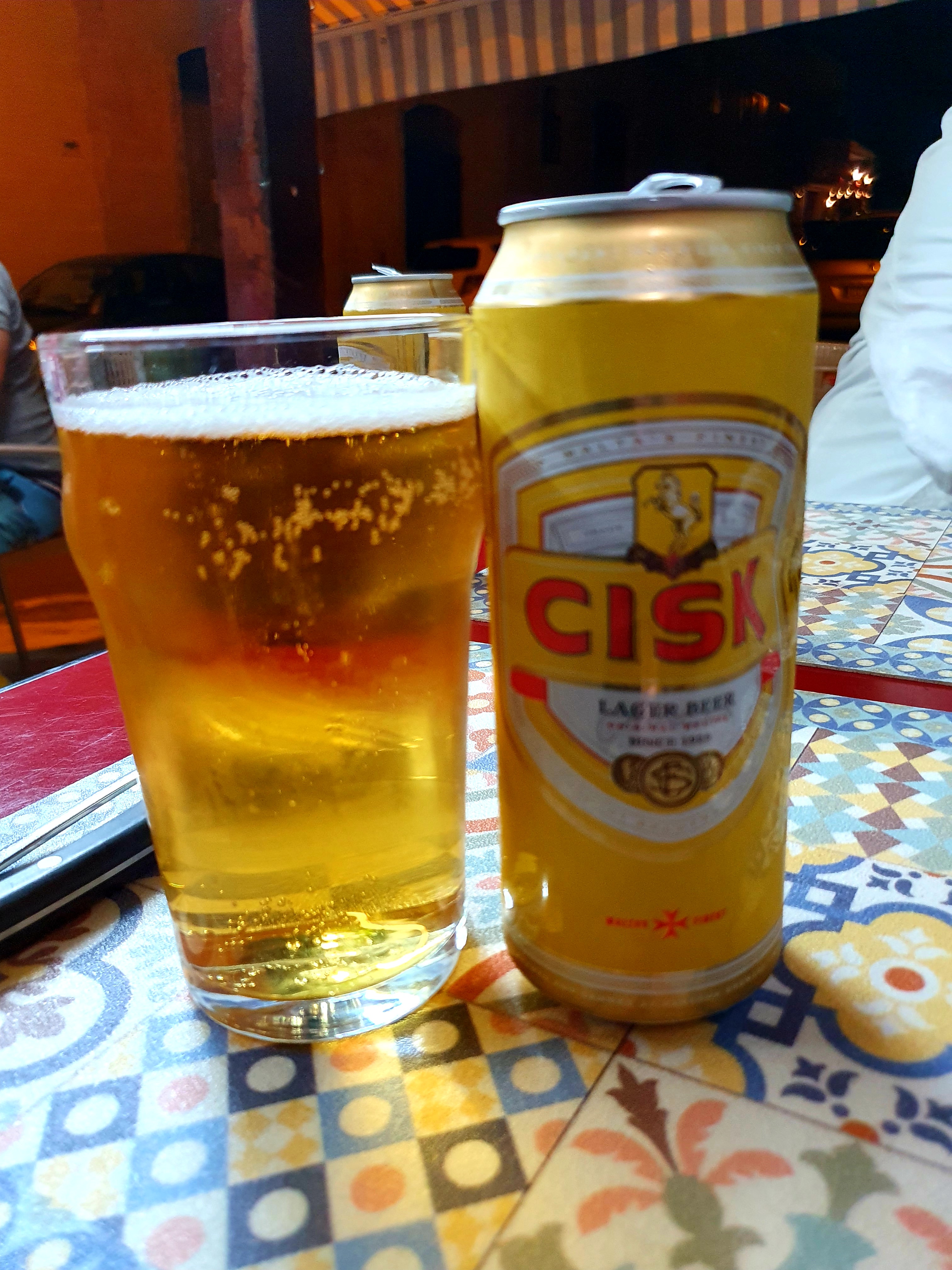
We stopped for a much deserved rest in the cafe opposite the cathedral and tried one of the local beers – to be honest it was a bit watery.

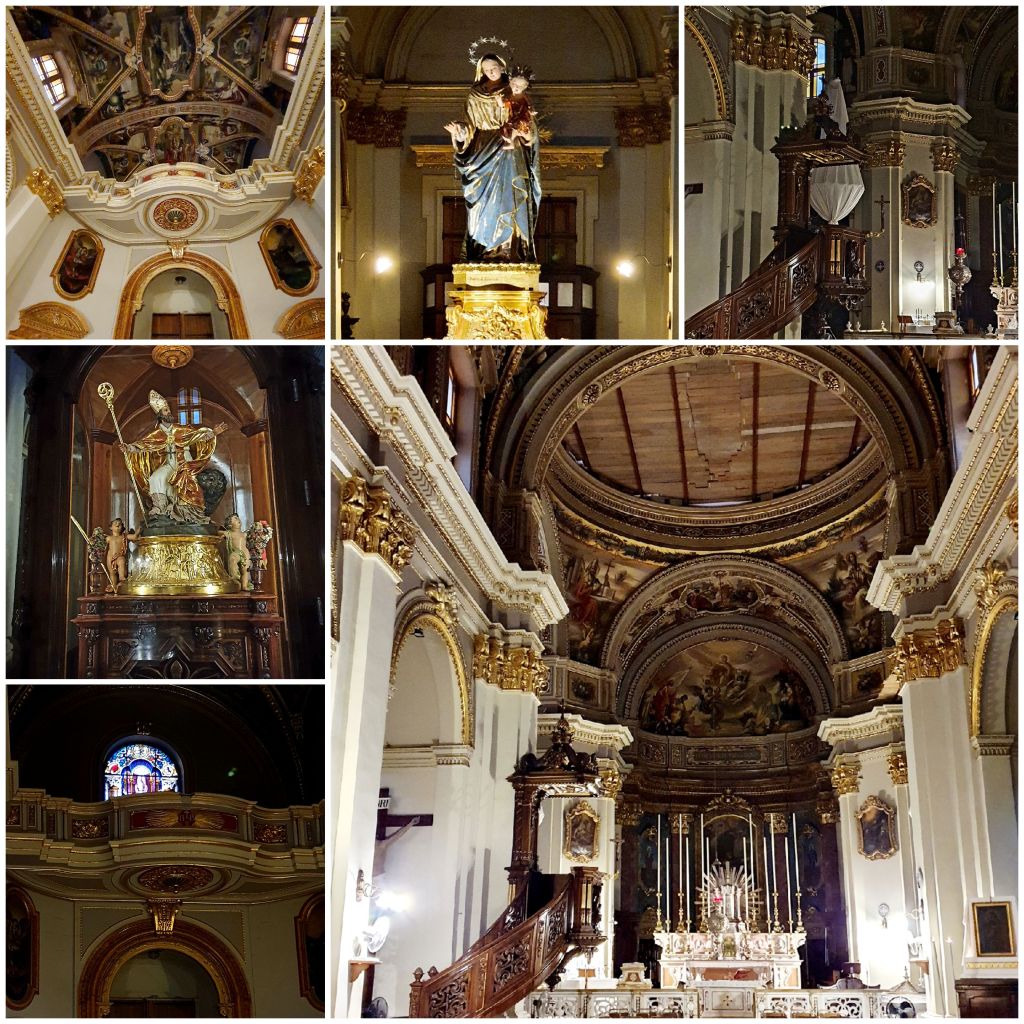
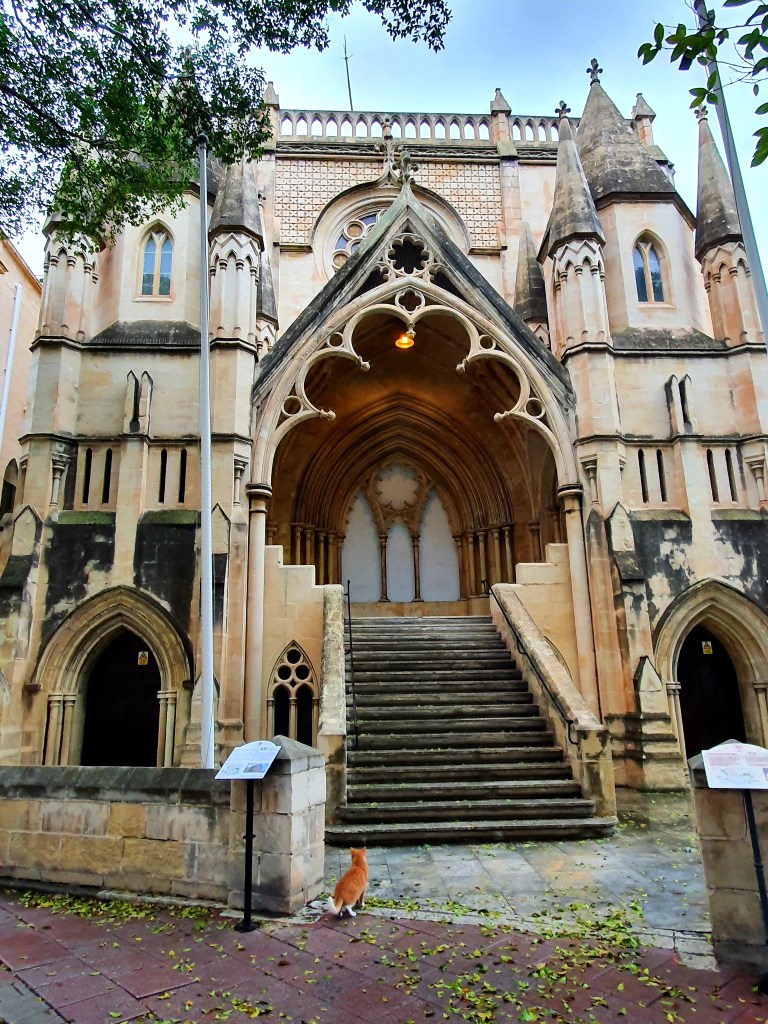
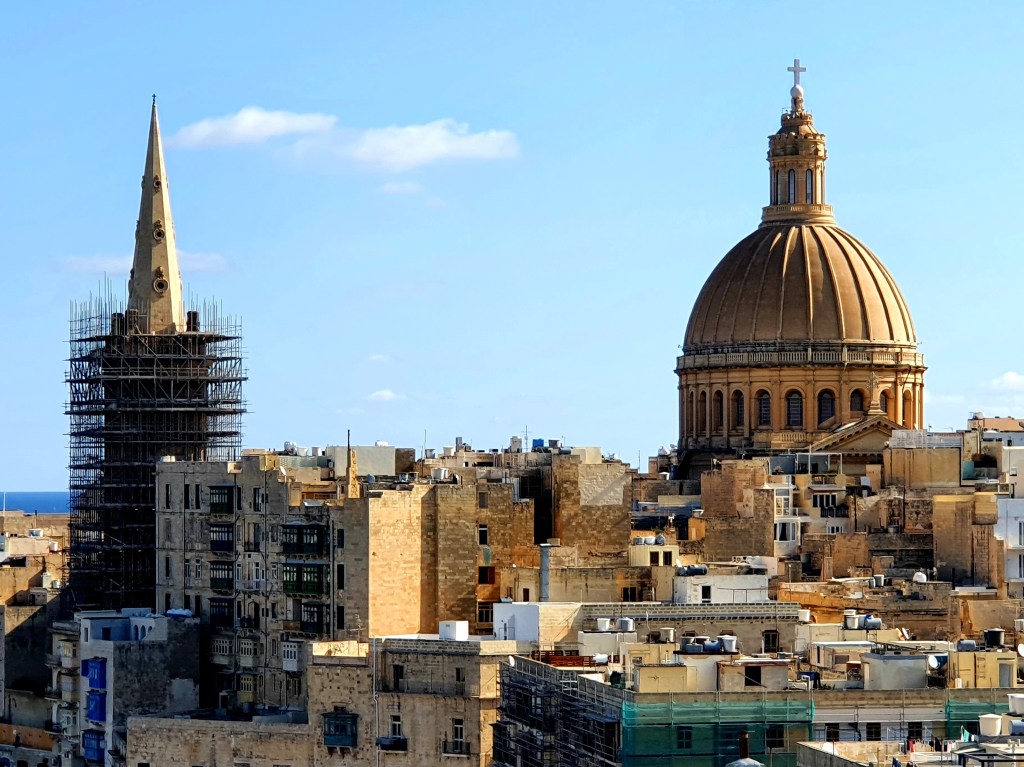
On the way back to the apartment we visited the Basillica of Our Lady of Mount Carmel. This is a Roman Catholic church and is very close to St Paul’s Co-Cathedral, an Anglican church. The story goes that when St Paul’s was built it had the tallest spire in the city so the Roman Catholic church was built to be slightly taller.

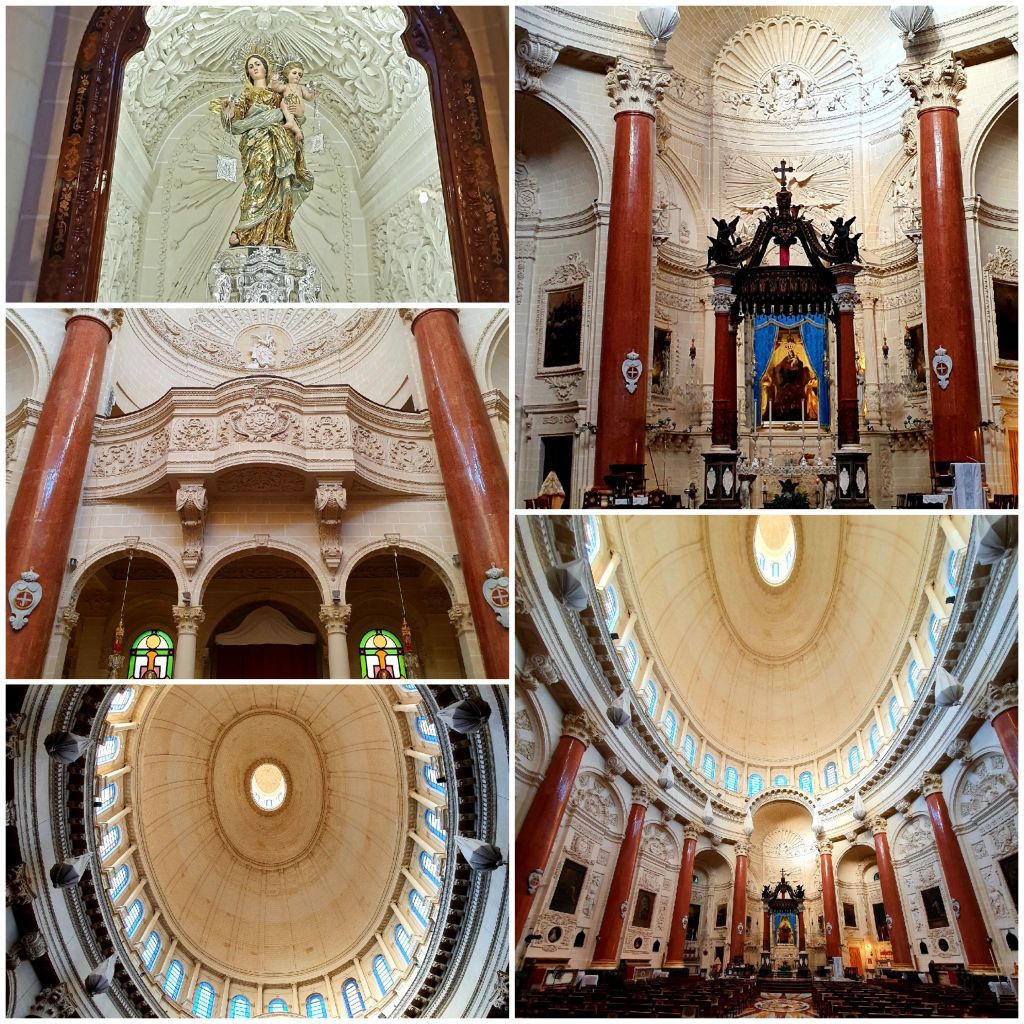
The Carmalite Friars were among the first religious order to build a church and monastery in the new city of Valletta that was dedicated to Our Lady. The inside is amazing with a large dome in the centre.

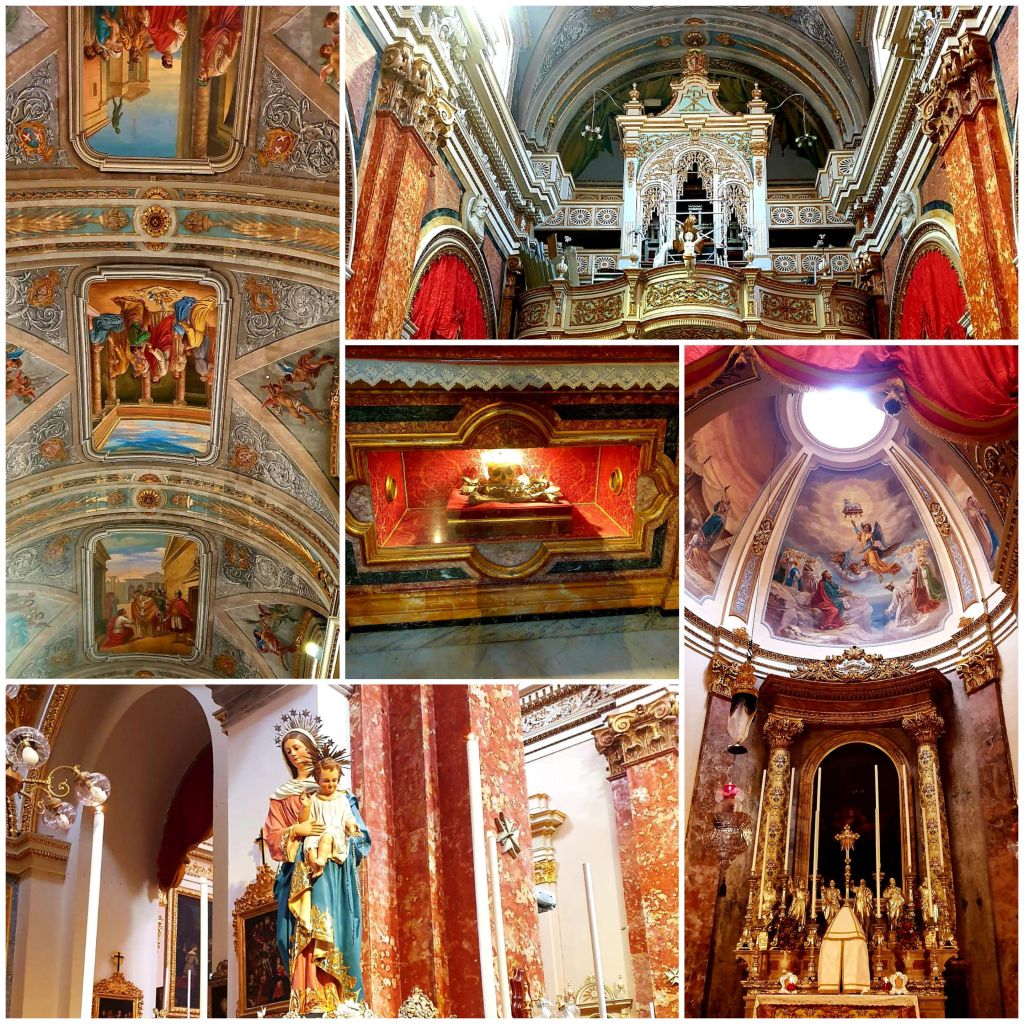
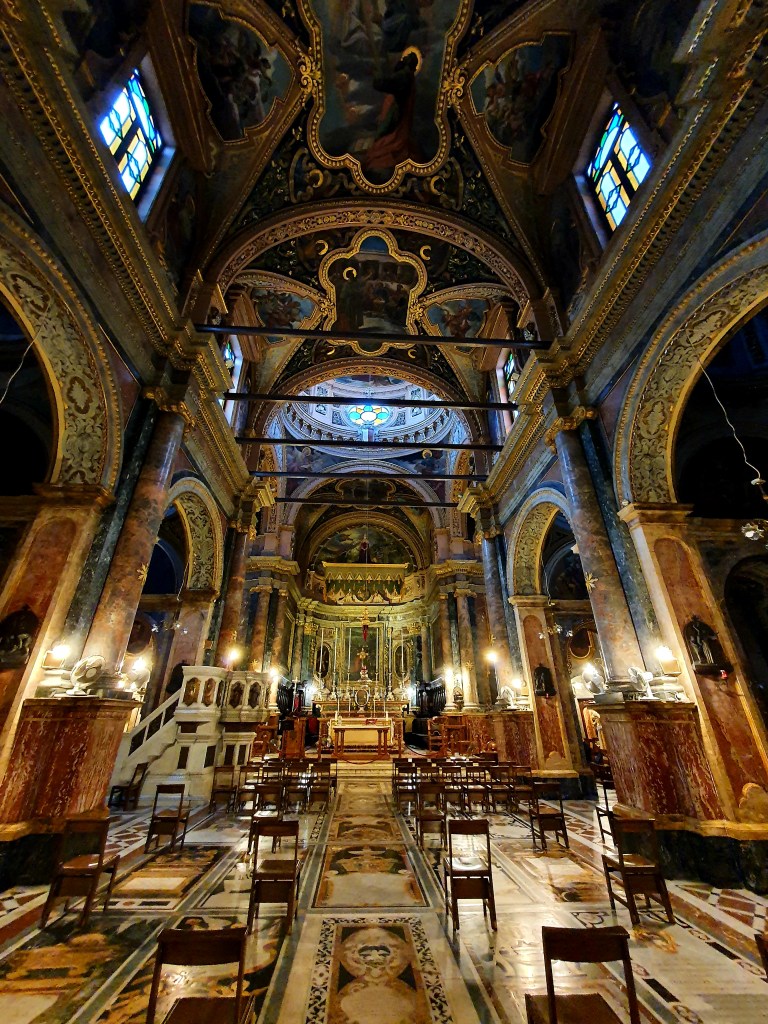
We did then try to visit St Paul’s Co-Cathedral but it was closed. But the church of St Paul’s Shipwreck was open so we popped in there. This is also a Roman Catholic church and is one of the oldest churches in Valletta. St Paul was shipwrecked on 10 February in 60 AD and started to convert people to Christianity.

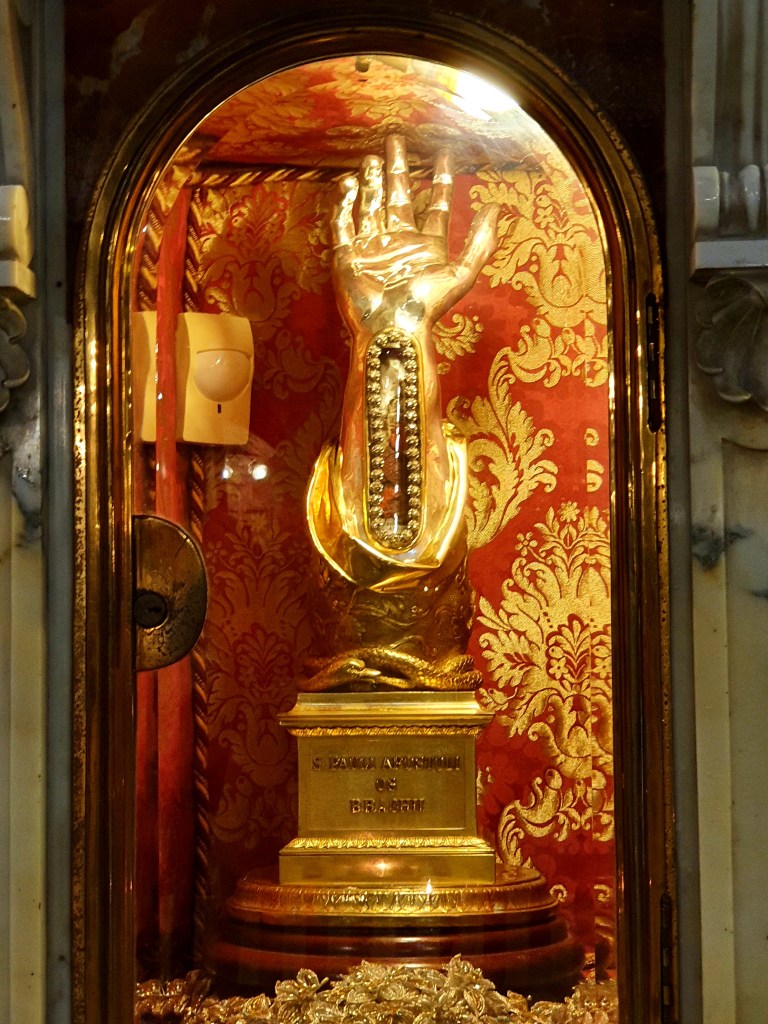
This was another beautiful church and contains a fragment of the pillar on which St Paul is said to have been beheaded and a relic of his right wrist bone.

We then actually walked back to the apartment up and down the many steps in hilly Valletta.

In the evening we decided to go to St Paul’s restaurant as recommended by Jimmy, the taxi driver. On the way there seemed to be an event going on by the waterfront.

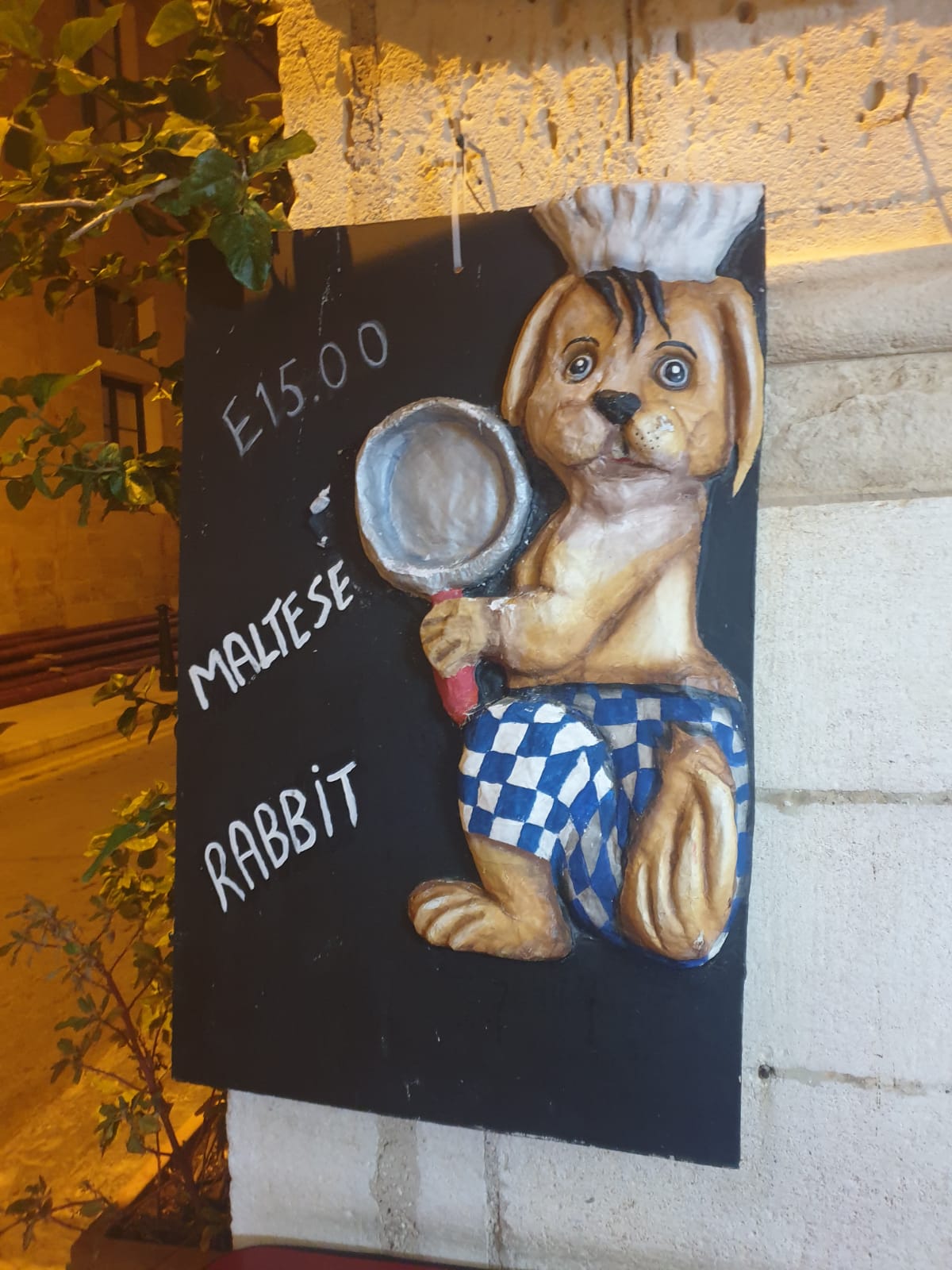
The restaurant served the traditional Maltese dish of rabbit so we both decided to have that with a different local beer.

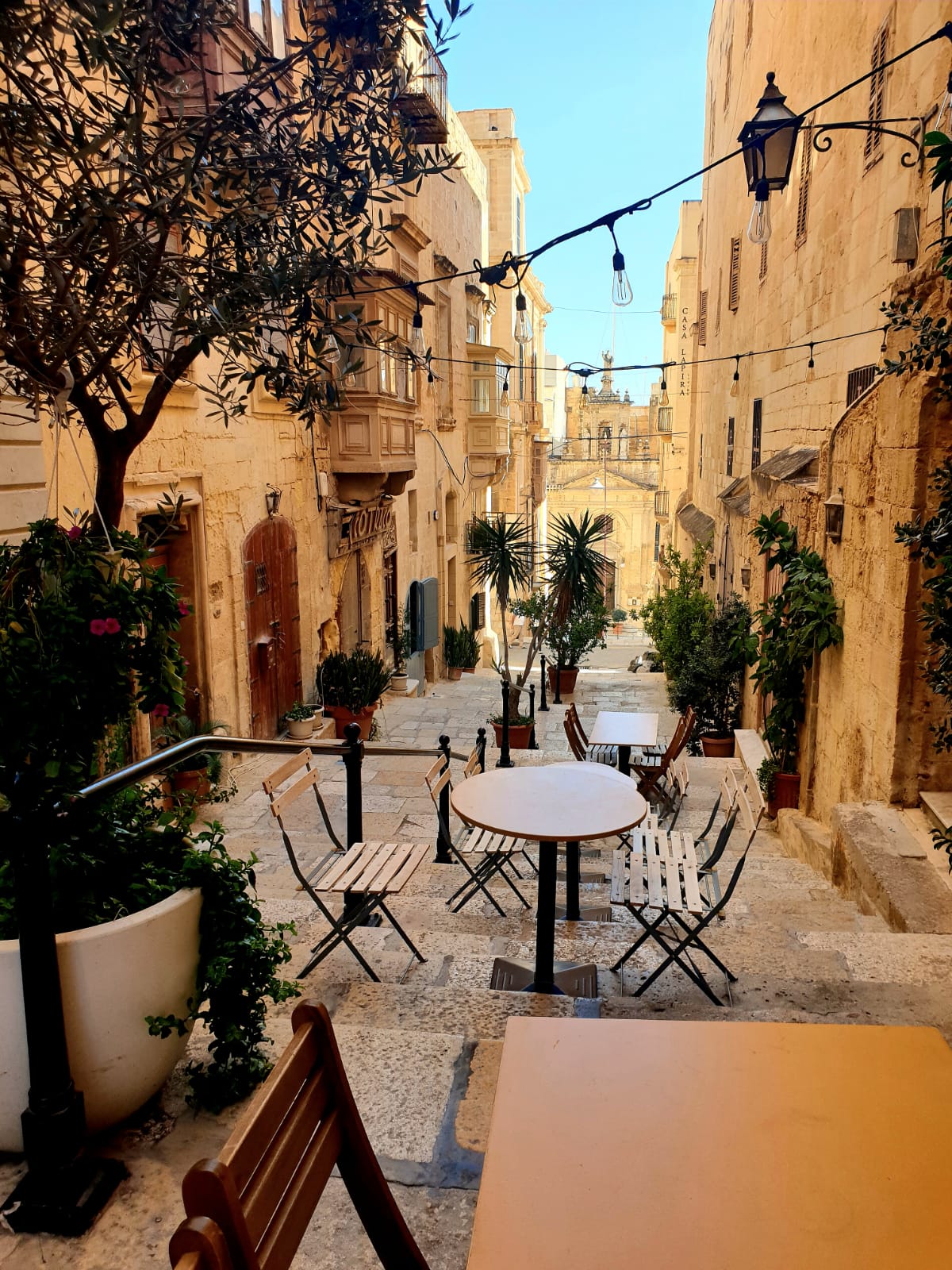
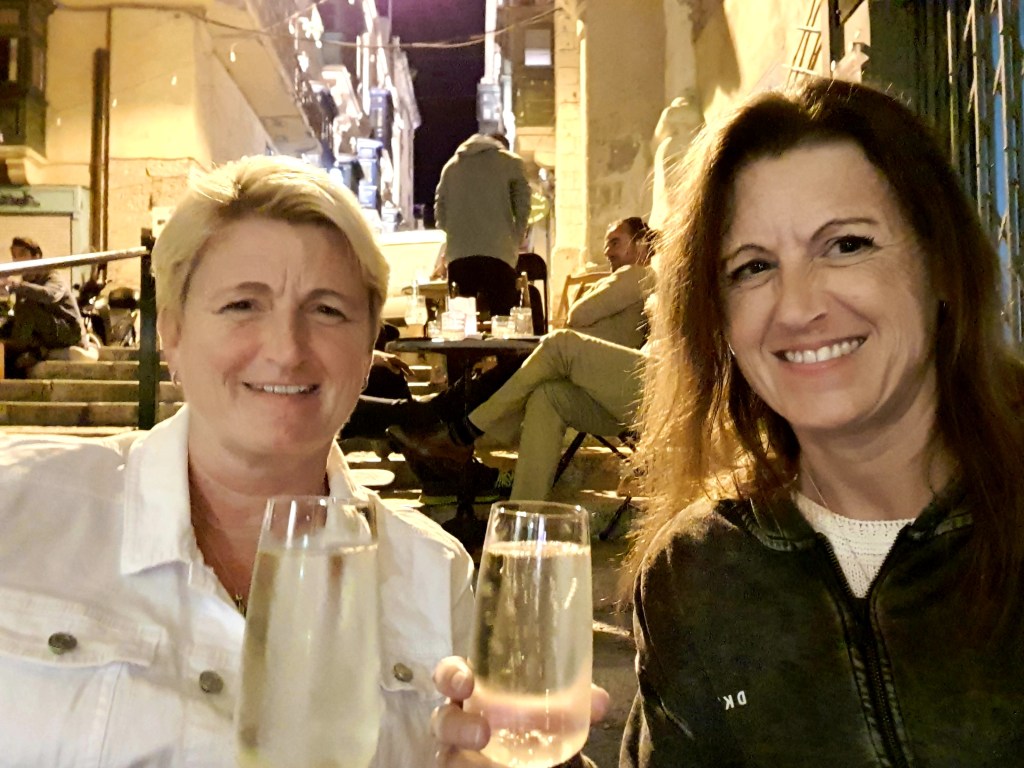
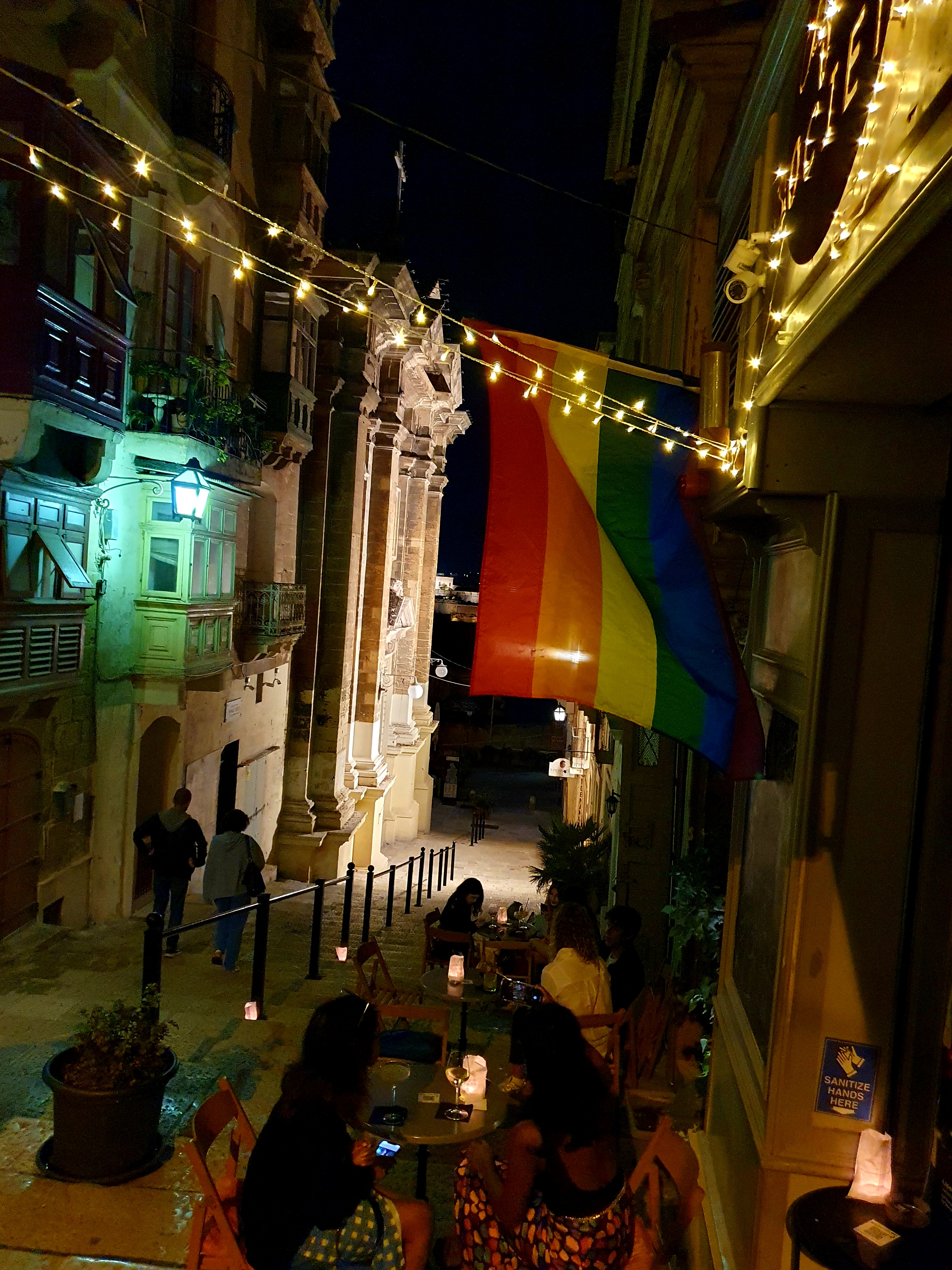
We stopped off at the Cafe Society on the way home to have a glass of prosecco, sitting outside on the steps.

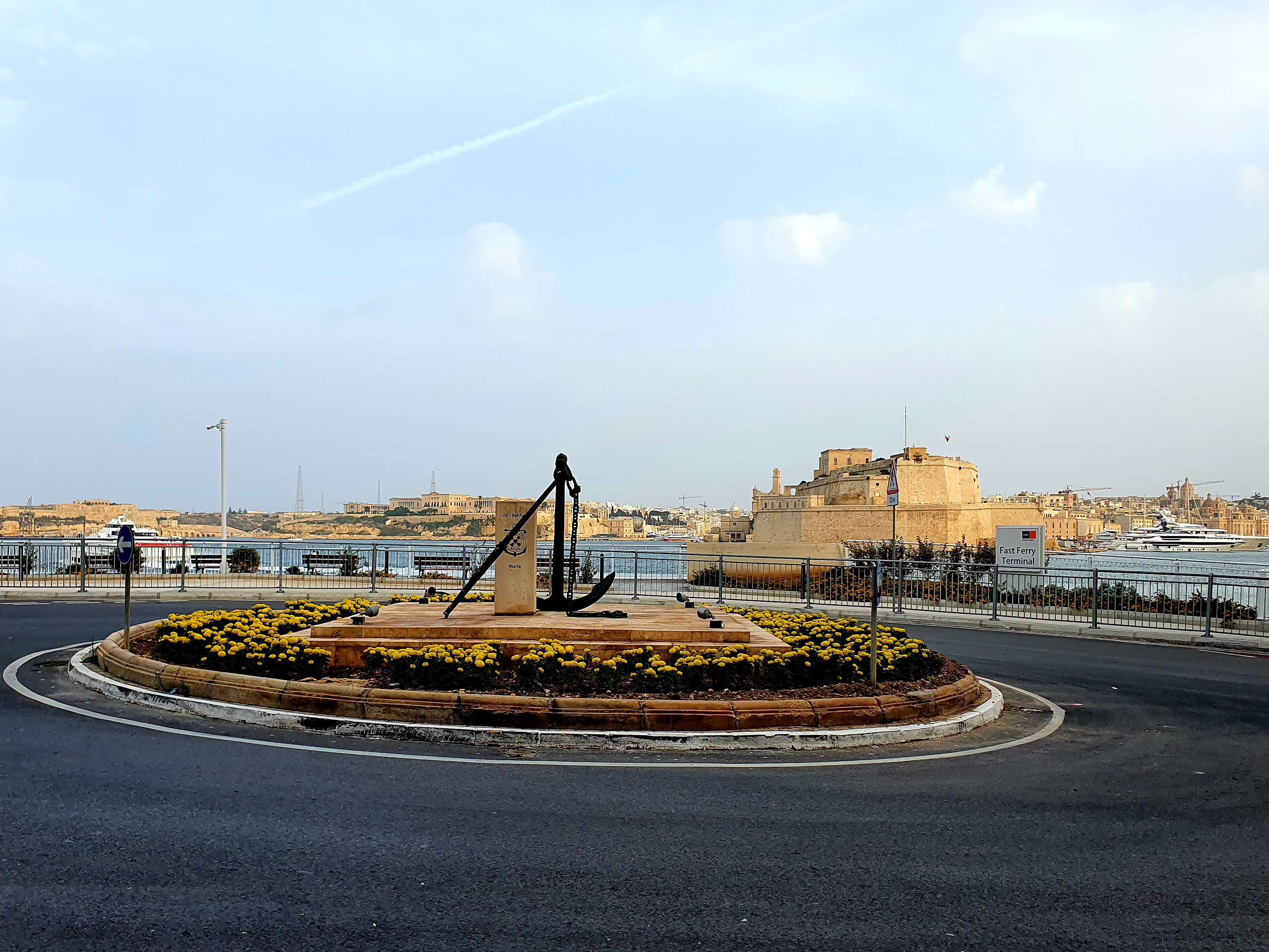
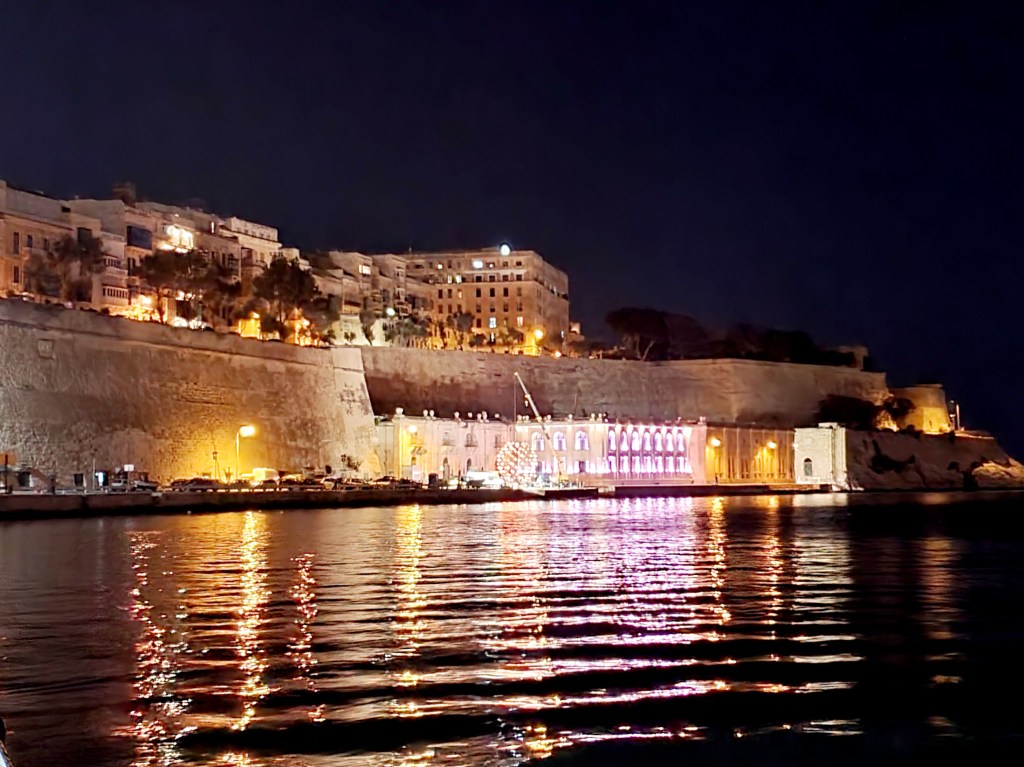
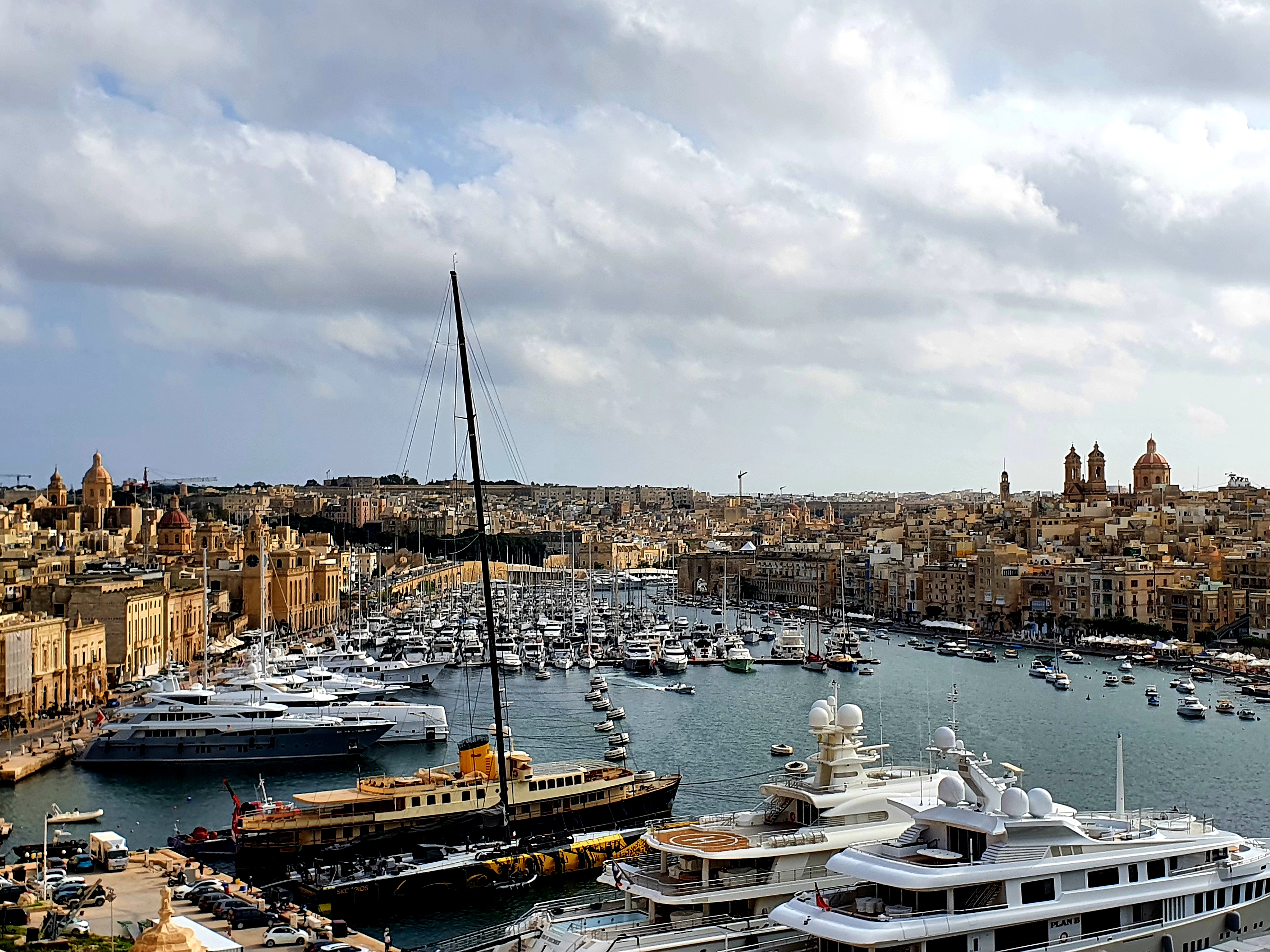
Just before we got home we walked down to the ferry port infront of the apartment and took a photo looking back onto Valletta.

Malta – day one

It was an early start, leaving home at 7am to get the bus to the airport. Because of coronavirus the buses aren’t running as frequently so I had to get one earlier than I normally would have.

I had plenty of time at the airport so took a while eating breakfast and drinking coffee – as it meant I didn’t have to wear a mask.

The flight was on time and it was pretty uneventful. I had a little snooze and read a book on my kindle.

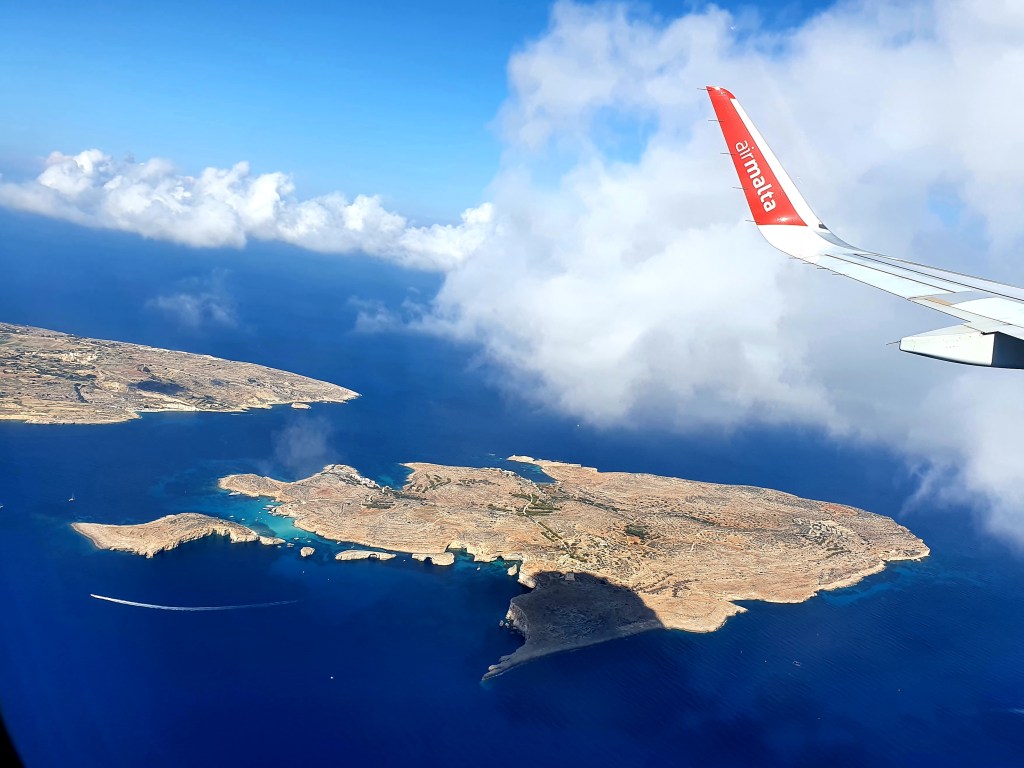
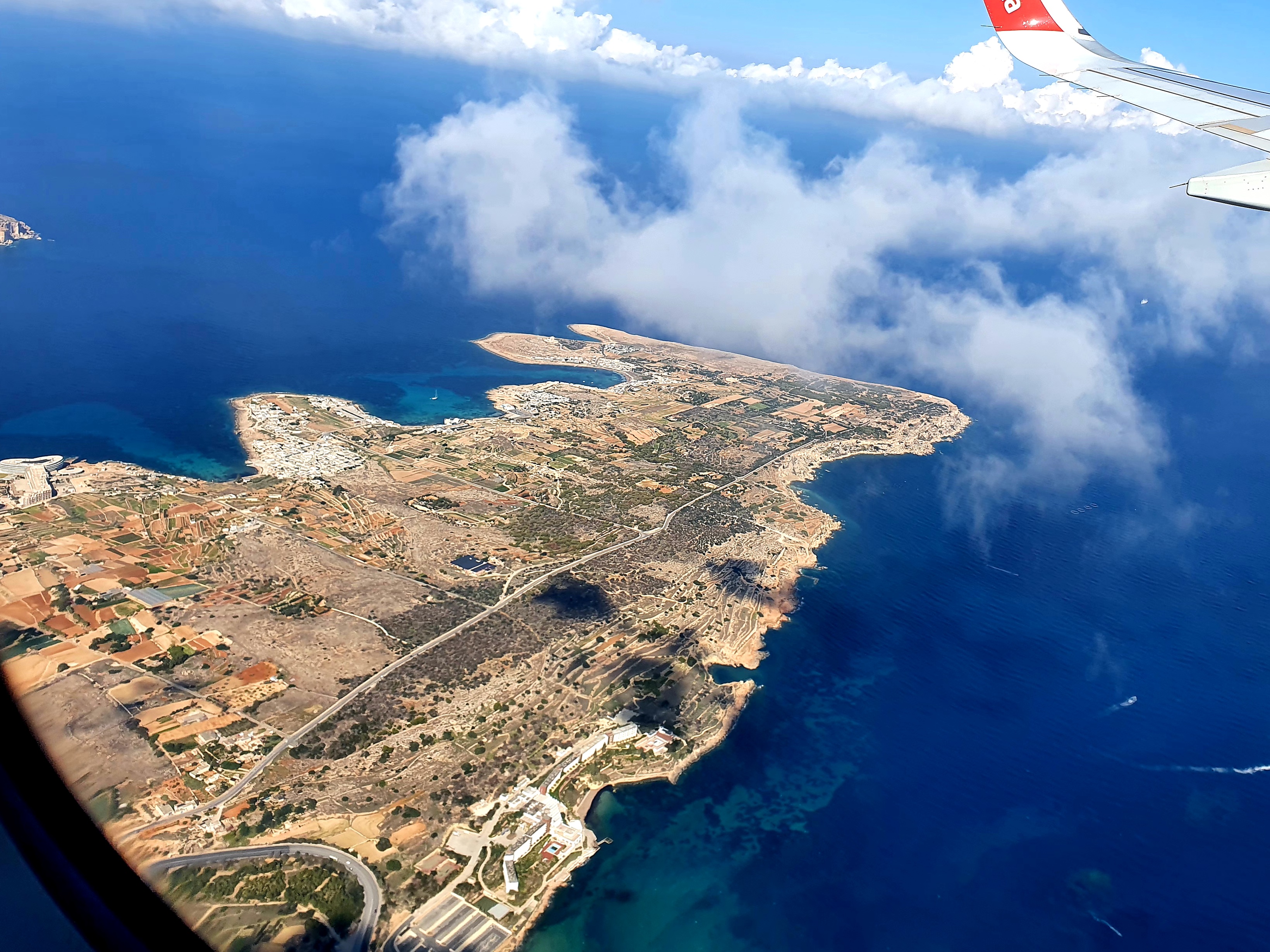
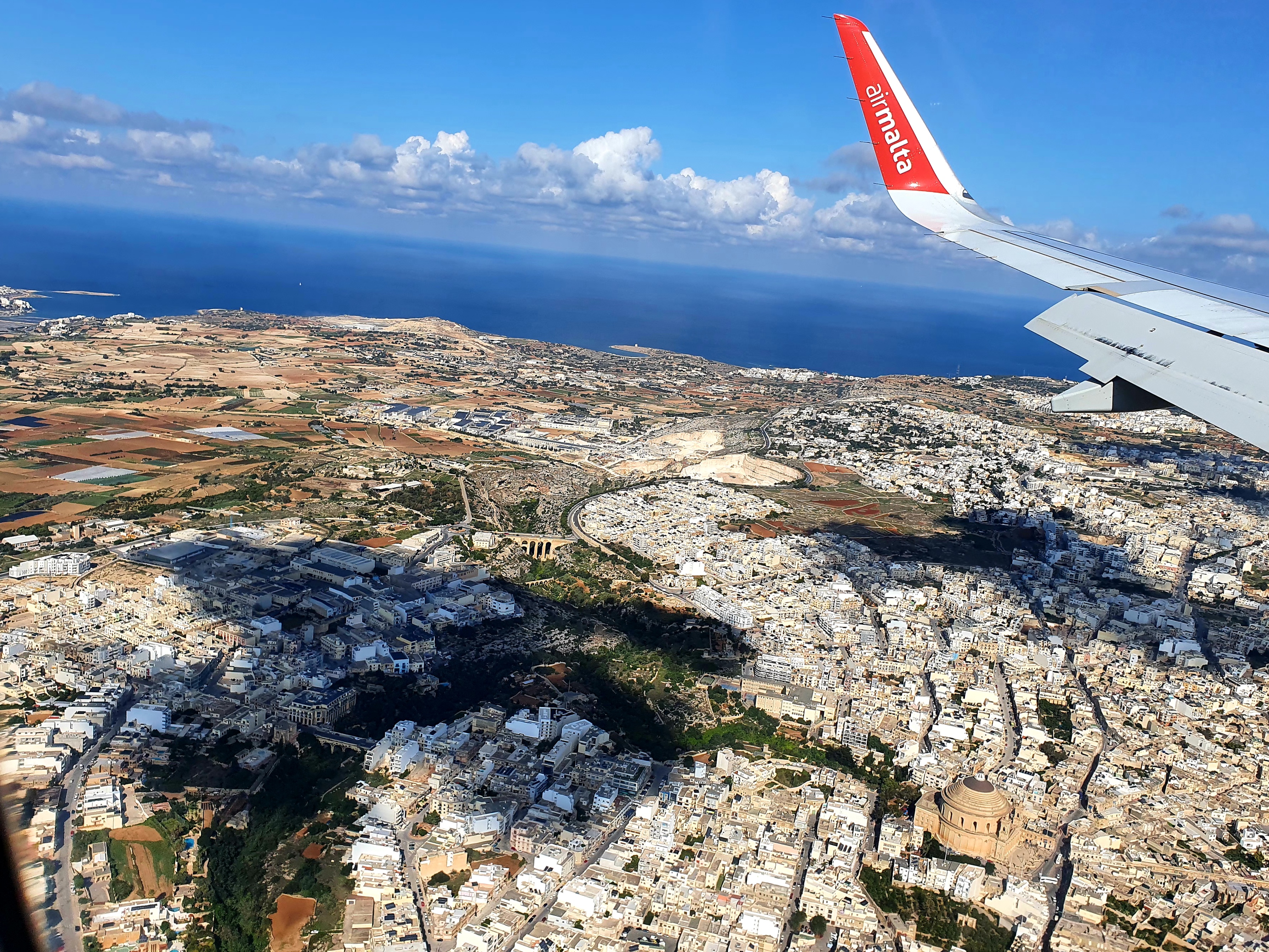
As we started to descend you could see the island of Malta and surrounding islands.

At the airport the bags came through pretty quickly and Jimmy picked me up from the airport (arranged via air bnb host). On the way to the apartment he gave me a mini tour of the area of Valletta we are staying in.

Nicola had already arrived at the apartment earlier in the day, it was so nice to actually be with each other rather than over zoom or WhatsApp.

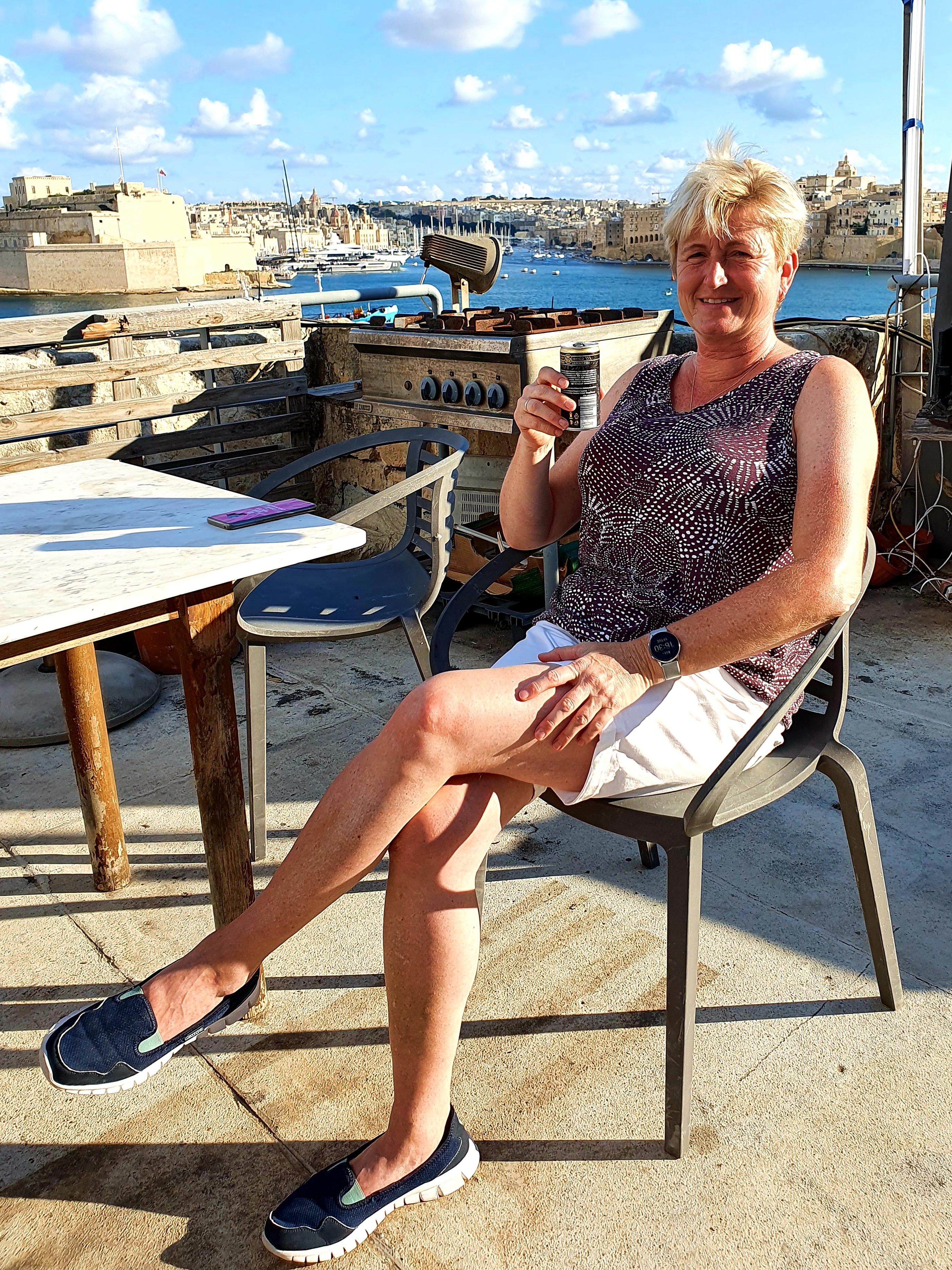
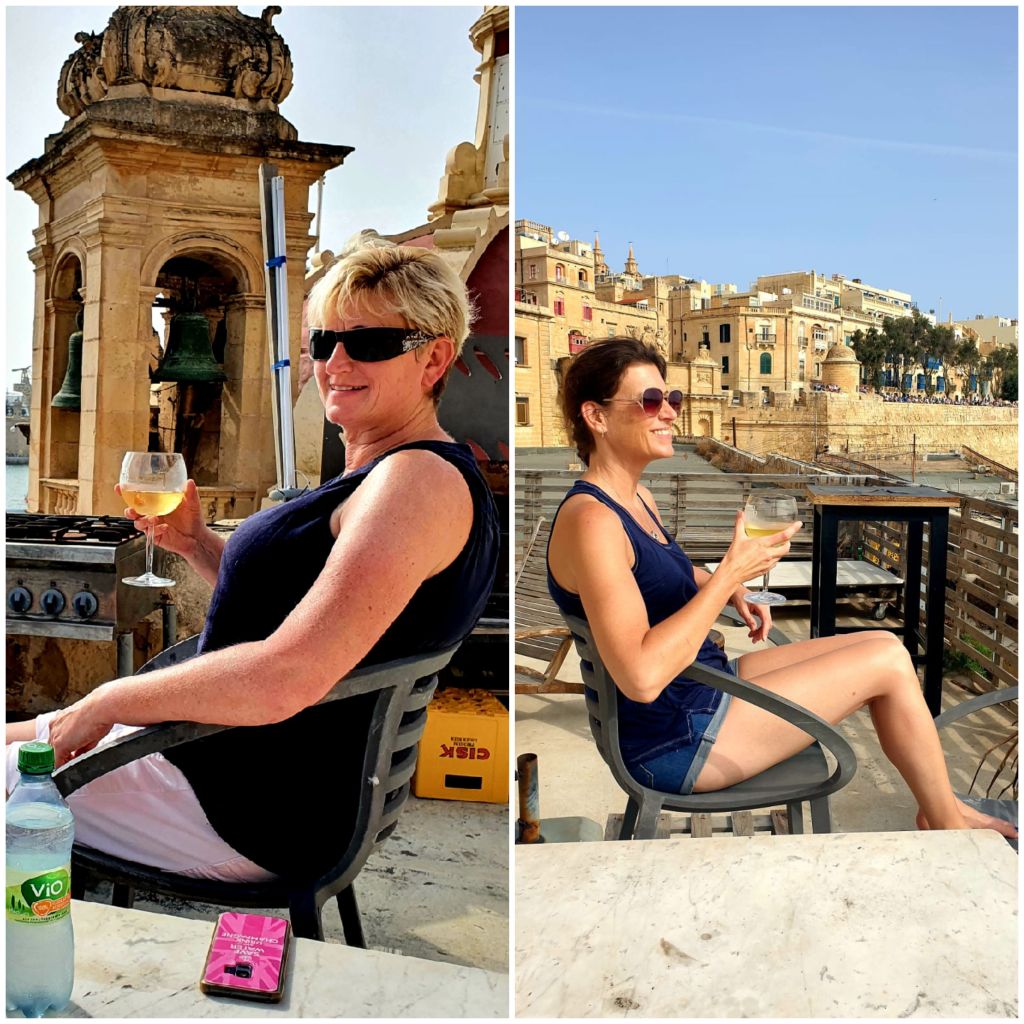
We had a couple of drinks on our rooftop terrace overlooking the grand harbour.

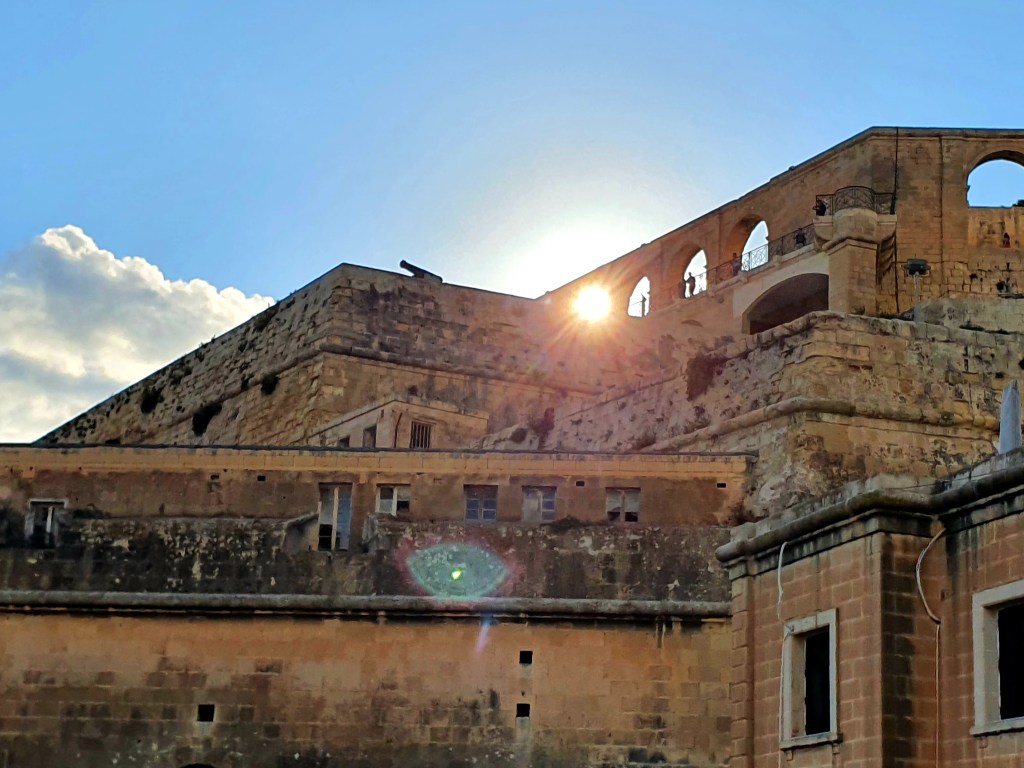
There is a canon just above where we are staying and this went off at 4pm, made me jump even though I knew it was going to happen.

Later on we wandered into the city centre – its up quite a lot of steps but the streets are really pretty.

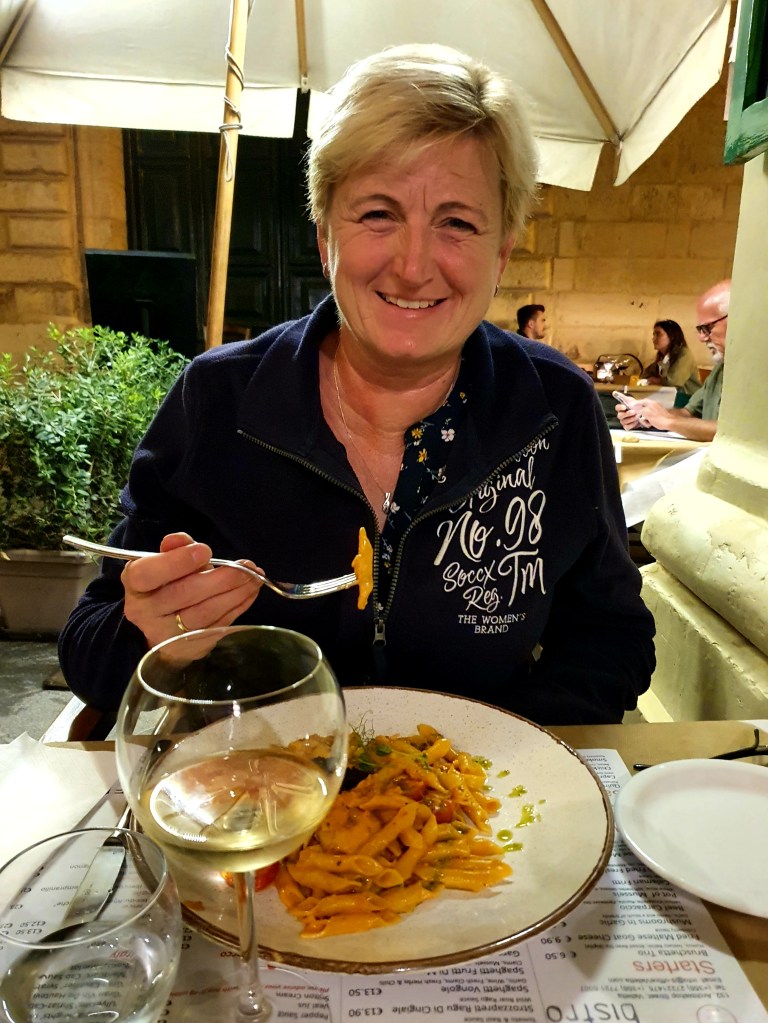
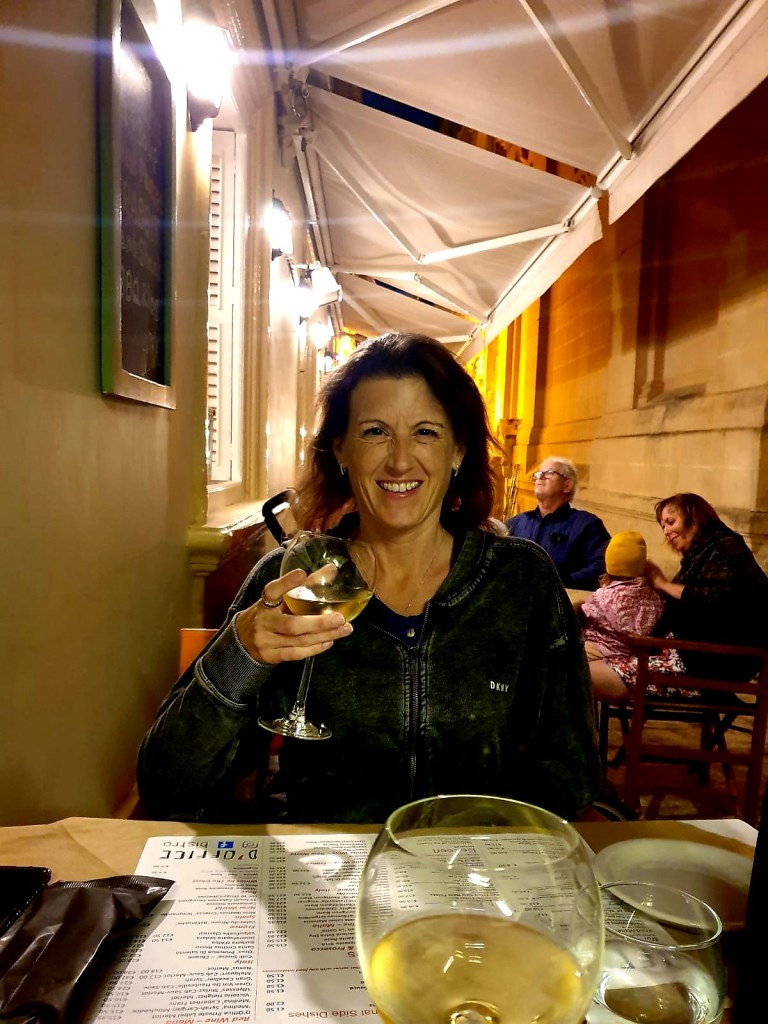
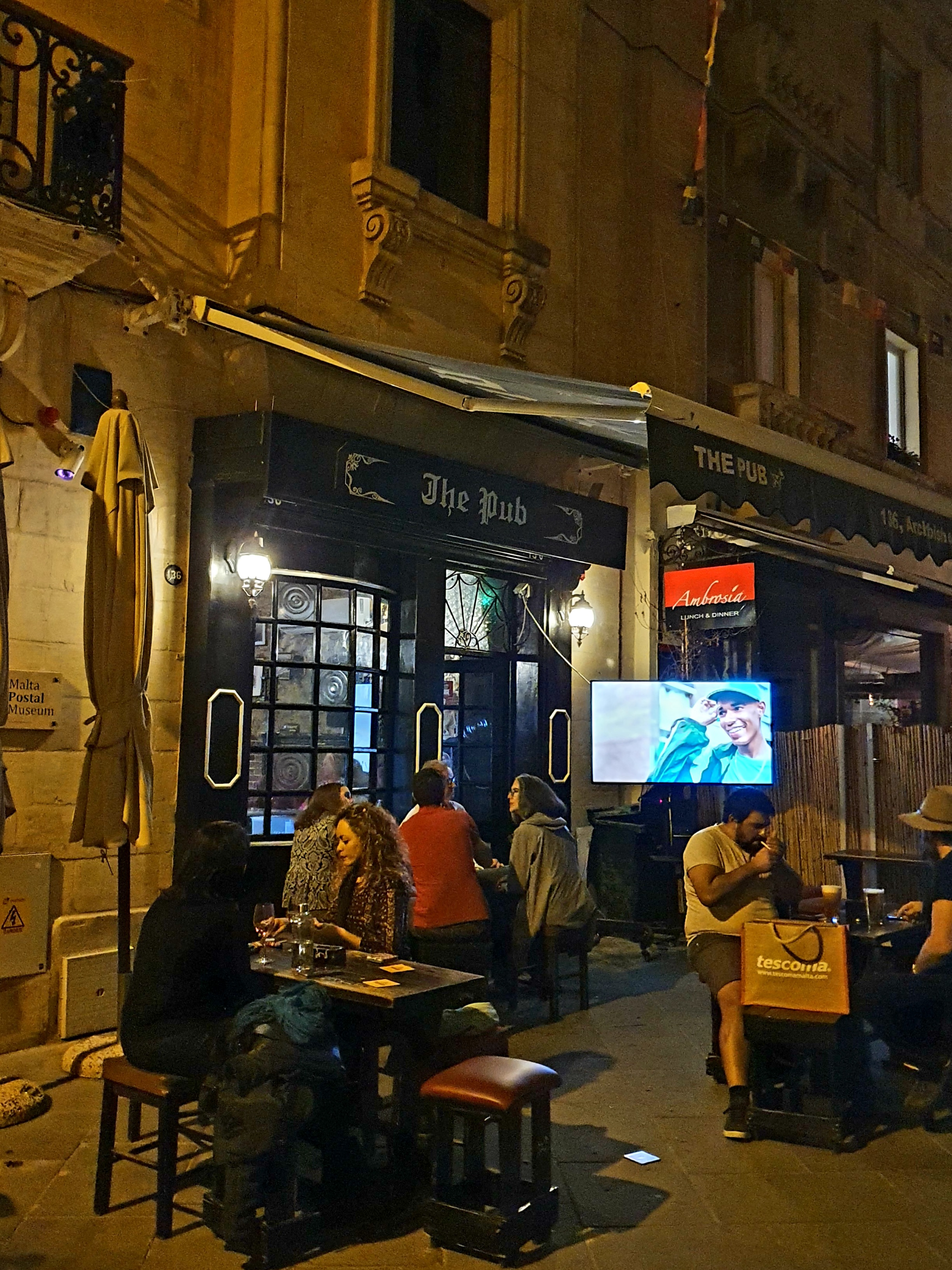
We had a lovely salmon and prawn pasta dish at D’Office as well as some Maltese wine and on the way home we stopped off at The Pub for a g&t! Apparently, Oliver Reed drink himself to death at this pub during the filming of the Gladiator movie.
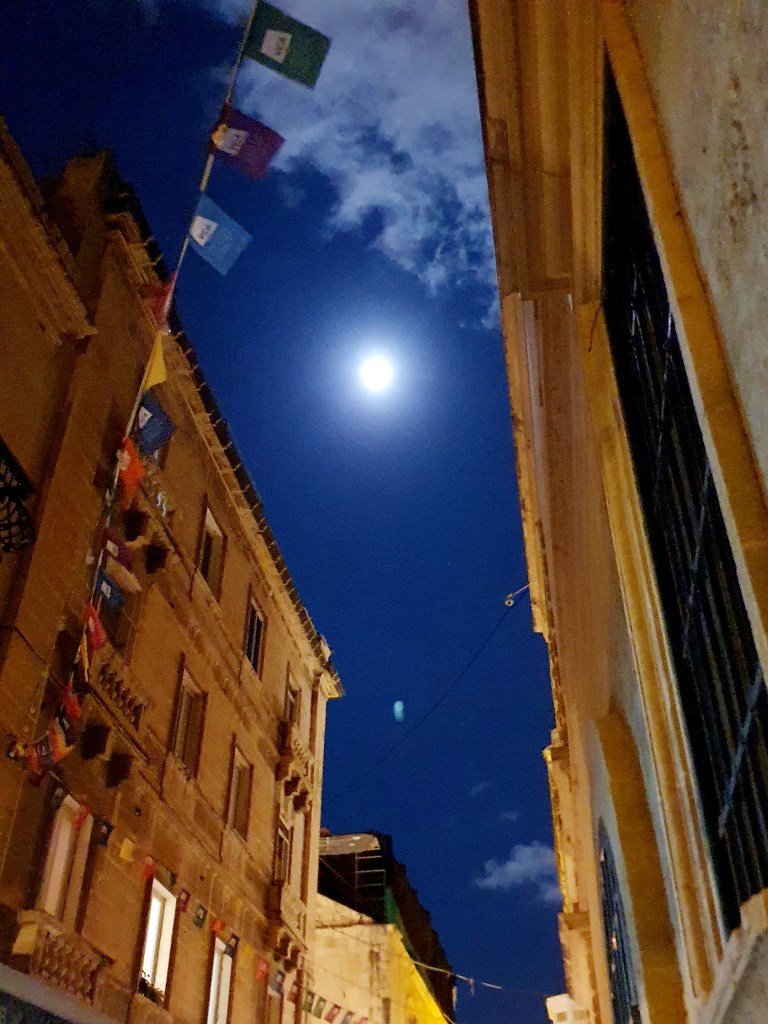
It was a lovely evening and the moon was out too!
Gibraltar  – day 3

So after several bottles of wine last night we didn’t get up too early, but we did make breakfast!

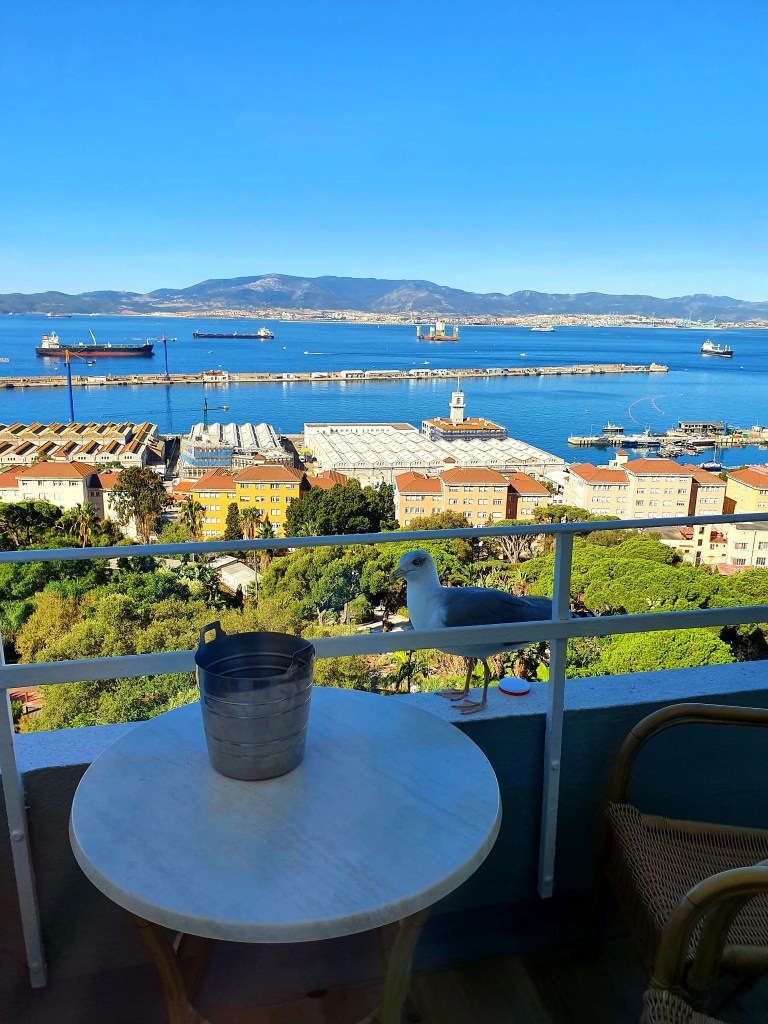
Faye and I were woken up by a very loud and large seagull on our balcony.

The botanical gardens were right by our hotel so we decided to pay them a visit. These gardens are also called La Alameda gardens and span around 15 acres. The gardens were commissioned in 1816 by the then British governor of Gibraltar, General George Don. He wanted the soldiers stationed in the fortress to have a pleasant recreational area to enjoy when off duty. An area where they and could enjoy the air protected from the extreme heat of the sun.

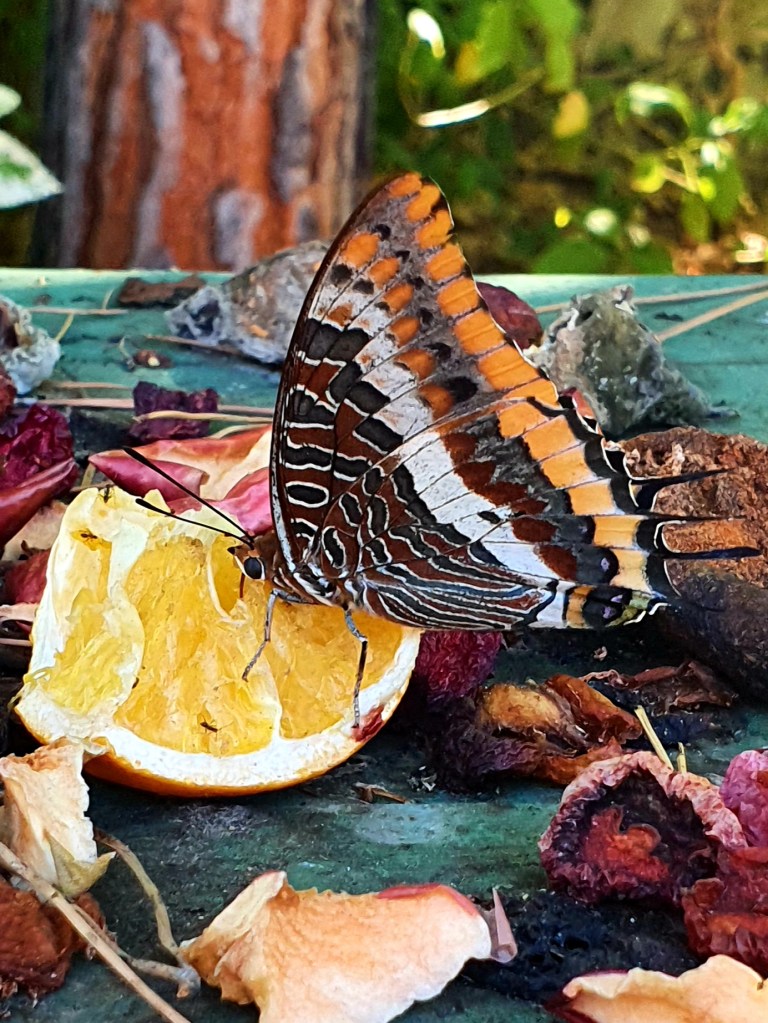
We entered via the side gate and the first thing we saw were some butterflies feeding.

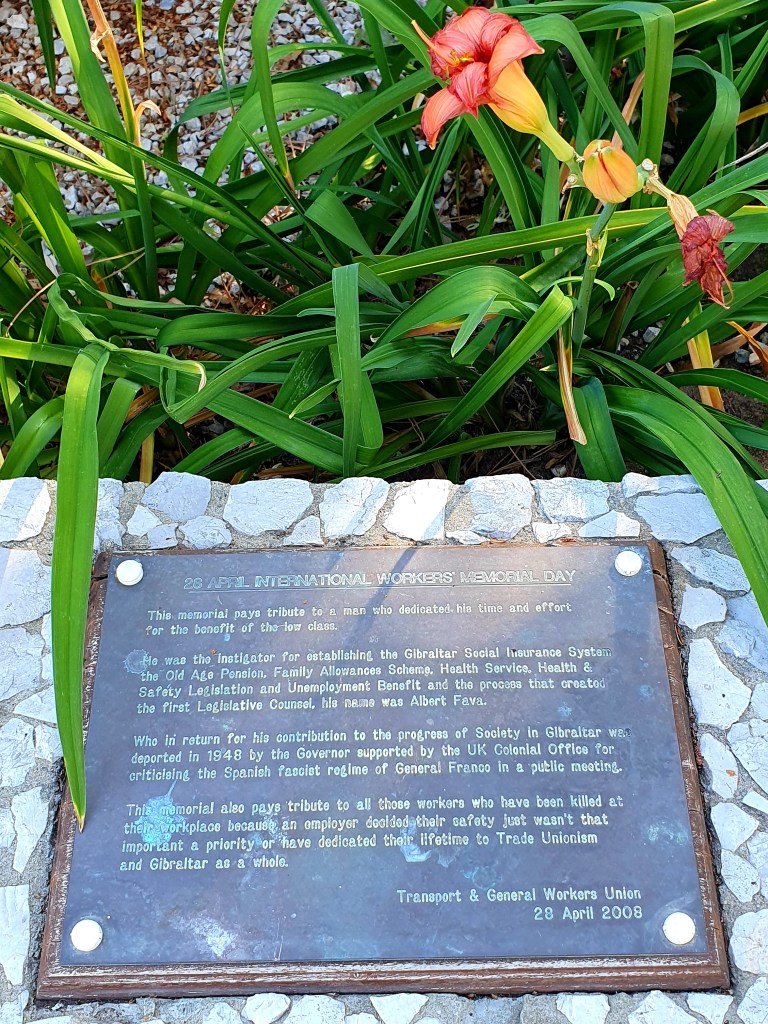
We immediately passed the workers memorial which was placed in the gardens in 2018. Unite the Union believes there should be better laws in place to protect the safety of workers and placed the memorial to remember the dead and fight for the living.

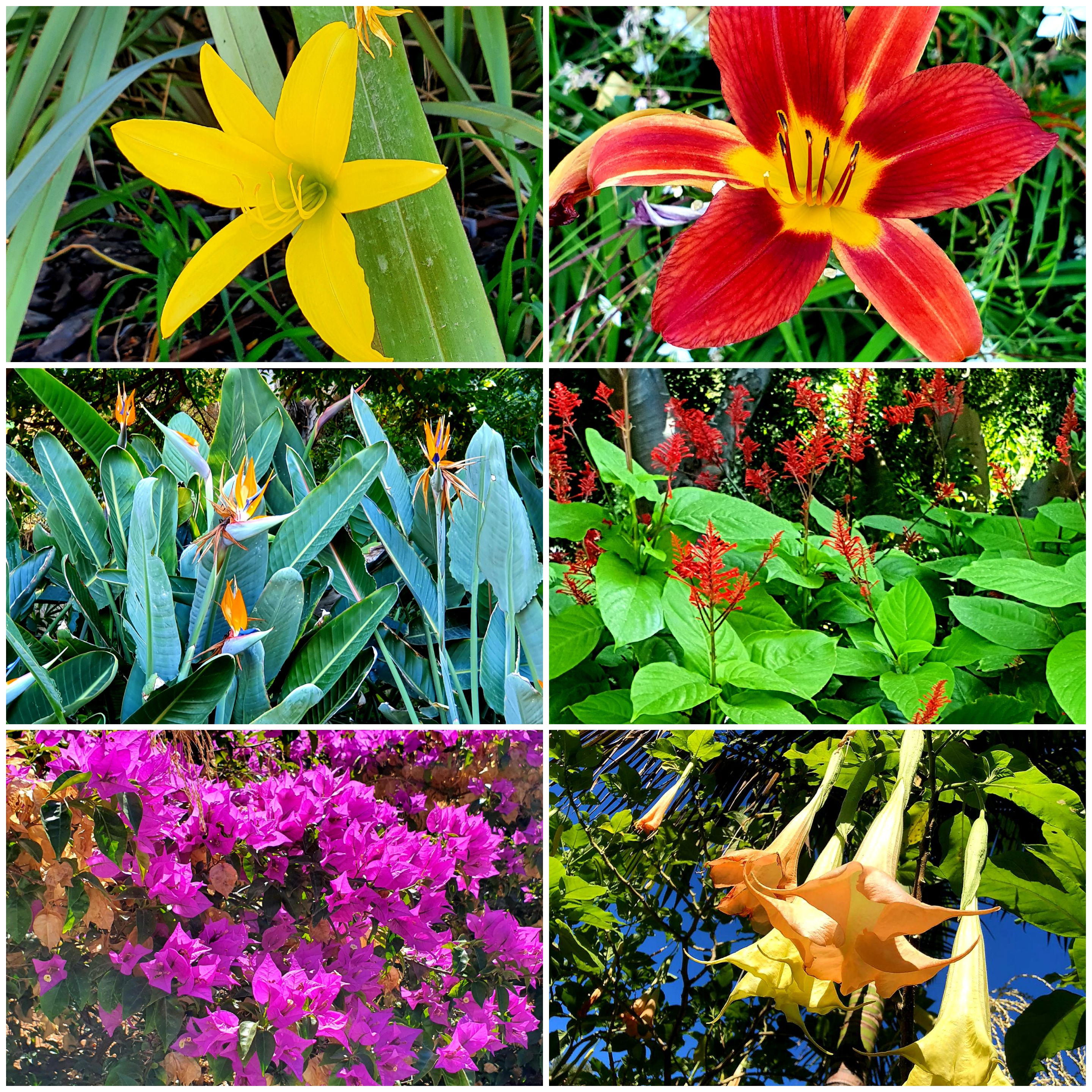
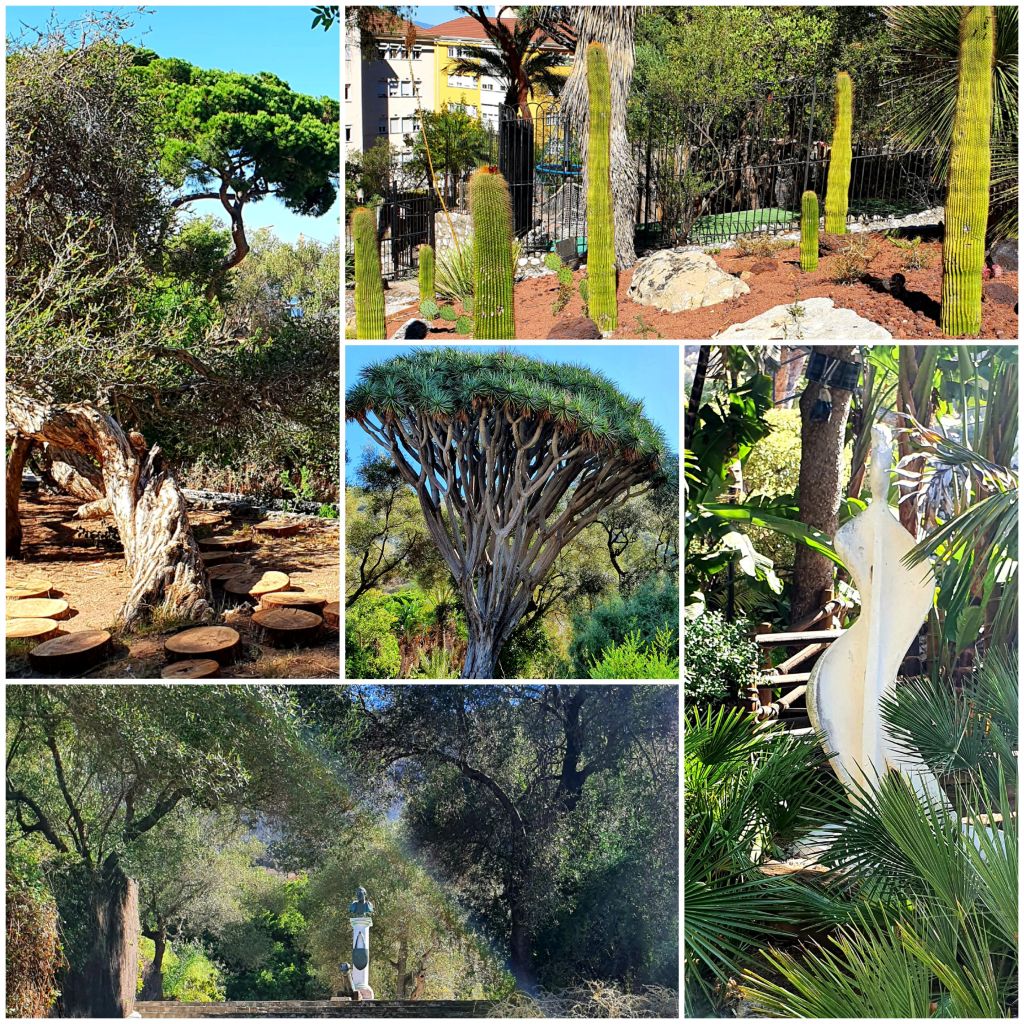
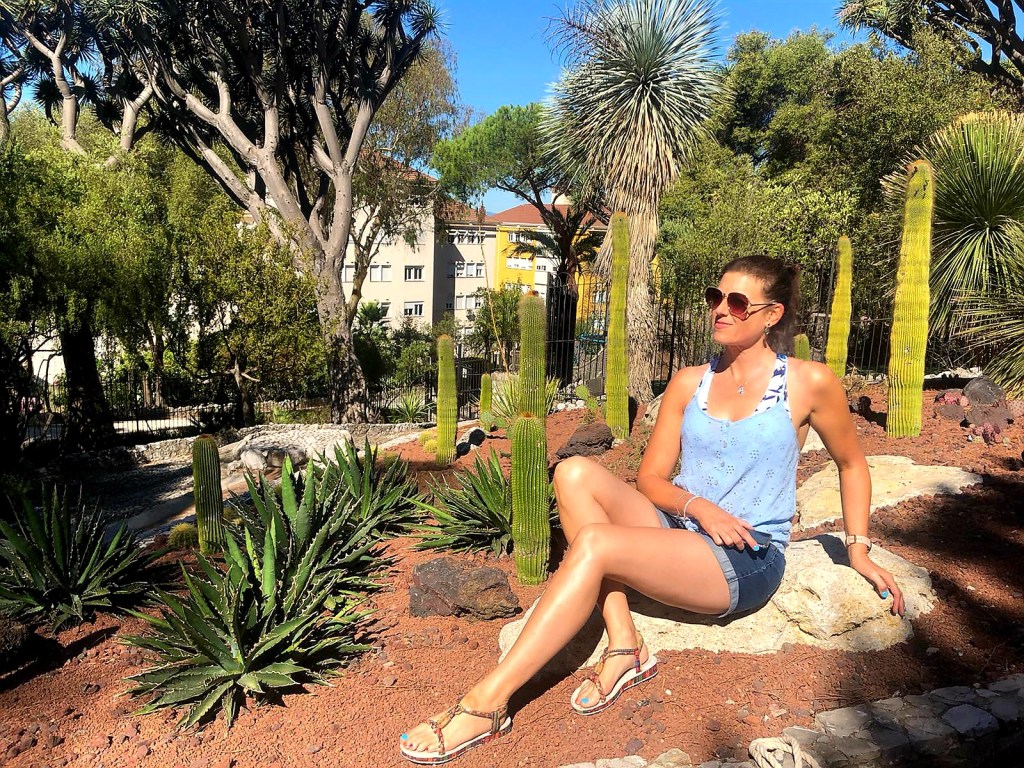
There were loads of beautiful flowers and amazing trees to see.

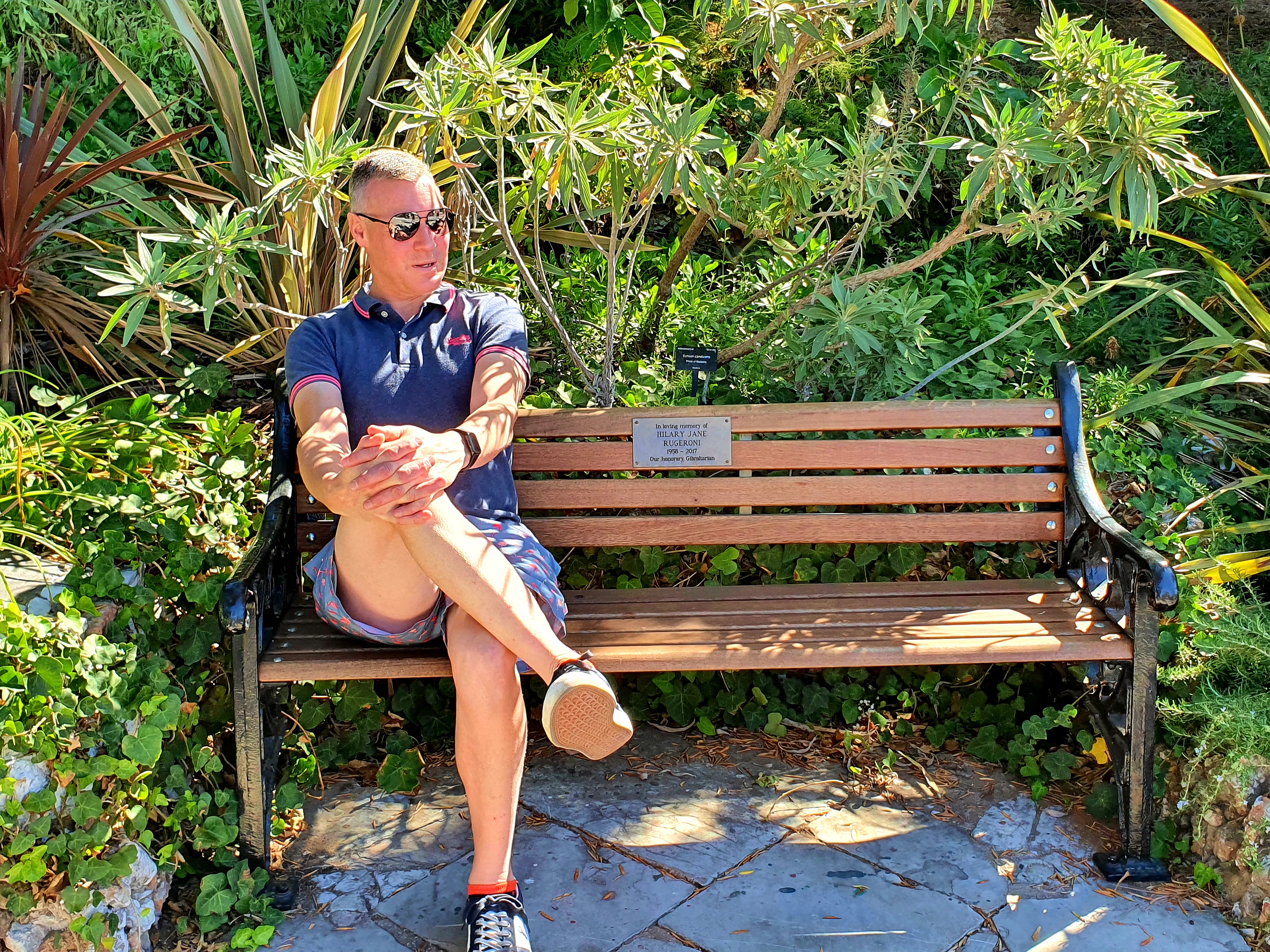
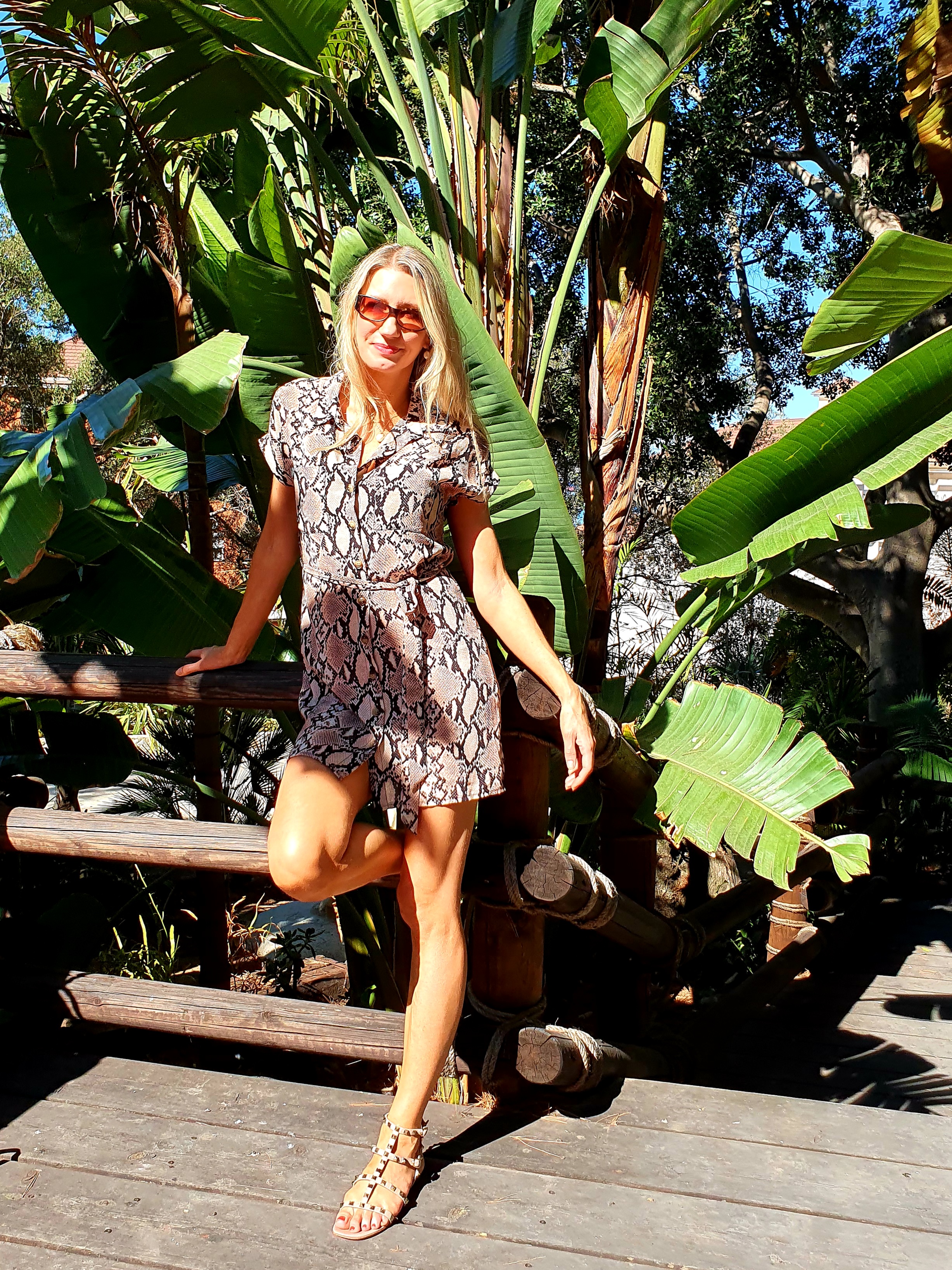
We also had a little posing session amongst the plants.

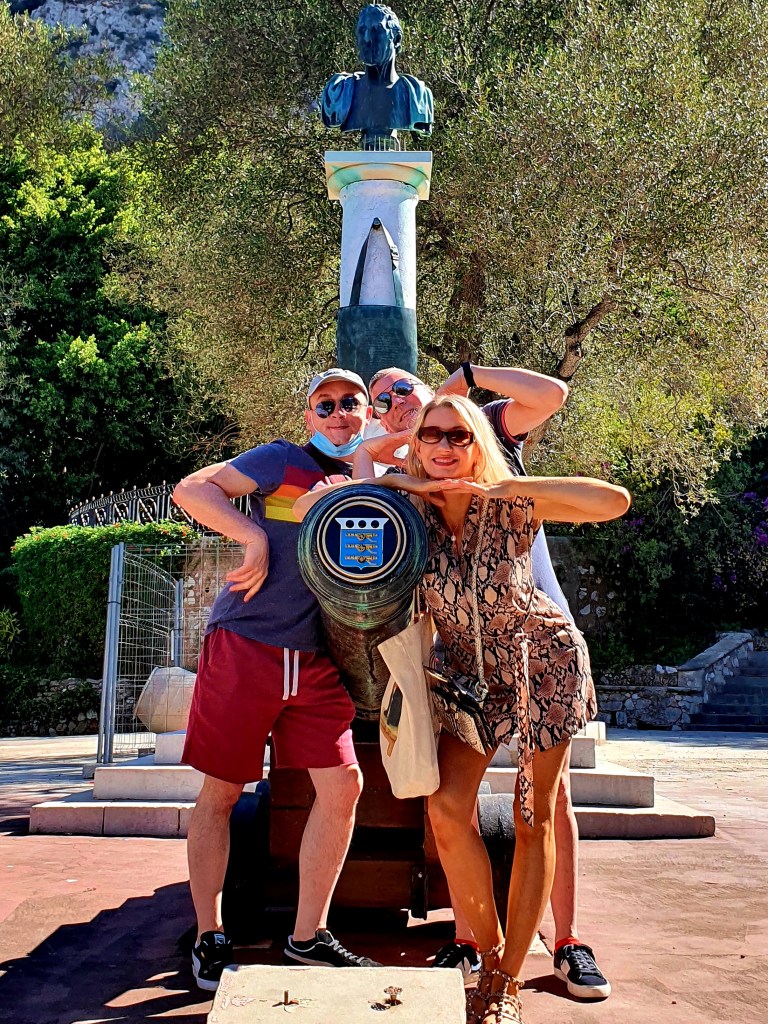
If you come in the main gates you come across a huge statue of George Augustus Elliot guarded by four 18th-century howitzers.

The gardens are also home to a very small animal park. The Alameda Wildlife Conservation Park began in 1994 as a collection of parrots, tortoises and monkeys,  all confiscated from illegal traders who were passing through Gibraltar.

The park has also become important for the care of native species that are considered for future re-introduction to the Upper Rock Natute Reserve.

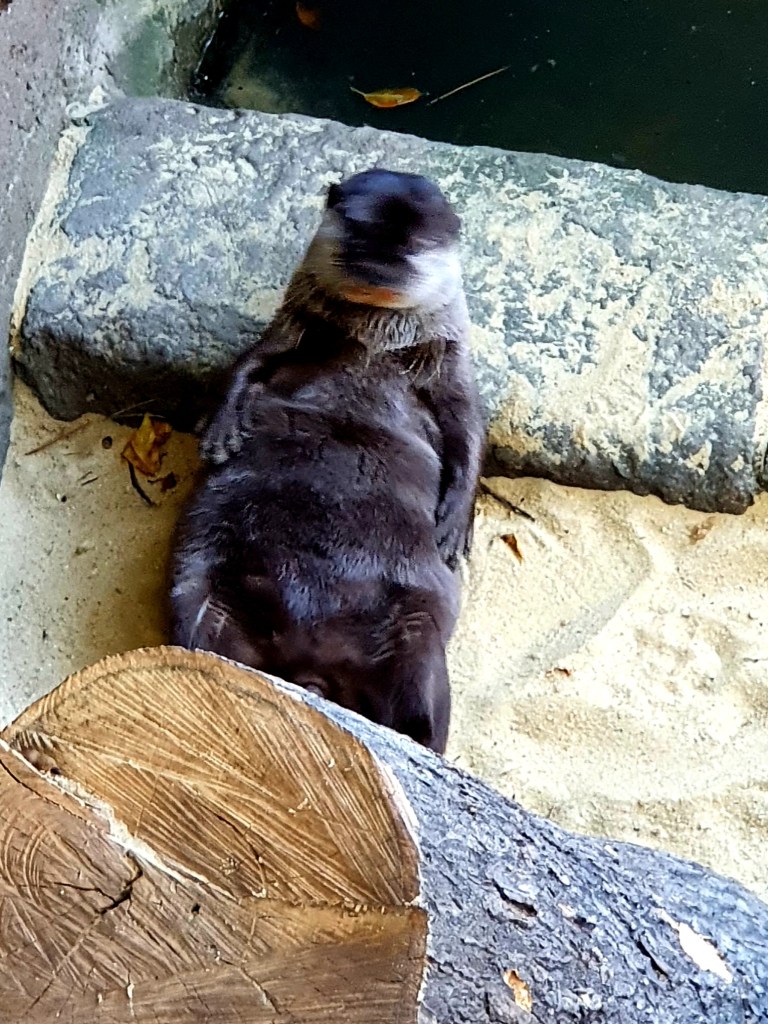
I think my favourite animals were the otters.

After the gardens we sat by the pool for a bit before heading into town for some lunch – chips and gravy.

We then wandered down to Morrisons with the intention of buying some cheap gin, but they didn’t have what we wanted so we picked some up in town on the way home.

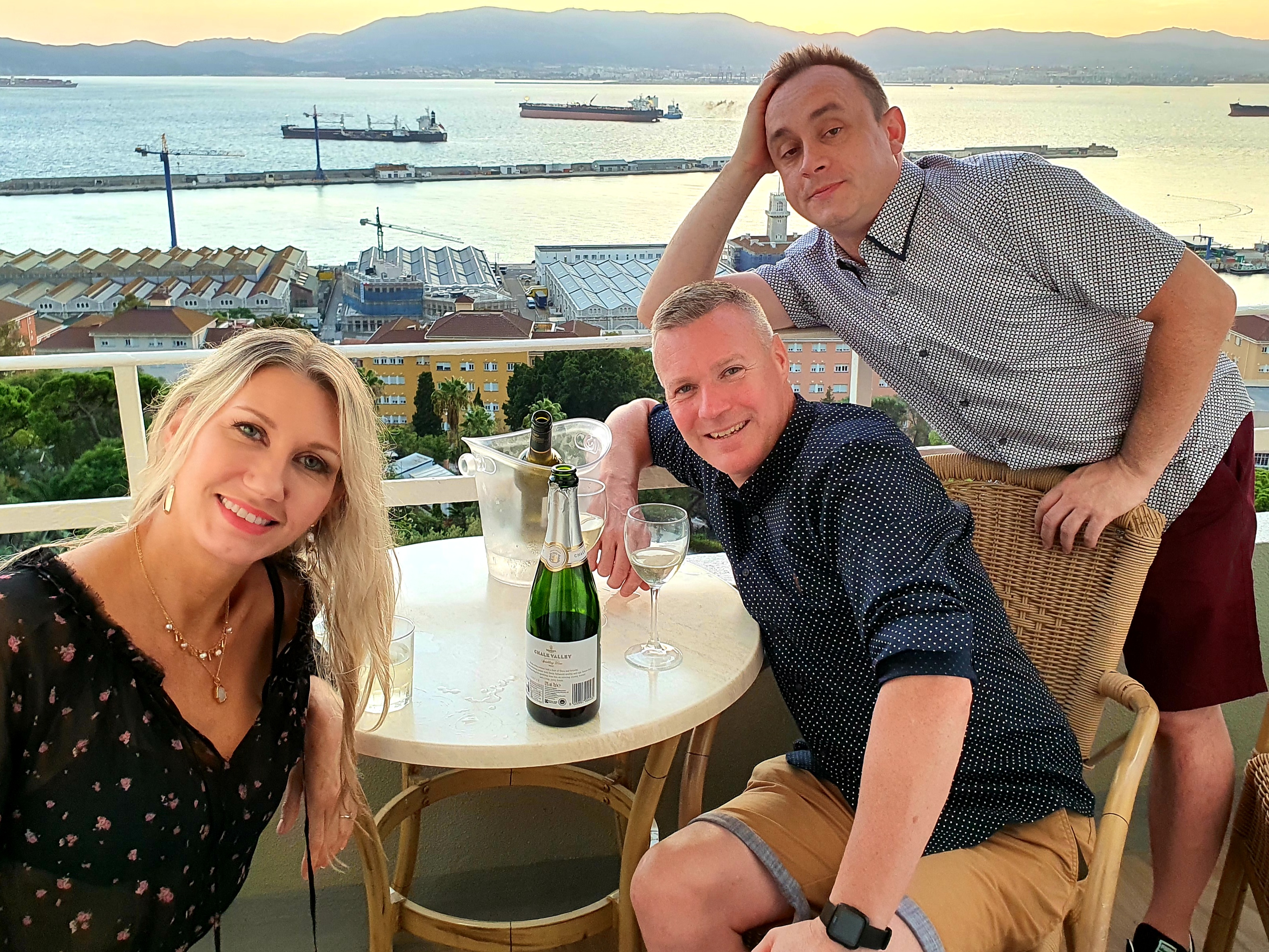
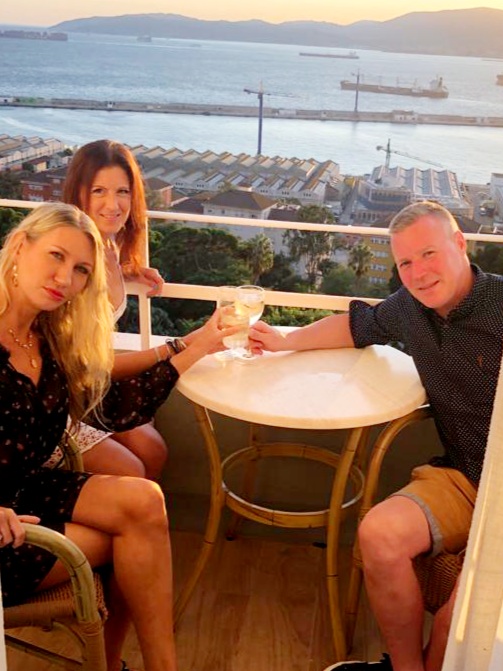
In the evening we had some pre-drinks on the balcony.

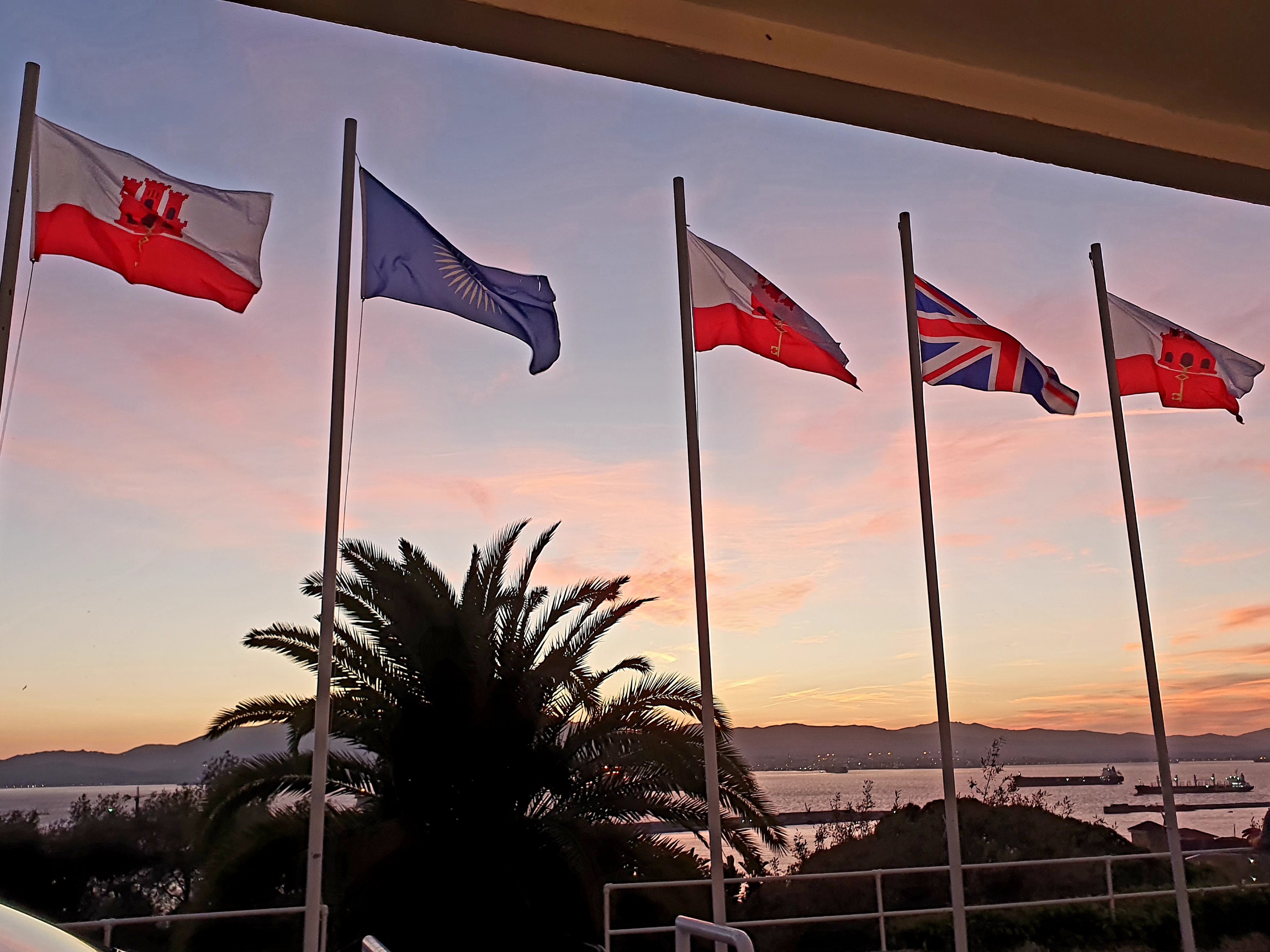
We ordered a taxi to take us to to the restaurant and as we waited we watched the sun setting.

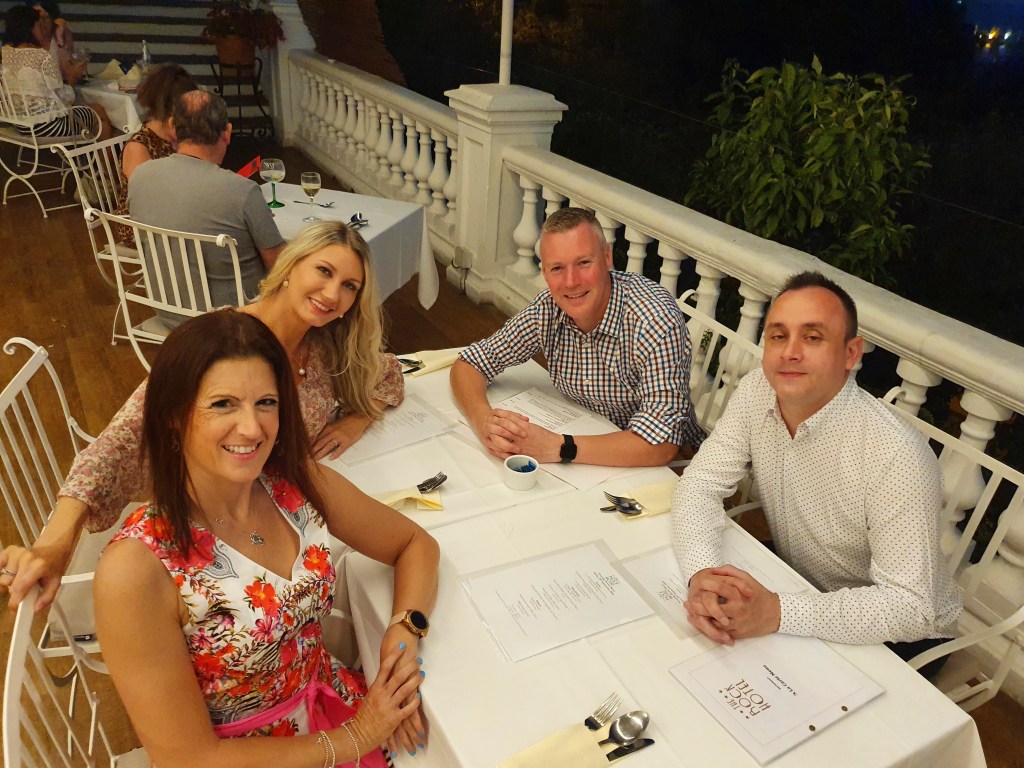
We had a really delicious meal at The Ocean Restaurant.

After a very filling dinner we walked down to some little bars which were very lively.

We walked back to the hotel and then left for home the next morning.

Gibraltar- day 2

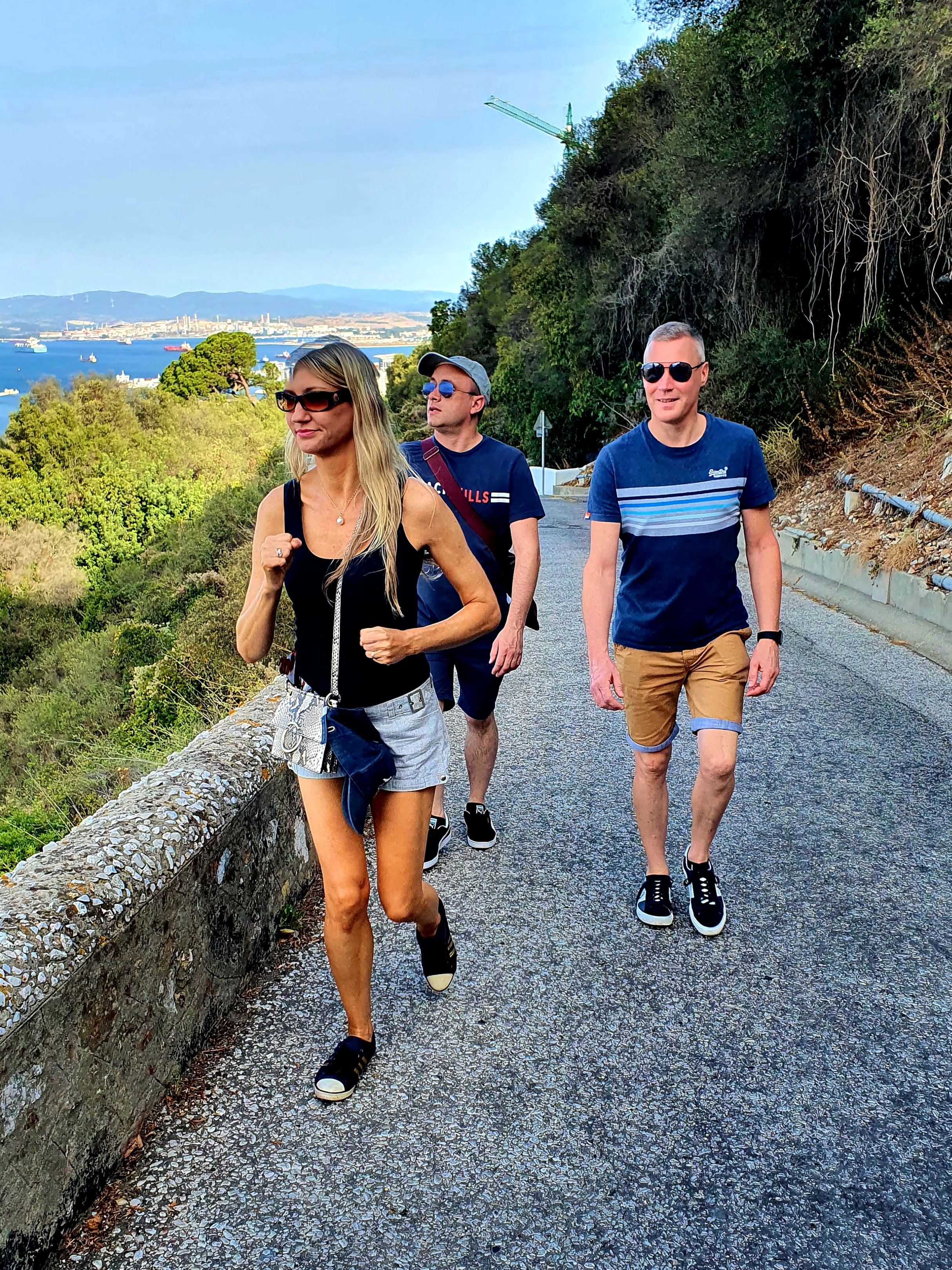
After a very tasty breakfast at the hotel we decided to explore the Rock. I suggested we walk up it rather than getting the cable car – and managed to persuade everyone that this was a great idea!

From the hotel we walked to Jews Gate Cemetry.

Located on Windmill Hill near the southern entrance to the Upper Rock Nature Reserve, Jews’ Gate Cemetery includes the earliest known Jewish burials in Gibraltar. It is the burial site of a number of Gibraltar’s Chief Rabbis, with the earliest known dating as far back as 1746. The cemetery was actually closed for burials just over a century later, on the 6th May 1848. To date, nobody knows for certainty the reason behind the Jewish community burying members of their dead at this specific location.

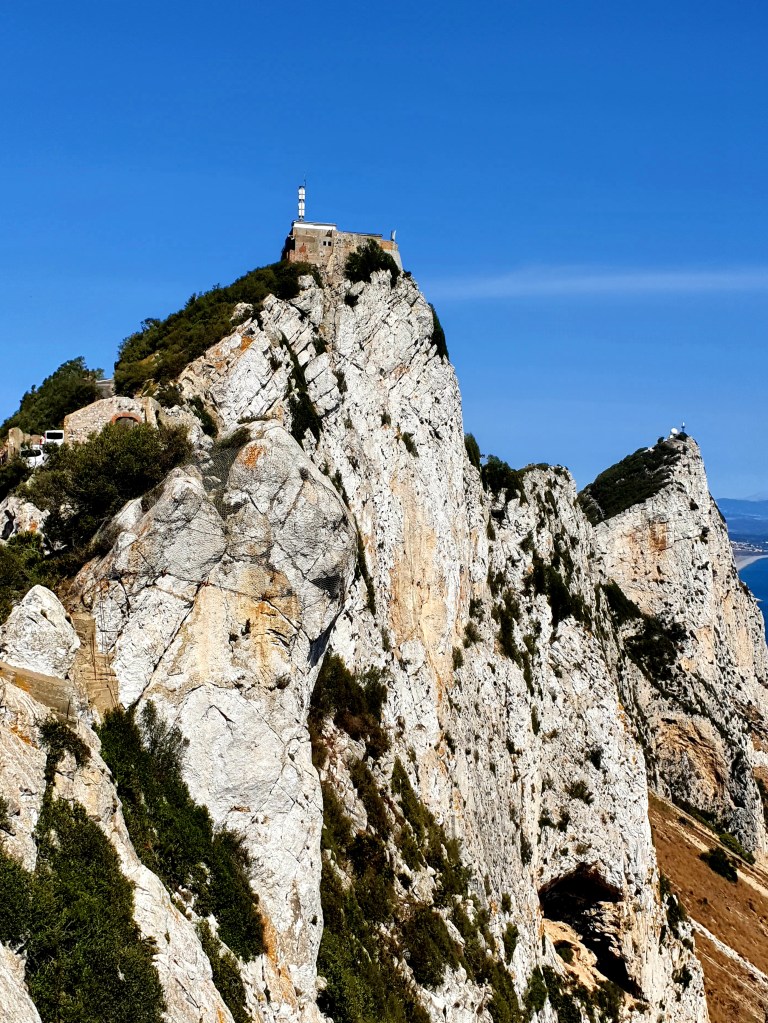
The Pillars of Hercules can also be found here -one of two promontories at the eastern end of the Strait of Gibraltar. The northern pillar is the Rock of Gibraltar, and the southern pillar has been identified as one of two peaks: Jebel Moussa (Musa), in Morocco, or Mount Hacho (held by Spain), near the city of Ceuta (the Spanish exclave on the Moroccan coast). The pillars are fabled to have been set there by Hercules as a memorial to his labour of seizing the cattle of the three-bodied giant Geryon.

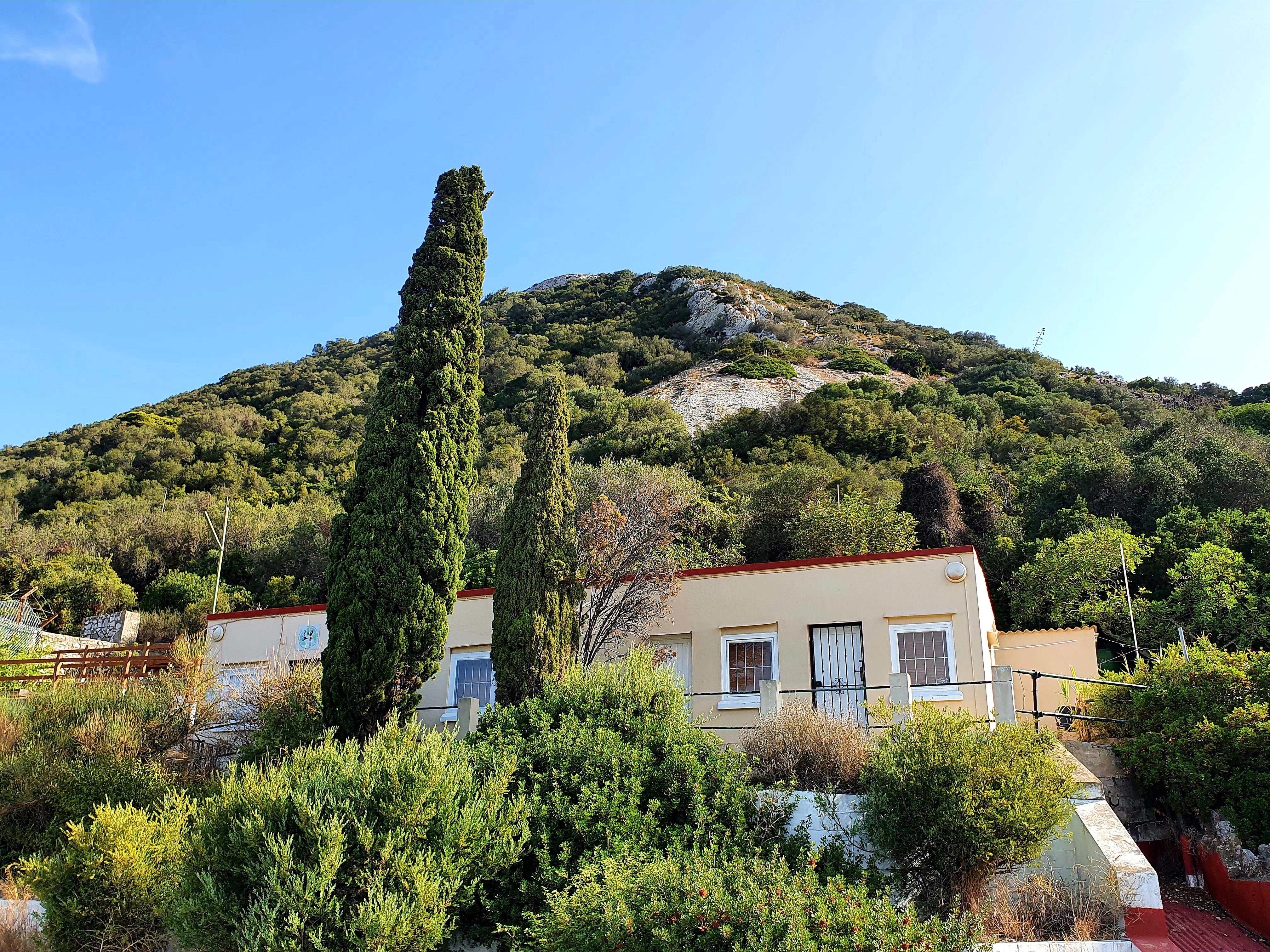
We were going to take the Mediterranean steps up the rock but we took a wrong turn and ended up taking a short cut to St Michael’s cave.

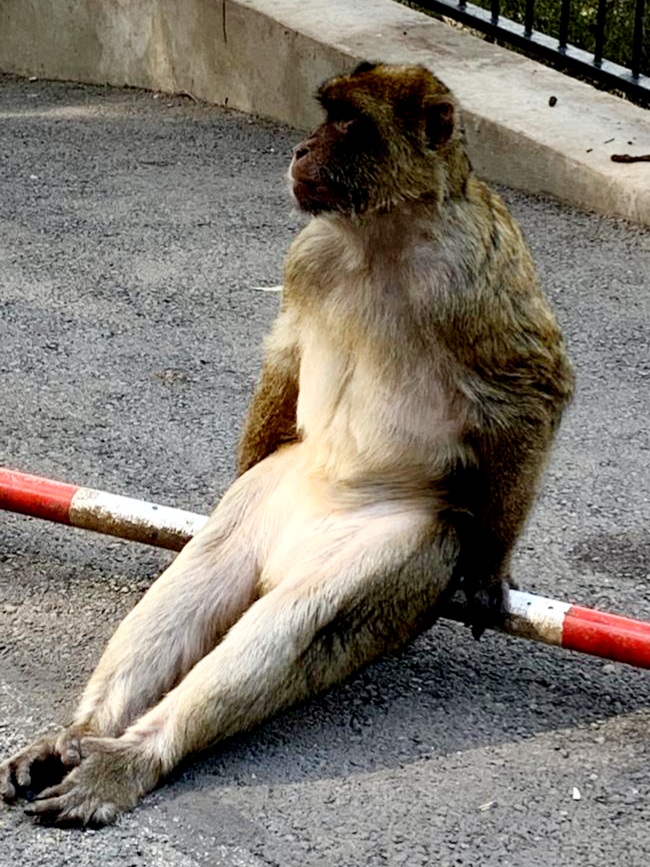
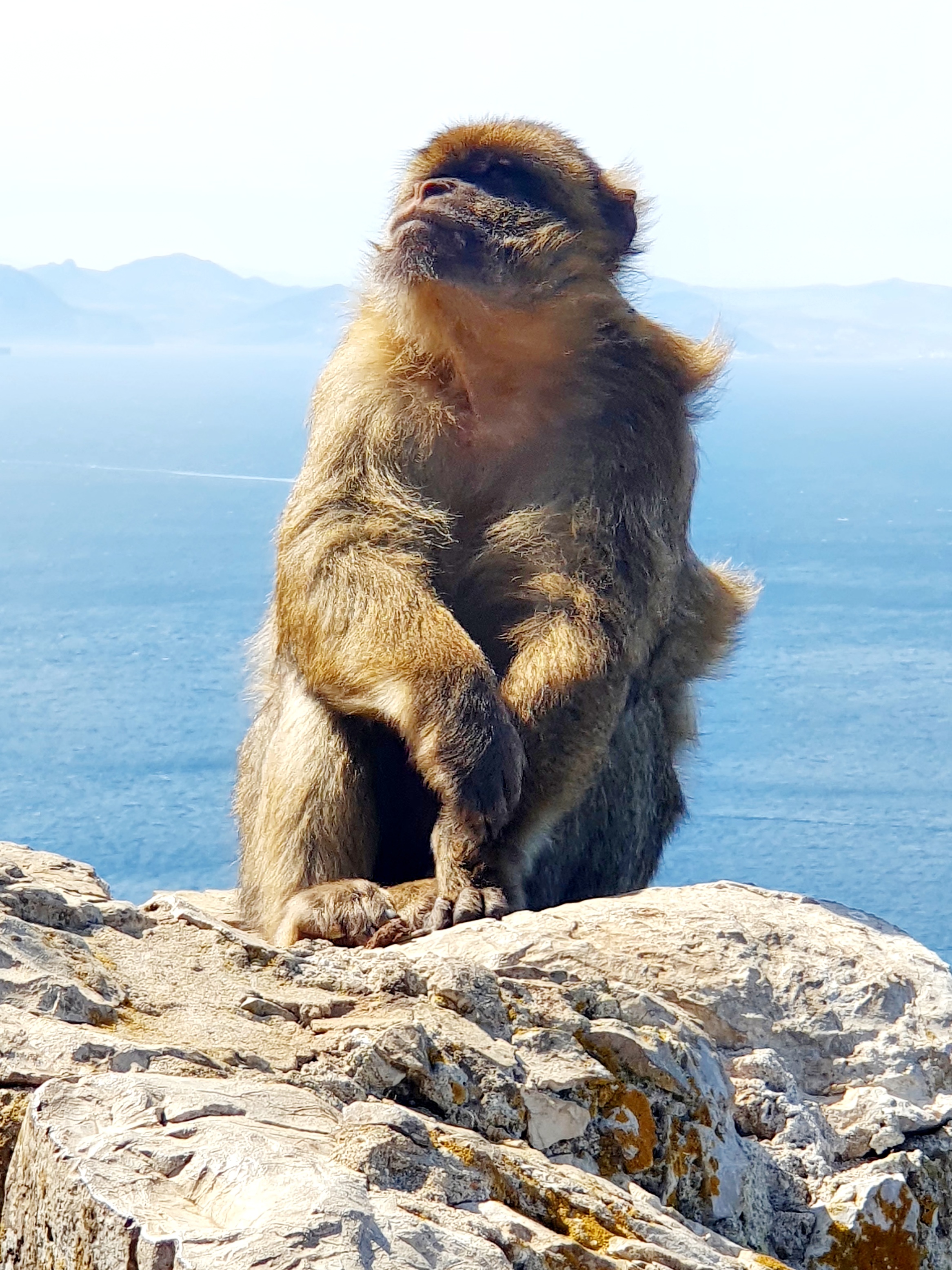
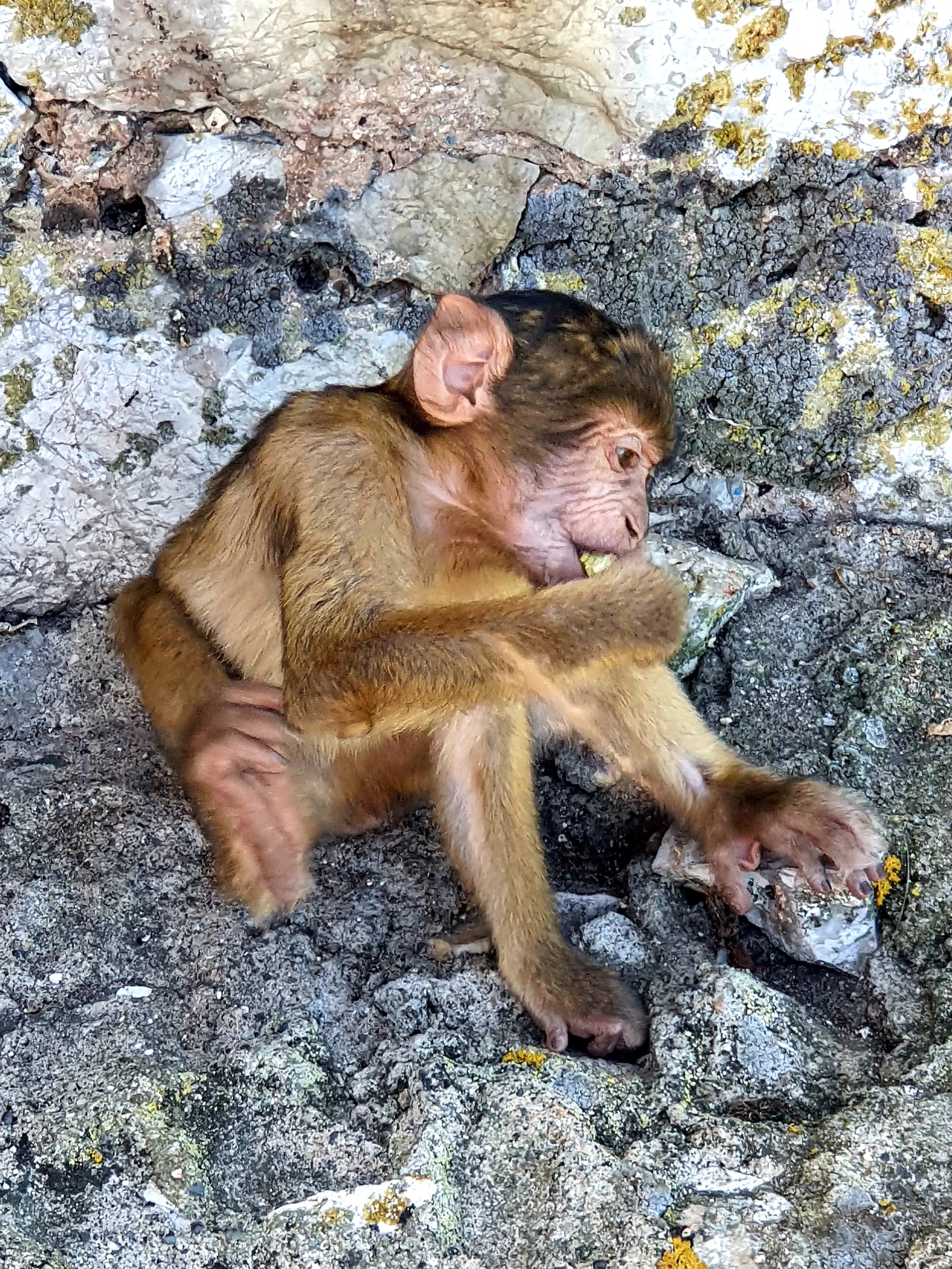
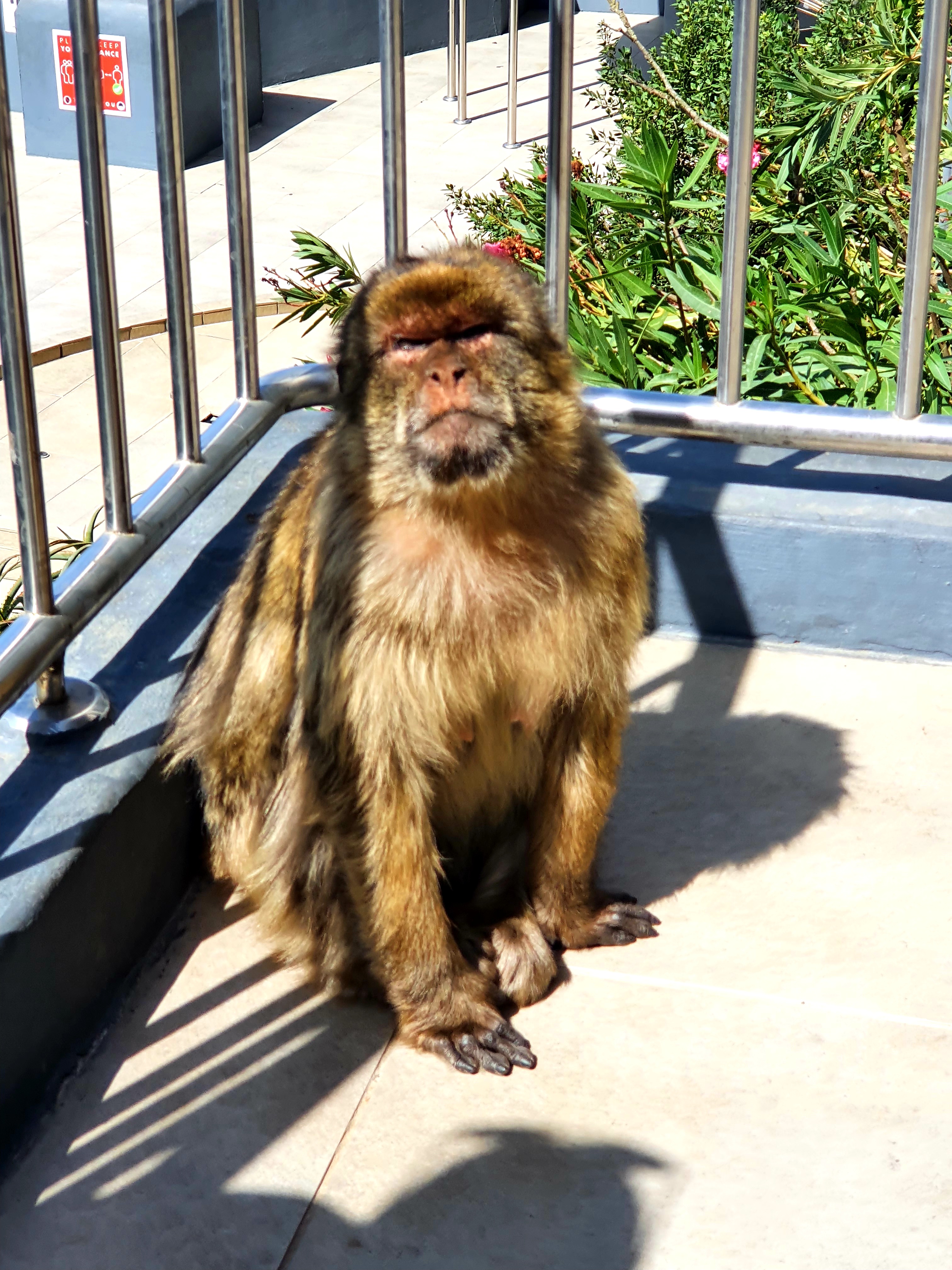
On the way we came across some of the local residents – the Barbary macaque apes. These apes are originally from the Atlas Mountains and is the only wild monkey population on the European continent.

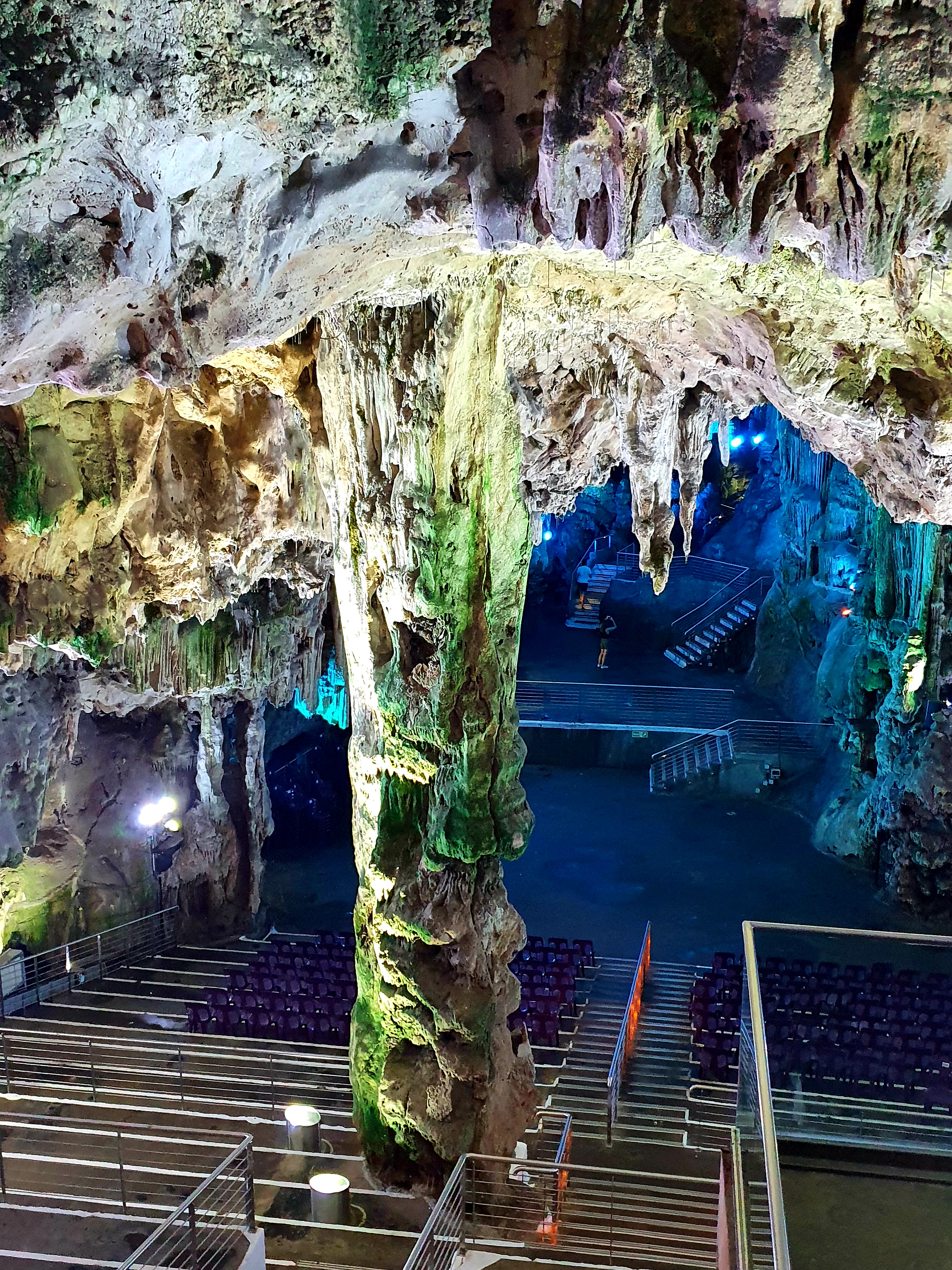
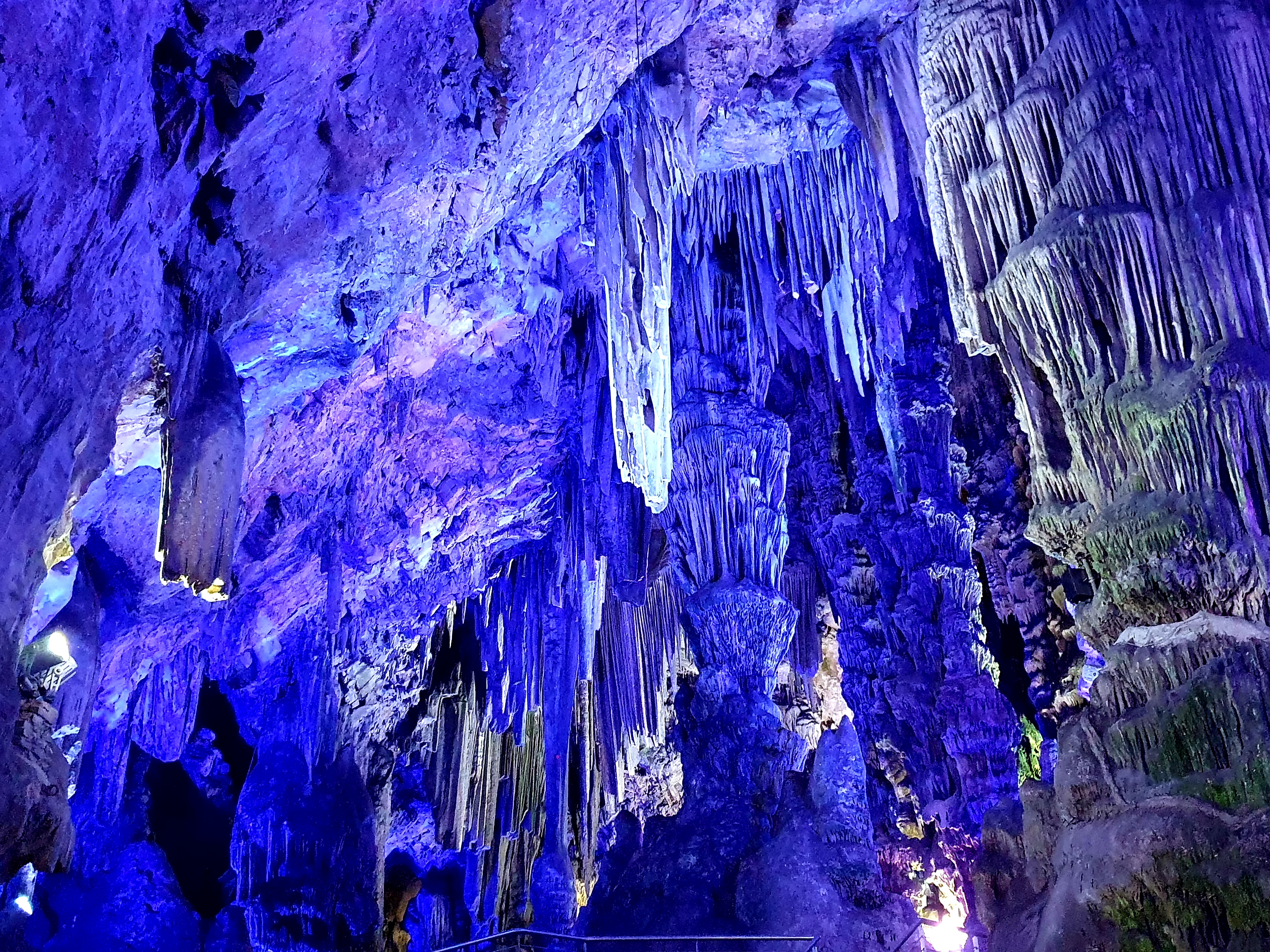
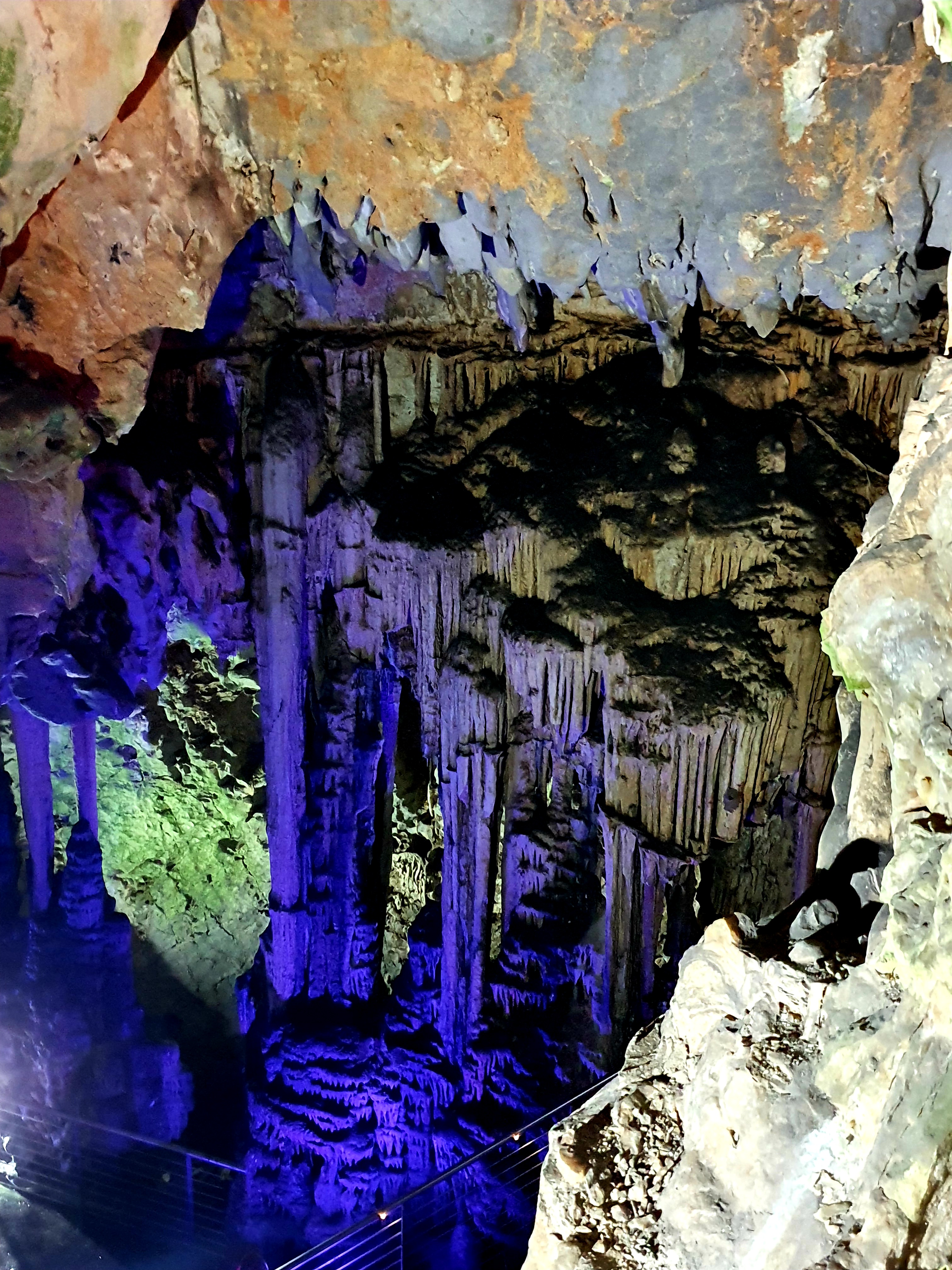
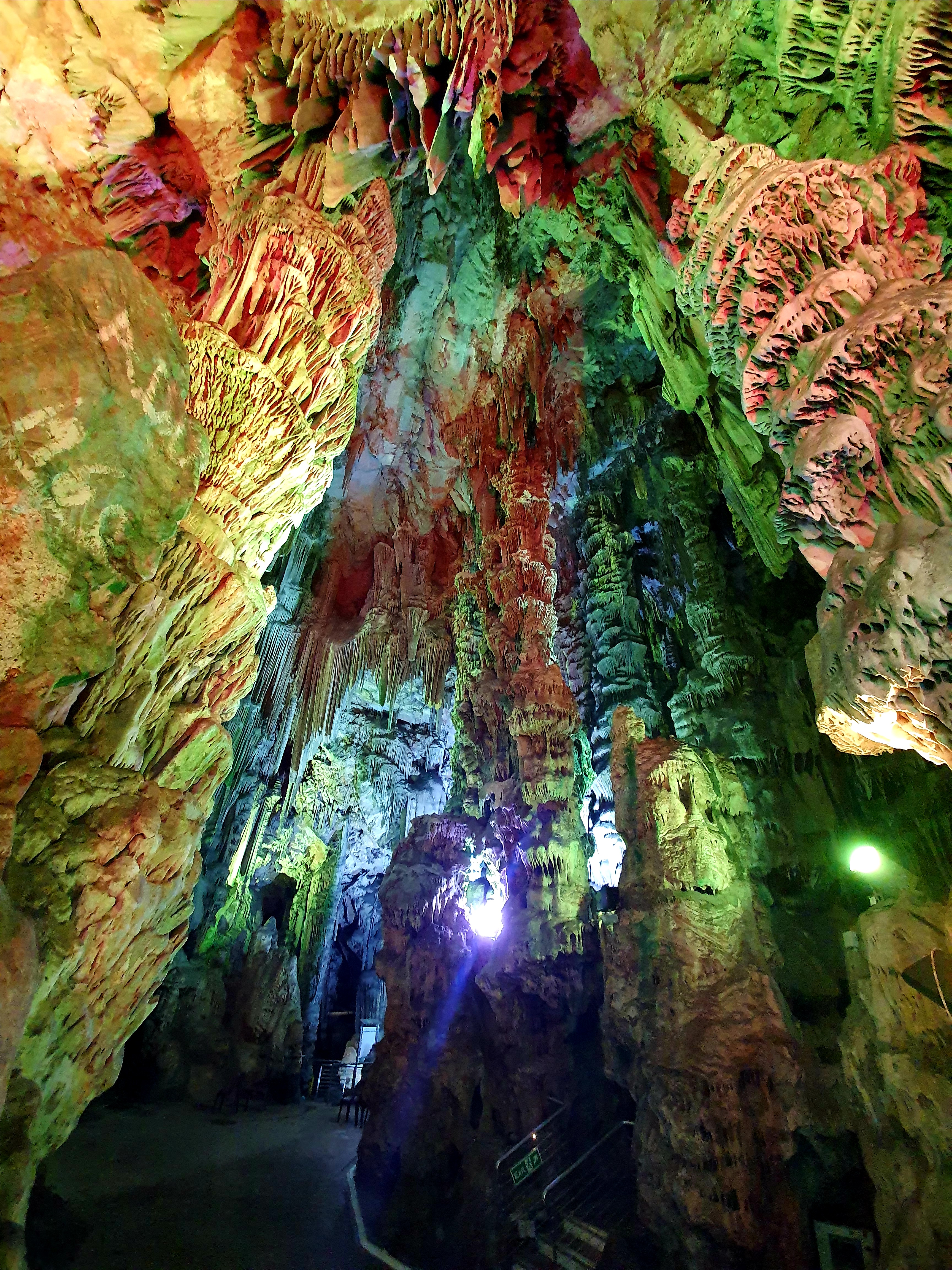
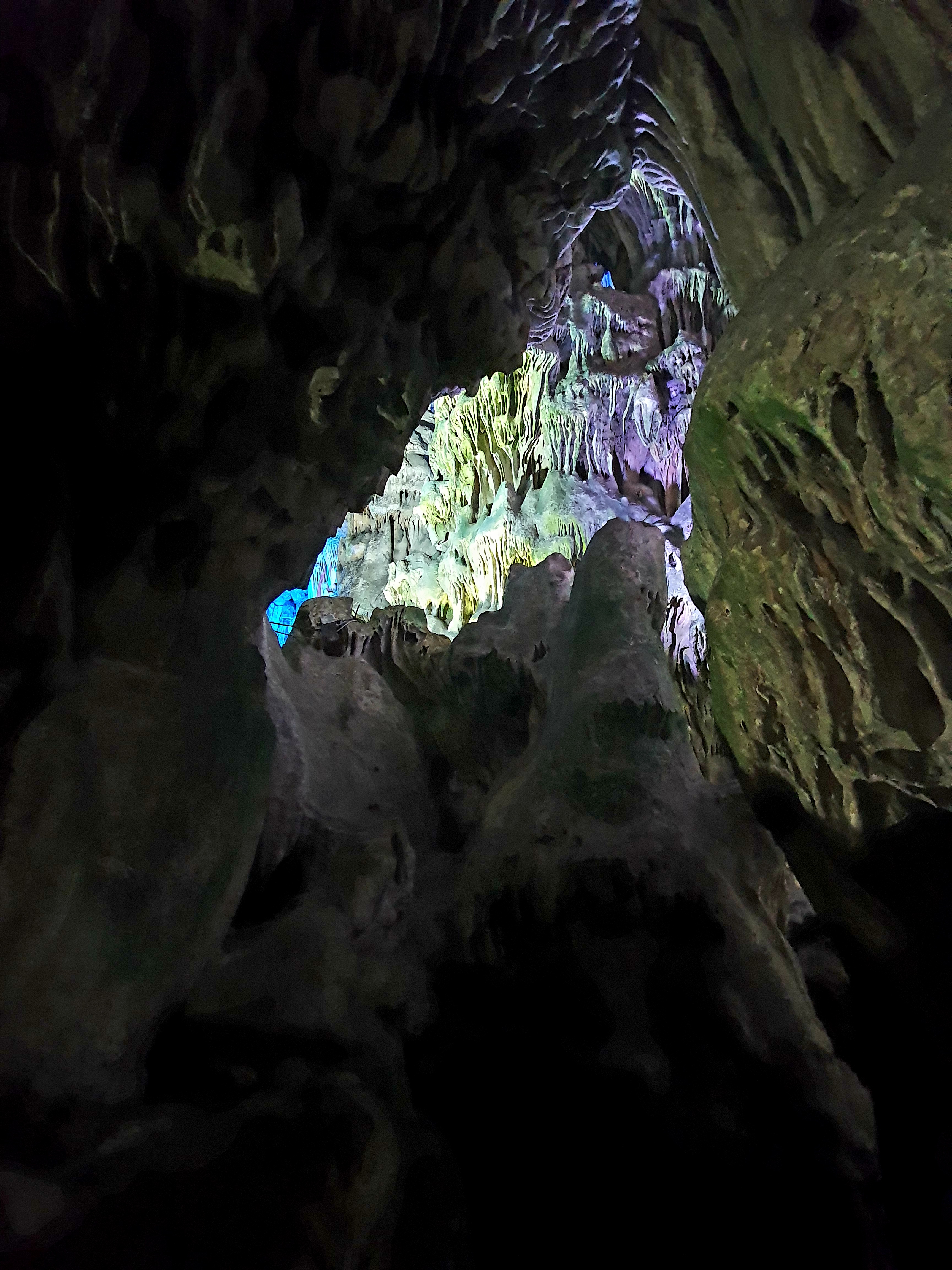
We ventured into St Michael’s caves which were beautiful. The caves are often host to concerts and theatre productions with a 600 person capacity.

The caves were originally thought to be bottomless and this gave rise to a rumour that there was subterranean passages between Gibraltar and Africa.

It’s believed that in 1704 Spanish troops spent a night in the cave after climbing the precipitous east face of the Rock. Another story about the cave recounts how a Colonel Mitchell and another officer were said to have descended into the cave at some unspecified date before 1840 and were never seen again.

During WWII the cave was prepared as an emergency hospital, but was never used as such.

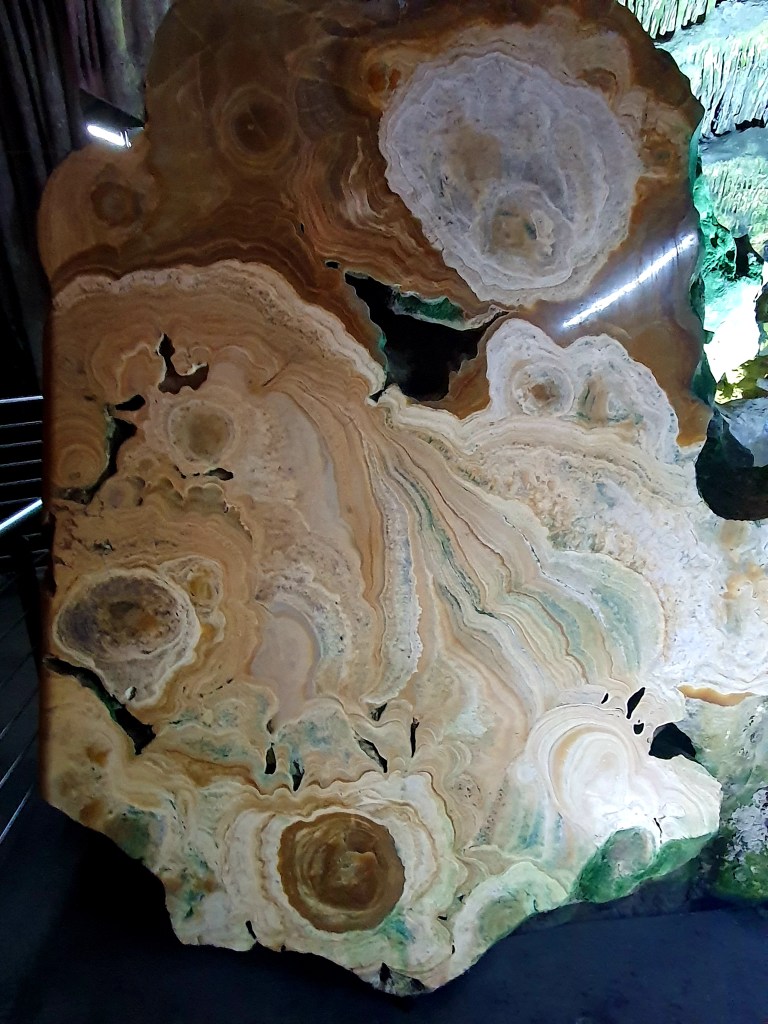
At some period during the history of this cave, part of a stalagmite became too heavy on one side and fell, possibly thousands of years ago. It now lies on its side at the far end of the main chamber, cemented through the years by nature to the floor of the cave. In 1972 a slice was cut off from the top end which revealed the interior structure of the stalagmite in a most dramatic fashion.

Leonora’s cave is a system of caves within St Michael’s caves and as they are difficult to access they largely remain unspoilt.

Graffiti found on some of the rock date back to 1801 and early reports mentioning “passages leading off St. Michaels Cave” suggest that the site was first explored in the 1700s by British troops; however, it was only until 1864 that Captain Frederuck Brome explored this system extensively and realised its beauty. In 1867, he named this cave after his wife Leonora saying the site was “of unimaginable beauty”.

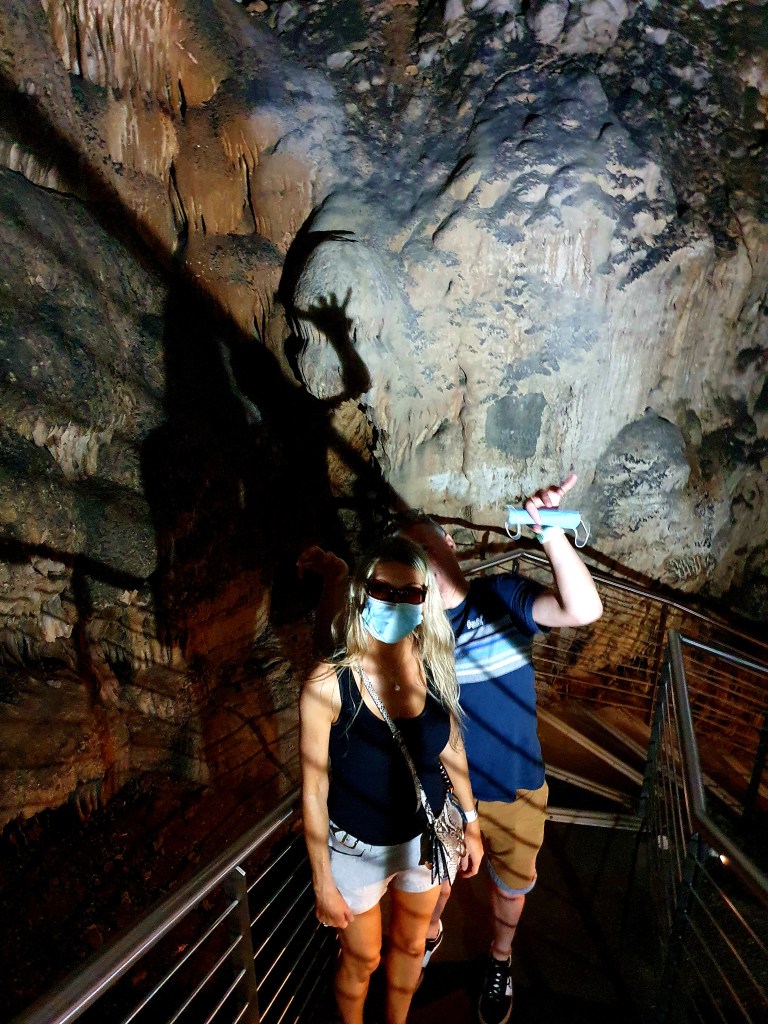
We spent quite a bit of time wandering around the caves and exploring.

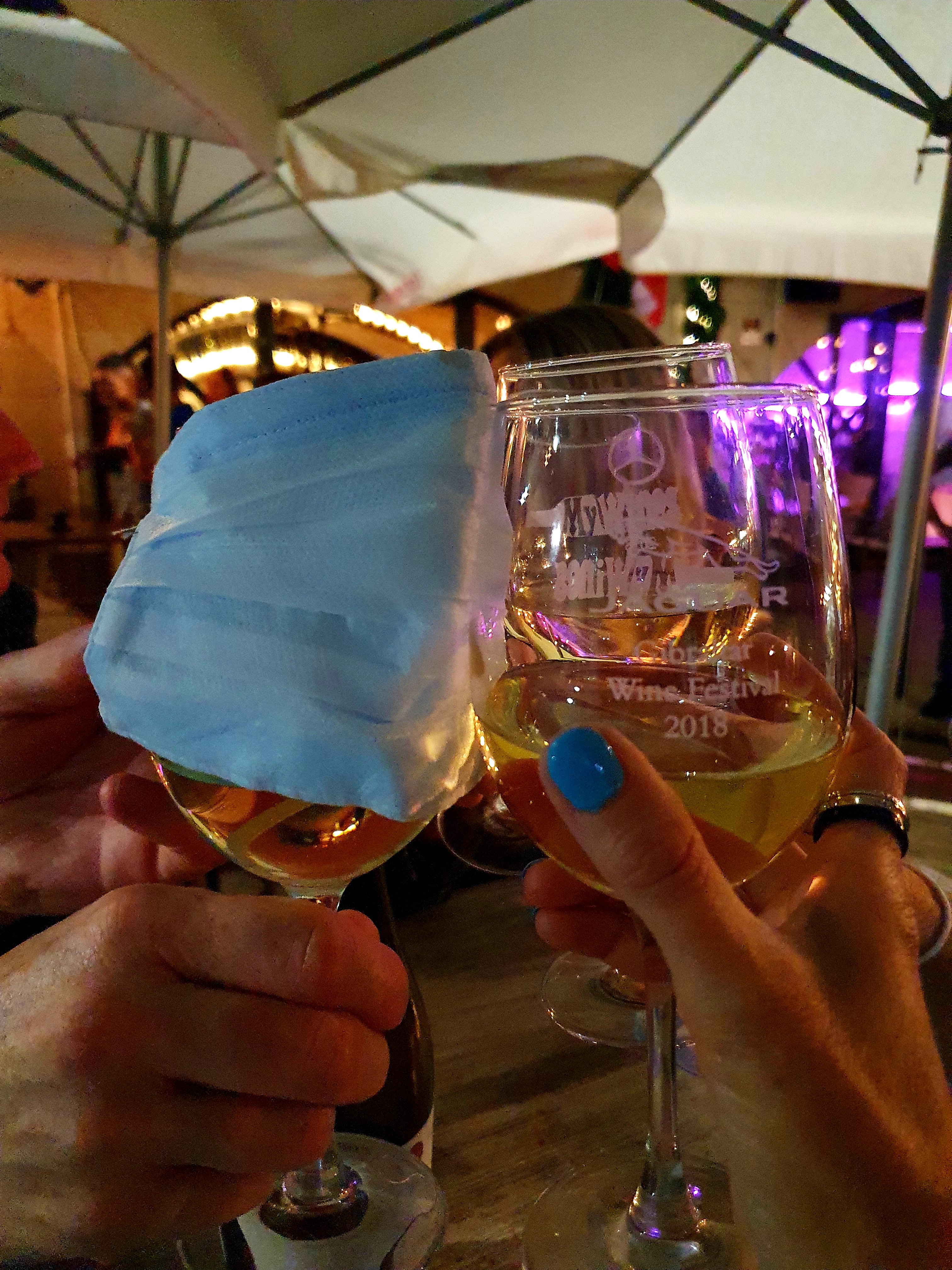
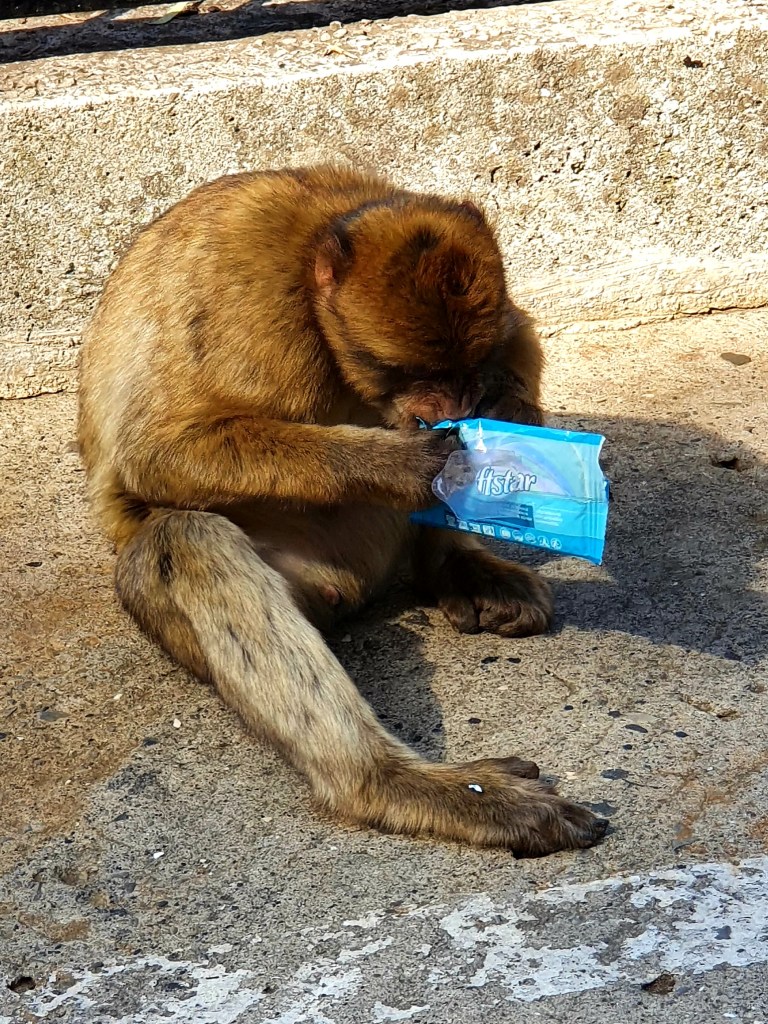
Back out in the sunshine we came across more of the monkeys- one who was abiding by the hand sanatising rules.

We walked across the rock to the Queens viewpoint.

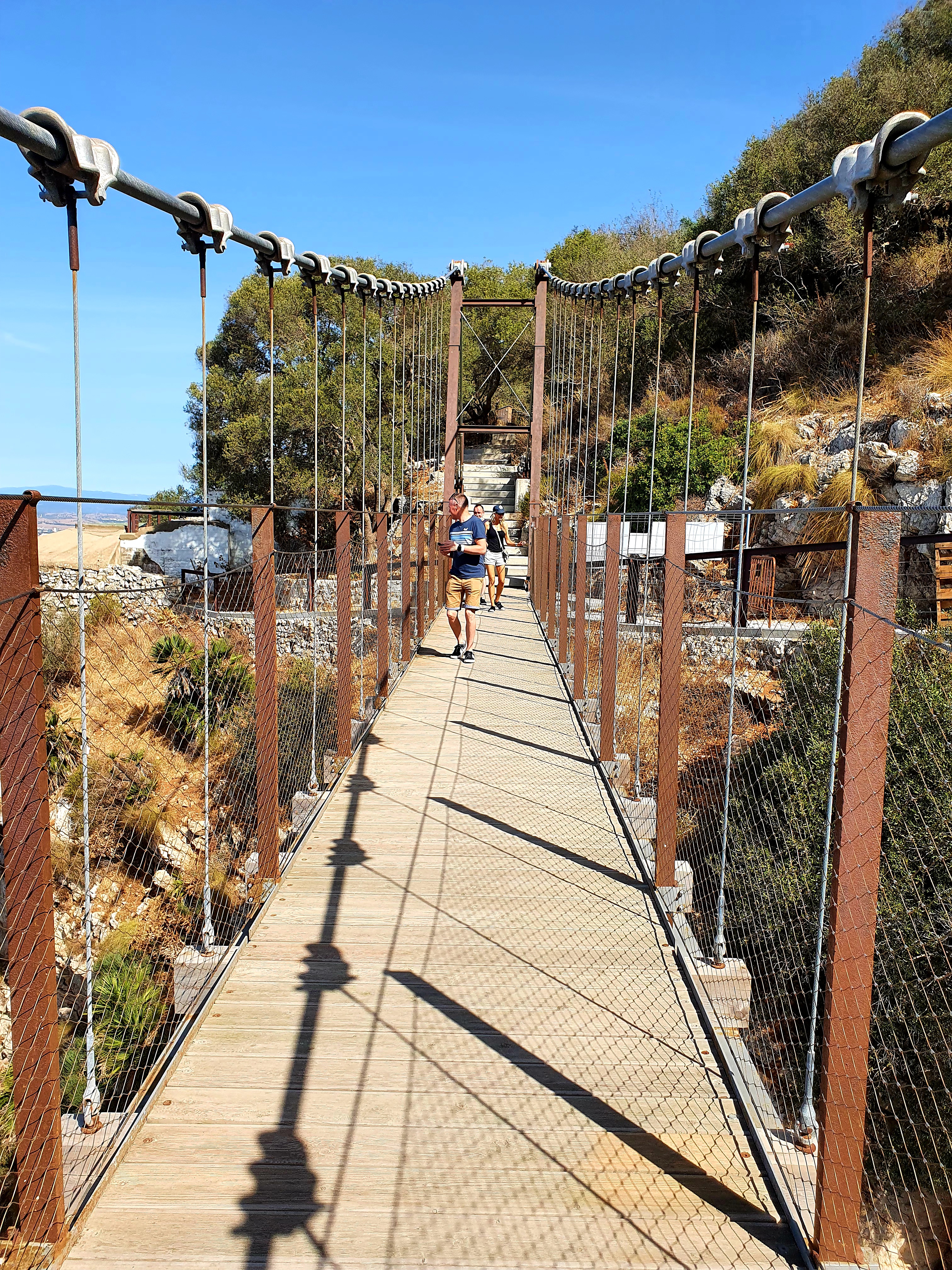
Before heading off to the Windsor Suspension bridge. This bridge was officially opened on the 21st June 2016 and is 71 metre long and suspended over a 50m deep gorge.

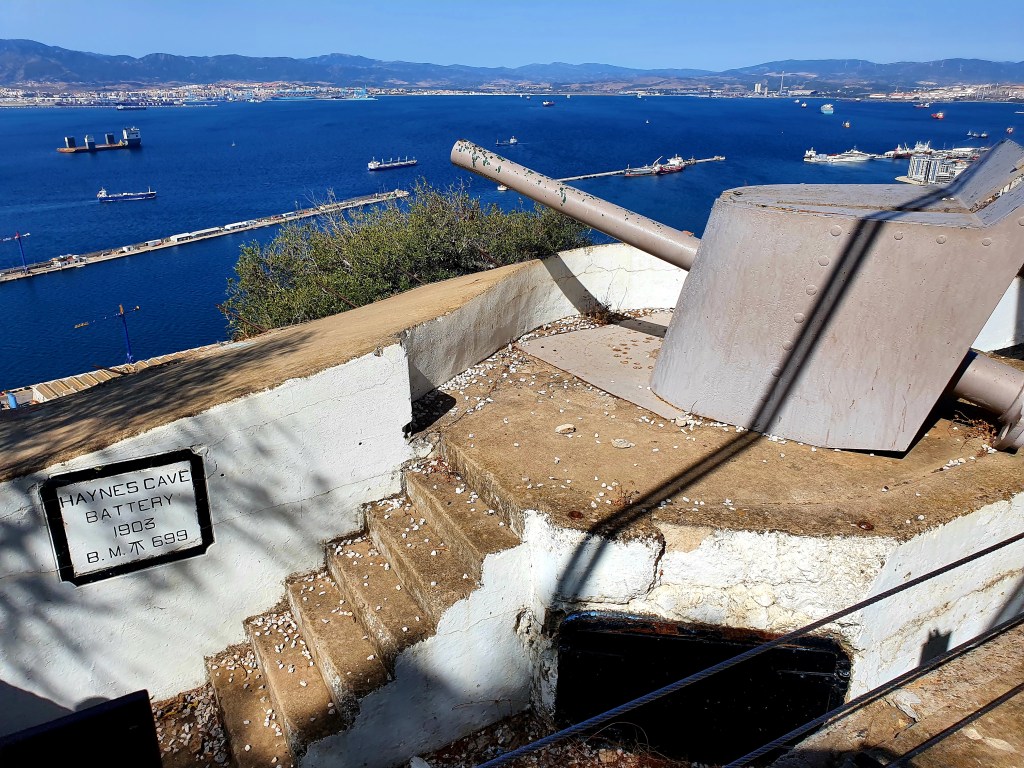
At one end of the suspension bridge is Hayne’s cave battery. This was first occupied during the Great Seige of Gibraltar (1779-1783). The battery dates from 1788 although it has a plaque labelled “1903” It is named after the nearby Hayne’s Cave. This battery was named after Captain Haynes who was the garrison quartermaster in 1787-1788 and who began the construction of Queen’s Road. You can see the remains of one of the two 4-inch QF gun positions which were installed in 1904 and are about 40 metres apart. In 1911 the guns were removed in favour of superior 6 inch guns.

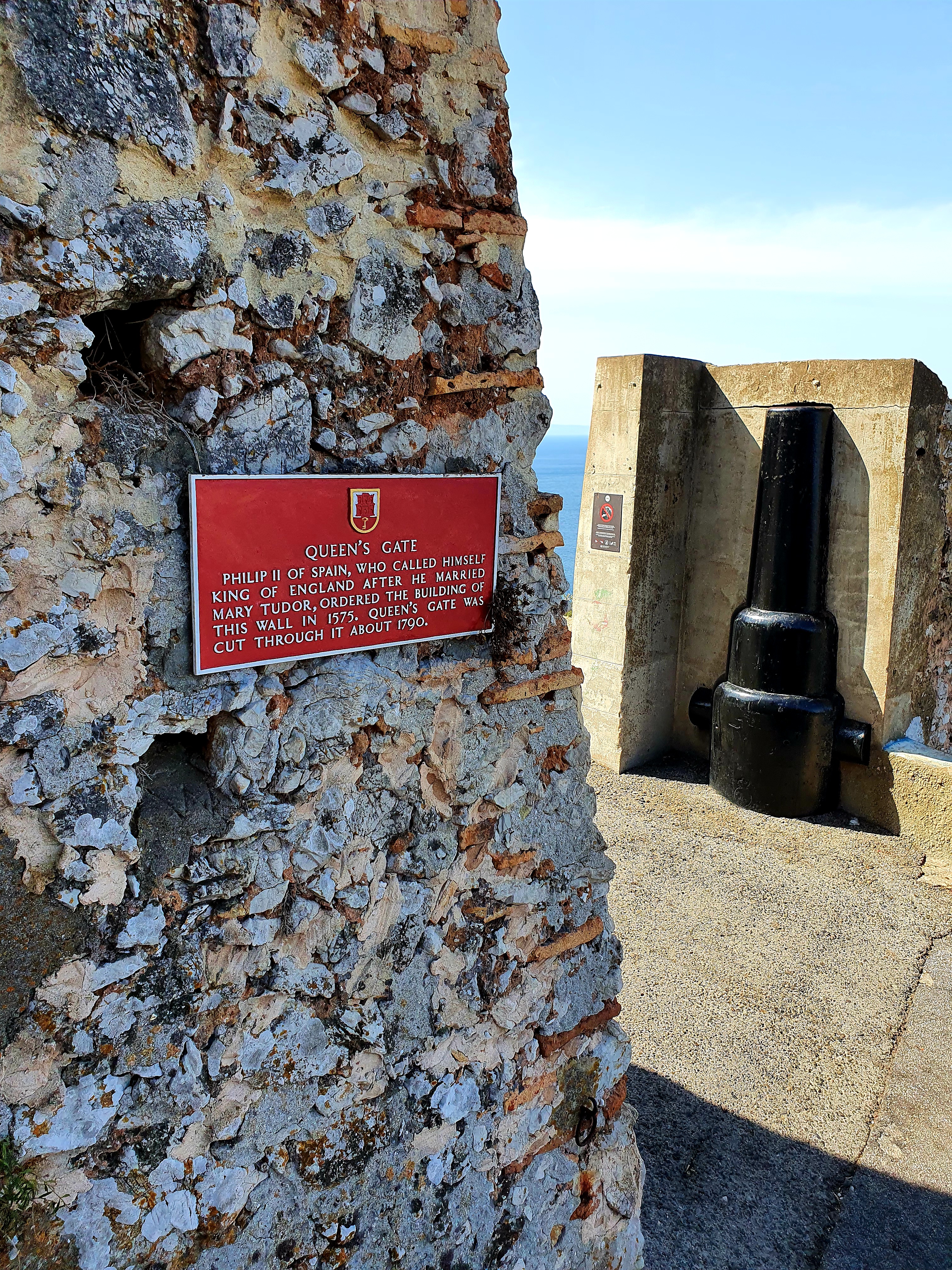
We carried on down the Royal Anglican Way to Apes Den, and then on to Queens gate.

Most of the macaques monkeys sleep within an area of 22 acres around the Queen’s Gate. This is also the point where we started to climb up the huge amount of steps to the top of the rock via Charles V Wall.

The Charles V Wall is a 16th-century defensive wall that forms part of the fortifications of Gibraltar. It was built in 1540 and strengthened in 1552 by Holy Roman Emperor Charles V. The wall remains largely intact and has around 660 steps.

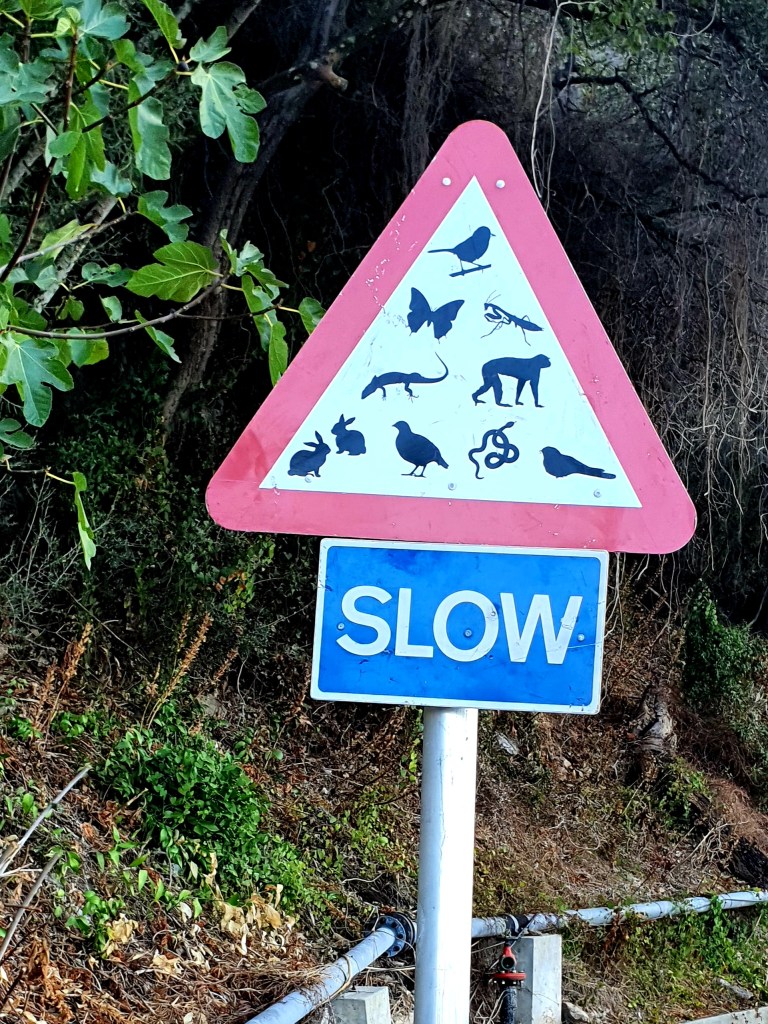
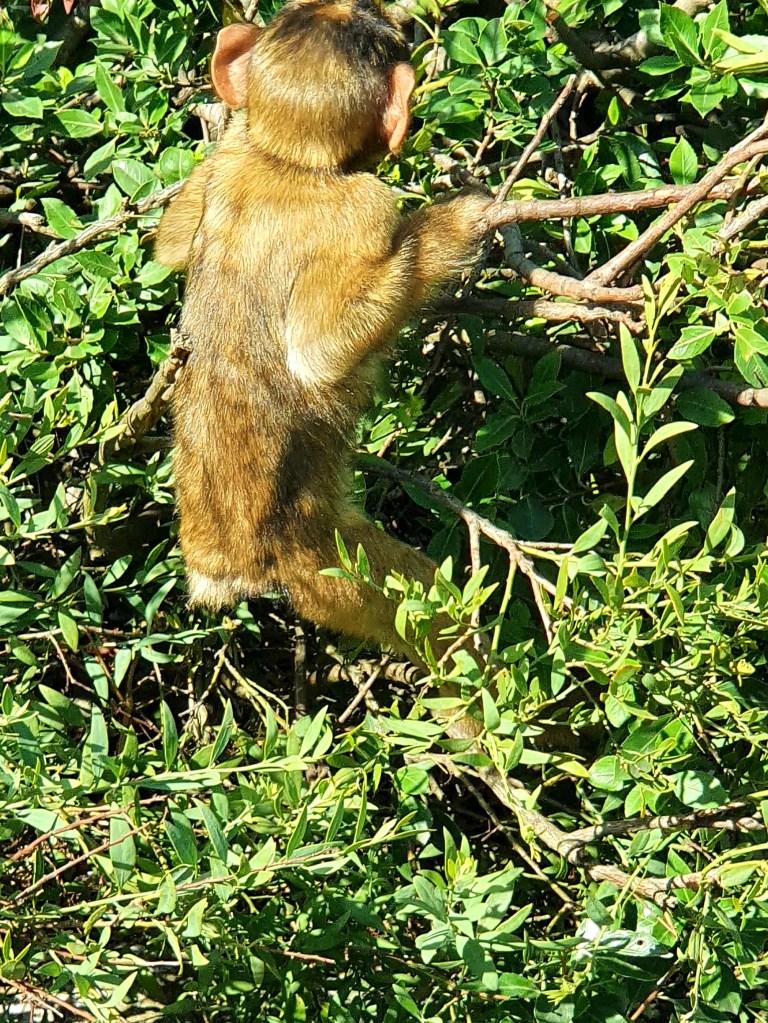
At one point a monkey was sitting on the steps. The signs warned you not to get to close if they were on the steps as they might feel threatened if they didn’t have enough space. So we waited for the monkey to move before carrying on our climb.

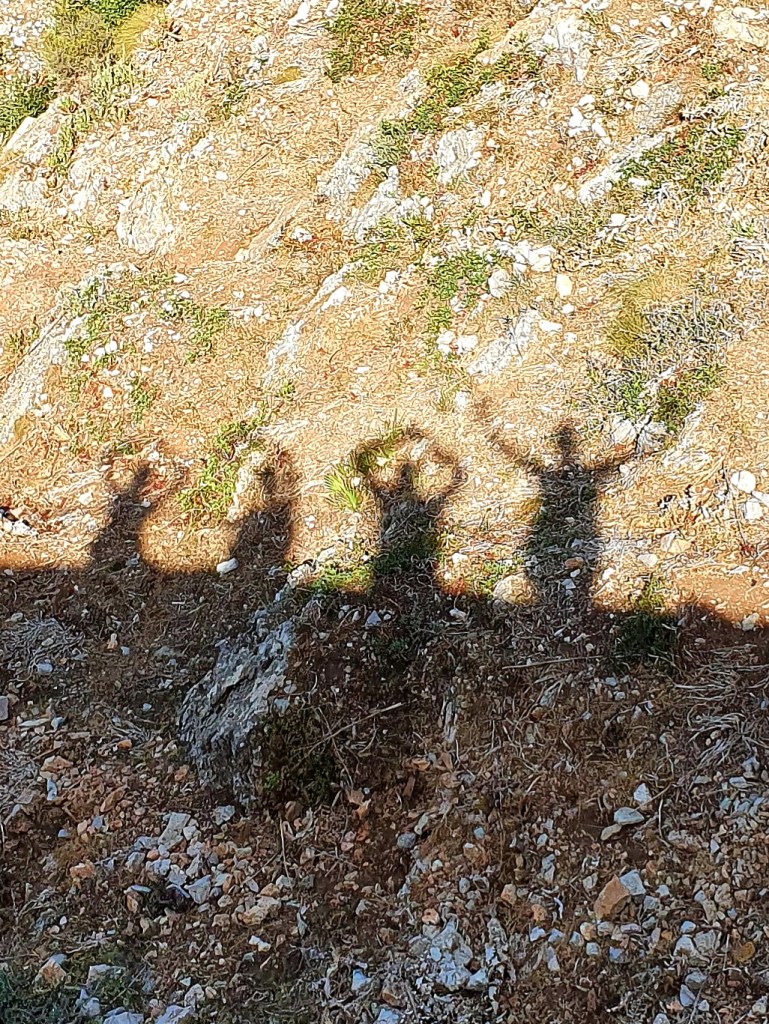
We tried a YMCA photo on the steps but not sure it was that successful.

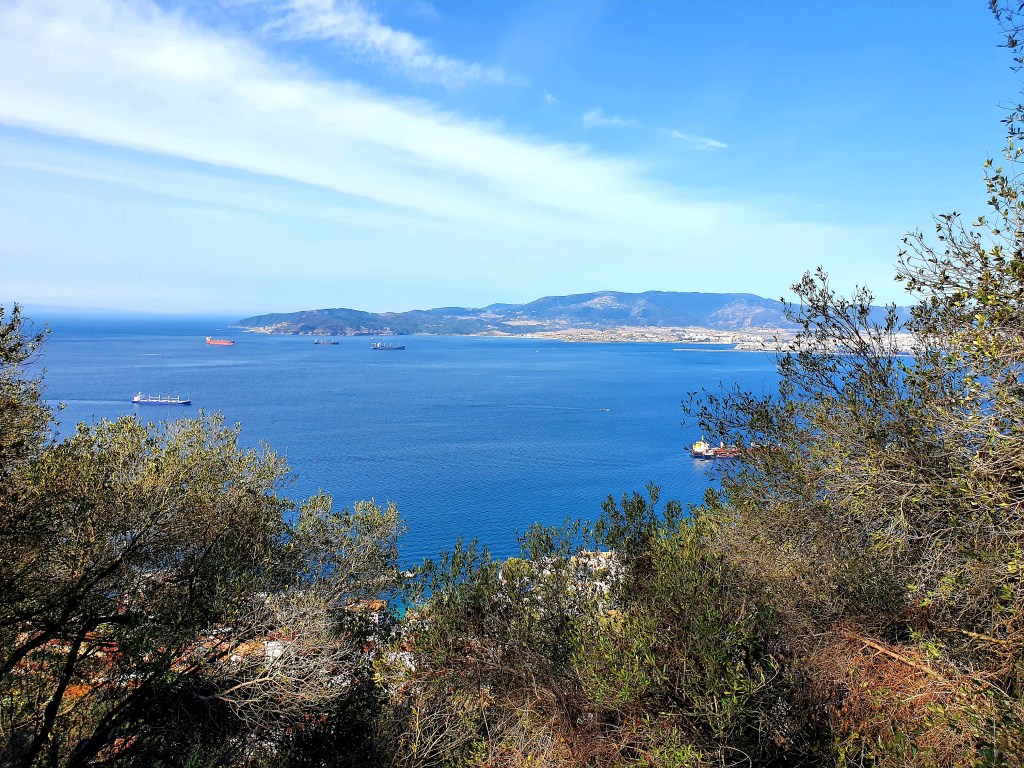
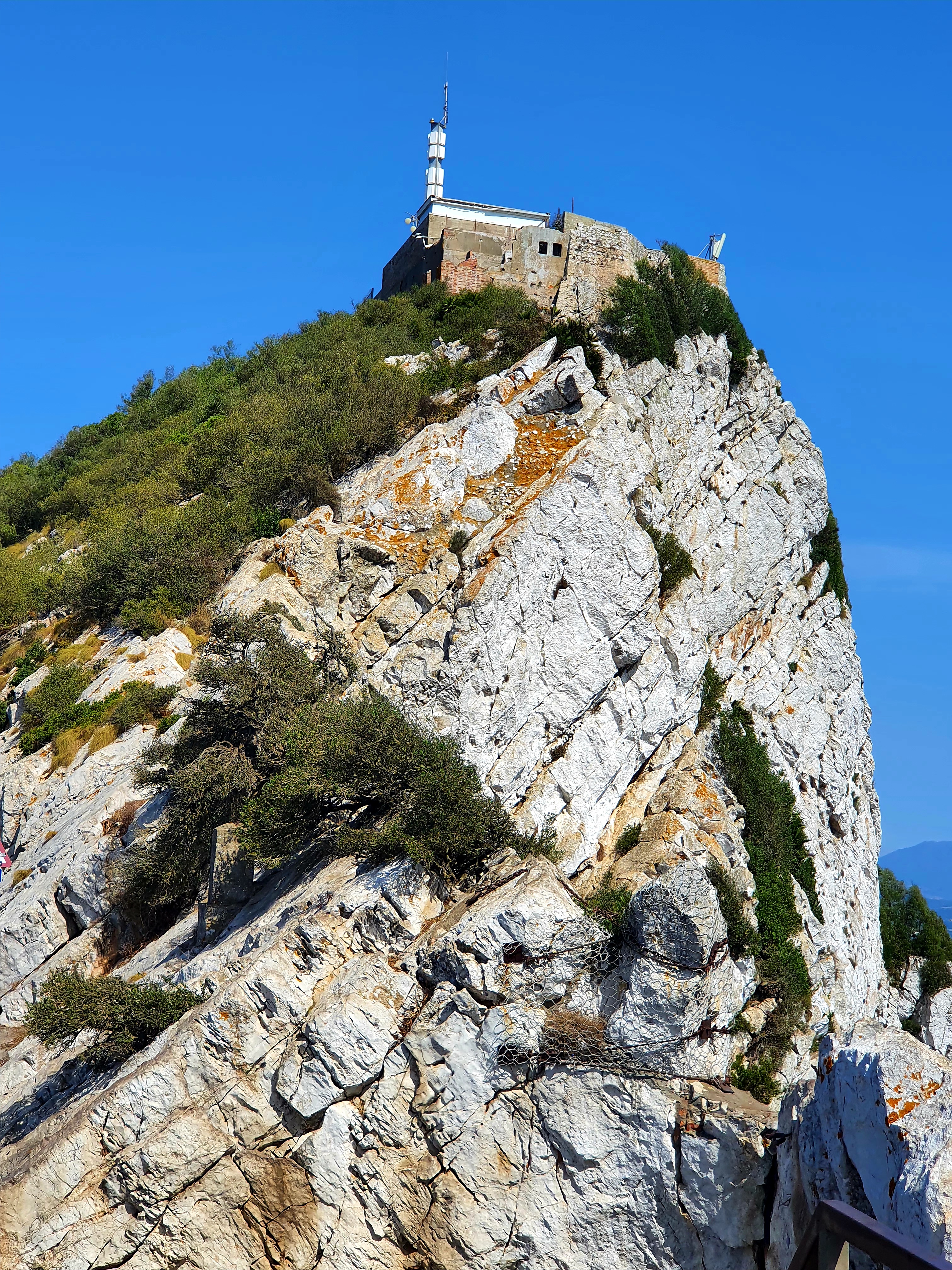
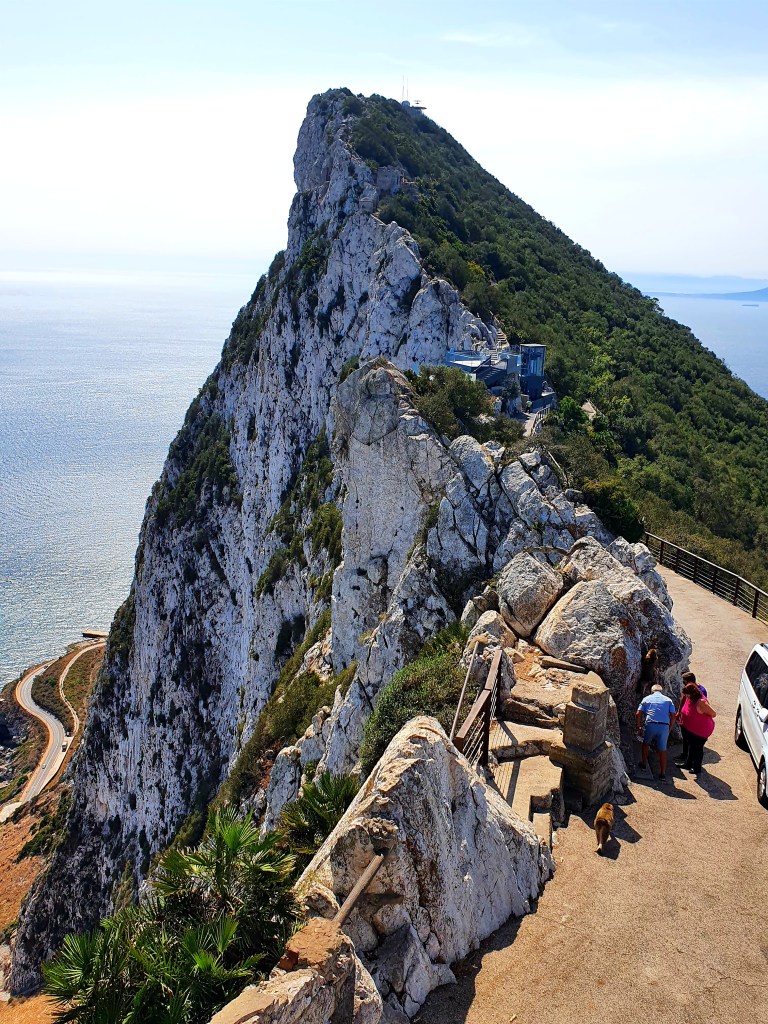
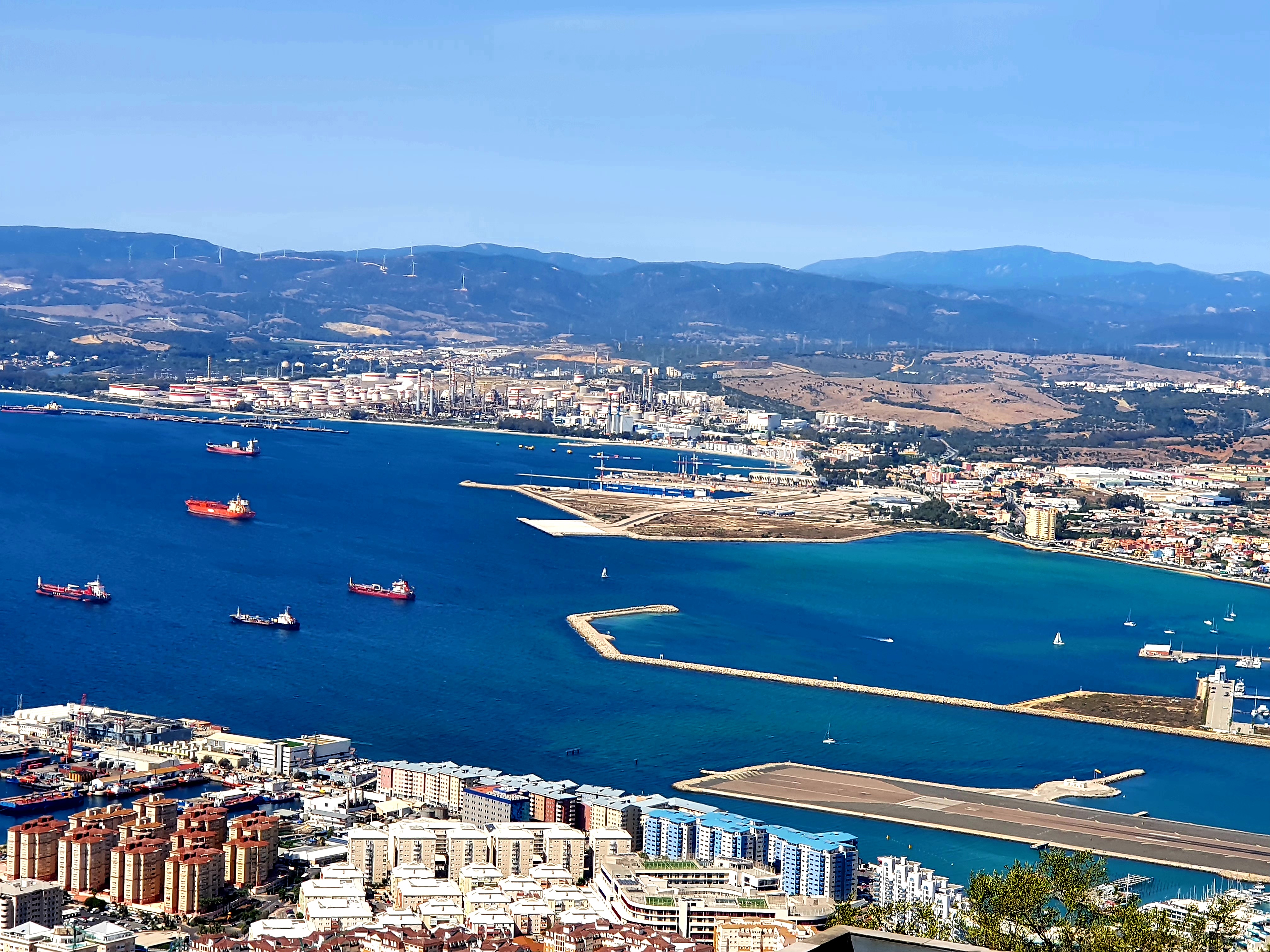
The views from the top were beautiful.

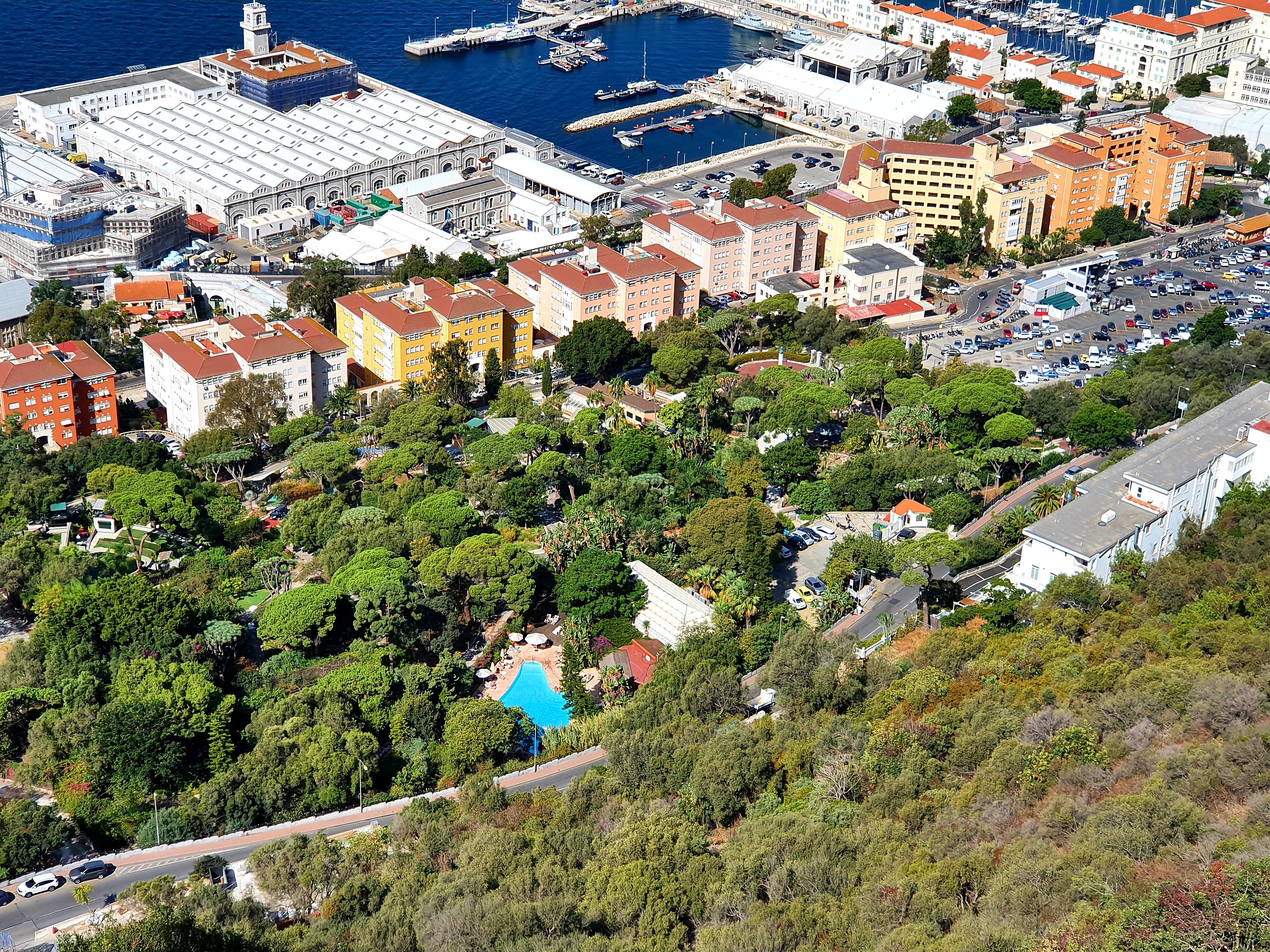
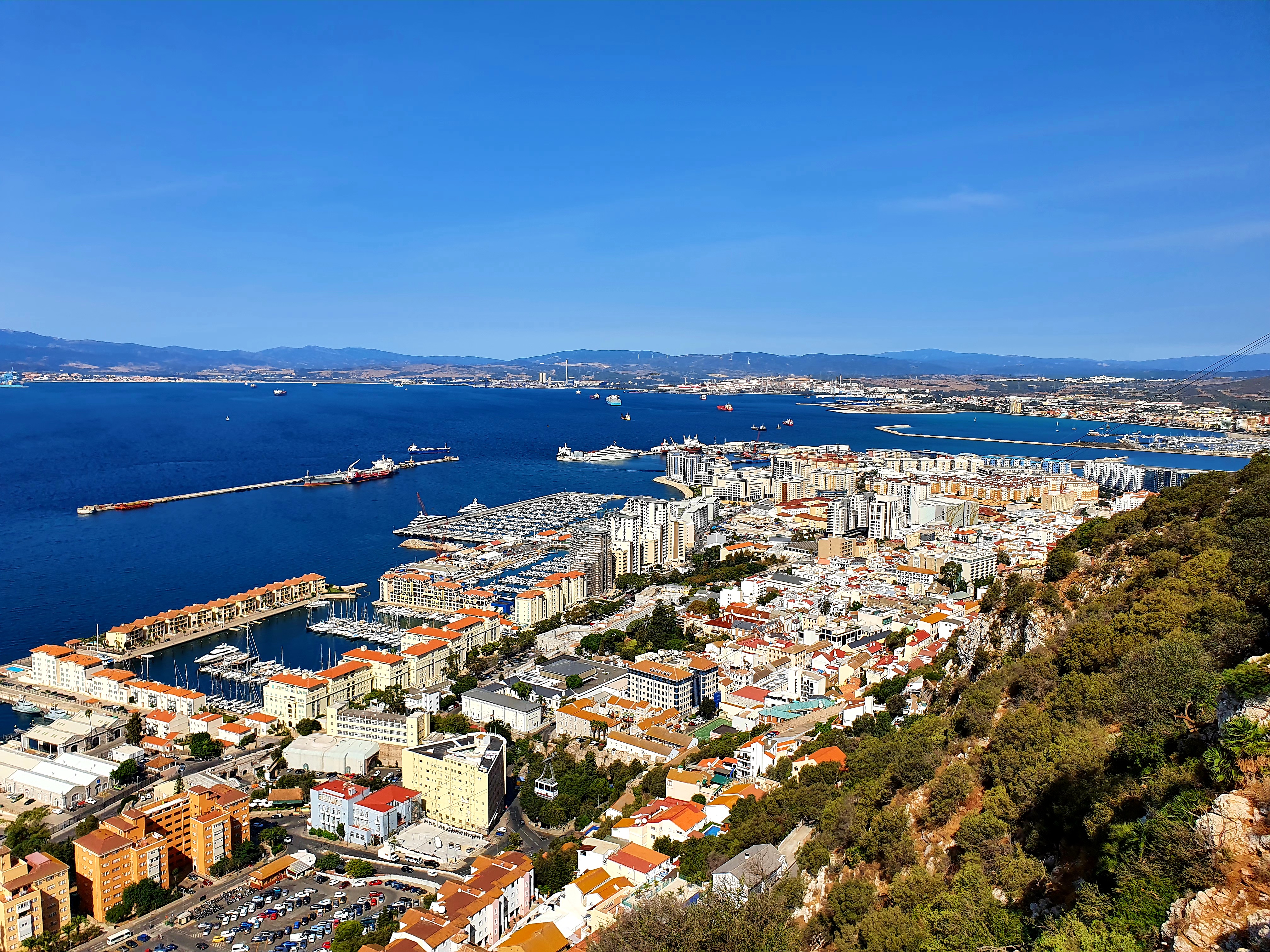
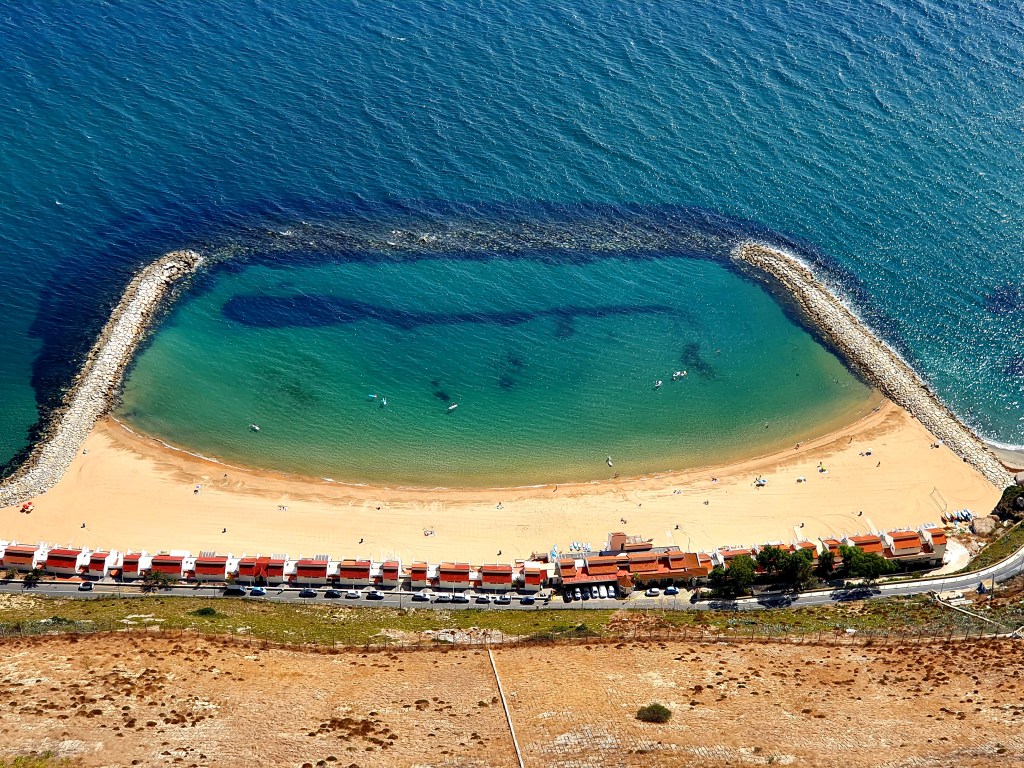
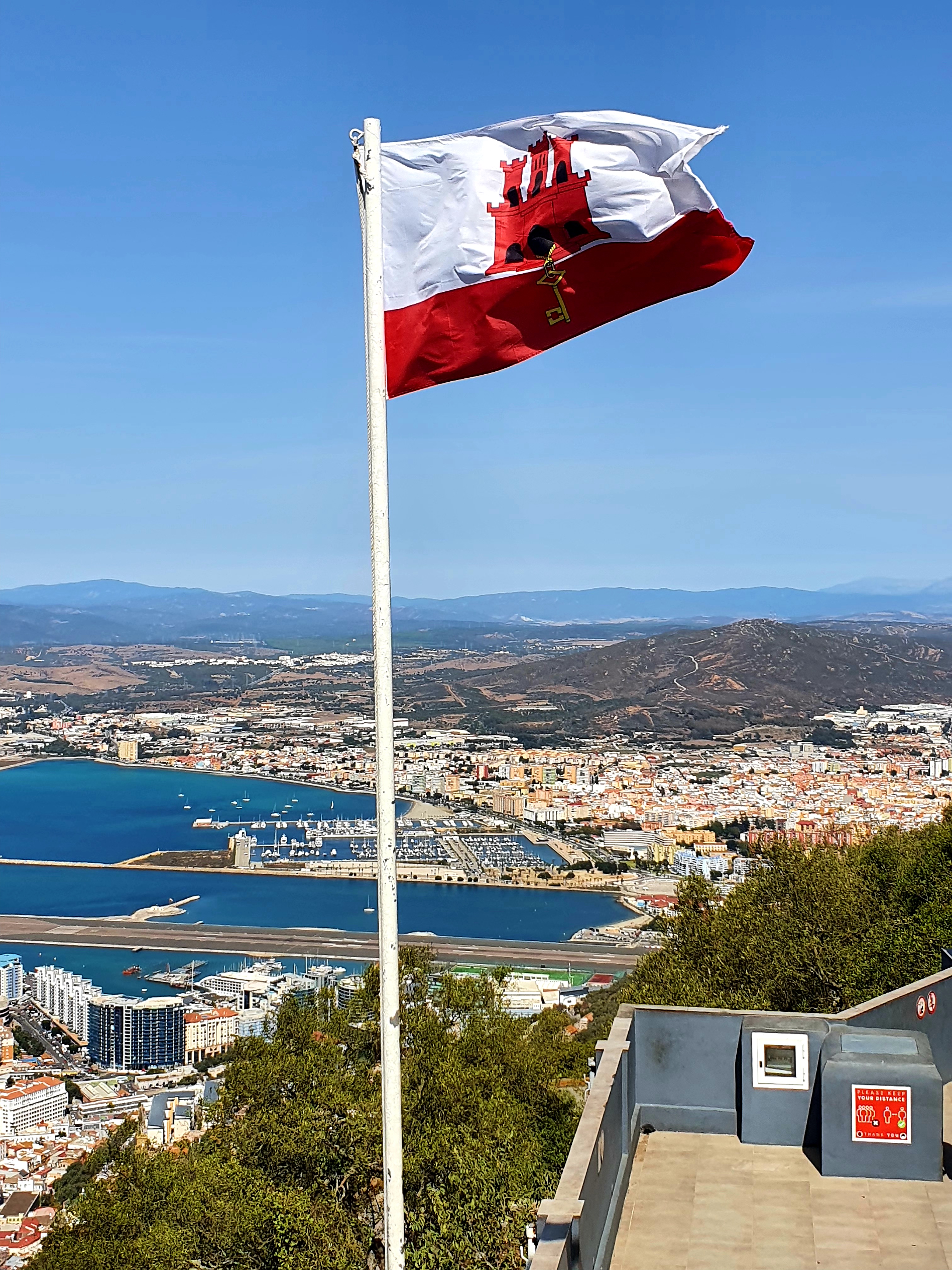
Most of the beaches on Gibraltar are on the eastern side of the rock. This photo is looking down at Sandy Bay.

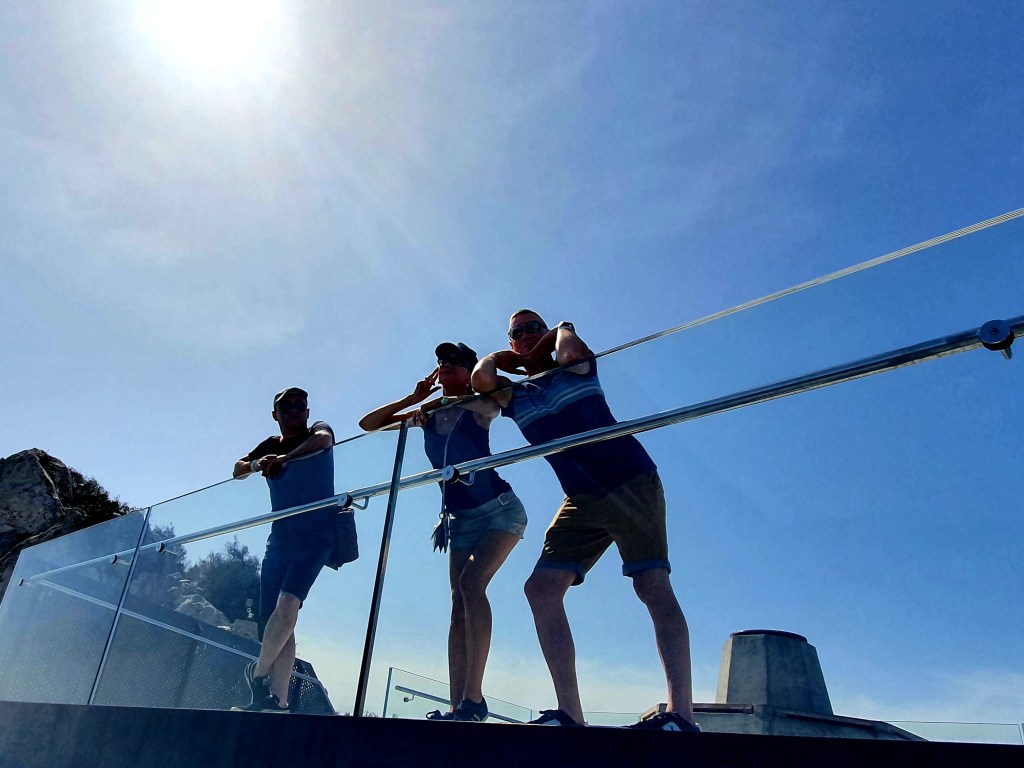
We walked over to the Skywalk which is 340m above sea level. The Skywalk is built on the foundations of an existing WWII base structure, and is designed to withstand wind speeds of over 150km/hour and can carry the weight of 5 Asian elephants, or 340 people, standing on it at the same time. The floor and balustrade panels are made up of 4 layers of laminated glass, with a total thickness of around 4.2cm. Laid out side-by-side, the 42 glass panels would cover more than 750m².

On the walk up to the restaurant at the top cable car station we came across some baby monkeys – they were so cute.

There were some more lovely views from the restaurant.

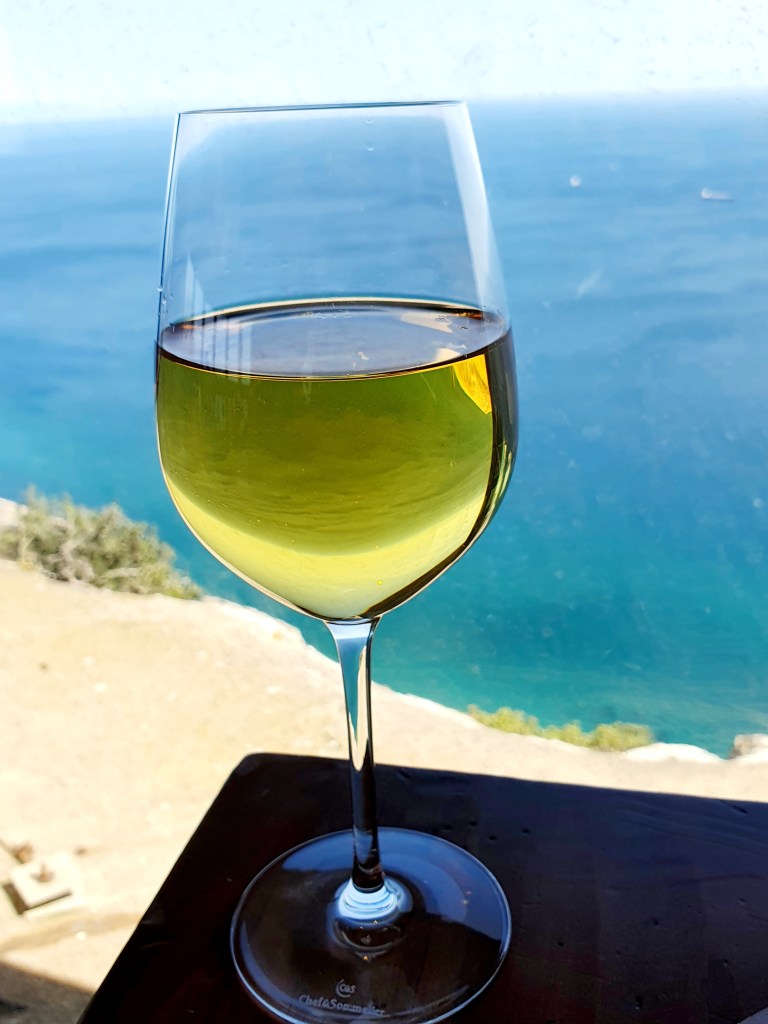
We decided to stop at the top.for a glass of wine and some nibbles.

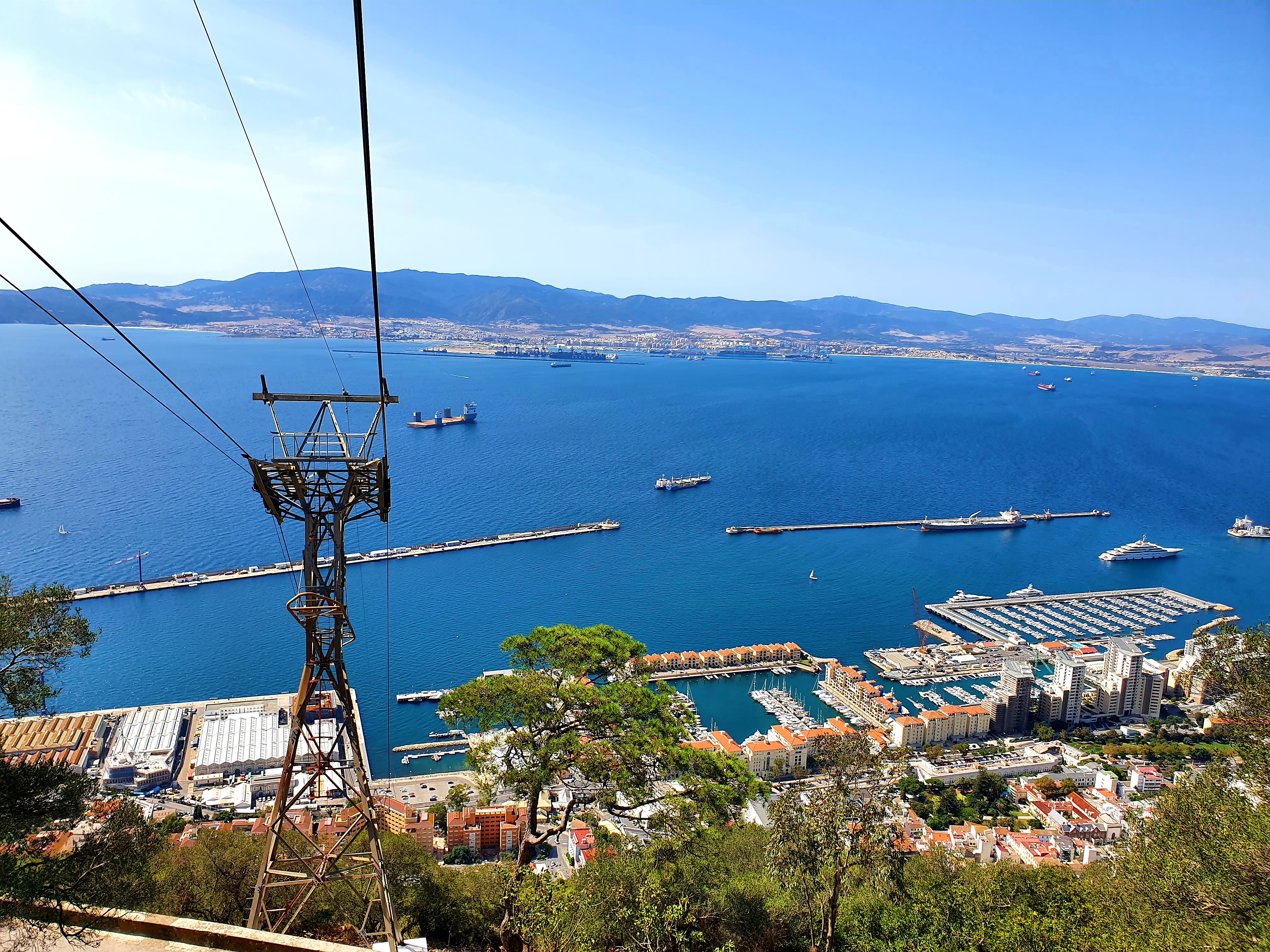
We decided to get the cable car down, the entry had it’s own little guardsman.

It was only a few minutes before were back at the base of the rock.

We headed back to the hotel to freshen up before dinner at the Lounge restaurant at our hotel.

There was a beautiful sunset as we had our pre-dinner drinks.

The dinner was really tasty and the wine went down very well too.

Gibraltar- day 1

Well, I didn’t think I’d be travelling anywhere this year, at least not anywhere that involved getting on a plane. And to be honest, Gibraltar was not top of my list. But it was for a friend’s birthday, it was going to be hot and sunny, it was only around 3 hours on a plane and there was no need to quarantine on return. But I was actually pleasantly surprised.

It was an early flight out of Heathrow, and we obviously had to have a 6am beer. The flight was actually quite busy but I slept for most of it.

When we arrived in Gibraltar we were planning on getting a taxi to our hotel – but there were none to be found and we couldn’t book an uber.

So after some discussion we decided to walk to the hotel. Not the best idea as it was a 40 min walk in 29 degrees sunshine, with suitcases and up a very steep hill! But we made it.

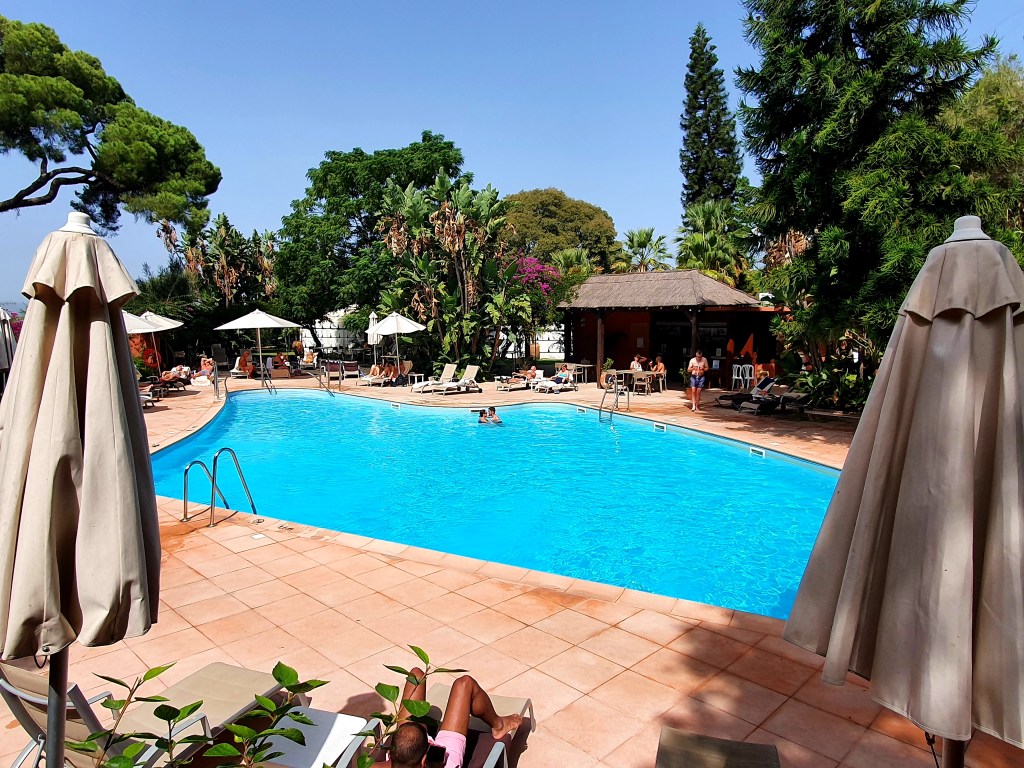
Our rooms weren’t ready when we checked in so we got changed and went to the hotel pool. The pool was lovely – salt water and quite cold.

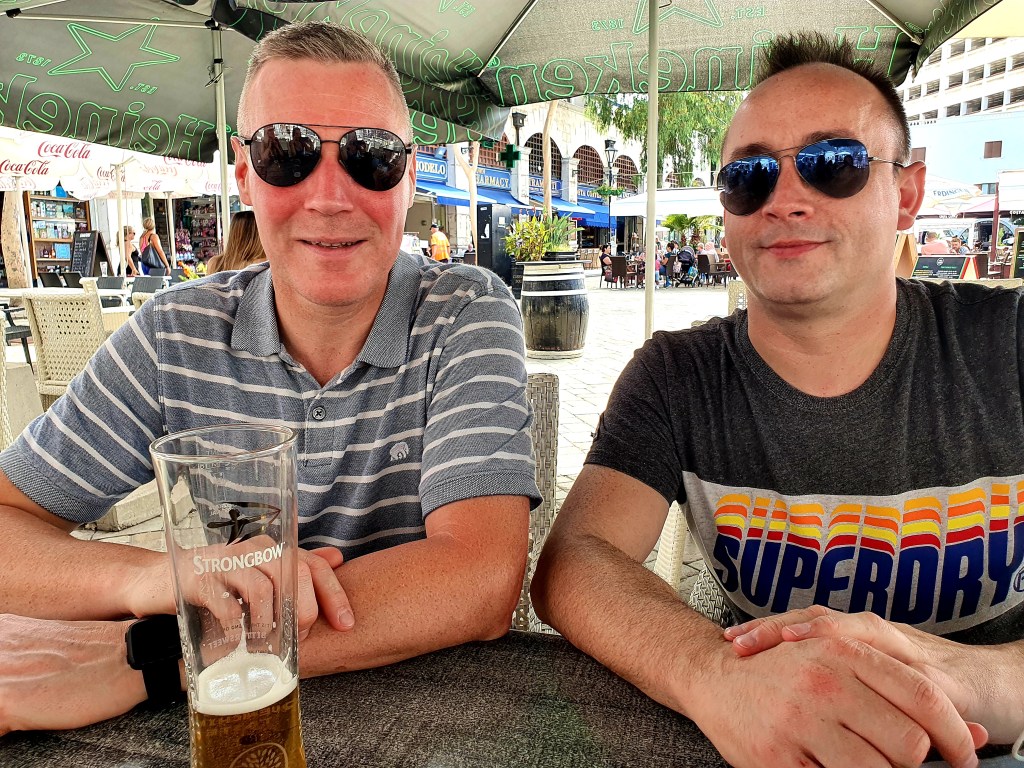
After some time by the pool we went into town. It didn’t take very long to wander down the high street to Casemates square. This square  takes its name from the British-built Grand Casemates, a casemate and bombproof barracks at the northern end of the square completed in 1817. It has lots of restaurants and bars so we stopped off for a beer and some very sweet sangria.

After a couple of drinks we headed down to see the super yacht- Sunborn.

And as it was happy hour we stopped for a cocktail or two! The bar staff were pretty useless though as they didn’t really know what they were doing.

We had dinner in the Ocean Village – very tasty fish and chips!

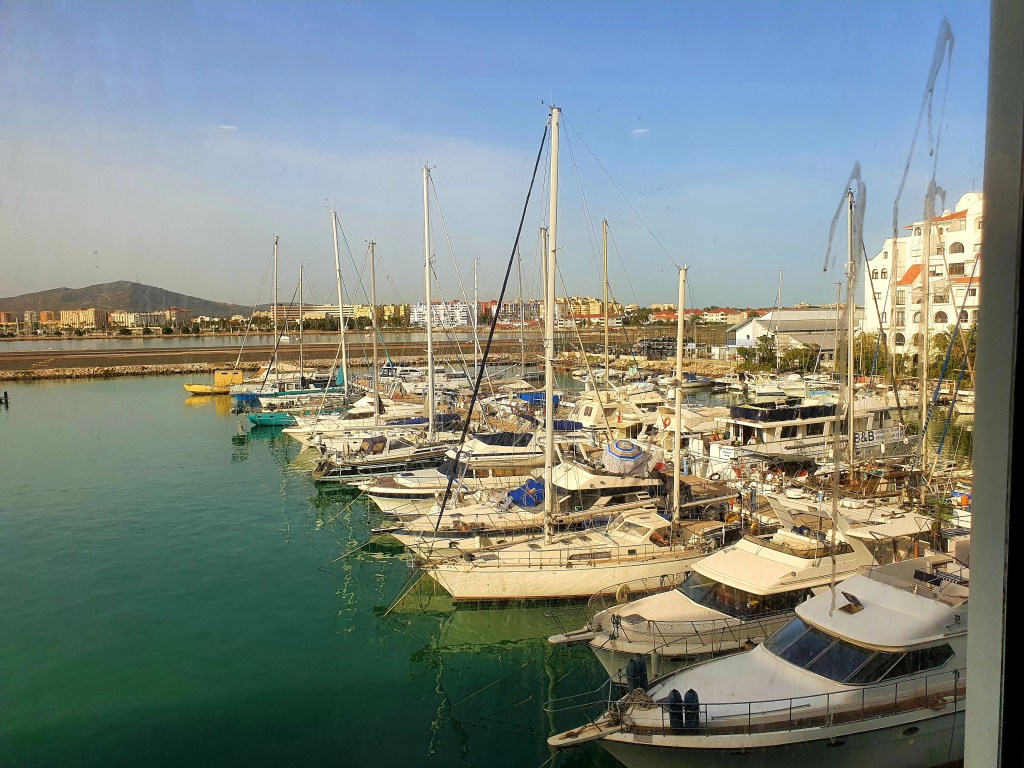
This was the view from our hotel

Estepona – day 5

Today was our last day in Estepona so we were up earlish and down by the pool in order to catch the sun.

We had a late lunch and then headed into Gibraltar. We left the car in Spain with our luggage in it and walked across the border into Gibraltar.

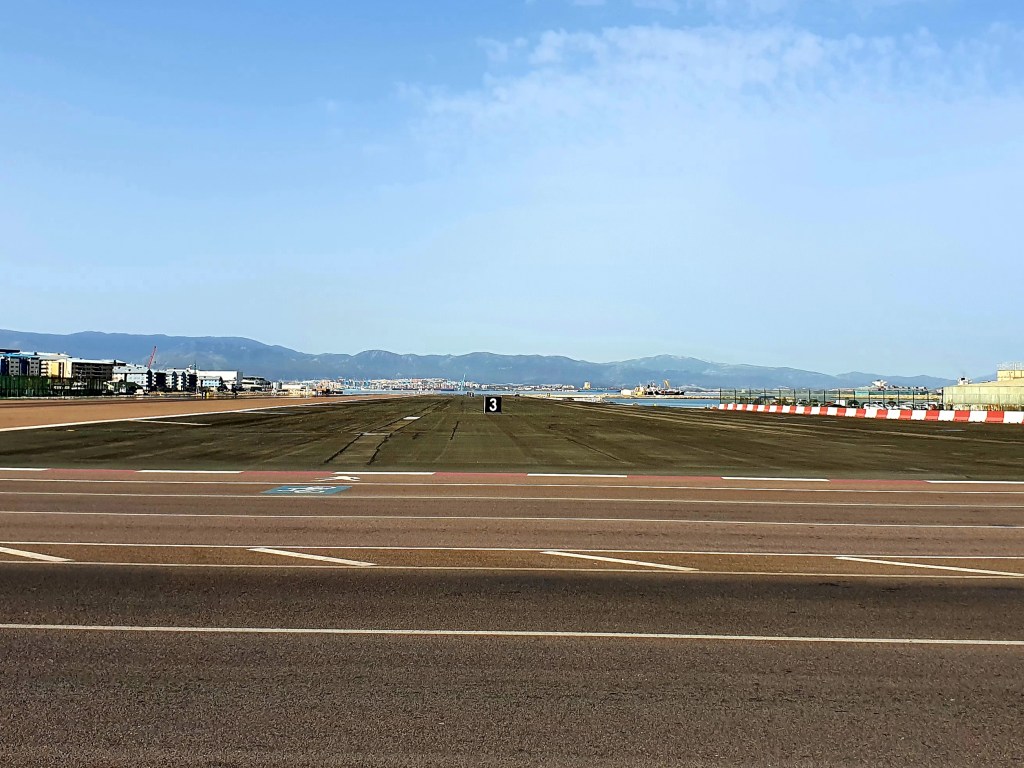
You have to walk across the runway once you’re over the border which feels a bit weird. Luckily the airport isn’t that busy.

Gibraltar is obviously famous for its rock, which is 426m high, but we didnt have time to climb it and get back down before our flight. The rock is home to the Barbary Apes, a type of tail-less macaque which are the only wild monkeys in Europe

So we had a wander around the town instead.

Gibraltar has a really long main street, but to be honest it wasn’t all that interesting.

We then headed back over the border to pick up our luggage before coming back to the airport in Gibraltar. Just after we crossed the border I realised I’d left my phone in the rental car. So Jamie and I had to go back to Spain to pick it up – luckily we had left enough time.


At the airport we had a drink and then watched our plane land.


We were delayed by around 20 minutes but we had a little sleep on the plane.


It took a while to get back to the car park and then both the M23 and some of the M25 were closed. So the journey home took longer than we wanted but we all arrived safely.

Estepona – day 4

Today we started the day with beer. Probably not the best idea.

We then went for a walk along the beach into Estepona port. About 5 minutes into the walk we stopped for a little refreshment.

It was quite a cloudy day but still very warm. We spotted a shark in the water (not really).

At Estepona port we had a drink at one of the yacht clubs before wandering around the market.

It was really busy at the port, everyone seemed to be out for a Sunday stroll. We stopped off at one of the restaurants at the port, almost directly by the sea, and ate some delicious, and very fresh, fish tapas. The place was rammed so we stood outside. The waiters don’t write your order down, but remember it, and then shout out your name when your dishes are ready. It’s a crazy system but it seems to work.

Unfortunately Ticket doesn’t really like fish so we went to another restaurant to find something he would like.

We stayed here, relaxing with a couple of bottles of wine and some sort of hazelnut liqueur for a couple of hours.

And then it was time for dessert at an ice cream parlour.

After which it was back to the salsa club where Jamie, Ticket and Alicia joined in with a salsa lesson.

Around 10pm we started to make our way home, walking back along the beach.

Jamie and I decided to go for a little swim and the sea was actually not too cold.

When we got home, we sat up for a bit chatting and singing along to all the old favourites – Bowie, Nat King Cole, Pink Floyd etc.

I think it was around 2am when we went to bed.

Estepona – day 3

So today was a relaxing day. After getting home around 7am and devouring all the dippy cheese and jamon we went to bed. But I was awake again at 1030am. We had snacks for breakfast and then I went for a swim and laid by the pool.

The others went back to bed. I got a little bit burnt on the back of my legs.

We spent the rest of the afternoon watching films and eating snacks and I even managed a beer or two.

In the evening we bought some food from the supermarket and had a fairly healthy dinner.

And we just stayed in, watched tv, chatted and drank some wine.