After lunch we made our way to the House of Leaves. This building was originally built in 1931 as a maternity/obstetric clinic, but was appropriated by the Gestapo during the German occupation and later by the Albanian “Sigurimi” to serve as its main HQ after the liberation of Albania and the takeover of communist rule after WWII.
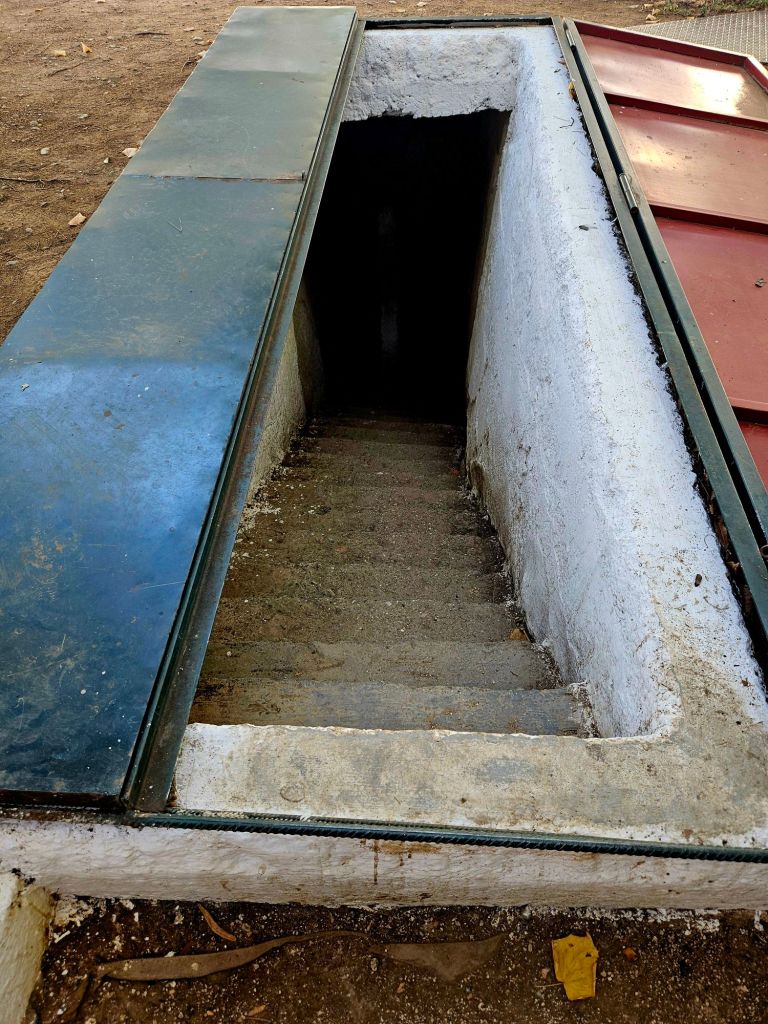
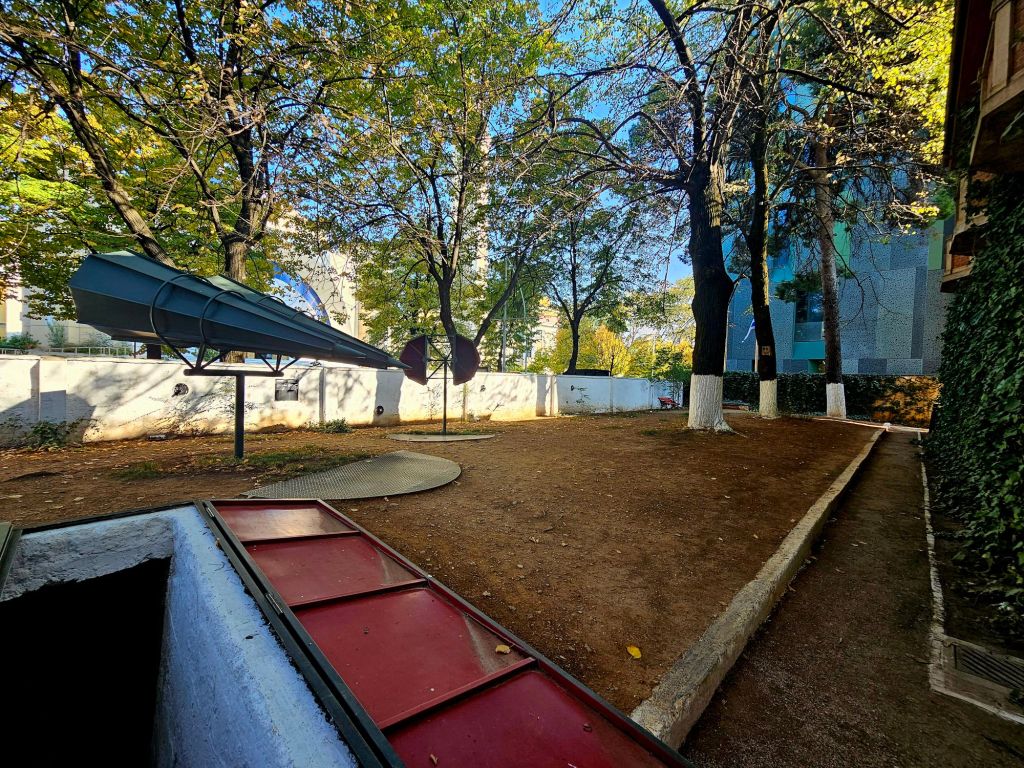
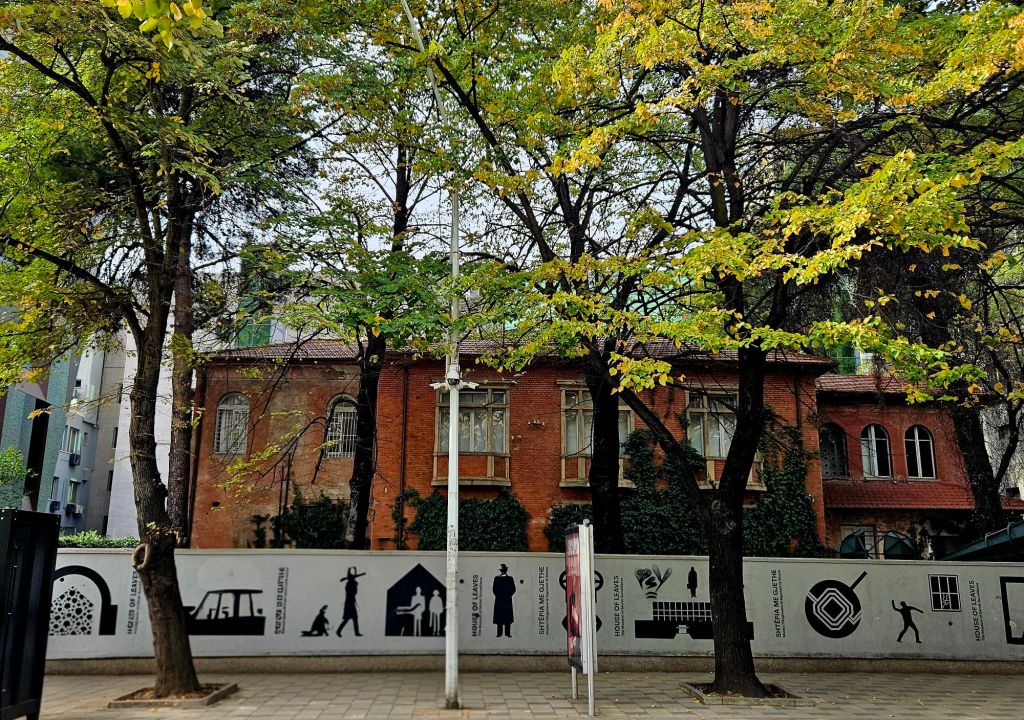
The main role of the Sigurimi at this location was electronic surveillance, postal interception and keeping tabs on and observing foreigners. It only ceased to function in 1991 shortly before the eventual collapse of communist rule in Albania. It is now a museum about the political repression of that era and especially about the methods of surveillance and torture employed by the security service. Under the mantle of “security”, the Sigurimi was basically an organsation that suppressed any kind of opposition and freedom. And it did that with ruthless determination and largely with success.
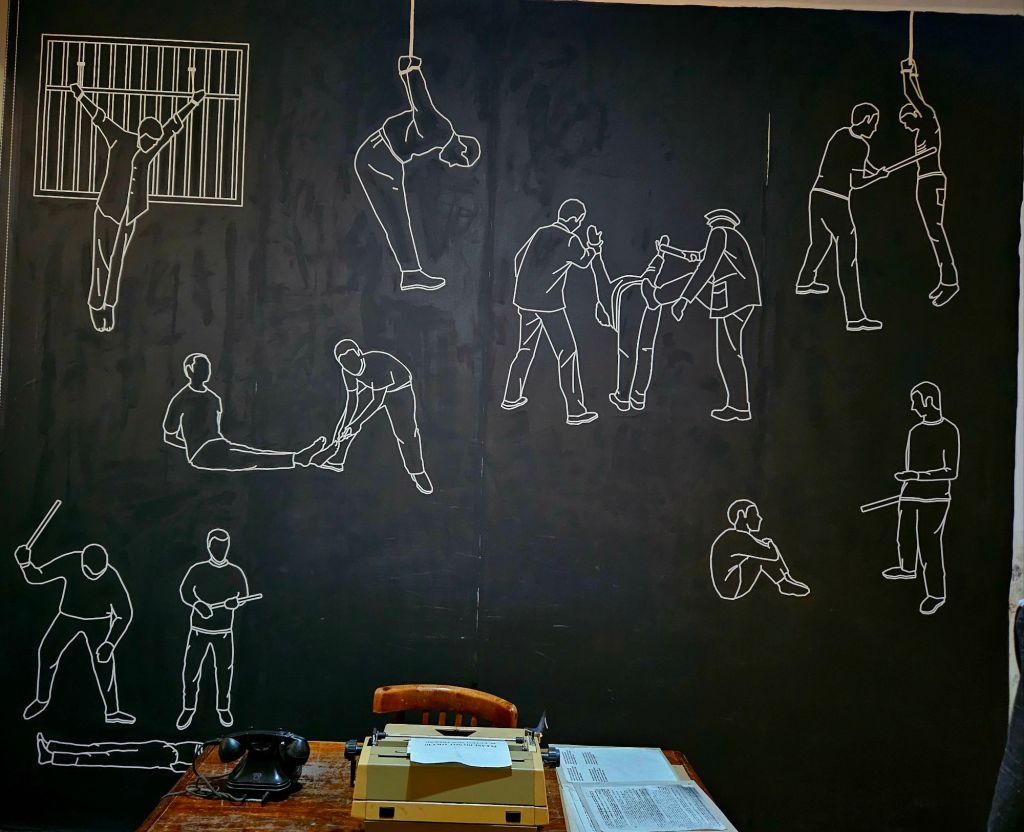
One of the first sections in the house focused on torture and interrogation. Various methods of torture were graphically displayed on the wall.
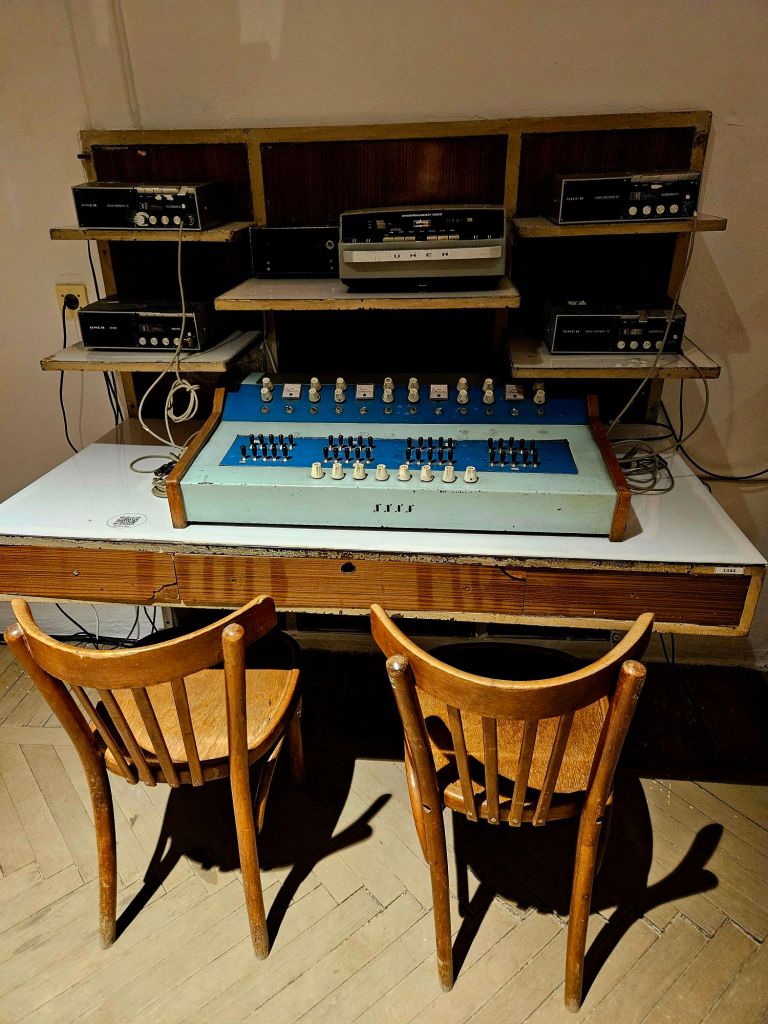
The next room was a display of the equipment used by the Sigurimi to undertake surveillance and persecution, as well as documents outlining methods and strategies for deploying operational techniques.
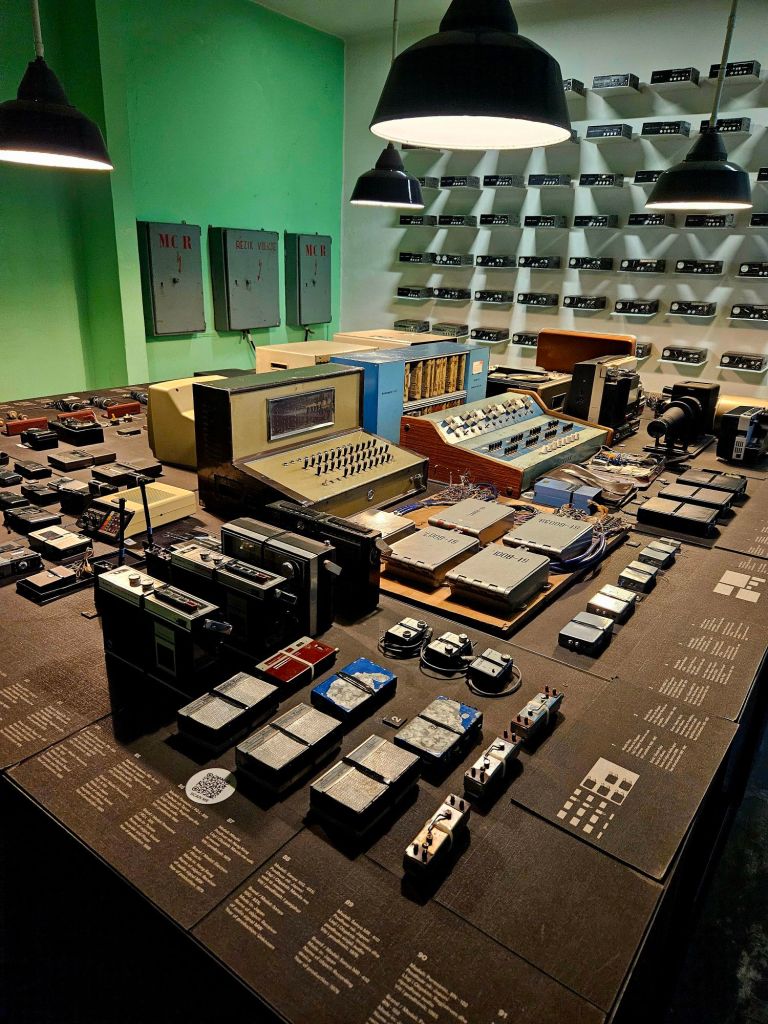
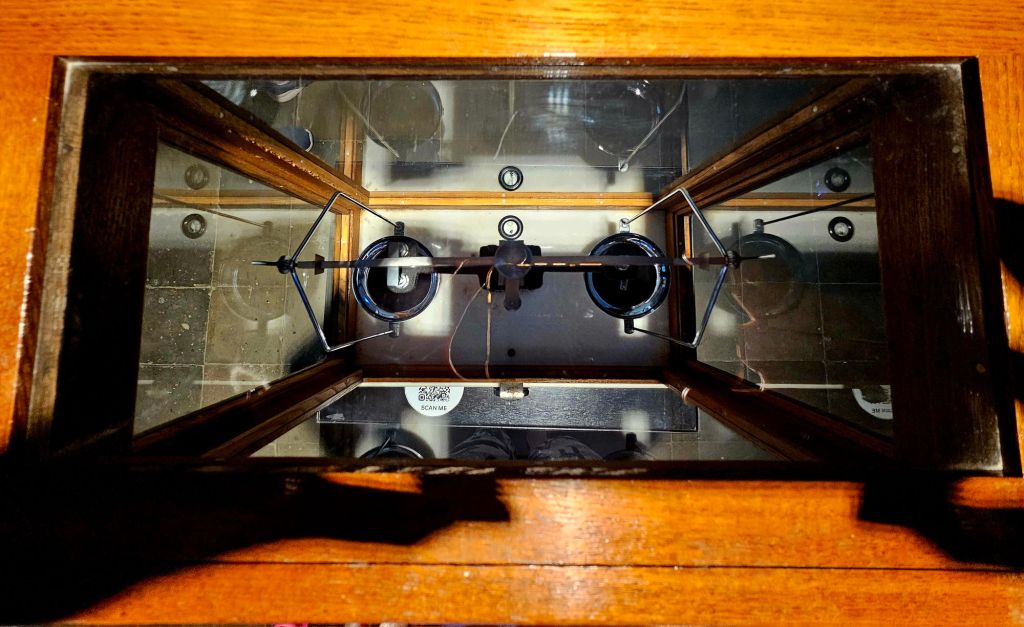
The Sigurimi used bugs to listen in to private conversations. They used the A1 Transmitter which was produced in Albania.
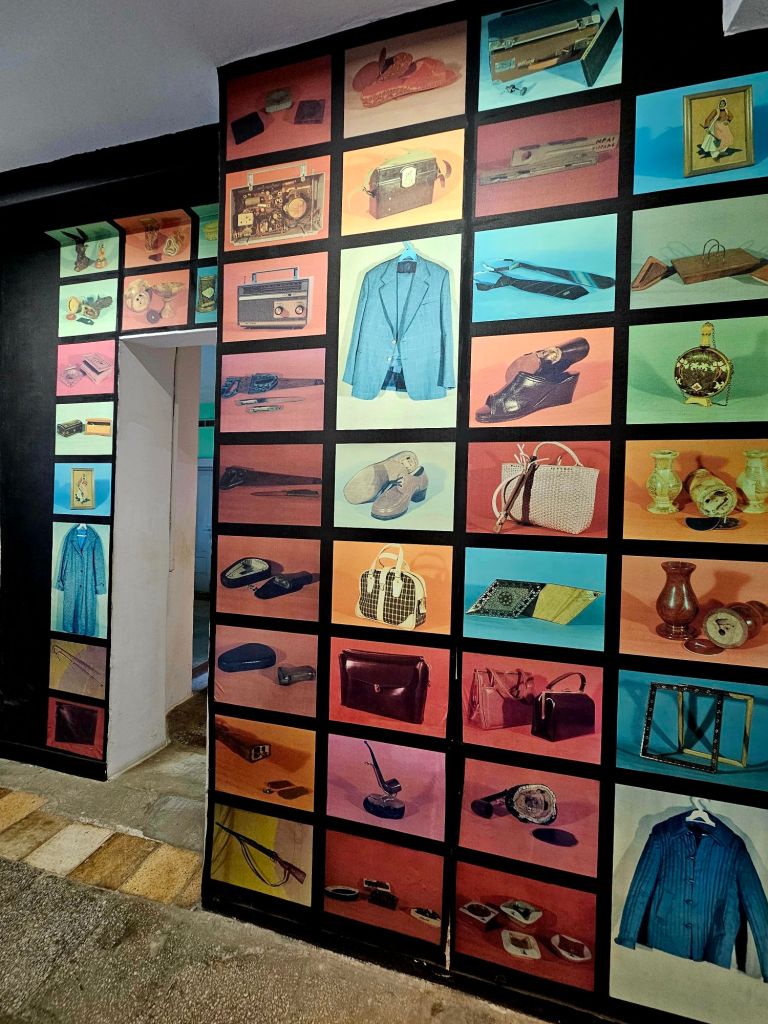
There was a display of all the ordinary items in which the bugs would be hidden.
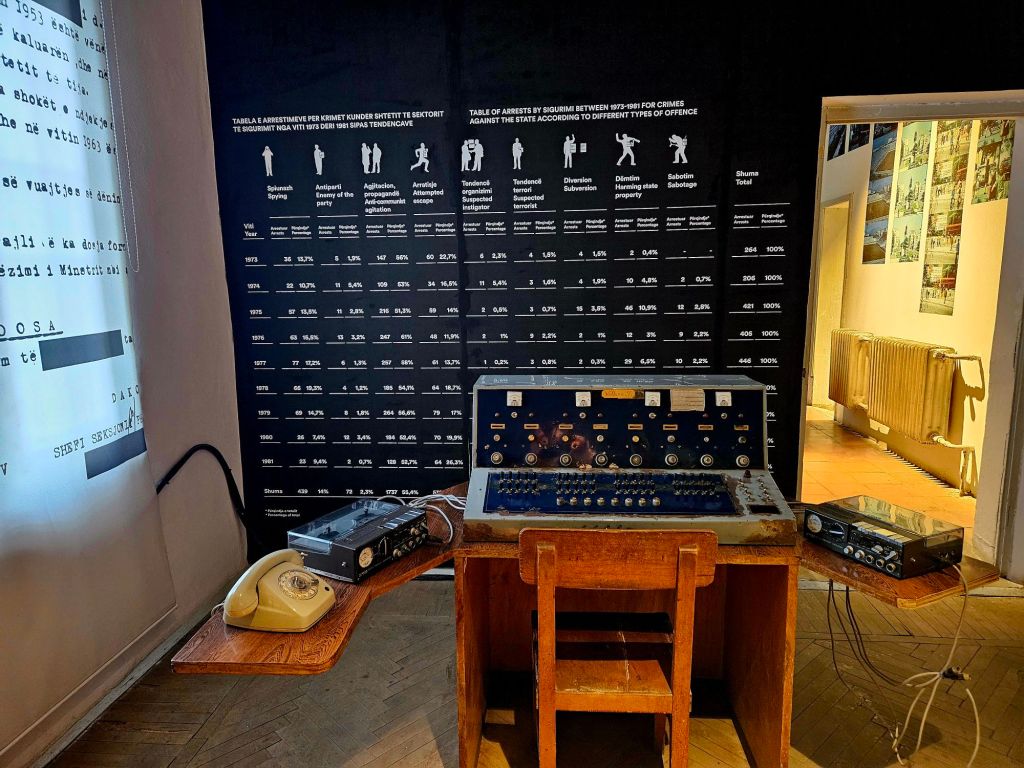
There was more to see upstairs. One section here specifies who the internal “enemies” were and what their “crimes” were supposed to be (e.g. “anti-communist agitation”). There are statistics, of how many people were arrested and for what, and how many were imprisoned (around 18,000) and executed (over 5500). There are photos of mock trials and video testimonies.
The targeting of foreigners, i.e. mainly staff of foreign embassies, as these were basically the only foreigners allowed to visit the country, was one of the activities co-ordinated from this building. A rough map of central Tirana shows the various connections this building had to other locations, including embassies and an international hotel.
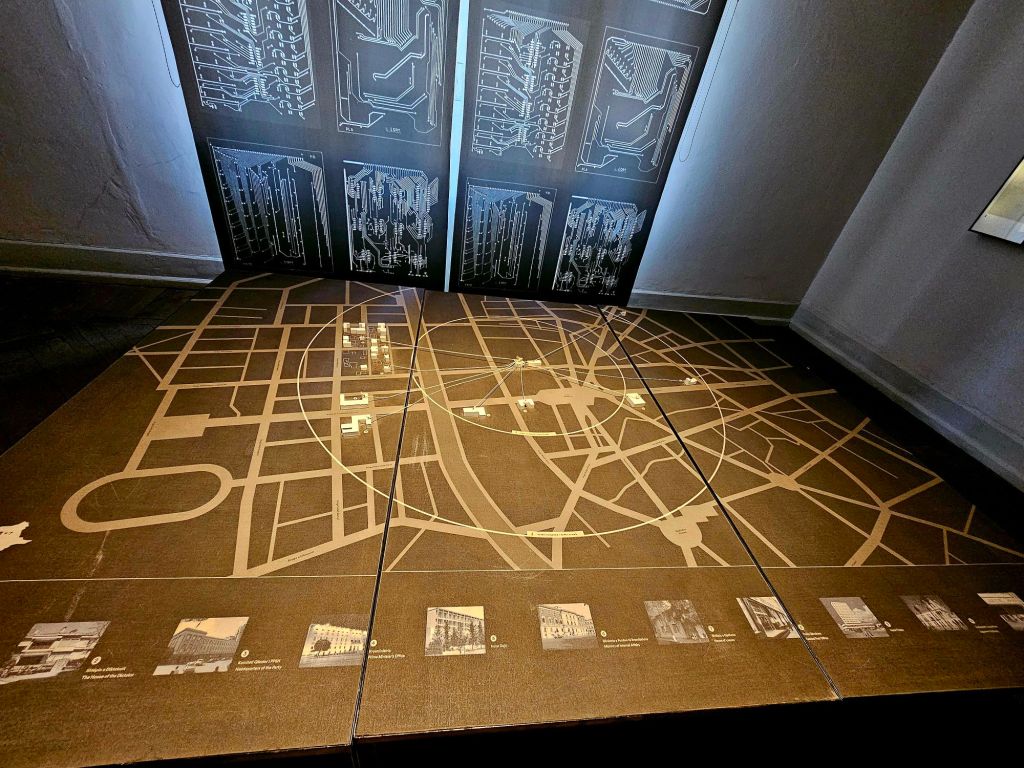
There is a section that shows just how much surveillance and control penetrated everyday life in Albania. The right to privacy at an individual level was not recognised by the communist regime. The regime inserted itself into family life, taking on the role of the patriach. This meant that the regime had the right to know and to make decisions about an individual’s life. The use of bugs to listen to private conversations was just one tactic used and it was used as often as the Sigurimi saw fit.
One of the graphics on the wall shows the number of agents, residents, informant and hosts that worked for the Sigurimi between 1949 – 1992. In total this ranged from 9,000 to just over 15,000 people.
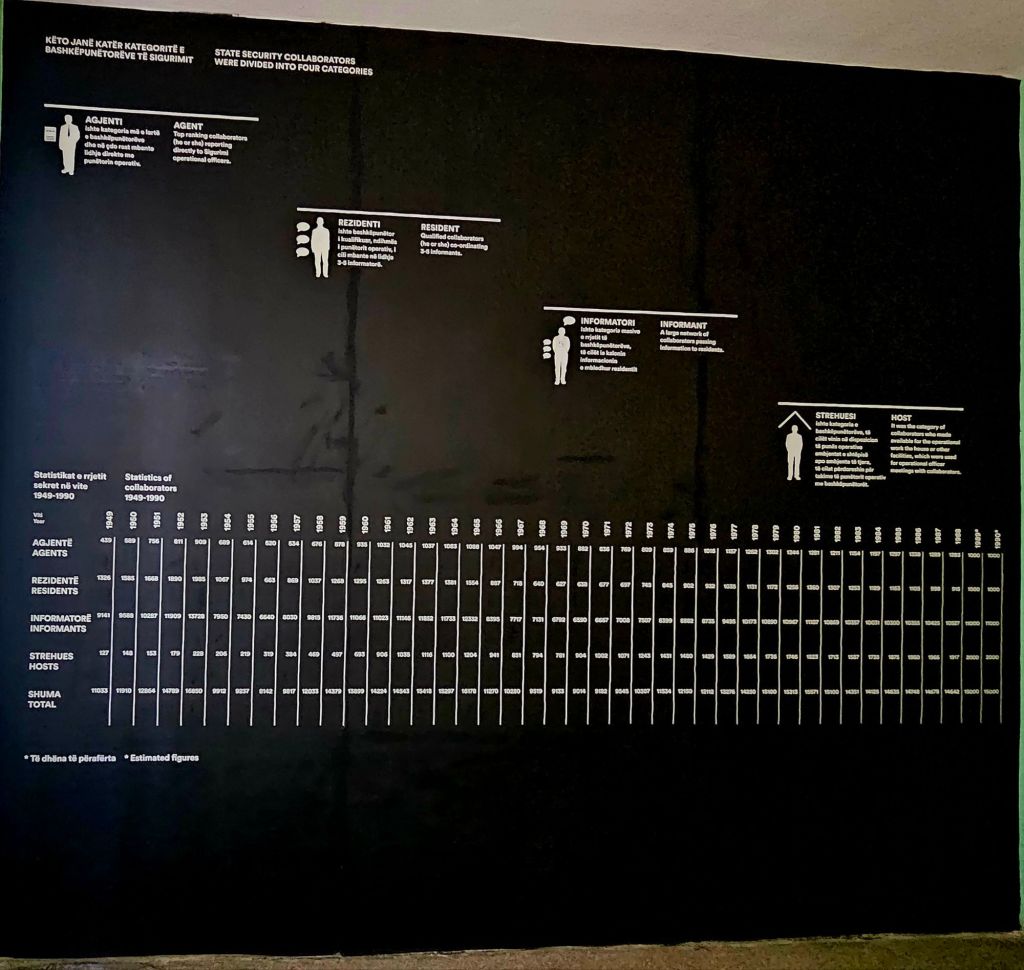
The internal hierarchy of the Sigurimi organisation is explained in quite a bit of detail length, obviously Enver Hoxha is at the very top. In contrast to his over forty solid years of dictatorial rule, the direct heads of the Sigurimi seem to have changed fairly frequently.
During the communist regime, the only public space in which individuals were safe to express their thoughts were the public toilets.
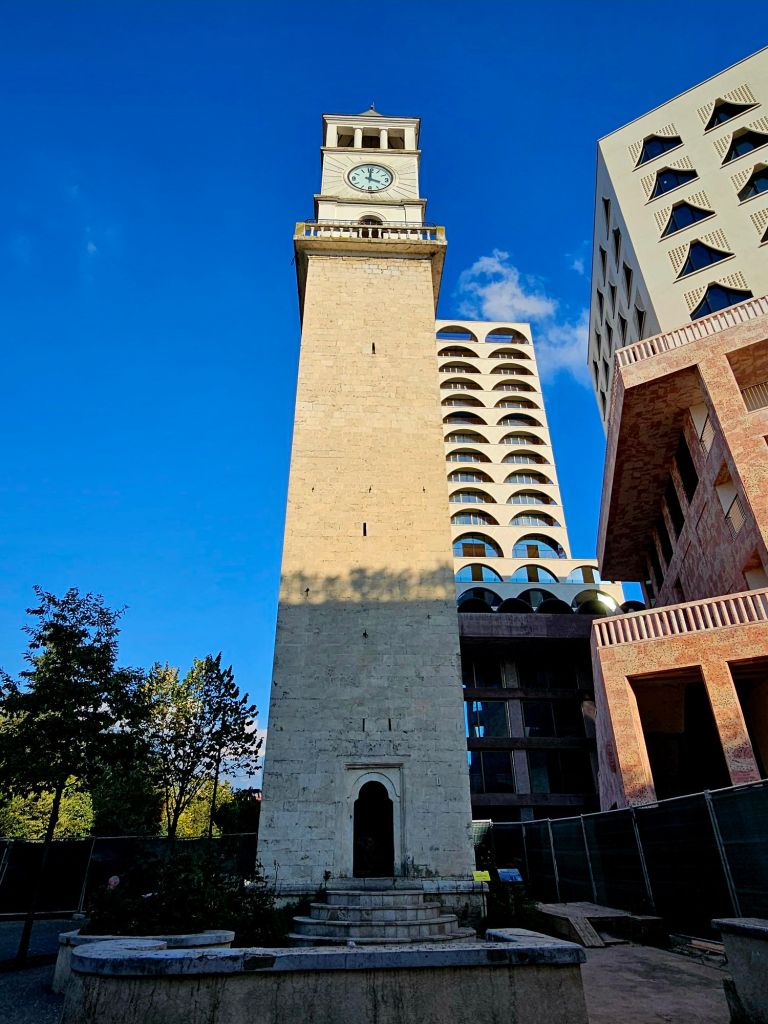
On leaving this museum we walked past the clock tower, and it was still closed.
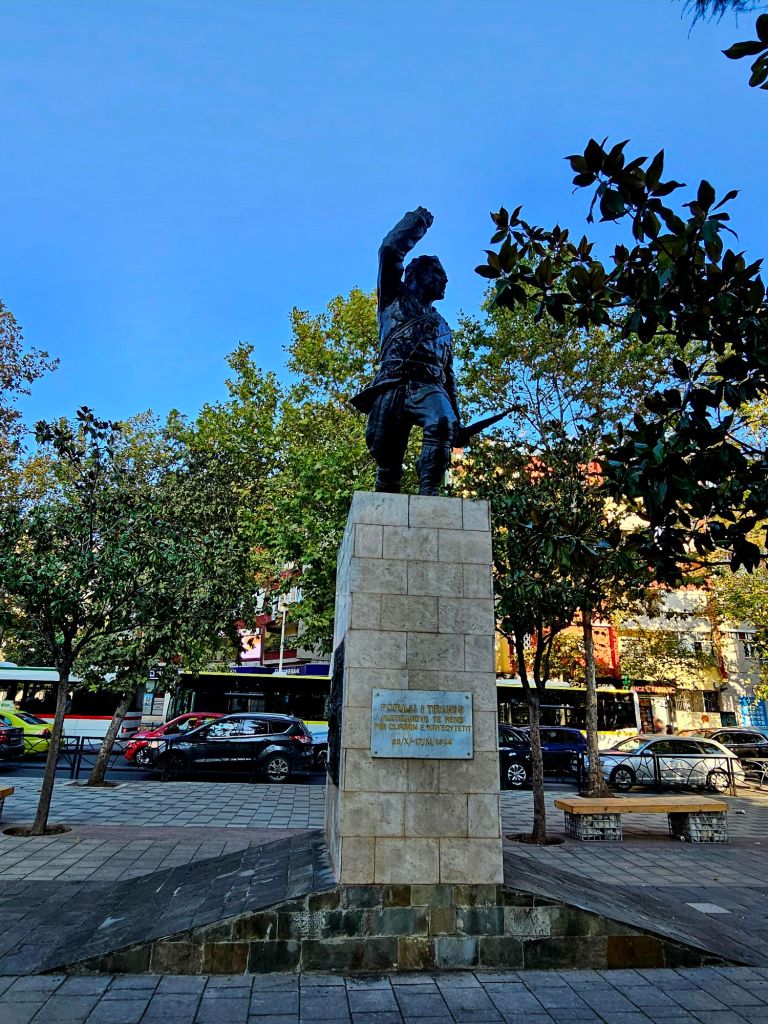
We carried on and passed a statue known as the ‘Monument to the Partisan’. This statue was created in 1949 and depicts a communist Partisan in full uniform and armed. The area where the statue stands is the area of Tirana where, on 17th November 1944, the last remnants of the Nazi invaders were either killed or surrendered to the Partisan army.
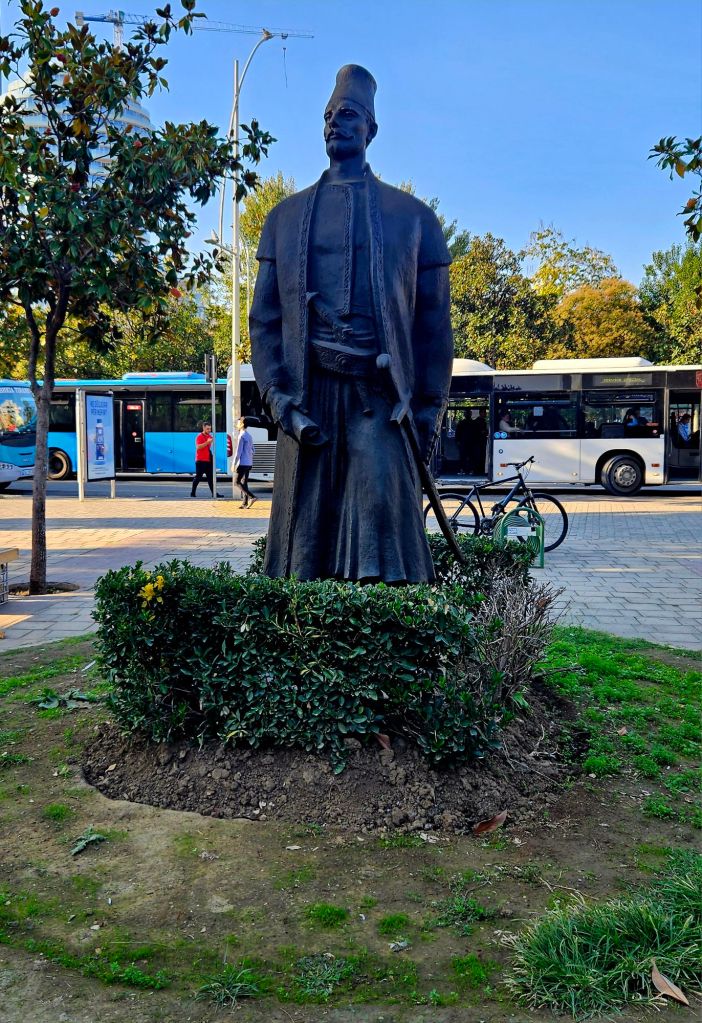
A short walk away was another statue. This one was of Sulejman Pasha who was an Ottoman general and nobleman. He was Governor of the Ottoman Empire and founded Tirana in 1614. The first mosque in Tirana was originally built by Sulejman Pasha, but it was partially destroyed in WWII and then completely eradicated by Hoxha.
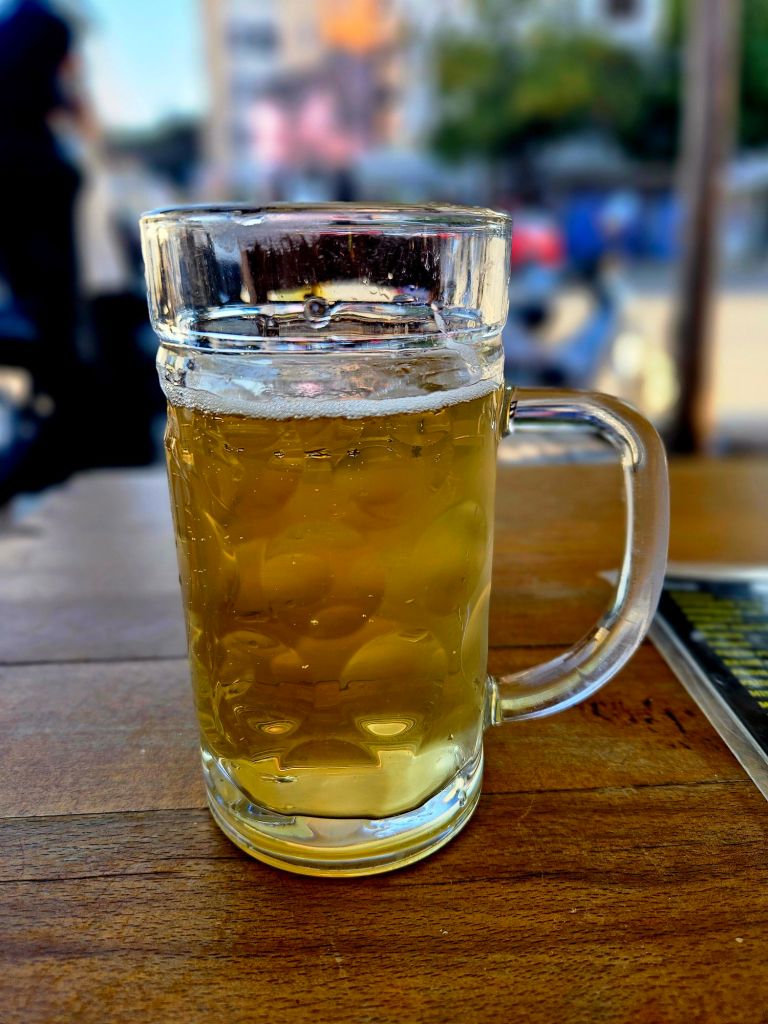
We wandered down the streets a bit further to take a look at Oda Garden restaurant as this had been recommended, but it mainly served lamb or offal. On the way back into the centre we stopped off at Zgara te pazari for a Kriko beer.
On our way back to the apartment we walked back through Rinia Park. The lights in the fountain were just starting to show. We kept meaning to come back and see them at night but we never did.
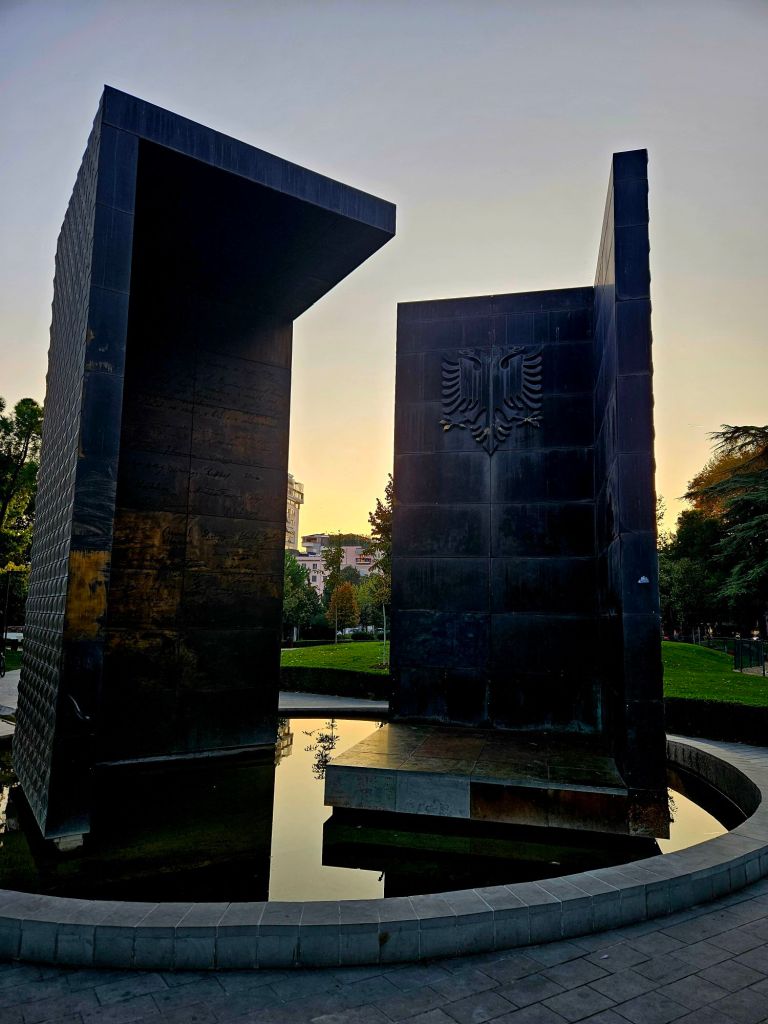
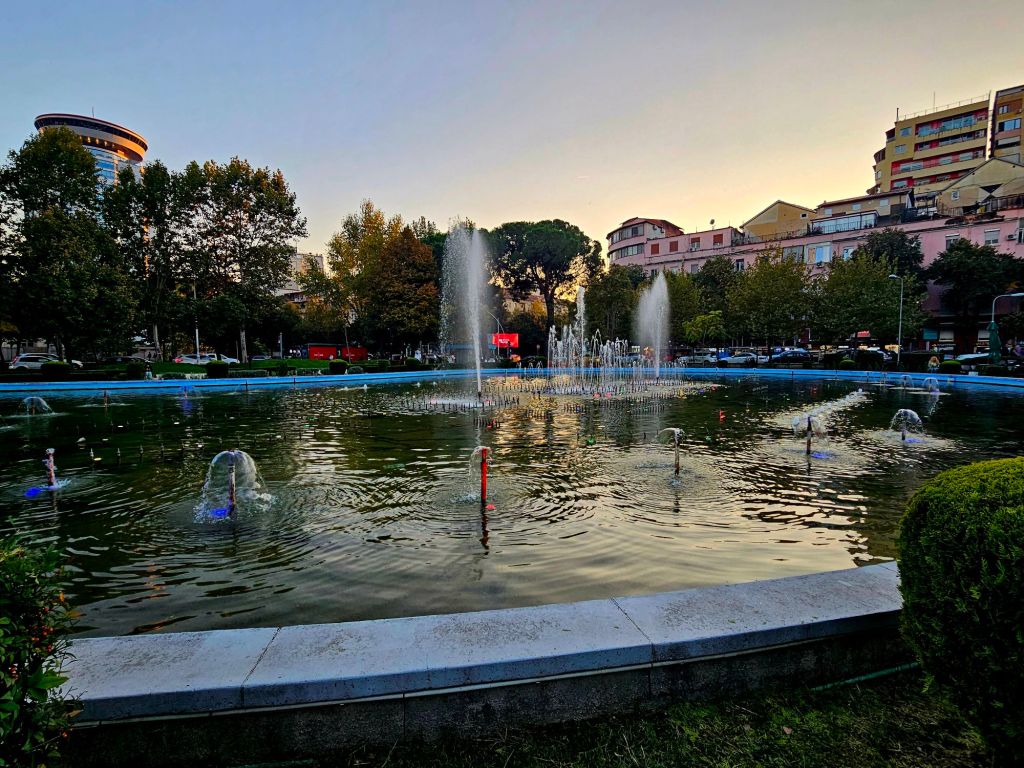
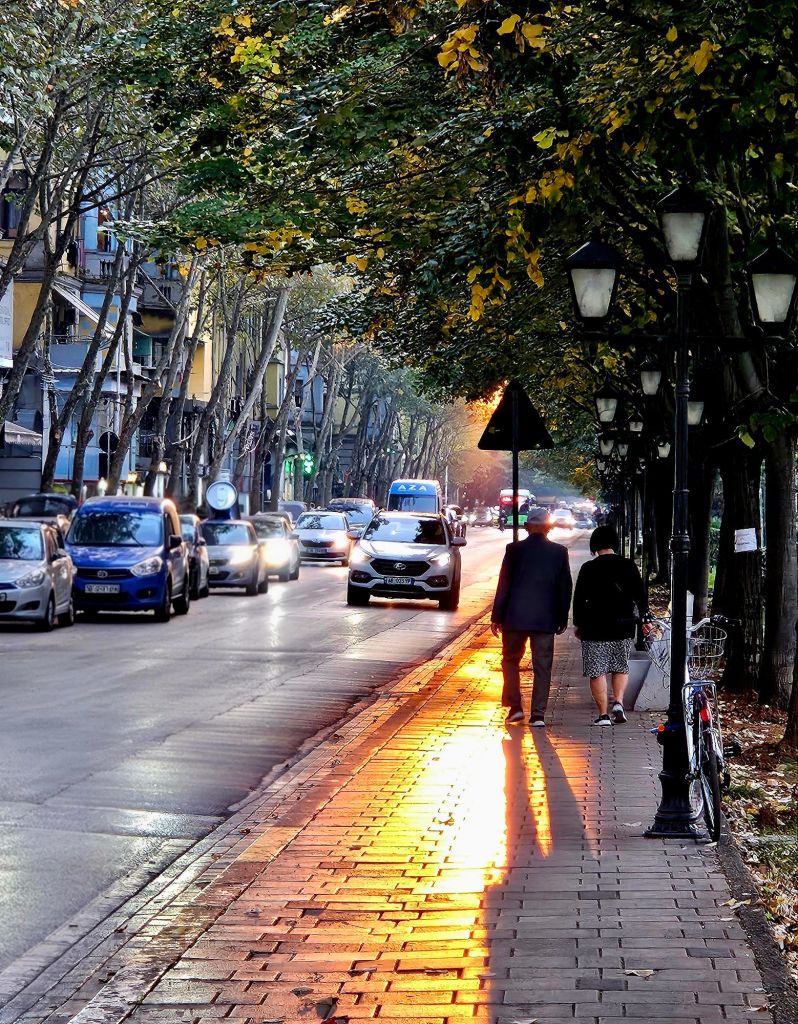
The light from the sun was really golden.
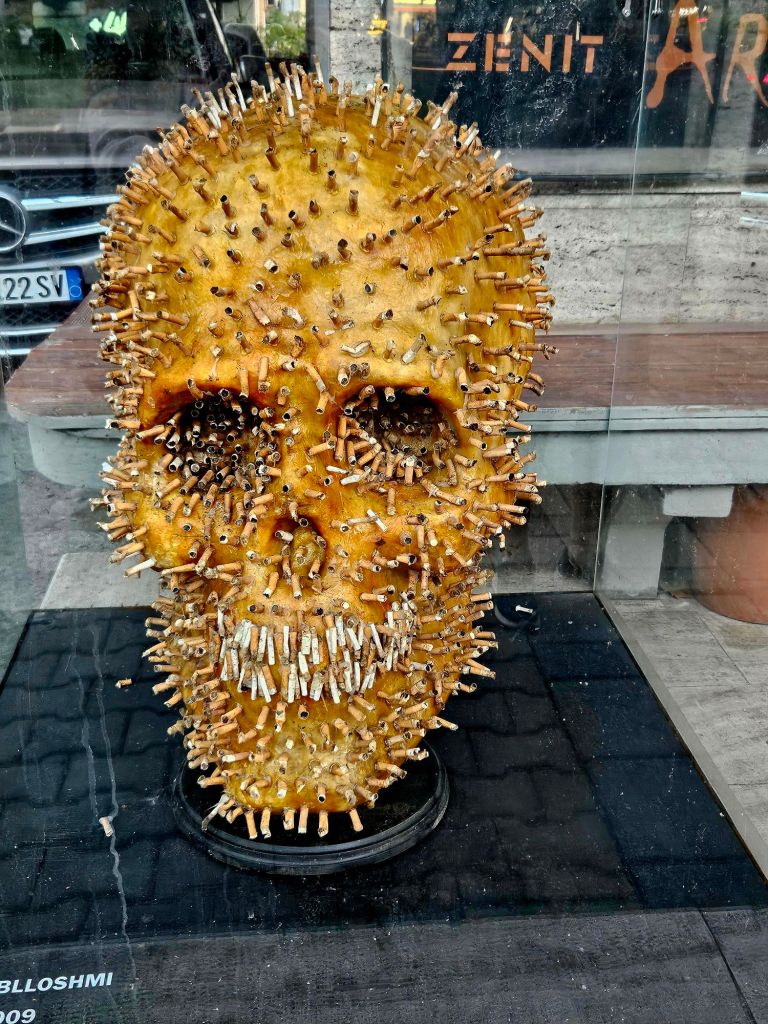
We passed a different type of sculpture not far from ours, obviously showing the harms of smoking.
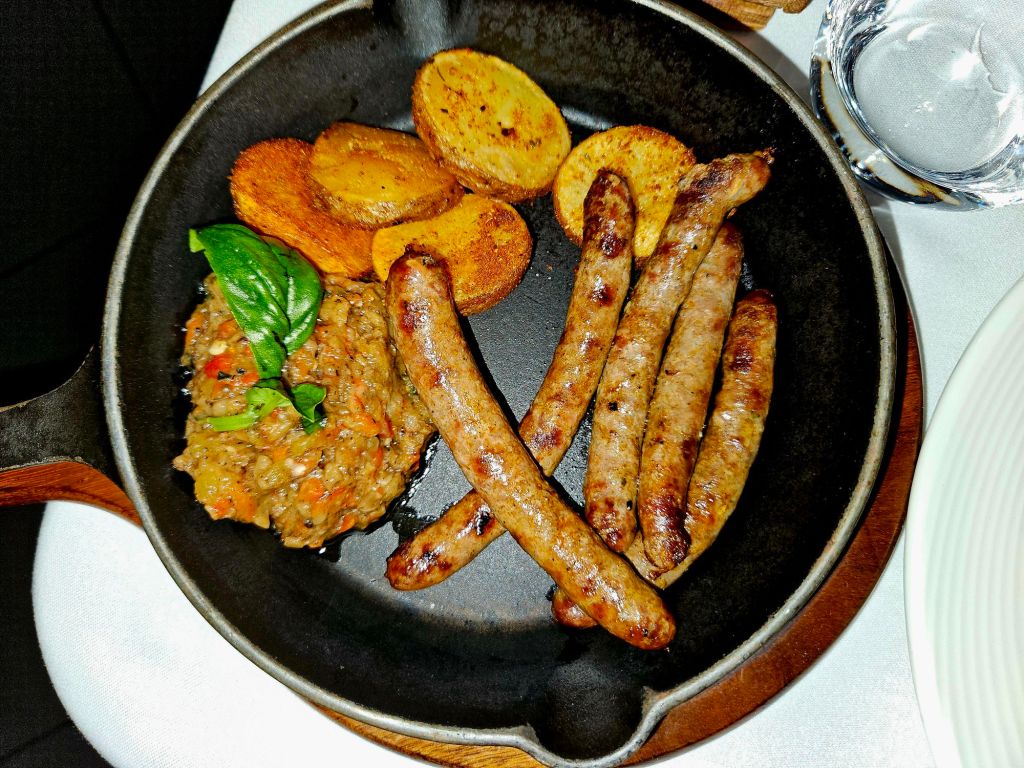
We went home, freshened up, and then headed out again. A nother restaurant that had been recommended was Era, so we decided to go there. The food was delicious. I had lamb sausage and Nicola tried Kosovo sausage. For dessert we shared a rice pudding – allegedly the most famous rice pudding in Albania. It was very creamy and tasty.
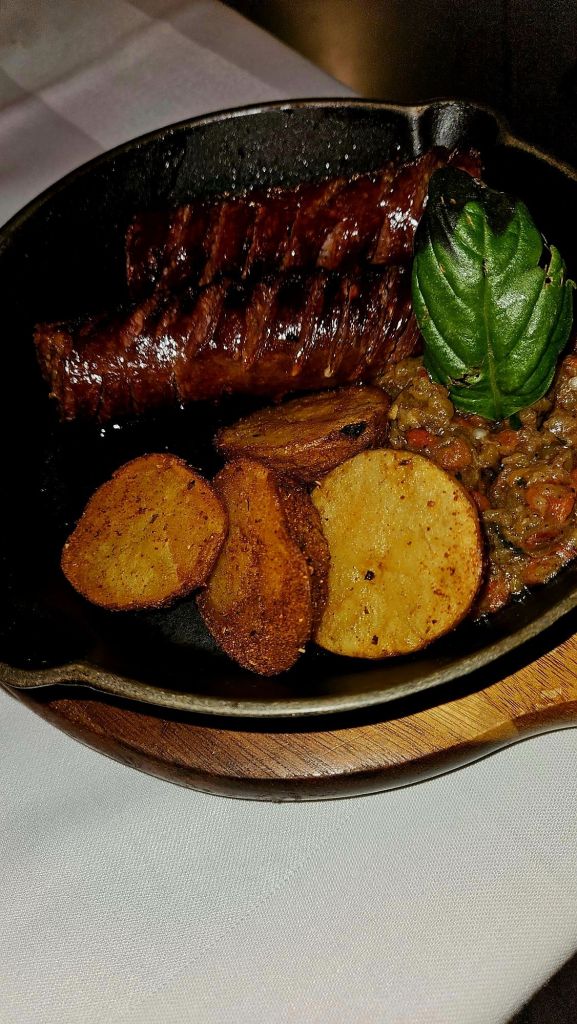
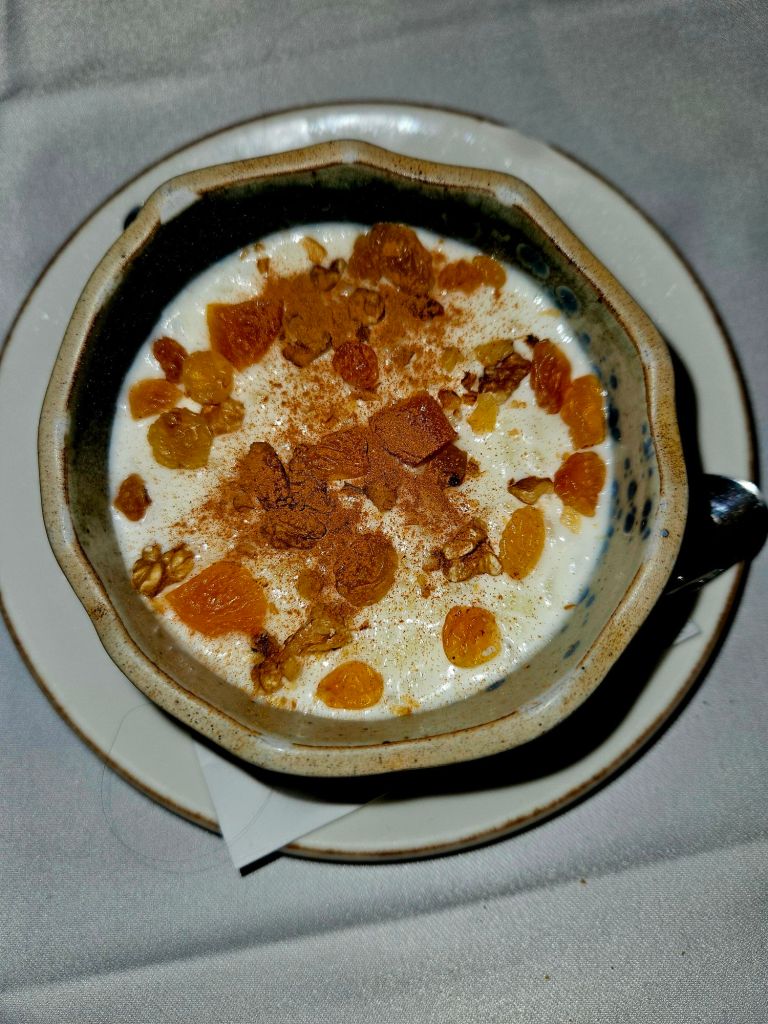

Very close to the restaurant was the football stadium and Albania were playing Jordan that evening. It was a friendly match and Albania won 4-2. As we were eating the match finished and there were drummers playing in the street and a lot of people milling around – it was a great atmosphere.
After dinner we walked over to the stadium, which was all lit up.
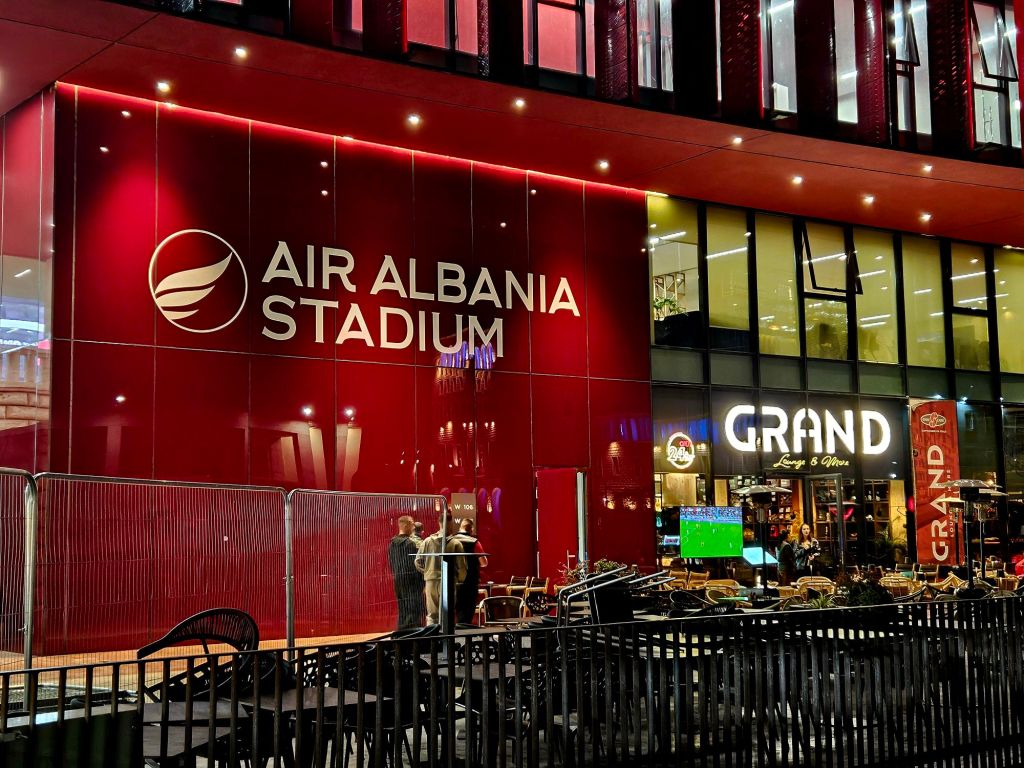
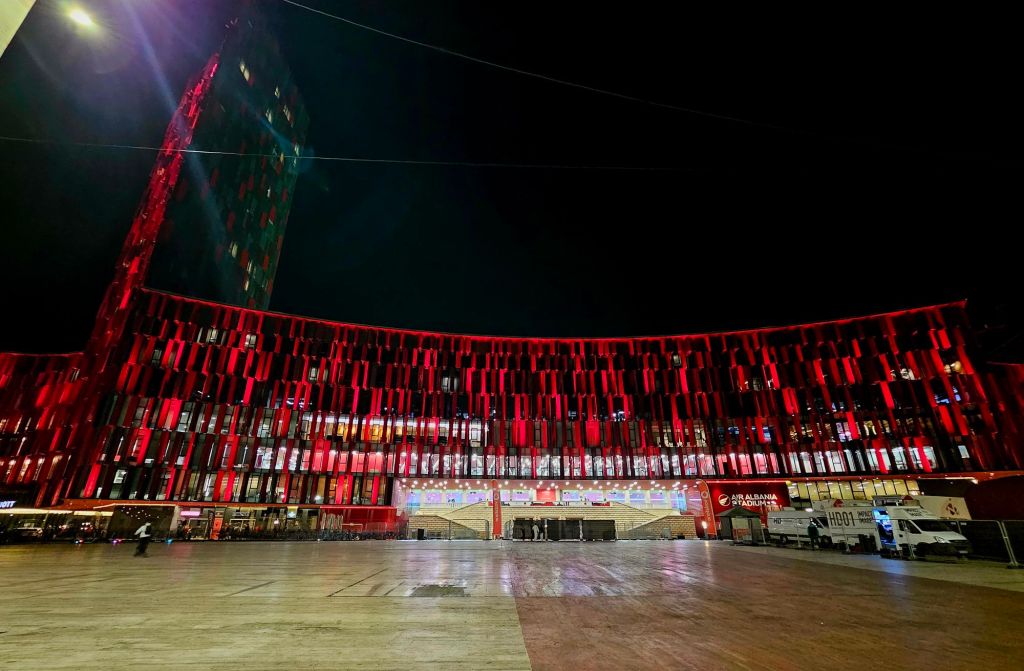
The stadium opened in 2019 and is built on what was known as Italia Square, which itself, was built in 1939. The square is huge and also has University buildings and the museum of archaeology surrounding it. After the fall of the Facist regime, the square was renamed Mother Theresa square.
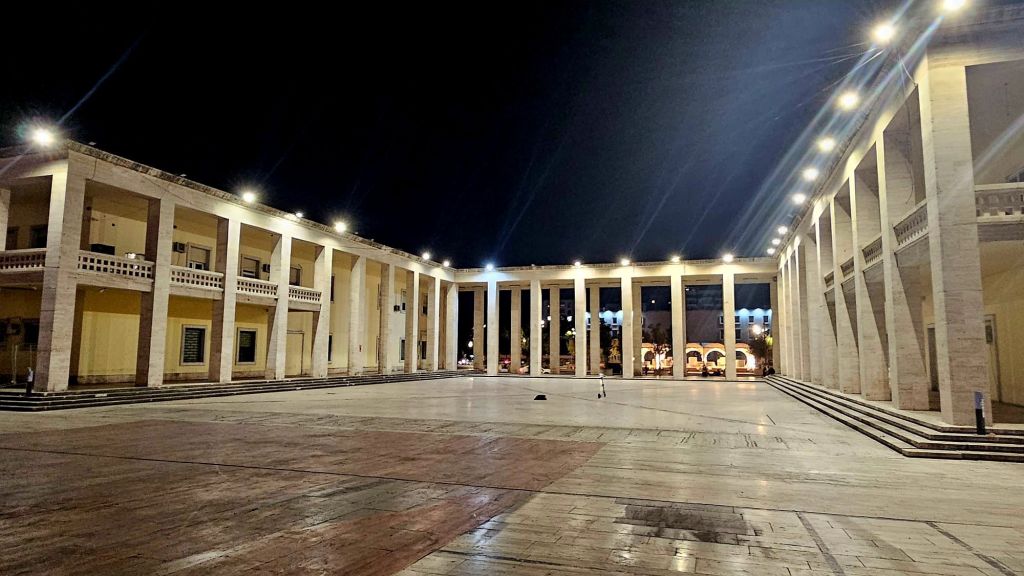
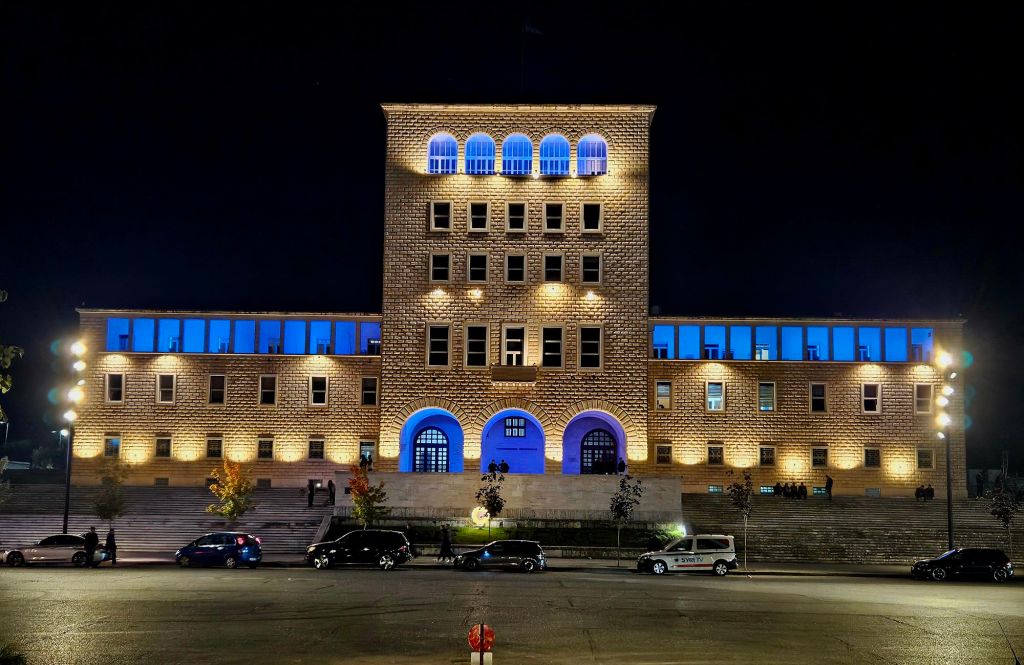
There is also a large sculpture at one end of the square.

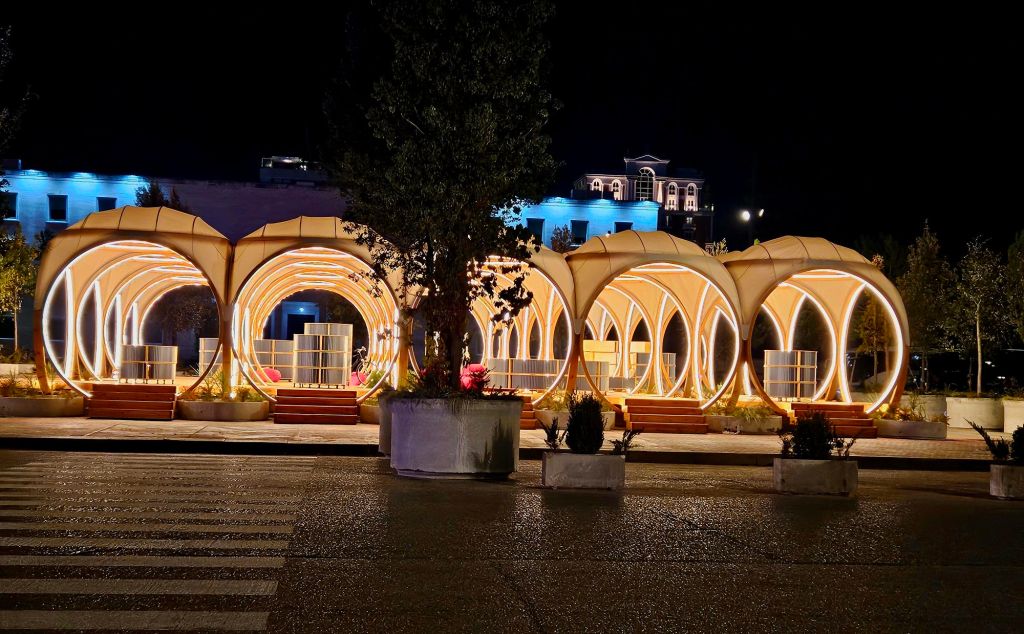
There was an outdoor seating area, which unfortunately was shut, but i can.imagine its quite lively when its open.
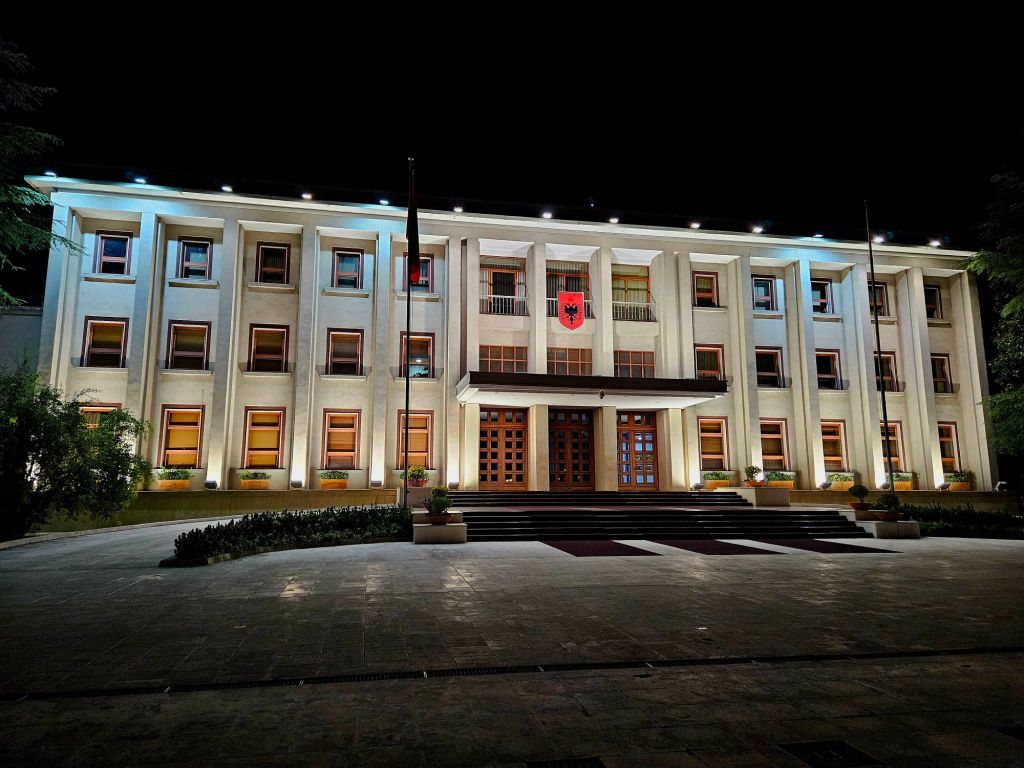
On the way home we passed the presidential palace which is the official residence of the president of Albania. The palace was originally commissioned by King Zig as a Royal residence. The palace was designed by Italian architects in 1936. However, with the 1939 Italian Fascist Invasion, King Zog fled Albania and never saw the palace completed. The palace was used as army headquarters and then as a royal palace for the Italian King Vittorio Emanuele III in 1941. It was used for Government receptions under communist rule and in 2013, President Bujar Nishani, claimed it as a presidential residence. The gardens of the palace extend for 200m.
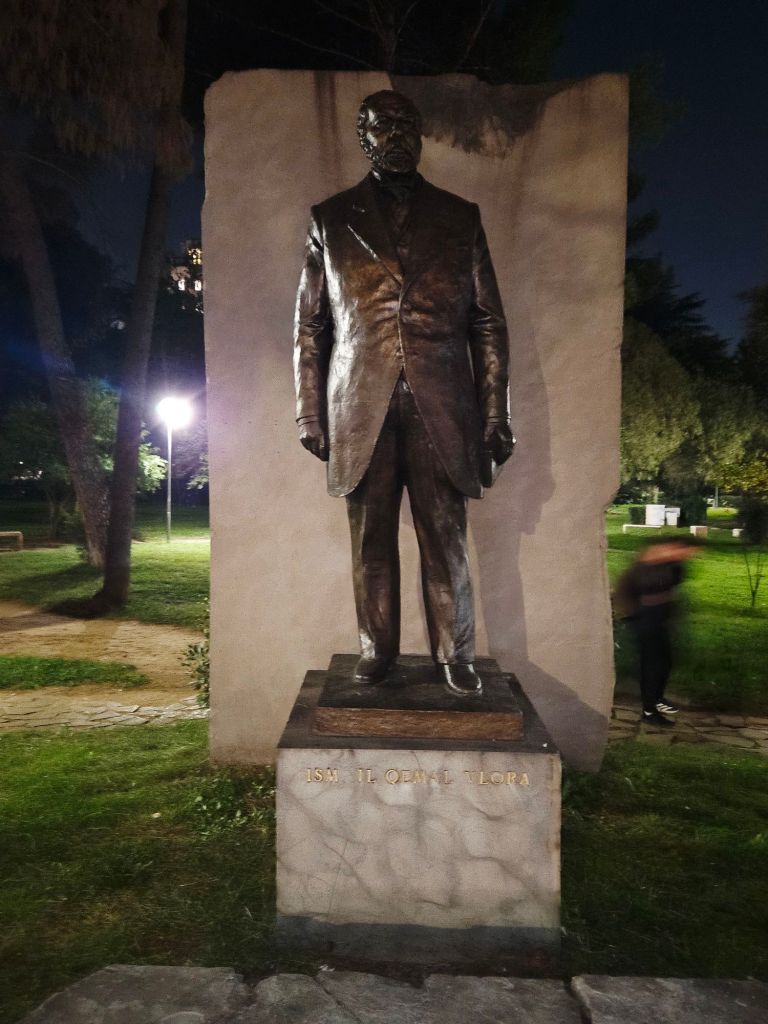
1Just down from here is a statue of Ismal Qemali who was the first Prime Minister of Albania from December 1912, until he resigned in January 1914. He is regarded as the founder of modern Albania and was the principal author if the Declaration of Independence. He died in exile in Italy in 1919.
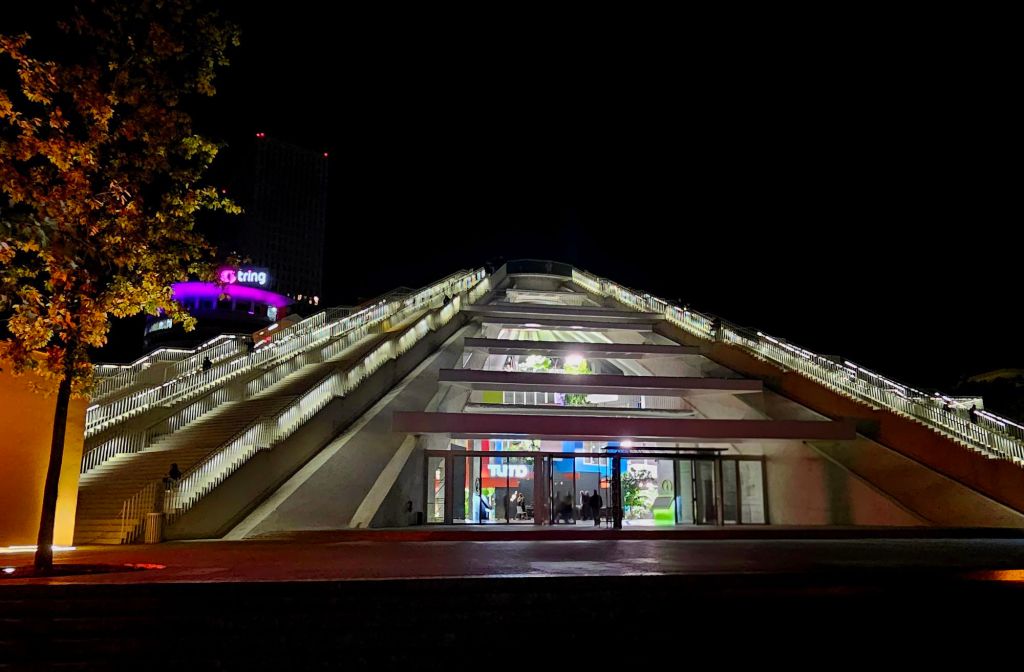
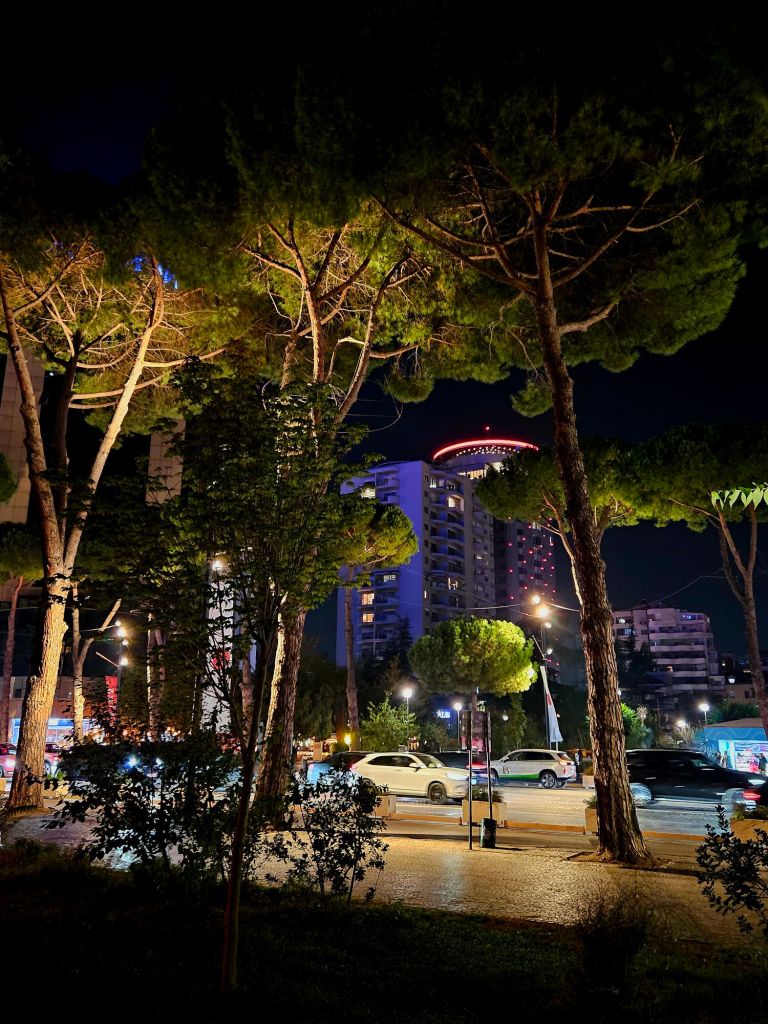
On the way home I took photos of the Pyramid and the Sky Tower lit up.
And then it was time for bed.
 Fun, Fitness and Fabulousness in your Fifties