We had booked a walking tour for 11am, but we were both awake quite early, despite going to bed about 1am.
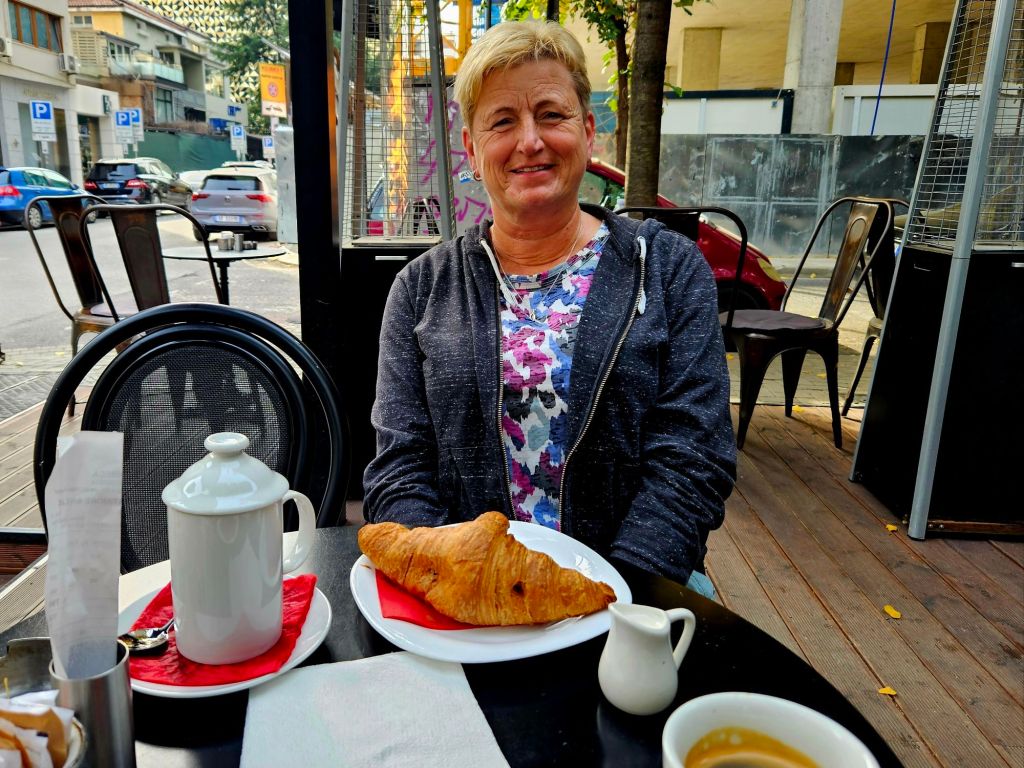
Once we had showered, we wandered up our street and found a cafe called Tribeca, which looked quite good, so we stopped for a coffee and chocolate croissant, tea for Nicola.
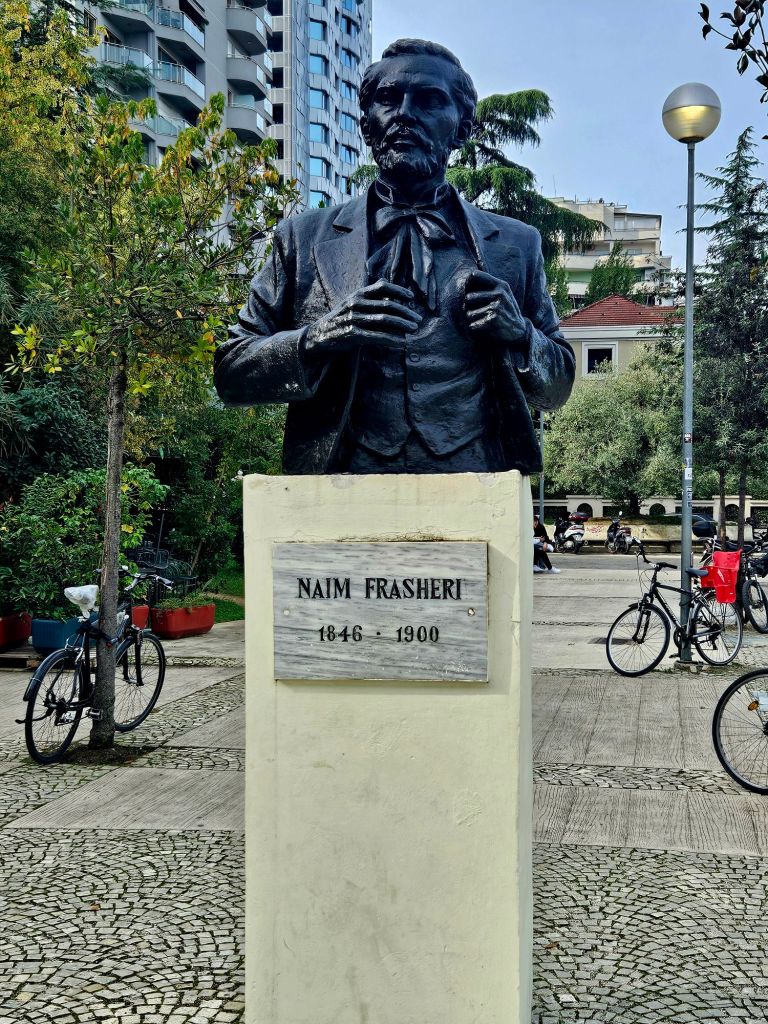
After breakfast, we headed towards our meeting point, although we were still really early. We walked through Vëllezërit Frashëri, a park in Tirana celebrating the Frasheri family. The Frashëri brothers were key figures in the National Renaissance, and they played an important role in the efforts for the independence and rights of Albanians. Naim Frashëri was a poet and writer. He died in 1900 and played a key role in the development of Albanian literature.
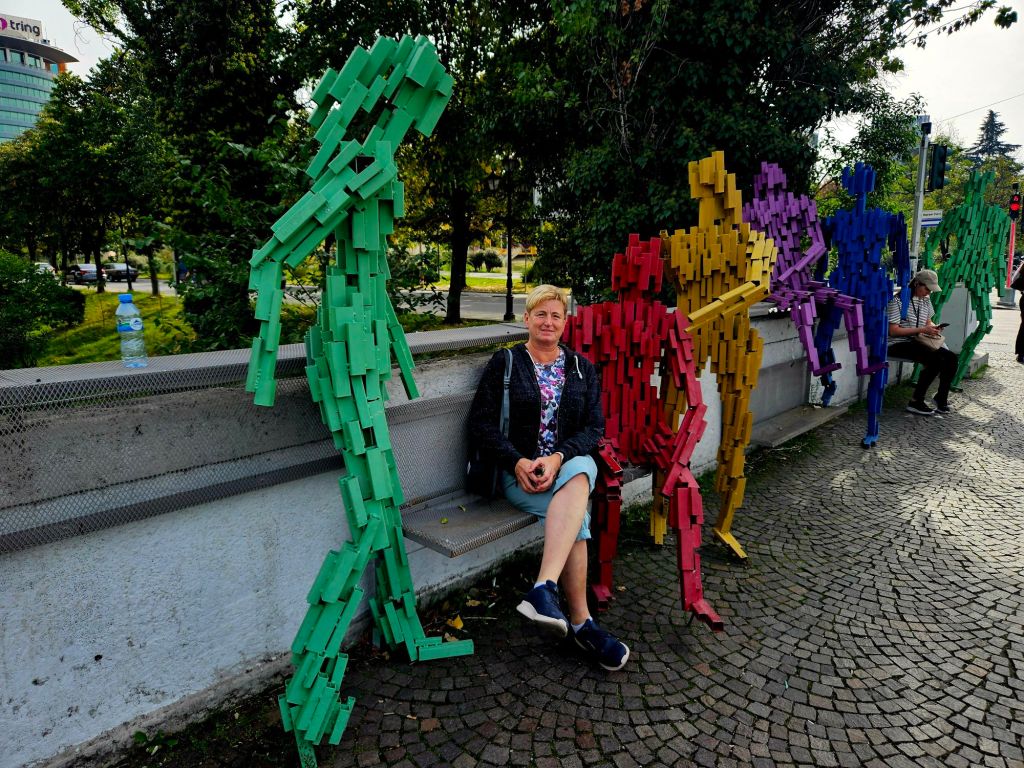
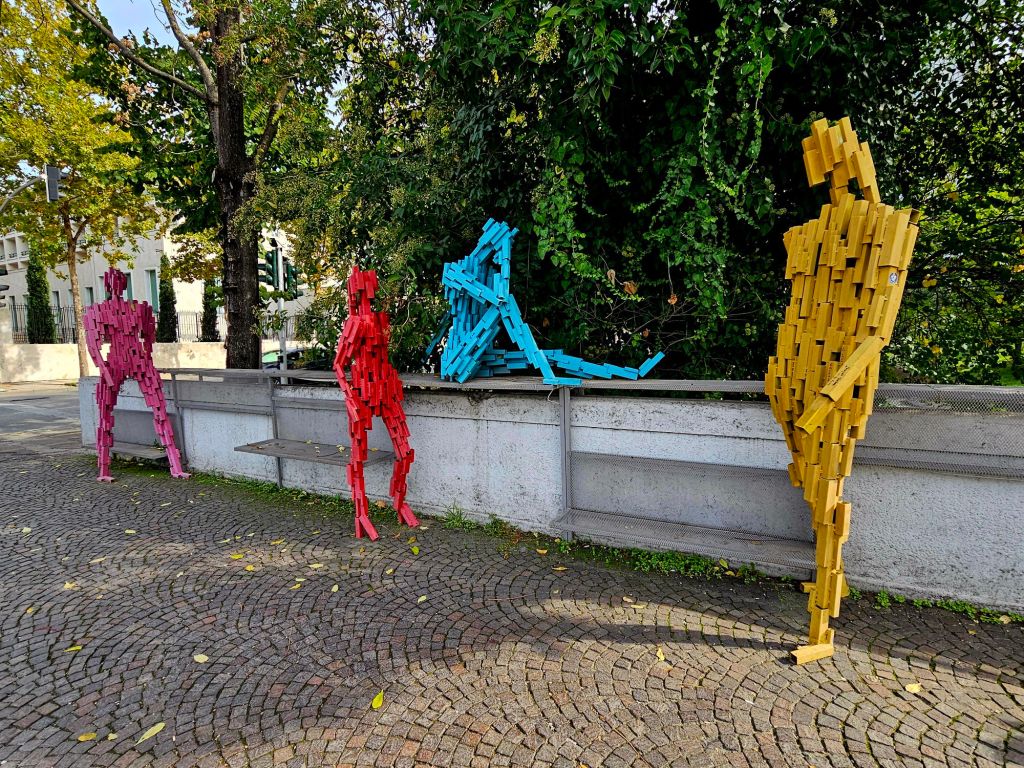
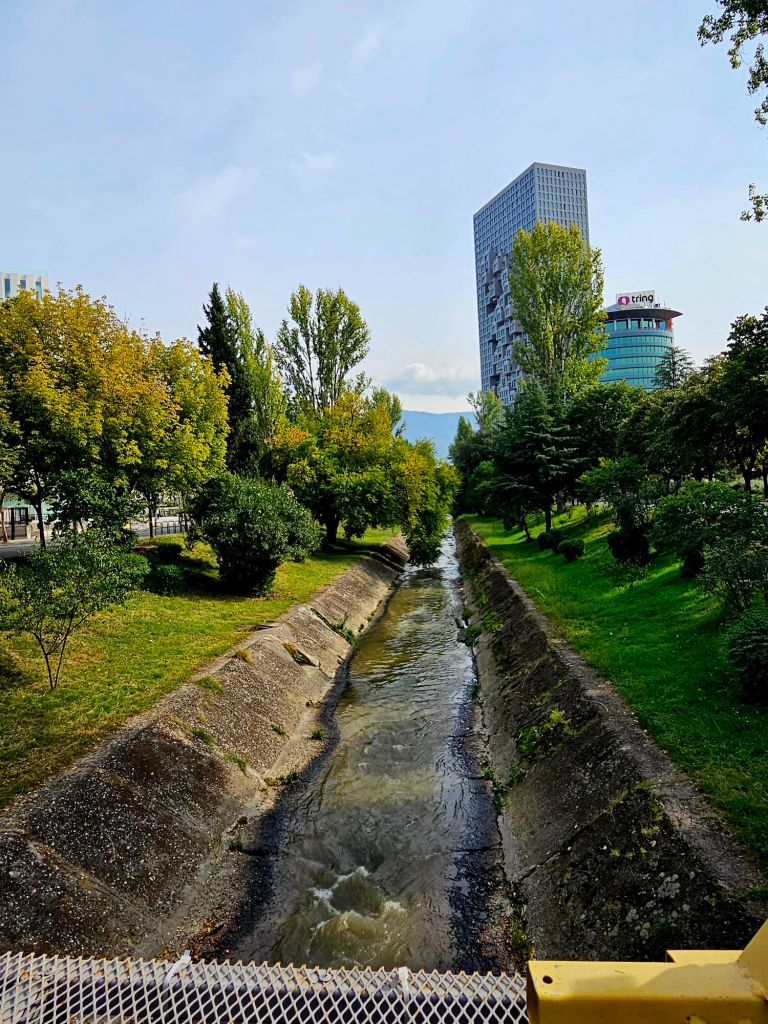
On the way to our meeting point, we crossed a bridge over the River Lana. There were sculptures on the bridge so we took some photos with them.
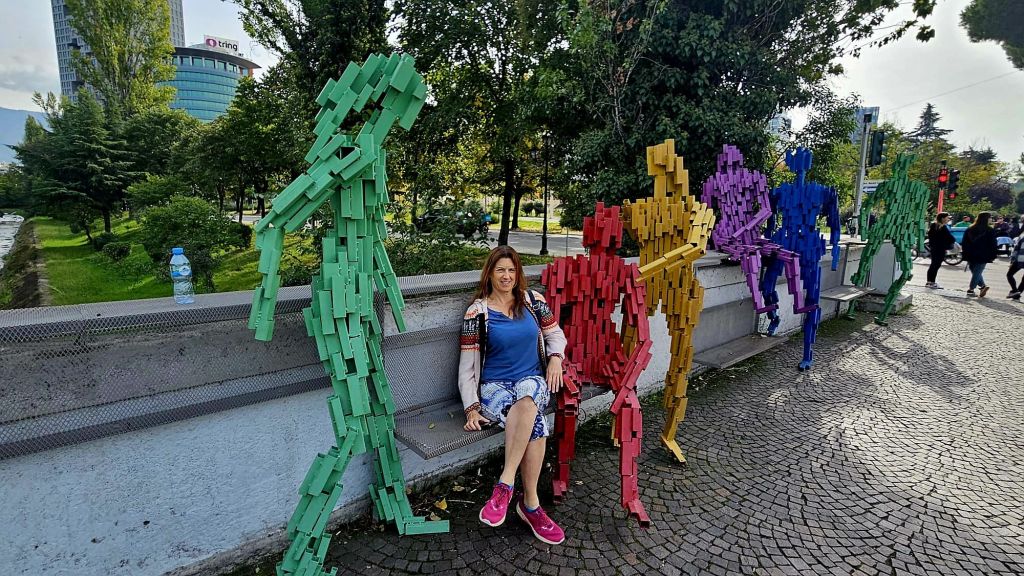
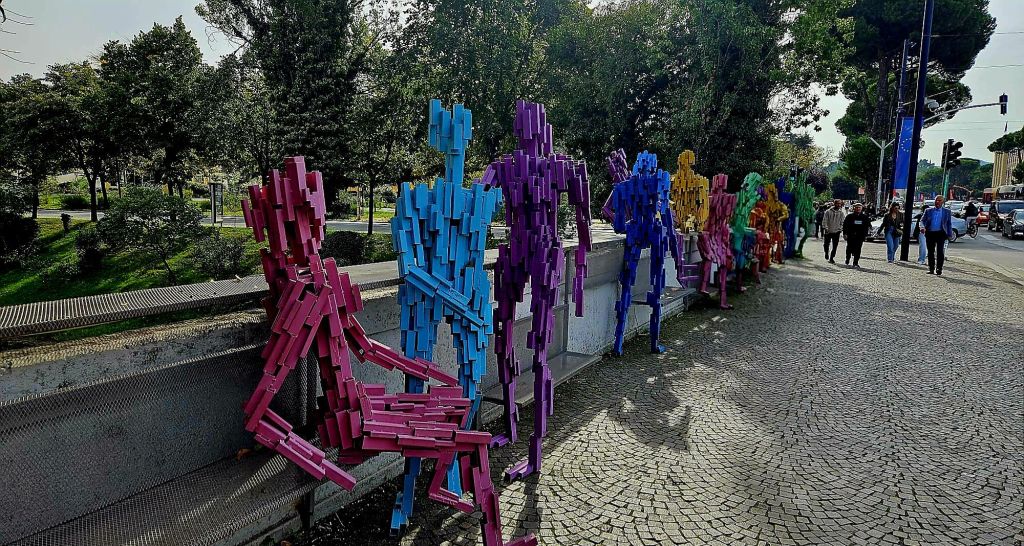
There are huge horse chestnut trees along the sides of the main boulevard.

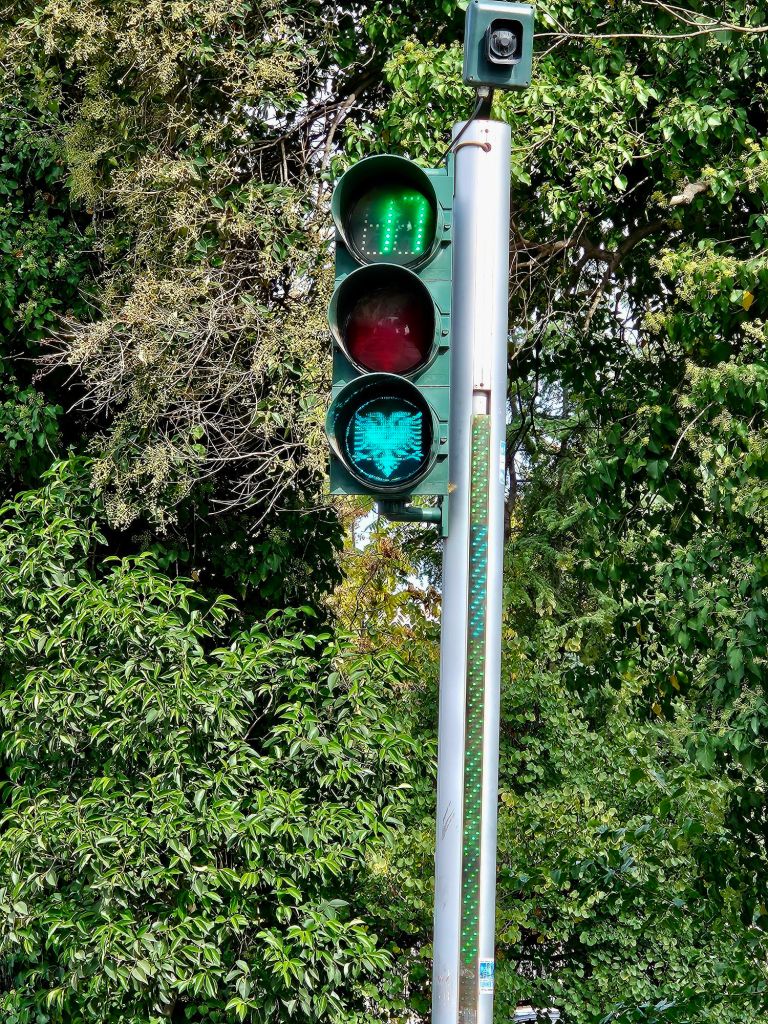
And the traffic lights in Tirana are very patriotic, displaying the Albanian symbol of a two-headed eagle.
We met our tour guide, Brikena, and another couple from England at the Twin Towers. Brikena told us that a new law had been laid in Tirana that electric scooters and mopeds were no longer allowed due to the high numbers of accidents. The law was temporary whilst safety measures were being put in place. The law was only announced the day before and then immediately implemented.

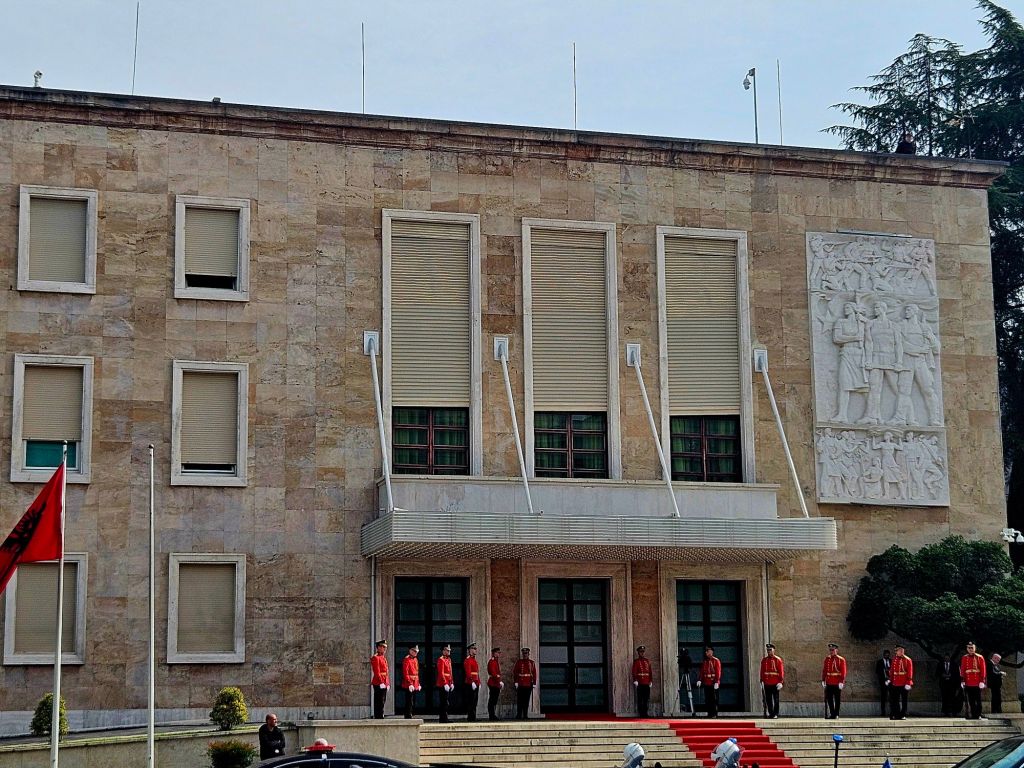
Our first stop was the Prime Ministers office. There were guards standing outside as there was a meeting going on.
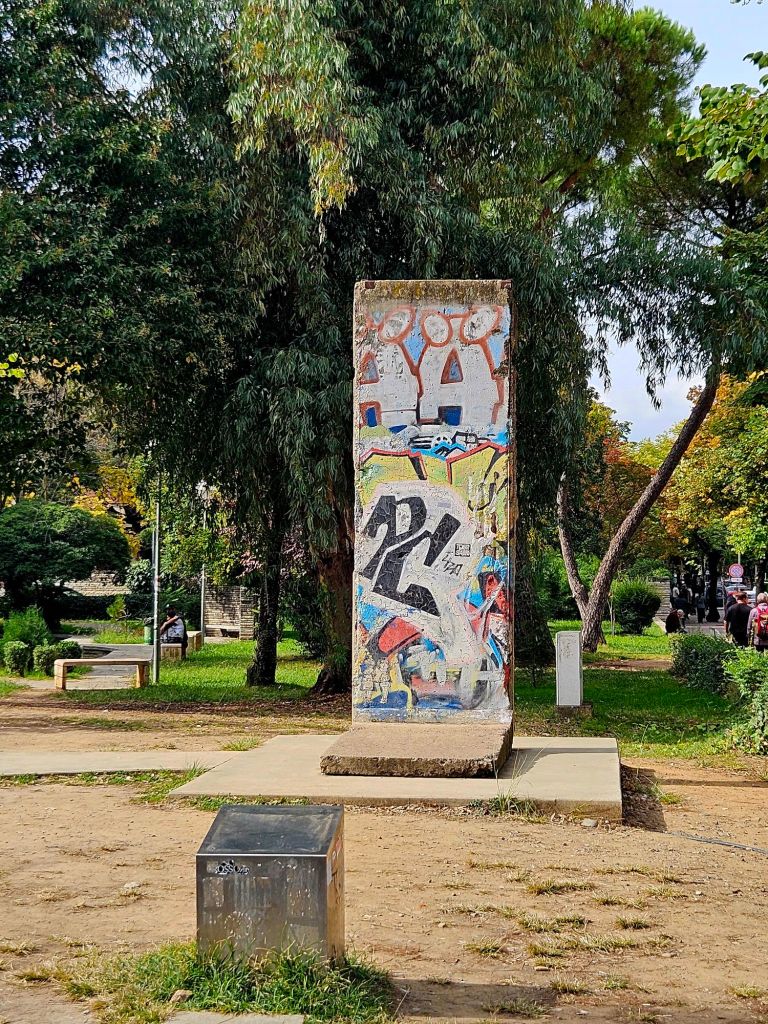
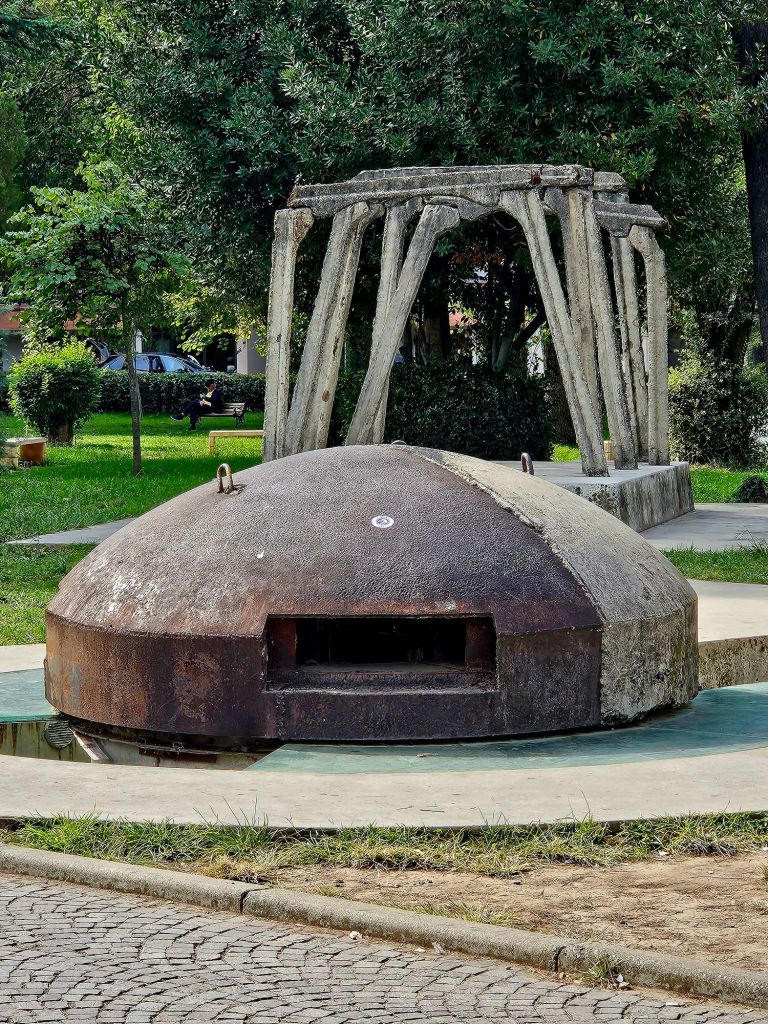
We moved on to a small park that contained part of the Berlin Wall and remnant of Spac Labour Camp Mine. Inmates at Spaç labour camp endured harsh conditions, including forced work in the copper mine, minimal free time, and extreme isolation in one of the most remote prisons in the world. Prison Guards at Spaç enforced strict discipline through brutal punishments, including beatings and torture of those expressing political dissent or failing to meet work quotas. Female prisoners were also subjected to abuse, including beatings, sexual assault, and forced abortions. The prison remained open until 1990. It held many political prisoners, including prominent intellectuals, and became one of the most infamous sites of repression in the country.
The Blloku area we were in was one of the most isolated areas in Tirana as it was where the majority of the officers lived, including the ‘leader’ (dictator), Enver Hoxha. Ordinary citizens were not allowed to enter the area as it was an exclusive residential quarter for members of the Albanian elite and their families. On most maps during this period, the area remained deliberately unmarked.
We passed the former house of the dictator. His two sons and his daughter all had their own apartments as part of this house, and all had separate entrances. It was known that Enver’s wife was part of the mastermind behind the communist regime.
A private chef visited the house twice a day. One of Enver’s sons married outside of the Blloku area. Within the Blloku area, they were generally unaware of the level of poverty outside as nobody within the area spoke the truth. The other son worked at the post office so he could look at the letters and keep everyone under surveillance.
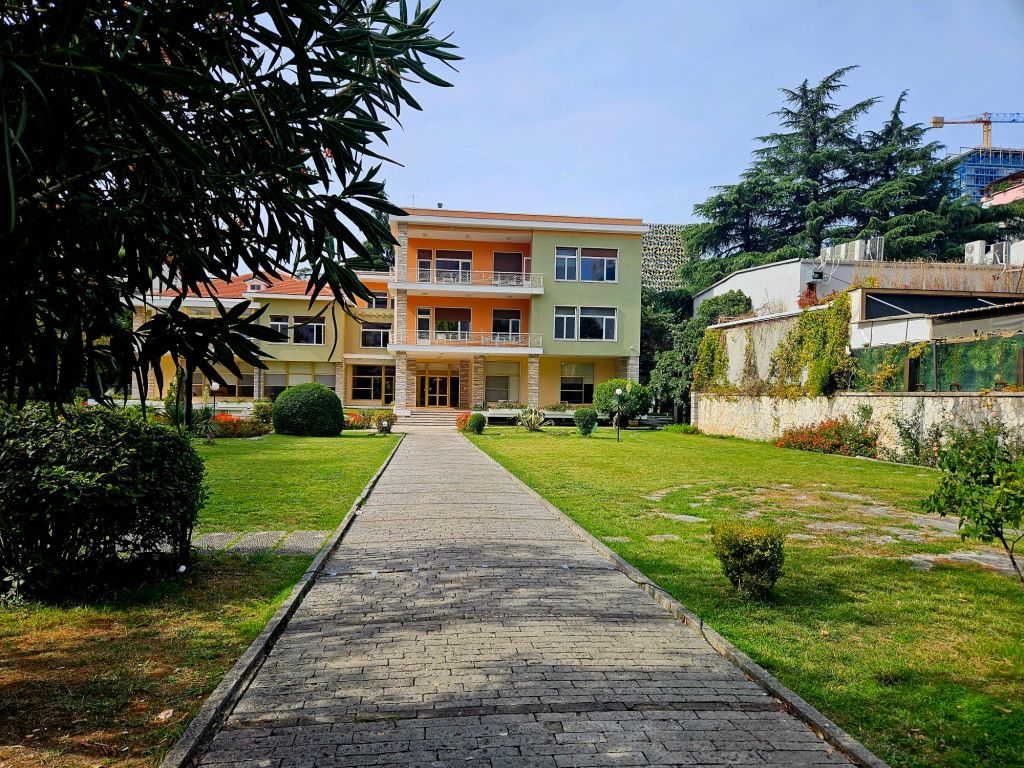
During the time of communism the buildings were all very uniform, being 5 storeys tall and square looking. They have since been painted to make them look more attractive.

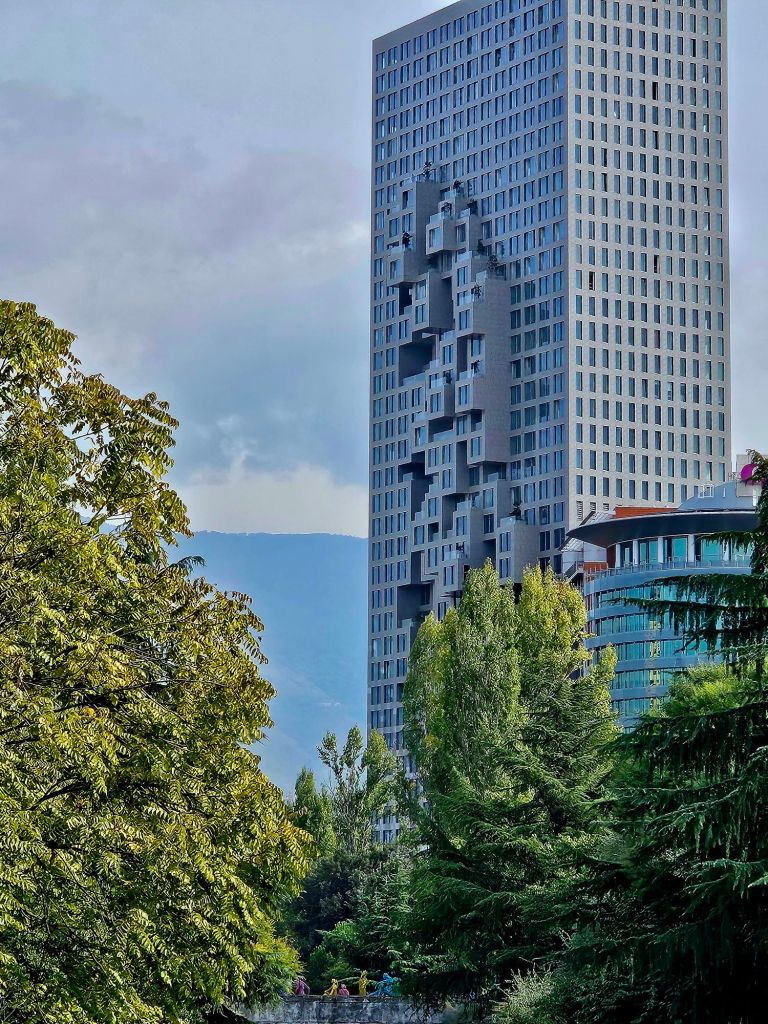
The bigger buildings were built since the regime ended in 1991. Many of them survived the earthquake in 2009. One of them contains the map of Albania.
There is no official religion in Albania. The population consists of 70% Muslim, 20% catholic, 5% orthodox and the rest unknown or atheist.
Albanians respect all religions. Under communism religion was not allowed, and many of the churches and mosques were shut down or used for other purposes. In 1967, Albania became the first atheist country. Many of the people who were killed by the communists were religious leaders, teachers, and intellectuals.
Albania was ruled by the Ottoman empire for over 500 years before 1945, and the Albanias were forced to convert to Muslim.
We walked past the Greek Orthodox Church, The Resurrection of Christ, which was built in 2012.
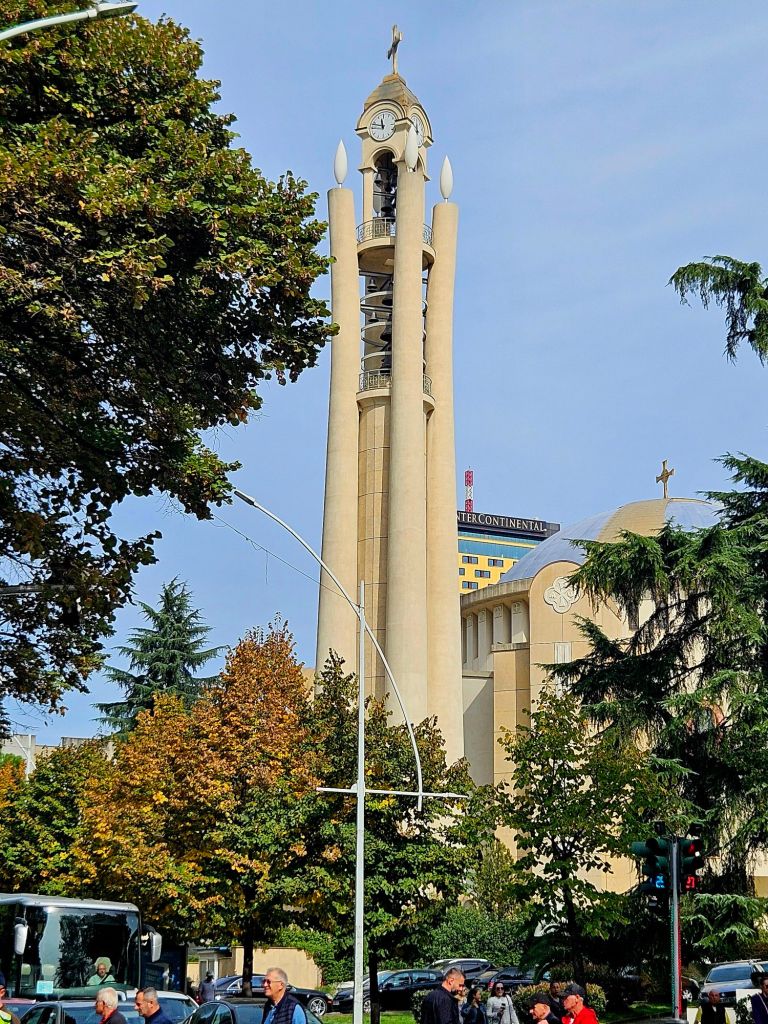

And opposite this church is the House of Leaves, which is now a surveillance museum.

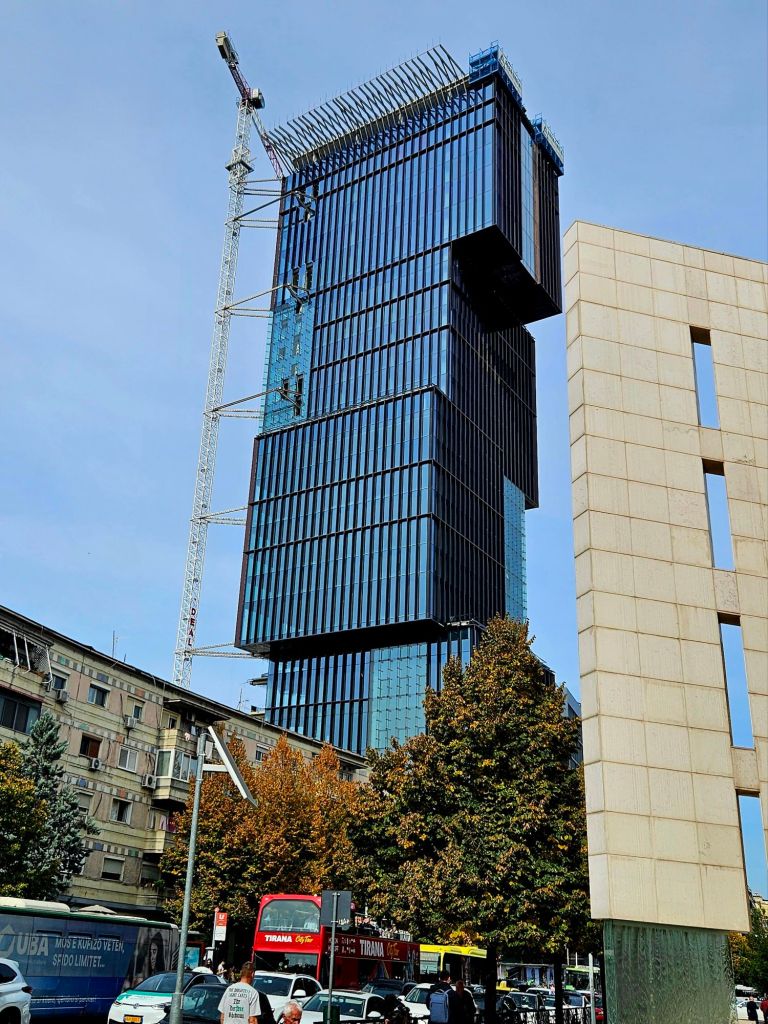
The Eye of Tirana is a high-rise multipurpose building standing 135m tall and contains 31 floors. It is still under construction.
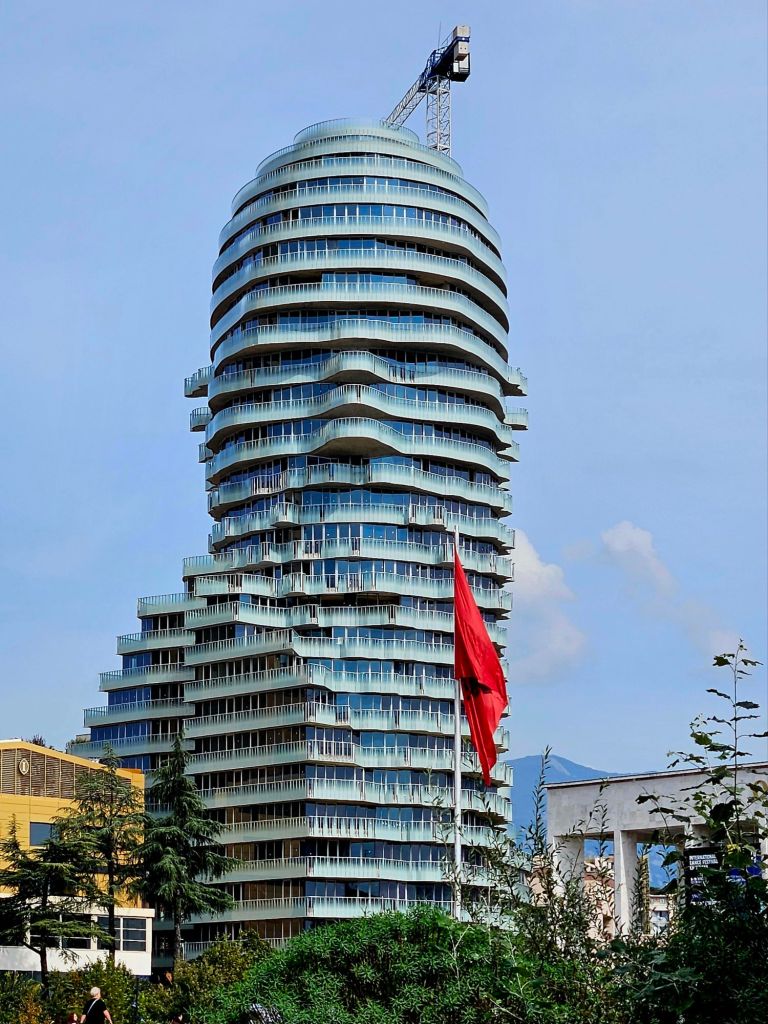
One of the buildings reflects the face of Skandenberg but also looks similar to the current prime minister, Edvin Rami. He was formally the mayor of Tirana and bought a lot of the modern architecture and colour to the buildings.
We reached the main square in Tirane, skandenberg square. Skandenberg is a national hero who fought for Albanian independence against the Ottoman empire. His real name was Gjergj Kastrioti and he was taken by the Ottomans to train as a soldier in Turkey when they invaded Albania. He ended up as a commander of the army and learnt everything he could about the empire and the way they fought. During a battle in 1443, Skandenberg deserted the Ottoman army. He went to Albania and set up a military alliance that unified the Albanian leaders at the time. Due to this alliance, Skandenberg was able to amass an army of 10,000 men, and he fought the Ottoman army for 25 years. He freed Albania from Ottoman rule and gained independence for the country. He died from natural causes in 1468. Ironically, it was under the leadership of Enver Hoxha that a statue of Skandenberg was erected in the square.
Underneath the square is a 2 storey underground parking lot.
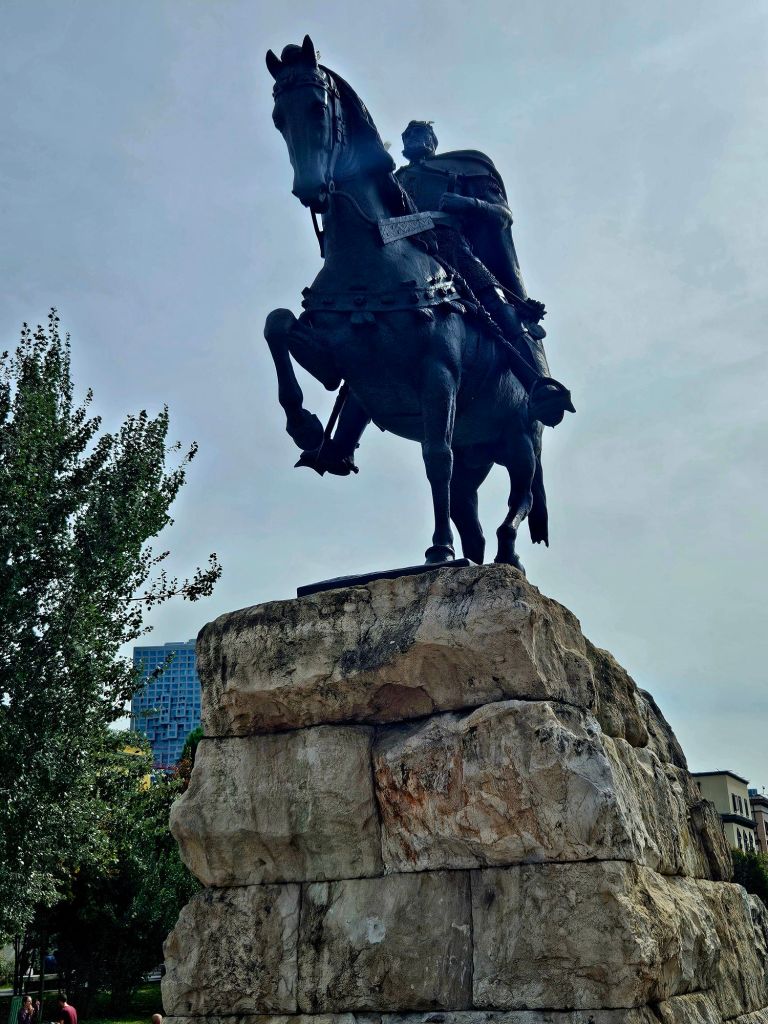
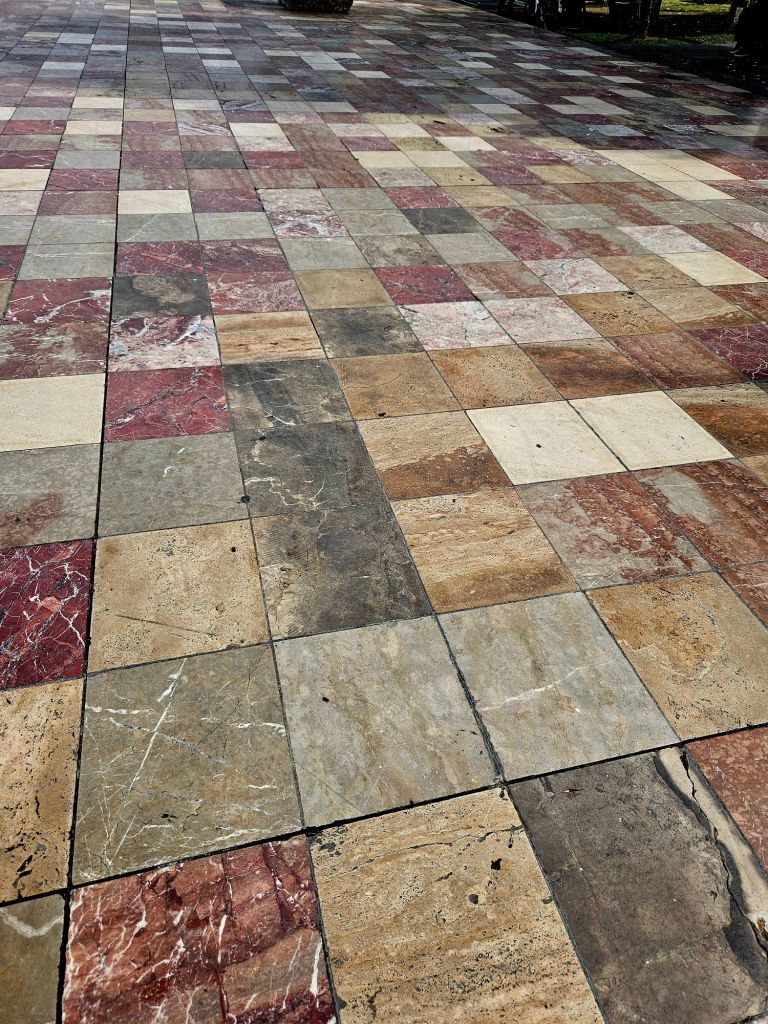
Skandenberg adopted the two-headed eagle as his family coat of arms, and it was used on his flag – a black eagle against a red flag. The two-headed eagle represents unity between east and west against a backdrop of blood spilt. Also representing unity is the fact that the square itself is made up of the stones from different areas across Albania.
Opposite us was the National Museum of Albania, which has an impressive mosaic on the wall. The mosaic was created in 1981 and shows the history of Albania from the wars with the Ottomans, fighting for independence in the 20th century and the fight towards a socialist future. The mosaic covers 440m².

As we were standing in the square, Brikena spoke to us about some of the realities of living in Albania. Although the communism regime ended in 1991, it has taken a while for the country to recover. Many young people don’t see a future in Albania and are now leaving the country to gain employment abroad as there is a lack of opportunities in Albania itself. During the communist times, 1944 -1991, nobody was allowed to leave Albania, and anyone entering was placed under strict surveillance. Many people were killed trying to escape the country. Enver and his family did travel, but most people didn’t know about it.
The family structure was strong. All jobs were assigned by the government, and this meant many people had to relocate for work. The agricultural business was huge. The motto was ‘produced here, used here’. The government also owned all the buildings, so nobody owned their own property. And there was only one tv channel available to watch.
Enver had connections with Yugoslavia, Russia and China, although those with China were later cut.
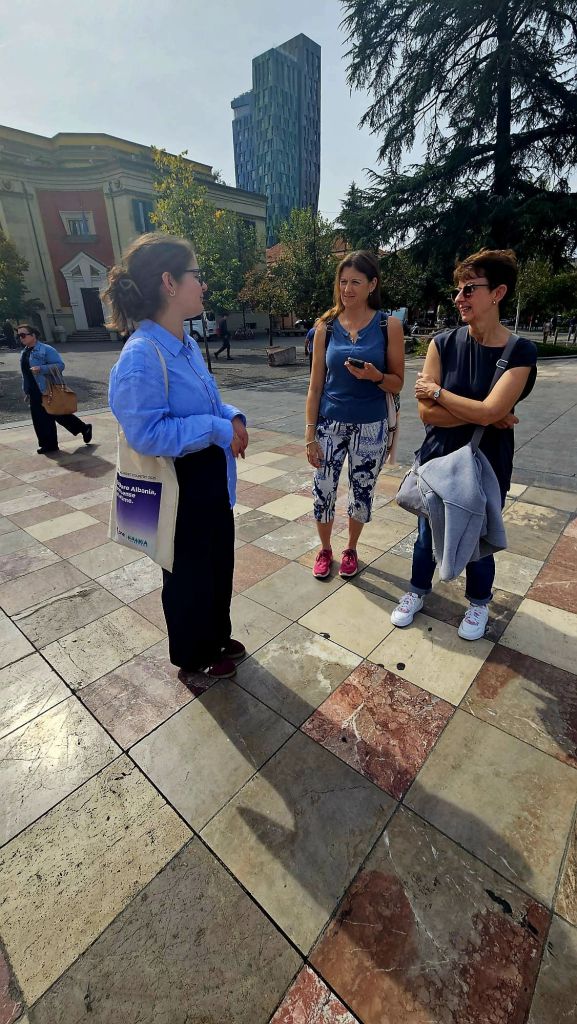
The Albanian language is unique, and I couldn’t really hear any familiar words or sounds. Their alphabet contains 36 letters and is a phonetically language. There are two dialects, one in the north and one in the south where the vowel sounds are pronounced differently. Albanians get 16 bank holidays a year.
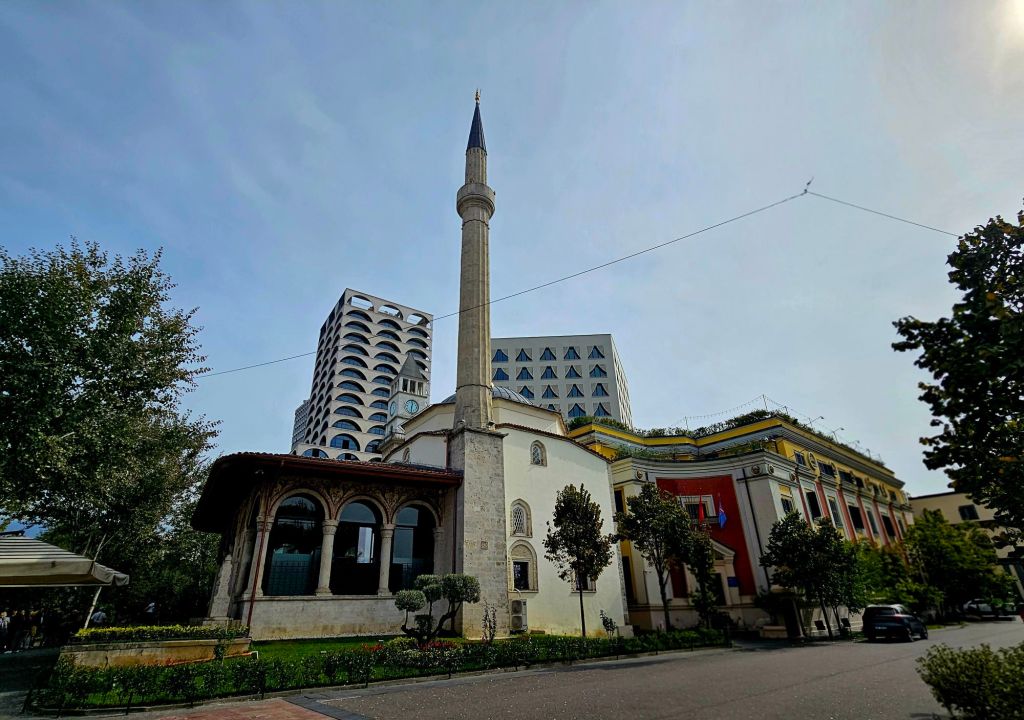
On one side of the square is Et’hem Bey Mosque, which is over 250 years old. It was closed during the communist times. And behind the mosque is Tirana City Hall.
From here, we walked on to the old castle ruins, past a couple of administrative government buildings.

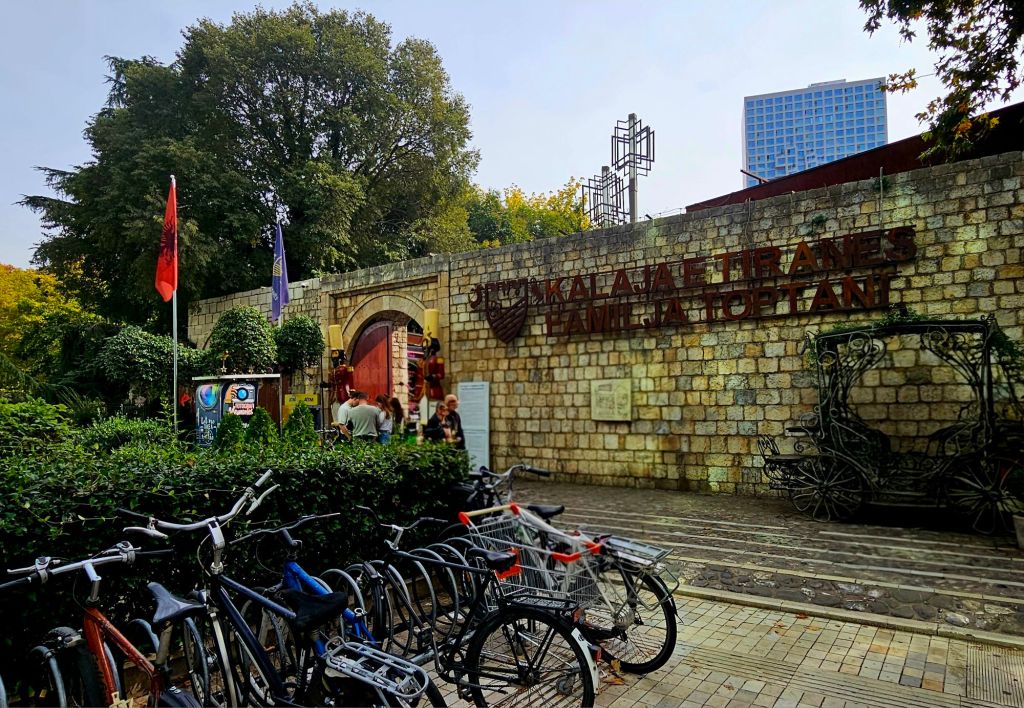
The history of the castle dates back before 1300 and is a remnant from the Byzantine-era. The fortress is the place where the main east–west and north–south roads crossed and formed the heart of Tirana. The only part of the castle that has been uncovered is a 6 metre high wall, and behind the wall are eateries and craft stalls.

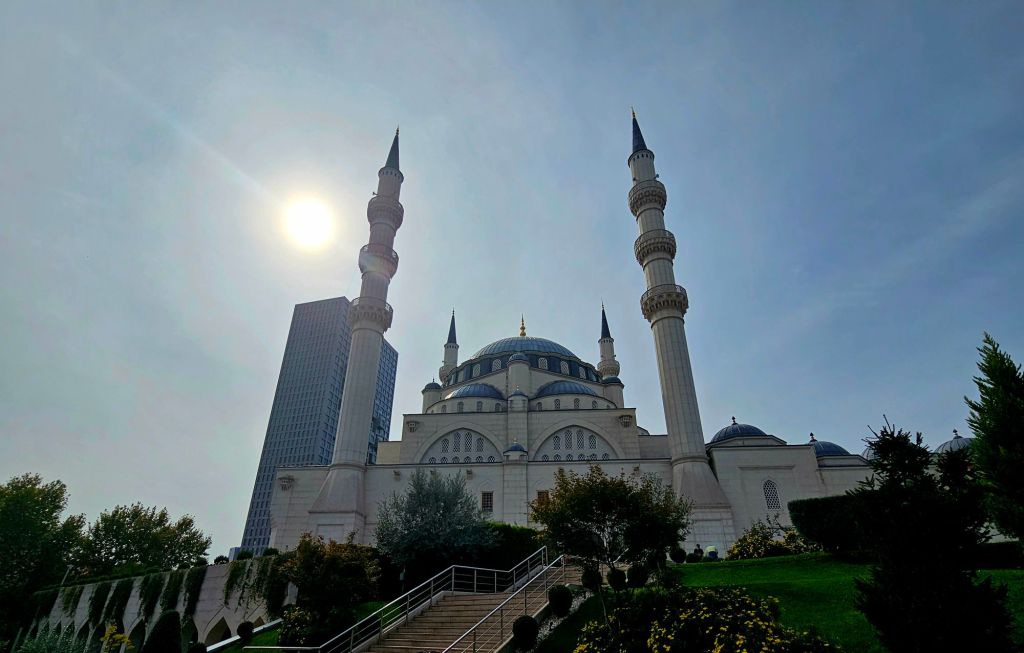
The Great Mosque was our next stop. This mosque was only finished last year and was entirely funded by the Turkish government.
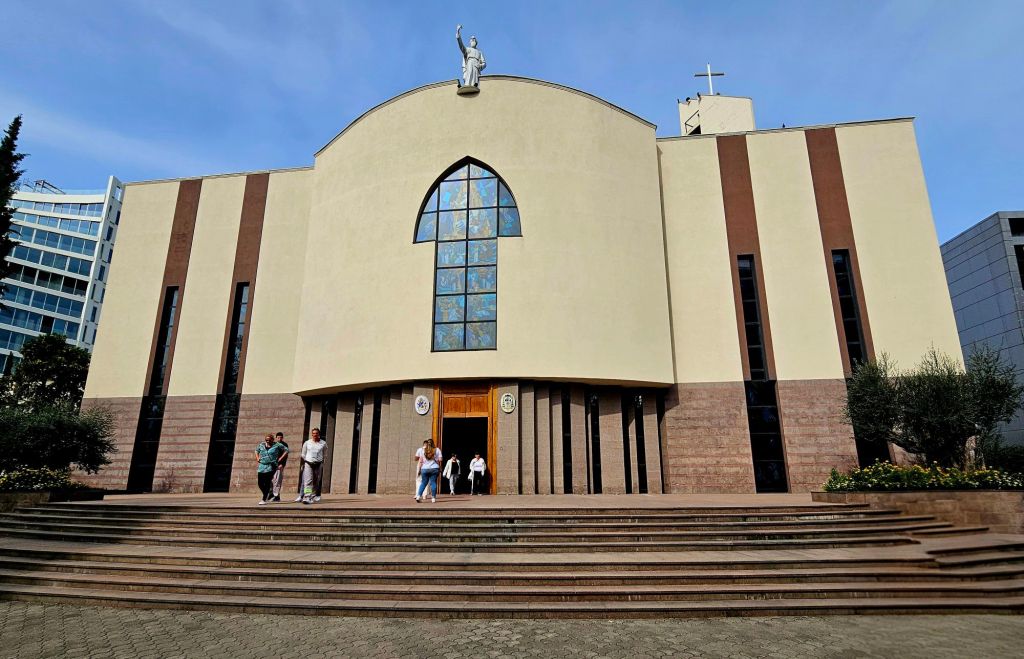
From here, we visited St Paul’s Cathdral, a Roman Catholic church that was built in 2001. Outside the cathedral is a statue of Mother Theresa. She was Albanian and is the only Albanian to have won a Nobel Prize.
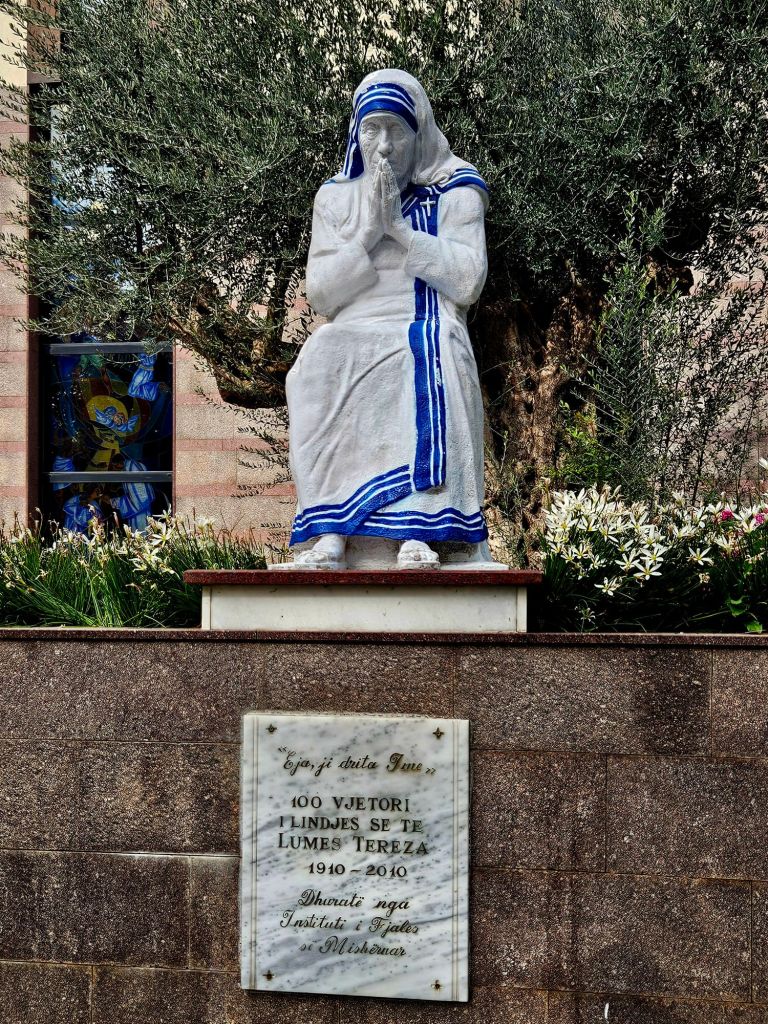
To cross the river, we walked over the ‘Vodafone’ bridge.

And soon we were at the Tirana Pyramid. This pyramid opened in 1988 and was built as a museum to honour Enver Hoxha. When it was built, the pyramid was said to be the most expensive individual structure ever constructed in Albania. Following the fall of communism the pyramid became a conference centre, and during 1999, as the Kosovo war was taking place, it became a NATO base. In 2018, a new project started that incorporated steps onto the sides of the pyramid and more glass to allow natural light. It is now used for the youth of Albania with a focus on computer programming, robotics, and start-ups.
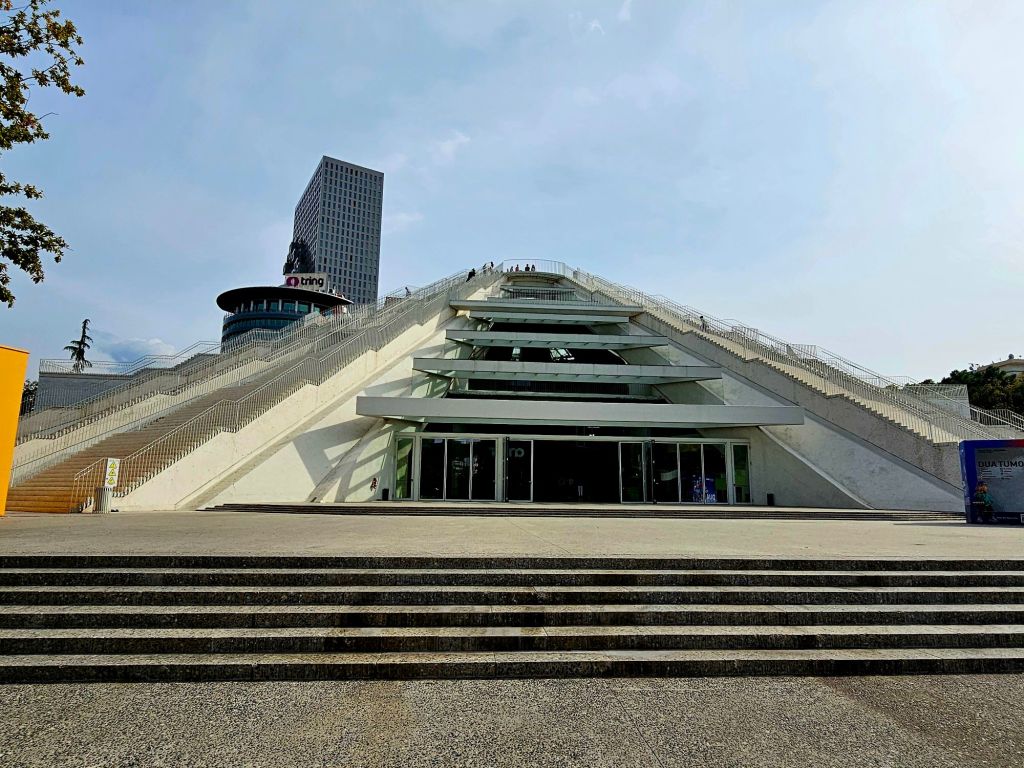
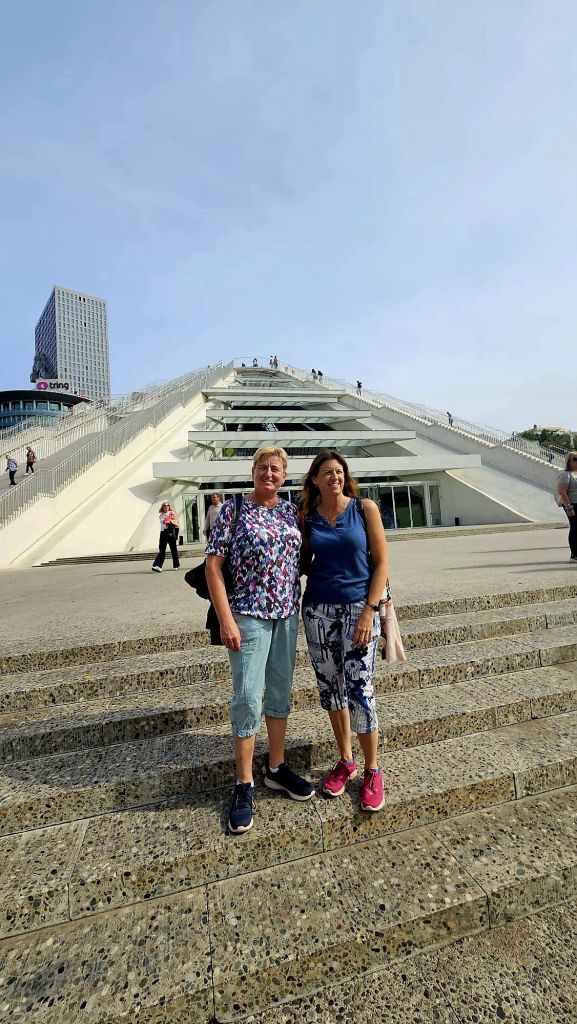
There are 114 steps to climb to get to the top of the pyramid. There were some great views from the top, including the twin towers of Tirana. These two skyscrapers are identical in architecture and stand 15 stories tall.
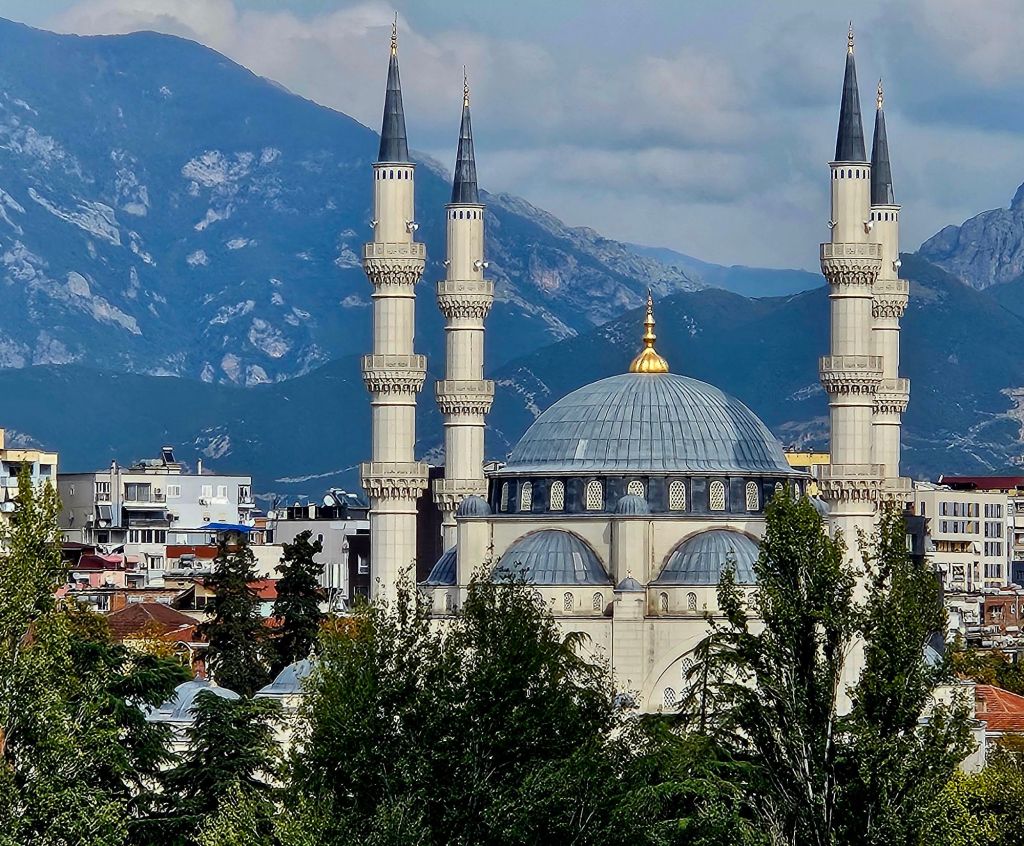
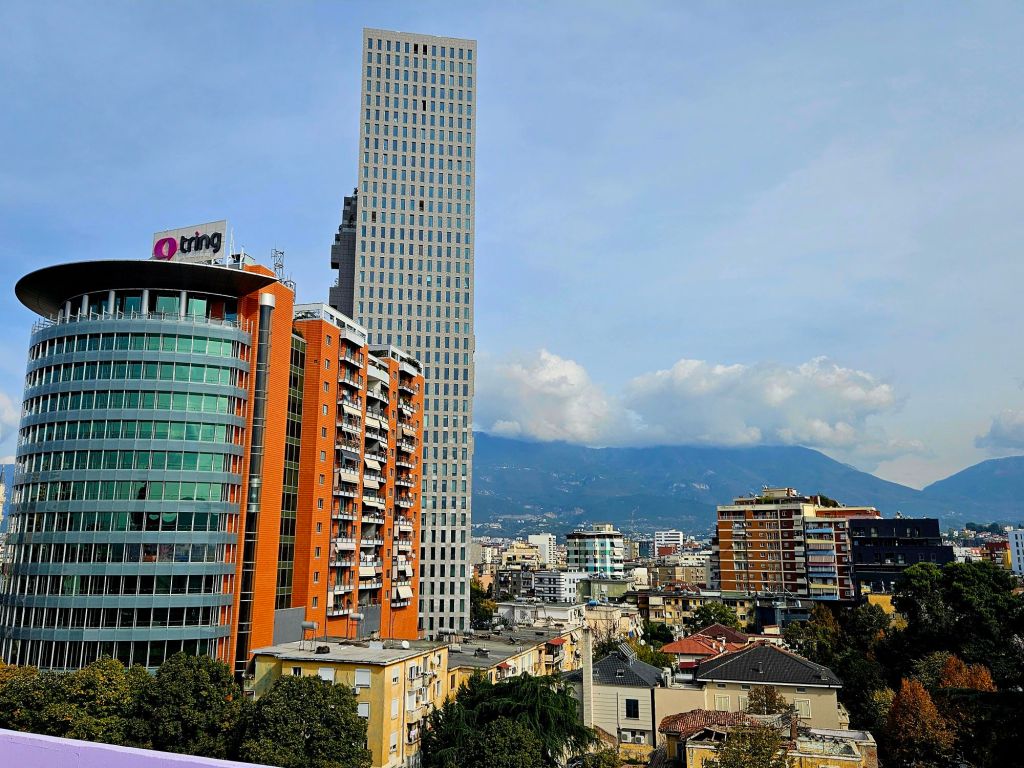

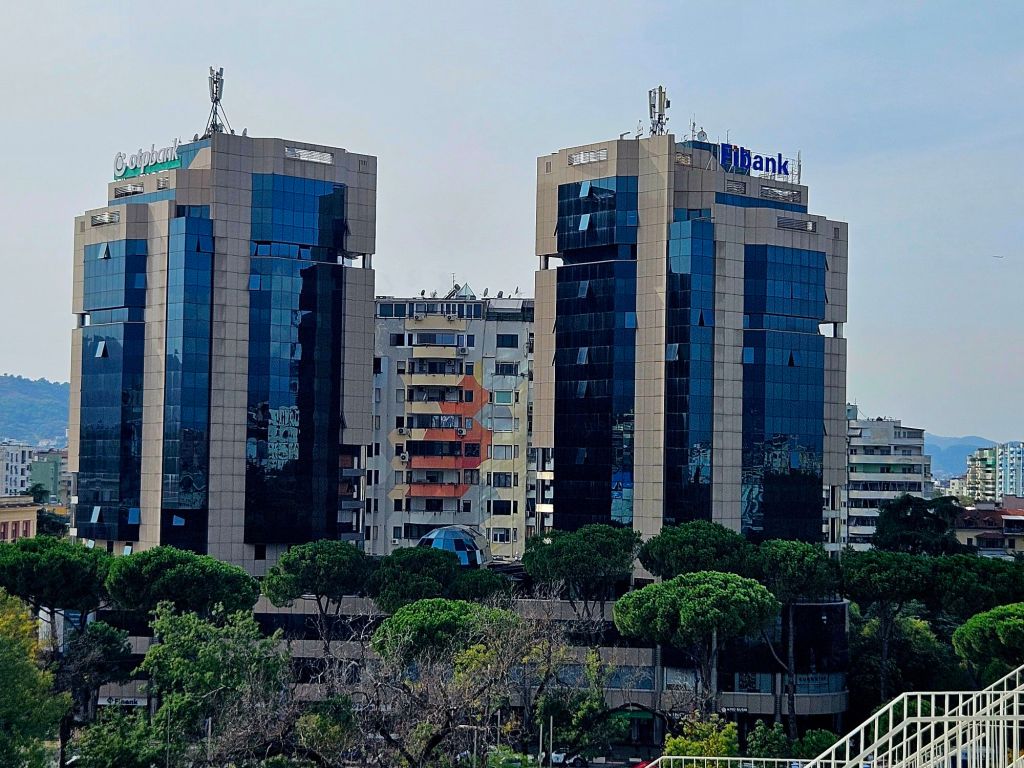
And that was the end of our walking tour.
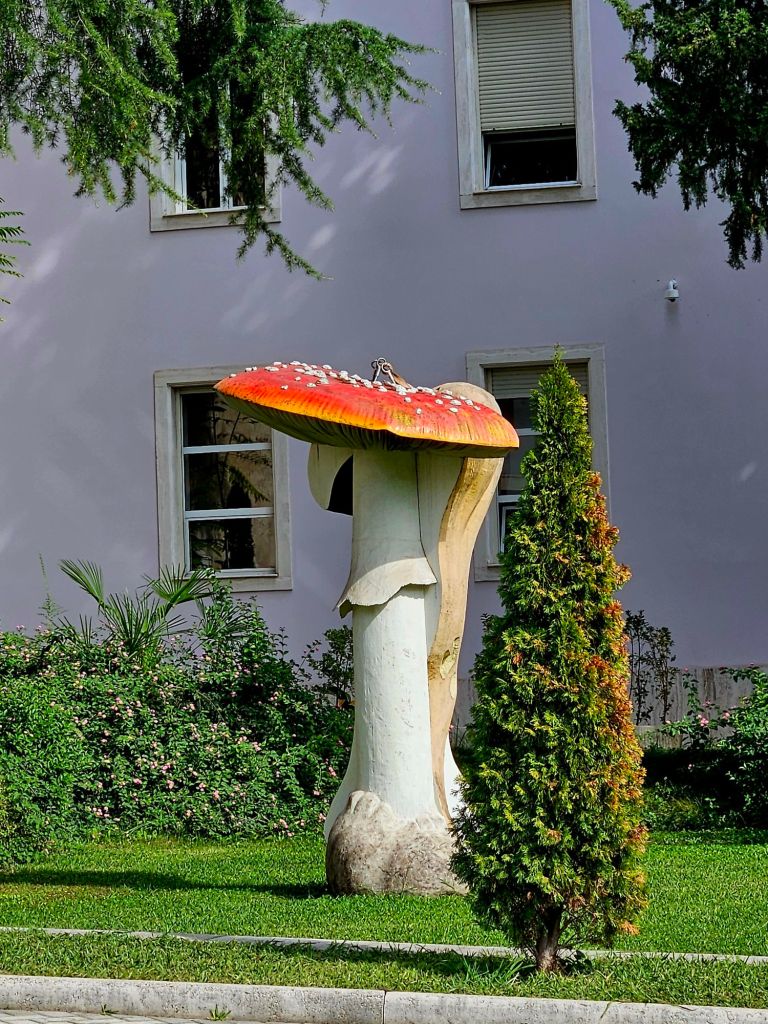
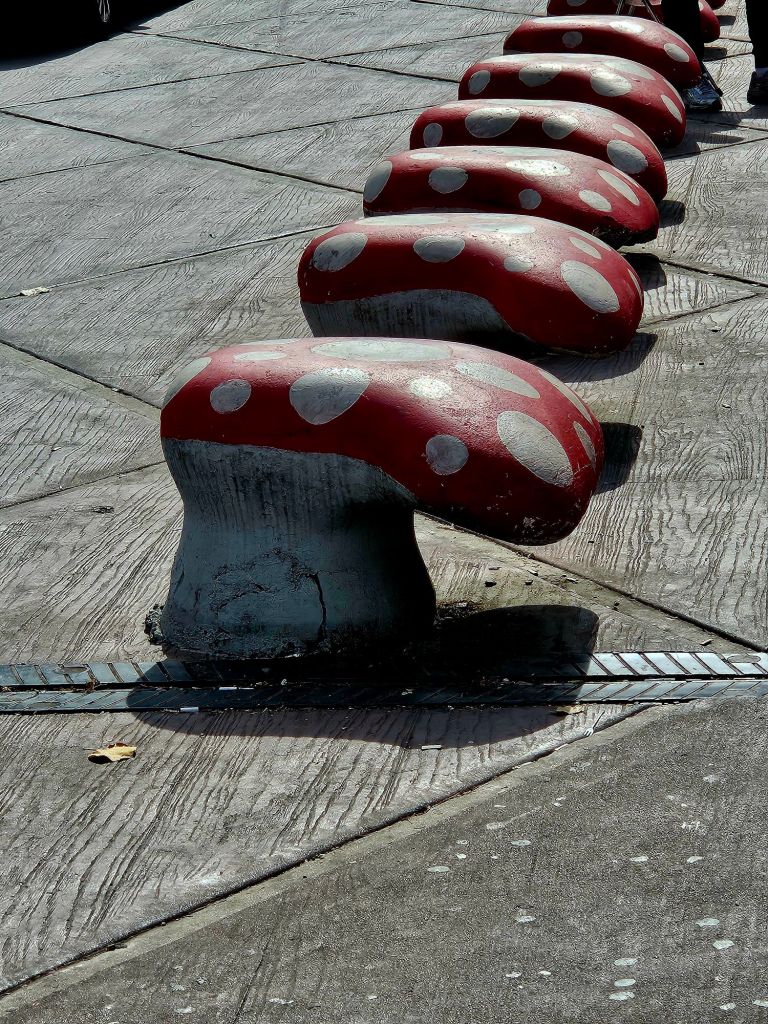
We were both a bit peckish, so we decided to search out some lunch. On the way, we passed a mushroom structure. This is a contemporary art installation that was erected in 2015. It is called ‘The Giant Mushroom with Three Parts’ and creates the idea of knowledge that humanity has created and continues to develop. Also, the many bunkers in Albania are often referred to as mushrooms. There are also mushroom installations along the side of the main street.
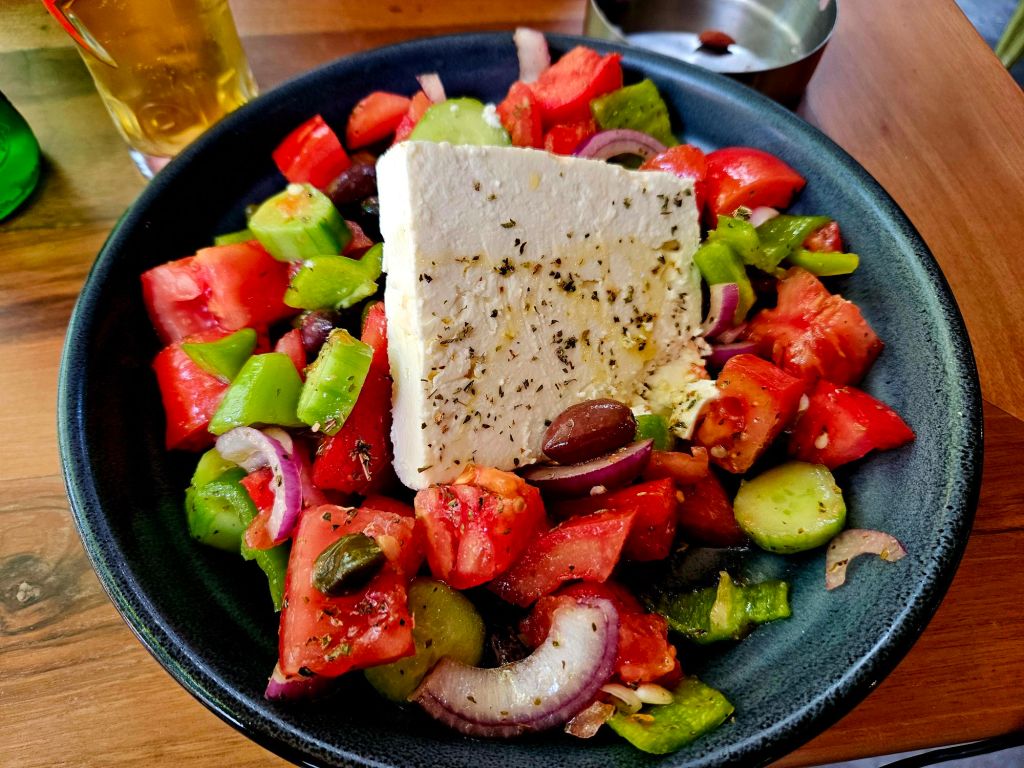
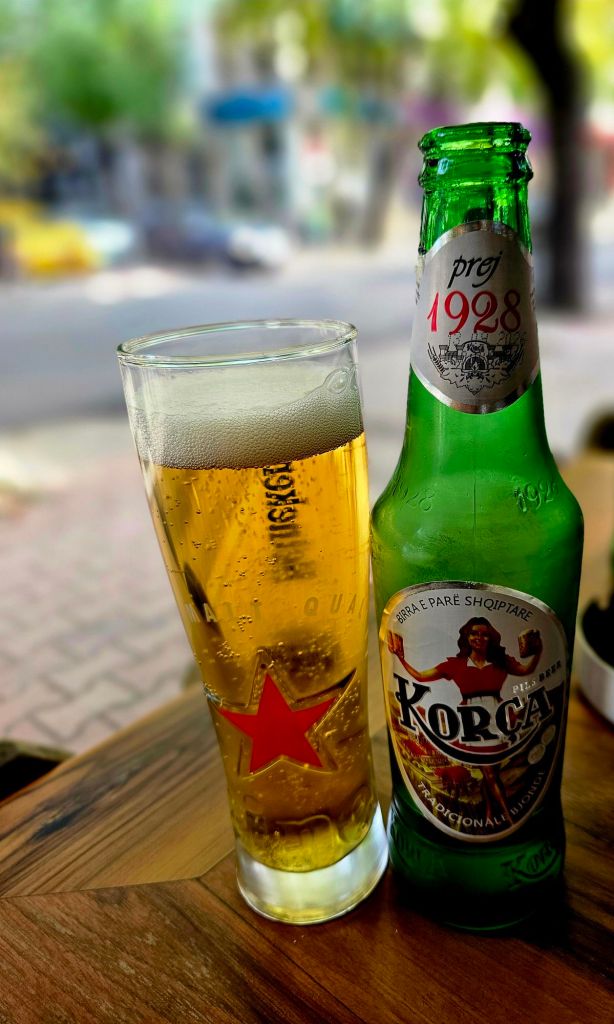
We stopped at Opa for lunch, which is well known for its Greek street food. I had a massive and delicious Greek salad and tried an Albanian beer, which was also very tasty. Nicola had a filled pitta.
 Fun, Fitness and Fabulousness in your Fifties