Luckily, Faye was feeling a lot better when we woke up, so after packing and storing our luggage, we headed out for breakfast. We did try the Linen cafe in the Linen Hall, but the kitchen was being renovated, so they weren’t serving any hot food. So we went back to Maggie Mays. I had a delicious 3 egg bacon and mushroom omlette and coffee.
After breakfast, we walked down to the docks and over to the Titanic Quarter. Throughout this area, there are a number of stained glass windows depicting themes from the GoT. It was a major filming location for the show.
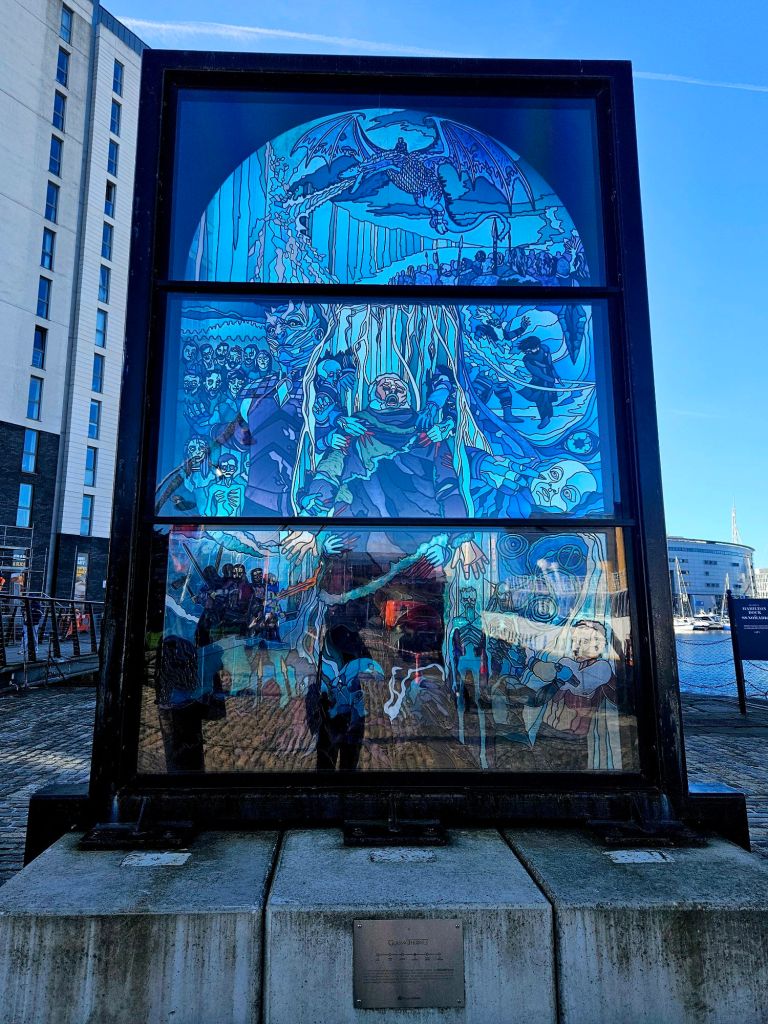
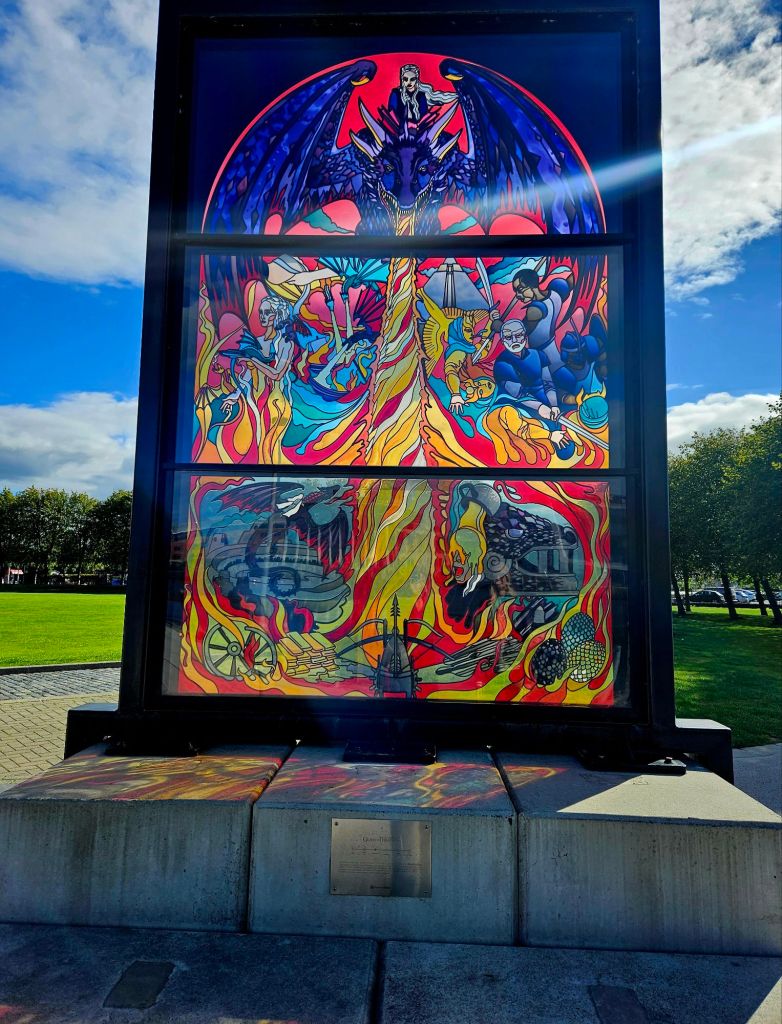
The Titanic Quarter is a major waterfront regeneration project. It is around 185 acres in size and used to be part of the Harland and Wolff shipyard. Originally the island was known as Dragan’s Island, prior to the Titanic being built. It was created in 1840 when a deep channel was cut through the mudflats of the River Lagan, and the discarded material was used to create the island. It was later renamed Queens Island after Queen Victoria’s visit to Belfast in 1849. The island’s first use was as a people’s park, with a zoo, a crystal palace, gardens, and a bathing pond.
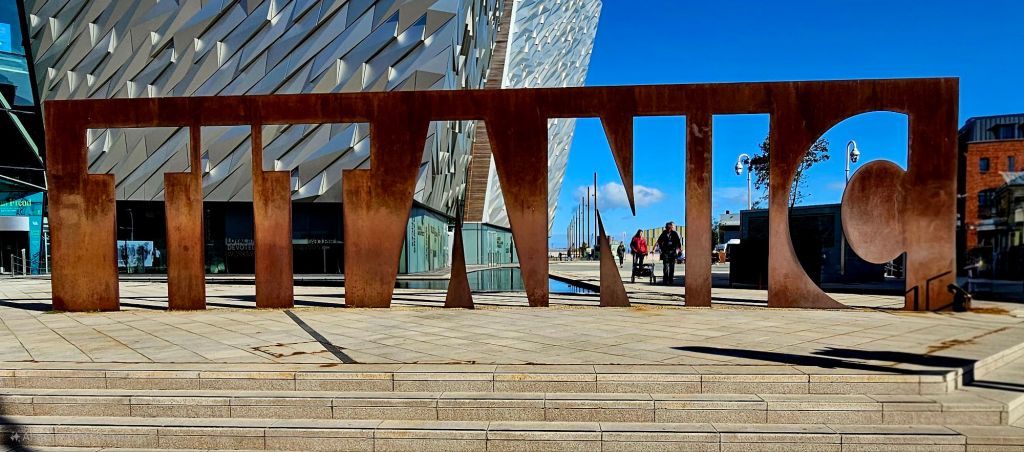
In 1861, Edward Harland and Gustav Wolff established the Harland and Wolff shipyard. By 1875, they employed over 1000 workers, and in 1909, they started to build the Titanic.
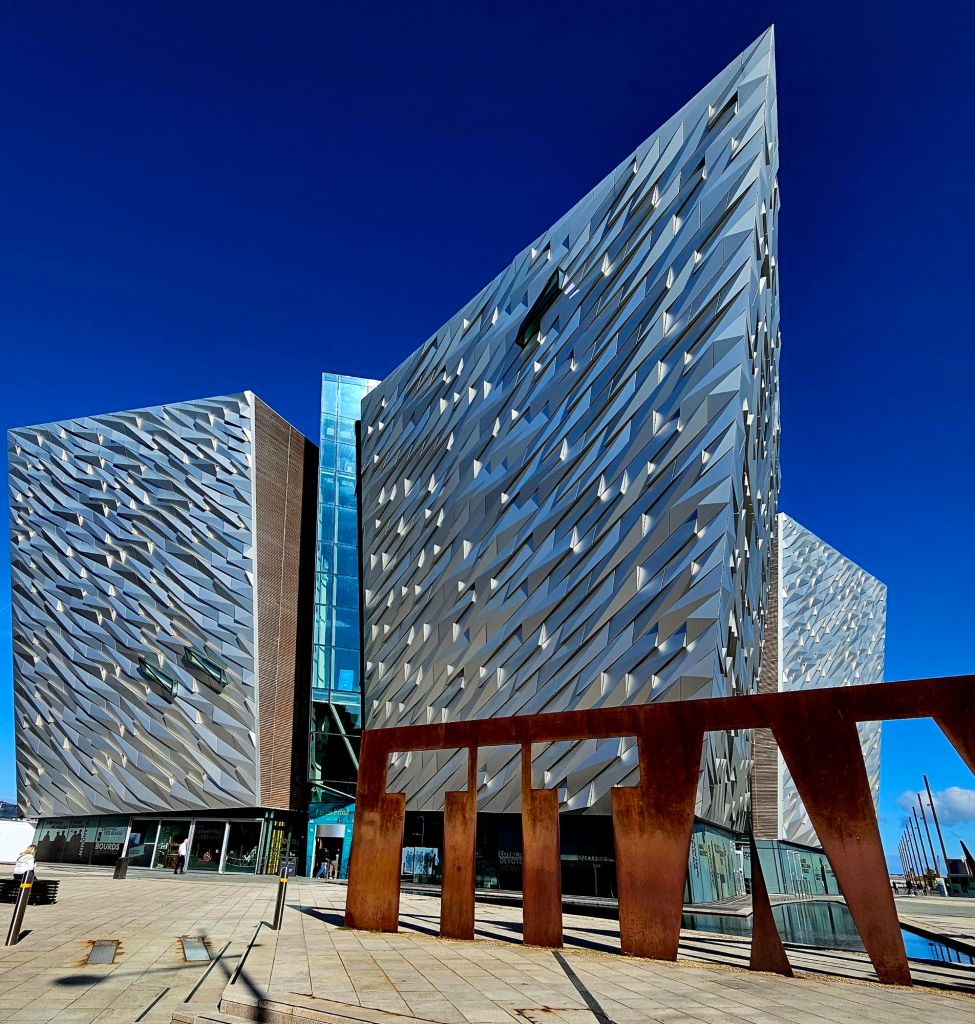
The largest development is the £97 million Titanic Belfast visitor attraction, which holds the record for the island’s largest ever single concrete pour (4,300 cubic metres) for its foundations. The vistor centre captures the spirit of the shipyards, ships, water crystals and ice.
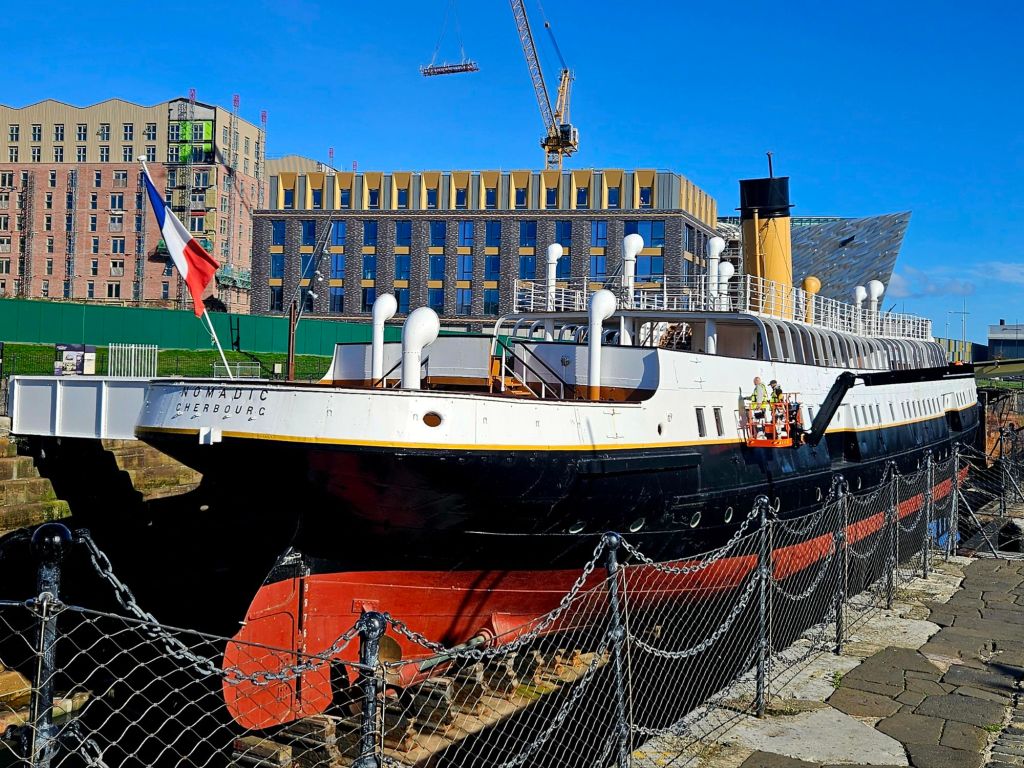
On the way to the visitor centre, we passed the Nomadic SS. This boat was built alongside the Titanic in 1911 and is exactly one-quarter of the size of the Titanic. Nomadic was used to transport first – and second-class passengers from the shallow dockside in Cherbourg out to Titanic, which was moored in deeper water just off shore. The boat has had active service in both world wars, over fifty years experience of carrying thousands of passengers to the world’s largest transatlantic liners and nearly thirty years as a restaurant and party venue moored beside the Eiffel Tower in Paris. It is the last remaining White Star vessel (the company that built Titanic).
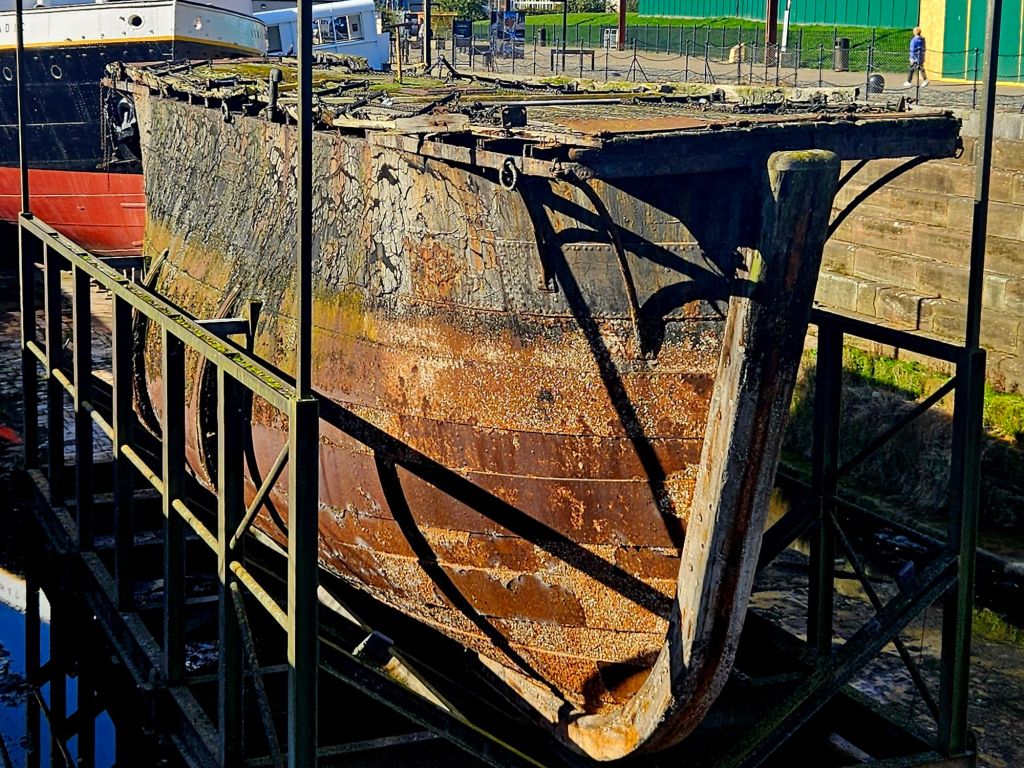
Next to the Nomadic was what looked like a very rusty ship. It is a caisson, a movable lock gate that was once used for the Hamilton Dry Dock. It’s a historic but non-seagoing vessel that was left in the dock after it was no longer needed. Caissons like this were used to seal off a dock, with water being pumped in to sink it and seal the entrance, and the caisson then floated and was pumped dry to open it.
We had pre-booked our Titanic experience tickets, so we didn’t have to wait in a queue and could go straight in. There was huge amounts of information to absorb, and it took us nearly 3 hours to go round it all.
I found the fact that flaxseeds were ground and made into flax and then rope, which was used on the ships, really interesting. The long fibres were spun into threads and twisted together to create strong rope for a wide range of uses, such as for the sails of ships.

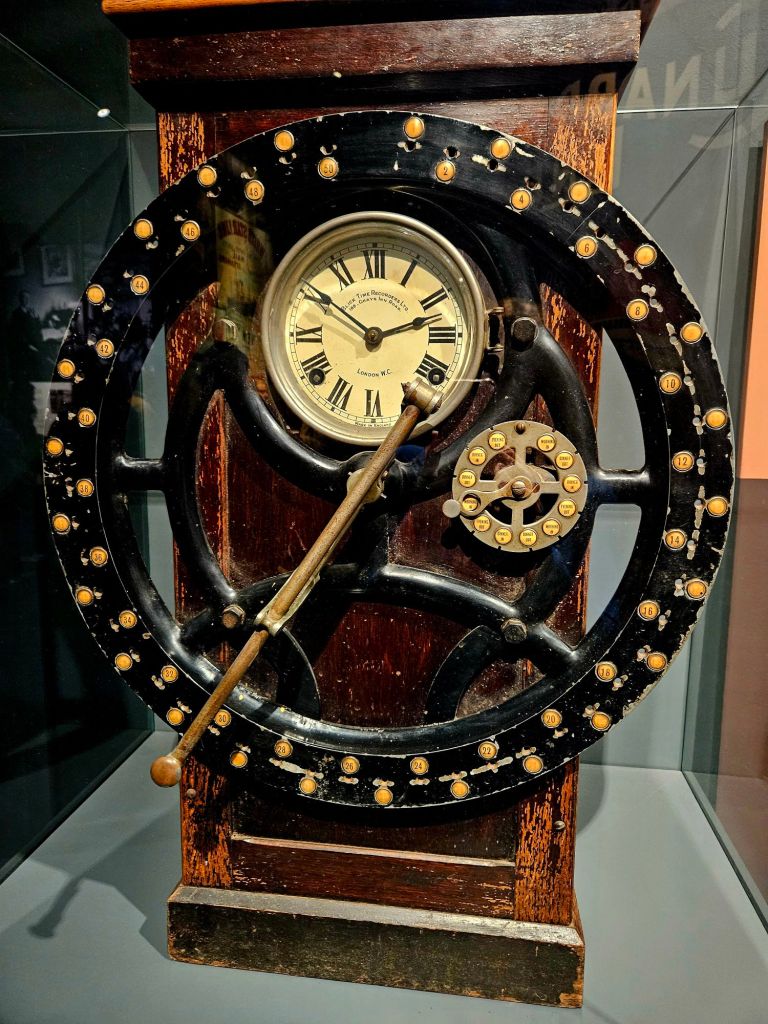
There was another old time clock, too, which was used by the Islandmen to clock in and out of work. At the time Titanic was built, about 14,000 men worked at the shipyard. They worked a 49-hour week, with only half an hour for lunch and received about £2 a week. They had 1 weeks holiday in the summer and 2 days at both Christmas and Easter.
There was a very gentle ride that you could go on, which took you around the various elements of construction of the Titanic.
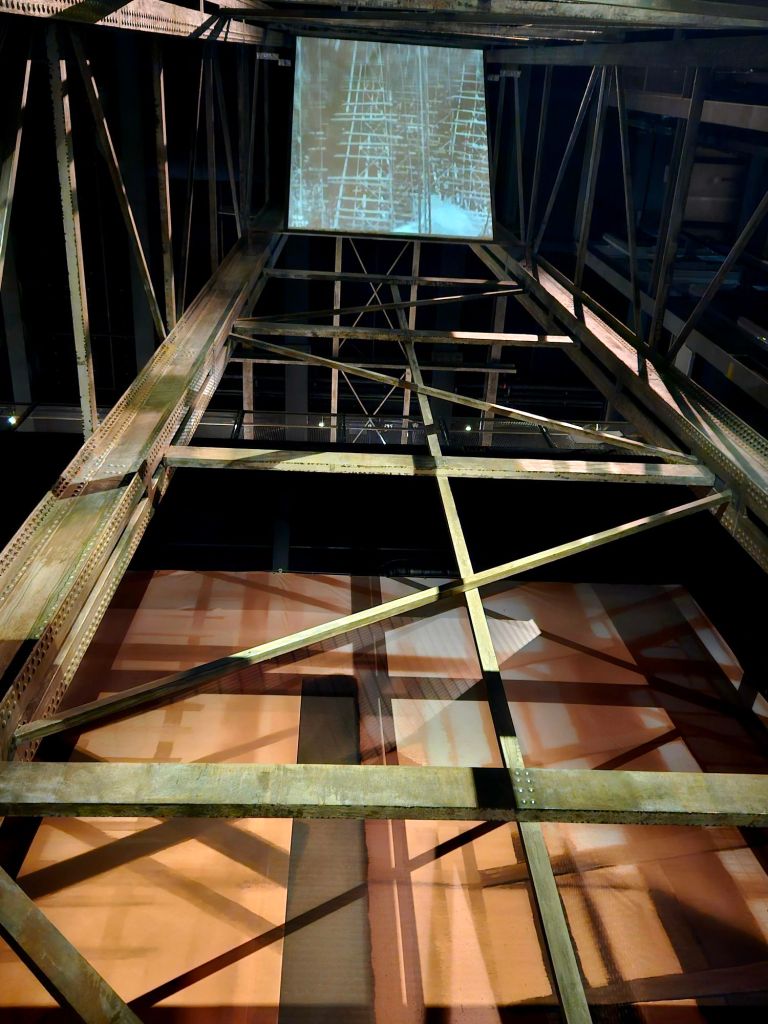
At one point, we looked down at the Olympic slipway. This is where RMS Olympic was built beside her sister ship, Titanic. Olympic was built in 1910 and was the first of a trio of Olympic-class vessels for the White Star line built by Harland and Wolff. Titanic was the second ship, and the third one was originally called Gigantic, but this was changed to Britannic.
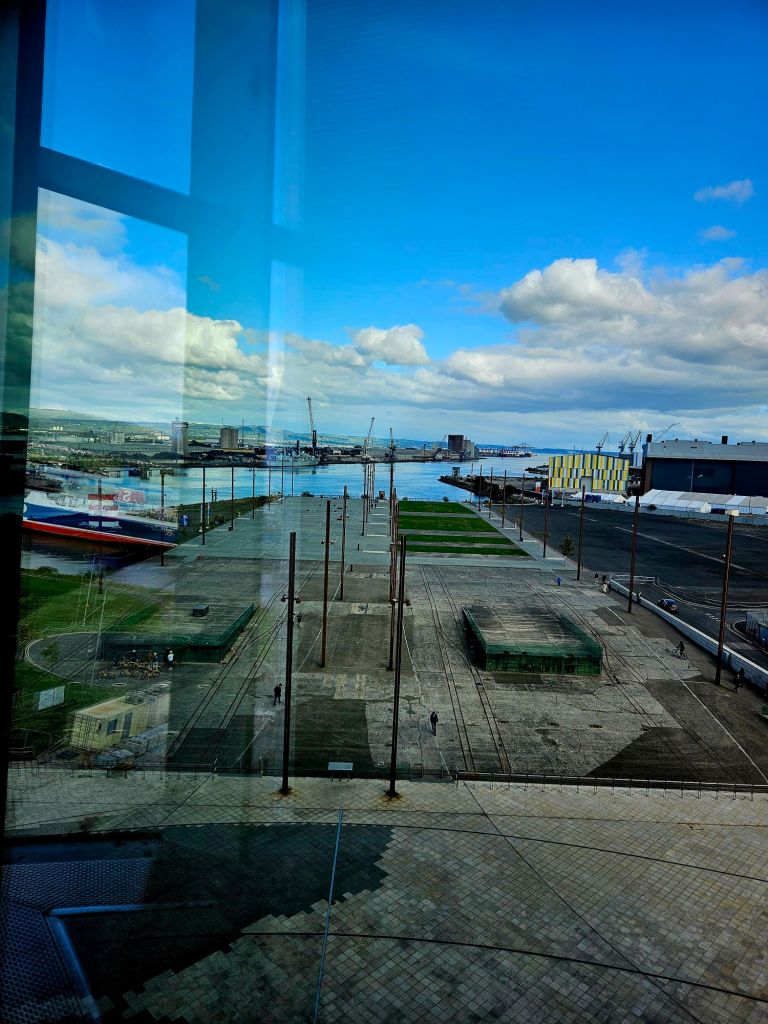
Everyone knows the story of the Titanic. TheTitanic was built over a period of three years. The ship was launched in May 1911, and then the fit and finish were completed post launch. The Titanic left Belfast on 2 April 1912 bound for Southampton. After leaving Southampton, the Titanic stopped at Cherbourg, then Queenstown, to pick up passengers who ranged from immigrants to wealthy figures in London and New York high society. Only a few days after setting sail, on 15 April 1912, the Titanic hit an iceberg and sank.
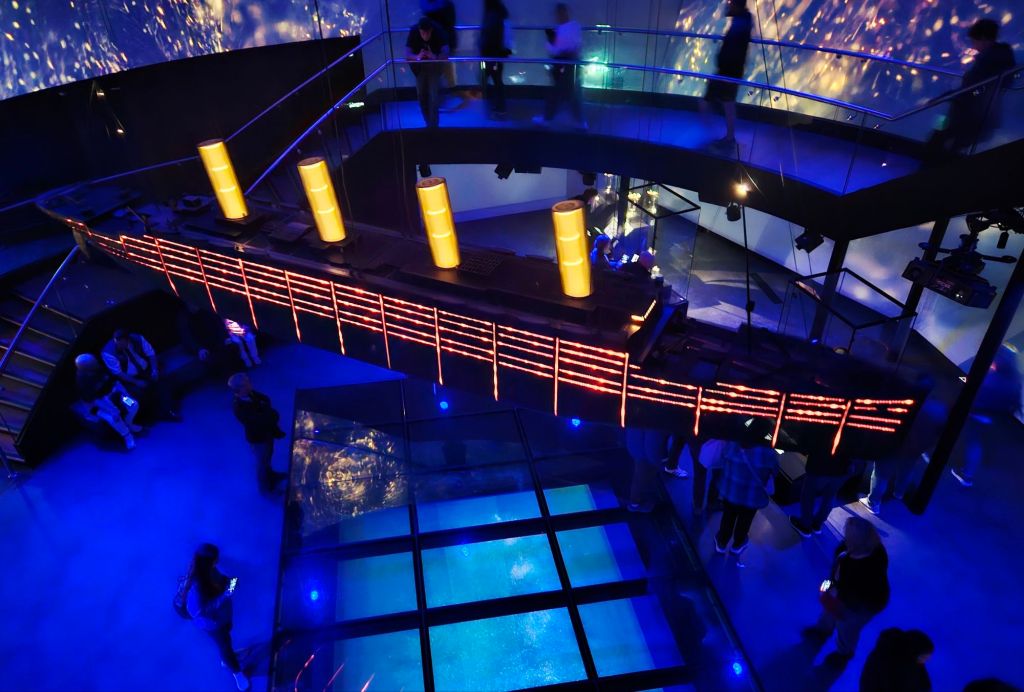
Of the 2,224 passengers on board, only 710 survived. The ship only had enough lifeboats for half the passengers, but some of the lifeboats were launched before they were full. Also, the radio system was mainly being used to send messages for the passengers rather than receive weather reports, so some of the weather warnings were not picked up. And the binoculars that were stowed in the crows nest were locked away, and the crew member who had the key was not on board the ship. The percentage of survivors who were first class passengers was around 62% , compared to 43% from second class, and 26% from third class. More women and children survived as they took priority when the lifeboats were loaded.
Harland and Wolff continued to be a global shipbuilder after the Titanic. During WWII, the shipyard built 6 aircraft carriers, two cruisersand 131 other naval ships. The last liner the company launched was in 1961. The shipyard then started to build oil tankers. The last ship built here was in 2003, although they do still carry out ship repairs. From 2025, the yard will be constructing three new solid stores replenishment vessels for the Royal Auxillary.
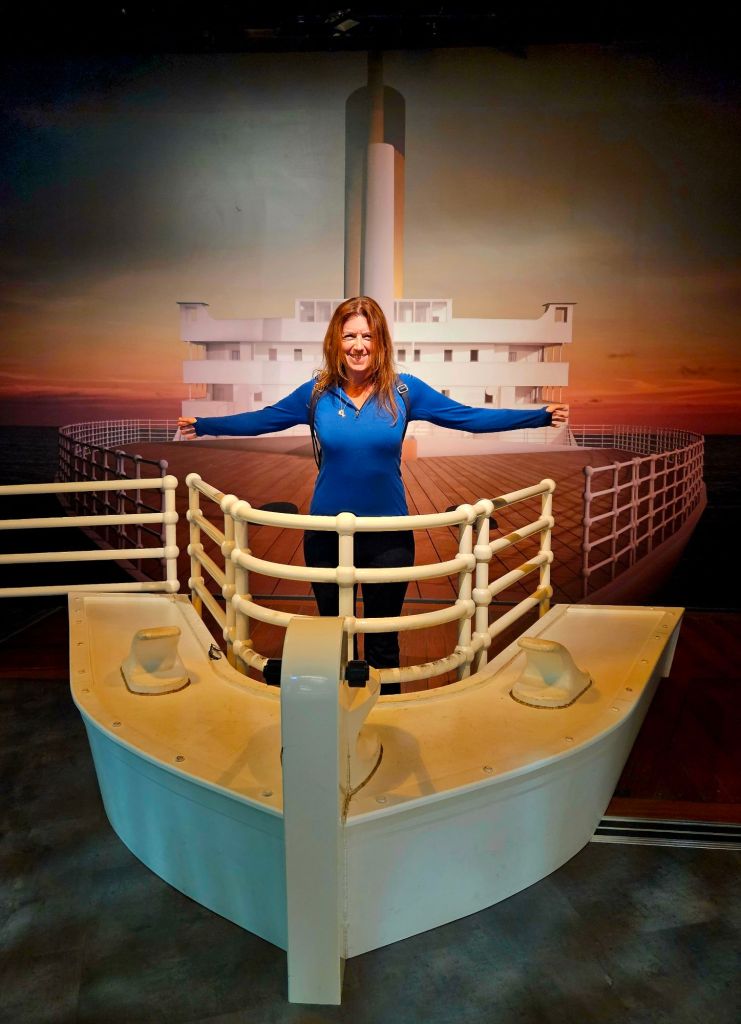
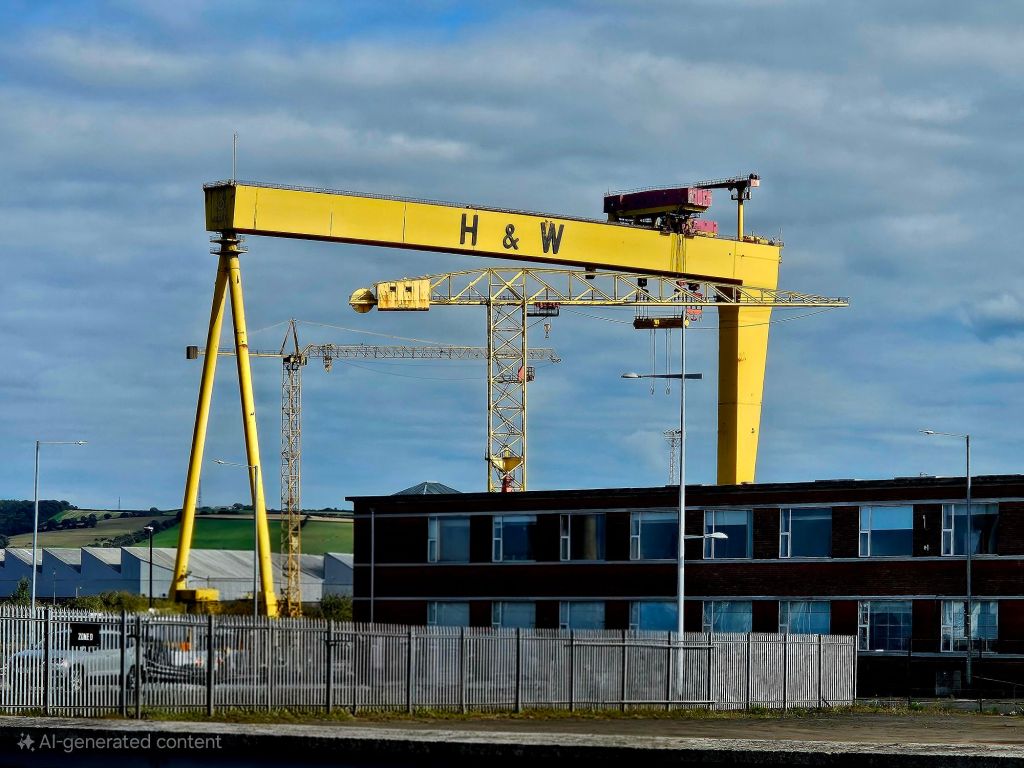
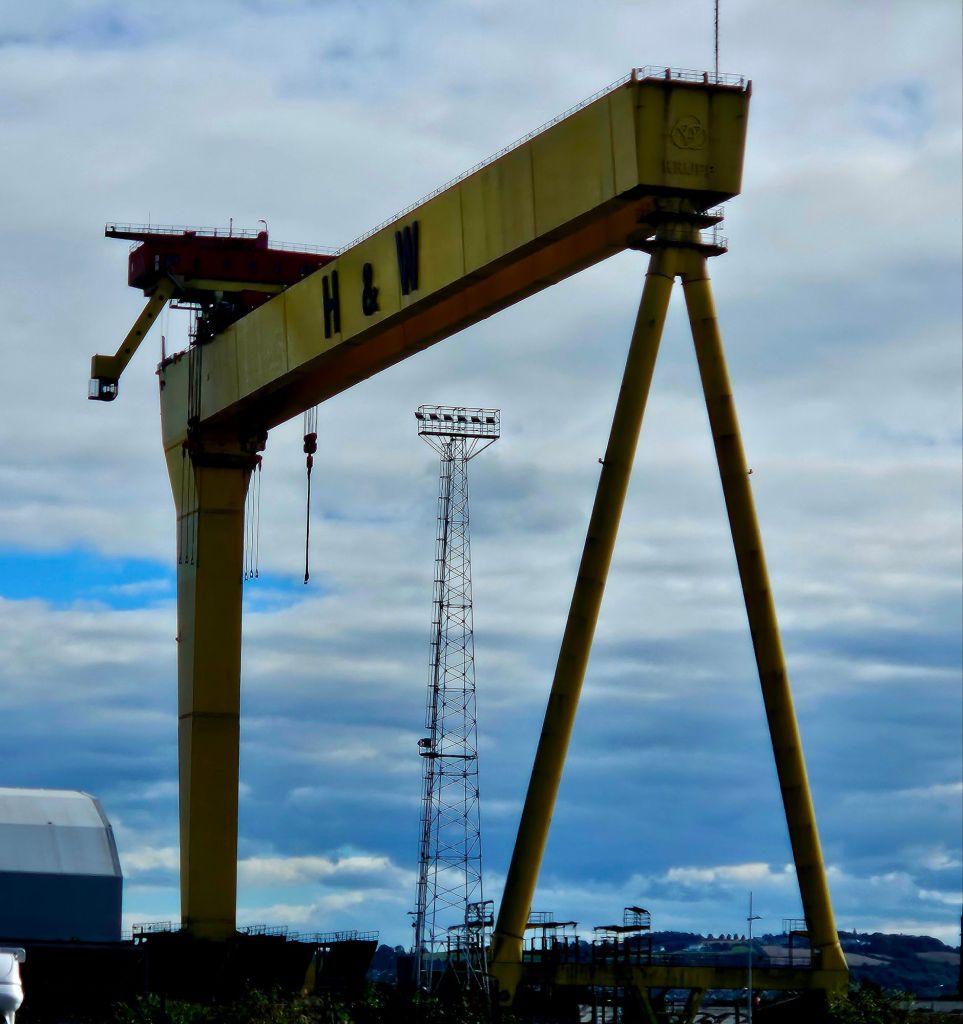
After leaving the Titanic experience, we went to see Samson and Goliath – the two yellow cranes. Goliath was built in 1969 and Samson in 1974. They are still used today in ship repairs.
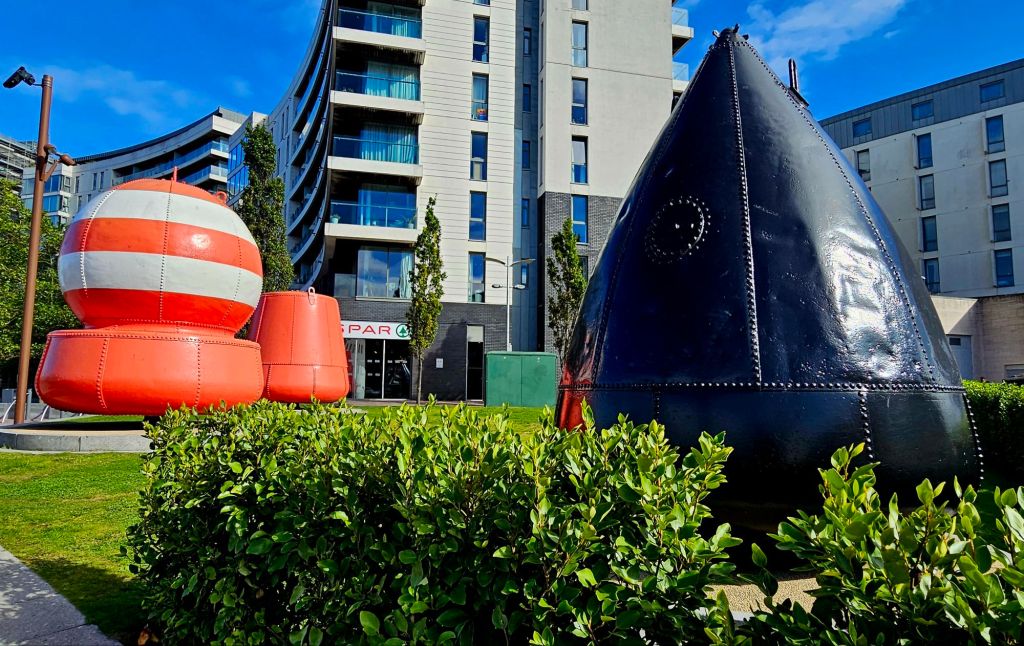
As we left the Titanic Quarter, we passed the three bouys. These were originally installed in the cathedral gardens in 1983 and were a gift from the Commissioners of Irish Lights and are estimated to be around 80 years old.
On the way back to the hotel, we stopped for coffee and cake at Trait Cafe again.
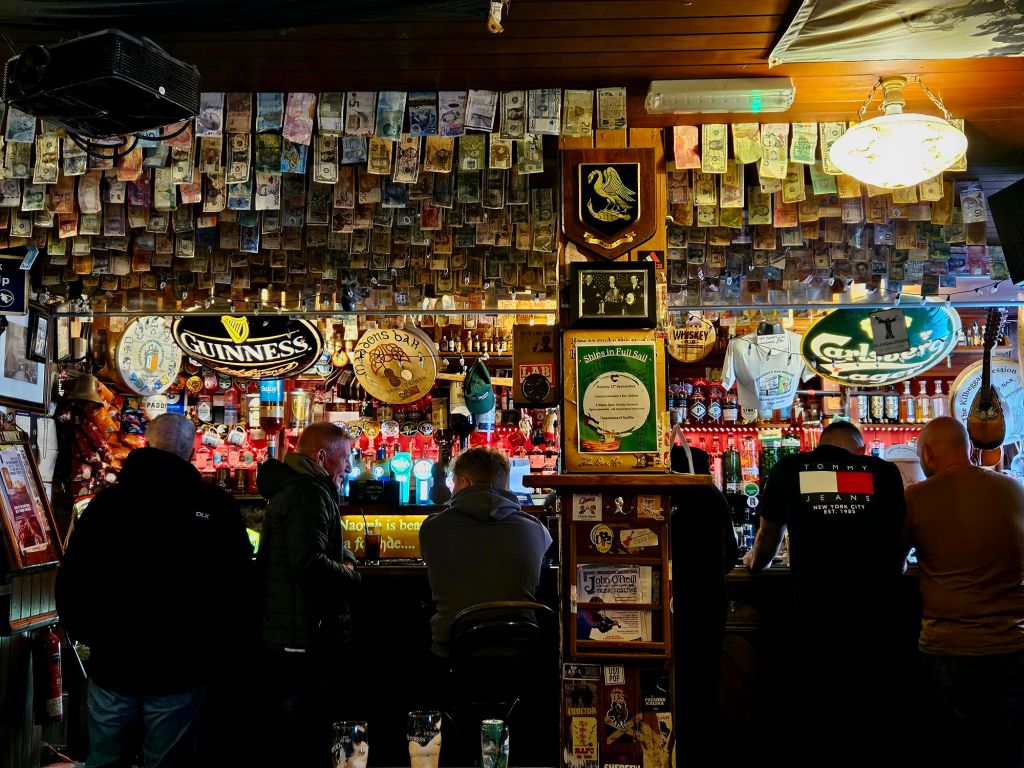
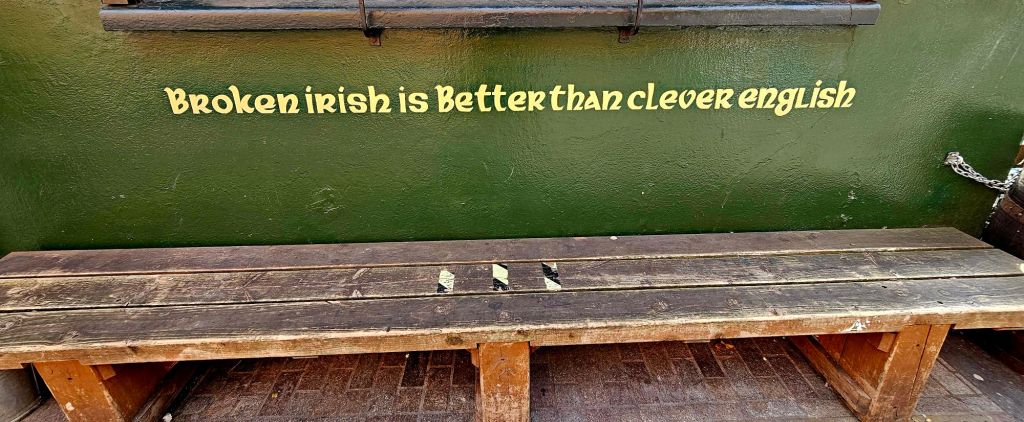
And then, as we still had some time to kill before heading to the airport, we stopped at Maddens Bar, which is a very traditional Irish pub.

You had to ring a doorbell to be allowed inside, and whilst we were there, a guy came in with fireworks and made a joke about setting off explosives in a pub.
The pub was established in the 1870s by the Madden family and becoming a landmark for traditional music. It survived 3 car bomb attacks as well as drive-by shootings during the Troubles, with its owners showing defiance in the face of paramilitary attacks on Catholic-owned pubs.
And then it was time to head to the airport. Our flight was delayed by around half an hour, which wasn’t too bad.
As we took off, you could see the giant cranes again.

And the sun was setting too.
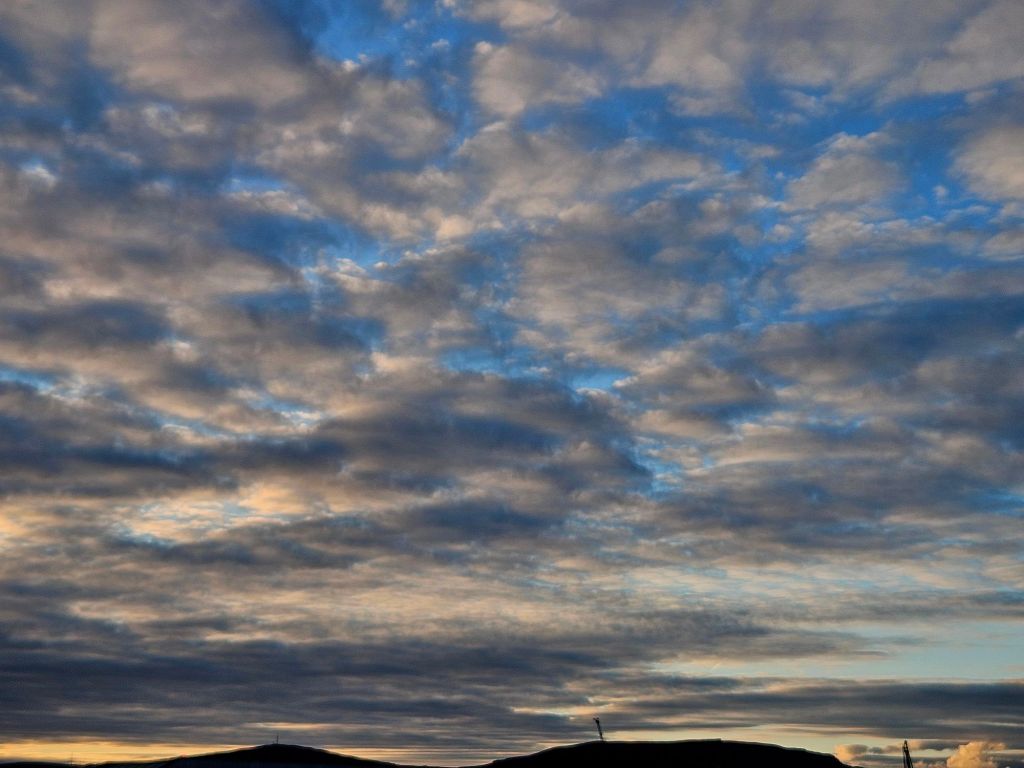
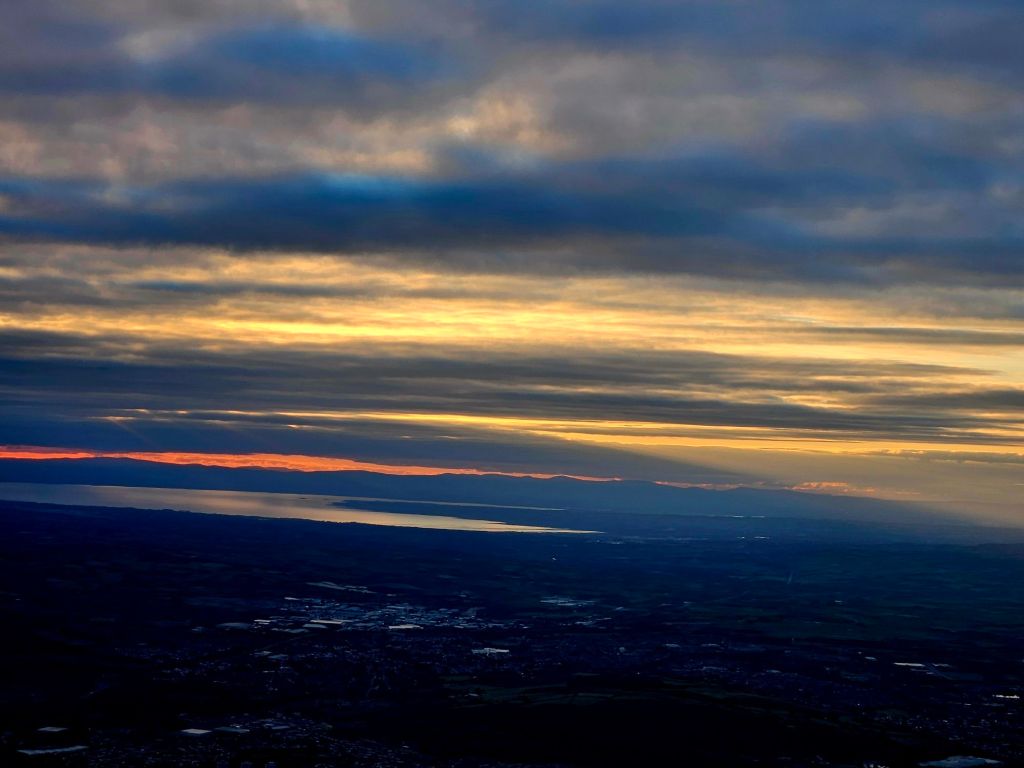

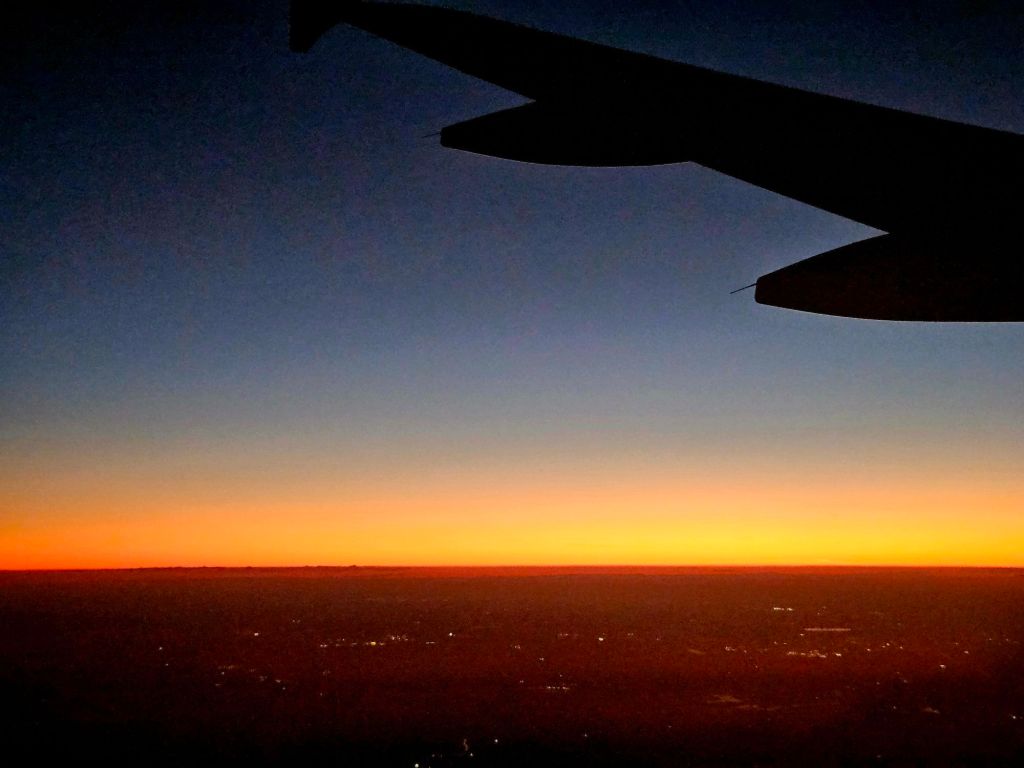
We arrived safely back at Heathrow and got the train back to Fayes.
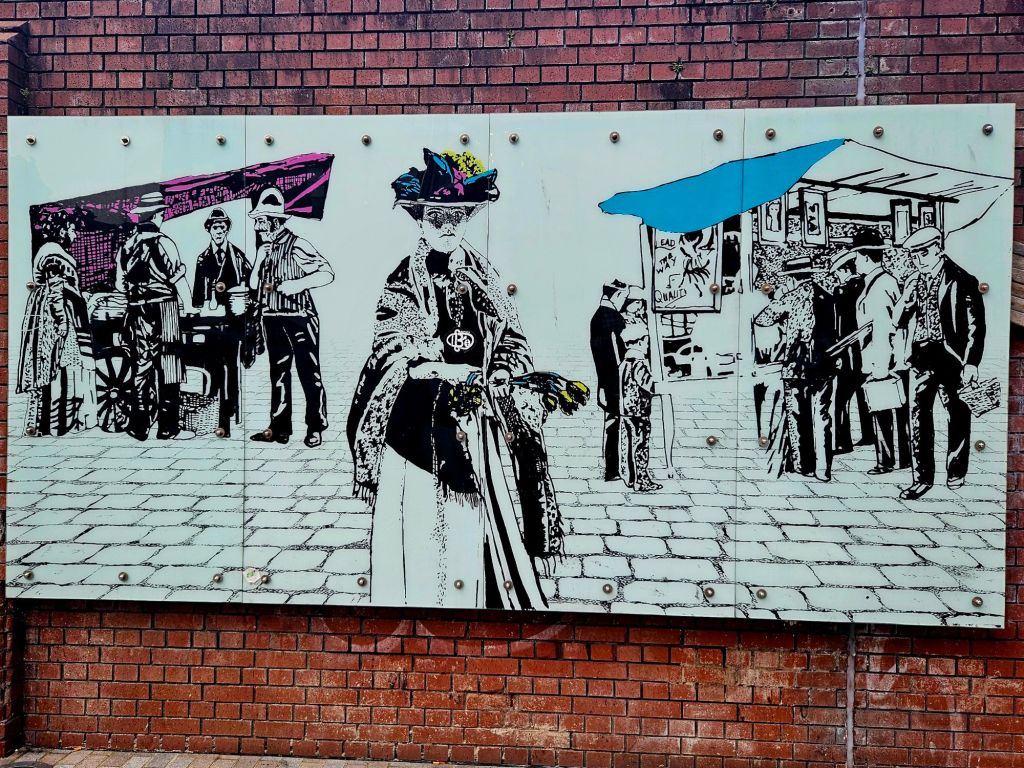
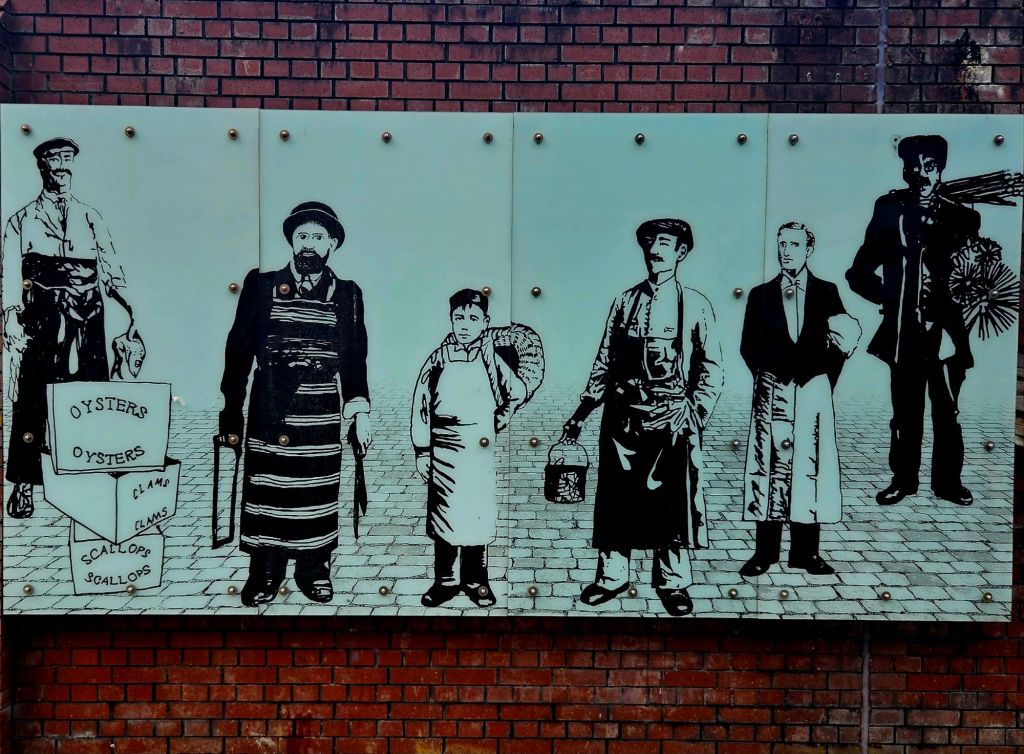
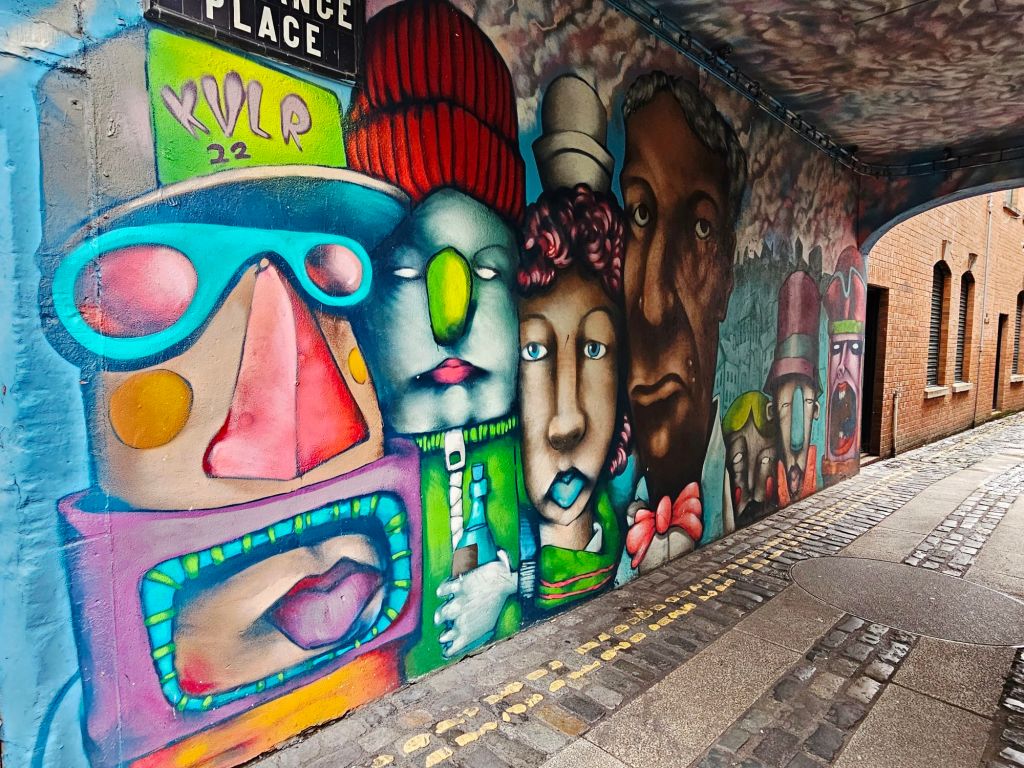
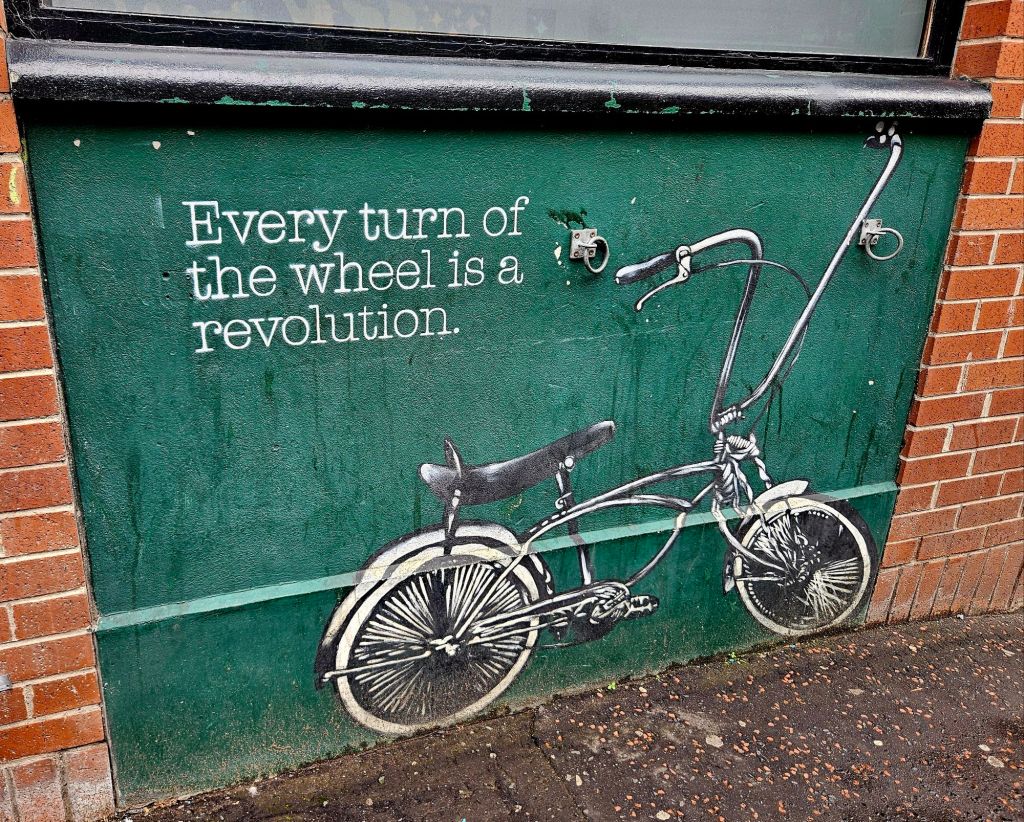
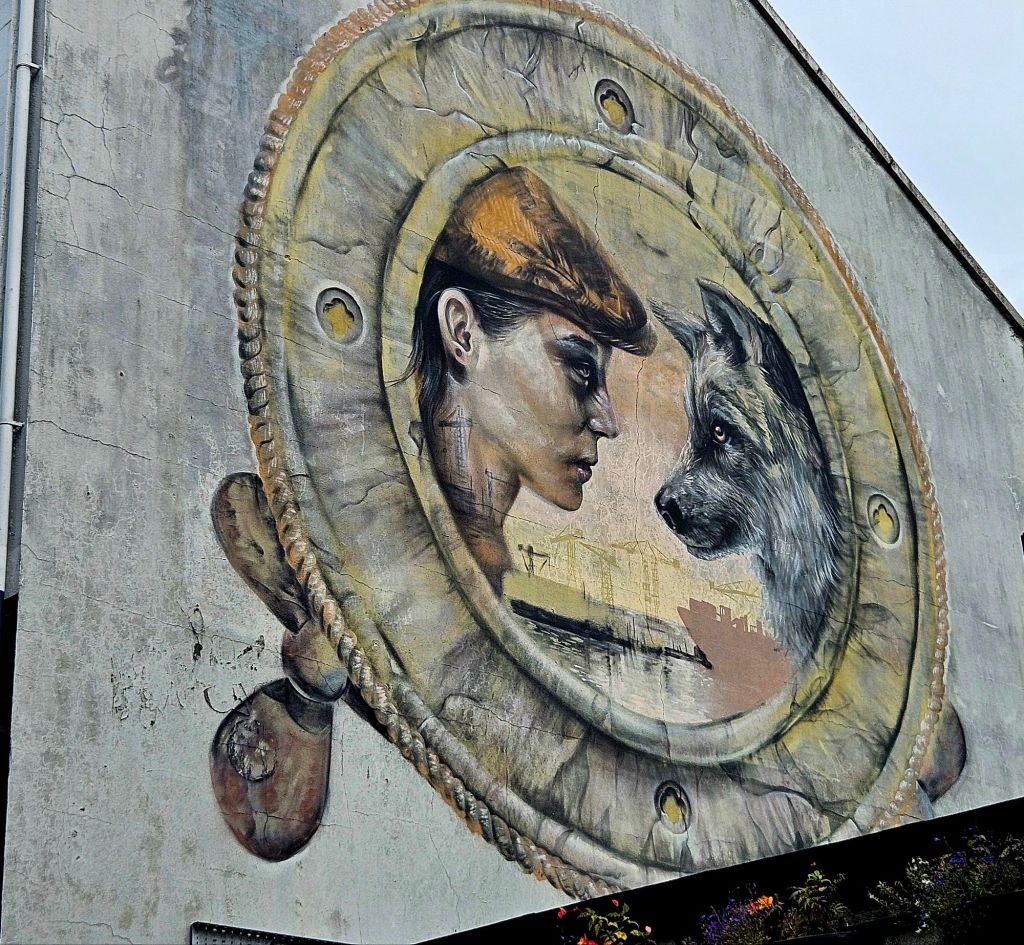
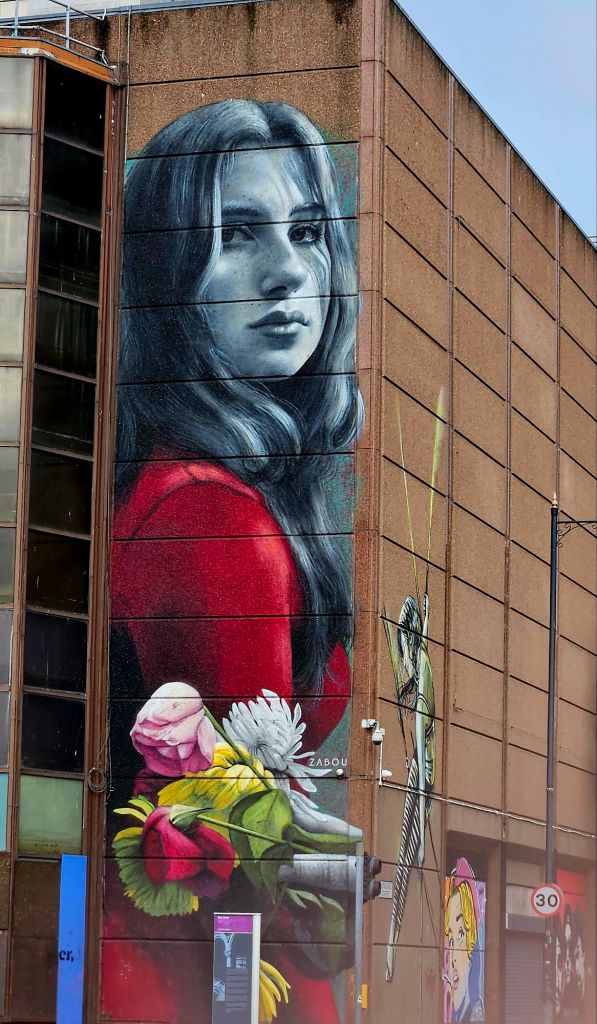
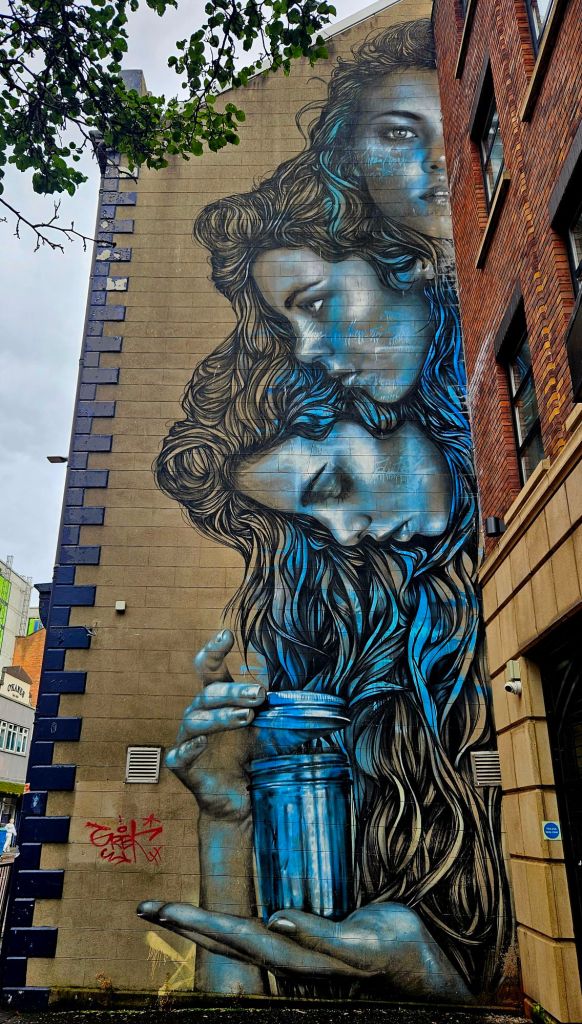
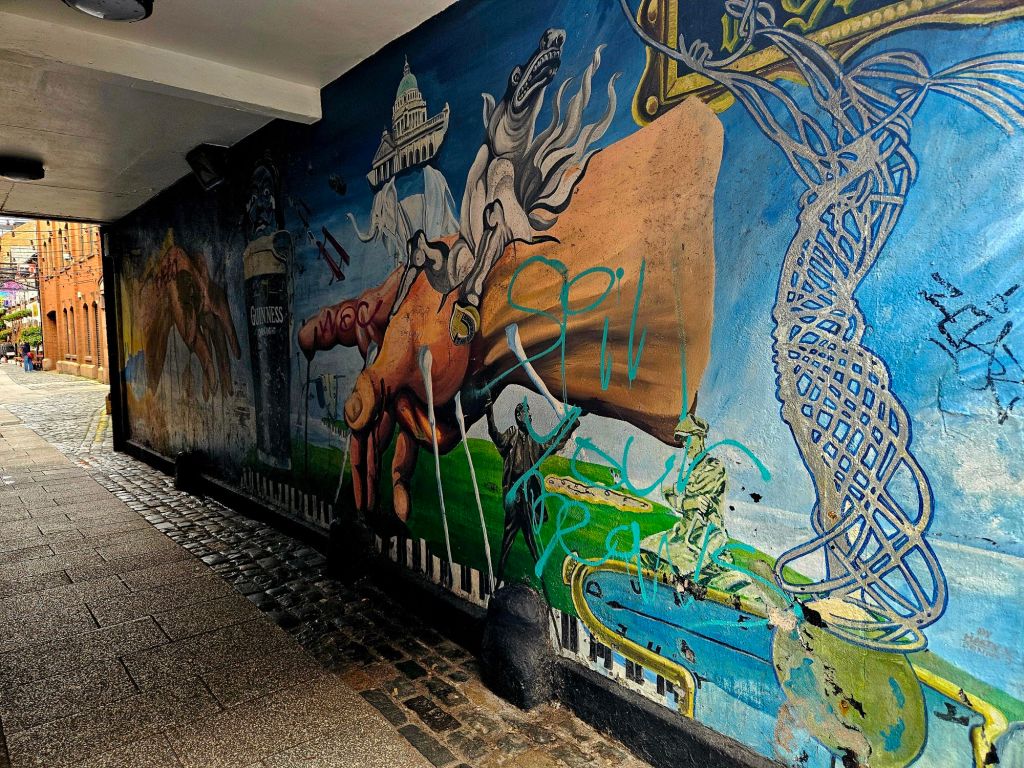
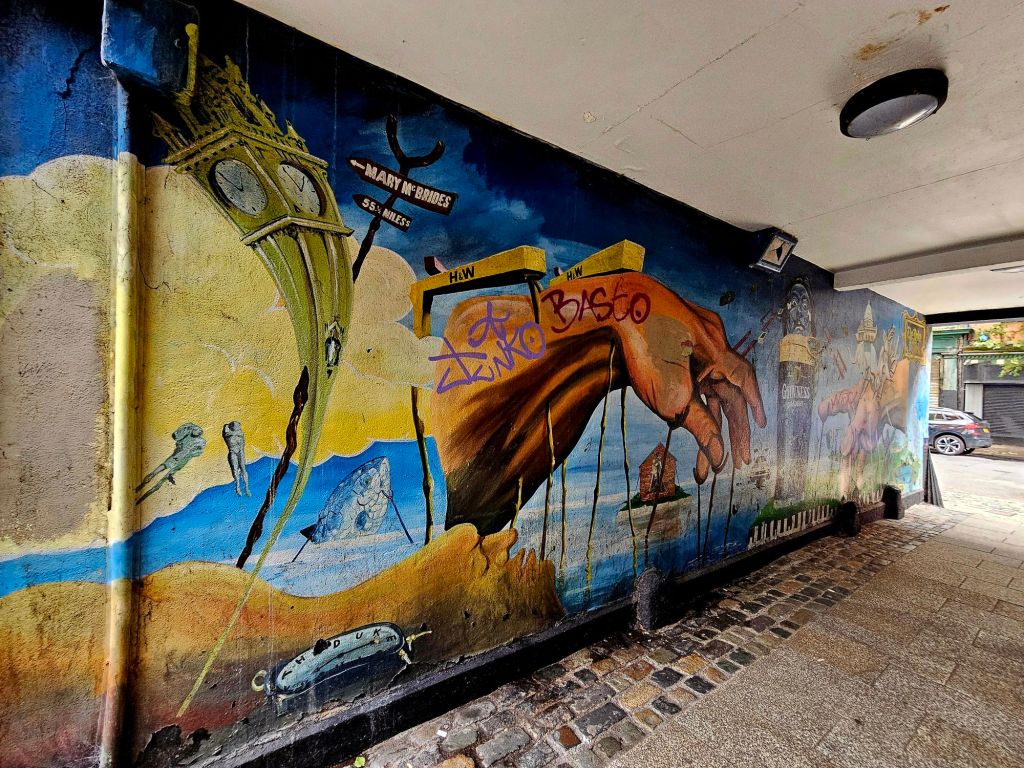
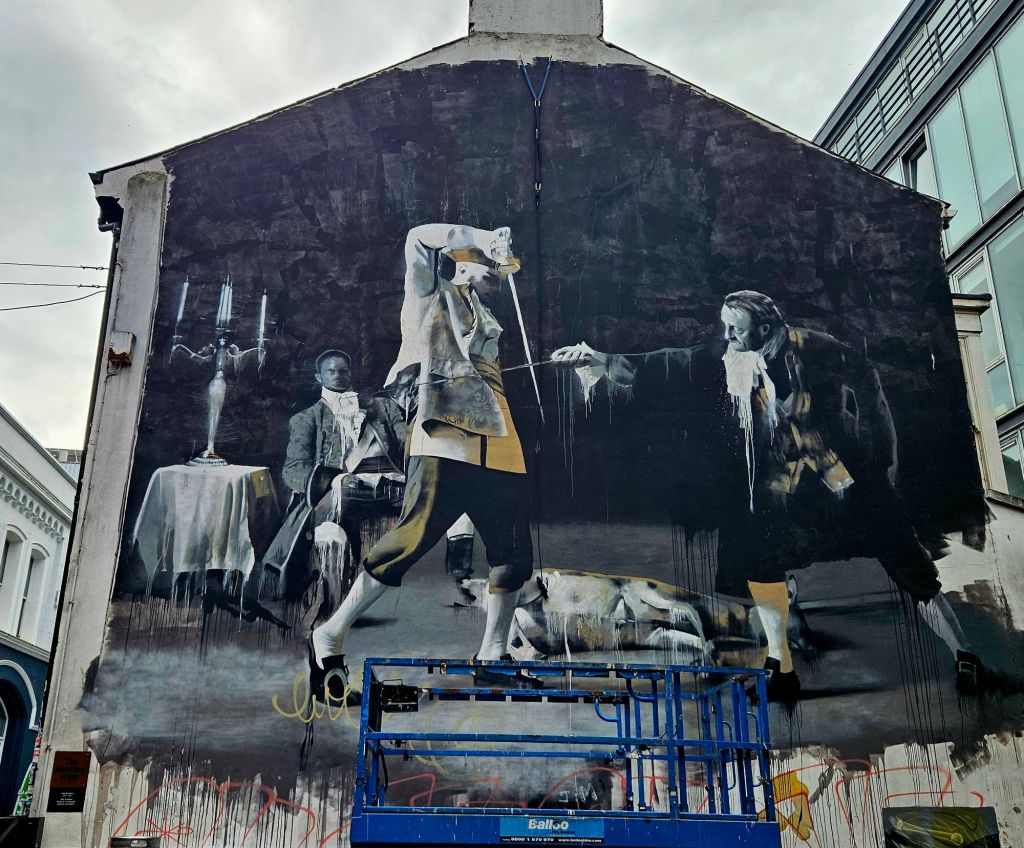
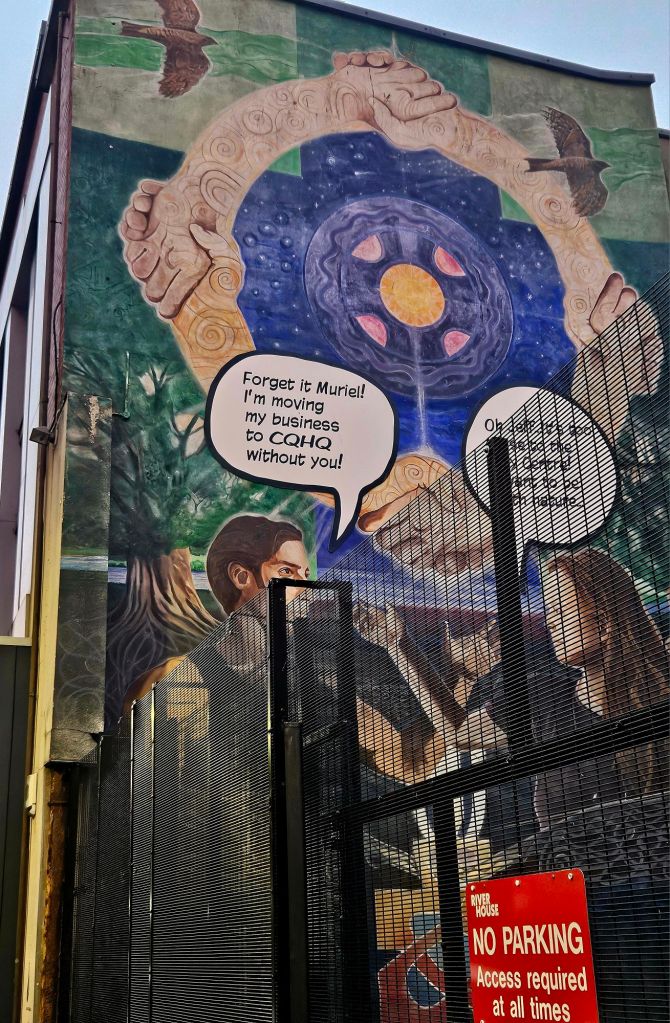
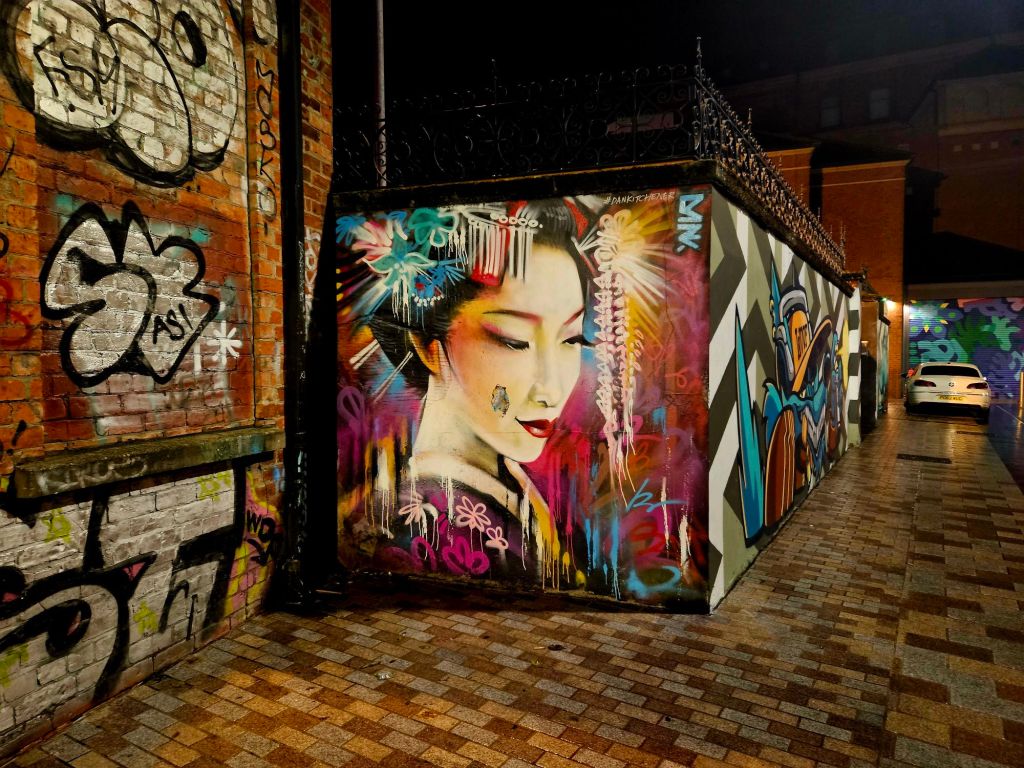
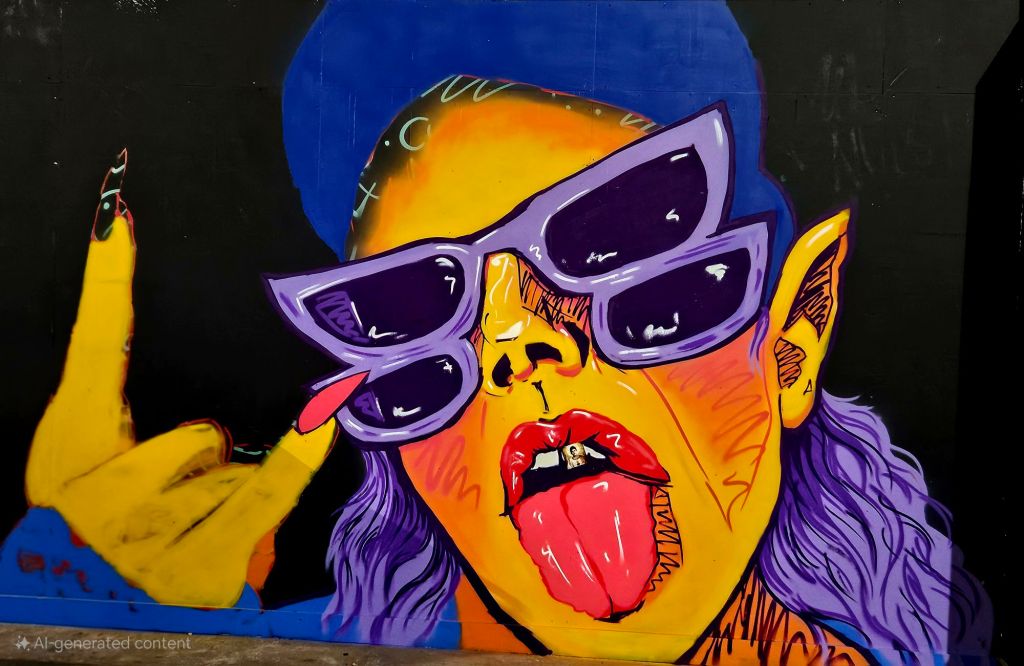
Some photos below of the street art around Belfast.




 Fun, Fitness and Fabulousness in your Fifties