I was in London for work, so I just got the Elizabeth line to Heathrow airport, grabbed some brunch, and got on the plane.
The first thing you see on arrival at Belfast City Airport (George Best Airport) are the Samson and Goliath cranes in the Harland and Wolff shipyard.
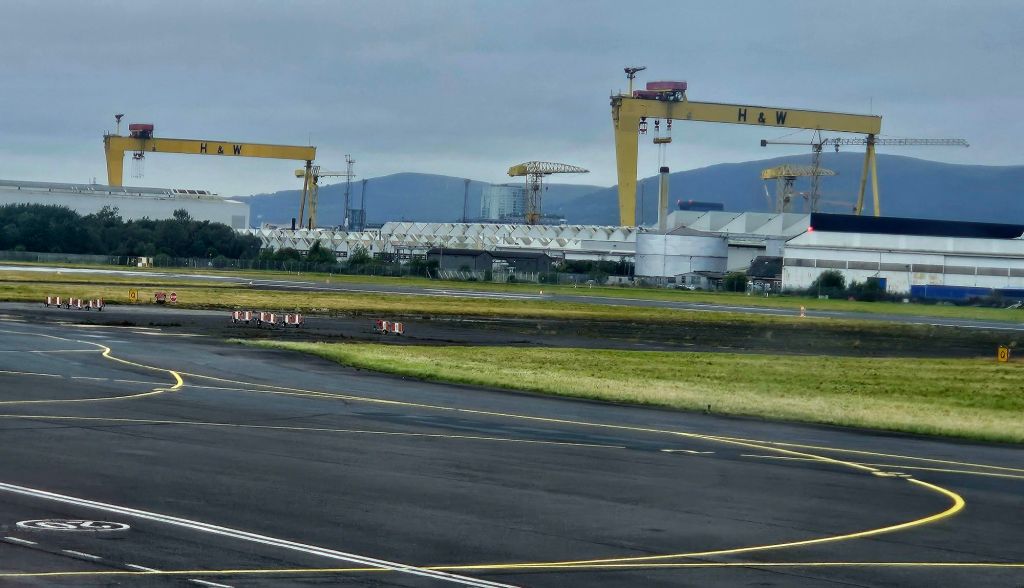
It was very straightforward getting out of the airport, and then I waited a short while at the taxi rank for a taxi. The journey to where we were staying was only around 20 minutes, and I had a lovely, chatty taxi driver who gave me lots of advice on what to see and where to go.
The accommodation was in a great location, but it wasn’t the nicest place I have stayed in.
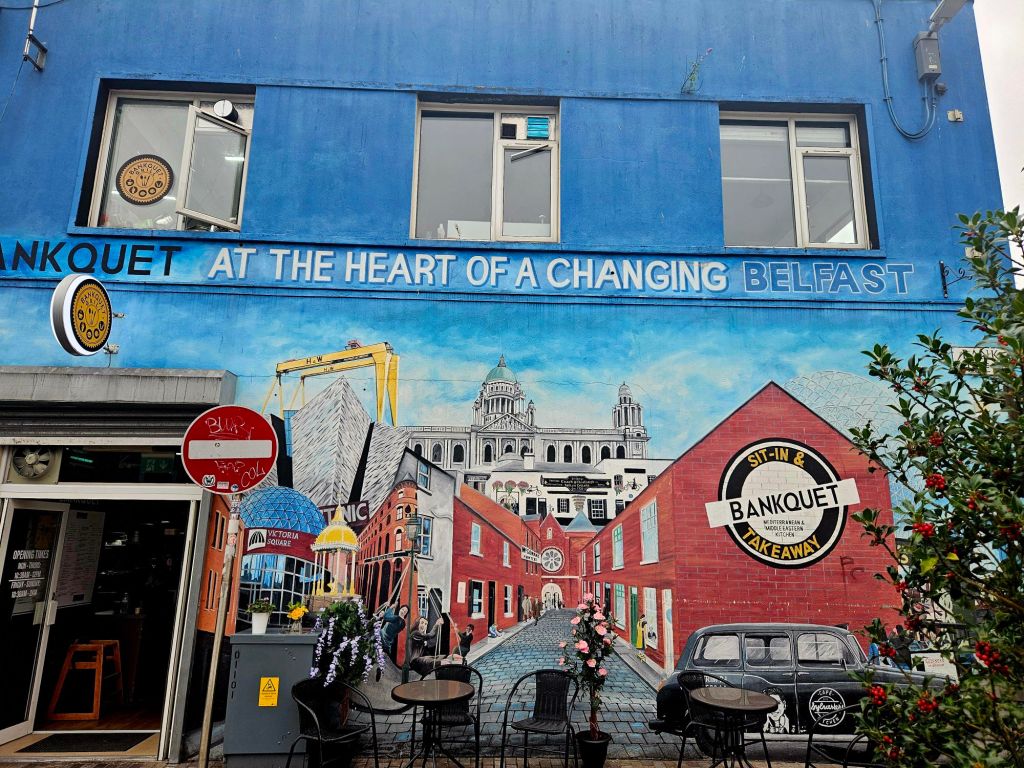
After a very quick unpacking of my suitcase I decided to go exploring.
Right outside the hotel was a bee installation. The bees were installed in July 2024 as part of an urban greening initiative. These sculptures, funded by Belfast City Council, are a symbol of the city’s commitment to creating a more vibrant and sustainable environment.
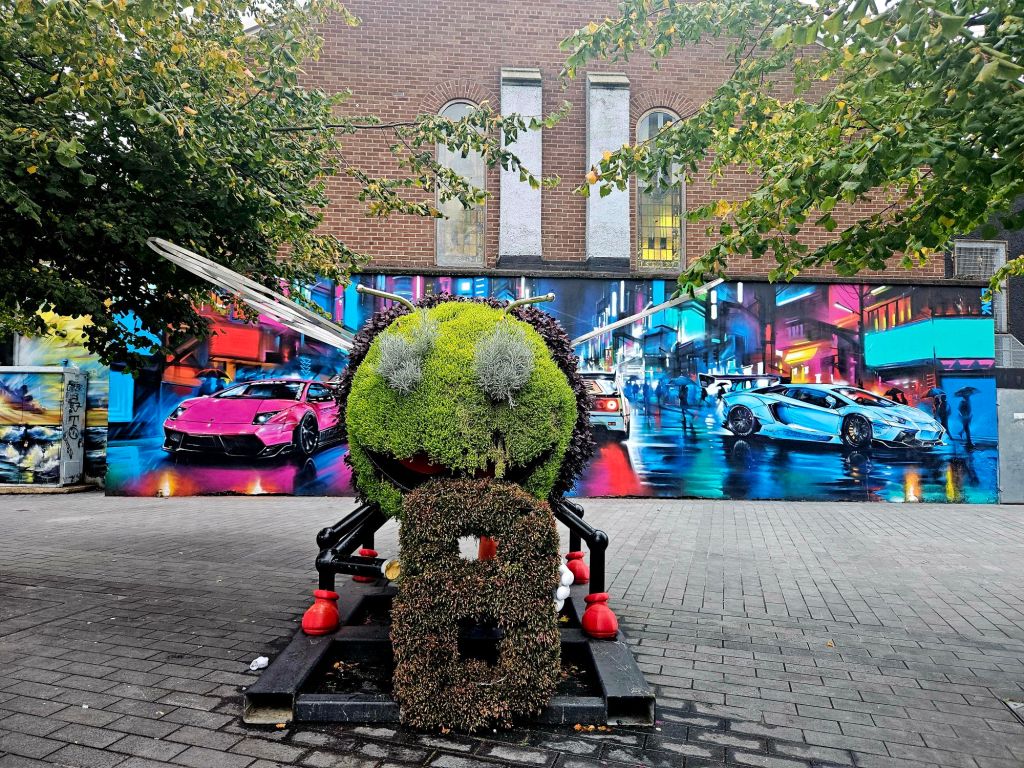
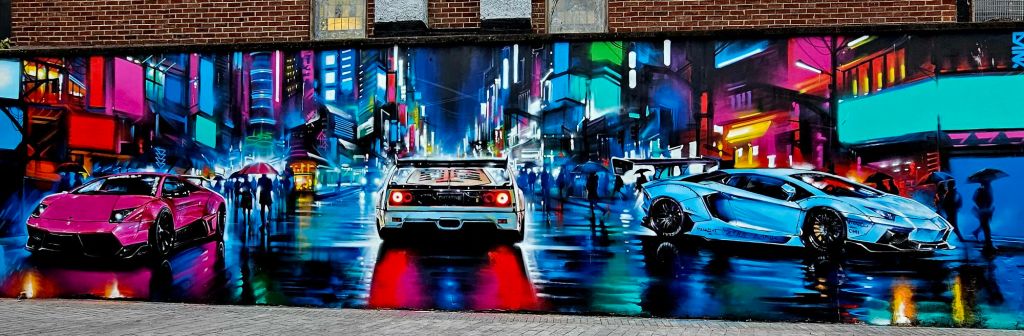
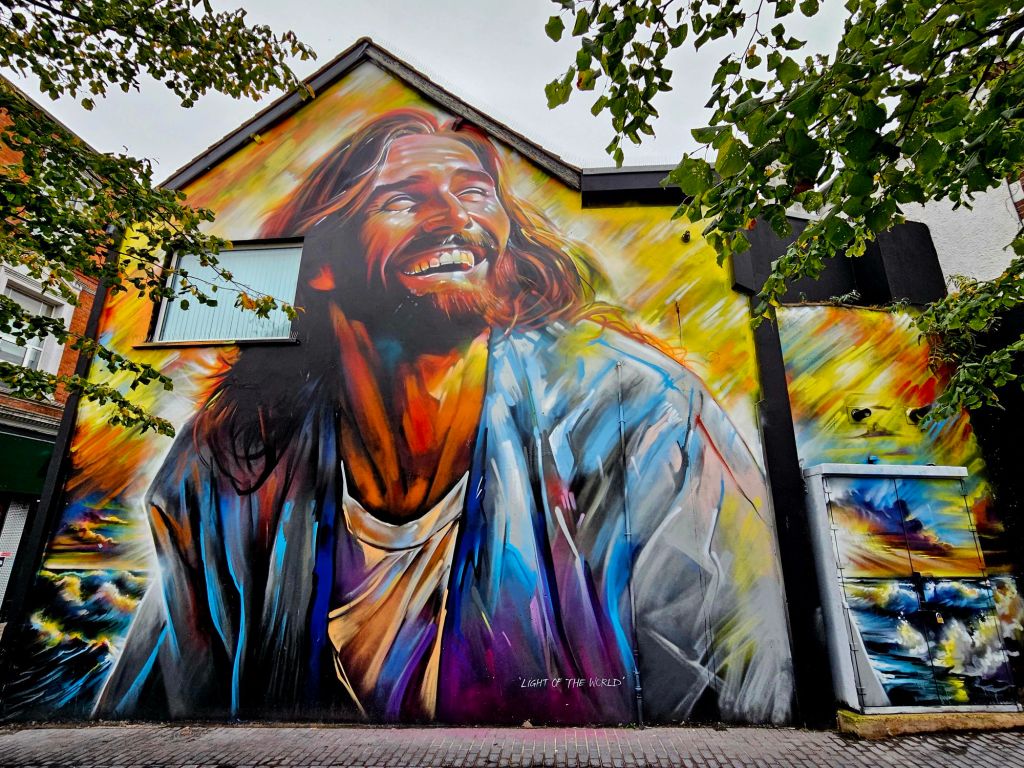
There were also some really nice murals there.
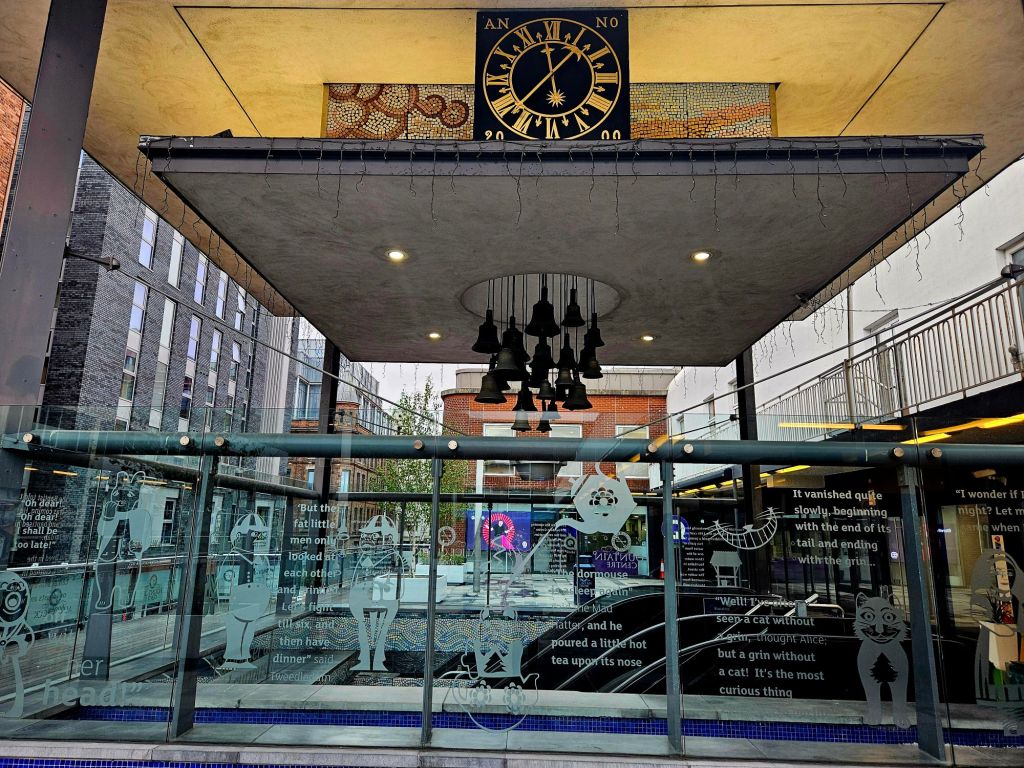
On the way into the centre of the city, I walked past the Fountain Centre and the Alice Clock. This clock is Irelands only automation clock and has a curious procession of characters from Alice in Wonderland and the Nativity. I wasn’t there at the right time to see the figures come out.
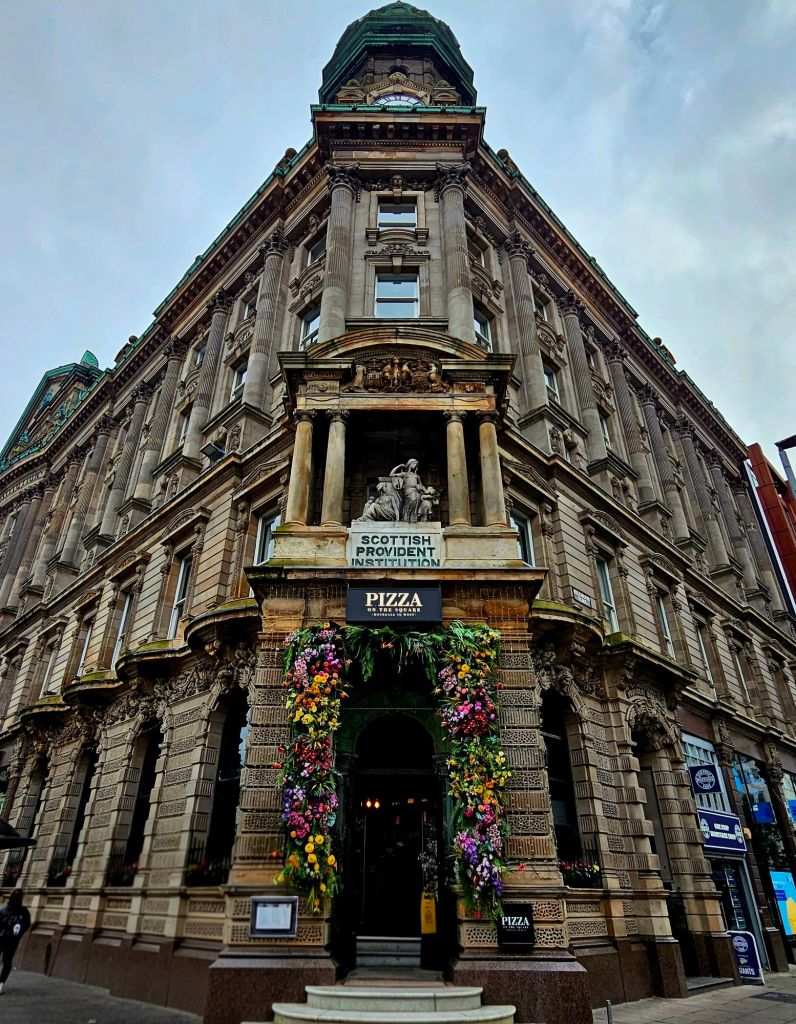
Shortly after, I came across a beautiful building, which is the Scottish Provident Institition. The architecture is amazing, and it was built in sections between 1897 and 1902. It was originally designed as offices but now also houses shops and cafes.
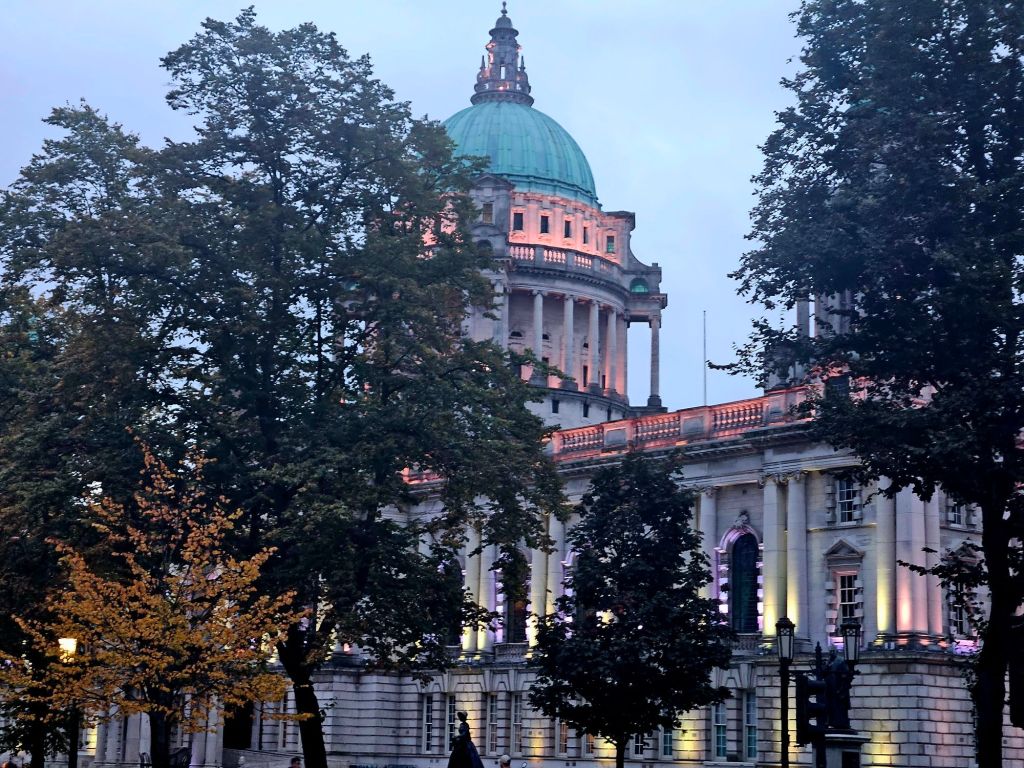
Just close by is Belfast City Hall, another grand building that looks a bit like St Paul’s Cathedral. A 53m copper dome rises up from the centre.
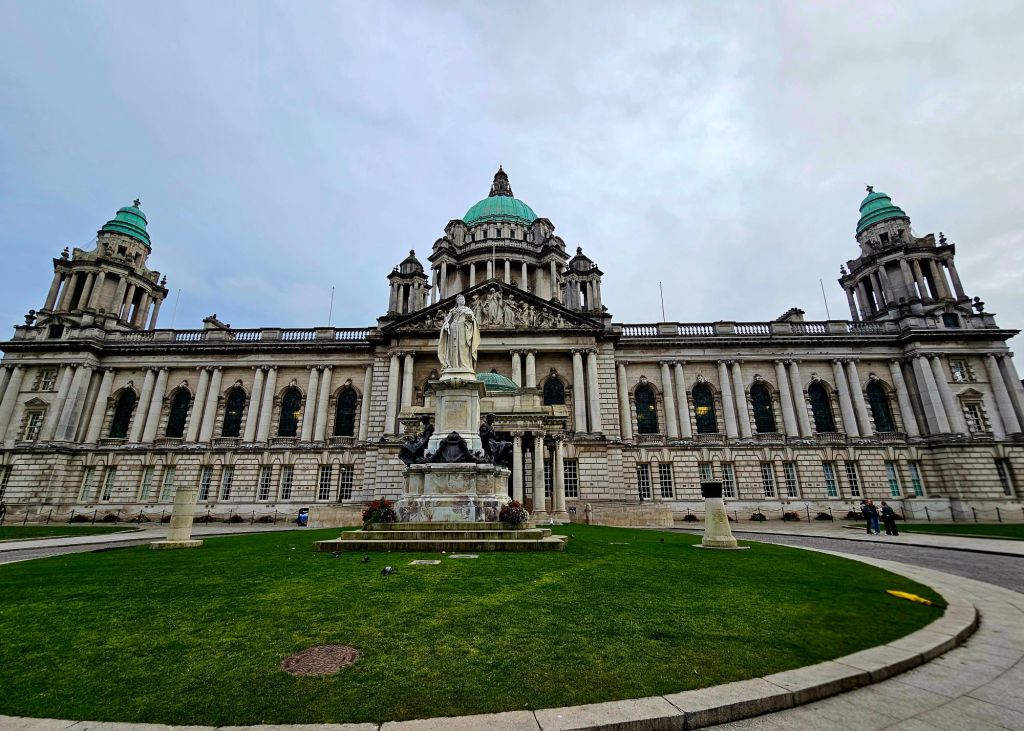
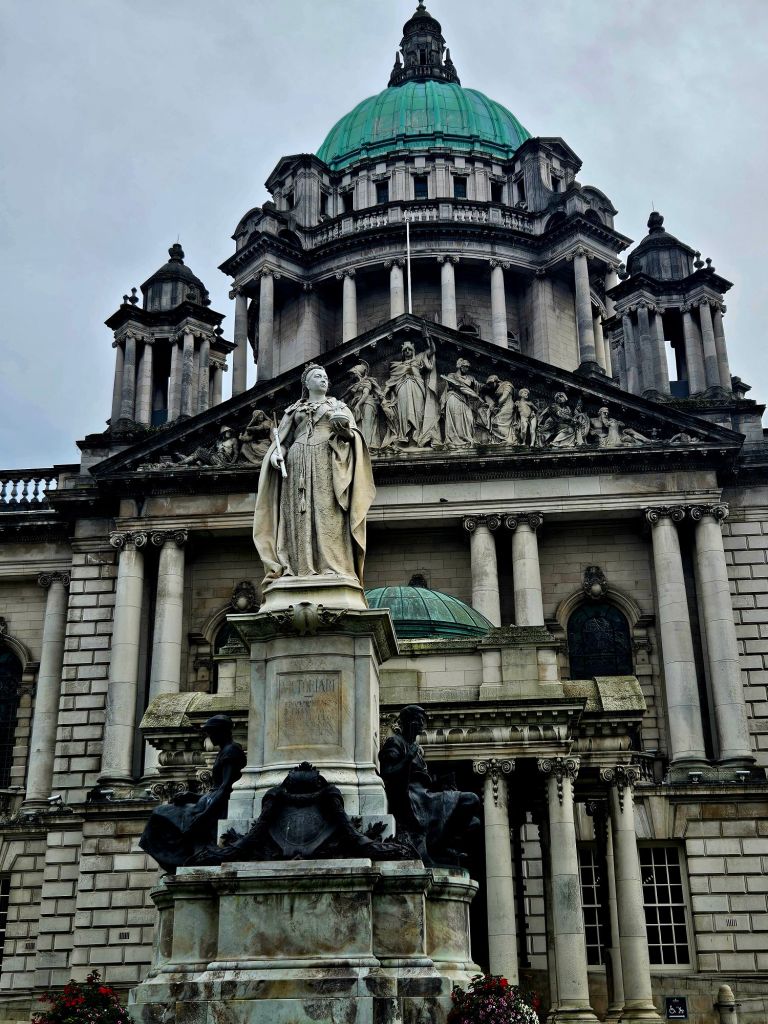
The city hall was built in response to Queen Victoria awarding Belfast city status in 1888. Building started in 1898 and took about 8 years to complete. At the front of the hall, there is a statue of Queen Victoria with her back to the entrance.
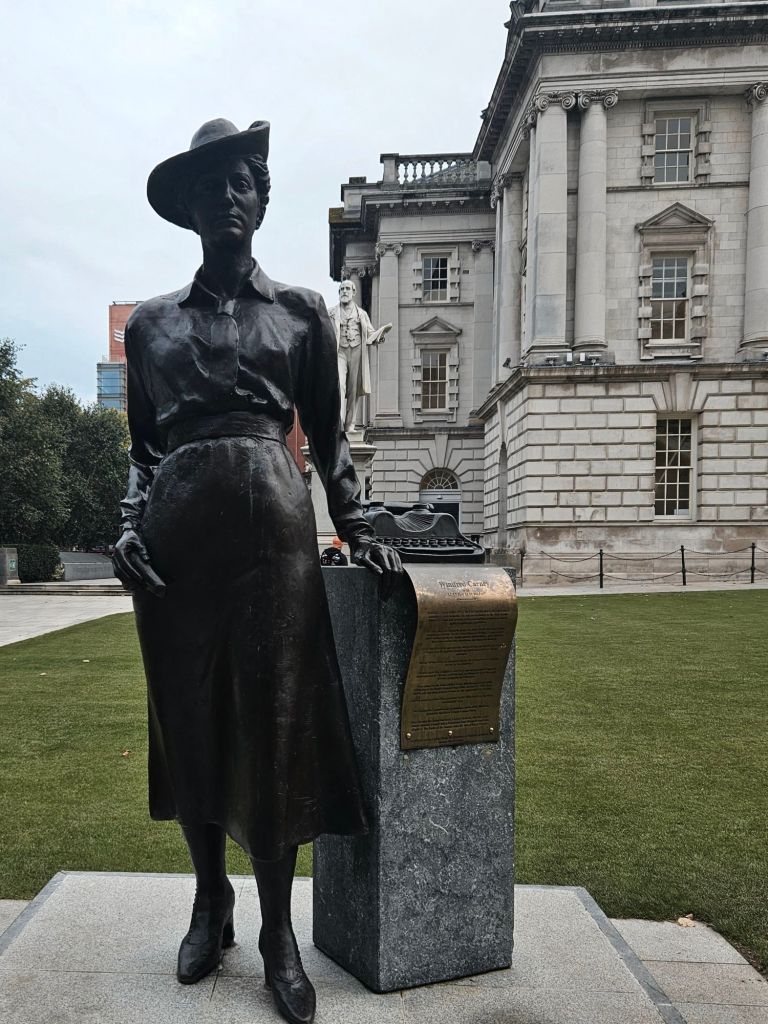
There are also two other statues to each side of the hall. The first is Winifred Carney, who was a suffragette and trade unionist. In 1913, she co-wrote the Irish Textile Workers Union manifesto called “To the Linen Slaves of Belfast.” It was a time when many women and children were working long hours in the linen mills in poor conditions, often working barefoot and going hungry.
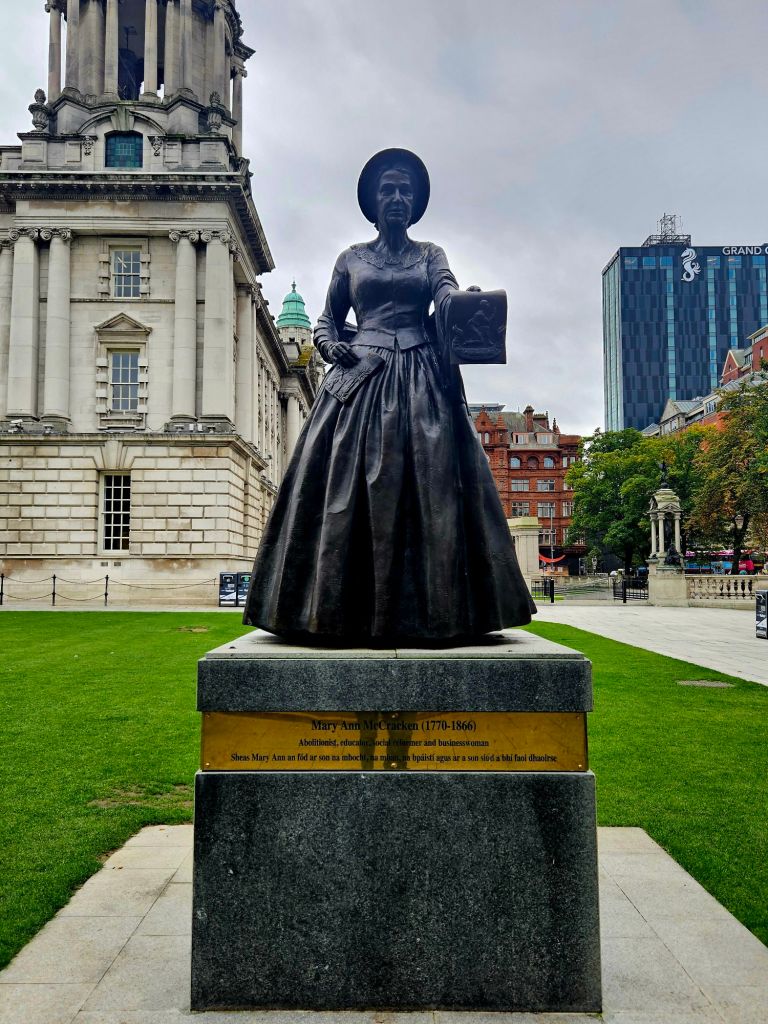
The other statue is Mary Ann McCracken, who is remembered as an abolitionist, educator, social reformer, and businesswoman in the muslin trade. She was an equal rights campaigner, petitioning for education, child welfare, and prison reform as well as an end to the slave trade. She campaigned against slavery at Belfadt docks until she was almost 90 years old.
On 3 December 2012, the City Council voted to limit the days that the union flag flies from City Hall to no more than 18 designated days. Since 1906, the flag had been flown every day of the year.
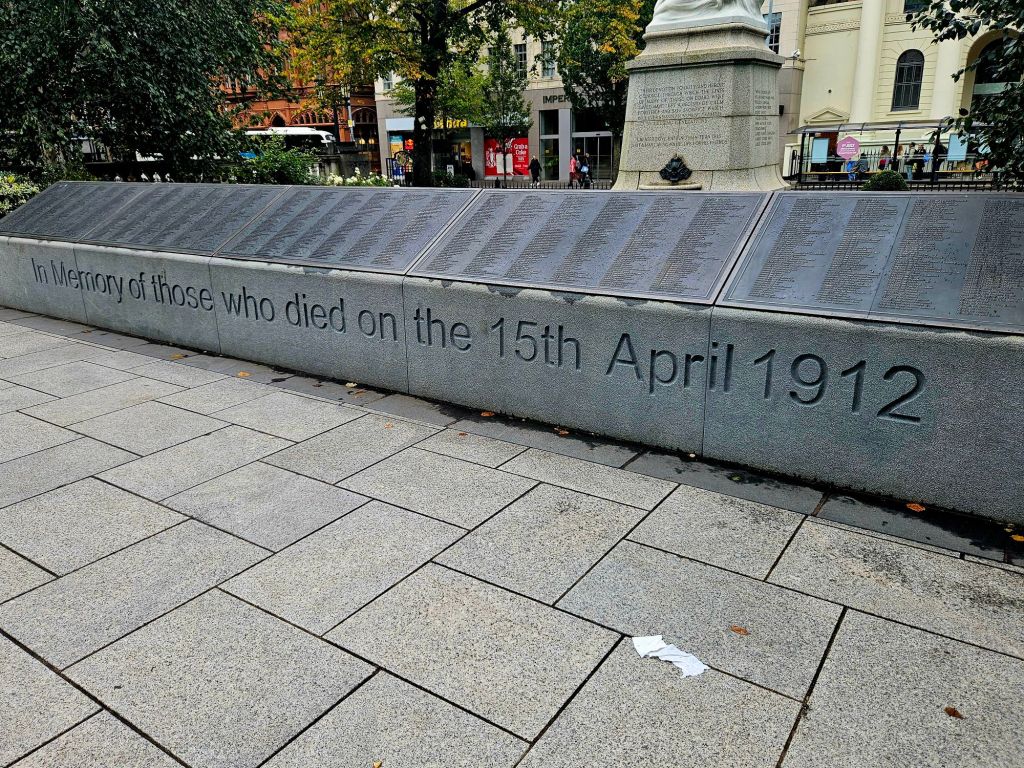
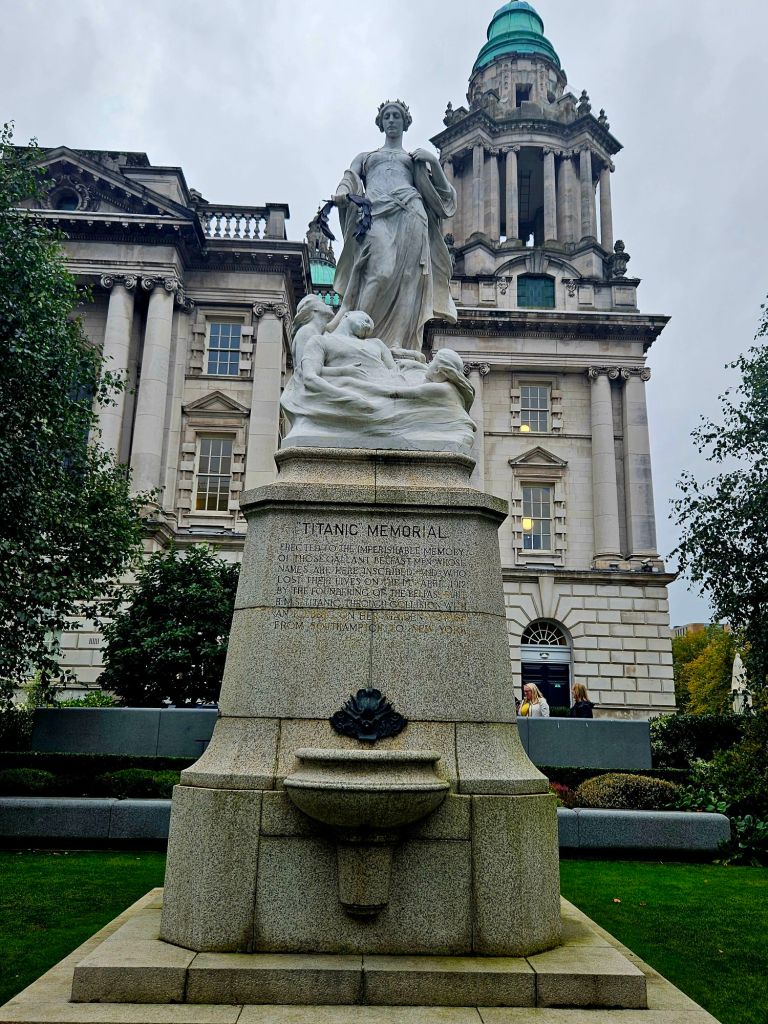
Within the grounds of City Hall is a Titanic memorial garden, remembering all those who died when the Titanic sunk. The Titanic was built in Belfast.
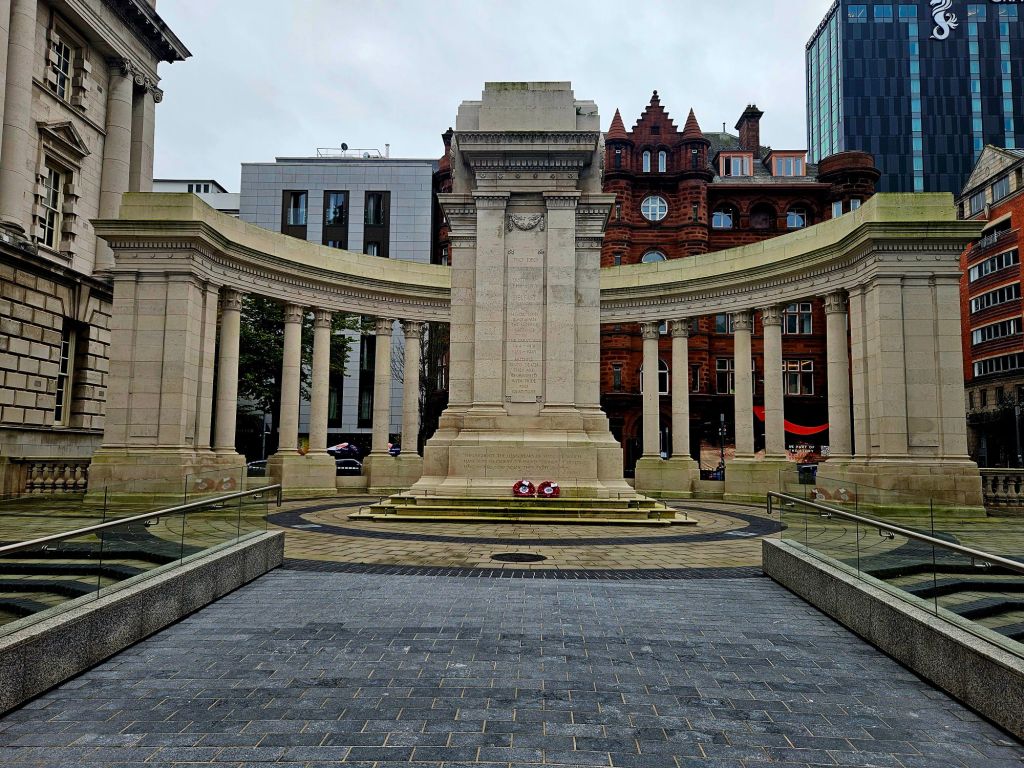
To the back of the city hall is the Belfast Cenotaph. It became a grade A listed building in 1984. The monument symbolises both victory and honour.
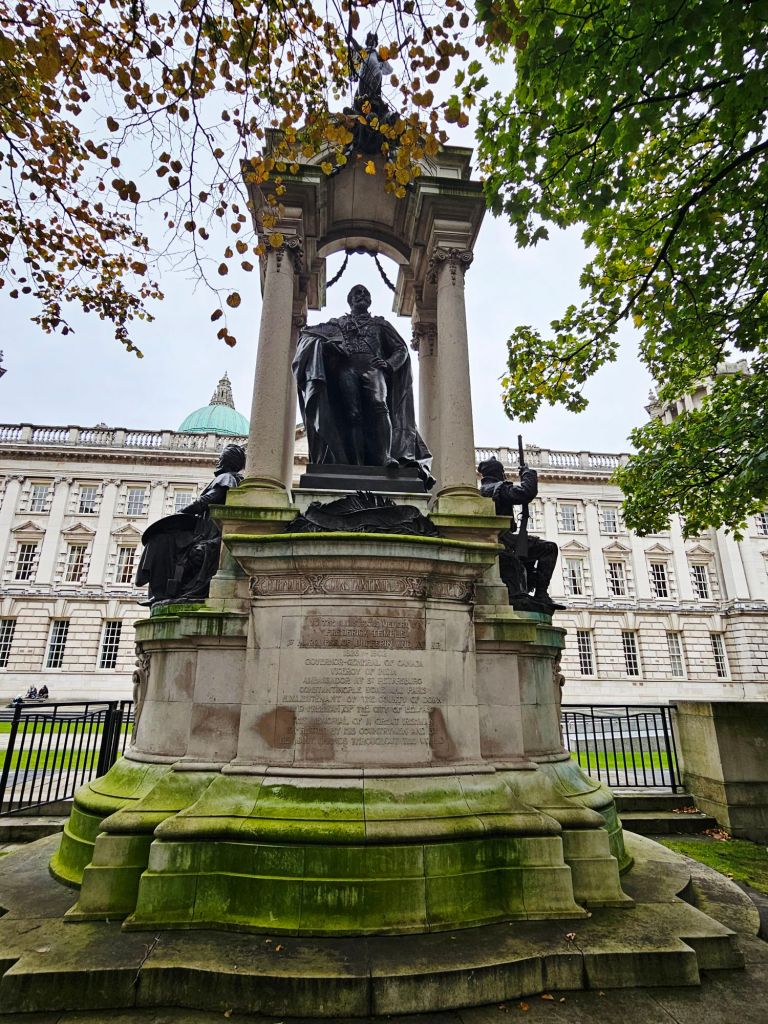
There is also a memorial to Fredrick Temple, the Marquess of Dufferin. He had a number of diplomatic roles and travelled to India, Canada, Russia, Turkey, Rome, and Paris. He served as Governor-General of Canada and Viceroy of India in his time.
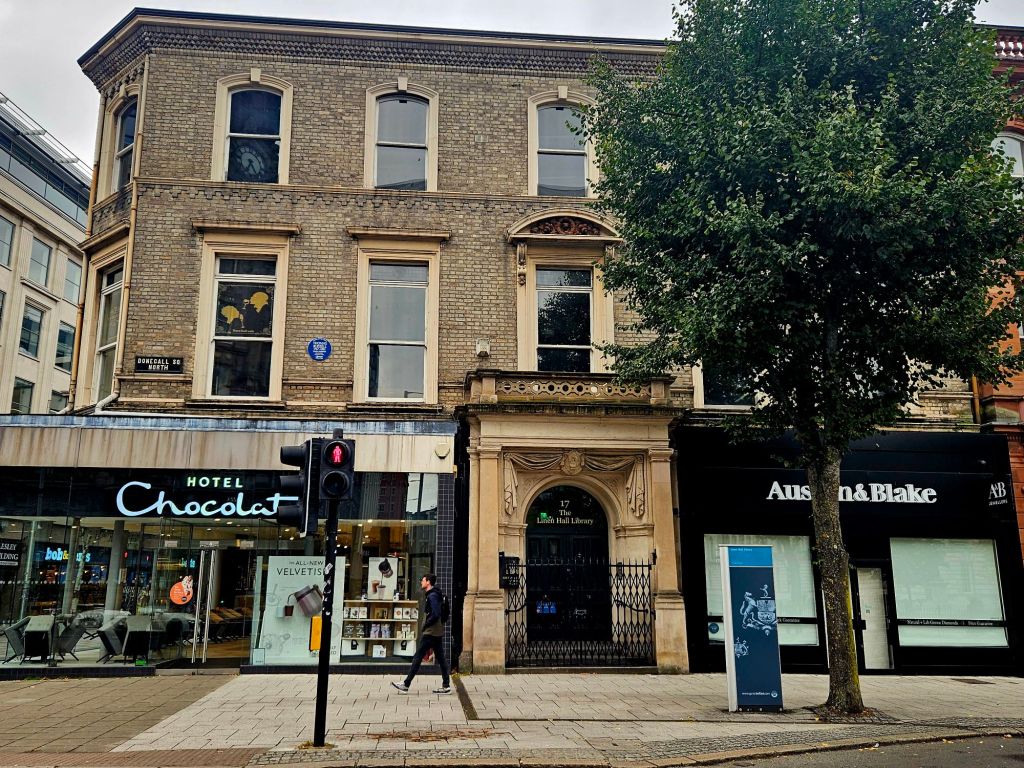
Just opposite the city hall is the Linen Hall Library, which is the last public subscription library left in Ireland. It was originally designed as a linen warehouse. It is the oldest library in Belfast, dating back to 1788.
The next stop was Ten Square Hotel. This used to be known as Yorkshire House and was built in 1862 as a 3 storey linen warehouse.
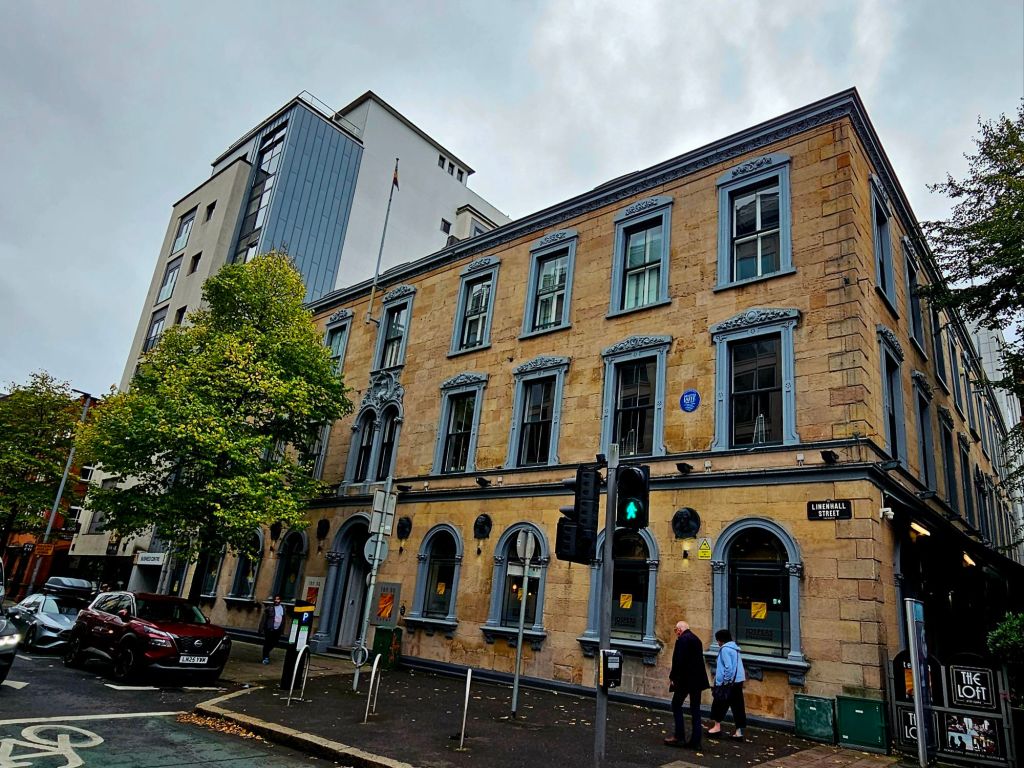
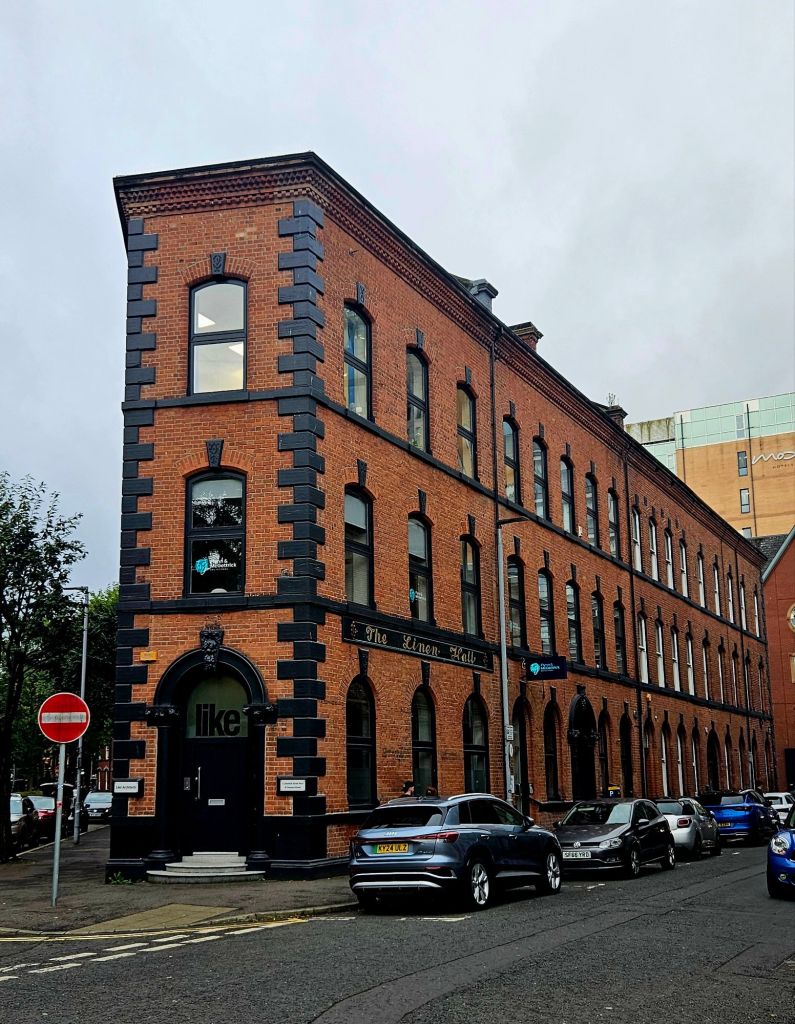
I walked past another building called the Linen Hall but couldn’t find any information about it.
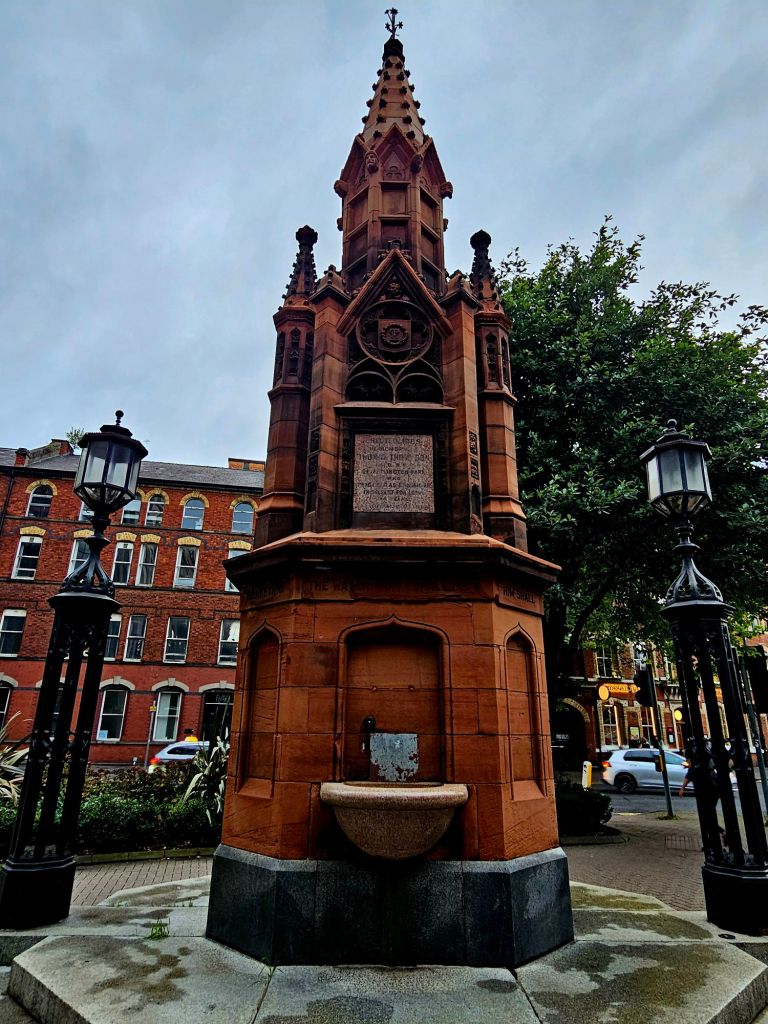
Just up from here was the Thomas Thompson Memorial Fountain. Thompson was a naval surgeon during the Napoleonic Wars and gained enough knowledge to help him combat outbreaks of cholera, smallpox, dysentery, and typhus in Belfast. He also was the founder of the city’s Home for the Incurable. In 1850, the average age of death in Belfast was just 9 years, following the Great Famine and outbreaks of cholera.
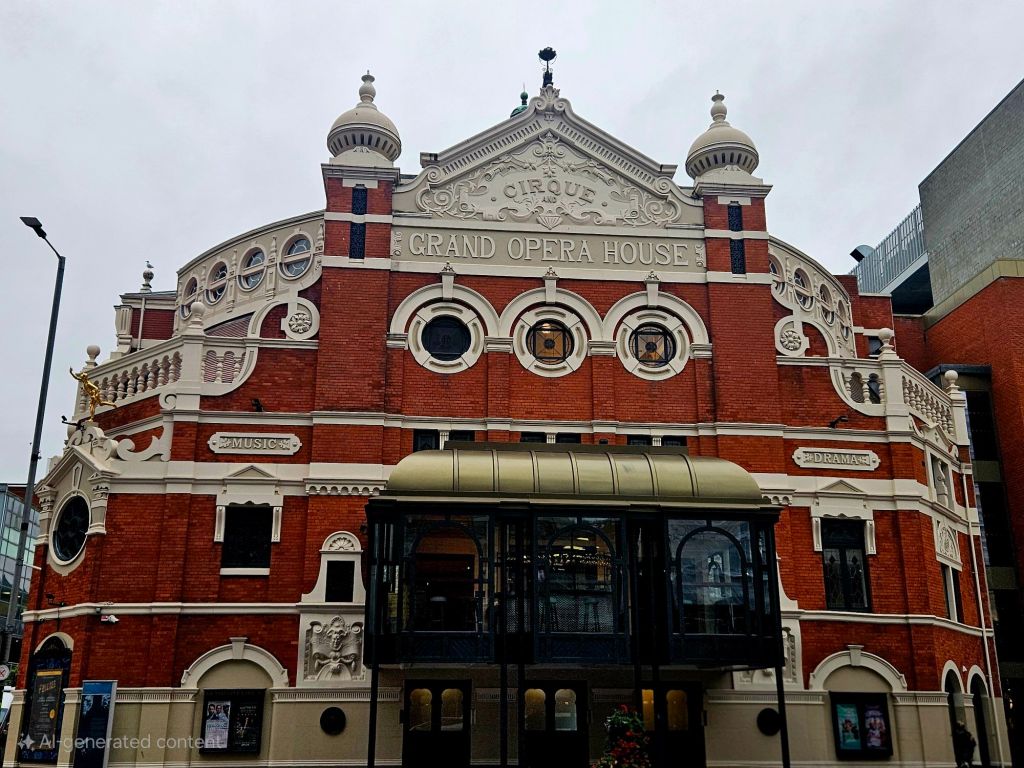
The Grand Opera house is a lovely baroque style building. It opened in 1895, and Van Morrison, who is from Belfast, recorded an album here.
Just next door is the Europa Hotel. It is notorious for being the most bombed hotel, suffering from 33 IRA attacks during the Troubles. This was because the British reporters all stayed here.

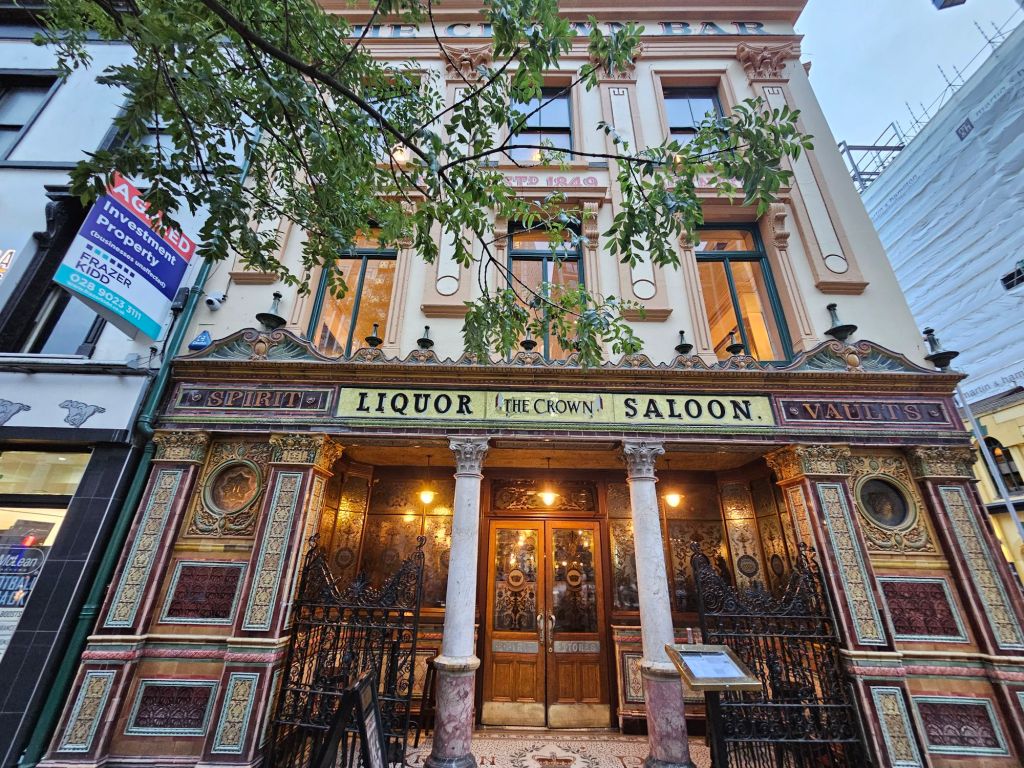
Just down from here is the Crown Liqour Saloon, which is Belfast’s most famous pub.
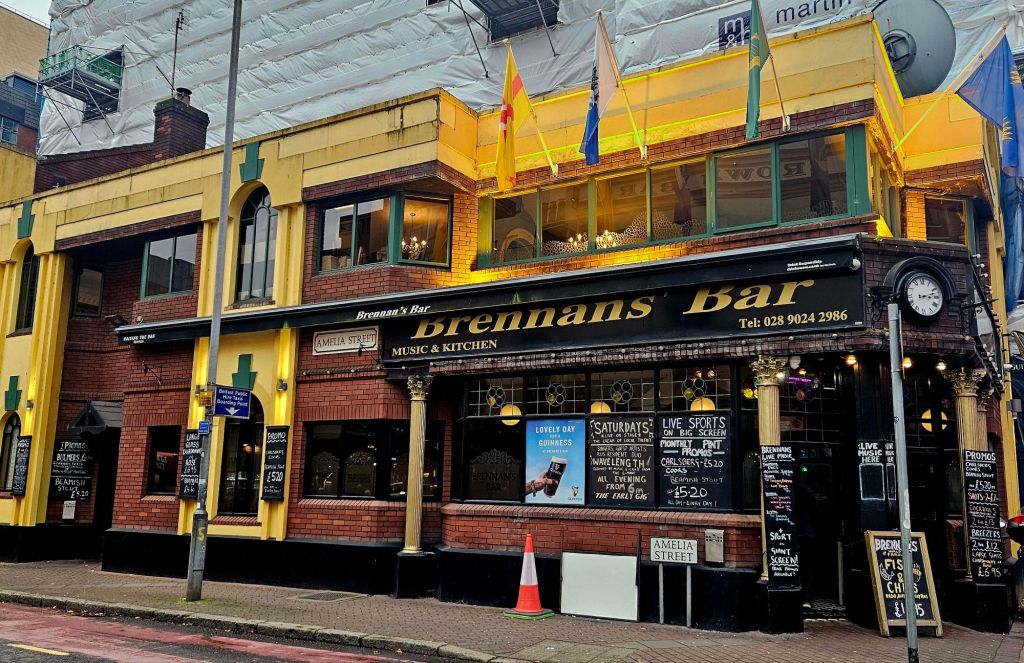
I went in the pub opposite, Brennans Bar.
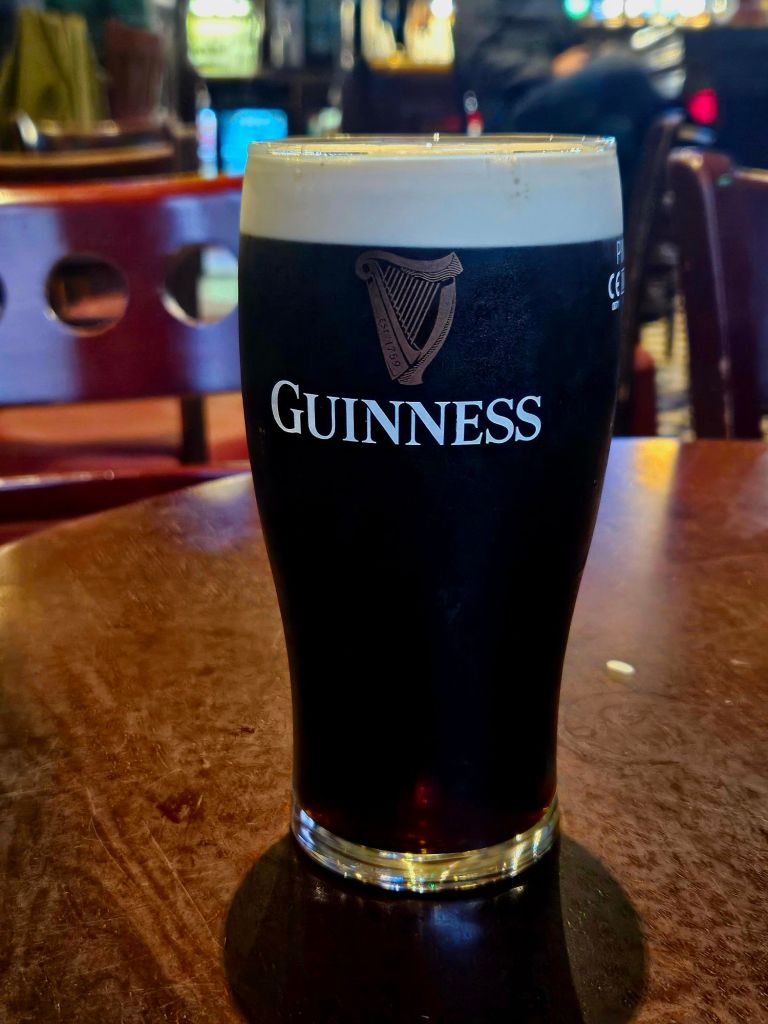
Being in Belfast, I thought I would try a Guiness. It was really nice and creamy. I dont drink Guiness that much, but it did seem like it was creamier than the pints back in England.
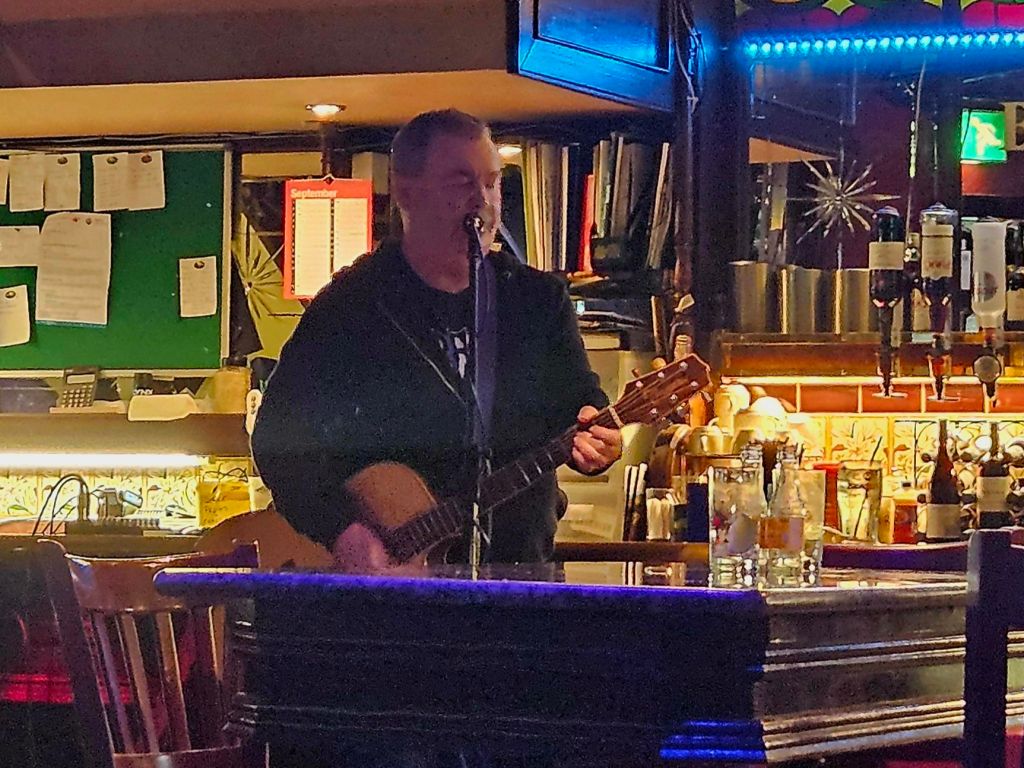
Part way through my pint, there was live music as entertainment. The majority of pubs in Belfast seem to have live music, which is great.
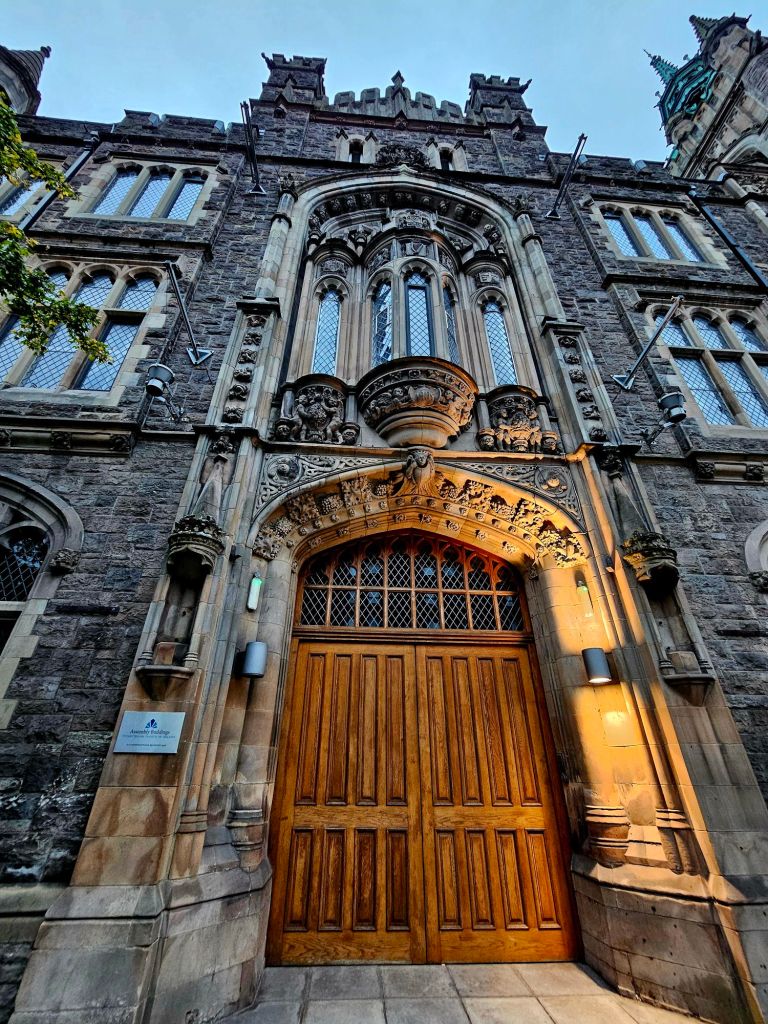
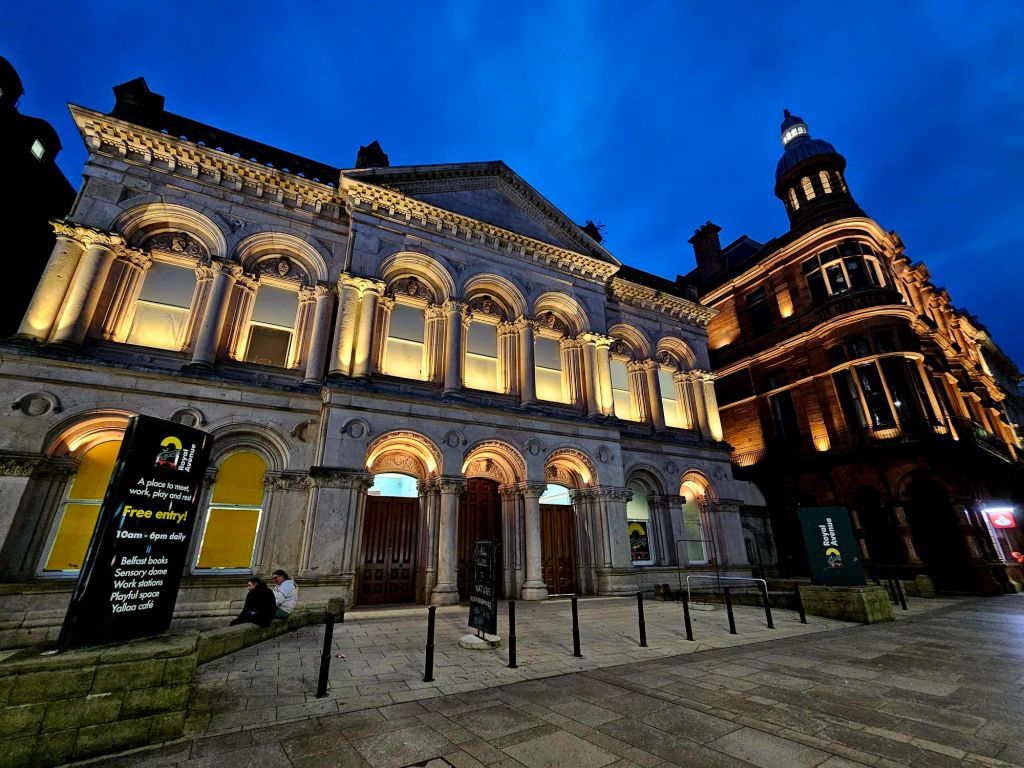
I walked a little further out to the Presbyterian Assembly Rooms, a building housing the headquarters for the Presbyterian Church. The contest for its design in 1899 caused a scandel as the winner was the church’s architect who actually devised the competition. The tower houses Belfasts only peal of 12 bells and is modelled on St Giles Cathedral in Edinburgh. The turret clock was the first in the British Isles to use electricity to drive its cogs and ring its bells.
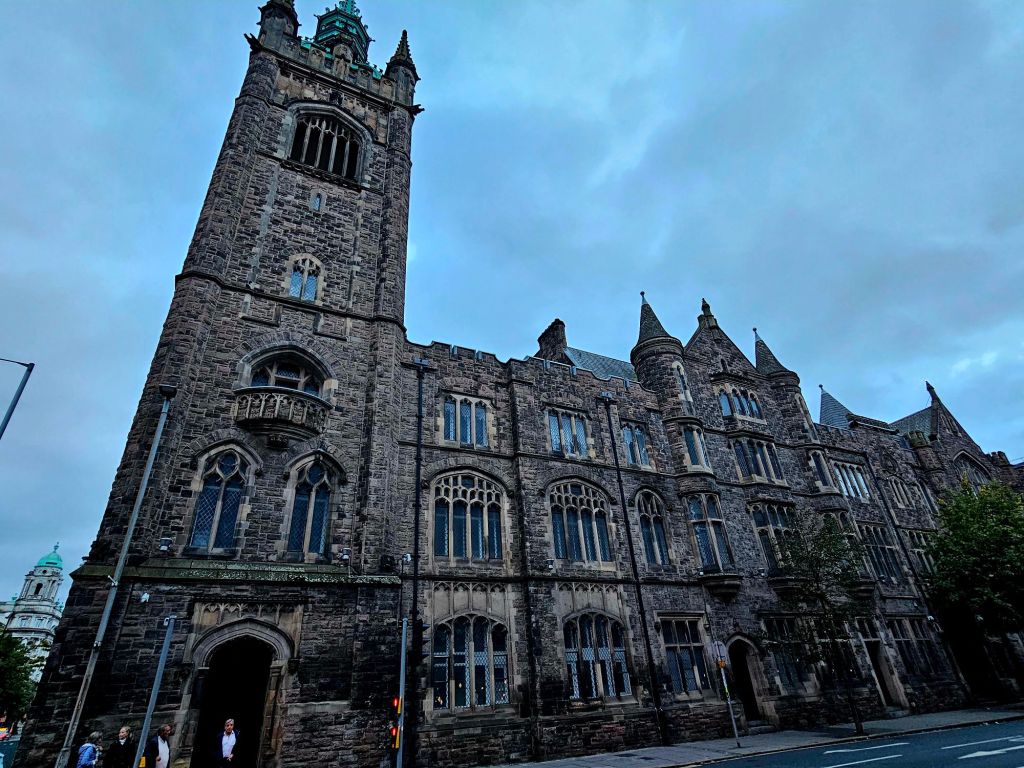
The doorway arch and oriel window above are carved with biblical burning bushes and 14 angels.
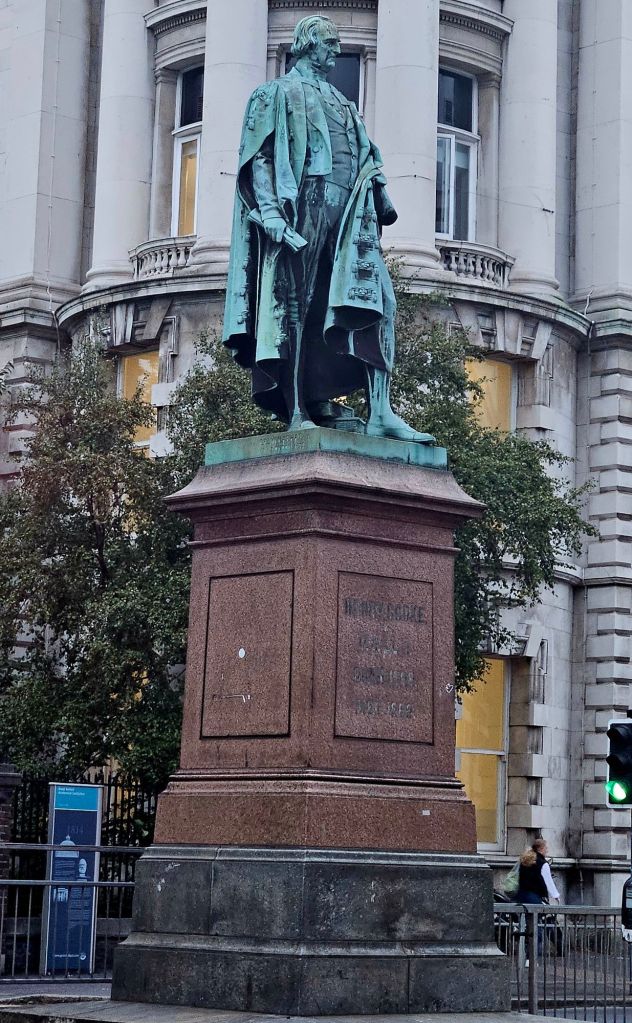
As I started to walk home, I passed the statue of the ‘Black Man’. This statue, built in 1876, is of Reverend Dr. Henry Cooke, who opposed political liberalism. The statue was originally black, but as it is made of copper, it has oxidised and turned green. The statue has his back to the Academy whose notions on equality and religious tolerance he desperately opposed.
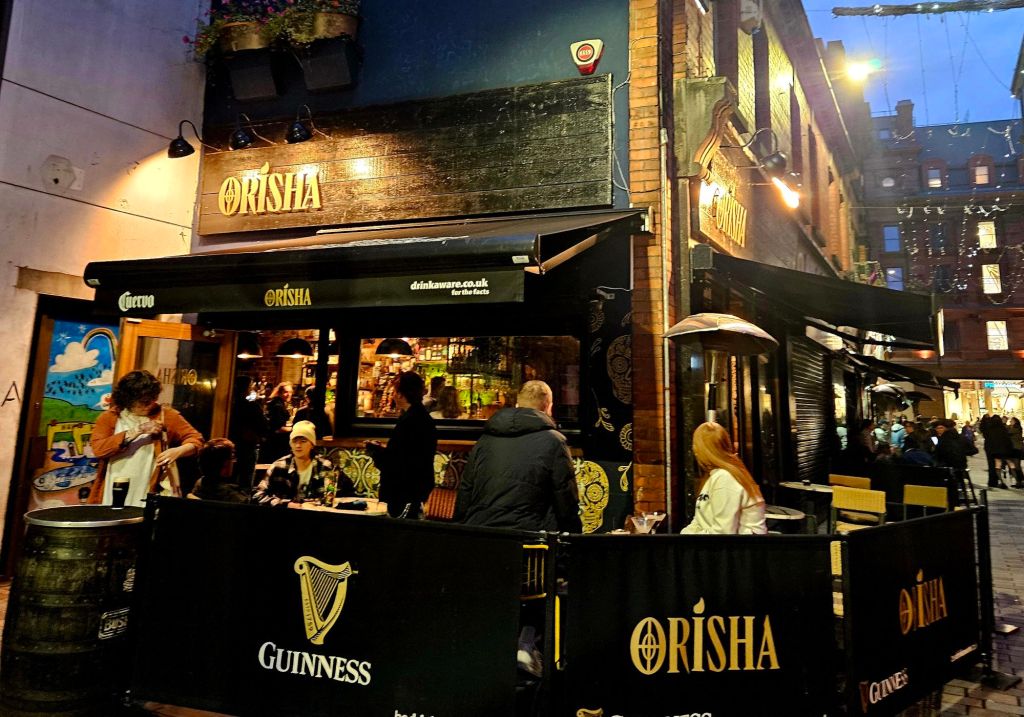
On the way back to mine, I stopped to have some pasta for dinner and another quick half of Guiness at the Orisha pub.
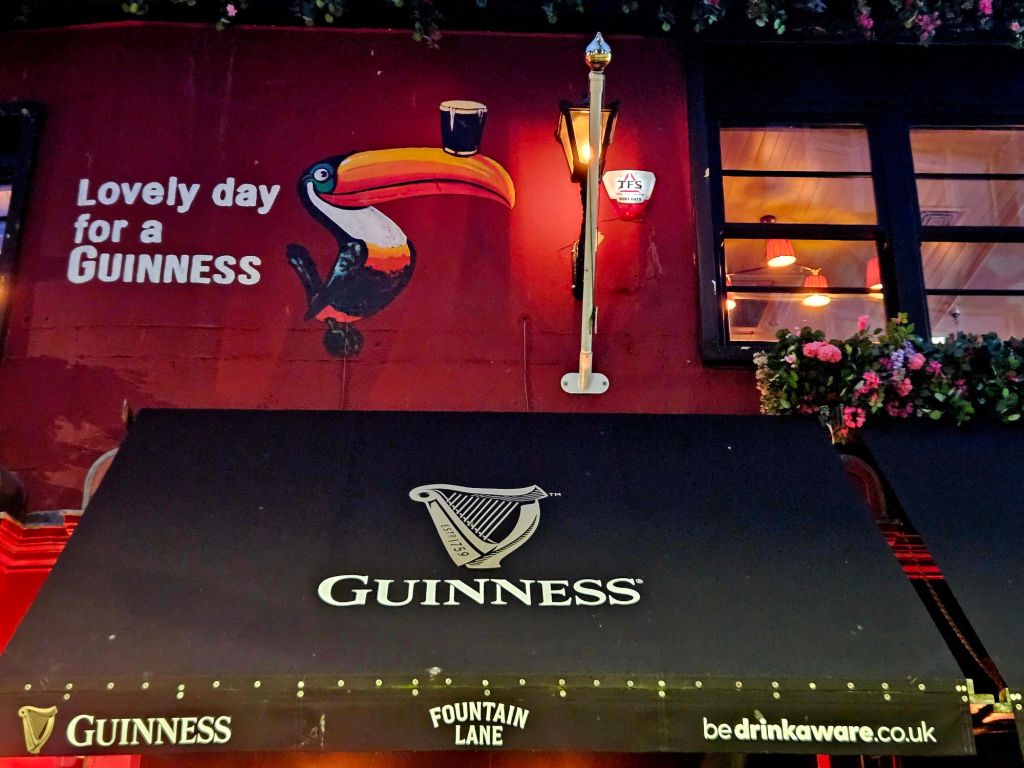
As night fell, some of the buildings were lit up and looked really nice.
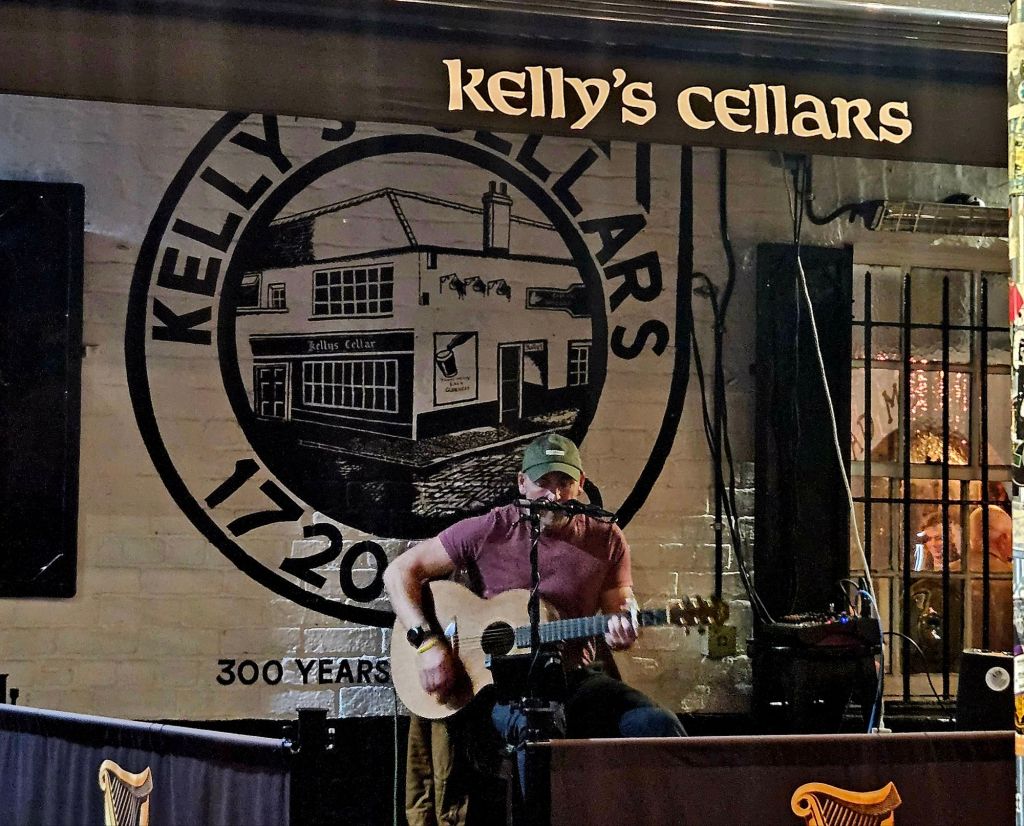
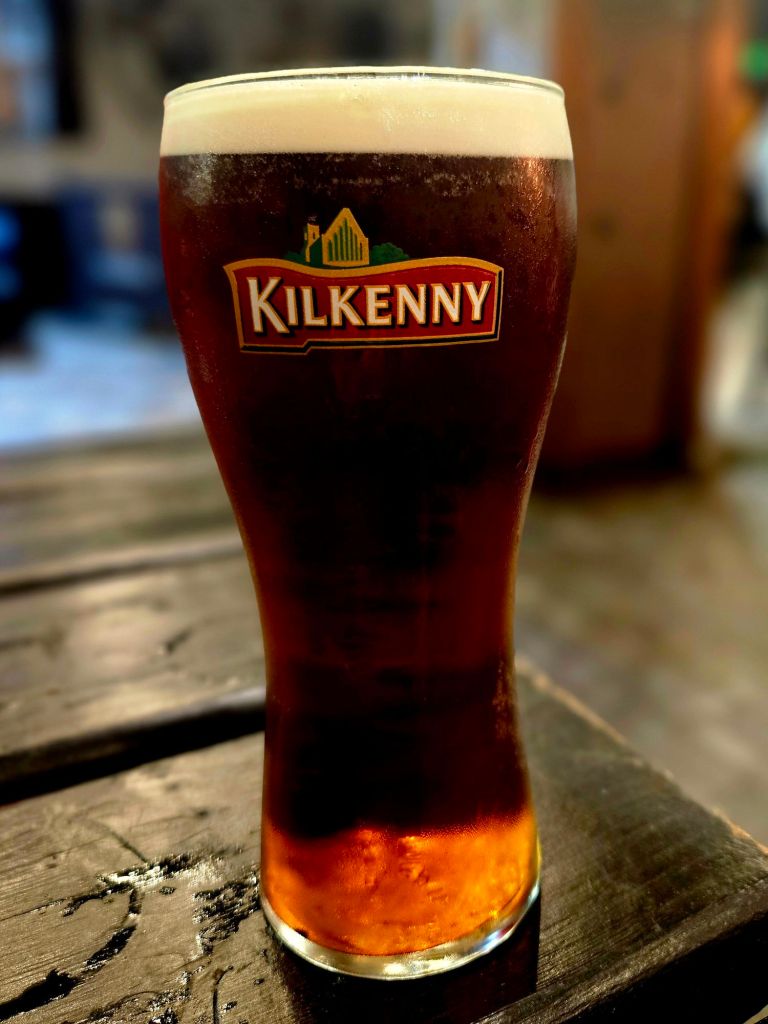
Right next door to our hotel is Kelly’s Cellars, a pub that opened in 1720. They also had live music, so I sat down and drank a pint of Kilkenny. I got chatting to a couple from Chicago who were about to run the Causeway half marathon on the Saturday.
And then it was a very short walk back to the hotel and bed.
 Fun, Fitness and Fabulousness in your Fifties