We didn’t set any alarms and just got up when we were all awake.
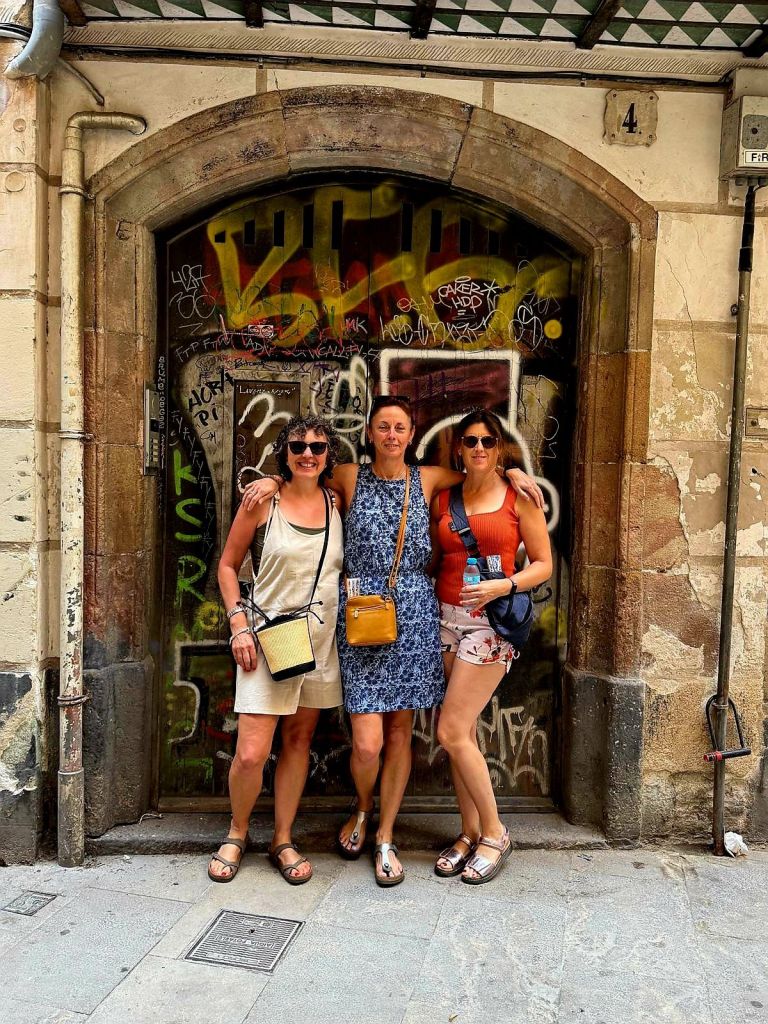
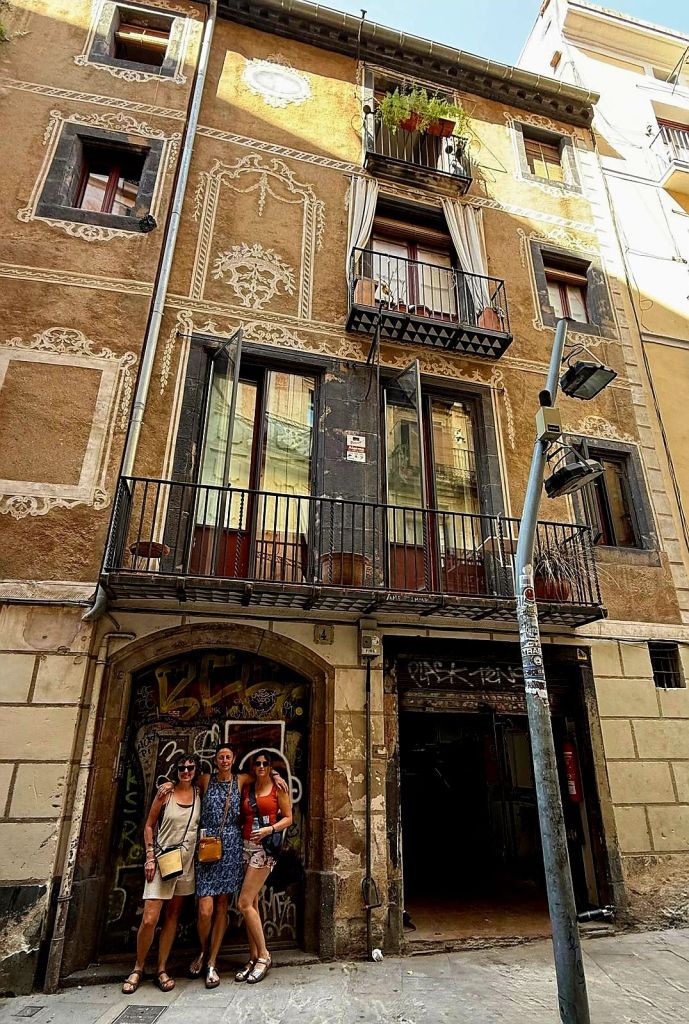
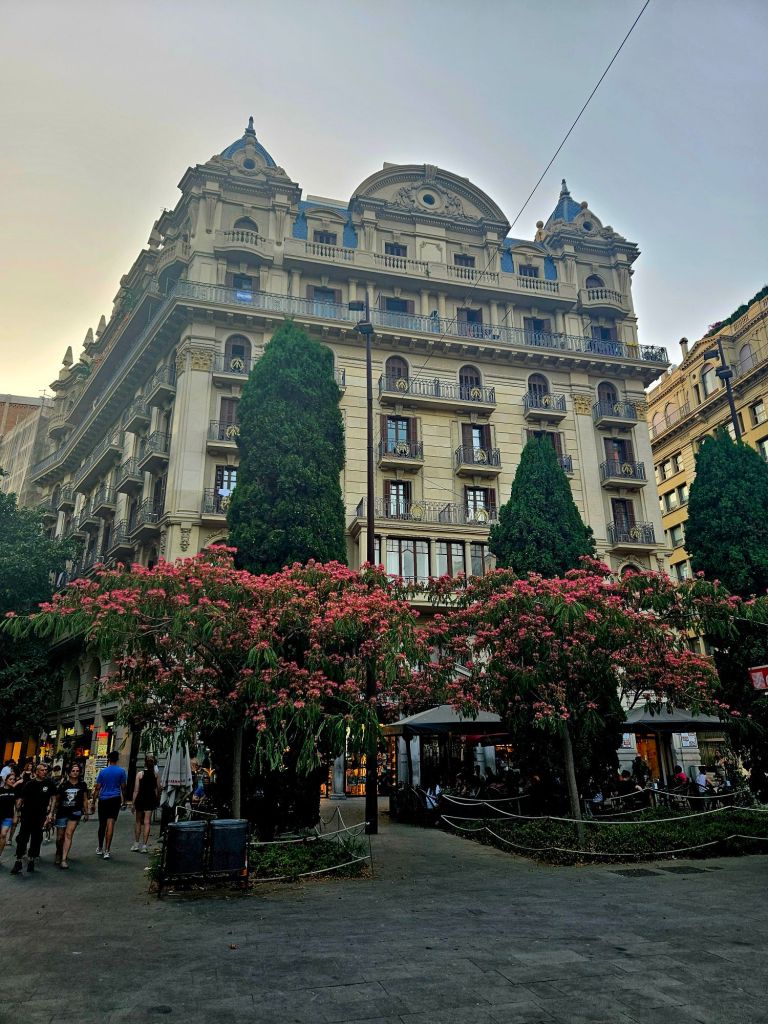
We didn’t really have any food for breakfast in the apartment, so we headed out in the search for food. Before we set off, we took some more photos outside the apartment.
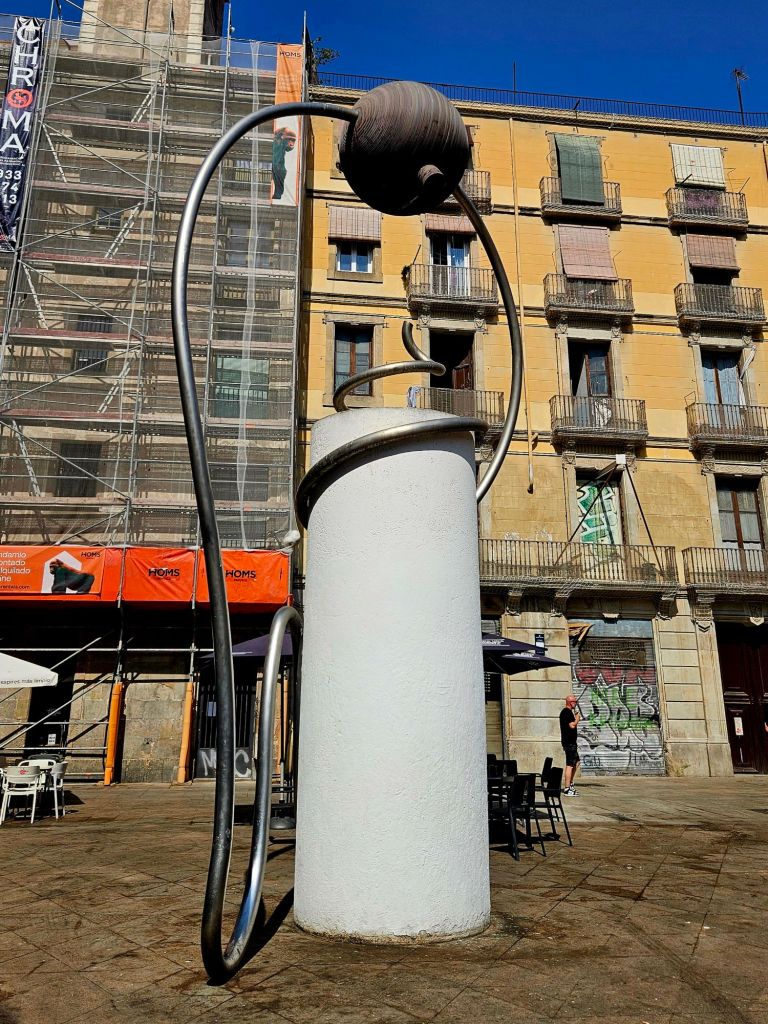
We walked through Placa de George Orwell. The writer Eric Arthur Blair lived in Barcelona between 1936 and 1937. It contains a surrealist monument.
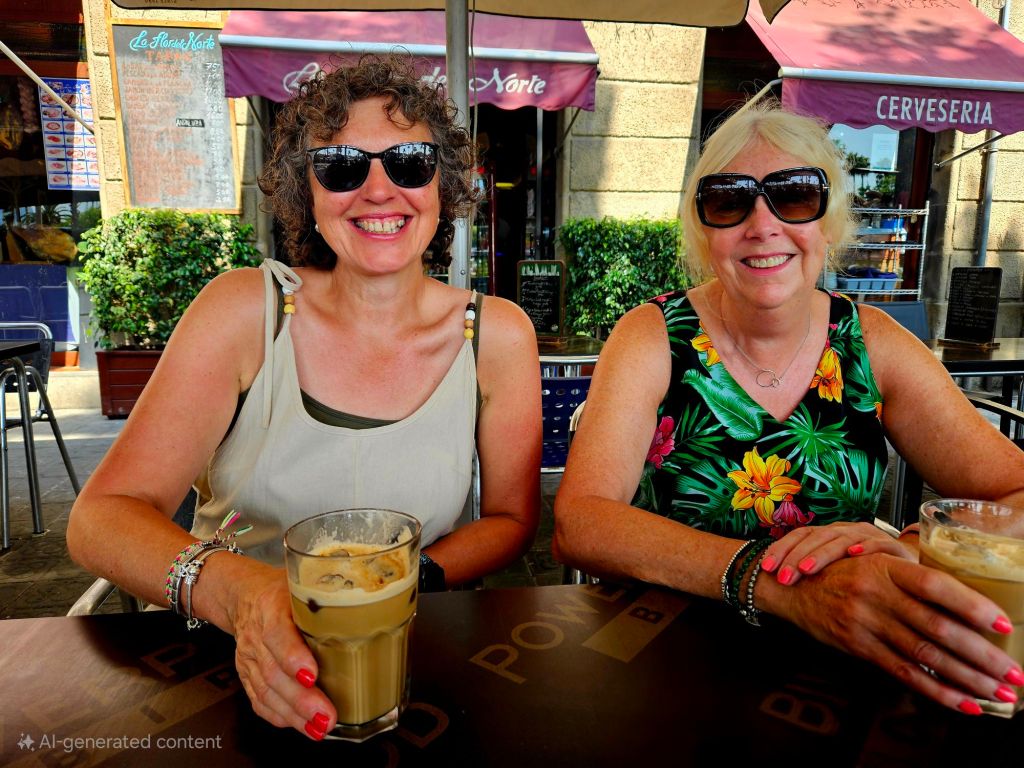
We continued walking down to the main road, Passage de Colon, and stopped at a cafe for some breakfast. I had churros and chocolate with an iced coffee, and it was delicious.
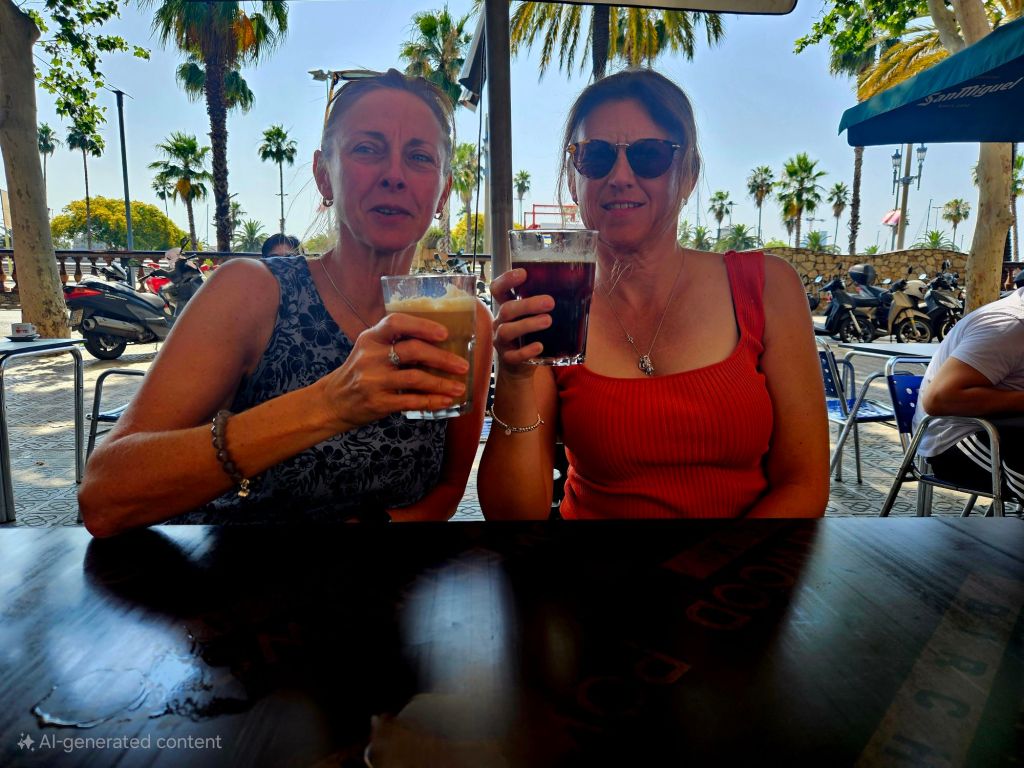
Whilst we were eating breakfast, someone had a seizure on the street, not that far from where we were sitting, so it became quite busy with ambulances and paramedics.
There were some modern sculptures along the main street.
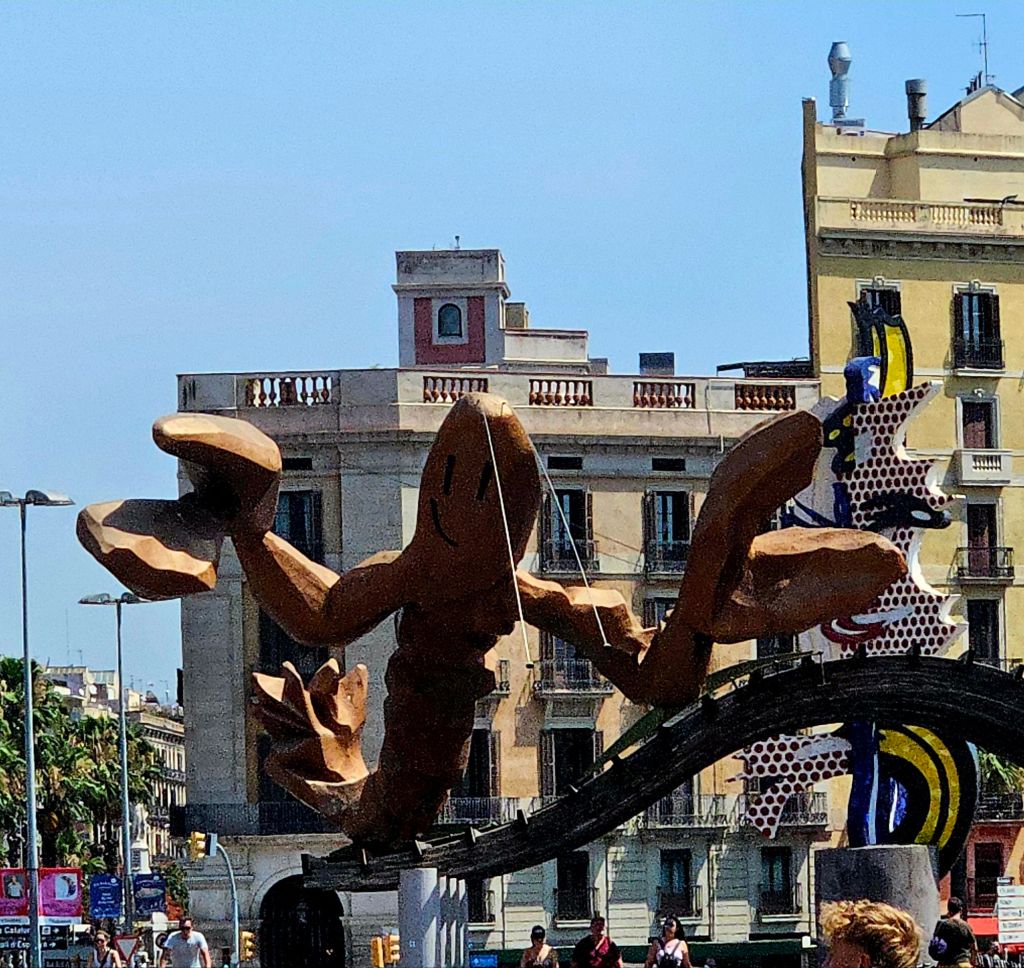
We crossed over a strange looking bridge to get over to the port side – we named it tge cling film bridge.
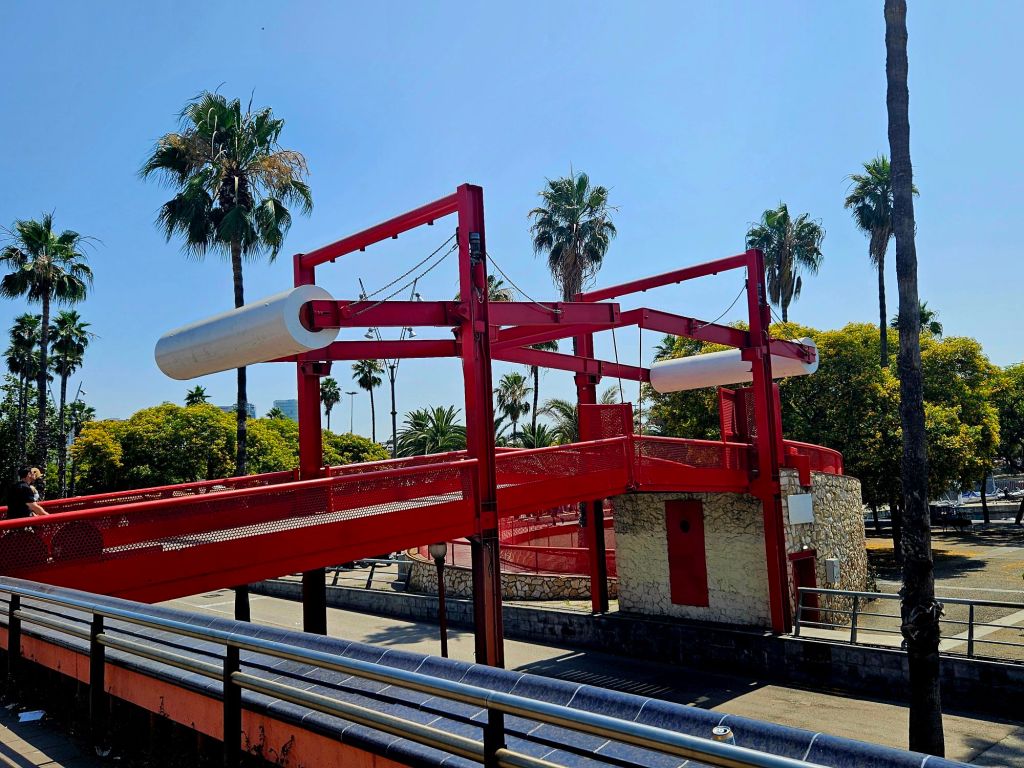
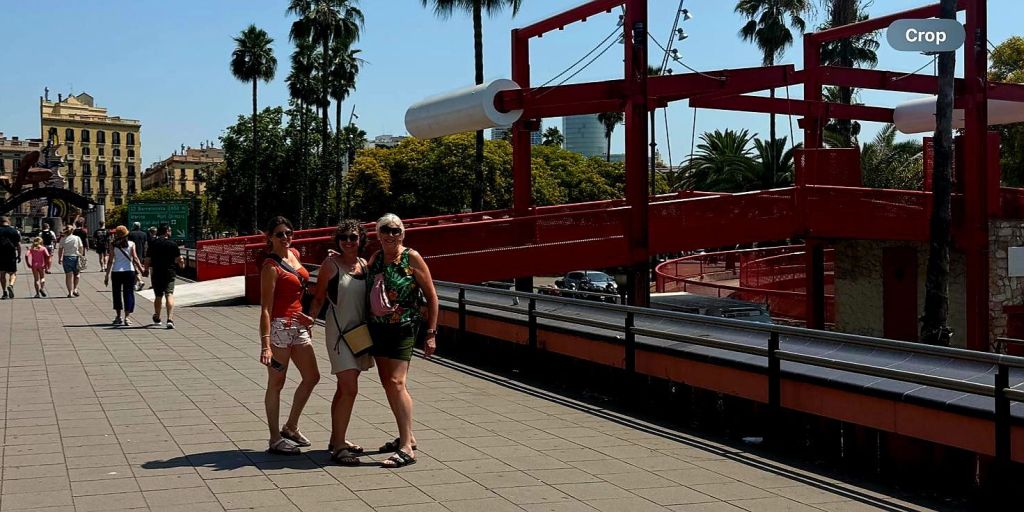
Just over the bridge, there was a Japanese fair going on. We decided not to go in and walked around the harbour.
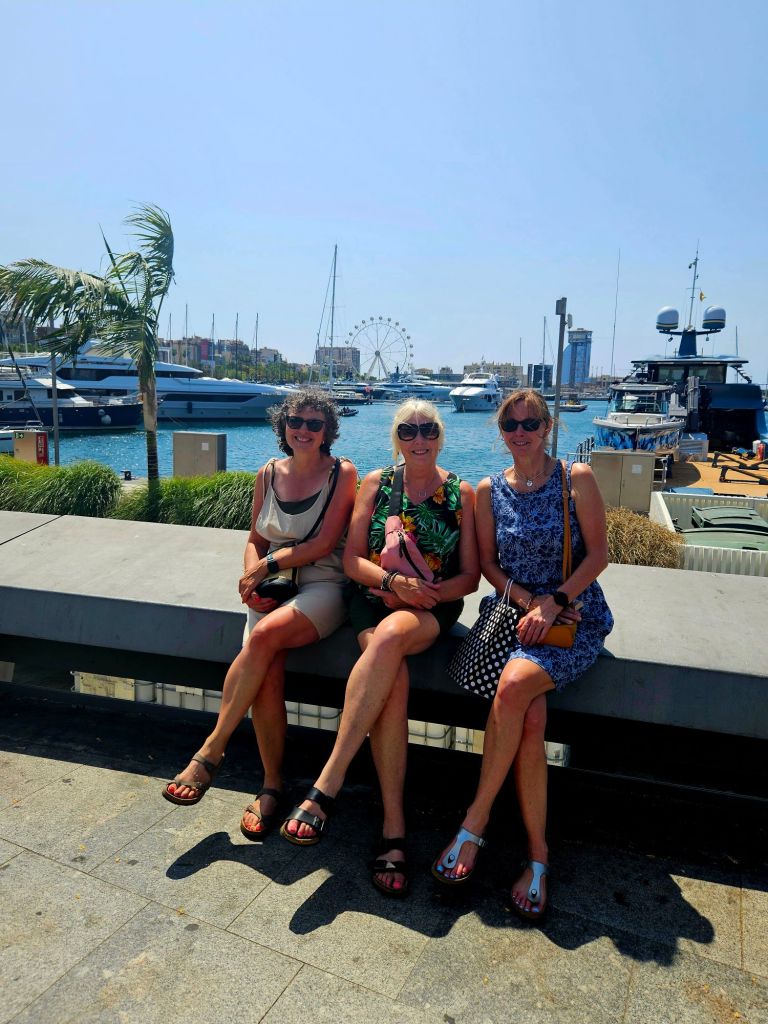
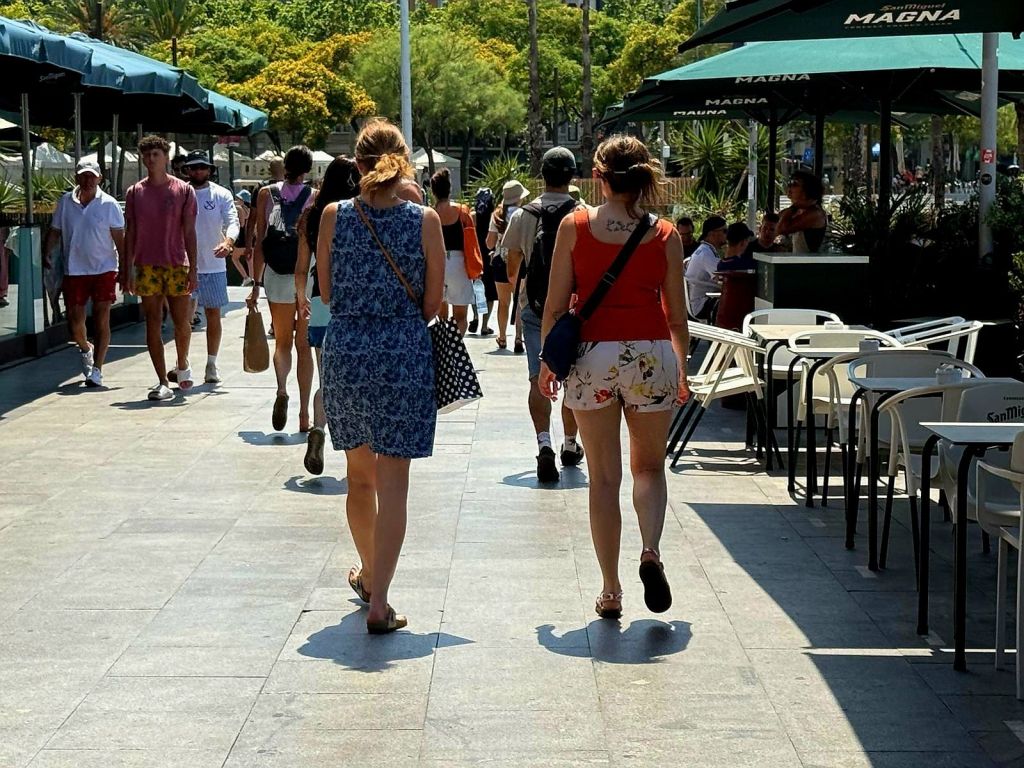
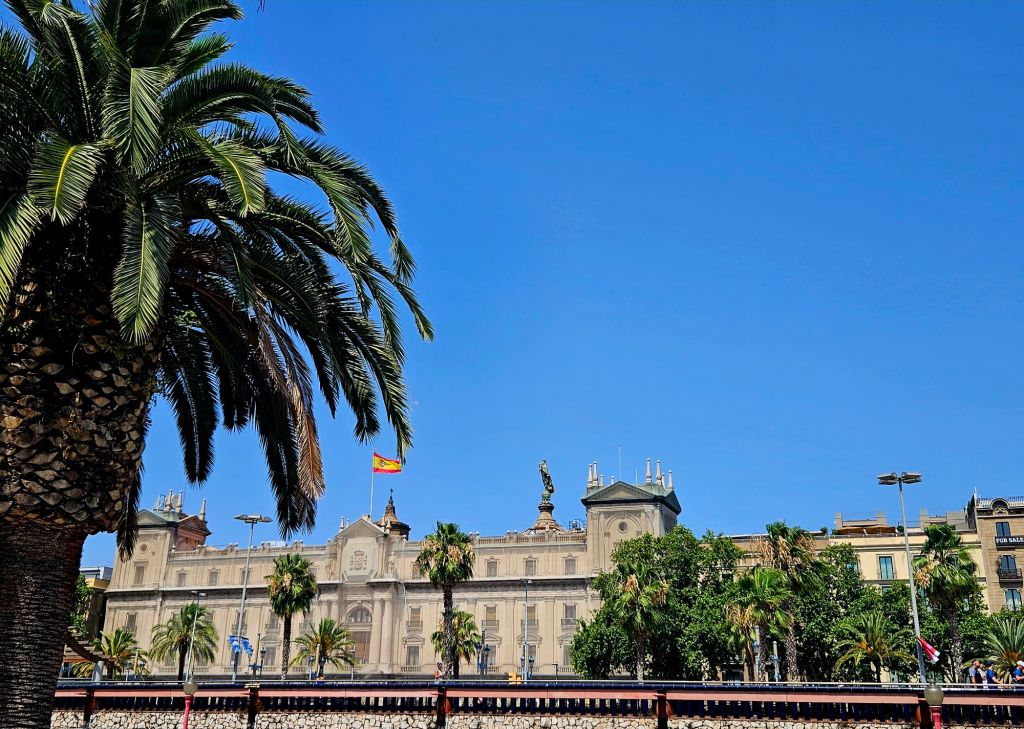
You could look back to the Capitania General d’Espanya. This used to be a convent but has been used by the military since 1843. It is the residence and workplace of the captains general of Catalonia.
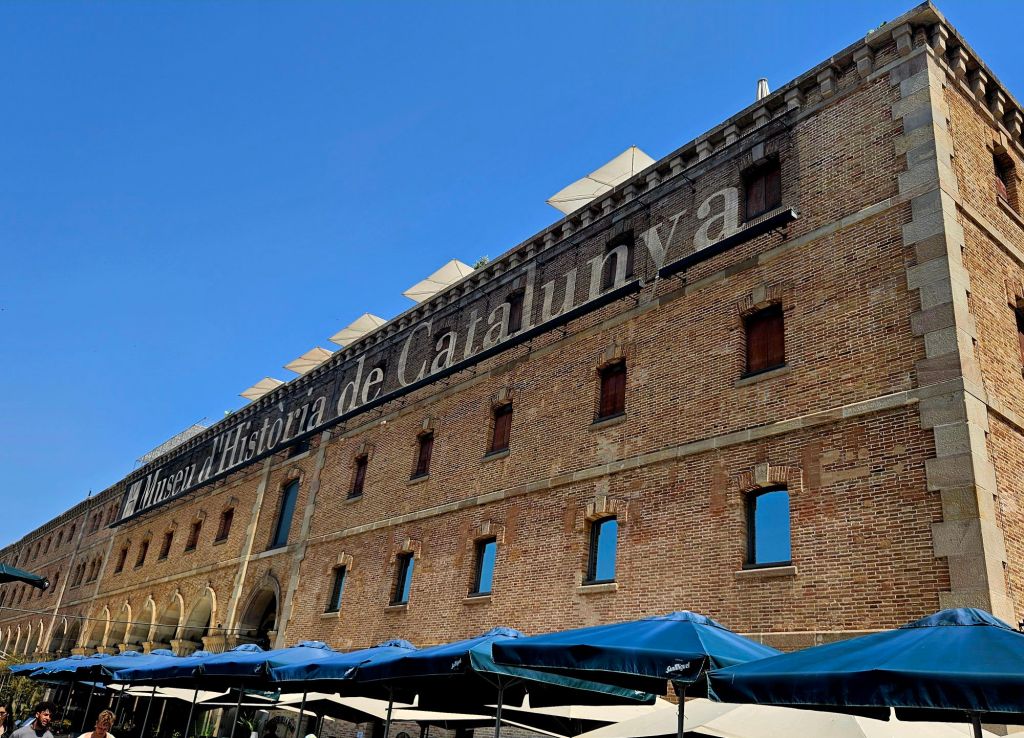
There was also a huge building housing the museum of the history of Catalonia. The museum is based in what used to be old trading warehouses and the sole building of Barcelona’s old industrial port that is still standing.
From here, we walked around the harbour to San Sebastian Tower, which is where the cable car goes from. The tower is 78.4m tall. We all purchased return tickets and then got the lift to the top of the tower. We didn’t have to wait too long for the cable car to arrive.
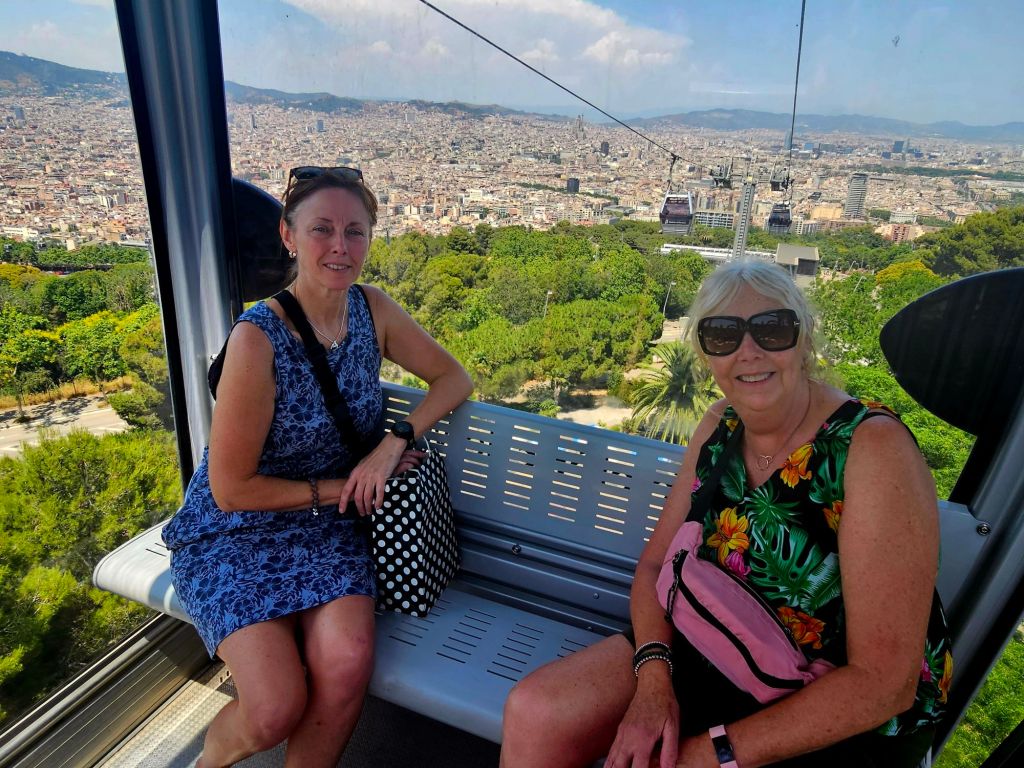
The cable car took us from Port Vuel up to Miramar on Montjuic, a distance of around 1.3km. According to the sign in the car, it can hold 20 people, but we had 15 in ours, and that seemed quite crowded. The journey takes around 7 minutes.
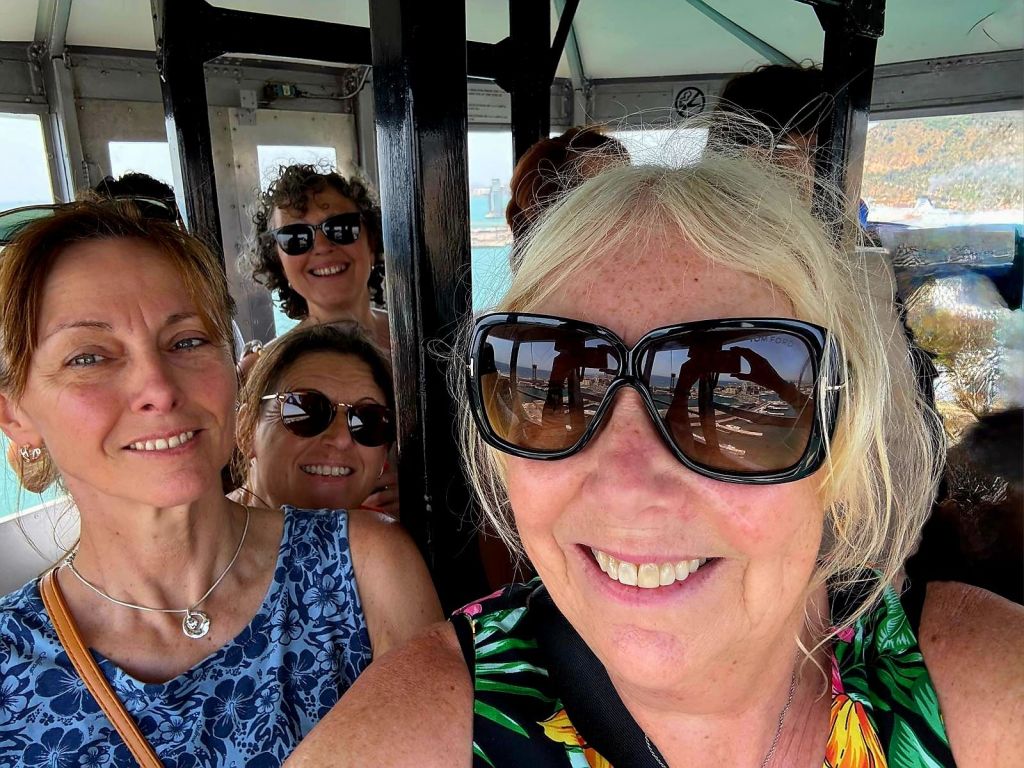
We jostled around a bit to get some good photos out of the windows.
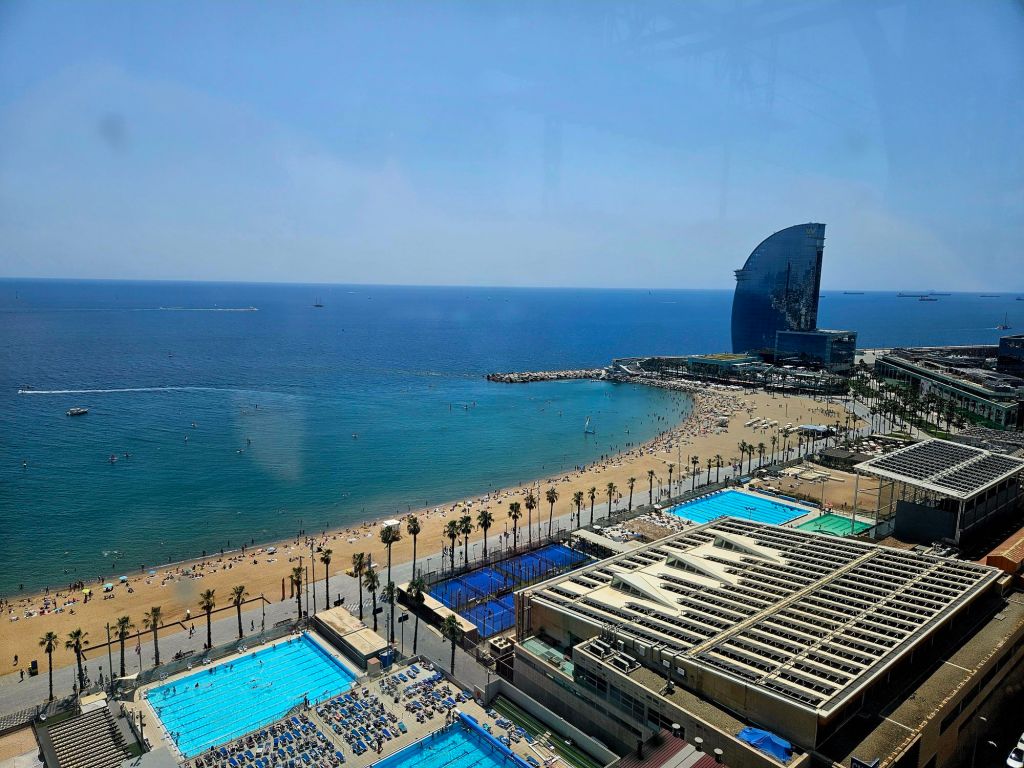
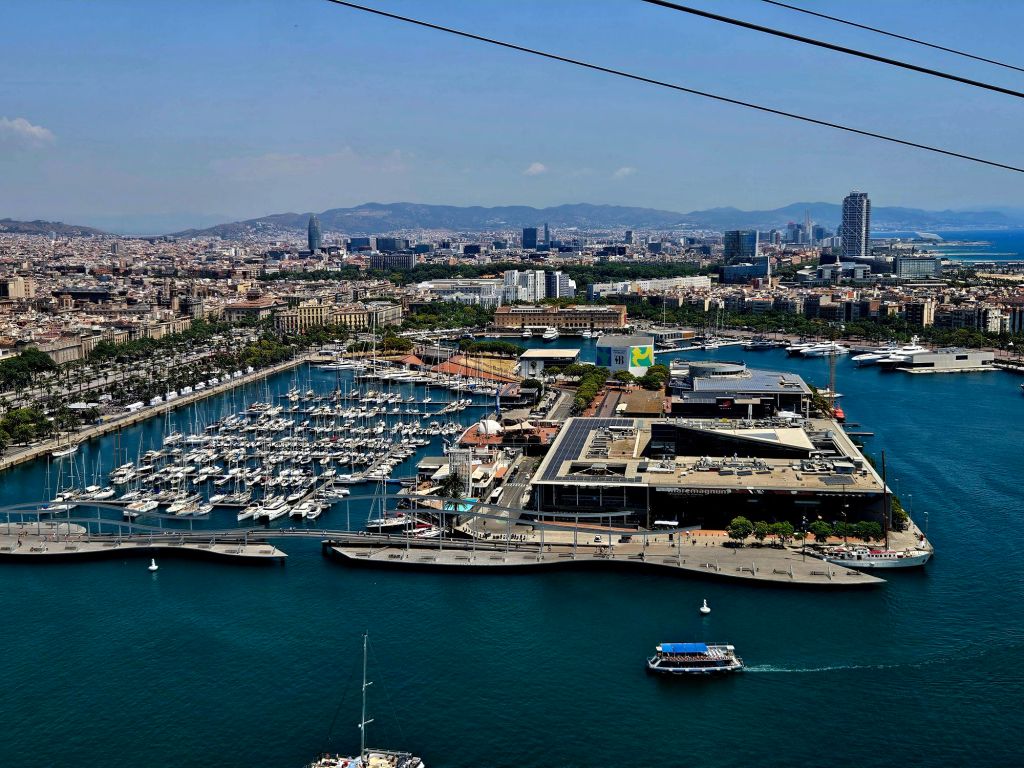
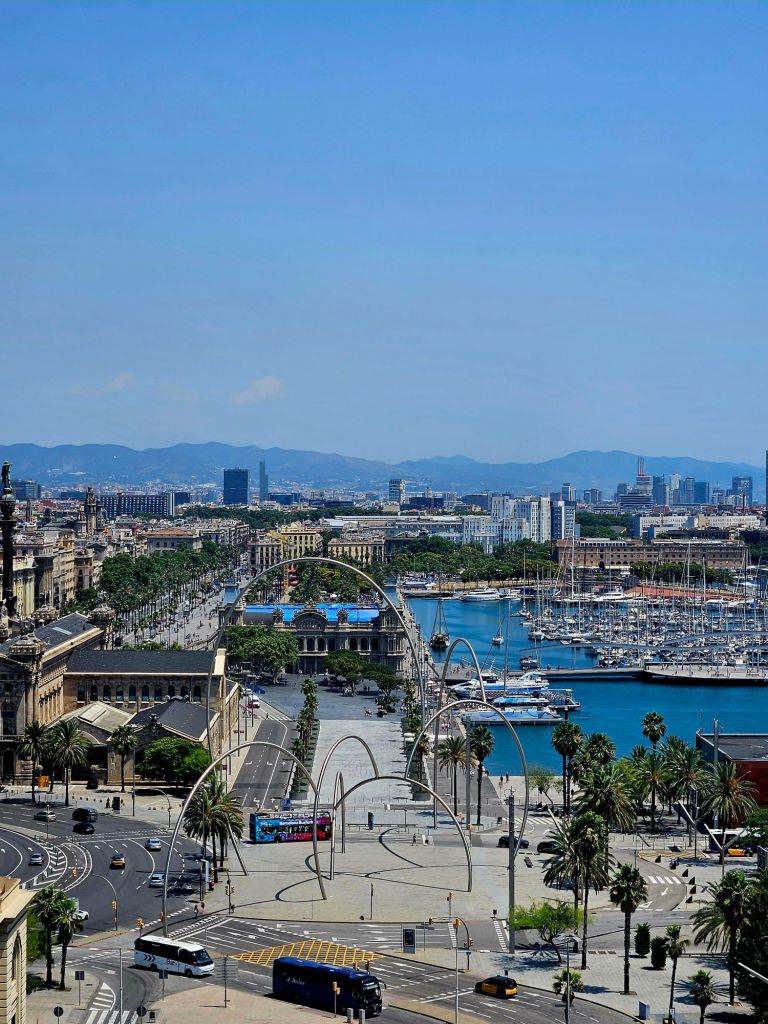
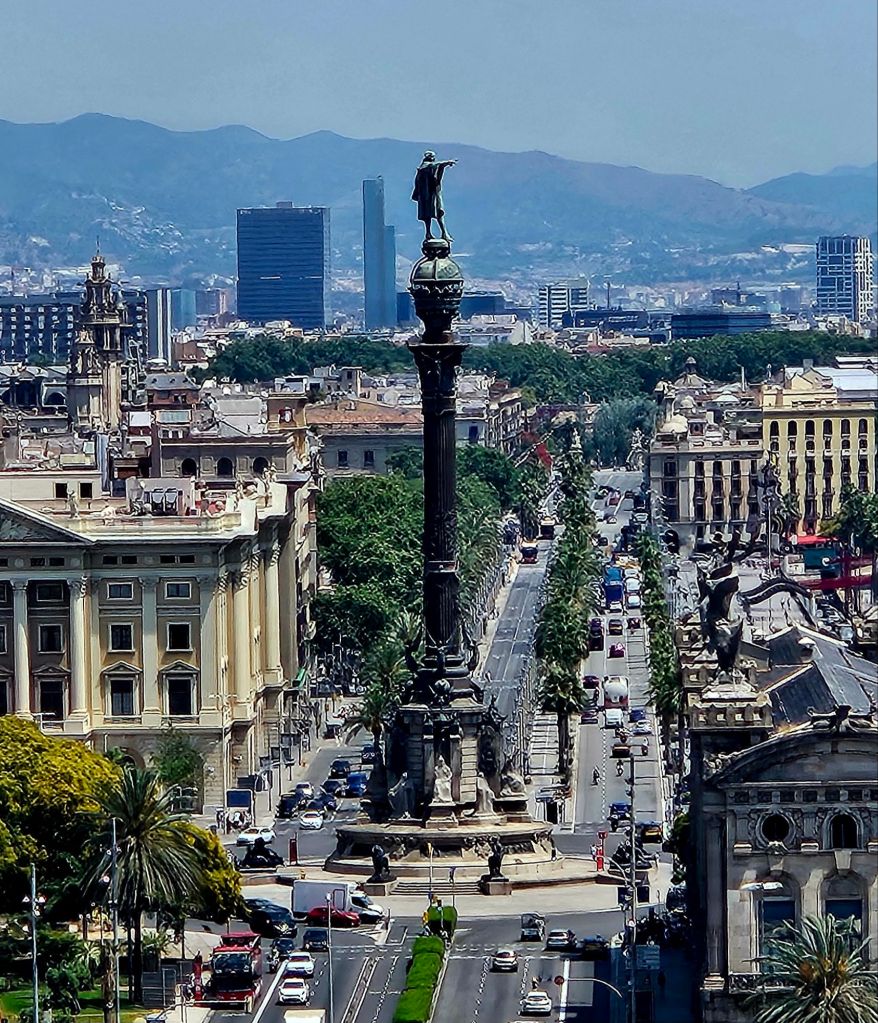


The cable car was designed in 1926 but not completed until 1931. During the Civil War, the cable car was closed, the cables were removed, and the towers became a strategic place for the defence of the port of Barcelona.
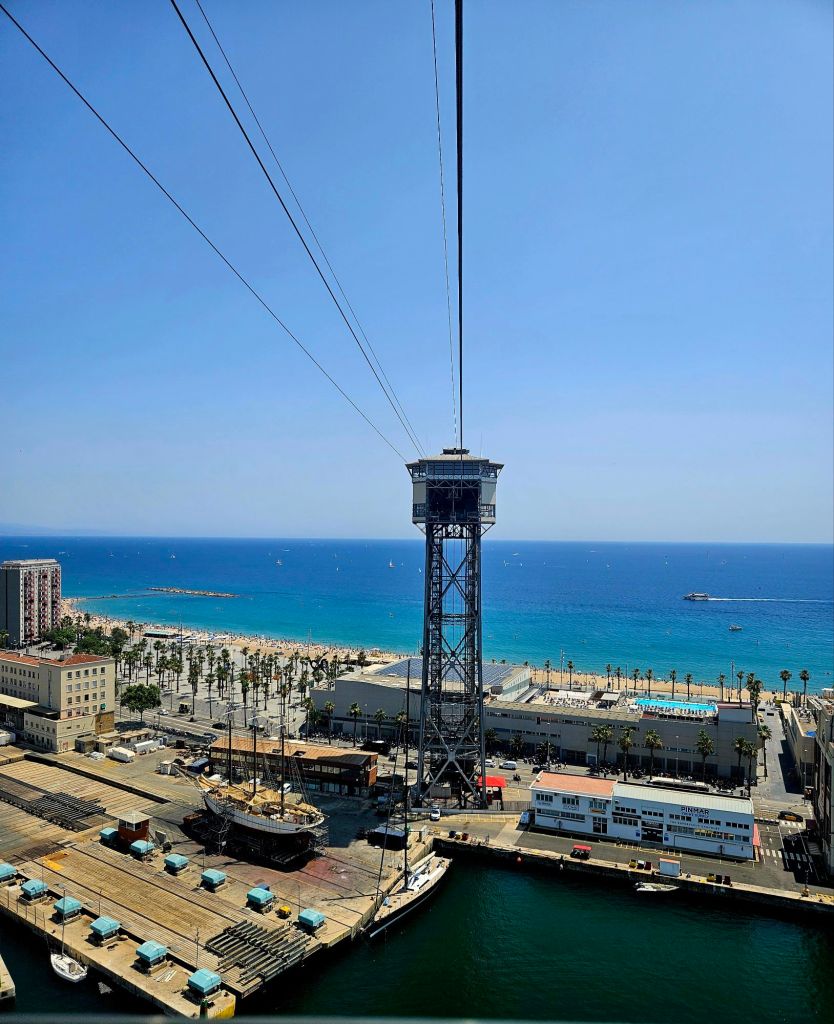
At the top, we decided to have a drink on the terrace of the cafeteria Miramar.
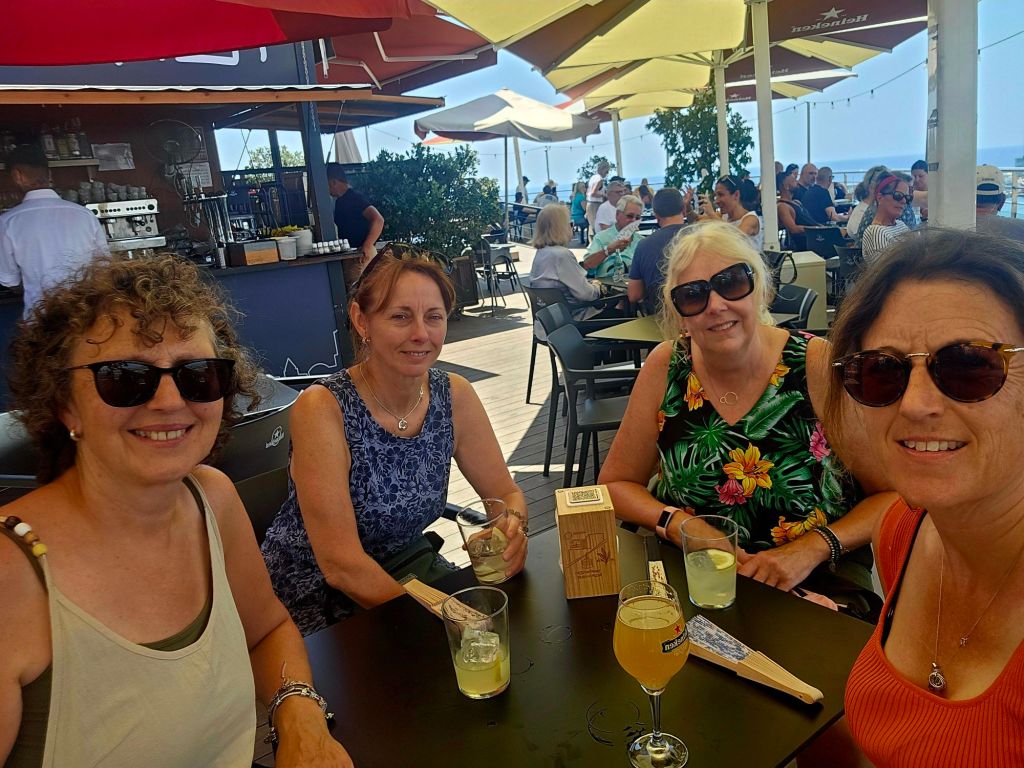
We had a wander round the Costa I Llobera Gardens. There are various statues in the gardens and gravel paths to walk along.
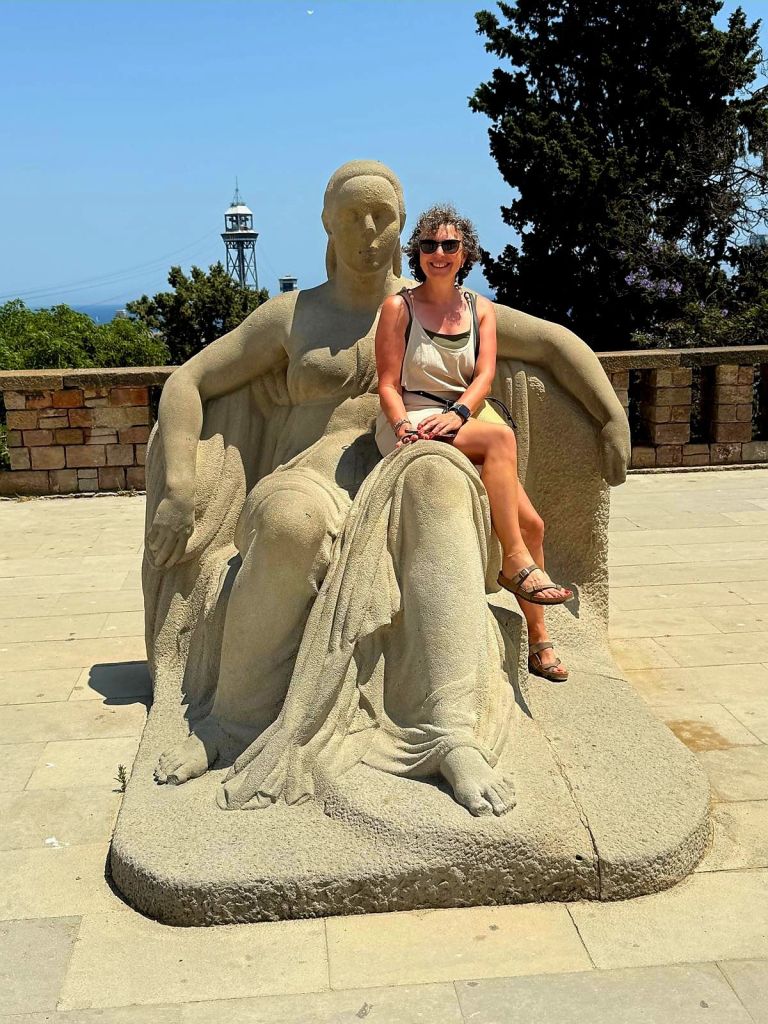
The trees are also a bit strange, with the roots looking almost like lava formations.
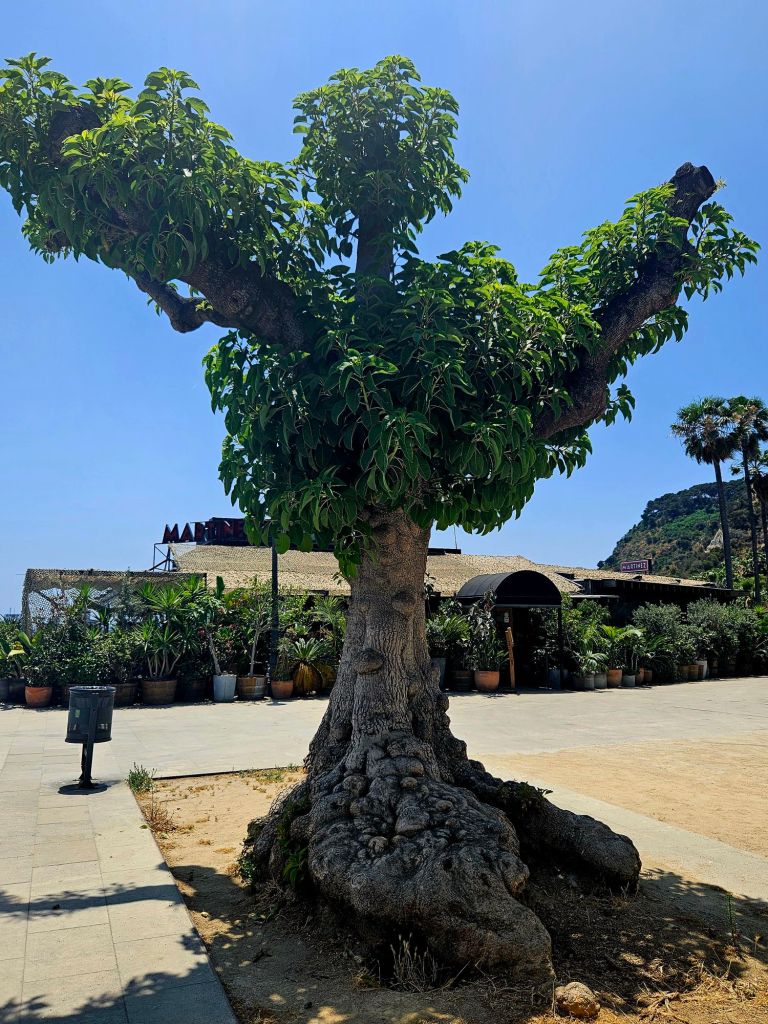
We walked around the gardens for a bit and then decided to walk to get the next cable car all the way to the top of Montjuic. It was a gradual hill up to the Teleferic Montjuic where we caught the next cable car.
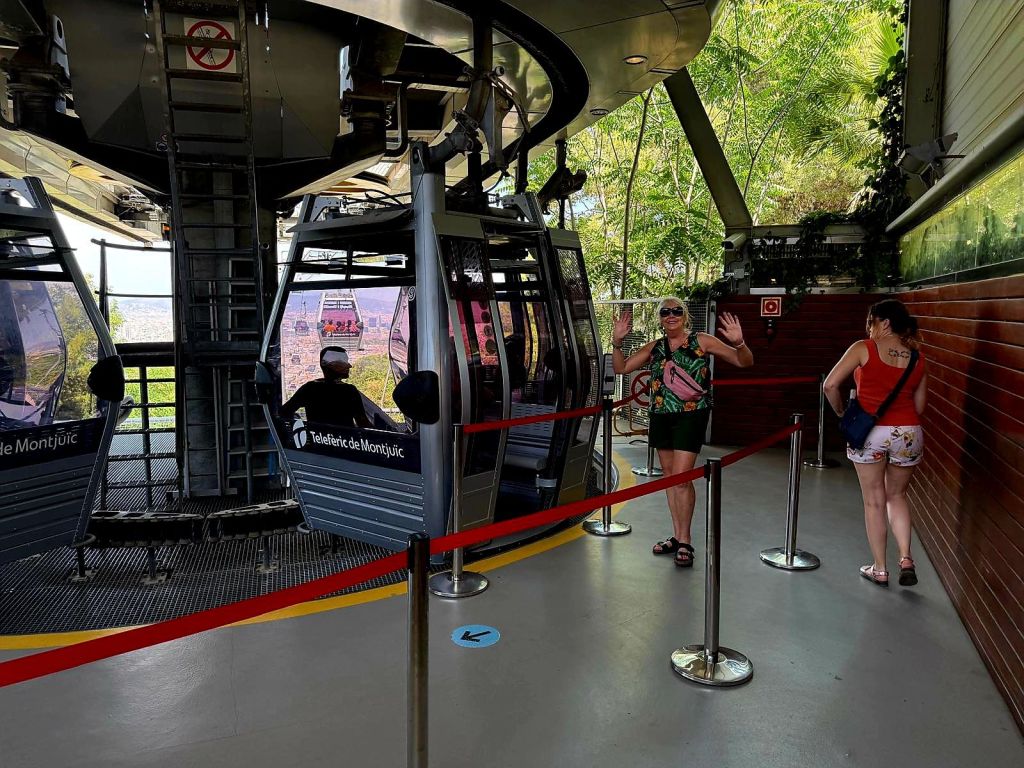
This cable car climbs 84m along a cable line of 752m. It has a stop in the middle, which you can get off at on the way down to see the views (we didn’t).
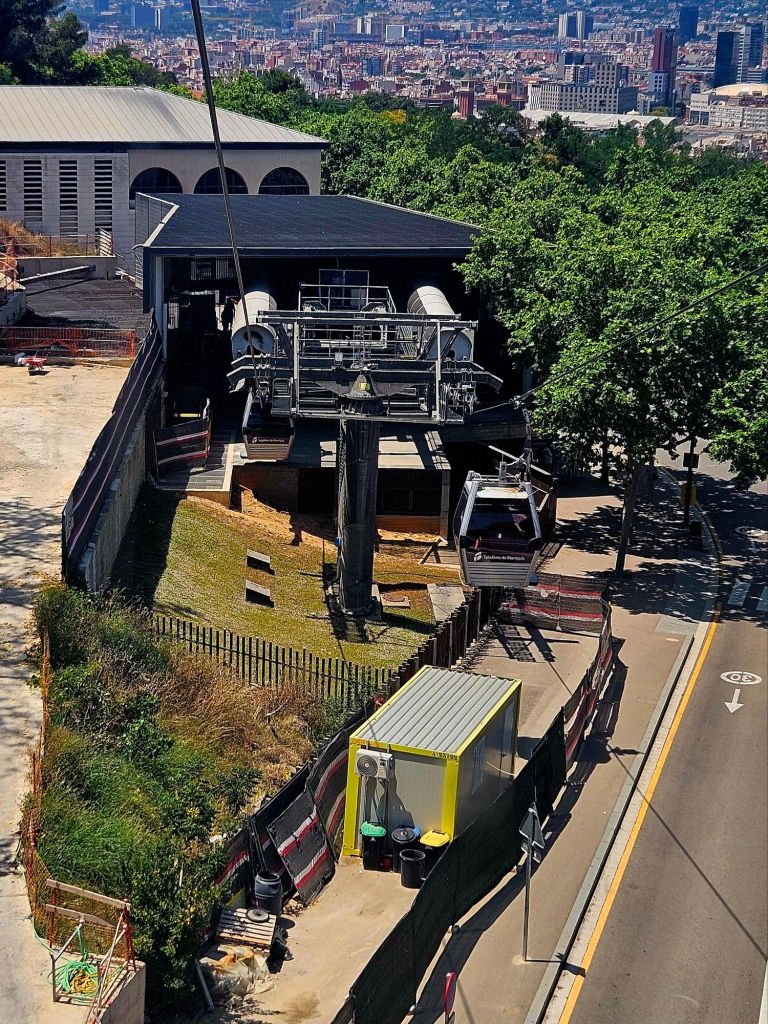
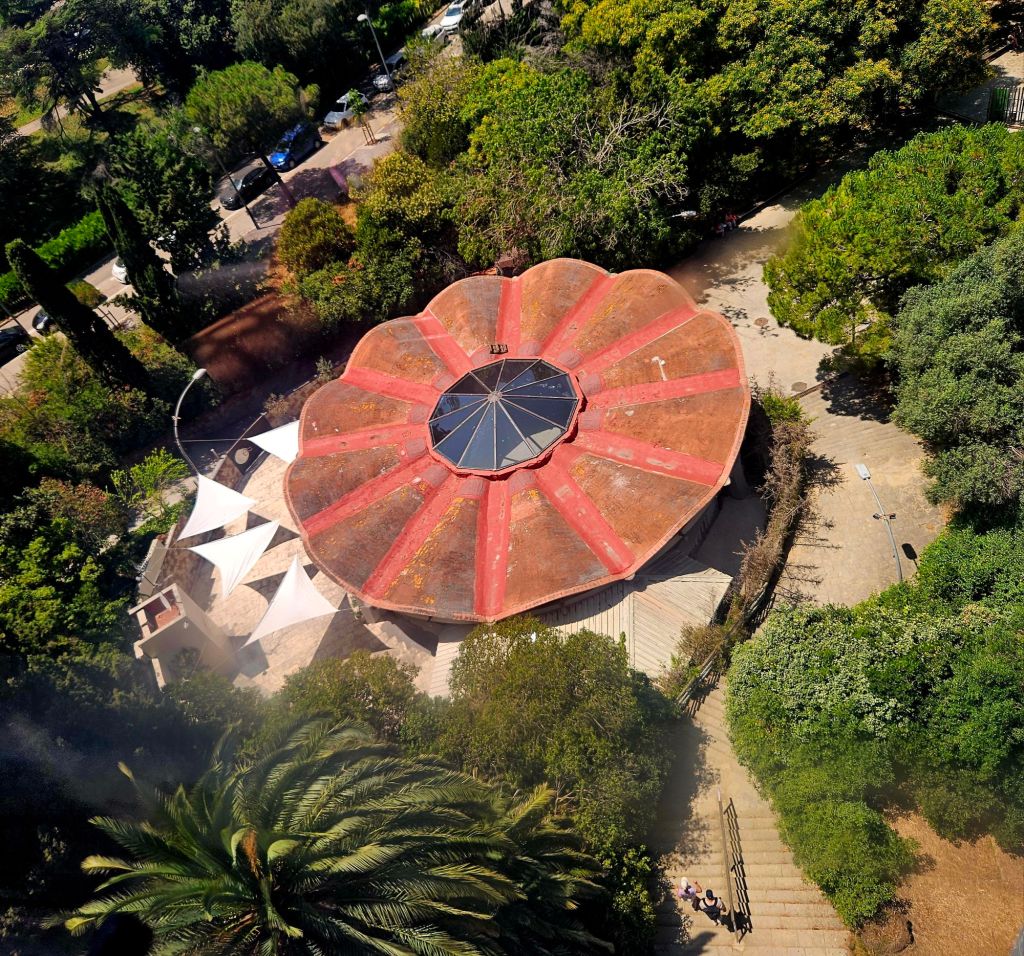


At the top of the hill is Montjuic castle, which sits 173m above sea level. This is an old military fortress, with roots dating back to 1640. The original fort was demolished in 1751, and the current structure was erected.
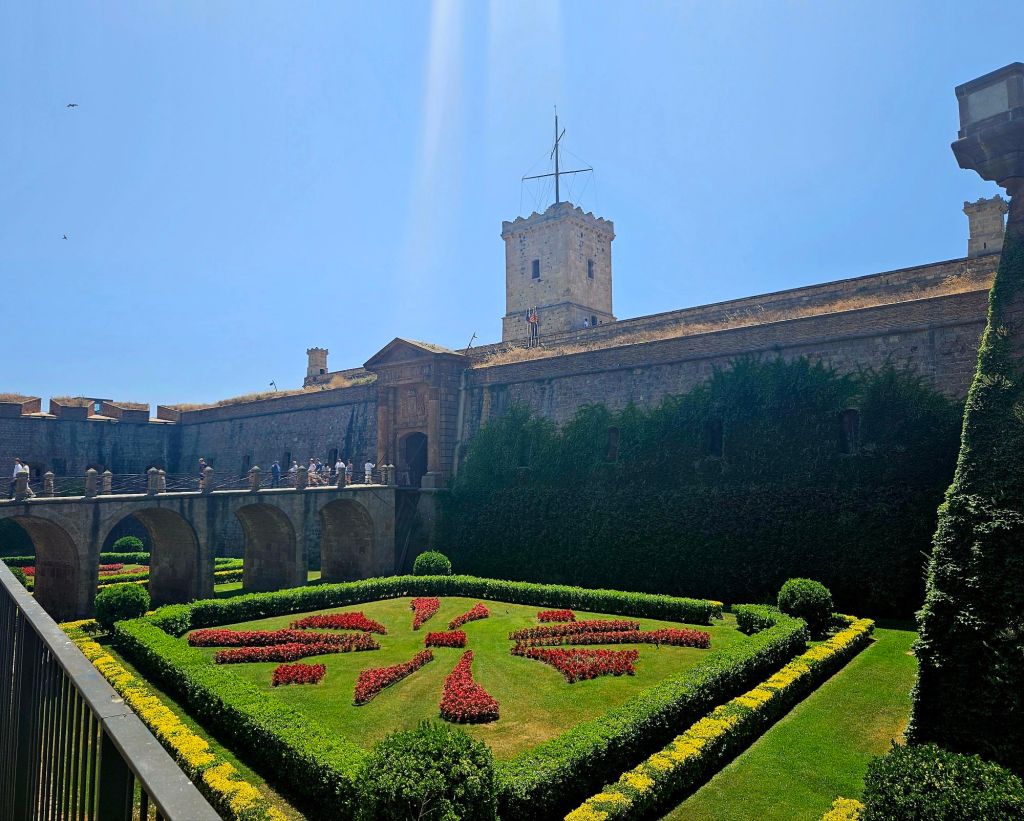
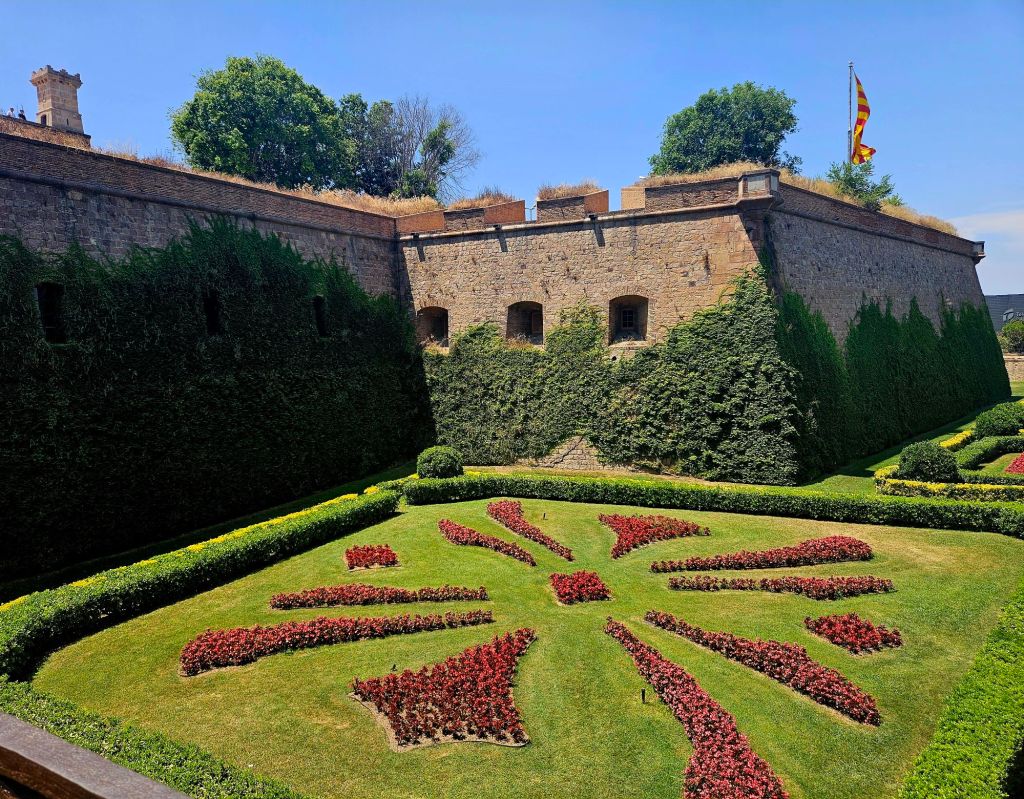
The castle is infamous in Catalan history because of its role in the civil war from 1936 to 1939, when both sides of the conflict imprisoned, tortured, and shot political prisoners at Montjuic.
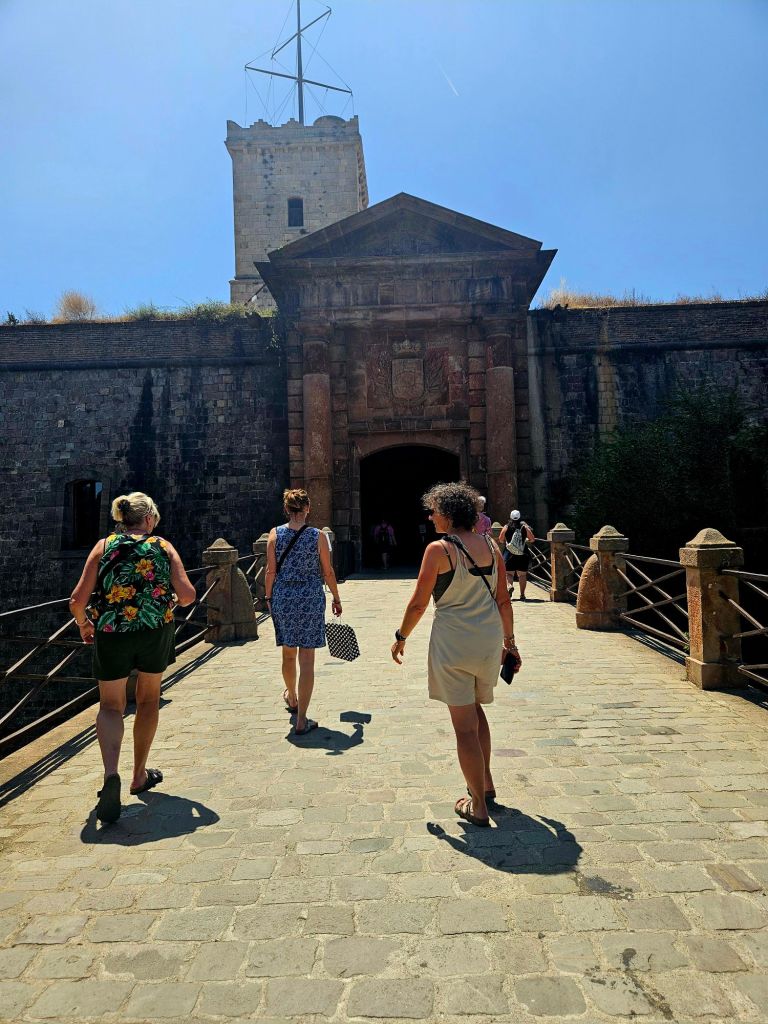
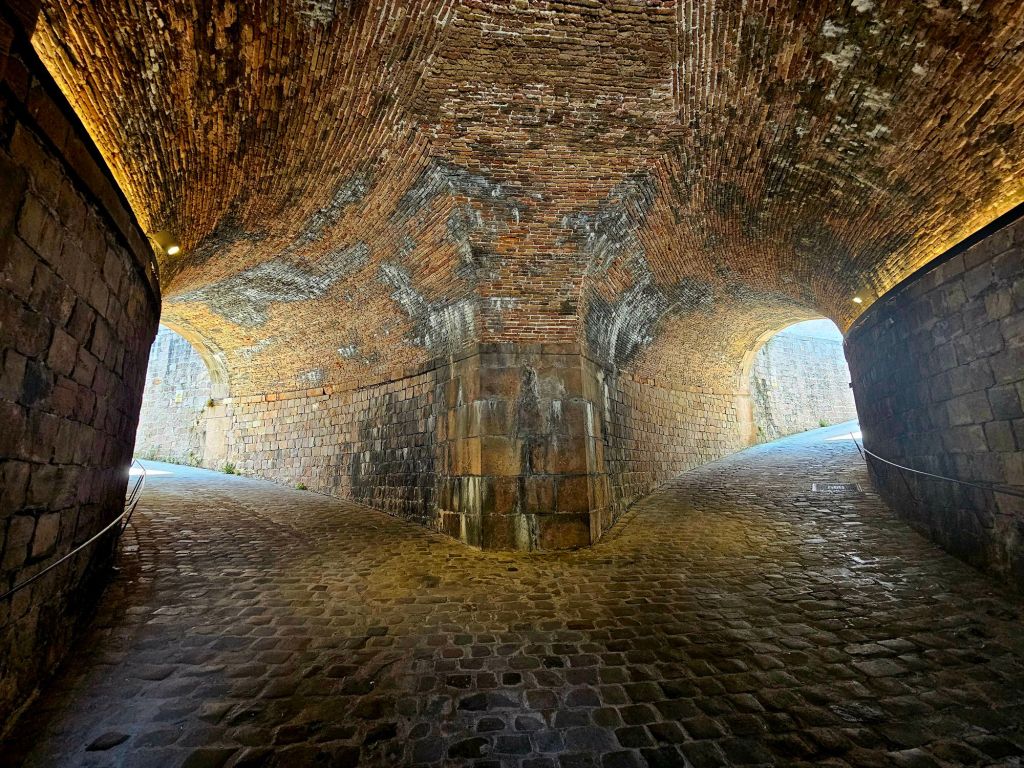
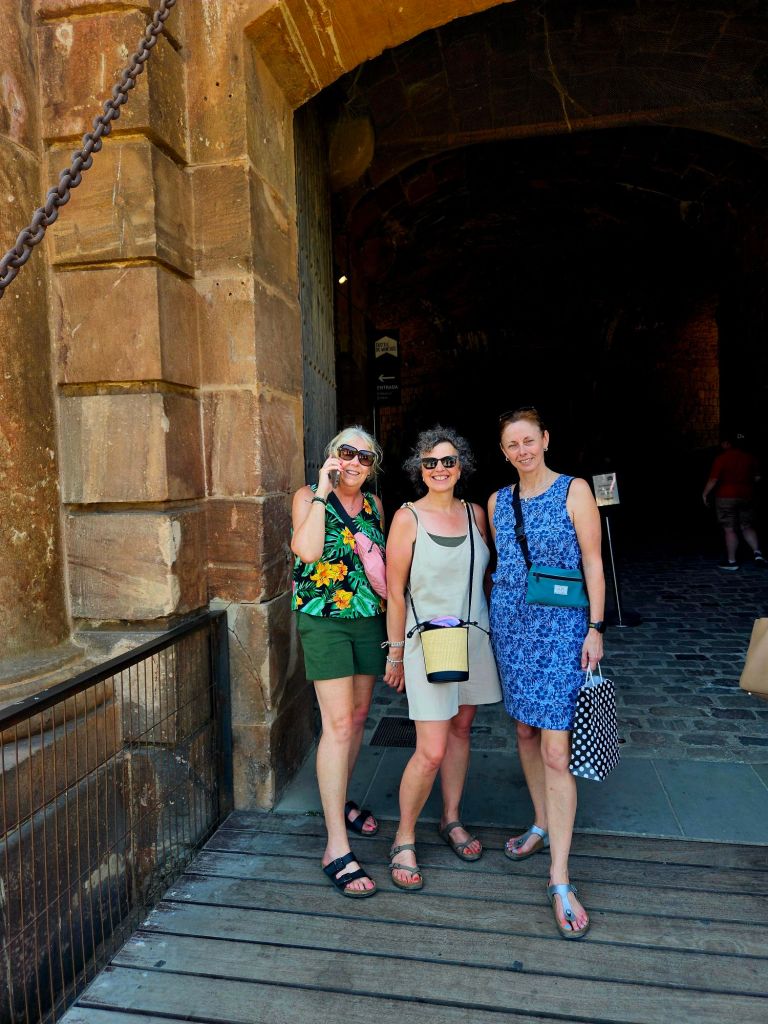
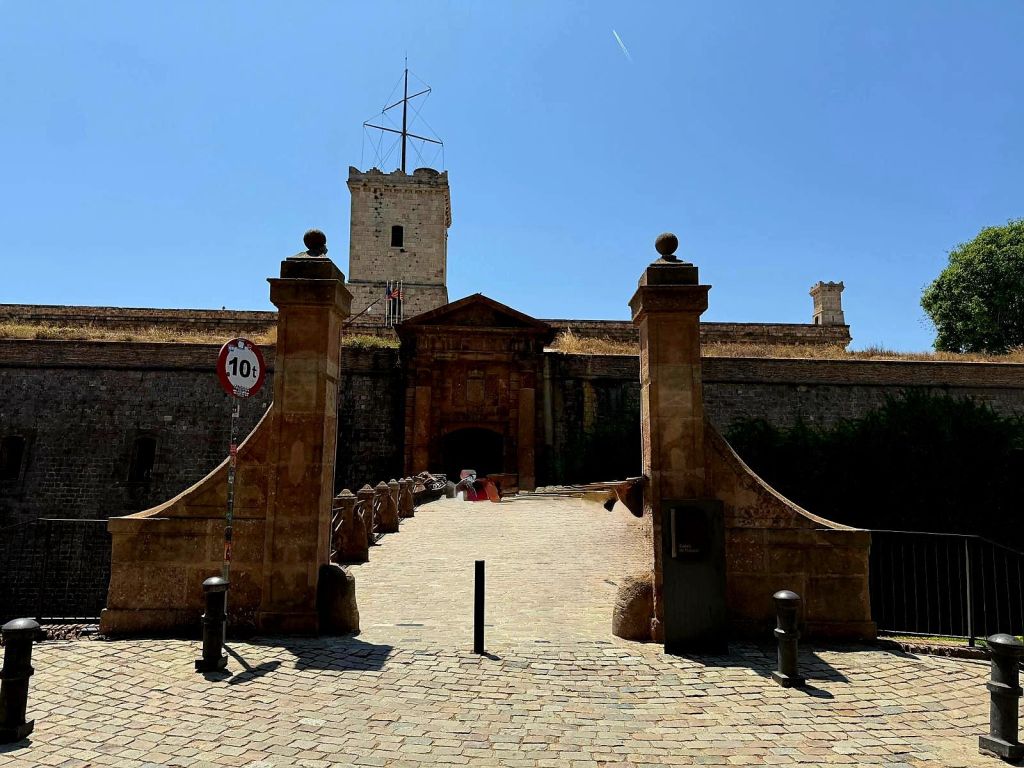
We didn’t want to pay to get into the castle, so we had a wander round at the top.
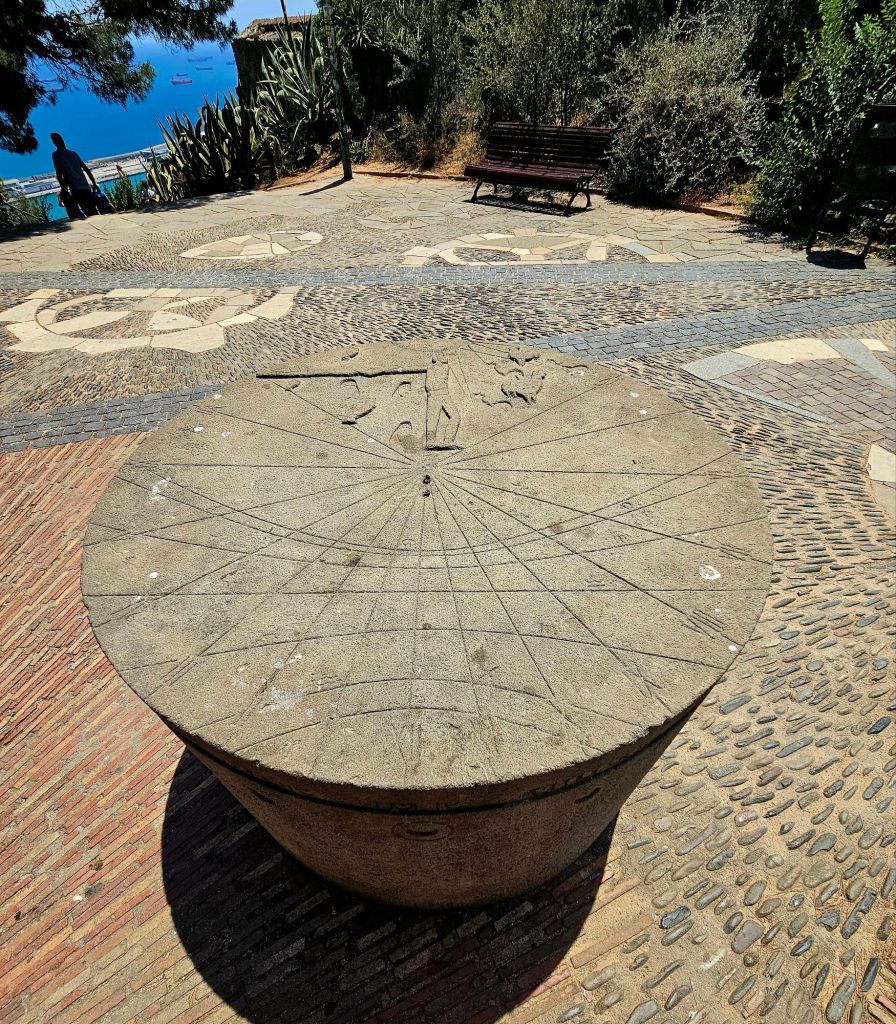
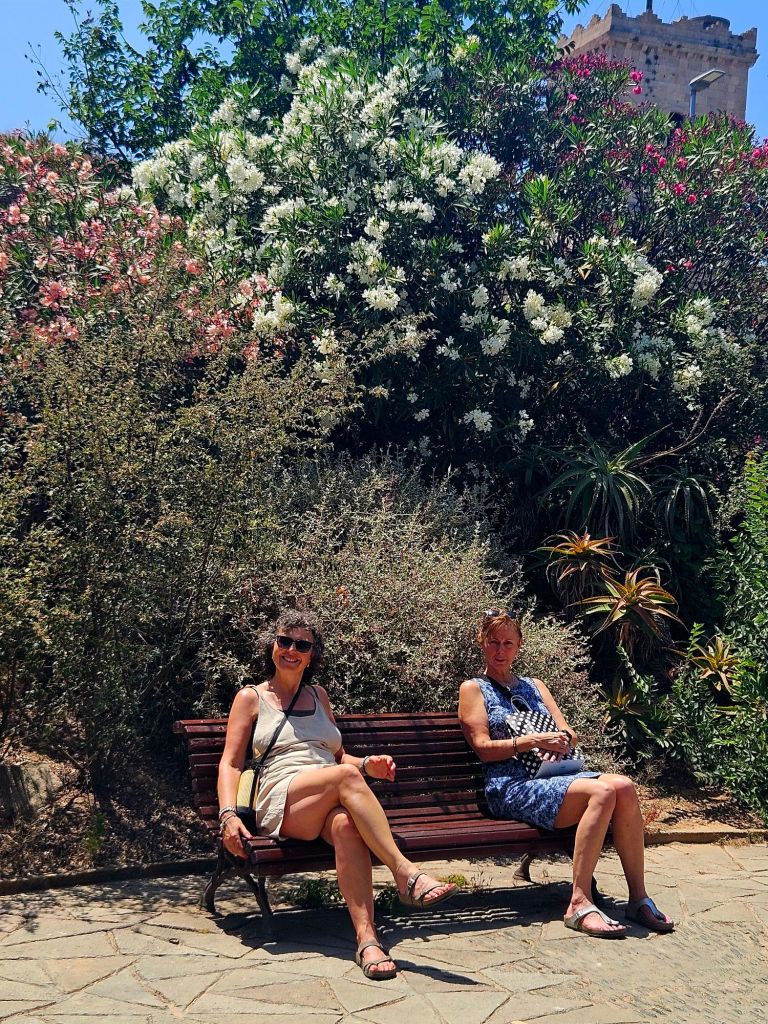
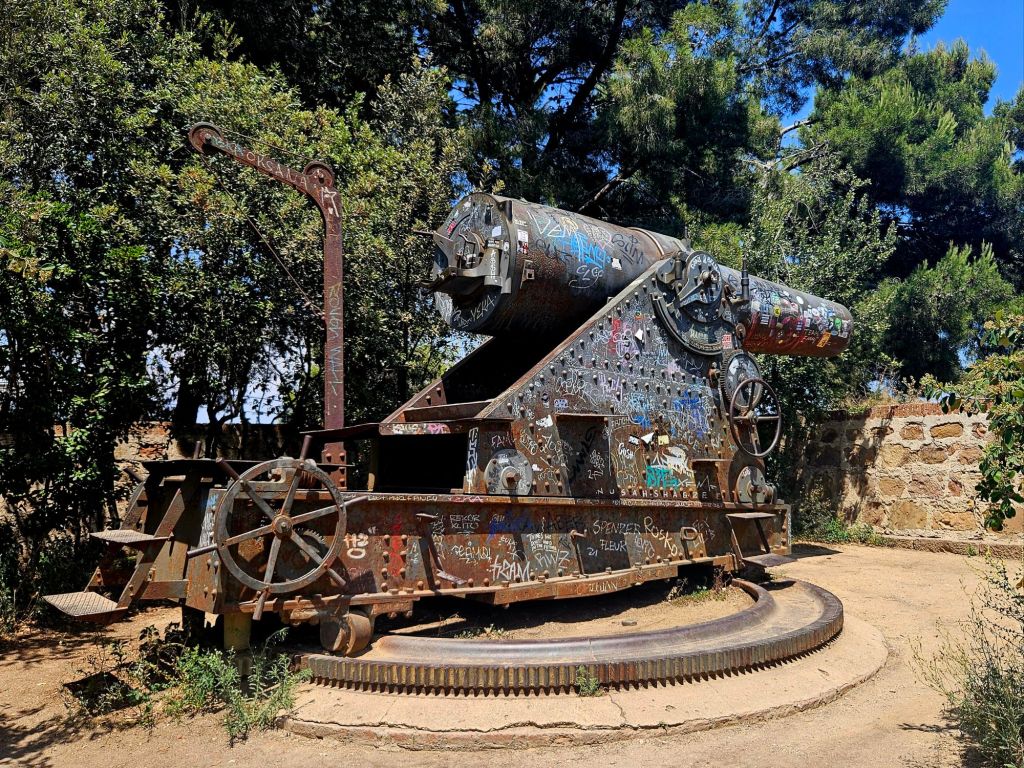
The castle was fortified with 120 cannons, some of which you can still see today.
We then caught the cable car back down to the start, over the park.

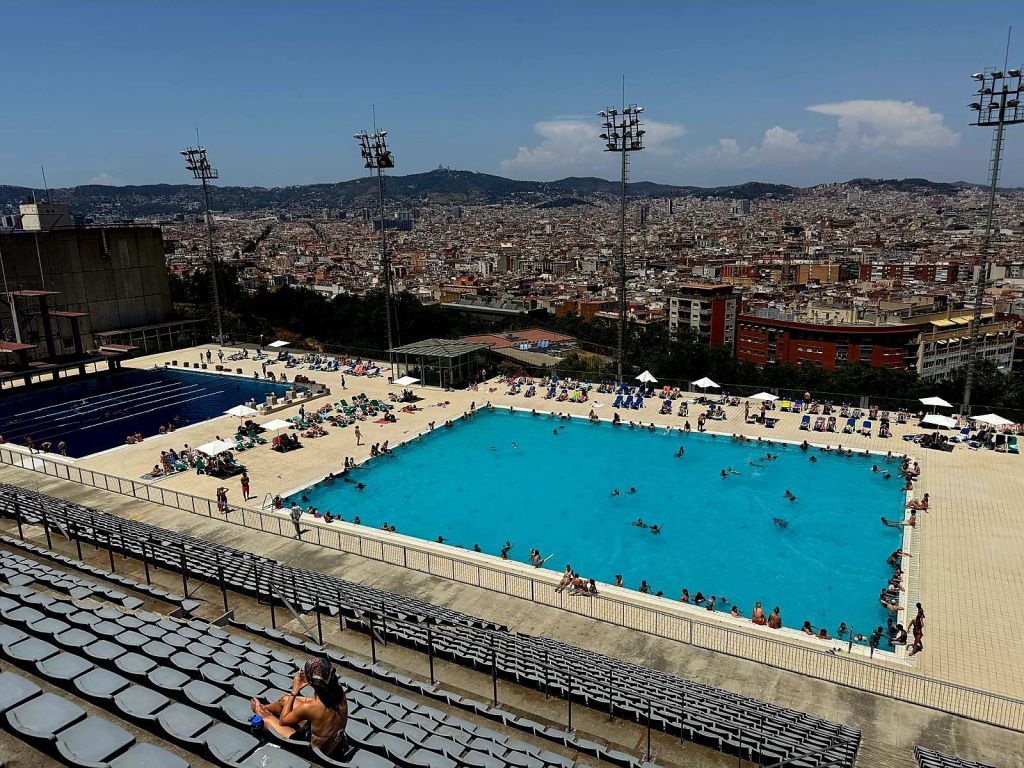
By this time, we were all a bit hungry, so we stopped off at Salt Terrace for some food – salad and chips. This cafe overlooks the Olympic swimming and diving pools, which were built for the 1992 Olympic games.
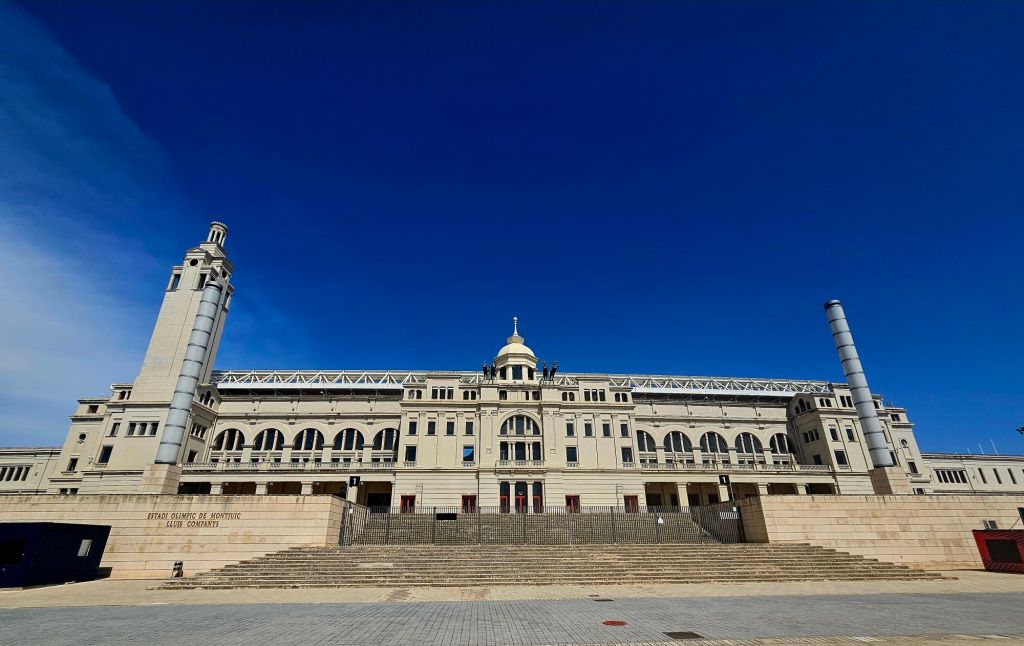
The Olympic stadium was not too far away, so we decided to pay it a visit.
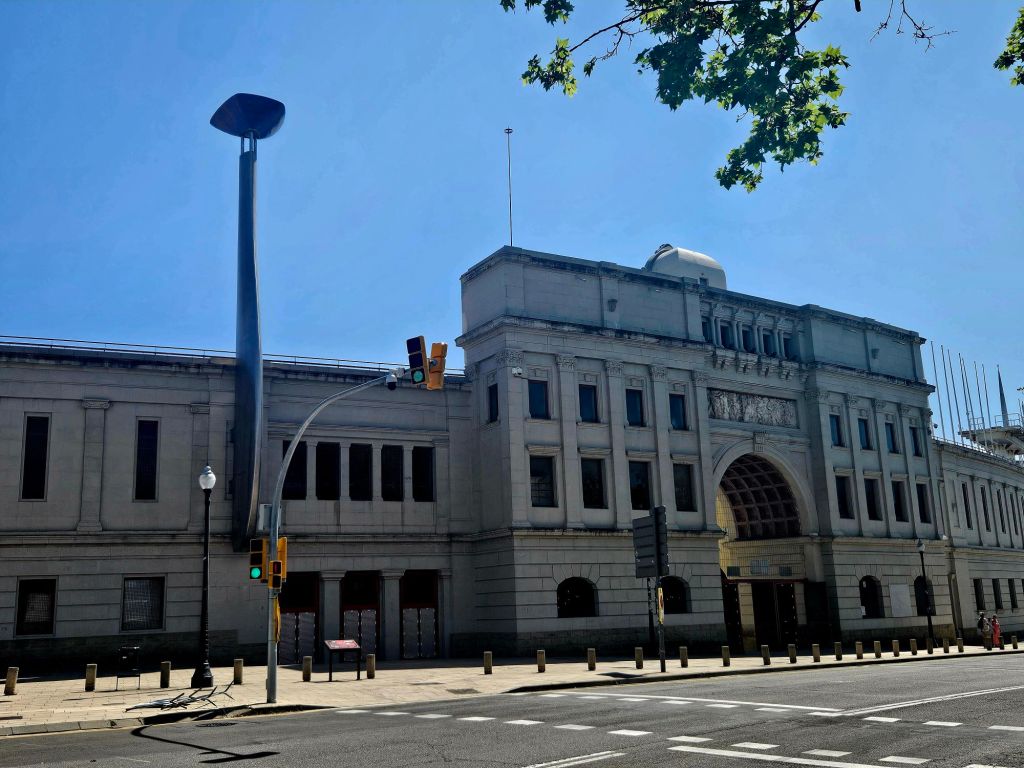
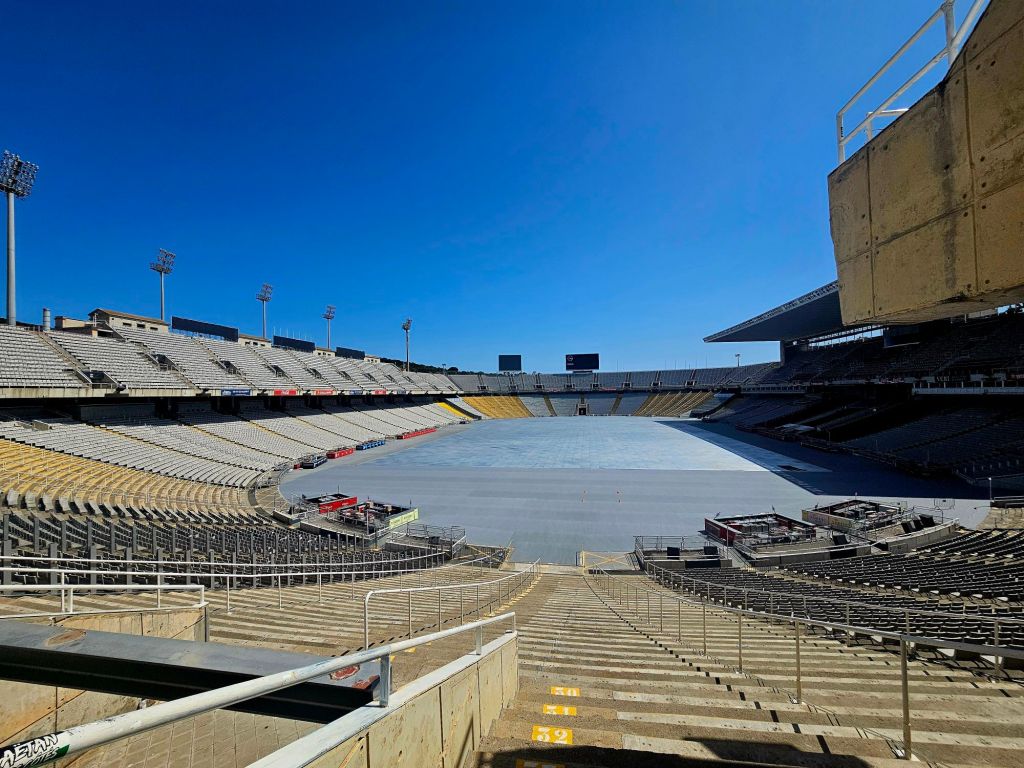
Barcelona put in several bids to host the Olympics in the 1920s. The stadium was originally built in 1927 and hosted the 1929 World Fair. It was thought that the 1936 Olympics would be held in Barcelona, but it ended up being hosted by Berlin. And in 1936 the Spanish civil war started, and the stadium became a shelter for refugees.
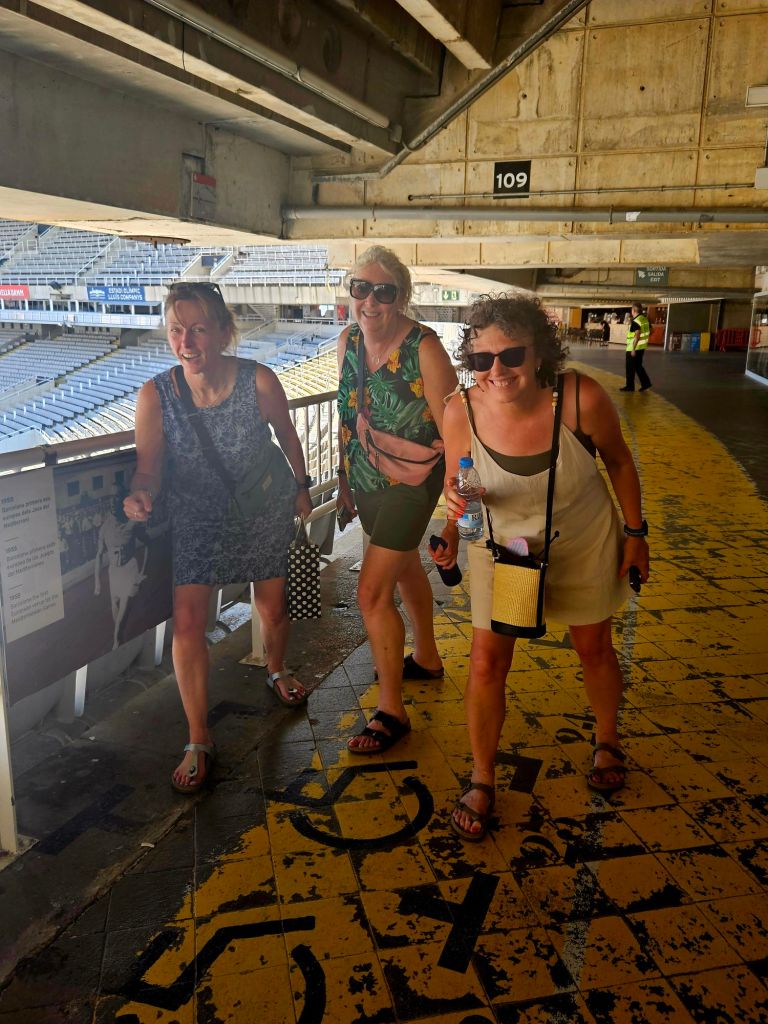

The stadium was almost demolished in the 1970s but ended up being completely renovated for the 1992 games. It was renamed as the Estadi Olimpic Lluis Companys after the president of the Catalan government, who was executed by the François regime by firing squad at Montjuic castle.
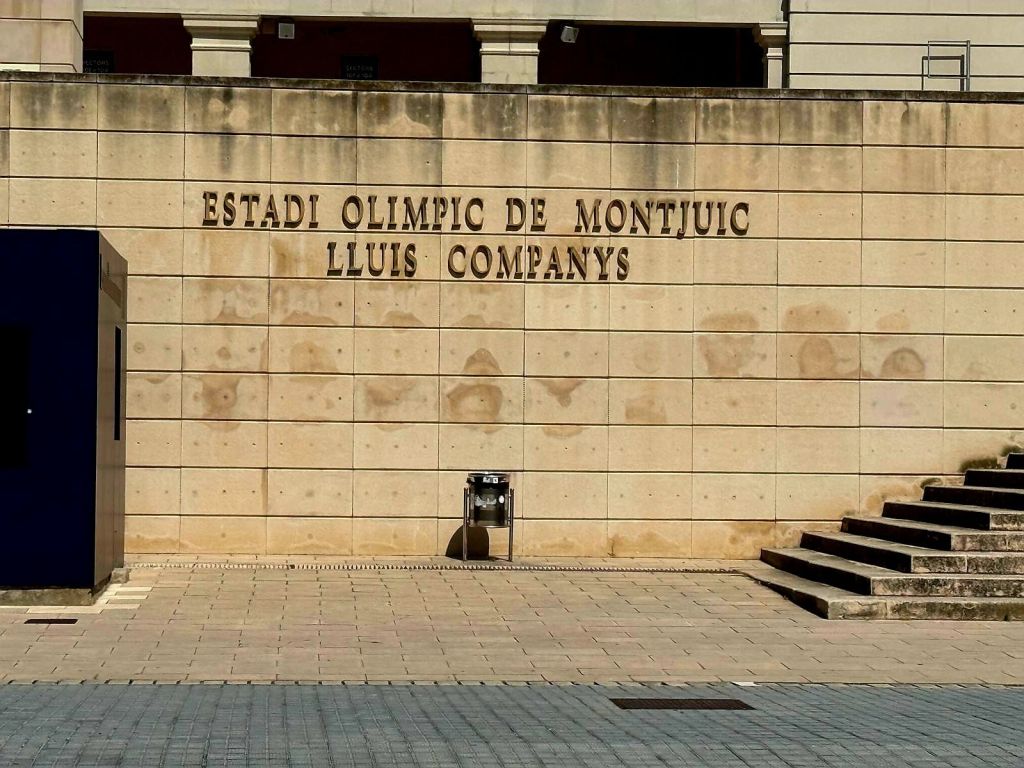
The Olympic stadium looks very impressive from the front.
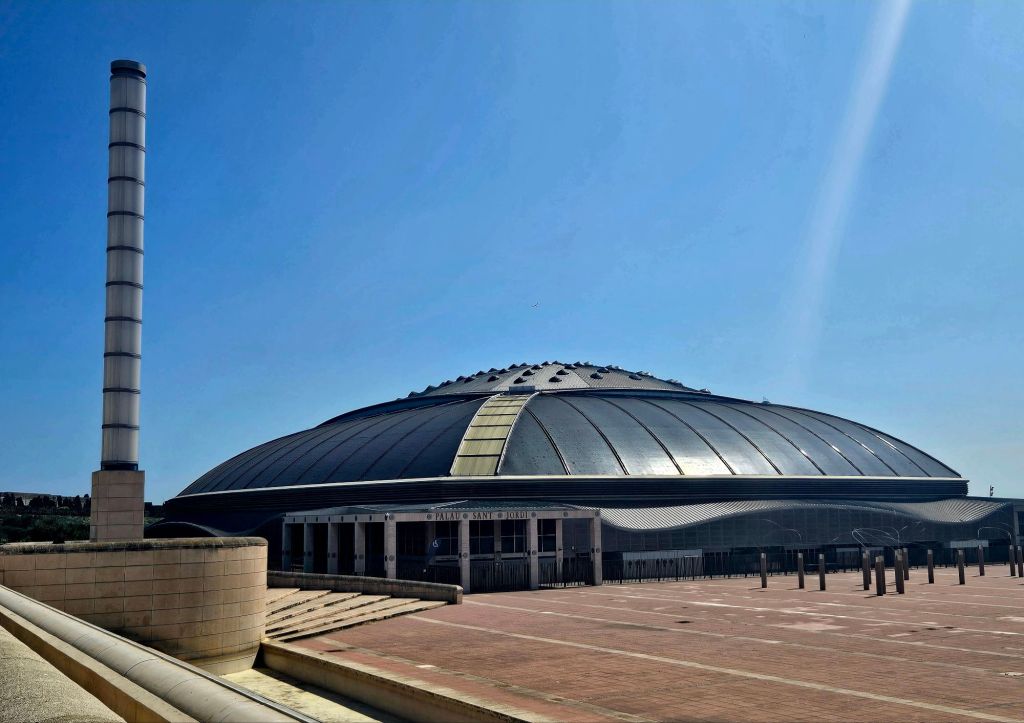
On the other side of the stadium is Palau Sant Jordi, which is an indoor sporting arena and designed by a Japanese architect.
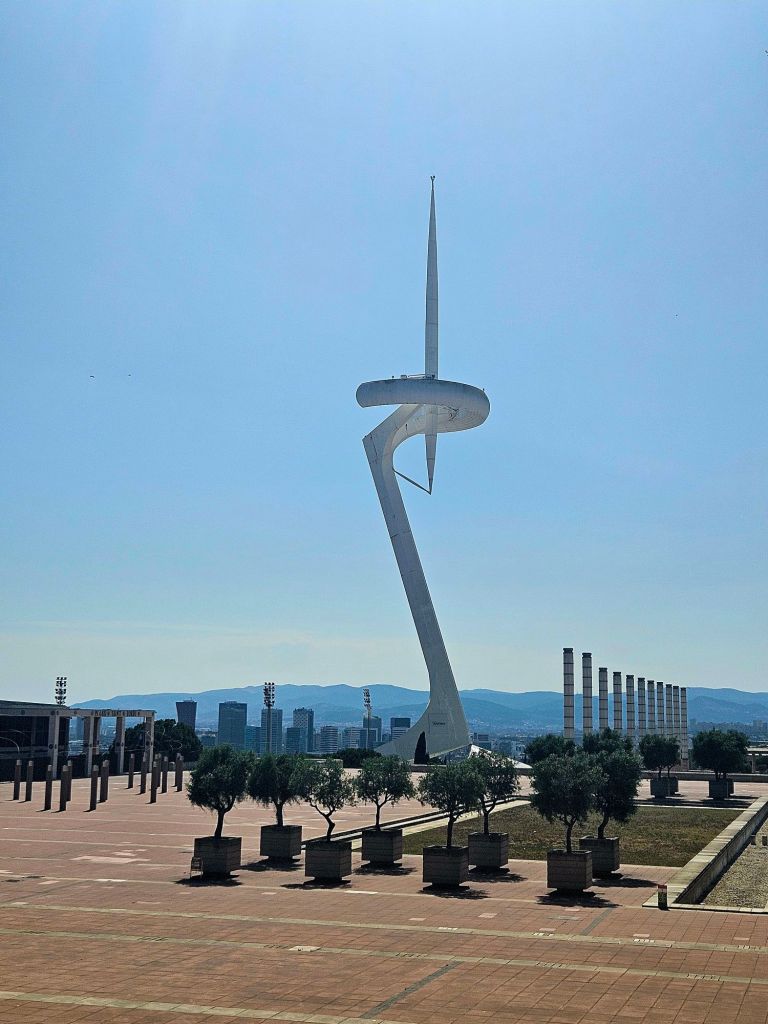
The views out over Placa d’Europa were also very impressive.
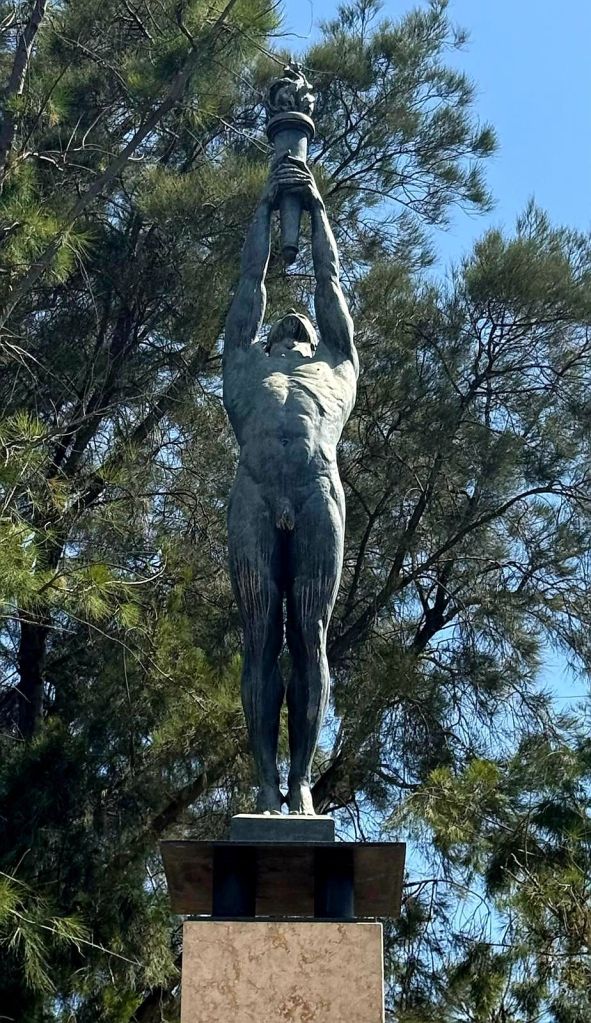
Our next stop was the National Art Museum of Catalonia, but on the way, we came across the Francesc Ferrer i Guàrdia monument. Francesc Ferrer was a freethinker and founder of the modern school. In 1909, he was shot in Montjuic after being convicted without any evidence by a military court as the instigator of Tragic Week – a violent uprising that took place between 26 July to 1 August 1909. The week was marked by widespread destruction of religious buildings and symbols and ultimately resulted in a brutal crackdown by the state.
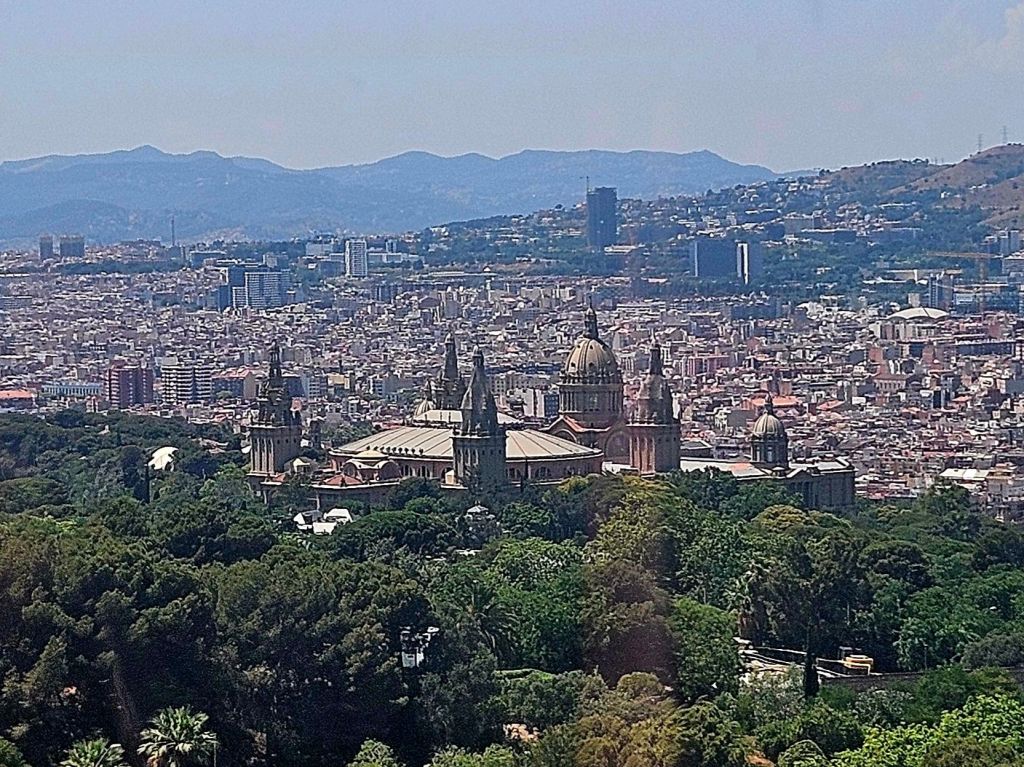
The building that houses the National Art Museum of Catalan (NAMC) is really beautiful. It is housed in the Palau Nacional, a huge Italian-style building dating to 1929.
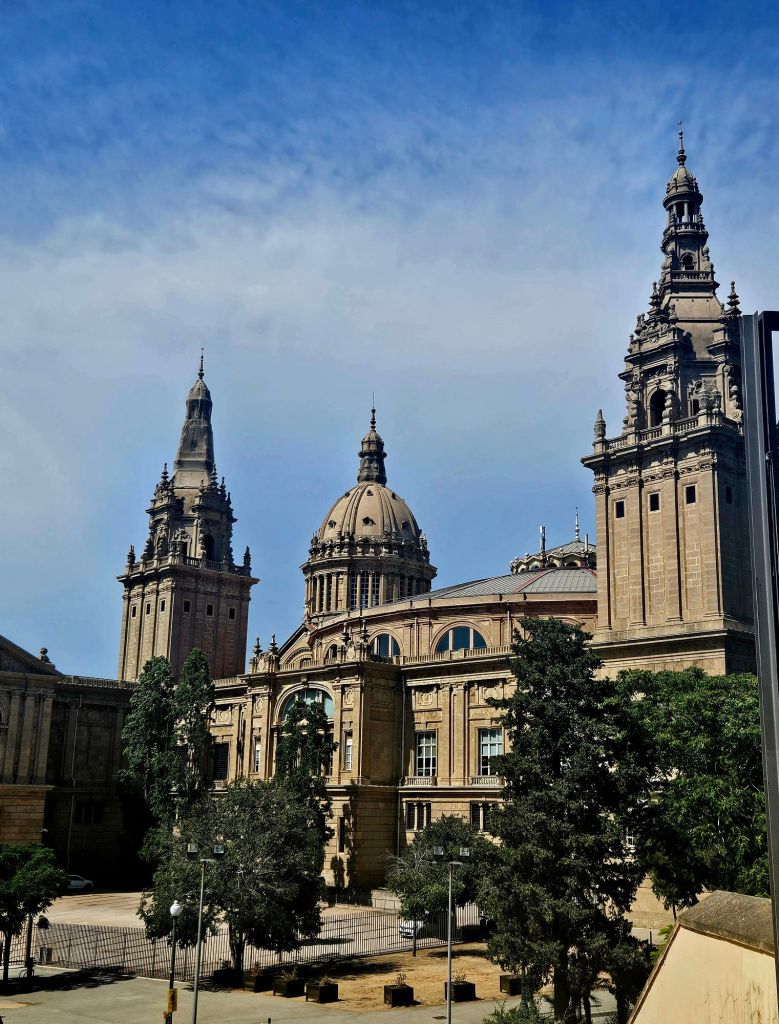
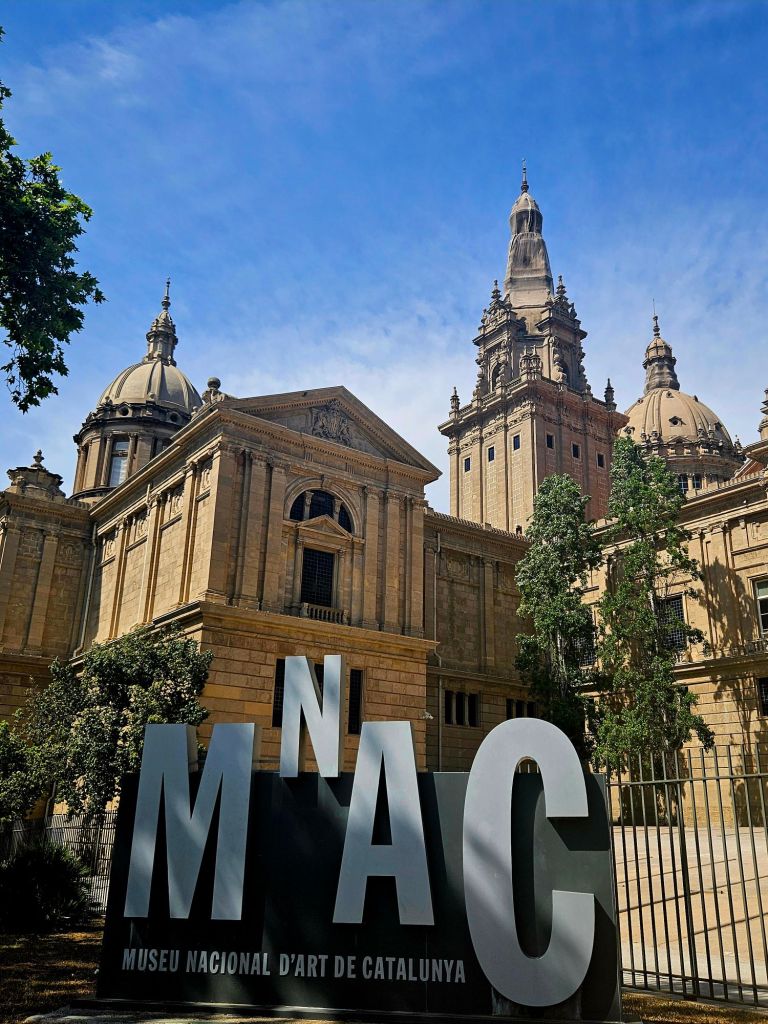
The Palau Nacional is a huge building, over 50,000 square metres, and has a great dome inspired by St. Peter’s Basilica in the Vatican City in Rome, flanked by two smaller domes, and four towers modelled on Santiago de Compostela Cathedral, stand at the corners of Oval Hall.
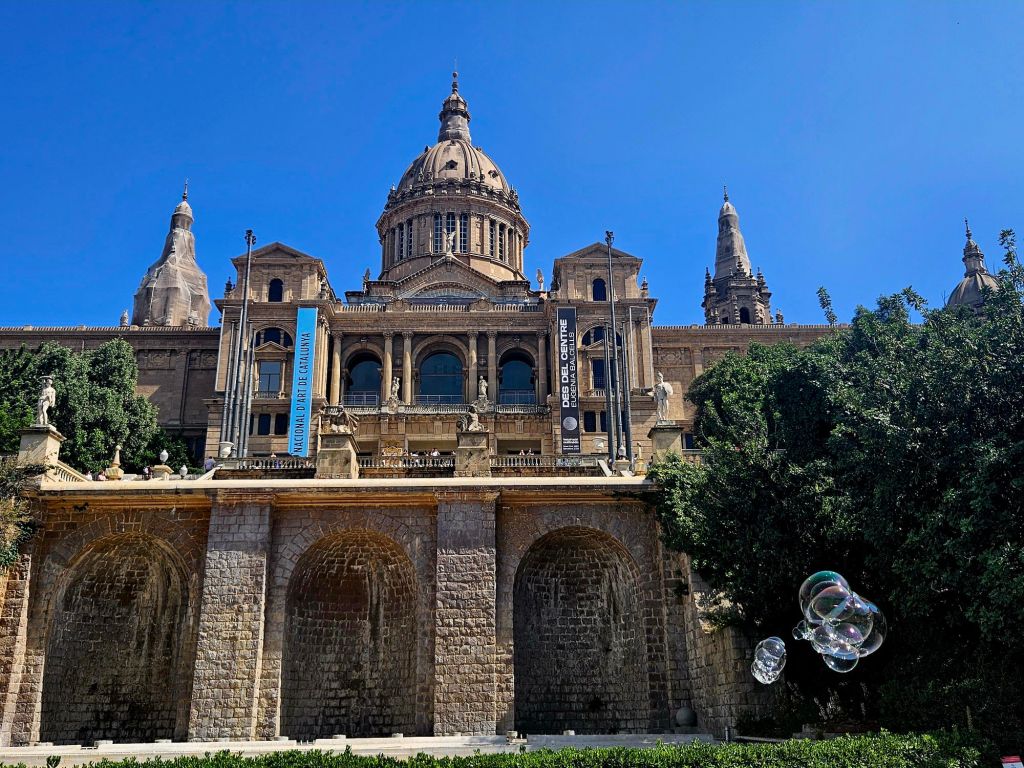
The views down into the city were amazing.
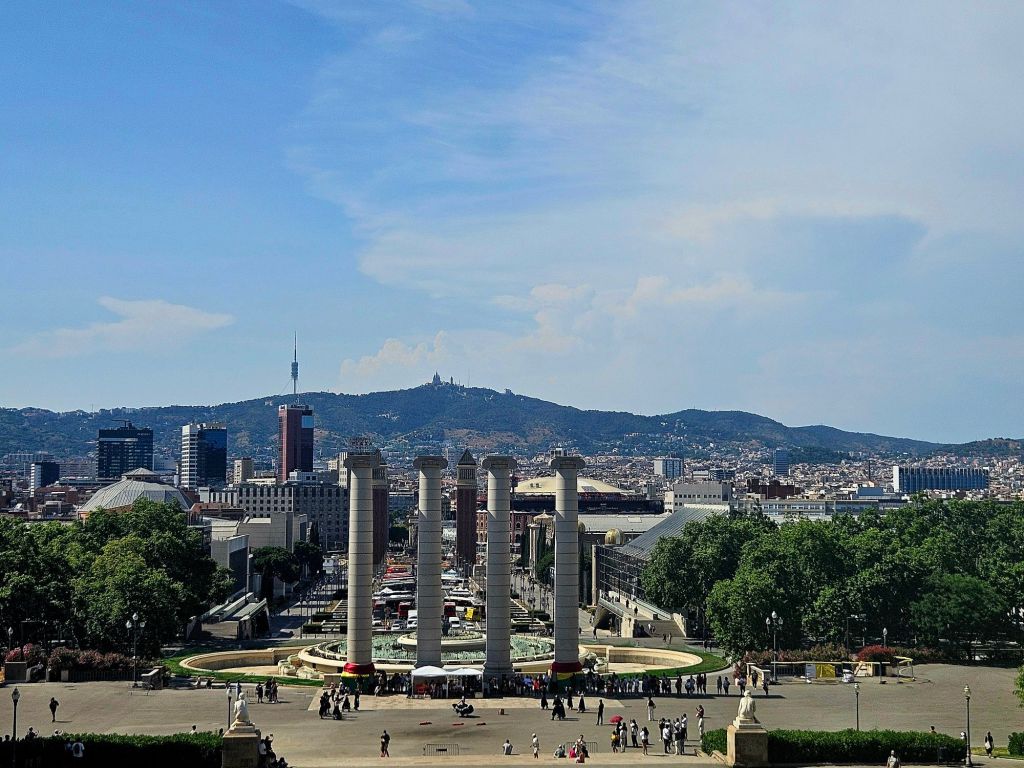
Unfortunately, the Montjuic Fountain was not working as renovations were being carried out. When it does work, it sprays 700 gallons of water a second through 3620 jets to create its effect. The highest water spout is 170 feet.
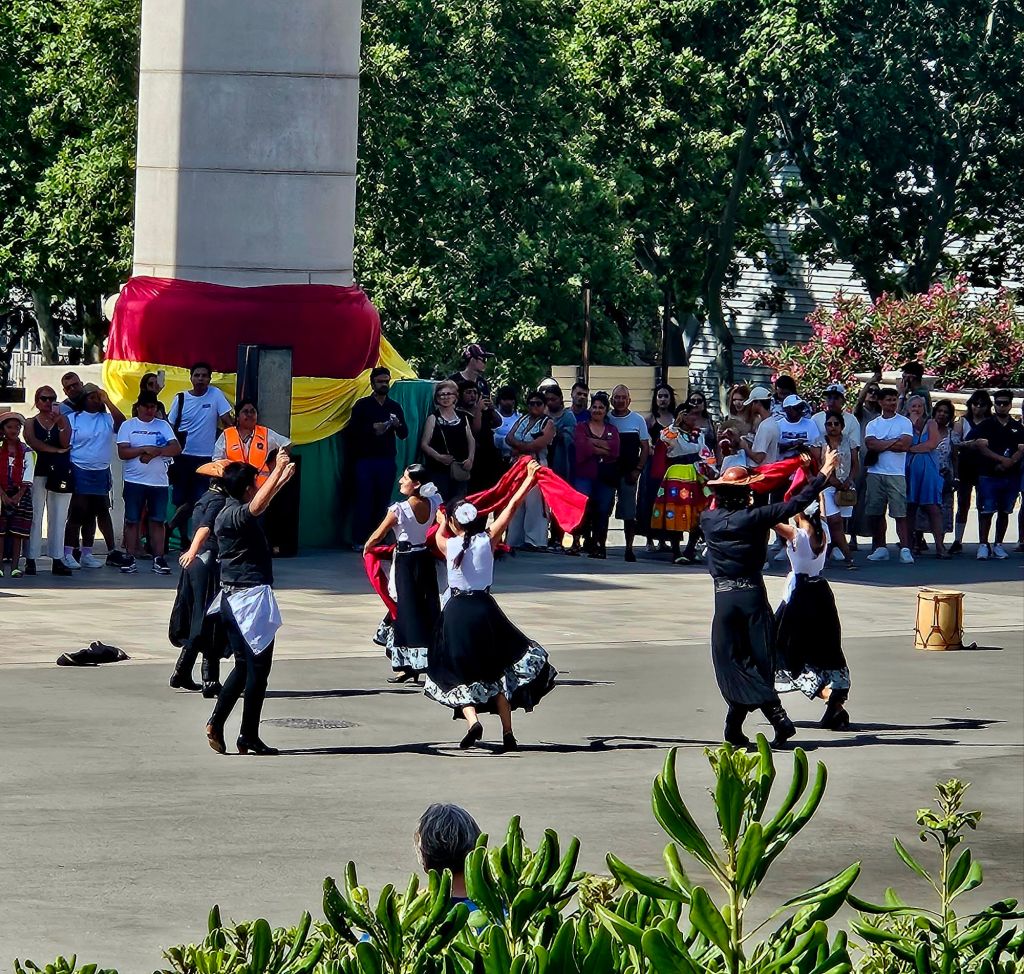
Just by the Fountain, there were some traditional dancers dancing a Catalan dance known as Sardana. The dance is a symbol of unity and pride.
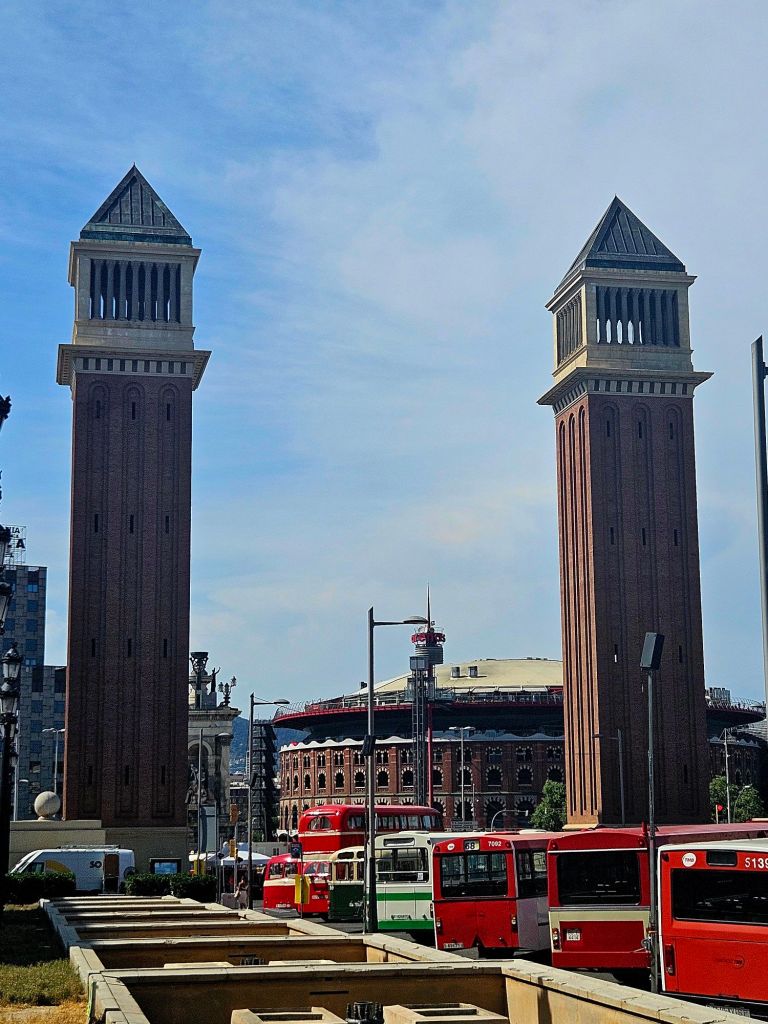
As we walked back into the city centre, we walked past the Venitian Towers. The towers are each 47m high and were built in 1929. They serve an ornamental function and mark the entrance to the exhibition district. There seemed to be an exhibition of old buses going on whilst we were there.
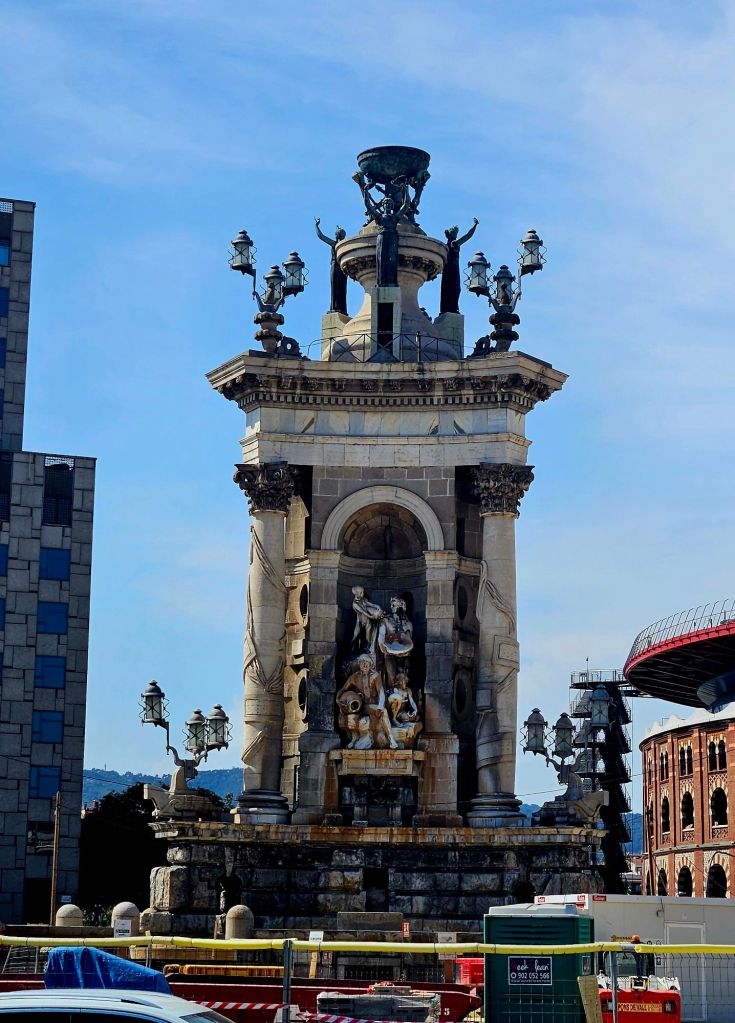
Placa d’Espanya is one of the city’s biggest squares and a junction of several major thoroughfares. The square was built on a site that had been previously used for public hangings.
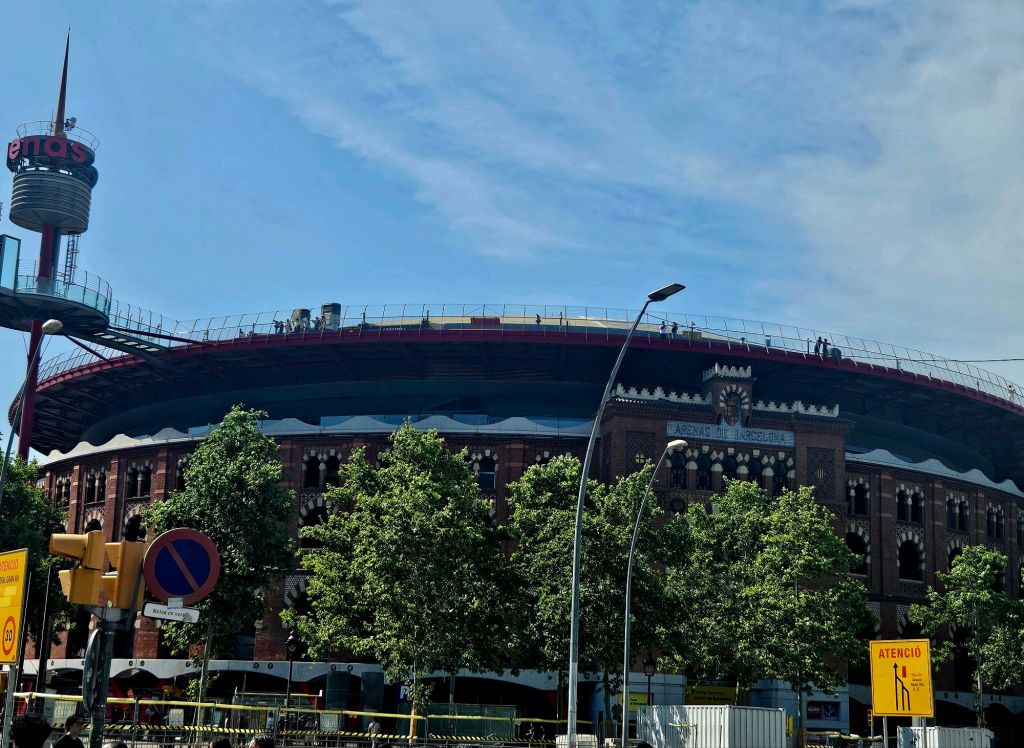
Arenas de Barcelona was a former bullring. It was built in 1900 in the Moorish Revival style and has been converted into a shopping centre.
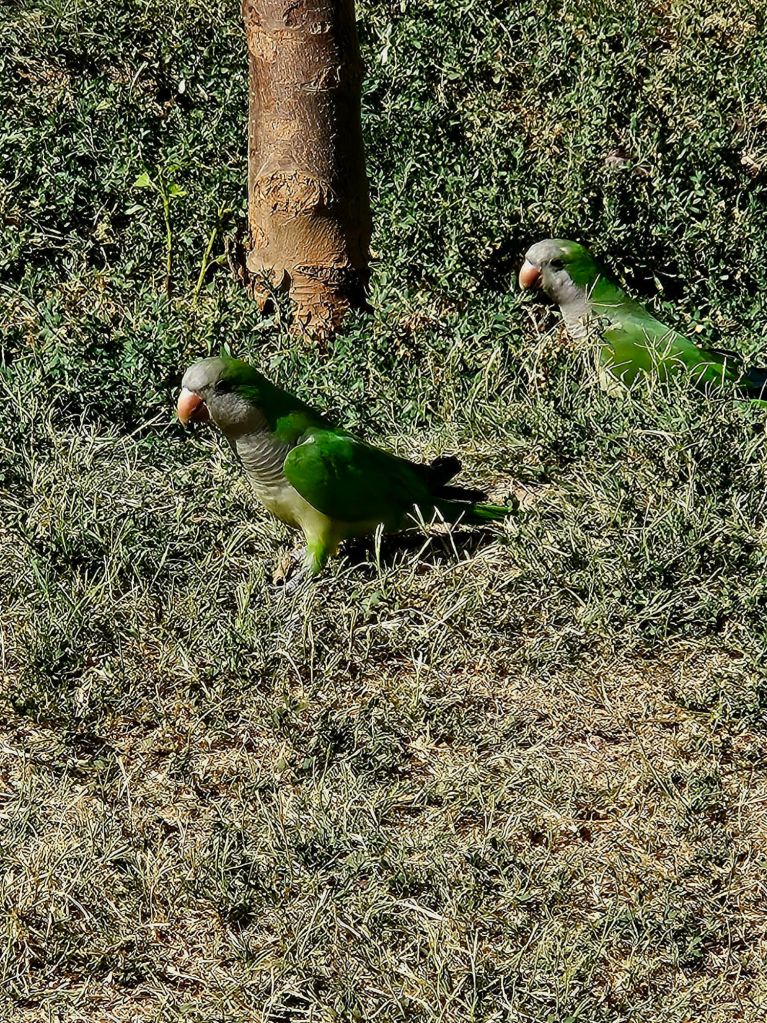
We walked down quite a main avenue and saw some parakeets, they are actually quite common in Barcelona.
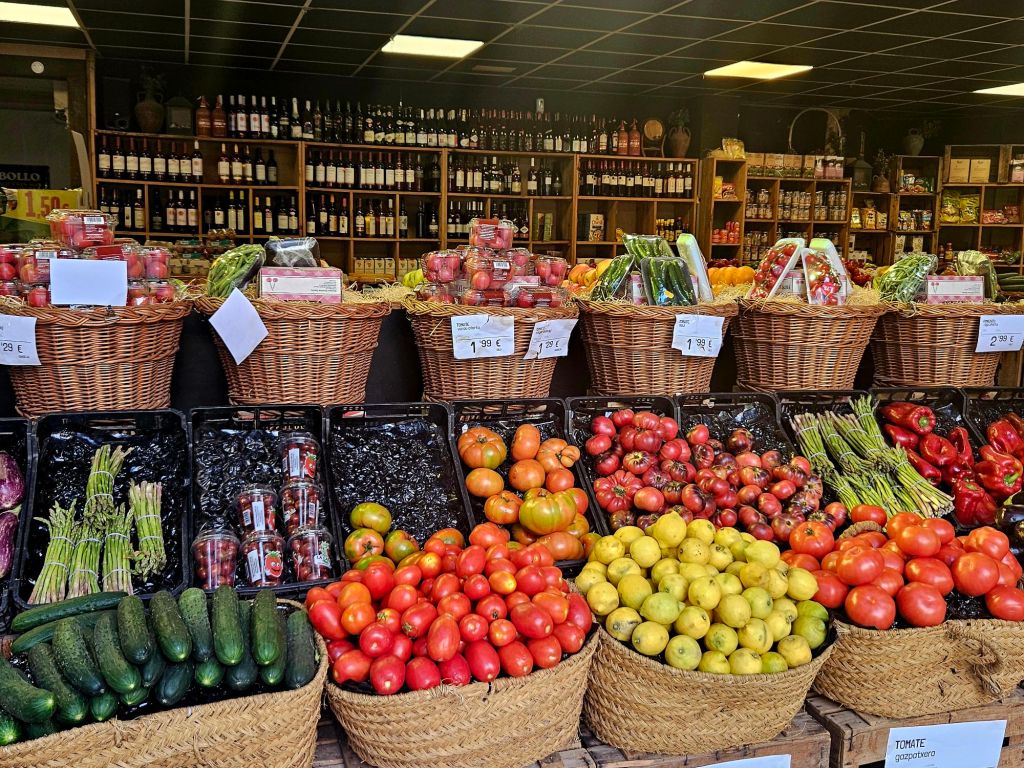
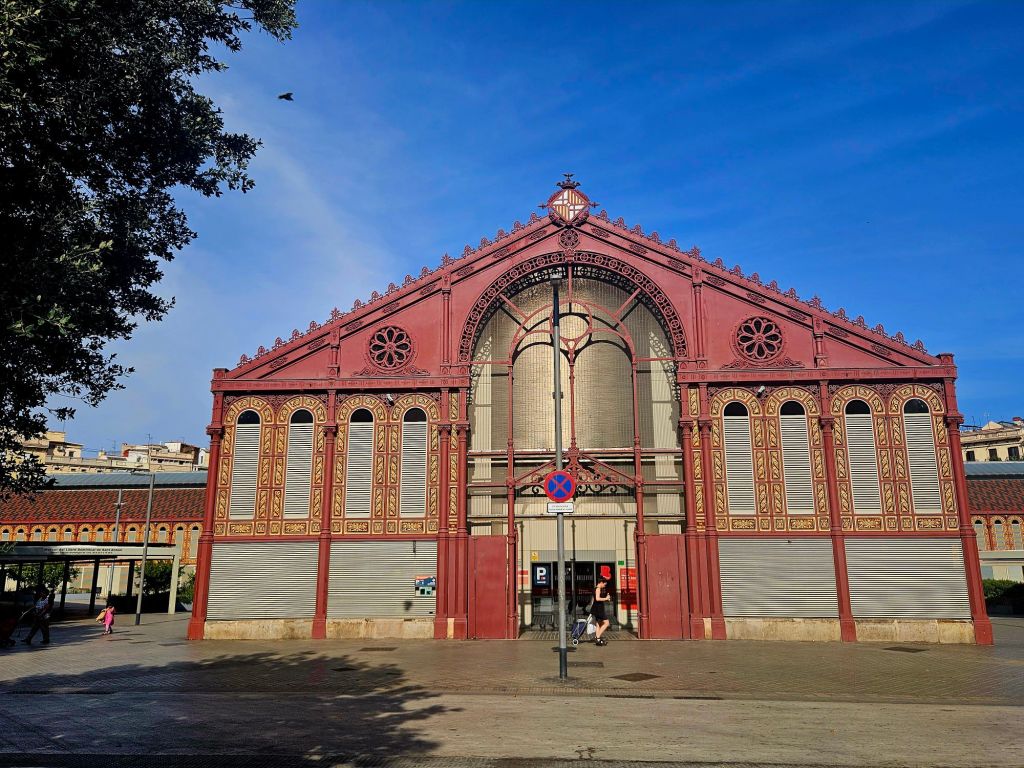
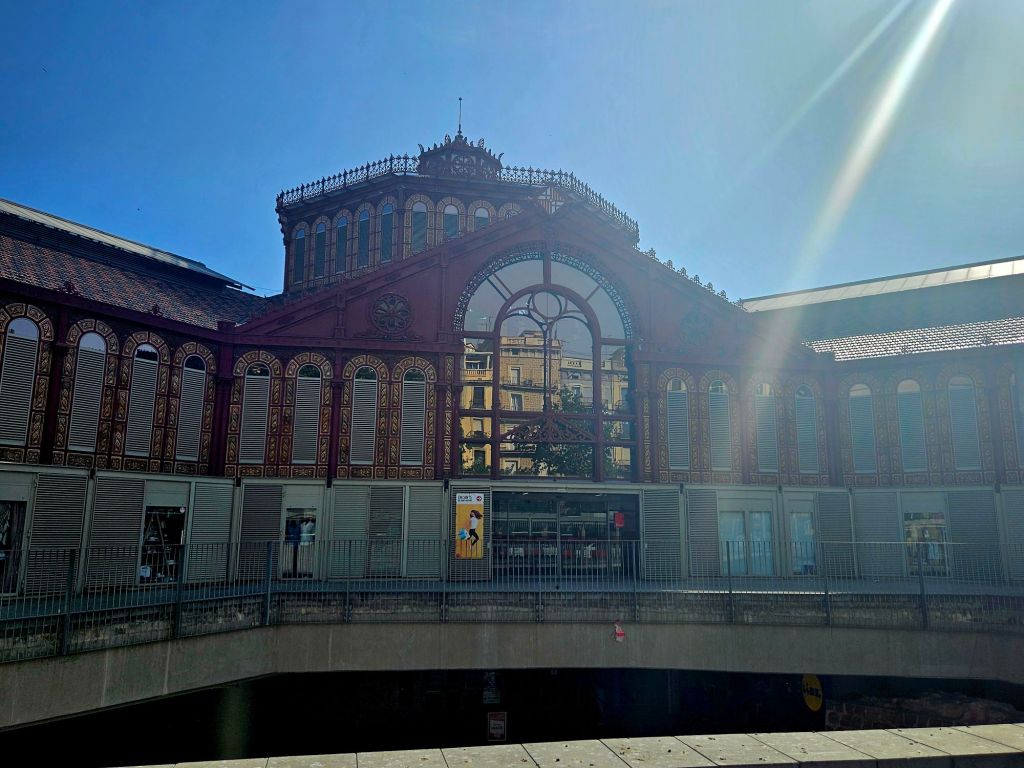
We walked past Sant Antoni Market. The market was built in 1882 and was the first market built outside of the city walls. It is a very distinctive iron structure and still serves as a retail food market.
We stopped at a supermarket on the way home and picked up some fruit and yoghurt.
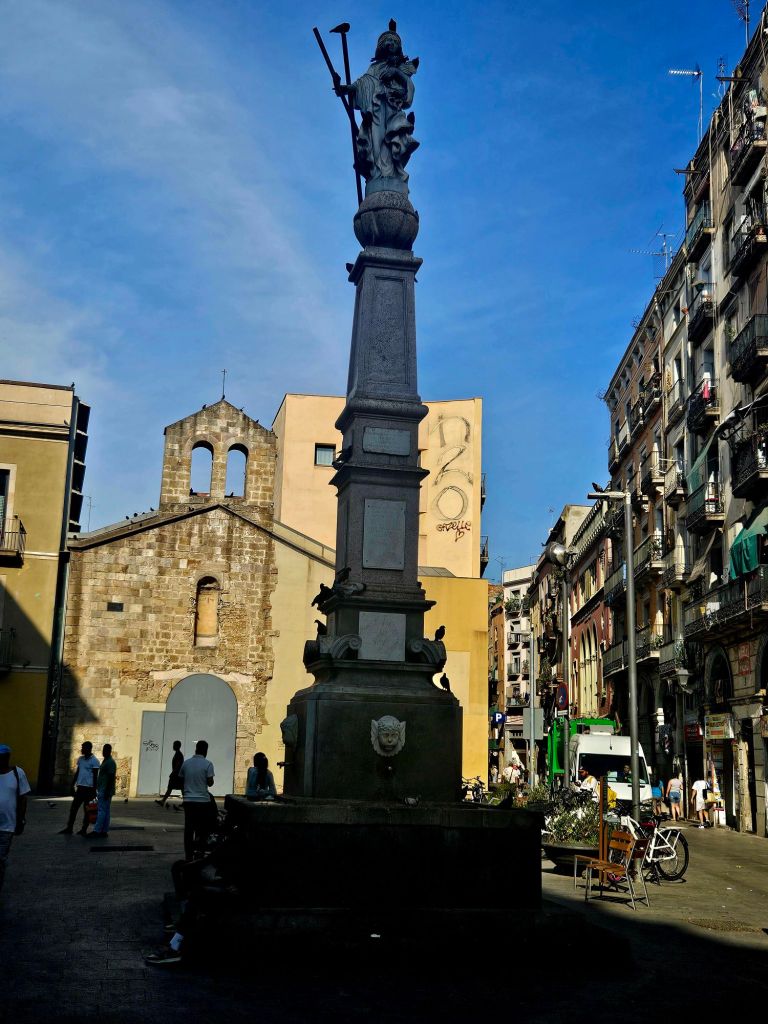
As we came out, we were just in front of the Sant Llàtzer church. This is a Romanesque chapel that was part of a hospital located in this area between the 12th and 15th centuries. Since 1997, it has been open to the neighbourhood and continues to provide support and protection for the poor.
At home, we all had showers and got ready to go out. We took a wander too Placa Sant Jaume, which is the city’s political centre and contains the Catalonia City Hall and the Palau de la Generalitat.
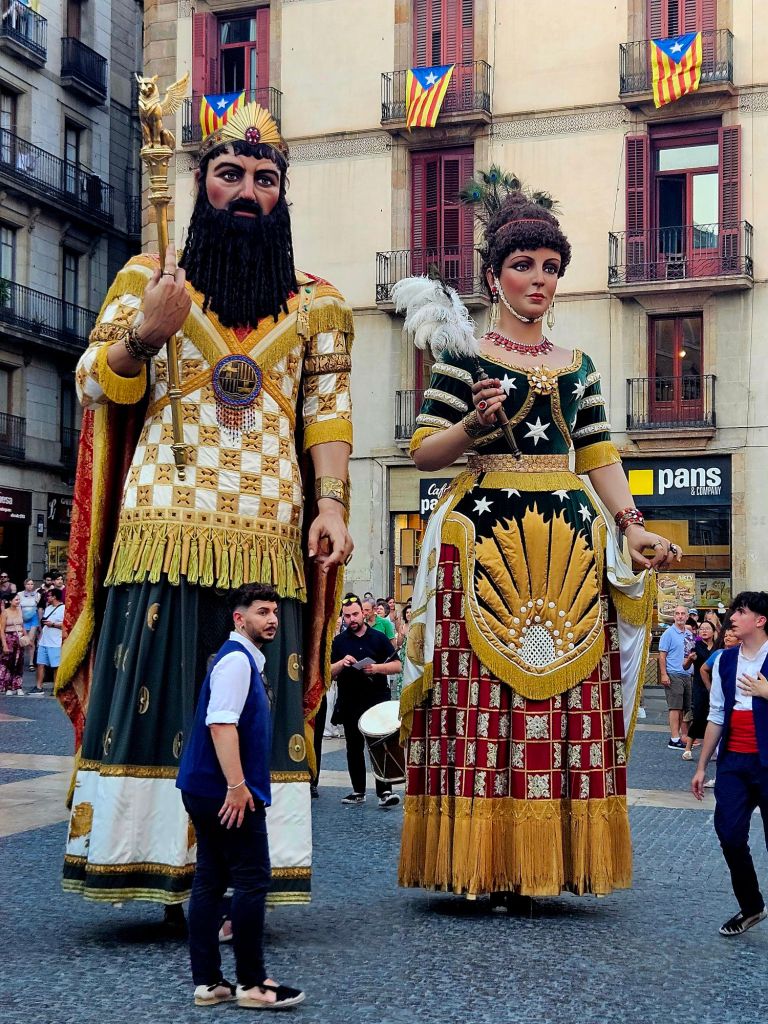
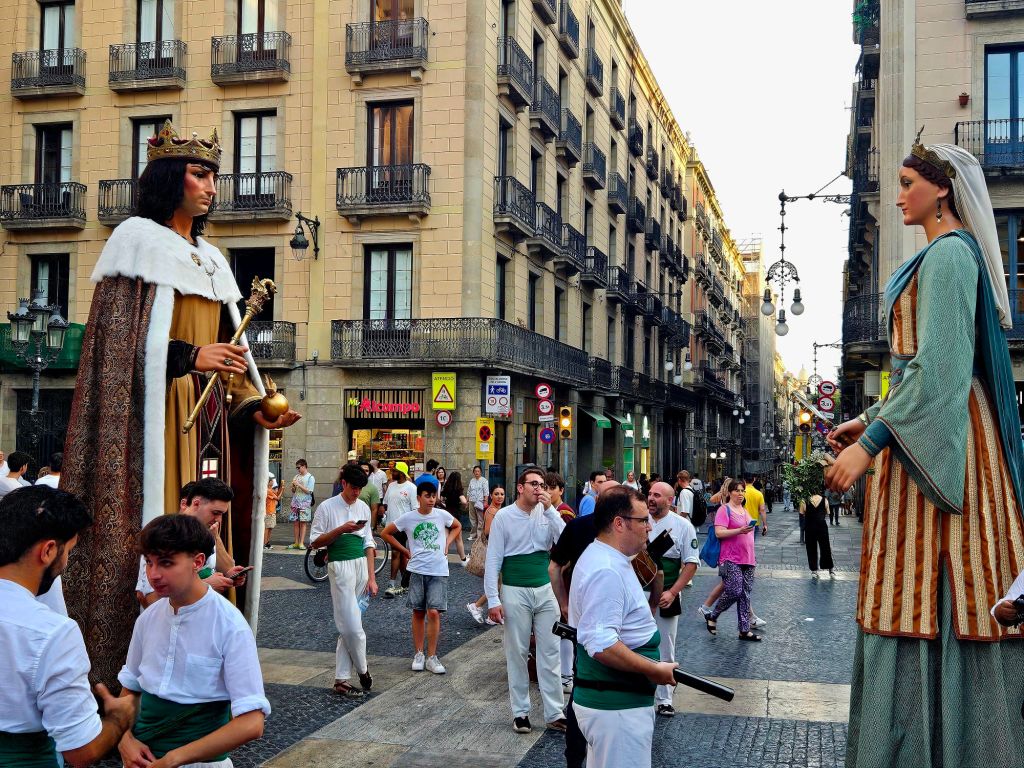
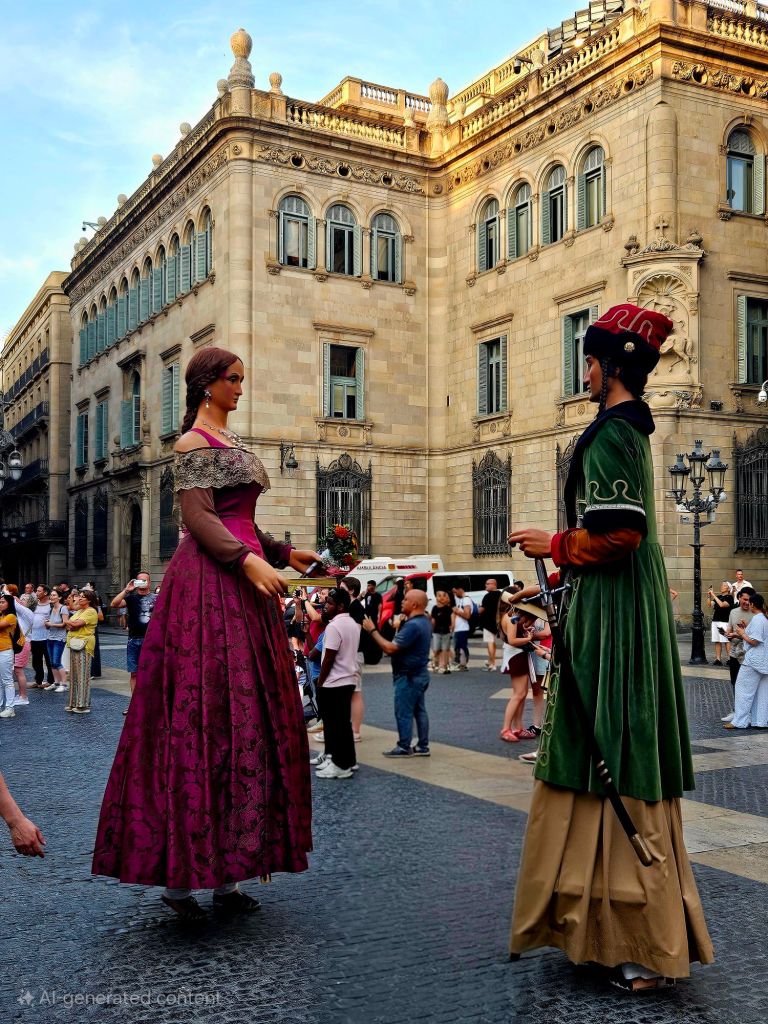
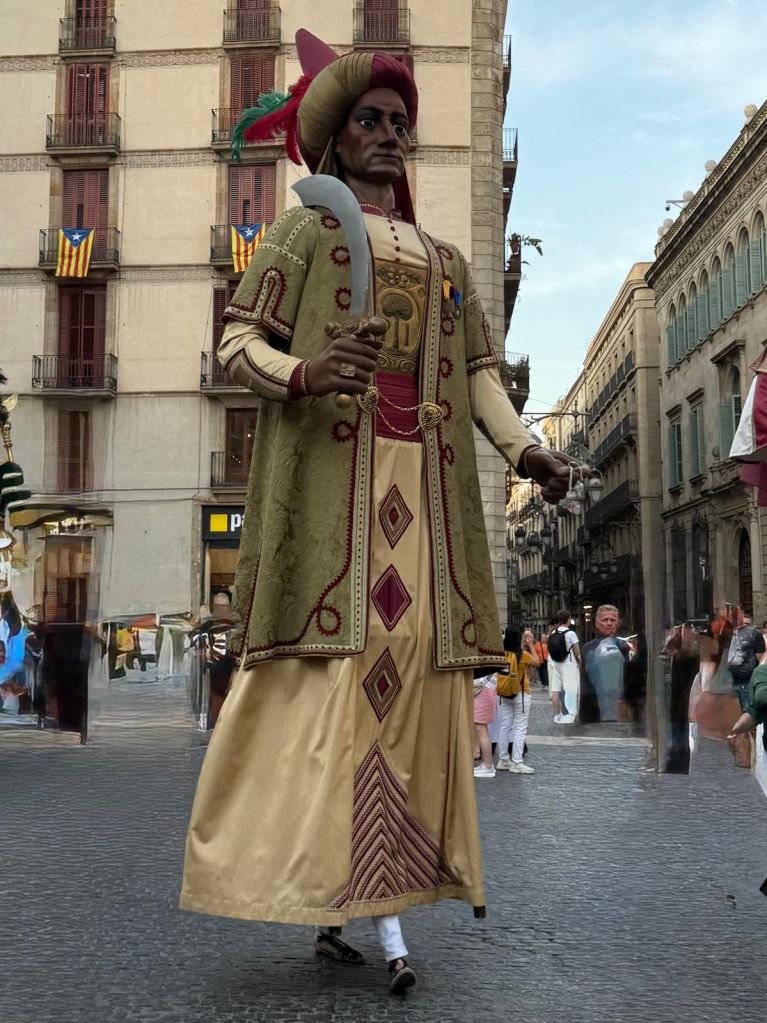
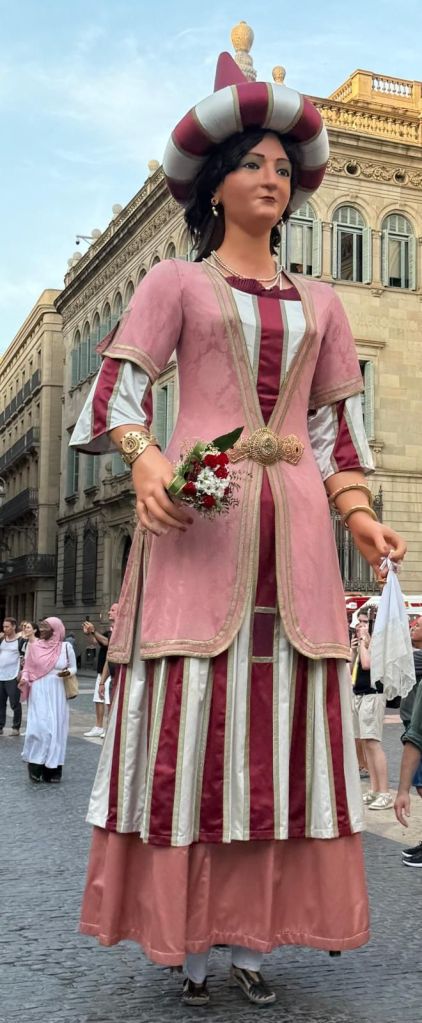
There was a summer Solstice festival going on in the square when we arrived, which involved people dressed up as Kings and Queens in very tall costumes.
Barcelona city hall originates from the medieval ages, where it also served as the governing body of the city. It was originally built between 1399 and 1402.
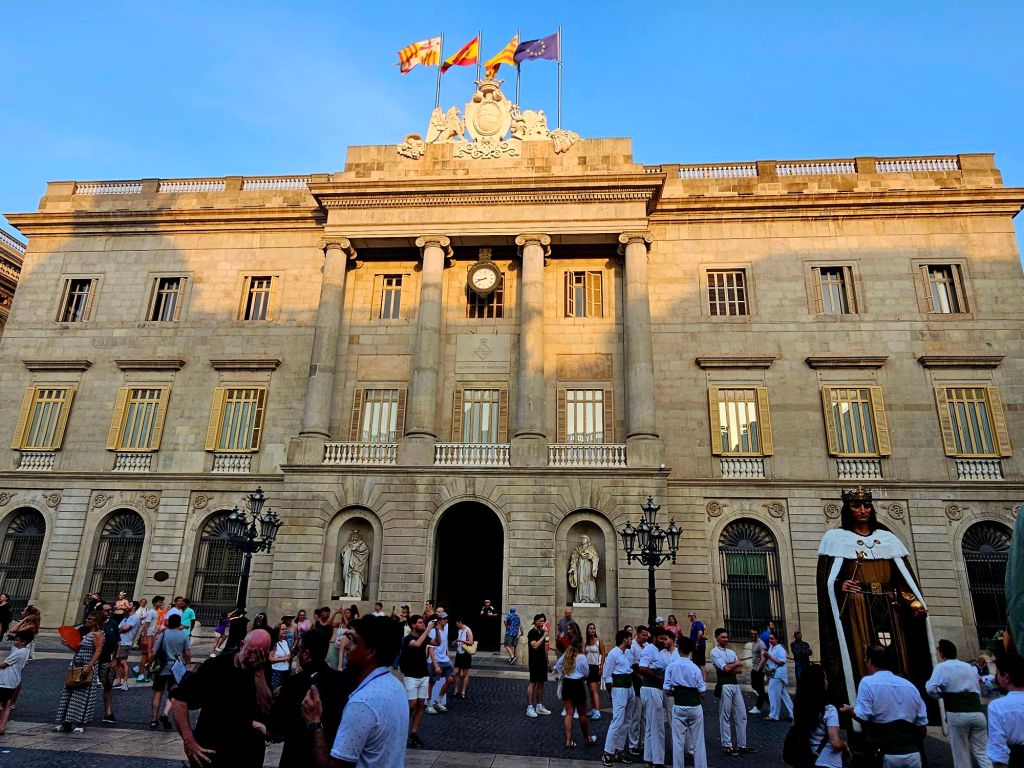
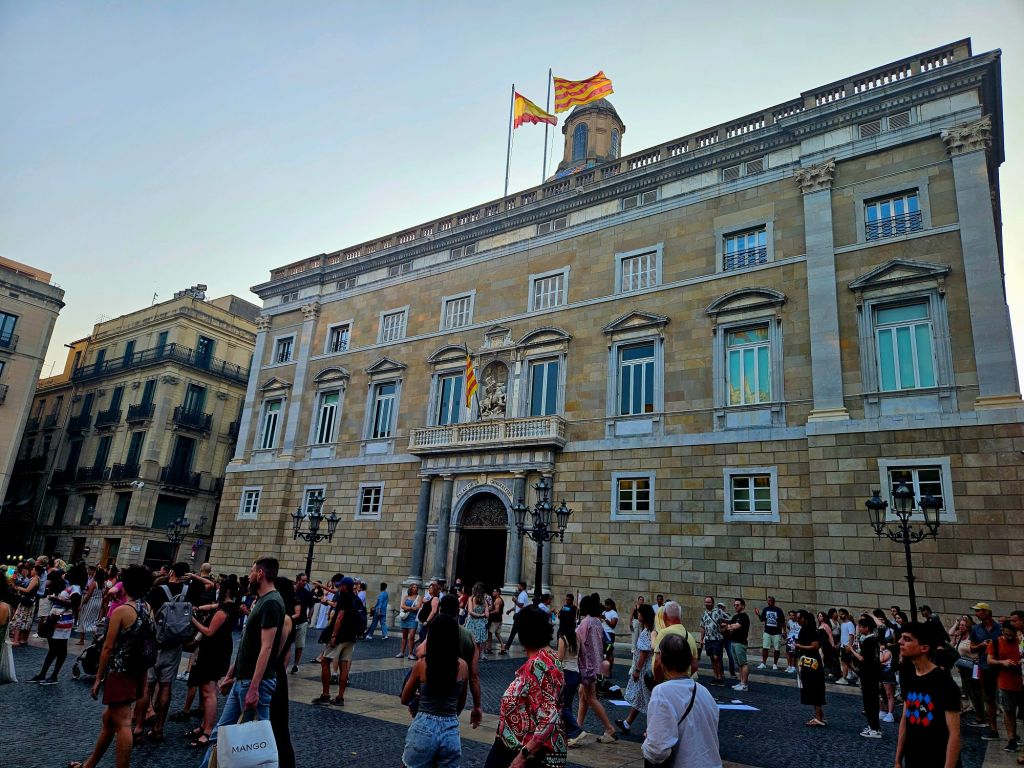
Opposite the city hall is the Palau de la Generalitat de Catalunya. It houses the offices of the Presidency of the Generalitat de Catalunya and is the seat of government. It is one of the few buildings of medieval origin in Europe that still functions as a seat of government and houses the institution that originally built it. 132 presidents have governed from here.
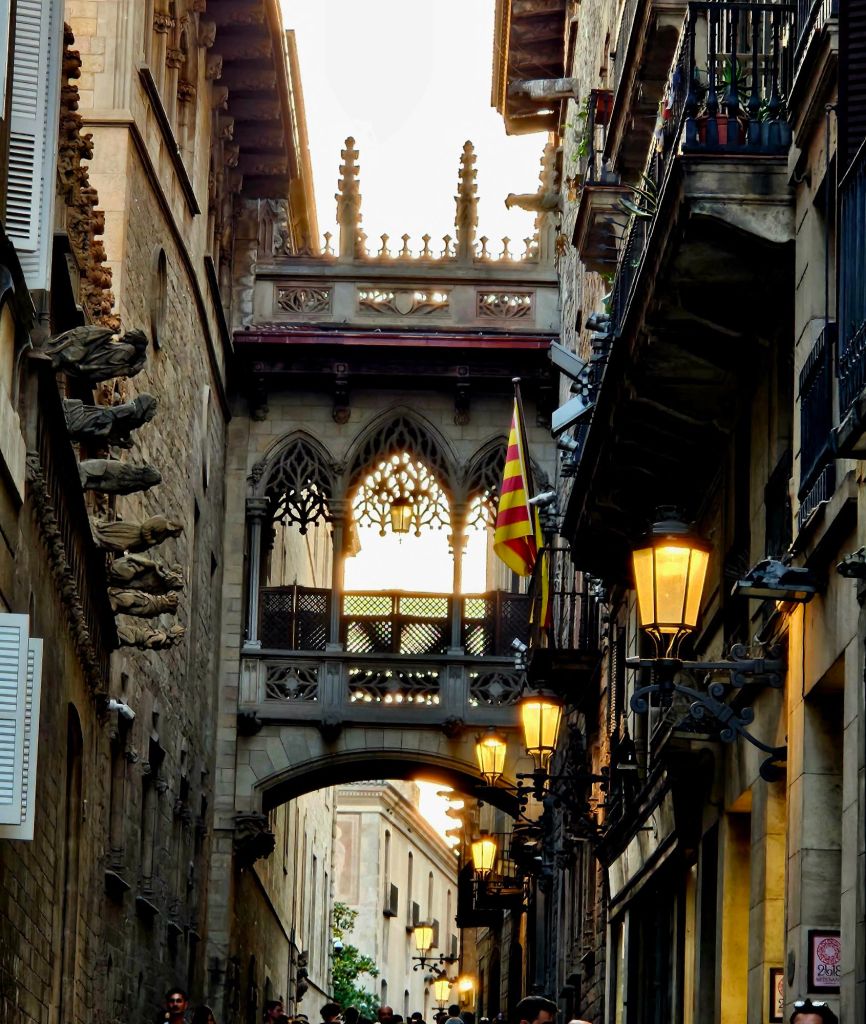
We walked around a bit further up and passed under Bishops Bridge. This Gothic-style marble bridge links the Palace of the Generalitat with the Casa de los Canónigos, crossing the narrow Carrer del Bisbe. Although it looks like something straight out of medieval times, it was built in 1928. According to local lore, there is a curse placed on this bridge in the form of a skull piercing a dagger.
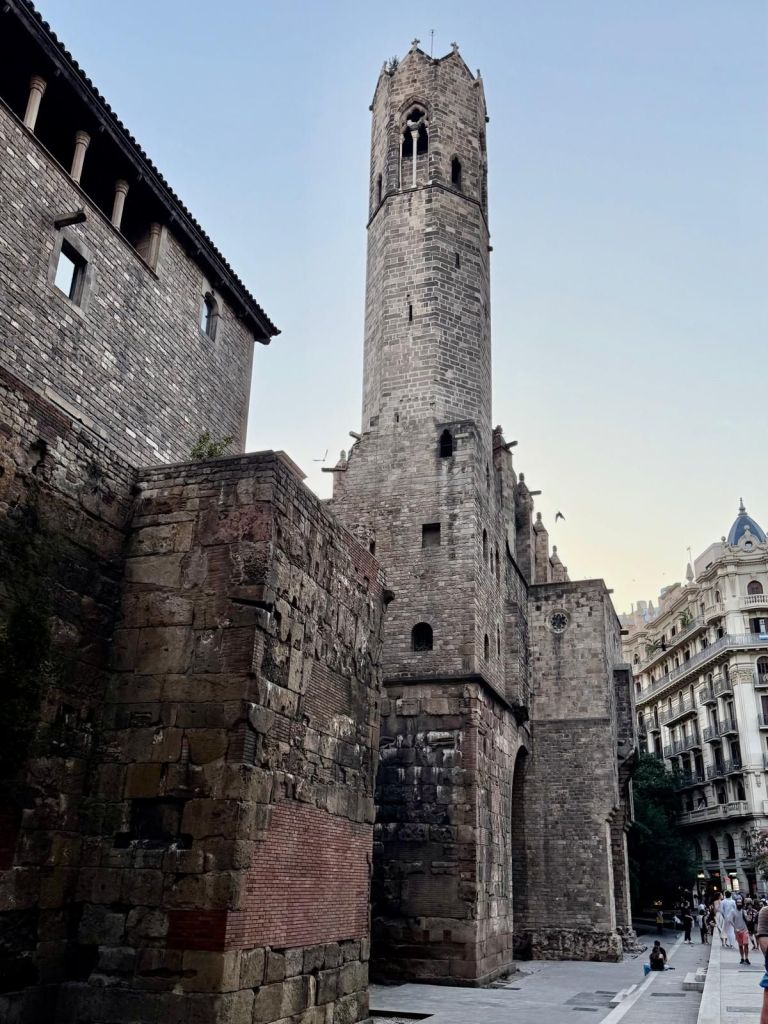
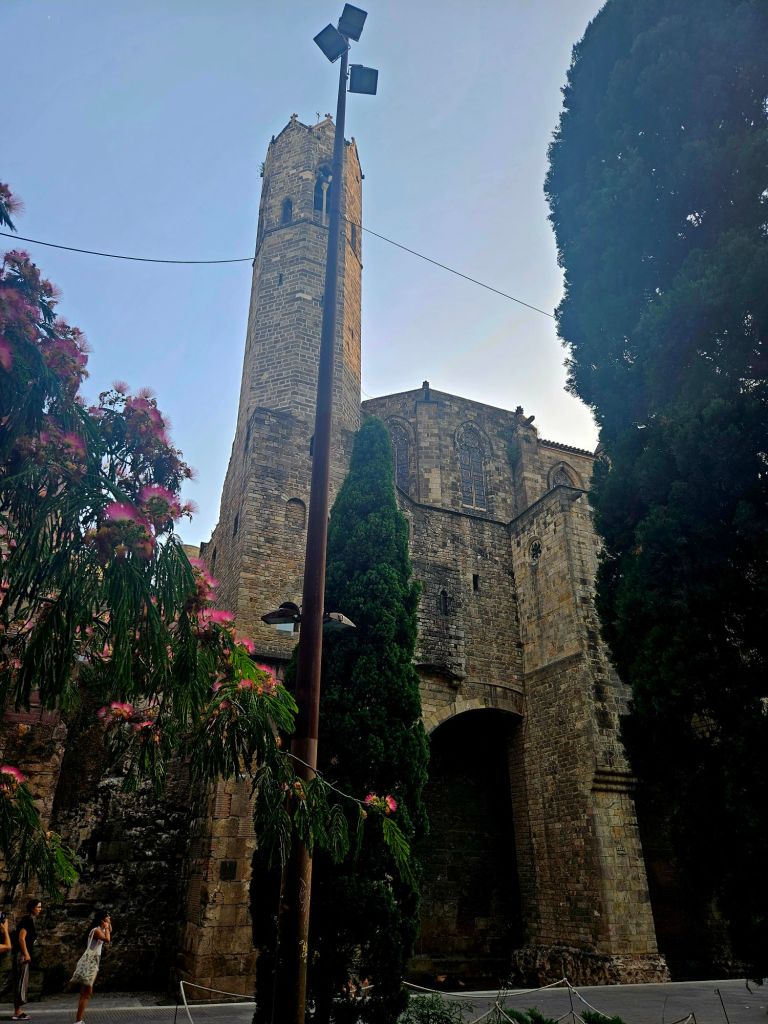
As we walked on a bit further, we passed the remains of the Roman Temple, which dates from the early 2nd century, the golden age of the Roman Empire.
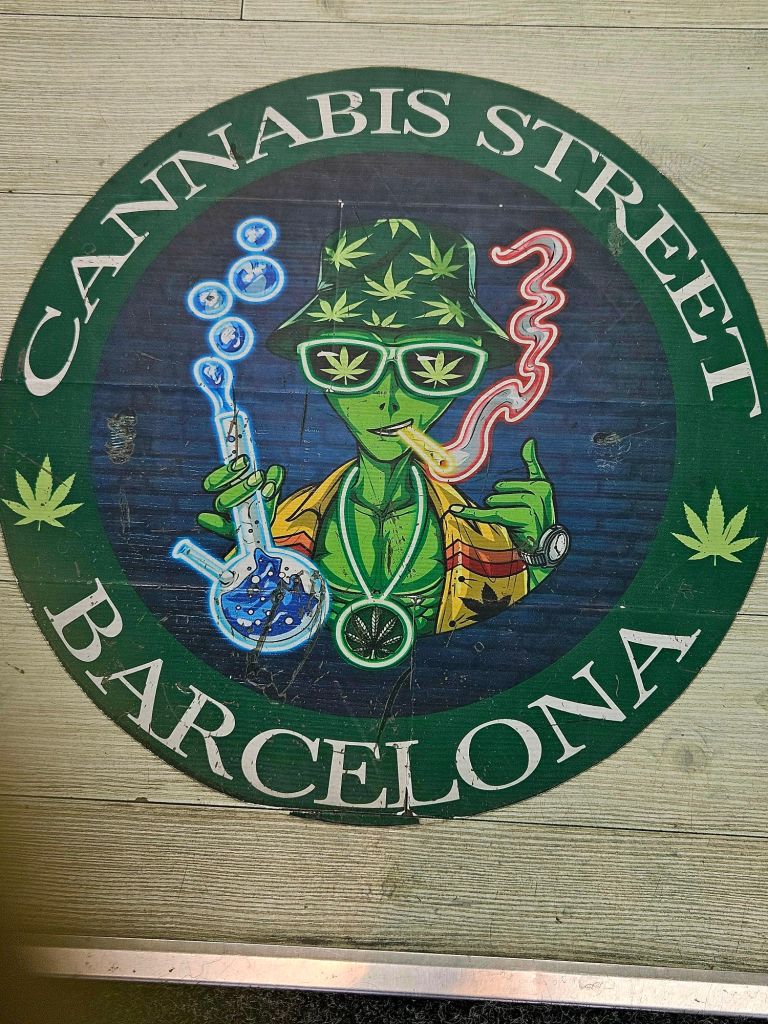
There were some interesting cannabis shops along the street.

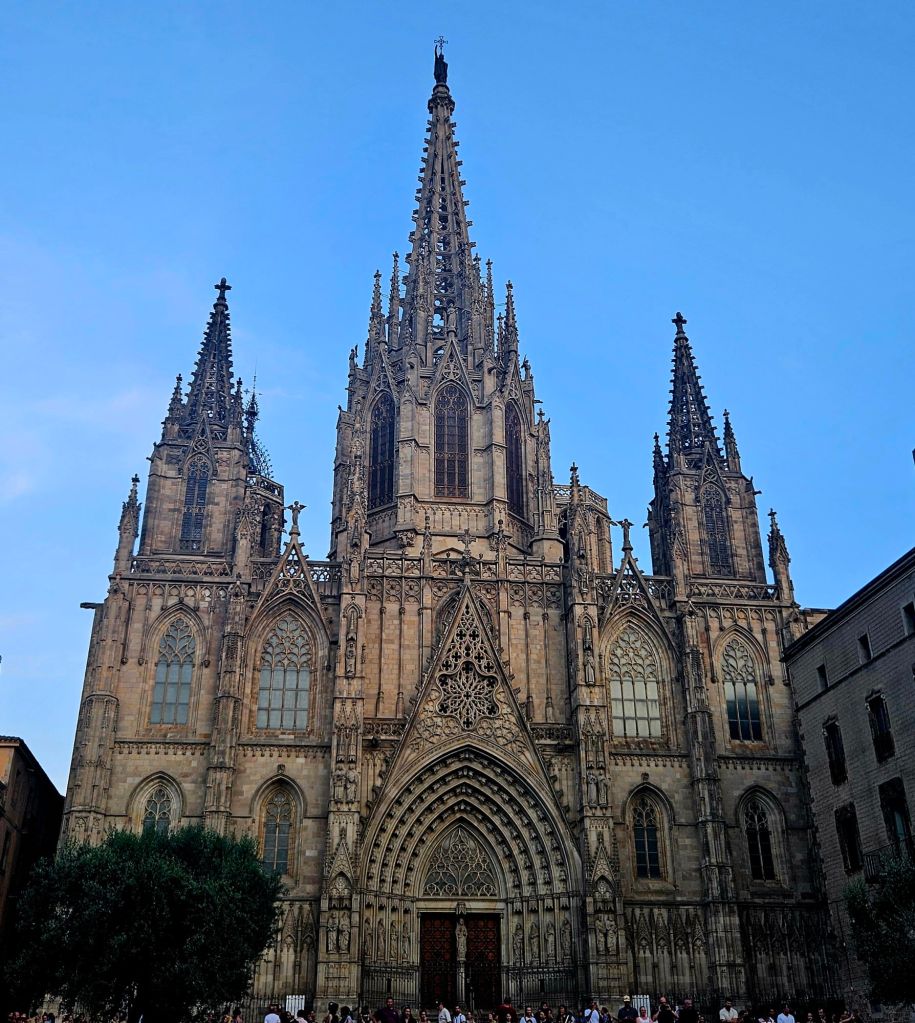
We continued walking and passed a pretty square and Barcelona Cathedral – Cathedral of Santa Eulalia. I will write more about the cathedral later.
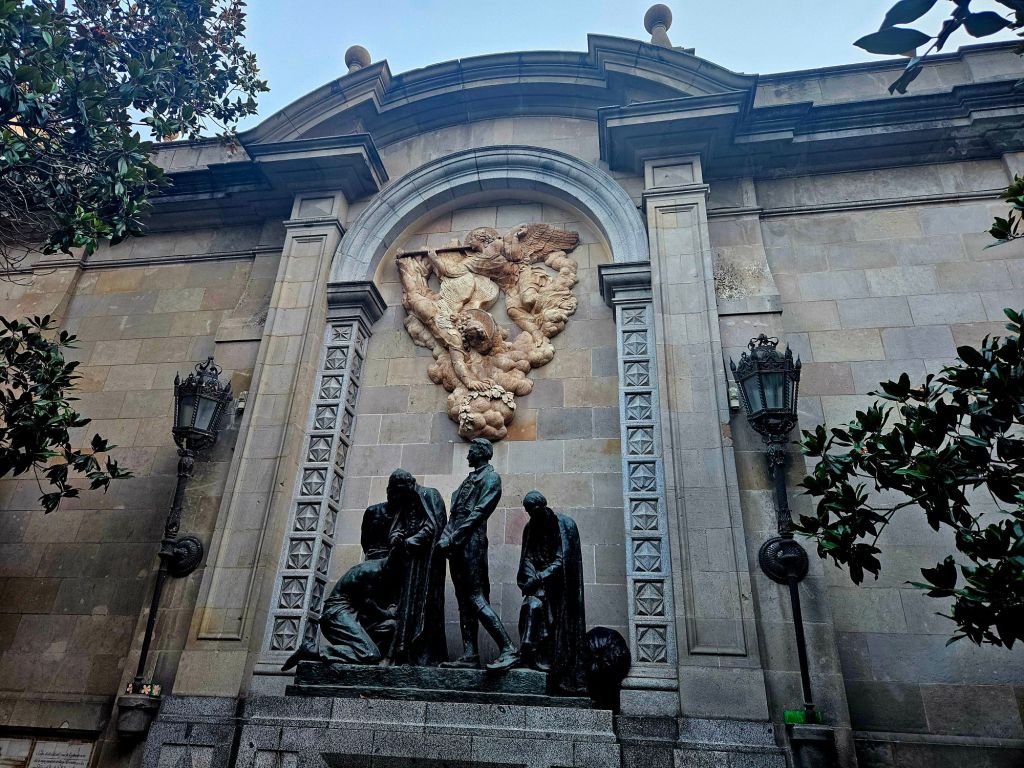
As we headed back to the square, we passed the Monument als Herois de 1809. This monument to the martyrs of independence protrays five martyrs who were executed following an attempted uprising against the French troops during the occupation of Barcelona in 1808.
After this, we headed back towards where we lived as we were hoping to have paella at Colon Restuarant, but there was a massive queue, and you can’t book in advance. So we went to Placa Reial, our favourite square, for a drink. Whilst we were there, we watched some young guys do a gymnastic performance.
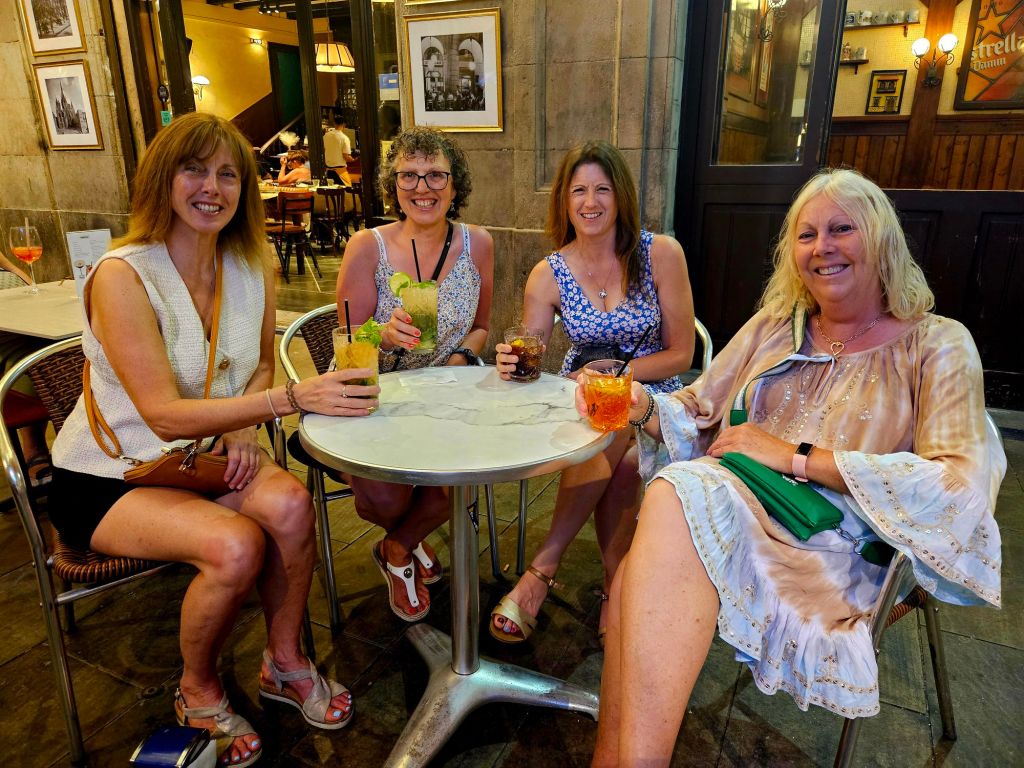
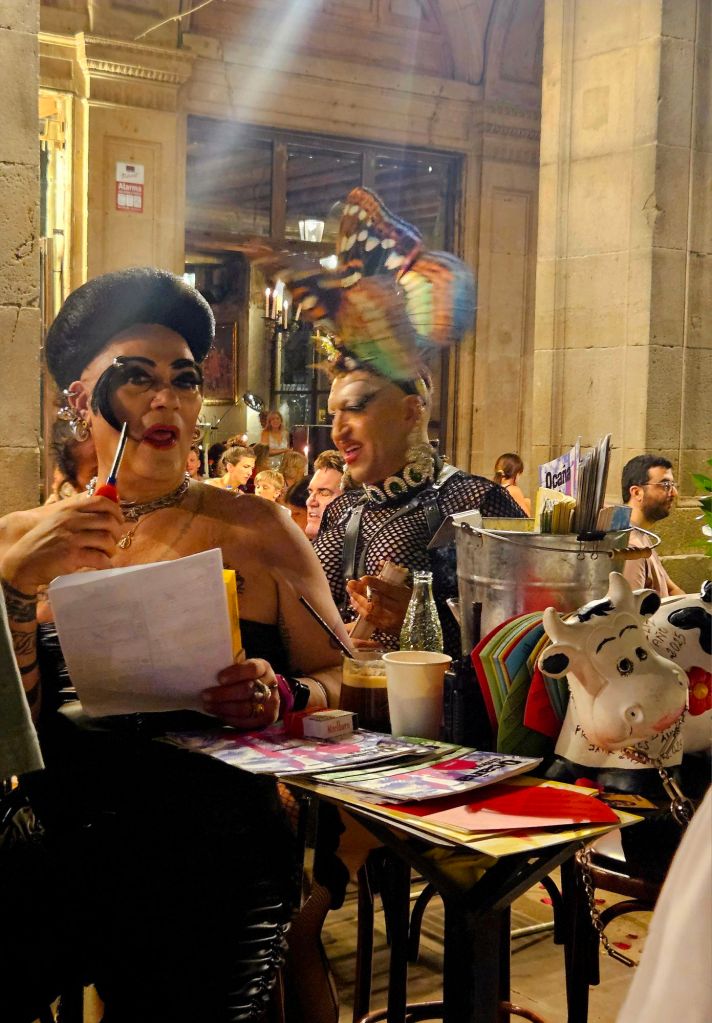
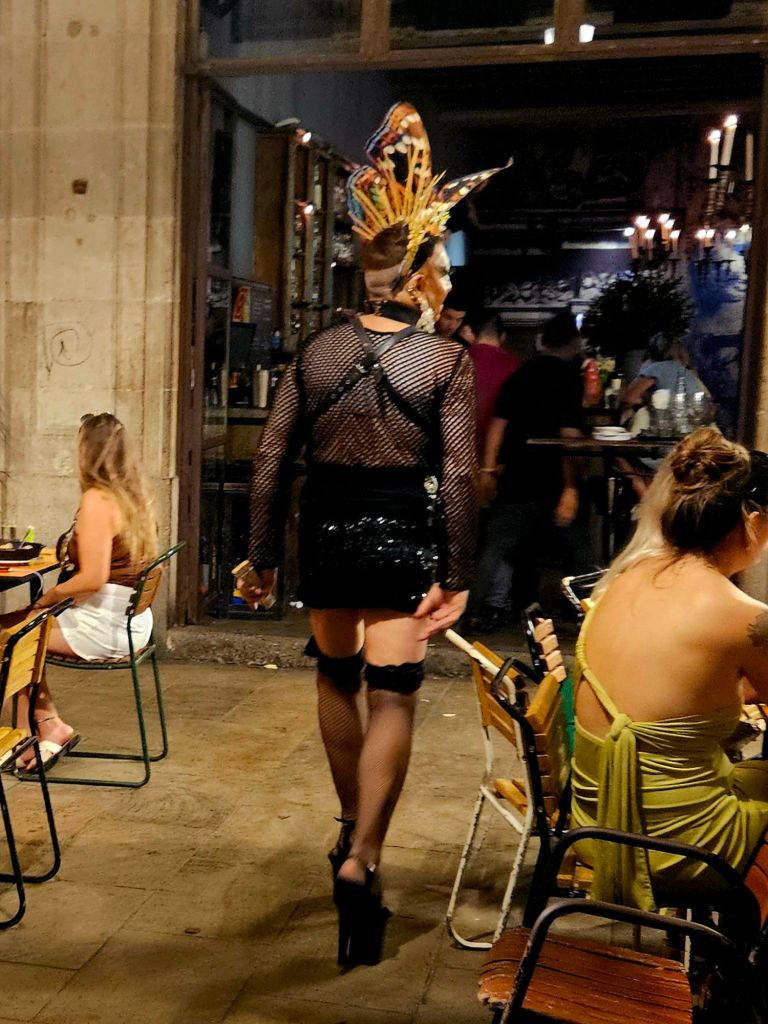
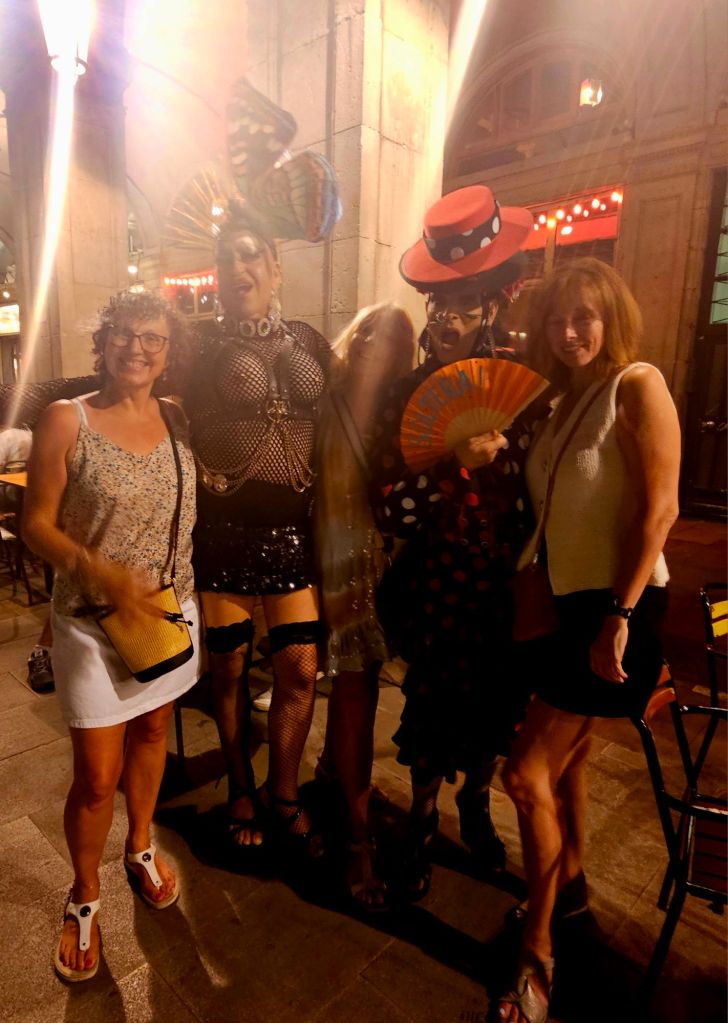
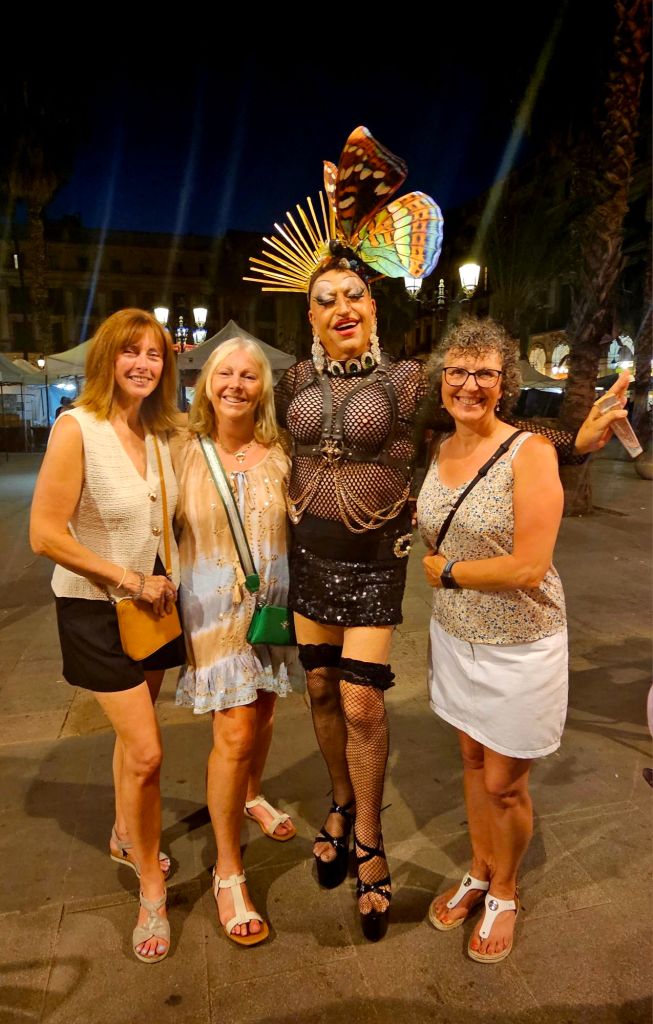
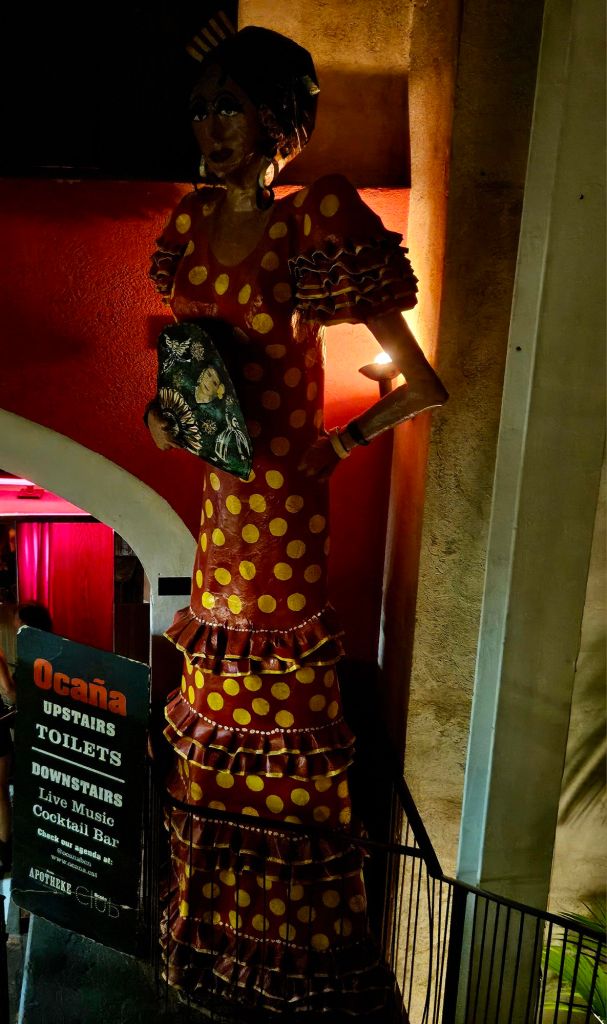
We tried the Colon Restuarant again, but it was still an hour long queue, so we opted to eat at Ocana instead. This is an inclusive bar and restaurant and the maitre d’s were amazing.
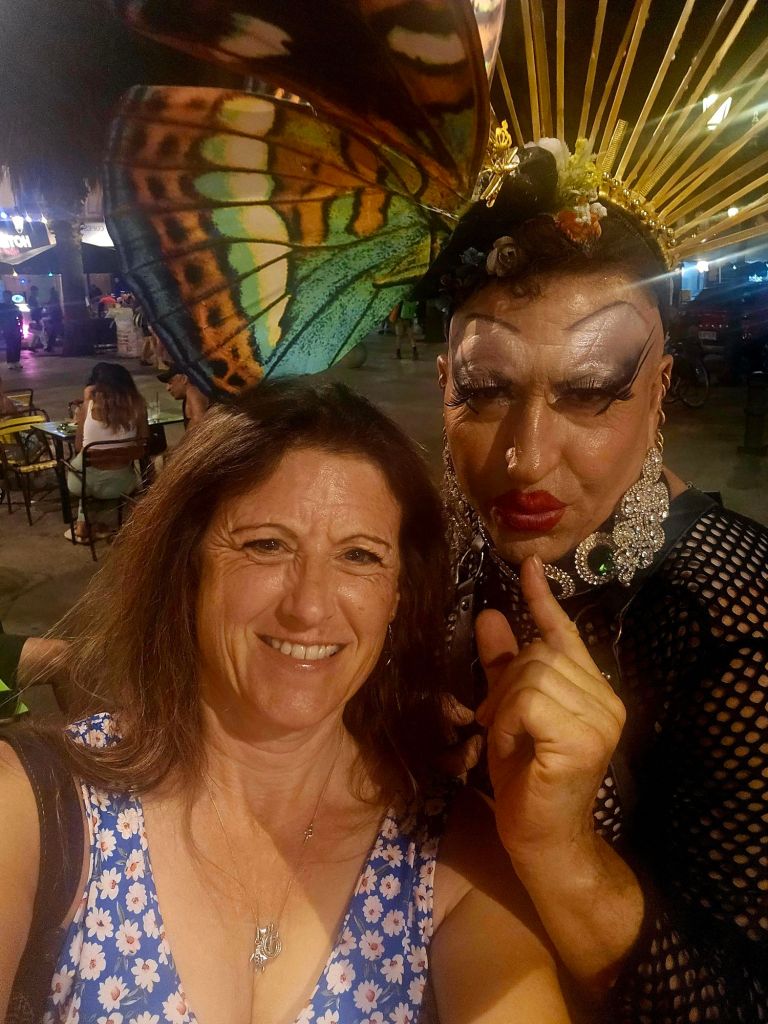
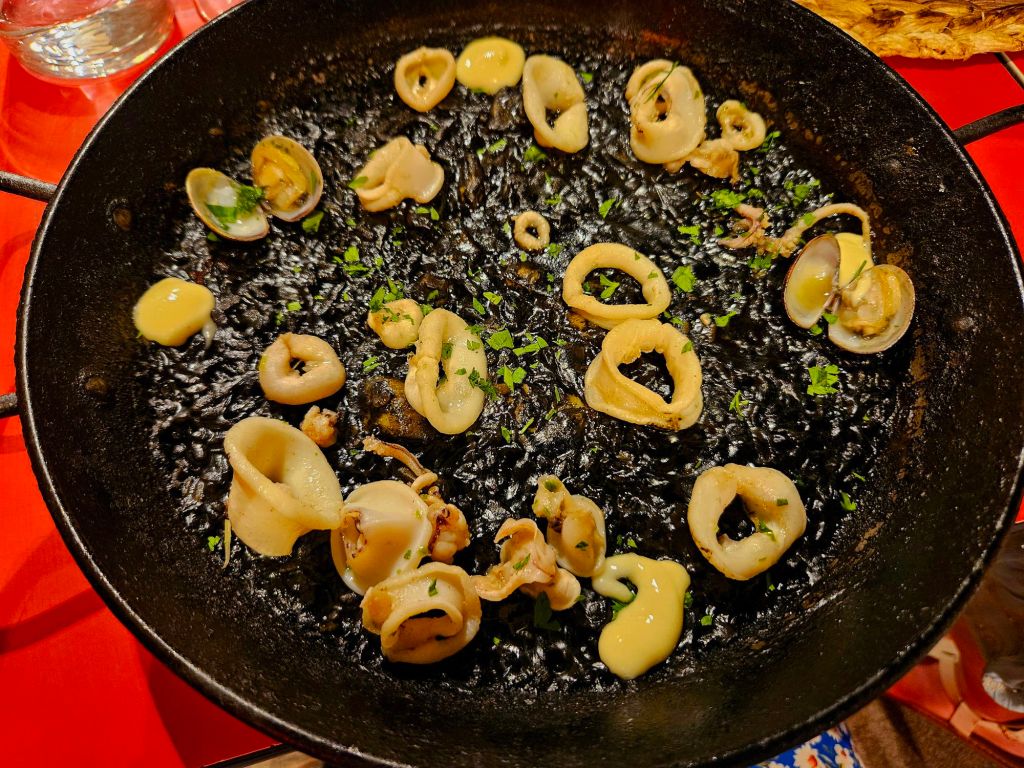
I had a black rice paella, made with squid ink, and the others had seafood paella. It was all delicious.
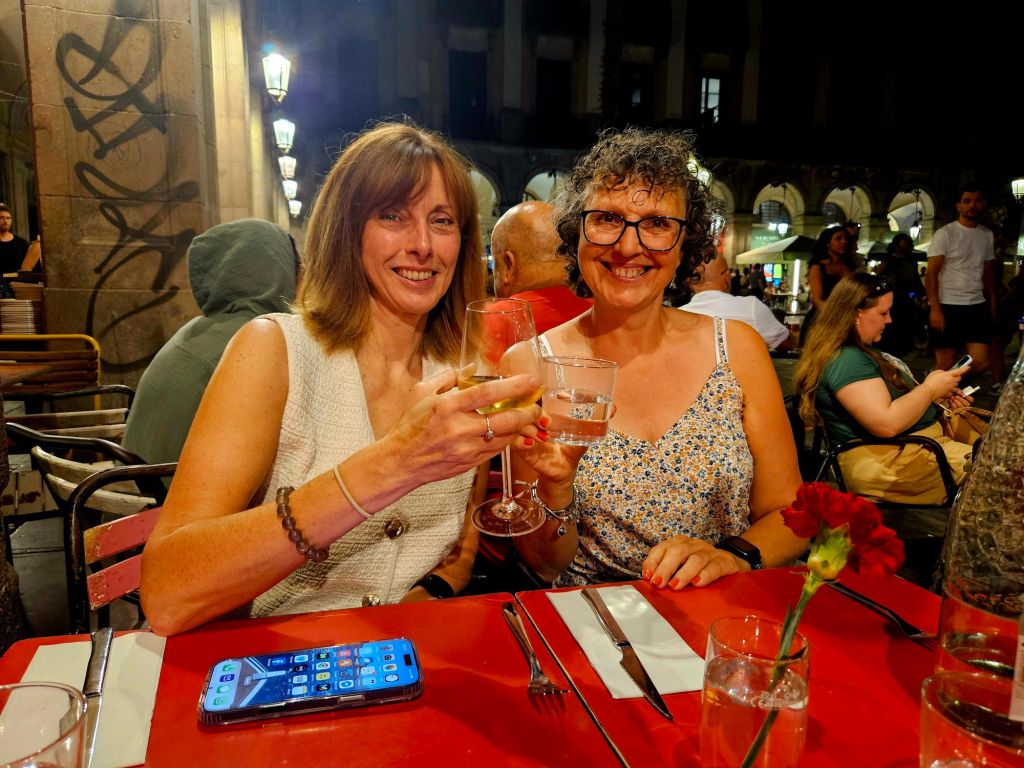
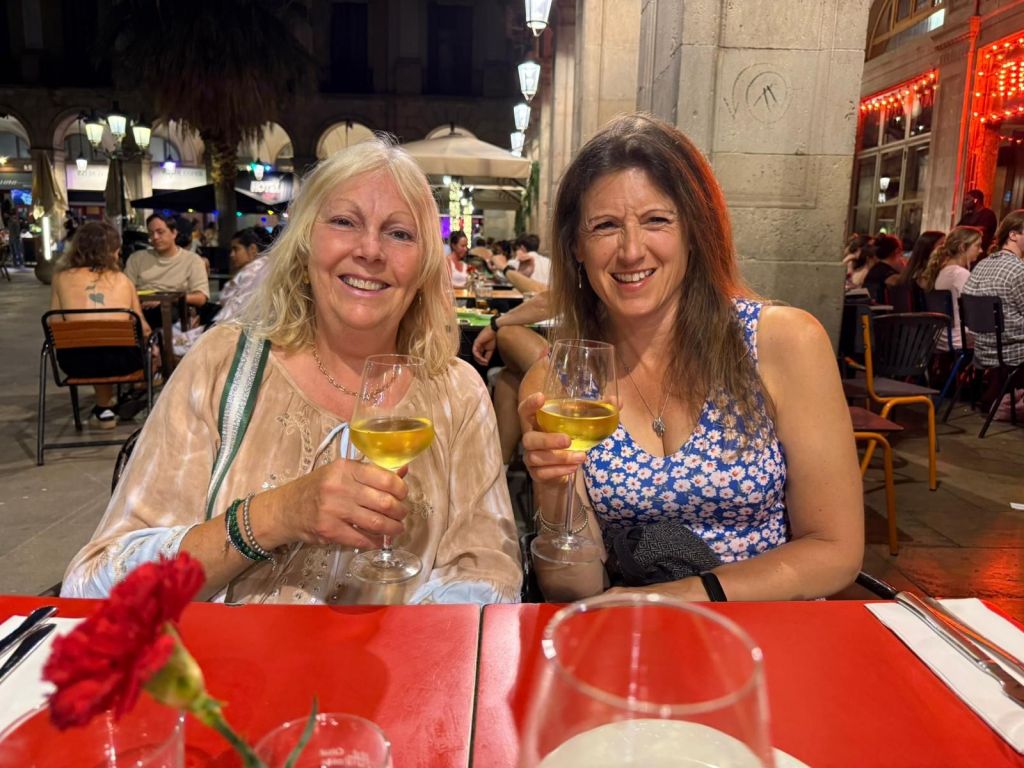

We paid a visit to the toilets which had a nice view over the square.

Mandy and Zoe headed home, but Karen and I decided to have a nightcap at Bar 7, which is just over the road from where we live. It wasn’t that busy, and we got chatting to a guy from Argentina as we watched his bike while he went to the toilet.
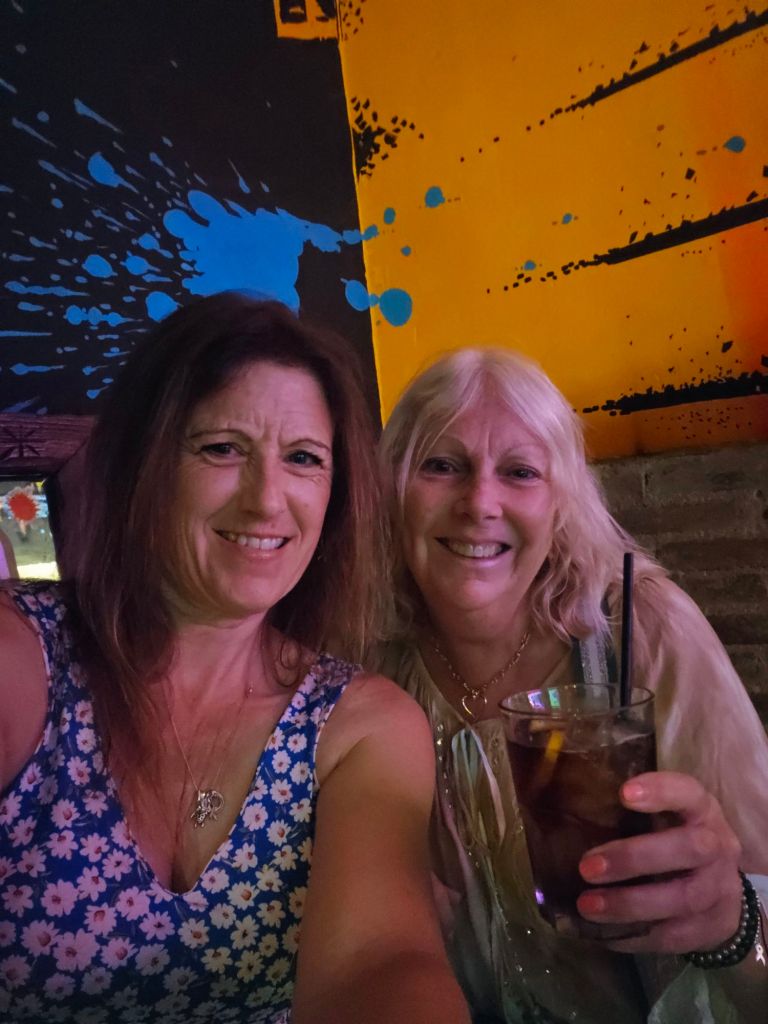
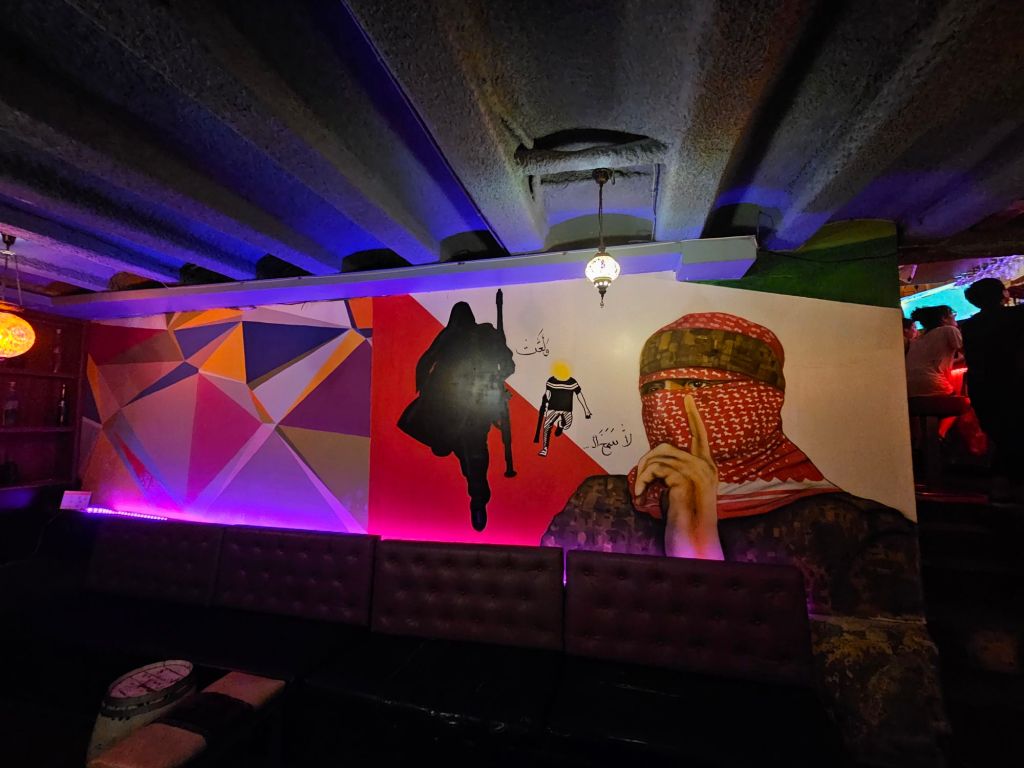
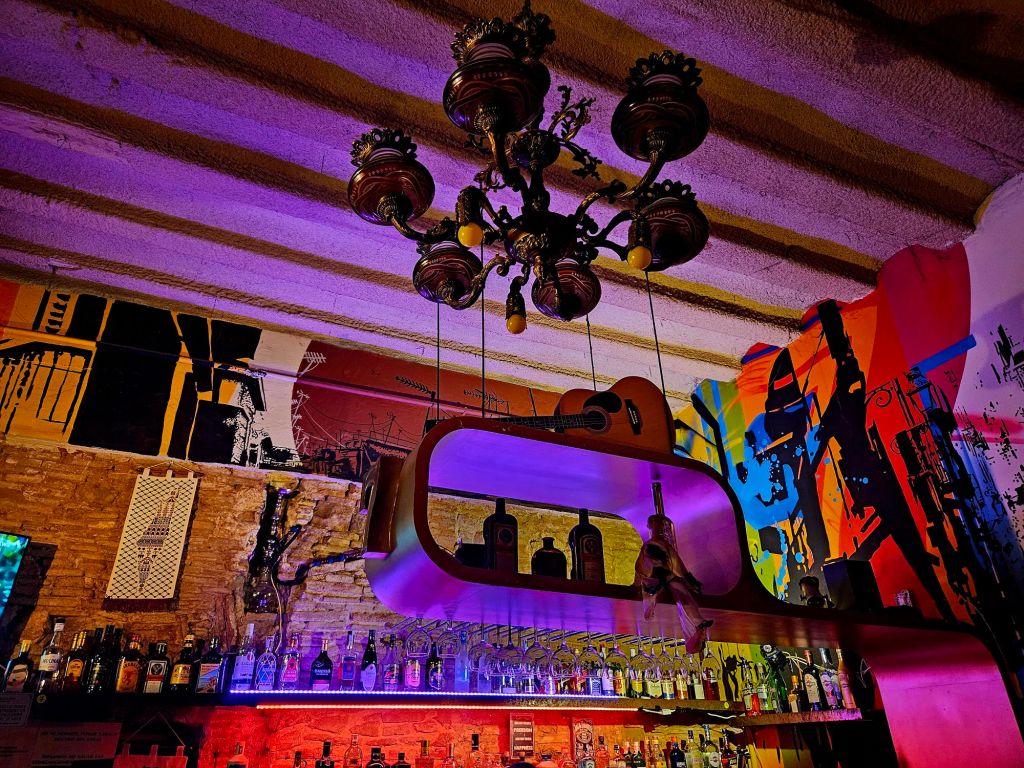
After a couple of rum and cokes, we went home to bed.
 Fun, Fitness and Fabulousness in your Fifties