We didn’t get up too early and met at breakfast. It was a buffet style breakfast, and they had a huge range of dishes, including traditional Srilankan and western dishes. It was almost too much to choose from.
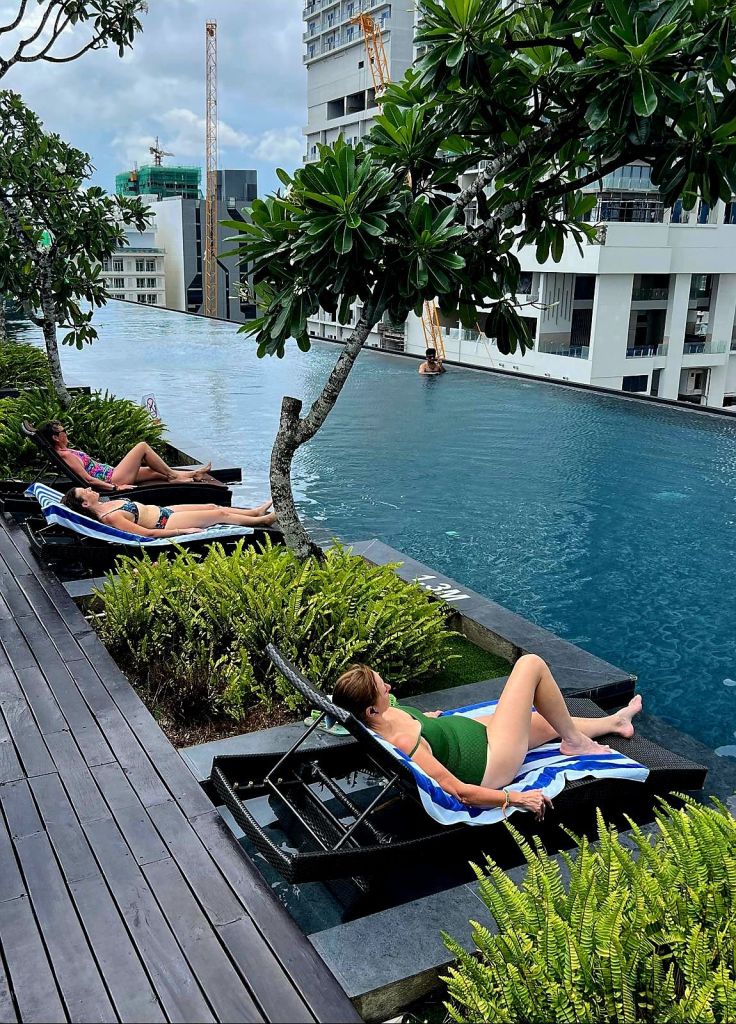
After breakfast, we went upstairs to try out the pool. It is a lovely place and looks great on a photo.
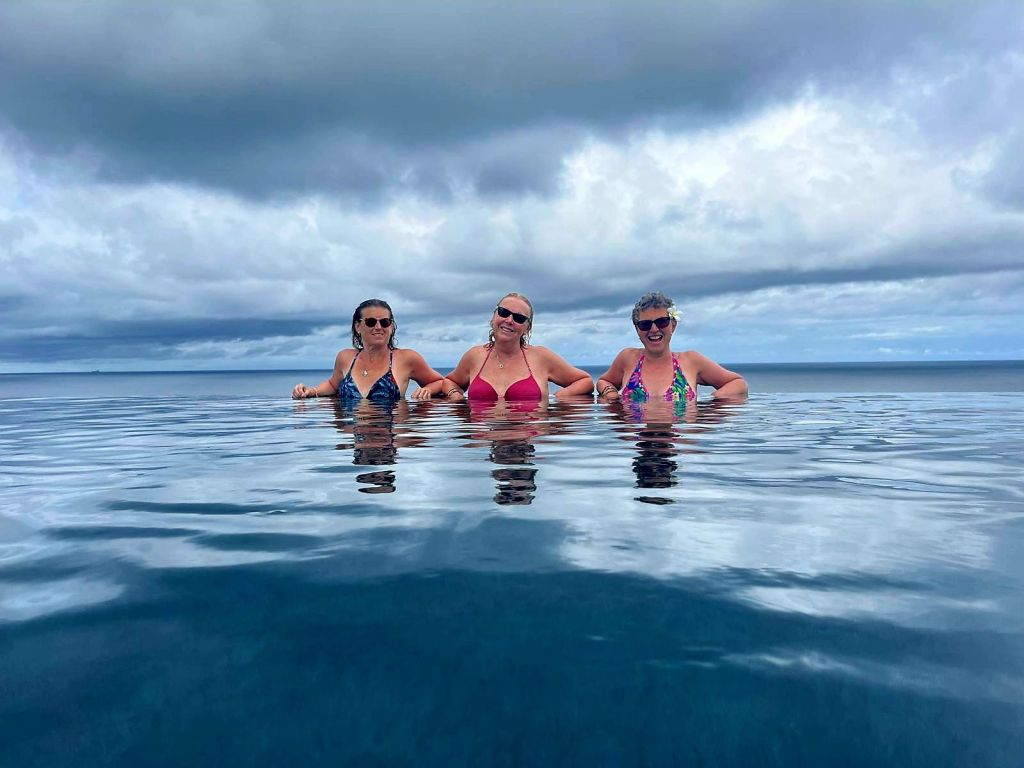
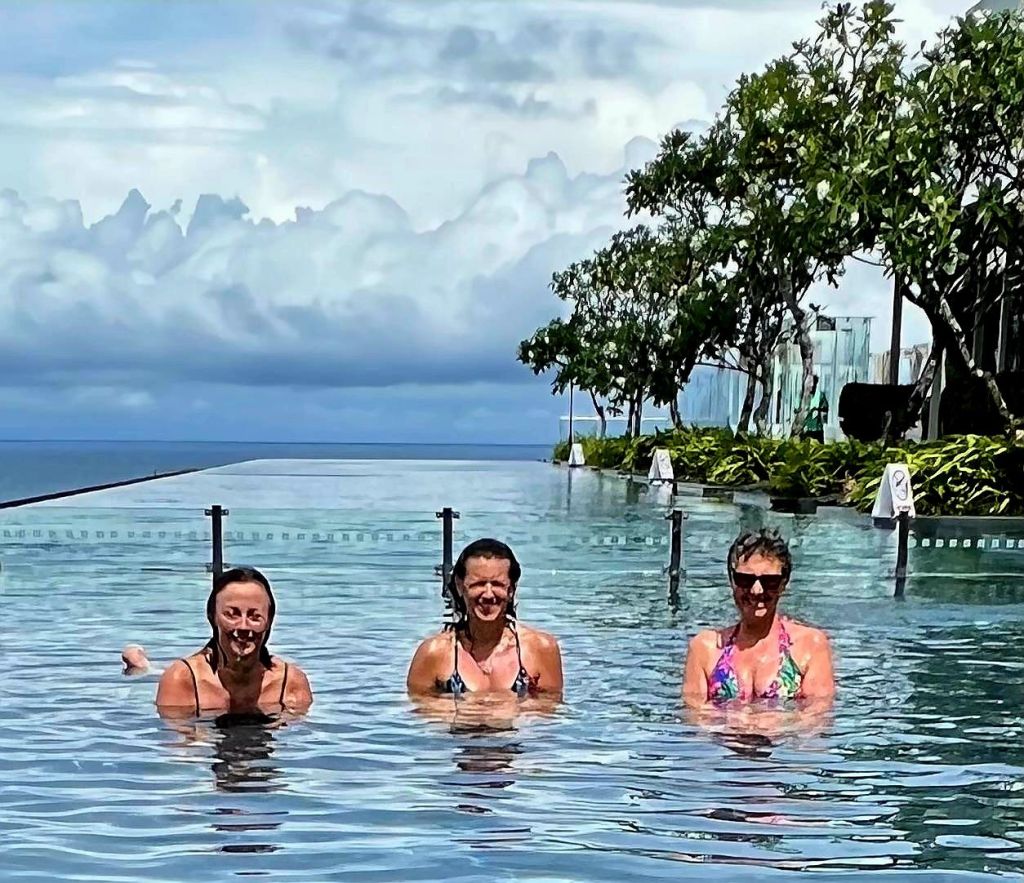
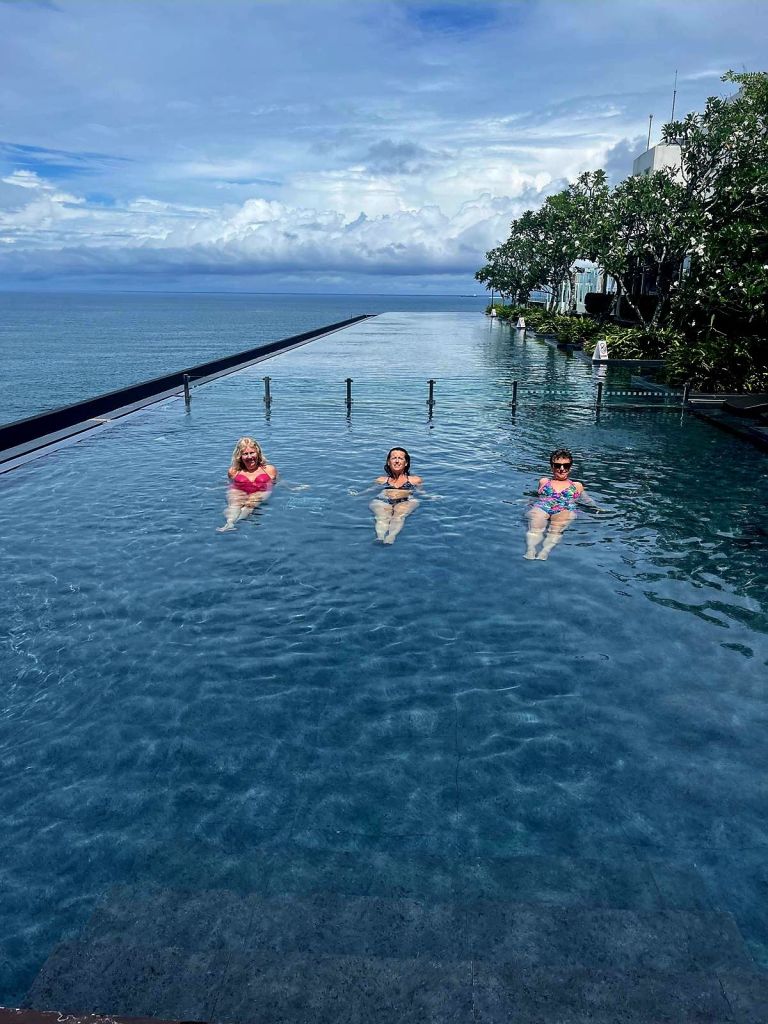

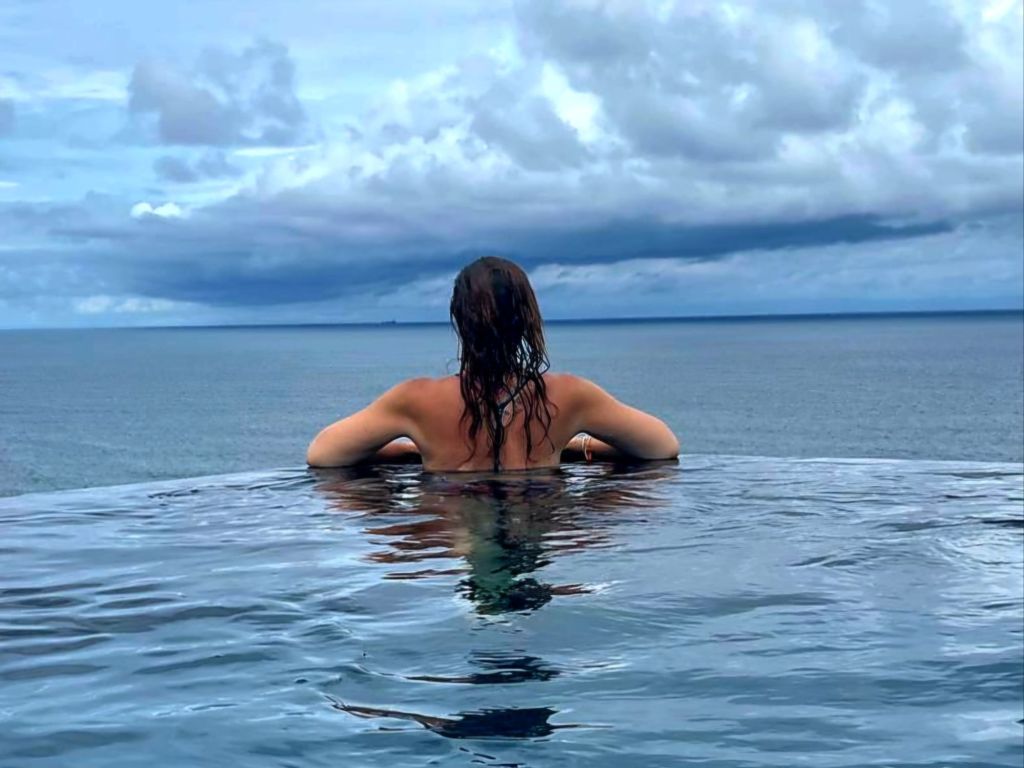

The view on the other side wasn’t as pretty, though.

After spending some time sunning ourselves and chatting to a couple of the other guests, it looked like the rain was coming in.
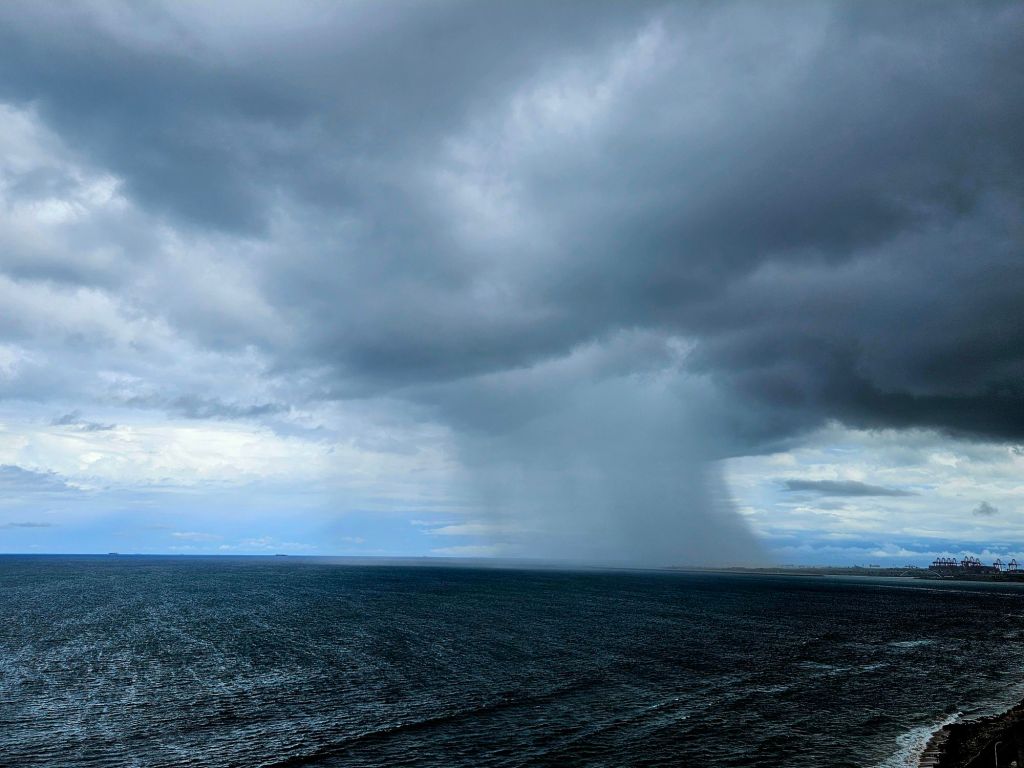
But luckily the rain seemed to miss us.
It was a very relaxing morning, just what we needed after climbing Adam’s Peak, as all our legs were a bit sore.
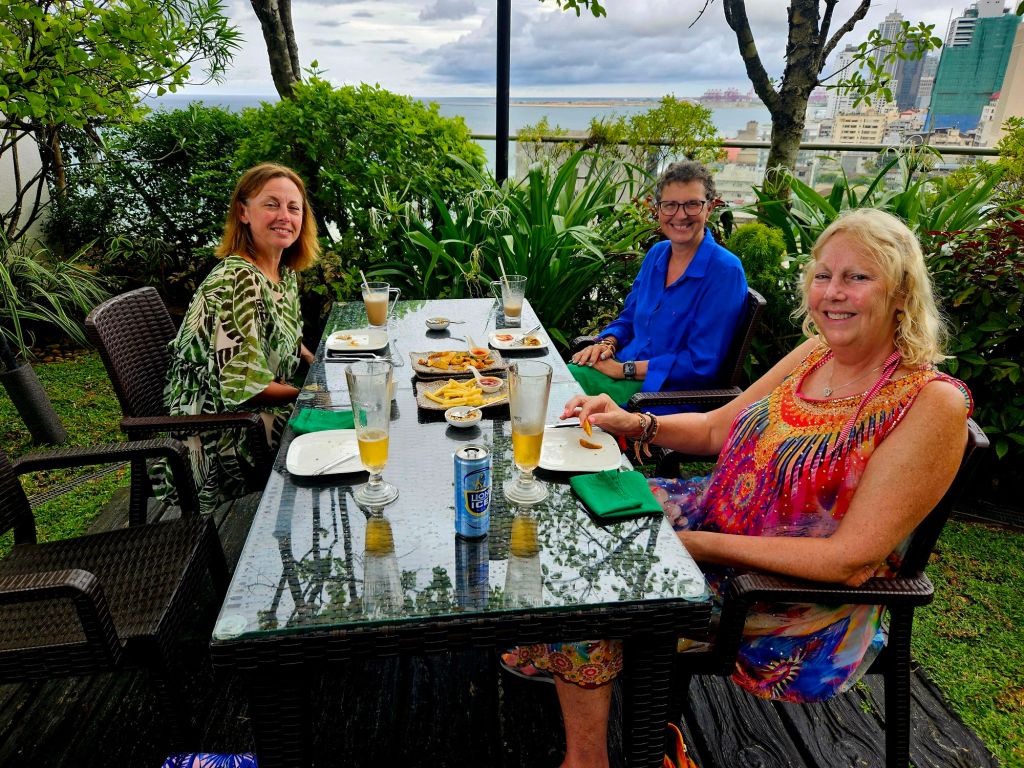
For lunch, we just had some unhealthy bar snacks.
In the afternoon, we had booked onto the complimentary city tour provided by the hotel. So, after a quick change of clothes, we met in the hotel lobby and joined some other hotel guests on the city tour. It had started to rain again, but luckily we were on a bus.
The first building we passed was the ‘Lotus pond’. This is a performing arts centre and theatres – both an indoor and open air theatre. The construction of the building began in 2006 and took four years to complete.

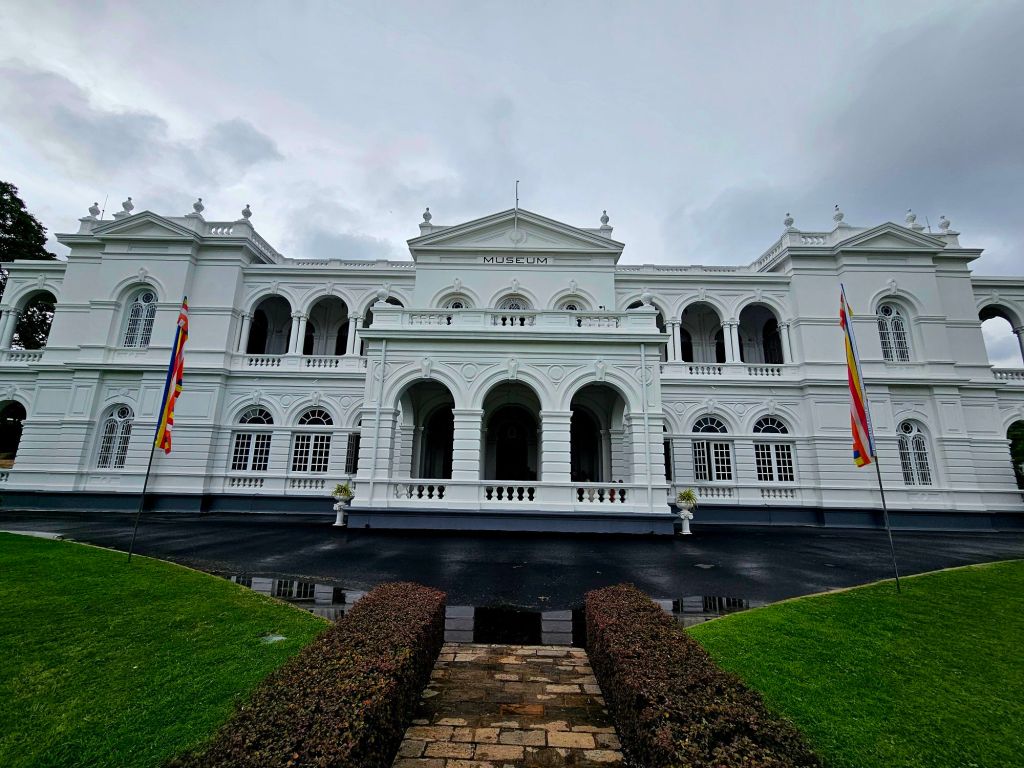
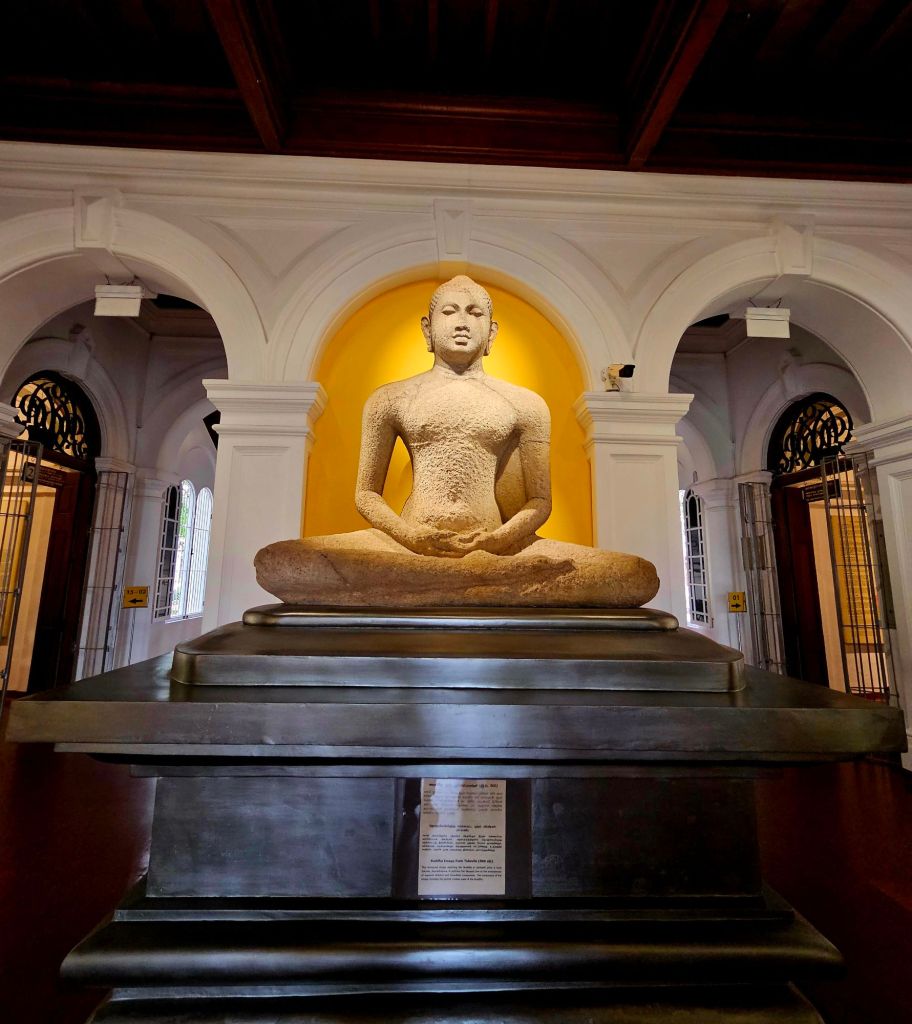
Our first stop was the Colombo National Museum, which was first established on 1 January 1877.
The first thing you see on entering the museum is a Buddha statue from Anuradhapura from the year 800AD. The statue depicts wisdom and boundless compassion.
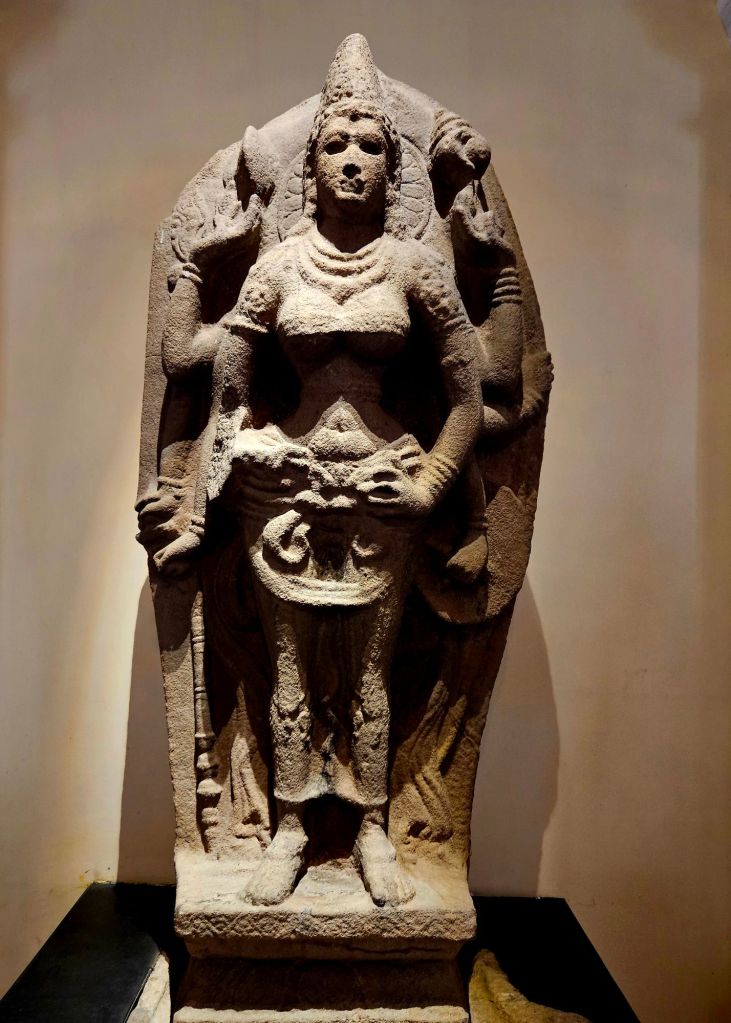
There was also a statue of the Goddess Durga from the 9th – 10th century. Goddess Durga is a major hindu goddess associated with protection, strength, motherhood, destruction, and wars.
We learnt a little about the history of Sri Lanka. The Dutch settled in Sri Lanka during a long period of war, originally with the Portuguese (1638-1658) and then with the Rajashima II (1658-1688). Initially, the Dutch were interested in the cinnamon trade, but they soon wanted to take over colonial power. In 1762, there was a rebellion,supported by the King of Kandy, and war broke out. In 1765, the Dutch destroyed and looted the palace of Kandy.
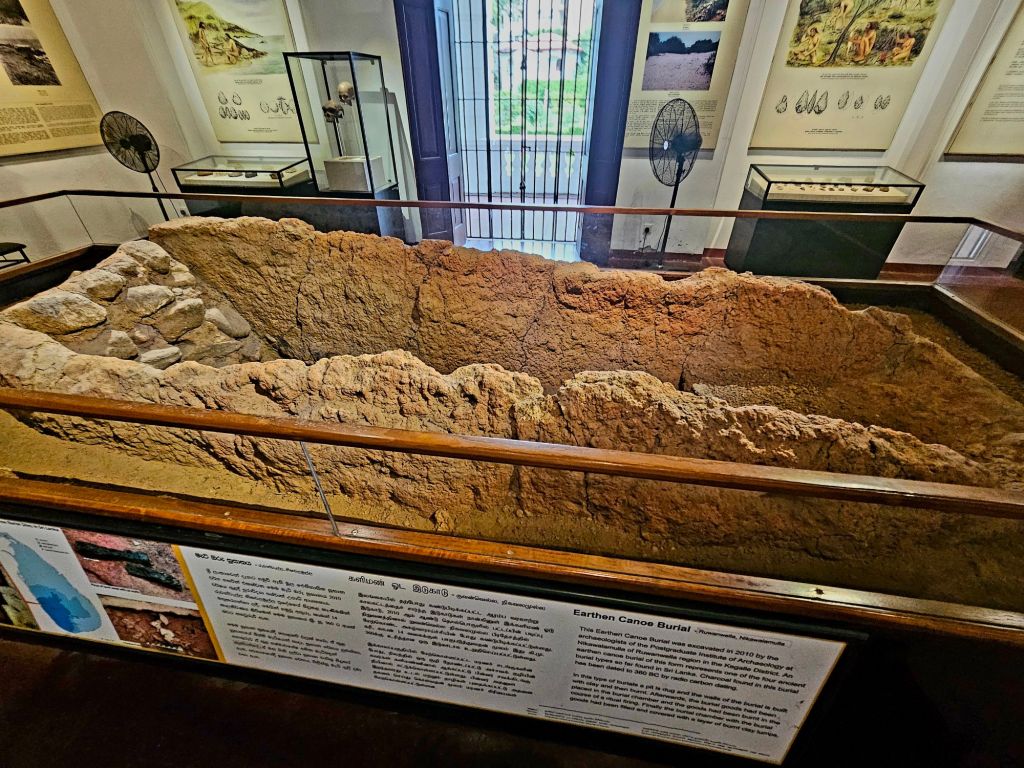
We walked past an earthen canoe burial dating back to 360 BC. For this type of burial, a pit is dug, and the walls are built with clay and then burnt. The body and burial goods are placed in the burial chamber and then ritually set on fire. Finally, the burial chamber is filled and covered with burnt lumps of clay.
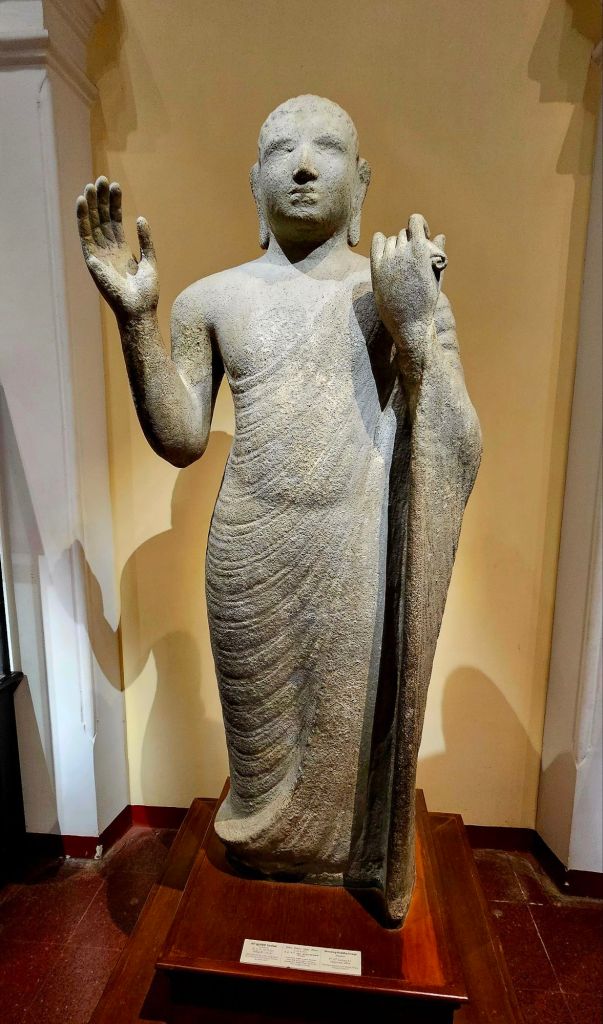
We saw a standing statue of Buddha. This is a replica statue of an original held in the Marble Temple in Bangkok. Buddhism was introduced to SriLanka in the 3rd century BC. Originally, the followers were made up of two sections – forest dwellers and city dwellers. Over a period of time, large temples were built in the cities, and gradually, all villages had a Buddhist temple. With the bringing of the Dacred Tooth Relic to Sri Lanka in the 4th century BC, the practice of ritual worship was enhanced. Buddhism is the most popular religion in Sri Lanka.
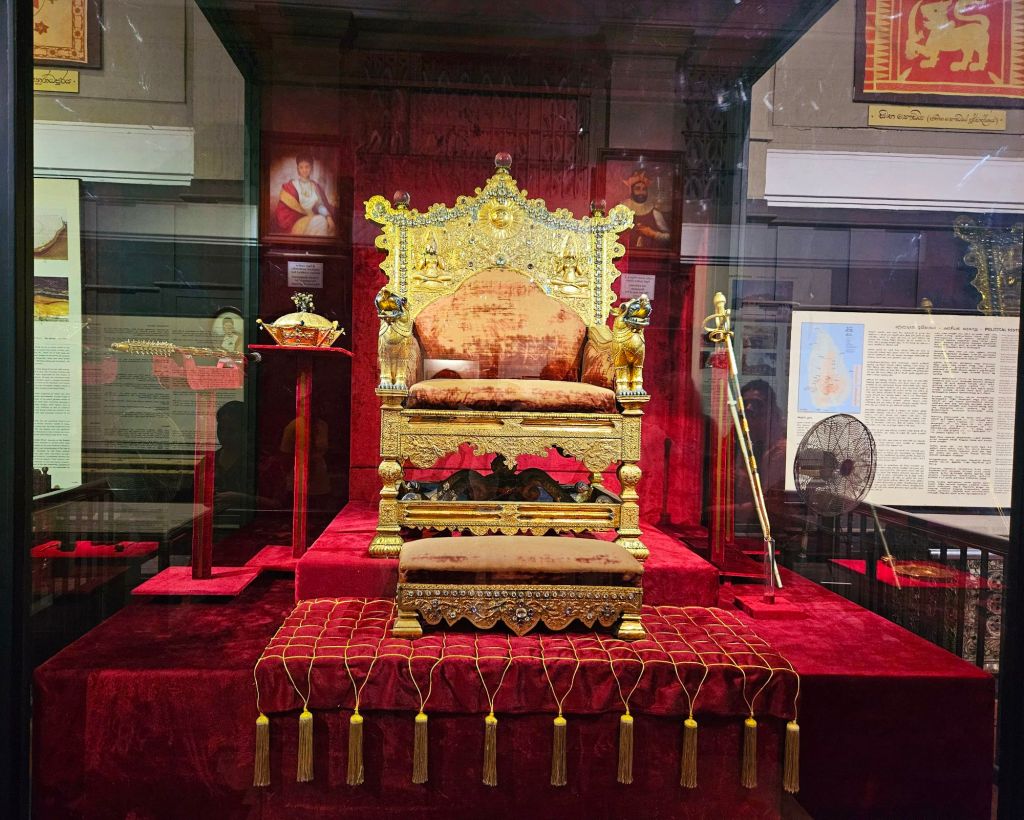
An interesting item that we saw was the Royal Seat. This was donated to the King of Ceylon, by the Dutch, in 1693. Six kings used this seat, including the last King of Sri Lanka, King Sri Wickrama Rajasinghe. He was captured by English soldiers in 1815, and the seat and other items were sent to England. The seat was sent back to Sri Lanka by King George V in 1934. The sword of state, sceptre, and other items were returned in 1936 by King Edward VIII.
We saw a few other interesting items.
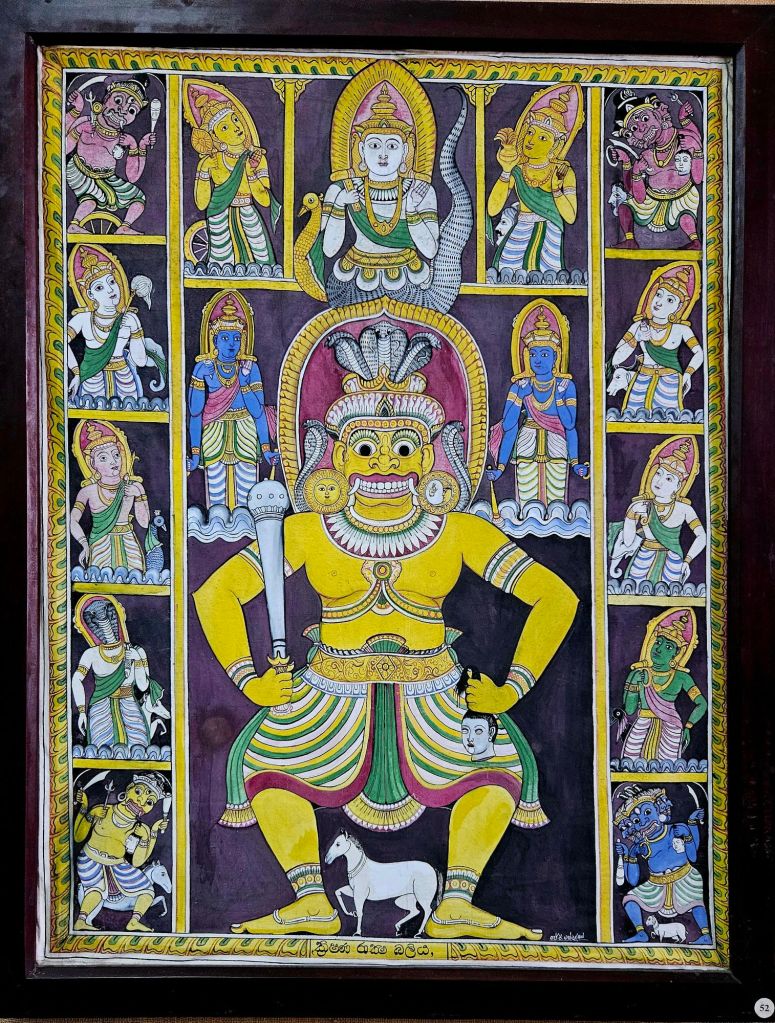

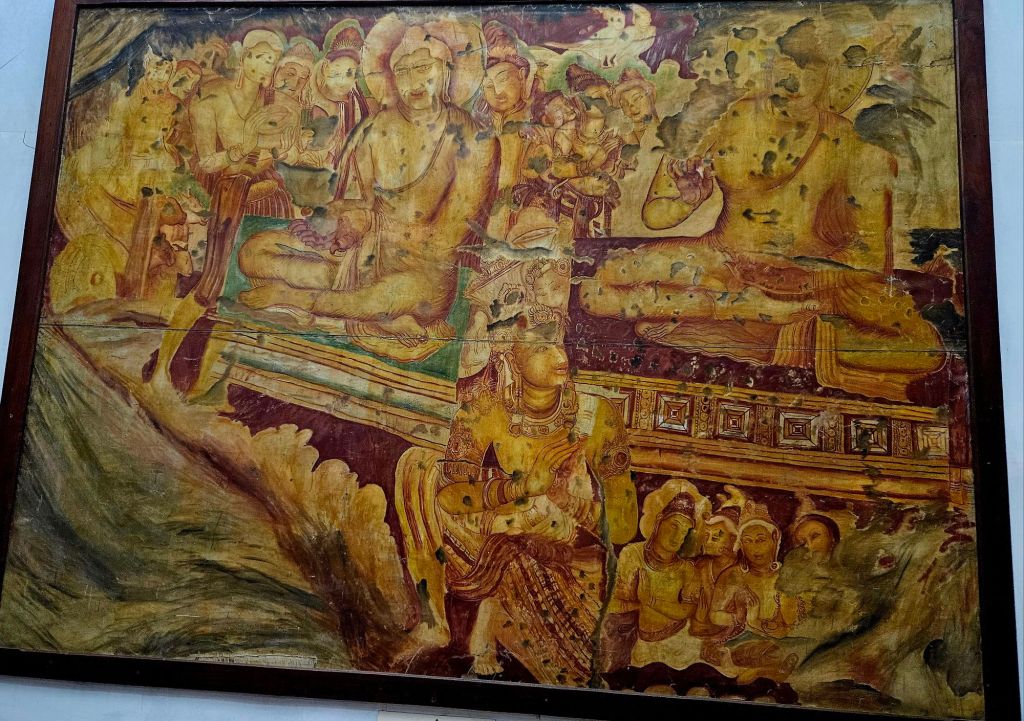
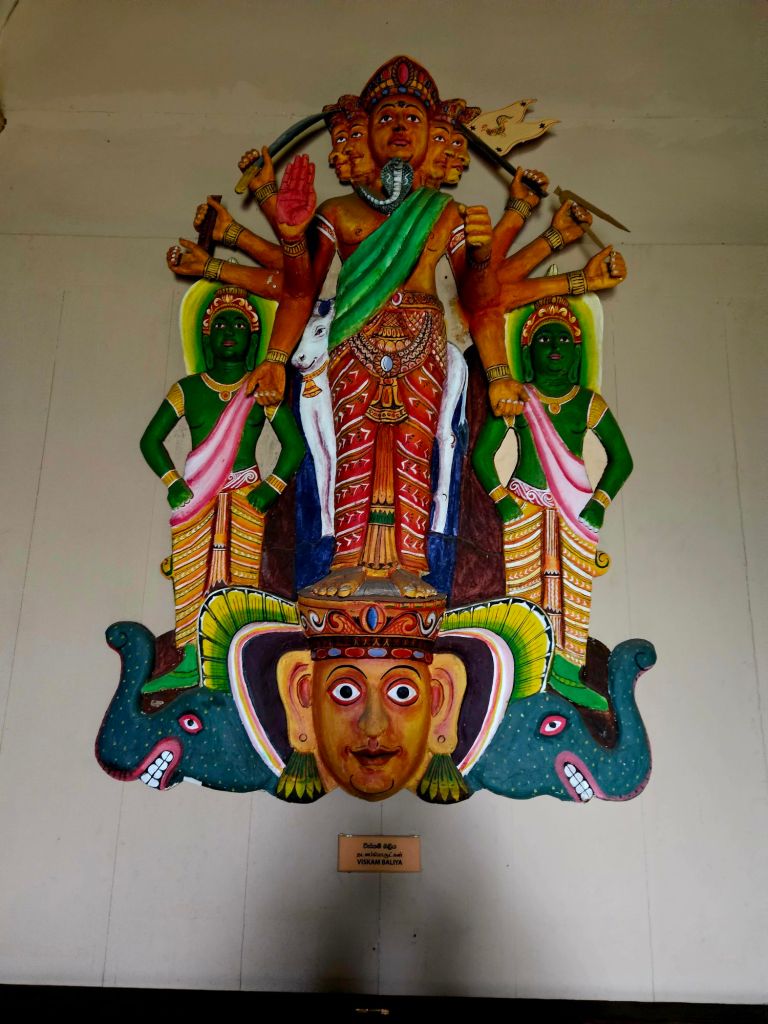
After around 40 minutes in the museum, we hopped back on the bus and drove to our next stop – Independence Square.
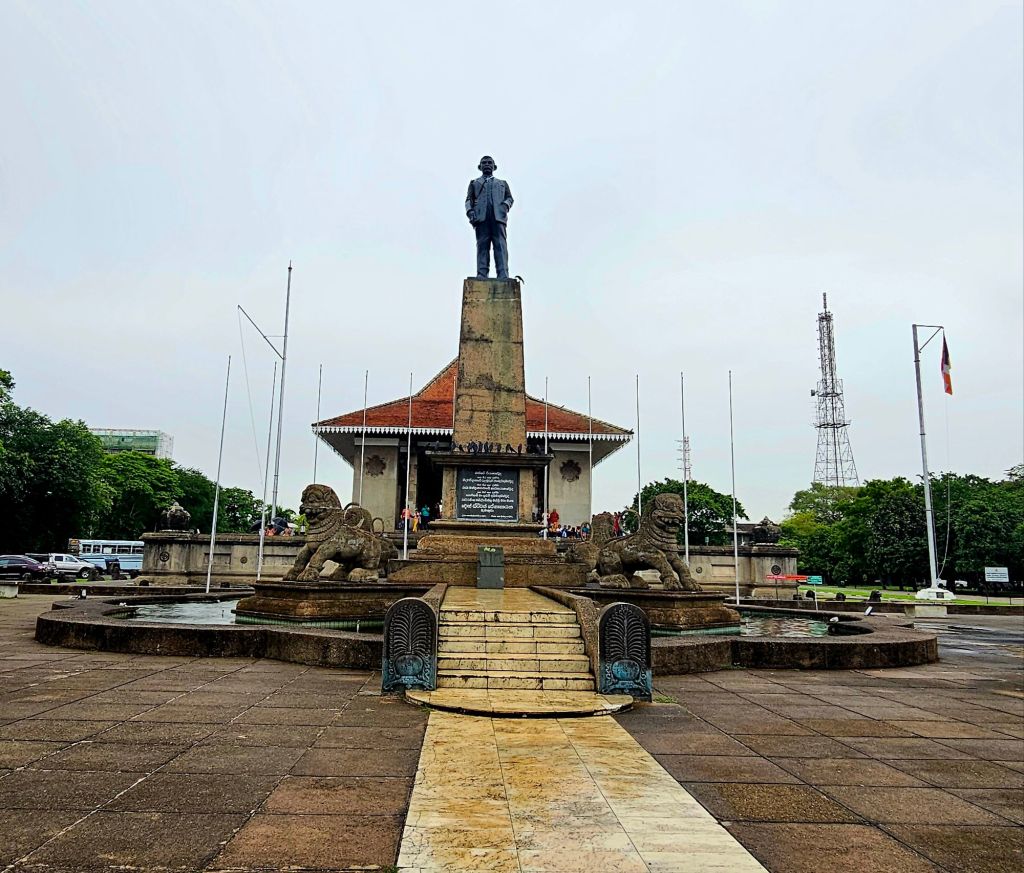
It commemorates Sri Lanka gaining its independence from the British Empire in 1948. The exact location is where Prince Henry, the Duke of Gloucester, opened Sri Lanka’s first parliament on a special podium, bringing an end to almost five centuries of colonial rule and marking the beginning of Sri Lanka’s self-rule. The Independence Memorial Hall sits on the square and used to be home to the two houses of Parliament- the Senate of Ceylon and the House of Representatives of Ceylon.
At the entrance to the building is an imposing statue of D.S. Senanayake, Sri Lanka’s first prime minister, surrounded by four stone lions with protruding eyes.
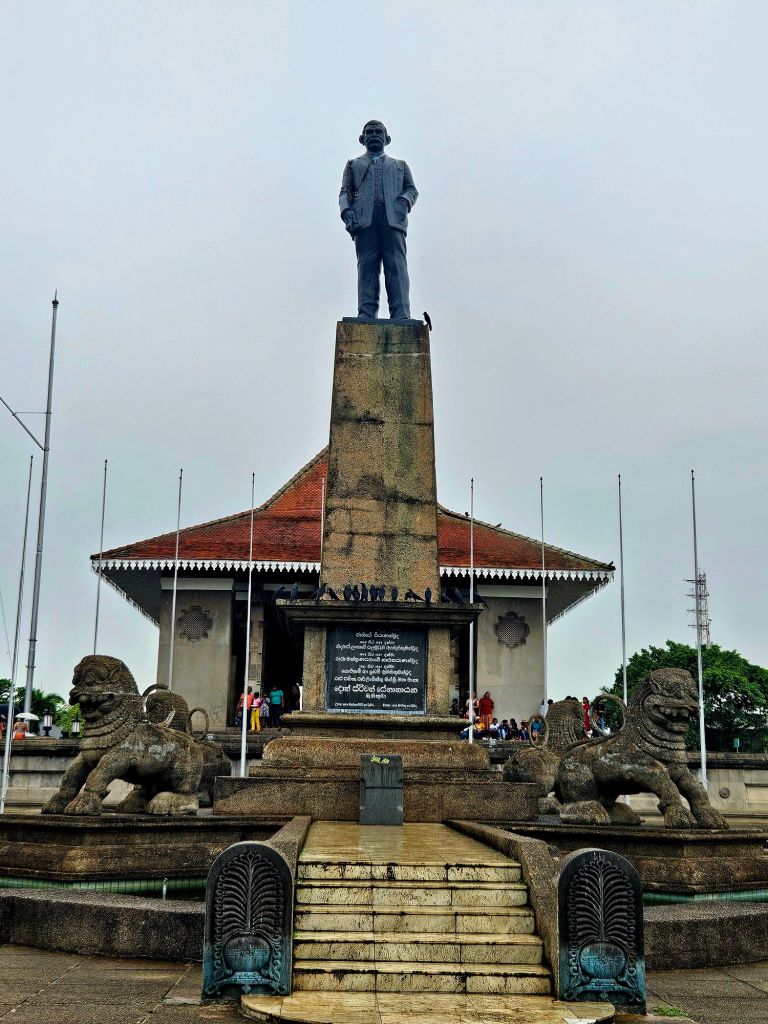
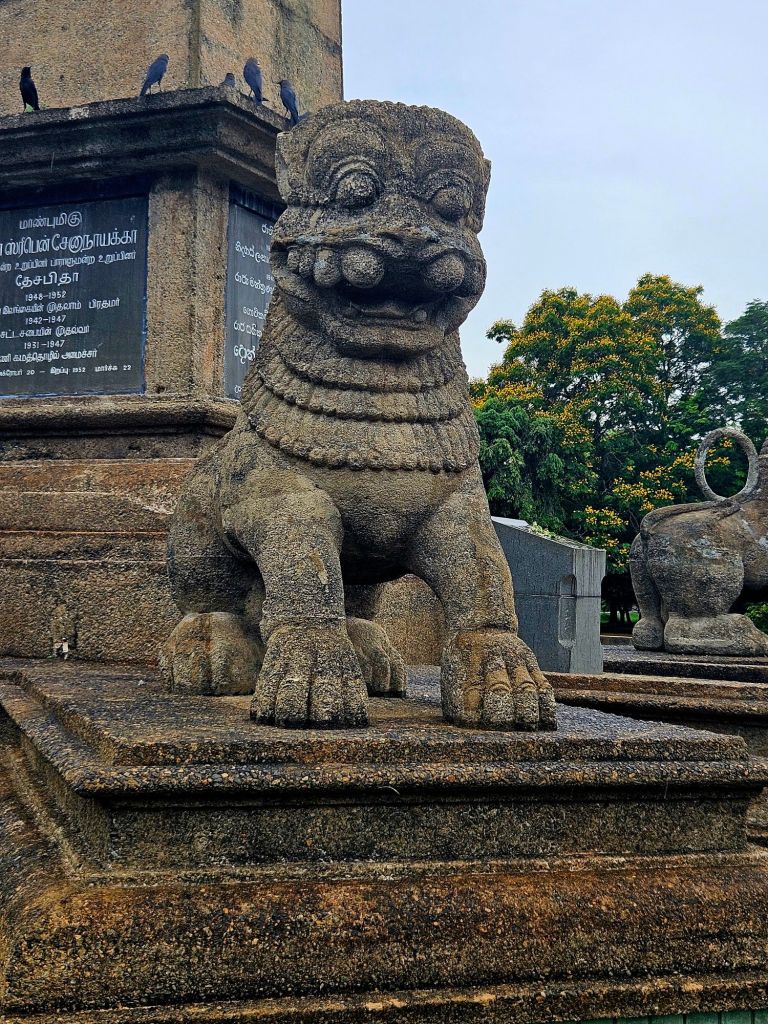
The open sided hall was inspired by the “Magul Maduwa,” the royal court of the King of Kandy, the last kingdom on the island. It was at the Magul Maduwa that the Kandyan chieftains handed over the island’s sovereignty to the British throne in 1815.
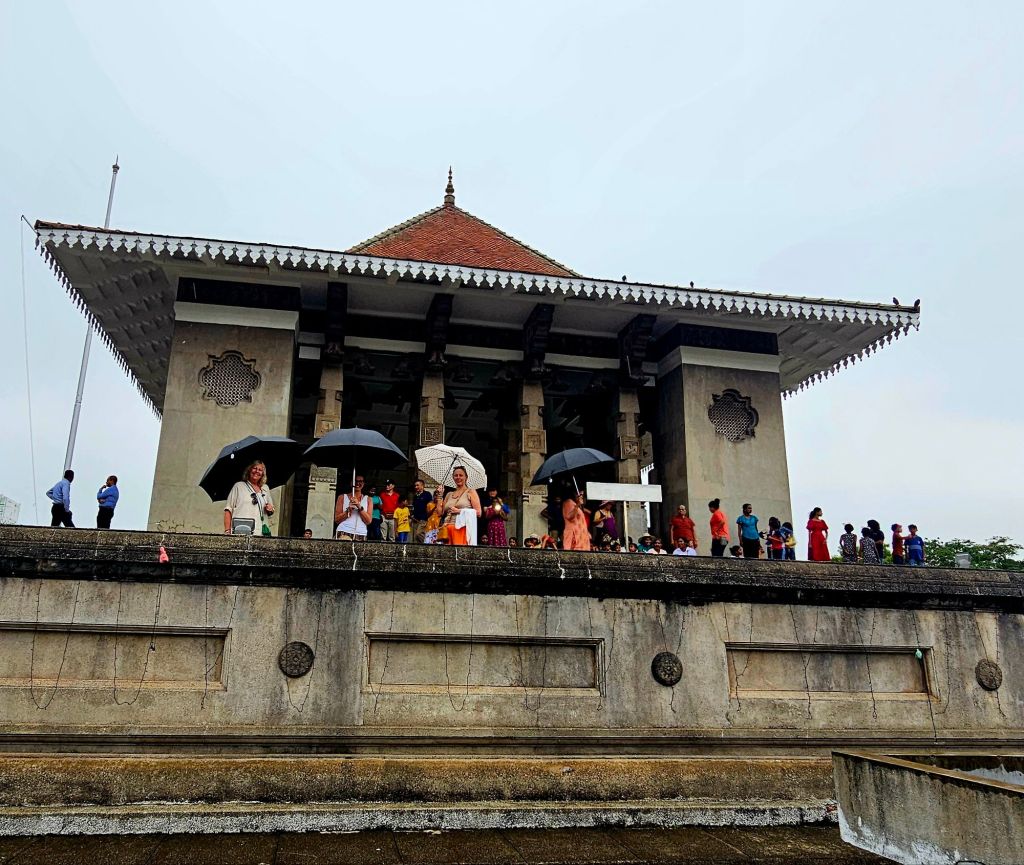
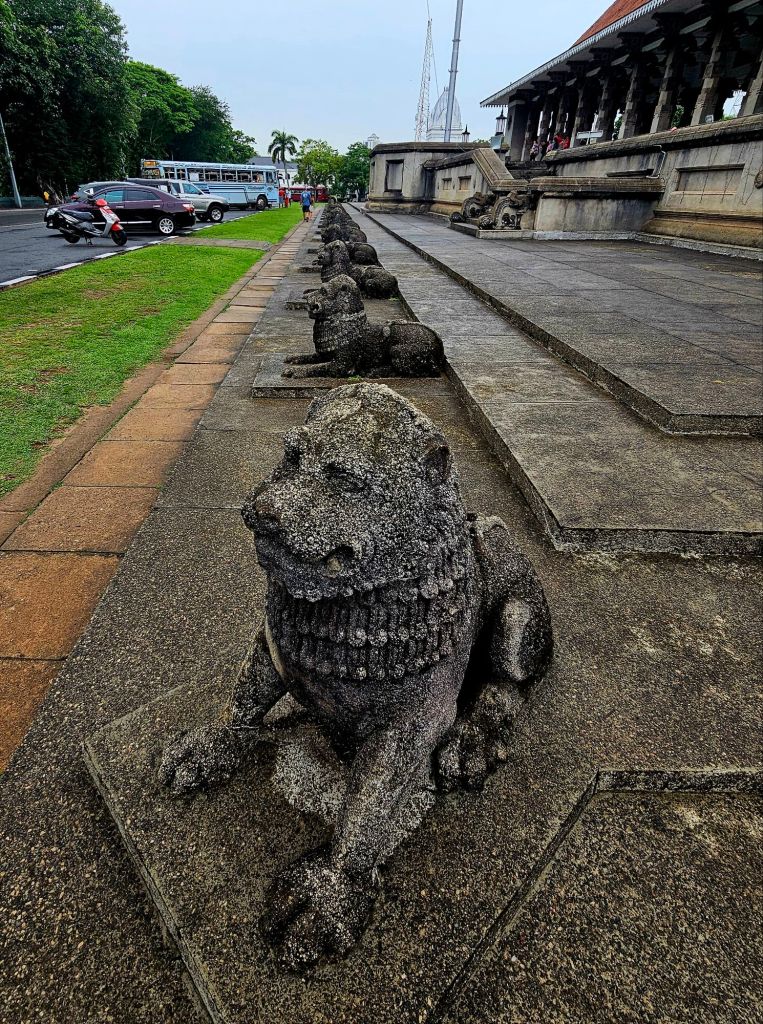
Ceylon was an independent country in the Commonwealth of Nations from 1948 to 1972. In 1972, it became a Republic within the Commonwealth and changed its name to Sri Lanka. In July 1960, Ceylon had the first female elected head of government in the world.
Opposite was another beautiful building which I later learnt was a shopping centre.
We then got back on the bus to visit another attraction. On the way, we passed the town hall. The foundation stone for the town hall was laid on 24 May 1924, and the building was completed in 1928.
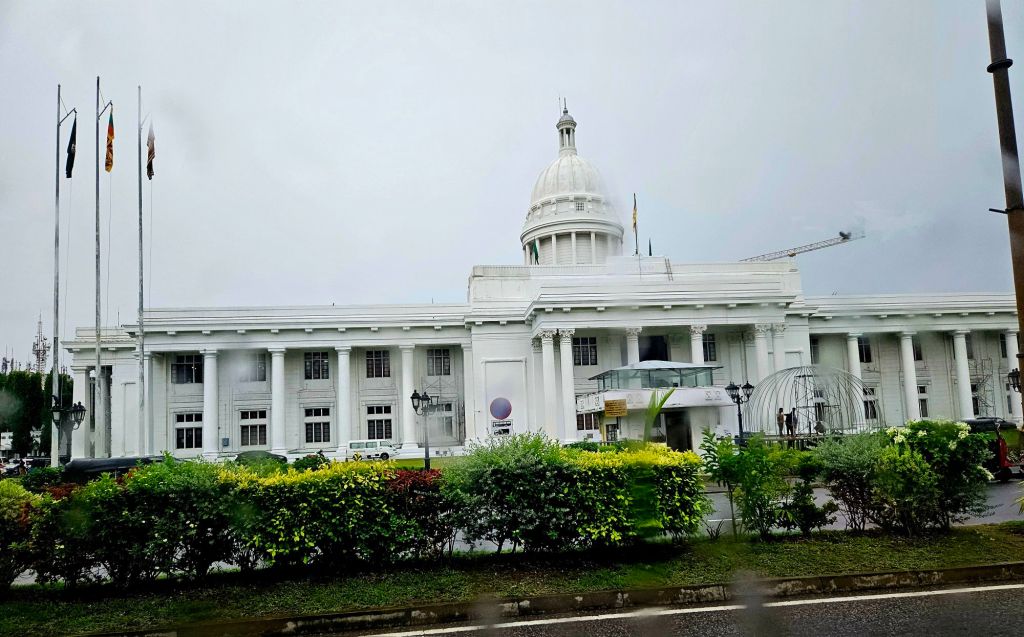
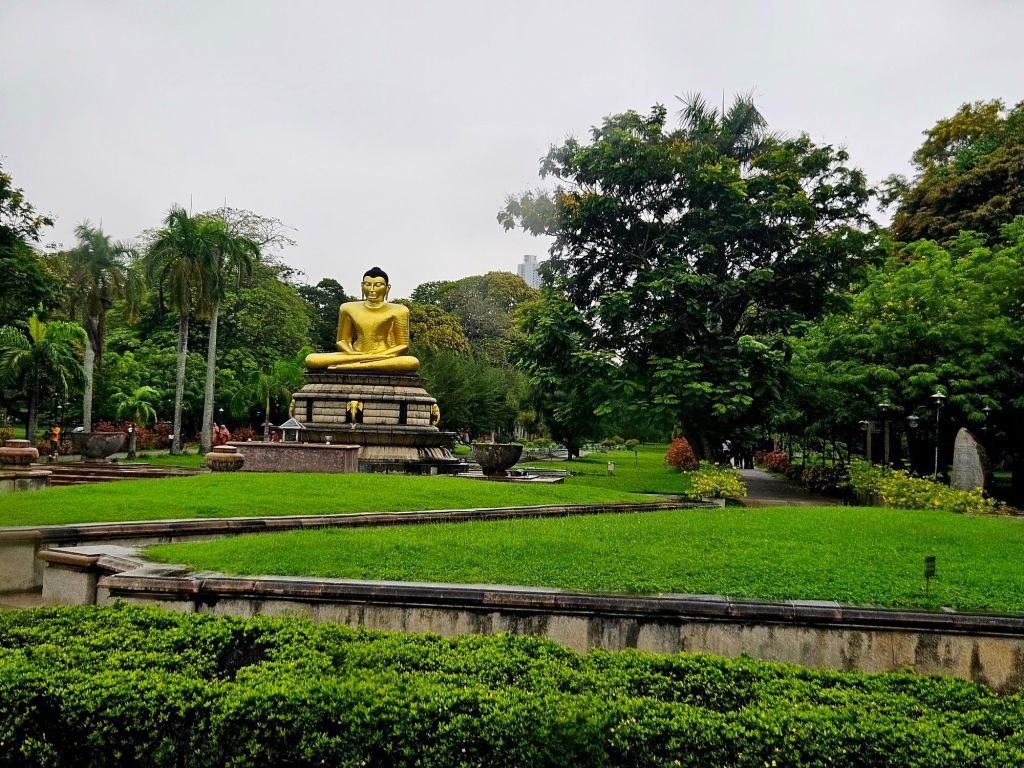
The town hall is opposite Viharamahadevi Park, which is the oldest and largest park in Colombo. The park was originally calked Victoria Park after Queen Victoria but changed to Viharamahadevi Park in 1958, named after the mother of one of the Srilankan Kings. During WWII, it was occupied by the British Army but opened to the public again in 1951. There is a huge Buddha statue in the park – this replaced the previous statue of Queen Victoria.
Our penultimate stop was the Gangaramaya Temple. Which was completed in the late 19th century. Whilst this was a temple, it also felt a bit like an antique store as there were just so many statues and other items to see.
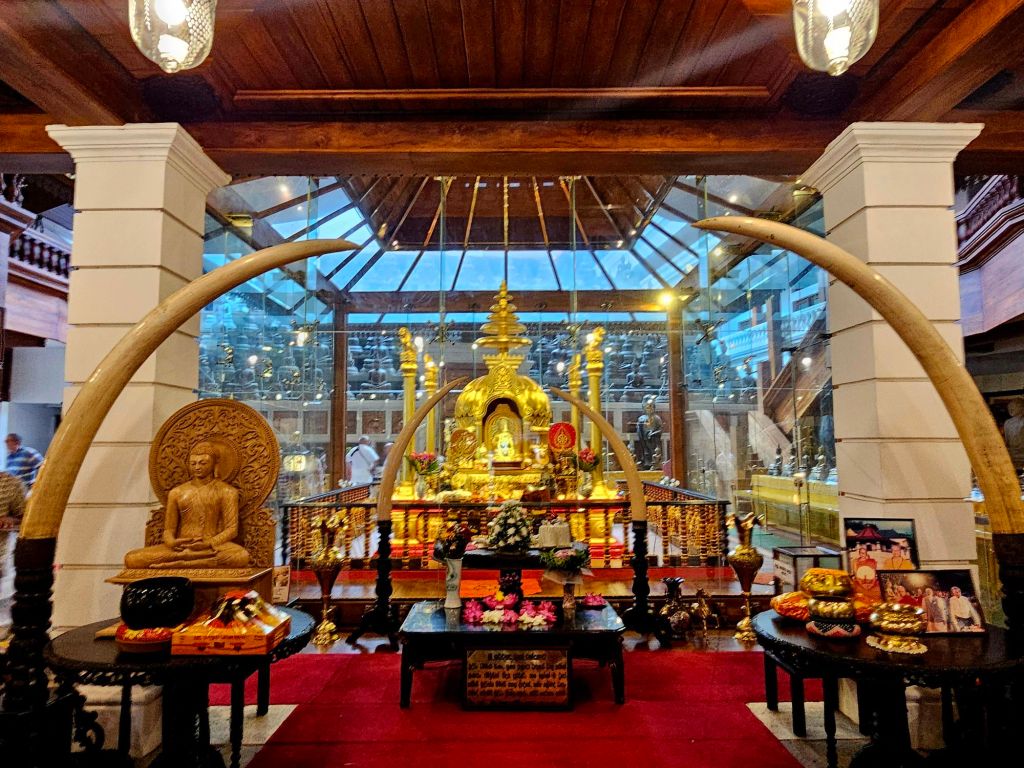
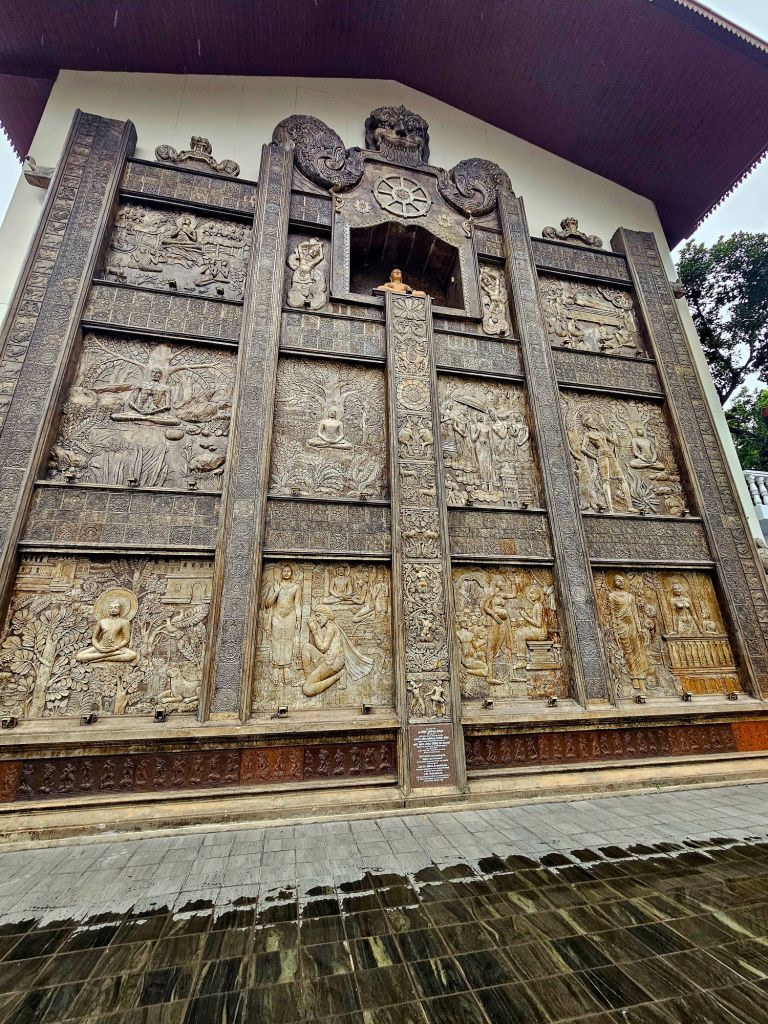
This is one of the oldest Buddhist temples in Colombo, dating back to the 19th century. It is also a learning centre and cultural centre and houses a museum and library. There was a huge amount to see.
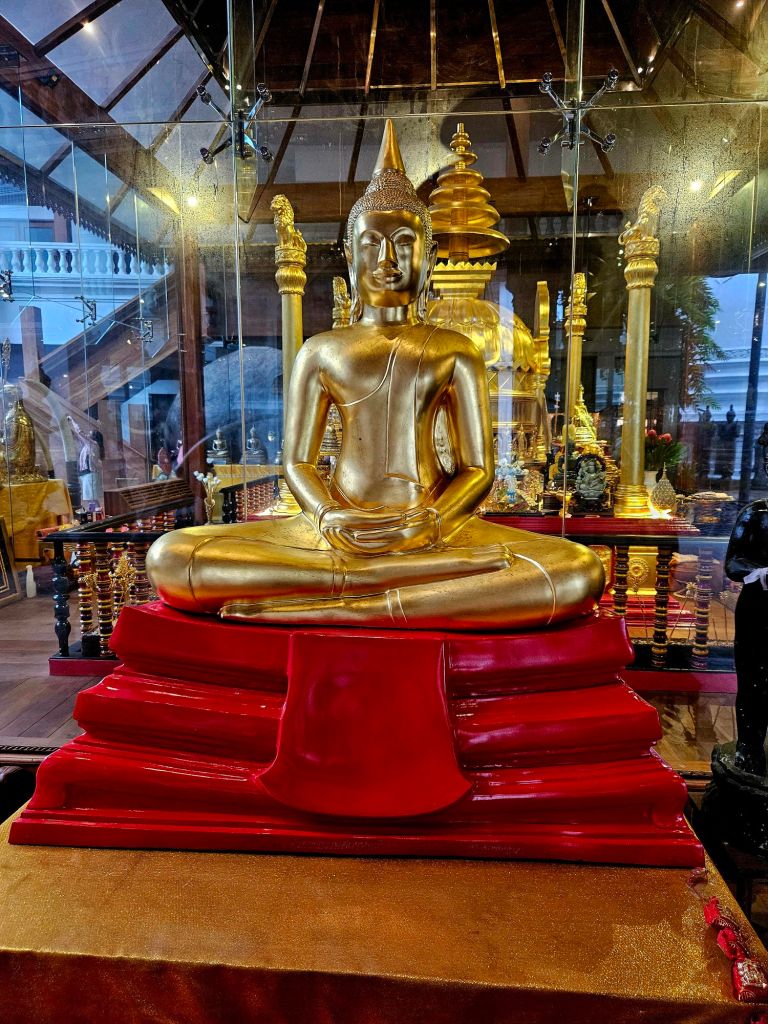
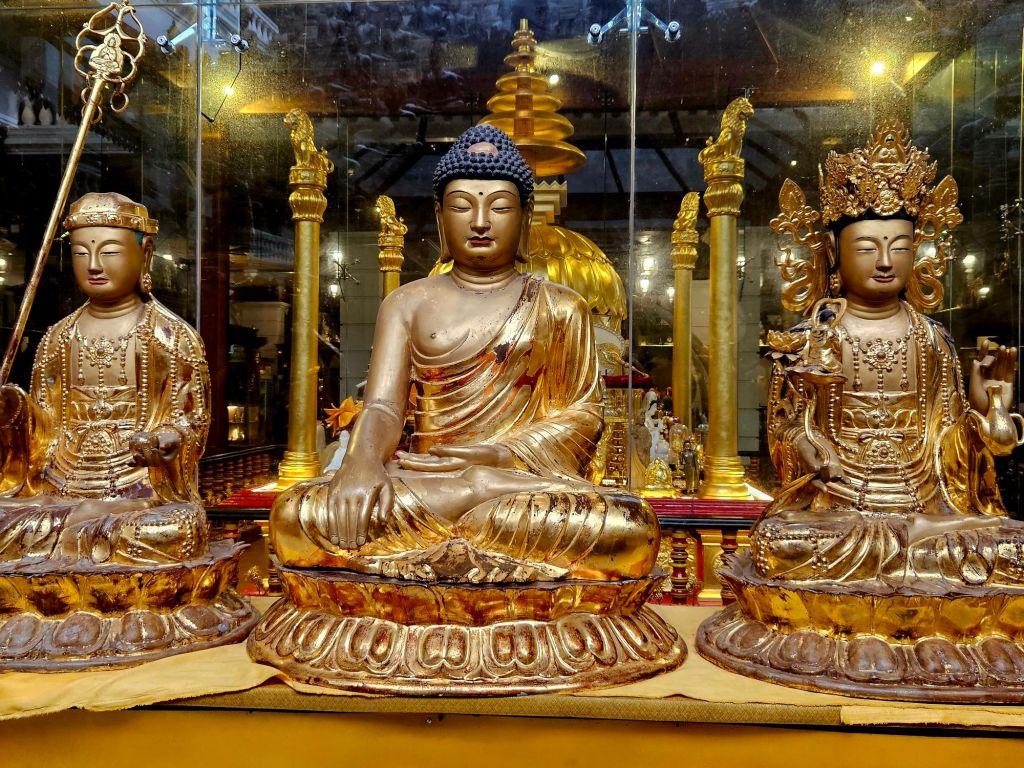
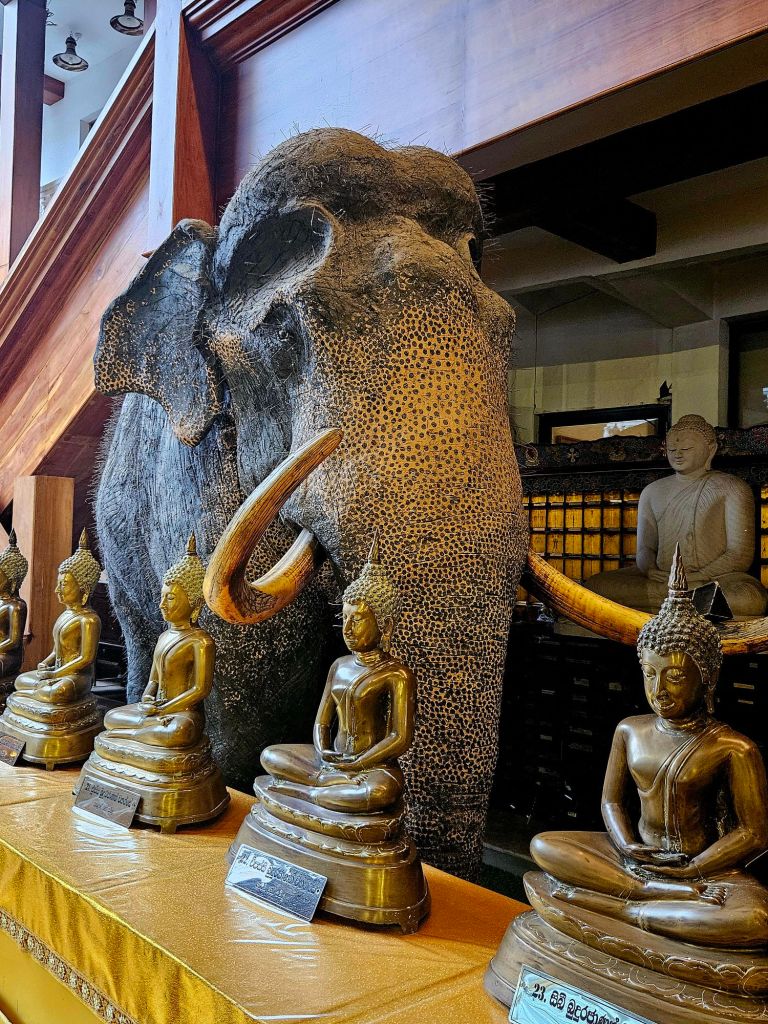
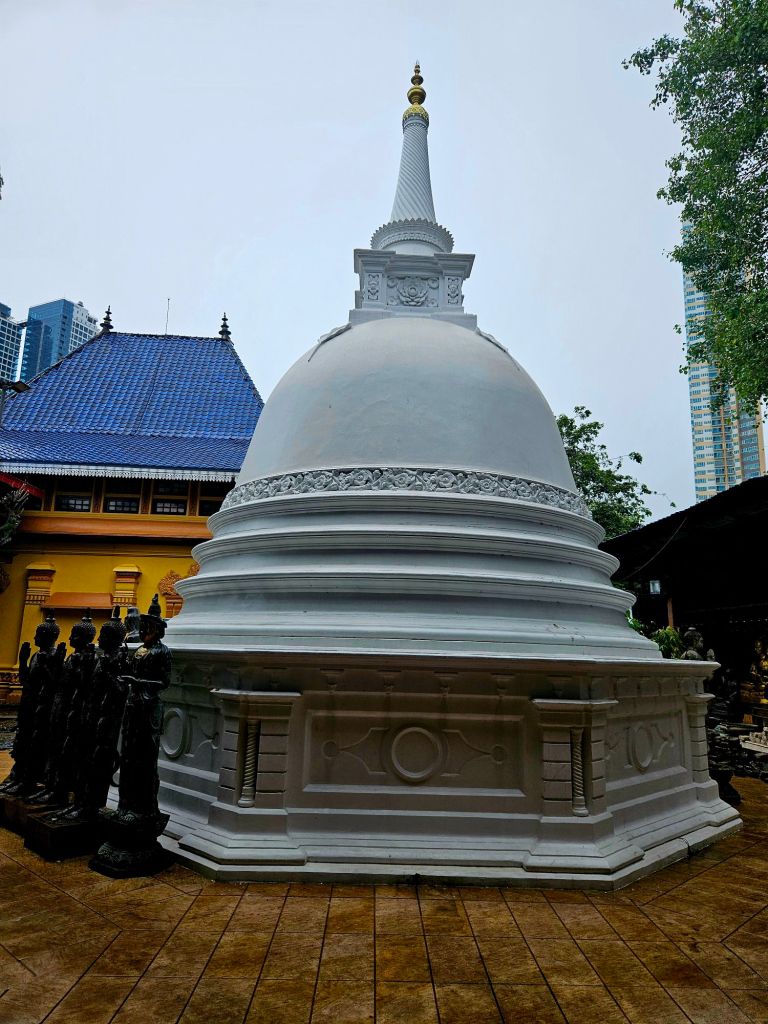
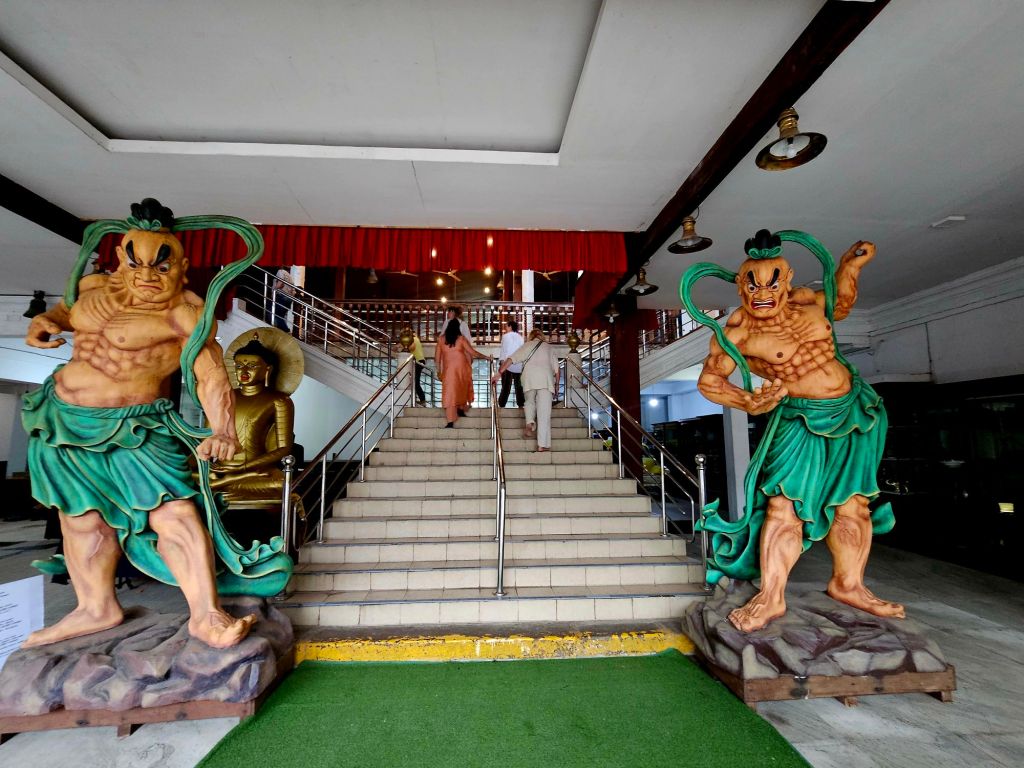
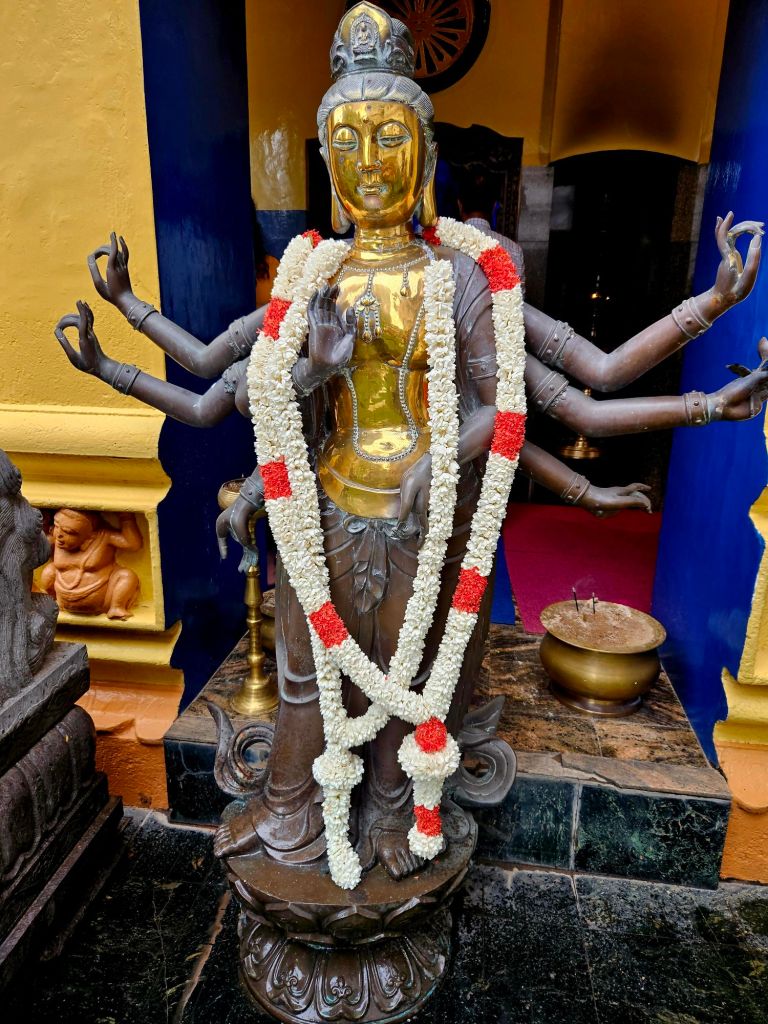

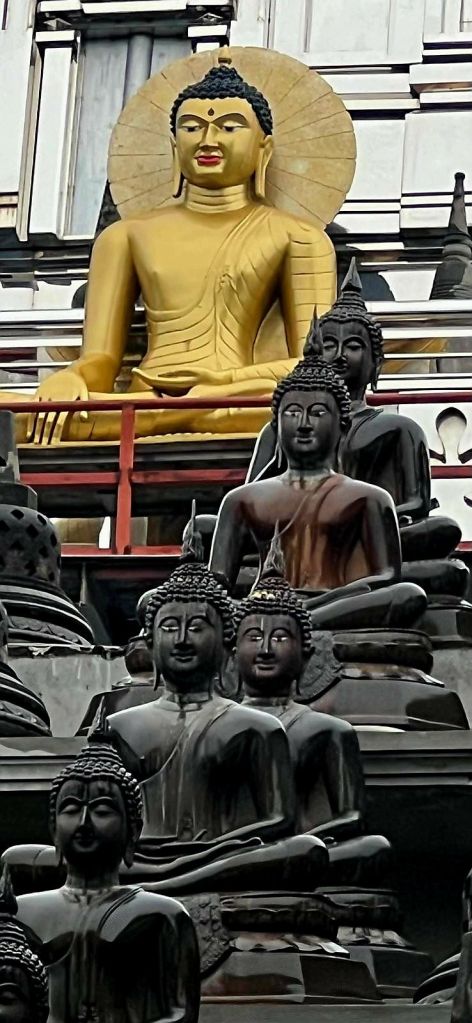
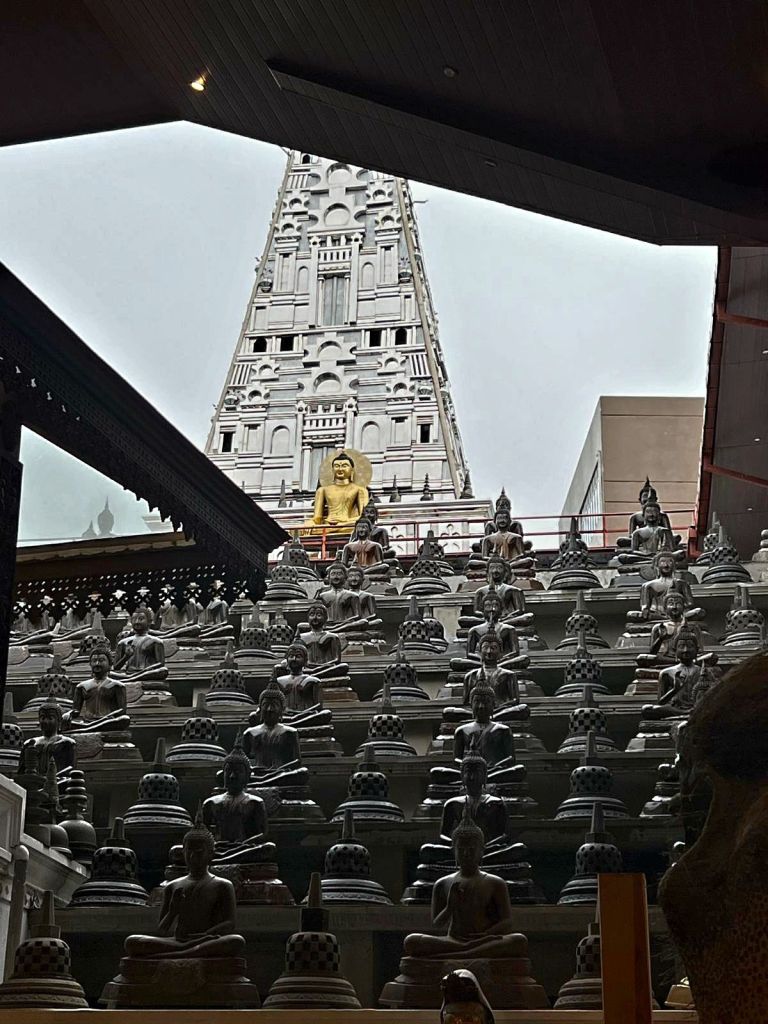
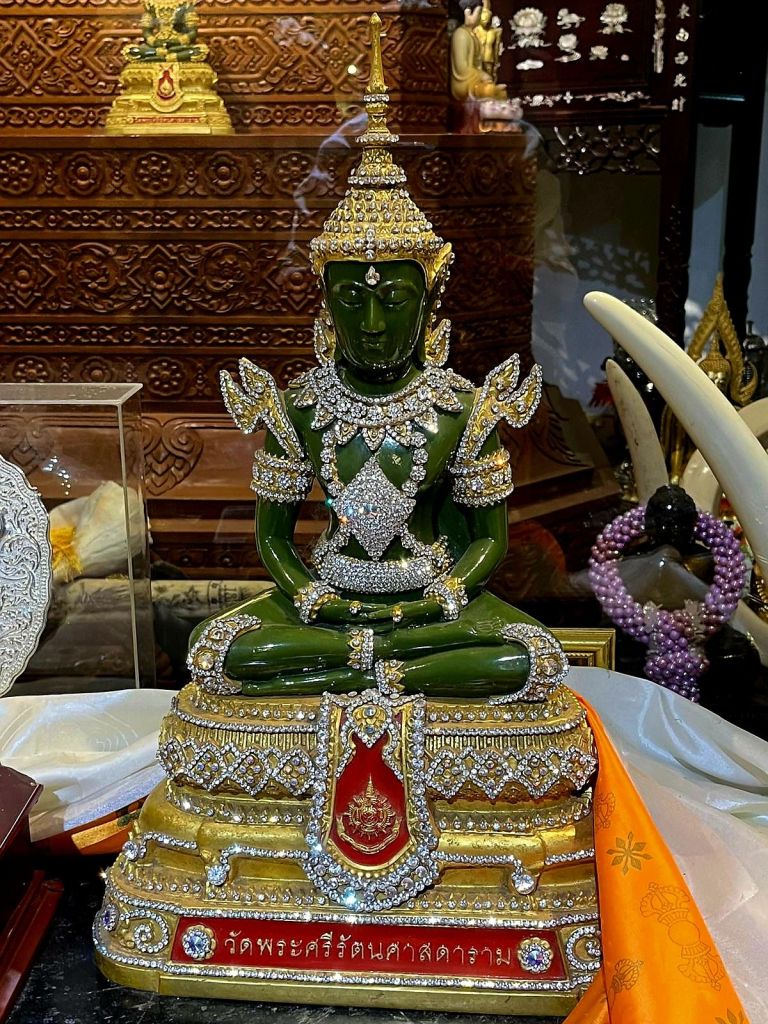
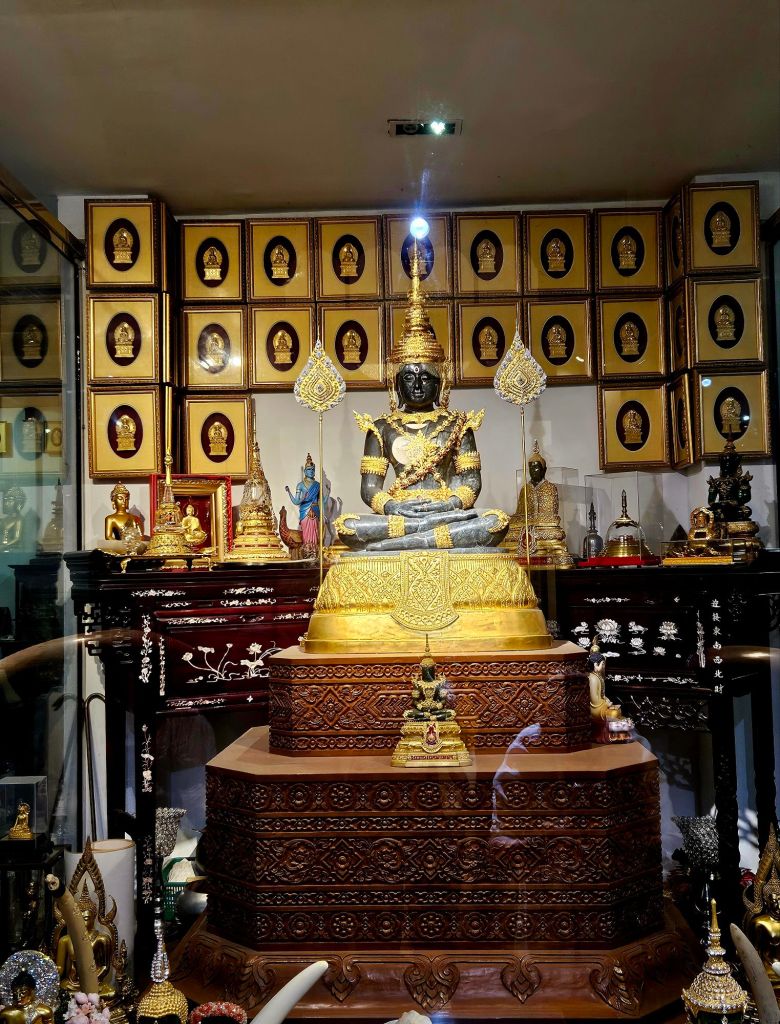
This statue seemed to be one of the favourites amongst the visitors.
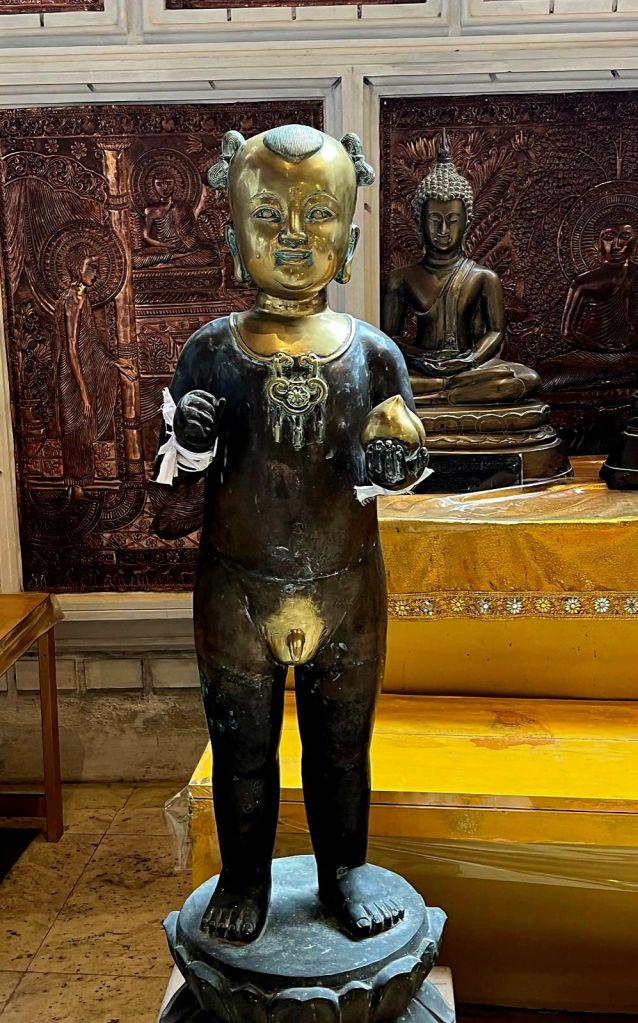
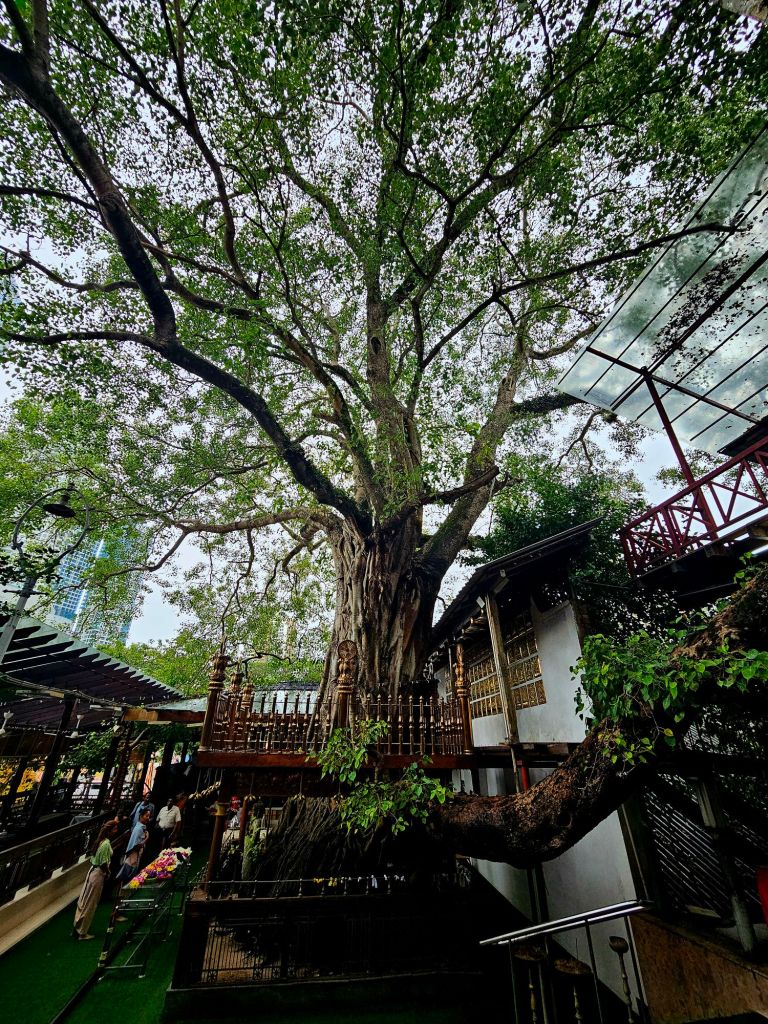
The temple also has a Bodhi tree, grown from the tree under which Buddha gained enlightenment.
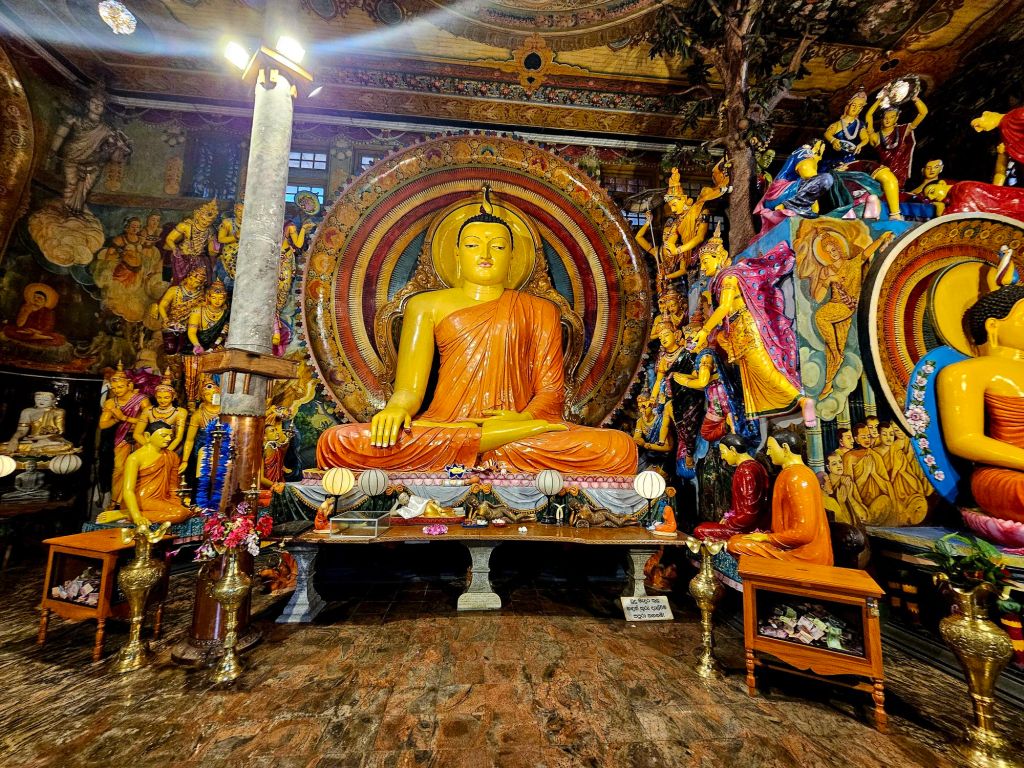
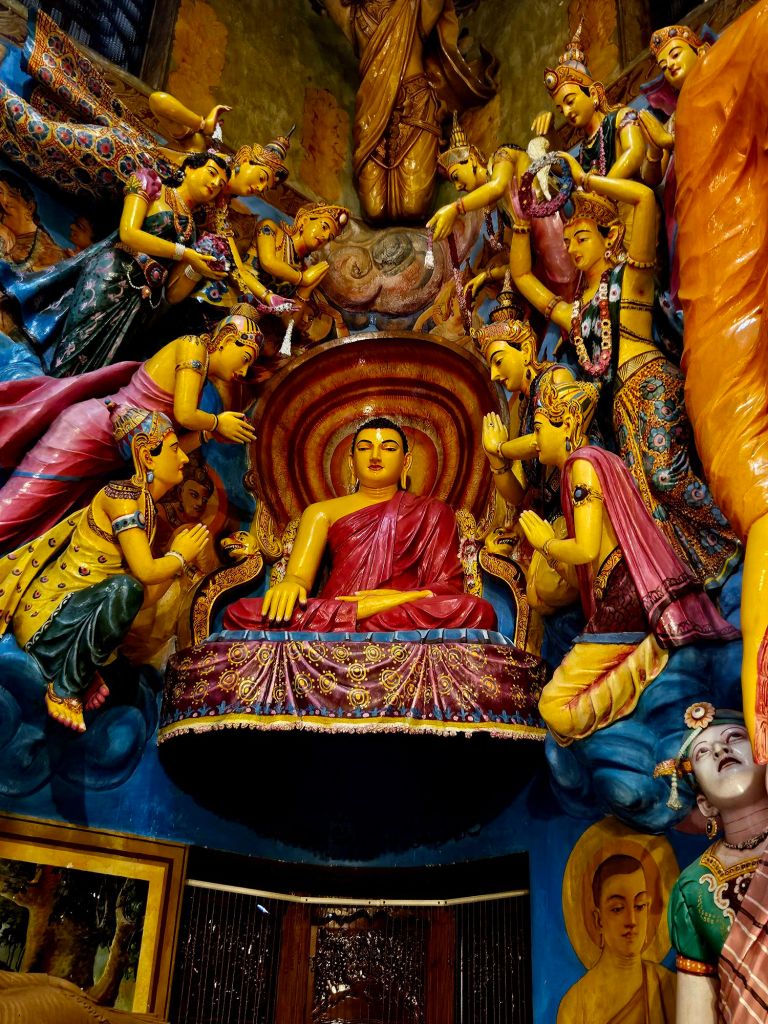
Just as I was making my way out, I noticed another temple area. This is the main sanctuary is a soothing room decorated in soft yellowish hues, housing a massive Buddha statue in meditation pose flanked by statuettes of heavenly creatures. The ceilings are decorated with vibrant pastel paintings depicting Buddhist stories, and the columns are covered with traditional Sri Lankan art.
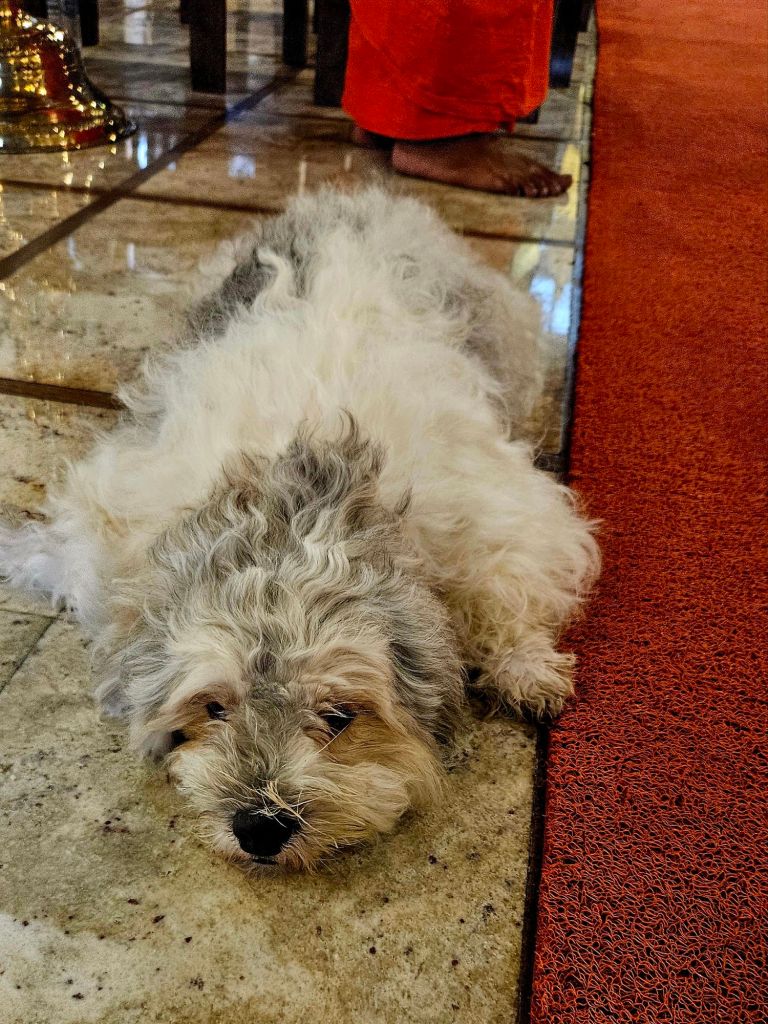
I also made friends with the monk’s do. He was really fluffy and soft and very friendly.
And then we were off to our last stop, Galle Face Green. This is an urban park in Colombo and stretches for 500m along the coastline.
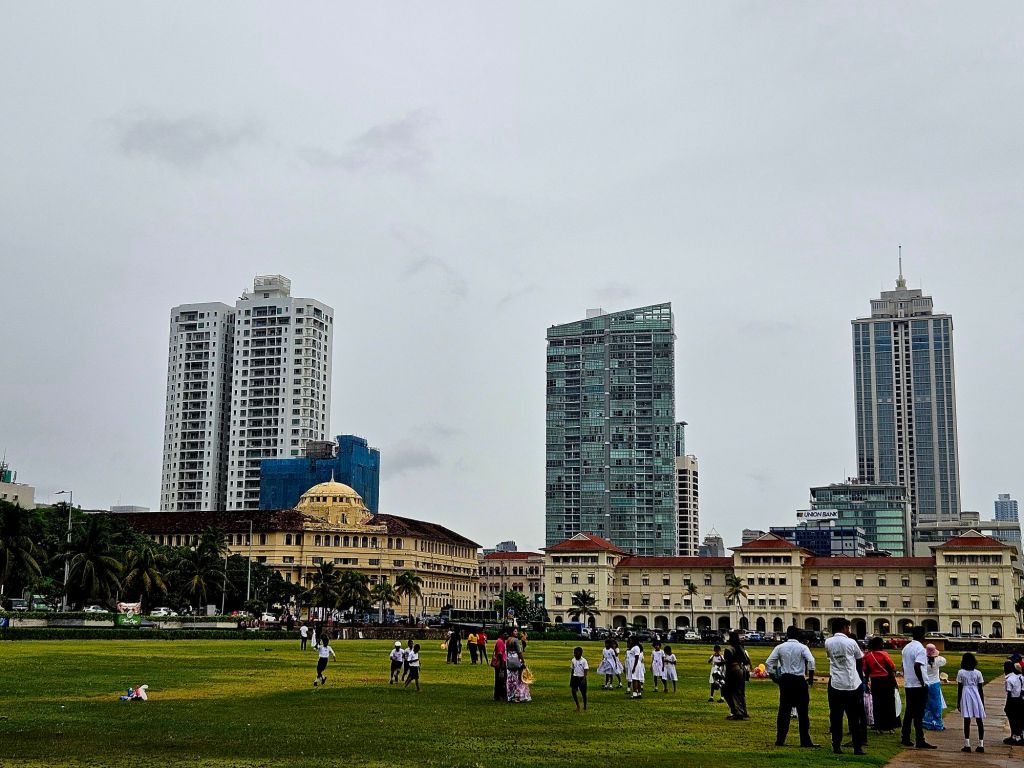
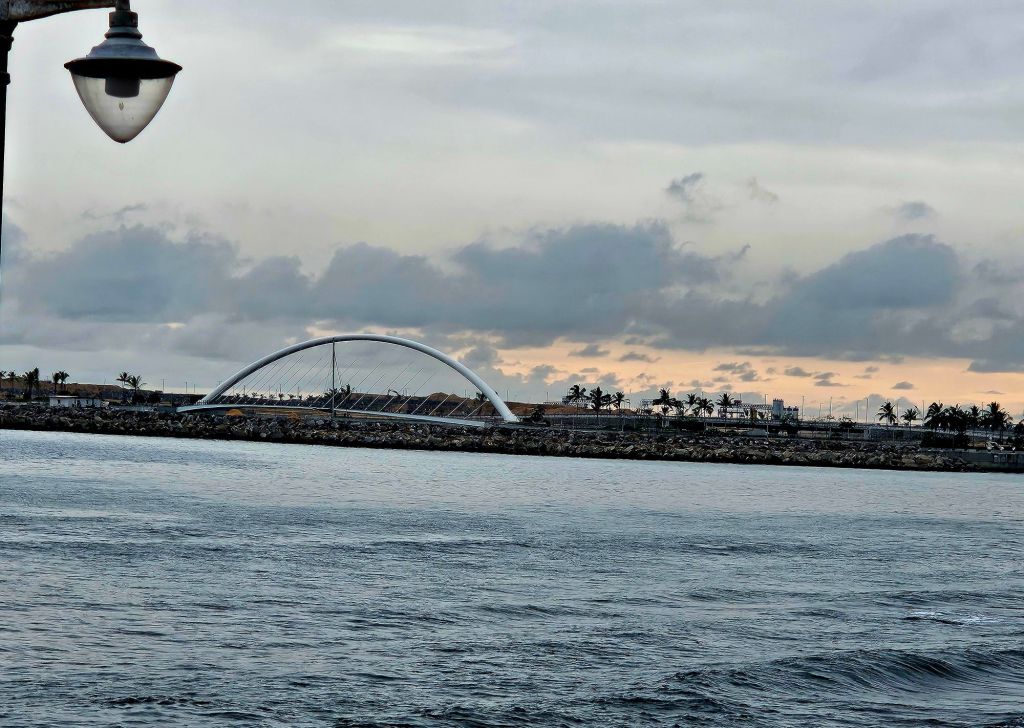
The promenade was completed in 1859, and the area used to be used for horse racing, known as the Colpetty Race Course, and golf as it was a larger area than it is today. It is a popular area for families to come to and despite the weather, it was quite busy.
We walked down to the end of the pier.

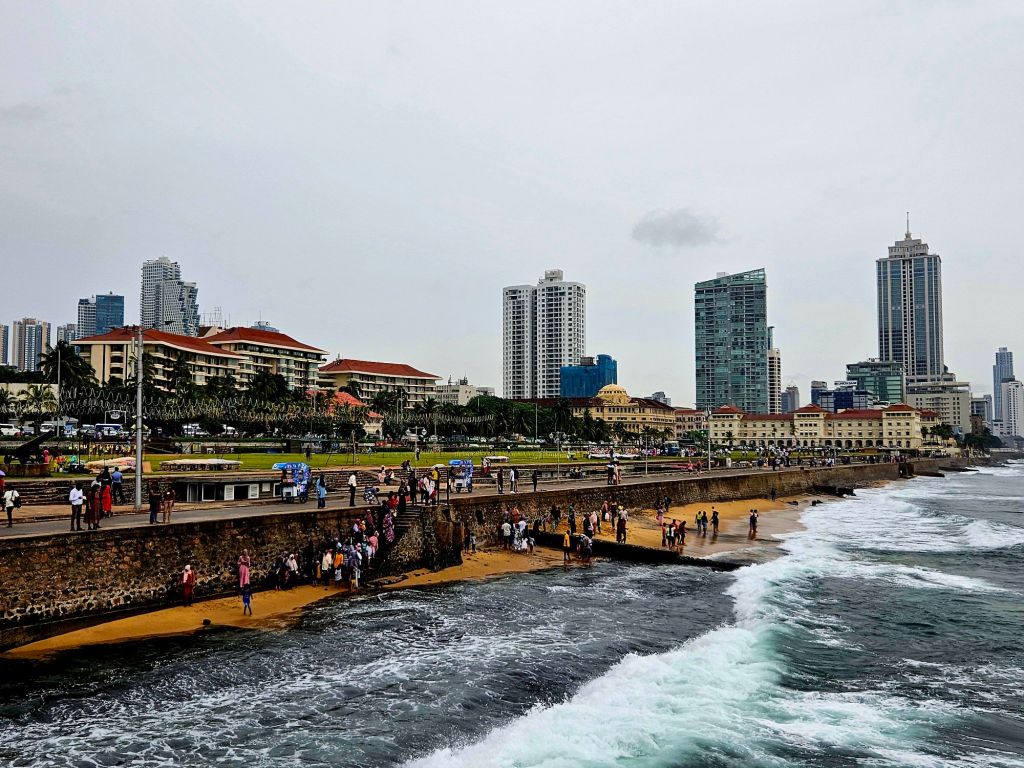
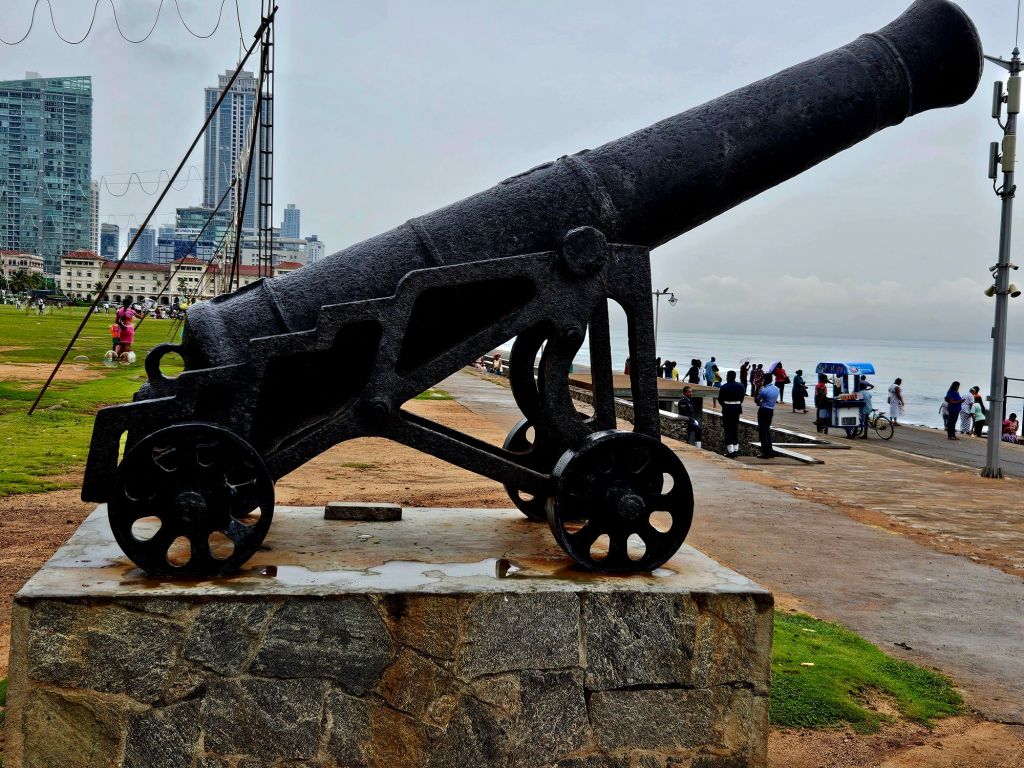
The promenade was initially laid out by the Dutch for a military purpose. They used it as a means to enable their cannons a strategic line of fire against the Portuguese. A couple of canons are still on site today.
There was also what looked like a war memorial statue in the park.
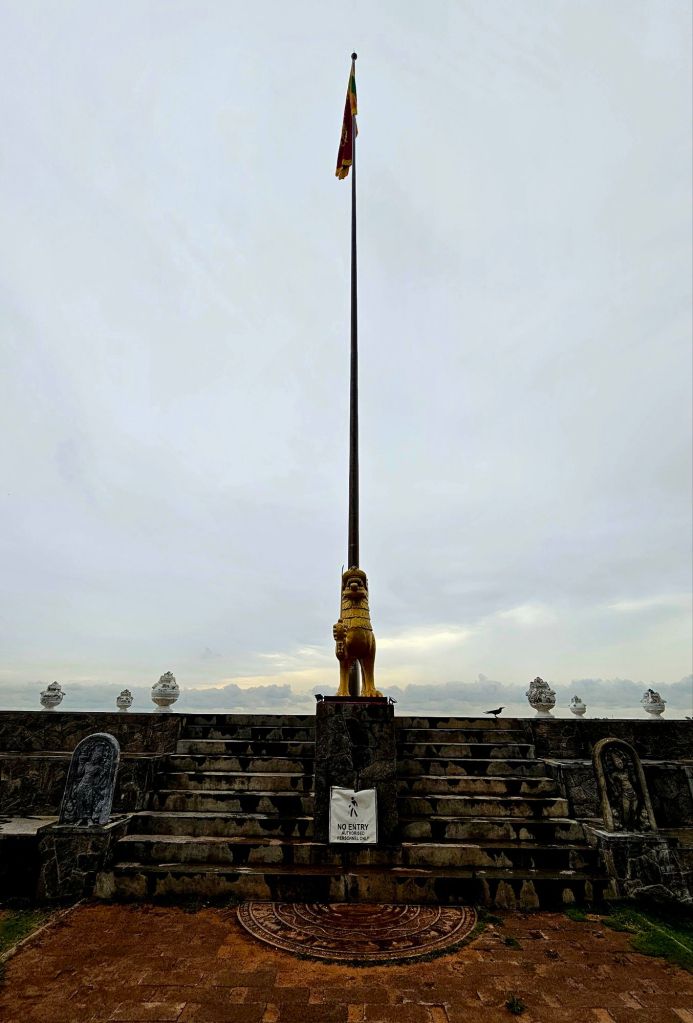
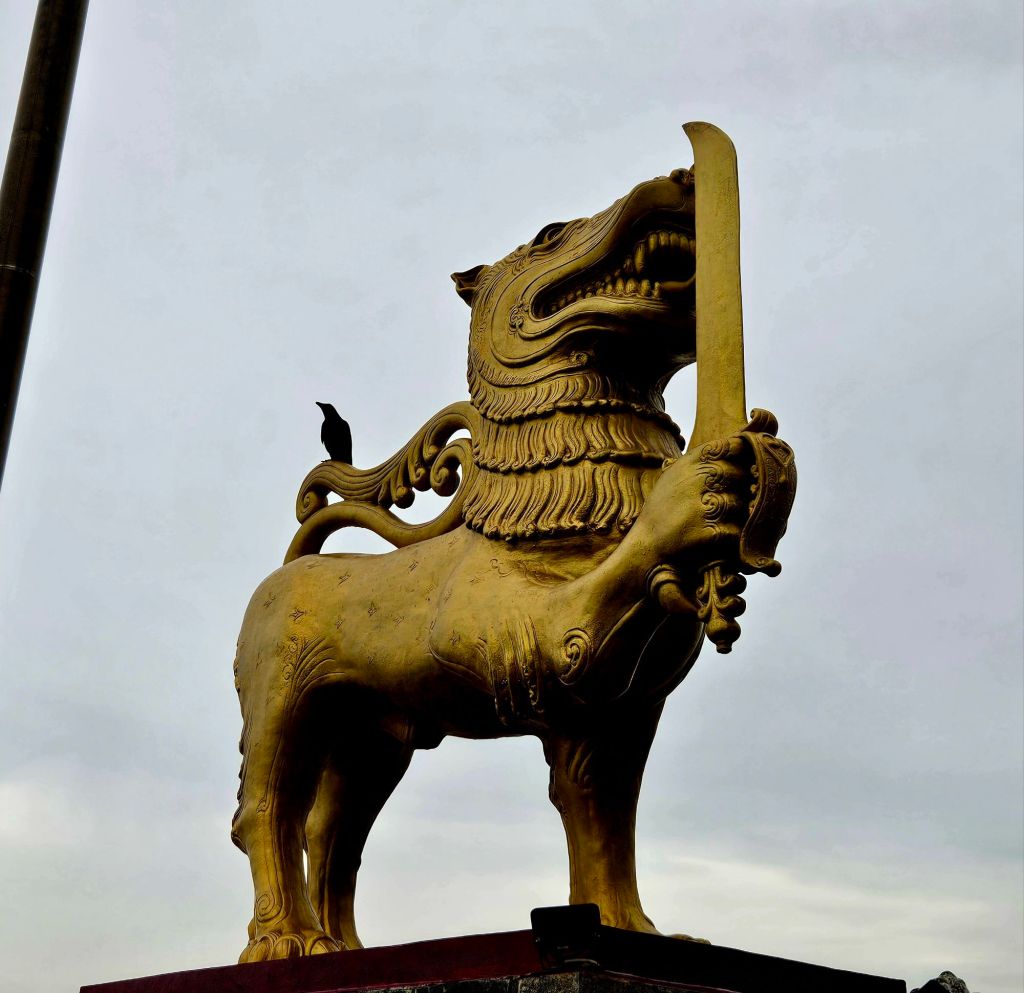
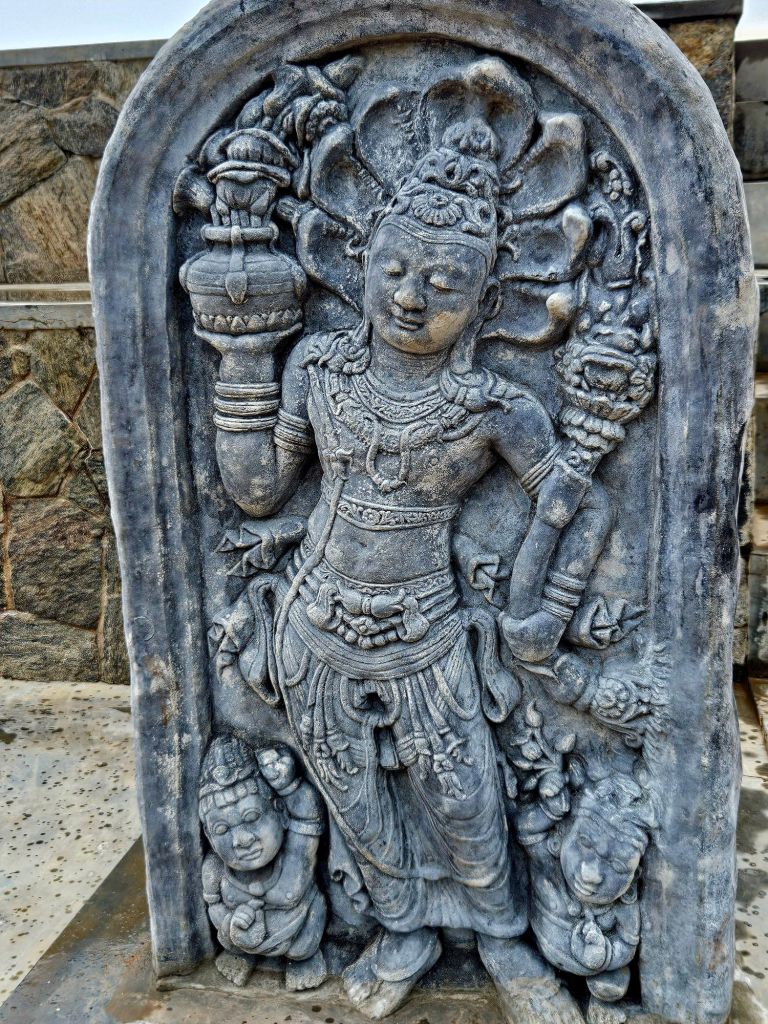
Opposite the park was a very modern but interesting building.
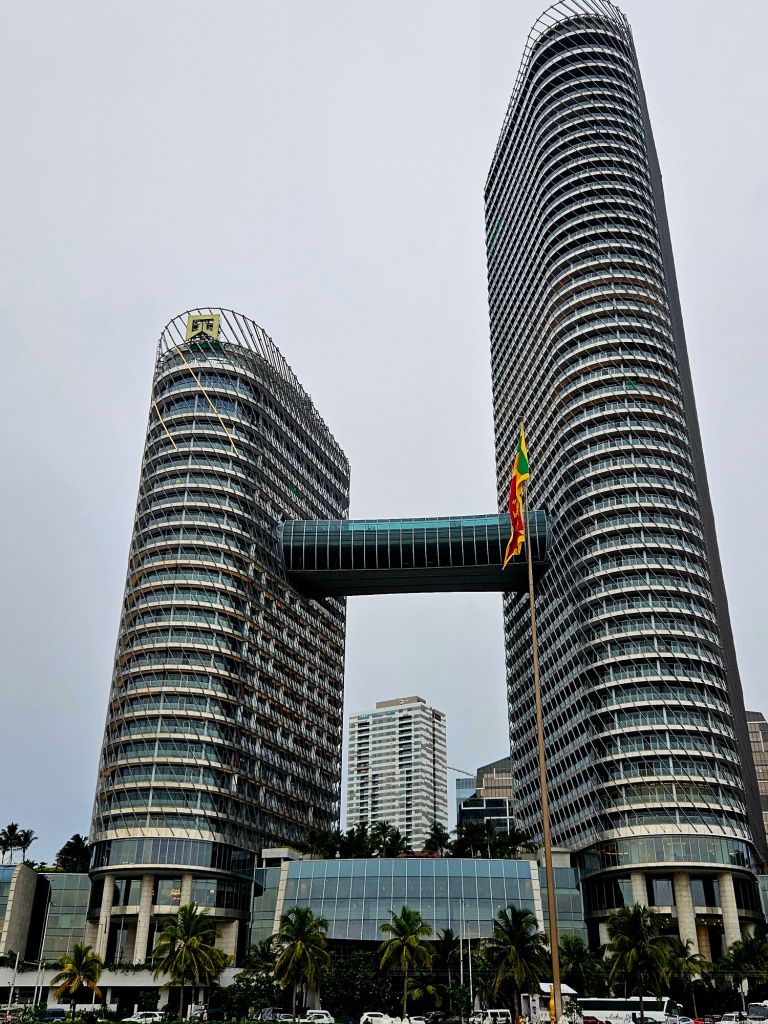
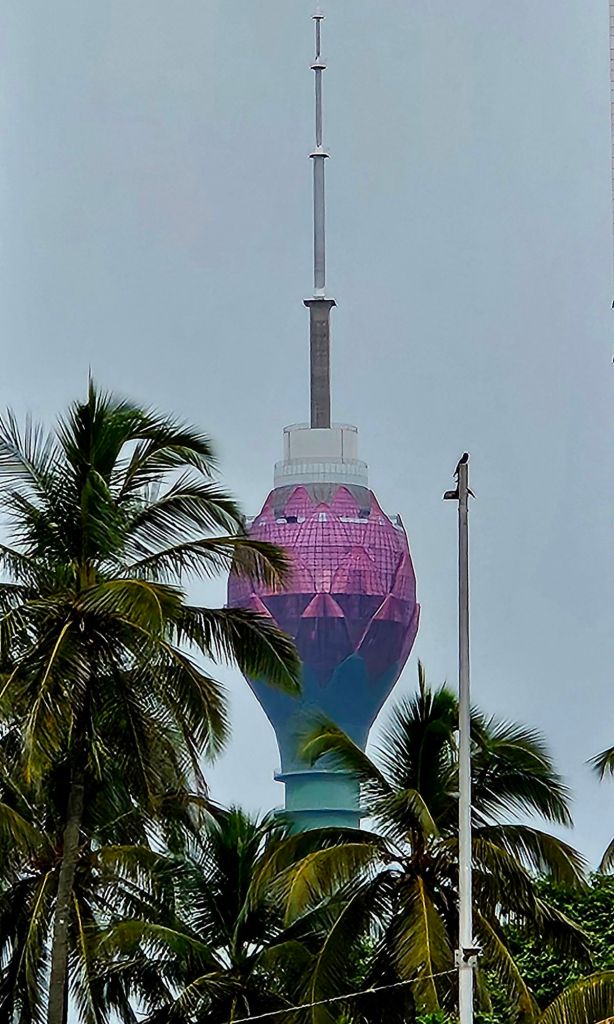
And we could also see the Lotus Tower. This is just over 351m high and is the tallest self- supported structure in South Asia. The lotus symbolizes purity within Srilankan culture and is also said to symbolize the country’s flourishing development. There is an observation deck at the top.
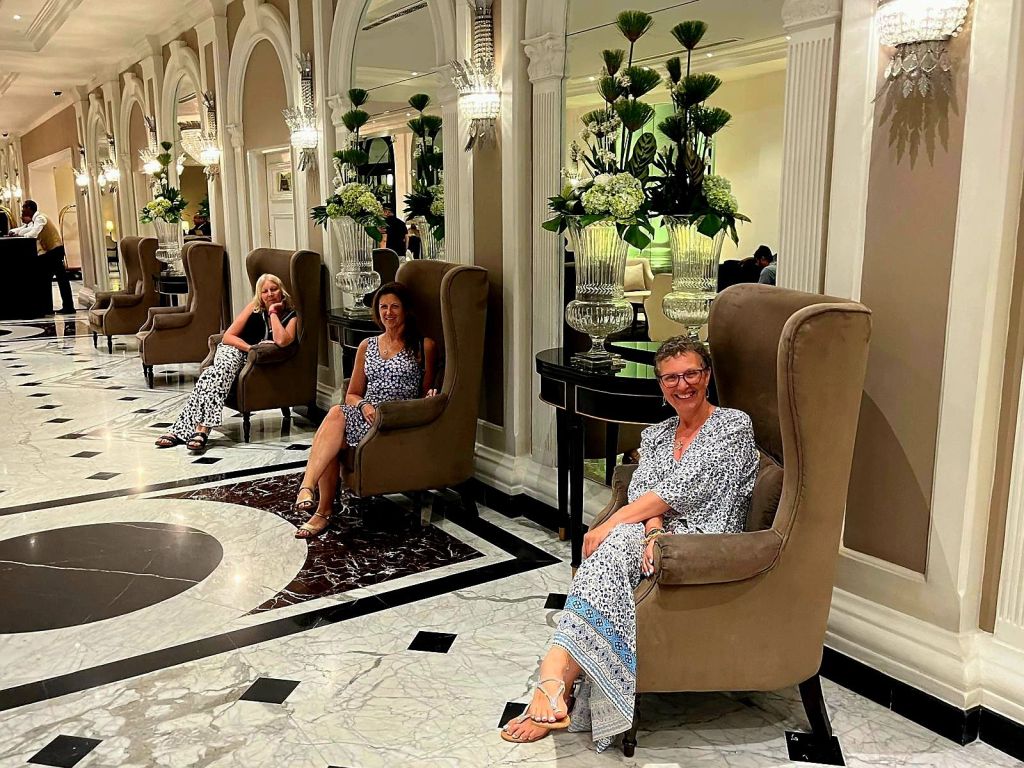
After a stroll in the park, we headed back to the hotel and got ready to go out.
We went to Floatz pub to try out their cocktails during happy hour.
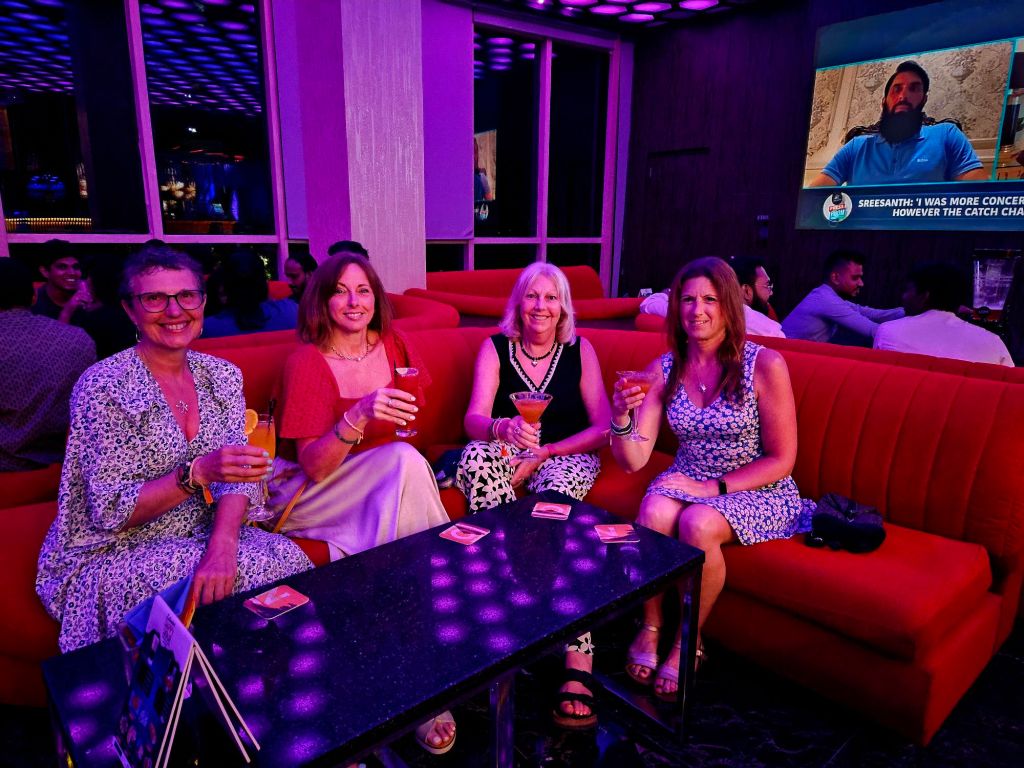
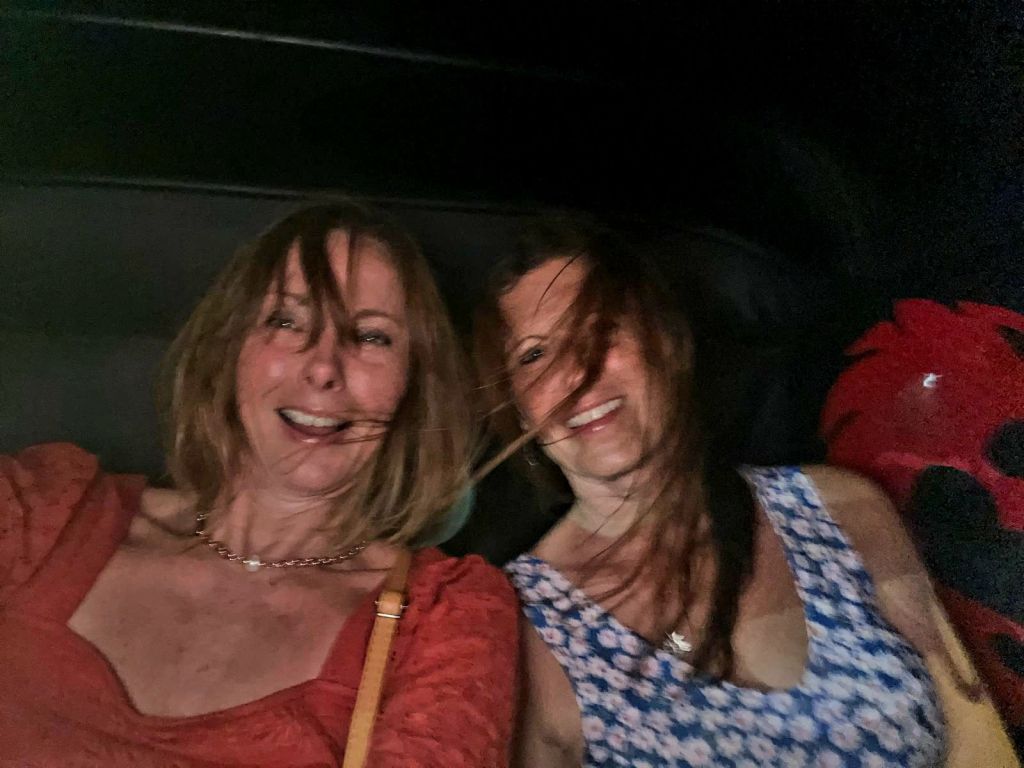
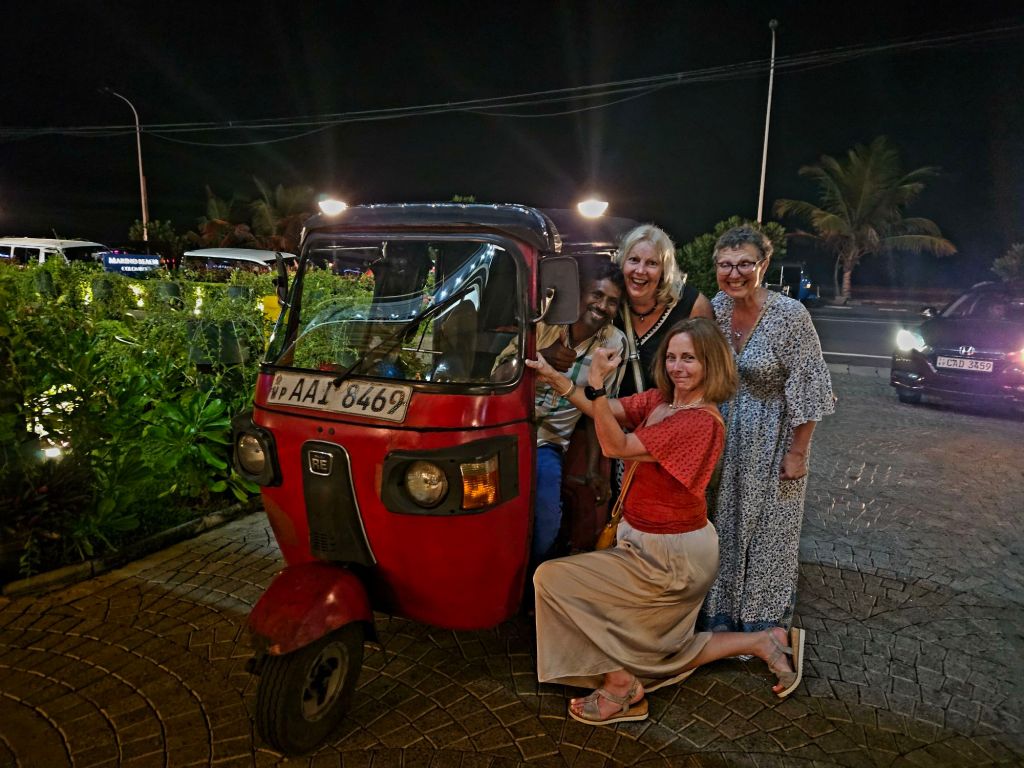
This wasn’t our favourite place, so we headed out to the Sky Lounge at the Kingsbury Hotel. On the way, we had a tuk tuk blow dry!
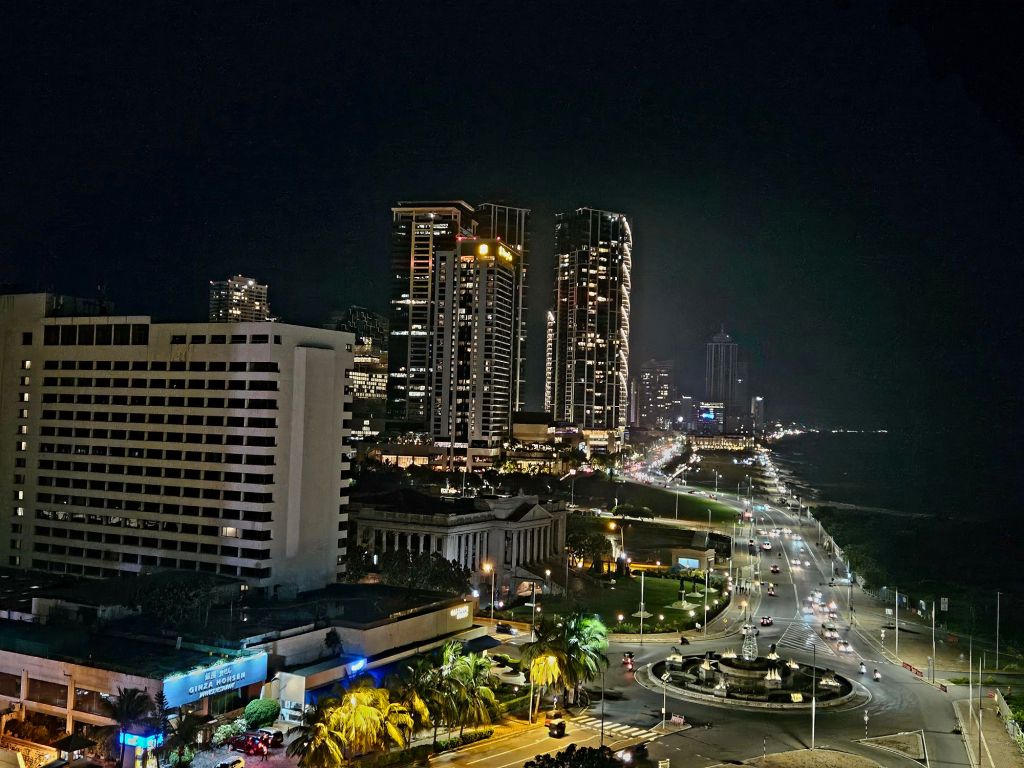
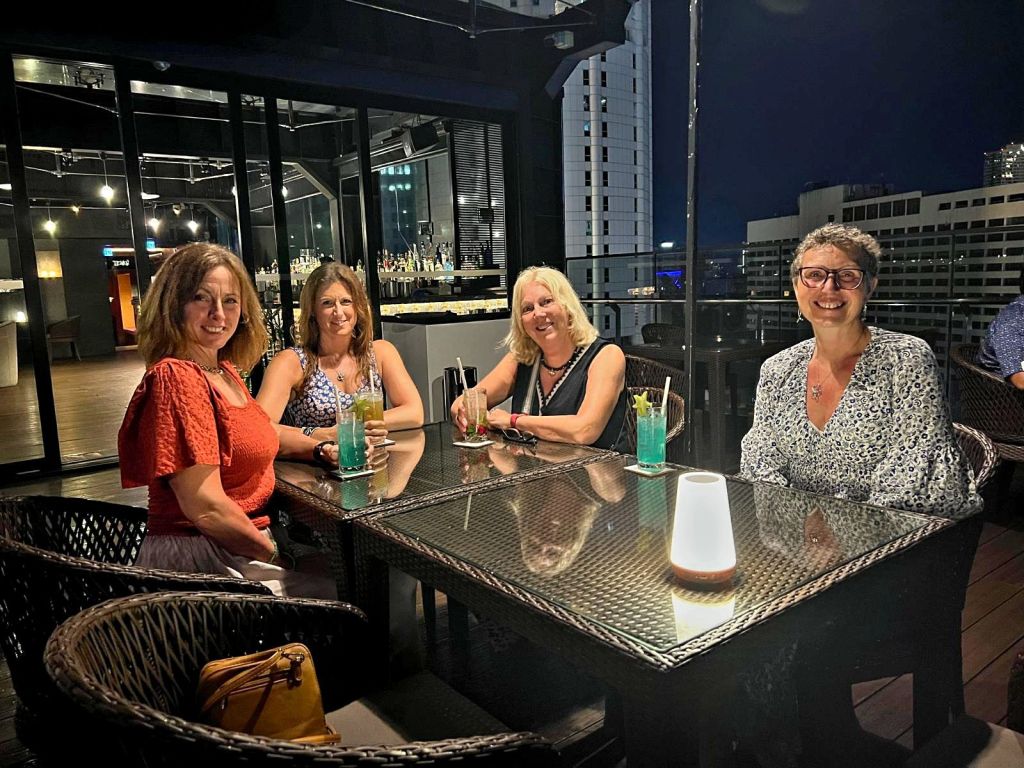
The views from the Sky Lounge were really good.
We had some tasty cocktails at the rooftop bar.
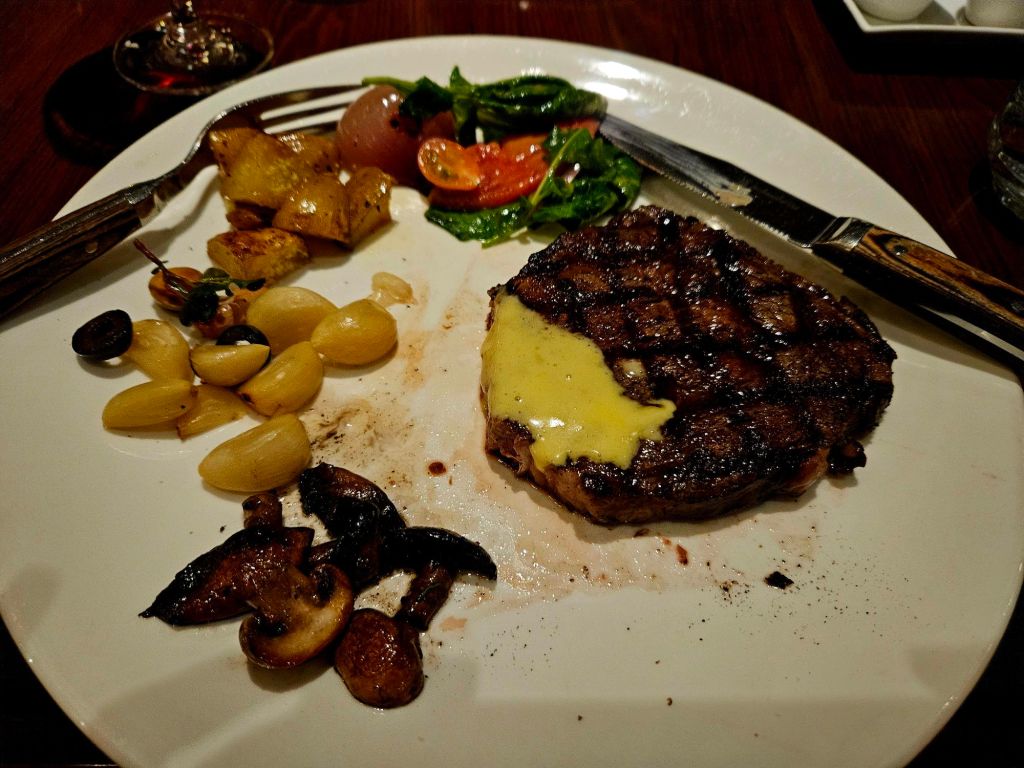
And then we went back down to the steak restaurant for dinner. Three of us ordered Wagyu rib eye steak. I’ve not had Wagyu steak before, but it was absolutely delicious and just melted in your mouth.
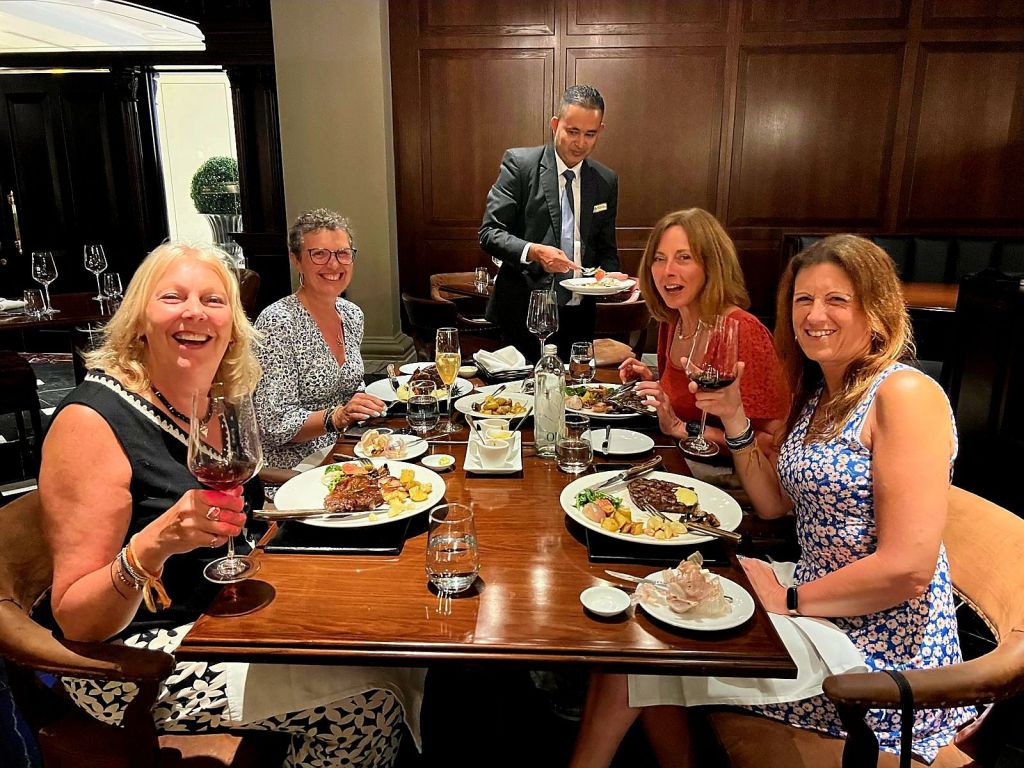
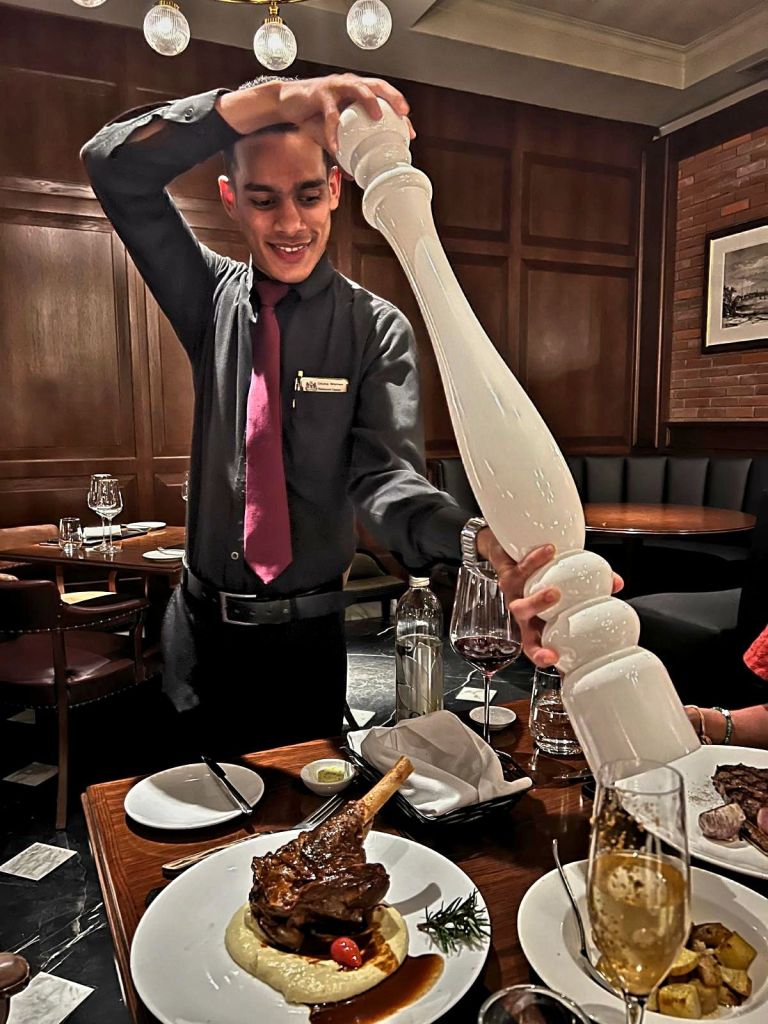
The waiter had a massive salt and pepper pot.
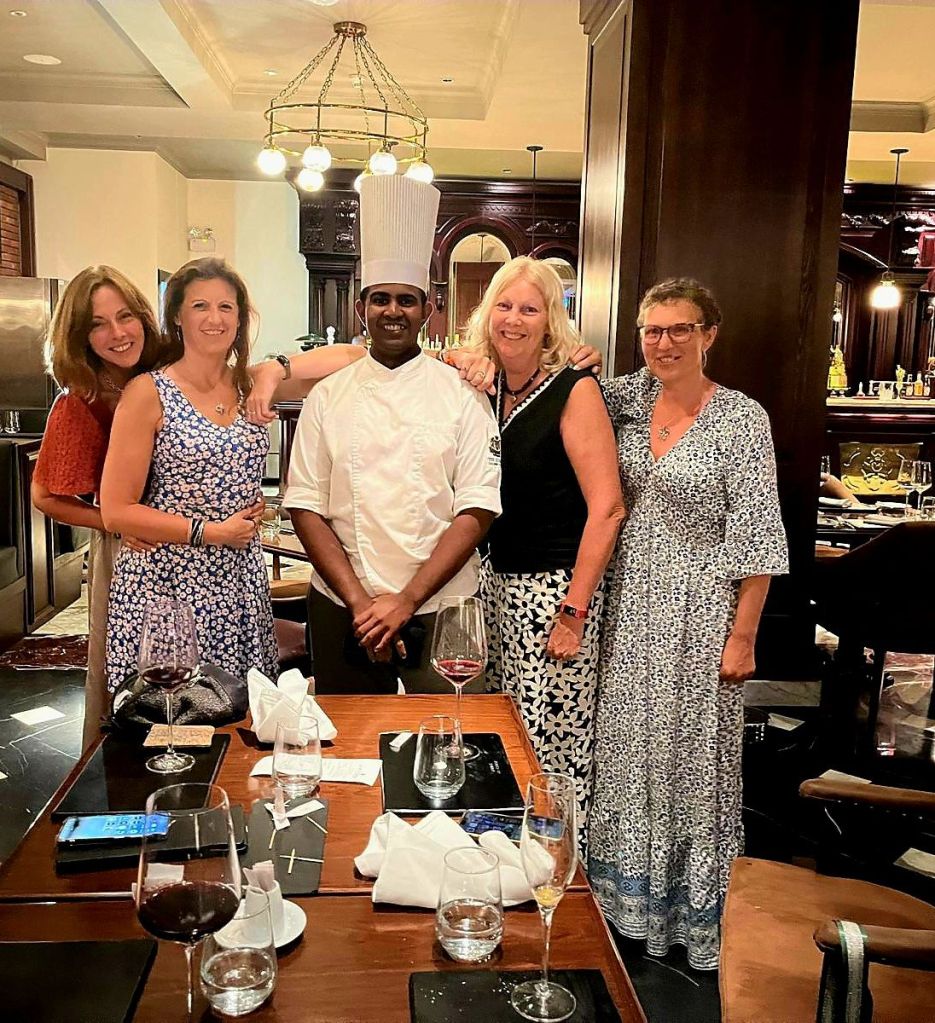
There was live music in the restaurant which was really nice to listen to, and at times sing along to. We had a really lovely meal accompanied by a couple of bottles of Malbec. At the end, we thanked the chef.
Then it was time to head home.
We managed to fit all four of us plus the driver in 1 tuk tuk, I’m not quite sure how.

But we made it home in one piece and headed to bed.
 Fun, Fitness and Fabulousness in your Fifties