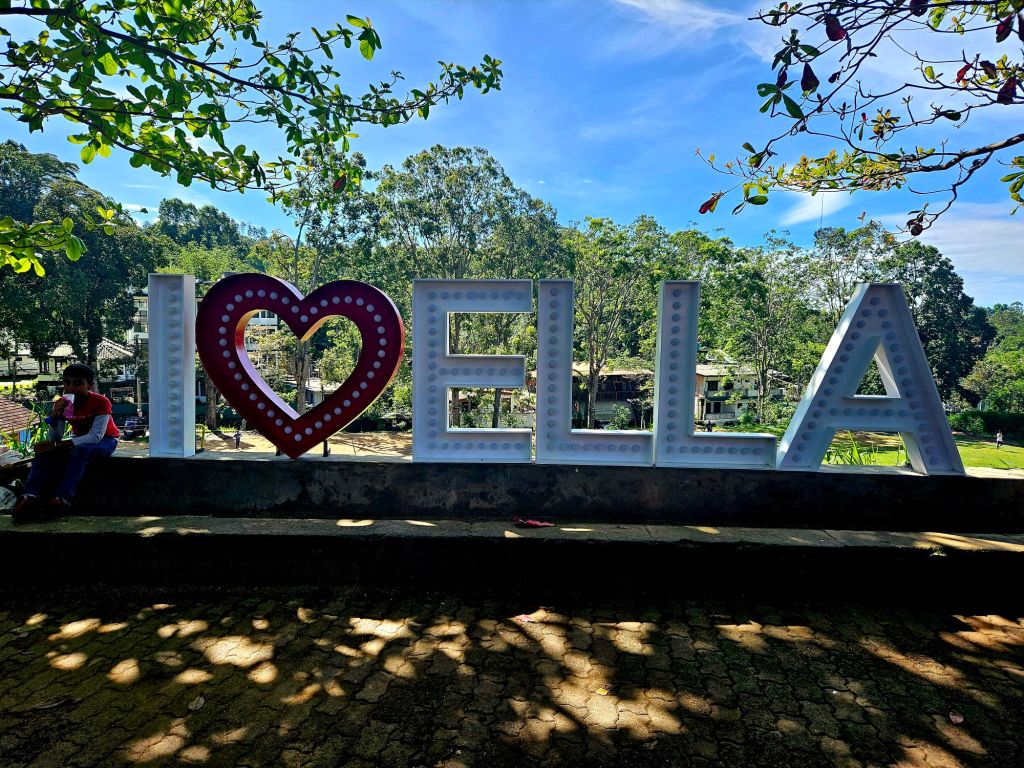
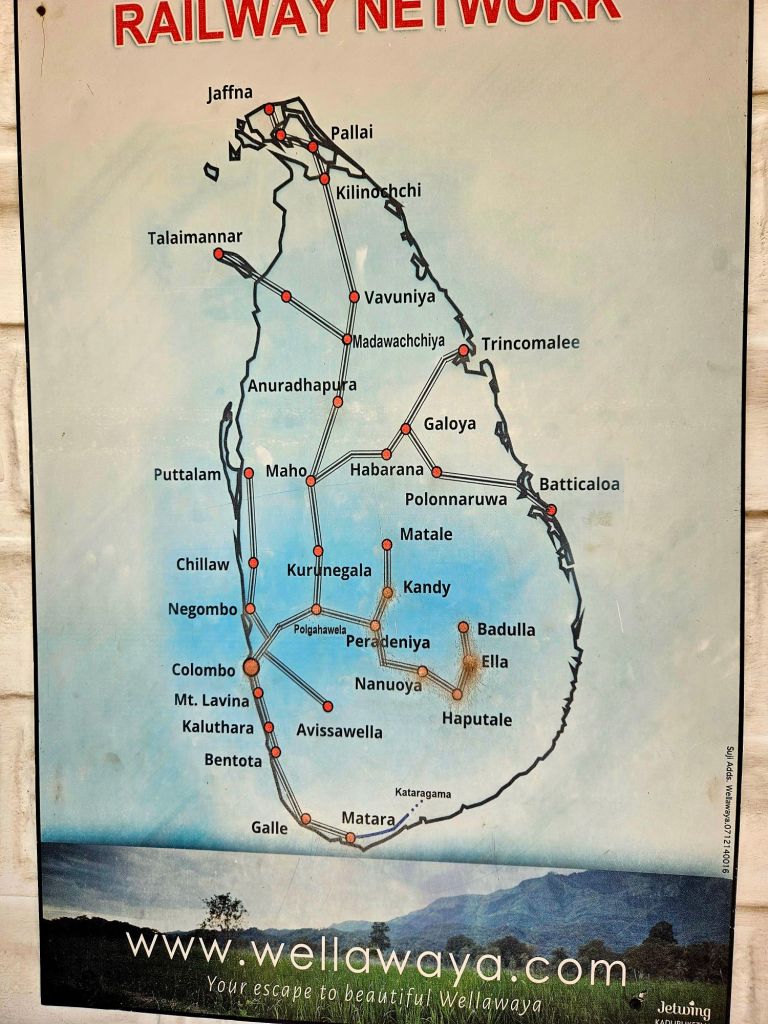
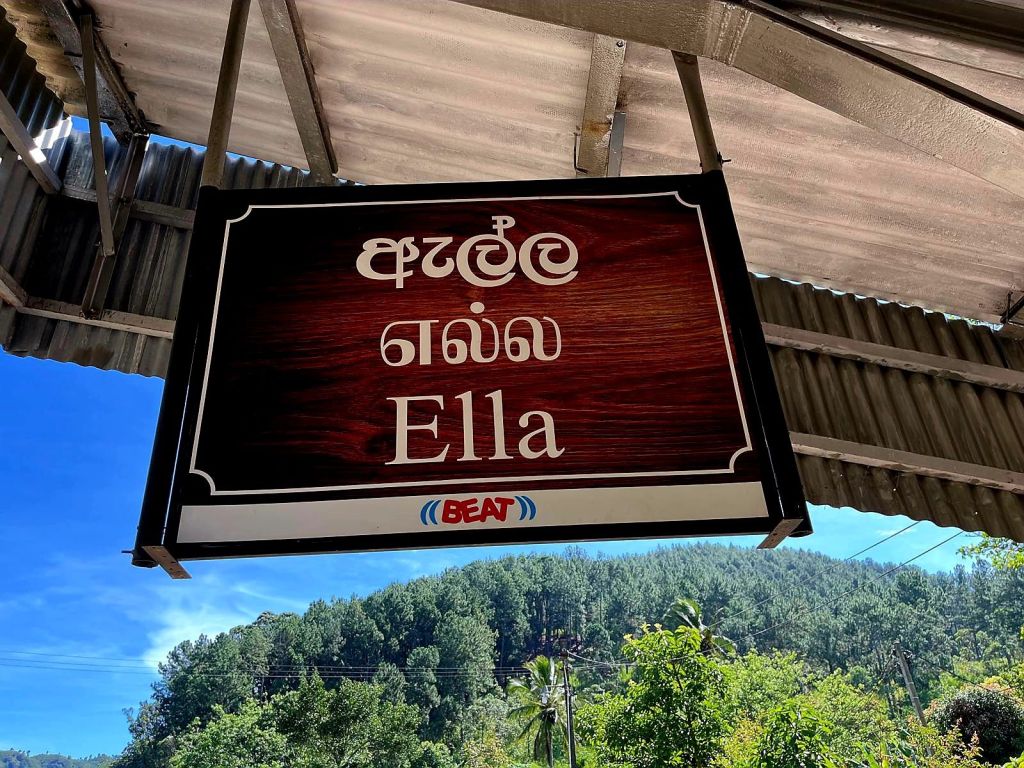
We had booked train tickets from Ella to Nanu Oya, so after breakfast, we got a lift to the station with the owner of the hotel.
The only tickets that had been available at the time of booking them were the first class tickets, which meant we had a lovely air-conditioned carriage.
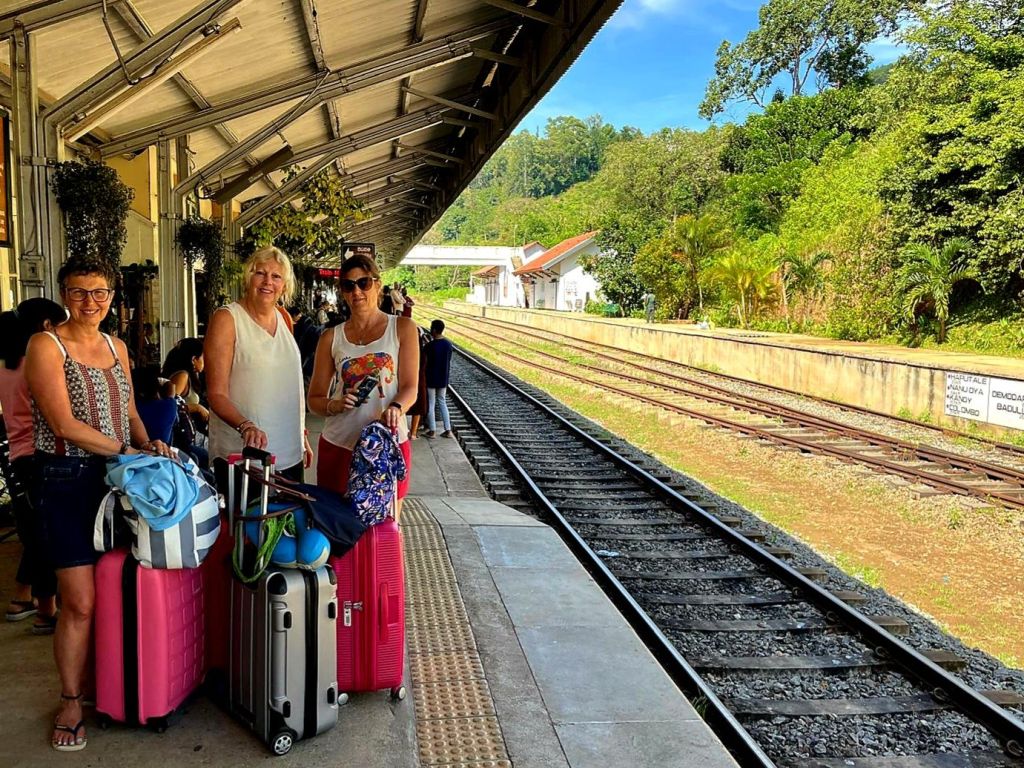
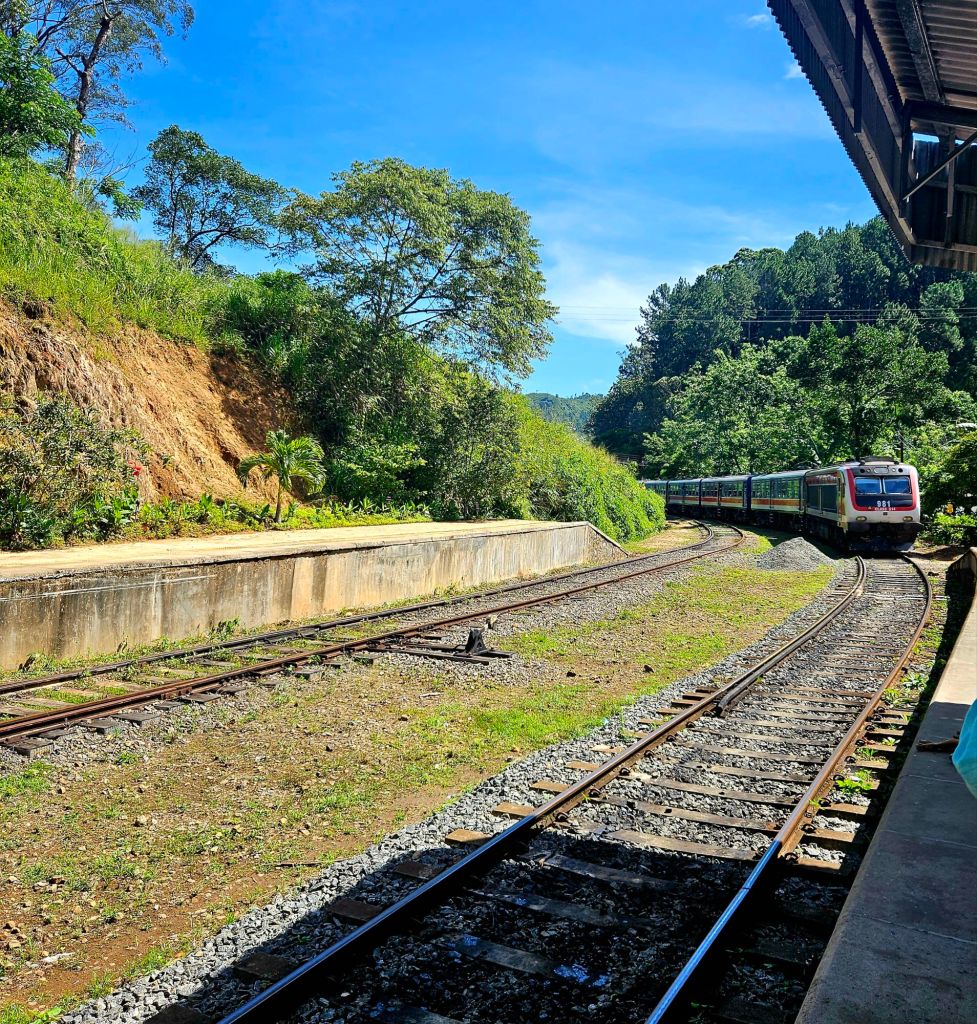
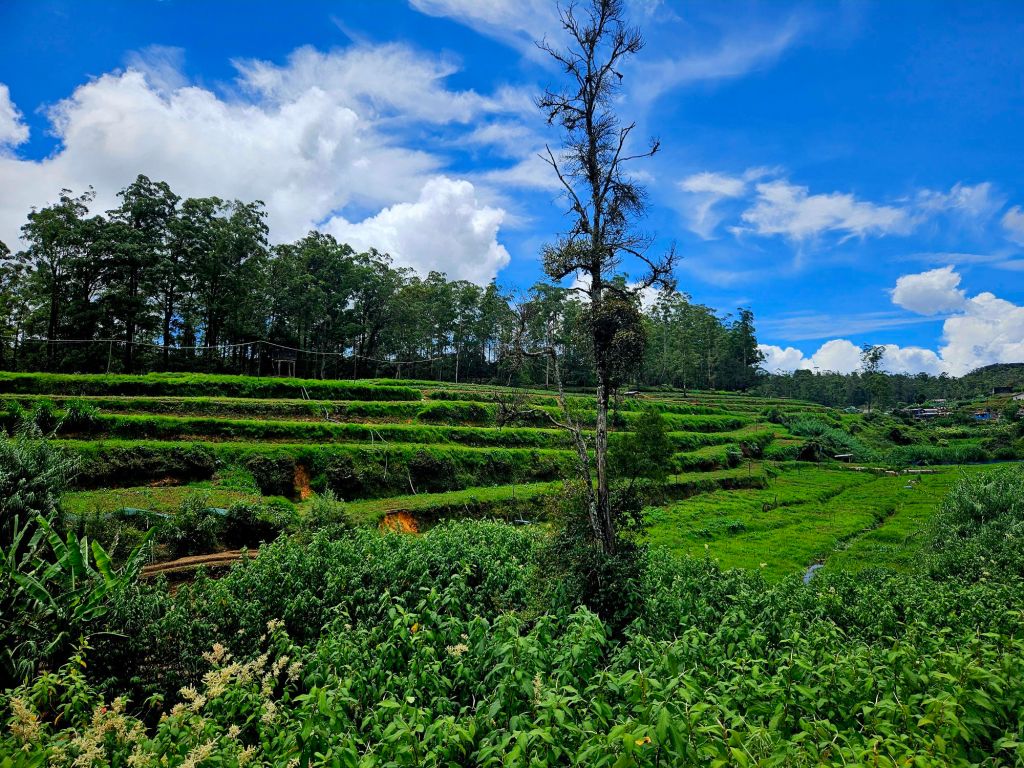
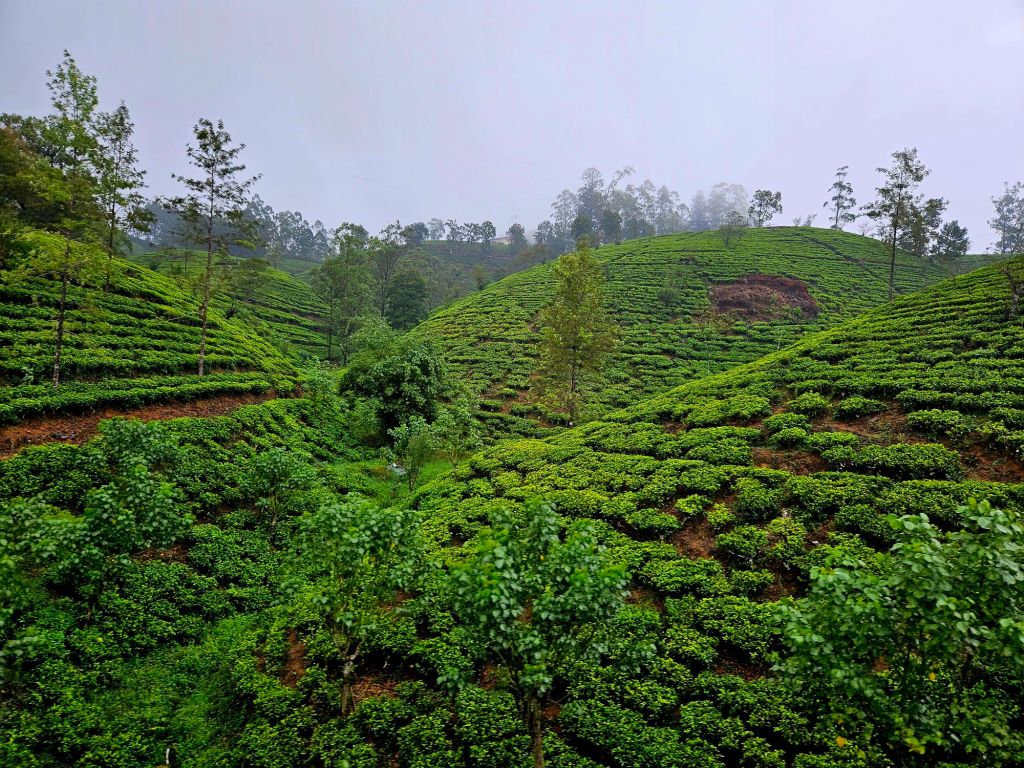
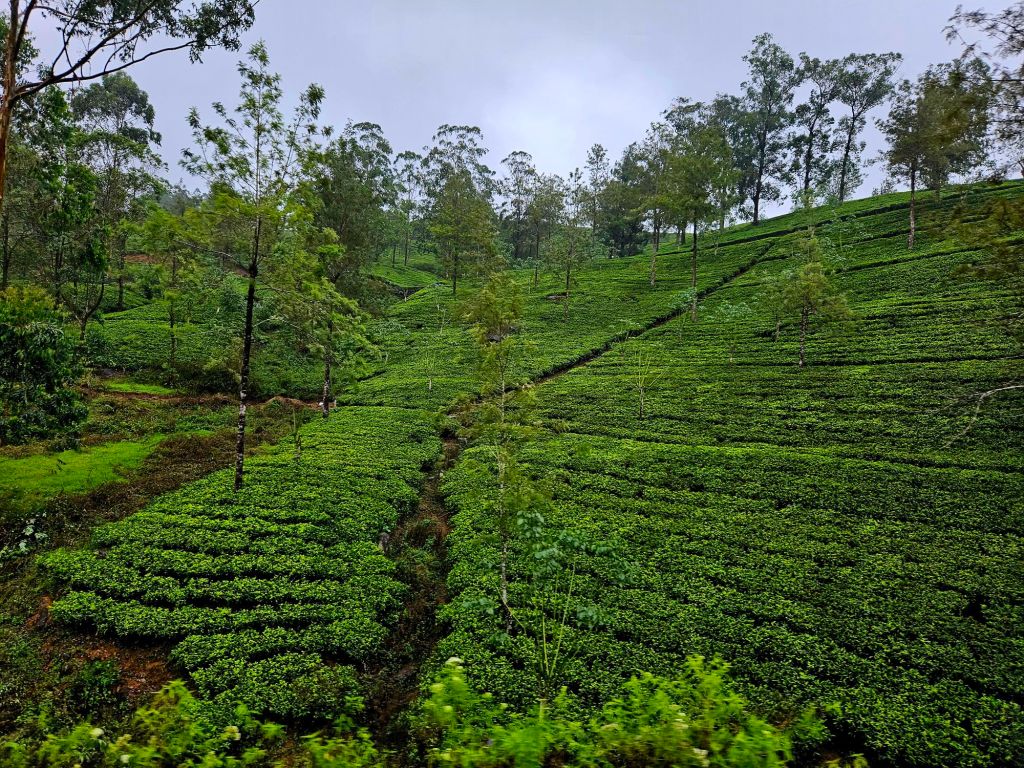
Once we had dumped our cases in the luggage stand and found our seats, we settled down for the journey. The views out of the windows were amazing – of tea plantations, mountains, and small villages. Everything was really green.
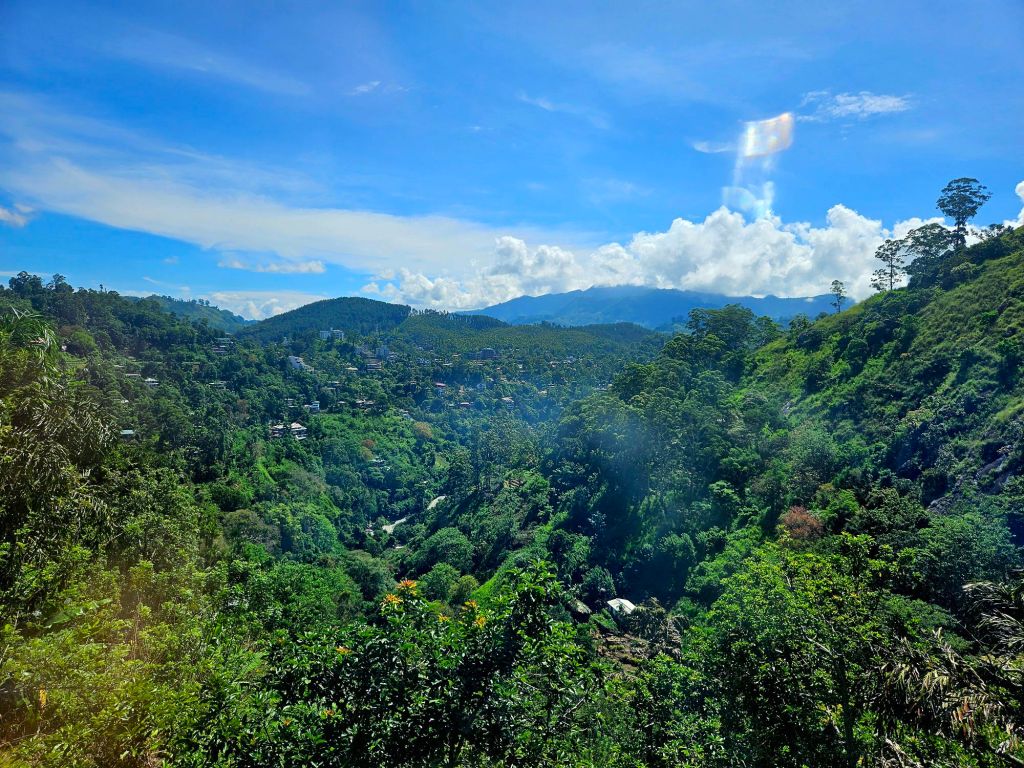
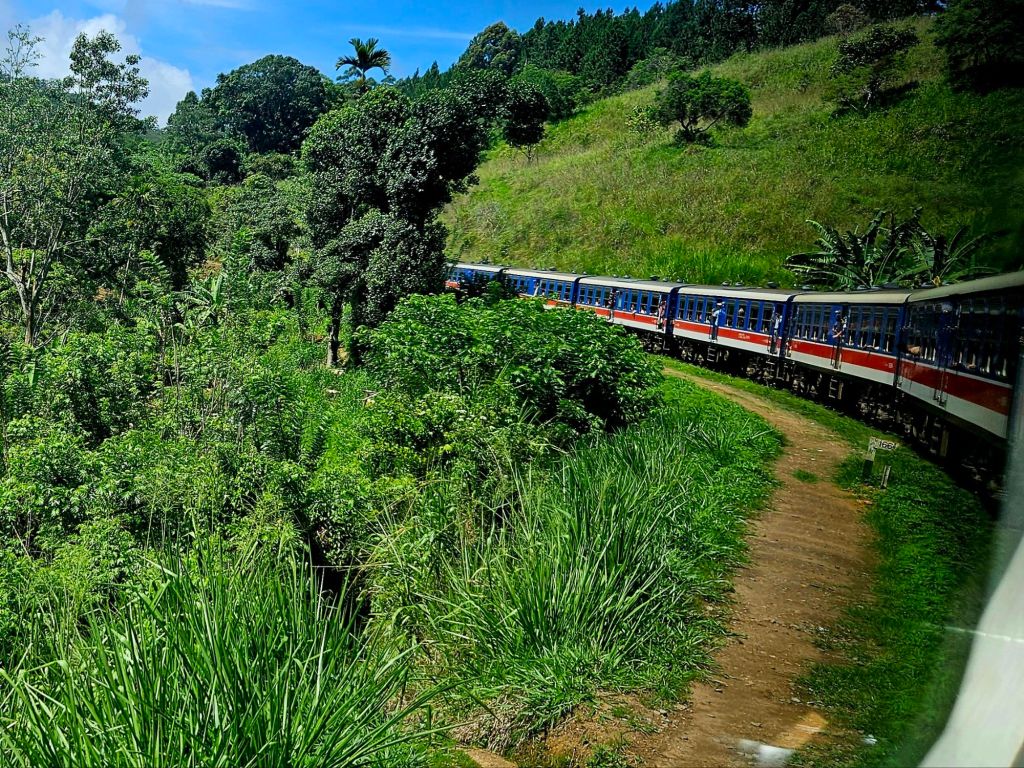
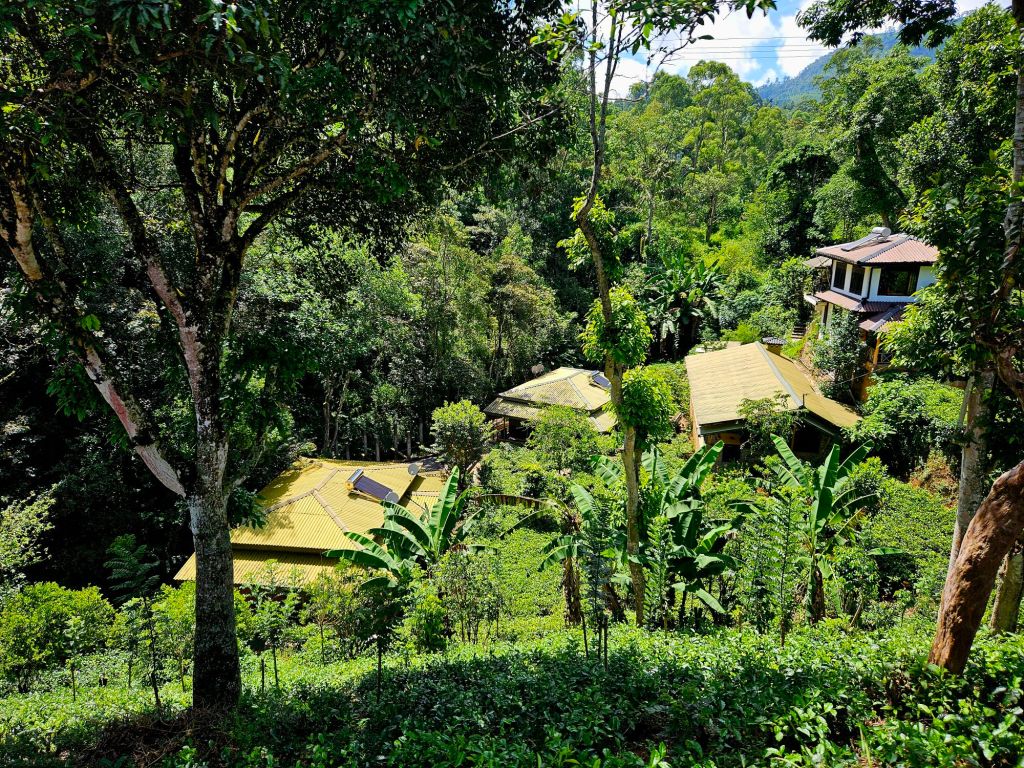
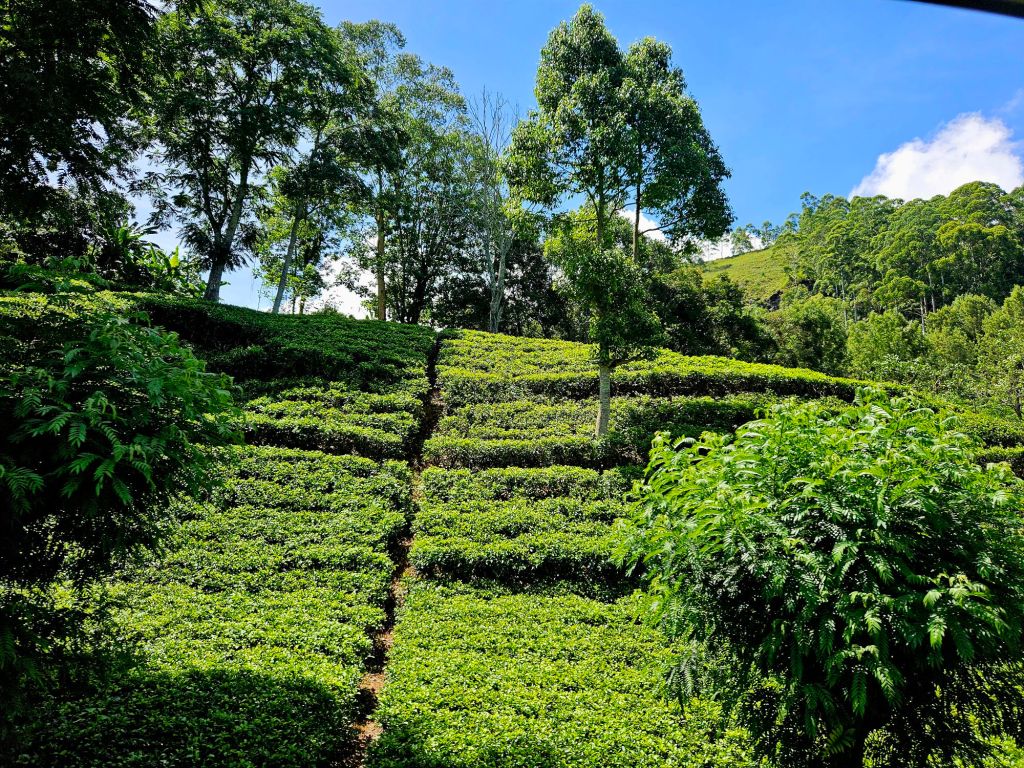
We also soon realised that the doors at the end of the carriage were wide open so you could hang out of the door and get a much better view. Luckily, the train doesn’t go very fast. Although you had to be careful and keep an eye out for what was coming the other way. And it did say ot wad unsafe.
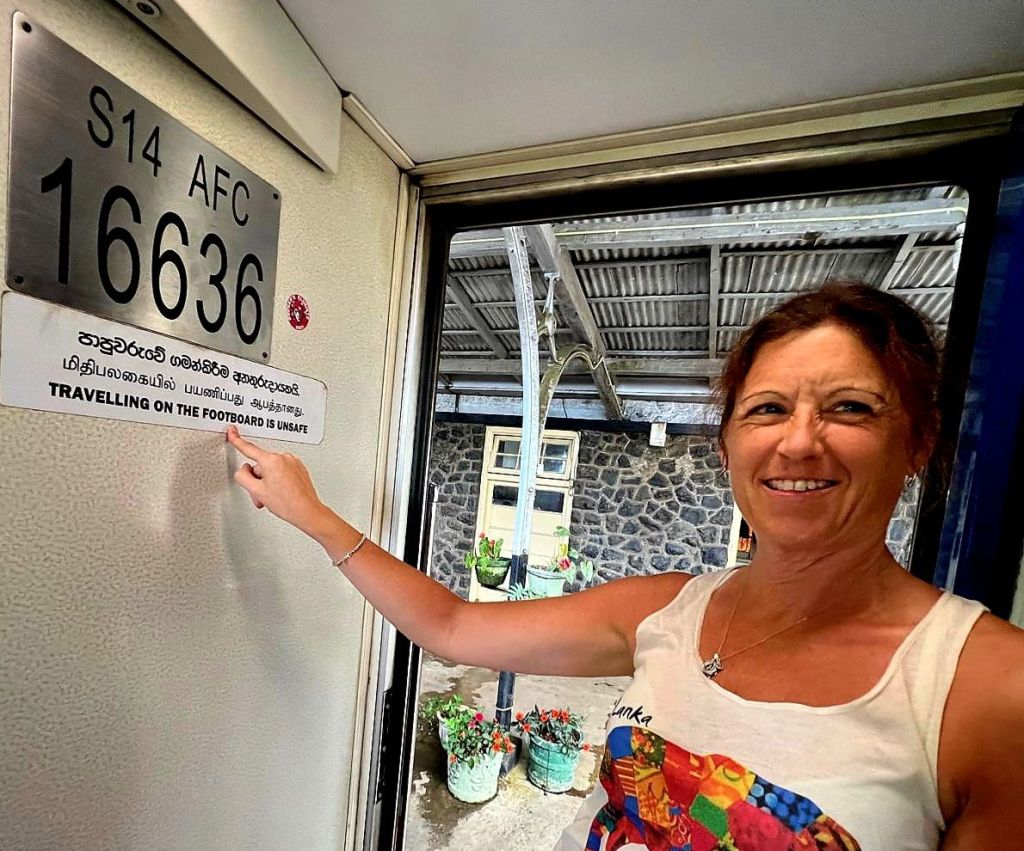
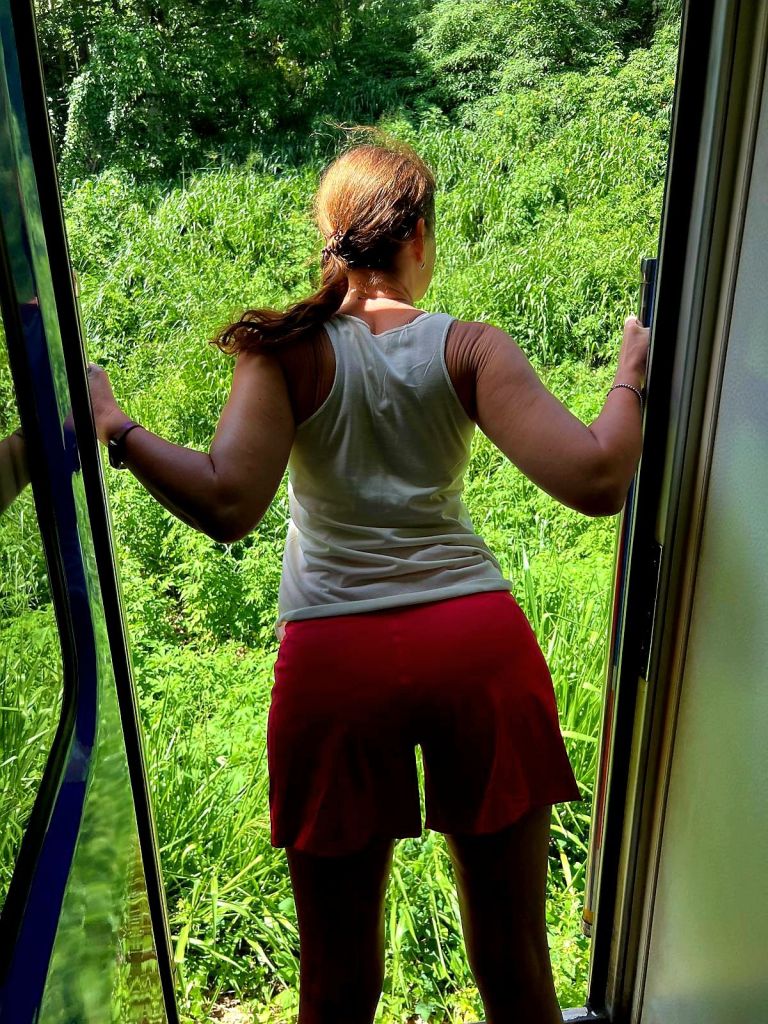
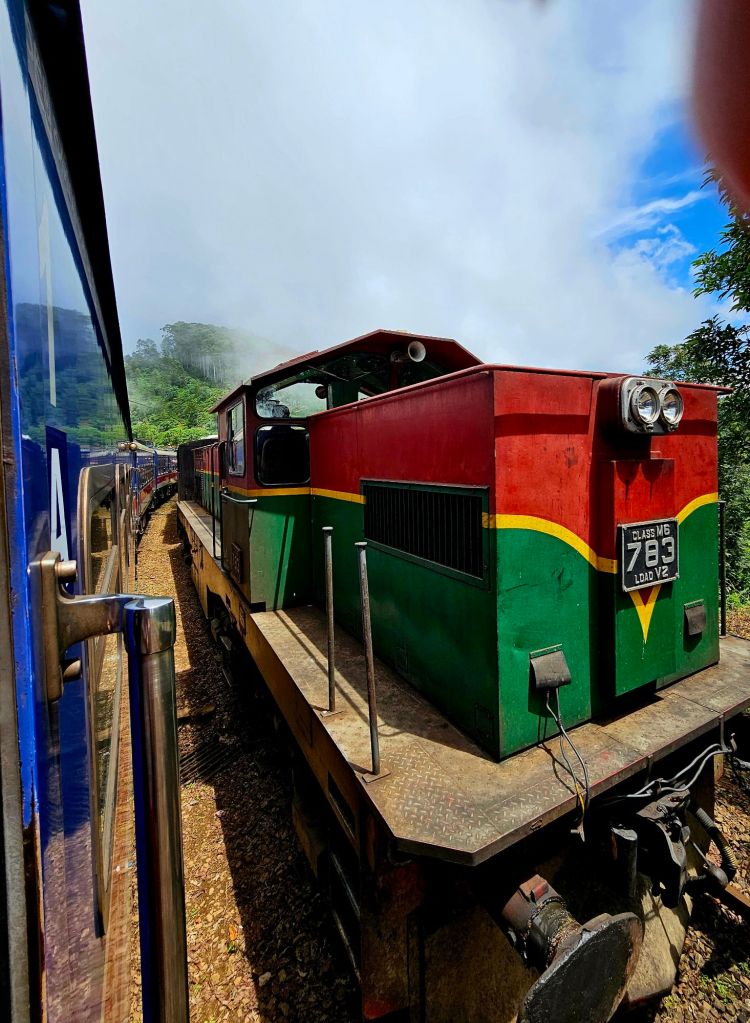
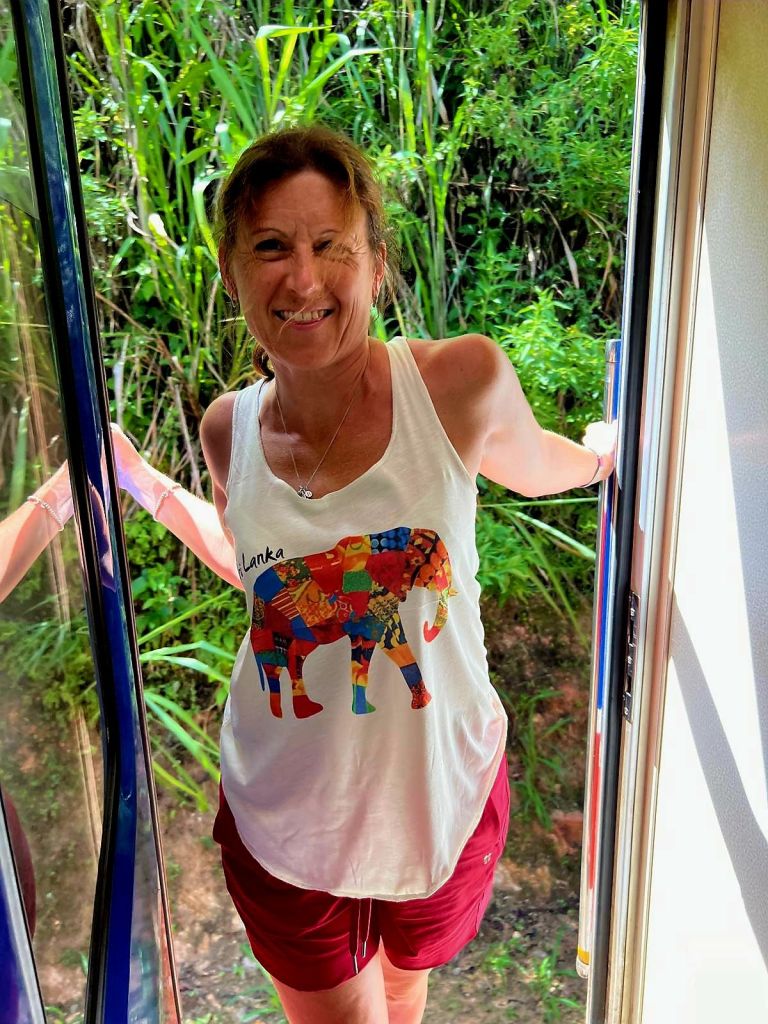
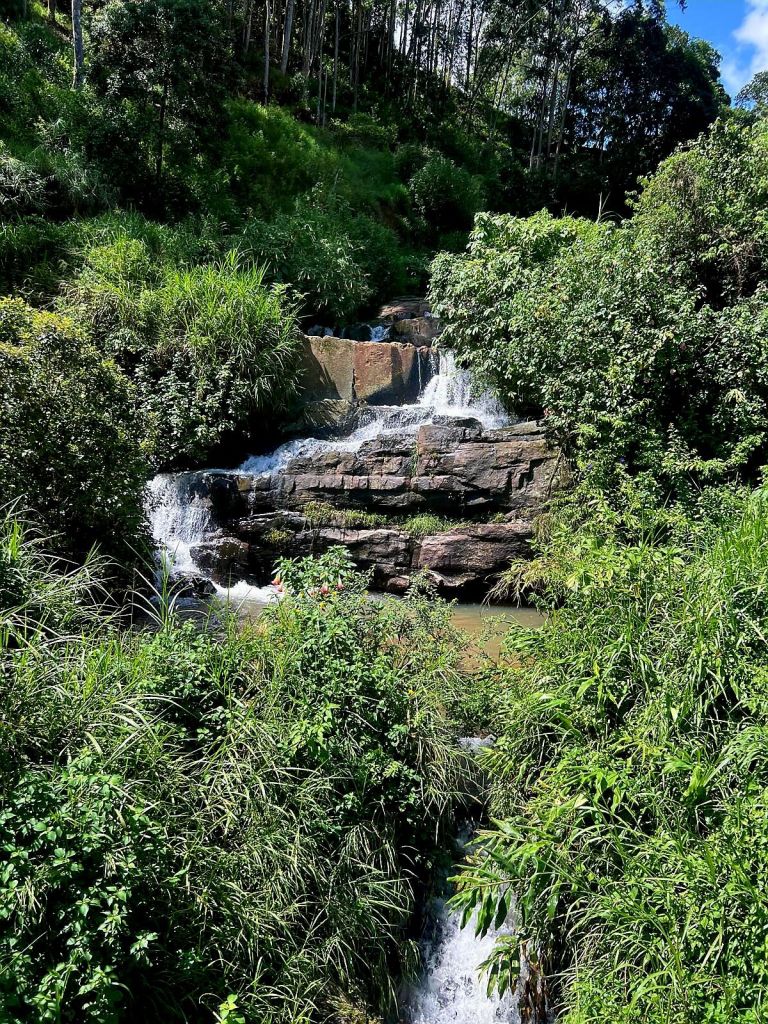
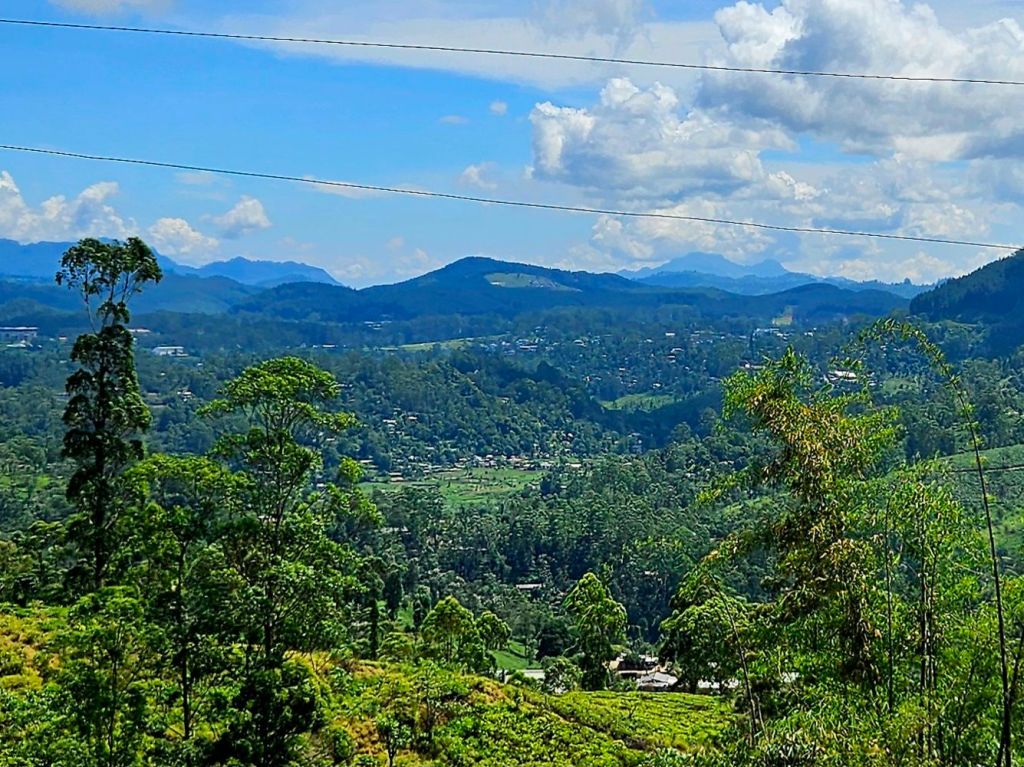
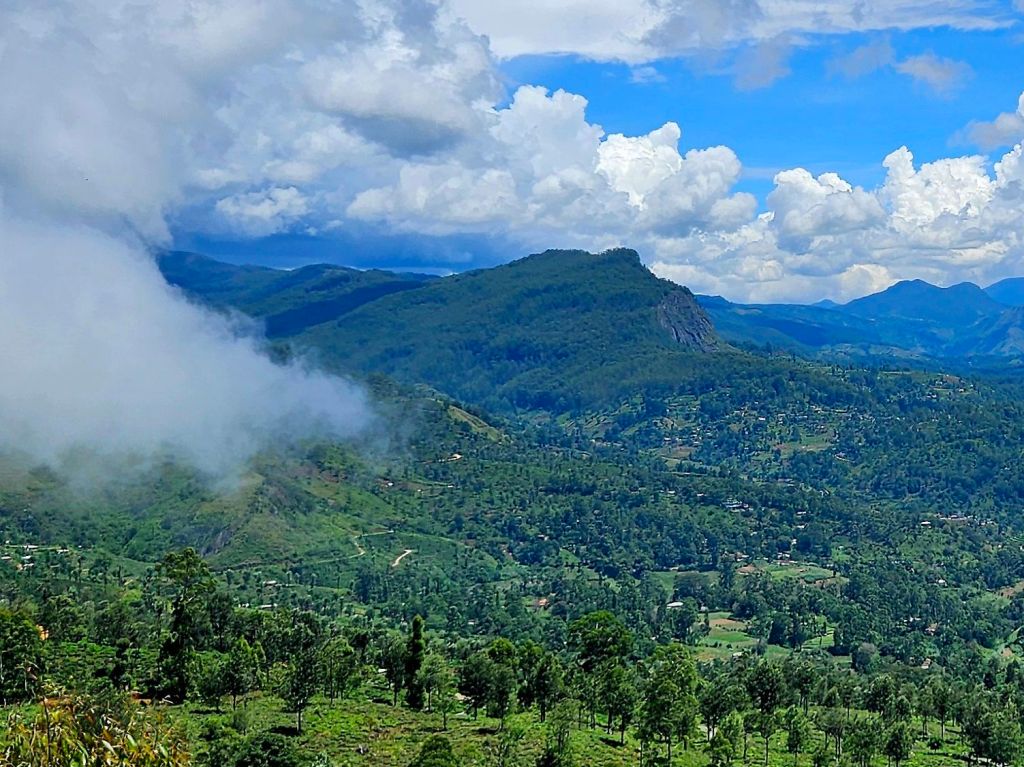
The views were always changing, of mountains, waterfalls, woodland, small villages, tea plantations etc.
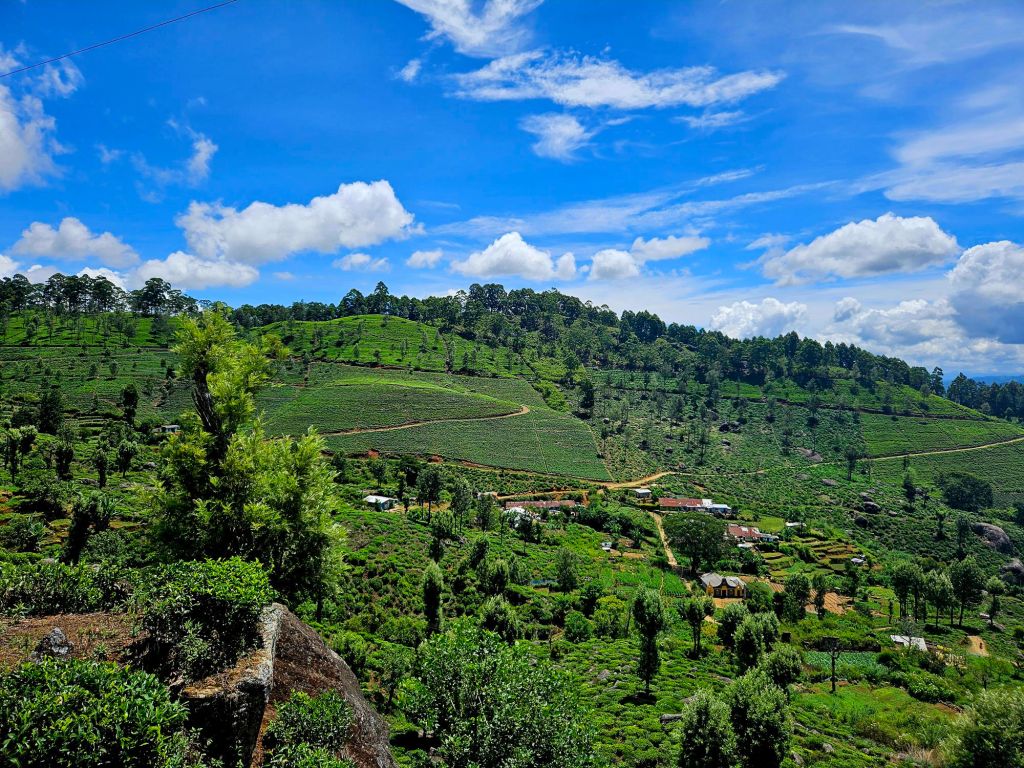
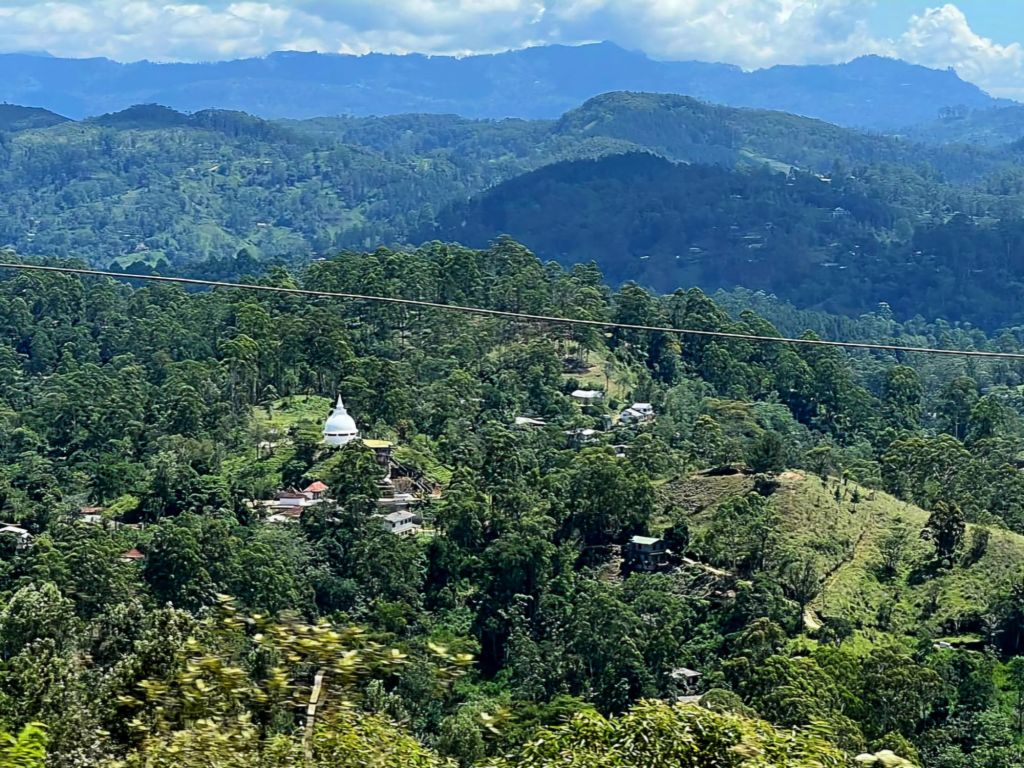
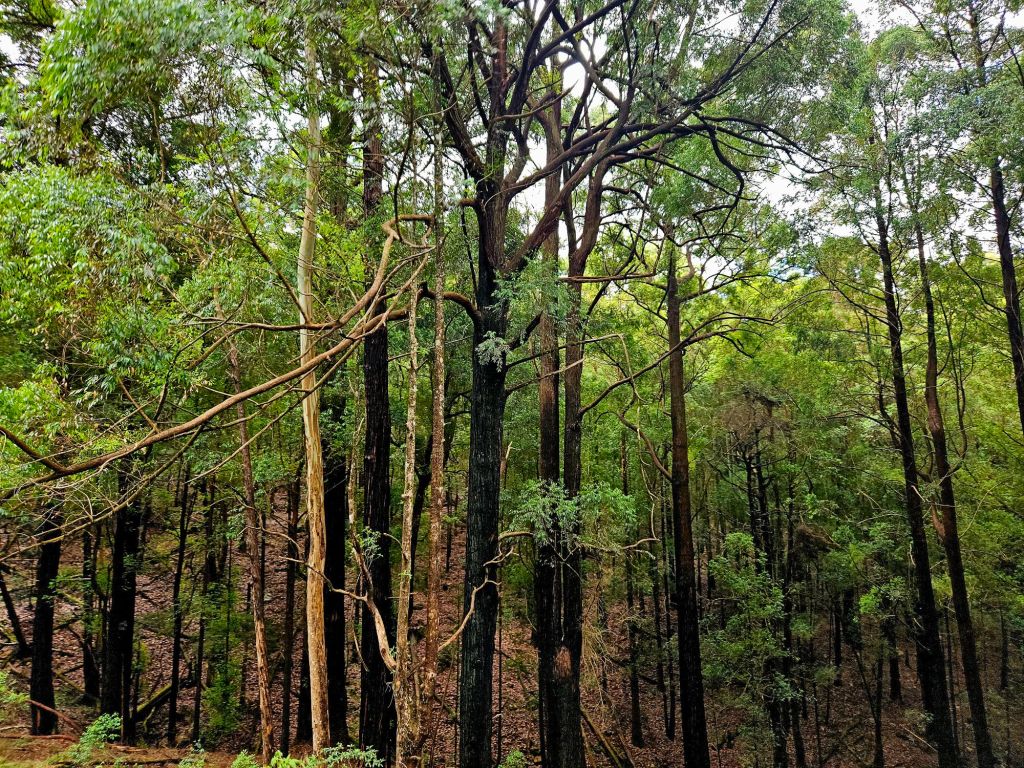
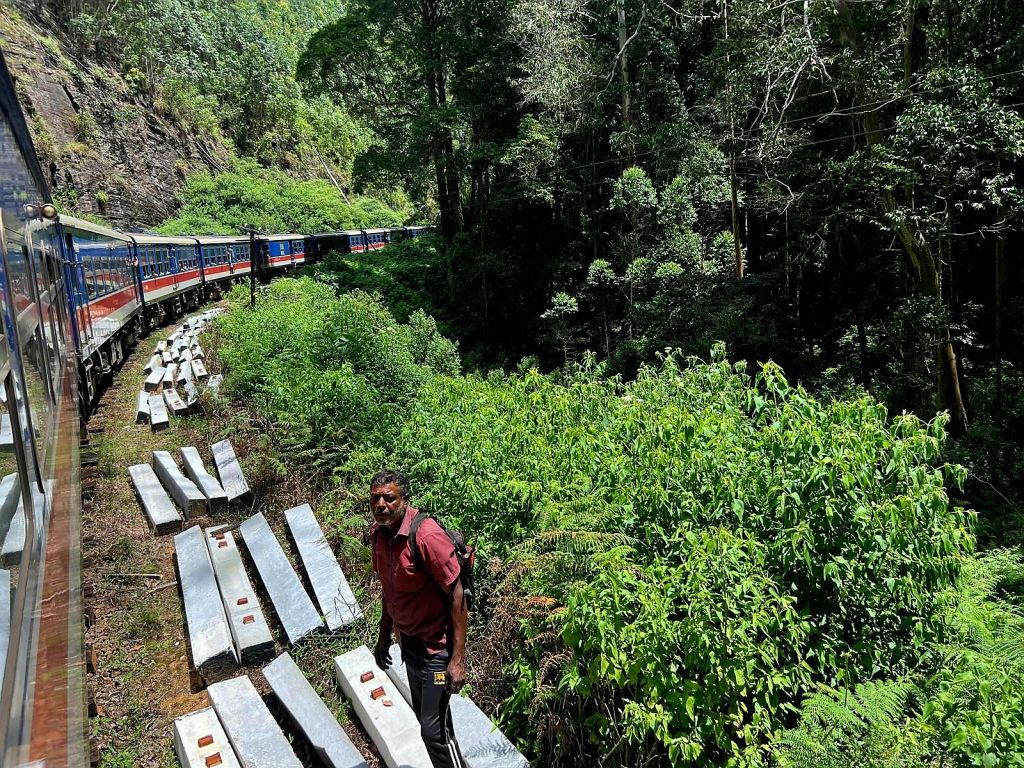
When the train stopped at a station, vendors would board the train to sell you their wares. It was mainly different types of food. Sometimes, they would sell their products through the windows.
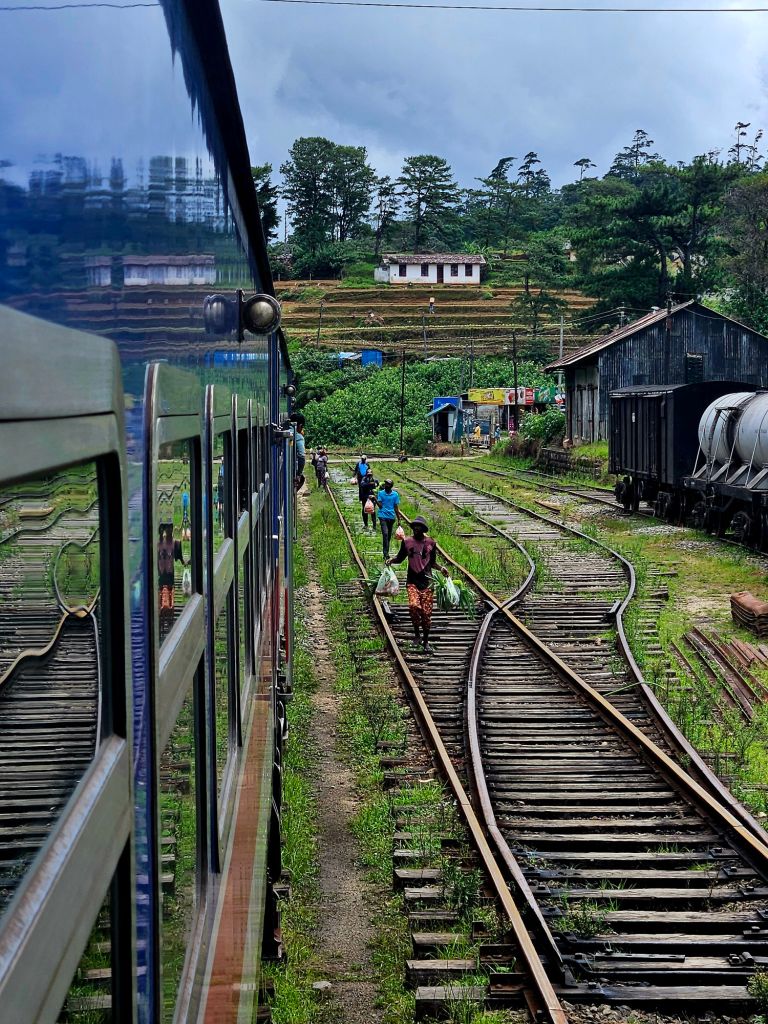
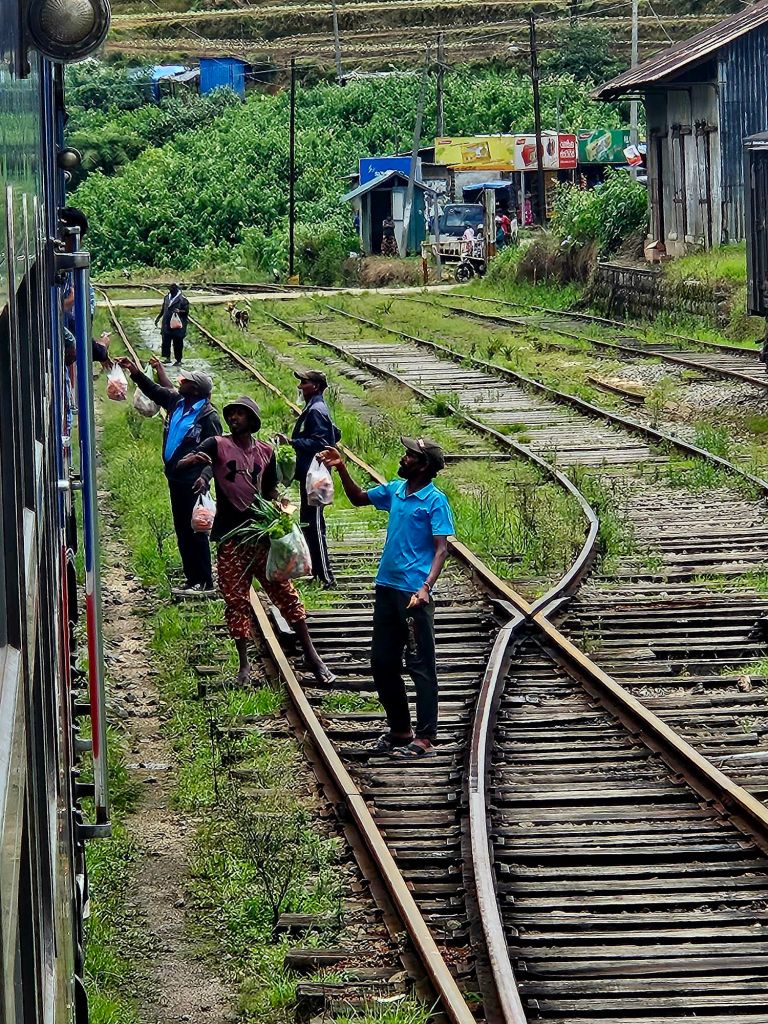
Around three quarters of the journey in, it started to rain, so I didn’t take quite as many pictures.
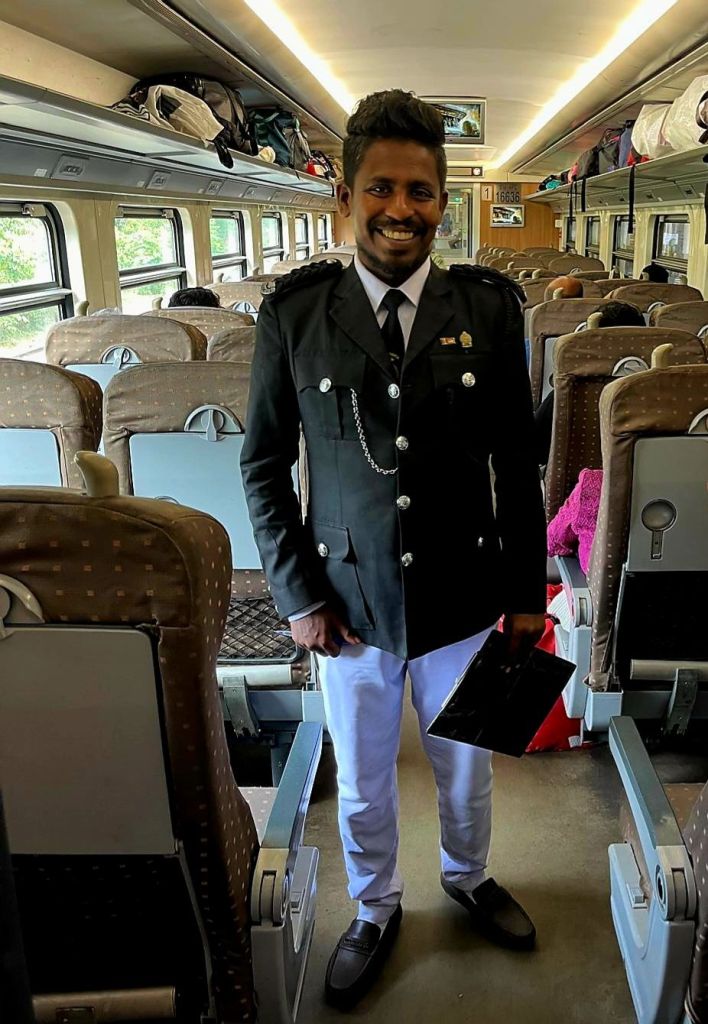
We had a lovely train guard in our carriage.
Over the course of the 65km journey, we climb around 800m before arriving in Nanu Oya.
I was still at the door taking photos as I didn’t realise it was our stop, but luckily, the others did, and we got off on time. Unfortunately, in the chaos, Karen left her water bottle behind.
A kind man helped us get the cases off the train, but he had an ulterior motive as he was a driver. We were heading to Nallathanniya, which was around a 2 hour drive away. He offered us a price, which we accepted. The car was only just big enough as it was a struggle to get all our cases in the boot.
Shortly into our car journey, we came across the Somerset Estate, a tea plantation that was established in 1880. This whole area of Sri Lanka is well known for its tea plantations and this particular estate covers 460 hectares and processes upwards of 40,000 kilograms of grain leaf each year.

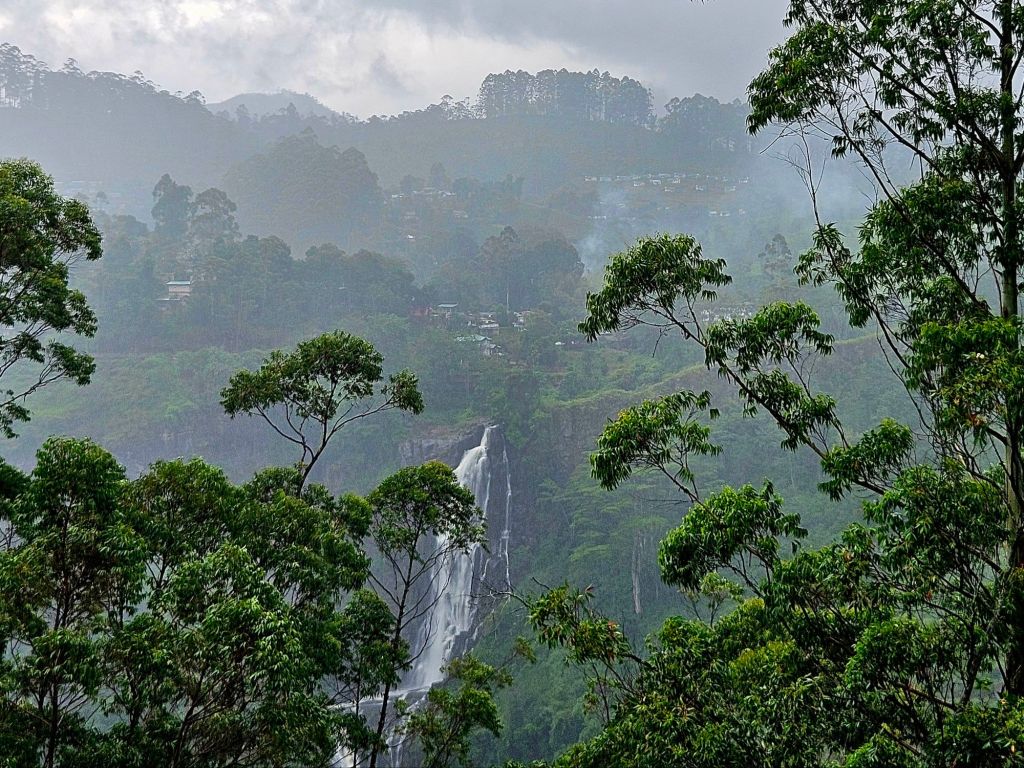
The driver then stopped to let us take a picture of the Devon Waterfalls. The waterfall is named after a pioneer English coffee planter called Devon, whose plantation was situated nearby and is also known as ‘Viel of the valley’. It is the 19th highest waterfall in Sri Lanka.
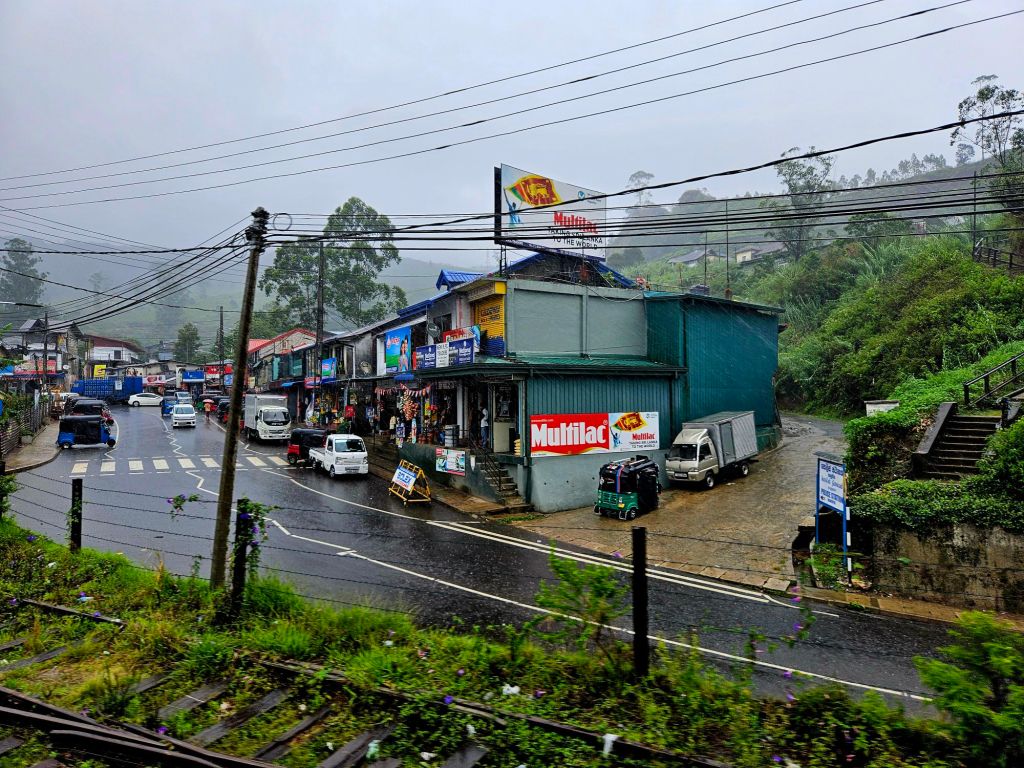
We continued on our journey and drove into Hatton, a town that is a major part of the Srilankan tea industry. On the day we passed through, there was a Hindu festival being celebrated – shukla pasha shashthi festival. Shukla Paksha means the period of the waxing moon. During this time, the Moon’s illumination increases as it moves away from the position of the New Moon. This phase symbolizes growth, expansion, and positive energy. It is considered an auspicious time for new beginnings, initiating projects, and manifesting intentions. It is a day of great blessings for Hindus belonging to the Tamil community. The town was very busy and very colourful.
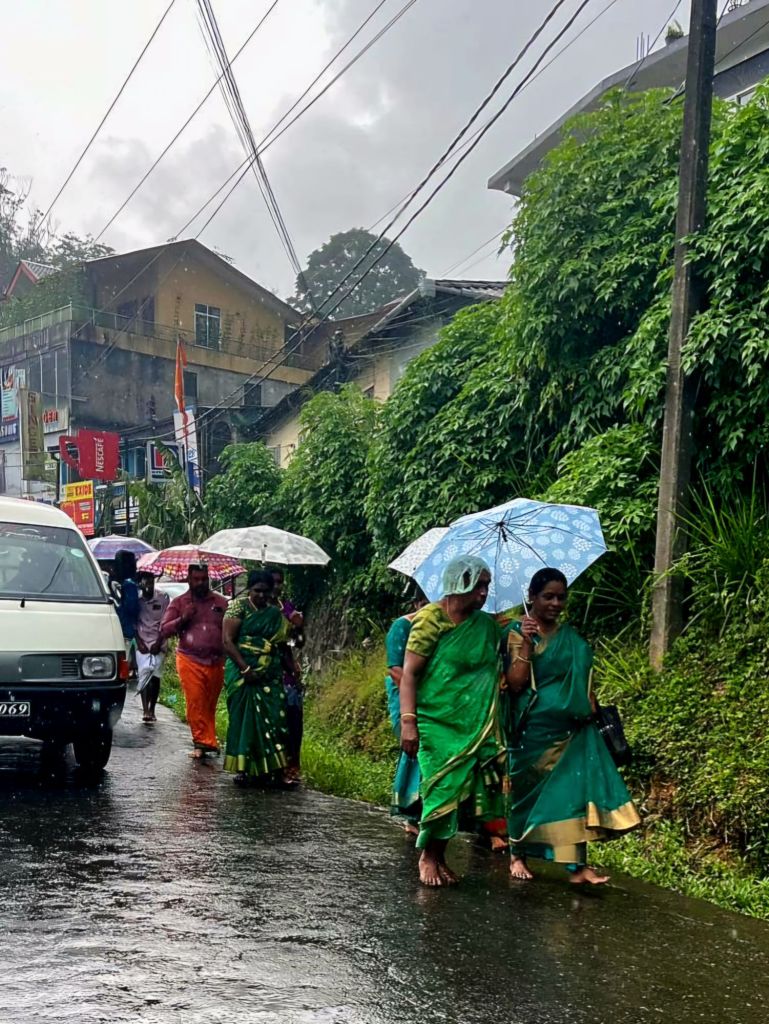
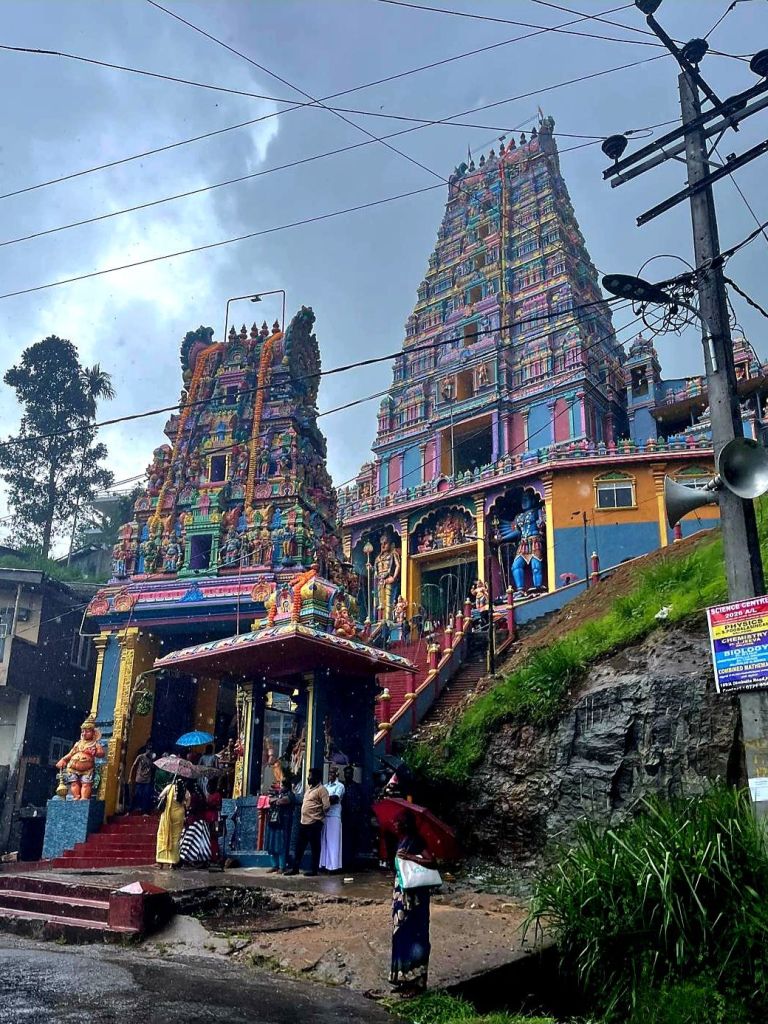
As we drove on, we came across another large tea estate, the Norwood Estate. This was the first tea estate in Sri Lanka. It was started in 1867 by a Scotsman called James Taylor. Sri Lanka is the fourth largest producer of tea globally. It has mainly prospered because of the ideal climate conditions but was also successful due to the coffee blight and the emergence of the Industrial Revolution in Great Britain, which enabled locomotives to operate in the tea regions.
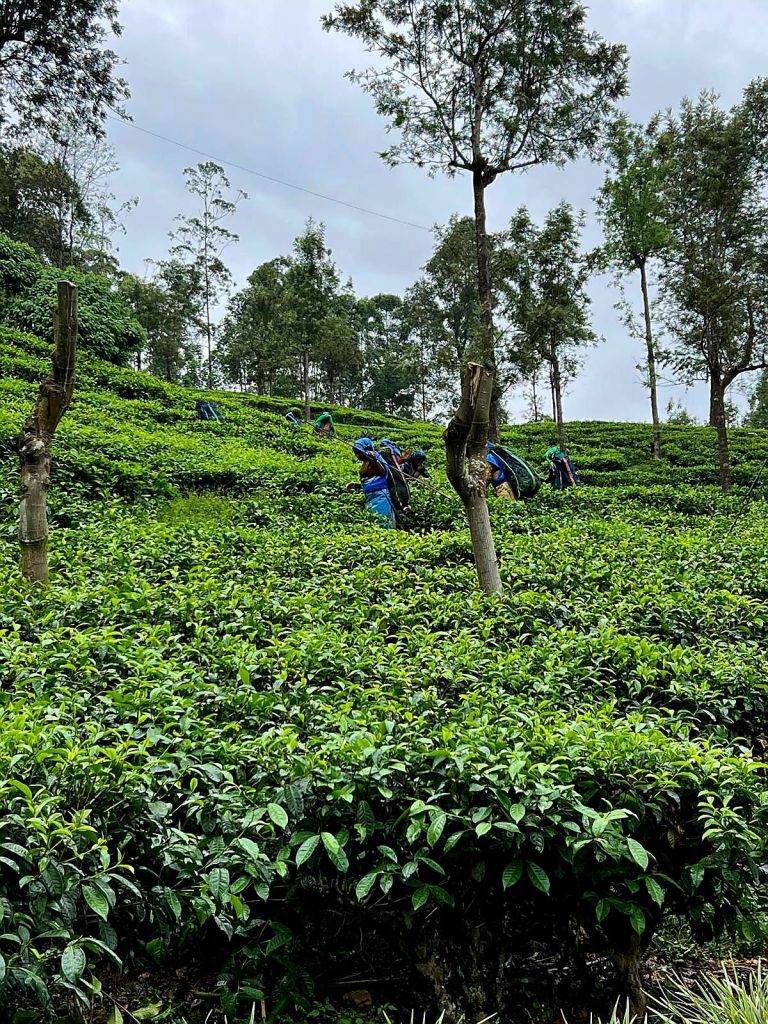
We stopped to take some pictures of the women picking the tea leaves. Whilst the tea plantations are tended by men, it is the women who undertake the daily task of picking the tender leaves.
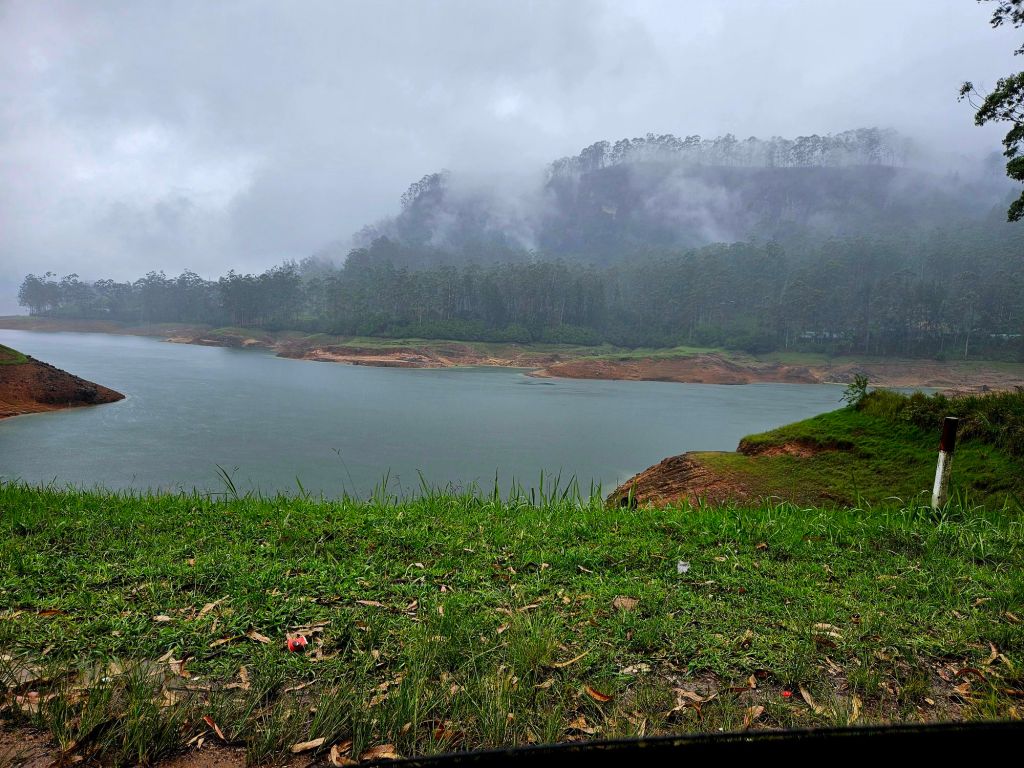
We carried on past the Maskeliya Reservoir. During the rainy season, which was just beginning, the water gets right to the top of the banks.
And our last viewing spot was of the Mohine waterfalls. This is quite a small waterfall just close to the reservoir. It is about 30m high, and the water flows under the road and into the reservoir. The locals believe there is a female devil inhabiting the surrounding area. This female devil is referred as Mohini.
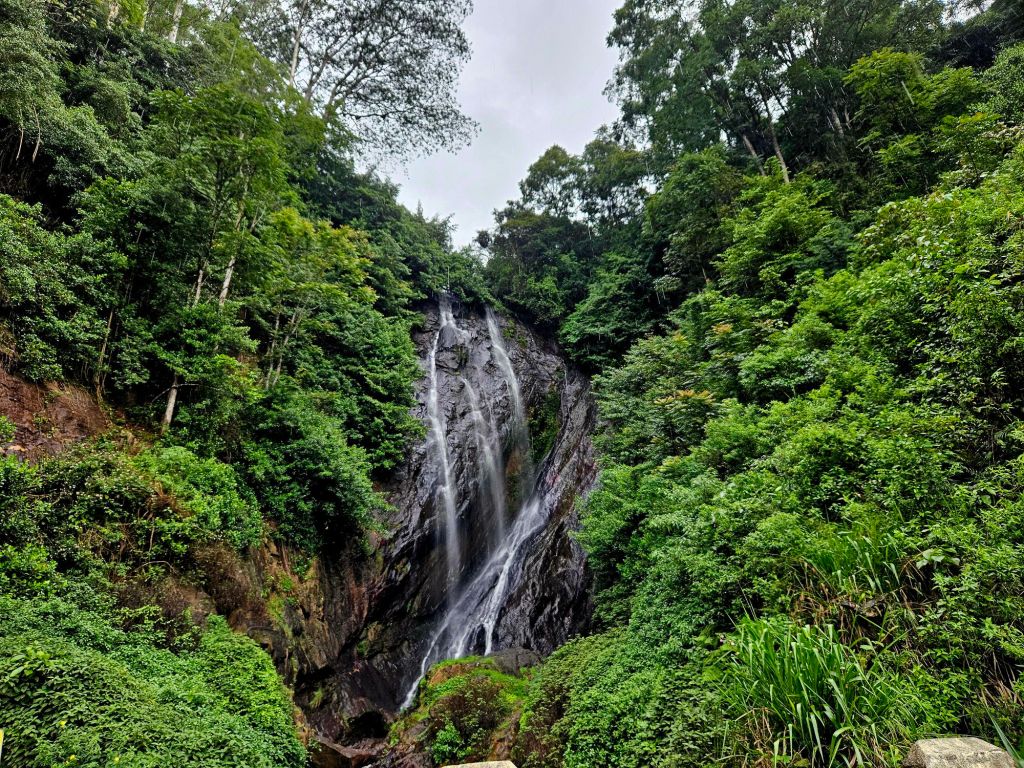
Just after the waterfall, we arrived in Nallathanniya. The car we were in was not allowed to cross the small bridge in the village – and we needed to get across to get to our accommodation. So our driver rang the hotel and they sent a couple of tuk tuks to pick us up from the main parking area. We managed to fit two passengers and two cases into the tuk tuk.
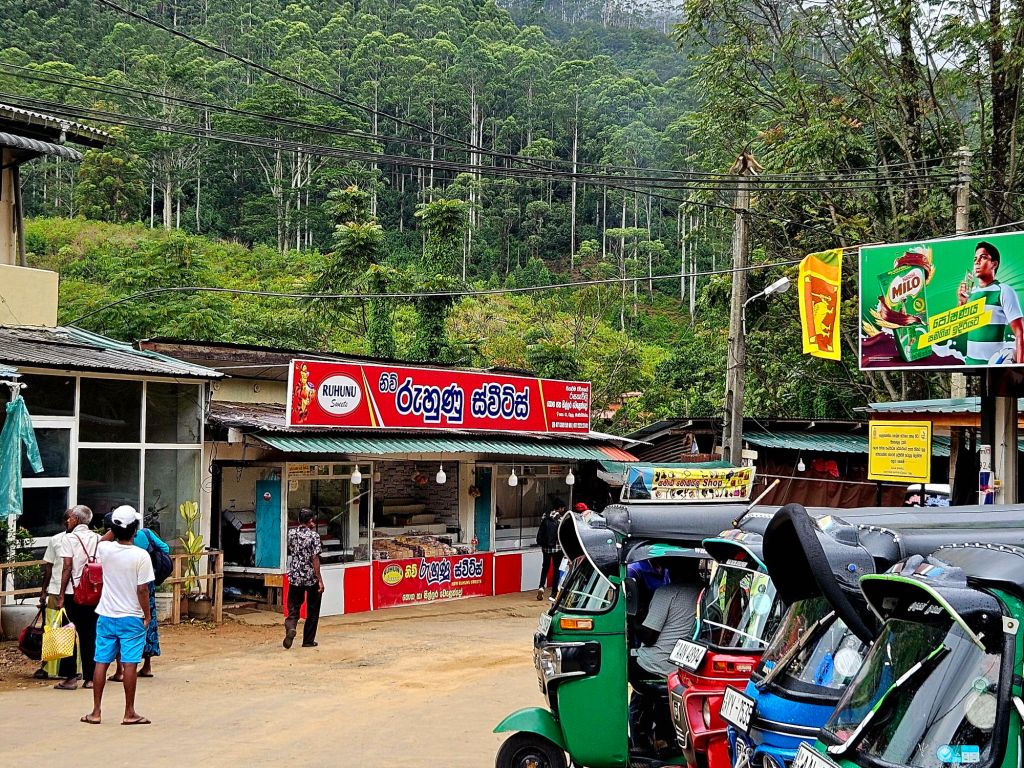
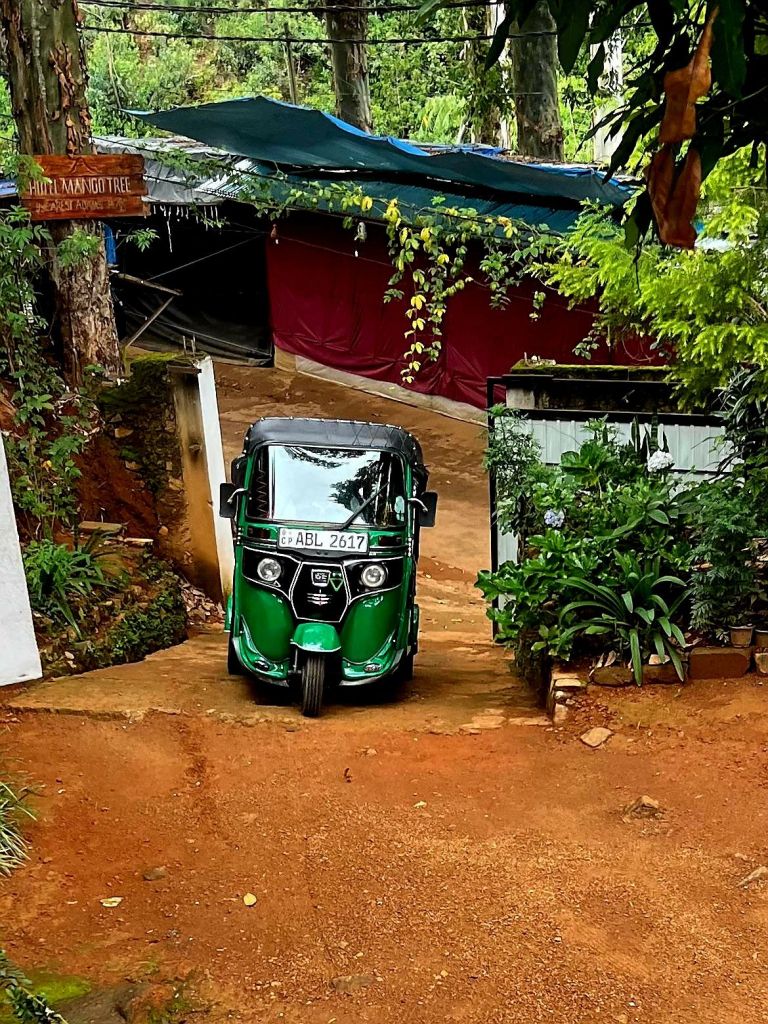

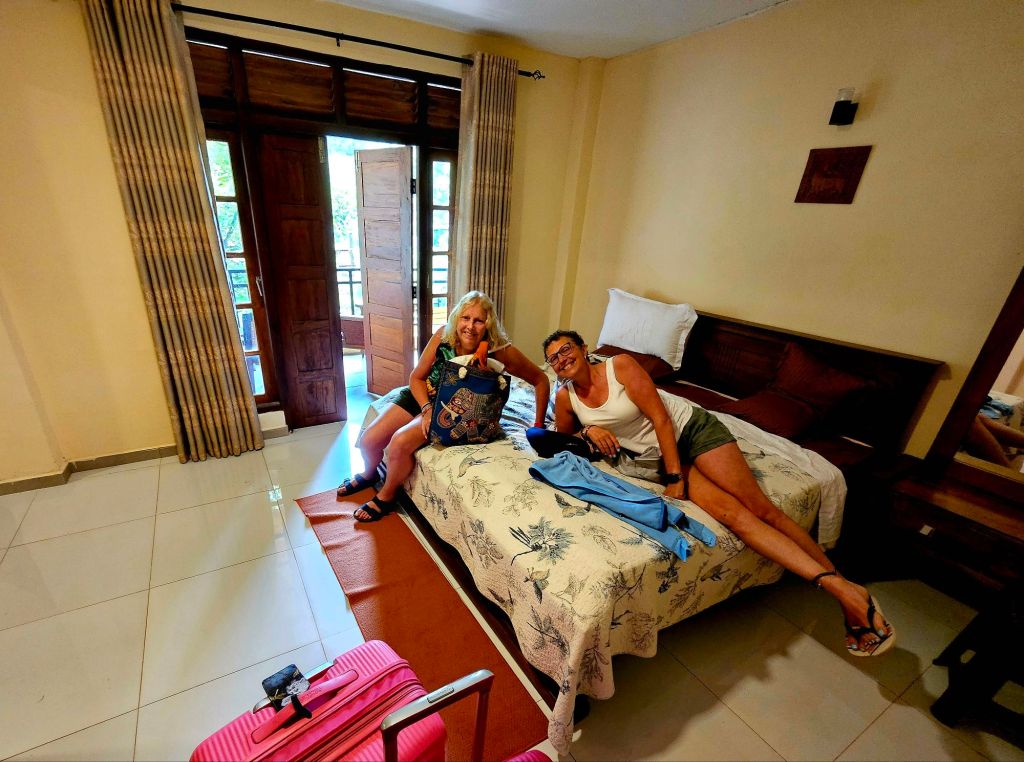
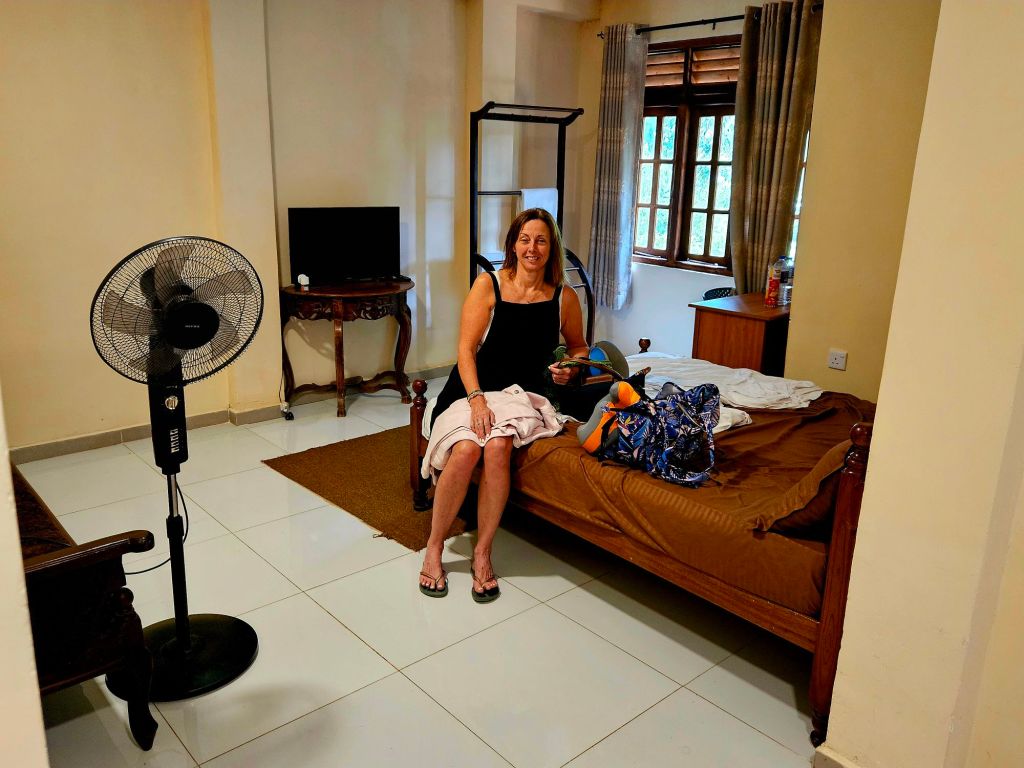
At the hotel, which was quite basic, we were sharing one room, but it had loads of room.
As we had been sitting down for a lot of the day, we thought it would be a good idea to go for a walk and also find out where the trail started for the climb to Adam’s Peak. We found the start of the trail, which was literally a minutes walk from our front door.
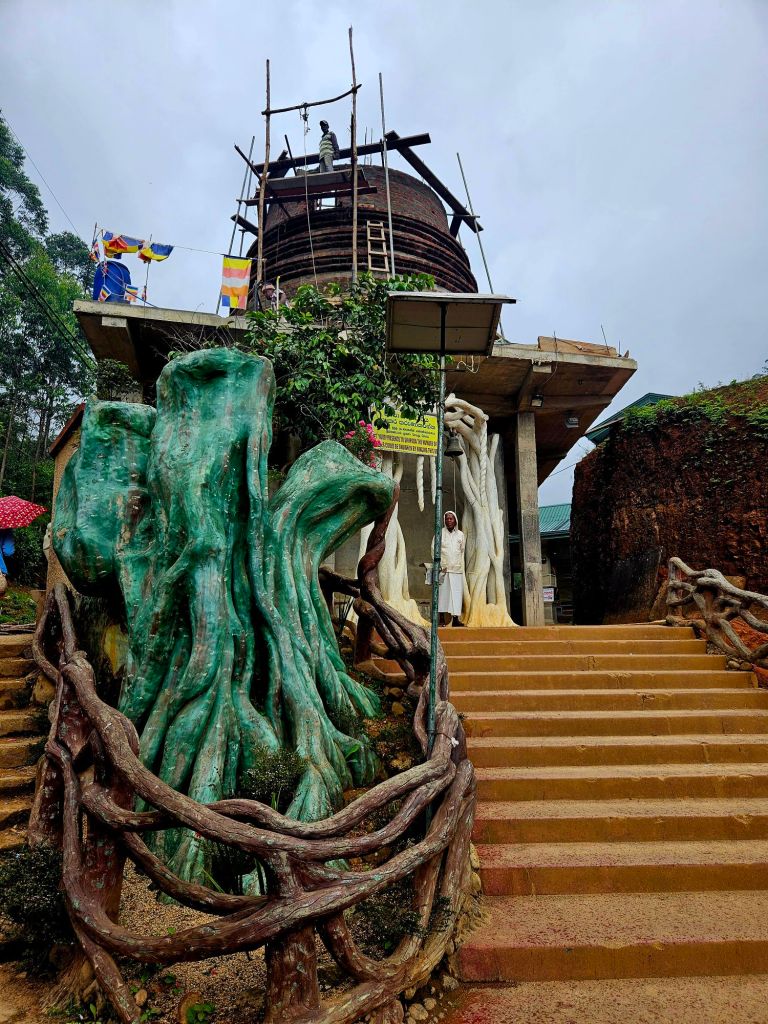
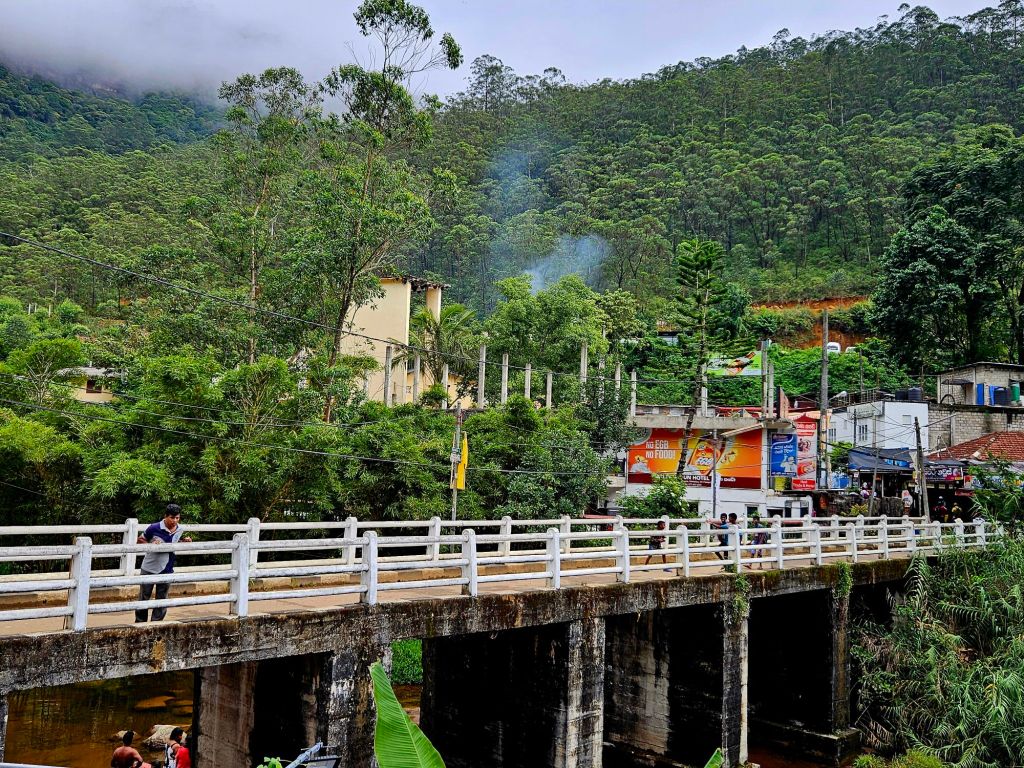
We passed a small temple and walked across the narrow bridge. There were quite a few people bathing in the river as we walked past.
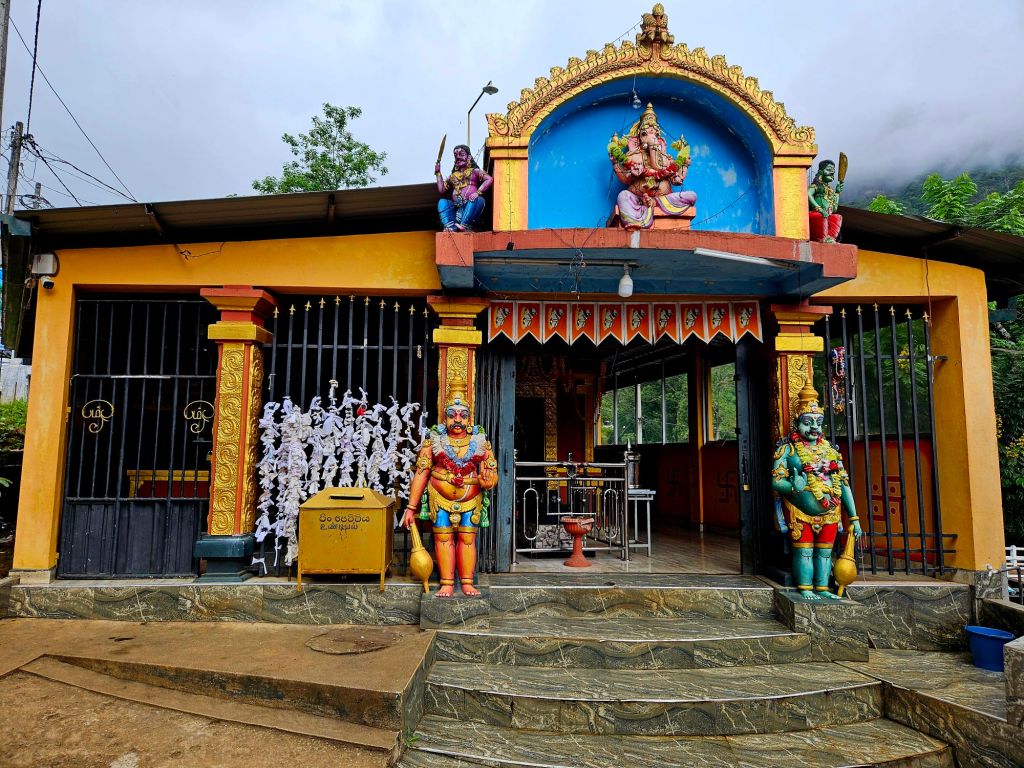
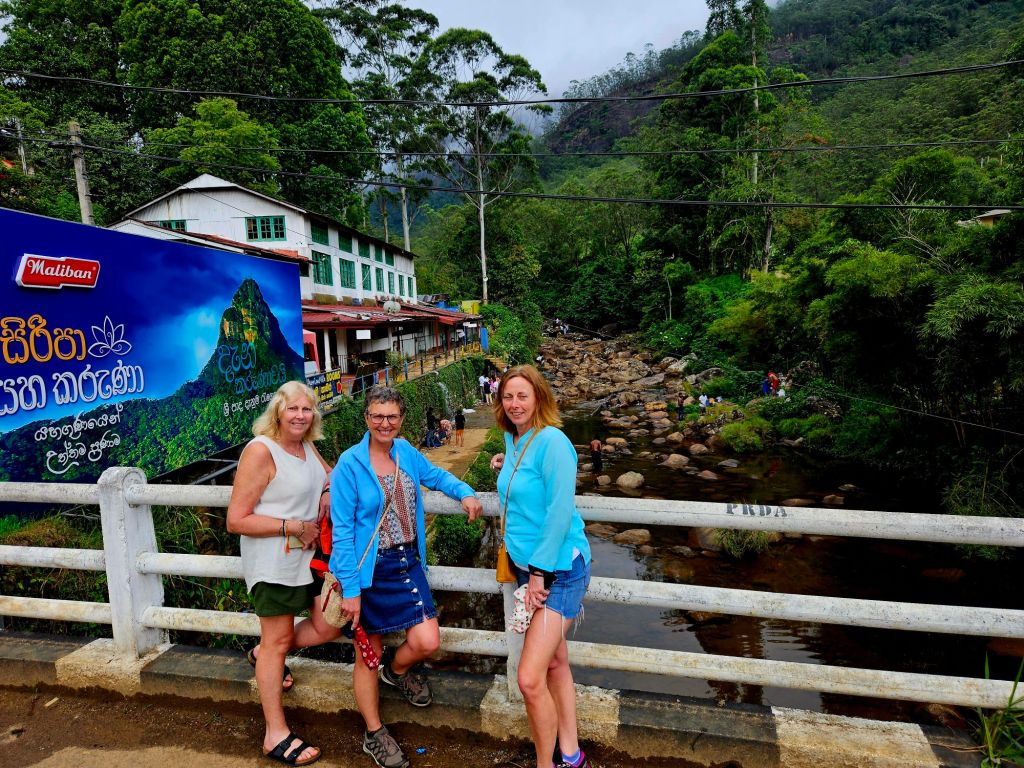
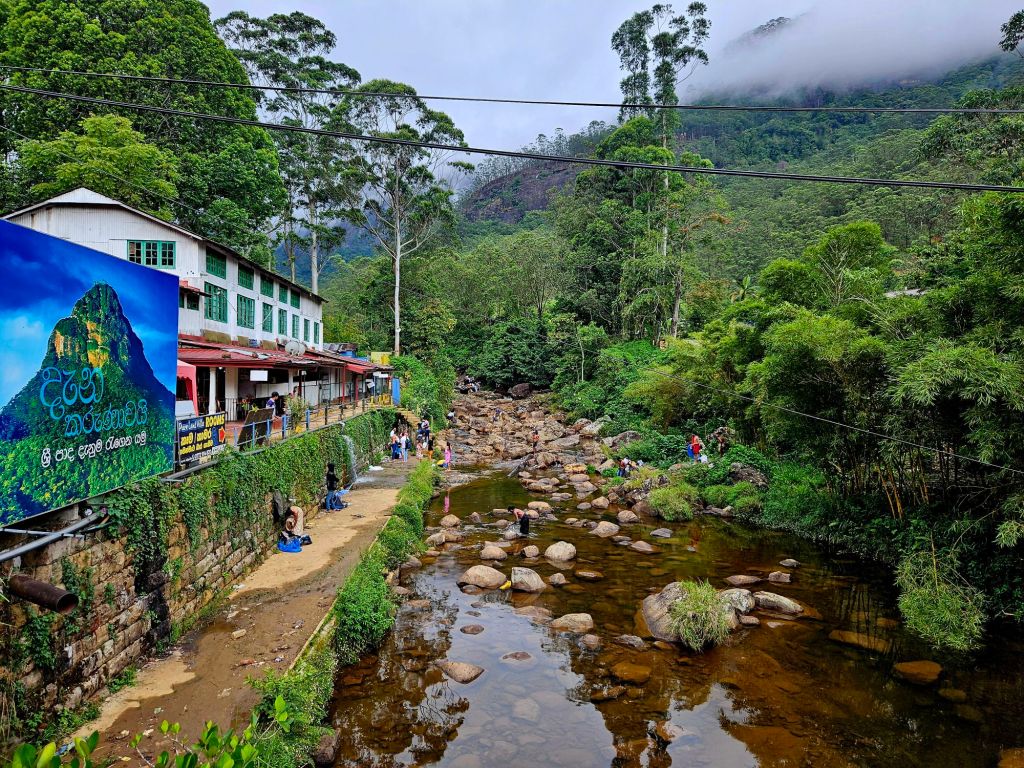
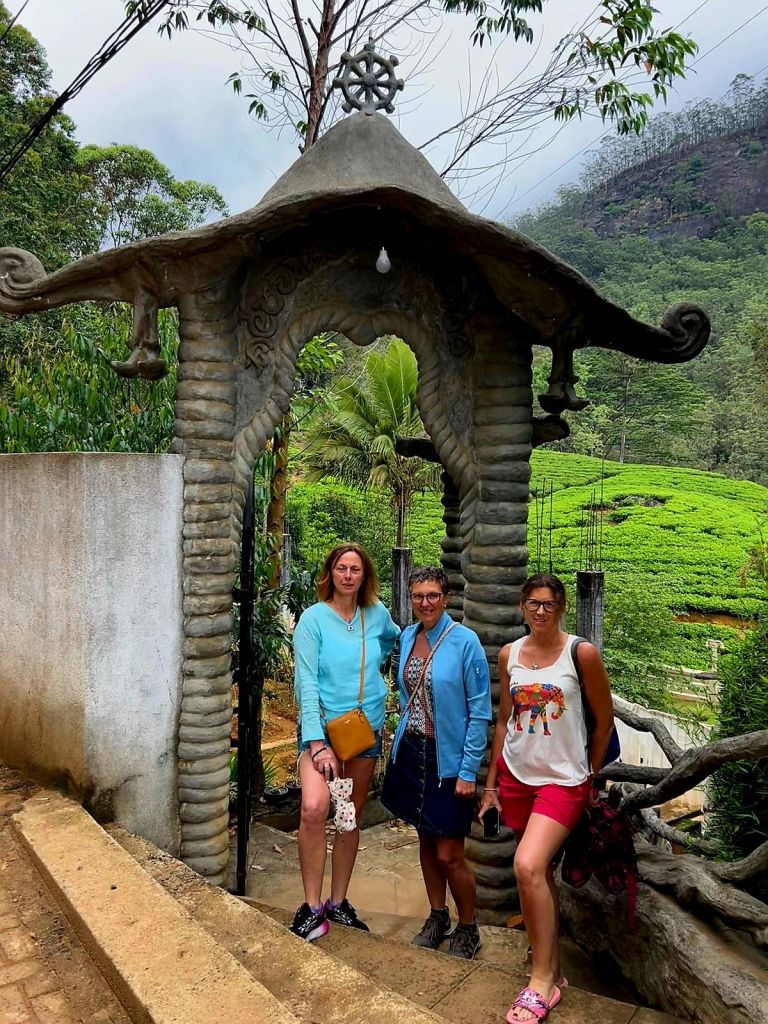
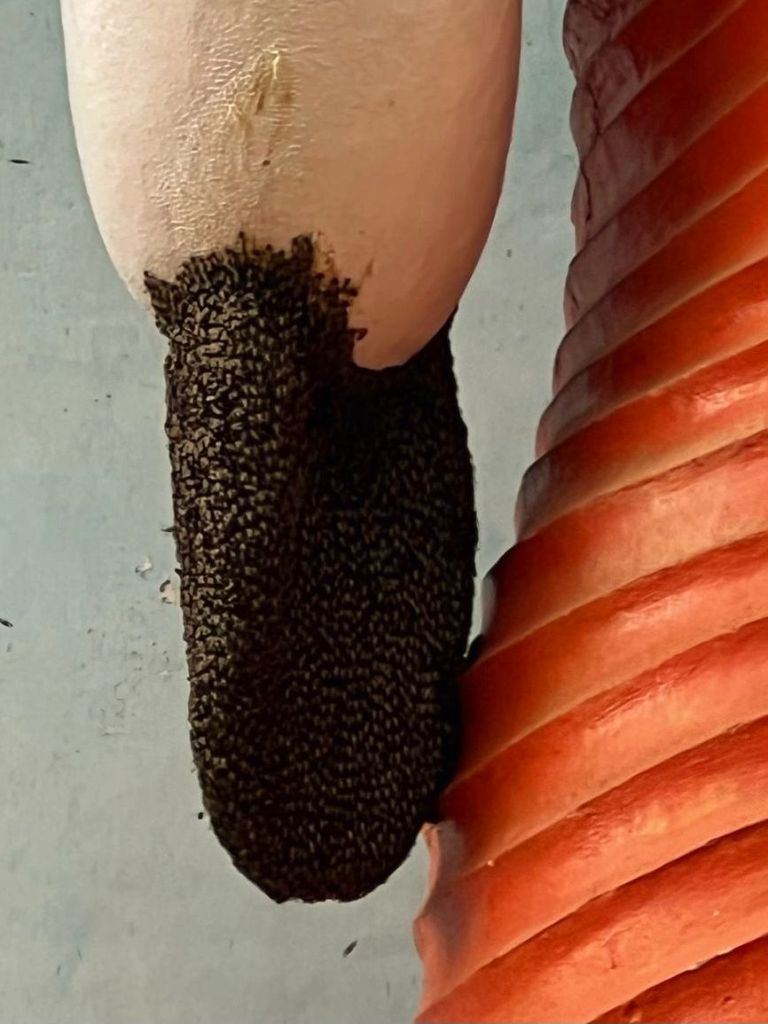
We walked past another massive statue. This one had a beehive hanging from her arm.
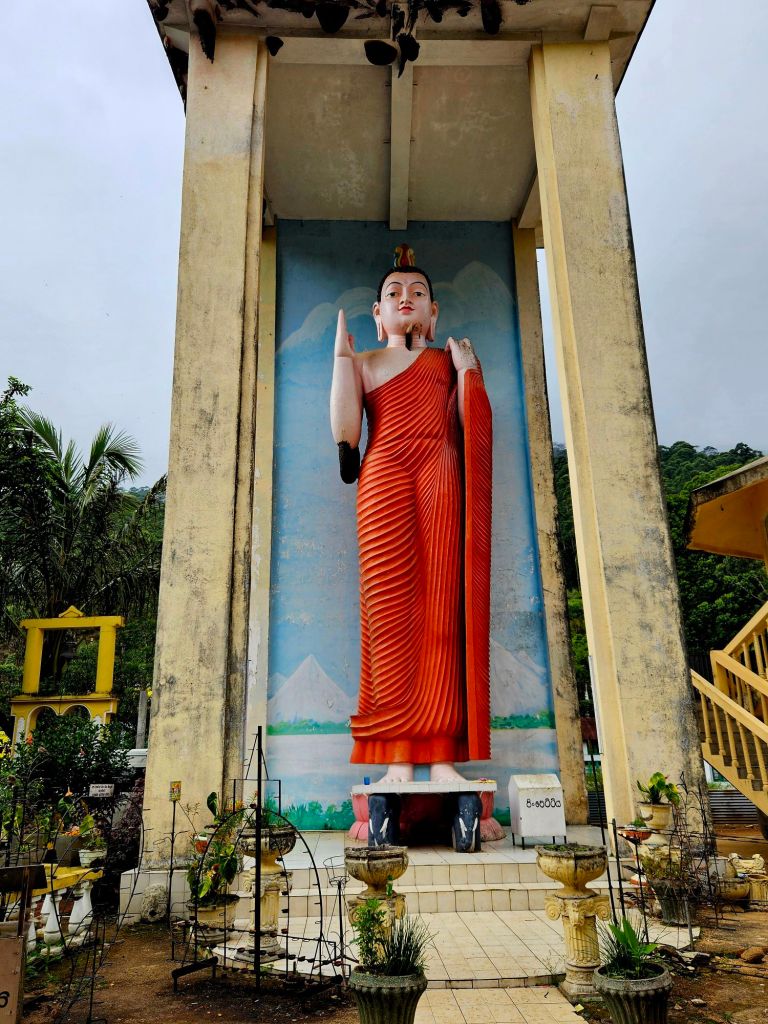
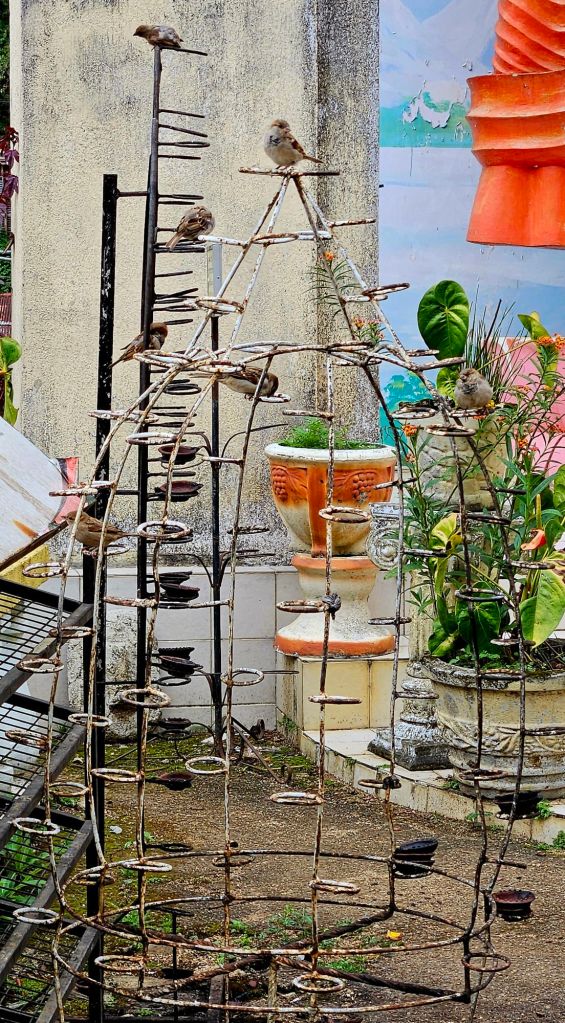
There were also lots of birds using the candle holders as perches.
We continued walking to the archway into the town.
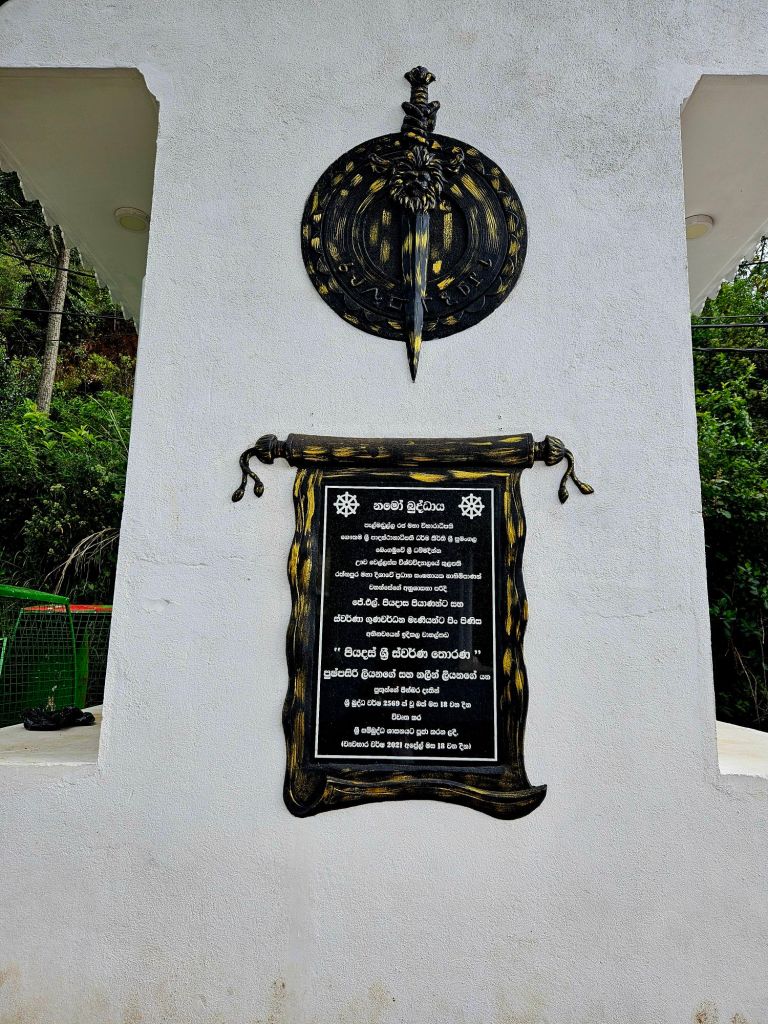
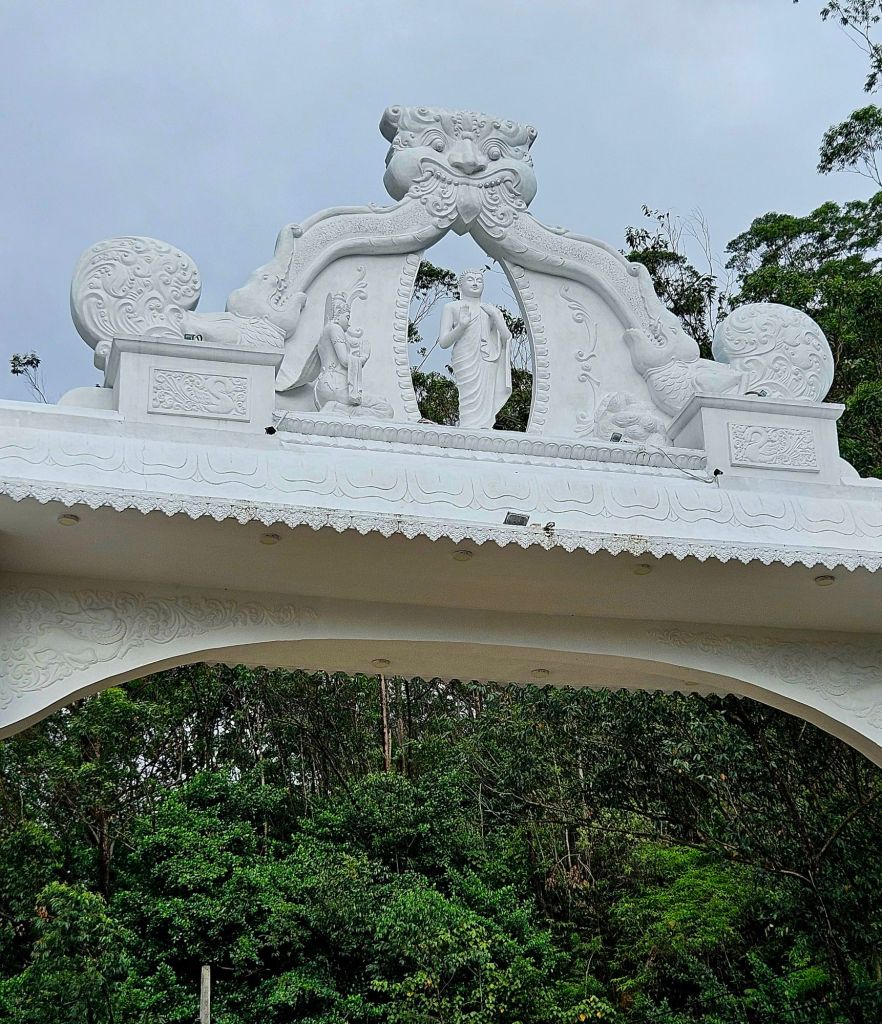
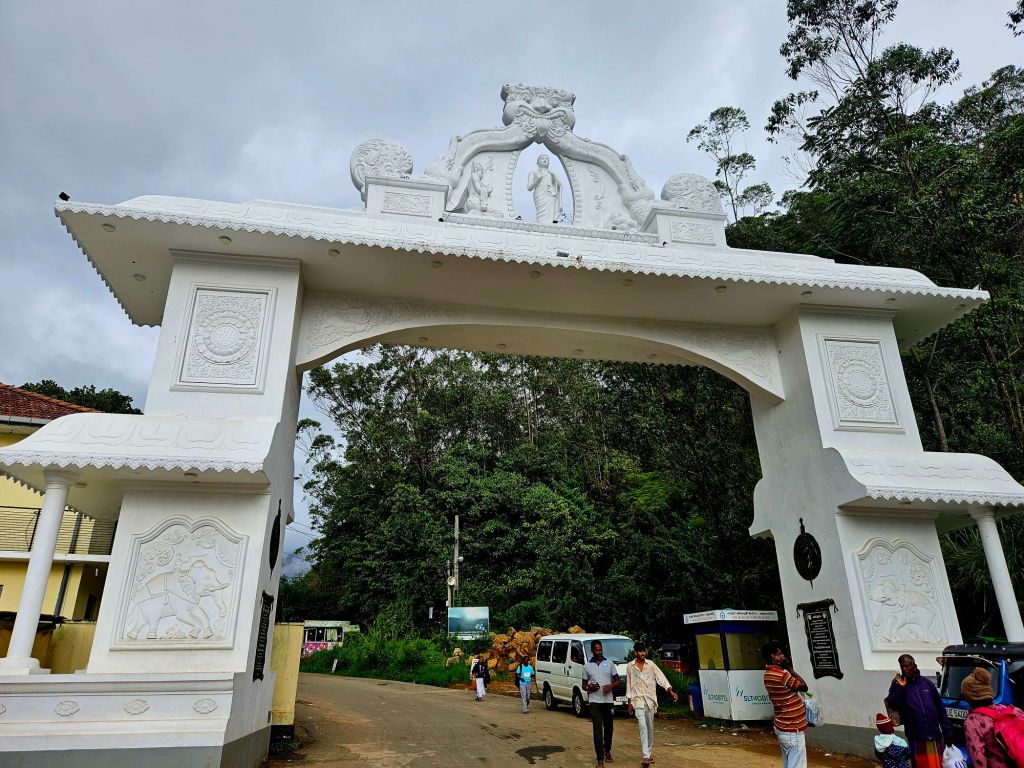
As we were wandering back, it started to rain, but we had come prepared with our umbrellas.

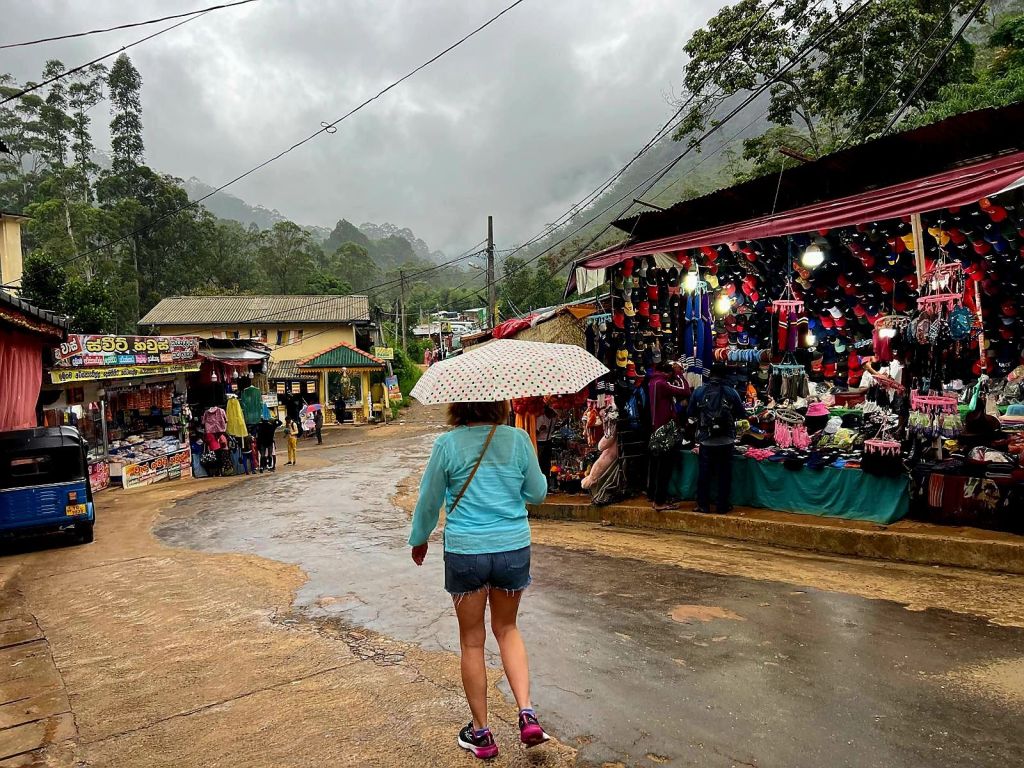
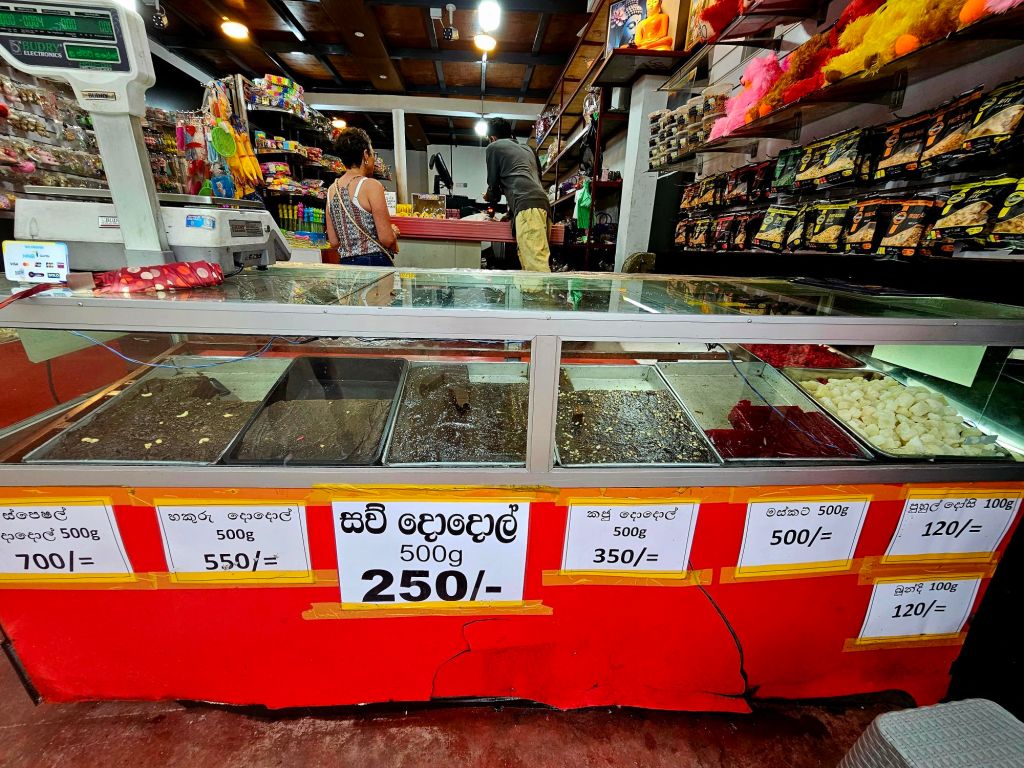
We passed quite a few shops selling Watalappam. This is a traditional Sri Lankan dessert made with coconut milk, jaggery (palm sugar), and spices. It’s steamed and served chilled, with a jelly-like texture. Karen and I tried some, and it wasn’t as sweet as I thought it was going to be – but still not great.
We headed back to the hotel and dried off before dinner. We had requested an early dinner at 6pm as we were going to be up at 2am the next morning to walk Adam’s Peak.
Dinner was traditional chicken curry with both boiled rice and butter rice, as well as some side dishes. It was all really tasty, but the amount of food was way too much.

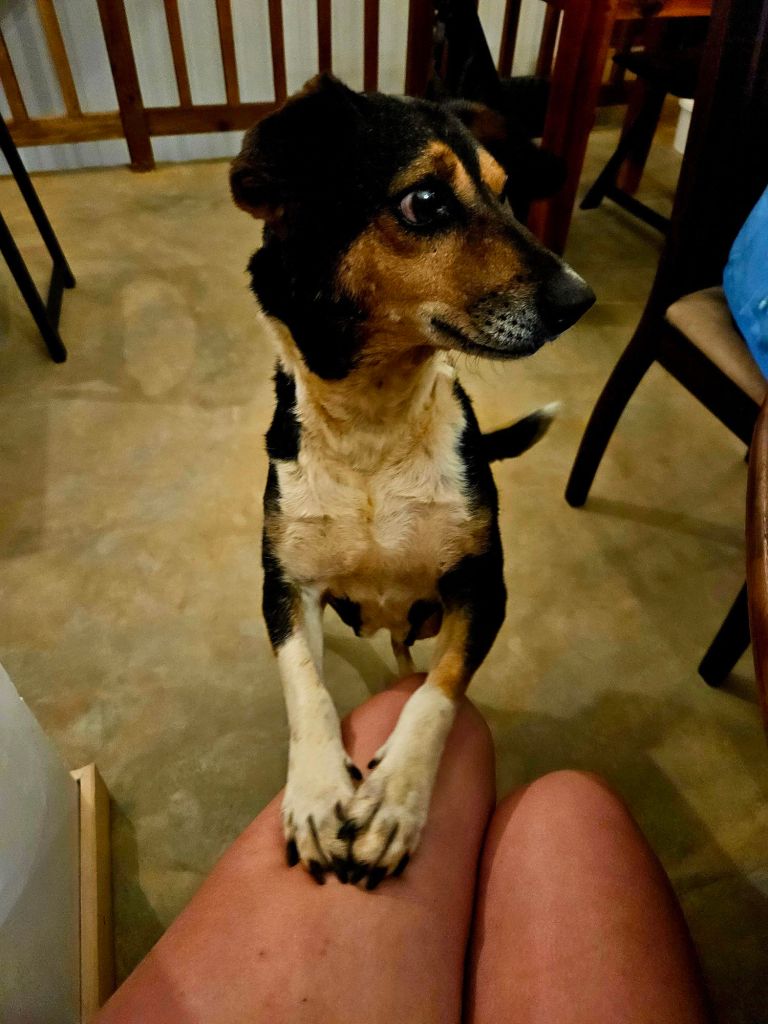
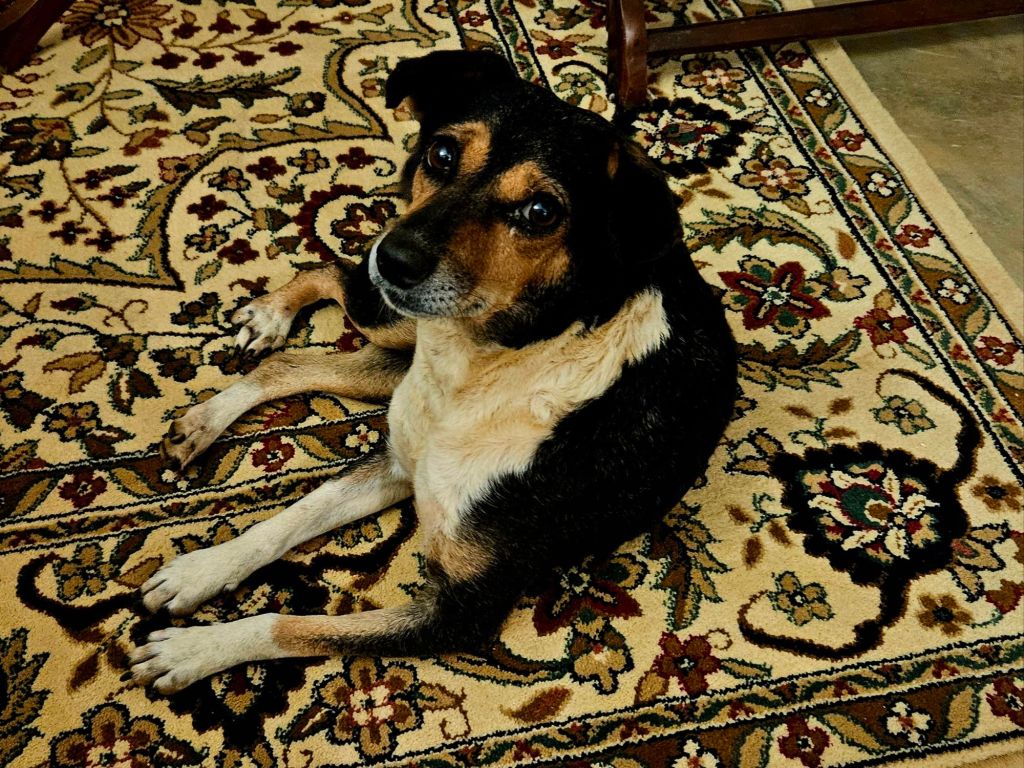
We had a furry friend during dinner too.
We were in bed by 830pm, and surprisingly, I went to sleep pretty quickly.
 Fun, Fitness and Fabulousness in your Fifties