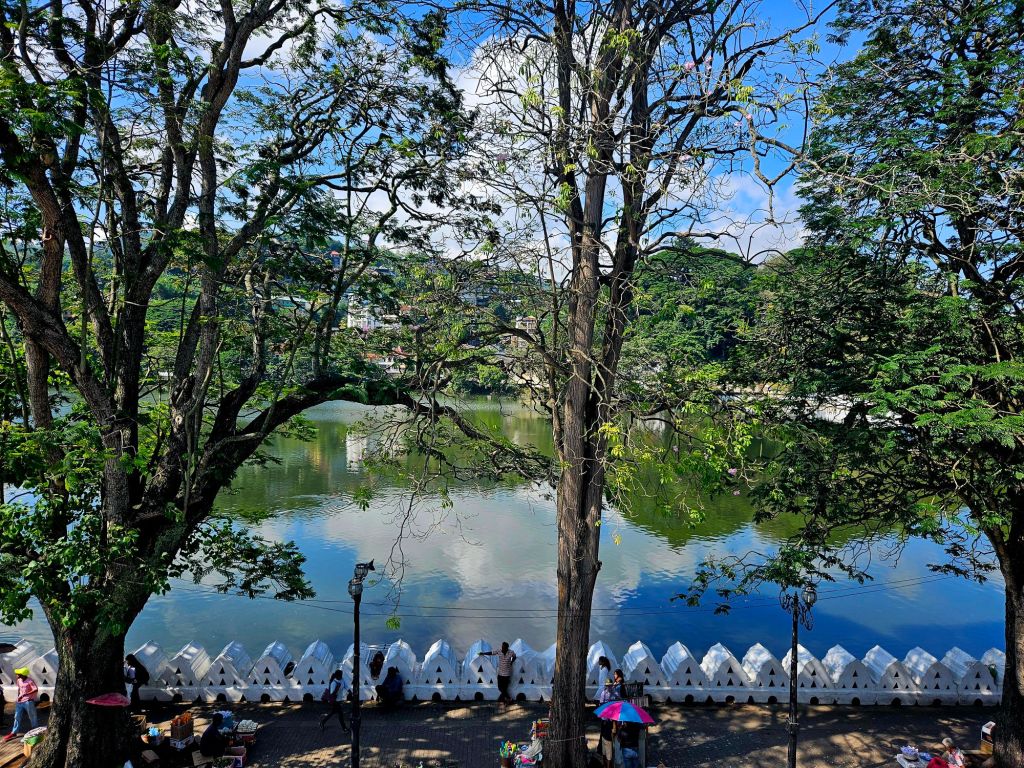
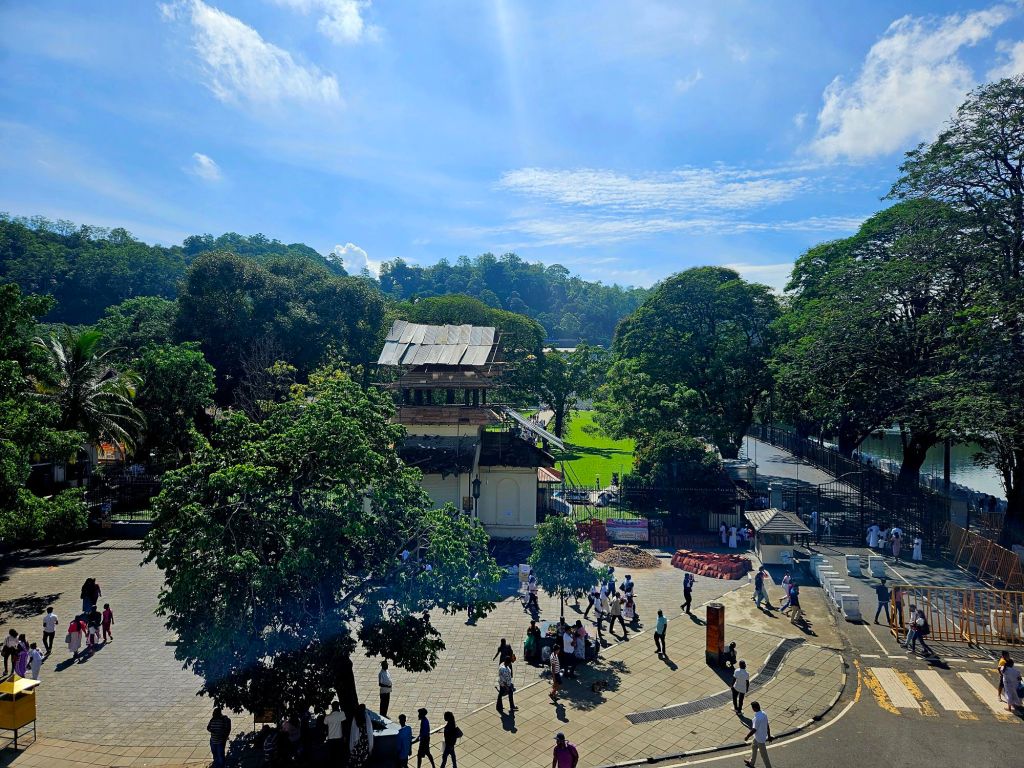
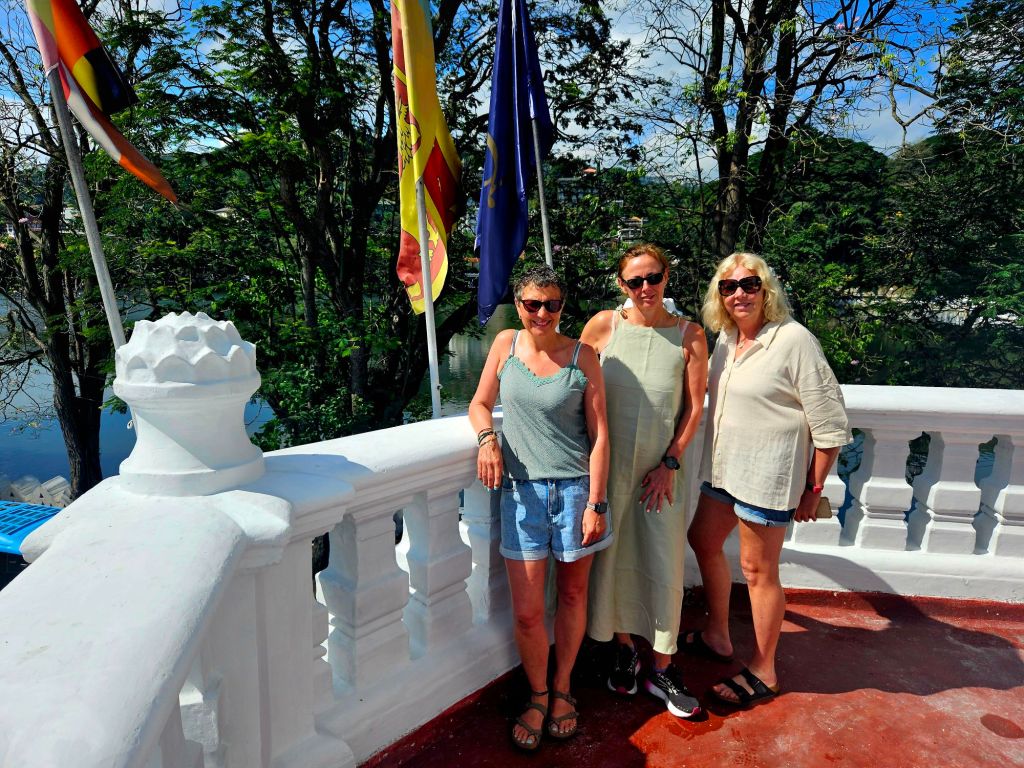
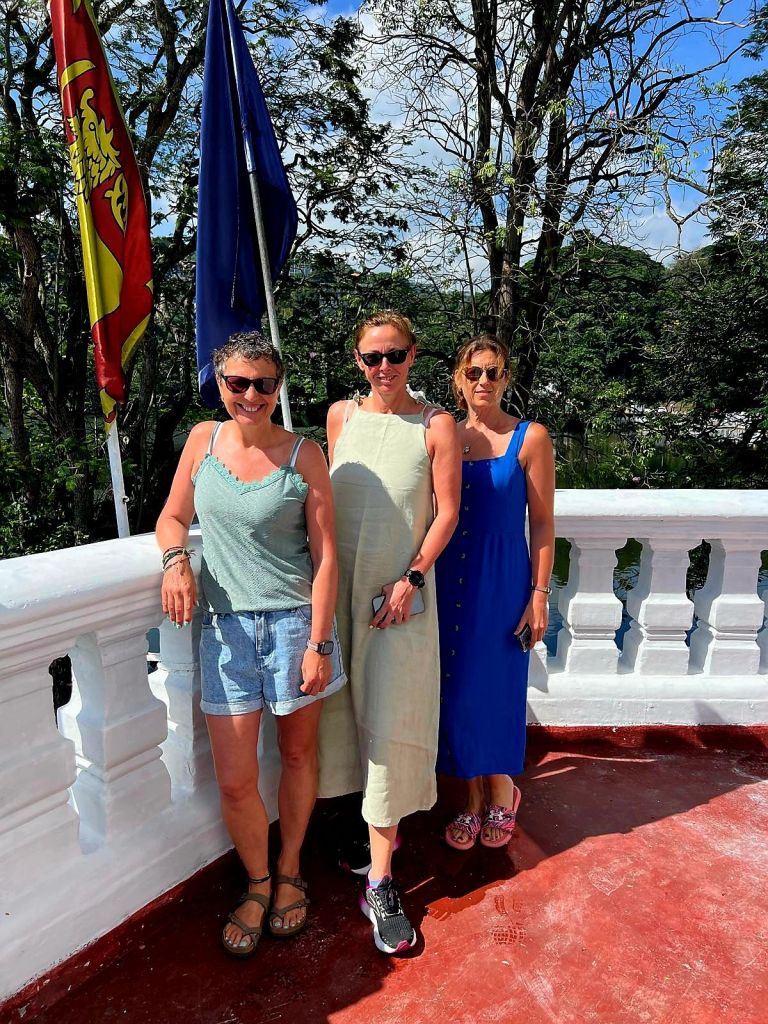
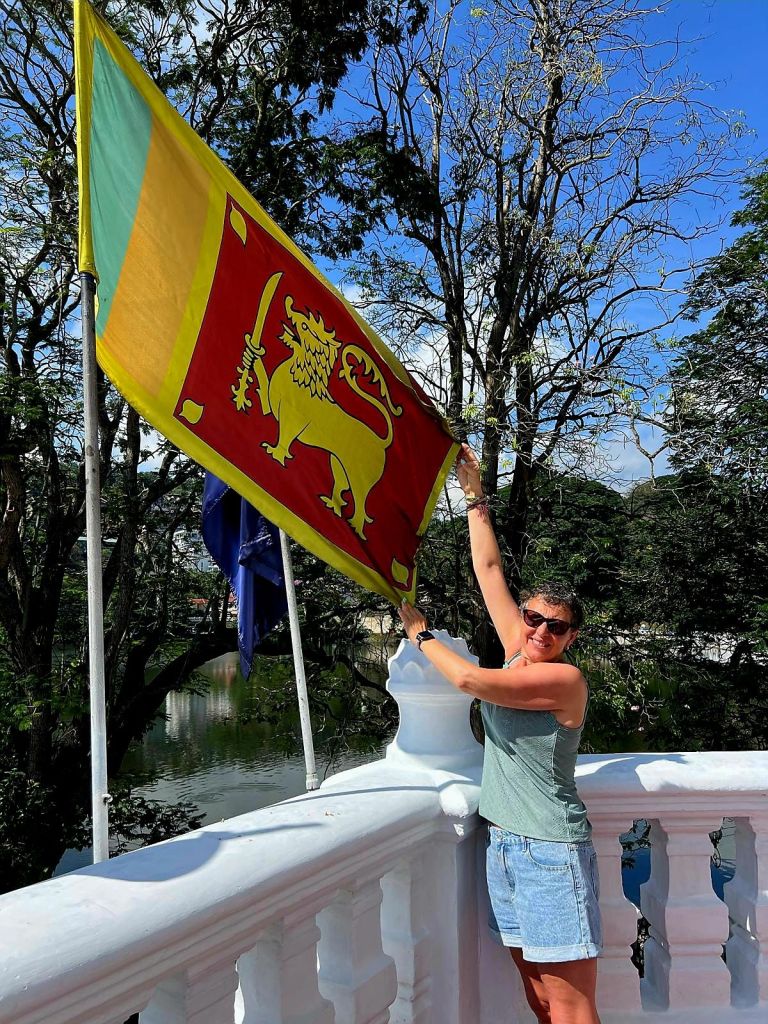
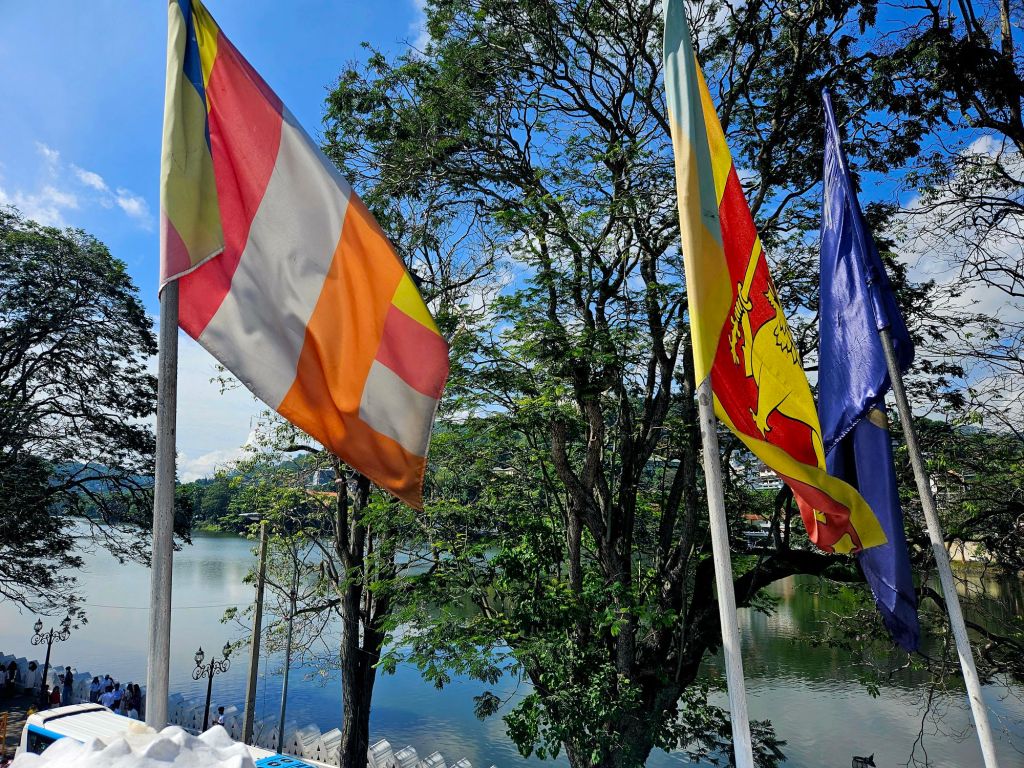
It was a lovely sunny morning when we woke up so we took some pictures on our balcony.
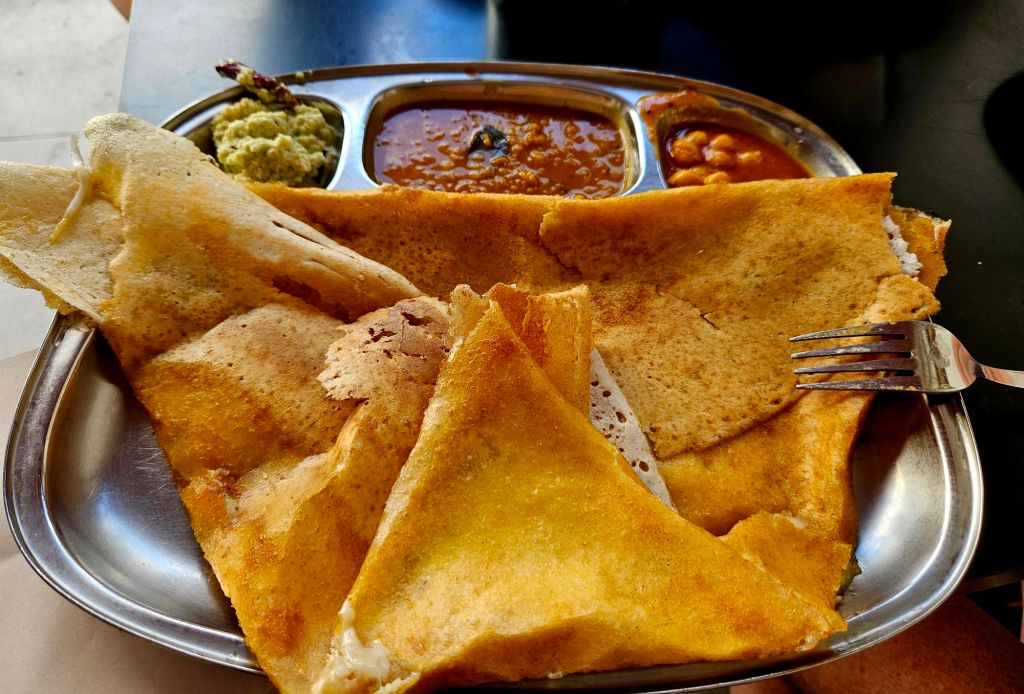
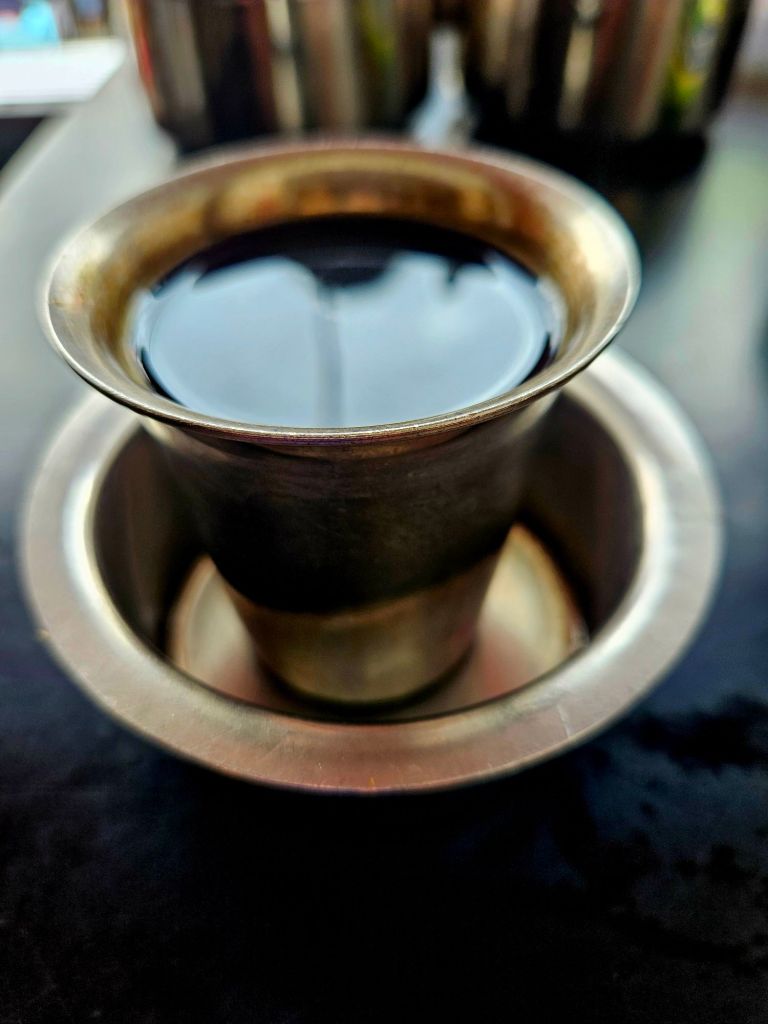
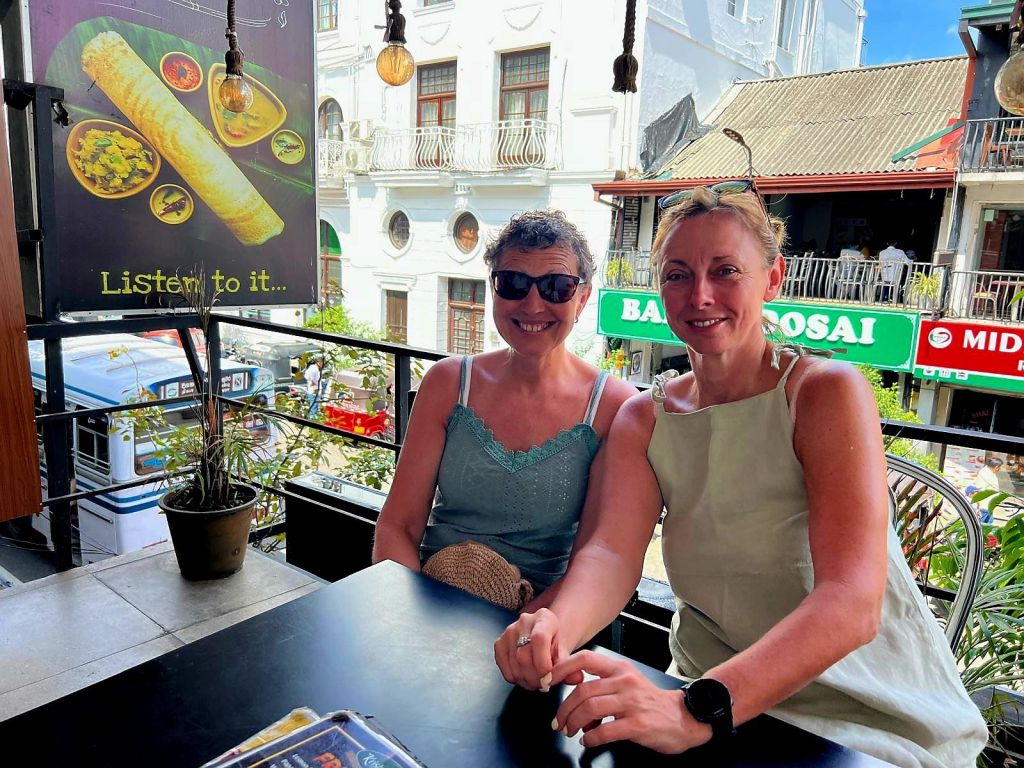
We headed out for breakfast and decided to try a local Srilankan cafe. I had a cheese dosa. This is a savoury type of crepe made from a fermented batter of ground white gram and rice. It tasted quite nice, but it was a little bit greasy. I had a black coffee to go with it, which was really sweet.
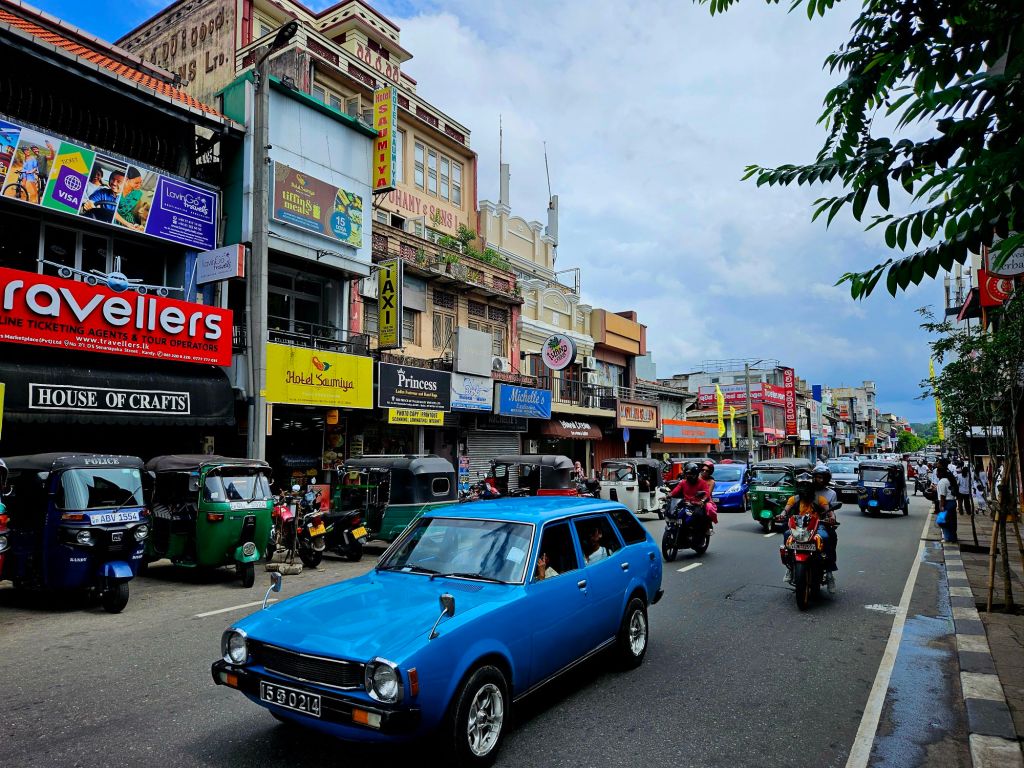
The cafe looked out over one of the main roads, which was quite busy.
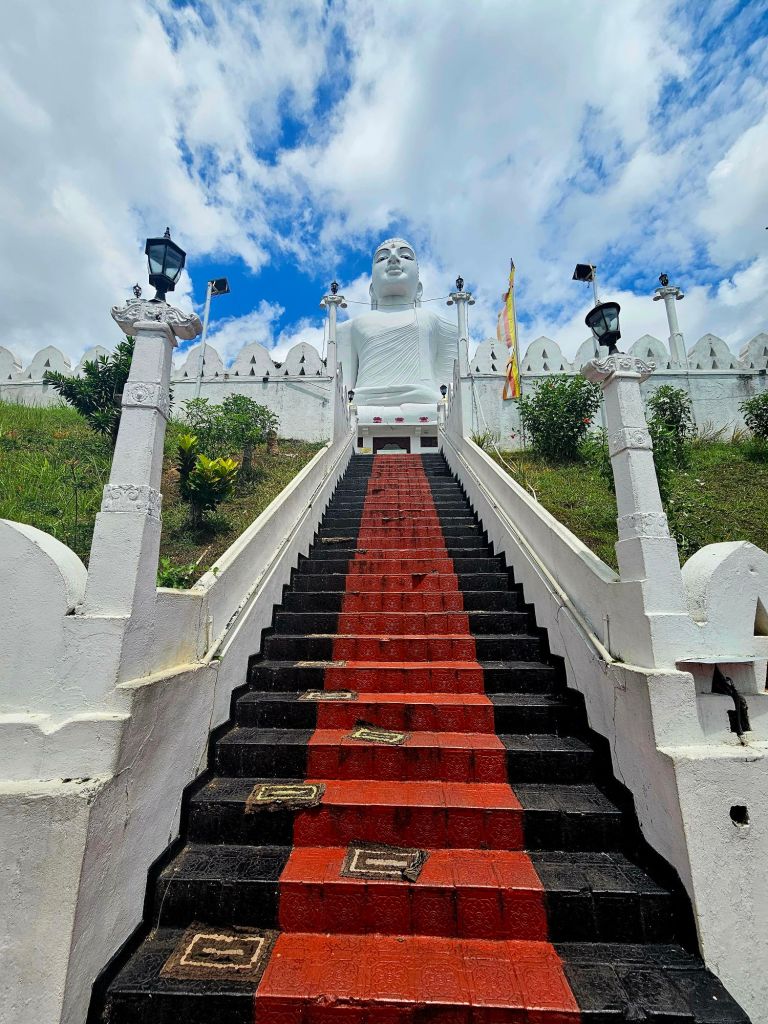
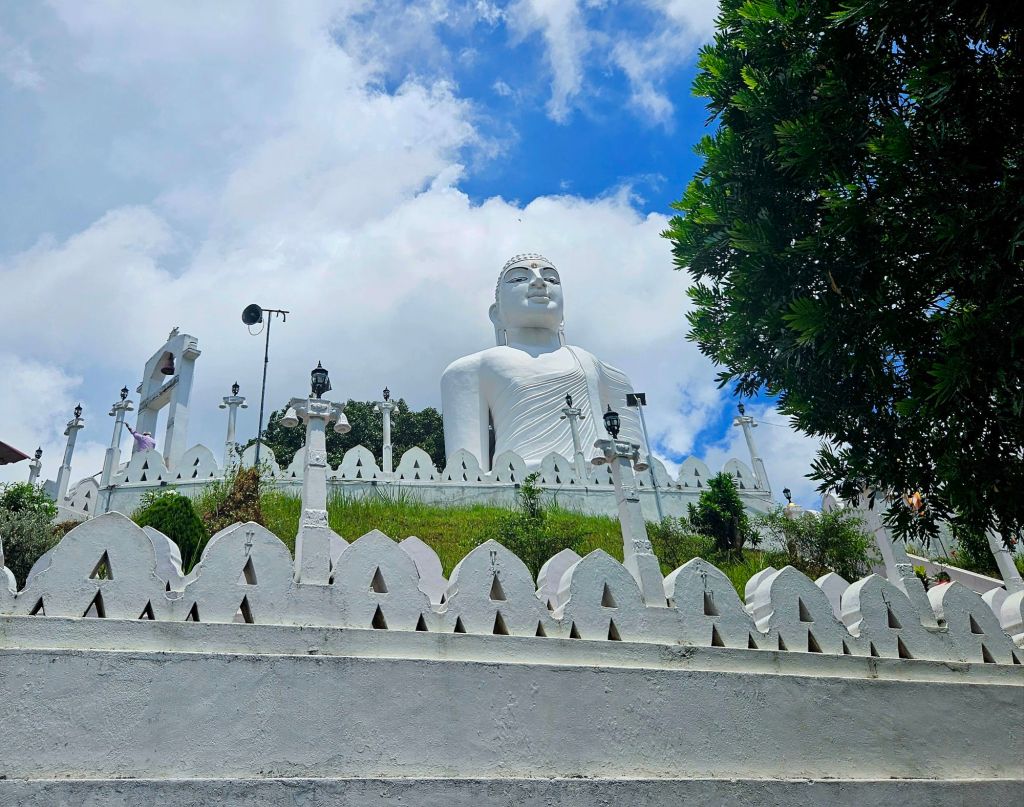
After breakfast, Mandy and I ordered a tuk tuk to take us to the Sri Maha Bodhi Viharaya, the big Buddha statue looking out over the city.
The statue is of Buddha in the posture of meditation associated with his first Enlightenment and can be seen from almost everywhere in Kandy. It stands at 26.83m high and is one of the tallest Buddha statues in Sri Lanka.
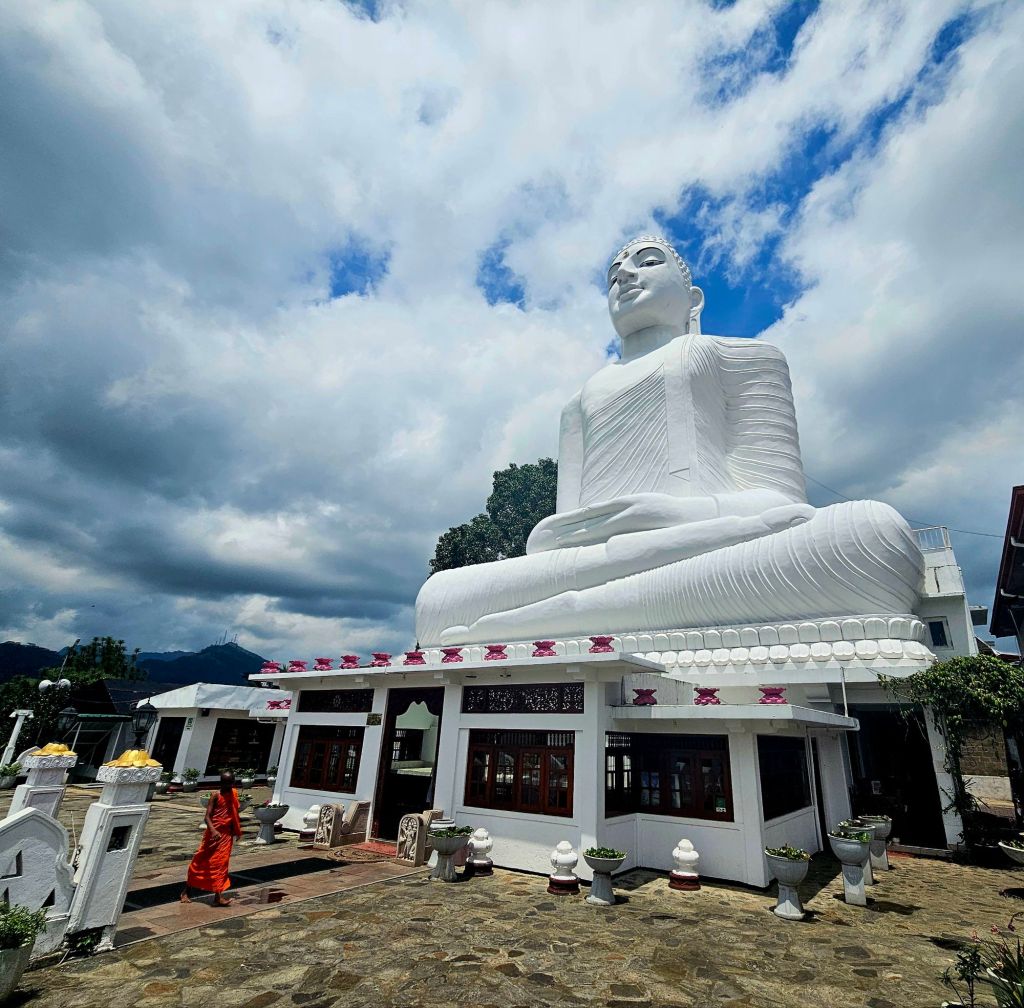
The construction of the statue started in the 1980s and was completed in 1992 and officially opened in 1993.
The temple and statue are on the top of Bahirawakanda hill. Bahirawakanda means “Gnome Mountain”, and this name harks back to the legends surrounding the temple’s hill. The villagers who lived in the surrounding areas once believed that the hill was the home of an evil gnome that devoured unsuspecting humans. In an effort to appease it, the villagers would sacrifice a virgin girl (or several virgins) to the hill. Over time, the fear of the hill and the superstition of the villagers faded.
You have to take your shoes off at the bottom of the steps, and the ground is really hot. I had bought some socks and tried stepping in puddles to cool my feet down.
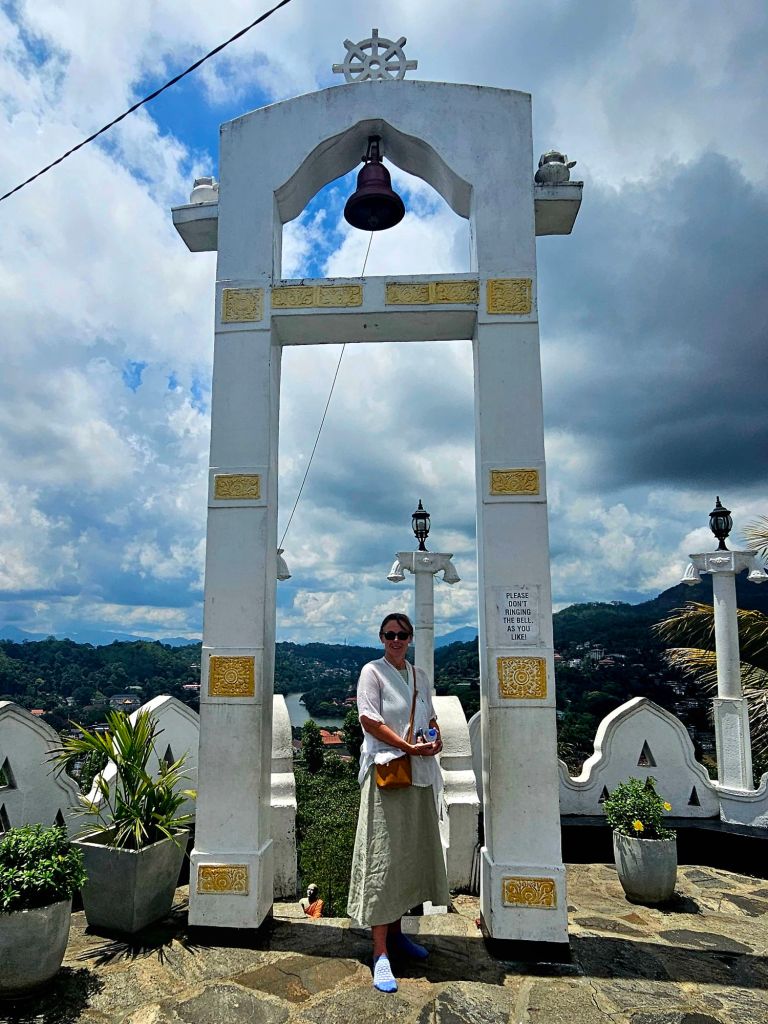
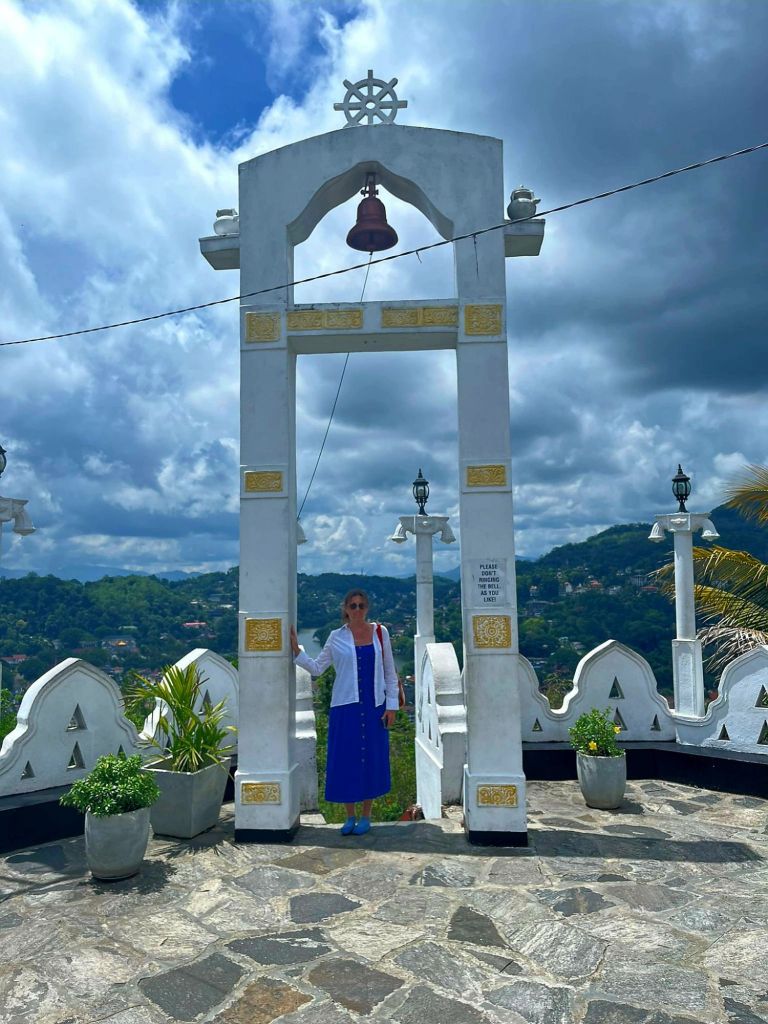
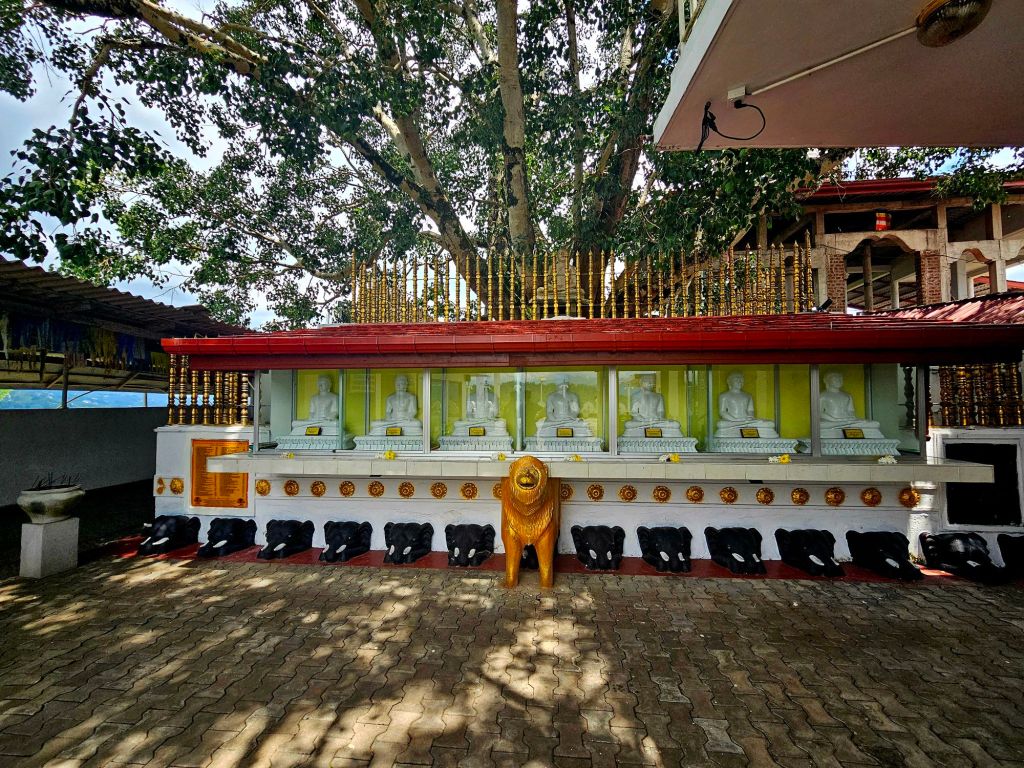
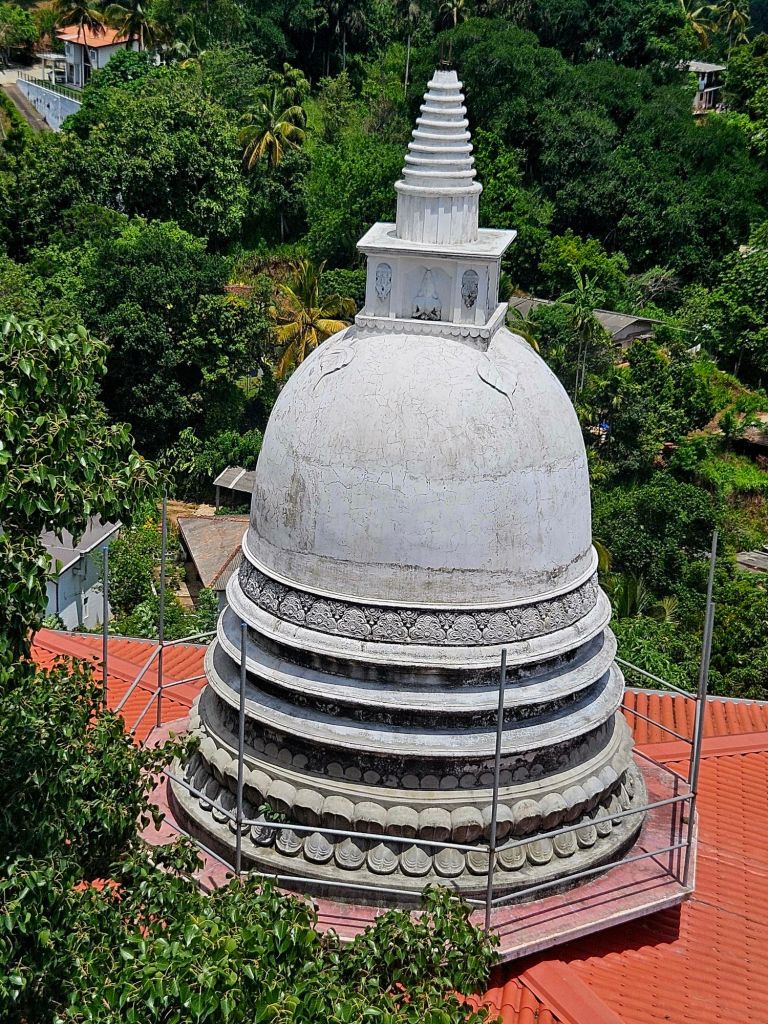
There was a lovely monk’s garden, and we did see some monks working in the garden, too.
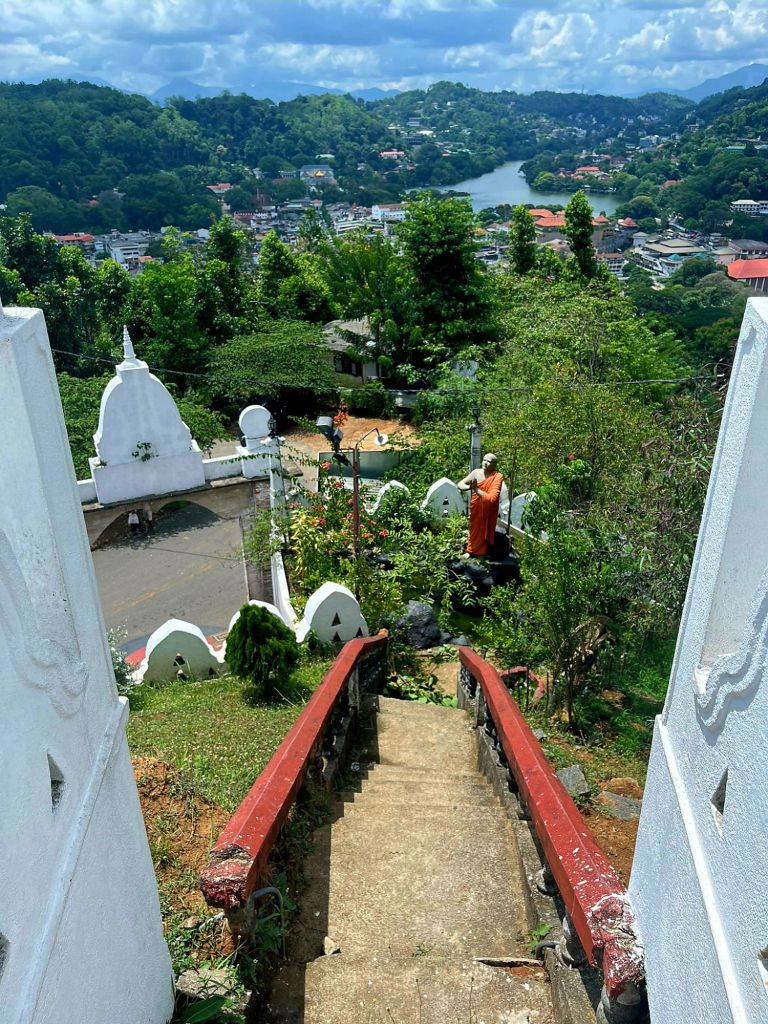
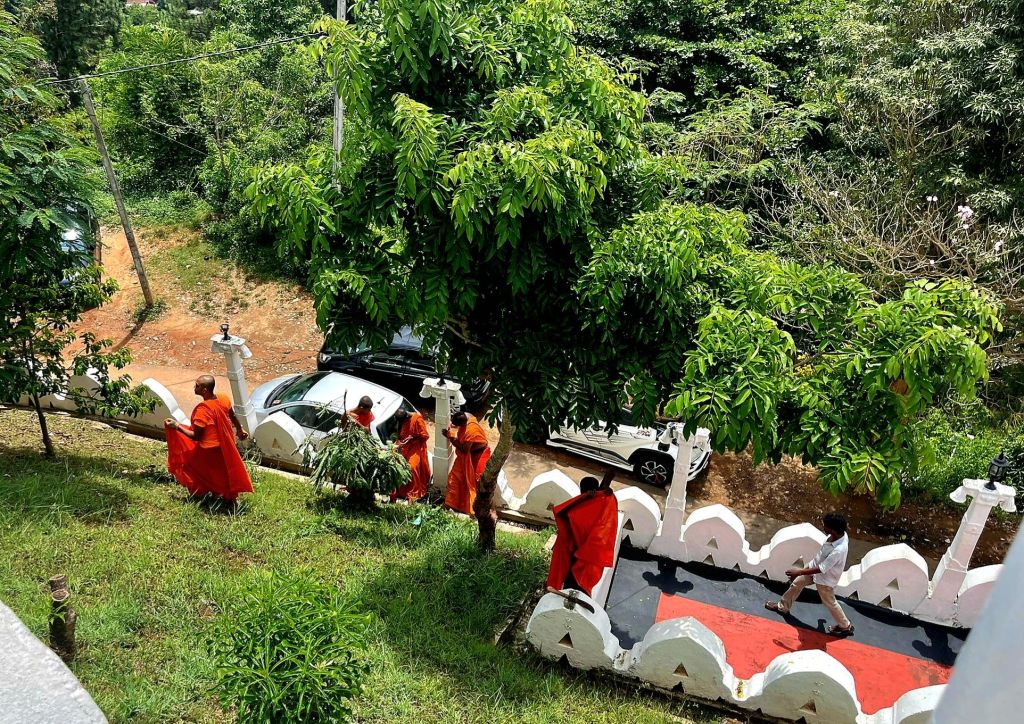
You can climb part way up the statue, and the views from up there were amazing.
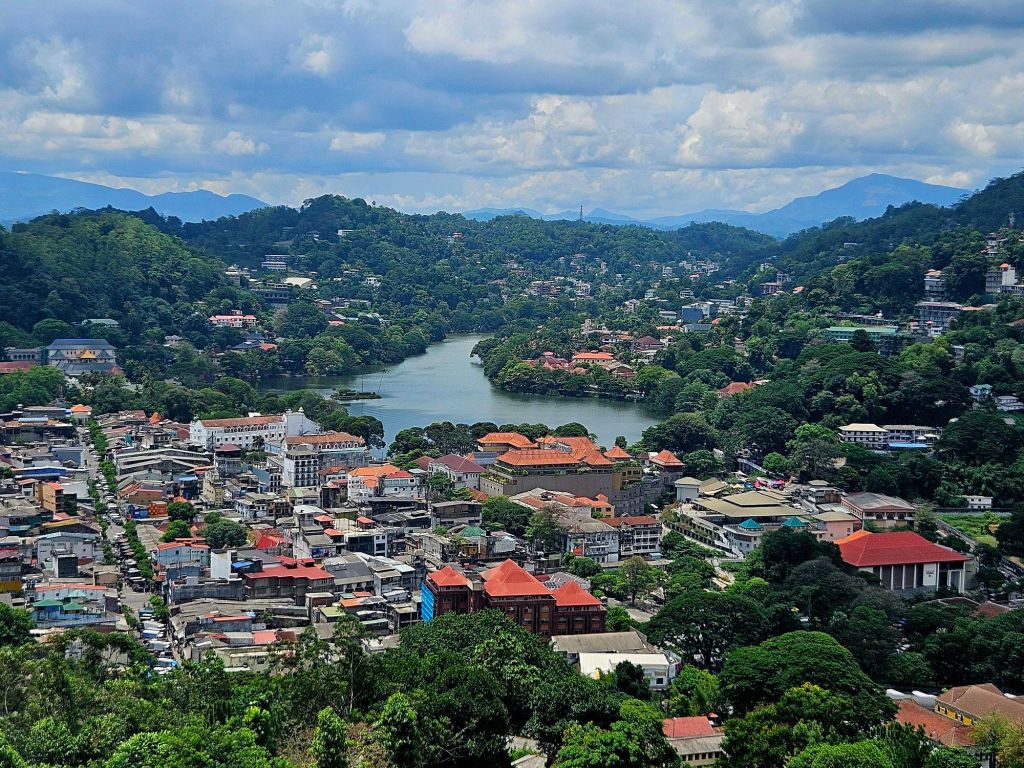
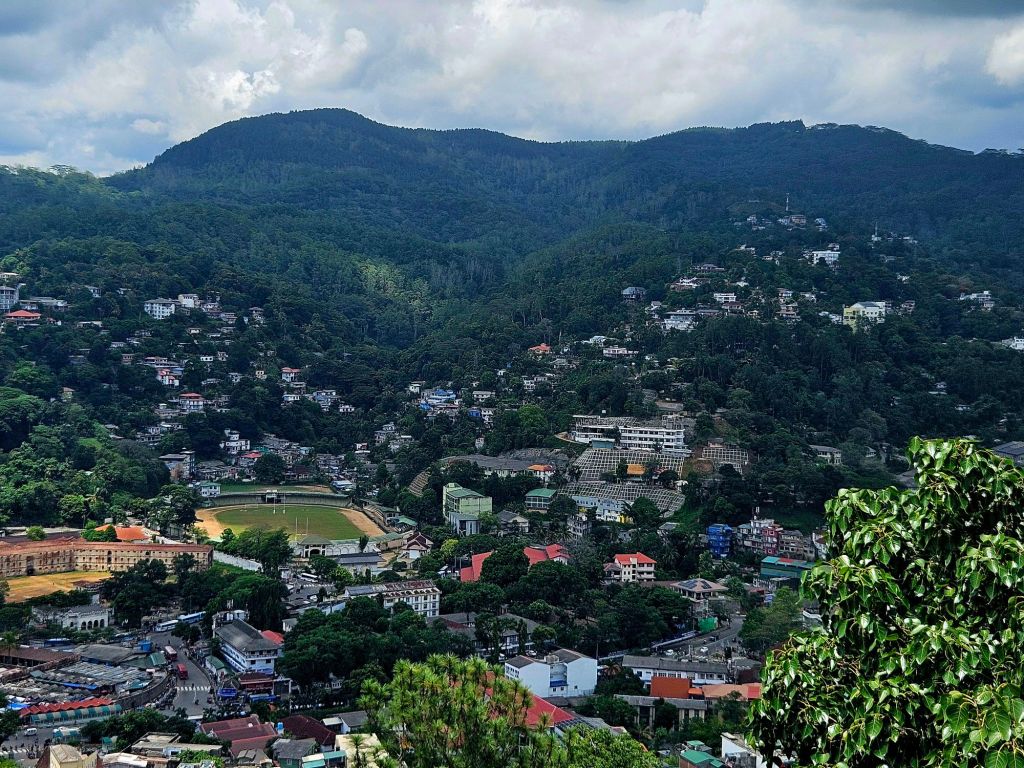
Kandy got its name from the Sinhala term “Kanda”, which translates to ‘mountain’, due to its geographical location amongst the mountains. Kandy dates back to 1476 and operated as a semi-independent kingdom within Sri Lanka. The city resisted invasion by both the Portuguese and the Dutch. On 14 February 1815, the last King of Kandy was captured by the British with the help of some of the Kandy ministers. The Kandyan people continued to fight for their freedom, which played a significant part in gaining total freedom for the entire country in 1948. Kandy remains the capital of the Central Province and is both an administrative and religious city.
As we were walking down, we went into one of the temple areas.
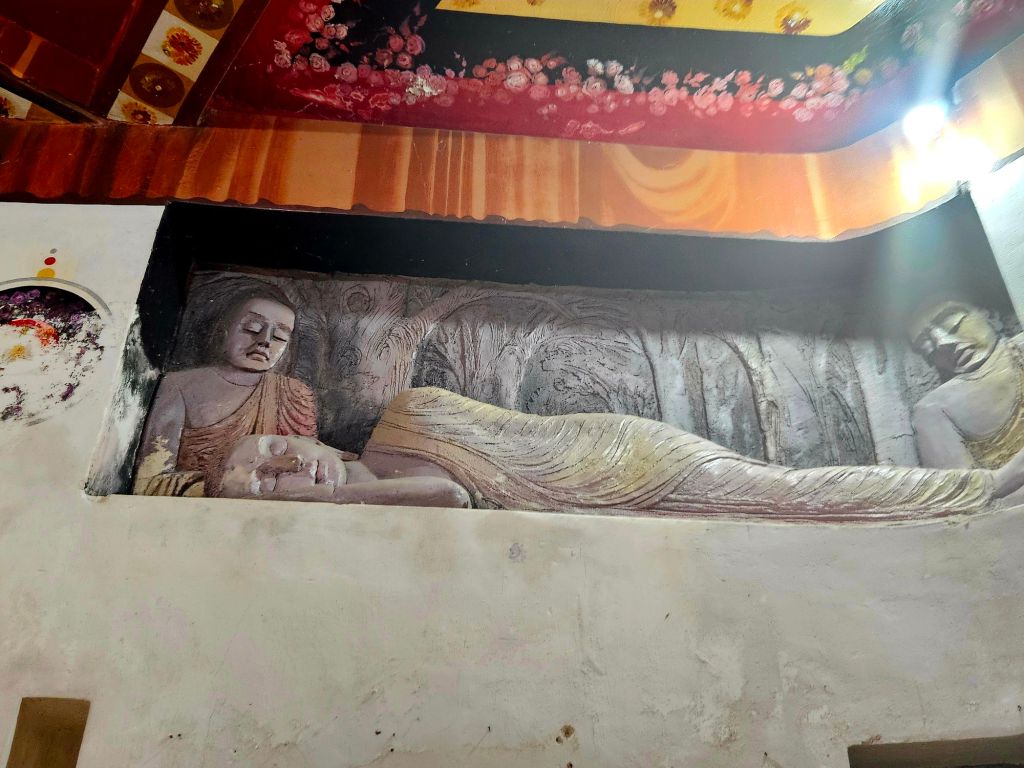

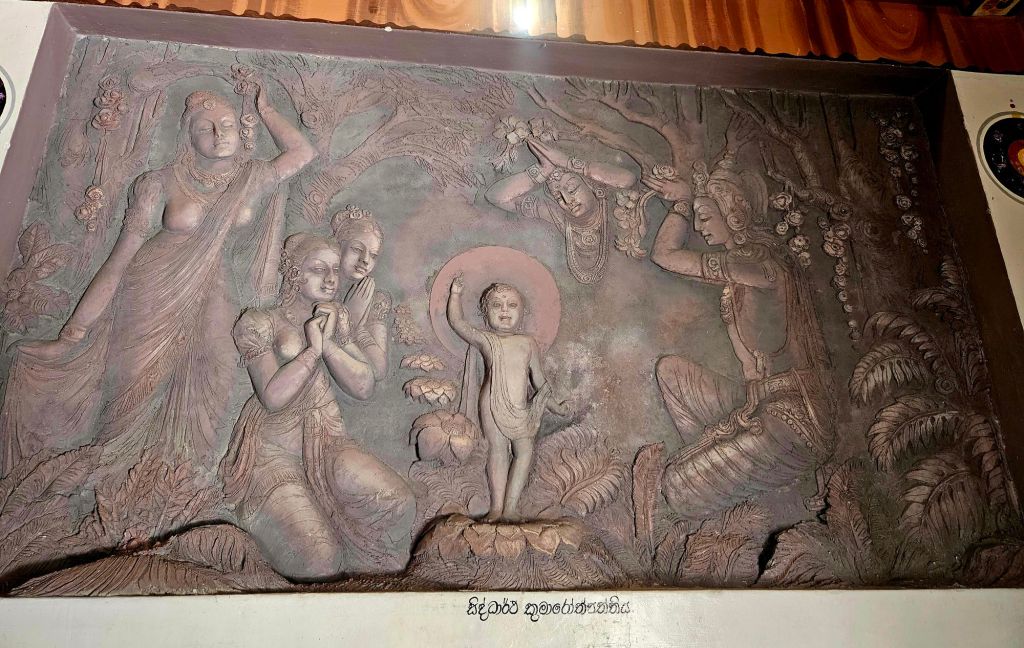

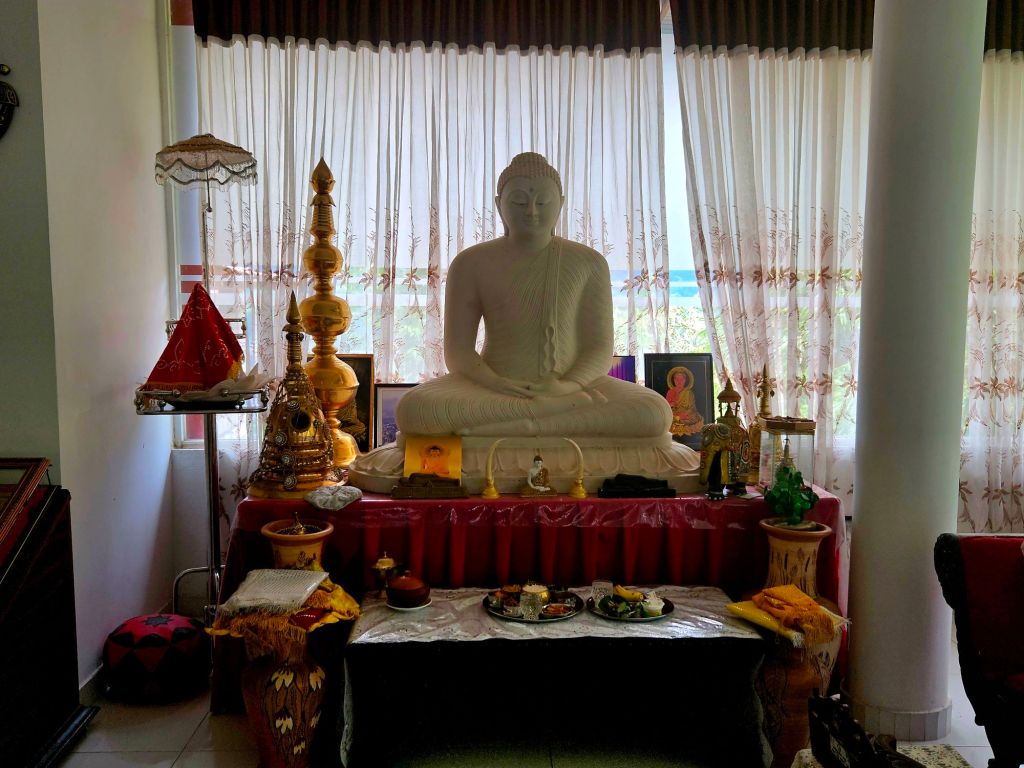
Further on, down the steps, I could hear some chanting, and it sounded like children. One of the guides asked if we wanted to go inside and watch what was happening. It was some young monks chanting, aged around 10 or 11. Their families were in the room, too. The guide told us that the family bring the young boy of 9 to the monastery, after which they never leave, although their families are allowed to come and visit them. They grow up as Buddha would have with no worldly goods. They are also not allowed to touch women. We did try and find out if they could leave the monastery if they were unhappy, but that didn’t seem to be the case.
The room they were in was where the Chief Monk comes to meditate, so it was quite a privilege being invited in there.
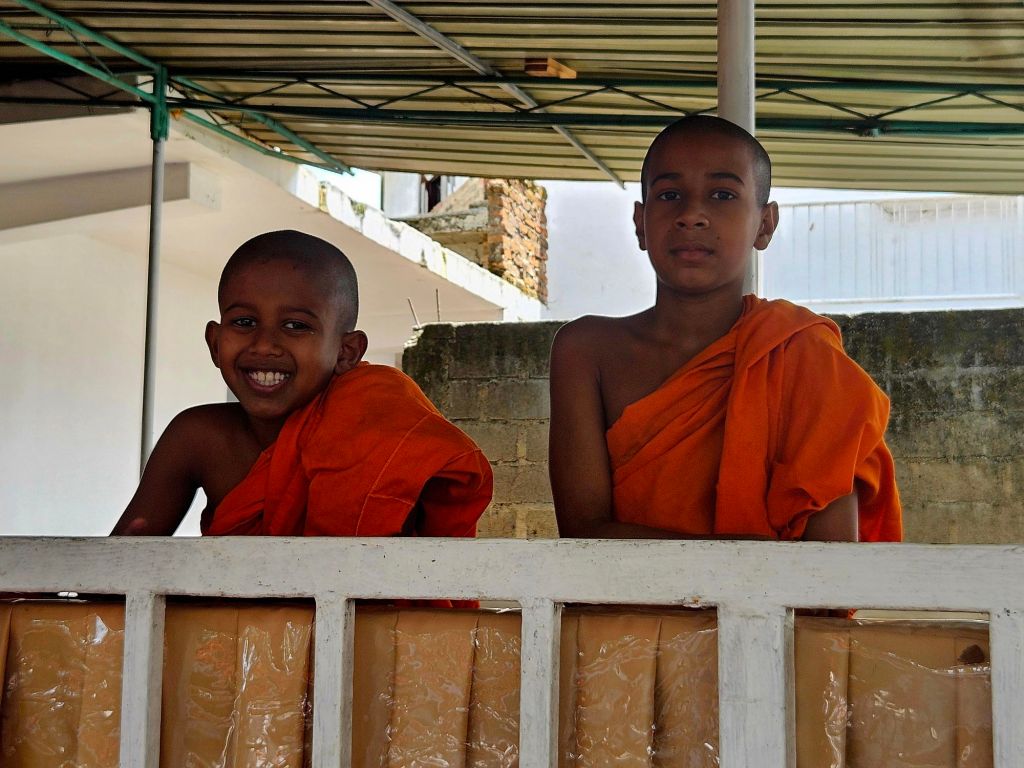
Our tuk tuk driver had waited for us at the bottom.
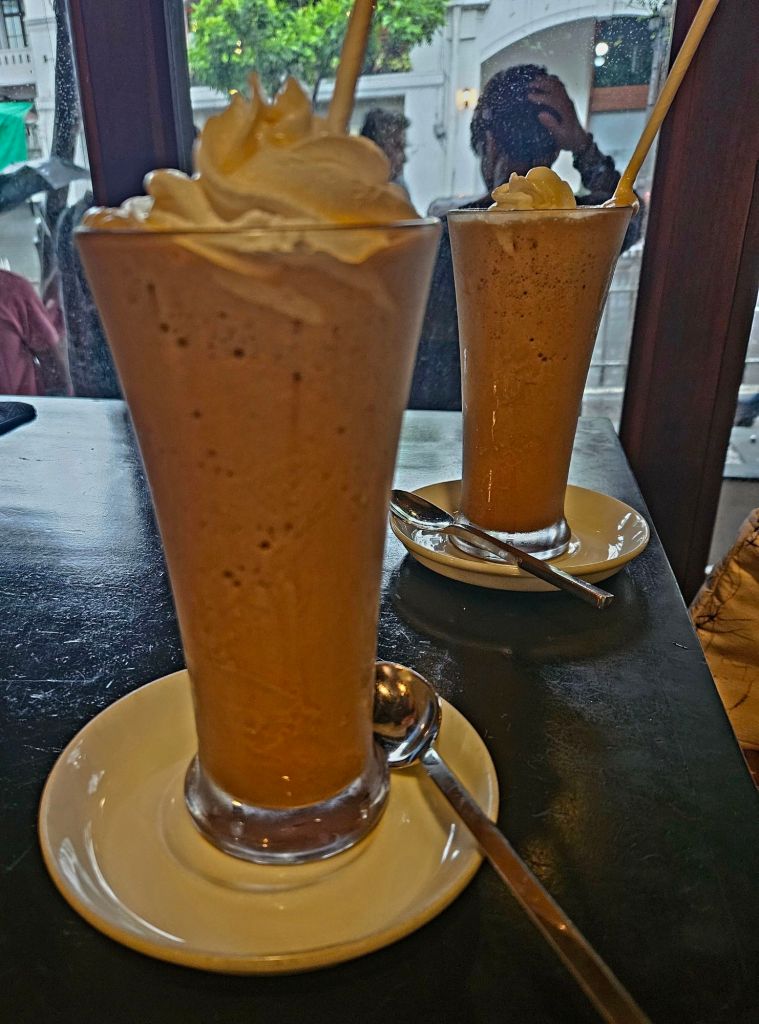
We met Karen and Zoe back at the hotel, they had been out to buy train tickets. Shortly after we got back it started to rain so we decided to explore the indoor shopping centre and we also stopped for frappes and milkshakes.
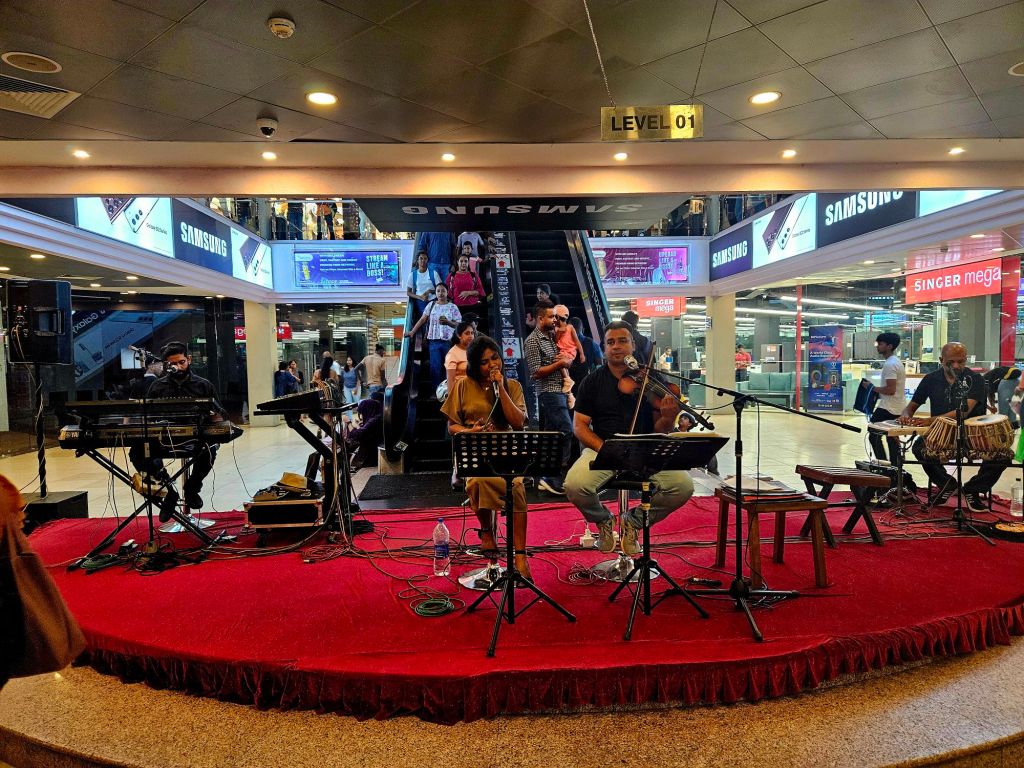
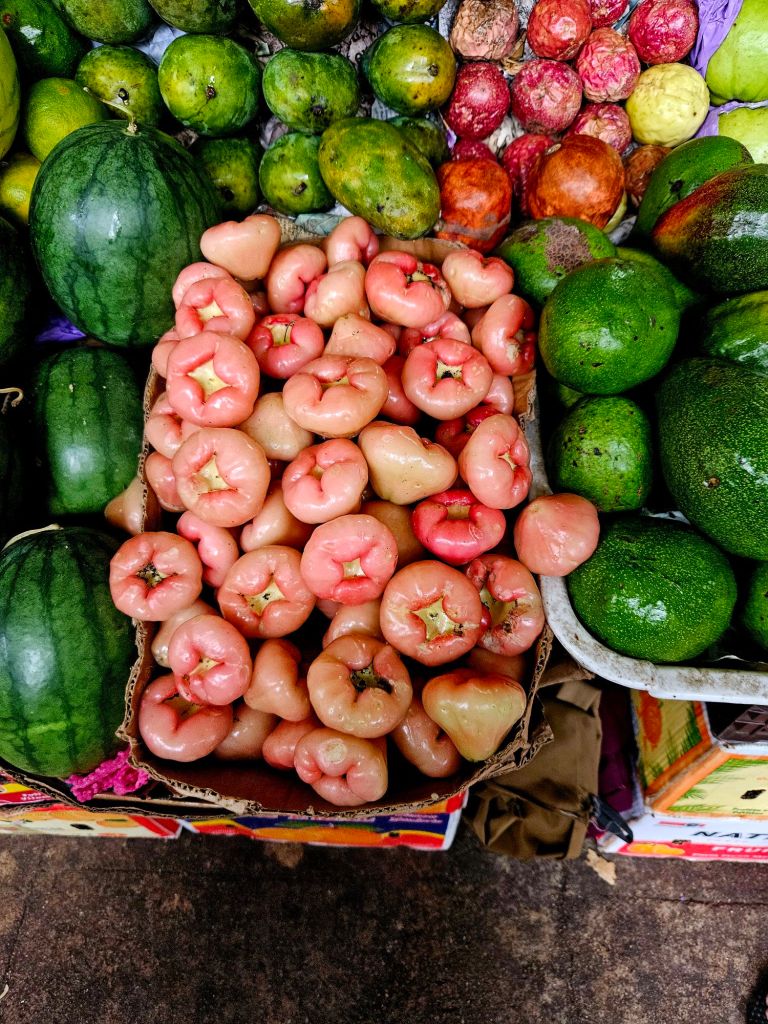
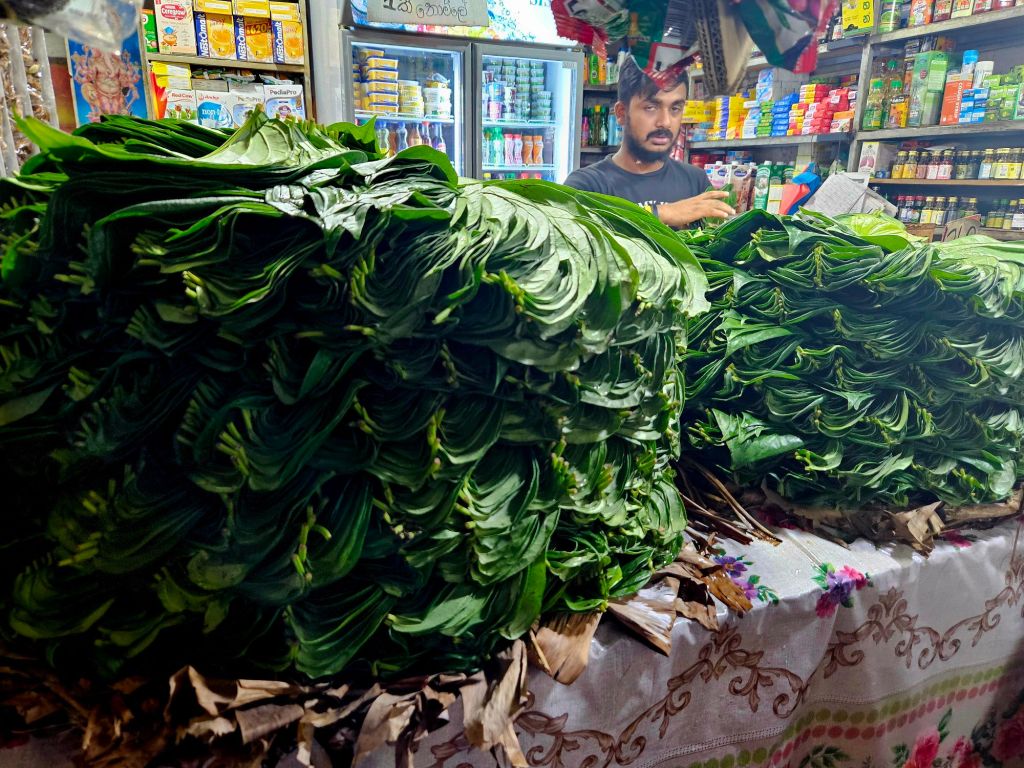
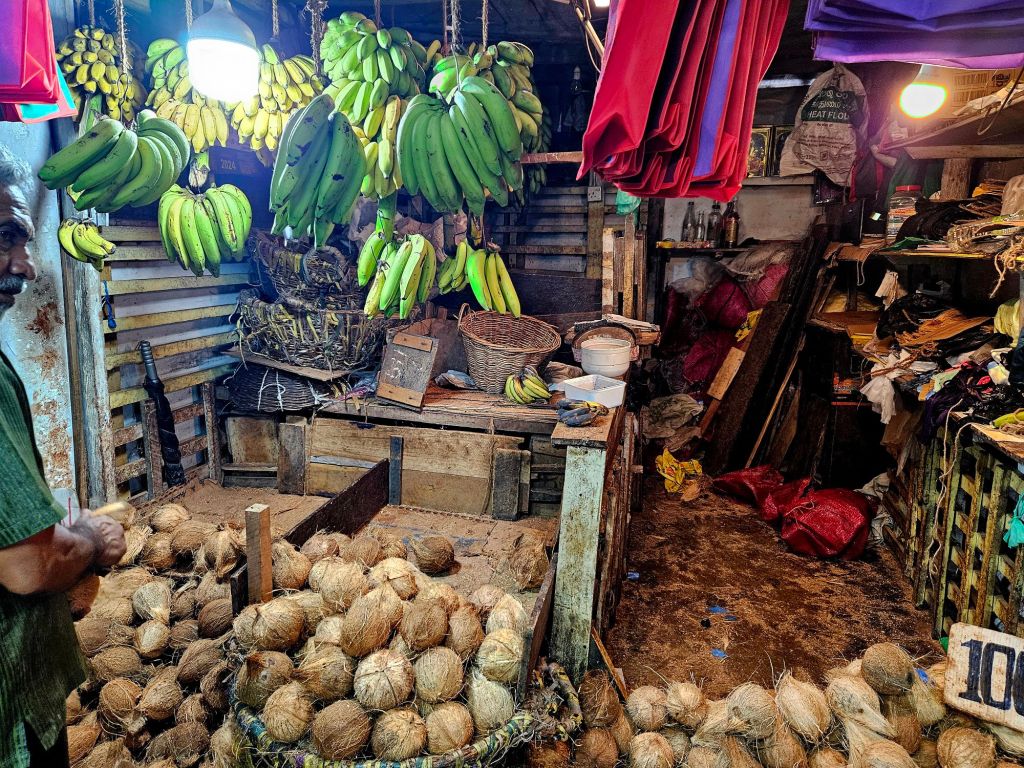
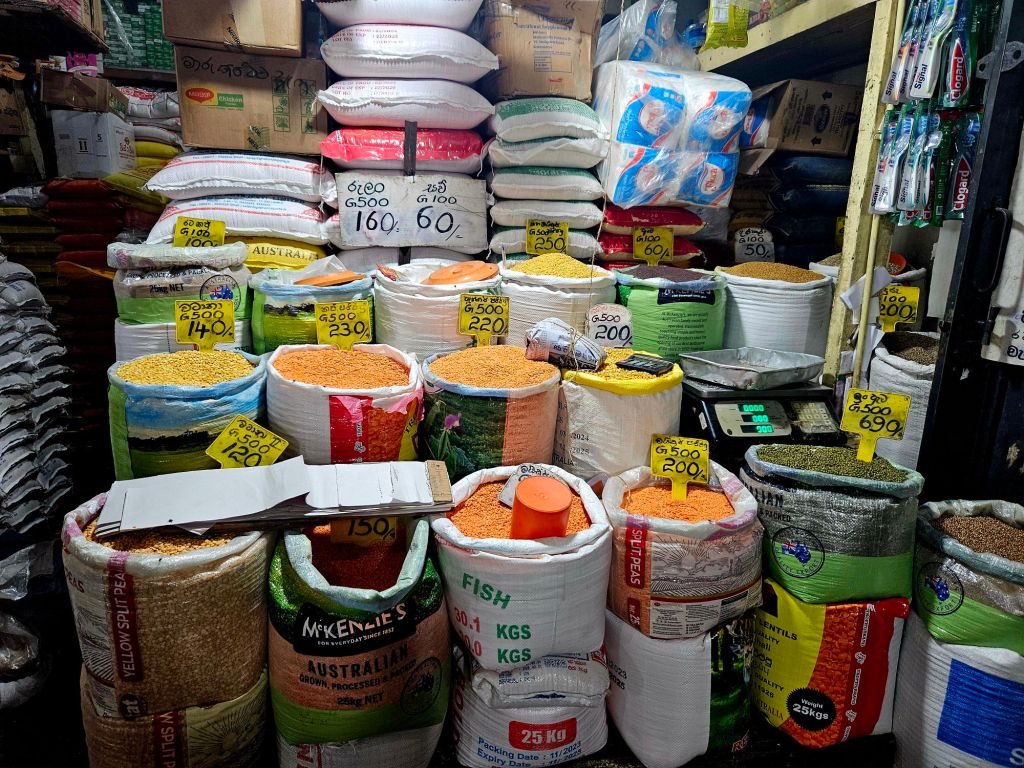
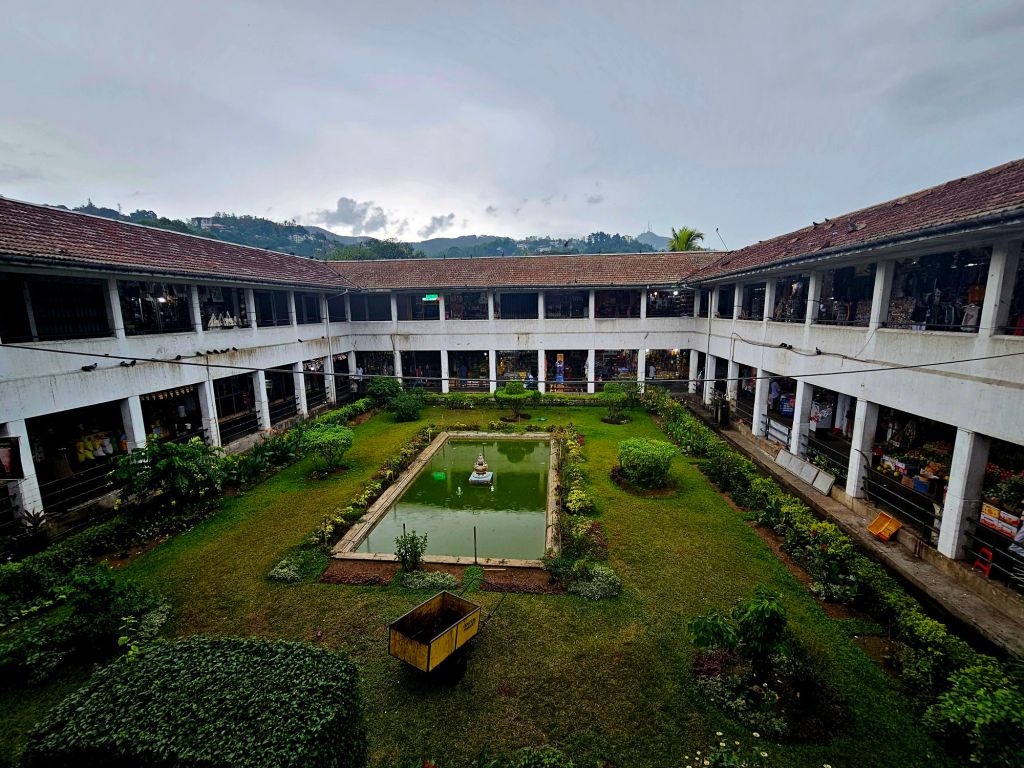
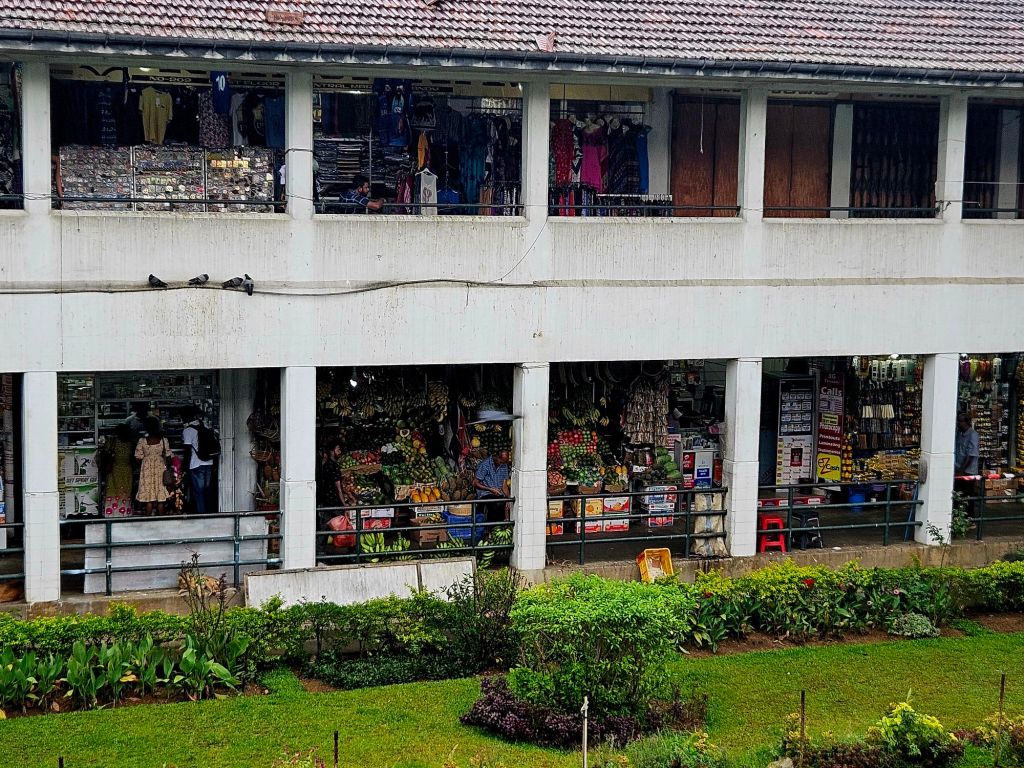
The indoor shopping centre was not that interesting so we went to explore the local market instead – Kandy Central Market. There were lots of interesting stalls with souvenirs, spices, crafts, meat, and fruit. There are 269 stalls within the market, although not all of them were open.
The present building’s site has a history traceable to the 19th century. It is located exactly where Kandy had its old market beginning in 1874. The new market was opened to the public in 1959.
The market belongs to the people of Kandy, and they help to maintain it. Every day, three tractor loads of rubbish are discarded from the market. It is open from 6am to 9pm with the fishmongers receiving the daily catch at 4am.
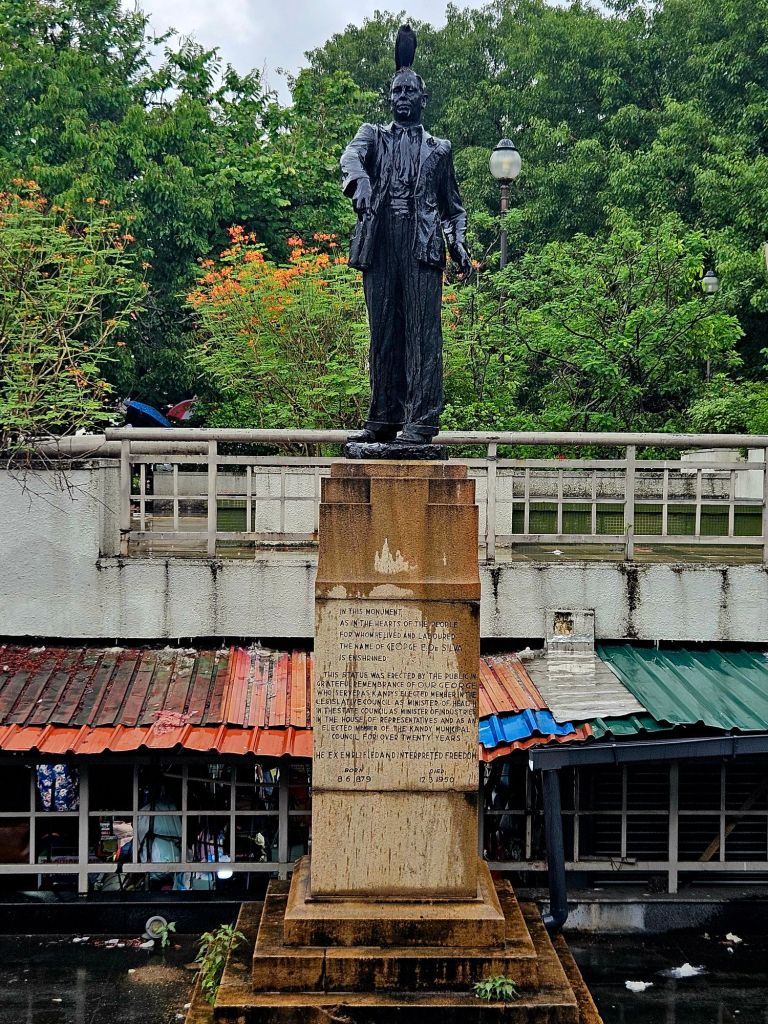
Just outside the market area were a couple of statues and a war memorial. One statue was of George E de Silva, who was a lawyer and politician. During his time at the Municipal Council, he introduced several municipal reforms, including the slum clearance scheme and the Peradeniya river pumping scheme.
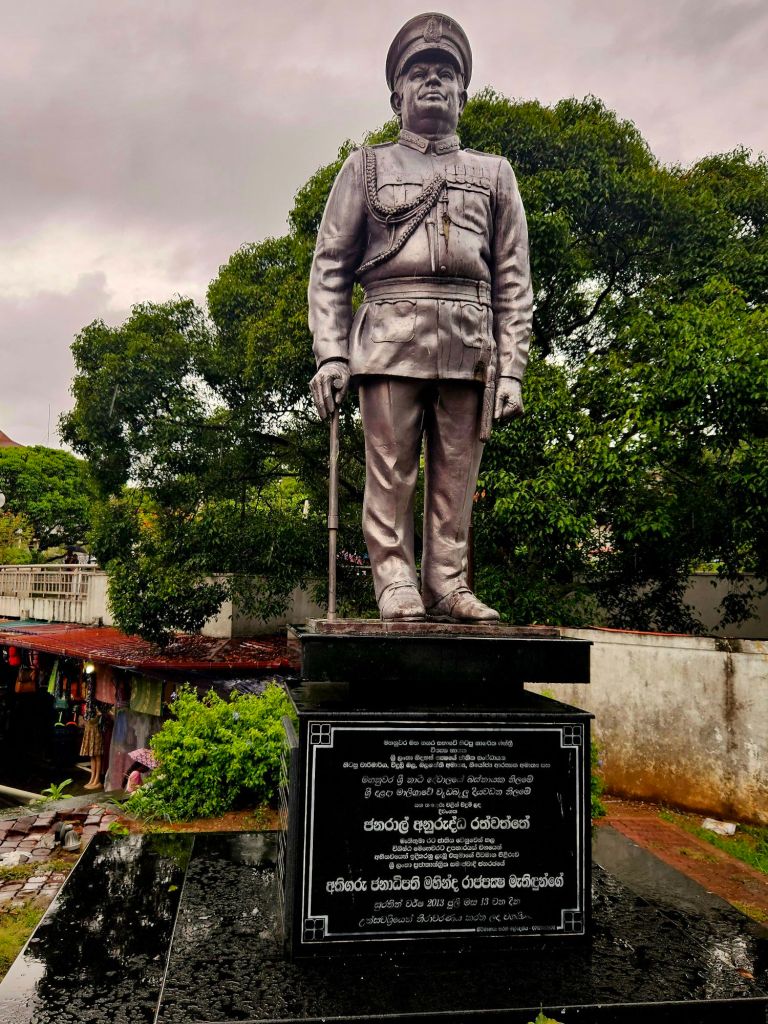
Another staue was of General Anuruddha Ratwatte, who was a Srilankan soldier and politician. He opposed the Kandy Municipal Council and led the Srilankan Freedom Party.
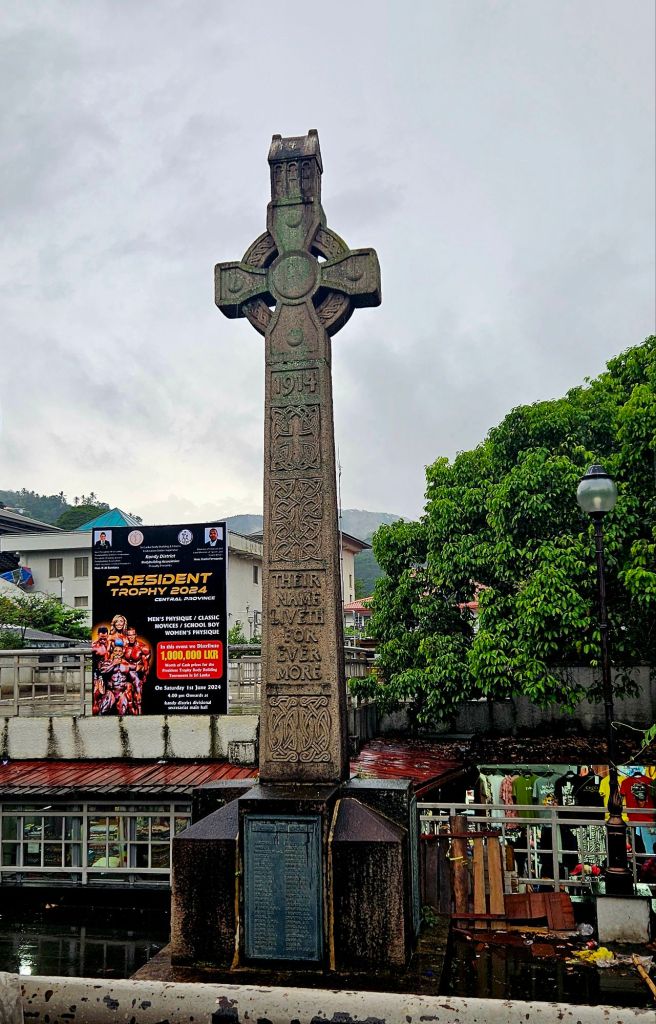
The war memorial commemorated those who died in the First World War. Over a million South Asian men served in the Indian Army during this time, and more than 400 Srilankan soldiers lost their lives during this conflict.
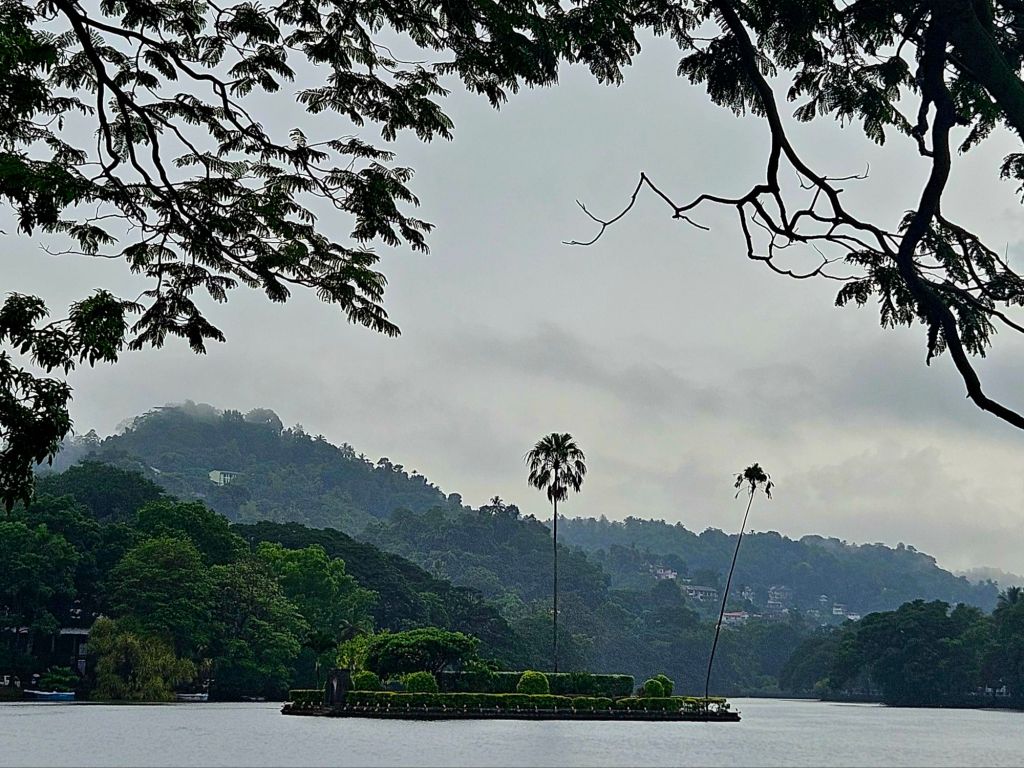
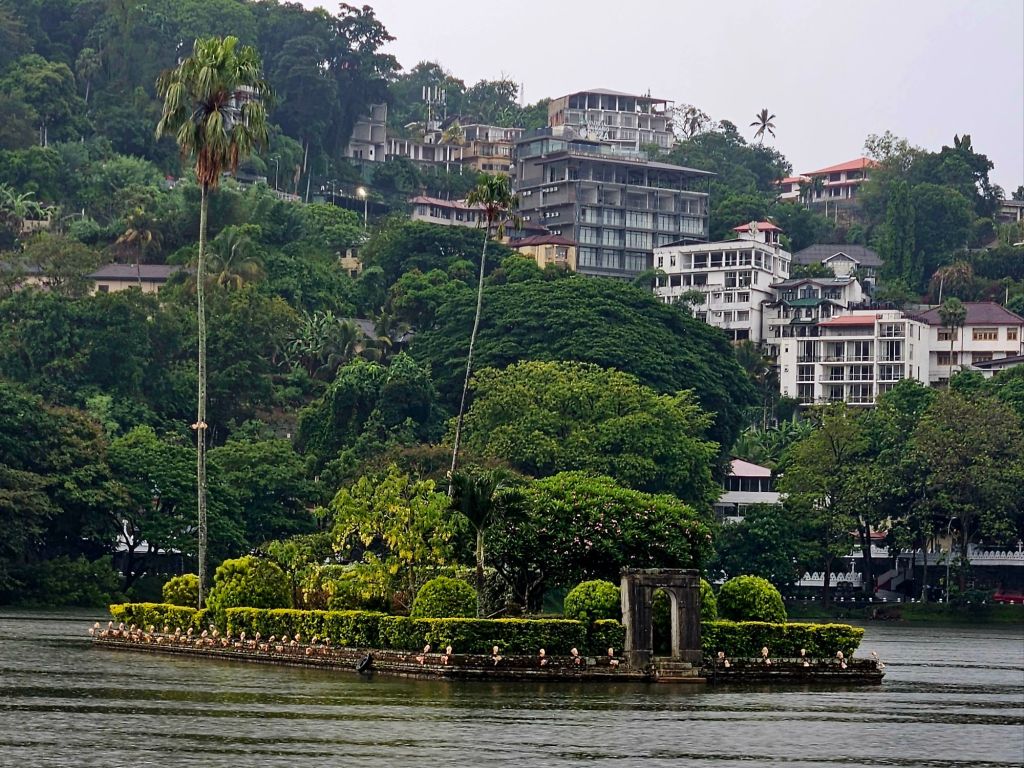
We walked back to the hotel, and then Mandy, Karen, and I went for a walk around Kandy Lake. The lake is an artificial lake that was built in 1807. Over the years, it has reduced in size, and the shore length is now 3.4km. The lake is known as Sea of Milk as formerly there used to be a small pond there called the same. The rest of the area was originally paddy fields.
There is an island in the middle of the lake that the king used for relaxation. It is also said that this island was used by the king’s harem for bathing and was connected to the palace by a secret tunnel. It is currently used as a police post.
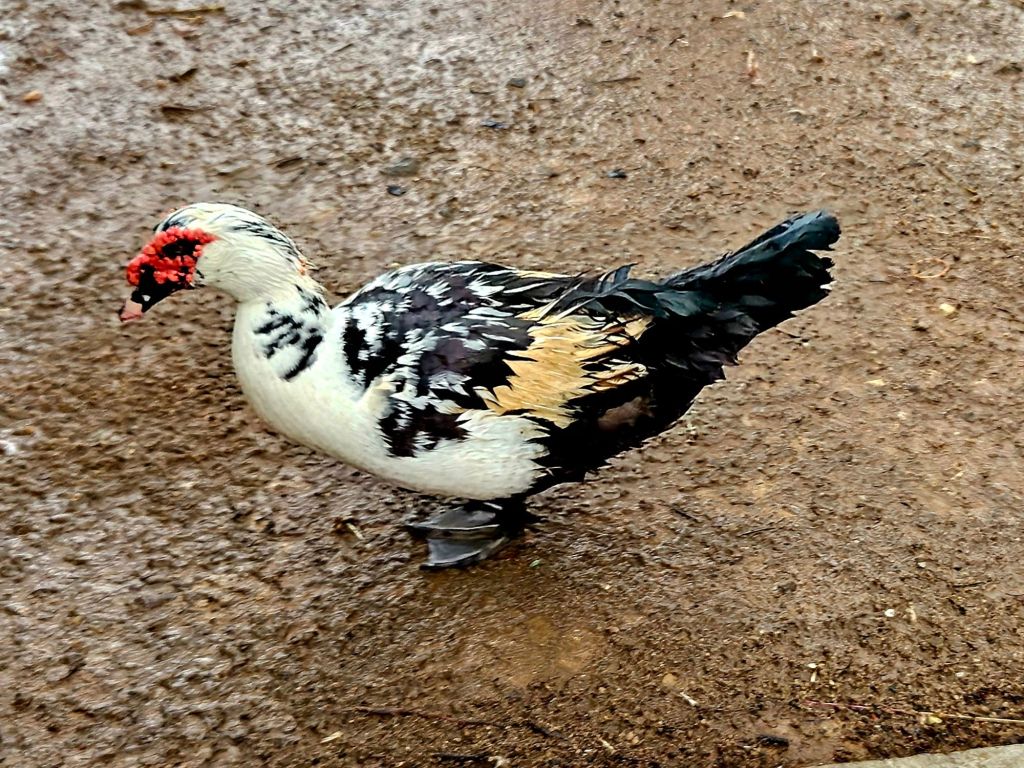
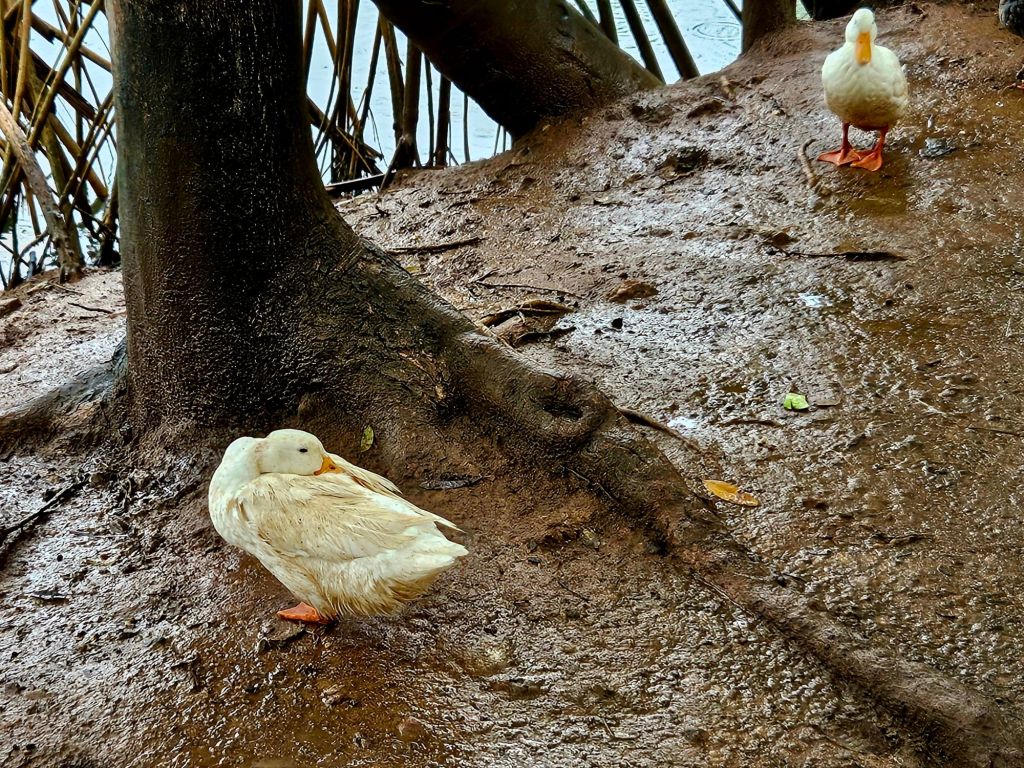
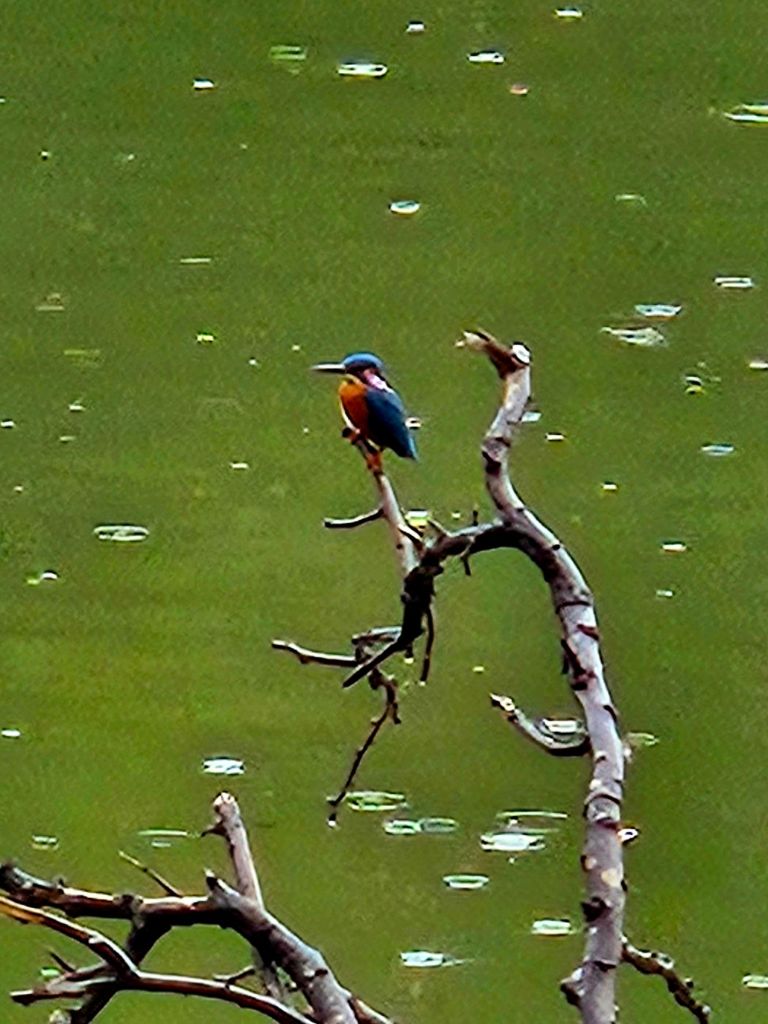
There are a lot of different birds on the lake, including some ugly looking ducks, nicer looking ducks, cormorants, egret cranes, herons, storks and I spotted a kingfisher too.
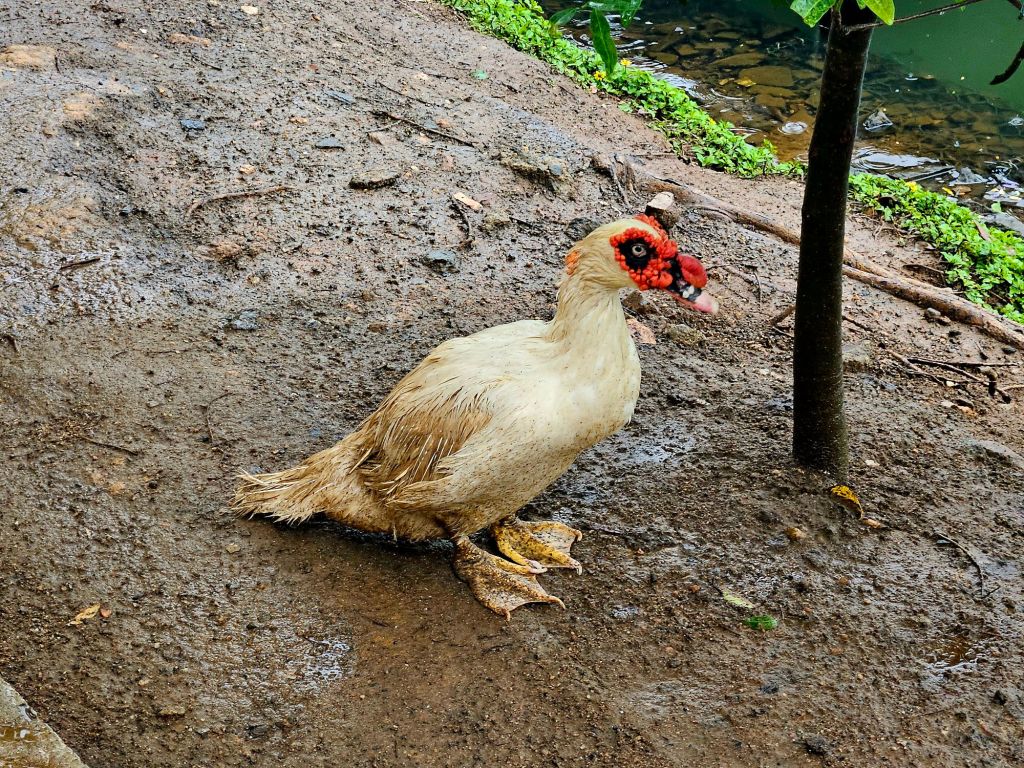
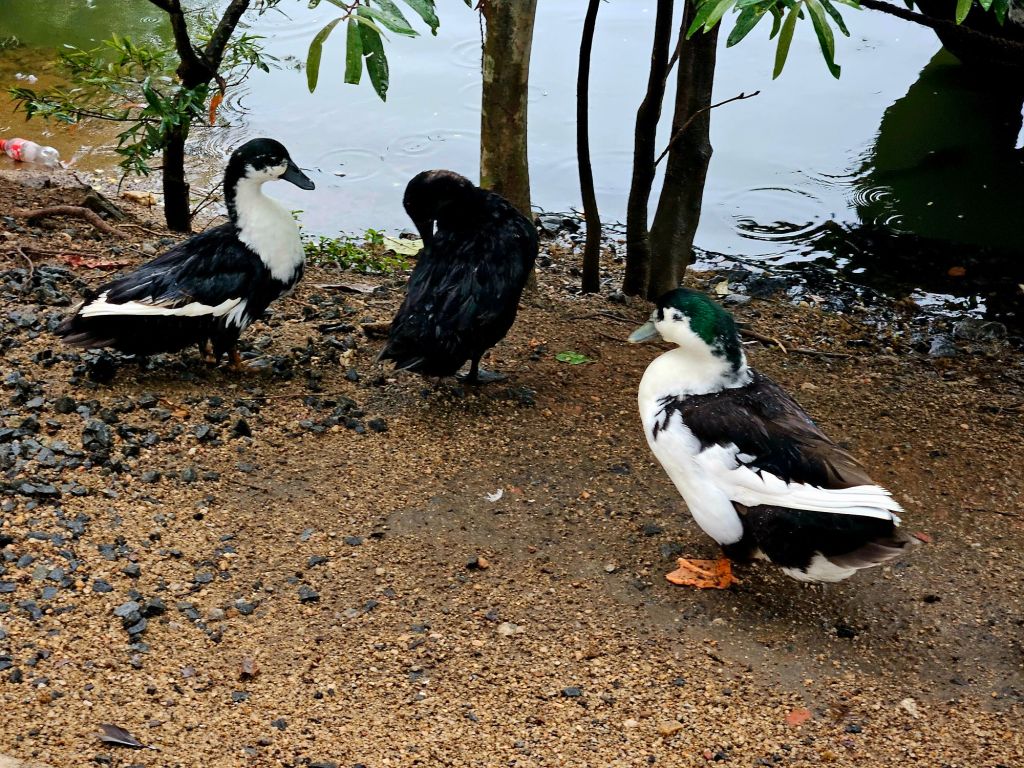
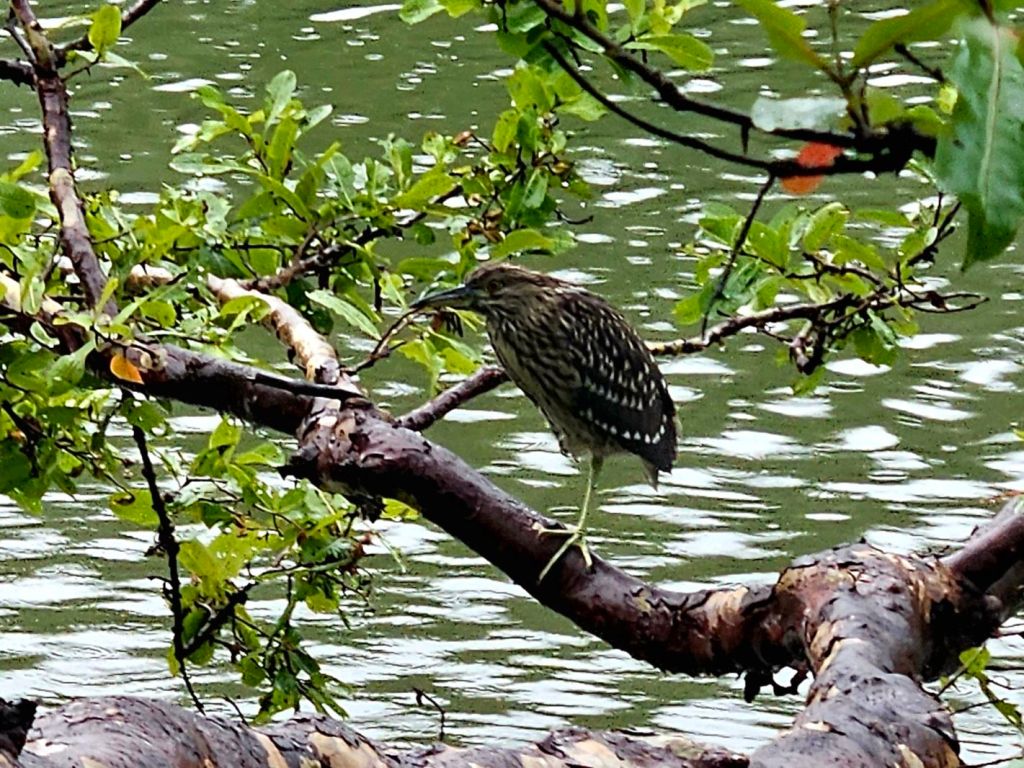
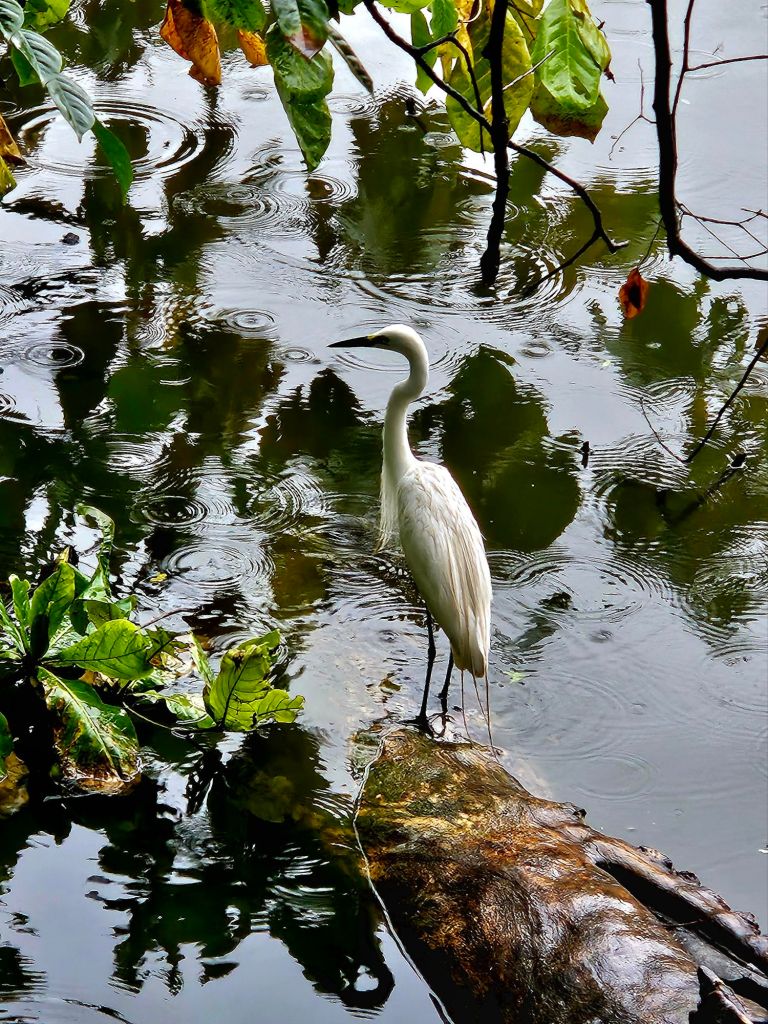

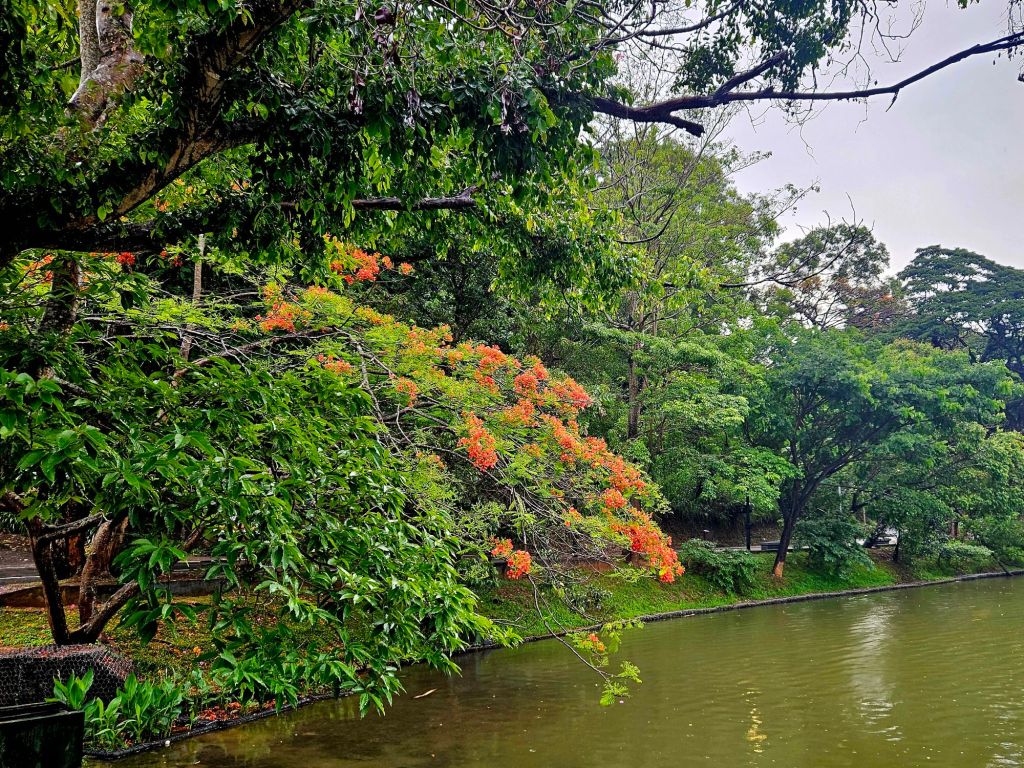
There are a variety of different trees planted around the lake, including Nuga trees, palm trees, fruit trees, Sal trees, and Mara trees. Some of the trees are about 74 years old.
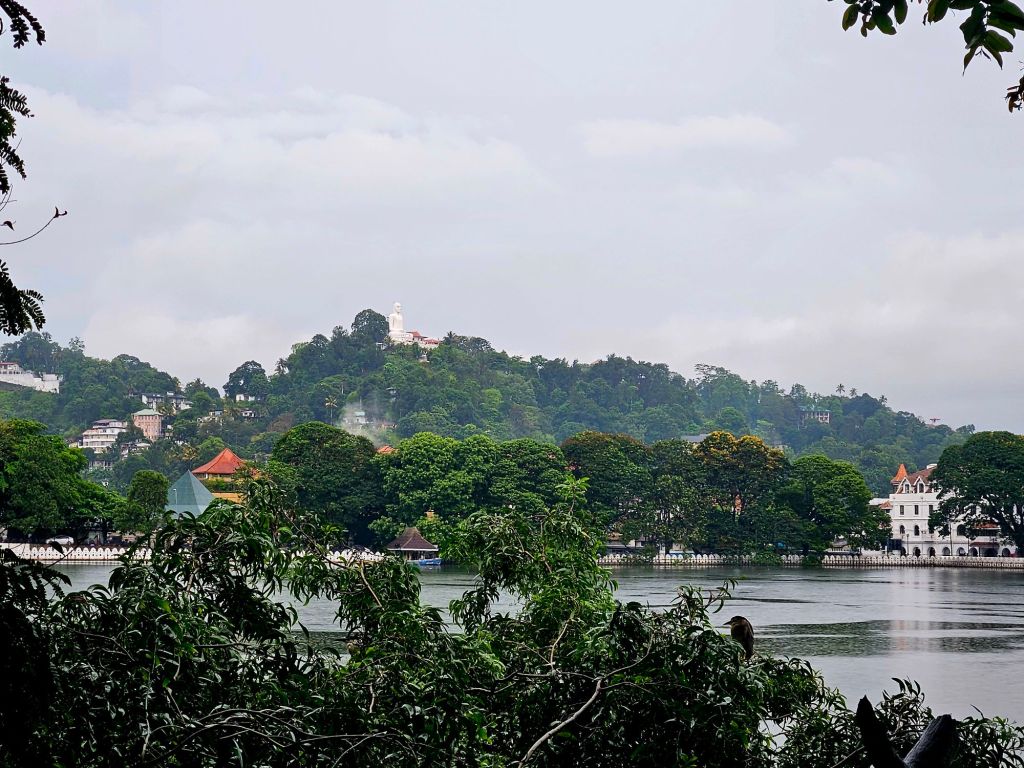
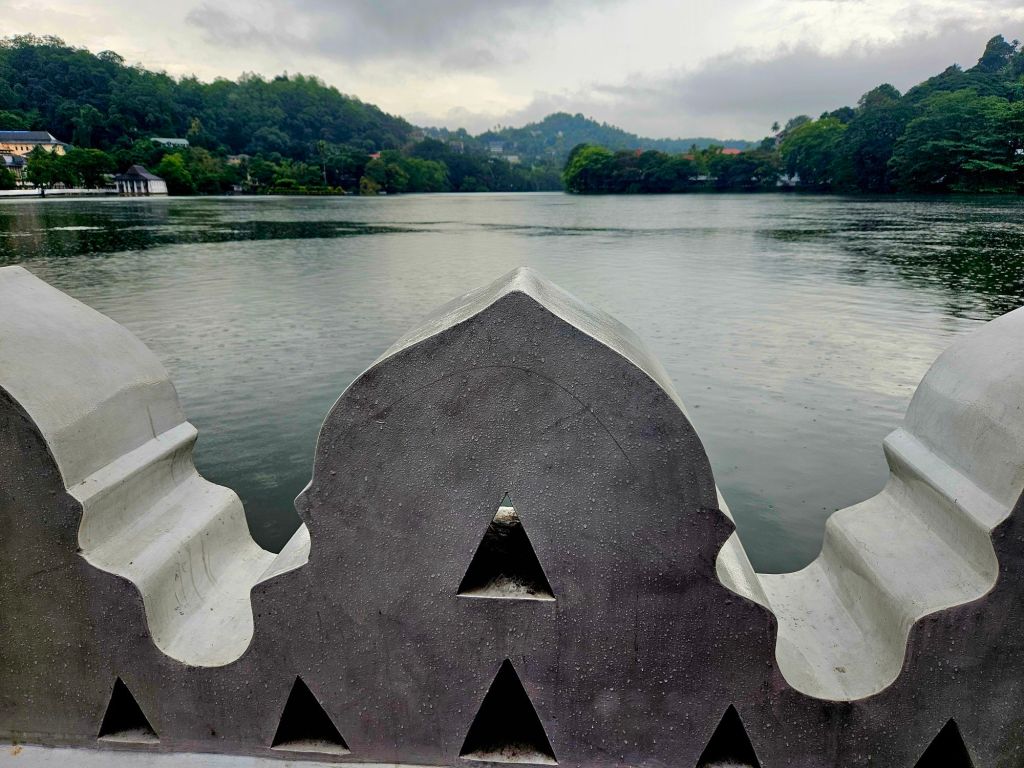
The lake is surrounded by a wall called Walakulu Bamma, or Cloud Wall, which was built to enhance the beauty of the lake. The wall only extends around half of the lake because the architect was unable to complete the wall before the city was captured by the British. The triangular shaped holes in the wall are used for lighting oil lamps on festival days. So you have the milky, cloudy lake, the ‘stars’ caused by the lights above that, and the palace sits above all of this in a ‘heavenly realm’.
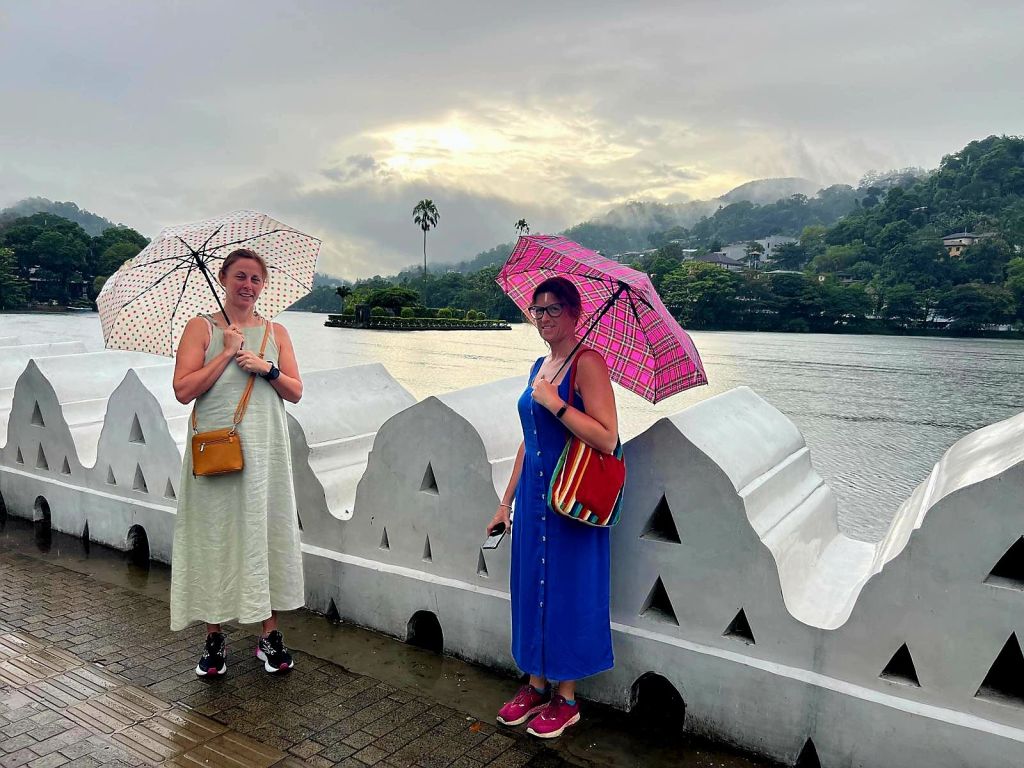
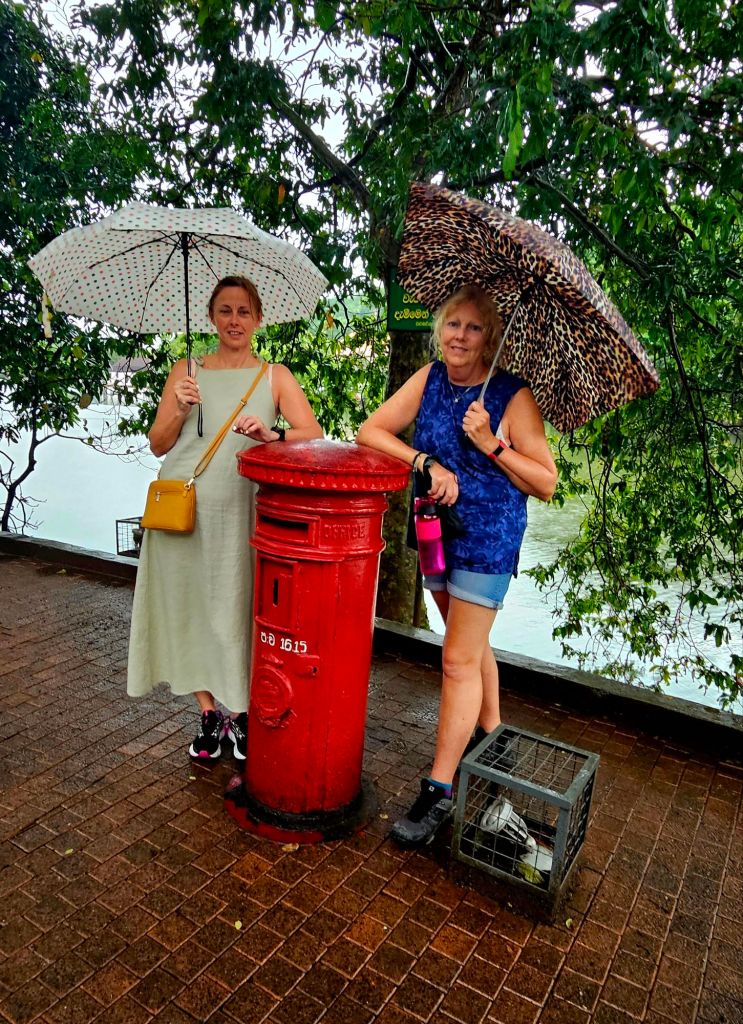
You could see our hotel from the other side of the lake, and we also found an old British post box.
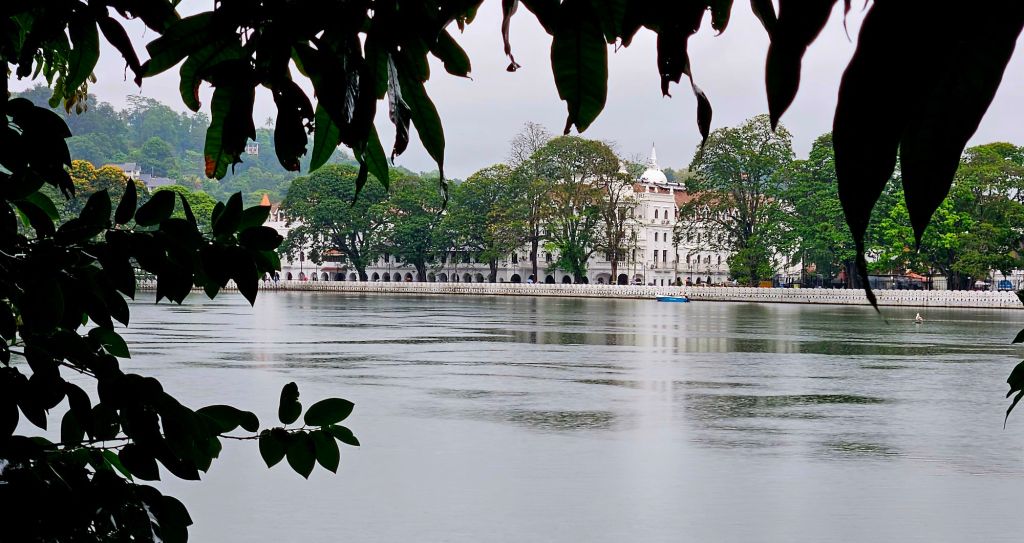
After we walked around the lake, I left Mandy and Karen at the hotel and went to visit Sri Dalada Maligawa, the Temple of the Sacred Tooth Relic. It is where the left tooth of Gautama Buddha is enshrined.
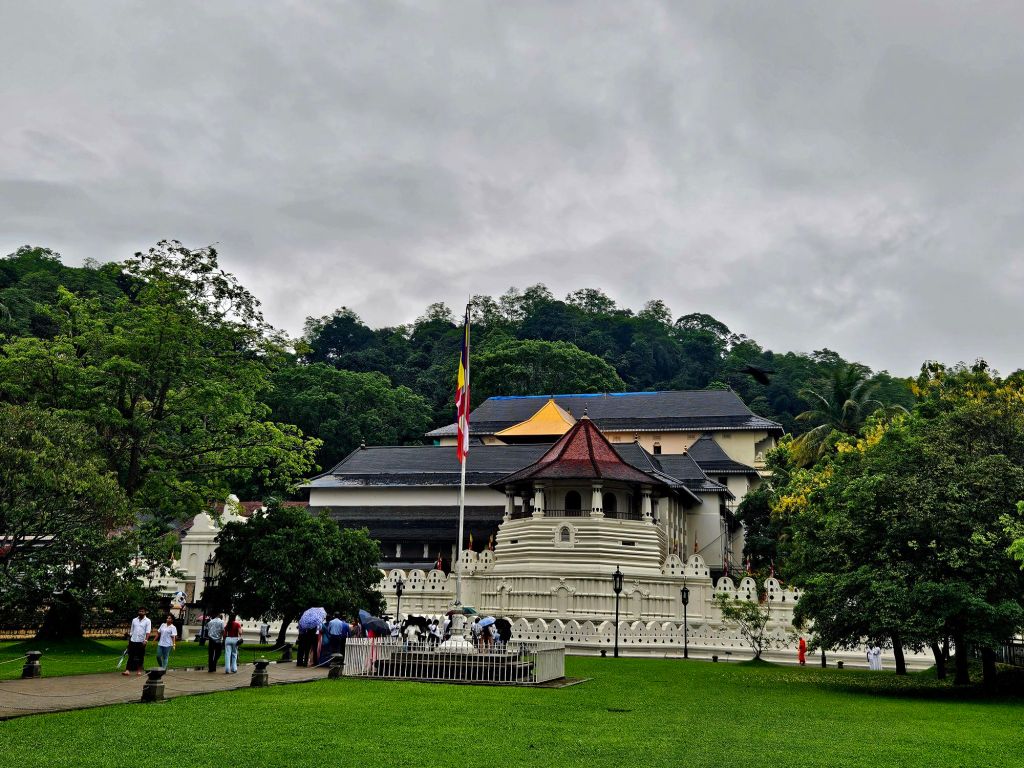
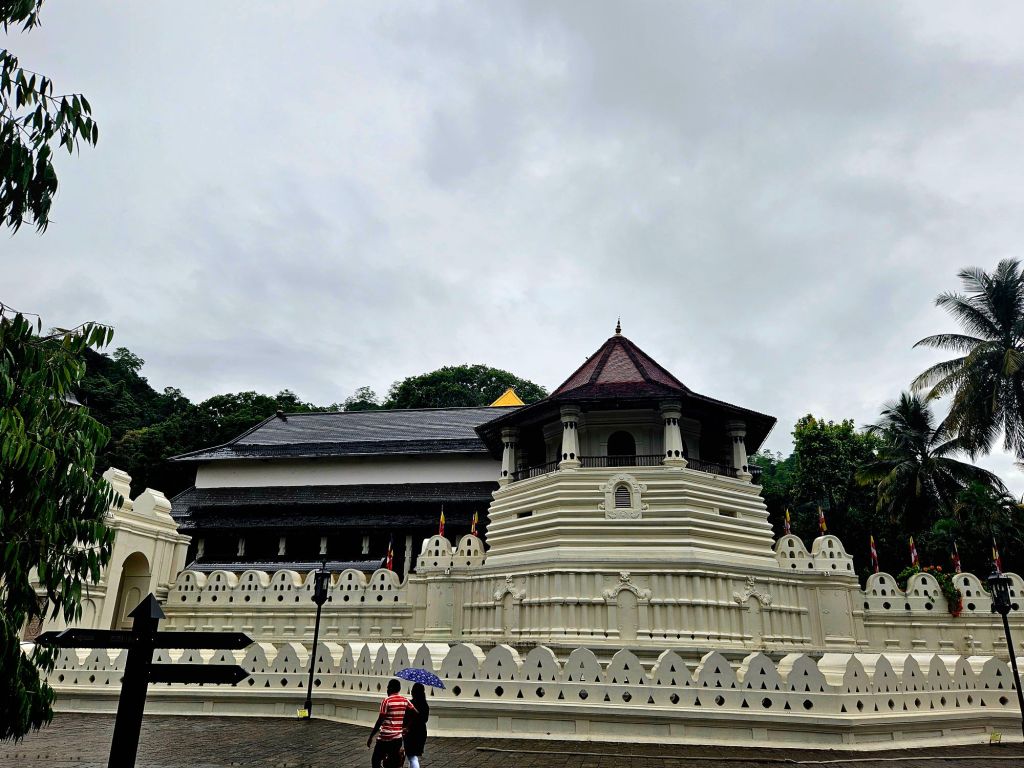
The relic was historically held by Sinhalese kings and kept in various shrines within the palaces. It is believed that whoever holds the relic holds the governance of the country.
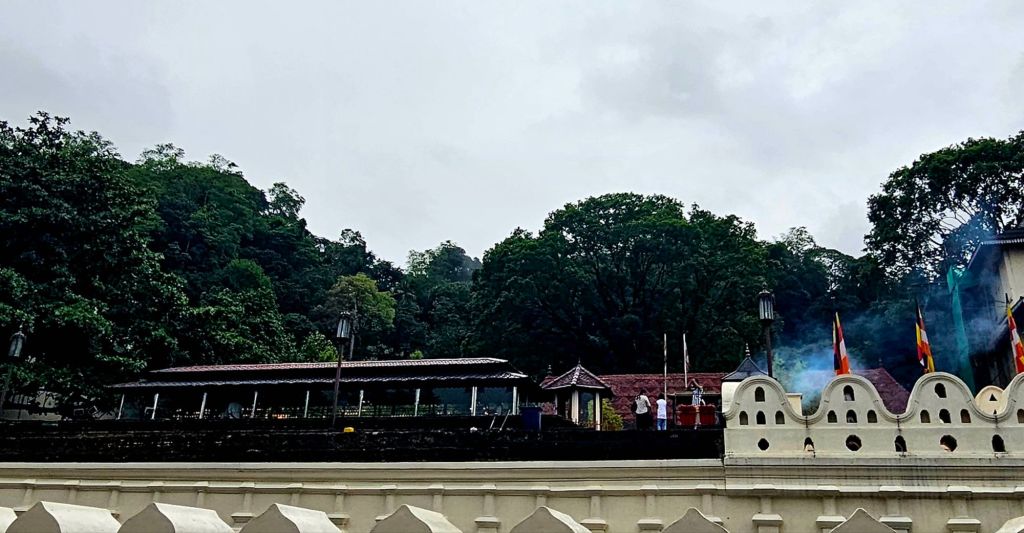
I entered the temple complex through one of the side entrances and had to immediately take off my shoes. I visited the stupa and statues around the temple grounds.
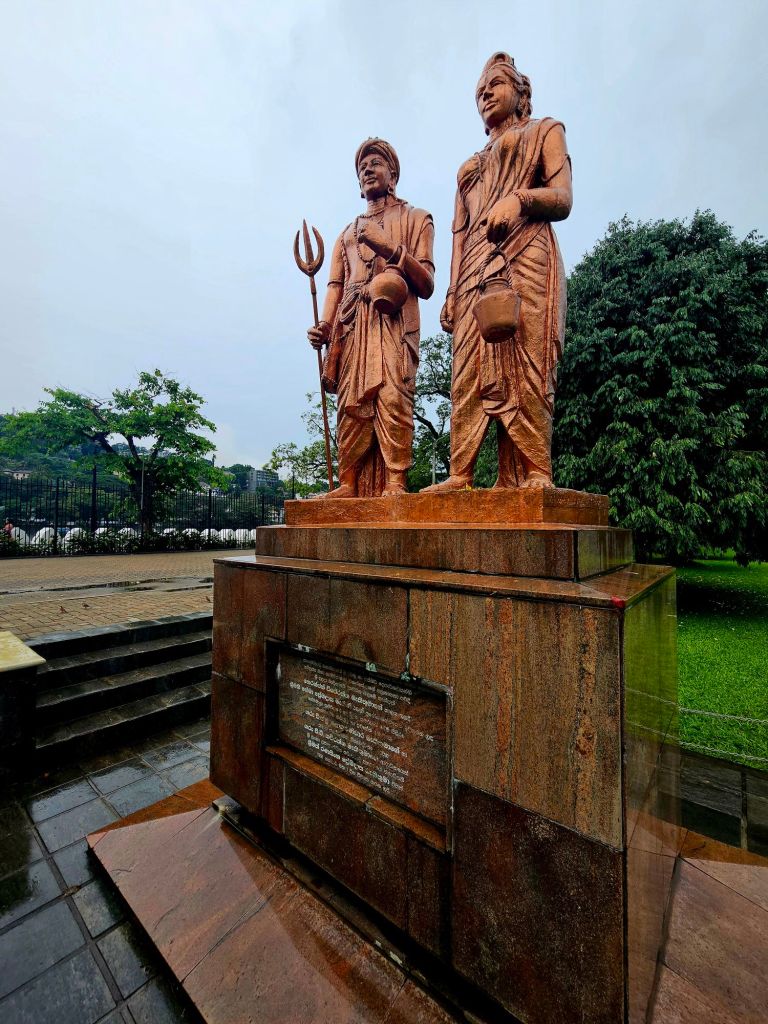
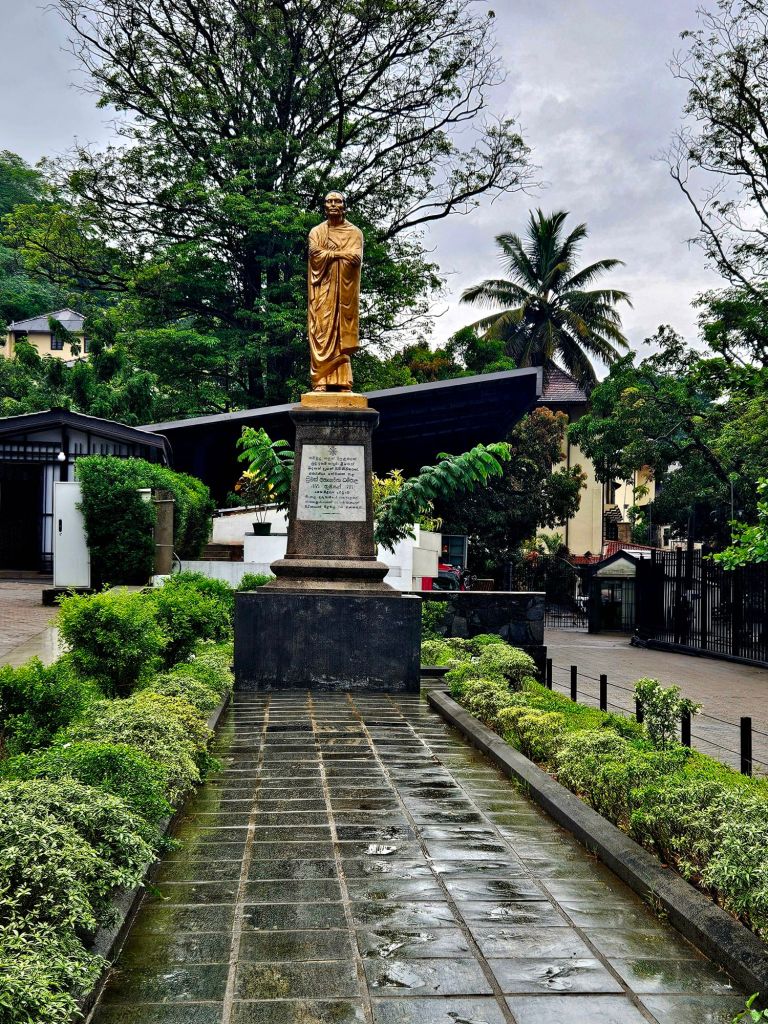
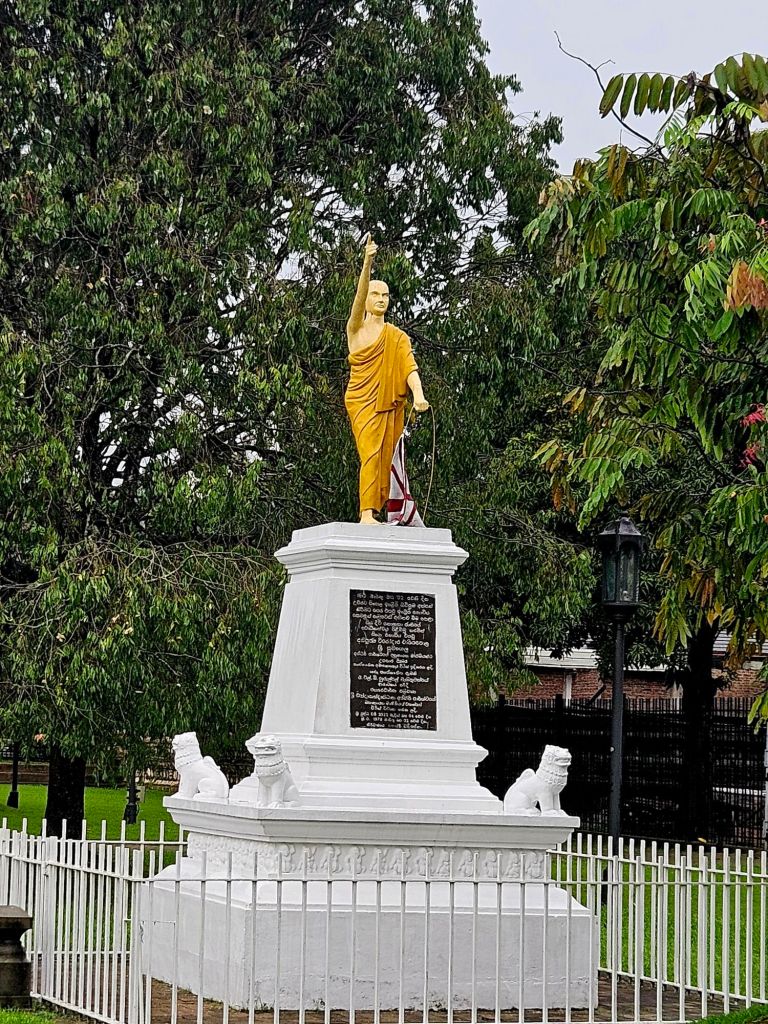
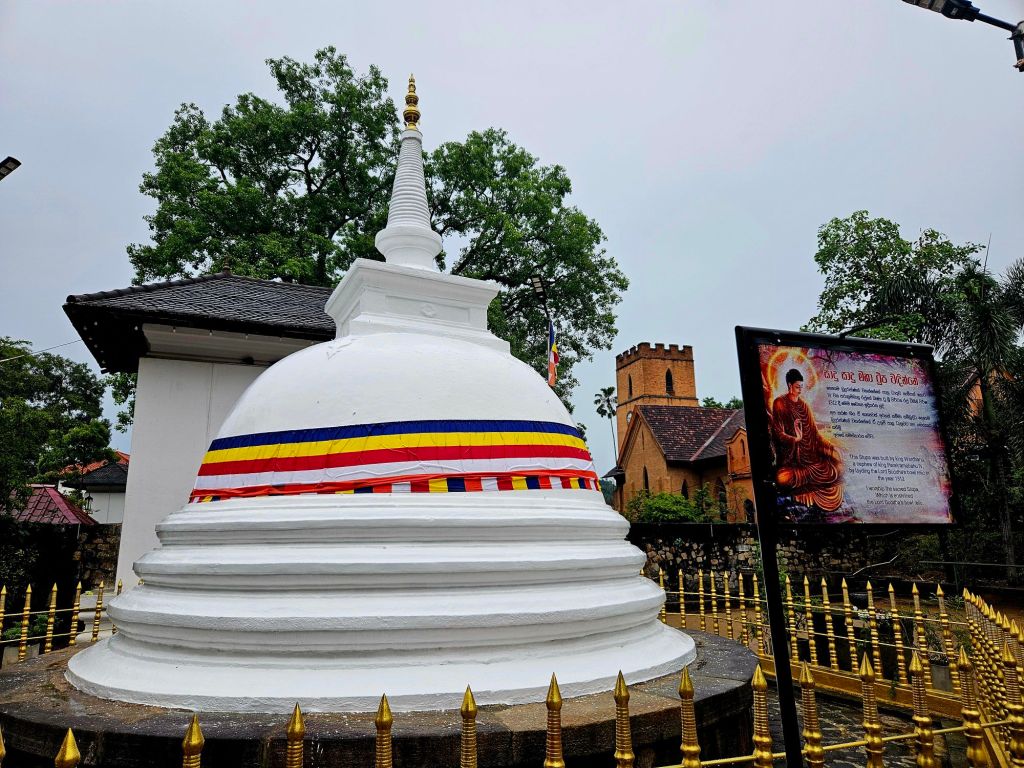
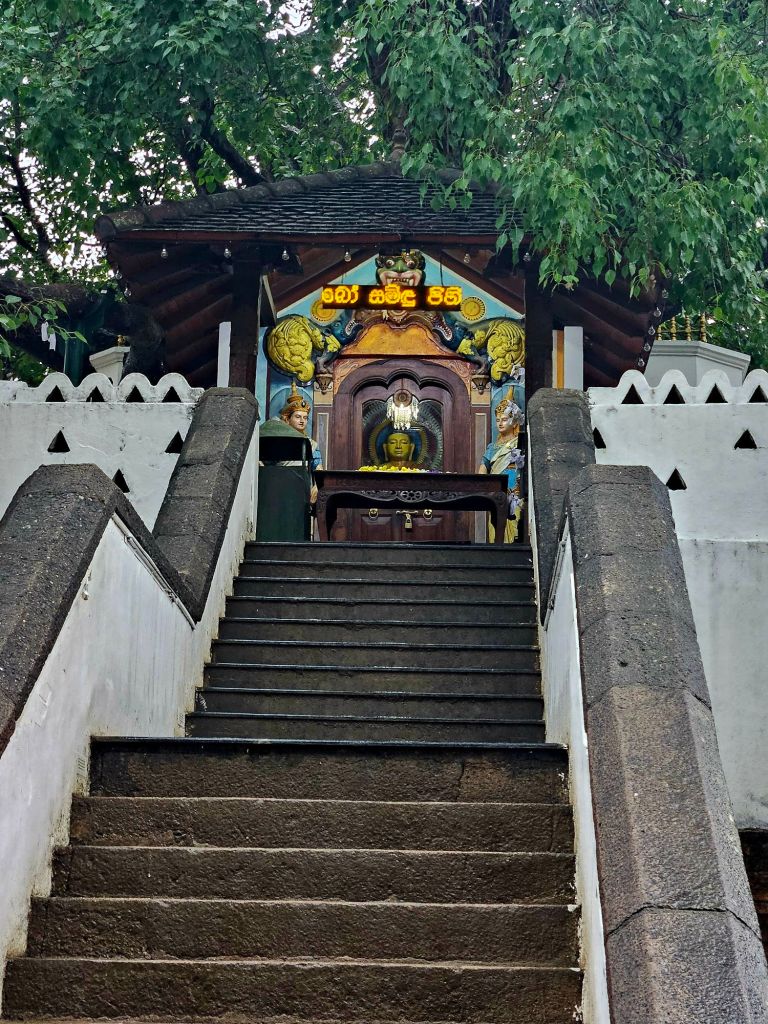
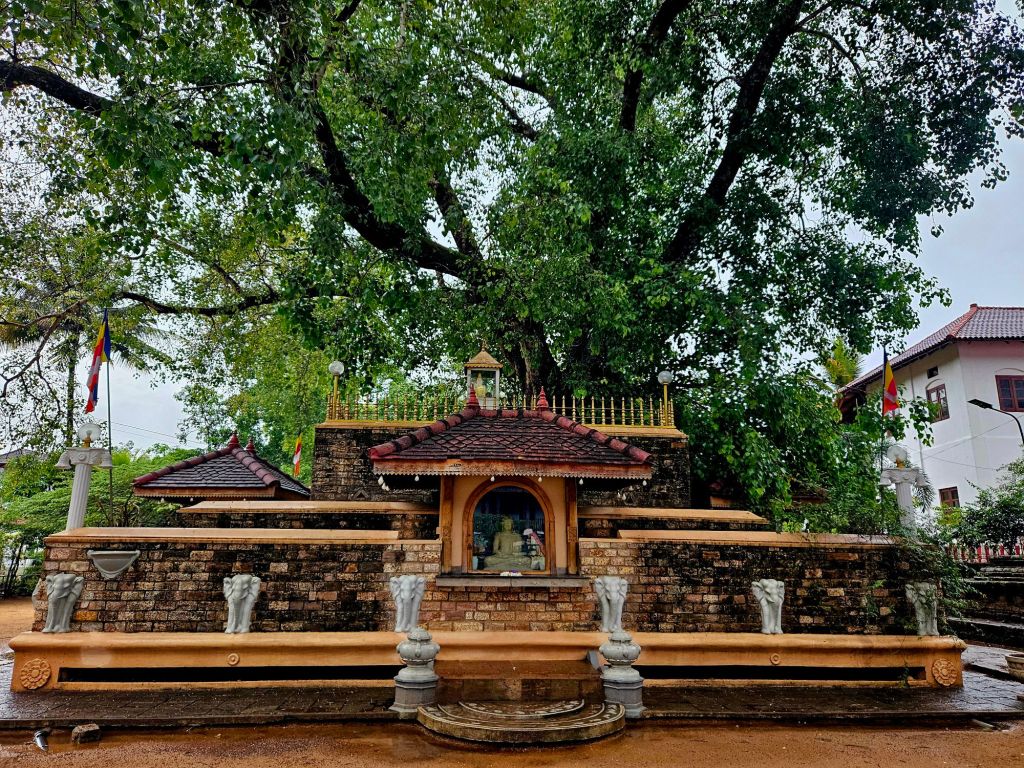
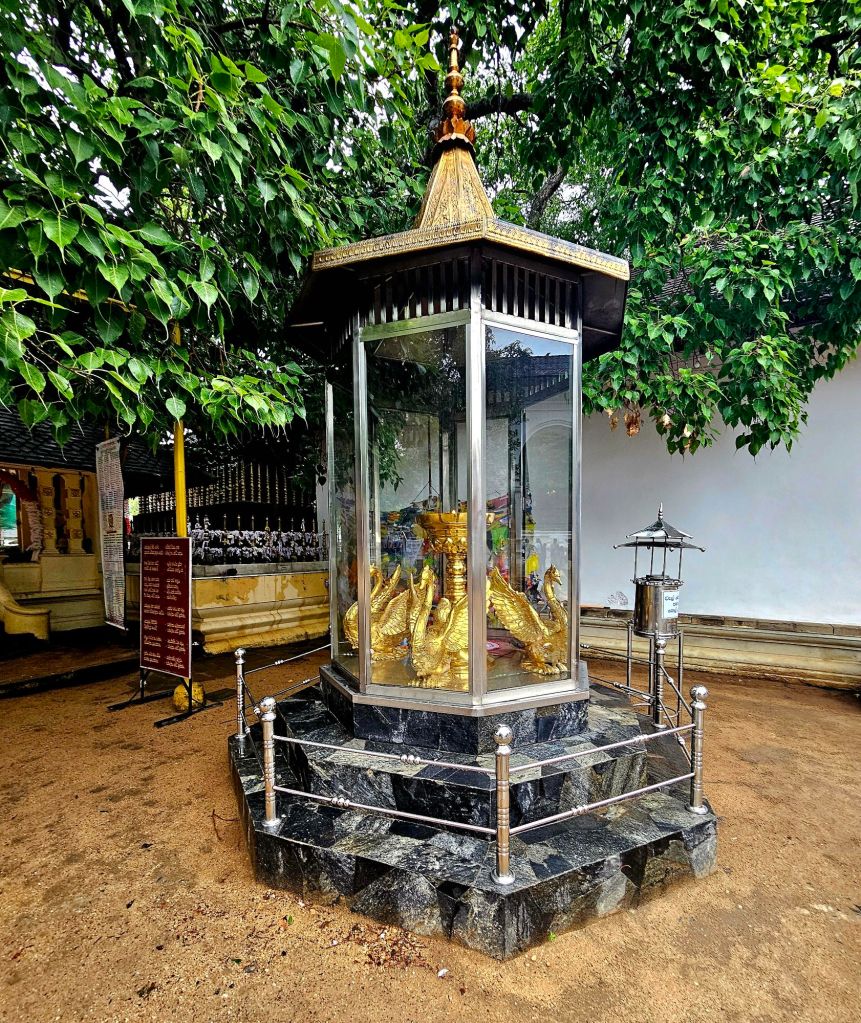
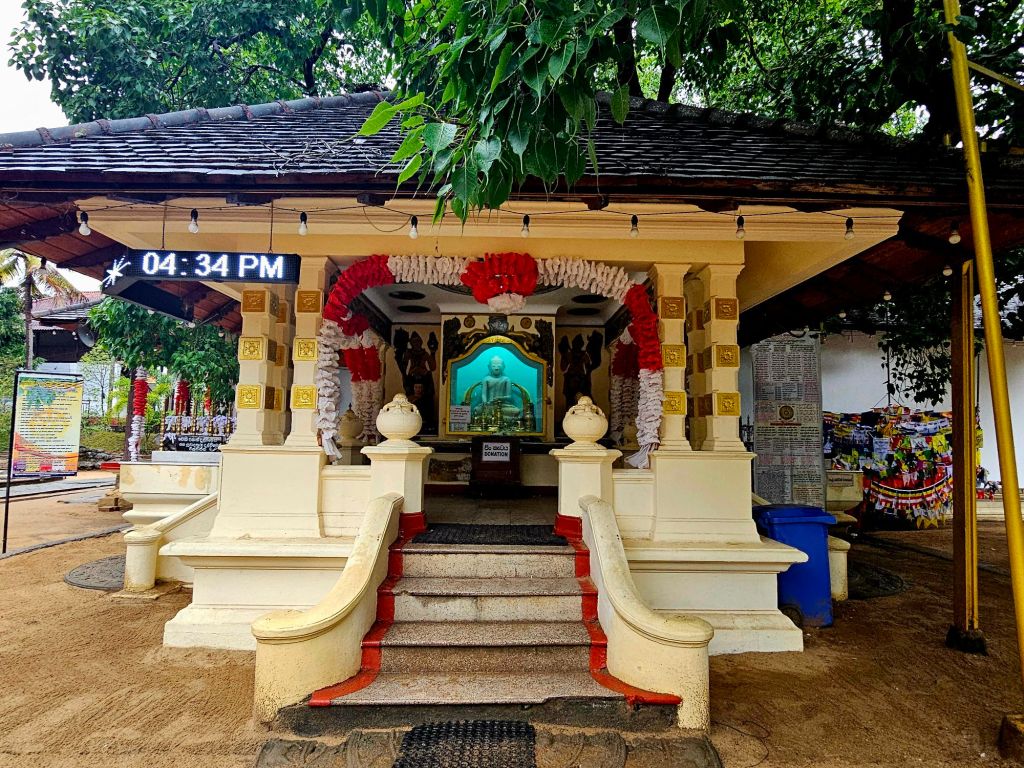
I didn’t actually go into the temple itself as I had heard you can’t actually see the relic as it is encased in a casket. But lots of people were going in to pay their respects.
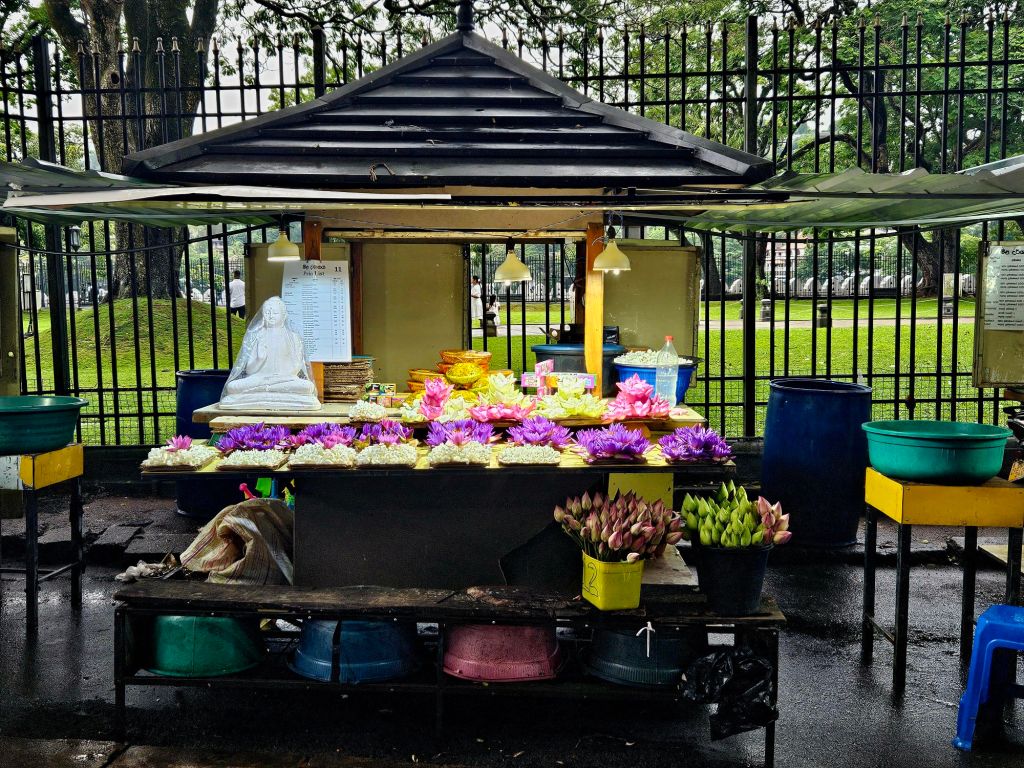
All along the side roads to the temple were stalls selling offerings.
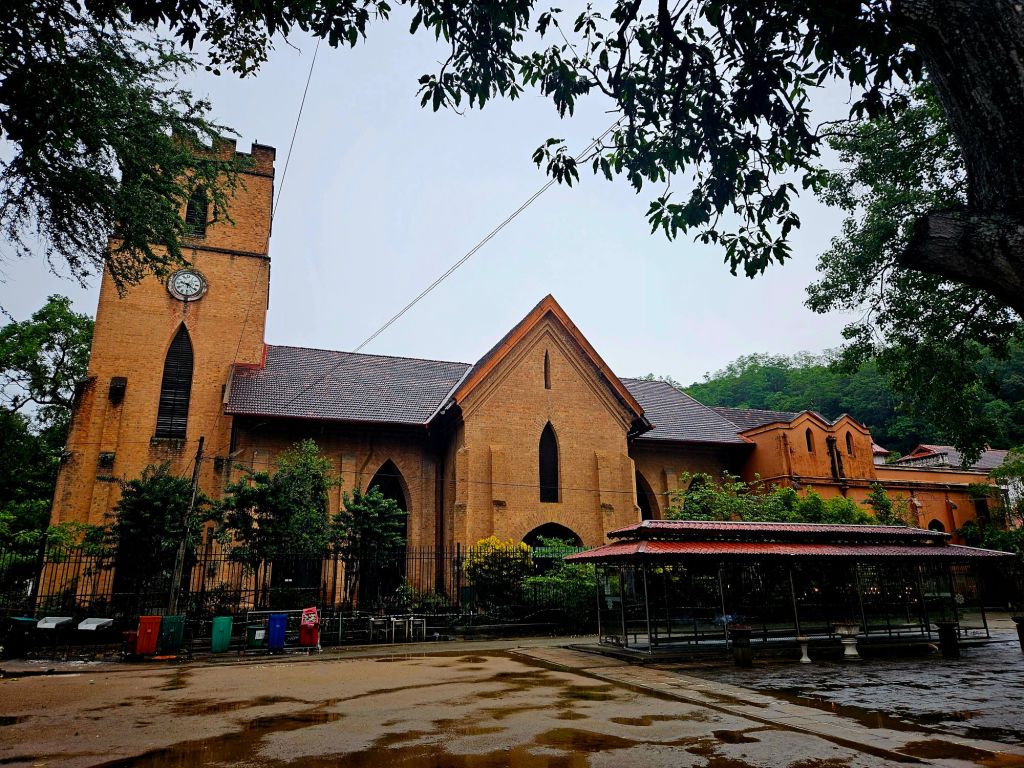
Right next to the temple is an Anglican church, the church of St Paul. This was built in 1852. The church houses the only pipe organ in Kandy and potentially, the largest pipe organ in regular use in Sri Lanka. Unfortunately it wasn’t open so I couldn’t see it.
Once I got back to the hotel, I met the ladies in the bar for a drink. There were a couple of gentlemen in the bar looking very smart in their suits. We got chatting to them, and it turned out they were pharmacists, and they had just attended the AGM of the Srilankan pharmaceutical society. So obviously, we discussed how pharmacy was going in Sri Lanka and in England.
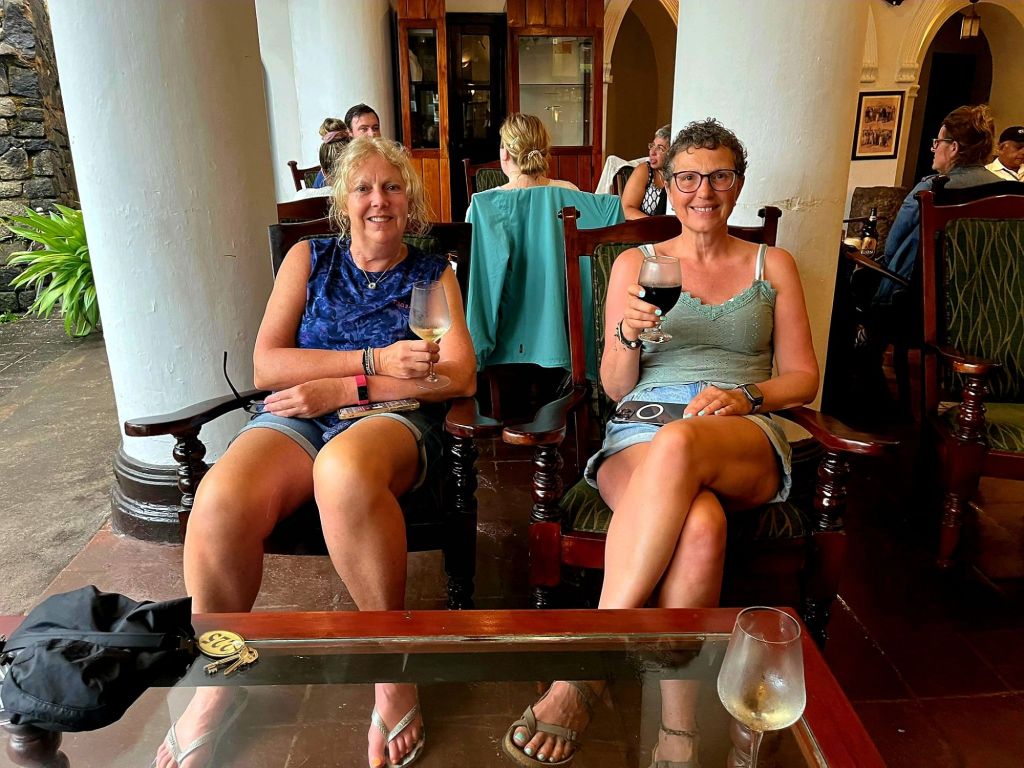
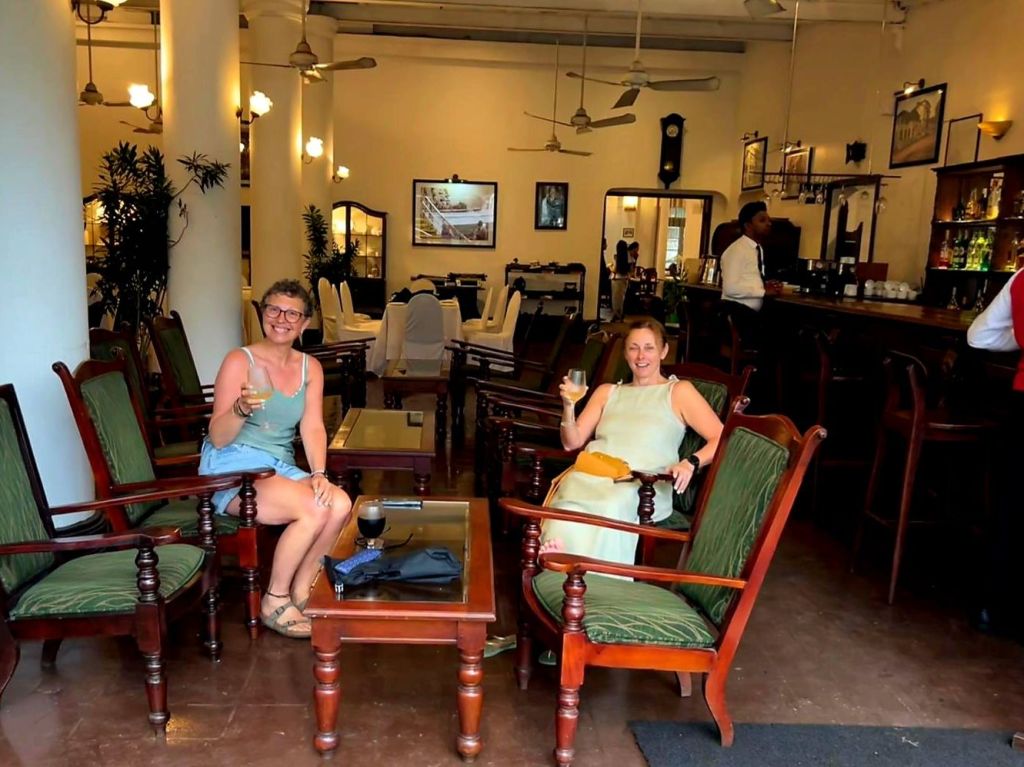
After a quick drink, we got ready to go out for dinner. We had decided to go to Fab Ceylon as it had really good reviews.
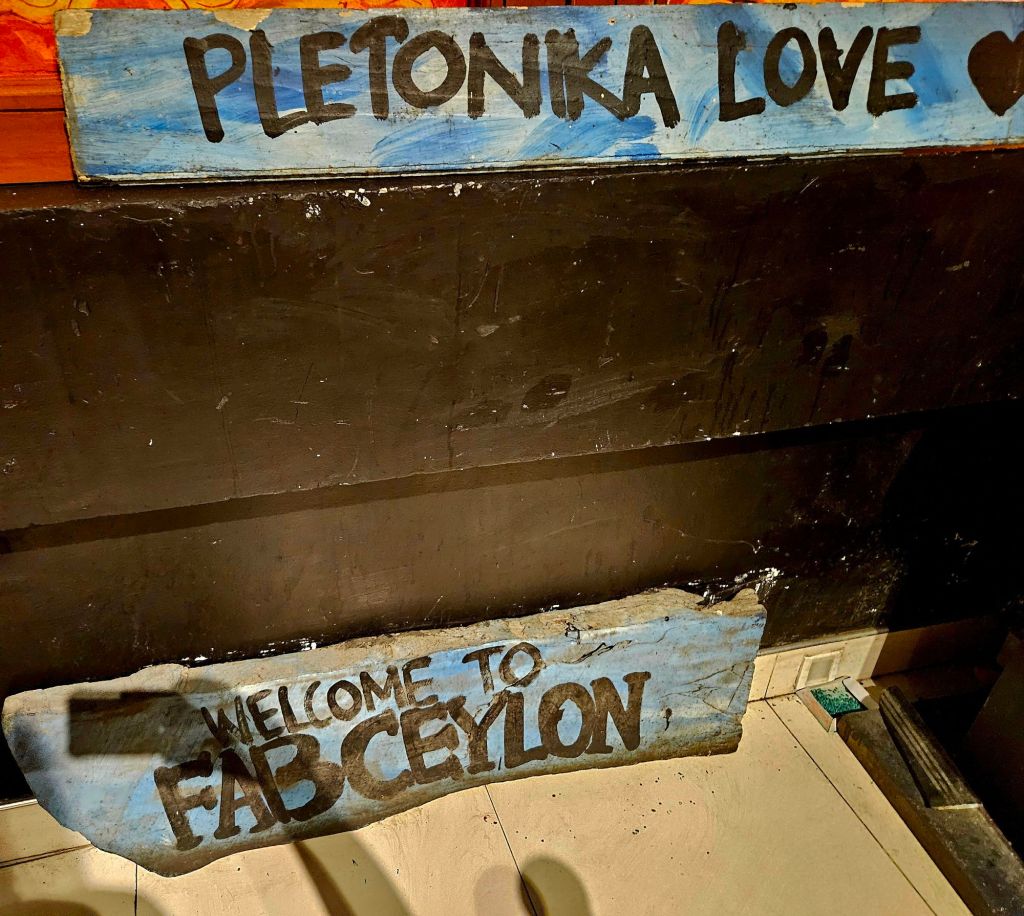
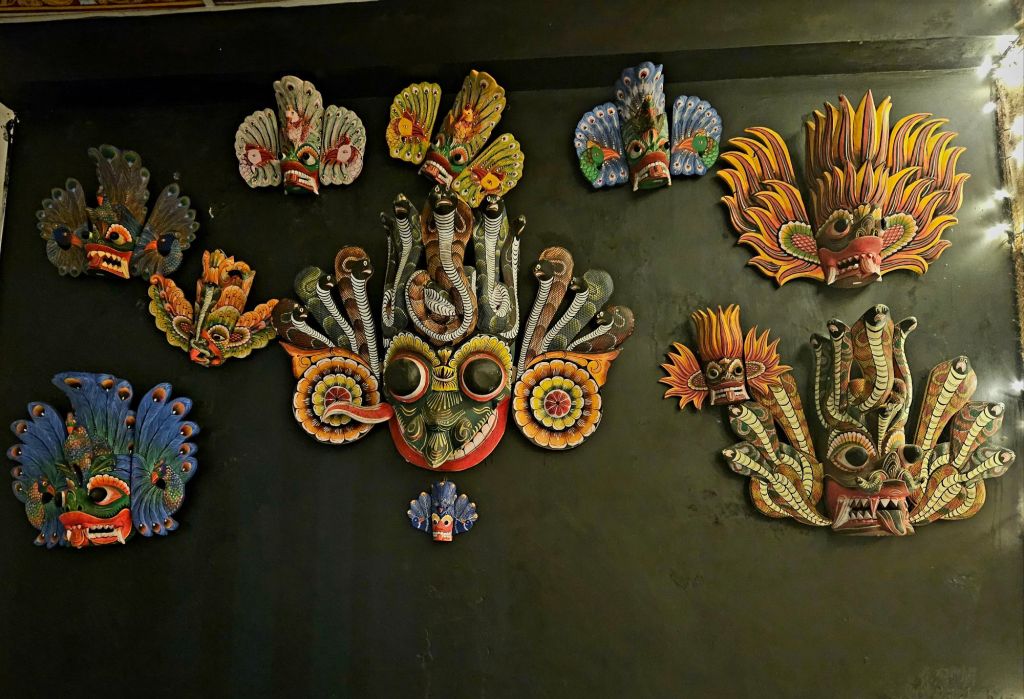
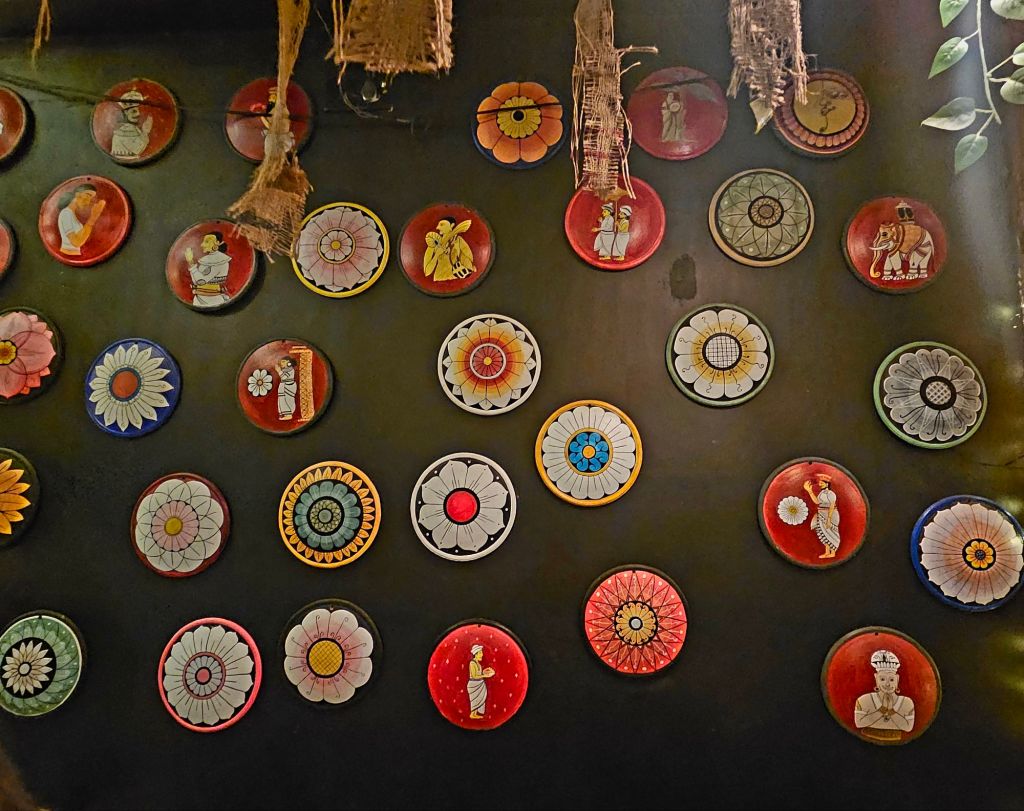
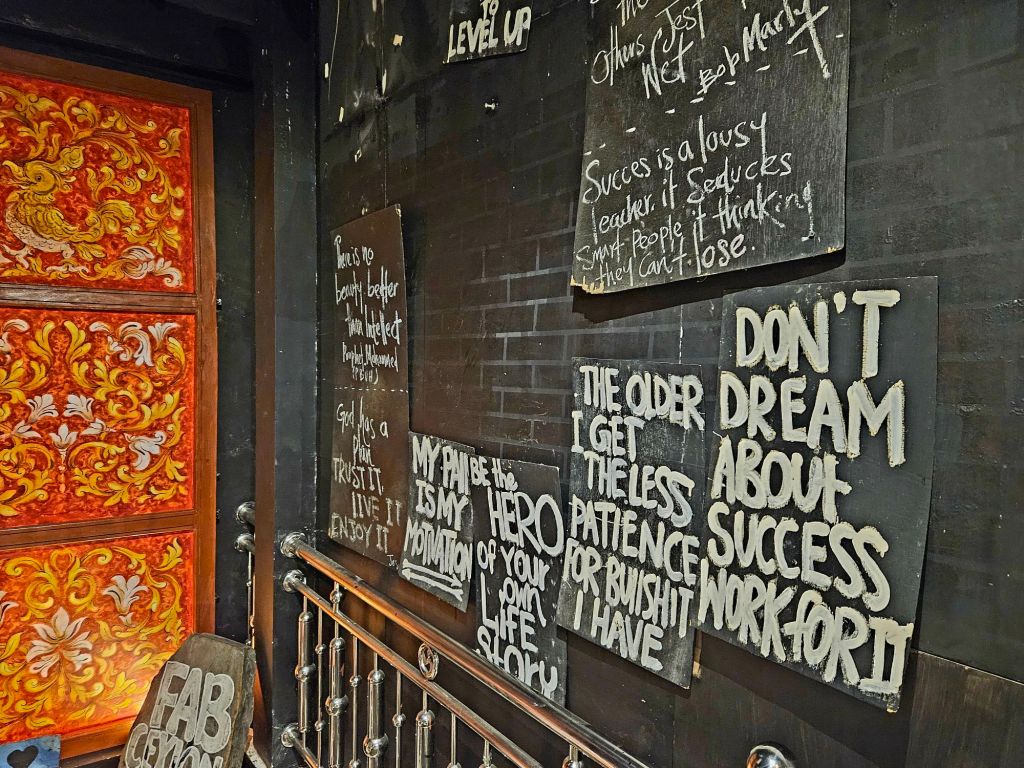
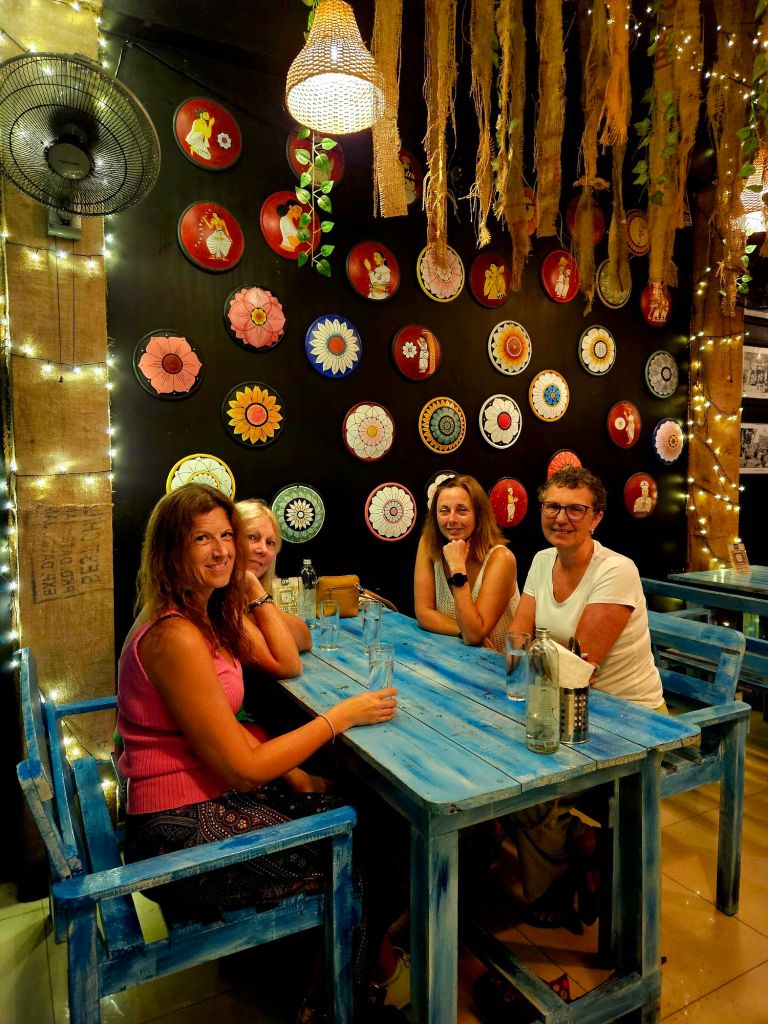
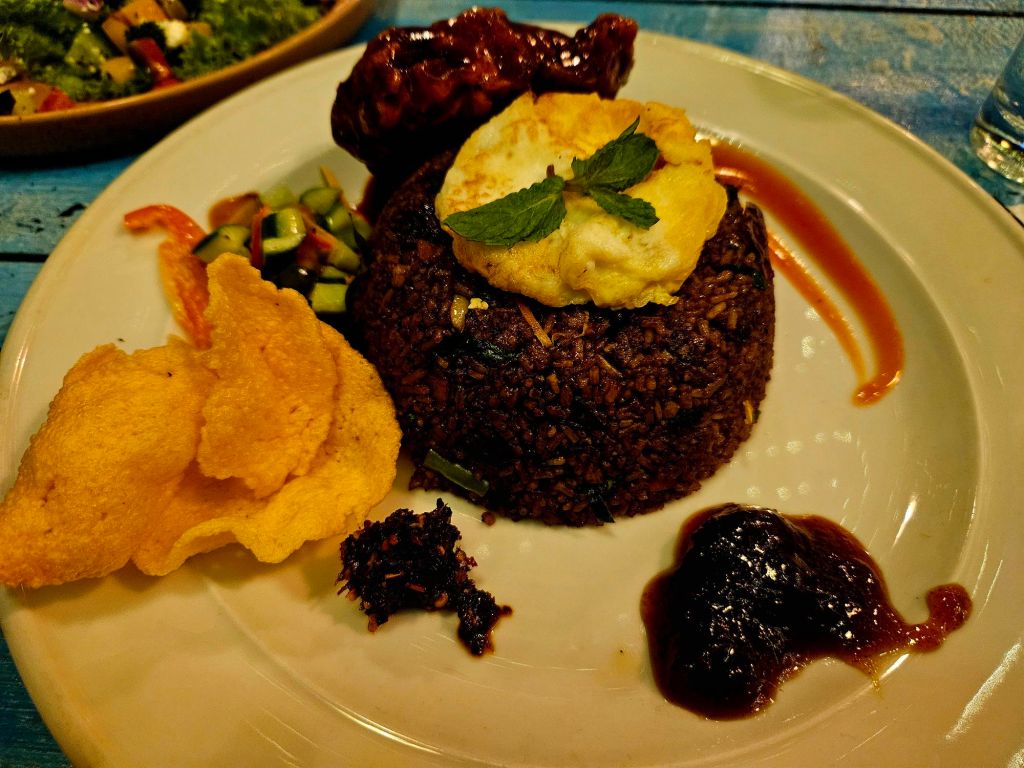
The menu was written on the wall, and I tried some Mongolian chicken rice. It was quite spicy but tasted really nice.
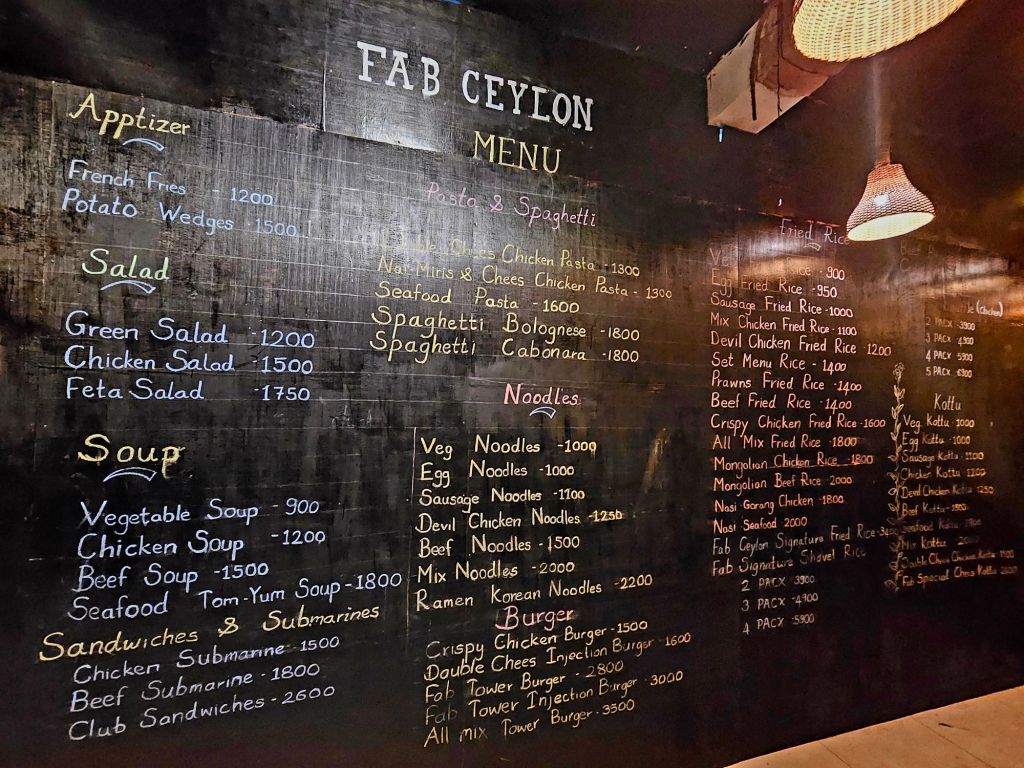
One of the other tables ordered a different dish. It was served on a shovel directly onto paper on the table.

After dinner, we headed back to the bar at our hotel for a nightcap. Zoe wasn’t feeling great, so she went up to bed.
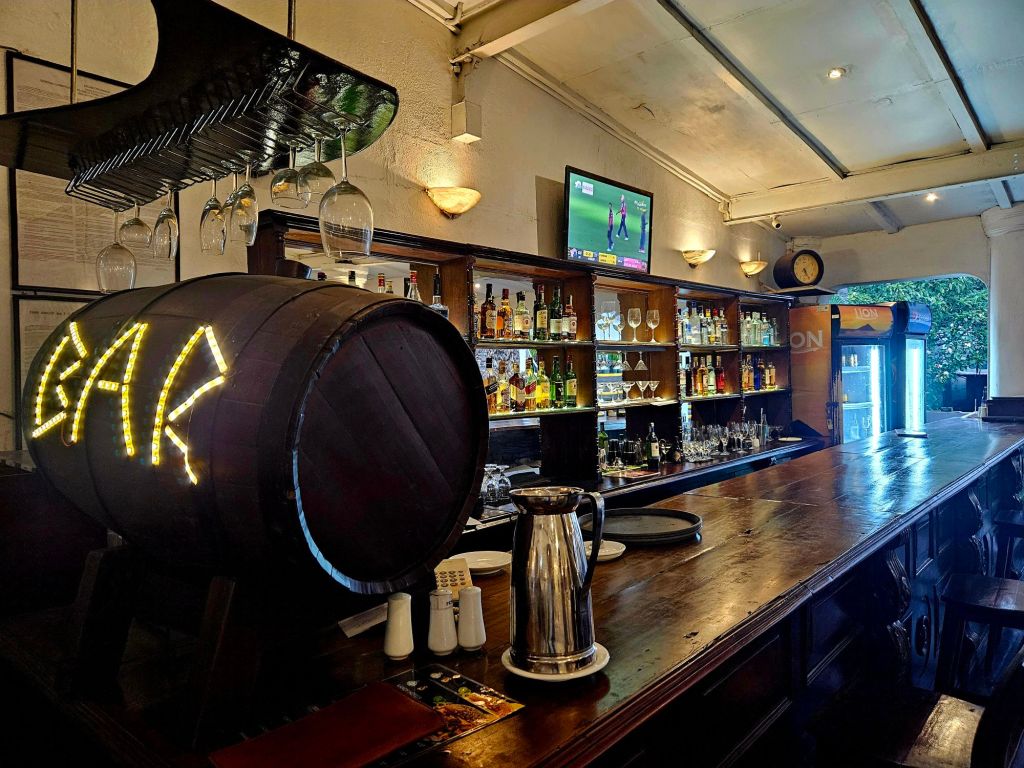
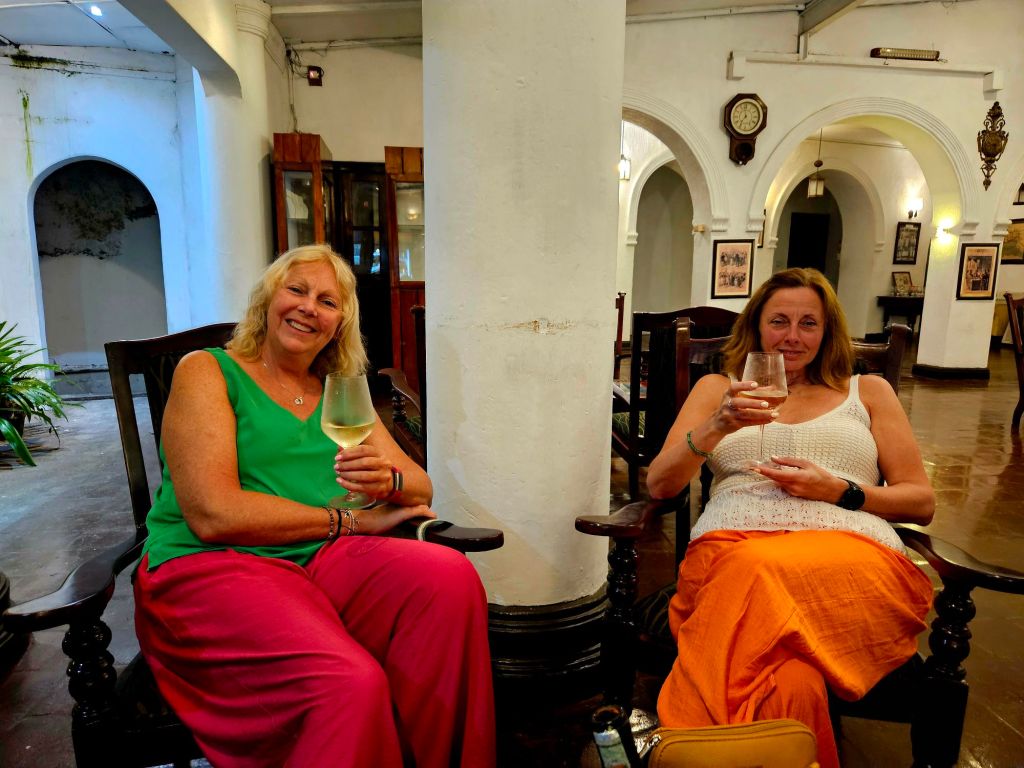
The Queens Hotel was a former governor’s residence and is one of the oldest hotels in Sri Lanka with a history of over 160 years. During its history, it has been used as barracks for the Ceylon Rifle Regiment, a hostel, and a boarding house. In 1869, it became the Queens Hotel. The Pub Royal in the hotel is the only British Pub in the city that offers service with an old colonial flavour.
 Fun, Fitness and Fabulousness in your Fifties