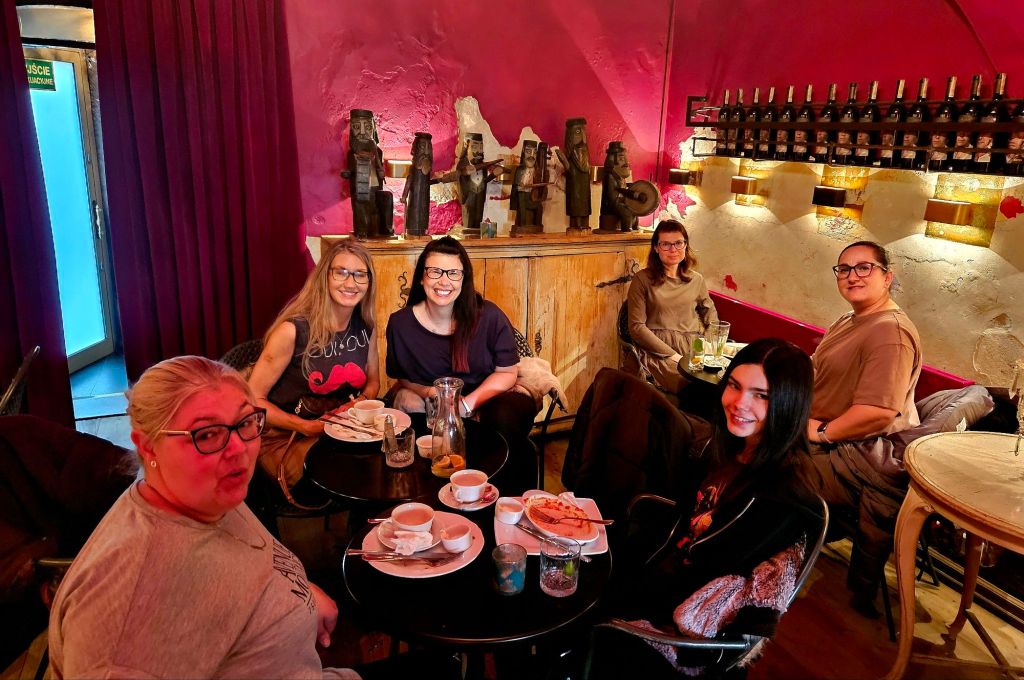
After a bit of a lie in, we headed back to the Camelot Cafe for brunch. This time I had an omelette, and it was as equally delicious.
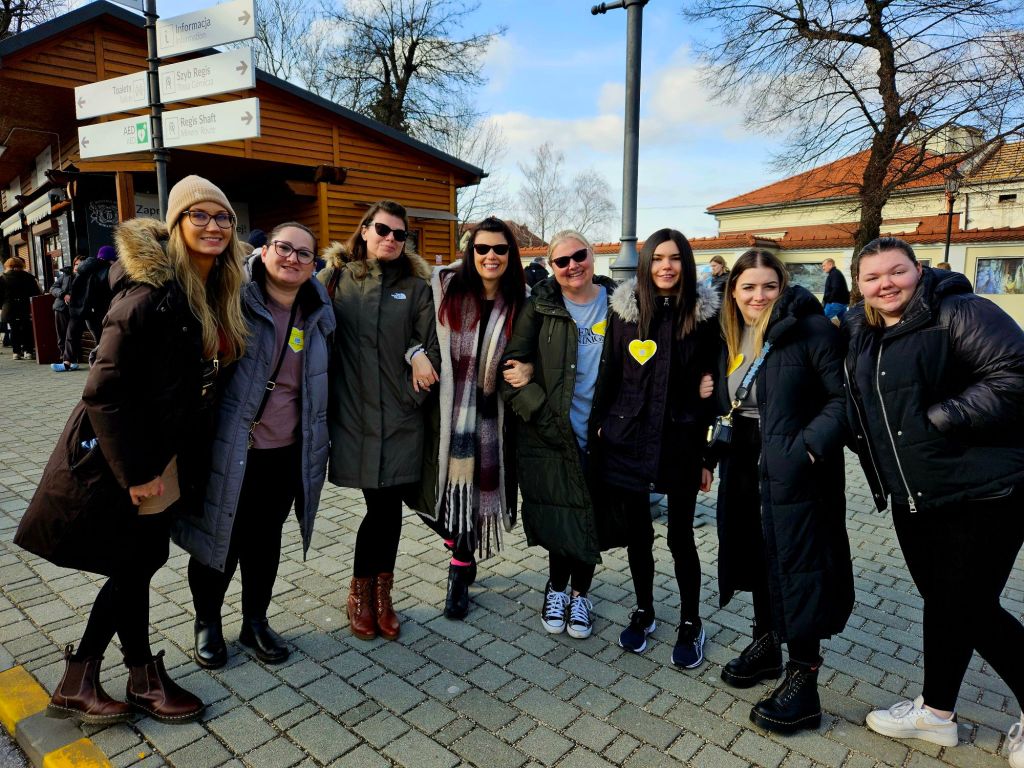
From here, we headed to the meeting point for the trip to the salt mines. It was the same place as where we met for the Auschwitz trip, so at least we knew where we were going.
It took around 30 mins for the coach to arrive at the salt mines. We disembarked and waited for our guide to sort out the tickets.
Mining began as early as the 11th century, and the oldest known shafts dates back to the 13th century. Commercial mining stopped in 1996, and the mines are now just for tourism.
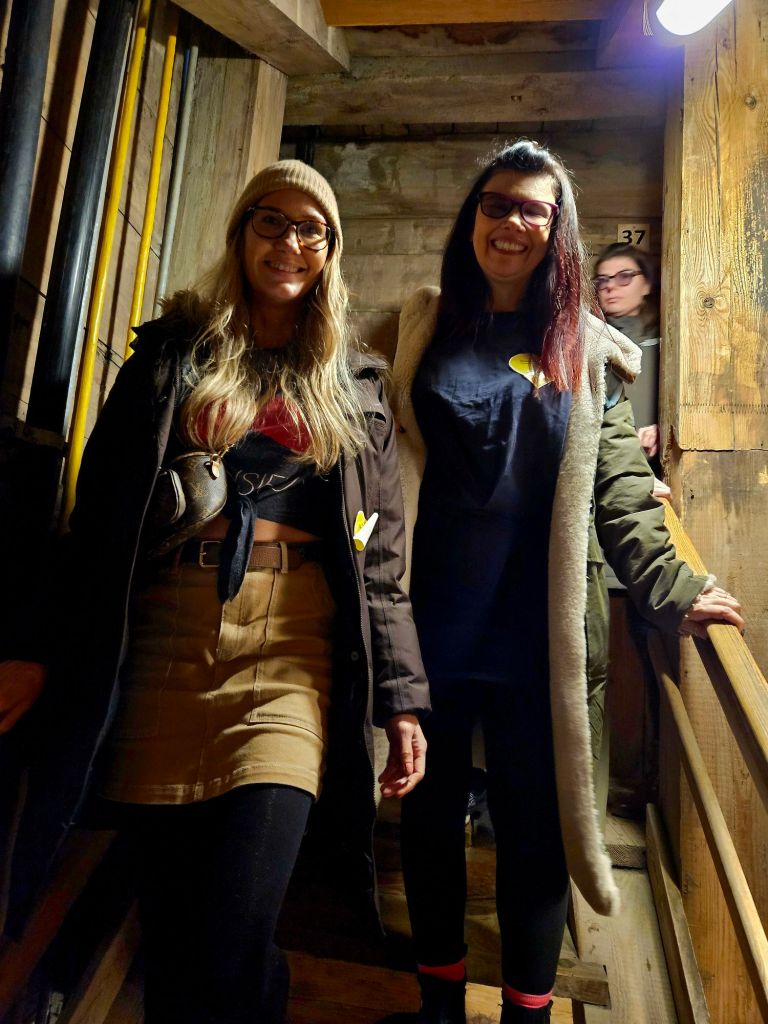
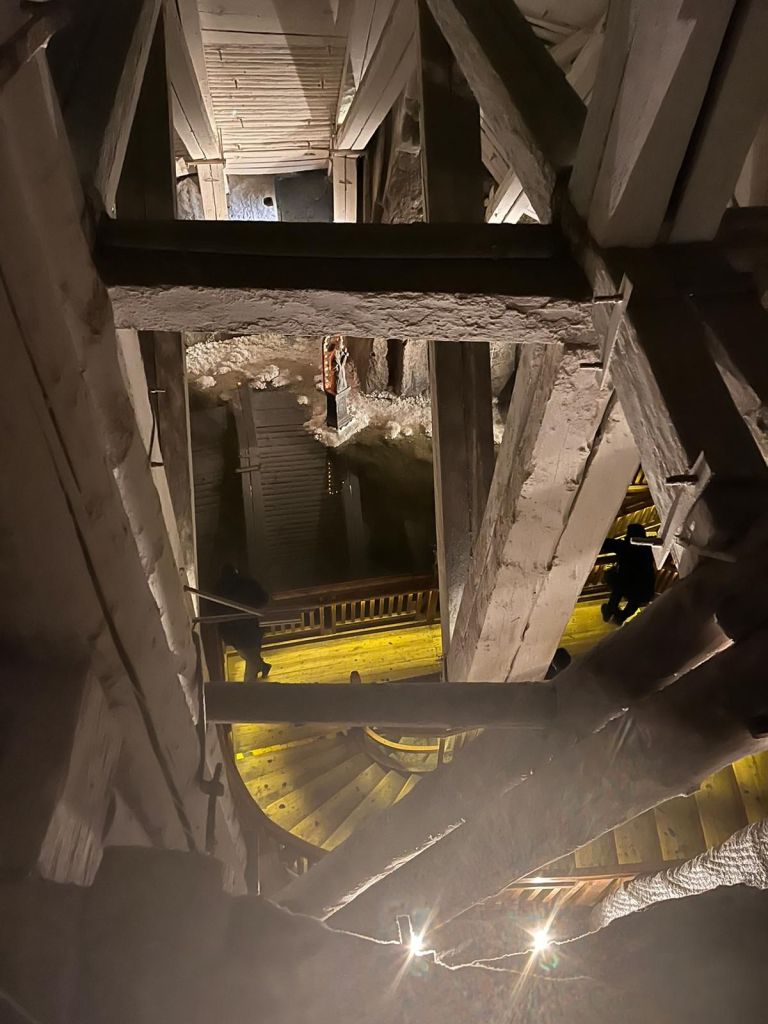
As you enter the mine, you have a descent of 378 steps. They are tightly wound, so you feel a bit dizzy at the end of it.

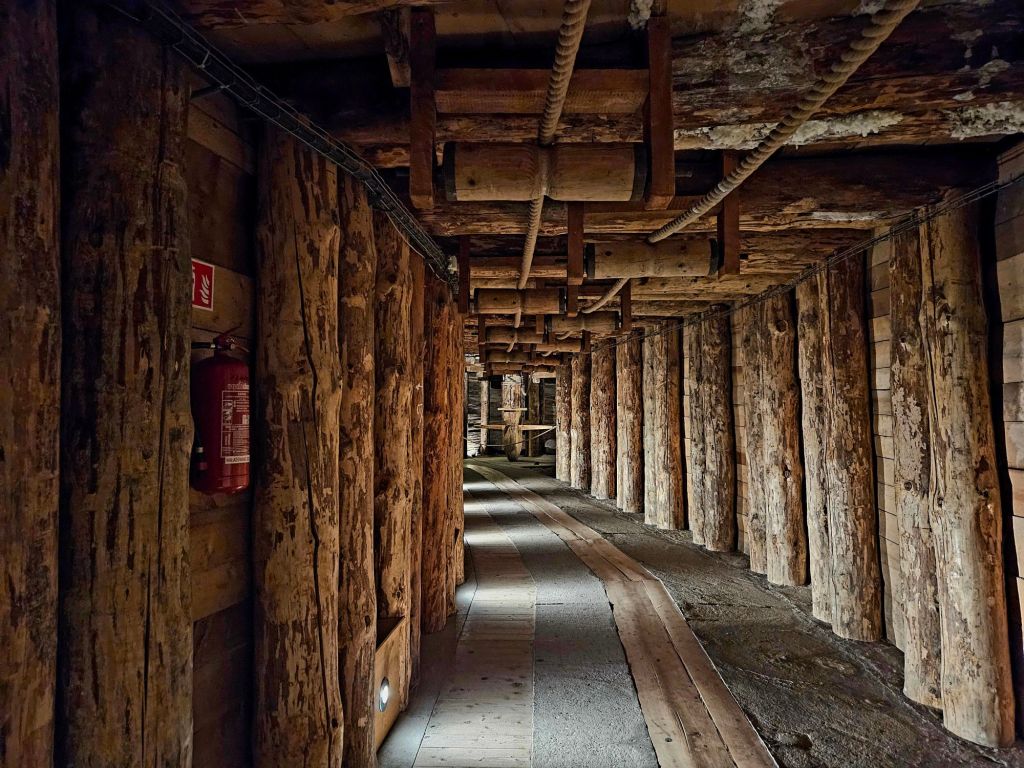
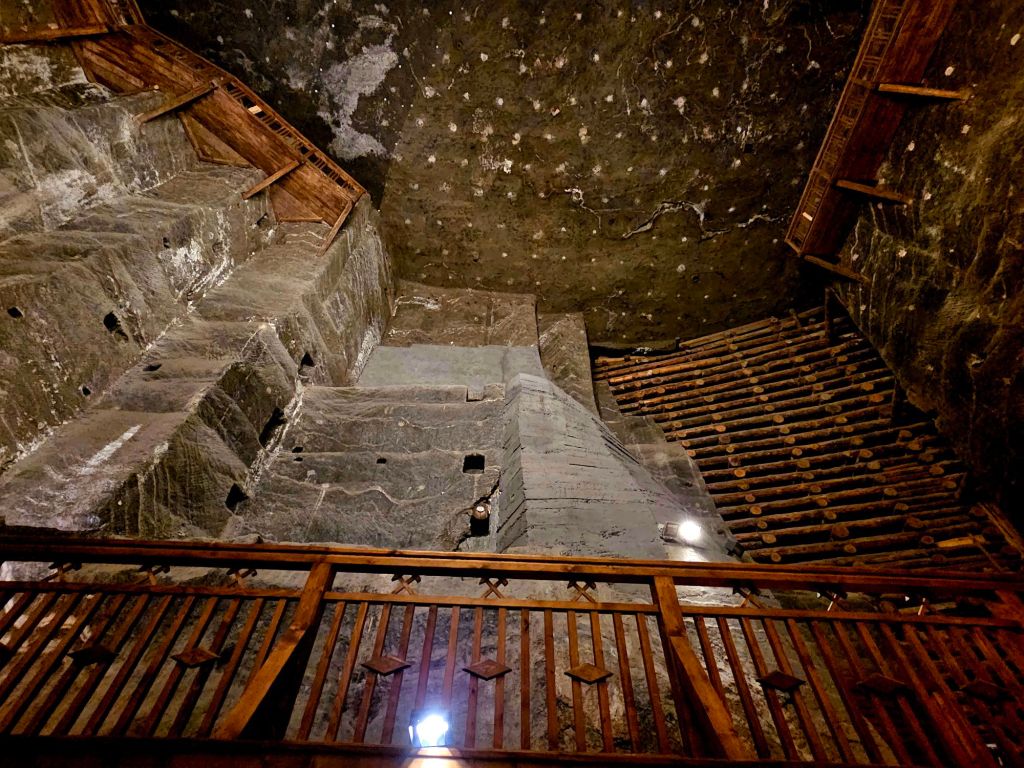
The rock is mixed but generally made up of around 90% salt. The shafts and supporting structures are made from wood rather than metal, as the salt preserves the wood,whereas metal would rust.
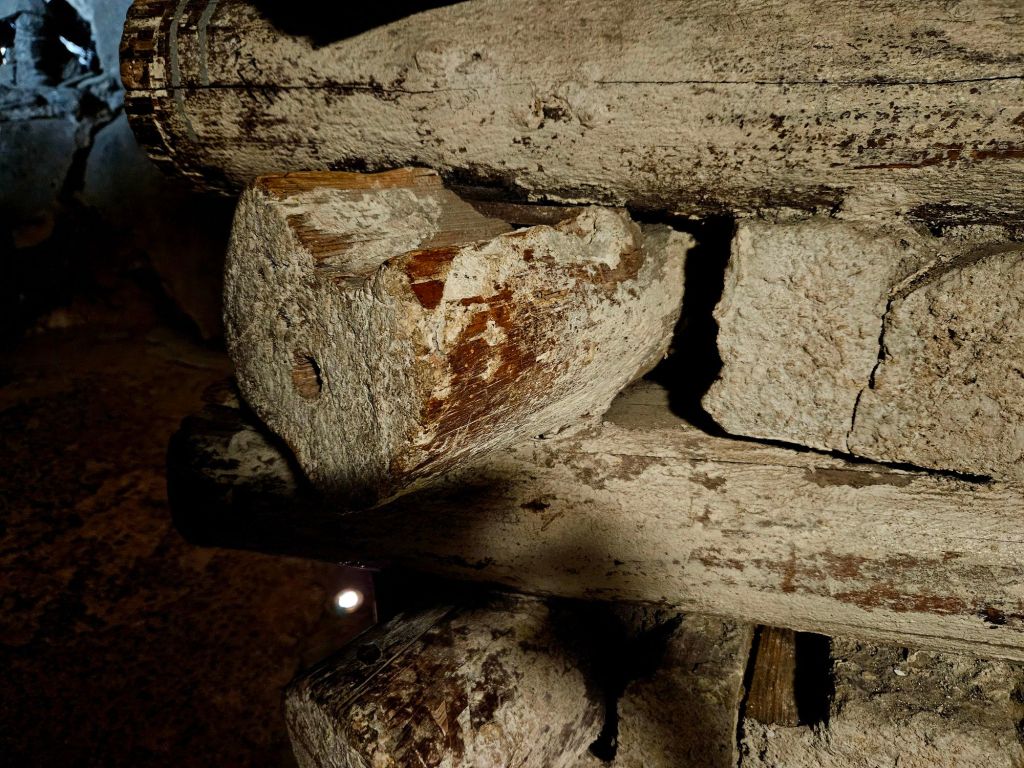
The salt mines consist of around 2000 chambers. They vary in size, but the largest one is 33,000 cubic meters. Overall, there are 9 levels of mines and 350km of tunnels. The lowest level is at a depth of 330m.
The first level is around 64m deep. People living in the area at the time discovered salty springs. They would boil the salty water in clay vessels, a very early method of saline production.
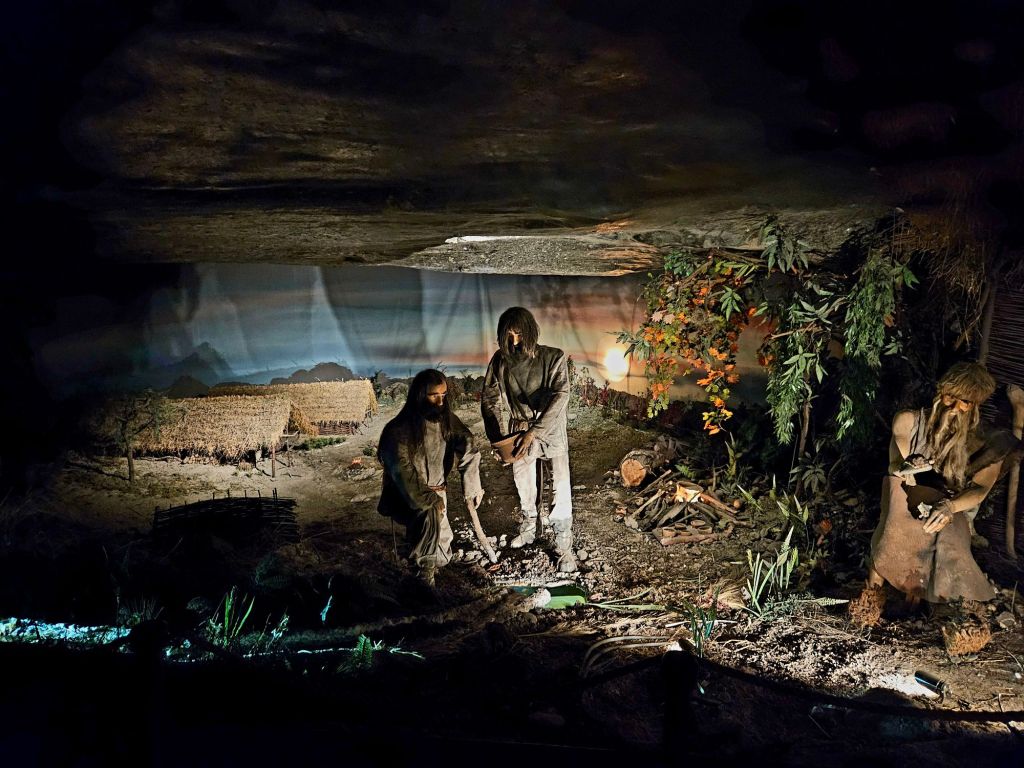
Eventually, the salty springs started to dry up, so they started to dig down and create wells. The salt water was brought to the surface and again bolied and evaporated to find the salt. The salt was used as a preservative for meat and fish
In the 13th century, while one of the saline wells was being dug, the first lumps of rock salt were accidentally found. This then led to the first shafts being dug. There are no natural caves in this mine. Initially, they were all dug out by hand and later by the use of explosives.
King Kasmir III is the only Polish king to be given the label of ‘Great’. He supported the extraction of salt from the mines and issued the Saltworks Statute in 1368, ordering the mining laws and traditions.
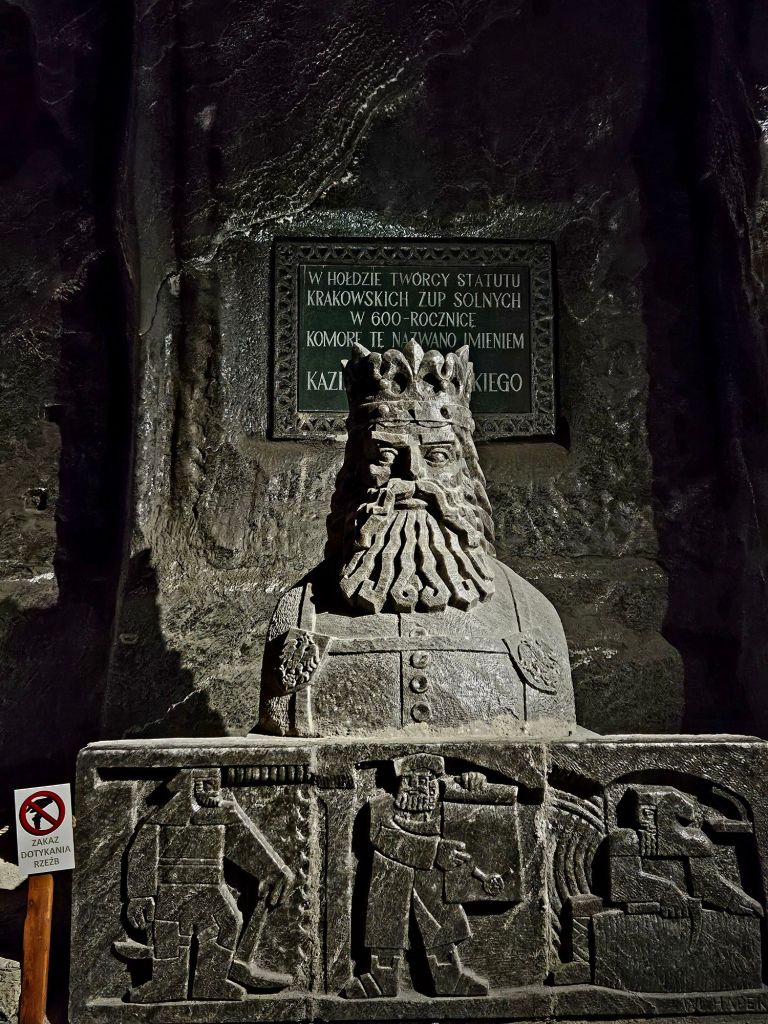
Until the end of the 15th century, there were only four mining shafts and one underground level in the mine. Around 300-500 people worked in the mine, but work was seasonal as the mine was only open in the months when there was no agricultural work that needed doing. They were producing 7,000 – 8,000 tonnes of salt a year.
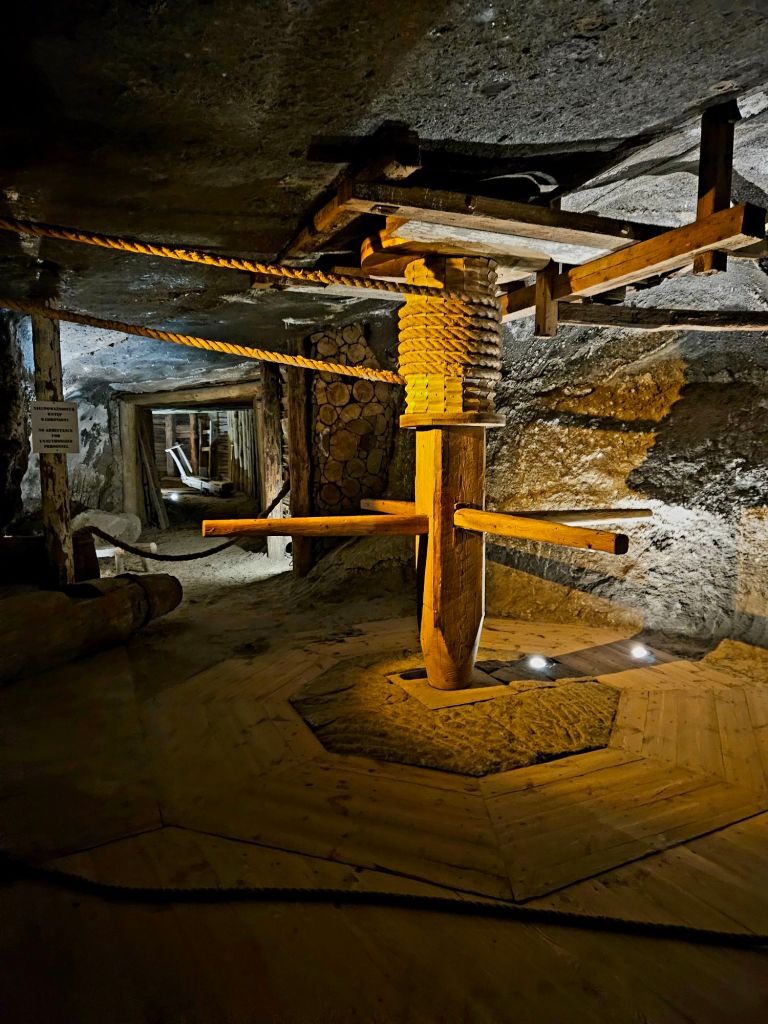
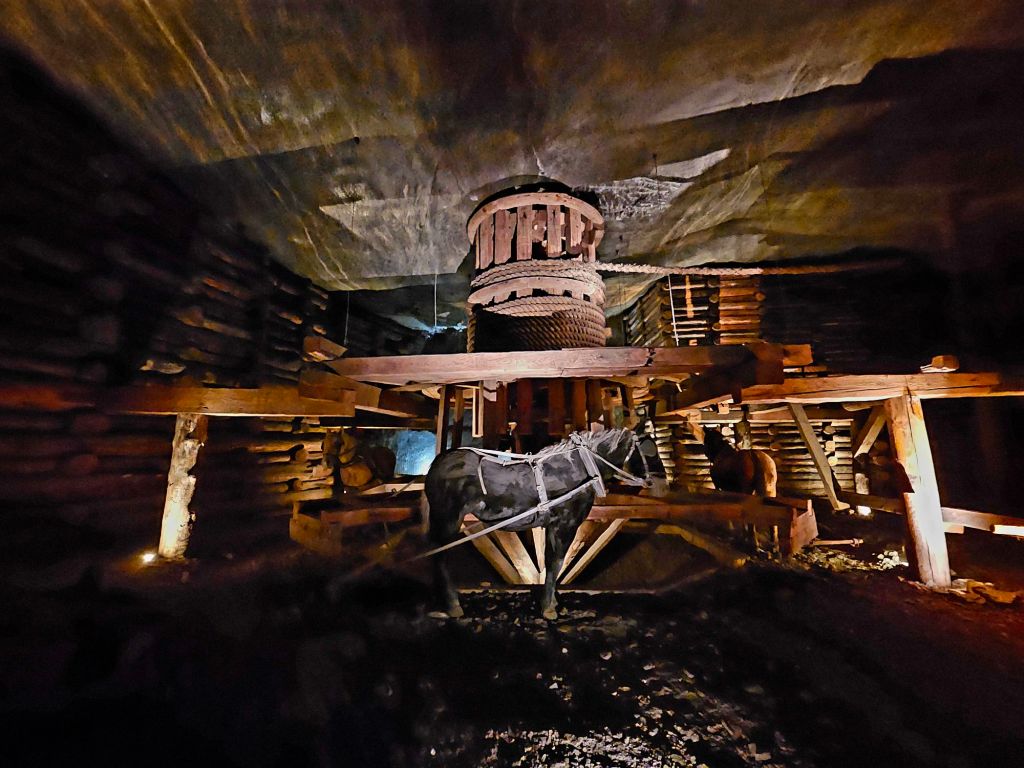
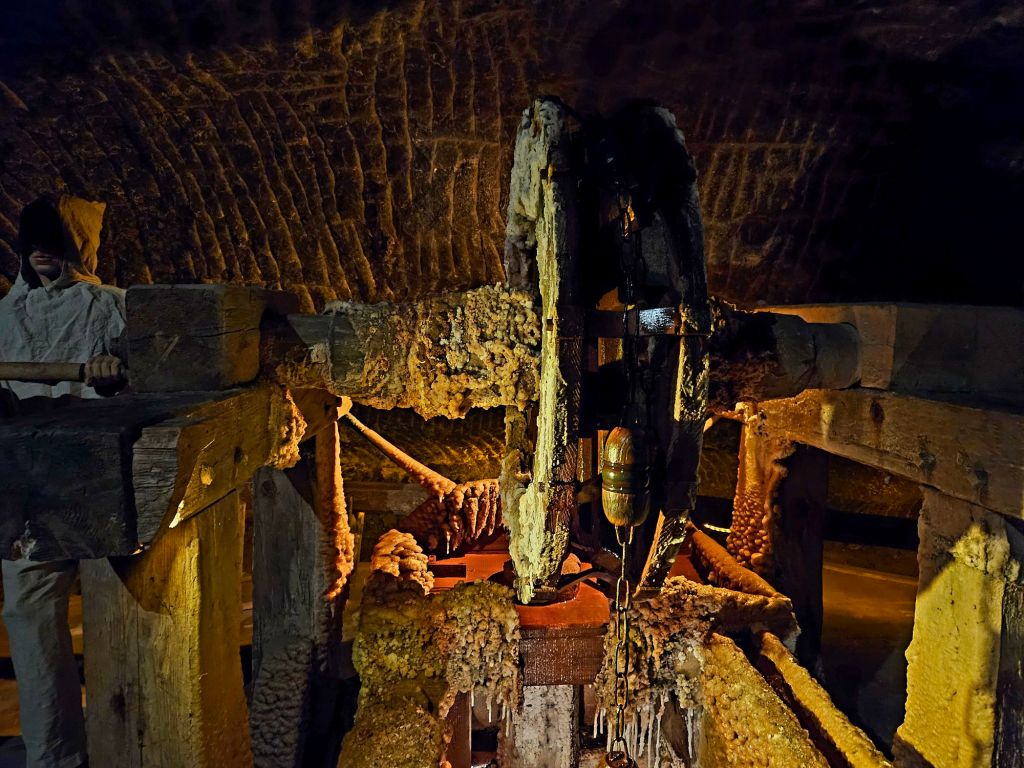
One of the methods of getting the salt to the surface was to winch it up. Four men used to push the winch to lift 300kg of salt at a time.
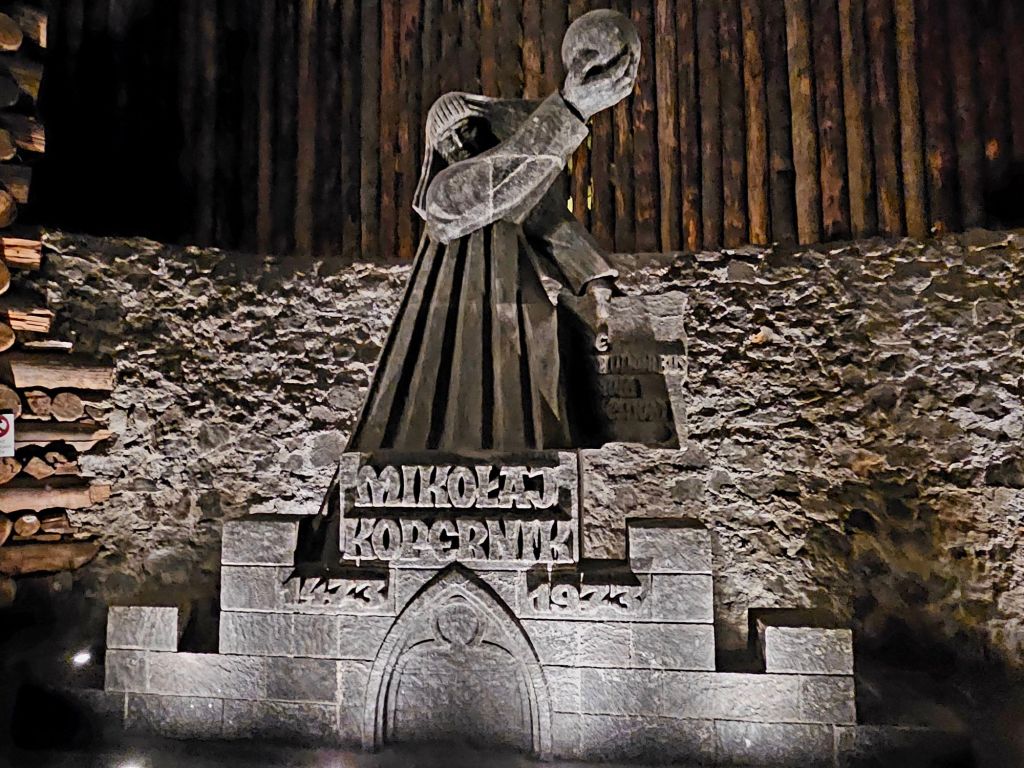
The first tourist known to have visited the mines was Nicolaus Copernicus. He probably visited the mine in 1493, and in remembrance of this event, a monumental salt figure of the brilliant astronomer was set up in a chamber named after him.
Between the 16th – 18th centuries, the mine became a full -time working mine. In the 16th century, the second level was introduced, and in the 17th century, the mine reached the third level. The upper second level is 90m deep, and the lower second level is 110 deep. The third level is at a depth of 130m.
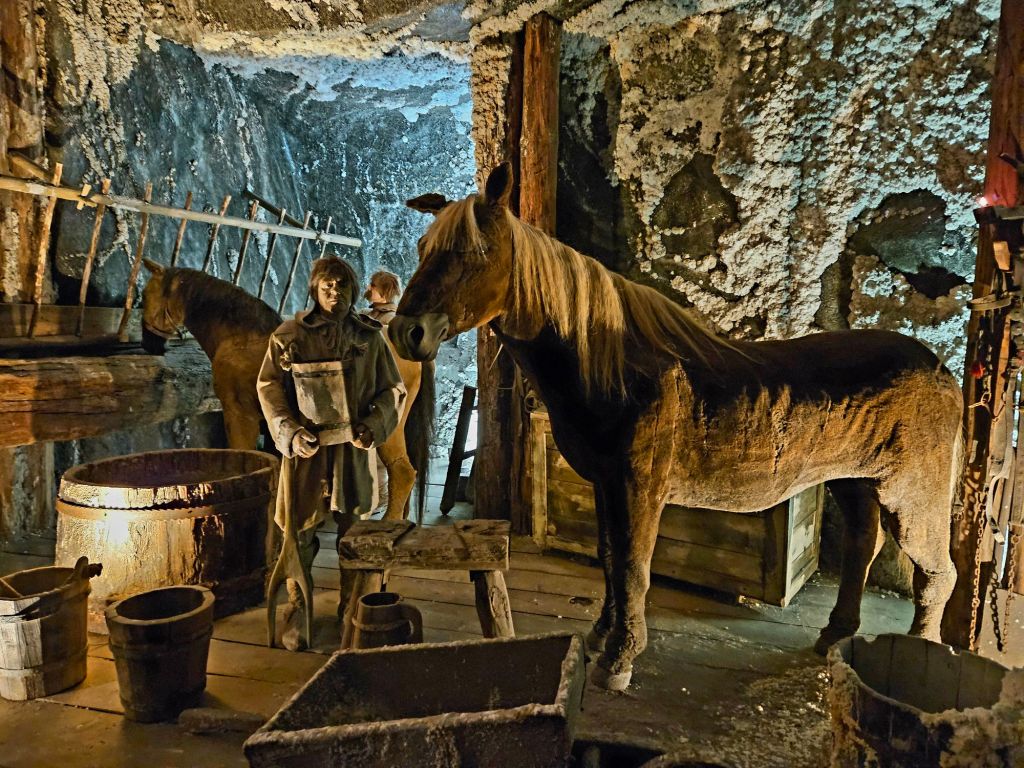
Horses were used in the mining of salt as they helped to pull the carts with the salt. They also helped transport the salt to the surface by rotating the pinch that lifted 2 tonnes of salt at a time. This was powered by 8 horses. Unfortunately, it was not a good life for the horses as they were kept underground as it was difficult for them to adjust to the sunlight once they had been working in the mines.
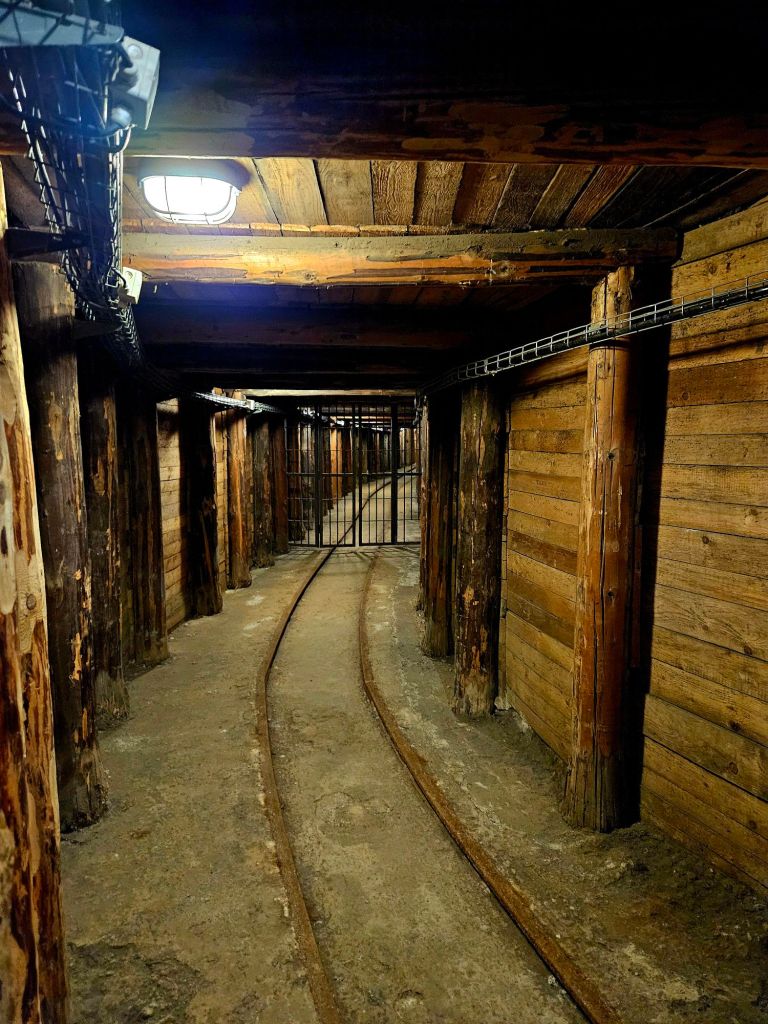
At the second level, the corridors are straight to allow for the transportation of the salt, initially via horse-drawn carts, and later via trains.
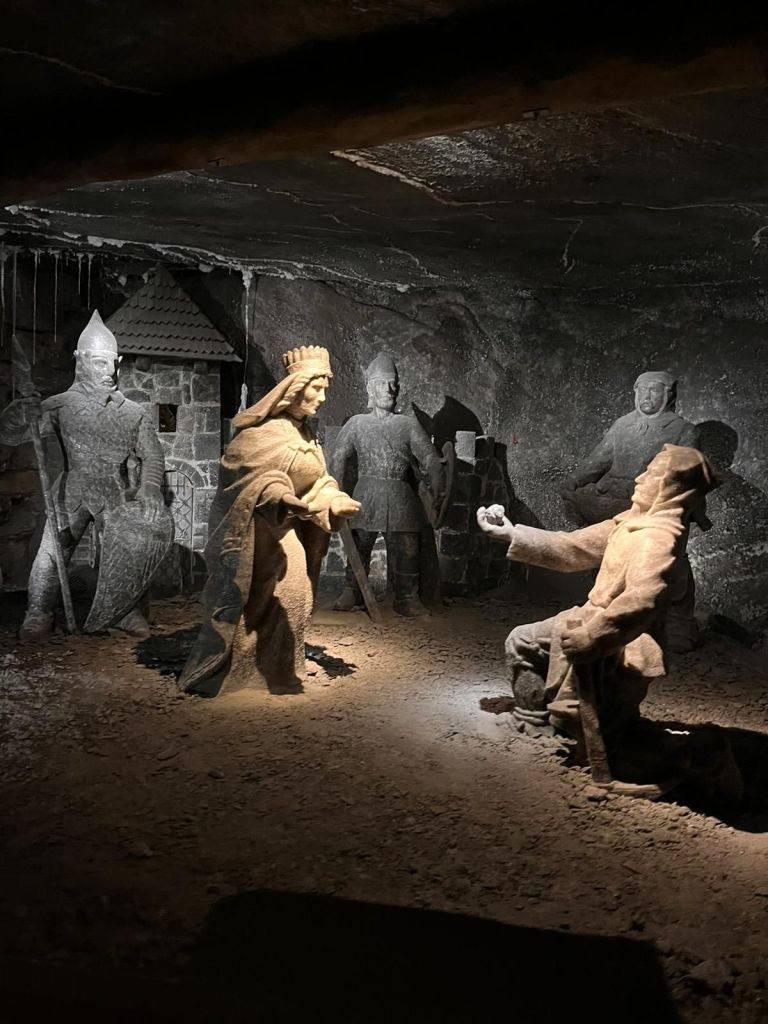
One of the areas showed the story of Queen Kinga, who is the patron Saint of salt. The story goes that when she was betrothed to the Duke of Poland, her father, the King of Hungary,asked what she wanted as a dowry. She knew her future husband already had significant wealth, so she asked for salt. She had no idea, though, how to get the salt from Hungary to Poland. Allegedly, she threw her engagement ring into the mine shaft at the salt mines in Hungary. When she next travelled to Poland, she took some miners with her, and on her way, at a particular point in the journey, she asked the miners to dig. One of them gave Kinga a white piece of rock that she recognised as salt, and when she broke it open, her engagement ring was inside. This started the salt mine in Poland. Kinga has since been beautified and canonised.
Once they started to use explosives to create chambers, they had to remove the methane gas to reduce the risk of fires. So some workers would have to crawl through the mines to find the methane deposits and deliberately set them off with a burning flame at the end of a long pole they pushed in front of them.

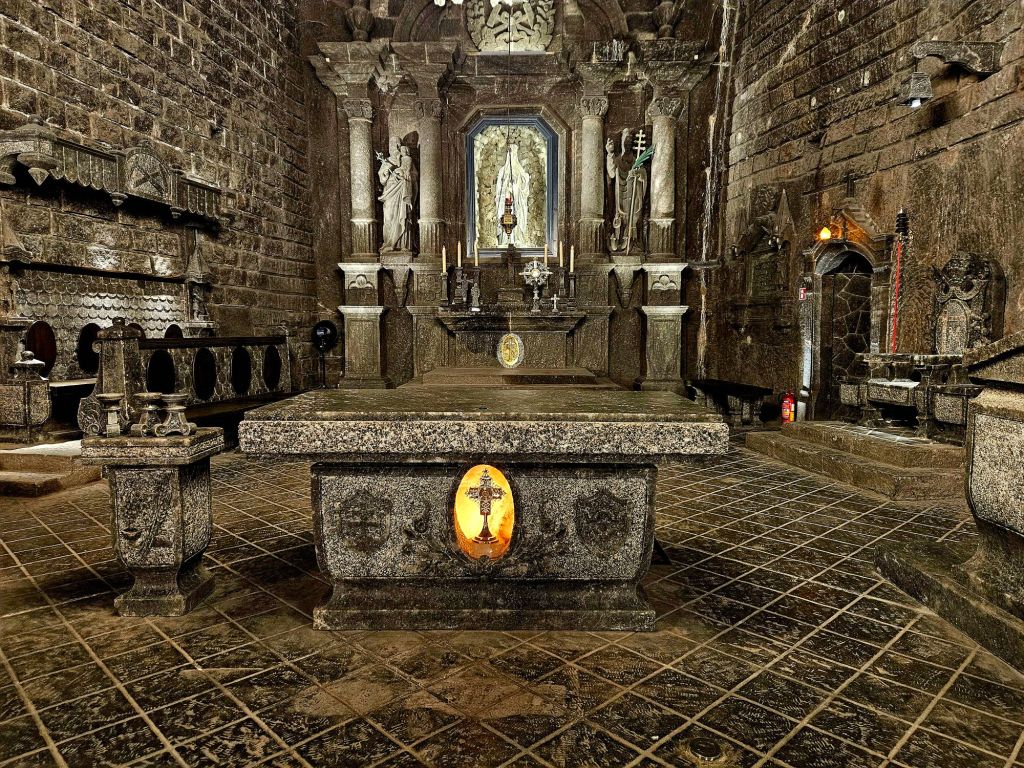
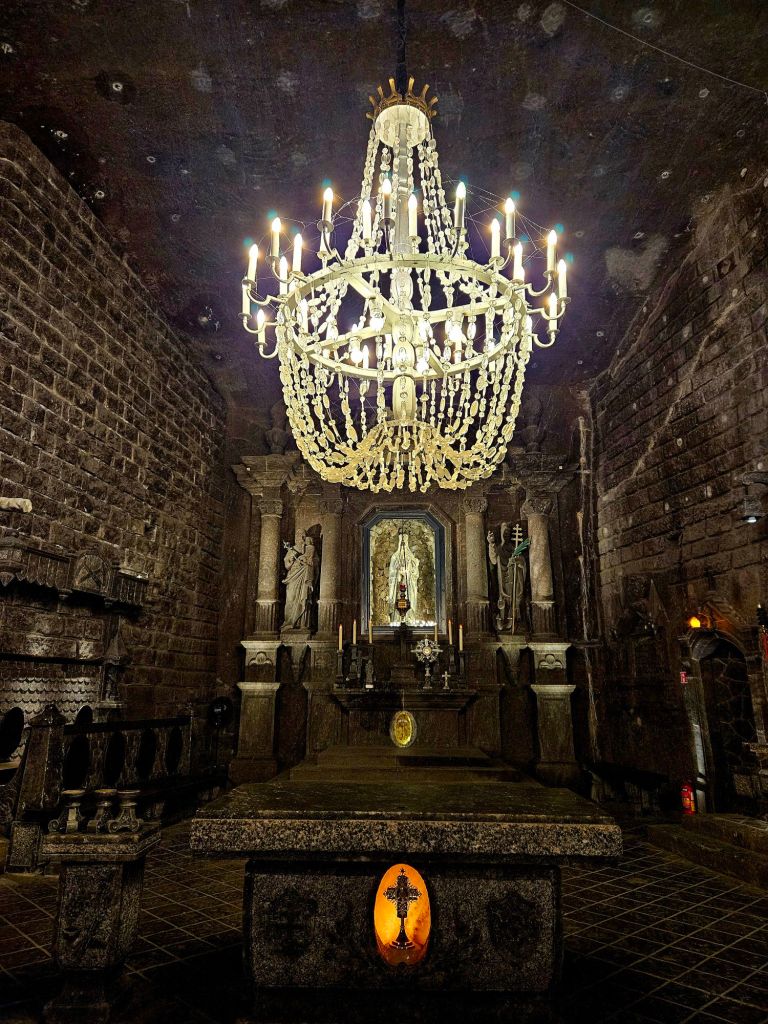
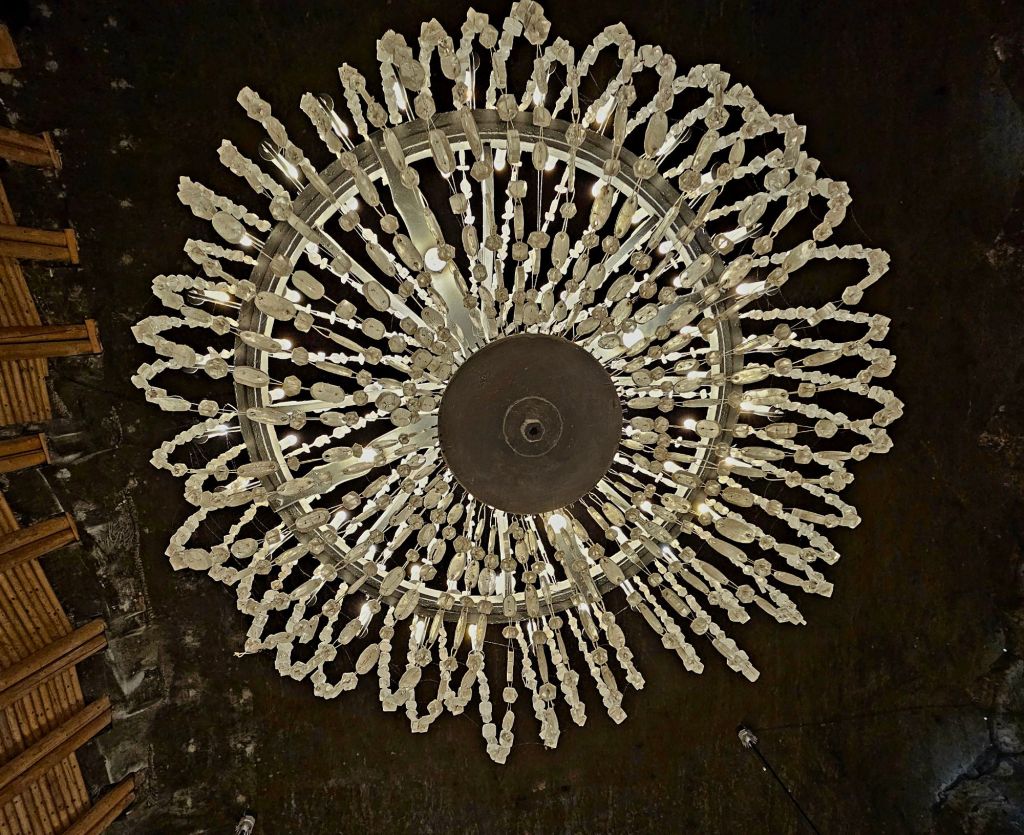
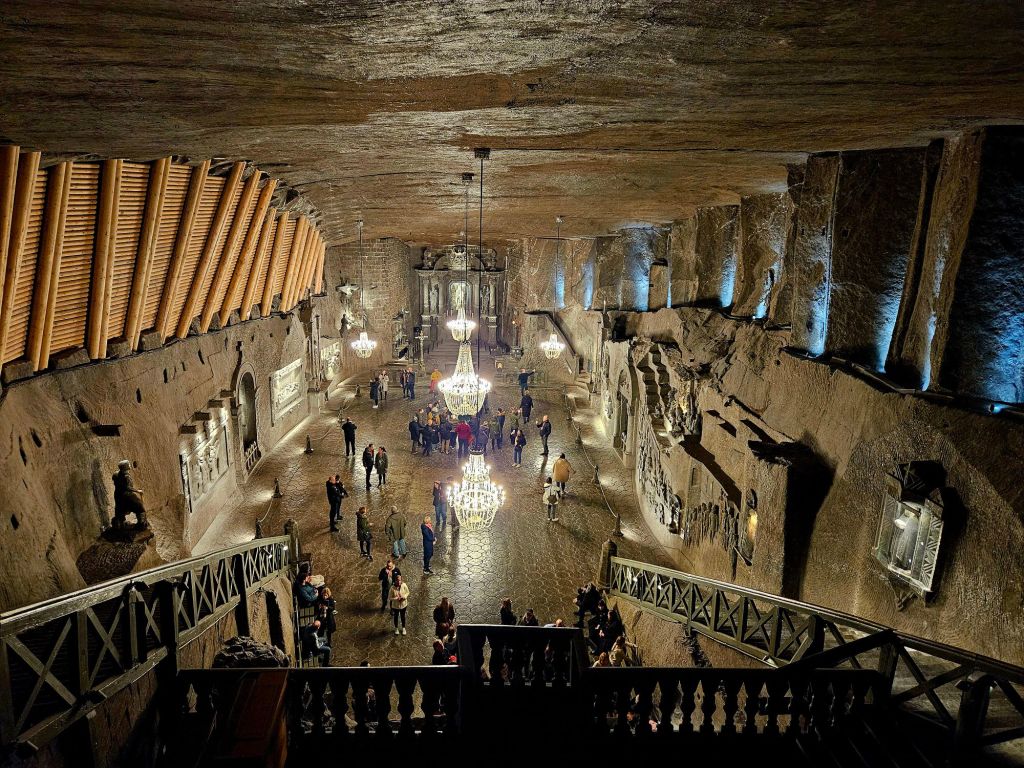
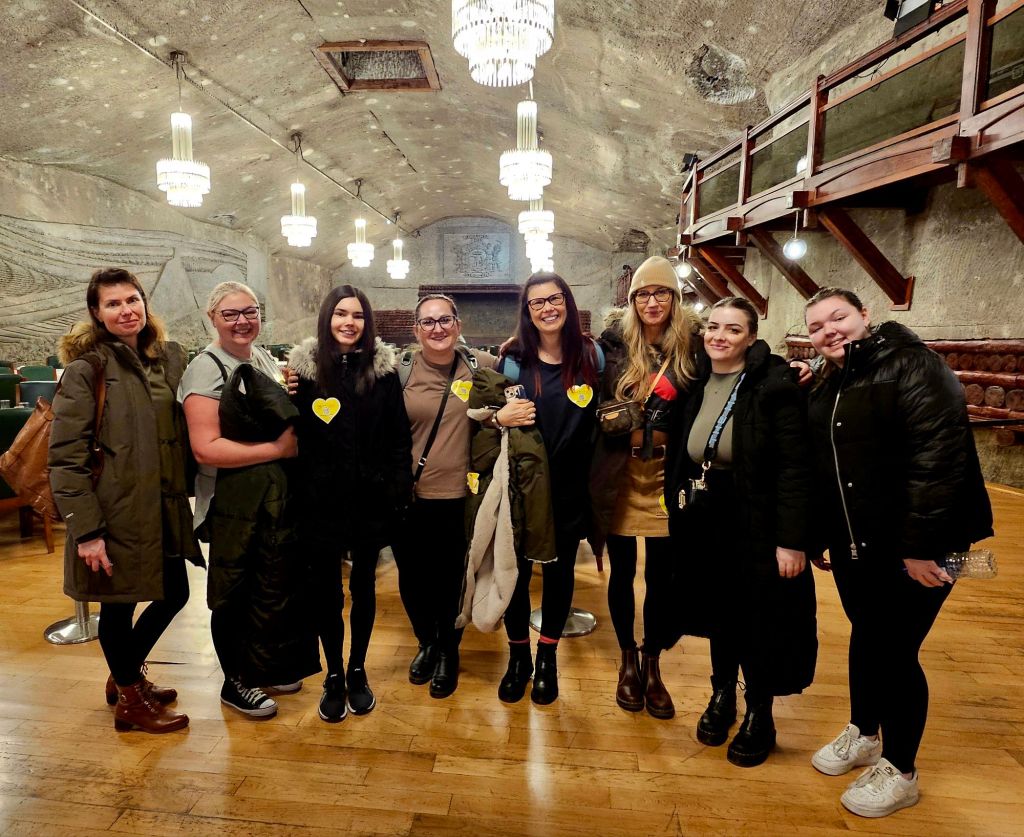
The most amazing chamber was the great chamber or ballroom. This chamber is 25m long and 9,000 cubic meters. It can hold 400 people, and an early morning mass is held here for members of the public every Sunday morning. It is also used for weddings and other events. The chandeliers are made from salt crystals and look amazing. The hall took 70 years to construct and was finished in the 1960s.
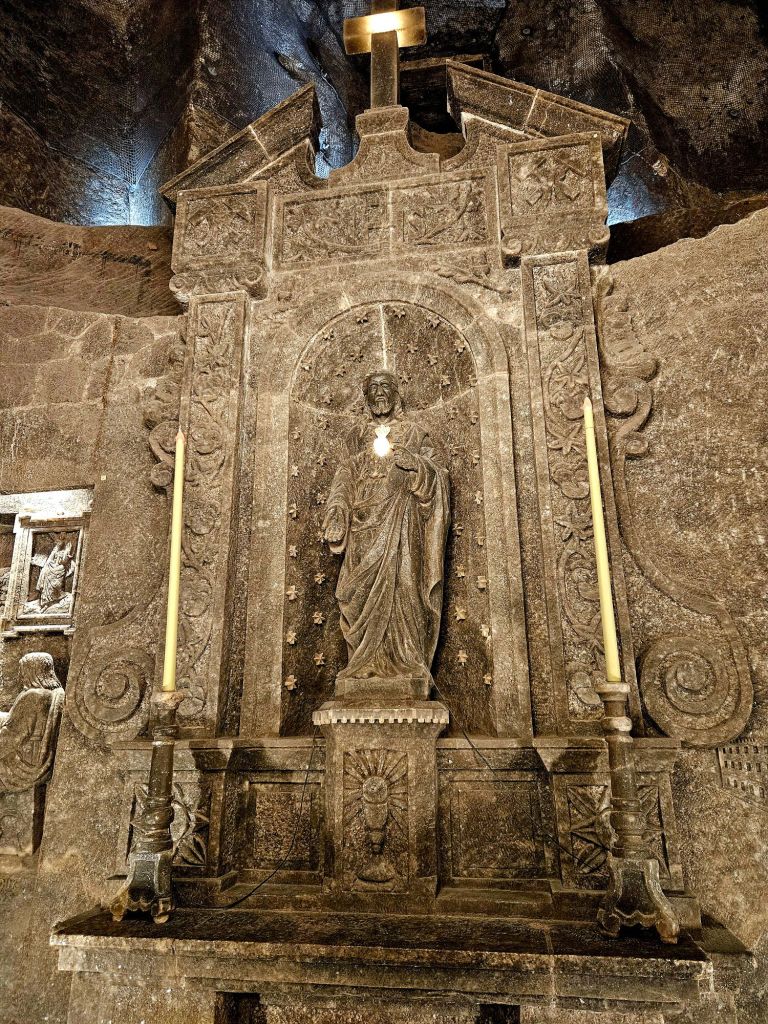

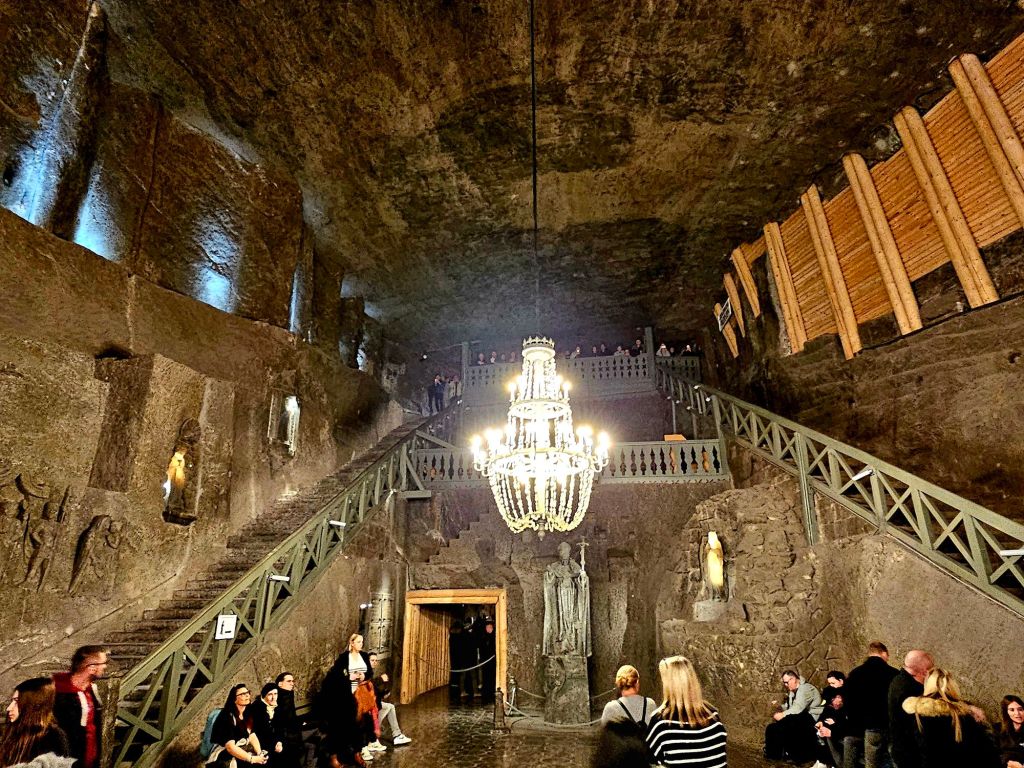
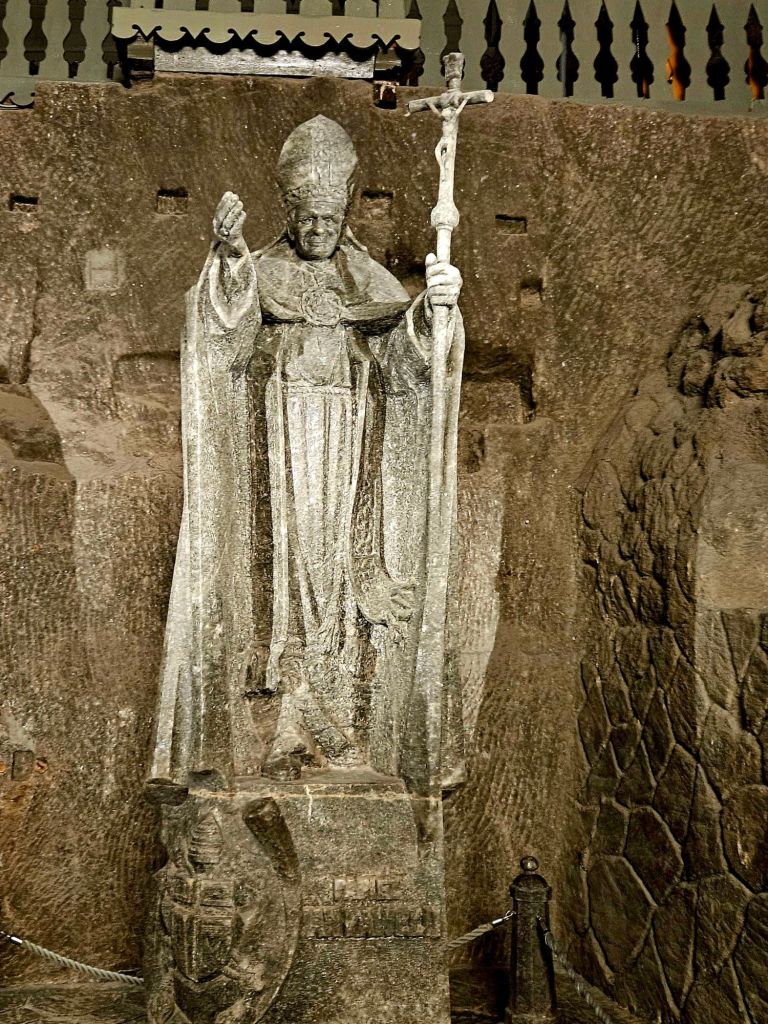
There was also a statue of Pope John Paul II, which was created 25 years ago.
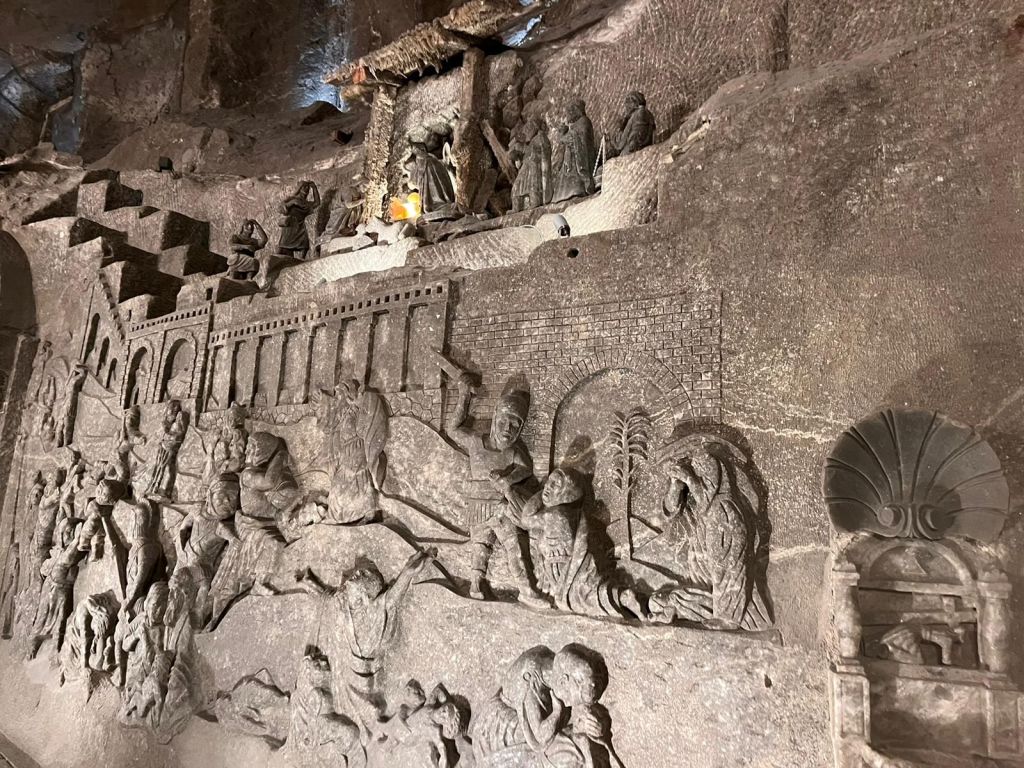
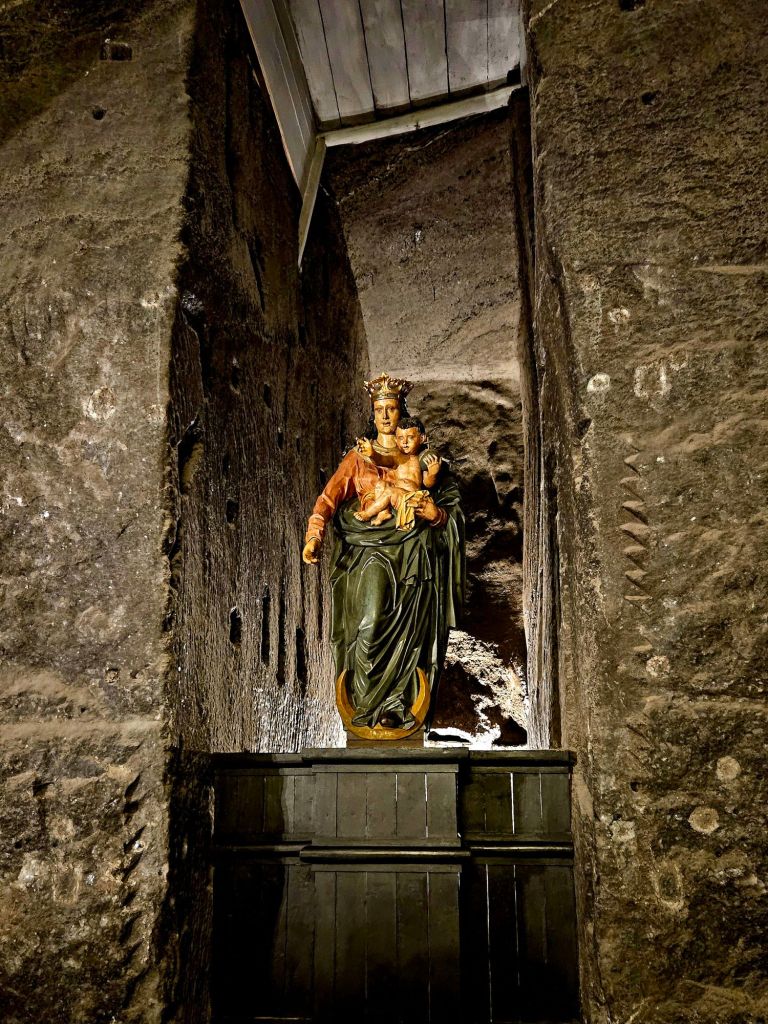
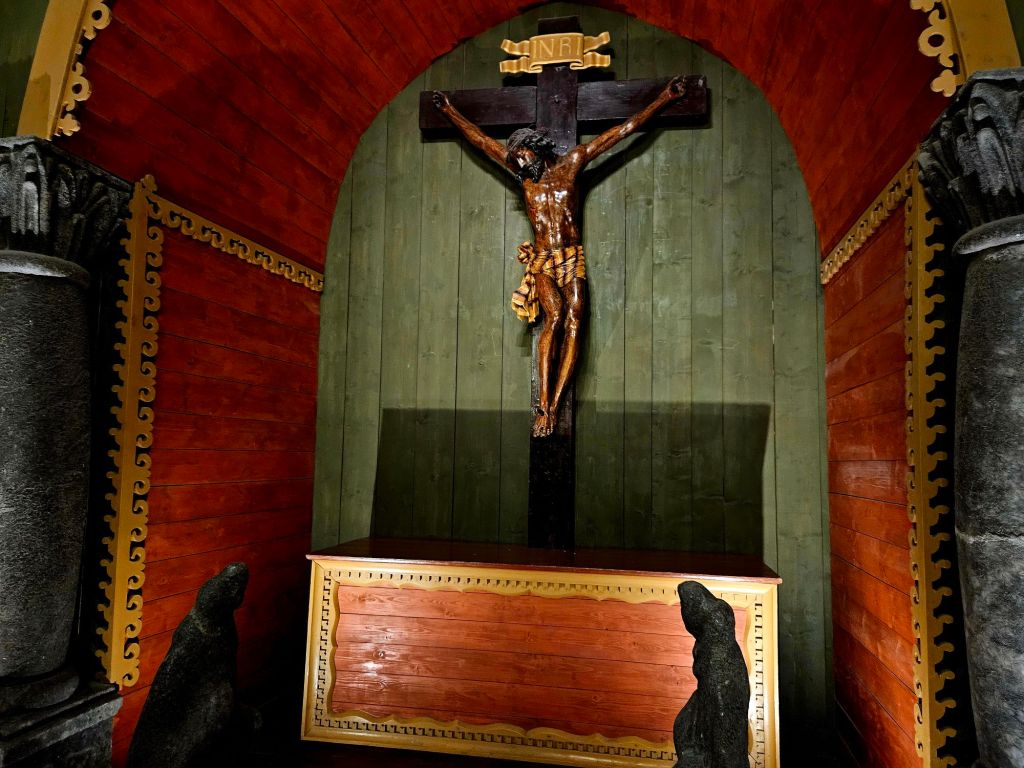
There are many chapels throughout the mine. Mining was dangerous work, so the miners often prayed for their safety. We stopped at the Holy Cross Chapel, which was created in the 17th century. Here, the salt figurines in front of the crucifix had started to dissolve due to the humidity that was originally in the chamber, but the wooden figures have survived intact.
There are some artificial lakes in the mines, too. The Weimer chamber was created in the early 20th century after a block of green salt was excavated. In the 1960s, the bottom of the chamber was flooded with brine, and a lake was created. The lake is around 9m deep, and you could easily float in it due to 36% salt levels. The surrounding chamber is around 30m high, and concerts are often held here.
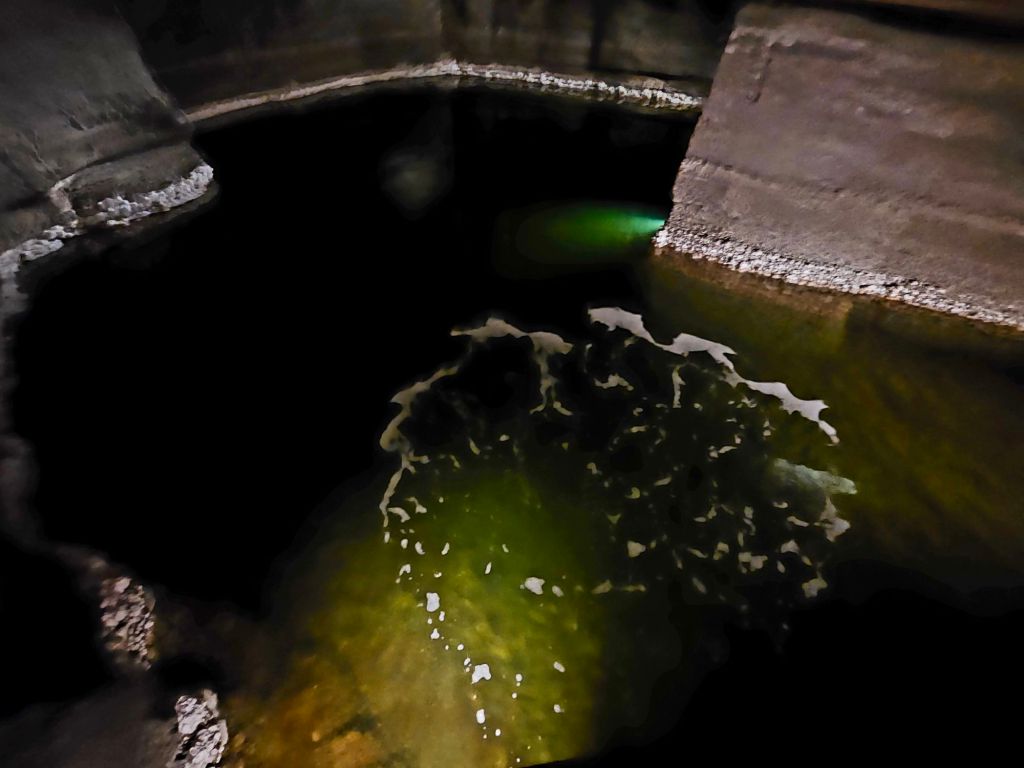
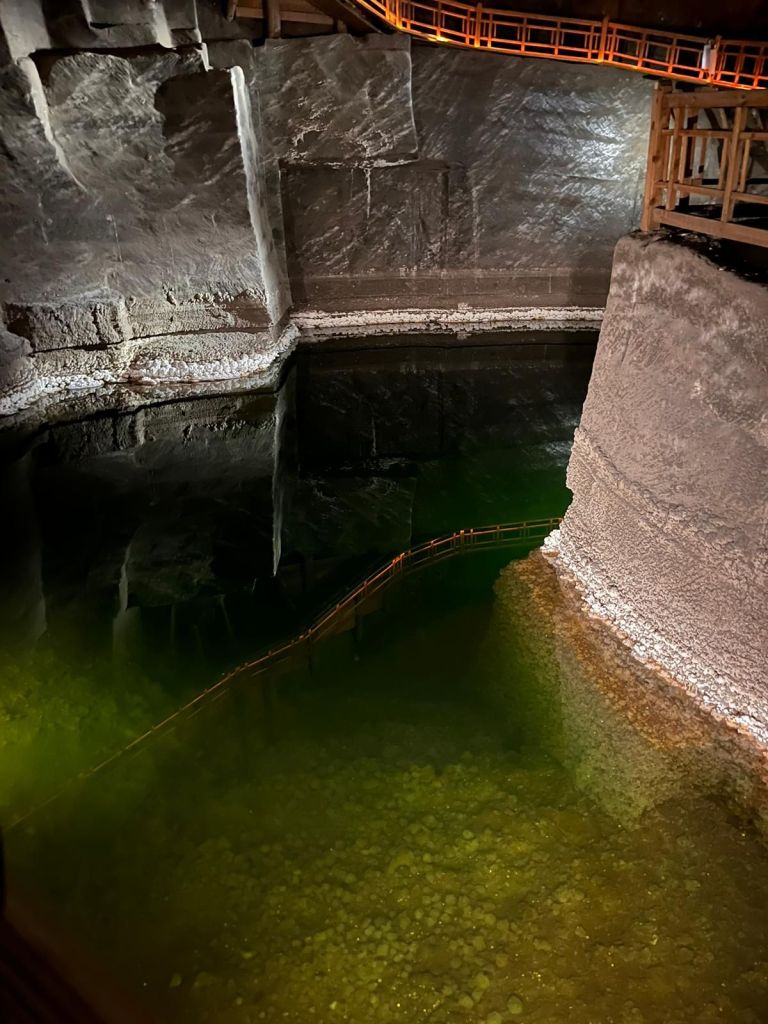

One of the lakes has a ghost story associated with it. The ghost of the treasurer is a friendly ghost and appears to miners to warn them of imminent danger such as a cave-in, flooding, or fire. The treasurer guards the underground treasure, the salt.
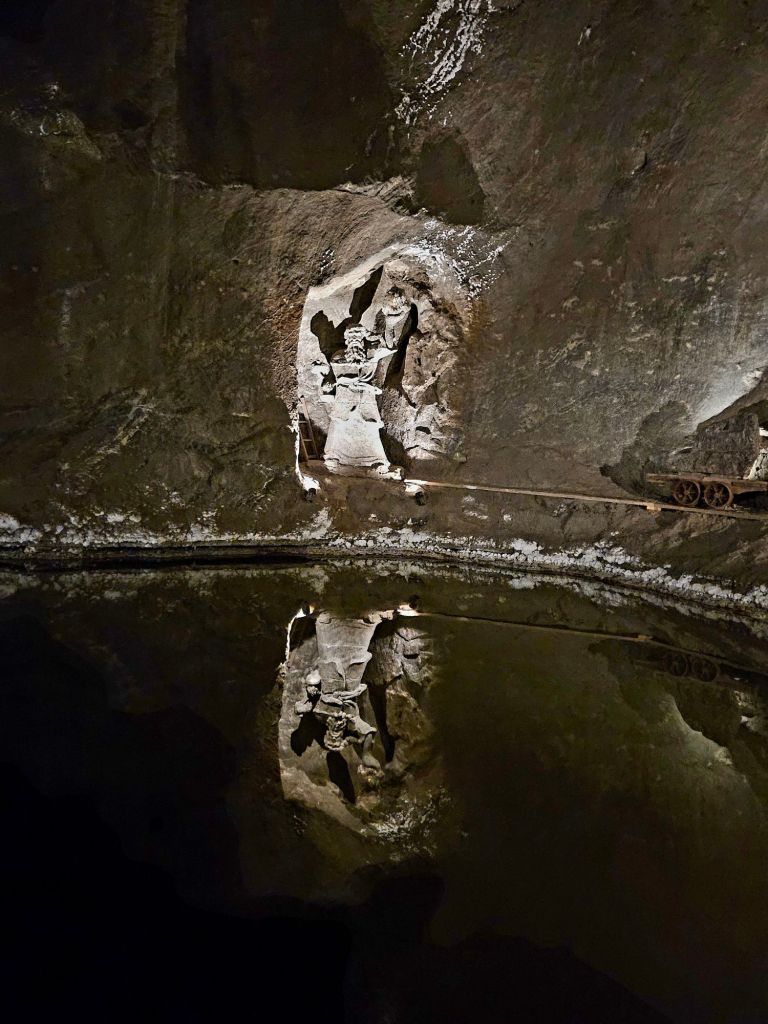
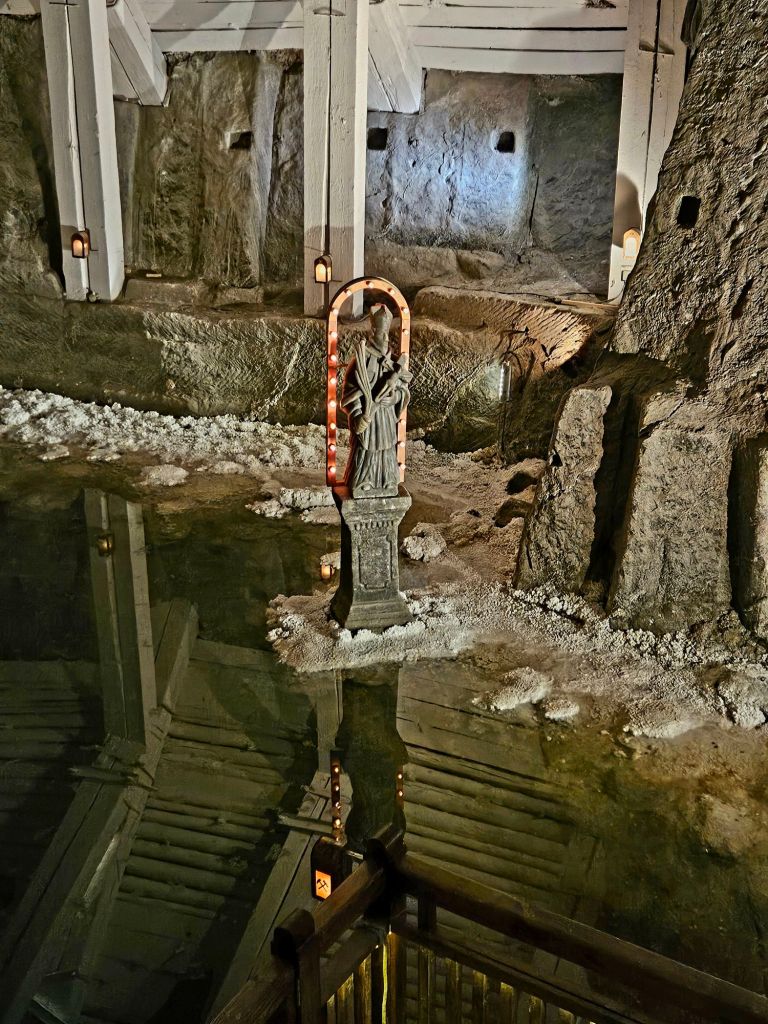
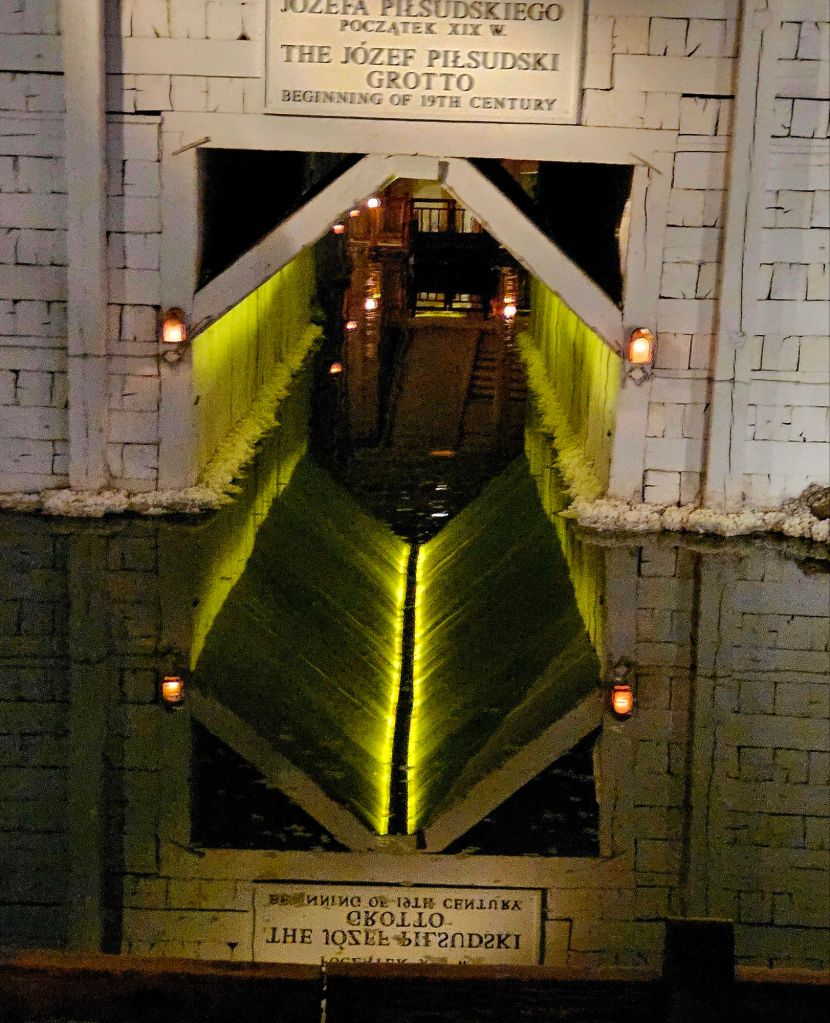
We also visited Jozef Pilsudski grotto. This is another artificial lake filled with brine and contains the statue of St. John Nepomucene. He is a protector against floods and drowning and is the patron saint of the Czech Republic. He was drowned in the Vitava river on the wishes of the King at the time for not telling what the Queen confessed to him in secret.
The first electrical lights in the mines were introduced in 1911, and the first electrical machines started to be used in the 1920s.
Mines were connected via special concrete boards. The first tpur routes were opened up in the 19th century, and boat rides on the saline lakes were organised.
Although the mine is now just a tourist attraction,several miners still work here every day. They are slowly filling up some of the lower levels to make the higher levels more stable for visitors, and new attractions are always being prepared. There is currently a souvenir shop on the tourist route where we stopped and bought some salty chocolate.
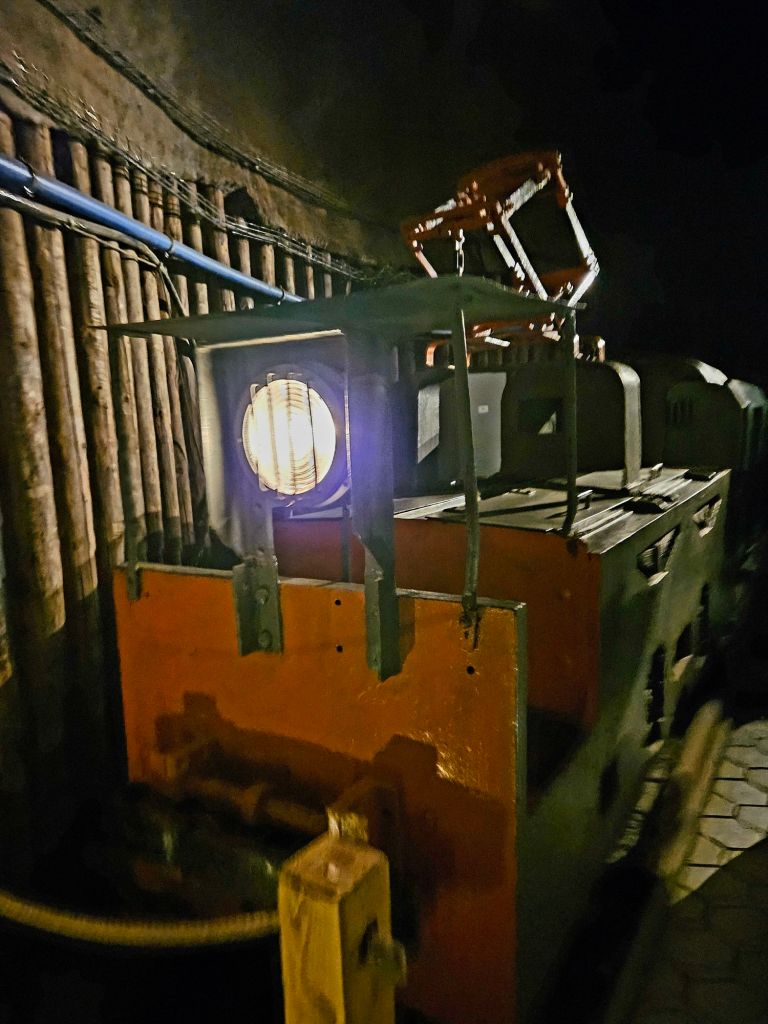
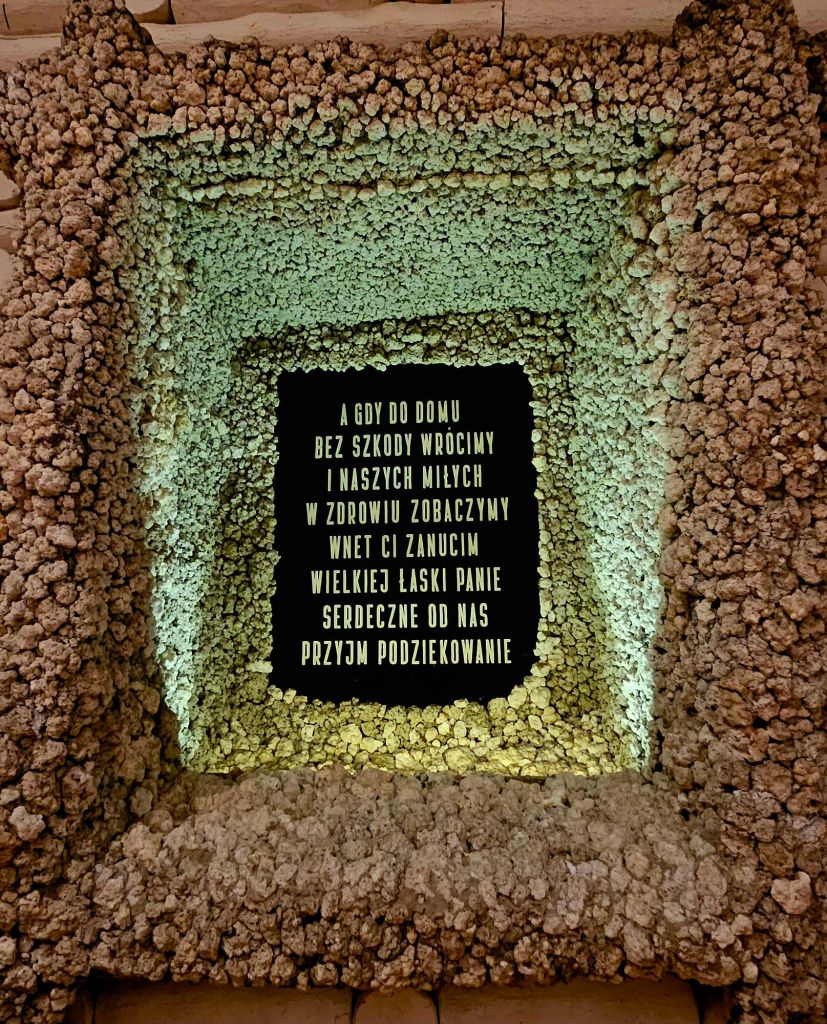
Just some other random photos of the mines.


After the tour, we waited to get the lift back up to the top.

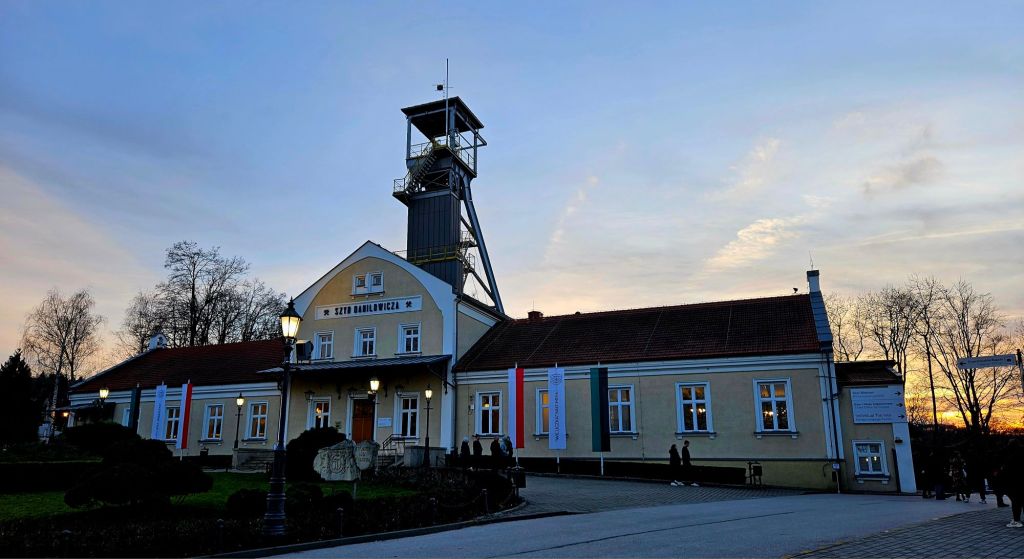
Once we were back in the fresh air we walked back to the coach, stopping off for a delicious mulled wine on the way. And then it was time to head back to Krakow.

In Krakow, we had to walk from the drop-off point back to the apartment, so we decided to stop off for some food. Monika recommended the polish sausage – it was huge and very tasty.
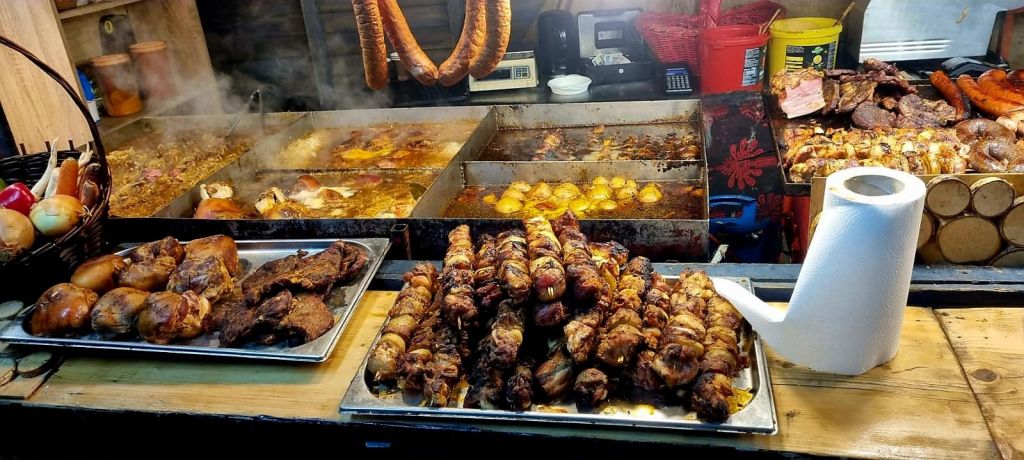
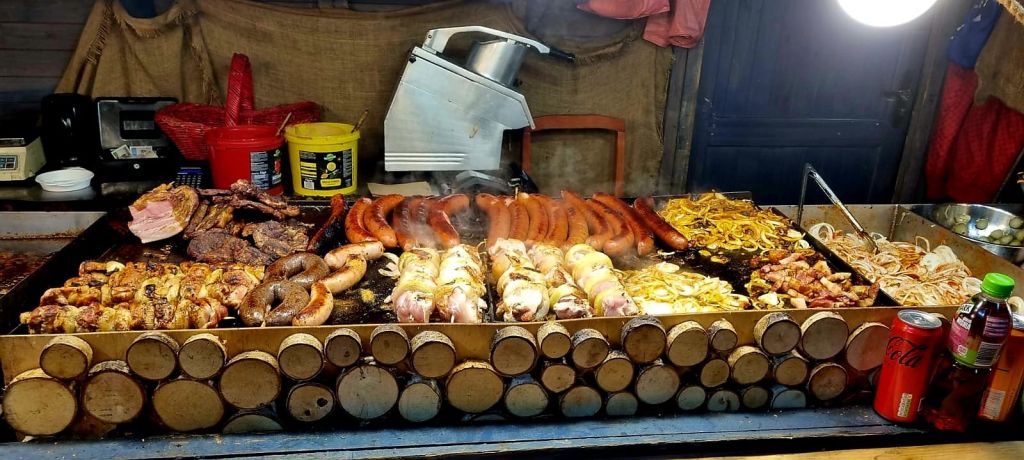
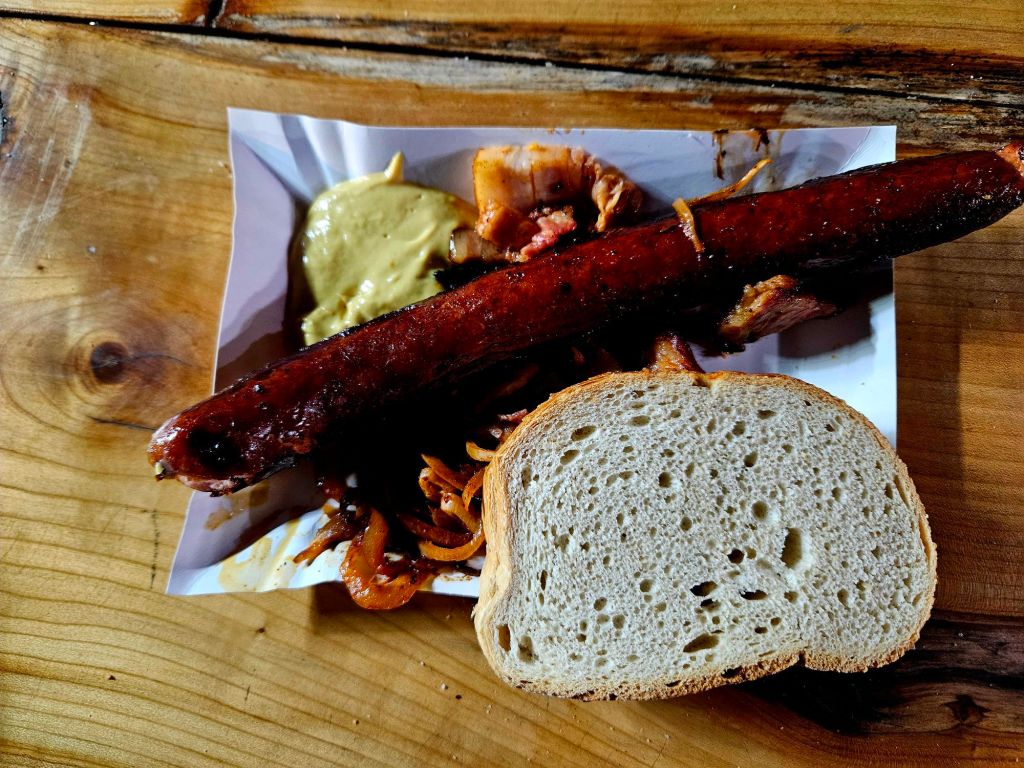
We also bought some food to take with us for the trip tomorrow.
In the evening we were all a bit tired so we stayed in and chatted before heading to bed.
 Fun, Fitness and Fabulousness in your Fifties