This morning, we found a lovely quirky cafe close to our apartment called Camelot Cafe.
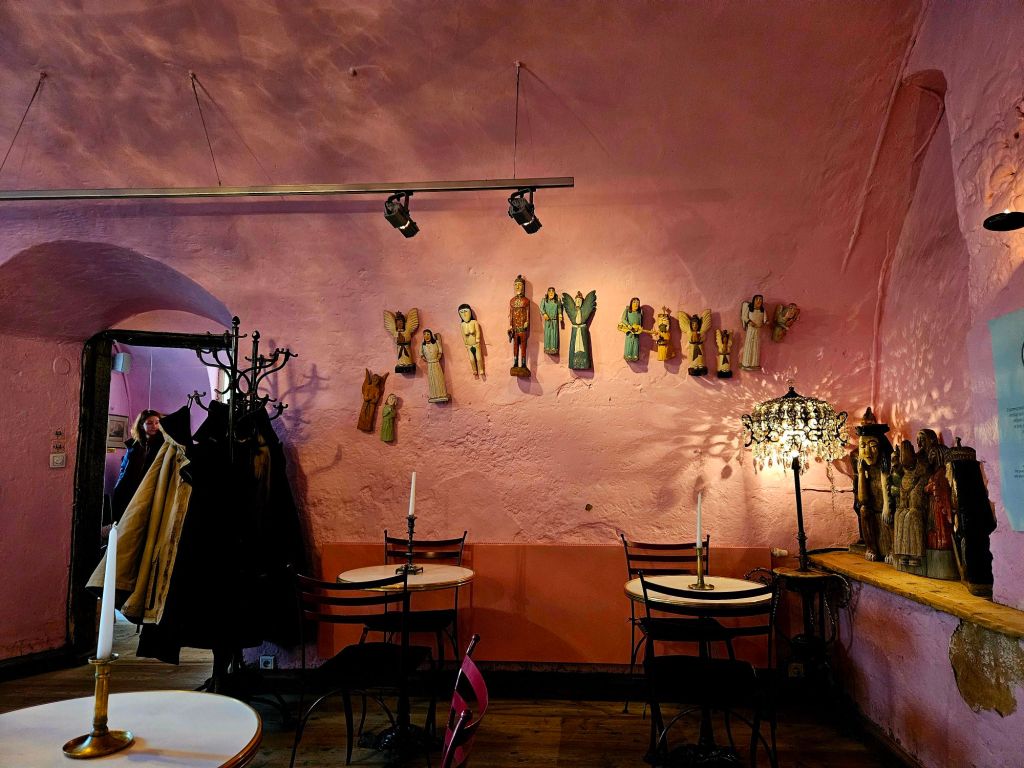
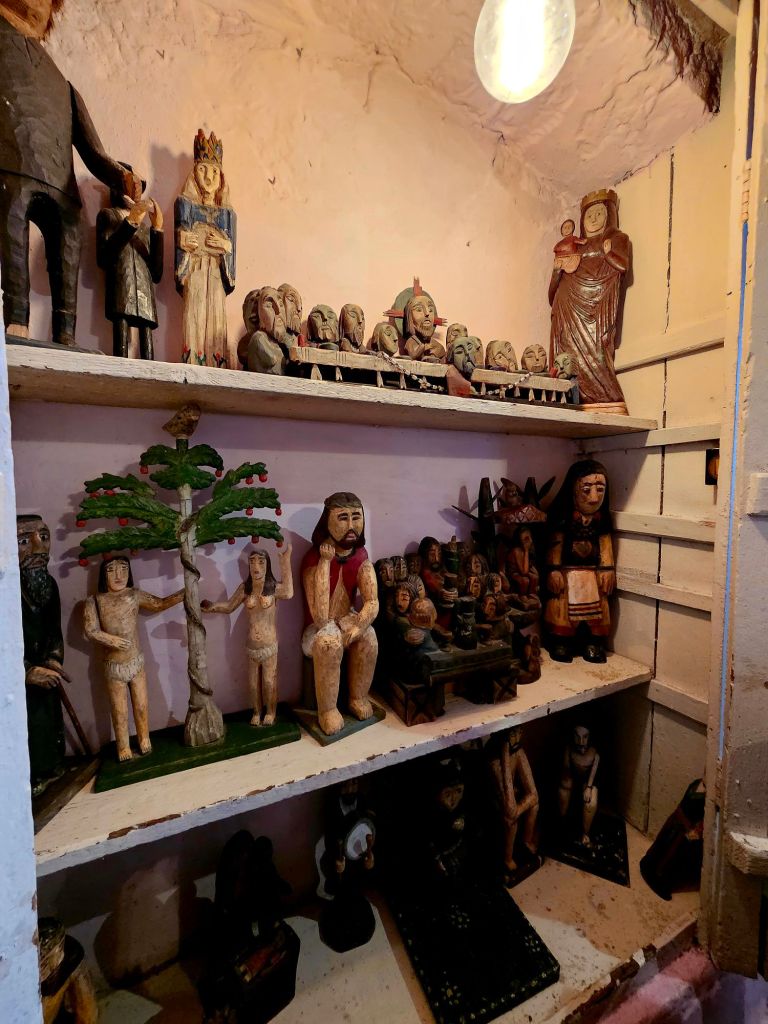
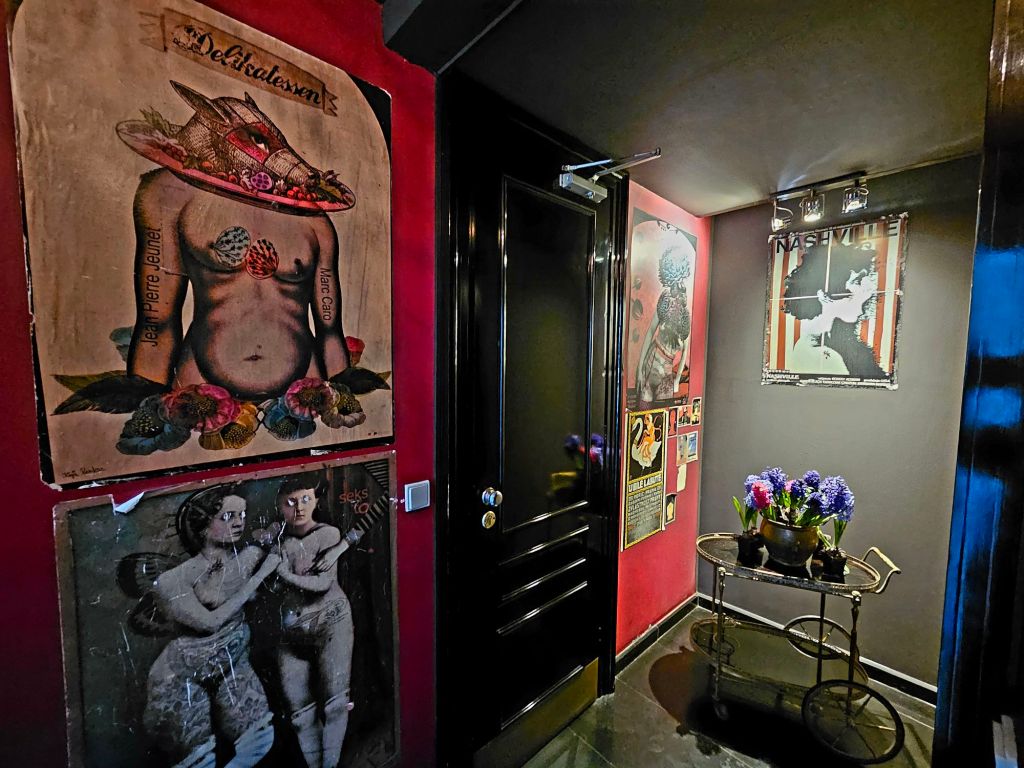
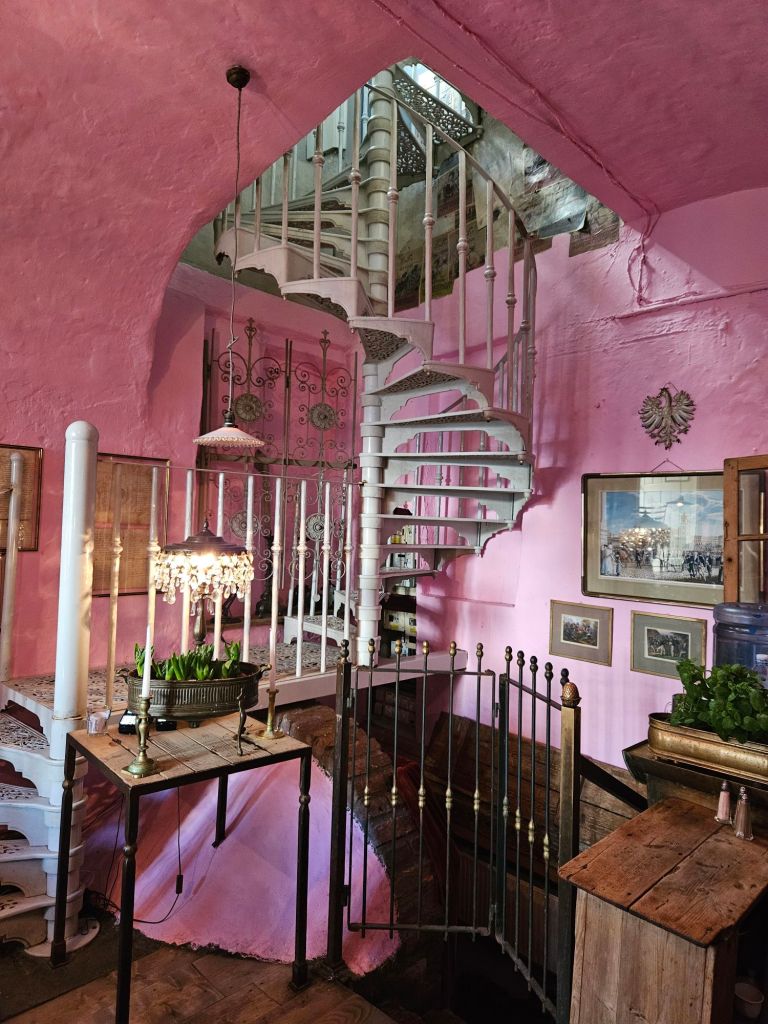
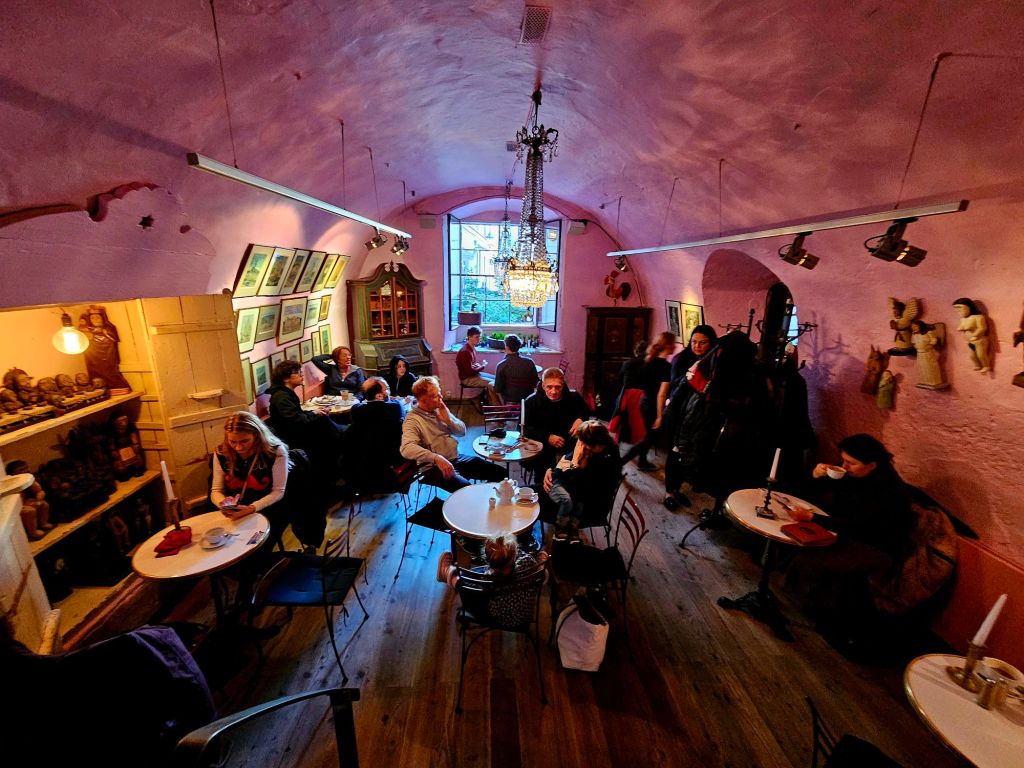
We had a delicious meal of Shakshuka – eggs baked in a tomato sauce with onion and peppers – along with a cup of tasty coffee.


We decided to explore outside of the main square and headed towards Wawel area.
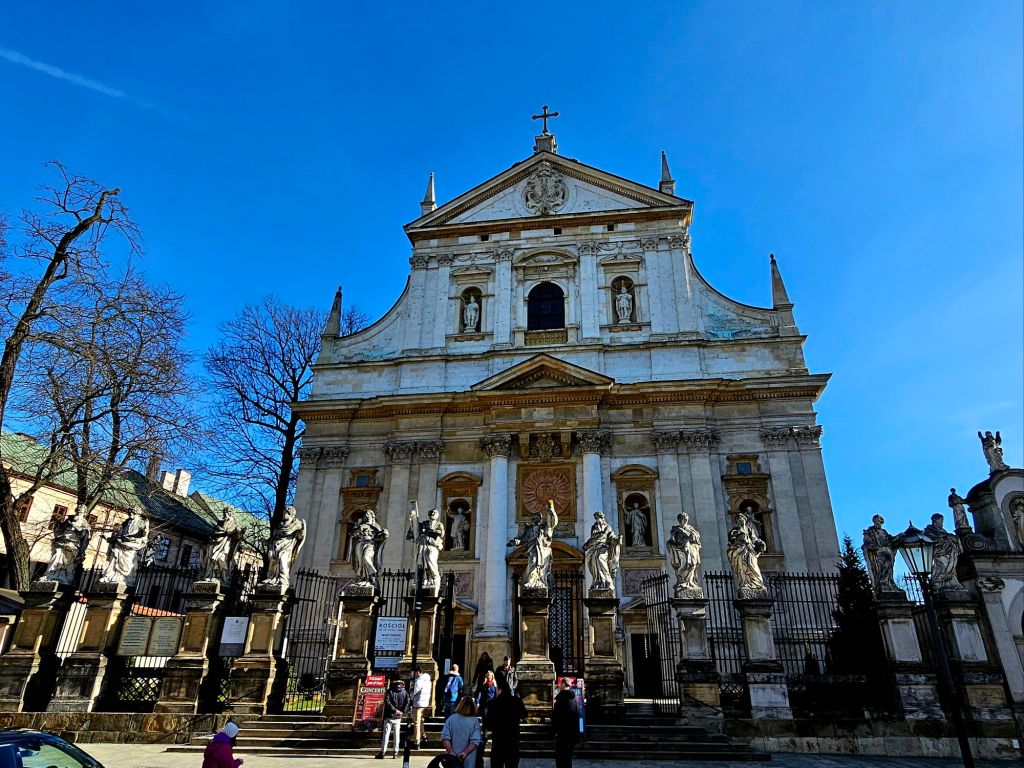
On the way, we passed some churches. The first one we came across was St Peter and Paul. This is a Roman Catholic Church that was built by the Jesuits in 1619. The railings outside the church carry the twelve apostles.
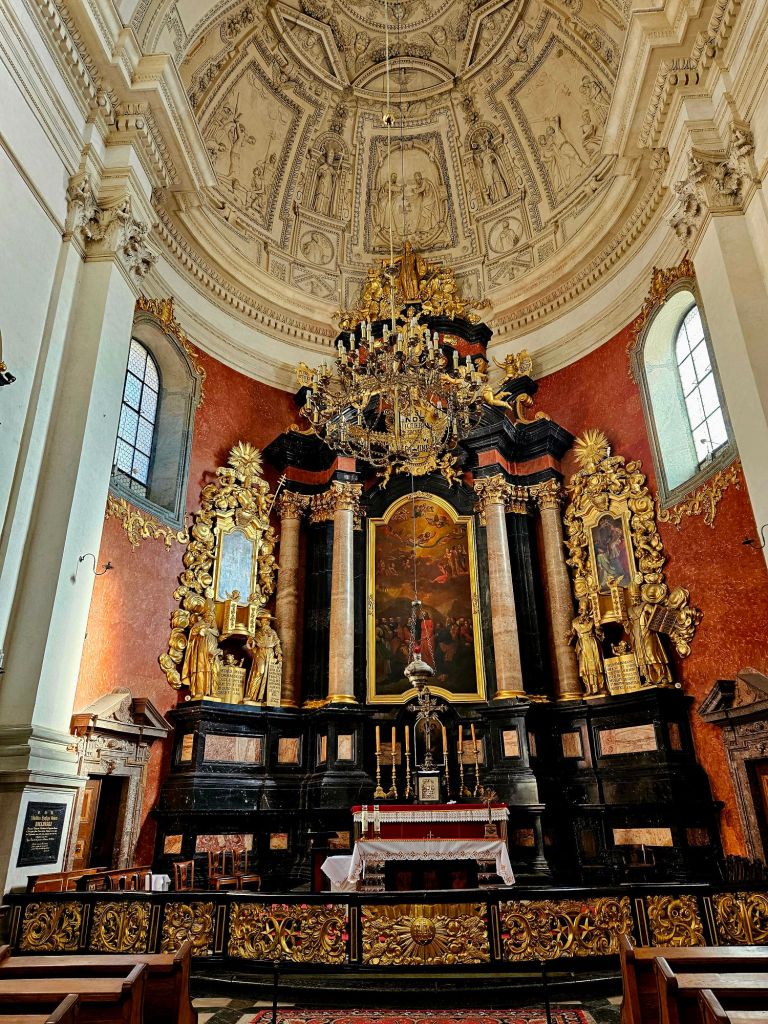
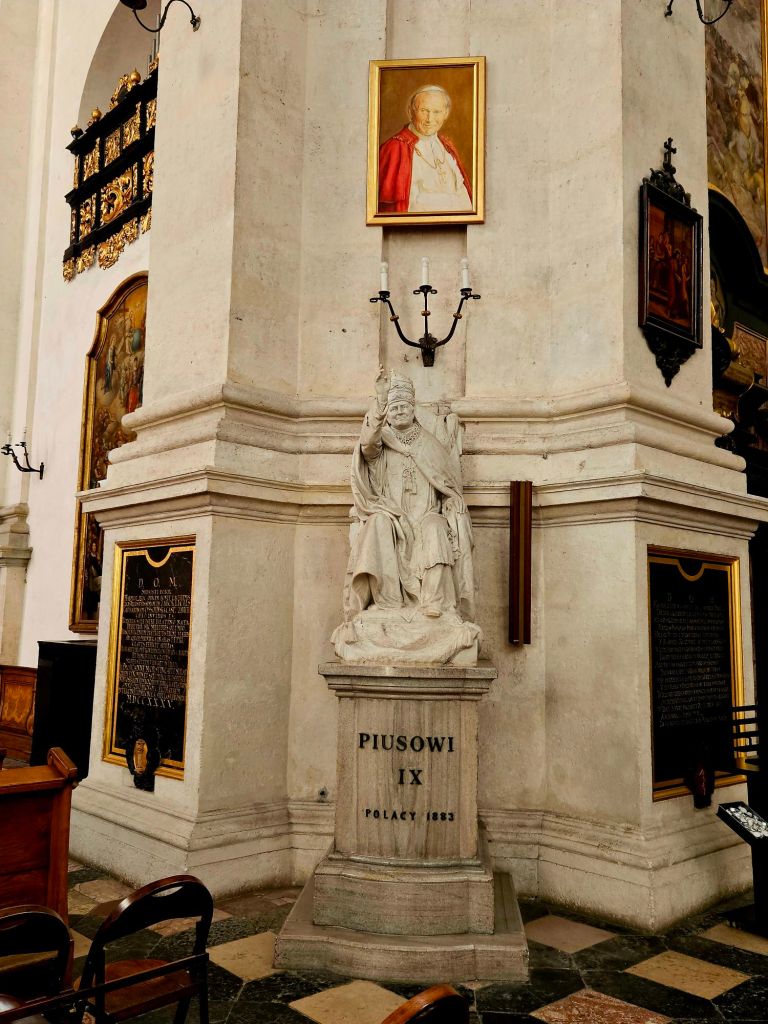
Inside, like many of the churches here, there is a lot of baroque work. In 1906, the parents of Pope John Paul II were married in this church.


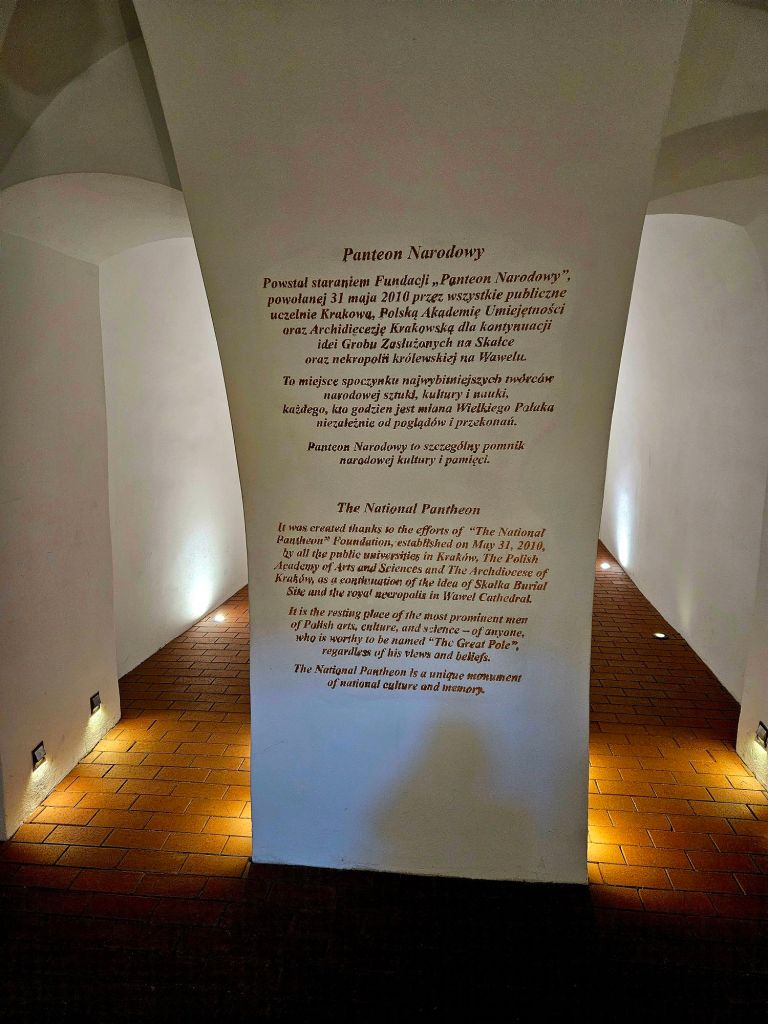

Opposite St Peter and Paul’s is a statue of Piotr Skarga who is buried in the crypt. Piotr was a polish Jesuit and an early advocate of reforms to the Polish Lithuanian policy. He advocated strengthening the monarch’s power at the expense of parliament and the nobility. His book ‘The lives of saints’ was one of the most popular books in poland for many centuries. The sculpture, however, is regarded as one of the worst in Krakow, mainly due to its aesthetics but also due to the fact that permission to erect the sculpture in St Mary Magdalene Square was never officially granted.

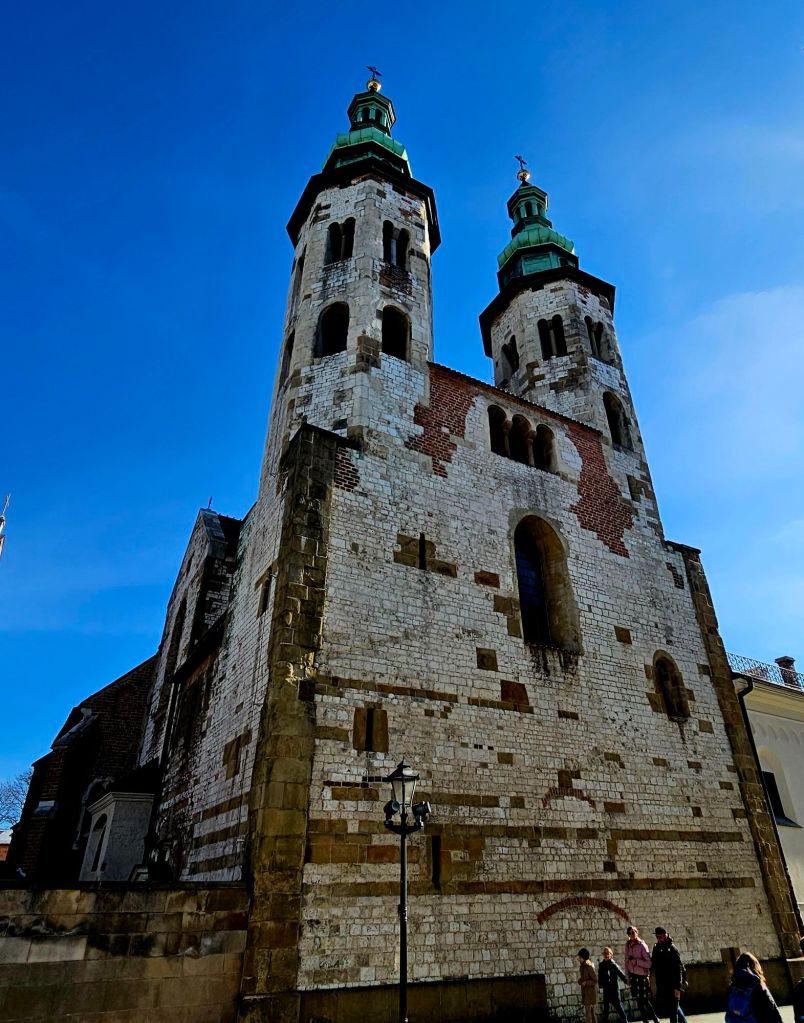
Next to St Peter and Paul’s is the church of St. Andrew’s. It is a romanesque church and dates from around the end of the 11th century and was one of the only churches not to be destroyed by the Tatar invasion of 1241. The baroque spires were added at a later date. It served both as a place of worship and as a fortress.
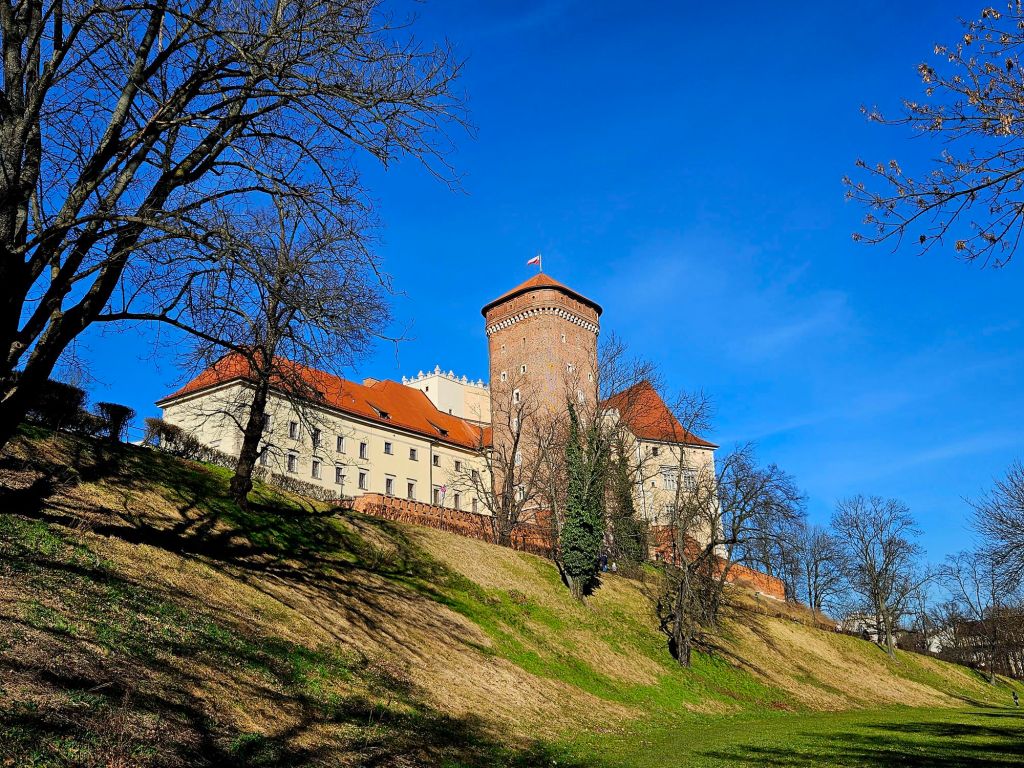
From here, we made our way to Wawel Hill. As the seat of bishops and kings, Wawel Hill was the centre of church and state in Poland from the 12th century until the capital was moved to Warsaw in the late 16th century.
On the way to the castle, we passed the Krzyz Katynski. This is a simple wooden cross that commemorates the massage in the forest in March 1940, where 22,000 polish officers, including many academics, doctors, and lawyers, were killed by Russian troops. They were acting under the orders of Stalin, whose aim was to eliminate Poland’s leaders and intelligentsia.

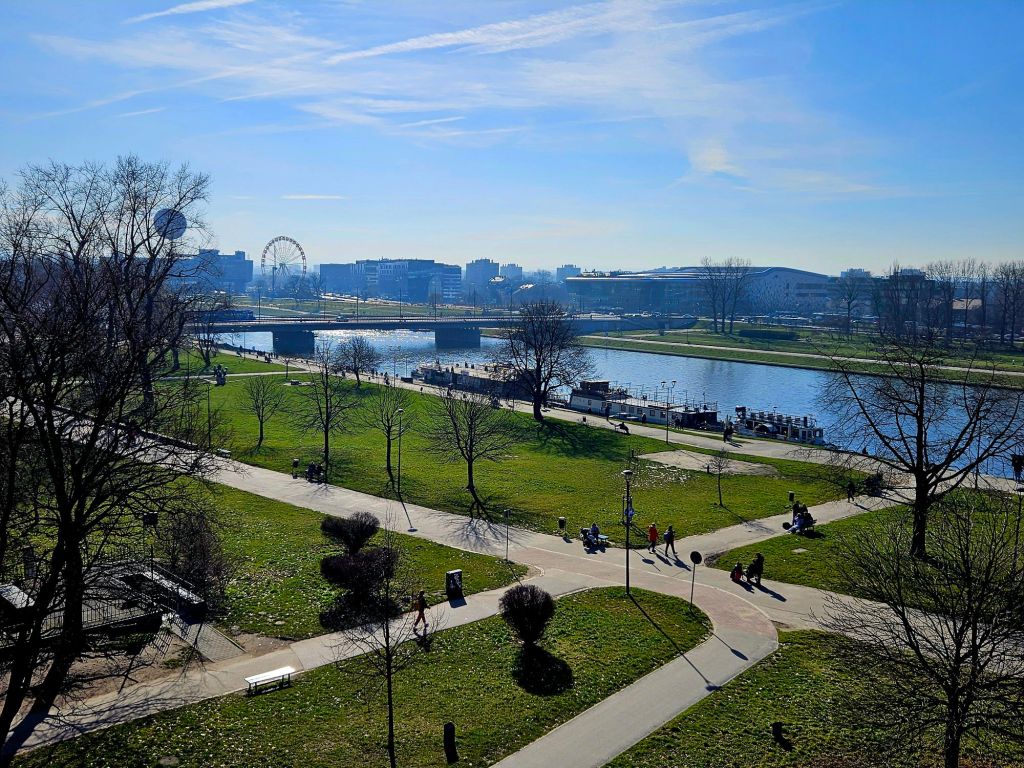
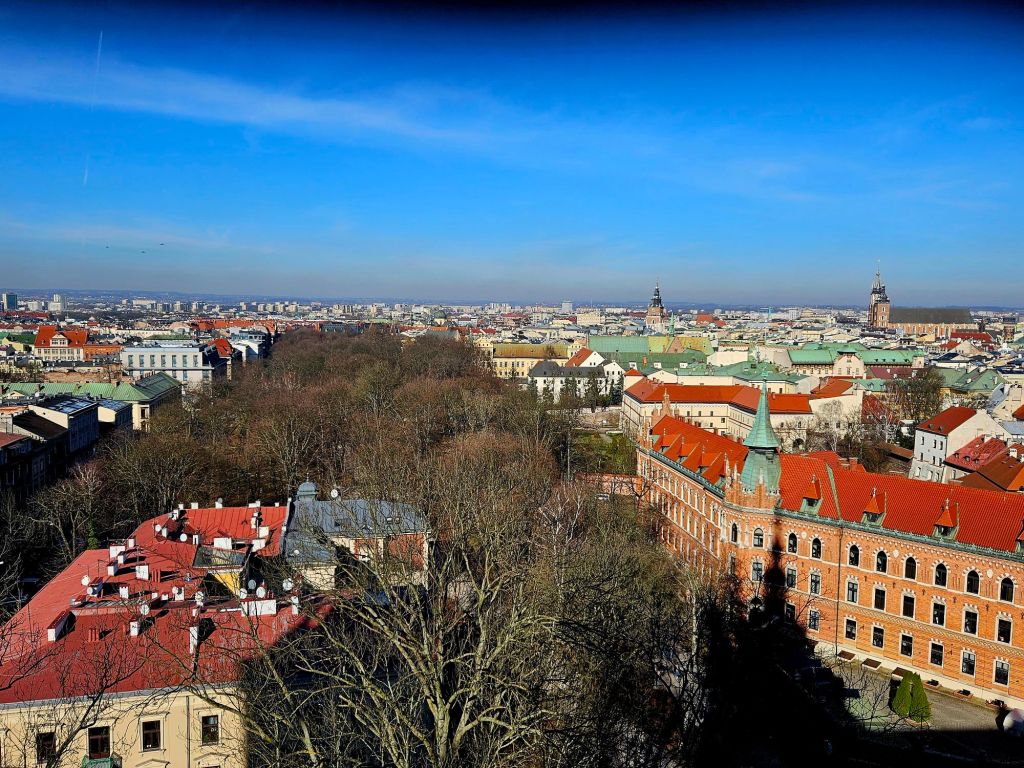
We walked up to the castle and looked out over the city of Krakow.



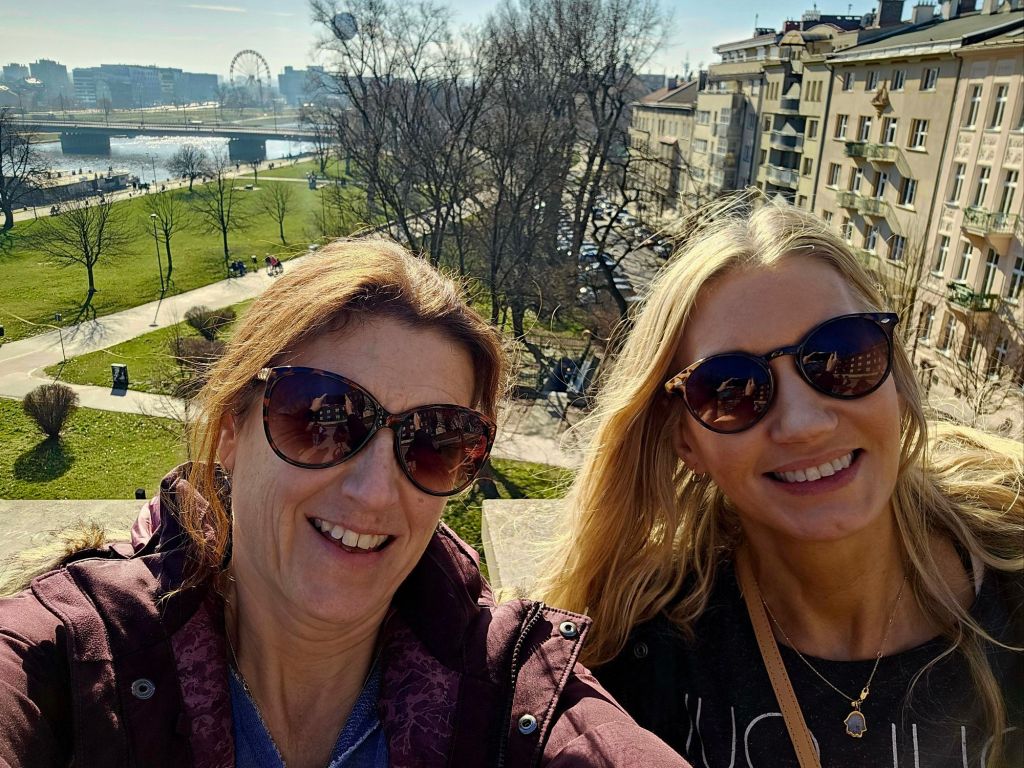
Wawel Cathedral is within the castle grounds, so we paid it a visit, too. The cathedral is where almost every royal has been crowned.
The cathedral was finished in 1346, but smaller churches were built on the hill from as early as the 9th century. The current structure is the result of over 800 years of additions and changes.
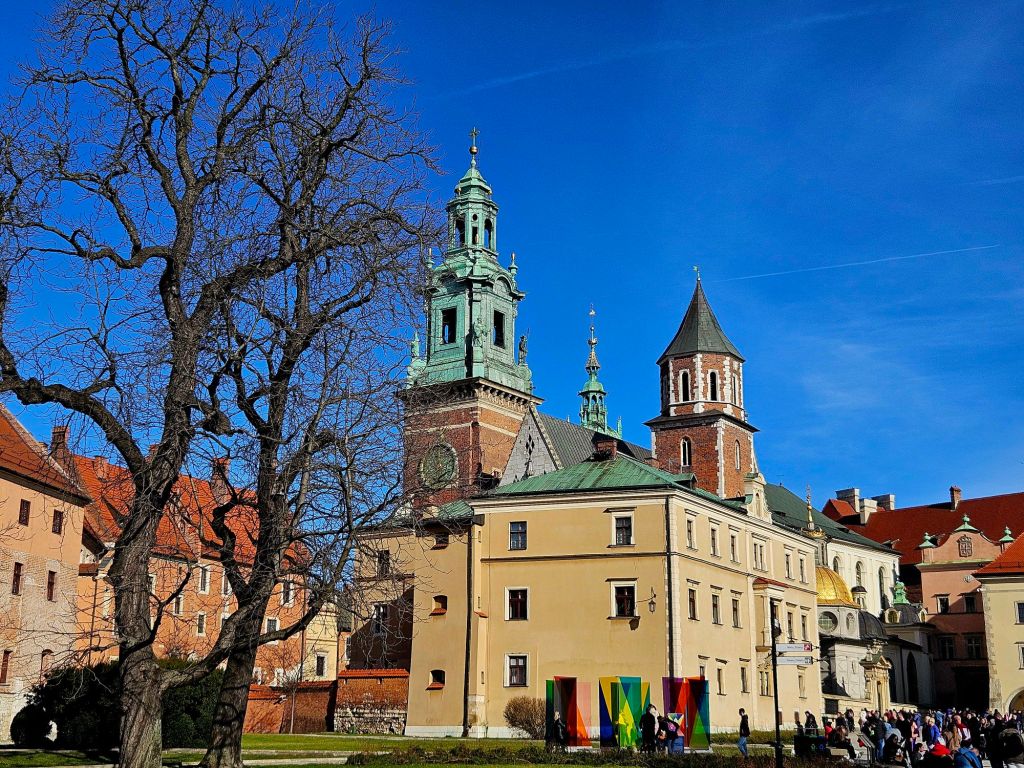
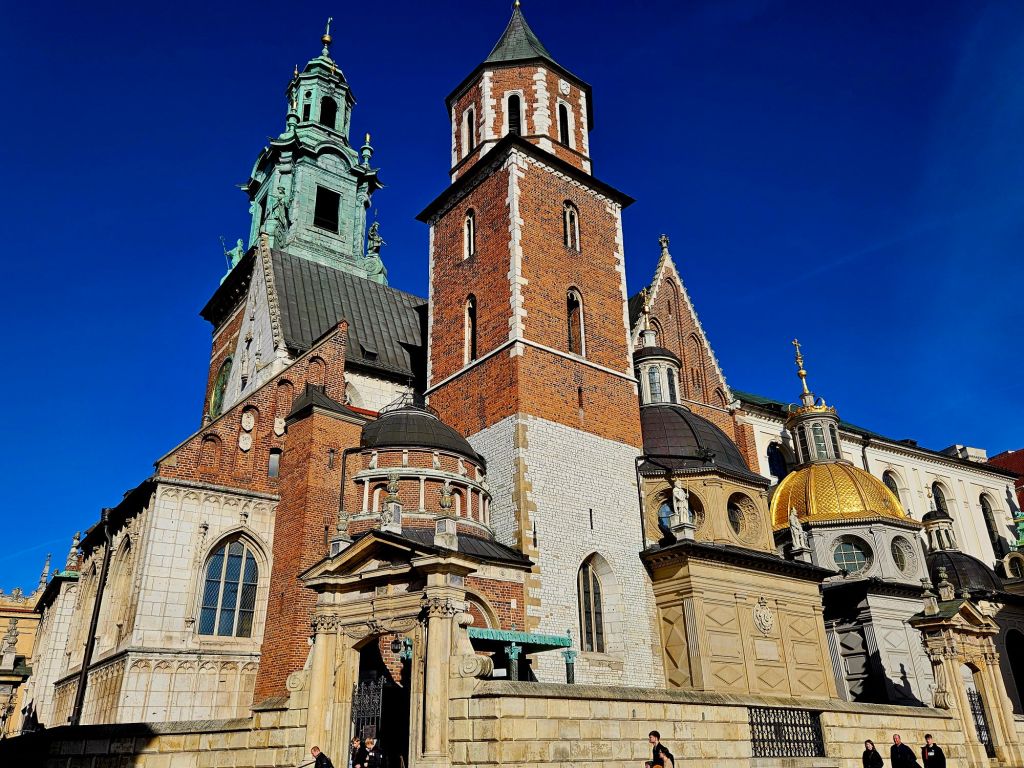
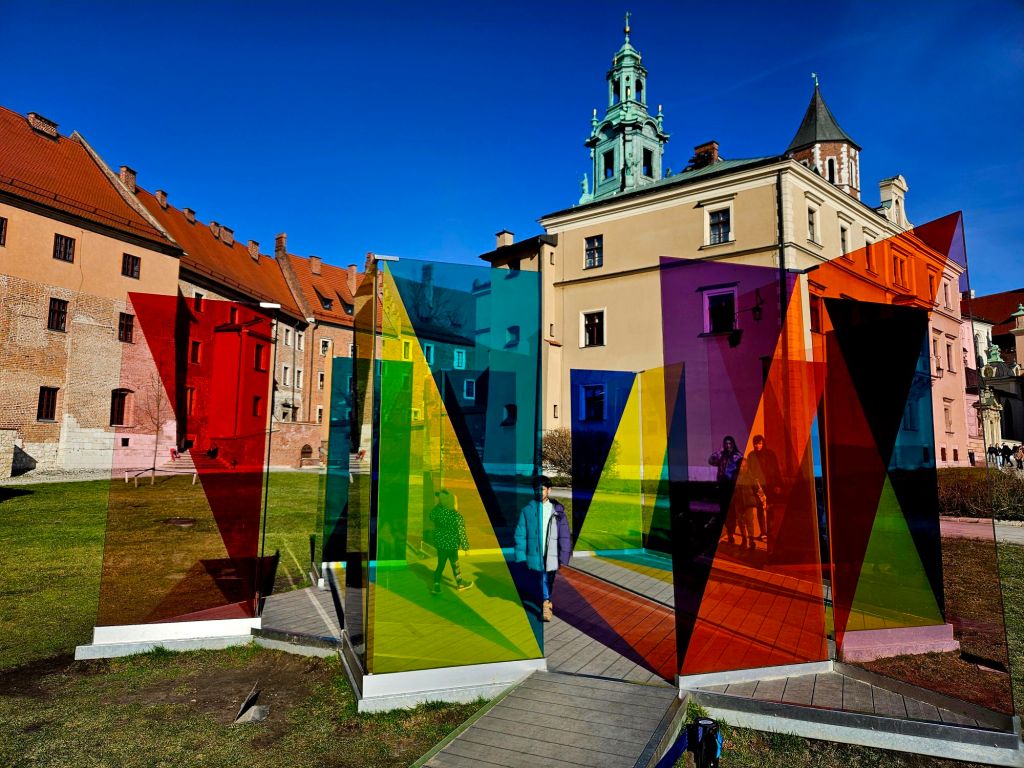
There was a modern art instillation outside the cathedral representing visage.
Inside the cathedral, you could walk up to the top of the Zygmunt bell tower. It was a steep and narrow climb up wooden stairs. I was told that if you touch the clapper of the Zygmunt bell with your left hand, you will be lucky in love. There were four bells on the way up, so I made sure to touch them all.
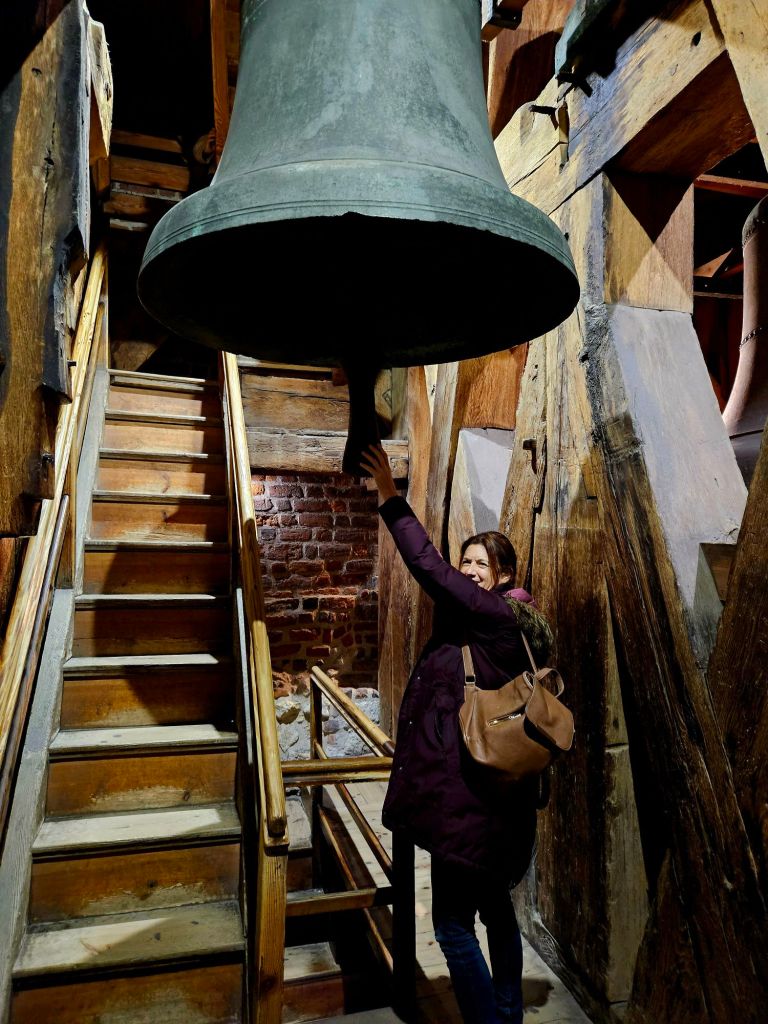

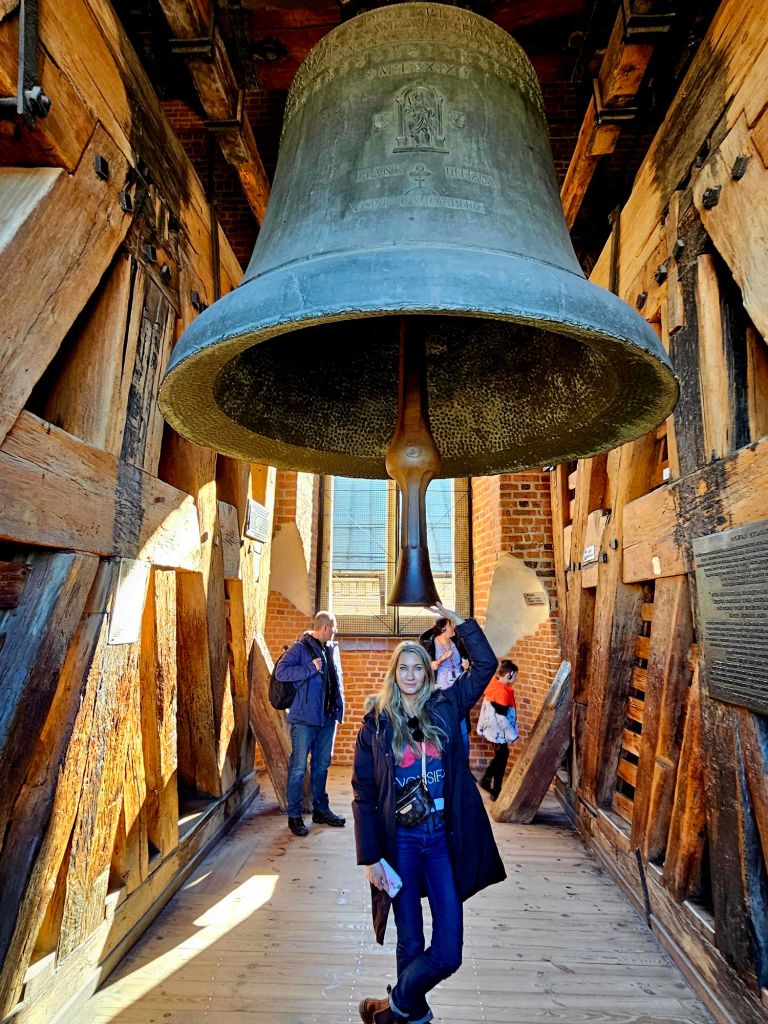
The actual Zygmunt bell was definitely the largest of all of them, weighing 12.6 tonnes. It was cast in 1520 and still rings today on religious and national holidays. It can be heard from 30km away and takes 12 strong men to ring it. Bell tollers are lifted from their feet, and one was flung to their death from the tower during the interwar period.

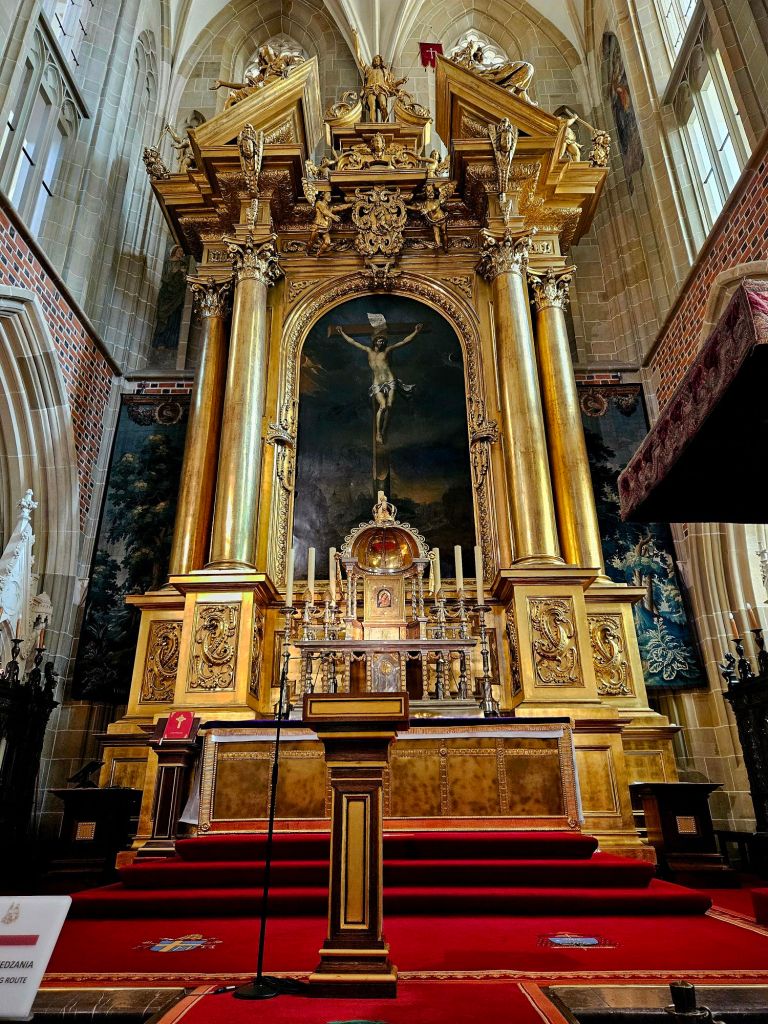
We walked back down the bell tower and explored the cathedral. The cathedral is amazing inside and is made up of a maze of shrines, tombstones, chapels, and altarpieces.
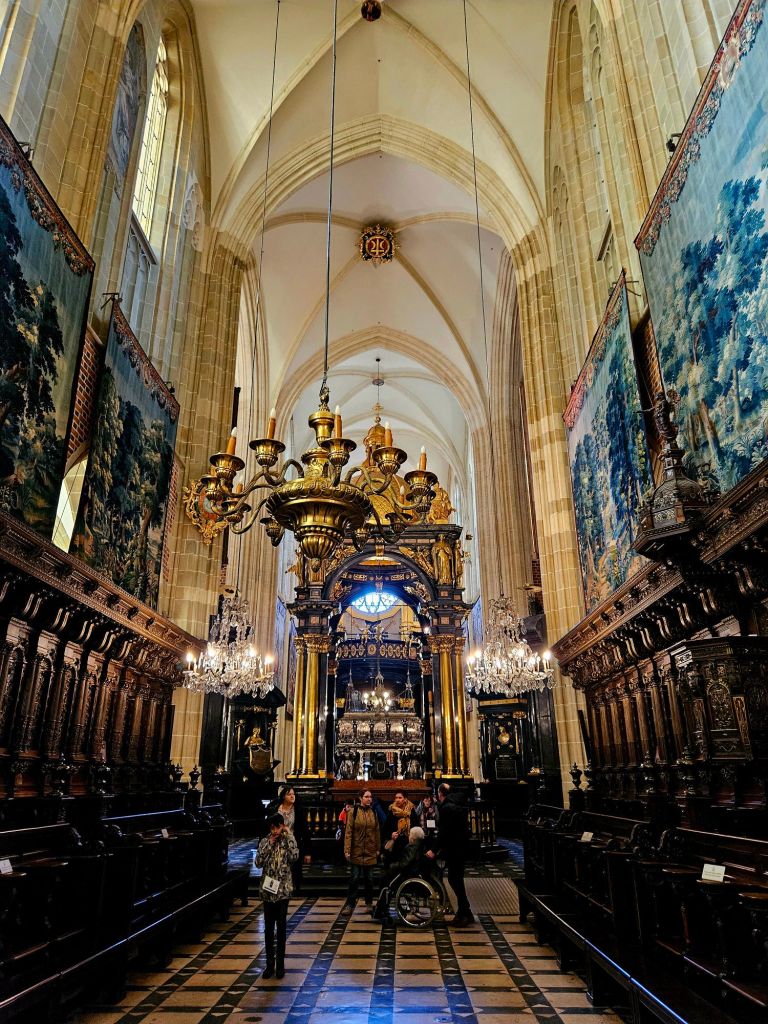


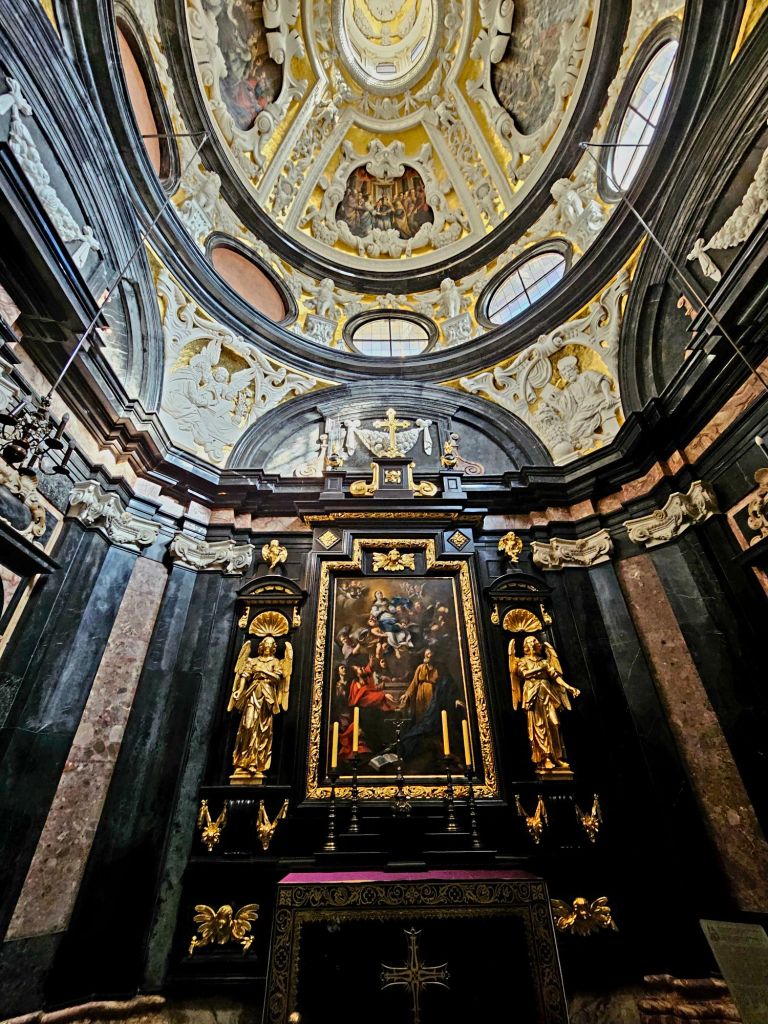
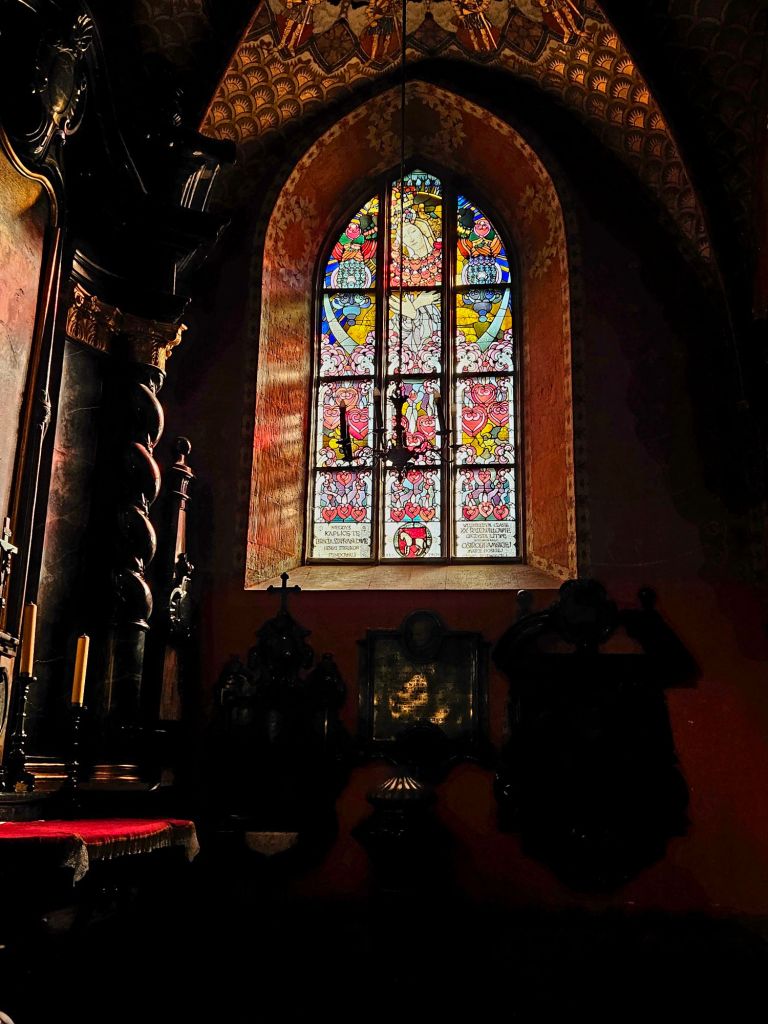
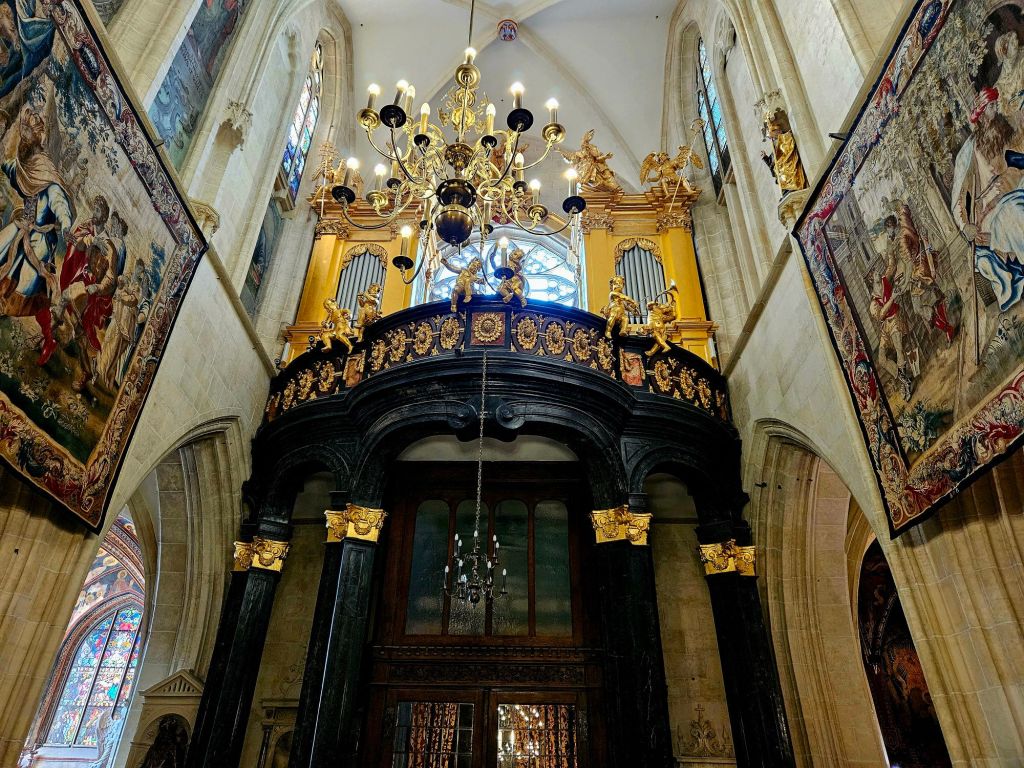
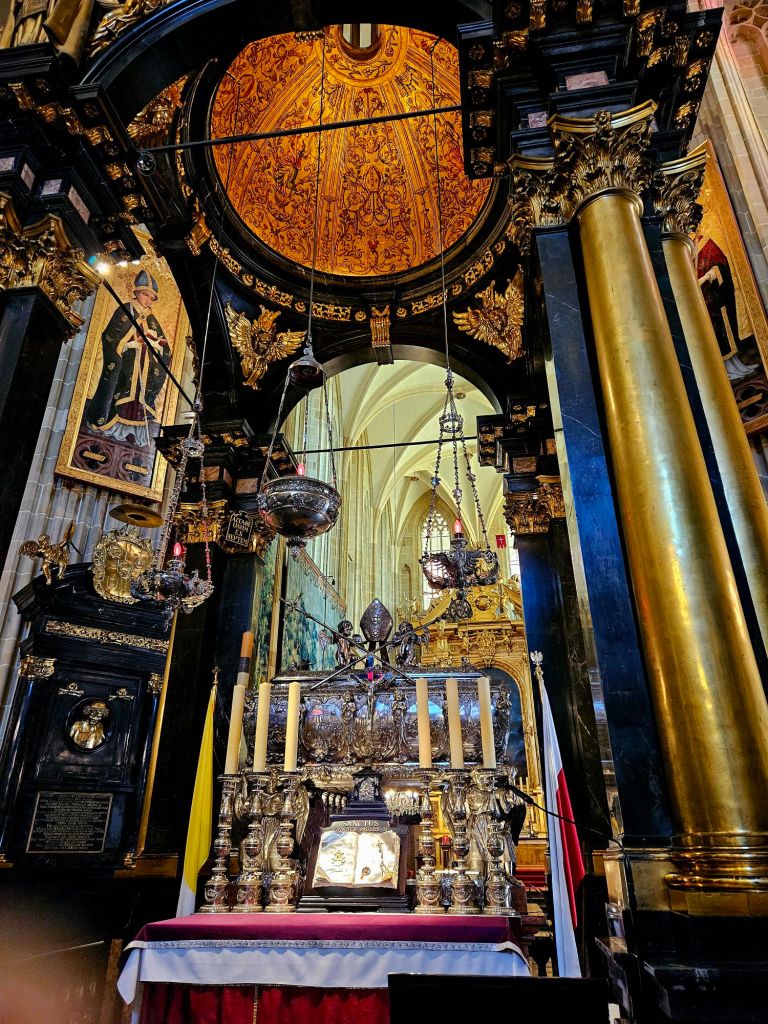
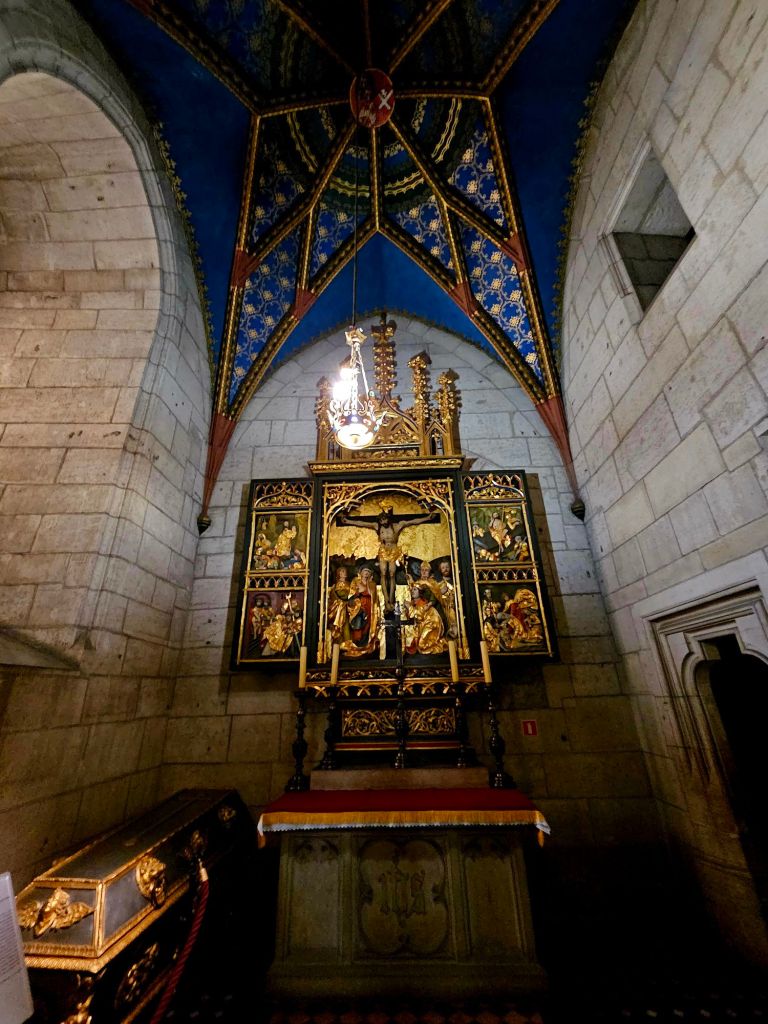
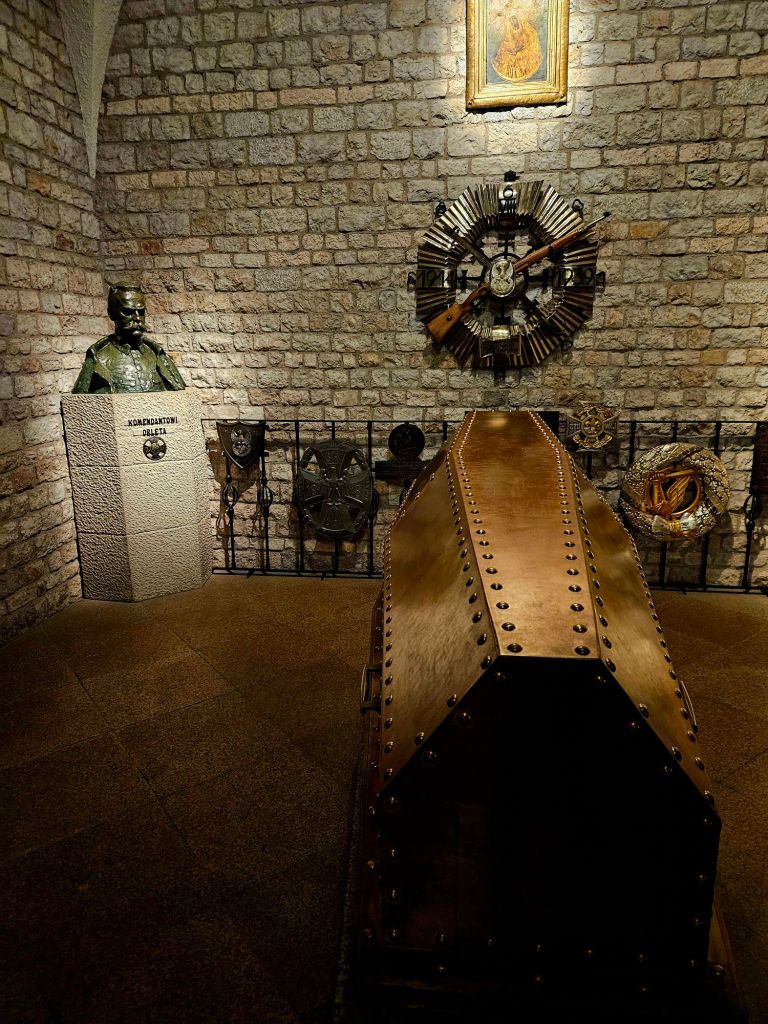
We also explored the crypt where the royal tombs are kept, along with the tombs of poets, composers, and musicians.

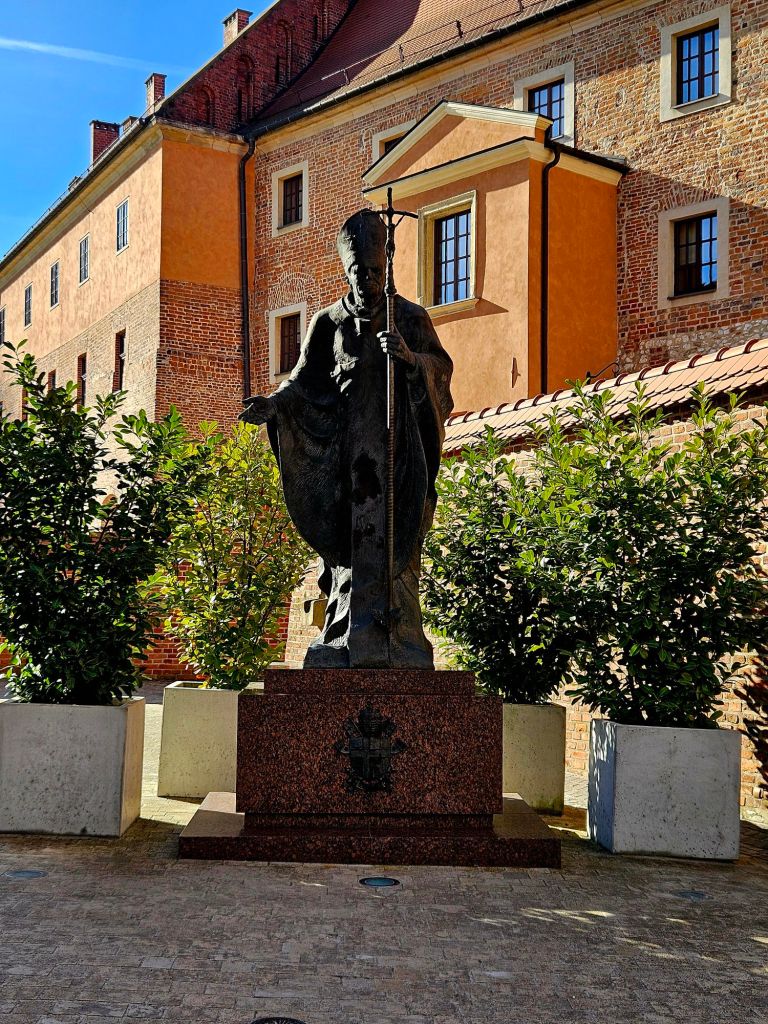
Just outside the cathedral is a statue of Pope John Paul II.
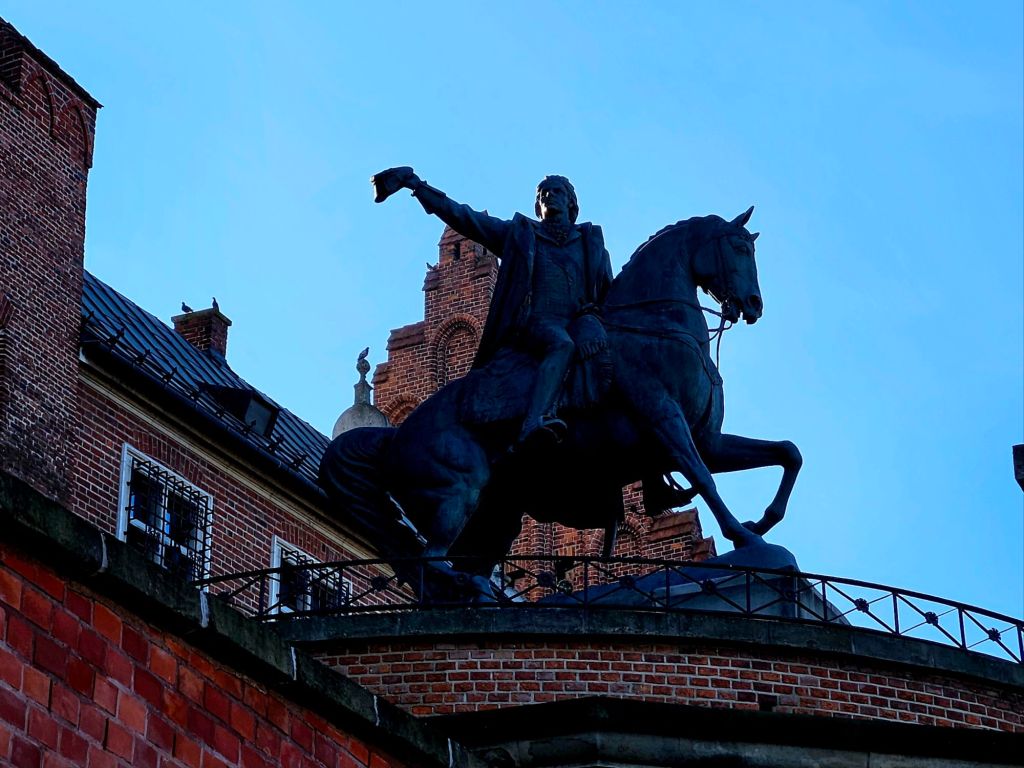
On the walk down, we passed through the coat of arms gate and saw the mounted statue of Tadeusz Kosciusko, a soilder and engineer and a polish freedom fighter. He declared in krakow the insurrection of 1794.

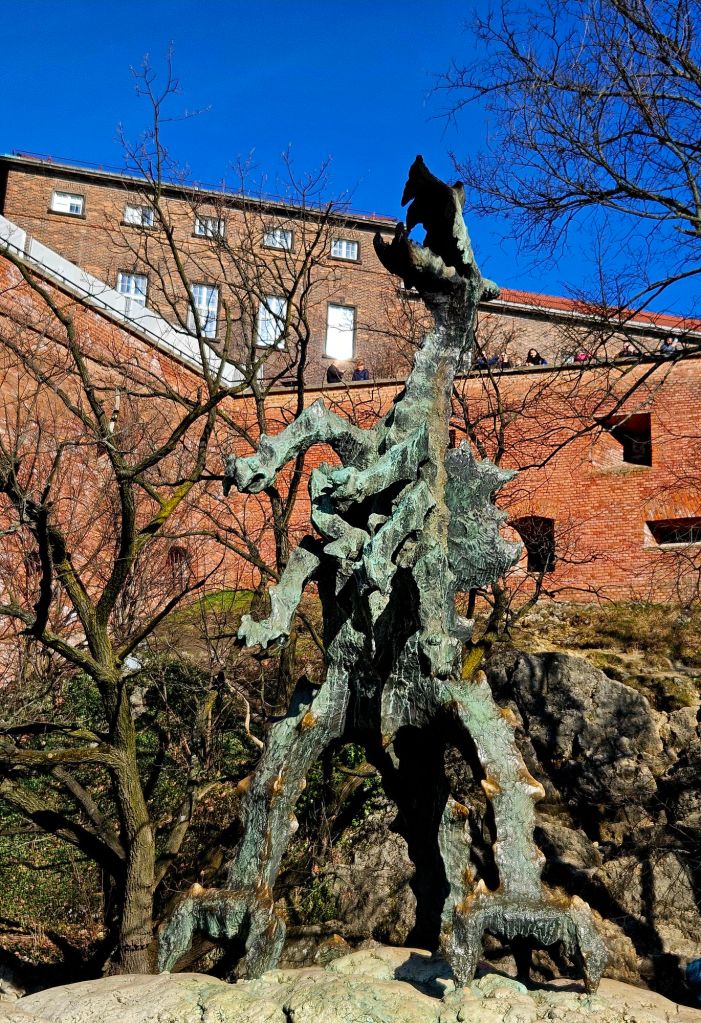
At the bottom of the hill below the castle, you can find Smok, the dragon. The dragon is a popular symbol of Krakow symbolising the fire in the belly of this intellectual city.
The legend is that long ago, when people first settled in this area, they built the castle on Wawel Hill, not realising a dragon slept underneath. After a while, the dragon awoke and started to feed on grazing sheep and cattle that the peasants had bought with them. Sometimes, it took young women, too. The king offered his daughter’s hand in marriage to anyone who could slay the dragon. Eventually, a young shoemaker offered to try, asking for sheepskins, mutton fat, and a great deal of sulphur. In the morning, he had built a fleecy ram, smeared with fat and stuffed with sulphur. The dragon gobbled up the bait, the sulphurous fire raged in its stomach, so it drank so much water it exploded. The shoemaker won the princess and the kingdom.
A spikey statue of the dragon still breathes fire today.

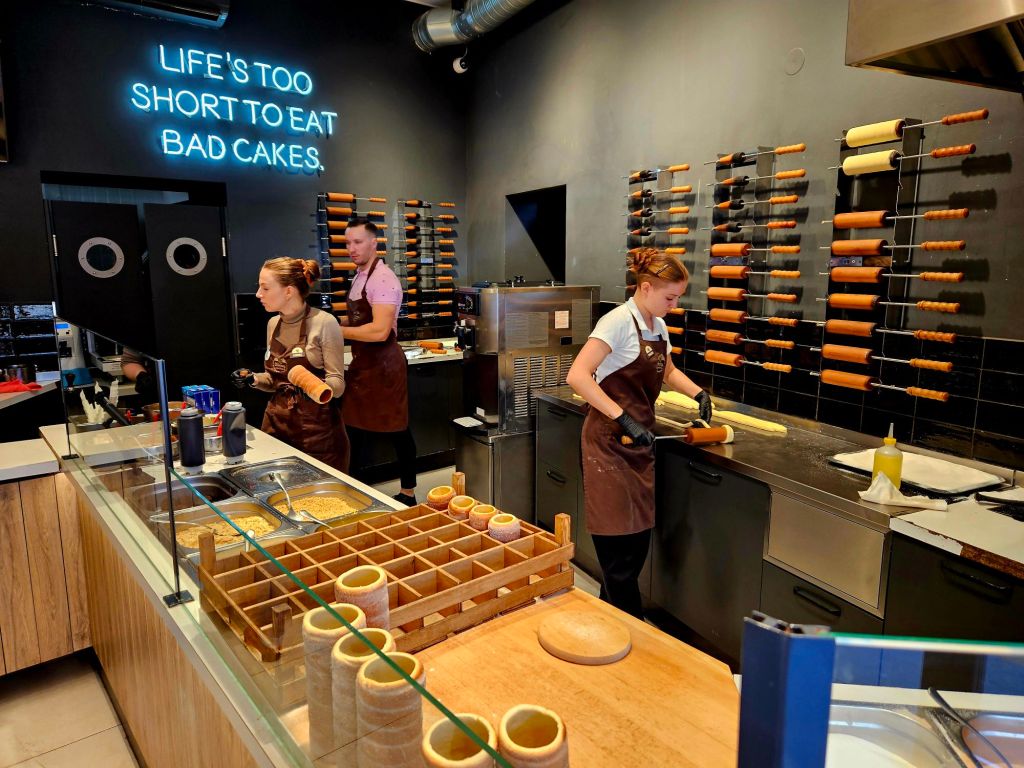
By now, we were starting to feel a little peckish, so we decided to visit the Chimney Cake bakery. Chimney cakes are made from a sweet yeast dough that is rolled into a long rope and wrapped around a cylinder. They are coated in sugar and can have many different ‘topping’ inside – we had one with Biscoff. They taste like donuts.
As the Jewish quarter was only a 10 minute walk away, and we still had plenty of time, we headed that way.
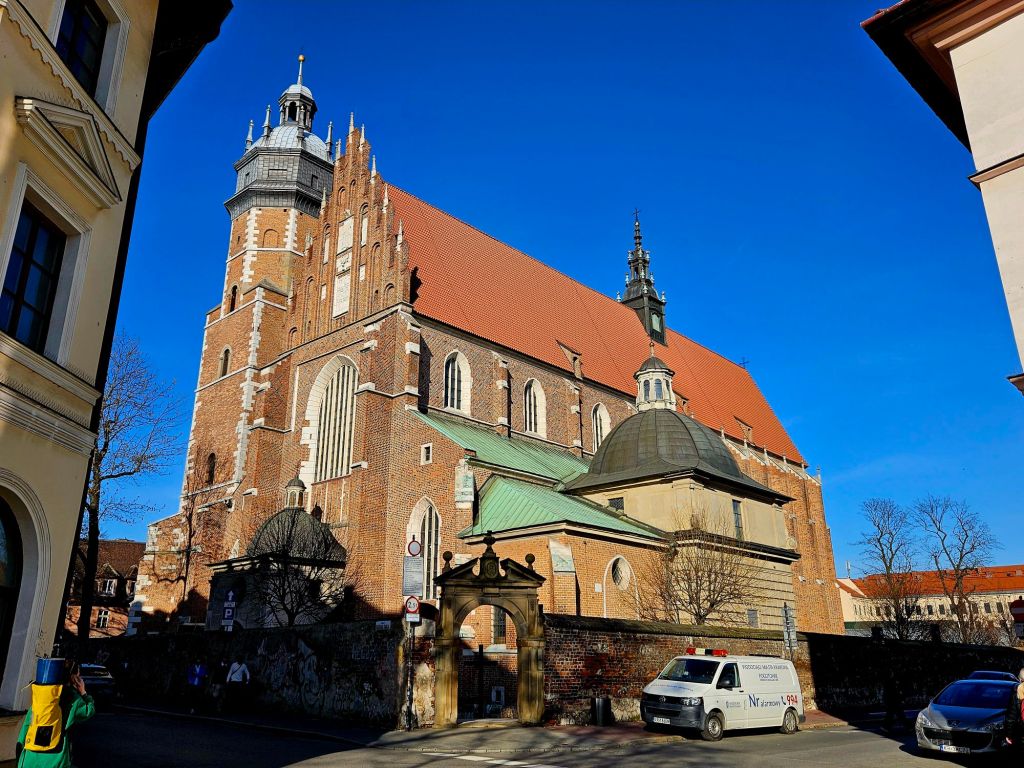
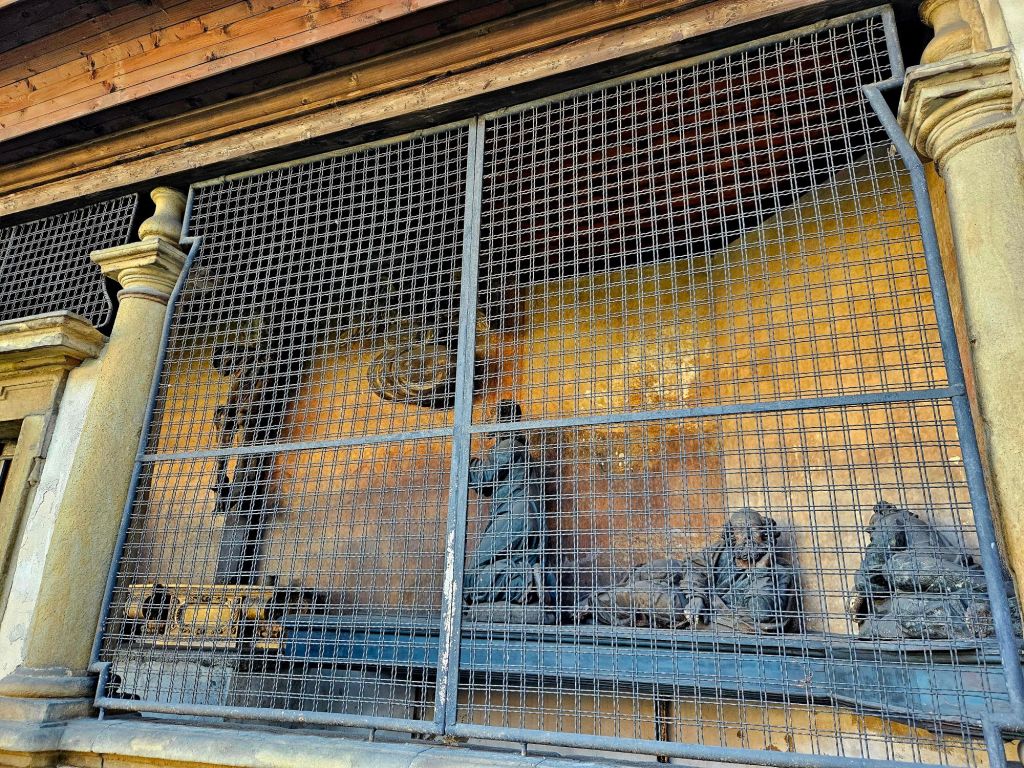
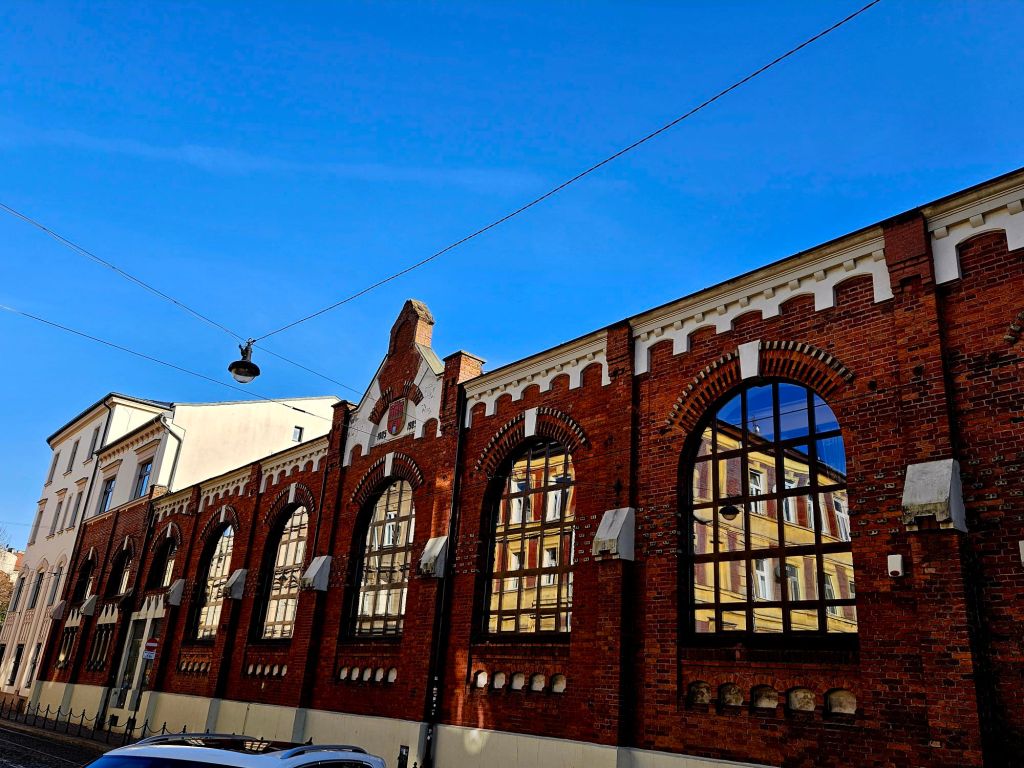
One of the first buildings we came across was actually the Corpus Christi Church. Although this started off as a small brick and wood parish church, it is now a huge gothic basillica with a rich baroque interior.
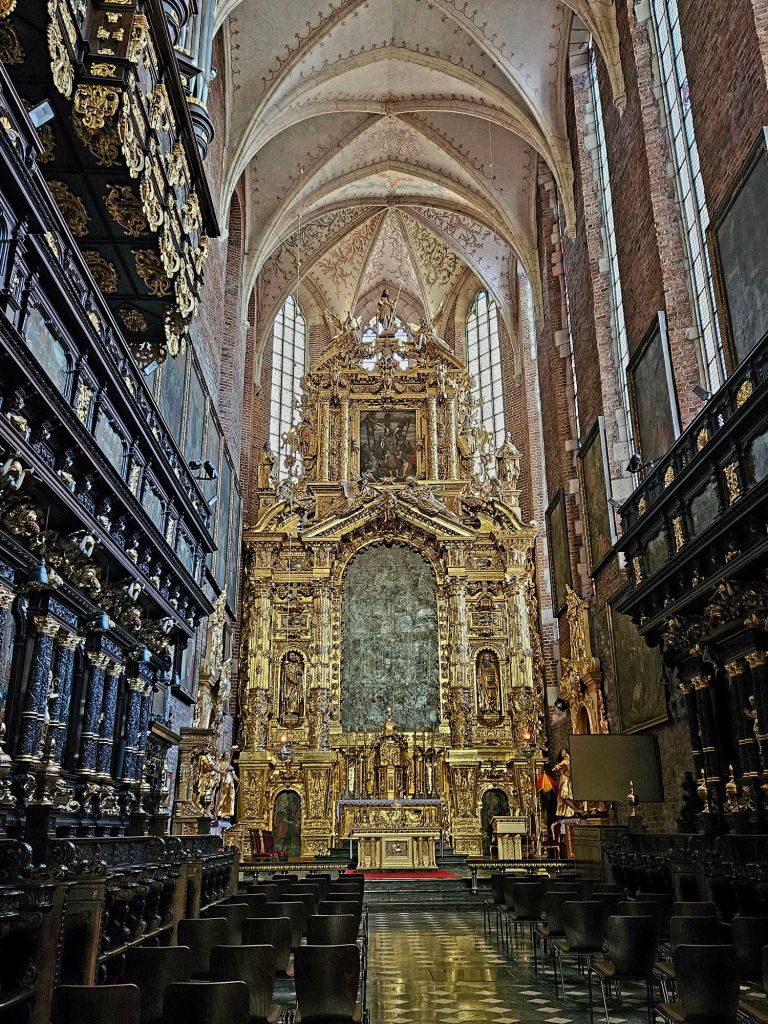

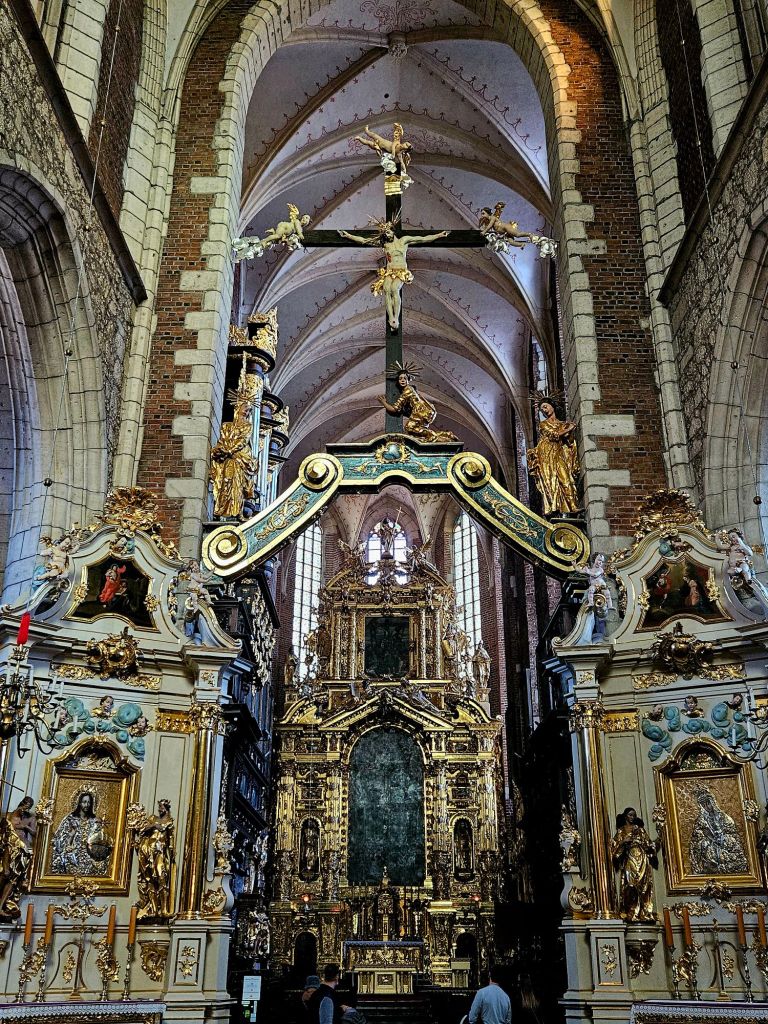

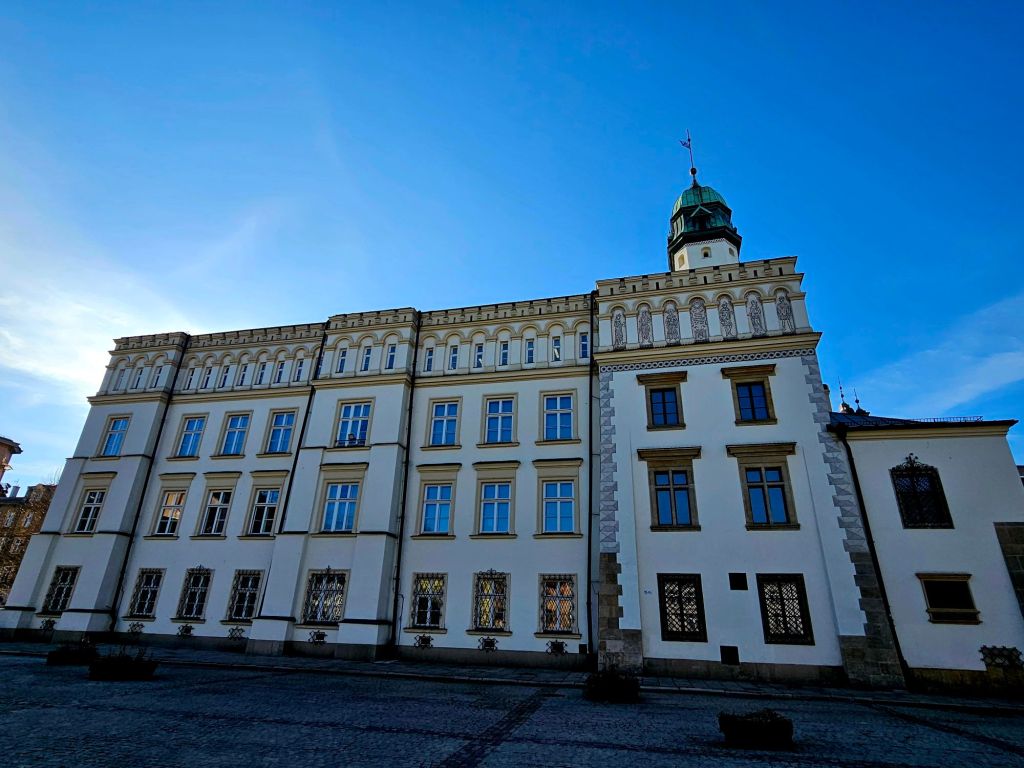
Next to the church is the old town hall, which is now used as a museum devoted to the traditional life and customs of local people. The Renaissance building was built in the 16th century but became redundant when Kazimierz (Jewish quarter) was subsumed into Krakow in 1800.
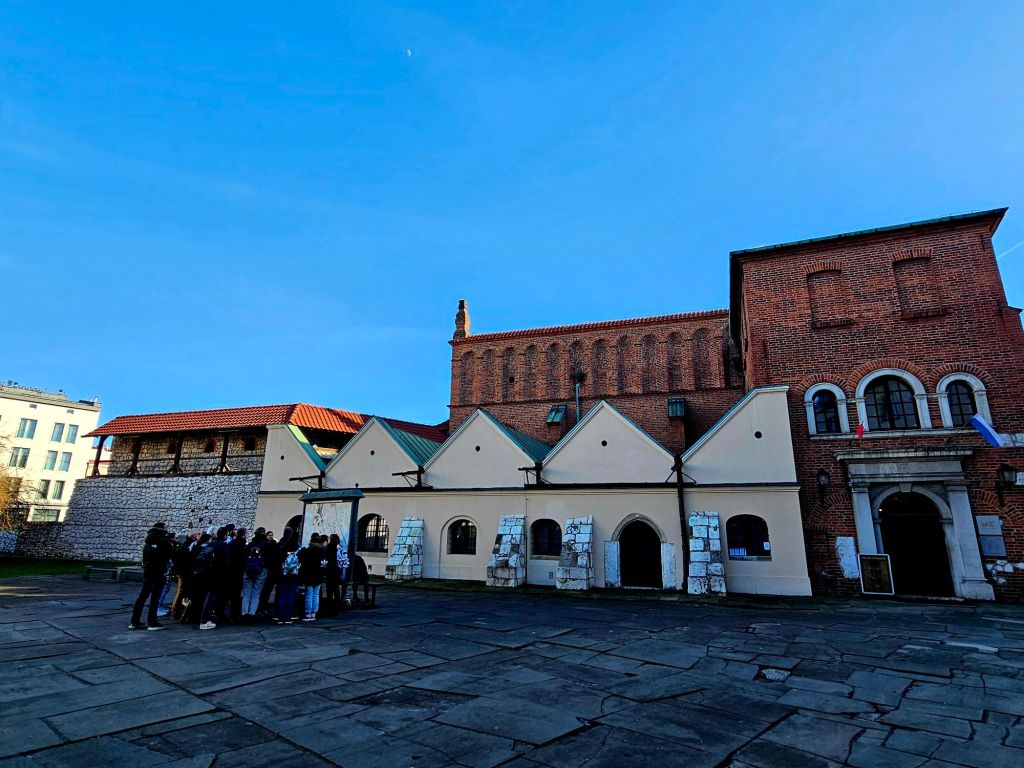
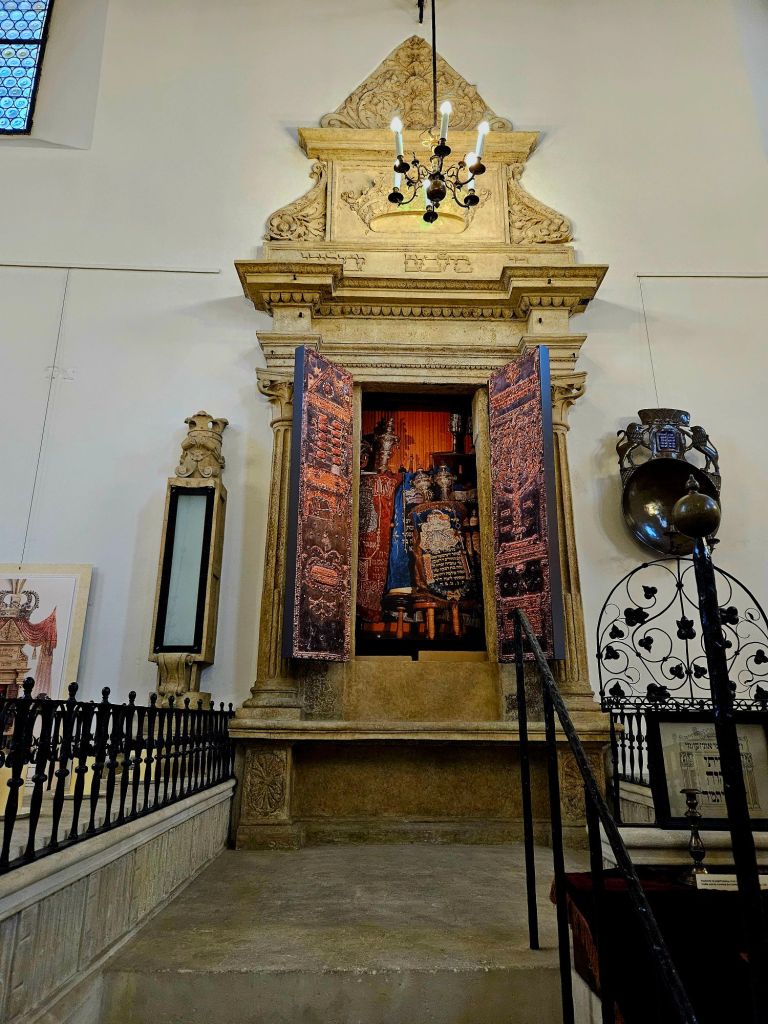
We made our way over to the oldest survivng synagogue in Poland, Stara synagogue. This is now a museum, but in WWII, it was used as a warehouse. I learned a bit about the Jewish culture, including about the Sabbath, Passover, and the Torah, through the exhibits on display. I did not know that the Torah scrolls are made from sheets of parchment manufactured from the skin of a ritually clean animal, for example.

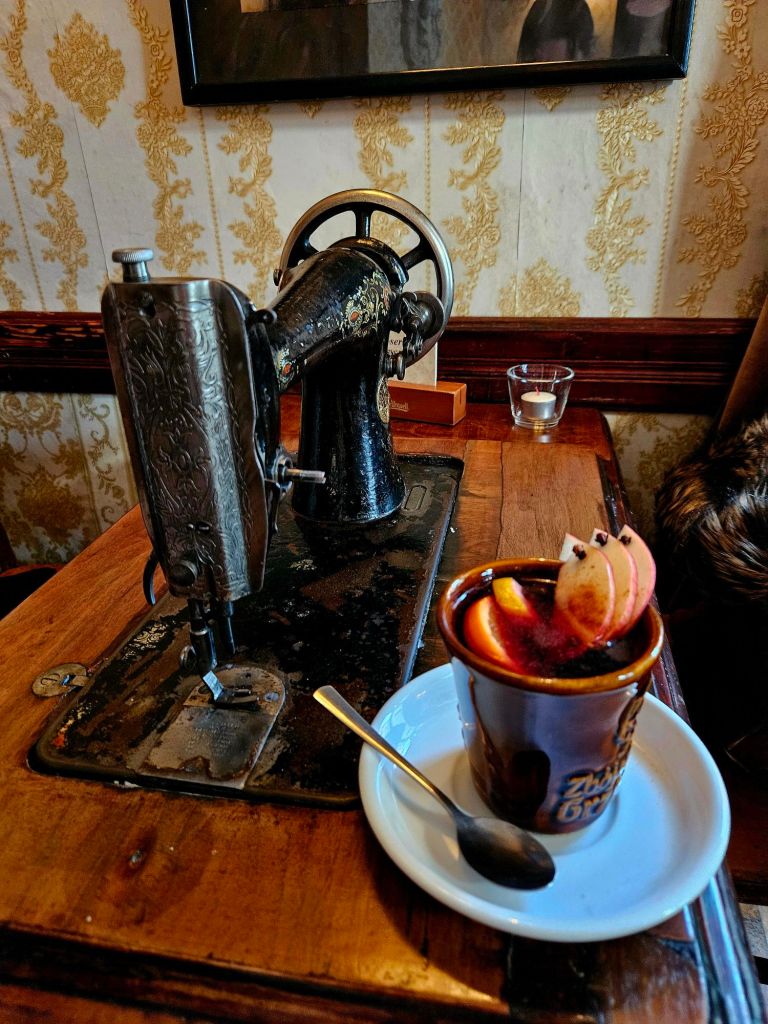
Close by the synagogue we found the Singer pub. This pub has made good use of the old sewing machines used in Kazimiers lace history. We had a delicious mulled wine here.

We then briefly visited the market square, Plac Nowy. The round building in the centre of the square dates from around 1900 and was once used as a ritual slaughterhouse. Now, it is occupied by vendors of polish fast food.
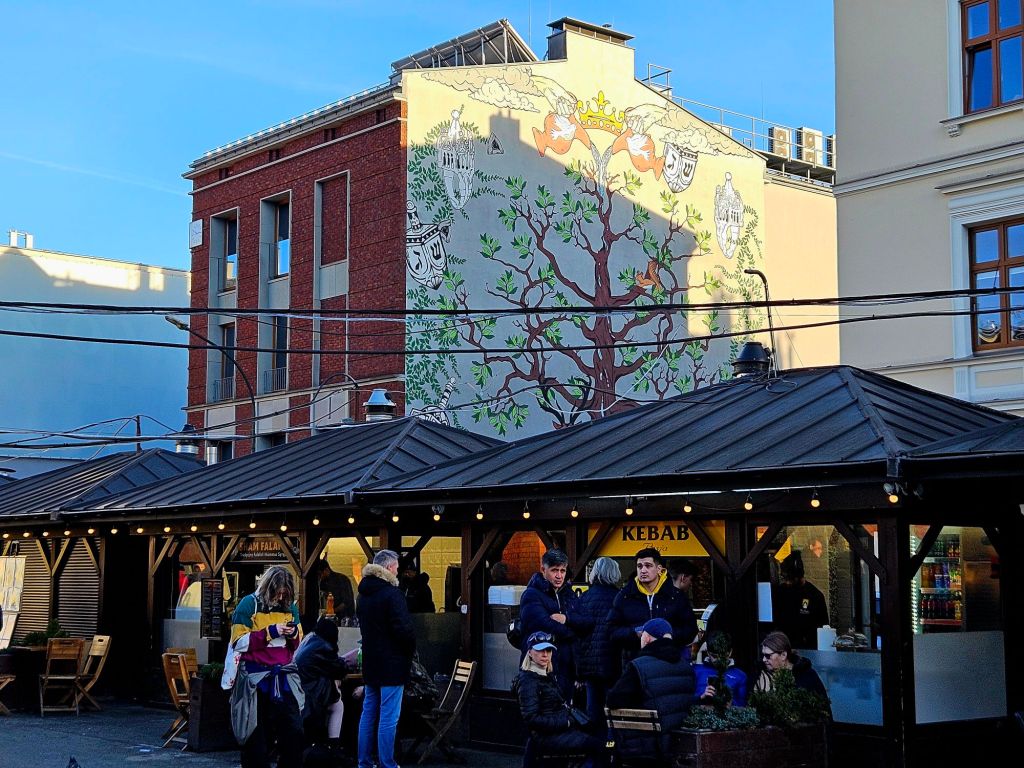
It was then time to head home and get ready to go out.

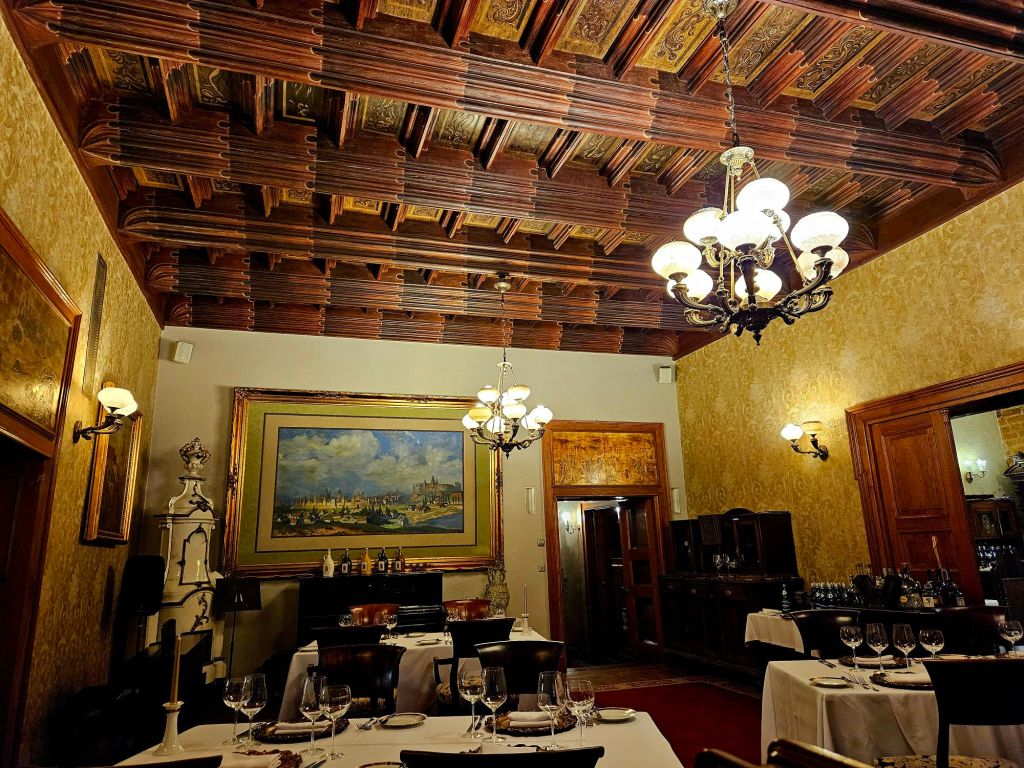
We booked a table at Wierzynek Restaurant, which is the oldest restaurant in Krakow. Many royals from across the globe have banqueted here, including the Polish monarch in 1364.
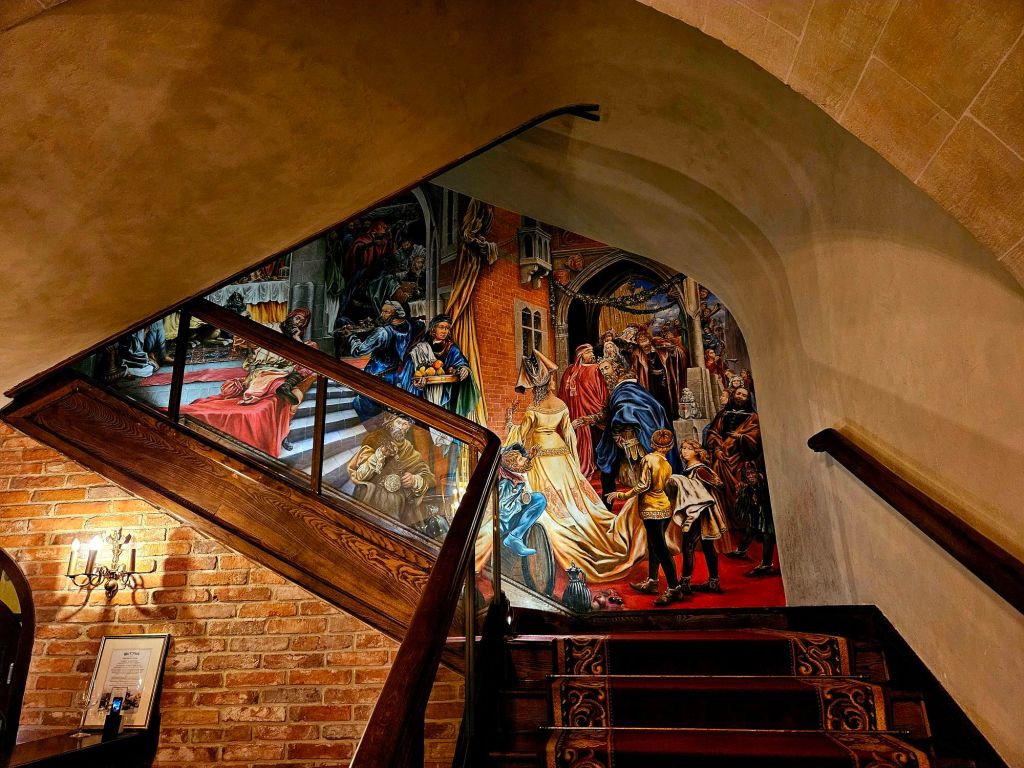
Wierzynek was a banker and mayor of the salt-rich district of Wielickza. To celebrate the marriage of the granddaughter of King Kazimierz to Charles IV, the King of Bohemia, he provided a banquet at the restaurant. The king granted Wierzynek a permit to entertain future prominent visitors to the city.
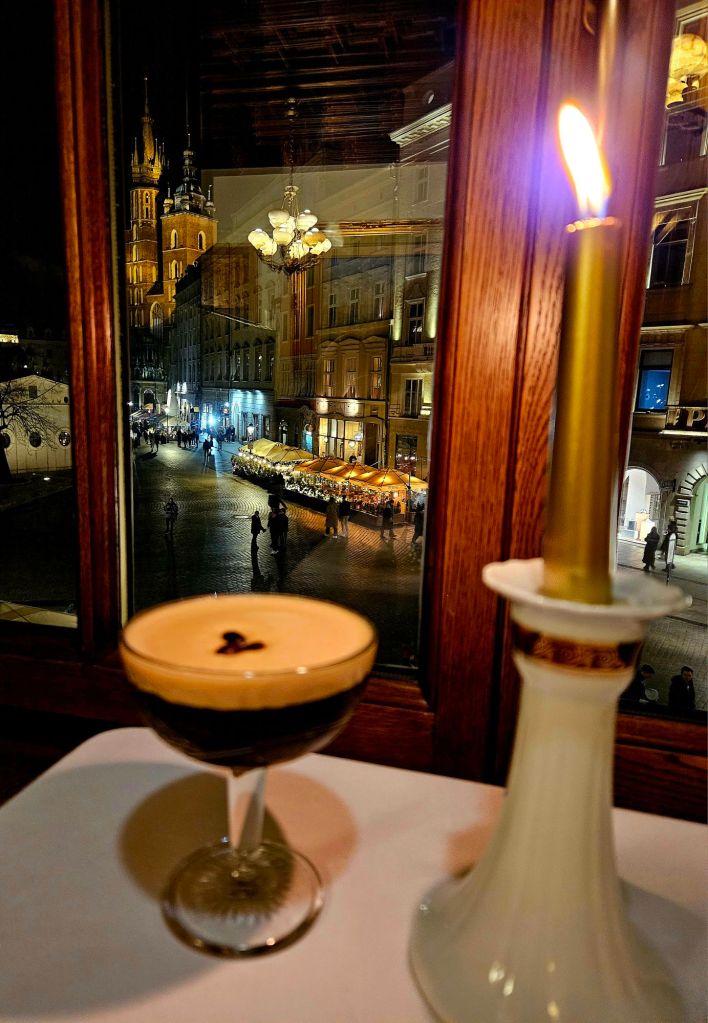
We had a table by the window so we had a good view of the square.
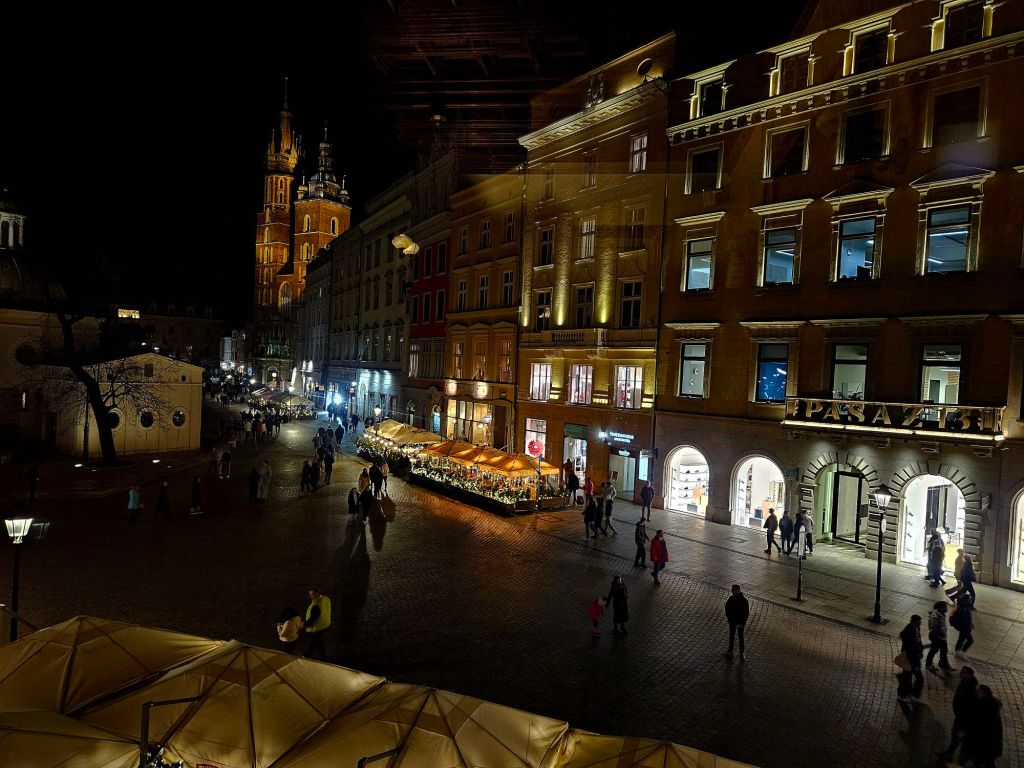

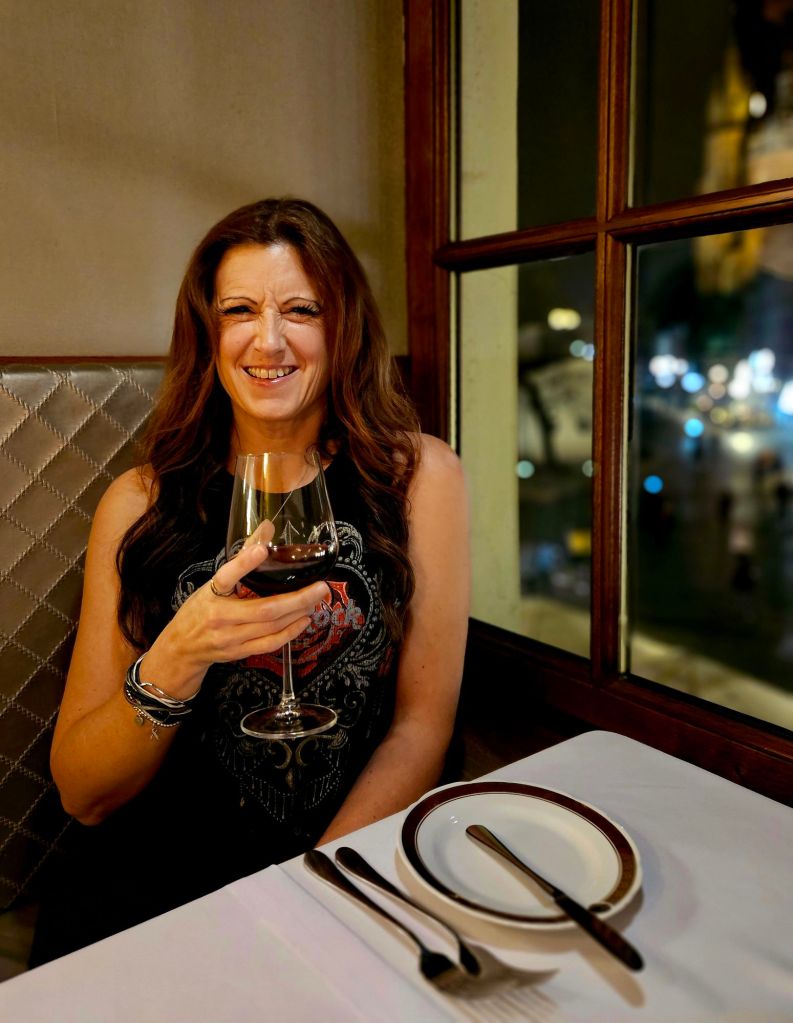
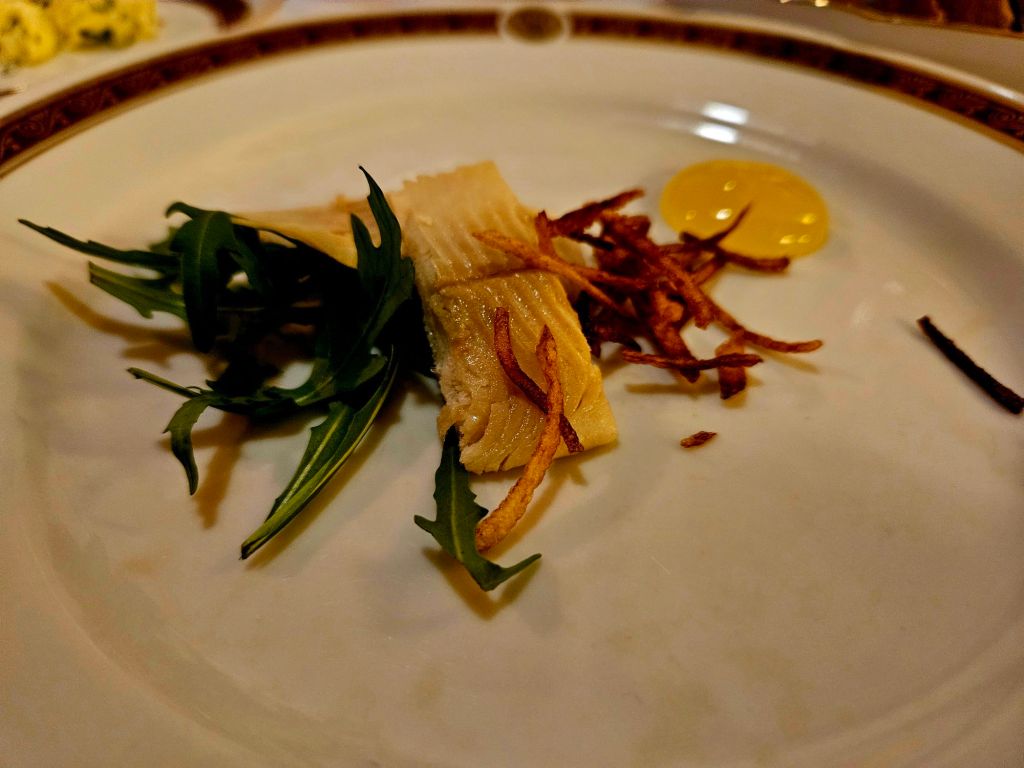
The food was delicious and presented really well. We had an amuse bouche of smoked trout, and then I had a mushroom starter and a duck main.
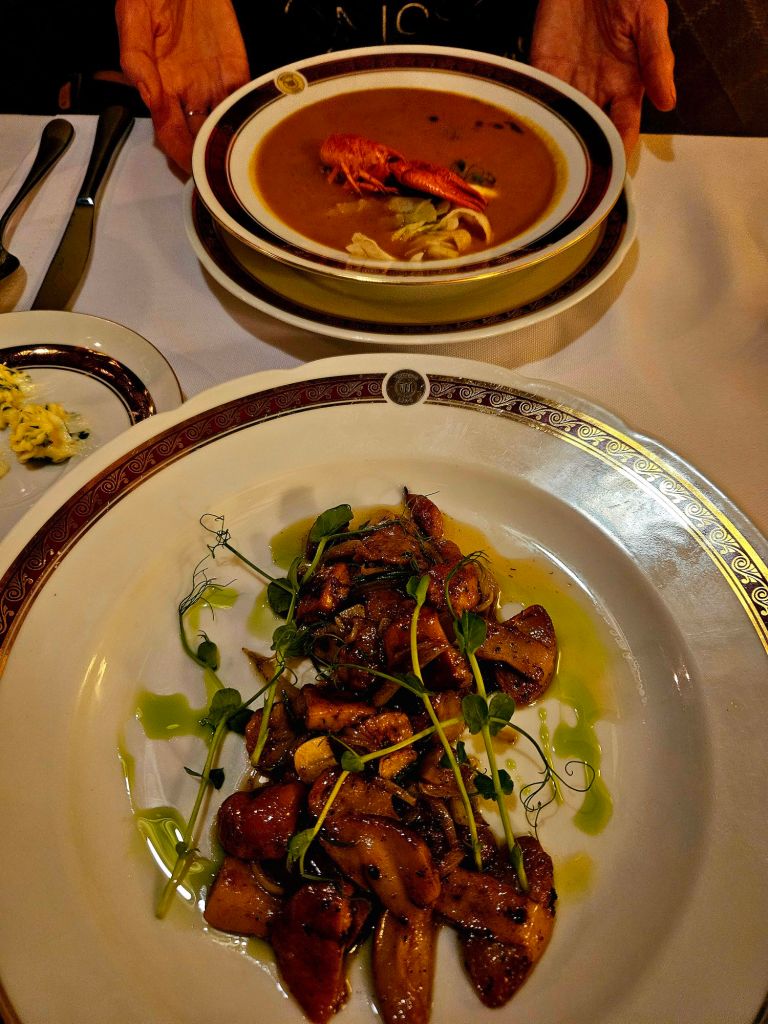

Unfortunately, the waiter originally bought me a pork chop for my main, which I told him was incorrect. He then left the dish sitting there for several minutes while he spoke to the kitchen staff. He did take the dish back, and after around 10 minutes, he provided the correct main. Faye also asked him to take her dish away so it would be warm, but it wasn’t that hot when it came back. This did lead to us not leaving any service charge as we were told they would compensate for this mistake, which they did not do.
After arguing with the waiter we headed back to the Jewish Quarter and visited a cocktail bar calked Sababa. I had an amazing whisky sour.

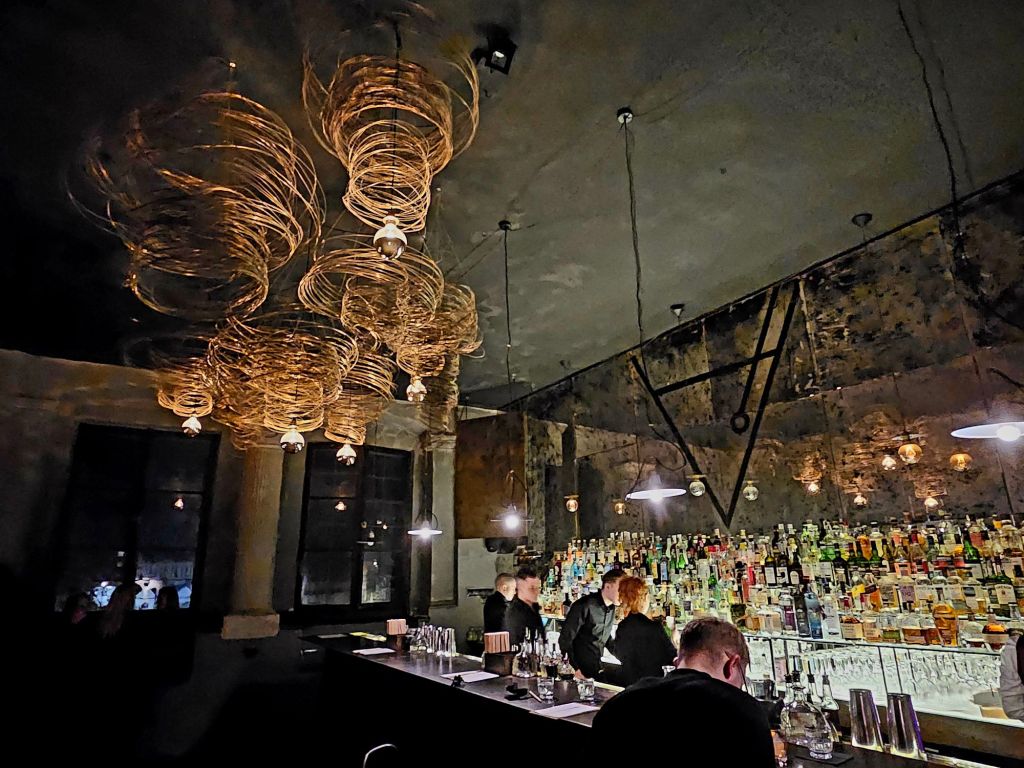
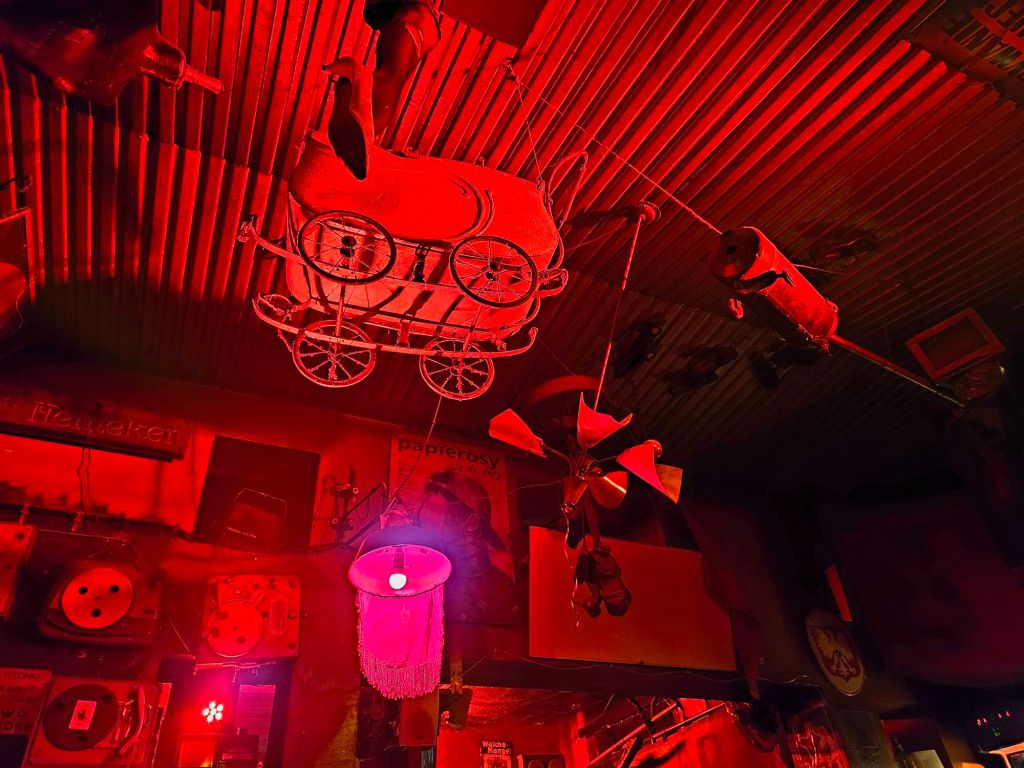
Our next stop was the Propoganda bar, which has old communist knick-knacks on the walls and ceilings.
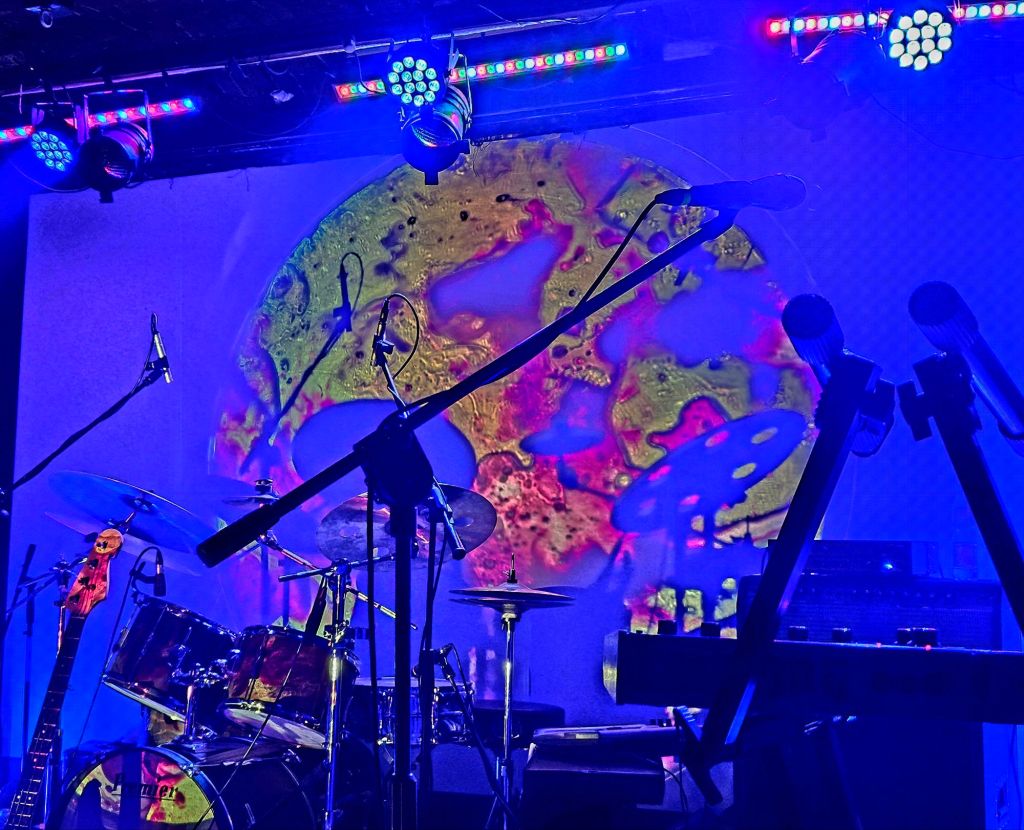
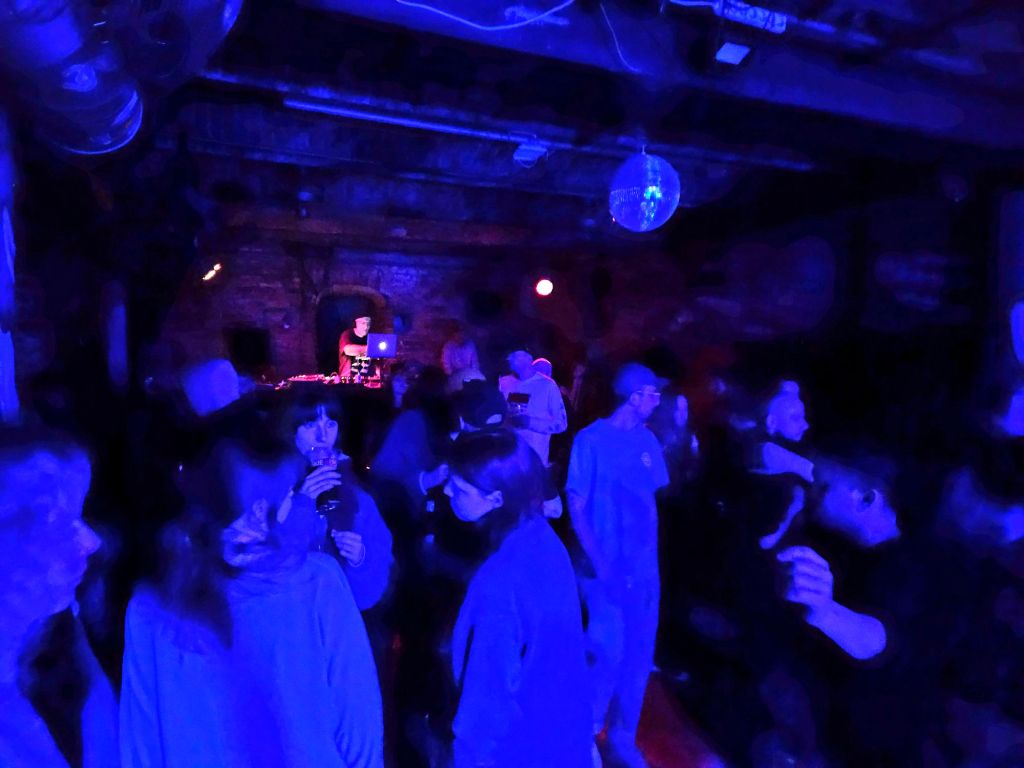
And then we went to Alchemia, which is a bohemian style bar and a club underground. The live band had finished by the time we got there, but we stayed for a couple of hours of dancing anyway. It was a very different experience.
After this, we walked home and retired for the night.
 Fun, Fitness and Fabulousness in your Fifties