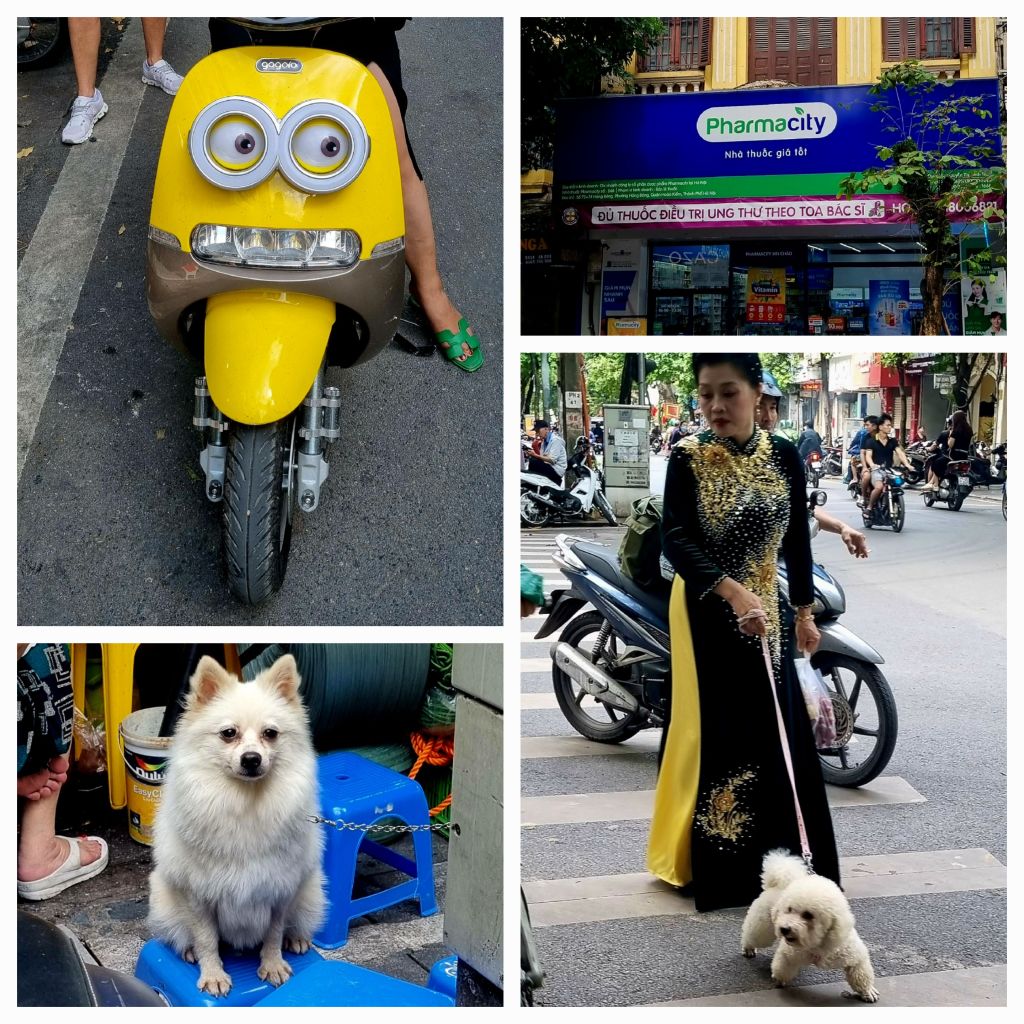
We had a leisurely start to the day with a great breakfast in the hotel. Their Eggs Benedict are delicious.
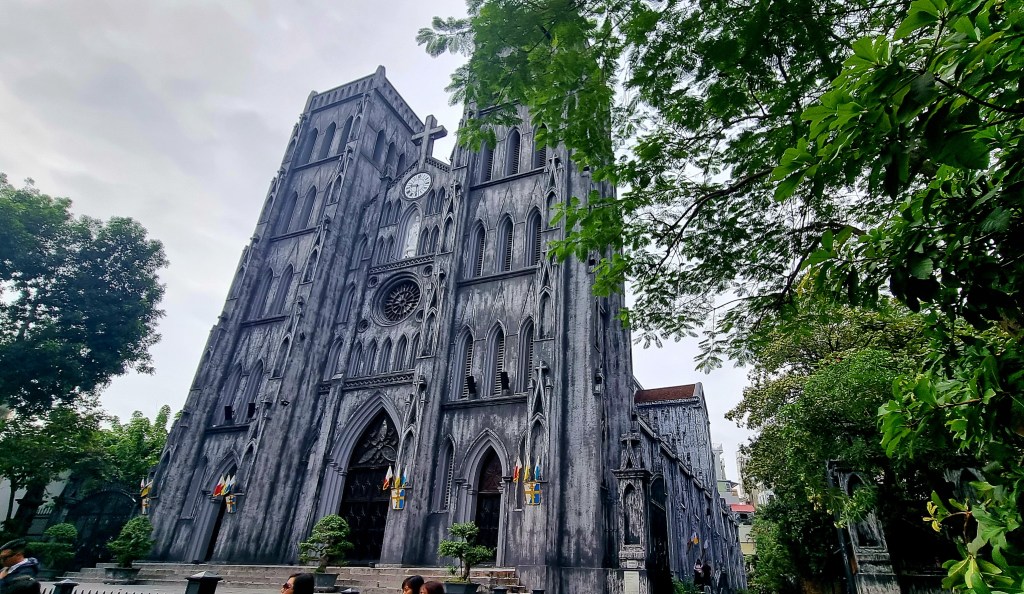
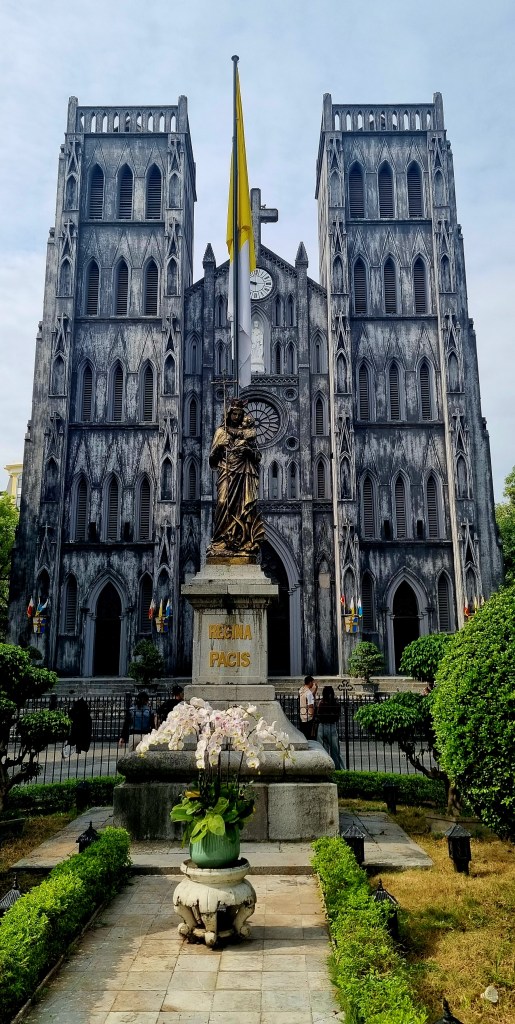
After breakfast, we walked to St Joseph’s Cathedral. This building is one of the first structures constructed by French colonists and still remains intact after 2 fierce wars. It is the oldest church in Hanoi.
It is said to be built on the site of an old Buddhist pagoda. Initially, the cathedral was temporarily built from wood. Between 1884 and 1888, the brick and concrete structure you see today was built. It looks like a small simulation of Notre Dame in Paris with multiple representative features of Gothic Revival architecture.
After the French colonists left North Vietnam in 1954, the cathedral was closed under the rule of the Democratic Republic of Vietnam. It only opened to the public again for Christmas in 1990.
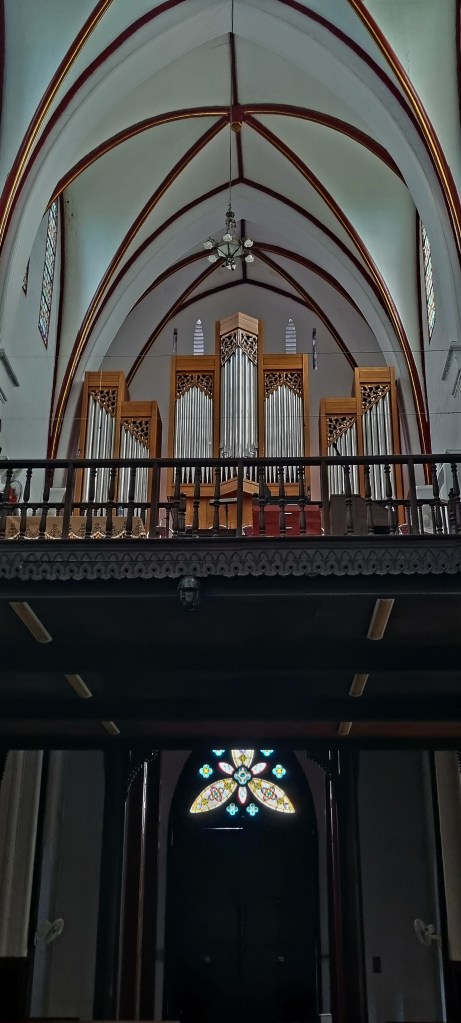
There are a number of beautiful stained glass windows inside, as well as very high domed ceilings.

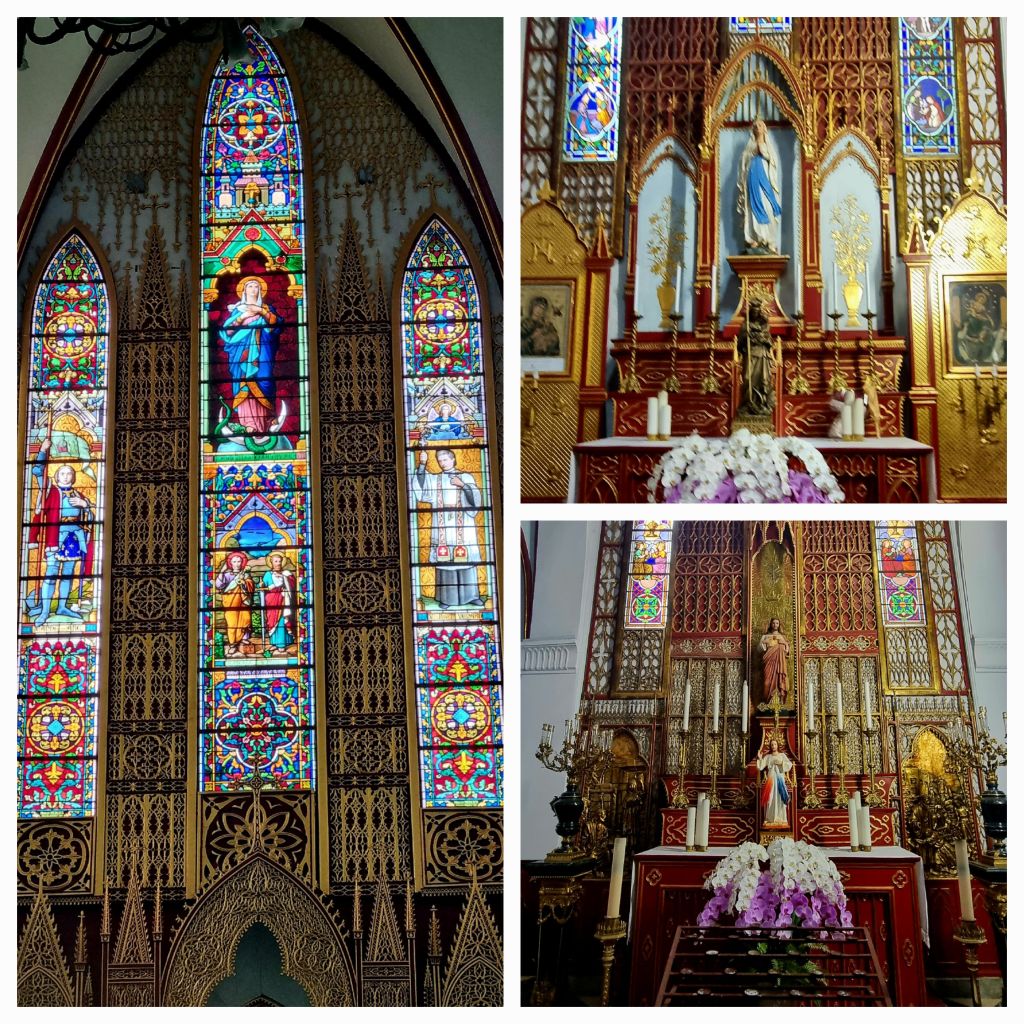
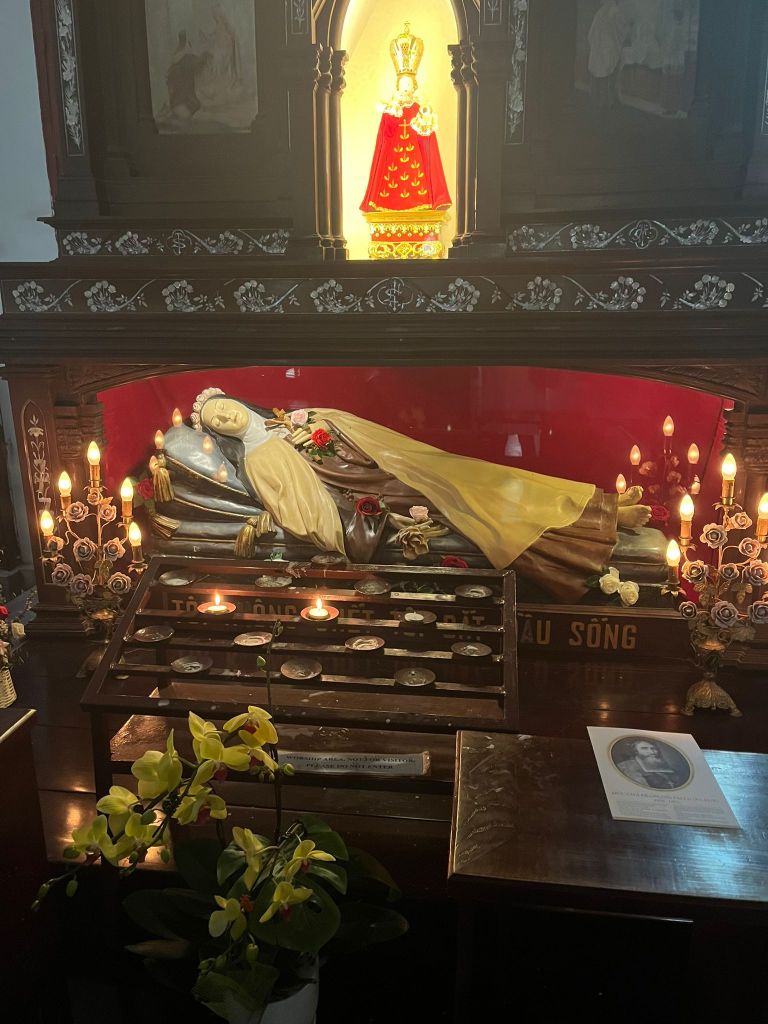
We lit some candles at one of the alters in memory of those who had passed.
The cathedral is 64.5m long, 20.5 m wide and the two bell towers are 31.5m high. It has a mixture of Vietnamese and gothic architecture, with many of the altars decorated with red and gold gilded wood.
In front of the cathedral is a statue of Mother Maria, made from copper.
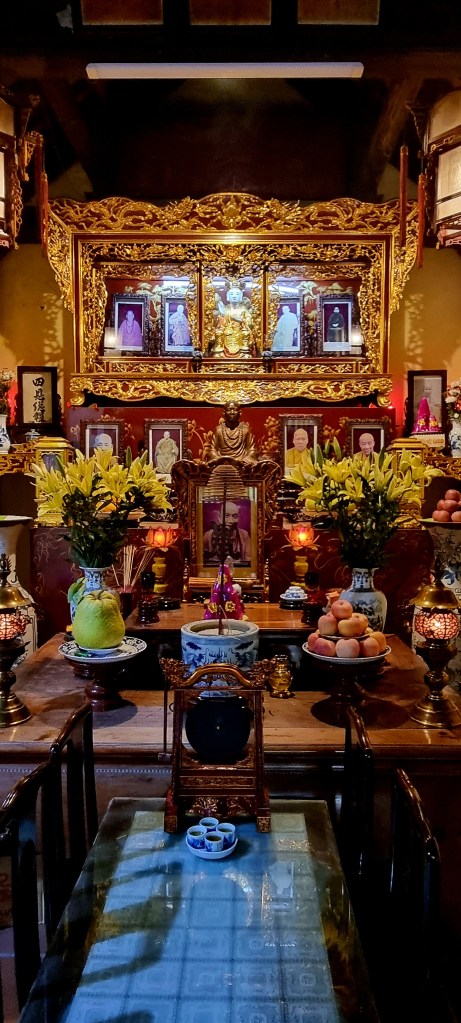
Right next door to the cathedral is an ancient temple built in 1131 during the Ly Dynasty. The Temple is called Ly Quoc Su and was built to worship one of the Zen Masters. The addition of a Bhudda statue in 1932 meant that the temple became a pagoda.

In the pagoda, there are still many relics of historical and artistic value discovered during major restorations in 1674 and 1855.
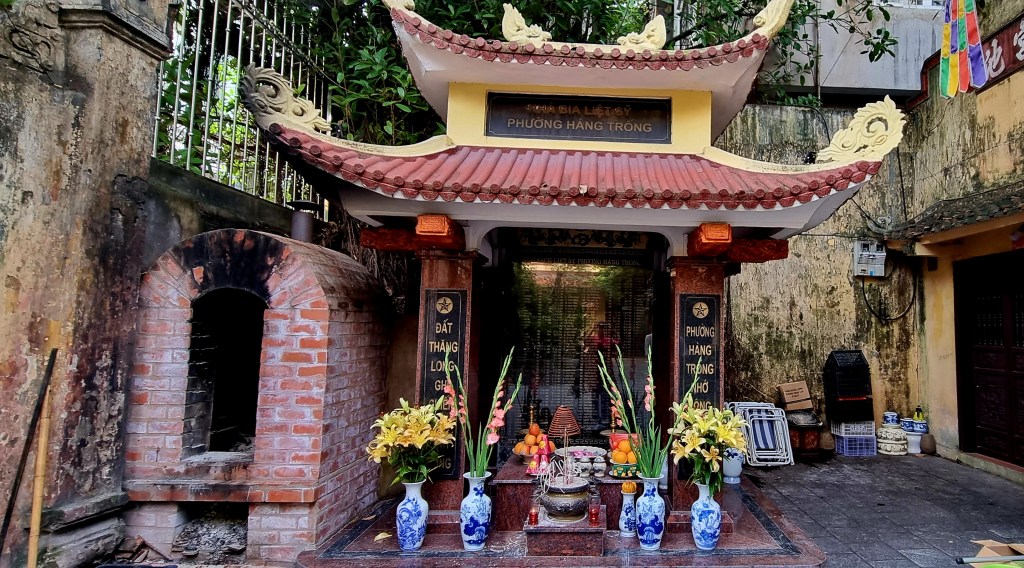

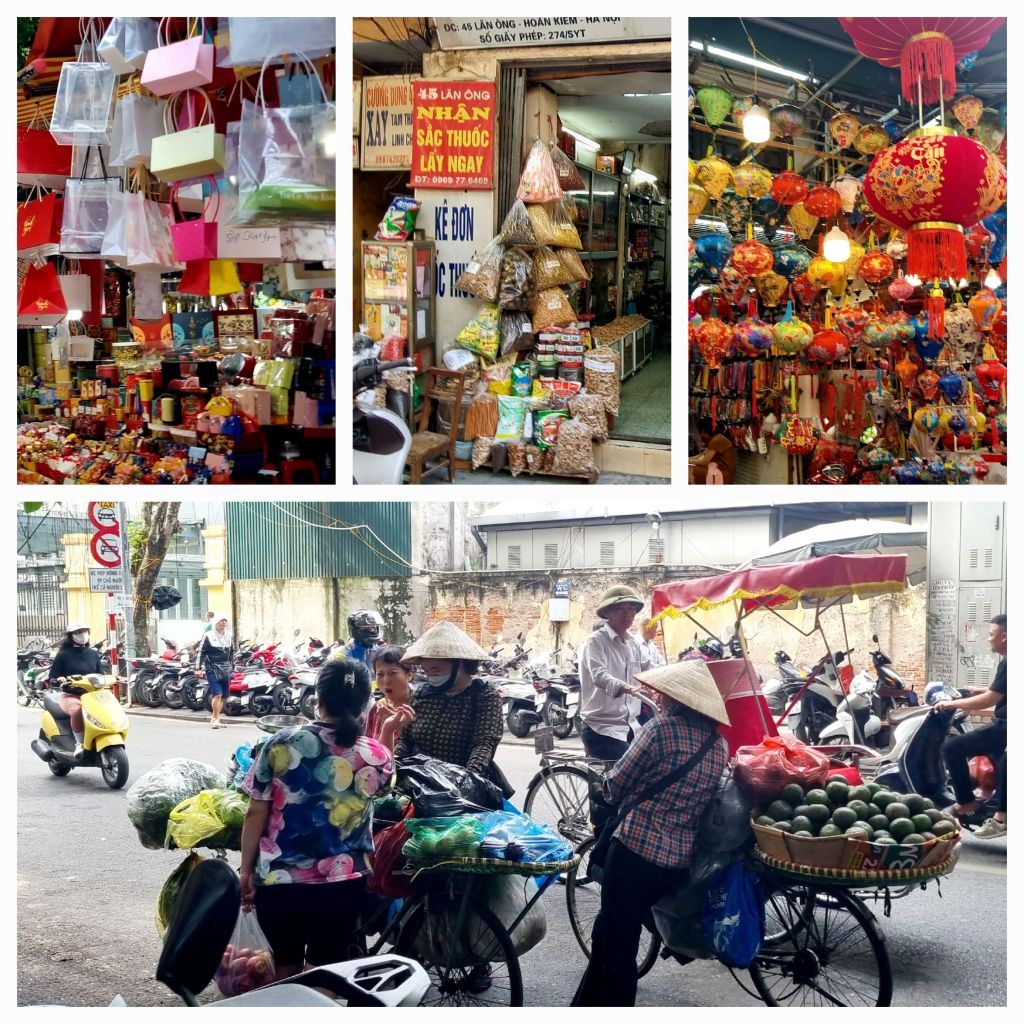
From the temple/pagoda, we walked through the streets to the Imperial Citadel. The streets in Hanoi are definitely an experience. Even when there are traffic lights and a green man to let you cross, cars and mopeds keep driving. As a pedestrian, you just have to walk with confidence and not stop – the cars and mopeds go around you. There are around 6,500 deaths caused by traffic accidents a year in Vietnam. In the UK it is around 1,700 per year.
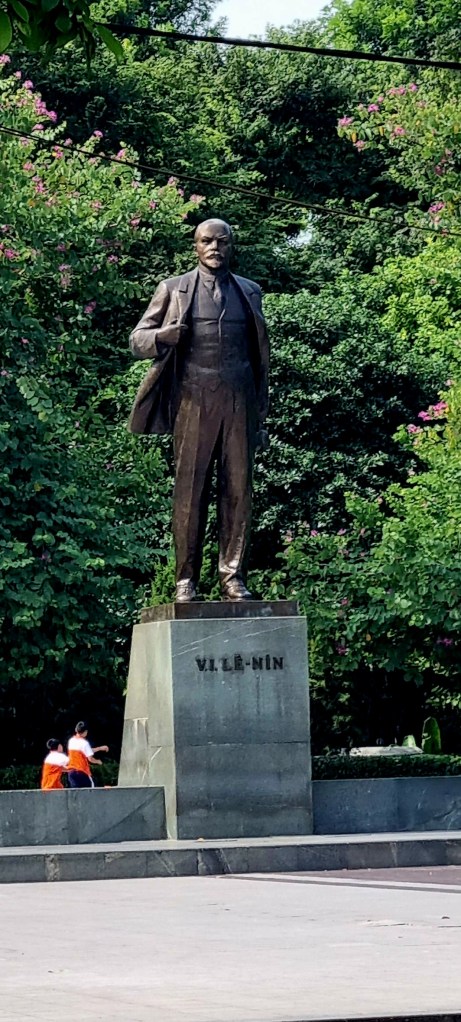
On the way to the Imperial Citadel we walked past Lenin Park. There is a 5.2m statue of Lenin, gifted to Vietnam by Russia in 1980. The legacy of Vladimir Lenin may have fallen in Russia, but his statue stands tall in communist Vietnam.
The statue symbolizes the influence of Leninism on Ho Chi Minh and Vietnamese politics in general. Ho Chi Minh visited Russian for the first time in 1922. He studied communism and acquired experience in developing strategies to gain independence. A bond was formed between Russia and Vietnam, and after he formed the Democratic Republic of Vietnam, Ho Chi Minh visited Russia many times.
A popular joke in Hanoi is that the statue was built with one hand in its pocket to symbolize that “the Russians are so cheap.”
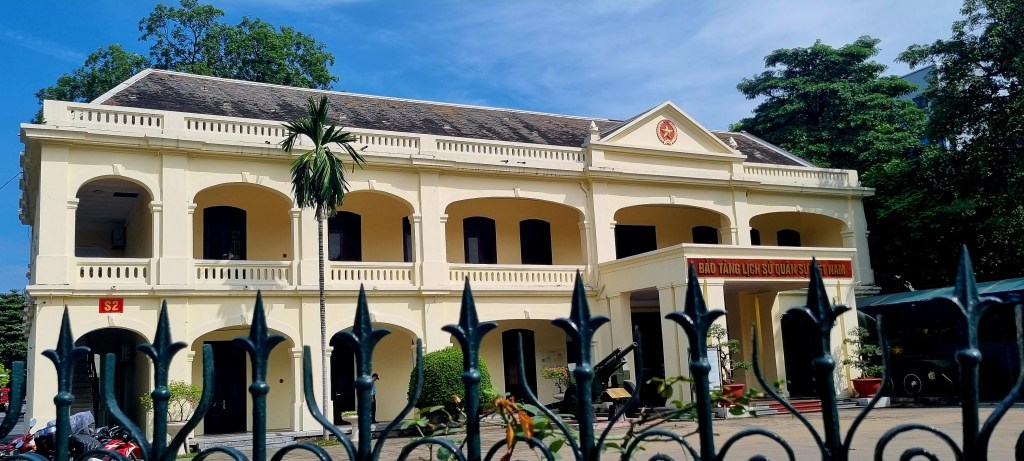
We were hoping to go to the Military History Museum, but unfortunately, it was shut.
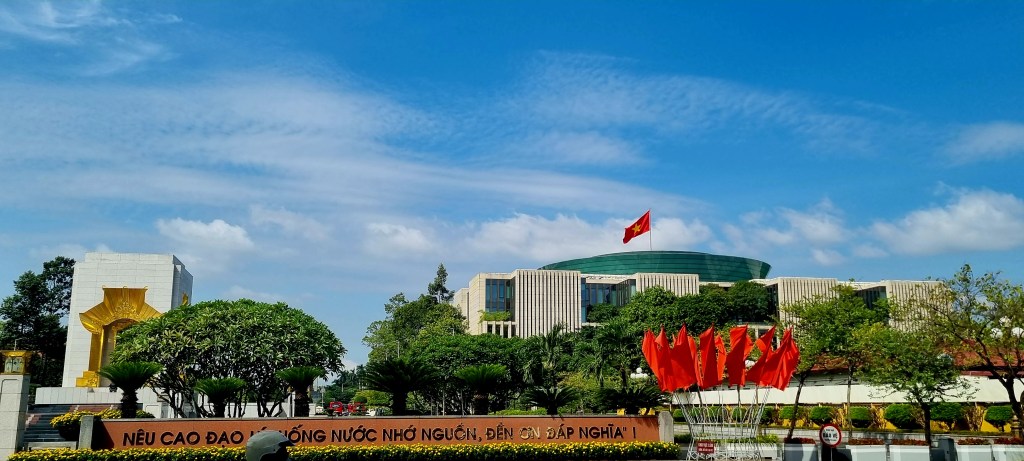
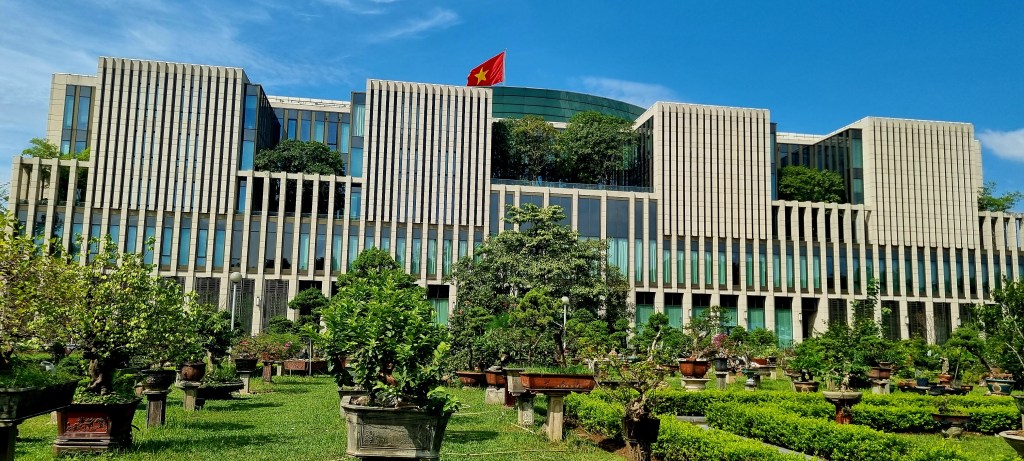
We passed the new National Assembly building. Construction started on October 12, 2009, and finished on October 20, 2014. Cobstruction was delayed as old ruins from the Citadel were found on the site. The building is used by the National Assembly of Vietnam for its sessions and other official functions. It is the largest and most complex office building in Vietnam, covering an area of 63,000m² and 39m high. The building can accommodate 80 separate meetings with more than 2,500 people at the same time.
In Vietnam, the basic shapes of circle and square symbolize heaven and earth. The building volume of the assembly chamber is based on the basic shape of the circle, which is surrounded by an additional square structure.
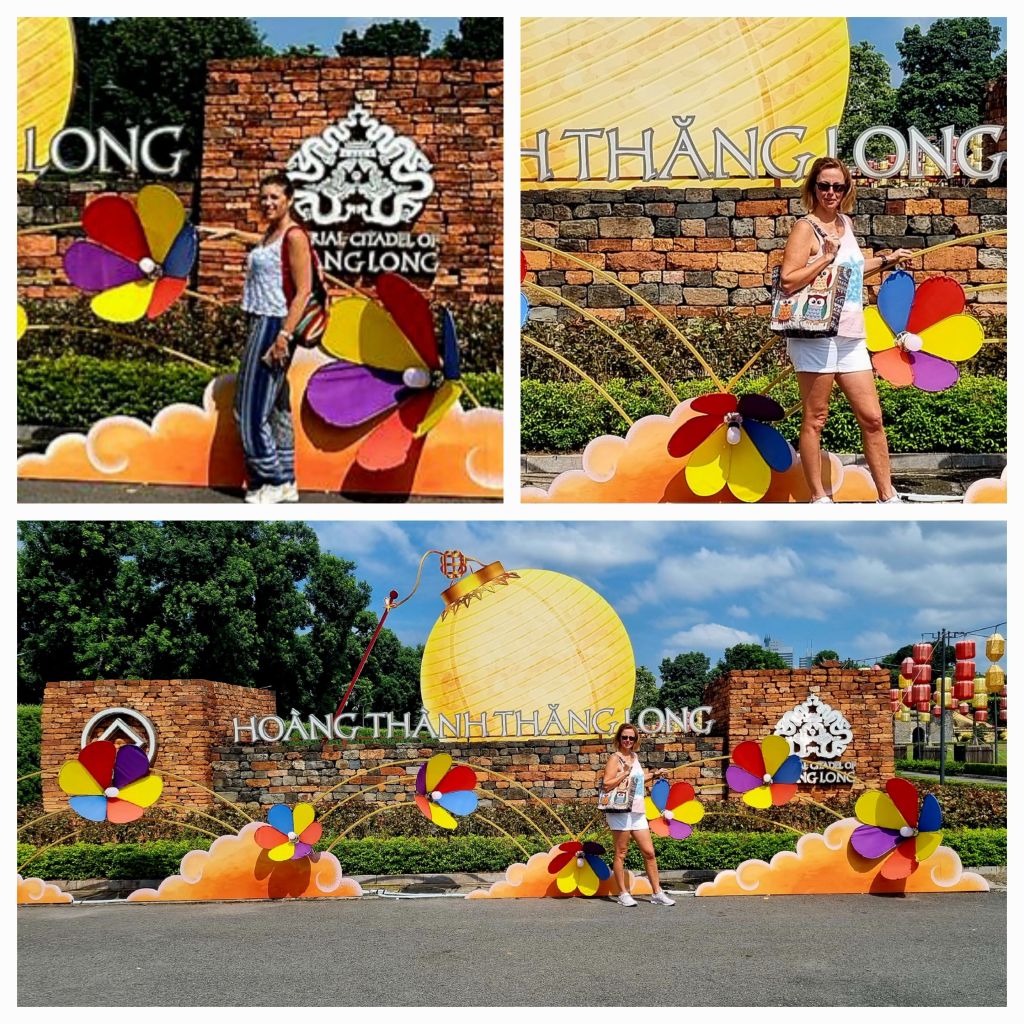
We then made our way to the Imperial Citadel of Thang Long. This is a complex of historical buildings that were built between 1010 and 1011. We entered through the old gate. This area has served as the royal, political and military centre of Vietnam for nearly 1,300 years

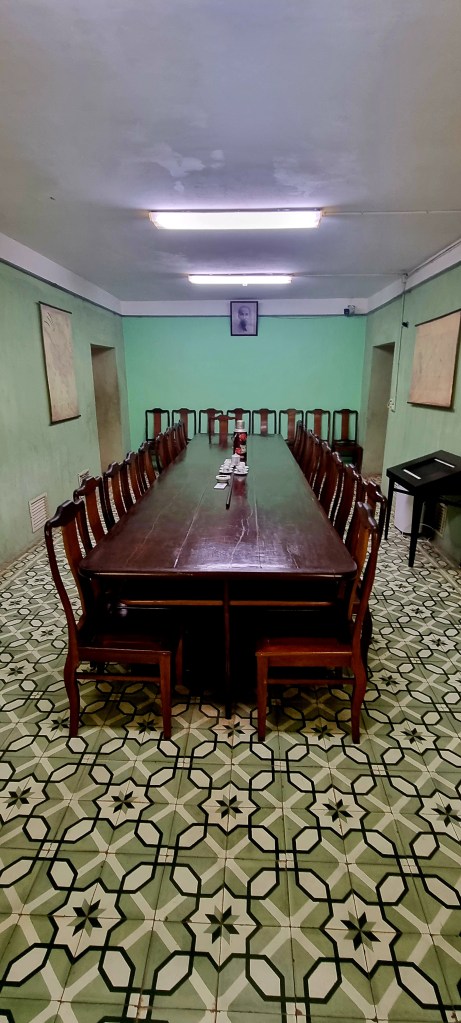
The first place we came to was the D67 bunker. This is the place where important meetings of the Vietnam’s Politburo and the Central Military Commission took place during the war against America. The house was built in 1967 and includes a roof made of 3 layers, with 2 of those layers being concrete and the middle one made of sand.
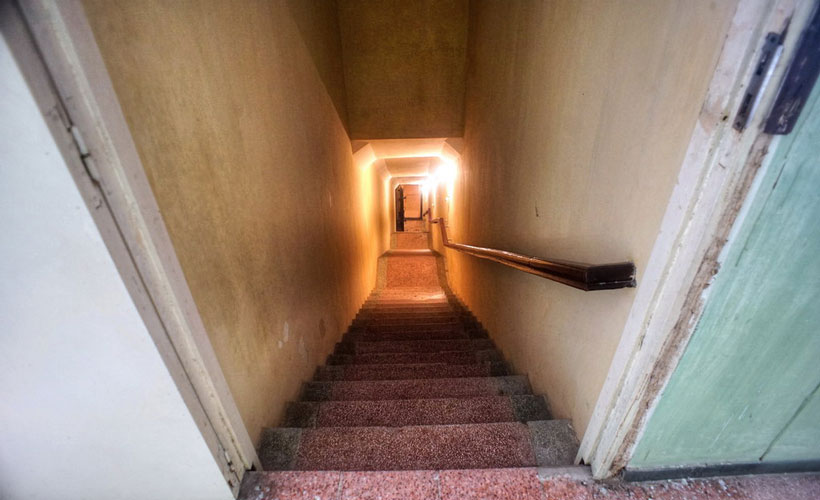
The stairs go down 9m to a basement meeting room. The walls are made from reinforced concrete and the door is made from 12cm of steel. There is also a system of rubber cushioning to prevent toxic water and gas.
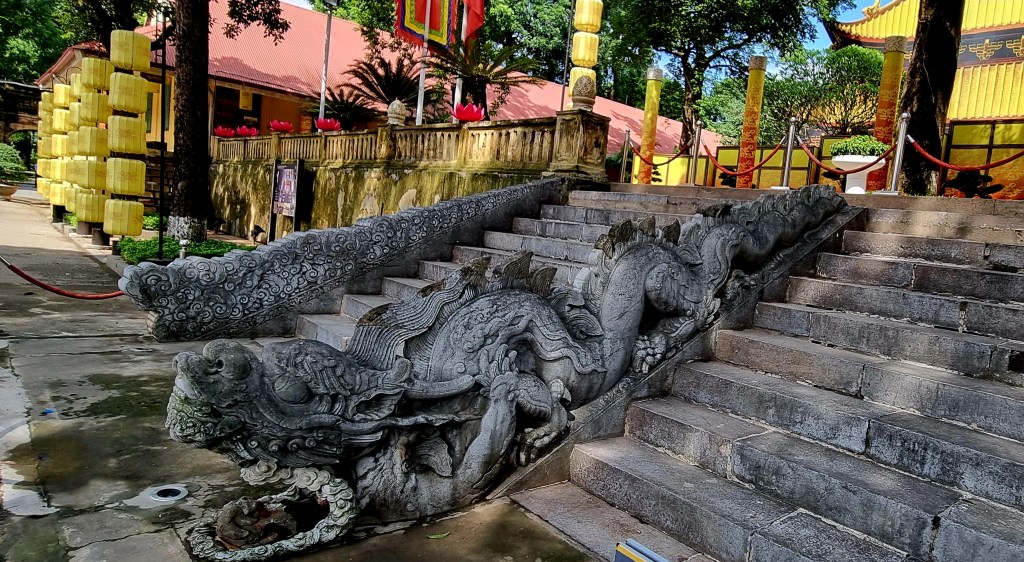
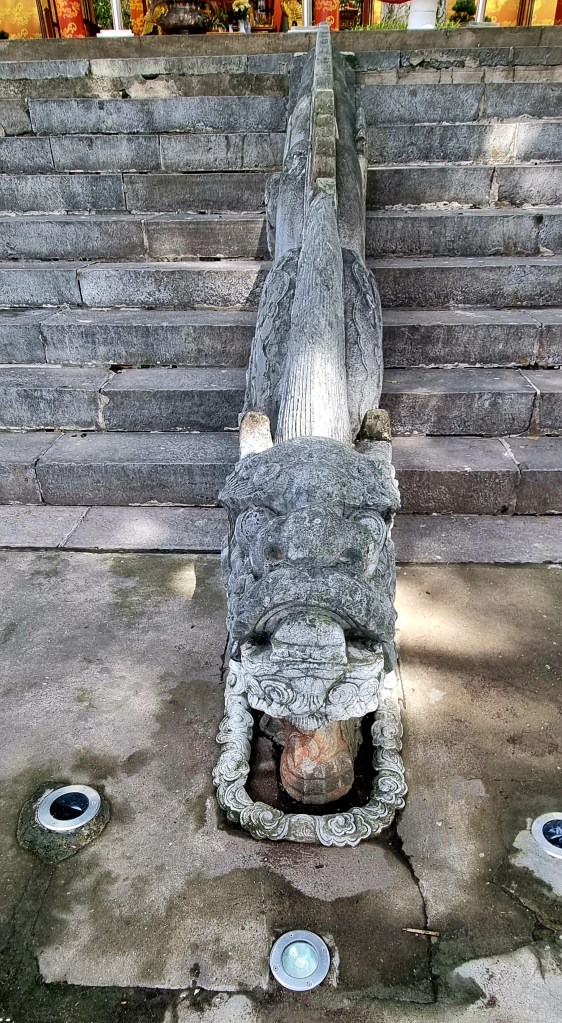
We walked on to the Kinh Thien Palace, which was built in 1428 and used as a place to celebrate imperial ceremonies and major national affairs. Dragons are one of the four sacred animals in Vietnam. A dragon is also a representation of the higher power, the monarch. The steps of Kinh Thiên Palace are decorated with 15th-century stone dragons.
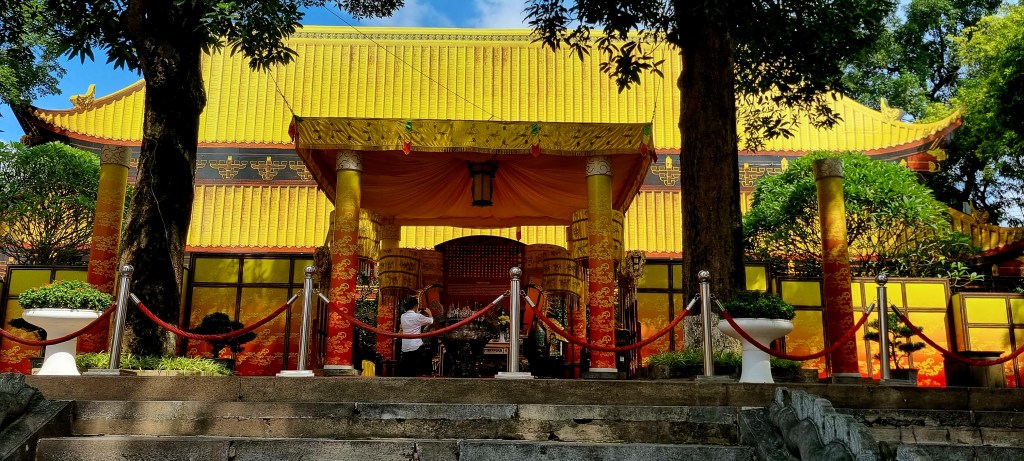
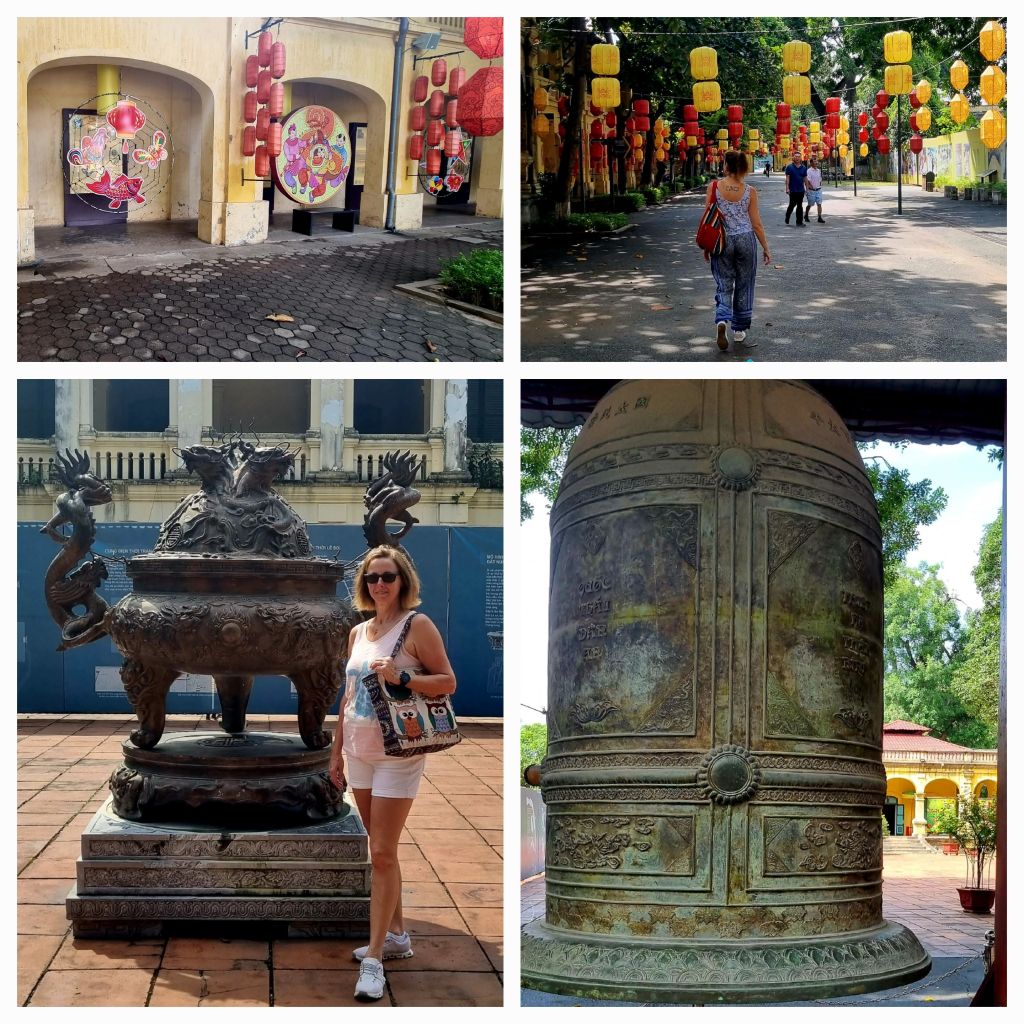
We walked through the grounds, to be honest, not really knowing what we were looking at as there was very little information about what was what.
We then came across the Princess Pagoda. It is built of brick and has a basement and 3 floors above. At the top of some very steep steps is a Buddhist shrine.
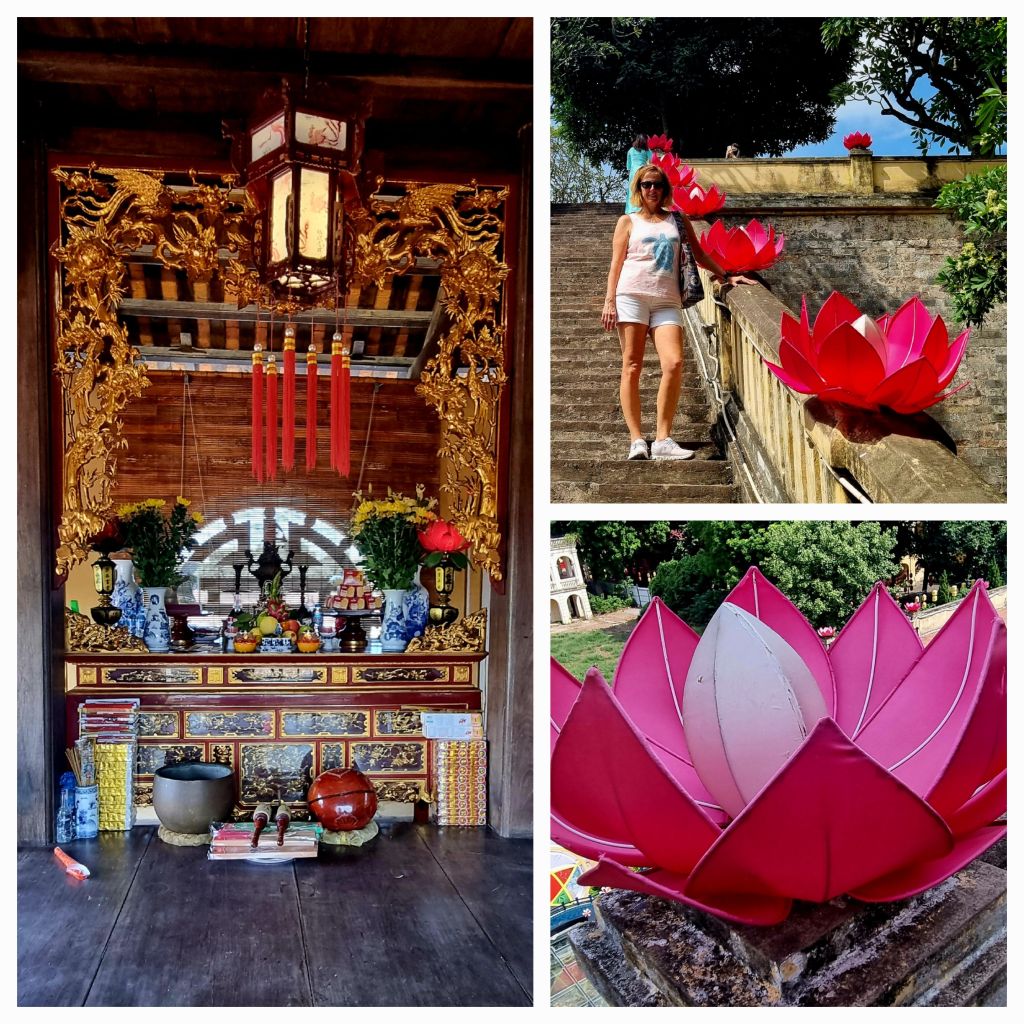
The views from the top of the pagoda were pretty impressive.
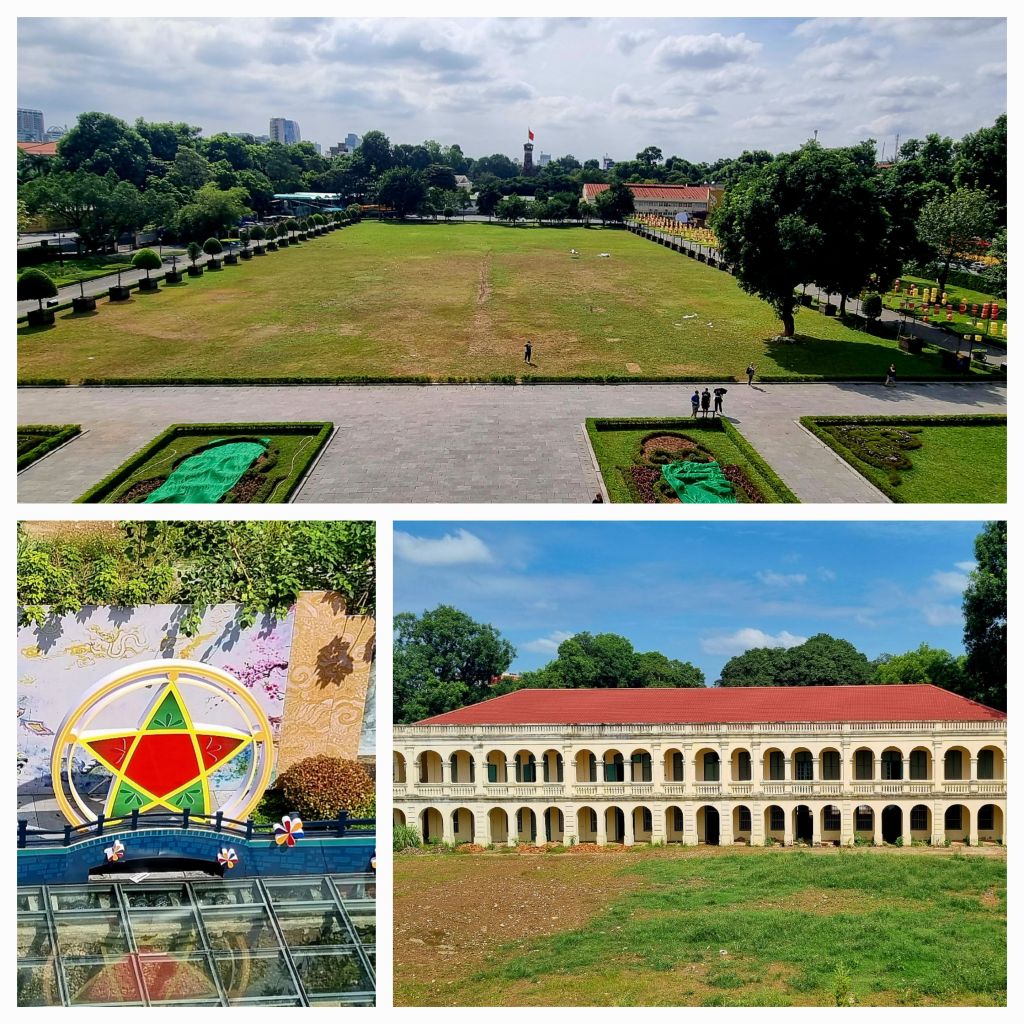
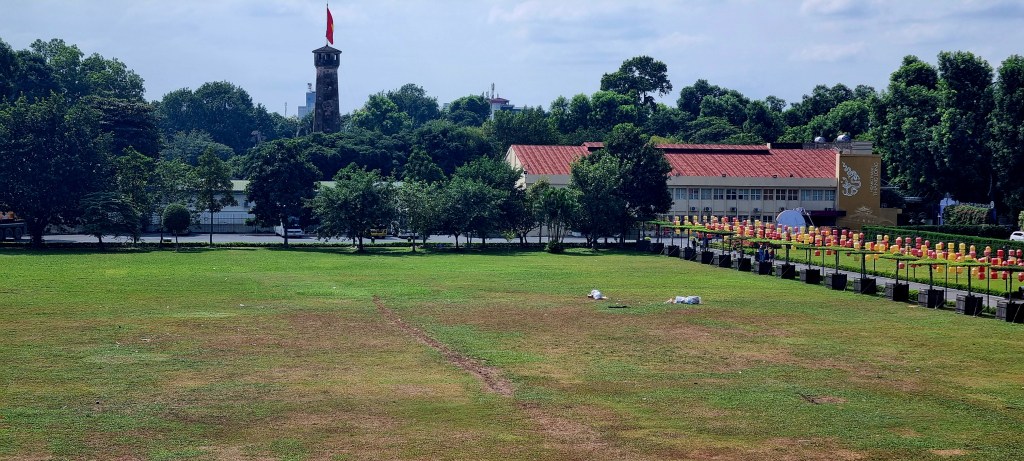
You could see the Hanoi flag tower, one of the most iconic symbols in Hanoi. It is 33.4m tall and was built in 1812. It was used as a military post during the French colonial era. The red and yellow flag was flown on the tower for the first time in 1945 after the successful revolution. It was flown again in 1954 and recognised as a historical monument in 1990. The flag is 24m² and is changed every 2 -3 weeks.
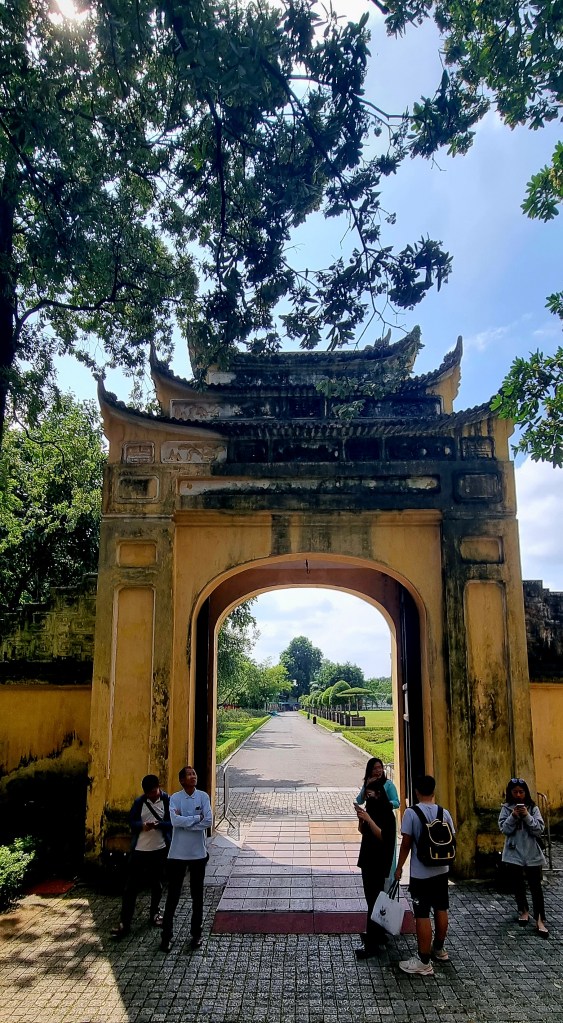
We left the main part of the Citadel via the south gate, Doan Mon. Only members of the Royal family were allowed to pass through this main gate.
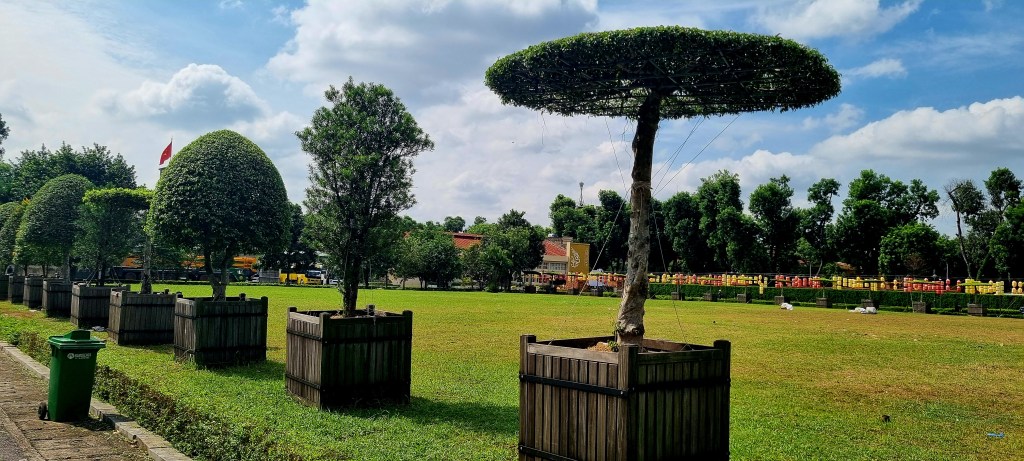
The gardens of the Citadel are quite peaceful. There is a promenade of bonsai style trees to walk down.
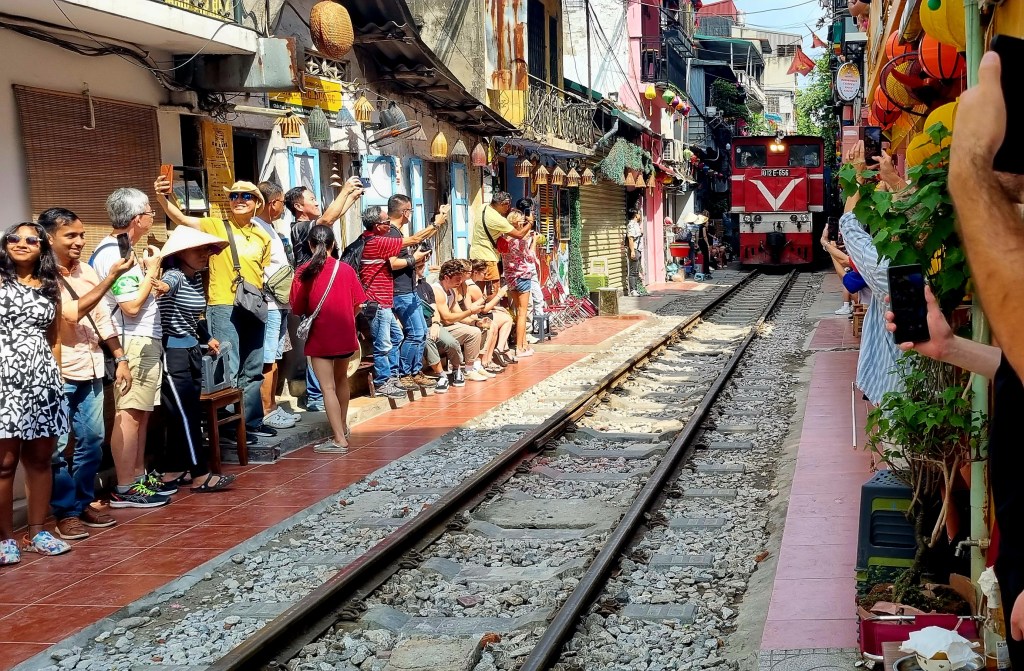
On the way back to outline hotel, we walked past train street Spain, so we decided to stop and have a drink. It was just as busy as yesterday.
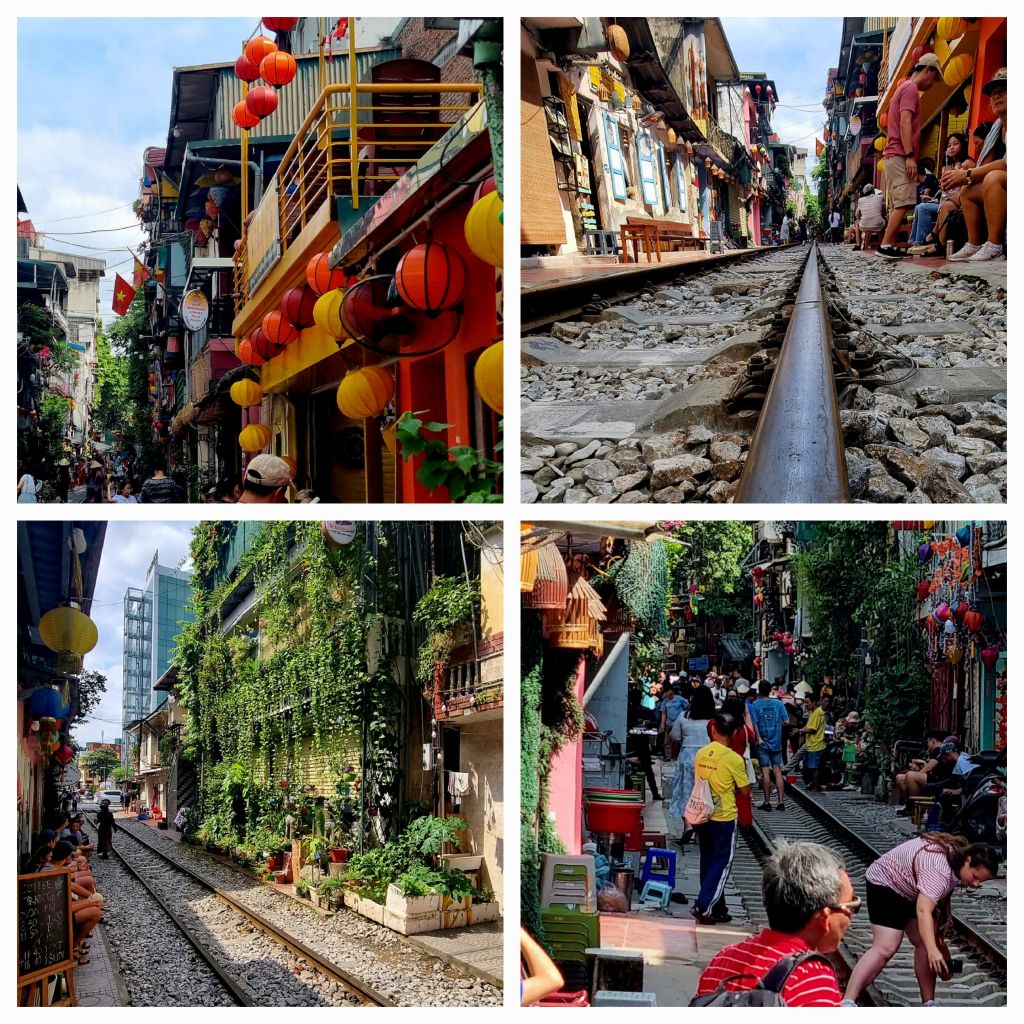
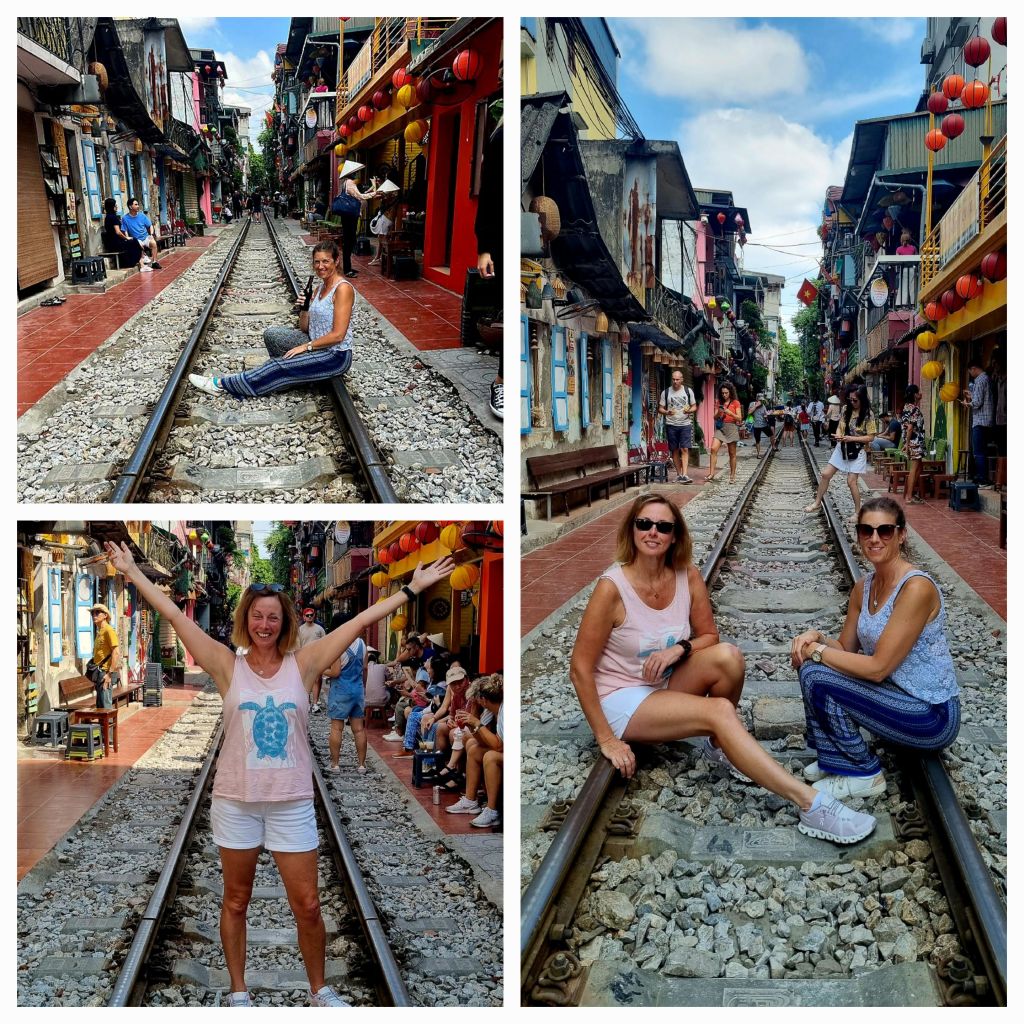
There were a few more people selling their wares, and we ended up buying some fans.

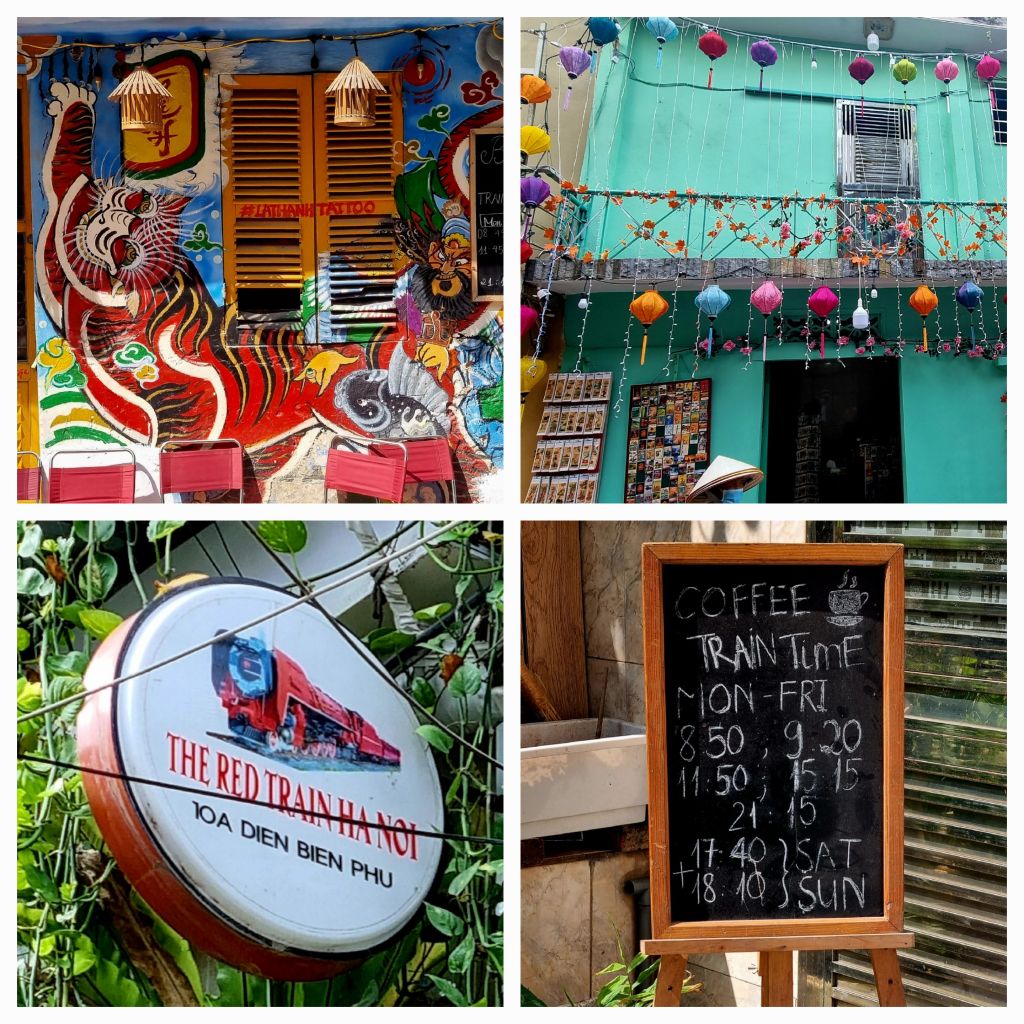

After a while the train arrived. I took a video, but it’s difficult to share on this blog.
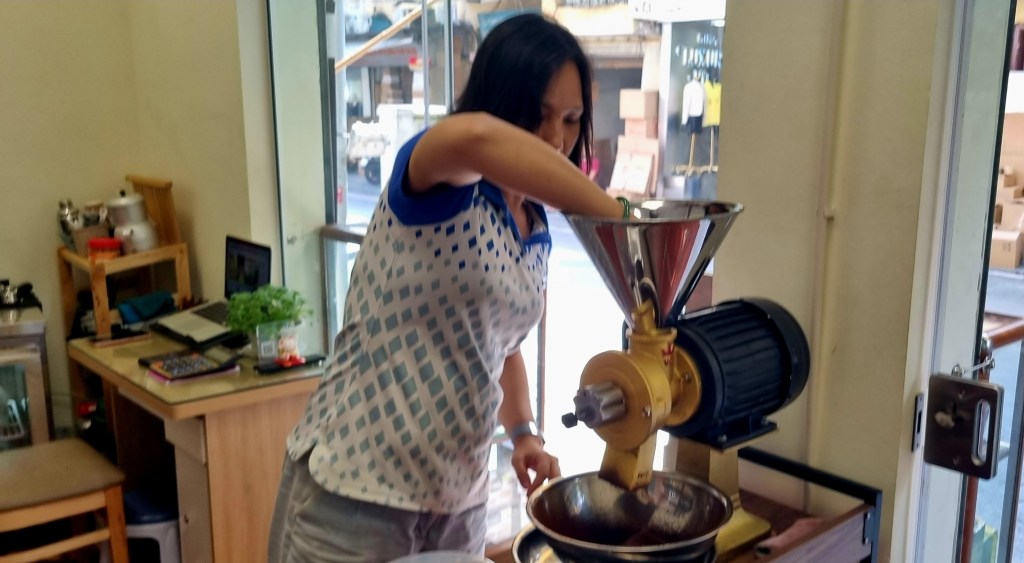
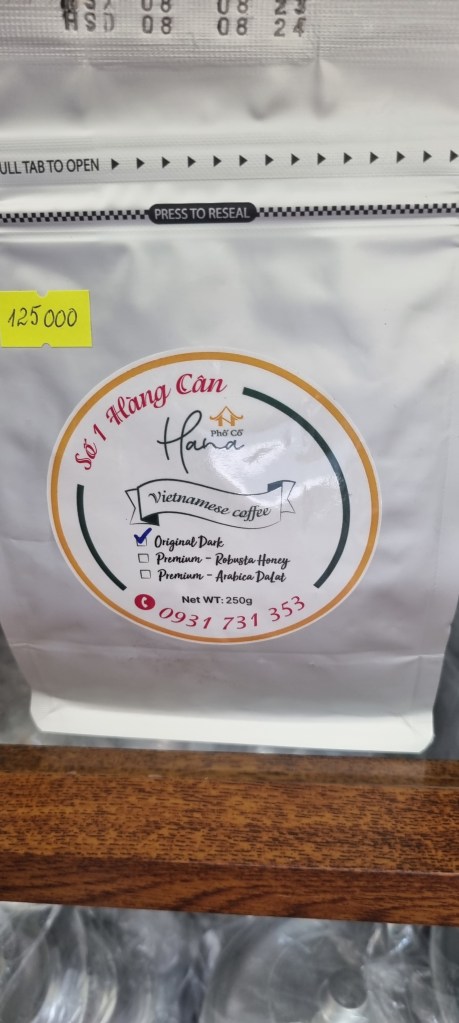
I bought some coffee on the way back to the hotel, which they ground down for me.
Back at the hotel, we were both booked in for a full body scrub and a Vietnamese body massage. They were both amazing. The Vietnamese body massage was a bit like hot stones, but they used hot herbal compresses instead.
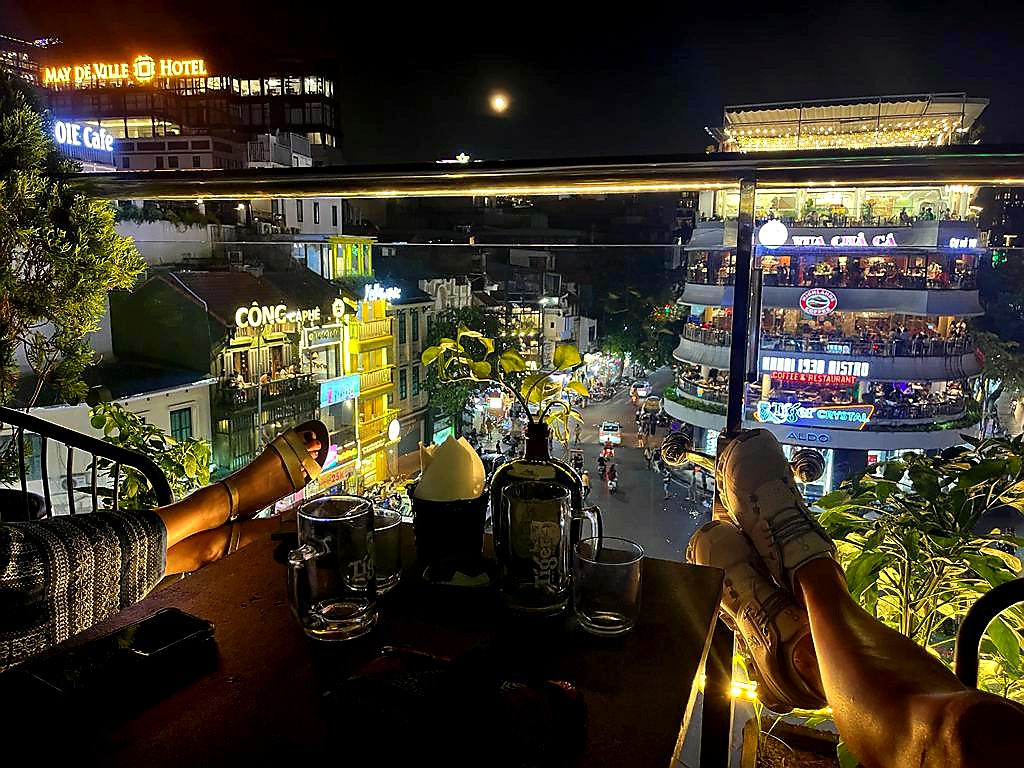
For dinner, we decided to go back to the Coffee Club rooftop bar.
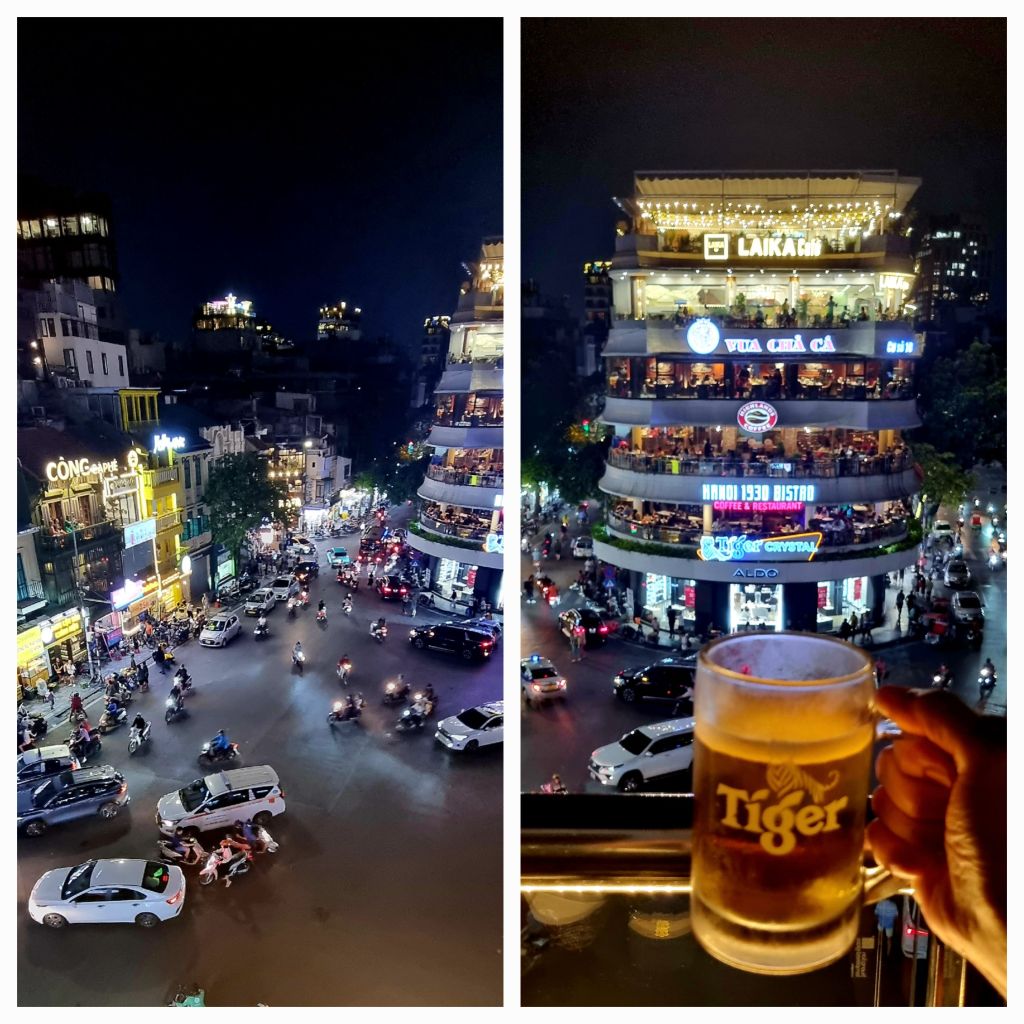
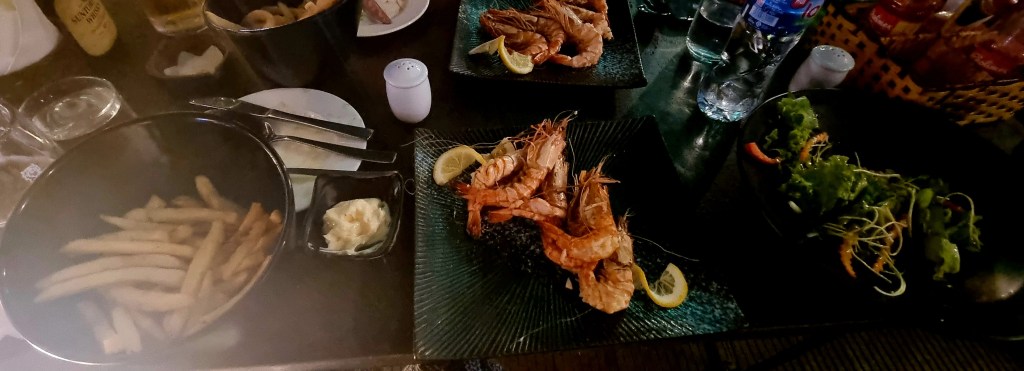
We ordered prawns and chips for dinner, they were delicious but there were a lot of them.
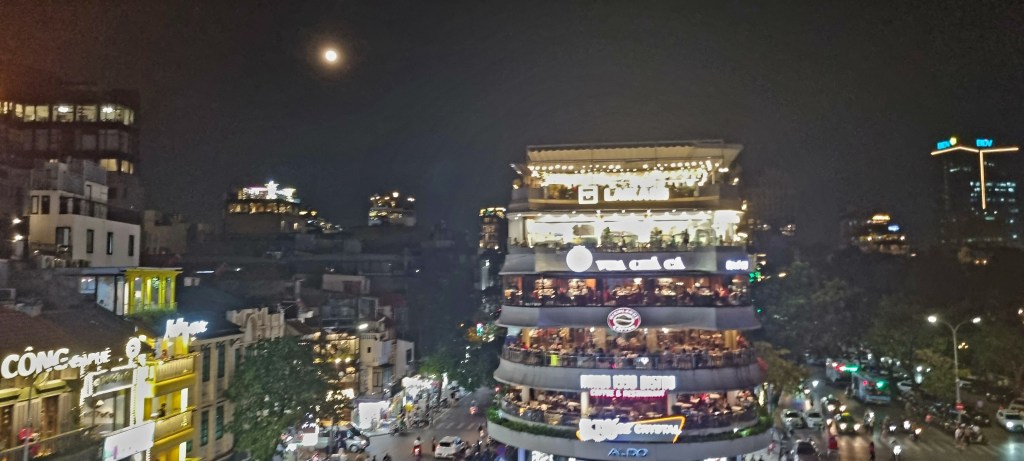
It was a nice relaxing evening under the full moon.

And then it was time to go home.
 Fun, Fitness and Fabulousness in your Fifties