It was a fairly early start today. After breakfast at the hotel, we all checked out. I left a case with some of my non- trekking clothes at the hotel. We all piled onto the bus and set off on a 5-6 hours drive. There were 14 of us, including Nhan, our local guide.
During the drive, Nhan talked about Vietnam and gave us some interesting facts and figures:
- Vietnam means Vietnamese people living in the south of China
- Hanoi means city in the middle of a river
- The population of Hanoi is around 9.5 million
- 35% of the Vietnamese population live in the cities
- The red river runs through Hanoi. The river is a 1,149-km long river that flows from Yunnan in Southwest China through northern Vietnam to the Gulf of Tonkin. The red colour comes from the large amount of silt it carries, which turns the water a reddish hue during the flood season. However, the river is gradually losing silt, and the colour is fading. The river irrigates the many rice plantations in Vietnam.
After a couple of hours of driving, we arrived at the Ethnological Museum in Thai Nguyen. The bus was pulled over by the police as we had driven down a street where tourist buses were not allowed. The driver had to pay a fine, a bribe to the police, to allow us entry.
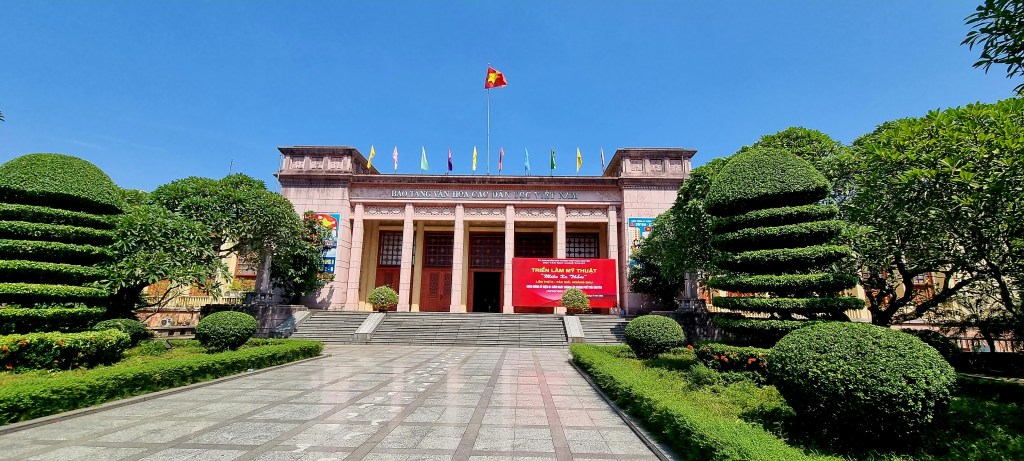
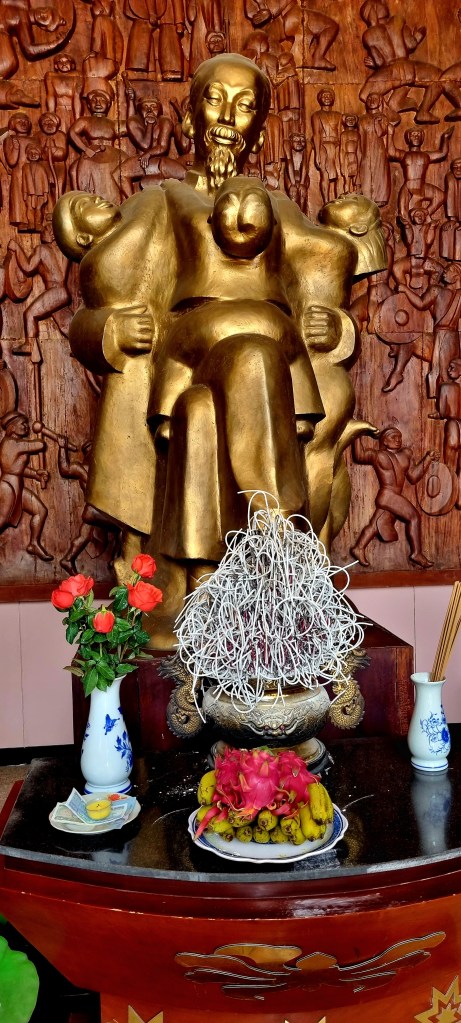
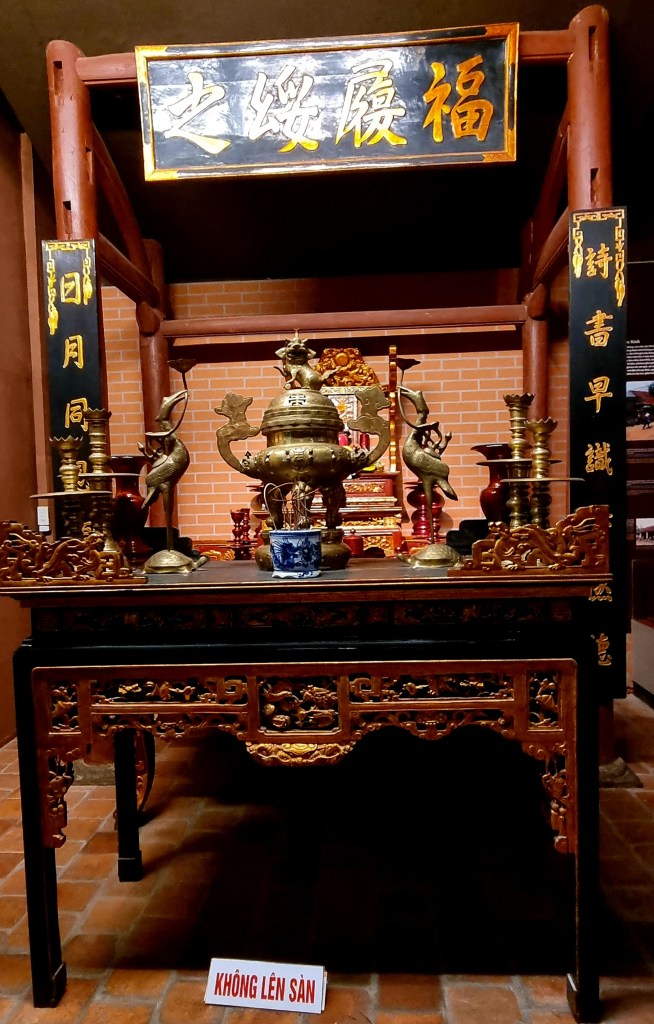
The Vietnamese population are made up of 86% traditional Vietnamese people, and 14% are from minority groups. There are 53 different ethnicitiesand many of these originally came from China. 5% of the population are Buddhist, and 6% are Christian or Catholic. Vietnamese are free to choose their religion, but many celebrate the lunar calander.
After wandering around the inside of the museum, we explored the beautiful gardens.
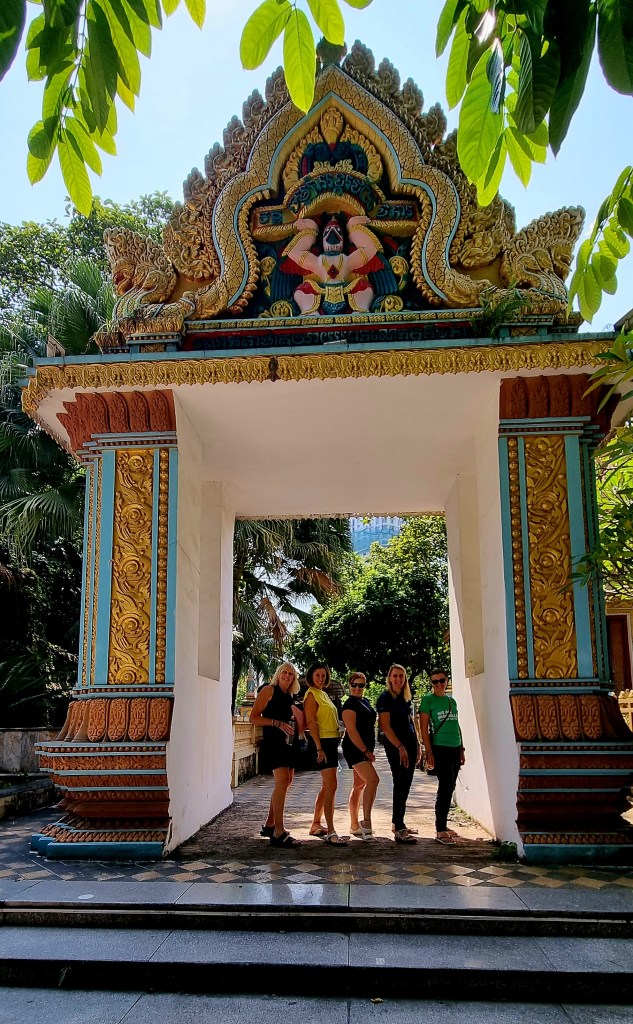
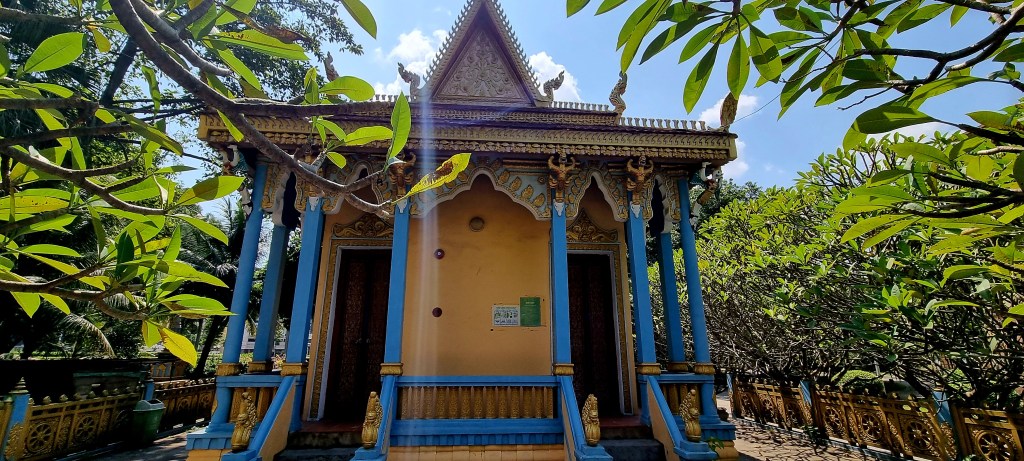
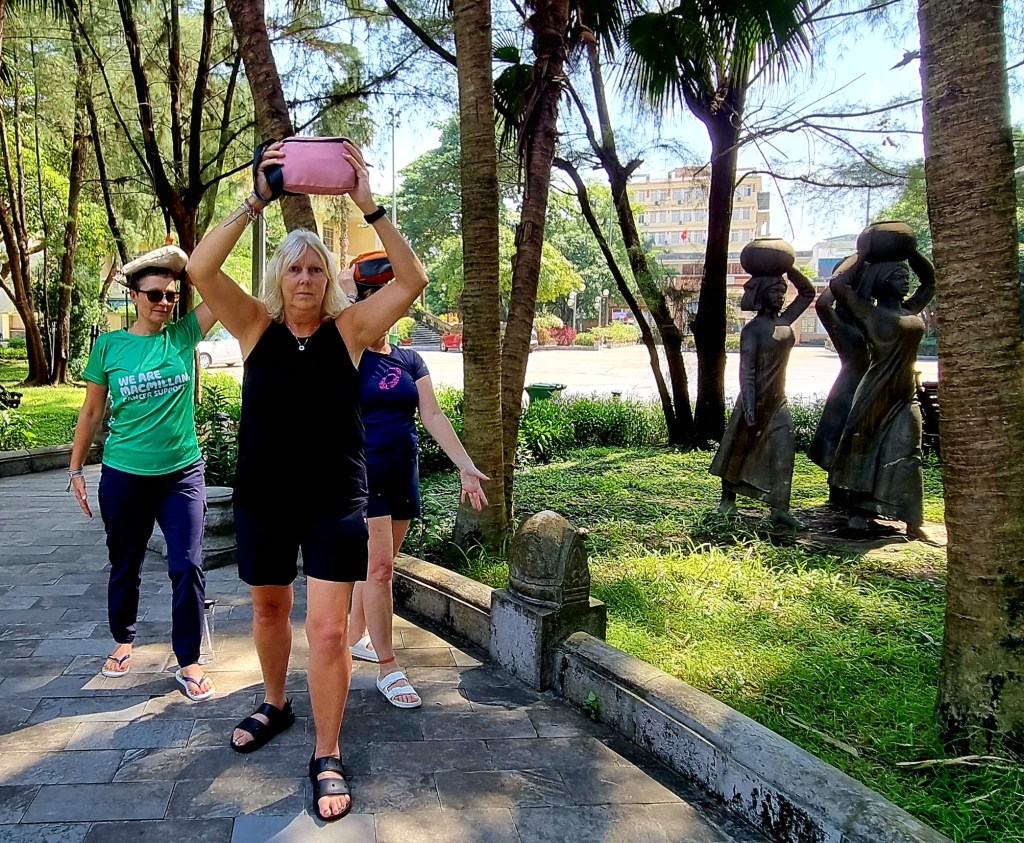
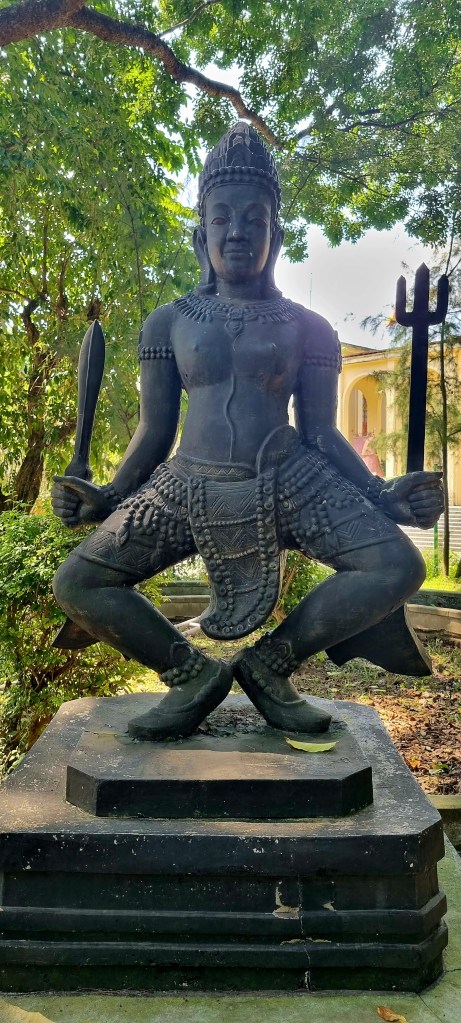
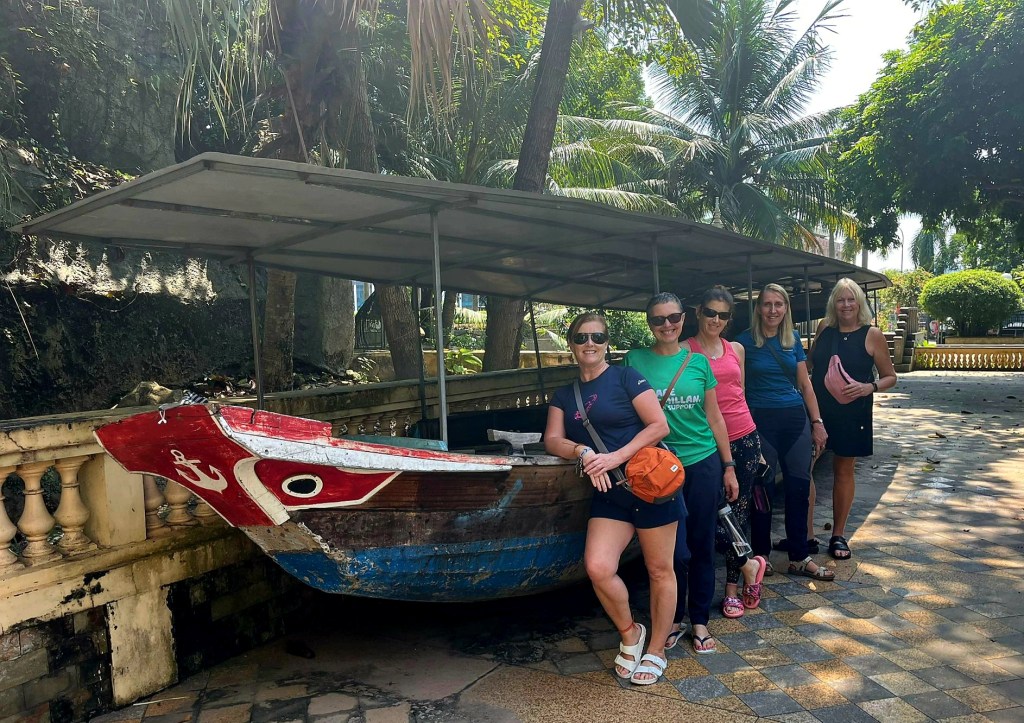
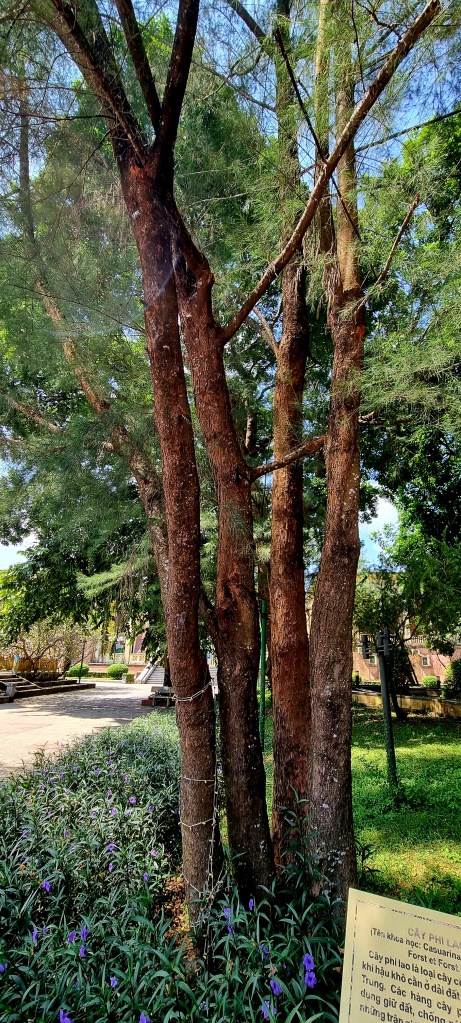
There were many Casuarina trees in the garden. These trees can stand waterless climates and can help to keep soil from erosion and can prevent string wind and sandstorm, protecting villages.
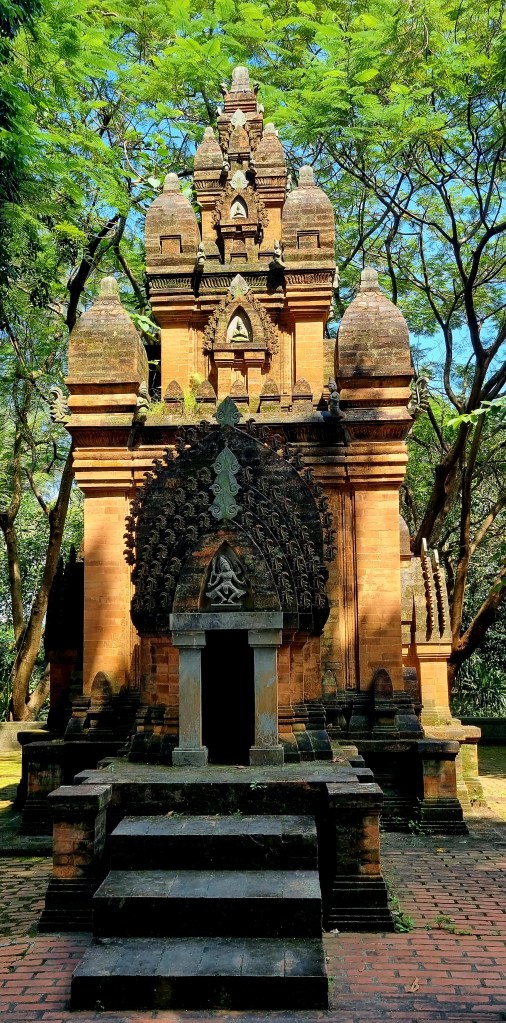
We visited the replica of the Poklong Grai Cham Tower, which was built in the 13th century on the peak of Trau Mountain. This tower consists of 3 towers; the main tower , gate tower and fire tower. The main tower is for worshipping King Paklong Grai, and every year, traditional festivals of the Cham take place here.
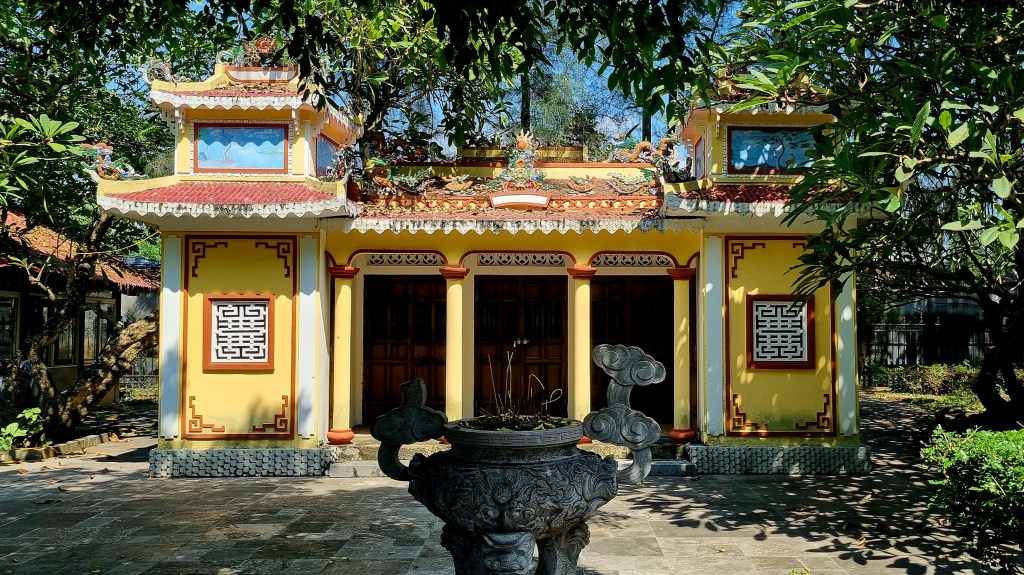
There was also a 50% restored miniature of the whale-worshipping temple in the garden. Whale worshipping is the specific trait of the belief of the people living along the north to the south coast of Vietnam. Every year, fishermen organise a festival and pray for good luck in their fishing, for protection and safety whilst fishing in the open sea. They also pray for peace.
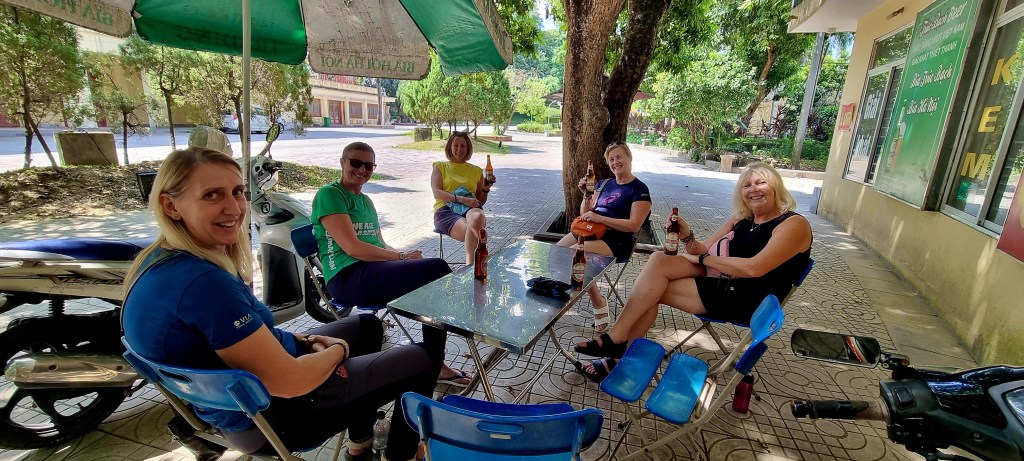
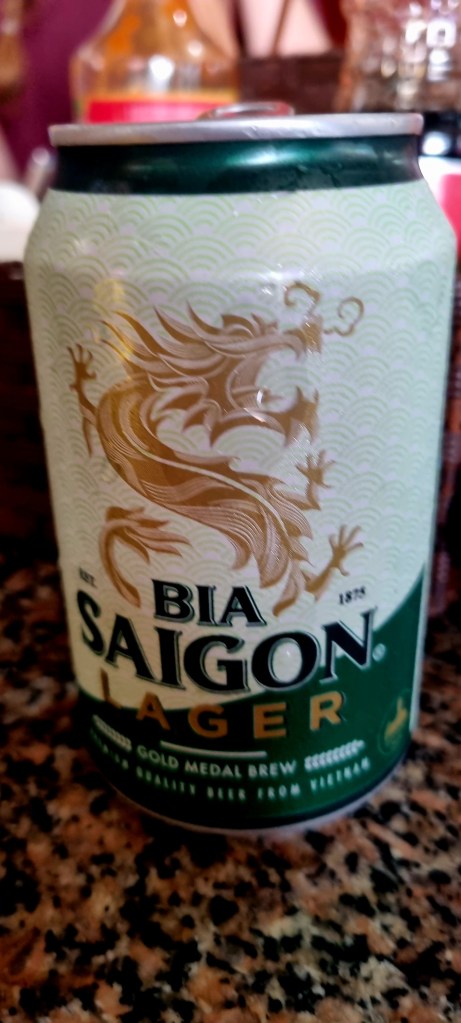
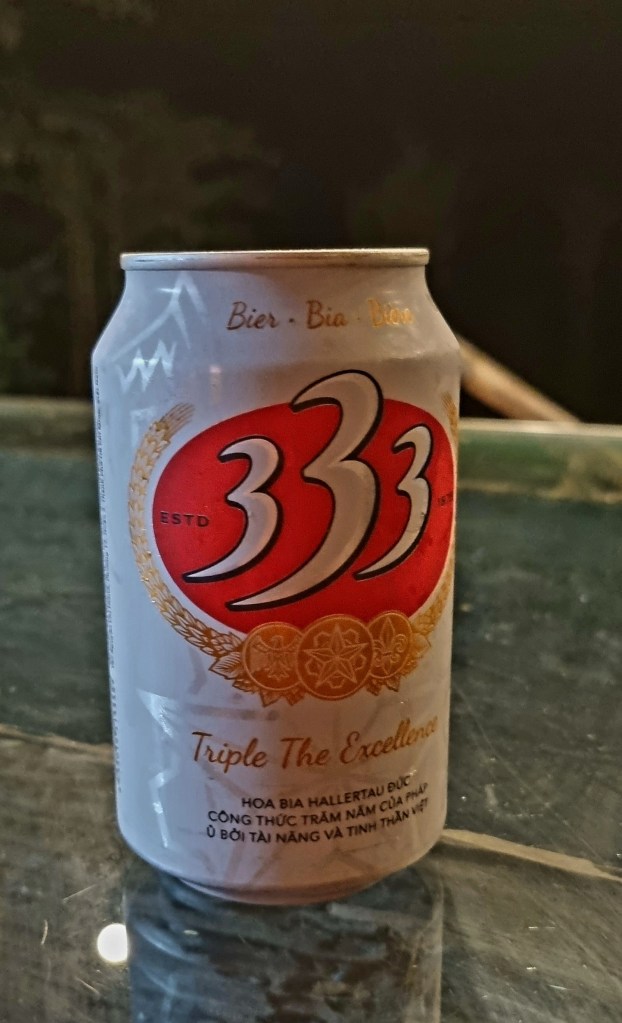
It was very hot wandering around the gardens, so we decided to take a rest and drink a nice cold beer!
And then it was back to the minibus and another 2 hours driving before lunch. On the way, Nhan told us about how the Vietnamese bury their dead.
In Vietnam, the tradition is to bury dead people twice. The first time, they are buried in a wooden coffin. After 5 years, they are dug up, the bones are cleaned up, and they are then arranged in a ceramic coffin. They are then buried in a different place to the original hole.
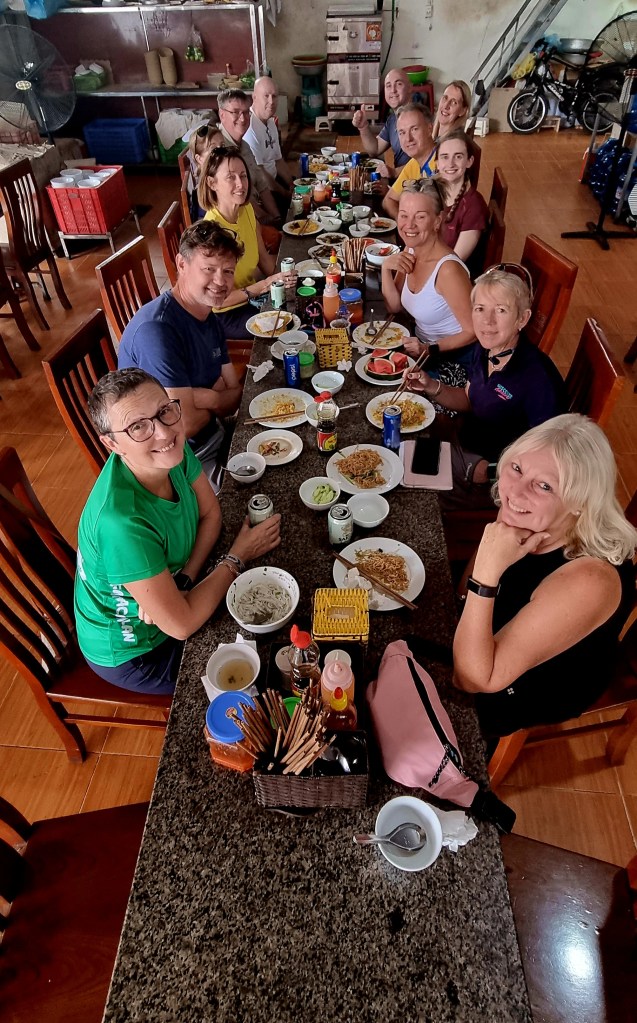
For lunch we stopped at a local roadside cafe and the food was really nice and plenty of it.
And then it was back on the minibus for a bit more driving. Nhan spoke to us a little bit about how the country is governed. Basically, the general secretary of the communist party is the most powerful person, although there is also a prime minister and president. Members of the communist party ate highly regarded and you can obtain such a position by paying for it, being part of a family whete a family member is part of the party or by working for the government, such as a doctor or teacher.
Eventually, we arrived at Ba Be Lake.
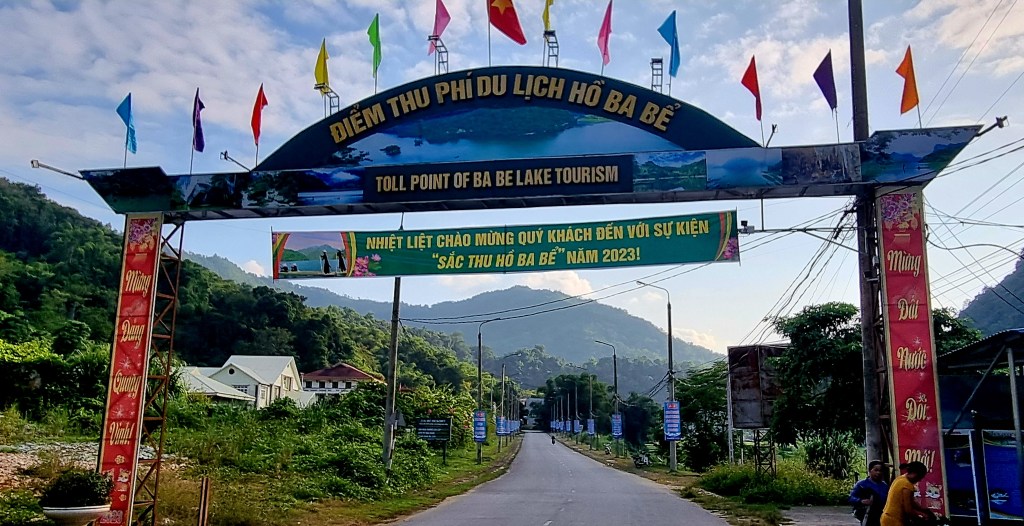
Ba Be Lake is formed from 3 natural rivers and is the largest natural lake in Vietnam, covering 6.5km². The lake itself is actually three small lakes joined together – Pe Lam, Pe Lu and Pe Leng.
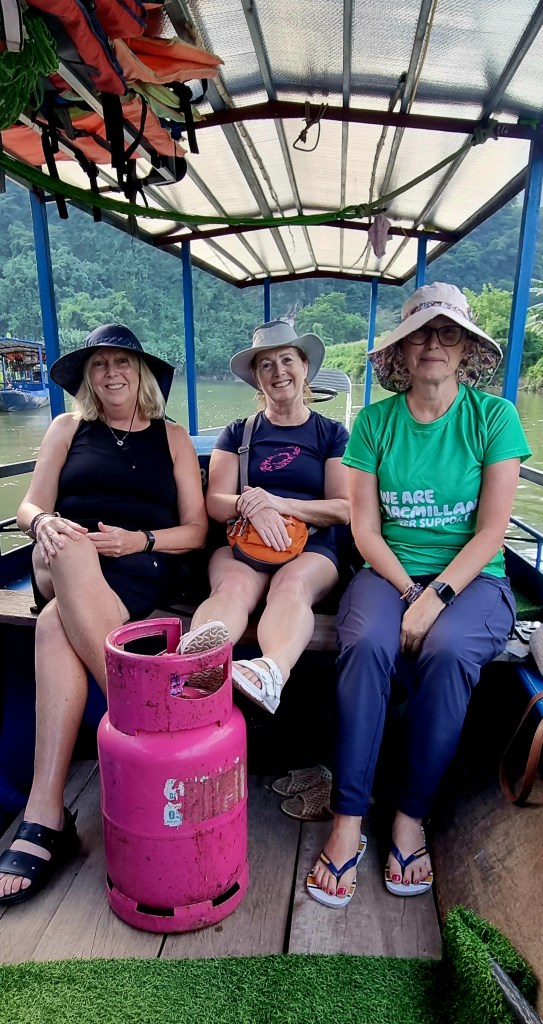
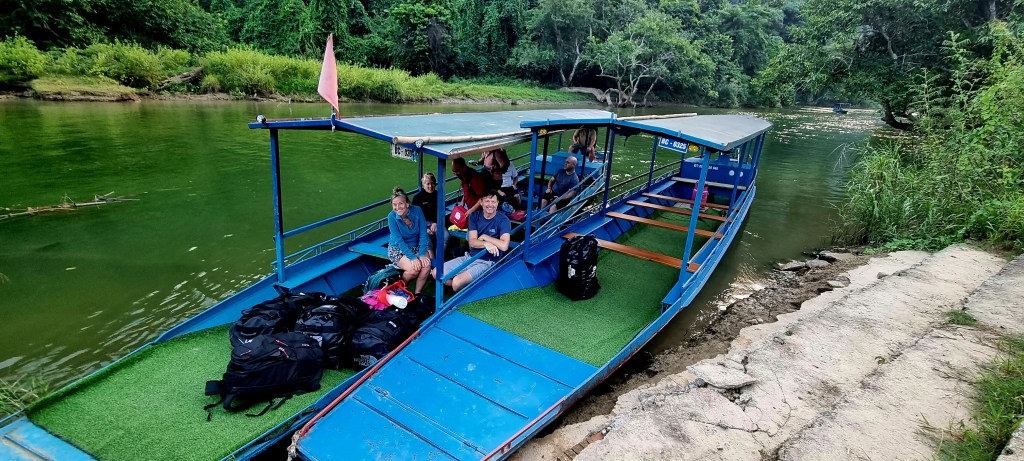
We were taken on boats to our homestay for the evening.
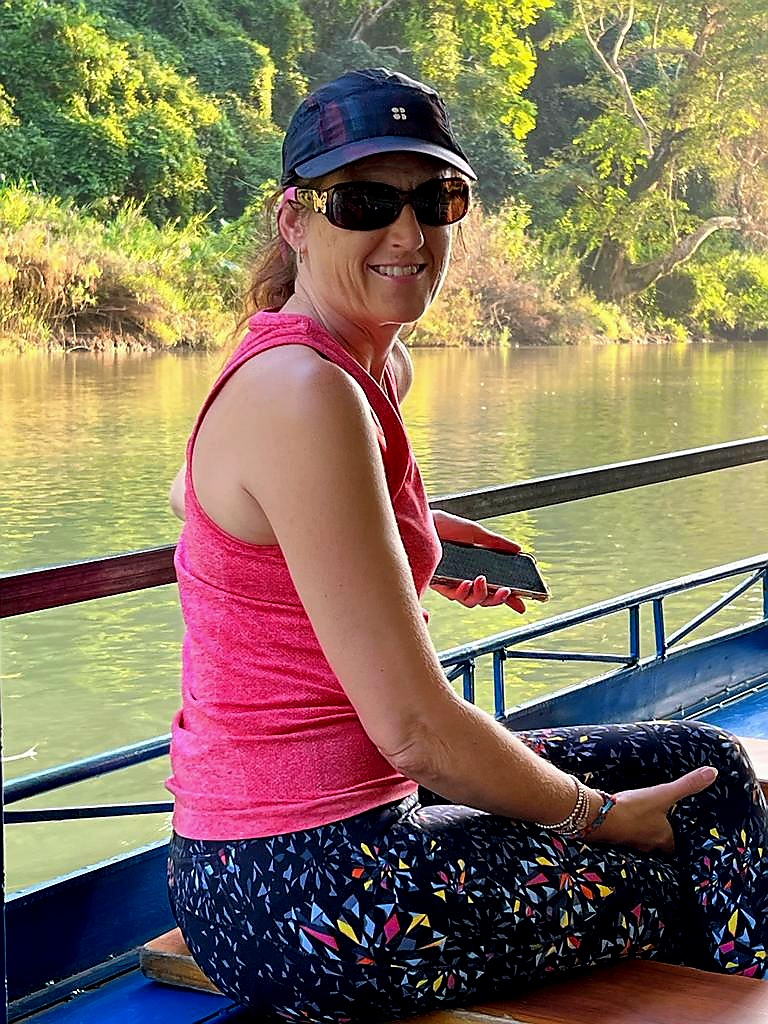
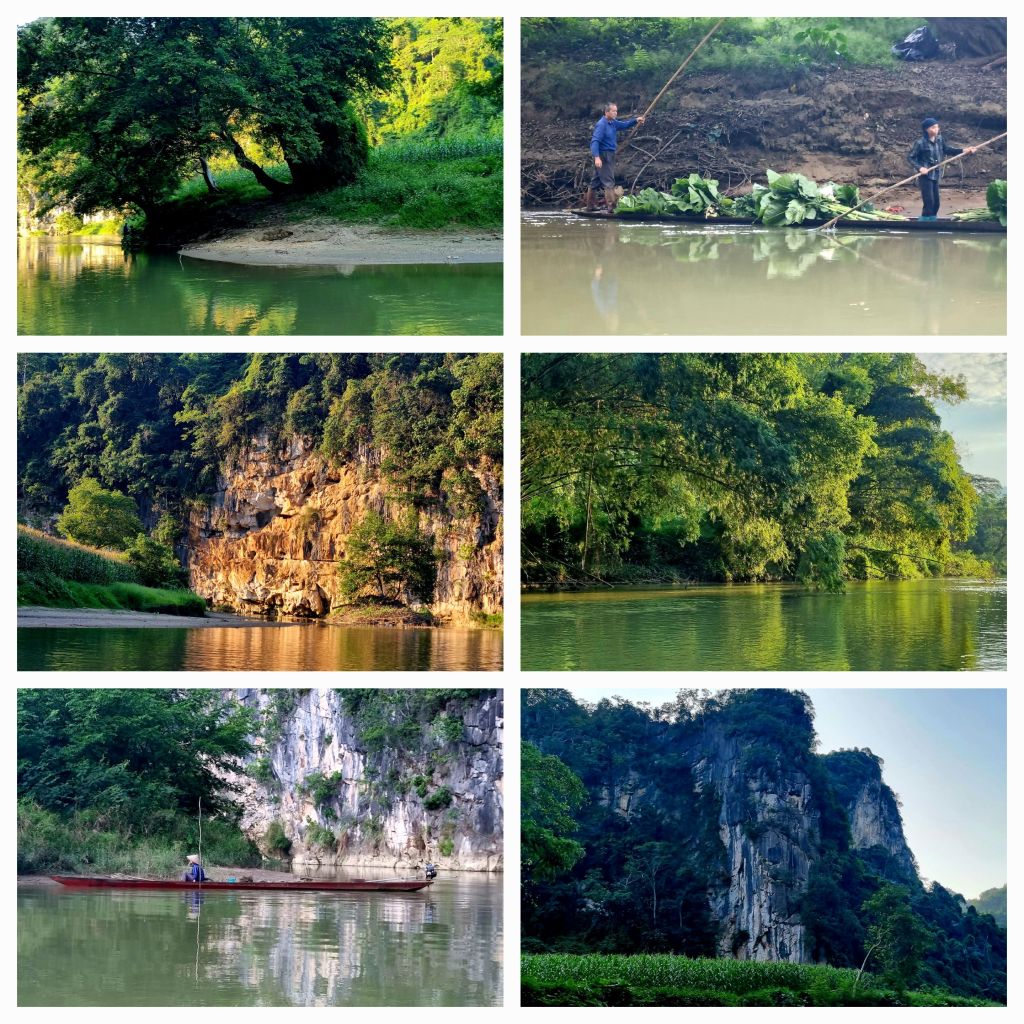
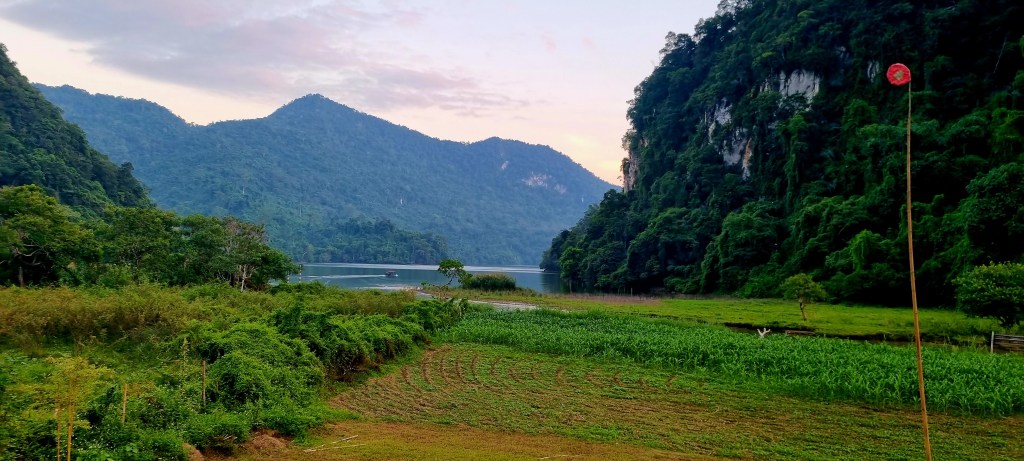
The scenery around the lake is gorgeous. The area was established as a national preserved forest and tourist centre in 1978, before being established as Vietnam’s eighth national park in 1992. It was recently recognised by UNESCO as the third Ramsar site in Vietnam – an important wetland of the world. Located 145m above sea level, the lake has an average depth of 20-25m, and its deepest part is 35m. The lake bed is made up of limestone with millions of crags and crevasses that are ideal for a large variety of marine life – there are over a hundred species of freshwater fish in the lakes.
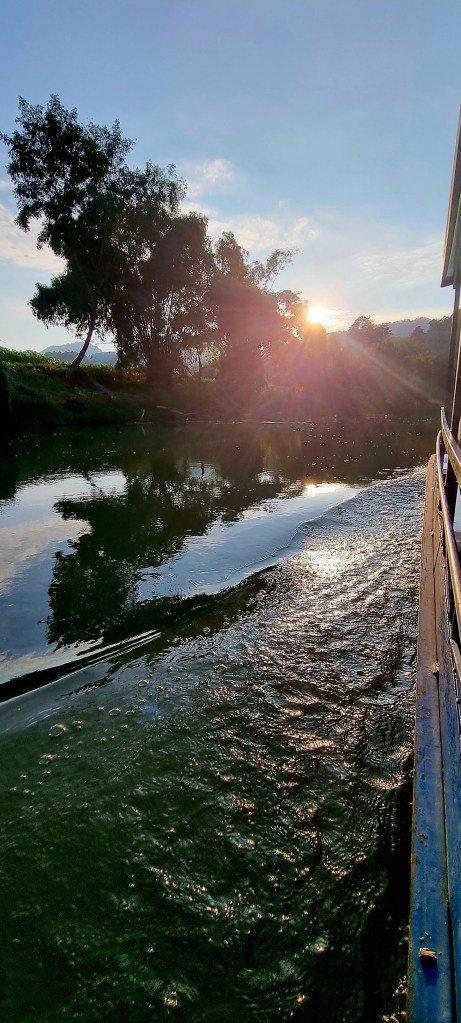
We went through a large cave, which we were told was full of bats before seeing more beautiful scenery.
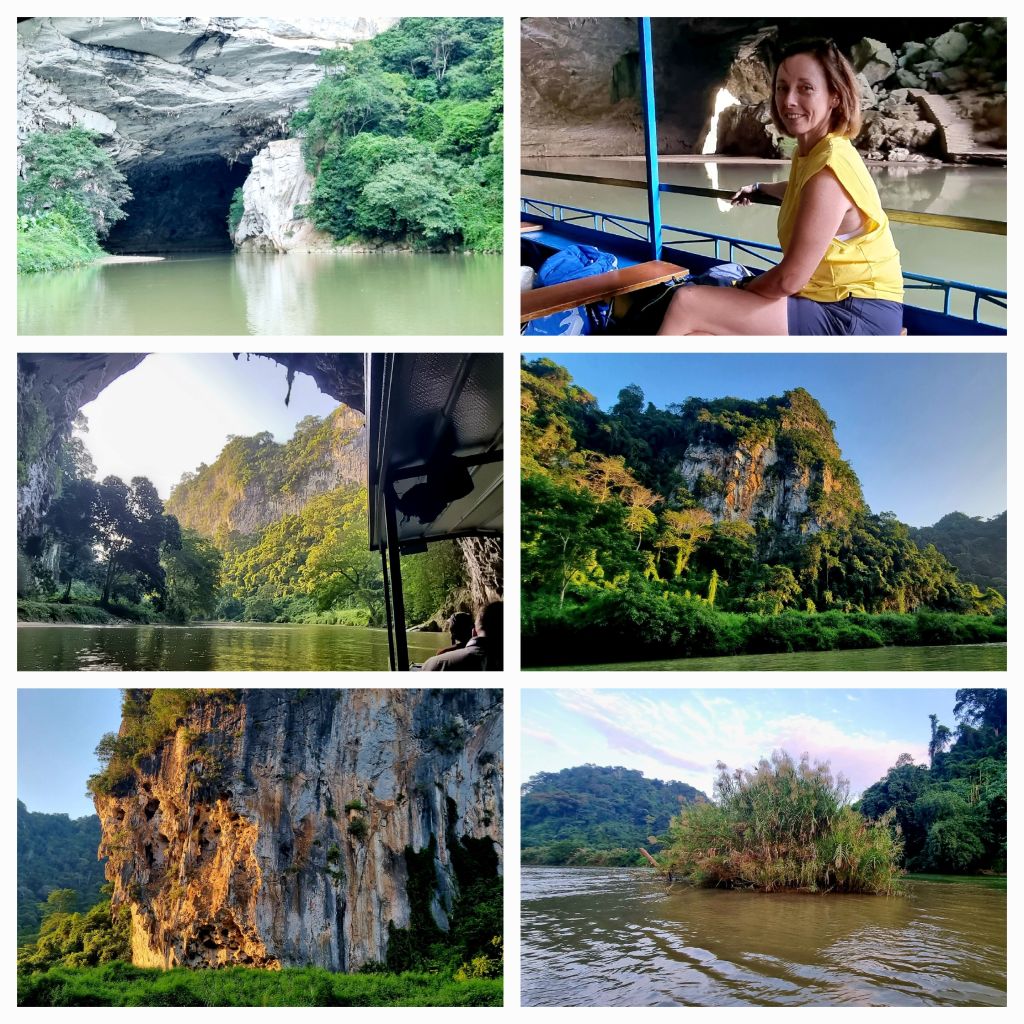
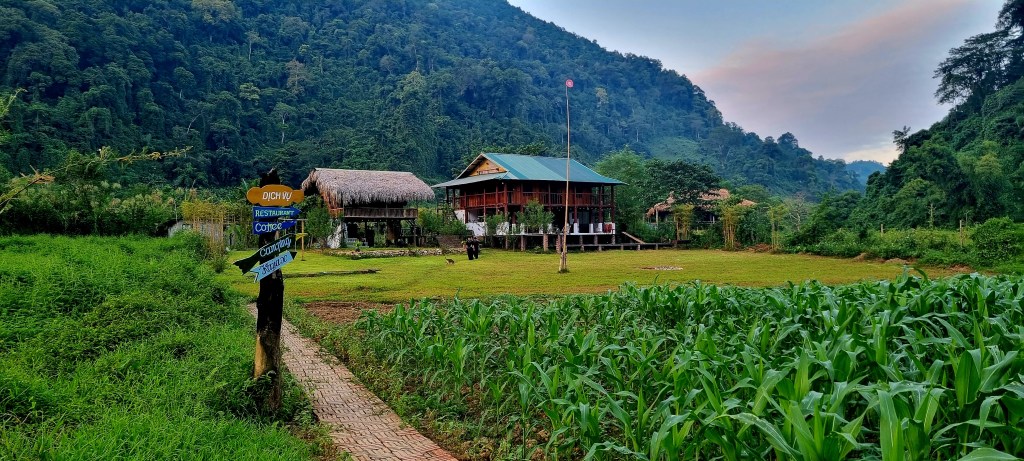
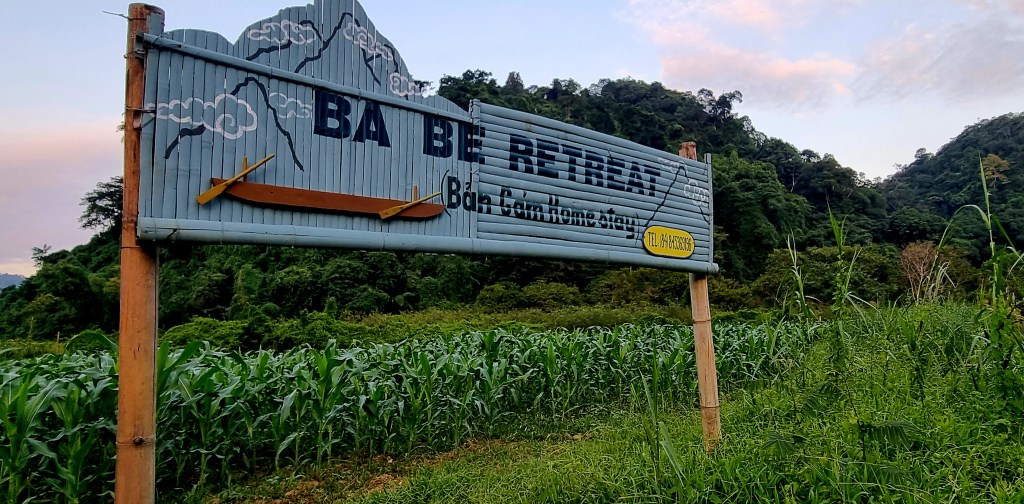
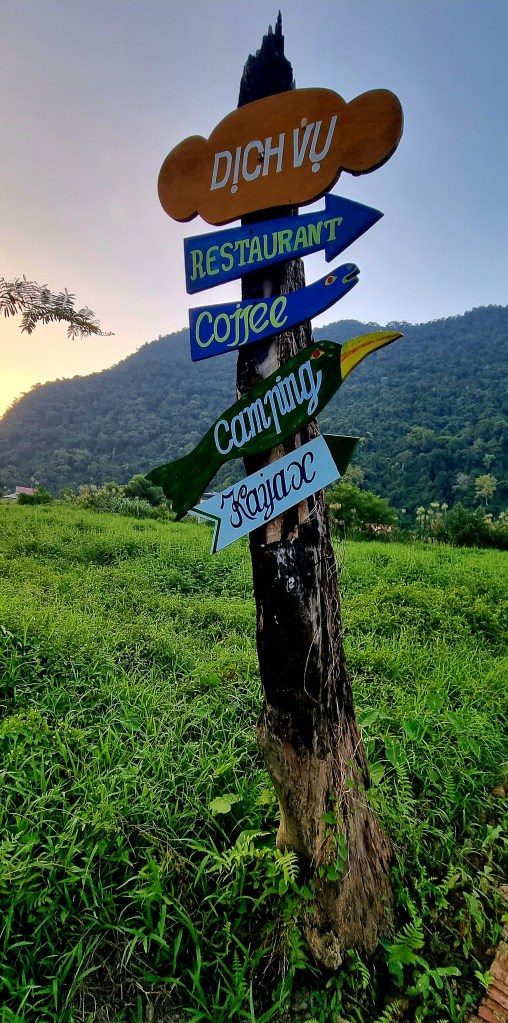
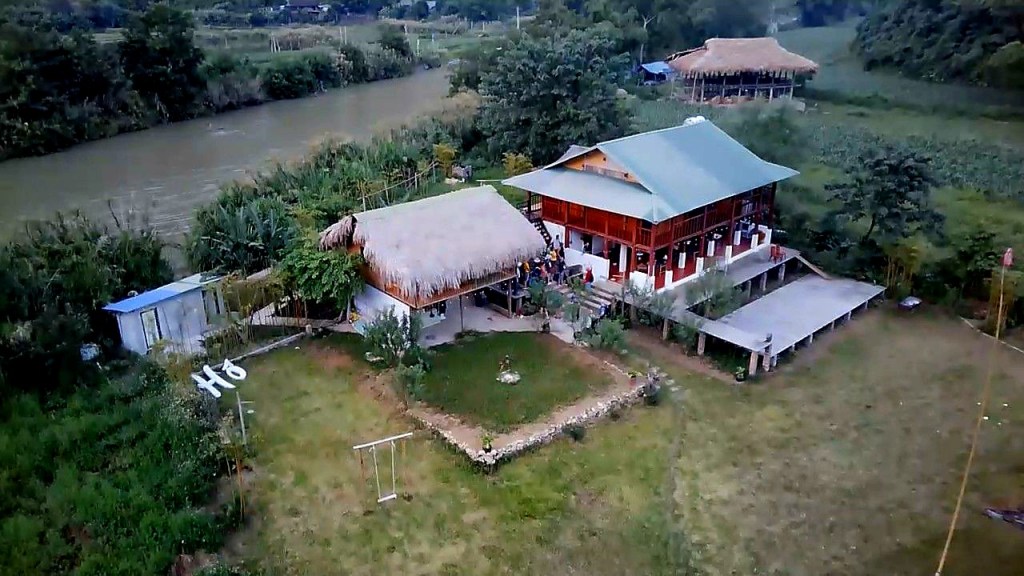
Not long after we arrived at Ba Be Retreat – our destination for the next 2 nights.
Gill had a new pet – a massive grasshopper attached to her shoulder.

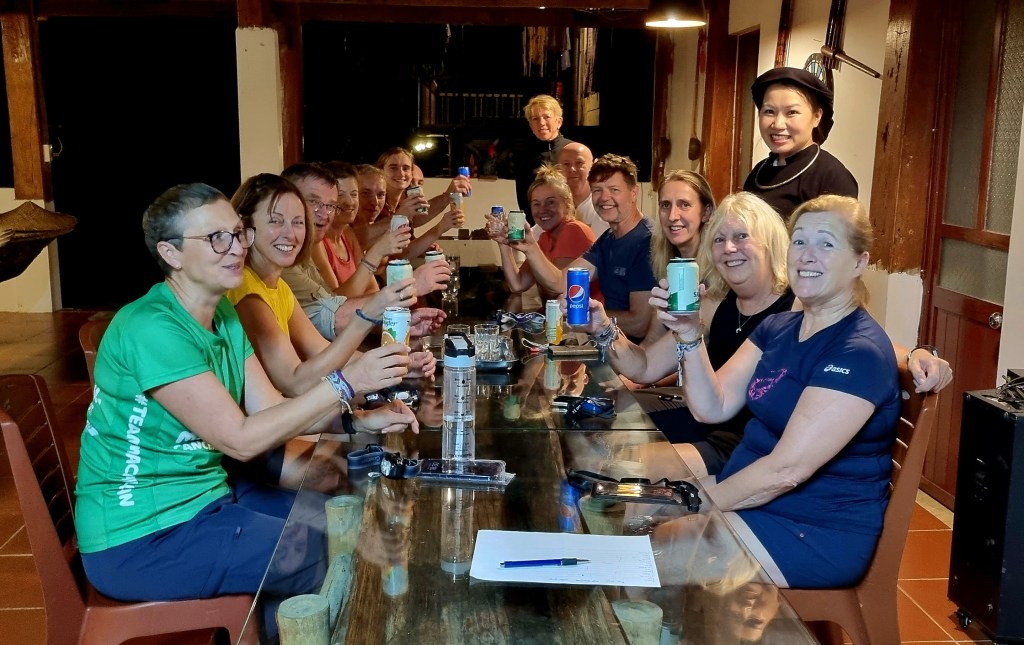
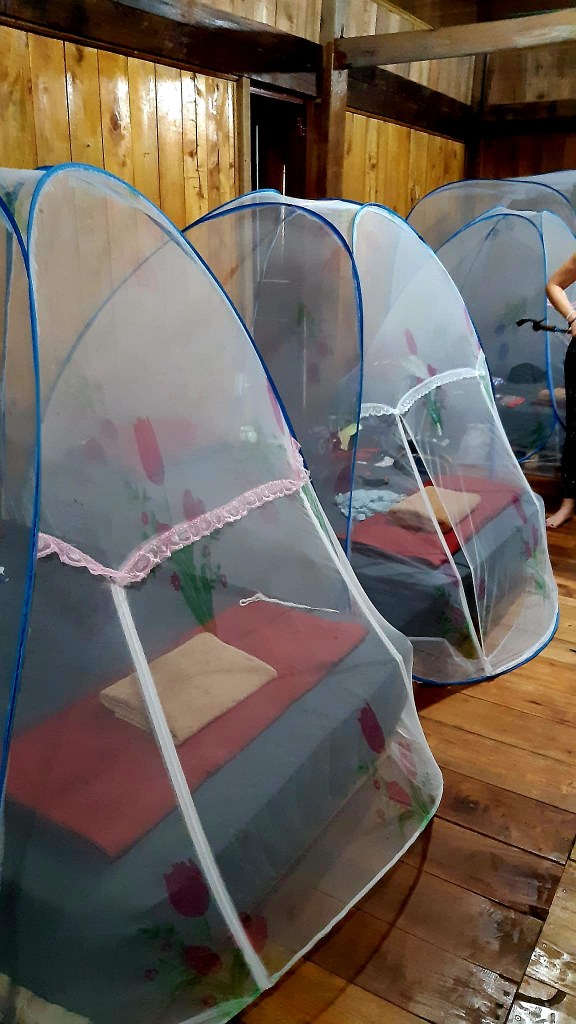
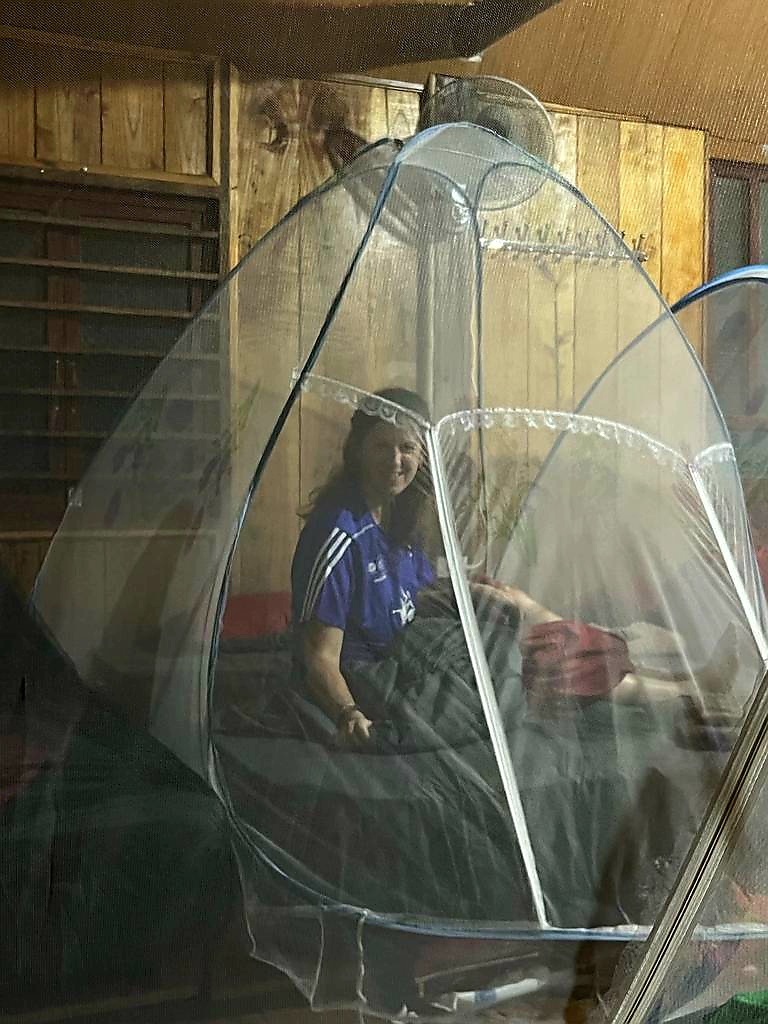
After settling in, claiming our beds in the communal area, and putting up our mosiquito nets, we gathered together downstairs for dinner.
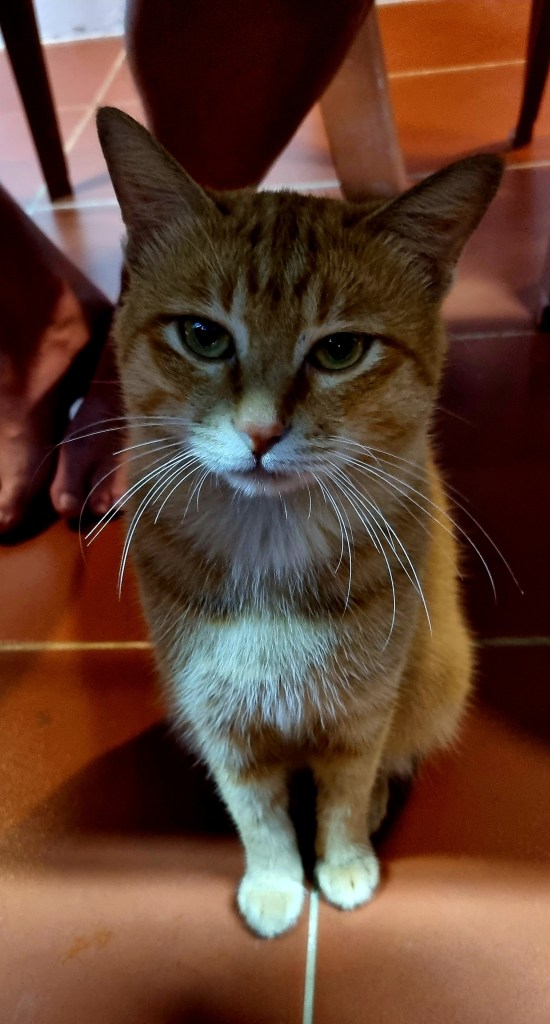
We also had the family’s cat join us, his name was Mon Mon.
The beds were actually really comfortable, and with an eye mask and ear plugs, I had quite a good nights sleep.
 Fun, Fitness and Fabulousness in your Fifties