It was a very early start today as we were picked up shortly after 6am. We had booked a sunrise trip to Pico do Arieiro.
It was around a 40-minute drive to the mountain. As we drove towards the peak, you could see the outside temperature drop by about 8 degrees.
Once we had parked up, our guide Hugo showed us the hill where you could watch the sunrise. There were already quite a few people there, so we walked around for a bit and then picked a spot where there were no people in front of us.
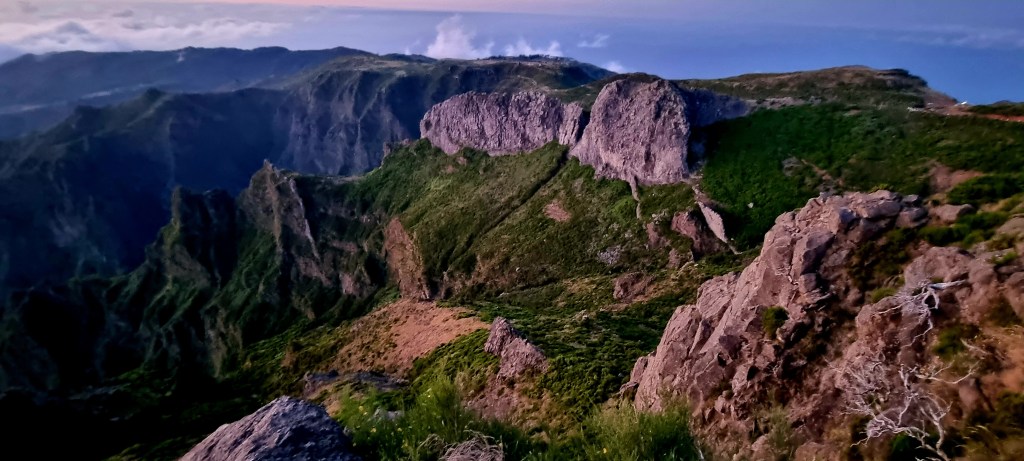
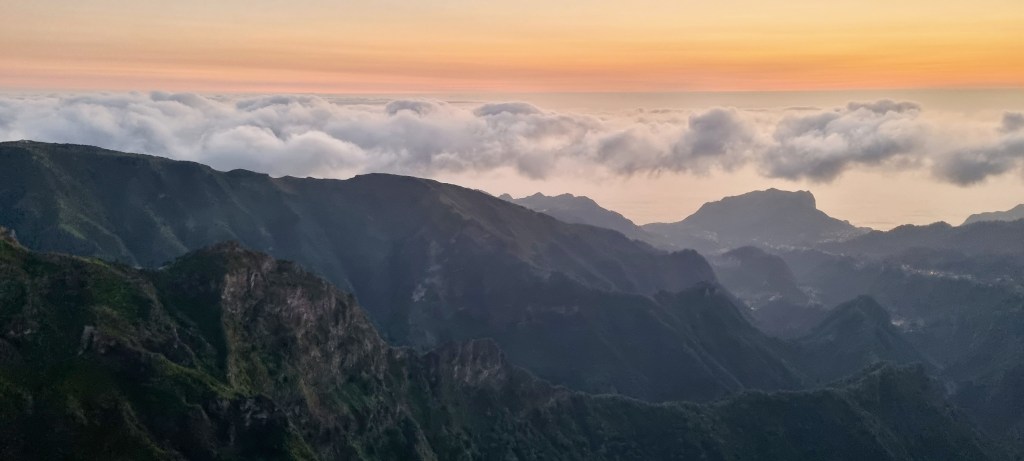
It was cold and windy at the top of the mountain.
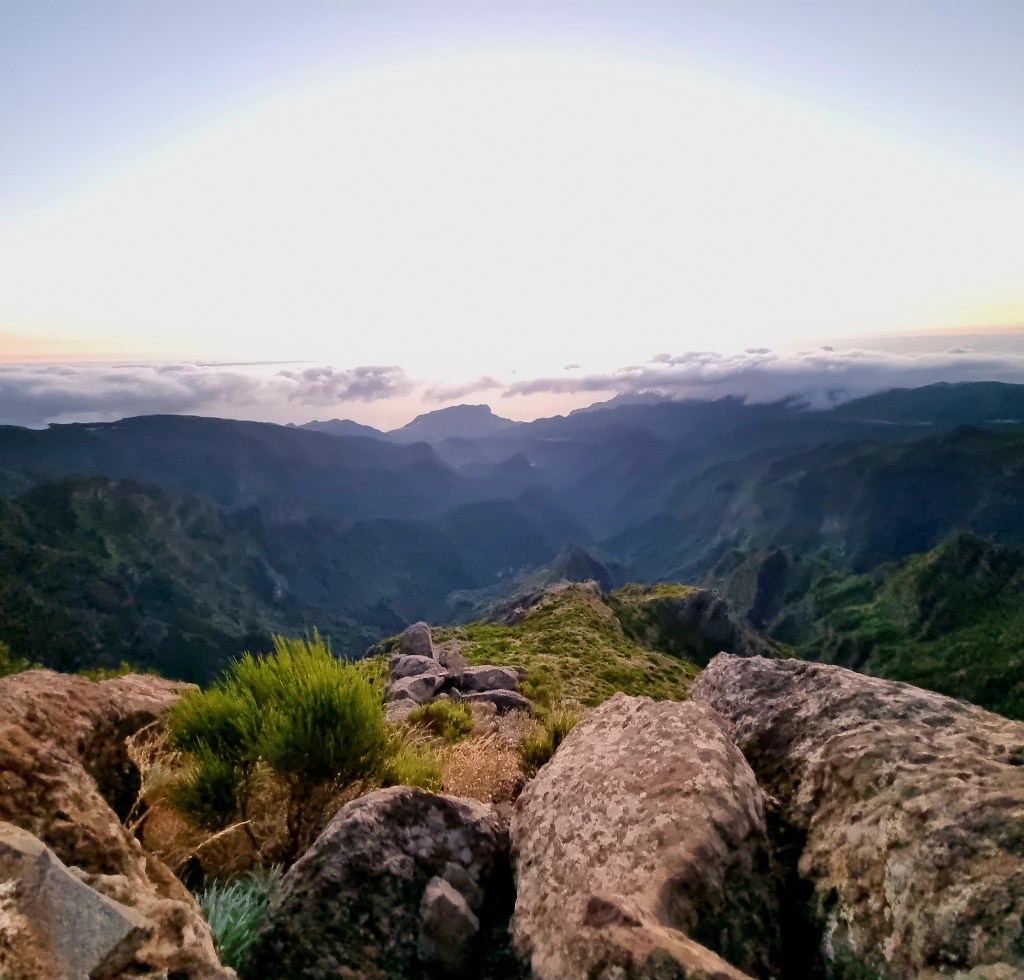

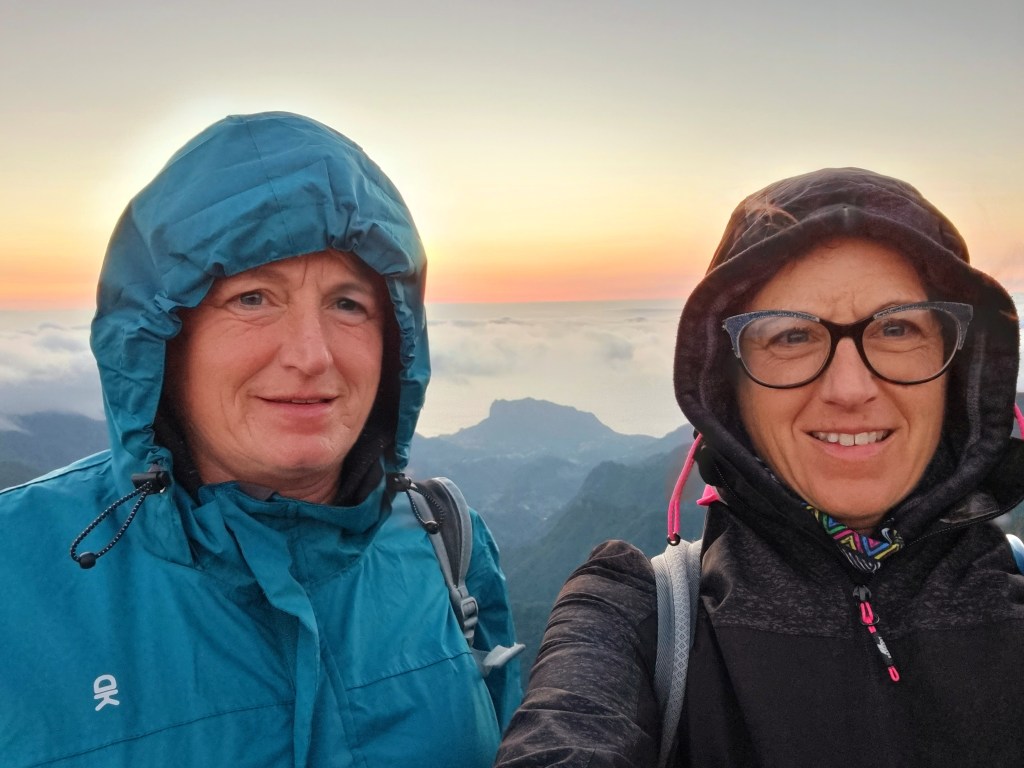
After around 20 minutes, we could see the sun start to rise above the clouds.
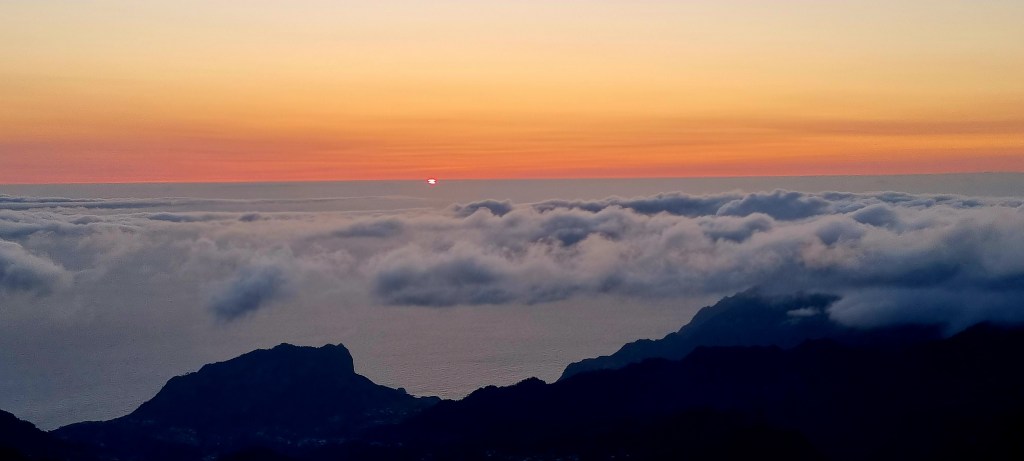

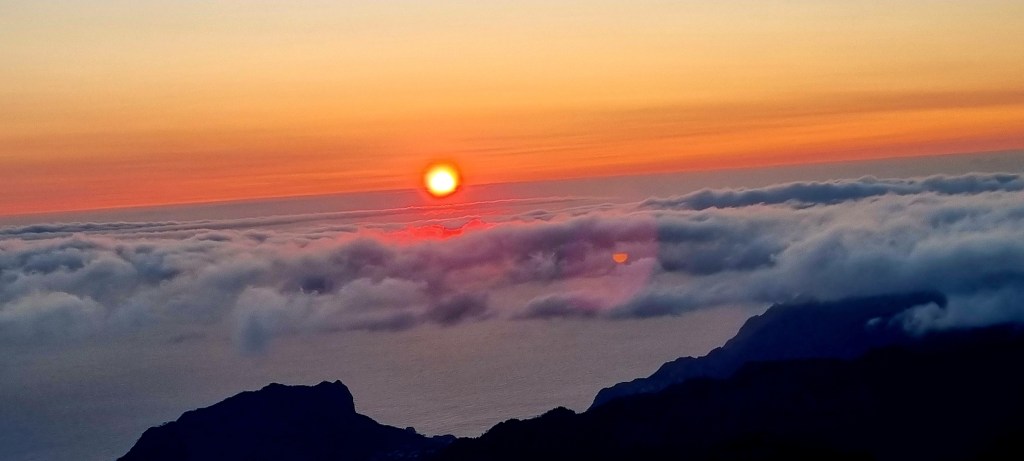
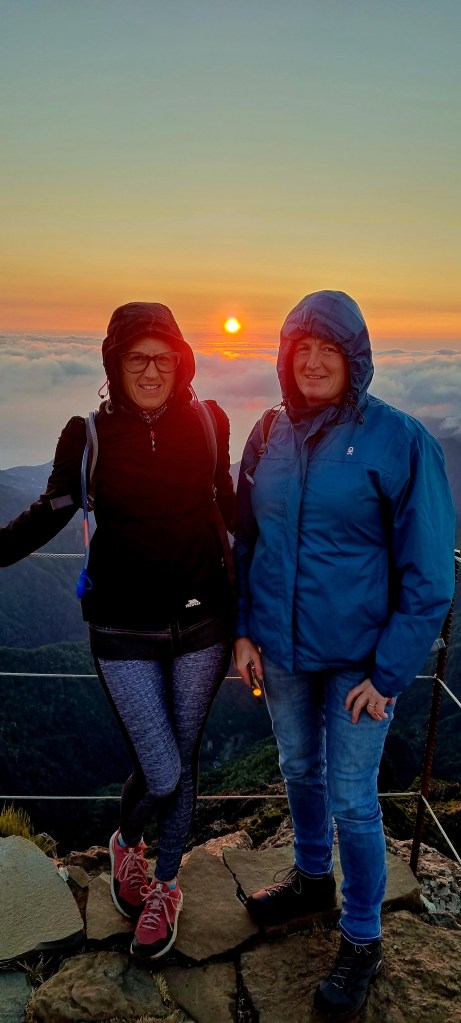
Maderia started to form around 18 million years ago, with lava bursting up through the ocean floor to create layer upon layer of basaltic rock. It took 15 million years for Pico do Arieiro to reach the height it is now.
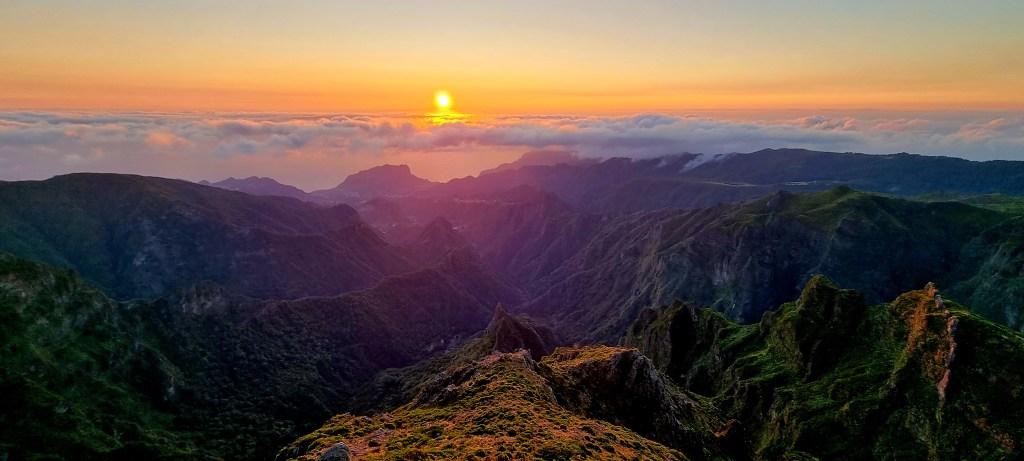
Once the sun had fully risen, we walked around and took some more photos.
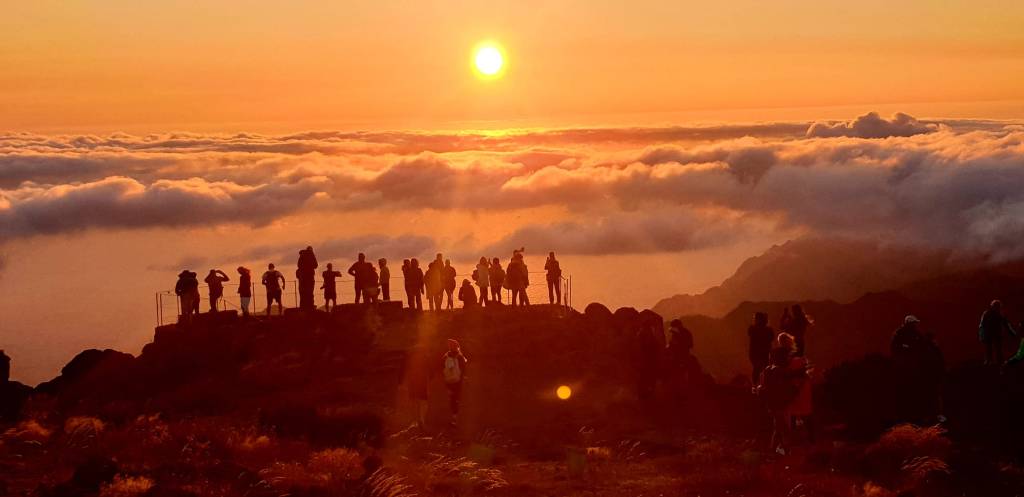
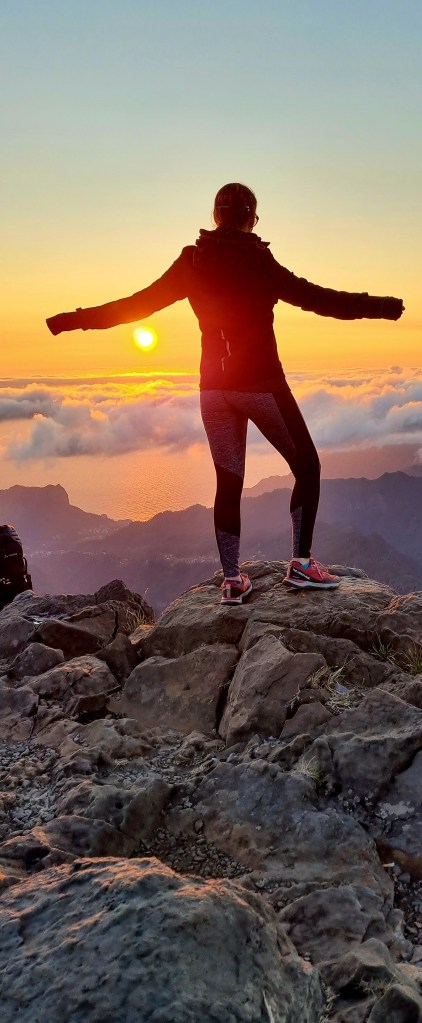

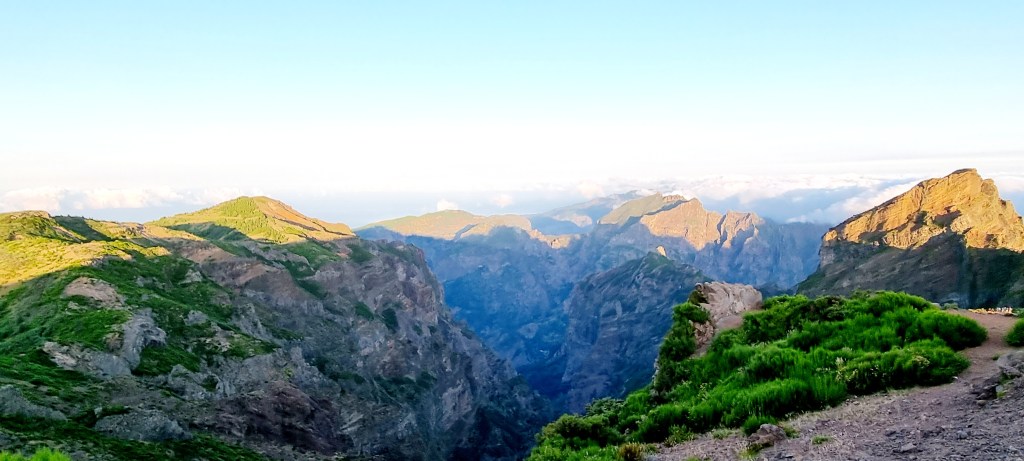
The views were absolutely stunning, and you could see the clouds rolling in over the peaks.
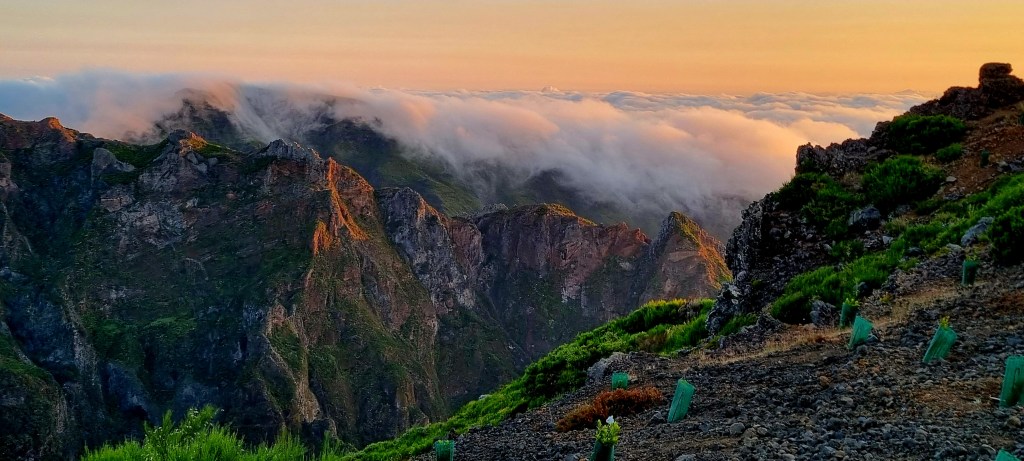
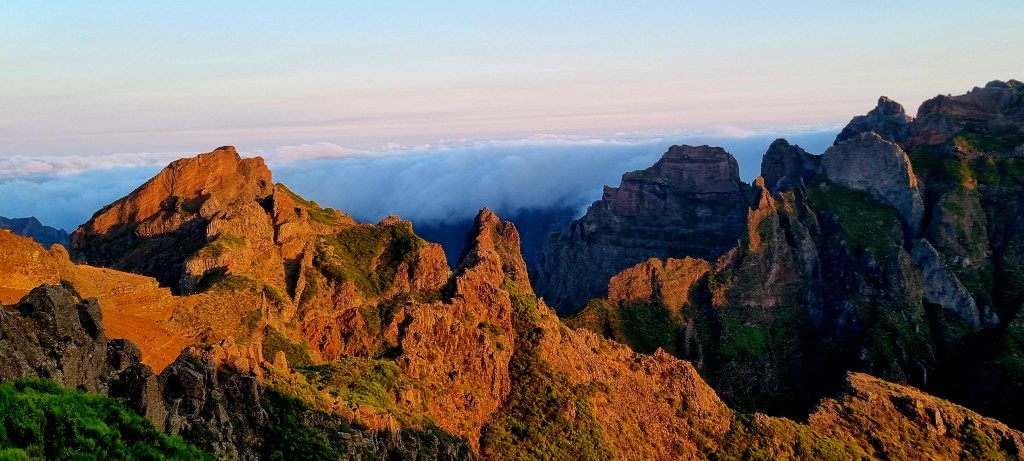
Pico do Arieiro is 1818m tall and is the third highest peak in Madeira. From here, you can look out over the other peaks, including the highest peak, Pico Ruivo.


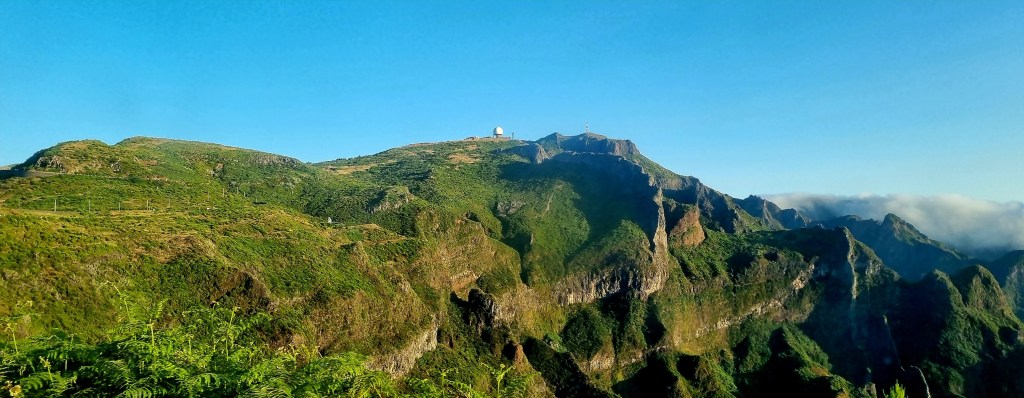
We spent a little while at the top of the mountain, taking in the views, before meeting up with Hugo and heading back down. The photo below is looking back up to the peak.
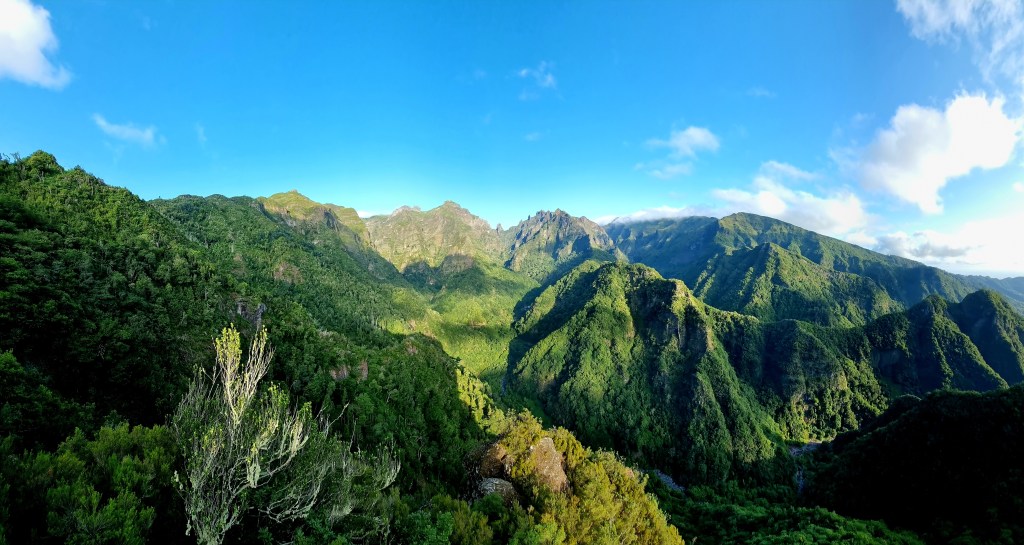
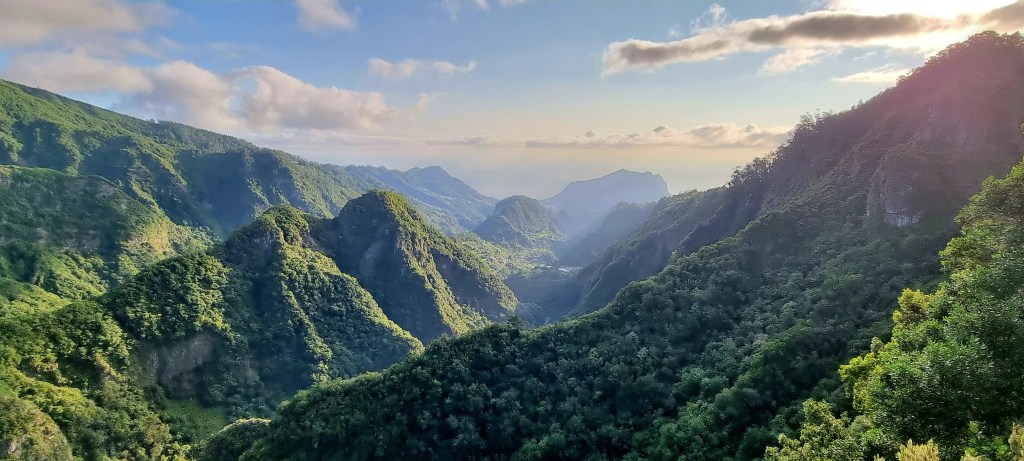
Our second stop was at the Balcóes. This was a short walk from the roadside to a gorgeous viewing point through the Laurissilva forest.

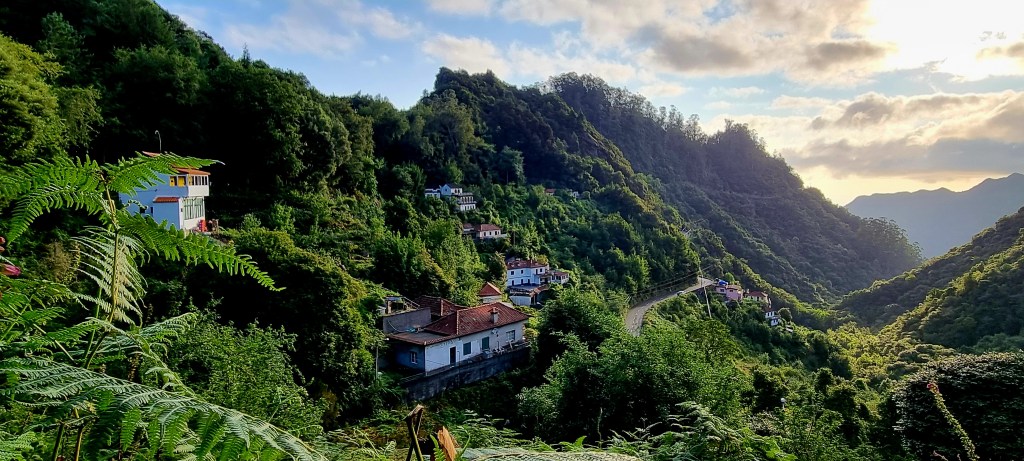
Again, the views at the viewing point were amazing. You could see lots of laurel forest, which makes up around 20% of the island.
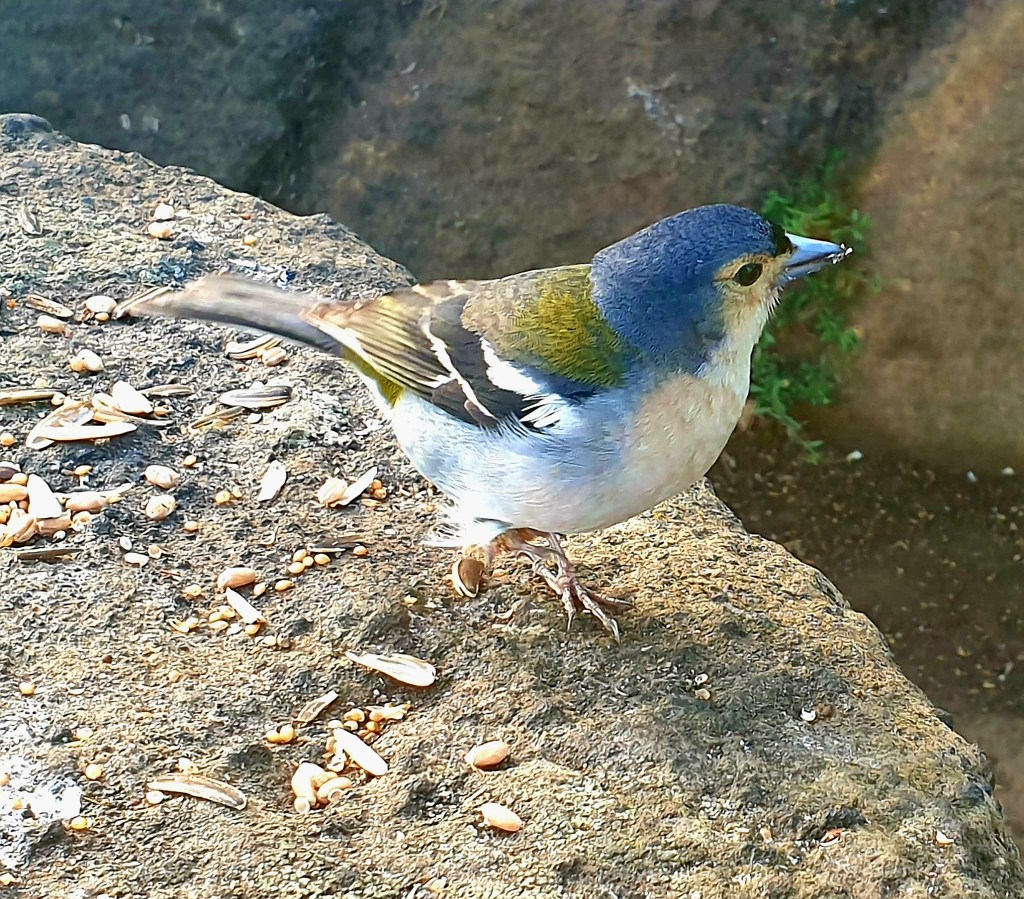
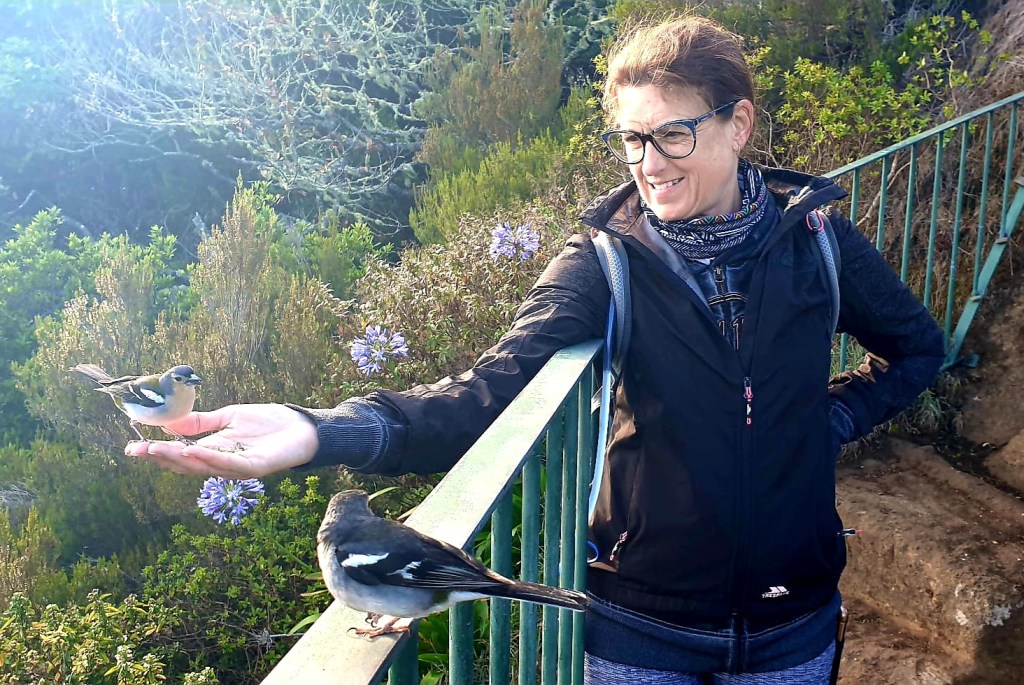
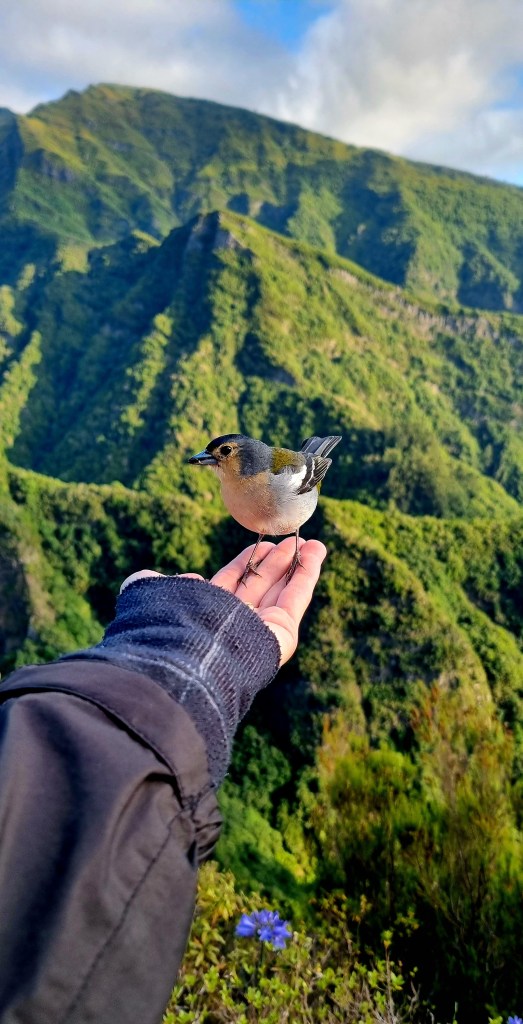
At the viewing point, there was a rock with a lot of bird seed on it, and the Madeira chaffinches were making the most of it. They were also very friendly and not frightened of us at all.

We walked back the same way we had come in and shortly after we stopped off for a coffee.
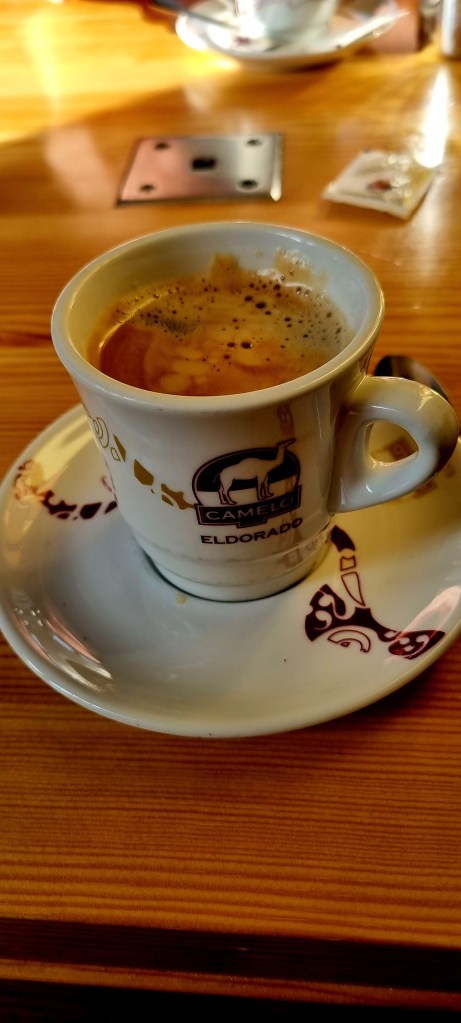
After coffee, we continued on our journey through Sáo Roque do Faial, which is one of the best cider producing areas on Madeira.
At Faial, we stopped at another amazing viewing point which is 26m above sea level. From here, you could see Penha de Aguia (Eagle Rock) and also an area where part of the cliff has fallen into the sea.
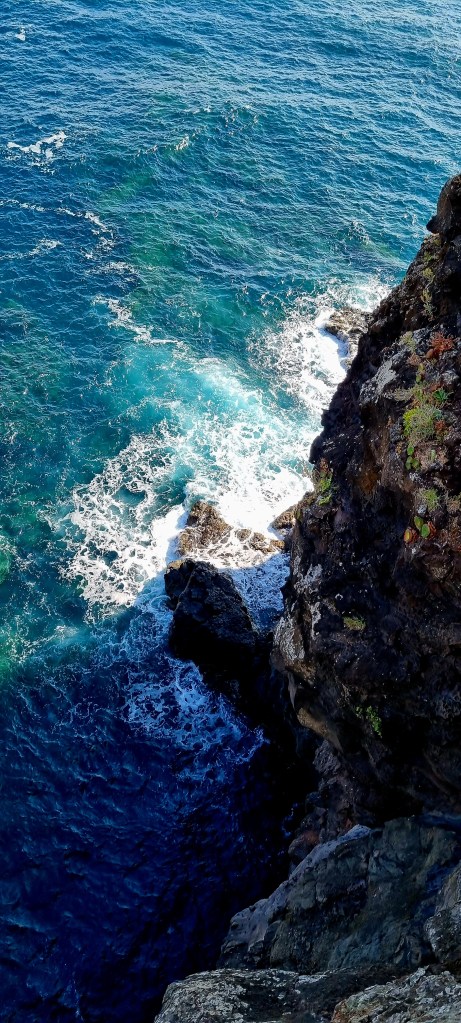
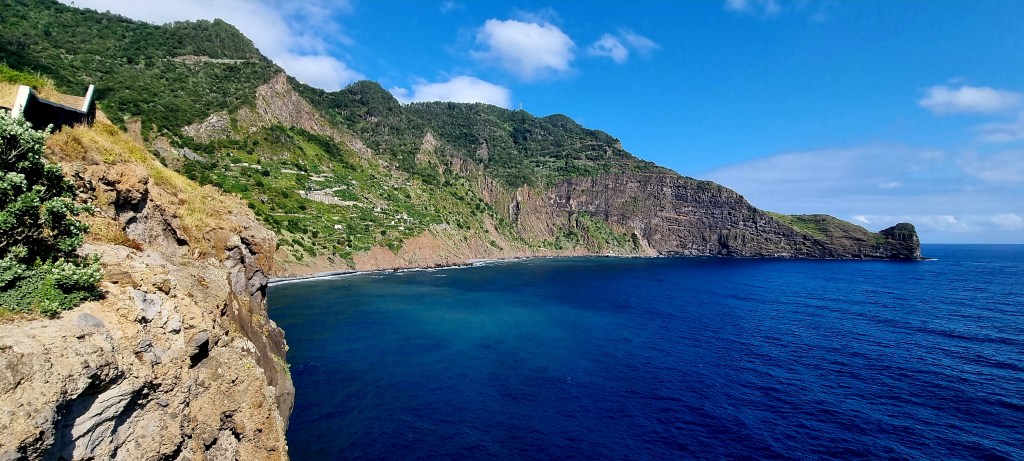
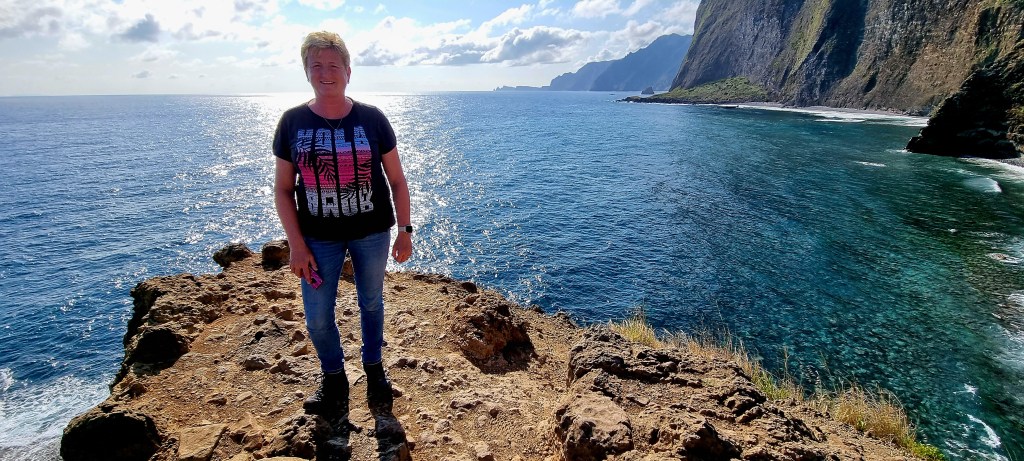
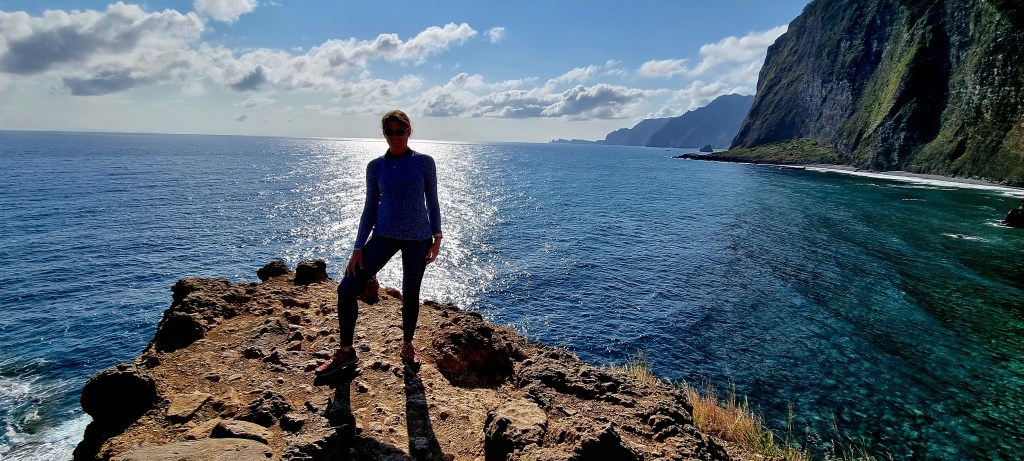
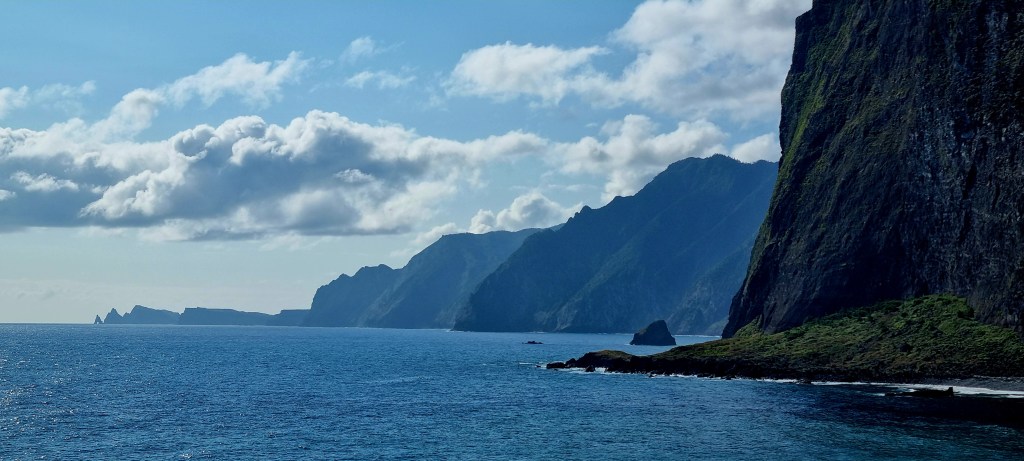
Faial is a small village named after a local beech tree – Myrica faya.
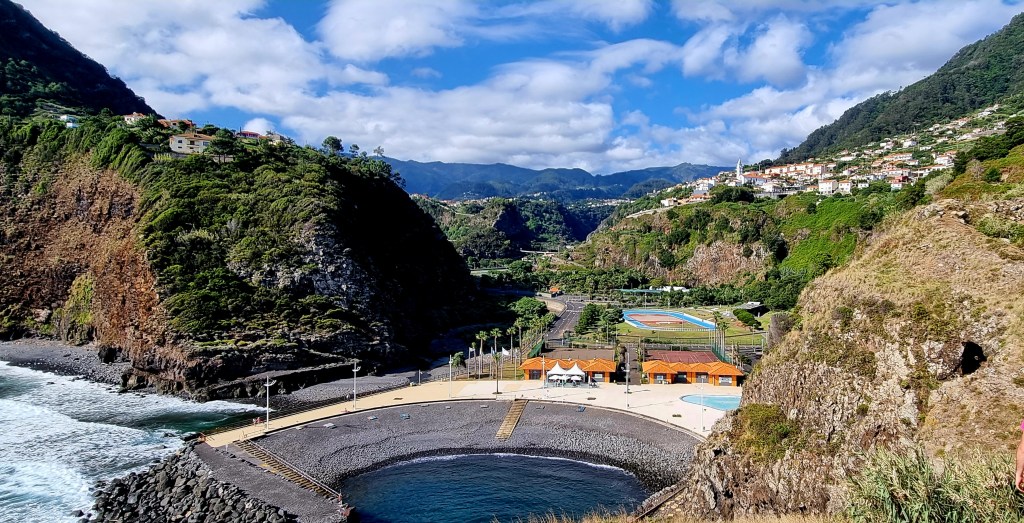
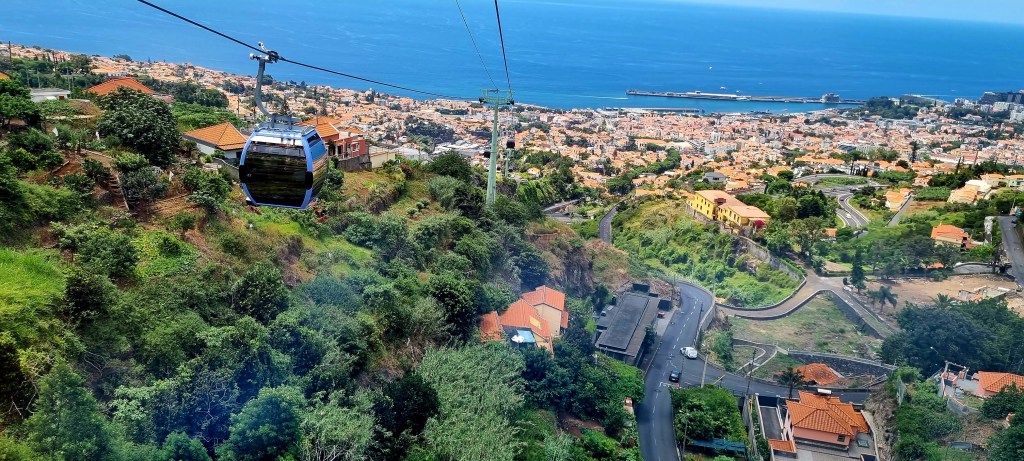
When we got back to the hotel, we had some breakfast before heading down into Funchal. Here, we took the cable car up to Monte. The cable car station is a futuristic looking building made of glass and steel.
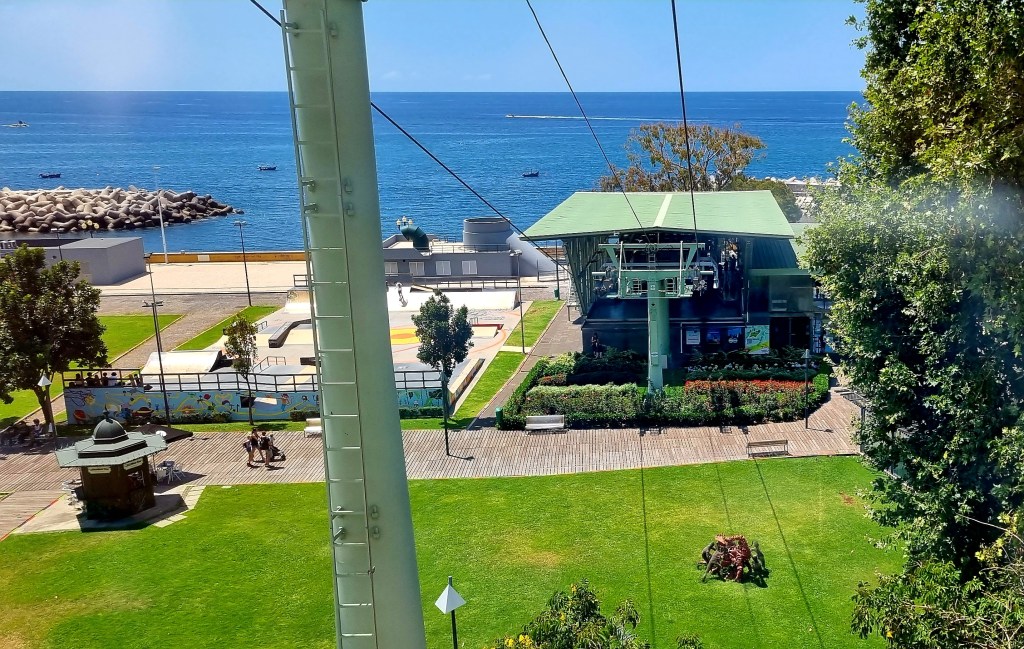
The cable car route replaces the old Monte Railway line. It opened in November 2000 and is 3,718m long and travels over 560min height.
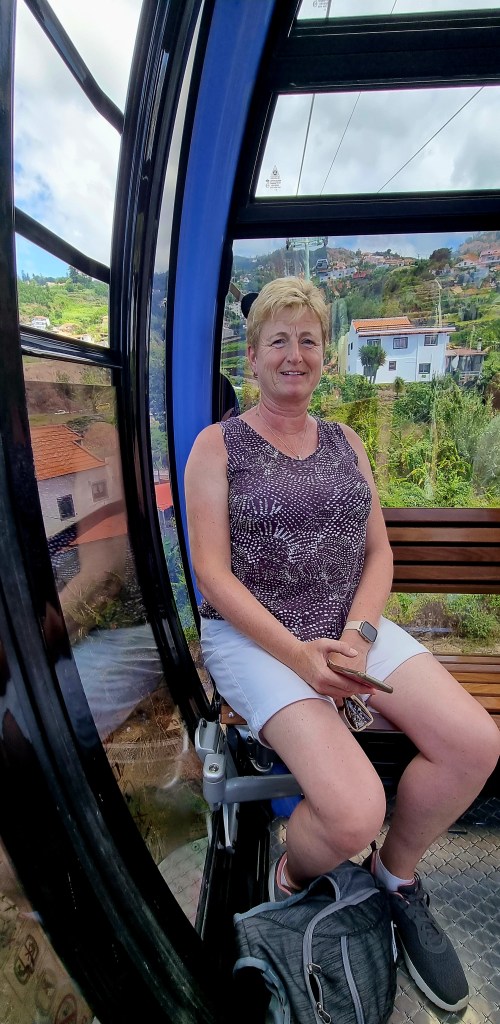

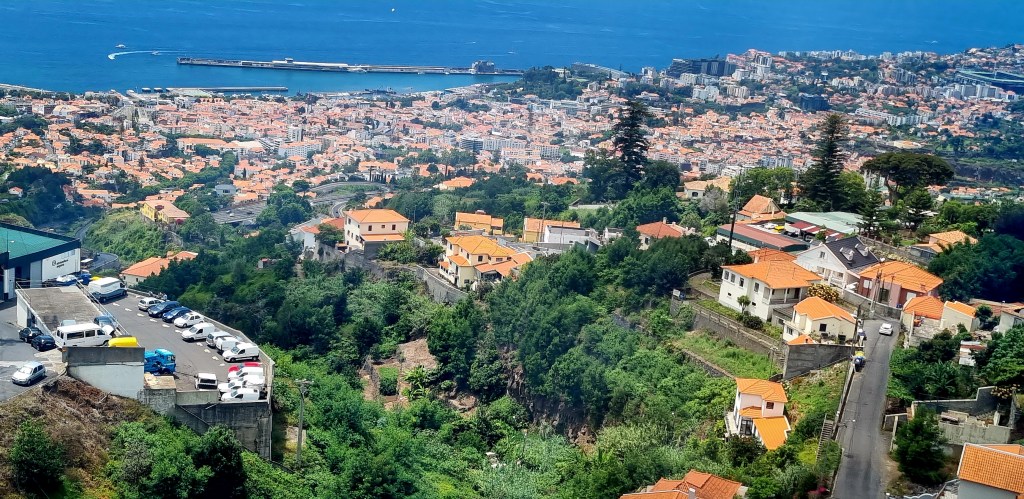
The cable car travels high over the Joáo Gómez valley.
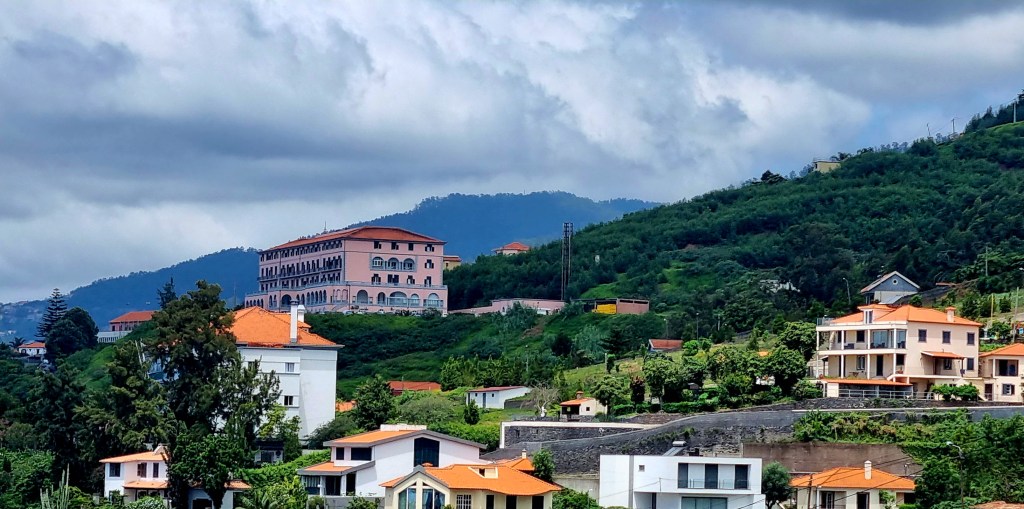
The pink building in the photo below used to be a sanatorium, housing patients with TB.
At the top, we were in Monte, which literally translates as Mount. Monte was developed in the late 18th century as a genteel and healthy retreat from the smells and noise of the busy capital.
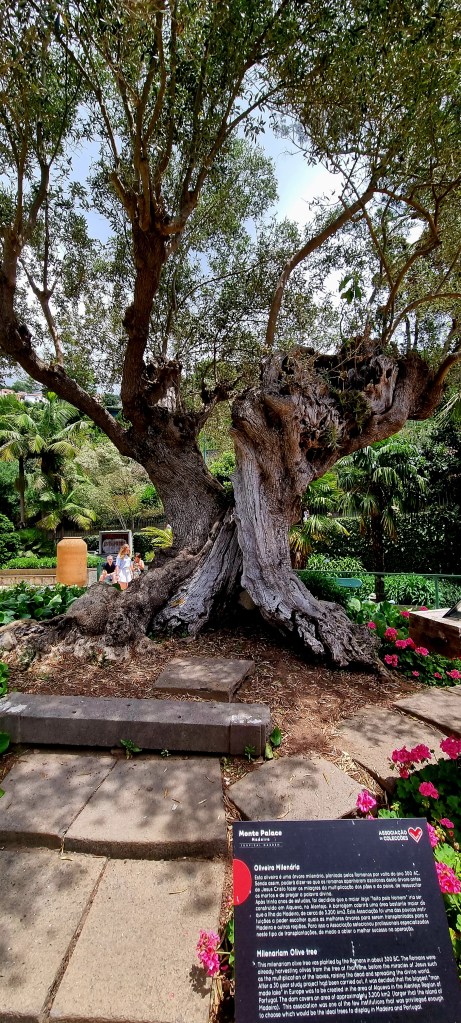
We decided to take a walk in the peaceful Monte Palace Tropical Gardens. This garden covers 70,000m². One of the first trees we came across was an old olive tree that was planted by the Romans in 300 BC.
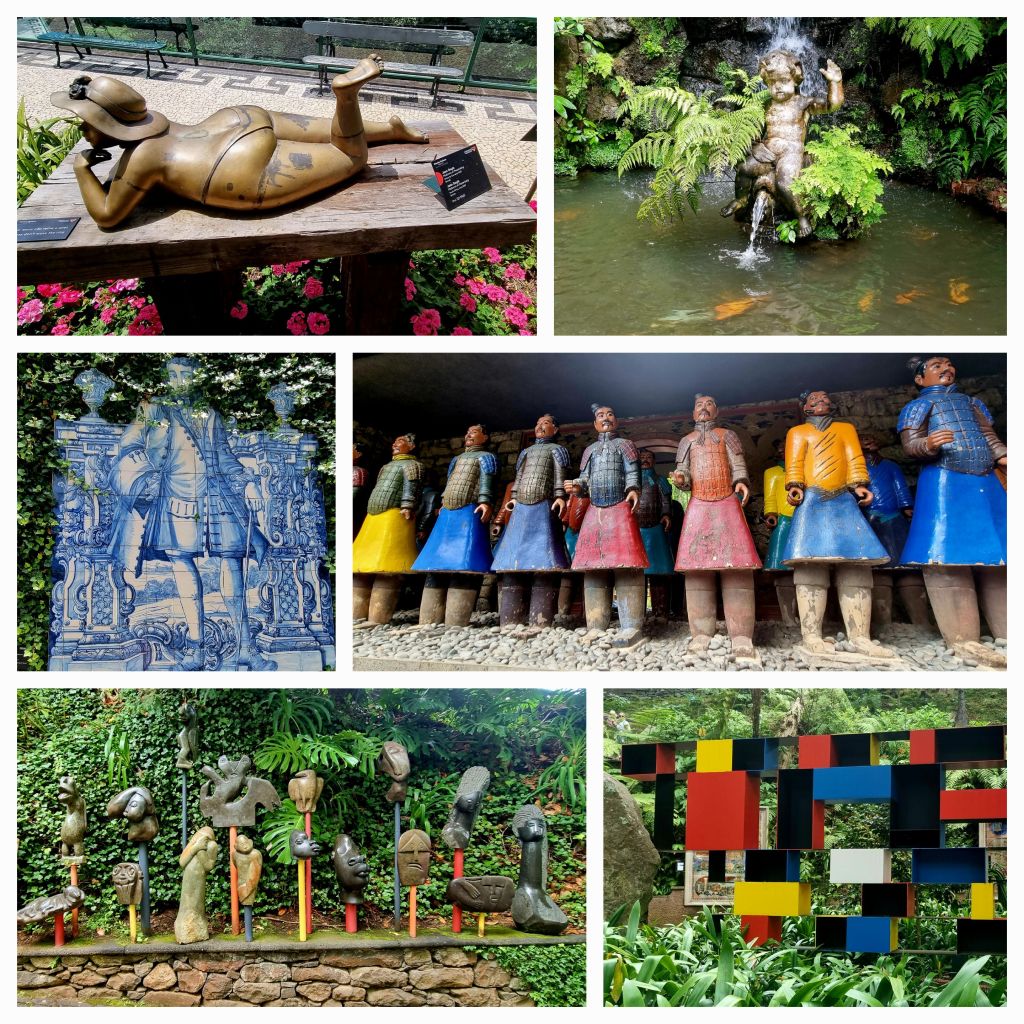
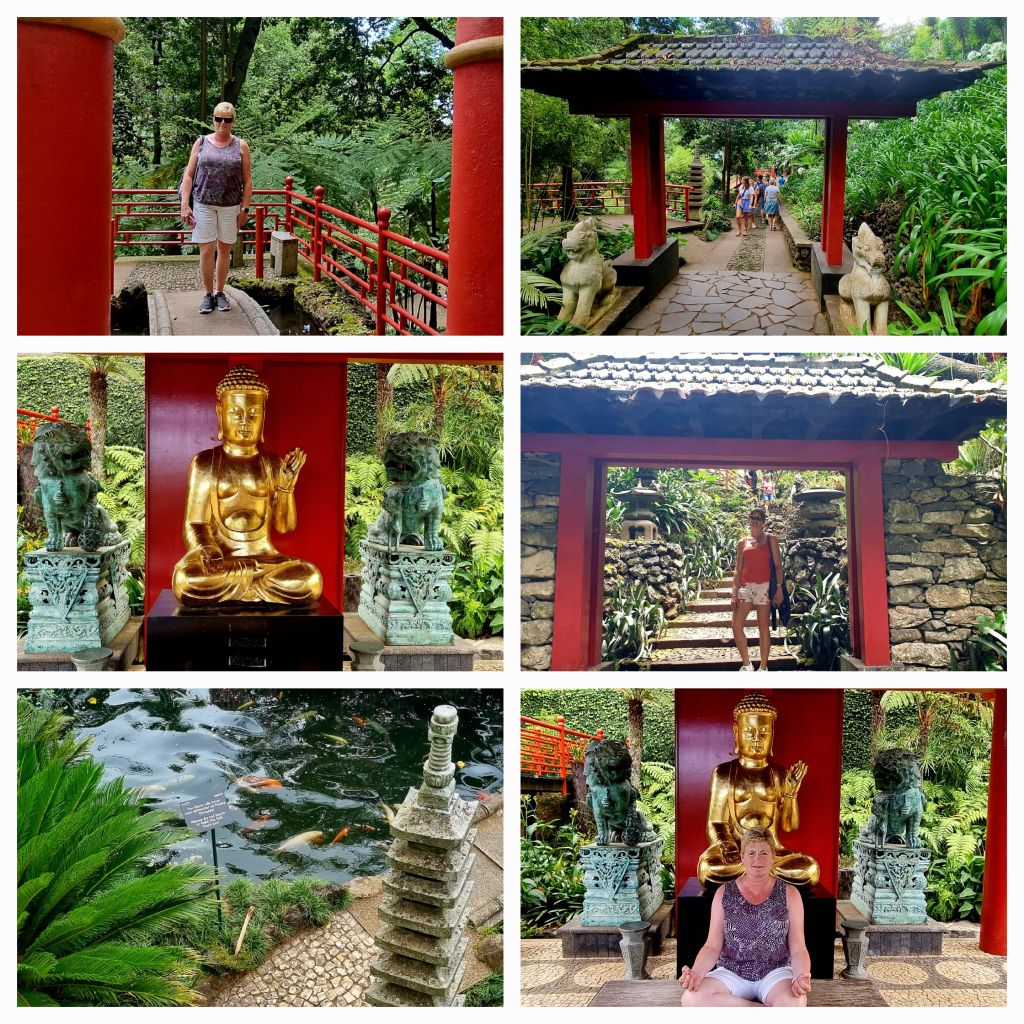
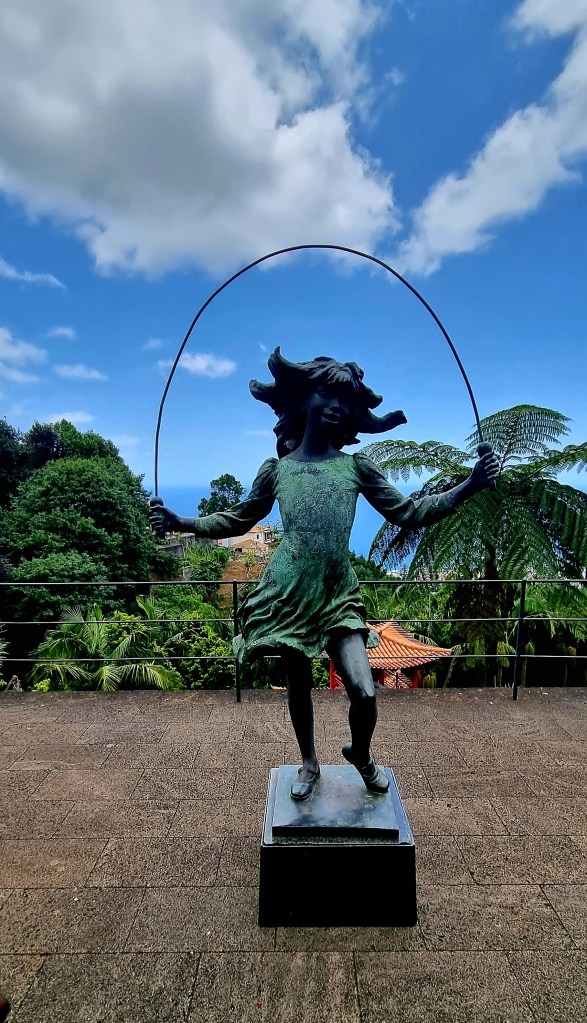
Throughout the park, there are lots of different areas and different sculptures. It also houses one of the most important tile collections in Portugal.
We stopped at the Verona balcony, looking for Romeo!
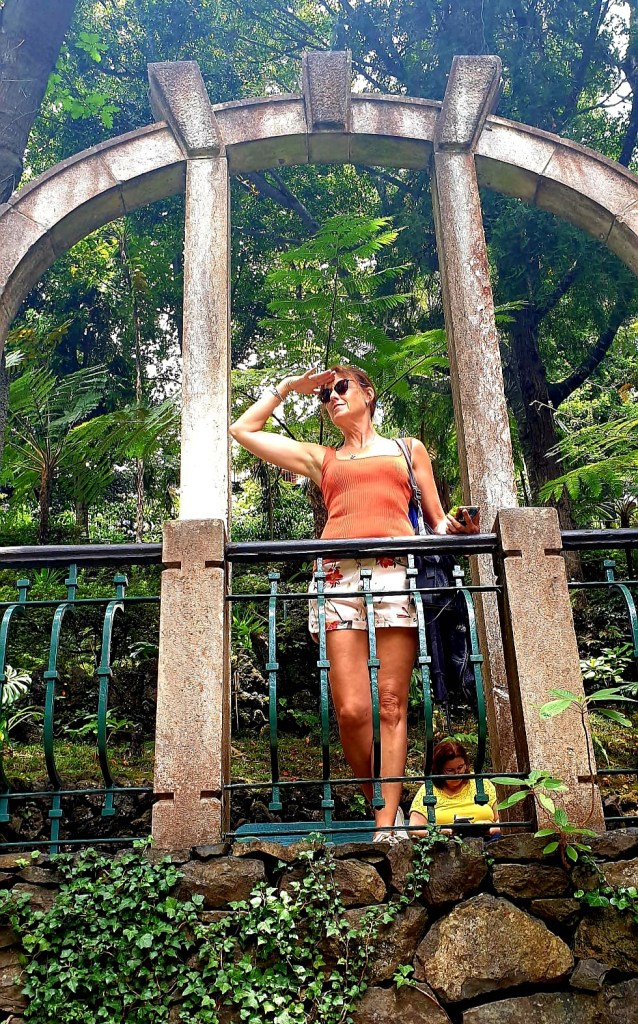
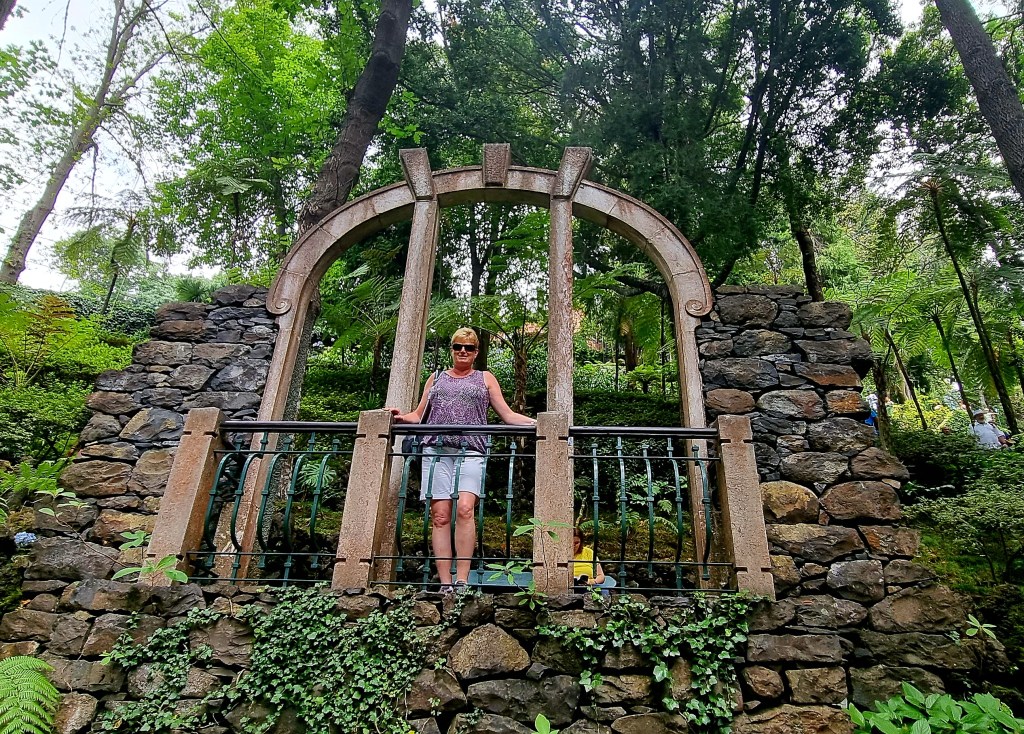
There are also quite a lot of Japanese influences throughout the garden.
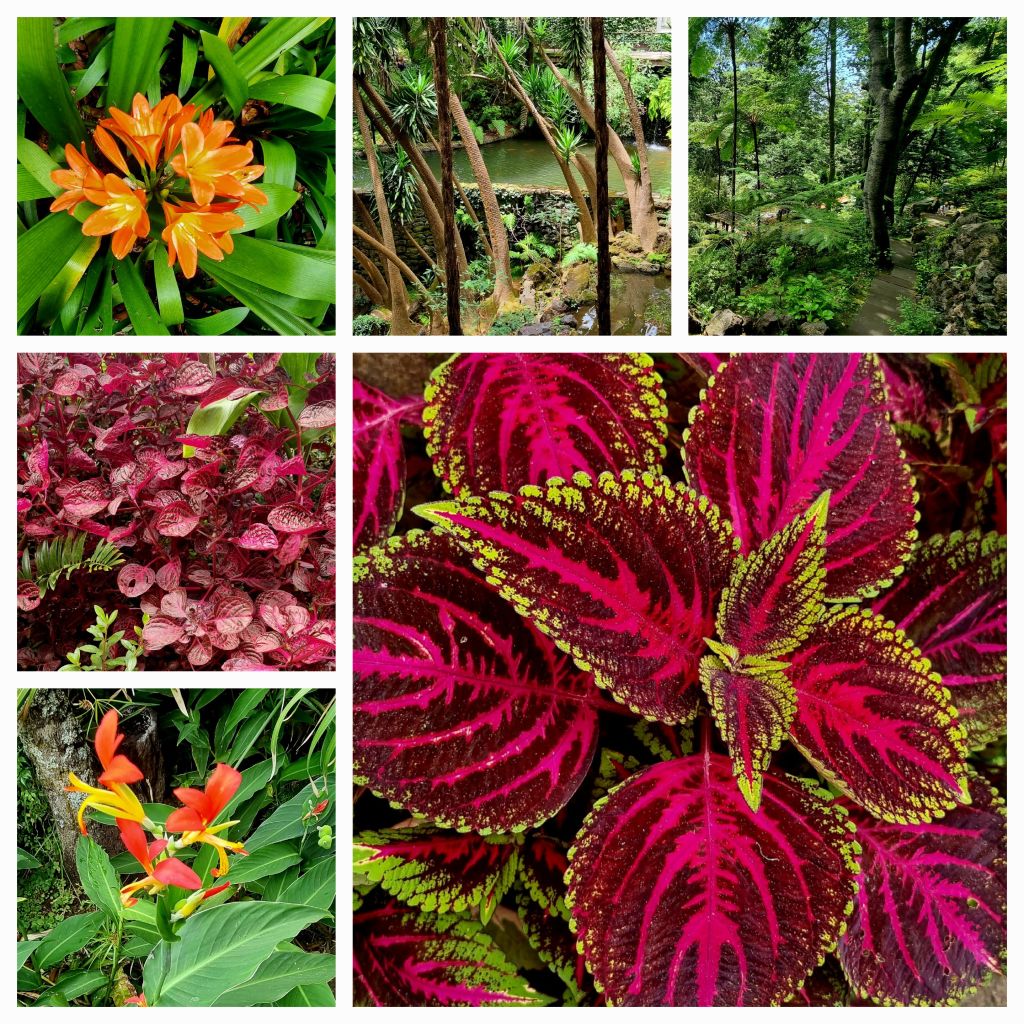
The garden contains over 100,000 plant species from around the world.
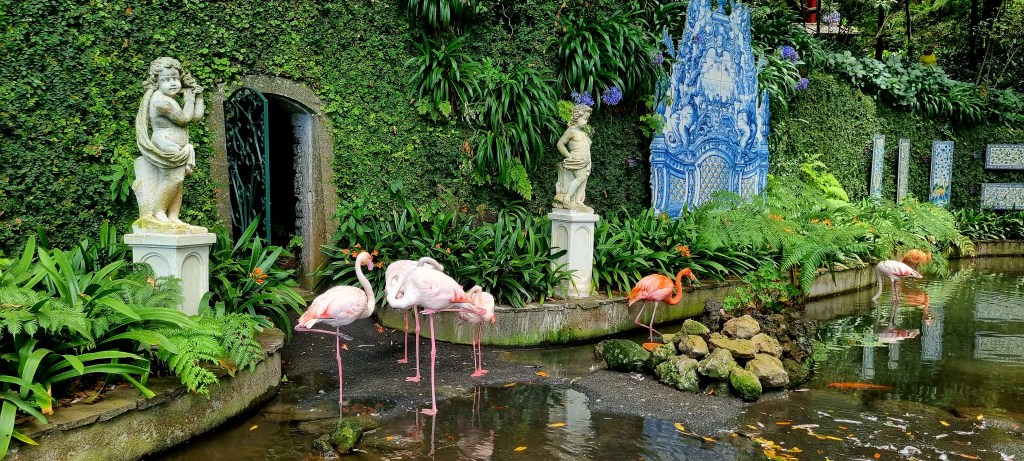
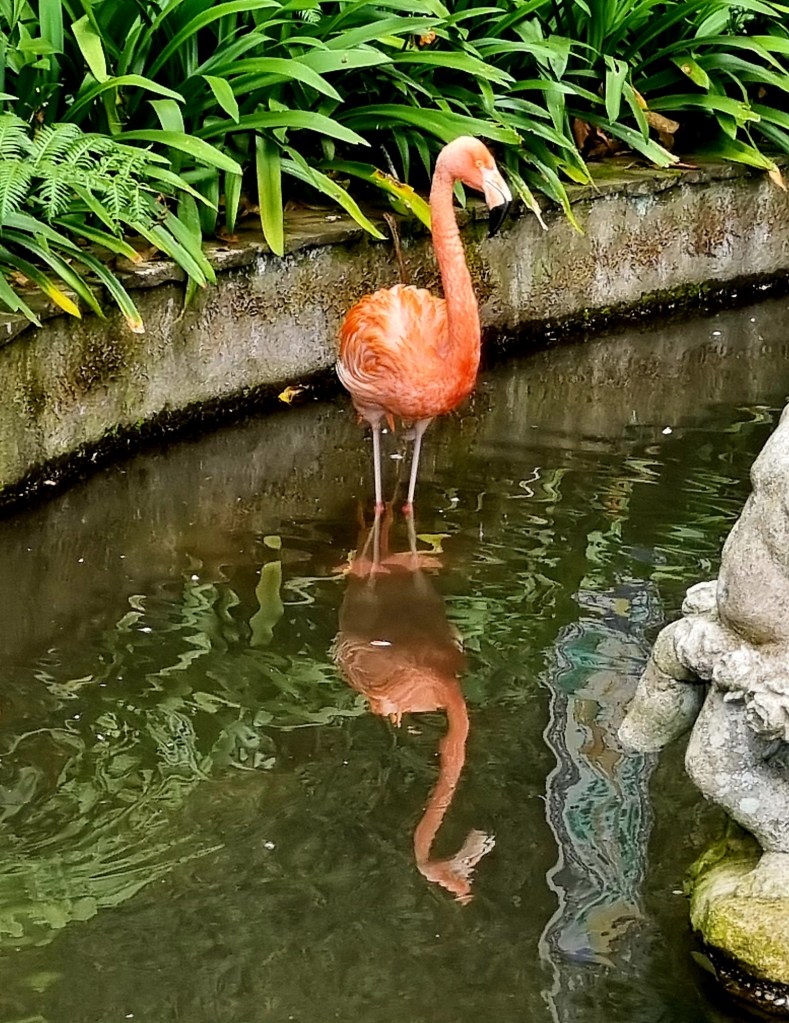
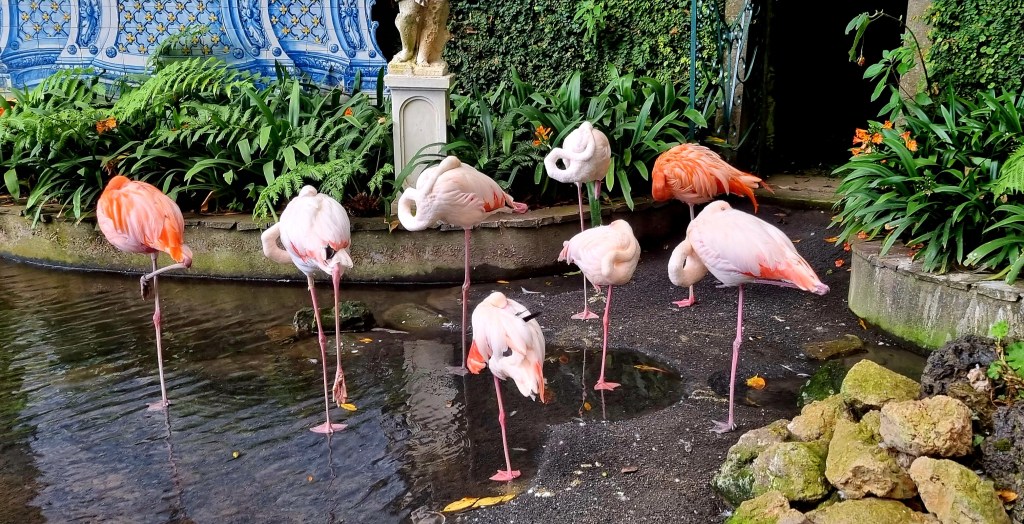
The garden also has some resident flamingos and swans.
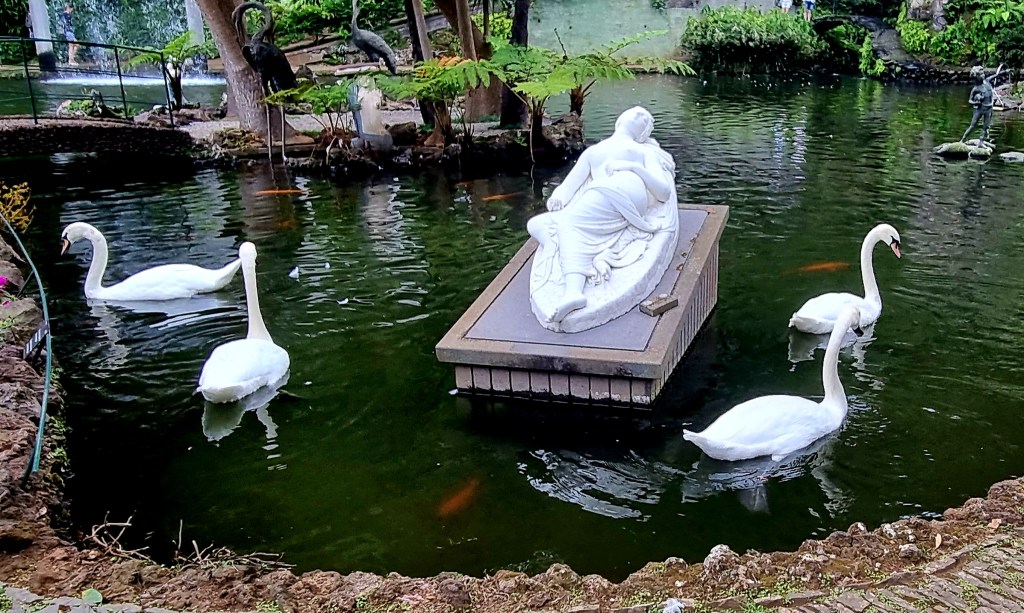
The large lake in the middle of the garden is beautiful.
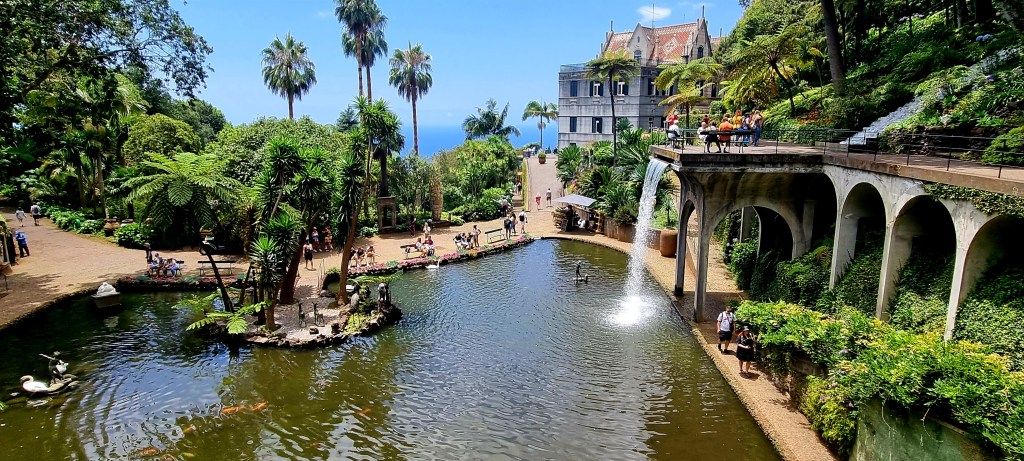
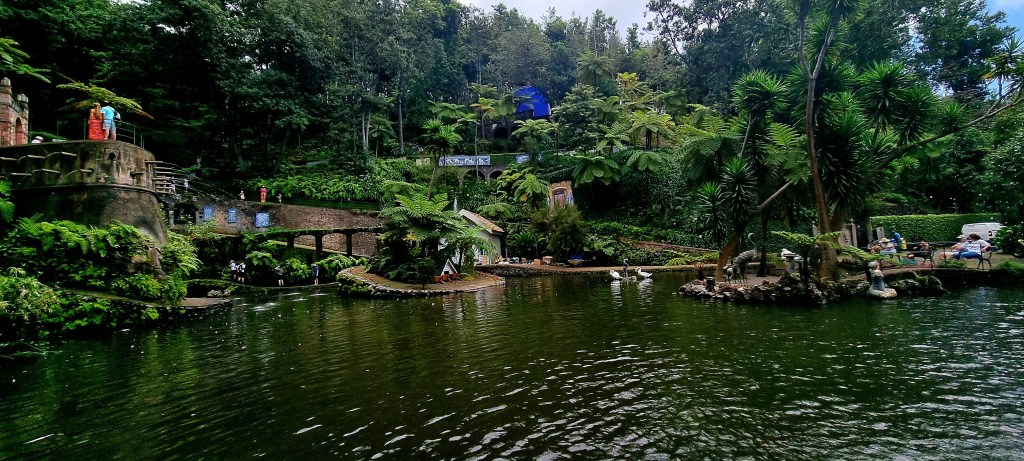
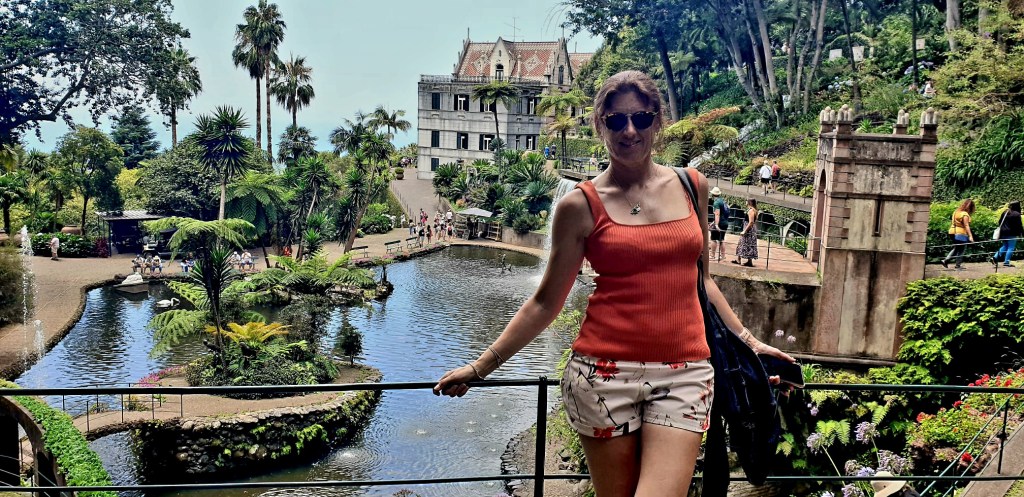

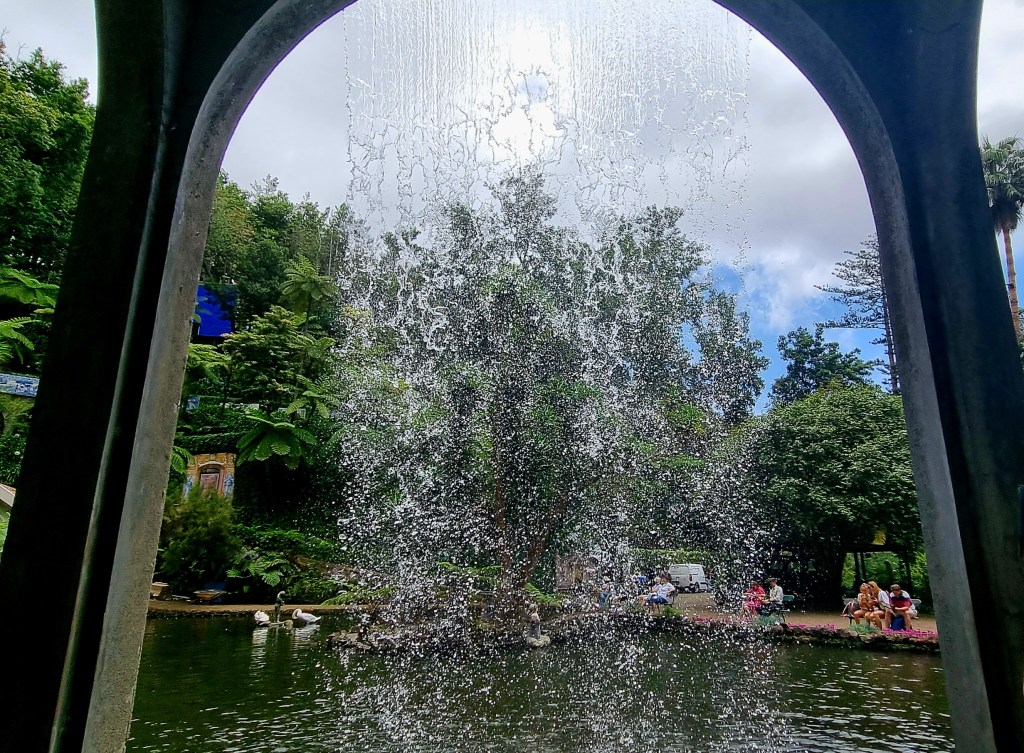
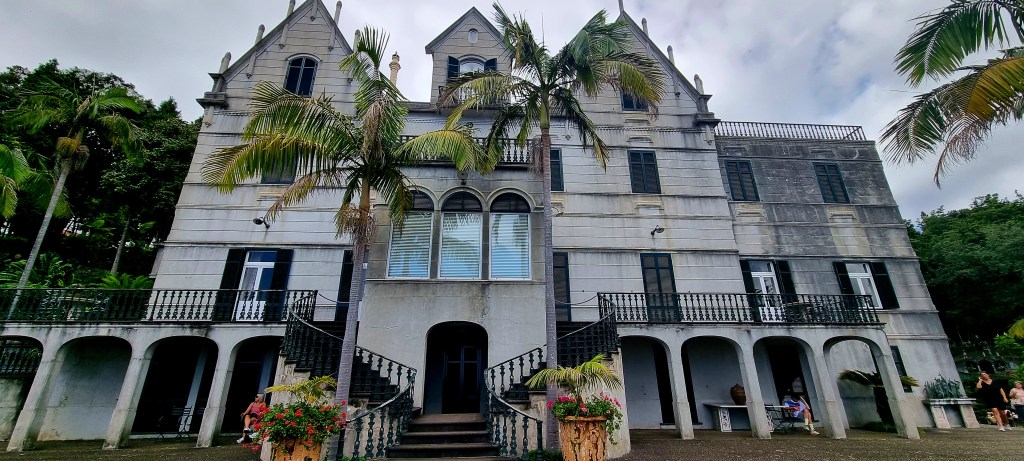
Monte Palace Gardens dates back to the ownership of an English Consul in the 18th century. Around 100 years later, the estate was bought, and a mansion built, which was later transformed into Monte Palace Hotel. In the 1980s, entrepeneur José Bernardo bought the property to realise his dreams of building a large public botanical garden.
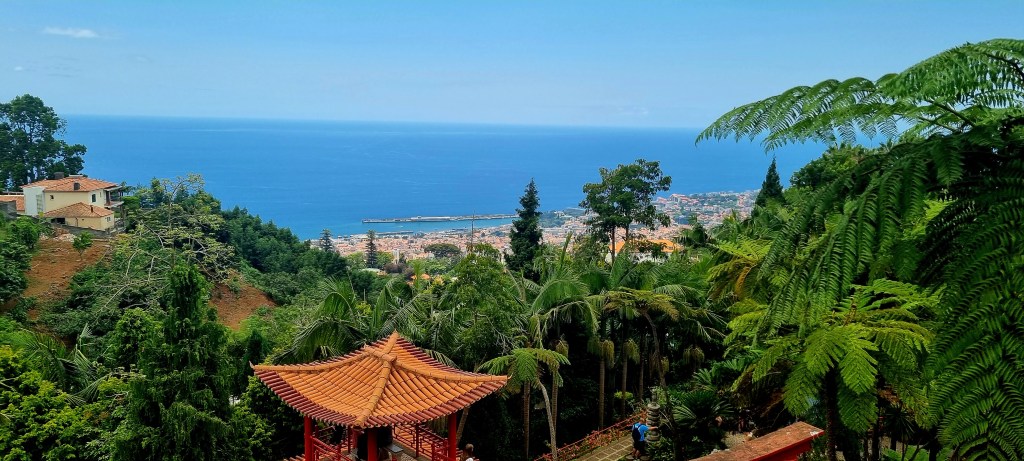
We stopped in the Blue Cafe to have a Madeira wine that was included in the entry price before leaving the garden.
Our next stop was the church, Nossa Senhora do Monte. This church was inaugurated in 1818 and replaced a 15th century Chapel built by Adam Ferreira, the first person to be born on Madeira along with his twin sister Eve. It was rebuilt after the Earthquake in December 1818.
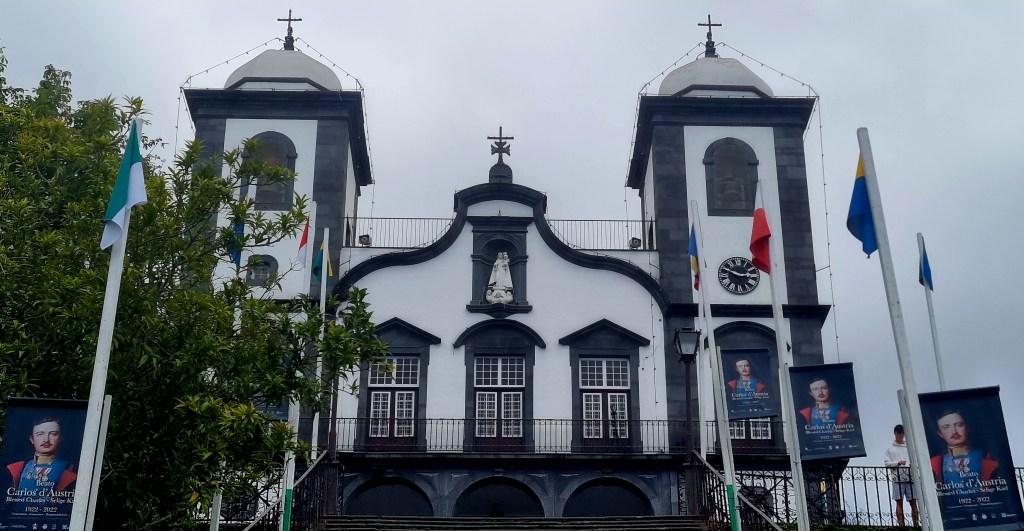
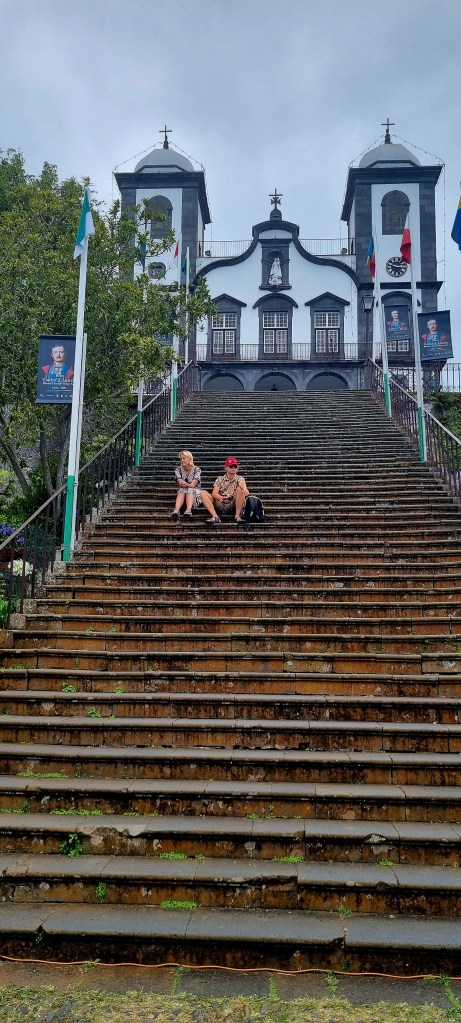
On the Feast of the Assumption, pilgrims climb up the church steps on their knees to pay homage to the statue of the Virgin Mary.
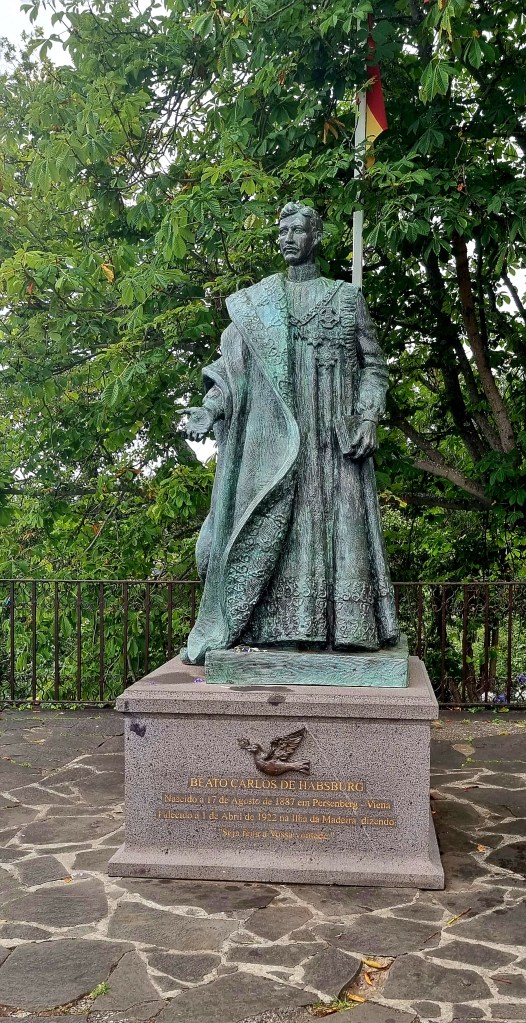
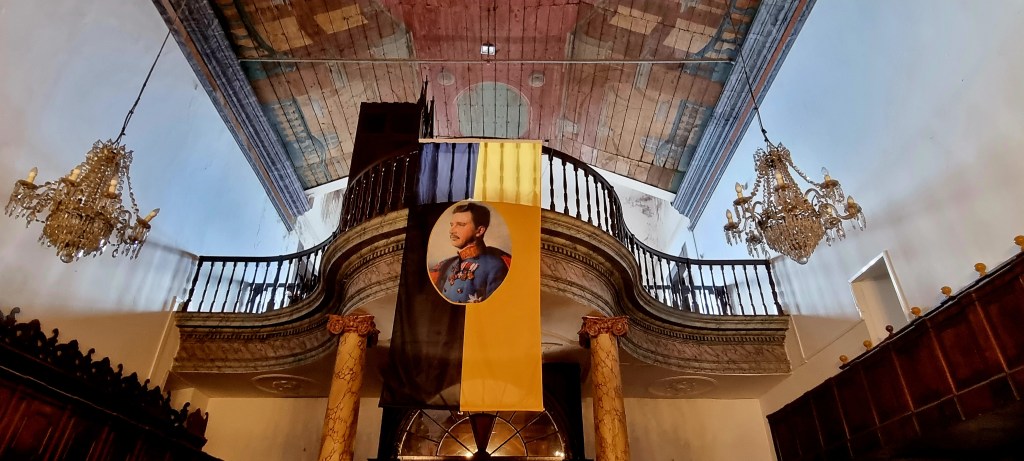
The church houses the tomb of Emperor Charles I of Austria, and there is a statue of him outside the church. Charles I was Emperor of Ausyria and King of Hungary, but when the empire was dissolved in 1918, he was forced into exile. He came to Madeira with his wife in 1921. He lived in a mansion in Monte until his death from pneumonia in 1922.
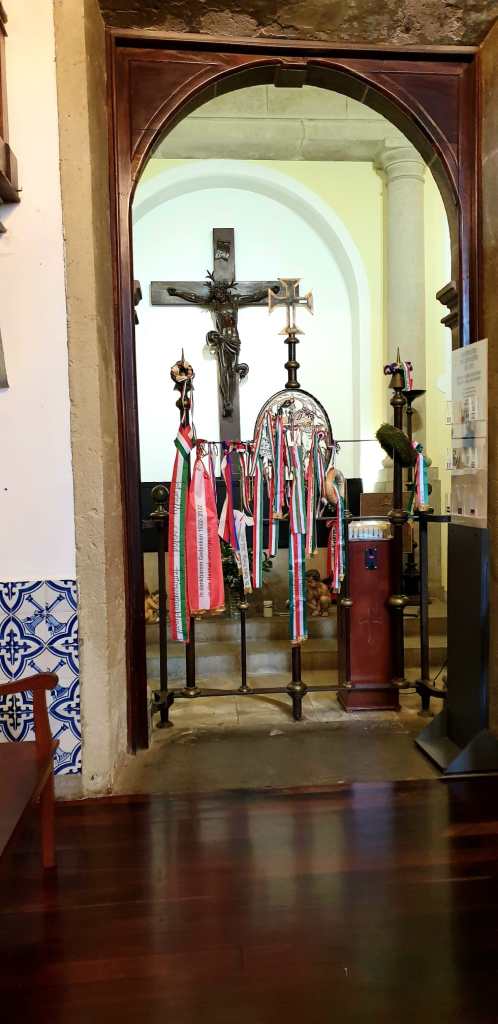
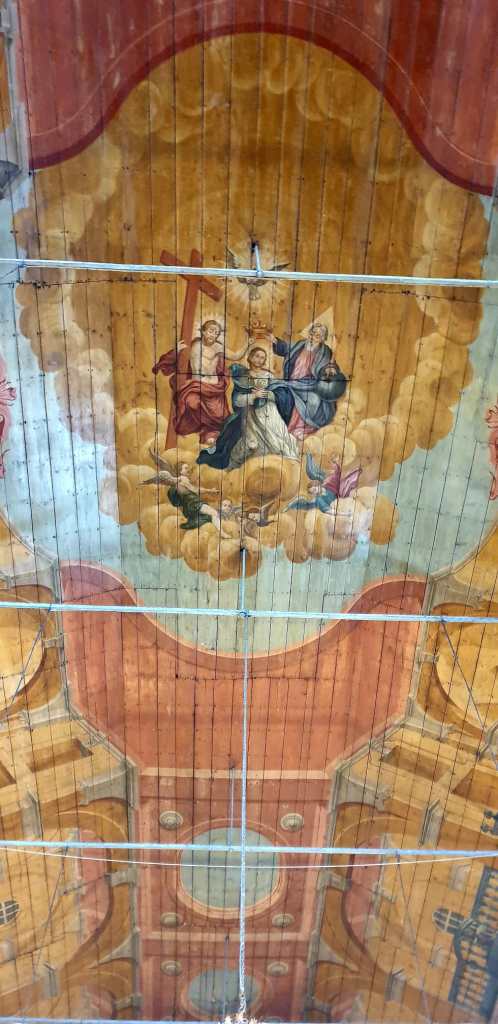
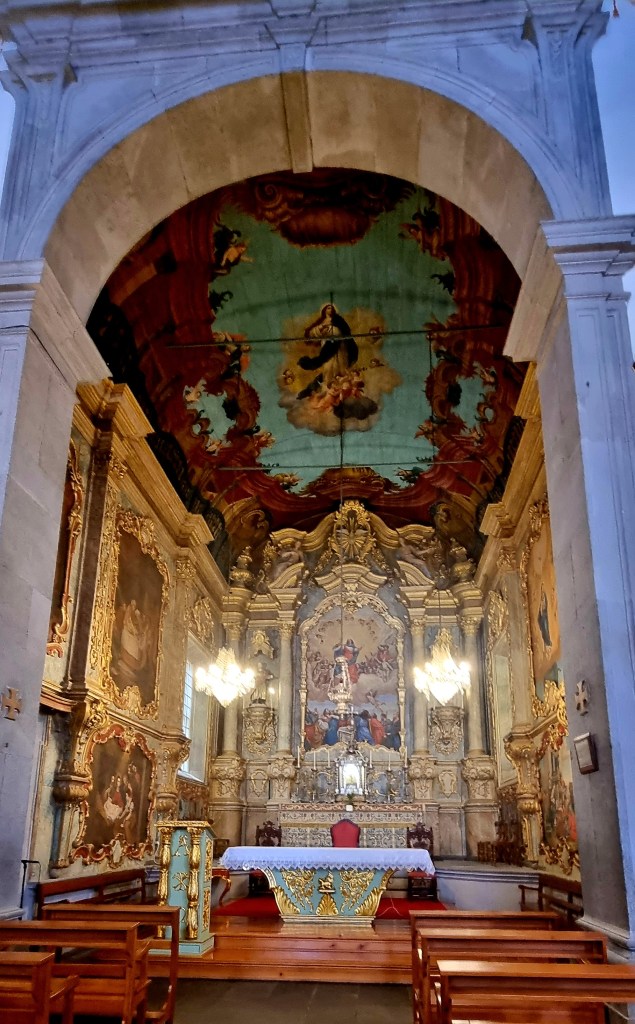
The church is beautiful on the inside. The ceiling is decorated with paintings, the main one showing the coronation of the Virgin Mary. The main image on the alter area is also of the Virgin Mary.
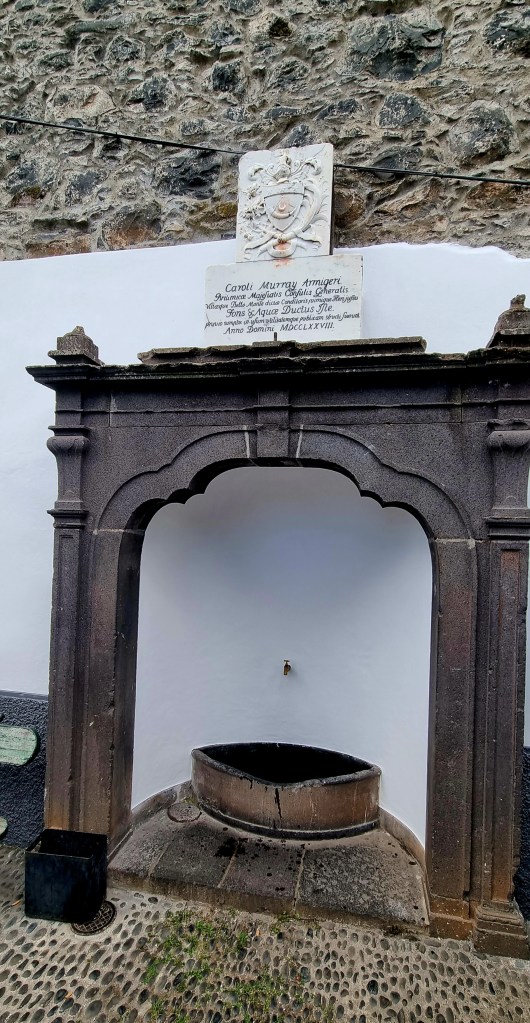
From the church, we walked back down to where the Toboggan rides began. Here, there is a drinking fountain built in 1777 by the former English consul of Funchal.
There was quite a long queue for the Toboggan ride, but it’s a ‘must do’ experience. As we were waiting, we tried to take some action shots of other people in the toboggans.
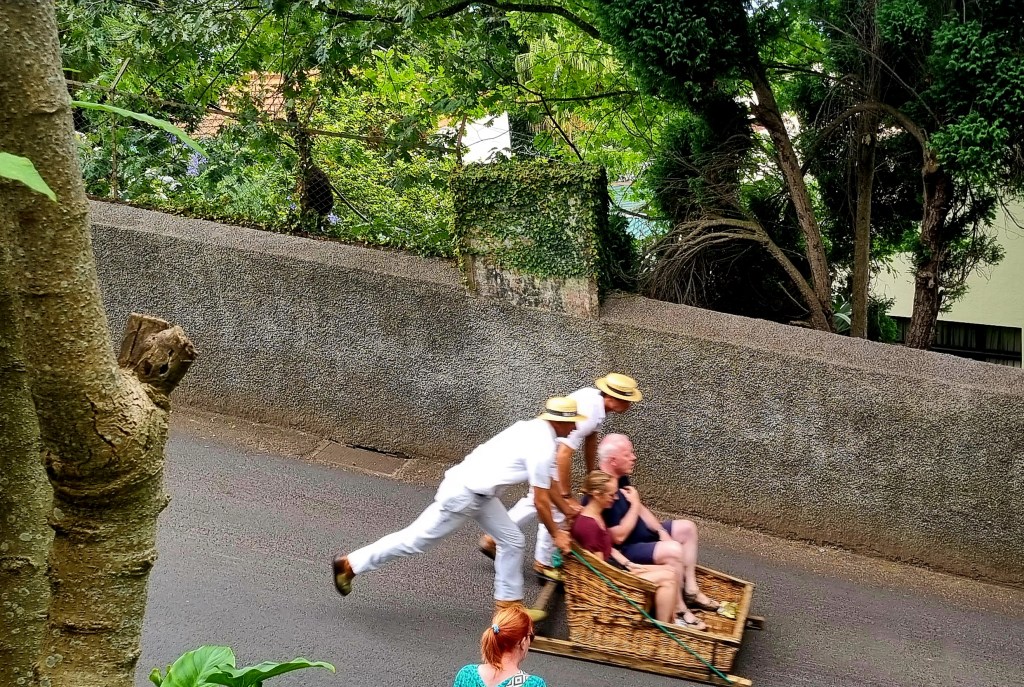
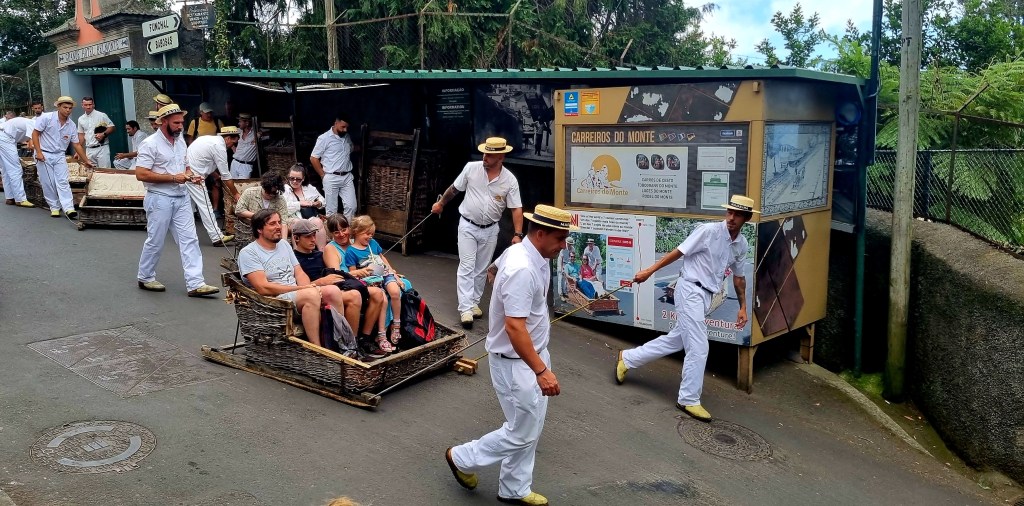
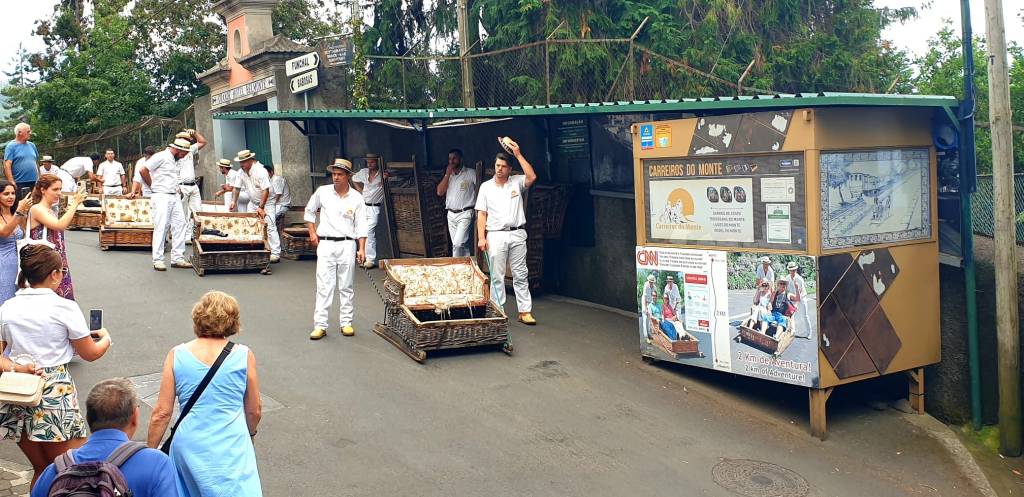
The toboggan ride is in traditional wicker basket sledges which date back to early 19th century where they were used as a means of transport by the local residents who wanted to travel quickly from the village of Monte to the city of Funchal. The distance is around 2km, and the toboggans are steered by carreiros.
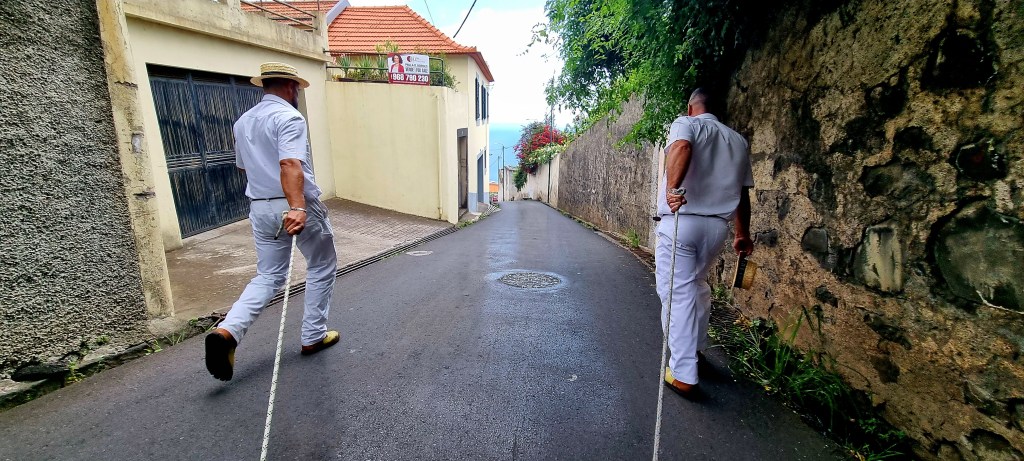
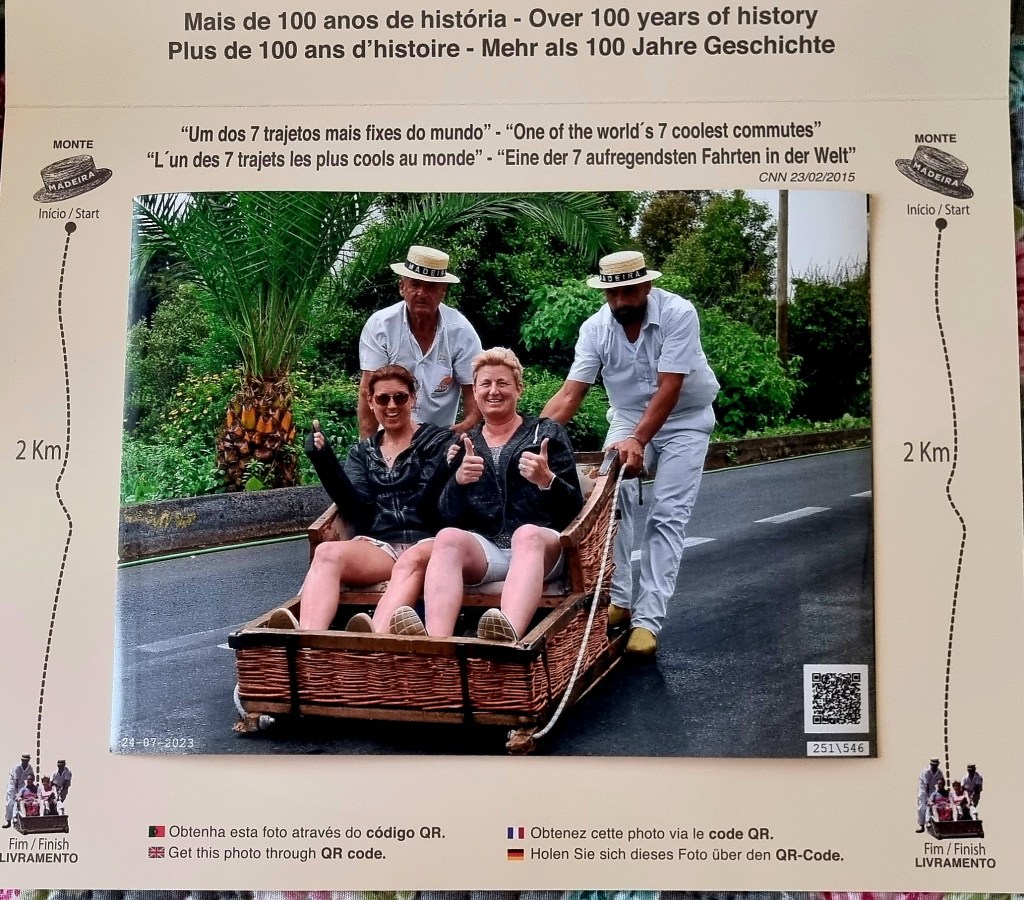
The toboggan ride ended just at the top of the road where our hotel was, so it was a very short walk home.
Back at the hotel, we freshened up and finished our bottle of Madeira wine before heading back into Funchal.
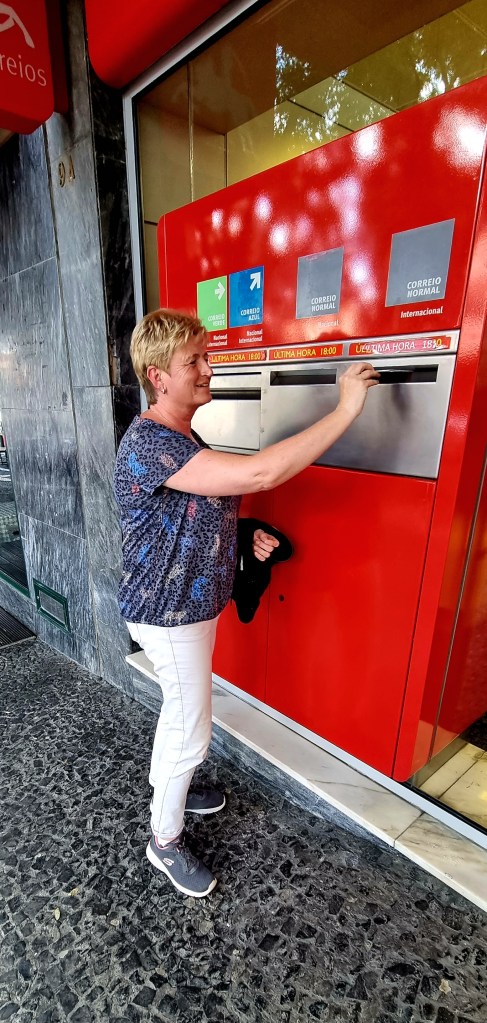
Nicola posted the cards she’d written before we walked through Zona Velha to find somewhere to eat. We decided on Estrala do Mar.
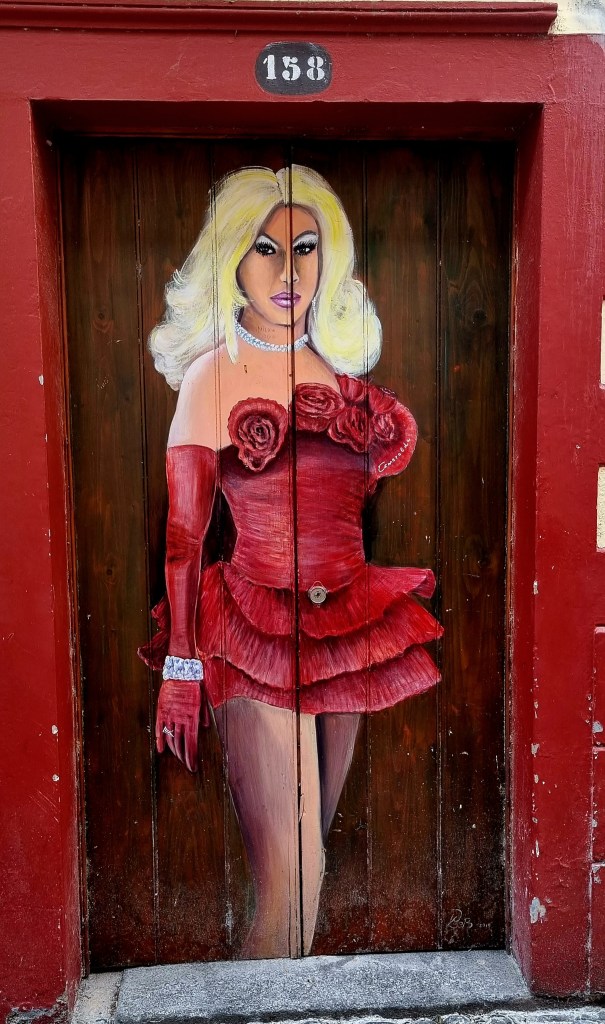
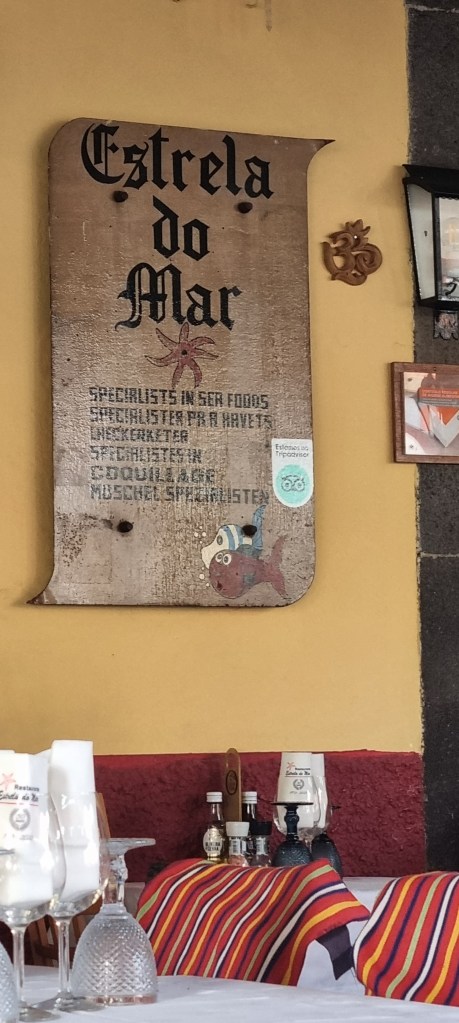
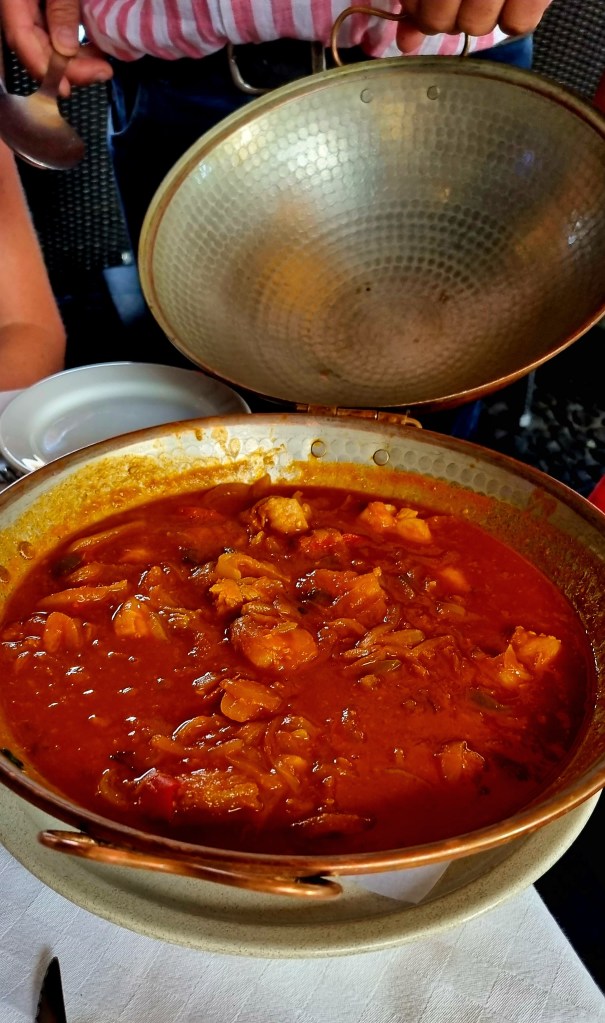
After a starter of Poncha and shared Bodo, we ordered a prawn and monkfish cataplana. It was delicious. Cataplana is a typical dish from the Algarve and is a bit like a stew.
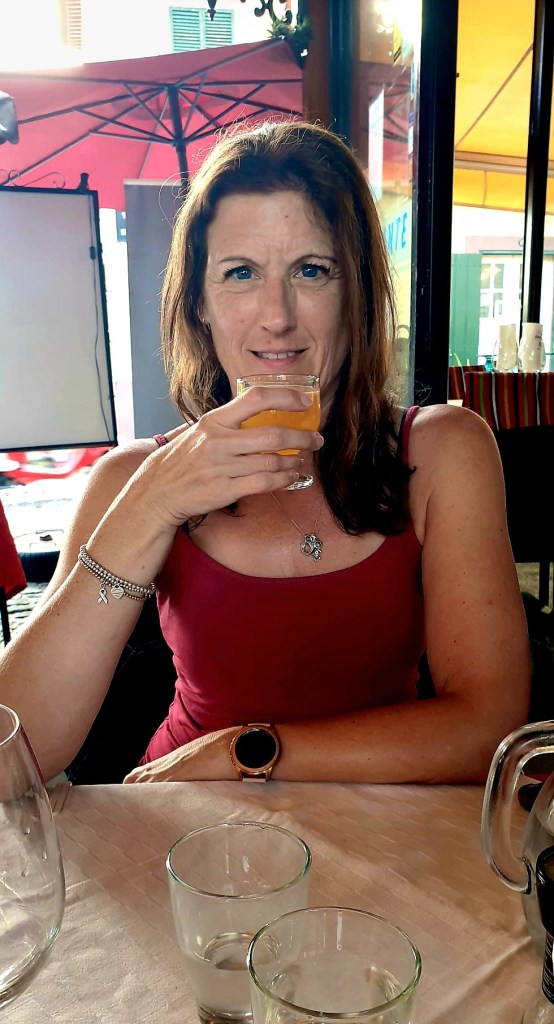
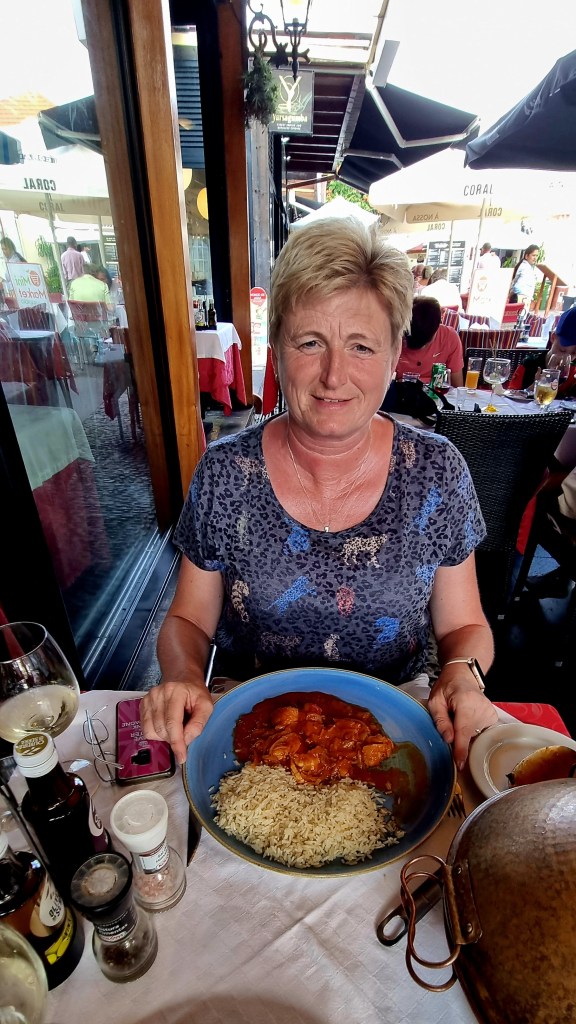
We didn’t stay out too late and treated ourselves to a taxi home.
 Fun, Fitness and Fabulousness in your Fifties