Today, we started off by visiting Christ the Reedemer. This was the first of this type of statute to be erected in the world. It is smaller than the one in Rio. The statue was built in 1927, four years before the one in Brazil. It is built on this point to commemorate the area, as this is the place where non catholic Christians were thrown from the cliffs as only Catholics were allowed to be buried on the island until 1770. It is 15m tall (including the pedestal).
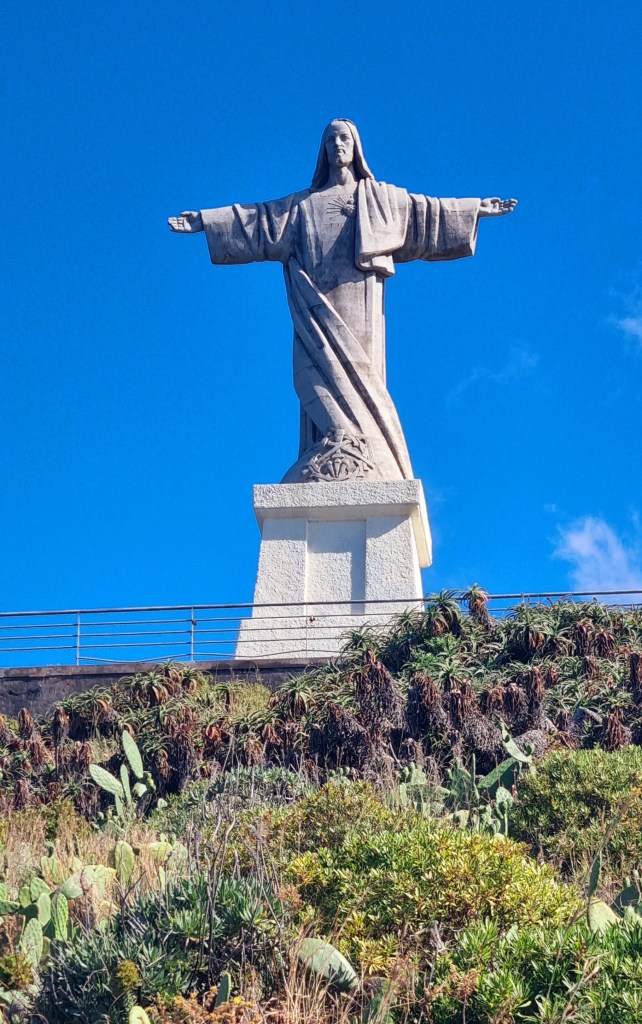
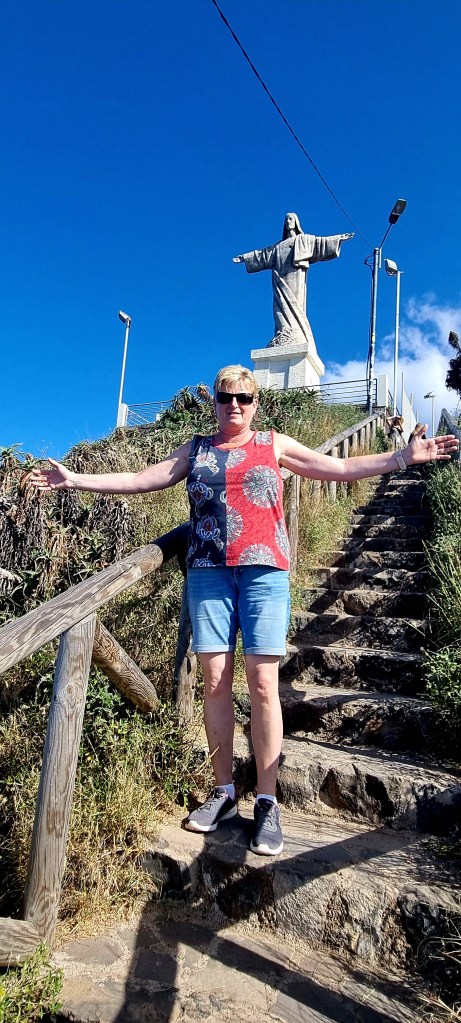
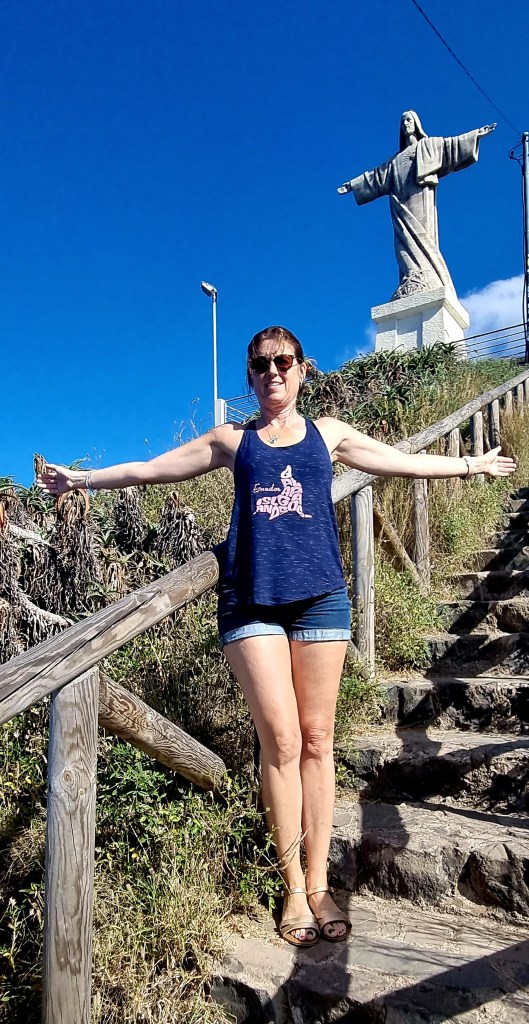
The views from here were impressive, too.
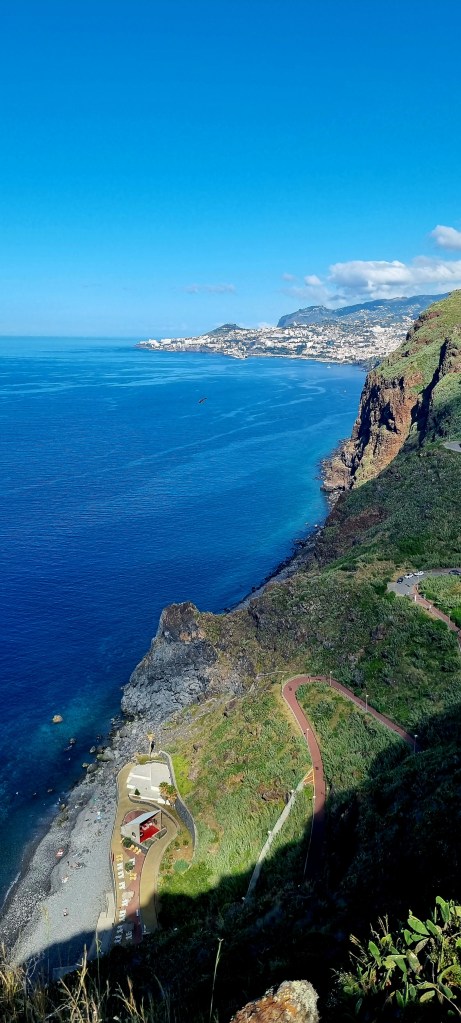
At the bottom of the cliff where the statue was is Garajua beach. This beach marks the start of the marine reserve, which extends for around 6 miles. The name Garajua comes from the Portuguese name for the terns, which still fly around in this area. We decided to take the cable car down to the beach.
Legislation was passed in 1986 to create the marine reserve and to stop desertification of the seabed and to enable repopulation in terms of marine fauna. It is the only exclusive marine reserve in Portugal.

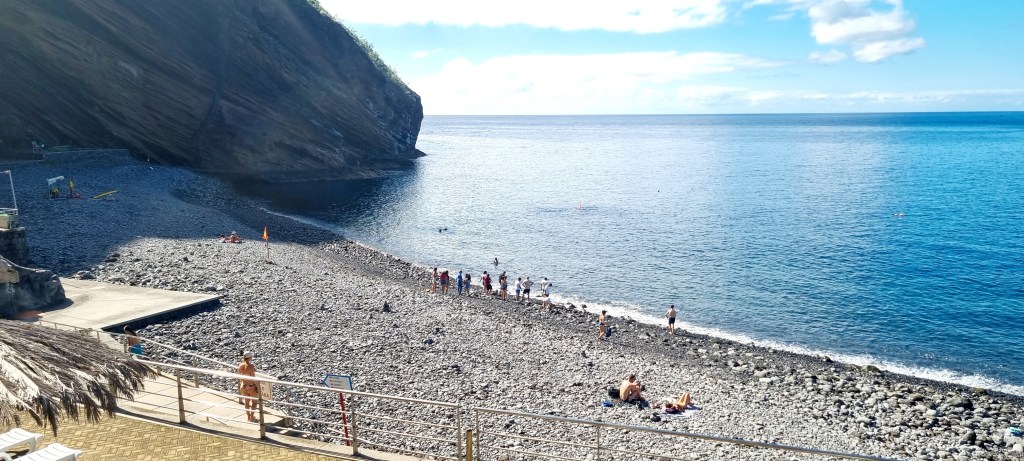
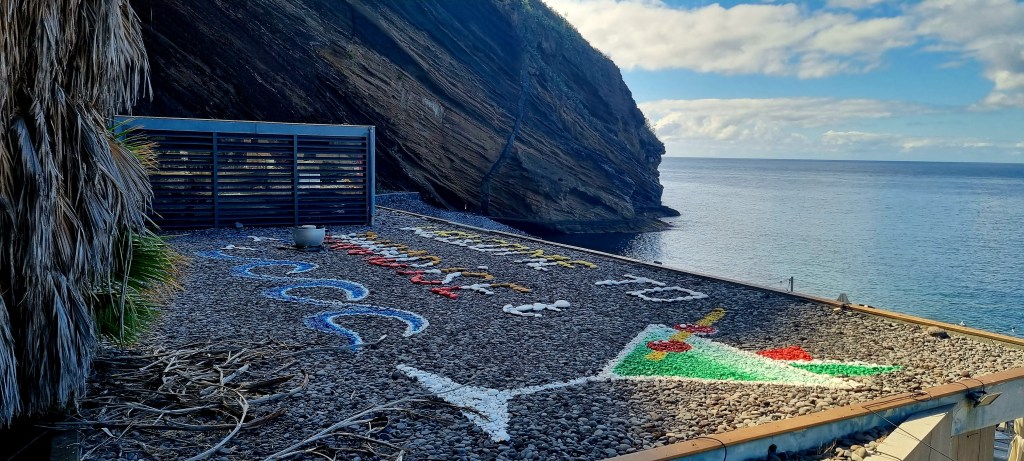
The water was a little bit chilly, but there was lots of marine life, so we did quite a bit of snorkelling.
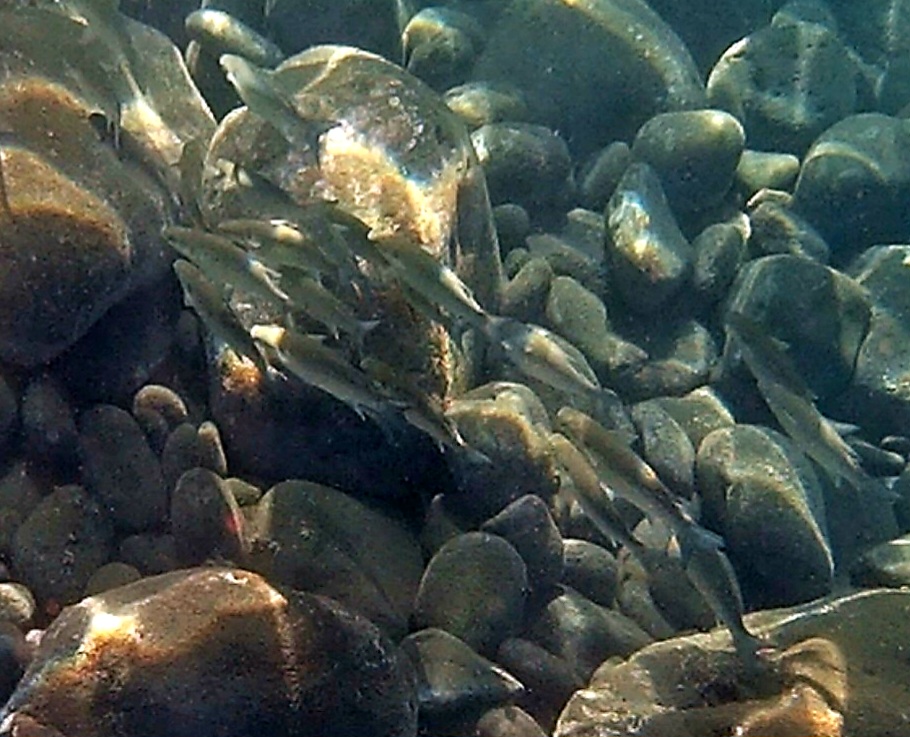
The main fish we saw in the water was the Grouper. These are naturally curious fish, and they swim quite close to you.
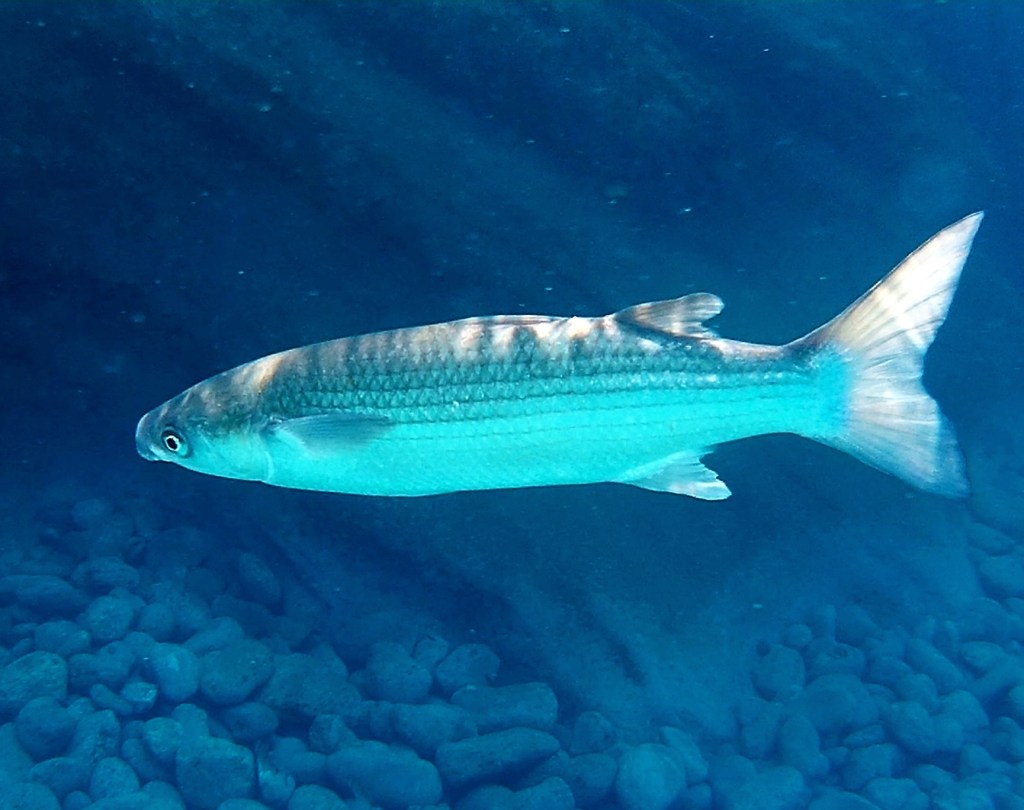
Luckily, Nicola bought her underwater camera with her as my GoPro has stopped working.
We saw lots of different fish, including colourful parrot fish, Atlantic blue tang and many others.

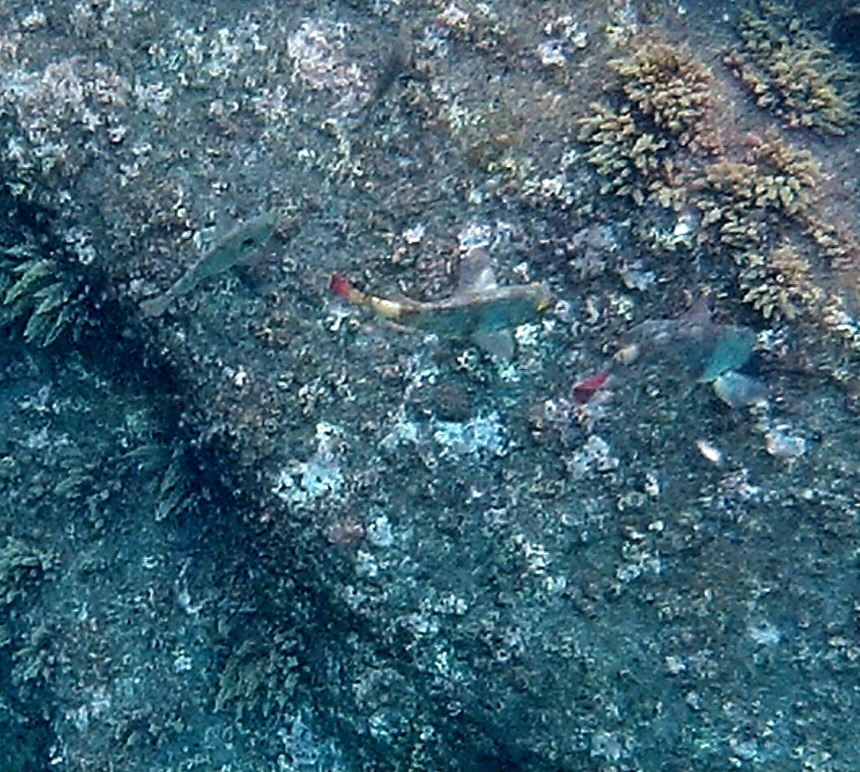
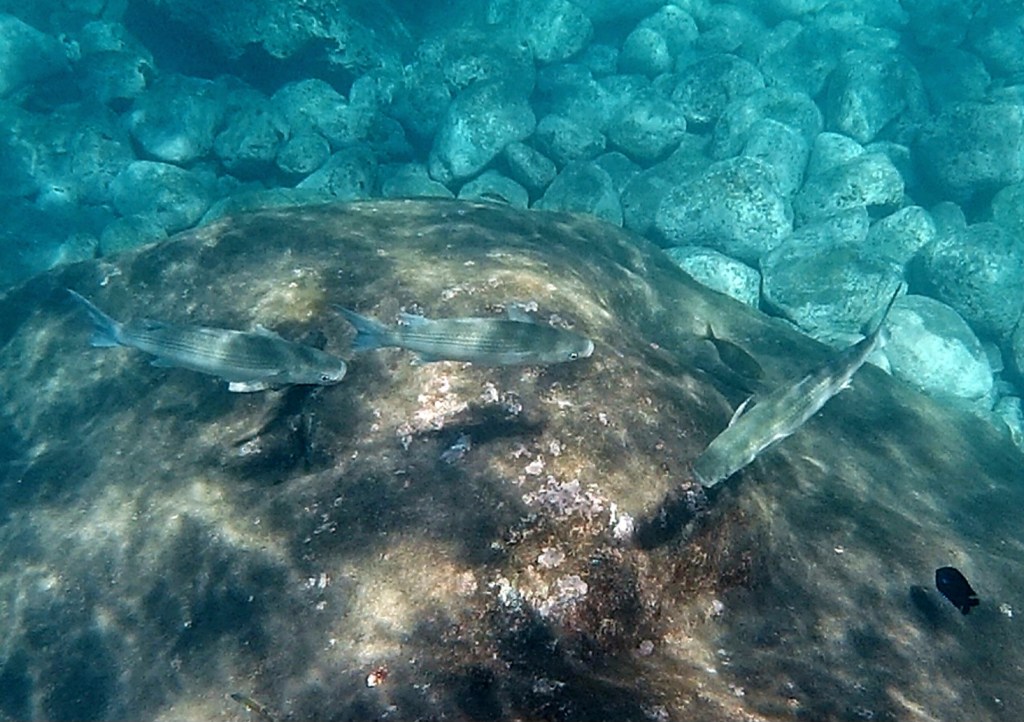
We could only stay in the car park for 3 hours, so after a couple of swims we took the cable car back up to our car.
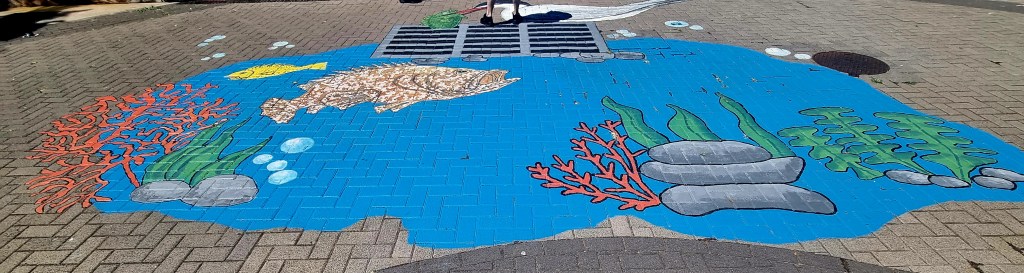
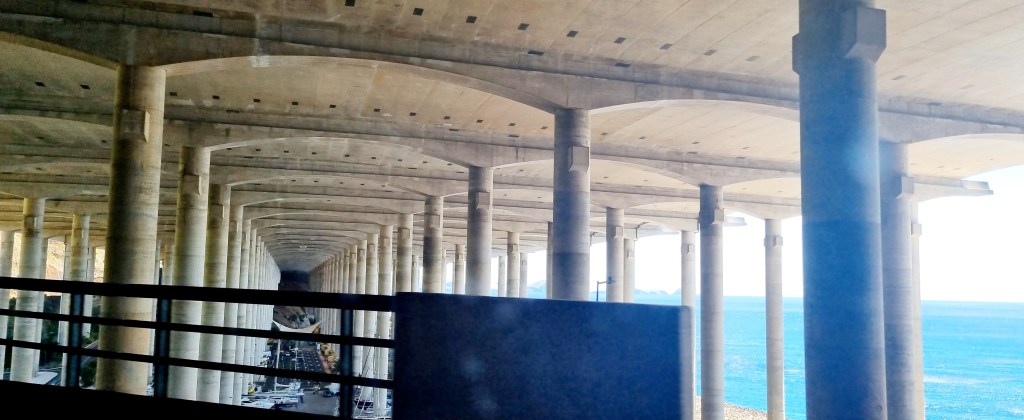
From here, we headed to Ponta de Sáo Lourenco, the eastern tip of the island. As we drove along, we drove under the runway extension.
Porta de Sáo Lourenco is a partial nature reserve and is named after Zarco, the explorer’s ship. The peninsula is linked underwater to the nearby uninhabited islands (Desertas Island).
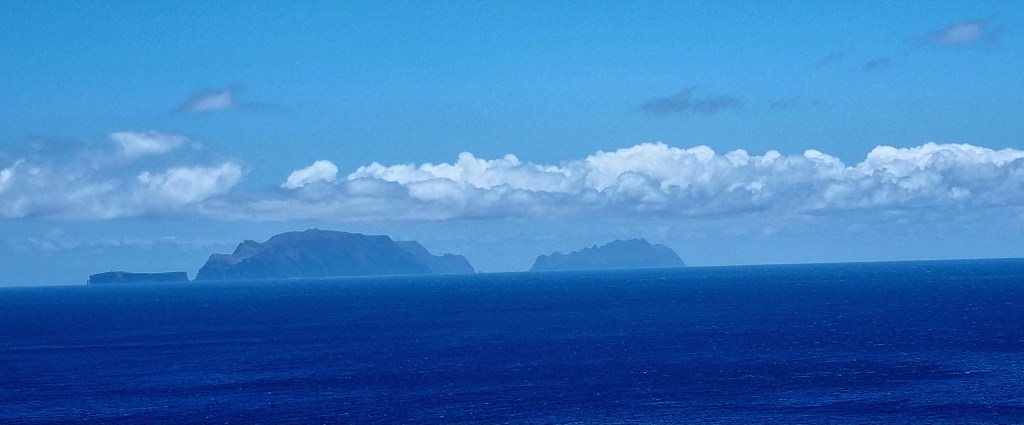
At the start of the trail, you are supposed to pay online, but neither of us could get this to work, so the guy just let us through.
We didn’t do the whole of the trail, but we walked for a bit, and the views were amazing. The area is made up long, eroded volcanic cliffs and ravines.
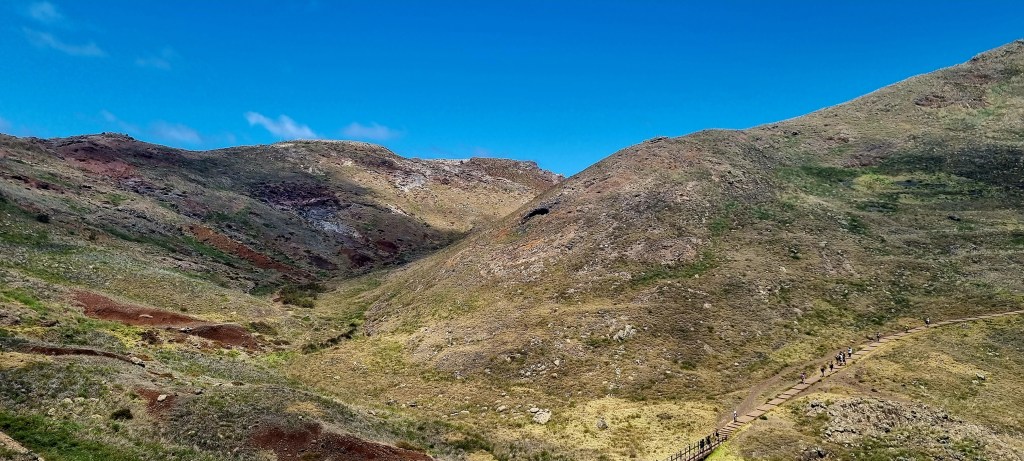
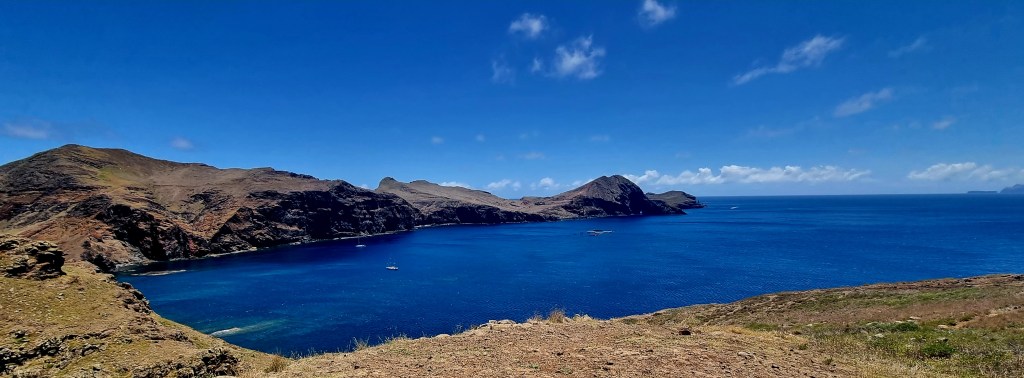
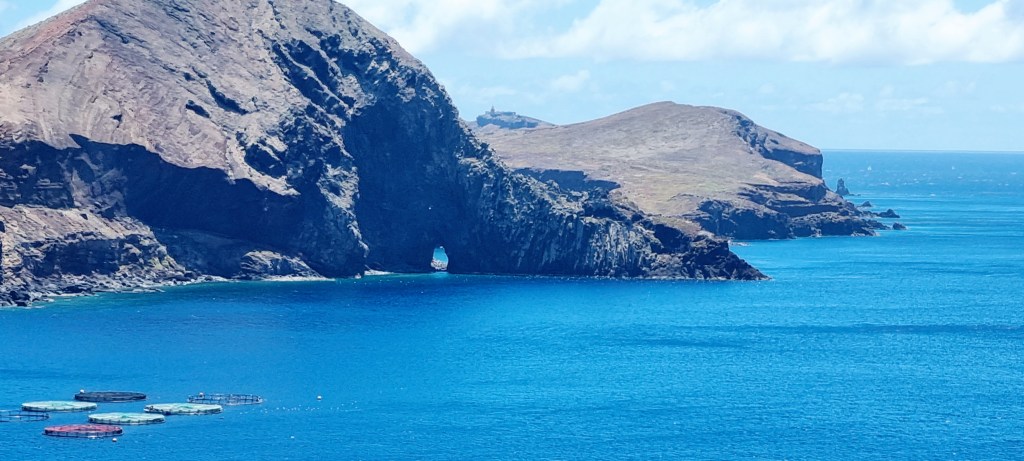
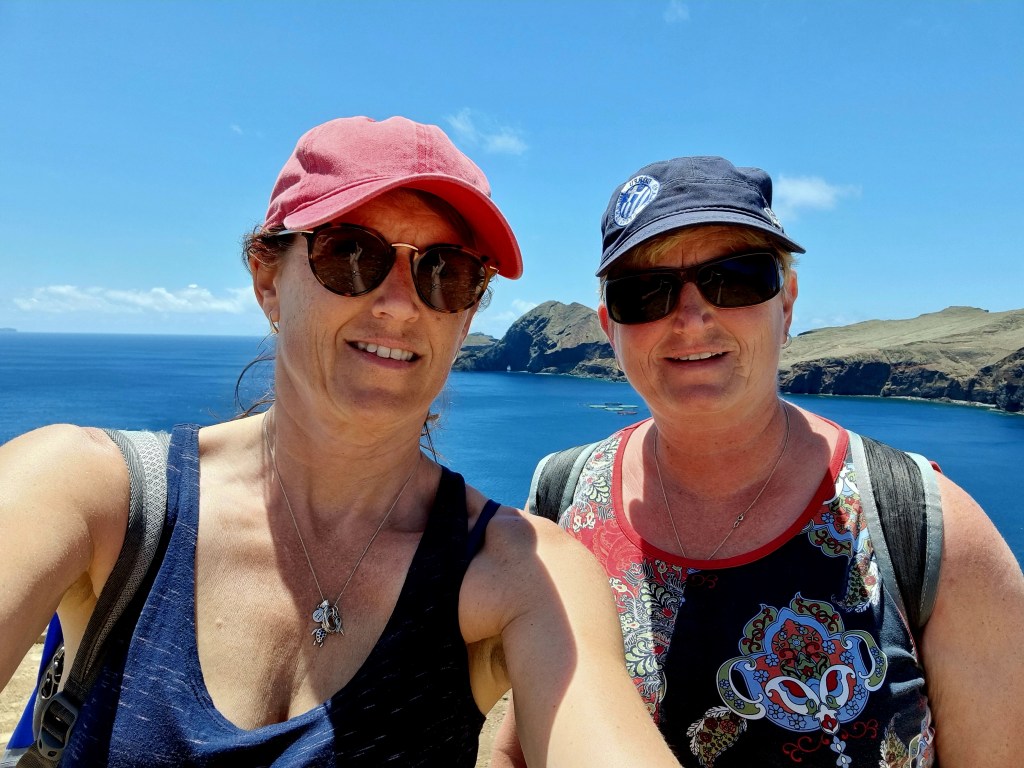
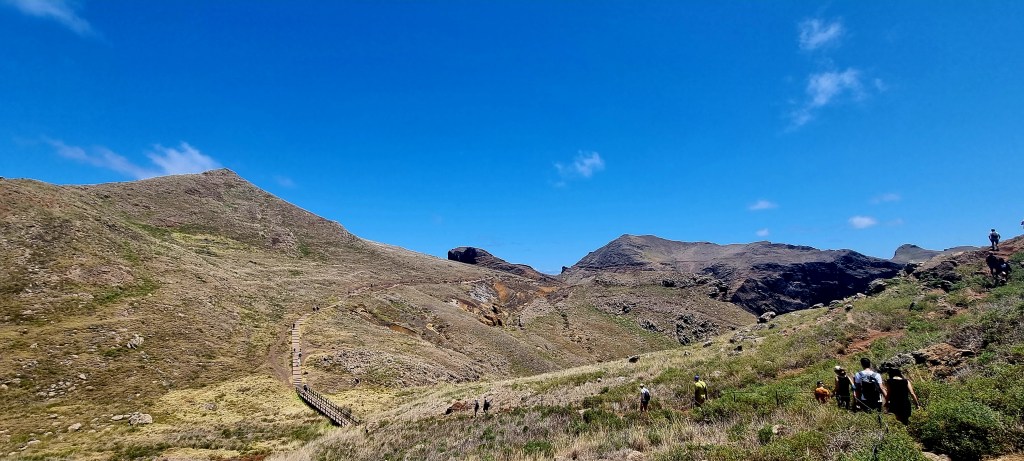
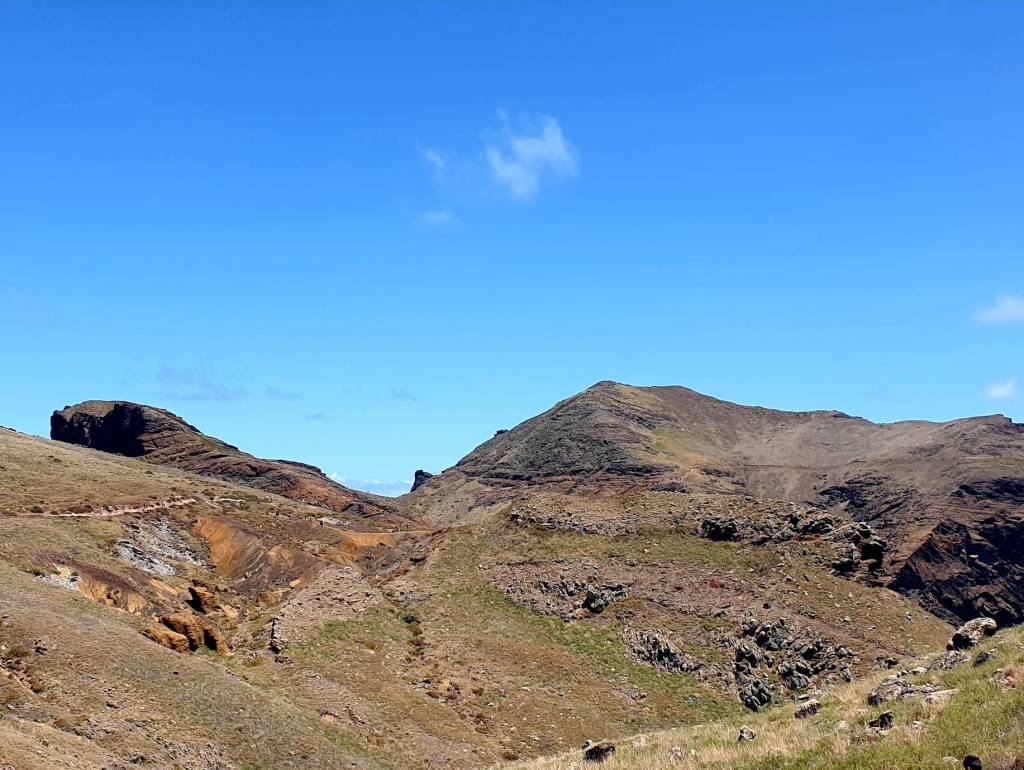
After wandering around for a while and admiring the stunning views, we headed back to the car. Before we left, we took some more photos.
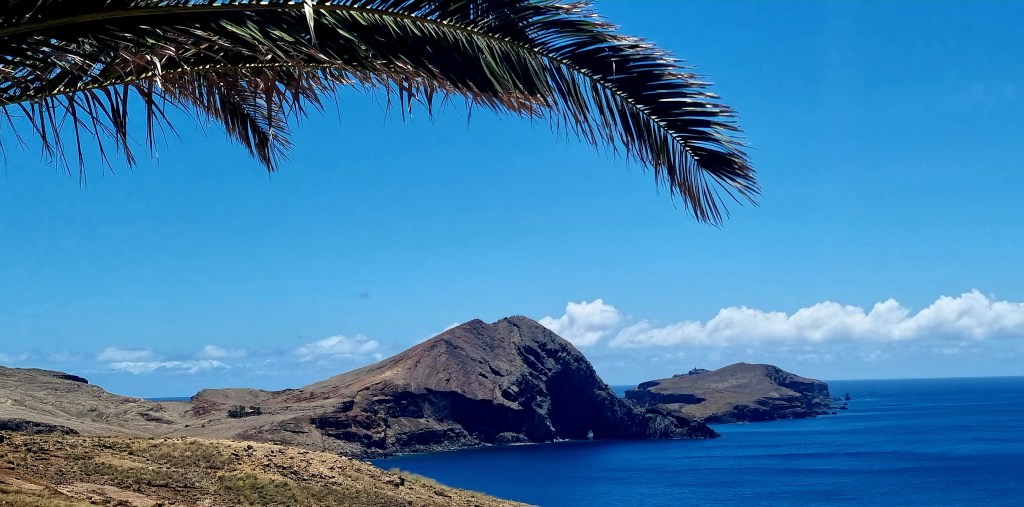

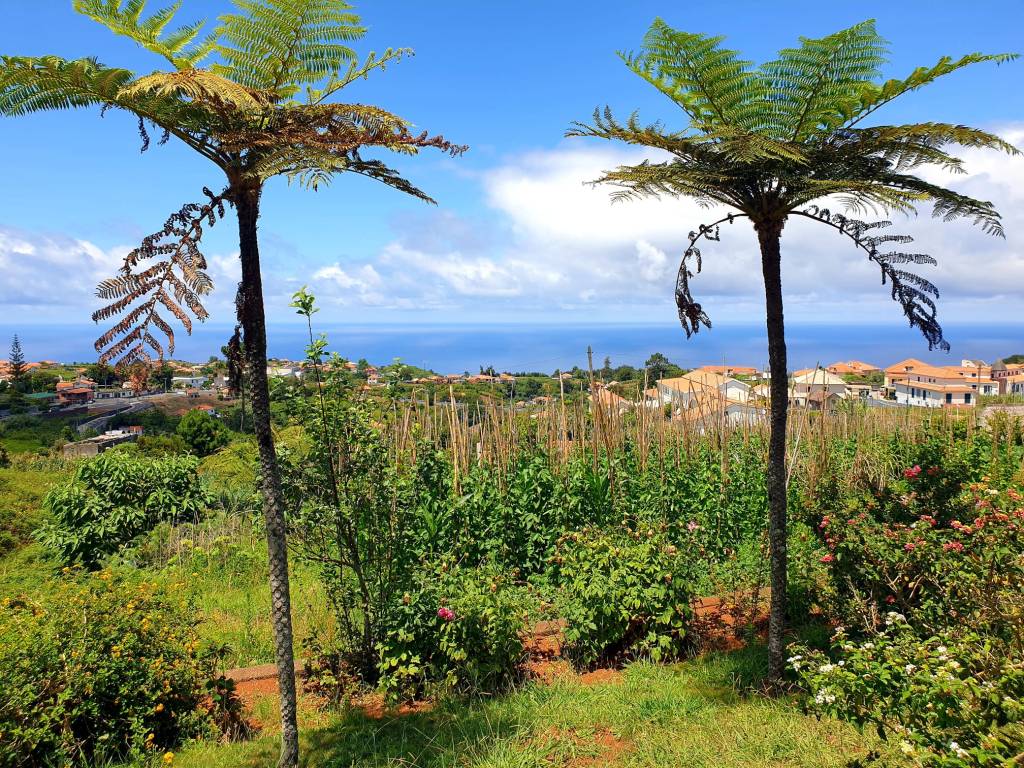
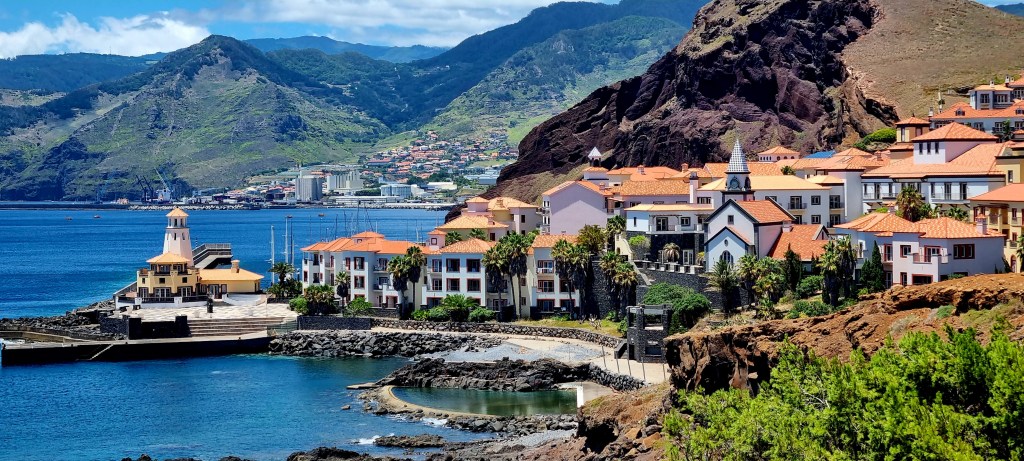
Our next stop was Santana, but on the way, we passed some lovely towns nestled on the coast.
Santana is a shortening for Santa Ana (St Anne), and the area is well known for the traditional timber and thatch houses known as palheiros. These houses are constructed with sloping triangular rooftops and protected with straw. These were mainly rural homes, used by local farmers, during the settlement of the island, with white-painted walls, red doors, and windows with blue trim. Most of the surviving buildings are tourist attractions and are well maintained.
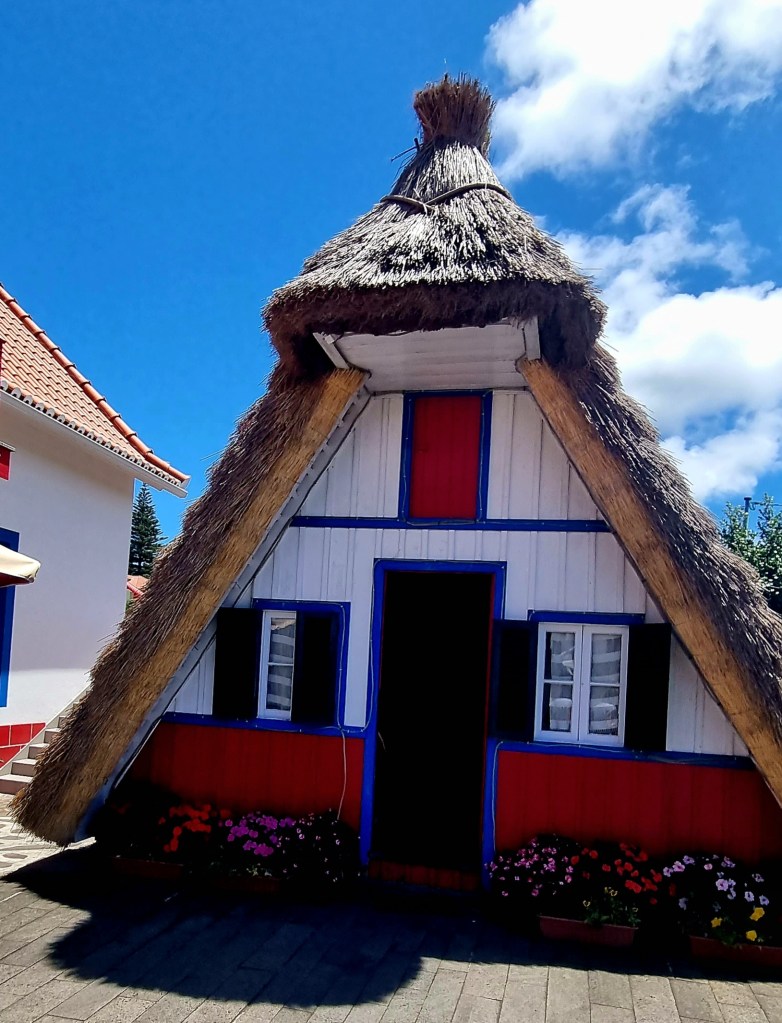
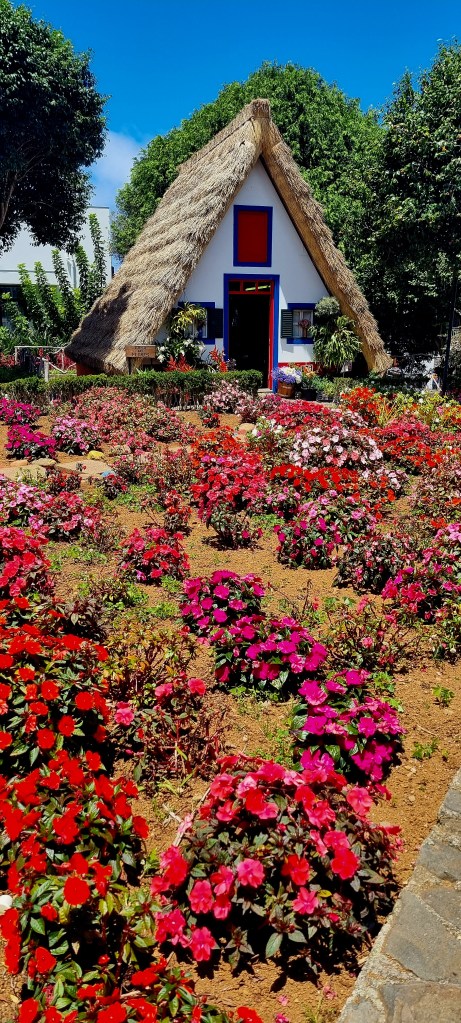
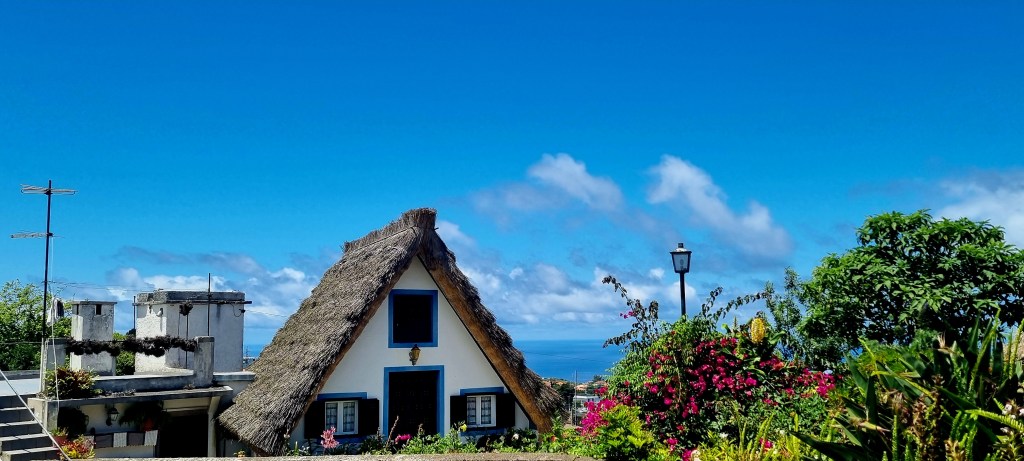
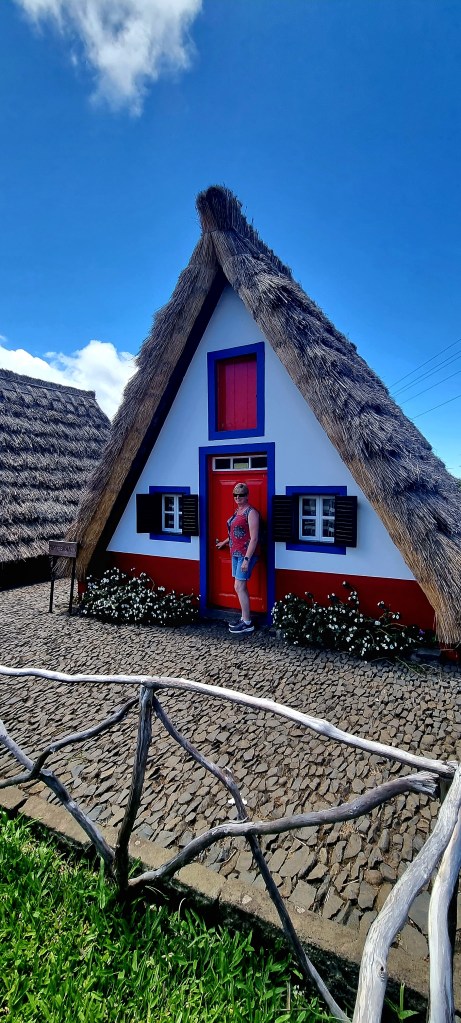
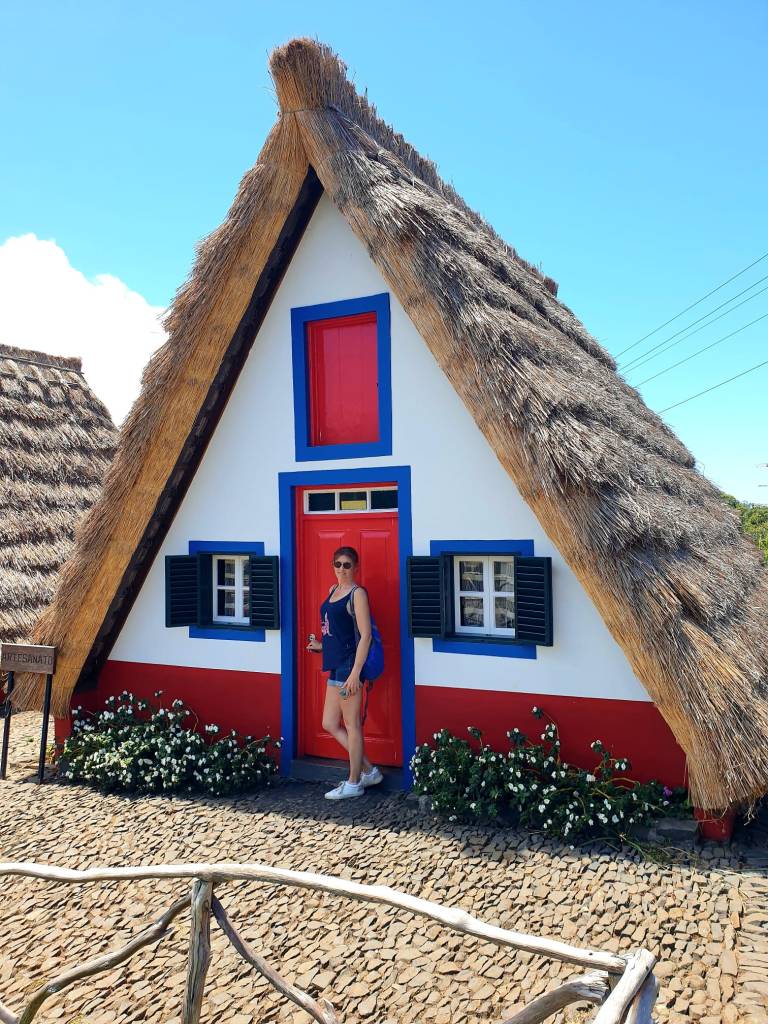
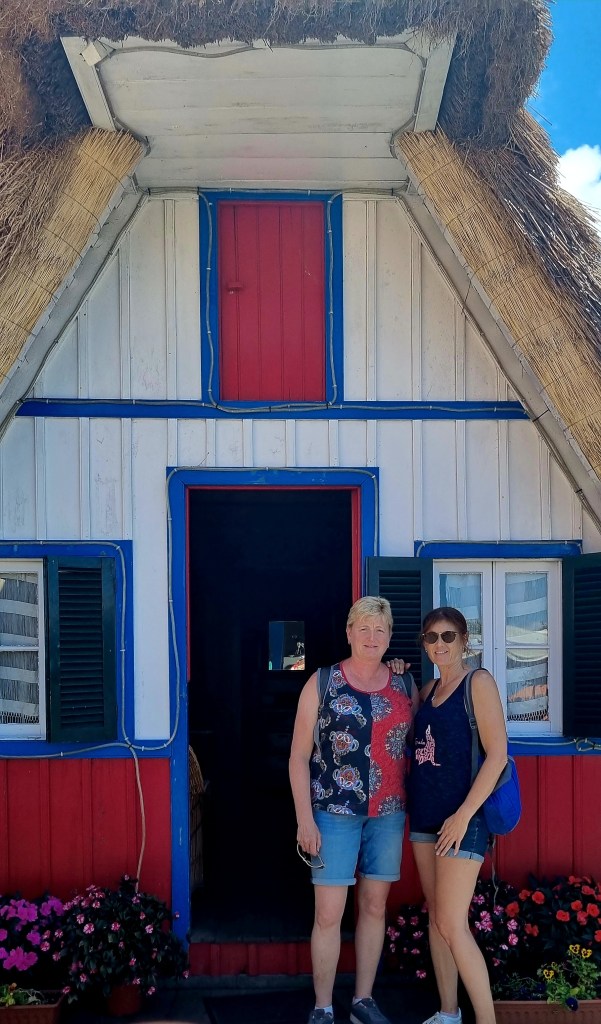
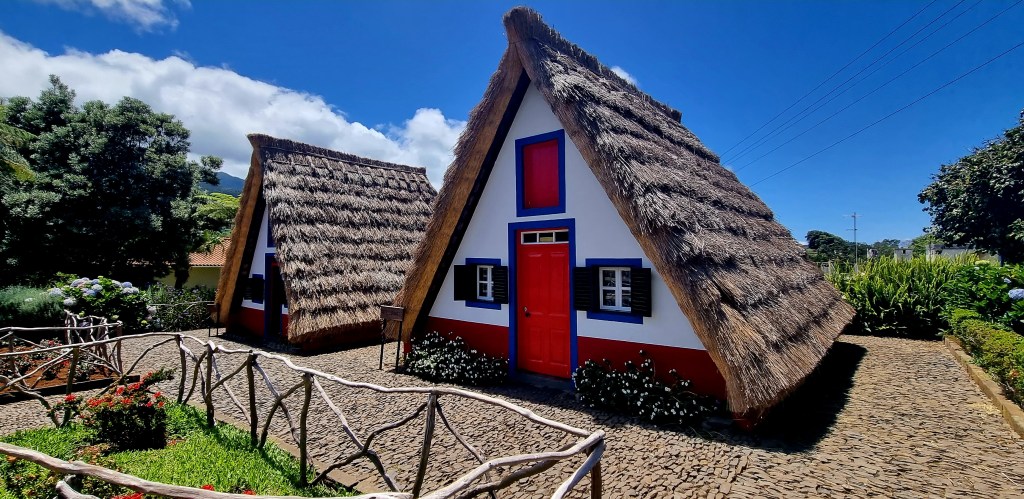
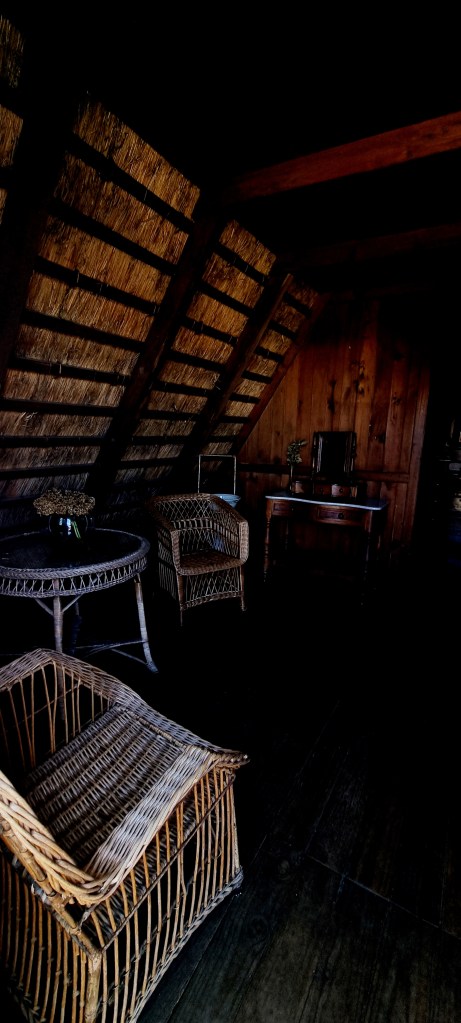
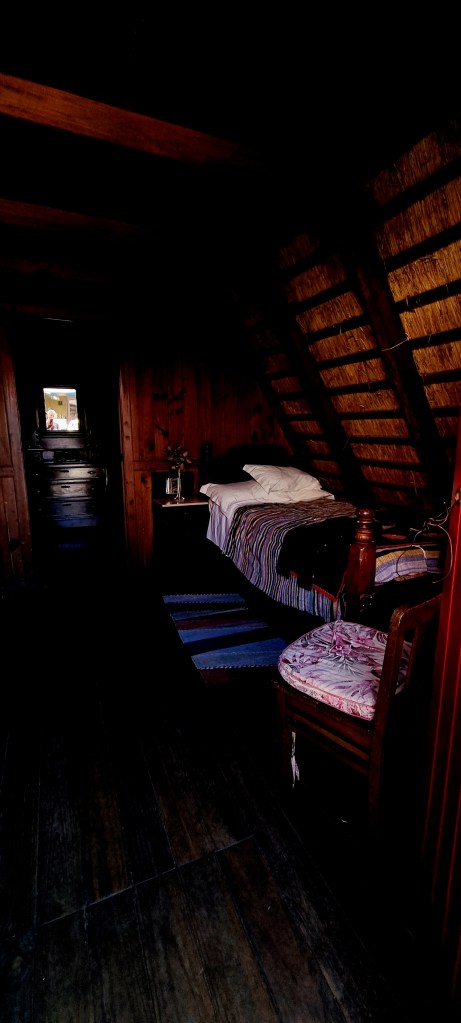
The houses were very compact inside, and they didn’t really have a bathroom or kitchen.
Settlement took place in Santana around 1550, with the main settlers coming from the North of Portugal. Santana parish ended up being created by the royal decree of 4 June 1552. In 1835, it was converted from a town to a village, and on 1 January 2001, it was granted city status. This can be seen on the date on the City Hall.
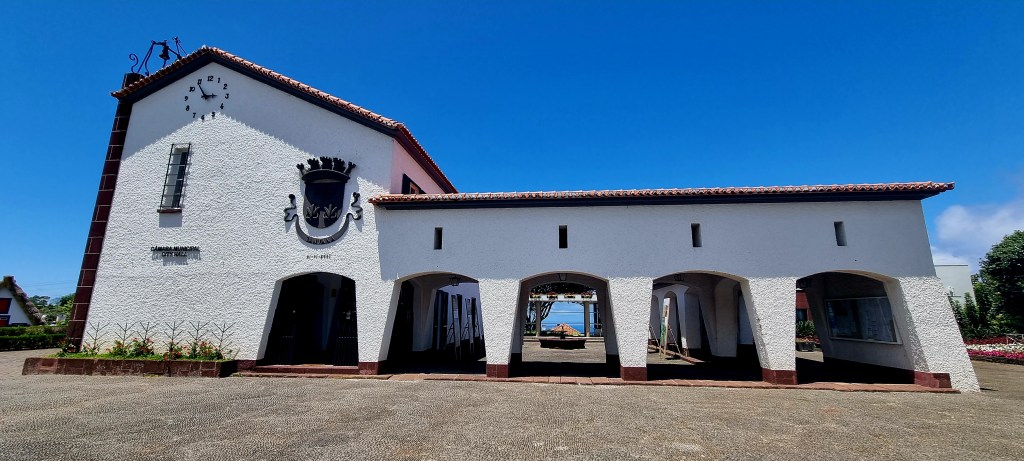
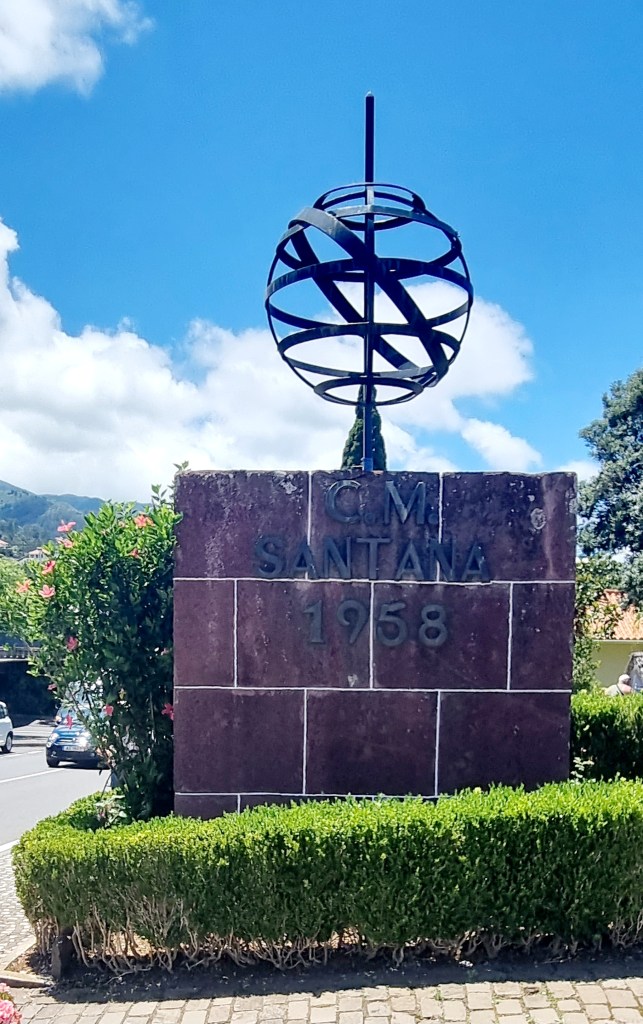
There is also a memorial to commemorate the building of the Santana council offices in 1958.
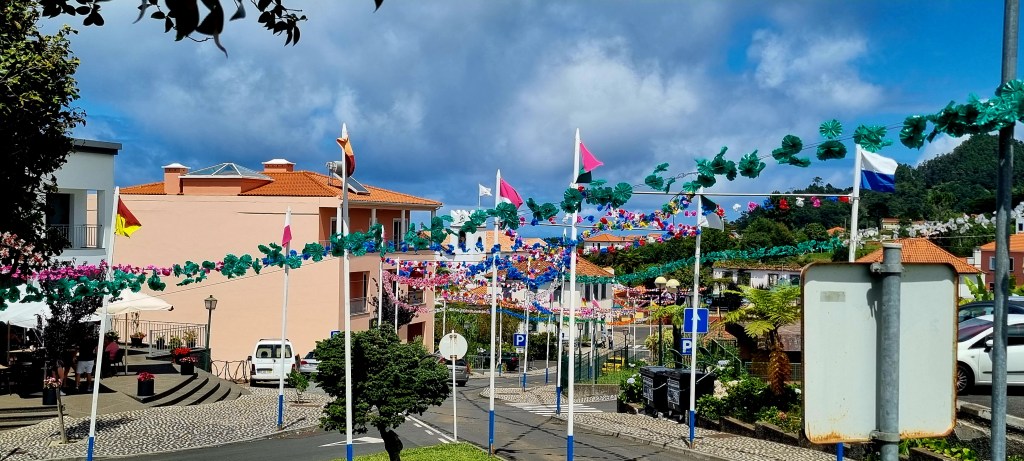
Santana is a very pretty city and definitely worth a visit.
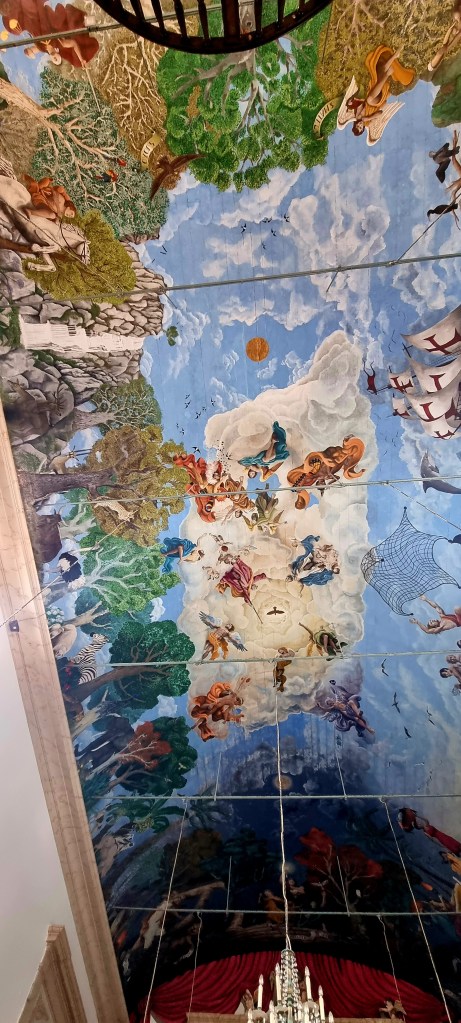
Our final stop of the day was Ponta Delgada to see the Church of the Good Lord (Bom Jesus). Legend has it that a fisherman was fishing in the sea and found a crucifix. Along with other fishermen, the man took the crucifix back to the village, but it mysteriously disappeared. Later, the fishermen found it in a cane field close to the sea. After this, the men of this village built a chapel for the Good Lord Jesus next to this cane field, which later became the present church. The church interior is in the Baroque style with a beautiful painted ceiling.
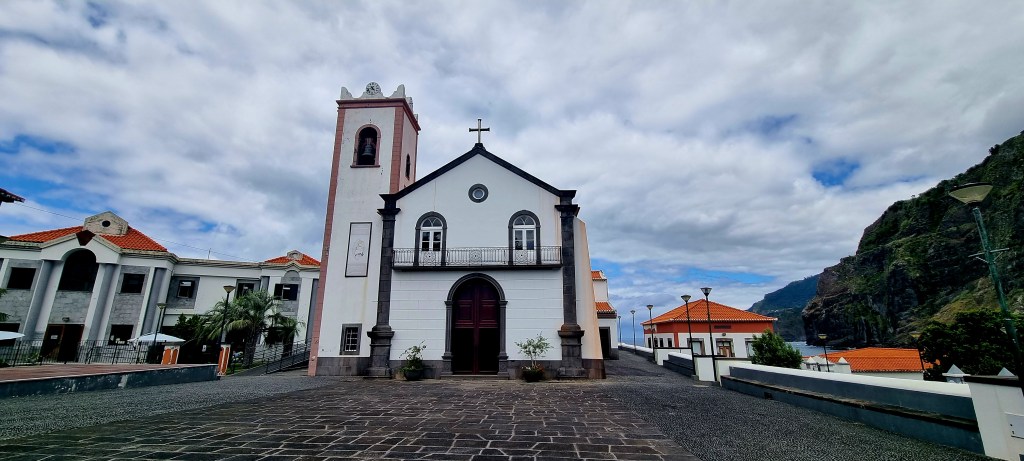
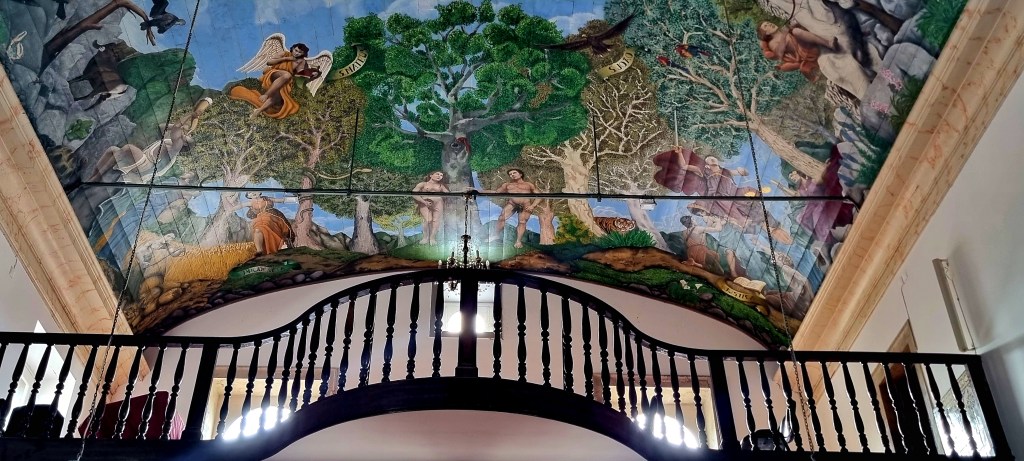
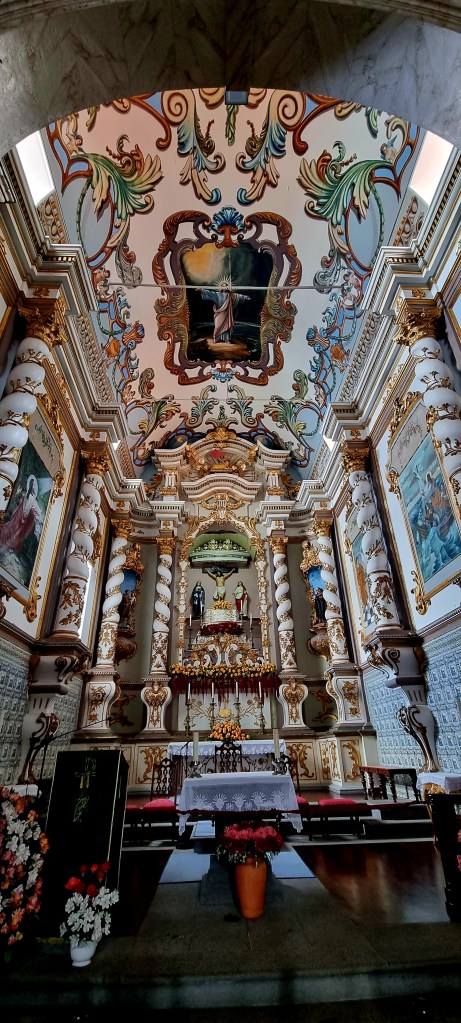
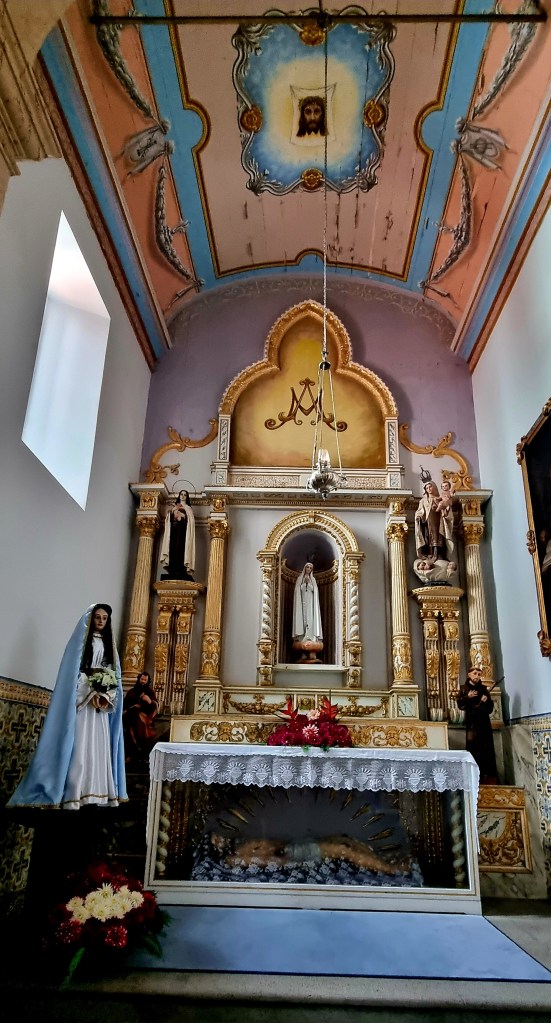
There was also a cemetery next to the church.
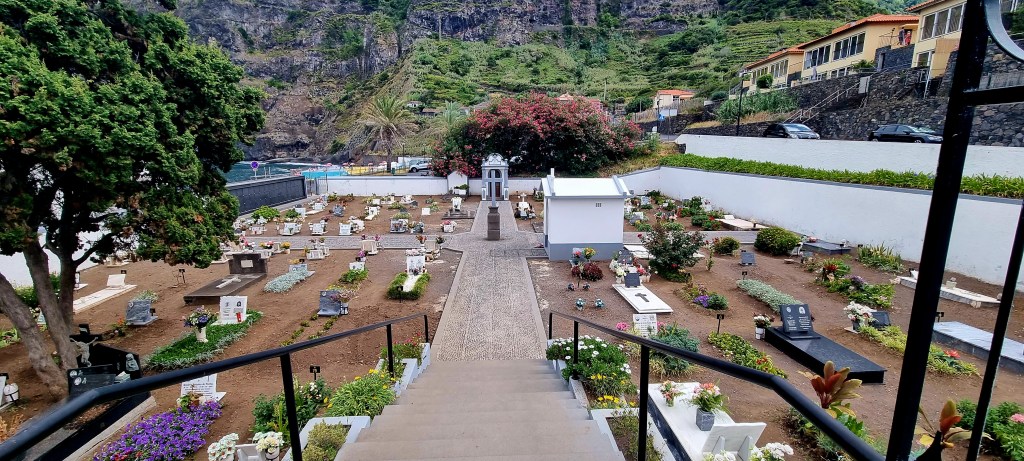
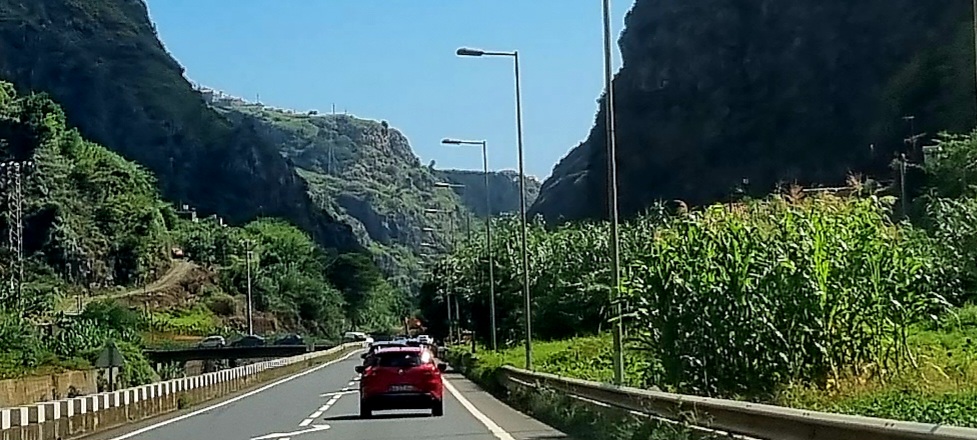
From here, it was about an hour’s drive back to where we were staying. Again, the views on the way home were really nice.
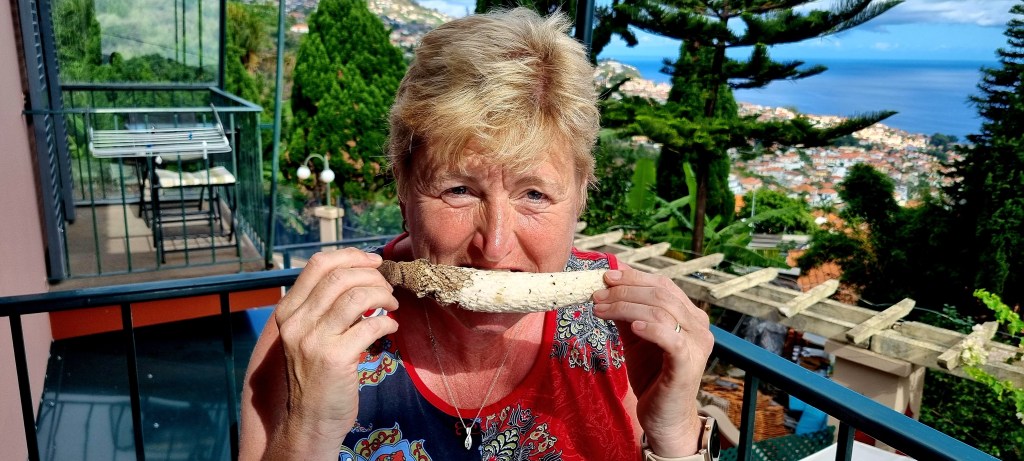
When we got home we decided to eat our ‘delicious fruit’. Unfortunately, we had left it too long, and it had dried out and wasn’t that tasty anymore.
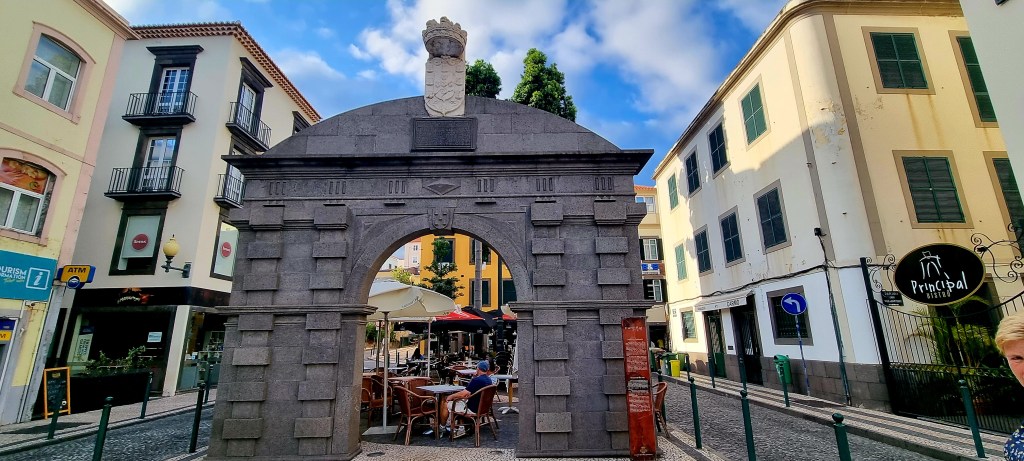
In the evening we got the bus into town and went to the Espaco restaurant. On the way, we walked past the ‘old gate’. This is a reconstruction of the city’s old wall gate. It was built in 1689 but demolished in 1911 when the city was reconstructed to allow traffic through. It was reconstructed in 2004 and contains some of the original elements, such as the crown, the royal arms, and the inscribed stone.
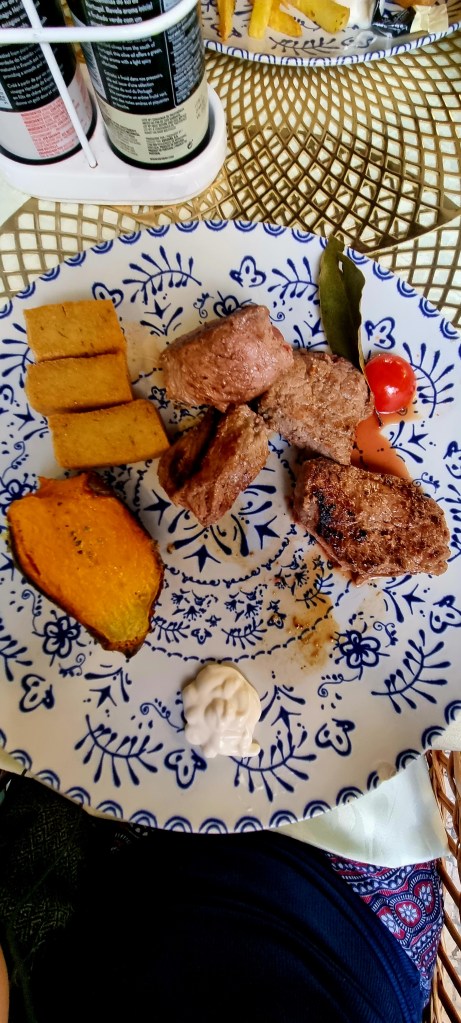
At the restaurant we had a very delicious Maderian meal of beef skewers.
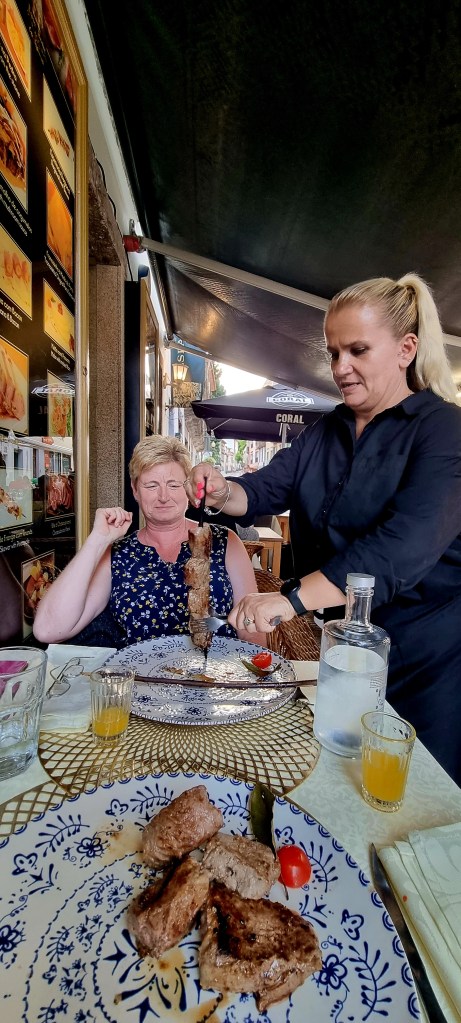
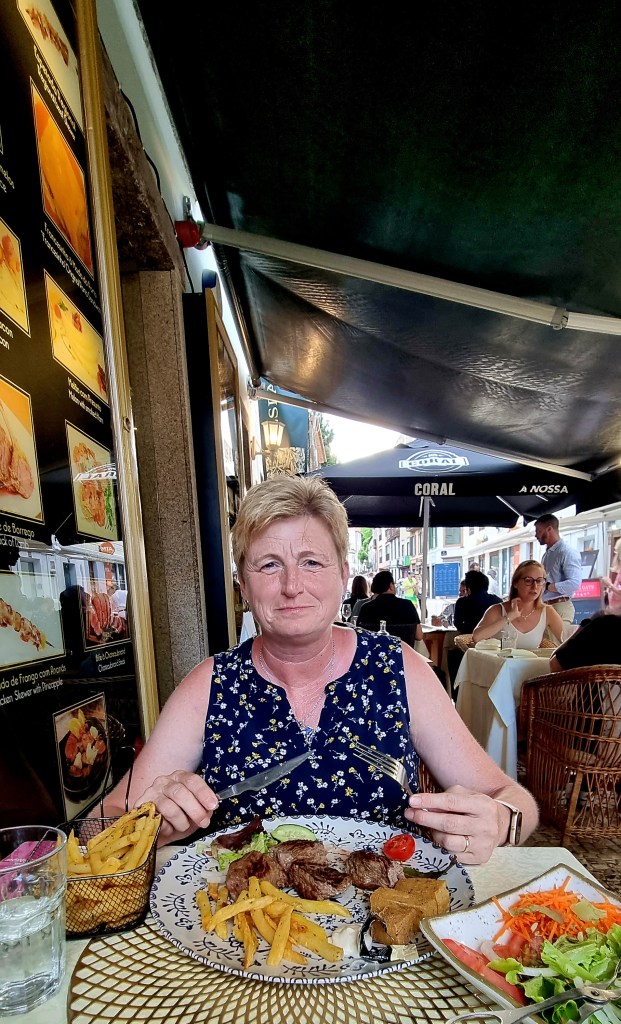
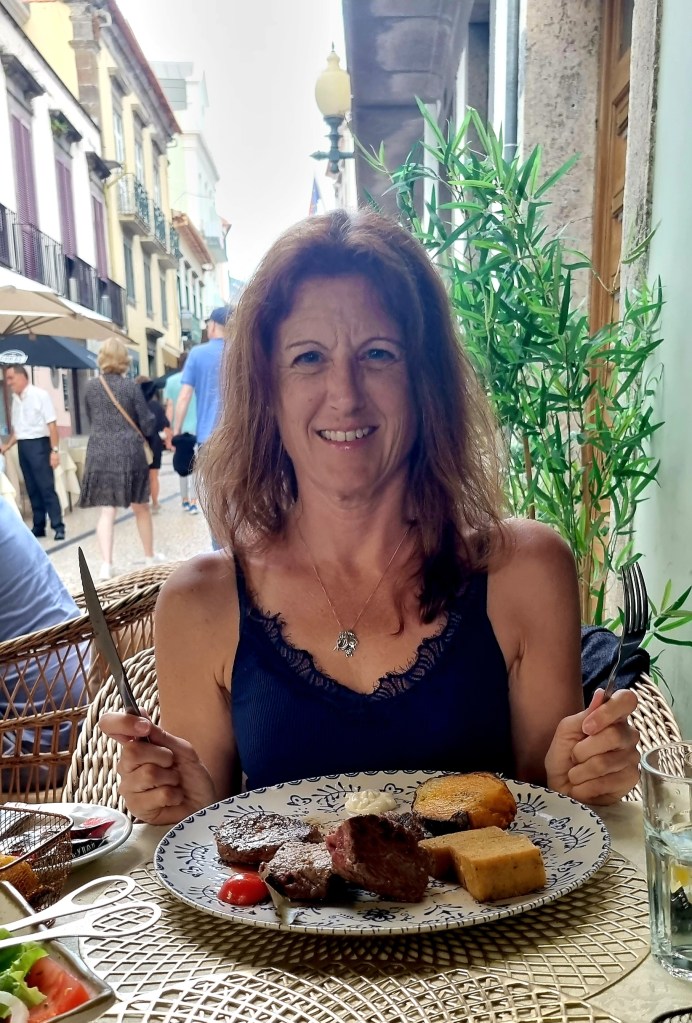
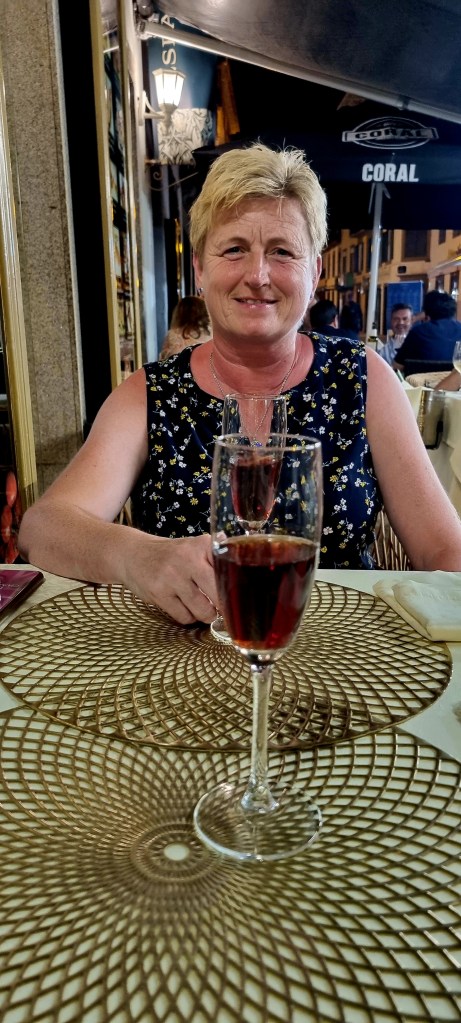
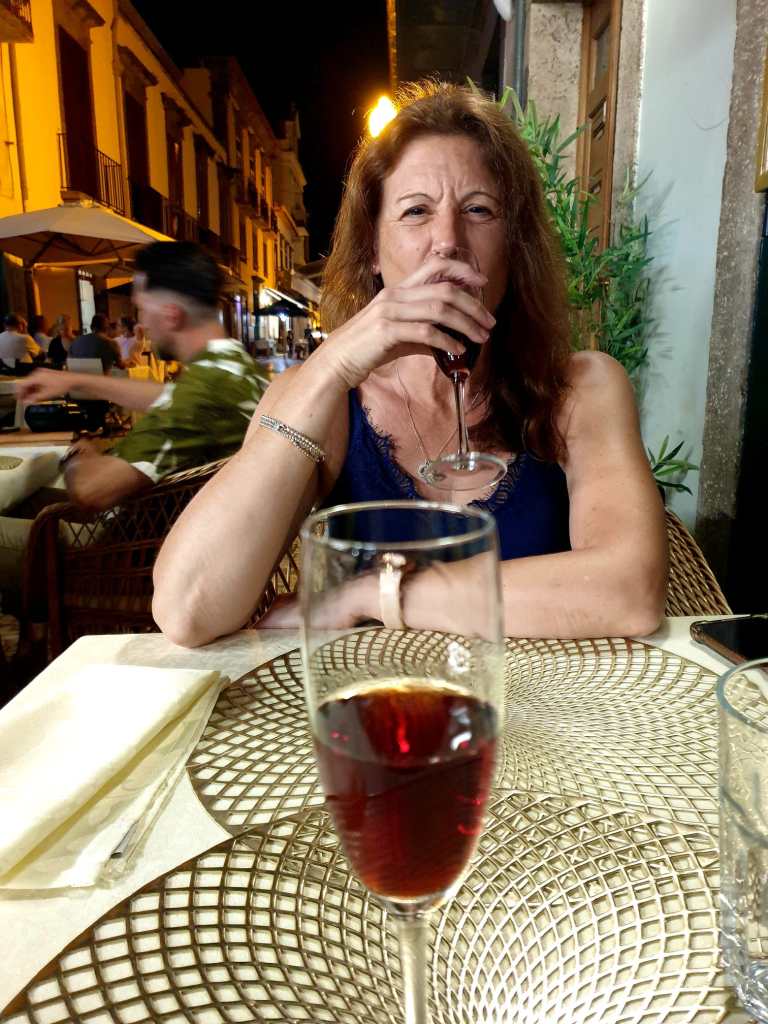
This was washed down with Ginja – a cherry liqueur, as well as a very strong Poncha and wine!
 Fun, Fitness and Fabulousness in your Fifties