We both slept really well last night and woke up refreshed and ready for a day of history and exploration.
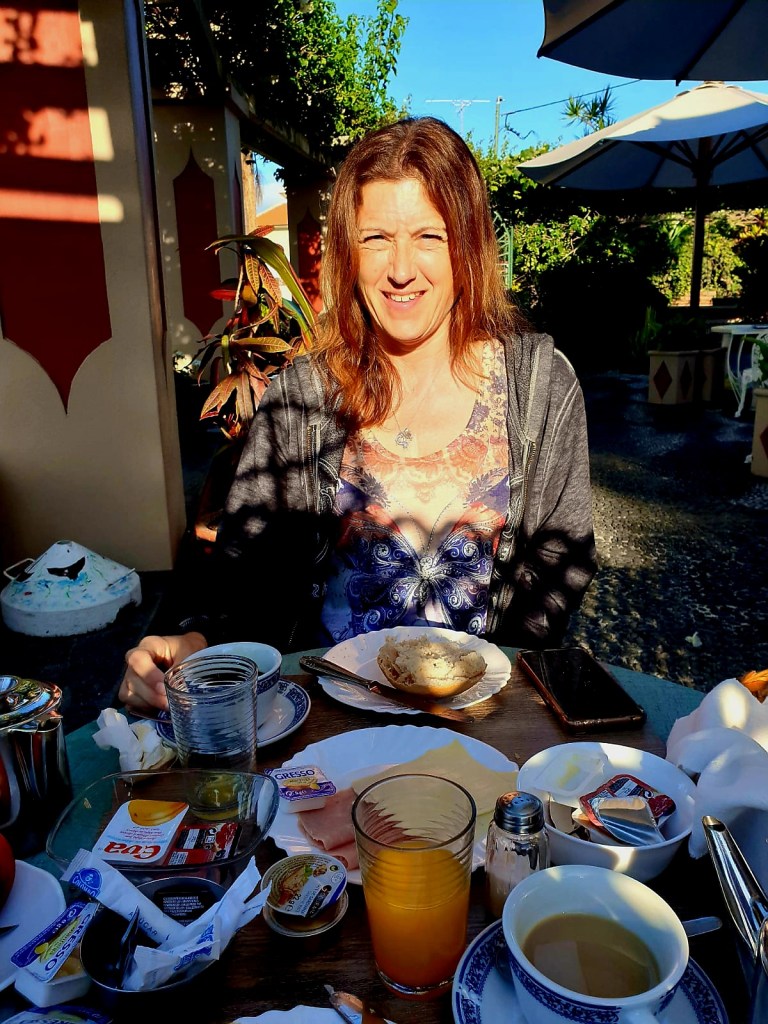
The day started well with a delicious breakfast at our hotel, sitting outside in the sunshine.
We had booked a walking tour around the city, so after breakfast, we walked down into Funchal.
It was the same long, steep hill as yesterday, about 20 minutes of just walking down. As we made our way to the meeting point, we passed the Ritz. This is one of the oldest grand cafes in Funchal.

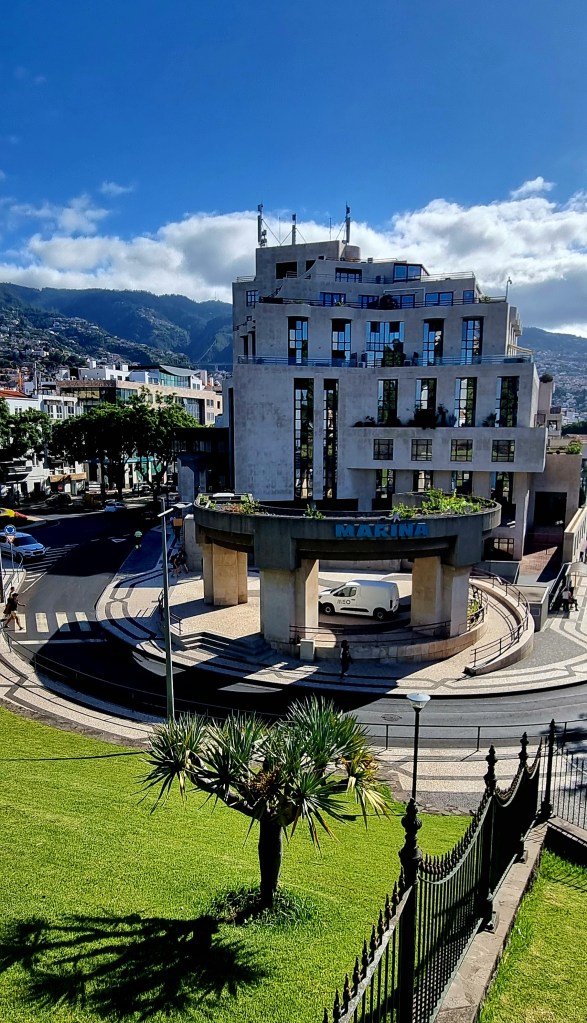
We passed an old Marina building that did have a story behind it, but I can’t remember what it was.
We met up with our guide, Hugo, and another couple, from Singapore, who joined us on the city tour.
Hugo told us how when the first people from Portugal came to Madeira, it was just dense forest, hence the name Madeira, which means wood.
The first people came to the island in 1419, but the official date of settlement is 1420, when 100 people came to live on the island. For around 7 years there were fires as the settlers burnt the forest and got rid of the trees.
The island of Porto Santo was discovered a year before Madeira, and the name means Blessed Harbour. The reason is that this island saved the Portugese who were stranded in a storm.
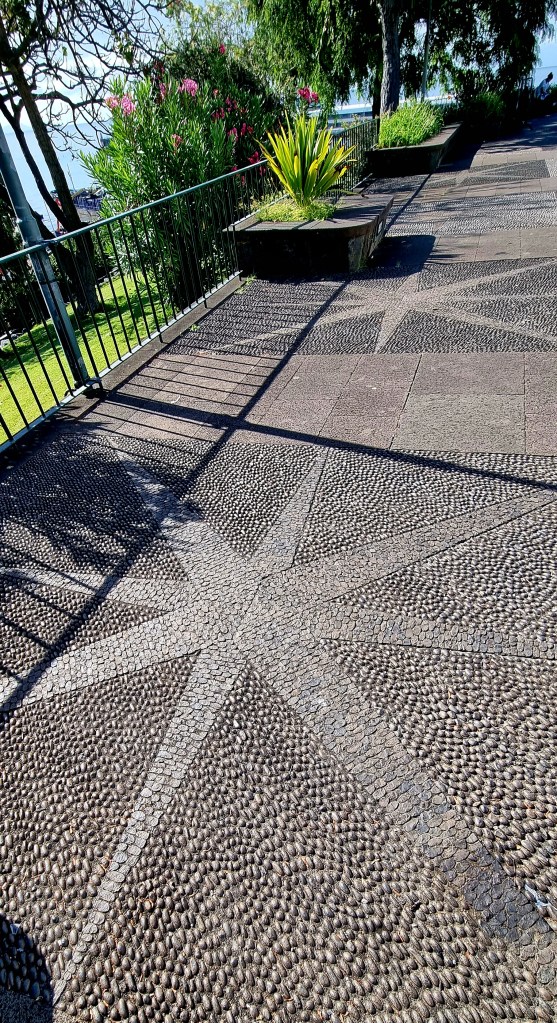
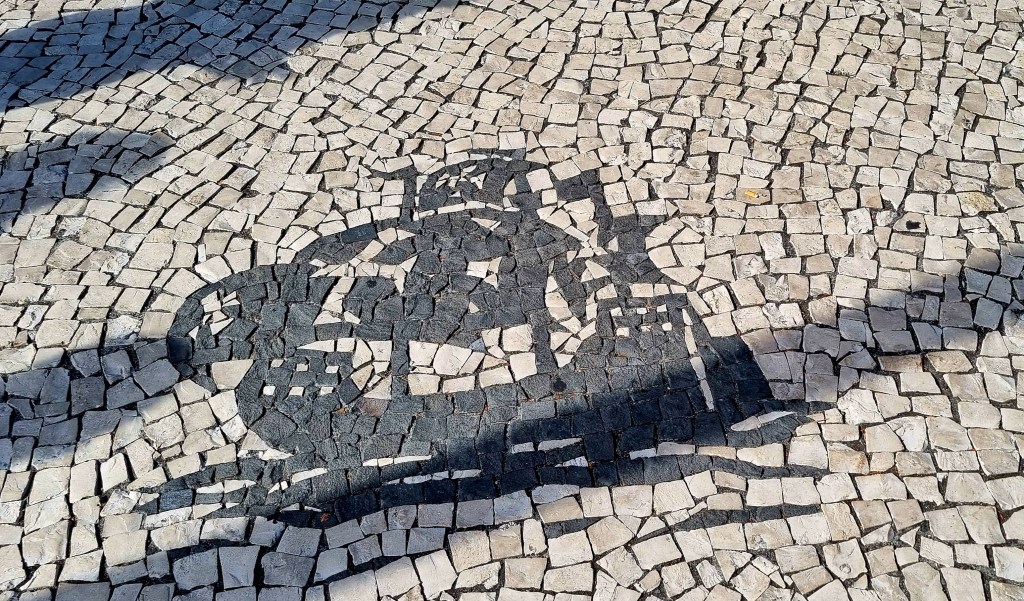
Many of the pavements in Madeira have patterns and shapes. One of the ones below is of a discovery boat, which were the ships used to transport goods.
Madeira became autonomous in 1974. It currently has around 250,000 inhabitants. The north and south of the island are very different, and it took a while for the settlers to make their way to the north.
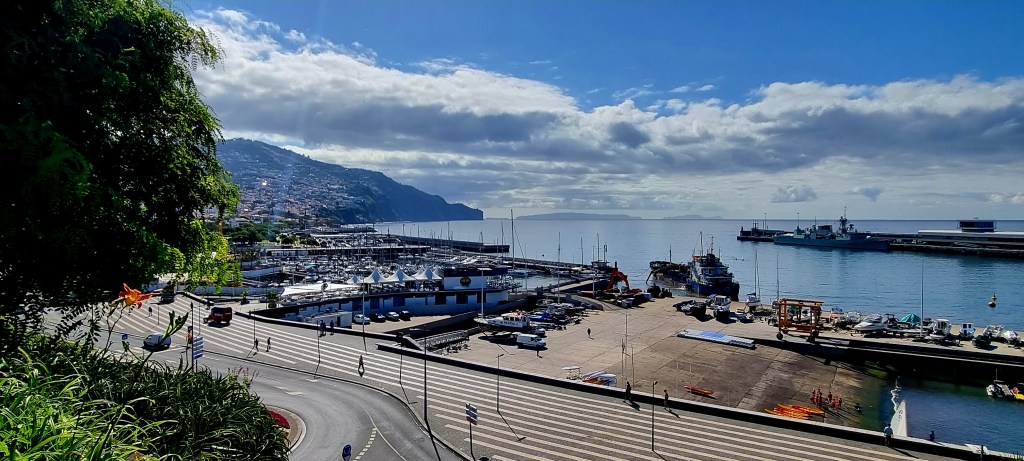
Madeira used to have a lot more sugar cane plantations and they had the first sugar cane plantations in the Atlantic in the mid-15th century. They imported the sugar, white gold, to the Netherlands and Portugal. Madeira was Europe’s biggest sugar producer for 150 years. To meet the demands, more enslaved people were bought to work in the cane fields from the Canary Islands and West Africa. Slavery remained in Madeira until around 1773.
Madeira also made commercial links with India.
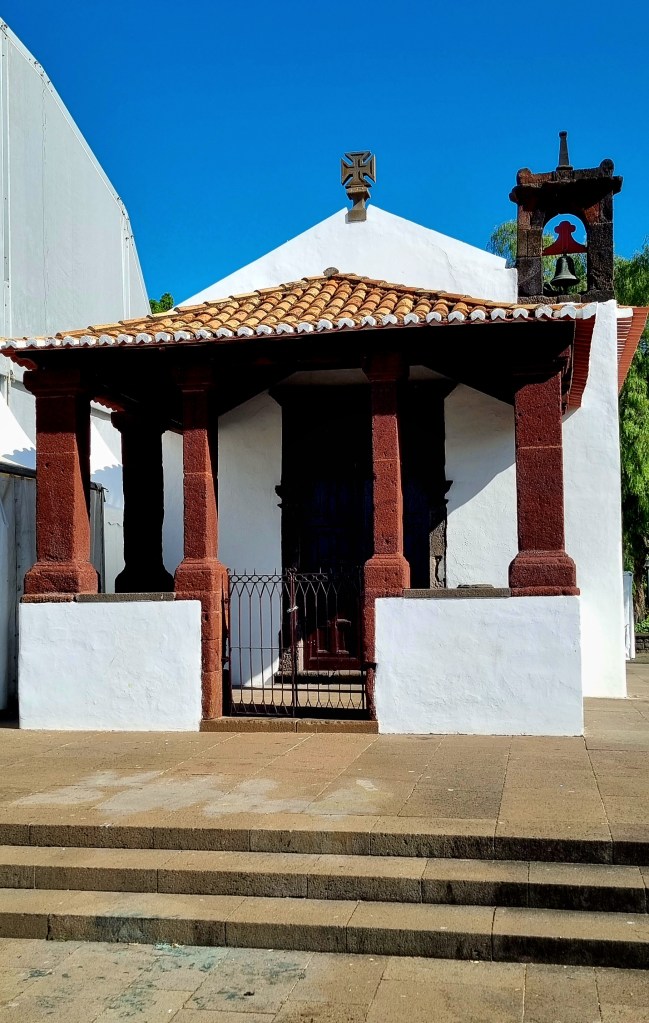
Close to our meeting point was the first Chapel to be built in Madeira, originally made from wood. The red stone is quite soft and is from the island. The Chapel has a Templar cross on it. The templar order was abolished by the pope, but it became a Christian order instead. It was very influential in Madeira and ruled the island until the first king was crowned. It also ruled and owned all of the other islands nearby. The order also went to Africa to try and convert the African people to their faith.
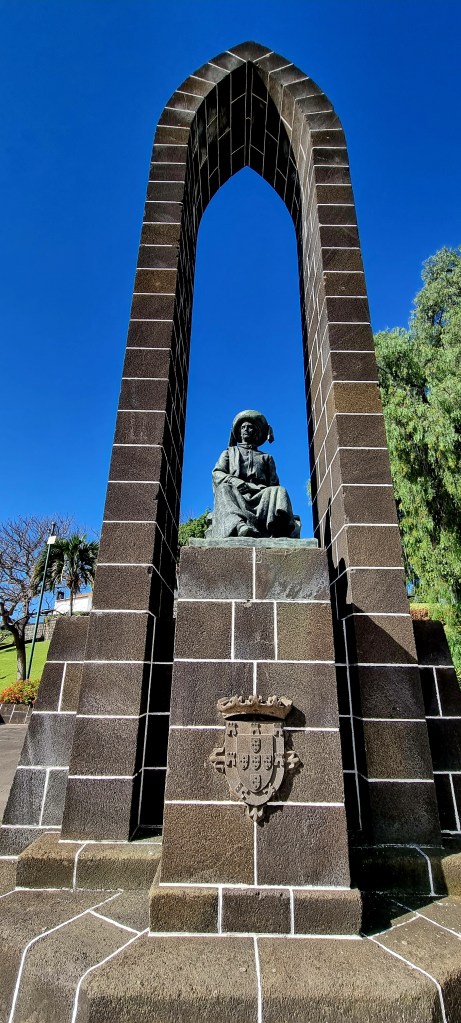
We passed by a Monument of the first King’s son, who was also the Head of the Order of Christ.
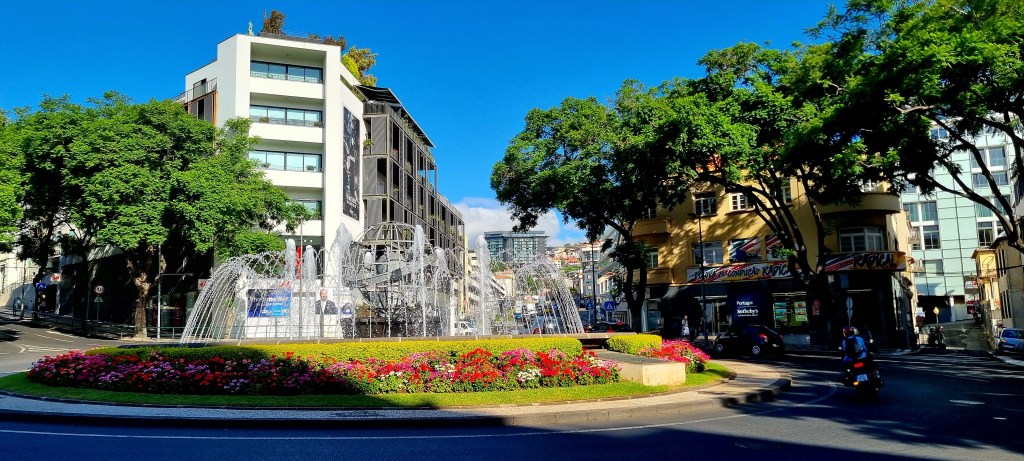
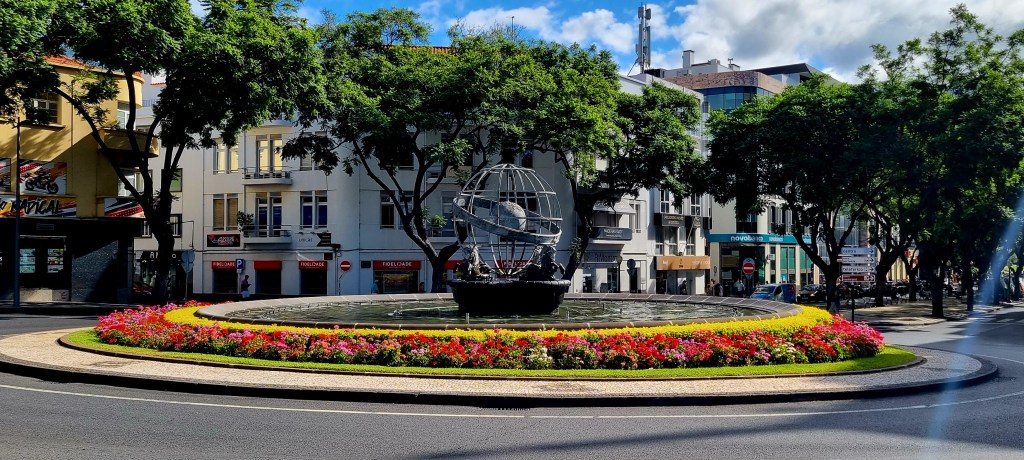
We passed by a fountain that has the world inside it.
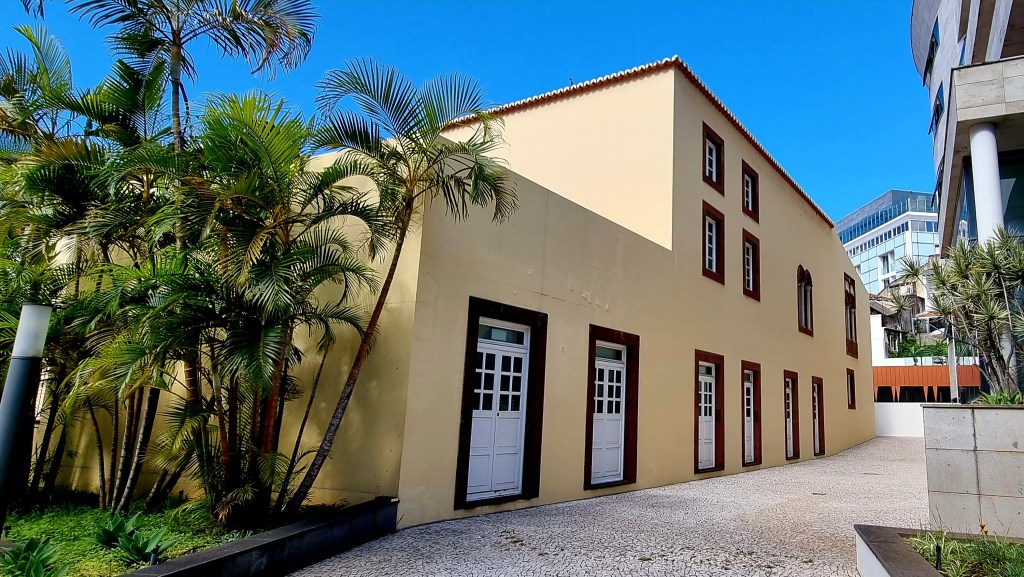
Our next stop was a 16th-century preserved noble house, which is a mixture of gothic and renaissance architecture.
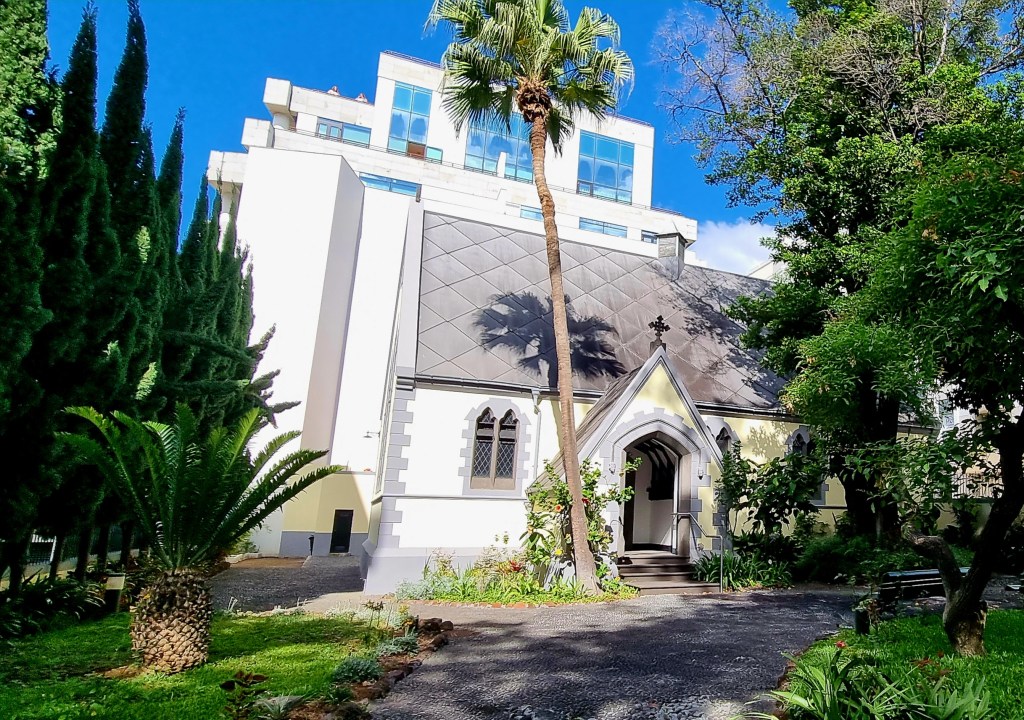
We passed by a German Lutherian church, which was also built in the 16th century and was quite pretty.
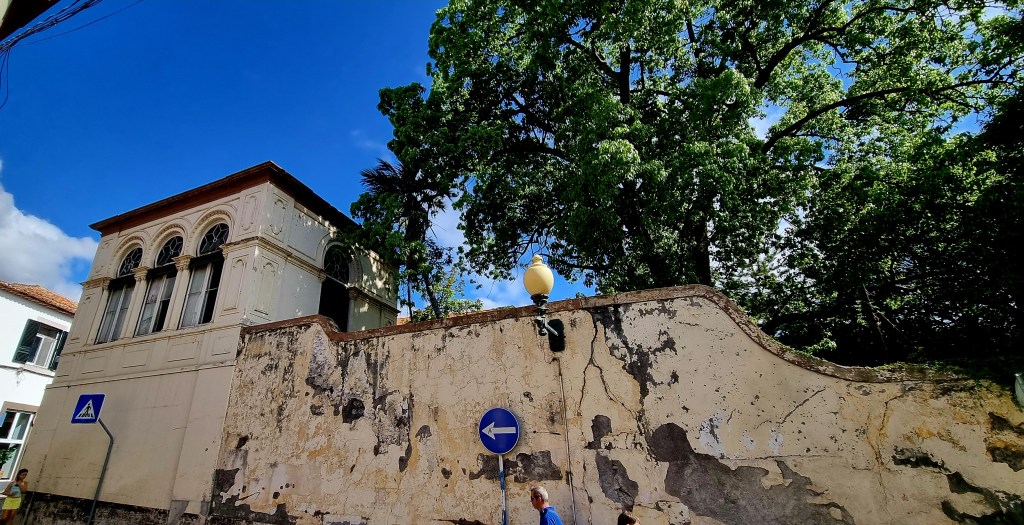
Whilst many of the streets had some lovely buildings, there were also quite a few that were derelict. The cost of purchasing and repairing these houses is too expensive, so they are left to rot.

We walked past the Jewish synagogue. This was built as many Jews came to Madeira from Gibraltar.
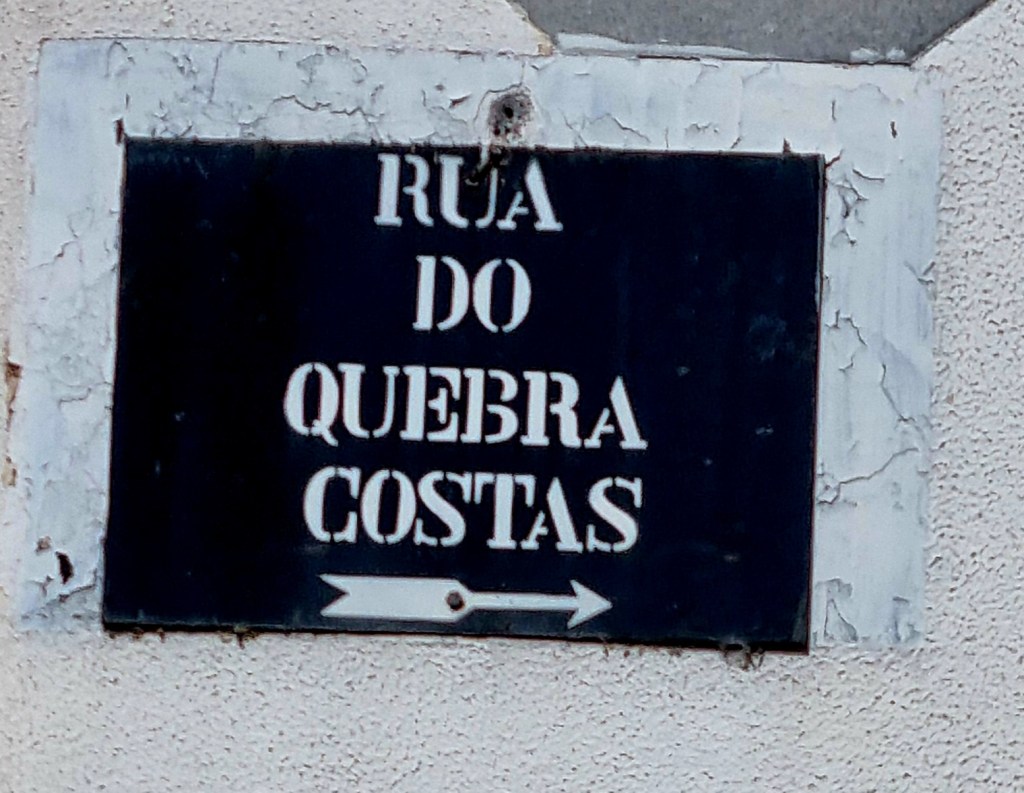
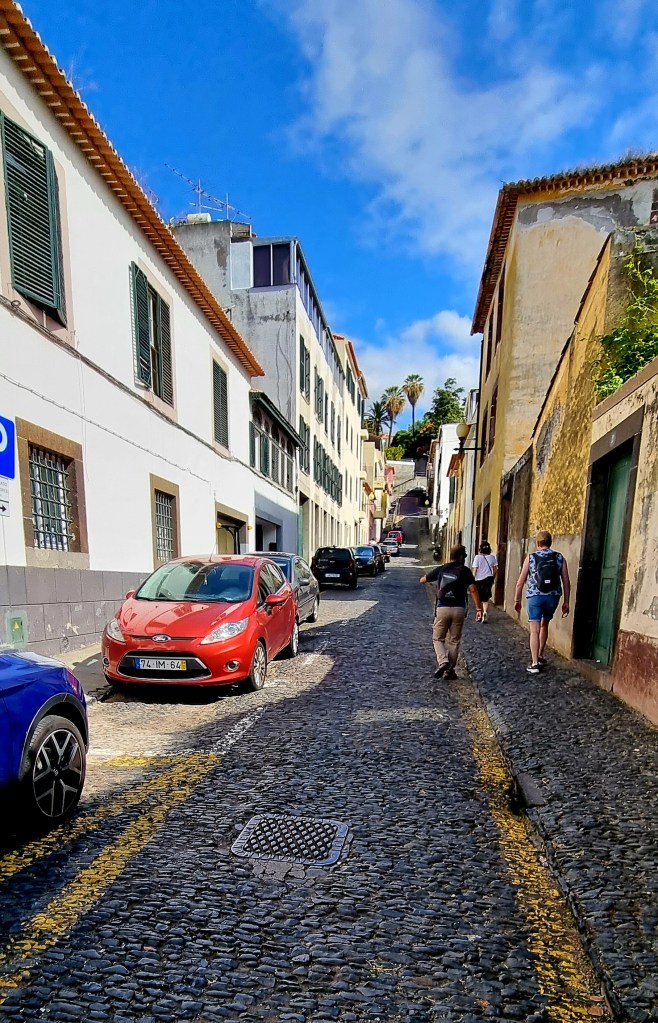
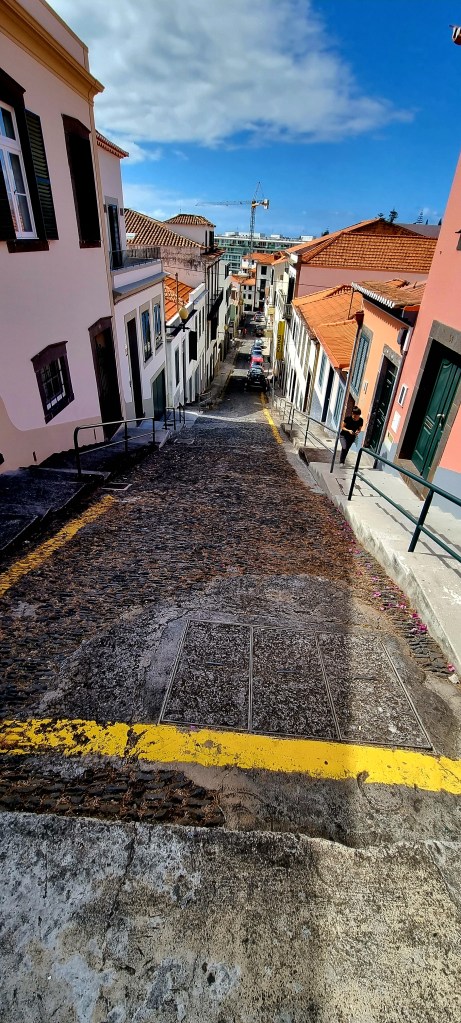
We then had a steep climb up Rua do Quebra Costas, which literally means “the street that breaks your back”. It was a pretty steep hill.
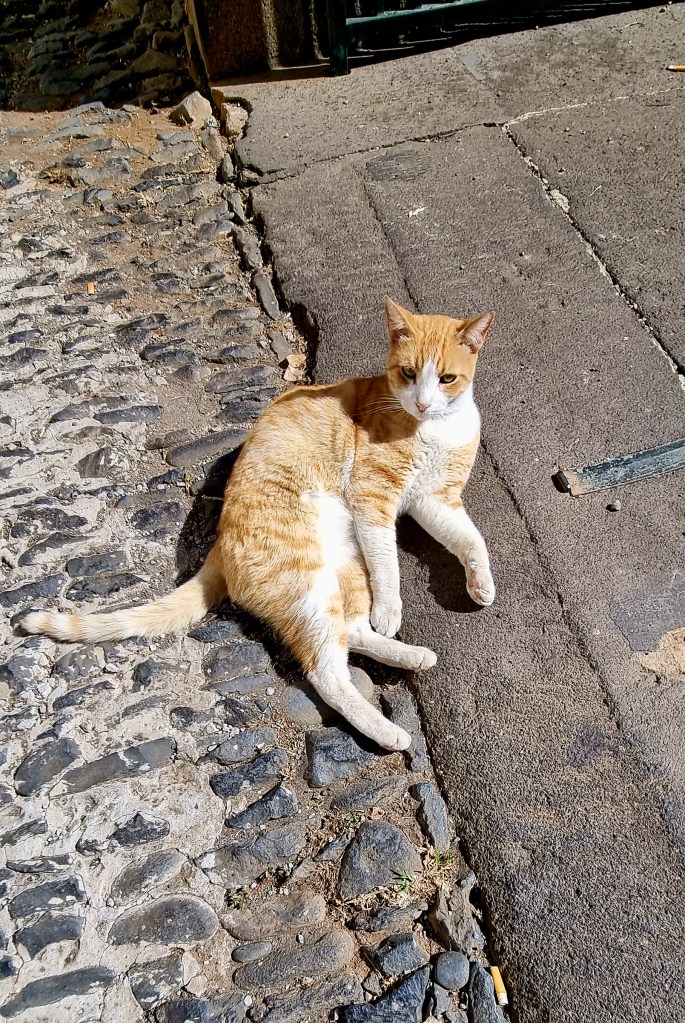
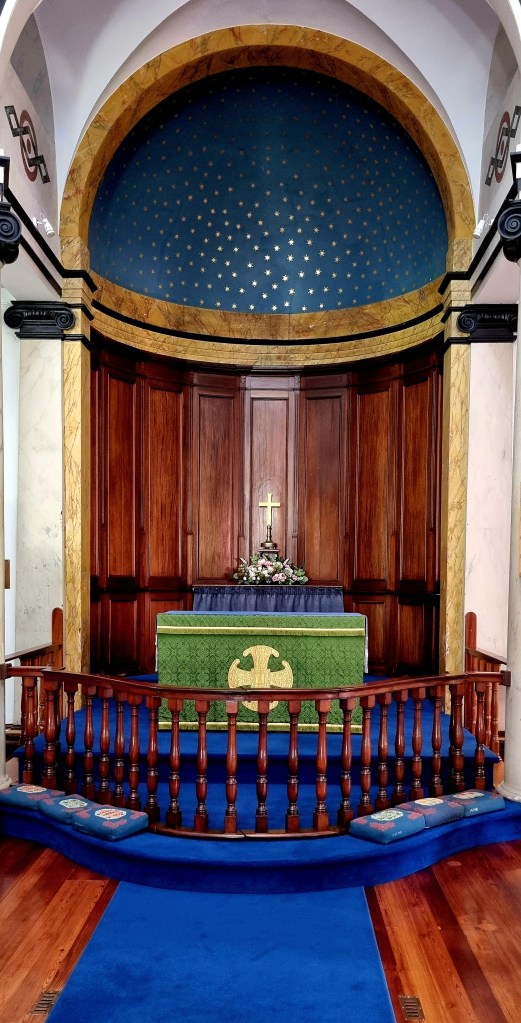
We then visited an English Anglican church called the Holy Trinity, which was guarded by a cat. The church was built in 1822, and its construction was funded by public appeal, contributions came from George II, Nelson and the Duke of Wellington.
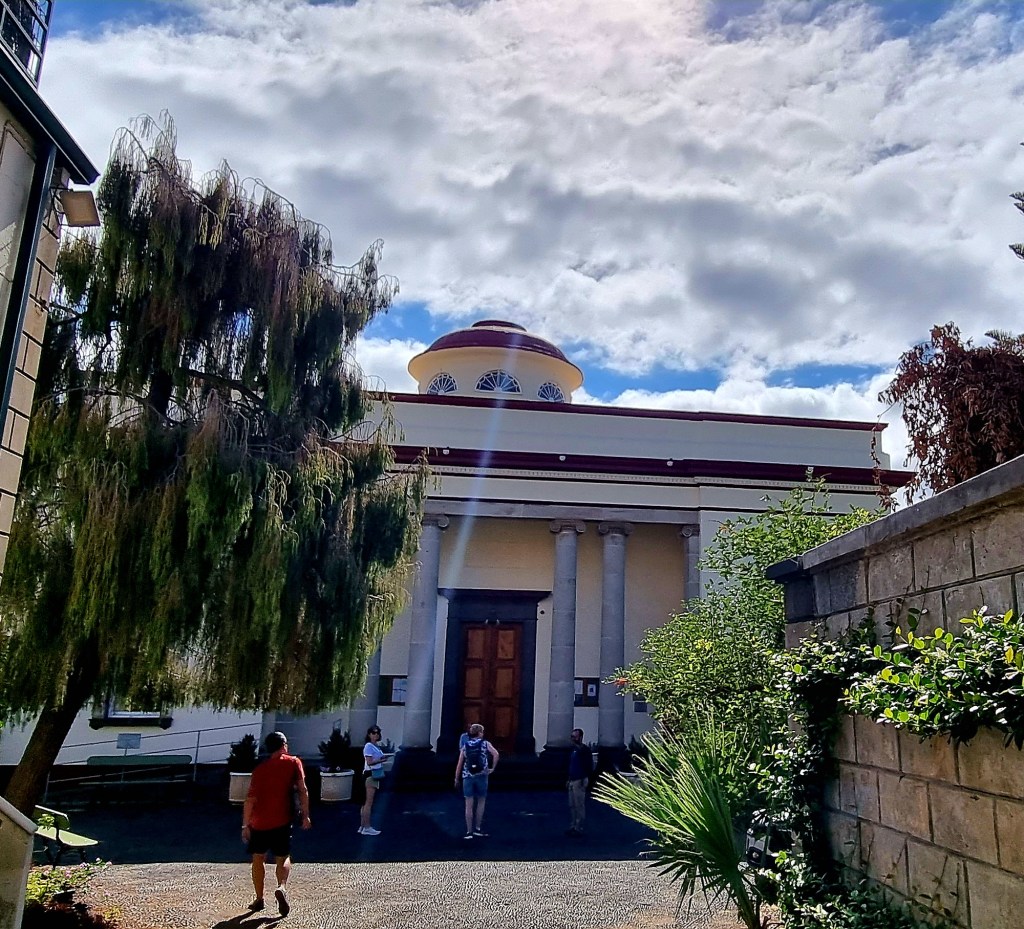
Inside the church there was a beautiful dome, with the ‘all-seeing’ eye of God, or alternatively a link to the Free Masons.

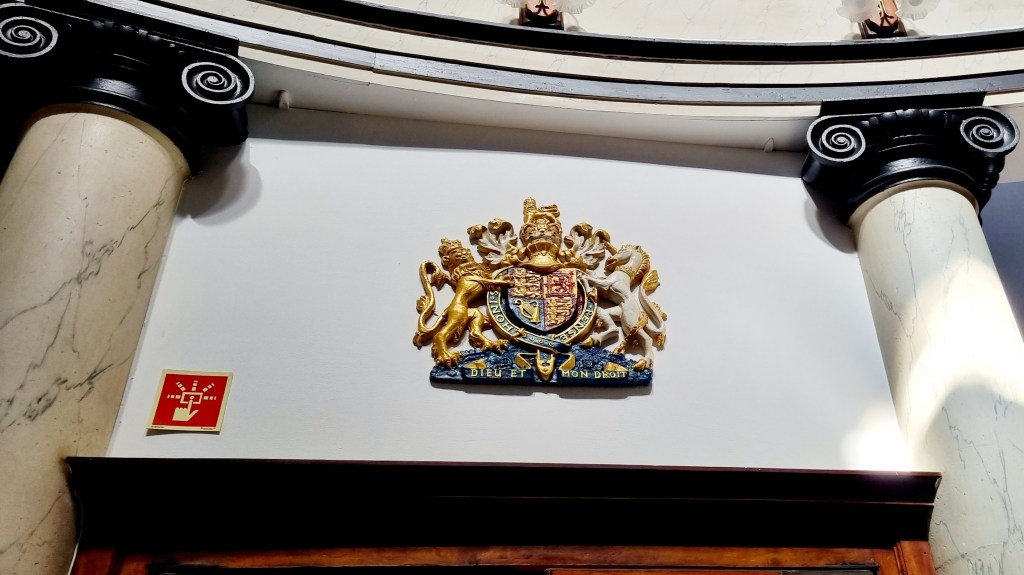
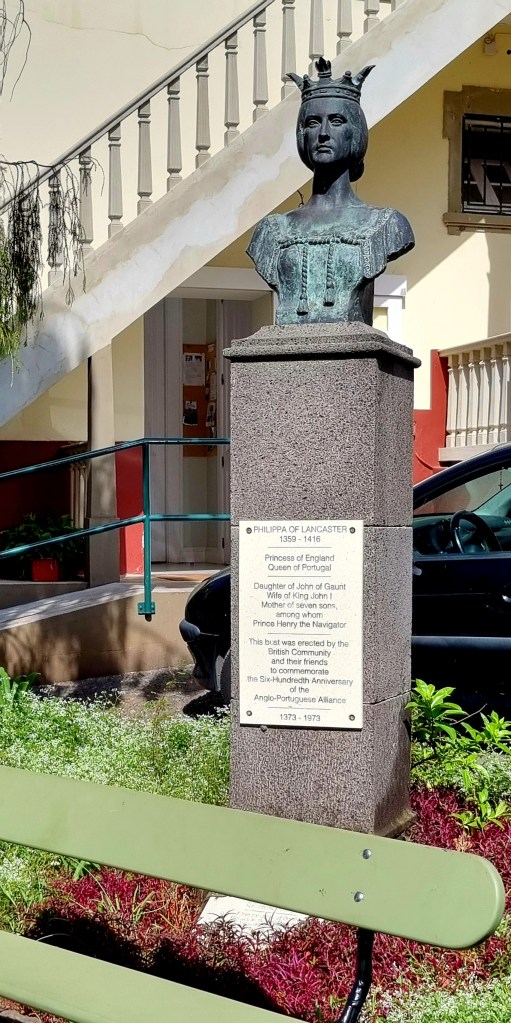
England has had an Alliance with Portugal since 1373, the Wundsor Treaty. To celebrate 600 years of the Alliance a statue of Queen of Portugal/ Princes of England was placed in the church grounds.
British merchants dominated the wine trade after King Charles II married the Portuguese princess Catherine of Braganza in 1662. Britain also sent armed forces to defend Madeira in 1801 to prevent Napoleon from capturing it.
From the city you could look up to Fortaleza do Pico. This is owned and partly used by the Portuguese military, which is why the flag of Portugal flies between the flags for Madeira and Europe. At the end of the 16th century, Portugal was ruled by Spain, and it was the Spanish who originally built the fort.
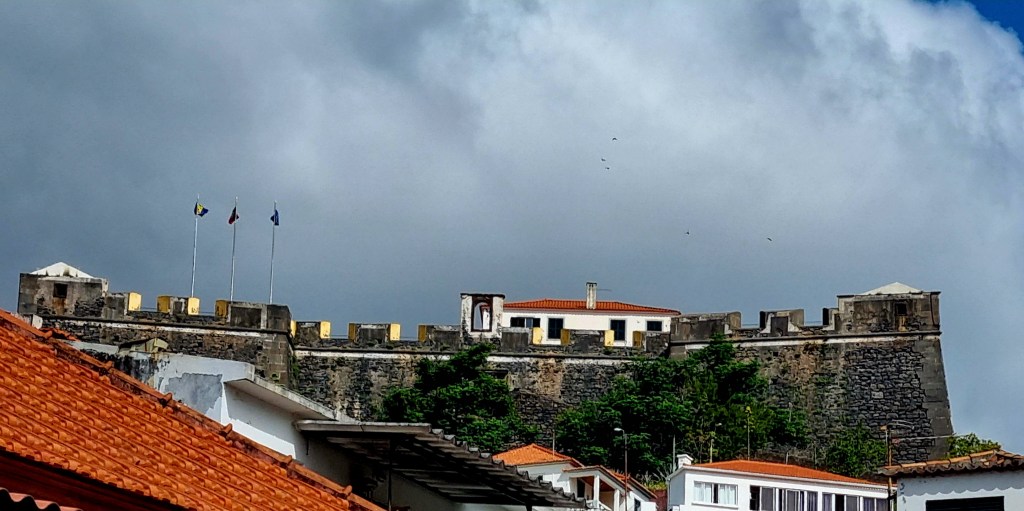
Many of the houses in Madeira have watch towers. Residents used the towers to look out for pirate boats. Over time, the towers became a sign of wealth, as was having a large fir tree by your house.
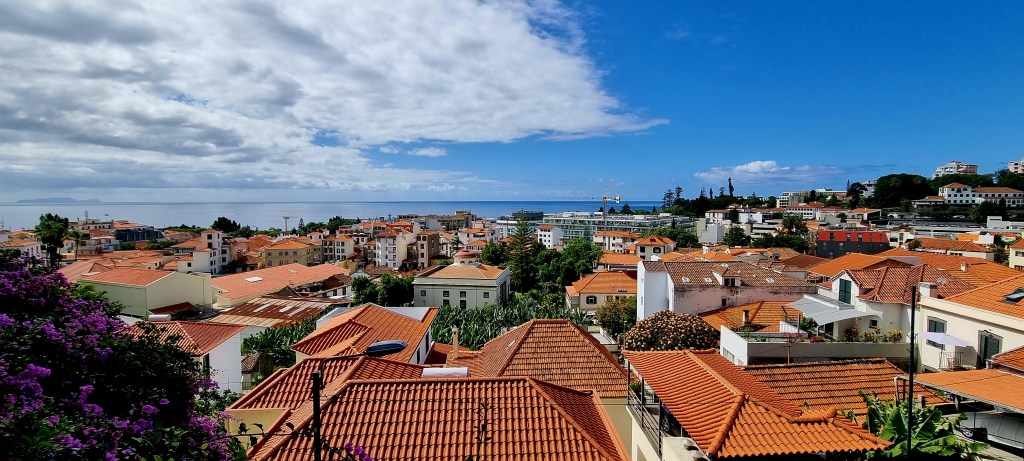
Zarco’s son, the first founding father of Madeira, founded Santa Clara Covent in 1476. His house was built close by.
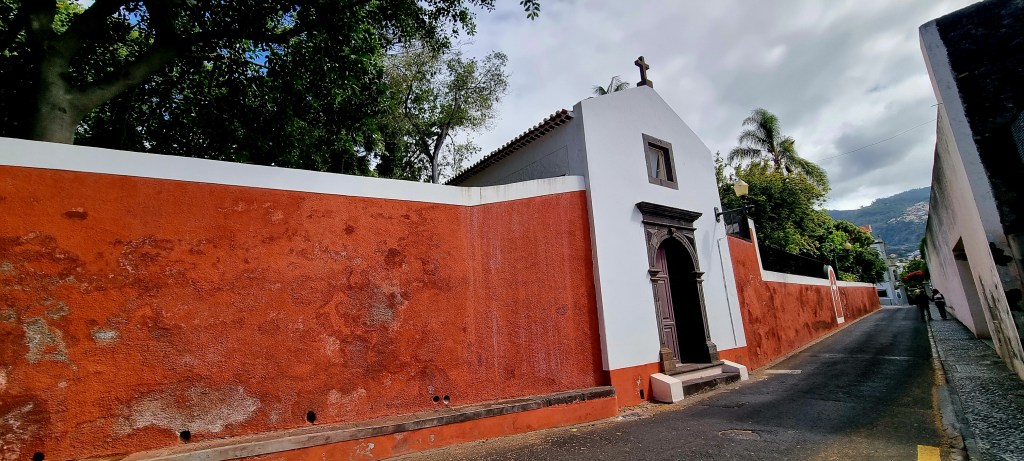
In 1566, when the French attacked, the nuns from the convent escaped to what is known as ‘Nun’s Valley’ with all the treasure from the church. It was after this attack, when Spain ruled Portugal, that many of the forts and City walls were built.
Santa Clara Covent is surrounded by high walls to shield the nuns from prying eyes.
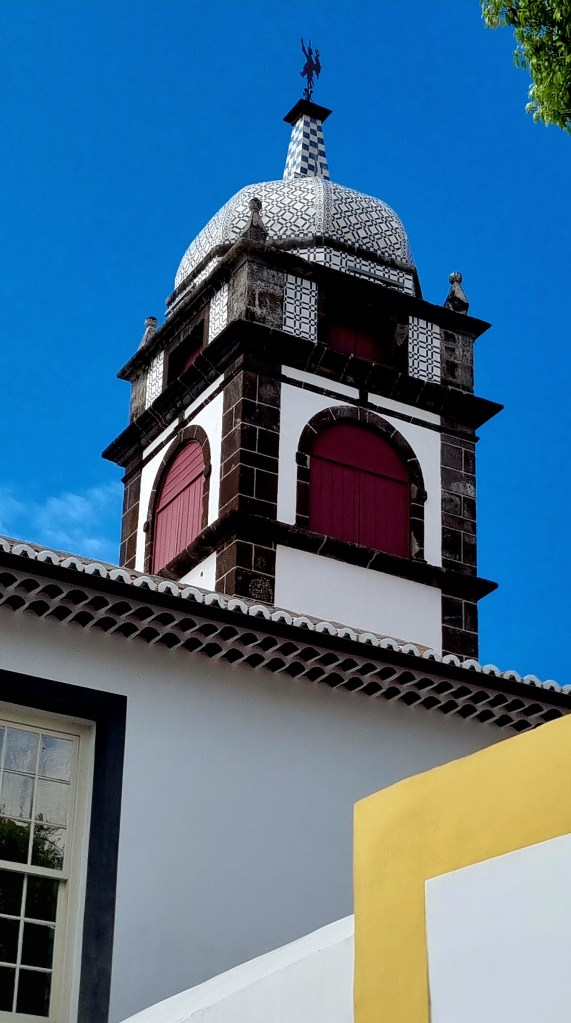
The next place we visited was Sáo Pedro Church. This was the main church in Madeira until the Cathedral was built.
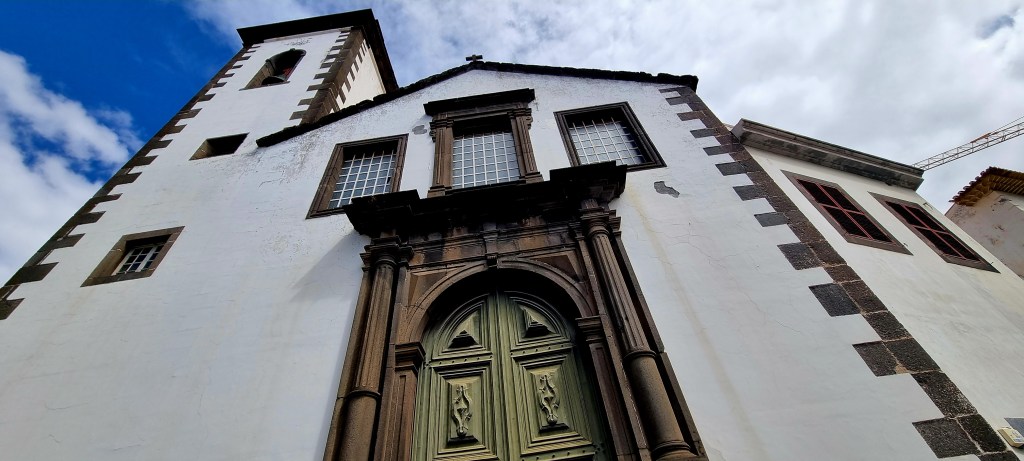
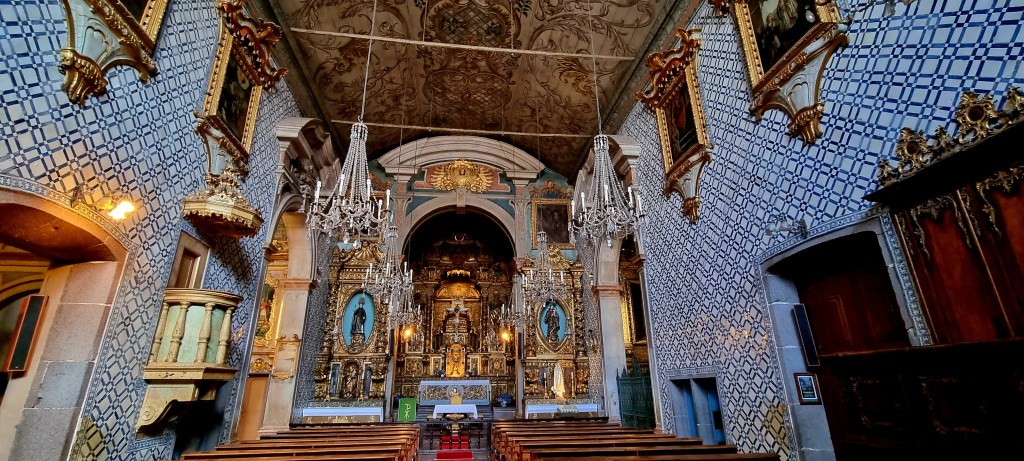
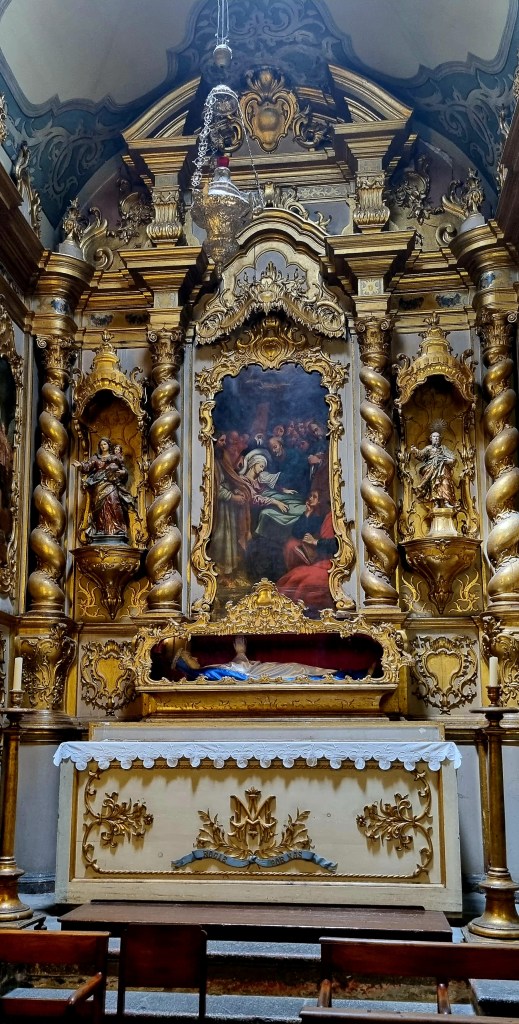
The street leading away from the church translates to ‘Street of black women’. During the time of slavery and paid servants, many black women used this street to get to and from the market.
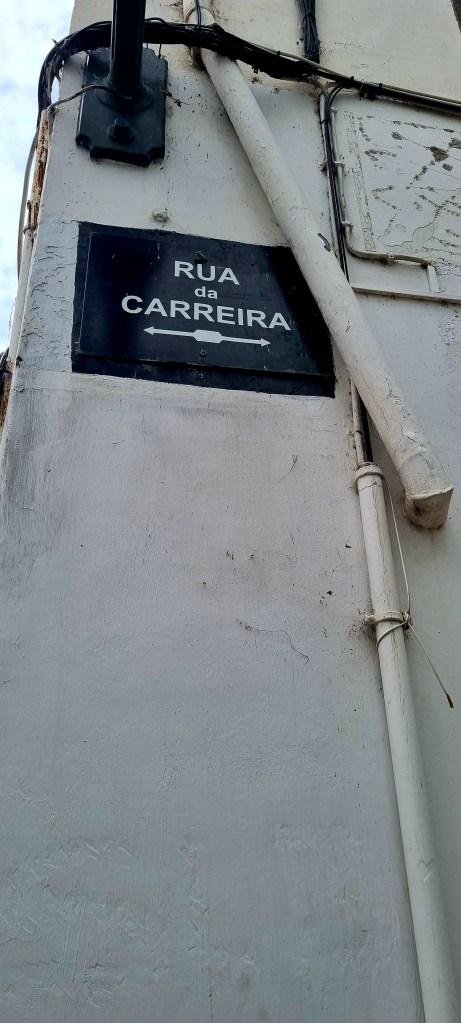
Rua da Carreira is the longest street in Funchal and was originally used for horse racing.
We walked down to the outdoor municipal theatre where they have a lot of live music and shows. This theatre was built in the 19th century.
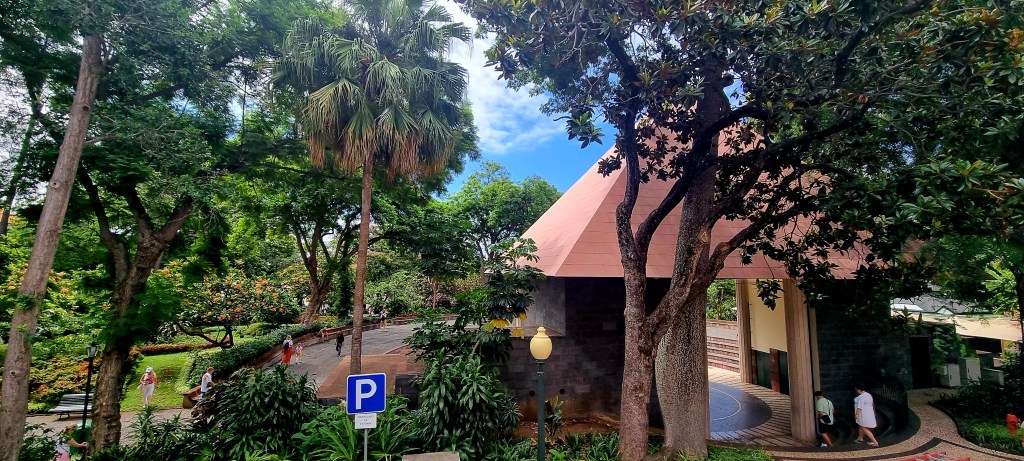
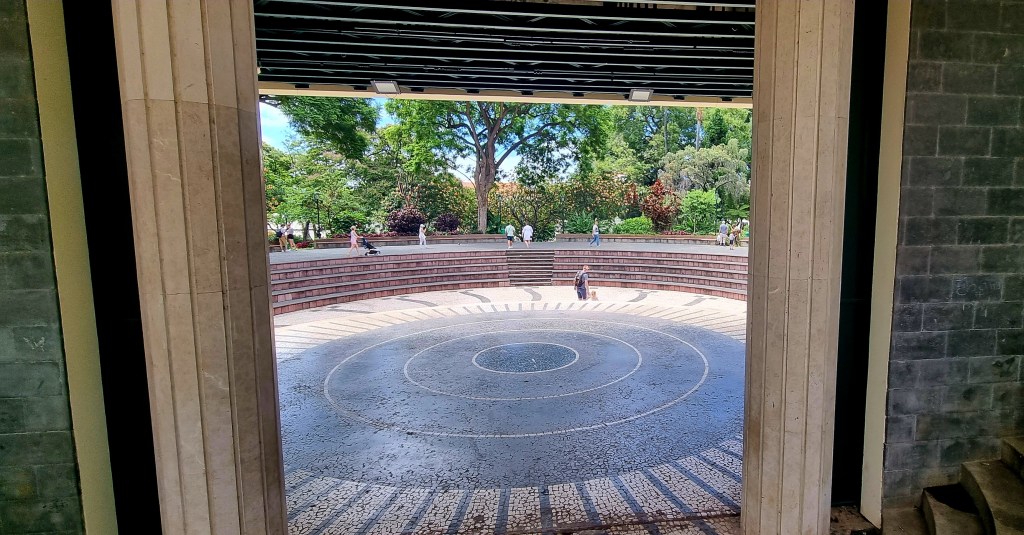
Close to here are the gardens of Sáo Francisco. St Francis, the patron Saint of the environment, oversees this city centre garden, which is built on the site of a Franciscan friary.
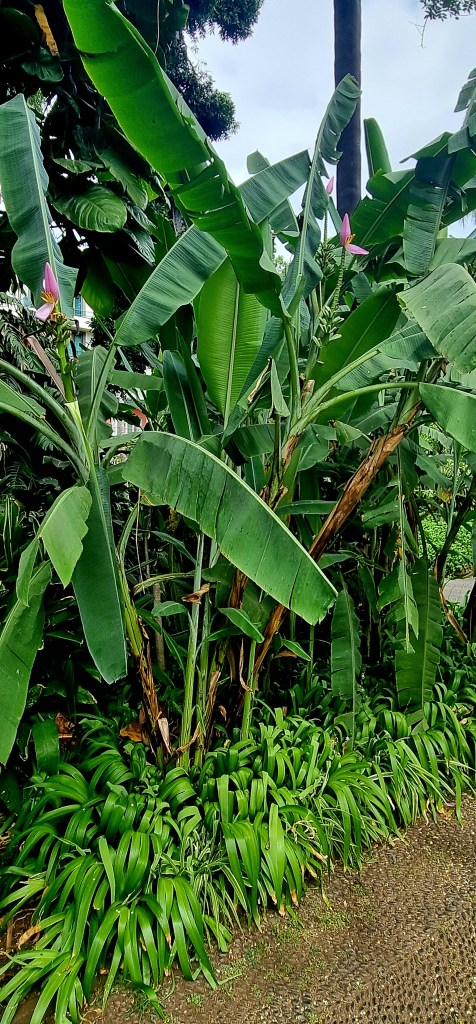
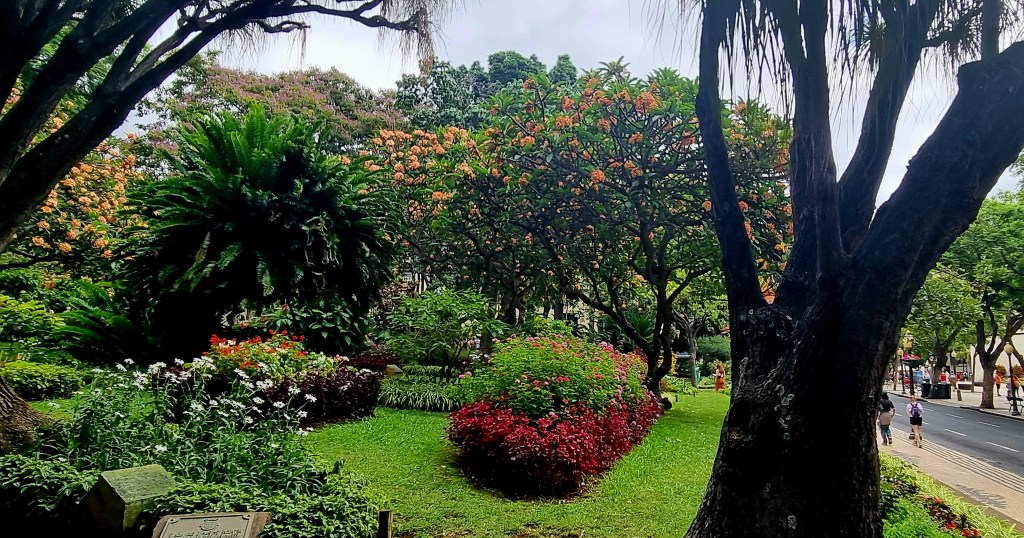
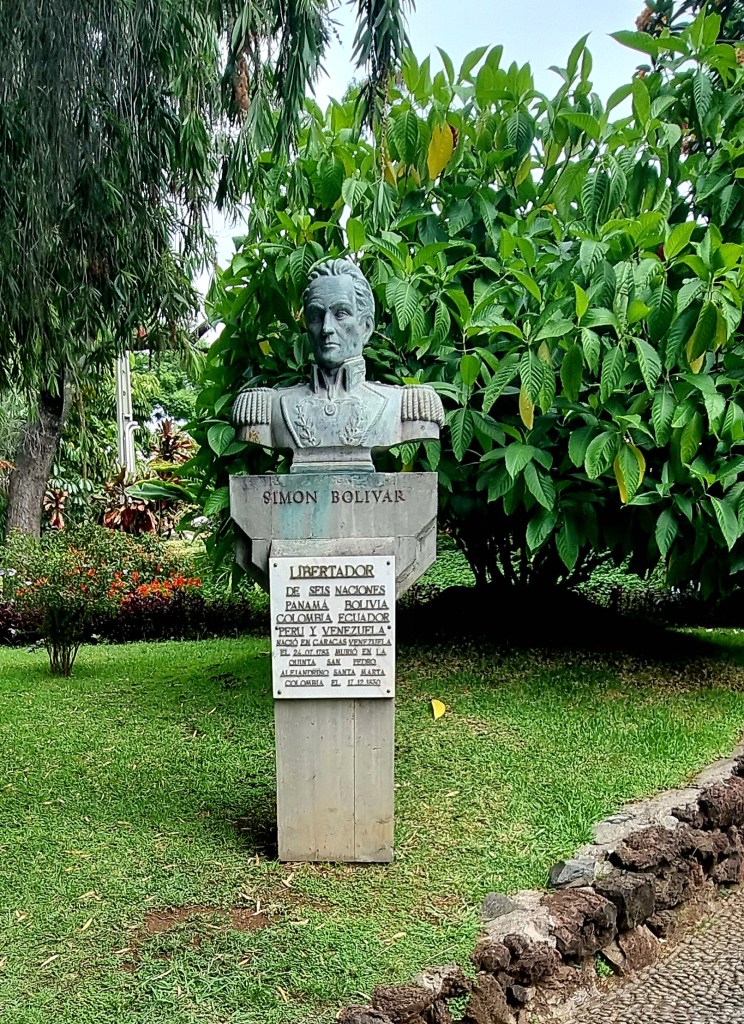
In the garden is a statue of Simon Bolivar. He helped liberate a lot of South America from Spain.
The next statue was of Zarco, the founding father of Madeira. Prince Henry, third son of King John I of Portugal, sent Zarco to the islands. He planted the Portuguese flag on Porto Santo in 1419 and on Madeira in 1420. His real name was Joáo Goncalves but he was nicknamed Zarco, “squinter”, after he lost an eye in battle in 1415.
His statue has farmers, scientists, religious leaders and noblemen around it.

Close to this statue is the ‘corner of the word’. This is named as such because all the people coming in from the boats used to turn this corner to conduct their business in town and then go back the same way. The Golden Gate Cafe is now on this corner.

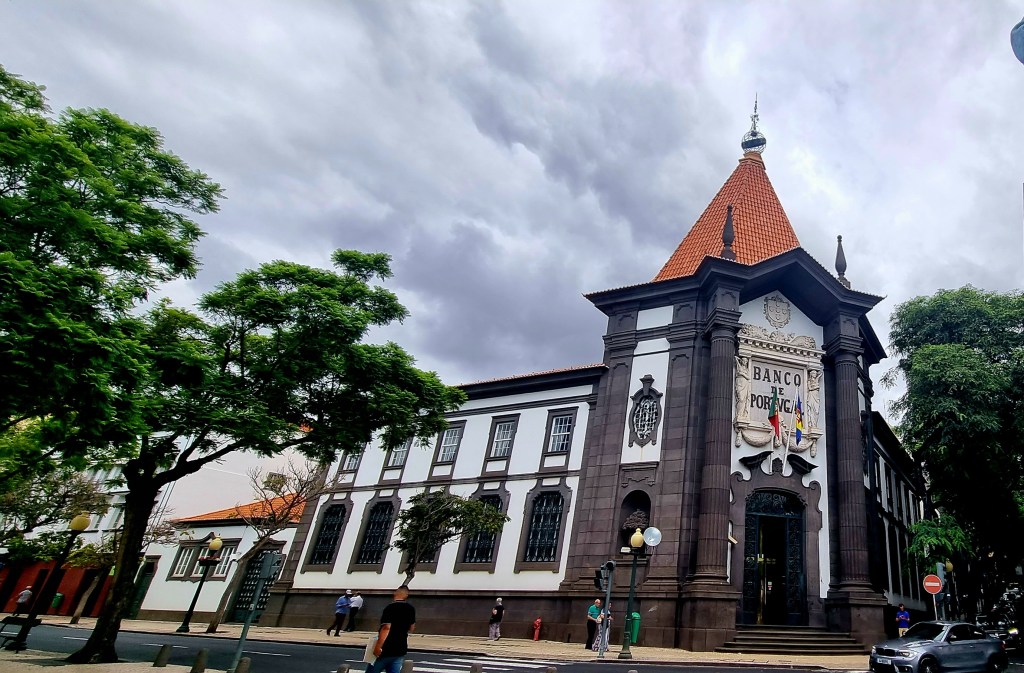
We passed by the bank of Portugal. This is one of the most outstanding buildings in Funchal.
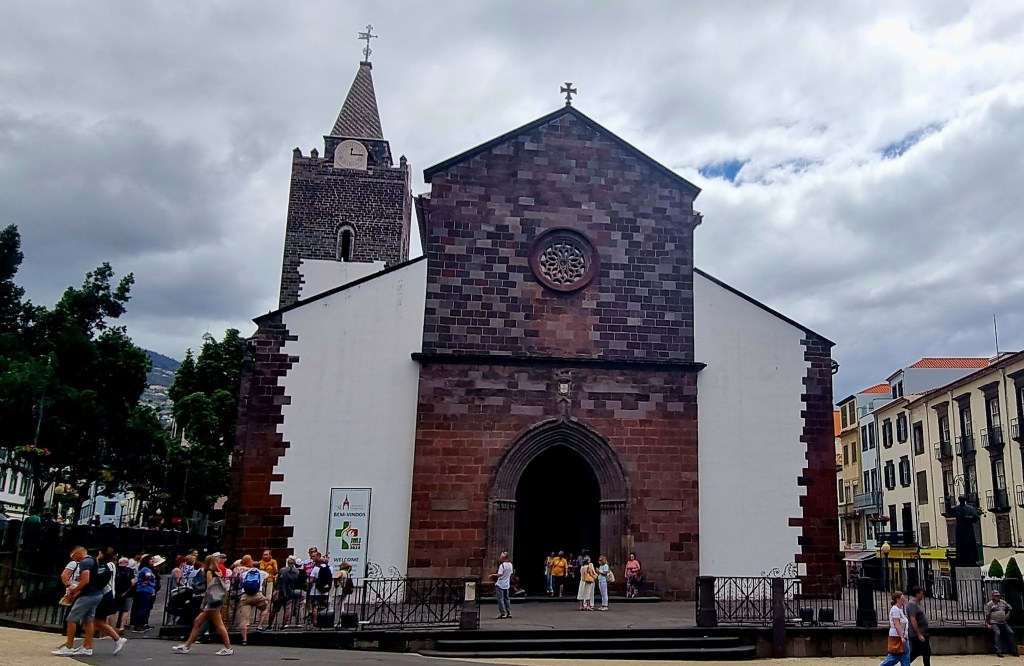
The next stop was the cathedral. The tower on the cathedral is the same height as the length of the church. The coat of arms over the doorway of the cathedral is from King Manuel I of Portugal, who helped to fund its construction. The cathedral was begun in 1493 and was finally completed in 1517.
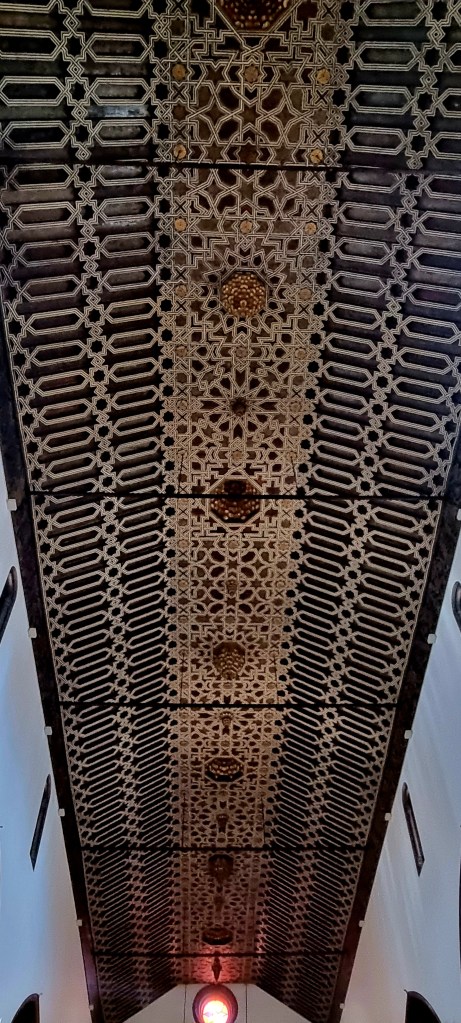
The ceiling inside the cathedral is stunning and made from cedarwood from Madeira. It is 1500m² and is the largest ceiling of its kind in Portugal. The patterns of knots and lozenges, with projections similar to stalactites, is based on the geometric art of medieval Islam.
The inside of the cathedral was stunning. The altarpiece was made in 16th century and includes 12 scenes from the lives of Christ and his mother Mary.
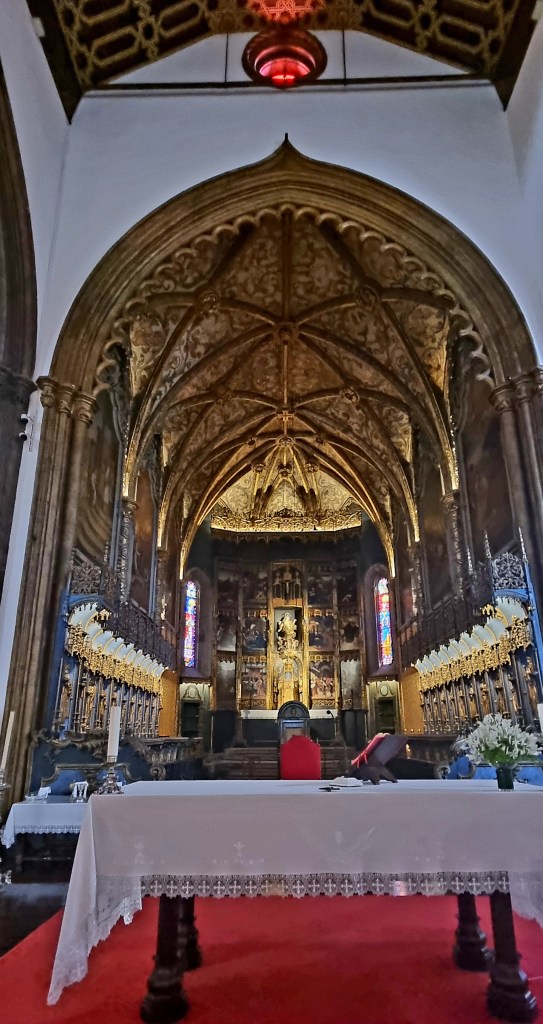
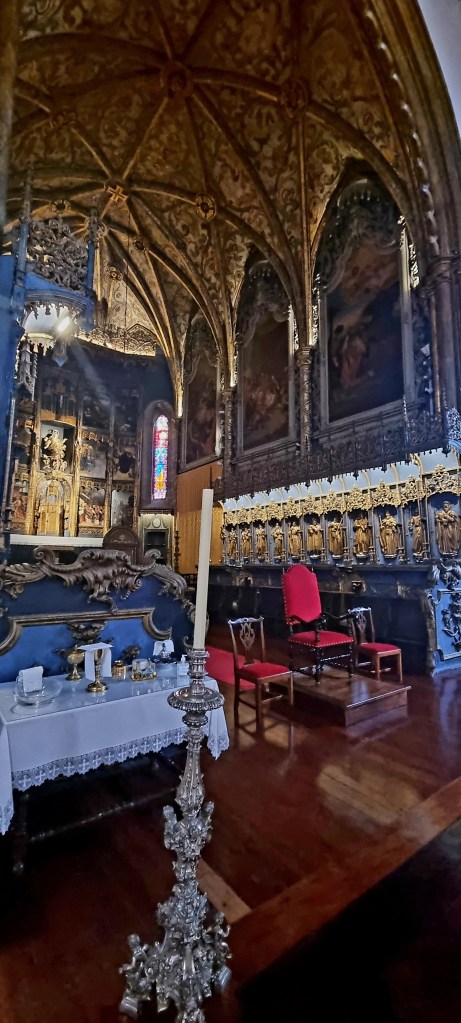
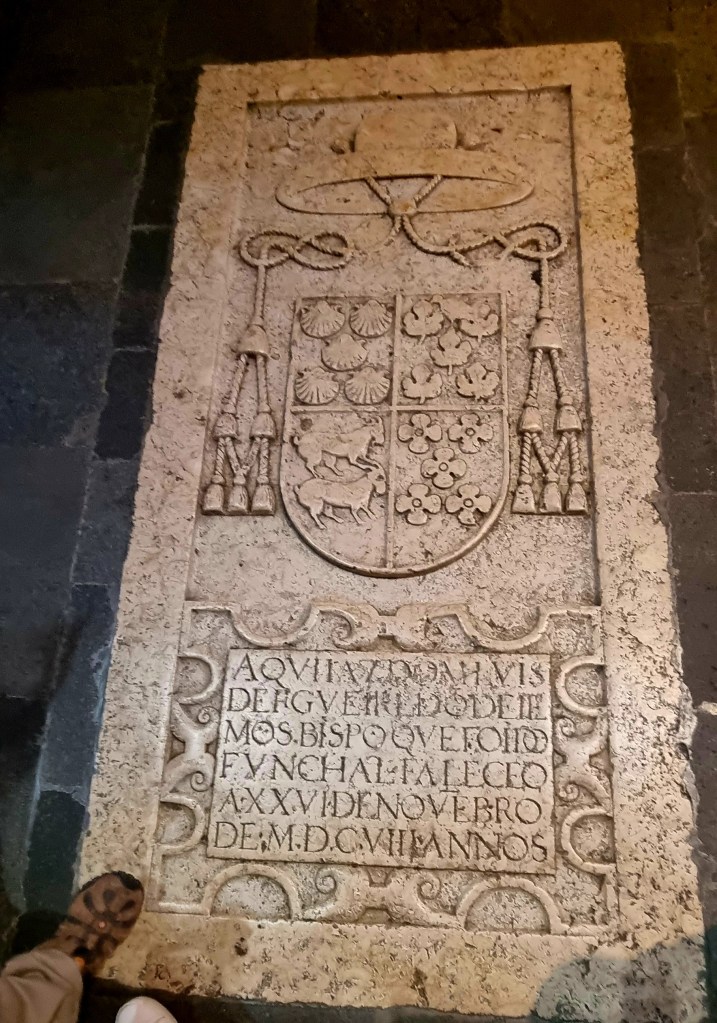
The cathedral was often invaded by pirates. The churchgoers used to hide any valuables in the tombs of people who had been recently buried.
The almost final stop was another church, Igreja do Colégio, a large Jesuit Church. The Jesuits were a large brotherhood of missionary priests who owned huge wine estates on Madeira. They used some of their wealth on the church. They built a hall alongside the church, which is now part of the University of Madeira. The church started to be built in 1629 and was completed in the first half of the 18th century.
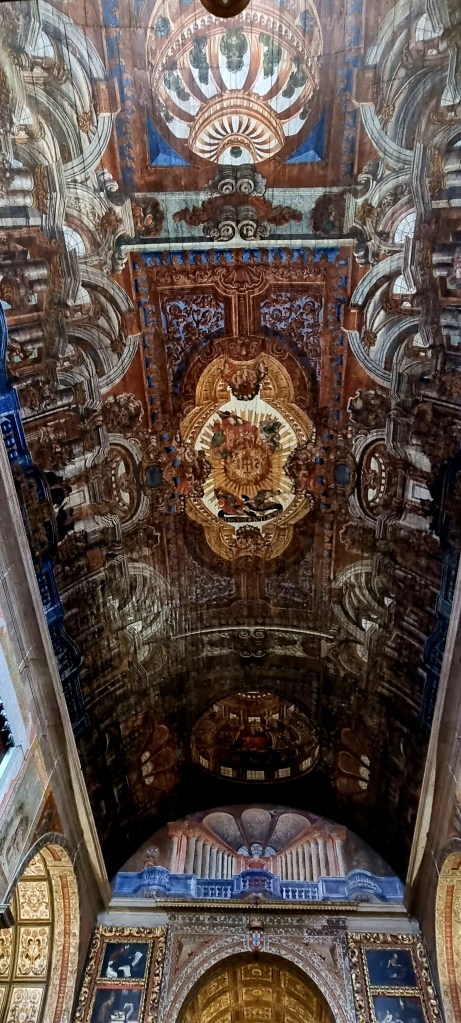
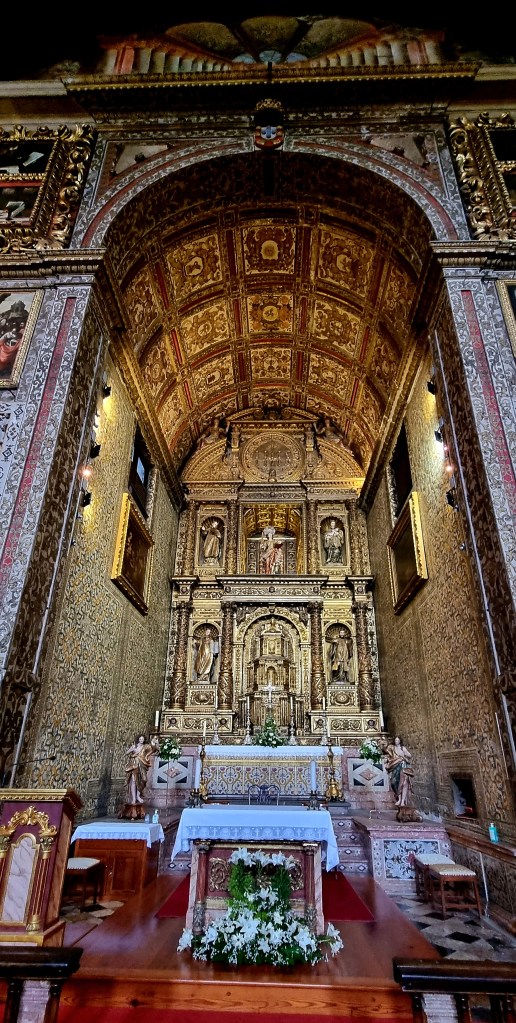
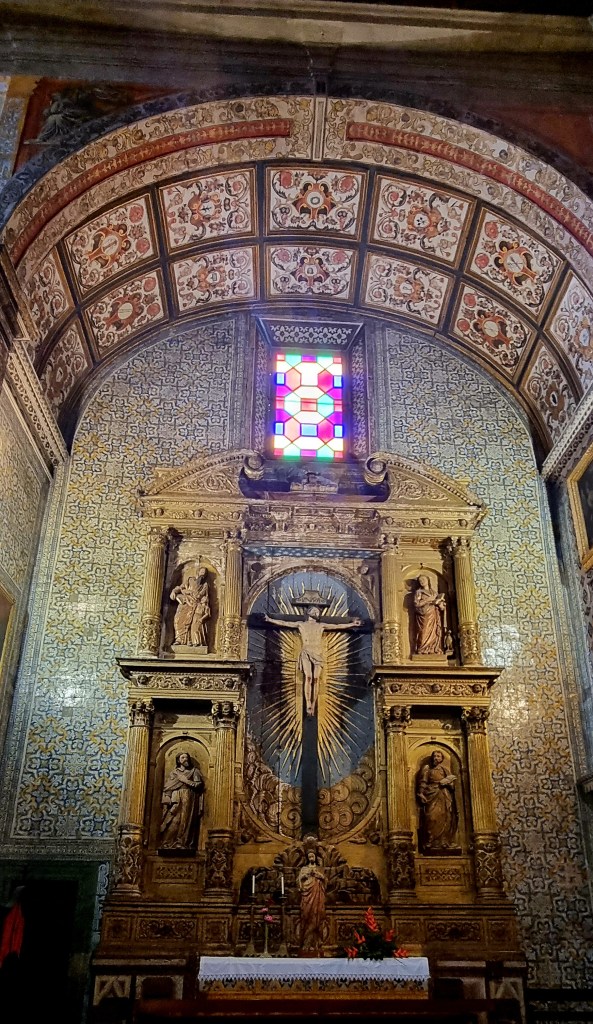
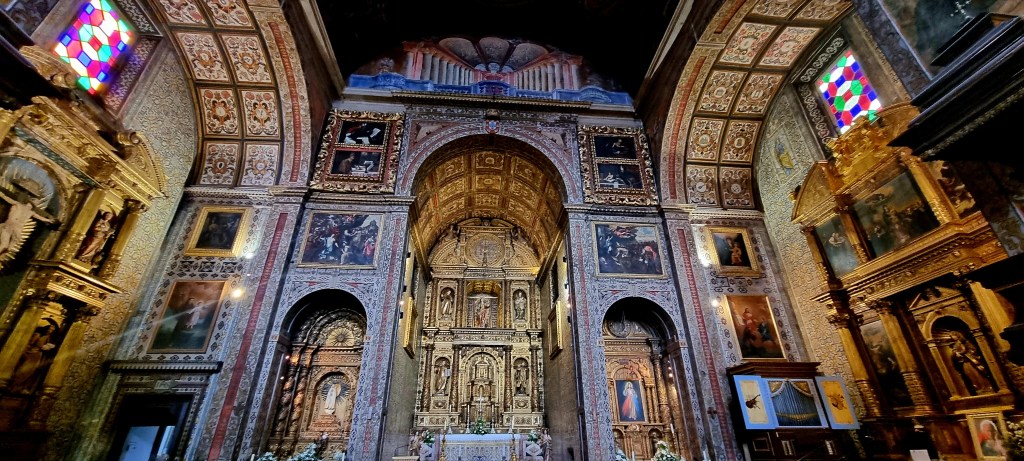
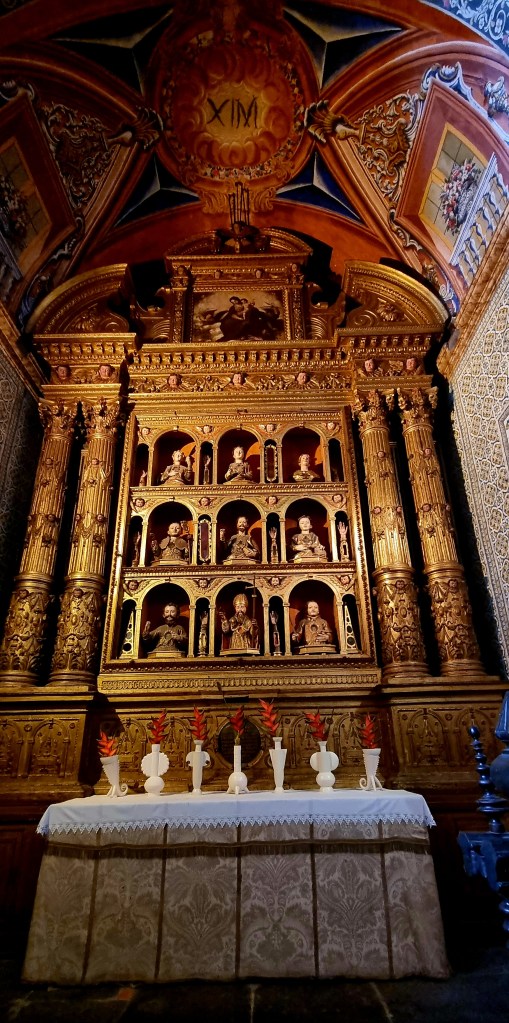
The church was modelled on a Jesuit Church in Rome, and it has two pulpits facing each other, which were built as such to encourage debate. This church was a major part of the Inquisition.
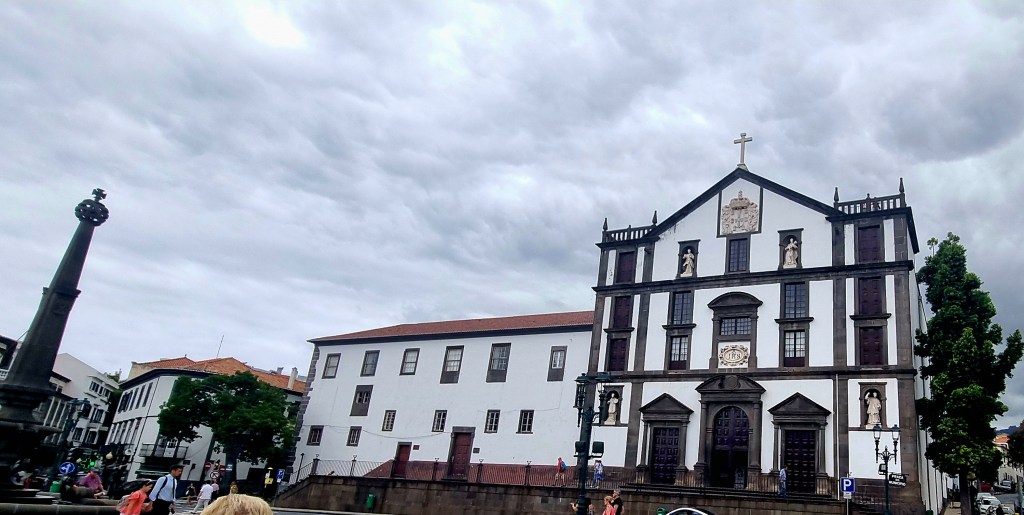
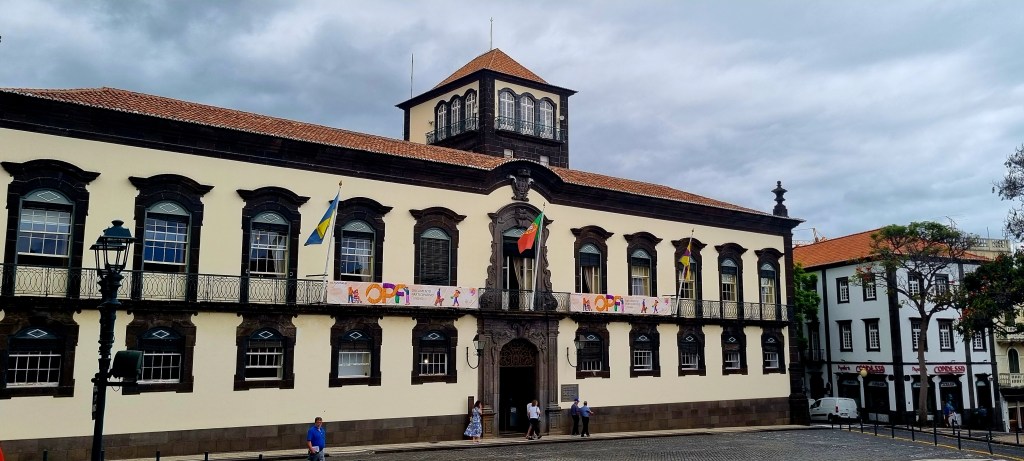
To the left of the church is the town hall. Opposite is now a museum, but it used to be the residence of the bishop. The bishop was responsible for bringing the inquisition to Madeira. Funchal was the biggest diosce in the world for 22 years as the bishop was also the bishop of Goa, Brazil and South Africa.
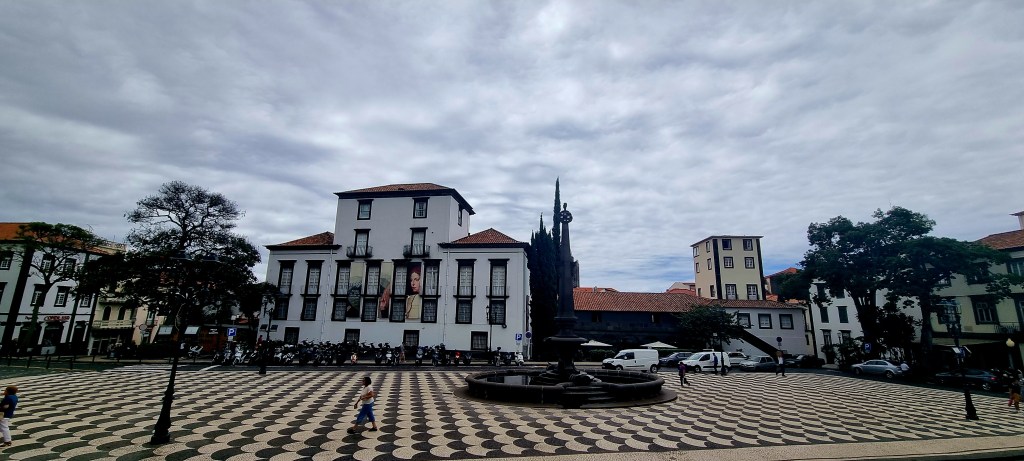
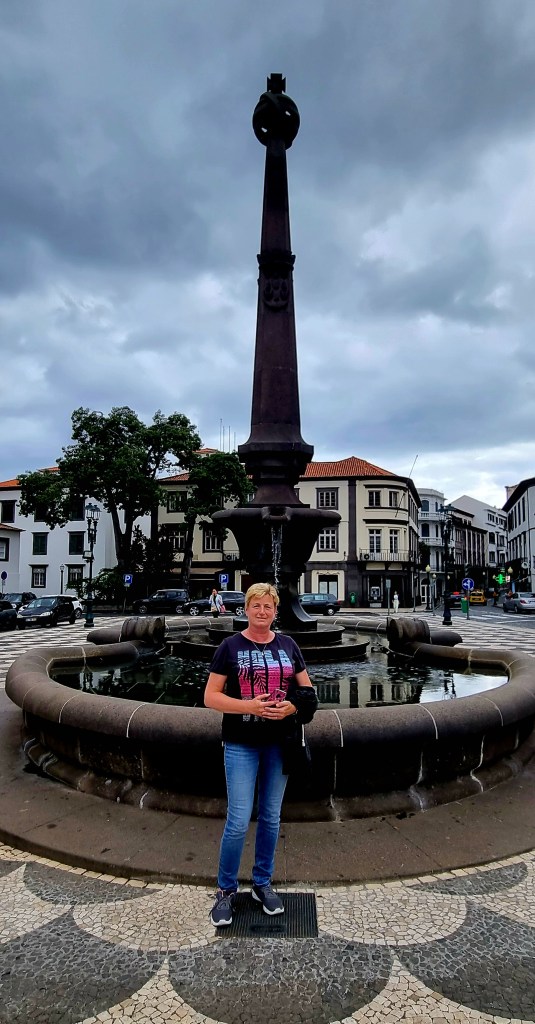
The monument in the middle of the square is the coat of arms of Madeira, depicting sugar cane and grapes, which represent the most important economic aspects of the city – wine and sugar.
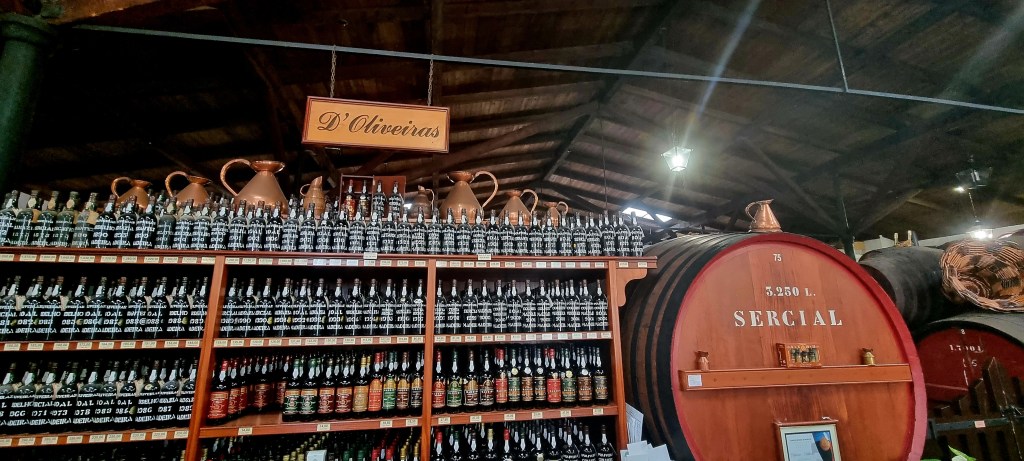
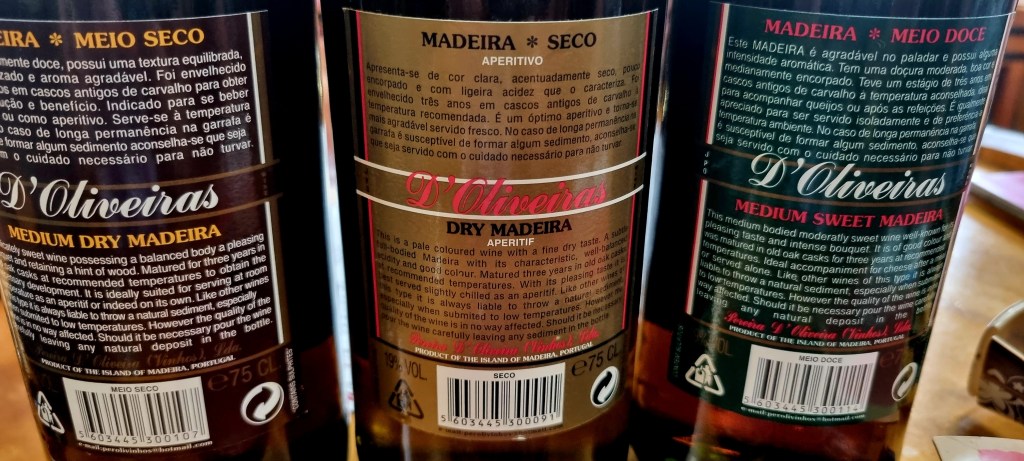
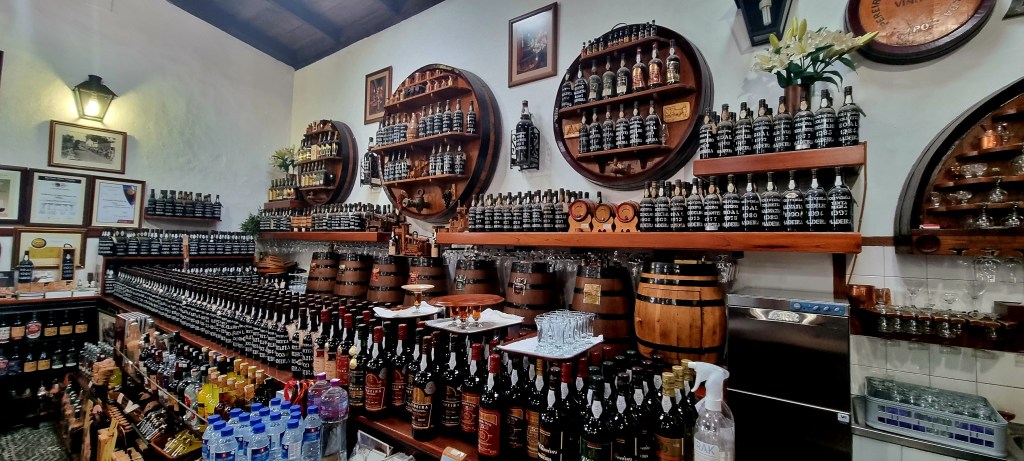
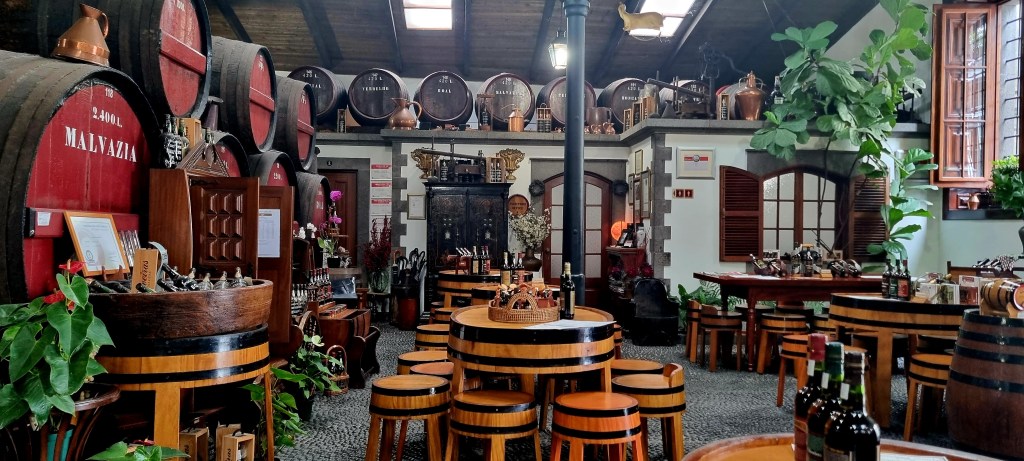
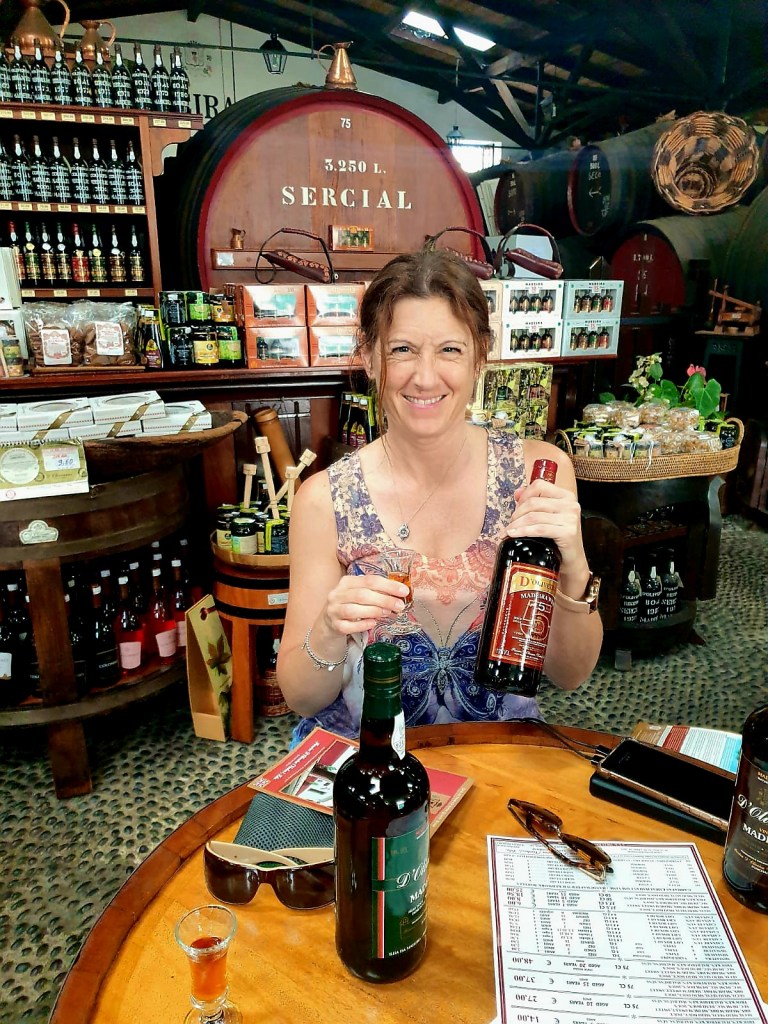
And to finish off the walking tour, we went to try some Madeira wine at D’Oliveiras. The dry wine was cheaper than the sweet version. We both agreed that the medium dry was the best option, so we bought a bottle to drink during the rest of our holiday.
 Fun, Fitness and Fabulousness in your Fifties