We were up fairly early as we had a taxi booked for 10:30am to take us to St Nicholas Abbey. It was only a short 10 minute drive away.
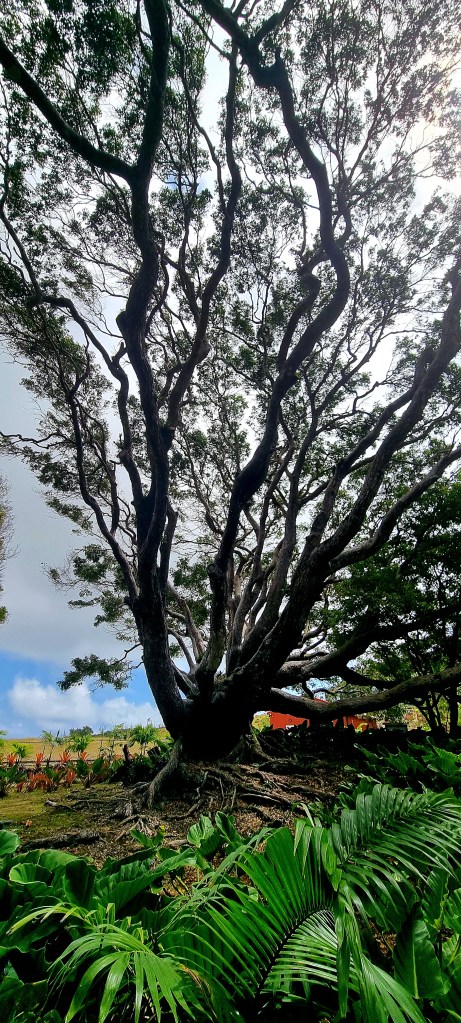
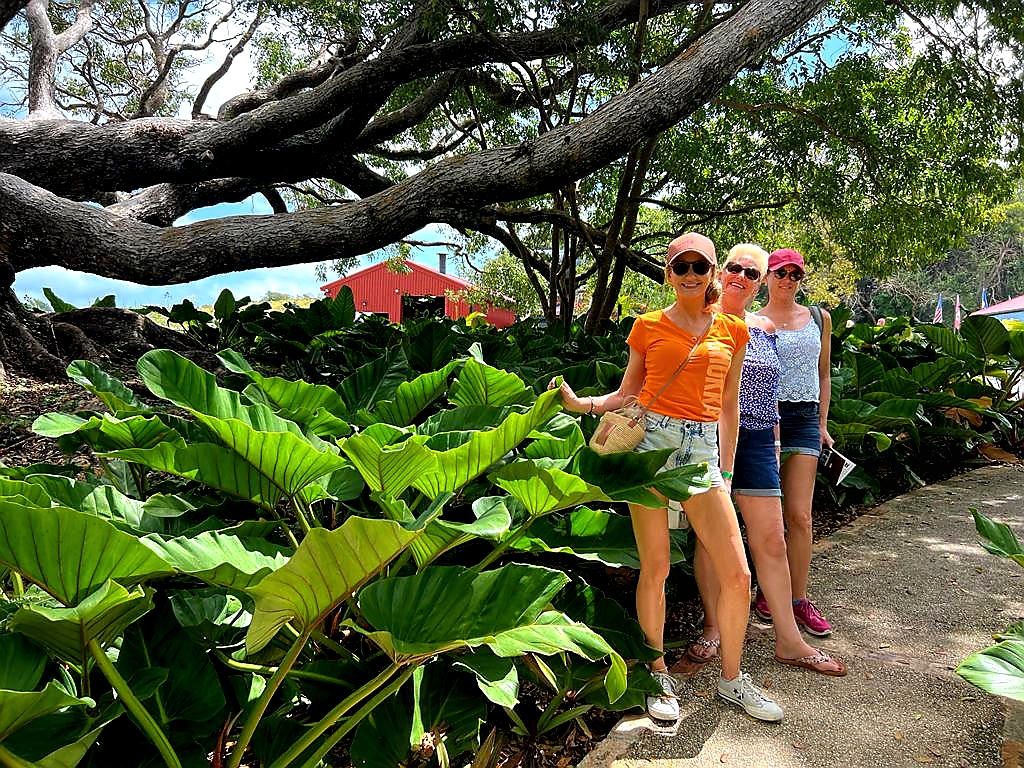
The taxi driver dropped us at the entrance and we went for a short walk. The first thing we saw were the massive mahogany trees. They are over 250 years old.
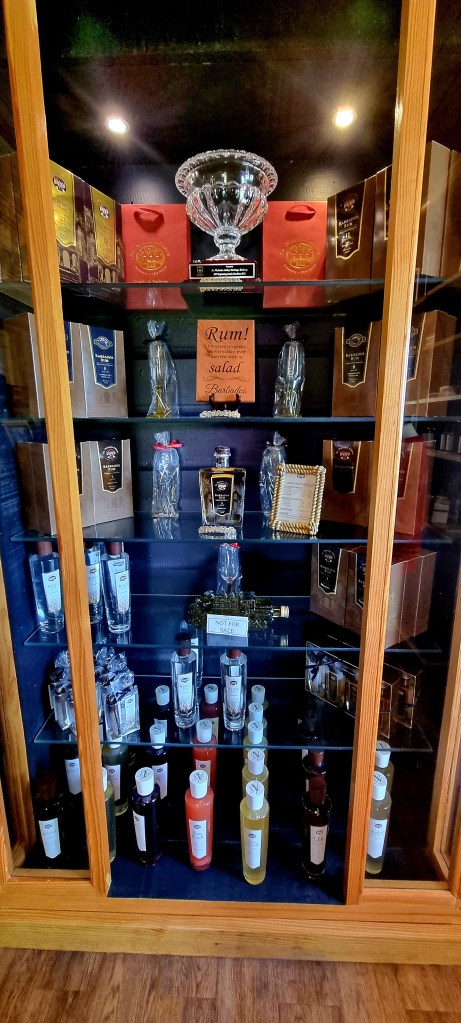
We had a train ride booked, so we perused the gift shop whilst we waited for the train.

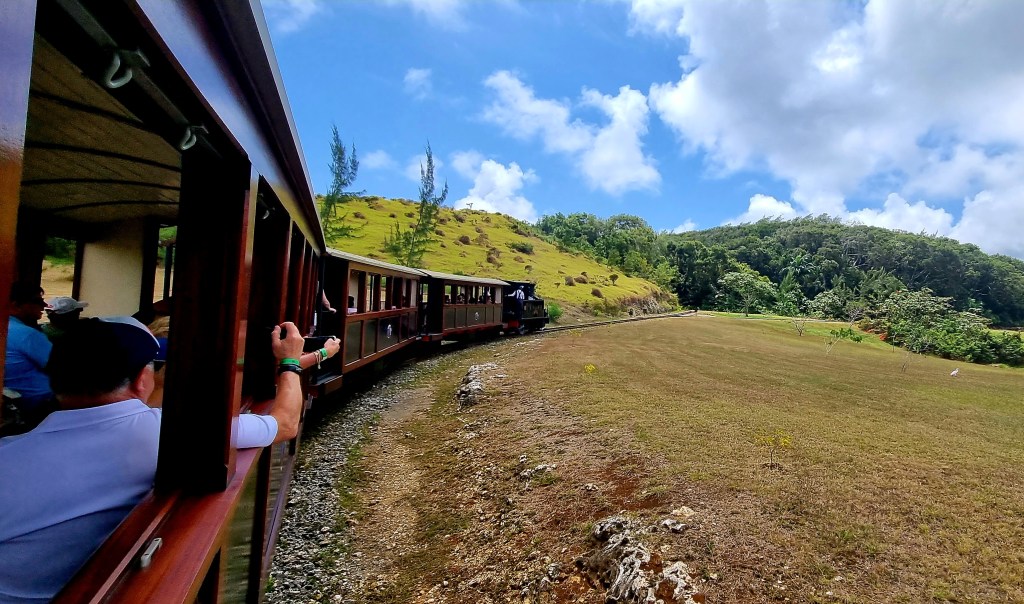
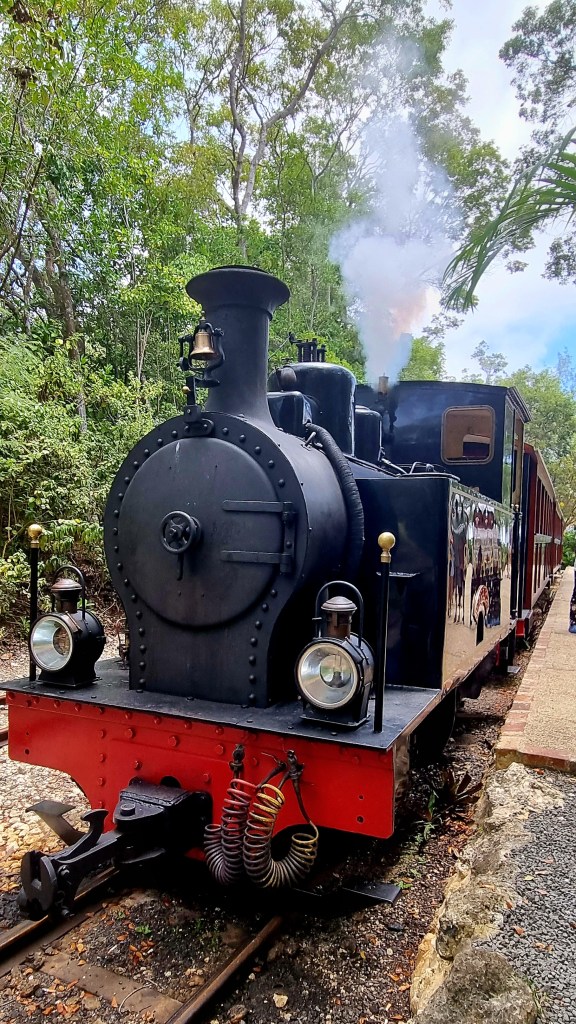
The train is an old steam locomotive.
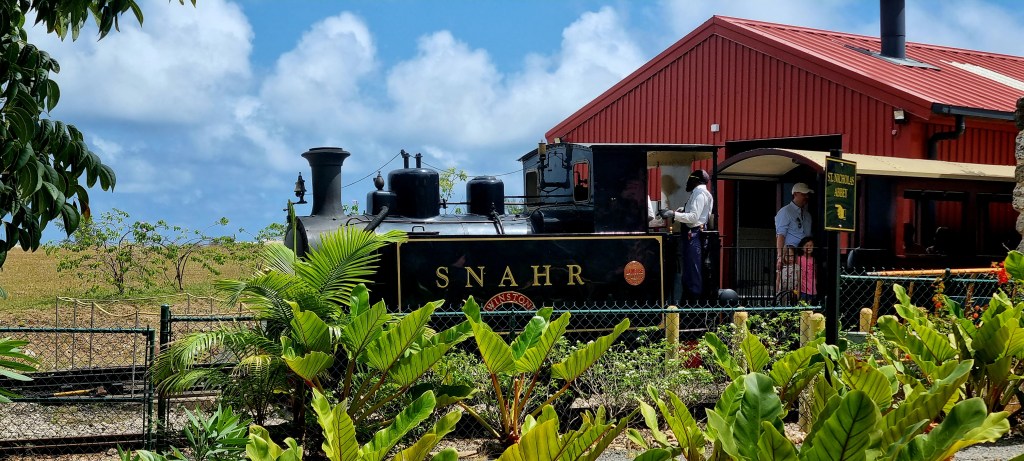
The train was called Winston, and a lovely lady provided a commentary as we rode through the 400-acre plantation.
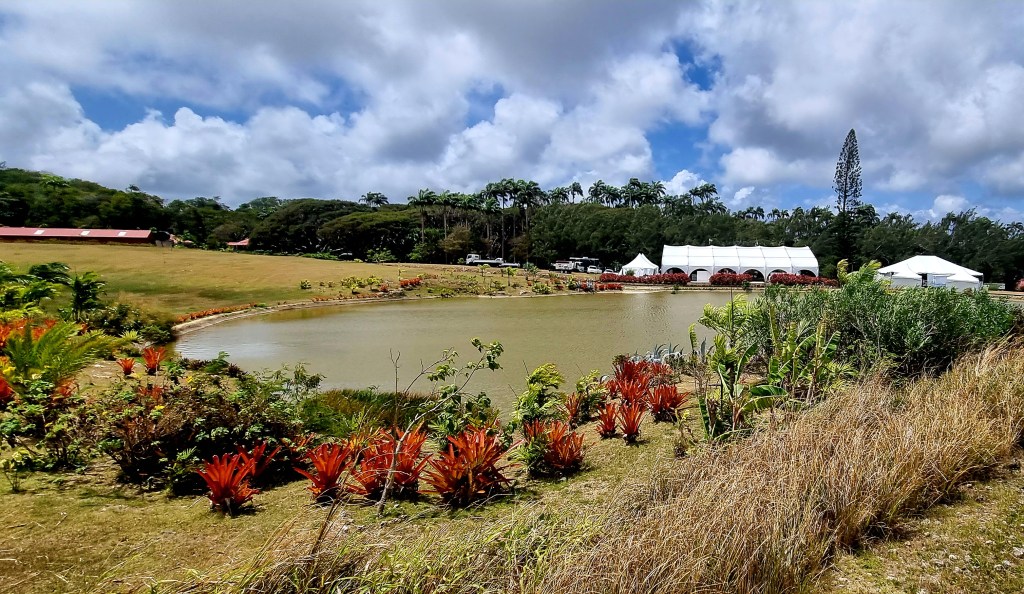
At the start of the train ride we passed a huge lake. This lake supplies the water for the plantation.
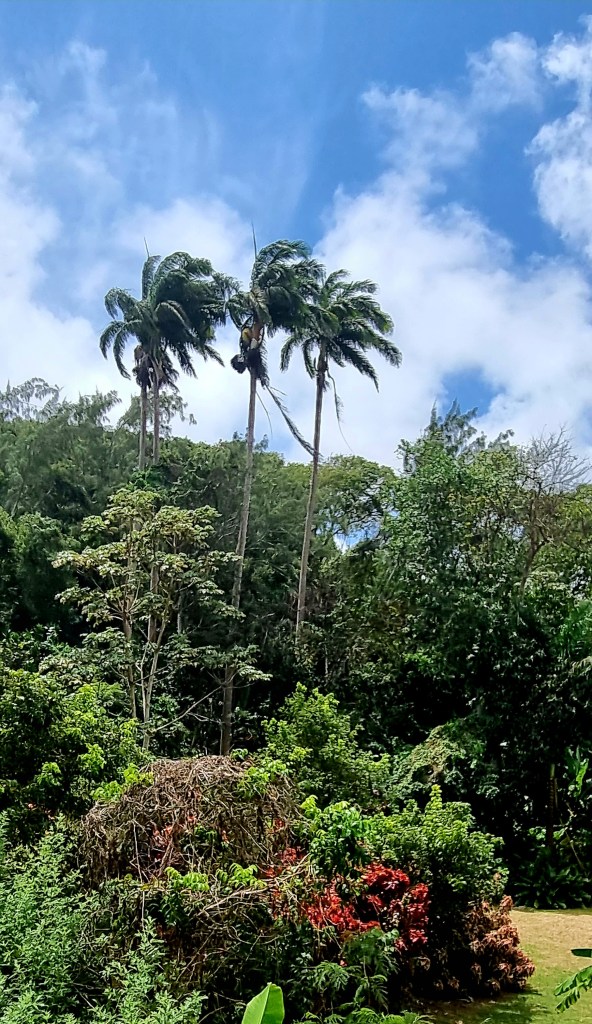
We passed some very tall palm trees. Apparently, these very tall trees signal that there is a plantation nearby.
We passed the original entrance to the train track, where the cane was bought from the fields to be transported by the train.
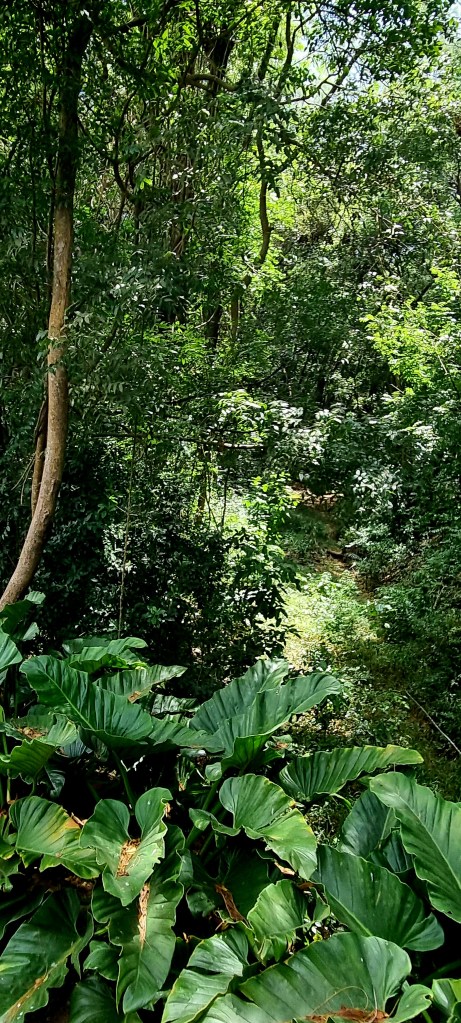
We also saw a quarry, which was where the stone used to build the house came from.
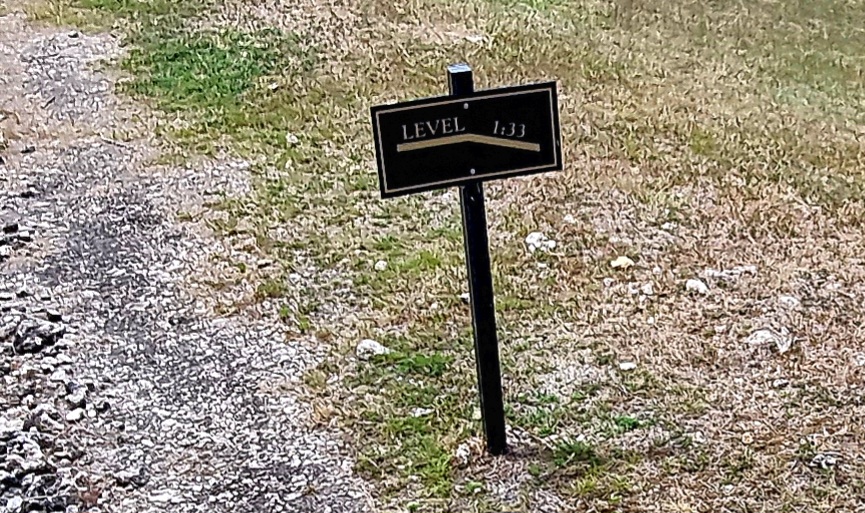
The track was quite steep in places. In the old days, if the train couldn’t get up the track, all those in third class had to get out and push it. They were generally rewarded with rum for doing so.
At the end of the track, we came to Cherry Tree Hill, and the views from here were stunning.
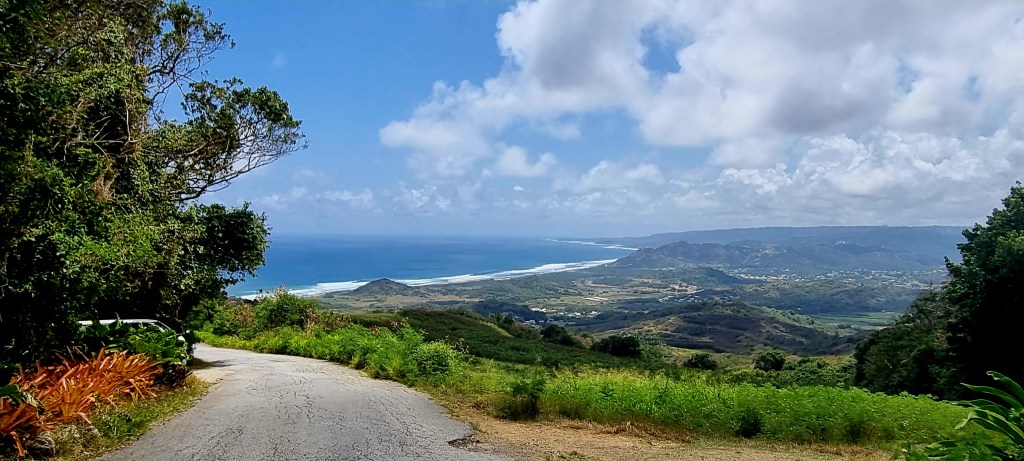
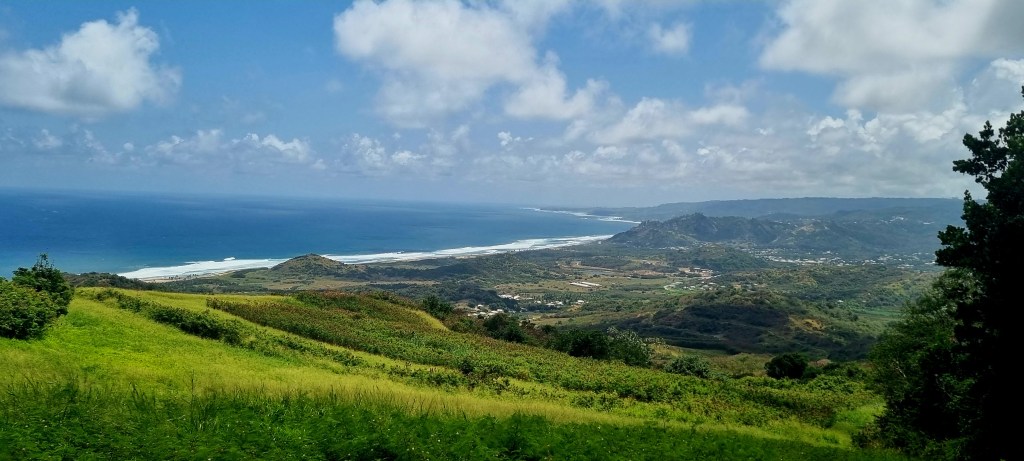
The path up to the hill used to be lined with cherry trees, but they have been replaced with mahogany trees now, which were planted in the 18th century. Cherry Tree Hill is an ancient natural paasagewau connecting the east and west coasts of the island.
The locomotive was uncoupled from the train and turned on an old turning point before going to the other end of the train to be reattached. At this point we all got a chance to blow the whistle.
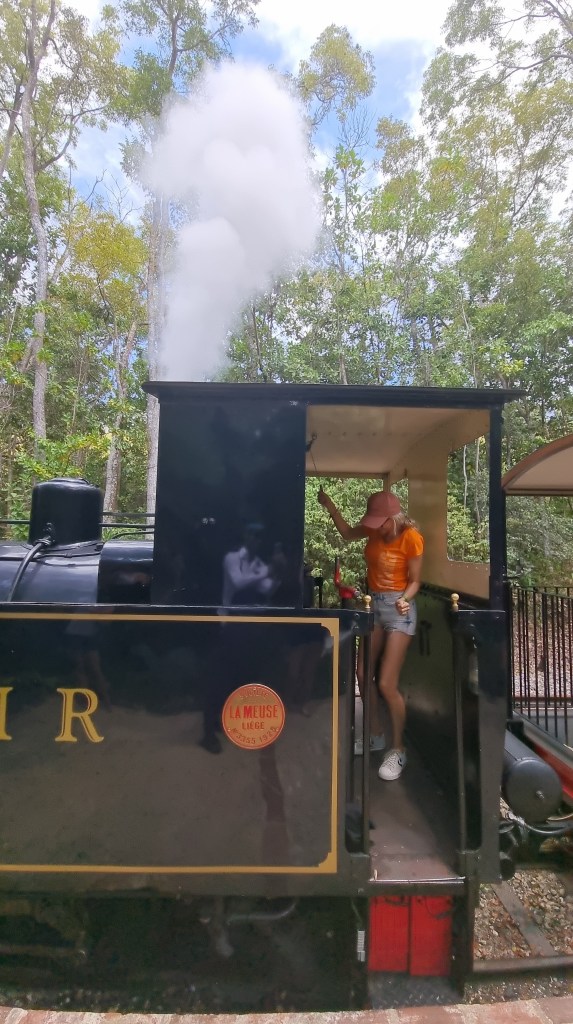
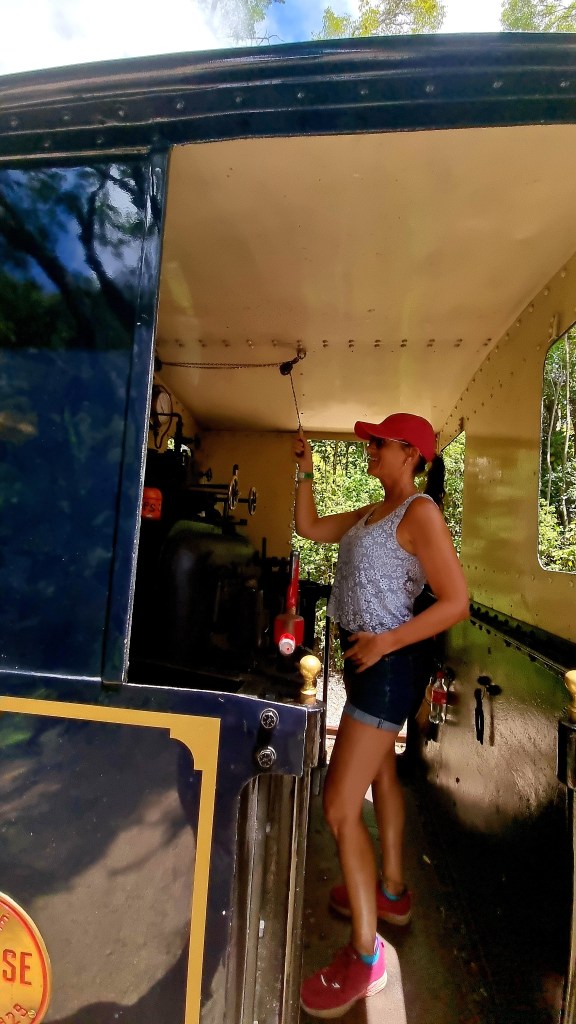
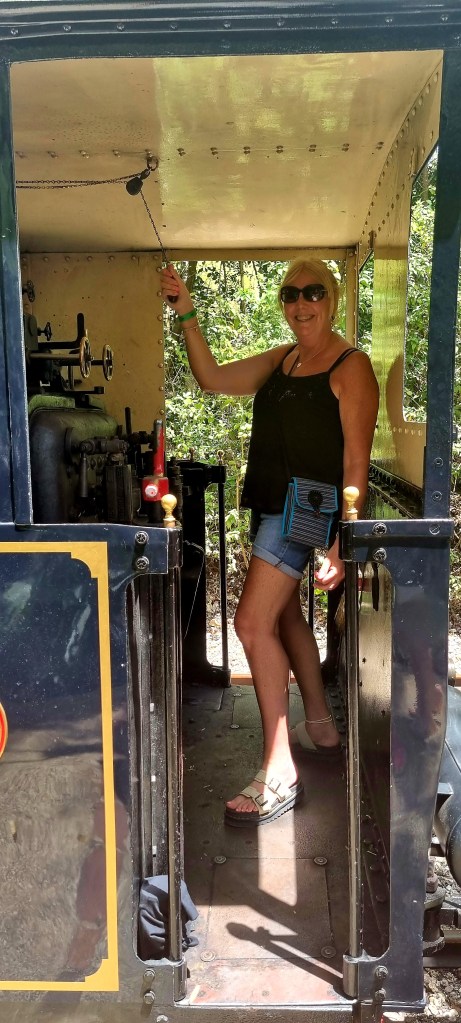
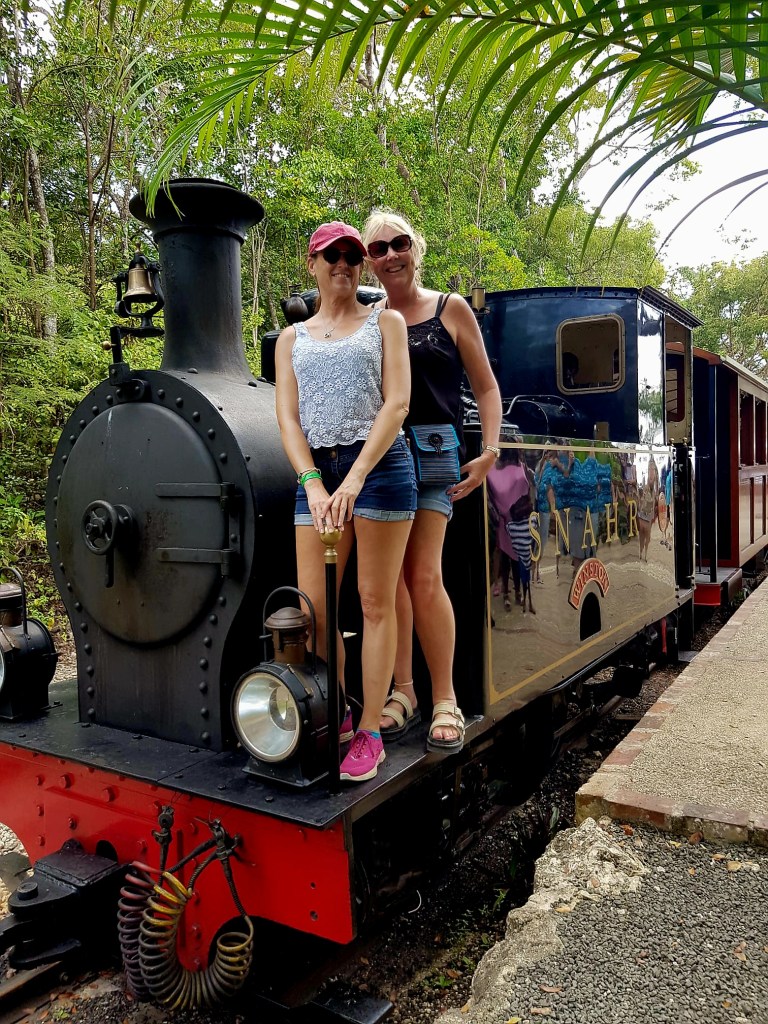
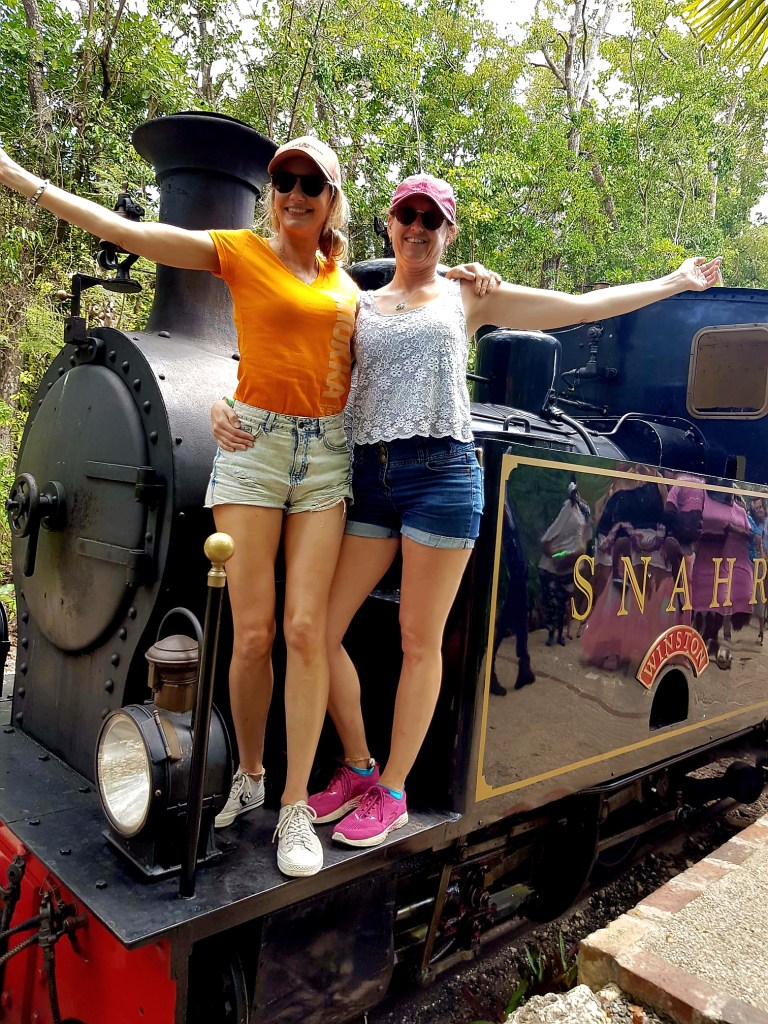
The St Nicholas Abbey Heritage railway was only completed in 2018 and is 1.5km long.
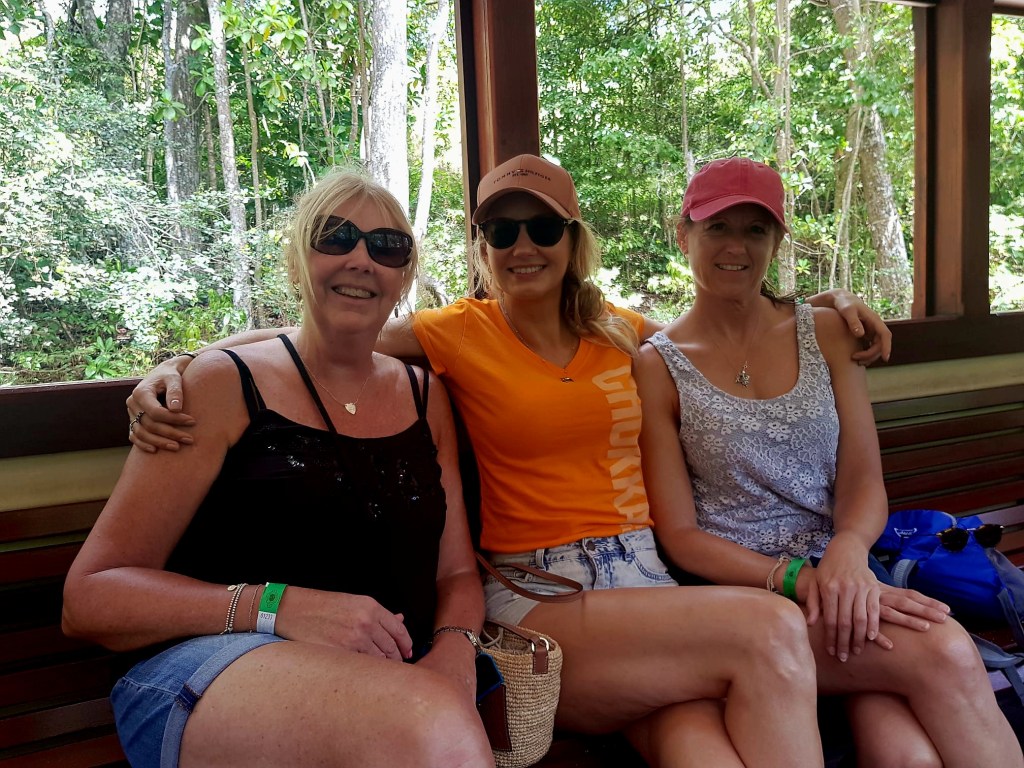
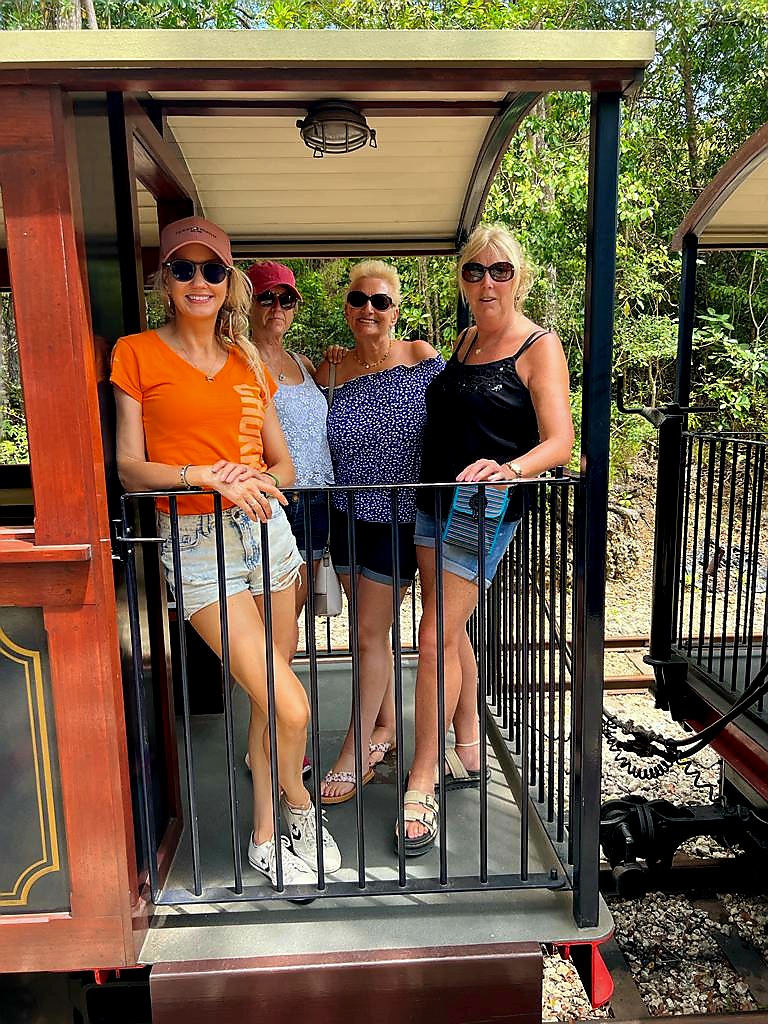
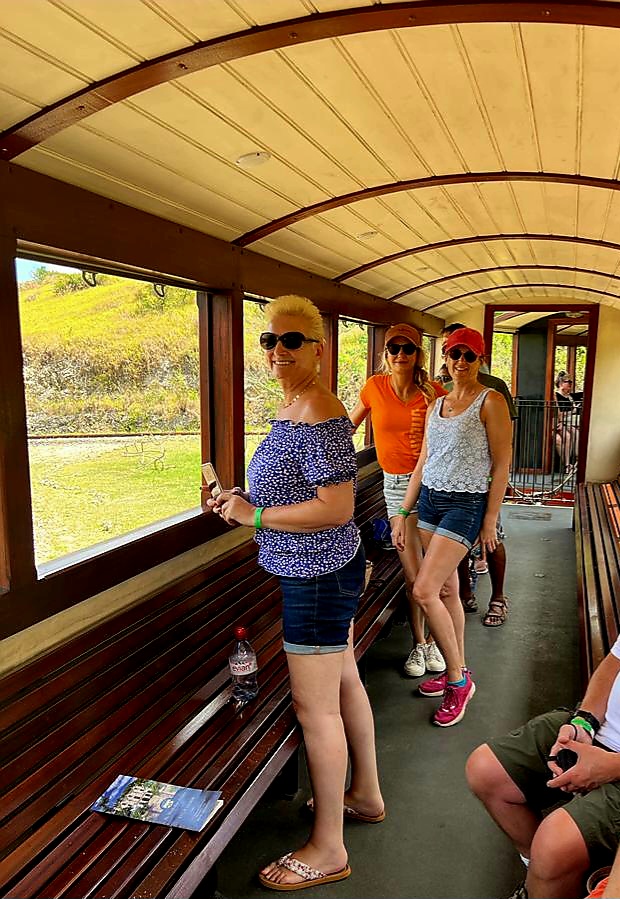
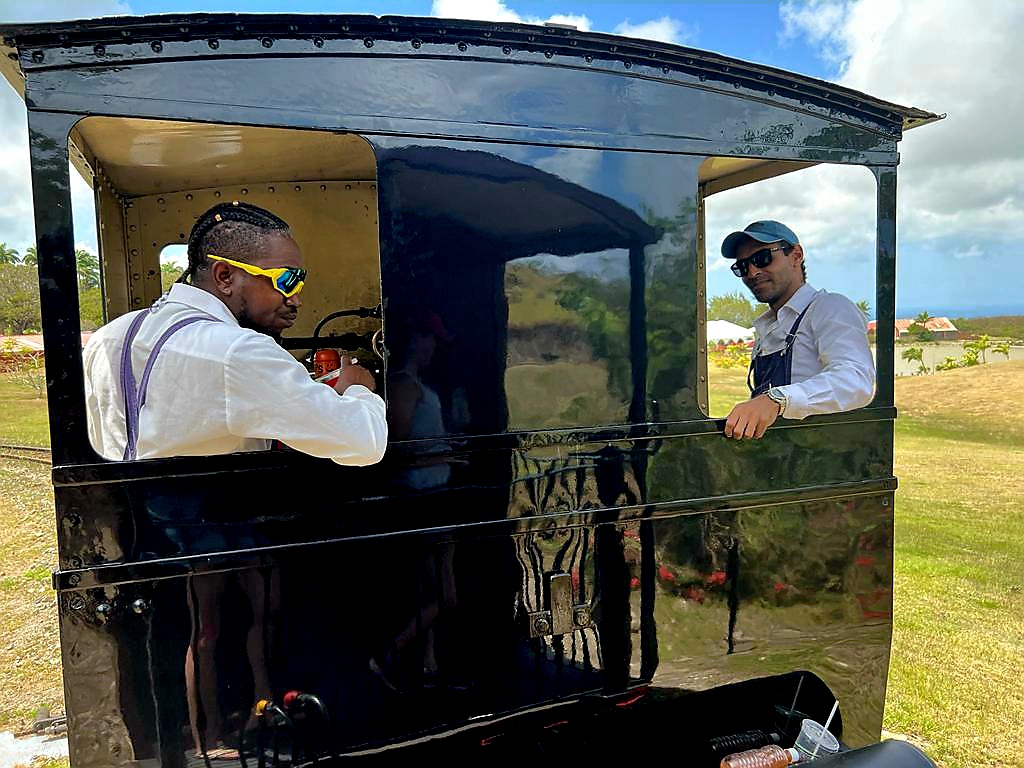
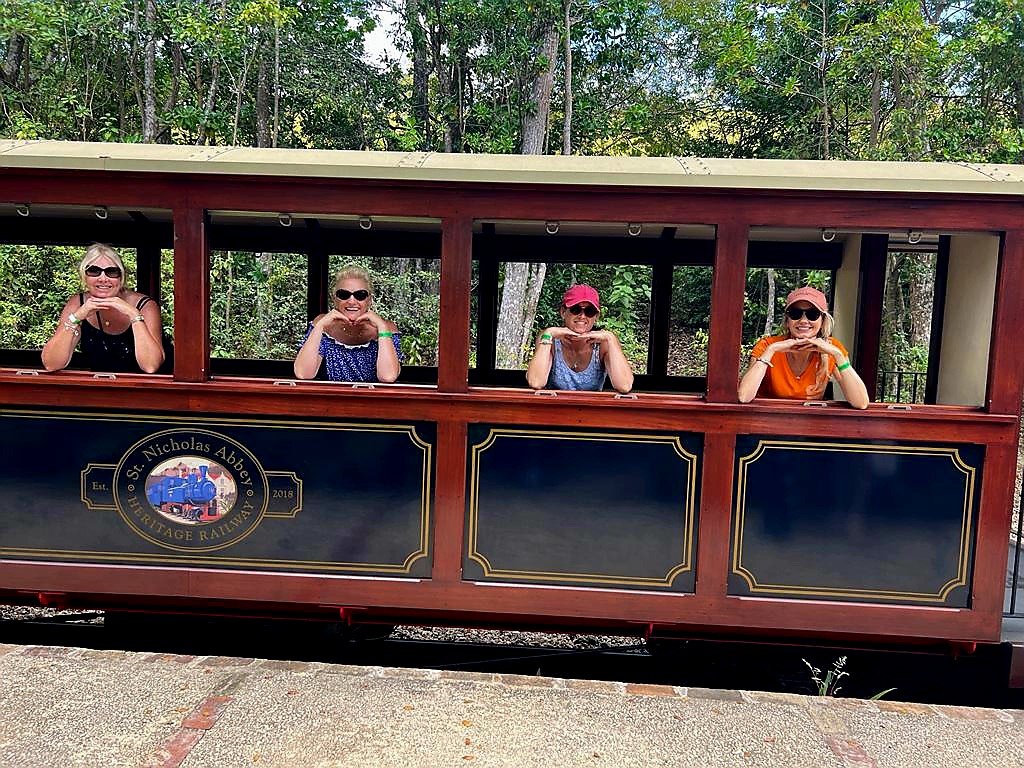
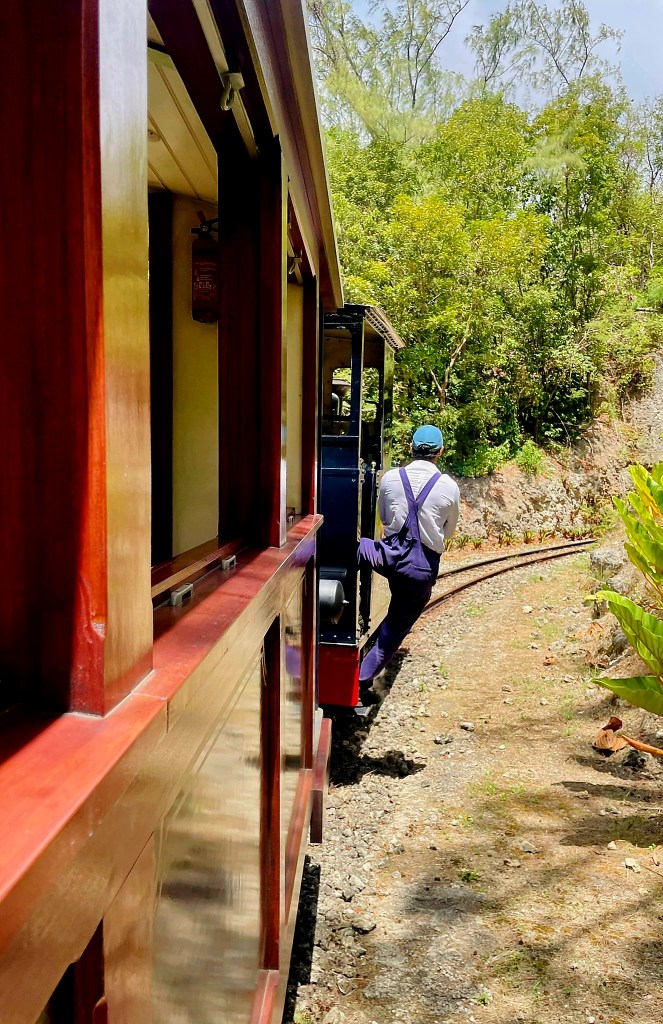
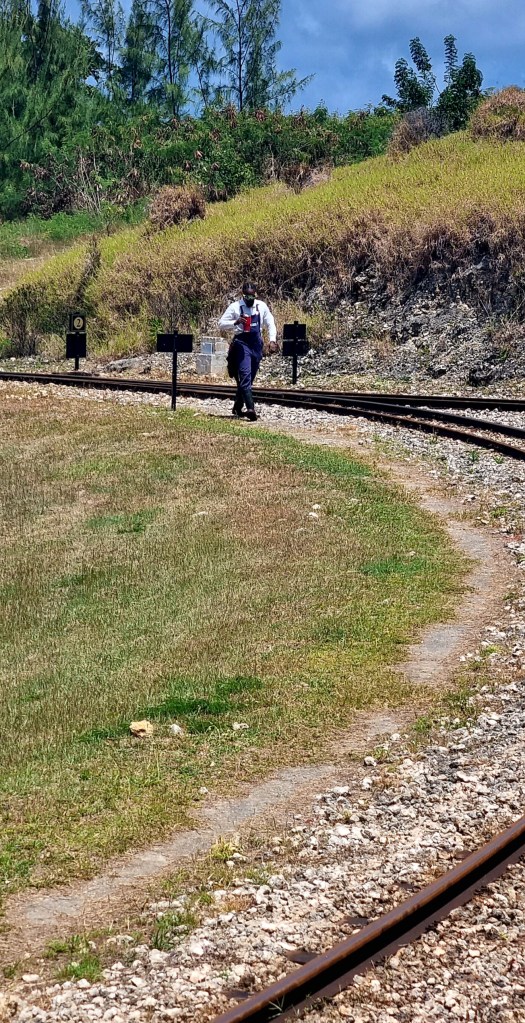
From Cherry Tree Hill, we headed back down the track to the station. At one point, the driver had to get off and manually change the point, so the train went down the right path of track.
Winston was originally built for light industrial shunting on the internal rail network in Antwerp, Belgium. It was relocated to Barbados in 2020.
People used to literally ‘catch the train’ in Barbados. They would wait at the side of the track and jump onto the train.
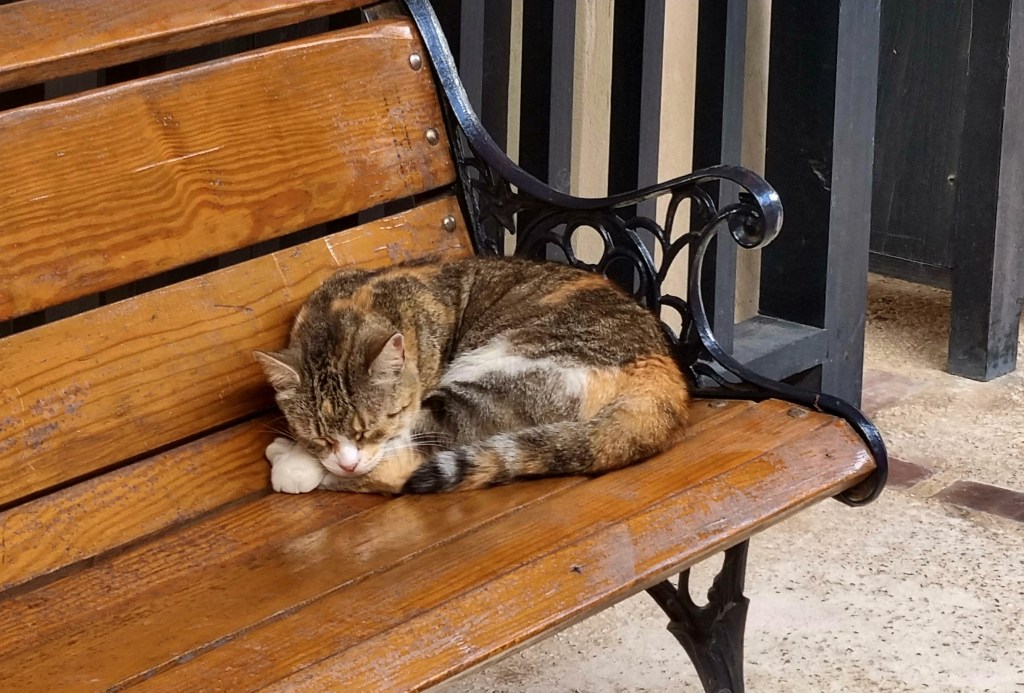
At the station we saw the little station cat.
Some guests departed here, but we stayed on the train, which took us down to the Great House.
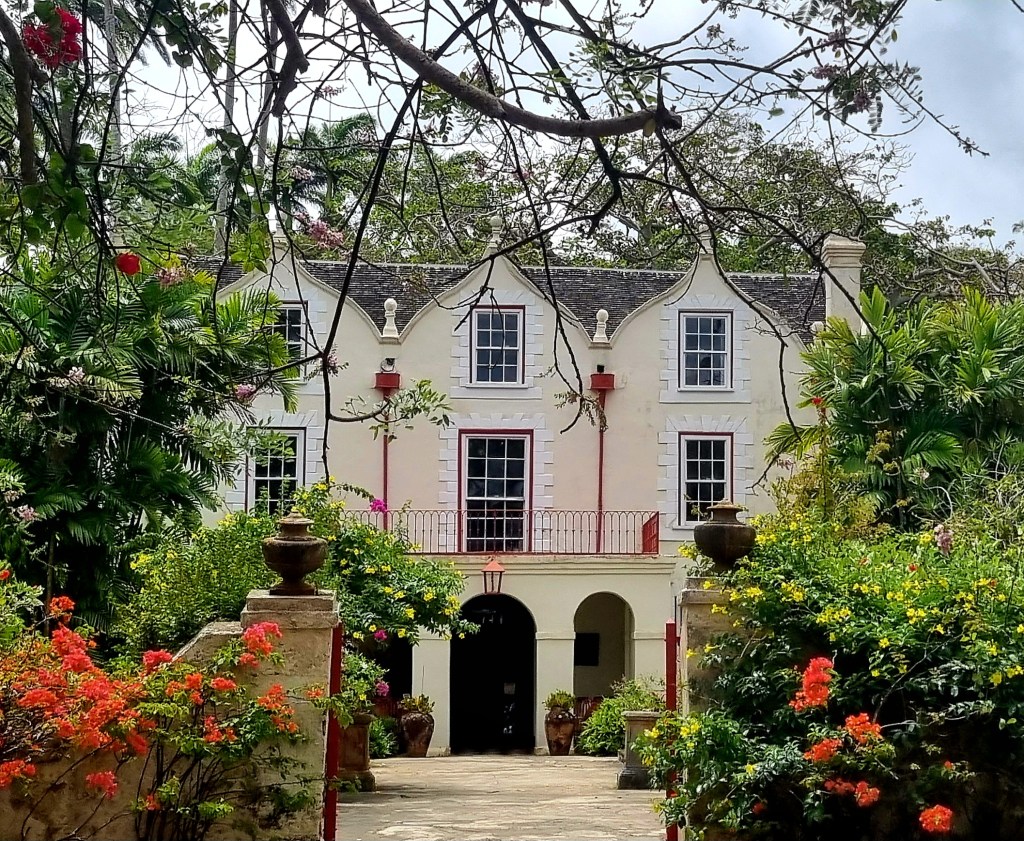
The Great House is one of three remaining Jacobean mansions in the Western Hemisphere. It was built in 1658 and is one of the oldest surviving plantations. The plantation itself is over 400 acres.
The house has 7 bedrooms, four on the first floor and 3 on the second floor. Two of the bedrooms have fireplaces, but they have never been lit.
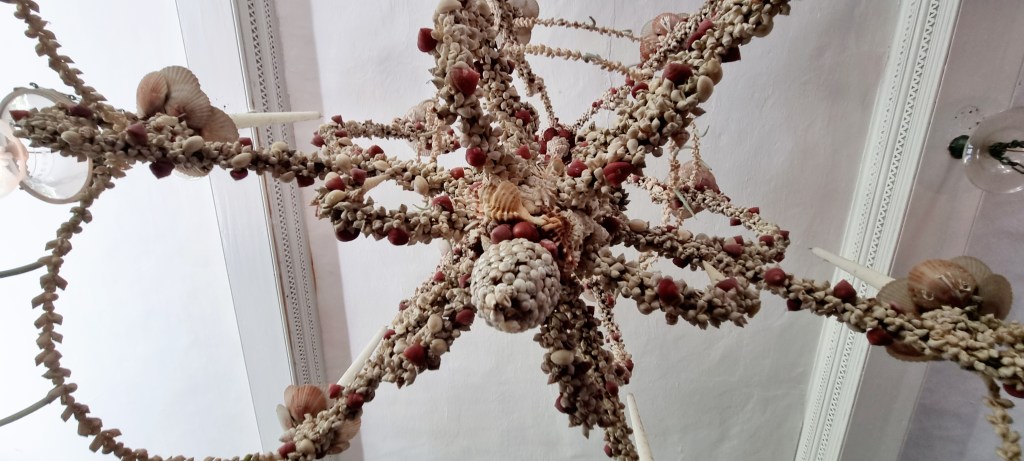
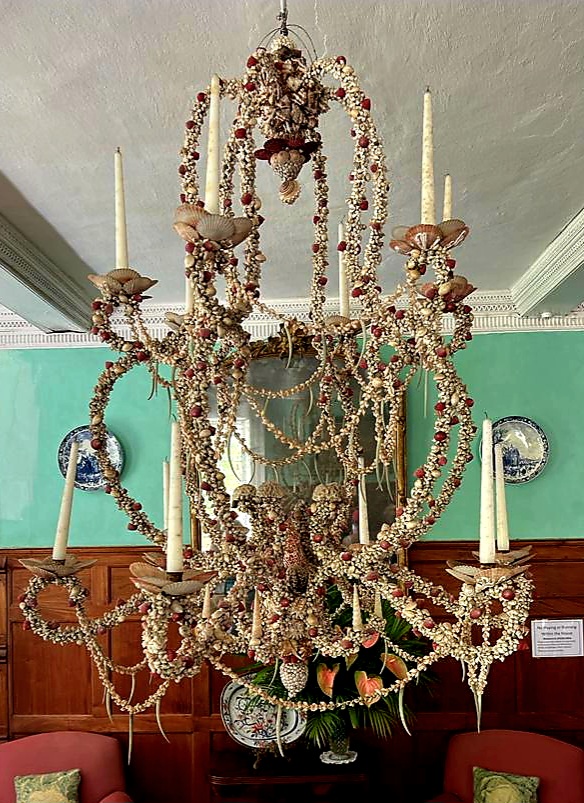
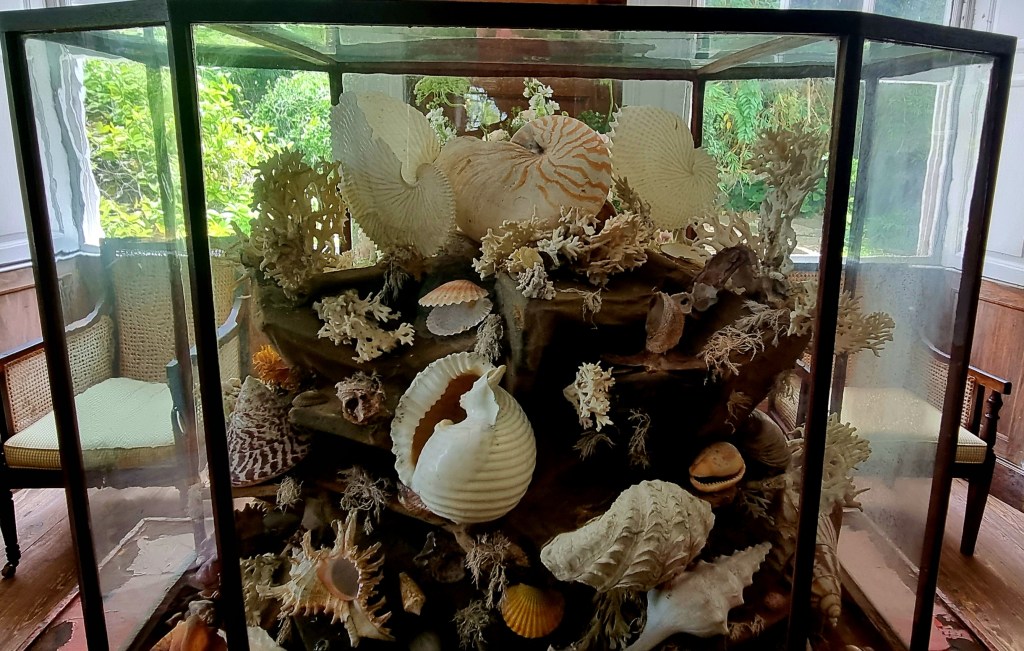
The first room we came to was the drawing room. Here, they have an amazing french chandelier from the 1800s,made out of shells and coral.
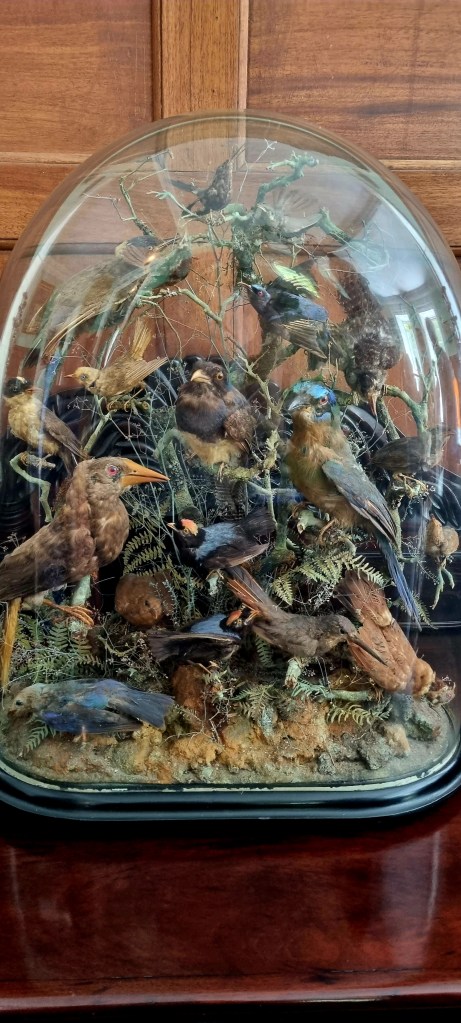
They also have taxidermy of some birds. Some of these birds are now believed to be extinct.
In the study we saw the ‘Gentleman’s Chair’. In 1936, this was considered the ultimate in relaxation as it has adjustable tables, book holder, reading lamp, backrest and footrest. It can also be wheeledfrim one room to another. This particular chair was made in England in the 1830s.

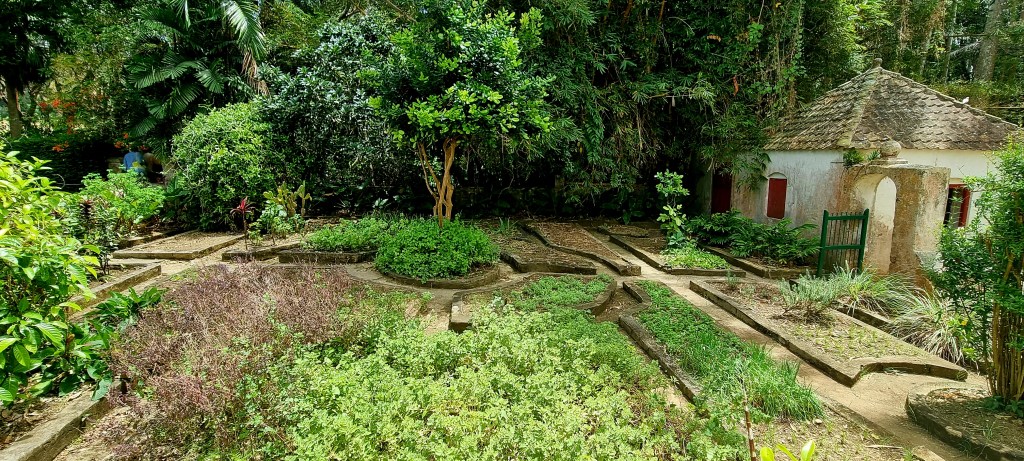
Looking through the window, you could see the herb garden, which is set out in a traditional English pattern. It contains an assortment of peppers used to make the plantations own pepper jelly.
The internal bathrooms were added in 1939. Prior to that, you had to use the outhouses that were fitted with a four seat privy, each seat having a different sized hole.
Electricity came in 1920, and the wiring is still visible as it is on the outside rather than inset into the walks.
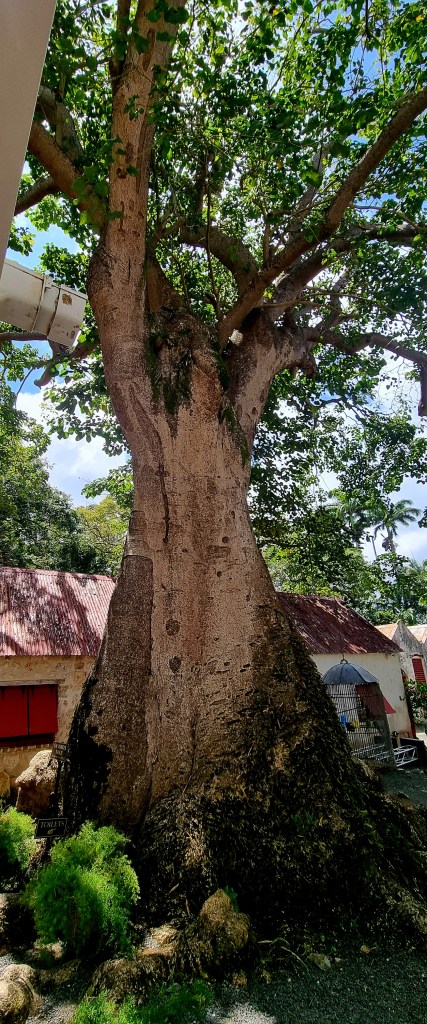
In the courtyard, there is a Sandbox Tree, which is over 400 years old. This is an evergreen that is indigenous to the Caribbean, and it has tiny thorns all over its bark – it has the nickname of ‘monkey no-climb’.
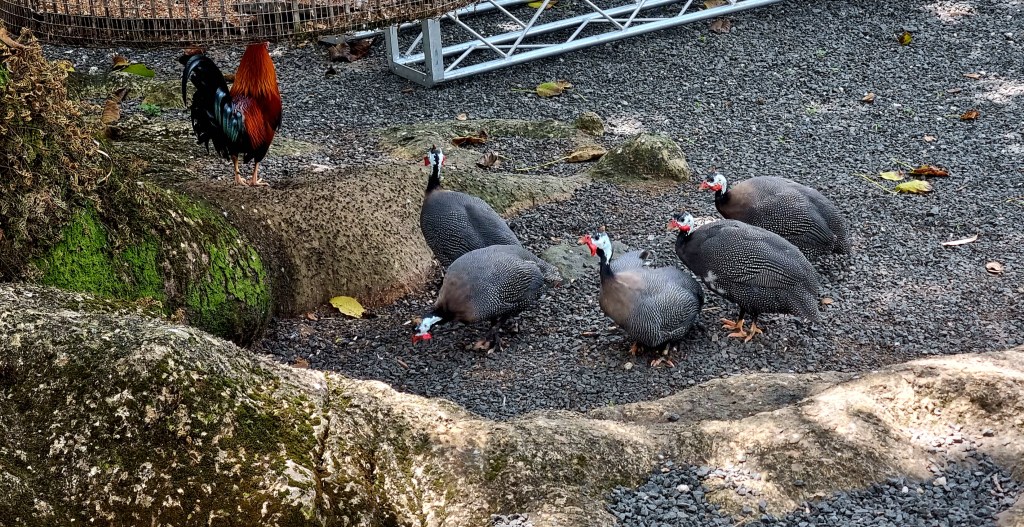
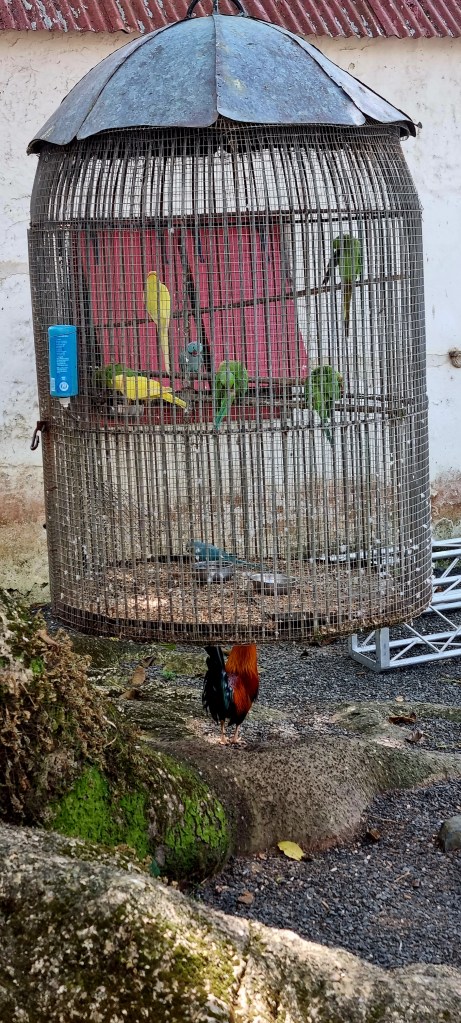
In the courtyard there were also guinea fowl and other birds. Animals were generally kept behind the house so that any bad smells were blown away from, and not towards, the house.
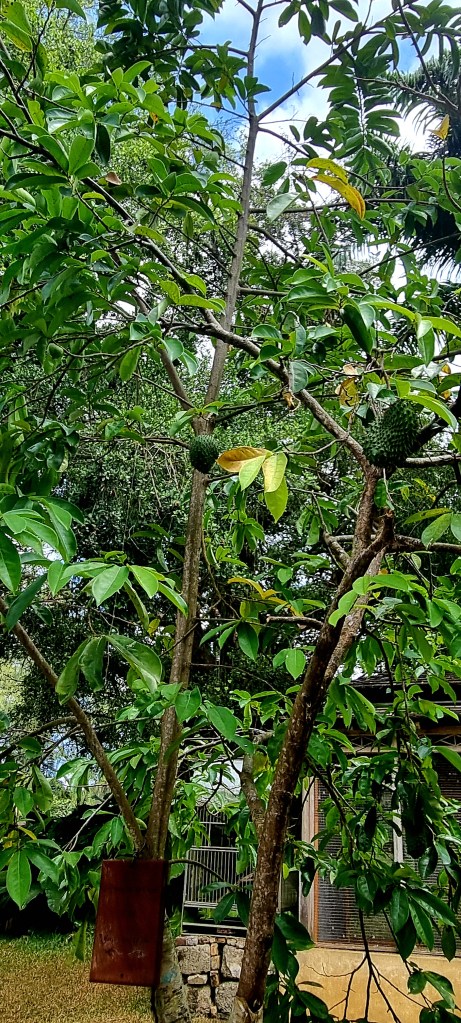
On the short walk down to the distillery, we passed a Soursop tree. The fruit of the tree is said to taste like a combination of strawberry and apple with sour citrus notes and has a banana like texture.
Our next stop was the distillery, which has been specially designed to enable the handcrafted of rum on a small scale.
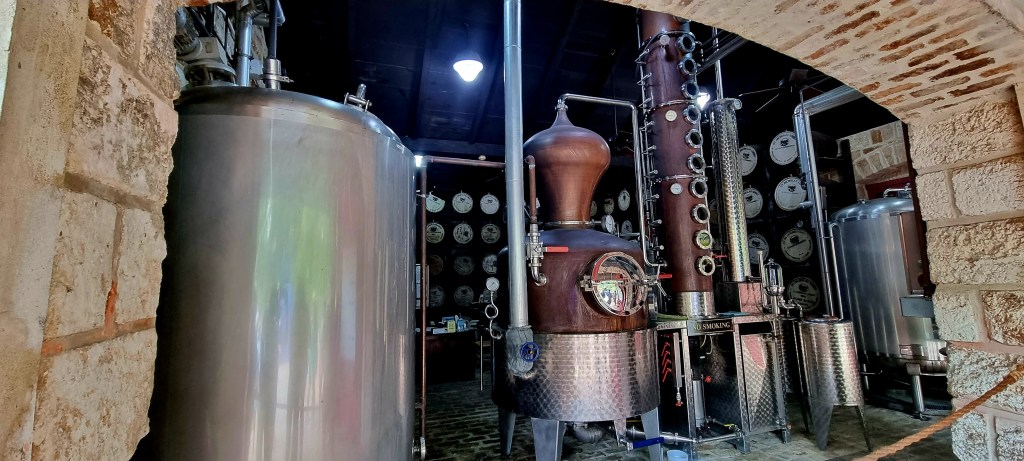
The big pot is called ‘Annabelle’ and is a traditional pot still as well as a rectifying column.
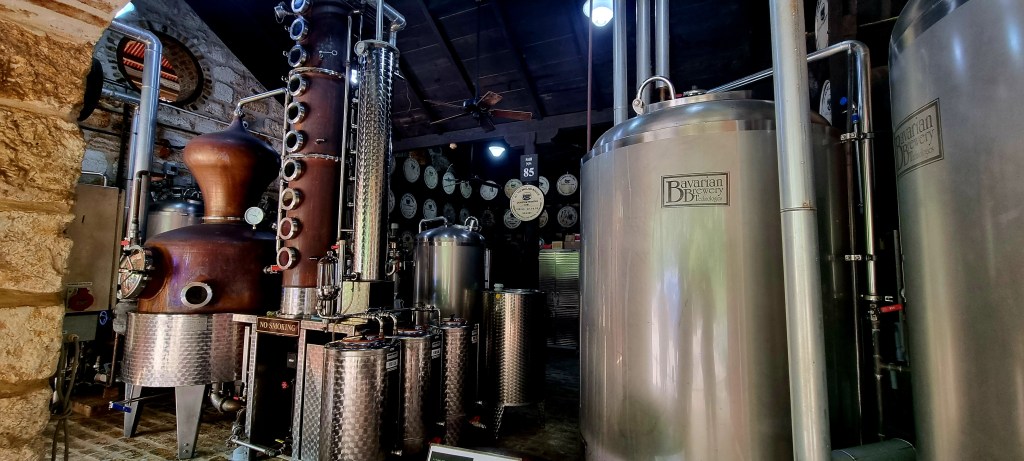
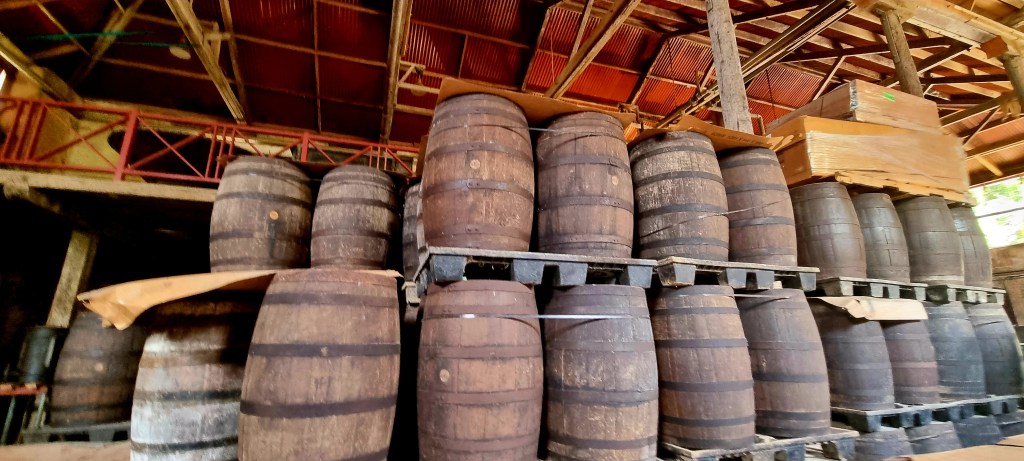
The rum comes out of the distillery at 92% (184 proof), which is then diluted to 60% or 40% for ageing in barrels. They use old Bourbon oak barrels from Kentucky for ageing the rum. These barrels are only used once for Bourbon before being shipped to the Abbey. The darker the rum, the longer it has been left in the barrel, and the smoother it is. The white rum, which is only used for mixing, is not barrelled at all.
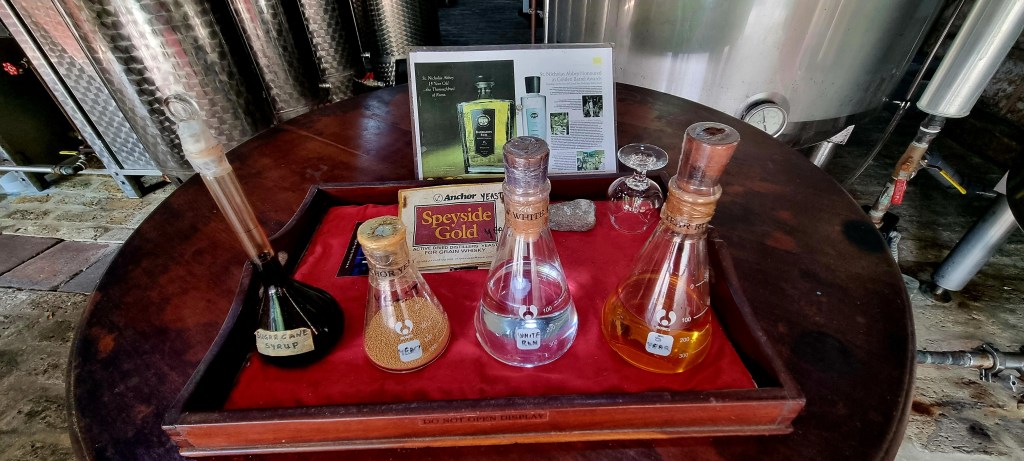
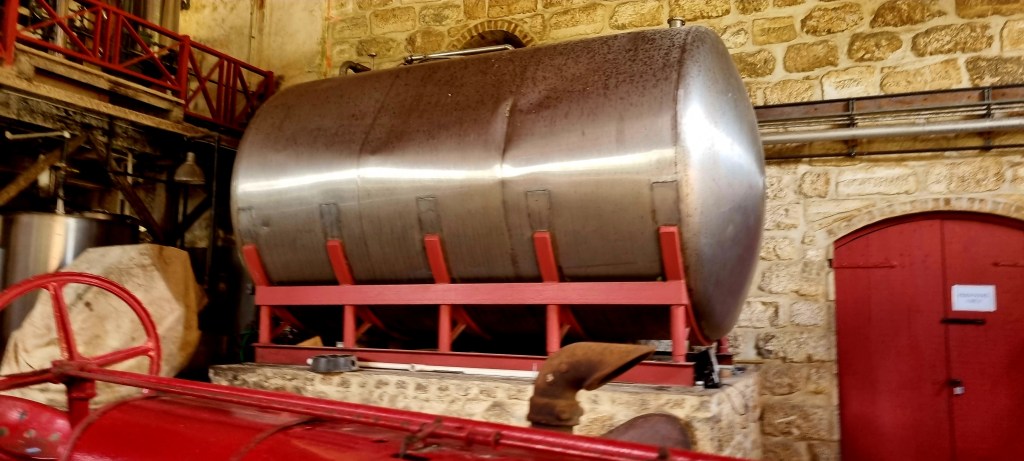
We then moved on to the syrup plant, which basically converts raw cane juice into a very sweet syrup, which is around 70% sugar. The large steel tank holds 1,900 litres of syrup which enables rum to be produced throughout the year.
The distillery makes around 40-45 barrels of rum a year. The rum is not blended, and each barrel will produce around 300 bottles of rum, depending on how long it has been aged for.
At the start of the process is the steam mill, which crushes around 350 tonnes of came between January to June (the annual crop season time).
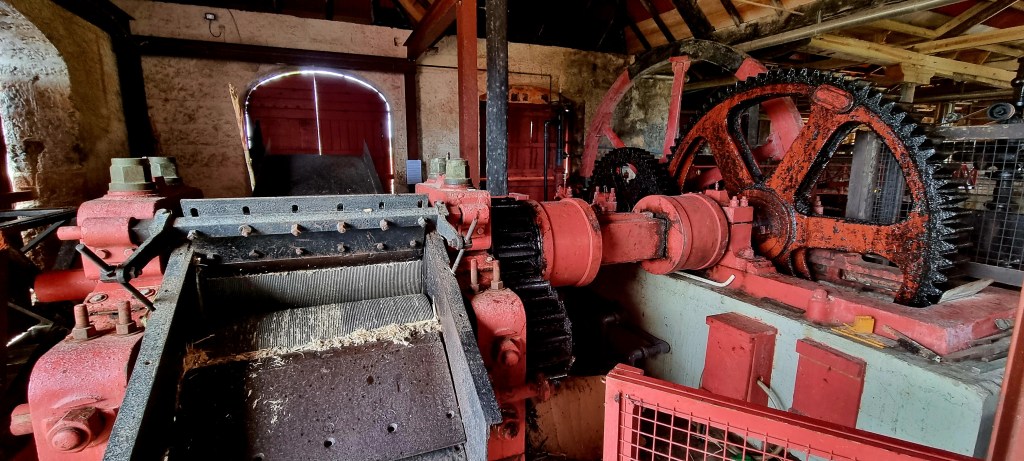
There were a few bats flying around in the roof of the steam mill and syrup plant.

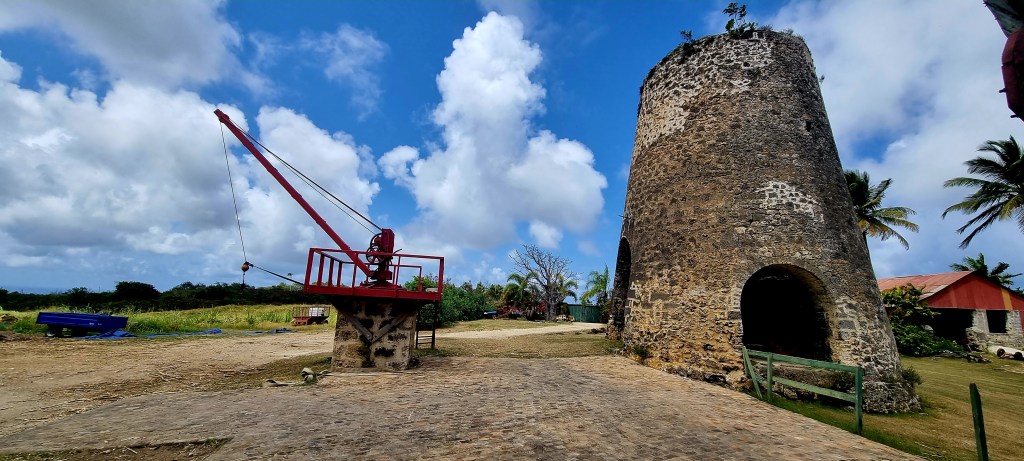
The original steam mill was installed in 1890 and increased production by 10-15% over the original windmill. But the plantation stopped production in 1947 due to lack of viability. In 2006, the plantation started grinding cane again and producing rum. It is the only rum on the island made from cane syrup, and the sugar cane has to be cut by hand rather than by machine. All of the sugar cane on the plantation is used for the production of rum as it is no longer viable to produce sugar itself.
The history of the ownership of the Abbey is also interesting, with lots of cousins marrying each other etc. When slavery was abolished, the owners gave the firmer slaves a piece of land, which is how small villages have grown.
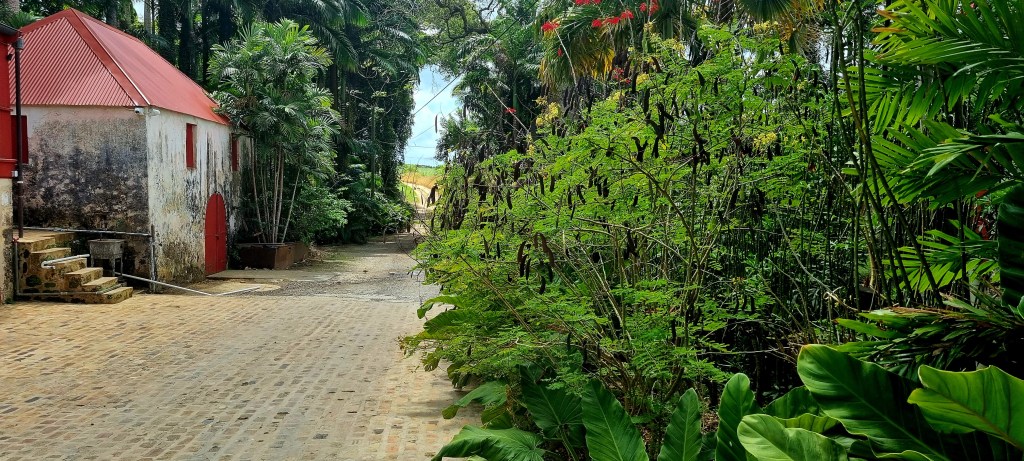
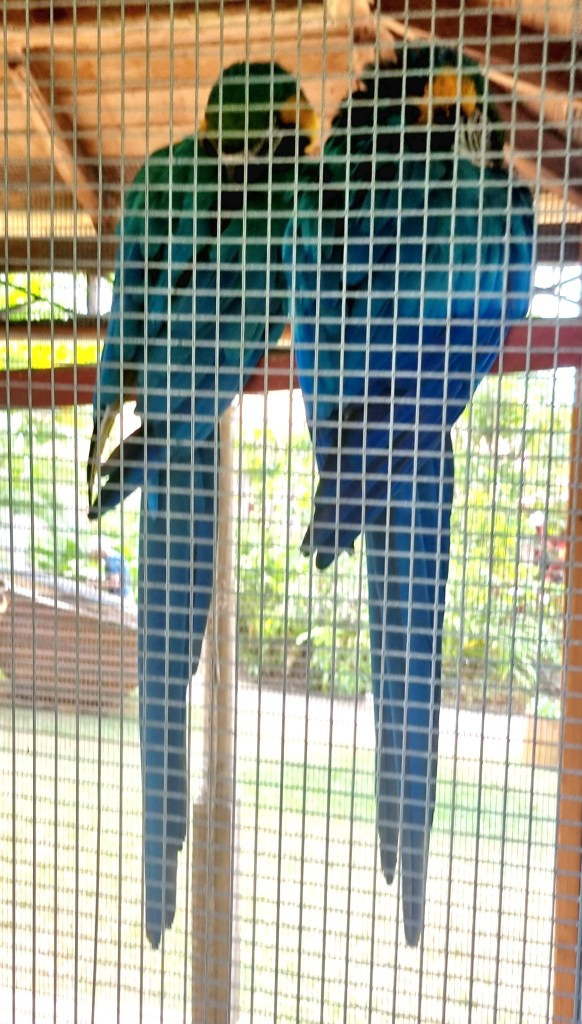
On the way to taste some rum, we passed the cotton plants and also some macaws.
And them it was time to taste some rum. Simon Worral, the son of the current owner, talked us through the rum and liquers, he was a funny guy. We tasted a 5 year old rum,an amaretto liquer, and a coffee liquer. I ended up buying the coffee liquer.
After a quick detour to the cafe to grab some lunch, we headed home by taxi.
We ate our lunch on the balcony before heading to the pool for some sunbathing.
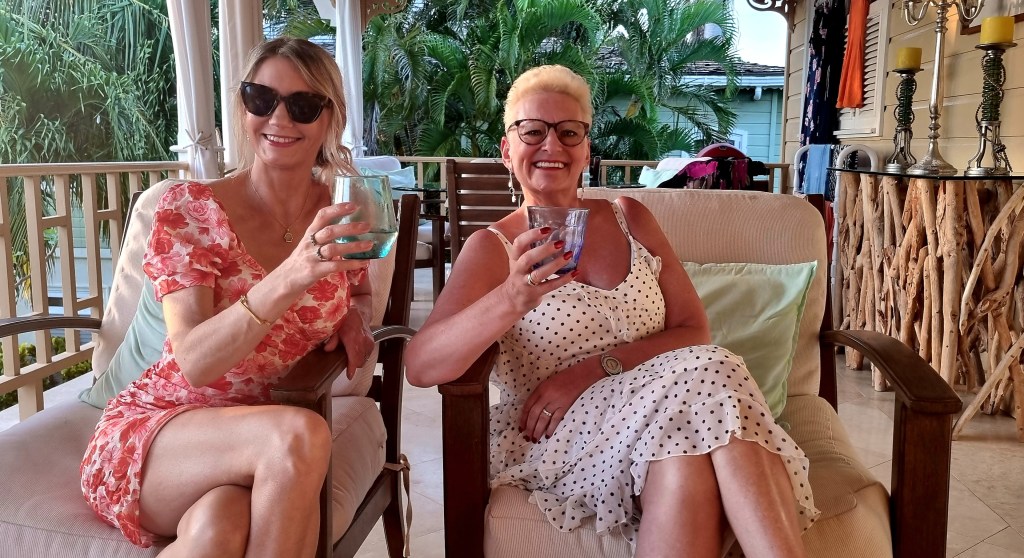
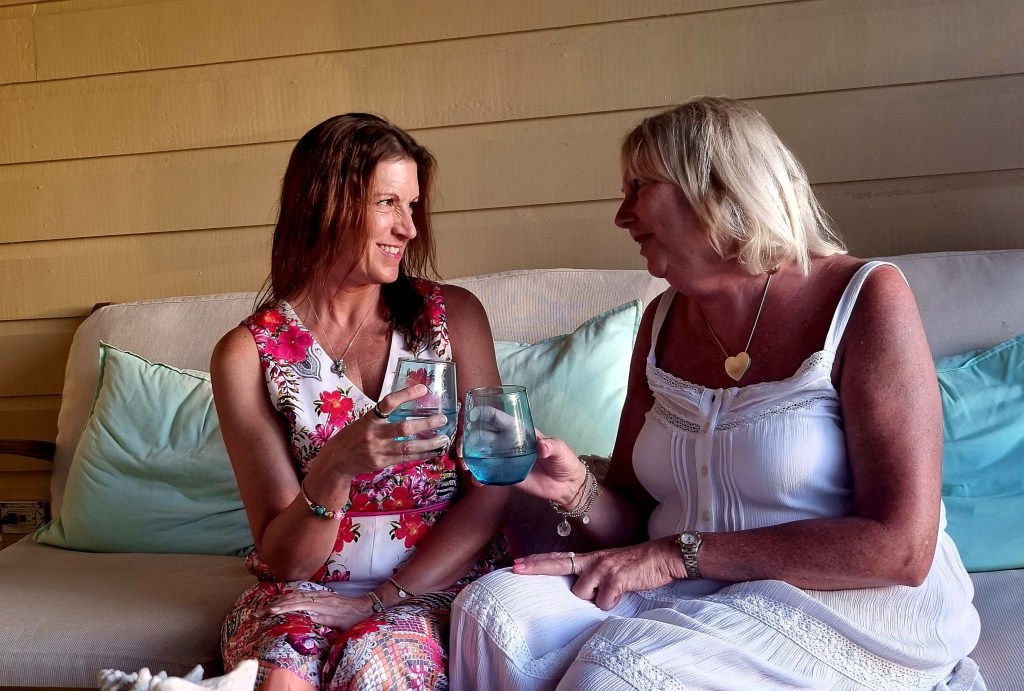
We had some pre-drinks on the balcony before getting a taxi into Speightstown.
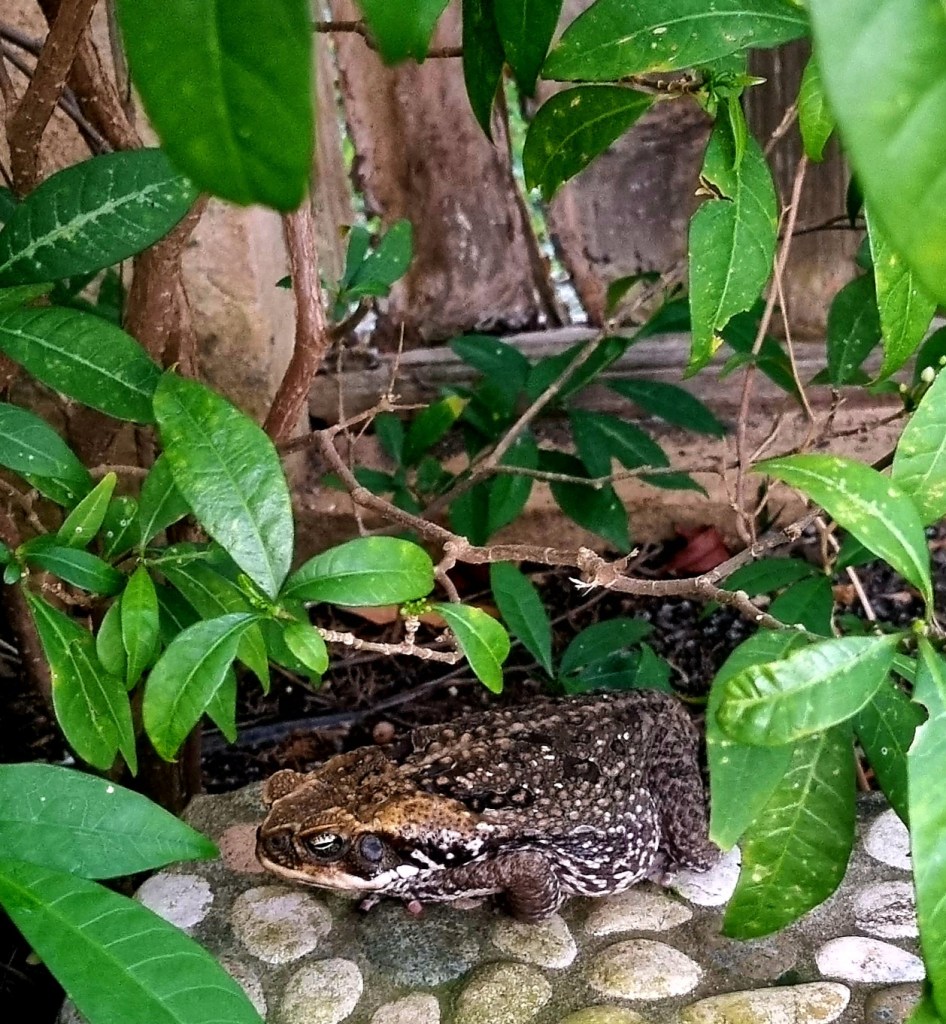
On the way out, we saw the huge toad again.
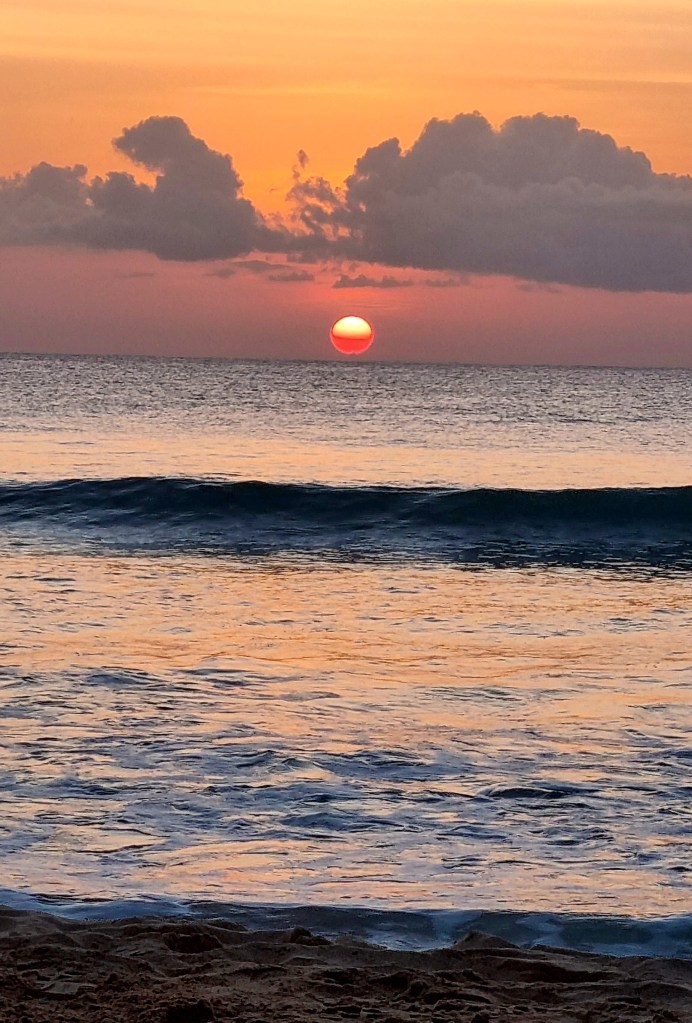
The sun was starting to set as we came into Speightstown, so we asked the taxi driver to stop so we could take some photos.
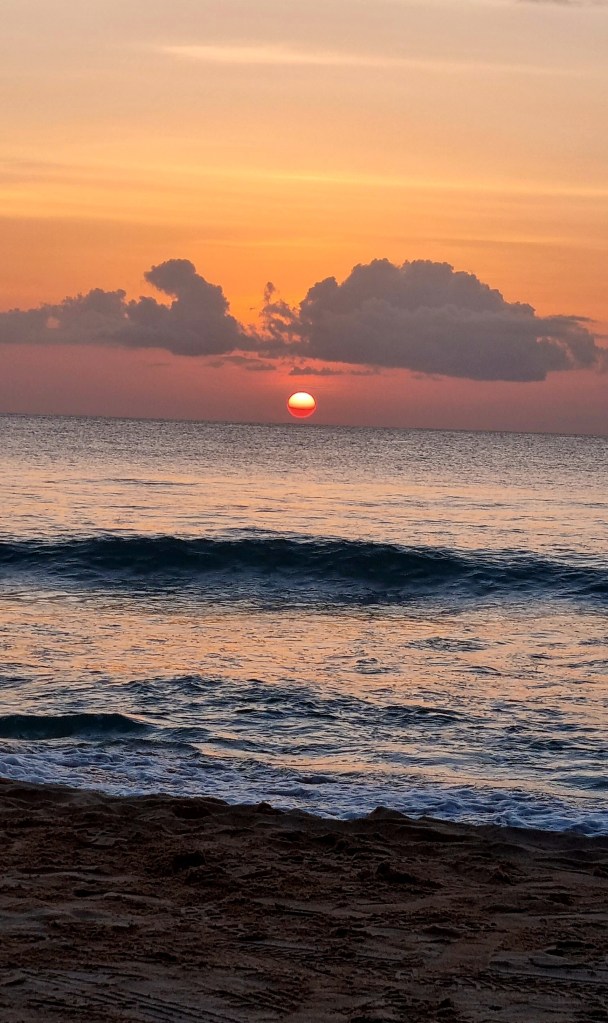
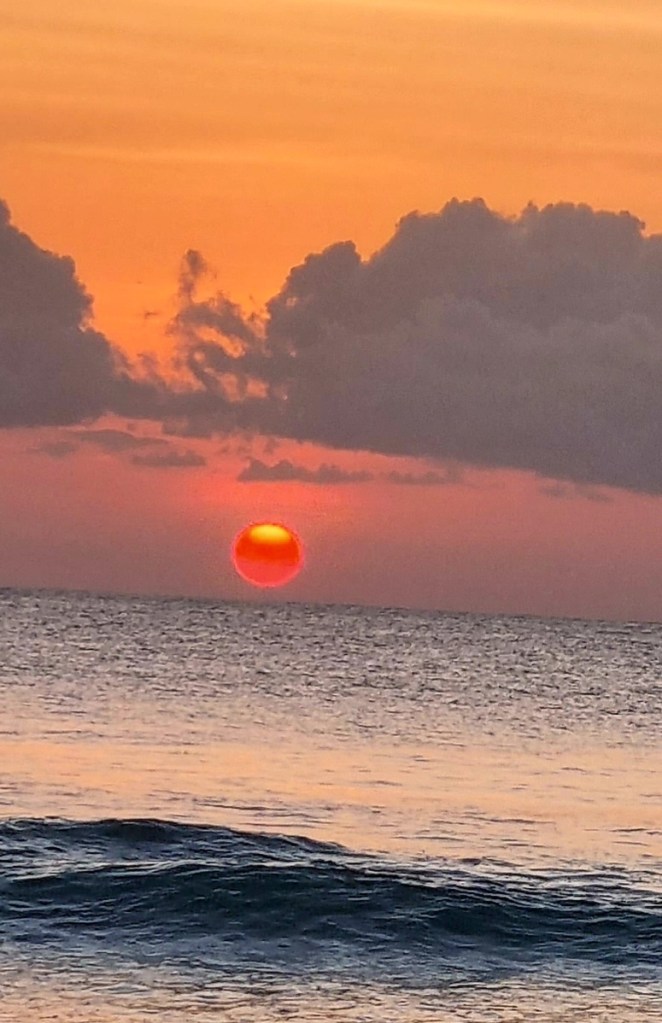
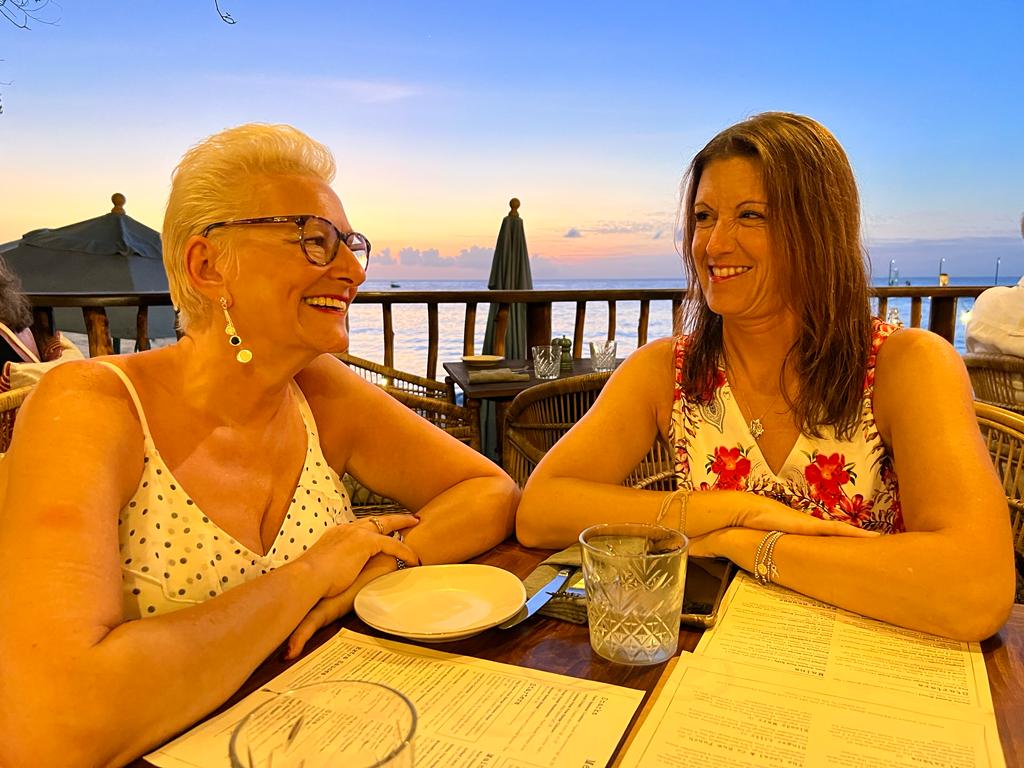
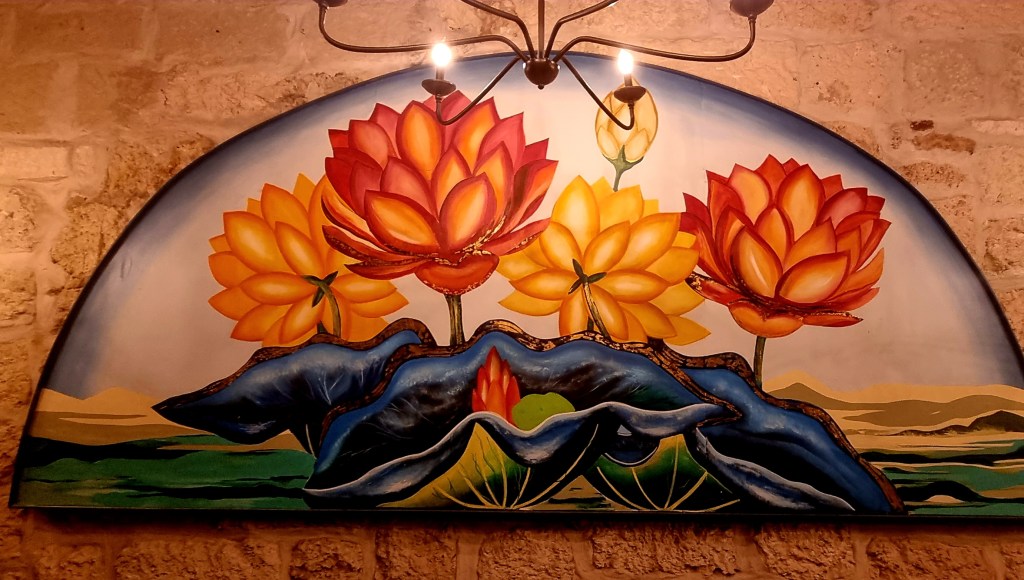
We had booked a table at Local and Co as it had been recommended to us. It didn’t disappoint. The location was perfect and the food was delicious.
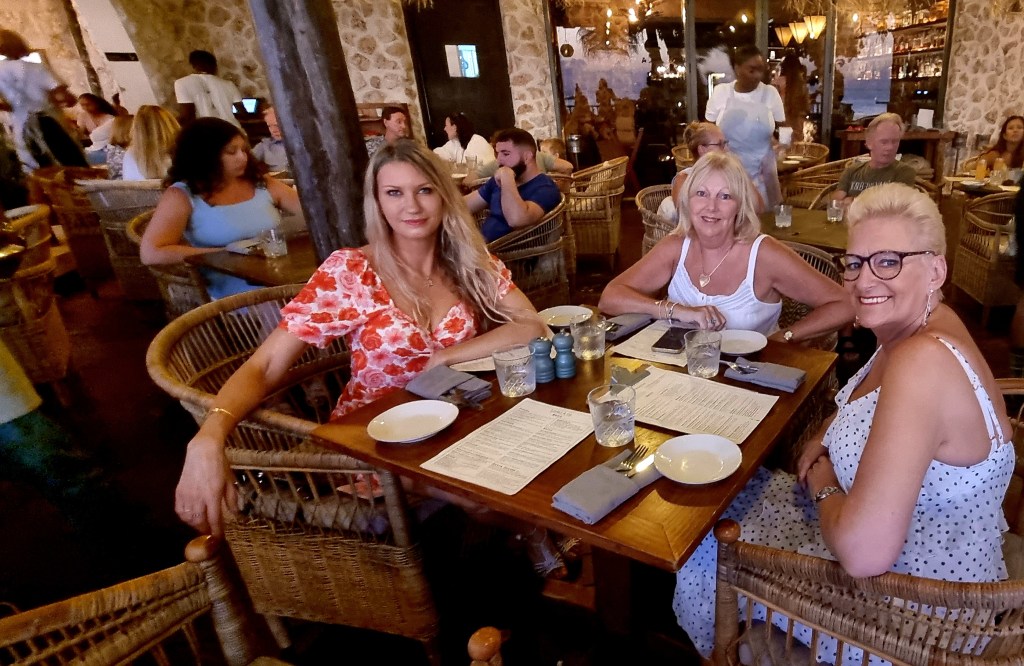
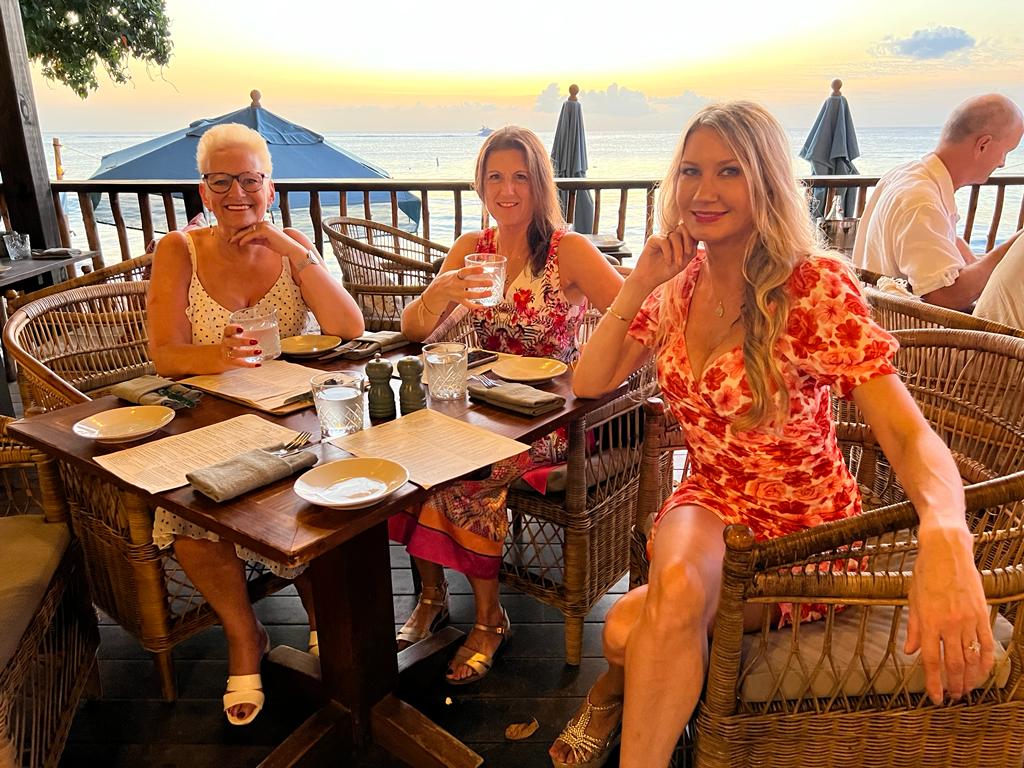
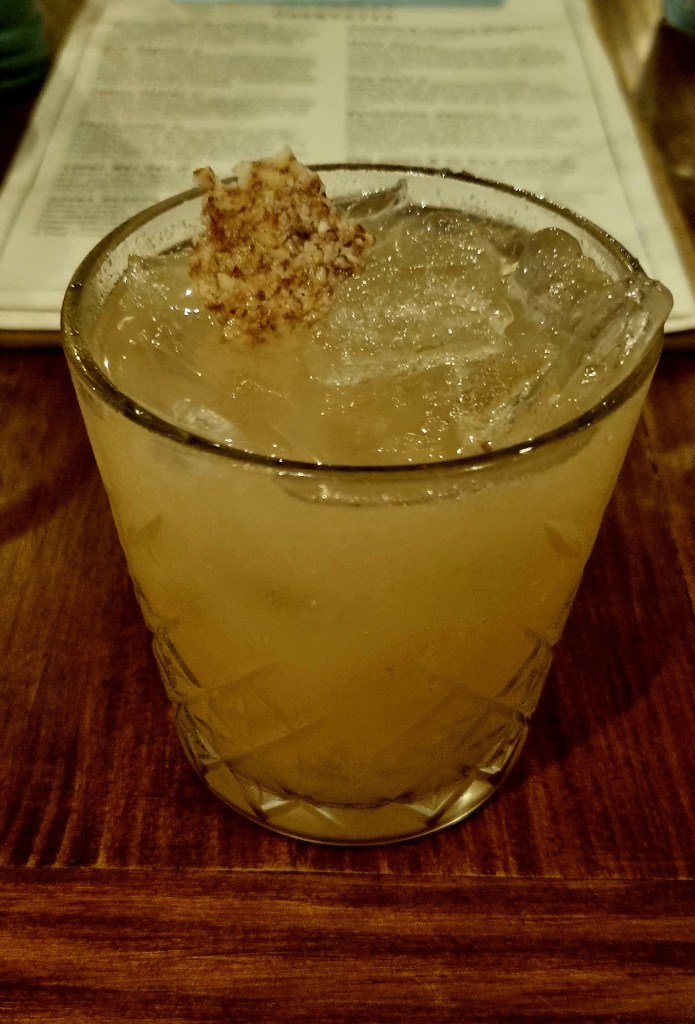
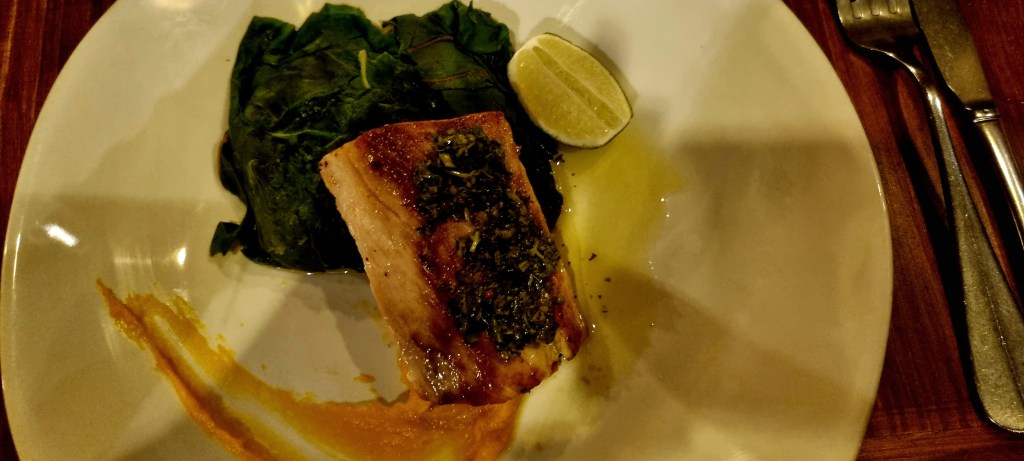
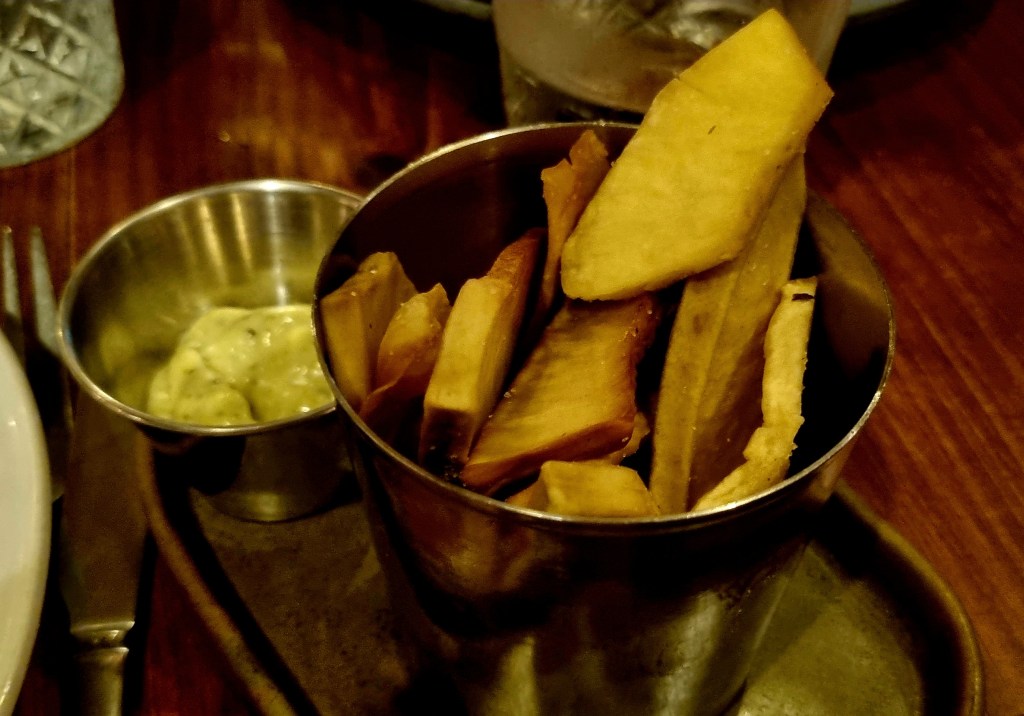
I had an amazing rum sour, and catch of the day with breadfruit chips.
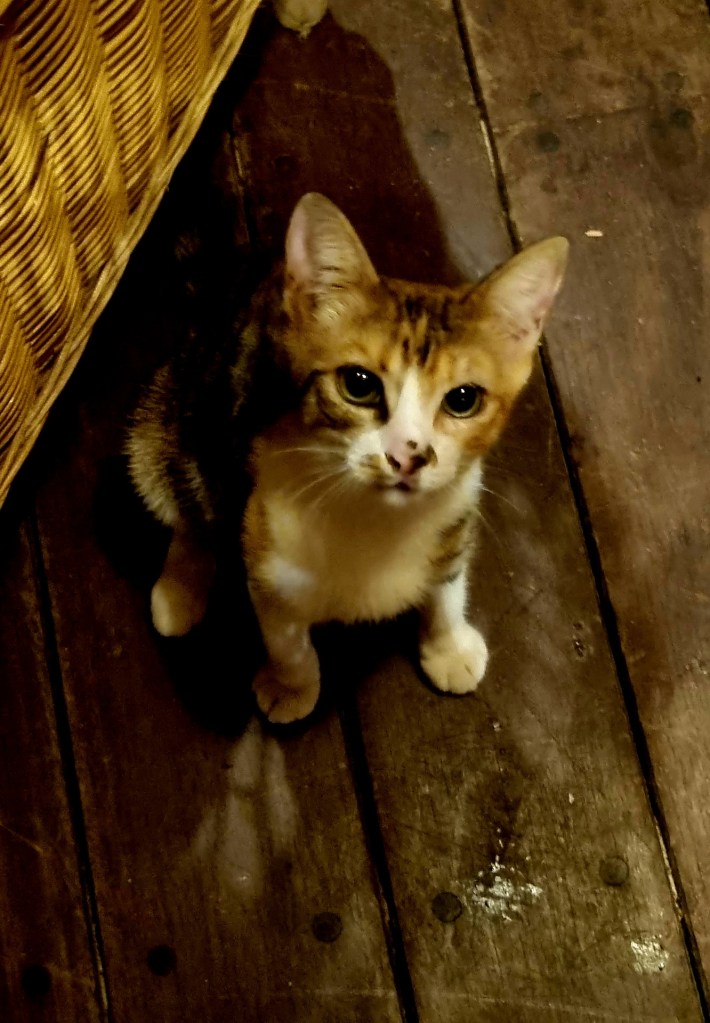
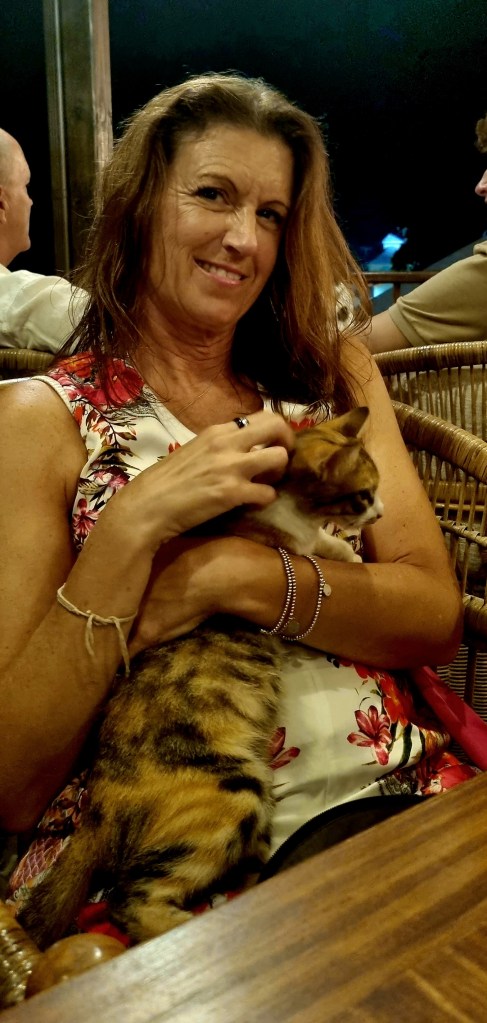
I also made a new feline friend.
We headed to Little Bristol Bar after dinner and had a few dances to the band that were playing.

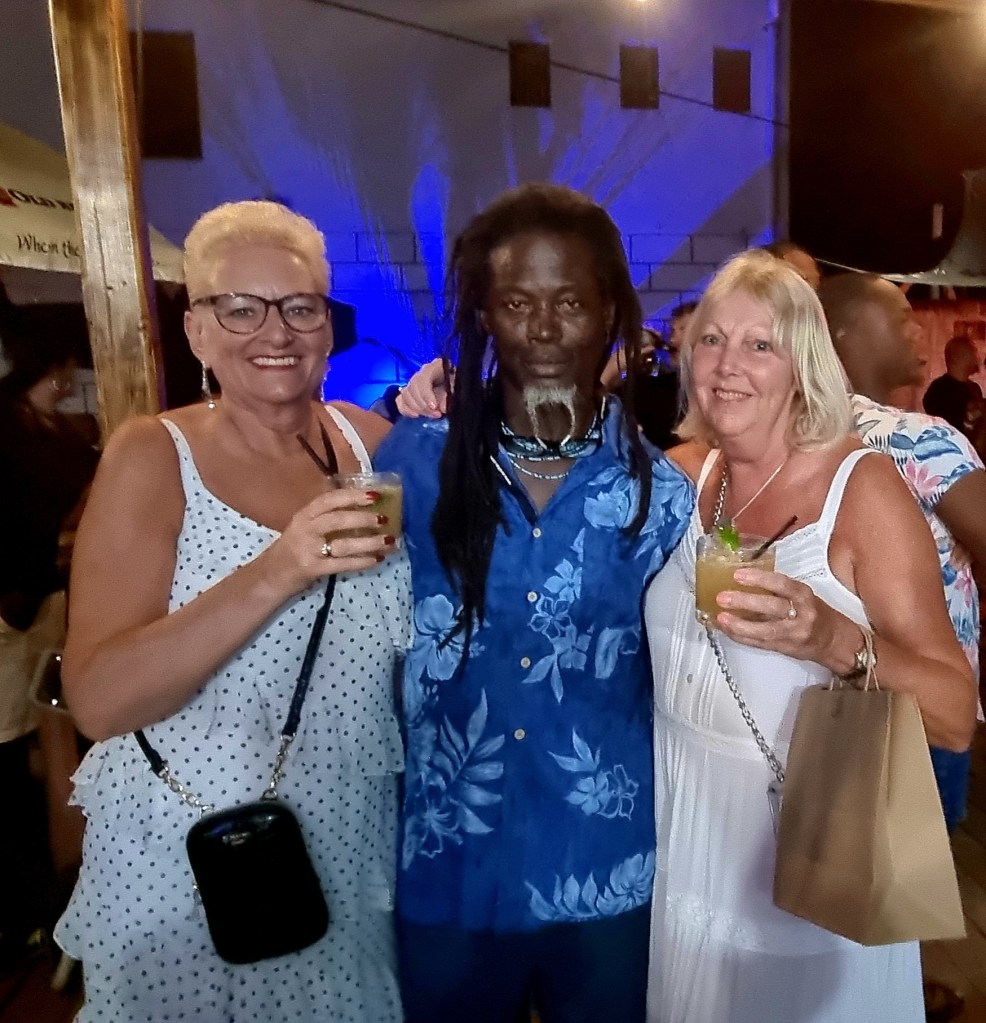
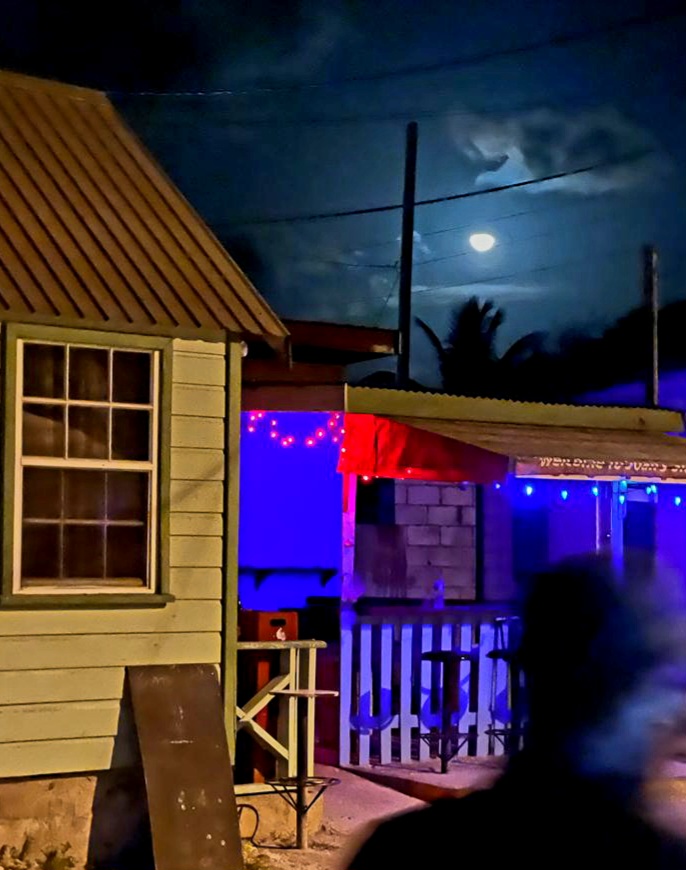
Our plan was to continue the night at Just Chilling, but it was dead when we got there. So we decided to get a taxi home and we stopped off at Sip and Lick on the way.
We chattec to some of the locals and had a few dances before heading home
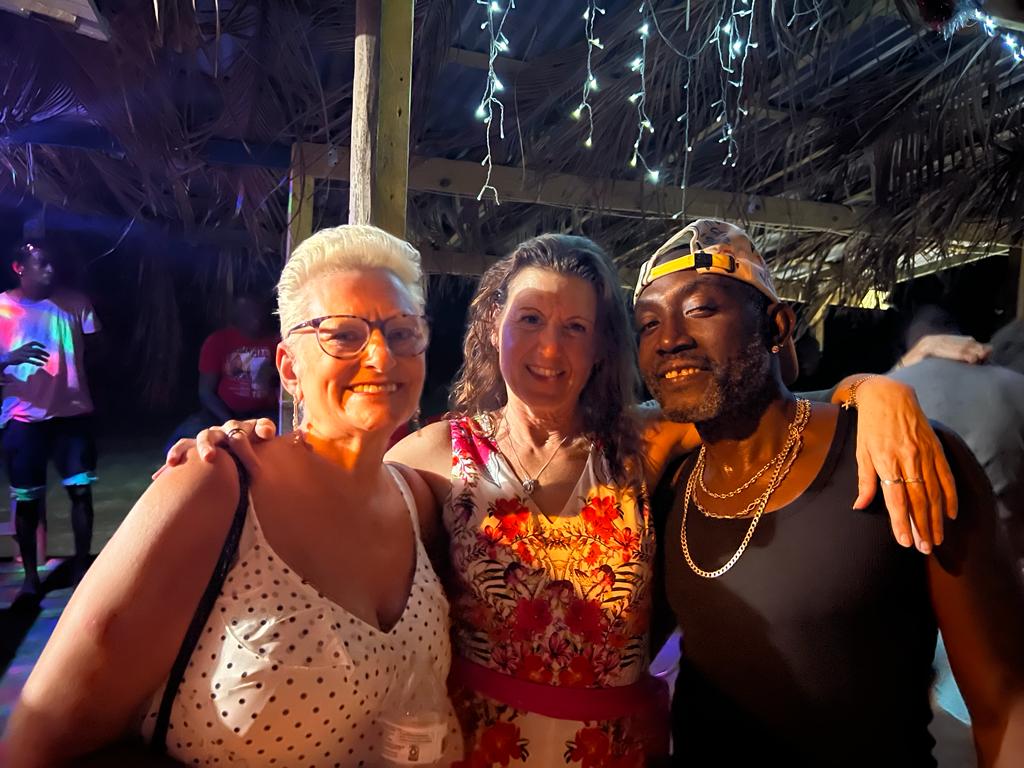
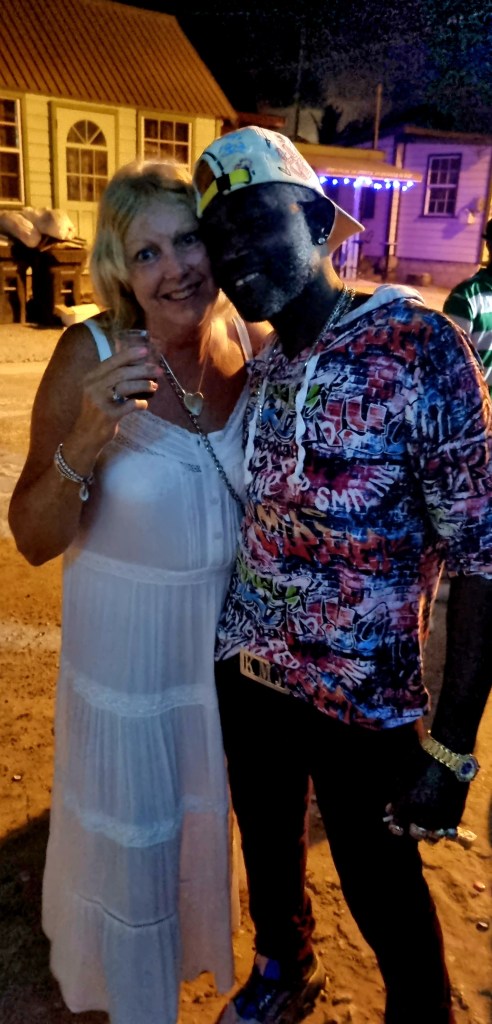
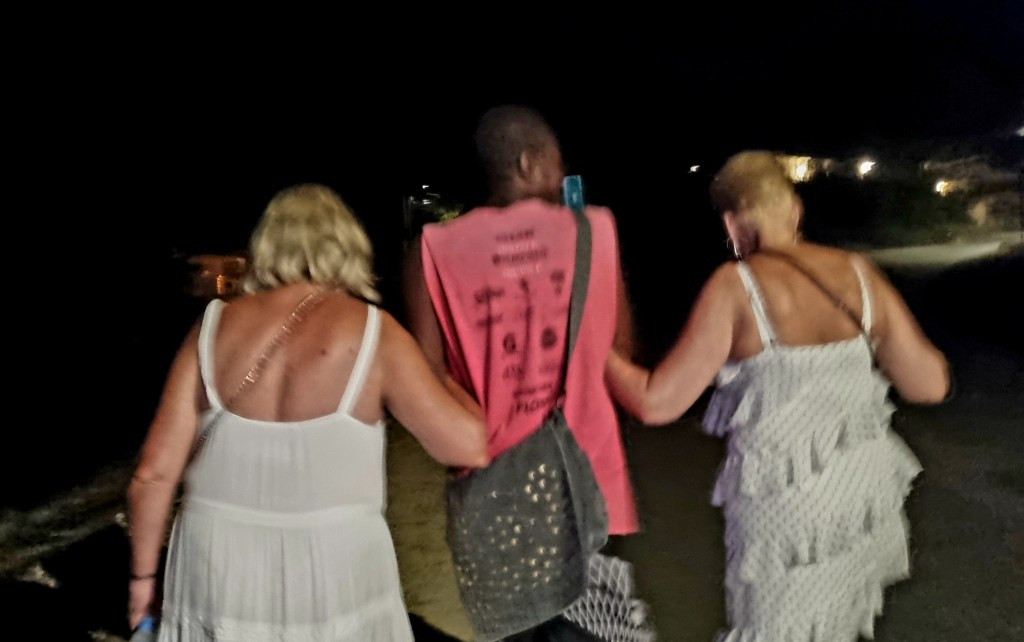
One of the local gentleman escorted us back to the apartment.
 Fun, Fitness and Fabulousness in your Fifties