All of the ladies got up early to watch the sunrise and have a swim.
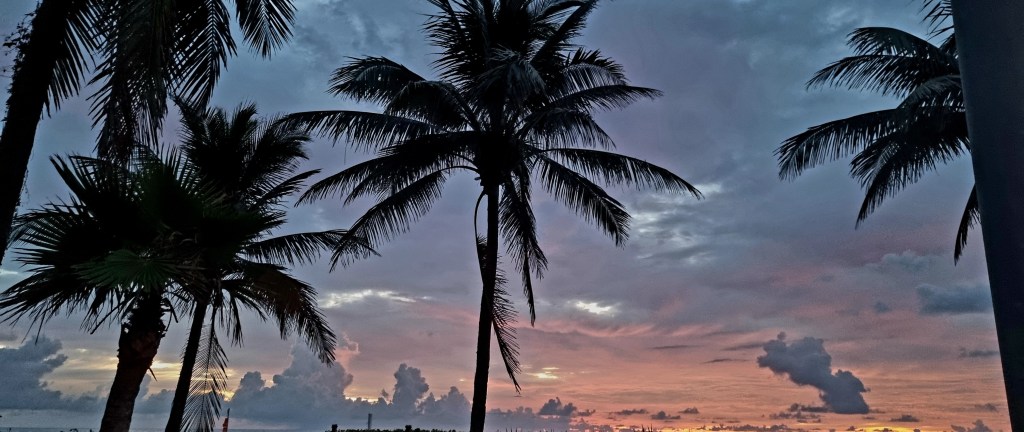
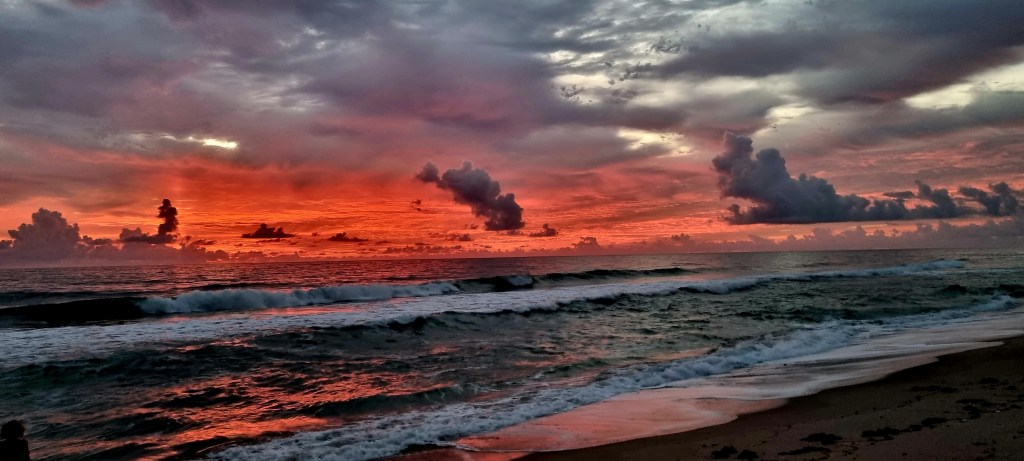
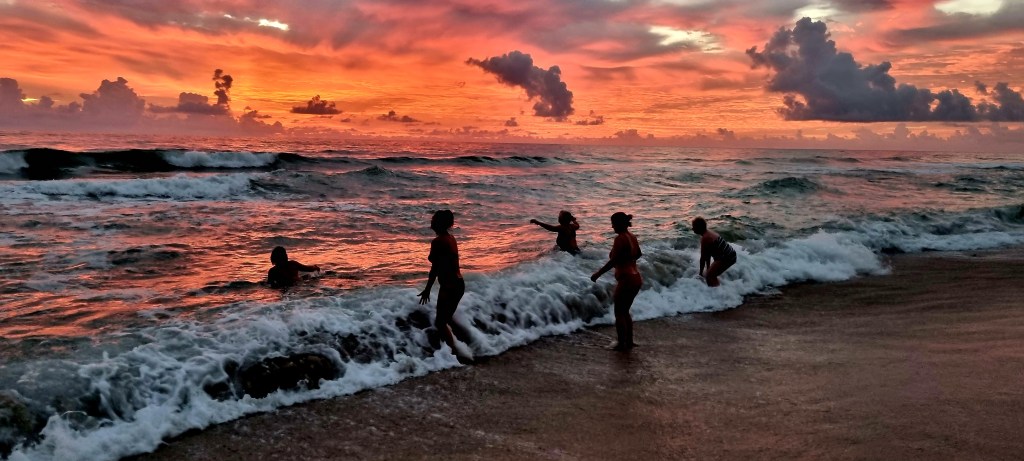
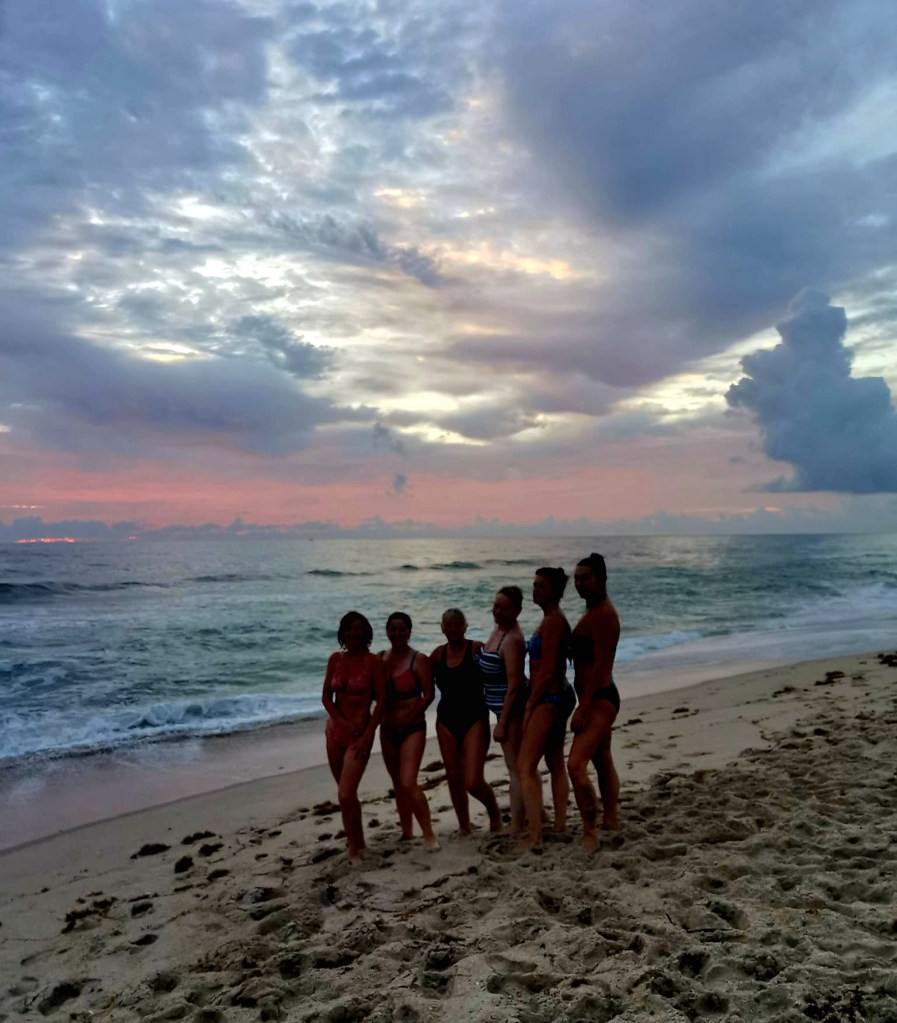
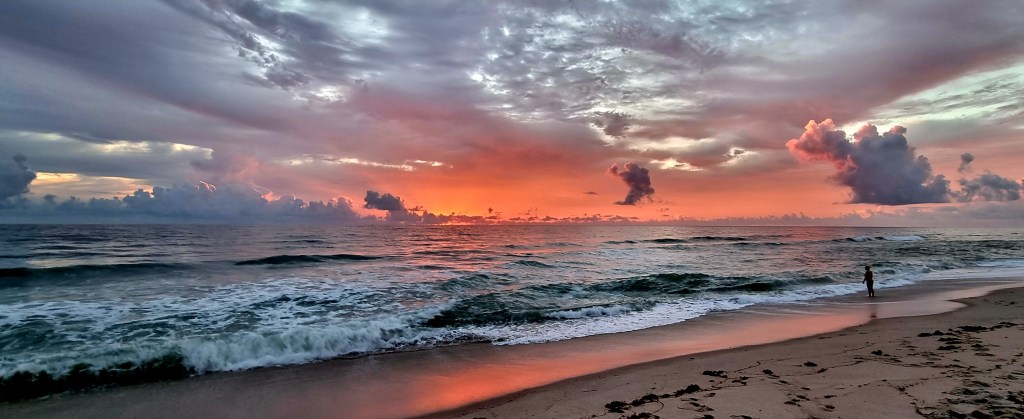
It was a beautiful sunrise and the wea was lovely and warm, although it was a bit choppy.
After a delicious breakfast of fruit and yoghurt we headed off to the Everglades for an air boat tour with Captain Bob.


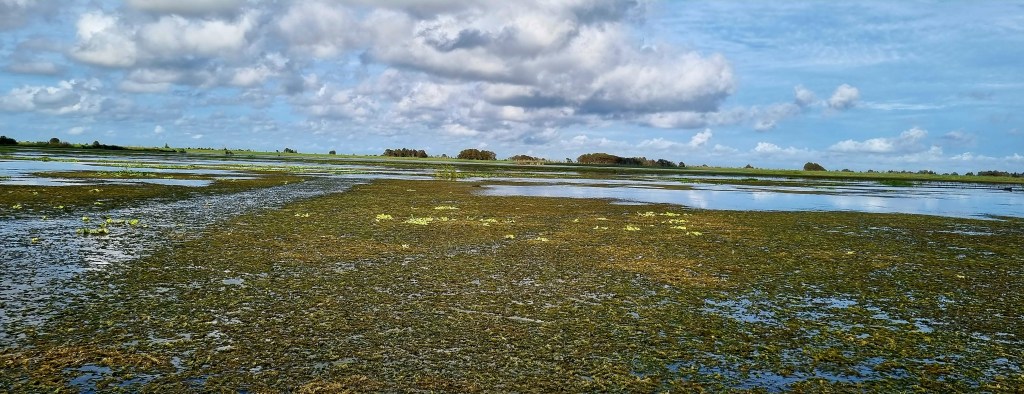
The Everglades National Park is a 1.5-million-acre wetlands preserve. It feels like a grassy, slow-moving river, the Everglades is made up of coastal mangroves, sawgrass marshes and pine flatwoods that are home to hundreds of animal species, including the Alligators. It contains the largest mangrove ecosystem in the Western Hemisphere
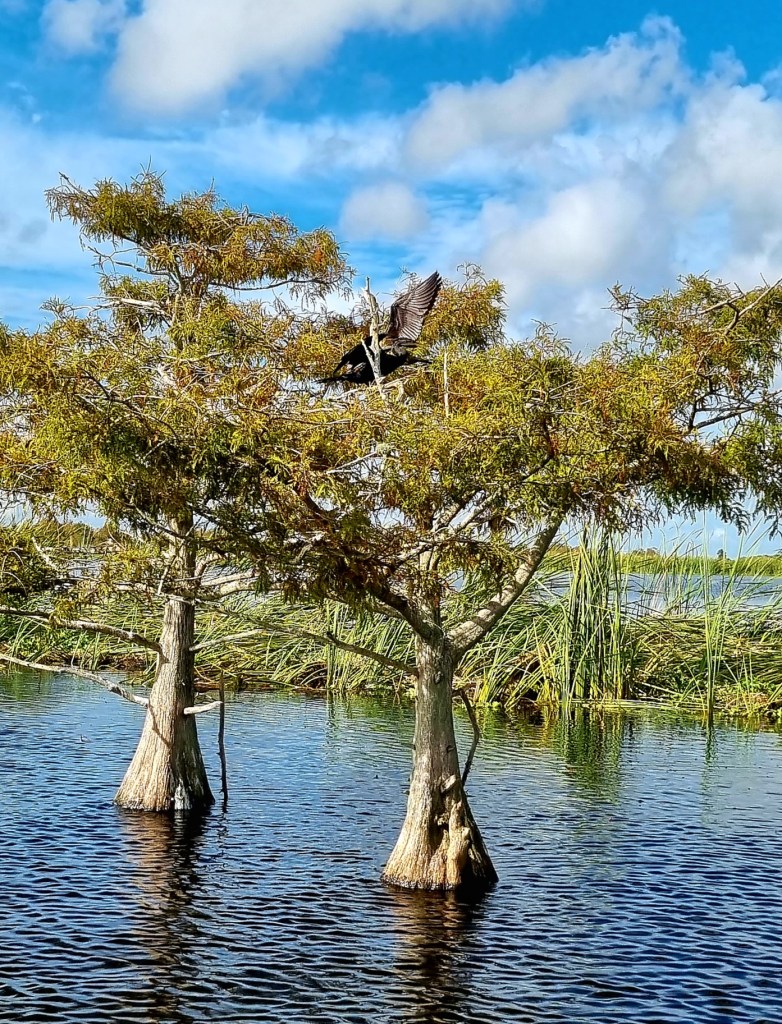
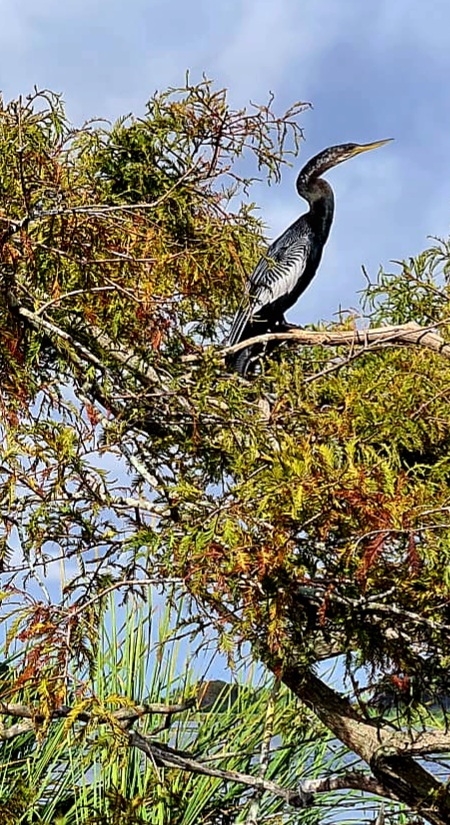
One of the first things we saw were the Anhinga birds. The name translates to ‘snake’ or ‘devil’ bird and they are also sometimes known as water turkeys. The birds were sitting in the Cyprus trees but when they are in the water they look like a snake as they swim with only their heads out of the water.

As we moved through the water we came across some purple hyacinth. The flowers on this plant bloom and then die every day, with new flowers coming the next day.

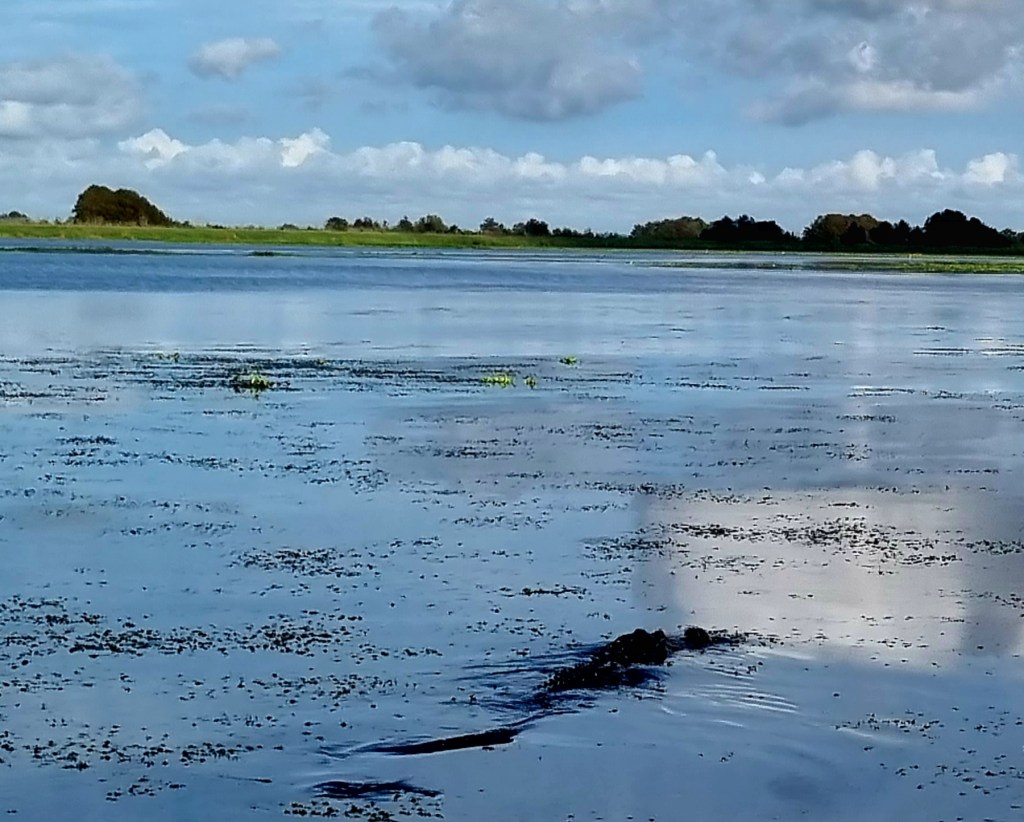
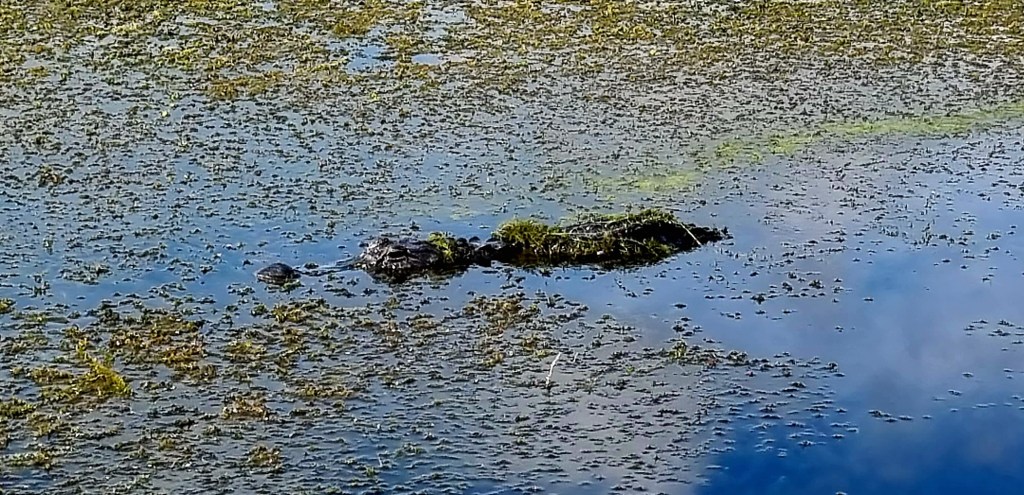
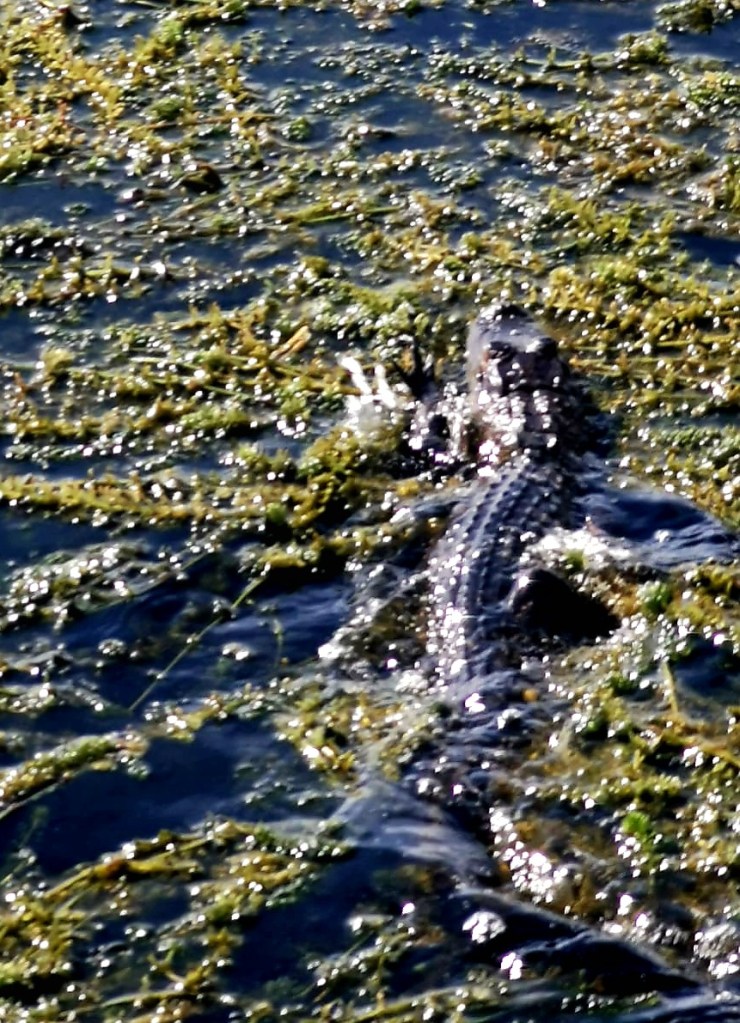
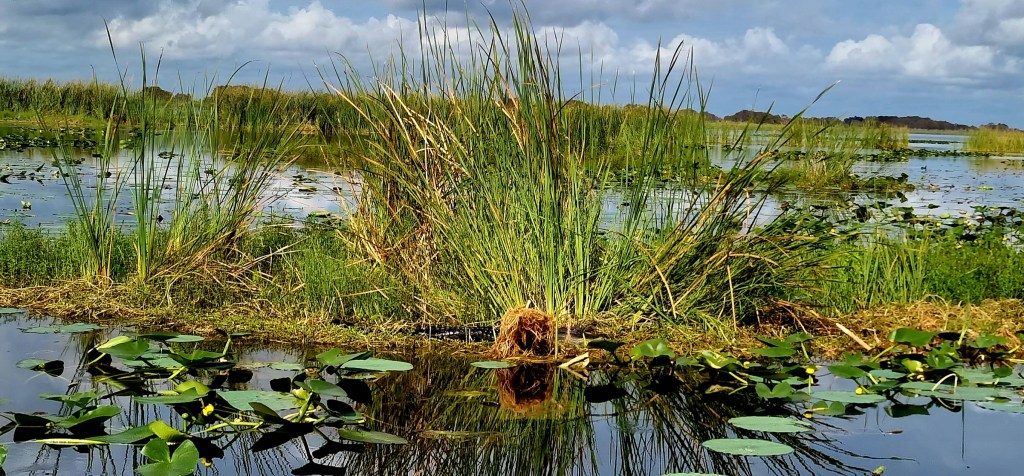
We saw an alligator quite early on in the trip. To start with you could only see the eyes and nostrils above the water. As we stopped in the swampy area we were surrounded by swamp gnats – they don’t bite but are really annoying.
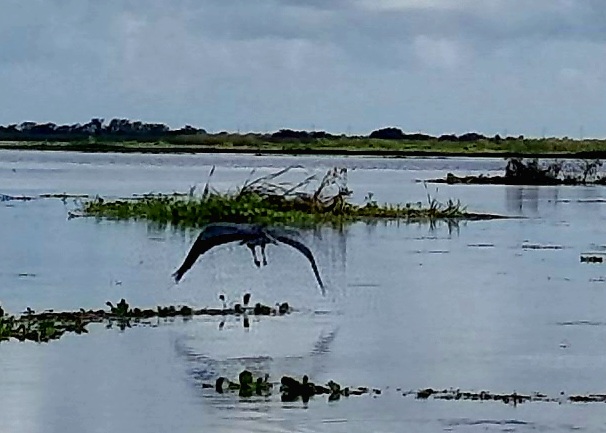
We saw a great blue heron which is a very tall wading bird that measures around 4ft in length when it’s neck is fully extended. It has a wingspan of 6ft.

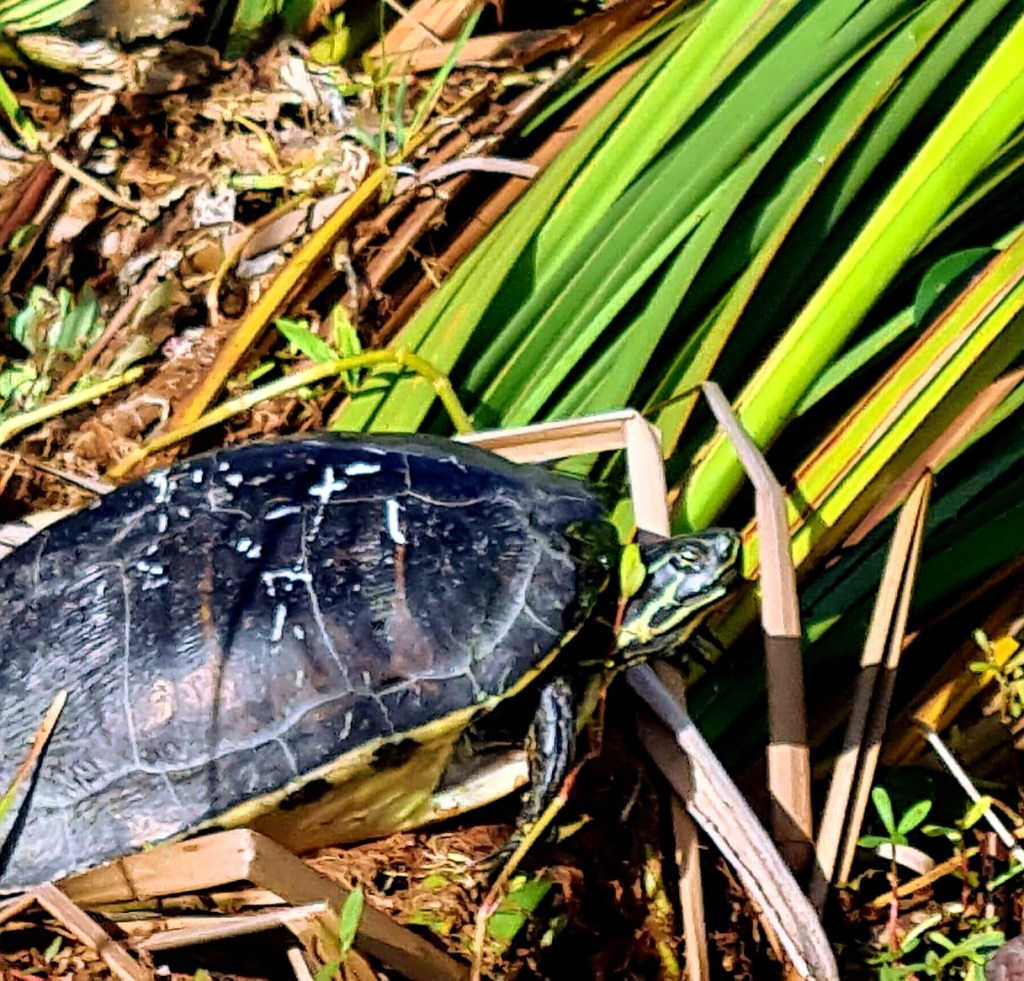
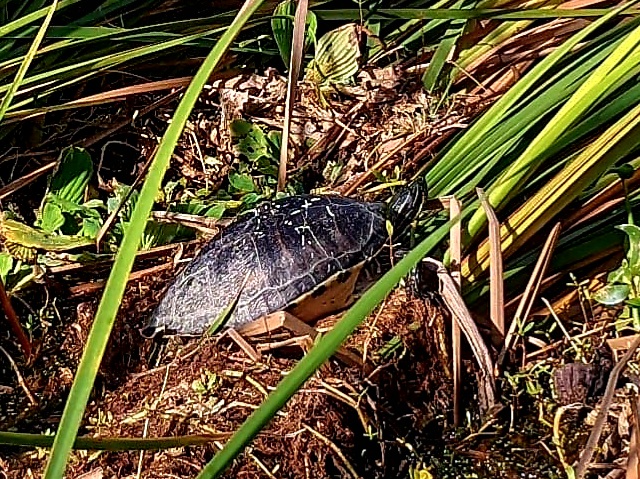
Hiding in the grass we also spotted a yellow bellied slider (turtle). This is a land and water turtle and is very common in Florida.
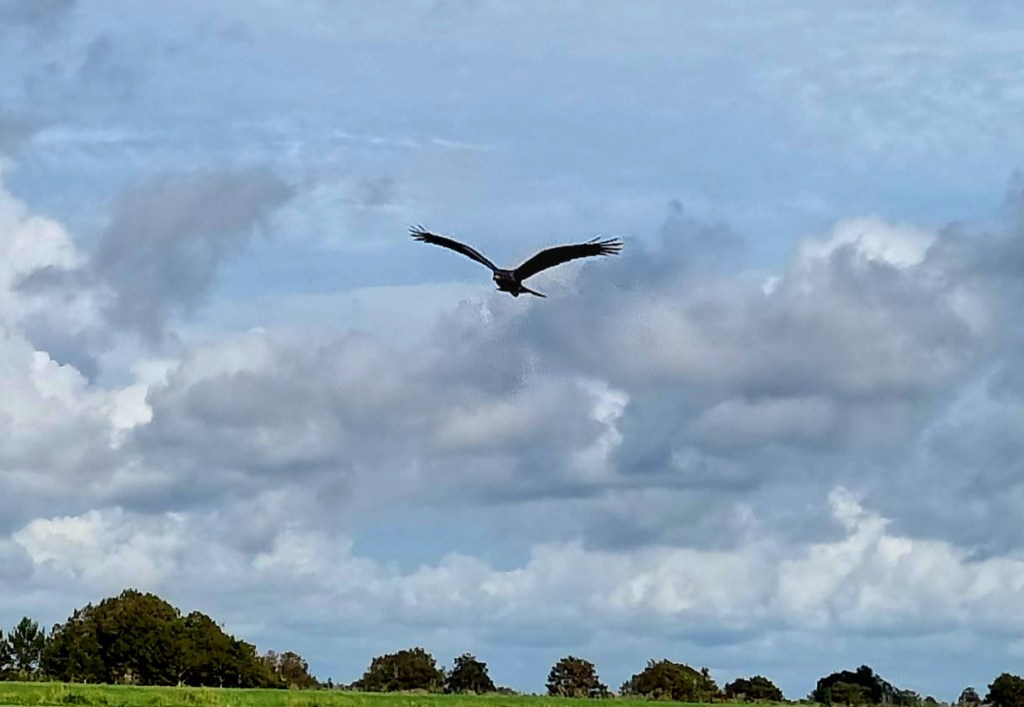
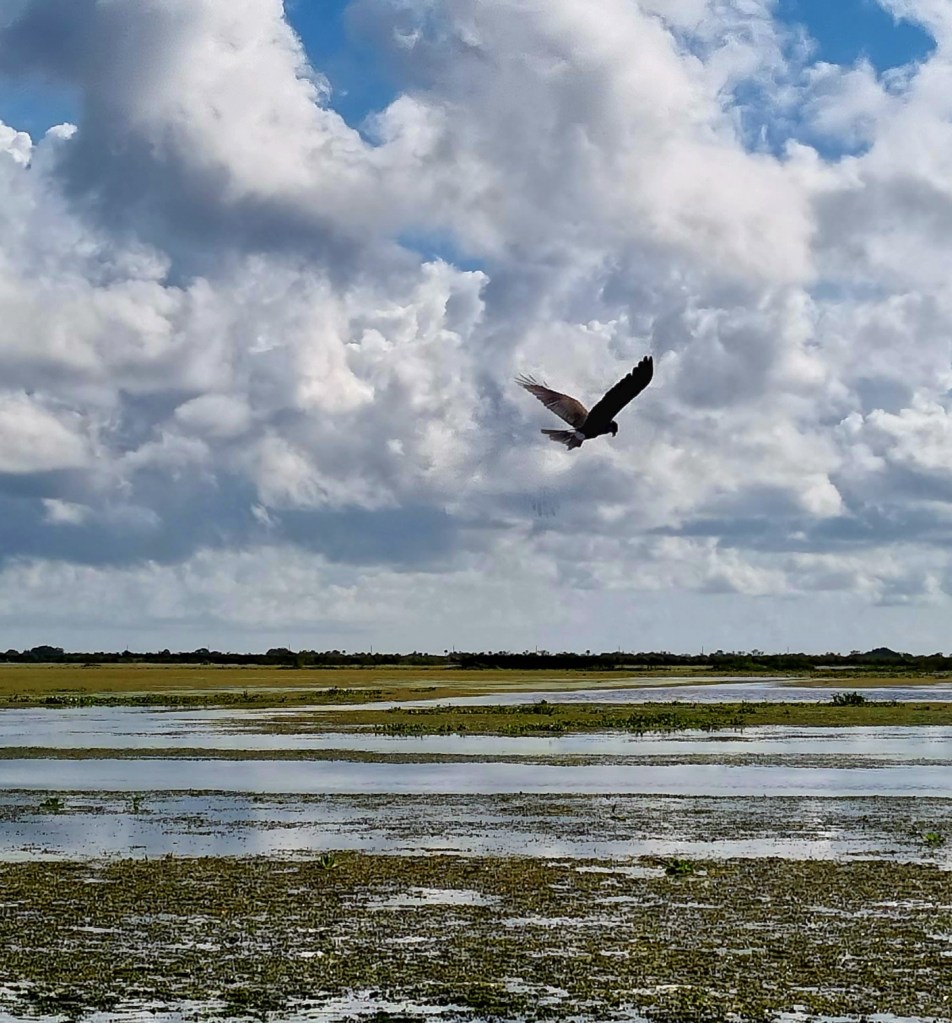
We were also lucky enough to see one of the rarest birds on the Everglades, the snail kite. This is a bird of prey that has evolved and adapted to be able to eat snails. Their beaks are hooked so they can pull the snail out of the shell. They are an endangered species, although their numbers are increasing.

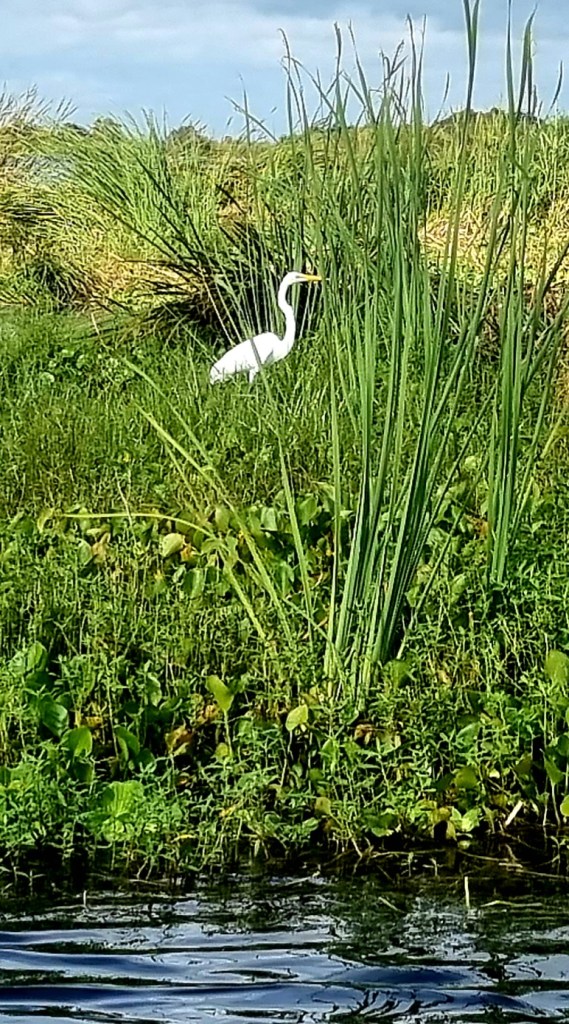
We also saw a great egret among the grass.
We saw several alligators on the tour ranging from small babies up to one’s that were around 9 ft long. These are the largest reptiles in. North America and can reach speeds of up to 30mph on both land and in the water. Around 200,000 alligators live in the Everglades.



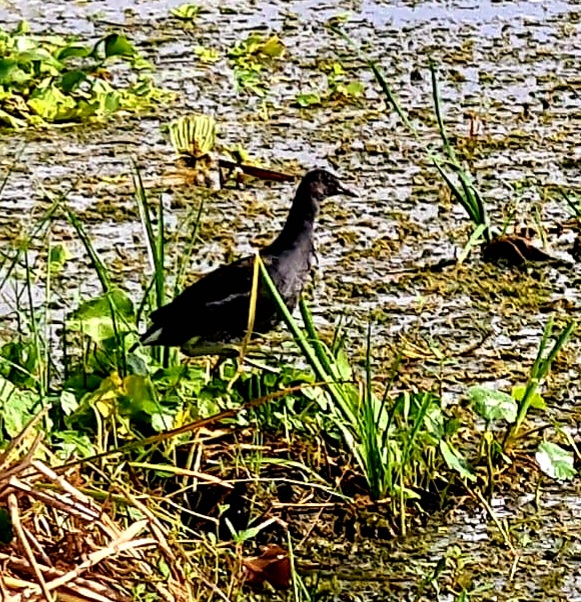
On the trip we also saw swamp chicken and a blue tailed gackle but the photos aren’t that good.

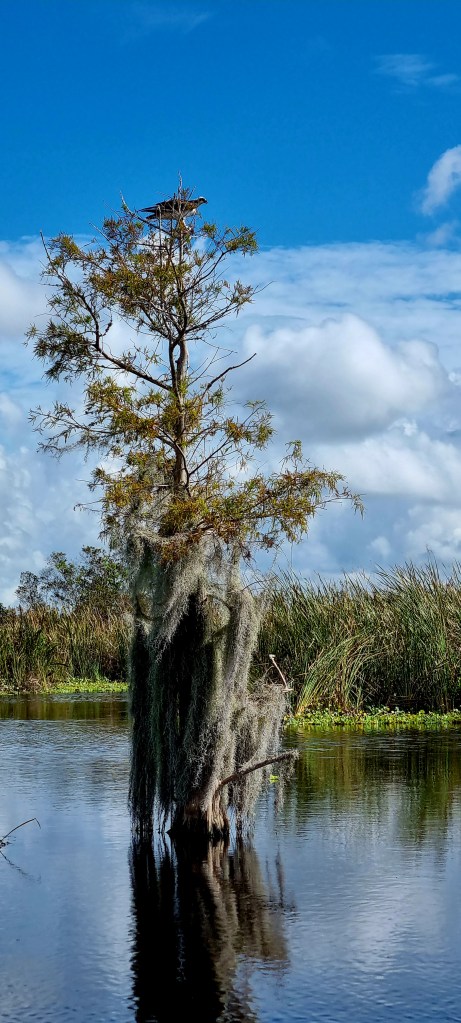
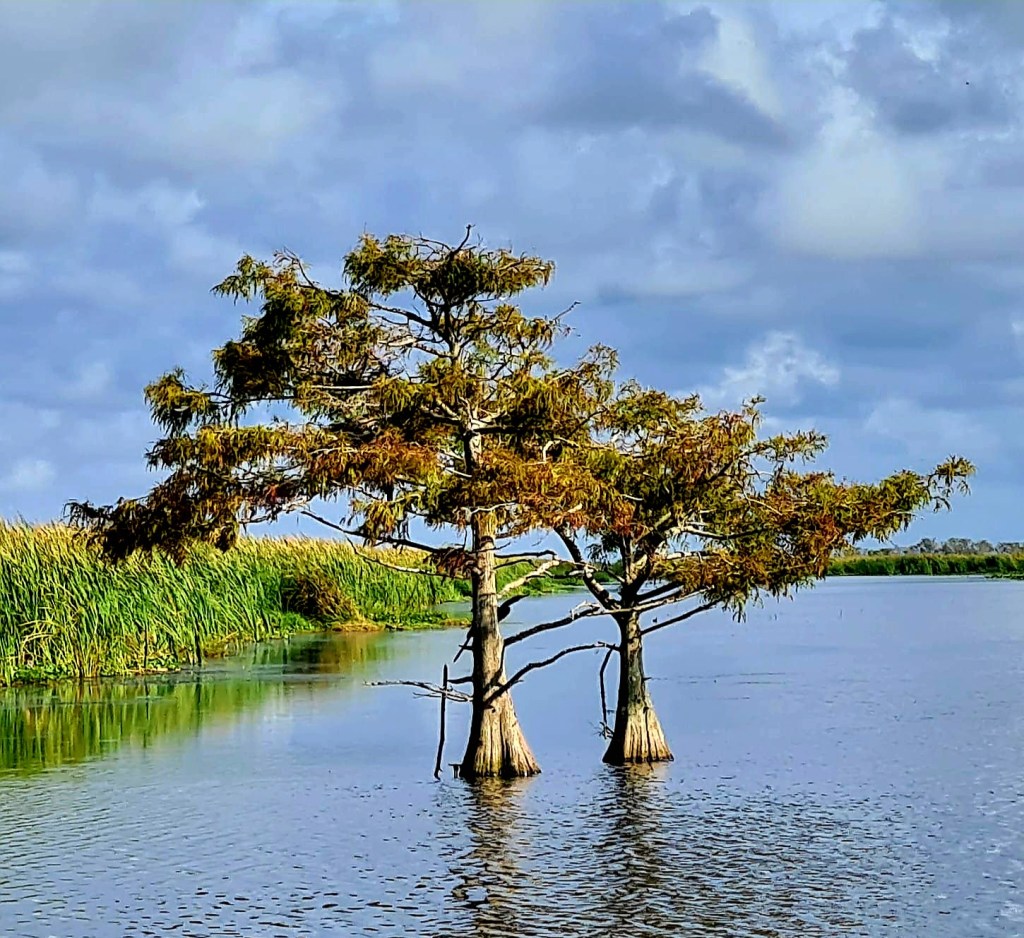
A lot of the Cyprus trees we passed were dying and covered in Spanish Moss.

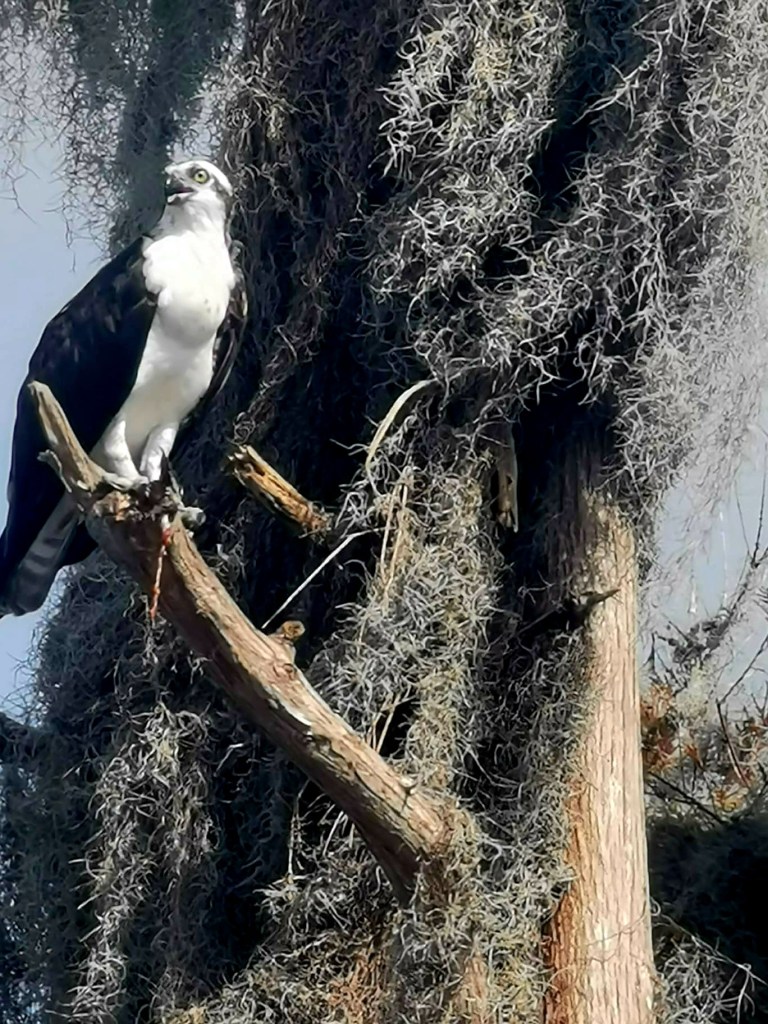
A lot of the Cyprus trees also housed the ospreys nests. Ospreys are birds of prey in the hawk family. They mate for life and always return to the same nest each year. They have a reversible outer toe which allows them to have a good, stable grip on branches.
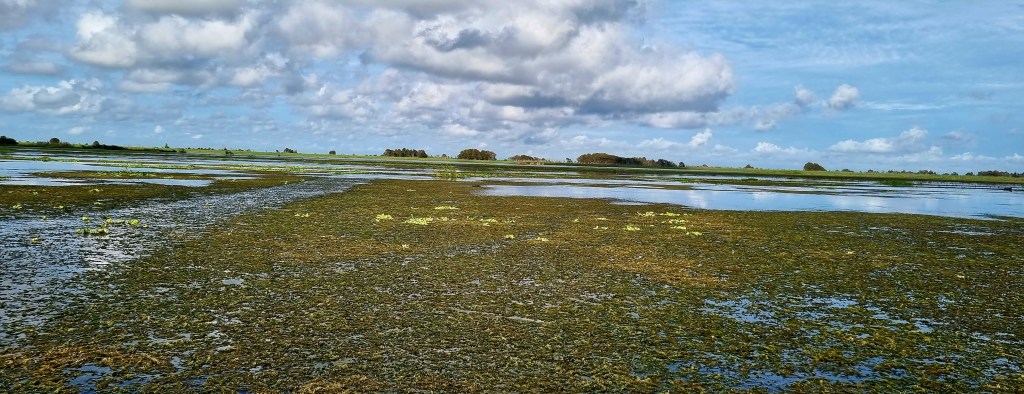
It was strange to think that not that long ago the wetlands were used for crops and cattle as they had been drained. By the early 1970s around 62% of the area we were in had been drained for agricultural purposes and canals were dug to divert the water into the Indian River Lagoon. In 1977 a restoration project started as diverting the water also diverted all ghe nutrients etc. Part of the area we rode on even used to be a race track.
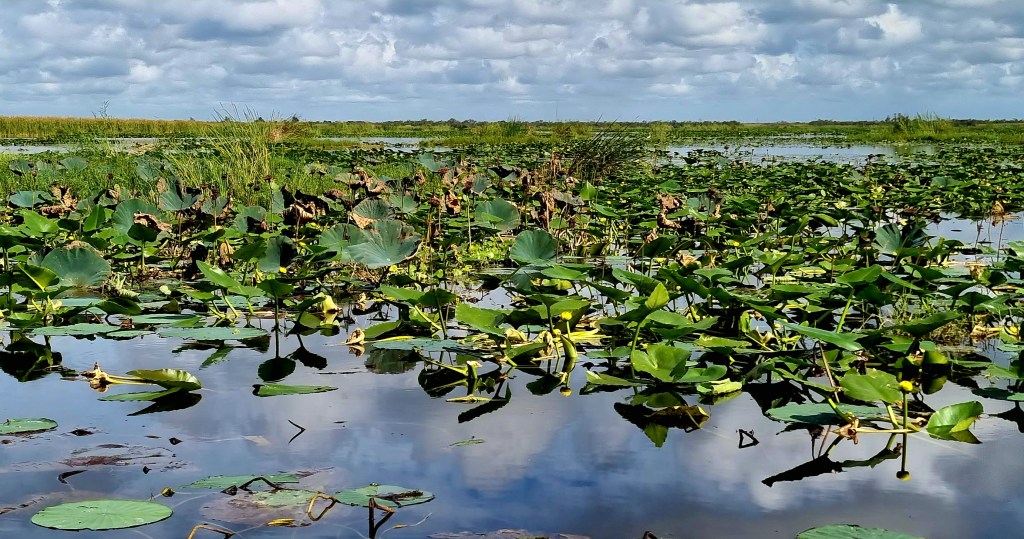
It was a brilliant tour, we all loved it.
Back at the beach huts we made up some lunch and headed to the beach. Bob made his margaritas- which were delicious. We swam and sunbathed for a bit.
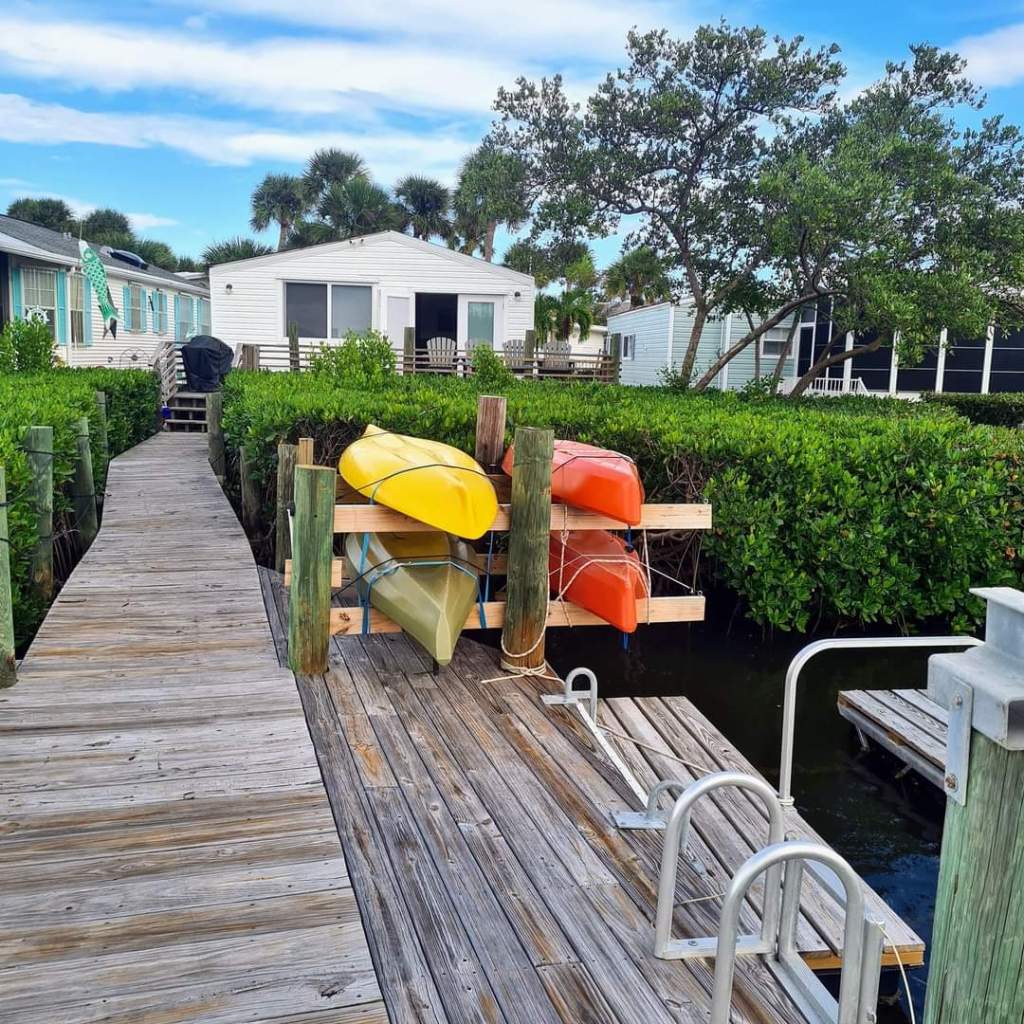
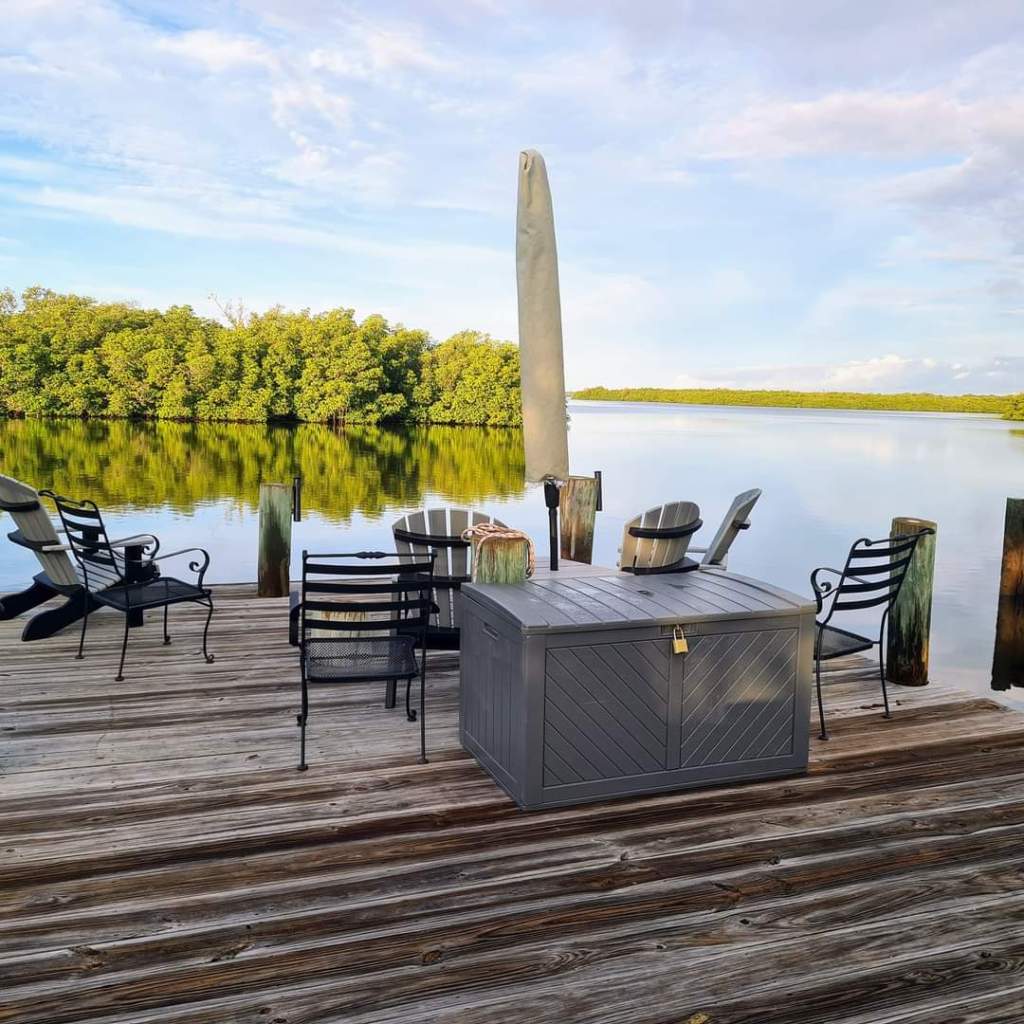
We had a look around the smallsrina at our resort (Ocean Resort). We were hoping to spot some mantee but unfortunately they weren’t around.
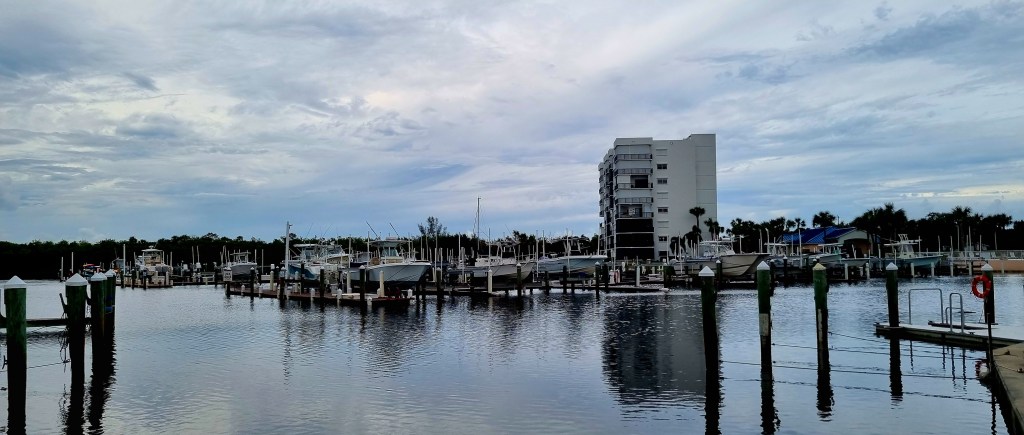
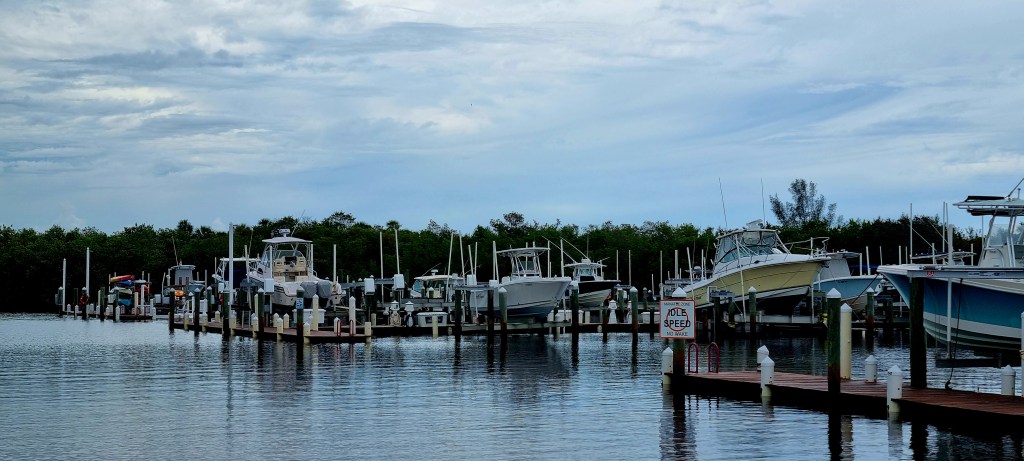
We headed back to ours to freshen up.
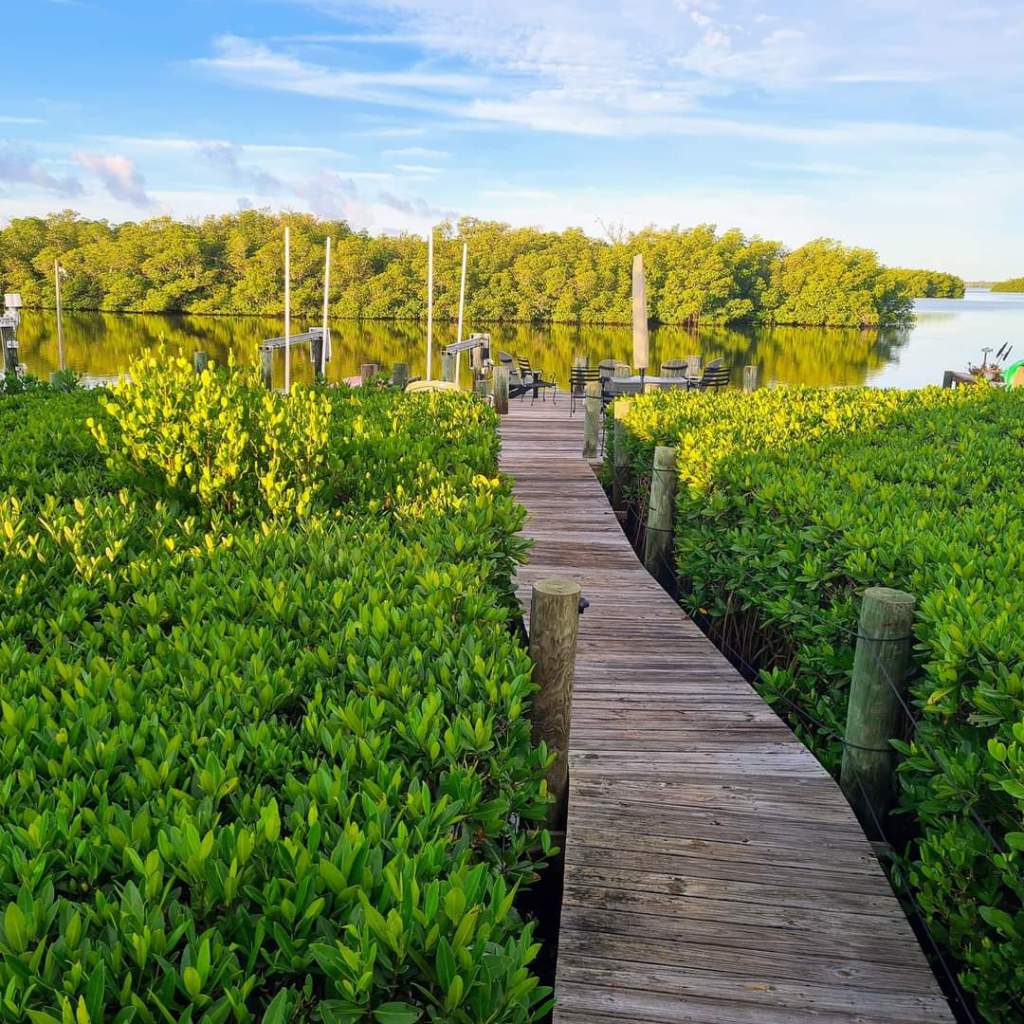
We had some baked brie with red wine before heading out to ‘Pickled’ for dinner. Ali and I weren’t that hungry so we shared some starters.
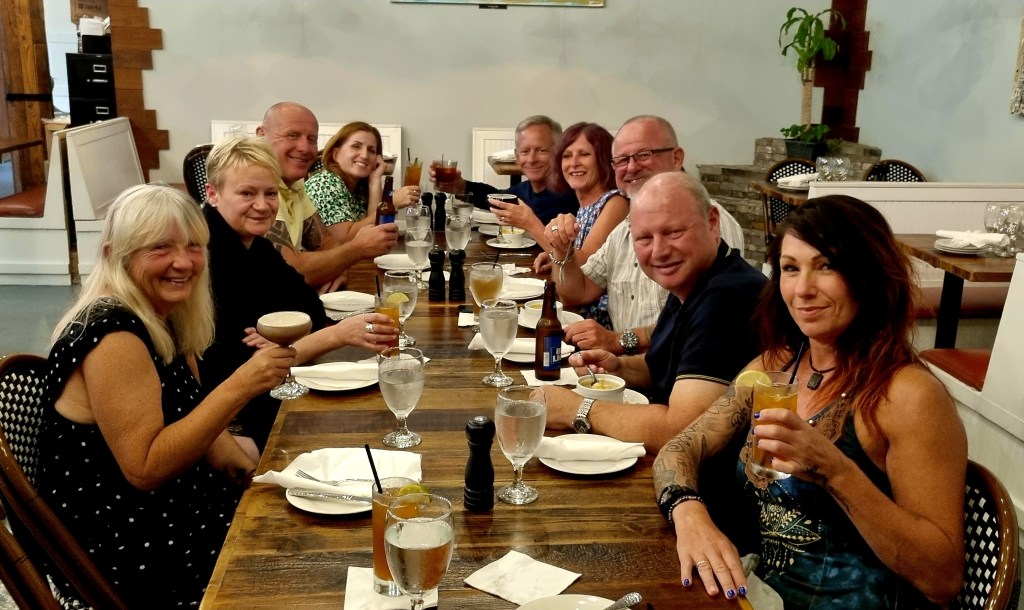
It was an early night for everyone.
 Fun, Fitness and Fabulousness in your Fifties