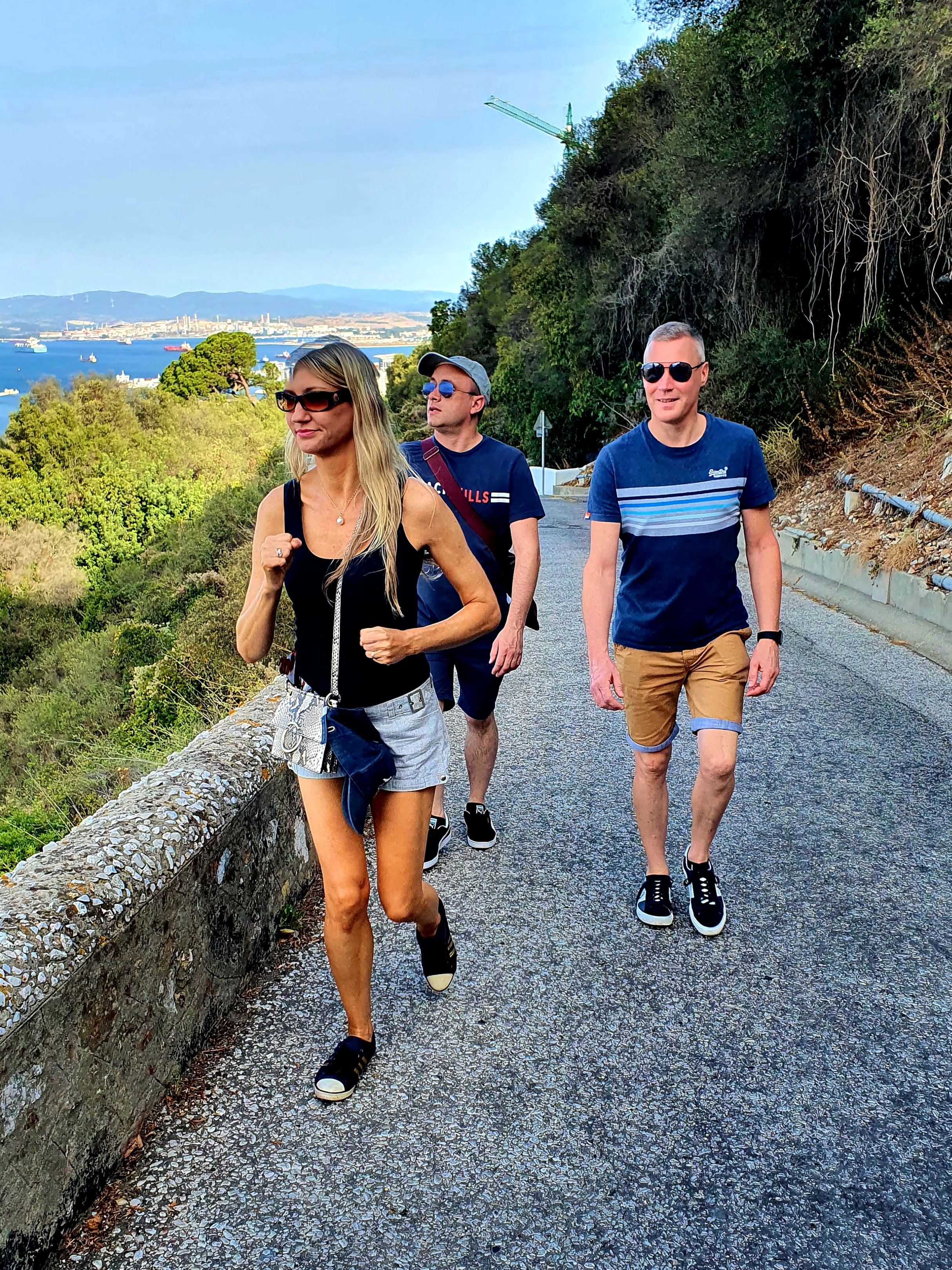
After a very tasty breakfast at the hotel we decided to explore the Rock. I suggested we walk up it rather than getting the cable car – and managed to persuade everyone that this was a great idea!
From the hotel we walked to Jews Gate Cemetry.
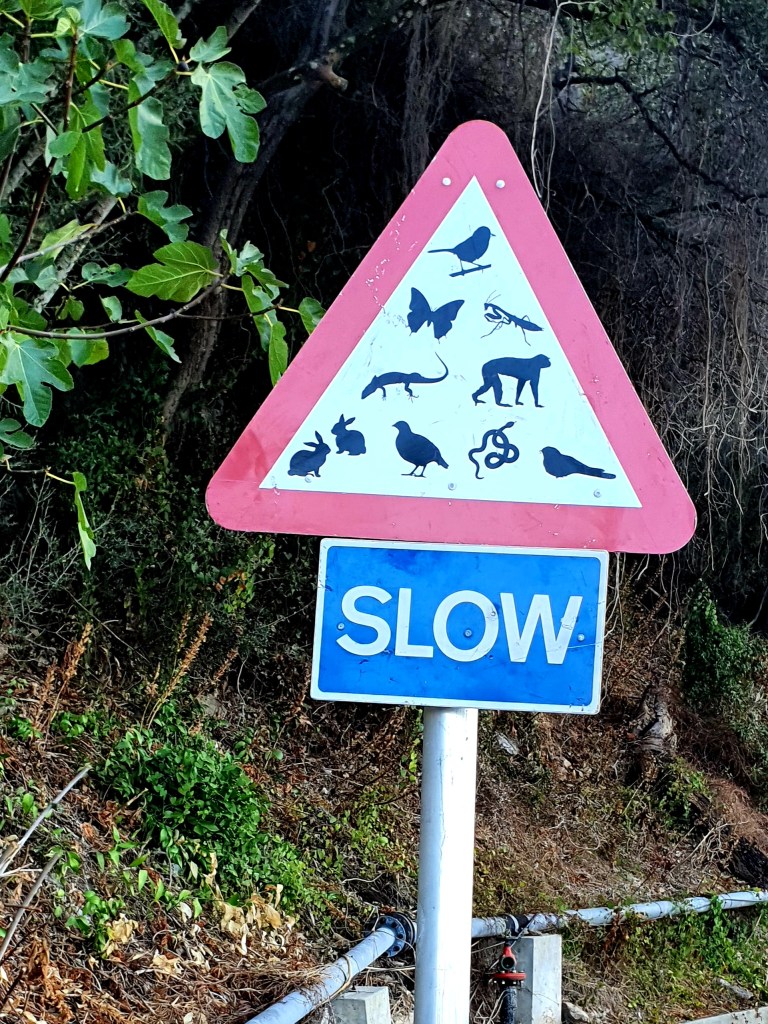
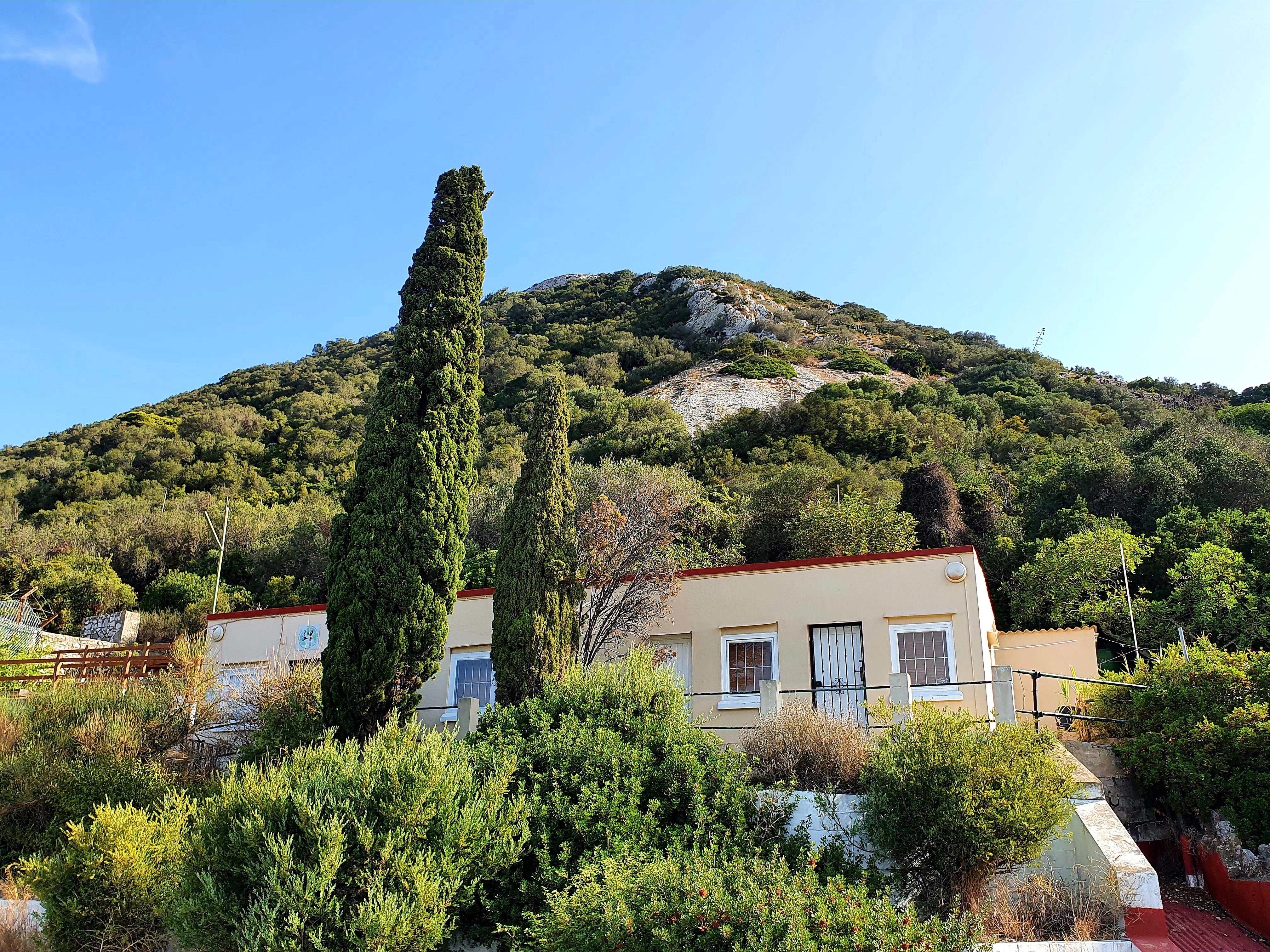
Located on Windmill Hill near the southern entrance to the Upper Rock Nature Reserve, Jews’ Gate Cemetery includes the earliest known Jewish burials in Gibraltar. It is the burial site of a number of Gibraltar’s Chief Rabbis, with the earliest known dating as far back as 1746. The cemetery was actually closed for burials just over a century later, on the 6th May 1848. To date, nobody knows for certainty the reason behind the Jewish community burying members of their dead at this specific location.
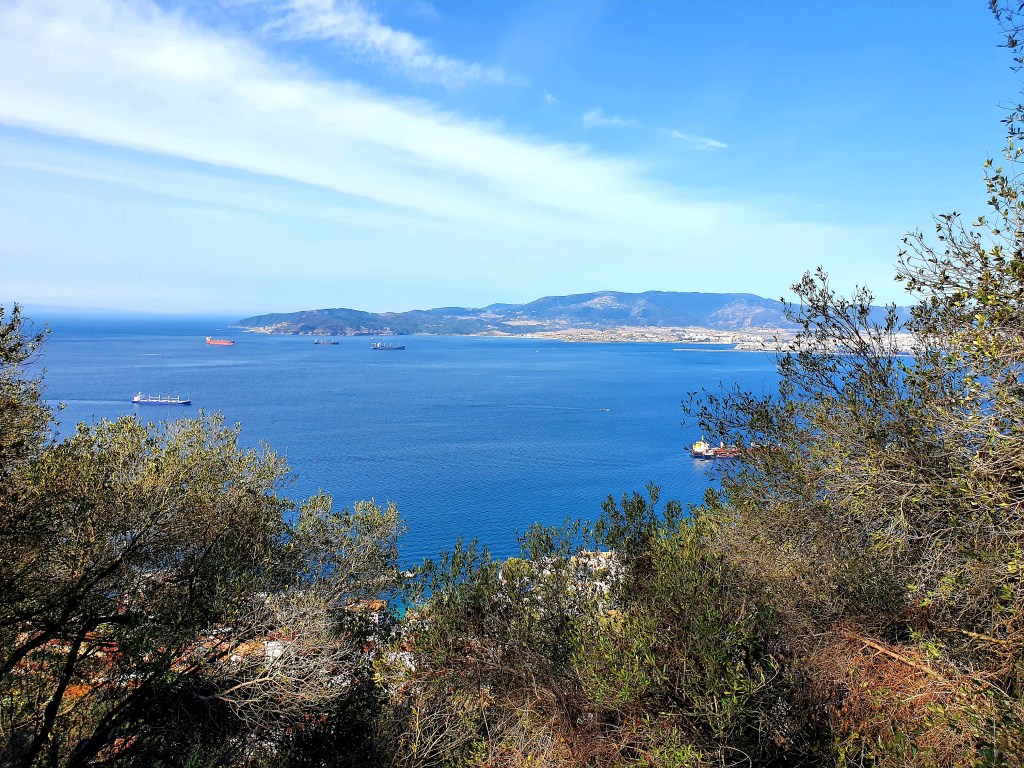
The Pillars of Hercules can also be found here -one of two promontories at the eastern end of the Strait of Gibraltar. The northern pillar is the Rock of Gibraltar, and the southern pillar has been identified as one of two peaks: Jebel Moussa (Musa), in Morocco, or Mount Hacho (held by Spain), near the city of Ceuta (the Spanish exclave on the Moroccan coast). The pillars are fabled to have been set there by Hercules as a memorial to his labour of seizing the cattle of the three-bodied giant Geryon.


We were going to take the Mediterranean steps up the rock but we took a wrong turn and ended up taking a short cut to St Michael’s cave.
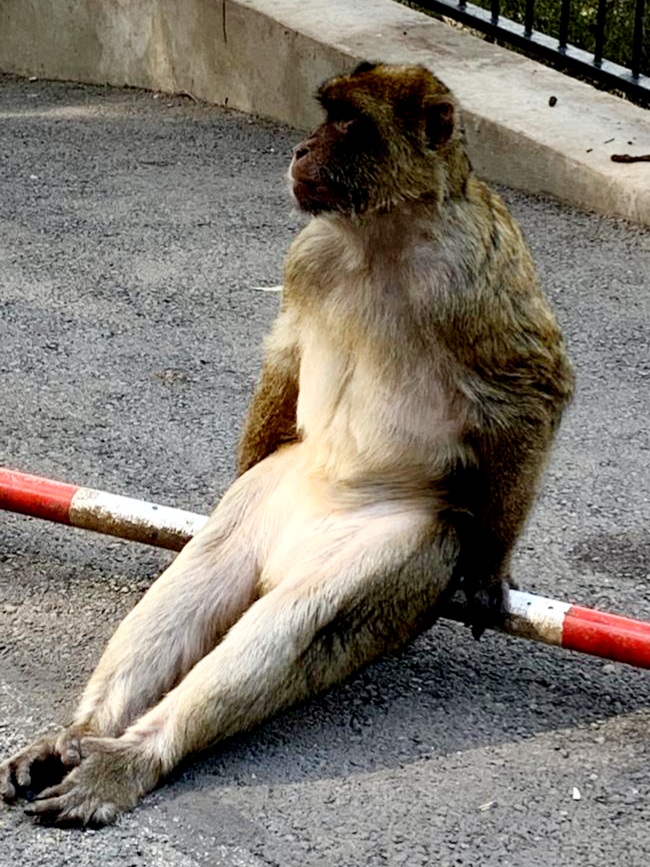
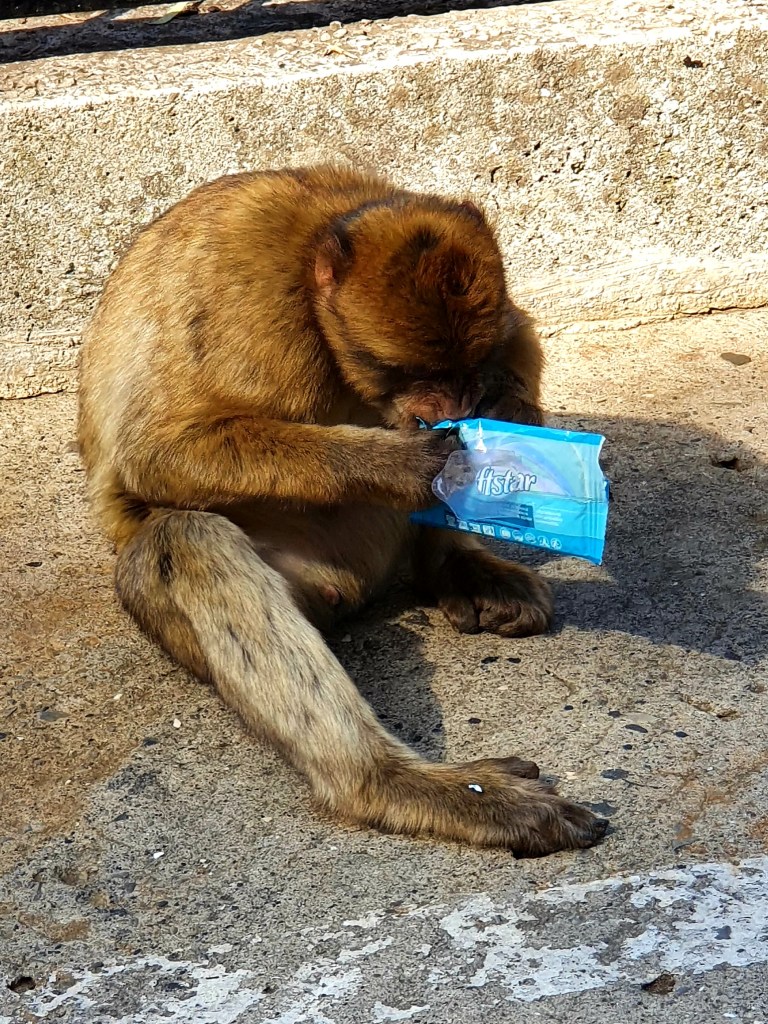
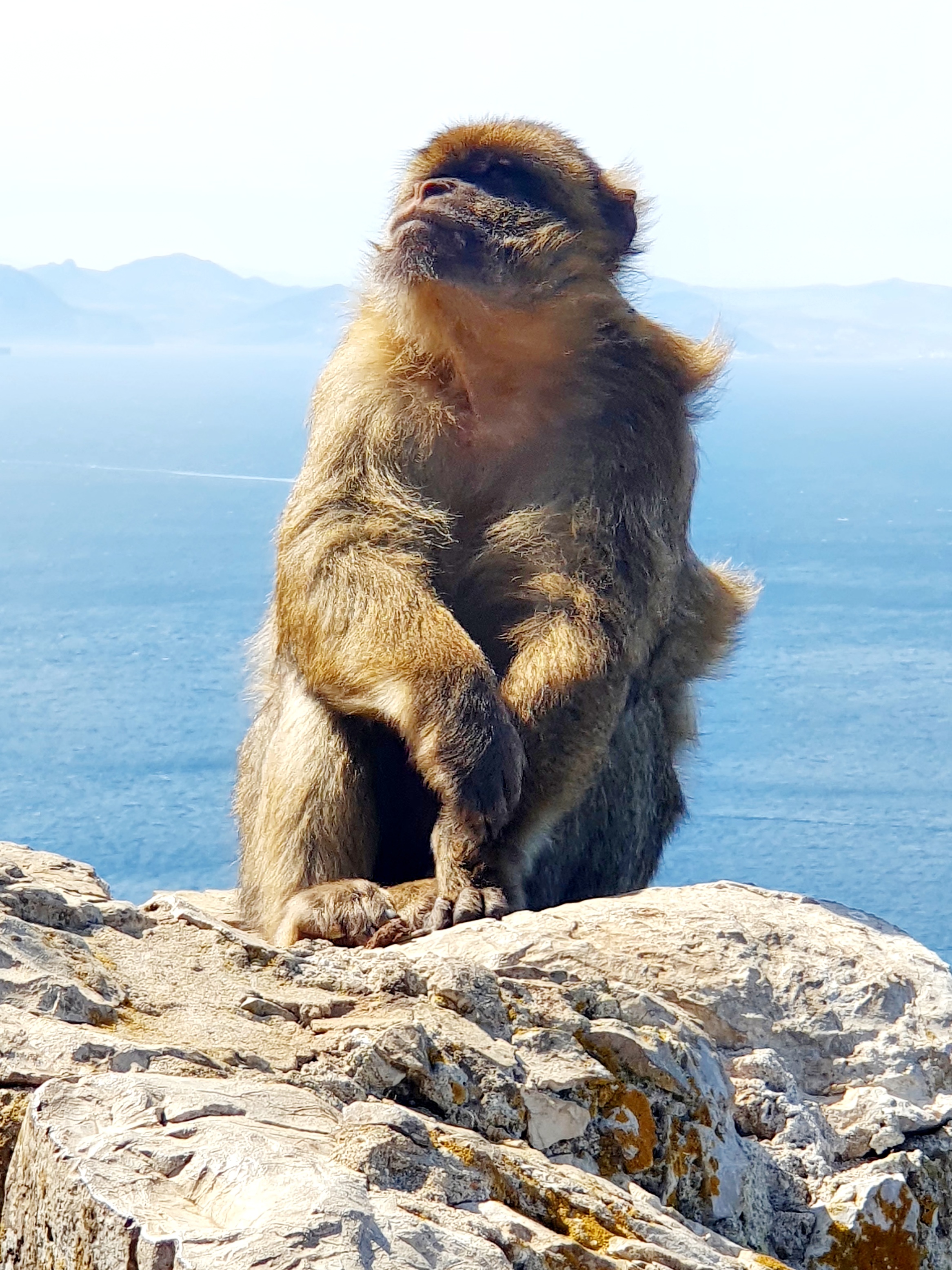
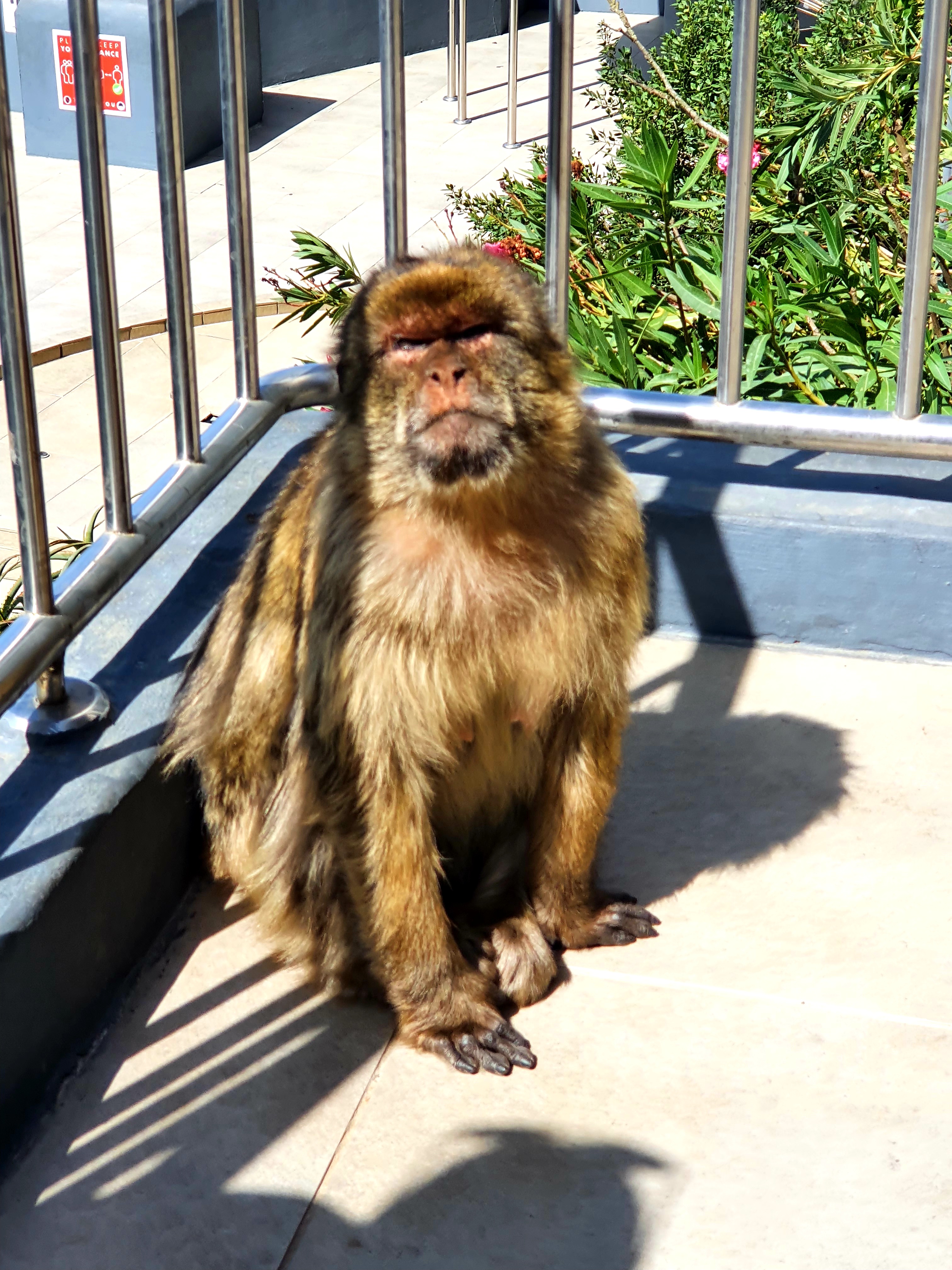
On the way we came across some of the local residents – the Barbary macaque apes. These apes are originally from the Atlas Mountains and is the only wild monkey population on the European continent.


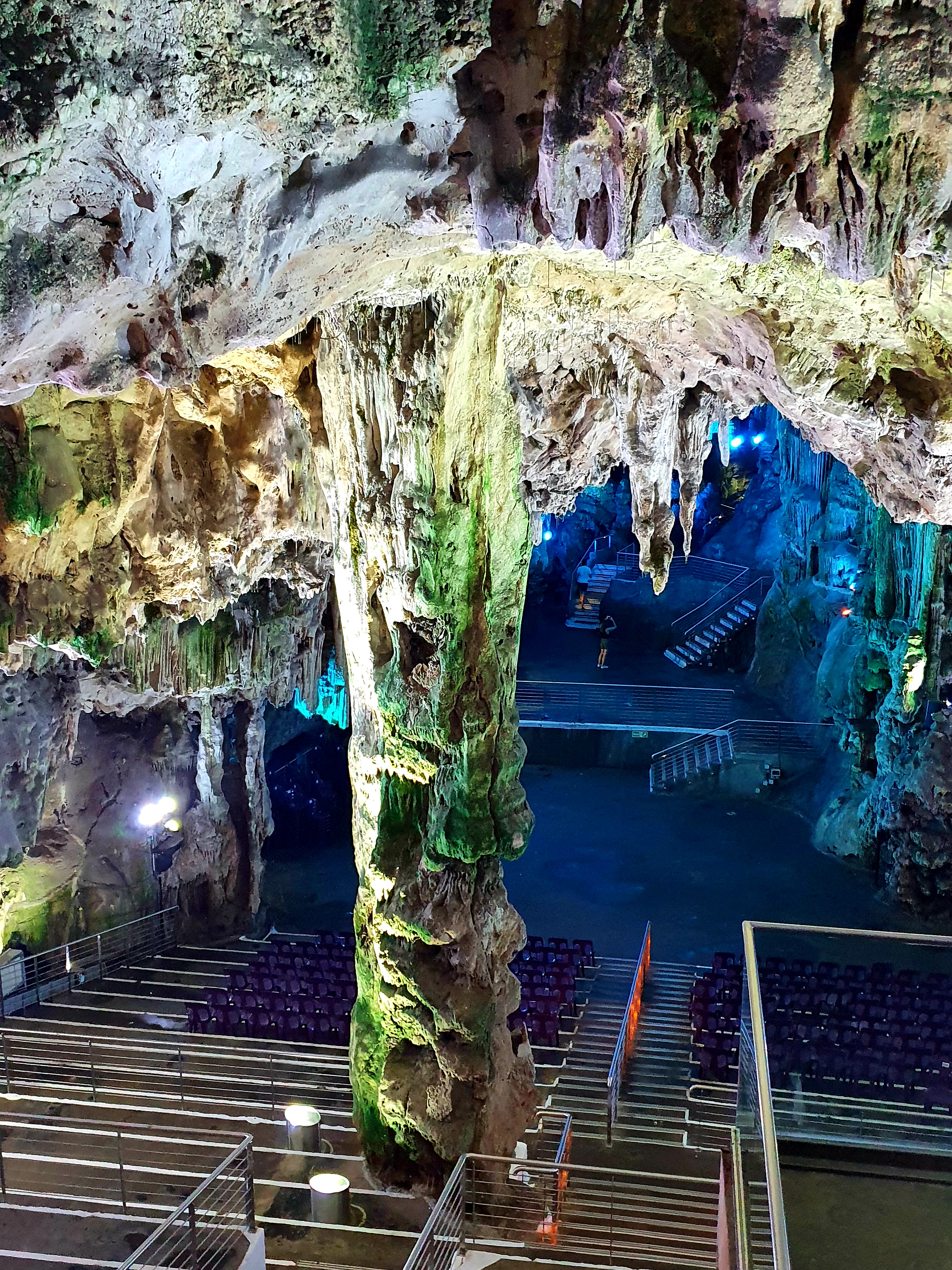
We ventured into St Michael’s caves which were beautiful. The caves are often host to concerts and theatre productions with a 600 person capacity.

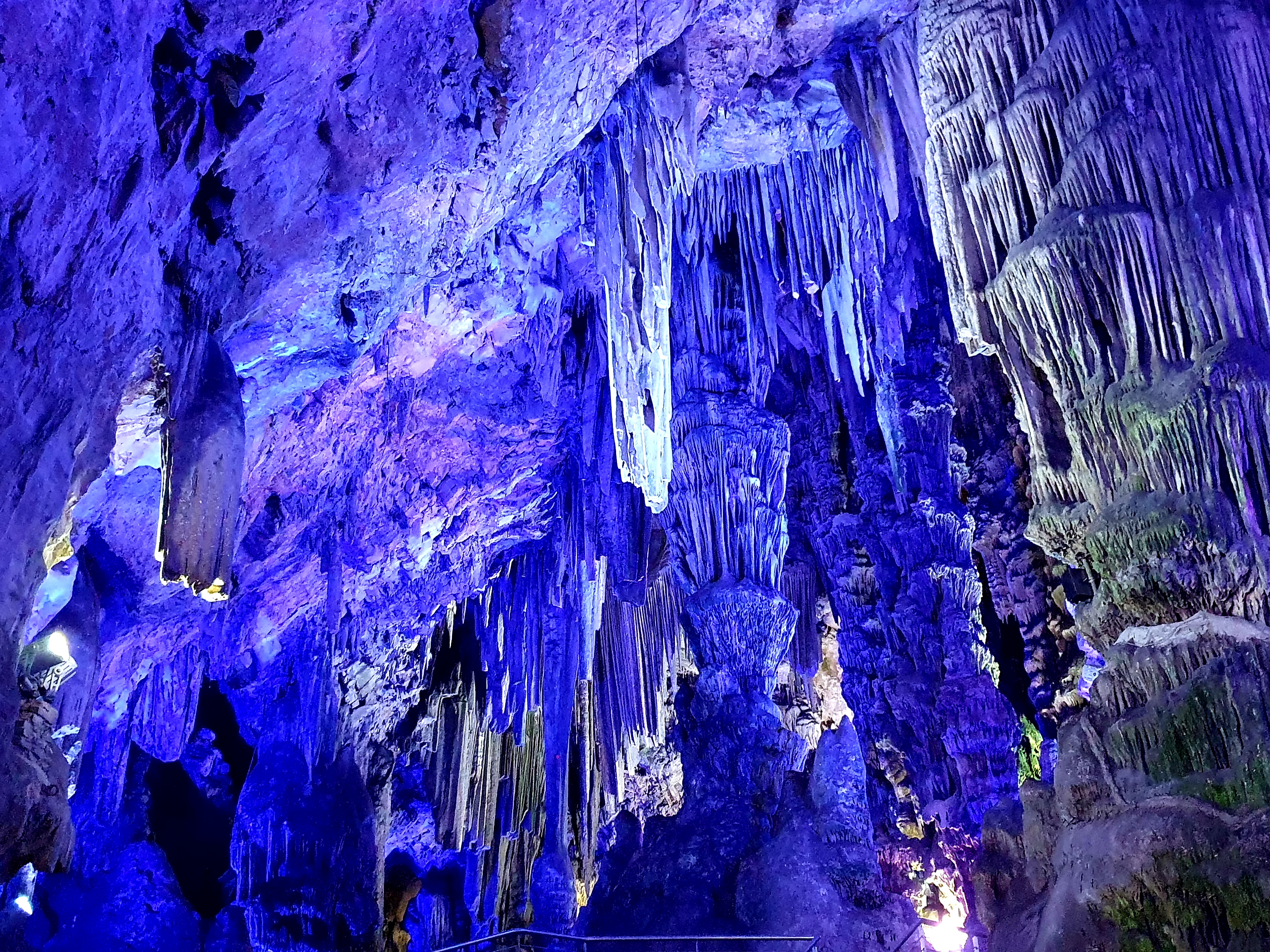
The caves were originally thought to be bottomless and this gave rise to a rumour that there was subterranean passages between Gibraltar and Africa.
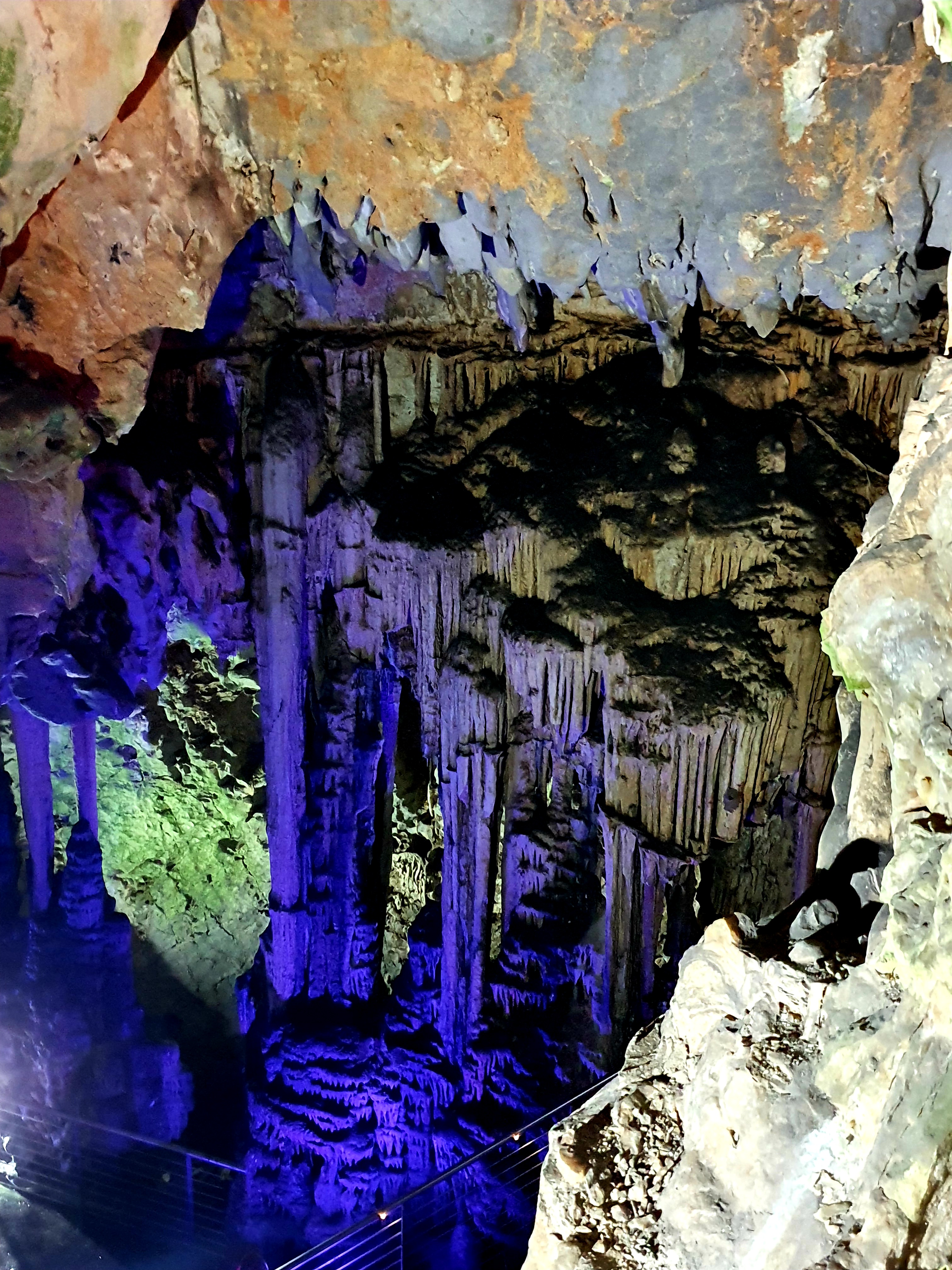
It’s believed that in 1704 Spanish troops spent a night in the cave after climbing the precipitous east face of the Rock. Another story about the cave recounts how a Colonel Mitchell and another officer were said to have descended into the cave at some unspecified date before 1840 and were never seen again.
During WWII the cave was prepared as an emergency hospital, but was never used as such.
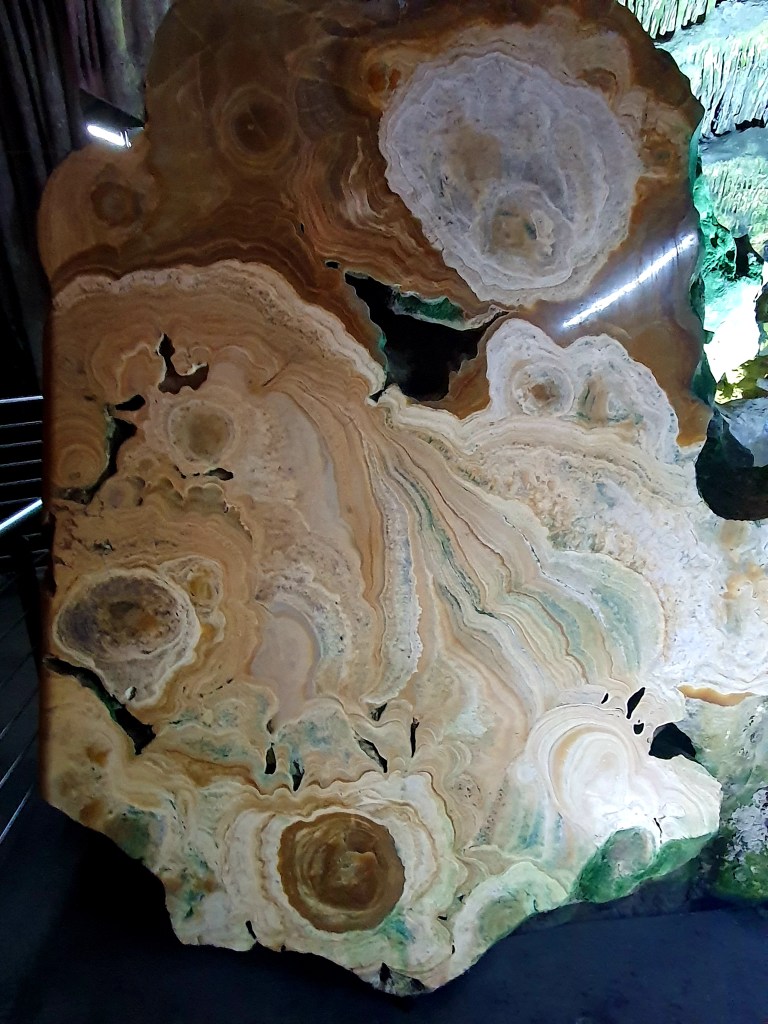
At some period during the history of this cave, part of a stalagmite became too heavy on one side and fell, possibly thousands of years ago. It now lies on its side at the far end of the main chamber, cemented through the years by nature to the floor of the cave. In 1972 a slice was cut off from the top end which revealed the interior structure of the stalagmite in a most dramatic fashion.
Leonora’s cave is a system of caves within St Michael’s caves and as they are difficult to access they largely remain unspoilt.
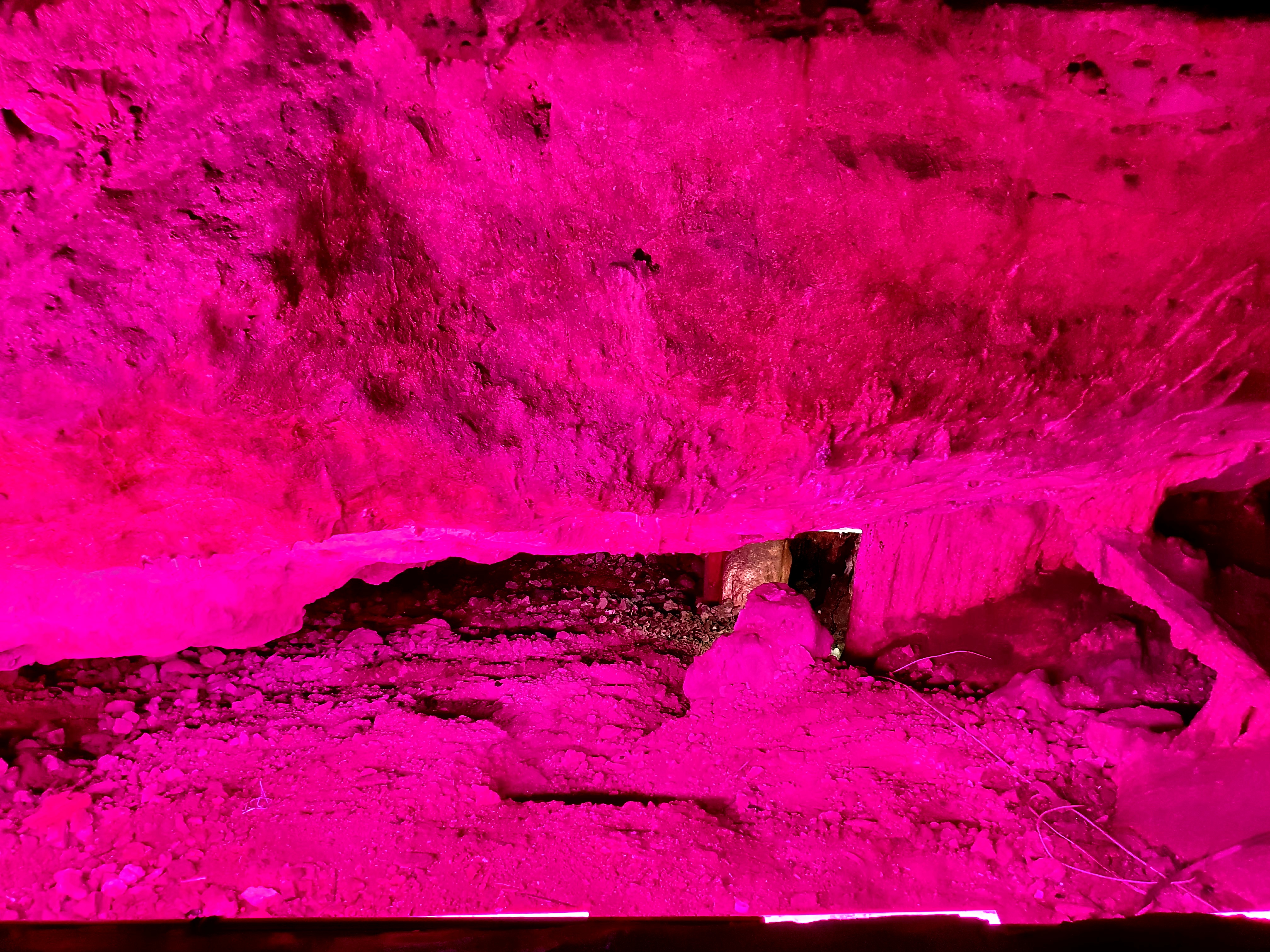
Graffiti found on some of the rock date back to 1801 and early reports mentioning “passages leading off St. Michaels Cave” suggest that the site was first explored in the 1700s by British troops; however, it was only until 1864 that Captain Frederuck Brome explored this system extensively and realised its beauty. In 1867, he named this cave after his wife Leonora saying the site was “of unimaginable beauty”.
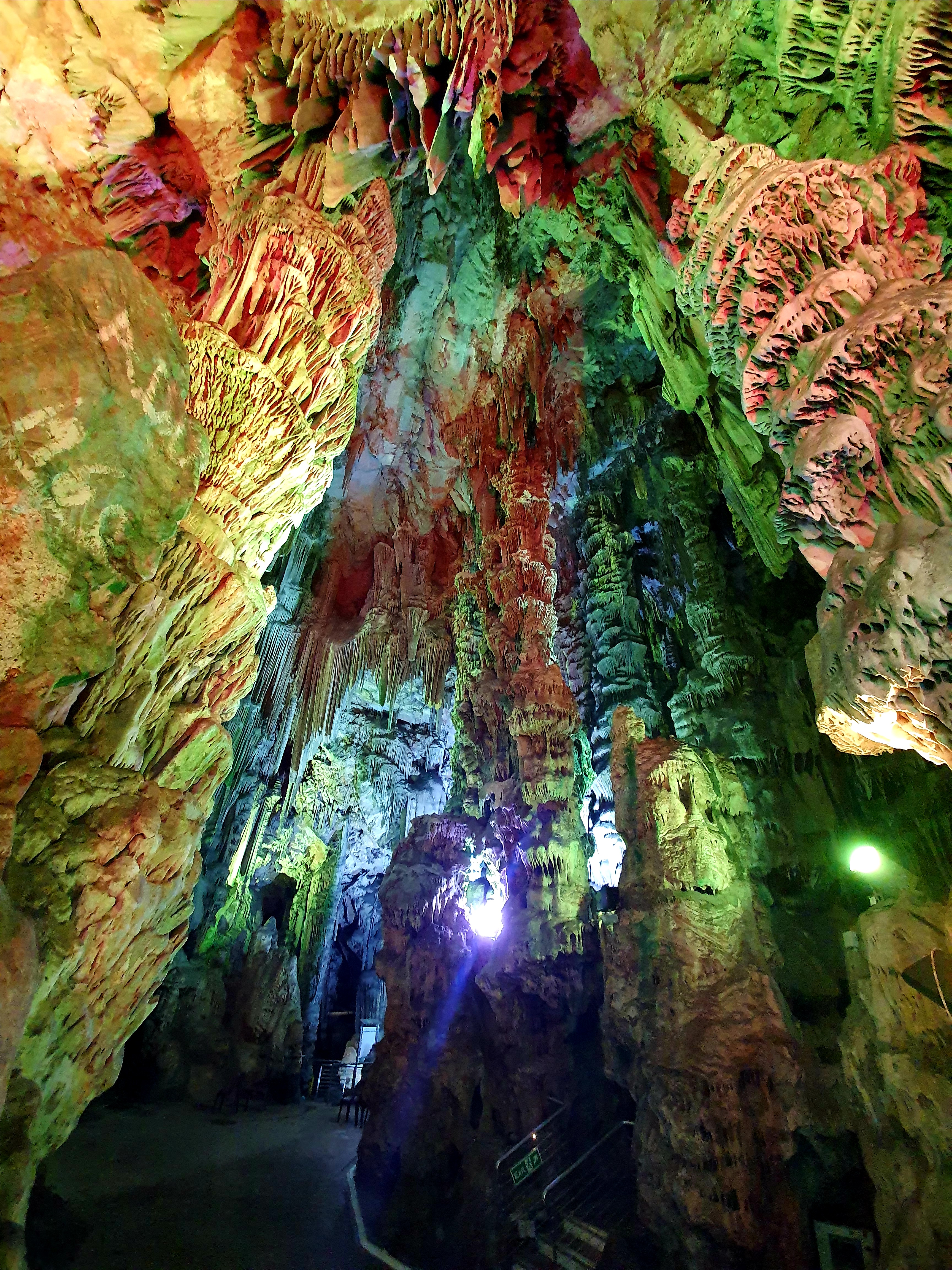

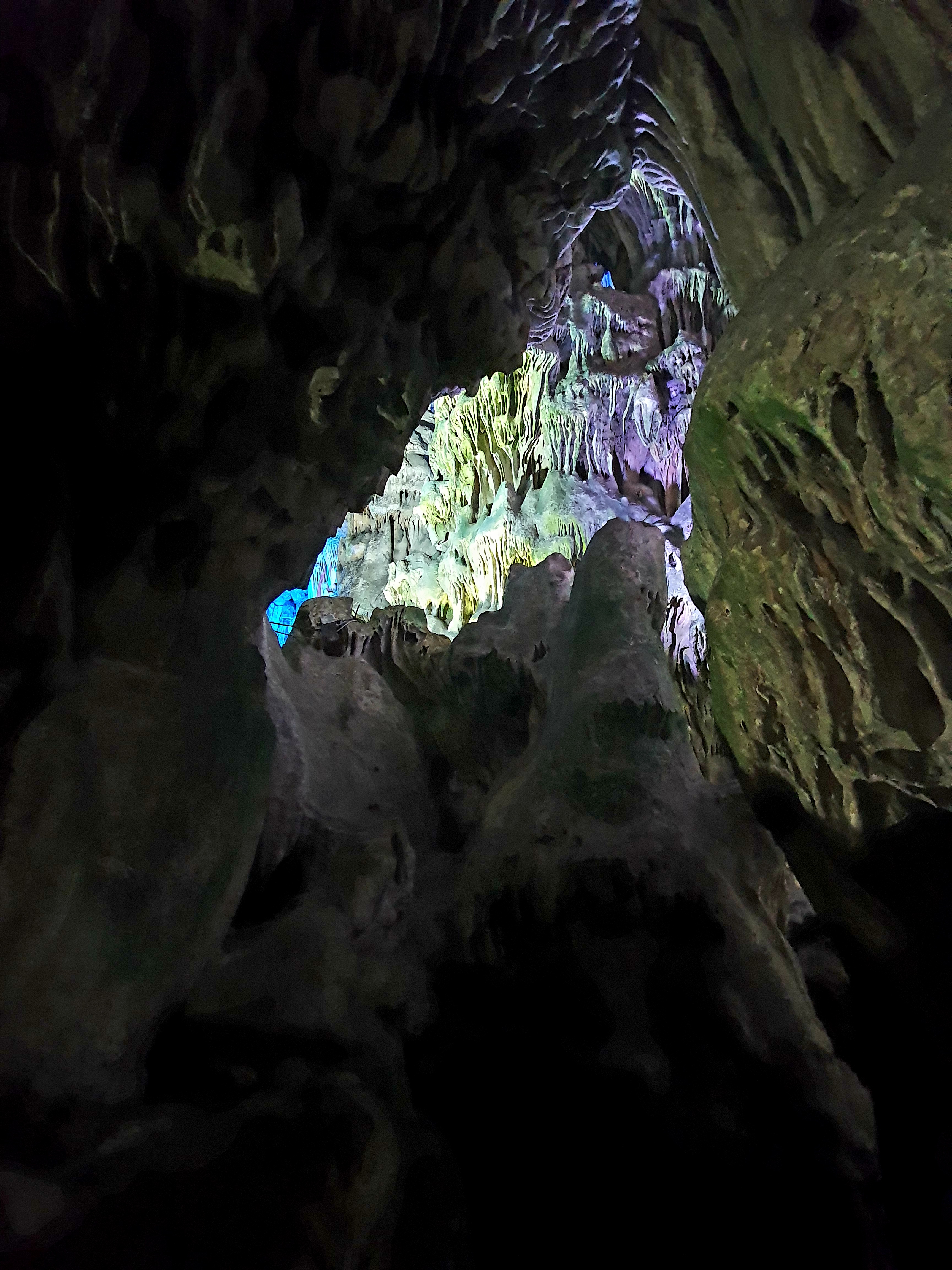
We spent quite a bit of time wandering around the caves and exploring.
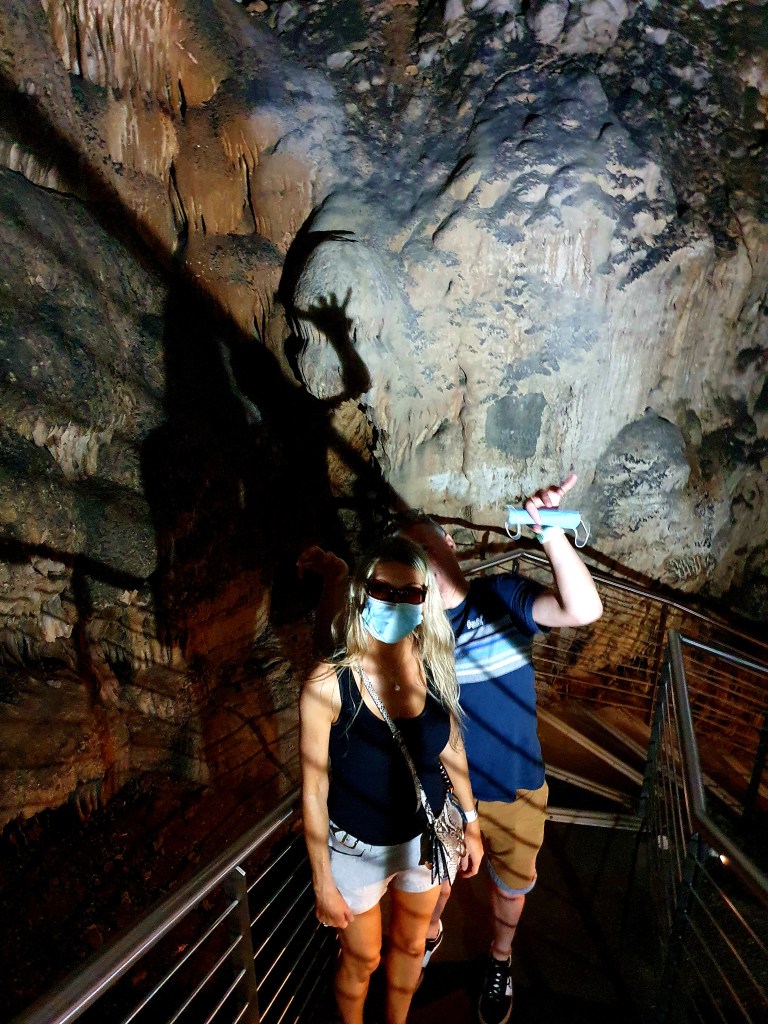

Back out in the sunshine we came across more of the monkeys- one who was abiding by the hand sanatising rules.
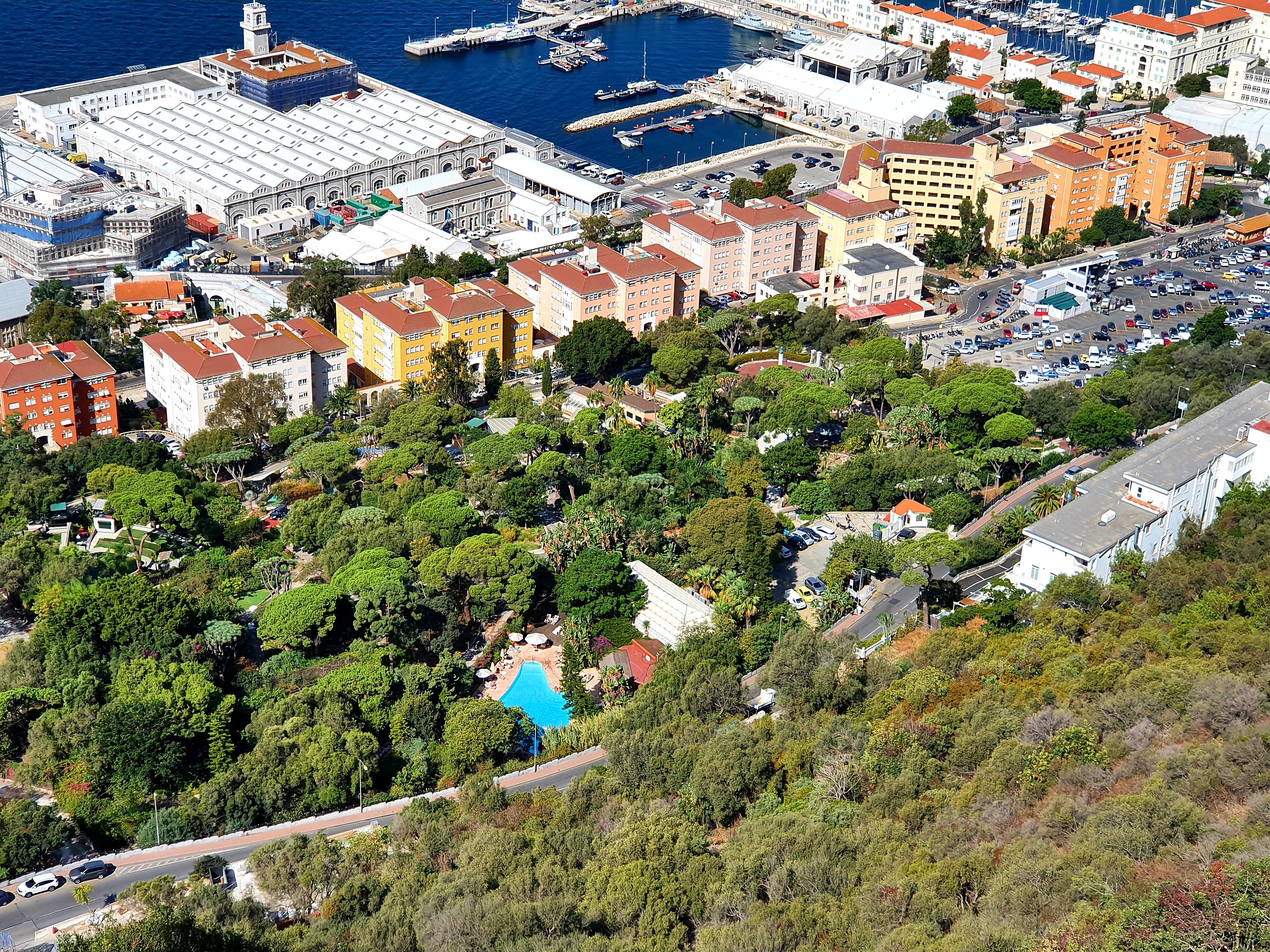
We walked across the rock to the Queens viewpoint.

Before heading off to the Windsor Suspension bridge. This bridge was officially opened on the 21st June 2016 and is 71 metre long and suspended over a 50m deep gorge.
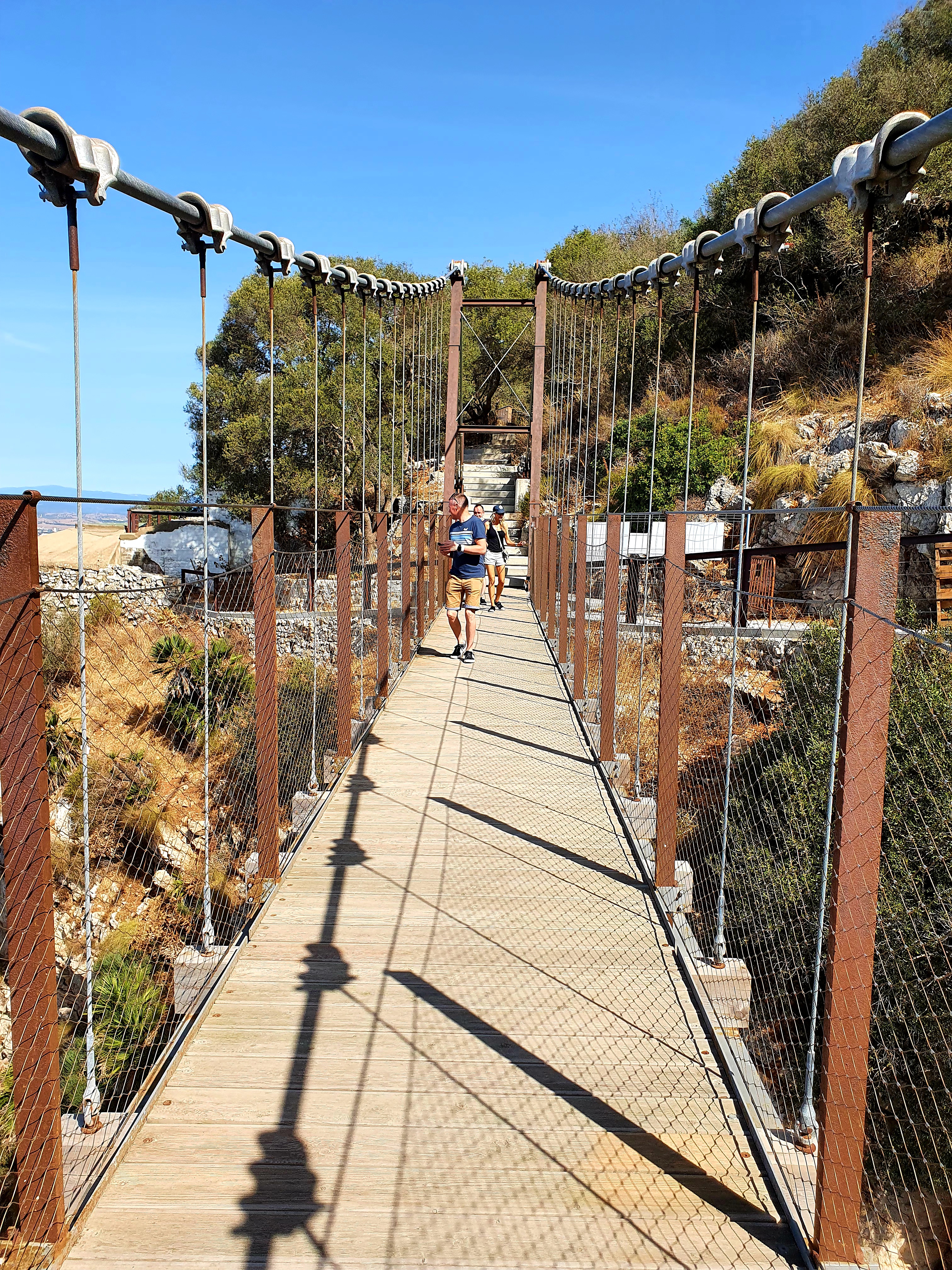


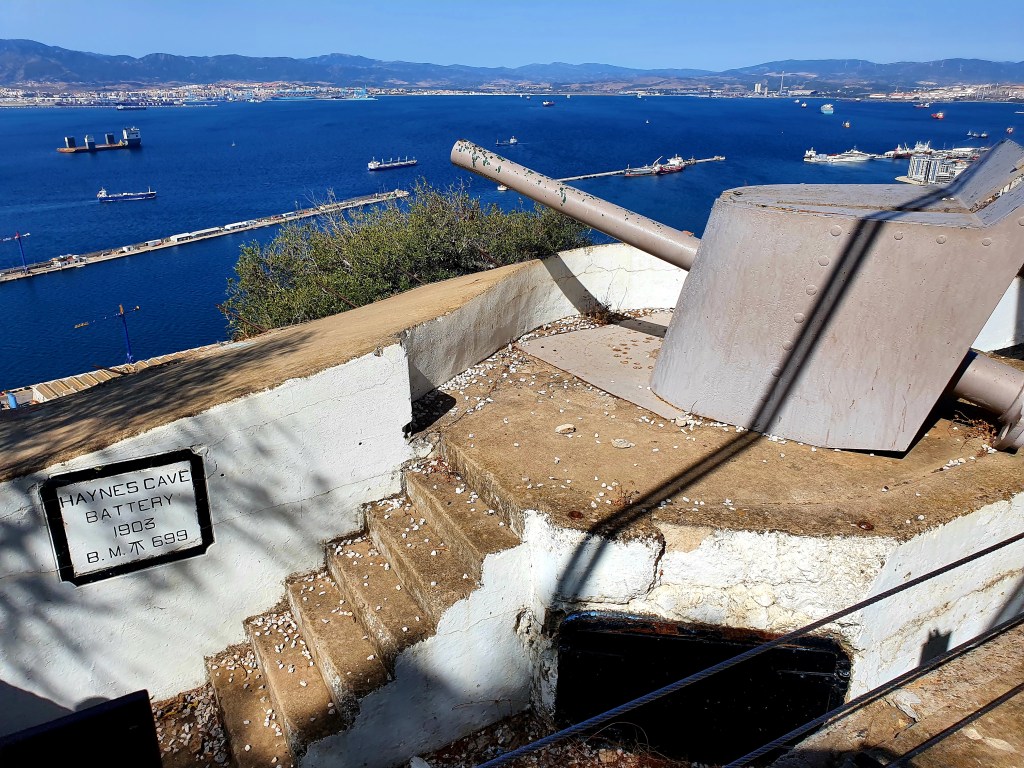
At one end of the suspension bridge is Hayne’s cave battery. This was first occupied during the Great Seige of Gibraltar (1779-1783). The battery dates from 1788 although it has a plaque labelled “1903” It is named after the nearby Hayne’s Cave. This battery was named after Captain Haynes who was the garrison quartermaster in 1787-1788 and who began the construction of Queen’s Road. You can see the remains of one of the two 4-inch QF gun positions which were installed in 1904 and are about 40 metres apart. In 1911 the guns were removed in favour of superior 6 inch guns.
We carried on down the Royal Anglican Way to Apes Den, and then on to Queens gate.
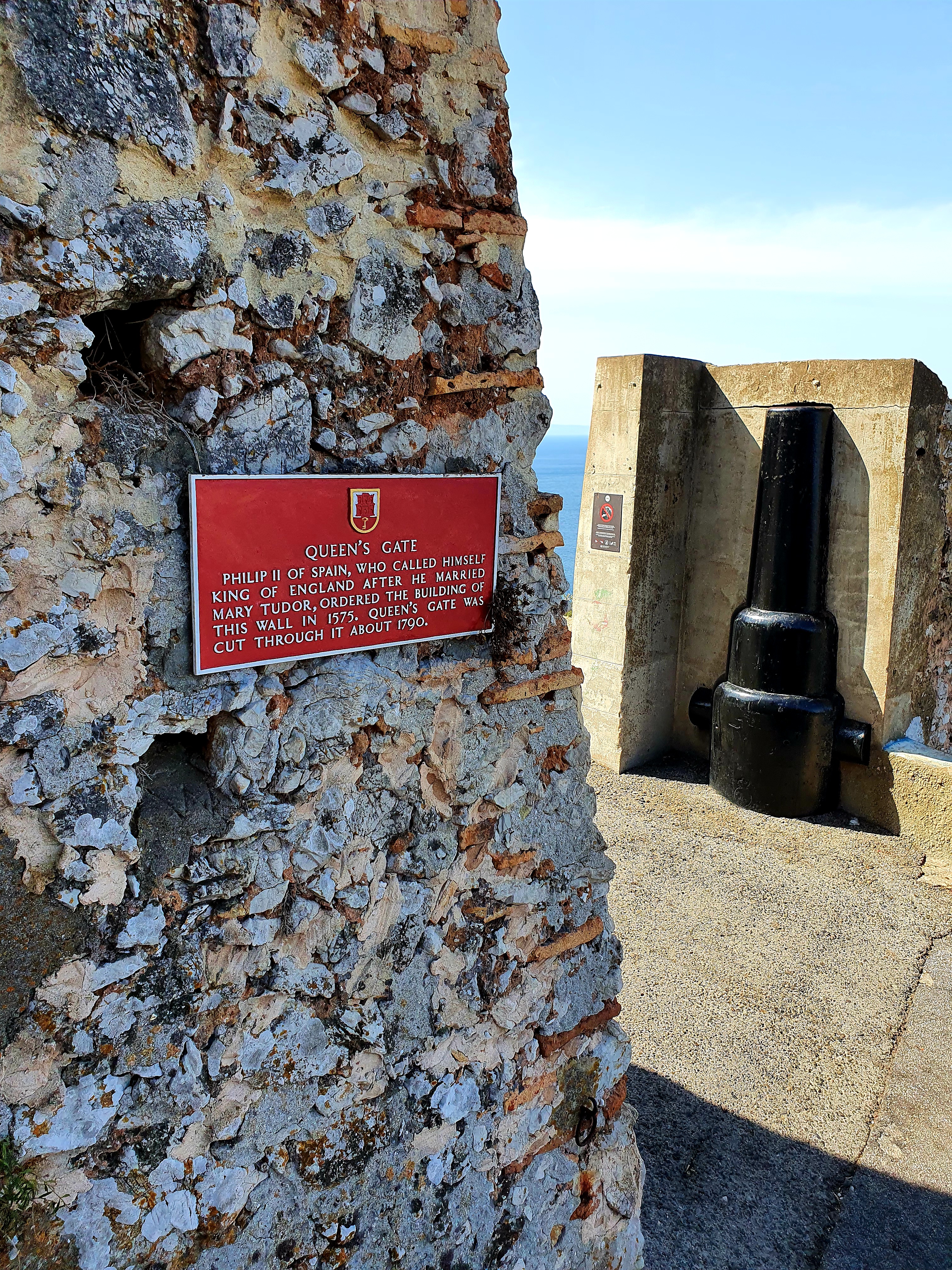
Most of the macaques monkeys sleep within an area of 22 acres around the Queen’s Gate. This is also the point where we started to climb up the huge amount of steps to the top of the rock via Charles V Wall.

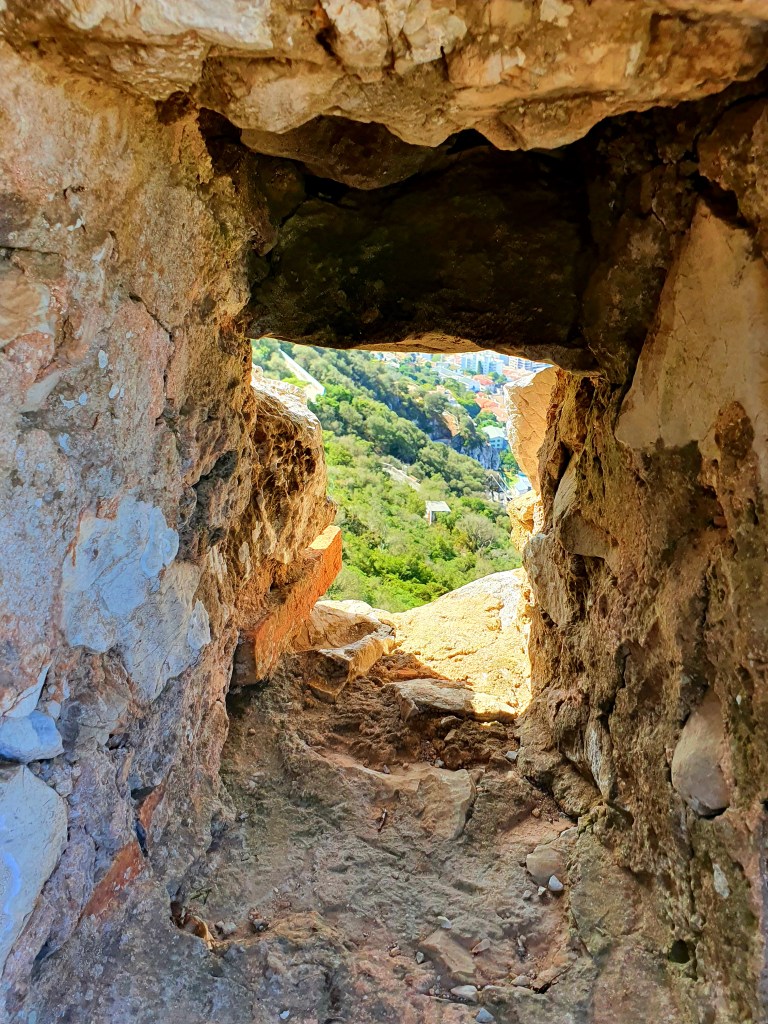
The Charles V Wall is a 16th-century defensive wall that forms part of the fortifications of Gibraltar. It was built in 1540 and strengthened in 1552 by Holy Roman Emperor Charles V. The wall remains largely intact and has around 660 steps.
At one point a monkey was sitting on the steps. The signs warned you not to get to close if they were on the steps as they might feel threatened if they didn’t have enough space. So we waited for the monkey to move before carrying on our climb.

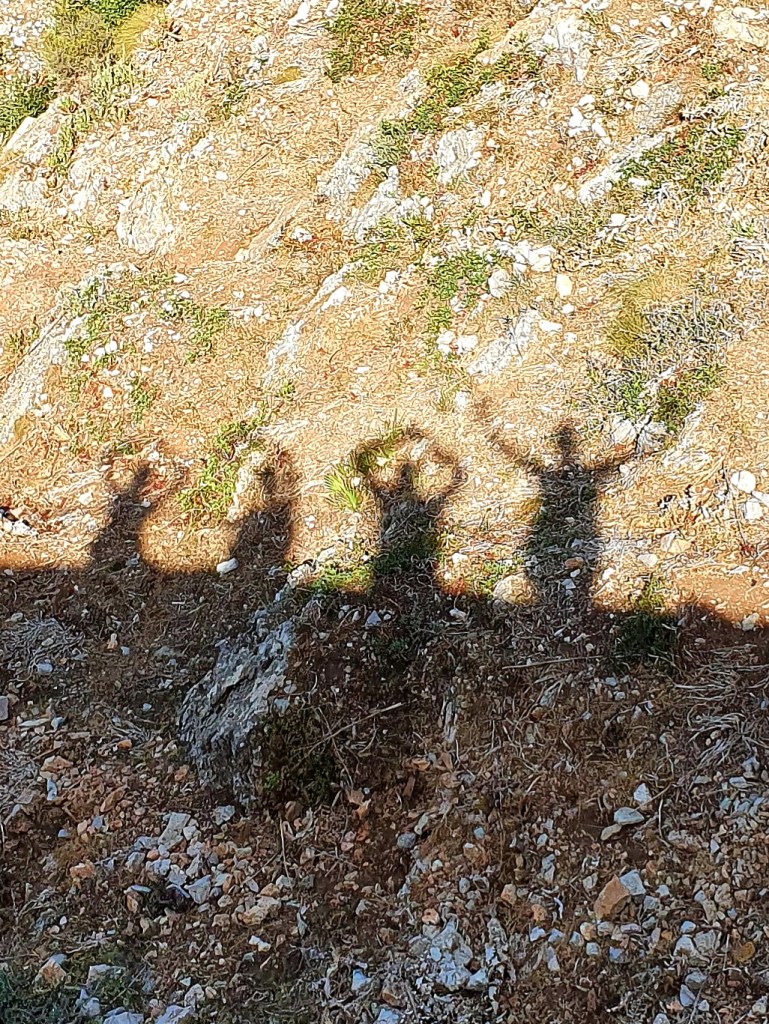
We tried a YMCA photo on the steps but not sure it was that successful.
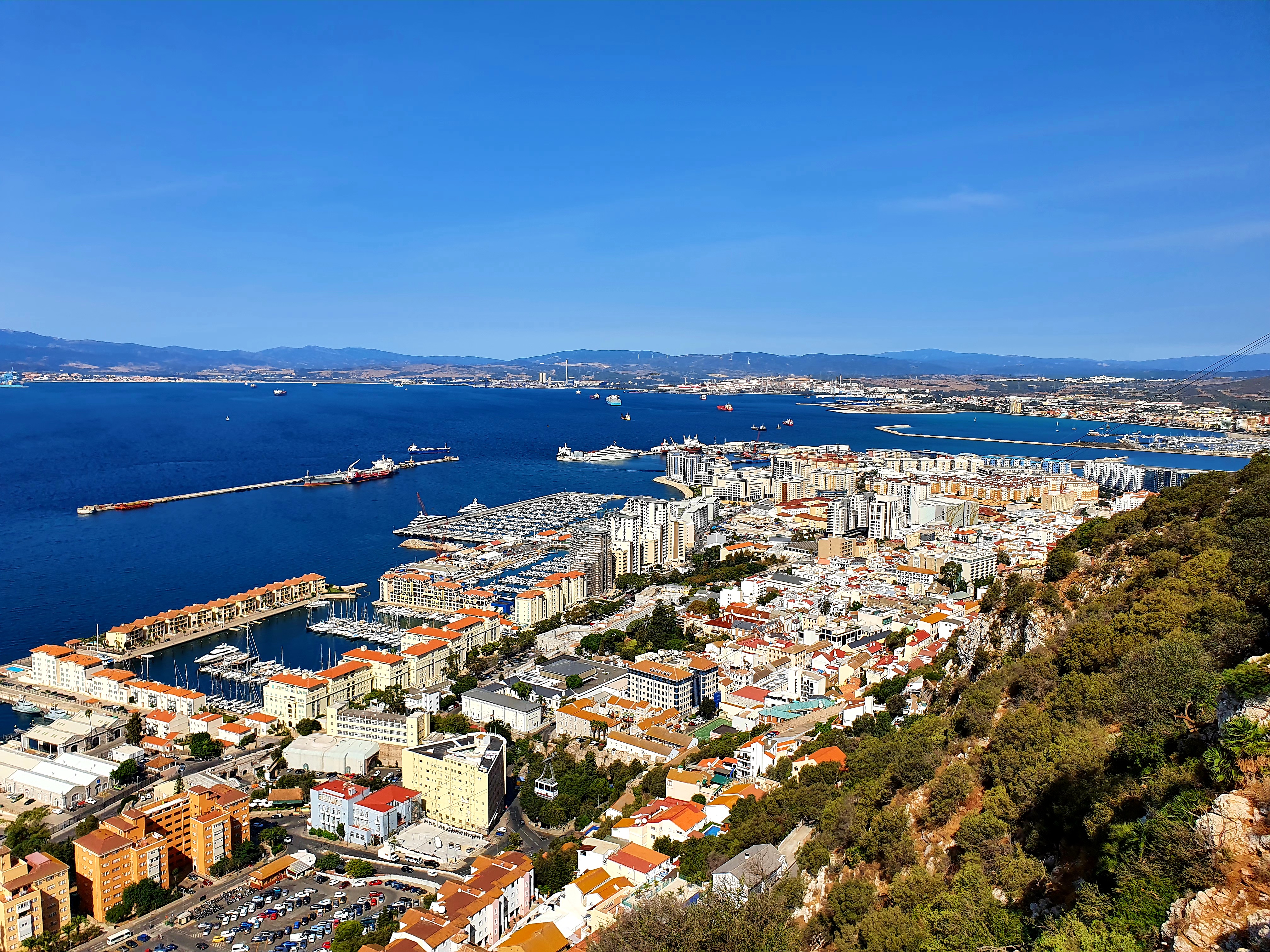
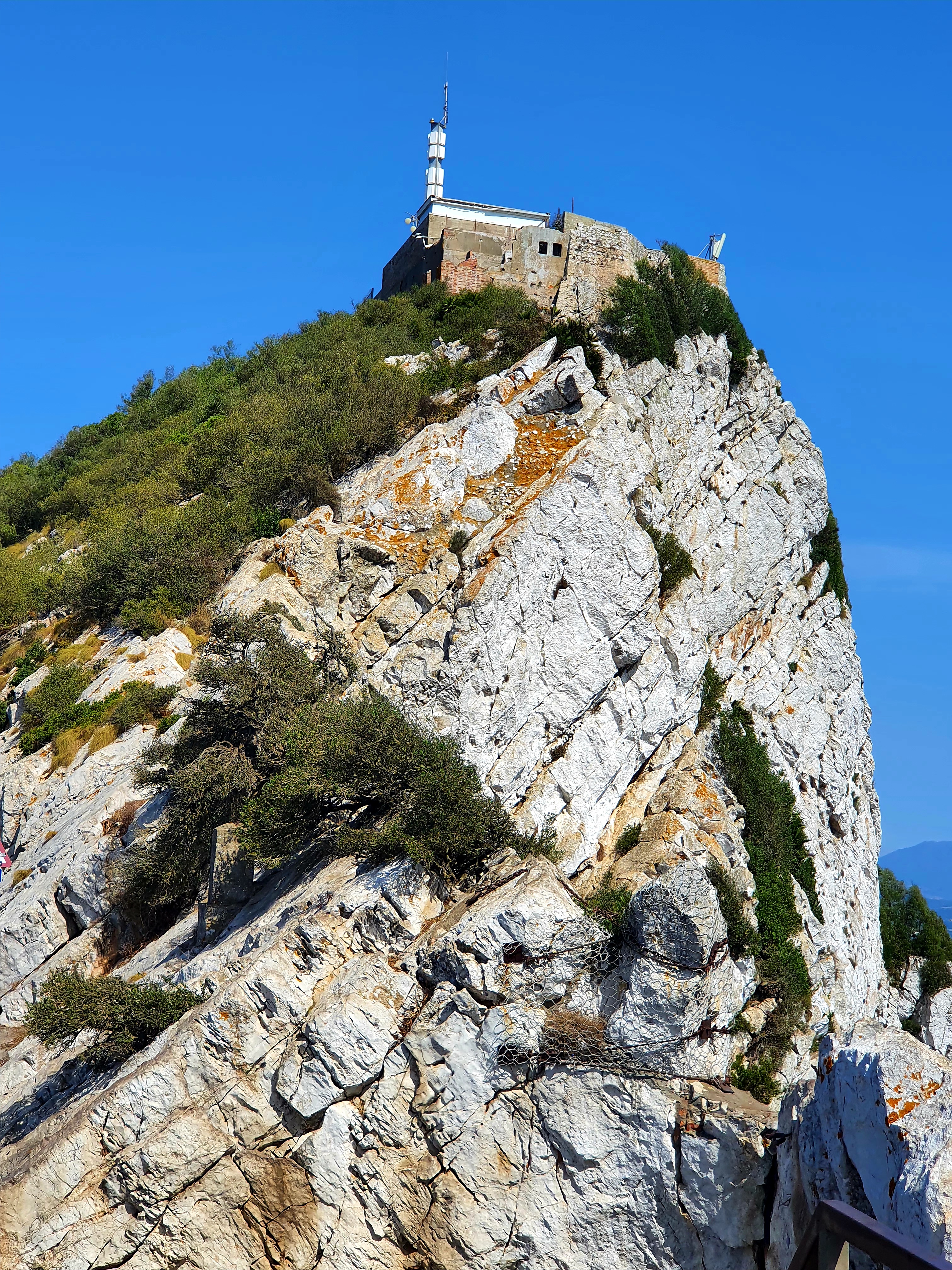
The views from the top were beautiful.
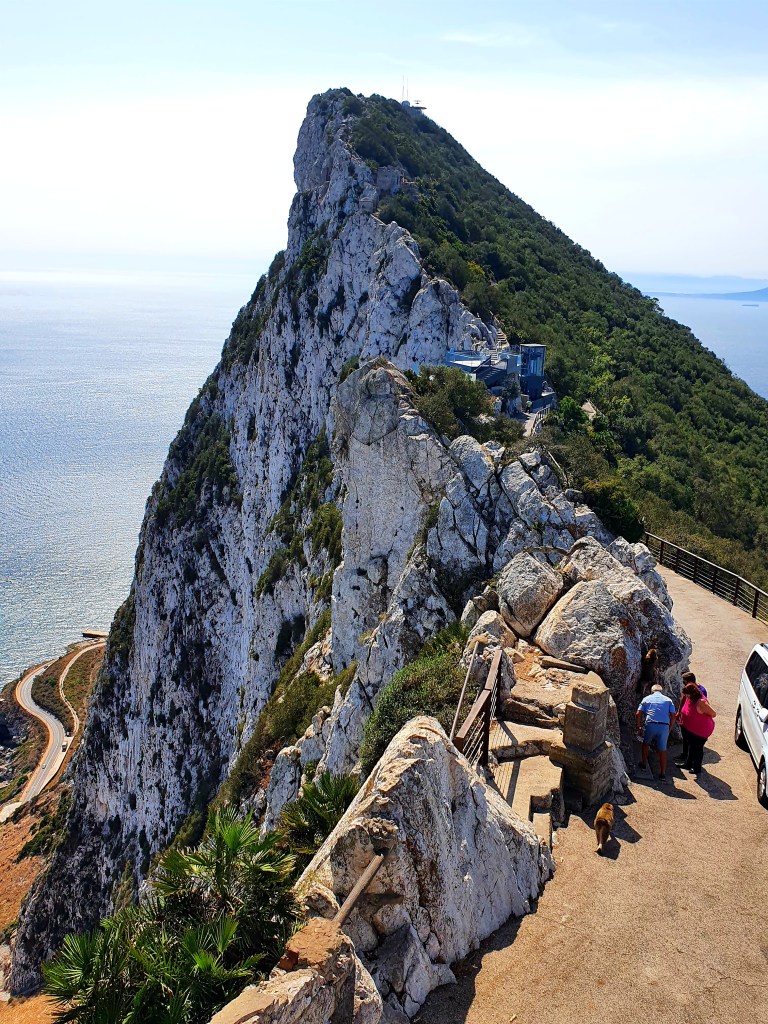
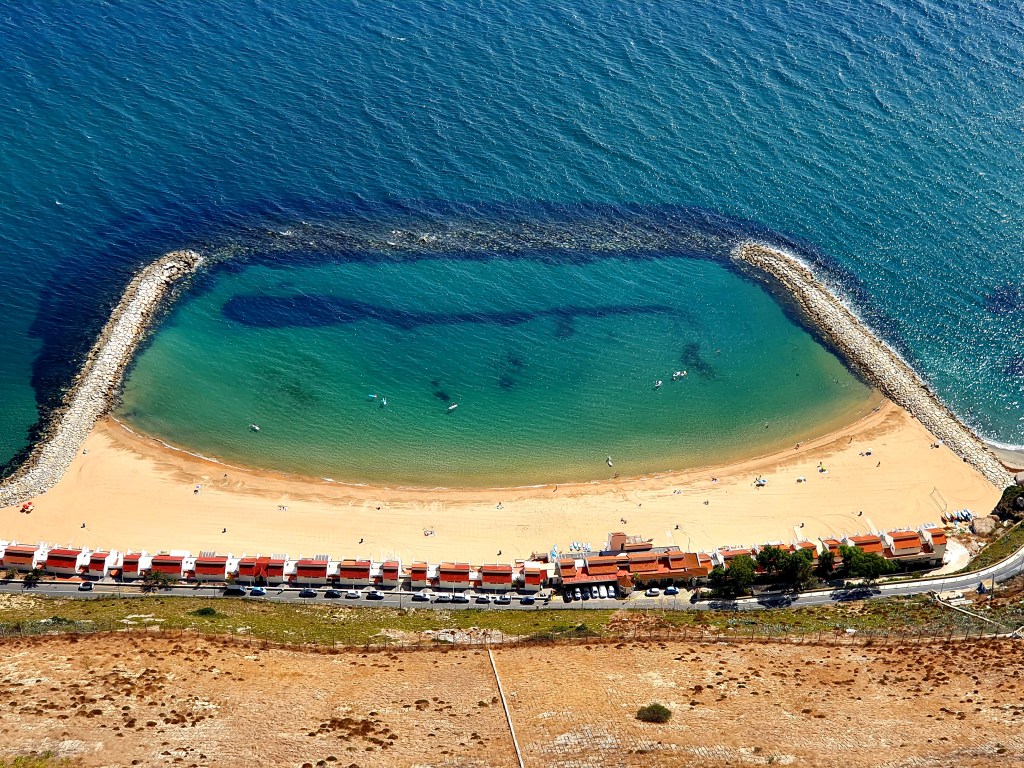
Most of the beaches on Gibraltar are on the eastern side of the rock. This photo is looking down at Sandy Bay.
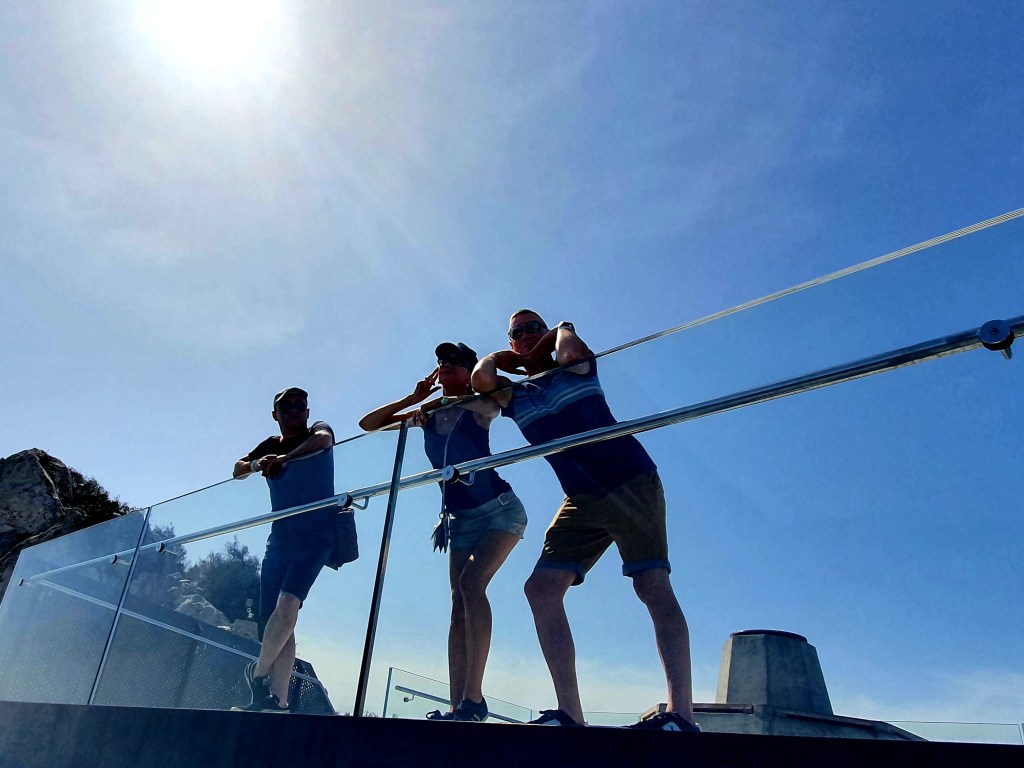
We walked over to the Skywalk which is 340m above sea level. The Skywalk is built on the foundations of an existing WWII base structure, and is designed to withstand wind speeds of over 150km/hour and can carry the weight of 5 Asian elephants, or 340 people, standing on it at the same time. The floor and balustrade panels are made up of 4 layers of laminated glass, with a total thickness of around 4.2cm. Laid out side-by-side, the 42 glass panels would cover more than 750m².
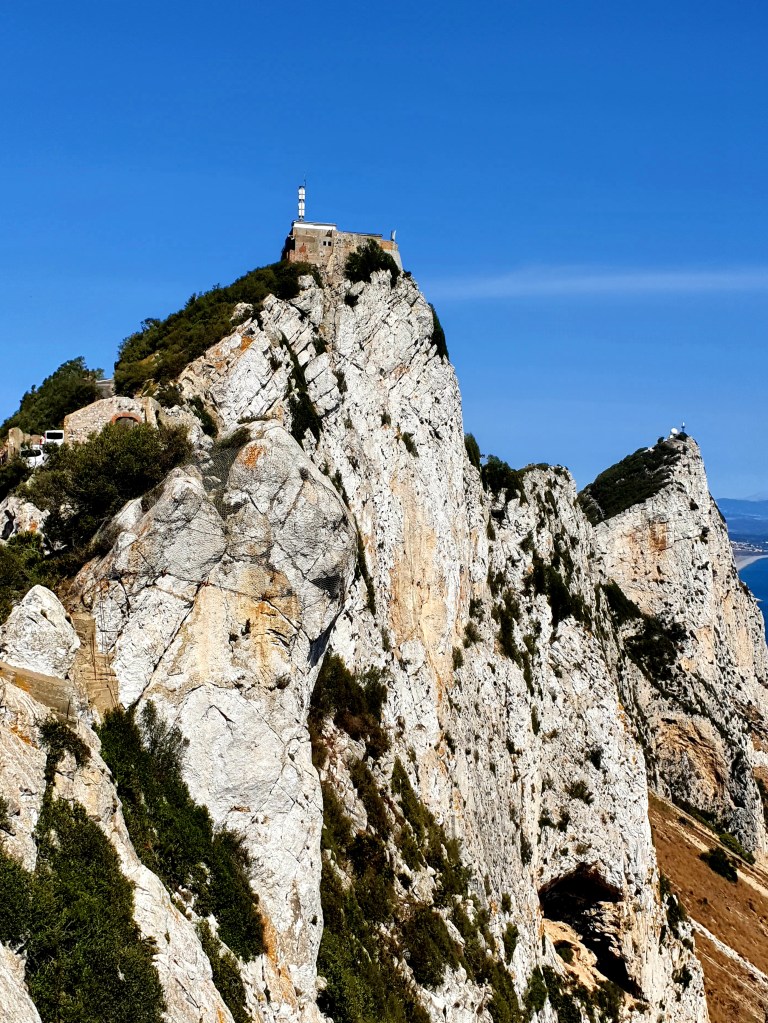
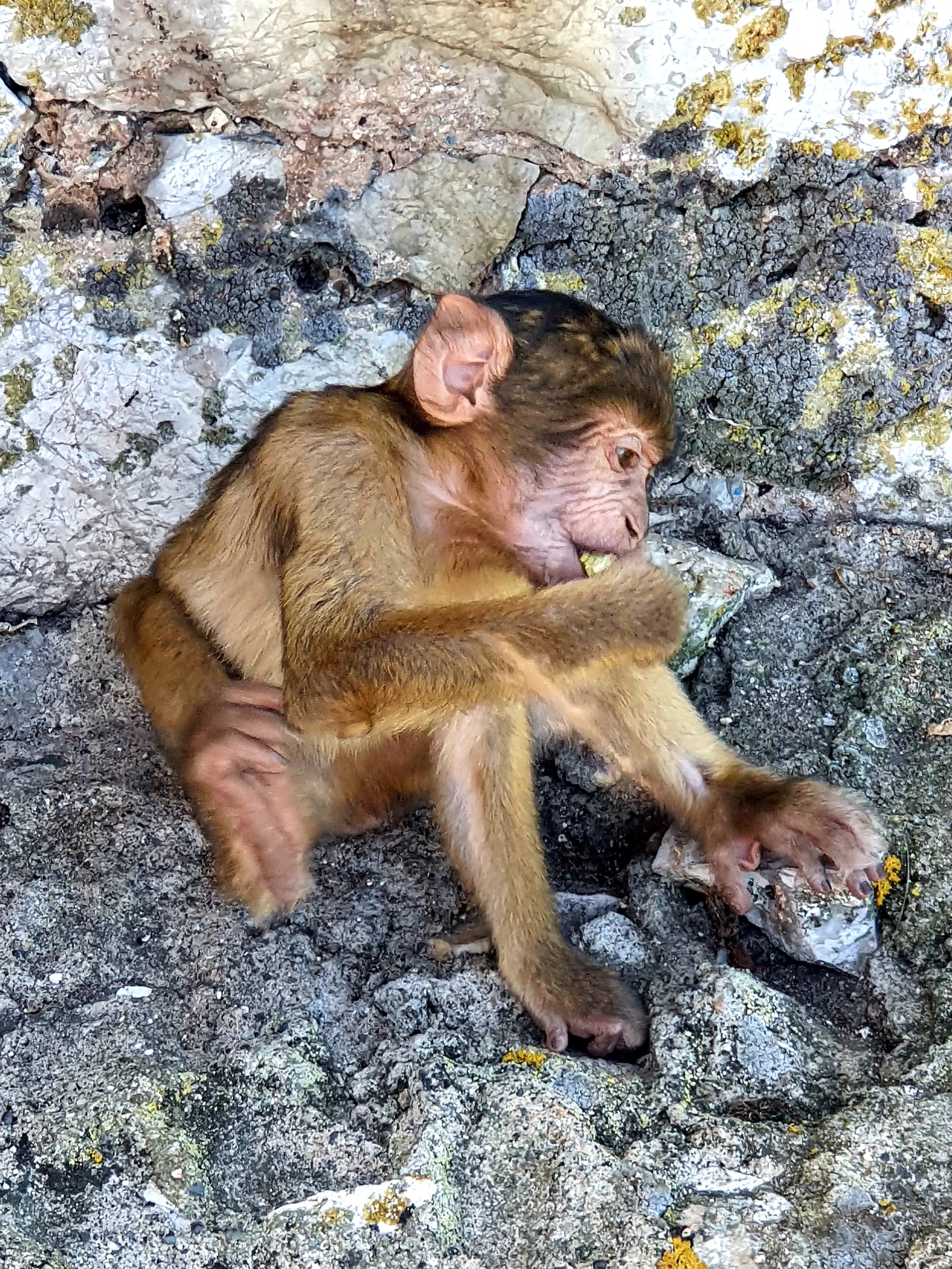
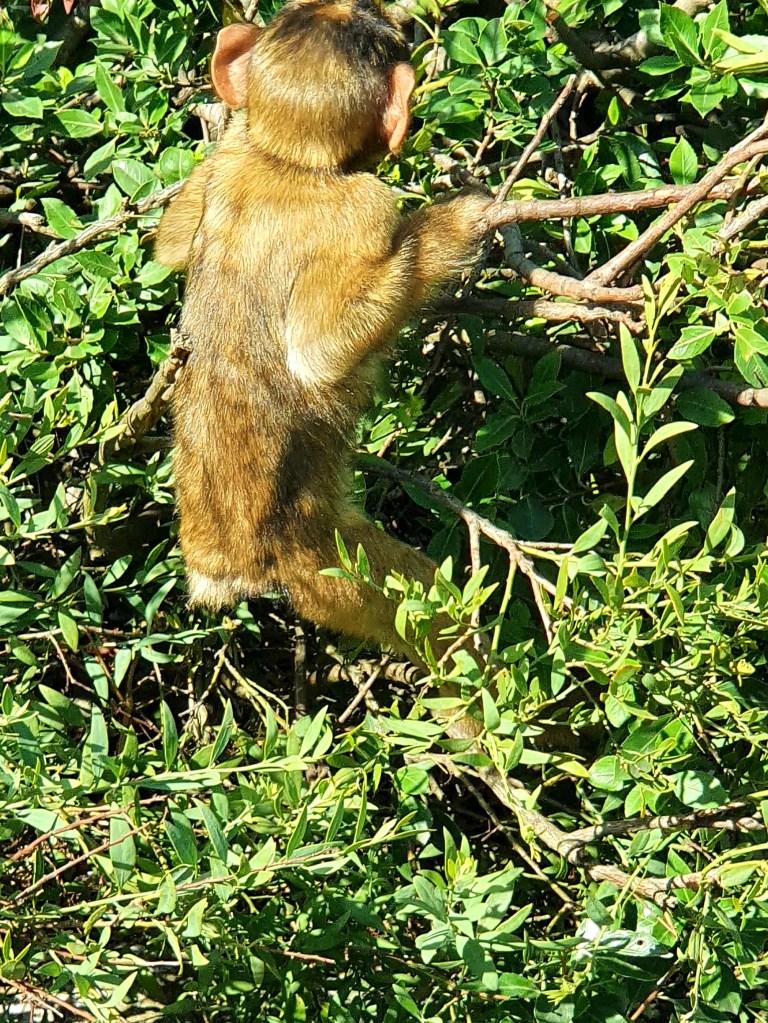
On the walk up to the restaurant at the top cable car station we came across some baby monkeys – they were so cute.
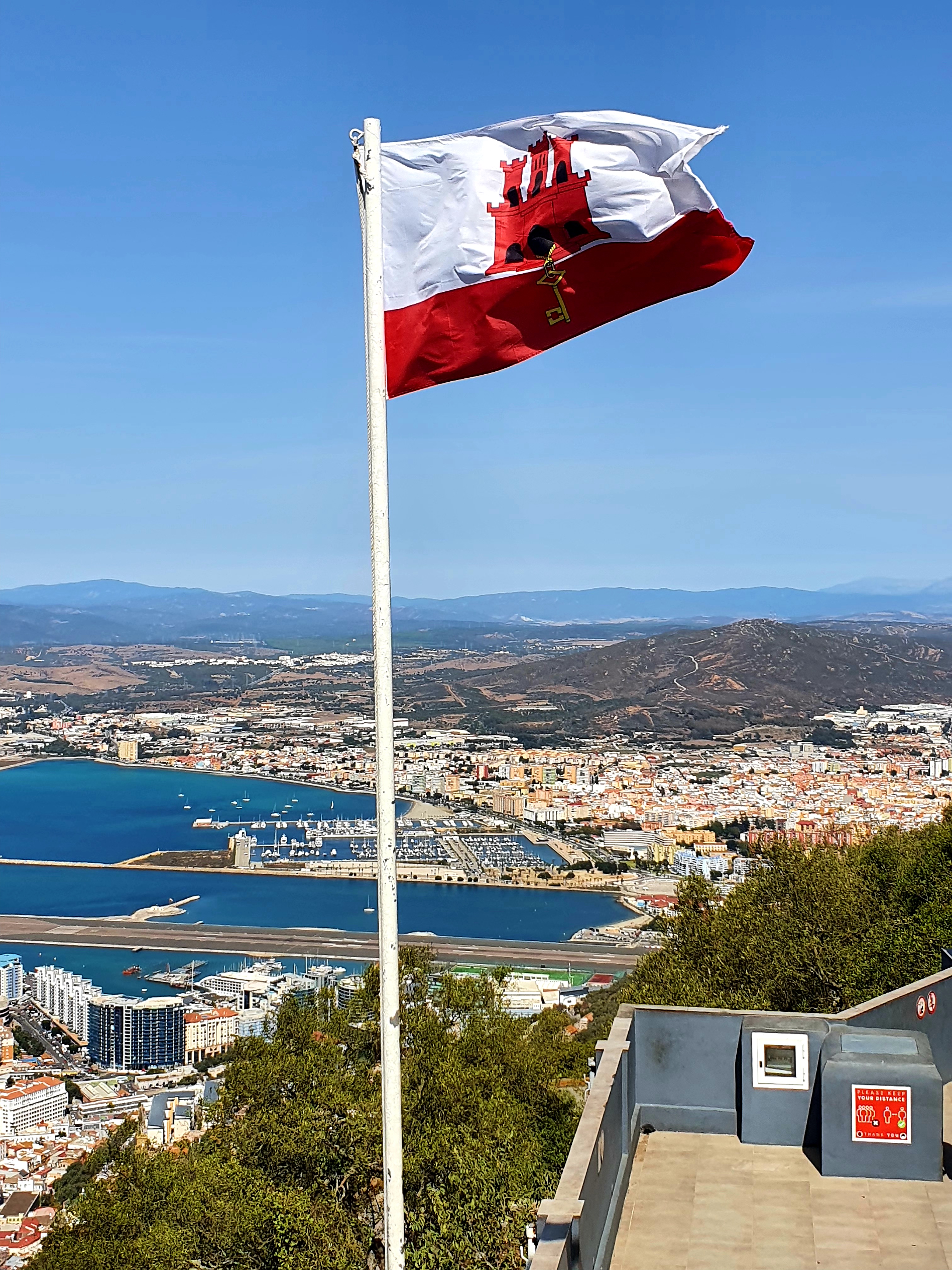
There were some more lovely views from the restaurant.
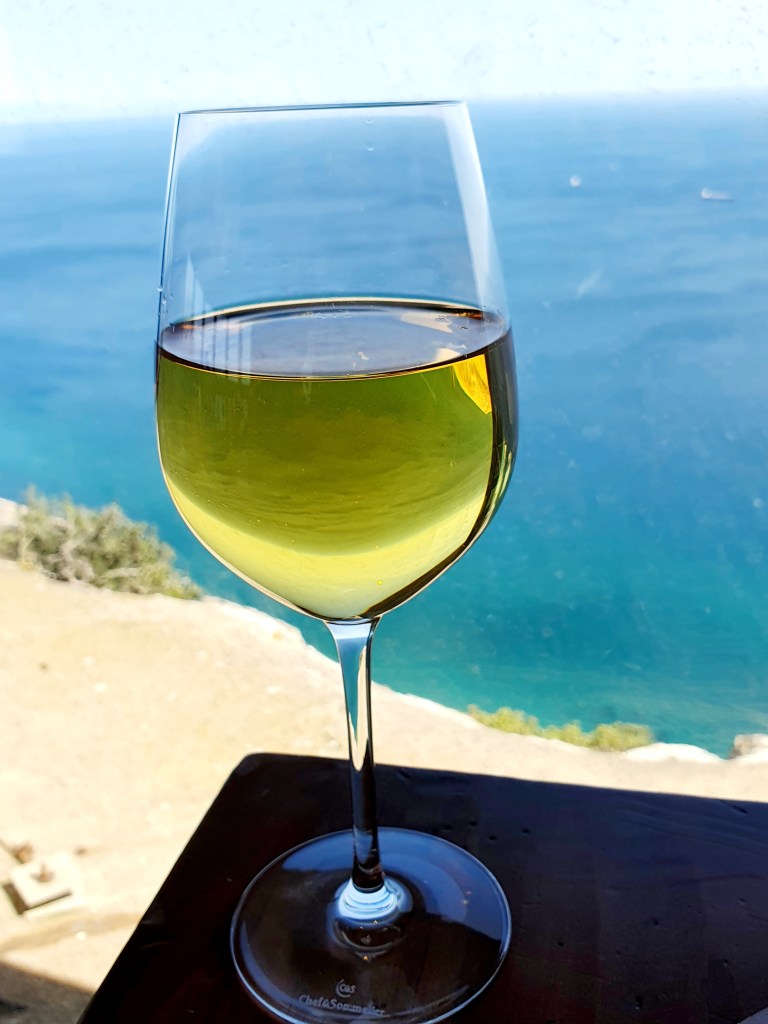
We decided to stop at the top.for a glass of wine and some nibbles.
We decided to get the cable car down, the entry had it’s own little guardsman.
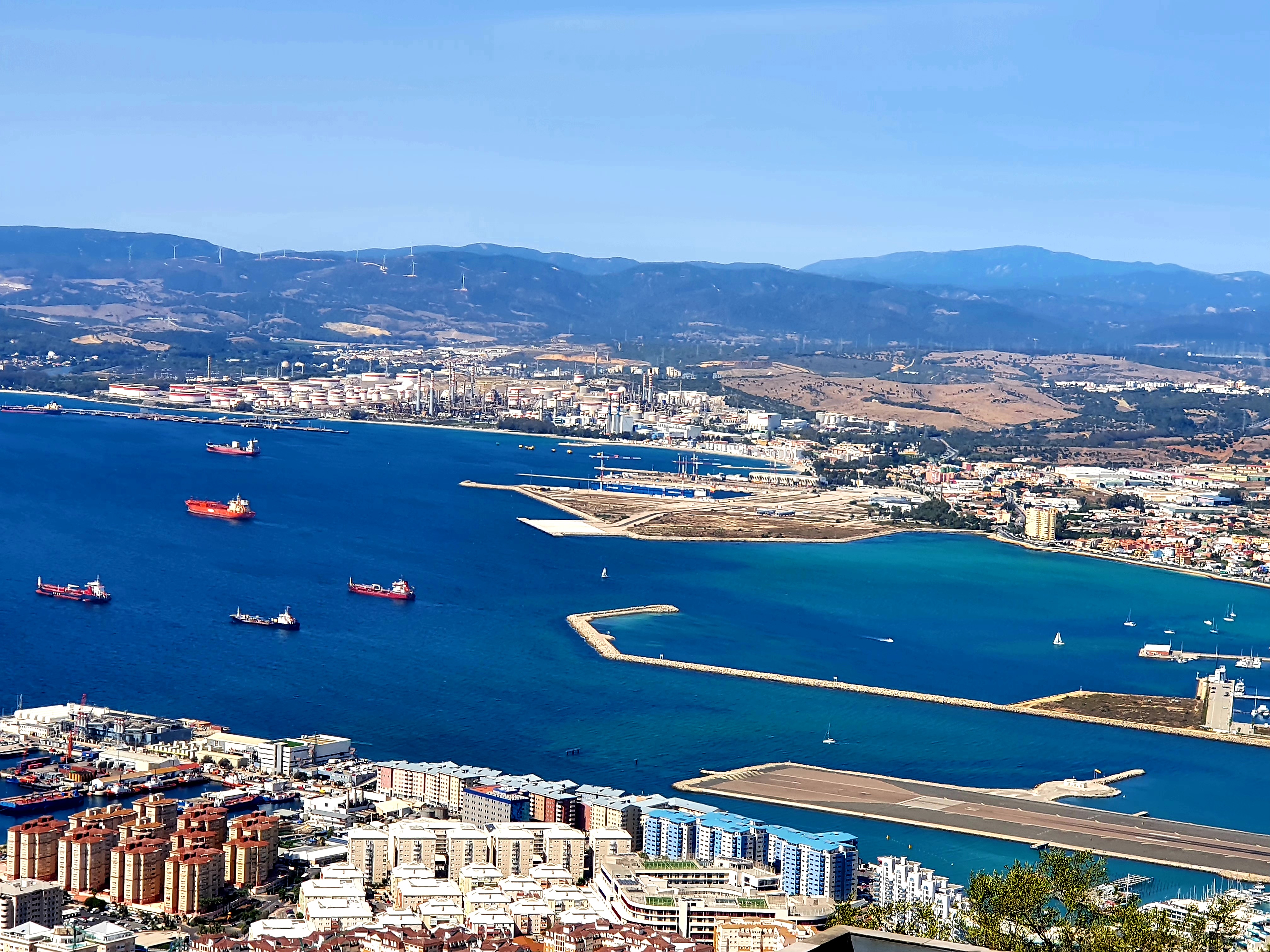
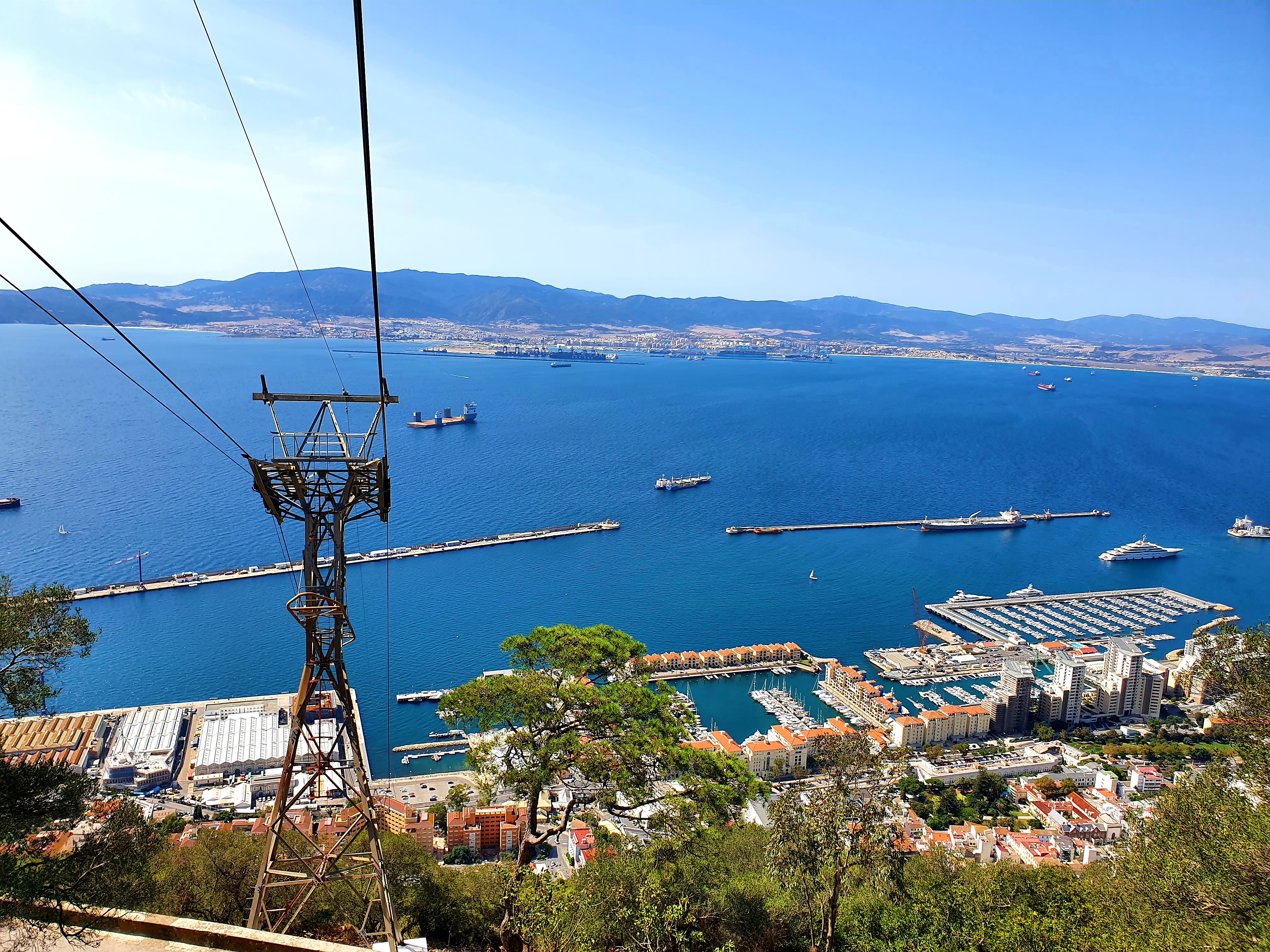
It was only a few minutes before were back at the base of the rock.
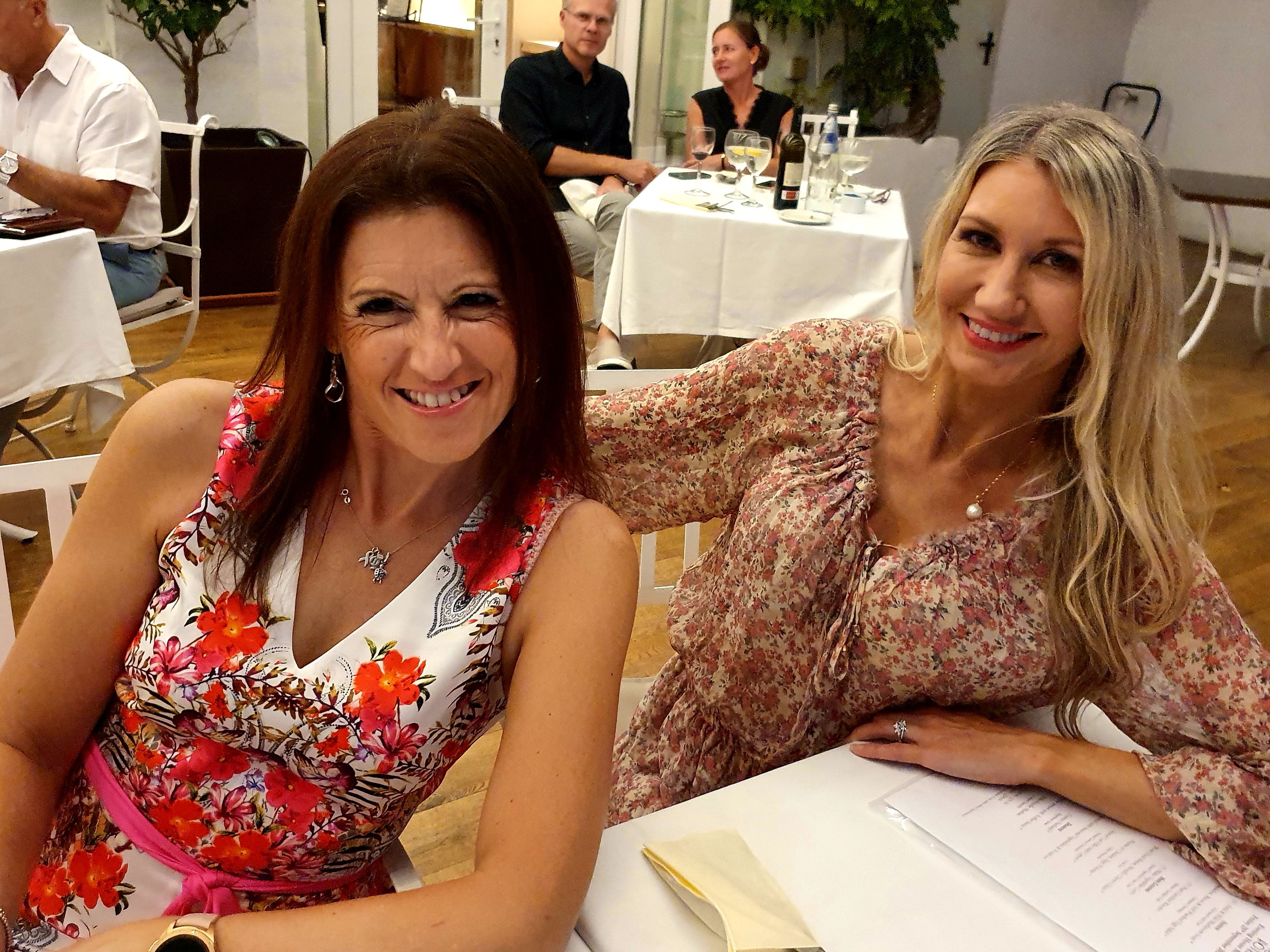
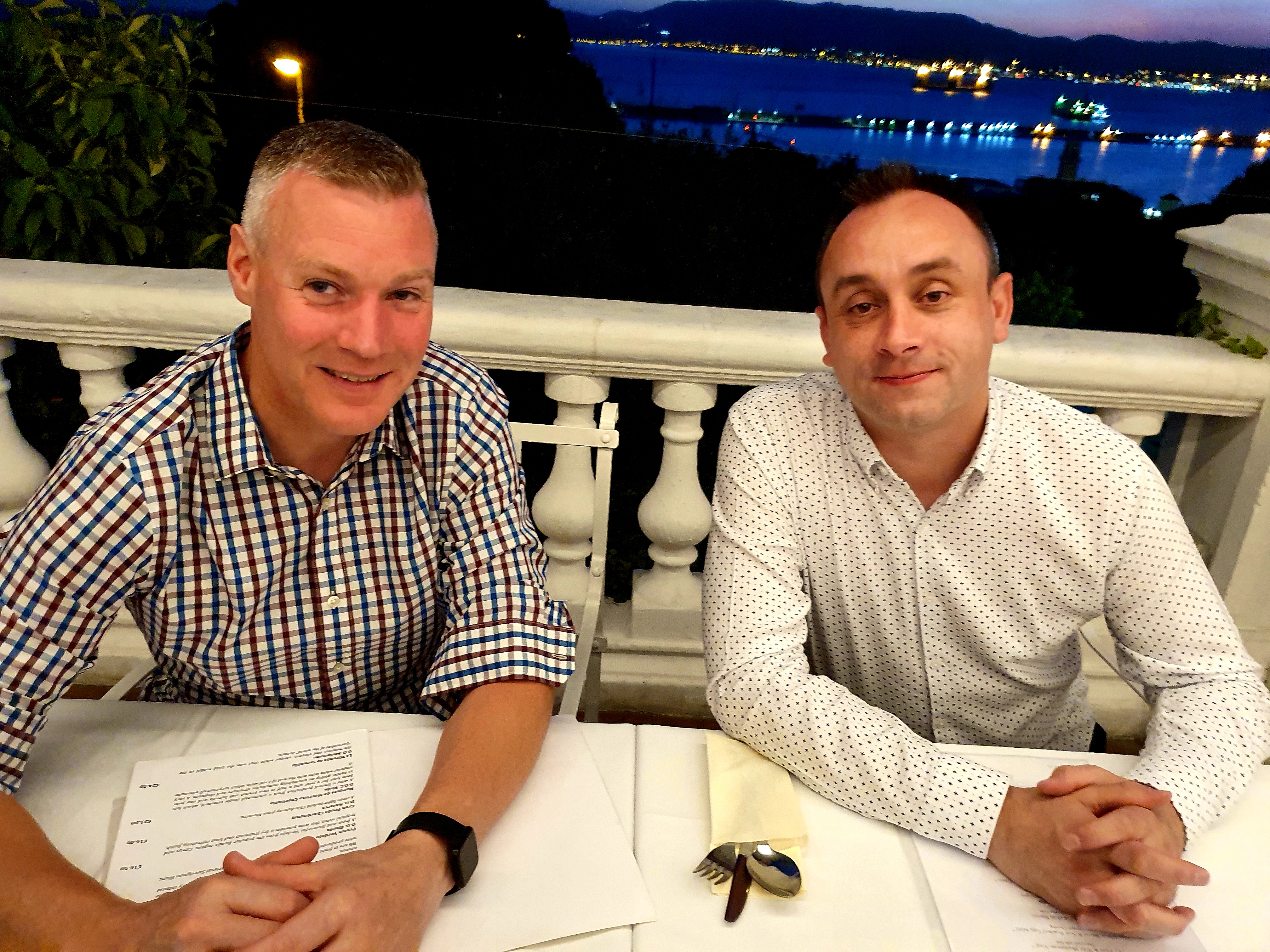
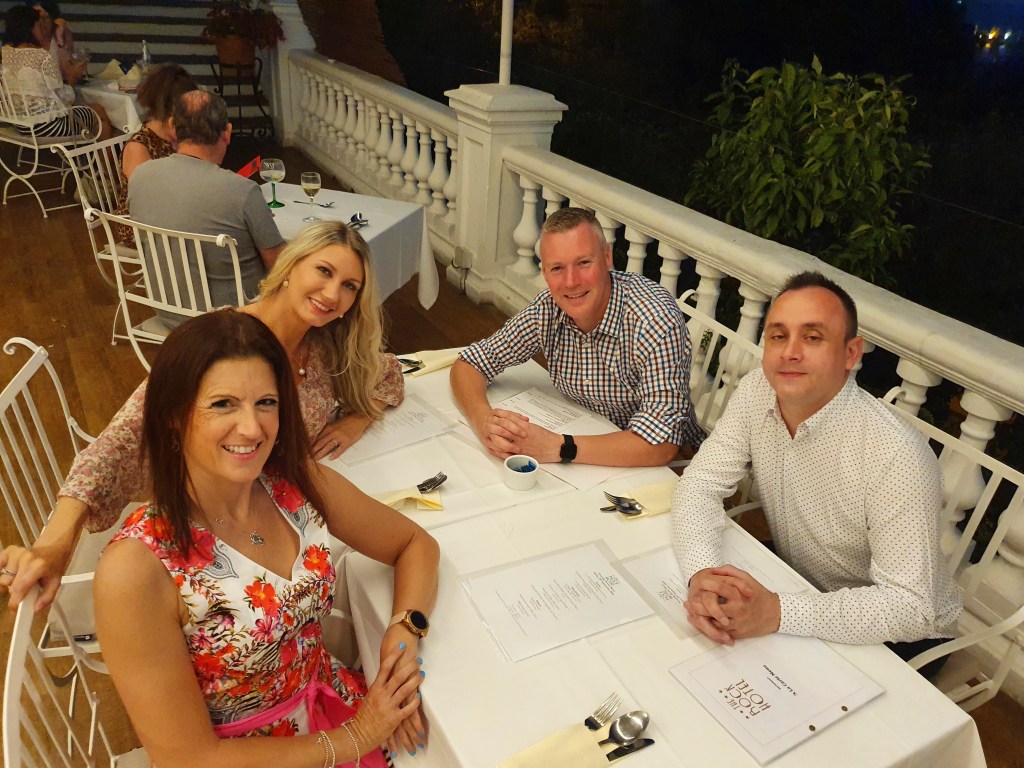
We headed back to the hotel to freshen up before dinner at the Lounge restaurant at our hotel.
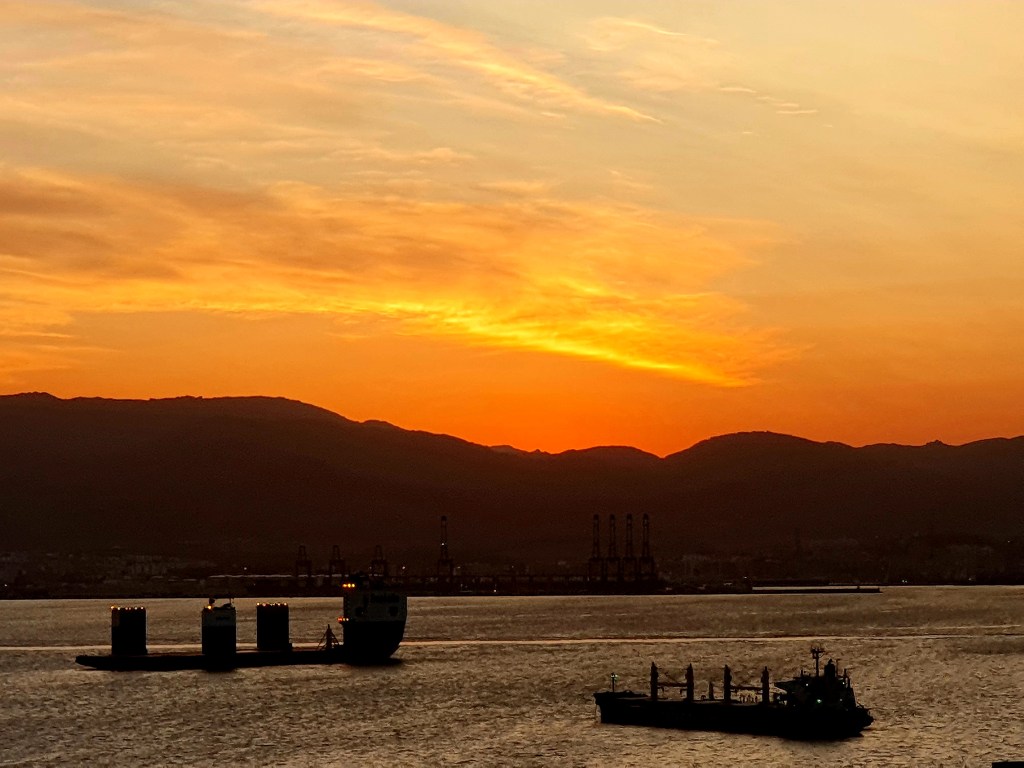
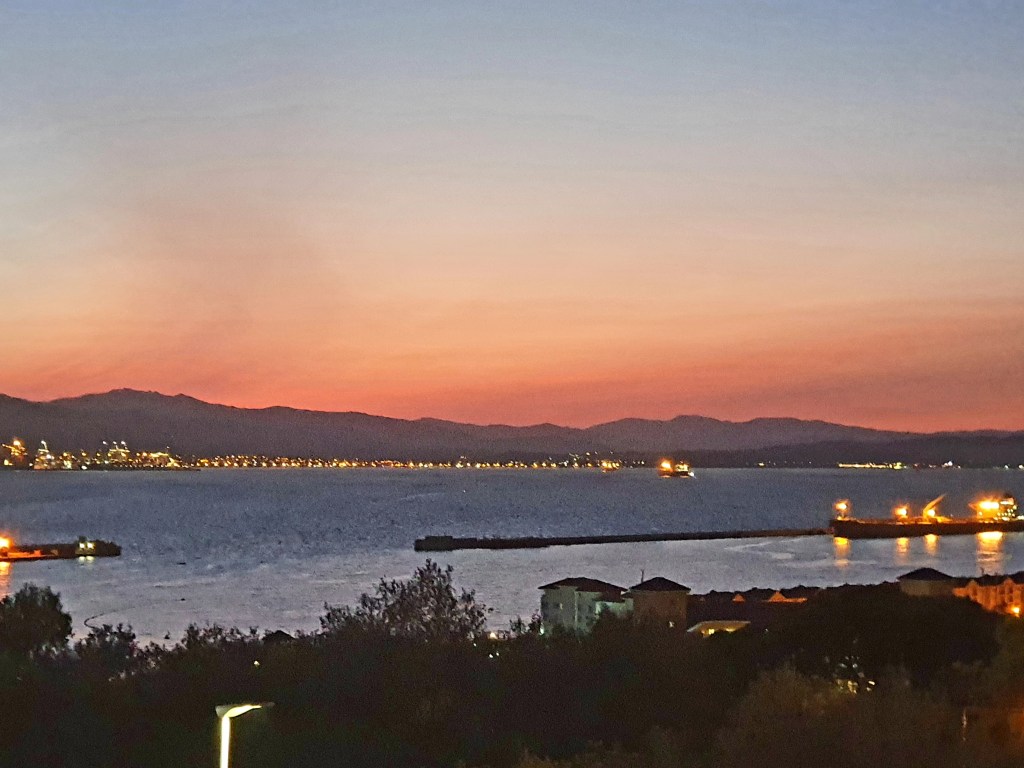
There was a beautiful sunset as we had our pre-dinner drinks.
The dinner was really tasty and the wine went down very well too.
 Fun, Fitness and Fabulousness in your Fifties