After another early breakfast we headed to the Vietnam / Cambodia border by bus. The guides had taken all our passports there earlier that morning and got them all stamped. It still took a while though as we each had to fill in an immigration form and have our fingerprints and iris’ scanned.
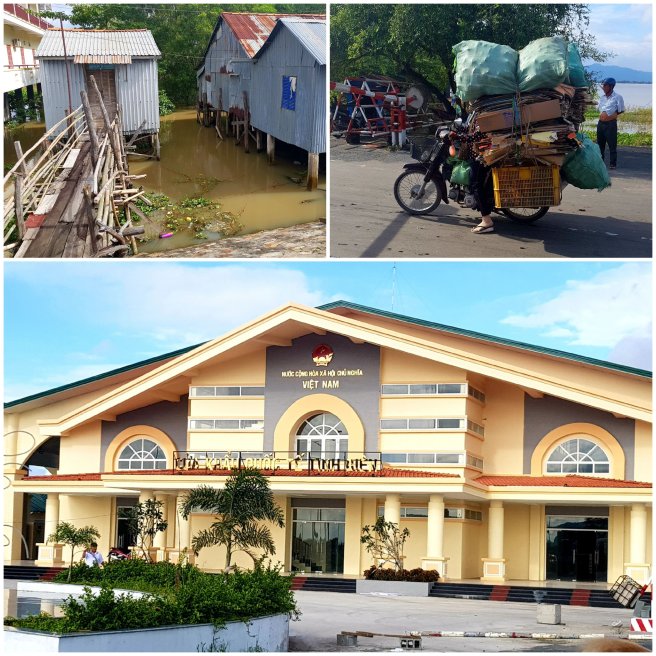
Straight after the border we picked up our new bikes and spent a bit of time sorting them out.
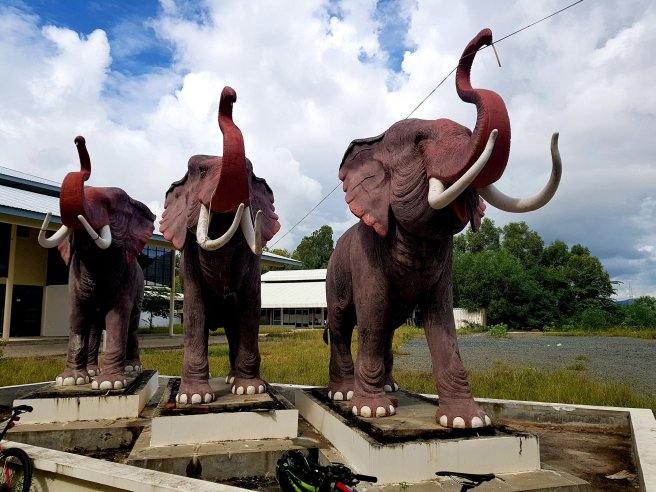
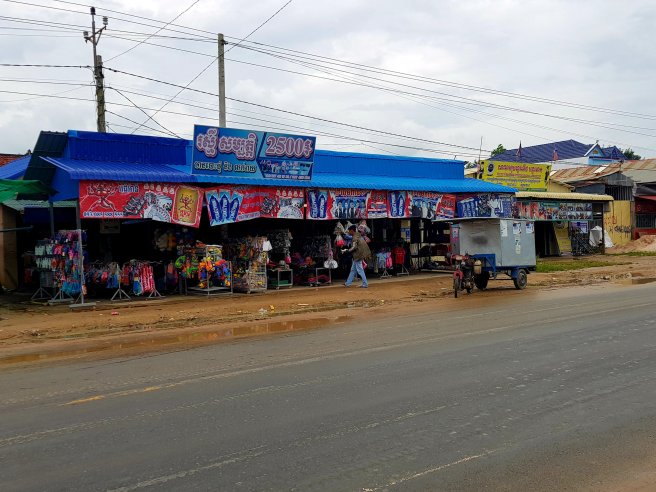
The ride to lunch was 50km and it was all along a proper road which actually made it a little bit boring. I think we were all really tired too so not feeling that energetic.
As we passed through the small towns by the side of the road the kids still came running out to shout hello and wave. Some of the waving progressed to high fives- and a couple of the kids were slapping your hands really hard. I think I’m going to stick to waving from now on as my hand was stinging!
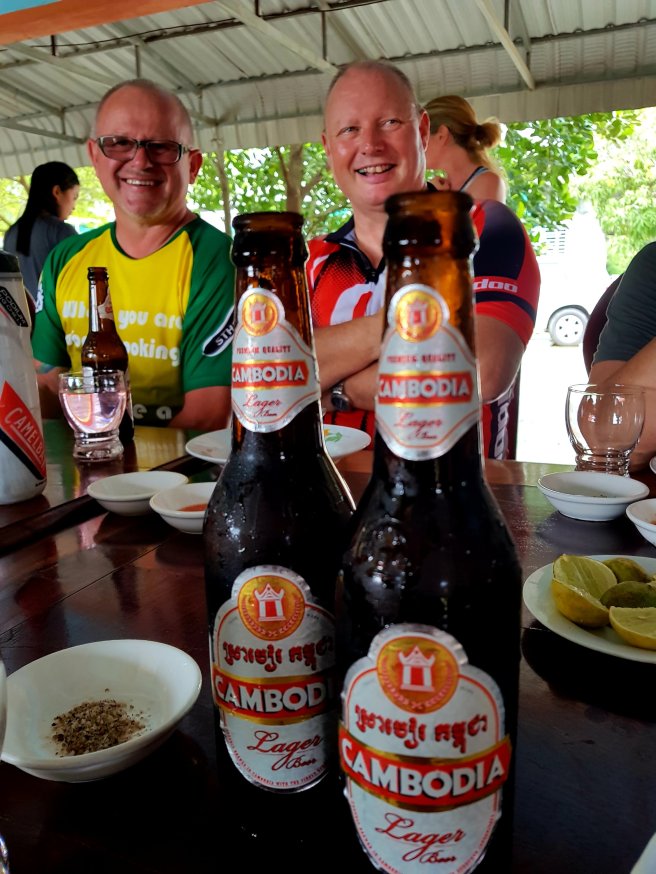
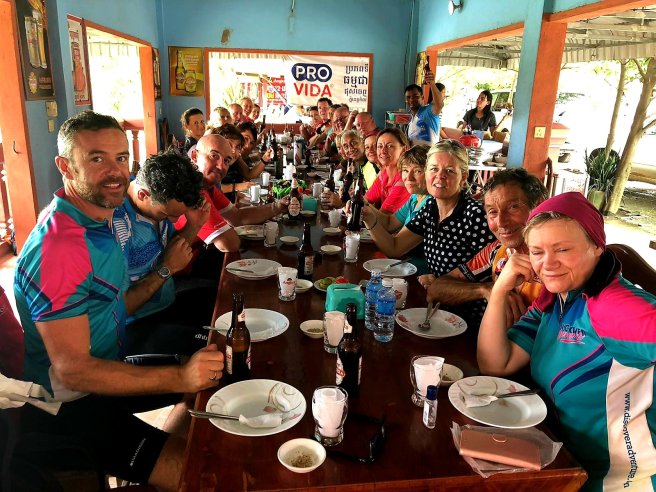
Lunch was delicious with more of a Thai influence, and we also had a beer.
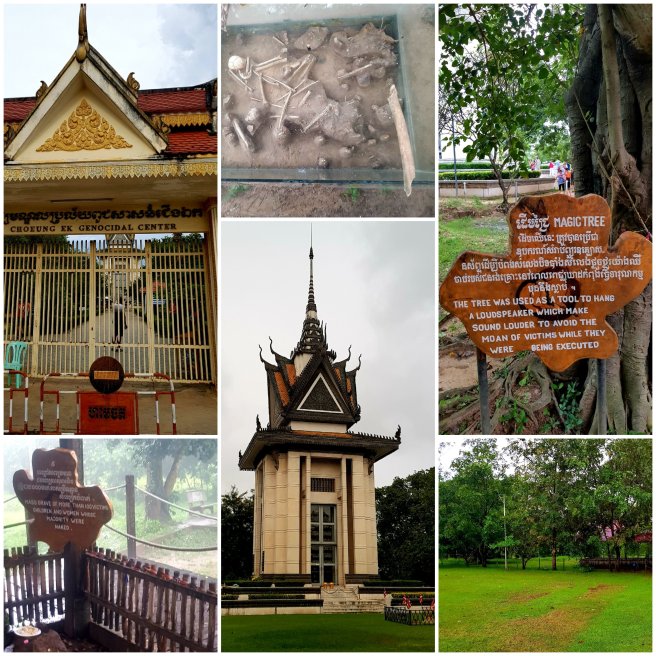
After lunch there was no more cycling and we got the bus to the killing fields. There we met our guide, Dharim, who told us a harrowing story about his family which I’ll get to a bit later.
The killing fields we visited were just one of many across Cambodia, I think they said there were 194,000 of them around the country and over the Khmer Rouge time around 3 million Cambodian people were killed in them – and that was from 1975 to 1979.
Dharim told us a bit of the history. The Cambodian king at the time tried to keep the country neutral and he visited both America and China. He was treated better in China so started to align with them and with communism. There ended up being a north/south split in the country with the USA governing the south and the king still governing the north although he was living in Russia at the time. The king called out to the people of Cambodia, asking them to leave their homes and go into the jungle. Here they became Khmer Rouge soldiers. As many of the people still loved their king they fled to the jungle, despite the Americans telling them it was not a good idea. The problem was though that the king by now was a prisoner of the communists and they put their leader, Pol Pot in charge. Over a period of time, after the Vietnam war, Pol Pot decided to start a revolution based on what had happened in China previously. The chinese tried to dissuafe hom from.dpung this but he didn’t listen. He took over Phnom Penh and basically killed all the intellectuals as he wanted everyone to work the land and be farmers and not question the regime. Families were separated, intellectuals were sent to prison, tortured and then killed.
At the killing fields they killed people in various ways, using bayonets, bashing the backs of their heads with an axe or pulling their heads back and slitting their throats. They used to play music so the people working and living nearby didn’t hear the screams of the people being killed. The bodies were then thrown into mass graves, around 300 – 600 per grave. As in the Vietnamese killing fields some of the bones and skulls have been put in the memorial.
Dharim lived through this and 5 of his close family were killed by the Khmer Rouge. He has met the man who killed his mother. He told us she was raped repeatedly, her flesh cut with a knife before she was given an injection to kill her. She was buried in one of the mass graves. 3 of his siblings were also killed as was his father- only he and his sister survived.
He was forced to work on the land where people were not given breakfast and lunch and dinner was basically rice porridge, made with water, and with very little rice actually in it. You were forced to work from sunrise to sunset and if you became ill there was no medical help so you were left to die. So starvation and sickness killed many people too.
Dharim told us that when he was still a child, around 9 years old, he was riding a cart with oxen to take the corn back from the field and in the field he saw Khmer Rouge soldiers raping some girls, then cutting them open and taking the livers from the bodies. They would later cook and eat the livers. This apparently made their eyes red so these were the soldiers to avoid.
If one member of the family was caught, they were tortured to get the details of the rest of the family members, who were then also captured and killed.
It was really hard to listen to all of this, especially from someone who had experienced it first hand.
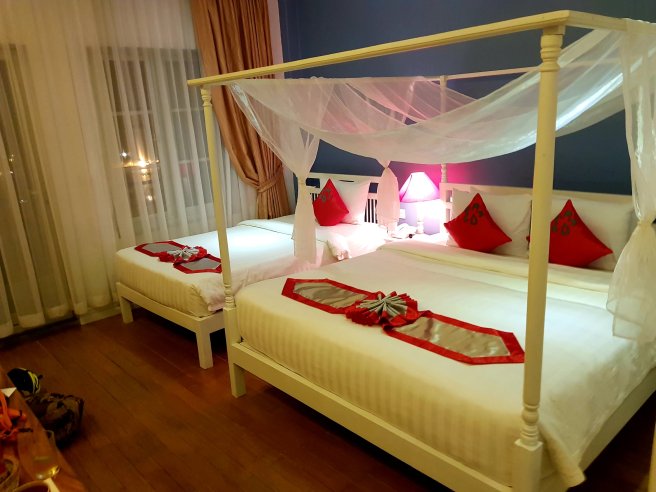
After this we went to the hotel via bus and this hotel was really lovely.
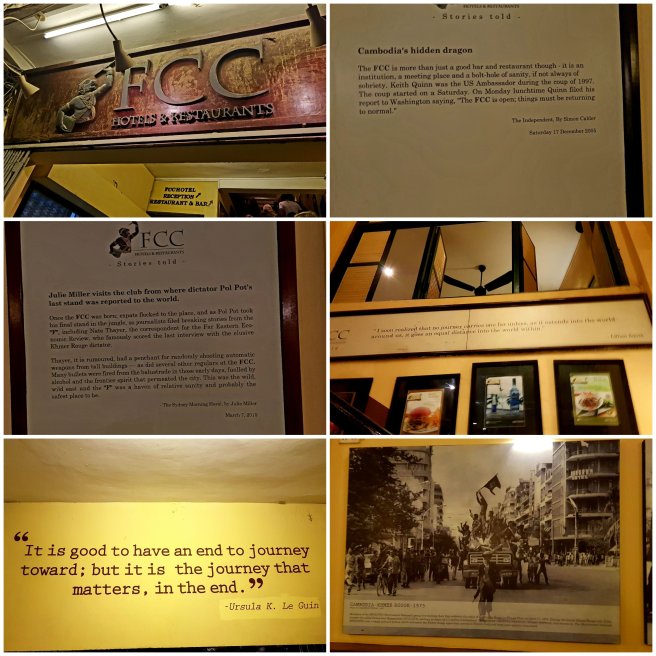
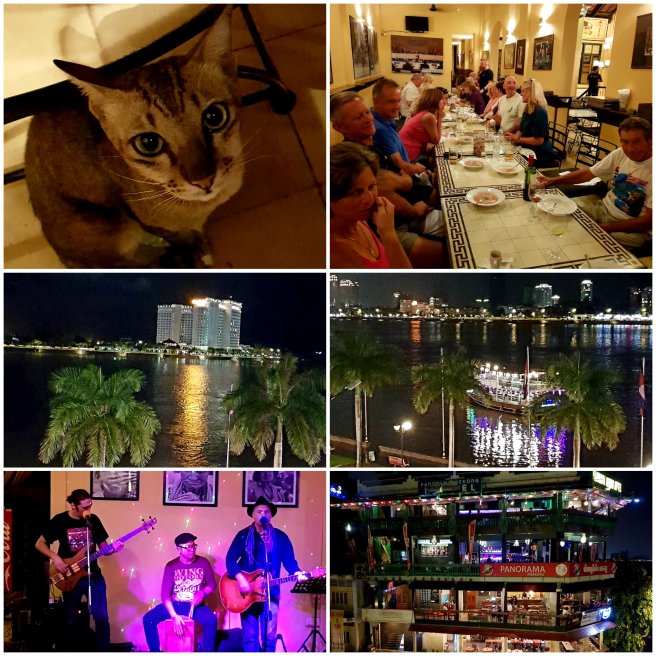
In the evening we went to the Foreign Correspondence Club (FCC) and this has a lot of photos on the wall taken from the killing fields and the prisons once they had been uncovered by the journalist.
The food was probably the best to date. A little cat came and joined us and I couldn’t resist feeding him some bits and pieces. After dinner we went up to the rooftop bar where there was a band playing. The views were lovely too.
It was then back to the hotel for a good night’s sleep.
 Fun, Fitness and Fabulousness in your Fifties